Chinese FK-2000 Missile Debris Found at Babanusa Crash Site Points to Foreign Role in Sudan Conflict
World
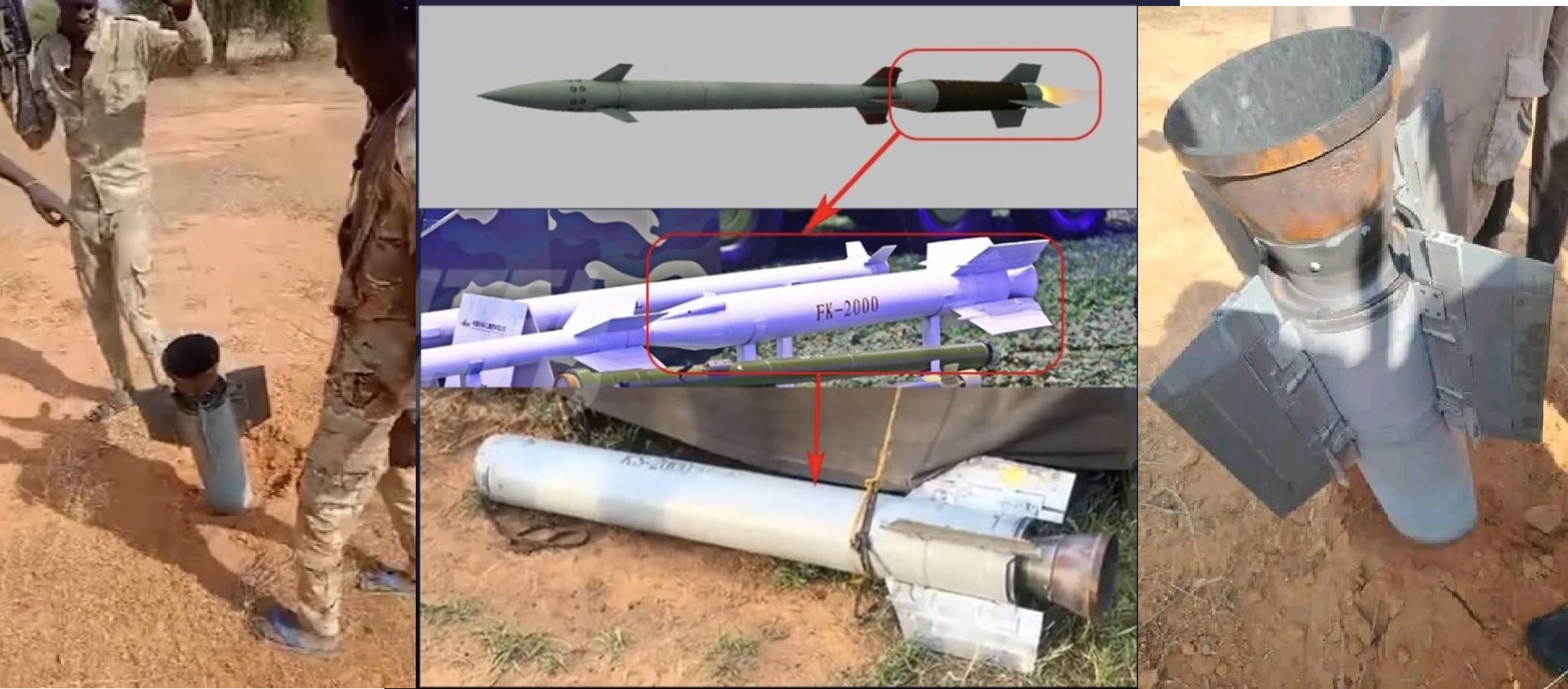
Debris from a Chinese-made FK-2000 air-defense missile has been found near the wreckage of a downed military transport aircraft in Babanusa, West Kordofan, according to multiple defense analysts and open-source imagery. The discovery provides the clearest evidence yet that advanced Chinese weapons, allegedly supplied through foreign intermediaries, are now being used inside Sudan’s war. FK-2000 Fragments Confirmed at the Site Images from the crash site show twisted metal fragments, missile guidance circuitry, and rocket casing remnants identified by analysts as belonging to the FK-2000 short-range air-defense system, a weapon developed by the China Aerospace Science and Industry Corporation (CASIC). The FK-2000 is a mobile, radar-guided air-defense system designed to counter low-flying aircraft, cruise missiles, and drones. Each vehicle carries 12 surface-to-air missiles and dual 30 mm cannons, giving it both missile and gun engagement options. The system can strike aerial targets at ranges up to 15 kilometers and altitudes of 10 kilometers. “The FK-2000 is not a common system to find in African conflicts,” said one regional defense analyst. “Its appearance in Sudan indicates that a state-level actor helped supply or transfer it.” Link to Earlier Missile Debris in Kordofan This is the second documented appearance of FK-2000 debris in Sudan this year. In September 2025, identical missile fragments were discovered after another Sudanese military aircraft was downed in Kordofan, prompting an investigation into arms transfers across Sudan’s western border. At that time, intelligence assessments and United Nations monitoring reports suggested that the United Arab Emirates (UAE) had supplied FK-2000 systems to the Rapid Support Forces (RSF) through Chad, using airfields in Amdjarass and Adré as transit points. The UAE denied direct involvement, while China refrained from comment. The latest Babanusa discovery appears to reinforce those earlier findings, pointing to a pattern of advanced Chinese weapons reaching RSF forces through third-party channels. Downed Aircraft and Missile Engagement The FK-2000 debris was found near the remains of a Sudanese military cargo aircraft that was shot down earlier this week near Babanusa. Initially, the Sudanese Armed Forces (SAF) described the aircraft as an Antonov An-12, but video analysis by independent researchers later identified it as a four-engine Ilyushin Il-76, based on its distinctive T-shaped tail and engine configuration. Witnesses reported seeing a missile trail followed by an explosion, suggesting a radar-guided surface-to-air missile strike. The RSF claimed responsibility for the attack, saying its “air-defense forces successfully intercepted an enemy aircraft conducting military resupply operations.” Chinese System’s Role in Changing Battlefield Dynamics The FK-2000’s presence in Sudan marks a major escalation in the country’s air-defense landscape. The system’s mobility and rapid engagement capability allow RSF units to establish temporary no-fly zones, preventing the Sudanese Air Force from safely conducting airlifts or bombing runs in western Sudan. The FK-2000’s integrated radar makes it capable of detecting and locking onto large transports like the Il-76, even at medium altitude — a capability that simpler shoulder-fired MANPADS lack. “This isn’t a black-market system that you can smuggle in pieces,” said a senior African defense researcher. “The FK-2000 is a complete radar-guided network that needs trained crews and logistical support. Its use shows deliberate external assistance.” Foreign Routes and Regional Implications Military analysts believe the FK-2000 systems reached Sudan through complex logistics networks running across Chad, supported by foreign funding and airlift operations from the Gulf region.Several RSF weapons shipments documented this year match the scale and configuration of air-defense equipment, including missile canisters and radar components. The involvement of such systems underscores how Sudan’s internal war has evolved into a regional proxy conflict, where foreign states and contractors channel advanced technology to local factions. Silence from Beijing and Khartoum China has not commented on the presence of FK-2000 components in Sudan, nor has it confirmed whether the systems were part of any sanctioned export. Sudanese officials have also declined to identify the weapon used in the Babanusa shoot-down, citing an ongoing investigation. Meanwhile, defense observers note that the FK-2000 system’s reappearance within just two months suggests that RSF forces now possess at least one fully functional launcher, operated either by trained Sudanese personnel or by foreign advisers. A Turning Point in the Conflict The discovery of FK-2000 debris at Babanusa marks a turning point in Sudan’s conflict, revealing the use of state-grade Chinese technology in what began as an internal power struggle. With each new appearance of foreign weaponry, the war is moving further away from being a local confrontation — and closer to becoming a regional contest shaped by outside powers.
Read More → Posted on 2025-11-07 10:54:56
World
Russia is reportedly preparing to supply up to 2,000 Geran-2 loitering munitions to Venezuela, marking what could be one of the largest drone transfers ever made by Moscow. The proposed delivery would dramatically strengthen Venezuela’s surveillance and strike capabilities and signal a deeper strategic partnership between the two nations. According to defense sources, the deal is part of a broader regional effort that could also see the deployment of similar systems in Cuba and Nicaragua, both long-time allies of Russia in Latin America. Geran-2 Drone: Capabilities and Specifications The Geran-2, known internationally as the Shahed-136, is a low-cost loitering munition designed for long-range precision strikes. Despite its simplicity, the drone has proven highly effective in recent conflicts due to its range, payload, and swarm capability. Key specifications include: Length: ~3.5 meters Wingspan: ~2.5 meters Maximum Takeoff Weight: 200–240 kg Warhead: 40–50 kg (high explosive) Range: 1,000–2,000 km (depending on mission profile) Cruising Speed: 170–180 km/h Guidance System: GNSS/INS, with autonomous flight capability Constructed largely from composite and lightweight materials, the Geran-2 is inexpensive, easy to mass-produce, and difficult to detect due to its small radar cross-section and low engine noise. Strategic Implications for Venezuela and the Region If delivered, the Geran-2 drones would significantly enhance Venezuela’s regional deterrence posture. With a range of up to 2,000 km, the drones could cover the entire Caribbean basin, including areas near Puerto Rico, the Dominican Republic, and Central America. Such coverage would allow Venezuela to monitor maritime movements and potentially threaten adversarial assets operating close to its borders. Defense analysts say that even a partial deployment—just 10–20 percent of the proposed number—could enable saturation attacks, forcing adversaries to expend costly air-defense interceptors against cheap targets. For a nation like Venezuela, which faces U.S. sanctions and limited access to modern aircraft, the Geran-2 offers an affordable way to maintain credible defense and strike options. Russia’s Strategic Motives Moscow’s reported willingness to arm Venezuela with the Geran-2 is part of a broader global balancing strategy aimed at expanding its defense footprint beyond Europe and Asia. Following years of Western sanctions, Russia has increasingly looked toward Latin America, Africa, and the Middle East to expand defense exports and deepen alliances. Venezuela already operates a range of Russian-supplied systems, including Su-30MK2 fighters, S-300VM long-range surface-to-air missiles, and Buk-M2E medium-range systems. The addition of a large drone fleet would mark the next phase in that partnership—one focused on unmanned and asymmetric warfare capabilities. Possible Involvement of Cuba and Nicaragua Reports suggest that both Cuba and Nicaragua are being considered for potential Geran-2 deployments or basing support. Such an arrangement would allow Russia and its regional allies to maintain a distributed drone presence across multiple countries, extending surveillance coverage and complicating any adversary’s response strategy. If realized, this network would create the first coordinated drone-based deterrence structure in Latin America, providing Moscow with strategic visibility and influence near U.S. maritime approaches. Challenges for Venezuela While the potential acquisition represents a major leap in capability, it also comes with practical challenges. Venezuela will need to build infrastructure to store, launch, and maintain thousands of drones, along with establishing a trained operator corps. Integrating these drones into its existing command-and-control network and synchronizing them with radar systems will also take time and investment. Moreover, Venezuela’s economic constraints and exposure to international sanctions could slow procurement and maintenance. Nonetheless, Russia’s growing domestic production capacity for Geran drones—reportedly reaching several hundred units per month—means delivery could be feasible over the next few years. Regional and International Reactions Any confirmed transfer of Geran-2 drones to Venezuela would likely provoke a strong reaction from Washington. The United States and its regional partners are expected to view such a deployment as a destabilizing development, expanding Russian influence in an area long considered part of the U.S. strategic sphere. Regional governments may also express concern over the potential militarization of Caribbean airspace, particularly if the drones are stationed in or near Cuba and Nicaragua. The development could prompt new discussions on regional air defense coordination and renewed U.S. security initiatives in Latin America.
Read More → Posted on 2025-11-06 17:49:40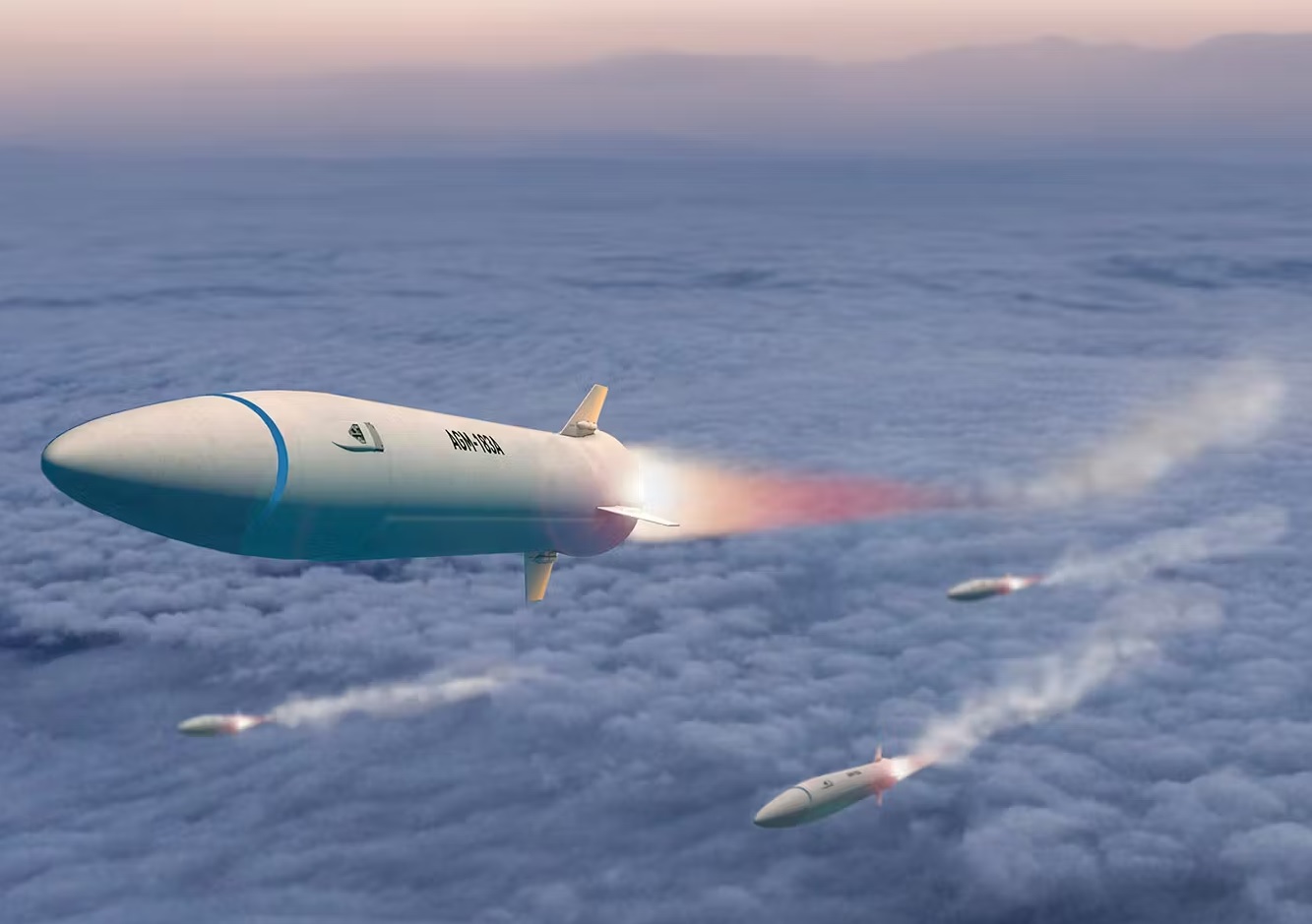
World
The United Kingdom and Germany have taken a major step forward in their defense collaboration, with British Defence Minister John Healey confirming that work is “progressing rapidly” on a new joint long-range precision-guided missile capable of reaching targets at a range of up to 2,000 kilometers. The announcement highlights a deepening partnership between the two European powers under the “Trinity House Defence Agreement”, a strategic framework signed earlier this year to enhance joint weapons development, defense manufacturing, and technological innovation. Although Healey did not specify whether the missile is cruise or ballistic in nature, defense analysts believe the range and development context suggest a next-generation standoff strike weapon, designed to meet the growing demand for long-range precision capabilities in Europe’s evolving security environment. A European Response to Strategic Threats The development of a 2,000 km-class missile marks a significant shift in Europe’s post–Cold War defense posture. Traditionally, NATO’s European members relied heavily on U.S. systems such as the Tomahawk or JASSM-ER for long-range strike missions. However, recent geopolitical developments — including the war in Ukraine and increased instability in Eastern Europe — have accelerated efforts to build indigenous European strike capabilities that reduce dependency on American systems. A missile with a 2,000 km range would give both the Royal Air Force (RAF) and the German Luftwaffe the ability to strike deep targets from safe stand-off distances, well outside enemy air defense zones. If deployed on aircraft such as the Eurofighter Typhoon, it could represent a significant upgrade to European air power, allowing precise, long-range targeting of high-value infrastructure, command posts, and mobile missile systems. The “Trinity House” Framework The Trinity House Defence Agreement, signed in London earlier this year, forms the foundation of this new missile collaboration. The pact aims to deepen UK-German defense industrial cooperation, foster joint research and development, and support modernization of Europe’s defense supply chains. While details of the missile project remain classified, the agreement’s structure reportedly focuses on three pillars — innovation, interoperability, and industrial sustainability — symbolizing the “trinity” concept. Under this framework, the two nations are co-developing advanced propulsion systems, guidance technologies, and warhead designs suitable for multi-platform deployment. The program is also seen as part of a broader European effort to restore long-range strike capabilities once limited by the now-defunct Intermediate-Range Nuclear Forces (INF) Treaty, which restricted land-based systems with ranges between 500 and 5,500 kilometers. With those restrictions no longer in effect, several NATO countries are exploring conventional precision weapons that can deter adversaries without escalating to nuclear thresholds. Strategic and Industrial Implications British defense officials describe the missile project as “a cornerstone of a future European strike complex,” which could later expand to include participation from other NATO allies such as France, Italy, and Poland. It aligns with the UK’s ongoing investments in deep-strike and hypersonic technologies, including the SPEAR-EW, FC/ASW (Future Cruise/Anti-Ship Weapon), and the DragonFire directed-energy system. For Germany, participation in the program represents a notable step toward strengthening its domestic defense industry following the creation of the €100 billion Bundeswehr Special Fund, which aims to modernize the country’s military capabilities. The collaboration with the UK also enhances Germany’s ability to contribute advanced technologies — particularly in propulsion, digital fire control, and manufacturing precision components — to European defense projects. Future Deployment Prospects The missile’s specifications remain undisclosed, but early reports suggest it could feature a dual-mode guidance system, combining inertial navigation, satellite correction (GPS/Galileo), and terrain-matching for precision targeting. Depending on the platform, the system could potentially be adapted for air, sea, or ground-based launch, giving it flexibility similar to the U.S. Tomahawk Block V or the French MdCN cruise missile. British defense sources have indicated that initial flight testing could begin by 2027, with operational deployment expected early in the next decade if development continues on schedule. The weapon is expected to carry a conventional payload, though modular designs could allow different warhead options depending on mission requirements. A Step Toward European Defense Autonomy The rapid progress under the Trinity House framework underscores a wider shift in European defense thinking — moving from reliance to strategic autonomy. As Minister Healey noted, “Our shared security depends on shared capability. The work with Germany under Trinity House strengthens both our nations’ ability to respond rapidly, decisively, and independently.” For the UK and Germany, the 2,000 km missile program is not just about range or technology — it represents a symbol of renewed European defense cooperation, driven by shared strategic interests and industrial strength. Once complete, the system could redefine Europe’s precision strike capability, bridging the gap between deterrence and response in an increasingly uncertain security landscape.
Read More → Posted on 2025-11-06 17:22:31
World
The Polish Ministry of National Defense has announced the launch of a new national initiative, “wGotowości” (In Readiness) — a pilot voluntary defense training program designed to strengthen the country’s civil resilience and preparedness against emerging security challenges. The pilot phase will begin on November 22, 2025, lasting five weeks and involving an estimated 100,000 participants across all age groups. The program is part of a broader plan to train nearly 400,000 Polish citizens over the next year. Deputy Prime Minister and Minister of National Defense Władysław Kosiniak-Kamysz, who officially unveiled the program, described “wGotowości” as a cornerstone of Poland’s long-term national security strategy. The goal, he said, is not merely to expand military capacity but to ensure that every Polish citizen — from children to senior citizens — possesses the essential knowledge and practical skills needed to respond effectively during emergencies, crises, or national threats. Building a Culture of Readiness The new program reflects Poland’s evolving approach to national defense, emphasizing societal resilience as a vital component of deterrence. “Poland’s security depends not only on a strong army and strong alliances,” Kosiniak-Kamysz explained, “but also on our own strength — the strength of our society. Knowledge, awareness, and the ability to act during emergencies are crucial. These are not necessarily military actions, but they are fundamental to national defense.” The “wGotowości” initiative will integrate all existing defense-related education efforts under one framework, combining military awareness with civil protection and crisis management training. The Ministry of National Defense has prepared a modular training structure that includes: Basic defense awareness and civil protection First aid and medical response Stress management and psychological resilience Survival and crisis adaptation Cybersecurity and counter-disinformation training Training will take place in cooperation with 132 organizational units, primarily under the Territorial Defense Forces (TDF), with support from the Operational Command of the Armed Forces. A Program for Every Citizen One of the most distinctive features of “wGotowości” is its inclusivity. The program is open to all Polish citizens, regardless of age or occupation. Modules have been specifically adapted for school students, university youth, employees, private companies, and senior citizens, ensuring that each demographic can receive training relevant to their environment. For children and students, lessons will focus on identifying warning signals, safe behavior during emergencies, and cooperation with rescue services. Adults will participate in more advanced sessions such as first aid, communication under crisis, and cybersecurity awareness. The elderly will receive training tailored to physical limitations, emphasizing safe evacuation, self-protection, and assisting local communities. National Coordination and Future Scale-Up According to Deputy Minister of National Defense Cezary Tomczyk, the Polish government has spent the past six months preparing for the rollout of this nationwide effort. This included instructor training, the development of training materials, and legislative adjustments needed to expand voluntary civil defense education. Tomczyk revealed that during November and December 2025, roughly 20,000 citizens will undergo individual training, while the total number of participants in all forms of training will exceed 100,000. The ministry’s long-term goal is to scale up participation dramatically by 2026, reaching 400,000 trained citizens through combined programs such as “Education with the Army” (Edukacja z Wojskiem), reservist refresher courses, and voluntary service modules. He added that participants will be able to choose specific courses based on personal interest — from basic preparedness and first aid to survival skills and cyber defense awareness. Strengthening Civil Defense in a Changing Security Environment The launch of “wGotowości” comes amid heightened concerns over regional security in Eastern Europe. Following the war in Ukraine and growing hybrid threats across NATO’s eastern flank, Poland has been investing heavily in both its armed forces and civil defense capacity. The government has already implemented measures to modernize its military, expand the Territorial Defense Forces, and improve public awareness of emergency procedures. Experts note that Poland’s strategy mirrors that of countries such as Finland, Sweden, and Estonia, which maintain strong total defense models combining military readiness with civilian preparedness. By introducing large-scale voluntary defense training, Poland aims to create a national culture of readiness, ensuring that the population can assist in emergencies ranging from cyberattacks and disinformation campaigns to natural disasters or armed conflict. Empowering Society Through Knowledge Specialists from the Polish Ministry of Defense who designed the course material emphasize that “wGotowości” is as much about confidence and knowledge as it is about tactical skill. The lessons are expected to include hands-on activities, simulations, and scenario-based exercises focused on problem-solving under pressure. Kosiniak-Kamysz underlined that the program “strengthens social awareness, unity, and preparedness — elements that are essential in defending a modern democratic state.” A Step Toward National Resilience The “wGotowości” pilot represents the beginning of what officials describe as a long-term national project to build resilience across all layers of Polish society. Once the pilot phase concludes, the Ministry of Defense will assess feedback and performance before implementing the program on a national scale in 2026. In the coming year, nearly half a million citizens could undergo some form of defense training under the program — a clear signal that Poland is investing not only in weapons and technology, but in people. By empowering ordinary citizens with practical knowledge, “wGotowości” aims to make readiness a shared responsibility — ensuring that every Pole, regardless of age or background, can contribute to the nation’s safety and stability in an uncertain world.
Read More → Posted on 2025-11-06 17:16:43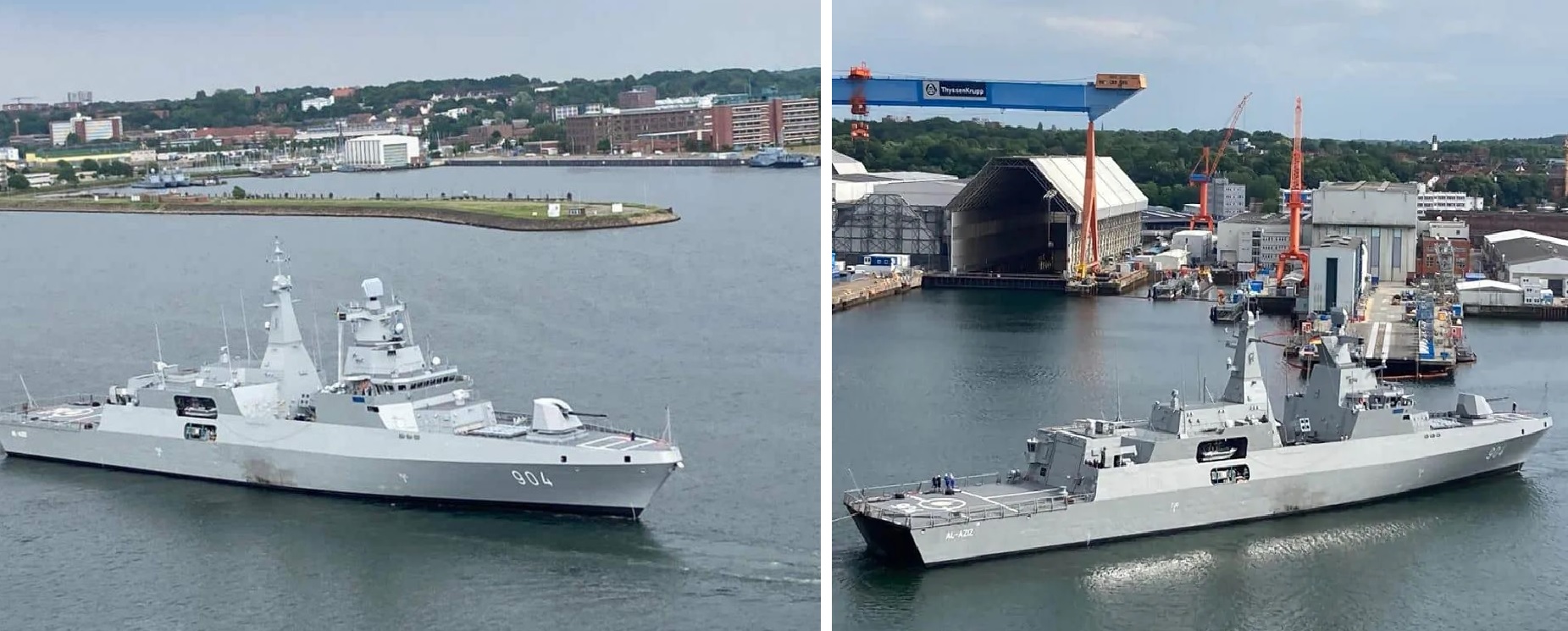
World
Saudi Arabia is reportedly in preliminary discussions with Thyssenkrupp Marine Systems (TKMS) of Germany to evaluate the MEKO A-200 frigate for possible inclusion in the Royal Saudi Naval Forces’ (RSNF) long-term fleet modernization program. The talks, revealed by Tactical Report on November 5, 2025, are part of Riyadh’s ongoing efforts to upgrade its naval assets and expand domestic industrial participation under the Vision 2030 initiative. Exploratory Discussions Underway According to defense industry sources, the discussions remain at an exploratory stage, focused on technical evaluations, cost considerations, and the scope for industrial collaboration. Saudi Arabia is assessing how the MEKO A-200 design could complement its existing surface combatant fleet, which already includes French, U.S., and Spanish-built vessels. MEKO A-200 Frigate: Multi-Role and Modular Design The MEKO A-200 frigate, part of TKMS’s proven MEKO family of modular warships, is a multi-role stealth frigate designed for blue-water and littoral operations. Measuring approximately 121 meters in length with a displacement of around 3,700 to 4,000 tons, it uses a CODAG-WARP (Combined Diesel and Gas – Waterjet and Refined Propeller) propulsion system, enabling speeds over 28 knots and an operational range exceeding 7,000 nautical miles. The design emphasizes low radar, infrared, and acoustic signatures, with integrated exhaust and shaping technologies for reduced detectability. It supports anti-air, anti-surface, and anti-submarine warfare (AAW, ASuW, ASW) missions, as well as maritime patrol, convoy protection, and coastal defense operations. A standard MEKO A-200 configuration includes: 1 × 76mm or 127mm naval gun (Leonardo or OTO Melara) 16–32-cell Vertical Launch System (VLS) for ESSM, Umkhonto-IR, or CAMM missiles 4 to 8 anti-ship missiles (typically RBS-15, Exocet, or NSM) 2 × triple torpedo tubes for lightweight torpedoes Helicopter deck and hangar for a 10-ton class helicopter (e.g., MH-60R Seahawk or NH90) Integrated Combat Management System (CMS) by Atlas Elektronik and a 3D multi-function radar Its modular design allows customization and simplifies maintenance, aligning with Saudi Arabia’s Vision 2030 defense goals, which emphasize local production, technology transfer, and job creation in defense manufacturing. TKMS’s track record with exports to Egypt, Algeria, and South Africa adds to its credibility, as all three navies operate MEKO A-200 variants in climatic conditions similar to the Arabian Gulf and Red Sea. TKMS Export Experience The MEKO A-200 has already seen successful export with operational service in South Africa, Algeria, and Egypt, where it has demonstrated reliability in hot and saline maritime environments similar to the Arabian Gulf and Red Sea. These countries have reported high operational availability, which strengthens its appeal to Saudi Arabia as a proven platform. Vision 2030 and Local Industrial Goals Any potential deal with TKMS is expected to align with Saudi Vision 2030, which mandates 50% localization of defense procurement. This would likely involve Saudi Arabian Military Industries (SAMI) and Zamil Shipyard in local assembly, component manufacturing, or system integration. TKMS has reportedly offered technology transfer and training packages to encourage local participation and ensure long-term sustainment within the Kingdom’s naval industrial ecosystem. Current Strength of the Royal Saudi Naval Forces The Royal Saudi Naval Forces (RSNF) currently operate a mixed fleet of around 55 ships, divided between the Eastern Fleet (based in Jubail) and the Western Fleet (based in Jeddah). 7 Al Riyadh-class (La Fayette variant) frigates – France-built, commissioned in early 2000s. 4 Al Madinah-class frigates – Acquired in the 1980s, approaching the end of service life. 4 Badr-class corvettes – U.S.-built coastal defense ships. 5 Multi-Mission Surface Combatant (MMSC) vessels – U.S.-built; first delivery expected by 2026–2027. 9 Al Jubail-class (Avante 2200) corvettes – Spain-built, currently under delivery by Navantia. 25–30 patrol boats and fast attack craft – Used for coastal surveillance and interdiction missions. Support and auxiliary vessels, including tankers and logistics ships. The RSNF also operates MH-60R Seahawk helicopters for anti-submarine warfare and is expanding its unmanned maritime systems for surveillance and reconnaissance. Why MEKO A-200 Fits Saudi Requirements Saudi Arabia’s naval modernization aims to replace aging French-built Al Madinah and U.S. Badr-class vessels with a modern, long-range frigate featuring advanced missile defense, electronic warfare, and networked command systems. The MEKO A-200’s modular design allows for future integration of new missile types, indigenous sensors, and command systems — an important advantage for long-term fleet sustainability. The ship’s ability to operate effectively in both Red Sea and Arabian Gulf environments makes it particularly suitable for Saudi Arabia’s dual-coast naval structure. Next Steps While no contract has been signed, both sides are reportedly exploring technical evaluations and feasibility studies. If the discussions progress, the project could lead to joint production agreements and localized assembly, strengthening Saudi Arabia’s defense industry base. Industry observers see the potential partnership as part of Riyadh’s strategy to diversify suppliers while building a self-reliant naval capability. The ongoing talks between Saudi Arabia and TKMS reflect the Kingdom’s commitment to modernizing its naval forces with multi-role, technologically advanced platforms. The MEKO A-200 frigate, with its proven operational record and adaptable design, could become a strong candidate to support the RSNF’s next-generation fleet — one designed for long-term sustainment, regional security, and growing industrial independence.
Read More → Posted on 2025-11-06 17:08:20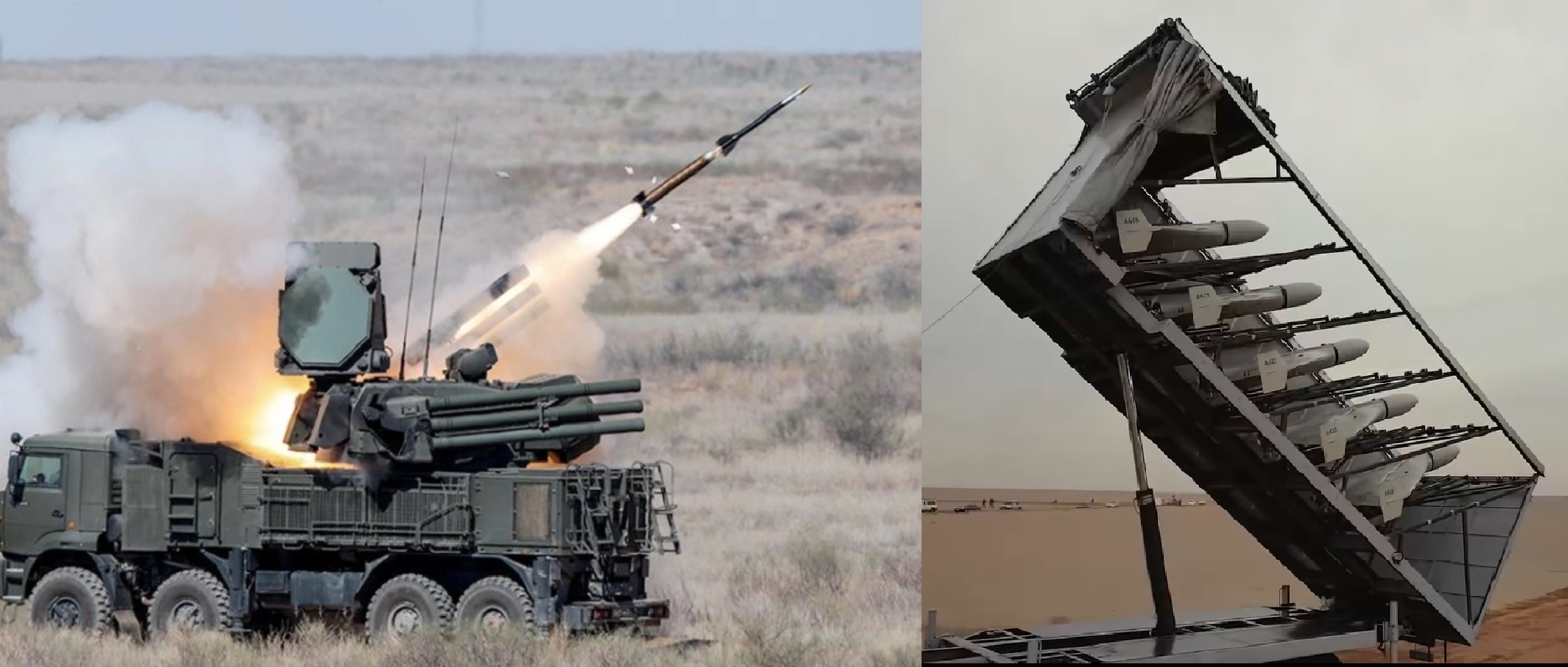
World
Venezuela has significantly expanded its air defense capabilities through new acquisitions from Russia and Iran, according to regional defense and intelligence reports. The government in Caracas has finalized deals for Russia’s S-300VM, Pantsir-S1, and Buk-M2R surface-to-air missile systems, as well as Iranian Shahed-series drones, forming a multi-layered defensive network around key strategic regions, including the capital, Caracas. These purchases come amid growing political and military tension between Venezuela and the United States, with Caracas accusing Washington of plotting “aggressive actions” against its sovereignty. President Nicolás Maduro has said the nation’s Bolivarian Armed Forces are “ready to defend the homeland from any threat,” framing the new acquisitions as essential to deterrence rather than escalation. Financing Through Natural Resources With Venezuela’s access to global credit markets restricted by U.S. sanctions, the defense procurement is believed to have been financed through resource-backed arrangements. Government-linked energy and mining contracts have reportedly been used to settle payments, involving oil shipments, gold exports, and mining concessions to Russia and Iran. Such barter-style agreements have become a hallmark of Caracas’ international partnerships, allowing the government to bypass conventional banking systems. Analysts say these resource-for-weapons arrangements underline both Venezuela’s limited financial flexibility and its deepening strategic dependence on Moscow and Tehran. Three Layers of Russian Air Defense The cornerstone of Venezuela’s modernization is the S-300VM “Antey-2500” system, a long-range surface-to-air missile platform designed to intercept aircraft, cruise missiles, and even some ballistic targets. Each battery can detect targets at distances of up to 300 kilometers and engage them at 200–250 kilometers, giving the Venezuelan Air Defense Command a powerful tool for strategic deterrence. Supporting it is the Buk-M2R, a medium-range missile system capable of targeting aircraft and precision-guided munitions within 45–50 kilometers. It serves as the intermediate layer, filling the operational gap between long-range and point-defense systems. At the close-range level, the Pantsir-S1 provides protection against drones, cruise missiles, and low-flying aircraft. Equipped with both missiles and twin 30mm cannons, it can engage targets at 15–20 kilometers and serves as the last line of defense for high-value assets such as airbases, radar sites, and government centers. Together, the three systems create a tiered, integrated air defense shield, allowing simultaneous detection, tracking, and engagement of multiple targets across different altitudes and distances. Iranian Shahed Drones: Expanding Aerial Reach Complementing the Russian missile systems are the Iranian Shahed-series drones, reportedly including the Shahed-136 loitering munition and Shahed-129 reconnaissance variant. These drones have drawn global attention for their range and cost-effectiveness, offering both surveillance and strike capabilities. The Shahed-136 can fly up to 1,000 kilometers with a small explosive payload, while the larger Shahed-129 can perform long-endurance intelligence and reconnaissance missions. Venezuelan officials have indicated that the drones will be used primarily for border monitoring, coastal patrol, and airspace surveillance, especially along the Caribbean and Amazonian regions. Training, Integration, and Support Integrating advanced Russian and Iranian systems presents technical challenges that require extensive training and logistical support. Russian military advisers are expected to continue assisting Venezuelan personnel with system maintenance, radar integration, and tactical operation, while Iranian experts will oversee drone training and data-link installation. Venezuela’s military has been conducting joint exercises involving its newly upgraded systems. Footage broadcast by state media shows S-300 launch vehicles and Pantsir batteries deployed near Caracas and Maracay, suggesting active operational readiness. Strategic Implications and Regional Concerns Venezuela’s procurement marks one of the largest modernizations of air defense infrastructure in Latin America in recent decades. Defense analysts say these systems significantly enhance the country’s ability to detect and deter aerial incursions, but also risk raising regional security tensions. The United States has repeatedly warned against advanced arms transfers to Venezuela, citing risks of proliferation and misuse. Neighboring nations such as Colombia and Brazil are reportedly monitoring the deployments closely, concerned about potential shifts in regional military balance. For Caracas, however, the move serves a dual purpose: strengthening military deterrence and signaling resilience against international pressure. By aligning more closely with Russia and Iran, Venezuela aims to secure both defense technology and political backing, even as it faces ongoing economic isolation. A Defense Built on Partnerships Venezuela’s newly reinforced air defense network—anchored by the S-300VM, Buk-M2R, Pantsir-S1, and Shahed drones—marks a major step in its military modernization efforts. The combination of long-range missiles, mobile interceptors, and armed drones gives the Bolivarian Armed Forces a more complete defensive posture than ever before. Yet the sustainability of these capabilities will depend on training, spare parts, and consistent funding, all of which remain uncertain given Venezuela’s economic constraints. Still, the acquisitions underscore Caracas’s determination to maintain a credible deterrent against what it sees as external threats. As one senior Venezuelan officer reportedly stated during recent exercises, “Our skies are not open to aggression. Every radar is watching, and every system is ready.” The statement reflects the government’s position clearly: Venezuela’s focus, at least officially, is on defending the homeland — not provoking a conflict, but ensuring it is prepared for one.
Read More → Posted on 2025-11-06 16:56:05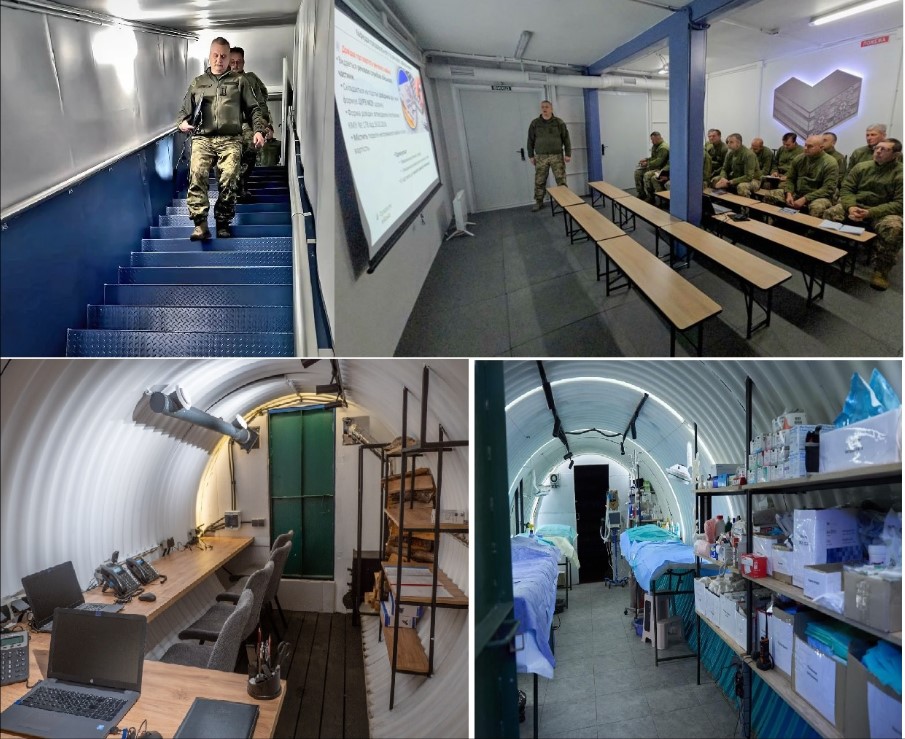
World
Ukraine has unveiled its first underground military training hub, a fortified facility built entirely from steel modules supplied by Metinvest Group under its Steel Dream construction concept. The project, valued at UAH 16 million, is part of Rinat Akhmetov’s Steel Front initiative, which has been supporting Ukraine’s defense and reconstruction efforts since the beginning of the war. The new structure, located at one of Ukraine’s military educational institutions, represents a significant advancement in wartime infrastructure design — combining protection, functionality, and mobility in one system. The steel-constructed complex spans nearly 100 square meters and was completed in just six weeks using prefabricated, high-strength steel segments designed to withstand heavy impacts and aerial debris. According to the developer, the hub meets Ukrainian national construction standards for protective structures and serves as both a secure bomb shelter and a multifunctional training centre. It can accommodate over 70 trainees for daily instruction, and in emergency situations, it can shelter up to 150 people. The shelter’s layout allows uninterrupted training even during air-raid alerts, a vital requirement for maintaining military readiness amid ongoing conflict. Built adjacent to the main academy building, the hub is connected through reinforced steel walkways and buried deep enough to withstand drone strikes, artillery fragments, and collapsing debris. Inside, it houses three training zones, sanitary facilities, and five exits, including a dedicated emergency escape route that leads to a safe distance from the main structure. The design also features foldable furniture and modular partitions, allowing the interior to be quickly reconfigured for lectures, tactical exercises, or combat medicine training. A New Model for Safety and Functionality The facility’s design was developed in response to a request from the Odesa Military Academy, which sought a way to continue training without interruption from air-raid alarms. “We needed a solution that could guarantee safety and allow us to maintain training continuity,” said Andrii Stupin, head of logistics at the academy. “Every attack threatens not only lives but also disrupts the rhythm of military education. Metinvest’s contribution provided a functional and modern environment where lessons, tactical drills, and even rest can take place safely. This shelter is more than steel — it’s about care for the people who serve.” Metinvest Group’s engineers designed the Steel Dream shelter to be modular and easily adaptable. It can be integrated with existing buildings or built as standalone units, offering various configurations depending on space, function, or threat level. The company has also developed variants for anti-radiation, temporary, and civilian shelters, supporting both military and public infrastructure needs. “The Steel Dream concept demonstrates how steel can become a foundation of Ukraine’s resilience and recovery,” said Yuriy Ryzhenkov, CEO of Metinvest Group. “It is a fast, reliable, and sustainable solution that ensures safety and continuity — in education, defense, and public life. Even during war, steel is protecting lives and shaping a new architecture of safety for Ukraine.” Built for War, Ready for Reconstruction While originally developed for military use, the same design principles are now being considered for civilian applications, including schools, hospitals, and administrative buildings in frontline or high-risk areas. The Steel Dream platform currently includes over 200 prefabricated building designs, ranging from emergency housing to commercial facilities, all based on modular steel frames that can be rapidly deployed and assembled. Each design package includes detailed cost estimates, technical documentation, and construction timelines, allowing municipalities or organizations to begin building as soon as funding is secured. This approach has become increasingly vital as Ukraine faces the dual challenge of defense and reconstruction, often in regions where traditional construction is unsafe or impractical. The Steel Front initiative, launched by Rinat Akhmetov in 2022, brings together Metinvest’s industrial resources to provide military-grade materials, shelters, and logistics support to the Armed Forces of Ukraine. To date, the company has supplied thousands of tonnes of rolled steel, protective armor plates, and prefabricated fortification modules for both the front lines and rear areas. A Blueprint for the Future The Odesa Military Academy’s underground hub is expected to become a prototype for similar installations across Ukraine. Discussions are already underway with the Ministry of Defence and regional administrations to replicate the model at other training centers and universities. In a country where air-raid sirens are a daily reality, such innovations are not merely symbolic — they are practical solutions that save time, lives, and infrastructure. The Steel Dream concept shows how modern industrial design can be adapted to meet immediate wartime needs while also laying the groundwork for post-war reconstruction. As Ukraine continues to invest in safety-focused architecture, Metinvest’s steel-built shelters may soon become a familiar sight — protecting both soldiers in training and civilians in recovery, uniting the country’s defense and rebuilding efforts under one resilient framework.
Read More → Posted on 2025-11-06 15:54:19
World
In a major transnational defense industry move, U.S.-based Kratos Defense & Security Solutions has announced a definitive agreement to acquire 100% of Israel’s Orbit Technologies Ltd for $356.3 million in cash. The acquisition marks one of Kratos’ most significant international expansions to date, positioning the company as a stronger global player in satellite-based communications, microwave electronics, and defense-grade connectivity systems. Under the agreement, Orbit will be fully integrated into Kratos’ Microwave Electronics Division (KMED), which will now be headquartered in Jerusalem, Israel. The deal, subject to regulatory approvals concerning the acquisition of an Israel-based defense firm, is expected to close by March 2026. Once finalized, the transaction will make Orbit a wholly owned subsidiary of Kratos, aligning with the U.S. company’s strategy to build a diversified portfolio of advanced communication and control systems for military, space, and unmanned platforms. Expanding Capabilities in Satellite and Defense Communications Orbit Technologies is a well-established supplier of satellite communication (SATCOM) systems, tracking antennas, and airborne communication terminals used by armed forces and government agencies worldwide. Its systems are deployed across fighter jets, unmanned aerial vehicles (UAVs), naval vessels, and ground stations, offering reliable high-bandwidth communications in contested or remote environments. Key product lines include: AL-4000 and AL-5000 series tracking antennas for ground and naval SATCOM systems, supporting L-, S-, and Ka-band frequencies. Airborne communication systems enabling broadband satellite links for aircraft and UAVs. Telemetry and data links for missile tests and space launch tracking. Maritime stabilized communication platforms for naval and commercial vessels. The company’s technology is recognized for its battle-proven reliability, compact design, and high-speed tracking capabilities, making it a preferred supplier for military-grade applications. Its systems are already integrated into platforms operated by customers in Israel, the United States, Europe, and the Asia-Pacific region, giving Kratos an immediate global footprint in secure satellite communications. Strategic Fit with Kratos’ Defense Portfolio Kratos CEO Eric DeMarco said the acquisition fits perfectly within the company’s broader defense and national security strategy. “Orbit checks every box in a Kratos acquisition,” he said. “It brings outstanding leadership, a mission-driven workforce, and field-proven hardware. The combination of Kratos’ microwave systems and Orbit’s communications expertise will open new opportunities that neither company could fully capture independently.” Kratos, headquartered in San Diego, California, is known for its advanced unmanned aerial systems (UAS), tactical jet drones, satellite ground systems, and microwave electronics used in radars and electronic warfare. Integrating Orbit’s communication solutions will allow Kratos to expand end-to-end connectivity offerings — linking its drones, sensors, and space systems through secure satellite and radio-frequency networks. Yonah Adelman, President of Kratos Microwave Electronics, highlighted the synergy between the two companies, describing the merger as a “1 + 1 = 3” situation that enhances value for both defense and commercial customers. “Kratos and Orbit are both leaders in communications and microwave technology,” he said. “Together, we will be able to deliver comprehensive solutions across air, sea, land, and space — supporting customers who demand secure, high-performance communications for national defense and intelligence missions.” Orbit’s Growth and Strategic Value For Orbit Communication Systems, the acquisition represents a significant milestone. CEO Daniel Eshchar said the partnership would allow the company to accelerate its expansion, particularly in the U.S. defense and space market, where Kratos already maintains long-term relationships with the Department of Defense and intelligence agencies. “Joining Kratos allows Orbit to leverage a global platform,” Eshchar said. “It’s a natural evolution that strengthens our capabilities and provides new opportunities for innovation and growth.” The acquisition is expected to be immediately accretive to Kratos across nearly all financial metrics, reflecting Orbit’s strong revenue base and international customer reach. Industry analysts view the deal as a strategic response to rising demand for resilient, multi-domain communications networks, especially those linking unmanned systems and space-based assets. A Strengthened Global Presence With this acquisition, Kratos will strengthen its presence in Israel’s high-tech defense ecosystem, gaining access to a region known for its rapid innovation in electronics, avionics, and secure communications. The new Jerusalem-based KMED headquarters will serve as both a regional R&D hub and a base for satellite and microwave product development. Kratos’ integration plan reportedly includes maintaining Orbit’s existing facilities and workforce, ensuring continuity for its ongoing contracts and customers. The move underscores Kratos’ intent not only to expand geographically but also to deepen its technological expertise in microwave, RF, and space communication systems. Outlook Pending regulatory approval, the transaction is slated for completion by March 2026, with integration activities beginning shortly afterward. Kratos has stated that Orbit’s financial performance will not be included in its forward guidance until the acquisition is finalized. The merger of Kratos and Orbit reflects a broader industry trend of consolidation in defense communications, as companies seek to combine satellite, microwave, and unmanned system capabilities under unified architectures. For Kratos, this deal strengthens its position as a key supplier of integrated communication and control systems across multiple domains — space, air, sea, and ground. In strategic terms, the acquisition signals Kratos’ growing ambition to become not just a defense electronics manufacturer, but a complete communications and control systems provider — a role increasingly vital in modern network-centric warfare and satellite-enabled defense operations.
Read More → Posted on 2025-11-06 15:47:35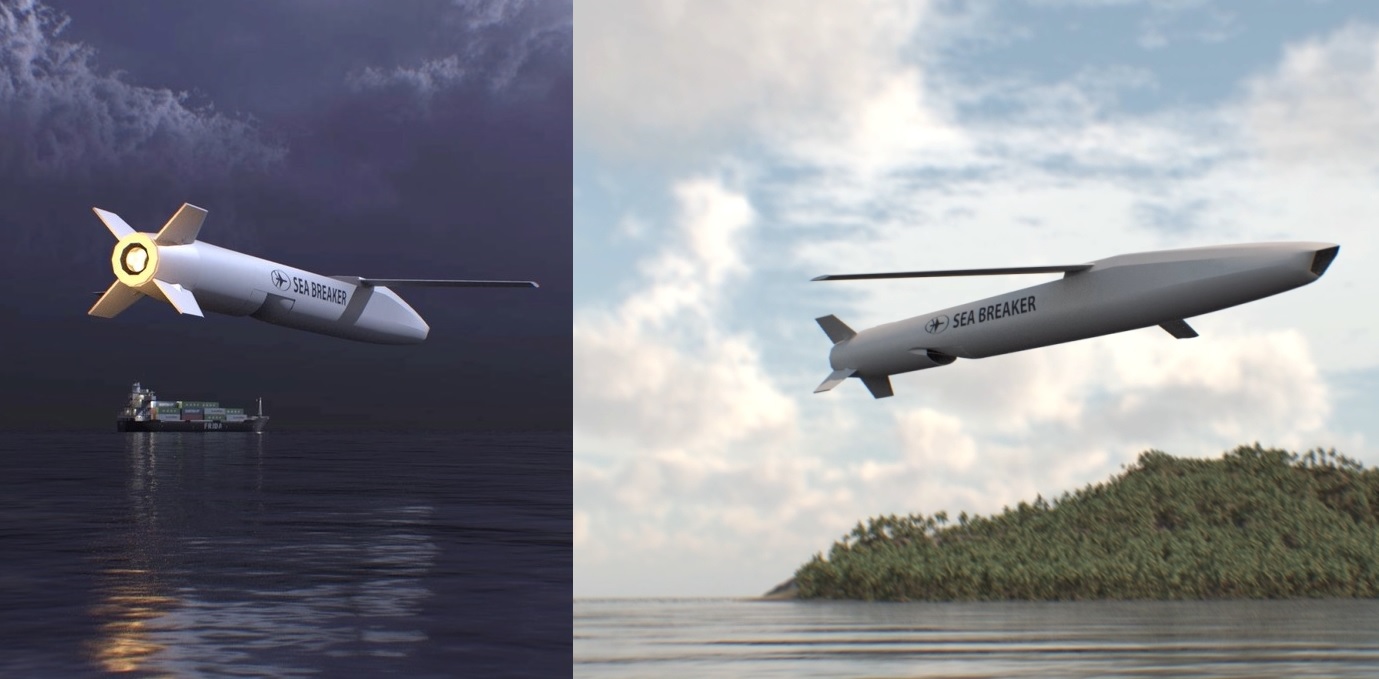
World
Azerbaijan has inducted Israel’s Sea Breaker precision-guided cruise missile into its armed forces, strengthening the country’s coastal and maritime defense capability. The system, developed by Rafael Advanced Defense Systems, is designed to engage both sea and land targets with high accuracy. The Sea Breaker is a long-range, precision cruise missile that carries a 113-kilogram warhead and can strike targets at distances of up to 300 kilometers. It uses a combination of inertial navigation, satellite guidance (GPS), and imaging infrared (IIR) systems to locate and track targets. The missile can operate in complex environments, including areas with limited GPS signals, and follows a low-altitude flight path to reduce detection. While the exact details of the Azerbaijan–Israel defense agreement have not been made public, reports indicate that discussions and initial arrangements began after the missile’s international debut in 2021. The delivery of Sea Breaker systems to Azerbaijan fits within the broader defense cooperation framework between the two countries, which has included earlier acquisitions such as the Barak MX air defense system, LORA tactical missile, and Spike anti-tank missile family. The Sea Breaker can be launched from naval platforms, coastal batteries, or mobile land-based vehicles, allowing it to be used by different branches of Azerbaijan’s military. Its compact design enables deployment on smaller vessels and mobile launch trucks. A secure data-link also allows operators to update target information during flight if required. Military sources familiar with the program note that the Sea Breaker gives Azerbaijan the ability to monitor and defend its coastal areas and offshore installations along the Caspian Sea. The missile’s range allows it to cover significant parts of the region and respond to potential maritime threats or hostile movements. Its land-attack capability can also support precision strikes on fixed infrastructure such as command posts or radar sites if needed. Compared to older anti-ship systems, the Sea Breaker offers improved precision, better electronic resistance, and flexible deployment options. Its design focuses on accuracy and survivability rather than size or payload, making it suitable for modern coastal defense networks. The induction of the Sea Breaker also comes at a time when regional navies in the Caspian area—such as those of Iran, Russia, and Turkmenistan—are upgrading their own missile and surveillance systems, increasing competition and operational complexity in the region. Azerbaijan’s adoption of a modern, long-range missile adds a new factor to the regional security equation, especially in Caspian Sea monitoring and maritime control zones, where overlapping interests occasionally create tensions. Azerbaijan’s decision to acquire the system reflects its effort to modernize its missile and coastal defense capabilities while maintaining long-term defense cooperation with Israel. The two countries have worked together on a range of defense technologies, and the Sea Breaker marks another step in that partnership. Neither Rafael nor Azerbaijani officials have disclosed the number of missiles supplied or the delivery schedule, but the system is expected to enter operational service in phases as crews complete training and integration work. With its introduction, the Sea Breaker adds a long-range, precision-strike component to Azerbaijan’s defense forces, supporting maritime security and deterrence in a region where multiple countries are enhancing their naval and missile systems.
Read More → Posted on 2025-11-06 15:35:23
World
A new wave of tension is building in the Horn of Africa as Ethiopia accuses Eritrea of preparing for war, while Asmara rejects the allegations and accuses its larger neighbor of provoking instability. The renewed hostility, rooted in old territorial grievances and Ethiopia’s growing desire for access to the Red Sea, has sparked regional concern that another conflict could erupt between the two nations after two decades of uneasy peace. For months, Ethiopian Prime Minister Abiy Ahmed has been openly pressing for sea access for his landlocked country. Ethiopia, which lost its coastline when Eritrea gained independence in 1993, has since depended on Djibouti for nearly 95% of its maritime trade. But the rising cost of dependence, combined with the strategic value of the Red Sea in global trade and regional security, has made Abiy’s rhetoric increasingly assertive. In an address to the Ethiopian parliament on October 28, Abiy stated he was “a million percent sure that Ethiopia will not remain landlocked whether anyone likes it or not.” He emphasized that Ethiopia seeks a “peaceful solution” and has called for international mediation, particularly from the United States and Europe, to broker a deal that could allow Ethiopia access to the sea through cooperation, not conflict. However, Eritrea’s government views these remarks with alarm. Officials in Asmara, through the Ministry of Information, accused Abiy of “fomenting dangerous conflicts” and of attempting to justify potential military action. Eritrea, a country of just over 3 million people, suspects that Addis Ababa is eyeing its southern Assab port, a strategically located facility that once served as Ethiopia’s primary maritime outlet before independence. Regional experts say Abiy’s statements appear to be laying political and moral groundwork for stronger action if diplomacy fails. “He is gradually building up an argument which can justify a more concrete military action, portraying Eritrea as a hostile neighbour,” said Kjetil Tronvoll, professor at Oslo New University College and an expert on Horn of Africa politics. Historical Roots of the Dispute The deep-seated mistrust between Ethiopia and Eritrea stems from their bloody border war that lasted from 1998 to 2000, killing an estimated 70,000 people. The conflict erupted after disagreements over the small border town of Badme, and though the Algiers Peace Agreement formally ended the war, resentment persisted for years. Relations appeared to thaw in 2018, when Abiy Ahmed and Eritrean President Isaias Afwerki signed a peace declaration that earned Abiy the Nobel Peace Prize a year later. However, the optimism soon faded. Eritrea’s involvement in the Tigray conflict (2020–2022), in which its troops fought alongside Ethiopian federal forces but later clashed with regional militias, revived tensions. The scars of the Tigray war remain fresh. In early October 2025, Ethiopia sent a letter to the UN Secretary-General, accusing Eritrea of “actively preparing for war” and of working with the Tigray regional government to “destabilize and fragment” Ethiopia. Eritrea dismissed the allegations as a “deceitful charade”, but analysts note that Asmara maintains informal links with the Tigray People’s Liberation Front (TPLF) and other anti-government groups. Why Tensions Are Rising Again Ethiopia’s renewed maritime ambitions are central to this growing friction. For Abiy’s government, access to the Red Sea is not only a matter of trade but of national security and sovereignty. Ethiopia’s economy, one of Africa’s largest, relies heavily on imports and exports that pass through Djibouti, costing the country hundreds of millions of dollars annually in port fees. The Assab port in Eritrea offers a geographically shorter and potentially cheaper route. But any move toward it — even diplomatic — touches a raw nerve in Asmara, which views Ethiopian interest as a threat to its sovereignty. Eritrea’s response has been to strengthen regional ties, notably with Egypt, a long-time rival of Ethiopia over Nile River water rights. President Isaias Afwerki visited Cairo recently, where he met Egyptian President Abdel Fattah al-Sisi, who reaffirmed Egypt’s “commitment to supporting Eritrea’s sovereignty and territorial integrity.” Analysts see this growing Eritrea–Egypt alignment as a counterweight to Addis Ababa, especially amid Egypt’s ongoing dispute with Ethiopia over the Grand Ethiopian Renaissance Dam (GERD) on the Nile. A Region on Edge Satellite imagery earlier this year showed Ethiopian and Eritrean troops massing along parts of the border, though those deployments appeared temporary. Western intelligence sources note that there is no confirmed evidence of an imminent conflict, but they acknowledge that tensions are rising sharply. “The atmosphere is increasingly fragile,” said Alex Vines of the European Council on Foreign Relations. “The Egypt factor, the unresolved Tigray issue, and Ethiopia’s renewed push for Red Sea access have all combined to create a volatile situation.” Both governments have remained silent on the latest accusations. But observers warn that the situation could deteriorate quickly if diplomatic channels fail. For Ethiopia, with its population of over 130 million, the lack of a coastline is seen as an economic and strategic handicap. For Eritrea, defending its sovereignty against a larger neighbor is a matter of survival and national identity. As Abiy Ahmed calls for “peaceful mediation,” and Eritrea warns against “provocation,” the Horn of Africa once again finds itself at a familiar crossroads — where economic ambition, historical grievances, and regional rivalries intersect. Whether the path forward leads to cooperation or confrontation will depend on whether both sides can turn their competing visions of the Red Sea into a shared opportunity, rather than another flashpoint of war.
Read More → Posted on 2025-11-06 15:25:14
World
China has unveiled the world’s first thorium-powered cargo vessel, marking a significant milestone in nuclear maritime engineering and energy innovation. According to the South China Morning Post, the newly developed vessel is powered by a 200 MW thorium molten salt reactor (TMSR) and is capable of carrying up to 14,000 standard shipping containers, making it one of the largest and most advanced nuclear-powered cargo ships ever built. The announcement highlights China’s push to apply thorium-based nuclear technology beyond land-based reactors, extending it into the commercial shipping sector — a move that could transform how long-haul maritime transport operates. The vessel’s reactor uses thorium-232, a fertile element that breeds uranium-233, the actual fissile material, through a neutron absorption process. Unlike traditional uranium or pressurized-water reactors, this design operates using molten fluoride salts as both fuel and coolant, allowing the system to function at low pressure but high temperature, increasing safety and thermal efficiency. A New Kind of Power at Sea At the heart of the ship lies the molten salt reactor, which generates around 200 megawatts of thermal energy. This output is converted through a supercritical CO₂ Brayton cycle, achieving thermal-to-electric conversion efficiency of nearly 45–50 percent — far higher than conventional marine engines. The system also eliminates the need for vast volumes of high-pressure steam and cooling water, making it more compact and theoretically safer for maritime use. The ship’s design includes advanced shielding and containment systems, compact reactor control rooms, and redundant safety loops. It will also feature secondary diesel backup generators providing around 10 MW of auxiliary power for emergency operations or port maneuvering. Engineering Challenges Adapting thorium molten salt reactor technology — originally designed for stationary land-based power generation — to a mobile, compact maritime platform was one of the most complex tasks faced by Chinese engineers. A land-based thorium reactor typically operates in a large, static containment facility with extensive cooling and fuel handling infrastructure. Miniaturizing that into a reactor small enough to fit within a ship’s hull required major breakthroughs in heat exchange systems, corrosion-resistant materials, and modular reactor design. The motion and vibration of the marine environment introduced new engineering problems, as molten salt must circulate smoothly through heat exchangers even when the ship is rolling or pitching at sea. Another challenge lay in thermal management and safety. Thorium reactors operate at higher temperatures (typically 600–700°C), which necessitated the development of nickel-based superalloys capable of withstanding continuous exposure to hot, corrosive salts. China’s materials research institutes reportedly developed new alloy coatings to ensure long-term operation in a marine setting. Moreover, converting the land-based fuel cycle — which includes online reprocessing of thorium fuel and removal of fission products — into a closed, sealed marine module required a rethinking of fuel handling and waste retention. The ship’s design reportedly includes an onboard containment system that stores fission products for years until the ship returns to port for maintenance. From Land to Sea: A Decade of Development The project builds on China’s earlier success with the TMSR-LF1, a 2 MW experimental molten salt reactor completed in Gansu province in 2021. Data from that land-based prototype helped engineers refine salt chemistry, materials handling, and safety systems. Scaling that up to a 200 MW maritime reactor involved a decade of parallel work between China National Nuclear Corporation (CNNC), Shanghai Marine Design and Research Institute, and several academic partners. According to reports, the Chinese Academy of Sciences (CAS) supervised early-stage R&D for the molten salt reactor design, while naval and commercial shipyards collaborated to adapt it to maritime specifications. Strategic and Environmental Impact If successful, the thorium-powered vessel could dramatically reduce global shipping emissions. Current container ships burn tens of thousands of tons of heavy fuel oil annually, contributing heavily to global CO₂ and sulfur emissions. A thorium reactor, in contrast, produces zero greenhouse gases during operation and can run continuously for several years before refueling. China also sees thorium as a strategic resource. The country holds some of the world’s largest thorium reserves, giving it a potential edge in developing non-uranium-based nuclear fuel cycles. Unlike uranium, thorium cannot be directly weaponized, making it more acceptable for peaceful applications. Future Prospects While this development is groundbreaking, it is still at the prototype stage. Before commercial deployment, China must address several remaining issues, including international maritime nuclear regulations, crew safety certification, and insurance frameworks for nuclear-powered civilian ships. Still, the ship’s unveiling demonstrates China’s growing confidence in molten salt reactor technology. If the design performs as expected, it could pave the way for a new generation of long-range, zero-emission cargo vessels capable of sailing for years without refueling — a concept that was once confined to science fiction. By successfully adapting thorium reactor technology from land to sea, China has opened a new chapter in clean maritime propulsion, positioning itself at the forefront of nuclear-powered shipping innovation.
Read More → Posted on 2025-11-06 15:06:23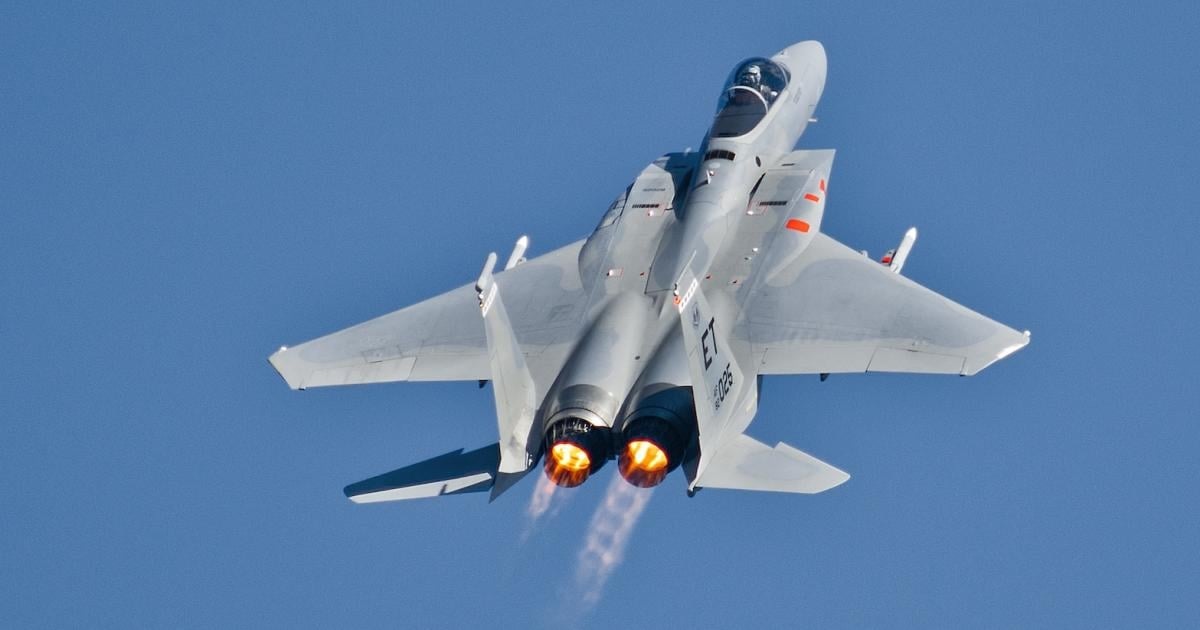
World
Cairo’s long-anticipated fighter jet modernization program remains on the table as Egypt and the United States continue negotiations over a potential sale of up to 46 Boeing F-15 Advanced Eagle fighter aircraft. First revealed in 2022, the talks — now reaffirmed by defense intelligence outlet Tactical Report on November 3, 2025 — are still in progress with no finalized contract or delivery timeline. The proposed deal, valued at several billion dollars, could mark a major shift in Egypt’s air power, replacing its canceled Su-35 order and expanding the Egyptian Air Force’s Western-oriented capabilities. A New Chapter After the Su-35 Cancellation Egypt had initially sought to acquire around two dozen Russian-built Su-35 fighters, a deal that reportedly collapsed under Western sanctions and U.S. pressure. Washington’s approval for the F-15 sale, even in principle, was seen as an attempt to offer Cairo an alternative — one compatible with existing U.S. systems and compliant with interoperability standards. The F-15 Advanced Eagle, Boeing’s latest and most capable version of the legendary fighter, brings new radar, avionics, electronic warfare systems, and weapons integration. For Egypt, it represents both a leap in performance and a signal of renewed alignment with U.S. defense policy. Negotiations Still Unsettled Despite positive signals, Cairo and Washington have yet to conclude an agreement. According to Tactical Report, discussions are ongoing, with the deal structure, financing terms, and the aircraft configuration under review. U.S. officials have reportedly approved the sale “in principle,” but export control reviews and regional political considerations continue to delay any formal announcement. Washington remains cautious about transferring high-end combat technologies to non-NATO partners in the Middle East, particularly advanced radar and electronic warfare systems integral to the F-15EX lineage. These concerns have contributed to the drawn-out process, even as Cairo pushes to close the deal. Estimated Cost and Package Value While exact figures have not been released, earlier estimates place the cost of a 36-jet package at around $13.9 billion, based on comparable export cases and support packages. Adjusted for inflation and the potential expansion to 46 aircraft, the total cost could reach $15–18 billion, depending on configuration, support, and weapons integration. This would make it one of Egypt’s largest-ever defense procurements — eclipsing even the Rafale and MiG-29 acquisitions in financial scale. The package is likely to include aircraft, training, maintenance facilities, simulators, spares, and a comprehensive logistics and sustainment network. Egypt’s Current Air Power Landscape The Egyptian Air Force (EAF) remains one of the most capable in Africa and the Arab world, fielding a mix of U.S., French, and Russian platforms. According to open-source data, Egypt currently operates: Around 218 F-16 Fighting Falcons, forming the backbone of its fleet. Approximately 46 MiG-29M/M2 fighters acquired from Russia. 29 Dassault Rafales, with additional aircraft on order. The addition of the F-15 Advanced Eagle would significantly boost the EAF’s long-range strike and air-superiority capability. With a combat range exceeding 1,200 nautical miles, the aircraft could conduct deep-penetration missions across the region — covering the Mediterranean, the Red Sea, and beyond. Strategic and Regional Implications The potential F-15 sale carries significant geopolitical implications. Egypt’s acquisition would make it the second Arab country, after Saudi Arabia and Qatar, to operate modern variants of the F-15. The deal could help Cairo balance power dynamics with regional peers and assert its role as a central security actor in the Middle East. Interestingly, Israel has reportedly raised no objections to Egypt’s request — a sign that the U.S. maintains close coordination with Tel Aviv to ensure the regional “qualitative military edge” remains intact. Washington’s confidence that Egypt remains a strategic partner has made the offer politically viable despite longstanding concerns about human rights and governance. Why the Delay Persists Several factors continue to slow progress. U.S. export law requires rigorous scrutiny for sales involving advanced avionics and electronic warfare technology. Egypt’s mixed record on human rights and governance has also led to congressional hesitation over approving large-scale arms transfers. Additionally, Boeing’s production line is currently saturated with orders for the U.S. Air Force’s F-15EX Eagle II and foreign contracts with Qatar and Saudi Arabia, pushing potential Egyptian deliveries to the latter half of the decade. A Pivotal Decision Ahead If the deal is finalized, Egypt’s Air Force will undergo one of its most significant transformations in decades. The F-15 Advanced Eagle, with its twin engines generating more than 58,000 pounds of thrust and an upgraded AESA radar system, would provide Egypt with unmatched range, payload capacity, and strike precision. For Washington, it would reinforce a critical partnership with a key regional ally while securing another major export success for Boeing. For Cairo, it would mean a decisive step toward modernizing its air fleet and ensuring a long-term technological edge over regional competitors. Egypt’s ongoing negotiations for up to 46 Boeing F-15 Advanced Eagles reflect a clear strategic direction: modernize, diversify, and strengthen within a U.S.-aligned defense framework. While the final contract remains unsigned, the sheer scale of the proposal — estimated between $14–18 billion — underscores Cairo’s determination to expand its air dominance. As talks progress, the outcome will not only reshape Egypt’s military capabilities but also redefine the balance of power across the Middle East’s skies. The Advanced Eagle, if it takes flight under Egyptian colors, will mark a new era for one of the region’s most historic air forces.
Read More → Posted on 2025-11-06 12:22:35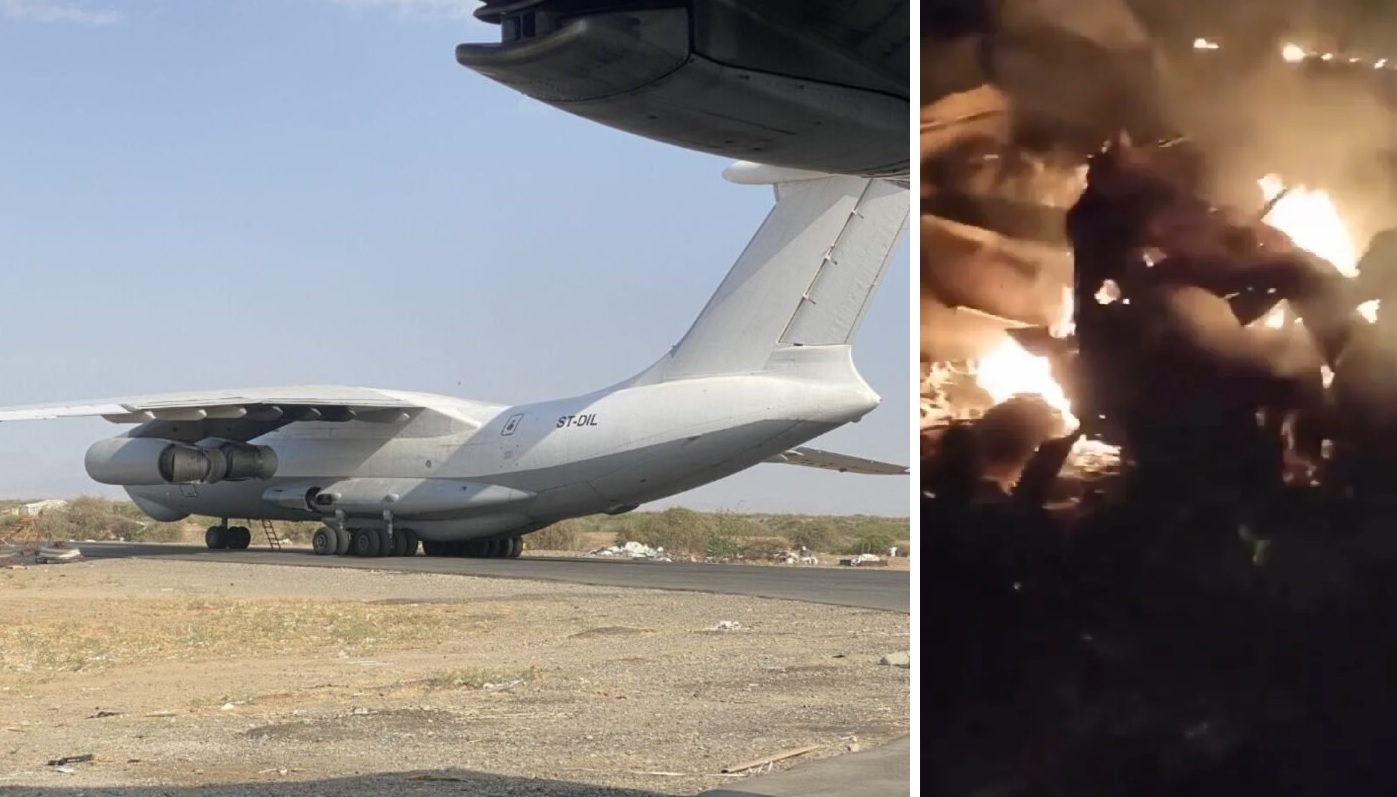
World
According to the well-known Russian milblogger Fighterbomber, who maintains extensive connections within the Russian Air Force, an Ilyushin Il-76 cargo plane was shot down in Sudan on November 4 by the Rapid Support Forces (RSF). He claimed the aircraft had been purchased in Kyrgyzstan about six weeks earlier for around $12 million, and that it was being operated by a Russian crew under a commercial contract. Fighterbomber stated that the Il-76 was part of a logistical operation supporting Sudan’s national forces and had been conducting supply flights into contested areas when it was struck by RSF air defenses near El Fasher in the Darfur region. His post described the incident as a “serious loss” and hinted that the Russian crew members were killed. While the blogger’s information often aligns with Russian military developments, no official confirmation has come from Moscow. Open-source information appears to support parts of his account. An Il-76 transport aircraft, previously registered in Kyrgyzstan under EX-76011, was deregistered in January 2024 and later transferred to Sudanese control. The aircraft was operated by a Kyrgyz company called New Way Cargo, which had a history of chartering planes for missions across Africa and the Middle East. After its deregistration, it flew routes between Chad, Libya, and Sudan, indicating involvement in regional logistics or possibly military support operations. Multiple sources in Sudan confirm that the Il-76 was being used by the Sudanese Armed Forces (SAF) to transport supplies, weapons, or humanitarian cargo to troops surrounded by RSF fighters in the west. RSF units, equipped with captured anti-air systems, reportedly fired at the plane as it approached an airstrip under government control. The wreckage, shown in RSF video footage, displayed Russian-language documents and identification papers linking the aircraft to its former Kyrgyz registry. Unverified clips circulated online showed items allegedly belonging to Russian nationals, suggesting that the crew might indeed have been Russian contractors or ex-military pilots. The Kyrgyz aviation authority confirmed that the aircraft had been sold earlier in the year, stating that it “no longer had any link to Kyrgyzstan.” According to market estimates, an Il-76 in similar condition could indeed be worth around $10–12 million, consistent with Fighterbomber’s claim. However, the exact nature of the sale, the buyer’s identity, and whether Russia had any operational control over the aircraft remain uncertain. The Russian government has remained silent on the matter, but the incident fits a broader pattern of Russian logistical involvement in African conflicts. Sudan, long a recipient of Russian defense cooperation, has seen an uptick in covert air operations since the outbreak of its civil war in 2023. Moscow has been seeking to deepen its presence in the region, including the establishment of a naval facility at Port Sudan, while Russian private contractors have maintained ties with both the Sudanese army and rival militias over the years. The shoot-down of the Il-76 underscores the increasingly international nature of the Sudanese conflict. Aircraft sourced from Central Asia, crewed by foreign contractors, and operated in African war zones highlight the blurred lines between state and private military operations. Whether the plane was conducting official resupply missions for Sudan’s army or acting under private Russian arrangements remains unclear. For now, much of the information rests on the testimony of Fighterbomber and scattered documentation from the wreckage. But what is certain is that another Soviet-built cargo aircraft, sold on the global gray market, has become a casualty of Sudan’s civil war—a stark reminder of how Cold War-era hardware and modern mercenary logistics continue to shape twenty-first-century battlefields.
Read More → Posted on 2025-11-05 17:50:11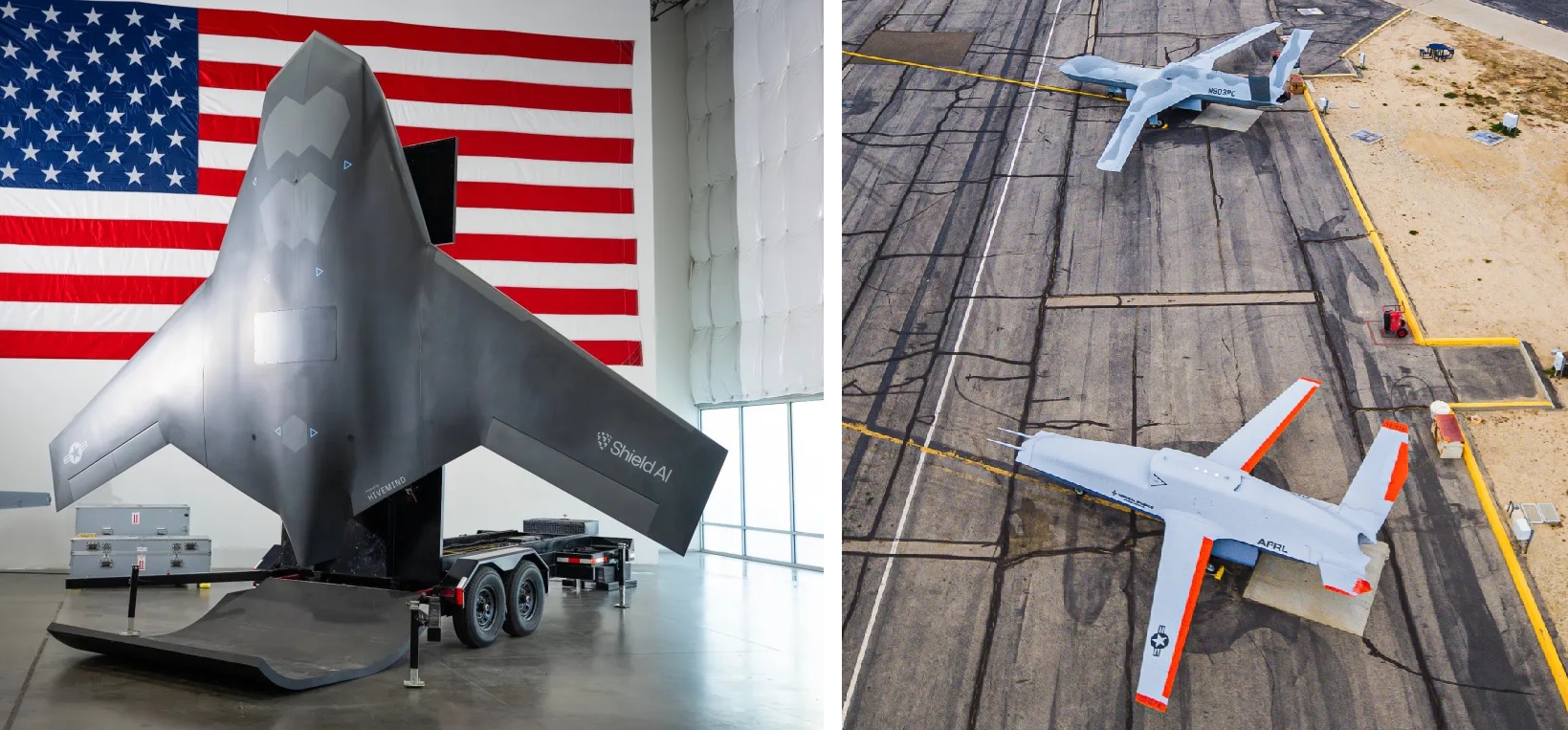
World
Shield AI’s unveiling of the X-BAT — a jet-powered, autonomous vertical takeoff and landing (VTOL) drone — has ignited a wave of speculation across the defense community and social media alike. Much of the online buzz centers on one claim: that X-BAT “uses the same engine as an F-15 or F-16,” and will “cost the same as the YFQ-44 and YFQ-42 Collaborative Combat Aircraft (CCA)” under the U.S. Air Force’s ongoing program. That sounds simple enough, but it masks a complex reality. The X-BAT and the YFQ drones may share a cost bracket and similar buzzwords — autonomy, AI flight control, modular payloads — yet they occupy very different tiers of power, performance, and purpose. A Fighter’s Heart in a Drone’s Frame Shield AI has confirmed that X-BAT will be powered by a General Electric fighter-class turbofan, part of the same family that drives the F-15 Eagle and F-16 Fighting Falcon — the F110 series. This engine line produces between 25,000 and 32,000 pounds of thrust, making it one of the most powerful single engines in active service. For a drone, that’s unprecedented. Most tactical UCAVs — including the U.S. Air Force’s current YFQ-44 (Anduril Fury) and YFQ-42 (General Atomics) prototypes — use much smaller turbofans producing roughly 4,000 pounds of thrust, with total aircraft weights around 5,000 pounds. By contrast, X-BAT’s reported takeoff weight exceeds 20,000 pounds, supported by over 25,000 pounds of thrust. This puts it in a league of its own — a Group 5 combat drone, closer in scale to a small fighter jet than a traditional unmanned aircraft. What the X-BAT Aims to Do Shield AI positions X-BAT as a “vertical takeoff and landing autonomous fighter”, intended to operate without runways. This VTOL capability allows the drone to be deployed from ships, island bases, or dispersed ground sites, enhancing survivability in contested environments. The company claims a range of around 2,000 nautical miles while carrying a full weapons payload, a remarkable figure for any unmanned aircraft of its class. The internal bay can host air-to-air or air-to-ground weapons, and the airframe’s shaping suggests radar-reducing features suitable for stealth operations. X-BAT’s autonomy is powered by Shield AI’s Hivemind AI pilot, already tested on other platforms. The system enables autonomous teaming — where drones can coordinate with manned aircraft or other uncrewed systems without direct human input. If operationalized, this would make X-BAT capable of acting as a loyal wingman to next-generation fighters like the F-35, or operating independently for strike, reconnaissance, or electronic warfare missions. How It Compares: YFQ-44 and YFQ-42 The YFQ-44 “Fury”, developed by Anduril, and YFQ-42, by General Atomics Aeronautical Systems, are both competing prototypes under the USAF’s Collaborative Combat Aircraft (CCA) program. Their designs emphasize affordability, attritability, and mass production — drones that can fly alongside fighters, carry sensors or munitions, and be produced in large numbers at low cost. YFQ-44 Fury: ~20 ft long, ~17 ft wingspan, 5,000 lb MTOW, powered by a small turbofan (~4,000 lbf thrust), capable of near-Mach 1 flight. YFQ-42: similar dimensions and performance envelope; both optimized for runway operations and relatively low-cost manufacturing. Their mission profiles are clear — fast, stealthy companions that extend sensor range and add strike volume for manned aircraft. X-BAT, however, aims higher in power and flexibility. Its fighter-class engine, VTOL design, and extended range suggest a platform that could replace or complement fighters in frontline operations, not merely support them. The Cost Debate The most controversial claim surrounding X-BAT is cost. Shield AI and several defense analysts have cited a target unit price of $25–30 million, roughly the same as the Air Force’s goal for CCAs. For comparison, a modern F-35A costs around $82 million. If Shield AI can truly deliver X-BAT at this cost — despite its F110-class engine, VTOL system, and larger payload capacity — it would represent a dramatic leap in cost-to-capability ratio. However, analysts note that such price comparisons can be misleading. The $25–30 million figures for CCAs refer primarily to flyaway costs, not including R&D, spares, or sustainment. A heavier, more complex drone like X-BAT could incur higher operating and maintenance costs, even if its initial production price matches that of the YFQ drones. Still, Shield AI argues that using a mature engine and common logistics with existing fighters will reduce lifecycle expenses. The company’s executives have suggested that a global support ecosystem for F110 engines already exists, allowing rapid fielding and easier sustainment. Operational Implications If successful, X-BAT could reshape how air forces think about combat aviation. Its combination of fighter-level power, long range, and runway independence could make it invaluable for distributed operations — particularly in the Indo-Pacific, where austere basing and maritime dispersal are critical. A squadron of X-BATs could operate from small airstrips, naval vessels, or even forward logistics points, conducting deep strike, electronic warfare, or autonomous escort missions without requiring the infrastructure of traditional airbases. In that sense, Shield AI’s ambition for X-BAT aligns with the U.S. Air Force’s evolving concept of “affordable mass with persistence” — swarms of advanced, semi-autonomous systems augmenting manned fighters at a fraction of the cost. The Bigger Picture The debate over X-BAT’s price and power mirrors a broader question in modern air warfare: can autonomy and additive manufacturing truly break the cost curve of combat aviation? For now, X-BAT remains in the prototype and development phase. But its specifications — 25K+ lbs thrust, 20K+ lbs takeoff weight, 2,000 nm range, and fighter-grade performance — mark it as one of the most ambitious autonomous aircraft yet conceived in the West. Whether Shield AI can deliver that performance within the CCA price bracket will determine if the X-BAT becomes a disruptive benchmark or just another ambitious prototype in the race for the future of air combat.
Read More → Posted on 2025-11-05 17:44:57
World
The United States Air Force Global Strike Command (AFGSC) conducted a successful test launch of an unarmed LGM-30G Minuteman III intercontinental ballistic missile on November 5, 2025, from Vandenberg Space Force Base, California. Designated Glory Trip 254 (GT-254), the mission validated the continued reliability, operational readiness, and precision of America’s land-based strategic deterrent — a core component of the U.S. nuclear triad. The launch was executed by a team of Airmen from the 625th Strategic Operations Squadron, using the Airborne Launch Control System (ALCS) aboard a U.S. Navy E-6B Mercury aircraft. This system enables the missile force to be launched remotely, serving as a backup command and control mechanism in the event of ground-based system degradation or conflict. “GT-254 is not just a launch — it’s a comprehensive assessment to verify and validate the ICBM system’s ability to perform its critical mission,” said Lt. Col. Karrie Wray, commander of the 576th Flight Test Squadron, which oversees flight testing of the Minuteman III. “The data collected during the test is invaluable in ensuring the continued reliability and accuracy of the ICBM weapon system.” A Test of Reliability and Strategic Assurance Following its launch from Vandenberg, the unarmed Minuteman III’s reentry vehicle traveled approximately 4,200 miles (6,759 kilometers) before impacting at the Ronald Reagan Ballistic Missile Defense Test Site, located on the Kwajalein Atoll in the Republic of the Marshall Islands. At Kwajalein, a suite of high-fidelity radars, optical sensors, and telemetry systems tracked the missile throughout its terminal flight phase, collecting performance and impact data. Analysts from the U.S. Army Space and Missile Defense Command will now use this information to evaluate guidance accuracy, propulsion stability, and reentry vehicle performance under operational conditions. Col. Dustin Harmon, commander of the 377th Test and Evaluation Group, emphasized the technical scope of the mission: “This test validated the reliability, adaptability, and modularity of the weapon system. Through this comprehensive effort, we ensure the highest standards of integrity and readiness for the nation’s ICBM force.” Not a Response, But a Routine Assurance AFGSC officials stressed that GT-254 was not conducted in response to any current global events. Rather, it is part of a long-running series of routine test launches, conducted multiple times each year to verify the performance of the United States’ aging Minuteman III fleet, which first entered service in the early 1970s. “Such operations serve as a visible reminder that America’s strategic deterrent remains ready and capable,” said Col. Bryan Titus, deputy commander of Space Launch Delta 30. “These tests reaffirm our commitment to safety, reliability, and credibility in the face of evolving threats.” The Minuteman III and America’s Nuclear Triad The LGM-30G Minuteman III remains the sole land-based intercontinental ballistic missile (ICBM) in U.S. service and represents one leg of the nuclear triad, which also includes Trident II D5 submarine-launched ballistic missiles (SLBMs) and the B-52H Stratofortress and B-2 Spirit strategic bombers. Each Minuteman III missile, housed in hardened silos across Wyoming, Montana, and North Dakota, can travel over 13,000 kilometers and is capable of carrying multiple independently targetable reentry vehicles (MIRVs). However, under existing arms control agreements, the missiles are deployed in a single-warhead configuration. The missile used in GT-254 was equipped with instrumented test telemetry packages instead of a live warhead, enabling engineers to capture in-flight data on propulsion, guidance, and reentry dynamics. Preparing for the Sentinel Era While the Minuteman III has undergone multiple life-extension programs to maintain viability, it is reaching the end of its service life after over five decades of operation. The U.S. Air Force is transitioning to its next-generation successor — the LGM-35A Sentinel, developed by Northrop Grumman. Expected to enter service in the mid-2030s, the Sentinel program will replace all 400 deployed Minuteman III missiles, overhaul launch facilities, and modernize the entire command and control architecture. Until the Sentinel system becomes operational, maintaining the readiness of the current fleet remains critical to the nation’s deterrence strategy. “As we modernize to the Sentinel weapon system, we must continue to maintain the readiness of the existing Minuteman III fleet,” said Gen. S.L. Davis, commander of Air Force Global Strike Command. “GT-254 fulfills that commitment, ensuring continued accuracy, safety, and reliability.” Strategic Context and Global Implications The test comes at a time of renewed strategic competition, as both Russia and China accelerate their nuclear modernization programs. The U.S., meanwhile, continues to emphasize transparency and predictability in its test programs as a stabilizing factor in global deterrence. Unarmed test launches such as GT-254 serve two purposes: they demonstrate technical reliability to U.S. policymakers and allies while signaling credibility to potential adversaries. These operations reaffirm that, even as modernization progresses, the United States retains a fully capable and responsive nuclear deterrent. A Message of Confidence The successful completion of GT-254 reinforces the U.S. Air Force’s ability to maintain, operate, and test one of the most complex weapons systems ever fielded. It also highlights the coordinated effort of Airmen from all three missile wings, engineers from test squadrons, and support from Navy and Army partners. As the Minuteman III approaches the end of its operational journey, missions like GT-254 ensure that the missile continues to perform its essential role — deterring aggression, preserving stability, and assuring allies. In the words of AFGSC leadership, the test stands as a testament to a simple but vital truth: “America’s strategic deterrent remains safe, secure, and ready — always.”
Read More → Posted on 2025-11-05 17:11:41Search
Top Trending in 24 Hours
-
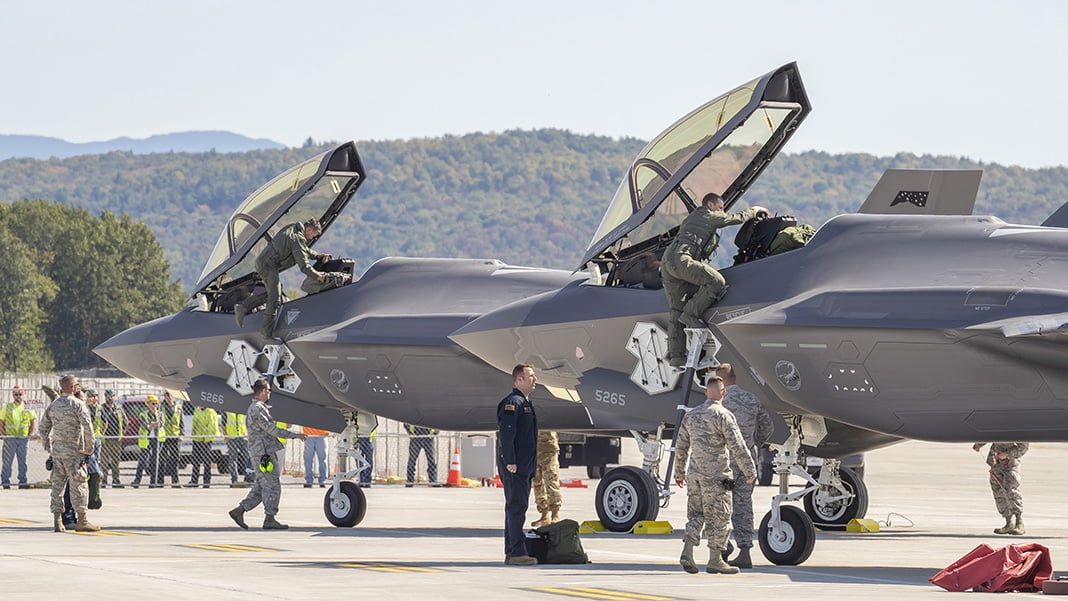 F-35 Fleet Readiness Falls to 25% Amid Parts Shortages and Software Delays: GAO Report
-
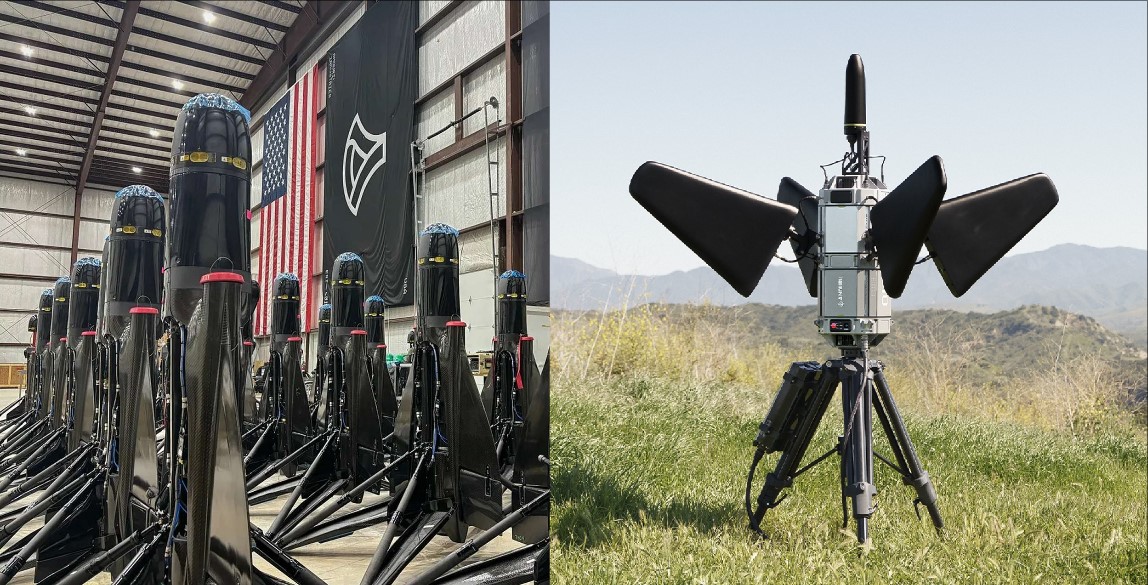 U.S. Approves $1.98 Billion Sale of Anduril AI-Powered Counter-Drone Systems to Kuwait
-
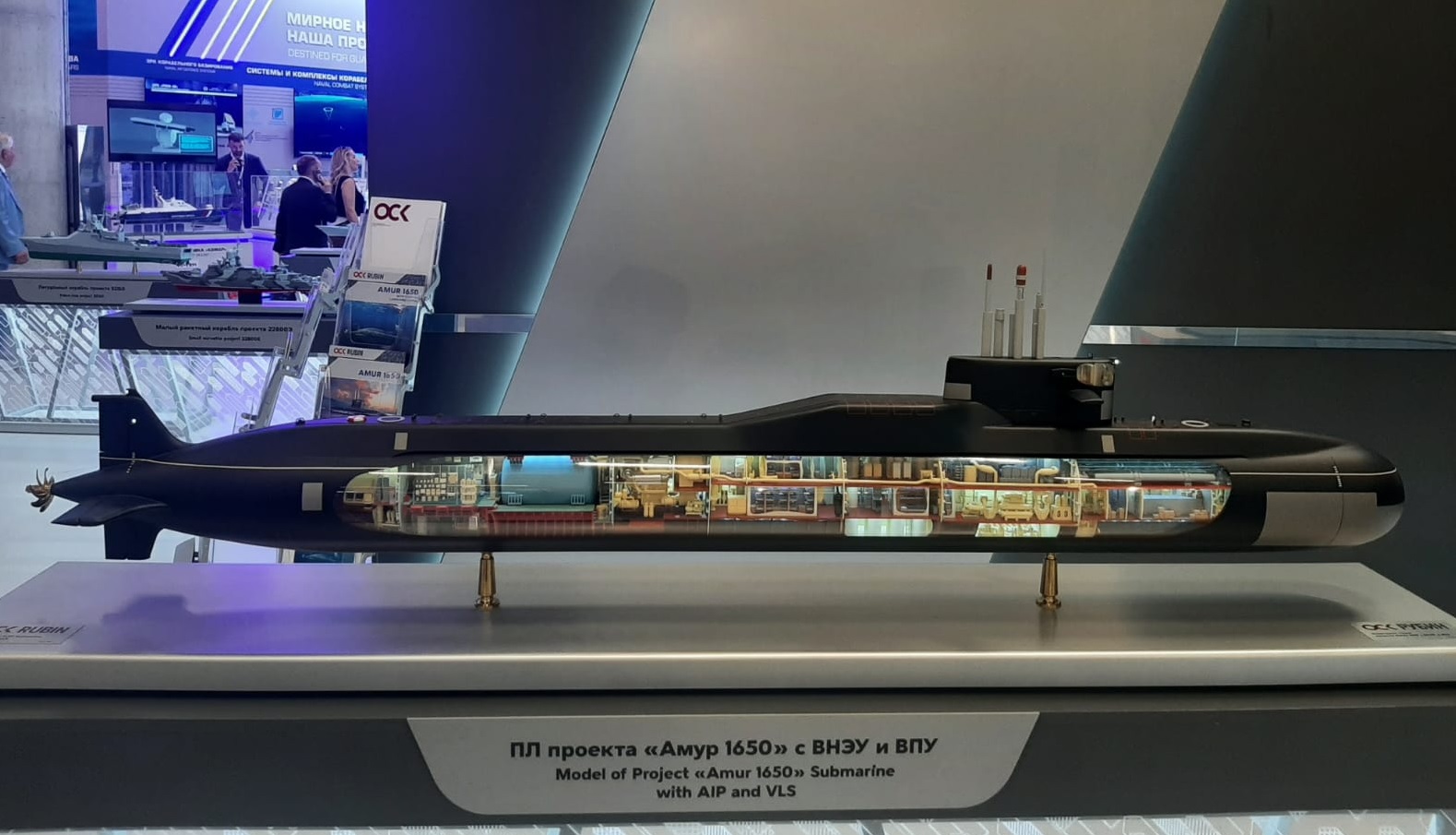 Russia Unveils Amur-1650 AIP Submarine Equipped with BrahMos Vertical Launch System at Fleet-2026
-
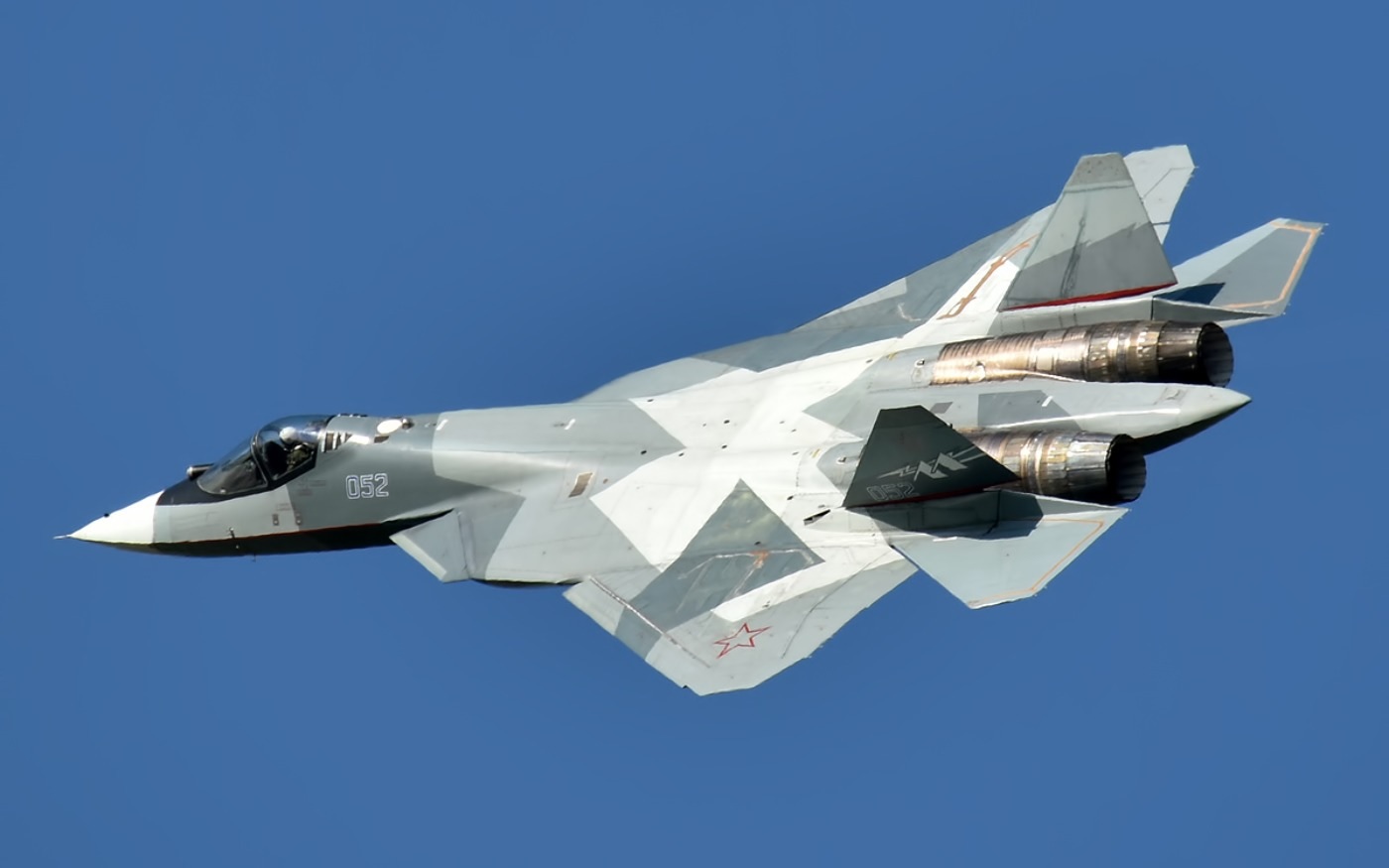 Russian Analysts Debate Su-57 Capabilities After Putin Calls Fighter Superior to F-35
-
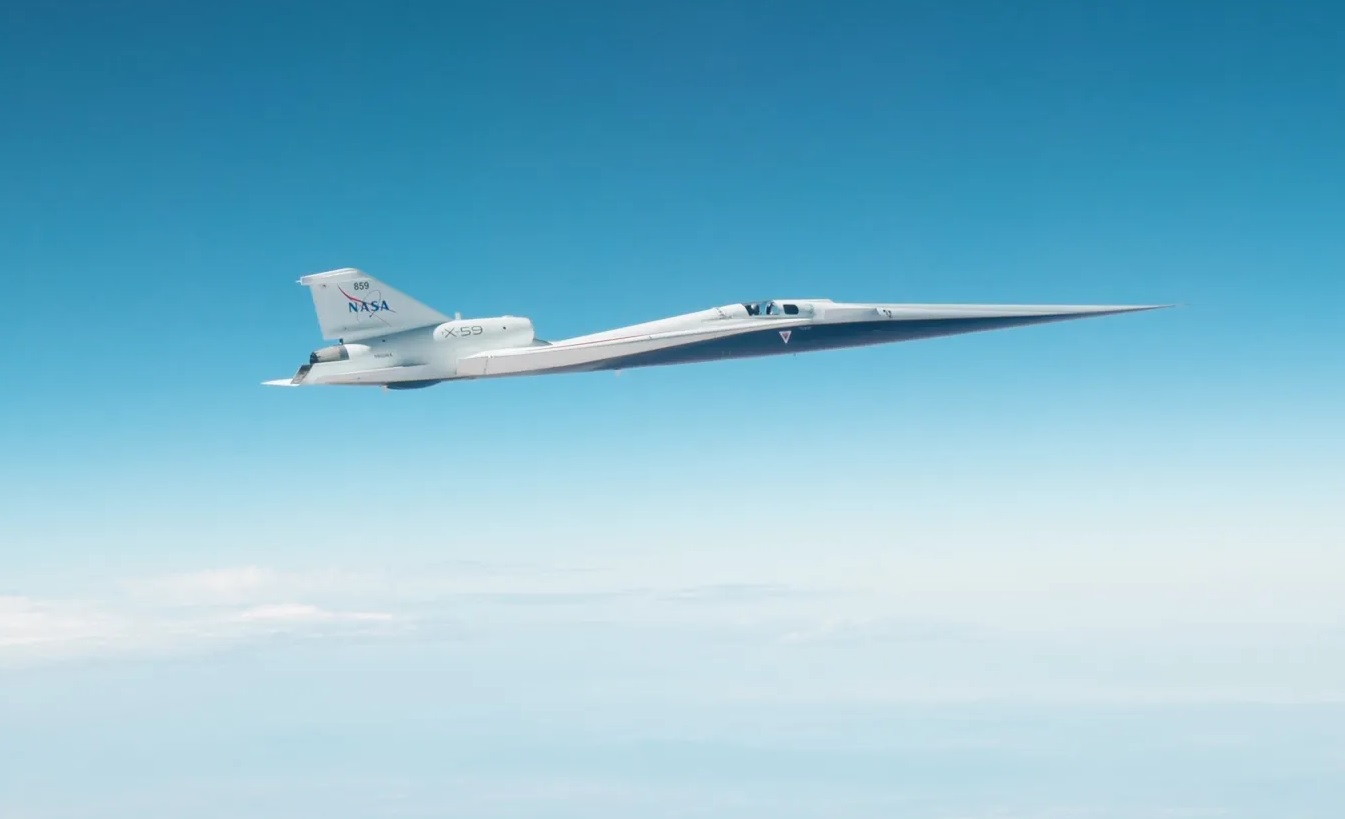 NASA X-59 Achieves Planned Mission Conditions with Mach 1.4 Flight at 55,000 Feet
-
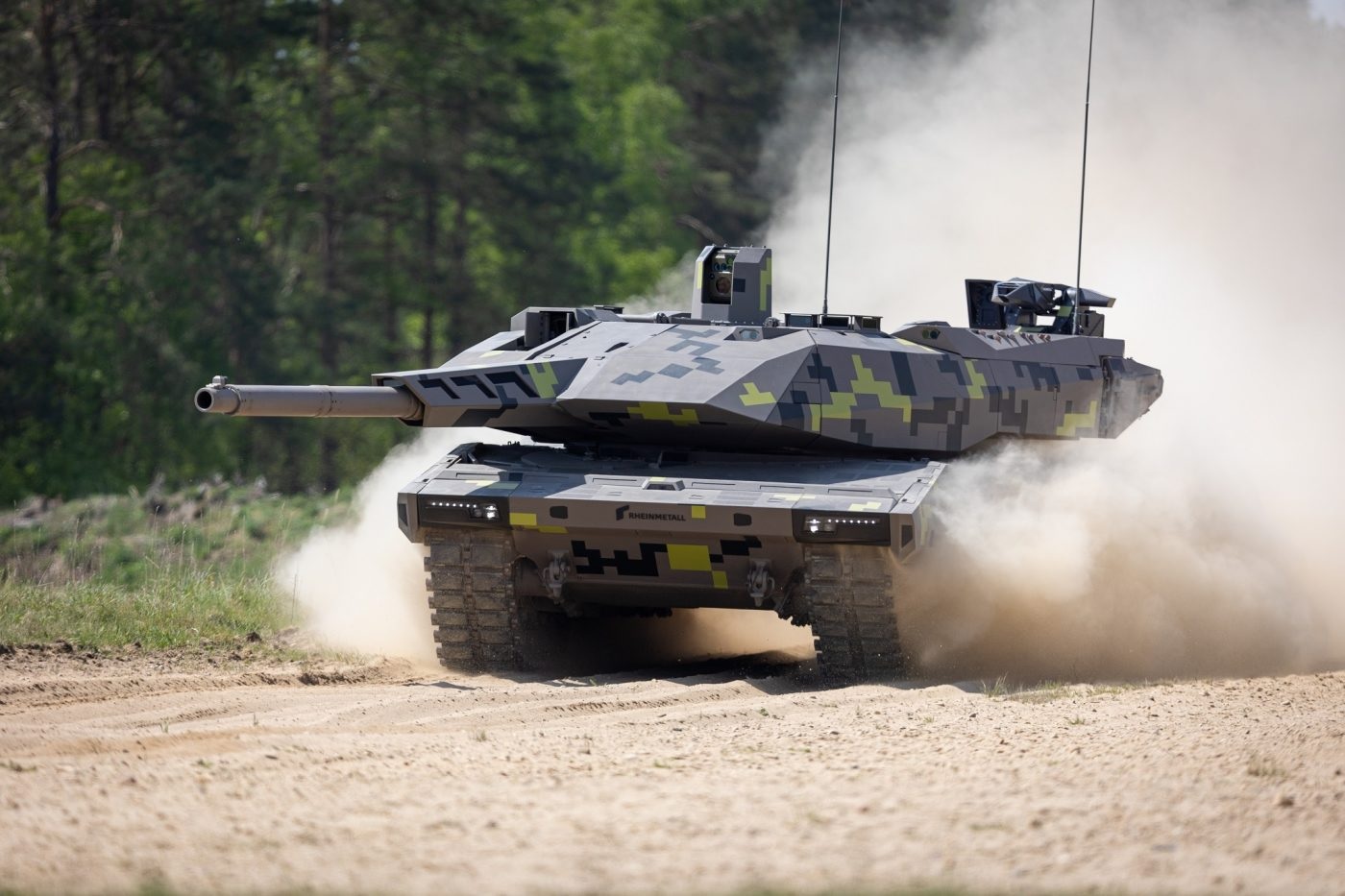 France Considers Reduced Role or Exit from Franco-German MGCS Tank Project
-
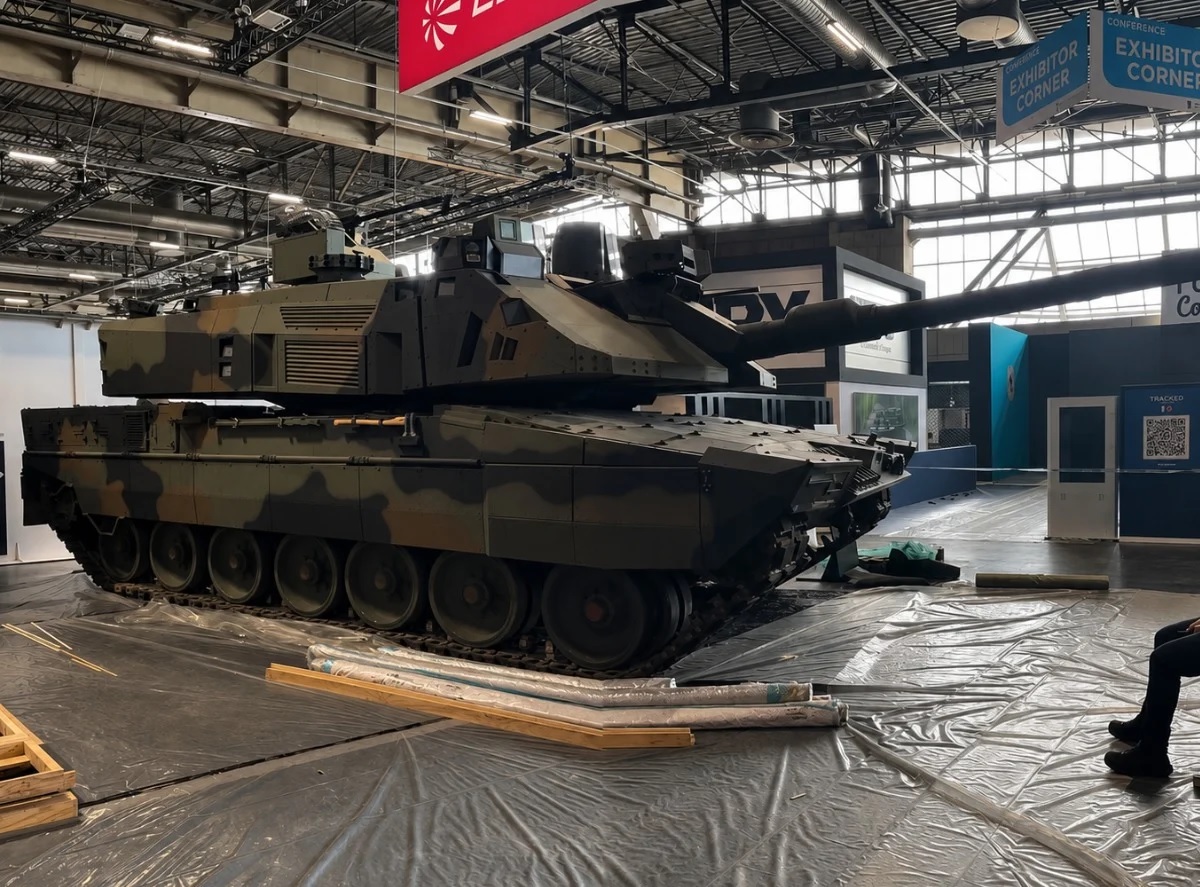 Leonardo Rheinmetall to Unveil Italy’s New IMBT Main Battle Tank at Eurosatory 2026
-
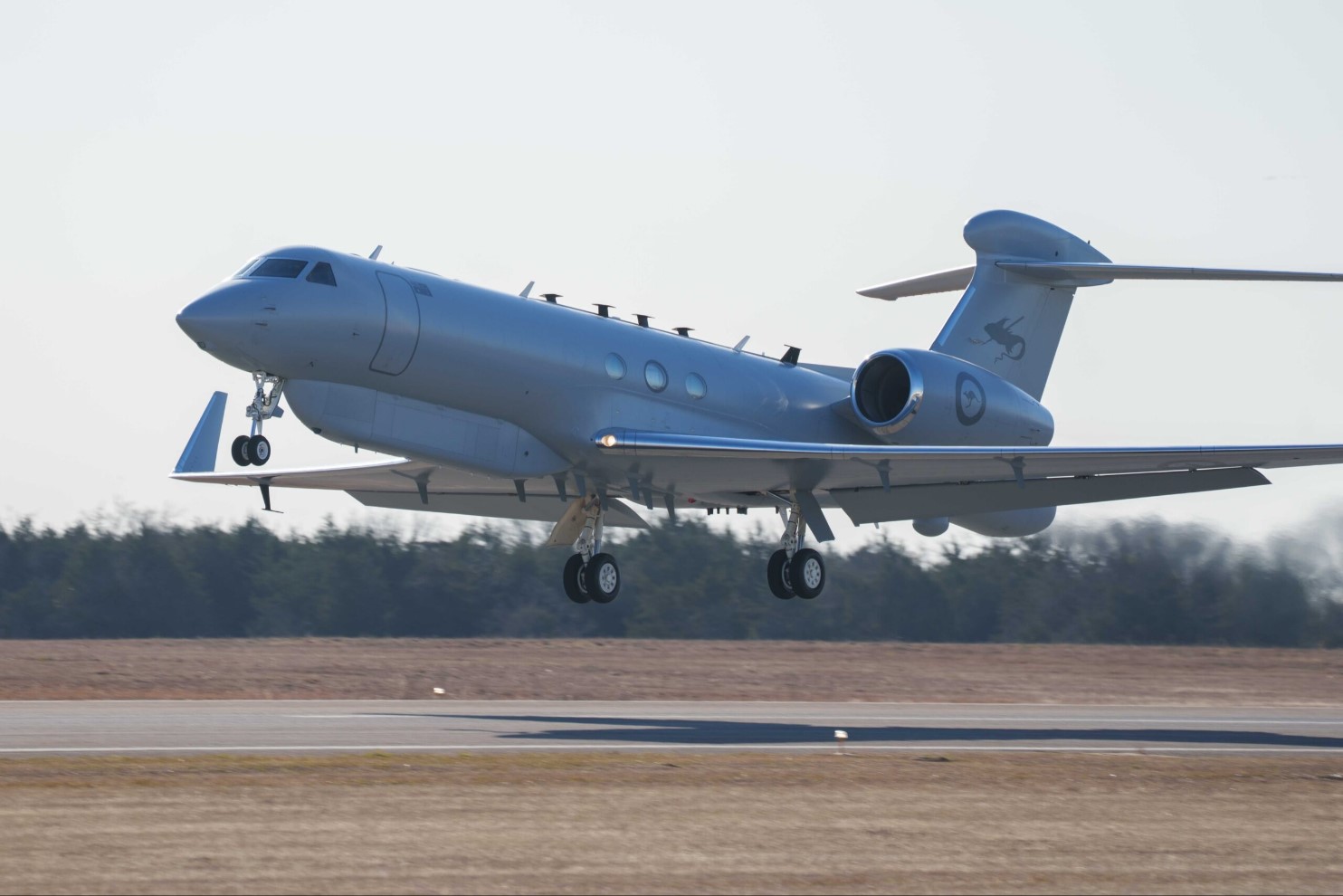 Australia Receives Third MC-55A Peregrine Intelligence Aircraft Under A$2.4 Billion ISR Program
Top Trending in 4 Days
-
 Iranian Media Leaks 14-Point U.S.-Iran Peace Framework Amid Ongoing Negotiations
-
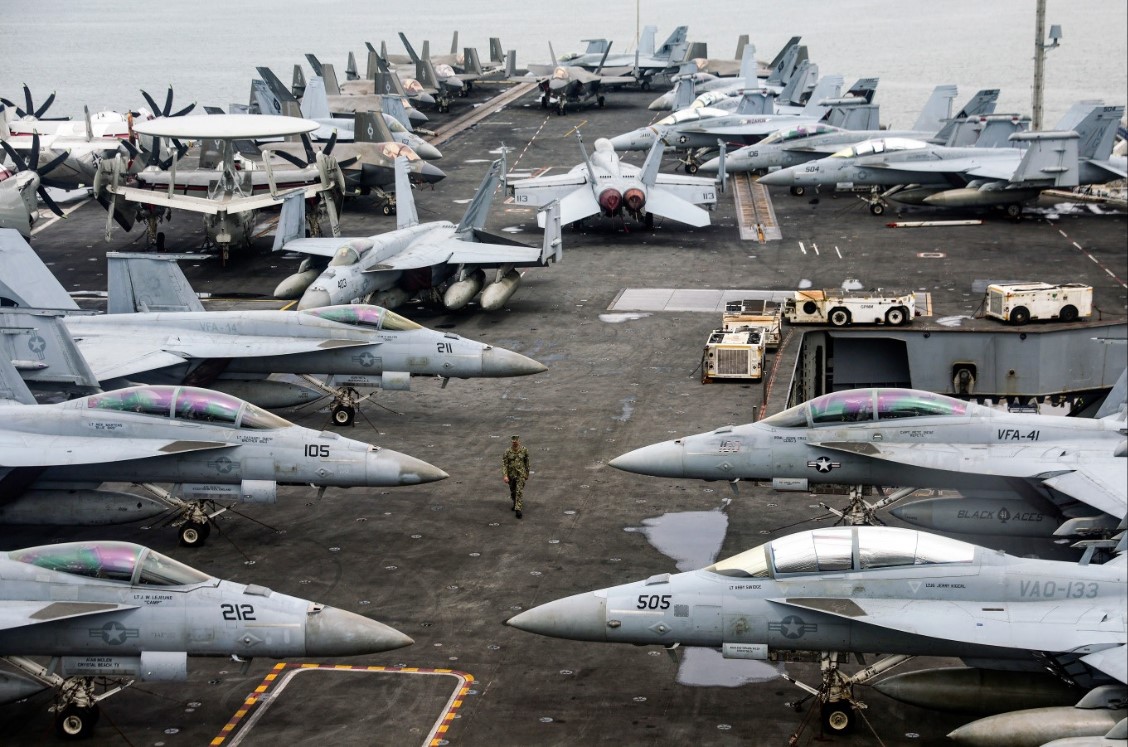 US Plans Significant Reduction of Fighter Jets and Warships for NATO Operations in Europe
-
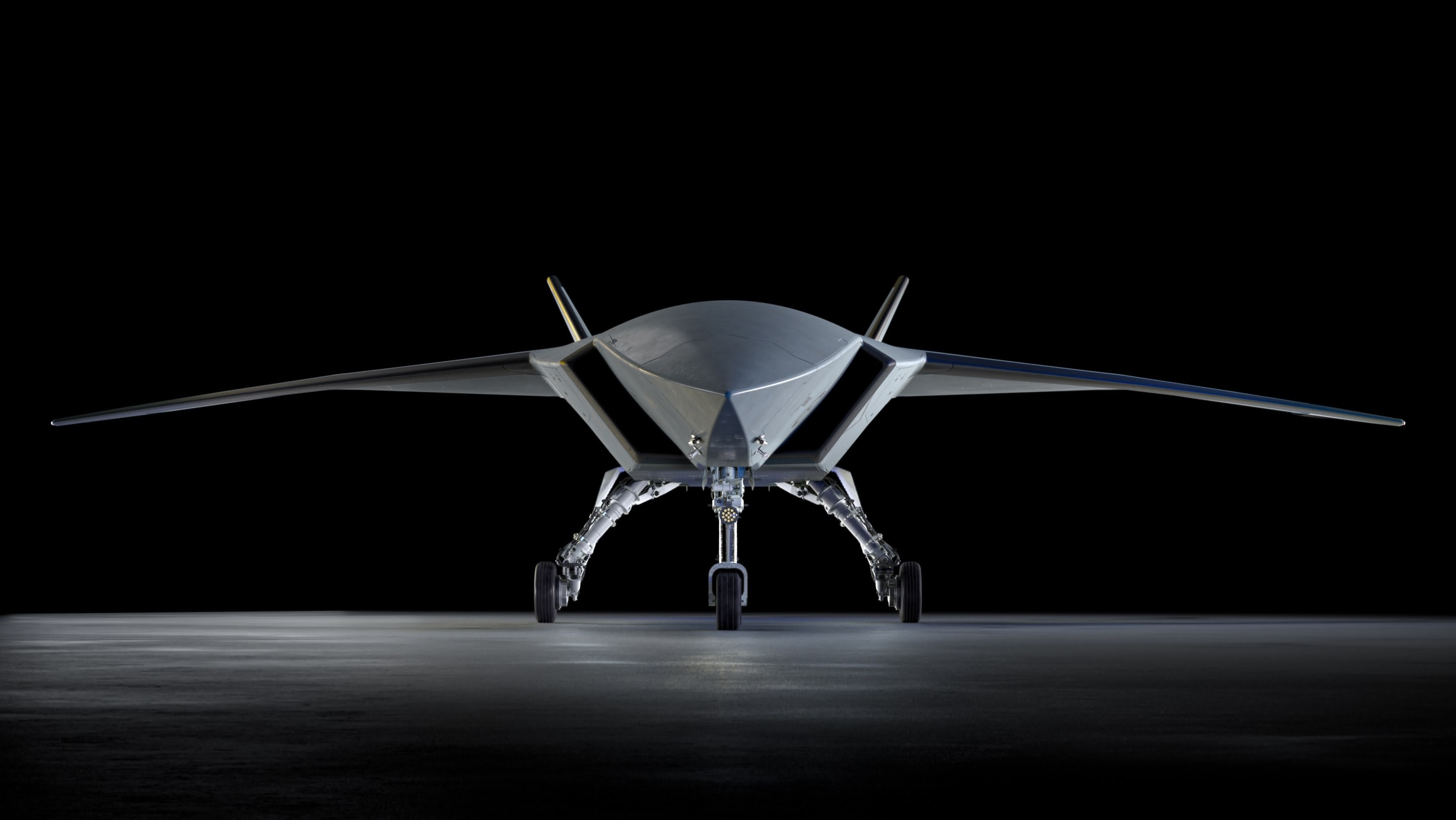 Boeing Introduces New MQ-28 Ghost Bat Upgrades with Increased Range, Payload and Weapons Capacity at ILA Berlin 2026
-
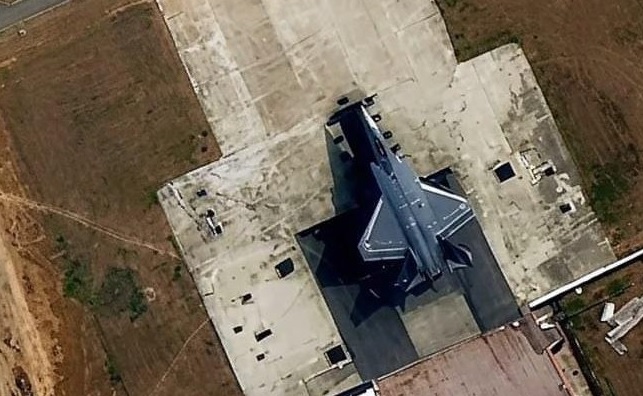 AMCA Airframe Spotted at DRDO’s ORANGE Facility for Radar Cross-Section Testing
-
 U.S. Air Force Faces Strategic Airlift Shortfall as C-17 Production Restart Remains Uncertain
-
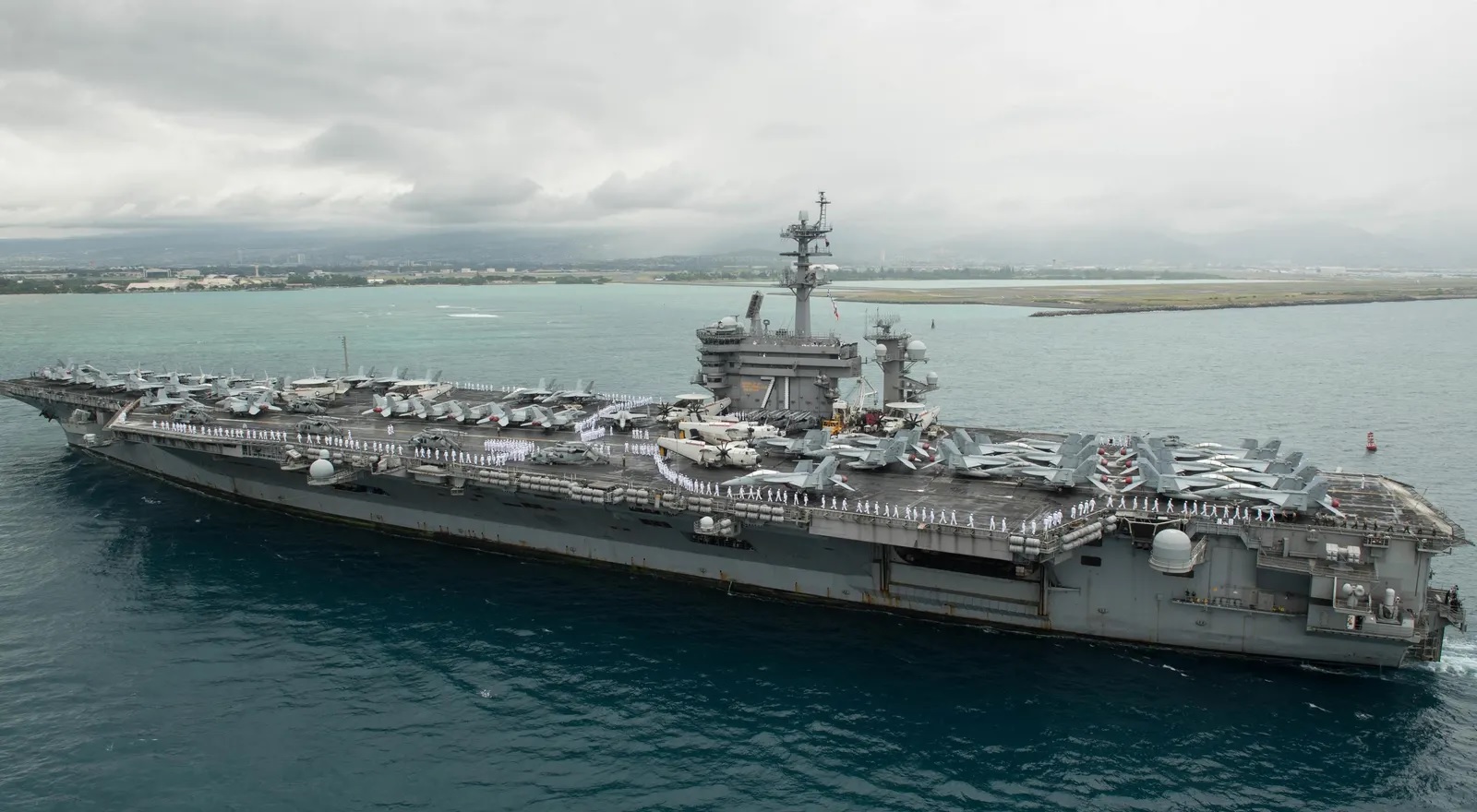 U.S Aircraft Carrier USS Theodore Roosevelt Departs San Diego for Major RIMPAC 2026 Naval Exercise
-
 NATO Commander Says Russia Not Seeking Conflict With Alliance Despite U.S. Force Reductions
-
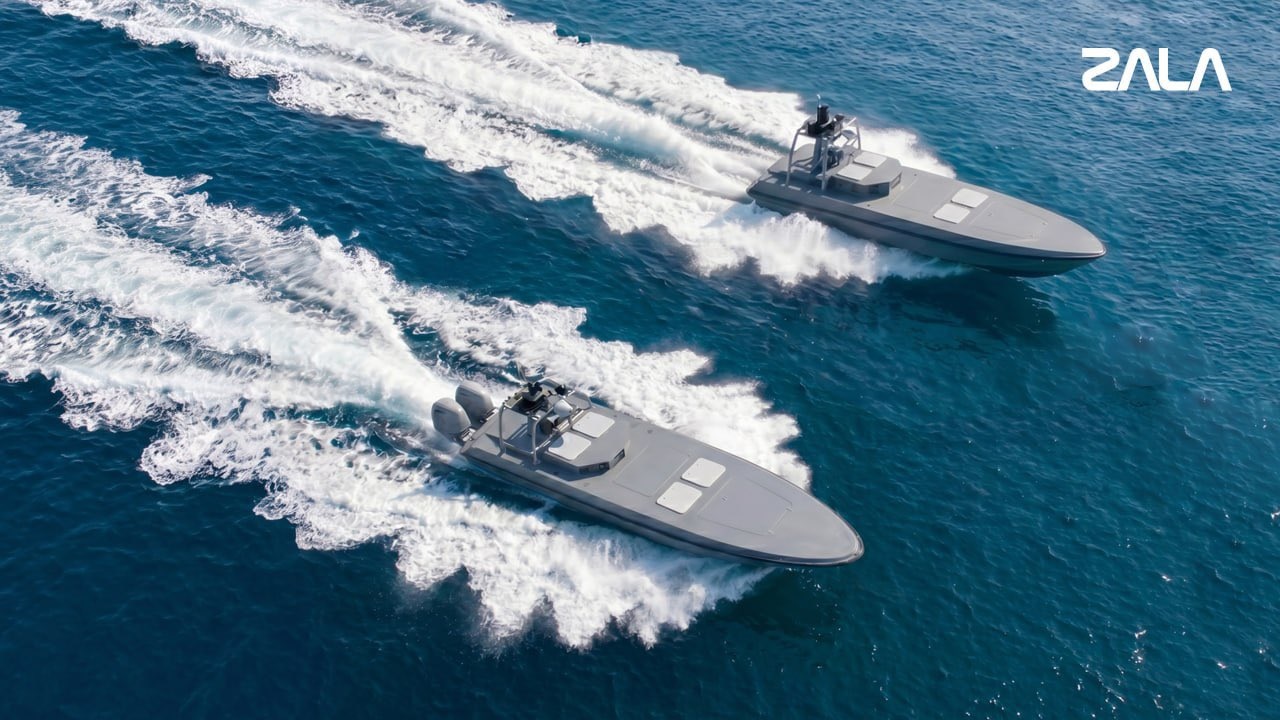 Russian Defense Firm ZALA Unveils KAMA Unmanned Surface Vessel Family at FLOT-2026 Naval Exhibition