World
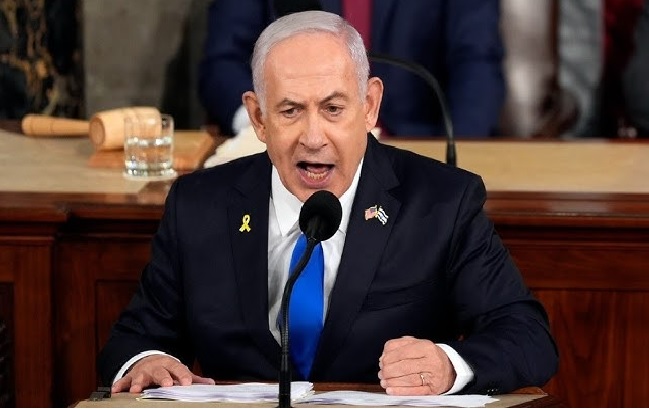
JERUSALEM : Israeli Prime Minister Benjamin Netanyahu delivered one of his most uncompromising speeches in months on Monday, drawing what he described as “clear red lines” on Gaza’s future, the fate of Hamas, and Israel’s posture toward Iran. Speaking before the full plenum of the Knesset, Netanyahu signaled that Israel is prepared to confront not only its enemies but also its allies if core security demands are not met. The address came as diplomatic efforts intensify around a U.S.-backed, phased framework for post-war Gaza governance and as regional tensions remain elevated across multiple fronts. Netanyahu used the moment to publicly assert Israel’s non-negotiable positions, framing them as matters of national survival rather than policy preference. Gaza Governance: A Firm Rejection of Foreign Troops At the center of the speech was Israel’s opposition to any foreign military presence in Gaza, particularly involving countries it considers sympathetic to Hamas. Netanyahu explicitly ruled out Turkish or Qatari troops, despite both nations’ roles as mediators in hostage negotiations. “Turkish or Qatari soldiers will not set foot in Gaza,” Netanyahu said, underscoring that Israel alone will determine the security architecture of the enclave. While leaving open the possibility of limited civilian or advisory roles for regional actors, Netanyahu stressed that security control would remain exclusively in Israeli hands. He acknowledged differences with Washington over the proposed structure of a post-war governing mechanism, but emphasized that those disagreements would not dilute Israel’s core demands. Israel, he said, would preserve its alliance with the United States while refusing to compromise on matters it views as existential. Phase Two: Disarmament or Renewed War Netanyahu framed the next stage of the conflict in stark, binary terms. Referring to what he called “Phase Two” of the campaign, he stated that the objective is the full disarmament of Hamas and the permanent demilitarization of Gaza. According to Netanyahu, Israeli forces currently control roughly half of the Gaza Strip, a position he described as providing strategic leverage. From that vantage point, he offered Hamas a clear choice: surrender its weapons through diplomatic arrangements or face renewed and intensified military action. “The goals are clear, and they will be achieved — either the easy way or the hard way,” he said, a formulation widely interpreted as a warning that large-scale combat operations could resume if negotiations fail. The statement reinforced Israel’s longstanding position that Hamas cannot play any role in Gaza’s future political or military structures, regardless of international pressure to seek interim compromises. A Stark Warning to Tehran Turning to Iran, Netanyahu issued one of his most severe public threats to date, warning that any direct Iranian attack on Israel would provoke a response of unprecedented magnitude. “If Iran attacks Israel, Israel will respond with a force it has never known,” he told lawmakers, adding that such a confrontation could fundamentally alter Iran’s future. “Iran will not return to what it once was.” The warning follows renewed concerns in Israel and allied capitals about Iranian military activity and nuclear capabilities, as well as continued friction between Iran and Israel across proxy theaters in the region. Hostages and Domestic Politics Netanyahu concluded his address by reaffirming that the return of remaining hostages remains a top national priority. He specifically mentioned Master Sgt. Ran Gvili, whose body is still believed to be held in Gaza, describing ongoing efforts to secure his return as sensitive and best handled away from public scrutiny. The speech immediately drew sharp reactions across Israel’s political spectrum. Opposition lawmakers accused Netanyahu of using hardline rhetoric to bolster his standing ahead of looming political battles, while coalition allies praised the address as a necessary assertion of sovereignty amid growing international pressure. As the Knesset session adjourned, Netanyahu’s message was unmistakable: Israel intends to shape the post-war order in Gaza on its own terms, confront Iran without hesitation, and pursue its military objectives regardless of diplomatic friction. Whether those red lines harden into policy or trigger new clashes — on the battlefield or with allies — now looms as one of the central questions facing the region.
Read More → Posted on 2026-01-19 17:32:05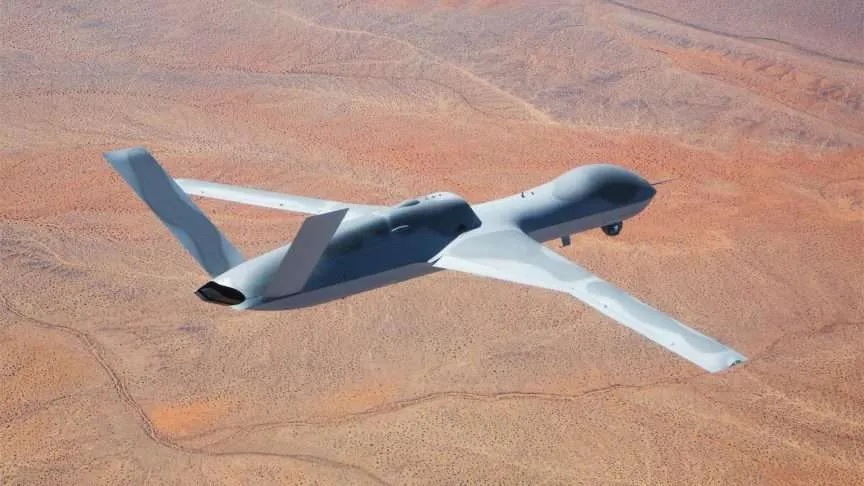
World
SAN DIEGO / WASHINGTON : In a milestone that underscores how rapidly artificial intelligence is reshaping air combat, General Atomics Aeronautical Systems, Inc. has confirmed that its MQ-20 Avenger unmanned aircraft successfully carried out a live, autonomous aerial intercept of a crewed aggressor aircraft during a January flight from California. The demonstration, completed with minimal human input, is being described by defense officials and industry observers as one of the clearest signs yet that Collaborative Combat Aircraft (CCA) are moving from concept to operational reality. Autonomous Intercept Marks New Phase in Unmanned Air Combat According to the company, the flight took place on 18 January 2026 and was fully funded by General Atomics. During the mission, the MQ-20 Avenger relied on a U.S. government-provided reference autonomy stack to plan, execute and adapt its actions in real time while manoeuvring against a live, crewed aircraft acting as an adversary. Unlike earlier autonomy trials that were limited to simulations or scripted manoeuvres, this test involved dynamic decision-making, sensor-driven target tracking and compliance with operational airspace constraints. Company officials said the aircraft autonomously adjusted heading, speed and altitude, respected predefined keep-in and keep-out geofences, and managed the intercept profile with only supervisory oversight from a ground control team. The aggressor aircraft remained crewed throughout the engagement, highlighting the growing confidence in safely operating AI-enabled systems alongside human pilots. Avenger’s Evolution from Strike Drone to Autonomy Testbed The MQ-20 Avenger is a jet-powered unmanned combat air vehicle (UCAV) developed as a higher-speed, lower-observable evolution of the MQ-9 Reaper family. Measuring roughly 13 metres in length with a wingspan of about 20 metres, the aircraft is powered by a Pratt & Whitney PW545B turbofan engine, enabling cruise speeds approaching 740 kilometres per hour and routine operations above 15,000 metres. Designed with an internal weapons bay to reduce radar and infrared signatures, the Avenger can also carry sensors or stores on external hardpoints when low observability is less critical. With endurance exceeding 20 hours and payload capacity well over a tonne, it sits firmly in the U.S. military’s Group 5 category of large, long-endurance unmanned aircraft. Although produced only in limited numbers, the type has logged thousands of flight hours since its first flight in 2009. In recent years, GA-ASI has increasingly used the Avenger as a flying laboratory for mission autonomy. As the United States Air Force accelerates its push toward Collaborative Combat Aircraft under its Next-Generation Air Dominance (NGAD) vision, the MQ-20 has emerged as a surrogate platform for testing open-architecture autonomy, sensor fusion, and manned-unmanned teaming concepts. Building on Earlier Autonomy Demonstrations The January 2026 intercept builds on a series of increasingly complex trials conducted over the past two years. In early 2025, the Avenger flew in the Orange Flag 25-1 exercise using a government autonomy stack before transitioning control in flight to Shield AI’s Hivemind autonomy software. Later that year, GA-ASI demonstrated mixed live-virtual operations in which a real MQ-20 and its digital twin coordinated combat air patrol patterns, executed autonomous formation manoeuvres, and maintained station keeping without continuous human direction. A separate company-led test in mid-2025 had already included simulated autonomous shoot-downs of live aircraft, but the January 2026 event marks the first publicly acknowledged instance of a live intercept profile being flown end-to-end using the same class of government reference software. Defense analysts note that this continuity suggests the autonomy stack is maturing into a repeatable, certifiable capability, rather than a one-off experiment. Tactical Implications for Future Air Campaigns From an operational perspective, the intercept highlights several advantages that mission-autonomous UCAVs could offer in high-end conflicts. By relying on passive sensors such as infrared search and track (IRST), the Avenger can detect and close with airborne targets without emitting radar energy, reducing its electronic signature and complicating enemy countermeasures. Autonomous compliance with airspace control measures demonstrates that such aircraft can operate aggressively while still adhering to commander-imposed safety and deconfliction rules. Equally important is the reduction in cognitive burden on human operators. Autonomy that can handle routine manoeuvring, instrument navigation, and rapid response to new tasking allows a single ground crew to supervise multiple aircraft simultaneously. In combat, this could enable persistent patrols, faster intercept timelines, and the massing of uncrewed, potentially attritable shooters, while reserving crewed fighters for missions that demand human judgment. Strategic and Political Context The test further strengthens the MQ-20 Avenger’s role as a stepping-stone toward operational CCA fleets. By basing its work on open, government-defined reference architectures and demonstrating interoperability with third-party autonomy software, GA-ASI is aligning closely with U.S. Air Force objectives of avoiding vendor lock-in and fostering industrial competition. For Washington and allied air forces, this approach promises faster capability insertion and easier coalition interoperability. At the same time, the emphasis on simulated weapons effects and human oversight reflects an awareness that political, legal and ethical debates over lethal autonomy are intensifying. Defense officials continue to stress that humans will remain responsible for authorizing the use of force, even as AI systems take on greater roles in sensing, manoeuvre and decision support. Software as the New Centre of Gravity As air forces prepare for potential conflicts against technologically sophisticated adversaries, the January 2026 intercept flight stands out as a marker of how quickly mission autonomy is advancing from theory to practice. The MQ-20 Avenger’s performance suggests that future breakthroughs in air combat may hinge less on airframe performance and more on the quality, adaptability and trustworthiness of software. By pairing a survivable, long-endurance unmanned platform with modular autonomy stacks and advanced sensors, General Atomics and its partners are laying the groundwork for human-machine air combat teams that could redefine how air superiority is achieved in the decades ahead.
Read More → Posted on 2026-01-19 16:07:04
World
BEIRUT : The collapse of the Syrian Democratic Forces (SDF) as an independent military power appears imminent after a sweeping government offensive and a far-reaching agreement that will see the Kurdish-led force absorbed into Syria’s national institutions, effectively ending a decade-long experiment in Kurdish self-rule in the country’s northeast. Once the most effective ground force against the Islamic State group, the SDF has been pushed back to a shrinking pocket in Hassakeh after Syrian government troops captured large swaths of territory following days of deadly clashes. The rapid advance marks one of the most significant military and political turning points since the fall of former President Bashar Assad in December 2024. From U.S.-Backed Ally to Strategic Defeat Formed in 2015 with U.S. backing, the SDF united Kurdish, Arab, Turkmen and Christian militias to combat the rise of the Islamic State in Syria. At its height, the force controlled nearly a quarter of Syrian territory, including much of the oil-rich east and key population centers along the Turkish and Iraqi borders. Although ethnically diverse on paper, the alliance was dominated by the Kurdish People’s Protection Units (YPG), a fact that fueled tensions with Arab factions and alarmed neighboring Turkey, which considers the YPG an extension of the PKK insurgency it has fought for decades. The SDF’s military success culminated in March 2019, when it captured the last Islamic State stronghold in eastern Syria. That victory, however, left the group governing vast territory, running detention camps and prisons, and navigating a fragile relationship with Damascus that would eventually unravel. Damascus Moves to Reassert Control Relations between Syria’s new leadership and the SDF remained strained after Assad’s ouster, even as interim President Ahmad al-Sharaa consolidated power in Damascus. A surprise thaw appeared in March, when SDF commander Mazloum Abdi visited the capital and signed a preliminary agreement to integrate the force into the national army by the end of 2025. But talks stalled over how that integration would occur. Abdi publicly favored merging the SDF as a cohesive unit, preserving its internal command structure. Damascus rejected that approach. In early January, Abdi returned to Damascus for further negotiations. State media reported that no tangible progress was made. Within days, fighting erupted in northern Aleppo, forcing the SDF to evacuate long-held neighborhoods. The clashes quickly escalated into a broader offensive. Government troops pushed eastward, seizing towns outside Aleppo before driving deeper into the heart of SDF-held territory. By Sunday, Syrian forces had taken control of much of Raqqa — the former de facto capital of the Islamic State — and the oil-rich province of Deir el-Zour along the Iraqi border. A Ceasefire That Redefines Power Late Sunday, Damascus announced a ceasefire, formally ending the latest round of fighting. Shortly afterward, state-run media broadcast images of al-Sharaa signing a new agreement. Abdi’s signature appeared on the document, though he was absent from the ceremony, with officials citing bad weather. Under the terms of the deal, SDF fighters will be absorbed into Syria’s army and police as individuals, not as an organized force — a provision widely seen as a decisive blow to Kurdish leverage. Senior SDF commanders will submit names to Damascus, with select figures expected to receive military or administrative posts. In a symbolic move aimed at easing Kurdish anger, al-Sharaa issued a decree recognizing Kurdish as an official language alongside Arabic and declaring the Kurdish New Year a national holiday. The ceasefire was announced two days later. The End of Rojava The agreement effectively dismantles the autonomous region known as Rojava, or Western Kurdistan, which had emerged during Syria’s civil war. Kurds made up roughly 10 percent of Syria’s pre-war population of 23 million, but their political influence far exceeded their demographic weight during the height of SDF control. With Raqqa and Deir el-Zour lost, the SDF has been stripped of key economic assets, including oil fields, wheat supplies, dams and border crossings. Analysts say the loss of revenue and territory left the group little choice but to accept harsher terms than those it had previously rejected. Turkey stands to gain the most from the outcome. Ankara has long demanded the dismantling of Kurdish armed structures along its southern border and now sees its primary objective achieved without direct military intervention. Islamic State Prisons: A Looming Test One of the most sensitive issues now confronting Damascus is control of detention facilities holding thousands of Islamic State suspects. The SDF has for years guarded prisons housing an estimated 9,000 IS fighters, as well as the sprawling al-Hol and Roj camps, home to tens of thousands of women and children linked to the group. On Monday, the SDF reported an attack on the Shaddadeh prison, saying its fighters repelled multiple assaults. Under the new 14-point ceasefire agreement, responsibility for prisons and camps will gradually transfer to the Syrian government, which will assume full legal and security control. No timeline has been announced. The deal commits Damascus to continuing the fight against Islamic State, noting Syria’s participation in the U.S.-led coalition. Security experts warn that any lapse in oversight could trigger prison breaks or renewed insurgent activity. A Shift in U.S. Posture Washington has described the agreement as an “inflection point,” language widely interpreted as signaling the end of direct U.S. backing for the SDF. Kurdish commanders had publicly urged American officials to intervene as negotiations faltered, but those appeals went unanswered. For many Kurds, the outcome confirms long-standing fears of abandonment. After serving as the West’s primary partner in the war against Islamic State, the SDF now faces dissolution, its fighters absorbed into a state that once denied Kurdish identity altogether. As al-Sharaa tightens his grip on the country — following deadly clashes that subdued Assad-era Alawite strongholds — Syria enters a new phase of postwar consolidation. Whether that stability holds, particularly with Islamic State detainees now under central control, may determine whether the conflict is truly ending or merely entering another, more volatile chapter.
Read More → Posted on 2026-01-19 15:56:16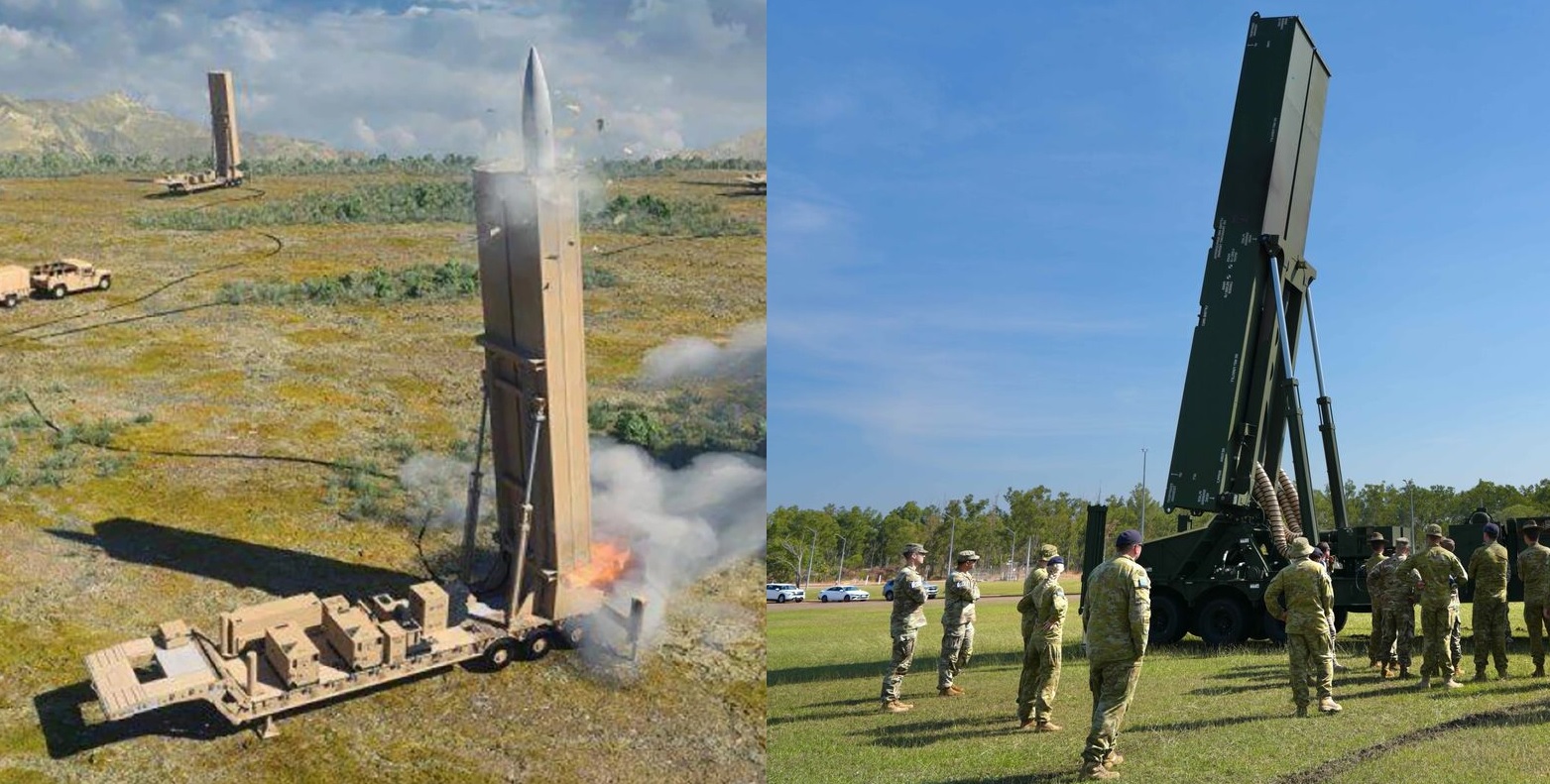
World
WASHINGTON : The United States Army has formally missed its deadline to deploy the Dark Eagle hypersonic missile, confirming that the nation’s first ground-based hypersonic weapon will not be fielded until early 2026, despite the assigned combat unit already being trained and operationally ready. The setback, acknowledged this week by the Army and first reported by Bloomberg, marks the third major delay for the Long-Range Hypersonic Weapon (LRHW) program since its launch in 2018. The program has absorbed more than $12 billion in Pentagon funding and is central to Washington’s effort to counter advances by strategic rivals in hypersonic warfare. A Weapon Ready in Theory, Not in Practice According to the Army, the missile itself has not yet completed the final stages of integration, safety certification, and operational readiness testing required before it can be issued to soldiers. While launchers, command vehicles, and support equipment are already in place, the hypersonic glide vehicle remains short of fielding standards. “Fielding activities include the required integration, safety, and readiness steps to ensure soldiers receive a system that is reliable, sustainable, and effective in operational environments,” the Army said in a statement, adding that those steps are now expected to conclude in early 2026. The service emphasized that it is prioritizing system maturity and rigorous testing over speed, reflecting the extreme technical challenges involved in operating weapons that travel at more than five times the speed of sound while enduring intense heat and pressure. What Dark Eagle Is Designed to Do Dark Eagle is the Army’s component of a broader $10.4 billion U.S. hypersonic weapons effort. The system uses a boost-glide design: a rocket booster accelerates the weapon to hypersonic speed before releasing a maneuverable glide body capable of striking targets thousands of kilometers away with conventional explosives. The capability is intended to give the Army a prompt, long-range strike option against high-value targets, including air defenses and command centers, without relying on nuclear weapons. The missile is being developed by Lockheed Martin, while the Army oversees integration, testing, and deployment. A Pattern of Missed Deadlines The current delay follows earlier missed milestones in September 2023 and again in 2025, underscoring the difficulty of translating hypersonic concepts into reliable battlefield systems. According to the Government Accountability Office, the first Dark Eagle battery alone is expected to cost roughly $2.7 billion, including missiles, infrastructure, and support equipment. Despite those challenges, the Army moved ahead with organizational steps. On December 17, it announced the activation of the first Dark Eagle battery, describing it as a “significant advancement” in U.S. military capability. The announcement did not disclose that the missiles themselves were not yet ready for operational use. Strategic Pressure From Abroad The delay comes at a sensitive moment for U.S. defense planning. Both China and Russia have already deployed hypersonic weapons, and Russia has used such systems in combat during the war in Ukraine. Defense analysts warn that the continued absence of a U.S. ground-based hypersonic capability leaves a notable gap in deterrence. The situation also represents an early test for Defense Secretary Pete Hegseth, who has publicly called for faster weapons development and deployment. Hegseth visited a Dark Eagle launcher during a December 12 trip to Huntsville, a key hub for Army missile programs, and has emphasized the need to accelerate fielding timelines without sacrificing safety. Army officials maintain that the program remains on track for eventual success and argue that rushing a system of this complexity would pose unacceptable risks. If the revised schedule holds, Dark Eagle will finally enter service in early 2026, nearly a decade after development began. Until then, the United States will continue to rely on testing, prototypes, and allied capabilities as it works to close the hypersonic gap with its global competitors — a reminder that, in modern warfare, speed on the battlefield often depends on patience in the laboratory.
Read More → Posted on 2026-01-19 15:31:23
World
BEIJING / WASHINGTON : China has issued a sharp diplomatic rebuke to the United States, accusing former President Donald Trump of exploiting exaggerated security narratives about Beijing to justify renewed American ambitions over Greenland, the vast Arctic island governed by Denmark and protected under the NATO security umbrella. In a statement released by China’s Foreign Ministry, officials urged Washington to “stop hyping the so-called China threat” in the Arctic, warning that claims of Chinese or Russian encroachment were being misused as a political pretext for advancing U.S. strategic control over Greenland. The remarks mark Beijing’s most direct response yet to Trump’s repeated assertions that the United States must acquire or dominate the island “one way or the other.” Trump Revives Greenland Rhetoric Trump has once again placed Greenland at the center of U.S. geopolitical discourse, arguing that the Arctic territory is essential for American national security. In recent remarks to supporters and media outlets, he claimed that Greenland is vulnerable to foreign influence and alleged that Chinese and Russian vessels are operating in or around its waters. Those claims have been firmly rejected by Danish authorities. Denmark’s Defence Command has stated that there is no evidence of Chinese or Russian naval concentrations near Greenland that would justify an emergency security response. Independent Arctic analysts have similarly described Trump’s statements as exaggerated, noting that while Russia maintains a significant Arctic military presence elsewhere, Greenland itself has not seen unusual foreign naval activity. Beijing Pushes Back China’s Foreign Ministry responded by stressing that Beijing respects Denmark’s sovereignty and Greenland’s autonomous status. Officials said China has no military presence in Greenland and accused Washington of projecting its own strategic anxieties onto Beijing. “Using China as a convenient excuse does not change the fact that Greenland is not for sale and does not belong to the United States,” a ministry spokesperson said, adding that Arctic affairs should be governed through cooperation, not coercion. China has acknowledged economic interests in the Arctic region, including scientific research, new shipping routes opened by melting ice, and limited commercial investments. However, Beijing insists these activities are transparent and civilian in nature. Denmark and Greenland Push Back Danish leaders have repeatedly reaffirmed that Greenland’s future will be decided only by its own population, which enjoys broad self-rule. Greenlandic officials have also expressed frustration at being treated as a geopolitical bargaining chip by outside powers. Public opinion polls in Greenland have consistently shown strong opposition to any form of U.S. takeover, even as the island maintains close defense ties with Washington through existing NATO arrangements and the long-standing U.S. military presence at Pituffik Space Base (formerly Thule Air Base). Arctic Stakes Rising The dispute underscores growing international competition in the Arctic, where climate change is opening new shipping lanes and access to untapped mineral resources, including rare earth elements. The United States, Russia, and China have all identified the region as strategically important, but experts warn that overstating threats risks destabilizing a region that has largely remained cooperative. Analysts say Trump’s rhetoric reflects broader anxieties in Washington about losing influence in the Arctic, rather than evidence of an imminent Chinese challenge in Greenland. Beijing, for its part, appears eager to counter narratives that frame China as an Arctic aggressor. Diplomatic Fault Lines China’s warning to the United States adds a new layer of tension to already strained relations between the two powers. While no immediate policy shift has been announced by Washington, diplomats say the exchange highlights how symbolic issues — such as Greenland — can become flashpoints in great-power rivalry. For now, Denmark and Greenland remain firm: the Arctic island is neither abandoned nor available, and security concerns, they argue, should be addressed through alliances and dialogue — not territorial ambition.
Read More → Posted on 2026-01-19 15:21:29
World
ANCHORAGE / WASHINGTON : The Pentagon has issued “prepare-to-deploy” orders to roughly 1,500 active-duty soldiers from the 11th Airborne Division, setting off a wave of debate inside U.S. defense circles and across allied capitals. Officially, the alert is tied to a potential domestic deployment to Minneapolis, where unrest followed the fatal shooting of local activist Renee Good during an encounter with federal immigration officers. Unofficially, analysts say the move coincides with a rapidly escalating geopolitical confrontation over Greenland, raising questions about whether the domestic rationale masks a broader strategic purpose. The Orders and the Stated Mission According to defense officials, the alert covers two infantry battalions based at Joint Base Elmendorf-Richardson and Fort Wainwright. The units were told to be ready for rapid movement to Minneapolis, where protests intensified after the shooting. Federal authorities say the troops could be used to support immigration enforcement and protect federal facilities if violence escalates. Administration officials have cited the possibility of invoking the Insurrection Act of 1807, a rarely used statute that allows the president to deploy active-duty forces on U.S. soil when state authorities are deemed unable to restore order. Why This Unit? The selection of the 11th Airborne Division has immediately drawn scrutiny. Reconstituted and reoriented in recent years, the division is widely regarded as the Army’s premier Arctic and cold-weather formation, optimized for sub-zero operations, austere airfields, glacier movement, and high-latitude logistics. Military planners note that for domestic crowd-control or security missions in the Midwest, National Guard units or conventional active-duty formations are typically preferred. “This is an Arctic hammer being readied for an urban nail,” said a retired logistics officer familiar with force-generation planning. “That mismatch is what’s raising eyebrows.” The Greenland Backdrop The alert comes as Washington’s relationship with Denmark and the North Atlantic Treaty Organization is under strain over Greenland. In recent weeks, Donald Trump has again publicly discussed the idea of U.S. acquisition of Greenland, warning that the United States would secure its interests “one way or another” if Copenhagen refused to negotiate. Danish officials have characterized such statements as an existential challenge to NATO cohesion, while European diplomats say contingency planning has intensified around Greenland’s airfields, ports, and undersea-cable infrastructure. Denmark, with allied support, has reportedly increased readiness under a defensive posture aimed at deterring any unilateral move. The Deception Debate It is this overlap—Arctic troops on alert and Arctic tensions abroad—that has fueled speculation about a potential strategic deception. Analysts point to a classic military concept: using a plausible domestic emergency to mobilize specialized forces without immediately triggering international alarms. “The mechanics are straightforward,” said an analyst at Center for Strategic and International Studies. “A domestic mission provides legal cover to load aircraft, marshal equipment, and place units on short notice. The moment of truth is the flight plan.” Defense officials caution there is no public evidence of an imminent operation against Greenland, and the Pentagon has denied that the alert is connected to any overseas contingency. Special Operations and Allied Posture Adding to the unease are unconfirmed reports of increased Special Operations Forces activity linked to Arctic training and reconnaissance. Such units are typically tasked with pathfinder missions—securing airstrips, ports, or landing zones ahead of larger formations—though officials stress that routine exercises can produce similar signals. Across the Atlantic, allied governments say they are watching closely. A European defense official noted that any military move involving Greenland would immediately engage NATO’s collective defense mechanisms, a scenario described privately as “unthinkable but no longer theoretical.” For now, the 1,500 soldiers remain in Alaska, equipment packed and timelines compressed. Whether they ultimately deploy to Minneapolis, stand down, or pivot elsewhere will likely become clear only when aircraft begin to move. As one allied diplomat put it: “Minnesota is south. Greenland is east. In today’s world, the direction of a transport plane can carry strategic meaning.”
Read More → Posted on 2026-01-19 15:13:28
World
Jerusalem / Washington : Israel has quietly urged U.S. President Donald Trump to delay any immediate military strike against Iran, according to assessments circulating within Israeli and American security circles. Far from signaling hesitation or political division, Israeli officials say the recommendation reflects a hard-nosed intelligence judgment that the current moment is strategically unfavorable and could ultimately strengthen, rather than weaken, Tehran’s ruling system. An in-depth analysis released by the Jerusalem Center for Security and Foreign Affairs sheds light on the reasoning behind Israel’s position. The report argues that while Iran faces deep economic distress, social anger, and recurring unrest, these pressures have not yet translated into the kind of internal fracture required to topple an entrenched authoritarian regime. Intelligence Over Impulse Israeli intelligence assessments emphasize that regime change in Iran does not hinge solely on popular dissatisfaction. Instead, it depends on the loyalty of the state’s coercive institutions—most critically the regular armed forces and the Islamic Revolutionary Guard Corps (IRGC). Despite waves of protests in recent years, including demonstrations that openly challenged the legitimacy of the Islamic Republic, these institutions have remained intact and obedient. According to Israeli analysts, the regime has demonstrated a consistent willingness to deploy overwhelming force to suppress dissent. Protest movements have receded not because grievances have been resolved, but because the security apparatus has proven both cohesive and ruthless. As long as soldiers and IRGC units continue to follow orders to confront civilians, the likelihood of near-term regime collapse remains low. History, Israeli officials argue, offers a clear lesson. Authoritarian governments rarely fall at the height of street protests. They fall when security forces splinter, refuse to fire, or shift allegiance. At present, there is no credible intelligence suggesting such a rupture is imminent inside Iran’s power structure. The Case for Waiting Advocates of an immediate strike warn that delay carries serious risks. Iran continues to advance its missile programs, deepen its regional footprint through proxy forces, and expand sensitive nuclear-related capabilities. From this perspective, striking sooner could degrade military infrastructure, reassert deterrence, and potentially expose vulnerabilities within the regime. Israeli intelligence, however, judges that these potential gains are outweighed by strategic downsides under current conditions. A military attack launched while the regime maintains firm internal control could hand Tehran a powerful national resistance narrative. External pressure, analysts warn, often allows authoritarian leaders to rally public sentiment, silence opposition, and tighten elite unity under the banner of national defense. Rather than triggering collapse, a strike now could marginalize opposition groups and legitimize harsher repression, reinforcing the very structures of power Israel and its allies seek to weaken. Timing and Regional Risk Another central concern is timing. While the most recent protest wave in Iran has been blunted, Israeli officials believe underlying social and economic tensions remain unresolved. These pressures are viewed as cyclical, not extinguished. Acting during a period of relative calm—when security forces are alert, coordinated, and prepared—would squander the chance to synchronize external pressure with internal instability at a later stage. There is also the risk of regional escalation. Iran retains extensive retaliatory capabilities through allied militias and proxy networks across the Middle East. An attack absent a realistic pathway to regime collapse could ignite a prolonged confrontation, destabilizing the region without delivering a decisive strategic outcome. Patience as Strategy For these reasons, Israel’s message to Washington has been one of restraint. Israeli officials believe a more favorable opportunity would emerge during a renewed phase of internal unrest—one marked by eroding legitimacy, overstretched security forces, and the first signs of dissent within the military hierarchy. Only under such circumstances, they argue, could external military pressure meaningfully alter Iran’s internal balance of power. The core conclusion of Israel’s intelligence community is stark: the Iranian regime will endure as long as the army and the IRGC remain willing and able to fire on their own population. Until that reality changes, patience is viewed not as weakness, but as strategic prudence aimed at avoiding a costly conflict that could entrench the very regime it seeks to undermine.
Read More → Posted on 2026-01-19 14:58:05
World
BRUSSELS : The European Union has quietly assembled a sweeping €93 billion ($107 billion) package of tariffs and market restrictions targeting U.S. companies, even as it deliberately pauses retaliation in favor of last-minute diplomacy with U.S. President Donald Trump. Senior EU officials describe the move as a calibrated show of force: the countermeasures are finalized, legally vetted, and ready to deploy, but Brussels is choosing restraint to avert a wider rupture over trade, security, and Washington’s revived demands related to Greenland. A Retaliation Package on Standby According to officials familiar with the planning, the European Commission has completed a retaliation list that would strike politically sensitive U.S. exports, echoing earlier transatlantic trade confrontations. The €93 billion figure reflects a reactivation and expansion of tariffs that were previously frozen under a mid-2025 trade truce, now updated to reflect current trade volumes and strategic leverage points. The package is designed to be modular. Brussels could activate it in phases, escalating pressure on U.S. sectors with strong domestic political constituencies while minimizing immediate blowback to European consumers.“Everything is ready,” one EU diplomat said. “This is not improvisation. It is leverage.” The Trigger: Tariffs and Greenland The crisis intensified after President Trump threatened a universal 10 percent tariff on imports from several European states—including Germany, France, and Denmark—set to take effect on February 1, with a warning that duties could climb to 25 percent by June if European governments refuse to engage with U.S. demands over Greenland. Trump has publicly framed Greenland as strategically indispensable for U.S. missile-defense architecture and Arctic security, arguing that expanded American control would bolster early-warning systems and counter growing Russian and Chinese activity in the region. European leaders, however, see the linkage of trade penalties to territorial pressure as an unprecedented escalation within the alliance. Brussels Pulls Back For Now Despite the scale of the threat, EU leaders are deliberately stepping back from immediate retaliation. Officials say the decision reflects concern that an all-out trade war—combined with a dispute over sovereignty—could destabilize NATO at a moment of already heightened global insecurity. European Council President António Costa, working closely with French President Emmanuel Macron, has urged a shift toward a “security-first” dialogue with Washington. The message being relayed to the White House is blunt but conciliatory: suspend the tariffs, and Europe is prepared to talk seriously about Arctic security—without reopening questions of sovereignty. Behind closed doors, officials describe this as a “strategic pivot” rather than a concession.“If we retaliate immediately, we lock in confrontation,” said one senior source. “If we talk first, we test whether Washington wants a deal or a showdown.” Economic Pressure Beyond Tariffs While tariffs dominate the headlines, the EU’s options extend further. The bloc retains the ability to impose regulatory barriers, procurement exclusions, and financial restrictions on U.S. firms operating in Europe. These tools fall under the EU’s Anti-Coercion Instrument, a powerful legal mechanism created for situations where economic pressure is used to force political outcomes. The existence of these measures—unused but credible—is intended to reinforce Brussels’ negotiating position as talks begin. The Debt Dimension Complicating the standoff is Europe’s deep financial interconnection with the United States. European countries are among the largest foreign holders of U.S. government debt, underscoring the mutual costs of escalation. The United Kingdom holds roughly $888.5 billion in U.S. Treasuries, followed by Belgium ($481.0 billion), Canada ($472.2 billion), Luxembourg ($425.6 billion), France ($376.1 billion), Germany ($109.8 billion), and Denmark (about $12 billion). EU officials stress that debt holdings are not a weapon, but they illustrate how deeply entwined the transatlantic economic relationship remains—and how damaging a prolonged conflict could become. A Narrow Diplomatic Window With the February 1 tariff deadline approaching, European and U.S. negotiators face an exceptionally tight timeline. Brussels’ strategy hinges on convincing Washington that cooperation on Arctic security and defense coordination offers more strategic value than a trade war that would cost both sides tens of billions of euros. For now, the EU’s retaliation list remains sealed but ready. The message from Brussels is unmistakable: Europe has prepared for economic confrontation, but it is betting—at least for the moment—that diplomacy can still prevail.
Read More → Posted on 2026-01-19 14:35:44
World
COPENHAGEN : What began as a joke on social media has snowballed into one of the most talked-about political satire campaigns in Europe this year. More than 200,000 Danish citizens have now signed a viral petition proposing that Denmark buy the U.S. state of California, a tongue-in-cheek response to former U.S. President Donald Trump’s past interest in acquiring Greenland. The campaign, widely shared under the slogan “Måke Califørnia Great Ægain,” frames itself as a mirror held up to international headlines that stunned Denmark in 2019, when Trump publicly floated the idea of purchasing Greenland from Copenhagen. While the proposal is explicitly satirical, its creators have leaned into the joke with meticulous detail, polished branding, and a mock seriousness that has resonated far beyond Denmark’s borders. A Petition Built on Nordic Humor The initiative emerged online in early January and quickly gained traction across Danish and international social media platforms. Styled as a grassroots civic effort, the petition invites Danes to imagine what they describe as a “historic real-estate opportunity” for the Nordic nation: the purchase of California from the United States. Organizers say the campaign is not meant as an insult to Americans or Californians, but as a satirical commentary on how casually sovereign territory was discussed in the Greenland debate. “If countries can be talked about like property listings,” the petition argues, “then surely Denmark is allowed to browse.” The tone is unmistakably playful, blending political critique with self-deprecating Scandinavian humor, a style that has helped the campaign go viral. What Denmark ‘Offers’ California Under the fictional proposal, Californians would be welcomed into the Kingdom of Denmark with a package of benefits that reads like a parody of Nordic governance. The petition promises “rule of law, universal health care, and fact-based politics” as immediate perks of Danish administration. To underscore the absurdity, the organizers also pledge a lifetime supply of Danish pastries for all 39 million residents of the state. The petition’s website jokingly notes that while Denmark cannot solve every problem, “we are very confident about pastries.” The offer, though clearly unserious, taps into global stereotypes about Scandinavian welfare systems and political culture, contrasting them with the polarized debates that often surround California in U.S. national politics. Reimagining the Golden State The satirical plan goes further, outlining a full cultural “Denmarkification” of the West Coast. Los Angeles would be rechristened “Løs Ångeles,” while Danish-style cycling infrastructure would spread across cities more famous for traffic jams than bicycles. Even California’s most iconic institutions are not spared. Disneyland would be rebranded as “Hans Christian Andersenland,” a nod to Denmark’s most famous storyteller, Hans Christian Andersen. The petition cheerfully asks readers to imagine fairy tales replacing cartoon mascots, and even suggests that Viking helmets might become standard park attire. Negotiators, Crowdfunding, and a Trillion-Dollar Joke Acknowledging the hypothetical complexity of such a deal, the campaign claims it would dispatch Denmark’s “best negotiators” to Washington. The suggested delegation includes executives from LEGO and actors from Borgen, Denmark’s acclaimed political television series. Financing the purchase would come through crowdfunding, with a stated target of $1 trillion. The figure, organizers admit, is a rough estimate, accompanied by a disclaimer that Denmark is willing to “give or take a few billion.” The exaggerated sum is part of the joke, underscoring the gulf between real geopolitics and internet satire. Roots in a Real Diplomatic Dispute Behind the humor lies genuine diplomatic history. Trump’s comments about buying Greenland were met with sharp resistance in Denmark, where Prime Minister Mette Frederiksen famously dismissed the idea as “absurd,” stressing that Greenland is not for sale and that its future belongs to its people. Those remarks were widely supported across Denmark and Greenland, but they also sparked disbelief that territorial sovereignty could be discussed so casually by a major world leader. The California petition positions itself as a response to that disbelief, using satire to highlight what many Danes saw as a troubling precedent. The petition even suggests that the fictional deal might appeal to Trump himself, citing his repeated criticisms of California’s governance and politics. If the former president is no fan of the state, the argument goes, perhaps he would be happy to let Denmark take it off America’s hands. A Joke With a Message A disclaimer at the bottom of the petition makes its intent clear: the proposal is “100 percent real — in our dreams.” Yet its popularity suggests the campaign has struck a nerve, not just in Denmark but internationally, as a creative protest against the commodification of nations and peoples. There has been no response from Washington, and none is expected. Still, for a brief moment, the idea of Denmark trading pastries and LEGOs for the world’s fifth-largest economy has captured global attention — a reminder that humor can sometimes say what diplomacy cannot.
Read More → Posted on 2026-01-19 14:23:23
World
Europe : EuroTrophy, Europe’s central hub for the Trophy Active Protection System (APS), has signed a landmark €330 million agreement with KNDS Deutschland to equip the next generation of Leopard 2A8 main battle tanks destined for Lithuania, The Netherlands, the Czech Republic, and Croatia. The contract was formally announced on Monday in Frankfurt am Main, underscoring NATO’s accelerating push to harden its armored forces against modern battlefield threats along the alliance’s eastern front. Under the terms of the agreement, EuroTrophy will deliver complete Trophy APS units alongside a comprehensive package of spare parts, operator and maintainer training courses, simulator-supported instruction, and dedicated logistics equipment. The scope extends well beyond initial fielding, providing full through-life support designed to guarantee sustained operational readiness across all four national fleets over decades of service. Trophy APS Standardized Across Leopard 2A8 Configuration The contract cements Trophy APS as a standard, factory-integrated component of the Leopard 2A8 configuration, ensuring full interoperability and technical commonality among participating nations. Defense officials familiar with the program say this standardization will simplify multinational deployments, enable shared sustainment and training pipelines, and reduce long-term lifecycle costs at a time when NATO planners are prioritizing collective defense and rapid force integration. By embedding Trophy at the platform level rather than as a national add-on, KNDS Deutschland and EuroTrophy have aligned the Leopard 2A8 with NATO’s broader doctrine of interoperable heavy forces, allowing armored units from different countries to operate side by side with identical protection architectures. NATO’s Active Protection System of Choice With this deal, Trophy further consolidates its position as the de facto NATO Active Protection System of choice. Designed to detect, track, and intercept incoming anti-tank guided missiles (ATGMs), rocket-propelled grenades (RPGs), and other battlefield threats before impact, the system is widely regarded as one of the most mature and combat-proven APS solutions currently in service. Trophy has already been integrated on major Western main battle tanks, including the Leopard 2 family, the U.S. Abrams M1, and Israel’s Merkava IV, as well as on lighter and medium-weight platforms such as Boxer, Patria AMV, and the Namer armored personnel carrier. Its expanding footprint across NATO inventories reflects the growing recognition that passive armor alone is no longer sufficient against modern precision-guided munitions and top-attack weapons. Strategic Context: Reinforcing the Eastern Front The timing of the announcement is strategically significant. Lithuania, the Czech Republic, and Croatia are all modernizing their armored forces as part of wider NATO reinforcement efforts along the eastern flank, while The Netherlands is reconstituting heavy armor capabilities in close cooperation with German-led formations. Military analysts note that the adoption of a common active protection system enhances not only survivability but also strategic signaling, demonstrating NATO’s intent to deploy survivable, networked armored units in high-threat environments. By combining advanced sensors, real-time threat processing, and hard-kill countermeasures, Trophy APS is specifically tailored for dense, contested battlespaces where tanks face simultaneous threats from multiple directions. EuroTrophy’s Role in Europe’s Defense Ecosystem Based in Germany, EuroTrophy operates as the European integration, support, and sustainment center for the Trophy system, originally developed by Rafael Advanced Defense Systems. The company provides a European-made, NATO-fielded solution, combining local industrial participation with combat-proven technology. Beyond hardware delivery, EuroTrophy offers vehicle integration engineering, maintenance and upgrade services, and full lifecycle support tailored to European armed forces. Industry sources say this approach was a decisive factor in the Leopard 2A8 selection, allowing customer nations to retain sovereign support capabilities while benefiting from a system with extensive operational experience. Production and integration activities are expected to align with Leopard 2A8 delivery schedules for the four customer nations, with phased rollouts beginning later this decade. As NATO continues to adapt to rapidly evolving battlefield threats, the EuroTrophy–KNDS agreement marks a significant step toward a more resilient, interoperable, and survivable European armored force. For NATO’s heavy brigades, the message is clear: active protection is no longer optional, but a core requirement for survival on the modern battlefield.
Read More → Posted on 2026-01-19 14:00:45
World
TOKYO : Japan’s national auditor has disclosed that military equipment worth roughly 1.1 trillion yen (about $6.9 billion) purchased from the United States has remained undelivered for years, exposing structural weaknesses in one of Tokyo’s most important defense procurement channels and raising fresh concerns about operational readiness across the Japan Self-Defense Forces. In an audit report submitted to parliament in January 2026, the Board of Audit of Japan revealed that weapons systems, support equipment, and maintenance assets acquired under the U.S. Foreign Military Sales (FMS) framework had failed to arrive despite more than five years having passed since contracts were signed. The investigation was conducted at the formal request of the House of Councillors and reviewed procurement cases dating back to fiscal year 2018. Long-Delayed Deliveries Across 118 Contracts According to the audit, 118 FMS procurement cases remained incomplete well beyond their planned delivery windows. In many instances, equipment that was expected within a few years had still not been shipped, forcing Japan’s ground, maritime, and air units to rely on aging systems or interim substitutes. The Board concluded that the majority of delays stemmed from bottlenecks at U.S. manufacturers, including production backlogs and shifting priorities tied to American defense requirements. Because FMS contracts are administered by the U.S. government, rather than directly between Japan and defense companies, Tokyo has limited visibility into manufacturing schedules and limited ability to press suppliers for faster delivery. Impact on Air Defense Capabilities One of the most serious cases identified in the report involved maintenance and support equipment for the E-2D Advanced Hawkeye, a key airborne early warning platform operated by the Japan Air Self-Defense Force. The audit found that tools and systems required to properly service the aircraft were not delivered within the original contract period and remained outstanding years later. The E-2D fleet plays a central role in monitoring Japan’s airspace and coordinating air defense operations. The lack of dedicated maintenance equipment, the report warned, risked reducing aircraft availability and increasing strain on personnel tasked with keeping the fleet operational. Contracts With Limited Enforcement Power The Board of Audit emphasized that delivery schedules listed in FMS agreements are estimates rather than legally binding commitments. Under the program’s rules, the U.S. government retains the authority to adjust timelines through administrative procedures, often without requiring formal approval from the purchasing country. Japan, having already made advance payments, has little leverage to compel adherence to original schedules. In several cases examined by auditors, delivery dates were repeatedly revised unilaterally by the U.S. side. Some contracts remained financially unsettled for years, with funds fully paid but equipment neither delivered nor formally canceled. Financial Exposure and Operational Risk The report highlighted that Japan had already paid the full contract value for most delayed items, as FMS requires upfront payment before production and delivery are completed. This created what the Board described as long-term financial exposure, tying up defense funds while offering no immediate operational benefit. Operational risks were also flagged. Units across the Self-Defense Forces were compelled to extend the service life of older platforms, increasing maintenance costs and reducing efficiency. Auditors warned that prolonged reliance on outdated systems could erode readiness at a time when Japan faces a rapidly deteriorating regional security environment. Structural Limits of the FMS System The audit devoted significant attention to structural issues inherent in the FMS framework. Because contracts are signed between the U.S. government and American defense companies, Japan is not a direct contractual party and cannot negotiate directly with manufacturers. This arrangement limits transparency over production delays, cost breakdowns, and the prioritization of orders when U.S. domestic or allied demands surge. While the Japanese Ministry of Defense repeatedly raised concerns with U.S. authorities, the Board found that these efforts produced only limited improvements in delivery timelines. Government Response and Recommendations The Ministry of Defense acknowledged the findings and stated that it would continue discussions with Washington to improve schedule management and information sharing. The Board of Audit urged the ministry to strengthen internal oversight of FMS contracts, enhance tracking of delayed items, and more carefully assess procurement risks before committing large sums of public funds. The audit also recommended that Japan reconsider whether FMS is always the most appropriate procurement route, particularly for support equipment and spare parts that directly affect day-to-day operational availability. Broader Implications for Japan’s Defense Strategy The findings come as Japan deepens its reliance on U.S.-made systems, including advanced aircraft, missile defenses, and command-and-control assets. The Board warned that continued delivery delays could have cumulative effects across multiple domains, undermining deterrence and readiness if not addressed. The FMS program remains a cornerstone of U.S. arms exports, promoted as a means to ensure interoperability and security among allies. However, the Japanese audit underscores how the system can leave purchasing nations exposed when production capacity is strained or when American priorities shift, turning estimated delivery schedules into years-long uncertainties.
Read More → Posted on 2026-01-18 17:34:11
World
SEOUL : South Korea has begun deploying its most powerful conventional ballistic missile, the Hyunmoo-5 — widely dubbed the “monster missile” — to frontline operational units, marking a decisive escalation in Seoul’s military deterrence posture against mounting nuclear and missile threats from North Korea. According to South Korean defence officials, the phased deployment process began in late 2025 and has now entered active frontline integration. The move represents the culmination of years of development aimed at countering Pyongyang’s deeply buried command centers, missile silos, and hardened underground facilities — assets long considered central to North Korea’s survivability in any conflict. A New Pillar of South Korea’s Deterrence Strategy The Hyunmoo-5 is the largest and most destructive conventional missile ever fielded by South Korea. Designed as a high-mass, bunker-busting ballistic missile, it forms a key component of Seoul’s evolving “three-axis” defense concept, which combines pre-emptive strike capabilities, missile defense, and massive retaliation options. Unlike earlier Hyunmoo variants, the Hyunmoo-5 is explicitly optimized for destroying deeply buried and reinforced targets. South Korean military planners have described it as a non-nuclear strategic weapon intended to neutralize leadership bunkers and underground weapons infrastructure without crossing the nuclear threshold. Unprecedented Size and Firepower Military analysts estimate the Hyunmoo-5 weighs roughly 36 tons, making it significantly heavier than most short- and medium-range ballistic missiles in service worldwide. Its payload capacity — reported to reach up to eight tons — allows it to carry an exceptionally large penetrator warhead capable of striking targets located tens of meters underground. The missile uses solid fuel and is launched from a road-mobile transporter-erector-launcher (TEL), enhancing survivability and operational flexibility in a conflict scenario. While precise performance figures remain classified, defence sources indicate the missile’s range can vary depending on payload configuration, prioritizing destructive power over maximum distance. From Parade Showcase to Operational Reality The Hyunmoo-5 was first publicly unveiled during South Korea’s Armed Forces Day parade in October 2024, where it immediately drew international attention due to its sheer size and explicit bunker-buster role. At the time, officials confirmed that development and testing had been completed and that mass production was imminent. By 2025, South Korea’s defence ministry announced that production lines were active and that the missile would be inducted into operational units before the end of the year. The current deployment confirms that the system has now moved beyond symbolic display and into active military planning. Message to Pyongyang and the Region South Korean officials have framed the deployment as a defensive necessity in response to North Korea’s expanding nuclear arsenal, solid-fuel intercontinental ballistic missiles, and an increasingly sophisticated underground basing network. In recent years, Pyongyang has emphasized its ability to conduct nuclear strikes from concealed and hardened positions, complicating deterrence and pre-emptive strike calculations. By fielding the Hyunmoo-5, Seoul aims to signal that even the most fortified underground facilities are no longer invulnerable. The missile’s introduction is intended to strengthen deterrence by raising the potential cost of aggression to an unacceptable level. Strategic Risks and Escalation Concerns While the deployment strengthens South Korea’s conventional strike capability, it also introduces new escalation dynamics. North Korea has repeatedly condemned South Korean missile developments as provocative and has historically responded to similar moves with weapons tests and aggressive rhetoric. Regional analysts warn that the operational deployment of such a high-destructive-power missile could further intensify the arms competition on the Korean Peninsula, particularly if Pyongyang accelerates its own missile programs or bunker-hardening efforts in response. Looking Ahead South Korea is expected to continue expanding its Hyunmoo-5 inventory over the coming years while integrating the missile into joint operational planning with allied forces. Defence officials emphasize that the weapon is intended as a deterrent of last resort — but its deployment underscores how sharply security conditions on the peninsula have deteriorated. As tensions remain high and diplomatic channels with North Korea largely frozen, the arrival of the Hyunmoo-5 on frontline units signals a new and more muscular phase in South Korea’s approach to national defense — one built on the ability to strike deeper, harder, and with unprecedented conventional force.
Read More → Posted on 2026-01-18 17:22:14
World
WASHINGTON / DAMASCUS : The United States military has killed a senior Al-Qaeda–affiliated militant in northwest Syria who U.S. officials say had direct operational links to the ISIS attack that killed two American soldiers and an interpreter last month, marking a significant escalation in Washington’s campaign against militant networks targeting U.S. forces in the region. According to a statement released by U.S. Central Command (CENTCOM), American forces carried out a precision strike on January 16 that killed Bilal Hasan al-Jasim, an experienced extremist leader described as a key facilitator tied to the ISIS operative responsible for the December 13 ambush near Palmyra. CENTCOM said al-Jasim maintained direct connections with the ISIS gunman who carried out the attack and had played an active role in plotting and enabling terrorist operations against U.S. and coalition personnel operating in Syria. Deadly December Ambush in Central Syria The strike follows the December 13 attack near Palmyra, where ISIS fighters ambushed U.S. and partner forces operating in eastern Syria. The assault killed two American service members and an American military interpreter, while also injuring both U.S. and Syrian personnel. The fallen soldiers were later identified as Sgt. Edgar Brian Torres Tovar, 25, of Des Moines, Iowa, and Sgt. William Nathaniel Howard, 29, of Marshalltown, Iowa. Both were members of the Iowa National Guard deployed to the region as part of the U.S.-led mission against ISIS. U.S. officials said the attack represented one of the deadliest assaults on American forces in Syria in recent years and underscored the continuing threat posed by ISIS remnants and allied extremist networks. CENTCOM: “There Is No Safe Haven” Announcing the January 16 strike, CENTCOM Commander Brad Cooper said the killing of al-Jasim sent a clear message to militant groups operating in Syria and beyond. “The death of a terrorist operative linked to the deaths of three Americans demonstrates our resolve in pursuing terrorists who attack our forces,” Cooper said. “There is no safe place for those who conduct, plot, or inspire attacks on American citizens and our warfighters. We will find you.” CENTCOM did not disclose the exact location of the strike in northwest Syria or whether partner forces were involved, citing operational security. Operation Hawkeye Strike Expands Campaign The January 16 operation was conducted as part of Operation Hawkeye Strike, a large-scale U.S. military response launched in the aftermath of the December ambush. CENTCOM said Operation Hawkeye Strike began on December 19, 2025, at the direction of Donald Trump, and has involved widespread air and ground operations across Syria aimed at dismantling ISIS’s remaining infrastructure. According to U.S. military figures, American and partner forces have struck more than 100 ISIS weapons depots, command nodes, and logistical sites during the operation, employing over 200 precision-guided munitions. The campaign has focused on disrupting ISIS’s ability to plan, resource, and execute attacks against coalition forces. Sustained Pressure on ISIS Networks CENTCOM said the latest strike reflects a broader, sustained effort to degrade ISIS and affiliated extremist groups operating in Syria’s ungoverned and contested areas. Over the past year, U.S. and partner forces have captured more than 300 ISIS operatives and killed over 20 others across the country, removing individuals assessed as posing direct threats to U.S. personnel and regional stability. “These strikes target ISIS throughout Syria as part of our ongoing commitment to root out Islamic terrorism against our warfighters, prevent future attacks, and protect American and partner forces in the region,” CENTCOM said in its statement, adding that U.S. and coalition forces “remain resolute in pursuing terrorists who seek to harm the United States.” U.S. Mission Continues in Syria The soldiers killed in December were serving as part of roughly 1,800 U.S. troops deployed across the Middle East earlier this year under Operation Inherent Resolve, the multinational campaign launched to defeat ISIS and prevent its resurgence. While ISIS no longer controls large swathes of territory, U.S. officials have repeatedly warned that the group retains the capability to conduct deadly insurgent-style attacks, particularly in remote desert regions and along key transit routes in central and eastern Syria. The killing of Bilal Hasan al-Jasim, U.S. officials say, is intended not only as retribution for the December ambush but also as a deterrent, signaling that those who enable or inspire attacks on American forces will be relentlessly pursued.
Read More → Posted on 2026-01-18 17:16:28
World
COPENHAGEN / WASHINGTON : A newly disclosed intelligence controversy has sent shockwaves through Denmark’s political and security establishment after a Danish newspaper reported that the United States quietly sought highly sensitive technical data on Greenland’s critical infrastructure without notifying Copenhagen, raising fears of contingency planning for unilateral military action on the strategically vital Arctic island. The report, published Sunday by Berlingske, cites classified documents and multiple defense sources describing U.S. requests for detailed information on ports, airfields, and energy systems across Greenland—assets considered “dual-use” because of their civilian and military importance. Danish officials told the paper the approach bypassed normal diplomatic and alliance channels, triggering an internal alarm within hours of its discovery. Quiet Requests, Sensitive Targets According to Berlingske, American representatives did not submit their inquiries through Denmark’s Ministry of Foreign Affairs, the standard route for allied military coordination. Instead, the requests were allegedly directed toward local municipal authorities in Greenland and select elements within Denmark’s Arctic Command, fragmenting oversight and delaying political scrutiny. The data sought was unusually granular. Officials familiar with the documents said it included deep-water port depth measurements, runway stress tolerances at civilian airports, and detailed assessments of power generation and grid resilience in northern settlements. Such information, Danish analysts warned, goes well beyond routine mapping updates or joint NATO exercises. Why the Details Matter Defense planners interviewed by the newspaper said the combination of port, runway, and power-grid data mirrors the requirements for Operational Plan (OPLAN) logistics—the technical backbone needed to rapidly deploy heavy transport aircraft, armored units, and sustainment forces. One Danish defense source, speaking on condition of anonymity, told Berlingske that runway load limits are requested “when you are preparing to land the heaviest aircraft with armored payloads,” not for scientific cooperation or disaster-response planning. The source said the pattern of requests suggested feasibility studies for rapid force insertion rather than alliance transparency. Intelligence Services Raise the Alarm The inquiries were reportedly flagged by the Danish Defense Intelligence Service, which briefed the prime minister’s office after concluding the requests carried “coercive-use indicators.” Internal assessments, as described by Berlingske, warned that the United States appeared to be examining scenarios for a “forced entry” operation if political efforts to acquire Greenland were to fail. Greenland, an autonomous territory within the Kingdom of Denmark, has long been viewed in Washington as a linchpin of Arctic security due to its geographic position between North America and Europe and its proximity to Russian polar routes. The U.S. already operates a major installation at Pituffik Space Base, formerly Thule Air Base, under long-standing bilateral agreements. Trade Pressure and Military Optics The revelations landed amid heightened transatlantic tension. Over the weekend, U.S. President Donald Trump publicly threatened new tariffs on several European countries, including Denmark, after renewed U.S. rhetoric about Greenland’s strategic value. While Washington did not explicitly link the infrastructure inquiries to trade pressure, Danish officials privately described the timing as “deeply unsettling.” Adding to the unease, allied troop rotations in Greenland’s capital, Nuuk, concluded this week under pre-scheduled timelines. Danish politicians across party lines said the optics left Denmark appearing isolated at a moment of acute diplomatic strain. Political Fallout in Copenhagen The Berlingske report ignited an immediate debate in the Folketing, where opposition leaders demanded to know why the government had not disclosed the American approaches sooner. Several lawmakers characterized the outreach as a breach of sovereignty and called for a formal explanation from Washington. Government officials declined to comment on classified intelligence but acknowledged “serious concerns” about the manner and scope of the requests. Denmark’s defense ministry said it is reviewing procedures governing allied access to infrastructure data and considering tighter controls on information shared at the municipal level in Greenland. Washington’s Silence, NATO’s Dilemma U.S. officials have not publicly responded to the specific allegations. In private, diplomats have historically framed American interest in Greenland as defensive and alliance-based, pointing to the island’s role in missile warning and space surveillance. NATO officials contacted by Danish media emphasized that alliance cooperation depends on transparency and consent among members, though they stopped short of addressing the findings directly. For Denmark, the episode underscores a growing strategic dilemma: how to balance alliance obligations with sovereignty over a territory that has become central to great-power competition in the Arctic. As ice retreat accelerates shipping access and resource exploration, Greenland’s strategic value—and the scrutiny surrounding it—shows no sign of diminishing. As one senior Danish lawmaker put it in remarks reported by Berlingske, “We believed we were managing a diplomatic negotiation. The documents suggest someone else may have been preparing an operational survey. That difference changes everything.”
Read More → Posted on 2026-01-18 16:23:32
World
MOSCOW : A newly compiled technical assessment of Russia’s Oreshnik ballistic missile, conducted in the aftermath of the January 8 strike on Lviv, is reshaping Western and regional understanding of the weapon’s true purpose. Far from being a precision, independently targeted missile system, analysts now describe Oreshnik as a high-speed, area-effect strike weapon optimized for durability, rapid deployment, and kinetic impact rather than accuracy. The assessment, drawing on debris analysis, flight telemetry, and observed impact patterns from strikes on Dnipro and Lviv, concludes that the missile dispenses with complex post-boost targeting architecture typical of modern intercontinental ballistic missiles (ICBMs). Instead, it employs a simplified separation system designed to release multiple unguided warheads almost simultaneously over a compact target zone. A Design That Breaks with MIRV Orthodoxy For weeks after Oreshnik’s combat debut, Western analysts speculated that the system was equipped with a classic MIRV “bus,” or Individual Disengagement Pod, known in Russian terminology as the Blok Individualnogo Razvedeniya (BIR). Such systems, common on strategic ICBMs, use liquid-fueled engines and precision guidance to maneuver in space and deploy warheads toward widely separated targets. The new analysis challenges that assumption outright. According to findings attributed to Dmitry Kornev of MilitaryRussia.Ru, Oreshnik lacks any conventional BIR. Instead of a maneuverable post-boost vehicle, the missile’s upper section is built around a sealed instrument compartment and a gas-dynamic release mechanism, signaling a fundamentally different design philosophy. The Role of the GRSO System Central to this revised understanding is the missile’s reported use of a Gas-Reactive Stabilization and Orientation (GRSO) system. Rather than plotting individual trajectories for each warhead, the GRSO uses short-duration gas thrusters to orient the payload section after burnout and then rapidly disperse its contents. Once released, the warheads are unguided. They follow purely ballistic paths, striking the target area within seconds of one another. This behavior closely matches video evidence and seismic data from recent strikes, which showed dense clusters of impacts rather than the staggered, widely spaced strikes characteristic of MIRV-equipped systems. Analysts describe the effect as a “kinetic shotgun,” a configuration designed to overwhelm defenses and saturate a specific zone with extreme velocity rather than to destroy discrete, hardened targets with precision. MIT’s Engineering Fingerprint The presence of a sealed instrument compartment is widely viewed as a hallmark of the Moscow Institute of Thermal Technology (MIT), the organization behind Russia’s most prominent solid-fuel missiles, including Topol-M, Yars, and Bulava. In MIT designs, guidance electronics are integrated directly into the missile’s upper stage within a sealed housing, increasing resistance to environmental stress and simplifying long-term storage and field maintenance. This feature strongly supports the conclusion that Oreshnik is a derivative of the RS-26 Rubezh, adapted not for strategic nuclear deterrence but for high-readiness theater warfare. By stripping away the mass and complexity of a liquid-fueled post-boost vehicle, designers appear to have prioritized robustness, speed, and rapid launch capability. Payload and Performance The assessment estimates that Oreshnik carries a single cassette containing six warheads. Total payload mass is believed to range from roughly 1,250 kilograms, consistent with Topol-M class systems, to as much as 3,000 kilograms in heavier configurations. In a six-warhead arrangement, each individual projectile, including its mounting hardware, may weigh up to 400 kilograms. When paired with the first and second stages typical of MIT-designed solid-fuel missiles, this payload allows for an operational range of approximately 4,100 kilometers. From Russian launch sites, that range places all of Europe within reach, underscoring the system’s role as a regional, rather than intercontinental, strike asset. Strategic Implications Defense experts argue that Oreshnik represents a deliberate shift away from costly, intricate MIRV technology toward a simpler and potentially cheaper alternative suited to conventional warfare. By eliminating the vulnerable post-boost “bus,” the missile may retain higher terminal velocity, increasing the kinetic energy of impact. The rapid dispersal enabled by the GRSO system also reduces the time window in which missile defenses can engage the payload during its exo-atmospheric phase. In practical terms, the system appears tailored for area targets such as energy infrastructure, logistics hubs, and air-defense clusters, rather than for surgical strikes against individual bunkers or silos. Oreshnik was first used operationally against Dnipro in November 2024 and again on January 8 in western Ukraine. The emerging technical picture suggests that Russia has fielded a specialized theater missile, derived from its strategic arsenal but reengineered as a rugged, high-speed delivery system for clustered, unguided warheads. As analysts continue to study debris and flight data, the missile is increasingly seen not as a precision instrument, but as a blunt-force tool designed to exploit speed, mass, and saturation in modern warfare.
Read More → Posted on 2026-01-18 15:49:52Search
Top Trending in 24 Hours
-
 Iranian Media Leaks 14-Point U.S.-Iran Peace Framework Amid Ongoing Negotiations
-
 US Plans Significant Reduction of Fighter Jets and Warships for NATO Operations in Europe
-
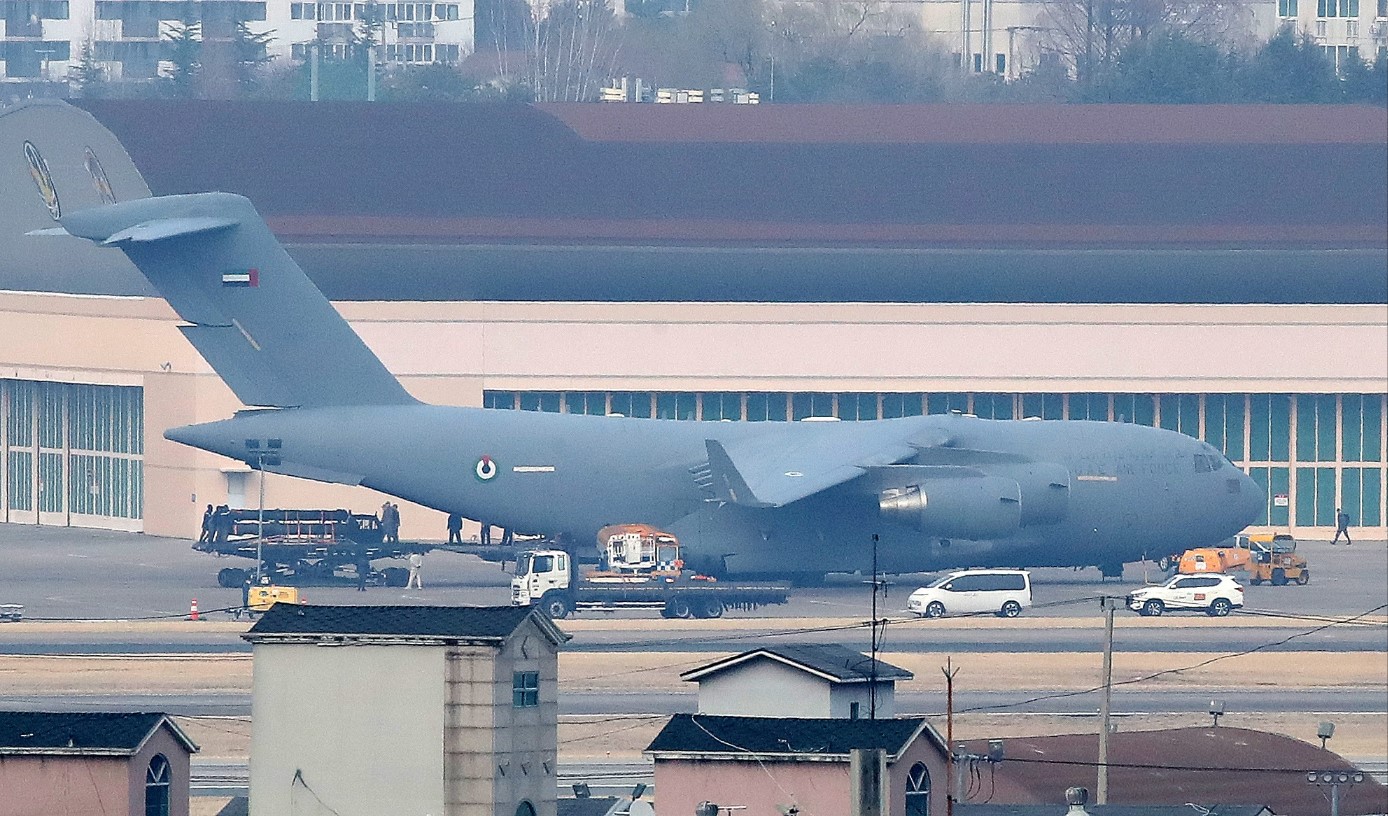 UAE Urgently Airlifts Cheongung-II Missile Defense Battery From South Korea Using Eight C-17 Aircraft
-
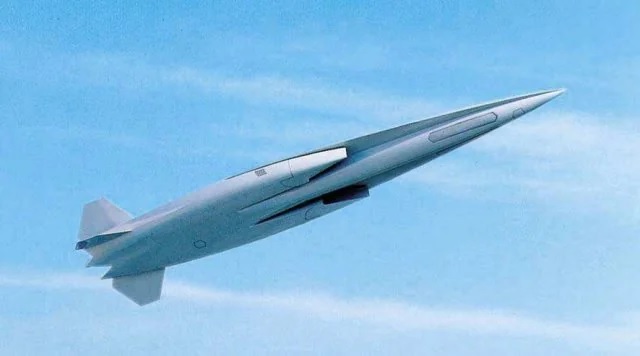 France Awards MBDA Contract to Develop ASN4G Hypersonic Nuclear Missile to Replace ASMPA-R
-
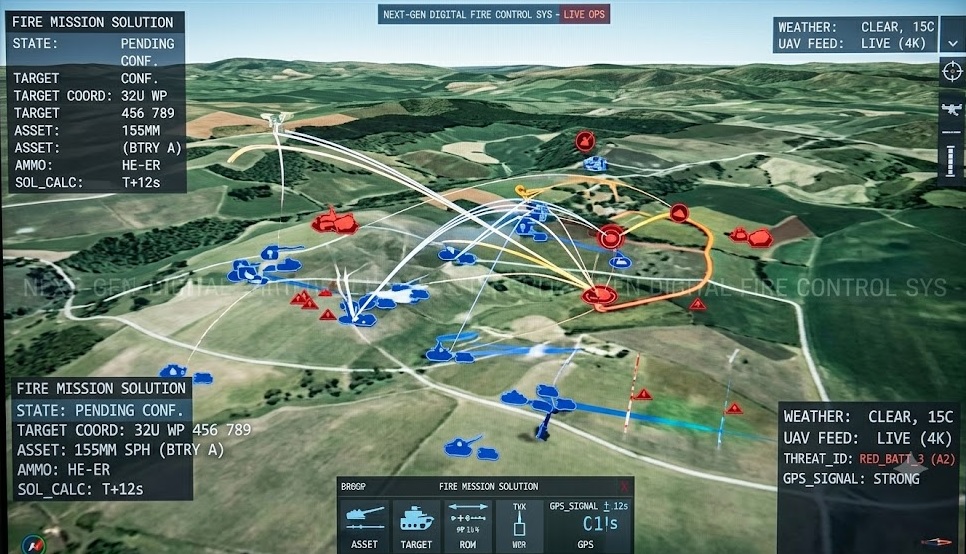 BAE Systems Unveils Next-Generation Digital Indirect Fire Control System at Eurosatory 2026
-
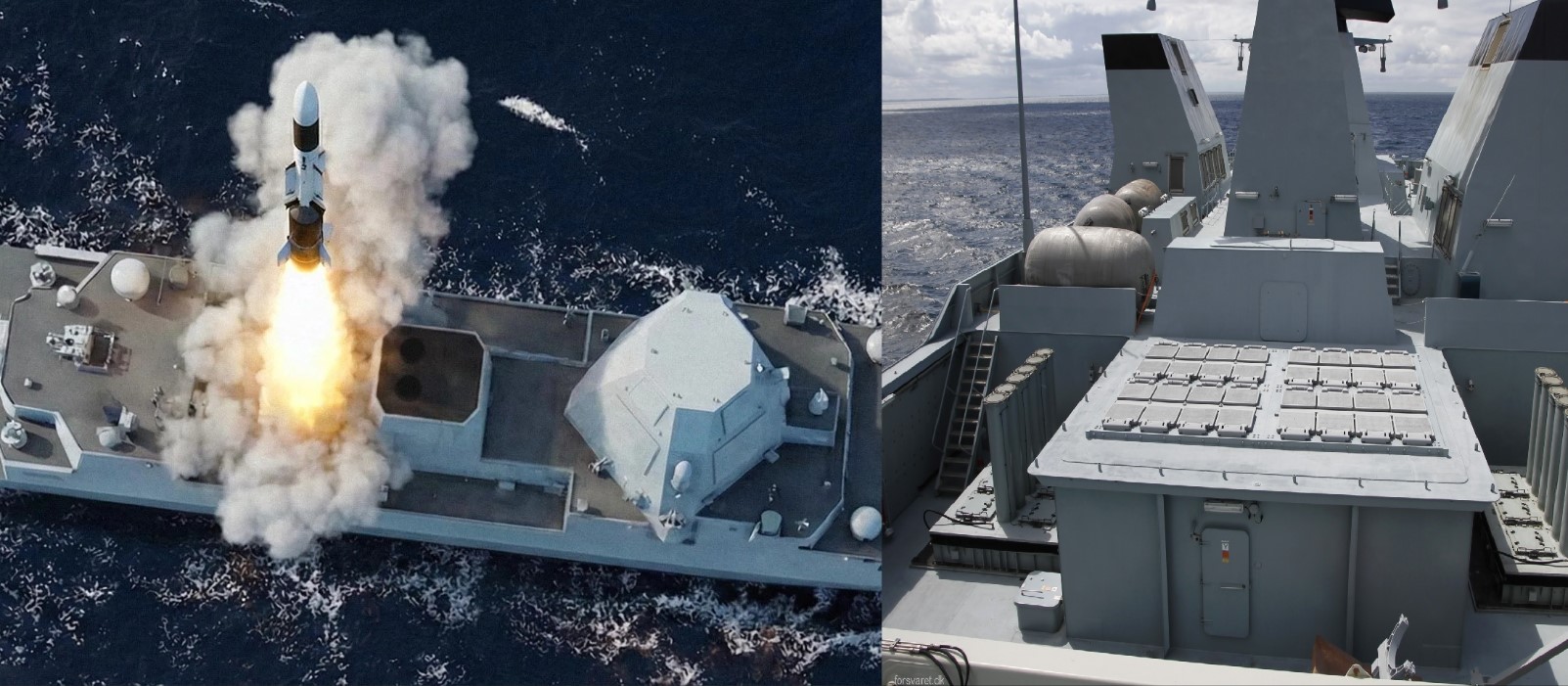 Engineering Challenges Behind the US Navy's Decision to Drop MK41 VLS from Flight I FF(X) Frigates
-
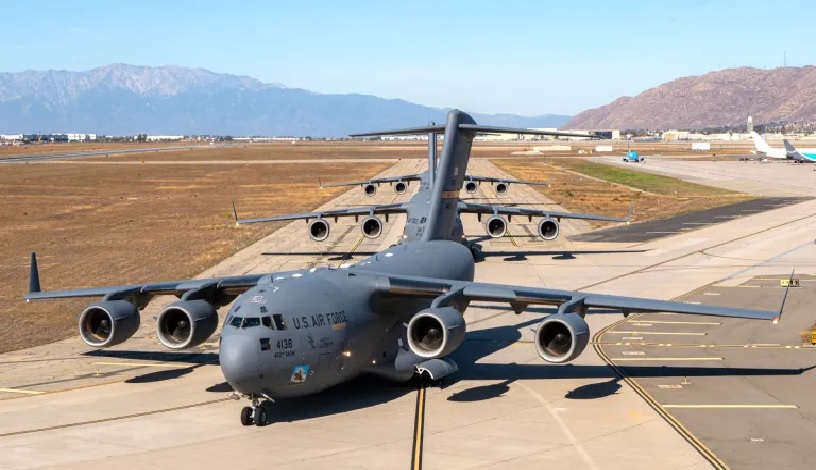 U.S. Air Force Faces Strategic Airlift Shortfall as C-17 Production Restart Remains Uncertain
-
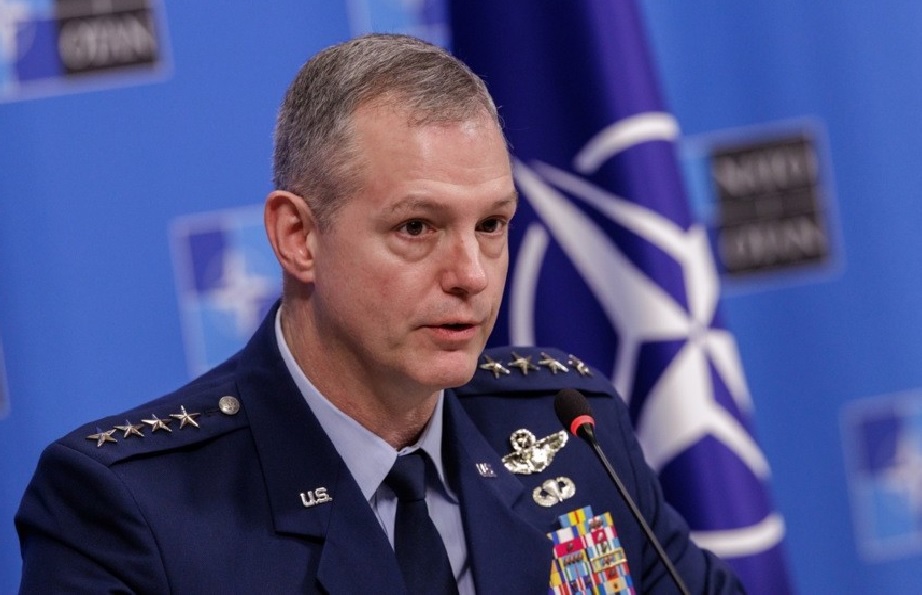 NATO Commander Says Russia Not Seeking Conflict With Alliance Despite U.S. Force Reductions
Top Trending in 4 Days
-
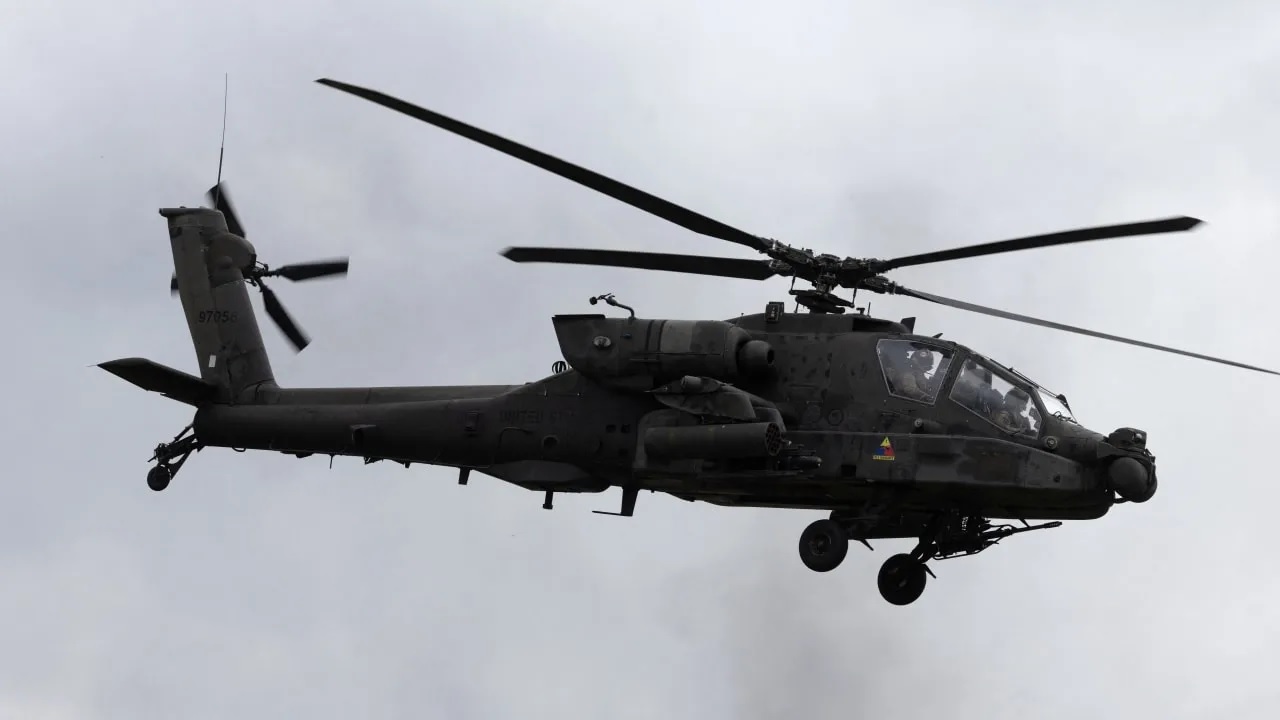 US Army Apache Helicopter Crashes Near Strait of Hormuz; Crew Rescued Safely
-
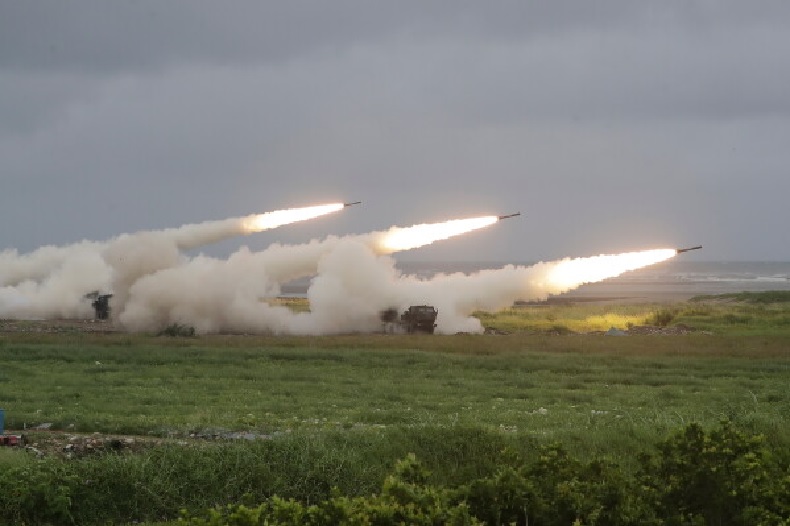 Taiwan Conducts First Live-Fire of HIMARS Rockets From West Coast During Invasion Defense Drill
-
 Boeing Introduces New MQ-28 Ghost Bat Upgrades with Increased Range, Payload and Weapons Capacity at ILA Berlin 2026
-
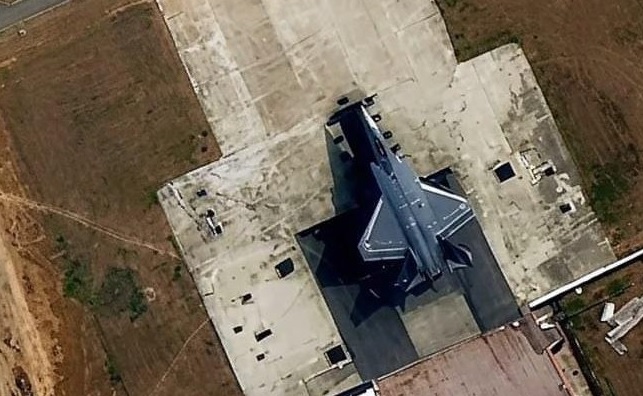 AMCA Airframe Spotted at DRDO’s ORANGE Facility for Radar Cross-Section Testing
-
 Russian Defense Firm ZALA Unveils KAMA Unmanned Surface Vessel Family at FLOT-2026 Naval Exhibition
-
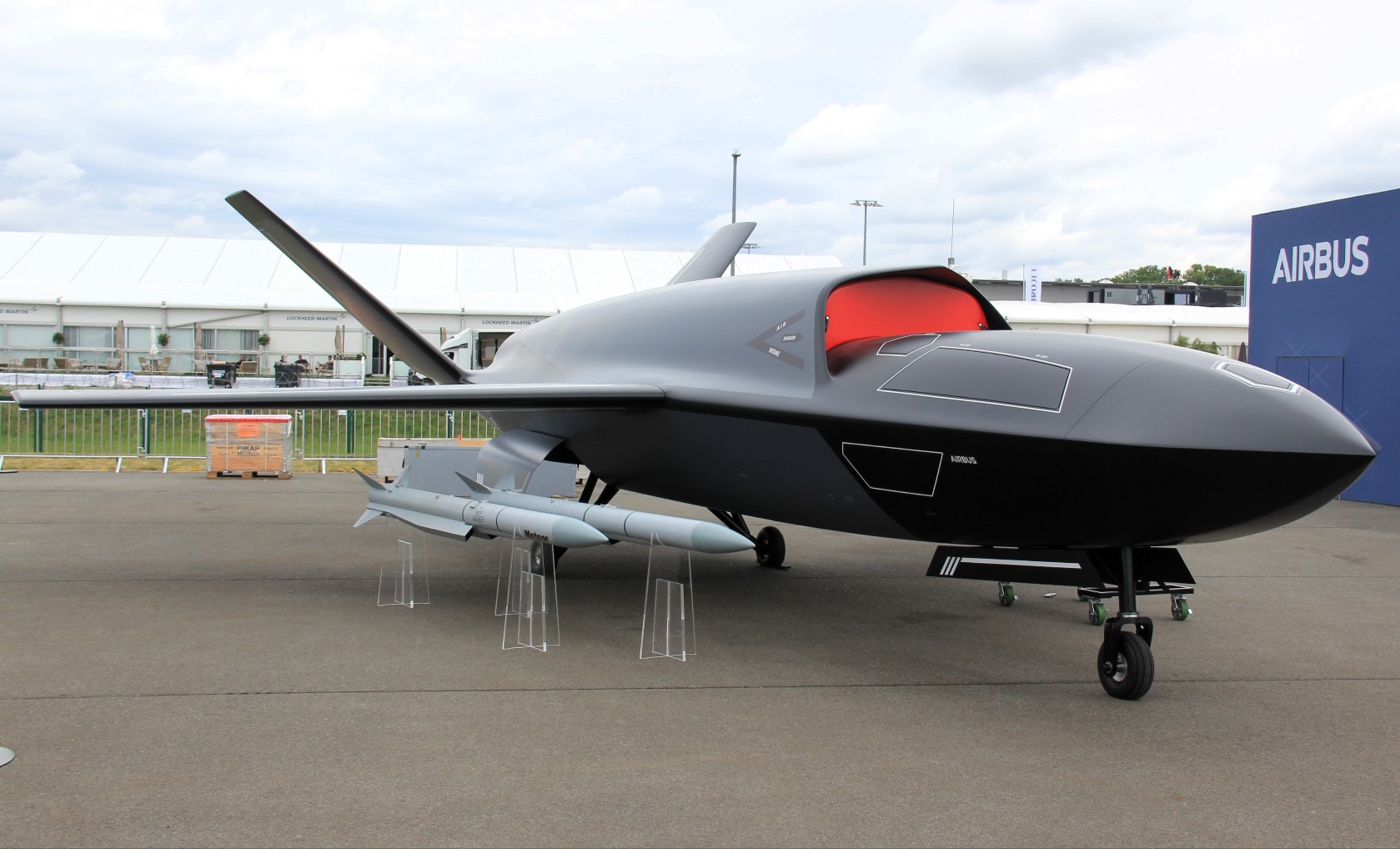 Airbus Unveils U760 Ravenstorm Loyal Wingman Drone at ILA Berlin 2026
-
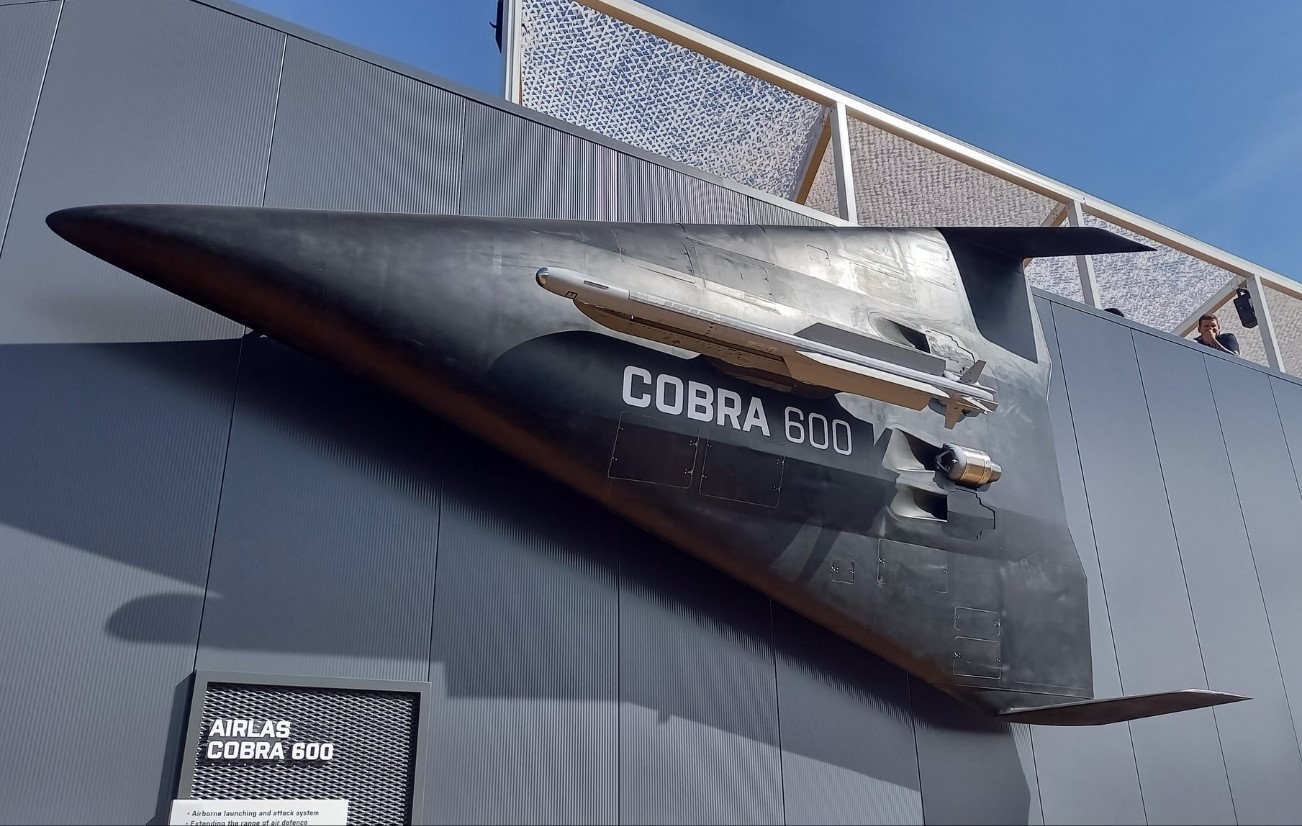 Diehl Defence Unveils IRIS-T Armed Cobra 600 Air Defense Drone at ILA Berlin 2026
-
 U.S. Army Successfully Demonstrates Quantum Sensor That Can Precisely Locate Radio Signals in 3D