Tel Aviv, Israel — Israel is preparing to request information from the United States on Boeing’s F-47 sixth-generation fighter as it examines whether the aircraft could eventually become an option for the Israeli Air Force. The review is preliminary, and no procurement decision or formal acquisition process has been reported.
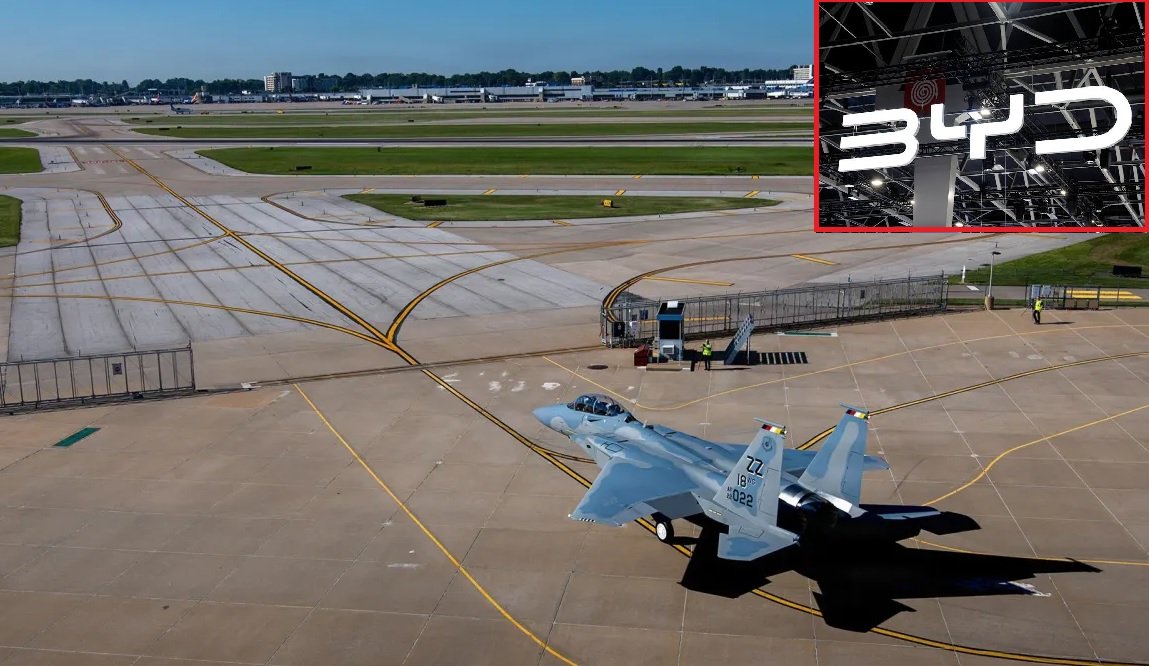
According to Walla, subsequently reported by The Jerusalem Post, Israel’s Defense Ministry and Israel Defense Forces (IDF) plan to seek information on the F-47 and its capabilities. The inquiry comes alongside ongoing procurement of F-35 and F-15 fighter jets and amid regional diplomatic developments, including reported Israeli inquiries connected to discussions involving Iran.
Israel Examines U.S. Export Policy
The United States has historically refused to export the F-22 Raptor to foreign countries to protect its air-superiority technology. Israel is now examining whether the F-47 could face similar restrictions.
The issue has gained attention after senior U.S. officials indicated that Japan could potentially participate in the F-47 program. Israeli officials are assessing whether this represents a genuine change in U.S. policy toward allied participation or was primarily a diplomatic signal related to tensions with China.
There has been no official confirmation from the Israeli Ministry of Defense, the IDF or the U.S. government of formal discussions over an Israeli F-47 acquisition.
F-47 Development and Capabilities
Boeing is developing the F-47 under the U.S. Air Force’s Next Generation Air Dominance (NGAD) program. Boeing was selected for the Engineering and Manufacturing Development contract in March 2025. The aircraft is intended to succeed the F-22 and operate as part of a broader family of systems that includes Collaborative Combat Aircraft.
Public U.S. Air Force information indicates that the F-47 is planned to have a combat radius of more than 1,000 nautical miles, or about 1,850 kilometers, and a top speed above Mach 2. The U.S. Air Force plans to acquire at least 185 aircraft.
The aircraft is being developed under strict secrecy and is expected to use a new engine designed to provide high efficiency and extended range. Reports have described demanding engine requirements and development challenges. One report referring to the ability to generate thrust without fuel may be a translation issue or a reference to efficient high-speed cruise; sustained thrust without fuel is not physically possible.
The F-47 is also expected to carry significantly more weapons than the F-35. Its range has particular relevance to Israel because a combat radius of more than 1,000 nautical miles covers distances associated with potential operations involving Iran, Iraq and Houthi-controlled areas of Yemen.
AI, UAVs and Stealth
The F-47 is being developed with advanced artificial intelligence, extensive connectivity and the ability to operate alongside unmanned systems. Reports indicate that it could control robotic systems and UAVs carried by the aircraft, while some experts have suggested that certain configurations could potentially support remote operation.
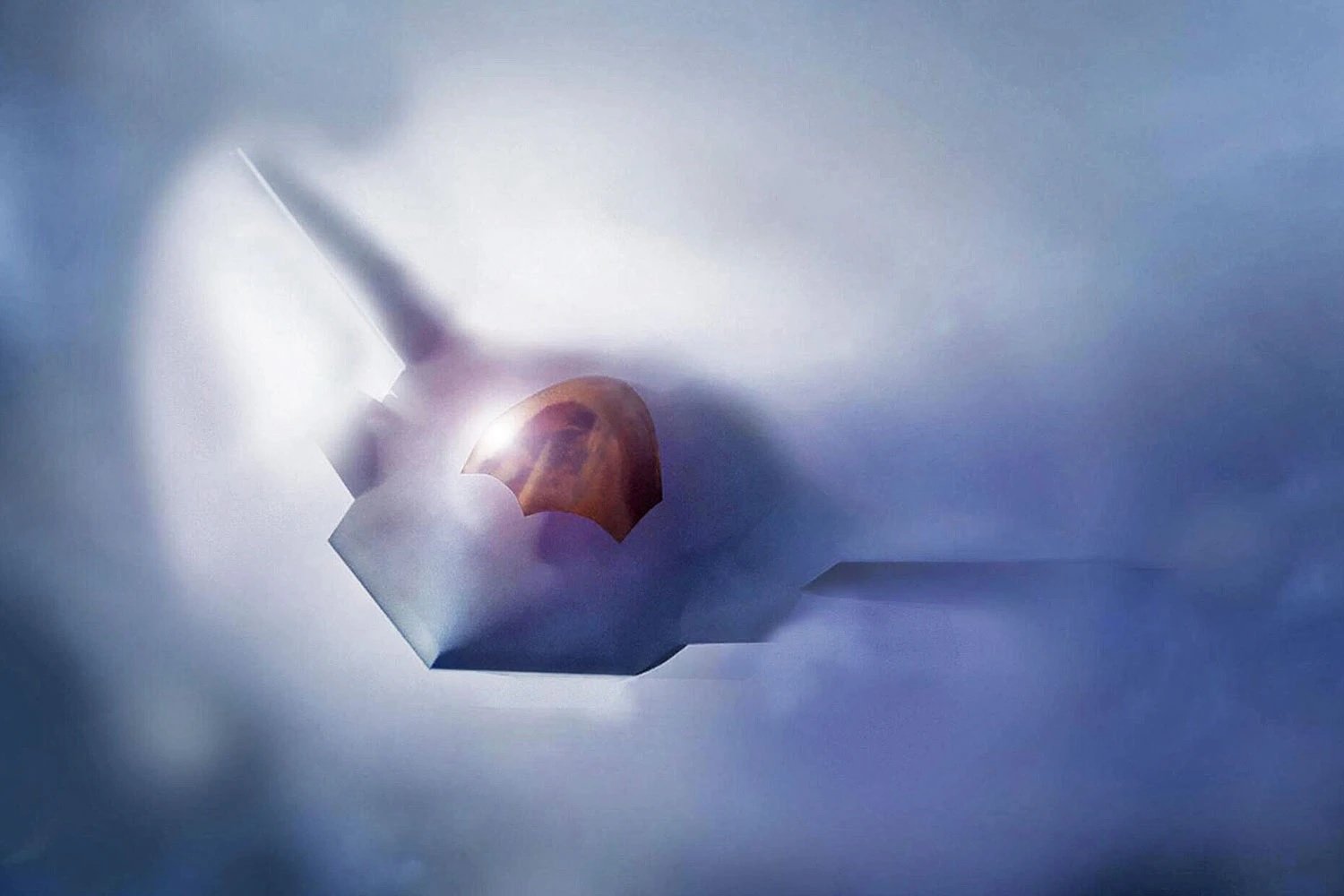
The aircraft is also designed to connect with military systems across the air, land, sea and space domains. Its aerodynamic design and stealth characteristics are intended to support the U.S. Air Force’s future air-superiority requirements.
The United States is also seeking to keep F-47 maintenance and operating costs below those of the F-22 and F-35. The eventual aircraft price will depend on the size of the U.S. order and whether Washington allows participation by additional countries.
Development Timeline
Experimental NGAD demonstrators had already completed hundreds of hours of flight testing before Boeing received the F-47 contract. The first production-representative F-47 flight is expected in 2028, while manufacturing of the first airframe has already begun.
The aircraft remains years away from operational service. When the F-47 program was publicly announced in March 2025, then-President Donald Trump said allied countries had expressed interest and suggested that versions with reduced capabilities could potentially be offered. Japan has been mentioned in this context, but the extent of any foreign participation remains unclear.
For Israel, the current step is therefore an information-gathering and policy assessment rather than a purchase decision. Israel continues to pursue its existing F-35I Adir and F-15IA procurement programs while examining whether the F-47 could become a future option.
——— End of Article ———