India
In a startling breach of national security, a 27-year-old junior defence contractor has been arrested for leaking classified information about Indian Navy warships and submarines to suspected Pakistani intelligence operatives. The accused, Ravindra Muralidhar Verma, allegedly passed on operational details of 14 naval vessels—five of which were confirmed to be accurate and classified—while working for a defence firm in Mumbai. Verma was employed in the electrical department of Krasni Defence Technology Pvt. Ltd., a company that regularly undertakes repair and maintenance work at sensitive military sites like the Naval Dockyard, Mazagon Dock, and Indian Coast Guard facilities in Maharashtra. His position gave him rare access to restricted zones where warships and submarines are stationed, including locations critical to India’s naval defence. Caught in a Web of Deception Verma's descent into espionage reportedly began on social media. In early 2024, he accepted friend requests on Facebook from two profiles bearing the names Payal Sharma and Ishpreet, both of whom claimed to be young Indian women working in naval research. These accounts were, in fact, operated by Pakistani intelligence handlers. One of them, later revealed to be using the alias Priti Jaiswal, quickly built an emotional bond with Verma and shifted their conversations to WhatsApp. Over time, these handlers manipulated Verma using emotional messaging and financial inducements. A senior Anti-Terrorism Squad (ATS) officer stated, “He was fully aware of what he was doing and who he was sending the information to. He received payments for every bit of information he shared.” Circumventing Security to Leak Secrets Although electronic devices are strictly prohibited in naval zones, Verma found ways around these protocols. He allegedly memorised sensitive details during his visits and later recreated them as hand-drawn sketches, written notes, diagrams, or even audio messages. These were sent to his handlers over WhatsApp or through social media channels. One chilling voice message retrieved from his phone and dated March 11, 2025, captures Verma saying: "Sir kuch reply nahi de rahe, unka net shayd se band hai... Aaj mein roundup pe gaya tha. So sari sari ship dekhi hai? Vo sari meine diary mein karke tumko kiya ki hai, Aur sir ko bhi kiya hai, par wo online nahi hai." He admitted inspecting multiple ships, documenting the details in his diary, and forwarding them to his handler and a person referred to as “Sir.” The very next day, he took a photograph of a notebook page listing the names and exact locations of 14 naval vessels. This image was later found saved in a special folder on his phone and was allegedly shared with his handlers. The Indian Navy has since verified that five of those ships were real and their positions were considered classified and restricted, confirming the seriousness of the leak. Not Just a Victim? While Verma’s family has claimed he was manipulated, investigators are treating the case as a deliberate act of betrayal. His mother, Rekha, told authorities, “Yes, Ravi spoke to someone on Facebook, but the woman trapped him. He told me he wanted to delete his Facebook account because of bad people online.” However, the evidence paints a more complicated picture. Investigators found that Verma had archived chats, saved diagrams, videos, and audio notes that indicated he knew the nature of the information he was sharing. In addition, forensic analysis of his phone revealed he had been in touch with multiple handlers, some posing as “college friends” of the original women he had been speaking to. Authorities are now investigating whether Verma was coerced further through blackmail or promised larger financial rewards. His financial records indicate that money was being transferred from multiple Indian and foreign bank accounts, which the ATS is now working to trace. It is suspected that others linked to Verma’s company might have also been targeted or compromised in a similar manner. Charges and Investigation Continue Verma, along with the mysterious “Priti Jaiswal” and the unknown “Sir,” has been charged under the Official Secrets Act, 1923, and Section 61(2) of the Bharatiya Nyaya Sanhita, 2023—a serious offence relating to espionage and endangering national security. He is currently in ATS custody until Monday, as investigators continue to extract and examine data from his phone, social media accounts, and other digital devices. The focus is now on uncovering the full extent of the espionage ring and whether it includes a wider network of insiders or compromised personnel. This case has sounded alarm bells within India’s defence circles, highlighting not just the dangers of cyber honey-traps but also the urgent need for stricter internal vigilance in the age of hybrid warfare.
Read More → Posted on 2025-05-31 07:48:06
India
On May 30, 2025, Russia strongly rejected media claims that it was making multibillion-dollar investments in Pakistan, calling the reports “completely fabricated.” The stories, widely circulated in Pakistani outlets, suggested that Moscow was working closely with Islamabad to set up new steel mills in Karachi—drawing comparisons to the Soviet-backed Pakistan Steel Mills project of the 1970s. However, Russia clarified that no such major agreements have been signed, and any talks that took place were merely exploratory in nature. The Russian side emphasized that the claims were not only false but appeared to be part of an intentional attempt to stir geopolitical tensions in South Asia, particularly aimed at derailing Russia’s close and strategic partnership with India. Russian officials indicated that they viewed such misinformation as a potential threat to the deep and evolving relationship between Moscow and New Delhi. Over the past few years, Russia and India have significantly expanded their cooperation, especially in the defence sector. This cooperation was recently on display during Operation Sindoor earlier in May 2025, when Indian forces launched strikes on terror camps across the Line of Control in Pakistan-occupied Kashmir. Russian-made S-400 air defence systems and jointly developed BrahMos missiles played a key role in these operations—further demonstrating the depth of military coordination between the two nations. Russia’s ambassador to India, Denis Alipov, also publicly backed New Delhi's counter-terrorism initiatives. He praised Indian Prime Minister Narendra Modi’s decisive leadership and expressed solidarity after the tragic April 22 terror attack in Pahalgam, Jammu and Kashmir. Ambassador Alipov highlighted President Vladimir Putin’s continued support for India’s anti-terror operations, and noted that the Russian President's upcoming visit to India would reaffirm the strength of the bilateral relationship. While there have been routine meetings between Russian and Pakistani officials to explore industrial cooperation, including discussions on possible projects in Karachi, Moscow made it clear that these interactions do not represent any significant economic or strategic shift. According to Russian authorities, no joint working group has been formally established, nor has any large-scale investment agreement been signed. The incident highlights the delicate balance that Russia maintains in South Asia, but also clearly signals where its priorities lie. Despite engaging with various countries in the region, Russia has once again underlined its unwavering commitment to India—a relationship built on trust, shared strategic goals, and a long history of cooperation. By swiftly addressing the misleading reports and reaffirming its stance, Russia has sent a clear message: its ties with India remain a top foreign policy priority, and no false narrative will be allowed to interfere with that enduring partnership.
Read More → Posted on 2025-05-31 07:40:19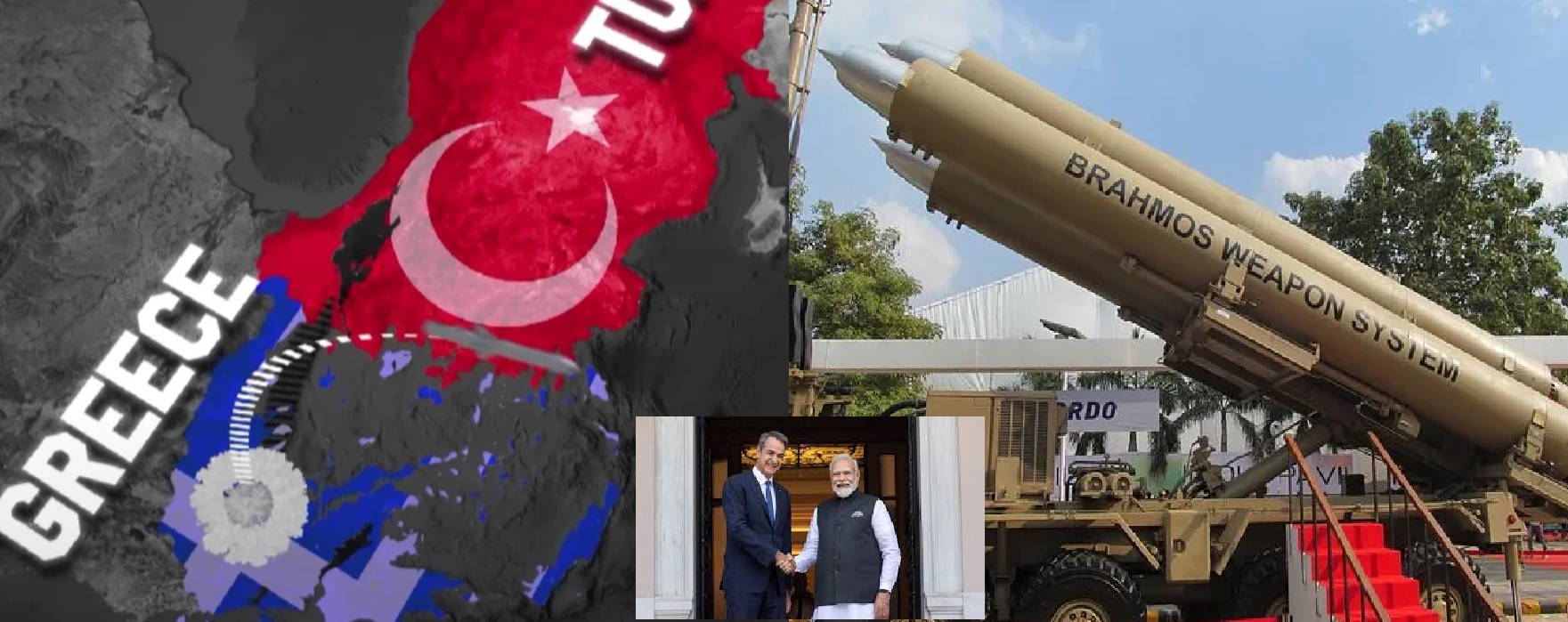
India
In what could reshape the strategic balance across multiple regions, Greece is reportedly in advanced talks with India to acquire the formidable BrahMos missile system, a joint product of India’s DRDO and Russia’s NPO Mashinostroyeniya. The move, if finalized, would mark a historic first: the deployment of the BrahMos missile — the world’s fastest supersonic cruise missile — within NATO by a European country, and it is already being viewed as a geopolitical nightmare for Turkey. According to diplomatic and defense sources, discussions between Athens and New Delhi have intensified following the successful use of BrahMos missiles in “Operation Sindoor,” a recent but classified military strike in which India launched 15 BrahMos missiles in a precision tactical operation that shattered key Pakistani military infrastructure. The shockwaves of the operation were felt across South Asia, as the Pakistan Air Force was caught off guard and scrambled to safe zones, while other branches of the Pakistani military were reportedly ordered to retreat and take shelter — an unprecedented reaction, underscoring the devastating precision and speed of the BrahMos strike. BrahMos: The Game-Changer Missile The BrahMos missile — capable of flying at Mach 2.8 to 3.0 — combines stealth, pinpoint accuracy, and near-uninterceptable speed. It has already been deployed extensively by India’s Navy, Air Force, and Army, and has been successfully exported to the Philippines, marking India’s first major missile sale. Now, Greece’s interest signals a shift in the global arms market, where India is rapidly emerging as a credible missile power. The missile's range, post-MTCR (Missile Technology Control Regime) enhancements, now reportedly exceeds 450 kilometers, and future variants could reach up to 800 km. Its ability to launch from land, air, sea, and even submarines, makes it an attractive deterrent system for nations facing threats across multiple domains. Why Greece Wants BrahMos Tensions between Greece and Turkey have long simmered over disputes in the Aegean Sea, energy rights in the Eastern Mediterranean, and Turkish overflights into Greek airspace. For Athens, BrahMos offers an unmatched deterrent against Turkish provocations — especially given Ankara’s increasing naval assertiveness and drone warfare capabilities. With BrahMos in its arsenal, Greece could target Turkish naval and air bases within minutes, neutralizing high-value assets before they can even launch. The psychological edge alone would be enough to shift strategic calculations in the region. Moreover, Greece is seeking to diversify its defense procurement beyond traditional Western suppliers. By turning to India, it strengthens ties with a rising defense exporter, while also avoiding the complex bureaucracy of European arms deals. Turkey’s Strategic Dilemma For Turkey, the potential deployment of BrahMos by Greece is a severe blow. Ankara, already rattled by strained ties with NATO allies and growing regional isolation, will now have to contend with a neighboring adversary armed with a missile system that even advanced air defenses may not intercept in time. Experts believe Turkey may now accelerate indigenous missile programs or seek new defensive partnerships, possibly with Russia or China, in response. However, doing so could further isolate it within NATO and draw more scrutiny from the U.S. and EU. Operation Sindoor: A Turning Point Although officially undeclared, Operation Sindoor is now widely acknowledged as a turning point in India’s missile warfare doctrine. In the reported night-time operation, 15 BrahMos missiles were launched simultaneously on Pakistan's air bases and military supply nodes, in retaliation for a covert cross-border provocation. The result: devastating damage, zero Indian casualties, and utter disarray within Pakistan’s defense establishment. Following the strikes, Pakistan scrambled all air bases into lockdown mode, moved senior officials to undisclosed shelters, and placed its nuclear assets on standby. International observers, including China and the U.S., were reportedly shocked at the precision, speed, and confidence of the BrahMos deployment — a demonstration that has now caught Greece's attention, and Turkey's anxiety. Strategic Implications If the BrahMos deal with Greece moves forward, it will: Mark India’s first missile export to Europe. Embed India deeper into NATO’s defense fabric. Provide Greece with a credible threat against Turkish military assets. Signal to the world that India is no longer a regional player but a global missile power. Trigger a new arms race in the Eastern Mediterranean and potentially spark countermeasures from Ankara. The Road Ahead While the talks are still confidential, insiders suggest that a Memorandum of Understanding (MoU) could be signed by the end of the year. The Indian Ministry of Defence has declined to comment, citing the strategic sensitivity of such transactions. For now, the message is clear: the BrahMos is no longer just a regional weapon — it is a global game-changer. And for Turkey, the nightmare has only just begun.
Read More → Posted on 2025-05-31 07:35:31
India
IndiGo, India’s largest airline by market share, will officially terminate its lease agreement with Turkish Airlines by August 31, following a directive from India's aviation regulator. The move marks the end of a strategic partnership that helped IndiGo connect Indian travelers to major European and American cities via Istanbul, but which has recently come under increasing political and regulatory pressure. The Directorate General of Civil Aviation (DGCA), India's top aviation authority, refused IndiGo’s request for a six-month extension and instead granted a final three-month period. The existing lease, which involves two widebody Boeing 777 aircraft operated by Turkish Airlines along with their pilots and some crew, was set to expire at the end of May. IndiGo has now committed to ending the deal entirely by the end of August and has assured the regulator that no further extension will be sought. The decision is partly rooted in growing diplomatic friction between India and Turkey. Ankara's public support for Pakistan during a recent conflict has stirred strong emotions in India, leading to calls for boycotts of Turkish products and services. This political backdrop intensified scrutiny over IndiGo’s leasing ties with Turkish Airlines. The deal had already faced criticism from rival airline Air India, which reportedly lobbied the Indian government to scrap the arrangement. Air India cited concerns over national security and potential business disadvantages from IndiGo’s reliance on a foreign state-owned carrier. The codeshare and leasing agreement with Turkish Airlines dates back to 2018 and had allowed IndiGo to offer long-haul international connections through Istanbul, using Turkish widebody aircraft to serve the high-demand Delhi-Istanbul and Mumbai-Istanbul routes. These aircraft allowed IndiGo to significantly boost capacity, compared to its own narrowbody Airbus fleet. The partnership also helped IndiGo bridge the gap caused by delays in aircraft deliveries. The airline has been waiting on long-range aircraft to expand its global footprint, including the Airbus A321XLR, expected later this financial year, and the Airbus A350, which is set to arrive by early 2027. With the Turkish lease set to end, IndiGo will now need to explore alternatives. It could revert to using its existing narrowbody fleet on the Istanbul routes, or shift to widebody aircraft it has leased from Norse Atlantic Airways. The arrival of the A321XLRs may also help maintain service levels on medium- to long-haul international sectors in the near future. The regulator’s firm stance also follows another sensitive development: the Indian government’s revocation of security clearance for Celebi, a Turkish ground handling firm operating in India. The decision, citing national security concerns, led to a legal battle initiated by Celebi's Indian unit, further deepening the diplomatic chill. For IndiGo, which has long touted the Turkish collaboration as beneficial to Indian travelers and job creation, this forced break signals a turning point. As the airline pivots to alternative international expansion strategies, it must now navigate both fleet constraints and geopolitical complexities shaping India’s aviation landscape.
Read More → Posted on 2025-05-31 07:24:17
India
India’s quest for indigenous fighter jet engine technology has taken a significant leap forward. The Gas Turbine Research Establishment (GTRE), a key wing of the Defence Research and Development Organisation (DRDO), has received approval to integrate the Dry Kaveri engine—enhanced with a newly developed afterburner—into an older variant of the Light Combat Aircraft (LCA)-Tejas for flight validation. This breakthrough reflects decades of perseverance in developing a homegrown engine that can eventually reduce India’s dependence on foreign suppliers for military aviation needs. Originally conceived for unmanned systems like DRDO's Ghatak stealth UCAV, the Dry Kaveri is a non-afterburning version of the Kaveri engine. It has recently shown encouraging results in ground testing, generating 49-50 kilonewtons (kN) of thrust—exceeding its earlier target of 46 kN. With the development of a new afterburner module, GTRE aims to further boost thrust to nearly 80 kN. This is a significant step forward when compared to the 73-75 kN thrust generated in earlier Kaveri engine demonstrations. With this added capability, the engine could potentially power manned fighter jets like the LCA-Tejas Mk1A, which currently relies on the imported GE F404-IN20 engine that produces 78.7 kN of thrust with afterburner. The development of the afterburner is still ongoing. GTRE is in the process of procuring specialized materials required to withstand high temperatures and stress. The successful integration of this module would not only improve overall thrust but also bring performance closer to modern fighter jet engines currently in use. For flight testing, GTRE is preparing to install the upgraded Dry Kaveri engine into an older Limited Series Production (LSP) Tejas aircraft. Two prototypes—PV-5 (KH-T2009) and PV-6 (KH-T2010), originally developed for the twin-seater Tejas variant—are being considered for this milestone task. However, the Indian Air Force has raised caution over using a single-engine fighter for early-stage trials of an unproven engine. It has suggested safer alternatives, such as using a twin-engine platform or an unmanned flying testbed. Despite these concerns, GTRE seems committed to leveraging the existing LCA-Tejas platform for in-air validation, potentially using its earlier flight data as a safety benchmark. The bigger picture here is strategic. If the Dry Kaveri engine with the new afterburner performs well during flight testing, it could pave the way for future integration into Tejas Mk1A aircraft. This would make the Tejas fleet even more indigenous and reduce reliance on foreign powerplants like those from the United States. The next iteration of the engine, often referred to as Kaveri 2.0, is expected to deliver even more thrust—up to 83-85 kN—putting it firmly in competition with the F404 family. While flight testing in India is progressing, GTRE has also partnered with Russia for high-altitude testing and integration trials. Final testing will take place aboard a modified Ilyushin Il-76 aircraft at Russia’s Gromov Flight Research Institute. This Flying Test Bed (FTB) will replace one of its four engines with the Dry Kaveri to assess how the engine performs under real-world flight conditions. These trials are scheduled to begin in September 2025, building on previous successful tests conducted in 2022 and 2023, where the engine exceeded its target dry thrust benchmarks. If all goes well, GTRE aims to complete these trials by 2025 and begin limited production by 2025-26, initially for unmanned systems like the Ghatak UCAV. The Indian defense establishment is optimistic that the improved engine, once proven, can also power manned platforms and open new avenues for India's indigenous fighter development programs. Still, challenges remain. The current weight of the Dry Kaveri engine—about 1,180 kilograms—is higher than that of its competitors like the GE F404 (1,036 kg) or even the more powerful F414 (1,110 kg). This weight difference could impact the LCA-Tejas’s agility and fuel efficiency. To address this, GTRE is collaborating with Indian manufacturers like MIDHANI to develop lighter and stronger materials. Metallurgical and thermal challenges related to the afterburner are also being addressed through advanced manufacturing methods and design optimizations. The integration of the Kaveri engine into the LCA-Tejas is more than just a technological upgrade—it is a symbolic stride towards self-reliance in high-end aerospace propulsion. If successful, it will not only bolster the capabilities of India’s fighter aircraft but also enhance the country’s strategic autonomy in defense manufacturing.
Read More → Posted on 2025-05-31 07:21:15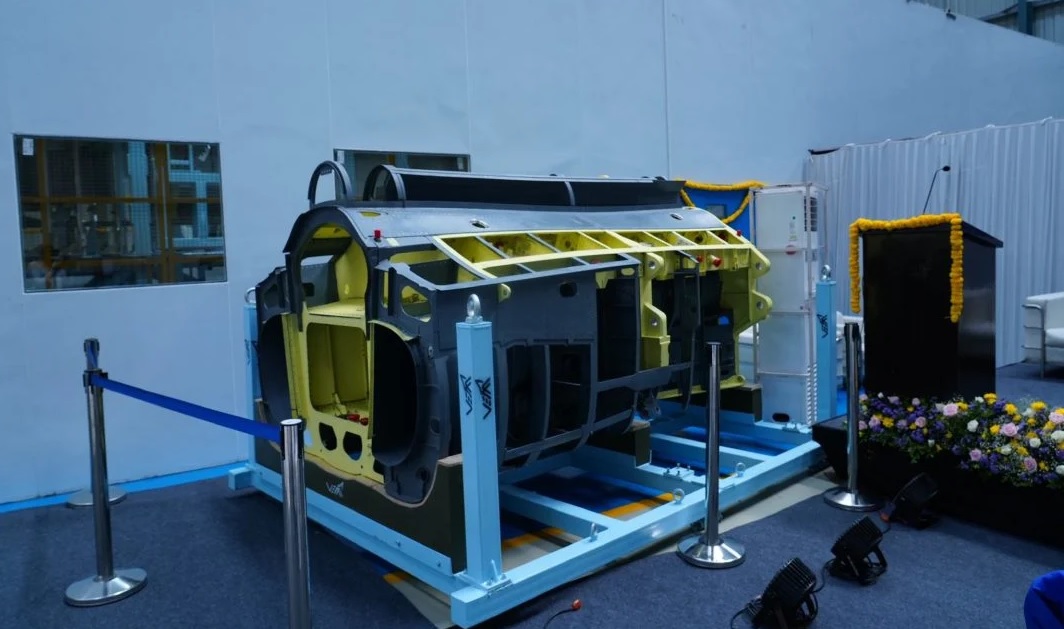
India
In a major leap for India’s indigenous defence production, VEM Technologies has officially delivered the first centre fuselage assembly for the Light Combat Aircraft (LCA) Tejas Mk1A to Hindustan Aeronautics Limited (HAL). The handover took place at VEM’s facility in Hyderabad, witnessed by key officials including Secretary of Defence Production Sanjeev Kumar and HAL Chairman and Managing Director Dr. D. K. Sunil. This event is especially significant because it's the first time such a crucial part of the Tejas fighter jet has been manufactured by a private Indian company. The centre fuselage, which forms the core structure of the aircraft, is built using a semi-monocoque design that combines both metal and advanced carbon fibre composite materials. It comprises 1,595 individual components, all of which were subjected to strict quality inspections by HAL during the manufacturing process. The Tejas Mk1A is a modernized version of India’s homegrown fighter jet and includes advanced features like an Active Electronically Scanned Array (AESA) radar, upgraded avionics, and improved combat capabilities. The Indian Air Force sees the Mk1A as a key player in its modernization efforts, and the involvement of private companies like VEM Technologies is viewed as a strategic move to reduce reliance on foreign suppliers—an increasingly important goal in a world facing frequent supply chain disruptions. VEM Technologies, based in Hyderabad, employs over 900 professionals and has a growing presence in India’s aerospace and defence sector. Apart from its work on the Tejas program, the company is also actively participating in the development of the Advanced Medium Combat Aircraft (AMCA), India’s next-generation stealth fighter. Prototypes of the AMCA are expected by 2026–2027. The successful delivery of the Tejas Mk1A centre fuselage is part of a broader national effort to increase indigenous content in military hardware. Currently, about 62% of the Tejas Mk1A is made from Indian components. With future models like the Tejas Mk2, the goal is to raise that figure to 70% or more. However, India’s journey toward full self-reliance in fighter aircraft manufacturing still faces challenges. The Tejas aircraft continue to use the American-made GE F404 engine, as India’s own Kaveri engine project, under development since 1986 by the Gas Turbine Research Establishment (GTRE), has not yet reached full operational maturity. Still, recent defence policies aim to push future fighter programs toward 80% indigenization. The handover of the Tejas Mk1A centre fuselage by VEM Technologies to HAL is not just a technical milestone—it also symbolizes the growing collaboration between India’s public and private sectors in defence. This synergy is essential for achieving the country's long-term vision of strategic autonomy and a strong, self-sufficient military-industrial base.
Read More → Posted on 2025-05-30 16:00:49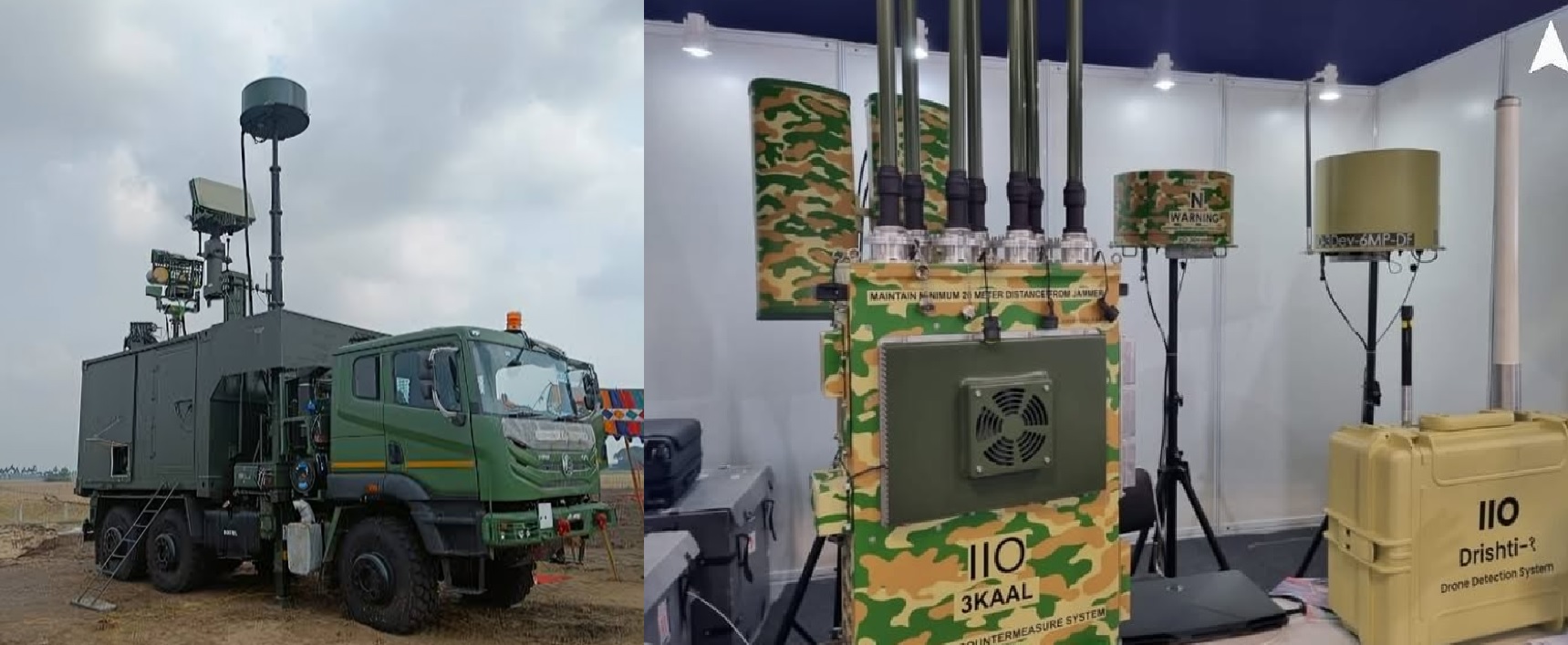
India
The Indian Army has taken a big step toward strengthening the country’s security by issuing Requests for Information (RFI) for the procurement of advanced counter-drone systems. This move is part of the government’s Make in India and Aatmanirbhar Bharat (self-reliant India) initiatives, aiming to develop and use indigenous technology to safeguard the nation. Why Are These Counter-Drone Systems Needed? In recent years, drones have become crucial tools in modern warfare. They are being used for surveillance, smuggling, and even armed strikes. Small drones are difficult to detect and can cause significant damage or gather sensitive information. A recent military standoff between India and Pakistan highlighted the growing threat of drones. Both countries used unmanned aerial vehicles (UAVs) extensively during a brief four-day clash earlier this month. This event showed how important it is for the Indian Army to have reliable systems to detect and neutralize drones quickly. What Are the New RFIs About? The Indian Army has issued RFIs for two key types of counter-drone systems: Manpack Counter Unmanned Aerial System (C-UAS): A lightweight, portable system that can be carried by soldiers in the field. It will help detect, track, and disable enemy drones during operations in remote or border areas. Ground-Based Counter Unmanned Aerial System (C-UAS): A more powerful, fixed system that can be set up at military bases, airports, and sensitive installations. It offers a wider detection range and stronger neutralization capabilities. Both systems will be developed under the Defence Acquisition Procedure (DAP) 2020 guidelines, ensuring faster decision-making and encouraging domestic defense production. Who Is Leading This Technological Push? Several Indian defense companies are stepping up to meet this challenge: Bharat Electronics Limited (BEL): A government-owned defense manufacturer, BEL has already developed the D4 System, a vehicle-mounted counter-drone platform. It uses advanced technology like thermal imaging, optical sensors, and RF (radio frequency) analysis to detect drones. It can neutralize threats using soft-kill techniques like jamming signals or hard-kill methods like direct attacks. Armory: A new player in India’s defense sector, this startup has introduced SURGE, a portable drone jammer. It can detect and disable rogue drones in real time by disrupting their communication signals, offering a reliable solution in active combat zones. Additionally, companies like ideaForge Technology — known for supplying over 2,000 drones to Indian forces — are upgrading their platforms to resist electronic warfare, ensuring India’s drones can operate safely even in contested areas. Recent Operations Show Why This Is Urgent In a recent military mission named Operation SINDOOR, rising border tensions exposed the urgent need for reliable, homegrown counter-drone systems. The operation relied heavily on India-made equipment, further proving the importance of self-reliance in national security. To support this effort, the Indian government has allocated a significant portion of its $4.6 billion emergency defense spending for counter-drone technologies. Around $470 million is expected to be invested in this area over the next two years, indicating how serious the country is about tackling the drone threat. A New Chapter in India’s Defense Strategy The increasing use of drones by hostile forces has changed the nature of warfare. Drones offer a cheap, effective way to gather intelligence or launch attacks without risking human lives. That’s why the Indian Army is fast-tracking the development and procurement of advanced counter-drone systems. By partnering with domestic companies and reducing dependency on foreign technology, India is strengthening its borders and modernizing its defense capabilities. The Aatmanirbhar Bharat vision is no longer just a policy slogan — it’s becoming a practical, critical strategy for securing the nation against new-generation threats. As trials and acquisitions speed up in the coming months, India’s soldiers will soon be better equipped to detect and destroy any aerial threats swiftly and effectively, ensuring the safety of the country’s skies and military installations.
Read More → Posted on 2025-05-30 15:55:43
India
India is preparing for a transformative leap in its defence sector over the next two decades, with projections indicating that the national defence budget will soar to an estimated ₹31.7 lakh crore by the year 2047. This major forecast, presented in a recent study conducted jointly by the Confederation of Indian Industry (CII) and KPMG, outlines a nearly five-fold increase from the ₹6.8 lakh crore allocated in 2024–25. The anticipated rise in the defence budget reflects India’s broader strategic ambitions and growing need for self-reliance in national security. As the country moves toward its 100th year of independence, this massive investment is expected to fuel not just stronger defence capabilities, but also innovation, job creation, and global competitiveness. Alongside the budgetary surge, India’s domestic defence production is expected to rise sharply. From a current estimated value of ₹1.6 lakh crore, the sector could grow to ₹8.8 lakh crore by 2047. A similar upward trend is expected in defence exports, which are likely to reach ₹2.8 lakh crore—up from the present ₹30,000 crore. This aligns with India’s long-term vision of becoming a global hub for defence manufacturing and exporting. One of the most significant strategic shifts highlighted in the report is the increasing share of capital expenditure in the defence budget. From 27% in 2024–25, capital outlays are projected to rise to 40% by 2047. This indicates a stronger focus on infrastructure, advanced weapon systems, and indigenous technology development—key components for building a modern and responsive military. Research and development (R&D) will also receive a boost. Currently at 4% of the defence budget, R&D spending is expected to climb to between 8% and 10% over the next two decades. This increase is intended to accelerate innovation in high-tech areas such as drones, cyber defence, artificial intelligence, and space-based warfare. India's defence spending, as a share of GDP, is also projected to increase from 2% to 4–5% by 2047. With this expansion, India is expected to rise from its current position as the world’s fourth-largest defence spender to the third spot globally, solidifying its role as a key geopolitical force. However, the path ahead is not without its challenges. The report underscores that India still depends significantly on imports for critical defence technologies. This dependency continues to hinder full self-reliance and delays the maturation of domestic defence industries. Bridging this gap will require not only enhanced investment in R&D but also stronger collaboration between public and private players. Moreover, a shortage of skilled professionals—especially in emerging defence technologies—is another pressing issue. To overcome this, the development of a robust talent pipeline and specialised training programs will be essential. The report also flags the influence of persistent geopolitical tensions. These regional and global pressures pose a dual challenge: while they increase the urgency for defence preparedness, they also risk diverting attention and resources away from long-term development goals. India’s strategic role in the global South and its growing leadership in South Asia make a strong case for sustained investment in defence. The report suggests that public-private partnerships will play a critical role in this journey, but the complexity of regulatory hurdles and the need for clear incentives continue to hinder broader private sector involvement. Another barrier comes in the form of Intellectual Property (IP) rights and technology transfer constraints in international collaborations. To achieve true Atmanirbharta (self-reliance), India will need to create frameworks that both protect innovation and encourage global partners to invest and share advanced capabilities. In conclusion, India’s defence roadmap to 2047 outlines a bold and ambitious vision—marked by higher budgets, growing exports, deeper R&D, and greater global influence. While the challenges are real, the trajectory signals a strong intent to transform India into a formidable, self-reliant defence power by its centenary year of independence.
Read More → Posted on 2025-05-30 15:02:10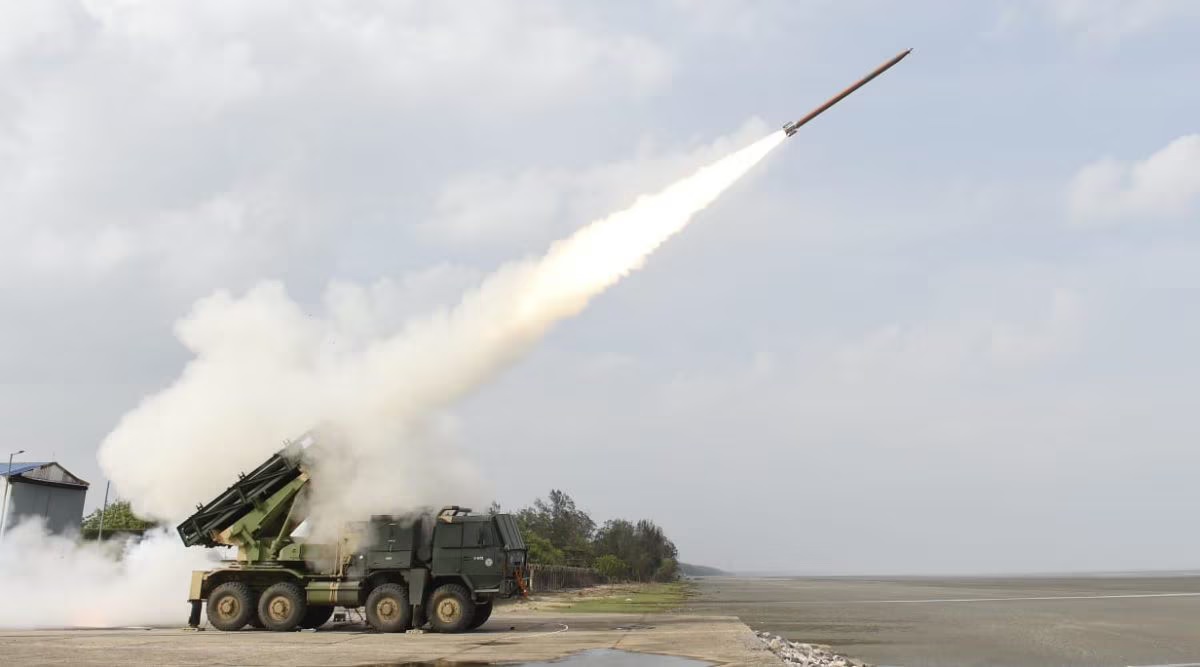
India
In a significant move to strengthen India’s defence manufacturing ecosystem, the Defence Research and Development Organisation (DRDO) has signed a Licensing Agreement for Transfer of Technology (LAToT) with Pune-based NIBE Limited. This agreement covers the indigenous Pinaka Multi Barrel Rocket Launcher (MBRL) system and its associated Battery Command Post (BCP), furthering the nation's efforts toward self-reliance in defence production. The Armament Research & Development Establishment (ARDE), a key laboratory of DRDO responsible for armament systems, facilitated this technology transfer, which is expected to enhance India’s industrial capability in producing sophisticated weapon platforms. What is the Pinaka MBRL? The Pinaka MBRL is a modern, high-mobility, indirect fire weapon system designed to quickly neutralise large area targets. Originally developed as a replacement for the older Russian-made GRAD systems, Pinaka has been a successful example of India’s indigenous defence research. Each launcher vehicle can fire 12 rockets in rapid succession from a stationary, inclined position. These rockets can deliver precise, high-impact firepower over ranges of 37 to 120 kilometres, depending on the rocket variant. The system is known for its high accuracy, swift deployment, and adaptability in diverse operational conditions — from deserts to mountainous terrains. Pinaka has already been inducted into the Indian Army and proved its effectiveness in various military exercises and operational deployments, including border tensions and live-fire demonstrations. Battery Command Post (BCP): The Nerve Centre Alongside the launcher, the Battery Command Post (BCP) plays a crucial role in coordinating multiple launchers in the battlefield. It acts as the control hub for targeting, communications, and fire control operations, ensuring precise coordination during missions. The BCP integrates advanced navigation, computing, and communication systems, making it a critical component in the successful operation of Pinaka batteries. Why This Agreement Matters This LAToT marks a vital step in strengthening India’s indigenous defence production capacity. By transferring the manufacturing technology to NIBE Limited, DRDO ensures that modern weapon systems like Pinaka MBRL and BCP are not only developed within India but also produced at scale by Indian industry partners. This reduces dependency on foreign suppliers and builds a robust domestic defence ecosystem capable of meeting the operational needs of the armed forces. Moreover, NIBE Limited’s involvement reflects the growing participation of private Indian firms in defence manufacturing, aligning with the government’s ‘Atmanirbhar Bharat’ (self-reliant India) vision. Defence R&D Investment: A National Priority This development comes soon after DRDO Chairman Dr. Samir V Kamat emphasized the importance of increased investment in Research and Development (R&D) for defence at the CII Annual Business Summit 2025. He highlighted that while India currently allocates about 5% of its defence budget to R&D, plans are underway to gradually raise this to 10% in the next five years. Dr. Kamat also pointed out that to secure victory in future conflicts, India must develop and adopt next-generation defence technologies domestically. He encouraged private sector companies to collaborate actively with DRDO and invest in innovative systems to keep pace with rapidly advancing global military capabilities. Towards a Stronger, Safer India This agreement is more than just a business contract; it symbolizes India's commitment to achieving technological self-reliance in defence while nurturing a vibrant defence industrial base. As India steadily climbs the ranks as a global economy and regional power, initiatives like this ensure the nation’s armed forces are equipped with cutting-edge, homegrown systems. As DRDO and Indian industry continue to work together, India is not only strengthening its national security but also creating new opportunities for defence exports, contributing to the country's ambition of becoming a developed nation by 2047.
Read More → Posted on 2025-05-30 14:46:39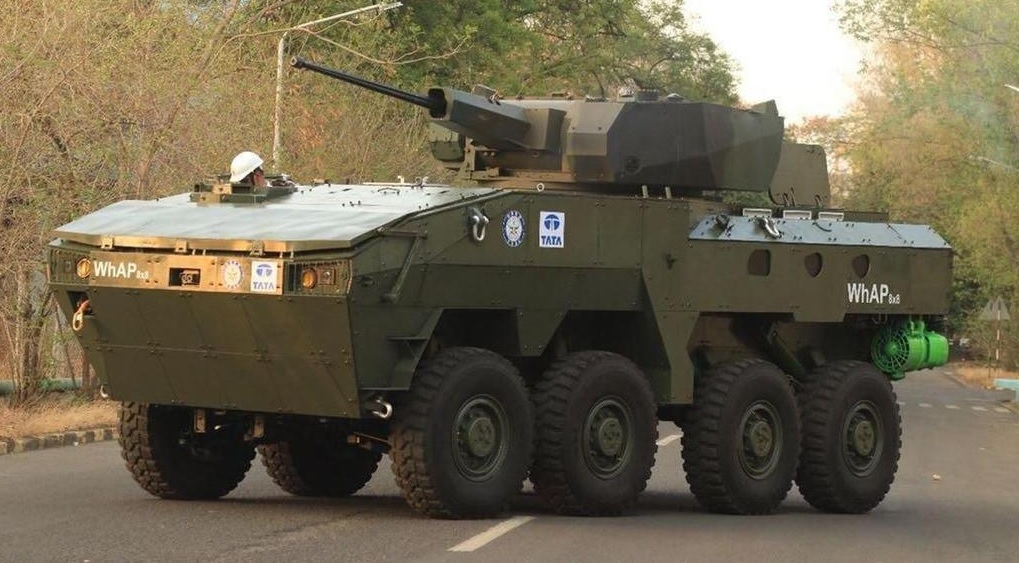
India
The Royal Moroccan Army is making a bold leap in modernizing its armoured vehicle fleet by upgrading its Tata-built Wheeled Armoured Platform (WhAP) 8x8 vehicles with powerful 105mm and 120mm turrets. This transformation will turn the WhAP from a typical armoured personnel carrier into a highly mobile light tank with heavy firepower. Originally developed in India by Tata Advanced Systems Limited (TASL) in collaboration with the Defence Research and Development Organisation (DRDO), the WhAP is a modular, amphibious 8-wheeled platform designed for high mobility and protection. Morocco began producing these vehicles locally after signing a major defence partnership agreement with India in September 2024. Under this deal, a joint venture—Tata Advanced Systems Maroc (TASM)—was established in Casablanca to produce the first batch of 150 vehicles, with plans to ramp up production to 100 units per year in the coming years. Now, Morocco has confirmed plans to dramatically upgrade the combat capability of these vehicles by equipping them with large-calibre gun turrets—either 105mm or 120mm—supplied by Israel’s leading defence firm, Elbit Systems. This shift from the standard 30mm cannons or missile launchers typically mounted on WhAP vehicles signals a new strategic direction for the Royal Moroccan Army. Elbit Systems is believed to be designing the turrets specifically to meet Morocco's operational requirements. The company is already a key player in Morocco’s defence sector, having signed a \$370 million deal to supply Atmos 2000 self-propelled howitzers. Elbit’s experience in similar projects—such as the Sabrah light tank, which features the same calibre weapons—makes it well-suited for this task. Fitting the WhAP with 105mm or 120mm turrets significantly boosts its battlefield role. These calibres are commonly found on main battle tanks or advanced mobile gun systems, not on wheeled armoured vehicles. With this upgrade, the WhAP can take on threats like enemy armoured vehicles and fortified positions while maintaining the speed, flexibility, and lower operating costs of a wheeled platform. To handle the increased firepower, several modifications will likely be made to the WhAP’s original design. These could include strengthening the suspension, integrating a recoil absorption system, and installing advanced fire control technology. Fortunately, the WhAP was built with a modular architecture, allowing for such upgrades without compromising its agility or amphibious capabilities. During performance trials, the WhAP already proved superior to China’s Type-08 vehicle, demonstrating its reliability and rugged design. Now, with this latest enhancement, Morocco is pushing the WhAP’s combat role even further—creating a new class of combat vehicle that blends the firepower of a tank with the speed and adaptability of an armoured carrier. This step reflects Morocco’s broader vision of building a more capable, self-reliant military using a combination of international partnerships and local production. The upgraded WhAP fleet is expected to become a critical asset in Morocco’s ground forces, offering powerful support for infantry, fast response capability in rugged terrains, and a strong deterrent against armoured threats.
Read More → Posted on 2025-05-30 14:36:53
India
India’s recent military experience during Operation Sindoor has once again highlighted the importance of advanced air defence systems in protecting national security. Launched in May 2025, the operation was a swift and precise military response to a major terrorist attack in Pahalgam. The Indian Air Force (IAF) carried out targeted airstrikes on terrorist camps located in Pakistan and Pakistan-occupied Kashmir (PoK), sending a clear message against cross-border terrorism. In retaliation, Pakistan unleashed a wave of missiles and drone attacks aimed at various regions across Jammu & Kashmir, Rajasthan, and Punjab. But what could have been a devastating onslaught was effectively neutralised by India’s deployment of the Russian-made S-400 Triumf air defence system. Its exceptional performance during the operation not only saved countless civilian lives but also safeguarded critical infrastructure along India’s western border. The S-400 Triumf: A Game Changer for India Developed by Russia’s Almaz Central Design Bureau, the S-400 has dramatically reshaped India’s air defence capabilities. This highly advanced system can detect incoming threats from up to 600 kilometres away and engage multiple aerial targets—including stealth aircraft, cruise missiles, and ballistic threats—at ranges of up to 400 kilometres. The S-400’s flexibility is another of its strong points. Its mobility allows Indian forces to swiftly reposition the system as tactical situations demand, offering unmatched operational versatility. During Operation Sindoor, its precise interceptions forced Pakistani fighter jets to abort or alter their flight paths and neutralised incoming missiles and drones before they could inflict damage. India, impressed by the system’s battlefield success, has already placed additional orders for more S-400 units to strengthen its nationwide air defence grid. India’s Growing Interest in the S-500 ‘Triumfator-M’ Encouraged by the stellar performance of the S-400, India is now actively exploring the possibility of acquiring an even more advanced system—the S-500 Prometheus, officially known as 55R6M Triumfator-M. Introduced into the Russian Armed Forces in 2021, the S-500 represents a major leap in air defence technology. It’s not just an air defence system but a multi-domain shield capable of countering threats from both the atmosphere and near-space. It’s designed to intercept hypersonic missiles, advanced drones, and even satellites in low Earth orbit—a capability that surpasses anything currently in India’s arsenal. S-500 Specifications and Capabilities Here’s a look at what makes the S-500 so formidable: Detection Range: Up to 2,000 kilometres for ballistic targets Interception Range: Can intercept targets as far as 600 kilometres away Multi-Target Tracking: Can track and engage up to 10 targets simultaneously Types of Targets: Hypersonic glide vehicles, fifth-generation stealth fighters, high-speed drones, ballistic missiles, and low Earth orbit satellites Missile Interceptors: Equipped with 77N6-N and 77N6-N1 hit-to-kill interceptors capable of direct-impact destruction Response Time: Rapid reaction capabilities to counter high-speed and multi-directional aerial assaults This combination of high detection range, multi-target engagement, and the ability to tackle hypersonic and space-based threats makes the S-500 one of the world’s most advanced air defence systems. The Geopolitical Challenge While India’s interest in the S-500 is clear, acquiring the system won’t be a straightforward affair. The United States’ Countering America’s Adversaries Through Sanctions Act (CAATSA), passed in 2018, allows Washington to impose sanctions on countries making significant defence deals with Russia. Although India received a waiver for its earlier purchase of the S-400, there’s no certainty that the US would offer a similar exemption for the S-500. This creates a tough decision for Indian policymakers, who must carefully balance the strategic advantage of enhanced air defence with the risk of potential diplomatic and economic fallout. Why the S-500 Could Be a Wise Move for India The modern battlefield is evolving rapidly, with countries developing hypersonic missiles, drone swarms, and space-based weapons systems. In such a changing threat environment, India cannot afford to rely solely on existing systems, no matter how capable. The S-500’s ability to defend against next-generation threats—especially hypersonic and space-based weapons—would give India a significant strategic edge. It would not only secure Indian airspace but also project power and deterrence capability in the region. If India moves forward with this procurement, it would become the first foreign nation to acquire the S-500, reflecting both its strong defence ties with Russia and its growing emphasis on futuristic military technology. Operation Sindoor reaffirmed the crucial role of advanced air defence systems in modern conflicts, with the S-400 proving its worth under live combat conditions. Now, as India considers stepping up its defensive shield with the acquisition of the S-500 Triumfator-M, it stands at a strategic crossroads. The decision will involve navigating complex geopolitical realities but could offer India a significant boost in its ability to deter and defend against increasingly sophisticated aerial and space-based threats in the years to come.
Read More → Posted on 2025-05-30 07:14:50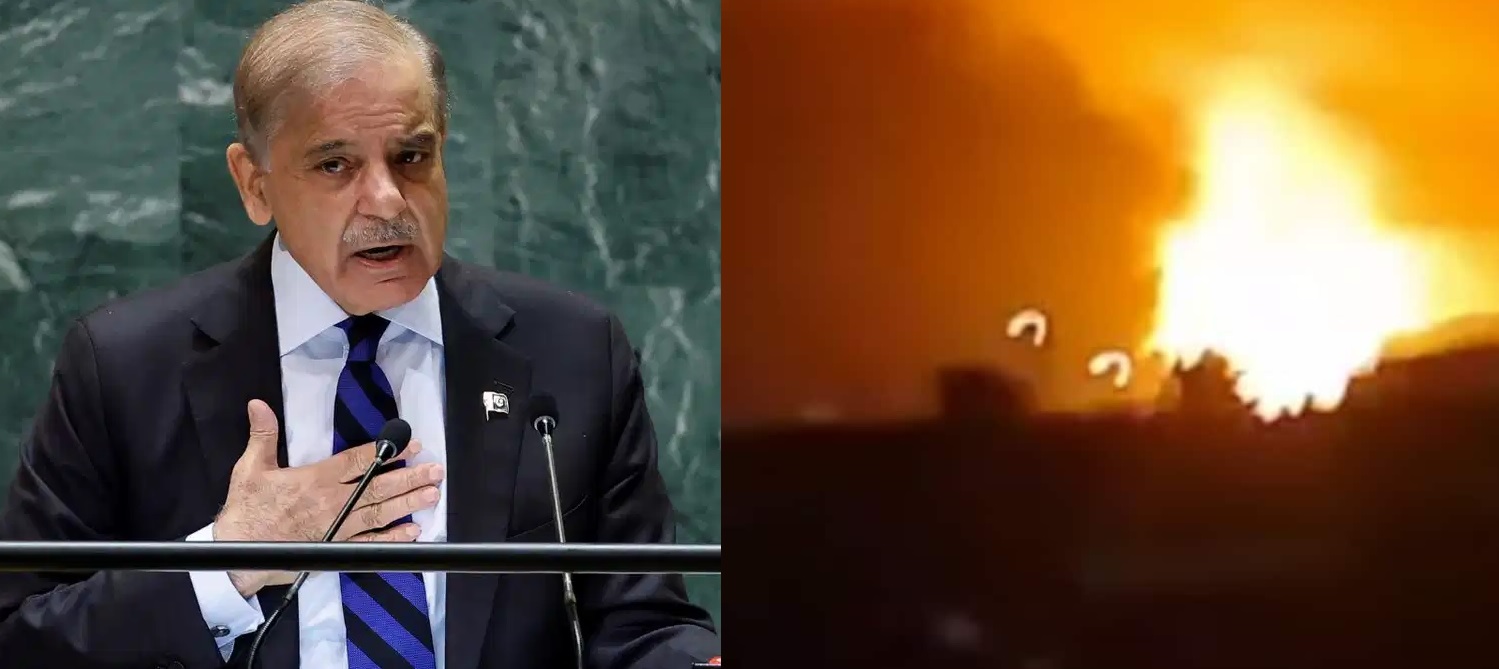
India
In a rare and striking admission, Pakistan’s Prime Minister Shehbaz Sharif has publicly confirmed that India launched missile strikes on several Pakistani airbases before Pakistan could carry out its planned military response. The revelation, made during an event in Azerbaijan, has shed light on a tense and dangerous standoff between the two nuclear-armed neighbours earlier this month. Sharif revealed that the Pakistani armed forces, under the leadership of Army Chief Asim Munir — now elevated to Field Marshal — had planned a major offensive against India on the intervening night of May 9 and May 10. The operation was reportedly scheduled to begin before the morning prayers. However, India acted swiftly, launching a preemptive strike using its supersonic BrahMos cruise missiles, targeting critical airbases and military positions deep inside Pakistan. This incident unfolded in the backdrop of growing hostility after a terror attack in Pahalgam, Jammu and Kashmir, which India blamed on Pakistan-based groups. India had issued a stern warning promising a decisive response, which eventually materialized through these precision strikes. According to reports, India’s military operation, known as Operation Sindoor, saw BrahMos missiles being fired at key airbases such as Murid and Nur Khan, among others. A total of eight Pakistani air installations were struck in the early hours of May 10. The strikes severely disrupted Pakistan’s ability to retaliate, forcing the country’s military to cancel its planned offensive at the last moment. What makes this revelation even more significant is the fact that it was made in a country that remains one of Pakistan’s few international allies. Sharif’s admission not only confirms India’s military preparedness but also highlights how closely the region teetered on the edge of a full-scale conflict. This series of events marks one of the most intense military confrontations between India and Pakistan since the Balakot airstrikes in 2019. While both sides have maintained a state of heightened alert along their borders since then, this recent episode reveals the serious risks that continue to hover over South Asia. Though tensions have deescalated somewhat since mid-May, the region remains watchful. The incident stands as a stark reminder of how quickly matters can spiral out of control between these two nuclear-armed neighbours, and the crucial role of timely, strategic decisions in preventing wider conflict.
Read More → Posted on 2025-05-30 07:09:17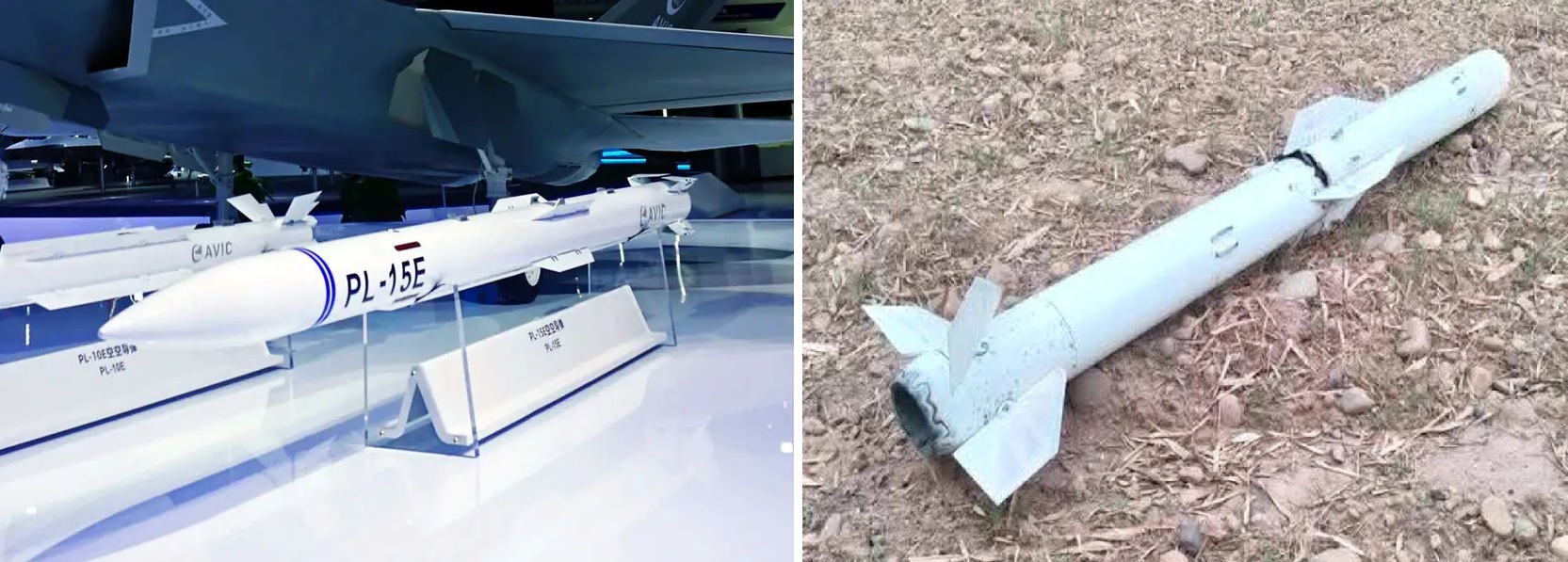
India
In a significant development amid the growing military tensions in South Asia, China’s Ministry of National Defense has officially confirmed that the PL-15E beyond-visual-range (BVR) air-to-air missile supplied to Pakistan is indeed an export-specific variant. This confirmation aligns with what Indian defense experts had long believed — that the missile given to the Pakistan Air Force (PAF) is a downgraded version of China’s highly advanced PL-15 missile. The announcement came during a press briefing on Thursday, where Chinese Defense Ministry spokesperson Zhang Xiaogang responded to queries about India reportedly capturing a PL-15E missile during recent India-Pakistan skirmishes. This event had raised widespread concerns in Chinese military circles about the risk of India reverse-engineering the missile’s technology. What China Said About the Missile Zhang Xiaogang clarified that the missile supplied to Pakistan is strictly an export model. He mentioned that this missile has been displayed at various defense exhibitions both within China and internationally, and does not carry the same technological capabilities as the one used by China’s own military. “The missile in question is an exported piece of equipment,” Zhang said, confirming that it is a specially downgraded version of the PL-15 designed for foreign trade. This statement is aimed at easing fears that India could extract critical Chinese military secrets from the captured missile. What is the PL-15E Missile? The PL-15E is an advanced BVR missile meant to hit aerial targets at long distances. It has been supplied to Pakistan for its new generation fighter jets, including the JF-17 Block III and the more advanced J-10C. Specifications of the PL-15E (Export Version): Type: Beyond-Visual-Range (BVR) Air-to-Air Missile Range: Around 145 kilometers (about 90 miles) Seeker: Active Electronically Scanned Array (AESA) radar Propulsion: Dual-pulse solid rocket motor Guidance: Inertial navigation system with data-link mid-course updates and terminal active radar homing This missile is designed to strike enemy fighter jets, early warning aircraft, and other high-value airborne assets, giving Pakistan a notable edge in long-range air combat. However, it is important to note that while the PL-15E is capable, it remains less powerful than China’s domestic-use PL-15, which reportedly has a range of 200 to 300 kilometers and more sophisticated guidance systems. India’s Seizure and Its Implications During a recent round of hostilities between India and Pakistan, India reportedly managed to capture a largely intact PL-15E missile. Defense officials in India have called this a rare and valuable intelligence windfall. According to a senior Indian defense source, examining this missile could reveal important information about: How it tracks targets What kinds of electronic jamming it can withstand How it communicates with the launch aircraft during flight The missile failed to activate its self-destruct mechanism, which would normally prevent such recoveries. This mishap allows Indian defense scientists to potentially reverse-engineer parts of the missile, helping enhance India’s own missile programs and improve countermeasures against similar threats in the future. China’s Reaction Chinese military analysts and bloggers initially voiced concern over the incident, fearing that the missile’s capture might compromise sensitive technology. However, Zhang Xiaogang reassured that the PL-15E’s technology is deliberately scaled down for export, reducing the risk of any serious security breach. A Chinese military blogger even claimed that any reverse-engineering attempt would offer limited benefit to India, as the export model lacks the advanced systems present in the original PL-15. Why It Matters for India Indian defense experts believe that studying the PL-15E could fast-track India’s own beyond-visual-range missile projects. The Defence Research and Development Organisation (DRDO) is currently working on Astra Mk-2 and future variants intended to rival missiles like the PL-15 and Europe’s Meteor. Analyzing the PL-15E could: Expose weaknesses in its design Help develop better electronic jamming tactics Improve India’s existing missile systems and radar technology Strengthen defense cooperation with allies such as the United States, France, and Japan, who have shown interest in countering China’s growing military influence China-Pakistan Defense Ties and Regional Impact China’s confirmation about the PL-15E also underlines its strong defense relationship with Pakistan. Between 2020 and 2024, Pakistan reportedly accounted for over 60% of China’s arms exports. Supplying advanced fighter jets like the J-10C and long-range missiles like the PL-15E significantly boosts Pakistan’s air combat capabilities, especially amid ongoing tensions over Kashmir. The missile made its combat debut in May 2025, when Pakistan claimed to have fired PL-15E missiles during retaliatory strikes against Indian positions after India’s “Operation Sindoor” targeted terrorist camps. India’s Defense Readiness Despite Pakistan’s claims, India successfully intercepted multiple PL-15E missiles during “Operation Sindoor 2.0” using advanced air defense systems, including the Russian-made S-400 Triumf and indigenous electronic warfare suites. India’s ability to track, jam, and neutralize these missiles over a vast 1,800-kilometer airspace demonstrated the Indian Air Force’s preparedness and technological edge. Although Pakistan also claimed to have shot down several Indian aircraft, including Rafale fighters, these claims remain unverified. India has maintained silence on potential losses, likely to avoid adding fuel to propaganda narratives. China’s open acknowledgment of supplying a downgraded PL-15E export model to Pakistan marks a significant moment in South Asian defense affairs. While it seeks to downplay concerns about sensitive technology falling into Indian hands, the missile’s capture provides India with a rare opportunity to study and potentially counter Chinese missile systems more effectively. This event also highlights the fast-changing military landscape in the region, where air power, advanced missiles, and strategic partnerships are becoming increasingly decisive in shaping the balance of power.
Read More → Posted on 2025-05-30 06:45:21
India
India has taken a historic step in reshaping its national defence strategy by operationalising the Inter-Services Organisations (Command, Control and Discipline) Act, 2023. This move grants tri-service commanders full authority over personnel from the Army, Navy, and Air Force working under them. With the rules officially in effect, India is now closer than ever to realising its long-pending goal of establishing integrated theatre commands—a reform that promises to make the armed forces more agile, lethal, and united in action. Why This Move Is a Big Deal Until now, India’s Army, Navy, and Air Force have operated under separate command structures with minimal real-time coordination during operations. Though cooperation existed, it was often limited to planning stages. But modern warfare demands synergy—not just coordination. The operationalisation of these rules is a critical step towards that goal. The Defence Ministry has stated that the rules will “bolster effective command, control and efficient functioning” of joint military organisations, further deepening the integration among services. This follows the creation of the Chief of Defence Staff (CDS) position and the Department of Military Affairs (DMA) in 2019, which were the first major steps toward creating a joint defence ecosystem in India. What Are Theatre Commands? Theatre commands are geographically or functionally defined zones where military units from all three services will operate under a single commander. This unified command structure is designed to: Eliminate duplication of efforts Ensure faster decision-making Optimise the use of resources Enhance response time during conflict Currently, India has 19 military commands: 7 each for the Army and Air Force 3 for the Navy 2 existing tri-service commands (Andaman & Nicobar Command and Strategic Forces Command) The new plan aims to consolidate these into three major theatre commands: Western Theatre Command – likely headquartered in Jaipur, focusing on threats from Pakistan Northern Theatre Command – based in Lucknow, handling challenges from China Maritime Theatre Command – potentially in Coimbatore, safeguarding the Indian Ocean region Full Command, Without Changing Service Identity The ISO Act grants tri-service commanders complete administrative and disciplinary control over troops from different services under their command. However, it does not change the unique service identities, ranks, or traditions of the personnel. This means that while the control becomes unified, the individual character of each force remains intact. According to the Defence Ministry, this will speed up disciplinary actions and avoid duplication of proceedings, especially in operations involving multiple services. Why India Needs Theatre Commands India’s military faces diverse and simultaneous threats on multiple fronts—be it from China in the north, Pakistan in the west, or increasing maritime challenges in the Indian Ocean. In future conflicts, coordination among more than five commands may be necessary at once. In a world where cyberwarfare, space-based threats, and precision strikes are becoming the norm, operating in silos is outdated. Integrated theatre commands offer: Better situational awareness Real-time coordination Unified logistics and intelligence Increased combat effectiveness Challenges on the Road Ahead Despite the obvious benefits, implementing theatre commands has not been easy. Inter-service rivalry: Differences in operational doctrines and control structures have slowed consensus. Air Force reservations: The IAF has expressed concerns about splitting air assets among multiple theatre commands due to limited squadron strength. Final approval pending: While much groundwork has been laid, full government approval for the theatre commands is still awaited. To address these concerns, the current plan proposes that theatre commanders will handle only operations, while the individual service chiefs will remain responsible for raising, training, and maintaining their respective forces. Progress Already Underway Although the theatre commands themselves are not yet live, several supporting changes have already begun: Cross-postings of officers between services to improve joint understanding Mumbai being developed as the first tri-service defence station Joint logistics nodes are being created across the country Common training modules for junior and mid-level officers The Leadership Framework Taking Shape The future theatre commands will be led by three-star officers (Lieutenant Generals or equivalent) who will report to a National Defence Committee, likely headed by the Defence Minister. Plans are also under consideration to create roles like: Vice Chief of Defence Staff (Vice CDS) Deputy CDS for areas like procurement, planning, and intelligence This layered leadership structure aims to streamline decision-making and avoid confusion during operations. The Road Ahead: A Historic Transformation India’s activation of the ISO rules is a foundational moment for the country's defence future. It lays the groundwork for a modern, unified warfighting structure that can respond faster and smarter to both conventional and emerging threats. While full theatre command implementation will take time and require consensus, the direction is clear. India's armed forces are on the path to becoming more cohesive, efficient, and deadly—not just in their firepower, but in their ability to operate as one. As global security scenarios become more complex, India’s move to integrate its services shows strategic foresight and commitment to building a 21st-century military force.
Read More → Posted on 2025-05-29 15:29:05
India
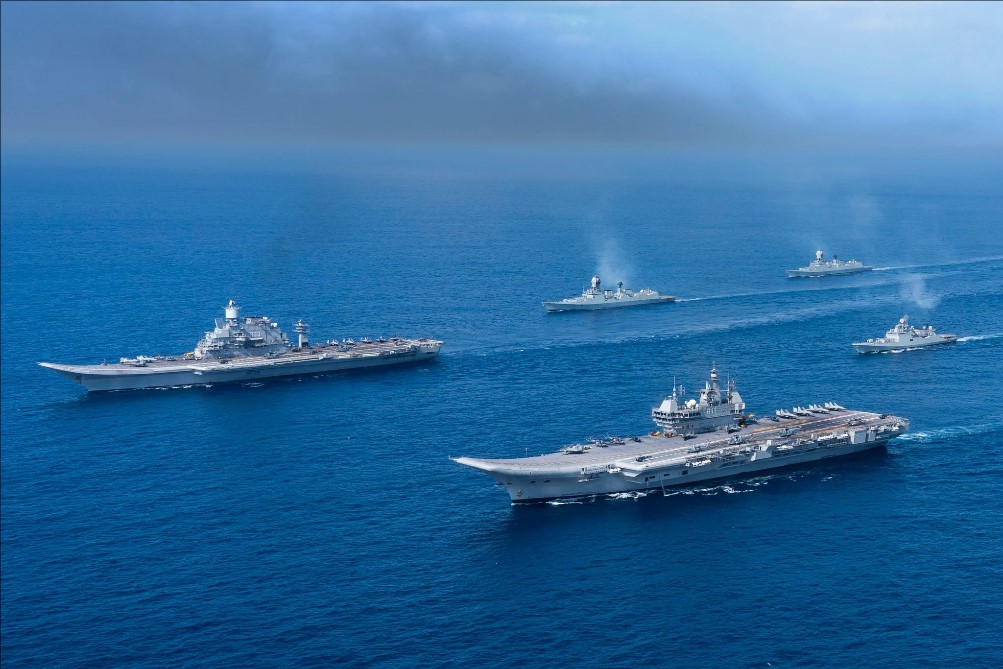
India and Russia are once again strengthening their deep-rooted defence partnership, as talks continue over India’s possible procurement of additional S-400 air defence systems. Russian Ambassador to India, Denis Alipov, recently confirmed that discussions are “ongoing” between the two strategic allies, highlighting the enduring nature of their military cooperation. In a recent interaction, Ambassador Alipov emphasized the exceptional performance of the S-400 air defence systems and the BrahMos supersonic cruise missiles during India's recent military operations. He pointed to media reports regarding Operation Sindoor, suggesting that both systems played a crucial role in neutralizing threats effectively. “From what we know, India clearly identified its targets and took action. During the operation, the S-400 system was used, and the BrahMos missiles were deployed. The performance of these weapons was exemplary,” Alipov said, reflecting on India’s swift retaliation against terrorist elements earlier this month. The S-400, known for its ability to detect and destroy enemy aircraft, cruise missiles, and even ballistic missiles at ranges of up to 400 kilometers, is a cornerstone of India’s growing air defence capability. It gives India the power to secure its skies against multiple aerial threats from various directions simultaneously. India had earlier signed a $5.4 billion deal in 2018 to acquire five regiments of the S-400 system from Russia. Deliveries began in 2021 and are nearing completion. The Russian envoy’s remarks come at a time when India's defence forces are focusing on enhancing their operational readiness. Following the recent border tensions, there have been strong indications from strategic circles that India might opt for more S-400 units to strengthen its layered air defence shield. India’s defence partnership with Russia is broad and time-tested. From the licensed production of Su-30 MKI fighter jets and T-90 tanks to the joint development of BrahMos missiles and the production of AK-203 rifles in India, the collaboration spans land, air, and naval domains. Other major defence acquisitions from Russia include the MiG-29 fighters, Kamov helicopters, and the aircraft carrier INS Vikramaditya, formerly known as Admiral Gorshkov. What sets this relationship apart is that it has moved beyond a mere buyer-seller model. India and Russia are now collaborating on joint research, co-development, and production of next-generation defence systems. This reflects a mature and evolving partnership aimed at ensuring long-term strategic autonomy and technology sharing. While Alipov refrained from confirming specific outcomes of the ongoing S-400 discussions, he reiterated the importance of continuous dialogue in defence matters. “Our discussion on this particular topic, as on many others, is ongoing. It is a continuous one, but it would be incorrect for me and also premature to speak about the results of it at the moment,” he stated. With the evolving security dynamics in the region and the Indian Armed Forces increasingly relying on advanced technology to maintain a strategic edge, further acquisition of the S-400 systems could be a logical step. These systems not only enhance India's national defence architecture but also reinforce its role as a regional security power. In the years to come, the India-Russia defence relationship is expected to deepen even further, with more joint projects, innovation, and mutual support that will shape the strategic balance in Asia and beyond.
Read More → Posted on 2025-05-29 15:18:36Search
Top Trending in 24 Hours
-
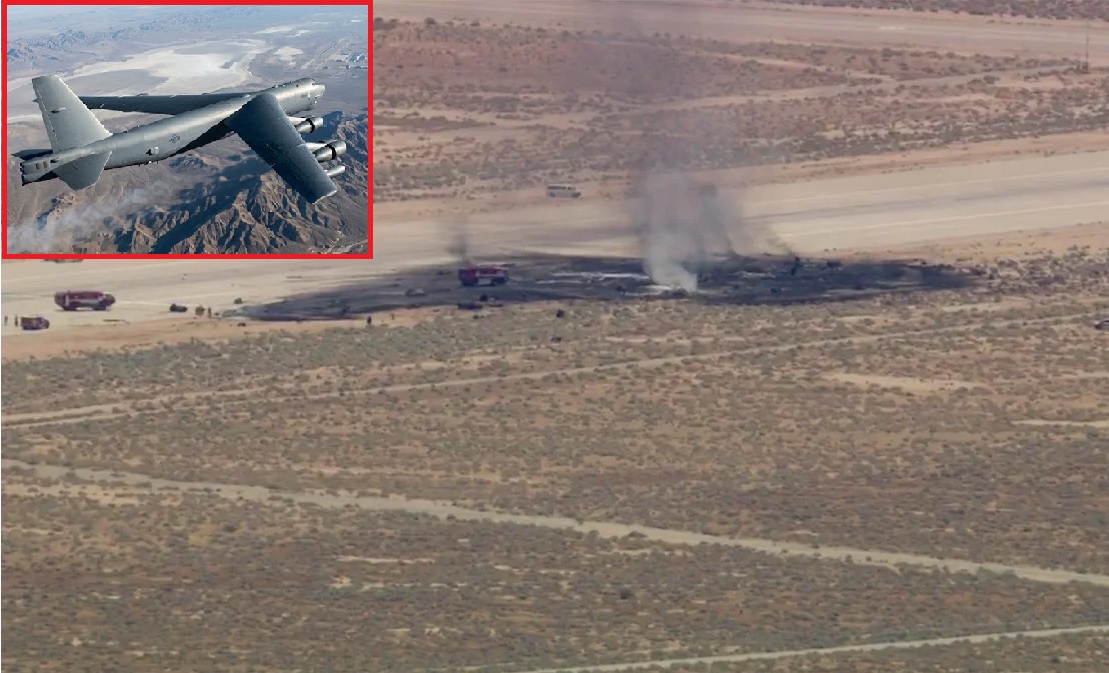 8 U.S. Air Force Crew Members Killed in B-52 Bomber Crash During Test Flight at Edwards Air Force Base
-
 Ukraine Introduces Balloon-Launched DART Missile Designed to Defeat Electronic Warfare
-
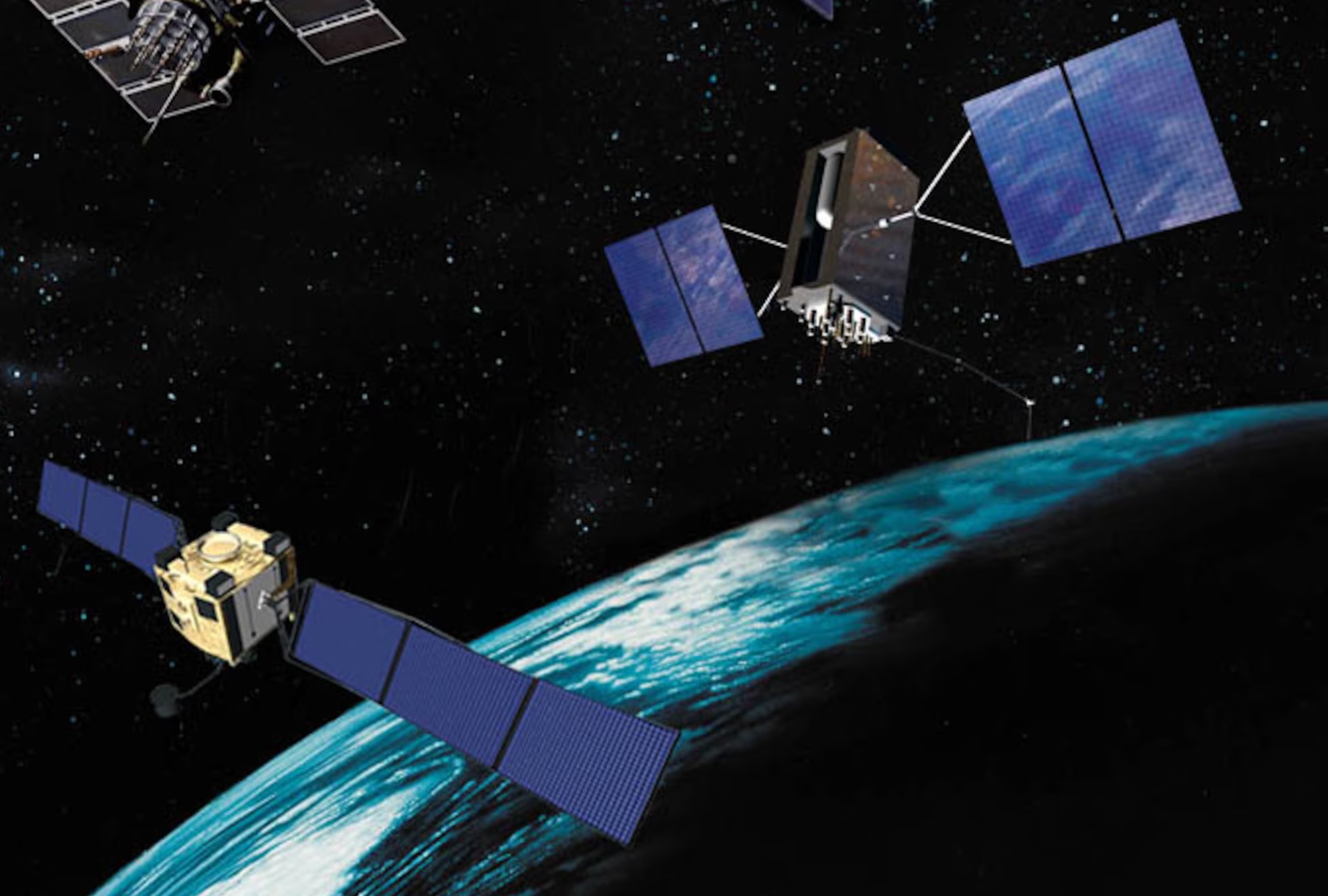 Lockheed Martin Wins $514 Million U.S. Space Force Contract for Two New GPS IIIF Satellites
-
 UK Announces £210 Million Deal to Supply Enriched Uranium to Ukraine for Two Years
-
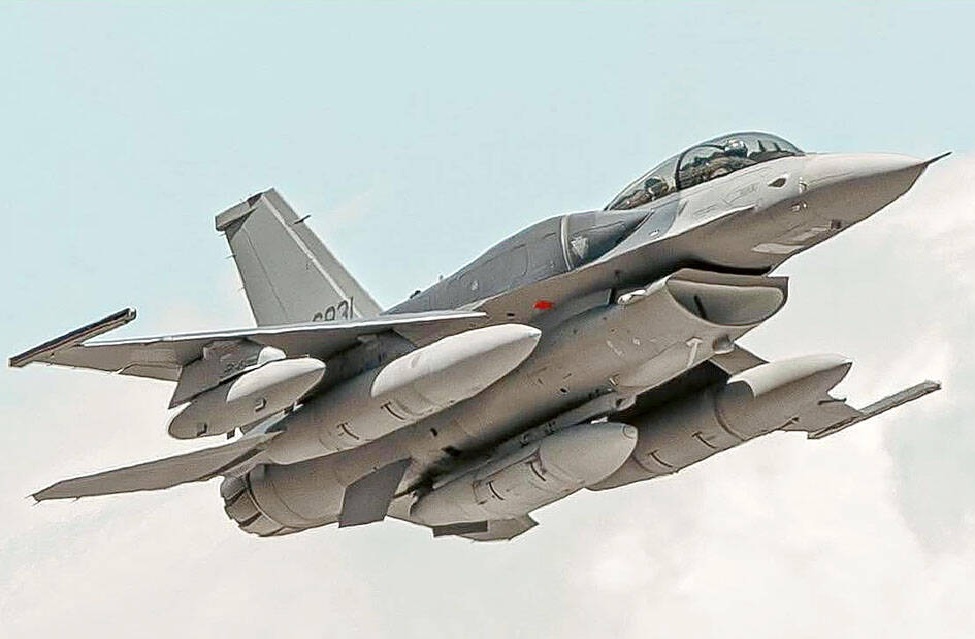 First Taiwanese F-16 Block 70 Flies with Five-Tank Fuel Configuration During Texas Tests
-
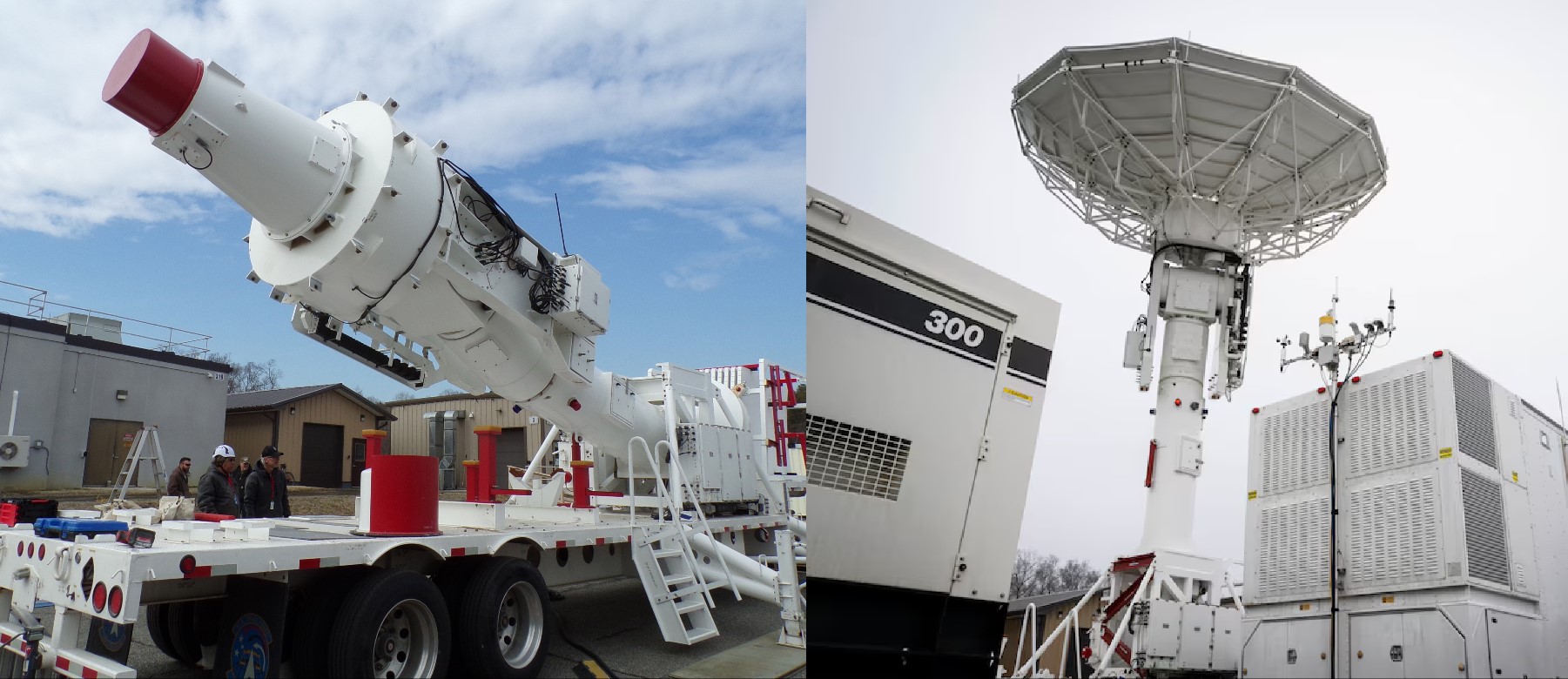 Space Force Transfers Transportable Satellite Tracking Antenna to Naval Research Laboratory
-
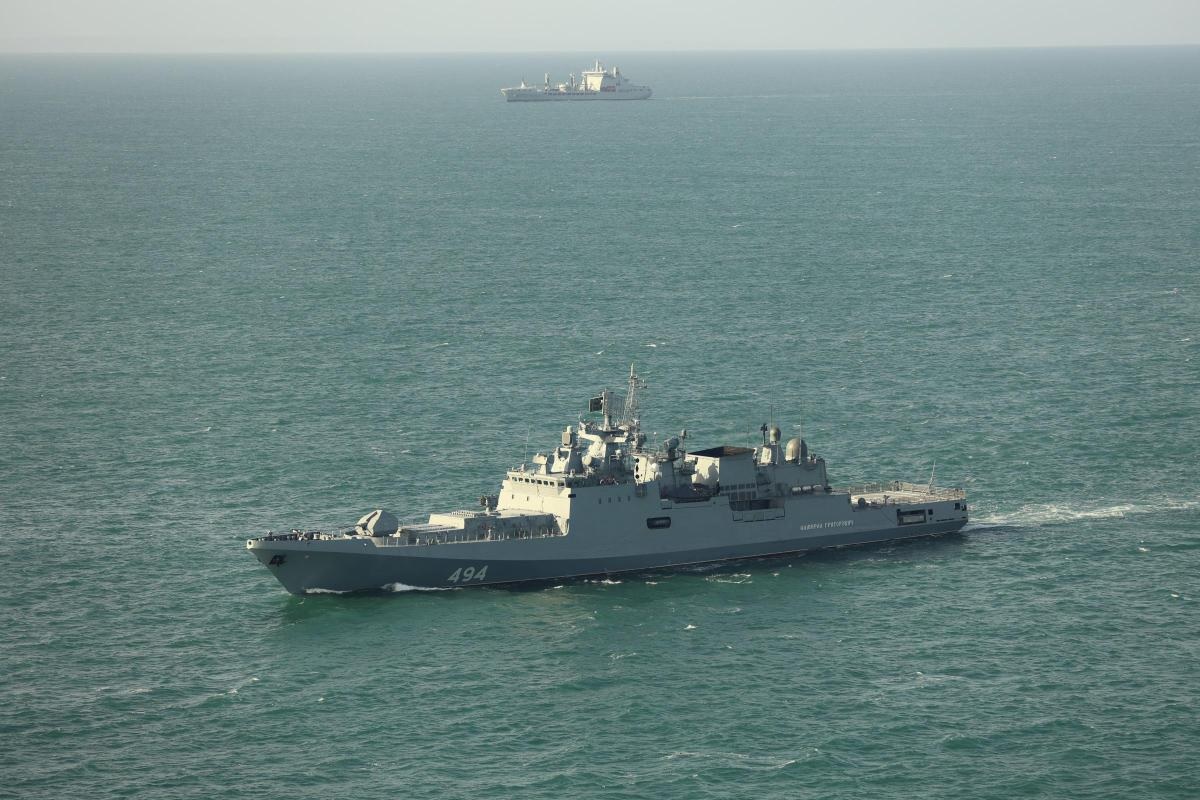 Russian Frigate Admiral Grigorovich Challenges UK Yacht in English Channel With Warning Shots
-
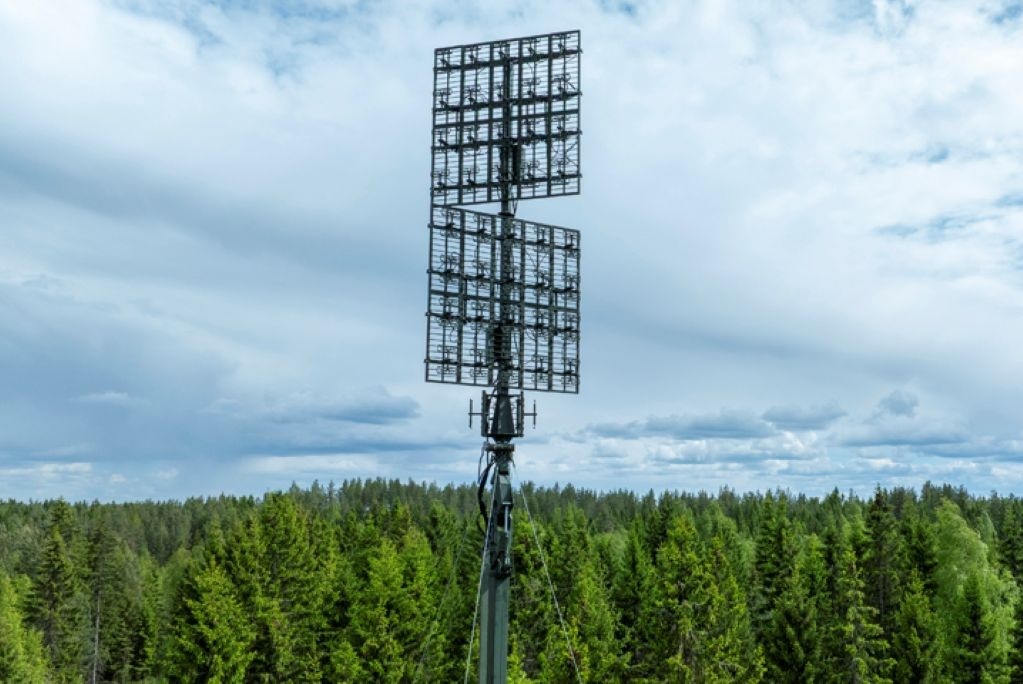 Patria Launches WISPR Passive Counter-Battery Radar with Silent Detection Capability at Eurosatory 2026
Top Trending in 4 Days
-
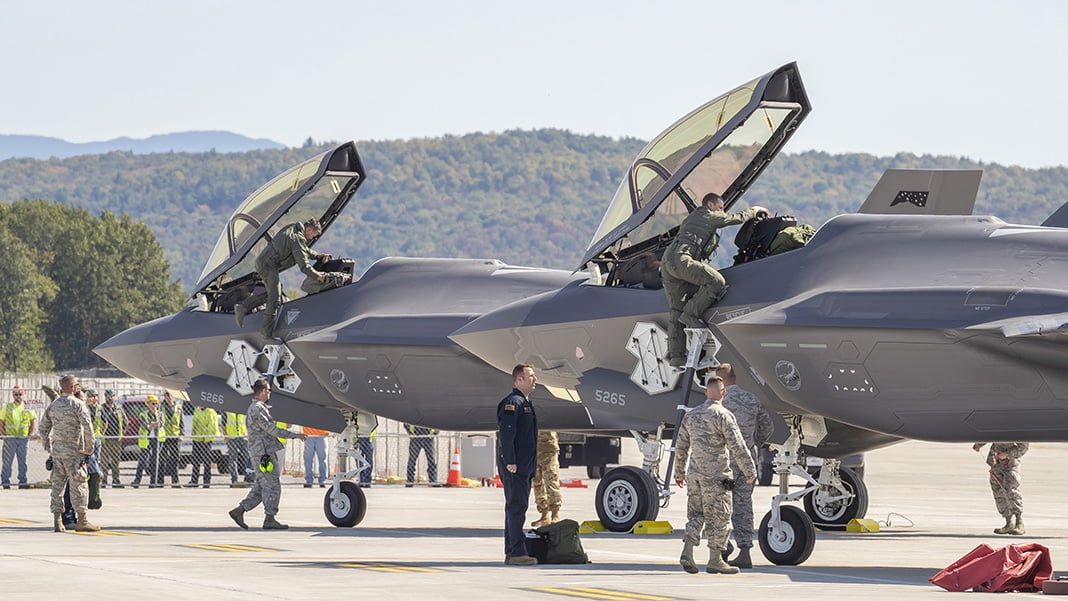 F-35 Fleet Readiness Falls to 25% Amid Parts Shortages and Software Delays: GAO Report
-
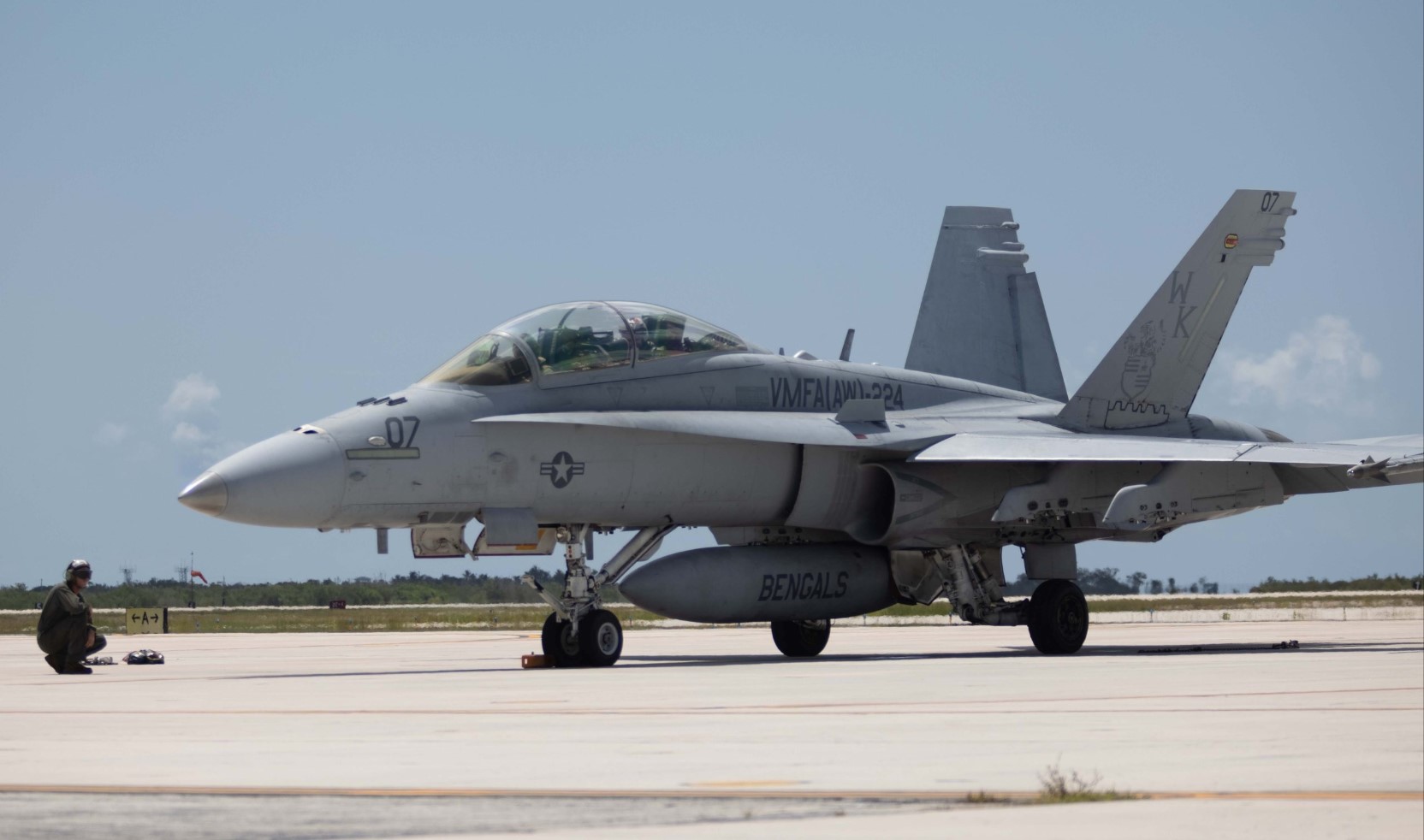 US Marine Corps F/A-18D Hornet Crashes During Training Flight in Washington Mountains; Pilot Ejects Safely
-
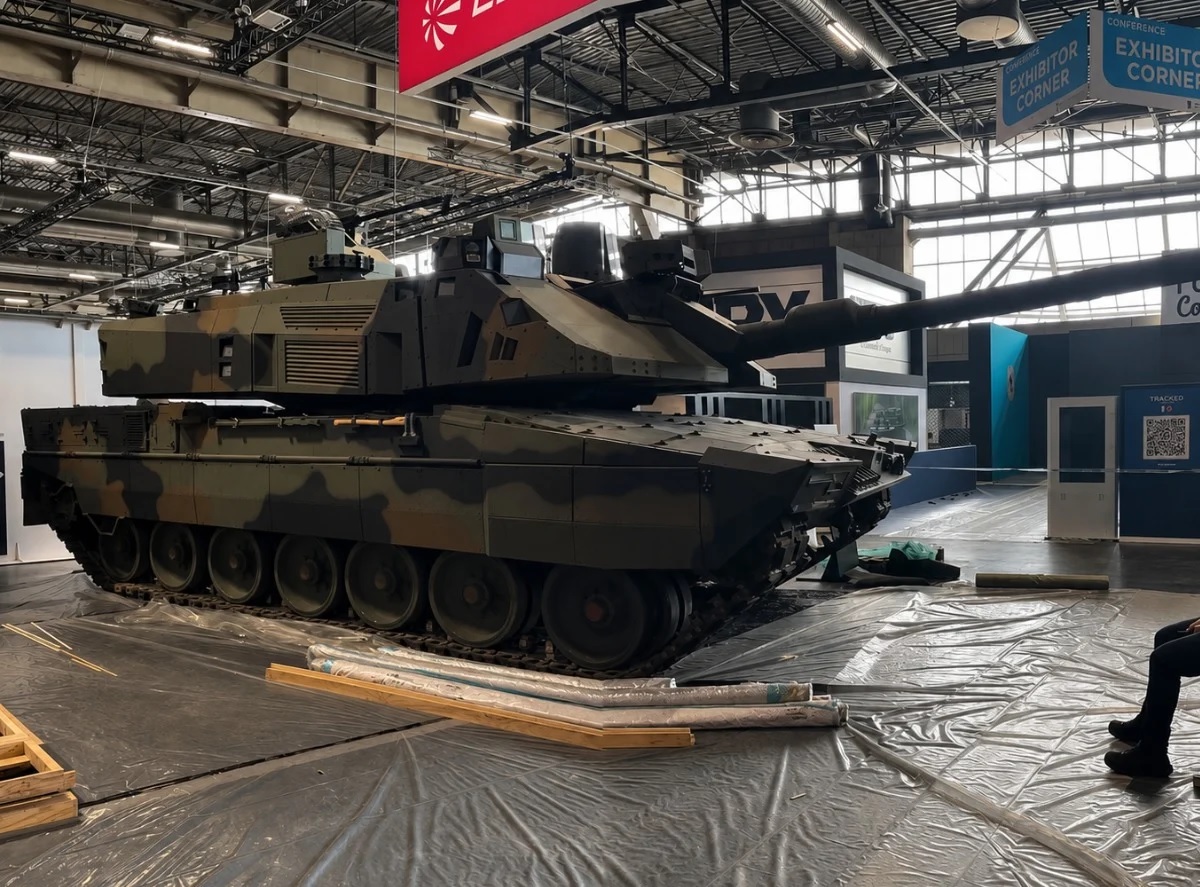 Leonardo Rheinmetall to Unveil Italy’s New IMBT Main Battle Tank at Eurosatory 2026
-
 Tulsi Gabbard Releases Declassified Files Detailing U.S.-Backed Network of 120 Biolaboratories Across 30+ Countries
-
8 U.S. Air Force Crew Members Killed in B-52 Bomber Crash During Test Flight at Edwards Air Force Base
-
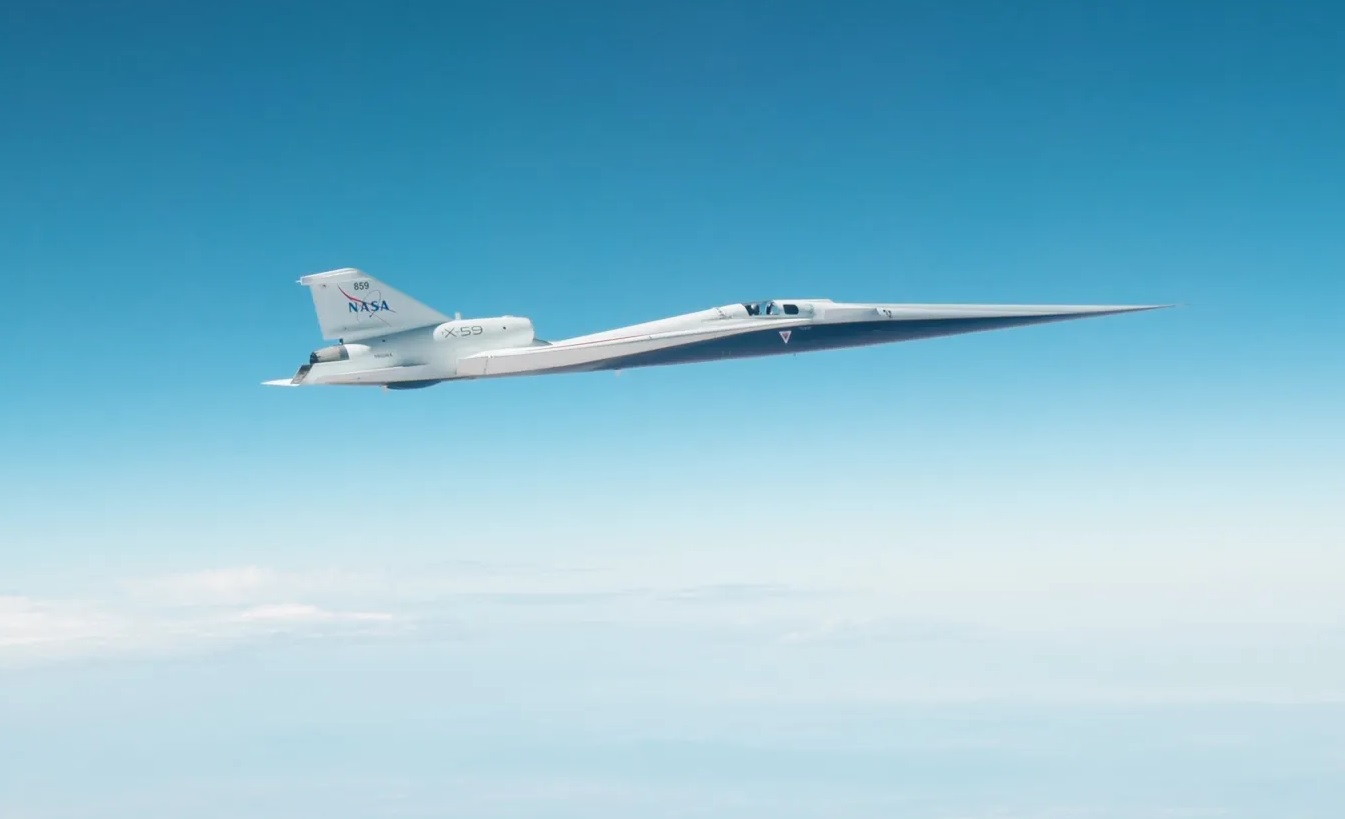 NASA X-59 Achieves Planned Mission Conditions with Mach 1.4 Flight at 55,000 Feet
-
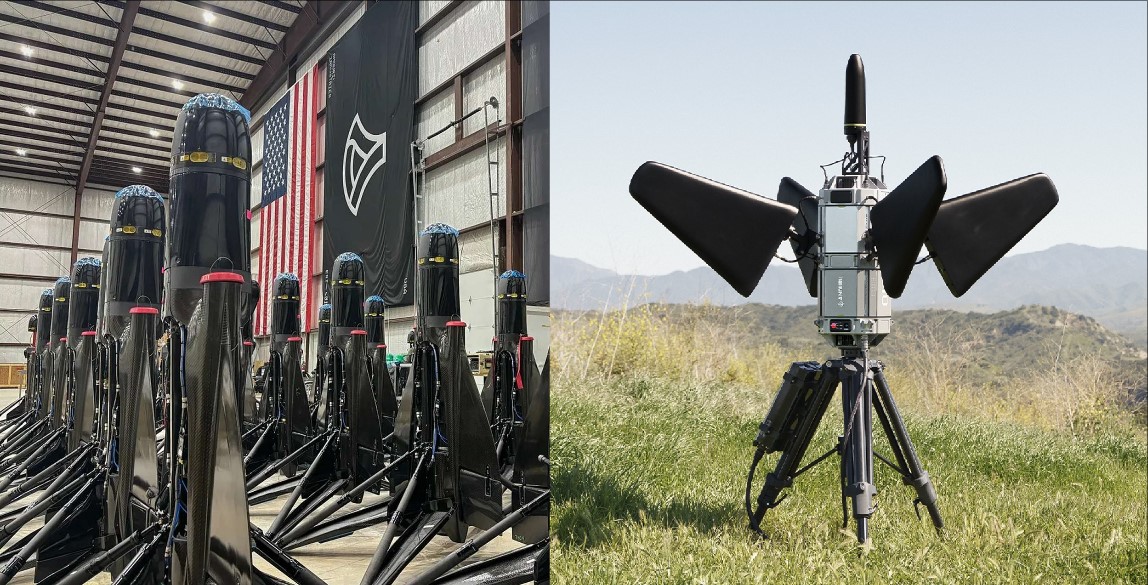 U.S. Approves $1.98 Billion Sale of Anduril AI-Powered Counter-Drone Systems to Kuwait
-
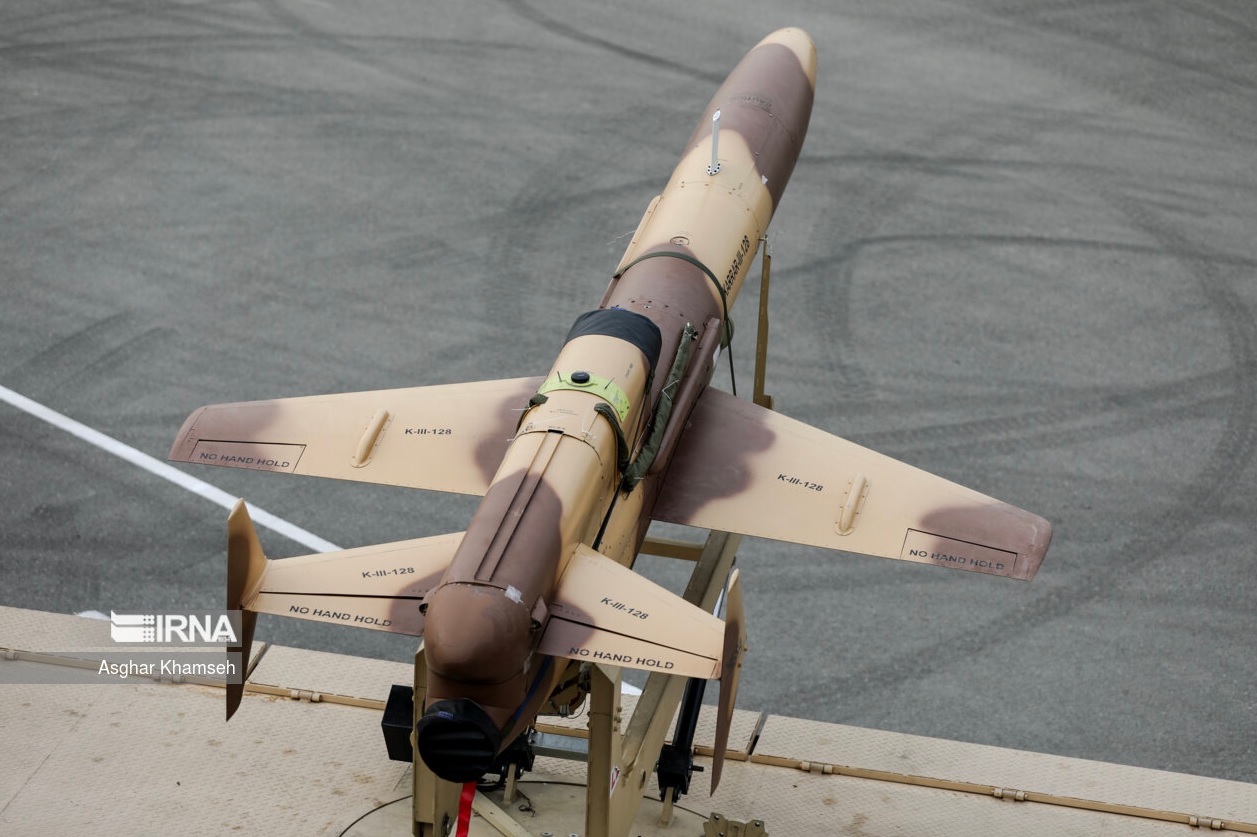 Russia Launches 1,400 Jet-Powered Drones in 2026 as Strike Tactics Evolve to Challenge Ukraine's Air Defenses