India
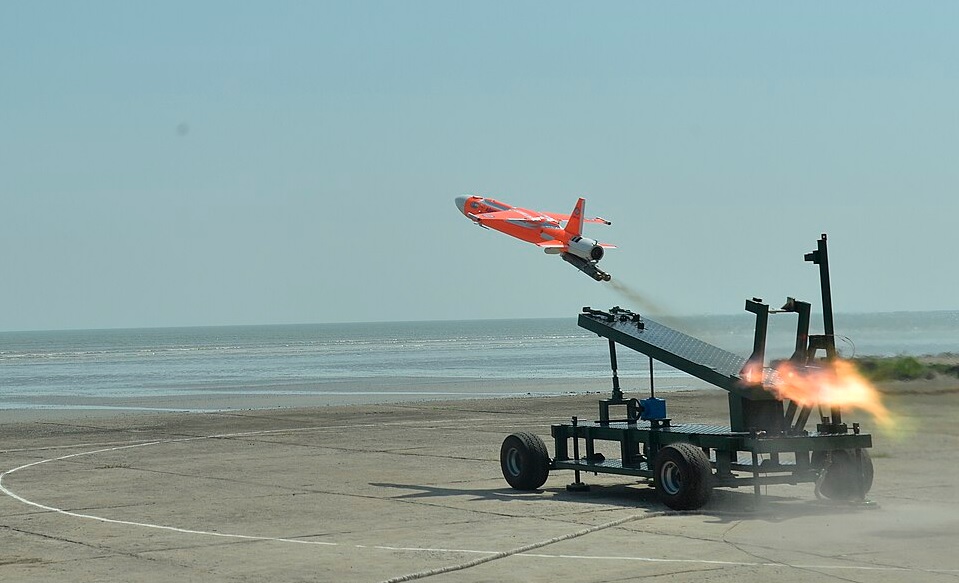
India’s defence technology sector is steadily evolving, and one of the most notable recent developments is the weaponized version of the Abhyas High-Speed Expendable Aerial Target (HEAT) drone. Originally designed as a practice target for missile testing, this indigenous drone is now being reimagined as an offensive, high-speed strike asset, reflecting India’s increasing focus on battlefield-ready, self-reliant defence systems. The Journey of Abhyas: From Aerial Target to Combat Drone The Abhyas drone was conceptualized by the Defence Research and Development Organisation’s (DRDO) Aeronautical Development Establishment (ADE) in 2013. Its original role was to act as a realistic moving target for testing air defence systems and surface-to-air missiles. Early proof-of-concept trials began in 2012 at the Chitradurga Aeronautical Test Range. Over time, the platform went through several technical upgrades. Initially equipped with twin boosters, a more refined variant replaced this with a single, improved booster rocket while maintaining the same operational weight of 75 kg and slightly increasing its length to 2.44 meters. These changes improved launch dynamics and system efficiency. By 2024, Abhyas had completed multiple rounds of flight trials. Between January and February 2024, four successful trials were held at the Integrated Test Range in Chandipur, Odisha. By June 2024, ten consecutive successful test flights marked its readiness for serial production. Technical Features of Standard Abhyas Drone The original Abhyas boasts several advanced features for a drone in its class: Length: 2.385 meters Diameter: 0.18 meters Weight: 75 kg Engine: Single gas turbine engine providing 25 kg thrust Top Speed: 648 km/h (Mach 0.5) Endurance: 30–45 minutes Operational Range: Up to 400 km It uses a MEMS gyroscope-based inertial navigation system for autonomous guidance, aided by a flight control computer developed in India. The launch is executed via a single booster rocket, giving the drone its initial acceleration before the engine takes over. For simulating realistic enemy aircraft, Abhyas is equipped with: Radar Cross-Section (RCS) enhancement systems Visual signature and infrared signature manipulation devices High manoeuvrability with up to 2g turns These features make it ideal for training air defence crews and testing missile systems. Weaponized Variant: A New Combat Role The most exciting development is Abhyas’ transformation into a weaponized Kamikaze drone. This evolved version retains its high-speed, long-range performance while being modified to carry a warhead payload in its redesigned nose cone. Key characteristics of the weaponized variant: Speed: Mach 0.5 (648 km/h) Range: 300–400 km Warhead Integration: Ballast system redesigned to carry explosives The compact design and minimal launch requirements mean the drone can be quickly deployed in operational zones, making it a cost-effective asset for precision strikes. This weaponized Abhyas aligns with a global trend towards affordable, attritable drones capable of overwhelming enemy defences in large numbers. Production Plans and Industrial Partnership In line with India’s push for defence manufacturing self-reliance, Larsen & Toubro (L&T), in partnership with DRDO, is tasked with mass-producing the Abhyas drone under a “Development Cum Production Partner” model. Reports suggest that around 300 units of the weaponized variant could be manufactured in the initial phase, with further orders likely as operational needs expand. Strategic Importance and Future Potential The rapid weaponization of Abhyas comes as part of an emergency procurement drive by the Ministry of Defence, signaling urgent operational needs in response to evolving security challenges. The effectiveness of low-cost, expendable drones in recent global conflicts has likely influenced this decision. Abhyas, now occupying a unique space as a dual-role platform—serving both as a target drone and a precision strike system—adds a new dimension to India’s growing unmanned systems arsenal. It complements other indigenous drones like the Rustom series and Netra UAVs, broadening the spectrum of capabilities available to the Indian military. Conclusion The evolution of Abhyas from a simple target drone into a weaponized combat system illustrates India’s growing ingenuity and self-reliance in defence technology. It highlights how India’s defence innovators are leveraging existing platforms and repurposing them for contemporary operational needs. As production scales up and deployment strategies are finalized, the weaponized Abhyas could become a vital asset in India’s future battlefield tactics—offering a reliable, fast, and cost-effective strike option. This project is not just about a new drone, but a symbol of India’s strategic shift towards homegrown, multi-role, and scalable defence technologies, further solidifying its defence industrial base.
Read More → Posted on 2025-05-20 15:38:50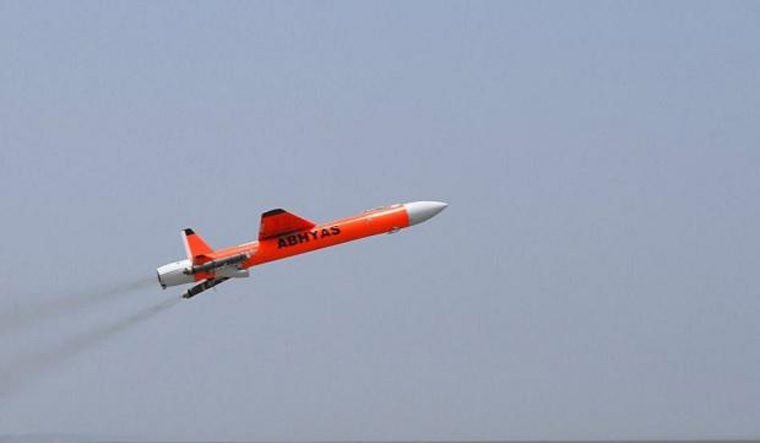
India
In a daring and technologically brilliant maneuver, the Indian Armed Forces recently executed a covert strategic operation codenamed "Operation Sindoor", which showcased the growing integration of indigenous technology, advanced electronic warfare, and decoy deception tactics. At the heart of this operation was the DRDO-developed Abhyas High-speed Expendable Aerial Target (HEAT), used not for training or target simulation—as originally intended—but as a decoy aircraft designed to manipulate and neutralize Pakistan’s air defence infrastructure. The Setup: Abhyas as a Phantom Fighter The Abhyas drone, developed by India’s Defence Research and Development Organisation (DRDO), is typically used as a reusable aerial target for evaluating weapon systems. However, under Operation Sindoor, it was outfitted with advanced Radar Cross Section (RCS) enhancement modules, thermal signature generators, and active electronic warfare payloads to mimic the radar and IR signature of Indian fighter jets, such as the Su-30MKI or Rafale or Mirage-2000. Flying at speeds over 0.7 Mach and with an operational range exceeding 300 km, the modified Abhyas drone was launched towards Pakistani airspace from multiple forward bases in Rajasthan and Punjab. Each drone’s mission profile simulated aggressive fighter ingress patterns, including rapid altitude changes, banking turns, and low-level penetration routes. To Pakistani radars, these weren’t drones—they were the first wave of a potential airstrike. Pakistan's Response: HQ-9s Light Up The incursion by these 'hostile' blips triggered Pakistan's Integrated Air Defence Network (IADN), prompting them to activate key radar sites and deploy HQ-9 surface-to-air missile systems, which are Chinese-origin long-range SAMs with claimed capabilities comparable to the Russian S-300. The HQ-9 radar units use Type 120 low-frequency acquisition radars paired with HT-233 fire control radars, which began tracking and engaging the targets. Believing they were under attack by Indian fighter jets, the Pakistani air defence fired multiple interceptors, successfully "shooting down" several of the Abhyas drones. On the ground, celebrations ensued. Reports filtered into the media, claiming that Indian jets had been downed near the border. But the reality was starkly different. Indian Surveillance: Detecting the Real Targets While the Abhyas drones did their job of triggering Pakistan’s response, Indian electronic intelligence (ELINT) aircraft and satellites, including the EMISAT (Electronic Intelligence Satellite) and ground-based systems like Samyukta and Himshakti, were silently listening. As the HQ-9 systems went live, their unique electromagnetic signatures were triangulated, their radar emissions mapped, and their GPS coordinates locked in. Even the movement of mobile launchers and associated radar trucks were tracked using synthetic aperture radar (SAR) onboard RISAT-2BR1 The data was transmitted in real-time to Indian command and control nodes, who now had pinpoint coordinates of at least three active HQ-9 batteries along the Pakistani side of the border, previously unknown or believed to be inactive. The Final Strike: BrahMos and Stealth Assets Unleashed With the location of the HQ-9s confirmed, the second phase of Operation Sindoor commenced. Before the Pakistani systems could redeploy or shut down, precision strikes were executed using BrahMos Block III cruise missiles, launched from mobile road-based platforms and possibly Su-30MKI fighters. The BrahMos, flying at Mach 2.8 and using terrain-hugging modes to avoid radar detection, struck the HQ-9 radar and launcher clusters with high accuracy. In parallel, unconfirmed reports suggest that Harop Suicide Drone may have been used to further degrade Pakistani air defence sensors. Explosions were reported near several radar stations in the Sindh and Punjab provinces of Pakistan, but authorities quickly clamped down on media coverage. Within hours, Pakistan's public narrative shifted back to having "successfully defended" their airspace, clinging to the belief that they had shot down Indian fighters. Strategic Implications: Psychological and Tactical Victory Operation Sindoor stands as a textbook execution of deception warfare, where electronic, cyber, and psychological operations were blended seamlessly with kinetic force. The use of Abhyas as a decoy showcases a cost-effective method of: Probing enemy IADS without risking pilots or actual aircraft Mapping enemy radar and SAM locations Draining enemy missile inventory by baiting interceptors Forcing premature exposure of high-value assets like HQ-9 Moreover, it highlighted the lethality of network-centric warfare. India's ability to integrate satellites, drones, airborne surveillance, and precision strike systems in a time-critical environment underscores a significant leap in C4ISR (Command, Control, Communications, Computers, Intelligence, Surveillance, and Reconnaissance) capability. Conclusion: A Red Face for Rawalpindi Pakistan’s overreaction to a cleverly executed drone deception not only cost them valuable air defence infrastructure but also exposed a serious vulnerability: their inability to distinguish between actual air threats and electronic decoys. The strategic narrative was flipped—what they believed was a defensive victory was in fact a manipulated setup leading to their own loss. While India has not officially acknowledged Operation Sindoor, the success of such an operation sends a clear message across the border—and beyond. In modern warfare, it’s not just about firepower, but about controlling perception, mastering the electromagnetic spectrum, and staying five moves ahead on the strategic chessboard.
Read More → Posted on 2025-05-20 15:34:29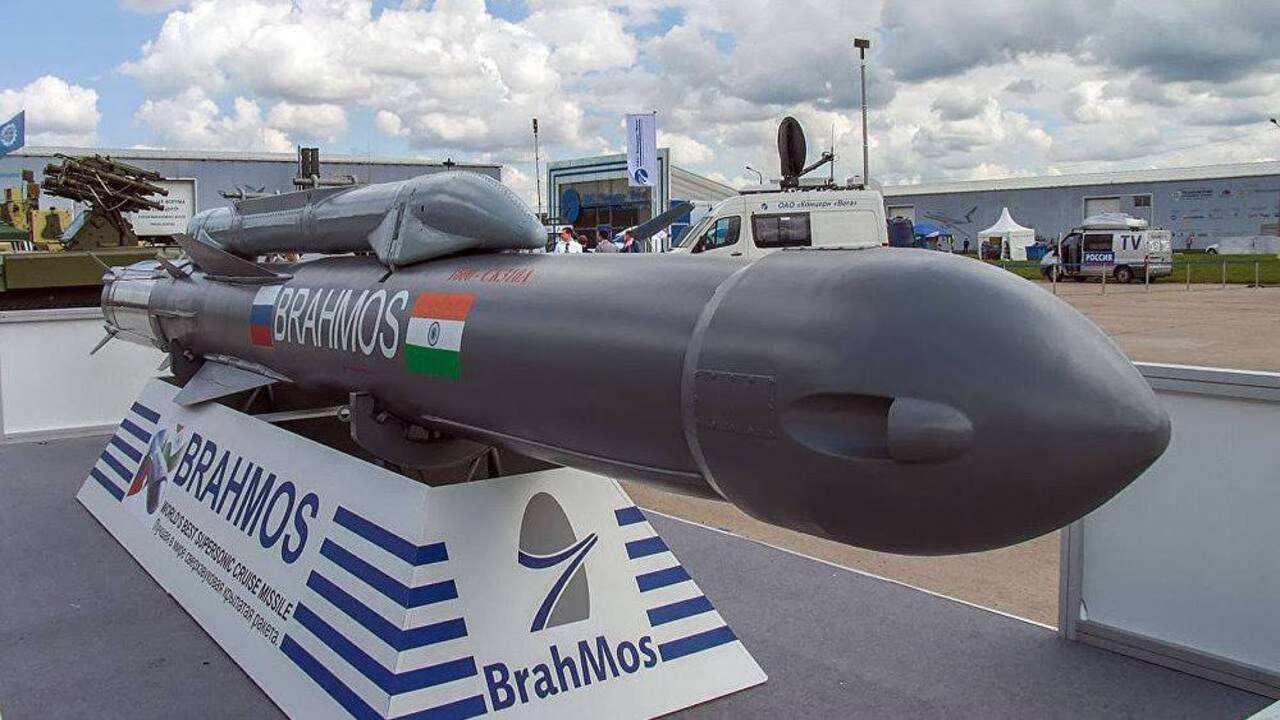
India
India's BrahMos supersonic cruise missile has emerged as a game-changer in the region's military landscape, with defence expert Sanjeev Srivastava highlighting its unmatched capabilities. Backing his view, US defence analyst John Spencer remarked that the BrahMos is so advanced that even China’s powerful air defence systems have failed to intercept it—underscoring India's growing military edge in Asia. According to Srivastava, Spencer noted that India's military response using the BrahMos missile in Operation Sindoor drew international attention. The operation, launched on May 7 in response to a deadly terror attack in Jammu and Kashmir's Pahalgam that killed 26 people, saw Indian forces strike nine terror targets deep within Pakistan and Pakistan-Occupied Kashmir. Pakistan’s HQ-9B air defence system, considered one of its strongest, could not stop the missile strike, exposing critical vulnerabilities. The BrahMos missile, developed jointly by India and Russia, has become a symbol of India's advanced defence capabilities and successful international collaboration. With its ability to travel at nearly three times the speed of sound, the missile offers exceptional precision and flexibility. It can be launched from land-based platforms, fighter jets, naval ships, and even submarines, making it a versatile weapon for any battlefield scenario. Initially designed with a range of 290 km, upgraded versions such as the BrahMos-Extended Range (ER) can now hit targets up to 800 km away. The missile is also guided by sophisticated navigation systems and stealth technology, making it both accurate and hard to detect. Future versions, including BrahMos-II (capable of flying at hypersonic speeds of Mach 7-8) and the smaller, stealthier BrahMos-NG, are currently in the works to expand its capabilities further. Srivastava emphasised that the BrahMos missile is not just a tool of warfare but also a strategic asset in India's defence diplomacy. It plays a critical role in India’s Cruise Missile Triad, designed to conduct precision strikes against land and sea targets, and contributes to a robust deterrent posture in the region. He also noted that several countries are now interested in acquiring the BrahMos, reflecting its global appeal and India’s emergence as a significant player in the international defence market. On a broader note, Srivastava touched upon India’s independent foreign and defence policies. He said that during the Russia-Ukraine conflict, many Western nations attempted to influence India’s stance, but New Delhi remained firm. “India’s new government does not operate under Western pressure. Our defence strategies are built around national interests, not foreign dictates,” he said. In conclusion, the BrahMos missile has not only proven its tactical superiority but also strengthened India’s global defence posture. Its ability to outperform even the most advanced enemy defences signals a new era in India’s military capability and international strategic influence.
Read More → Posted on 2025-05-20 15:17:10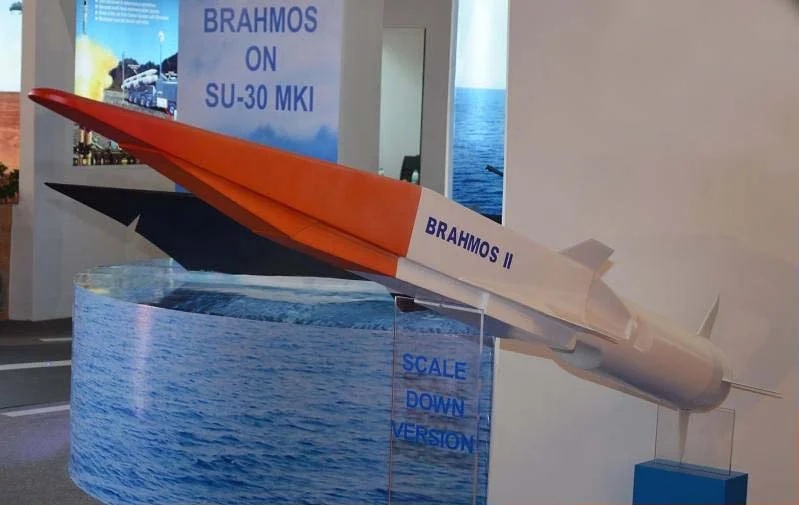
India
India is gearing up to enter an elite league of nations with its upcoming hypersonic cruise missile, BrahMos-II, which is expected to reach blistering speeds of Mach 7 to Mach 8—seven to eight times the speed of sound. In a remarkable revelation, Dr. Sudhir Kumar Mishra, former chief of DRDO and BrahMos Aerospace, confirmed that this future missile will be powered by an entirely homegrown scramjet engine. This marks a major leap in India’s quest for self-reliance in defence technology. The announcement came on the heels of a critical test carried out by the Defence Research & Development Organisation (DRDO) on April 25, 2025. During this test, DRDO scientists successfully ran a scramjet engine combustor for more than 1,000 seconds—a world-record feat that underscores India’s growing prowess in hypersonic propulsion systems. Speaking at the Powering Bharat Summit on May 16, 2025, Dr. Mishra stated, “A few weeks ago, we successfully tested a hypersonic engine. We will soon introduce a missile capable of flying at Mach 5.” He highlighted that every key technology for BrahMos had been developed indigenously, right down to the massive missile launcher. The scramjet engine test, conducted at the Scramjet Connect Test Facility in Hyderabad by DRDO’s Defence Research & Development Laboratory (DRDL), validated a new subscale combustor design that can handle the heat and pressure of hypersonic flight. It included a specially developed indigenous endothermic fuel and innovative flame stabilization techniques. The engine was protected by advanced ceramic thermal coatings capable of withstanding extreme temperatures, crucial for surviving the intense heat of Mach 7–8 flight. What makes this milestone even more significant is that India’s scramjet engine maintained stable combustion for over 16 minutes, breaking records previously held by advanced programs such as the U.S. X-51A Waverider, which lasted just 240 seconds in flight. This achievement showcases India’s fast-developing expertise in high-temperature materials, fuel chemistry, and thermal management—fields that are essential for hypersonic technology. Dr. Mishra also underscored the global credibility of the BrahMos system. With over 130 successful tests, the current BrahMos missile already operates at Mach 3.5 and has a range of 650 kilometers, making it the fastest supersonic cruise missile in the world. Its precision and power have led to large-scale deployments by the Indian Armed Forces, including over 200 BrahMos-A air-launched variants ordered by the Indian Air Force and 220 missiles for the Indian Navy. The BrahMos-II is expected to go far beyond these limits. With speeds between Mach 7 and Mach 8 and a range of approximately 1,500 kilometers, it will mark India’s formal entry into the hypersonic missile club. While the missile may share design concepts with Russia’s 3M22 Zircon, BrahMos-II is projected to be powered entirely by Indian technology, reducing dependence on external suppliers and boosting strategic autonomy. Online discussions and defence forums are already buzzing with excitement, speculating that the BrahMos-II could be ready within four years. If successful, it will become a game-changing weapon system, enhancing India’s deterrence posture and giving it a crucial edge in next-generation warfare. This development aligns with the late President Dr. A.P.J. Abdul Kalam’s vision for India to build world-class hypersonic systems. With DRDO’s recent test and a robust missile development ecosystem, that vision is now closer to reality than ever before.
Read More → Posted on 2025-05-20 15:12:03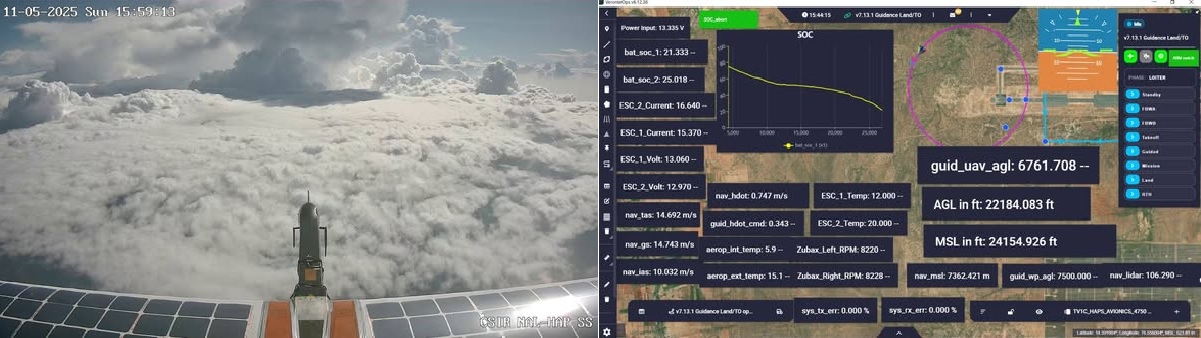
India
In a significant stride toward advancing high-altitude unmanned aerial capabilities, the Council of Scientific and Industrial Research – National Aerospace Laboratories (CSIR-NAL) has successfully completed back-to-back flight demonstrations of its subscale High-Altitude Platform (HAP) Unmanned Aerial Vehicle (UAV). These flight tests were conducted from the DRDO’s Aeronautical Test Range (ATR) located at Challakere, Karnataka, which is operated by the Aeronautical Development Establishment (ADE). The HAP UAV reached an impressive altitude of 24,000 feet above mean sea level (AMSL) during the recent tests, reaffirming the platform's robustness, reliability, and endurance under demanding high-altitude conditions. The successful test flights mark a critical step forward in India's pursuit of persistent high-altitude surveillance and communication platforms. Key Features of the HAP UAV The subscale HAP UAV tested by CSIR-NAL is a scaled-down prototype of a solar-powered stratospheric aircraft envisioned to operate in the near-space region — typically between 60,000 and 70,000 feet. Though the recent tests were at 24,000 ft, they form the foundation for incremental altitude advancements toward the eventual stratospheric goals. High-Endurance Design: Engineered for ultra-long endurance, the HAP UAV’s architecture incorporates lightweight composite materials and high-aspect-ratio wings for efficient lift and minimal drag at high altitudes. Modular Platform: The UAV is designed as a modular testbed to validate various subsystems, including solar power management, autopilot algorithms, lightweight propulsion systems, and energy-efficient avionics. Persistent Operations: Once fully developed, HAP UAVs are expected to offer weeks-long loitering capability, making them ideal for real-time communication relay, disaster monitoring, border surveillance, and maritime domain awareness. Significance of the Back-to-Back Flights Conducting two successive high-altitude flights in quick succession is a strong indicator of the system’s maturity. These missions validated several critical performance metrics, including: Autonomous flight stability at high altitude Redundant control system efficacy Thermal management and energy efficiency Reliable telemetry and command links at extended ranges Such repeatable test performance at significant altitudes signals growing confidence in the platform’s viability for future full-scale development. Strategic Implications and Future Roadmap HAP platforms occupy a critical niche between satellites and conventional aerial systems. Unlike satellites, they can be recovered, redeployed, and maneuvered in near real-time. And unlike traditional UAVs or manned aircraft, they offer days to weeks of persistence over a region without the need for costly orbital launches. India’s move into this space — with indigenous technologies led by public-sector R&D institutions like CSIR-NAL and DRDO — has both civilian and military applications, including: 24x7 communication coverage in remote areas Emergency connectivity during natural disasters ISR (Intelligence, Surveillance, Reconnaissance) operations over sensitive regions Network extension and redundancy for armed forces CSIR-NAL’s next step is to push the platform higher — aiming for altitudes above 30,000 ft in the coming months. The long-term goal is to transition to a solar-electric full-scale demonstrator, capable of staying aloft for weeks in the stratosphere, functioning as a pseudo-satellite or High-Altitude Pseudo-Satellite (HAPS). Conclusion The recent successful test flights of CSIR-NAL’s subscale HAP UAV at 24,000 ft are a notable achievement for India’s aerospace R&D ecosystem. By systematically validating key performance capabilities, the project not only highlights the country’s growing competence in autonomous aerial systems but also lays the groundwork for future stratospheric flight — a realm few nations have mastered. As India prepares to join the select league of countries developing HAPS technologies, platforms like this could become crucial tools in achieving strategic autonomy in aerospace, communication, and surveillance infrastructure.
Read More → Posted on 2025-05-19 16:26:41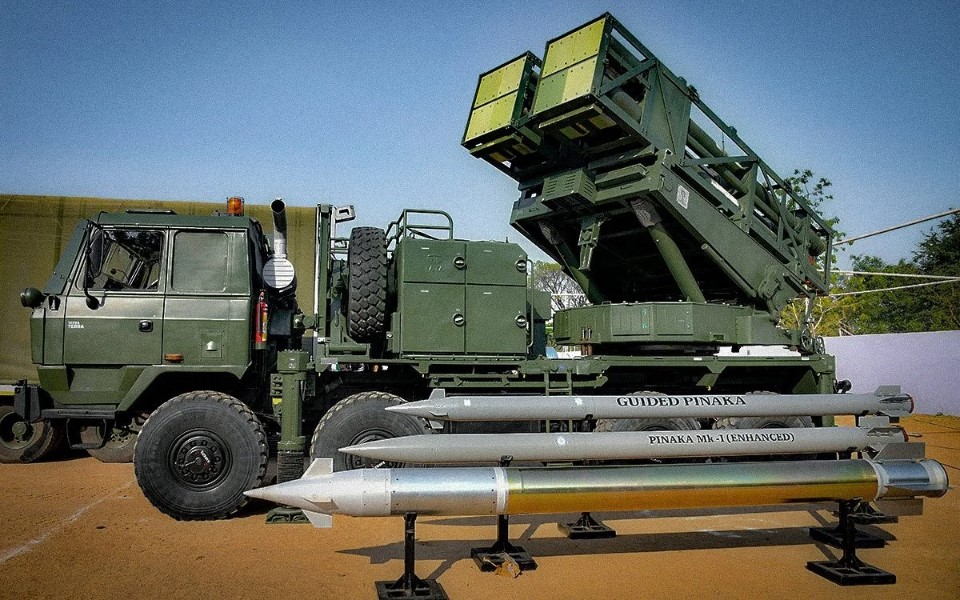
India
The Indian Army is taking a big step forward in modernizing its artillery firepower. On May 16, 2025, the Army issued a Request for Information (RFI) to defence manufacturers for a brand-new, advanced Multiple Launch Rocket System (MLRS). What makes this system special is that it’s designed to be pod-based, highly mobile, and capable of operating across India’s diverse terrains — from deserts to mountains as high as 5,500 metres. This move is part of India’s broader ‘Make in India’ and ‘Atmanirbhar Bharat’ (self-reliant India) initiatives, which focus on boosting domestic defence production. A key requirement in this new MLRS project is that at least 50% of the system’s content must be made in India. This is expected to bring together public and private defence companies, including big names like DRDO, Tata Advanced Systems, Larsen & Toubro, and BEML. Why This New Rocket System Matters Modern warfare demands rapid, precise, and flexible artillery support, and this is exactly what the Indian Army is aiming for. The proposed system will be capable of firing multiple rocket sizes — including 122mm, 214mm, and 300mm rockets or larger. This allows soldiers to target a wide variety of threats, from enemy troop concentrations to infrastructure deep inside enemy territory. It will also support the latest types of ammunition, including loitering munitions. These are special drones or flying bombs that can circle over a target area before striking, making them perfect for destroying hidden or moving threats. Pod-Based, Quick-Deploy, All-Terrain Capability Like the famous American HIMARS system, India’s new MLRS will have a pod-based design. This means the rocket pods can be quickly swapped out after firing, cutting down reload times and improving battlefield efficiency. The system will be mounted on 6×6 or 8×8 high-mobility vehicles, allowing it to move swiftly across rough terrain. Whether in the deserts of Rajasthan, dense forests, or high-altitude Himalayan areas near the Line of Actual Control (LAC) with China, this system is being built to perform reliably everywhere. Connected, Smart and Precise Another exciting feature is its planned integration with Project Shakti, the Indian Army’s indigenous Artillery Combat Command and Control System (ACCS). This digital network will allow the MLRS to work in coordination with drones, radars, and command centres for faster and more accurate targeting. The system will also use navigation technologies like GPS, Russia’s GLONASS, and India’s own IRNSS (NavIC) satellites for pinpoint accuracy. Smart, precision-guided rockets will allow commanders to strike specific targets without wasting ammunition. Building on the Success of Pinaka India already has experience with modern rocket systems through its successful Pinaka Multi-Barrel Rocket Launcher (MBRL). Pinaka has evolved over the years, from its first 45 km range version to guided variants that can strike up to 90 km, with new models under development for ranges of 120 km and 300 km. The new MLRS will consolidate this experience by combining multiple rocket calibres into one system, while also introducing advanced capabilities like loitering munitions. This not only simplifies logistics but also enhances operational flexibility. Strengthening Self-Reliance in Defence By insisting on at least 50% indigenous content, this project will promote India’s domestic defence industry and reduce dependency on foreign imports. It will also ensure that critical components, from vehicles to rocket pods, electronics, and targeting systems, are made locally, strengthening both national security and economic growth. Additionally, manufacturers are being asked to provide long-term support, integrated diagnostic tools, and field maintenance systems to keep the MLRS battle-ready for years. Final Thoughts The Indian Army’s push for a new, advanced, all-terrain, multi-calibre rocket system is not just about enhancing firepower. It’s about building a future-ready, self-reliant military force capable of responding quickly and decisively to any threat. With a mix of indigenous innovation, smart technology, and battlefield adaptability, this MLRS project represents a key step in India's journey toward modernising its defence capabilities.
Read More → Posted on 2025-05-19 15:50:24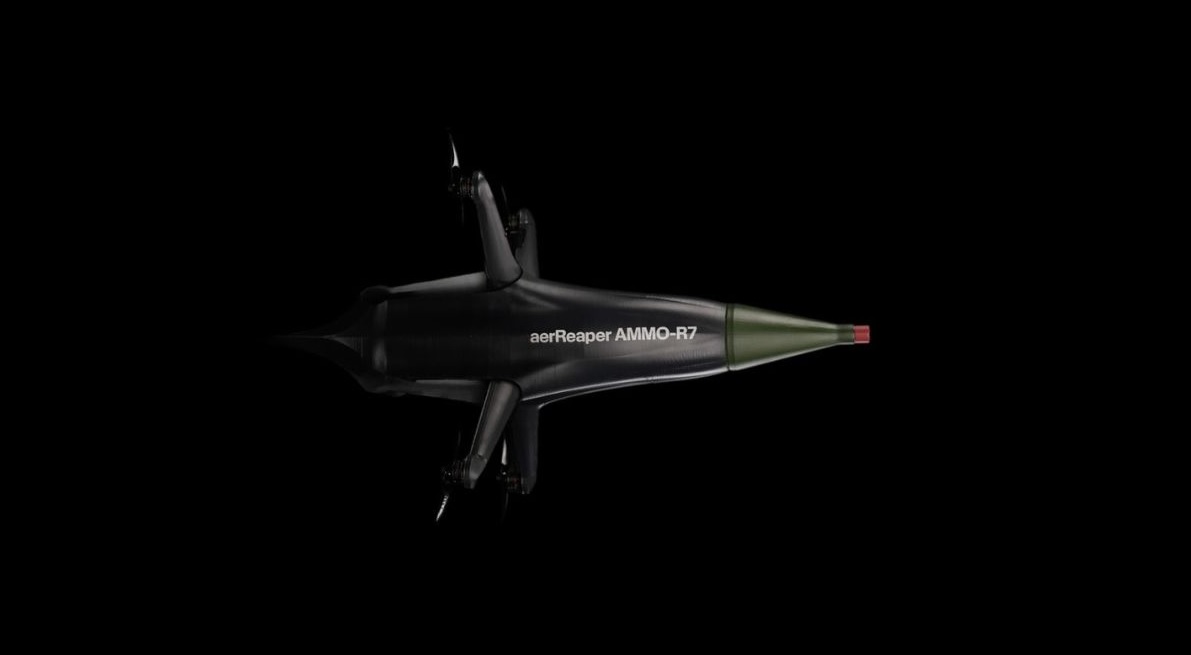
India
India has taken a significant leap in defence technology with the launch of the aerShield initiative, a collaborative effort aimed at developing an advanced ecosystem of smart Unmanned Aerial Vehicles (UAVs). This initiative brings together the expertise of Aerpace Industries Limited, Aerpace Robotics Pvt Ltd, UAV Tech Pvt Ltd, and Leospear Defence Pvt Ltd to create a comprehensive drone platform that integrates artificial intelligence, advanced navigation, and precision munitions delivery. Collaborative Synergy: Building the aerShield Ecosystem The strength of the aerShield initiative lies in the strategic collaboration among specialized defence technology companies: Aerpace Industries Limited: Serving as the primary integrator, Aerpace Industries orchestrates the various components of the UAV ecosystem, ensuring seamless integration and functionality. Aerpace Robotics Pvt Ltd: This firm contributes the artificial intelligence and flight software components, developing sophisticated algorithms that enable autonomous operations. These algorithms empower drones to perceive their environment, make independent decisions, and navigate complex terrains without constant human oversight. UAV Tech Pvt Ltd: Specializing in airframe and propulsion engineering, UAV Tech designs aerodynamic platforms optimized for specific mission profiles. Their expertise facilitates the development of Vertical Take-Off and Landing (VTOL) and Short Take-Off and Landing (STOL) aircraft capable of operating in diverse geographical conditions across India's varied borders. Leospear Defence Pvt Ltd: This company brings advanced munitions integration expertise, particularly for the aerReaper AMMO-R7 platform. Their knowledge in weaponizing UAV systems with RPG-class payloads marks a significant advancement in India's tactical strike capabilities. aerOS: The Intelligent Core At the heart of the aerShield initiative is aerOS, an AI-based autonomous drone control platform that revolutionizes unmanned aerial operations. Employing sophisticated computer vision technologies, aerOS enables real-time processing of visual data captured by high-resolution cameras and LiDAR sensors. This capability allows drones to accurately understand their operational environment, identify potential threats or targets, and navigate safely through complex terrains without constant human guidance. The machine learning foundation of aerOS represents a significant advancement in Indian drone technology. Through extensive training using comprehensive datasets comprising drone flight data, simulations, and real-life scenarios, aerOS continuously adapts to new situations, enhances decision-making capabilities, and improves flight patterns over time. Path planning and obstacle avoidance are critical components of aerOS. The system analyzes real-time data on terrain features, potential obstacles, and environmental conditions to dynamically adjust flight paths for safe and efficient navigation. This capability is particularly valuable for border surveillance operations in challenging geographical areas where manual navigation would be difficult or hazardous. Diverse Drone Fleet: Tailored for Specific Missions The aerShield initiative has produced a fleet of specialized drones designed for specific operational requirements: aerRecon ARM-5: Utilizing VTOL capabilities, the ARM-5 offers exceptional flexibility for deployment in areas without prepared landing strips or in constrained geographical environments. This drone is ideally suited for border monitoring operations in mountainous or densely forested regions. aerRecon ARM-10: Employing STOL technology, the ARM-10 balances deployment flexibility with extended operational range. It features enhanced flight endurance and payload capacity, enabling it to carry sophisticated sensor packages for wide-area surveillance missions. aerReaper AMMO-R7: Functioning as a kamikaze drone, the AMMO-R7 is equipped to carry RPG-class payloads for tactical strike missions. It incorporates sophisticated targeting systems enabled by aerOS's AI capabilities, allowing for precision strikes against identified threats. Advanced Navigation and Obstacle Avoidance The aerShield drones are equipped with sophisticated navigation systems that utilize GPS technology for determining real-time location and optimizing flight paths. These systems receive signals from GPS satellites to calculate precise coordinates, enabling accurate positioning even in remote border areas. By continuously updating position data relative to programmed waypoints or targets, aerShield drones can follow predetermined flight paths or respond to operator commands with high precision. Obstacle avoidance is a critical capability for the aerShield ecosystem. The system employs multiple sensor types, including visual cameras and possibly LiDAR or infrared sensors, to detect potential obstacles in all directions. This comprehensive sensory awareness, processed through aerOS's advanced algorithms, enables drones to identify and navigate around obstacles such as trees, buildings, power lines, and terrain features that could otherwise pose collision risks. Strategic Applications and Operational Advantages The aerShield initiative offers significant strategic advantages for India's border security operations. By deploying autonomous drones capable of extended surveillance missions, security forces can maintain persistent awareness over vast border areas that would be challenging to monitor with conventional means. The AI-enhanced surveillance capabilities enable these drones to automatically detect anomalies or potential security threats, alerting operators to situations that require further investigation or response. For tactical military operations, the aerShield ecosystem provides commanders with new options for reconnaissance and precision strike capabilities. The aerReaper AMMO-R7, in particular, offers the ability to conduct surgical strikes against identified threats with minimal risk to personnel. This capability is especially valuable in counter-terrorism operations or situations where conventional forces might face significant dangers. The enhanced autonomy provided by the aerOS platform delivers substantial operational advantages compared to conventional drone systems. By reducing reliance on continuous human control, aerShield drones can operate more efficiently and respond more quickly to changing situations. This automation reduces the workload on operators, allowing them to supervise multiple drones simultaneously or focus on analyzing the intelligence gathered rather than manually controlling flight operations. Conclusion The aerShield initiative marks a significant milestone in India's development of indigenous defence technologies, demonstrating the country's growing capabilities in artificial intelligence, autonomous systems, and unmanned aerial vehicles. Through strategic collaboration between specialized companies, the project has created an integrated ecosystem that combines advanced AI-driven control systems with purpose-built drone platforms and precision strike capabilities. This comprehensive approach enables new operational possibilities for border surveillance and tactical operations, enhancing India's security capabilities while reducing risks to personnel. As autonomous systems continue to revolutionize military operations globally, the aerShield initiative positions India at the forefront of this technological transformation. The capabilities developed through this collaborative project not only enhance current operational effectiveness but also establish the foundation for future advancements in unmanned systems. With continued development and refinement, the aerShield ecosystem has the potential to significantly strengthen India's defence posture and contribute to the country's strategic autonomy in critical defence technologies.
Read More → Posted on 2025-05-19 15:35:53
India
China's reported assistance in reviving the World War II-era Lalmonirhat airbase in Bangladesh has raised significant strategic concerns for India. Located merely 12-15 kilometers from the Indian border and approximately 135 kilometers from the vital Siliguri Corridor—India's narrow land link connecting its northeastern states to the mainland—the development is viewed with apprehension by Indian defense analysts. Historical Context of Lalmonirhat Airbase Established in 1931 by the British as a military airbase, Lalmonirhat played a crucial role during World War II. Post-independence, it remained under the control of the Bangladesh Air Force but has been largely inactive for decades. Recently, the site has been repurposed to host the Bangladesh Aviation and Aerospace University. China's Role and Strategic Concerns The current interim administration in Bangladesh, under Chief Adviser Mohammad Yunus, has reportedly sought Chinese assistance to redevelop the Lalmonirhat airbase. While officially presented as a civilian infrastructure project, Indian defense experts express concerns over its potential dual-use nature, fearing it could be adapted for military logistics, surveillance, or force deployment. The proximity of the airbase to the Siliguri Corridor amplifies these concerns. This corridor, often referred to as India's "Chicken's Neck," is a 22-kilometer-wide stretch that serves as the sole land connection between India's northeastern states and the rest of the country. Any strategic developments near this corridor are closely monitored by India due to the potential risks of isolation of the northeastern region. Broader Geopolitical Implications China's involvement in Bangladesh's infrastructure projects is seen as part of its broader strategy to expand influence in South Asia. Beyond the Lalmonirhat airbase, Chinese companies are engaged in various economic projects near the Indian border, including factories and energy plants. This multifaceted engagement aligns with China's "string of pearls" strategy, aiming to establish a network of strategic assets in the region. Additionally, the potential collaboration between China and Pakistan in Bangladesh adds another layer of complexity. Recent visits by Pakistani officials to Bangladesh have raised concerns about renewed intelligence activities and the possibility of strategic encirclement of India. India's Response and Strategic Measures In light of these developments, India has taken steps to bolster its defense infrastructure in the northeastern region. The Indian Army has enhanced security measures in the Siliguri Corridor, deploying advanced military assets, including Rafale fighter jets, BrahMos missiles, and S-400 air defense systems. These measures aim to ensure rapid mobilization and readiness to counter any potential threats. Furthermore, India is expediting the Kaladan Multi-Modal Transit Transport Project, which connects the northeastern state of Mizoram with Myanmar, providing an alternative route to the mainland. This initiative seeks to reduce dependency on the Siliguri Corridor and enhance strategic resilience. The revival of the Lalmonirhat airbase with Chinese assistance underscores the shifting geopolitical dynamics in South Asia. For India, it highlights the need for vigilant monitoring of regional developments and proactive measures to safeguard its strategic interests, particularly concerning the vulnerable Siliguri Corridor. Strengthening diplomatic ties with neighboring countries and investing in alternative connectivity projects remain crucial components of India's strategy to maintain regional stability and security.
Read More → Posted on 2025-05-18 17:11:20
India
In a significant move to bolster India's military capabilities, the Defence Acquisition Council (DAC) has approved emergency procurement powers amounting to ₹40,000 crore. This decision comes in the wake of the ongoing Operation Sindoor, reflecting India's commitment to strengthening its defence preparedness. Strategic Emergency Procurement The emergency procurement powers enable the Indian Armed Forces to expedite the acquisition of critical defence equipment. This mechanism allows for swift procurement processes, bypassing standard lengthy procedures, to address urgent operational needs. Key Acquisitions Under Emergency Powers Under this initiative, the focus is on procuring advanced equipment such as surveillance drones, kamikaze drones, long-range loitering munitions, and various types of ammunition for artillery, air defence, missiles, and rockets. Notably, systems like the BrahMos and Scalp cruise missiles have been utilized effectively during Operation Sindoor. Operational Impact The emergency procurement powers have previously facilitated the acquisition of essential equipment, including the Heron Mark 2 drones, which have been instrumental in live operations. Additionally, public sector units like Bharat Electronics Limited are expected to receive orders for low-level radars to enhance drone detection capabilities. Procurement Guidelines and Oversight The new emergency powers stipulate a 15% outer limit of the defence budget, with contracts to be finalized within 40 days and deliveries assured within a year. These powers are to be exercised by the vice chiefs of the respective services, ensuring a streamlined and accountable procurement process. The approval of ₹40,000 crore for emergency procurement underscores India's proactive approach to national security. By enabling rapid acquisition of critical defence assets, the Indian Armed Forces are better equipped to address current and future challenges, maintaining a robust defence posture amid ongoing operations.
Read More → Posted on 2025-05-18 16:23:46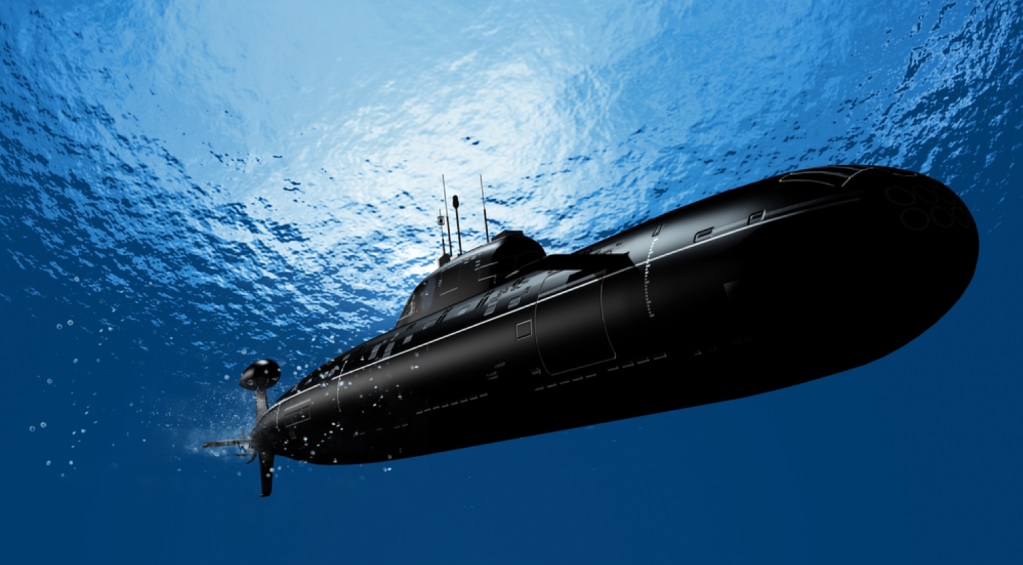
India
Adani Defence & Aerospace, a division of Adani Enterprises, has entered into a significant partnership with Sparton DeLeon Springs LLC, a U.S.-based undersea warfare specialist and subsidiary of Israel's Elbit Systems. This collaboration aims to develop and assemble advanced anti-submarine warfare (ASW) solutions, including sonobuoys, for the Indian Navy. Enhancing Indigenous Defence Manufacturing The agreement focuses on localizing the production of sonobuoys and other ASW electronic sensors and navigation systems in India. This initiative aligns with the Indian government's 'Atmanirbhar Bharat' (self-reliant India) and 'Make in India' programs, which promote domestic manufacturing and reduce dependence on foreign suppliers. Importance of Sonobuoys in Naval Defence Sonobuoys are critical electronic devices used to detect, locate, and track submarines and other underwater threats. They enhance undersea domain awareness (UDA) and support the security of carrier strike groups and other naval assets. By deploying sonobuoys, naval forces can monitor vast ocean areas for potential submarine activity, thereby strengthening maritime security. Strategic Significance of the Partnership Historically, India has relied heavily on imports for sophisticated naval technologies like sonobuoys. This partnership marks a strategic move towards building indigenous capabilities in ASW technologies. Adani Defence & Aerospace becomes the first private company in India to offer indigenously assembled sonobuoy solutions to the Indian Navy. The collaboration leverages Sparton's advanced ASW technologies and Adani's expertise in defence manufacturing to create a robust, self-reliant ecosystem for mission-ready intelligence, surveillance, reconnaissance (ISR), and ASW capabilities. Leadership Perspectives Jeet Adani, Vice President of Adani Enterprises, emphasized the strategic importance of strengthening India's undersea warfare capabilities amid an increasingly volatile maritime environment. He stated that the initiative is crucial for safeguarding national sovereignty and interests. Ashish Rajvanshi, CEO of Adani Defence & Aerospace, highlighted that this move will foster high-technology skill development and future-ready defence manufacturing in India. Building on Previous Collaborations This partnership builds on Adani's previous collaborations in the defence sector, including joint ventures with Elbit Systems for drone manufacturing and with Israel Weapon Industries for small arms production. The current agreement marks a significant milestone in India's journey towards defence self-reliance, promising to deliver world-class ASW solutions designed, developed, and manufactured in India for both domestic and global markets. In summary, the collaboration between Adani Defence & Aerospace and Sparton represents a pivotal step in enhancing India's maritime defence capabilities. By focusing on indigenous production of critical ASW technologies, the partnership not only strengthens national security but also contributes to the broader goal of self-reliance in defence manufacturing.
Read More → Posted on 2025-05-18 16:18:45
India
India's recent military operation, Operation Sindoor, has brought global attention to its indigenous defense capabilities, particularly the AkashTeer system. Developed collaboratively by the Defence Research and Development Organisation (DRDO), Bharat Electronics Limited (BEL), and the Indian Space Research Organisation (ISRO), AkashTeer represents a significant advancement in autonomous warfare technology. Understanding AkashTeer AkashTeer is not a single weapon but an integrated "system-of-systems" designed to detect, analyze, and neutralize aerial threats in real-time. It combines various components: Satellite Surveillance: Utilizing ISRO's Cartosat and RISAT satellites, AkashTeer maintains continuous terrain mapping and dynamic targeting capabilities, ensuring comprehensive situational awareness. Indigenous Navigation: The system leverages India's NAVIC (Navigation with Indian Constellation) for precise positioning, optimized for the diverse terrains of South Asia. Stealth Drone Swarms: AkashTeer deploys lightweight, autonomous drones capable of carrying various payloads, including reconnaissance equipment and munitions. These drones operate on advanced stealth technologies, making them difficult to detect by enemy radars. AI-Driven Autonomy: The core strength of AkashTeer lies in its artificial intelligence, enabling it to make instantaneous decisions, reassign missions, and reprogram drone flight paths without human intervention. Performance in Operation Sindoor During Operation Sindoor, AkashTeer played a pivotal role in countering aerial threats: Neutralizing Drones: The system successfully intercepted and destroyed over 600 Pakistani drones, showcasing its effectiveness in drone warfare. Precision Strikes: AkashTeer's autonomous capabilities allowed for precise retaliatory strikes on strategic targets, including terror camps and military installations. Stealth Advantage: Pakistani radar and air command centers reportedly struggled to detect AkashTeer drones, highlighting the system's advanced stealth features. Global Implications The deployment and success of AkashTeer have prompted a reevaluation of defense strategies worldwide: United States: Analysts acknowledge that AkashTeer's integration of AI and indigenous satellite networks presents a formidable challenge to existing U.S. stealth drone technologies. China: The performance of AkashTeer has led to concerns over the effectiveness of Chinese-manufactured military equipment, especially as used by Pakistan. Turkey: Known for its Bayraktar drones, Turkey is reportedly accelerating its AI upgrades in response to AkashTeer's capabilities. A Milestone in Self-Reliance AkashTeer stands as a testament to India's "Atmanirbhar Bharat" (self-reliant India) initiative. Its development underscores the nation's commitment to indigenous defense production and technological innovation. The system's success not only enhances India's military capabilities but also positions it as a leader in autonomous warfare technology. In conclusion, AkashTeer's integration of AI, satellite surveillance, and stealth technology marks a significant shift in modern warfare, redefining defense strategies and setting new benchmarks for military innovation globally.
Read More → Posted on 2025-05-18 15:58:37
India
The Netherlands is making significant strides in enhancing its naval defense capabilities by planning to procure the SeaSpider Anti-Torpedo Torpedo (ATT), a cutting-edge system developed by Germany's Atlas Elektronik. This initiative is part of a broader effort to modernize the Royal Netherlands Navy and strengthen its anti-submarine warfare (ASW) operations. Understanding the SeaSpider ATT The SeaSpider ATT is designed as a "hard-kill" defense mechanism, meaning it actively seeks out and neutralizes incoming torpedoes before they can pose a threat to naval vessels. Unlike traditional countermeasures that attempt to divert or confuse torpedoes, the SeaSpider directly intercepts and destroys them. This system is particularly effective against modern torpedoes, including those that home in on the wake of ships, a method that has challenged previous defense technologies. Key features of the SeaSpider include: Advanced Sonar Technology: Equipped with a high-frequency sonar system, the SeaSpider can detect and track incoming torpedoes with precision, even in challenging shallow water environments. Solid Rocket Propulsion: Its unique propulsion system allows for rapid acceleration and maneuverability, enabling the interceptor to reach and neutralize threats swiftly. Compact Design: Weighing approximately 107 kg and measuring 1.94 meters in length, the SeaSpider's size facilitates easy integration into various naval platforms. Integration into the Dutch Navy The Royal Netherlands Navy plans to first deploy the SeaSpider ATT on its upcoming ASW frigates, which are expected to enter service by 2029. These frigates are being developed in collaboration with the Belgian Navy and are designed to replace the current multipurpose M-frigates. The SeaSpider system will complement the frigates' existing arsenal, which includes advanced sonar suites and missile systems, enhancing their overall defensive capabilities. Beyond the ASW frigates, the Netherlands intends to equip other naval assets, such as air defense frigates, amphibious transport ships, and submarines, with the SeaSpider system. This widespread integration underscores the country's commitment to bolstering its maritime defense across various platforms. Collaborative Development and Investment The development and procurement of the SeaSpider ATT are being pursued under the European Union's Permanent Structured Cooperation (PESCO) framework, emphasizing collaborative defense initiatives among EU member states. The Netherlands, alongside Germany, is leading this project, with plans to transition from a demonstration model to a production-ready design by 2028. Full-scale procurement is slated to commence in 2029. Financially, the Dutch Ministry of Defense has allocated a budget ranging between €250 million and €1 billion for the SeaSpider project, spread over the period from 2025 to 2039. This investment reflects the strategic importance the Netherlands places on modernizing its naval defense infrastructure. Conclusion The planned acquisition of the SeaSpider Anti-Torpedo Torpedo marks a significant advancement in the Netherlands' efforts to enhance its naval defense capabilities. By adopting this innovative "hard-kill" system, the Royal Netherlands Navy aims to effectively counter modern torpedo threats, ensuring the safety and operational readiness of its maritime forces in an increasingly complex security environment.
Read More → Posted on 2025-05-17 16:29:41
India
In the aftermath of India's "Operation Sindoor" on May 7, 2025, Pakistan's military and media were quick to claim victory, asserting that they had shot down several Indian Air Force (IAF) aircraft, including advanced Rafale fighter jets. The operation, aimed at targeting terrorist camps in Pakistan and Pakistan-occupied Kashmir (PoK), was a response to a deadly terrorist attack in Pahalgam, Indian-administered Kashmir, on April 22, 2025. Pakistani military spokesperson Lt. Gen. Ahmad Sharif Chaudhary, flanked by Foreign Minister Ishaq Dar, confidently announced that Pakistan Air Force (PAF) had downed three Rafale jets, one MiG-29, one Su-30MKI, and an Israeli-made Heron drone. According to Pakistan, these were downed using Chinese-made Chengdu J-10C fighter jets equipped with PL-15E air-to-air missiles. Social media lit up with images claiming to show Rafale debris from Wuyan village in Jammu and Kashmir, bearing the markings "Le Bozec et Gautier" and the acronym "RFL," which was hastily interpreted as a reference to Rafale. Another photograph from Bathinda, Punjab, supposedly showed wreckage with serial number BS-001, allegedly from India's first Rafale aircraft. These claims briefly found traction in international media, including reports from outlets like CNN and The Washington Post. However, these allegations quickly started to unravel when experts began scrutinizing the supposed evidence. A French aerospace expert, supported by India’s Press Information Bureau (PIB) and other defense analysts, cast doubt on Pakistan's assertions. A thorough technical examination revealed that the so-called Rafale debris from Wuyan was, in fact, an external fuel tank, not proof of a downed aircraft. The tank bore the acronym "RPL," which actually stands for "réservoir pendulaire largable" (jettisonable external tank) and not "RFL." Even more telling was the manufacturing date on the tank—December 1984—predating the Rafale program itself, as the first Rafale flight occurred in July 1986. This timeline clearly indicated that the tank belonged to a Mirage 2000, another French-manufactured aircraft used by the IAF since the 1980s. Experts clarified that the drop tank was likely jettisoned during a mission, a routine procedure when a fighter jet needs to lighten its load. Trevor Ball, an associate researcher at Armament Research Services, corroborated this analysis, stating that while the Wuyan debris could belong to a Mirage 2000 or Rafale, it did not conclusively prove that any aircraft had been shot down. India's PIB also debunked other pieces of so-called evidence. An image purportedly showing a downed Rafale near Bahawalpur was identified as a 2021 photograph from an IAF MiG-21 crash in Moga, Punjab. Another image claimed to depict a burning Rafale was traced back to a MiG-29 crash in Rajasthan in 2024. Additionally, a video said to show a PAF attack on Srinagar Airbase was actually from sectarian violence in Pakistan's Khyber Pakhtunkhwa region. Despite Pakistan's bold announcements, the lack of verifiable proof, such as clear crash site images or identifiable wreckage, has led defense experts to dismiss the claims as part of a coordinated disinformation campaign. Moreover, the Rafale jets, being 4.5-generation multirole fighters equipped with cutting-edge electronic warfare systems, are considered highly resilient. The idea that three such jets could be downed by J-10Cs using PL-15E missiles has met with widespread skepticism. While the Indian government has not officially confirmed or denied any aircraft losses, the swift and detailed refutation of Pakistan's claims through technical analysis and fact-checking suggests confidence that no Rafale jets were lost during the operation. Some analysts have pointed out that initial Western media reports on Rafale losses could have been driven by commercial interests, subtly promoting U.S.-made aircraft like the F-35 in India’s ongoing Multi-Role Fighter Aircraft (MRFA) procurement program. As it stands, the expert evaluations and lack of concrete proof indicate that Pakistan's claims of shooting down Rafale jets are baseless, and the debris presented is most likely from a Mirage 2000's drop tank rather than a downed fighter jet. The narrative, once hyped by Pakistan and some international media, now stands largely discredited.
Read More → Posted on 2025-05-17 16:18:13
India
India is actively exploring a strategic partnership with Japan to co-develop advanced jet engine technology for its upcoming Advanced Medium Combat Aircraft (AMCA), a fifth-generation stealth fighter designed to bolster the Indian Air Force's capabilities. The AMCA Program: A Vision for Indigenous Air Superiority The AMCA represents India's ambition to develop a state-of-the-art stealth multirole combat aircraft. Spearheaded by the Aeronautical Development Agency (ADA) and the Defence Research and Development Organisation (DRDO), with Hindustan Aeronautics Limited (HAL) as a key partner, the AMCA is envisioned to perform a variety of missions, including air superiority, ground attack, and electronic warfare. The program aims to roll out prototypes by 2028, with mass production anticipated to commence by 2035. The Engine Challenge: Seeking High-Thrust Solutions A critical component of the AMCA's success lies in its propulsion system. The initial prototypes are set to use General Electric F414 engines, providing 98 kN of thrust. However, for the production variants, India seeks a more powerful engine in the 110-130 kN thrust range to achieve desired performance metrics such as supercruise capability and enhanced maneuverability. Japan's IHI XF9 Engine: A Promising Candidate In this context, India's proposal to collaborate with Japan on aero engine development gains significance. The IHI XF9 engine, developed by Japan's Acquisition, Technology & Logistics Agency (ATLA) and IHI Corporation, emerges as a strong contender. The XF9 prototype delivers 11 tons (approximately 107 kN) of military thrust and 15 tons (around 147 kN) with afterburner. Notably, the engine's design allows for scalability, with future iterations targeting up to 20 tons (196 kN) of thrust, aligning well with the AMCA's requirements. Strategic Implications: Strengthening Indo-Pacific Defense Ties Beyond technical compatibility, this proposed collaboration underscores the deepening defense ties between India and Japan. Both nations share strategic interests in maintaining stability and security in the Indo-Pacific region. A joint venture on engine development would not only enhance India's indigenous capabilities but also signify a commitment to collaborative defense innovation. Challenges Ahead: Navigating Export Controls and Technology Transfer While the prospects are promising, several challenges need to be addressed. Japan's stringent export controls, rooted in its pacifist constitution, could pose hurdles in transferring sensitive defense technology. However, Japan has shown increased flexibility in recent years, participating in international defense projects like the Global Combat Air Programme (GCAP) alongside the United Kingdom and Italy. Successful collaboration will require careful negotiation to align with both countries' regulatory frameworks and strategic objectives. Conclusion: A Step Towards Self-Reliance and Regional Stability India's interest in the Japanese XF9 engine for the AMCA program represents a strategic move towards achieving self-reliance in defense technology and enhancing its air combat capabilities. By potentially partnering with Japan, India not only seeks to overcome existing technological challenges but also aims to reinforce its role as a key player in ensuring regional security in the Indo-Pacific.
Read More → Posted on 2025-05-17 16:03:15
India
In a remarkable demonstration of air defence prowess, the Indian Army and Air Force successfully neutralised more than 600 drones launched by Pakistan during Operation Sindoor, which took place on May 7 and continued for several days. The operation was initiated to counter a series of hostile drone incursions along the western borders, with the Indian defence forces showcasing a swift and highly coordinated response. A Robust Multi-Layered Defence System To counter the relentless drone waves, India mobilised over 1,000 air defence gun systems and around 750 short and medium-range surface-to-air missile systems. This rapid deployment marked a transformation from a peace posture to full operational readiness, resulting in a comprehensive multi-layered air defence network. The coordinated efforts not only safeguarded critical military and civilian infrastructure but also dispelled the notion of drone supremacy. A senior Army Air Defence (AAD) officer remarked that the operation was a testament to the synergy between Indian soldiers, indigenous technology, and rigorous training. Pakistan's Strategy and Its Failure The drone attack from Pakistan was aimed at overwhelming India’s integrated air defence grid, gathering real-time intelligence, and targeting strategic assets, population centres, and even places of worship. However, the strategy fell flat as India’s readiness, bolstered by consistent ammunition and missile reserves maintained over the last five years, ensured that the enemy's objective remained unattainable. Indian forces strategically handled the air defence system deployment, choosing not to activate all radar systems at once. They refrained from using high-end AD systems like the Russian S-400 and Barak-8 MR-SAM against low-value drone targets, instead opting for legacy systems such as the L-70 anti-aircraft guns, ZU-23 mm twin-barrel guns, and upgraded Schilka. These older yet reliable systems, often underrated in the modern warfare landscape, proved to be highly effective against low-flying and hard-to-detect drones. Indigenous Technology on the Frontline India’s indigenous Akash Air Defence missile systems played a critical role during the operation, particularly against more significant threats such as armed UAVs and Turkish Byker Yiha III kamikaze drones. With an interception range of 25 km, Akash proved to be a formidable shield against aerial threats. Additionally, the Indian Army employed six nodes of the new Akashteer air defence control and reporting systems, which seamlessly integrated with the Indian Air Force’s IACCS (Integrated Air Command and Control System). This digital backbone offered real-time situational awareness and precise command-and-control capabilities, empowering commanders to neutralise aerial threats efficiently. A Turning Point in Air Defence Readiness Operation Sindoor has been hailed as a significant milestone in India’s air defence readiness. The sheer scale of engagement, the rapid speed of deployment, and the unprecedented level of integration between sensors, weapons, and control systems demonstrated India's ability to tackle emerging aerial threats. Through effective coordination and the robust integration of legacy and modern air defence assets, India has not only showcased its capability to defend its skies but also delivered a clear message about the preparedness of its armed forces. Operation Sindoor stands as a pivotal moment that highlights the effectiveness of indigenous solutions and the unwavering spirit of Indian defenders.
Read More → Posted on 2025-05-17 15:56:56Search
Top Trending in 24 Hours
-
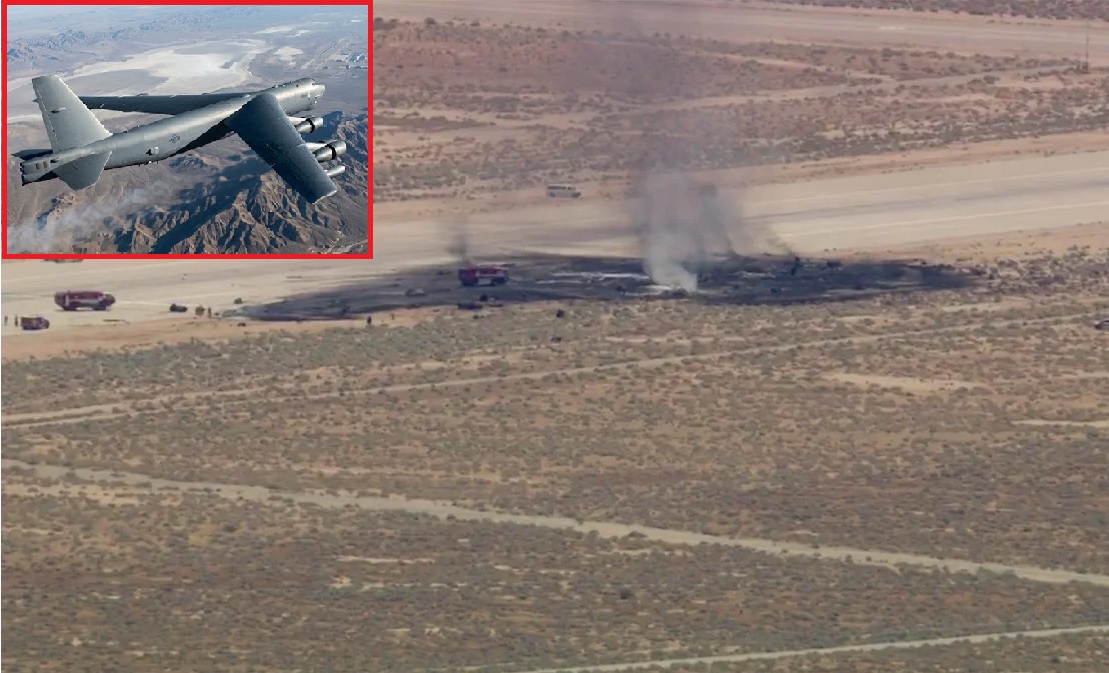 8 U.S. Air Force Crew Members Killed in B-52 Bomber Crash During Test Flight at Edwards Air Force Base
-
 Ukraine Introduces Balloon-Launched DART Missile Designed to Defeat Electronic Warfare
-
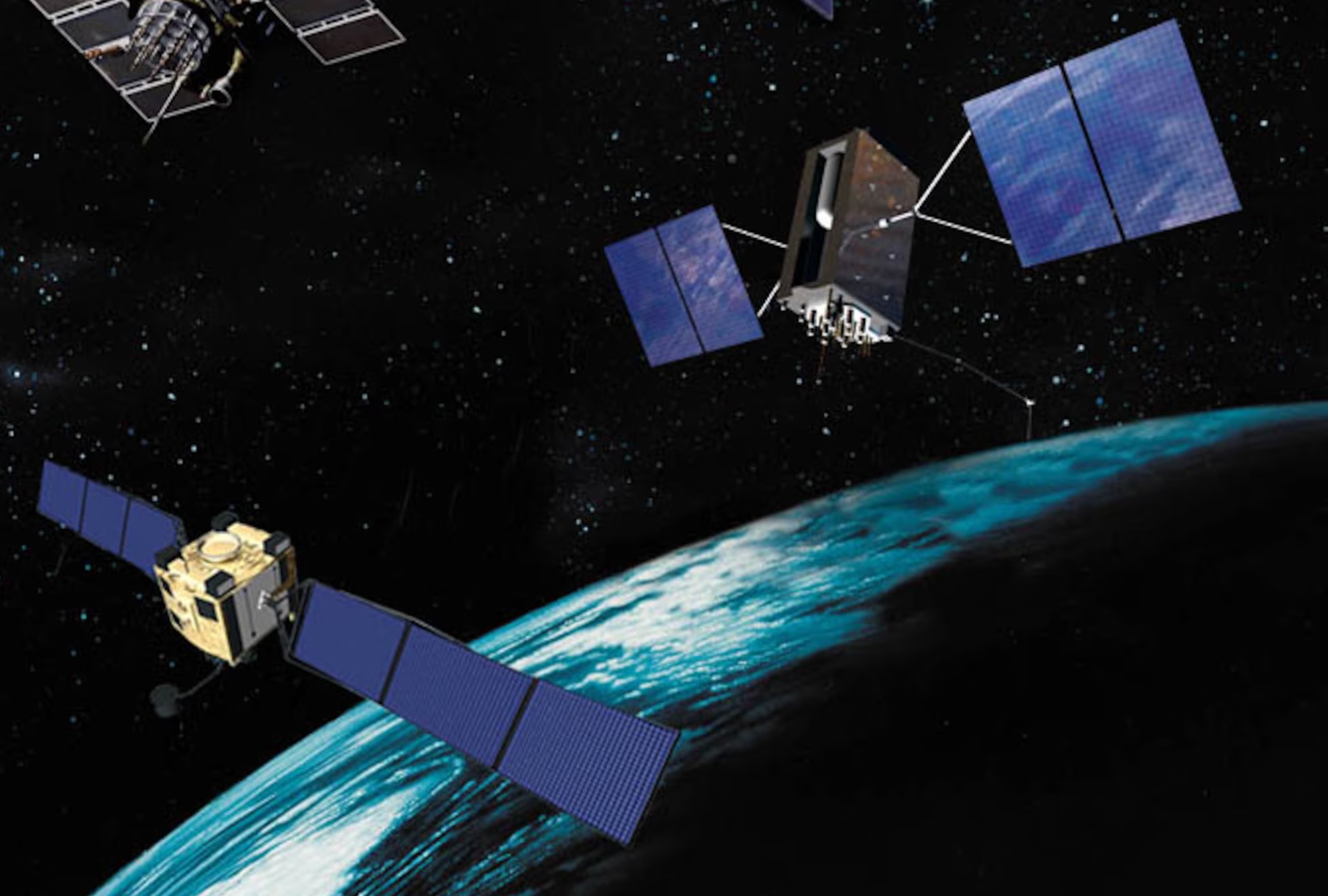 Lockheed Martin Wins $514 Million U.S. Space Force Contract for Two New GPS IIIF Satellites
-
 UK Announces £210 Million Deal to Supply Enriched Uranium to Ukraine for Two Years
-
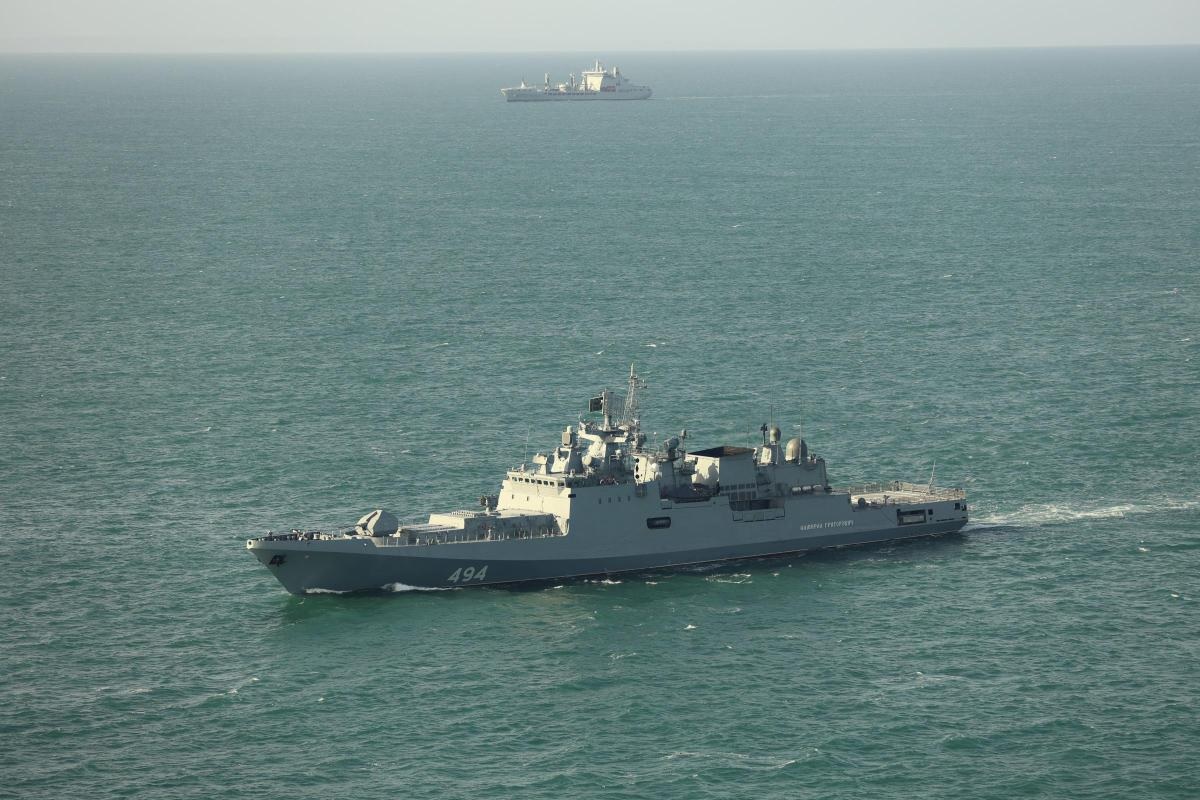 Russian Frigate Admiral Grigorovich Challenges UK Yacht in English Channel With Warning Shots
-
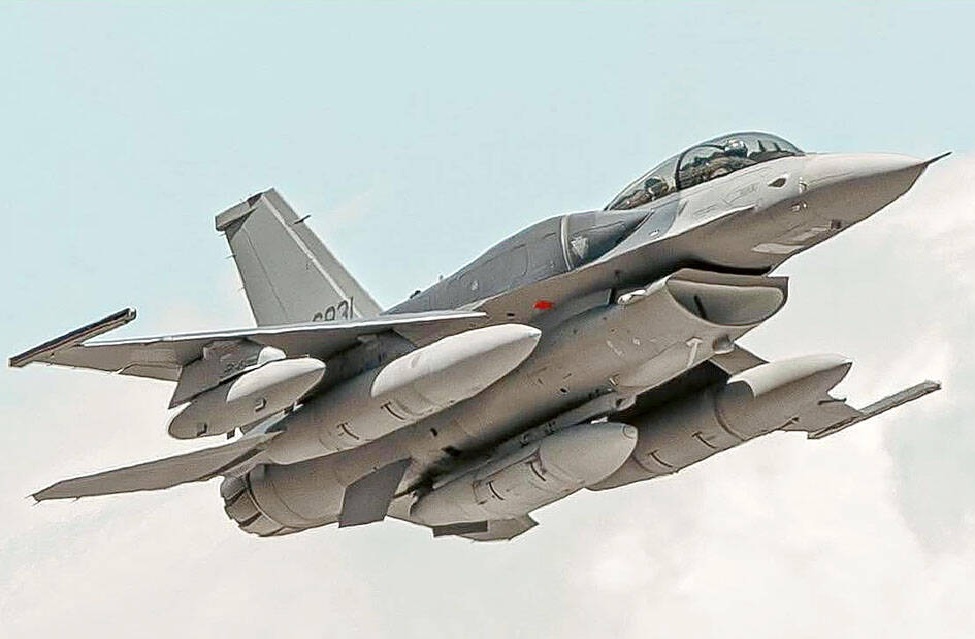 First Taiwanese F-16 Block 70 Flies with Five-Tank Fuel Configuration During Texas Tests
-
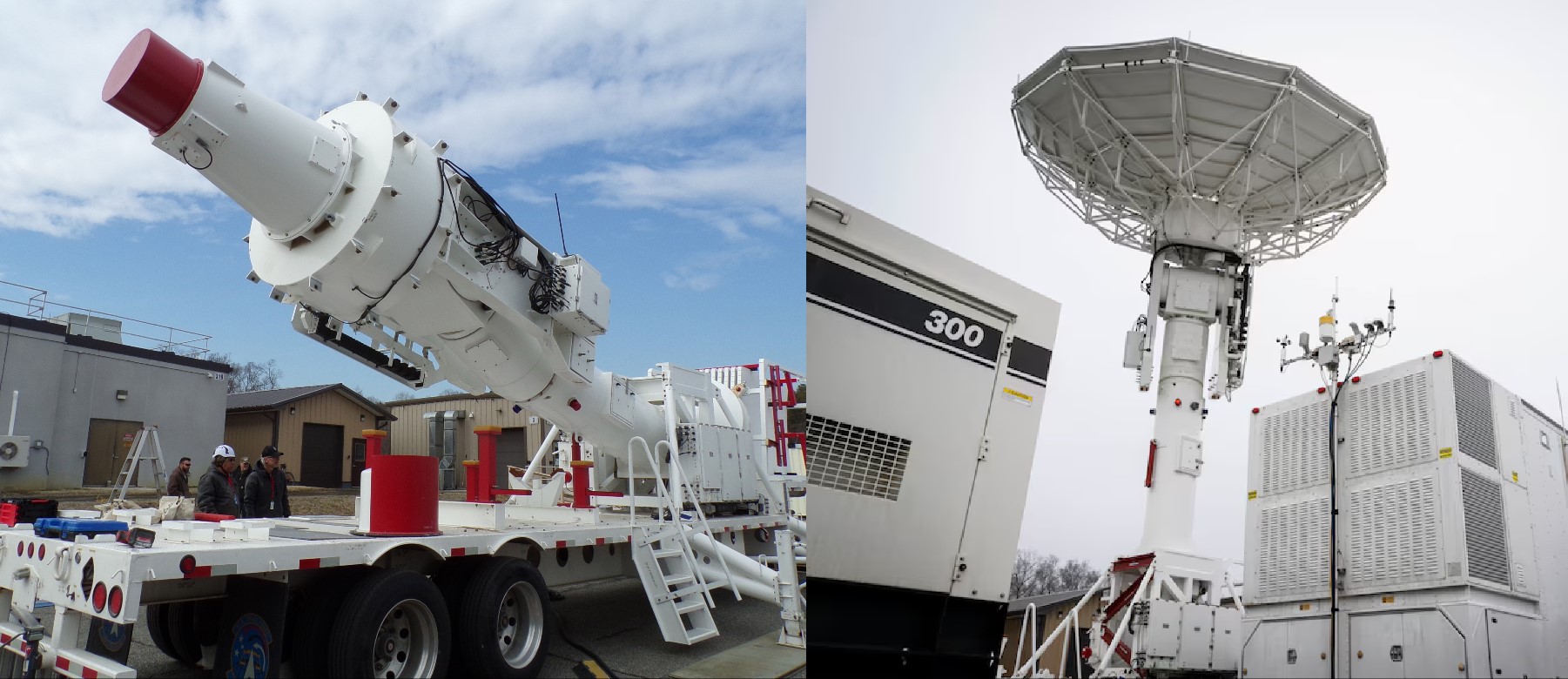 Space Force Transfers Transportable Satellite Tracking Antenna to Naval Research Laboratory
-
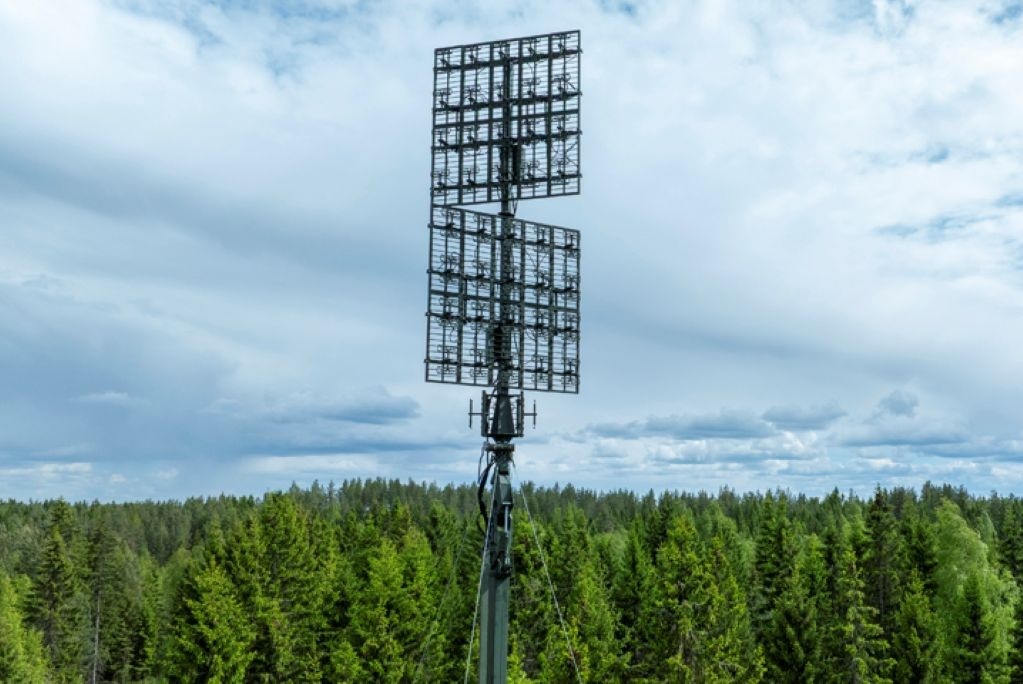 Patria Launches WISPR Passive Counter-Battery Radar with Silent Detection Capability at Eurosatory 2026
Top Trending in 4 Days
-
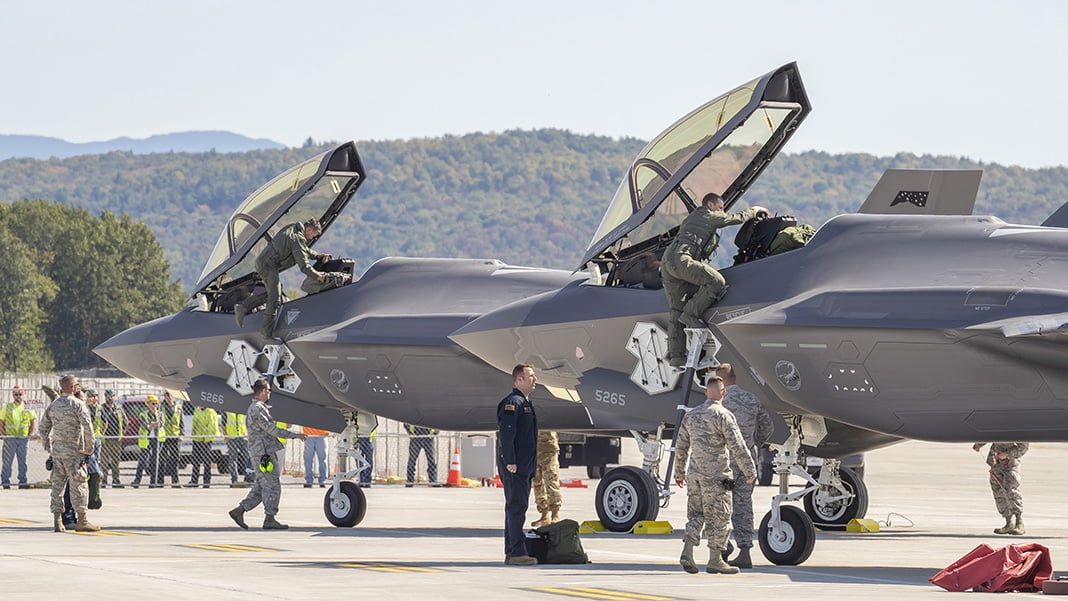 F-35 Fleet Readiness Falls to 25% Amid Parts Shortages and Software Delays: GAO Report
-
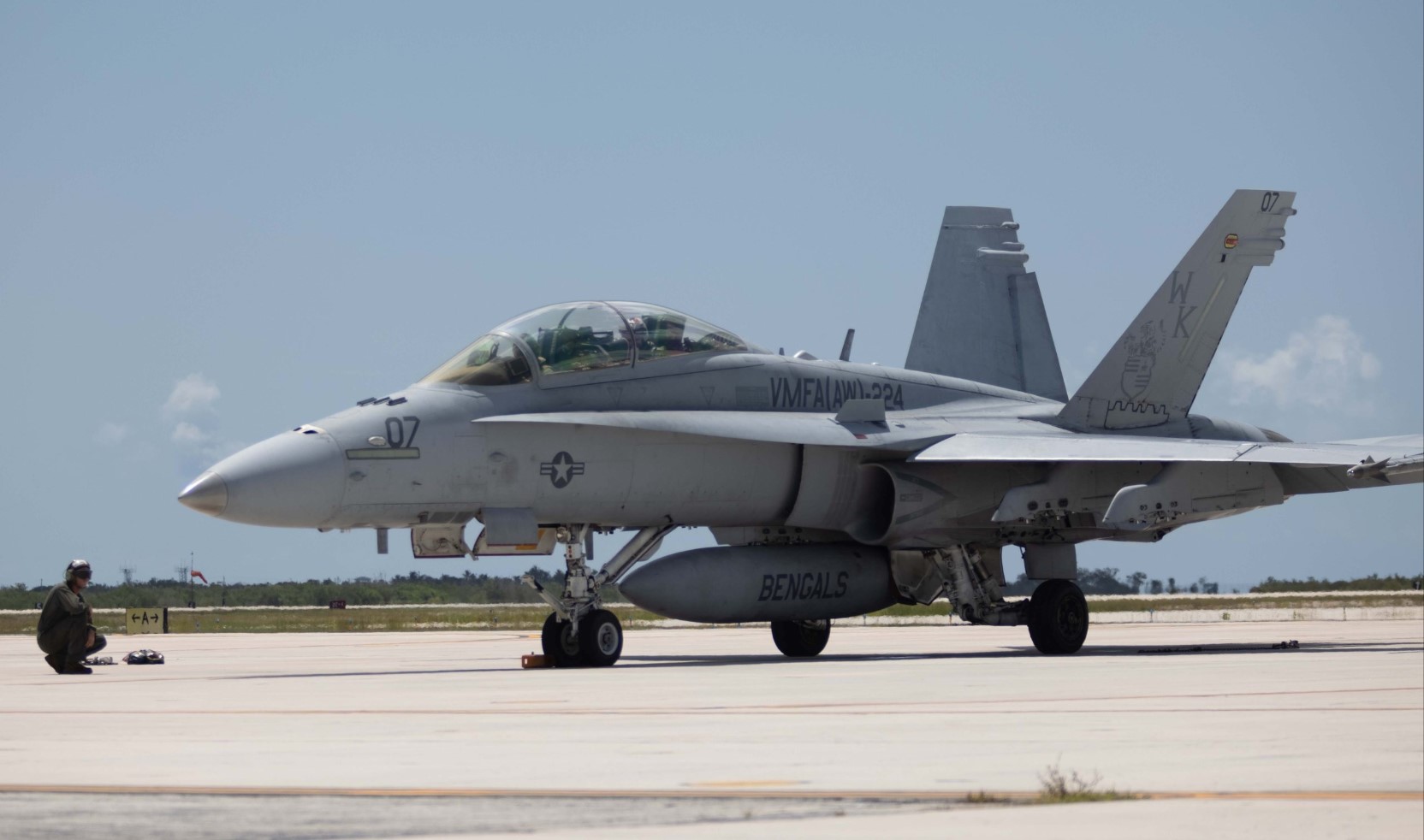 US Marine Corps F/A-18D Hornet Crashes During Training Flight in Washington Mountains; Pilot Ejects Safely
-
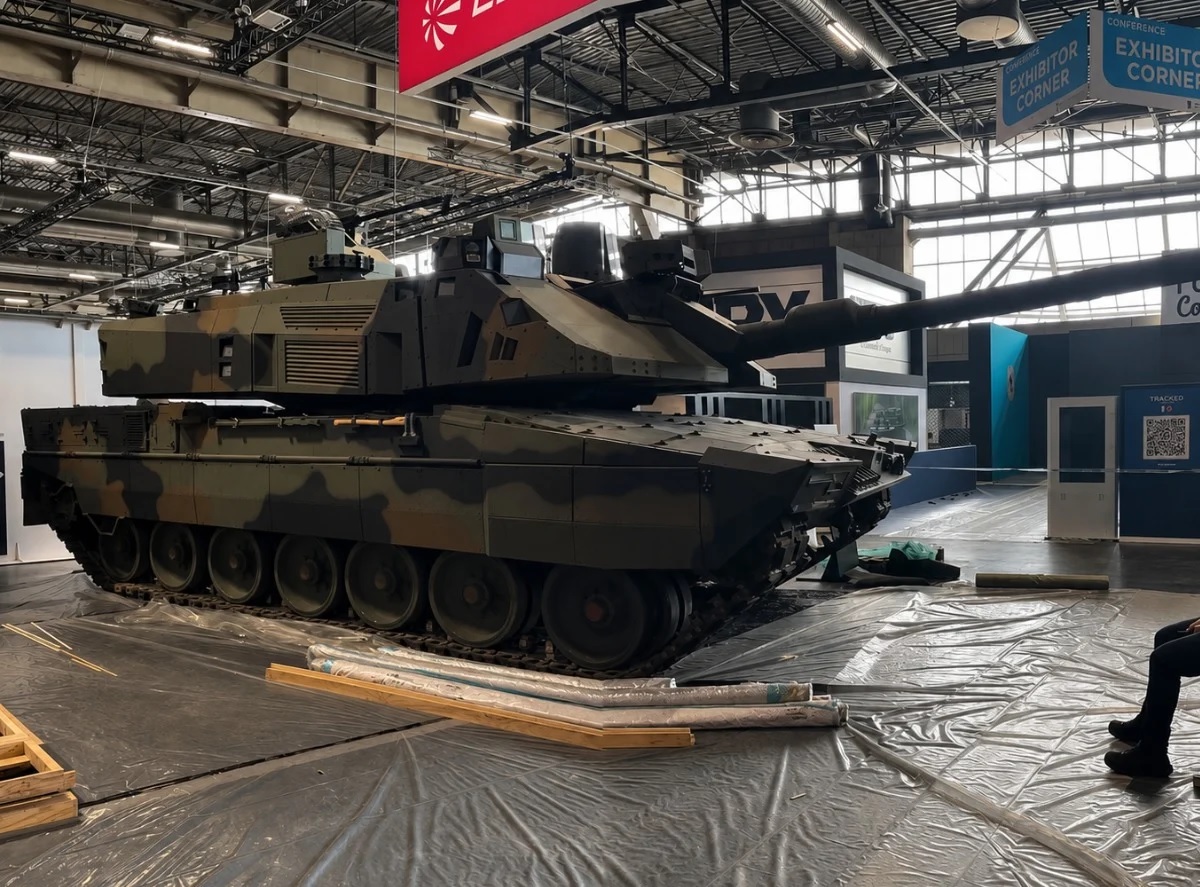 Leonardo Rheinmetall to Unveil Italy’s New IMBT Main Battle Tank at Eurosatory 2026
-
 Tulsi Gabbard Releases Declassified Files Detailing U.S.-Backed Network of 120 Biolaboratories Across 30+ Countries
-
8 U.S. Air Force Crew Members Killed in B-52 Bomber Crash During Test Flight at Edwards Air Force Base
-
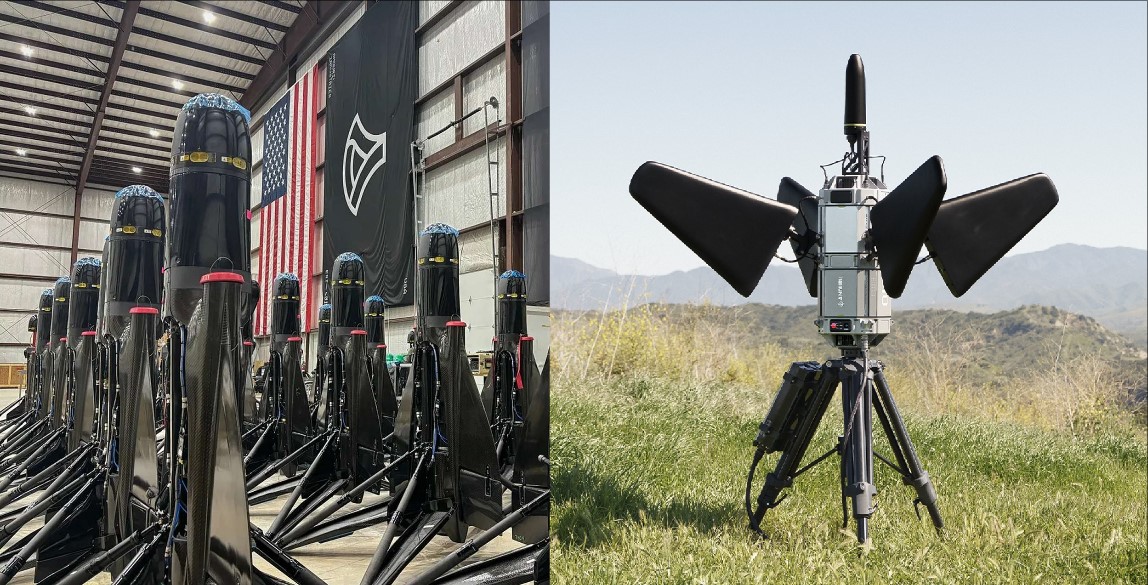 U.S. Approves $1.98 Billion Sale of Anduril AI-Powered Counter-Drone Systems to Kuwait
-
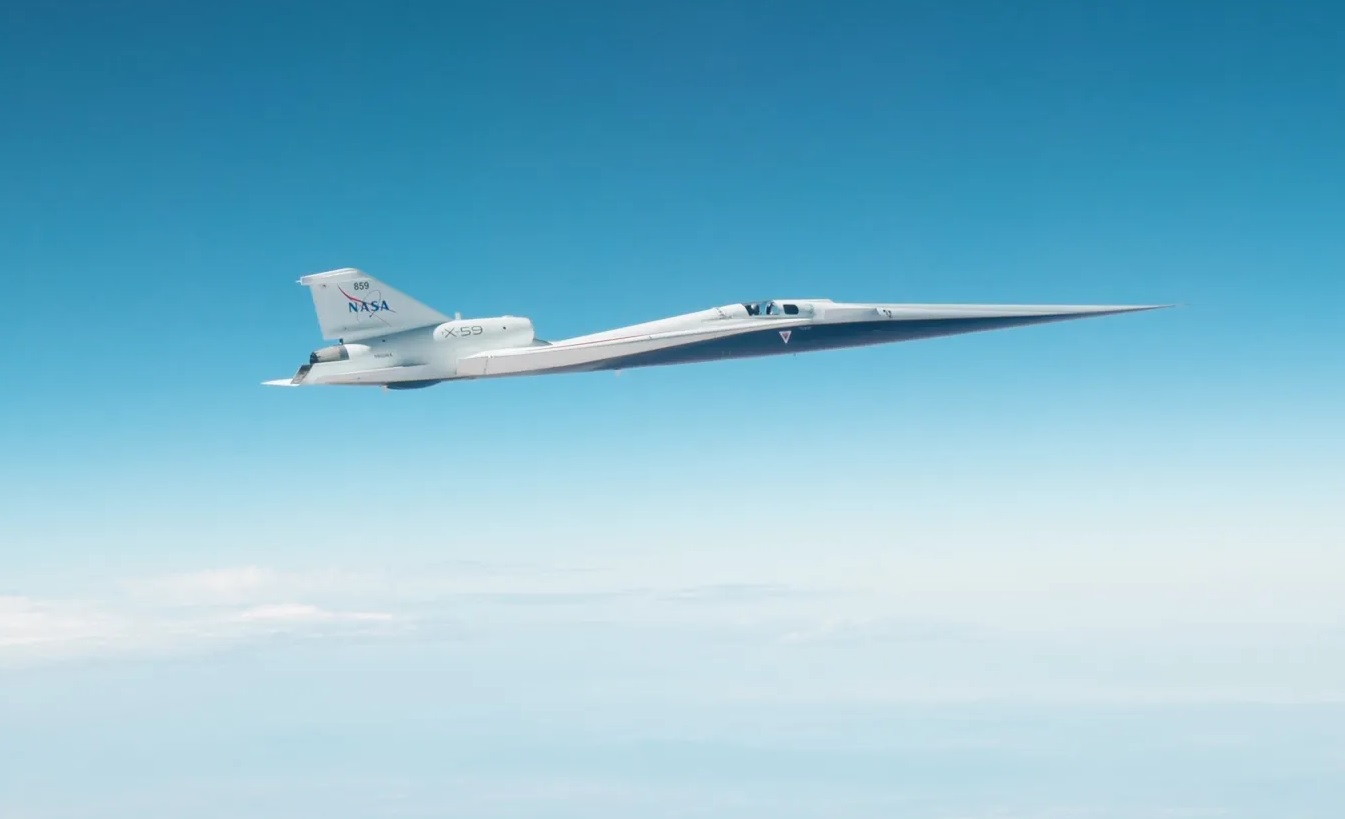 NASA X-59 Achieves Planned Mission Conditions with Mach 1.4 Flight at 55,000 Feet
-
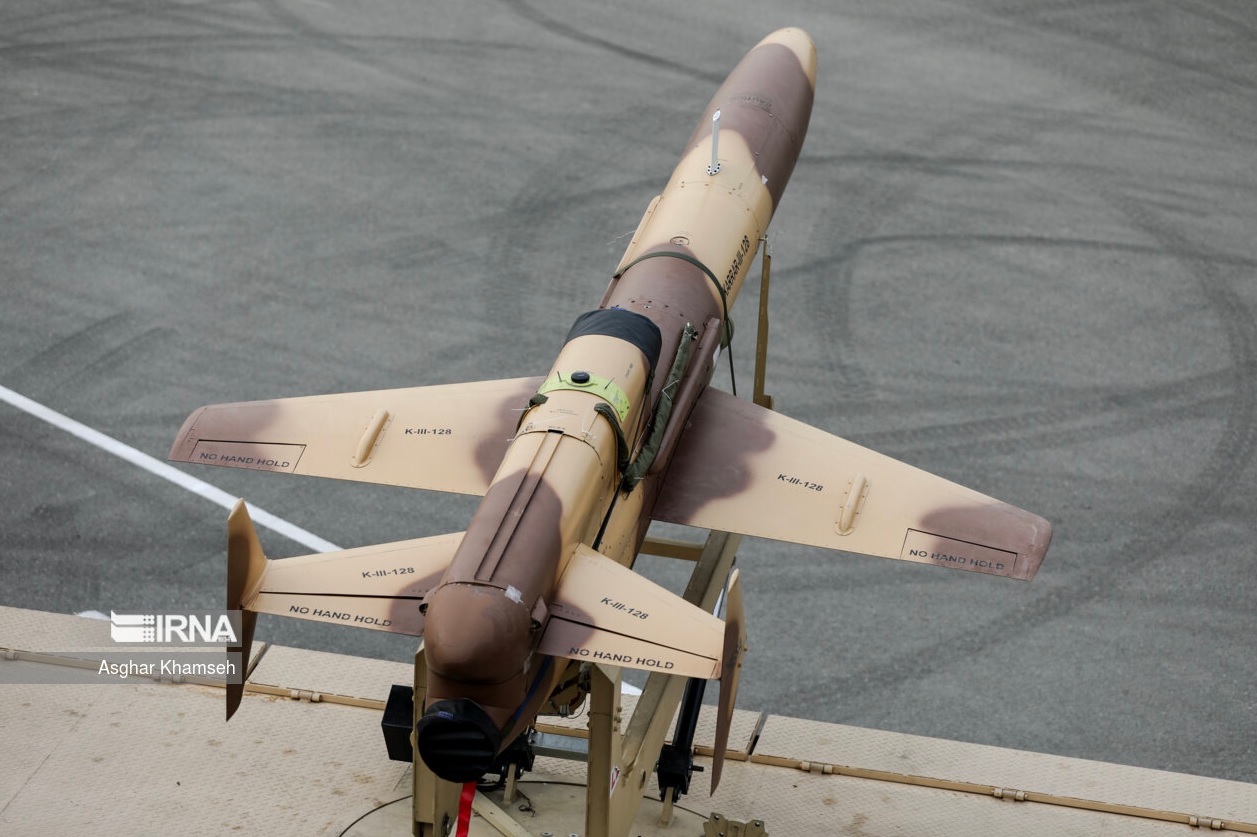 Russia Launches 1,400 Jet-Powered Drones in 2026 as Strike Tactics Evolve to Challenge Ukraine's Air Defenses