India
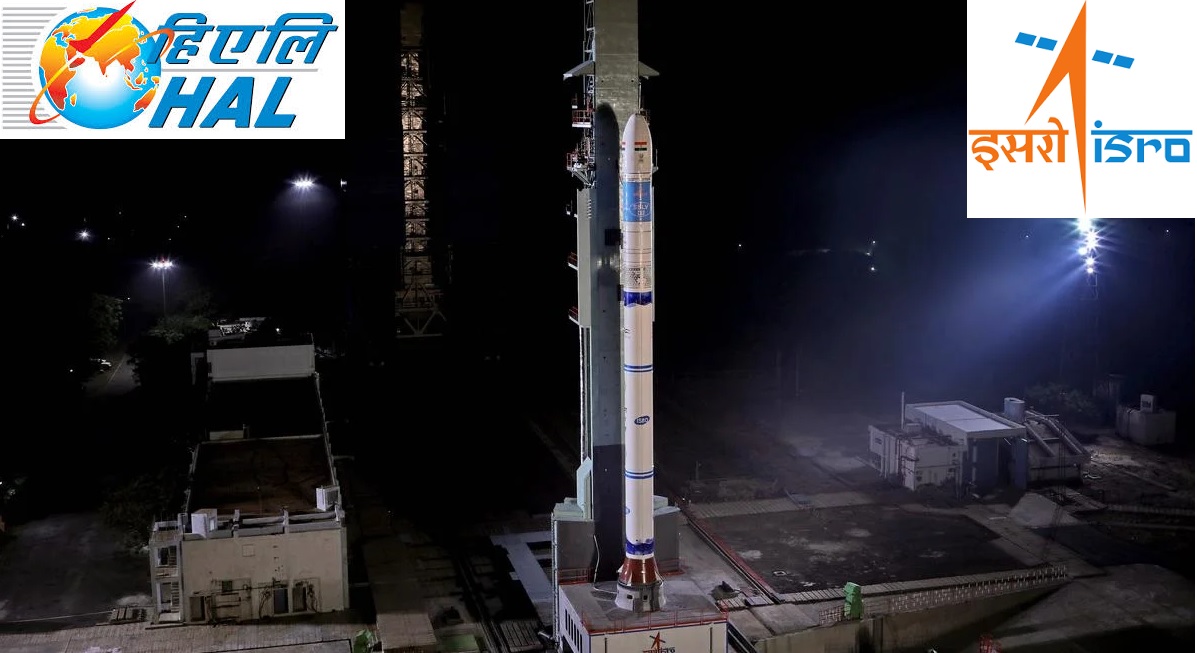
In a major development for India’s space and defence sector, Hindustan Aeronautics Limited (HAL) has officially won the bid to acquire the transfer of technology (ToT) for the Small Satellite Launch Vehicle (SSLV) from the Indian Space Research Organisation (ISRO). HAL edged out two competing consortia, including one led by Alpha Design Technologies, a firm backed by the Adani Group, to secure this crucial deal. The deal, valued at ₹511 crore, marks a historic milestone as it is one of the first instances of ISRO transferring complete launch vehicle technology to a private-sector company. The formal technology transfer process is expected to be completed over the next two years. What Is SSLV and Why It Matters The SSLV is a small, agile rocket developed by ISRO to launch payloads of up to 500 kg into low-Earth orbit (LEO). Unlike larger launch vehicles, SSLV is designed for quick assembly and rapid deployment, making it ideal for launching small satellites on demand — a crucial capability for defence, emergency situations, and commercial customers alike. This technology is especially valuable today as the global demand for small satellite launches continues to grow, driven by applications in telecommunication, remote sensing, and defence surveillance. Why HAL Wanted This Deal Though HAL is traditionally known as India’s premier fighter jet and aerospace manufacturer, this move signals the company’s entry into the booming commercial space sector. According to HAL officials, the plan is to manufacture between 6 to 10 SSLV rockets each year, based on market demand, with an expected revenue of about $6.5 million per launch. But why is HAL investing in rockets? Diversification: HAL is strategically expanding beyond military aircraft to include space launch services. Future Demand: The small satellite market is growing rapidly worldwide, with increasing needs from both government and private customers. Defence Readiness: Quick-launch capabilities like SSLV are essential during national emergencies, making it a strategic asset. Indigenous Capacity: This positions India to rely more on domestic companies for satellite launches, reducing dependency on foreign providers. What Happens Next As per the agreement, ISRO will train and assist HAL engineers in building the first two SSLV rockets over the next two years. After this phase, HAL will gain the freedom to manufacture, own, and commercialise SSLV launches independently. They will also be allowed to improve upon the rocket’s design and select their own vendors. This development makes HAL the third Indian company with rocket manufacturing capability, joining private start-ups Skyroot Aerospace and Agnikul Cosmos, who are also working on small launch vehicles. A Strategic Shift for ISRO This collaboration is part of a broader effort by ISRO to focus on advanced research, deep space missions, and new technologies, while delegating routine satellite launch operations to the private industry. The move is expected to boost India’s space economy and create a thriving ecosystem of satellite launch services within the country. Pawan Kumar Goenka, chairman of IN-SPACe, said,“This SSLV technology transfer marks a pivotal moment in India’s commercial space sector and will significantly enhance our capacity to meet global demand for small satellite launches.” With this landmark deal, HAL is set to play a key role in India’s space ambitions, leveraging SSLV to tap into the rapidly growing small satellite launch market. It not only strengthens India’s space defence readiness but also helps position the country as a competitive player in the global commercial space industry.
Read More → Posted on 2025-06-21 10:42:27
India
Indian intelligence and investigative agencies, along with global partners, have launched a high-level probe into the mysterious series of accidents involving ships in the Arabian Sea. The focus of the investigation is on the possible use of high-power microwave (HPM) or electromagnetic pulse (EMP)-based weapons—technologies capable of disabling electronic systems critical for modern navigation and communication. Concerns over this possibility gained traction following a series of unusual maritime mishaps that showed signs of GPS failures and erratic electronic behavior. The growing suspicion is that these were not mere technical faults but possibly acts of electronic sabotage. Investigators are now actively examining whether these ship incidents were caused by the deployment of HPM or EMP-based systems. Recent intelligence reports have highlighted Turkey’s advancement in this area. One notable example is the Alka–Directed Energy Weapon (DEW), developed by Turkish defense agency Roketsan. This portable weapon, about the size of a sports car, can operate at power levels between 2.5 to 5 kilowatts and is effective over distances ranging from 1,500 to 5,000 meters. It is designed to disable or damage electronic systems on ships and aircraft without the need for conventional explosives or missiles. Authorities are now studying electricity consumption patterns and anomalies at key coastal and island locations to trace any unauthorized or sudden spikes in power usage—an indirect method to detect the operation of high-energy electromagnetic weapons. Investigators believe that the timing and location of certain electrical fluctuations may correlate with reported disruptions to ship navigation systems in the region. These directed energy weapons can not only interfere with GPS and communication but also potentially ignite combustible materials using electromagnetic radiation. This has added to the urgency of the investigation, as the consequences of their use at sea could be catastrophic, especially on oil tankers or ships carrying hazardous cargo. Insurance companies, especially those involved in underwriting maritime operations, have grown increasingly alarmed. The Joint Marine Insurance Committee based in the US has already flagged incidents in the Arabian Sea that showed signs of EMP-level interference. In response, a team of global maritime insurance investigators visited Kerala last week to assess the situation on the ground, suggesting the issue is being taken seriously at both commercial and strategic levels. While the investigation is still in its early stages, the possibility of advanced electronic warfare technology being used in the Arabian Sea marks a concerning development in maritime security. If confirmed, it could change the way naval operations, cargo routes, and defense postures are planned in the region. Indian authorities are expected to coordinate closely with international allies to uncover the source and extent of this emerging threat.
Read More → Posted on 2025-06-20 11:52:51
India
The Indian Air Force (IAF) is preparing to significantly enhance its deep-strike capabilities with the planned acquisition of the Spice-250 Extended Range (ER) precision-guided bombs. Developed by Israel’s Rafael Advanced Defence Systems, this weapon is designed to strike targets over 300 kilometers away, allowing Indian fighter jets to operate safely from within Indian airspace—far beyond the range of Pakistan’s air-to-air missile systems. Why This Matters: Staying Ahead of Pakistan’s Missile Threat The move comes in response to Pakistan’s growing air-to-air missile threat. The Pakistan Air Force (PAF) has equipped its JF-17 and J-10C fighter jets with China’s PL-15E beyond-visual-range air-to-air missile (BVRAAM), which boasts a publicly declared range of 145 km. This missile is part of a larger Chinese-Pakistani effort to build a more lethal aerial combat force. Newer developments like the PL-17, which could reportedly exceed 300 km, raise further concerns for Indian air dominance, especially during high-stakes border tensions. By arming its frontline aircraft with the Spice-250 ER, India will gain the ability to strike deep inside enemy territory without entering enemy missile range—a major strategic advantage in any future conflict scenario. What Makes the Spice-250 ER Special? The Spice-250 ER is not just a standard bomb with wings. It combines precision, extended range, and survivability in a compact package. Here’s what makes it stand out: Extended Range: Thanks to its micro turbojet engine, the ER variant can fly over 300 km, unlike glide bombs that rely only on altitude and gravity. High Accuracy: It uses a hybrid guidance system combining: GPS + Inertial Navigation System (INS) Electro-Optical (EO) Seeker with AI-based Scene MatchingThis EO system allows the bomb to "see" and match real-time terrain to preloaded images, ensuring it hits only the correct target, even in GPS-jammed environments. Warhead: It can carry various warhead types depending on mission requirements, ideal for high-value targets like radar stations, bunkers, command posts, or even moving vehicles. This cutting-edge system is an evolution of the Spice family that India previously used effectively—most notably during the 2019 Balakot airstrikes. Platforms and Strategic Use The IAF plans to integrate the Spice-250 ER on its most powerful combat aircraft: Sukhoi Su-30MKI Dassault Rafale These aircraft will be able to launch the bombs while staying outside enemy missile range, effectively outranging Pakistan’s current missile systems and destroying enemy airbases, control centers, or ammunition depots from a safe distance. Who Else Has Such Weapons? Globally, Israel and the United States have led the way in long-range air-to-ground stand-off weapons. Examples include: Israel: Spice family (100, 200, 250, 250 ER, and 1000) with AI and EO guidance. USA: JSOW-ER (Joint Stand-Off Weapon – Extended Range), with similar 300+ km capabilities. AGM-158 JASSM cruise missile with ranges up to 370 km (standard) and over 900 km (JASSM-ER). While a few countries possess similar technologies, only a handful have mastered compact, AI-guided bombs with such extended range. India’s acquisition of the Spice-250 ER places it in elite company, narrowing the capability gap with Western air forces and giving it a clear edge over regional adversaries. Self-Reliance and Tactical Depth Although the Spice-250 ER is a foreign system, it aligns with India's broader defence strategy. It complements indigenous developments like the Smart Anti-Airfield Weapon (SAAW), which is being produced domestically under the Aatmanirbhar Bharat (self-reliant India) campaign. By combining foreign precision systems with local innovation, India is crafting a layered and flexible strike capability that ensures it can defend itself and retaliate effectively—without unnecessarily risking its pilots or platforms. In summary, the planned acquisition of the Spice-250 ER bombs marks a major leap forward in India’s air strike capabilities. With over 300 km range, AI-guided precision, and stand-off safety, it gives the IAF the power to neutralize threats long before they become a danger, reshaping the aerial balance of power in South Asia.
Read More → Posted on 2025-06-20 11:28:27
India
In a major step forward for India’s aerospace manufacturing ambitions, French engine maker Safran Aircraft Engines and Hindustan Aeronautics Limited (HAL) have signed a new agreement to produce critical rotating forged parts for the LEAP aircraft engine. The deal was finalized during the 55th Paris Air Show and reflects both companies' commitment to strengthening industrial cooperation and expanding the “Make in India” initiative in the aerospace sector. The LEAP engine, developed by CFM International (a joint venture between Safran and GE Aviation), powers a vast number of modern single-aisle commercial aircraft such as the Airbus A320neo and Boeing 737 MAX. With Indian airlines experiencing rapid growth and ordering over 2,000 LEAP engines, the need for localized manufacturing has become increasingly important. This new agreement builds on previous collaborations between HAL and Safran, including a Memorandum of Understanding signed in October 2023 and a forged parts production contract agreed upon earlier in February. The current focus is on producing rotating Inconel parts—nickel-chromium-based superalloys known for their strength and resistance to heat. These components are crucial for high-performance jet engines like the LEAP. By bringing this complex forging work to India, HAL will significantly increase its technical capabilities in precision manufacturing for global civil aviation needs. Dr. DK Sunil, Chairman and Managing Director of HAL, highlighted that the agreement reinforces HAL’s goal of mastering advanced aerospace manufacturing processes and deepening its global presence. Dominique Dupuy, Safran Aircraft Engines’ Vice President of Purchasing, echoed the sentiment, calling HAL a “key player in India’s aerospace industry” and stressing that the collaboration is aligned with Safran’s strategy to diversify its supply base and invest long-term in India. Safran’s presence in India has been growing steadily. The company already operates five industrial facilities in cities like Bengaluru, Hyderabad, and Goa. A sixth facility, focused on Maintenance, Repair, and Overhaul (MRO) services for LEAP engines, is expected to begin operations in Hyderabad by the end of the year. This will further enhance India’s ability to support both its own airline fleet and potentially provide MRO services to the wider Asia-Pacific region. Additionally, Safran and HAL have established a joint venture in Bengaluru—Safran HAL Aircraft Engines—which focuses on manufacturing components for both the LEAP and the M88 engine used in the Rafale fighter jets. As part of their evolving partnership, Safran also plans to expand military collaboration with India around the M88 engine, signaling growing strategic alignment beyond the civil aviation sector. India is now the third-largest market for CFM engines globally, with about 75% of Indian commercial aircraft powered by them. Of the 500 aircraft across seven Indian airlines using CFM engines, over 370 run on LEAP models. With the demand for air travel in India expected to soar further, and with more than 2,000 engines on order, this partnership between HAL and Safran is a timely and critical move to strengthen domestic aerospace production and global supply chain resilience.
Read More → Posted on 2025-06-20 11:24:13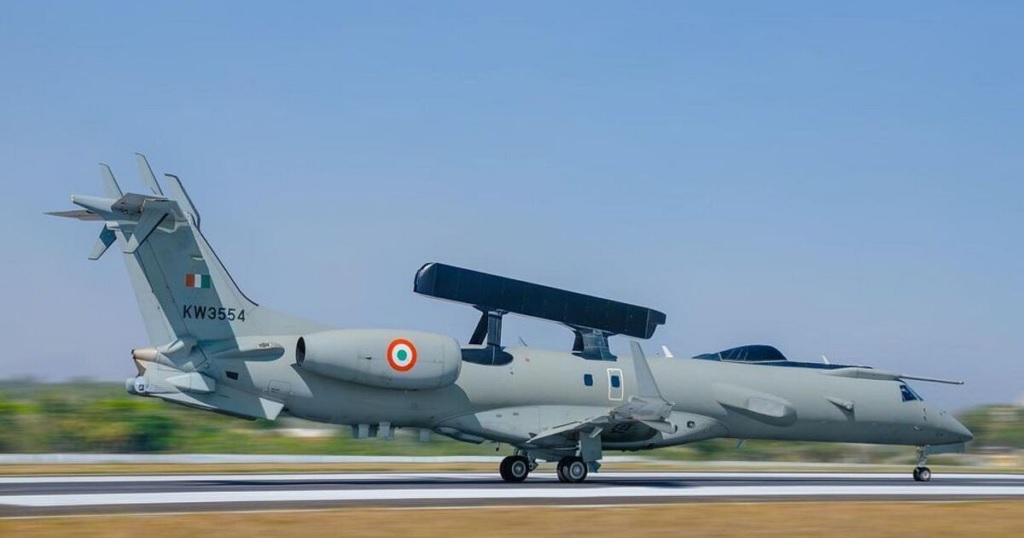
India
In a major boost to India’s air defence and surveillance network, the Indian Air Force (IAF) is set to convert six used Embraer EMB-145 jets into advanced Netra Mk1A Airborne Early Warning and Control (AEW&C) aircraft. This move comes as a strategic step to counter the growing air power of neighbouring China and Pakistan, both of whom are expanding their fleets with modern stealth fighters. Why This Move Matters With regional tensions rising and both China and Pakistan improving their air capabilities, India needs a stronger, more persistent aerial surveillance setup. AEW&C aircraft play a vital role in this, as they can detect incoming threats like fighter jets, drones, or missiles from hundreds of kilometres away and act as airborne command centres for the Air Force. The current IAF fleet includes three Netra Mk1 systems and three larger Israeli Phalcon AWACS. In contrast, Pakistan operates nine similar aircraft, and China boasts over 30. To close this gap, India plans to add six Netra Mk1A aircraft — a significantly upgraded version of the Netra Mk1. What Is Netra Mk1A? The Netra Mk1A is an improved version of the existing Netra Mk1 AEW&C system, originally built on the Embraer EMB-145 jet platform. The Mk1A will feature a powerful Active Electronically Scanned Array (AESA) radar using advanced Gallium Nitride (GaN) technology, giving it a detection range of up to 450 kilometres — double that of the Mk1’s approximate 250 km range. It will offer a 240-degree coverage around the aircraft. These AEW&C aircraft act as airborne command posts, capable of identifying and tracking enemy fighters, missiles, and drones while relaying real-time information to ground-based and airborne units. Mk1A vs Mk2: How Do They Compare? Feature Netra Mk1A Netra Mk2 Platform Embraer EMB-145 Airbus A321 Radar Type AESA with GaN technology Larger AESA with extended range Detection Range 450 km Estimated 500+ km Coverage 240 degrees 300+ degrees No. of Aircraft Planned 6 6 Service Induction From 2027 2026-2027 Role Medium-range aerial surveillance Long-range strategic surveillance While Mk1A fills an urgent operational requirement, the Mk2 project is meant for deeper strategic coverage over larger distances using a bigger, longer-endurance platform. How the Conversion Will Happen Since production of the Embraer EMB-145 stopped over a decade ago, India will source these six used aircraft from the global secondary market through an open tender. The Defence Research and Development Organisation’s (DRDO) Centre for Airborne Systems (CABS) in Bengaluru will handle the modifications, with support from Embraer and Indian private sector giant Adani Defence and Aerospace. The aircraft will be fitted with: GaN-based AESA radar Electronic warfare suites Secure data communication links Self-protection systems against enemy missiles In-flight refueling capability A Strategic Boost to Counter Stealth Jets The biggest advantage of these upgraded Netra Mk1A systems will be their improved ability to detect and track stealth aircraft like the Chinese J-35A stealth fighters, which Pakistan is likely to acquire. Stealth aircraft are designed to avoid detection by regular radars, but advanced AESA radars using GaN technology are far more capable of spotting such threats at longer ranges. An Important Step in Aatmanirbhar Bharat This project aligns closely with the government’s ‘Aatmanirbhar Bharat’ (Self-Reliant India) initiative. The radar, electronic systems, and mission software are all being developed in India, while private companies like Adani Defence are participating in the aircraft conversion process alongside DRDO. Estimated Cost and Timeline The entire program is estimated to cost around ₹9,000 crore. An open tender for sourcing the aircraft is expected soon, and if all goes as planned, these Netra Mk1A aircraft could start joining the IAF fleet by 2027. This timely decision by the IAF will not only strengthen India’s 24/7 aerial surveillance capability but also help balance the growing technological edge China and Pakistan seek in the region. With both Netra Mk1A and Mk2 projects moving ahead, India is ensuring that its skies remain well-guarded in the years to come.
Read More → Posted on 2025-06-19 15:41:56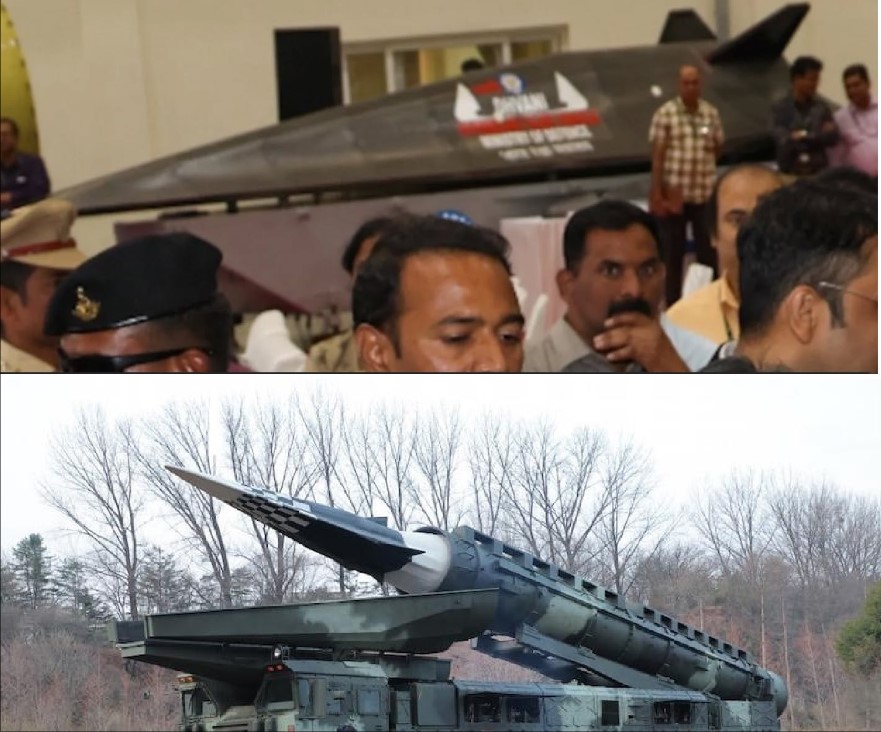
India
India’s defense research agency, DRDO (Defence Research and Development Organisation), is quietly but decisively progressing on one of its most advanced missile programs yet: Project Dhvani, a next-generation Hypersonic Glide Vehicle (HGV) aimed at reshaping India’s strategic deterrence and long-range strike capabilities. This HGV, projected for induction by 2029–2030, is being developed as part of India’s expanding hypersonic weapons portfolio, positioning the country alongside the US, China, and Russia in this elite technology domain. Project Dhvani: Overview and Strategic Significance At the heart of Project Dhvani is a blended wing-body design, resembling a seamless, aerodynamic structure that merges the fuselage and wings into a single, wedge-like body optimized for extreme speeds, low drag, and radar evasion. According to sources from idrw.org, the vehicle’s size is about 7 meters longer than China’s DF-17, a prominent medium-range HGV, indicating a likely intercontinental capability. DRDO is reportedly aiming for ICBM-class range, potentially exceeding 5,500 km or more, although official numbers remain classified. This would place Dhvani in the same category as Russia’s Avangard and China’s DF-ZF, both of which are nuclear-capable and known for their maneuverability at hypersonic speeds (Mach 5+). Structural and Material Advancements One of Dhvani’s most critical components is its heat protection system (HPS), capable of enduring temperatures of 2,000–3,000°C encountered during hypersonic flight and atmospheric reentry. This is achieved through ultra-high-temperature ceramic composite materials, which offer superior thermal resistance, structural integrity, and longevity even under extreme aerodynamic heating. The blended body shape also offers a reduced radar cross-section (RCS), contributing to stealth. Its internal guidance systems, likely based on inertial navigation coupled with satellite-assisted correction, will enable high precision, even during complex evasive maneuvers. DRDO’s Four Hypersonic Glide Vehicle Programs Project Dhvani is just one part of a broader HGV initiative by DRDO, comprising four distinct HGV configurations, each with unique design goals: Project Dhvani – Blended body design: Optimized for intercontinental reach and stealth. Primary nuclear deterrent role. LR-AShM – Delta wing body: Hypersonic Long-Range Anti-Ship Missile, likely for naval strike missions with extreme kinetic energy. BM-04 – Conical body design: Possibly a more straightforward reentry-type HGV suitable for ballistic missile integration. Winged HGV (unnamed) – Currently under wraps, this vehicle may resemble NASA’s X-43 or the US Air Force’s HTV-2 in design, promising maneuverability and reusable test platforms. Potential Capabilities and Role Speed: Estimated to cruise at Mach 6–8, depending on trajectory and altitude. Range: Possibly 7,000–10,000 km, falling into the ICBM or even global strike category. Payload: Nuclear-capable; likely to carry 1–2 MIRVs (Multiple Independently targetable Reentry Vehicles). Launch Platform: Compatible with future solid-fueled ICBMs or heavy-lift rockets such as Agni-V Prime or even K-series SLBMs for underwater launch. Its maneuverability in the terminal phase and ability to glide across continents before delivering a high-speed strike makes Dhvani a highly survivable and unpredictable platform — a serious challenge to current and future missile defense systems like THAAD, Patriot, or even Russia’s S-500. India’s Road to Hypersonic Mastery DRDO’s hypersonic journey began with the Hypersonic Technology Demonstrator Vehicle (HSTDV), which achieved Mach 6+ flight in multiple tests between 2020–2022. That testbed laid the groundwork for material science, guidance systems, scramjet engines, and thermal shielding — all of which have directly contributed to Dhvani’s ongoing development. Unlike the HSTDV, which was scramjet-powered and intended for cruise missile roles, Project Dhvani is a glide vehicle, carried aloft by a ballistic missile, detaching at high altitude and gliding through the upper atmosphere at hypersonic speeds, evading enemy radar and interceptors. By 2030, DRDO envisions Dhvani becoming a core component of India’s strategic triad, enabling rapid retaliatory strikes from land or sea against any adversary. With both nuclear and conventional warhead compatibility, it will offer India not just a deterrent but a counterforce strike capability, disrupting enemy command-and-control assets, hardened silos, or even mobile platforms. As China pushes the envelope with DF-ZF and the US accelerates its Long Range Hypersonic Weapon (LRHW), India’s entry with Dhvani marks a strategic leap into the hypersonic arms race — one that could redefine the military balance in Asia and beyond. Project Dhvani is more than a missile; it is India’s answer to the next era of strategic warfare.
Read More → Posted on 2025-06-19 14:41:57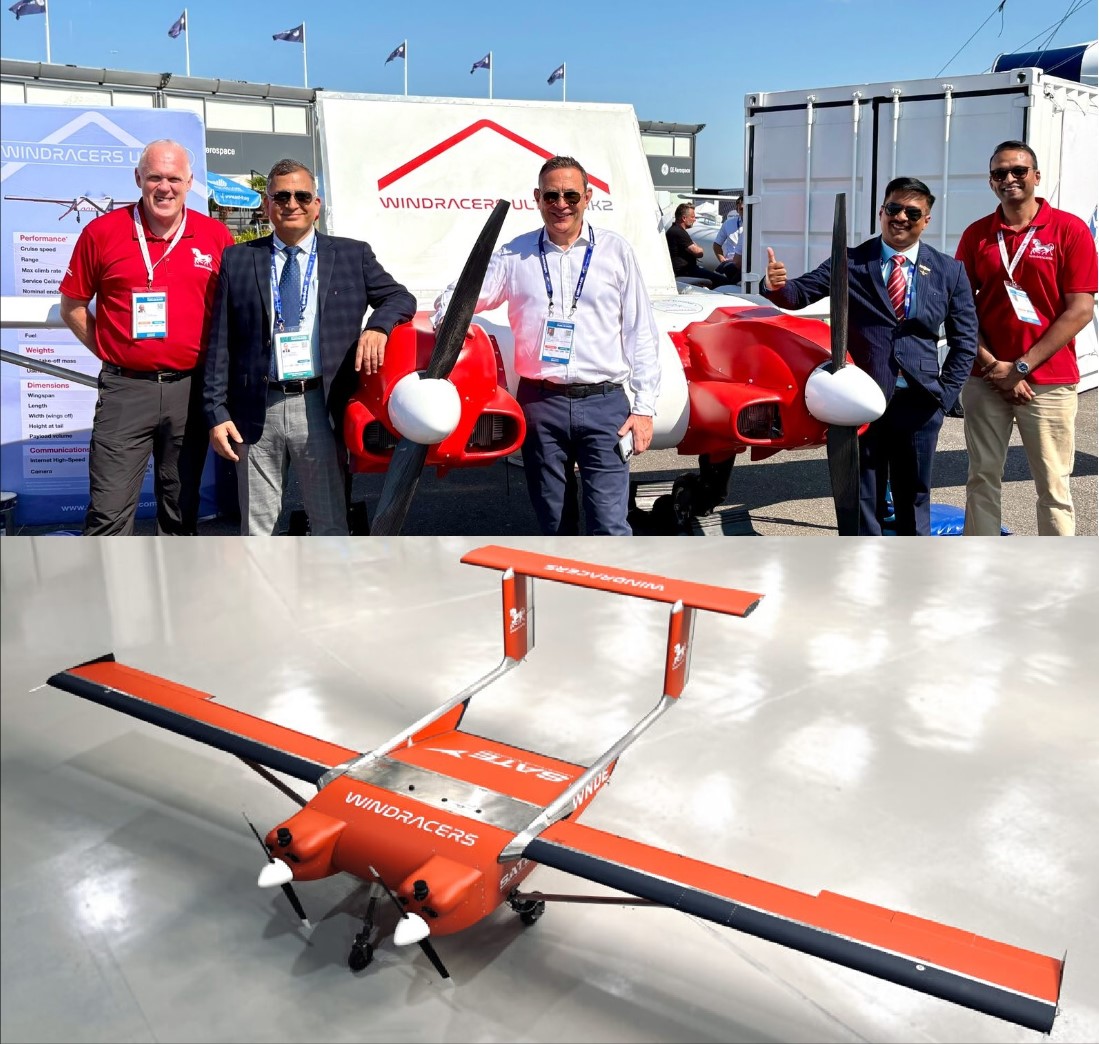
India
In a strategic move to bolster India’s maritime logistics and unmanned capabilities, Pune-based defense and aerospace powerhouse Bharat Forge Ltd is in initial talks with UK-based Windracers to bring the ULTRA MK2 UAV to the Indian Navy. The collaboration is aimed at offering the ULTRA MK2 as a Cargo On Demand (COD) unmanned aerial vehicle—capable of rapidly transporting critical supplies across vast maritime distances. This partnership, still in exploratory phases, follows Windracers' successful collaboration with the UK Royal Navy in 2023, where the ULTRA MK2 showcased its potential for autonomous, long-range, and heavy-payload delivery operations in naval environments. The joint effort with Bharat Forge now aims to bring those same advanced capabilities to India's defense ecosystem, with demonstrations planned for the Indian Ministry of Defence in the near future. What is the Windracers ULTRA MK2? The Windracers ULTRA MK2 is a twin-engine, fixed-wing UAV designed specifically for high-endurance cargo transport missions. It blends simplicity in design with rugged reliability, making it ideal for COD operations across land and sea. Built by Windracers Group Ltd, it is part of a new class of logistics UAVs intended to reduce reliance on traditional, more resource-intensive transport methods. Key Specifications of the ULTRA MK2: Payload Capacity: 100 kg Range: Up to 1,000 km (with full payload) Cruise Speed: Approx. 144 km/h (90 mph) Wingspan: 10 meters Takeoff Weight: Around 350 kg Flight Autonomy: Fully autonomous flight control, including takeoff and landing Navigation: GNSS and onboard AI for terrain mapping and route optimization Engine Type: Dual piston engines with redundant power architecture Operational Altitude: 5,000 – 10,000 feet Launch & Recovery: Conventional runway-based takeoff and landing (but adaptable for austere airstrips or naval platforms) The MK2 model is designed for high-reliability logistics operations, including in denied or contested environments. It is engineered for low-cost maintenance, minimal crew requirements, and operation in all-weather conditions, making it a suitable COD solution for ships at sea or isolated forward bases. Strategic Relevance to the Indian Navy: With India’s expansive maritime domain and the Navy’s increasing emphasis on logistics efficiency, distributed warfare, and unmanned capabilities, a UAV like the ULTRA MK2 could play a vital role. It could enable rapid resupply missions between ships or from shore to sea, eliminate human risk in hazardous areas, and serve during disaster relief missions or casualty evacuations in remote maritime zones. The potential partnership with Bharat Forge, a key player in India’s private defense sector with a growing footprint in artillery systems, aerospace structures, and unmanned platforms, would also ensure Make in India compliance and local manufacturing, in alignment with India’s strategic defense self-reliance goals. What’s Next? According to Windracers, the next steps include joint demonstrations for the Indian Navy and defense ministry, including simulated COD missions to test integration within India's existing naval logistics chains. If successful, this could pave the way for Indian production or assembly of the ULTRA MK2 under license, with potential for customization to meet specific Navy requirements. With this move, Bharat Forge not only signals its growing interest in the UAV segment but also underlines how Indian private sector players are now actively shaping the future of naval aviation and logistics through international collaborations and cutting-edge autonomous systems.
Read More → Posted on 2025-06-19 12:55:54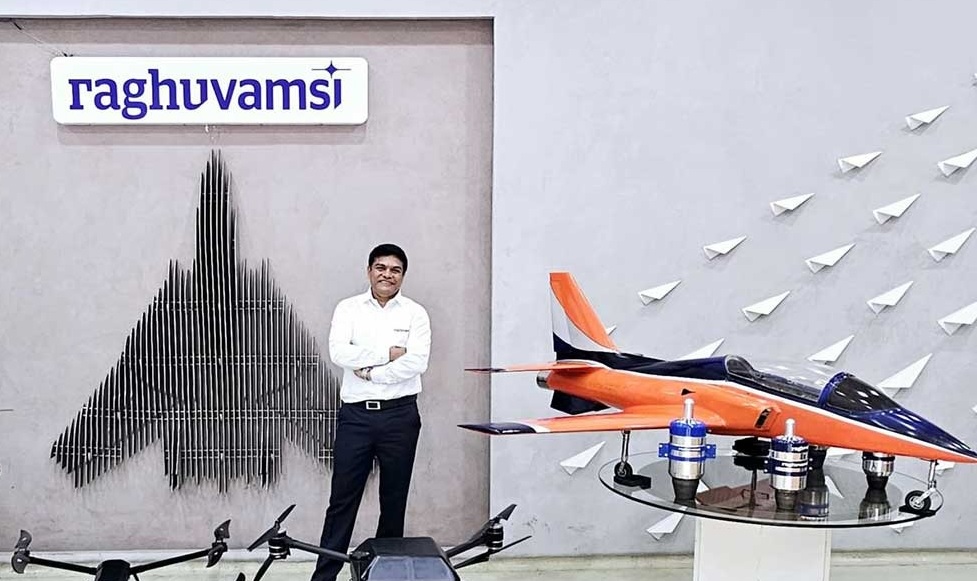
Raghu Vamsi Aerospace Unveils India’s First Jet-Powered Kamikaze Drone ‘Astra-100’ at Paris Air Show
India
In a proud moment for India’s aerospace and defence industry, Hyderabad-based Raghu Vamsi Aerospace Group made history by unveiling the country’s first jet-powered Kamikaze UAV (Unmanned Aerial Vehicle) at the prestigious 55th International Paris Air Show. The drone, named Astra-100, represents a major leap forward in India’s indigenous defence technology, showcasing the nation’s growing expertise in autonomous combat systems. What is the Astra-100? The Astra-100 is a fixed-wing, jet-powered drone developed under Raghu Vamsi’s deep-tech brand ARROBOT. It’s specially designed for autonomous kamikaze missions, where the UAV acts as a precision-guided, explosive-laden aircraft targeting high-value enemy assets such as radars, air defence systems, or command centers. What makes Astra-100 stand out is its fully indigenous design — from its flight control system and propulsion unit to telemetry and operational software. This reflects India’s growing ability to build sophisticated combat drones without relying on foreign technology. Astra-100 Specifications: Type: Jet-powered, fixed-wing Kamikaze UAV Range: 200 kilometers Top Speed: 450 km/h Role: Autonomous offensive missions (kamikaze strikes) Propulsion: Indigenous micro turbojet engine Status: Successfully test-flown earlier in 2025 Astra-100 completed its trial flights successfully earlier this year, achieving all mission parameters and proving its readiness for operational deployment. It marks a new chapter in India’s offensive UAV capabilities, moving beyond surveillance and reconnaissance drones to fully autonomous strike systems. India’s First Indigenous Micro Turbojet Engine Alongside the UAV, Raghu Vamsi also unveiled a fully indigenous 40 KGF micro turbojet engine, purpose-built for UAVs and cruise missiles. This engine is part of a new engine family featuring 14, 19, 25, and 40 KGF variants, all tested and validated at the company’s Hyderabad facility in the presence of DRDO officials. This achievement marks a major milestone for India in the field of propulsion technology, which has long been a challenging area for indigenous development. The 40 KGF engine will not only power drones like Astra-100 but can also be adapted for use in future cruise missiles and loitering munitions. Expanding Global Presence Raghu Vamsi Aerospace is also extending its global footprint. Recently, the company acquired WMT Precision LLC, a 40-year-old aerospace manufacturing firm based in Syracuse, USA, specializing in fuel nozzles for global aerospace leaders. Additionally, it bought PMC Group (UK), marking the company’s entry into the oil and gas component sector, especially high-performance nickel alloy parts. Building India’s Largest Aerospace Manufacturing Hub To support its expanding operations, Raghu Vamsi is developing a state-of-the-art 250,000 sq ft facility in Hardware Park, Hyderabad. Set to open by early 2026, the facility will house divisions for: High-precision machining for global OEMs Sub-assemblies for missile systems Final assembly for engines, UAVs, and unmanned ground vehicles This new facility is expected to generate over 1,000 skilled jobs, boosting India’s aerospace manufacturing ecosystem and contributing to the country’s Atmanirbhar Bharat (self-reliant India) mission in defence production. A Proud Milestone for India The unveiling of Astra-100 and the 40 KGF turbojet engine isn’t just a technological achievement — it’s a clear signal that India is rapidly progressing towards self-sufficiency in high-end defence systems. Raghu Vamsi Aerospace’s innovations position India as an emerging force in autonomous warfare and propulsion systems, and a serious contender on the global aerospace stage. This achievement at the Paris Air Show highlights India’s determination to lead through indigenous innovation, strategic international acquisitions, and a growing domestic manufacturing base — a future-ready combination for the nation’s aerospace ambitions.
Read More → Posted on 2025-06-19 11:45:43
India
In a significant development for India’s aerospace industry, Reliance Aerostructure Limited, a subsidiary of Anil Ambani-led Reliance Infrastructure, has partnered with French aviation giant Dassault Aviation to manufacture Falcon 2000 business jets in India. This marks the first time Dassault will produce its Falcon series outside France, putting India in an elite group of countries — including the United States, France, Canada, and Brazil — that manufacture business jets for global markets. The announcement was made during the Paris Air Show and lays the foundation for a full-fledged final assembly line at the Dassault Reliance Aerospace Limited (DRAL) facility in Nagpur, Maharashtra. The first 'Made in India' Falcon 2000 is expected to roll out by 2028, and will cater to both corporate and defense sectors, underlining its dual-purpose capability. The Falcon 2000 is a twin-engine, long-range business jet known for its performance, comfort, and reliability. With a range of approximately 3,350 nautical miles (6,200 km) and a cruising speed of Mach 0.80, it can carry up to 10 passengers in a luxuriously configured cabin. It’s widely used by corporate executives and also adapted by several air forces around the world for surveillance and liaison duties. Under the new agreement, DRAL will not only assemble complete Falcon 2000 aircraft but will also take over the production of major components like fuselage sections, wings, and nose assemblies. This will also include front fuselage work for other Dassault jets, such as the larger Falcon 6X and ultra-long-range Falcon 8X. Dassault plans to upgrade the Nagpur facility with modern tooling and infrastructure to support these advanced operations. This move is part of Dassault’s long-term vision to deepen its industrial base in India and reflects its strong commitment to the ‘Make in India’ and ‘Atmanirbhar Bharat’ (self-reliant India) initiatives. “This collaboration is a powerful expression of our commitment to Prime Minister Shri Narendra Modi’s vision of ‘Make in India for the World’,” said Anil D. Ambani. Eric Trappier, Chairman and CEO of Dassault Aviation, added that the partnership with Reliance marks a strategic expansion of DRAL’s role in the global Falcon program. DRAL, established in 2017 as a joint venture between Dassault and Reliance, has already delivered over 100 key sub-sections for Falcon 2000 jets from its Nagpur facility. The new assembly line will significantly scale up operations and is expected to generate hundreds of skilled jobs over the next decade, helping build India’s technical and manufacturing capabilities in the aviation sector. This announcement follows another major move by Reliance Defence, which recently signed a ₹10,000 crore deal with Germany’s Diehl Defence for local production of the Vulcano 155mm precision-guided artillery shell. These developments highlight Reliance Group’s growing involvement in India’s defense and aerospace manufacturing ecosystem, with an increasing focus on high-technology, export-oriented production. Together, the Dassault-Reliance Falcon jet project and the Diehl artillery program showcase India’s emerging role as a major hub for advanced defense and aerospace manufacturing, signaling a strong push toward self-reliance and international competitiveness.
Read More → Posted on 2025-06-18 14:54:49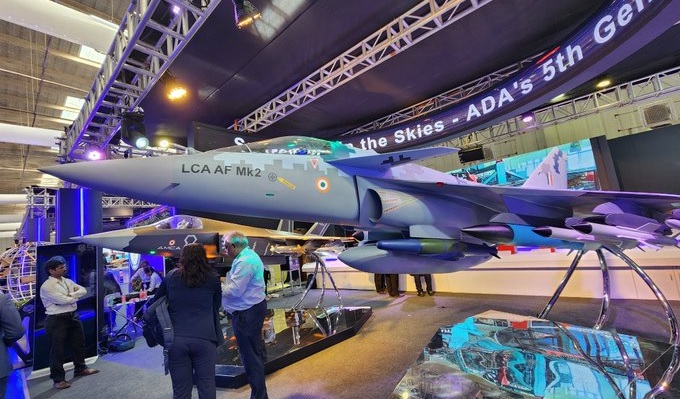
India
In a development that has both intrigued and frustrated Indian defense observers, a new report indicates that the structural assembly of the first prototype of the Tejas Mk2 fighter jet is currently underway at Hindustan Aeronautics Limited (HAL), with the rollout now slated for 2026. Although not yet officially verified by HAL or the Indian Air Force (IAF), this update — if accurate — marks yet another delay in India’s ambitious effort to field a next-generation fighter to replace its ageing fleet of Mirage-2000 and MiG-29 aircraft. The Dream of Tejas Mk2 The Tejas Mk2, also known as the Medium Weight Fighter (MWF), is a significant upgrade over the existing Tejas Mk1 and Mk1A variants. Designed with a more powerful GE F414 engine, larger frame, greater payload capacity (up to 6.5 tonnes), enhanced avionics, and stealth features like radar cross-section (RCS) reduction, the Mk2 is envisioned as a 4.5-generation multirole fighter to bridge the capability gap until the arrival of India’s fifth-generation Advanced Medium Combat Aircraft (AMCA). The fighter has been positioned as a crucial element in the IAF’s modernization plans, with at least 120 units anticipated to be ordered once development is complete. Timeline Slippage: What HAL Promised Back in 2021, HAL and the Aeronautical Development Agency (ADA) had publicly declared that the first Tejas Mk2 prototype would roll out by late 2022 or early 2023, with the first flight planned for 2023-end or early 2024. This timeline aligned with the urgency expressed by the IAF to induct new aircraft amid falling squadron numbers. However, in 2023, HAL revised its projection, stating that the rollout would occur in 2024, with the maiden flight expected by late 2024 or early 2025. This shift was attributed to COVID-era disruptions, supply chain issues, and design refinements based on evolving IAF requirements. Now, with the new report suggesting a 2026 rollout, the Tejas Mk2 has officially slipped by nearly 3 years from its original public development schedule. Reasons Behind the Delay While no official reason has been cited for this latest delay, multiple factors are likely at play: Complex Engineering Challenges: Tejas Mk2 represents a near-complete redesign, not a simple upgrade. Integrating new systems, the GE F414 engine, and enhanced aerodynamic surfaces has posed design challenges. Supply Chain Disruptions: Even as global supply chains are stabilizing post-COVID, delays in critical components — especially avionics and subsystems sourced from foreign suppliers — may be a factor. Budgetary and Bureaucratic Lag: While the Cabinet Committee on Security (CCS) approved ₹10,000+ crore in funding in 2022 for Tejas Mk2 development, disbursement and utilization processes within India’s defense ecosystem are notoriously slow. Workload at HAL: With HAL also deeply involved in the production of Tejas Mk1A, the LCH Prachand, HTT-40 trainers, and the AMCA project, resource allocation might be stretched. Implications for the Indian Air Force For the IAF, which is facing a worrying drop in operational fighter squadrons — currently hovering around 31 against a sanctioned strength of 42 — these delays carry strategic implications. The phasing out of Mirage-2000s, MiG-29s, and Jaguar aircraft in the coming decade means India is in urgent need of modern fighters. While the IAF will begin receiving the Tejas Mk1A from HAL starting 2024, and possibly Rafale M or other MRFA aircraft if a deal is signed, the Mk2 was supposed to be the core medium-class platform by the early 2030s. The delay now pushes this induction timeline closer to 2031–2032, assuming no further slippages. HAL’s Challenge: Rebuilding Trust The Tejas program has always struggled with timelines. While the Mk1 took nearly two decades to enter squadron service, Mk1A is already years behind initial estimates. HAL must now focus on avoiding further delays, delivering on promised milestones, and ensuring flight testing of the Mk2 begins soon after rollout — lest the program lose momentum or political backing. While delays in indigenous fighter programs are not uncommon — even in countries with established aerospace industries — the shifting timelines of the Tejas Mk2 underline the need for better project management, enhanced private sector involvement, and accountability mechanisms. If India truly seeks to become a self-reliant defense power, flagship projects like the Tejas Mk2 cannot afford indefinite postponements. The 2026 rollout, if it occurs on time, will be a significant milestone. But to truly fulfill its potential, the Tejas Mk2 must now move from PowerPoint promises to runway reality.
Read More → Posted on 2025-06-18 11:35:54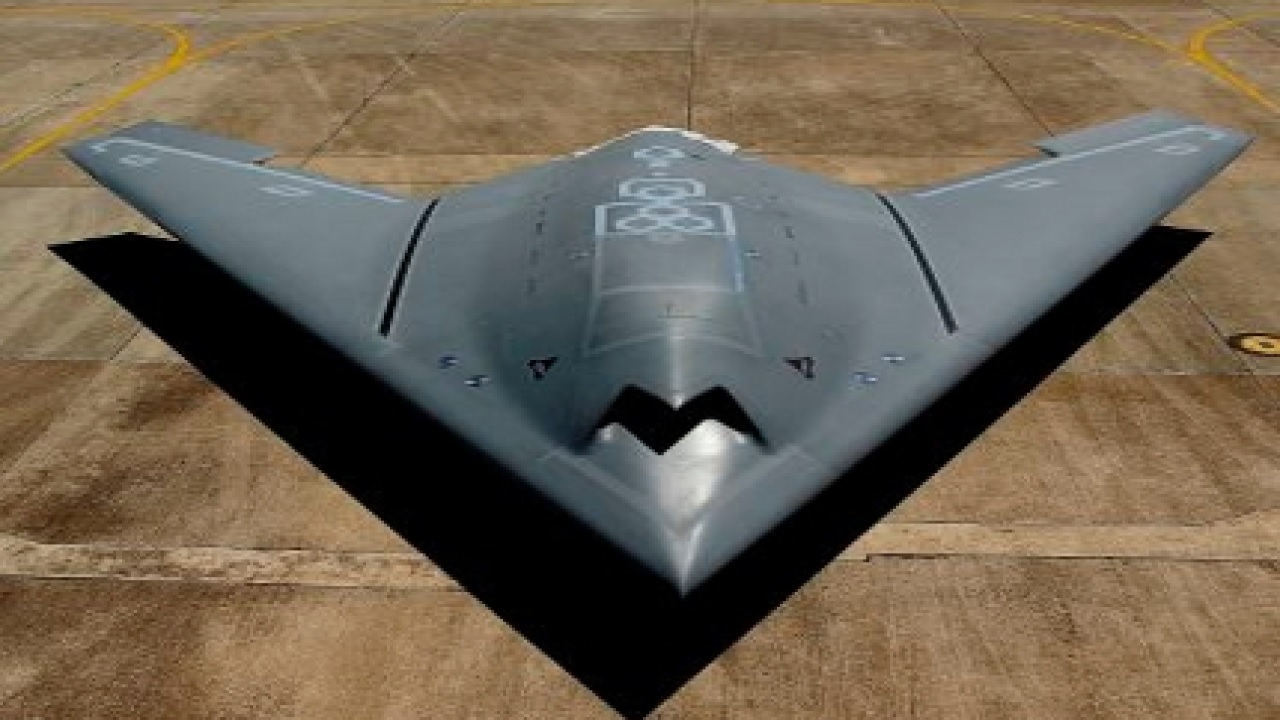
India
India’s ambitious stealth drone program is about to take a major leap. The Ghatak Unmanned Combat Aerial Vehicle (UCAV), originally designed as a deep-strike stealth bomber, is now set to evolve into a versatile multi-role combat drone. New details confirm that the Ghatak will not only strike enemy targets deep inside hostile territory but will also secure India’s skies by engaging enemy fighter jets. From Stealth Bomber to Air Superiority Drone Developed by India’s Defence Research and Development Organisation (DRDO) and its Aeronautical Development Establishment (ADE), the Ghatak is a stealthy, flying-wing aircraft weighing around 13 tonnes. Its shape and internal weapons bay are designed to avoid detection by enemy radars, allowing it to silently approach and destroy high-value targets. Until now, its primary role was to carry 1.5 tonnes of precision-guided bombs and missiles for long-range strike missions. However, the latest plans have added an exciting new capability — an air superiority variant that can engage enemy aircraft. This means Ghatak will not just be a bomber but also an airborne hunter, able to patrol Indian airspace and intercept hostile jets and drones. Air-to-Air Missiles for the Ghatak The upgraded version will be armed with air-to-air missiles like the Astra missile series, India’s indigenous beyond-visual-range missile. With these, the Ghatak will be able to perform Combat Air Patrol (CAP) missions, guarding Indian skies and swiftly responding to airborne threats. This marks a significant shift as it transforms the drone from a single-role strike platform into a multi-role unmanned fighter. Maintaining Balance with China and Pakistan This new capability comes at a critical time. Both China and Pakistan are actively acquiring or developing fifth-generation stealth fighters, like China’s J-20 Mighty Dragon and Pakistan’s plans to import or collaborate on advanced combat aircraft. India’s own fifth-generation fighter program, the Advanced Medium Combat Aircraft (AMCA), is still under development and expected to enter service only in the mid-2030s. In the meantime, the Ghatak UCAV’s air superiority variant will help bridge this capability gap. Its ability to conduct air defence and combat patrols alongside manned fighters will strengthen India’s airpower edge and act as a counterbalance to any fifth-generation aircraft introduced by neighbouring countries before India’s AMCA is ready. This makes the Ghatak not just a technological asset but a strategically vital platform for maintaining regional air superiority in the years ahead. Powered by the Indigenous Dry Kaveri Engine At the heart of the Ghatak’s stealth and endurance is the Dry Kaveri engine, a non-afterburning jet engine developed by DRDO’s Gas Turbine Research Establishment (GTRE). Optimized for fuel efficiency and a low heat signature, this engine is crucial for long-range, stealthy missions. It has successfully passed high-altitude tests, and Godrej Aerospace has been tasked with producing the first batch of these engines — a major step forward for India’s aero-engine self-reliance. A Key Part of India’s Future Air Combat Network The Indian Air Force (IAF) plans to induct 8 to 9 squadrons of Ghatak UCAVs once they’re ready. These drones will be equipped with Artificial Intelligence (AI) and Manned-Unmanned Teaming (MUM-T) capabilities. This means the Ghatak will work alongside manned fighter jets like the Su-30 MKI and the future AMCA, acting as a ‘loyal wingman’. In high-risk zones, the Ghatak can carry out missions that would otherwise put human pilots in danger. The Foundation: SWiFT Demonstrator Before the Ghatak, DRDO tested its technologies on a smaller demonstrator called SWiFT (Stealth Wing Flying Testbed) — a one-tonne drone that proved key systems like autonomous take-off, navigation, and landing. Its success paved the way for the full-scale Ghatak project. When Will Ghatak Fly? Although the program is awaiting final approval for about ₹5,000 crore to enter the flight testing phase, DRDO and ADE are already building an engineering model to test critical systems. If everything proceeds as planned, the first prototype should roll out by 2028, with the Indian Air Force expected to receive operational drones in the late 2030s. India’s Ghatak UCAV represents the future of autonomous warfare — not just a stealth bomber but soon an air superiority drone capable of defending Indian skies from enemy jets. Its advanced AI systems, indigenous missiles, and stealth capabilities will help balance the region’s aerial power dynamics, especially if China and Pakistan field fifth-generation fighters before India’s AMCA arrives. In that scenario, the Ghatak could prove to be a vital force multiplier and guardian of Indian airspace.
Read More → Posted on 2025-06-18 10:57:06
India
Pakistan is facing a deepening water crisis after a reported 17% drop in the Indus River water flow from India, significantly impacting agriculture in the country’s southern Sindh province. This development comes at a time when India is actively pursuing plans to fully utilize its share of water from the Indus River system, including the construction of a proposed 113-kilometer canal to redirect surplus water from Jammu and Kashmir to its own states of Punjab, Haryana, and Rajasthan. The sharp reduction in water flow was recently reported by Pakistan’s Indus River System Authority (IRSA). According to IRSA data from June 16, the Sindh province received just 1.33 lakh cusecs of water, compared to 1.6 lakh cusecs during the same period last year — a 16.87% drop. Punjab province also saw a smaller decline, with water supply falling to 1.26 lakh cusecs from 1.29 lakh cusecs, marking a 2.25% decrease. The reduction is severely disrupting irrigation for Kharif crops, a crucial monsoon-dependent planting season, as both river and reservoir levels remain critically low. The decline in water flow follows a significant diplomatic rift. In April, India suspended the Indus Waters Treaty (IWT) in the wake of a deadly terror attack in Pahalgam that claimed 26 lives. The treaty, which was signed in 1960 with the help of the World Bank, has been a cornerstone of water sharing between India and Pakistan for over six decades. It allows India to use the three eastern rivers (Ravi, Beas, and Sutlej) while Pakistan controls the western rivers (Indus, Jhelum, and Chenab). However, under certain conditions, India is also allowed limited use of the western rivers. India’s decision to suspend the treaty has not only affected the volume of water released to Pakistan but also halted the sharing of critical river flow data. This has created further concerns in Pakistan about flood preparedness, as upstream water releases can no longer be predicted. At the same time, India is conducting a feasibility study for a new inter-basin canal that will span 113 kilometers. The planned canal aims to divert surplus flows from the Indus system in Jammu and Kashmir to other Indian states, helping them meet agricultural and water management needs. If built, this canal will further reduce the flow of water that typically reaches Pakistan through the western rivers, tightening an already tense situation. Pakistan’s reservoirs are now under significant stress. Major water storage facilities like Mangla and Tarbela are approaching "dead storage" levels — the point at which water can no longer flow out by gravity and requires pumping to be accessed. This has not only endangered the current cropping season but also threatens the availability of drinking water in large parts of Punjab and Sindh, the heart of Pakistan's agriculture. Islamabad has formally protested India’s suspension of the treaty, arguing that unilateral action goes against international norms. However, New Delhi maintains that any future cooperation on the treaty will depend on Pakistan addressing India’s concerns over cross-border terrorism. With the monsoon still weeks away and temperatures rising, the situation could soon deteriorate further. Experts warn that unless rains arrive quickly and generously, the water shortage will likely have long-term consequences for food security, agricultural productivity, and rural livelihoods across Pakistan.
Read More → Posted on 2025-06-17 16:40:16
India
In an unexpected move, Pakistan recently deleted a tweet on X (formerly Twitter) that had claimed several major diplomatic and defense achievements. Among the highlights of this post were assertions that China had offered Islamabad 40 J-35 fifth-generation stealth fighters, KJ-500 AWACS aircraft, and HQ-19 long-range missile defense systems. The tweet also spoke of generous Chinese debt deferment, major AI and IT training partnerships, and a multibillion-dollar defense deal with Azerbaijan involving Pakistani JF-17 fighters. Yet, what stood out — and raised red flags — was the mention of China offering the HQ-19, one of Beijing’s most advanced missile defense systems. The deletion of this tweet reflects a deeper, complex reality: China never confirmed the sale of the HQ-19 to Pakistan, and perhaps, it never intended to. Operation Sindoor and the HQ-9 Debacle At the heart of the issue is the recent and damaging Operation Sindoor, carried out by India in May 2025. During this series of precision strikes, Indian forces reportedly used advanced drones and missiles to decimate key Pakistani air defense assets, including the Chinese-origin HQ-9 systems deployed around critical sites. Satellite imagery and battlefield reports indicated that the HQ-9 batteries were either destroyed or rendered inoperative within the first wave of attacks. The ease with which Indian technology bypassed or overwhelmed these defenses sent shockwaves through military circles — not just in Pakistan, but in Beijing as well. For China, which aggressively markets its weapons as cost-effective alternatives to Western arms, this incident was a PR disaster. The HQ-9, often compared (at least in Chinese promotional material) to systems like the U.S. Patriot or Russian S-300, had failed to stop modern threats in combat. This tarnished its image, leading to doubts in international markets about the credibility of Chinese air defense solutions. The HQ-19: A Risk Too Great? Unlike the HQ-9, the HQ-19 is a much more advanced system — in theory capable of intercepting ballistic missiles and hypersonic weapons. It is a part of China’s strategic shield against top-tier threats. But after the HQ-9’s performance was exposed during Operation Sindoor, Chinese defense planners grew wary of exporting their crown jewels like the HQ-19, especially to Pakistan. The primary fear is straightforward: if China supplies the HQ-19 to Pakistan and another India-Pakistan conflict erupts, Indian missile forces — continually modernizing and refining their tactics — might again neutralize these Chinese systems. A second, even more public failure of China’s most advanced air defense in combat would severely undermine China’s standing in the global arms market. Already, many defense analysts have pointed out that China’s high-end weapons, including the HQ series, remain largely untested in real, high-intensity conflicts. A battlefield humiliation could validate critics who argue that Chinese military technology looks impressive on paper but falters under real-world conditions. China’s Strategic Calculations Beijing’s caution is not just about protecting sales. The HQ-19 is central to China’s own layered air defense network. Sharing it with another nation — even an ally like Pakistan — risks leaks of sensitive technology and operational doctrine. And should the system be destroyed or compromised in battle, it could provide adversaries, including India or even the United States, with valuable intelligence on China’s capabilities and weaknesses. Additionally, China is highly conscious of the impact on its defense diplomacy. Beijing is actively seeking new clients in Africa, the Middle East, and Latin America. It is pitching systems like the HQ-9, FD-2000, and future variants to countries looking for affordable alternatives to U.S. and European technology. Any battlefield debacle would not only dent sales but also the perception of China as an emerging military superpower. Pakistan’s Overreach — And The Backpedal Pakistan, facing mounting pressure both economically and militarily, is eager to showcase defense upgrades and Chinese support. The now-deleted tweet appears to have been an attempt to signal strength, reassure domestic audiences, and perhaps even pressure Beijing into accelerating offers of advanced equipment. However, the premature claim about the HQ-19 crossed a line. It exposed the gap between what Islamabad wants and what Beijing is willing to provide. Once the misrepresentation became apparent, and possibly after Chinese officials expressed their displeasure behind closed doors, Pakistan deleted the post to avoid further embarrassment. The Wider Implications Operation Sindoor has ignited broader debates in defense circles. How resilient are Chinese systems against the latest generation of precision-guided weapons and electronic warfare? Are countries buying Chinese arms getting a good deal, or are they investing in unproven technology? China’s reluctance to part with the HQ-19 underscores a deeper truth: Beijing is still grappling with how to balance arms sales, technology security, and reputation management in an era of increasingly transparent and high-stakes warfare. For Pakistan, the episode highlights its growing strategic isolation. Its dependence on Chinese military technology comes with strings — and no guarantees that the most sought-after systems will ever arrive. The deletion of Pakistan’s boastful tweet was not just damage control — it was a tacit admission of the limits of its defense diplomacy. It also spotlighted China’s emerging nervousness about exposing its untested weapons to the crucible of real combat, where reputations are made — or broken — in seconds. As India continues to refine its strike capabilities, the pressure on Chinese arms makers to prove their systems in battle will only grow, and so too will their caution in arming volatile regions.
Read More → Posted on 2025-06-17 16:19:07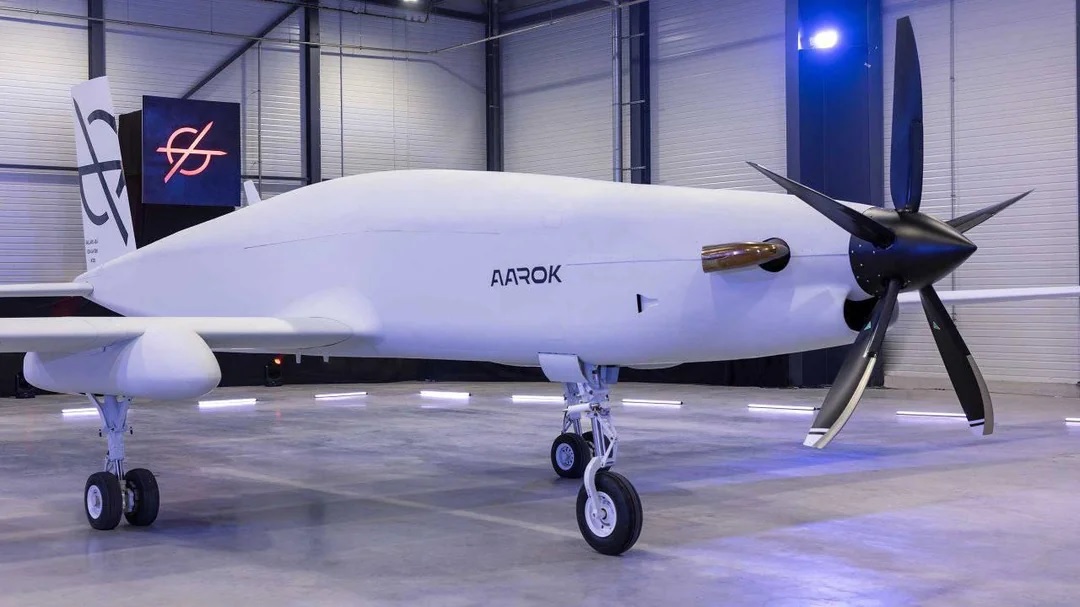
India
In a strategic move to strengthen India's unmanned aerial capabilities, Bharat Forge Ltd, a key player in India's defence and aerospace sector, announced on Tuesday that it has signed a Memorandum of Understanding (MoU) with France-based Turgis & Gaillard. The collaboration aims to jointly offer the advanced AAROK Medium Altitude Long Endurance (MALE) Unmanned Aerial Vehicle (UAV) to the Indian Ministry of Defence, positioning the platform as a potent solution for India’s evolving military requirements. AAROK: A Modern MALE UAV for Multi-Domain Operations The AAROK UAV is classified as a MALE drone, designed for operations at altitudes ranging between 10,000 and 30,000 feet. It boasts an impressive endurance exceeding 24 hours, with variants capable of reaching up to 48 hours, enabling extended missions over vast areas. Such capabilities make it well-suited for persistent intelligence, surveillance, and reconnaissance (ISR) missions. Key specifications and features of AAROK include: Flight endurance: 24-48 hours Operational altitude: 10,000 - 30,000 feet Payload capacity: Over 1.5 tonnes, allowing integration of surveillance systems, communication relays, and a variety of weaponry Sensors: Equipped with advanced electromagnetic sensors, synthetic aperture radar, and electro-optical/infrared (EO/IR) systems Weapons: Capable of carrying precision-guided munitions to strike deep behind enemy lines, disrupting air defences and key assets Networked operations: Seamless integration with command-and-control infrastructure and other military platforms for real-time data sharing Bharat Forge noted that the AAROK is designed to perform long-range surveillance while staying at a safe distance from enemy air defences, enhancing survivability and mission effectiveness. Indigenous Production for Sovereignty As part of the agreement, Bharat Forge will establish a domestic production line for the AAROK UAV. The Pune-headquartered company emphasized that this move aligns with India’s goal of achieving defence autonomy. “These production capabilities will help meet the significant needs of the Indian armed forces with local production and ensure complete sovereignty on maintenance and overhaul operations,” the company stated. The local manufacturing of AAROK will also contribute to India’s Make in India and Atmanirbhar Bharat initiatives, reducing dependency on foreign suppliers and building a sustainable ecosystem for UAV production, maintenance, and upgrades. Strategic and Tactical Roles The AAROK UAV promises to be a critical asset for a range of operations: ISR and target acquisition: Continuous monitoring of enemy movements and installations over land and sea Combat support: Delivery of precision strikes on enemy assets, suppression of air defences, and support for joint operations Maritime surveillance: Enhanced maritime domain awareness by monitoring coastal and territorial waters, detecting unauthorized vessels, and supporting anti-piracy missions Its integration with other military systems ensures that AAROK can contribute to network-centric warfare, providing commanders with crucial tactical information in real time. Context: India’s Expanding UAV Fleet India’s current inventory of MALE UAVs includes primarily Israeli-origin Heron drones, which have served reliably for surveillance missions. The armed forces have also placed orders for the MQ-9B SeaGuardian UAVs from General Atomics, while indigenous efforts continue with the TAPAS (Rustom II) UAV program under DRDO. The addition of AAROK — with domestic production — promises to further diversify and strengthen India’s UAV portfolio. Bharat Forge: A Trusted Global Partner Beyond its collaboration with Turgis & Gaillard, Bharat Forge operates manufacturing facilities across five countries, with expertise spanning design, engineering, manufacturing, testing, and validation. Its diversified portfolio serves not just defence and aerospace, but also automotive, energy, oil and gas, marine, mining, and rail sectors. This MoU marks Bharat Forge’s latest step in becoming a key contributor to India’s high-tech defence manufacturing sector, with a focus on cutting-edge platforms that can support India’s security needs across land, sea, and air.
Read More → Posted on 2025-06-17 15:11:30
India
The Indian Coast Guard (ICG) has taken another important step in modernizing its maritime fleet with the launch of its new advanced Fast Patrol Vessel (FPV), named ICGS Achal. The vessel was launched on June 16, 2025, at Goa Shipyard Ltd (GSL), marking a significant boost to India’s coastal security operations. This vessel is the fifth in a series of eight FPVs currently being built for the Coast Guard. It reflects the Indian government's ongoing efforts to enhance maritime security and strengthen India’s presence in the Indian Ocean Region. ICGS Achal has been constructed at a cost of ₹473 crore. It measures 52 metres in length, 8 metres in width, and has a displacement of 320 tonnes. The ship is powered by a controllable pitch propeller (CPP)-based propulsion system, enabling it to reach speeds of up to 27 knots (about 50 km/h). This makes it ideal for quick-response operations like search and rescue, anti-smuggling, anti-poaching, and coastal patrol duties. The launch ceremony was attended by Kavita Harbola, wife of Additional Director General Anil Kumar Harbola, who is the Coast Guard Commander for the Western Seaboard. The event further strengthened the long-standing partnership between the Indian Coast Guard and Goa Shipyard Ltd. Built under strict safety and quality standards, ICGS Achal has been designed and constructed according to dual-class certification requirements of the American Bureau of Shipping (ABS) and the Indian Register of Shipping (IRS). Notably, over 60% of the vessel’s components and systems are indigenous, showcasing India’s growing capability in defence production under the ‘Aatmanirbhar Bharat’ (Self-Reliant India) initiative. The vessel will play a crucial role in protection, monitoring, control, and surveillance in India’s maritime zones, especially around offshore assets and island territories. This is vital given the increasing security challenges in the region, including threats from smuggling, illegal fishing, and potential maritime intrusions. Apart from strengthening the Coast Guard fleet, the project has also generated significant employment opportunities and benefitted numerous micro, small, and medium enterprises (MSMEs) across India. These businesses have contributed to the manufacturing of components, systems integration, and ship fabrication, thereby boosting India’s defence production ecosystem. Earlier this month, as part of its expansion and infrastructure improvement, the Indian Coast Guard also inaugurated a new dedicated jetty at Vizhinjam Harbour, Kerala, to support faster deployment of patrol vessels for various operations. The addition of ICGS Achal to the Indian Coast Guard fleet marks a significant stride in India’s maritime security strategy. It enhances operational readiness, improves coastal surveillance capabilities, and reinforces the nation’s commitment to building a strong, self-reliant defence sector.
Read More → Posted on 2025-06-17 14:35:03Search
Top Trending in 24 Hours
-
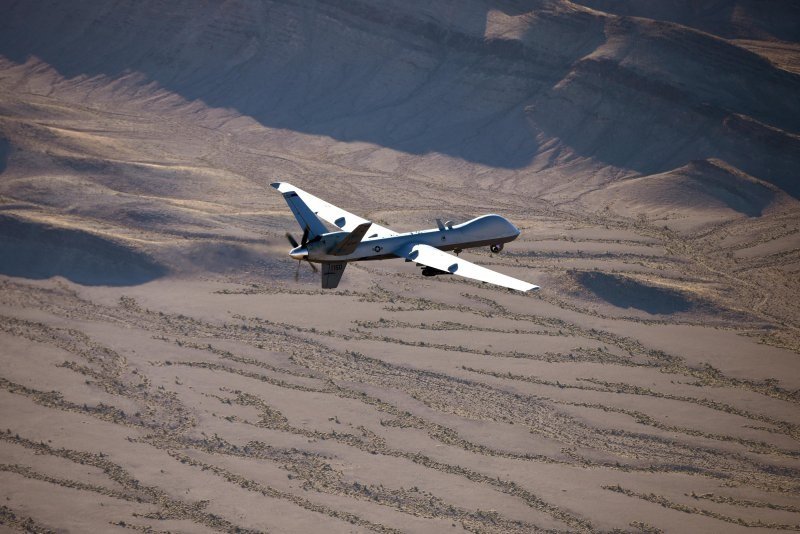 Iran’s IRGC Claims It Shot Down 53rd U.S. MQ-9 Reaper Over Qeshm Island
-
 Thales Launches HexaForce AI-Enhanced Command and Control System for Multi-Domain Operations
-
 China Privately Urges Iran to Restrain Houthis After Saudi Appeal
-
 Former Italian Navy Carrier Enters Indonesian Waters to Join Indonesian Navy as Indonesia’s First Aircraft Carrier
-
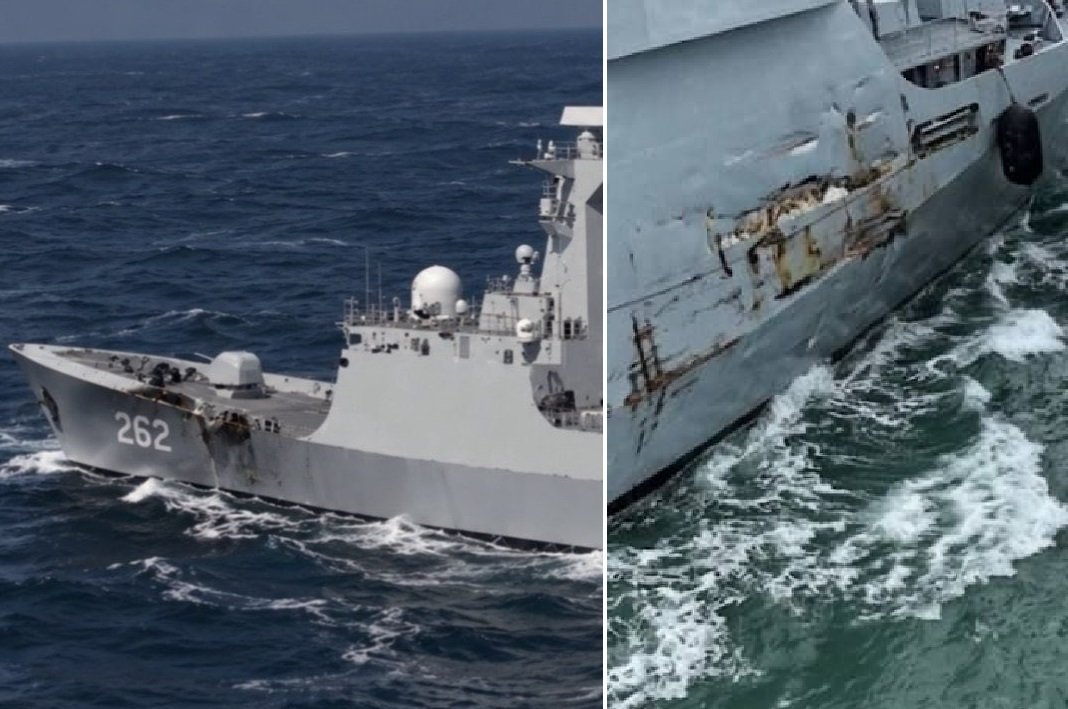 Pakistani Navy’s PNS Hunain Damaged After Collision With Indian Navy Warship in North Arabian Sea
-
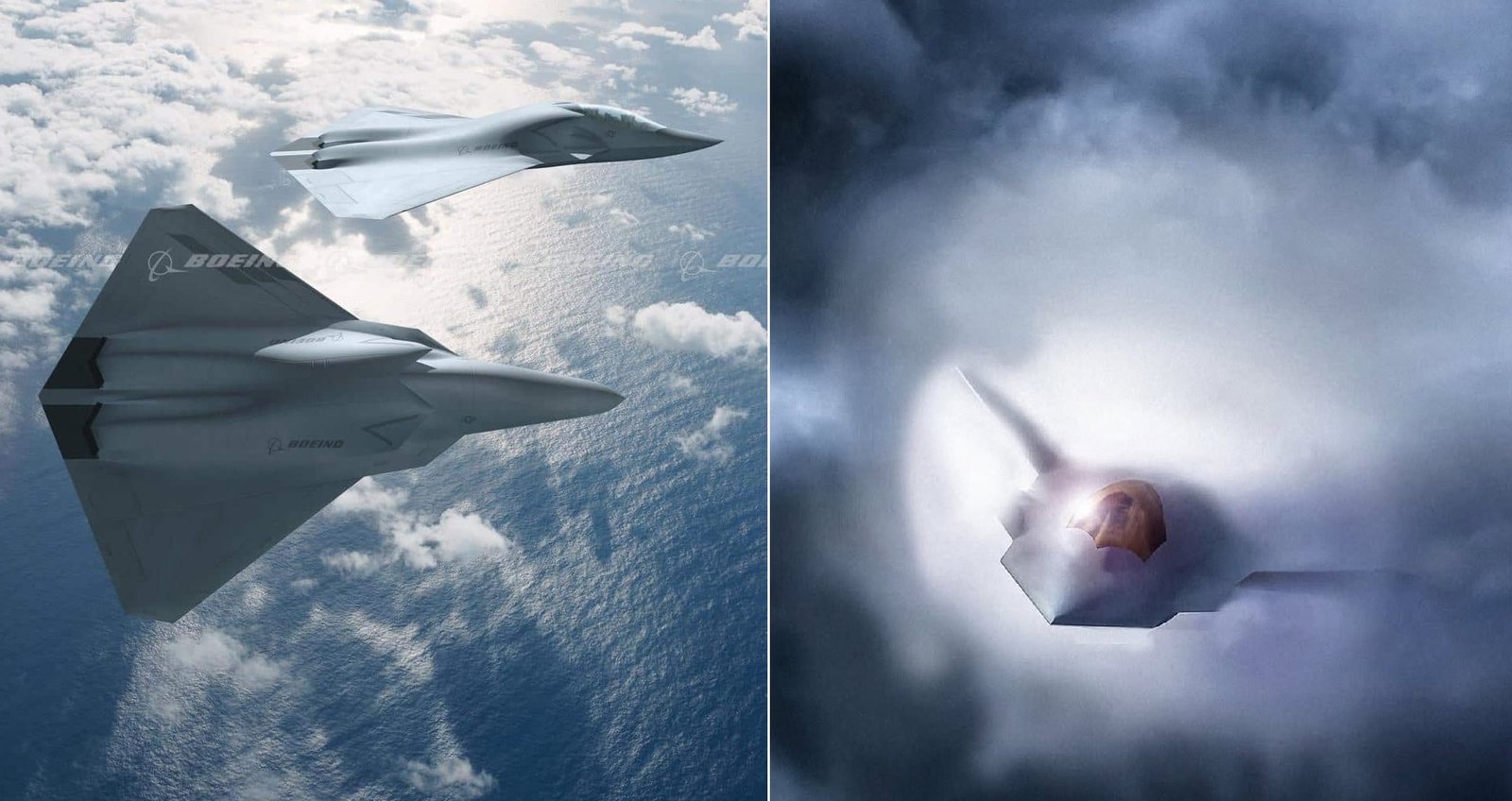 Pentagon Raises Concerns Over Defense Industry Capacity for F-47 and F/A-XX Sixth-Generation Fighter Programs at the Same Time
-
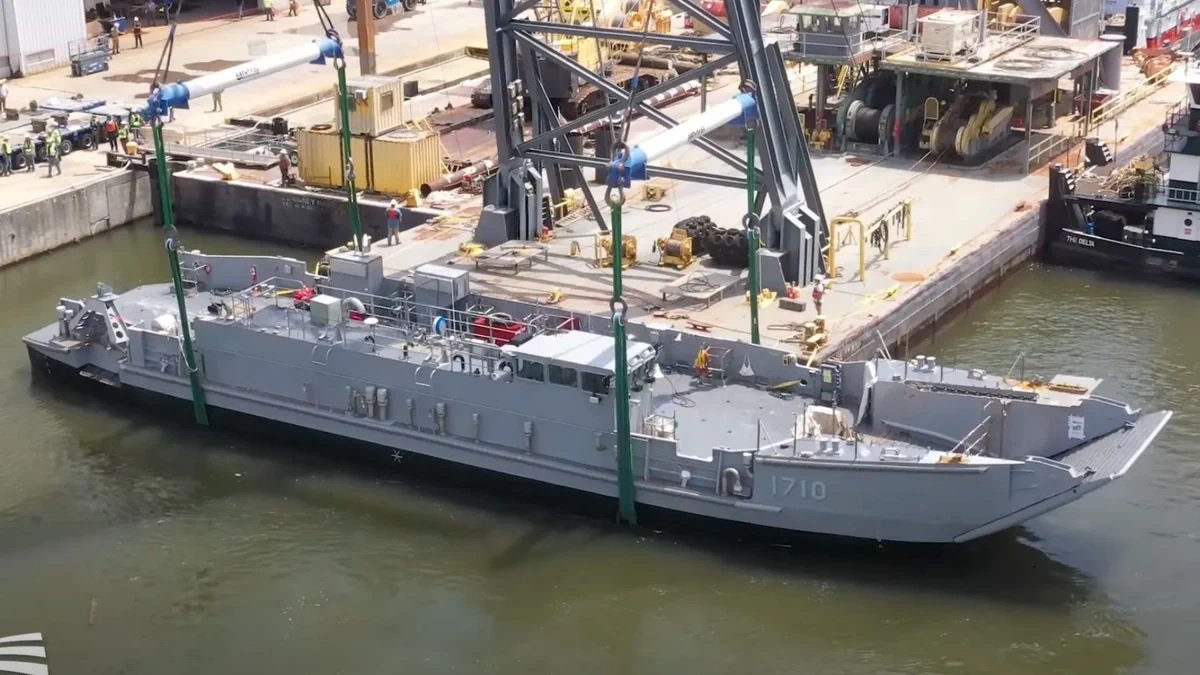 U.S. Navy Awards $280.5 Million in Prototype Agreements to Three Shipyards for LCU 1700 Landing Craft
-
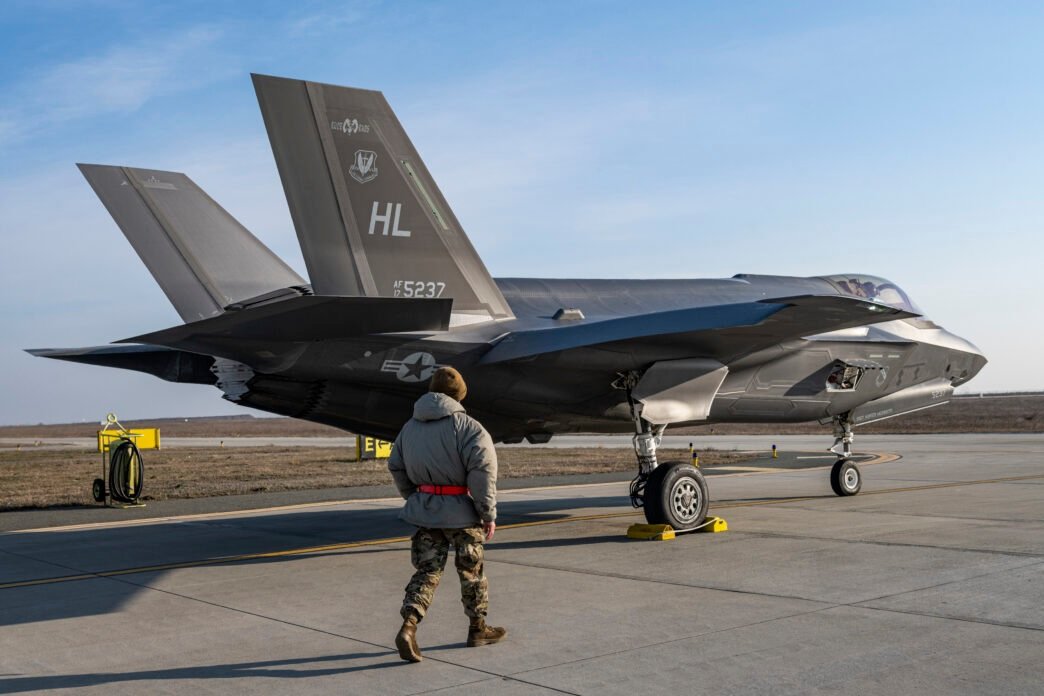 U.S. Intelligence Warns Proposed F-35 Sale to Saudi Arabia Could Expose Technology to China
Top Trending in 4 Days
-
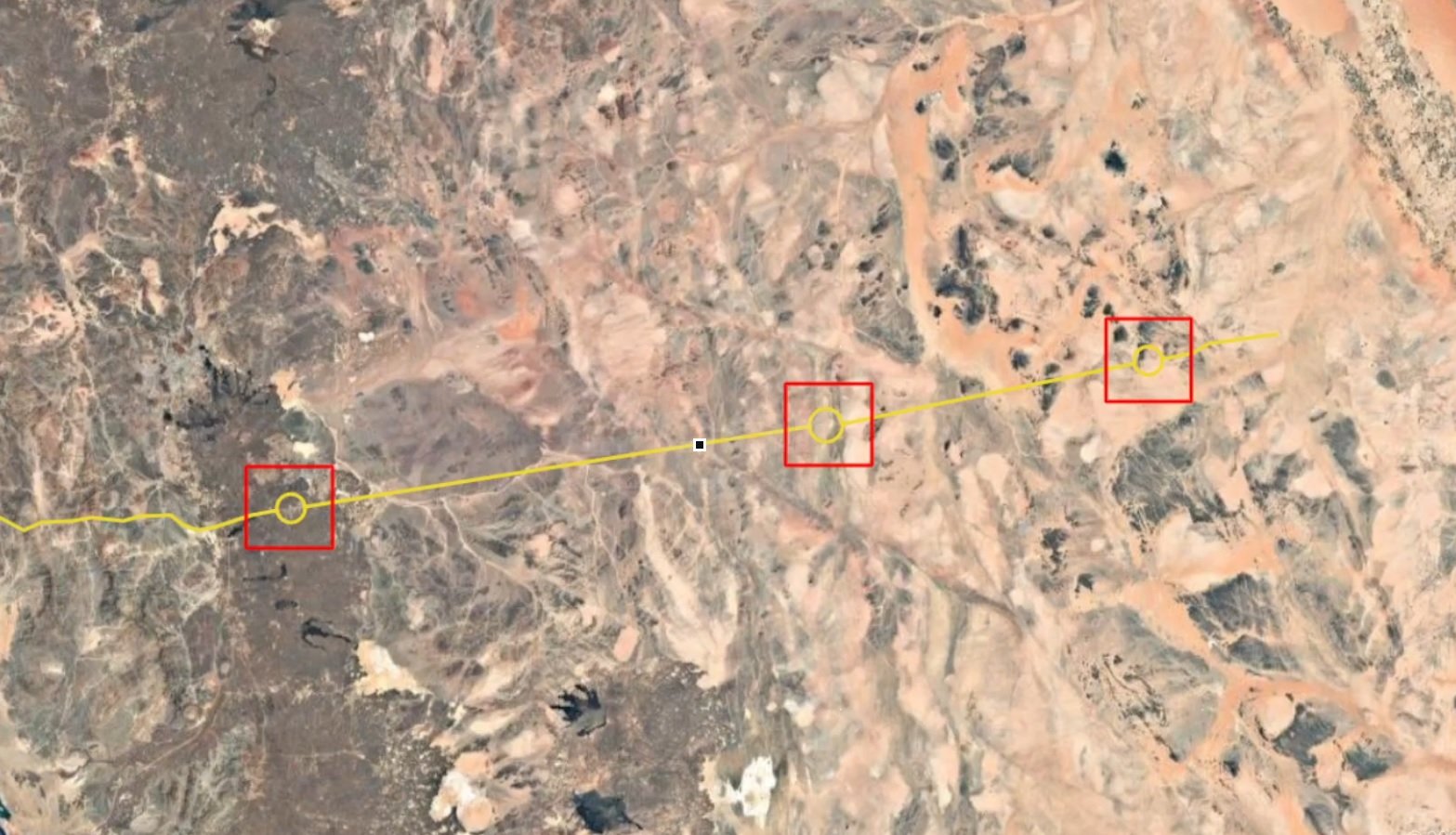 Satellite Imagery Shows Extensive Damage to Saudi Arabia’s East-West Oil Pipeline, Indicating More Than a Single Strike
-
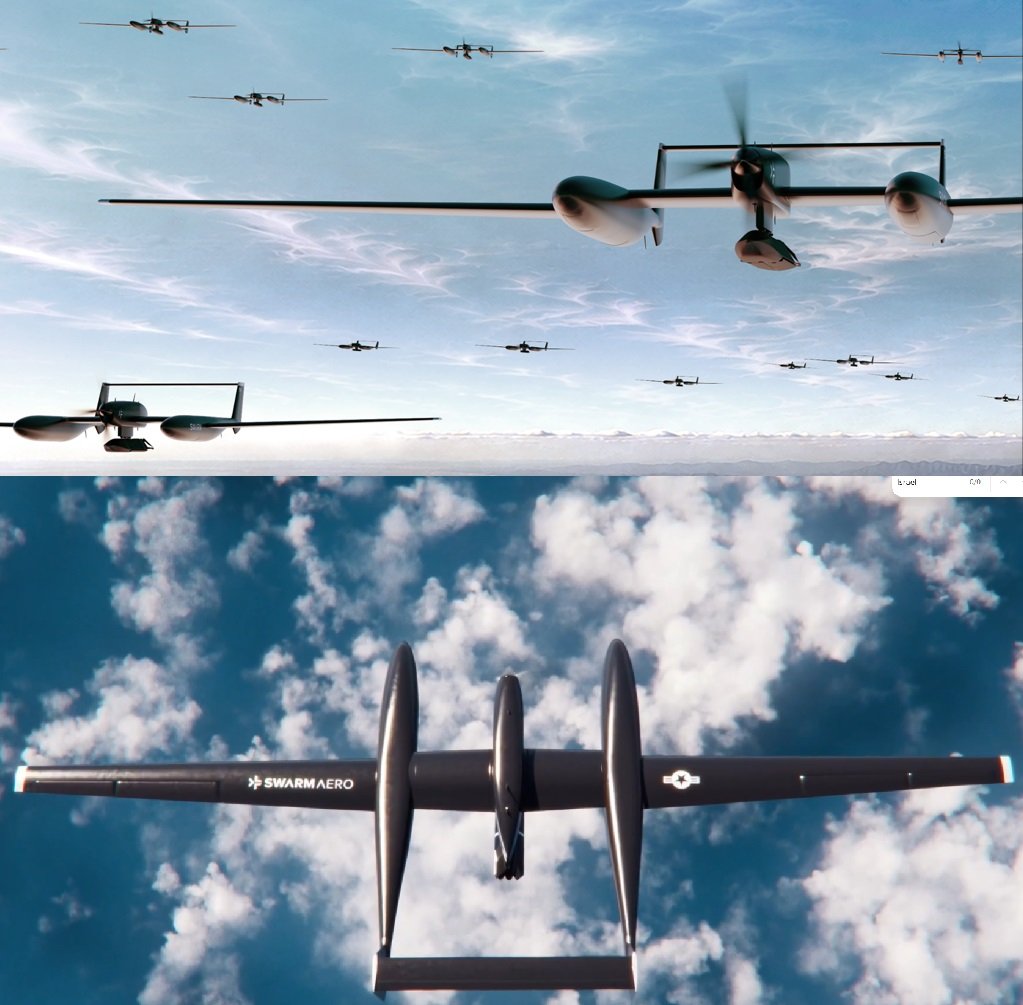 U.S. Firm Swarm Aero Unveils Gamera Group 5 UAS With 9,000-Nautical-Mile Range and Heavy Strike Payload
-
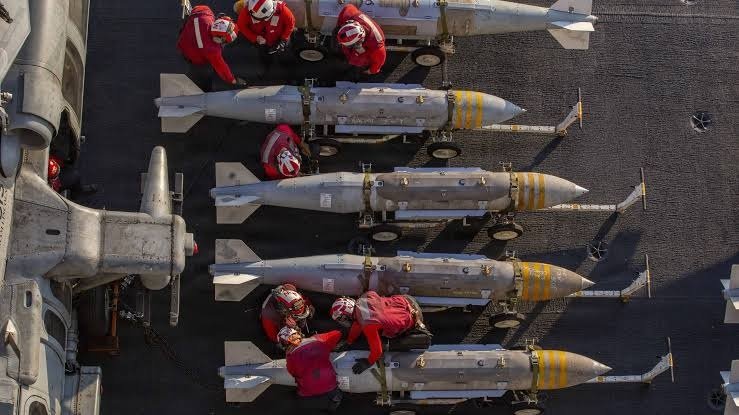 Pentagon Inspector General Report Finds Iran War Caused U.S. Ammunition Shortfalls and Industrial Bottlenecks
-
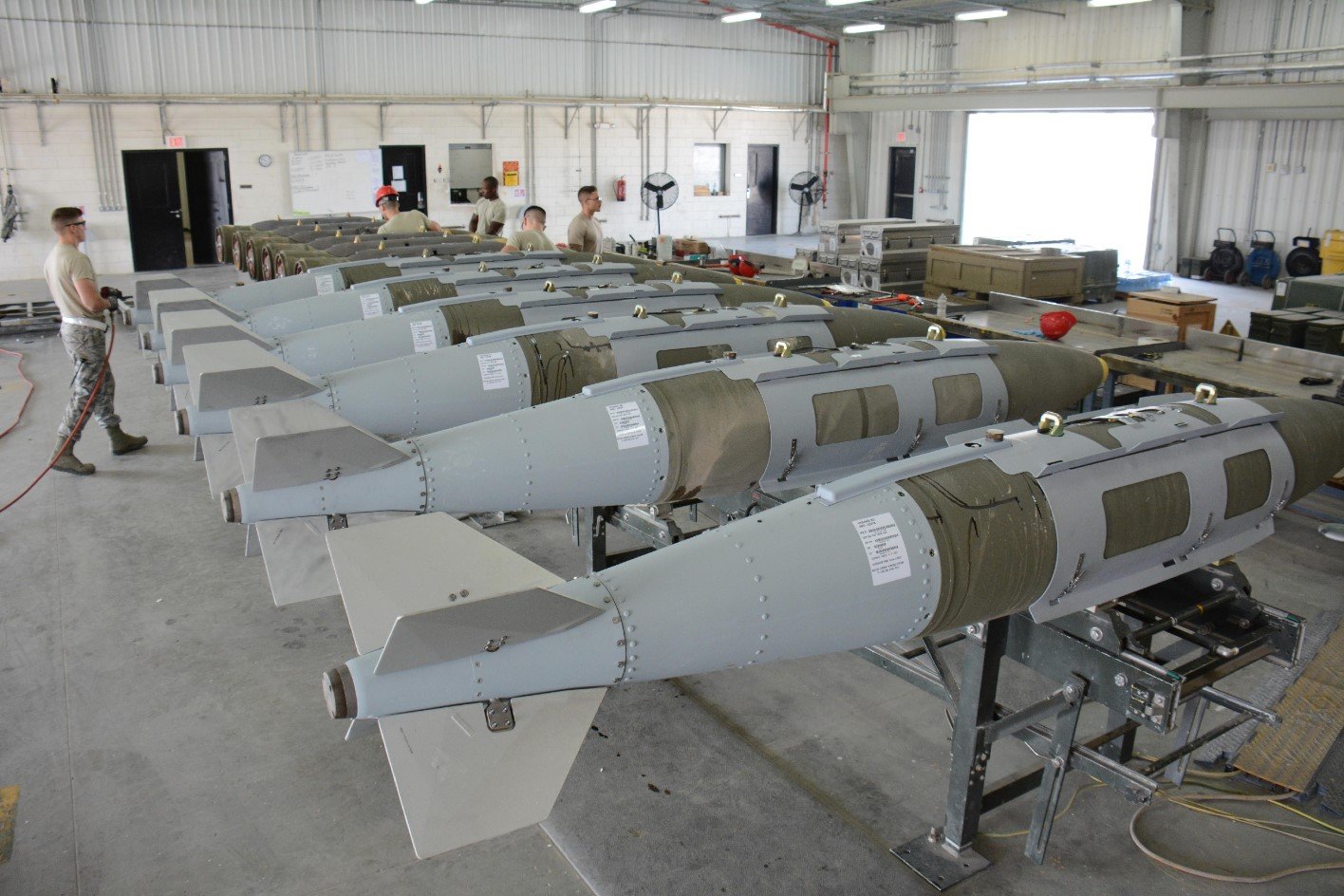 U.S. Plans $2.8 Billion Sale of 40,000 Heavy Bombs and 20,000 I-2000 Penetrator Warheads to Israel
-
 Pentagon and Honeywell Complete Four-Hour Pacific Flight Using Quantum Magnetic Navigation Without GPS
-
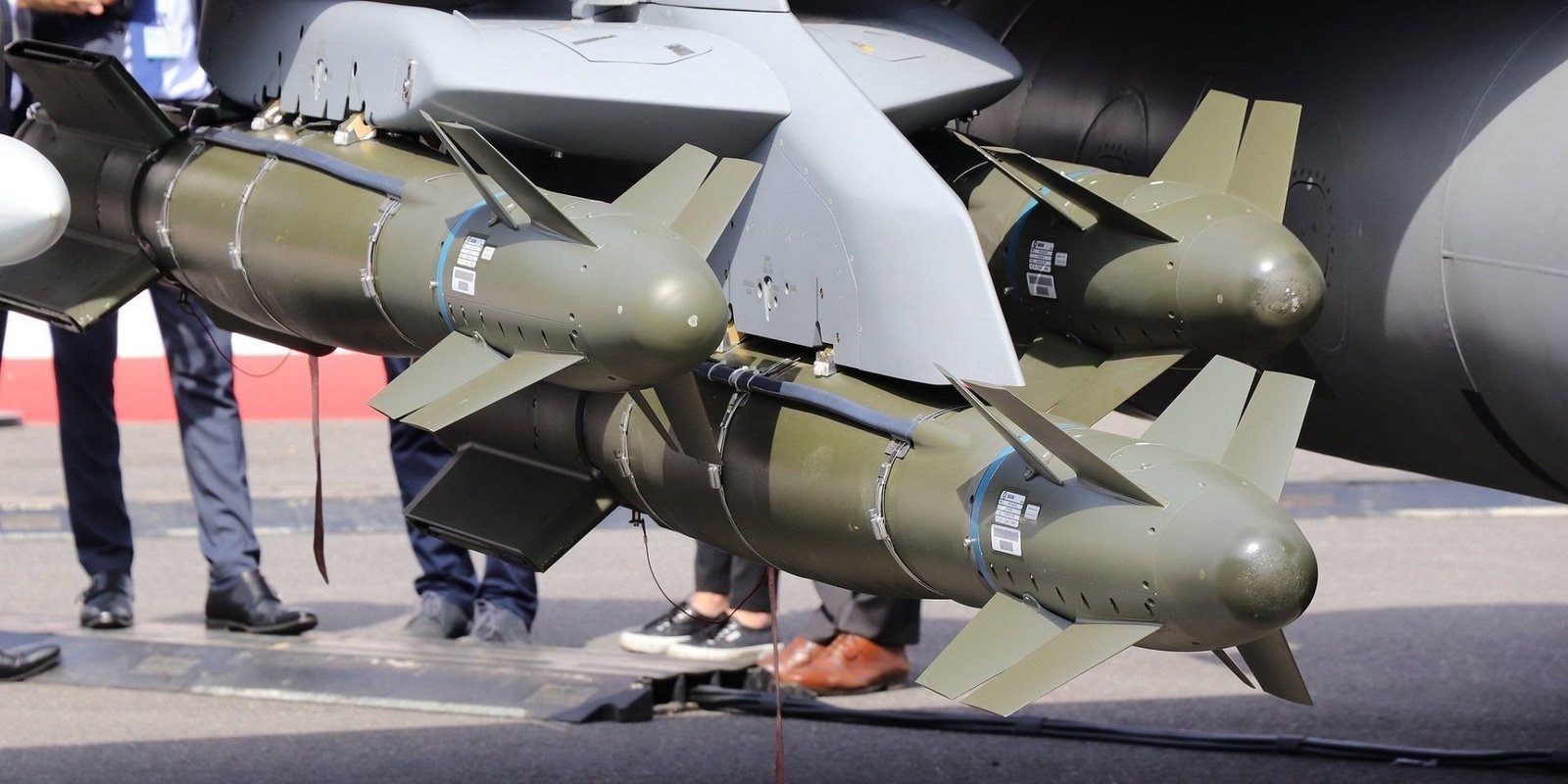 Swedish Gripens Bound for Ukraine to Be Armed with French Rocket-Assisted Hammer Precision Bombs
-
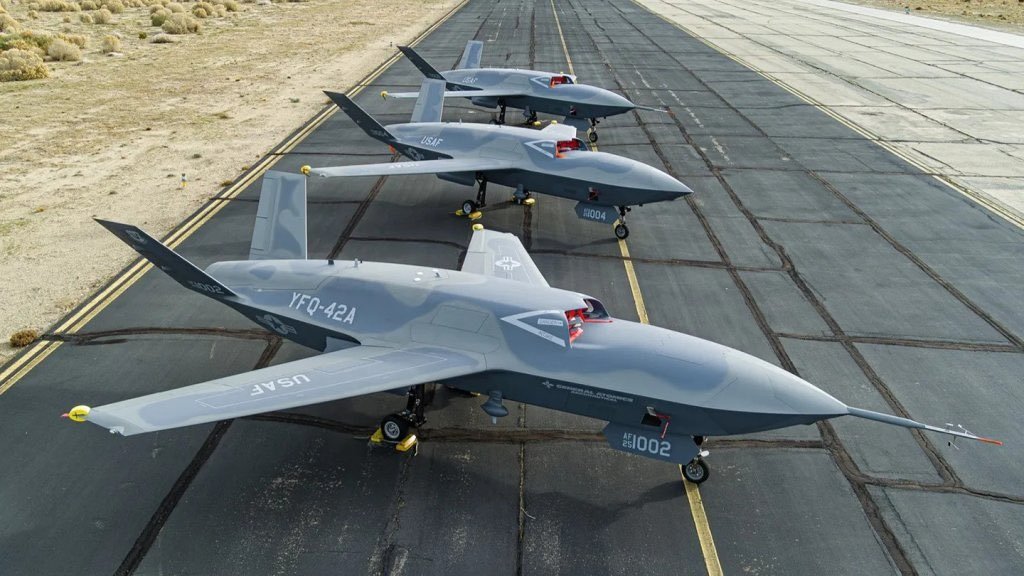 U.S. Air Force Officially Names First Collaborative Combat Aircraft FQ-42 Vengeance and FQ-44 Fury, Targets 500 by 2032
-
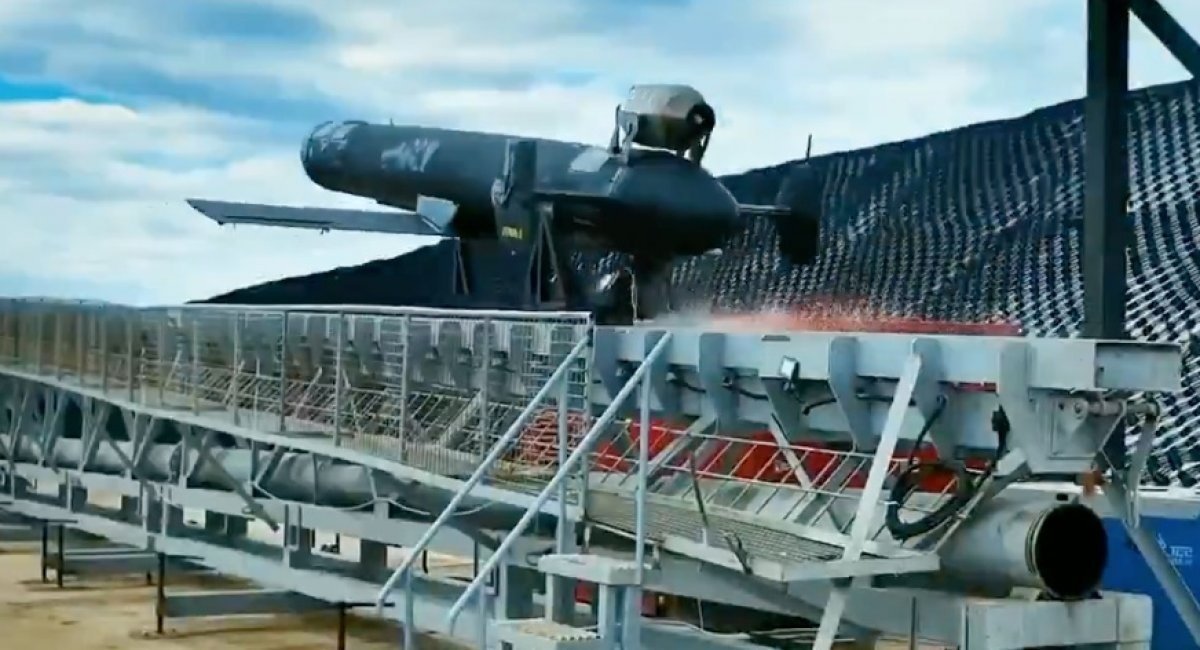 Russia Ramps Up Production of Jet-Powered Geran-5 Drones and Banderol Missiles, With Low Cost of Around $100,000 Per Unit