India
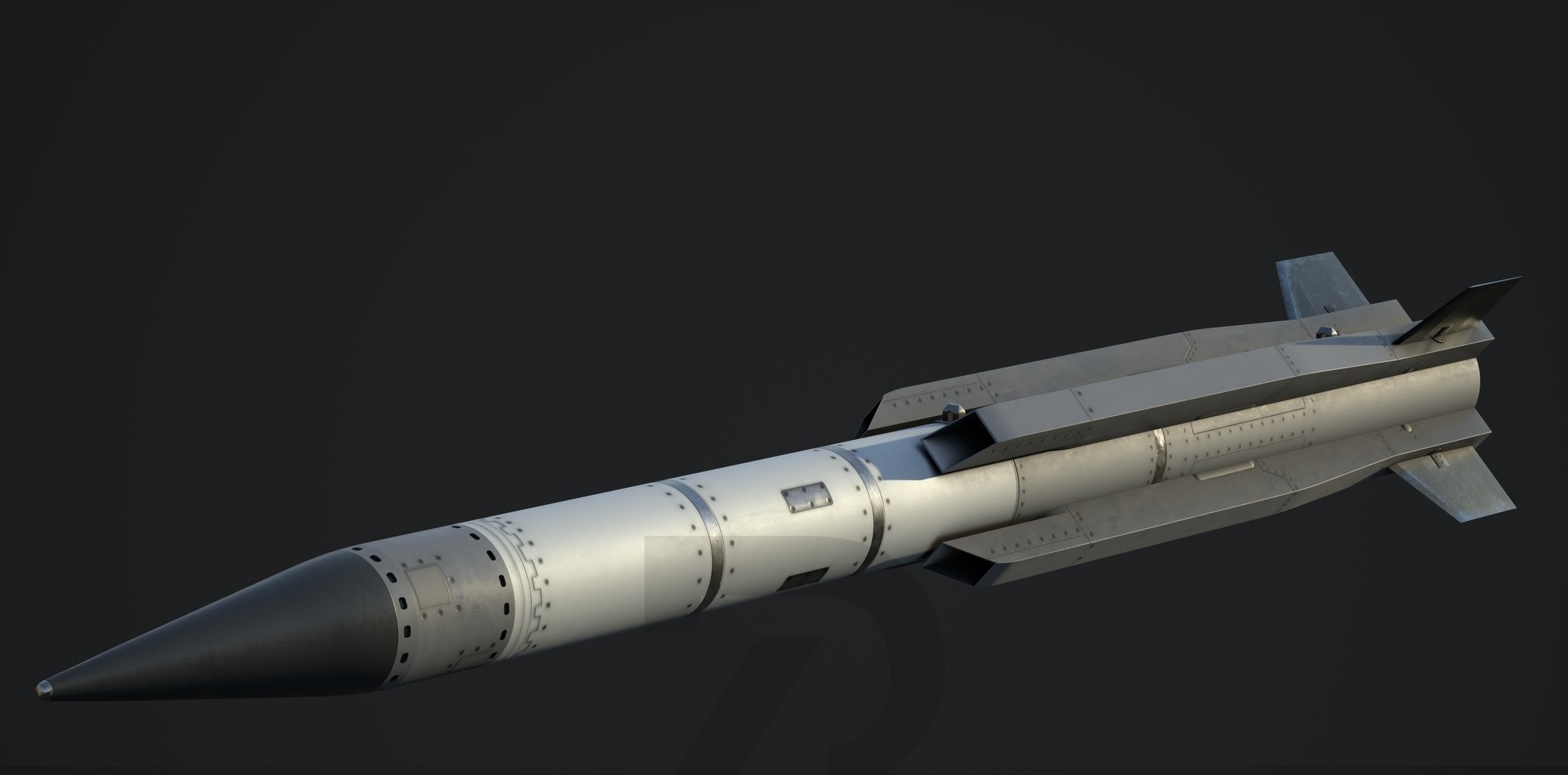
The ability to realistically simulate incoming aerial threats is essential for any modern military force. Such systems help in testing air defence weapons, radar systems, and training personnel to respond effectively during high-pressure combat scenarios. In a significant stride towards enhancing this capability, India’s Defence Research and Development Organisation (DRDO) has made remarkable progress with its indigenous STAR Missile project. The STAR, which stands for Supersonic TARget, is a special-purpose missile designed to mimic the flight behaviour of fast and agile enemy missiles. It can simulate threats emerging from the air, sea, or land, making it an invaluable tool for air defence exercises and operational readiness training. Reaching a Critical Development Stage The STAR Missile has now entered its third and most crucial phase of development — full-system integration trials. In this stage, engineers combine all the missile’s key subsystems into a complete prototype. These include: High-speed propulsion systems Advanced guidance and control systems Onboard avionics and telemetry units Sophisticated navigation systems Once integrated, the missile is put through extensive validation trials, where it undergoes real flight tests in combat-like conditions. These tests assess the missile’s accuracy, manoeuvrability, and reliability against simulated threats. Simulating High-Speed Enemy Threats With an impressive maximum speed of Mach 2.5 — over two and a half times the speed of sound — the STAR Missile is capable of mimicking the flight characteristics of modern anti-ship cruise missiles, standoff weapons, and other supersonic threats. It can perform sharp turns, rapid altitude changes, and complex flight patterns — all essential behaviours to challenge and train India’s air defence systems. This feature enables operators to practise intercepting highly dynamic and agile targets, improving their readiness to handle real high-speed threats in wartime scenarios. Key Features of the STAR Missile One of the STAR Missile’s standout features is its entirely indigenous development. Unlike systems such as the BrahMos missile, which involves joint technologies from abroad, STAR has been developed solely by Indian engineers and defence scientists. This move strengthens India’s push towards self-reliance in advanced defence technology and reduces dependency on costly imported equipment. The missile’s modular design further enhances its flexibility. This allows it to be reconfigured quickly for different types of target simulation missions, whether over land, coastal areas, or open seas. As a result, STAR will serve the operational training needs of all three Indian armed forces: the Army, Navy, and Air Force. Technical Specifications Here’s a brief overview of the STAR Missile’s performance parameters: Maximum Speed: Mach 1.8 to 2.5 Altitude Range: 100 meters to 10 kilometers Operational Range: 55 to 175 kilometers Flight Time: 50 to 200 seconds These specifications ensure that the missile can accurately replicate a wide variety of enemy missile profiles, providing realistic training opportunities under diverse operational conditions. Strengthening India’s Defence Readiness The progress of the STAR Missile marks an important milestone in India’s missile technology sector. DRDO has successfully developed several critical components for this system, including composite rocket motors, precision navigation units like ring-laser gyroscopes, and state-of-the-art onboard electronics. Such technological mastery not only boosts India’s defence preparedness but also ensures that its missile development projects remain unaffected by international restrictions or technology control regimes. Once fully inducted, the STAR Missile will provide a cost-effective, supersonic target simulation solution for live interception drills, giving India’s armed forces a significant edge in defending against modern aerial threats.
Read More → Posted on 2025-05-25 15:04:52
India
In a landmark achievement for India’s defence manufacturing sector, Pune-based defence technology company NIBE Limited has secured a historic export order worth USD 17.52 million (approximately ₹150.62 crore). The contract, awarded by a leading Israeli defence technology firm, is for the manufacturing and supply of advanced Universal Rocket Launchers capable of striking targets up to 300 kilometres away. This is the first time in India’s history that such a sophisticated, long-range rocket launcher system is being produced domestically for export, marking a major milestone for the Atmanirbhar Bharat (Self-Reliant India) initiative and strengthening India's standing as a rising global defence exporter. About the Contract As per official filings, the contract will be executed over a structured timeline, with deliveries scheduled to continue until November 2027. While the name of the Israeli client remains confidential, it is described as a globally reputed technology leader in the defence sector. This collaboration signifies growing international trust in India’s indigenous defence production capabilities. Universal Rocket Launcher: Features & Specifications The Universal Rocket Launcher systems to be manufactured by NIBE Limited represent cutting-edge military technology, designed for both defensive and offensive operations. These launchers are engineered to deliver: Strike Range: Up to 300 kilometres Multi-Munition Compatibility: Capable of firing various types of guided and unguided rockets, precision munitions, and advanced loitering drones. Platform Versatility: Can be mounted on a range of vehicles and configured for fixed installations. Advanced Targeting Systems: Integrated with digital fire control and real-time target acquisition mechanisms. Rapid Deployment: Highly mobile and capable of rapid setup and strike, enhancing battlefield flexibility. Technologically, these systems are comparable to world-class platforms like Israel’s Precise & Universal Launching System (PULS) developed by Elbit Systems — known for their modularity and precision. Integration with Loitering Munitions One of the standout capabilities of these launchers is their ability to deploy loitering munitions, including systems like SkyStriker drones. These precision-strike drones can travel over 100 kilometres, loiter over target areas, and strike with high accuracy — making them valuable in modern, complex battlefield conditions. Significance for India’s Defence Sector This export order marks a significant leap for India’s defence industry, symbolizing the country’s shift from a heavy importer of defence equipment to an emerging exporter of sophisticated weapon systems. It directly supports Prime Minister Narendra Modi’s Make in India and Atmanirbhar Bharat missions. Notably, India’s defence exports reached an all-time high of ₹23,622 crore in fiscal year 2024-25, reflecting a 12.04% growth over the previous year. The government has set an ambitious target of achieving ₹1,75,000 crore in total defence production by 2025 — and NIBE Limited’s success contributes significantly to this goal. About NIBE Limited Located in the MIDC Industrial Area in Chakan, Pune, NIBE Limited has steadily expanded its defence and aerospace manufacturing capabilities. The company specializes in producing high-performance military systems for both domestic use and export markets. This recent contract establishes NIBE Limited as a credible and competitive player in the global defence industry, opening doors for future international collaborations and advanced technology projects. A Strategic Technological Milestone The indigenous development of these Universal Rocket Launchers showcases India’s growing expertise in critical military technologies, including: High-performance propulsion systems Advanced guidance and control mechanisms Modular launching platform designs Precision targeting and fire control systems Such capabilities not only enhance India’s own defence preparedness but also position the nation as a reliable global supplier of advanced military systems. Looking Ahead The successful execution of this contract is expected to pave the way for additional international opportunities and future technology partnerships for NIBE Limited. As India continues to bolster its defence manufacturing capabilities, companies like NIBE are poised to play a pivotal role in fulfilling both domestic security needs and international defence requirements. This achievement is a testament to India’s emergence as a serious contender in the global defence manufacturing market — a transformation driven by innovation, strategic partnerships, and a strong commitment to self-reliance.
Read More → Posted on 2025-05-25 14:53:18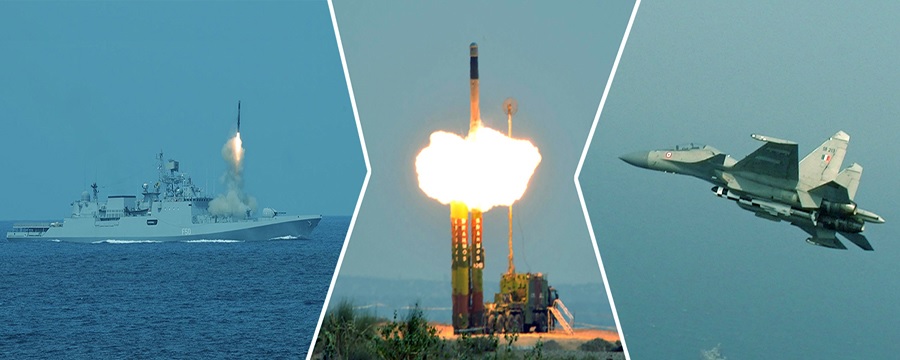
India
In a striking endorsement of India’s military advancements, John Spencer, chair of urban warfare studies at the Modern War Institute, has urged the United States to rethink its defense strategy—taking a cue from India’s sharp focus on lethal, cost-effective technologies. His recent report argues that India has mastered what he calls “the physics of lethality,” creating systems that combine speed, precision, and affordability, all of which could serve as valuable lessons for a U.S. military stuck in expensive, slow-moving development cycles. India’s defense evolution is not just about flashy weapons but about real performance on the battlefield. One standout example is the BrahMos supersonic cruise missile. Jointly developed with Russia and now primarily built in India, the BrahMos can fly at nearly three times the speed of sound. Though each unit costs about $4.85 million—more than double the U.S. Tomahawk missile—the BrahMos delivers a greater kinetic punch and speed, making it significantly harder to intercept and more effective in critical missions. In short, it delivers more bang for the buck. Another success story is the Akashteer system, an AI-driven air defense network that provides real-time surveillance and threat engagement. Despite its advanced features, the entire system comes in at just $240 million—a fraction of what the U.S. pays for similar systems like NASAMS or the Patriot. According to Spencer, this cost-to-capability ratio is what sets India apart. Rather than throwing money at problems, India focuses on smart, scalable solutions that work in real combat situations. Importantly, these are not just theoretical systems. They’ve been used and tested in real conflicts. During recent tensions with Pakistan, India’s precision strikes overwhelmed Pakistani air defenses, many of which rely on outdated Chinese systems like the LY-80 and HQ-9/P. These systems failed to detect or respond effectively, allowing Indian missiles to strike with near-impunity. The outcome was not just a battlefield victory, but a demonstration of technological dominance and strategic execution. What makes India’s approach even more relevant to the U.S. is how it combines innovation with practicality. The BrahMos and Akashteer systems are not lab prototypes—they are fully integrated into India’s defense posture. This is in stark contrast to the American model, where development timelines stretch over decades and often result in equipment that is outdated before it even enters service. Spencer believes the U.S. can benefit immensely from India’s approach, which emphasizes rapid development, affordability, and battlefield utility. As the global security landscape becomes more unpredictable, Spencer warns that the U.S. must adapt. Instead of continuing down a path marked by overspending and under-delivery, the Pentagon could look to India’s playbook to stay ahead. Lethality and efficiency are not opposing goals—they can go hand-in-hand, as India has clearly demonstrated. In essence, India’s rise as a defense innovator is not just a regional story—it’s a global one. And if the U.S. is to maintain its military edge in the 21st century, it may have to learn a few lessons from a partner that’s already redefining what modern warfare looks like.
Read More → Posted on 2025-05-24 04:56:37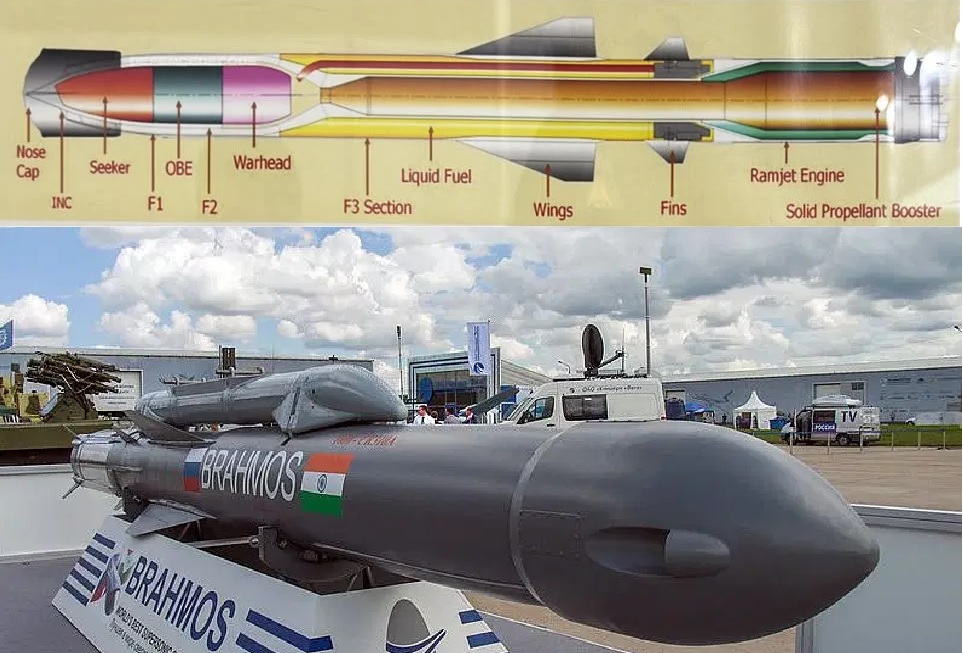
India
In a major stride toward India's goal of defence self-reliance, Indian defence electronics firm Data Patterns has successfully tested an indigenously developed missile seeker as part of the BrahMos supersonic cruise missile trials conducted by the Defence Research and Development Organisation (DRDO). The achievement was confirmed by Mr. Srinivasagopalan Rangarajan, Chairman and Managing Director of Data Patterns, who called the test a "textbook performance." He noted that the seeker, which was entirely designed and built in India, performed flawlessly during flight trials just a few weeks ago. In missile systems, the seeker plays a critical role—it is the brain of the missile's guidance system, allowing it to detect, track, and lock onto its target. A highly sophisticated component, the seeker ensures the missile can hit precise targets even in complex and contested environments. The fact that Data Patterns' indigenous seeker passed real-world trials with the BrahMos missile marks a technological breakthrough. It showcases the rising capability of India's private defence sector to create high-performance, mission-critical components that were once sourced from abroad. The BrahMos missile, co-developed by India and Russia, is one of the fastest and most versatile missiles in the world, capable of being launched from land, air, and sea platforms. It travels at speeds between Mach 2.8 and 3.0, making it a key part of India’s strategic weaponry. Until recently, one of the most sensitive and vital parts of this missile—the seeker—was imported. Now, the successful testing of a locally developed seeker is expected to reduce India's reliance on foreign defence suppliers, aligning perfectly with the government’s ‘Aatmanirbhar Bharat’ (Self-Reliant India) initiative. Mr. Rangarajan also shared that more orders for these indigenous seekers are expected soon, which signals growing confidence in Indian-built defence technology. This move will not only strengthen India’s national security but also support the development of a robust indigenous defence manufacturing ecosystem. Data Patterns is already well-known for producing high-end electronic systems for radar, avionics, and missile applications. Its success with the BrahMos seeker adds another feather to its cap, confirming its role as a key player in India's defence future. This achievement not only advances India’s strategic autonomy but also reinforces the foundation of a self-sustaining supply chain for vital defence components—an essential step for any nation aspiring to secure its borders through technological independence.
Read More → Posted on 2025-05-24 04:49:19
India
In a significant move, the Indian government has closed the airspace over the Andaman and Nicobar Islands on May 23 and 24, 2025, indicating preparations for a major missile or weapons system test. A formal Notice to Airmen (NOTAM) was issued on May 16, warning aircraft to steer clear of a large corridor in the region during specific hours each morning. The restricted area spans roughly 500 to 510 kilometers across the Andaman Sea, with airspace shut daily from 7 AM to 10 AM Indian Standard Time. This kind of sweeping closure, which affects all civilian flights and blocks nine international air routes, typically suggests military activity of high importance—most likely a missile launch or weapons test. While officials have not confirmed the exact type of missile being tested, experts believe the scale and location of the closure point to a strategic trial. The Andaman and Nicobar Islands are no strangers to such events. They have long served as testing grounds for India’s advanced weapon systems, including the BrahMos supersonic missile and other air-launched ballistic weapons. Similar tests were conducted here earlier this year and in 2024. The test is believed to involve the Tri-Service Theatre Command, which manages India’s integrated defence assets across the Andaman and Nicobar region. This means the test could involve a coordinated effort between the Indian Navy, Air Force, and Army—a clear demonstration of India’s growing joint warfare capabilities. Though the India-Pakistan border is currently calm, this test comes as India continues Operation Sindoor, a counter-terror campaign launched on May 7 against hostile elements beyond its borders. The timing may not be a coincidence, as India seeks to reinforce its readiness and strategic edge. The geographical importance of the Andaman and Nicobar Islands also plays a role. Located close to the critical Malacca Strait—a key route for global trade and naval movement—the islands give India a prime position to monitor and influence activity in the Indo-Pacific region. Conducting missile tests here sends a strong message about India’s ability to defend its interests far from the mainland. Authorities have advised all aviation and maritime traffic to avoid the area during the test hours for safety. Though the specific missile being tested is still under wraps, the signs point to a meaningful step forward in India’s defence capabilities, likely aimed at enhancing its deterrence and regional influence.
Read More → Posted on 2025-05-23 15:05:07
India
In a firm and clear message, External Affairs Minister S. Jaishankar has refuted claims made by former U.S. President Donald Trump regarding American involvement in mediating a ceasefire between India and Pakistan. Speaking during an interview in the Netherlands, Jaishankar clarified that no third party was involved and that the recent ceasefire was a direct outcome of discussions between New Delhi and Islamabad. “This is something that only India and Pakistan need to settle directly,” Jaishankar stated, reaffirming India’s long-standing position on keeping external actors out of the equation. He stressed that India is open to dialogue, but only if Pakistan is willing to engage seriously and stop sponsoring cross-border terrorism. “We are always ready to talk, but the talks must be serious and should focus on stopping terrorism,” he said. Jaishankar's response came after Trump claimed that the U.S. had helped bring peace in what he described as a “thousand-year conflict.” India, however, has consistently rejected such claims, asserting that the Kashmir issue and related tensions are strictly bilateral matters. In the same interview, Jaishankar provided context to the complex India-Pakistan relationship, which has remained strained since the partition of British India in 1947. He recalled how Pakistan initiated hostility early on by sending fighters disguised as tribal militias into Kashmir. These individuals were later confirmed to be Pakistani soldiers, some in uniform and others in disguise. “Over many years, Pakistan has followed a path of extremism and has used terrorism across the border to put pressure on India,” he noted, pointing to a pattern of provocations that has continued for decades. Tensions escalated sharply after a brutal terrorist attack in Pahalgam on April 22, which killed 26 people, including a Nepali citizen. In response, India launched ‘Operation Sindoor’, a precision military operation targeting nine major terrorist hideouts across Pakistan and Pakistan-occupied Kashmir (PoK). Sources familiar with the operation revealed that over 100 terrorists from groups like Jaish-e-Mohammed, Lashkar-e-Taiba, and Hizbul Mujahideen were eliminated in the strike. The operation was a strong statement of India’s intent to tackle terrorism at its roots and demonstrated its capacity for targeted counter-terror action. With Operation Sindoor, India sent a clear message: the country will defend its people and territory with decisive force, and it does not rely on international intermediaries to manage its core security issues. As Jaishankar reiterated, peace with Pakistan is possible — but only when terrorism stops and dialogue is taken seriously.
Read More → Posted on 2025-05-23 14:58:03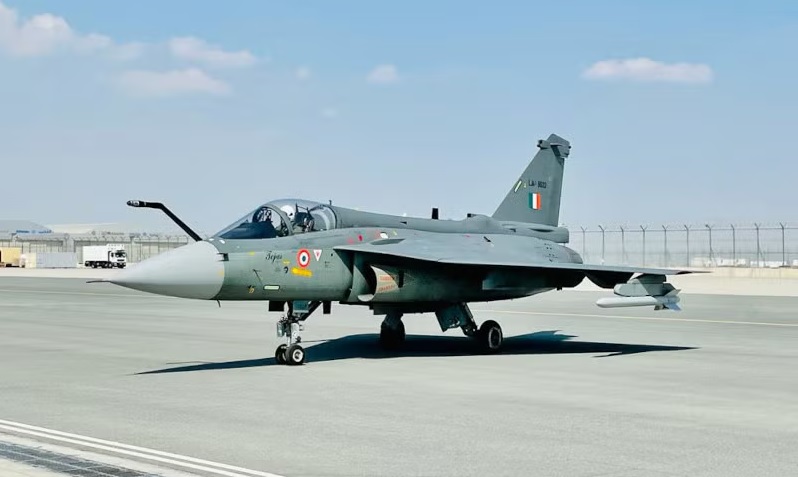
India
India’s homegrown fighter jet program is gaining serious momentum. The Indian Air Force (IAF) is expected to receive up to 12 Tejas Mk1A aircraft by the end of 2025, a major boost for the nation’s indigenous defence capabilities. This progress comes as Hindustan Aeronautics Limited (HAL) accelerates production at its Bengaluru facility and finally receives long-awaited engine shipments from the U.S.-based General Electric (GE) Aerospace. The announcement was made by HAL during its earnings call on May 16, with company officials expressing renewed confidence in meeting their delivery goals. Much of this optimism stems from the recent resolution of a critical bottleneck — the delayed arrival of GE’s F404-IN20 engines, which are essential to powering the Tejas Mk1A. “With the engines now arriving, we are on track to roll out the first LCA Mk1A in the coming months and aim to deliver up to 12 aircraft to the IAF by the end of this year,” a senior HAL executive confirmed. To meet this timeline, HAL has significantly ramped up operations at its Bengaluru production line. The facility has adopted lessons from earlier versions of the Tejas Mk1, helping streamline the process and improve output quality. The Tejas Mk1A represents an advanced version of the original Tejas Mk1, with modern avionics, upgraded radar systems, and improved combat performance. Capable of speeds up to Mach 1.8 (around 2,200 km/h) and a combat range of about 1,500 kilometers, it is powered by the GE F404-IN20 engine which delivers 84 kilonewtons of thrust. Earlier delays in delivering these engines had cast a shadow over HAL’s ability to meet its deadlines. The global supply chain crunch and GE’s internal production challenges had slowed progress significantly. With engine flow now steady, HAL is back on track. India’s defence forces have placed high expectations on the Tejas programme. The IAF has already committed to acquiring 240 Tejas Mk1A jets, under contracts worth more than ₹1.2 lakh crore. The initial batch of 83 jets is scheduled for delivery by 2029, but the arrival of engines may help accelerate this timeline. In addition, HAL and GE are discussing deeper cooperation, including co-production and technology transfer. This aligns closely with the Indian government’s 'Make in India' initiative, which aims to strengthen domestic defence manufacturing and reduce reliance on foreign suppliers. This push for indigenous capability comes at a time when the IAF is grappling with a shortage in its fighter squadrons. Rising tensions with both China and Pakistan have underscored the need for a modern, homegrown fleet. In fact, recent aerial incidents with Pakistan in May 2025 highlighted the urgency for more advanced aircraft. Currently, the IAF operates a mix of Su-30 MKIs, French Rafales, and ageing MiG-21s. With the MiG-21s nearing retirement, the induction of Tejas Mk1A fighters is seen as vital to maintaining the IAF’s operational readiness and air superiority in the region. The successful delivery of these 12 jets by year-end would not only mark a turning point for HAL but also reaffirm India’s strategic move towards defence self-reliance. It signals that the Tejas Mk1A is no longer just a project of promise — it’s becoming a powerful reality in India's skies.
Read More → Posted on 2025-05-23 14:45:13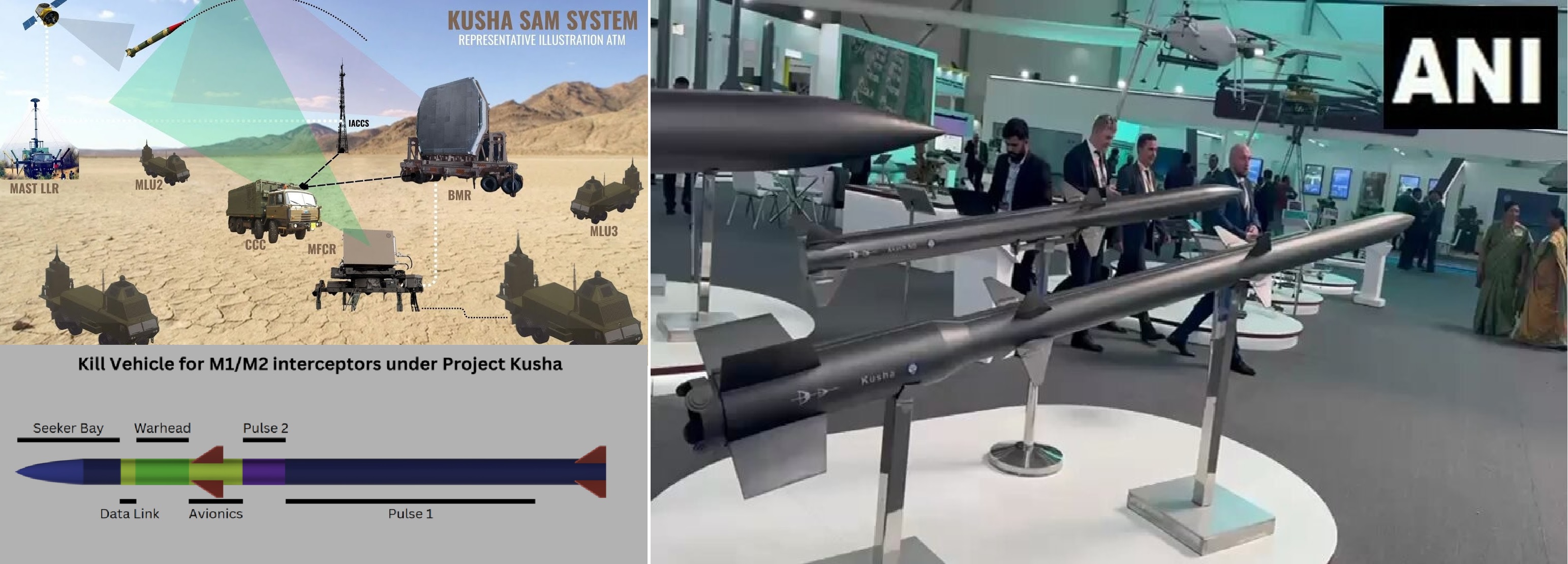
India
Bharat Electronics Limited (BEL), one of India’s leading defense public sector undertakings, is preparing to start trials for a highly advanced indigenous air defense system under the ambitious Project Kusha. Often described as India’s answer to the Russian S-400 missile defense system, this new project marks a significant step forward in India’s efforts to strengthen its aerial defense capabilities with locally developed technologies. What is Project Kusha? Project Kusha is a strategic initiative led by the Defence Research and Development Organisation (DRDO), designed to create an advanced long-range surface-to-air missile (SAM) system. This system will be capable of intercepting and destroying a variety of airborne threats — including enemy aircraft, ballistic missiles, and drones — at extended ranges. BEL, as the primary production partner, is playing a crucial role in integrating state-of-the-art electronics, missile guidance systems, and radar technologies for the project. Development Timeline BEL has revealed an ambitious schedule for the development and testing of this new defense system: Prototype Development: Expected to be completed within 12 to 18 months. User Trials: Once prototypes are ready, trials are planned for another 12 to 36 months. These trials will assess the system’s performance under various operational conditions. Formal Orders: The official induction into the Indian armed forces will depend on the successful completion of these trials and evaluations. This accelerated development reflects India’s growing focus on achieving self-reliance in defense manufacturing and reducing dependence on foreign military technology. Interceptor Missile Variants: M1, M2, and M3 A standout feature of Project Kusha is its family of interceptor missiles, each designed to tackle different types of airborne threats at varying ranges and altitudes. The system includes three variants of interceptors: M1 Interceptor Dual-Pulse Solid Rocket Motor Active Radar Seeker Comm-Nav Immunity High-Lethality Warhead The M1 is designed for medium to long-range engagements and is capable of neutralizing high-speed aerial targets with precision. M2 Interceptor Dual-Pulse Motor with Additional Booster Advanced Seeker for High-Speed Targets The M2 variant features an additional booster stage for increased speed and range, making it suitable for intercepting more distant and faster threats. M3 Interceptor Dual-Pulse Motor with a Bigger Booster Enhanced Seeker System The M3 is the most powerful of the three, equipped with a larger booster to engage high-altitude and long-range targets, including ballistic missiles and heavy aircraft. Why Project Kusha Matters India currently relies on imported systems like the S-400 Triumf from Russia for strategic air defense. With growing geopolitical uncertainties and a renewed emphasis on Atmanirbhar Bharat (self-reliant India), Project Kusha is a vital program aimed at indigenizing critical defense technologies. BEL’s commitment to rapid development and testing reflects India’s larger goal of becoming a global defense technology leader. The successful completion of this project will significantly enhance India’s multi-layered air defense network and reduce dependency on foreign suppliers for advanced weapon systems. Conclusion As the trials for Project Kusha’s ‘Desi S-400’ are set to begin, India takes a confident step toward achieving advanced indigenous air defense capabilities. BEL’s proactive leadership in this project demonstrates not only technical expertise but also a strategic vision for a self-reliant and secure future.
Read More → Posted on 2025-05-22 16:13:13
India
In a landmark shift in India's military manpower strategy, the Indian Army has deployed over 3,000 Agniveers—young soldiers recruited under the Agnipath scheme—into critical roles within its Army Air Defence (AAD) formations. These Agniveers are now manning some of the most sophisticated air defence systems in the Indian arsenal, serving as the first line of protection against Pakistani drones, missiles, and aircraft intrusions. The move underscores both the growing threat of unmanned aerial vehicles (UAVs) in modern warfare and the success of the Agnipath scheme in quickly training and integrating new talent into roles that once required years of preparation. These Agniveers are now actively operating radar systems, missile batteries, and command-and-control platforms that form the backbone of India’s low- to medium-altitude air defence shield. The Changing Face of Threats The western front with Pakistan has seen an uptick in hostile UAV activity—ranging from small quadcopters for surveillance and arms drops to larger armed drones. According to official sources, over 100 drone incursions were reported in 2024 alone, most of them along Punjab and Rajasthan borders. In response, the Indian Army’s Air Defence units have significantly expanded their deployment footprint, focusing not only on missile defence but also counter-UAV capabilities—a space where Agniveers are now playing a direct role. Agniveers and the Weapons They Operate The Agniveers posted in the AAD are trained in the operation of a suite of indigenous and imported air defence systems, including: 1. Akash Surface-to-Air Missile (SAM) System Range: Up to 30 km Target types: Fighter aircraft, cruise missiles, drones Role of Agniveers: Battery-level operators, radar console operators, and fire unit support teams. Some Agniveers have already undergone advanced simulation training for intercept engagements. 2. L70 and ZU-23-2B Anti-Aircraft Guns Role: Point defence against low-flying aircraft and drones Upgrades: Modern fire-control radars, electro-optical sights, and automated targeting systems Agniveers' role: Operating upgraded targeting consoles and conducting live-fire drills, particularly against low-speed drone targets. 3. DRDO’s Anti-Drone Systems (D4S) Functionality: Soft-kill and hard-kill solutions for rogue drones Components: Jammers, radar, RF/IR sensors, and laser-based kill mechanisms Agniveers' role: Monitoring the sensor data, initiating jamming and hard-kill responses under officer supervision 4. Osa-AK-M and Kvadrat SAMs (Legacy Systems) Origin: Soviet-era, still deployed in select regions Role of Agniveers: Maintenance and secondary operating positions during deployment drills, especially in border areas where modern systems are integrated with older platforms. 5. Swathi Weapon Locating Radar (WLR) Role: Tracking incoming artillery shells and UAVs Range: Over 50 km for aerial targets Agniveers' role: Field operation, situational plotting, data relay to fire-control centres Training and Deployment Before deployment, each Agniveer underwent intensive training at the Army Air Defence College in Gopalpur, Odisha. The curriculum was compressed into a high-intensity 16-week program, focusing on radar operation, threat identification, fire-control logic, and real-time target engagement under stress. The Army has also introduced drone-specific training modules, which include: Drone recognition by profile and signal signature Electronic warfare (EW) basics for jamming operations Field simulations of drone swarms and loitering munition attacks With India’s growing investment in AI-assisted fire-control systems and networked air defence architecture, Agniveers have also been trained in digital command interfaces—a stark change from traditional analogue systems still in use in some artillery and infantry formations. Operational Integration Rather than relegating Agniveers to auxiliary tasks, the Army has embedded them directly within operational crews. This reflects both a confidence in their abilities and a strategic necessity, given the increasing manpower requirements of real-time drone defence operations. Each air defence battery has integrated two to four Agniveers per platoon, often under the mentorship of senior Havildars or Junior Commissioned Officers (JCOs). These Agniveers rotate through shifts involving: Live radar tracking Drone signal analysis Command post communication Target acquisition confirmation Future Outlook The Army’s experience with this first cohort of Agniveers has been termed "exceptionally promising" by senior commanders. There are now plans to double the Agniveer presence in air defence units by 2026, and to introduce them into mobile air defence units using wheeled and tracked platforms. In addition, integration with space-based ISR (Intelligence, Surveillance, Reconnaissance) systems and upcoming platforms like the Akash-NG and Very Short-Range Air Defence (VSHORAD) missiles—both in advanced stages of trials—will further elevate the operational capabilities of Agniveer-staffed batteries. Conclusion From radar screens to trigger consoles, Agniveers are now at the heart of India’s air defence response to evolving threats from Pakistan. Their successful deployment signals a paradigm shift in the Indian Army’s operational doctrine, combining youthful agility with modern technology in the defence of Indian skies. As the nature of warfare grows more technical and fast-paced, this new generation of soldiers—trained in just months but already defending borders—might become the blueprint for India’s future military strategy.
Read More → Posted on 2025-05-22 15:54:17
India
In a decisive leap toward fortifying India’s high-value infrastructure against aerial threats, Indrajaal, the country’s foremost autonomous drone defence company, has officially launched Indrajaal Infra — a dedicated defence product line engineered to protect strategic assets such as nuclear power stations, oil refineries, ports, airports, and national energy grids from the growing menace of drone-based attacks. This breakthrough system is built upon the proprietary SkyOS™ platform — a cutting-edge autonomous defence operating system that forms the neural core of all Indrajaal solutions. With its ability to secure airspace covering up to 4,000 square kilometers, Indrajaal Infra brings unmatched scalability, speed, and autonomy to counter-unmanned aerial system (C-UAS) operations. Key Technical Highlights of Indrajaal Infra: 1. Autonomous Operations with SkyOS™:At the heart of Indrajaal Infra is the SkyOS™ platform, an AI-driven operating system capable of real-time threat classification, adaptive response, and autonomous mission execution. It fuses data from multiple sensor modalities to create a persistent, high-fidelity picture of the protected airspace — allowing zero-delay interception decisions. 2. Multi-Layered Defence Architecture:Indrajaal Infra employs a multi-sensor, multi-layered response framework that includes: Electro-optical (EO) and Infrared (IR) sensors for visual verification and tracking, Passive RF detection arrays to identify and geo-locate drone control links, 3D active radars for long-range object tracking, Jammers and GNSS spoofers to neutralize navigation and communication capabilities, Directed-energy systems and kinetic interceptors (optionally integrated) for hard-kill capabilities. 3. AI-Driven Threat Intelligence:The system’s neural decision engine is trained to differentiate between friend, foe, and neutral entities using pattern recognition and predictive analytics. It can identify swarm tactics, decoys, and loitering munitions — allowing security personnel to respond with contextual precision. 4. Networked Command and Control (C2):The unified C2 interface allows for centralized command with distributed control — ensuring seamless integration into existing security infrastructure across sites like naval bases, industrial complexes, or border regions. It supports satellite communication, LTE/5G, and secure fibre for redundancy. 5. Environmental Adaptability:Designed for diverse Indian geographies, Indrajaal Infra is weather-hardened, tamper-resistant, and can be deployed in coastal, desert, and mountainous environments without operational degradation. Strategic Deployments and Future Roadmap Indrajaal Infra is not a concept on paper — it is already operational at a strategic naval port in Gujarat, where it successfully passed trials amid recent cross-border tensions. These trials showcased its ability to detect, classify, and neutralize multiple UAVs simultaneously — including both commercial drones and tactical quadcopters used for surveillance. The next significant milestone is its deployment at India’s largest naval port in Karnataka, an installation that holds critical logistical and defence importance in the Indian Ocean Region. The deployment marks a foundational step in transforming India’s drone defence doctrine from reactive manual systems to autonomous, AI-first C-UAS infrastructure. According to senior Indrajaal engineers, upcoming iterations of the Infra product line will integrate hyperspectral imaging, quantum-resistant communication protocols, and deep learning swarm prediction models — further enhancing its predictive and kinetic capabilities. A National Imperative in the Age of Drones With drone incursions becoming a regular feature in modern asymmetric warfare — from commercial drones repurposed for ISR (intelligence, surveillance, reconnaissance) to weaponized swarms — India’s critical infrastructure is facing unprecedented vulnerability. By launching Indrajaal Infra, India is sending a clear signal that it is not only aware of the evolving aerial threat landscape but is also willing to lead in developing homegrown, scalable, and autonomous drone defence solutions. This system is not just a product; it is an infrastructure layer — essential for safeguarding India’s sovereignty, economy, and national resilience. As Indrajaal expands its footprint across civilian and military sectors, Indrajaal Infra is poised to become the de facto airspace defence standard for India’s vital installations.
Read More → Posted on 2025-05-22 14:39:47
India
In a significant display of India’s advancing air defense capabilities, the indigenously developed Akash Short-Range Surface-to-Air Missile (SRSAM) system successfully intercepted a Fatah-1 missile fired by Pakistan. The Indian Air Force (IAF) recently exhibited the debris of this intercepted missile, placing it alongside the Akash Air Defense System, sending a strong message about India’s readiness to counter modern aerial threats. What Is the Fatah-1 Missile? The Fatah-1 is a guided artillery rocket developed by Pakistan’s National Development Complex (NDC). It’s part of Pakistan’s growing missile program aimed at striking high-value military targets at short ranges. This missile has a range of around 140 kilometers and is designed to carry a 150 kg high-explosive warhead. Fatah-1 uses inertial navigation technology with GPS updates, giving it greater accuracy than traditional unguided rockets. Its high speed, low-altitude flight path, and small radar cross-section make it a difficult target for air defense systems, especially when fired in groups during a saturation attack. Pakistan has also been working on longer-range variants like the Fatah-2, expected to have a range of around 250 km. How Akash SRSAM Took It Down During a recent operational trial, the Indian Air Force’s Akash Mk1 unit was tasked with intercepting a Fatah-1 missile launched under simulated combat conditions. The Akash system’s Rajendra radar picked up the incoming missile at low altitude and quickly tracked it. The radar then guided the Akash launcher to fire a missile at the target. At an altitude of approximately 5 kilometers, well within the Akash’s engagement range, the interceptor successfully struck the Fatah-1 missile mid-air, destroying it before it could reach its intended target area. The debris collected and displayed by the IAF included critical fragments of the Fatah-1’s airframe and guidance section, clearly confirming the direct hit. About the Akash Missile System The Akash SRSAM is one of India’s proud indigenous defense systems developed by DRDO and produced by Indian defense firms. It’s designed to protect key military bases, airfields, and strategic locations from incoming aircraft, drones, and guided weapons like cruise missiles and artillery rockets. Key Specifications of Akash Mk1: Type: Short-Range Surface-to-Air Missile Range: Up to 30 km Altitude Coverage: From 30 meters to 18 km Speed: Over Mach 2.5 Warhead: 60 kg high-explosive, pre-fragmented Guidance: Command guidance with an active terminal seeker (in later variants) Radar: Rajendra phased-array fire control radar for target detection and tracking India has also introduced an advanced version, the Akash-NG (Next Generation), with improved range, mobility, and active seeker capability, making it even more effective against modern threats like precision-guided munitions and low-RCS drones. Why This Matters The successful interception of the Fatah-1 missile highlights India’s growing ability to defend against modern missile threats coming from across the border. With Pakistan reportedly ramping up production of the Fatah-1 and developing longer-range variants, it’s crucial for India to maintain a robust, multi-layered air defense system. The Akash missile family, combined with the newer Akash-NG and the MR-SAM systems developed in collaboration with Israel, forms a powerful shield around vital military and strategic assets. This ensures that India stays prepared against any attempt to overwhelm its airspace with short-range missile or rocket attacks. By displaying the debris of the intercepted missile, the Indian Air Force not only demonstrated operational success but also sent a clear deterrent message to adversaries in the region about the strength and reliability of India’s air defense network.
Read More → Posted on 2025-05-22 14:36:46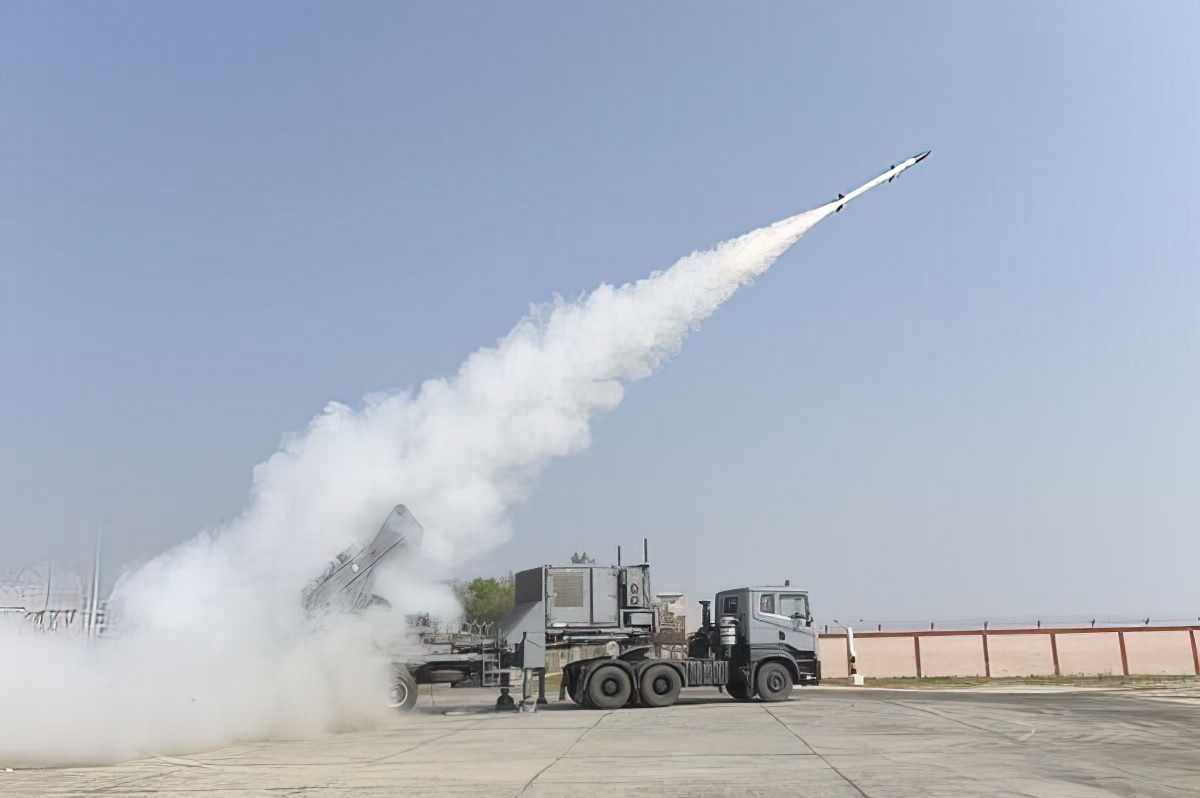
India
Bharat Electronics Ltd. (BEL), India’s leading defence electronics manufacturer, is on the brink of landing a massive ₹40,000 crore order for its involvement in Project Kusha — a next-generation indigenous air defence system being developed as a homegrown alternative to the Russian S-400. Partnering closely with the Defence Research and Development Organisation (DRDO), BEL is playing a vital role in building key components of Project Kusha, especially the advanced radar systems and central control technologies that will form the backbone of this state-of-the-art missile defence network. The project is one of India’s most ambitious efforts to boost self-reliance in critical defence technology. During a recent earnings call, BEL’s Chairman and Managing Director, Manoj Jain, shared that the company is currently waiting for a final decision on who will be appointed the system integrator for Project Kusha. If BEL is selected as the sole or joint integrator, the expected ₹40,000 crore order would significantly expand the company’s already strong order book and strengthen its leadership position in the Indian defence sector. Project Kusha is designed as a multi-layered air defence system, capable of intercepting threats at various ranges — with three different interceptor missiles that can target threats at 120 km, 250 km, and 350 km. Once complete, it will offer protection against a wide array of aerial threats including cruise missiles, drones, and stealth aircraft. The system is being developed to rival the capabilities of the S-400 as well as Israel’s Iron Dome, and will work alongside India’s current missile defence assets like the Indo-Israeli Barak 8 and the Russian S-400. Development of the Kusha system is already in motion, with BEL and DRDO working together on prototype subsystems. The current plan is to complete initial development within the next 12 to 18 months. After that, user trials will begin — a process that could take between one to three years depending on the complexity of the tests and evaluation results. Only after successful trials will the official order for full-scale production be placed. Apart from Project Kusha, BEL is also in advanced discussions for a ₹30,000 crore contract for the Quick Reaction Surface-to-Air Missile (QRSAM) system, intended for the Indian Army and Air Force. This deal is expected to be finalised either by the end of this financial year or early next year. If all goes as planned, BEL’s total order inflows could exceed ₹50,000 crore in the near term — a major leap forward for the company. BEL has already secured ₹3,300 crore in new orders this year and expects to reach ₹27,000 crore in fresh order inflows even without the QRSAM contract. The addition of the Kusha and QRSAM orders would make it a record-breaking year for the company. Project Kusha not only demonstrates India’s strategic push for self-reliance under the "Make in India" initiative but also marks a significant leap in building homegrown defence systems. Importantly, the system is designed to work in harmony with existing S-400 systems, allowing shared radar data and coordination — a major advantage in creating a truly layered and integrated air defence network. With Project Kusha and other major defence projects on the horizon, BEL stands to play a central role in modernising India’s military capabilities, ensuring the nation stays secure with cutting-edge indigenous technology.
Read More → Posted on 2025-05-22 14:29:29
India
India is making a major push to enhance its energy security and build its maritime capabilities by planning a massive investment of ₹850 billion (around $10 billion) to develop a fleet of homebuilt oil tankers. This ambitious plan, which stretches through to the year 2040, aims to reduce India’s dependency on foreign-owned ships and support the growth of its domestic shipbuilding industry. At present, most of the oil tankers used by India’s state-run oil companies are old and leased from foreign companies. Recognizing the risk in this dependency, the Indian government now wants to ensure that its energy trade — particularly crude oil imports — is backed by a strong, self-owned shipping fleet. The first phase of the plan includes acquiring 79 tankers, including 30 medium-range vessels. A purchase order for the first 10 ships is expected to be released soon. One of the key conditions of this initiative is that all ships must be built in India, though partnerships with international firms will be allowed. This step is part of a broader vision to encourage local manufacturing and create a robust ecosystem for shipbuilding. Although the global trend is moving toward cleaner energy, India is simultaneously expanding its oil refining capacity to meet growing domestic and export demands. Refining capacity is expected to jump from 250 million tons per year to 450 million tons by 2030. Given that India imports most of its crude oil, the need for a self-owned, reliable tanker fleet becomes even more important. Currently, just 5% of India’s oil tankers are built domestically. The goal is to raise that share to 7% by 2030, and an ambitious 69% by 2047 — the year by which India aims to become a developed nation. To support this transition, the Indian government has launched a ₹250 billion maritime fund this year. The fund is aimed at reducing reliance on foreign-built vessels, providing a significant boost to local shipbuilders, and attracting global firms to collaborate in building ships in India. But the plan doesn’t stop with oil tankers. India also intends to expand its shipbuilding capabilities to cover other bulk carriers like those used for coal, fertilizers, and steel. These too will increasingly be built in India. However, the journey ahead won’t be without challenges. India’s shipbuilding industry is still in its early stages and lacks the scale seen in global shipbuilding giants like China and South Korea. The country’s largest locally-built oil tanker — the MT Maharshi Parashuram — while impressive at 238 meters in length and with a capacity of over 93,000 metric tons, is still far smaller than the world’s biggest tankers, such as the 380-meter-long Oceania from China. To bridge this gap, India is inviting established global players to help develop its domestic capacity. Discussions are ongoing with South Korea’s HD Hyundai Heavy Industries to set up a shipbuilding facility in Kochi. Other talks have involved Samsung Heavy Industries and Japan’s NYK Line. These collaborations, coupled with government incentives, are expected to bring in the technical know-how and scale needed for the industry to grow. This strategic investment is not just about oil or ships — it’s about securing the country’s future. By reducing reliance on foreign shipping services, especially from countries like China, India is making a move to strengthen its control over its critical energy lifelines. Former Mumbai Port Trust chairman Rajiv Jalota put it succinctly: “The world needs to develop alternatives.” India’s $10 billion bet on homegrown oil tankers reflects a bold step toward energy security, industrial growth, and reduced foreign dependency — a move aligned with its broader vision of becoming a self-reliant and developed nation by 2047.
Read More → Posted on 2025-05-22 14:19:53
India
The Indian Air Force (IAF) is preparing to take a major leap in airpower by planning to equip 20 more Su-30MKI fighter jets with the BrahMos-A air-launched cruise missile. This step will pave the way for the formation of a third dedicated squadron of BrahMos-equipped Su-30MKIs by 2027, marking a significant upgrade in India’s long-range precision strike capabilities. This development comes on the heels of successful integration of the BrahMos missile on around 40 Su-30MKI jets in recent years. These fighters already form two operational squadrons, playing a vital role in India’s strategic deterrence. The upcoming upgrade will raise the number of BrahMos-capable Su-30MKIs to about 60. The BrahMos-A is a 2.5-ton supersonic cruise missile co-developed by India and Russia. Known for its blistering speed of Mach 2.8 and a range of over 400 kilometres, it allows the IAF to target high-value enemy assets from standoff distances, minimizing exposure to enemy air defences. It is capable of striking targets both on land and at sea, offering exceptional flexibility during missions. To carry this heavy and powerful missile, the Su-30MKI needs special modifications. These include reinforcing its wings and undercarriage to handle the weight and force generated during launch. These upgrades will be handled by Hindustan Aeronautics Limited (HAL), with work expected to begin at its Nashik facility in late 2025. The first batch of upgraded jets is expected to be delivered to the IAF by 2027. The Su-30MKI is already one of the IAF's most versatile fighter jets, and its pairing with the BrahMos-A missile turns it into a highly potent strike platform. The combination allows India to conduct fast, accurate, and powerful strikes deep into enemy territory without crossing borders. It also increases the survivability of the aircraft due to the missile's long range and high speed. With the formation of a third BrahMos-equipped squadron, the IAF will gain greater flexibility and strength to launch multiple, simultaneous attacks from different directions. This multi-squadron capability will be especially effective in deterring or responding to threats in both land and maritime domains, including potential flashpoints along India’s borders or across the Indian Ocean Region. This expansion of BrahMos capability within the IAF underlines India’s commitment to strengthening its conventional deterrence. It sends a clear message about the country’s preparedness to deal with any future security challenge, making the BrahMos-equipped Su-30MKI a true game-changer in South Asia’s evolving strategic environment.
Read More → Posted on 2025-05-22 14:09:25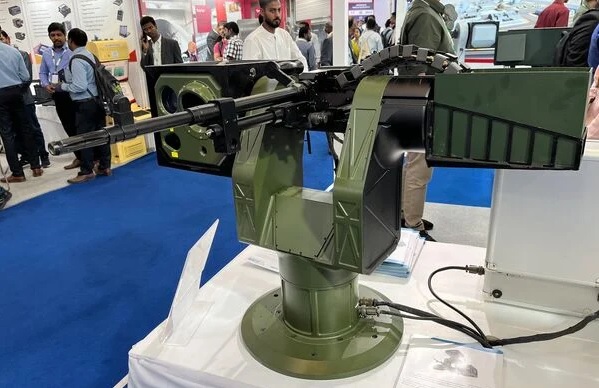
India
India has taken a significant leap forward in its defence modernization journey with the unveiling of the next-generation Remote-Controlled Weapon Stations (RCWS) developed by Zen Technologies in collaboration with AI Turing Technologies. These systems are a major step under the ‘Atmanirbhar Bharat’ (Self-Reliant India) initiative, aimed at strengthening indigenous military capabilities. Unveiled in late 2024 and officially showcased at Aero India 2025, this new family of RCWS is designed to deliver high precision, rapid response, and advanced situational awareness to India’s Army and Navy. These systems are tailored for use across a variety of platforms—land-based vehicles, naval ships, and static defence installations. Four Advanced Systems for Multiple Roles 1. Parashu (RCWS – 7.62 x 51 mm MMG) Parashu is a compact and lightweight RCWS meant for light armoured vehicles, naval patrol crafts, and border outposts. It can mount both 7.62 mm MMG and 5.56 mm LMG, giving it flexibility across different missions. Key features include: Thermal imaging and auto-tracking Counter-drone (UAV) capability Elevation range: -40º to +60º Target detection range: Up to 14 km Highly suitable for quick-reaction missions and urban warfare 2. Fanish (Tank Mounted RCWS – 12.7 x 108 mm HMG) Specifically designed for India’s main battle tanks like T-72 and T-90, Fanish delivers robust firepower with a 12.7 mm heavy machine gun. It is equipped with: Cooled thermal camera Fibre Optic Gyro (FOG) stabilization Elevation range: -7º to +70º Detection range: Up to 14 km Operates efficiently in all-weather and combat-intense environments This system increases both the lethality and survivability of armoured units. 3. Sharur (Naval RCWS – 12.7 x 99 mm HMG) Sharur is tailored for the Indian Navy, offering dependable performance in rough seas. Designed to engage both surface and low-flying aerial threats within a 2 km range, Sharur includes: High-accuracy stabilization system Reliable in low visibility and turbulent maritime conditions Ideal for coastal patrol vessels and frigates This enhances the Navy’s capability to handle asymmetric threats, including piracy, terrorism, and drone attacks. 4. Durgam (Artillery Rugged Camera) Unlike traditional weapon stations, Durgam is a rugged optical surveillance system designed for reconnaissance and battlefield monitoring. Features include: Day/Night thermal vision Real-time threat detection Deployable on artillery, infantry vehicles, and forward posts Its durability and clarity make it ideal for high-risk zones, where situational awareness can be the difference between life and death. Technical Innovation & Indigenous Excellence All four RCWS variants were developed at Zen Technologies’ Hyderabad-based R&D centre, which is recognized by the Ministry of Science and Technology. Zen has a strong background in defence innovation, with: 150+ patents filed 1,000+ defence systems deployed worldwide Previous successful systems like Hawkeye, Barbarik-URCWS, and Prahasta These achievements demonstrate India’s growing strength in independent defence design, engineering, and export-ready systems. Shaping the Future of Combat Zen Technologies' next-generation RCWS family plays a vital role in preparing the Indian Armed Forces for modern, multi-domain warfare. Whether defending land borders, protecting strategic sea lanes, or securing remote military outposts, these systems offer unmatched versatility, precision, and protection. More than just hardware, they represent a shift towards smart combat systems that combine AI, automation, and tactical adaptability—all Made in India.
Read More → Posted on 2025-05-20 16:12:18Search
Top Trending in 24 Hours
-
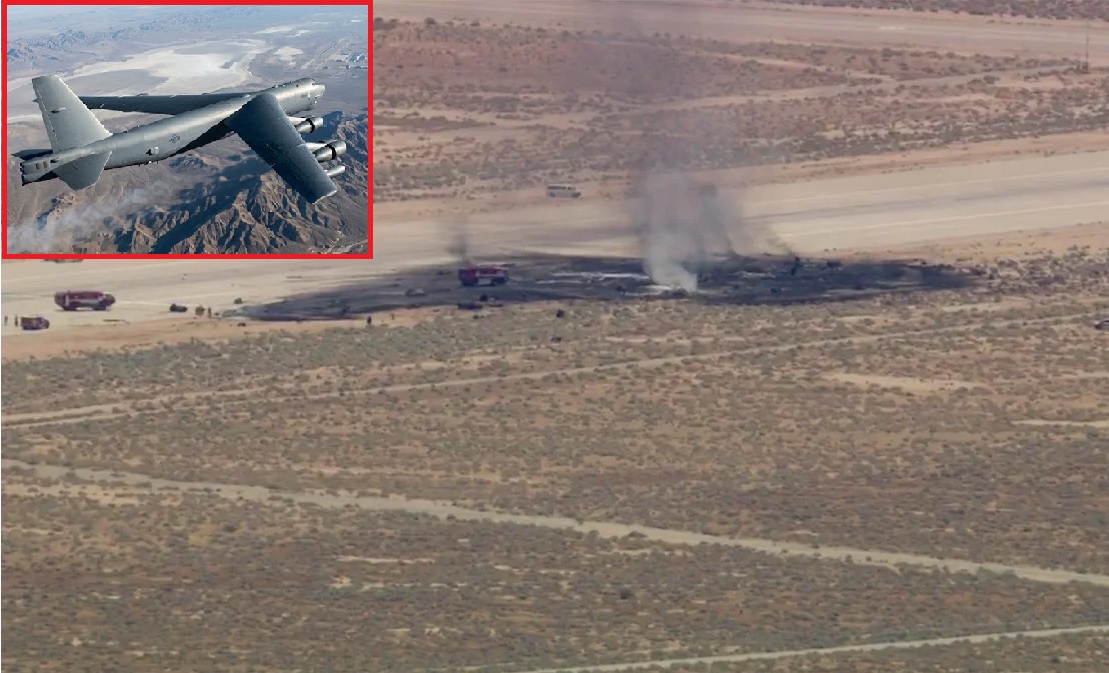 8 U.S. Air Force Crew Members Killed in B-52 Bomber Crash During Test Flight at Edwards Air Force Base
-
 Ukraine Introduces Balloon-Launched DART Missile Designed to Defeat Electronic Warfare
-
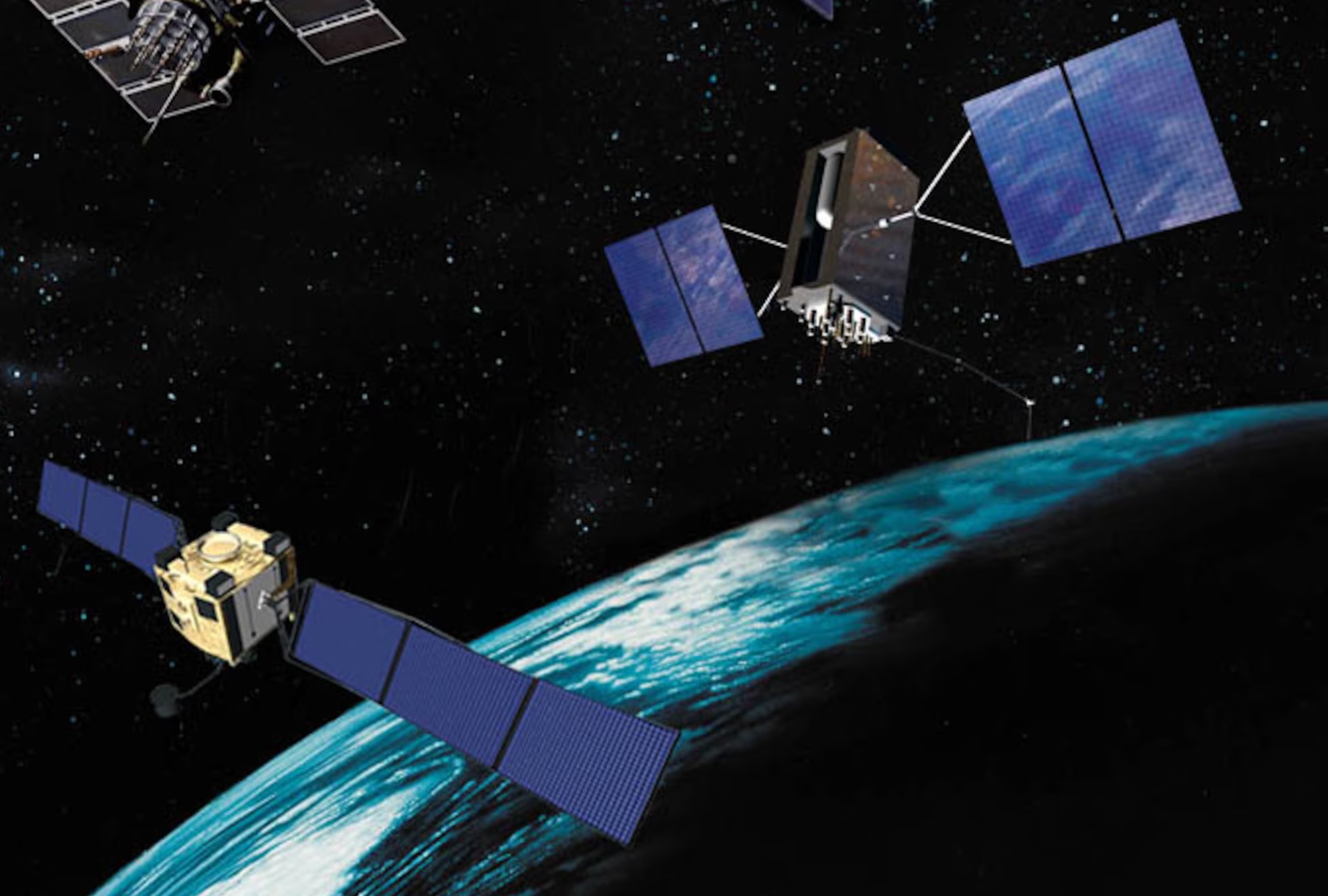 Lockheed Martin Wins $514 Million U.S. Space Force Contract for Two New GPS IIIF Satellites
-
 UK Announces £210 Million Deal to Supply Enriched Uranium to Ukraine for Two Years
-
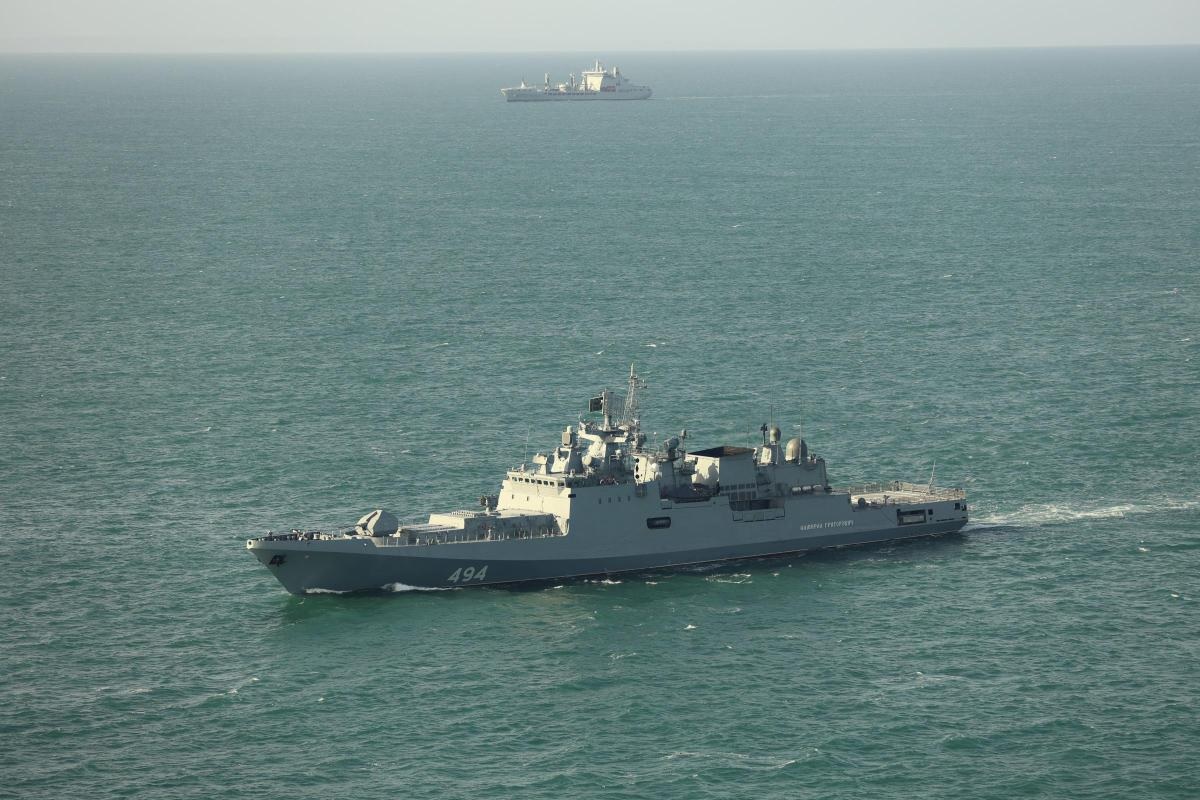 Russian Frigate Admiral Grigorovich Challenges UK Yacht in English Channel With Warning Shots
-
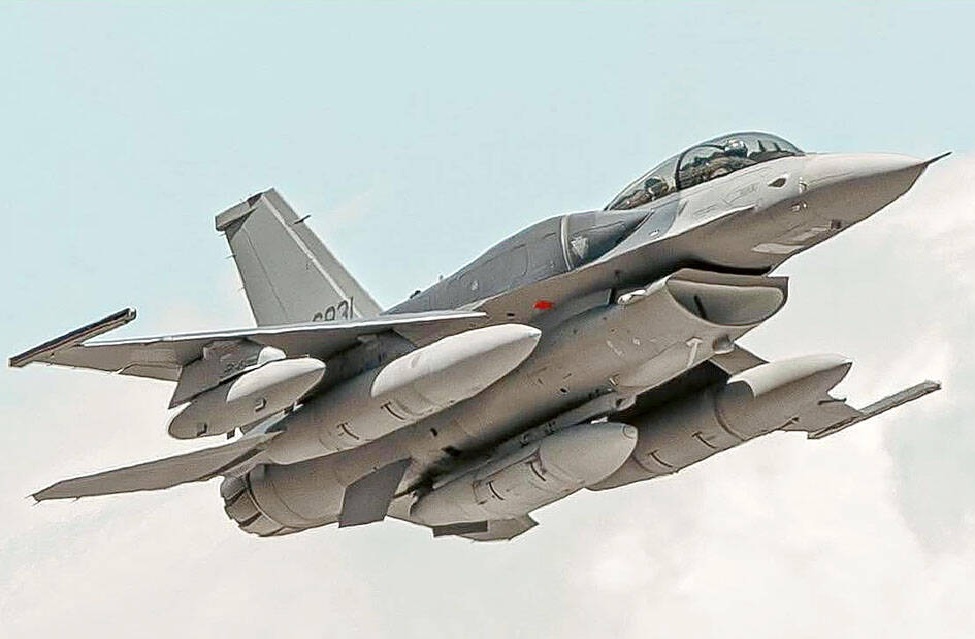 First Taiwanese F-16 Block 70 Flies with Five-Tank Fuel Configuration During Texas Tests
-
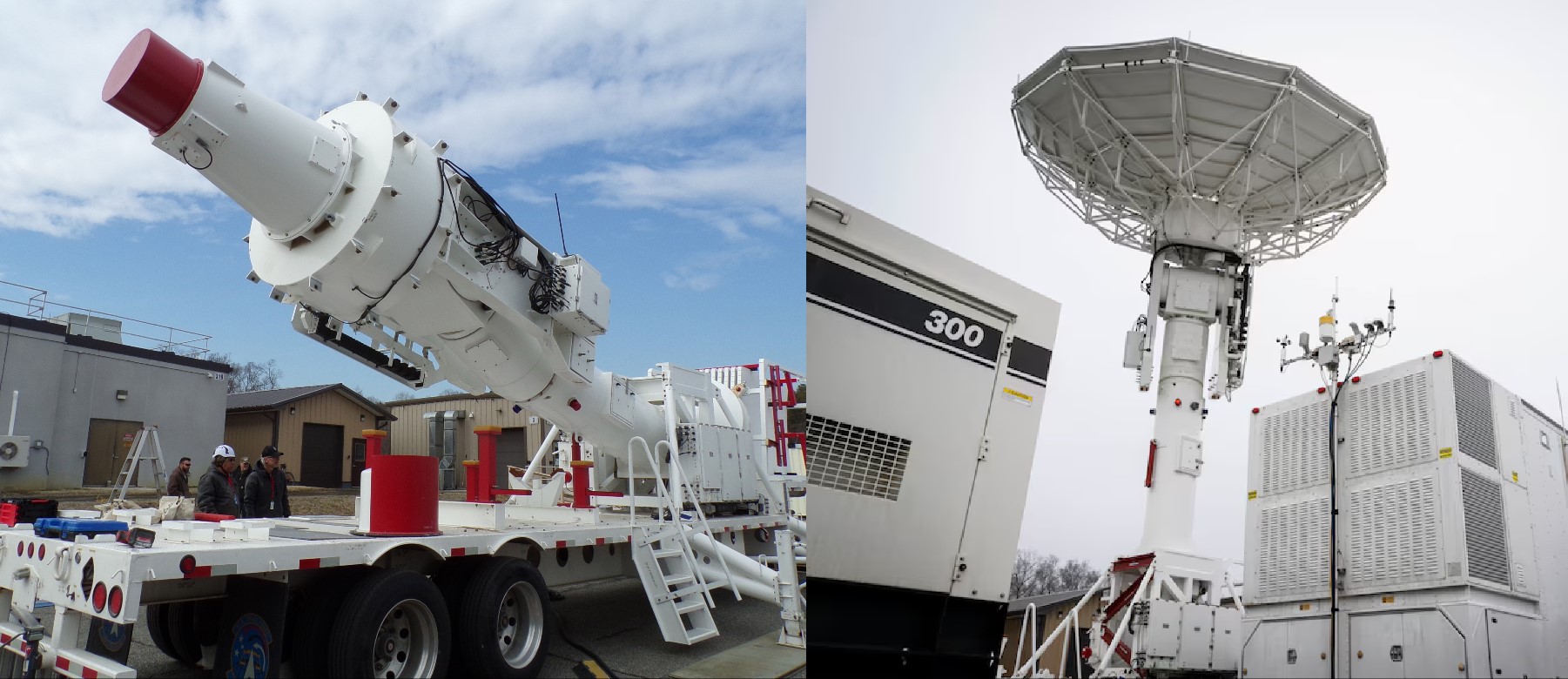 Space Force Transfers Transportable Satellite Tracking Antenna to Naval Research Laboratory
-
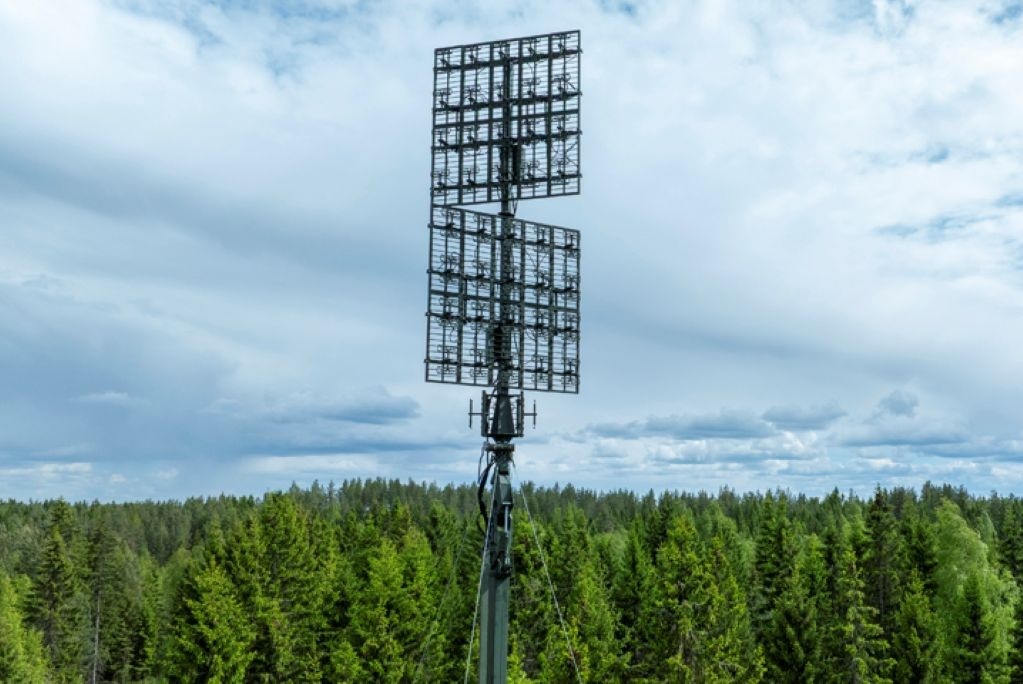 Patria Launches WISPR Passive Counter-Battery Radar with Silent Detection Capability at Eurosatory 2026
Top Trending in 4 Days
-
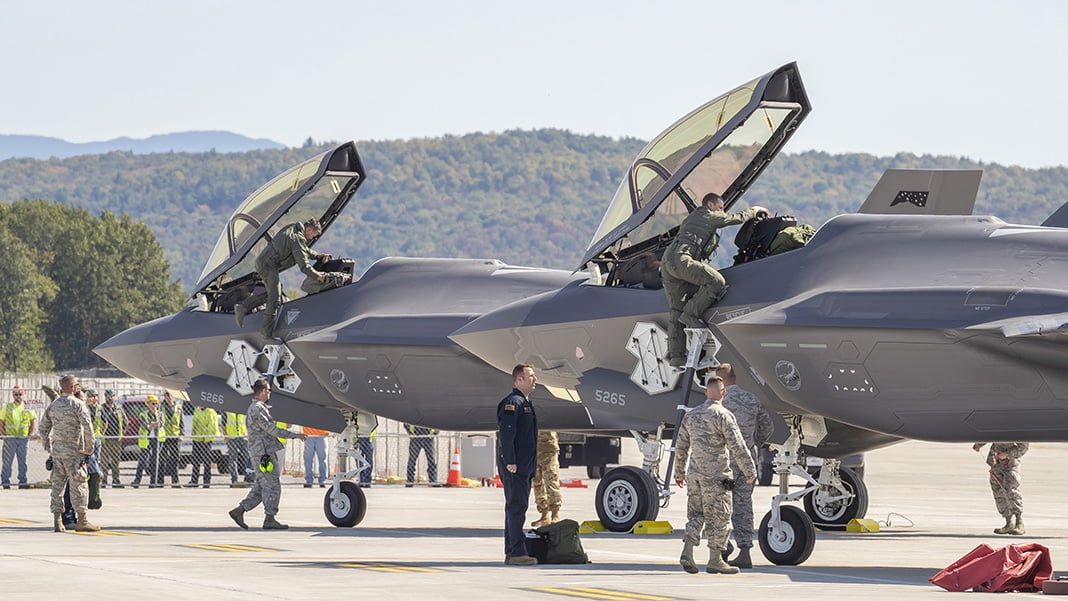 F-35 Fleet Readiness Falls to 25% Amid Parts Shortages and Software Delays: GAO Report
-
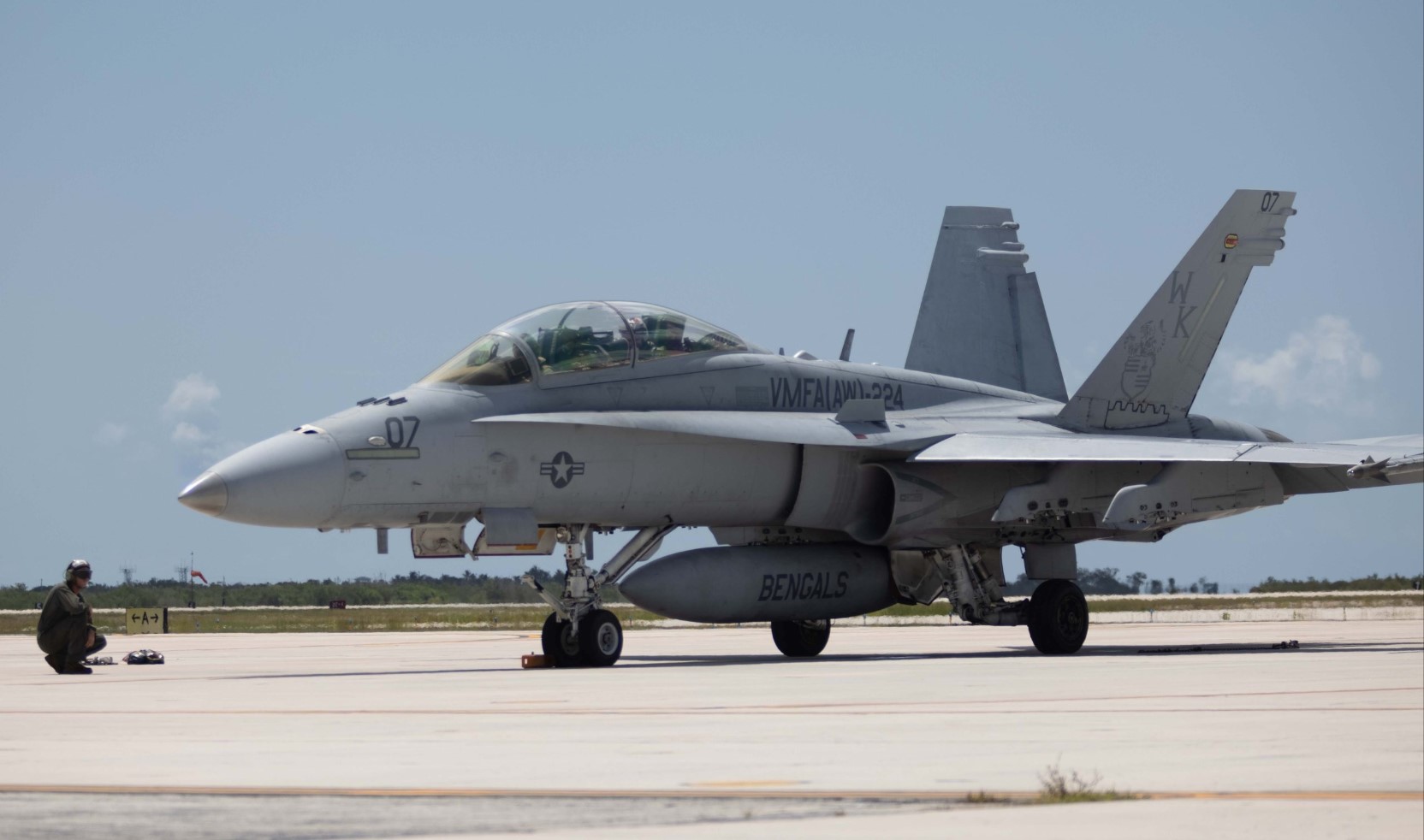 US Marine Corps F/A-18D Hornet Crashes During Training Flight in Washington Mountains; Pilot Ejects Safely
-
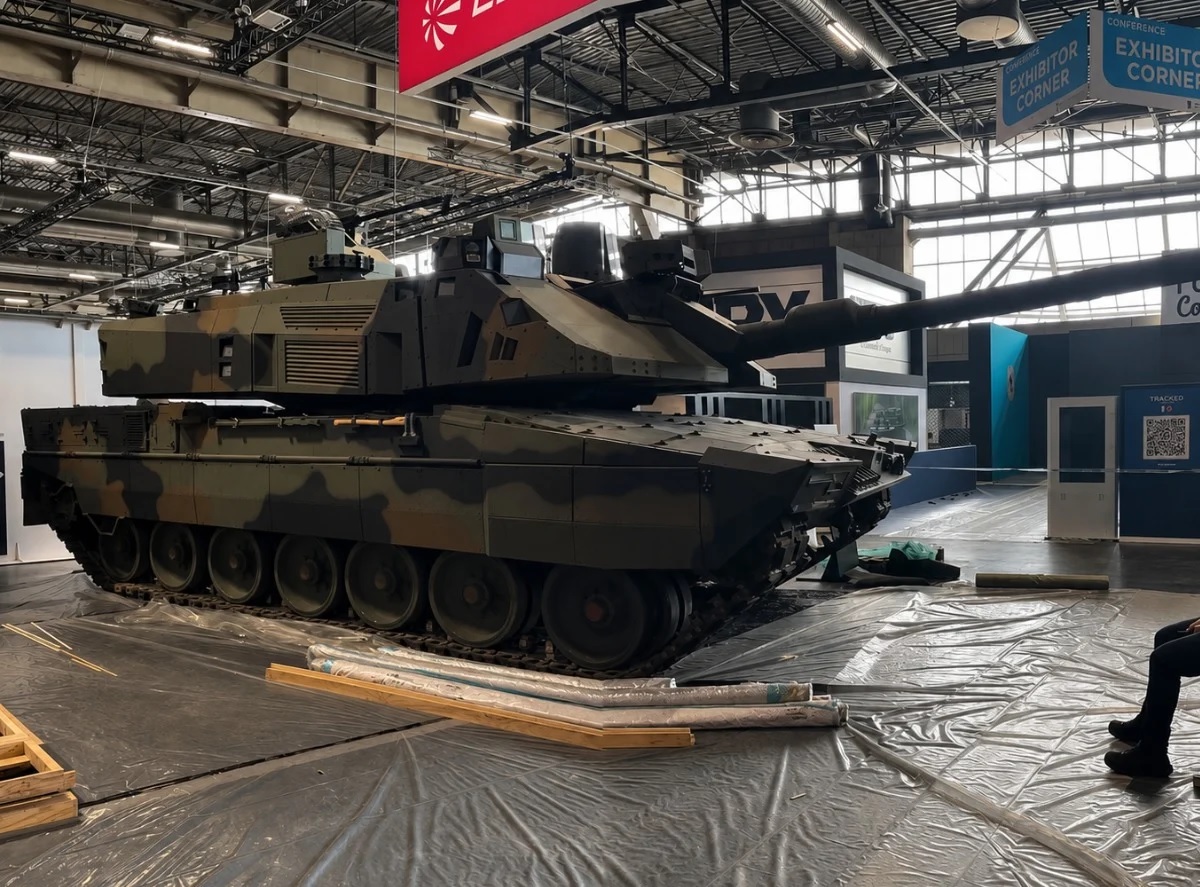 Leonardo Rheinmetall to Unveil Italy’s New IMBT Main Battle Tank at Eurosatory 2026
-
 Tulsi Gabbard Releases Declassified Files Detailing U.S.-Backed Network of 120 Biolaboratories Across 30+ Countries
-
8 U.S. Air Force Crew Members Killed in B-52 Bomber Crash During Test Flight at Edwards Air Force Base
-
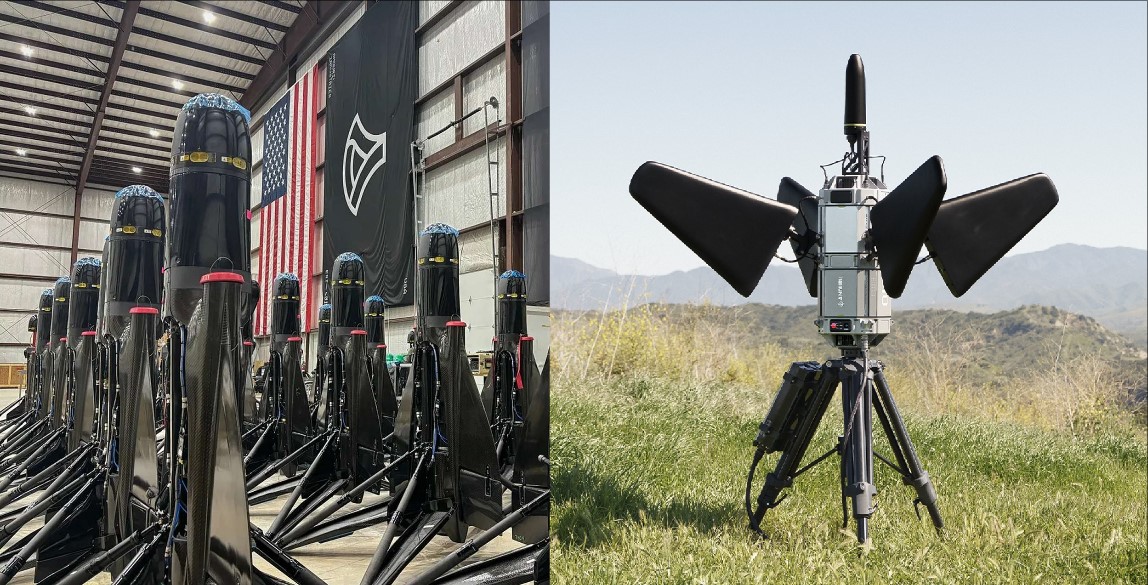 U.S. Approves $1.98 Billion Sale of Anduril AI-Powered Counter-Drone Systems to Kuwait
-
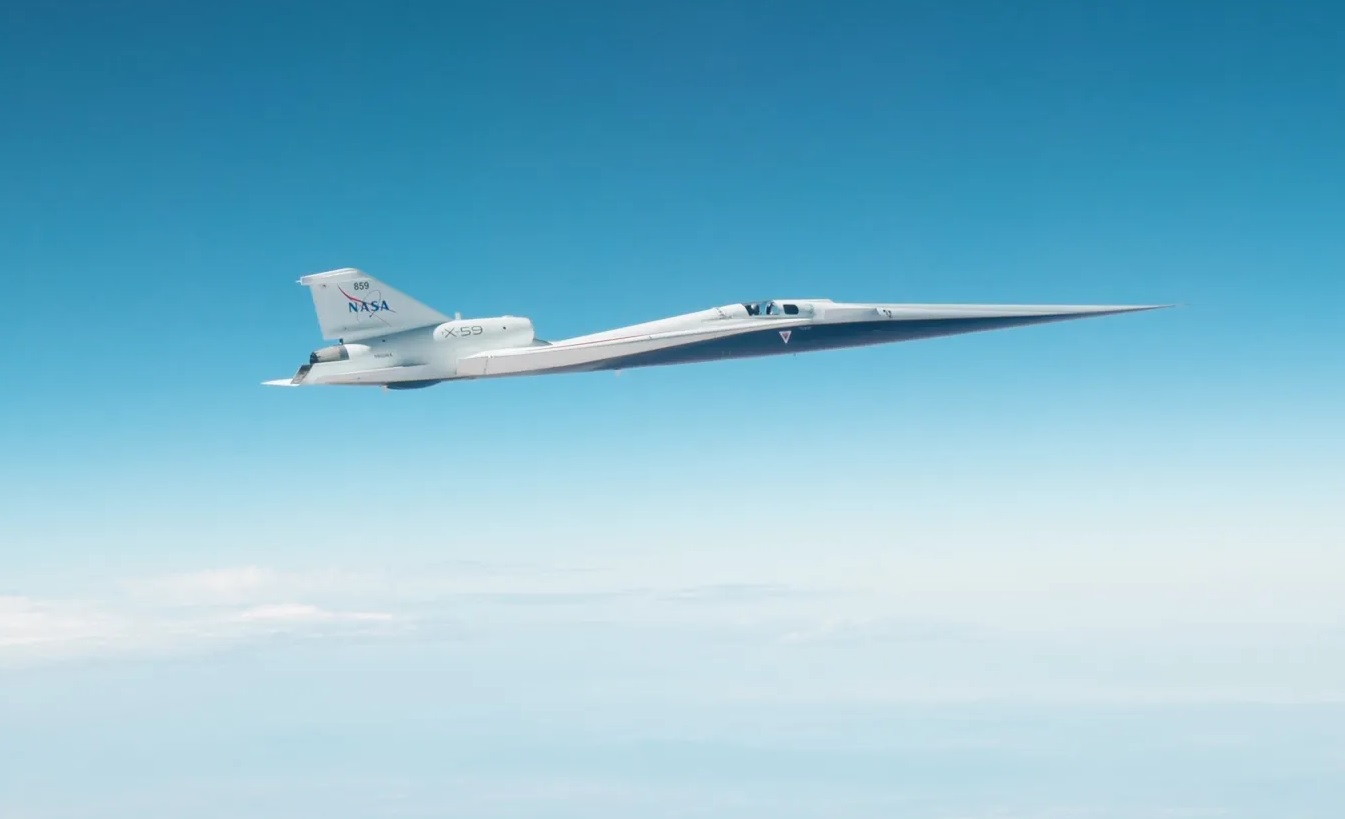 NASA X-59 Achieves Planned Mission Conditions with Mach 1.4 Flight at 55,000 Feet
-
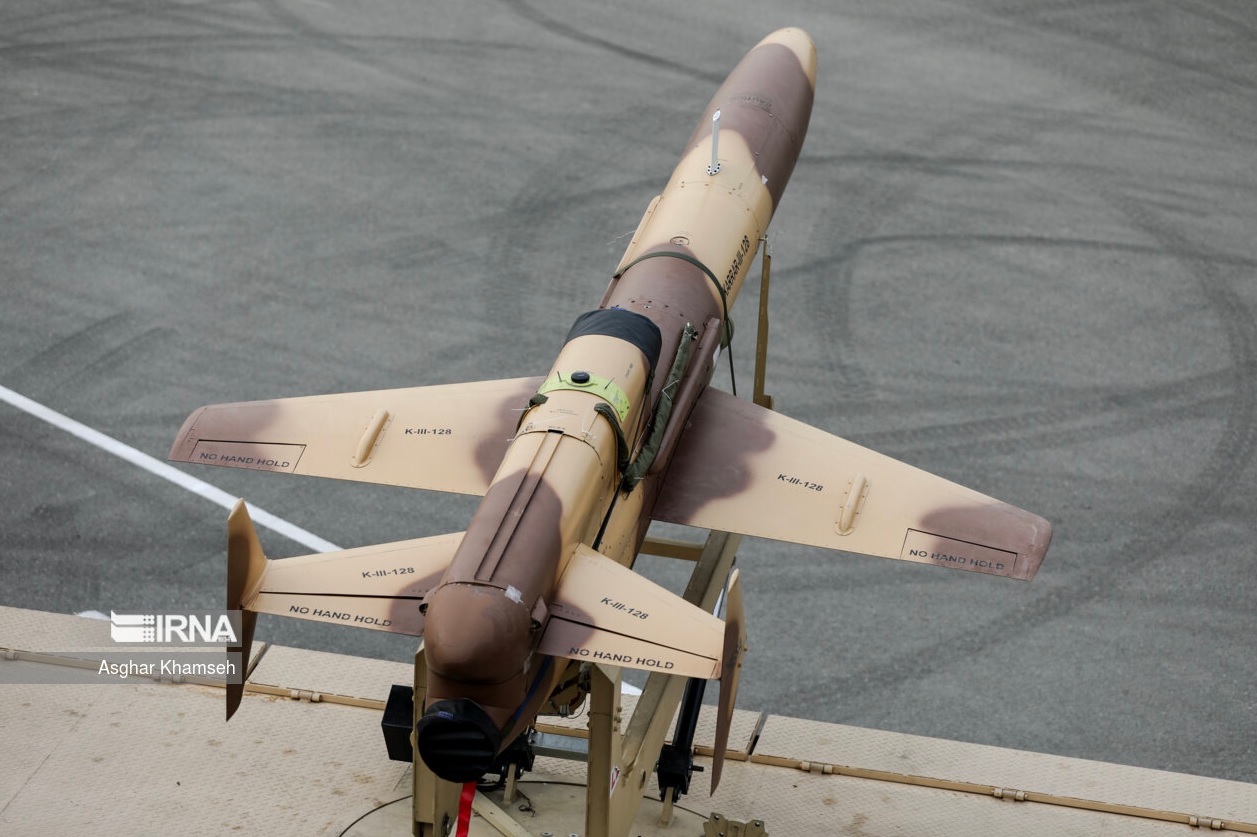 Russia Launches 1,400 Jet-Powered Drones in 2026 as Strike Tactics Evolve to Challenge Ukraine's Air Defenses