
India
India’s aerial combat landscape is undergoing a technological leap that could dramatically tilt the regional balance of power. At the heart of this evolution lies the pairing of Russia’s R-37M long-range air-to-air missile with India’s upcoming Virupaksha AESA radar, a gallium nitride (GaN)-based system designed to supercharge the capabilities of the Su-30MKI — the workhorse of the Indian Air Force (IAF). R-37M: The World’s Longest-Reach BVR Missile The R-37M, also known as the AA-13 "Axehead", is one of the longest-range air-to-air missiles in operational service: Range: Up to 300–400 km, depending on launch parameters. Speed: Hypersonic, reportedly Mach 5–6. Seeker: Active radar homing, with mid-course inertial guidance and data-link updates. Kill Capability: Designed to neutralize high-value aerial targets like AWACS, JSTARS, refueling aircraft, or even enemy fighters operating under the protective umbrella of such force multipliers. This makes it ideal for first strikes in air dominance missions, especially in the vast airspaces of the Himalayas or over the Indian Ocean, where early engagement is critical. Virupaksha AESA Radar: The Indigenous Quantum Leap India’s Virupaksha radar, being developed by DRDO, is not just another AESA system — it's a strategic enabler: TRMs: Around 2,400 Transmit-Receive Modules—an unprecedented density for Indian radar systems. Technology Base: Built on Gallium Nitride (GaN) semiconductors, which offer: Higher power output and thermal efficiency Increased reliability and longevity Better resistance to electronic warfare (EW) Detection Range: Expected to exceed 400+ km, capable of tracking fighter-sized targets far before they enter strike range. Tracking Capability: Can track multiple targets simultaneously, supporting simultaneous engagement with missiles like the R-37M. Integration Goals: Specifically designed to be fitted into Su-30MKI’s nose cone, enabling seamless avionics integration. Synergizing R-37M and Virupaksha on Su-30MKI What makes this combination truly war-changing is synergy: First-Look, First-Shoot: With Virupaksha detecting threats at >400 km, and R-37M striking them at up to 300+ km, Indian Su-30MKIs will be capable of engaging well before enemy aircraft can respond. AWACS & Tanker Neutralization: Enemy force multipliers like KJ-500 AWACS or IL-78 tankers from adversarial air forces will be highly vulnerable — a key asymmetric advantage in early phases of aerial warfare. Network-Centric Warfare: With data fusion from Indian AWACS, satellites, and ground-based radars, Virupaksha can cue targets for R-37M even without Su-30’s own sensors having line-of-sight. EW Resistance: Thanks to GaN’s higher power efficiency and signal clarity, Virupaksha will likely be more resistant to jamming, preserving lock in high-threat zones. Strategic Implications for India’s Air Dominance Deterrence: Su-30MKIs equipped with this combo will deter deep-penetration strikes from even stealth or 5th-gen fighters unless they are extremely cautious or operate under cover. Chinese Challenge: PLAAF’s reliance on long-range radar and AWACS platforms over Tibet or the South China Sea could be undermined, making China's air doctrine less robust in real warfighting terms. Pakistani Air Force: With its limited number of support aircraft and AWACS, this combo threatens to neutralize force multipliers within minutes of engagement. Limitations and Future Roadmap While this pairing is formidable, integration challenges must not be ignored: R-37M compatibility with Indian fire-control systems needs full validation. Sustainability of GaN-based radar arrays in Indian climatic conditions must be field-proven. Indian alternatives like Astra Mk3 (extreme BVR) could replace R-37M in the long term, but the Russian missile remains vital until indigenous replacements mature. The marriage of R-37M’s long-reach lethality with the sensor dominance of Virupaksha AESA radar transforms the Su-30MKI into a true air dominance platform. In an era where first detection and first kill dictate the outcome, this Indian-Russian fusion of missile and sensor technology has the potential to dramatically shift the aerial power calculus in India's favor, both in peacetime deterrence and wartime execution.
Read More → Posted on 2025-05-29 14:19:31
India
India is taking decisive steps to revive an old airfield in Tripura, close to the Bangladesh border, as part of a larger strategic response to China’s increasing military footprint in the region. This move highlights India’s growing concern over regional security, especially with China actively supporting the redevelopment of an old airbase in Bangladesh’s Lalmonirhat district. The airfield in focus is Kailashahar Airport, located in Tripura’s Unakoti district. Though it has remained unused for more than 30 years, this once-important airstrip is now being fast-tracked for revival by the Indian government. On May 26, 2025, senior officials from the Airports Authority of India (AAI) inspected the site to assess its existing infrastructure, land condition, and overall operational feasibility. This marks the first clear step towards bringing the long-defunct airfield back to life. Why Is India Reviving Kailashahar Airport Now? The sudden push to revive Kailashahar Airport comes in the backdrop of China-backed developments at Lalmonirhat Airbase in northern Bangladesh, barely 20 kilometers from India’s border. This area is dangerously close to the Siliguri Corridor — a narrow 22-kilometer stretch that links mainland India with its northeastern states like Assam, Meghalaya, and Arunachal Pradesh. Often referred to as the “chicken’s neck,” this corridor is a crucial lifeline for India’s security and economic connectivity to the northeast. Any military buildup near this corridor poses a direct security risk. India fears that China’s involvement in modernizing Lalmonirhat Airbase could, in the long run, allow China or its allies to maintain a strategic presence dangerously close to this sensitive region. China’s Growing Footprint in Bangladesh In recent years, China-Bangladesh defense ties have strengthened, with Beijing supplying military hardware, naval vessels, and conducting joint exercises with Dhaka. The Lalmonirhat airbase project is being viewed as part of China’s larger regional strategy, often described as the “String of Pearls.” This strategy involves creating a network of strategic assets — ports, airbases, and infrastructure projects — around India to potentially encircle it geopolitically. Though official details about the Chinese-backed airbase development in Lalmonirhat remain limited, its location and timing have understandably raised concerns in New Delhi, given the sensitive geography and history of regional tensions. A Strategic and Historic Decision Reviving Kailashahar Airport is not only a military decision but also a historically symbolic one. During the 1971 Indo-Pak War, this very airfield was used by the Indian Air Force and the newly formed Bangladeshi resistance forces. It was from here that “Kilo Flight”, the first makeshift air squadron of Bangladesh, took off for its early missions using civilian planes converted for combat. These missions played a crucial role in supporting the liberation of Bangladesh from Pakistani control. By reactivating Kailashahar, India aims to send a clear message — both strengthening its immediate military readiness in the region and honoring its legacy of supporting Bangladesh’s independence struggle. What Lies Ahead Once revived, Kailashahar Airport could serve multiple purposes: A forward airbase for quick deployment of Indian Air Force assets A civilian airport to improve regional connectivity in Tripura and the northeast A symbolic landmark reminding both India and Bangladesh of their shared history At a time when geopolitical rivalries in South Asia are intensifying, India’s move to revive Kailashahar Airport represents a smart blend of strategic foresight and historical pride. It reaffirms India’s commitment to safeguarding its northeastern lifeline while subtly countering China’s expanding influence in Bangladesh.
Read More → Posted on 2025-05-29 14:06:04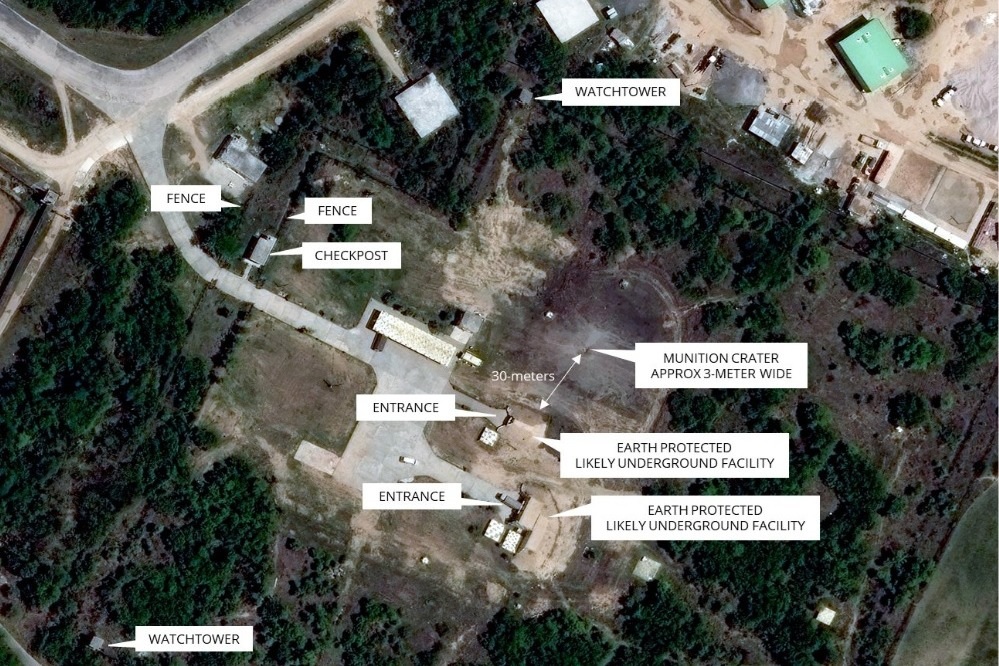
India
Fresh satellite images have revealed significant destruction at Pakistan’s Murid air base following the May 10 military strikes carried out by the Indian Air Force (IAF). The latest high-resolution images have confirmed the appearance of a large, three-metre wide crater, located just 30 metres from one of the main entrances of the strategic airbase. The images also clearly show extensive damage to the buildings, rooftops, and structures within the airbase. Notably, one of the most critical aspects of this revelation is the confirmation of damage to an underground facility at the Murid air base — a site believed to be vital for Pakistan’s drone and missile operations. This information was brought to light by geo-intelligence researcher Damien Symon, who has consistently reported on the structural conditions of Pakistan’s military bases. According to him, the Murid air base is heavily fortified, secured with double fencing, multiple watchtowers, and strict access control, which highlights its importance as a high-value military target. The underground sections of this base may have been used for storing special equipment or as protected shelters for personnel. Located in Chakwal, around 150 kilometres from the Line of Control, the Murid air base operates as a forward operating location for the Pakistan Air Force. It functions in coordination with other major air stations like Sargodha air base and Nur Khan air base in Rawalpindi. A careful comparison between the satellite images taken before and after the May 10 air strikes shows clear evidence of destruction. The April 16 images presented an intact facility, but the images taken after the strikes display considerable damage to multiple structures. One of the significant buildings, believed to be a command-and-control centre near the UAV complex, shows visible signs of collapse, with a portion of the roof caved in and the outer walls visibly damaged. Defense experts believe that such precision strikes by the IAF not only destroyed surface-level targets but also inflicted serious damage to the underground complexes, indicating a well-planned military operation aimed at crippling key operational centres of the Pakistan Air Force. The Murid air base has long been considered a sensitive installation, closely linked to Pakistan’s aerial defense and unmanned systems program. These fresh images, offering undeniable proof of destruction, underscore the impact of the May 10 strikes and mark a significant development in the ongoing tensions between the two countries. While Pakistan has remained tight-lipped about the exact extent of the damages, independent satellite imagery continues to expose the aftermath of the attacks, revealing the operational vulnerability of even the most fortified military establishments.
Read More → Posted on 2025-05-29 09:35:42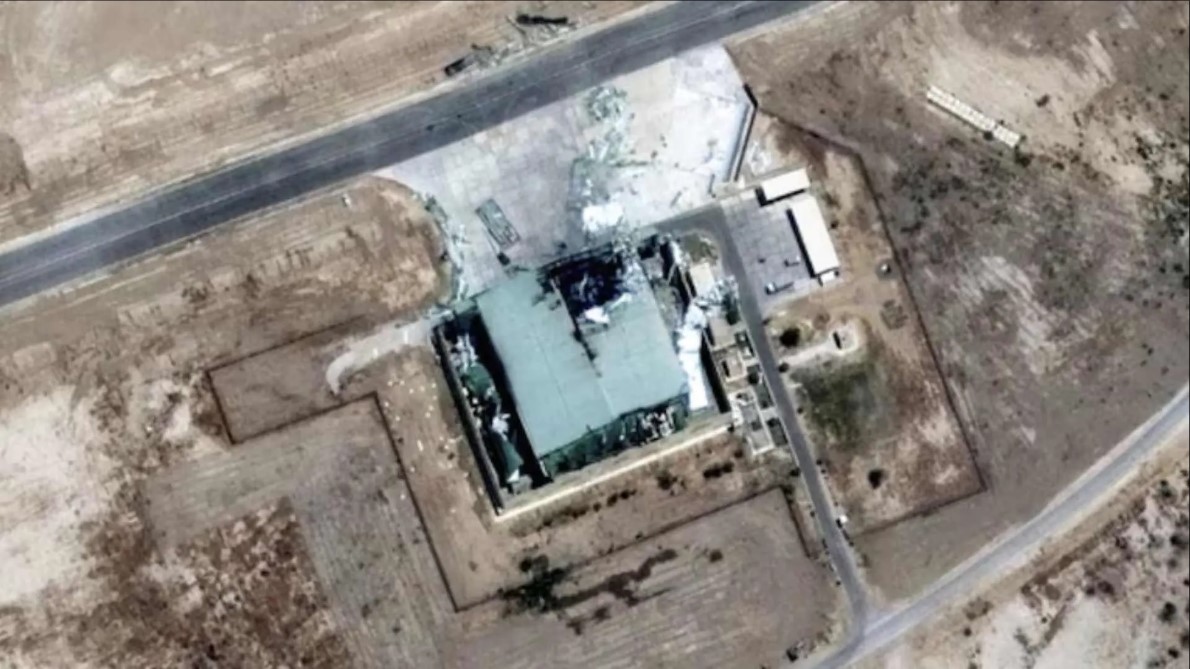
India
In a significant development, a recent report has brought to light an alleged precision strike carried out by the Indian Air Force (IAF) on Pakistan’s Bholari Air Base. This operation, reportedly executed using long-range cruise missiles, is said to have targeted a critical hangar housing key assets of the Pakistan Air Force (PAF). Major Losses for PAF at Bholari According to the report, the hangar contained a Saab 2000 Airborne Early Warning and Control (AEW&C) aircraft along with three to four fighter jets of Western origin. These aircraft were reportedly destroyed in the strike, dealing a substantial blow to Pakistan’s aerial surveillance and operational capabilities. The Saab 2000 AEW&C, equipped with the sophisticated Erieye radar system, is a vital component of Pakistan’s air defence strategy. It serves as an airborne radar station, providing early warning of incoming threats and coordinating air operations. The loss of this system would severely affect the PAF’s ability to monitor its airspace and manage combat operations effectively. In addition to the AEW&C, the reported destruction of multiple fighter jets further reduces the immediate operational strength of the PAF. Debris clearance operations at the site have reportedly not yet begun, indicating the extent of damage and the possible challenges faced by Pakistan in restoring the base’s operational status. Operation Monitored by Indian Satellites and AWACS The operation is believed to have been meticulously planned, with real-time surveillance provided by Indian satellites and Airborne Warning and Control System (AWACS) aircraft. This integration of space-based and airborne intelligence allowed Indian forces to monitor the situation live, ensuring the strike achieved its intended objective with high precision. This strike is seen as a demonstration of India’s growing military capabilities, particularly in the domain of precision strikes using advanced missile systems and intelligence-driven operations. It reflects a shift towards a modern, technology-based approach in handling cross-border threats. Additional Strikes in Pakistan’s Punjab Region In a separate but related incident, the IAF reportedly targeted another Pakistani air base located in the Punjab sector. In this operation, three missiles were said to have struck different sections of the base’s runways, making them unusable for at least eight hours. This temporary disabling of the airfield likely grounded PAF aircraft and hampered their operational readiness. Such attacks, aimed at crippling air bases by damaging runways and key infrastructure, serve to restrict the enemy’s ability to launch air operations and respond effectively. Strategic Message and Regional Impact These reported strikes, though unconfirmed by official Pakistani sources, carry a clear strategic message. They showcase India’s ability to conduct high-precision, intelligence-backed military operations aimed at high-value enemy assets while maintaining operational secrecy. The alleged destruction of the Saab 2000 AEW&C aircraft is particularly significant, as it represents a crucial element of Pakistan’s airborne early warning and command network. Without such platforms, the PAF’s situational awareness and coordination during any conflict scenario would be notably diminished. This operation, reportedly codenamed Operation Sindoor, highlights the Indian Air Force’s preparedness, advanced strike capability, and growing emphasis on integrating space-based and airborne surveillance into combat missions. While official details remain classified and Pakistan is unlikely to confirm the full extent of the damage, the implications of this reported strike are expected to be closely monitored by global defence analysts. It signals a proactive approach by India in addressing regional security threats and neutralizing strategic enemy assets with precision.
Read More → Posted on 2025-05-29 09:26:03
India
In a significant operational breakthrough for the security forces in Jammu and Kashmir, a meticulously coordinated Cordon and Search Operation (CASO) was launched in the Baskuchan area of South Kashmir’s Shopian district. The operation was executed by the Special Operations Group (SOG) of Shopian, in close coordination with the 44 Rashtriya Rifles (RR) of the Indian Army and the 178 Battalion of the Central Reserve Police Force (CRPF), following credible intelligence regarding terrorist movement in the region. Acting on specific input, the joint team swiftly cordoned off the area early in the morning. During the search operation, movement was detected in a nearby orchard, confirming the presence of armed terrorists. In what could have escalated into a deadly encounter, the situation was tactically handled by the joint forces. Instead of opening fire immediately, the security personnel engaged in a calculated containment maneuver that led to a peaceful surrender — a rare and strategically significant outcome in counter-insurgency operations in the Valley. The two individuals who surrendered have been identified as Irfan Bashir and Uzair Salam, both reportedly associated with the banned terror outfit Lashkar-e-Taiba (LeT). According to initial reports, the duo were categorized as “hybrid terrorists” — a term used for individuals who operate covertly for terrorist groups while continuing to maintain an outward appearance of civilian life. The surrender marks an important success for ongoing deradicalization efforts, particularly in South Kashmir, a region that has witnessed frequent militant activity in recent years. Their decision to lay down arms not only saved lives — including their own — but also provided an intelligence breakthrough, potentially aiding ongoing investigations into terrorist networks and logistics in the region. Significant Recoveries from the Site: Following their surrender, the joint team recovered a cache of arms, ammunition, and personal items from the suspects. These include: 02 AK-56 assault rifles 04 magazines compatible with AK-series rifles 102 live rounds of 7.62×39mm caliber ammunition 02 hand grenades, indicative of planned violent engagement 02 utility pouches for ammunition and grenades ₹5,400 in Indian currency, suspected to be operational cash 01 mobile phone and 01 smartwatch, potentially used for communication and tracking 02 packets of biscuits, likely part of field sustenance 01 Aadhaar card, aiding in identity verification All recovered items have been secured as evidence and will undergo forensic examination. Digital devices such as the mobile phone and smartwatch are expected to be analyzed for communication records, location data, and potential links to other operatives. An FIR has been registered under the relevant sections of the Indian Penal Code, Arms Act, and Unlawful Activities (Prevention) Act (UAPA), and further investigation is underway to map out the wider network of collaborators and handlers. Broader Implications: This operation comes at a time when security forces have intensified counter-terror efforts across the Kashmir Valley, particularly targeting hybrid militants who blend into civilian populations and are activated for specific tasks. The successful surrender of Irfan and Uzair is being hailed not just as a tactical win, but also as a reflection of effective intelligence gathering, coordination among security agencies, and a nuanced operational approach that prioritizes human lives where possible. Officials stated that efforts will continue to encourage local militants, especially those lured into militancy through online propaganda or coercion, to return to the mainstream. The duo will likely be debriefed over the coming days to extract further information on their handlers, recruitment patterns, and potential targets. Security forces have reiterated their commitment to maintaining peace and order in the region while upholding human rights and providing opportunities for misguided youth to return to a life of dignity.
Read More → Posted on 2025-05-29 09:18:23
India Revives ₹44,000 Cr Minesweeper Project: Plans to Build 12 Next-Gen Mine Countermeasure Vessels
India
India has reactivated its long-stalled ₹44,000 crore project to domestically build 12 state-of-the-art Mine Countermeasure Vessels (MCMVs), a critical capability gap that the Indian Navy has been grappling with for over a decade. With fresh momentum, the initiative signals a significant push towards strengthening coastal and naval security, particularly in the face of growing maritime threats and an increasingly complex underwater mine warfare landscape. The Legacy Gap in Naval Mine Countermeasures Naval mines, often termed the "weapons that wait," pose one of the most silent yet devastating threats to maritime operations. Despite this, the Indian Navy has lacked a dedicated minesweeper fleet since 2016, when the last of its 12 Soviet-origin Pondicherry-class MCMVs were decommissioned. Since then, the Navy has been without a dedicated capability to detect and neutralize sea mines—a vulnerability in a region of high maritime traffic and contested waters. Several attempts to replace the aging fleet stalled over issues related to costs, technology transfer, and quality compliance. The most notable setback came in 2018, when the proposed ₹32,000 crore project with South Korea’s Kangnam Corporation—meant to be executed with Goa Shipyard Limited (GSL)—was scrapped over pricing and local content issues. Revival Under New Guidelines In 2025, the Ministry of Defence has finally rebooted the project under the "Make in India" initiative, with an expanded budget of ₹44,000 crore. Goa Shipyard Limited will remain the primary shipbuilder, but this time the project will likely involve newer, global partnerships under updated procurement models like the Strategic Partnership (SP) model or Buy and Make (Indian). Officials have hinted that negotiations are already underway with leading global MCMV manufacturers such as Italy’s Intermarine, Sweden’s Saab, and France’s Naval Group, among others. Advanced MCMV Capabilities in Focus The upcoming Indian MCMVs are expected to incorporate the latest in mine countermeasure technologies, with capabilities far beyond traditional minesweeping: 1. Non-Magnetic Hull Construction To prevent triggering magnetic mines, the MCMVs will be constructed using non-magnetic materials, most likely glass-reinforced plastic (GRP) or advanced carbon fiber composites. GRP hulls also offer better shock resistance and longevity in mine-laden waters. 2. Hull-Mounted and Towed Sonar These vessels will be equipped with state-of-the-art High-Frequency Hull-Mounted Sonars (HF-HMS) and Variable Depth Sonars (VDS) to detect both moored and bottom mines in different seabed environments. 3. Unmanned Mine Disposal Systems Each MCMV will likely carry a suite of autonomous and remotely operated vehicles, including: ROVs (Remotely Operated Vehicles) with robotic arms to neutralize mines using shaped charges. AUVs (Autonomous Underwater Vehicles) to conduct mine-hunting missions independently using AI-driven algorithms. 4. Advanced Navigation and C2 Systems Given the precision required in mine warfare, the MCMVs will come with integrated combat management systems (CMS), dynamic positioning systems, and high-resolution navigation radars with GPS/INS overlays for exact station-keeping and mission execution. 5. Self-Defense Systems While not heavily armed, these ships are expected to carry short-range naval guns and close-in weapon systems (CIWS) for basic self-defense against asymmetric threats like drones or fast attack craft. Strategic Implications The revival of the MCMV program comes at a time when India is increasing its naval footprint across the Indian Ocean Region (IOR). With adversaries potentially deploying advanced influence mines and seabed sensors, especially in choke points like the Strait of Hormuz or the Malacca Strait, the need for mine warfare capability is no longer optional—it is a strategic imperative. Moreover, this initiative also boosts the domestic shipbuilding ecosystem, enabling technology absorption and skill development within Indian yards. Goa Shipyard is already undergoing infrastructure upgrades to handle composite hull fabrication, something previously unprecedented at this scale in India. Timelines and Future Outlook The delivery timeline is expected to span a decade, with the first vessel anticipated by 2028 if contracts are finalized in 2025. All 12 ships are to be built indigenously, although the first few may see critical foreign components or design modules imported and integrated locally. If executed on time, the project will not only close a glaring capability gap for the Indian Navy but also position India as a potential exporter of MCMVs to friendly foreign navies in Southeast Asia and Africa—many of which face similar maritime mine threats but lack indigenous production capabilities. Conclusion With the revival of this ₹44,000 crore MCMV project, India is finally taking decisive action to restore a vital arm of its naval warfare capability. The integration of modern sonar, robotics, and unmanned systems marks a major leap in how India prepares to secure its harbors, shipping lanes, and forward naval deployments in an era of increasingly complex maritime threats. This isn’t just a procurement program—it’s a strategic pivot that could redefine India’s underwater dominance in the Indian Ocean for decades to come.
Read More → Posted on 2025-05-28 15:35:52
India
In a major milestone for India's defence ambitions, the government has approved the execution model for the country’s most advanced fighter aircraft project — the Advanced Medium Combat Aircraft (AMCA). This marks a big step forward in India’s journey toward self-reliance in the defence sector, also known as Atmanirbharta. Defence Minister Rajnath Singh gave the go-ahead for this ambitious programme, placing the Defence Research and Development Organisation (DRDO) in charge of leading the effort. The Aeronautical Development Agency (ADA), a part of DRDO, will spearhead the AMCA project. The ADA has earlier been responsible for developing India’s Light Combat Aircraft (LCA) programme, and it will now carry that experience into this new venture. To make the project a true symbol of national capability, ADA will partner with Indian companies from both the public and private sectors. According to the Defence Ministry, these companies can participate individually, as joint ventures, or as part of consortiums. An Expression of Interest (EoI) for the development phase of the AMCA will soon be released, inviting Indian firms to bid for various roles in building the aircraft. Only Indian-registered companies that follow all national laws will be allowed to participate. This move will not only boost indigenous capabilities but also help build a strong aerospace manufacturing base within the country. The AMCA is designed to be a fifth-generation stealth fighter, meaning it will have advanced features such as reduced radar visibility, superior maneuverability, high speed without using afterburners (supercruise), and all-weather combat readiness. It is expected to replace or complement India’s existing frontline fighters like the Sukhoi Su-30MKI in the coming decades. Once operational, the AMCA will place India in an elite group of nations capable of designing and manufacturing fifth-generation combat jets — a group that currently includes the United States, Russia, and China. It’s also a critical part of India’s strategy to reduce reliance on foreign military imports and to become a major global player in defence technology. Although exact timelines may shift, reports suggest that full-scale production of the AMCA could begin by 2035. The project is not just a leap forward in terms of technology but also a significant moment in India’s vision of being a self-reliant and secure nation. With this clearance, India has taken a major step toward creating a powerful, homegrown fighter aircraft that reflects both its technical expertise and strategic independence.
Read More → Posted on 2025-05-28 15:13:53
India
India is making impressive strides in strengthening its indigenous defence capabilities with the development of a new high-speed, stealth kamikaze drone called SWiFT-K. This cutting-edge drone is being developed by the Aeronautical Development Establishment (ADE), a vital wing of the Defence Research and Development Organisation (DRDO), in partnership with Indian industry and academic institutions. The SWiFT-K marks a significant milestone as India’s first homegrown kamikaze drone designed to counter modern air defence systems, such as the Chinese-origin HQ-9 missile systems reportedly operated by Pakistan. By focusing on stealth, speed, and precision, this drone project demonstrates India's commitment to achieving self-reliance in critical defence technology. What is a Kamikaze Drone? Often called loitering munitions, kamikaze drones are unmanned aerial vehicles (UAVs) designed to attack by crashing directly into a target, carrying an onboard explosive warhead. Unlike traditional UAVs that return after a mission, kamikaze drones are intended for one-time use, making them a cost-effective, precise solution for neutralising high-value enemy assets, such as air defence missile batteries, radar stations, and command posts. SWiFT-K: Born from the SWiFT Program The SWiFT-K is a combat-oriented offshoot of the ongoing Stealth Wing Flying Testbed (SWiFT) project, which serves as a technology demonstrator for India’s future Unmanned Combat Aerial Vehicles (UCAVs). The ‘K’ in its name stands for ‘Kamikaze’, underlining its role as a single-use, precision-strike platform. Built around a flying-wing stealth design, SWiFT-K will combine low radar signature with high-subsonic speed, making it difficult for advanced air defence systems to detect and intercept. Key Specifications of SWiFT and SWiFT-K While exact figures for the SWiFT-K are still classified, the specifications of the base SWiFT platform, which influences the kamikaze variant, are as follows: Wingspan: 5 metres Length: 4 metres Maximum Takeoff Weight: 1,050 kg Endurance: 1 hour Command Range: 200 km Maximum Speed: Mach 0.6 (approx. 735 km/h at sea level) Engine: Currently powered by a Russian NPO Saturn 36MT turbofan engine Future Engine: Planned integration of the indigenous Small Turbo Fan Engine (STFE) being developed by Gas Turbine Research Establishment (GTRE) The SWiFT-K will trade endurance for increased speed, stealth, and warhead payload, tailoring it for precision strikes against fortified enemy positions. Stealth and Speed: Its Greatest Strength SWiFT-K’s high-subsonic speed of Mach 0.6, paired with stealthy features from its flying-wing airframe, enables it to slip past sophisticated enemy radars and air defence systems like the HQ-9. This makes it a highly effective tool for taking out critical installations without risking manned aircraft or expensive assets. Rapid Progress in Development The project has advanced quickly, with two prototypes already built for testing core systems. The drone successfully completed High-Speed Taxi Trials (HSTT) at the Aeronautical Test Range (ATR) in Challakere, Karnataka. This confirmed the drone’s ground handling and validated its specially designed landing gear — though future operational variants are expected to feature booster-assisted or catapult launches, eliminating the need for runways. Interestingly, the program has made notable progress even without specific end-user orders or formal funding approvals, reflecting the initiative’s strategic importance. Academic and Industry Collaboration In a unique move, ADE has partnered with an incubator at the Indian Institute of Science (IISc), Bengaluru to develop SWiFT-K’s advanced airframe. This joint effort blends academic expertise with military innovation. Plans are also in place for a Transfer of Technology (ToT) to Indian private defence manufacturers for mass production once the drone completes its capability demonstrations. A Step Toward Atmanirbhar Bharat The SWiFT-K project is a shining example of India’s ‘Atmanirbhar Bharat’ (Self-Reliant India) vision, highlighting how domestic R&D, industry, and academic partnerships can drive indigenous defence innovation at impressive speed. The initial prototype was completed in just nine months, showcasing India’s growing ability to rapidly develop advanced military technology. What Lies Ahead Currently in its capability demonstration phase, SWiFT-K’s focus is on validating its autonomous, high-speed, stealth capabilities. After successful flight trials, future versions will be adapted for mobile or frontline deployments, launching from vehicle-based or portable platforms. This will provide India with a powerful, flexible strike option in the event of conflict, especially in contested airspace dominated by enemy missile shields. The SWiFT-K’s development also sets the stage for future unmanned combat systems like the Ghatak UCAV, with which it shares several technological roots. Conclusion The SWiFT-K stealth kamikaze drone represents a significant leap in India’s unmanned warfare capabilities. Designed to evade and overwhelm sophisticated air defence systems like the HQ-9, this high-speed, low-observable drone could become a critical component in India’s future combat operations. Its successful development also reflects the strength of India’s defence R&D sector and the growing momentum behind the country’s push for indigenous, cutting-edge military technologies.
Read More → Posted on 2025-05-28 14:23:47
India
India’s indigenous fighter jet, the Tejas Mk1A, is on the brink of achieving a major milestone in its combat journey. It is now in the final stages of trials for integration with the French-made AASM HAMMER missile system—a precision-guided weapon that promises to significantly strengthen the Indian Air Force’s (IAF) operational capability, especially for Suppression of Enemy Air Defence (SEAD) missions. The AASM HAMMER (Highly Agile Modular Munition Extended Range), developed by Safran Electronics & Defence, is a versatile and battle-tested smart weapon. Capable of striking targets up to 70 kilometres away, it transforms conventional unguided bombs into deadly precision munitions using a high-tech guidance kit and a rocket booster. The HAMMER’s effectiveness has already been proven in combat and is currently deployed on India’s Rafale jets. Now, this potent system is being paired with the Tejas Mk1A—India’s homegrown light combat aircraft developed by Hindustan Aeronautics Limited (HAL). The integration of the HAMMER missile into the Tejas platform began back in 2020, and over the years, several critical testing milestones have been achieved. A major breakthrough came in March 2022, when successful ground jettison and release tests were conducted using a Limited Series Production Tejas variant. Since then, flight trials have been ongoing, and reports suggest that the Tejas Mk1A is already flying with the HAMMER missile during these final validation phases. The HAMMER is not just another missile—it represents a serious strategic boost. Its long standoff range means pilots can strike heavily defended targets from a safe distance, minimizing the risk to both the aircraft and pilot. It can hit a variety of threats, from hardened bunkers and radar installations to mobile targets deep inside enemy territory. This makes it an ideal weapon for SEAD operations, which are vital for dismantling enemy air defence systems and opening up the skies for broader aerial missions. What sets the HAMMER apart is its adaptability. It comes with multiple guidance systems, including INS/GPS, Infrared (IR), and Laser guidance. This allows it to maintain accuracy even when GPS signals are jammed or under electronic warfare attacks. Its successful performance in high-threat environments like the ongoing conflict in Ukraine has highlighted its robustness and reliability. On the Tejas Mk1A, the HAMMER missiles are mounted on the mid-board stations, effectively complementing other advanced weapons such as the Astra Mk1 air-to-air missile and Python-5. Thanks to the Tejas’s modern avionics suite, targeting and deploying these munitions is smooth and precise, allowing pilots to respond quickly to evolving battlefield situations. The strategic importance of SEAD capabilities cannot be overstated. In potential conflict zones, such as along India’s borders with Pakistan or China, enemy surface-to-air missile systems like the HQ-9B pose a serious threat to IAF operations. With the HAMMER, the Tejas can locate, target, and destroy these defences, enabling deeper penetration into hostile airspace and ensuring air superiority. Adding to this momentum, India is also taking bold steps to localise the production of the HAMMER system. On February 12, 2025, a joint venture between Bharat Electronics Limited (BEL) and Safran was officially announced. This partnership will handle local manufacturing, customisation, maintenance, and long-term support for the HAMMER missile, in alignment with India’s ‘Aatmanirbhar Bharat’ (self-reliant India) mission. This collaboration follows a co-development proposal made by France in October 2024 and builds upon existing cooperation between India and France on platforms like the Rafale and Mirage 2000. With interoperability across multiple fighter jets and growing domestic production capabilities, India is not only enhancing its immediate combat readiness but also building a strong, independent foundation for its future defence needs. As the Tejas Mk1A nears full combat certification with the HAMMER missile, it symbolizes a leap in India’s air power—blending indigenous innovation with cutting-edge global technology to ensure readiness for modern warfare.
Read More → Posted on 2025-05-28 14:17:21
India
In a significant boost to its aerial combat readiness, the Indian Air Force (IAF) has started equipping its frontline fighter jets—the MiG-29UPG and Su-30MKI—with Russia’s cutting-edge RVV-SD air-to-air missiles. This step is aimed at enhancing the aircrafts’ beyond-visual-range (BVR) engagement capability, especially in the face of rising regional tensions, particularly with Pakistan. The RVV-SD missile is a modern replacement for the older R-77 (RVV-AE) missiles, which have seen declining relevance in modern aerial warfare due to limitations in range, guidance, and resistance to electronic jamming. In contrast, the RVV-SD offers a considerable technological leap and is designed to be more reliable and deadly in high-threat environments. Built by the Russian firm Vympel, part of the Tactical Missiles Corporation, the RVV-SD—also known by its development name Product 170-1—packs a range of new technologies. It uses a multichannel homing system, digital enhancements, better materials, and advanced electronics to outperform its predecessors. The most crucial upgrade comes in its targeting system. The RVV-SD uses a combination of inertial navigation for the early phase of flight, radio-based course corrections in mid-flight, and a powerful active radar seeker for the final leg of its journey to the target. This radar seeker, known as the 9B-1103M and developed by Moscow’s Agat Research Institute, is designed to work even in the face of heavy jamming or bad weather. It offers better detection, tracking, and strike capability against fast and maneuvering targets. One of the standout features of the RVV-SD is its extended range. It can strike targets up to 110 kilometers away in head-on engagements—far superior to the 80-kilometer range of the older R-77s. Moreover, it is capable of hitting enemy aircraft that are making evasive turns under extreme pressure—up to 12 times the force of gravity (12g). This is crucial in dogfight scenarios where agility can mean the difference between life and death. The arrival of the RVV-SD in India has been fast-tracked through emergency procurement—a clear indication of the IAF’s urgency to maintain superiority in the region’s contested skies. With Pakistan steadily upgrading its own air force, including advanced radar and missile systems for its JF-17 and F-16 fleets, India’s decision to integrate better BVR weapons signals a firm intent to stay ahead. However, the RVV-SD is not the final solution. India is moving steadily toward self-reliance in defence technology, with the DRDO-led Astra program leading the way. The Astra Mk-I has already been inducted, and the more advanced Astra Mk-II is under development. These indigenous missiles are expected to eventually replace imported systems like the R-77 and even the RVV-SD, giving the IAF a homegrown edge in air-to-air combat. For now, the RVV-SD gives Indian fighter pilots a critical advantage: longer reach, higher kill probability, and stronger resistance against modern threats. It is a timely upgrade that strengthens India’s defensive posture and ensures its aircraft remain battle-ready in an increasingly volatile region.
Read More → Posted on 2025-05-28 14:02:23
India
India’s Defence Research and Development Organisation (DRDO) is making steady progress in developing a new gun-launched Anti-Tank Guided Missile (ATGM) specially designed for the 105mm cannon of the Zorawar Light Tank. This marks a significant achievement in India’s goal of strengthening indigenous defence technology and reducing dependence on foreign weapon systems. Zorawar Light Tank: India’s Mountain Warrior The Zorawar Light Tank, jointly developed by DRDO’s Combat Vehicles Research and Development Establishment (CVRDE) and Larsen & Toubro (L&T), is India’s first indigenously built light tank designed for high-altitude warfare. Weighing around 25 tons, this highly mobile and agile tank is built for rapid deployment in mountainous regions like Ladakh and Arunachal Pradesh, where heavy tanks face operational limitations. Originally, the tank was equipped with a 105mm high-pressure rifled gun sourced from John Cockerill of Belgium. However, DRDO’s Armament Research and Development Establishment (ARDE) is now working on an indigenous version of this gun to support the government’s Atmanirbhar Bharat (Self-Reliant India) initiative. Why a Gun-Fired ATGM? One of the most important features of the Zorawar Light Tank is its capability to launch Anti-Tank Guided Missiles directly from its 105mm main gun. This allows the tank to strike enemy armoured vehicles, fortified positions, and bunkers at extended ranges without exposing itself to immediate counterfire. The development of a gun-launched ATGM is especially valuable for operations in high-altitude and rugged terrains where mobility, accuracy, and stand-off capability are vital for survival and success in combat. Expected Capabilities and Specifications The upcoming 105mm gun-fired ATGM is designed to deliver powerful anti-armour performance with the following expected specifications: Calibre: 105mm (launched from the tank’s main gun) Effective Range: 2,000 to 2,500 meters Penetration Capability: Approximately 500mm of Rolled Homogeneous Armour (RHA) Guidance System: Likely semi-active laser guidance or imaging infrared seeker for precise targeting Warhead Type: Tandem High-Explosive Anti-Tank (HEAT) warhead to defeat explosive reactive armour (ERA) Operational Use: Day and night, all-weather capability This missile will significantly enhance the Zorawar’s ability to engage modern main battle tanks and armoured personnel carriers from long distances, offering tactical advantages in difficult battlefield conditions. Advanced Features of the Zorawar Tank Apart from the ATGM capability, the Zorawar Light Tank comes equipped with several modern features designed for versatility and survivability: Remote-Controlled Weapon Station (RCWS) for secondary armament Active Protection Systems (APS) to intercept incoming threats Modular Composite Armour for improved crew protection Amphibious Capability for crossing rivers and lakes Thermal Imaging Sights and Laser Rangefinders for accurate target acquisition High Power-to-Weight Ratio for swift mobility across challenging terrains These capabilities make the Zorawar an ideal platform for rapid and decisive operations along India’s sensitive mountain borders. Ongoing Trials and Future Plans Before entering service, the new ATGM and indigenous 105mm cannon will undergo multiple stages of rigorous trials, including internal test firings and integration into Zorawar prototypes. These evaluations will check for performance, accuracy, durability, and reliability under extreme environmental conditions. As development progresses, more indigenous subsystems — including a locally developed engine, fire control system, and communication equipment — are expected to replace imported components, further enhancing the tank’s self-reliant status. A Strategic Step Towards Self-Reliance The development of a gun-launched ATGM for the Zorawar Light Tank is a key step in India’s defence modernization strategy. It not only boosts India’s high-altitude warfare capability but also contributes to strengthening the domestic defence manufacturing ecosystem. Once operational, this missile system will provide Indian troops with a decisive edge in mountainous and border regions, ensuring they can effectively counter armoured threats while maintaining mobility and tactical superiority.
Read More → Posted on 2025-05-26 17:52:24
India
The Central Government has granted a second one-year extension to Dr. Samir V Kamat, the chairman of the Defence Research and Development Organisation (DRDO), allowing him to continue in his role until May 31, 2026. This extension ensures continuity at the top of India’s premier defence research agency during a period of rapid technological advancement and growing strategic needs. Dr. Kamat, a distinguished scientist known for his contributions to defence technology, was first appointed as the Secretary of the Department of Defence Research and Development (DDR&D) and DRDO Chairman on August 25, 2022. He was previously granted a one-year extension in May 2024, which was set to expire this month. The latest decision, approved by the Appointments Committee of the Cabinet, invokes Fundamental Rule 56(d), which empowers the government to extend the service of officials in key roles in the public interest. This move reflects the government’s confidence in Dr. Kamat’s leadership and vision for India’s defence innovation ecosystem. Under his leadership, DRDO has been actively working on a range of indigenous technologies including missile systems, advanced radars, next-generation combat platforms, and electronic warfare systems. His tenure has also seen efforts to strengthen the partnership between DRDO and Indian defence startups, industries, and academia to push the boundaries of research and development. The continuation of Dr. Kamat’s service is seen as a positive step for maintaining momentum on key defence programs and ensuring strategic consistency in DRDO’s roadmap as India pursues self-reliance in defence manufacturing.
Read More → Posted on 2025-05-26 17:30:14
India
The Indian Army has taken a significant step towards modernizing its air defence systems by equipping its Russian-origin IGLA man-portable air defence systems (MANPADS) with an advanced indigenous thermal sighting system developed by TATA Advanced Systems Limited (TASL). This cutting-edge sight, known as the Rajak Thermal Weapon Sight-Cooled (TWC), dramatically enhances the army’s capability to track and engage aerial threats in real time, under any lighting or weather conditions. What Is the Rajak Thermal Weapon Sight-Cooled (TWC)? The Rajak TWC is a highly sophisticated thermal imaging device that uses cooled thermal sensor technology, giving it a clear edge over standard uncooled systems. Cooled sensors deliver higher image clarity, faster detection speeds, and longer detection ranges — crucial factors when dealing with modern threats like drones, helicopters, and low-flying aircraft that often operate at night or in poor weather, making them hard to spot with conventional optics. Key Specifications of Rajak TWC: Type: Cooled Thermal Imaging Sight Detection Range: Man-sized targets: up to 6 km Tank-sized targets: up to 4 km Aircraft & helicopters: 12–15 km Small drones (UAVs): up to 3 km Capability: All-weather, day-and-night operation Technology: High-resolution cooled thermal imaging Integration: Designed for compatibility with IGLA MANPADS This system empowers infantry units to identify, track, and engage fast, low-flying threats that would otherwise escape radar detection — particularly useful in mountainous regions, forests, and urban battlefields. About the IGLA-S Missile System The IGLA-S is a third-generation, shoulder-fired, infrared-homing surface-to-air missile system of Russian origin. It’s designed for very short-range air defence (VSHORADS) and can engage aircraft, helicopters, and drones within a range of 6 km and up to an altitude of 3.5 km. Key Features: Warhead: High-explosive fragmentation Guidance: Infrared homing seeker Range: Up to 6 km Altitude Engagement: Up to 3.5 km Countermeasure Resistance: Advanced seeker technology improves resistance against enemy flares and decoys When combined with the Rajak TWC, the IGLA-S becomes a much deadlier and reliable tool in India’s air defence arsenal. Deployment & Indigenous Defence Push So far, over 150 Rajak TWC systems have been delivered to various Indian Army commands, including the Northern, Eastern, Central, and Southern Commands. The remaining deliveries, including those to the Western Command, are scheduled for completion by mid-2025. This program represents an important milestone under the Aatmanirbhar Bharat (Self-Reliant India) initiative. By incorporating indigenous high-end technology into existing platforms, India is reducing its reliance on foreign imports while simultaneously strengthening domestic defence manufacturing capabilities. Why This Matters The modern battlefield increasingly includes threats from loitering munitions, swarm drones, and low-flying reconnaissance platforms, which are difficult to detect using traditional radar systems. The Rajak TWC’s real-time thermal imaging capability ensures these threats can be identified and neutralized promptly, safeguarding vital military installations and troops in forward areas. Furthermore, TASL’s state-of-the-art optronics manufacturing facility is equipped to scale up production to meet rising demand, ensuring sustained supply for the armed forces. This integration also complements India’s broader air defence modernization drive, which includes indigenous drone detection and jamming systems, anti-drone guns, and laser-based air defence solutions currently under development. Conclusion The collaboration between TATA Advanced Systems and the Indian Army to enhance the IGLA-S MANPADS with the Rajak Thermal Weapon Sight-Cooled represents a vital leap forward in India’s air defence preparedness. It equips frontline soldiers with all-weather, day-and-night engagement capabilities against modern aerial threats while reinforcing India’s commitment to defence self-reliance and technological advancement.
Read More → Posted on 2025-05-26 16:53:43
India
Mr. Baba Kalyani, Chairman and Managing Director of Bharat Forge, has made a compelling case for a joint effort between India’s private companies, public sector organisations, and academic institutions to achieve self-sufficiency in one of the most challenging frontiers of defence technology: the development of indigenous aero engines. Speaking recently, Mr. Kalyani emphasized the readiness of Indian industry to invest in cutting-edge technologies and high-performance weapon systems. He pointed out that achieving true self-reliance in the aerospace sector cannot be done in isolation—it demands the combined strengths of multiple stakeholders. “Industry Consortia, a must, to develop Made-in-India aero engines,” he stated, underlining the urgency of moving beyond dependence on foreign engine suppliers. India has made notable strides in its aerospace capabilities over the years. The successful development of platforms such as the Tejas Light Combat Aircraft (LCA), the Dhruv Advanced Light Helicopter, and the Akash missile system reflect the nation’s growing competence in complex aerospace engineering. However, a persistent challenge remains: the inability to produce high-performance jet engines domestically. India still relies heavily on foreign suppliers—like the U.S.-made GE F404 engines and Russia’s AL-31FP engines—for powering many of its frontline aircraft. This dependency comes with long-term strategic and financial costs. In times of geopolitical tension, access to spare parts, upgrades, or future engine variants may not always be guaranteed. Moreover, without local control over engine technology, India’s broader ambitions for defence exports and innovation are constrained. The push for indigenous aero engines fits squarely within the Atmanirbhar Bharat (Self-Reliant India) vision championed by the government. The goal is to transform India into a defence manufacturing hub, with a target of reaching $25 billion in defence exports by 2030. Aero engines—being the heart of any fighter jet or military aircraft—are a central piece of this puzzle. Mr. Kalyani’s vision isn’t just theoretical. Bharat Forge, under his leadership, has steadily expanded into defence manufacturing. The company plays a key role in the production of artillery systems like the Advanced Towed Artillery Gun System (ATAGS) and has contributed to India’s missile programs. With its Kalyani Centre for Technology and Innovation (KCTI), the firm has developed significant capability in high-performance materials such as titanium and superalloys—crucial components for modern jet engines. But as Mr. Kalyani rightly points out, developing an advanced aero engine is not a task any one organisation can handle alone. The process requires deep knowledge in metallurgy, aerodynamics, heat-resistant materials, and digital control systems. It demands billions of dollars in investment and decades of research. No single Indian organisation currently possesses the full set of capabilities needed to compete with global aerospace giants. To bridge this gap, Mr. Kalyani advocates the formation of a structured industry consortia. In his vision, private players like Bharat Forge, Tata Advanced Systems, and Mahindra Defence would bring capital, supply chain experience, and engineering prowess. Public sector giants like Hindustan Aeronautics Limited (HAL) and the Gas Turbine Research Establishment (GTRE) would provide test infrastructure and decades of technical know-how. Meanwhile, India’s top academic institutions—such as the Indian Institutes of Technology (IITs) and the Indian Institute of Science (IISc)—would push the frontiers of fundamental research in areas like propulsion, materials science, and digital simulation. Startups and SMEs would add agility, particularly in innovative areas like additive manufacturing and AI-driven design optimisation. This approach mirrors successful global models, like the European Clean Sky initiative, where companies such as Airbus and Safran partner with universities to develop future-ready aircraft propulsion technologies. In India, it aligns seamlessly with the goals of the Defence Production and Export Promotion Policy (DPEPP) 2020, which encourages cross-sector collaboration to achieve technological independence. Bharat Forge’s track record of working with international partners, including a joint venture with French aerospace giant Safran for landing gear components, shows that Indian firms can deliver high-quality aerospace components while gaining valuable technical insights. These partnerships have a dual benefit—strengthening local capability while preparing India to compete globally. Mr. Kalyani's leadership also supports ongoing national projects, such as the revival and potential evolution of the Kaveri engine program in collaboration with DRDO and GTRE. His company’s deep involvement in research and advanced material processing can act as a cornerstone for future engine development. With growing geopolitical uncertainties and an increasing focus on self-reliance, Mr. Kalyani’s call for united action couldn’t be more timely. A well-coordinated push for indigenous aero engines, powered by private innovation, public infrastructure, and academic excellence, could transform India from a major defence importer into a global hub of aerospace manufacturing and innovation.
Read More → Posted on 2025-05-26 16:52:00
India
India’s defence research ecosystem has achieved a landmark milestone with the entry of its indigenous Anti-Stealth Surveillance Radar, known as VHF-SR (Very High Frequency – Short Range), into critical field trials. Developed jointly by the Defence Research and Development Organisation (DRDO), Bharat Electronics Limited (BEL), and TATA Advanced Systems Limited (TASL), this system marks a significant leap forward in India’s indigenous capability to counter modern stealth aircraft. This radar system has been specially designed to detect and track aircraft built with stealth technology — aircraft that conventional radars often struggle to pick up. Its induction into field trials signals the beginning of operational testing under realistic battlefield conditions, where its performance against low radar cross-section (RCS) targets and stealth platforms will be evaluated rigorously. What Makes VHF-SR Radar Special? The VHF-SR radar stands out for its use of Very High Frequency (VHF) band signals — operating between 30 MHz to 300 MHz — a range of frequencies at which conventional stealth aircraft are most vulnerable. While stealth aircraft are typically designed to evade detection from higher frequency radars, their effectiveness drops significantly against radars using longer wavelengths like those in the VHF band. At the heart of this radar system are Gallium Nitride (GaN) based transmit-receive modules, which represent the latest in radar technology. Compared to older gallium arsenide modules, these offer higher power efficiency, better thermal management, and greater operational reliability. This means the radar can operate at higher power levels and for longer durations without overheating — an essential feature for sustained surveillance missions. Key Technical Features and Capabilities Here’s a clear look at the impressive specifications of the VHF-SR radar: Detection Range: Up to 400 kilometres for aircraft, including stealth fighters. Simultaneous Target Tracking: Can track up to 100 aerial targets at once. Core Technology: Based on GaN solid-state transmit-receive modules for superior power and reliability. Deployment Platform: Mounted on two mobile TATRA trucks, ensuring rapid relocation and operational flexibility. Staring Mode Surveillance: Capable of continuous, uninterrupted surveillance over a designated airspace without the gaps inherent in rotating radar systems. Operational Environments: Designed for deployment in diverse terrains, including high-altitude regions and coastal areas, with modular antennas for man/mule portability in difficult terrain. Why Stealth Aircraft Can’t Hide From This Modern stealth aircraft, like fifth-generation fighters, rely on shaping techniques and radar-absorbing materials to avoid detection by traditional high-frequency radars. However, their designs are not optimised to defeat radars operating in the VHF band. The longer wavelengths of VHF radar interact differently with aircraft structures, often causing detectable reflections even from stealth-optimised surfaces. This makes VHF-SR a valuable tool in detecting stealth aircraft at ranges where conventional systems might fail. This capability is particularly crucial for India, given the reported proliferation of Chinese-made J-35A stealth fighters in the region. The VHF-SR radar is specifically tailored to pick up such platforms, providing early warning even as they take off from forward airbases, giving Indian defence forces crucial reaction time. Operational Deployment and Mobility Advantage India’s geography demands radars that are not just powerful but also mobile and versatile. The VHF-SR radar meets this need by being mounted on TATRA all-terrain trucks, allowing rapid deployment and repositioning across border areas, coastal belts, and mountainous terrain. This mobility ensures that the radar can remain survivable against potential enemy attacks and can quickly adapt its coverage based on evolving operational needs. Its antenna system has also been designed to be modular, allowing for easy transportation in rugged, inaccessible regions where vehicle access might be limited. Field Trials: The Crucial Validation Phase The current field trials mark the most critical phase in the radar’s development. These trials are intended to evaluate: The radar’s ability to detect and track low RCS stealth aircraft. Angular resolution and tracking accuracy under operational conditions. Integration with existing air defence networks for real-time target hand-offs and coordination. Performance against multiple simultaneous aerial threats. Operational reliability across different environmental and electromagnetic conditions. Simulated stealth targets and various operational scenarios are being used to test the radar’s robustness and efficiency. These evaluations will confirm its suitability for frontline deployment and its role within India’s larger integrated air defence ecosystem. Made in India, Powered by Innovation The VHF-SR radar is not just a technological achievement but also a showcase of India’s growing defence manufacturing capabilities. The collaboration between DRDO, BEL, and TASL combines public sector R&D strength with private sector agility and manufacturing expertise. The indigenous development of advanced signal processing algorithms, antenna design, and GaN transmit-receive modules positions India among a select group of countries capable of developing operational anti-stealth radar systems. Moreover, the technology foundation laid through this program will benefit future projects in long-range surveillance, missile defence, and naval applications. Conclusion The DRDO-BEL-TASL VHF-SR anti-stealth surveillance radar is a landmark achievement for India’s defence sector. Its transition into field trials signals the arrival of a powerful new tool in India’s air defence arsenal, capable of countering stealth threats that have long challenged conventional radar systems. With its 400-kilometre range, simultaneous multi-target tracking, and VHF-based anti-stealth technology, this system is set to become a critical pillar in India’s national security framework. Beyond its immediate operational utility, the VHF-SR radar represents a decisive step towards India’s goal of achieving self-reliance in advanced defence technologies and reducing dependence on foreign systems for critical security infrastructure. As trials continue, this indigenous radar promises to reshape India’s air defence posture and serves as a testament to the country's capability to produce world-class, cutting-edge military technology.
Read More → Posted on 2025-05-26 16:47:21Search
Top Trending in 24 Hours
-
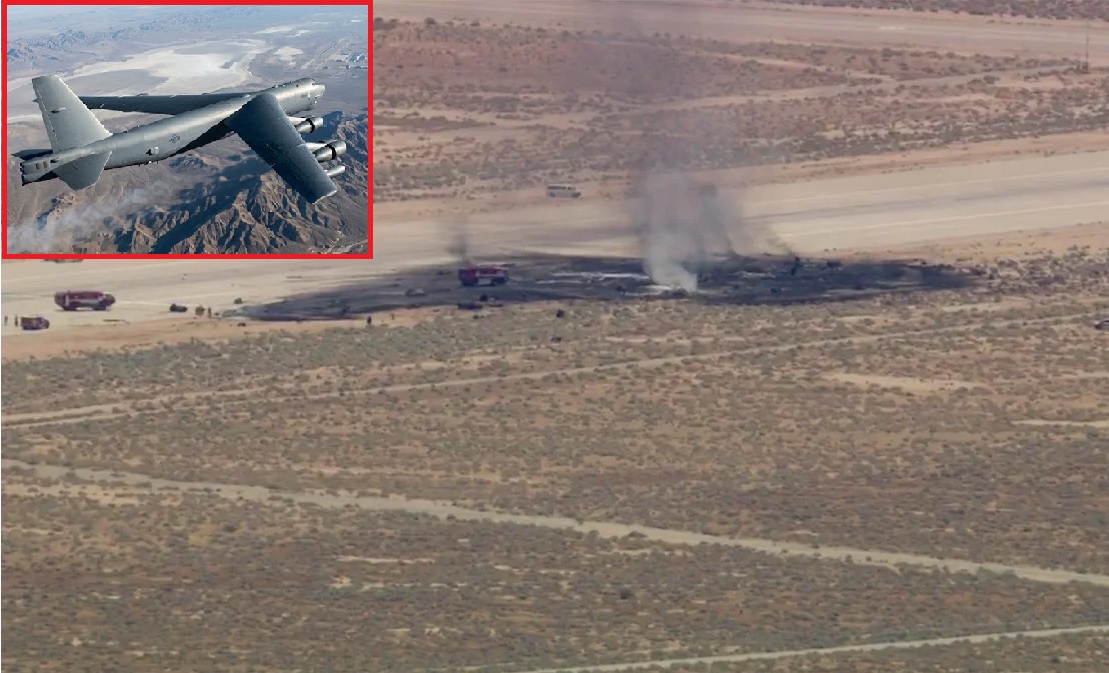 8 U.S. Air Force Crew Members Killed in B-52 Bomber Crash During Test Flight at Edwards Air Force Base
-
 Ukraine Introduces Balloon-Launched DART Missile Designed to Defeat Electronic Warfare
-
 Lockheed Martin Wins $514 Million U.S. Space Force Contract for Two New GPS IIIF Satellites
-
 UK Announces £210 Million Deal to Supply Enriched Uranium to Ukraine for Two Years
-
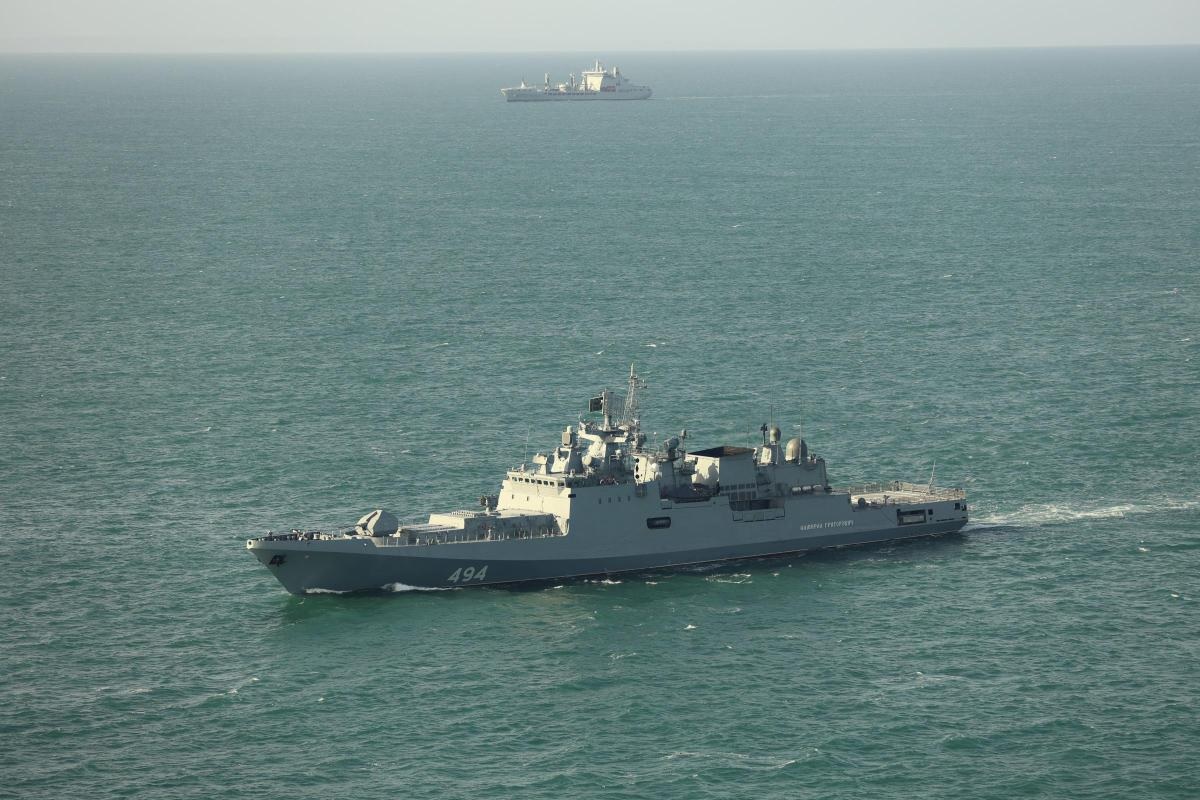 Russian Frigate Admiral Grigorovich Challenges UK Yacht in English Channel With Warning Shots
-
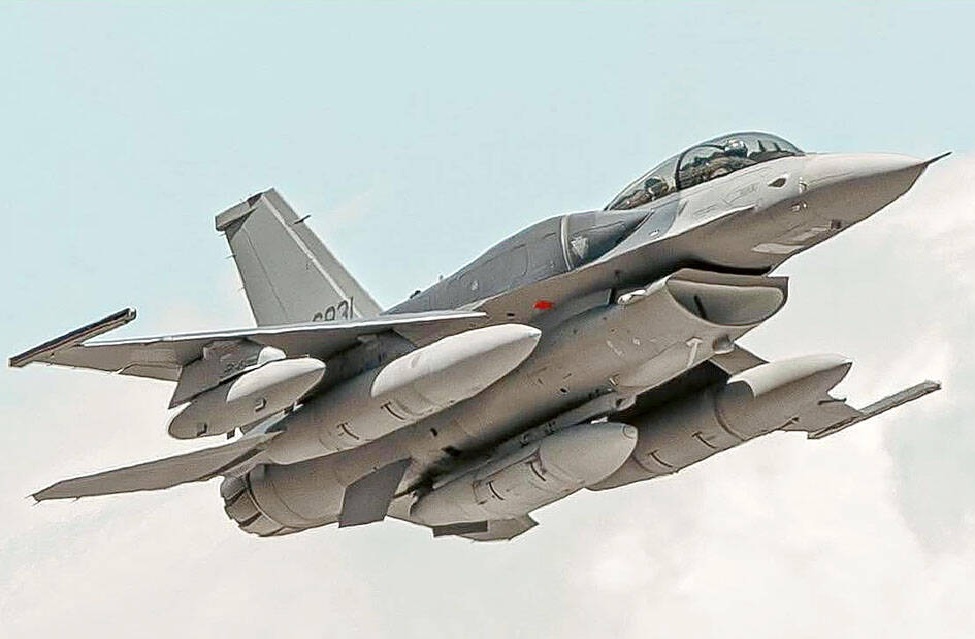 First Taiwanese F-16 Block 70 Flies with Five-Tank Fuel Configuration During Texas Tests
-
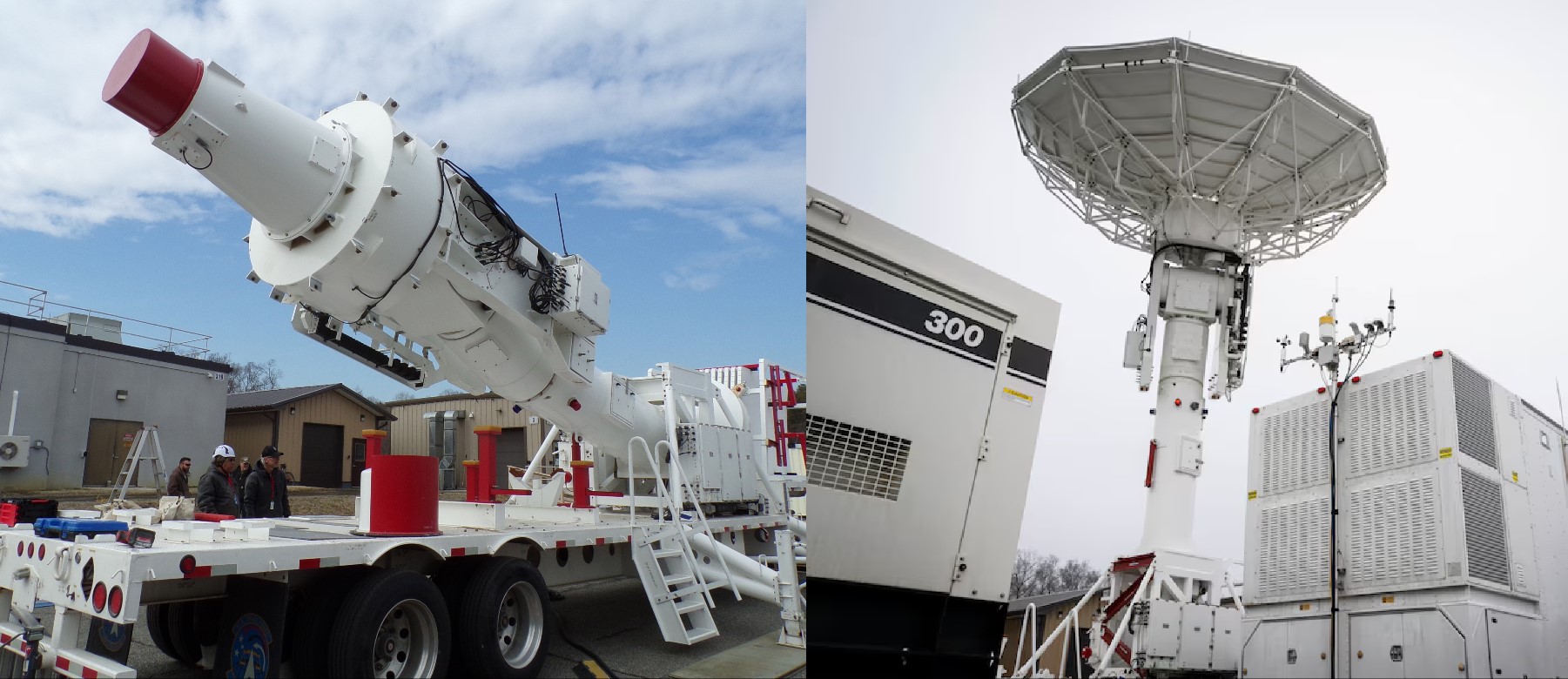 Space Force Transfers Transportable Satellite Tracking Antenna to Naval Research Laboratory
-
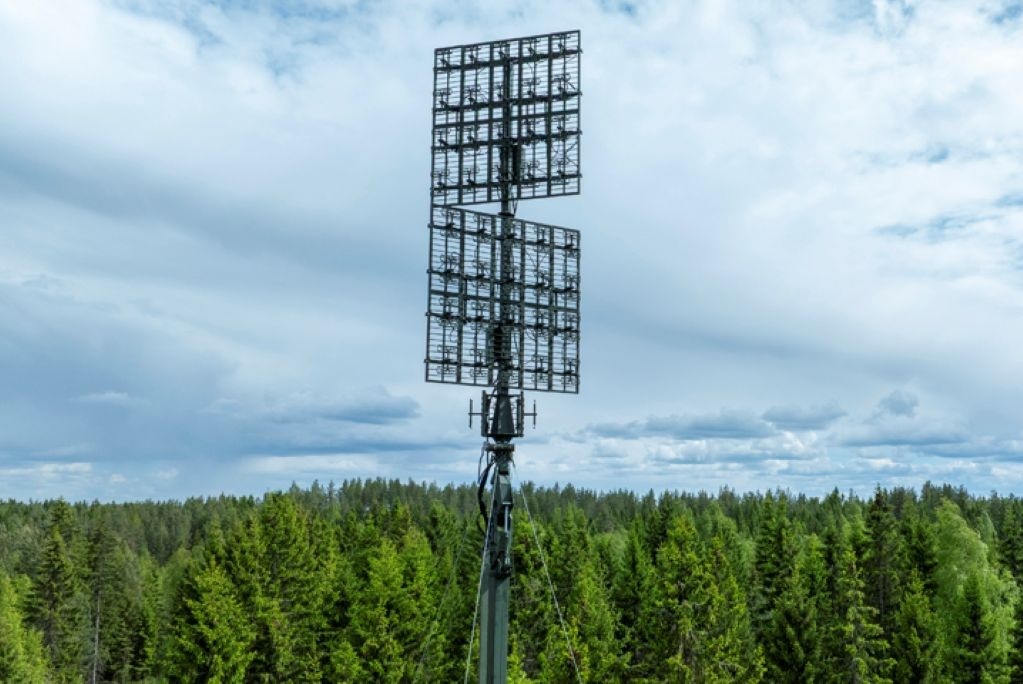 Patria Launches WISPR Passive Counter-Battery Radar with Silent Detection Capability at Eurosatory 2026
Top Trending in 4 Days
-
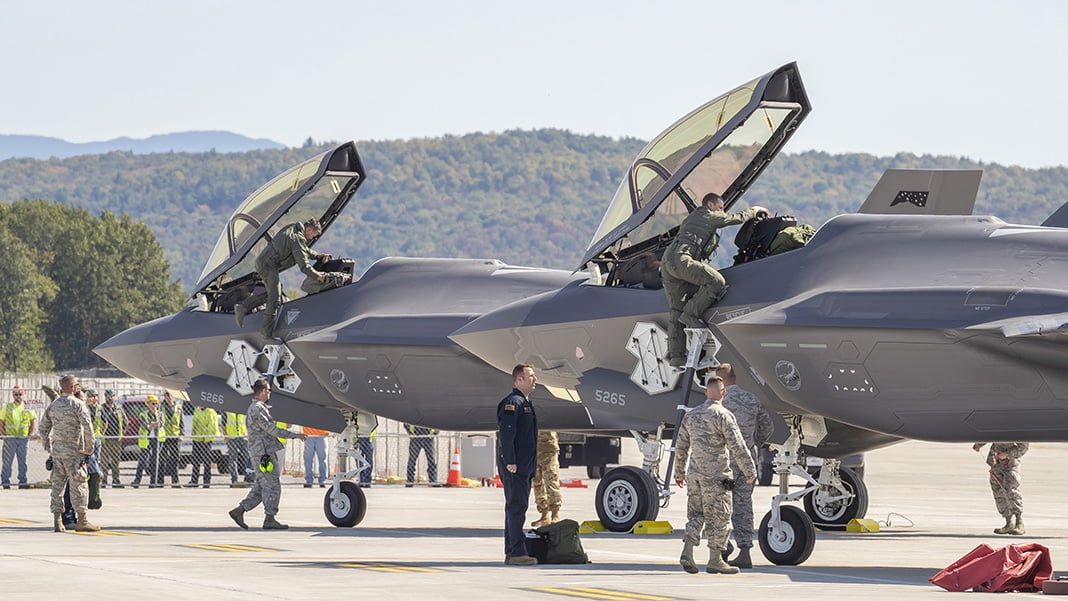 F-35 Fleet Readiness Falls to 25% Amid Parts Shortages and Software Delays: GAO Report
-
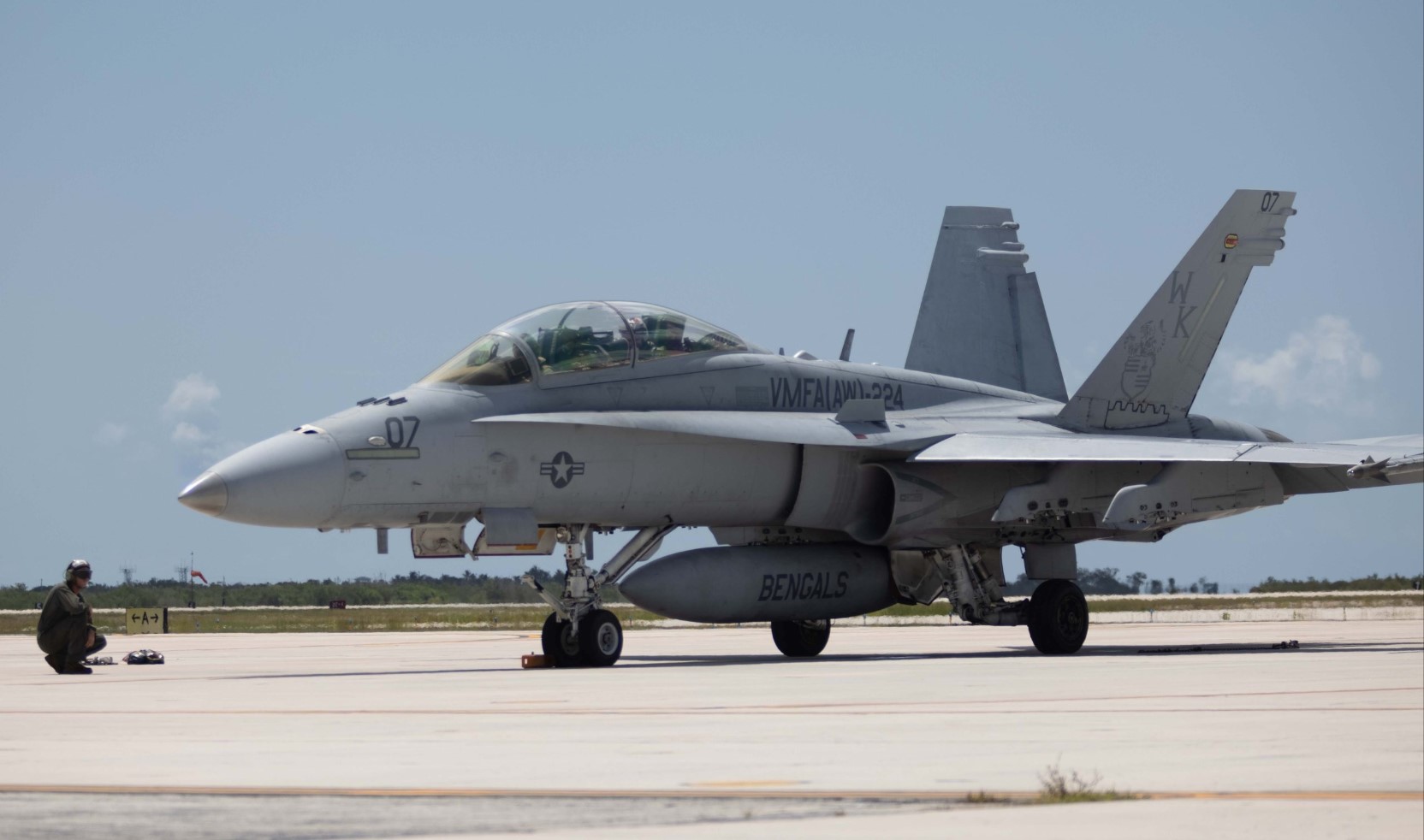 US Marine Corps F/A-18D Hornet Crashes During Training Flight in Washington Mountains; Pilot Ejects Safely
-
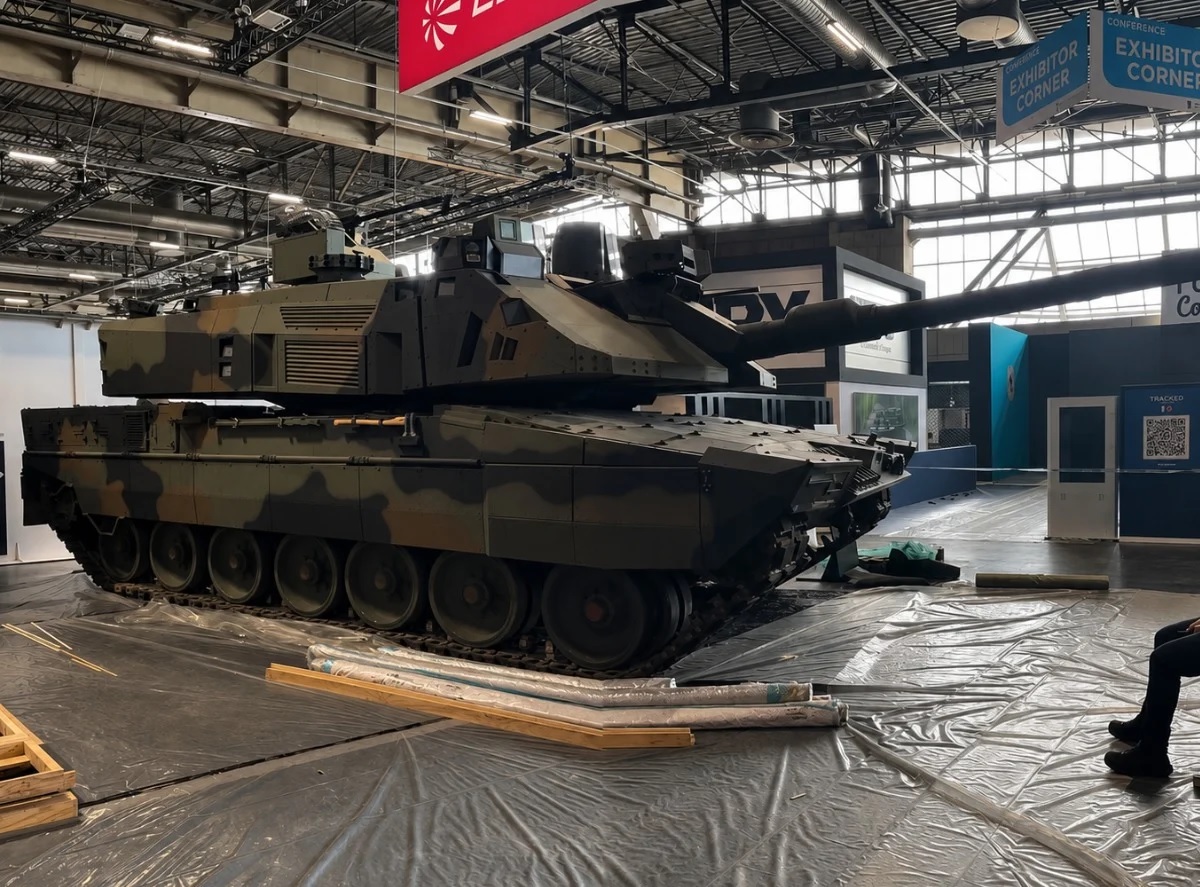 Leonardo Rheinmetall to Unveil Italy’s New IMBT Main Battle Tank at Eurosatory 2026
-
 Tulsi Gabbard Releases Declassified Files Detailing U.S.-Backed Network of 120 Biolaboratories Across 30+ Countries
-
8 U.S. Air Force Crew Members Killed in B-52 Bomber Crash During Test Flight at Edwards Air Force Base
-
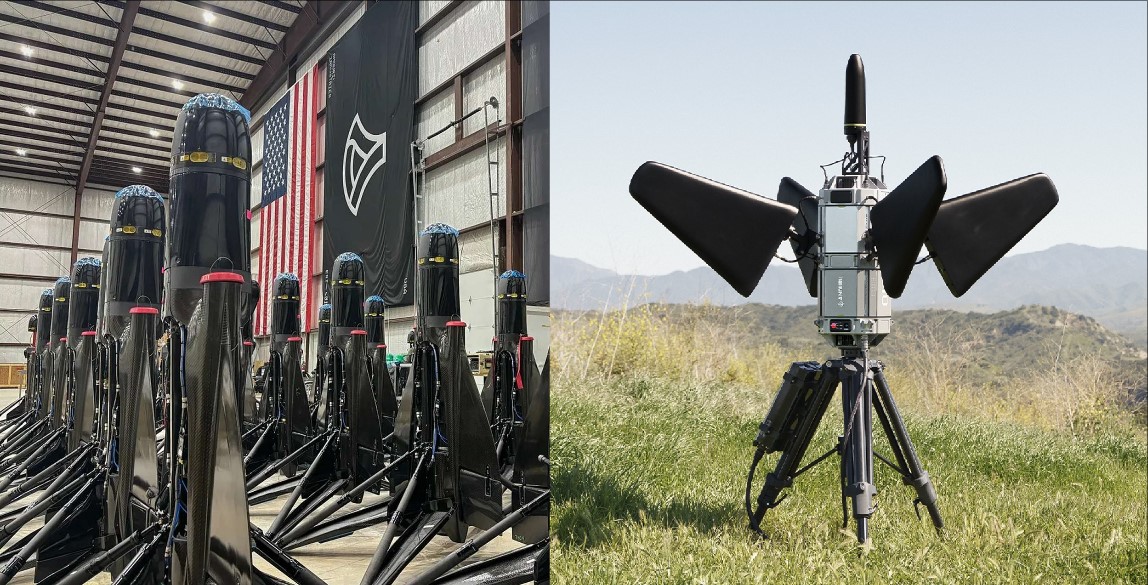 U.S. Approves $1.98 Billion Sale of Anduril AI-Powered Counter-Drone Systems to Kuwait
-
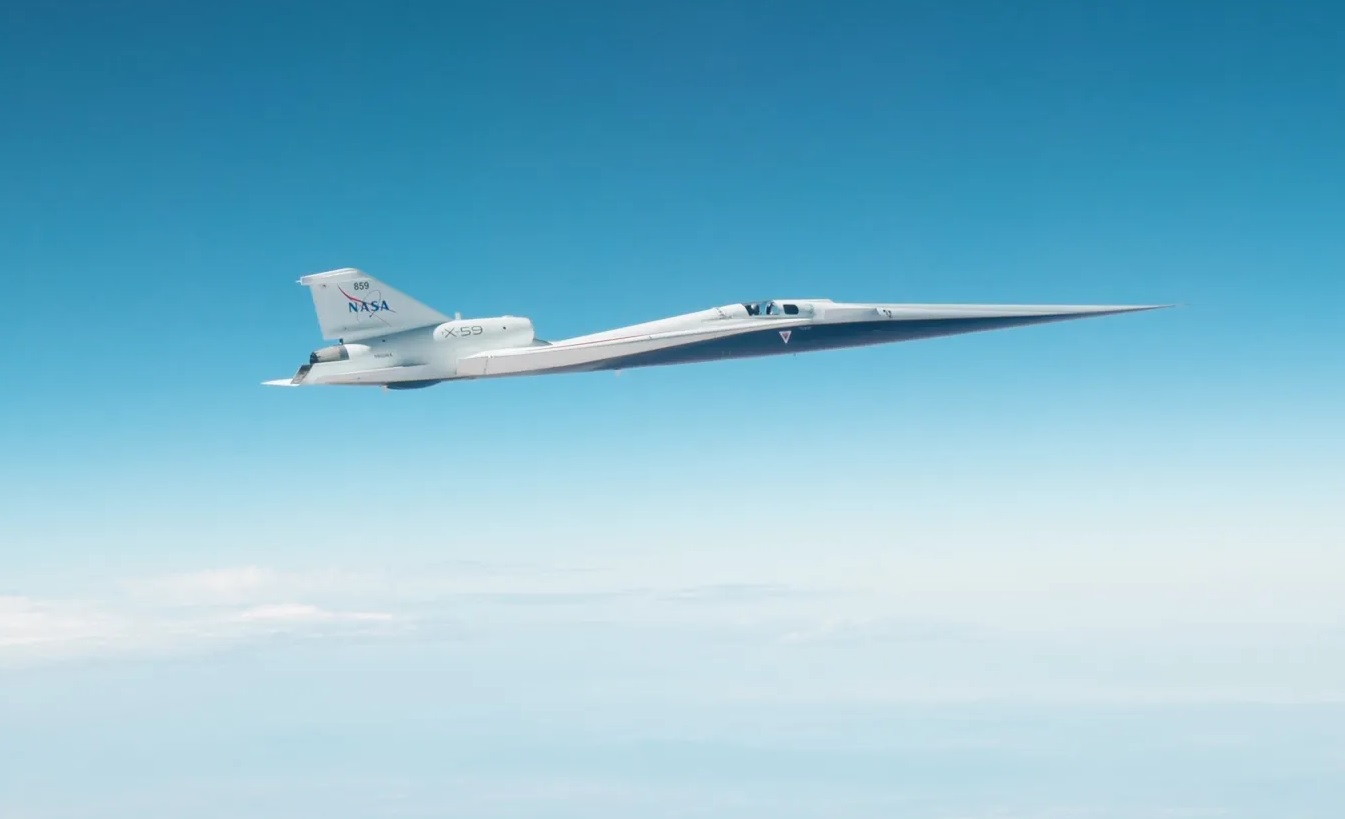 NASA X-59 Achieves Planned Mission Conditions with Mach 1.4 Flight at 55,000 Feet
-
 Russia Launches 1,400 Jet-Powered Drones in 2026 as Strike Tactics Evolve to Challenge Ukraine's Air Defenses