
India
India has taken a major leap in the world of next-generation secure communication technology. In a significant scientific breakthrough, the Defence Research and Development Organisation (DRDO) and the Indian Institute of Technology (IIT) Delhi have successfully demonstrated quantum entanglement-based free-space quantum secure communication over a distance of more than one kilometre. This landmark achievement was carried out through the DRDO-Industry-Academia Centre of Excellence (DIA-CoE) at IIT Delhi. Using an advanced free-space optical link set up within the IIT Delhi campus, the team achieved a secure key rate of around 240 bits per second, maintaining a very low quantum bit error rate (QBER) of less than 7% — a critical factor to ensure the reliability of quantum communication. What is Quantum Entanglement and Why is it Special? Quantum entanglement is a unique phenomenon where two particles, such as photons, become interconnected in such a way that the state of one instantly affects the other — no matter how far apart they are. This property is now being used to create unhackable communication channels. In this demonstration, pairs of entangled photons were generated and sent through open space over a distance of more than one kilometre. These entangled photons carried encryption keys used for secure communication. If anyone tried to intercept or measure these particles during transmission, the act of observing them would disturb their quantum state — immediately alerting the sender and receiver about a possible eavesdropper. Why is This Important for India? This successful demonstration paves the way for real-time, highly secure communication systems that are practically impossible to hack, even by the most advanced computers. It has potential applications in: Defence and military communication Banking and financial transactions Telecommunications Protection of critical national infrastructure The technology can also contribute to building long-distance Quantum Key Distribution (QKD) networks, quantum internet systems, and other futuristic cyber security frameworks. Another advantage of this technology is that it works through free-space optical links, which means there’s no need to lay optical fiber cables — often a costly and difficult task in dense cities or challenging terrains like mountains or deserts. The Bigger Picture This experiment was part of a DRDO-supported project titled ‘Design and development of photonic technologies for free space QKD’, under the Directorate of Futuristic Technology Management (DFTM). The demonstration was conducted by Prof. Bhaskar Kanseri’s research group at IIT Delhi in the presence of senior officials from DRDO and IIT Delhi. Notably, this isn’t India’s first stride in the quantum communication field. In 2022, DRDO and IIT Delhi successfully set up the country’s first intercity quantum communication link between Vindhyachal and Prayagraj using underground optical fiber. And in 2024, the same team managed to transmit quantum keys over a 100 km spool of telecom-grade fiber in another DRDO-backed project. These consistent achievements are being nurtured under the DRDO-Industry-Academia Centres of Excellence (DIA-CoEs) initiative, a program that partners with top academic institutions like IITs, IISc, and universities to develop cutting-edge defence technologies. India’s Entry into the Quantum Era Congratulating the team on this milestone, Defence Minister Rajnath Singh stated that this advancement will be a game-changer for future warfare and national cyber security. DRDO Chairman Dr. Samir V Kamat and IIT Delhi Director Prof. Rangan Banerjee also lauded the achievement, marking it as a moment that signifies India’s formal entry into a new quantum era of secure communication. This demonstration is more than just a scientific experiment — it’s a strategic step towards securing India’s communication systems in an increasingly digital and cyber-threatened world. As India pushes ahead in quantum technologies, such breakthroughs ensure the country remains prepared for future challenges in national security, finance, and information infrastructure.
Read More → Posted on 2025-06-17 14:24:30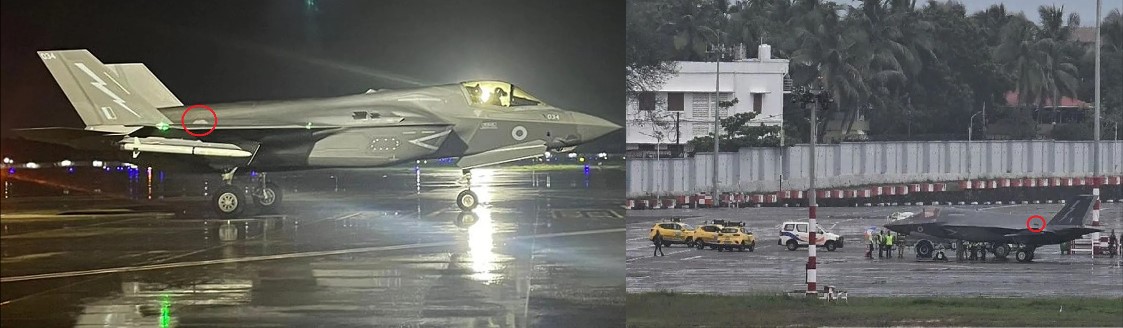
India
In a significant demonstration of its airspace monitoring capabilities, the Indian Air Force (IAF) successfully tracked a British Royal Navy F-35B stealth fighter as it flew over the Arabian Sea and later made a precautionary emergency landing at an airfield in Kerala. The episode — which reportedly became visible in radar and surveillance images — has sparked discussion about the true nature of stealth technology, the role of Luneburg lenses on F-35s, and the evolution of radar systems designed to counter stealth aircraft. How India Tracked the F-35 The F-35B, operating from the Royal Navy’s aircraft carrier in the region, was reportedly on a routine sortie when it experienced a technical fault, prompting a diversion to Kerala. Indian air defense radars detected and continuously tracked the jet as it entered Indian airspace — an occurrence that, at first glance, might seem surprising given the aircraft’s reputation as one of the most advanced stealth platforms in service today. The primary reason for this tracking success lies in the presence of a Luneburg lens — a small radar reflector intentionally installed on stealth aircraft during peacetime and transit operations. This device creates a larger radar signature, allowing friendly and civilian radar systems to safely monitor the aircraft’s position. In essence, the lens acts as a radar beacon, ensuring air traffic control and allied forces can keep tabs on the jet without confusion or risk of collision. When images of the grounded F-35 in Kerala surfaced, observers noted the distinctive bulge where the Luneburg lens is typically mounted, confirming that the jet was not operating in a full stealth configuration at the time. F-35: Stealth, Not Invisibility It’s important to clarify that the F-35 is not invisible to radar. Stealth technology is designed to reduce an aircraft’s radar cross-section (RCS), making it harder — not impossible — to detect and track. The F-35 employs shaping, radar-absorbent materials, and coatings to deflect and absorb radar waves, significantly shrinking its apparent size on enemy radar screens. However, modern air defense radars — including those operated by India — are increasingly equipped to counter stealth tactics. Radars working in VHF, UHF, and L-band frequencies, which have longer wavelengths, are less affected by the shaping techniques used in stealth designs. These longer wavelengths can create returns even from stealth aircraft, albeit often at lower resolution or accuracy. Next-generation radar systems, like India’s indigenous ‘Ashwin’ long-range tracking radar, and upgrades to existing Russian-origin platforms such as the Nebo-M, are designed to provide early warning of low-observable aircraft. When fused with data from multiple sensors — including passive systems and infrared trackers — the overall picture improves, and stealth’s advantage diminishes. The Role of Luneburg Lens in Peacetime Operations The Luneburg lens is a safety feature, not a weakness. In routine missions or during operations over friendly or neutral airspace, stealth aircraft usually fly with Luneburg lenses attached. This ensures civilian and military air traffic controllers can monitor the aircraft. When transitioning to combat conditions, the lens can be quickly removed or retracted, restoring the aircraft’s low observability. In the case of the British F-35B, the lens would have been in place precisely to ensure the jet could be tracked during an emergency or unplanned interaction with foreign airspace — which is exactly what occurred as it diverted to Kerala. The Evolving Game of Stealth vs. Radar The incident highlights a broader truth: stealth is not a cloak of invisibility. Instead, it’s one component of survivability, working best when combined with tactics, electronic warfare, and situational awareness. Meanwhile, radar and sensor technology are advancing rapidly. Multi-band radar networks, passive detection systems, and artificial intelligence-enhanced data fusion are narrowing the gap, making even the most advanced stealth aircraft more vulnerable to detection. For nations like India, which faces the prospect of stealth aircraft in neighboring air forces, investments in anti-stealth radar technologies and integrated air defense networks are crucial — and evidently, already paying dividends. Conclusion The ability of Indian radar systems to track the British F-35B during its emergency diversion underscores the realities of stealth technology. While the F-35 is a marvel of engineering, it is not invisible. The Luneburg lens — deliberately designed to make the aircraft visible — played a key role in this case. At the same time, modern radar systems continue to evolve, ensuring that the balance between stealth and detection remains a dynamic and ongoing technological contest.
Read More → Posted on 2025-06-16 11:29:34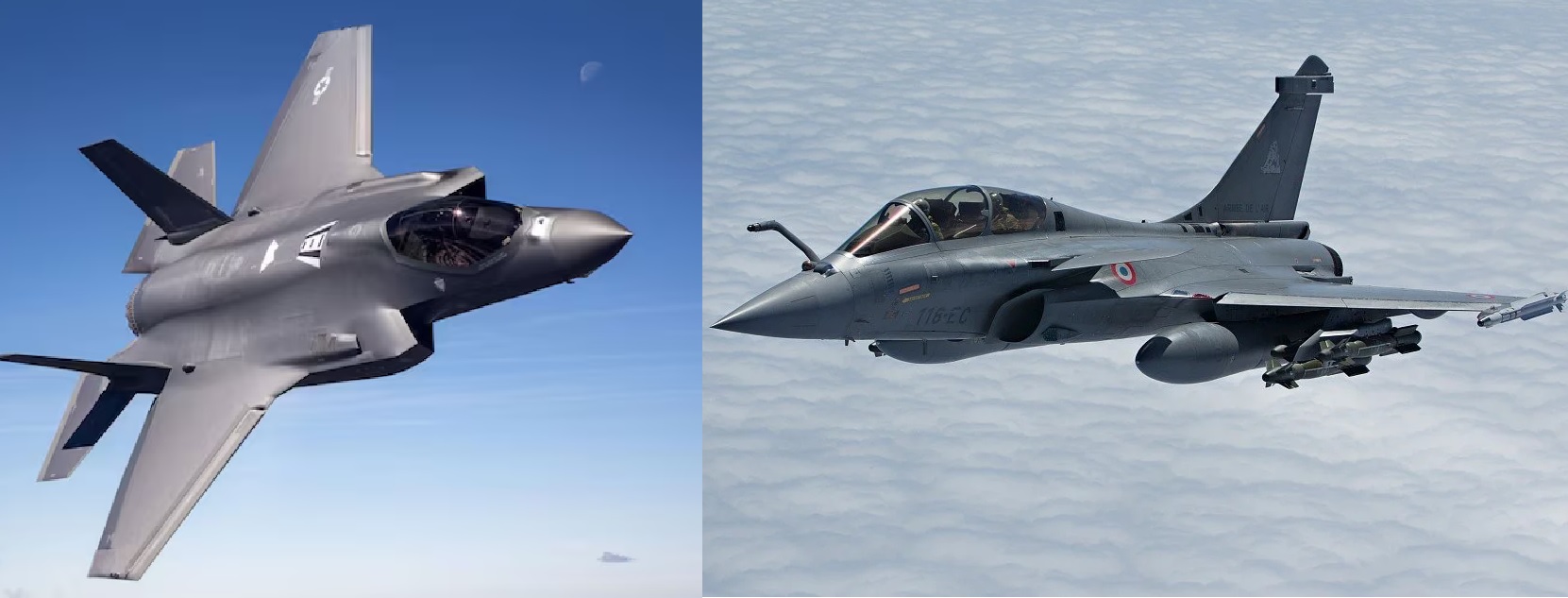
India
In the world of international news, not all stories are treated equally — and recent events have made this clearer than ever. The striking difference in how global media covered Iran’s recent claims of shooting down Israeli F-35 stealth fighters, compared to Pakistan’s allegations of downing Indian Rafale jets, highlights a deeper issue of selective journalism, media bias, and geopolitical influence. Iran’s F-35 Shoot-Down Claim In June 2025, Iranian state media made headlines within the region by claiming that its air defence systems had shot down three Israeli F-35I Adir stealth fighters during escalating tensions between the two countries. Iran stated that its domestically developed Bavar-373 air defence system successfully engaged the advanced jets between June 13-15, 2025. The reports further claimed that two Israeli pilots, including one female officer, were captured. If true, this would mark the first-ever combat loss of a fifth-generation stealth fighter anywhere in the world, a major event in military aviation history. However, the Israeli Defence Forces (IDF) immediately dismissed these claims as “fabricated,” insisting that all their aircraft and personnel returned safely. Despite the magnitude such an event would hold in global military history, major Western media outlets offered only restrained coverage. The claims were either ignored, downplayed, or quickly labelled as unverified, with little investigation or follow-up reporting. Even as regional outlets in the Middle East discussed the incident in detail, Western platforms maintained a cautious distance. Pakistan’s Rafale Allegations In sharp contrast, when Pakistan claimed to have shot down six Indian Air Force (IAF) aircraft, including three Rafale fighters, during Operation Sindoor in May 2025, international media was quick to amplify the story. Despite the fact that Pakistan failed to provide credible evidence, and Dassault Aviation’s CEO directly called the claims false, these allegations received widespread global attention. Just like in the Iran case, Pakistan’s claims included stories of captured pilots and supposed wreckage footage, much of which was later exposed as doctored or misrepresented. Yet, the international media gave these claims a higher profile, extensive reporting, and on-screen discussions, even after their credibility was seriously questioned. The Double Standard in Reporting This disparity in coverage reveals a troubling pattern. It seems that similar military claims by different nations are treated differently based on geopolitical alignments and diplomatic interests. While healthy scepticism is essential in journalism, applying it inconsistently creates a biased and distorted information environment. When it comes to Iran — a country often at odds with the West — military claims are quickly dismissed. Meanwhile, Pakistan, despite its own track record of unverified allegations, often finds its military narratives getting more attention, particularly when targeting India, a nation whose strategic partnerships with the West have historically shaped regional narratives. Historical Patterns and Context This isn’t the first time Pakistan has made questionable military claims. During the 2019 Balakot air strikes, Pakistan alleged it had shot down multiple Indian aircraft — claims that were also later debunked or disproven. Yet, the international media gave them considerable airtime. This recurring pattern suggests that global media reactions are influenced by the political context of the parties involved, rather than a neutral assessment of the facts. Regional vs. Western Media Response Middle Eastern media platforms reported the Iran-Israel incident extensively, reflecting regional power dynamics and audience interests. Meanwhile, major Western networks, though covering the broader conflict, refrained from giving the F-35 shoot-down claim significant coverage. When it was reported, it came with strong disclaimers about its authenticity, often buried within larger conflict updates. In the case of Pakistan, however, the same restraint was noticeably absent. The allegations were widely reported and debated before being fact-checked, which further underscores inconsistencies in how similar claims are handled. The Deeper Problem: Global Information Architecture This selective journalism points to a deeper issue: the global information landscape is dominated by a handful of powerful Western media organizations. These outlets hold disproportionate control over what becomes global news, how stories are framed, and whose narratives get amplified or sidelined. The consequences are serious. When public access to reliable, balanced information is compromised, it shapes global perceptions, national reputations, and geopolitical narratives. Selective reporting and double standards foster misinformation, reinforce existing biases, and weaken trust in international journalism. Conclusion The glaring difference in media treatment between Iran’s F-35 shoot-down claims and Pakistan’s Rafale allegations highlights a broader problem of selective journalism rooted in geopolitical bias. While scepticism is vital in conflict reporting, it must be applied fairly and consistently. Failure to do so not only damages the credibility of global media but also distorts public understanding of international affairs. As conflicts and rivalries continue to evolve in volatile regions, it’s crucial for global media to uphold objectivity, challenge political narratives equally, and maintain transparent verification standards — irrespective of where a story originates.
Read More → Posted on 2025-06-16 11:12:59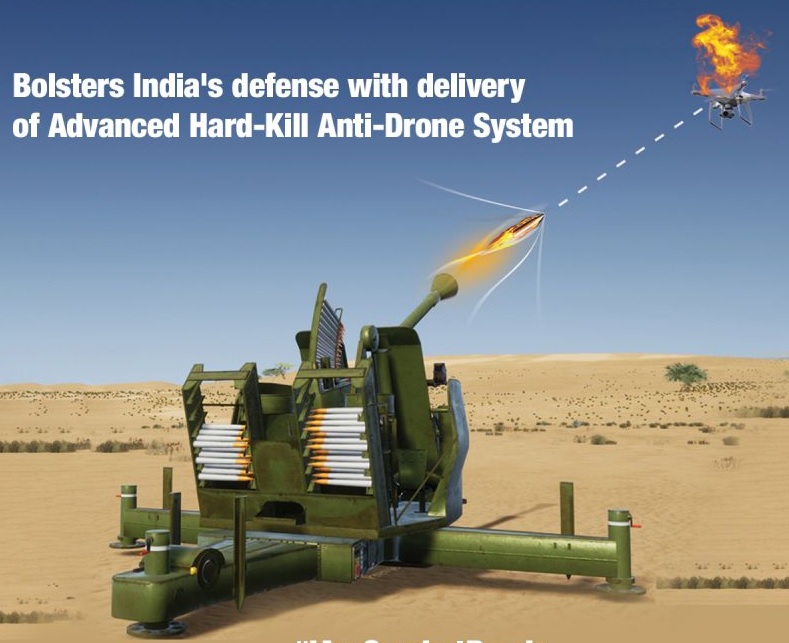
India
India’s defence sector is facing a new and dangerous challenge — the rise of autonomous, jam-resistant drones that can infiltrate airspace undetected and carry out attacks without relying on live communication links. In response, Hyderabad-based Zen Technologies is spearheading the push for advanced “hard-kill” systems capable of physically destroying such aerial threats. Following the intense border conflict with Pakistan in May 2025, where over 500 drones targeted Indian military and strategic sites along the western frontier, the urgency for better anti-drone measures became clear. The drone swarm included not just basic quadcopters, but also sophisticated armed drones like the Turkish-made Asisguard Songar — a quadrotor UCAV capable of carrying assault rifles or grenade launchers. Although India’s existing air defence systems managed to neutralise all incoming drones using a combination of electronic jamming (soft-kill) and physical interception (hard-kill), the incident exposed the growing challenge of large-scale, technologically advanced drone attacks. These modern drones are increasingly autonomous, meaning traditional jamming techniques are becoming less effective. Recognising this, Zen Technologies’ Managing Director Ashok Atluri highlighted the importance of integrating advanced hard-kill systems. “The Turkish Songar drones are a wake-up call,” Atluri noted. “We must urgently adopt hard-kill options to decisively counter this new kind of threat.” To tackle this evolving danger, Zen Technologies has developed cutting-edge indigenous solutions. At the Aero India 2025 exhibition, the company unveiled Vyomkavach, an AI-powered aerial defence system designed to act as a complete protective shield. It combines advanced sensors for drone detection, electronic jammers for soft-kill, and physical interceptors for hard-kill actions — effectively neutralising threats ranging from small quadcopters to larger armed UAVs like the Bayraktar TB2. In a major milestone, Zen also delivered its Zen Anti-Drone System with Hard-Kill (Zen ADS HK) to the Indian Army’s Air Defence College in Gopalpur, Odisha, in June 2024. Worth approximately ₹150 crore, this system integrates radar and electro-optic sensors with kinetic weapons to engage and destroy hostile drones. It has been built with high indigenous content, aligning with the Government of India’s Aatmanirbhar Bharat (Self-Reliant India) programme. Understanding the impracticality of using costly missiles against cheap drone swarms, Zen has introduced a more economical hard-kill weapon — a four-barrel rotary machine gun. Capable of firing up to 3,500 rounds per minute, with an adjustable rate to conserve ammunition, this weapon offers an effective solution for protecting vital assets against massed drone attacks. Zen Technologies' commitment to indigenous innovation is underlined by its strong portfolio of 160 Indian and international patents. Through initiatives like Vyomkavach and Zen ADS HK, the company is positioning itself at the forefront of India’s counter-drone defence industry, preparing the armed forces to face the future of warfare — where unmanned, autonomous, and jam-resistant drones will be a common feature of the battlefield.
Read More → Posted on 2025-06-15 10:13:16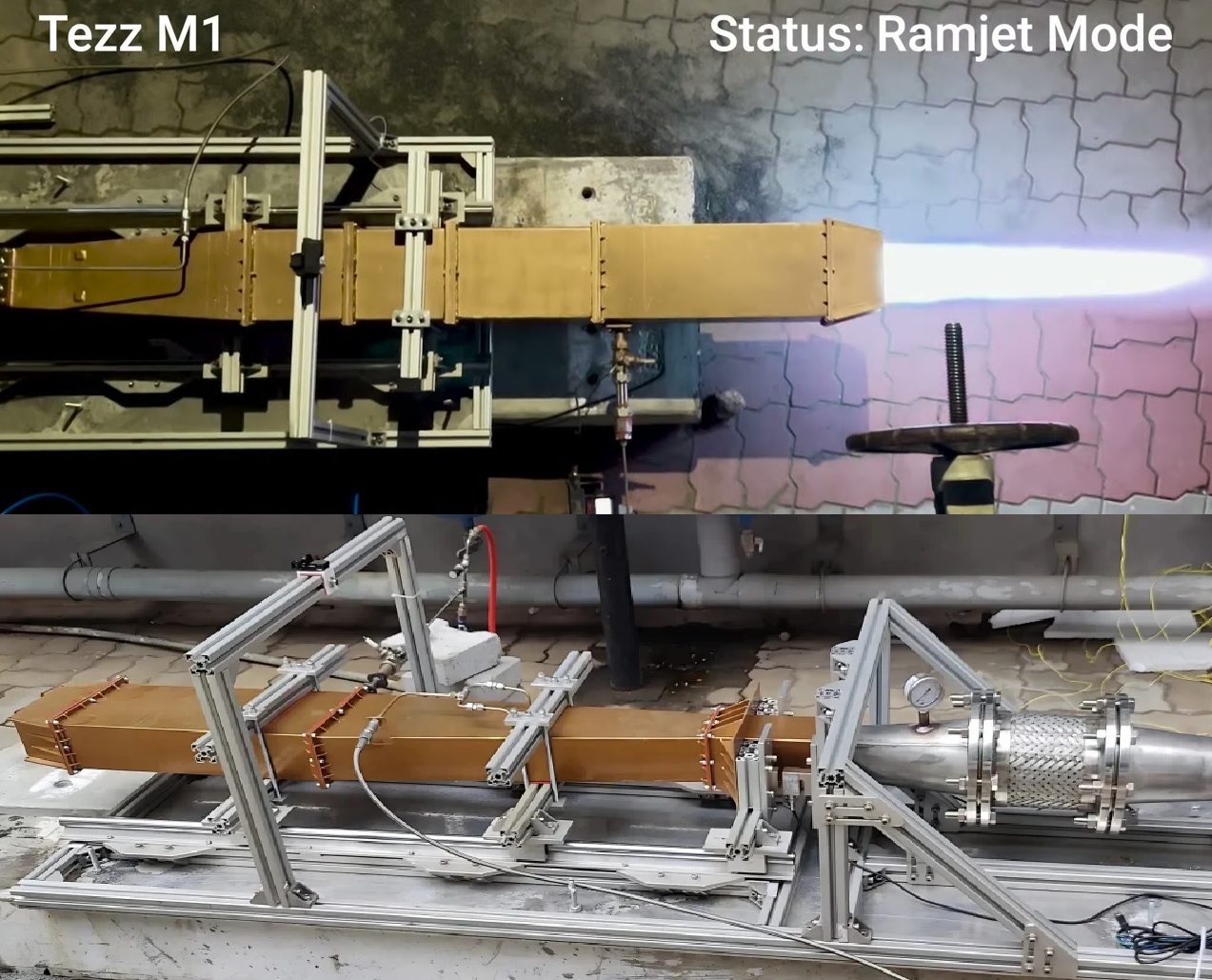
India
In a remarkable leap for India’s private aerospace and defence sector, Bengaluru-based start-up Hyprix Aviation has become the first private company in the country to successfully develop and test a supersonic ramjet engine, marking a major milestone in indigenous high-speed propulsion technology. Founded in June 2024 by engineer-entrepreneurs Devmalya Biswas and Divyanshu Mandowara, Hyprix was born from a vision to bridge India's technological gap in advanced propulsion systems—especially in areas long dominated by government agencies or foreign defence manufacturers. The two founders, friends since high school in Ahmedabad, launched Hyprix with a clear mission: to make India self-reliant in developing cutting-edge defence propulsion solutions. Their flagship innovation, the Tezz-M1 Supersonic Ramjet engine, was successfully tested in January 2025 at the National Centre for Combustion Research and Development (NCCRD), IIT Madras. This engine represents a powerful breakthrough for several reasons. Unlike conventional rocket motors, Tezz is a liquid-fuelled ramjet that can efficiently operate at Mach 2 to Mach 4, making it highly suitable for next-generation supersonic missiles and aerial platforms. What sets Tezz apart is its three to four times greater efficiency compared to traditional solid-fuel missile engines. This allows projectiles to fly faster and farther, maintaining high velocity over extended distances. This capability not only gives the military a strategic edge but also reduces the country's dependence on imported missile propulsion technology—an important step in support of the government’s ‘Make in India’ and self-reliant defence initiatives. Tezz Ramjet Engine: Key Specifications Name: Tezz-M1 Type: Liquid-fuelled Supersonic Ramjet Engine Operational Speed: Mach 2 – Mach 4 Efficiency: 3x–4x higher than solid rocket motors Use-case: Supersonic cruise missiles, air-launched systems, and advanced UAVs Test Site: NCCRD, IIT Madras Test Date: January 2025 Achieving this technological feat wasn’t easy. The duo faced early scepticism from the scientific community, struggled with funding gaps, and dealt with sourcing aerospace-grade materials in a sector heavily regulated by export controls and defence procurement norms. However, through innovation, grit, and government start-up funding, they managed to turn their idea into reality in just five months—a timeline that is almost unheard of in aerospace development. Building on the success of Tezz, Hyprix is now working on its next product, Kira-M1, a 155mm extended-range artillery shell powered by ramjet propulsion and guided by AI-based navigation systems. This ambitious system is designed to dramatically increase the range and precision of Indian artillery—an essential upgrade as India looks to boost ammunition manufacturing for future readiness. Though still a bootstrapped company, Hyprix is actively seeking additional investment to fund its expanding portfolio, which includes both military and commercial applications. Future plans involve navigation systems for supersonic and hypersonic vehicles, a field that could redefine high-speed transport and aerial combat. Hyprix’s achievements underscore the shifting dynamics of India’s defence ecosystem. What was once the exclusive domain of government entities like DRDO is now being reshaped by agile, innovation-driven start-ups. As Hyprix continues its journey, it not only showcases the potential of Indian talent and entrepreneurship but also signals a new era where private firms play a leading role in building a self-reliant and globally competitive defence industry.
Read More → Posted on 2025-06-15 09:47:56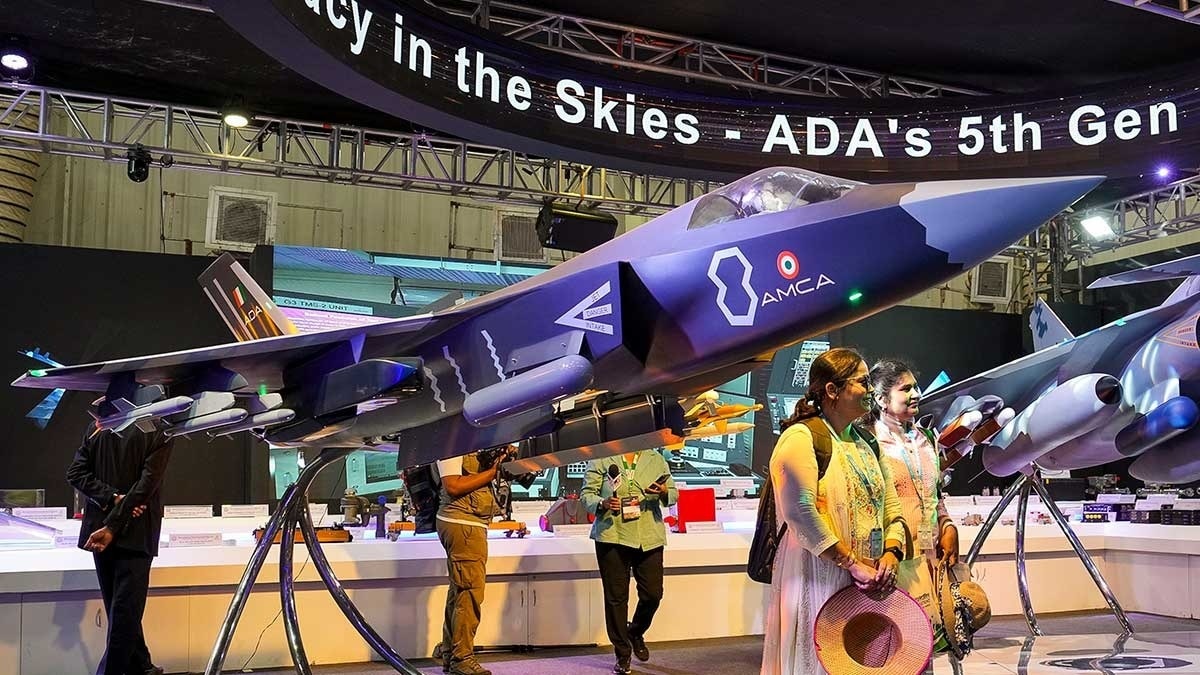
India
India’s dream of building its own fifth-generation stealth fighter has taken a giant leap forward. Eleven major private and public-sector companies, including industry heavyweights like Tata, Infosys, and Larsen & Toubro (L&T), have officially responded to an Expression of Interest (EoI) issued by the Aeronautical Development Agency (ADA) for the Advanced Medium Combat Aircraft (AMCA) program. This bold response marks a significant shift in India’s defence manufacturing landscape, signaling a deeper collaboration between the public and private sectors. It also aligns closely with the government’s 'Aatmanirbhar Bharat' (self-reliant India) mission, aiming to reduce dependence on foreign military technology and boost indigenous capabilities. The AMCA is envisioned as a cutting-edge, multi-role stealth fighter jet designed for the Indian Air Force. It will be equipped with advanced stealth features to evade enemy radar, supercruise capability (flying at supersonic speeds without afterburners), and next-generation avionics, sensors, and weapons systems. The aircraft is expected to rival fifth-generation fighters like the U.S. F-35 and China’s J-20 in terms of performance and stealth. Earlier this year, the project received the green light from the Cabinet Committee on Security (CCS), clearing the path for full-scale development. The EoI, issued by ADA under the Defence Research and Development Organisation (DRDO), specifically focuses on companies interested in designing and producing the aircraft’s airframe — the structural core that plays a key role in stealth and combat durability. What makes this development even more promising is the adoption of a Special Purpose Vehicle (SPV) model for execution. Under this arrangement, DRDO, Hindustan Aeronautics Limited (HAL), and selected private firms will join forces in a collaborative structure to manage the production process. This model ensures flexibility, agility, and efficiency in handling a project of such scale and complexity. Here’s a breakdown of the types of companies that have responded to the EoI, highlighting the multi-disciplinary nature of the AMCA program: 1. IT & Software Powerhouses Infosys, Tata Consultancy Services (TCS), and Tata Elxsi are expected to bring their expertise in mission-critical software, embedded systems, AI-powered flight control, and cyber-resilient digital architecture to support the jet’s combat and avionics systems. 2. Engineering & Manufacturing Giants L&T Technology Services, BEML Ltd, and MTAR Technologies will likely handle the heavy engineering, fabrication of precision airframe parts, hydraulic systems, and ground support infrastructure, all essential to military-grade aircraft. 3. Specialised Aerospace & Defence Innovators Azista Composites, with its knowledge in carbon-fiber and stealth composites, will play a key role in reducing radar signatures. Cyient, VEM Technologies, Neometrix Defence, and Apollo Micro Systems are expected to contribute to niche areas like sensor integration, flight control electronics, electronic warfare systems, and aerospace-grade circuit boards. Each of these companies brings a distinct strength to the table, from digital simulation and AI to advanced manufacturing and integration, reinforcing India’s potential to develop a world-class fifth-generation jet. The AMCA is expected to be developed in multiple phases, with the first flight targeted for the end of this decade. The Mark 1 version will use a foreign engine, possibly the GE F414, while future variants (Mark 2 and beyond) may fly with a more powerful indigenous engine, currently under co-development. More than just a defence project, the AMCA symbolizes India’s aspiration to become a global player in aerospace innovation. With the country’s best brains and companies coming together, this fighter jet could redefine the future of Indian air power — and position India as a technology leader in the skies.
Read More → Posted on 2025-06-15 09:42:38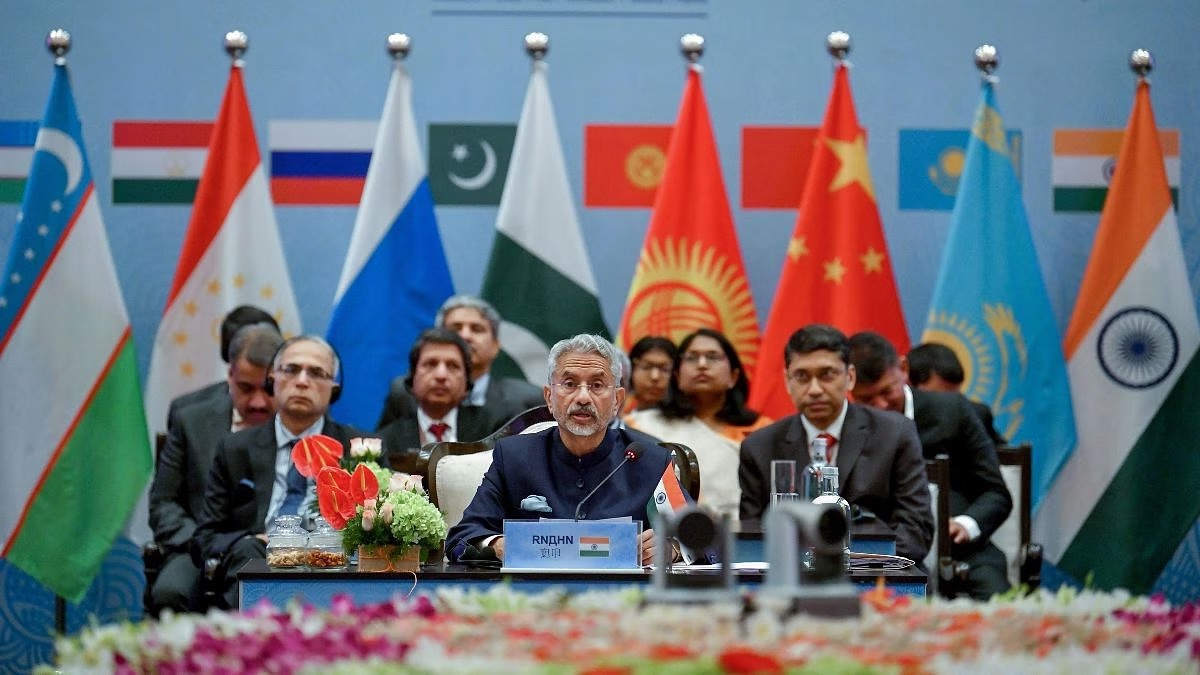
India
India has chosen to tread a careful diplomatic path amid rising tensions in the Middle East, as it opted not to participate in the Shanghai Cooperation Organisation’s (SCO) recent joint condemnation of Israeli military strikes on Iranian territory. While other SCO member states—led by China, Russia, and including Pakistan—issued a strongly worded statement on the June 13 strikes, India decided to stay out of the bloc’s political messaging, instead reiterating its independent stance urging de-escalation and dialogue. The SCO, a 10-member Eurasian regional grouping, condemned Israel for what it described as “a gross violation of international law and the United Nations Charter.” According to the SCO statement, the Israeli attacks targeted “civilian infrastructure, including energy and transport networks,” resulting in casualties and significant damage. The statement also warned of serious consequences for regional and global stability, urging a peaceful and diplomatic resolution to tensions involving Iran, particularly over its nuclear program. India, however, took a notably different approach. It declined to join the discussions that led to the SCO’s condemnation. A spokesperson from India’s Ministry of External Affairs made it clear that New Delhi had already communicated its position on June 13—the same day as the strikes—stressing the importance of dialogue and restraint. “We urge that channels of dialogue and diplomacy be utilised to work towards de-escalation,” the spokesperson said, adding that India continues to support international efforts aimed at easing tensions. India’s External Affairs Minister also reached out directly to his Iranian counterpart, conveying India’s concern and calling for calm. This bilateral engagement was intended to show India’s seriousness about the issue without getting entangled in the SCO’s collective political posturing. The decision to distance itself from the SCO’s strongly worded statement appears to be a strategic one. India has vital interests on both sides: it shares deep defense, economic, and technological ties with Israel, while also maintaining long-standing civilizational and energy relationships with Iran. Moreover, India values its position in the SCO, which includes key regional players like Russia, China, and the Central Asian nations. Walking this tightrope is part of India’s broader foreign policy strategy—engaging with multiple partners without taking sides. This is not the first time India has taken an independent path within multilateral groupings. Its approach underscores a consistent diplomatic principle: prioritizing national interests and maintaining strategic autonomy while calling for peace and stability through non-confrontational means. As the Middle East grapples with the threat of further escalation, India’s cautious response signals its preference for a balanced role—one that avoids taking sides in conflicts but remains actively engaged in promoting peace and dialogue.
Read More → Posted on 2025-06-14 15:42:07
India
India and Canada are taking a major step toward mending their strained diplomatic relationship with a new agreement focused on sharing intelligence related to terrorism, transnational crime, and extremist networks. This development comes nearly two years after a major diplomatic rift arose when Canadian officials publicly accused India of involvement in the killing of a Sikh separatist leader on Canadian soil — an allegation India firmly denied. According to officials familiar with the matter, the two governments are now working on a structured arrangement that would enable law enforcement agencies in both countries to exchange sensitive information. This includes intelligence on organized crime groups operating across borders, suspected terrorist activity, and violent extremism. For Canada, the agreement will also focus on investigations linked to extra-judicial killings, reflecting Ottawa’s particular concerns following the 2023 incident near Vancouver. Although the deal is still in the drafting phase and many details remain confidential, the core aim is to improve cooperation between the two nations’ intelligence and security agencies. This would help both countries address growing threats from international criminal syndicates, radical organizations, and activities that exploit gaps in law enforcement coordination. The timing of the agreement is notable. Indian Prime Minister Narendra Modi and Canadian Prime Minister (or likely delegate, Mark Carney) are expected to meet during the upcoming Group of Seven (G7) summit. It remains unclear if the final intelligence-sharing arrangement will be officially unveiled during this high-profile international event, but sources suggest that discussions are moving in a positive direction. This step is being viewed by analysts as a cautious but constructive effort to rebuild diplomatic bridges after a long period of silence and tension. While Canada had taken punitive measures such as expelling Indian diplomats, and India suspended visa services to Canadians during the height of the row, both sides now seem more willing to cooperate, especially in areas where mutual security interests overlap. The proposed intelligence-sharing pact reflects a pragmatic shift in relations, acknowledging that while political differences persist, collaboration on national security and law enforcement remains essential. As global threats become more interconnected, countries like India and Canada recognize the value of working together to prevent terrorism and dismantle cross-border criminal networks.
Read More → Posted on 2025-06-14 14:25:51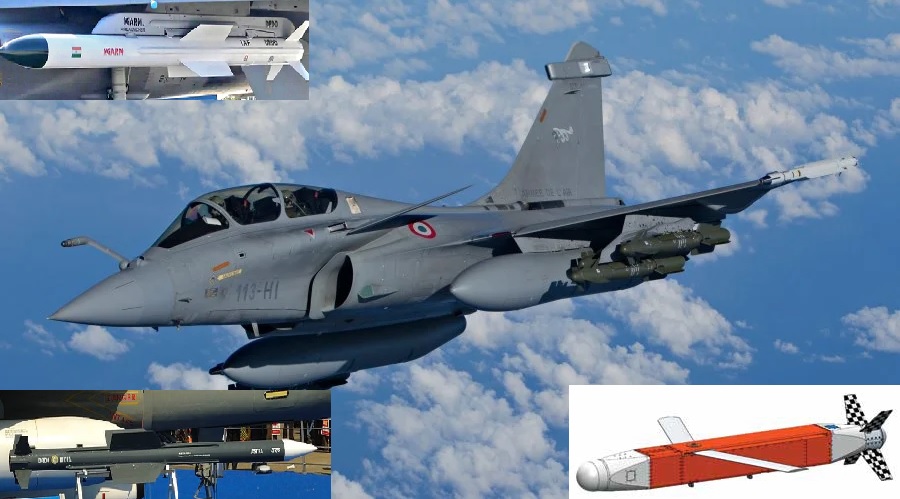
India
In a significant move towards military modernization and strategic autonomy, the Indian Air Force (IAF) and Indian Navy have decided to equip their entire fleet of Rafale fighter jets with three cutting-edge indigenous weapon systems. These include the Rudram-I anti-radiation missile, Astra Mk1 beyond-visual-range air-to-air missile (BVRAAM), and the Smart Anti-Airfield Weapon (SAAW) — all developed by India’s Defence Research and Development Organisation (DRDO). This decision marks a major advancement in the “Atmanirbhar Bharat” (Self-Reliant India) initiative. It not only reinforces India's capability to develop and deploy advanced weapon systems but also significantly reduces dependence on costly foreign armaments. Rafale Fleet to Go Desi India’s 36 Air Force Rafales and 26 newly ordered Rafale-Marine jets for the Navy will all be armed with these Indian-made systems. The integration will be carried out in coordination with Dassault Aviation, the French manufacturer of the Rafale, under the €7 billion naval Rafale deal signed earlier in 2025. The move will bring standardization of armaments across various fighter fleets, greater cost-efficiency, and an ability to stockpile weapons in larger numbers. Advanced Indian Weapons Headed for Rafale 1. Rudram-I Anti-Radiation MissileRudram-I is India’s first indigenous anti-radiation missile designed to locate, track, and destroy enemy radar and air defense systems. It is built specifically for Suppression of Enemy Air Defence (SEAD) missions, ensuring safe passage for strike aircraft. Range: Up to 150 km Seeker: Passive homing head to detect enemy radar emissions Role: Neutralizing enemy air defense before an aerial attack Launch Platform: Su-30MKI (currently), Rafale (future) 2. Astra Mk1 BVRAAMThe Astra Mk1 is an all-weather, beyond-visual-range air-to-air missile designed to hit enemy aircraft from over 100 km away. Already operational on the Su-30MKI and soon to be added to the Tejas Mk1A, its addition to the Rafale will enhance cross-platform interoperability. Range: ~110 km Guidance: Inertial + mid-course update + active radar terminal guidance Speed: Mach 4.5 Cost: ₹7–8 crore per unit (compared to Meteor’s ₹25+ crore) Advantages: Comparable to Meteor but significantly cheaper, enabling larger stockpiles 3. Smart Anti-Airfield Weapon (SAAW)SAAW is a lightweight, precision-guided glide bomb designed to cripple enemy airbases by targeting runways, hangars, and radar stations from a safe distance. Range: ~100 km Weight: 125 kg Accuracy: Within 3 meters (electro-optical variant) Role: Disabling airbases without the need for close-range bombing Rafale-M Deal Highlights The contract for 26 Rafale-M jets signed in April 2025 includes: 22 single-seat fighters and 4 twin-seat trainers Meteor BVRAAM and Exocet anti-ship missiles Performance-based logistics and training Partial component manufacturing in India by Tata Advanced Systems Limited (TASL) Local Maintenance, Repair, and Overhaul (MRO) facility for engines and sensors TASL is set to begin manufacturing Rafale fuselages in Hyderabad by 2028, further deepening India’s role in the global supply chain for fighter aircraft. Integration Challenges Ahead While the weapon integration decision is a breakthrough, technical challenges remain. The Rafale's complex software systems—especially the Thales RBE2 AESA radar and Modular Mission Computer—must be modified to accommodate Indian weapons. Dassault Aviation has been hesitant to provide full access to source codes due to proprietary concerns and competition with its own weapons. To overcome this, India is considering: Using a Software Development Kit (SDK) to enable partial integration Forming a joint Indo-French integration team Negotiating limited source-code access for key mission systems India hopes to avoid past constraints it faced with legacy platforms like the Mirage-2000, where dependence on foreign upgrades delayed capability enhancements. A Strategic Leap for India The integration of indigenous missiles and bombs on Rafale jets signifies a major leap in India's journey toward defense self-sufficiency. Not only does it empower the armed forces with battle-proven, cost-effective weapons, but it also strengthens the domestic defense ecosystem through collaborations, production, and technology transfer. By combining one of the world's most advanced fighter jets with homegrown weapon systems, India is setting a precedent in blending foreign platforms with indigenous innovation—making its military both modern and self-reliant.
Read More → Posted on 2025-06-14 09:02:42
India
India is making a major push toward clean energy by introducing a new line of small nuclear power reactors, called Bharat Small Reactors (BSRs). These reactors are designed to serve industries directly by replacing coal-based power plants with clean and reliable nuclear energy. In a strong sign of interest, major Indian corporations—Reliance Industries, Adani Group, Vedanta, Greenko, JSW Group, Hindalco, HMEL, and even Indian Railways—have responded to a government invitation to set up these reactors in partnership with the Nuclear Power Corporation of India Ltd (NPCIL). The government’s plan involves the installation of two 220-MWe Pressurised Heavy Water Reactors (PHWRs) for each participating industrial site. These reactors will not be part of the national grid but will provide captive power—electricity generated and consumed by the same industry—making them ideal for energy-heavy sectors such as steel, aluminium, copper, and cement manufacturing. This initiative is part of India’s larger strategy to reach net-zero carbon emissions by 2070. Nuclear energy, being clean and reliable, is a key pillar in this plan. India currently has 8.78 GW of nuclear power capacity, which it aims to expand to 22.48 GW by 2030 and to a massive 100 GW by 2047. What makes these BSRs especially attractive is that they fall under the category of Small Modular Reactors (SMRs). These smaller, compact reactors are easier and faster to build, require less land, and can be placed closer to industrial hubs, cutting down transmission losses and infrastructure costs. In this new model, private companies will pay for the construction and running of the reactors, while NPCIL will provide the core nuclear technology and technical oversight for a fee. This marks a historic shift—opening up India’s nuclear sector to private industry participation for the first time. The government hopes to have at least five of these small reactors operational by 2033. Work has already begun. Land surveys and feasibility studies are underway at multiple industrial locations. These studies will determine which sites are best suited for deploying the reactors. Once approved, construction will begin, bringing India closer to its clean energy and industrial decarbonization goals. There are also practical advantages for industries choosing nuclear power. As countries across the world impose stricter environmental norms and carbon taxes, companies using BSRs will enjoy a cleaner profile and reduced exposure to penalties related to carbon emissions. This can give Indian manufacturers a competitive edge in global markets that increasingly value sustainable production. The strong response from India’s biggest industrial houses signals a turning point. Small nuclear reactors are no longer a distant concept—they are fast becoming a real, scalable solution for India's energy-hungry industries looking to transition into a low-carbon future.
Read More → Posted on 2025-06-13 15:04:47
India
In a move that has raised eyebrows and drawn criticism across diplomatic and strategic circles, Pakistan’s Chief of Army Staff General Syed Asim Munir is set to arrive in the United States on June 12, 2025. During his visit, Munir will attend the United States Army’s 250th anniversary celebrations on June 14 in Washington, D.C.—a gesture that starkly exposes Washington’s glaring diplomatic double standards. While the U.S. continues to champion itself as a global leader in the fight against terrorism and emphasizes its “ironclad” partnership with India, this latest development contradicts the very values it claims to uphold. Welcoming a figure like Asim Munir—widely accused of sheltering and supporting terrorist infrastructure within Pakistan—raises uncomfortable questions about Washington’s true priorities in South Asia. The Man Behind the Mask General Asim Munir, formerly head of Pakistan’s Military Intelligence (MI) and Inter-Services Intelligence (ISI), is no stranger to controversy. His tenure in these roles coincided with a sharp increase in cross-border terrorism, especially targeting India. Under his watch, numerous India-bound terror outfits like Jaish-e-Mohammed (JeM), Lashkar-e-Taiba (LeT), and Hizbul Mujahideen enjoyed safe havens within Pakistani territory. Despite mounting evidence and global condemnation, Pakistan has consistently denied harboring terrorists. Yet, high-profile incidents—such as the 2016 Uri attack, the 2019 Pulwama bombing, and continued infiltration attempts along the Line of Control—point squarely to Pakistan’s military-intelligence nexus, which Munir now leads. US Rhetoric vs Reality The United States has often presented itself as India’s strategic partner, especially as both countries navigate the growing influence of China in the Indo-Pacific region. In recent years, the U.S. has declared India a "Major Defense Partner" and held multiple joint military exercises under the QUAD framework. However, Munir’s formal invitation to a prestigious American military celebration stands in stark contrast to this narrative. For a country that has poured billions into counter-terrorism campaigns and lost thousands of lives in its war against global jihadist networks, welcoming a military chief allegedly complicit in state-sponsored terrorism seems more than just a diplomatic inconsistency—it appears deeply hypocritical. A Message to India? India, which has faced the brunt of Pakistan’s proxy wars for decades, is likely to see this visit as an insult, if not a betrayal. The U.S. has often condemned terrorism emanating from Pakistani soil and backed New Delhi’s right to self-defense, especially after surgical strikes and air operations targeting terror camps. Yet by extending red carpet hospitality to the very architect of Pakistan’s militarized terror doctrine, Washington undermines its own credibility. Moreover, this sends a confusing signal not only to India but to other nations grappling with cross-border terrorism. It emboldens countries like Pakistan to continue their two-faced policy—acting as a U.S. ally on paper, while actively sponsoring and exporting instability in the region. A Pattern of Selective Diplomacy This is not the first time the United States has engaged in contradictory diplomacy. Despite placing Pakistan on the Financial Action Task Force (FATF) grey list in the past for terror financing, Washington has continued to offer military aid, sell defense equipment, and even hold strategic dialogues. Now, by honoring a military leader accused of sheltering internationally designated terrorists, the U.S. risks losing the moral high ground it so often invokes. General Asim Munir’s U.S. visit symbolizes more than just ceremonial diplomacy—it’s a stark reminder that geopolitical interests often trump ethical consistency. While the United States claims to stand shoulder-to-shoulder with India in fighting terrorism, its simultaneous embrace of Pakistan’s controversial military leadership sends a muddled and deeply problematic message to the world. For India, this episode reinforces the need to pursue an independent and self-reliant strategic posture, unburdened by the fickle loyalties of so-called global allies. And for the world, it’s a call to scrutinize the difference between what nations say and what they actually do.
Read More → Posted on 2025-06-12 16:15:15
India
Following the overwhelming success of Operation Sindoor, where Indian air defense forces reportedly neutralized multiple Pakistani aerial assets including fighter jets, drones, and missile threats, India is now seriously considering ordering one to two more units of the Russian-made S-400 Triumf air defense system, in addition to the five regiments already contracted. A Strategic Move Backed by Combat Proven Success Operation Sindoor marked the first real combat employment of India’s S-400 system in a high-intensity conflict scenario. The system demonstrated its exceptional performance by successfully targeting and destroying several incoming Pakistani aircraft and standoff threats before they could approach Indian airspace. This real-time validation of its capabilities has reportedly given Indian defense planners the confidence to expand the fleet. While India had earlier planned for five S-400 regiments under a $5.43 billion deal signed with Russia in 2018, the demonstrated efficiency in neutralizing threats during Operation Sindoor has prompted renewed interest in scaling up the procurement. Sources close to the Ministry of Defence suggest that the Indian Air Force (IAF) has submitted a fresh proposal recommending acquisition of 1–2 additional regiments of the S-400 system to bolster air defense coverage on both western and northern fronts. Coverage Gaps and Regional Threats The five existing S-400 regiments, deployed in Punjab, Rajasthan, Uttarakhand, Assam, and the northeast, provide layered air defense protection over critical regions. However, as both Pakistan and China upgrade their strike and missile capabilities, India sees the need to close the remaining gaps in radar coverage and interception response time—particularly over central India, southern assets, and eastern seaboard installations. Pakistan’s recent deployment of Ra’ad-II cruise missiles, increased use of loitering munitions, and high-speed drones, combined with China's arsenal of ballistic and hypersonic systems, have collectively heightened India’s urgency to enhance its defensive architecture. Geopolitical and Supply Considerations Despite Western pressure following the Russia-Ukraine conflict, India has managed to continue receiving S-400 units due to a robust strategic partnership with Moscow. The final unit of the initial five is expected to be delivered by early 2026, following temporary delays attributed to the war in Ukraine. An order for additional units would likely come with extended delivery timelines, but Indian officials see long-term value in maintaining strategic deterrence, especially as regional hostilities intensify. Additionally, India is considering diversification of air defense layers, integrating indigenous systems such as QR-SAM, Akash-NG, and XRSAM, but acknowledges that none yet match the long-range detection, targeting, and multi-threat tracking capabilities of the S-400. These systems are expected to work in a layered architecture with the S-400 at the top tier. What’s Next? If the Cabinet Committee on Security (CCS) approves the proposal, India may finalize the extended order before the end of FY2025. Whether it is two more regiments or a single one, the additional S-400 units would significantly extend India’s air defense umbrella. This potential expansion is not just about strengthening air defense—it’s a message to adversaries. After Operation Sindoor, the successful employment of the S-400 system has bolstered both public confidence and international credibility in India’s ability to pre-empt and neutralize aerial threats across two active borders. As India sharpens its edge in modern warfare, the S-400 continues to be a cornerstone in its doctrine of deterrence through technological dominance.
Read More → Posted on 2025-06-12 16:02:35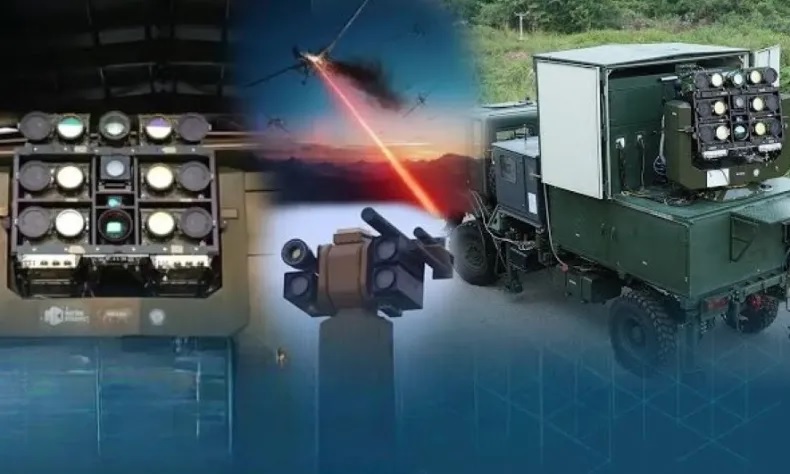
India
India’s Defence Research and Development Organisation (DRDO) is working on an advanced defence system named “Optonic Shield”, designed to safeguard the nation’s critical infrastructure and military installations from a range of modern aerial and ground-based threats. This futuristic system blends cutting-edge electro-optical technology, satellite-based communications, and non-lethal laser weaponry to offer a comprehensive, real-time protective cover for sensitive areas. What is the Optonic Shield? The Optonic Shield is essentially a smart hemispherical defence dome. It works by continuously scanning the airspace and ground around a vital asset using multi-spectral electro-optical sensors. These sensors can detect, track, and classify potential threats — like enemy drones, low-flying aircraft, loitering munitions, or guided missiles — both during the day and at night. This real-time surveillance capability is integrated with advanced battlefield management software that helps commanders quickly assess situations, predict possible threat trajectories, and respond instantly with countermeasures. How It Works: At its core, the system operates through a networked tracking mechanism. It links multiple electro-optical payloads placed strategically around an installation to provide 360-degree hemispherical coverage. These sensors are capable of: Detecting tiny drones or low radar-signature targets Tracking fast-moving objects across multiple altitude levels Operating efficiently in different weather and light conditions Once a potential threat is identified, the system immediately triggers laser warning receivers and alerts defence personnel while simultaneously sharing data with command centres through secure satellite communication links. High-Power Laser Dazzlers: A standout feature of the Optonic Shield is its integration of high-power laser dazzlers. These are non-lethal directed energy weapons that can: Dazzle and temporarily blind optical sensors on drones, missiles, or enemy reconnaissance equipment Disrupt the guidance systems of precision weapons Neutralize potential threats without causing physical destruction This allows for controlled, escalation-free engagements, especially in peacetime surveillance or no-fly zone enforcement operations. Integrated Multi-Layer Defence: The Optonic Shield is designed to work alongside existing radar, electronic warfare, and air defence systems. Its ability to integrate with broader networks means it contributes to a multi-layered protection strategy, where multiple systems work in unison to defend critical assets. Key defensive layers include: Early warning through radar and laser sensors Optical tracking and threat classification Non-lethal neutralization using laser dazzlers Real-time communication with air defence command posts through satellites Specifications (Expected/Planned): Coverage Area: Hemispherical protection dome over selected zones Sensors: Multi-spectral electro-optical sensors (visible, IR, UV) Detection Range: Capable of tracking small drones up to 5–10 km, larger aircraft/missiles at longer distances Laser Dazzler Power: High-power, variable intensity for scalable response Satellite Links: Secure real-time data sharing with command centres and allied units Integration: Compatible with radars, electronic warfare suites, and missile defence systems A Step Toward Self-Reliance: The development of the Optonic Shield underlines DRDO’s commitment to Atmanirbhar Bharat (self-reliant India) in defence technology. As modern threats like drone swarms and precision munitions grow more sophisticated, India’s armed forces require advanced, indigenous solutions to protect military bases, nuclear facilities, airfields, and command centres. Once operational, the Optonic Shield is expected to be deployed at strategic defence locations and critical national infrastructure to bolster India’s layered air defence capabilities.
Read More → Posted on 2025-06-12 15:41:07
India
In a significant boost to India’s indigenous defence capabilities, Solar Defence and Aerospace Limited (SDAL) successfully conducted a key trial of its advanced Hybrid VTOL UAV, Rudrastra, at the Pokharan Firing Range on June 11, 2025. This crucial test represents another important milestone under the government’s Aatmanirbhar Bharat initiative, aimed at strengthening India’s self-reliance in military technology. The Rudrastra UAV has been designed as a multi-role aerial platform, capable of carrying out a variety of missions ranging from reconnaissance and surveillance to precision strike operations. One of its most important features is its vertical takeoff and landing (VTOL) capability, which allows it to operate without a runway — making it especially valuable for tactical operations in difficult or remote terrains. Highlights of the Trial During the recent trial, the Rudrastra demonstrated impressive operational performance: It maintained a stable, high-quality video link while covering a mission radius of over 50 km. The UAV successfully returned to its launch point after completing its mission, with a total operational range—including loitering time—exceeding 170 km. It showcased an estimated endurance of 1.5 hours, providing sustained aerial presence over target areas. A major highlight of the test was the mid-altitude release of a precision-guided anti-personnel warhead. The UAV executed the strike with remarkable accuracy, and the munition performed a low-height airburst detonation, effectively neutralizing a simulated target over a wide area — a feature especially valuable for engaging enemy personnel and light assets in open or semi-covered battlefields. Key Specifications of Rudrastra UAV Type: Hybrid VTOL (Vertical Takeoff and Landing) Unmanned Aerial Vehicle Operational Range: Over 170 km Endurance: Approximately 1.5 hours Mission Radius (with stable video link): Over 50 km Payload: Precision-guided anti-personnel warhead Strike Capability: Mid-altitude release, low-height airburst detonation Features: Real-time surveillance, precision strike, vertical takeoff/landing, extended loiter capability Aatmanirbhar Bharat in Action The successful trial of Rudrastra is a clear example of the progress India is making towards developing homegrown defence systems. With increasing global uncertainties and the growing importance of unmanned systems in modern warfare, platforms like Rudrastra are expected to play a vital role in the Indian Army’s future operations. The UAV’s combination of mobility, endurance, and strike precision makes it an ideal asset for border surveillance, counter-insurgency missions, and special operations support, particularly in areas where conventional manned systems may face operational limitations. With this successful demonstration, Solar Defence and Aerospace Limited is poised to take further steps towards operational induction of Rudrastra into the Indian armed forces, contributing to India’s long-term vision of defence modernization and self-reliance.
Read More → Posted on 2025-06-12 15:05:18
India
In a devastating turn of events, an Air India Boeing 787-8 Dreamliner, operating as Flight AI-171 from Ahmedabad to London Gatwick, crashed just moments after take-off on the afternoon of June 12, 2025. The flight, carrying 232 passengers and 10 crew members, went down barely minutes after departure from Sardar Vallabhbhai Patel International Airport, leading to the loss of all 242 lives onboard, as confirmed by local police sources. The aircraft, heavy with fuel for its long-haul international journey, took off around 1:47 PM, slightly later than its scheduled departure. Witnesses observed the plane flying unusually low and struggling to ascend before it plunged into the Meghani Nagar area. It crashed directly into a medical college’s doctors’ hostel, causing a fiery explosion that engulfed the building and spread debris across a wide area. Thick black smoke could be seen billowing across the city skyline. The impact was catastrophic. The crash occurred at a mere 825 feet altitude, right after the pilot issued a mayday call. Sadly, no further communication came from the cockpit. The hostel’s dining area bore the brunt of the crash, and five medical students who were inside lost their lives on the spot. Several others were feared trapped or seriously injured as the structure partially collapsed. Eyewitnesses described a deafening explosion, followed by chaos and panic. Videos taken by bystanders captured the horrifying final moments of the aircraft as it failed to climb and descended rapidly before impact. A massive fire erupted, complicating rescue efforts and endangering nearby structures, including a hotel. Emergency services rushed to the scene in large numbers. The fire department, police, National Disaster Response Force (NDRF), and over two dozen ambulances responded swiftly. A special green corridor was created to quickly transport the injured to nearby hospitals. One survivor, a 40-year-old man named Vishwash Kumar Ramesh, is currently undergoing treatment at Civil Hospital in Asarwa. His condition remains critical. Flight operations at Ahmedabad airport have been suspended indefinitely to allow rescue teams to operate unhindered and for investigators to begin examining the crash site. The Directorate General of Civil Aviation (DGCA) has announced a full investigation into the crash. Boeing’s technical team is also being sent to assist in uncovering the cause behind the Dreamliner’s sudden failure—marking what is now the first fatal accident involving this modern aircraft type. Air India expressed deep sorrow and confirmed the accident, pledging to support affected families and emergency response teams. The airline has set up emergency information centers and helplines to assist relatives of the passengers. Prime Minister Narendra Modi called the incident “heartbreaking beyond words,” offering condolences and promising full government support in the rescue and investigation efforts. Civil Aviation Minister Ram Mohan Naidu is personally overseeing the situation, while Gujarat Chief Minister Bhupendra Patel has ordered all local authorities to prioritize rescue and relief work. The Tata Group, which owns Air India, has announced a compensation package of ₹1 crore for the families of each deceased passenger or crew member. Additionally, they have committed to covering all medical costs for the injured and supporting the reconstruction of the damaged doctors’ hostel at BJ Medical College. This crash is one of the most severe aviation disasters in Indian history in recent years. The loss of life is immense, and investigations are now underway to determine what led to this tragic failure during what should have been a routine departure. As the nation mourns, the focus remains firmly on supporting survivors, grieving families, and ensuring that the full truth behind this tragedy is brought to light.
Read More → Posted on 2025-06-12 14:37:23Search
Top Trending in 24 Hours
-
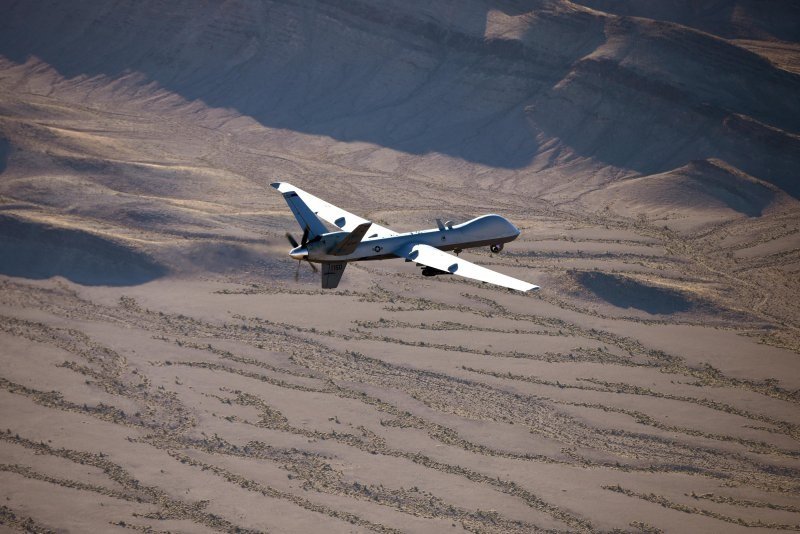 Iran’s IRGC Claims It Shot Down 53rd U.S. MQ-9 Reaper Over Qeshm Island
-
 Thales Launches HexaForce AI-Enhanced Command and Control System for Multi-Domain Operations
-
 China Privately Urges Iran to Restrain Houthis After Saudi Appeal
-
 Former Italian Navy Carrier Enters Indonesian Waters to Join Indonesian Navy as Indonesia’s First Aircraft Carrier
-
 Pakistani Navy’s PNS Hunain Damaged After Collision With Indian Navy Warship in North Arabian Sea
-
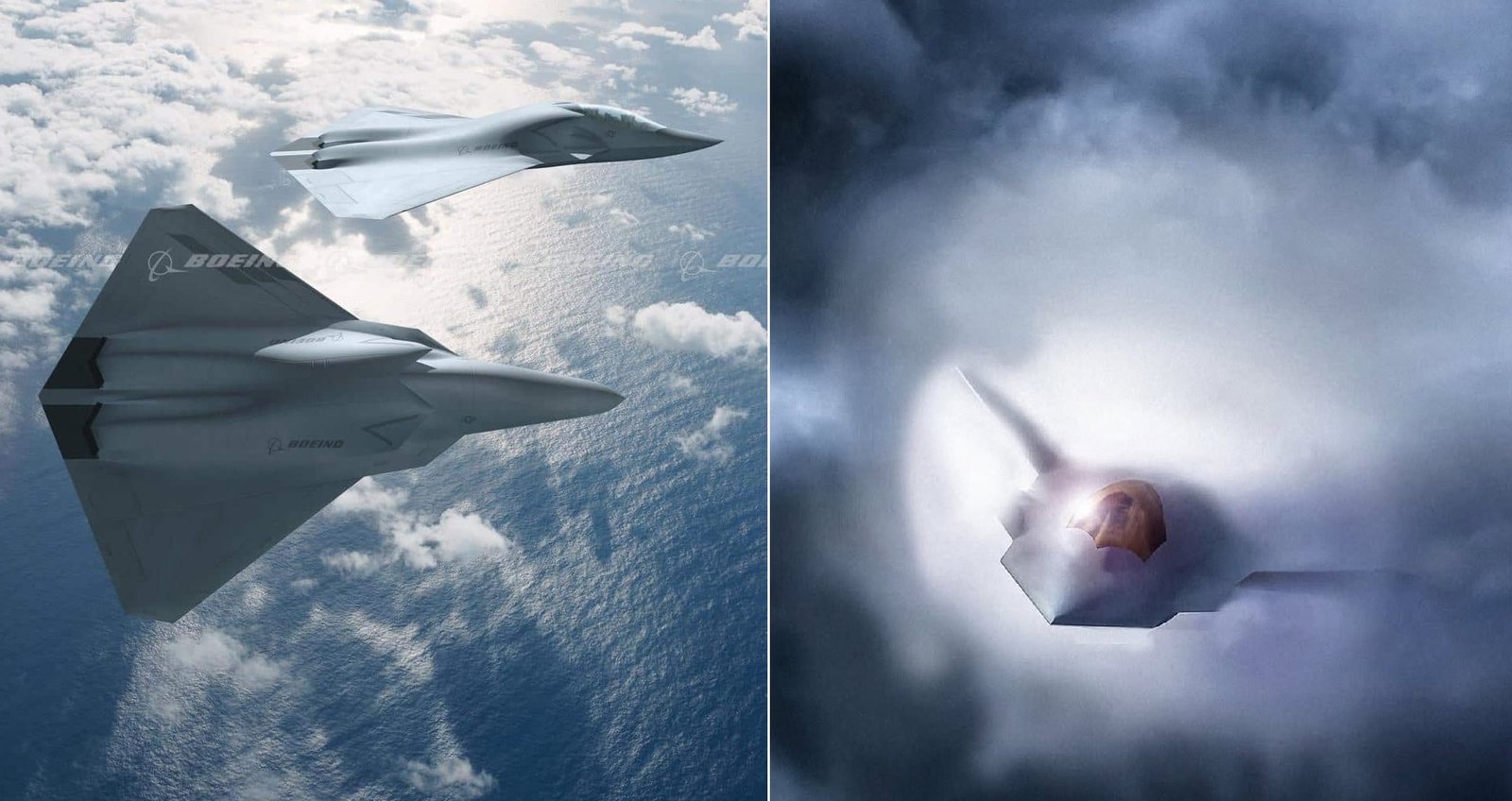 Pentagon Raises Concerns Over Defense Industry Capacity for F-47 and F/A-XX Sixth-Generation Fighter Programs at the Same Time
-
 U.S. Navy Awards $280.5 Million in Prototype Agreements to Three Shipyards for LCU 1700 Landing Craft
-
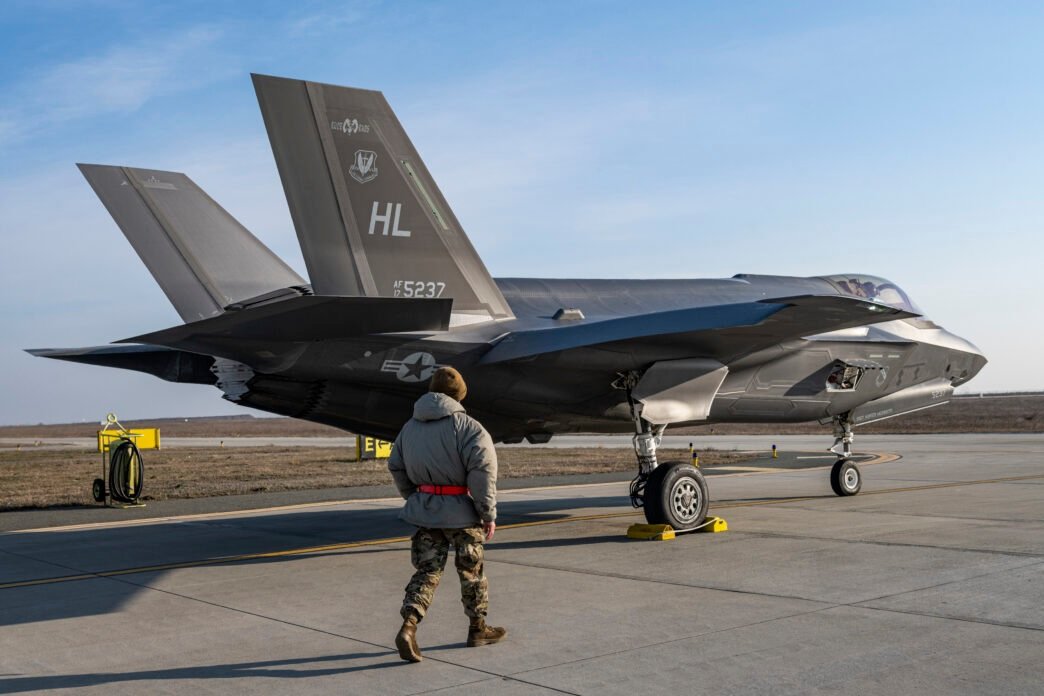 U.S. Intelligence Warns Proposed F-35 Sale to Saudi Arabia Could Expose Technology to China
Top Trending in 4 Days
-
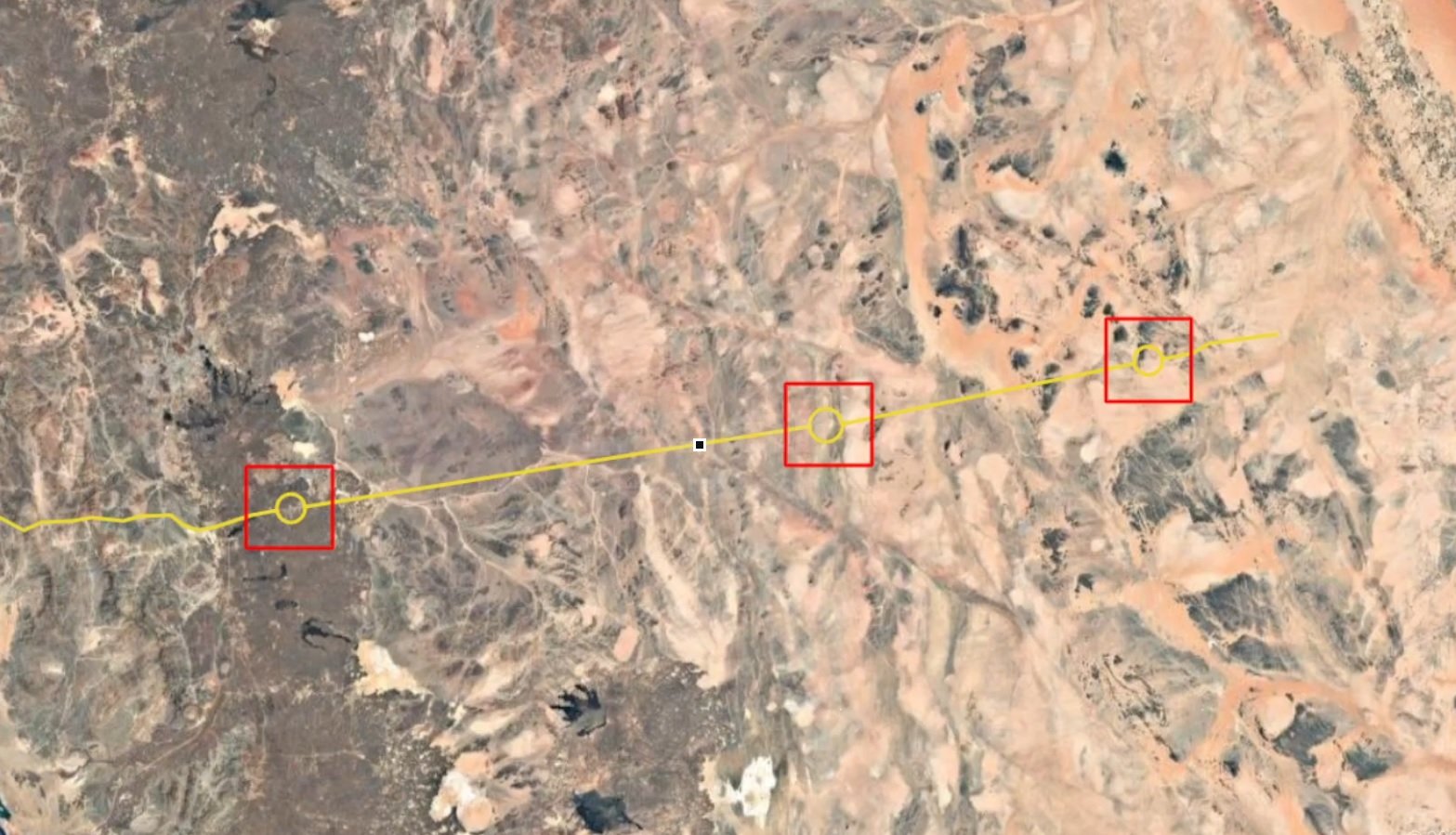 Satellite Imagery Shows Extensive Damage to Saudi Arabia’s East-West Oil Pipeline, Indicating More Than a Single Strike
-
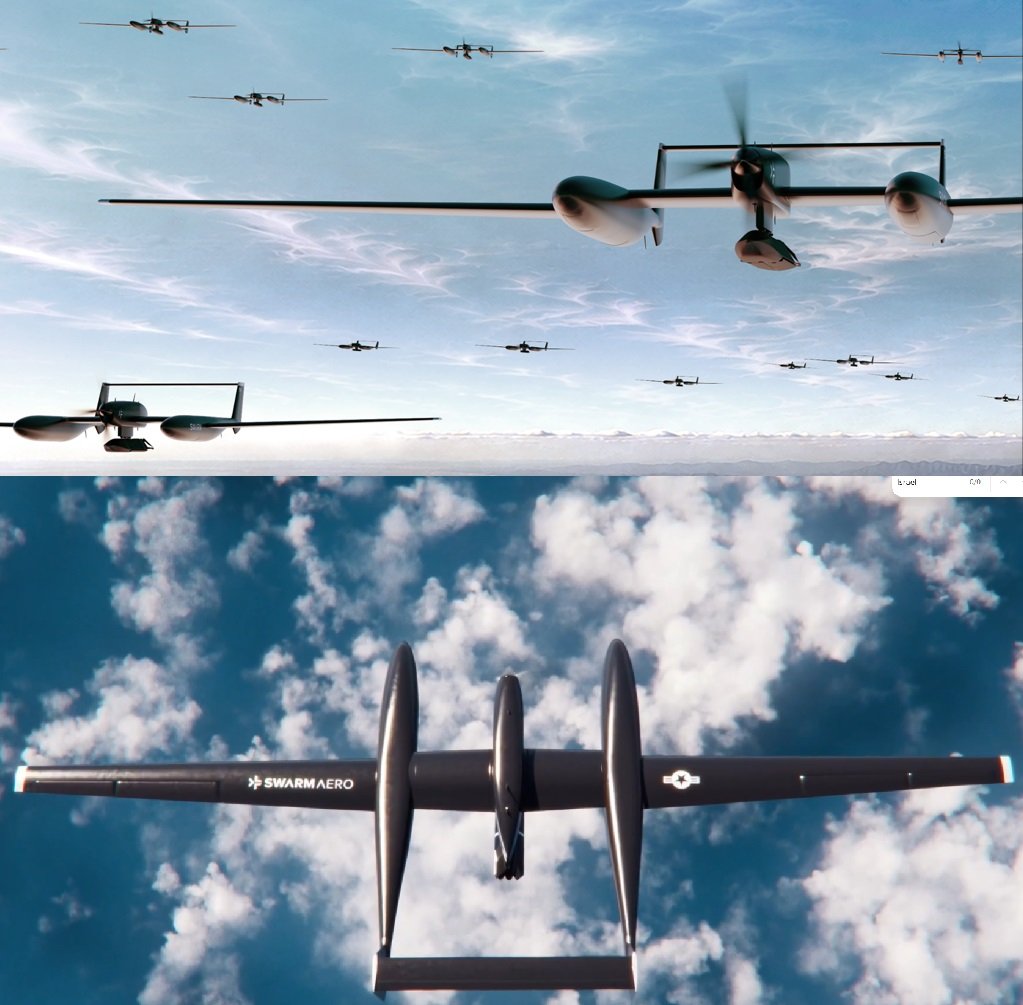 U.S. Firm Swarm Aero Unveils Gamera Group 5 UAS With 9,000-Nautical-Mile Range and Heavy Strike Payload
-
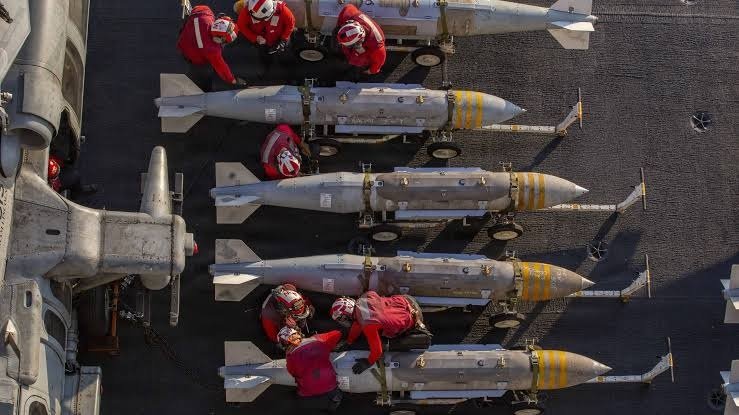 Pentagon Inspector General Report Finds Iran War Caused U.S. Ammunition Shortfalls and Industrial Bottlenecks
-
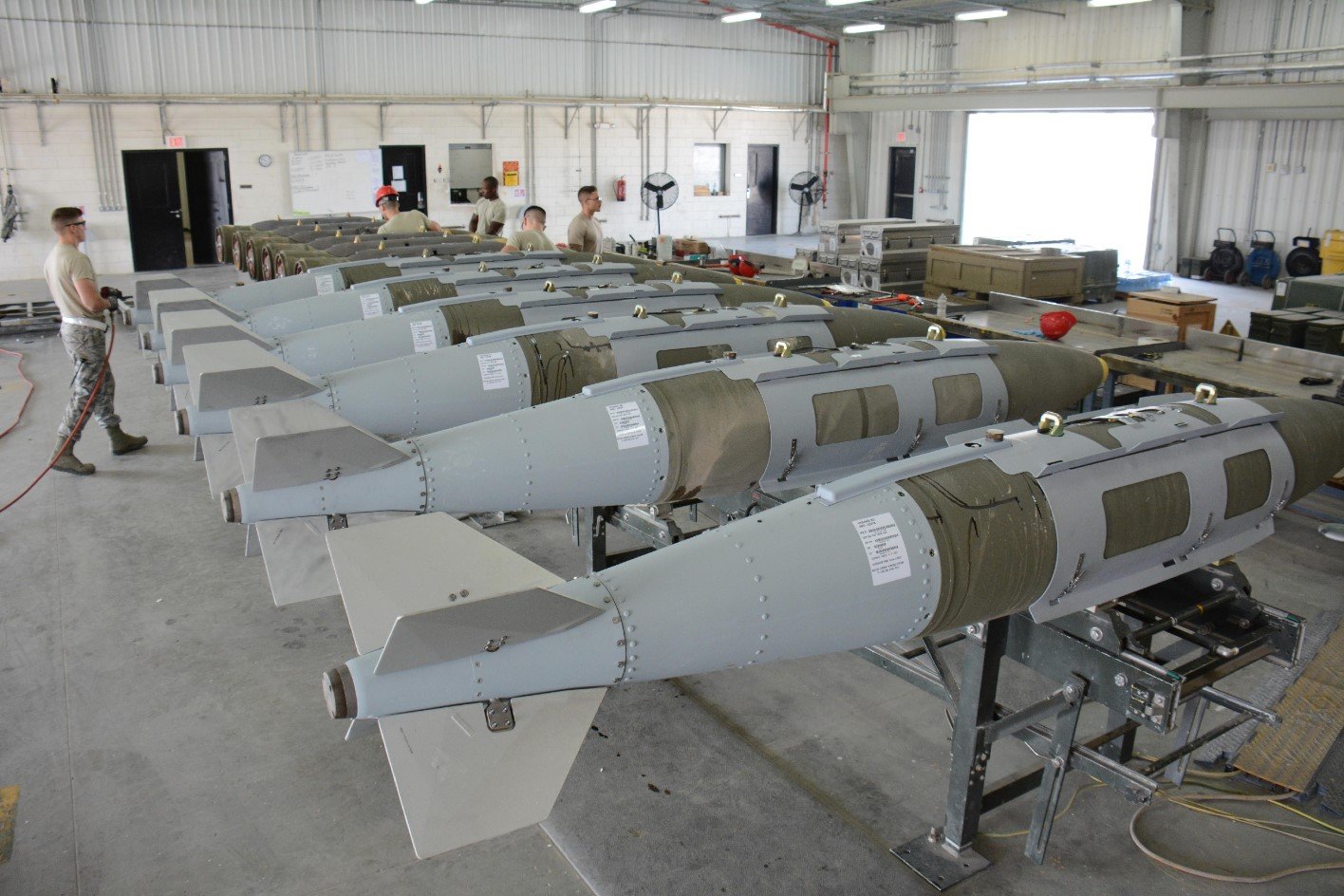 U.S. Plans $2.8 Billion Sale of 40,000 Heavy Bombs and 20,000 I-2000 Penetrator Warheads to Israel
-
 Pentagon and Honeywell Complete Four-Hour Pacific Flight Using Quantum Magnetic Navigation Without GPS
-
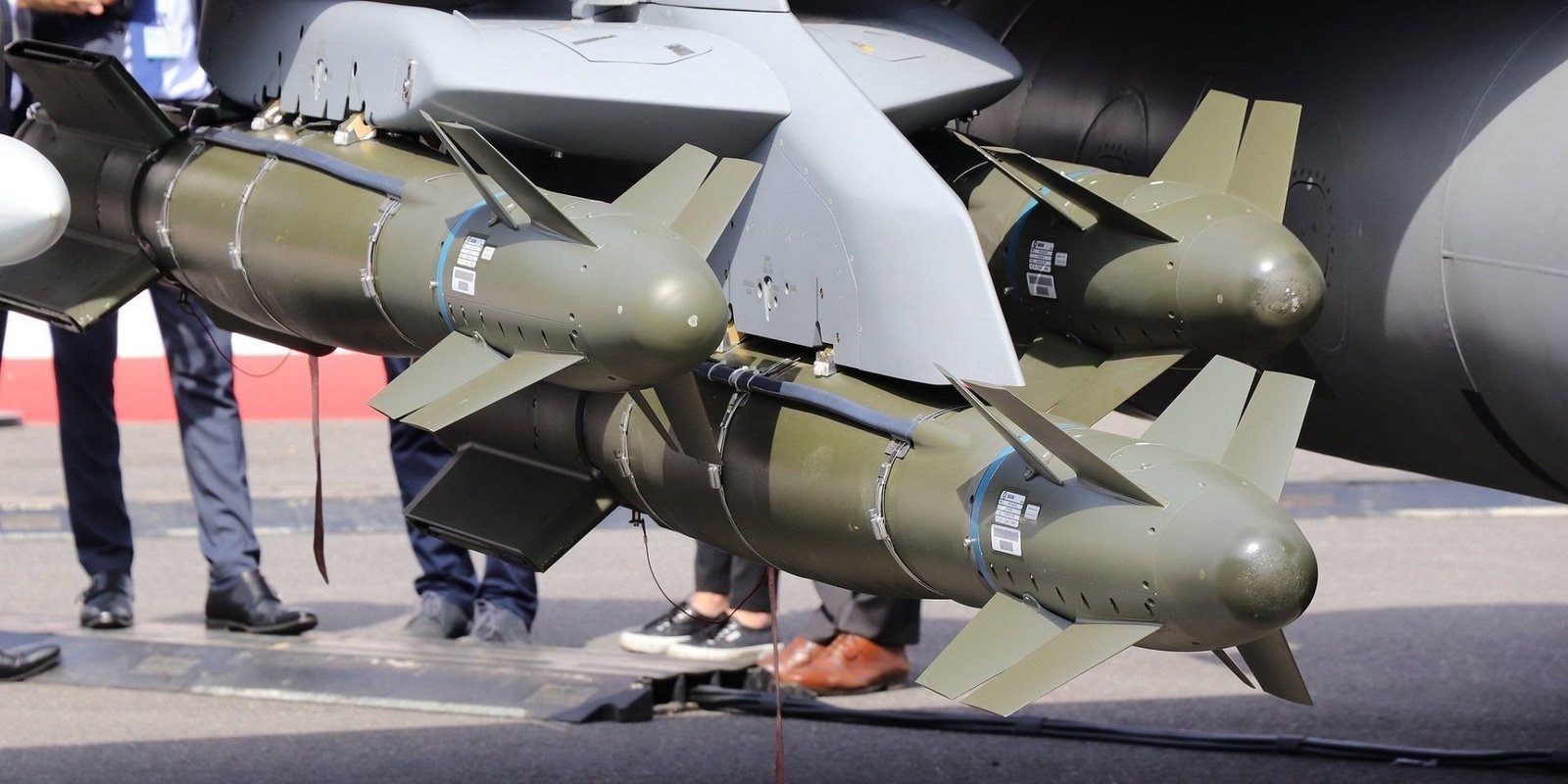 Swedish Gripens Bound for Ukraine to Be Armed with French Rocket-Assisted Hammer Precision Bombs
-
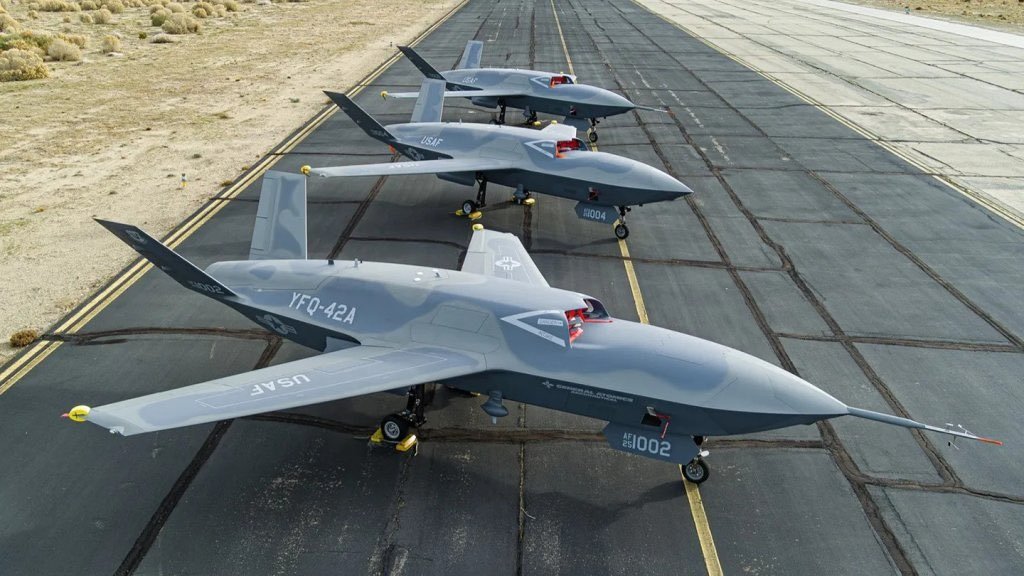 U.S. Air Force Officially Names First Collaborative Combat Aircraft FQ-42 Vengeance and FQ-44 Fury, Targets 500 by 2032
-
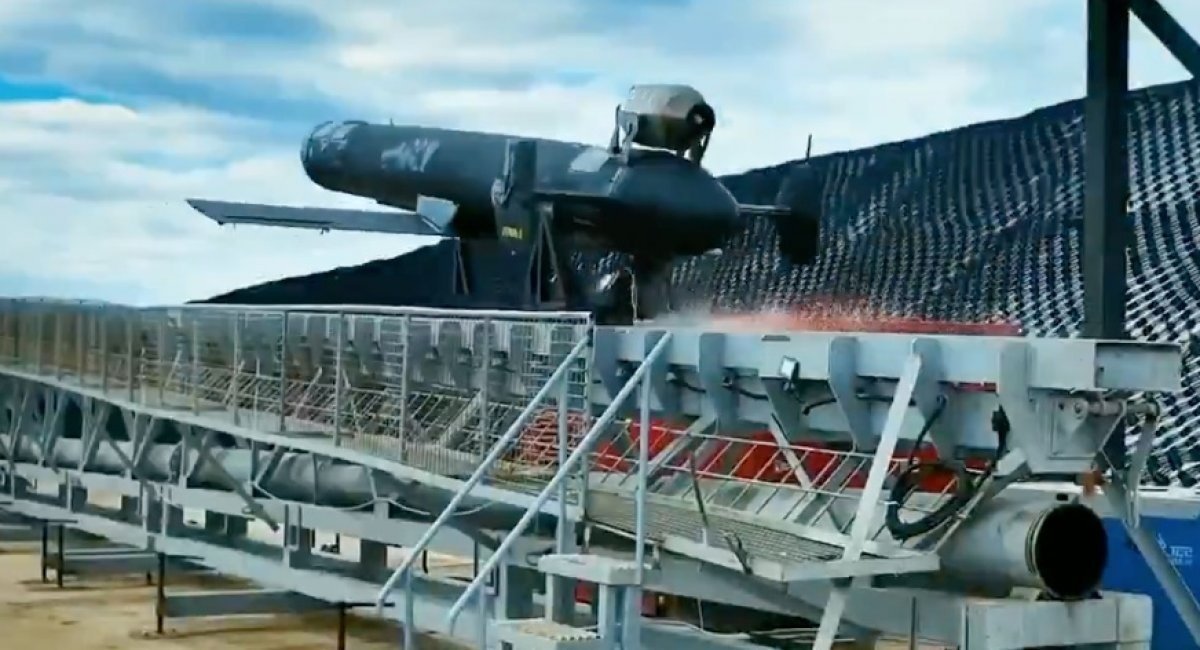 Russia Ramps Up Production of Jet-Powered Geran-5 Drones and Banderol Missiles, With Low Cost of Around $100,000 Per Unit