India
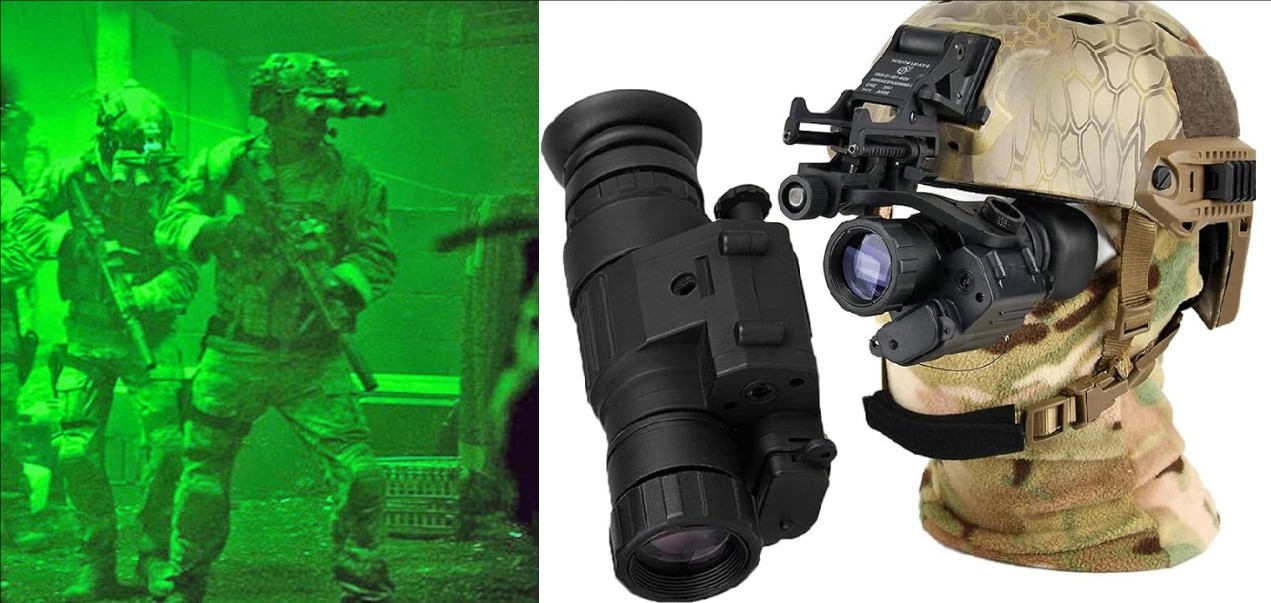
Defense News ,US :- Elbit Systems recently won a $12 million contract to give the US Army some new night vision gadgets. These gadgets are called AN/PVS-14 monocular night vision devices. They're special tools that help soldiers see better in the dark.These gadgets are designed to help soldiers aim accurately at targets when it's dark. They can do this without needing lots of different tools. The soldiers can attach these devices to their helmets. They work together with lights mounted on their rifles.The US Department of Defense says the work for this contract will finish by March 2025.Elbit Systems says their AN/PVS-14 devices have special features. They use something called a Gen 3 F9815 image intensifier tube. This makes the light around them stronger, so soldiers can see better. These devices also have infrared lights. These are like the ones used in cameras to see in the dark.The AN/PVS-14 devices are not too heavy, just 1.2 pounds (0.5 kilograms). They come with a strap that soldiers can adjust to fit comfortably on their heads. These devices can work up to 150 meters away.Elbit Systems says these gadgets help soldiers see better in the dark. This makes it easier for them to know what's happening around them. It also helps them see things that are nearby more clearly. This is important for different military jobs.In short, Elbit Systems has won a big contract to provide the US Army with special night vision gadgets. These gadgets will help soldiers see better in the dark. They are lightweight, easy to wear, and will be ready for use by March 2025.
Read More → Posted on 2024-03-19 14:57:43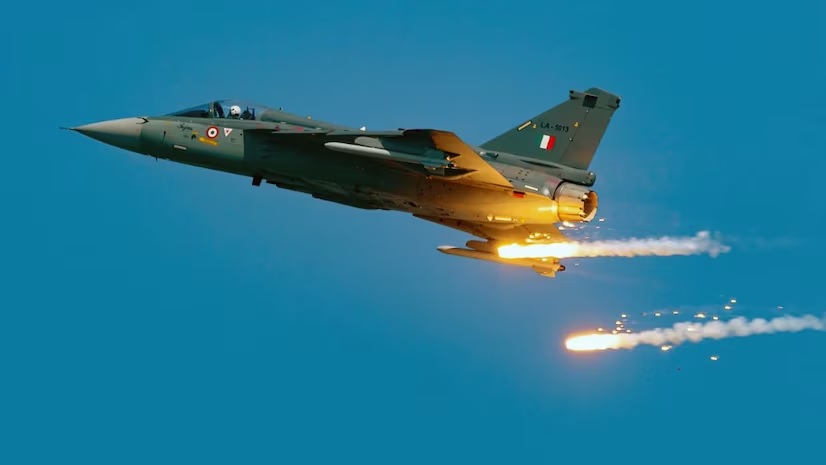
India
Defense News ,India :- India's Hindustan Aeronautics Limited (HAL) is getting ready to hand over the first TEJAS MK-1A fighter jet to the Indian Air Force (IAF) by the end of March. This is what defense sources shared with ANI. They're also working hard to deliver the first twin-seater trainer version aircraft to the IAF as soon as possible.The plan is to make sure these deliveries happen by March 31st. This is a big deal for the indigenous fighter aircraft project. It means the IAF will get an advanced aircraft, which is great news.The Indian Air Force has already made a deal with HAL for over ₹48,000 crore to get 83 TEJAS planes. And they're looking to buy even more — 97, to be exact, for ₹65,000 crore.HAL has been busy with ground trials, including slow taxi runs, to make sure everything is in order.The TEJAS MK-1 aircraft were first used by the IAF in 2016. They're being used by two squadrons: the 45th Squadron and the 18th Squadron.Air Chief Marshal VR Chaudhari, the head of the Indian Air Force, called the clearance for the 97 TEJAS a very important moment. He said, "We already had 40 TEJAS of the original IOC and FOC version. So with this, in the long run, the strength of the Indian Air Force will grow to 220 TEJAS MK-1As, which will equip almost ten squadrons of the Air Force." This means the IAF will have a lot more TEJAS jets to use in the future.The IAF thinks these 97 Light Combat Aircraft are perfect to replace the old MiG-series planes that are being phased out. They're a great fit to keep the strength of the combat aircraft in the force up. HAL is gearing up to deliver the first TEJAS MK-1A fighter jet to the IAF by the end of March. This delivery is part of a bigger plan to supply the IAF with more advanced aircraft. With the upcoming deliveries, the Indian Air Force will have more TEJAS jets to replace its aging fleet and maintain its strength.
Read More → Posted on 2024-03-19 14:49:50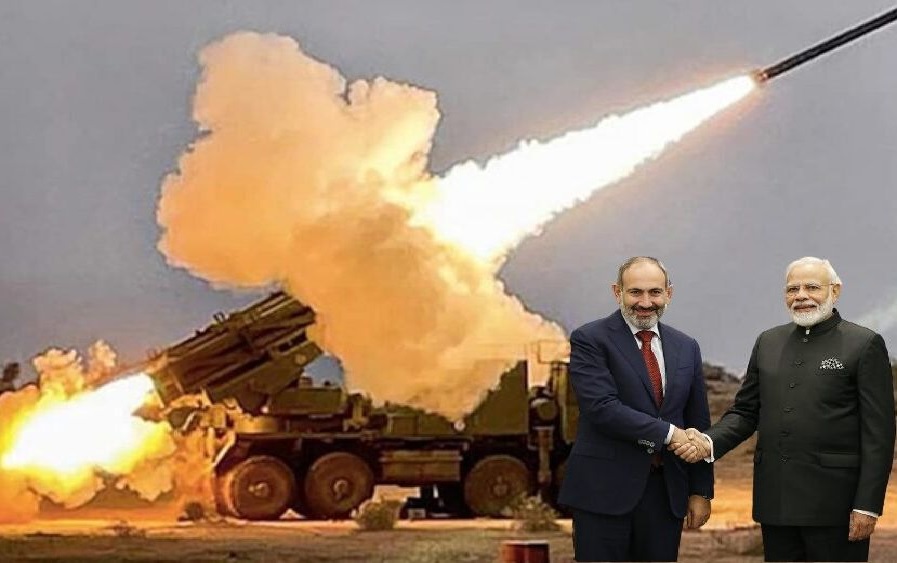
India
Defense News ,India :- A recent story by a news outlet from Azerbaijan called Caliber.Az has brought up concerns about how well weapons from India are working in Armenia. The report talks about former Armenian Defense Minister Arshak Karapetyan saying there might be problems with Indian weapons.However, we need to look carefully at whether these claims are true and what reasons might be behind the report.Understanding the ClaimsArshak Karapetyan, who was Defense Minister for a short time in 2021, reportedly said that some weapons from India haven't been working right for about a year.But the report doesn't give clear details about which weapons are having problems. This lack of information makes it hard to know for sure if what's being said is true.Checking the Source and Their MotivesTwo important things make this situation more complicated:Karapetyan's Short Time: Since Karapetyan wasn't Defense Minister for very long, it's uncertain how much he knows about these complex weapons.Where the Report Comes From: Caliber.Az is from Azerbaijan, which has had conflicts with Armenia for a long time. The president of Azerbaijan has criticized countries like India and France for giving weapons to Armenia. This makes it seem like the report might be more about spreading one-sided ideas than just reporting facts.India and Armenia's Defense RelationshipIndia and Armenia have been working more closely on defense. Some of the things they've done together include:Armenia got four Swathi Weapon Locating Radars in 2020.Armenia ordered Akash Surface-to-Air Missiles, but they haven't been delivered yet.Six ATAGS Artillery Guns have been sent, and more will be sent later in 2024.Deliveries of MarG 155x39 Howitzer Guns started in 2023.Analyzing and Asking QuestionsThis situation makes us wonder:Are Karapetyan's comments about problems with Indian weapons just about a few isolated incidents, or is there a bigger issue with these weapons?How much is Azerbaijan's conflict with Armenia influencing reports about these weapon problems? Is the goal to make Armenia and its friends look bad?Why haven't we been given specific details about the weapons having issues and proof to back up the claims?Wrapping UpThe report from Caliber.Az and what Karapetyan said leaves us unsure. Both the source and the person making the claims are tied to the ongoing conflict between Armenia and Azerbaijan.Until we see more proof and someone looks at the situation independently, it's hard to say if these claims are real concerns or just part of a plan to make Armenia look bad.
Read More → Posted on 2024-03-19 14:42:54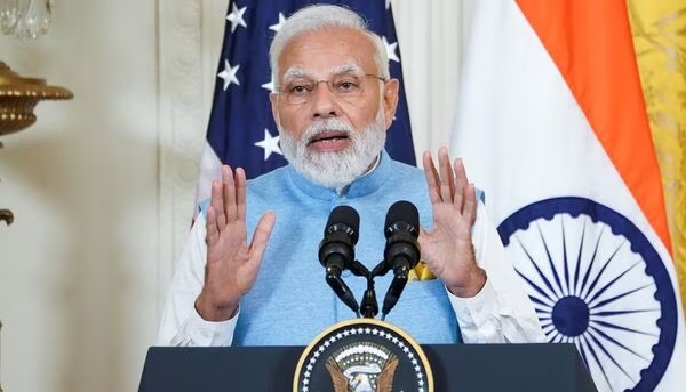
India
Defense News ,India :- Prime Minister Narendra Modi, on Tuesday, once again promised to keep the waters of the Indian Ocean safe and fight against piracy and terrorism. He made this promise in response to a thankful message from Bulgarian President Rumen Radev, who appreciated the safe return of seven Bulgarian nationals.Earlier on Monday, the President of Bulgaria had thanked the Indian Navy for successfully rescuing a Bulgarian ship named MV Ruen that had been hijacked.PM Modi expressed his gratitude towards President Radev and assured him that the seven Bulgarian citizens were safe and would soon return home.In a message on social media platform X, PM Modi said, “Thank you for your message, President @PresidentOfBg. We are glad that 7 Bulgarian nationals are safe and will be heading home soon. India is dedicated to keeping the Indian Ocean safe from piracy and terrorism.”The ship, MV Ruen, was captured by pirates in the Arabian Sea last December. It had eight Bulgarians, nine people from Myanmar, and one from Angola on board.In an official statement on platform X, the Bulgarian President said, “I am sincerely thankful to PM @narendramodi for the courageous action of the Navy in rescuing the hijacked Bulgarian ship 'Ruen' and its crew, which includes 7 Bulgarian citizens.”Bulgaria’s Foreign Minister, Mariya Gabriel, also expressed her gratitude in a Facebook post, mentioning a conversation she had with the Indian Ambassador to Bulgaria, Sanjay Rana. She thanked him for the Indian Navy’s operation to rescue the Bulgarian nationals.In another Facebook post, Gabriel shared, “Today, March 16, with the help of the Indian Navy, the crew of the ship 'Rouen,' hijacked on December 14, 2023, including seven Bulgarian citizens, was released.”She further added, “Thanks to the efforts of the Indian military, the entire crew of the ship was freed. All sailors are in good health, and efforts are currently underway for their timely return to Bulgaria.”Gabriel explained that the ship, Rouen, with eight Bulgarians, nine Myanmar citizens, and one Angolan on board, was seized by pirates in the Arabian Sea last December. She assured that the Ministry of Foreign Affairs, along with other relevant institutions and international partners, were actively working to secure the release of the Bulgarian crew.On March 16, a meeting was held at the Ministry of Foreign Affairs where they discussed the situation with the Indian Ambassador in Sofia, Sanjay Rana. They made an additional request to the Indian authorities for assistance and to ensure the safety and health of the crew.Gabriel concluded her statement by saying, “I am extremely grateful for the assistance provided by the Indian side in the process of releasing the Bulgarian sailors.”
Read More → Posted on 2024-03-19 14:25:54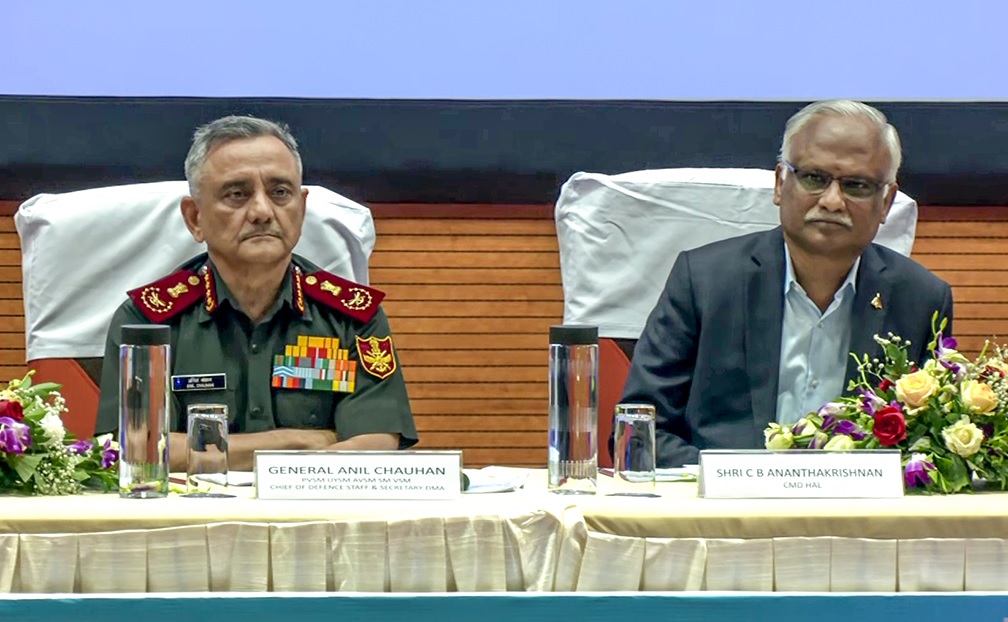
India
Defense News ,India :- Chief of Defence Staff General Anil Chauhan on Monday called unsettled borders with China and the rise of China as “the most formidable challenge” that India and Indian armed forces will face in the “foreseeable future.”In his address at the “3rd Strategic and Security Dialogue on Rise of China and its Implications for the World” event in Pune, General Anil Chauhan said, “The challenge we face today is unsettled borders. The ancient frontiers of India started taking shape of firm borders under the British, but they could not get the legitimacy of international borders on independence thus we inherited disputed borders. The occupation of Tibet by China, made them a new neighbour, and a partition of India created a new nation that thrived on hostility and hatred towards us.”The event has been organised by the Department of Defence and Strategic Studies at Savitribai Phule Pune University. General Chauhan called unsettled borders a challenge that India faces today.General Chauhan said, “Today India has disputed borders with both our neighbours. Disputes followed by conflicts have led to the emergence of terms like line of actual control, line of control and actual ground position line. The unsettled borders with China and the rise of China will remain the most formidable challenge that India and Indian armed forces will face in the foreseeable future.”He stated that armed forces need to maintain the legitimacy of India’s claims during peacetime on the disputed borders and stressed that it requires astute handling of China’s People’s Liberation Army (PLA) at all friction points. General Chauhan said that both sides need to operate within the ambit rules of engagements.“The armed forces need to maintain the legitimacy of our claims during the peacetime on this disputed borders. This will require very astute handling of the PLA at all the friction points, calibrated firmness, and both sides to operate within the ambit of agreed rules of engagements. Like all disputed borders, there will be a tendency by the adversary to create new facts, or markers, toponomy or cartographic aggression, or to create a new narrative. This again will have to be countered collectively by all of us at all levels, that would include academicians, strategists, thinkers, students, everyone has to do it together, General Anil Chauhan said.CDS General Anil Chauhan said that relations between the two nations cannot be viewed from a binary kind of perspective. Stressing that the rise of China affects other nations as well, he called for looking at like-minded nations for equitable balance.Referring to External Affairs Minister S Jaishankar’s recent comment about ties between India and China made during a TV show, General Chauhan said, “Day before yesterday, EAM said, ‘there is more to the Sino-India relation than the border disputes.’ Similarly, in an increasingly interconnected world, Sino-India relations cannot be viewed from a binary kind of perspective. The rise of China affects other nations as well and we must look at like-minded nations for equitable balance while remaining cognizant of the fact as a popular idiom says that one must be prepared to fight its own battle.”Regarding technological advancements, General Chauhan cautioned against allowing a significant technological gap to emerge between India and its immediate adversaries, emphasizing its potential adverse consequences.“Technology denial regimes existed in the past, but what we are witnessing now is a race to retain technological edge. India cannot afford the emergence of a major technological gap between us and our immediate adversaries, and that would be fatal for us,” General Chauhan said.Earlier on March 12, India sent out a strong rebuttal to China for the latter’s comments on Prime Minister Narendra Modi’s visit to Arunachal Pradesh stating that the northeastern State will always be “an integral and inalienable part of India”.In a statement, the Ministry of External Affairs (MEA) asserted that China’s objection to visits by Indian leaders or India’s developmental projects “does not stand to reason”.“We reject the comments made by the Chinese side regarding the visit of the Prime Minister to Arunachal Pradesh. Indian leaders visit Arunachal Pradesh from time to time, as they visit other States of India. Objecting to such visits or India’s developmental projects does not stand to reason,” MEA official spokesperson Randhir Jaiswal said.“Further, it will not change the reality that the State of Arunachal Pradesh was, is, and will always be an integral and inalienable part of India. The Chinese side has been made aware of this consistent position on several occasions,” he added.Jaiswal’s statement came after Chinese Foreign Ministry Spokesperson Wang Wenbin during a press briefing, said that China “strongly deplores and firmly opposes” Prime Minister Narendra Modi’s visit to the “East Section of the China-India boundary” and has raised concerns with India. PM Modi had virtually inaugurated the strategic Sela Tunnel during an event held in Arunachal Pradesh’s capital, Itanagar, on March 9.
Read More → Posted on 2024-03-19 06:15:39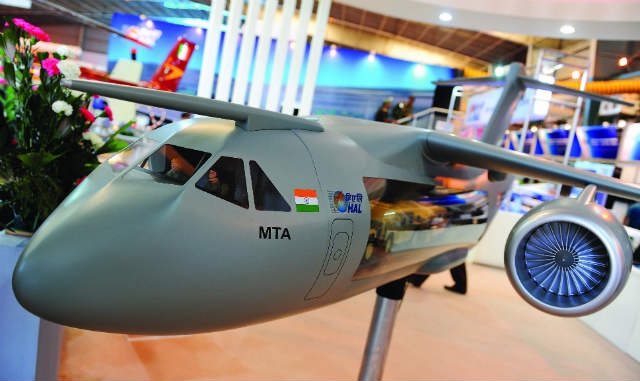
India
Defense News ,India :- Hindustan Aeronautics Limited (HAL), the cornerstone of India's aerospace industry, is embarking on a mission to develop a fully indigenous cargo transporter, marking a significant stride towards self-reliance in defense technology.The impetus behind this endeavor stems from HAL's apprehension about potential exclusion from the forthcoming Medium Transport Aircraft (MTA) program. This indigenous development aligns closely with India's burgeoning emphasis on self-sufficiency in defense.HAL's determination to forge ahead with an indigenous solution follows closely on the heels of a landmark achievement by a private Indian company in successfully fulfilling the C-295 transport aircraft order. This milestone marked a historic moment for India's defense sector.Insiders familiar with the MTA program have confirmed HAL's fervent advocacy for a domestically engineered cargo aircraft. Such a move resonates with the government's overarching objective of fortifying India's autonomy in military technology, promising enduring benefits in terms of maintenance and future upgrades.The recent pronouncement by the Indian Air Force (IAF) Chief regarding the imperative to replace the aging An-32 and IL-76 fleets with MTAs by 2030 and beyond presents a tantalizing opportunity.With the potential order volume exceeding 100 aircraft over the next two decades, the MTA tender emerges as a highly coveted contract for defense contractors worldwide.India's decision to withdraw from the collaborative MTA program with Russia, in which HAL played a pivotal role, has left the company without a ready-made design tailored to the IAF's requirements.Moreover, several foreign aerospace entities vying for the IAF's tender have opted to collaborate with private Indian firms. This strategic maneuver threatens to sideline HAL unless it presents a compelling indigenous solution.At this juncture, the Indian government and the IAF confront a pivotal choice. Will they prioritize the long-term advantages of a fully indigenous aircraft spearheaded by HAL, or will the allure of established foreign platforms and partnerships with the private sector prevail?In the months ahead, critical decisions will shape the trajectory of India's military transport aircraft capabilities and define HAL's pivotal role in shaping the nation's aerospace landscape.
Read More → Posted on 2024-03-19 06:00:45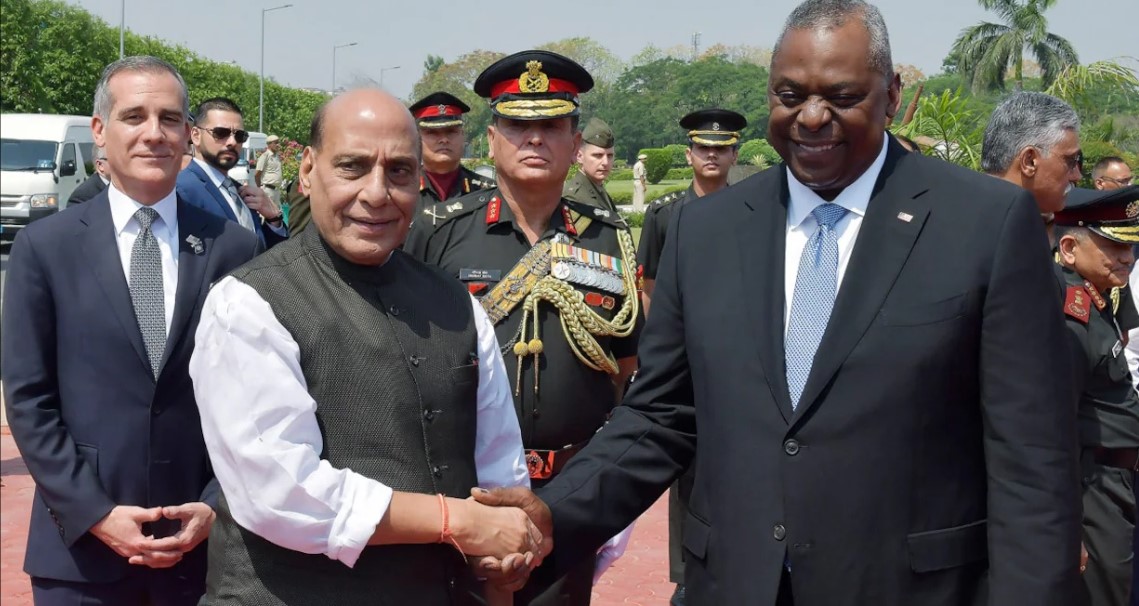
India
Defense News ,India :- Indian Defense Minister Rajnath Singh and US Secretary of Defense Lloyd Austin had a phone call on March 18. They talked about many things like what's happening between their countries, security in the region, and how they work together on defense.They discussed some recent events between the two countries. One was the INDUS-X Summit in New Delhi in February 2024. Another was a military exercise called 'Tiger Triumph' that started in India on March 18, 2024.The US Defense Secretary said that he appreciated the Indian Navy's help in fighting piracy in the Indian Ocean.Last year, both countries agreed on how they would work together on defense. They talked about making sure they stick to that plan. They also talked about solving some problems they're having with working together on defense projects, like fixing US Navy ships at Indian shipyards.In June 2023, they started something called the India-US Defence Acceleration Ecosystem (INDUS-X). This is all about making new defense technology together. They connect military groups in both countries to share ideas. They also bring together businesses, universities, and investors to help make new technology for defense.Groups like the US-India Business Council and the US-India Strategic Partnership Forum are helping out with INDUS-X. They're organizing events where people can share their ideas and find ways to work together on defense projects.The US and India have been working together more closely over the last 20 years. They've built a strong partnership, especially in defense and security. Even when they don't agree on everything, they've been able to work things out peacefully. Prime Minister Narendra Modi's visit to the US in June 2023 made their relationship even stronger. They're hopeful that they can keep building on this partnership.
Read More → Posted on 2024-03-19 05:20:24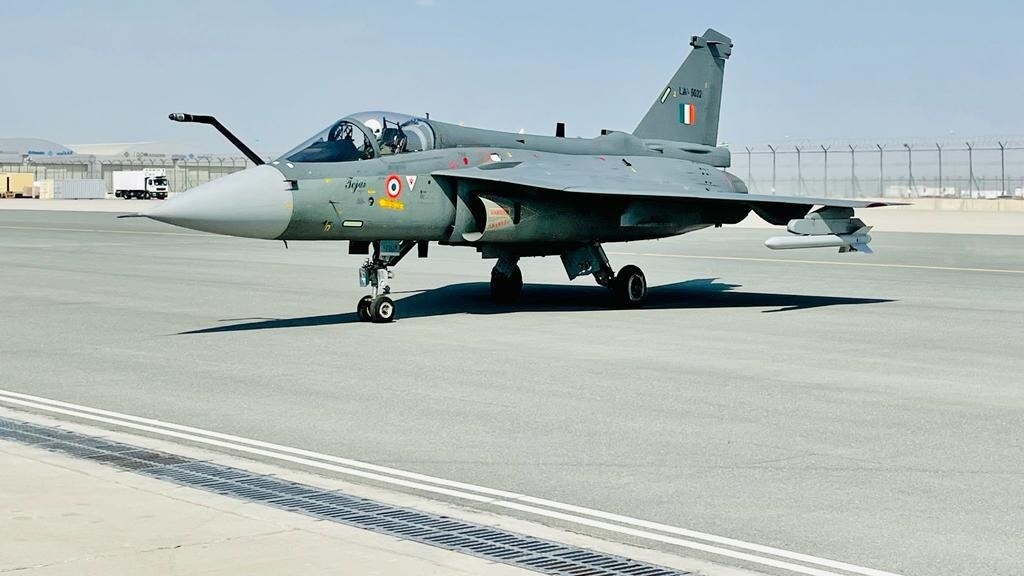
India
Defense News ,India :- India's aerospace sector is getting ready for something big as Hindustan Aeronautics Limited (HAL) gets set to fly the new and improved LCA Tejas Mk-1A fighter jet for the first time. This exciting test flight might happen very soon, paving the way for the jet to be handed over to the Indian Air Force (IAF) by the end of March.The Tejas Mk-1A is a big leap forward in the IAF's plans to modernize its fleet. It's way better than the older Tejas Mk-1. The government ordered this upgraded version back in 2021 as part of a deal for 73 fighter jets. Once it's in service, it's expected to boost the IAF's ability to handle combat situations.HAL is also working on making a version of the Tejas Mk-1A that can hold two people instead of one. This is important because pilots need training to fly these jets, and the two-seater version will help with that.The IAF is really interested in the Tejas program. They're in talks to buy 97 more single-seater Tejas Mk-1A jets. If the deal goes through, it shows just how much the IAF values this aircraft and wants to make it a key part of their fleet.
Read More → Posted on 2024-03-19 05:16:13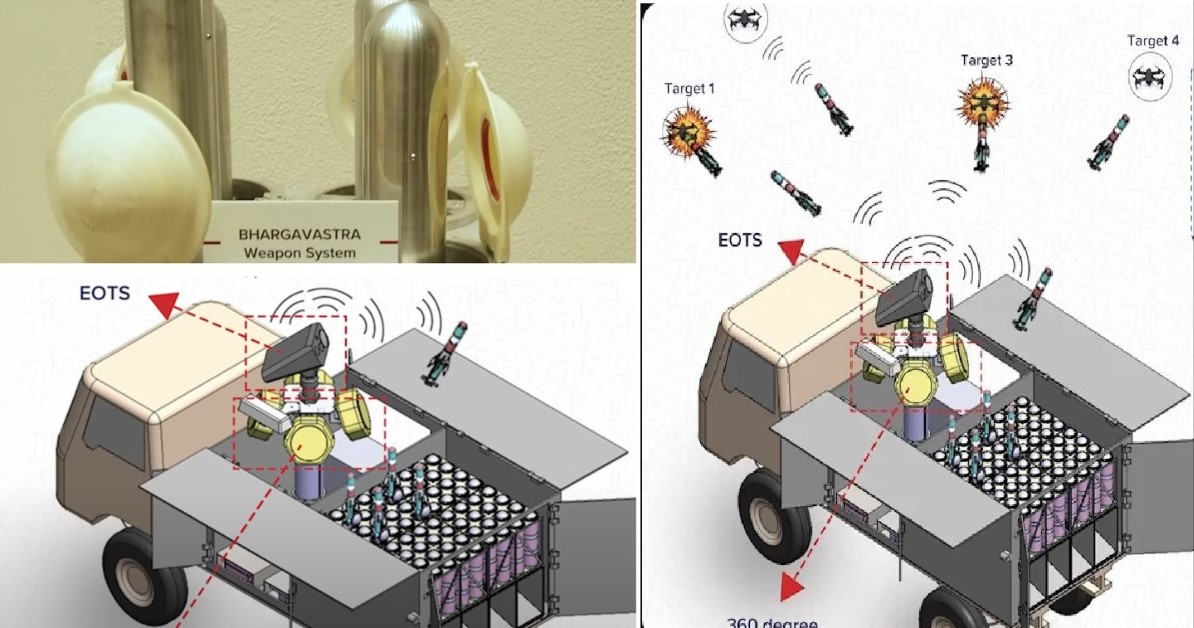
India
Defense News ,India :- Solar Industries India Limited (SOLARINDS) has introduced a groundbreaking defense technology in India with the Bhargavastra Weapons System.This new technology is specially created to tackle the increasing danger posed by Unmanned Aerial Vehicles (UAVs) and groups of drones. Its ability to tackle these threats and protect Indian airspace was demonstrated in a video presentation on the Bharat-Shakti defense portal.Understanding the Bhargavastra SystemThe Bhargavastra system is a complex defense system that combines various important parts to defend against drone attacks. These parts can be divided into three main categories:1. Detection and Tracking:RADAR: Detects aerial targets over long distances.Electro-Optical Tracking System (EOTS): Tracks targets visually.Electro-Optical IR (EO/IR): Identifies targets using visual and infrared capabilities.2. Command and Coordination:Command & Control Center: Manages the system's operations.C4I (Command, Control, Communications, Computers, and Intelligence): Integrates the network for controlling Bhargavastra's operations.AI Layer: Uses artificial intelligence to improve awareness and decision-making.3. Engagement:Launcher with Missiles: Launches micro-missiles.Data Links: Guides missiles through communication channels.Counter Measures: Uses potential disruption techniques.A Force to be Reckoned WithThe Bhargavastra system has impressive technical features that make it a strong defense tool:Detection Range: Can detect targets over 5 kilometers away, even small ones.Reaction Speed: Responds to threats in less than 16 seconds, crucial for fast-moving drones.Multi-Target Capability: Can track and engage up to 64 targets at once, stopping swarm attacks effectively.Micro-Missile System: Uses missiles that lock onto targets after launch and can fire rapidly.The Importance of BhargavastraThe creation of Bhargavastra highlights India's dedication to strengthening its air defense against the rising threat of drones. Being made domestically, it reduces dependence on foreign imports and promotes self-sufficiency in defense technology.The Bhargavastra Weapons System showcases India's technological advancement, providing a strong and adaptable solution against potential drone threats. Its integration into India's defense setup will significantly improve its ability to safeguard its airspace.
Read More → Posted on 2024-03-19 05:05:08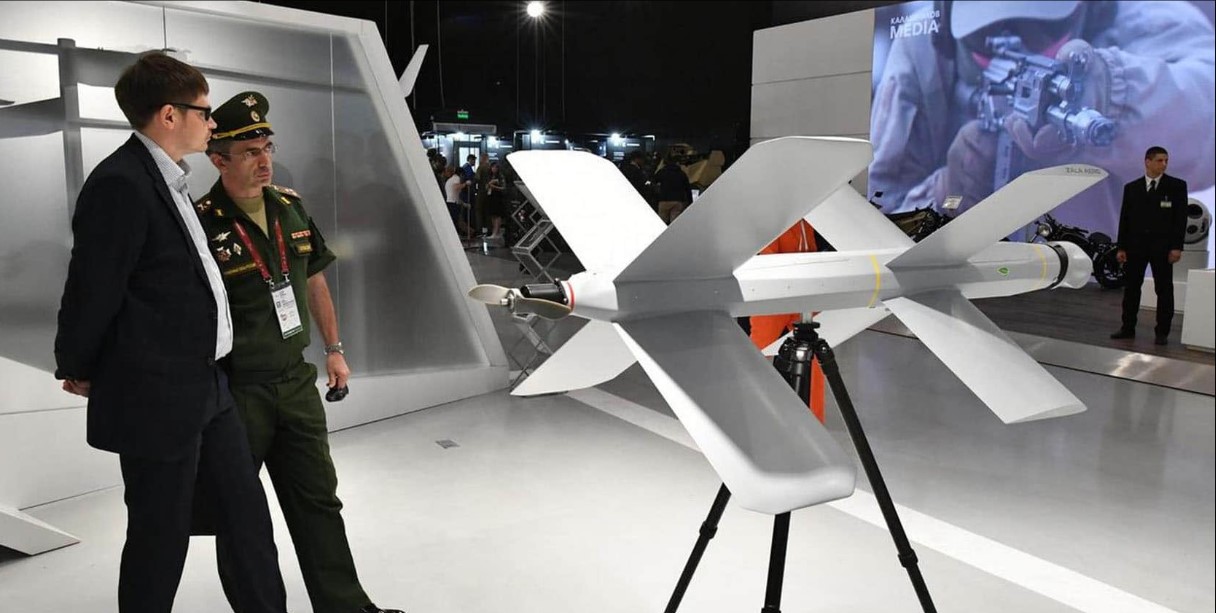
India
Defense News ,India :- The Indian Ministry of Defence (MoD) wants to make its army stronger by getting new weapons. They're looking for something called Canister-Launched Anti-Armour Loiter Munition (CALM) systems. These systems will help the Indian Army fight better in battles.India really wants to have good weapons for its army. They are trying to make their defence system modern and powerful.Russia is also interested in helping India with these new weapons. A Russian expert named Dmitry Kornev thinks that India and Russia should work together on making these weapons. He says India can do some parts of the work, like putting the parts together and making the software for the weapons. Working together like this could make it easier for India to use these weapons internationally.What are Loiter Munitions?Loiter munitions are like small flying robots that can stay in one area for a long time. They're sometimes called "kamikaze drones" or "suicide drones". These robots can watch over an area and attack targets with great accuracy. They're very useful in different kinds of battles.The way India wants these munitions to be launched makes them easy to use quickly in a battle. This is really important, especially in places where India's borders are complicated.India's Plan for Getting CALM SystemsIndia isn't just asking one country for these CALM systems. They're asking companies from all over the world to give them options. Even though Russia is interested, India hasn't decided yet who they'll choose to help them with this important purchase.Whoever gets picked will help India's army become stronger and more modern.
Read More → Posted on 2024-03-18 15:39:11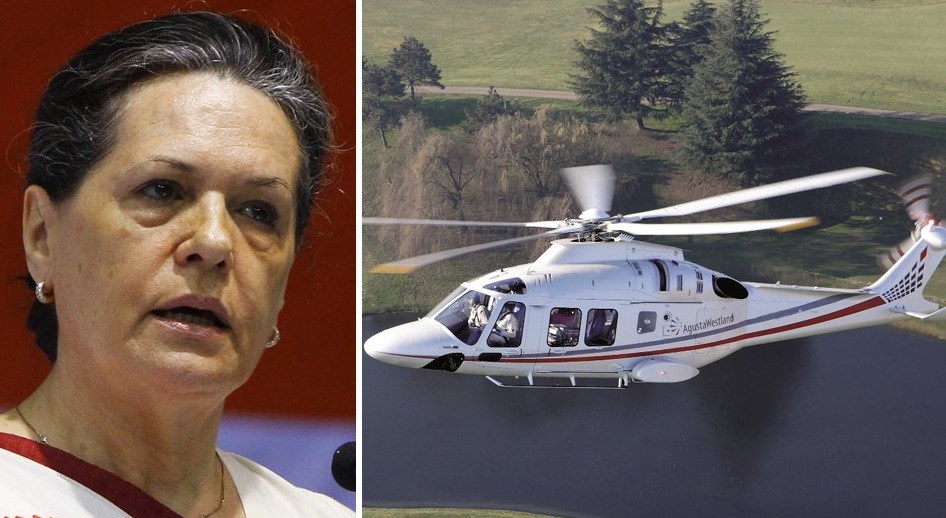
India
Defense News ,India :- Just as the Supreme Court dismissed the bail plea of Christian Michel James, an alleged middleman in the AgustaWestland chopper scam case. Michel is being investigated by the Central Bureau of Investigation (CBI) and the Enforcement Directorate (ED) in connection with the alleged ₹3,600-crore scam related to the purchase of 12 VVIP helicopters.Michel, who was extradited from Dubai in December 2018, had filed a bail plea arguing that he cannot be charged for offences other than those mentioned in the extradition decree. However, the Supreme Court bench comprising Chief Justice D Y Chandrachud and justices J B Pardiwala and Manoj Misra rejected his plea, stating that the matter had been previously addressed.The court's decision comes after Michel's bail pleas were dismissed by the Delhi High Court in both the CBI and ED cases in 2021. The trial court also denied him bail, citing the serious nature of the accusations, the gravity of the offence, and the conduct of the accused.The CBI has alleged a loss of 398.21 million euros (about ₹2,666 crore) to the exchequer due to the deal signed in 2010 for the supply of 12 VVIP helicopters. The ED, in its charge sheet filed in 2016, claimed that Michel received 30 million euros (about ₹225 crore) from AgustaWestland.What is the AgustaWestland VVIP Chopper Scam?The AgustaWestland VVIP chopper scam is a corruption case where it has been alleged that bribes were paid to “middlemen”, perhaps even politicians, when India agreed to buy 12 AgustaWestland helicopters built by Italian defence manufacturing giant Finmeccanica at an estimated cost of Rs 3,600 crore.In February 2010, the United Progressive Alliance (UPA) government of the time signed a contract to purchase 12 AgustaWestland AW101 helicopters at Rs 3,600 crore. These helicopters were supposed to be used for ferrying the President of India, the Prime Minister, and other such very, very important people.The chopper scam came to the fore in 2012 when it was found that several politicians and bureaucrats allegedly accepted bribes to swing the deal. The scam was first uncovered in Italy. In February 2013, Bruno Spagnolini, the CEO of AgustaWestland, was arrested by Italian authorities on charges the company bribed middlemen to secure the deal with the Indian Air Force (IAF).The deal was cancelled in 2014 by the Congress-led government.Key players in the AgustaWestland deal and charges against themFormer Air Chief Marshal S P Tyagi: Tyagi was arrested on 9 December 2016 in connection with the case. The CBI has alleged that Tyagi played a role in recommending the reduction in operational ceiling of the helicopters from 6000 m to 4500 m which brought AgustaWestland in the race.It alleged that the IAF was strongly opposed to changes but when Tyagi became the chief, he recommended these.Christian Michel: Christian Michel is among the three middlemen (Guido Haschke and Carlos Gerosa were the other two) who were allegedly hired by AgustaWestland to swing the deal in the company’s favour by influencing officials.CBI has alleged that firms of Michel received about 42.27 million euros for the purpose.The bribes were allegedly routed through companies of Michel and advocate Gautam Khaitan in the form of multiple contracts through layered transactions to camouflage them.Michel, extradited to India from the UAE in 2018, has alleged that the CBI team wanted him to take names of the Gandhi family, a claim refuted by the agency.The AgustaWestland chopper scam, also known as the VVIP chopper scam, is a corruption case involving alleged bribes paid to middlemen and politicians to secure a deal for the purchase of 12 AgustaWestland helicopters by the Indian government.The scandal came to light in 2012 and led to the cancellation of the deal in 2014. Key players in the scam include former Air Chief Marshal S P Tyagi and alleged middleman Christian Michel. The case has been a subject of controversy and legal scrutiny, with allegations of corruption and influence peddling.
Read More → Posted on 2024-03-18 15:24:10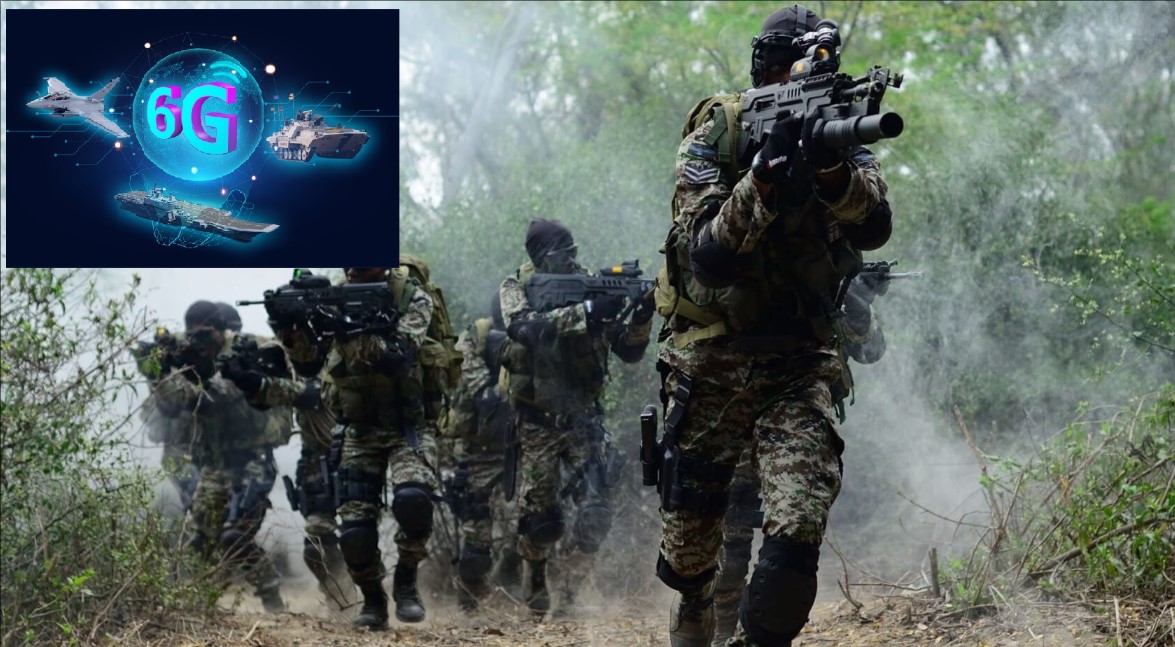
India
Defense News ,India :- The Indian Army has created a special team called the Signals Technology Evaluation and Adaptation Group (STEAG). Their job is to study and test new technologies like 6G, artificial intelligence (AI), machine learning, and quantum computing. These are all high-tech tools that could be useful for the military in the future.STEAG will look into both wired and wireless systems, covering everything from regular phone lines to the latest wireless networks. They'll figure out how to use these technologies for military purposes. This new group is part of the Army's plan to prepare for future battles.According to officials, STEAG will be a top-notch organization, the first of its kind. It will be able to use advanced technology and find ways to apply it for defense. They'll work closely with universities and companies to make this happen.The main focus of STEAG will be on upcoming technologies like electronic exchanges, mobile communications, software-defined radios, and electronic warfare systems. They'll also explore 5G and 6G networks, quantum technologies, AI, and machine learning.The team will do a lot of different tasks, like researching, testing, and managing these technologies. They'll also make sure that the soldiers can easily use and update these systems.General Manoj Pande, the Army Chief, has been talking about the importance of getting new technologies for the military. He believes that with the changing nature of warfare, it's crucial to stay updated.STEAG will support initiatives like Atmanirbhar Bharat and Start-Up India, which aim to boost India's self-reliance and promote new businesses. The idea is to bring together the military, industries, and universities to work on these technologies.This new center is expected to make a big difference by helping India become self-reliant in advanced communication technologies. These technologies have mostly been controlled by a few countries with advanced economies, but India aims to change that.The Army knows that communication is key in military operations. Having better communication technology can give a significant advantage in battles.In today's world, wars are fought with advanced technology. To keep up, the Army needs to introduce new equipment that can support seamless communication during operations.STEAG is a big step in this direction. It's a specialized unit focused on technology that will help the Indian Army improve its digital capabilities.
Read More → Posted on 2024-03-18 15:17:07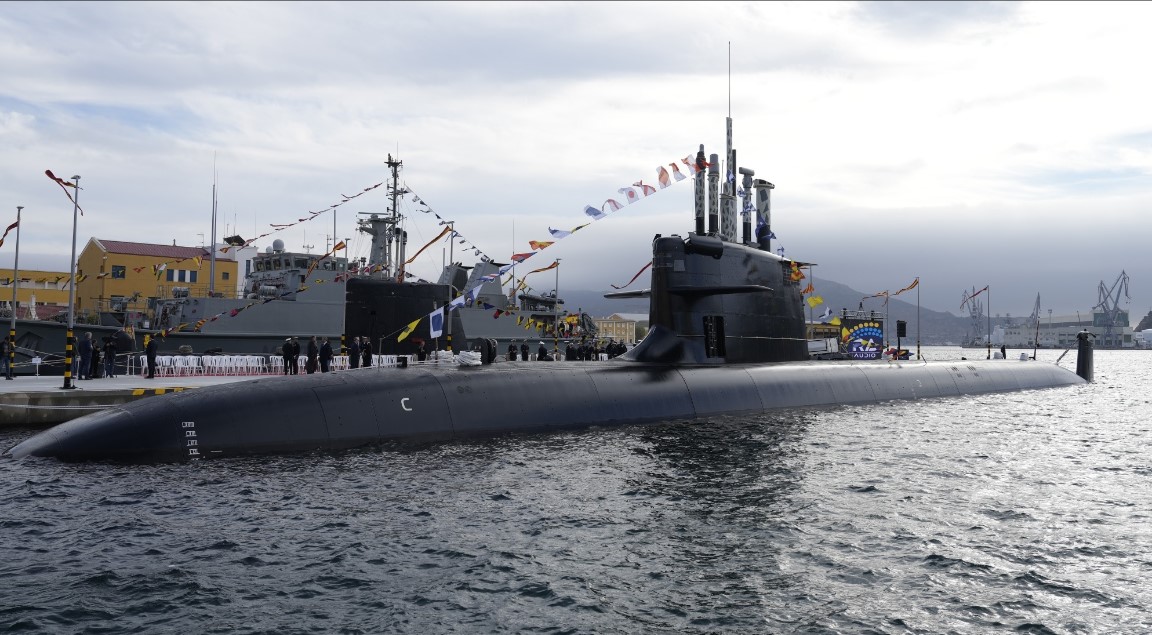
India
Defense News ,India :- In a recent move, the Dutch government's decision to entrust France's Naval Group with a substantial submarine construction contract goes beyond the mere bolstering of the Netherlands' naval capabilities. The award of this contract carries broader implications, particularly for India's ongoing submarine modernization initiative, known as Project-76.Naval Group, a French company, is set to replace the aging Walrus-class submarines of the Netherlands with four state-of-the-art Barracuda-class vessels. This victory marks a significant rebound for Naval Group, following the setback of the cancellation of a lucrative Australian submarine contract in 2021.For India, whose Navy is closely monitoring developments, this deal holds crucial importance. India's Project-76 aims at the development and construction of a new fleet of submarines, making Naval Group's expertise and technology offerings particularly relevant.One key area of interest for India is pump-jet propulsion technology, known for its advantages over conventional propellers in submarines. Pump-jets enable quieter operation and enhanced maneuverability, essential for maintaining underwater stealth and gaining tactical superiority.However, despite recognizing the benefits, the Indian Navy grapples with concerns regarding the potential high cost associated with pump-jet propulsion. Naval Group's existing pump-jet systems are predominantly utilized in their nuclear-powered submarines, leading to elevated production expenses when adapting the technology for conventionally powered vessels.The Dutch submarine contract alters this dynamic. With Naval Group now committed to producing a larger volume of pump-jets for the Dutch submarines, there arises the possibility of more cost-effective production. This presents an opportunity for India to negotiate favorable terms, leveraging the increased production scale to obtain this crucial technology at a more reasonable price point.As India navigates potential collaborations with Naval Group, the Dutch submarine deal is poised to expedite India's access to advanced French submarine technology. The focus on achieving cost-effective integration of pump-jet propulsion systems is likely to dominate future negotiations, reflecting the strategic importance of this technology for India's naval capabilities.
Read More → Posted on 2024-03-18 14:58:54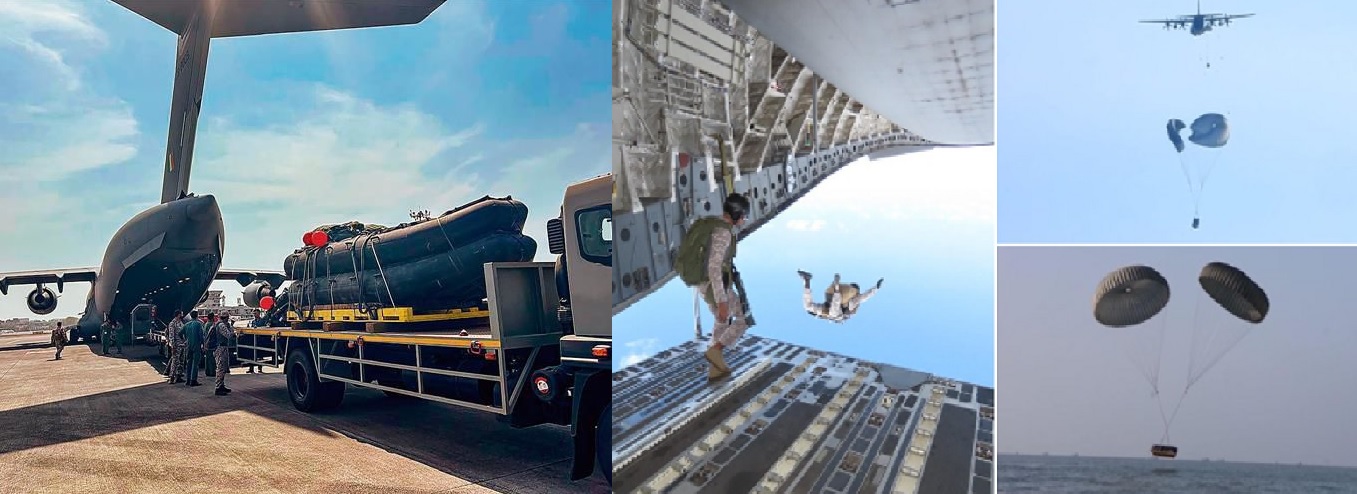
India
Defense News ,India :- In a recent event, the Indian Air Force and Navy joined hands for a courageous mission in the Arabian Sea. Their goal? To rescue the crew of a ship called MV Ruen. This ship had been taken over by pirates near an island called Socotra, close to Yemen.The Indian Air Force used a special aircraft called C-17 to drop two boats into the sea. These boats were equipped for combat and were carrying Indian Navy MARCOS (Marine Commandos). It was all part of a big plan called 'Operation Sankalp' to fight piracy.The Indian Air Force was proud of this operation. They mentioned on a platform called X that it showed great teamwork between different branches of the military. The operation covered a long distance, almost 2600 kilometers off the Indian coast. It took about 10 hours for the aircraft to reach there.The mission was a success. All 17 crew members of MV Ruen were safely rescued with the help of the Indian Navy. The pirates who had hijacked the ship were also dealt with. They were forced to give up, ensuring the safety of everyone involved.The Indian Navy played a crucial role in stopping the pirates and rescuing the crew. One of their ships, INS Kolkata, was on duty in the Arabian Sea. They had been actively working to prevent pirate attacks on ships passing through the region.The navy informed that INS Kolkata managed to intercept the pirate ship, MV Ruen, on March 16. This ship had been under pirate control since December of the previous year. Through smart and persistent actions, the Indian Navy managed to rescue the crew members.INS Kolkata, along with other naval assets, was engaged in a 40-hour-long operation. They traveled a long distance to reach the troubled ship and took control of the situation. Their efforts ensured that the crew was safe and the pirates were stopped.The Indian Navy's operation was supported by various means. They used drones, aircraft, and specialized teams like MARCOS to ensure the success of the mission. These teams worked together seamlessly to execute the rescue operation.Once the crew was safe, the ship was thoroughly checked for any illegal items like weapons or drugs. This ensured that the ship was back in safe hands and could continue its journey without any further danger.Overall, the joint efforts of the Indian Air Force and Navy proved successful in rescuing the hijacked ship and its crew. Their bravery and coordination were commendable, showcasing the strength of India's defense forces in protecting maritime interests.
Read More → Posted on 2024-03-18 14:40:10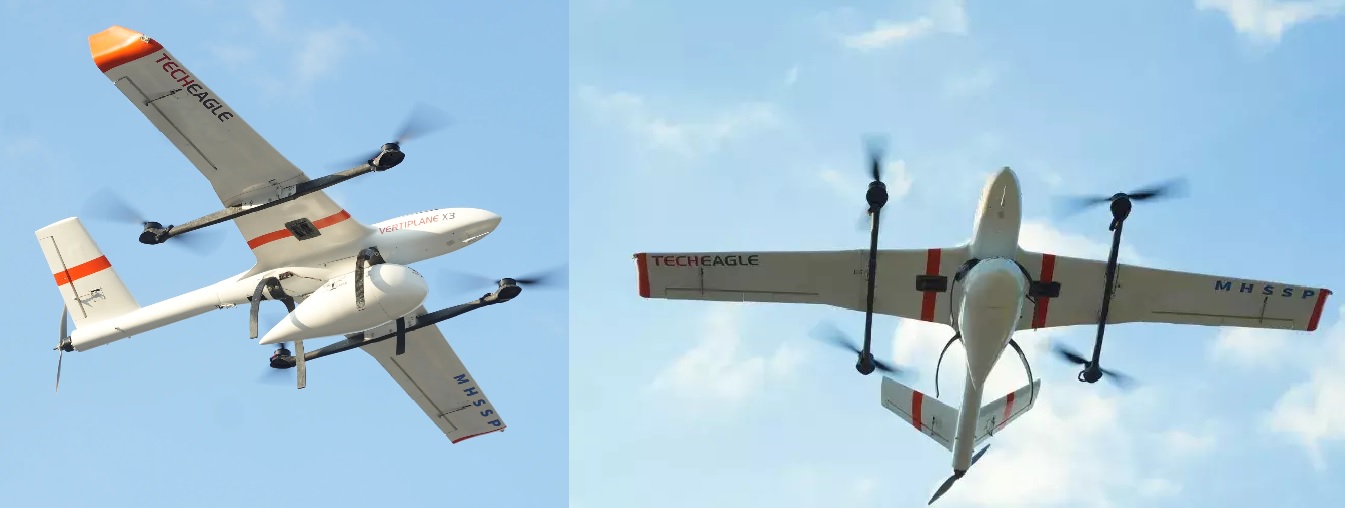
India
The Vertiplane X3 is a fast, multipurpose hybrid electric vertical take-off and landing (eVTOL) drone developed by the Indian deeptech company TechEagle Innovations . It is designed for various applications, including healthcare delivery, maritime and defense operations, and strengthening conventional logistics supply chains .Key FeaturesFastest Made-In-India e-VTOL Drone: With a maximum speed of 120 km/hr, the Vertiplane X3 is claimed to be the fastest drone of its kind manufactured in India .Long Range: The drone boasts a maximum range of 100 km, allowing it to deliver cargo across diverse terrains and remote locations .Payload Capacity: The Vertiplane X3 can carry a payload of up to 3 kg, making it suitable for transporting medical supplies, vaccines, and other essential goods .Temperature Control: The drone is equipped for temperature-controlled transportation, ensuring the safe delivery of sensitive cargo such as medicines and vaccines .High Operational Ceiling: With a ceiling height of 4500 meters, the Vertiplane X3 can navigate over various obstacles and reach destinations in hilly or mountainous regions .Safety Features: The drone is integrated with multiple fail-safe mechanisms to ensure safe operation and cargo delivery .ApplicationsThe Vertiplane X3 is designed to address challenges in various sectors:Healthcare: The drone's speed and range make it ideal for delivering critical medical supplies, vaccines, and blood samples to remote areas, especially in time-sensitive situations .Logistics: The Vertiplane X3 can be employed for hyperlocal and e-commerce deliveries, potentially revolutionizing last-mile delivery services .Defense and Maritime: The drone's capabilities can be utilized for surveillance, patrol missions, and search-and-rescue operations at sea or on land .Trials and DevelopmentsThe Vertiplane X3 has successfully completed drone delivery trials in India. In February 2023, it delivered anti-tuberculosis medication and retrieved diagnostic samples in the state of Uttarakhand, demonstrating its potential to improve healthcare access in underserved regions .The Government of India is exploring the use of drone technology for broader applications, including organ transplant deliveries, making the Vertiplane X3 a potential frontrunner in this future of medical logistics .ManufacturerThe Vertiplane X3 is manufactured by TechEagle Innovations, a company focused on developing drone-based logistic services . TechEagle's indigenous technology stack empowers the Vertiplane X3's functionalities and paves the way for a future of autonomous drone-based delivery networks in India .
Read More → Posted on 2024-03-18 06:30:57Search
Top Trending in 24 Hours
-
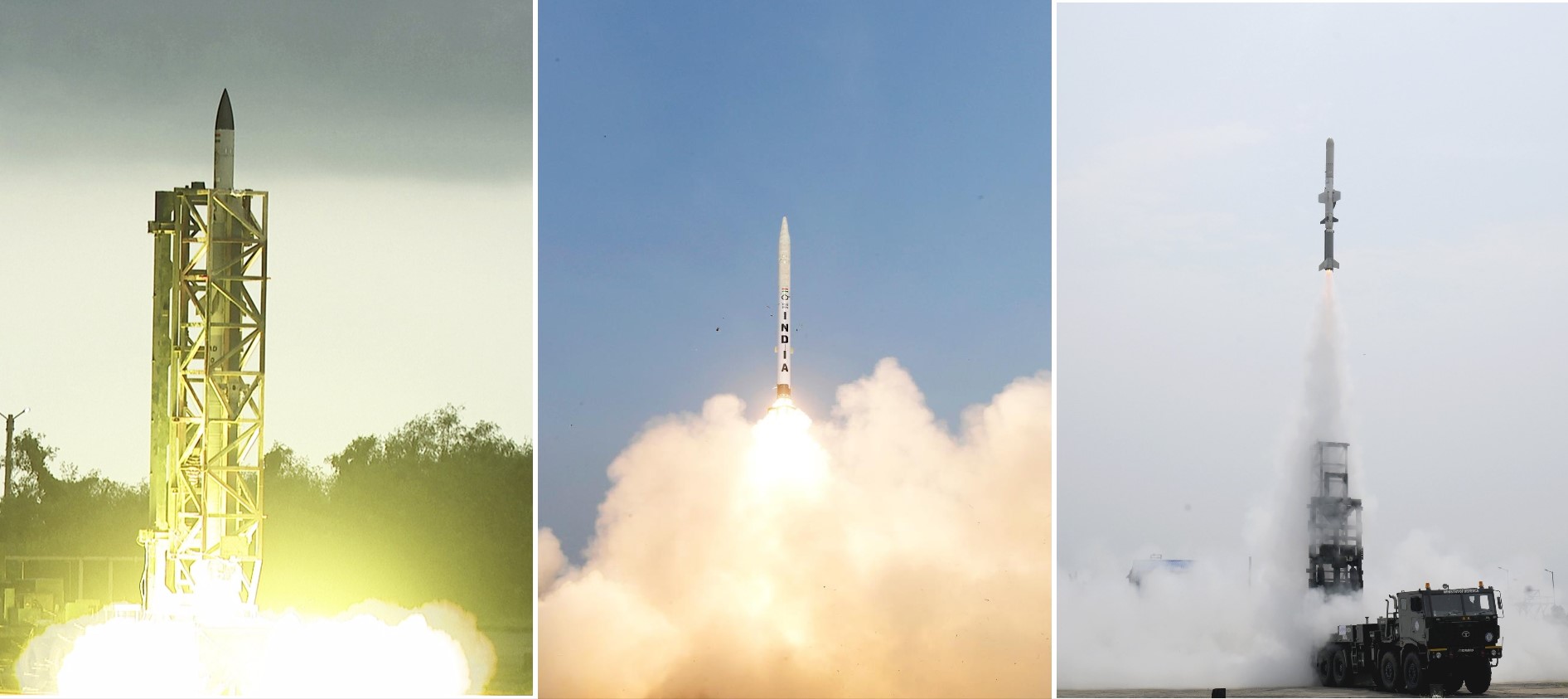 India Successfully Conducts AD-1, AD-2 Interceptor Tests and Maiden NASM-MR Flight Trial
-
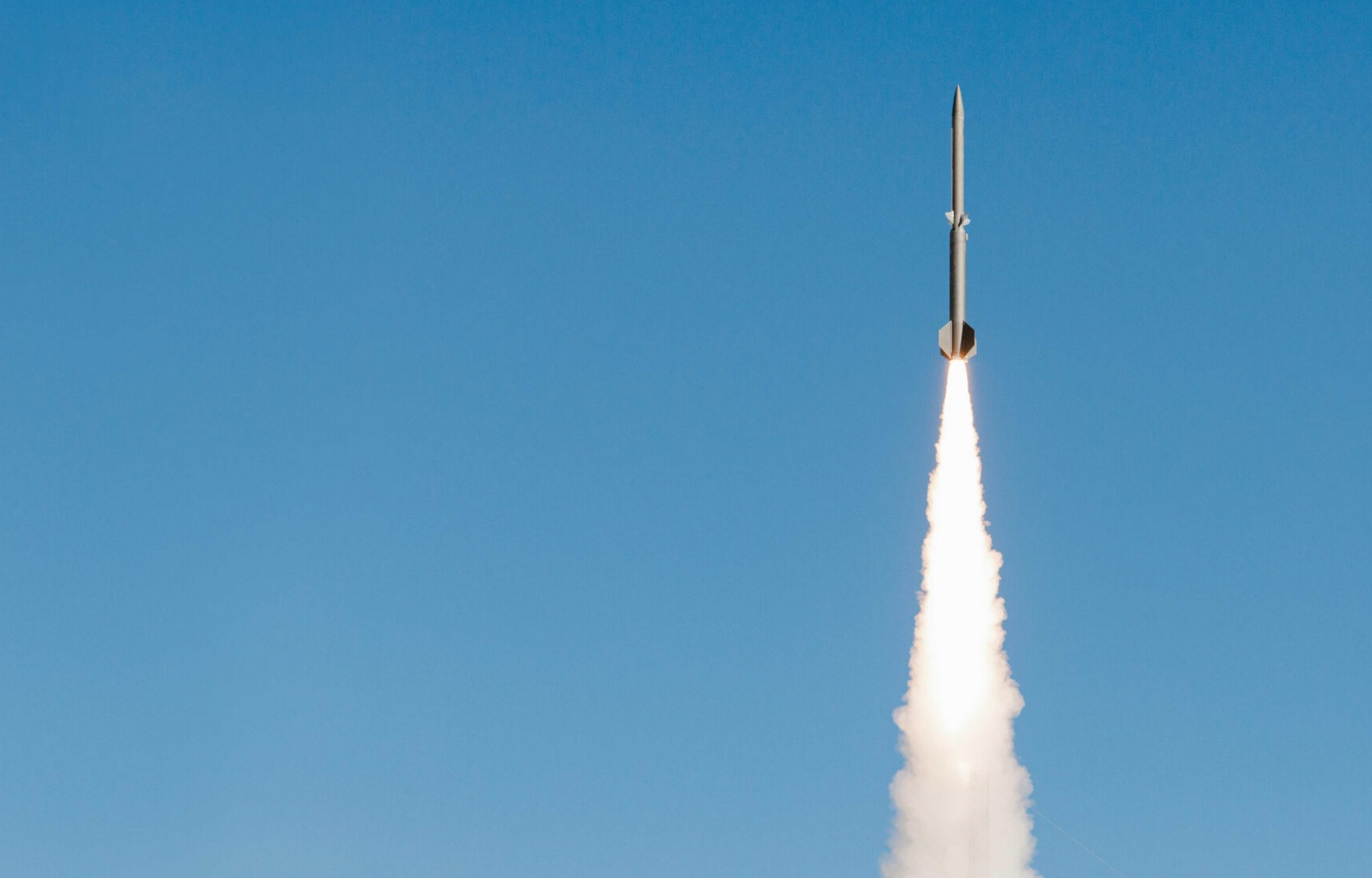 U.S Navy Orders 50 Blackbeard Hypersonic Missiles in New $23.4 Million Contract
-
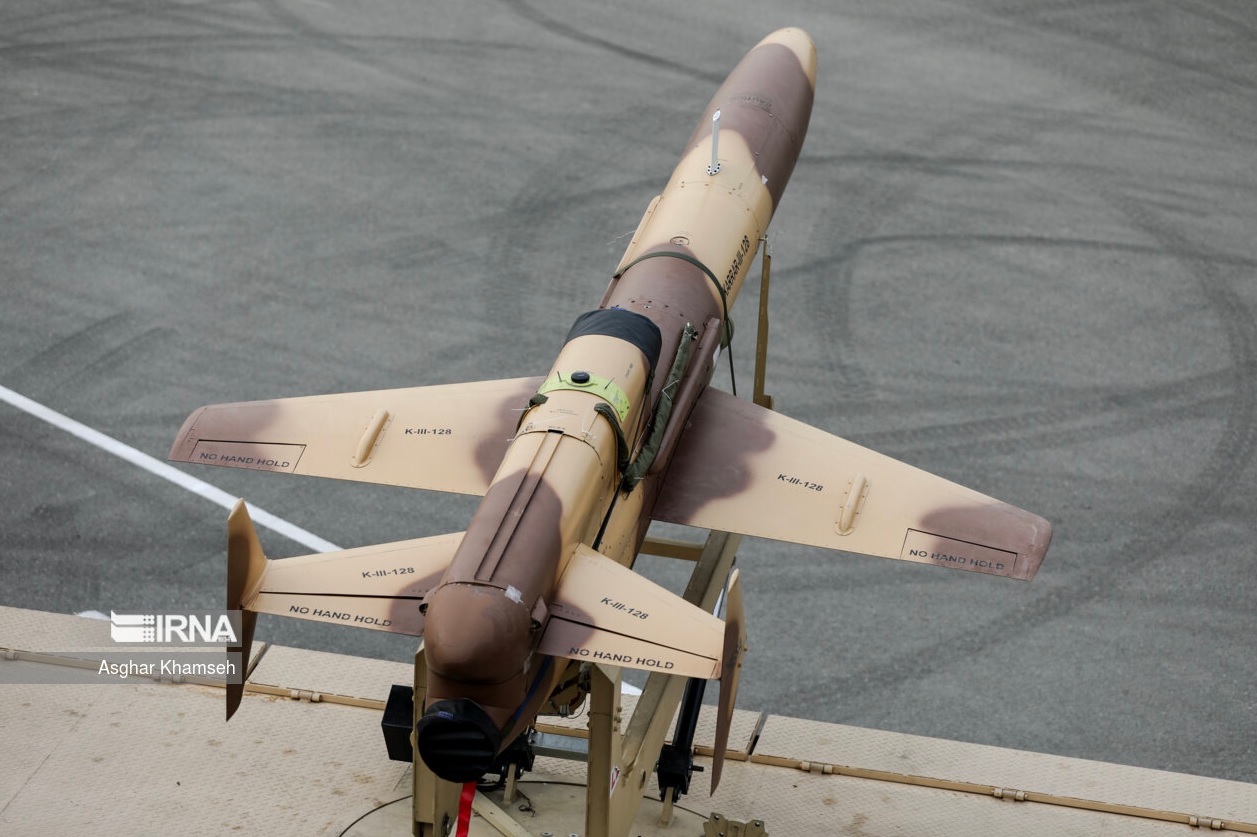 Russia Launches 1,400 Jet-Powered Drones in 2026 as Strike Tactics Evolve to Challenge Ukraine's Air Defenses
-
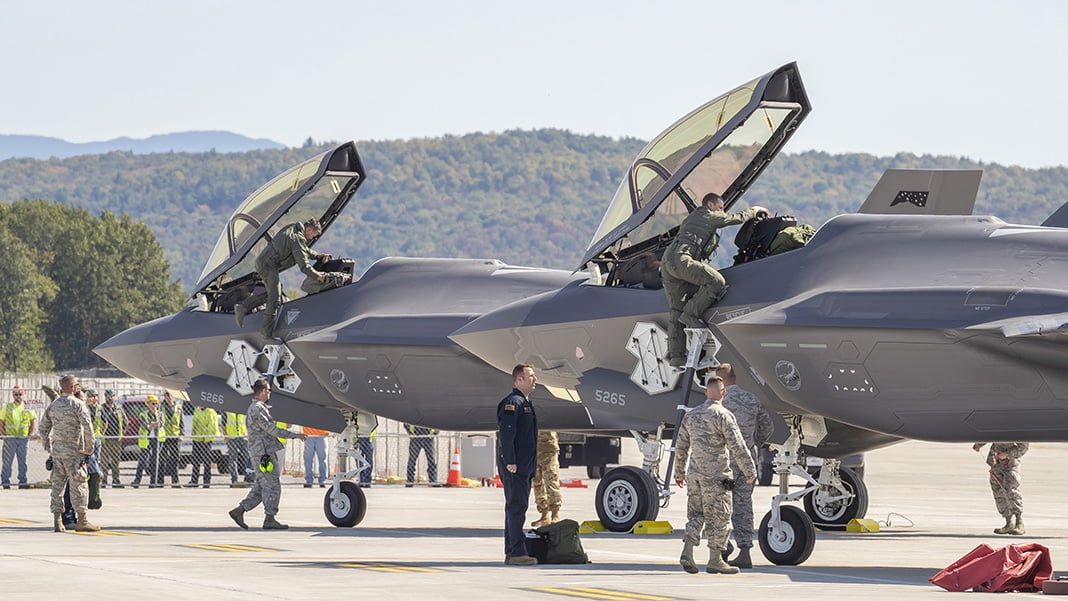 F-35 Fleet Readiness Falls to 25% Amid Parts Shortages and Software Delays: GAO Report
-
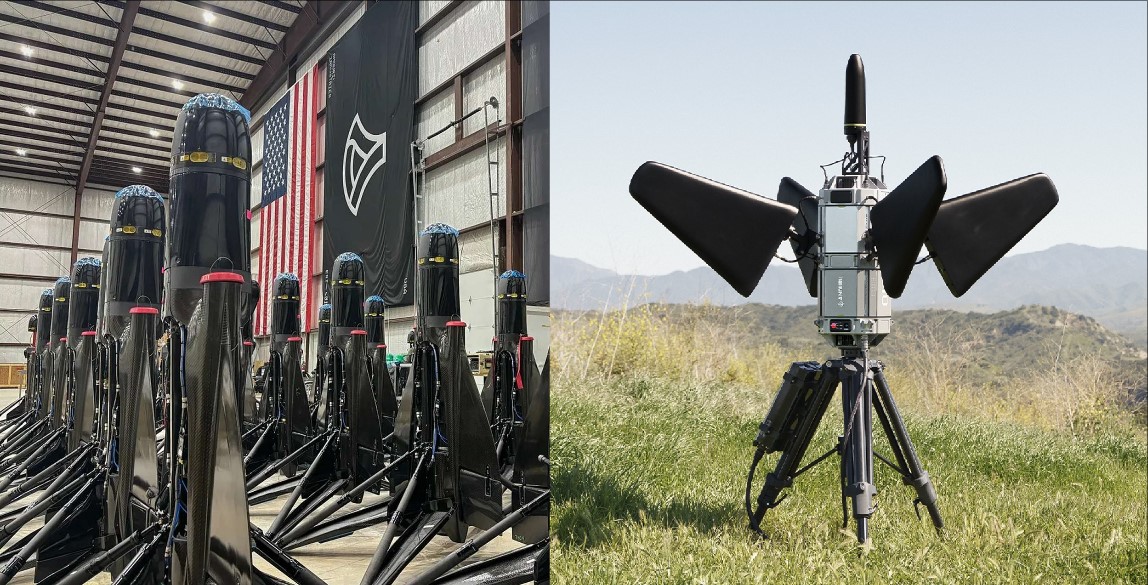 U.S. Approves $1.98 Billion Sale of Anduril AI-Powered Counter-Drone Systems to Kuwait
-
 Russian Analysts Debate Su-57 Capabilities After Putin Calls Fighter Superior to F-35
-
 UAE Denies Reports of Releasing Up to $20 Billion in Funds to Iran Amid Regional De-Escalation Efforts
-
 Turkey Navy Successfully Tests AKYA Torpedo and ATMACA Missile During Major Denizkurdu-II Naval Exercise
Top Trending in 4 Days
-
 Iranian Media Leaks 14-Point U.S.-Iran Peace Framework Amid Ongoing Negotiations
-
 US Plans Significant Reduction of Fighter Jets and Warships for NATO Operations in Europe
-
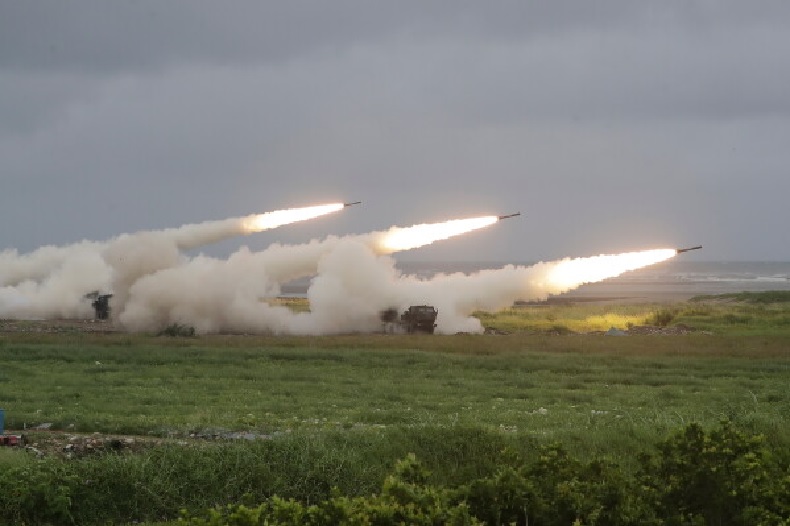 Taiwan Conducts First Live-Fire of HIMARS Rockets From West Coast During Invasion Defense Drill
-
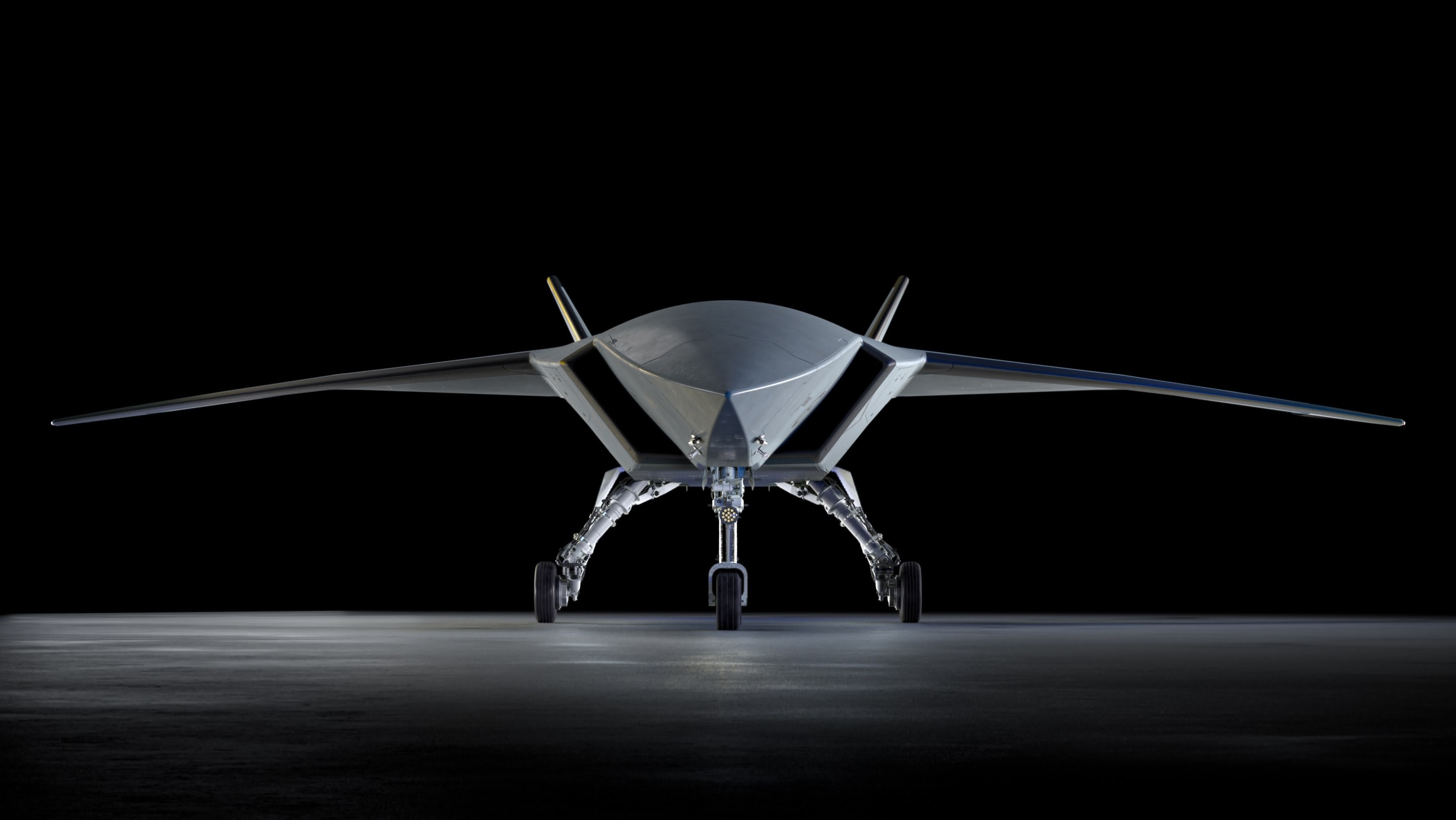 Boeing Introduces New MQ-28 Ghost Bat Upgrades with Increased Range, Payload and Weapons Capacity at ILA Berlin 2026
-
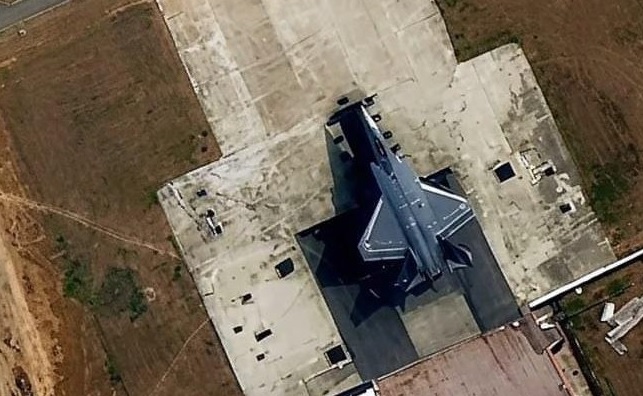 AMCA Airframe Spotted at DRDO’s ORANGE Facility for Radar Cross-Section Testing
-
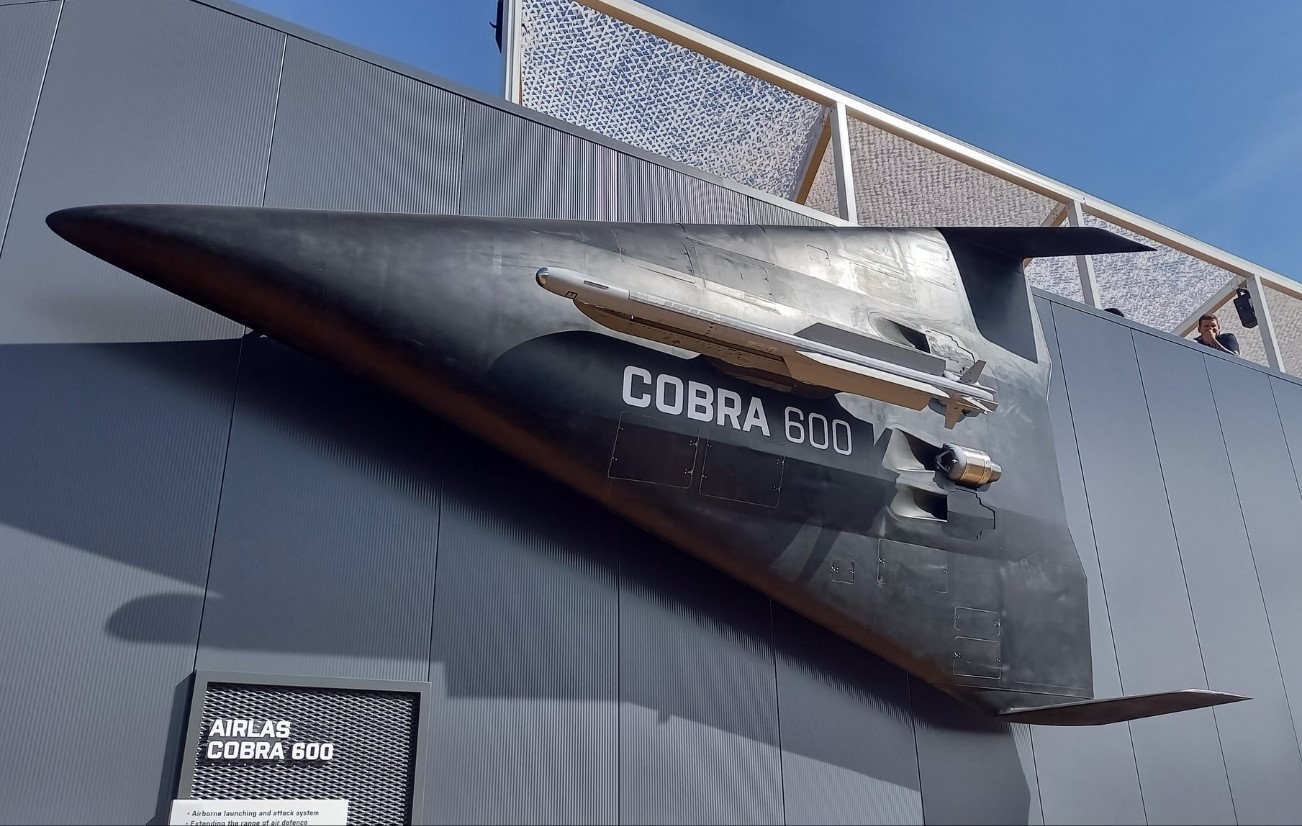 Diehl Defence Unveils IRIS-T Armed Cobra 600 Air Defense Drone at ILA Berlin 2026
-
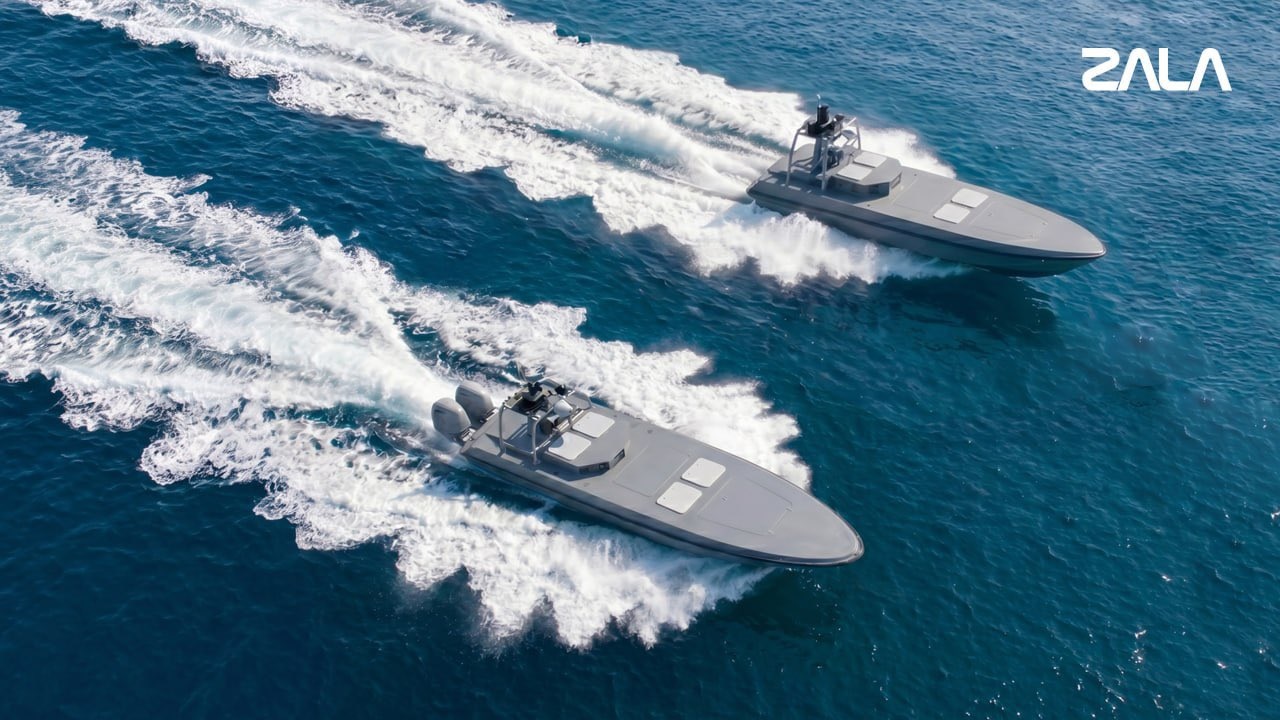 Russian Defense Firm ZALA Unveils KAMA Unmanned Surface Vessel Family at FLOT-2026 Naval Exhibition
-
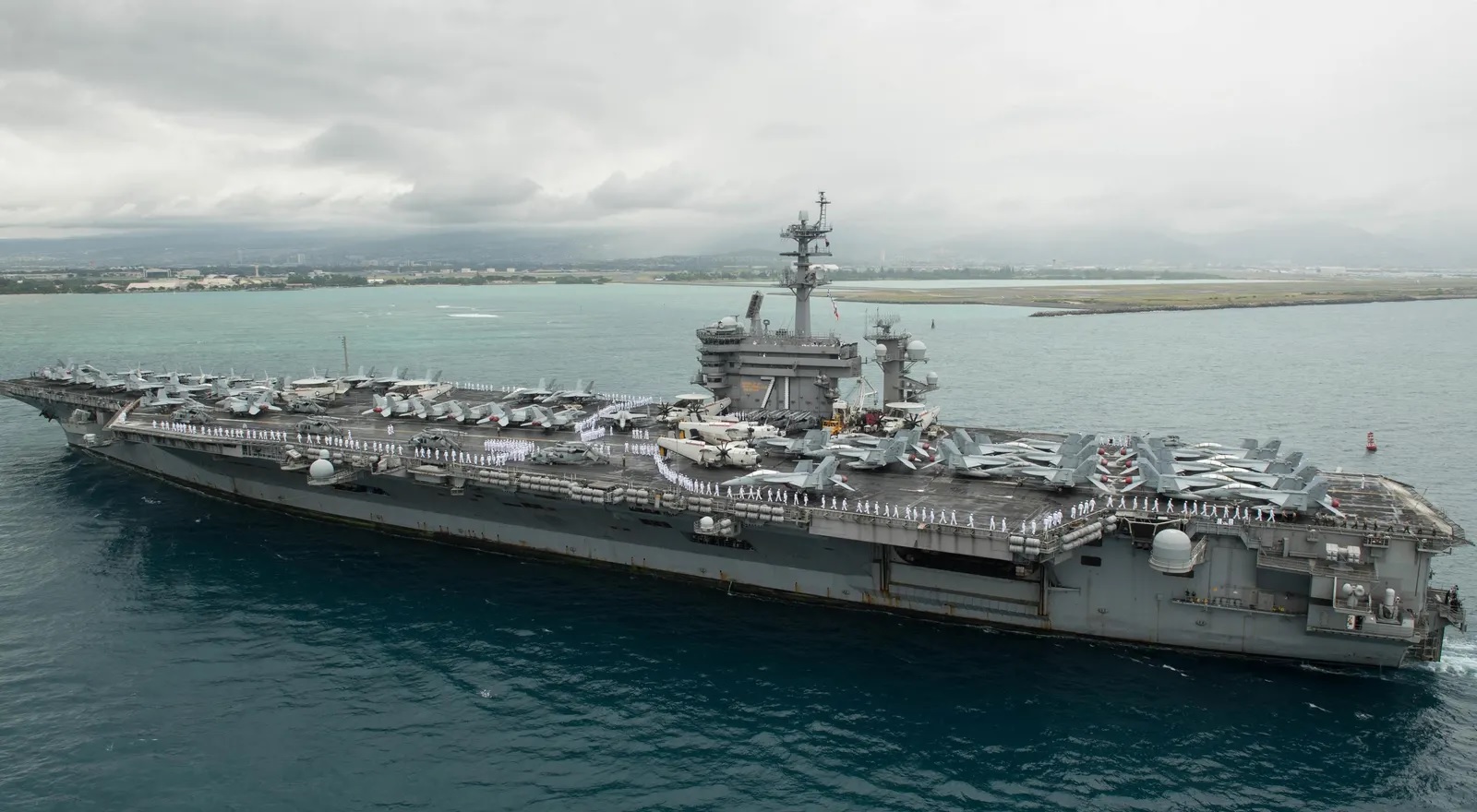 U.S Aircraft Carrier USS Theodore Roosevelt Departs San Diego for Major RIMPAC 2026 Naval Exercise