
India
India has reached another milestone in its pursuit of cutting-edge military capabilities by successfully testing a long-range hypersonic anti-ship missile off the coast of Odisha. This achievement, which was announced with enthusiasm by Defence Minister Rajnath Singh, signifies the nation's induction into a select group of countries possessing hypersonic weapon technology. Singh hailed the test as a "historic moment," emphasizing the significance of India developing a weapon system that can strike with unmatched speed and maneuverability while effectively evading contemporary air defense systems.The missile, crafted indigenously by the Defence Research and Development Organisation (DRDO), is designed to deliver both conventional and nuclear payloads over a range exceeding 1,500 kilometers. Hypersonic weapons, which can travel at speeds of Mach 5 or higher—five times the speed of sound—offer a game-changing tactical advantage by greatly reducing the enemy’s reaction time and complicating interception efforts. Advanced models can even achieve speeds over Mach 15, adding an extraordinary element of complexity for any defense measures they might encounter.The DRDO's hypersonic missile was launched from Dr. APJ Abdul Kalam Island, a key site for India’s missile program. A network of tracking and monitoring systems, stationed both on land and aboard down-range vessels, confirmed the missile’s successful maneuvers and high-precision impact on its intended target. This achievement follows years of research and collaboration across multiple DRDO facilities, such as the Dr. APJ Abdul Kalam Missile Complex in Hyderabad, and the partnership of various industrial stakeholders.While India's success in this domain represents significant progress, it is worth noting that the global race for hypersonic technology is fiercely competitive. Russia and China are considered leaders in hypersonic weapons development, with their systems already deployed and tested extensively. The United States, though catching up rapidly, has launched a series of ambitious projects aimed at narrowing this technological gap. Meanwhile, nations such as France, Japan, Australia, and Israel are also investing in hypersonic weapons research, showcasing the critical role these systems are anticipated to play in future conflicts.The latest test not only highlights India's growing indigenous defense manufacturing capabilities but also raises the strategic stakes in Asia, where regional military posturing and technological advancements are continually evolving. The government, celebrating this achievement, credits the success to coordinated efforts by DRDO scientists, the armed forces, and numerous industry partners. As nations worldwide continue to advance in hypersonic technology, India’s accomplishments in this sphere are both a symbol of technological prowess and a crucial asset for national security. This development underscores a pivotal moment in India's defense narrative, reinforcing its position on the global stage as a significant player capable of crafting next-generation weaponry to safeguard its interests and maintain strategic stability.
Read More → Posted on 2024-11-17 13:45:32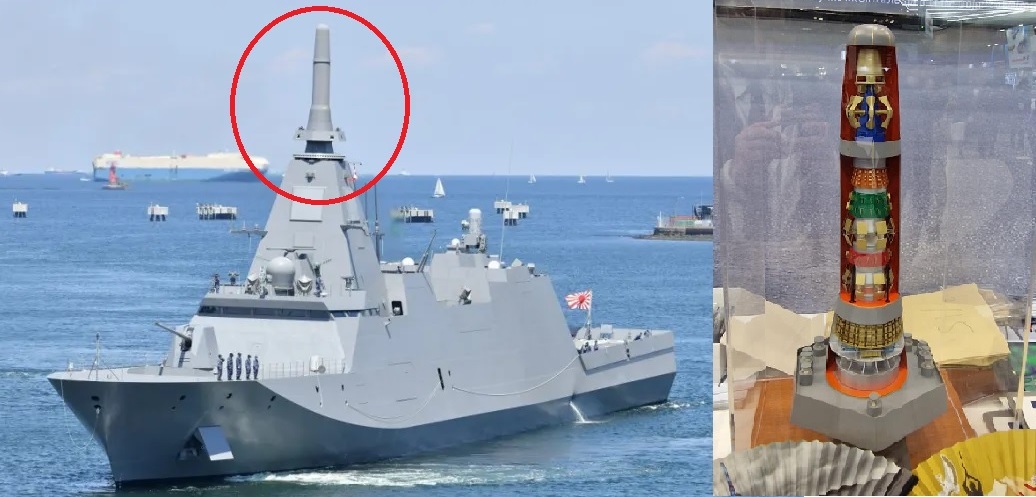
India
In a milestone development for Indo-Japanese defence collaboration, India and Japan have signed a crucial Memorandum of Implementation (MoI) to co-develop the UNICORN mast system for the Indian Navy. The signing ceremony, a testament to deepening strategic ties between the two nations, took place at the Embassy of India in Tokyo. Among those present were India's Ambassador to Japan, Sibi George, and Ishikawa Takeshi, Commissioner of Japan’s Acquisition, Technology & Logistics Agency (ATLA). Representing the Indian Navy was Cmde Digvijay Singh Pathania, alongside Fukunaga Tetsuro, Director General at Japan’s Ministry of Economy, Trade, and Industry (METI).At the heart of this agreement lies the UNICORN mast, an advanced naval technology that promises to revolutionize the stealth and communication capabilities of Indian warships. But what exactly is the UNICORN mast, and why is it so significant?Understanding the UNICORN MastUNICORN, which stands for Unified Complex Radio Antenna, represents a state-of-the-art solution designed to improve both the stealth profile and communication efficiency of naval vessels. Traditionally, warships rely on multiple external antennas, each serving different roles, such as radar, communications, and electronic warfare. However, this setup can make ships more visible to enemy radar, given the numerous surfaces and shapes that generate a higher radar cross-section.The UNICORN mast addresses this issue by consolidating these antennas into a single, unified structure housed within a protective, stealth-friendly radome. This radome is not merely a casing but a sophisticated electromagnetic shield that helps reduce the vessel's overall radar signature. The streamlined design makes warships equipped with this mast far harder to detect, significantly enhancing their survivability in hostile environments.Enhanced Capabilities and SpecificationsThe specifications of the UNICORN mast are indeed impressive. Although exact technical details are classified for security reasons, the system is engineered to handle a multitude of frequencies simultaneously. By integrating various sensor and communication modules, the mast can facilitate long-range radar detection, secure military communications, and electronic warfare operations.Additionally, the mast employs cutting-edge technology to minimize electromagnetic interference, a critical factor for modern warships that depend on multiple radio frequencies to function effectively. The material composition of the radome is specially designed to withstand harsh maritime conditions, including extreme heat, salt corrosion, and high-velocity winds, ensuring long-term reliability.Another notable feature is the ability to perform real-time signal processing, enabling quicker response times to emerging threats. By leveraging digital beamforming and advanced software algorithms, the UNICORN mast can offer enhanced situational awareness, feeding the ship's command center with precise, actionable data.Strategic and Technological CollaborationThis initiative is a historic first for India and Japan, marking the beginning of direct co-development and co-production of sophisticated defence technologies. Bharat Electronics Limited (BEL), a leading Indian defence electronics manufacturer, will spearhead the Indian side of the development, while Japanese firms will contribute their expertise in advanced materials and communication technology.This partnership exemplifies how both nations are pooling their technological resources to address common security challenges. Beyond the immediate benefits of the UNICORN mast, this collaboration sets the stage for further joint projects in critical areas such as underwater surveillance systems, autonomous naval platforms, and advanced cybersecurity measures.Impact on Naval Operations and BeyondThe integration of the UNICORN mast is expected to bolster the Indian Navy's operational capabilities, particularly in the strategically vital Indo-Pacific region. As regional tensions and naval competition escalate, having a stealthier, better-connected fleet gives India a considerable advantage. The enhanced stealth and communication capabilities mean Indian warships will be more agile in evading enemy detection while maintaining secure, uninterrupted contact with command centers and allied forces.Furthermore, this project is not just about improving military hardware; it also signifies a deeper strategic alignment between India and Japan. With both nations sharing concerns over regional maritime security and a free and open Indo-Pacific, their collaboration in developing cutting-edge defence systems sends a strong message of mutual commitment.In summary, the UNICORN mast development is more than a technological advancement; it is a symbol of growing Indo-Japanese defence cooperation and a critical step forward in ensuring maritime security. As both countries continue to innovate and work together, the future promises even more collaborative milestones that could reshape regional security dynamics.
Read More → Posted on 2024-11-16 14:53:12
India
India's indigenously developed weapons, including the Akash missile system, Light Combat Helicopter (LCH), Tejas fighter jet, and BrahMos missile, have emerged as formidable assets, often described as "battle-tested" compared to many of their European and Russian counterparts. The distinction lies not only in the rigorous testing these systems undergo but also in their deployment across some of the most challenging combat environments in the world.The Battlefield Realities of Indian WeaponsIndian weapons have been designed, developed, and deployed in environments that demand a high degree of adaptability, reliability, and resilience. From the scorching deserts of Rajasthan to the freezing altitudes of Ladakh, these systems are subjected to operational conditions that simulate real-world conflicts. Let’s delve into why they stand out.1. Continuous Deployment in Hostile ConditionsIndian systems are often deployed in live conflict zones, especially along the country's volatile borders with Pakistan and China. For example:Akash Surface-to-Air Missile System: Designed for India’s diverse terrain, Akash has been extensively deployed to protect sensitive airspaces. Its ability to perform reliably under extreme weather conditions makes it one of the most rigorously tested missile systems.The LCH has been deployed at altitudes exceeding 15,000 feet, such as in Ladakh, where it has proven its ability to operate in thin air and freezing temperatures.European and Russian systems, while technologically advanced, often lack comparable real-world testing in diverse environments. These systems are tested under simulated conditions but rarely face continuous exposure to high-stress operational zones.2. Active Border Tensions and SkirmishesIndia’s geopolitical situation ensures its defense systems are frequently tested under combat-like conditions. For instance:Tejas Fighter Jet: The Tejas has undergone extensive trials in both peace and combat-readiness missions along active borders. Its operational versatility has been proven in joint exercises and real-time surveillance missions.BrahMos Missile: Regular test launches of BrahMos missiles in operational environments showcase its capability to neutralize targets swiftly and accurately, a necessity given the volatile border disputes India faces.In contrast, European and Russian systems are rarely subjected to similar high-frequency real-world deployments, given the relative stability of their regions.3. Rigorous Testing in Extreme EnvironmentsIndian defense technology is tailored for extreme environments:Artillery systems like the ATAGS (Advanced Towed Artillery Gun System) and the Pinaka rocket system are tested in the Thar Desert’s heat and the Himalayan cold.Indian Navy's BrahMos variant is tested under varying maritime conditions, ensuring adaptability in tropical, sub-tropical, and arctic environments.European systems, while advanced, often cater to relatively mild climates and may falter in harsher conditions without further adaptation. Russian weapons are better suited to cold climates but may not perform as effectively in tropical or desert environments.4. Frequent Upgrades Based on Operational FeedbackIndian weapons undergo continuous upgrades driven by real-time operational feedback from the armed forces. For instance:The Akash missile has seen multiple iterations, with improved radar and tracking systems.Tejas has undergone continuous upgrades, from avionics to radar, to meet modern combat requirements.The LCH features advanced targeting systems and survivability measures derived from operational inputs.Such iterative development ensures that these systems evolve to meet emerging threats, a practice less prevalent in European and Russian systems, which often rely on major overhauls rather than incremental improvements.5. Lessons from Asymmetric Warfare and CounterterrorismIndia’s long history of combating insurgencies and asymmetric threats has shaped its defense systems. Indian weapons are designed not only for large-scale wars but also for counterinsurgency and surgical strikes.The BrahMos missile’s precision and rapid deployment capability have made it a go-to weapon for deterrence and preemptive strikes.The Pinaka multi-barrel rocket launcher is tailored for quick-response operations, ideal for short skirmishes.European systems are often optimized for high-tech, large-scale warfare but may lack the flexibility for small, rapid-response scenarios.6. Indigenous Manufacturing and CustomizationIndian weapons are designed with a deep understanding of the country’s unique defense requirements. This contrasts with off-the-shelf purchases from Europe or Russia, which may not fully align with India’s operational needs.Systems like Tejas and LCH are fully indigenous, allowing for seamless integration with other Indian platforms.Indian customization of systems like BrahMos (a joint venture with Russia) demonstrates the country’s ability to innovate beyond imported designs.Indian weapons like the Akash, LCH, Tejas, and BrahMos have earned their reputation as “battle-tested” not just through rigorous trials but also through active deployment in some of the world’s most challenging combat environments. The combination of real-world testing, continuous upgrades, and adaptability to asymmetric warfare ensures their reliability and effectiveness.While European and Russian systems may shine in certain areas, India’s indigenous weapons stand apart for their resilience and versatility, making them a critical backbone of the country’s defense strategy.
Read More → Posted on 2024-11-16 14:41:40
India
In an ambitious stride towards revolutionizing military defense, the Indian Navy has begun developing a cutting-edge “invisibility cloak” designed to make grounded aircraft virtually undetectable by enemy radar. This innovative project is being driven under the iDEX DISC (Defence India Startup Challenge) 13 initiative, marking a critical leap in the nation’s defense capabilities and underscoring the importance of protecting air assets in a fast-evolving threat landscape.The essence of this development lies in the idea of creating a "Radar Obscurant Cloak"—a sophisticated shield that uses advanced technology to conceal aircraft parked at airbases from enemy radar detection. In today’s age of high-tech warfare, airbases and the grounded aircraft stationed there have become lucrative targets for adversaries, especially during the initial stages of a conflict. This makes them vulnerable to preemptive strikes designed to debilitate a nation’s air power even before takeoff. The Radar Obscurant Cloak addresses this vulnerability by drastically reducing the radar signature of aircraft, making them nearly impossible for enemy systems to detect.What makes this technology even more remarkable is its versatility and ease of use. The cloak is envisioned as a roll-on, roll-off system, which can be swiftly deployed or removed as needed. This feature ensures that operational activities are not disrupted, and aircraft remain mission-ready at all times. Unlike traditional camouflage or shelter structures that may be cumbersome and take considerable time to set up, this radar-defying cloak is engineered for flexibility and rapid deployment. The Indian Navy has laid out specific technical requirements for this next-generation cloak. For starters, it needs to be lightweight yet robust, ensuring that it can endure harsh conditions without compromising its effectiveness. The initial phase of the project is focusing on developing cloaks for small to medium-sized aircraft, with plans to eventually scale up to cover larger airframes. The cloak will likely use a combination of advanced materials and engineered support structures capable of dispersing or absorbing radar waves. This absorption and dispersion mechanism creates an "invisible" effect to radar systems, shrouding the aircraft in a protective shield of electronic silence.The benefits of this obscurant technology are manifold. Firstly, it dramatically reduces the vulnerability of aircraft on the ground, thereby enhancing their survivability and extending their operational readiness. The cloak also provides a strategic advantage: by masking the exact number and types of aircraft at a base, it introduces an element of uncertainty for adversaries. This uncertainty can complicate an enemy’s strategic planning and serve as a form of psychological deterrence.Additionally, the technology enables more dynamic and flexible base operations. Aircraft can be stationed closer to potential conflict zones without exposing them to an immediate threat, thereby improving the tactical options available to military commanders. This is especially relevant in the context of the Indian Navy’s evolving role in safeguarding the country's vast maritime interests, which require a responsive and resilient air defense strategy.The Indian Navy's investment in this “invisibility cloak” technology comes at a time when threats to air assets are becoming increasingly sophisticated, driven by advancements in enemy radar and surveillance capabilities. By prioritizing this project, the Navy is not only enhancing the defense of its aircraft but also signaling a broader commitment to embracing innovative solutions for national security. This effort ties into India's larger strategy of leveraging indigenous innovation through initiatives like iDEX, which seeks to harness the talent and creativity of domestic startups to solve critical defense challenges.In essence, the Radar Obscurant Cloak represents a forward-thinking approach to military protection. It highlights a blend of ingenuity, strategic foresight, and technological prowess, paving the way for a more secure and operationally agile Indian Navy in the years to come. As this technology moves closer to reality, it stands as a testament to the transformative potential of homegrown defense innovations and their role in shaping a more secure future for the nation.
Read More → Posted on 2024-11-16 14:27:00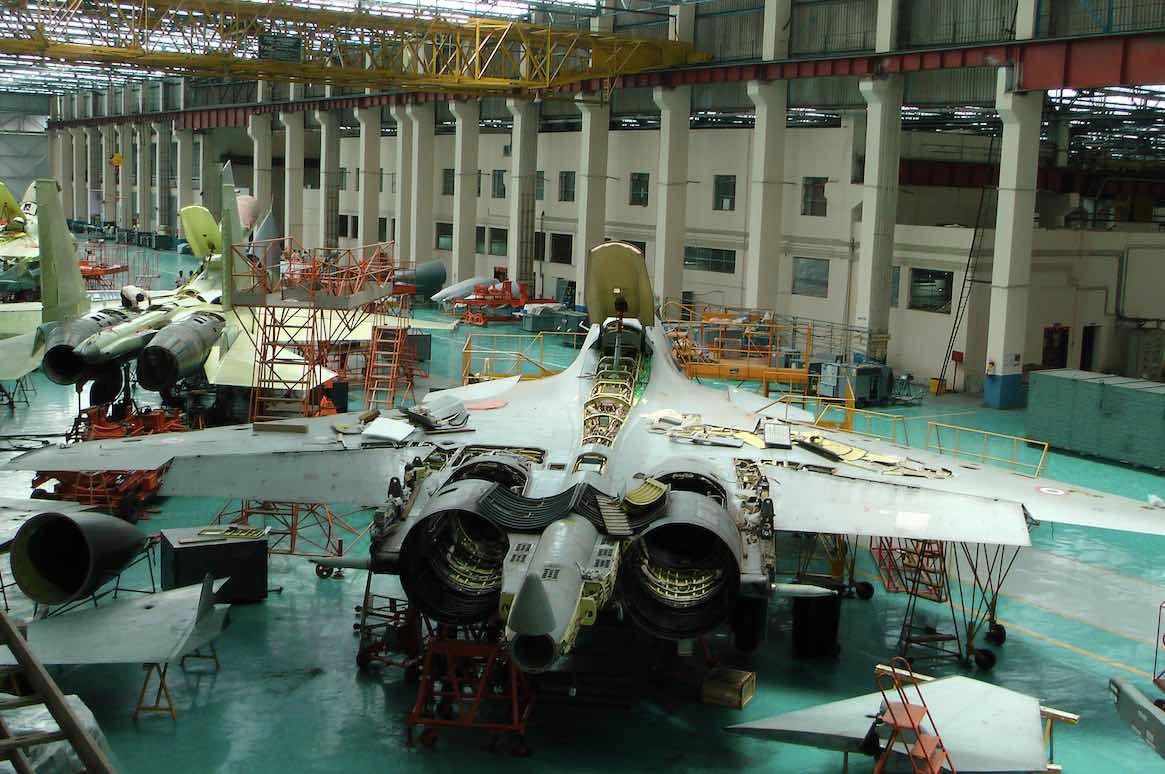
India
Hindustan Aeronautics Limited (HAL) is taking a bold step forward by reactivating its Nashik manufacturing unit to resume production of the Sukhoi Su-30MKI fighter jets. This development, sparked by a $1.3 billion deal approved in late 2023, calls for the assembly of 12 new aircraft to fortify the Indian Air Force's (IAF) capabilities. The revival of the Nashik plant is a strategic decision aligned with India’s ‘Make in India’ initiative, aiming to boost domestic defence production and minimize reliance on foreign suppliers.The Nashik facility, historically responsible for assembling the Su-30MKI jets since the early 2000s, had seen a slowdown. Now, HAL's commitment includes delivering the first batch of these newly ordered aircraft within a tight three-year schedule. More ambitiously, HAL has proposed expanding this production to add up to 72 additional Su-30MKIs, potentially pushing the IAF fleet to over 340 aircraft by the end of the decade. The comprehensive upgrade plan for these jets, often referred to as the "Super Sukhoi" or "Super-30" project, features cutting-edge enhancements that will make the aircraft more formidable.### A Closer Look at the UpgradesThe "Super Sukhoi" upgrade is extensive, aiming to match global standards for modern fighter jets. One of the most significant additions is the indigenously developed Active Electronically Scanned Array (AESA) radar, which vastly improves targeting and situational awareness. The upgrade will also include a revamped electronic warfare (EW) suite, enhancing the aircraft's ability to detect and counter threats from enemy radars and missiles. In addition, the enhanced avionics system will feature advanced mission computers, digital heads-up displays (HUDs), and a comprehensive voice-activated cockpit control system to optimize pilot efficiency.HAL is also integrating indigenous weapon systems to expand the Su-30MKI's combat capabilities. This integration will make the aircraft compatible with the latest generation of Indian-developed munitions, including BrahMos-A supersonic cruise missiles and Astra beyond-visual-range air-to-air missiles. Moreover, the new software-defined radios and helmet-mounted display systems (HMDS) are designed to provide superior communication and tactical awareness, crucial in modern air combat.### Strategic and Economic ImplicationsFor the IAF, this revival is not just about replacing losses from recent conflicts but also about fortifying its strike capabilities to counter regional adversaries effectively. The initiative also holds considerable strategic importance for India's long-term self-reliance in defence production, echoing the broader goals of the Indian government's policies to boost indigenous defence research and manufacturing.Economically, reopening the Nashik plant is expected to be a significant job creator, providing a boost to local employment and associated industries. The project will also promote advancements in India’s defence research sector, contributing positively to technological growth and national security.Overall, HAL’s revival of the Nashik plant and the associated Super Sukhoi upgrade represent a vital step forward for India’s aerospace and defence ambitions. The combination of new aircraft production and sophisticated upgrades ensures that the IAF will remain well-equipped to handle evolving threats while bolstering the country's broader strategic and economic objectives.
Read More → Posted on 2024-11-16 14:19:11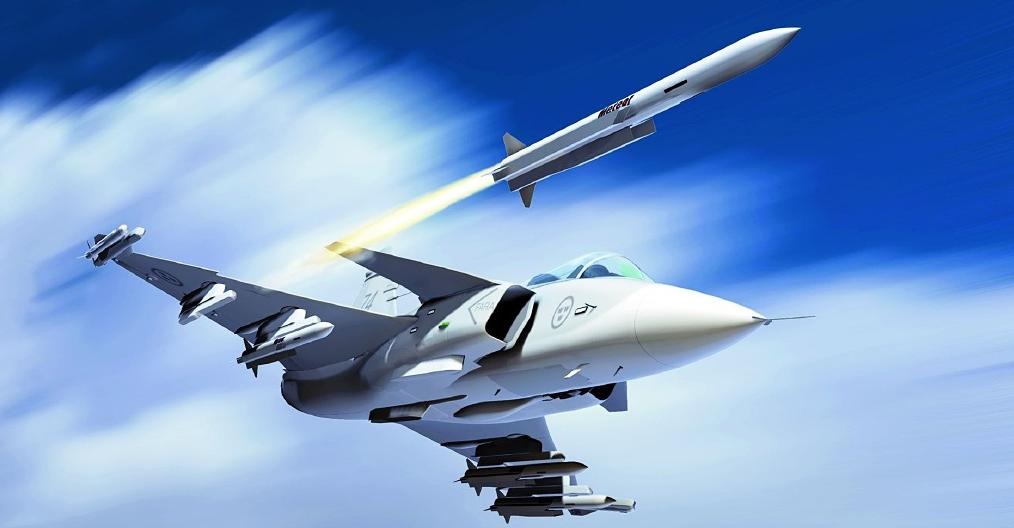
India
In the fiercely competitive race to modernize the Indian Air Force’s (IAF) fleet under the Multi-Role Fighter Aircraft (MRFA) program, Saab has made a bold pitch with its Gripen E fighter jet. Highlighting an unmatched capability, the Gripen E can carry up to seven Meteor beyond-visual-range air-to-air missiles (BVRAAMs) simultaneously, a configuration that promises to revolutionize aerial combat for the IAF.The Gripen E’s selling point isn’t just the volume of its missile loadout; it’s also about the quality of the armament it carries. The Meteor missile, developed by MBDA, is widely regarded as the gold standard among BVRAAMs. With its ramjet propulsion system and active radar seeker, the Meteor achieves exceptional range, agility, and lethality. Its standout feature is its expansive "no-escape zone," which is the largest of any missile in its class. Once locked onto a target, evading the Meteor becomes a near-impossible task for adversaries, even if they employ advanced countermeasures or high-speed maneuvers.Gripen E: A Platform Tailored for Precision and PowerSaab has designed the Gripen E with meticulous attention to weapon integration, ensuring that its avionics and data link systems fully optimize the capabilities of advanced missiles like the Meteor. The aircraft’s cutting-edge AESA radar (Active Electronically Scanned Array) and electronic warfare (EW) systems enhance its ability to detect, track, and neutralize threats from great distances.The jet’s ability to carry seven Meteor missiles simultaneously is not just an engineering feat but a tactical multiplier. This capability enables the Gripen E to engage several targets in a single sortie, reducing the need for frequent rearming and making it a formidable presence in extended combat scenarios. For missions that require securing vast airspaces or neutralizing swarms of airborne threats, this feature offers unparalleled efficiency.Advantages for the Indian Air ForceShould the Gripen E win the MRFA contract, it could offer several strategic advantages for the IAF:High Sortie Generation Rate: The Gripen E’s operational flexibility, coupled with its ability to carry more weapons, ensures faster mission turnaround times, which are critical in prolonged engagements.Multi-Target Neutralization: With seven BVRAAMs at its disposal, the Gripen E can counter a wide array of threats in a single deployment, enhancing mission efficiency and effectiveness.Enhanced Combat Readiness: Advanced avionics and the ability to carry heavy payloads mean fewer aircraft would be required for routine patrols or interception duties.Superior Situational Awareness: The combination of the jet’s AESA radar and the Meteor’s long range gives IAF pilots the capability to detect and engage threats long before they pose a direct risk to Indian airspace.Gripen E’s Competition in the MRFA ProgramThe MRFA program is vital for India, aiming to induct 114 new fighter jets into its fleet to maintain its air superiority. Saab’s Gripen E faces stiff competition from leading defense players, including the Dassault Rafale, Boeing F-15EX, F/A-18E/F Super Hornet, Lockheed Martin F-21, and Russia’s MiG-35. Each contender brings its own set of advantages, but the Gripen E’s cost-efficiency, combined with its advanced features, gives it a strong edge in terms of operational viability.The Bigger Picture: Why Meteor MattersThe Meteor missile is a pivotal element of Saab’s offer. It allows the IAF to strengthen its aerial combat capabilities against regional adversaries with advanced aircraft and electronic warfare systems. The missile’s integration with the Gripen E ensures that the platform offers a comprehensive solution for India’s air defense needs, capable of securing large airspaces with fewer sorties.Saab’s Promise to IndiaBeyond the technical specifications, Saab has also promised significant Make in India initiatives, aiming to transfer technology and set up production facilities in India if it wins the contract. This aligns with India’s vision for self-reliance in defense manufacturing, further boosting the Gripen E’s appeal.Saab’s Gripen E, with its unprecedented ability to carry seven Meteor missiles, stands out as a formidable contender in India’s MRFA competition. Its combination of cutting-edge technology, combat efficiency, and cost-effectiveness positions it as a strategic asset for the IAF. As the competition heats up, Saab’s offer underscores its commitment to providing the Indian Air Force with a decisive tactical edge for future conflicts.
Read More → Posted on 2024-11-15 15:42:33
India
Hindustan Shipyard Limited (HSL) in Visakhapatnam achieved a major milestone with the keel-laying ceremony of the Indian Navy's first 44,000-ton Fleet Support Ship (FSS) on November 14, 2024. This momentous event marked the official commencement of construction on the first of five such vessels, a project that reflects India's growing self-reliance in defence manufacturing. The FSS project, part of a ₹19,000 crore ($2.3 billion) contract inked on August 25, 2023, is critical to bolstering the operational flexibility of the Indian Navy. These advanced ships are designed to resupply naval fleets with fuel, water, spare parts, and ammunition while at sea, enabling longer missions without the need to return to port. Delivery of the first vessel is slated for mid-2027, with subsequent ships expected to follow at intervals of 10 to 12 months. Technological and Strategic Highlights The Fleet Support Ship boasts cutting-edge features tailored for high seas operations. With a displacement of 44,000 tonnes, these vessels are among the largest support ships ever built in India. Their design emphasizes not only payload capacity but also speed, efficiency, and survivability, ensuring seamless integration with India's blue-water navy. Equipped with advanced replenishment systems, the FSS will enable simultaneous refueling, provisioning, and transfer of supplies to multiple ships, even in challenging sea conditions. The ships will also feature state-of-the-art navigation and communication systems, ensuring enhanced operational safety and efficiency. Strengthening Infrastructure at HSL To accommodate this ambitious project, HSL has invested heavily in upgrading its infrastructure. The installation of a new Goliath crane—capable of lifting heavy ship components—will significantly improve construction efficiency. Slipway facilities are also being enhanced to handle the unique requirements of building such large vessels. These upgrades will not only support the FSS project but also position HSL as a key player in India's shipbuilding sector for future military and commercial endeavors. Boost to Local Industry and Employment The Fleet Support Ship program is more than just a boost to India’s naval capabilities; it is a cornerstone of the nation’s "Make in India" and "Aatmanirbhar Bharat" initiatives. With a focus on indigenous design and production, the project is expected to generate thousands of jobs and stimulate economic growth in the Visakhapatnam region. Micro, small, and medium enterprises (MSMEs) stand to benefit significantly as suppliers of specialized components and systems for the ships. This symbiotic relationship between large-scale shipbuilding and smaller industries is a testament to the broader economic vision driving India’s defence manufacturing policies. Strategic Implications for the Indian Navy The addition of Fleet Support Ships will extend the operational reach of the Indian Navy, a critical component of maintaining maritime dominance in the Indian Ocean Region (IOR). These ships will enable sustained deployments for naval assets, enhancing their capability to respond swiftly to threats, provide humanitarian aid, and secure vital sea lanes. By ensuring logistical self-sufficiency at sea, the FSS aligns with India’s strategic doctrine of enhancing maritime security and projecting influence across the IOR. A Path to Self-Reliance The keel-laying ceremony at HSL symbolizes more than the start of a ship’s construction—it marks India’s growing confidence in its ability to meet the complex demands of modern naval warfare through indigenous capabilities. As these ships take shape, they will stand as a testament to India’s ambition to become a global leader in defence manufacturing. With cutting-edge technology, enhanced infrastructure, and a strong focus on local industry participation, the Fleet Support Ship project represents a new chapter in India’s maritime history, one that emphasizes self-reliance and strategic foresight.
Read More → Posted on 2024-11-15 15:35:54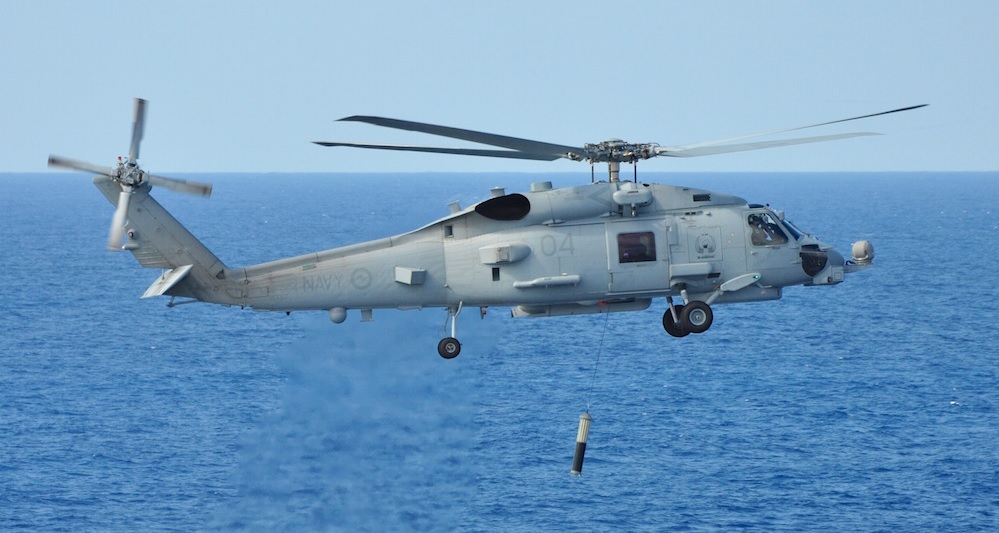
India
The Indian Navy is making a significant leap in its communication technology by equipping its entire aerial fleet with advanced, indigenously developed Software-Defined Radios (SDR). This major modernization effort aligns with India’s push towards self-reliance in defense capabilities under the "Aatmanirbhar Bharat" initiative.Developed in collaboration with Bharat Electronics Limited (BEL), these SDRs are designed to meet modern naval warfare demands. The radios are highly versatile, capable of operating across multiple frequency bands and supporting both secure and encrypted communications. Their design makes them highly adaptable, enabling smooth integration with a variety of platforms, whether helicopters like the MH-60R Seahawk or drones and maritime patrol aircraft like the P-8I Poseidon.Specifications and CapabilitiesThe indigenous SDR systems include the Naval Combat (SDR-NC), Tactical (SDR-Tac), and a Next Generation (SDR-NG) variant. These radios are programmed to handle extensive signal processing through software, making them easily upgradable to new communication standards and protocols. This software-centric design gives the Navy unmatched flexibility to adapt to new technologies by simply updating the software, as opposed to traditional, hardware-reliant radios.Key features include:Enhanced Encryption: The SDRs can handle secure voice, data, and video communications, crucial for missions where information security is paramount.Real-Time Data Sharing: The integration of Link-II, a secure data link, allows for instantaneous exchange of tactical information between ships, submarines, and airborne platforms, which is vital for coordinated maritime operations.Interference Resistance: Advanced signal processing techniques minimize signal interference, ensuring clear and reliable communication even in challenging environments.Operational AdvantagesBy using SDRs, the Indian Navy enhances its interoperability not just within its branches but also with allied forces. For instance, the MH-60R Seahawk helicopters, recently added to the fleet, will benefit greatly from these communication upgrades. These helicopters perform critical roles, from anti-submarine warfare to search and rescue missions, and require robust communication systems to coordinate efficiently with ships and aircraft.Furthermore, the SDR's flexible nature allows for seamless frequency and mode changes, enabling adaptive strategies during missions. For aerial assets operating in diverse and contested environments, this adaptability ensures continuous and secure communication, even if frequencies become compromised.Strategic Implications and IndigenizationThe installation of these radios represents more than just a technological upgrade. It underscores India's commitment to developing homegrown defense solutions, reducing reliance on foreign imports, and fostering a robust domestic defense manufacturing ecosystem. The Navy's adoption of these systems has been described as a critical move towards indigenizing key components of maritime warfare infrastructure.The modernization effort also includes plans for testing an additional SDR variant, expected to further revolutionize naval communications in the coming years. This continued development and integration demonstrate a forward-thinking approach, preparing the Navy to counter rapidly evolving maritime threats with cutting-edge technology.Through this initiative, the Indian Navy not only enhances its operational readiness but also signals a strategic shift towards comprehensive self-reliance and technological advancement, setting a new benchmark for the future of naval communications.
Read More → Posted on 2024-11-15 15:32:04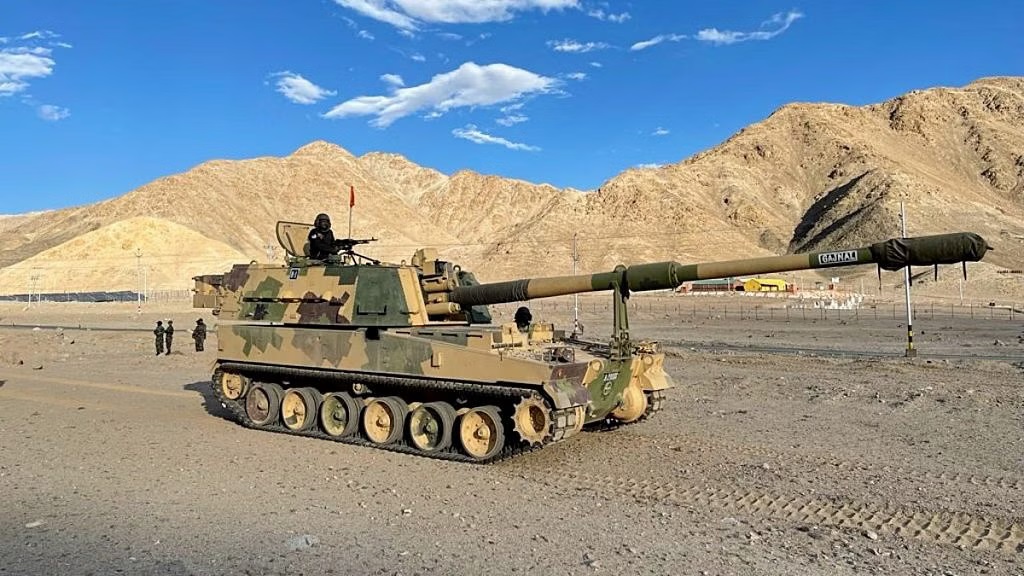
India
Larsen & Toubro (L&T) is on the verge of securing a substantial follow-up order from the Indian Ministry of Defence (MoD) for 100 more K-9 Vajra self-propelled howitzers. This anticipated acquisition follows the resounding success of the initial batch of 100 units, completed in 2021, which had a project value of ₹4,500 crore. The new deal, which is expected to surpass the previous financial terms, underscores both the growing capability of India’s indigenous defense industry and the strategic importance of these advanced artillery systems.The K-9 Vajra, co-developed by L&T in collaboration with Hanwha Defense of South Korea, is a formidable 155mm/52 caliber howitzer. It is built for superior firepower and mobility, with a maximum firing range of about 40 kilometers and a burst firing rate of three rounds in 15 seconds. This artillery gun features a fully automated laying system and a high-tech fire control system, making it exceptionally adaptable to varied terrains. The K-9 is powered by a German MTU engine that delivers reliable performance across diverse weather conditions, crucial for operations in both desert and high-altitude environments.The Indian Army’s confidence in the K-9 Vajra’s versatility has grown since its deployment in the Ladakh region following the Galwan Valley clash in 2020. Originally procured for desert operations along the western front with Pakistan, the howitzers have now proven their effectiveness at high altitudes. To adapt to such extreme conditions, L&T has introduced specialized kits to equip the K-9 Vajras for freezing temperatures, modifying key components like the engine and lubrication systems to ensure optimal performance even at sub-zero levels.Negotiations with the MoD are reportedly in the final stages, with L&T’s Senior Vice President, Arun T Ramchandani, indicating that an official announcement could be imminent. As the Indian Army looks to enhance its artillery arsenal, the timely delivery of these additional howitzers, likely by 2028, would significantly bolster India’s defensive posture along both the western and northern borders.This order will also further India’s push towards defense self-reliance. L&T’s Armoured Systems Complex in Hazira, Gujarat, which manages the assembly of these howitzers, stands as a testament to the country’s robust manufacturing ecosystem. By integrating high-end technology with local production capabilities, the K-9 Vajra project has set a benchmark for future defense collaborations.
Read More → Posted on 2024-11-15 15:09:10
India
India's pursuit of modern air defence has taken a giant leap forward with the development of the next-generation Akashteer Command and Control System. As threats to national security evolve, especially with the proliferation of fast-moving aircraft, drones, and advanced missiles, the Akashteer system brings forth a new era of air defence technology.The Akashteer is not just another addition to India’s defence arsenal. It represents a sophisticated integration of sensor fusion and automated command functions designed to respond to the challenges of modern warfare. By combining data from Indian Army Air Defence (AAD) and Indian Air Force (IAF) sensors, Akashteer can create a unified, real-time air picture. This seamless integration significantly improves situational awareness across the defence network, ensuring every threat is detected and assessed quickly and efficiently.One of the standout features of Akashteer is its use of automation. As aerial threats become more agile and faster—some capable of moving at supersonic speeds—speedy data processing and minimal human intervention are crucial. Akashteer automates the identification and prioritization of targets, allowing immediate and precise responses. This automation extends to engagement decisions, ensuring that high-speed aircraft or drones cannot exploit delays in human reaction times.Moreover, Akashteer’s architecture has been specifically tailored for operations along India's sensitive borders, like those with Pakistan and China. By decentralizing the authority to engage targets, the system empowers frontline units with more autonomy while simultaneously safeguarding against errors like friendly fire. This feature ensures a balanced approach, where engagement decisions are both swift and strategically sound.Communication is another critical aspect that Akashteer addresses robustly. In an era where electronic warfare and jamming are constant threats, the system ensures uninterrupted command communication through advanced redundancy measures. It is capable of operating effectively even in electronic warfare-heavy environments, thus maintaining a steady command chain under extreme conditions.From a strategic deployment standpoint, the Akashteer system exhibits impressive flexibility. It can be stationed on mobile platforms to support advancing strike formations or as hardened installations for defensive purposes. This adaptability allows for varied defensive tactics and ensures the system is effective across different operational scenarios.As for its deployment timeline, India has already delivered 107 of the planned 455 Akashteer units, with another 105 expected by March 2025. Full deployment is anticipated by 2027, showcasing India’s determination to rapidly bolster its air defence infrastructure. This phased rollout is a clear indication of the system's critical role in national defence.The Akashteer system is more than a technological marvel; it marks a comprehensive shift in how India prepares for and counters aerial threats. By providing a multidimensional view of the airspace and automating key functions, Akashteer not only enhances the military's strategic planning but also improves tactical response times. Its deployment is a testament to India’s commitment to advancing its defence technology, keeping pace with regional and global security dynamics.Sources for this information include key defence industry updates and Indian defence publications, reflecting the latest specifications and strategic implications of the Akashteer system.
Read More → Posted on 2024-11-15 15:00:32
India
Hindustan Aeronautics Limited (HAL) is advancing its vision of a robust, technologically sophisticated helicopter fleet with the introduction of the Dual Band Multirole Helicopter (DBMRH) program. As part of this initiative, HAL has released two critical Requests for Information (RFI) aimed at equipping its new helicopter variants with state-of-the-art radar systems designed for diverse, high-stakes operational environments. The first radar system sought is an Airborne Early Warning (AEW) radar intended for the DBMRH-AEW variant. This system is set to transform India’s air defense operations by providing comprehensive aerial surveillance and precise tracking capabilities. HAL’s requirements for the AEW radar are ambitious. The radar must operate in either the S or C frequency bands, offering a full 360° coverage in azimuth and up to ±60° in elevation. The radar's detection capability is specified to identify objects with a Radar Cross Section (RCS) of 2 m² at over 300 km, ensuring long-range operational effectiveness. A key design challenge is the need for a conformal antenna that integrates seamlessly into the helicopter’s structure while maintaining a weight under 700 kg. These requirements emphasize both high performance and a streamlined, helicopter-adapted design.Parallelly, the DBMRH-S variant, tailored for special operations, requires a more specialized surveillance radar. This radar will empower the helicopter with low-altitude operational prowess, critical for missions demanding extreme stealth and precision. The surveillance radar must be lightweight, with specifications limiting it to 40 kg, and energy-efficient, with power consumption capped at 1.5 kW. Despite its compact form, it needs to deliver robust capabilities, such as terrain following, terrain avoidance, and extensive ground and sea surveillance. To be effective in diverse environments, the radar should detect small objects over 15 nautical miles and large sea targets up to 65 nautical miles away. Additional features like ground mapping, weather analysis, and beacon interrogation make this system invaluable for covert and high-risk missions.Both radar systems must align with India’s broader defense manufacturing goals, encapsulated in the "Make in India" initiative. This means that vendors, whether local or international, must be prepared for collaboration and technology transfer, fostering growth in India's defense ecosystem. HAL’s timeline is clear: the AEW radar should be ready for integration by June 2027, while the surveillance radar needs to be prepared by March of the same year. To meet these deadlines, selected vendors are required to set up design and production facilities within five years.The strategic focus of HAL on these radar capabilities underscores India's commitment to modernizing its aerial defense infrastructure. Equipped with these radars, the DBMRH fleet will significantly enhance India's situational awareness and defensive readiness. By leveraging advanced technologies, these helicopters will serve a dual role in aerial and maritime defense, thus expanding India’s strategic operational capabilities across varied threat environments.HAL’s efforts reflect a broader trend in global defense, where nations are increasingly focusing on integrating airborne radars that operate in challenging environments. With the integration of Active Electronically Scanned Array (AESA) technology, these radars are capable of high-resolution imaging and quick target detection, even in complex, cluttered environments like urban landscapes or stormy seas. In the realm of airborne surveillance, AESA radar is often a game-changer, offering precision and adaptability essential for modern combat and reconnaissance missions. These developments are poised to keep India’s defense technology in step with global standards and adversary advancements.
Read More → Posted on 2024-11-15 14:39:53
India
RRP-S4E Innovations Ltd., a dynamic and forward-thinking enterprise in India's defence manufacturing sector, is making impressive strides in the world of advanced electro-optic technologies. The company, under the leadership of Rajendra Chodankar, has earned recognition for its commitment to indigenization and cutting-edge precision engineering, contributing significantly to India's "Make in India" and "Aatmanirbhar Bharat" initiatives.The company has made headlines for its latest venture: the development and production of nearly 100% indigenous rifle-mounted optical sights, achieving a cost reduction of up to 30% compared to imported alternatives. This cost efficiency does not come at the expense of quality; instead, it is made possible by RRP-S4E’s strategic investments in state-of-the-art manufacturing technologies. Advanced Production CapabilitiesRRP-S4E boasts a manufacturing setup capable of nano-machining, achieving tolerances as precise as 1 micron and optical surface finishes down to 3 nanometers. This level of precision is critical in the production of high-performance sights, which are crucial for both military and law enforcement applications. Their factory is equipped to produce up to 25,000 units per month, a scale that sets the stage for both domestic and international market demands.The rifle-mounted sights in their product lineup are designed with modular and compact architectures, optimized for low power consumption and superior field performance. These sights integrate seamlessly with various small arms, providing enhanced accuracy and reliability in operational environments. The company is also known for its proficiency in thermal imaging and reflex sight technologies, incorporating advanced materials and electronic components sourced through strategic collaborations.Strategic Collaborations & Technological AdvancementsRRP-S4E's partnership with Israel's Meprolight has been pivotal. Through this collaboration, the company has set up a local assembly line, streamlining the production process and making sophisticated optical systems more accessible. The technology transfer has enabled the integration of innovative features such as automatic brightness adjustment, wide field-of-view optics, and night vision compatibility. Such enhancements are crucial for meeting modern battlefield requirements.Beyond this, RRP-S4E has expanded its R&D efforts to develop lightweight, AI-driven drone cameras and advanced counter-drone systems. These technologies reflect the company’s versatility in electro-optic solutions, positioning it as a global player. With a diverse portfolio that extends to air purifying systems and AI robotics, RRP-S4E is not just keeping pace with the industry but is often at the forefront, driving innovation.Looking Forward: Ambitions & Market ImpactRRP-S4E has laid out an ambitious roadmap aimed at achieving 95% localization in production by 2026. This target aligns with India's strategic push for self-reliance in defence technology and emphasizes the company’s role in reducing dependency on foreign suppliers. As global defence budgets expand and the demand for high-precision targeting and surveillance systems increases, RRP-S4E stands poised to capture a significant market share.Furthermore, the company's strategic business model, which emphasizes collaborations and continual technological upgradation, has already attracted interest from international partners. The company’s diverse product range, from thermal imagers to drone surveillance systems, is already in demand across multiple markets, including the United States and the Middle East. RRP-S4E’s blend of innovation, cost efficiency, and local manufacturing prowess could indeed set a new standard in India's defence landscape and potentially make waves on a global scale.
Read More → Posted on 2024-11-15 14:25:42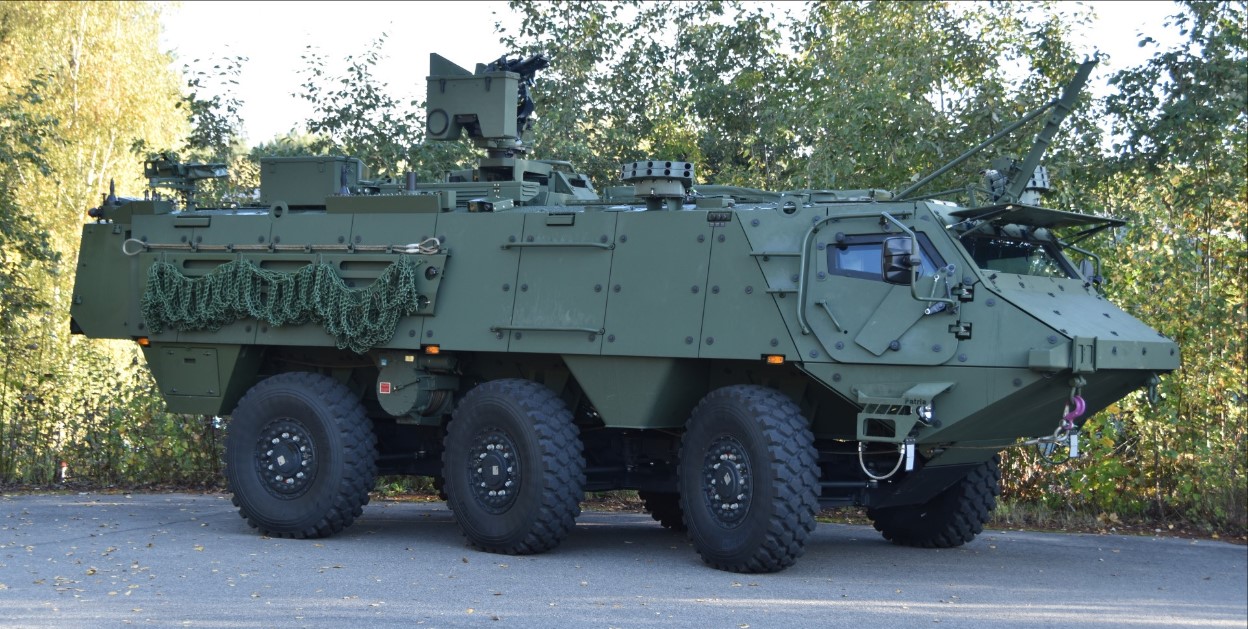
India
In a significant boost to Latvia’s defence infrastructure, Finnish defence company Patria has signed a deal with the Latvian Ministry of Defence to deliver 56 additional armoured 6x6 vehicles. These vehicles will be provided as part of the ongoing Common Armoured Vehicle System (CAVS) programme, a collaborative effort that already includes Finland, Latvia, Sweden, and Germany. The new agreement, valued at over €60 million, will introduce command and control (C2) variants of Patria's 6x6 vehicles, set to enhance military coordination and operational efficiency.The CAVS initiative, launched in 2020, focuses on developing interoperable, modular military vehicles that can be adapted across participating nations, ensuring cost-effective solutions and strategic defense capabilities. The command and control units, which Latvia will be the first to deploy, are designed to manage complex battlefield communications and decision-making processes.Deliveries of the new armoured vehicles are slated to begin in 2024, stretching through to 2029. Patria will leverage its recently inaugurated production facility in Valmiera, Latvia, underscoring a commitment to using local industry resources. This state-of-the-art facility opened in May 2024 and plays a pivotal role in Latvia’s defence manufacturing ecosystem, integrating advanced vehicle assembly and technology transfers from Finland to boost local workforce skills.The Patria 6x6 armoured vehicles stand out for their robust design and cutting-edge features. They are equipped with superior mine and ballistic protection and can be tailored for various roles, including troop transportation, medical evacuation, and electronic warfare. With a modular design and all-terrain capability, these vehicles ensure adaptability in diverse combat environments. The latest command and control variants will be integrated with sophisticated systems to coordinate battlefield units, manage real-time data sharing, and enhance situational awareness.Andris Sprūds, Latvia's Minister of Defence, emphasized the strategic impact of these deliveries, citing improvements in Latvia's command capabilities and the broader growth of its defence industry. Mats Warstedt, Patria’s Senior Vice President, highlighted the value of multinational collaboration under CAVS, showcasing how shared research and cost distribution among member nations have led to efficient development.The broader scope of the CAVS programme has already generated interest beyond the current four members. There is potential for further European participation, which could mean additional orders for Patria, whose expertise in armoured vehicle manufacturing dates back over 40 years. With more than 750 vehicles already under contract, the programme is viewed as a blueprint for future multinational defence cooperation.Latvia’s strategic alignment with Finland and other European allies through this deal reflects a growing emphasis on regional security and preparedness, especially in the context of heightened tensions near NATO's eastern flank. The Patria 6x6 command vehicles will become a backbone element of Latvia's land defence, reinforcing both national security and the broader defence network of CAVS member states.
Read More → Posted on 2024-11-14 15:30:25
India
India’s Ghatak Unmanned Combat Aerial Vehicle (UCAV) program stands as a milestone in the country's pursuit of self-reliant defense technology. Developed by the Aeronautical Development Establishment (ADE) under the Defence Research and Development Organisation (DRDO), the Ghatak UCAV is designed as a stealthy, autonomous combat platform. With an emphasis on deep-strike capabilities, this futuristic aircraft is powered by the indigenous 49kN Dry Kaveri engine, a product of years of research and commitment to indigenous aerospace development. Yet, the idea of scaling up the Ghatak UCAV into a full-fledged manned bomber is not only a fascinating concept but also a technically complex undertaking.At the heart of the Ghatak UCAV’s development lies a stealthy, tailless flying-wing design, validated through ADE’s SWiFT (Stealth Wing Flying Testbed) demonstrator. Weighing in at 1.1 tons, the SWiFT provided crucial insights into stealth technology, flight control mechanisms, and aerodynamic principles. The Ghatak itself has since evolved into a more formidable 13-ton UCAV, designed for carrying precision-guided munitions and executing autonomous offensive missions. Its performance as an unmanned platform is already impressive, but the question remains: Can this technology be scaled up to create a manned, stealth bomber capable of significantly expanding India’s aerial strike capabilities?The first technical challenge in such a transformation revolves around weight and structural integrity. A manned version of the Ghatak would demand substantial reinforcements to support the cockpit, pilot control systems, life-support mechanisms, and ejection seats. Simply adding these elements could increase the platform's weight by an estimated 2-3 tons. Additional structural enhancements to ensure safety and operational stability might add another 1-2 tons. All this could push the aircraft's Maximum Take-Off Weight (MTOW) to around 20-25 tons, considerably more than the current 13-ton UCAV.Adapting the Ghatak’s current air intake system also poses a significant challenge. The existing front-center intake design, while effective for a UCAV, is not optimal for a manned bomber that needs to maximize stealth and aerodynamic efficiency. Instead, adopting side intakes, similar to those on the B-2 Spirit stealth bomber, would likely be necessary to maintain a low radar cross-section and ensure adequate airflow to the engines. This modification, however, would involve substantial redesigns of the airframe, increasing both complexity and cost.Moreover, a bomber's role demands far more than just structural upgrades. Advanced avionics for navigation, targeting, and electronic warfare (EW) capabilities would need to be integrated, allowing the aircraft to perform strategic strike missions while defending against sophisticated enemy systems. To carry a variety of payloads, from guided bombs to standoff missiles, the aircraft would also require a modular internal bomb bay. These features, while enhancing the bomber’s strategic potential, would significantly add to the overall weight and necessitate further engineering efforts to maintain the airframe's stealth profile.The engine requirements for this scaled-up bomber version are another key hurdle. The Dry Kaveri engine, delivering 49kN of thrust, is suitable for the 13-ton Ghatak UCAV but falls short for a heavier, 20-25 ton manned platform. A bomber generally needs a thrust-to-weight ratio (TWR) ranging between 0.3 to 0.5 to ensure a balance between performance, range, and payload capacity. For an MTOW of 25 tons, this translates to a thrust requirement of between 73.5 kN (low-end) and 122.5 kN (high-end). The most plausible engine solution could be the 110 kN engine being developed for the Advanced Medium Combat Aircraft (AMCA), which could offer around 75 kN of dry thrust. Alternatively, a twin-engine configuration using two Dry Kaveri engines, producing a combined 98 kN thrust, could be explored, though this would necessitate a comprehensive redesign of the airframe, potentially compromising its stealth features.Integrating these propulsion upgrades is no simple task. A dual-engine configuration, while providing the necessary thrust, would complicate engine integration, exhaust management, and thermal signature suppression. Meanwhile, the airframe would need meticulous redesigning to accommodate these engines without undermining the platform’s stealth characteristics. Even with a single, more powerful engine, engineers would face challenges in balancing the aircraft's center of gravity, aerodynamics, and flight stability.Despite these obstacles, the concept of a manned Ghatak-derived bomber holds considerable promise for India's defense capabilities. With the right investments and technological advancements, a compact, stealthy bomber could be developed to meet the country's strategic needs. However, the transition from an unmanned UCAV to a manned bomber would be a long, expensive process requiring breakthroughs in propulsion, materials science, and stealth technology.In conclusion, scaling the Ghatak UCAV into a manned bomber platform is technically feasible but demands extensive modifications in design, propulsion, and avionics. While the endeavor is ambitious, the strategic advantages of a domestically developed, stealthy manned bomber could justify the investment, providing India with a significant edge in aerial warfare and long-range strike capabilities. Nonetheless, the path forward will require a comprehensive engineering effort and a substantial increase in funding to realize this ambitious vision.
Read More → Posted on 2024-11-14 15:24:44
India
India continues to make impressive strides in defence technology, marked by the recent successful test of its Long Range Land Attack Cruise Missile (LRLACM). This landmark achievement not only highlights the country's growing capabilities in weapon systems but also underscores a breakthrough for its indigenous propulsion technology, courtesy of the Manik engine.The test, which took place yesterday, was more than a display of India’s missile expertise. It was a powerful demonstration of the progress made by the Gas Turbine Research Establishment (GTRE), a core unit under the Defence Research and Development Organisation (DRDO). The highlight was the inclusion of the Manik engine, a turbofan propulsion marvel developed entirely within India. Its integration into the LRLACM is a milestone reflecting the nation’s commitment to self-reliance in defence, a vision driven by the "Aatmanirbhar Bharat" initiative.The Manik engine, currently produced at a rate of 12 units annually by BrahMos Aerospace, is a compact but high-performance system that can deliver sustained thrust necessary for long-range cruise missiles. It features a sophisticated design optimized for fuel efficiency and reliable operation over extended distances, making it ideal for precision strikes. One of the standout aspects of the Manik engine is its ability to perform under rigorous conditions, which was fully validated in this successful missile test.The LRLACM itself is designed for precision land attacks, boasting a range that positions it as a crucial asset for strategic military operations. With the Manik engine propelling it, the missile can cover long distances with remarkable accuracy, a vital factor for tactical planning. This integration has significant strategic implications. Most importantly, it enables India to reduce its reliance on foreign propulsion technology, enhancing national security and the reliability of its arsenal.The indigenization of the Manik engine also represents a significant cost advantage. Developing an engine domestically avoids the expenses associated with acquiring foreign-made systems, which are not only costly but may come with restrictive agreements and limited access to technology. By investing in homegrown solutions, India can channel funds into expanding and refining its defence technology ecosystem. The affordability of the Manik engine ensures that scaling up missile production is economically feasible, which could be crucial as India continues to modernize its military infrastructure.However, challenges lie ahead. One major hurdle is the current production capacity. At 12 units per year, the manufacturing rate needs to be ramped up to meet potential demand for the LRLACM and its future adaptations. Expanding this production requires investment, efficient assembly lines, and perhaps more partnerships with private industry players to ensure timely delivery and quality control.Looking to the future, the potential applications of the Manik engine extend far beyond the LRLACM. Its design could be adapted to power various other missile systems, including short-range ballistic missiles and air-launched cruise missiles. This versatility not only enhances the engine's strategic value but also positions it as a foundational element of India’s missile development initiatives. The potential for widespread adoption could transform the Manik engine into a key component of India's defence capabilities, strengthening its deterrence posture on the global stage.In essence, the successful test of the LRLACM with the Manik engine is more than a technical achievement. It represents a forward leap for India in terms of strategic self-sufficiency and military preparedness. As the nation continues to refine its defence technologies, the path ahead is clear: investment, innovation, and an unwavering commitment to indigenous production. This journey not only empowers India but also inspires confidence in its defence industry’s capability to meet the nation’s evolving security needs.
Read More → Posted on 2024-11-14 15:15:23Search
Top Trending in 24 Hours
-
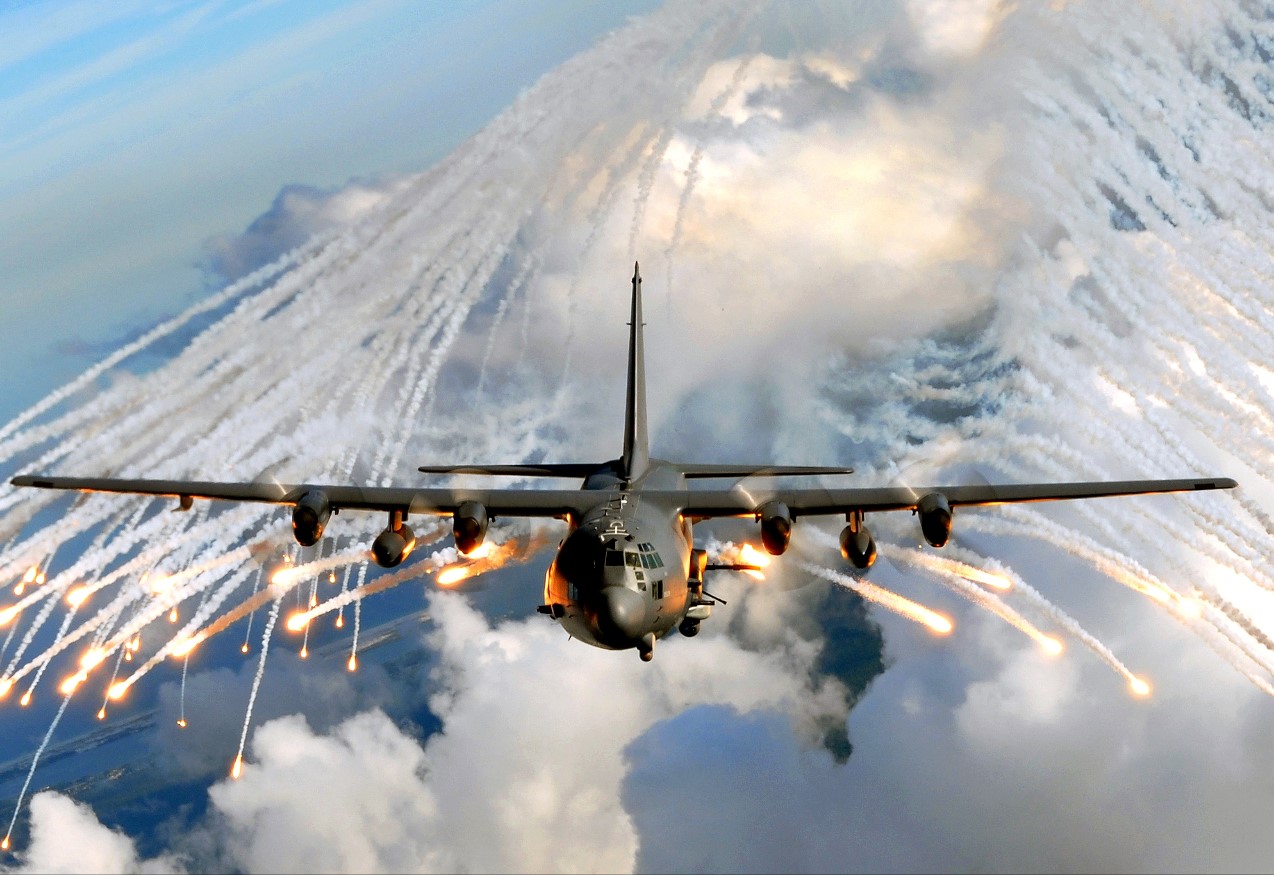 Pentagon Expands Alloy Surfaces Contract to $328.8 Million for Advanced Aircraft Decoy Flares Amid Evolving Drone Threats
-
 Why the U.S. Restored Pacific Command Name, Ending the Indo-Pacific Designation After Eight Years
-
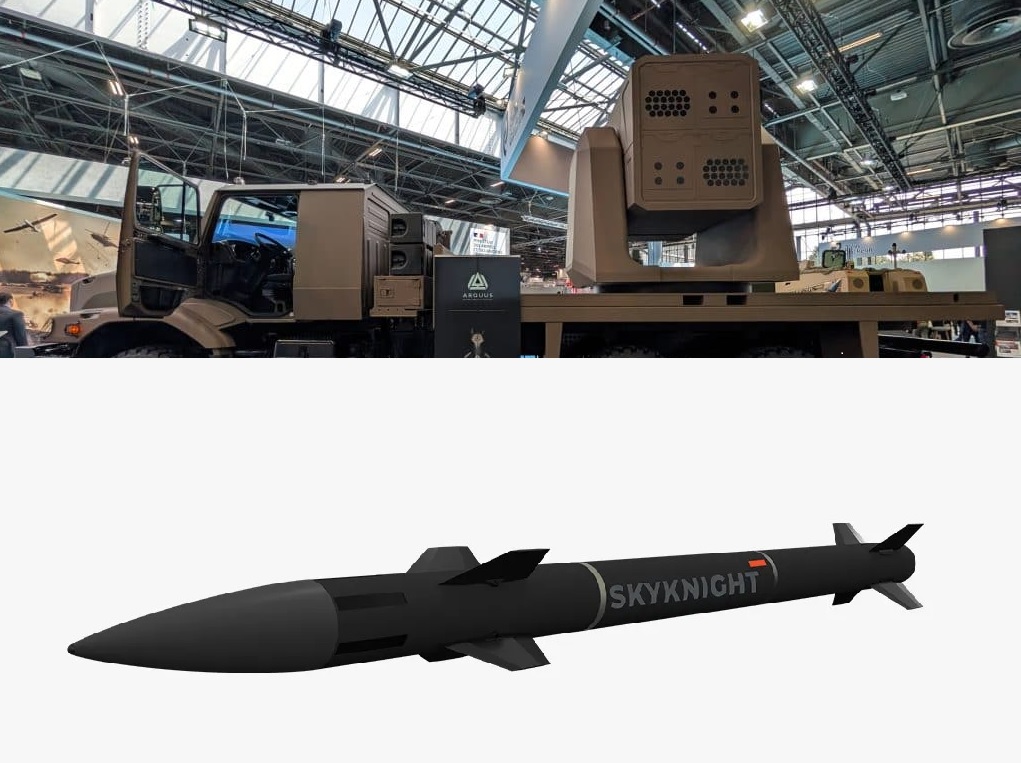 Naval Group Unveils Rampart Modular CIWS Multi-Purpose Weapon System for Naval and Ground Forces at Eurosatory 2026
-
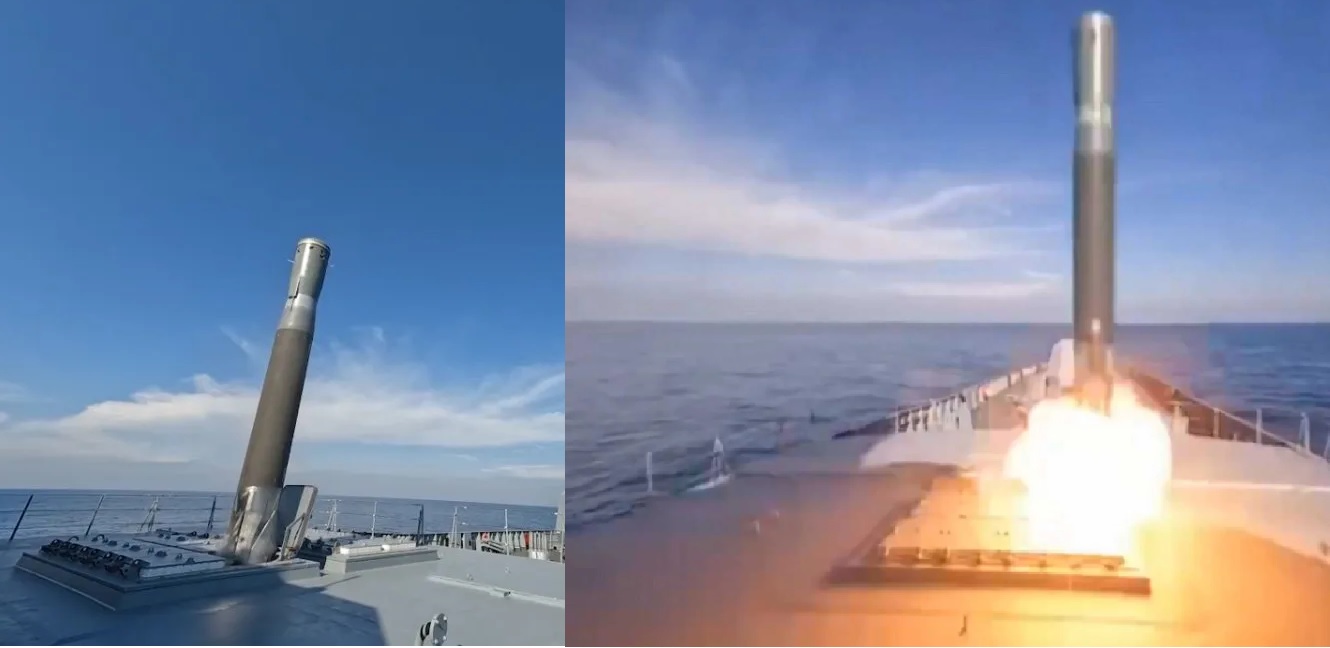 Open-Source Evidence Suggests Russia's Zircon Is a Quasi-Ballistic Missile, Not a True Hypersonic Cruise Weapon
-
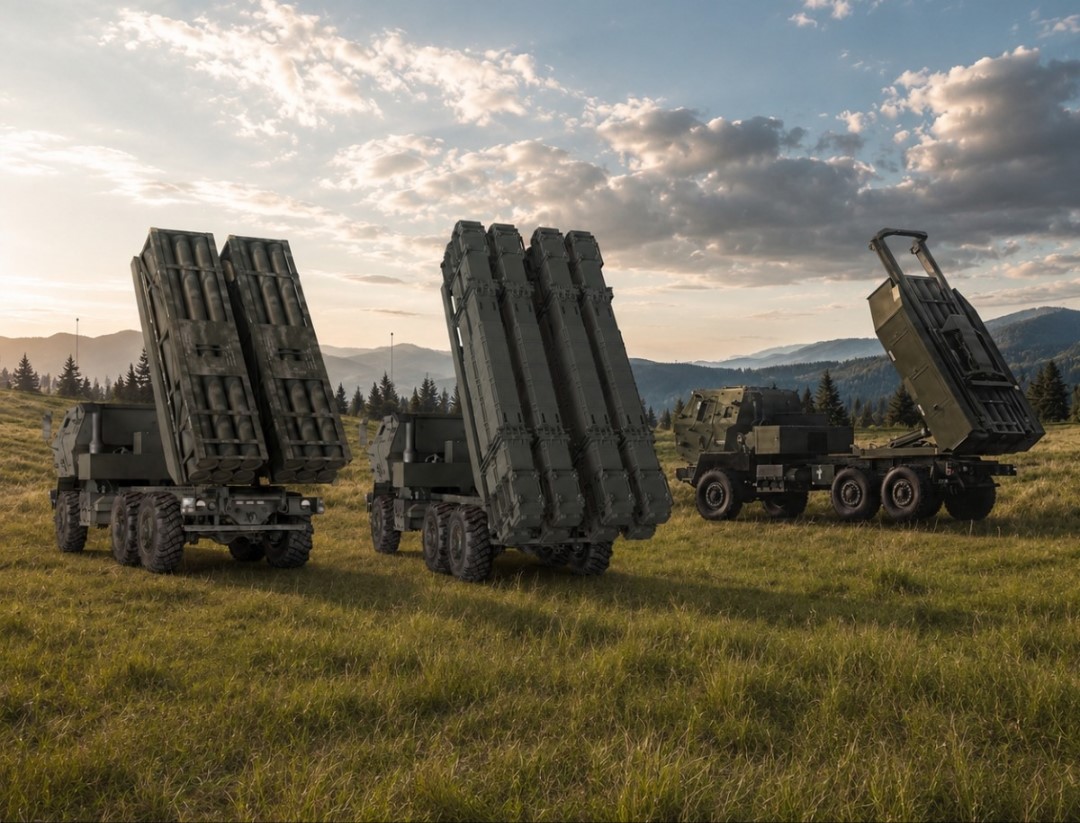 Lockheed Martin Unveils HIMARS FLEX with Dual-Pod Launcher and NATO-Compatible Air Defense Integration
-
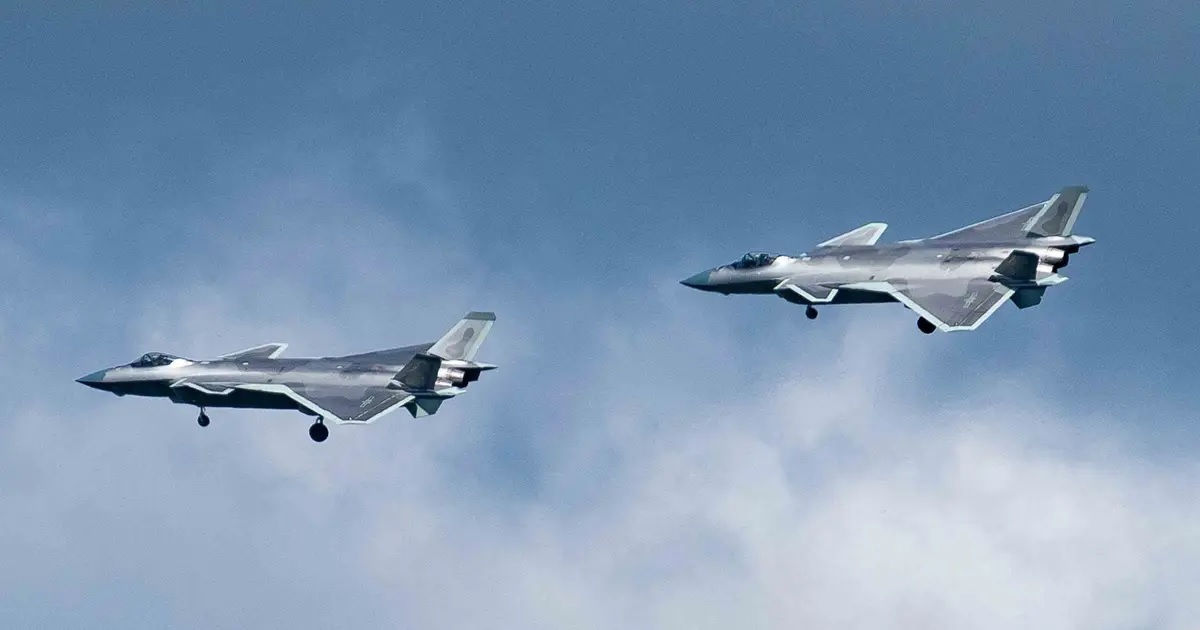 China Surpasses Russia as World’s Second-Most Powerful Air Force Amid Rapid J-20 and J-35 Expansion
-
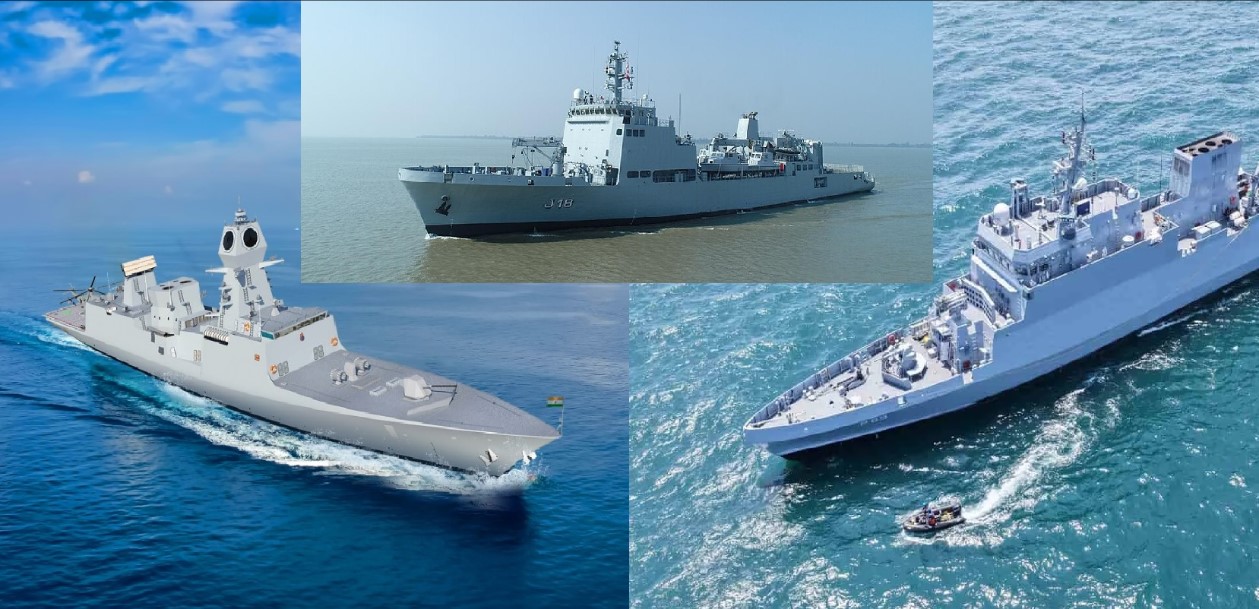 Indian Navy to Commission Stealth Frigate, ASW Craft and Survey Vessel in Rare Triple Induction at Kolkata
-
 Iran Signs Deal with Russia for 20 Mi-8 and Mi-17 Helicopters to Boost Rescue and Medical Missions
Top Trending in 4 Days
-
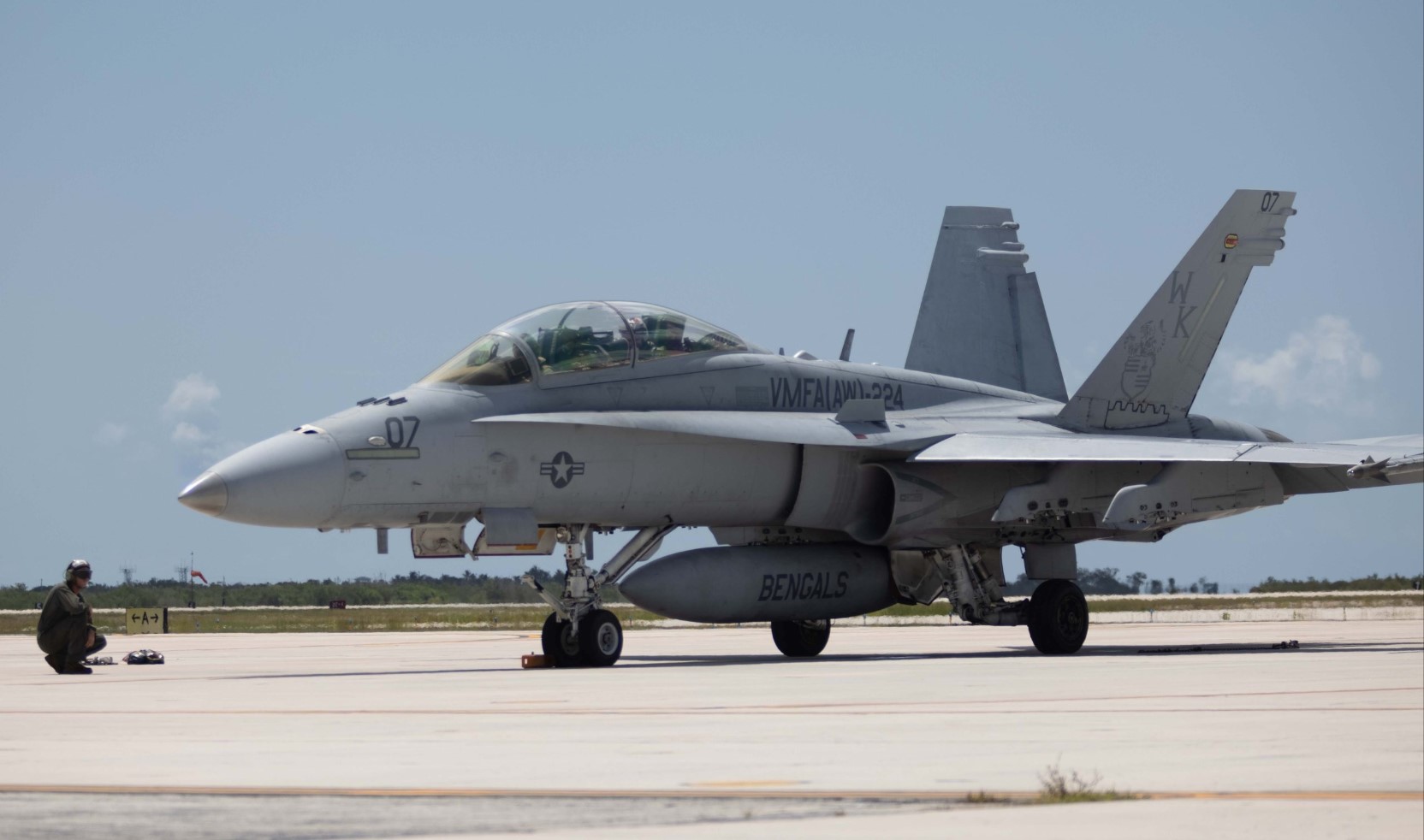 US Marine Corps F/A-18D Hornet Crashes During Training Flight in Washington Mountains; Pilot Ejects Safely
-
 Tulsi Gabbard Releases Declassified Files Detailing U.S.-Backed Network of 120 Biolaboratories Across 30+ Countries
-
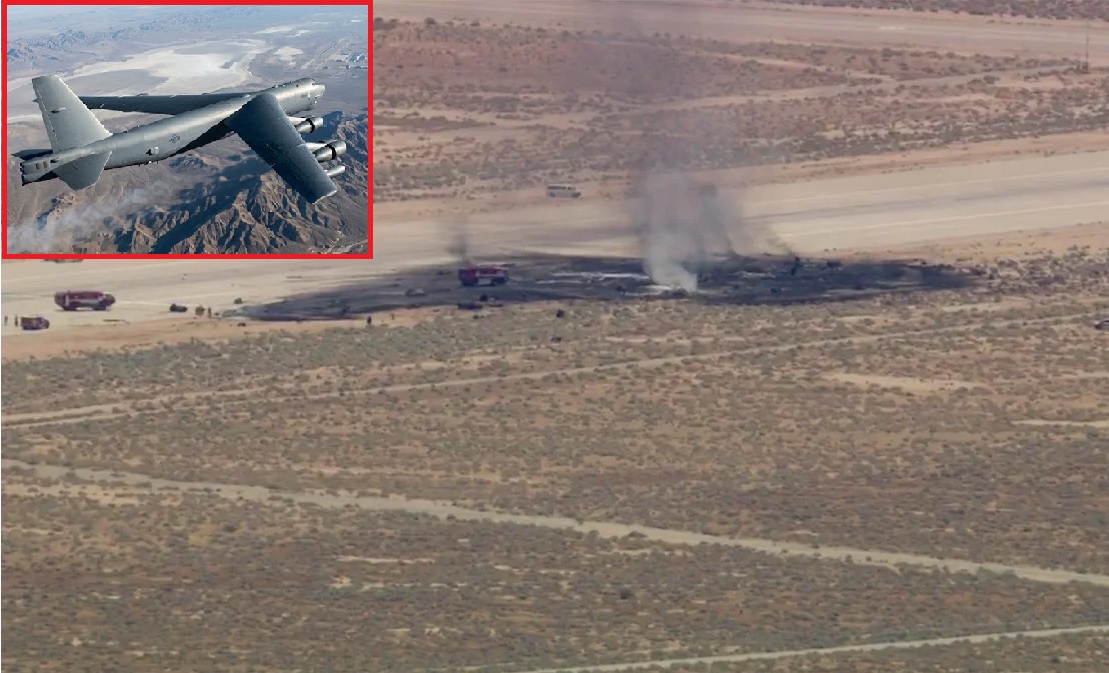 8 U.S. Air Force Crew Members Killed in B-52 Bomber Crash During Test Flight at Edwards Air Force Base
-
 Ukraine Introduces Balloon-Launched DART Missile Designed to Defeat Electronic Warfare
-
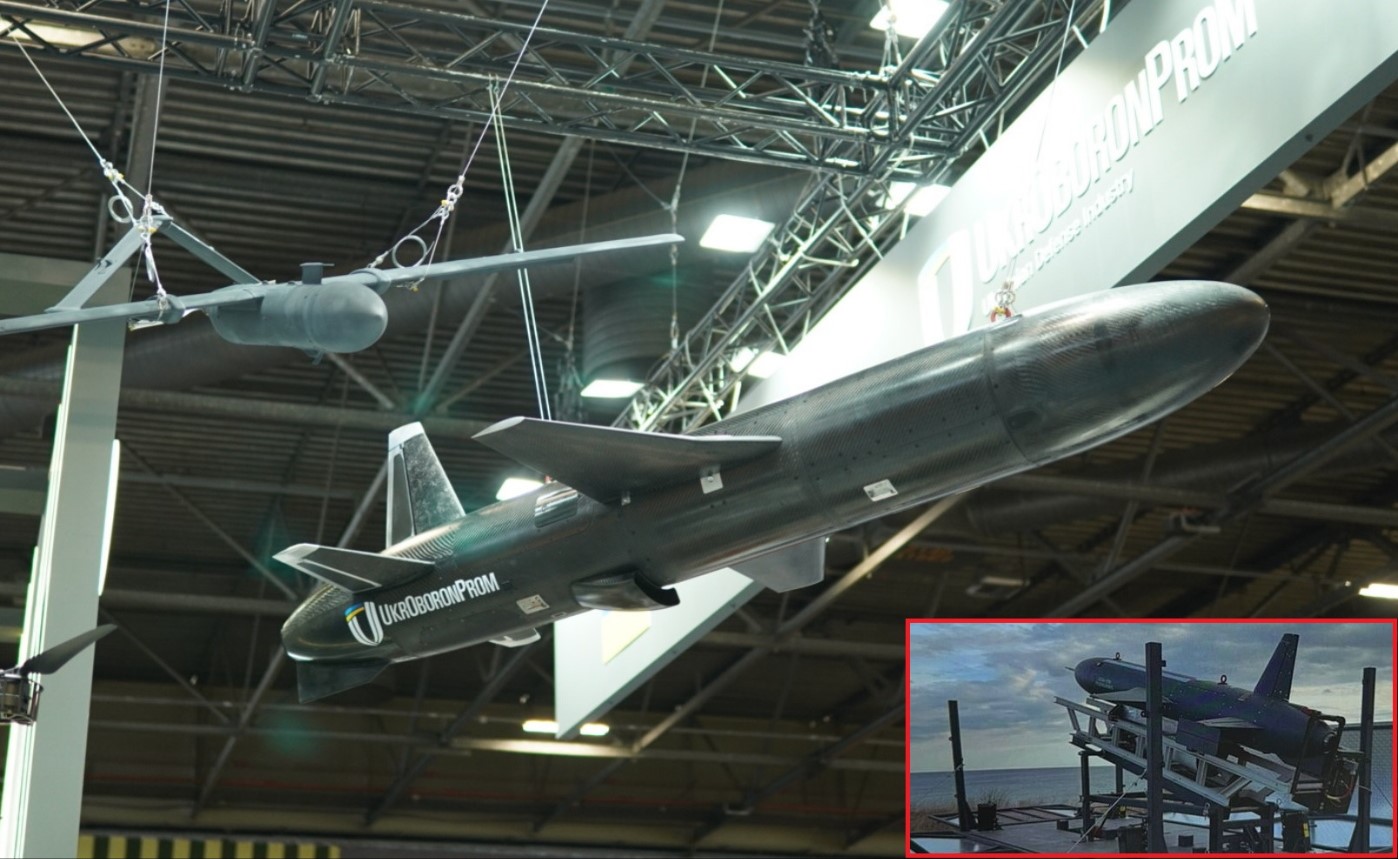 Ukraine Unveils UAV-290 Jet-Powered Strike Drone with 650 km Range at Eurosatory 2026
-
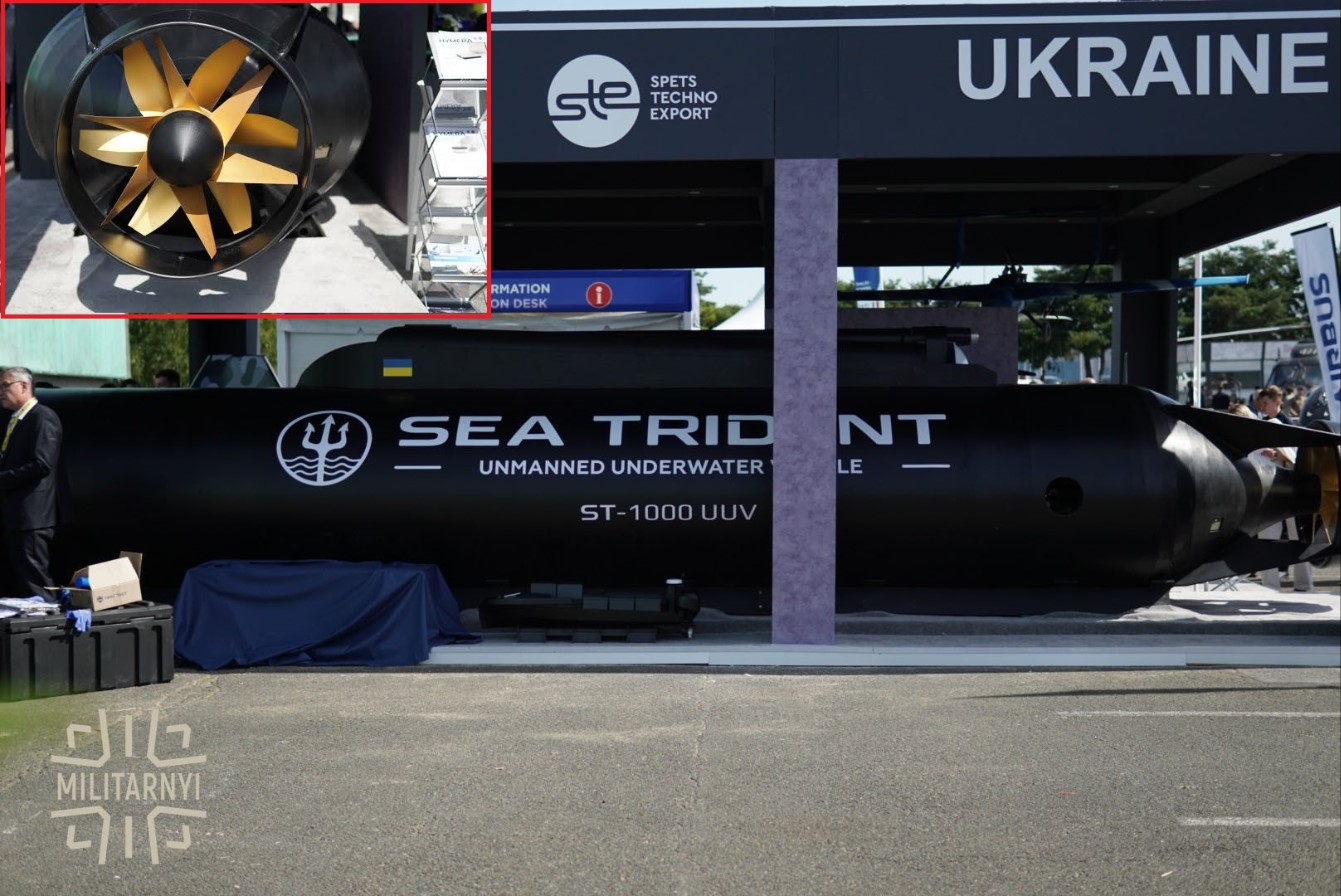 Ukraine Unveils 'Sea Trident' 10-Ton Autonomous Underwater Drone at Eurosatory 2026
-
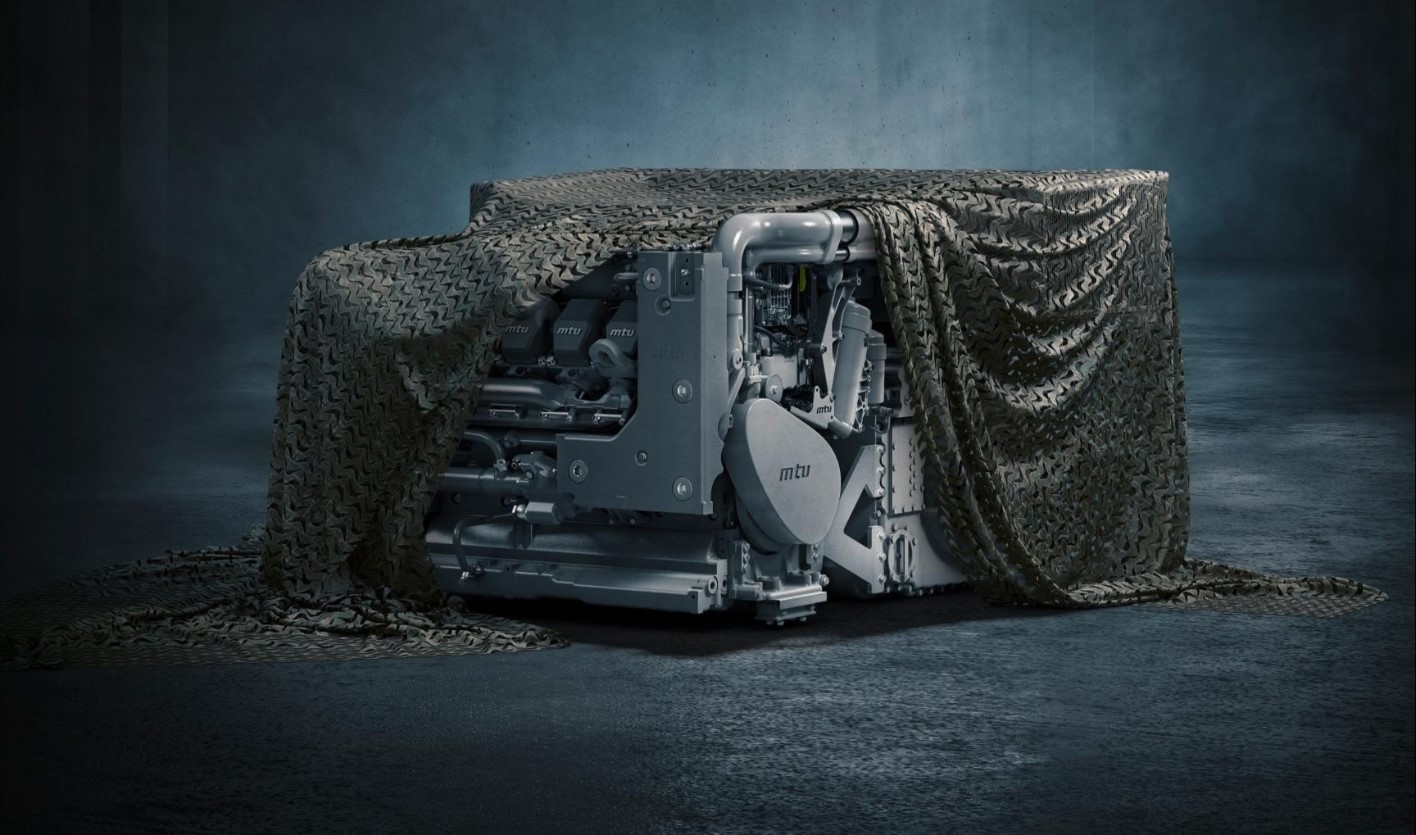 Rolls-Royce Unveils New Hybrid Powertrain for Heavy Military Vehicles at Eurosatory 2026
-
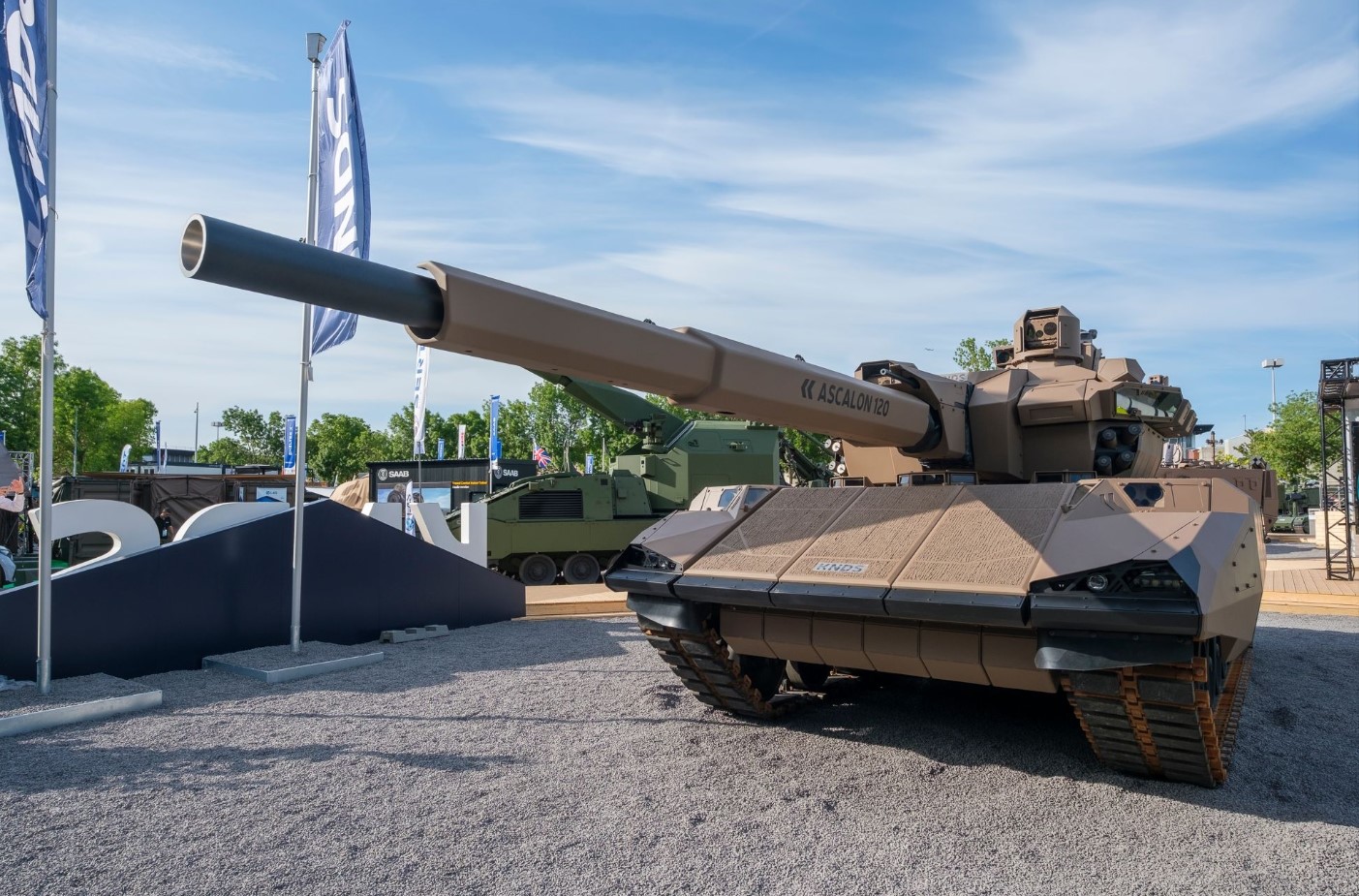 KNDS Unveils CAPINT Main Battle Tank at Eurosatory 2026 as Leclerc Stopgap