
India
Bharat Electronics Limited (BEL), a powerhouse in India's defense electronics landscape, has taken a significant leap forward by modernizing the surveillance infrastructure at Visakhapatnam Airport. With an emphasis on domestic innovation, BEL's latest radar system, crafted and developed indigenously, marks a major milestone in India's pursuit of self-reliance under the "Aatmanirbhar Bharat" mission. This sophisticated piece of technology was expertly installed on Dolphin Hill by the Indian Navy's INS Dega, a strategic naval air station managing crucial operations at this prominent coastal airport.The new surveillance radar is a technological marvel, designed to replace an aging model that had been serving for years. Unlike its predecessor, the advanced radar boasts precision tracking and an array of sophisticated features that elevate both safety and efficiency in airspace management. Its cutting-edge capabilities include enhanced target detection, improved clutter suppression, and seamless integration with air traffic control systems. These enhancements ensure that every aircraft in the vicinity is monitored with high accuracy, optimizing coordination and minimizing the risk of mid-air incidents.From a security standpoint, the radar is a game changer for Visakhapatnam Airport. Given the airport's strategic location near India’s eastern seaboard and its significance for both civilian and military aviation, continuous surveillance is paramount. The upgraded radar can handle a large volume of air traffic data and provides real-time monitoring capabilities, crucial for preempting any potential threats and ensuring safe passage for both domestic and international flights. Additionally, the new system is equipped to detect low-flying aerial objects, an essential feature in an era of growing drone activity.The radar installation was no small feat. It required meticulous planning and execution by the Indian Navy's team at INS Dega. Known for its operational excellence, INS Dega played a pivotal role in the seamless setup and deployment of this radar system. The naval air station has been instrumental in bolstering the region’s security architecture, and this project further solidifies its contribution to national defense.BEL’s accomplishment not only exemplifies technological advancement but also has far-reaching economic implications. By designing and manufacturing this high-performance radar domestically, India reduces its dependency on foreign defense technology, a step that strengthens the national manufacturing sector. This development is aligned with government initiatives encouraging local innovation and fortifying India's industrial capabilities.The significance of this achievement extends beyond the technical realm. It showcases India's growing expertise in cutting-edge defense solutions and reflects a broader commitment to fortifying national security with homegrown resources. The advanced radar will act as a sentinel for the eastern coast, providing a robust safety net for the skies over Visakhapatnam, which serves as a gateway for both commercial and defense operations.In essence, BEL’s indigenous radar installation at Visakhapatnam Airport isn’t just an upgrade; it’s a reaffirmation of India’s potential to become a self-sufficient powerhouse in defense technology. With each advancement, the country moves closer to realizing a future where safety and security are ensured by innovation born within its borders.
Read More → Posted on 2024-11-14 15:07:11
India
In a significant step forward for India's defense capabilities, the Defence Research and Development Organisation (DRDO) has successfully completed a series of validation trials for the Guided Pinaka Weapon System. These tests represent an important milestone in the development of a sophisticated, indigenous precision strike capability that promises to strengthen the firepower of the Indian Armed Forces. Over a series of meticulously planned phases, these flight-tests were carried out at various field firing ranges, a reflection of the extensive efforts needed to ensure the system meets its rigorous design expectations. The core aim of the trials was to validate the Provisional Staff Qualitative Requirements (PSQR) parameters, which include key performance measures such as range, accuracy, consistency, and the ability to rapidly engage multiple targets in a salvo mode. The Ministry of Defence, highlighting the achievement, underlined the success of these comprehensive assessments, affirming the robust performance of the Guided Pinaka.The trial series involved launching twelve rockets from each of two in-service Pinaka launchers. These launchers were upgraded by the respective production agencies, reflecting a concerted national effort with private and public sector collaboration. The precision strike variant of the Pinaka, which forms part of the Pinaka Multiple Launch Rocket System (MLRS), stands out not only for its accuracy but also for being entirely indigenous in its conception and execution. The development of this advanced system has been spearheaded by the Armament Research and Development Establishment (ARDE) in collaboration with premier research entities like Research Centre Imarat (RCI), Defence Research and Development Laboratory (DRDL), and High Energy Materials Research Laboratory (HEMRL). The Proof & Experimental Establishment (PXE) has also played a crucial role in validating the system’s performance, while Munitions India Limited and Economic Explosives Limited are the primary production agencies for the rocket ammunition. Furthermore, the launch platforms and the sophisticated Battery Command Post have been developed through partnerships with Tata Advanced Systems Limited and Larsen & Toubro, both of which have contributed significantly to the modernization of the artillery systems.Defence Minister Rajnath Singh congratulated the DRDO and the Indian Army on the successful trials, emphasizing that the Guided Pinaka will provide a considerable enhancement to the artillery’s precision and destructive potential. He highlighted the significance of this indigenously developed weapon system as a critical advancement that complements India’s broader strategy of self-reliance in defense technology.DRDO Chairman and Secretary of the Department of Defence R&D, Samir V Kamat, also lauded the efforts of all involved teams, expressing his confidence in the system’s readiness for operational deployment. He noted that the Guided Pinaka had successfully completed all pre-requisite tests, demonstrating exceptional performance and reliability.As for the specifications that make this system stand out, the Guided Pinaka boasts advanced features that include inertial navigation with GPS guidance, ensuring high precision over long distances. The rockets are capable of striking targets at ranges up to 75 kilometers with remarkable accuracy, a significant improvement over the unguided Pinaka systems, which had a range of approximately 40 kilometers. Moreover, the launcher system's ability to fire a full salvo of 12 rockets in under 44 seconds adds a powerful dimension to its combat capabilities, making it a formidable weapon in rapid strike scenarios.This achievement reinforces India's defense manufacturing sector's growth, aligning with the nation's vision of "Atmanirbhar Bharat" (self-reliant India) in military technology. The successful development and testing of the Guided Pinaka Weapon System not only showcases India's engineering prowess but also serves as a strategic asset, bolstering the nation’s deterrent capabilities against potential adversaries.
Read More → Posted on 2024-11-14 14:58:56
DRDO's SSPL Develops Advances Indigenous SiC and GaN Technologies for India's Future Defense Systems
India
In a significant stride for India's defense capabilities, the Defence Research and Development Organisation (DRDO) has achieved a breakthrough in semiconductor technology through the work of its Solid State Physics Laboratory (SSPL). This laboratory has developed an indigenous process to produce advanced Silicon Carbide (SiC) wafers and Gallium Nitride (GaN)-based High Electron Mobility Transistors (HEMTs), which are set to power next-generation defense and aerospace systems. This accomplishment holds major implications for India’s strategic autonomy in semiconductor tech, particularly for applications in critical systems like radars, electronic warfare, and even clean energy solutions.SiC and GaN: A New Frontier in Power and EfficiencySilicon Carbide (SiC) and Gallium Nitride (GaN) materials are leading the charge in next-gen electronics because of their unique properties. SiC offers exceptional durability and can handle high voltages and temperatures better than traditional silicon, making it ideal for high-performance applications under extreme conditions. Meanwhile, GaN-based components, particularly GaN High Electron Mobility Transistors (HEMTs), provide ultra-efficient power and performance in compact designs. Together, GaN/SiC technology not only boosts power efficiency but also reduces the overall size and weight of electronic components, crucial for mobile and airborne systems.SSPL has successfully developed 4-inch diameter SiC wafers, a feat that indicates India’s self-reliance in producing this material at a competitive size and scale. Alongside, the lab has developed GaN-based HEMTs with power outputs up to 150 watts and Monolithic Microwave Integrated Circuits (MMICs) with outputs up to 40 watts, both optimized for applications in the X-band frequency range. These specifications make them invaluable in radar and communication systems, which demand both power and resilience in challenging environments.GaN/SiC: Driving Next-Gen Defense and Clean Energy ApplicationsAs confirmed by India’s Ministry of Defence, GaN on SiC technology underpins essential next-gen applications across defense, aerospace, and even green energy domains. In defense, GaN/SiC-based MMICs are already emerging as core components for high-performance radar systems, advanced electronic warfare units, and communication arrays. Their compact nature and ability to deliver high power make them particularly well-suited for unmanned systems, where every gram of weight and cubic centimeter of space can impact mission success. This technology has also opened up pathways for eco-friendly energy solutions. GaN and SiC components are key enablers of efficient power conversion, and their adoption in renewable energy and electric vehicle applications could significantly advance India's green energy initiatives. GaN on SiC-based MMICs, with a growing domestic production capability at facilities like GAETEC in Hyderabad, have the potential to drive this evolution, bridging the defense and clean energy sectors with high-performance, environmentally conscious systems.Strategic Advantages and a Path to Self-RelianceThe implications of this indigenous capability extend beyond technical specifications. With the ability to manufacture SiC wafers and GaN-based devices locally, India has made significant progress in its goal for 'Aatmanirbhar Bharat' (self-reliant India). The production of multifunctional MMICs with applications spanning 5G communications, space, aerospace, and strategic defense represents a milestone in reducing dependence on foreign suppliers for critical semiconductor technologies.SSPL's advancements in SiC and GaN technology underscore India's evolving semiconductor landscape. As the nation continues to make strides in electronics manufacturing, these materials could soon serve as the backbone of India's defense and clean energy infrastructure, strengthening both strategic resilience and sustainable growth. With global semiconductor supply chains facing challenges, this self-reliance could not be more timely, positioning India as a future leader in critical technology production.
Read More → Posted on 2024-11-13 15:14:09
India
Gridbots Technologies, an innovative force in robotics and artificial intelligence from India, has set a new standard in military maintenance technology. With their latest creation, VIPER, they are transforming how artillery, tank, submarine, and aircraft gun barrels are cleaned and inspected. Gone are the days of tedious manual labor with inefficient results—VIPER’s cutting-edge AI and laser scanning features make gun barrel upkeep smarter, faster, and more effective than ever.Maintaining the interior of large gun barrels has long been a formidable task. The conventional approach typically required multiple personnel to use hefty rods fitted with brushes to clean the length of each barrel manually. This time-consuming, repetitive process has inherent flaws: it struggles to provide thorough cleaning, especially in barrels with rifling where standard straight-line scrubbing fails to address every groove. Worse, improper cleaning can lead to misalignments, build-up, and eventual wear, reducing barrel performance and longevity. Enter VIPER—a solution designed to automate and optimize this critical process.The Technology Behind VIPERVIPER’s AI-driven inspection system represents a game-changer for military operations. By integrating advanced laser scanning technology, it can inspect and analyze the interior of gun barrels with unprecedented precision. This robotic system can detect microscopic defects as small as 0.1 millimeters, spotting pitting, wear, and structural weaknesses that human eyes would almost certainly miss. The AI processes this data in real time, delivering immediate feedback about the barrel’s condition.One of the most impressive elements of VIPER’s arsenal is its 3D profilometry capabilities. By deploying high-precision lasers, VIPER generates a comprehensive 3D model of the barrel's interior. This allows for exact measurements of depth, dimensions, and any existing imperfections. For military operators, this translates to data-driven maintenance, enabling them to make informed decisions on whether repairs are necessary or if a barrel can continue functioning without issue.VIPER's cleaning system is equally sophisticated. The process is multi-staged, employing both nylon brushes and cloth-based cleaning mechanisms that reach into every rifled groove and smooth bore. VIPER doesn’t just clean; it finishes the job with automatic lubrication, protecting the barrel from future damage, and a drying system that ensures the barrel is mission-ready. Remarkably, all of this is controlled by a single operator using a wireless tablet, making what was once an exhausting, multi-person endeavor a quick and efficient operation.Built for Versatility and PortabilityDespite its high-tech capabilities, VIPER is impressively compact and user-friendly. Weighing under 15 kilograms, it’s easily transportable, and its hot-swappable rechargeable batteries mean it can operate continuously without interruption. This portability means VIPER can be deployed in a range of environments, from field practice areas to active combat zones, adapting seamlessly to the situation at hand.The design also comes equipped with a comprehensive suite of sensors, providing an all-around assessment of the barrel’s condition. The ultrasonic and magnetic flux leakage (MFL) sensors help measure structural integrity, while gas and thermal sensors detect internal residues and heat anomalies. The 3D/GPR sensors offer further layers of diagnostic information, making VIPER a robust tool for modern military applications.Tailored Models for Different NeedsGridbots has thoughtfully designed two VIPER models to meet various operational requirements. The GB-VIPER-C is equipped for both inspection and cleaning, making it ideal for comprehensive barrel maintenance. Meanwhile, the GB-VIPER-I focuses on in-depth inspection alone, suitable for instances where cleaning may not be necessary but structural diagnostics are critical. Both models can handle barrels up to 12 meters in length, accommodating a wide range of military hardware.In essence, VIPER is a testament to how technology can elevate even the most routine military maintenance tasks. By automating and refining the cleaning and inspection process, Gridbots' robotic innovation ensures that gun barrels maintain peak performance, are well-protected from future damage, and remain combat-ready.A Leap Forward in Military TechnologyThe implications of VIPER’s technology are far-reaching. By streamlining and perfecting gun barrel maintenance, VIPER enhances the operational readiness of military units and reduces the risk of barrel failure. In environments where every second counts and reliability is paramount, having a tool like VIPER could be the difference between success and setback.As defense forces worldwide continue to embrace AI and automation, solutions like VIPER underscore the importance of merging cutting-edge technology with essential military needs. Gridbots Technologies has set a high bar, showing that even in something as specialized as gun barrel maintenance, there’s always room for innovation.
Read More → Posted on 2024-11-13 15:06:10
India
The Indian Army is gearing up to test an indigenously designed and developed light battle tank in 2025, marking a significant step forward for the nation’s armored capabilities, particularly tailored for high-altitude conflicts like those experienced in eastern Ladakh. This initiative emerges from collaboration between the Defence Research and Development Organisation (DRDO) and Larsen & Toubro (L&T), aiming to counter the growing threats posed by neighboring adversaries’ advanced platforms.Dubbed as a crucial component for high-altitude warfare, the light tank has been in development to meet urgent operational needs. The Zorawar tank, as it is known, is designed to be agile and lethal, capable of enduring and operating in the tough, mountainous terrains along the northern borders. Compared to the Chinese Type 15 tanks, the Zorawar boasts superior firepower and agility, enabling it to tackle challenges posed by difficult environments and rival capabilities.Weighing around 25 tons, the Zorawar is optimized for rapid maneuverability in the thin air of extreme altitudes. It sports a 105mm main gun equipped with an autoloader, reducing the need for a larger crew and enhancing efficiency. The main armament is complemented by a coaxial 7.62mm machine gun and a turret-mounted 12.7mm remote weapon station, offering robust firepower in a compact platform. Unique features include composite rubber tracks, which provide better traction and a quieter ride over rough surfaces, and amphibious capabilities that make the Zorawar versatile for various operations.Further technological advancements include the integration of drones and loitering munitions, providing modern reconnaissance and strike abilities. Additionally, the tank has advanced targeting systems, such as Safran Paseo sights from France, ensuring precise engagement even in adverse conditions. Notably, the powerpack options include a choice between a Cummins or MTU engine, reflecting the flexibility in sourcing key components and improving the tank's reliability under demanding scenarios.The Army’s plans don’t stop with Zorawar. Lt. Gen. Vivek Kashyap, Director General of the Armoured Corps, has revealed that future light tanks are already on the drawing board. The Army intends to fund these next-generation projects partially, selecting two industry partners to develop their respective designs. This approach ensures a competitive process, with the most effective system poised for widespread induction, reinforcing India's armored strength for years to come.In the broader landscape, India's defense establishment is simultaneously advancing its next-generation main battle tank project under "Project Ranjit." This emphasis on indigenous armor reflects a strategic shift toward self-reliance, even as India borrows and adapts key foreign technologies for optimal results.While the Zorawar is a promising development, the journey from prototype to operational deployment remains fraught with the usual challenges of trials and refinement. If successful, however, the tank could serve as a game-changer, providing a critical edge in the strategically sensitive and harsh landscapes of the Himalayas, where tensions have remained high.
Read More → Posted on 2024-11-13 15:02:28
India
The Indian Army is making significant strides with the implementation of 'Project Akashteer,' a cutting-edge initiative that promises to revolutionize air defense through automation and digitization. This ambitious project, initiated as part of India's drive for technological self-reliance under the 'Atmanirbhar Bharat' initiative, is currently being phased into the Army's operational infrastructure.As of the latest updates, 107 out of the total 455 required Akashteer systems have been successfully delivered, with the next tranche of 105 expected by March 2025. The full induction is planned to be completed by 2027, ensuring that the Army's various formations have robust air defense capabilities. These systems are being developed by Bharat Electronics Limited (BEL), a key player in India's defense manufacturing sector, and their deployment has already begun, marked by a ceremonial flagging-off in April from BEL's facility in Ghaziabad.What Sets Project Akashteer Apart?The Akashteer project represents a transformative leap in air defense for the Indian Army. It is designed to ensure that the force can maintain a high level of situational awareness, manage airspace efficiently, and protect friendly aircraft while intercepting and neutralizing hostile threats in contested environments. This system not only enhances India's defensive posture but also ensures that critical airspace remains secure in the face of evolving aerial threats.A distinguishing feature of Akashteer is its integration of sensor fusion technology. By amalgamating data from various sources, it generates a comprehensive and real-time air picture that allows for swift and informed decision-making. Furthermore, the system automates many operations, which significantly cuts down response times during critical situations. This automation is crucial in scenarios where speed and precision can be the difference between intercepting a threat and a catastrophic failure.Another strategic advantage of the Akashteer system is its decentralized engagement authority. This design allows for distributed decision-making, which ensures that responses to aerial threats are swift and coordinated. This is especially important given the complexity of modern warfare, where multiple threats may emerge simultaneously from different directions.Real-Time Validation and Technological LeapIn 2024, termed the 'Year of Technology Infusion' by the Indian Army, Akashteer underwent a rigorous real-time validation exercise. This simulation was designed to mimic the complex and chaotic scenarios likely to be encountered in future warfare. The test was closely monitored by senior military officials, who lauded the project's developers for achieving a groundbreaking improvement in air defense capabilities.The system is also built with inherent scalability and redundancy, meaning it can adapt to various operational requirements and continue functioning effectively even if parts of the system face disruptions. These features are vital for ensuring reliability during prolonged engagements or under electronic warfare attacks.Strategic Significance and Future OutlookProject Akashteer is more than just a technological upgrade; it represents India's strategic push to modernize its armed forces in response to a dynamic security landscape. By automating air defense processes and enhancing integration across different defense systems, Akashteer ensures the Indian Army remains agile and responsive.This project is expected to have a lasting impact on India's defense ecosystem, driving innovation and strengthening the indigenous defense manufacturing sector. The comprehensive coverage Akashteer will provide to India's airspace marks a significant step forward in national security, reinforcing the country's preparedness against modern aerial threats.
Read More → Posted on 2024-11-13 14:58:37
India
Lakshmi Machine Works-Advanced Technology Centre (LMW-ATC) has achieved a milestone with the delivery of its first air intake assembly for the TEJAS MK-1A fighter jet, an upgrade to the earlier TEJAS versions that are being manufactured for the Indian Air Force. This significant delivery, completed on November 7, 2024, showcases the strides made by India's indigenous aerospace manufacturing sector and underscores LMW-ATC's growing prominence in defense supply chains.LMW-ATC, based in Coimbatore, has been known for its high-precision aerospace components, having made substantial investments in state-of-the-art technology to serve defense and aviation industries. The air intake assembly for the TEJAS MK-1A is not a straightforward part; it's a complex, aerodynamically crucial structure responsible for optimal airflow into the fighter jet's engine. Crafting this component requires extraordinary precision, from material selection to the intricate manufacturing process. LMW-ATC’s commitment to adhering to stringent standards such as AS 9100D and NADCAP is fundamental, given the need for flawless performance under extreme flight conditions.The TEJAS MK-1A, which is expected to substantially strengthen the Indian Air Force's combat readiness, features advanced radar and electronic warfare capabilities. It's a multirole light fighter designed to operate in a wide range of mission profiles, from air dominance to precision strike. With the Indian Air Force having ordered 83 units from Hindustan Aeronautics Limited (HAL), maintaining a streamlined production schedule is crucial. HAL's reliance on Indian suppliers like LMW-ATC is part of a broader government push for self-reliance in defense manufacturing.One of the key challenges faced by LMW-ATC in producing the air intake assembly was the need for extreme precision engineering. Working with specialized alloys, the team had to overcome hurdles related to machining and ensuring consistency in component aerodynamics. Additionally, the company had to synchronize its production with HAL’s timeline, while managing global supply chain disruptions and integrating advanced manufacturing technologies. LMW-ATC's Coimbatore facility spans over 18 acres, equipped with 34,000 square meters of cutting-edge manufacturing space. The center not only produces engine and structural assemblies but also engages in sheet metal processing and aerospace composites. It features high-tech clean rooms for composites, a sophisticated testing area, and robust quality assurance processes.This achievement is part of LMW-ATC’s growing collaborations with defense giants like HAL and the Defence Research & Development Organisation (DRDO). The company has become a strategic partner in India’s defense ecosystem, aiding projects that aim to reduce dependency on foreign suppliers and support the Make in India initiative.In essence, the successful delivery of this air intake assembly reflects a blend of innovation, precision engineering, and strategic alignment with India's national defense goals. As HAL prepares for future challenges, partners like LMW-ATC play a pivotal role in delivering components that meet the exacting standards required for modern fighter jets.
Read More → Posted on 2024-11-13 14:49:37
India
In a landmark move set to reshape the gender dynamics within India’s paramilitary forces, the Union government has approved the creation of the first all-women battalion of the Central Industrial Security Force (CISF). Comprising 1,025 highly trained personnel, this pioneering unit will play a crucial role in guarding the nation’s most sensitive and high-profile locations, including airports, VIP residences, and major infrastructure sites.The announcement marks a significant milestone as it represents the largest single effort to incorporate female officers into specialized security roles. Previously, while women have served in the CISF, they only made up about seven percent of the workforce, which currently stands at approximately 1.8 lakh. This all-women battalion will bring a new focus to gender diversity, reshaping the force's operational approach.The Union Home Ministry’s sanction order came with clear directives to fast-track the development of this reserve unit, acknowledging the ever-increasing demands on the CISF in areas of national importance. Officials revealed that recruitment, training, and planning for the new unit’s base location are already in motion. The battalion, which will be led by a senior commandant-rank officer, is part of a larger initiative to boost the force’s capability in securing high-stakes venues across the country.A CISF spokesperson highlighted the ongoing work to craft a unique and rigorous training curriculum tailored to the needs of these women personnel. “We’re designing specialized training modules that focus on elite commando skills, VIP protection strategies, and the operational expertise needed for securing critical infrastructure like airports and metro networks. This is about creating a multifaceted, highly skilled battalion ready to respond to any challenge,” the spokesperson explained.Unlike the mixed-gender reserve units already in existence, this all-women team will be a historic addition to the CISF’s 12 reserve battalions. Traditionally, reserve units have been crucial to the CISF's flexibility and adaptability. They are kept on standby to respond swiftly to emerging duties, whether it’s safeguarding high-value assets, managing unexpected security crises, or reinforcing security for major events such as elections. For example, when the CISF took over the protection of the Parliament House complex earlier this year, reserve battalions played a pivotal role in managing the transition.The decision to form this exclusive unit comes in the backdrop of India’s evolving security environment, where the need for highly trained, versatile, and gender-diverse teams is more pronounced than ever. By empowering women in this unprecedented manner, the CISF aims to set a new benchmark for security forces nationwide. Beyond reinforcing security, the creation of the all-women battalion is also a nod to the growing recognition of the crucial role women can play in law enforcement and national defense. The move aligns with broader global trends where more nations are actively integrating female officers into critical security operations.Once fully operational, the all-women reserve battalion is expected to become a source of pride and inspiration, not just within the CISF but also across India’s broader defense and law enforcement community. The hope is that it will pave the way for even more inclusive and gender-balanced security forces in the future, setting a precedent that others will follow.
Read More → Posted on 2024-11-13 14:00:27
India
India's Defense Research and Development Organisation (DRDO) is often at the forefront of innovation, working on projects that bolster national security and promote indigenous technologies. However, one recent development has drawn scrutiny: the Archer-NG Medium Altitude Long Endurance (MALE) UAV, an advanced drone platform, is currently powered by a Chinese-owned engine. Although this decision may seem counterintuitive given India’s defense posture, it reveals a complex strategy driven by immediate developmental needs and future self-reliance.The Archer-NG UAV is one of DRDO’s flagship projects, designed for crucial Intelligence, Surveillance, Target Acquisition, and Reconnaissance (ISTAR) missions, as well as potential strike capabilities. However, in its early stages, the prototype relies on the Austro 330EP engine, which has ties to China. The Austro 330EP engine, known for its reliable performance, was developed by Austria’s Austro Engine, a company that became part of China’s Wanfeng Aviation Industry in 2017. This acquisition raised concerns about national security implications, particularly because the Archer-NG is a defense platform of strategic importance.Defense analyst Angad Singh has expressed significant apprehensions about using a Chinese-linked engine in such a sensitive project. His primary concern lies in the risk of supply chain disruptions or even potential cybersecurity vulnerabilities. With defense technology increasingly intertwined with electronic and data-driven systems, the fear is not just theoretical; the consequences of any interference or exploitation by a foreign state could be dire.But why has DRDO chosen to use this engine, despite these risks? The answer lies in the limitations of available resources and the time-sensitive nature of developing UAV technology. The Austro 330EP engine is currently in DRDO’s stock and provides a ready-made, effective power source to propel the Archer-NG through its initial testing and development phases. This allows for crucial aerodynamic and operational testing without waiting for an entirely indigenous solution. In short, it serves as a temporary measure, expediting the UAV's development and enabling researchers to focus on perfecting the platform’s design and performance.However, this reliance on a Chinese-owned engine is not intended to be permanent. The DRDO, along with the Vehicles Research and Development Establishment (VRDE), has actively pursued the development of a fully indigenous alternative. Collaborating with Jayem Automotives, the DRDO has created a domestic engine tailored to meet India’s unique operational needs. The new engine produces 180 horsepower, a vital upgrade that ensures efficient operation in challenging terrains and high-altitude conditions—essential for UAV missions in regions like the Himalayas.What sets this indigenous engine apart is its advanced Full Authority Digital Engine Control (FADEC) system, which has been developed in-house. The FADEC technology ensures precise engine management, optimizing fuel efficiency, thrust, and overall stability. UAVs require exceptional control over power output, especially when performing complex missions, and the FADEC system has been extensively tested to guarantee reliability and safety. This testing has included comprehensive evaluations on a dynamometer and a thrust cradle, simulating real-world UAV operations.Moreover, the engine has proven itself through rigorous high-altitude trials, including tests in the harsh environments of Leh and Changla, demonstrating its ability to operate efficiently at elevations up to 17,664 feet. Such performance is critical for India’s strategic and defense objectives, as the nation’s northern borders feature some of the world’s most challenging terrains. The indigenous engine has successfully clocked over 1,100 hours of testing under stringent conditions, establishing its durability and readiness for prolonged UAV operations.In a significant milestone, the indigenous engine has also been integrated into the Tapas UAV for taxi trials, marking a step closer to operational deployment. These tests validate the engine’s compatibility and reliability, showing promise that the Archer-NG UAV will eventually be powered by a fully indigenous solution, free from foreign dependencies. This transition aligns with India’s broader "Atmanirbhar Bharat" initiative, emphasizing self-reliance in defense manufacturing and reducing vulnerabilities in critical supply chains.Singh’s concerns highlight the strategic risks of using a Chinese-linked component, especially for platforms as pivotal as UAVs. The Archer-NG’s roles in surveillance and targeted missions require uncompromised integrity. By moving to an indigenous engine, DRDO will eliminate the potential security risks posed by the Austro 330EP and ensure India’s national defense capabilities remain under its control.In essence, DRDO’s decision to initially use a Chinese-linked engine reflects a pragmatic approach to UAV development, balancing short-term needs with long-term goals. The future looks promising, with a homegrown, high-performance engine ready to take over, securing the Archer-NG’s position as a fully indigenous asset that supports India’s strategic interests while fortifying national security.
Read More → Posted on 2024-11-12 15:03:07
India
In a milestone moment for India’s defense preparedness, the country launched its first-ever military space exercise, "Antariksha Abhyas 2024," orchestrated by the Defence Space Agency (DSA) under the Headquarters Integrated Defence Staff. This three-day event, held in New Delhi from November 11 to 13, seeks to fortify India’s strategic foothold in the ever-evolving and increasingly contested domain of space.The backdrop to this exercise underscores a pressing reality: space, once primarily viewed as a vast expanse for exploration, has transformed into a fiercely competitive and contested strategic sphere. As nations worldwide invest heavily to secure their space-based assets, India has followed suit, aiming to ensure that its military operations are shielded from potential adversarial disruptions. General Anil Chauhan, Chief of Defence Staff, emphasized during the opening remarks that space is no longer merely the "final frontier" but a vital component of India's defense and security strategy. He highlighted the necessity of collaborating with premier research institutions like the Defence Research and Development Organisation (DRDO) and the Indian Space Research Organisation (ISRO) to innovate and bolster space-based technologies.Exercise Objectives and ParticipationAntariksha Abhyas 2024 is far more than a symbolic exercise. It is an attempt to dive deep into the practical and strategic implications of space in modern warfare. By assembling personnel from the Indian Army, Navy, and Air Force, alongside experts from the DRDO, ISRO, and strategic divisions such as the Defence Cyber Agency and Defence Intelligence Agency, the exercise aims to simulate scenarios that test the military's reliance on space assets. It explores how forces might operate if these assets are compromised and emphasizes understanding the vulnerabilities of space-dependent operations.The drill has a dual focus: first, to educate participants on the complexities and dependencies tied to space-based communications, navigation, and surveillance; and second, to stress the imperative of developing redundant and resilient space systems. In practical terms, this means understanding not just how to use satellite-based infrastructure for operations but also how to anticipate and counter threats from adversarial satellites or anti-satellite (ASAT) weaponry.The Growing Space RaceIndia's push into military space exercises comes as global tensions over space capabilities mount. Nations like the United States, Russia, and China have developed and demonstrated space weapons, such as ASAT missiles, signaling that space is becoming a significant theater for geopolitical rivalries. For India, safeguarding its space infrastructure has become critical. Satellite networks are not only crucial for communications but also for the strategic operations of missile systems, reconnaissance, and even cybersecurity.The exercise also seeks to propel innovation. Military leaders are being encouraged to foster joint research efforts with the DRDO and ISRO, focusing on technologies like satellite miniaturization, advanced launch systems, and counter-space capabilities. Moreover, the emphasis on academia reflects a broader strategy of leveraging India’s educational institutions to develop cutting-edge space technology.Antariksha Abhyas 2024 sets a precedent, underscoring India's commitment to becoming a formidable space power. The lessons from this exercise will likely inform future policies and strategies, as India continues to assert itself in an arena that is rapidly defining the contours of modern warfare.
Read More → Posted on 2024-11-12 14:54:32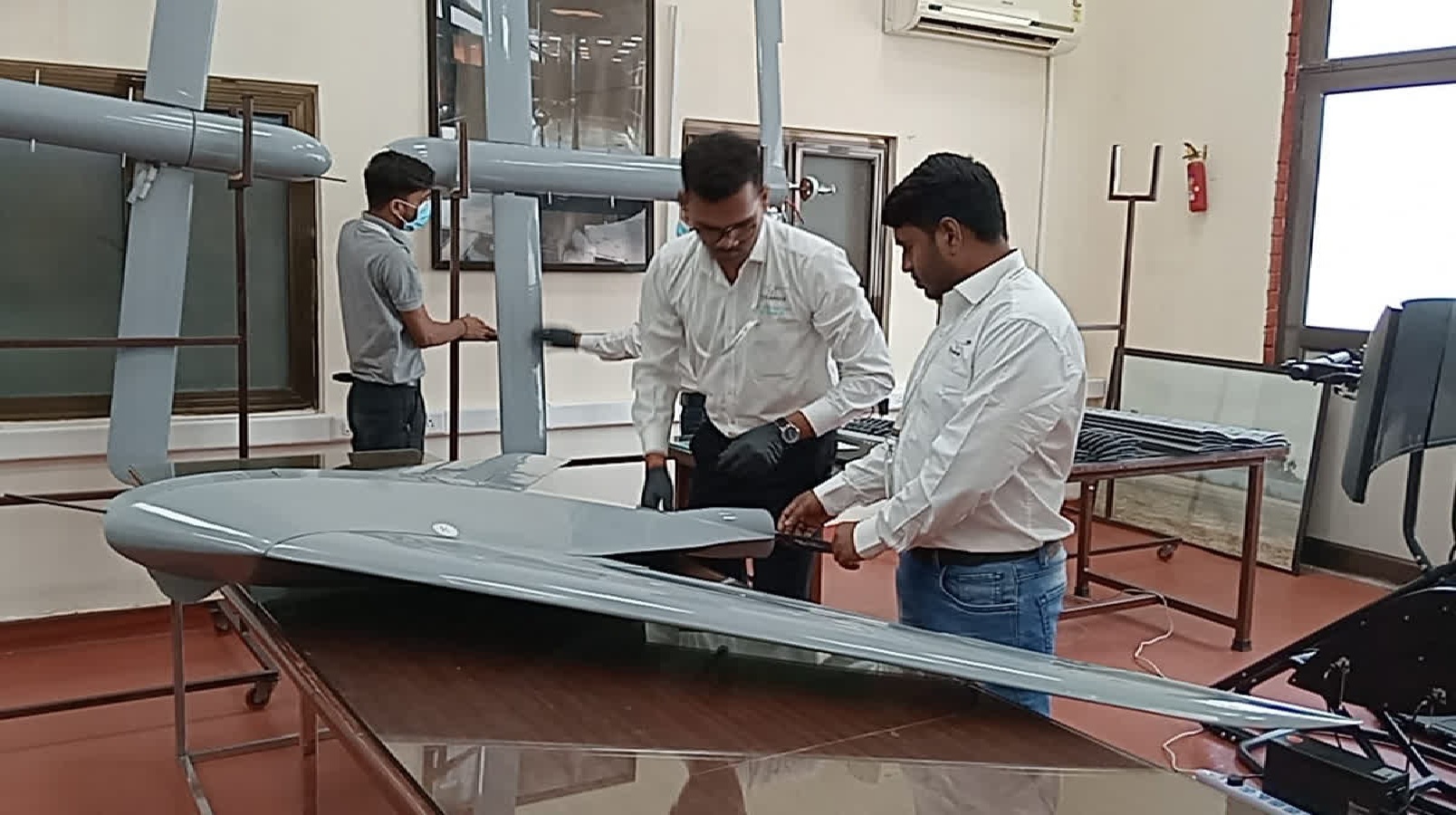
India
The Indian Institute of Technology (IIT) Kanpur has made significant strides in defence technology with the development of an advanced "suicide drone," an indigenous, self-destructing unmanned aerial vehicle (UAV) designed for tactical operations. This innovation holds the potential to strengthen India's self-reliance in defence, aligning with the nation’s drive towards indigenously developed military technologies.Dubbed the "Kamikaze drone," this UAV is a formidable piece of engineering. It has been crafted by a team led by Professor Subramanyam Saderla from IIT Kanpur's Aerospace Engineering Department. Over two and a half years of dedicated research and development went into perfecting the drone. It features a lightweight, foldable fixed-wing design that stretches two meters in length, making it suitable for both reconnaissance and precise offensive missions.Capabilities and SpecificationsOne of the most impressive attributes of the drone is its operational range of 100 kilometers. This range allows it to reach targets within just 40 minutes, depending on mission parameters. It can achieve speeds between 35-40 km/h during standard operation and accelerate up to a top speed of 180 km/h when required. Moreover, its endurance is remarkable; powered by a rechargeable system, the drone can operate for up to 4 hours, making it a highly versatile asset for prolonged missions.The payload capacity stands at 2 kilograms, with a maximum warhead weight of 6 kilograms. This enables the drone to eliminate various enemy targets, from armored tanks to strategic installations. The UAV comes equipped with infrared sensors and a GPS system, offering real-time target tracking and precision. Interestingly, it can operate even without GPS support, using an artificial intelligence-based visual guidance system to find and engage targets autonomously, a crucial feature for missions in GPS-denied environments.Another standout aspect is its stealth technology, designed to evade enemy radar systems. This capability, combined with its near-silent operation, significantly enhances the drone’s effectiveness in covert operations. The drone can function in both day and night conditions, and it remains effective in various weather situations. It can be launched via catapults or canisters, providing flexibility in deployment from different terrains or platforms.Strategic Impact and Future PlansThis innovation comes at a crucial time as the Indian Army continues to seek modern solutions to bolster its offensive and surveillance capabilities. The drone’s development is supported under the Defence Research and Development Organisation's Young Scientist Laboratory (DYSL) initiative, aimed at harnessing young talent to push the boundaries of defence technology. IIT Kanpur expects to finalize trials and make the drone combat-ready within the next six months.Looking forward, IIT Kanpur has high expectations for this technology, projecting significant economic impact. The institute has set an ambitious revenue target of Rs 1,500 crore over the next five years, reflecting the commercial and strategic potential of its drone innovations. Defence Minister Rajnath Singh’s recent visit to the institute underscored the importance of such developments, as he emphasized India’s growing stature as a drone technology hub.Furthermore, IIT Kanpur has previously worked on other UAV projects, like the solar-powered "Maral" drone, aimed at sustainable and prolonged aerial surveillance. This continuous innovation pipeline highlights the institute’s crucial role in propelling India’s military tech ambitions.Context and Global ComparisonsKamikaze or suicide drones have gained prominence on the global stage, particularly in conflicts such as the ongoing Russia-Ukraine war and the Middle East clashes. They provide a cost-effective, high-impact solution for disabling high-value targets, and India's indigenous version represents a significant step in closing the technology gap with global drone powerhouses.The development of this drone isn’t just about boosting military strength; it’s also a statement of India’s commitment to self-reliance and innovation in defence. As IIT Kanpur leads the way, there is growing anticipation of how this drone and future iterations will reshape the country's strategic capabilities.
Read More → Posted on 2024-11-12 14:50:20
India
India is rapidly advancing in the realm of Unmanned Aerial Vehicle (UAV) technology with its upcoming Archer NG, a sophisticated, weaponized Medium Altitude Long Endurance (MALE) UAV that is nearing its maiden flight trials. This indigenous UAV represents a significant leap forward for India’s defense capabilities, promising to enhance Intelligence, Surveillance, Target Acquisition, Tracking, and Reconnaissance (ISTAR) operations alongside precision-strike missions. The Archer NG, developed under the guidance of the Aeronautical Development Establishment (ADE) and the Defense Research and Development Organisation (DRDO), is set to strengthen India’s self-reliance in critical UAV technology.Two prototypes of the Archer NG are currently in the fabrication phase, expected to commence flight trials soon. This milestone reflects India’s ambition to establish itself as a leader in UAV technology while ensuring that its defense forces have the tools needed to handle diverse mission profiles with cutting-edge ISR and combat capabilities. Key Capabilities of the Archer NG UAVThe Archer NG is specifically designed to handle complex reconnaissance and combat roles, underpinned by an array of powerful specifications that make it suitable for modern warfare. The UAV has an 18.6-meter wingspan and reaches a maximum speed of 225 kilometers per hour, enabling rapid surveillance of large regions. Powered by the Austro 330EP engine, delivering 177 HP, it sustains high-altitude operations up to 28,000 feet and achieves mission endurance exceeding 18 hours, crucial for prolonged, high-stakes deployments.One of Archer NG’s key advantages is its flexible communication system. It operates on Line-of-Sight (LoS) with a 250-kilometer range but can extend up to 1,000 kilometers using Beyond Line-of-Sight (BLOS) capabilities enabled by SATCOM connectivity. This capability allows the UAV to venture deep into sensitive or remote areas while remaining under operator control, facilitating seamless reconnaissance and surveillance over extended distances.Additionally, Archer NG’s payload capacity of 350 kilograms gives it an edge in carrying a versatile loadout. This payload accommodates advanced ISR systems, including Synthetic Aperture Radar (SAR), Maritime Patrol Airborne Radar (MPAR), and high-resolution Electro-Optic (EO) sensors designed for both medium and long-range targets. Such equipment is essential for providing actionable intelligence in real time, allowing operators to conduct effective ground and maritime target tracking.Precision-Strike and Combat VersatilityBeyond ISR capabilities, Archer NG is built to deliver precise combat performance. It features four hardpoints, which can support up to 300 kilograms of munitions, transforming this UAV from a reconnaissance tool into a potent strike asset. This capability enables it to deploy various munitions accurately against high-value targets, making it invaluable for precision-strike missions. With Identification Friend or Foe (IFF) and Traffic Collision Avoidance Systems (TCAS) installed, it maintains secure navigation even in complex or crowded airspaces.Moreover, Archer NG’s situational monitoring includes Electronic Intelligence (ELINT) and Communications Intelligence (COMINT) systems that can detect adversary positions, communication links, and radar installations. This dual capability not only assists in mapping enemy presence but also offers the option of countering or neutralizing such threats with precision attacks, adding a substantial deterrence factor.Flexible Deployment for All-Weather MissionsThe UAV’s design emphasizes all-weather and day-and-night functionality, essential for complex battlefield conditions. Equipped with automatic takeoff and landing systems, it can perform in challenging environments, offering versatile deployment across various terrains. This makes Archer NG a suitable choice for operations in regions with limited infrastructure or under hostile conditions, aligning with India’s strategic need for multi-functional platforms that cater to diverse operational needs.As Archer NG progresses towards its flight trials, it reflects a major step in India’s commitment to developing state-of-the-art, indigenous UAV technology that meets the demands of contemporary warfare. By integrating sophisticated ISR and combat features into a single platform, Archer NG positions India as a growing force in UAV technology, ready to fulfill both domestic and potential international defense needs. This development signals a promising future for India’s defense industry, advancing national security and solidifying India’s status as a self-reliant producer of critical military assets.
Read More → Posted on 2024-11-12 14:43:39
India
India's plans to transform the Airbus C-295 transport aircraft into a robust maritime patrol and anti-submarine warfare (ASW) platform signal a new era for its naval defense strategy. The recent inauguration of the Tata Aircraft Complex in Vadodara marked a pivotal step in realizing this vision. This manufacturing facility will not only assemble C-295 planes for tactical airlift but also produce a sophisticated weaponized variant tailored for maritime operations.Advanced Maritime RoleThe modified C-295 aircraft, envisioned in two distinct variants—the Multi-Mission Maritime Aircraft (MMMA) for the Indian Coast Guard and the Medium-Range Maritime Reconnaissance (MRMR) for the Indian Navy—will feature a suite of sensors and weapon systems designed for India’s extensive and strategically crucial coastline. While the Coast Guard’s MMMA variant will focus on coastal surveillance, search and rescue, and pollution monitoring, the Navy’s MRMR configuration will emphasize anti-submarine and anti-ship missions.Cutting-Edge Weaponry and Detection SystemsThe MRMR variant will be armed to the teeth with potent capabilities:Anti-Ship Missiles (ASMs): The aircraft will be fitted with the DRDO-developed NASM-SR and NASM-MR missiles, enhancing India's ability to strike surface threats at sea. These missiles boast high precision and are optimized for operations in littoral waters.Torpedoes: To tackle underwater threats, the C-295 will carry the Torpedo Advanced Light (TAL), an indigenous lightweight weapon designed for destroying enemy submarines. This adds a significant punch to the Navy's existing arsenal.Sonobuoy Dispensers: The aircraft will deploy advanced sonobuoys for submarine detection. These sensors enable real-time tracking and monitoring, which is critical for ASW operations. Coupled with a sophisticated mission system, the C-295 will relay data back to naval command centers, facilitating swift decision-making.State-of-the-Art Electronics and RadarsFor situational awareness and threat management, the C-295 will be equipped with advanced maritime surveillance radars, electro-optical/infrared (EO/IR) sensors, and electronic warfare (EW) systems. The platform's integration of indigenous technologies, such as high-frequency radar and satellite communication links, emphasizes India's drive for self-reliance in defense.The radar systems are tailored to detect and classify both surface and underwater targets, while the aircraft's data fusion capabilities enable seamless integration with India's broader defense network. The electronic warfare suite ensures survivability against a range of threats, from enemy radars to guided missiles.Strategic Importance and CollaborationThis project not only enhances India's maritime security but also fosters crucial technology transfer and local production capabilities. Airbus's collaboration with Tata for manufacturing in India marks a significant step in the “Make in India” initiative, bolstering the domestic defense sector. Beyond the initial order for 56 aircraft—intended to replace the aging Avro fleet—this production line could evolve into a hub for additional variants.The C-295’s role complements existing platforms, like the Boeing P-8I Poseidon, by filling a medium-range reconnaissance gap. This allows for more comprehensive maritime domain awareness, particularly in critical areas like the Arabian Sea and Bay of Bengal, where strategic threats are ever-present.India’s coastal and offshore installations, critical trade routes, and exclusive economic zones (EEZ) require persistent monitoring and a rapid response mechanism. The weaponized C-295 promises to meet these demands, providing the Indian Navy and Coast Guard with a versatile, high-endurance platform capable of both surveillance and strike missions.In essence, the C-295 project represents a strategic leap for India's maritime defense, combining operational flexibility, cutting-edge technology, and indigenous development to safeguard the nation's vast maritime interests.
Read More → Posted on 2024-11-12 14:35:16
India
India's Defence Research and Development Organisation (DRDO) has reached a new milestone in the development of indigenous missile systems, successfully testing the Long Range Land Attack Cruise Missile (LRLACM) at the Integrated Test Range in Chandipur, Odisha. This maiden flight marked a significant leap in India's efforts to establish robust long-range precision strike capabilities.The test, overseen by senior officials from the armed forces and DRDO scientists, saw the LRLACM launch from a mobile articulated launcher, emphasizing its flexibility and readiness for rapid deployment. What stood out during the test was the missile's impressive flight performance, closely monitored by a network of radar, telemetry, and electro-optical tracking systems stationed along its path.### Specifications and Design HighlightsThe LRLACM is a sophisticated weapon designed to offer strategic flexibility to both the Indian Army and Navy. It can be launched from mobile ground systems or integrated onto naval platforms using a universal vertical launch module (UVLM), similar to that employed by the BrahMos missile system. The missile boasts an advanced navigation suite combining Inertial Navigation System (INS) with GPS guidance, enabling high-precision strikes across varied terrain. For its final approach, the missile employs a radio frequency (RF) seeker, ensuring accurate target engagement even in adverse conditions.Measuring over 5.6 meters in length and weighing approximately 975 kilograms, the LRLACM has been engineered for both power and efficiency. The missile can travel at subsonic speeds, cruising at Mach 0.7, and is capable of executing complex flight maneuvers at different altitudes, thereby complicating enemy interception efforts. The warhead options include both preformed fragmentation and airburst configurations, making the missile adaptable for a range of tactical and strategic missions.### Developmental Milestones and Future ProspectsThe LRLACM is a testament to India's strides in defense technology, with the Aeronautical Development Establishment in Bengaluru spearheading the project in collaboration with several DRDO labs and Indian industry partners like Bharat Dynamics Limited and Bharat Electronics Limited. This test also reaffirms India's commitment to reducing its dependence on foreign missile technology and boosting indigenous production under the Defence Acquisition Council's Mission Mode Projects.The success of this maiden test is expected to accelerate future programs aimed at developing advanced cruise missiles. DRDO Chairman Dr. Samir V. Kamat lauded the achievement, underscoring its impact on India's defense self-reliance. Defense Minister Rajnath Singh echoed these sentiments, highlighting the strategic advantage conferred by the LRLACM's long-range precision strike capability.As India continues to modernize its military arsenal, the successful demonstration of the LRLACM positions the country as a growing power in missile technology, signaling readiness to meet emerging security challenges both regionally and globally.
Read More → Posted on 2024-11-12 14:23:19
India
In a groundbreaking milestone for India’s defence sector, Bharat Electronics Limited (BEL) has officially flagged off the first Akash Weapon System Battery for export to Armenia. This significant achievement was marked by a special ceremony attended by Mr. Sanjeev Kumar, IAS, Secretary of Defence Production, who highlighted the pivotal role this export plays in elevating India's global defence profile.The Akash Weapon System, a premier short-range surface-to-air missile (SAM) platform developed by the Defence Research and Development Organisation (DRDO), is designed to protect strategic assets from a variety of airborne threats. Originally manufactured by BEL and Bharat Dynamics Limited (BDL), this sophisticated system is already a mainstay of India’s air defence. It boasts an impressive engagement range of up to 30 kilometers and a ceiling altitude of 18,000 meters, with the capability to neutralize multiple threats such as fighter jets, drones, cruise missiles, and precision-guided munitions.For the Armenian armed forces, which have been actively bolstering their defence capabilities amid tensions with Azerbaijan, the Akash system's deployment is timely and strategic. It is anticipated to serve as a robust line of defense against the aerial assets and drone fleets of adversaries, which have played a key role in the region’s ongoing conflicts.What sets the exported variant apart is the comprehensive suite of advanced command and radar technologies integrated by BEL. These include the following:Enhanced C4I Systems: The Command, Control, Communication, Computers, and Intelligence (C4I) suite facilitates real-time information processing and enables seamless communication between different elements of the weapon system. This ensures rapid threat assessment and coordinated missile launches, even in complex and high-stakes combat situations.Upgraded Surveillance Radars: BEL's latest generation of surveillance radars offer panoramic situational awareness, enabling swift identification and tracking of enemy aircraft and unmanned threats. These radars are optimized to function effectively across various terrains and in all weather conditions.Precision Missile Guidance Radars: To maintain pinpoint accuracy, BEL’s guidance radars ensure continuous target lock for the missiles, even when engaging high-speed and maneuverable threats. This advanced guidance capability is crucial for the system's high probability of kill.India’s successful export to Armenia is a testament to the efficacy of government initiatives like “Make in India” and “Atmanirbhar Bharat,” which have not only increased self-reliance in defence production but also significantly boosted defence exports. According to reports, India’s exports in this sector have seen a substantial uptick, and Armenia has emerged as a significant partner, having previously acquired other strategic systems from India, such as the Pinaka multi-barrel rocket launchers and Konkurs anti-tank guided missiles.Armenia’s defence budget has witnessed a sharp increase, reflecting its commitment to modernizing its arsenal. As a part of its diversification away from traditional suppliers like Russia—whose commitments have suffered due to the war in Ukraine—Armenia has turned to India for more comprehensive support. Besides missile systems, there is interest in other advanced platforms, including anti-drone measures and cruise missile technology.The Akash export not only fortifies India-Armenia defence ties but also demonstrates India’s growing reliability as a defence supplier. This development may pave the way for further arms sales to global partners, emphasizing India’s emerging role as a strategic player in the international arms market
Read More → Posted on 2024-11-12 14:18:28Search
Top Trending in 24 Hours
-
 Pentagon Expands Alloy Surfaces Contract to $328.8 Million for Advanced Aircraft Decoy Flares Amid Evolving Drone Threats
-
 Why the U.S. Restored Pacific Command Name, Ending the Indo-Pacific Designation After Eight Years
-
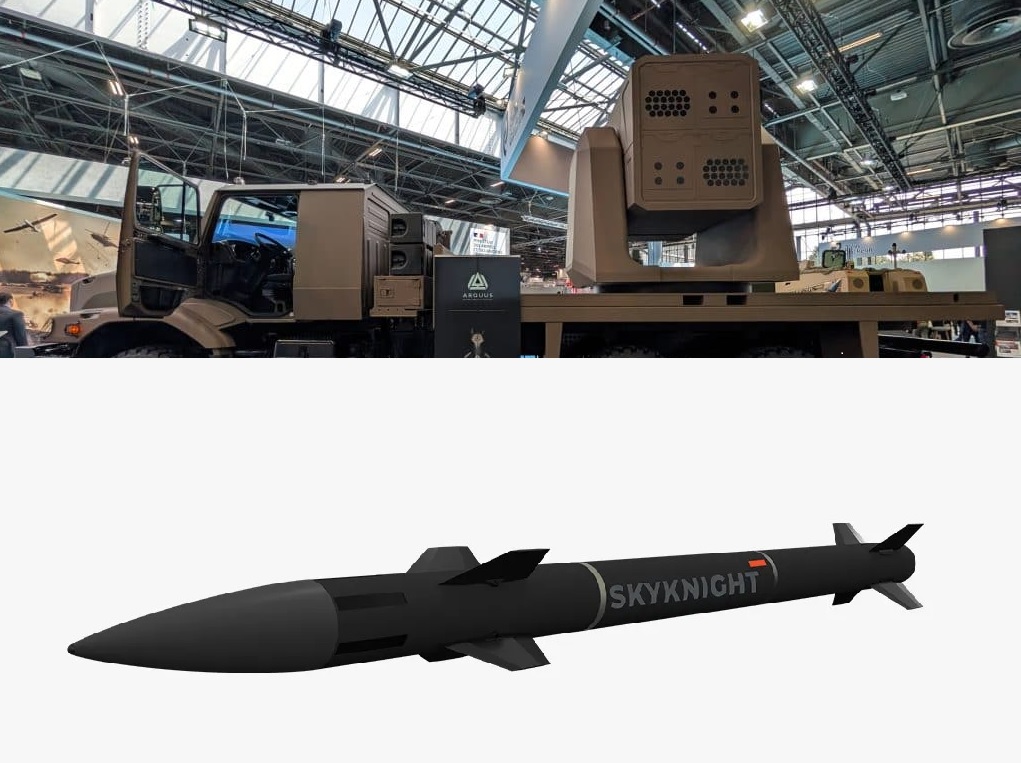 Naval Group Unveils Rampart Modular CIWS Multi-Purpose Weapon System for Naval and Ground Forces at Eurosatory 2026
-
 Open-Source Evidence Suggests Russia's Zircon Is a Quasi-Ballistic Missile, Not a True Hypersonic Cruise Weapon
-
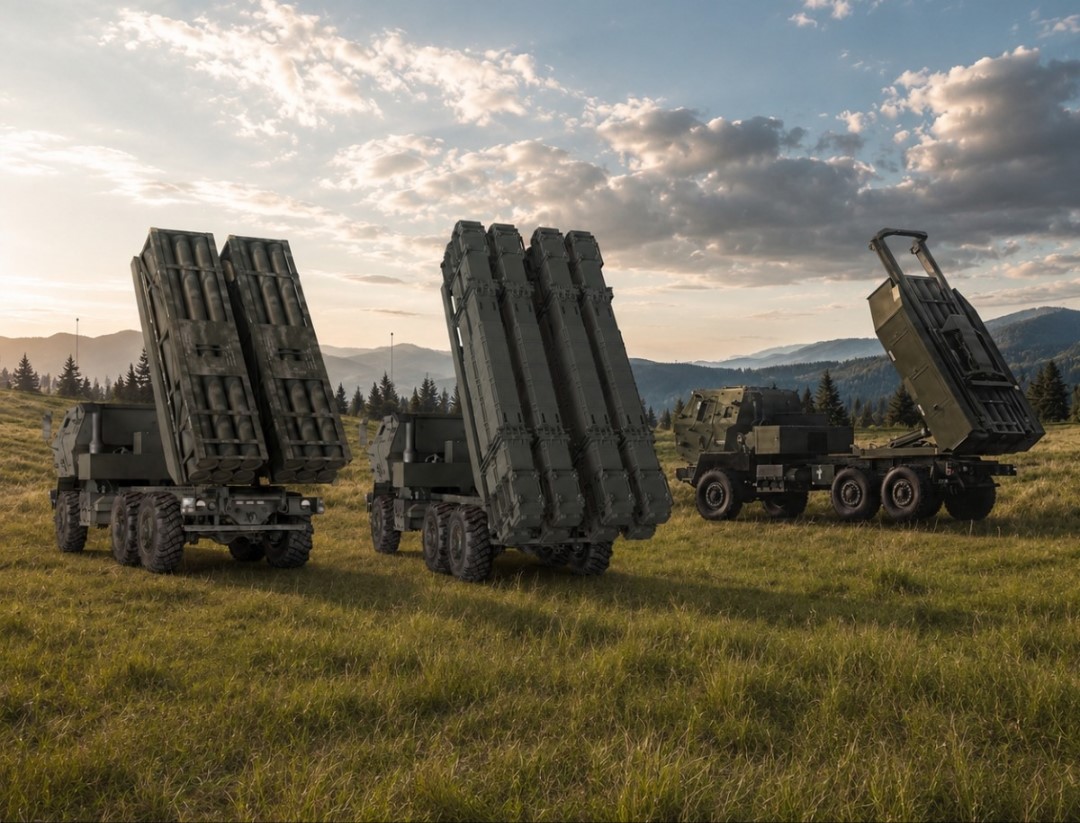 Lockheed Martin Unveils HIMARS FLEX with Dual-Pod Launcher and NATO-Compatible Air Defense Integration
-
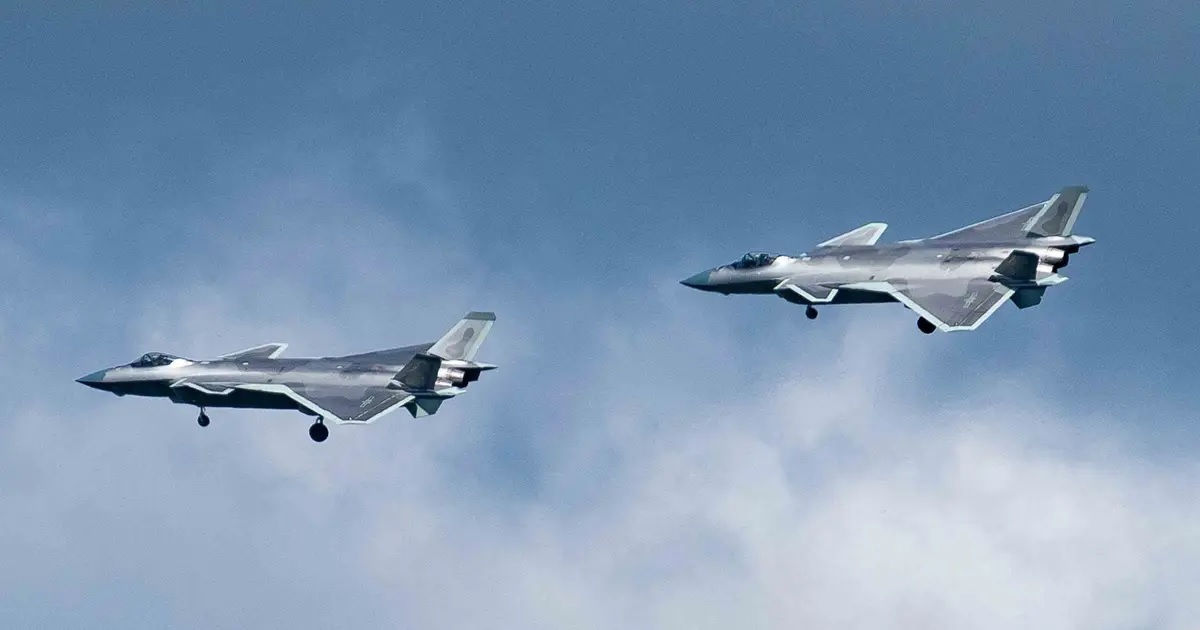 China Surpasses Russia as World’s Second-Most Powerful Air Force Amid Rapid J-20 and J-35 Expansion
-
 Indian Navy to Commission Stealth Frigate, ASW Craft and Survey Vessel in Rare Triple Induction at Kolkata
-
 Iran Signs Deal with Russia for 20 Mi-8 and Mi-17 Helicopters to Boost Rescue and Medical Missions
Top Trending in 4 Days
-
 US Marine Corps F/A-18D Hornet Crashes During Training Flight in Washington Mountains; Pilot Ejects Safely
-
 Tulsi Gabbard Releases Declassified Files Detailing U.S.-Backed Network of 120 Biolaboratories Across 30+ Countries
-
 8 U.S. Air Force Crew Members Killed in B-52 Bomber Crash During Test Flight at Edwards Air Force Base
-
 Ukraine Introduces Balloon-Launched DART Missile Designed to Defeat Electronic Warfare
-
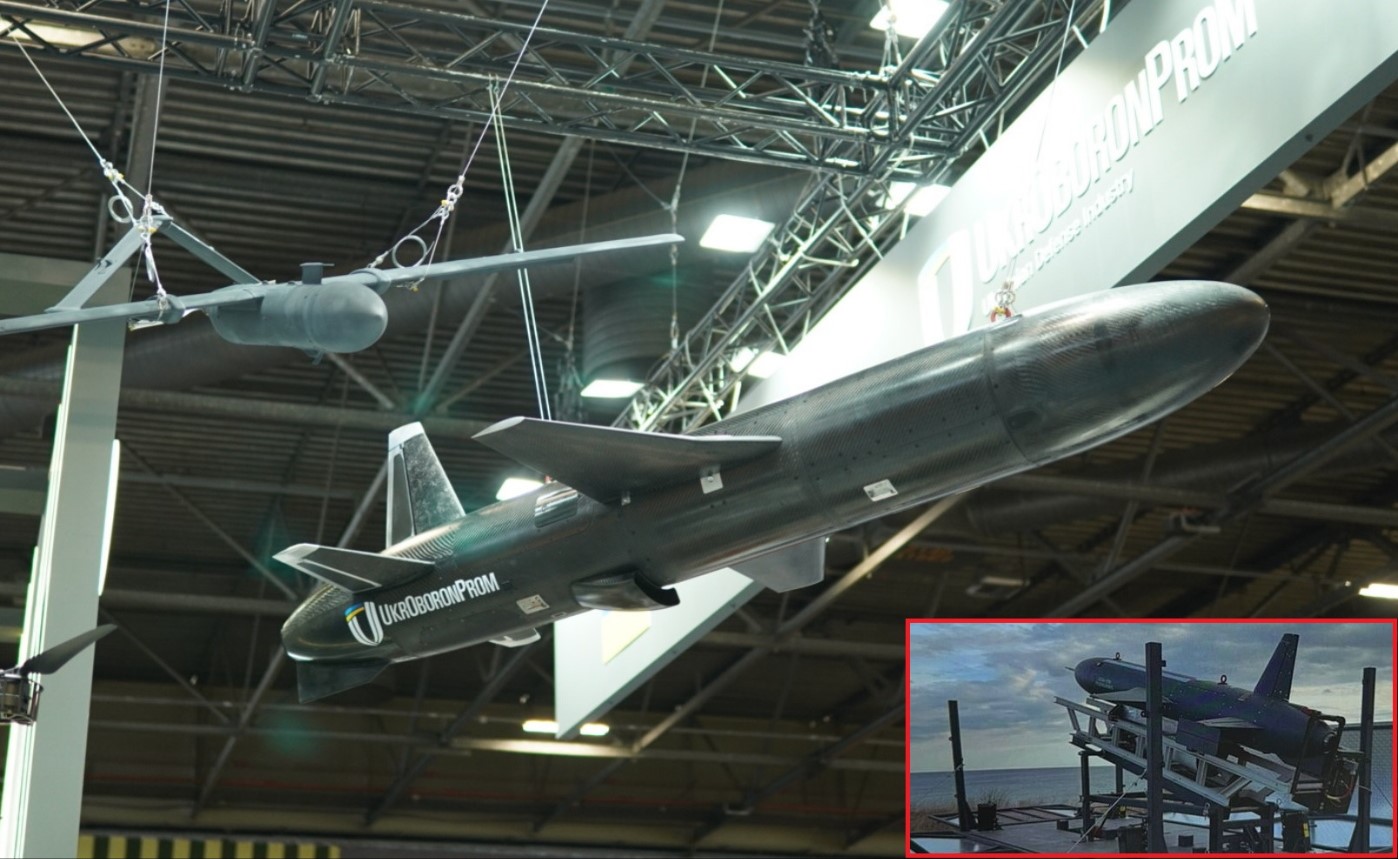 Ukraine Unveils UAV-290 Jet-Powered Strike Drone with 650 km Range at Eurosatory 2026
-
 Ukraine Unveils 'Sea Trident' 10-Ton Autonomous Underwater Drone at Eurosatory 2026
-
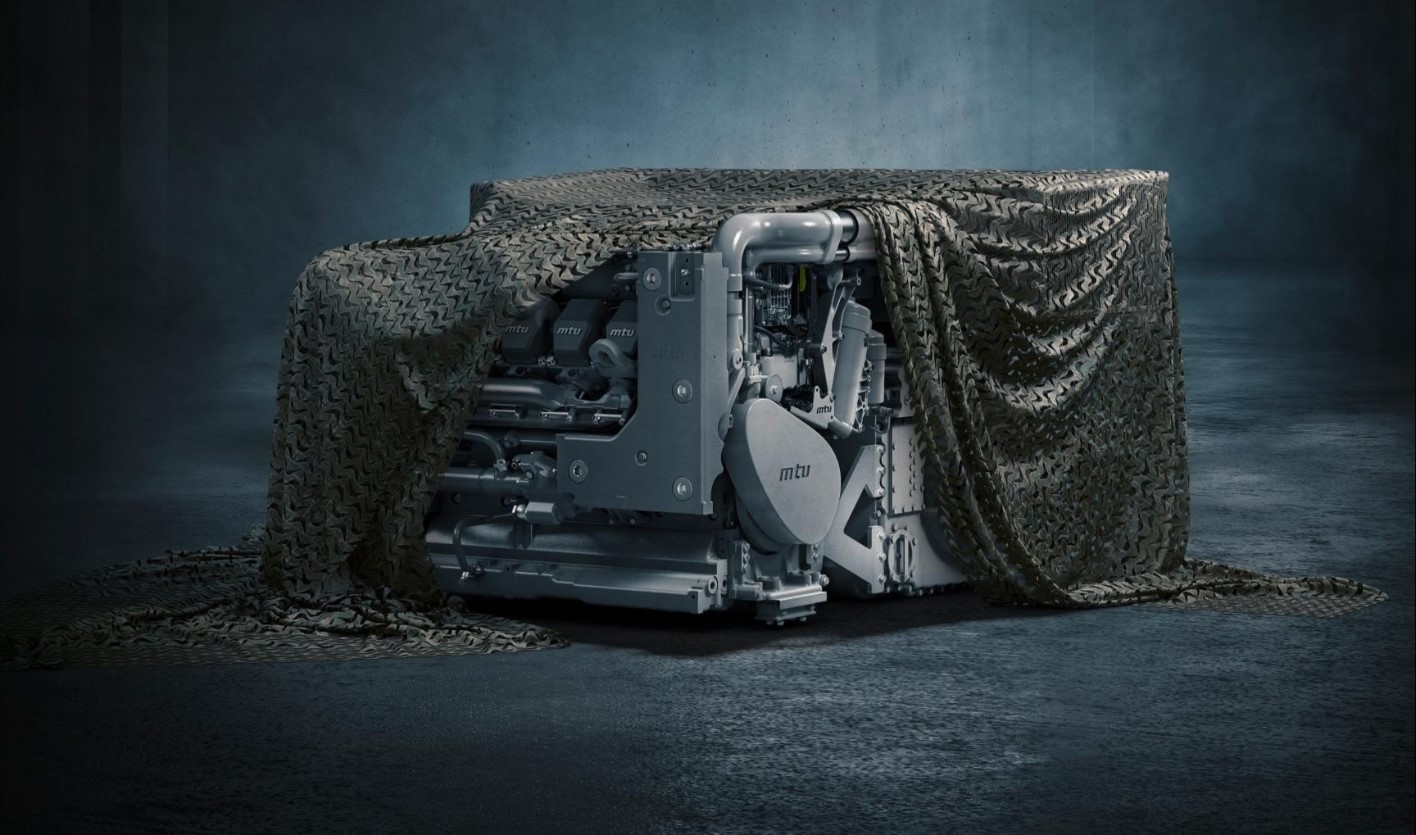 Rolls-Royce Unveils New Hybrid Powertrain for Heavy Military Vehicles at Eurosatory 2026
-
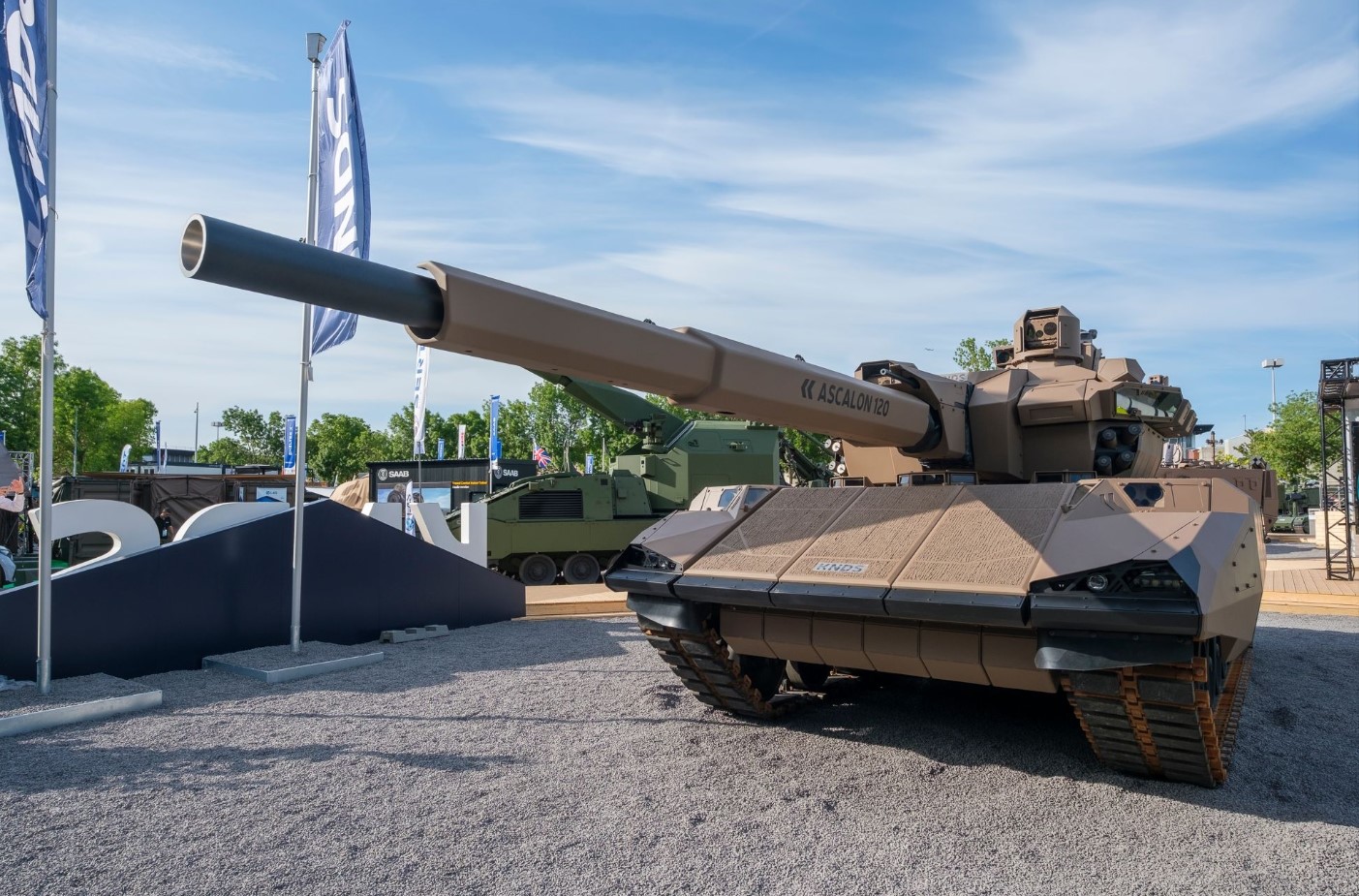 KNDS Unveils CAPINT Main Battle Tank at Eurosatory 2026 as Leclerc Stopgap