India
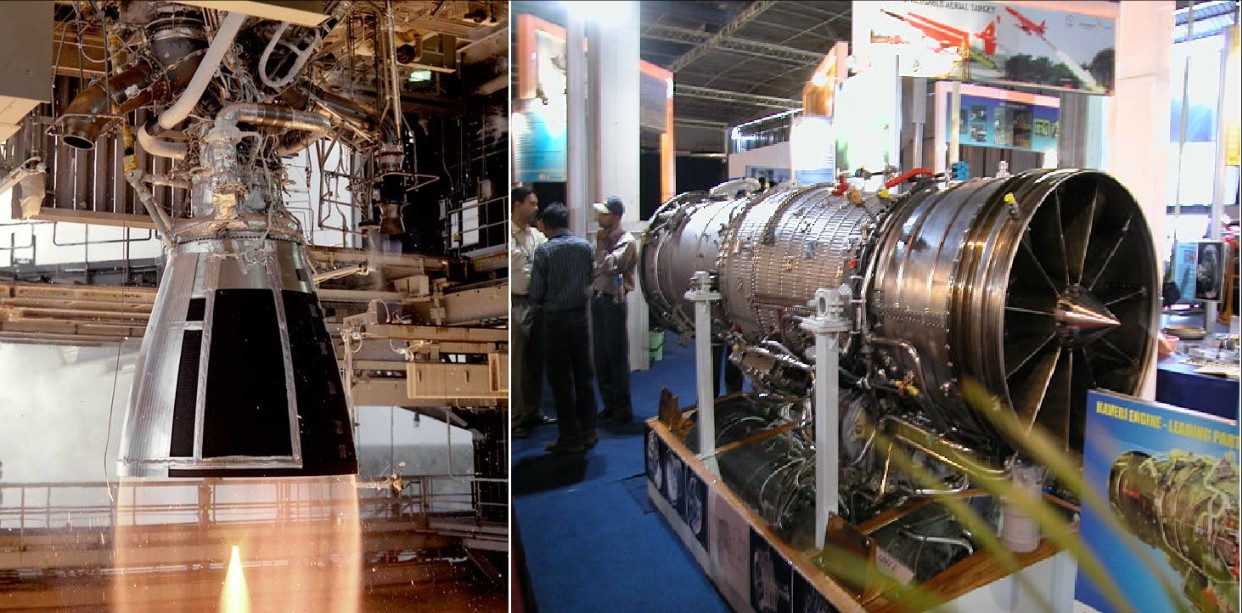
India has long sought independence in the realm of defense technology, but one critical challenge persists: developing indigenous fighter jet engines that can rival those used in modern military aviation. Recently, Dr. S. Somanath, Chairman of the Indian Space Research Organisation (ISRO), spotlighted the disparity between India’s achievements in rocket engines and its ongoing reliance on foreign technology for fighter jets. His remarks have sparked a conversation on whether ISRO's prowess in rocket propulsion could be the answer to India’s quest for a homegrown fighter jet engine.India’s Rocket Engine Success and the Fighter Jet Engine GapIndia’s strides in rocket technology have been nothing short of impressive. ISRO has developed a range of propulsion systems, including liquid-fueled Vikas engines and sophisticated cryogenic engines. These technologies have enabled ambitious missions like Mangalyaan (Mars Orbiter Mission), Chandrayaan (lunar missions), and the upcoming Gaganyaan human spaceflight program. ISRO’s cryogenic engine technology, particularly, is advanced enough to place it among a select few nations, such as the U.S., Russia, China, Japan, and the European Union, that possess mastery over these high-performance rocket systems.In contrast, India’s defense sector has struggled to produce a viable indigenous fighter jet engine. The nation’s Light Combat Aircraft (LCA) Tejas currently relies on American-made engines, specifically the General Electric F404 for operational variants and the more powerful F414 engine planned for Tejas Mk2. While this reliance ensures that the Tejas is powered by a reliable, high-performance engine, it also ties India’s defense readiness to international supply chains, an arrangement that Dr. Somanath and others view as limiting for a country with India’s ambitions.The Distinct Demands of Jet Engines and Rocket EnginesThough ISRO’s achievements in rocket engine technology are monumental, translating that expertise to the realm of fighter jet engines is a complex challenge. Rocket engines are designed to provide immense thrust for a short duration and typically operate in outer space, where the absence of atmospheric resistance allows them to function without the intricate cooling mechanisms needed for sustained use in Earth’s atmosphere. On the other hand, fighter jet engines must withstand prolonged periods of operation under extreme conditions: they need to deliver stable, reliable thrust at supersonic speeds, handle rapid changes in power, and be lightweight enough to not compromise aircraft maneuverability.Jet engines face additional engineering challenges like dealing with extremely high temperatures (often above 1,500°C in the turbine section), requiring advanced cooling techniques and materials capable of withstanding sustained thermal stress. Metals such as single-crystal nickel alloys are frequently used, and precise design tolerances are necessary to prevent performance losses at high speeds. Additionally, fighter jets require high-pressure compression systems and robust afterburners to deliver the thrust needed for rapid acceleration and combat maneuvers. The development of such advanced propulsion systems requires experience that India’s defense sector has yet to achieve independently.Can ISRO’s Knowledge Support India’s Fighter Jet Engine Program?While rocket and jet engines are fundamentally different, ISRO’s depth of experience in propulsion technologies could offer valuable insights to bridge this gap. Dr. Somanath's suggestion raises the possibility of knowledge transfer, where ISRO's expertise in advanced combustion, materials science, and thermal management could provide a boost to the country's defense efforts. ISRO has developed engines that operate in vacuum-like conditions and require extreme temperature and pressure management. The agency has also pioneered systems to efficiently monitor and control complex propulsion mechanisms, all of which are essential skills for jet engine development.For instance, ISRO’s cryogenic engines, which use liquid hydrogen and liquid oxygen, have paved the way for innovations in fuel handling and combustion stability—qualities essential to modern aircraft engines. Cryogenic engines, while not identical to jet engines, involve many shared engineering principles, such as advanced fluid dynamics, thermal shielding, and material endurance under thermal cycles. ISRO’s development of the Next-Generation Launch Vehicle (NGLV), intended for heavy-lift and human-rated missions, will involve even more sophisticated propulsion technologies. This expertise might be adapted to address specific challenges in jet engines, from improving material resilience to refining combustion and thermal management techniques.The Potential Path Forward: Collaboration and Cross-Disciplinary InnovationThough not a direct proposal, Dr. Somanath’s remarks hint at a new strategy that could harness the best of India’s scientific capabilities to close this technology gap. Collaboration between ISRO and India’s Defense Research and Development Organisation (DRDO) could lead to a pooling of expertise, where ISRO’s strengths in propulsion and DRDO’s understanding of aviation technology converge. Such partnerships would likely focus on developing core technologies for jet engines, particularly in areas like high-temperature materials, cooling systems, and high-efficiency combustors.A major opportunity lies in developing advanced materials that can withstand both high temperatures and mechanical stresses, key for aircraft engines. DRDO has some experience in this area, having experimented with the Kaveri engine project, although it ultimately fell short of operational readiness. By integrating ISRO’s insights in materials engineering with DRDO’s knowledge of aircraft dynamics, India may find a path toward a reliable indigenous jet engine. Additionally, private sector participation could accelerate this process by bringing in advanced manufacturing techniques and innovations in material science, especially with recent government efforts to encourage defense startups.Conclusion: Realistic Expectations and Long-Term VisionWhile ISRO’s experience offers valuable expertise, developing a fighter jet engine remains a long-term goal requiring concerted effort across multiple fields. ISRO’s knowledge can accelerate key aspects of research, but a sustainable jet engine development program would require significant government funding, policy support, and a skilled workforce dedicated to this mission. With collaboration, both in-house and international, and a vision that prioritizes indigenous capabilities, India may well see success in this endeavor over the coming decades.
Read More → Posted on 2024-11-11 16:20:39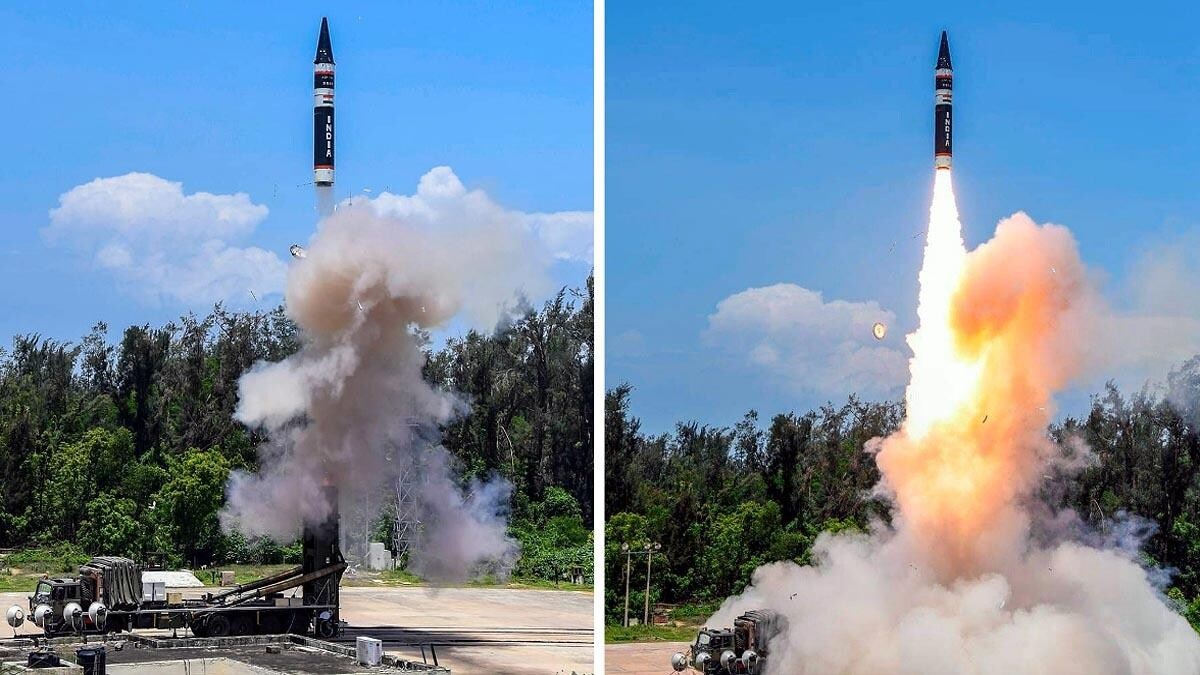
India
India is advancing its anti-ship missile capabilities with the anticipated test of a Long-Range Anti-Ship Missile (LR-AShM), a move marked by a recent Notice to Airmen (NOTAM) covering a 1,700-kilometer stretch in the Bay of Bengal. Scheduled for November 15 to 17, 2024, this test range hints at a high-stakes launch aimed at bolstering India's maritime deterrence, and it reflects India's aspirations to secure a formidable "carrier-killer" weapon—an asset of strategic depth in modern naval warfare.A New Leap for India’s Naval Strike CapabilityThe LR-AShM is expected to bring several high-end capabilities to the Indian arsenal, addressing specific gaps in range and lethality. Unlike conventional anti-ship missiles, India’s LR-AShM, possibly developed by the Defense Research and Development Organisation (DRDO), aims to target large surface vessels like aircraft carriers, posing a significant deterrence factor in a region marked by growing naval competition. This advanced missile is expected to carry sophisticated guidance systems, possibly leveraging satellite navigation, infrared, and radar homing to ensure precision at long ranges. Furthermore, it may employ cutting-edge countermeasures to evade enemy defenses, increasing its survivability against modern shipborne anti-missile systems. Given the 1,700-kilometer test area, the LR-AShM likely has a range capable of projecting India’s influence deep into contested waters.The Strategic Significance of the Bay of Bengal Testing ZoneChoosing the Bay of Bengal as a testing ground is both strategic and pragmatic. The vast waters here offer India an ideal area to evaluate missile characteristics, such as speed, flight stability, and maneuverability in a controlled environment. With growing concerns over naval encroachment in the Indian Ocean Region (IOR), the Bay of Bengal provides a geographically advantageous spot for India to test systems that can secure this space. The designated area for the missile test indicates India's commitment to refining and validating its long-range strike capability, especially in maritime contexts.Technical Advancements: What Makes the LR-AShM Unique?While much about the LR-AShM remains undisclosed, several features are likely given India’s prior experience with missiles like the BrahMos, Nirbhay, and Agni series. The LR-AShM may adopt a dual-mode seeker technology, allowing it to identify targets accurately even under challenging conditions. It could also boast low-altitude "sea-skimming" flight to evade radar detection until it reaches close proximity to its target. The missile’s propulsion system, possibly based on a solid-fuel rocket or air-breathing ramjet engine, would enable it to achieve supersonic or even hypersonic speeds, making interception by adversarial systems extremely difficult.A Boost for India's Defense DoctrineThe LR-AShM test exemplifies India’s focused shift towards anti-access/area-denial (A2/AD) capabilities, a military doctrine aimed at deterring enemy forces from accessing or operating in particular areas. As India diversifies its missile programs, such carrier-killer technology is becoming an essential part of its defensive posture. The integration of the LR-AShM into India’s naval forces, especially on platforms like the Su-30MKI or surface ships, would substantially enhance India’s deterrence profile, especially given the presence of powerful foreign navies in nearby waters.The NOTAM and Test Protocols: Standard Procedure and Strategic MessagingIssuing a NOTAM is customary for tests of this nature, alerting regional air and maritime traffic of a restricted area. Beyond protocol, though, the notification indirectly signals India’s strengthening of its missile arsenal and conveys to both allies and adversaries that the country is capable of defending its maritime boundaries with advanced technology. These tests underscore India’s progress in indigenous missile development, driven by agencies like DRDO, which has accelerated research on next-gen missiles with improved range, accuracy, and survivability.In summary, this missile test represents India’s unwavering commitment to safeguarding its maritime interests and maintaining its defense independence. As the country edges closer to operationalizing the LR-AShM, it sends a clear signal: India is not only prepared to defend its shores but also equipped to project strength across its maritime sphere. This potential "carrier-killer" could change the calculus of naval engagements in the Indian Ocean, reinforcing India's strategic autonomy and regional security footprint.
Read More → Posted on 2024-11-11 16:11:59
India
India has issued a Notice to Airmen (NOTAM) covering a 1,700-kilometer range in the Bay of Bengal for a potential ballistic missile test, scheduled between November 15 and 17, 2024. This strategic notification suggests a significant test that could involve one of India's advanced ballistic missile systems, as the designated range and location point toward the possibility of a long-range missile launch.The extensive 1,700-kilometer range designated in the NOTAM is consistent with the capabilities of India's developing strategic missile inventory. Among the possible candidates for this test are missiles from the Agni series, notably the Agni Prime with HGV, and potentially submarine-launched ballistic missiles (SLBMs) like the K-4 or K-5, which are critical components of India’s second-strike capability. With the Agni Prime's reported range falling between 1,000 and 2,000 kilometers, it aligns well with the range covered by the current NOTAM, making it a likely candidate for the upcoming test. Additionally, advancements in India's SLBM programs, particularly the K-4’s capability to cover 3,500 kilometers and the newer K-5’s range potentially reaching 5,000 kilometers, further underscore India's commitment to ensuring a strong deterrence in the region.The Bay of Bengal’s strategic location has long made it a preferred testing site for India’s missile programs. With its vast maritime expanse, the Bay provides a secure and controlled environment, ensuring minimal disruption to regional activities and facilitating comprehensive monitoring of the missile’s trajectory, accuracy, and overall performance. By designating a 1,700-kilometer range, India ensures that test parameters reflect operational requirements, allowing defense scientists and analysts to evaluate flight data, warhead accuracy, and re-entry mechanics under real-time conditions. This controlled environment is crucial for DRDO and India’s armed forces to validate these systems’ reliability, especially as they enhance or introduce technologies to improve accuracy and adaptability.The Indian ballistic missile program has made substantial advances in recent years, driven largely by the Defense Research and Development Organisation (DRDO) and other supporting defense bodies. As India continues to refine its technology, each test marks an incremental step towards self-reliance in defense, helping establish a credible and indigenous missile capability. Whether this upcoming test involves an updated variant or a new technology demonstration, it highlights India’s investment in a modern, capable deterrent force, with capabilities that not only ensure national security but also project India’s increasing regional defense independence.Issuing a NOTAM ahead of the test is standard international practice, aimed at securing airspace and informing both air and maritime traffic of the restricted zones during the test. This protocol minimizes risks and allows other countries and civilian operators to avoid the designated test area, enhancing overall safety. As India continues to progress with its missile systems, it is likely that similar notifications will be issued to signal future tests, both as a matter of transparency and to maintain international norms.With this upcoming test, India reaffirms its commitment to strengthening its defense capabilities and adapting its missile technology to meet the evolving security landscape in the region.
Read More → Posted on 2024-11-11 16:06:25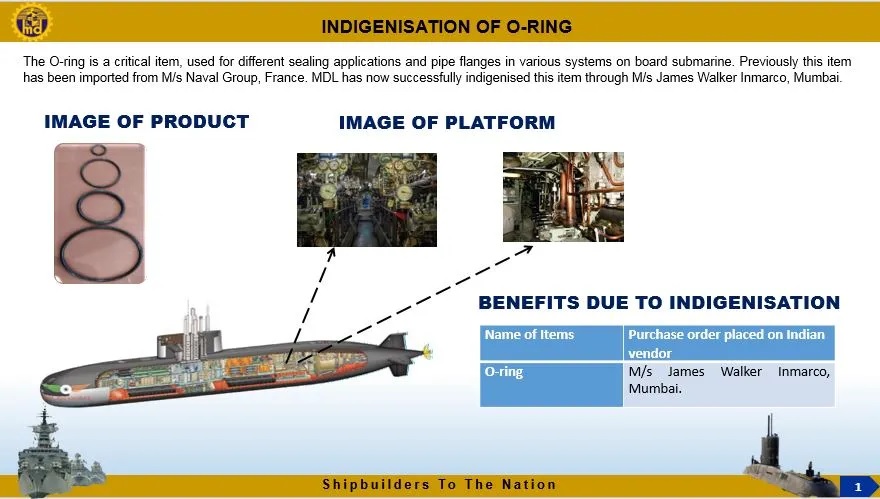
India
Mazagon Dock Shipbuilders Limited (MDL), one of India's premier shipbuilding organizations with a history of delivering state-of-the-art warships and submarines, has reached a remarkable milestone in its mission to boost self-reliance in defence production. In a significant step toward reducing reliance on foreign suppliers, MDL has successfully indigenized the production of O-rings, a small yet critical component used extensively in submarine systems for sealing applications and pipe flanges. This breakthrough not only highlights the growing technological expertise within India’s defence manufacturing sector but also reinforces the country’s commitment to achieving greater self-sufficiency.O-rings, although deceptively simple in appearance, are crucial to the operational safety and integrity of submarines. These circular elastomeric seals are designed to prevent the leakage of gases or fluids by maintaining a tight, watertight seal under various pressure conditions. Given that submarines operate in the extreme depths of the ocean, where pressures can be immense, even the smallest imperfection in an O-ring could lead to catastrophic consequences, jeopardizing both the equipment and crew. Therefore, the quality and reliability of these components are of utmost importance.For many years, MDL depended on imports from the French defence contractor Naval Group for these high-precision O-rings. This dependence not only presented logistical hurdles but also increased the costs associated with sourcing from overseas. Recognizing the strategic importance of having a domestic supply chain for such critical items, MDL initiated an ambitious indigenization project. To achieve this, MDL collaborated with James Walker Inmarco Pvt Ltd, a leading Mumbai-based company specializing in advanced sealing solutions.James Walker Inmarco’s role in this collaboration was pivotal. Known for its expertise in providing engineered sealing solutions for harsh environments, the company undertook the challenge of developing O-rings that met the stringent standards required for submarine applications. The process was far from straightforward. It demanded extensive research, material science expertise, and rigorous testing protocols to ensure that the indigenized O-rings could withstand the harsh underwater conditions submarines face. Each O-ring had to be tested for high resistance to pressure, temperature fluctuations, and corrosive marine environments, ensuring flawless performance during extended submarine operations.The successful indigenization of these O-rings represents a significant leap forward in India's defence manufacturing capabilities. It serves as a testament to the progress made by Indian companies in developing components that meet or even exceed international standards. Furthermore, this development could open the door to a range of future opportunities for the domestic defence industry, as India looks to indigenize other critical technologies related to submarine and naval platforms.The impact of this achievement extends beyond just defence. It reflects the overarching goals of the government’s ‘Make in India’ initiative, which seeks to transform India into a global hub for manufacturing. By fostering collaborations between defence PSUs like MDL and private-sector specialists like James Walker Inmarco, the nation is steadily building a more resilient and capable industrial base, better equipped to support India's strategic and security interests.In summary, MDL's success in indigenizing submarine-grade O-rings not only addresses the immediate need for self-reliance but also sets a precedent for future advancements. As India continues to modernize its navy and expand its maritime capabilities, achievements like these are vital. They demonstrate the tangible progress being made to ensure that India's defence forces are supported by robust, homegrown technological solutions.
Read More → Posted on 2024-11-11 15:13:45
India
India is moving ahead with an ambitious plan to elevate its naval capabilities, powered by new-generation 190-megawatt (MW) nuclear reactors designed by the Bhabha Atomic Research Centre (BARC). These reactors will be the core energy source for India's advanced underwater fleet, which includes nuclear attack submarines (SSNs) and ballistic missile submarines (SSBNs), and could also pave the way for the country's first indigenously-built nuclear-powered aircraft carrier.The development of these reactors represents a significant leap for India's naval aspirations. BARC's engineering approach ensures these reactors are compact yet potent, perfectly suited for the constrained spaces of submarines while providing high reliability for extended underwater missions. Initially, these reactors will be integrated into the upcoming P-77-class SSNs and S5-class SSBNs, enabling India to protect its maritime interests and strategic assets more effectively. The S5-class submarines are poised to be formidable, displacing around 13,000 tons and capable of carrying a substantial payload of nuclear-armed missiles.A unique aspect of this project is its dual-use strategy. The reactors developed for the submarine platforms have the potential to be adapted for a larger nuclear aircraft carrier. A twin-reactor configuration could provide sufficient power for a 70,000-ton carrier equipped with modern technological advancements. Using these reactors on an aircraft carrier would not only maximize investment but also streamline operational efficiency, as both submarine and carrier projects would share critical infrastructure and expertise.India’s vision for a nuclear aircraft carrier also involves cutting-edge innovations like the Electromagnetic Aircraft Launch System (EMALS) and Advanced Arresting Gear (AAG), technologies that enable efficient take-offs and landings for advanced fighter jets such as the Twin Engine Deck Based Fighter (TEDBF). The integration of such sophisticated systems would make the carrier a formidable asset in the Indian Ocean, capable of extending India's strategic reach and responding swiftly to regional threats.Beyond hardware, the Navy's initiative includes developing a workforce skilled in operating nuclear propulsion systems. This long-term investment in human capital is crucial, as managing a nuclear fleet demands specialized expertise. Additionally, the Navy aims to establish a sustainable supply chain for reactor components and fuel, ensuring strategic self-reliance and cost efficiency.In essence, BARC’s 190-MW reactor project is more than just a technological upgrade; it is a strategic enabler that strengthens India’s defense posture in both underwater and surface naval operations. By leveraging nuclear technology efficiently, India is setting the stage for a more resilient and capable maritime force, equipped to safeguard its interests well into the future.
Read More → Posted on 2024-11-11 15:10:30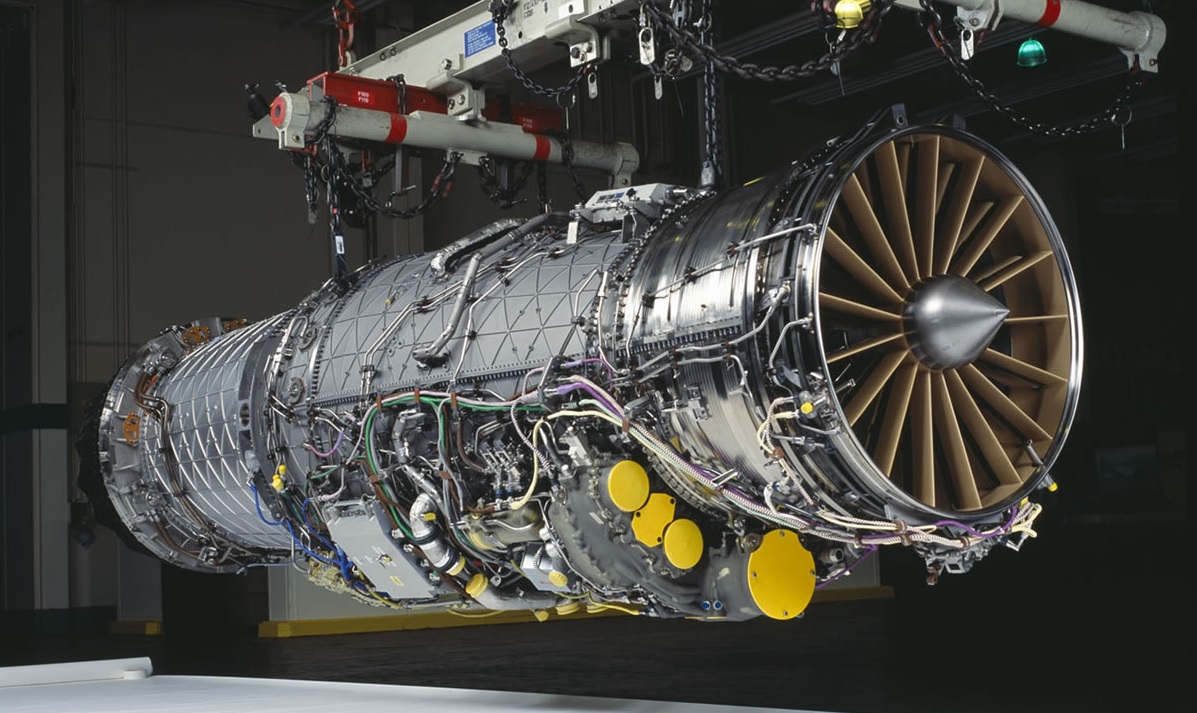
India
In a crucial update for India's defense and aerospace community, Hindustan Aeronautics Limited (HAL) has confirmed a setback in the timeline for finalizing the much-anticipated F-414 engine deal with GE Aerospace. Originally slated for completion by the end of 2024, the agreement is now expected to be sealed by March 2025. Despite this delay, HAL's Chairman and Managing Director, Sunil Kumar, has provided assurances that the deal's quality and commitment to technological advancement remain uncompromised.The postponed timeline has sparked considerable discussion, given that the F-414 engines are pivotal to the development of the Tejas Mk2, India's next-generation Light Combat Aircraft (LCA). The Tejas Mk2, an ambitious upgrade over its predecessor, is set to feature enhanced combat capabilities, advanced avionics, and superior engine performance. The choice of the F-414 engines is seen as a critical factor in fulfilling these aspirations, as these engines will offer significantly more thrust and efficiency than the F-404 engines used in the earlier Tejas Mk1 variants.One of the highlights of this deal is the extensive Transfer of Technology (ToT) agreement. Kumar has emphasized that HAL will benefit from an impressive 80% ToT, a figure that represents a monumental step in India's pursuit of self-reliance in advanced military technology. This level of technology transfer will empower HAL to locally manufacture and maintain the F-414 engines, facilitating the establishment of a robust, indigenous supply chain and reducing dependency on foreign vendors for high-value components.The F-414 engines are known for their impressive specifications. With a maximum thrust output of 98 kN, they will provide the Tejas Mk2 with the power to achieve greater speed, agility, and operational endurance. Additionally, these engines incorporate advanced materials and design features that ensure higher reliability, reduced maintenance needs, and improved fuel efficiency. Such advancements are essential for India’s Air Force, which seeks to modernize its fleet with platforms capable of withstanding the demands of contemporary aerial warfare.Kumar has been transparent about the reasons behind the deal's delay. The complexities of defense contracts, which involve exhaustive regulatory clearances and intricate negotiations over technology transfer clauses, have contributed to the timeline shift. The Indian government and GE Aerospace are meticulously working to fine-tune the agreement, ensuring that India receives substantial technological know-how without compromising on quality or delivery schedules. The careful drafting of these agreements is especially crucial because they will influence HAL's long-term capabilities in building and maintaining high-performance jet engines.Despite the postponed schedule, the benefits promised by the deal are enormous. For HAL, mastering the F-414 engine’s technology will be a game-changer, elevating India's aerospace sector and boosting its competitiveness on the global stage. The local manufacturing of such advanced engines will provide Indian engineers and technicians with invaluable experience, fostering innovation and creating a ripple effect across the country’s defense manufacturing landscape. The development of an indigenous engine ecosystem will also position India to take on more complex aerospace projects in the future, potentially contributing to the design and development of indigenous fifth-generation fighter jets and unmanned aerial systems.When production finally begins, HAL’s advanced facilities, equipped with state-of-the-art manufacturing and testing equipment, will be central to the endeavor. The F-414 engine's integration into the Tejas Mk2 will mark a significant milestone, transforming the aircraft into a more formidable multirole fighter capable of executing a wider range of missions. Enhanced thrust, better fuel efficiency, and superior performance metrics will enable the Tejas Mk2 to perform effectively in both air-to-air and air-to-ground roles.The deal's impact extends beyond just military applications. The expertise gained through this collaboration is expected to have spillover effects, enhancing the capabilities of India's private aerospace firms and research institutions. As a result, the country's overall technological base in aviation is poised to grow stronger, paving the way for future advancements in aerospace engineering and design.In conclusion, while the wait for the F-414 engine deal's finalization may have been extended, HAL and GE Aerospace's dedication to a thorough and high-quality agreement underscores the importance of this collaboration. The advanced technology transfer, combined with the strategic importance of self-reliant engine manufacturing, makes this deal one of the most significant in India's defense modernization journey.
Read More → Posted on 2024-11-11 14:36:47
India
Recent remarks from a prominent Pakistani defence analyst have reignited conversations about India's missile ambitions, specifically the possibility of an intercontinental ballistic missile (ICBM) capable of reaching Western nations. Professor Dr. Zafar Nawaz Jaspal of Quaid-i-Azam University in Islamabad made headlines by suggesting that India is working on a missile named "Surya" that could have a staggering range of 10,000 to 12,000 kilometers. According to Jaspal, such a development would bring far-flung targets, including the United States and parts of Western Europe, into the range of India's strategic arsenal.Jaspal voiced his concerns during an interview with World Echo News, emphasizing that India's supposed strides in missile technology should worry not just neighboring countries like Pakistan, but also Western powers and Russia. He argued that with India's existing missile capabilities, Pakistan is already within easy reach of New Delhi's arsenal. The development of the so-called Surya ICBM, he claimed, would expand India's strategic ambitions well beyond the subcontinent.However, there is considerable skepticism surrounding the Surya ICBM narrative. India's Defence Research and Development Organisation (DRDO) has repeatedly dismissed reports of such a missile project. DRDO officials maintain that India's missile program is rooted in regional deterrence needs and operates under a policy framework that prioritizes stability in South Asia. Any speculation about an ICBM exceeding the range of the Agni series, they argue, is unfounded.India's current longest-range missile, the Agni-V, has an operational range of approximately 5,500 to 6,000 kilometers. This missile, which has been developed to counter potential threats from China, can target locations across much of Asia and parts of Europe. The Agni-V's capabilities mark a significant leap for India's defense forces, but even this missile is focused on addressing regional concerns rather than projecting power across continents. Unlike the rumored Surya ICBM, the Agni-V has been officially acknowledged, extensively tested, and deployed with strategic deterrence in mind.The mystery of the Surya ICBM appears to be rooted in defense discussions and unofficial reports that have circulated for years. In the 1990s, there were rumors suggesting that India was planning a missile program that could match or exceed the capabilities of major global powers. These claims were never substantiated, and Indian officials have remained tight-lipped or outright dismissive of any such ambitions. As a nation with a "no first use" nuclear policy, India has often underscored its adherence to a doctrine of minimum credible deterrence, aimed at maintaining peace and stability in its immediate neighborhood.Analysts outside of Pakistan have also weighed in on Jaspal's assertions. Many argue that developing a missile with a range of up to 12,000 kilometers would require significant technological and strategic investments, not to mention potential diplomatic repercussions. Given India's emphasis on non-aggressive defense and its current focus on strengthening ballistic missile defense systems, the prospect of a global-strike-capable ICBM seems at odds with its publicly stated defense priorities.Moreover, India's current missile modernization efforts are geared toward enhancing accuracy, reliability, and mobility rather than range extension. The country is actively working on projects like the hypersonic glide vehicle and other advancements that align with its existing strategic deterrence goals. The recent induction of the Agni-V missile and ongoing improvements in indigenous missile defense systems showcase a defense strategy that remains focused on regional power dynamics, particularly the complex relationship with China and Pakistan.As for Western analysts and defense experts, the idea of India possessing a missile like the Surya remains speculative at best. There has been no concrete evidence to suggest that India is actively pursuing such a capability. Nevertheless, geopolitical rivals like Pakistan continue to view India's defense advancements with suspicion, often framing these developments as a sign of broader hegemonic ambitions. Whether this perception holds any truth or remains a narrative driven by regional tensions is still up for debate.In conclusion, while the idea of a Surya ICBM capable of striking Western nations might make for a compelling narrative, the facts do not support the existence of such a program. For now, India's defense priorities seem firmly grounded in regional security, emphasizing advancements that ensure strategic deterrence without pushing the boundaries of global missile warfare.
Read More → Posted on 2024-11-10 15:31:49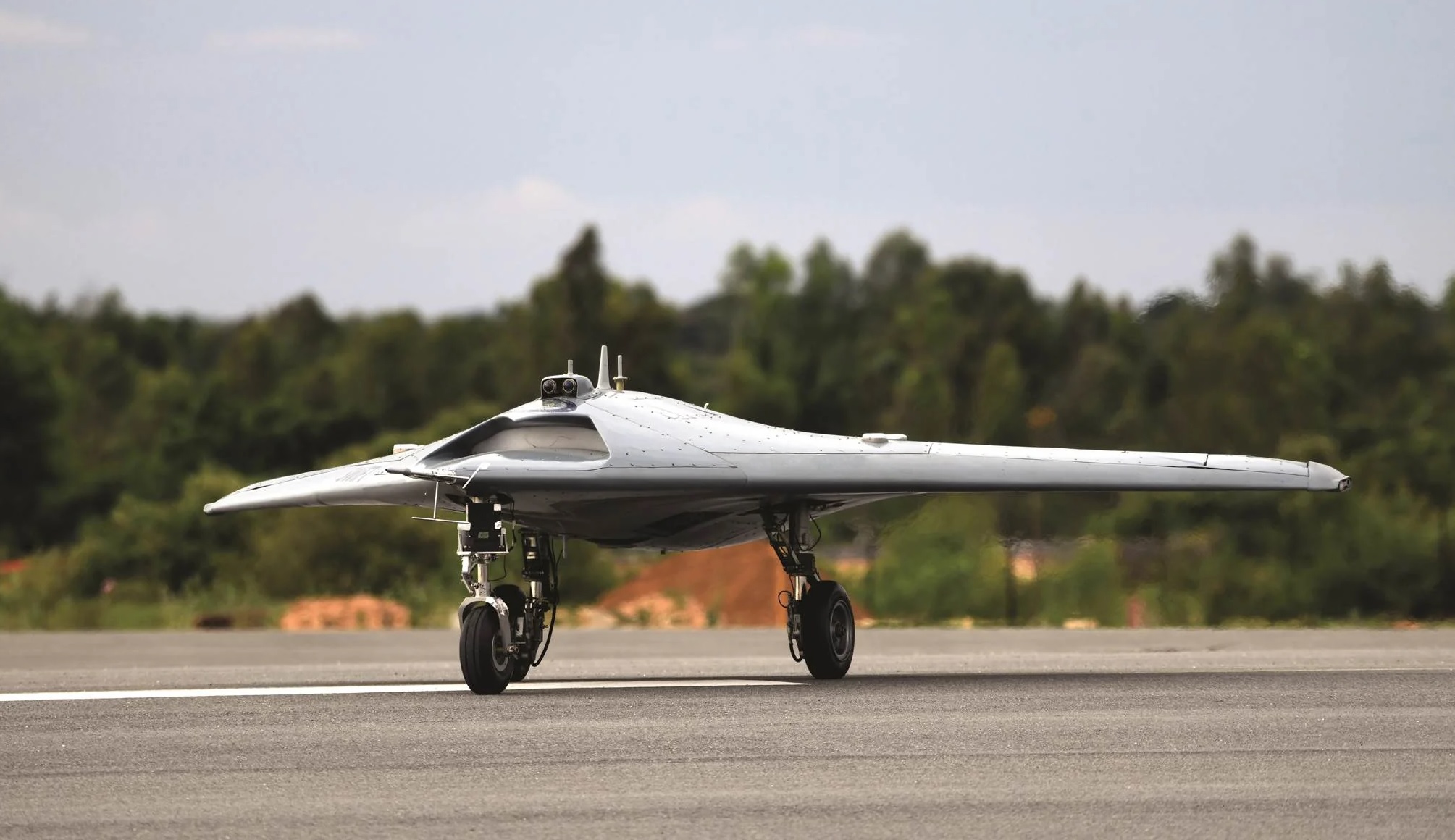
India
The Indian Air Force (IAF) is pushing the boundaries of unmanned aerial technology with the SWiFT (Stealth Wing Flying Testbed) program, aimed at creating a stealthy, highly adaptable drone to operate seamlessly in contested airspace. As air defense systems grow increasingly sophisticated, traditional UAVs, which can be easily tracked and engaged, are no longer sufficient. The SWiFT project addresses this by incorporating cutting-edge stealth features and advanced sensor technologies, transforming India’s drone capabilities.Mastering Stealth and SurvivabilityA central goal of the SWiFT UAV is to achieve superior radar evasion. The aircraft features a sleek, flying-wing design inspired by the principles of radar wave deflection, reducing its cross-section. With an empty weight of 1.1 tons, the UAV is engineered to slip past enemy defenses, maintaining an operational edge in areas thick with surveillance and anti-aircraft systems. The use of composite materials, radar-absorbing coatings, and an optimized airframe profile are all integral to enhancing stealth.Advanced Sensor SuiteThe SWiFT UAV's versatility is highlighted by its ability to carry a diverse array of sensors tailored for different operational needs. One standout technology is the Synthetic Aperture Radar (SAR), a powerful tool that allows high-resolution imaging of the terrain, vital for reconnaissance missions even in poor weather conditions. Combined with Wide-Area Motion Imagery (WAMI) sensors, the UAV can track multiple targets across vast areas in real-time, providing unparalleled situational awareness. The WAMI system, in particular, gives commanders a comprehensive view of dynamic battlefield environments, a capability that has proven transformative in modern conflicts.Beyond Line-of-Sight OperationsUnlike typical drones tethered by line-of-sight control limitations, the SWiFT is equipped with miniature satellite-based Beyond Line-Of-Sight (BLOS) datalinks. This feature expands its mission range, allowing it to operate hundreds of kilometers from its command center. The integration of BLOS capabilities ensures that the SWiFT can carry out extended missions, from deep-strike reconnaissance to monitoring maritime territories.Precision-Strike CapabilitiesOne of the more exciting developments within the SWiFT program is the drone's potential to conduct precision strikes. It can be armed with up to 100 kg of GPS-guided munitions. This includes lightweight, smart bombs, ranging from 10 to 20 kg, designed to neutralize critical targets. The combination of stealth and precision weaponry enables the SWiFT UAV to engage in hit-and-run attacks deep in enemy territory, reducing the risk of detection and retaliation.A Look to the FutureThe IAF’s SWiFT project is more than just a technological leap; it’s a strategic imperative. As global militaries invest heavily in UAV advancements, India’s focus on developing a stealth, multi-role drone highlights a future of air dominance shaped by unmanned platforms. Furthermore, the SWiFT drone lays the groundwork for India’s ambitious Ghatak program, which aims to produce a fully operational Unmanned Combat Aerial Vehicle (UCAV) that can perform autonomous bombing missions.This initiative not only represents a milestone in India’s defense technology but also reflects the country's ambitions to stand shoulder-to-shoulder with leading UAV-producing nations. With the potential for surveillance, combat, and electronic warfare missions, SWiFT is poised to become a game-changer in the region.
Read More → Posted on 2024-11-10 15:25:24
India
The Indian Air Force (IAF) is stepping up its game in electronic warfare with the integration of advanced technology into the Tejas Mk1A, India’s indigenously developed light combat aircraft. At the forefront of this advancement is the Scorpius-SP electronic warfare (EW) pod, a system designed to provide unparalleled jamming capabilities against some of the world’s most sophisticated radar and missile defense systems. Produced by Bharat Electronics Limited (BEL), this EW pod promises to transform the Tejas Mk1A into a more formidable adversary in the rapidly evolving landscape of modern aerial warfare.Cutting-Edge Electronic Warfare CapabilitiesThe Scorpius-SP isn’t just an ordinary electronic warfare device; it’s a high-tech, compact, and versatile system built to safeguard aircraft and disrupt enemy radars. At its core is an Active Electronically Scanned Array (AESA) radar jammer, a technology that allows the Scorpius-SP to generate electronic countermeasures across a broad range of frequencies. This real-time, adaptive jamming can mislead, overwhelm, or even render enemy radar systems ineffective by manipulating their signals.The pod's design focuses on both self-protection and offensive jamming, ensuring the aircraft can defend itself while also neutralizing threats at a distance. Its ability to deliver directional jamming enables the system to target specific radar emissions, ensuring a precise and efficient disruption of enemy operations. Furthermore, the Scorpius-SP provides anti-radiation missile protection, which is crucial in modern combat scenarios where the enemy's response is often swift and lethal.Targeting Advanced Chinese and Pakistani Radar SystemsThe Tejas Mk1A’s deployment of the Scorpius-SP comes at a time when regional adversaries have invested heavily in advanced radar and missile technologies. Countries like China and Pakistan have equipped their fighter jets and surface-to-air missile (SAM) systems with state-of-the-art AESA radars. These radars are known for their ability to detect, track, and engage multiple targets with high precision and speed.The Chinese J-10C, for instance, features an AESA radar that provides excellent target resolution and simultaneous multi-target engagement. The Scorpius-SP aims to counter these capabilities by overwhelming the radar’s electronic environment with false signals or by directly interfering with its frequency band. In combat, this could mean the difference between an enemy aircraft acquiring a lock on the Tejas Mk1A or being blinded by a barrage of misleading jamming waves.More challenging is the Chinese J-20, a fifth-generation stealth fighter designed to dominate aerial engagements with its low observability and high-end AESA radar. The Scorpius-SP’s real-time frequency hopping could pose a serious challenge to the J-20’s radar, despite its advanced processing capabilities. By continually shifting its jamming frequencies, the Scorpius-SP can make it harder for the J-20’s systems to maintain a consistent target lock.The multi-role J-16 fighter, also based on a sophisticated AESA radar system, could find its radar compromised under the targeted jamming of the Scorpius-SP. Since these aircraft operate using advanced radar frequencies, the success of the Scorpius-SP would rely on how well it can match and overwhelm these emissions. Additionally, the Pakistani JF-17’s KLJ-7 AESA radar, although not as advanced as the J-20 or J-10C, could be significantly affected by the Scorpius-SP, providing a tactical edge to the IAF.Countering Missile Defense Systems Like the HQ-9B and S-400Beyond air-to-air combat, the Scorpius-SP is crucial for suppressing ground-based threats like the HQ-9B, a Chinese long-range surface-to-air missile system, and the Russian S-400. Both of these systems use complex fire control radars that are difficult to deceive. However, the Scorpius-SP’s capacity for active jamming could disrupt the lock-on mechanisms of these missile systems, creating safer corridors for IAF operations.The HQ-9B’s AESA radar, used for detecting and guiding its interceptors, relies on precise targeting data to engage aerial threats. By emitting concentrated jamming signals, the Scorpius-SP could interfere with the radar’s ability to track aircraft, potentially nullifying the effectiveness of the missile system. Similarly, the S-400, which has been dubbed one of the most advanced air defense systems in the world, could find its targeting capabilities degraded if the Scorpius-SP successfully breaks through its electronic defenses. This would be a monumental achievement, given the S-400’s formidable reputation for range and accuracy.### Specifications and Advanced FeaturesThe Scorpius-SP electronic warfare pod comes equipped with a host of cutting-edge features that make it one of the most advanced EW solutions available. Its AESA radar jammer is built to cover multiple frequency bands, making it effective against a diverse range of radar threats. The pod also boasts anti-radiation missile (ARM) protection mechanisms, ensuring that incoming radar-guided threats can be mitigated or neutralized before they pose a danger to the aircraft.Moreover, the system's ability to perform directional jamming means that it can focus its disruptive energy on specific threats, maximizing efficiency and minimizing the risk of collateral interference. These attributes make the Scorpius-SP an essential tool for air superiority and self-defense, especially in contested environments where electronic warfare plays a crucial role.### Strategic Implications for the Indian Air ForceWith the Tejas Mk1A now equipped with the Scorpius-SP, the IAF gains a strategic advantage in scenarios where electronic warfare is pivotal. The ability to jam and disrupt advanced AESA radars enhances the aircraft’s survivability and effectiveness, whether it’s engaging in aerial dogfights or penetrating sophisticated air defense systems. As regional tensions persist and air combat evolves, platforms like the Tejas Mk1A and its advanced EW capabilities will be instrumental in maintaining India’s aerial edge.This combination of homegrown engineering and state-of-the-art technology highlights India’s commitment to bolstering its defense capabilities, setting the stage for a more resilient and self-reliant military force.
Read More → Posted on 2024-11-10 15:13:36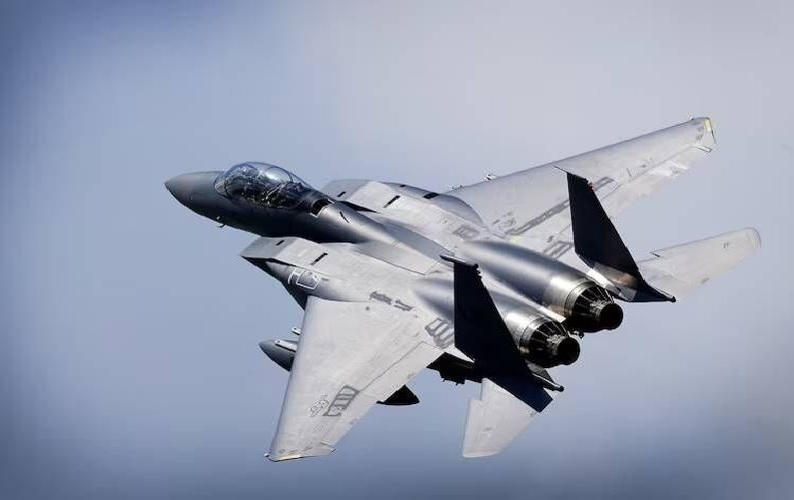
India
In the high-stakes arena of fighter jet procurement, every detail counts, especially when billions of dollars are on the line. India's Multi-Role Fighter Aircraft (MRFA) tender, which aims to add 114 aircraft to the Indian Air Force's (IAF) fleet, has spurred considerable debate, especially in light of Israel's recent deal with Boeing for F-15s. Analysts are now contemplating whether the F-15 could present a better value proposition than the French Dassault Rafale.The Comparative Cost PerspectiveRecently, Israel signed a $5.2 billion contract with Boeing for 25 F-15 fighter jets. The cost per aircraft in this deal, which includes essential infrastructure, logistics, and training, works out to around $208 million. In contrast, when India purchased 36 Rafale jets from Dassault in 2016, the per-unit cost hovered at $236 million, a figure that critics argue was steep even then.Given that India’s MRFA tender involves a far larger number of aircraft, totaling 114 units, the financial implications are significant. If India sticks to the Rafale deal's earlier pricing, the estimated cost could hit a massive $26.9 billion. Opting for the F-15 instead, at Israel's negotiated rate, would potentially save over $3 billion, bringing the overall cost down to about $23.7 billion. In an economy where defense budgets are always under pressure, that is no small amount.The F-15: A Powerhouse of CapabilitiesThe F-15, known for its exceptional thrust-to-weight ratio, remains one of the most powerful air superiority jets in the world. With its ability to carry over 13 tons of munitions, the F-15 excels in payload capacity, surpassing many contemporaries. The aircraft can reach speeds of over Mach 2.5, making it highly suited for both interception and strategic strike missions.Moreover, the F-15EX, a modernized version offered to India, comes equipped with a digital cockpit, advanced radar systems, and open architecture that facilitates quick upgrades. Notably, it boasts compatibility with long-range standoff weapons and can integrate seamlessly with U.S.-made air defense systems, an advantage given India’s growing strategic ties with Washington.The Rafale’s Proven Track RecordHowever, choosing the Rafale isn’t just about the hardware. These jets are already operational within the IAF, with squadrons stationed and experienced pilots accustomed to their systems. The Rafale offers a tried-and-tested multirole capability and benefits from India's existing investment in infrastructure, pilot training, and logistical support. It has proven its reliability in different combat scenarios, including recent exercises showcasing its role in both air defense and precision strike missions.Furthermore, the Rafale deal came bundled with crucial technology transfer agreements and commitments for joint ventures under India's "Make in India" initiative. These factors streamline future integration and reduce additional expenses in adapting the platform.Strategic and Logistical CalculusBeyond cost and performance, strategic considerations loom large. Boeing's F-15 could strengthen India-U.S. defense ties, and the U.S. may offer attractive terms for technology transfer and local assembly. Still, relying heavily on American defense technology poses its own set of geopolitical risks, particularly with the U.S.'s evolving policies in the Indo-Pacific region.In contrast, maintaining strong defense ties with France and Dassault provides India with a balance in its strategic alignments. Moreover, the Rafale deal already comes with interoperability features tailored to Indian specifications, a significant logistical advantage over introducing a completely new aircraft type.The Verdict AheadThe IAF’s decision is far from simple and involves a nuanced evaluation of both aircraft's long-term operational costs, maintenance, and the impact on India's broader defense ecosystem. Choosing the F-15 may offer immediate cost savings and advanced capabilities, but the Rafale's familiarity and embedded integration in the IAF's systems cannot be overlooked.India's final call will weigh both economic and strategic factors, as any choice will shape its defense posture for decades. With billions at stake, a clear, holistic understanding of all trade-offs is critical.
Read More → Posted on 2024-11-10 15:02:28
India
In a significant step to advance India's air defence capabilities, Bharat Dynamics Limited (BDL) has signed a Memorandum of Understanding (MoU) with Russia's state-owned Rosoboronexport (ROE) to explore the development of variants of the Pantsir air defence missile-gun system tailored for India’s defence needs. This collaboration aims to provide the Indian Army with a cutting-edge solution for its Self-Propelled Air-Defence Gun Missile System (SPAD-GMS) program, a critical component to enhance the protection of its mechanized formations in fast-changing battlefield environments.This MoU, signed during the 5th India-Russia Inter-Governmental Commission (IRIGC) meeting in Goa, signifies a continued commitment by both countries to deepen their longstanding defence partnership while also advancing India's goal of self-reliance in defence manufacturing. As part of India's "Make in India" and "Atmanirbhar Bharat" (Self-Reliant India) initiatives, the partnership could allow for local production and possible customization of the Pantsir system, adapting it to India’s unique operational requirements and reducing the need for imports in a critical defence sector.The Pantsir air defence system is well-regarded globally for its dual weapon integration, combining surface-to-air missiles and a rapid-fire gun, allowing it to counter a wide range of aerial threats. Designed to engage enemy aircraft, helicopters, drones, and precision-guided munitions, the Pantsir system is both versatile and mobile, providing protection on the move for mechanized units. This capability aligns closely with the Indian Army’s requirement for a modern, agile air-defence system that can operate effectively across varied terrains.The Indian Army’s SPAD-GMS program outlines specific performance metrics that the Pantsir variants could meet or even exceed. Key specifications sought by the Army include:Gun System: The air-defence system should feature a gun with a minimum caliber of 30 mm, capable of engaging targets up to 3.5 km away and reaching altitudes of 2.5 km. This would give the system the flexibility to intercept both low-flying aircraft and incoming missiles.Missile System: The missile component should allow for multiple simultaneous engagements with up to six missiles per unit, with an effective range of at least 6.5 km and an altitude ceiling of 3 km. To meet modern combat demands, these missiles need advanced features, such as proximity fuses for higher engagement success rates and counter-jamming technology to handle electronically challenging environments.By collaborating with Rosoboronexport, BDL can access advanced technologies embedded in the Pantsir system, including tracking radar, thermal imaging, and fire control systems that can work seamlessly with both guns and missiles. This makes the Pantsir a powerful choice for layered defence, especially useful in countering swarming attacks from drones or multiple aircraft that can overwhelm conventional systems. The potential to integrate these advanced capabilities directly into the system locally in India not only enhances BDL’s technological know-how but also strengthens India’s position within global defence supply chains.Moreover, this partnership signals a new era in India-Russia defence ties. It goes beyond a typical supplier-customer relationship, as it involves knowledge sharing and technology transfer that would enable India to produce and, potentially, export these advanced systems in the future. For the Indian Army, acquiring such a modern, dual-capable air defence system is crucial to maintain operational superiority, especially given the current and future threats in complex combat scenarios.If successfully implemented, the locally produced Pantsir variants could serve as a vital component of India’s air defence infrastructure, protecting critical assets and frontline forces while also contributing to the larger goal of defence indigenization.
Read More → Posted on 2024-11-09 15:27:34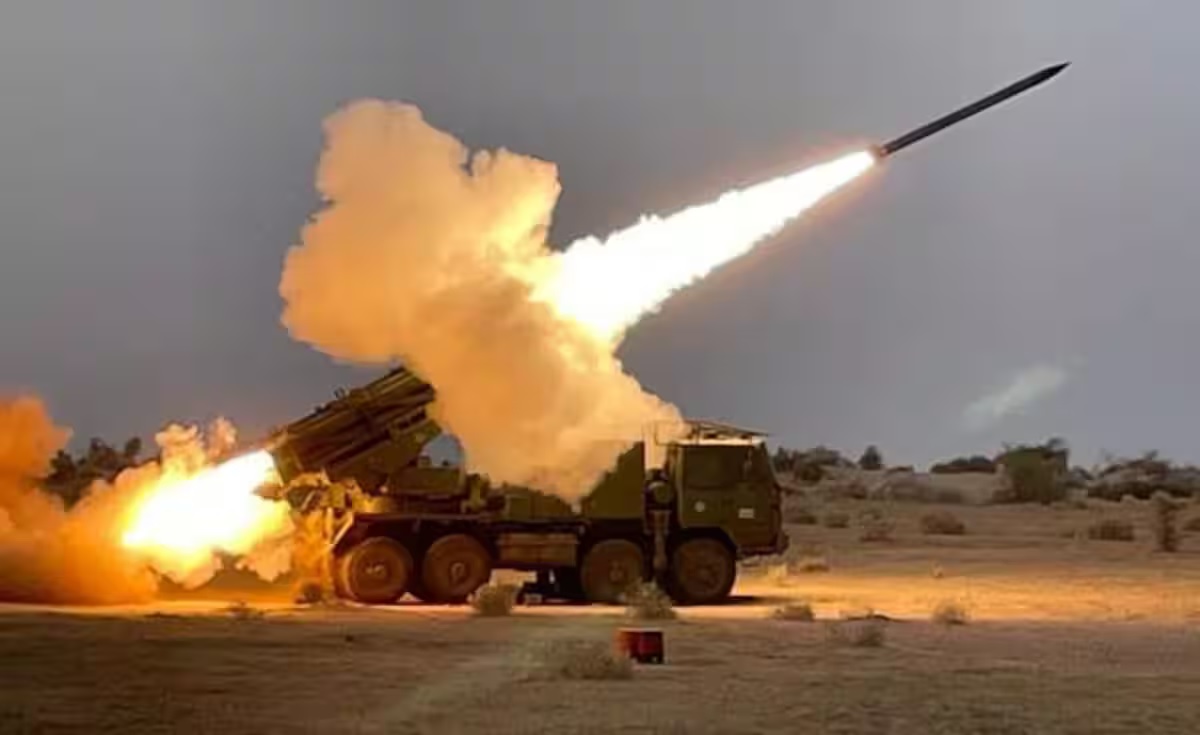
India
In a development that showcases the growing global appeal of India’s defense manufacturing prowess, France has begun evaluating the Pinaka multi-barrel rocket launcher for its army’s operational needs. This evaluation marks a significant milestone in the deepening strategic defense cooperation between the two countries, illustrating a partnership that is as much about innovation and shared defense priorities as it is about economic interests.Brigadier General Stéphane Richou of the French Army recently shared insights into this evolving defense relationship. Speaking about the collaboration, he highlighted the impressive integration of Indian and French efforts, particularly in the realm of co-developing advanced military technology like the Scorpene-class submarines. “When I see the level of individual integration for the development of this equipment, it is outstanding. We are co-building submarines, which are some of the most complex systems ever created by man,” Richou stated, emphasizing the sophisticated nature of the shared technical expertise.His remarks underlined that India is seen as more than just a supplier of military hardware; it is a strategic partner. France considers India’s defense capabilities to be on par with the world's top arms manufacturers, demonstrating India's growing reputation in the global defense ecosystem. This recognition is a testament to India's progress in developing cutting-edge military technology and fostering world-class defense manufacturing capabilities.The Pinaka system, which France is currently evaluating, is a testament to this progress. Developed by the Defence Research and Development Organisation (DRDO) in collaboration with domestic defense companies, Pinaka is a highly versatile and combat-proven weapon system. Designed to deliver swift and powerful strikes, Pinaka can launch multiple rockets in rapid succession, saturating targets over a wide area. Its extended range, now exceeding 40 kilometers, and precision-guided variants make it a formidable asset on the modern battlefield. The launcher is capable of firing a salvo of 12 rockets in under 45 seconds, providing overwhelming firepower that can decisively shift the tide of a battle.Pinaka’s versatility doesn’t end there. The system has been continually upgraded to meet the evolving demands of modern warfare, including the integration of advanced navigation and targeting systems. It also boasts features like automated command and control, which enhance its operational efficiency and make it suitable for diverse combat scenarios. Its adaptability to various types of rockets, from high-explosive fragmentation to anti-personnel and anti-tank munitions, adds to its appeal for international clients like France.Brigadier General Richou emphasized that this cooperation is more than a mere business transaction. “This is much more than a business partnership; this is cooperation,” he said, highlighting the significance of joint innovation, technology transfer, and skill development. The French interest in Pinaka aligns with France’s broader strategy of diversifying its defense suppliers while benefiting from India’s well-established, cost-effective manufacturing base. This approach allows France to tap into a reliable source of advanced defense systems while supporting India’s ambition to emerge as a major global defense exporter.India’s defense exports have seen a notable rise in recent years, with systems like Pinaka playing a key role in boosting the country’s profile. As the French Army considers adopting the Pinaka system, it also signals a vote of confidence in India’s defense industry. France’s rigorous evaluation process ensures that any system it considers must meet the highest international standards. Therefore, Pinaka’s consideration not only highlights its battle-proven reliability but also positions it as a strong competitor in the global defense market.This development is likely to open up more avenues for collaboration between India and France, potentially leading to co-production and joint development projects. The ongoing discussions are also an indication of France’s trust in India’s strategic reliability and its willingness to engage in long-term defense partnerships.In essence, France’s interest in Pinaka is emblematic of the broader narrative of defense cooperation between New Delhi and Paris. As both countries continue to collaborate on high-tech defense projects, from submarines to advanced rocket systems, the partnership looks poised to set new benchmarks in bilateral defense relations, with shared benefits that extend well beyond the realm of arms and equipment.
Read More → Posted on 2024-11-09 15:15:35
India
Russia is raising the stakes in the global aerospace industry with the debut of its fifth-generation jet engines at Airshow China, one of the premier aviation showcases in Asia. The United Engine Corporation (UEC), a key subsidiary of Russia's state-owned Rostec, is making waves by exhibiting this advanced propulsion technology outside of Russia for the first time, highlighting its ambitions to attract international buyers, particularly India, where opportunities abound.The centerpiece of UEC’s presentation at Airshow China is the cutting-edge fifth-generation engine designed for operational-tactical aviation. This engine represents years of research and development, aimed at delivering superior performance, enhanced fuel efficiency, and breakthrough thrust vectoring capabilities that promise to redefine air combat agility. While precise specifications of this engine remain under wraps, what’s known is that it is tailored to meet the needs of advanced fighter jets, bringing together technology that could potentially rival Western counterparts.UEC isn’t stopping at just one showcase. Alongside the new-generation marvel, the corporation has brought an updated lineup of its proven AL-31F/FN engine family, an engine series that has long been pivotal in the success of numerous fighter jets worldwide. The AL-31F engine, known for powering the iconic Su-27 and its variants, is lauded for its robust design and adaptability, with the AL-31FN variant marking a significant leap forward in thrust output and platform optimization.The AL-31FN, specifically adapted for China's Chengdu J-10 fighter jet, is notable for achieving thrust levels of up to 12.7 tonnes-force. This version was re-engineered with a redesigned gearbox layout, optimizing its integration with the J-10. However, the upgrades didn't stop there. The Series 3 of the AL-31FN pushed boundaries further, enhancing thrust to an impressive 13.7 tonnes-force, making the engine a key element in China's pursuit of aerial superiority.The Indian Air Force (IAF) has also benefited from UEC's engine advancements. The AL-31FP variant, which powers India’s Su-30MKI fleet, is a testament to Russia’s expertise in jet engine technology. Produced in collaboration with Hindustan Aeronautics Limited (HAL) under a strategic technology transfer agreement, the AL-31FP features thrust vectoring nozzles capable of deflecting up to ±15 degrees at an impressive rate of 30° per second. This thrust vectoring ability significantly boosts the Su-30MKI's maneuverability, giving the fighter jet unmatched agility in close aerial combat situations.As Russia showcases these propulsion advancements, the Indian market remains an area of strategic interest. The timing is critical: India is in the midst of developing its indigenous aircraft programs, which include the ambitious HLFT-42 supersonic trainer. With the Indian Air Force placing a premium on high-performance engines that offer both power and efficiency, UEC’s latest technologies present a compelling case. The HLFT-42 program, in particular, could benefit from engines with thrust vectoring, superior afterburner efficiency, and reduced fuel consumption—areas where UEC’s new engines promise to excel.Moreover, UEC's commitment to innovation is also seen in its unveiling of the SM-100 engine, a potential game-changer in tactical aviation. While details of the SM-100 are limited, it is expected to integrate seamlessly into a range of aircraft configurations, promising advanced features that could attract interest from nations looking to modernize their air fleets.Russia's strategic push into the Asian aviation market, exemplified by UEC’s high-profile presence at Airshow China, signals its readiness to compete for defense contracts in the region. For India, which is looking to enhance the capabilities of its fighter jets and develop new indigenous platforms, these Russian offerings may become integral to future negotiations and defense collaborations. The potential for technology transfer agreements, similar to the one with HAL for the AL-31FP, could shape India's propulsion technology landscape in the years to come.
Read More → Posted on 2024-11-09 15:05:58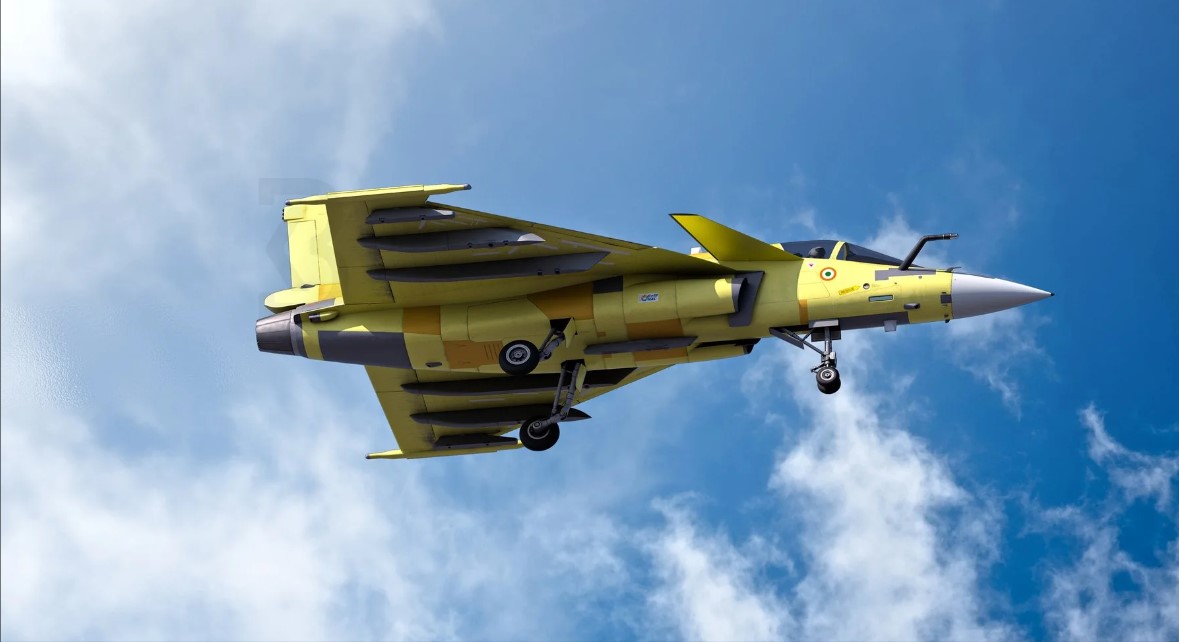
India
Hindustan Aeronautics Limited (HAL) Chairman and Managing Director Sunil Kumar has shed light on the timeline for the significant F-414 engine deal with GE Aerospace, indicating that it will likely be finalized around March 2025, contrary to initial expectations of wrapping it up by the end of 2024. This agreement is pivotal for India’s defense and aerospace sector, specifically for the Tejas Mk II program, which seeks to upgrade the country's indigenous fighter jet capabilities. The F-414 engines represent a leap forward in terms of performance for India's aircraft. They are more powerful and efficient than the F-404 engines currently used in the Tejas Mk I. These engines are designed to deliver around 22,000 pounds of thrust, a considerable improvement that would enable the Tejas Mk II to excel in combat maneuverability and payload capacity. The 99 engines to be procured will be built domestically at HAL's advanced facilities under a substantial Transfer of Technology (ToT) agreement. With 80% of the technology set to be transferred, this collaboration is expected to empower India's efforts to develop an indigenous supply chain for aerospace components.The importance of this deal lies not only in securing high-performance jet engines but also in the strategic potential of the ToT. Defense analysts have highlighted that this agreement marks a first-of-its-kind deal for GE, as the United States has historically been cautious about sharing sensitive jet engine technology, even with close allies. Thus, the arrangement represents a major milestone, strengthening Indo-U.S. defense ties and showcasing India's growing stature as a defense manufacturing hub.Sunil Kumar’s update points to the complexities involved in sealing the deal, primarily linked to regulatory processes and fine-tuning the intricate terms of the ToT. Both HAL and GE Aerospace are committed to ensuring a seamless transition, focusing on quality and minimal disruptions. Once the contract is signed, it will open doors for India to not only build but also maintain and service these engines locally, reducing dependency on foreign support for critical military assets.The strategic implications are far-reaching. Beyond Tejas Mk II, expertise gained from this venture is expected to catalyze further developments in India’s aerospace engine technology. The local manufacturing will also spur innovation and job creation within the Indian defense sector, boosting self-reliance in line with the government’s ‘Make in India’ initiative. Furthermore, the deal could pave the way for future collaboration with other major global defense contractors, reinforcing India's position as a key player in international defense cooperation.The F-414 engine's capabilities extend to superior afterburner performance and advanced safety features, designed to optimize combat readiness. This ensures that the Indian Air Force (IAF) will have a reliable and robust propulsion system for its multirole fighter aircraft, potentially setting the stage for future defense advancements.Overall, while the delay might seem like a setback, the strategic and technological benefits promised by this deal are set to transform India's defense ecosystem. The Tejas Mk II, enhanced with the power and precision of the F-414 engine, will mark a significant step forward for India's homegrown defense capabilities.
Read More → Posted on 2024-11-09 14:58:58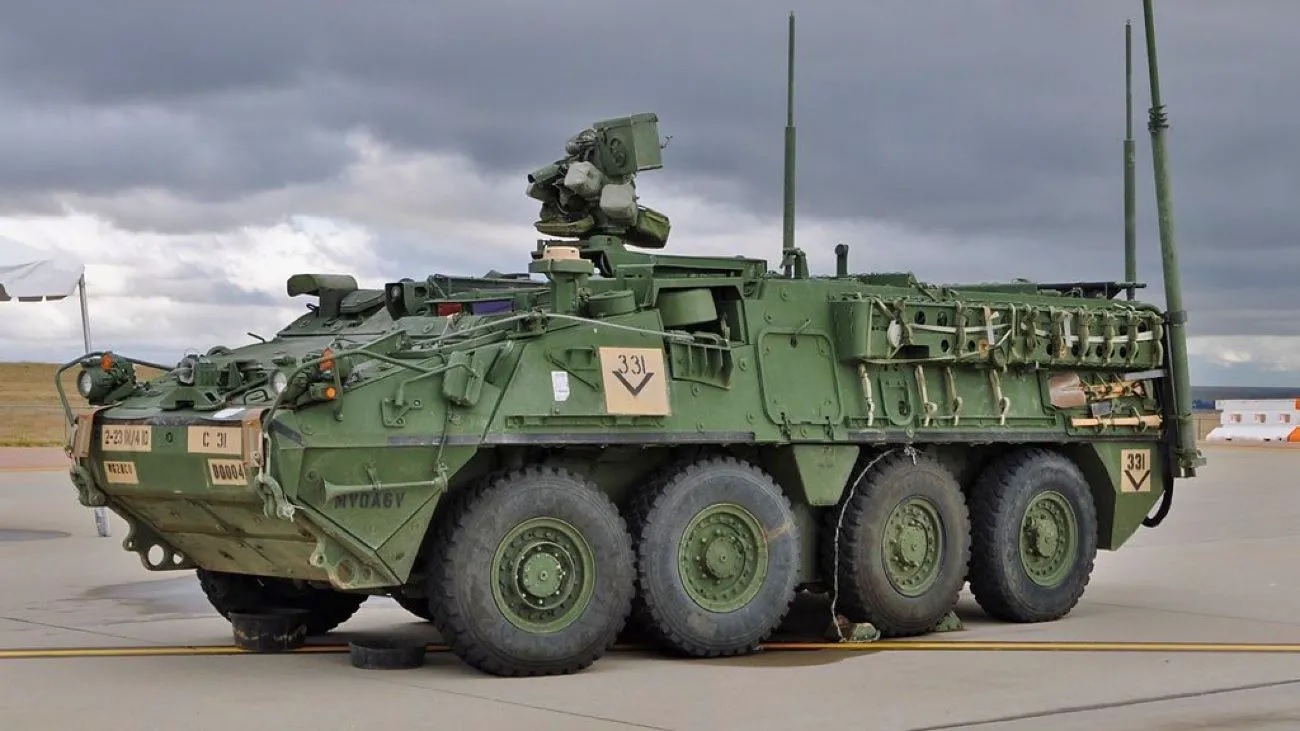
India
In the wake of deepening diplomatic tensions between India and Canada, the Indian Army’s pursuit of the Stryker armoured vehicle has entered a complicated limbo. The controversy was ignited by Canadian Prime Minister Justin Trudeau's public claims about Indian government involvement in the death of Khalistani separatist Hardeep Singh Nijjar—a claim India has fervently denied. This standoff has placed significant pressure on India’s defence procurement strategies, especially concerning the General Dynamics Land Systems Canada (GDLS-C) manufactured Stryker vehicle.The Stryker armoured vehicle is renowned for its versatile 8x8 configuration, equipped to handle challenging terrains, and its capacity to integrate advanced weapon systems, making it appealing for India’s mountainous border areas like Ladakh. Initially discussed during a 2023 2+2 ministerial dialogue between India and the United States, this armoured vehicle's potential role was strategic, primarily envisioned to enhance mobility and firepower in regions of military tension, especially against China's border advancements. Yet, as the diplomatic rift widens, experts are questioning whether moving forward with a Canadian-manufactured defence asset is prudent for India’s national security optics.As geopolitical tensions take centre stage, there is a surging advocacy for prioritizing indigenous armoured vehicle solutions over imports. At the forefront of this push is the Wheeled Armoured Platform (WhAP), an indigenous 8x8 amphibious vehicle co-developed by the Defence Research and Development Organisation (DRDO) and Tata Advanced Systems. Designed to deliver adaptability for roles ranging from infantry transport to reconnaissance, the WhAP features modular capabilities, allowing for varied armaments, including anti-tank and heavy machine gun configurations. Industry stakeholders argue that investing in the WhAP not only aligns with India’s "Make in India" ambitions but also shields the country from the vulnerabilities of foreign diplomatic conflicts.Moreover, the WhAP is not without international appeal. Countries like Morocco have shown interest in this homegrown platform, and it is seen as a cost-effective and export-worthy contender in the global defence market. With partnerships involving Tata, Mahindra, and Kalyani already developing specialized variants, the WhAP’s potential appears robust and versatile. The call to shift focus to such indigenous platforms isn't purely patriotic; it represents a strategic drive to bolster India’s defence autonomy while strengthening its domestic manufacturing sector, a move that could prove crucial if geopolitical tensions continue to affect foreign defence procurement.The Indian Ministry of Defence faces a complex decision: to proceed with negotiations over the Canadian-origin Stryker, risking potential diplomatic backlash, or to double down on domestic alternatives like the WhAP. The choice will reflect India’s broader strategic priorities as it aims to secure its borders while navigating a rapidly shifting international landscape.
Read More → Posted on 2024-11-09 14:50:29Search
Top Trending in 24 Hours
-
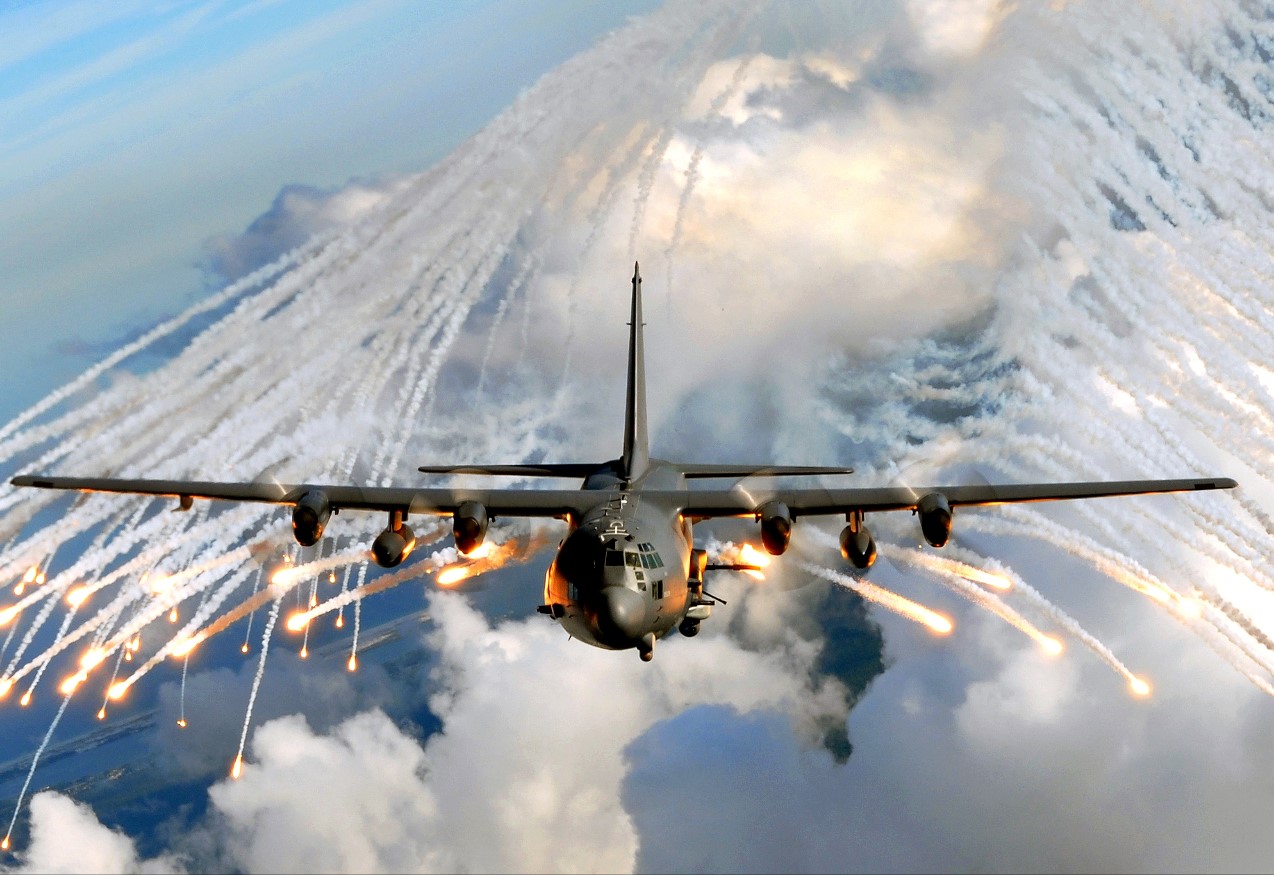 Pentagon Expands Alloy Surfaces Contract to $328.8 Million for Advanced Aircraft Decoy Flares Amid Evolving Drone Threats
-
 Why the U.S. Restored Pacific Command Name, Ending the Indo-Pacific Designation After Eight Years
-
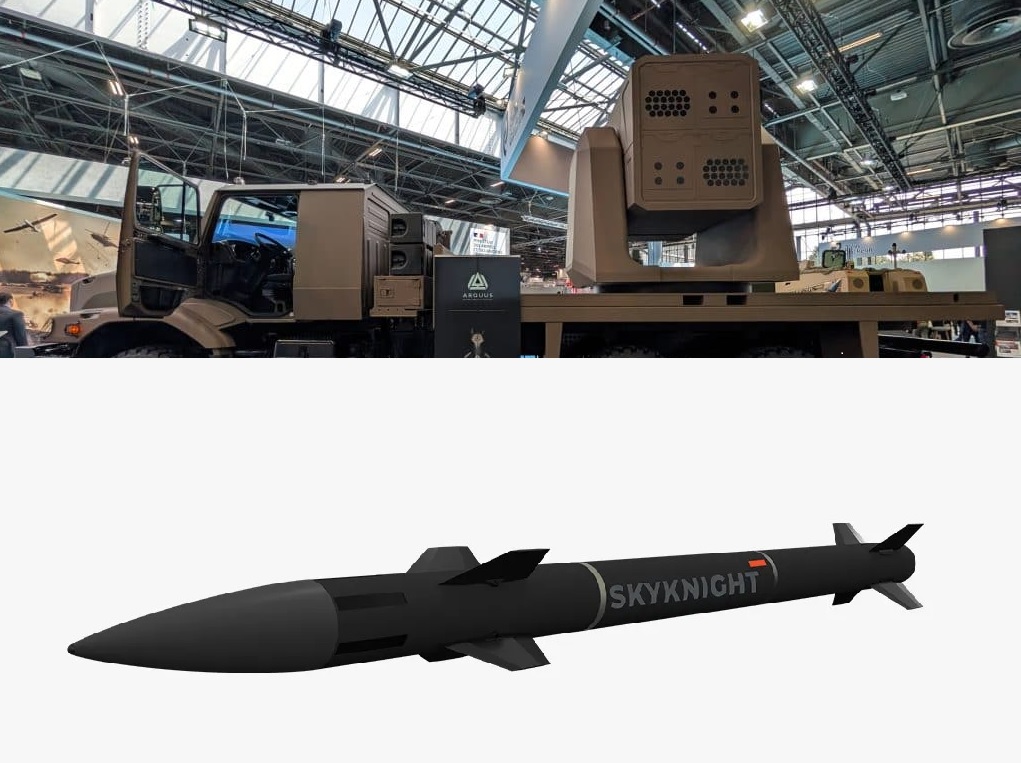 Naval Group Unveils Rampart Modular CIWS Multi-Purpose Weapon System for Naval and Ground Forces at Eurosatory 2026
-
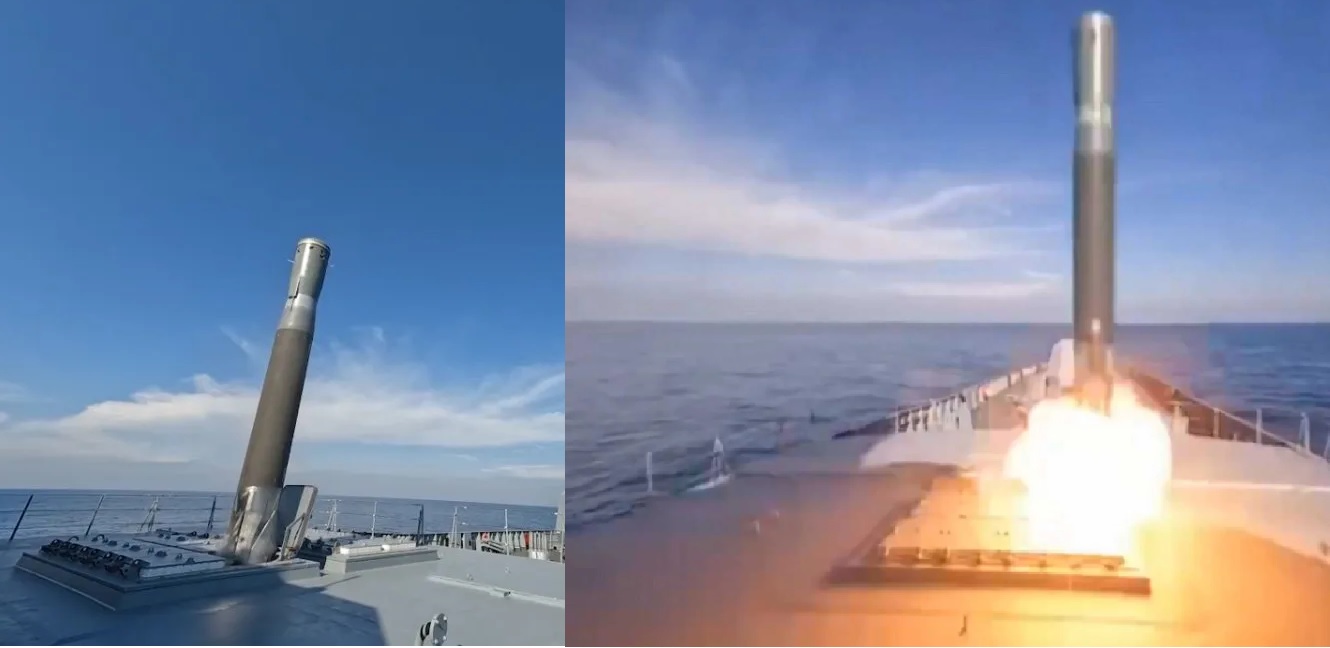 Open-Source Evidence Suggests Russia's Zircon Is a Quasi-Ballistic Missile, Not a True Hypersonic Cruise Weapon
-
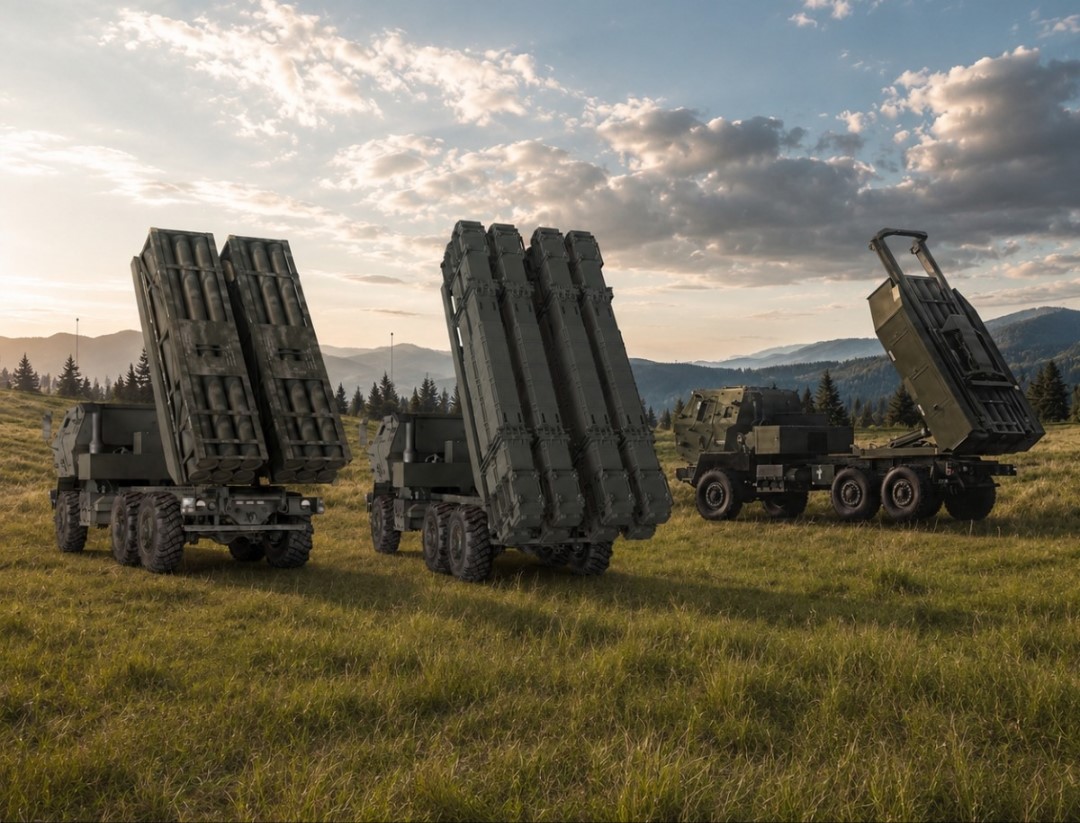 Lockheed Martin Unveils HIMARS FLEX with Dual-Pod Launcher and NATO-Compatible Air Defense Integration
-
 Iran Signs Deal with Russia for 20 Mi-8 and Mi-17 Helicopters to Boost Rescue and Medical Missions
-
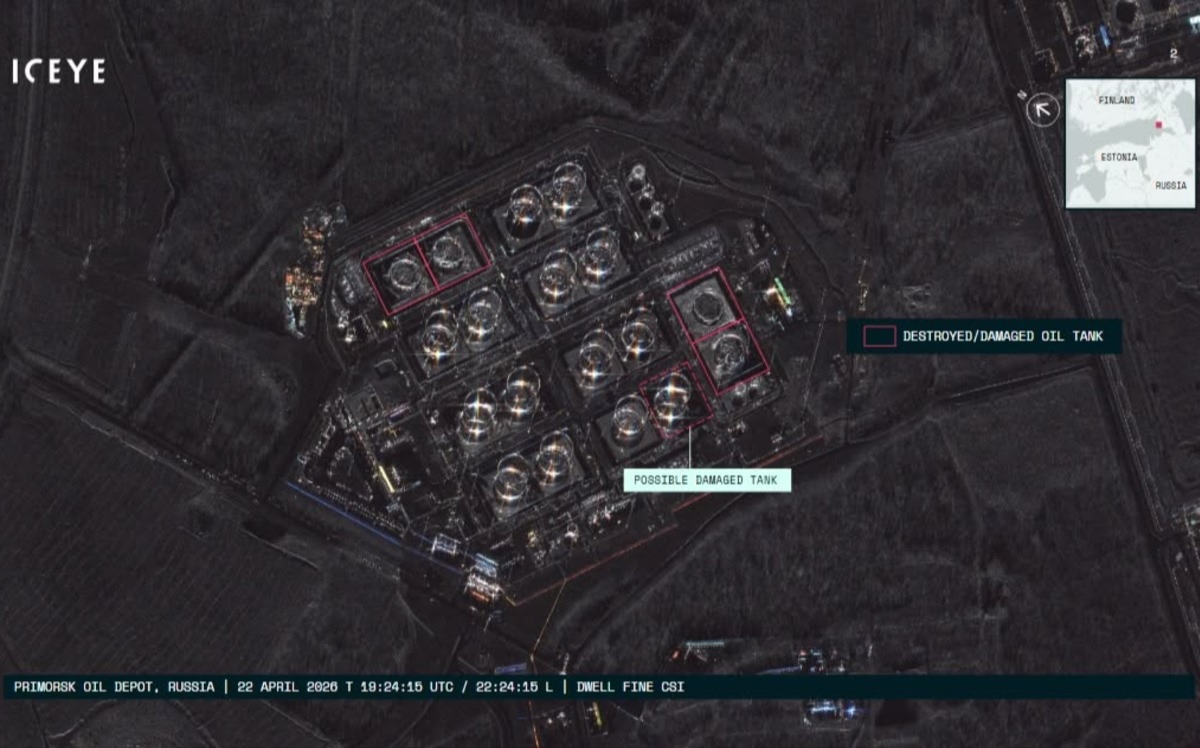 Portugal Doubles Sovereign SAR Satellite Fleet with Order for Two Additional ICEYE Satellites
-
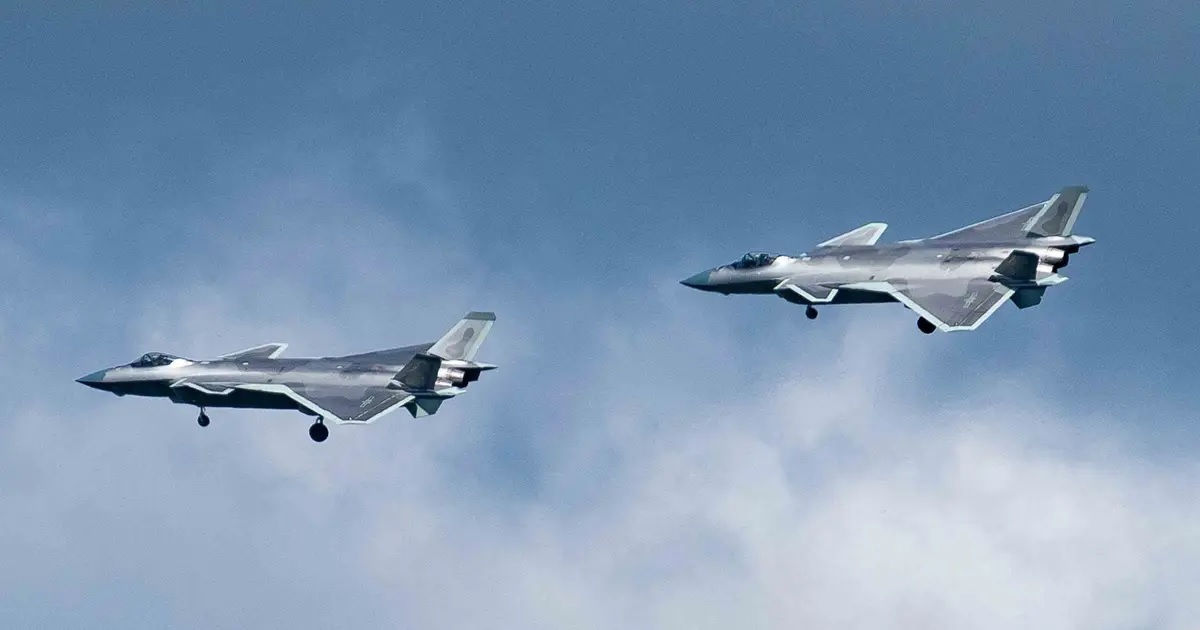 China Surpasses Russia as World’s Second-Most Powerful Air Force Amid Rapid J-20 and J-35 Expansion
Top Trending in 4 Days
-
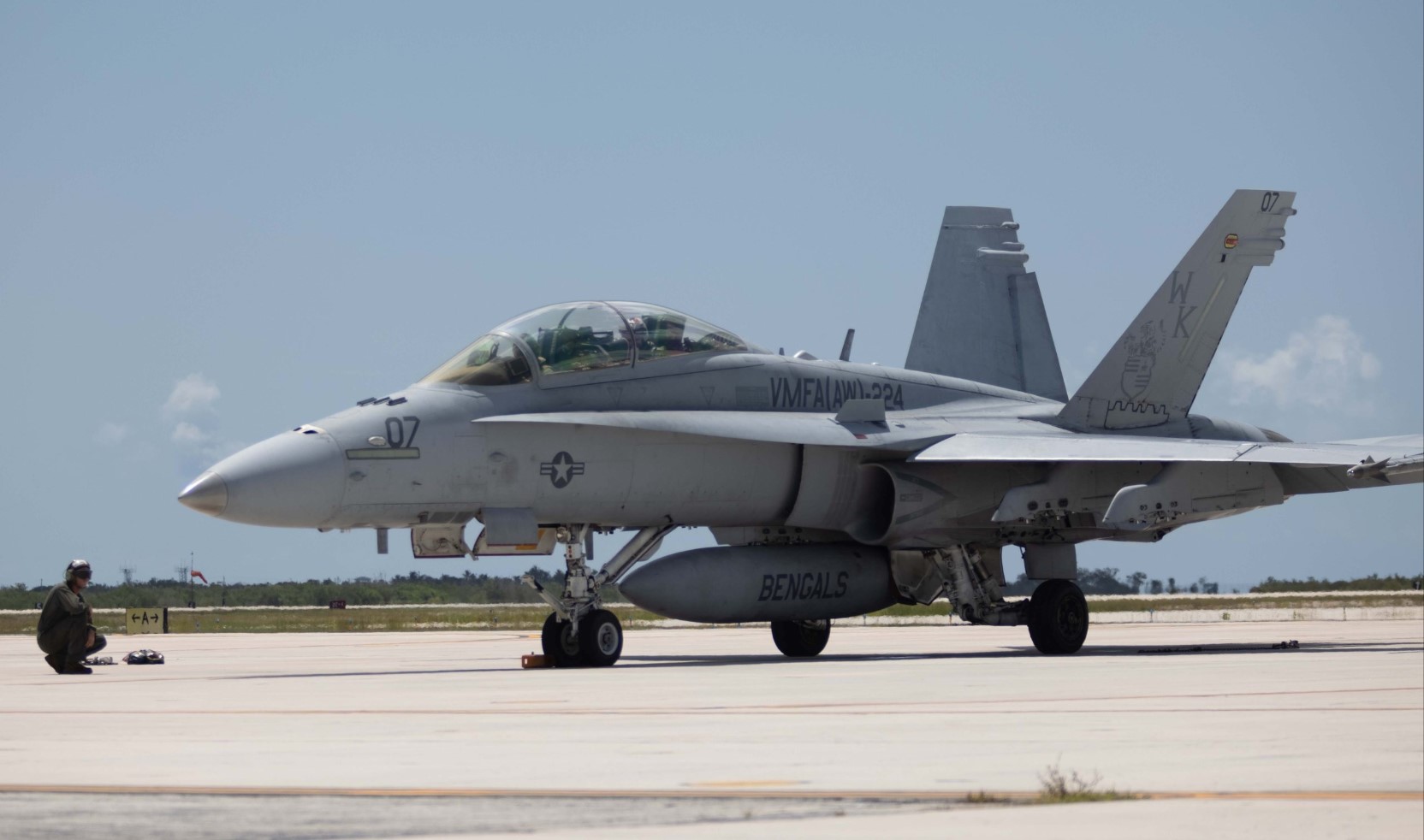 US Marine Corps F/A-18D Hornet Crashes During Training Flight in Washington Mountains; Pilot Ejects Safely
-
 Tulsi Gabbard Releases Declassified Files Detailing U.S.-Backed Network of 120 Biolaboratories Across 30+ Countries
-
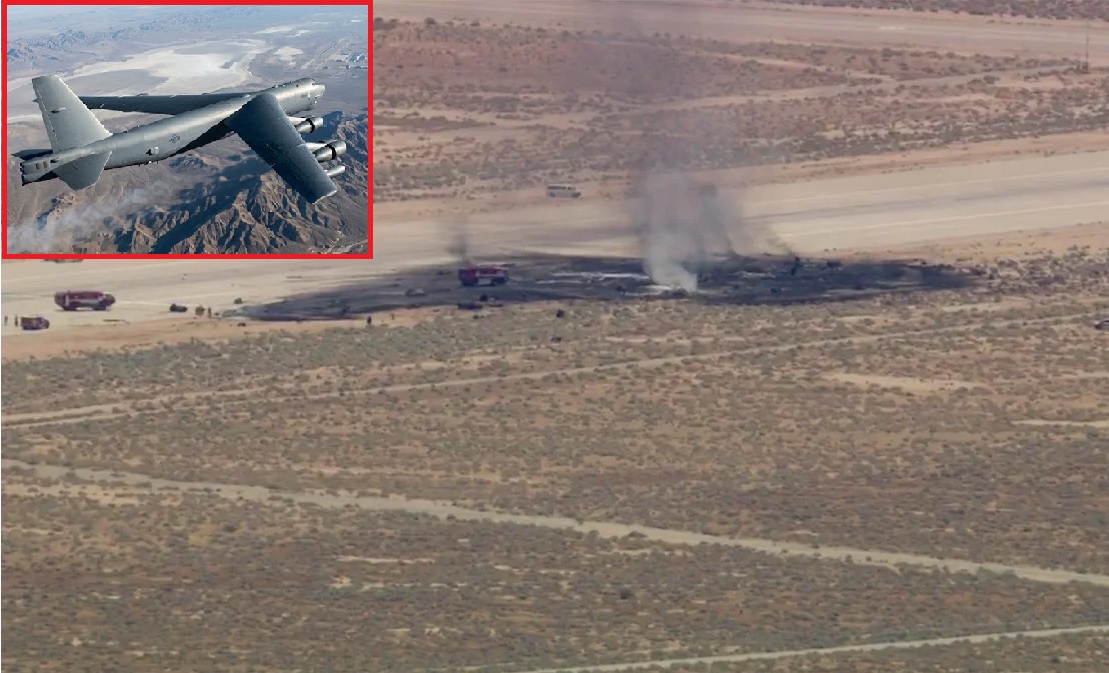 8 U.S. Air Force Crew Members Killed in B-52 Bomber Crash During Test Flight at Edwards Air Force Base
-
 Ukraine Introduces Balloon-Launched DART Missile Designed to Defeat Electronic Warfare
-
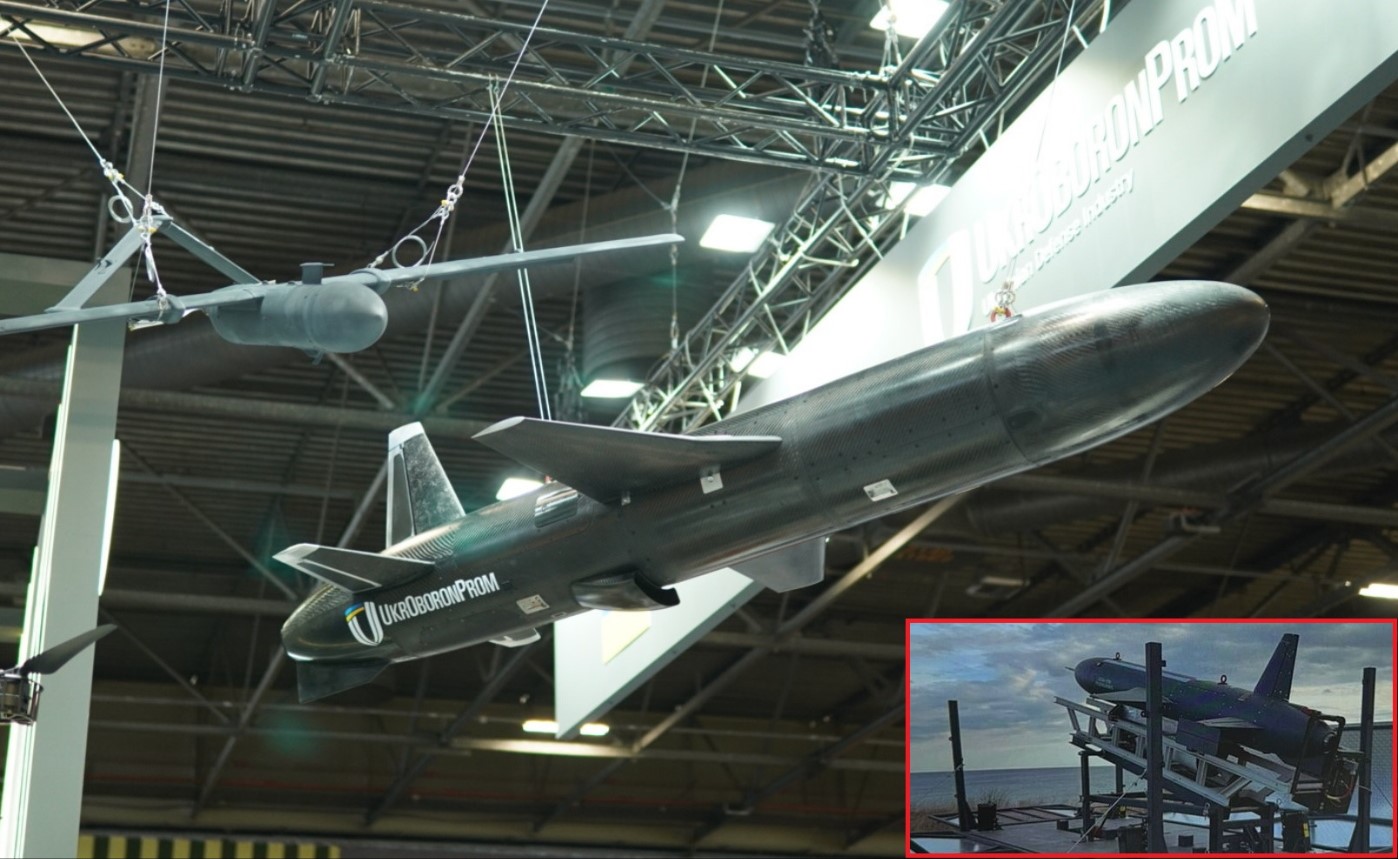 Ukraine Unveils UAV-290 Jet-Powered Strike Drone with 650 km Range at Eurosatory 2026
-
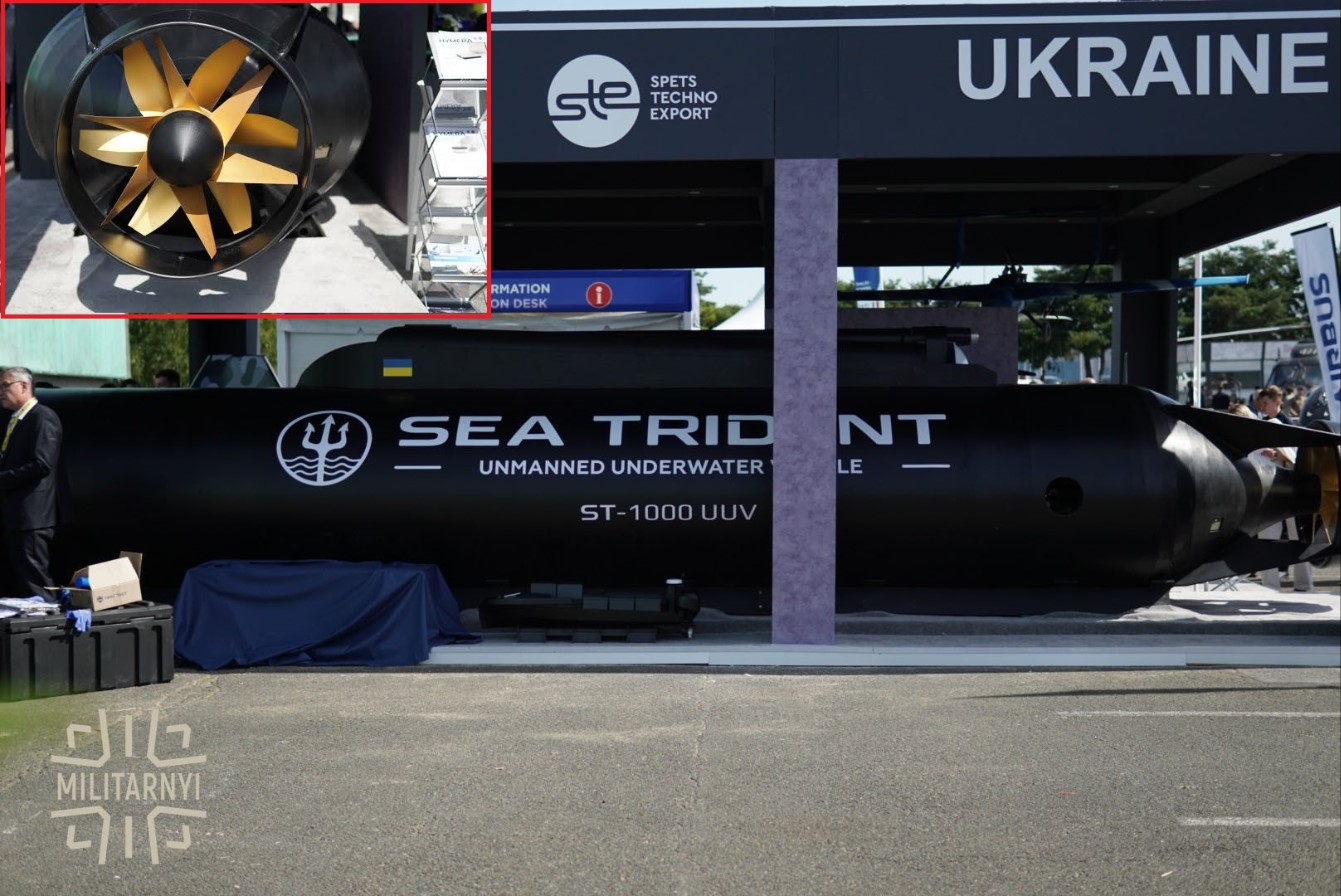 Ukraine Unveils 'Sea Trident' 10-Ton Autonomous Underwater Drone at Eurosatory 2026
-
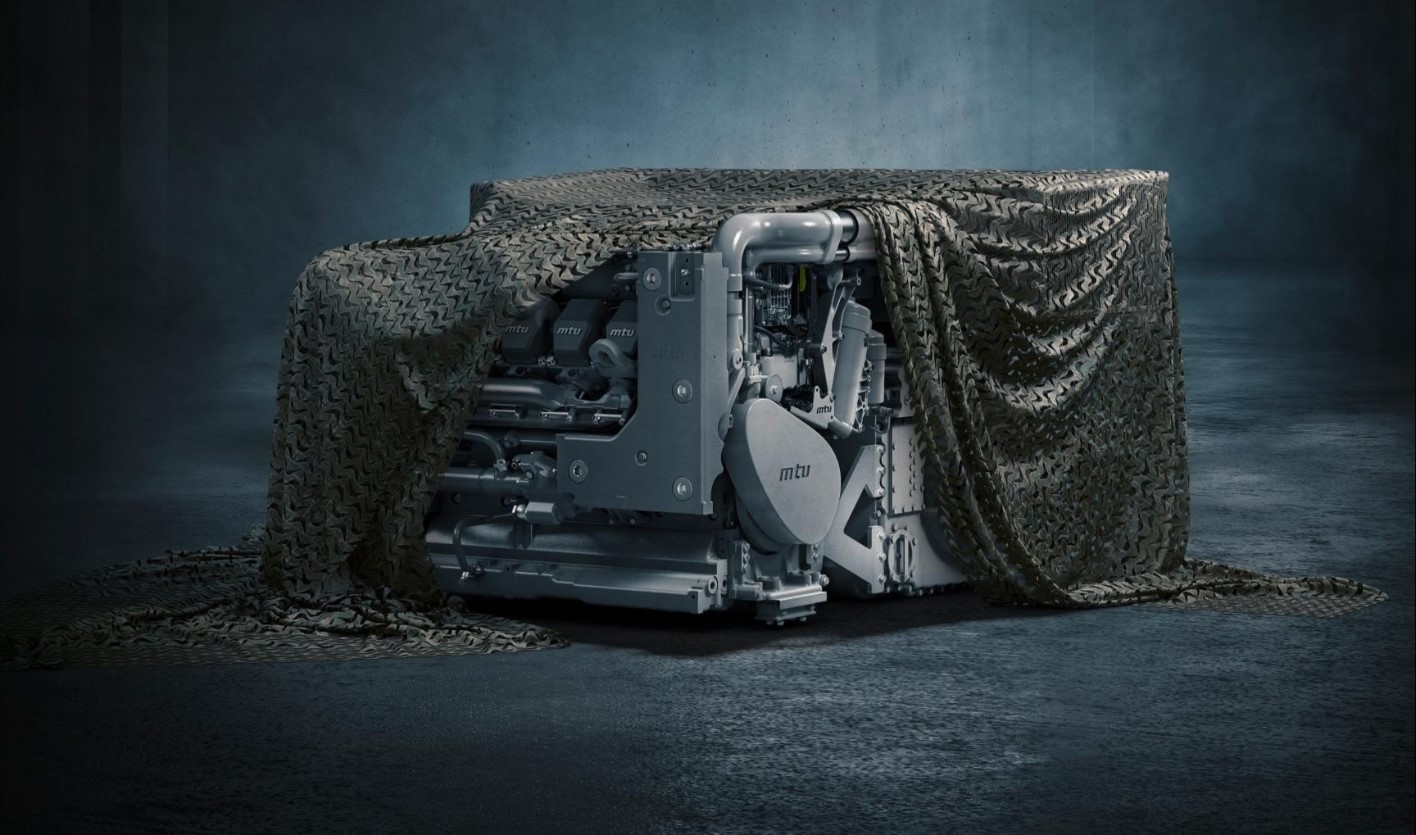 Rolls-Royce Unveils New Hybrid Powertrain for Heavy Military Vehicles at Eurosatory 2026
-
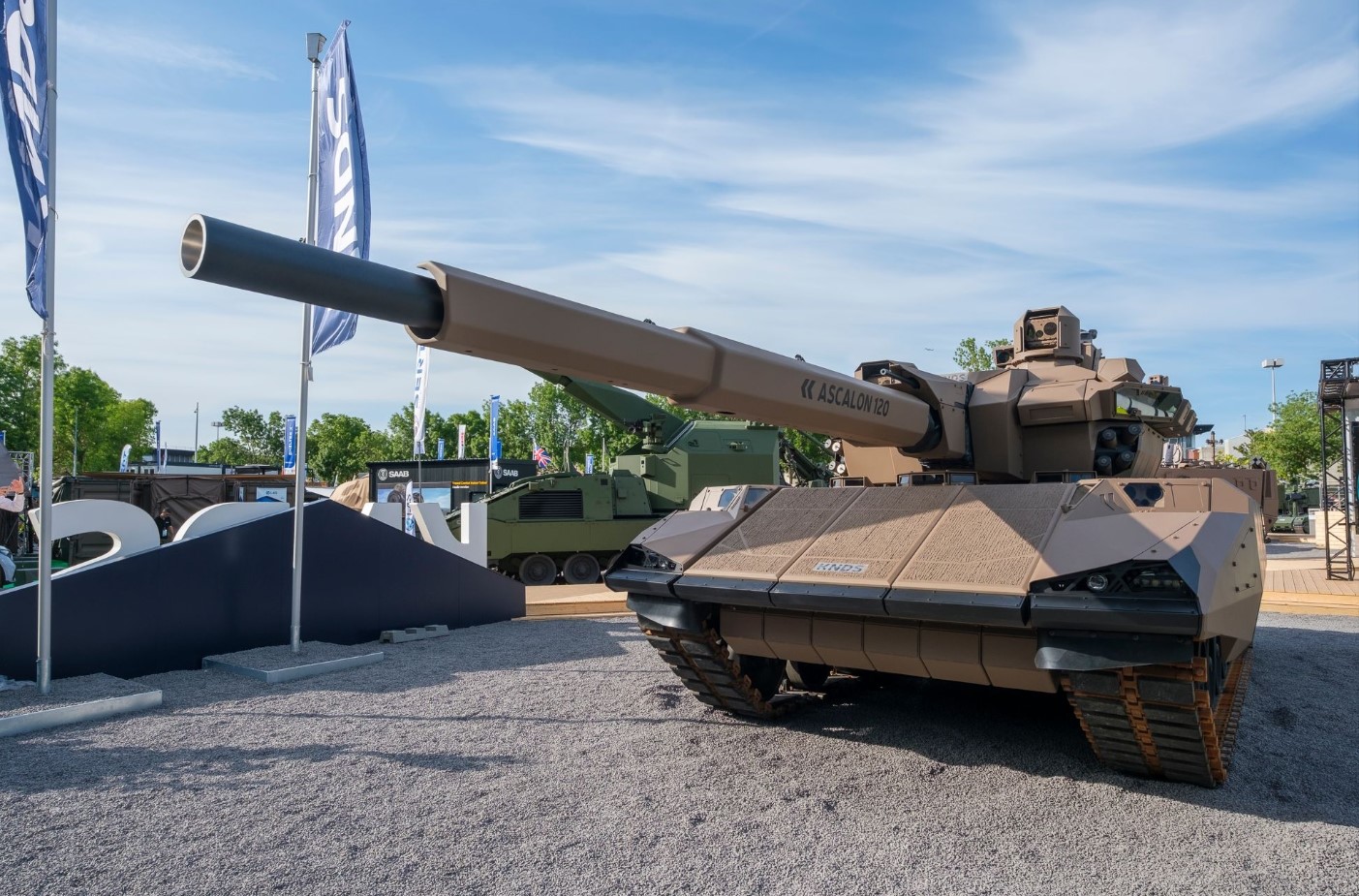 KNDS Unveils CAPINT Main Battle Tank at Eurosatory 2026 as Leclerc Stopgap