India
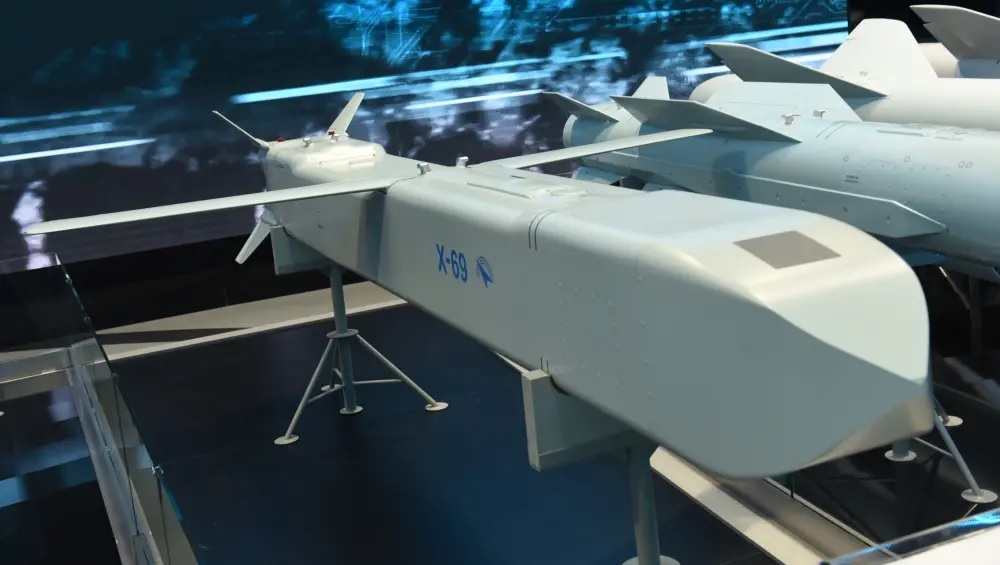
Russia is stepping up efforts to bolster the firepower of the Indian Air Force (IAF) by offering its state-of-the-art Kh-69 stealth cruise missile for integration with the Su-30MKI fighter jets. The proposal, if accepted, could significantly elevate India’s precision strike capabilities. However, the move is set against the backdrop of India's growing emphasis on indigenous defense production, creating a potential tug-of-war between foreign and domestic options.A Closer Look at the Kh-69 Stealth MissileDeveloped by Russia's Tactical Missiles Corporation (KTRV) and design bureau MKB Raduga, the Kh-69 is an advanced subsonic cruise missile engineered to destroy high-value, stationary targets with exceptional precision. Key features include: Stealth Design: The missile boasts a low radar cross-section, making it challenging for enemy air defense systems to detect and intercept.Extended Range: With an operational range exceeding 400 kilometers, the Kh-69 enables deep-strike missions without exposing the launching aircraft to significant threats.Heavy Warhead: Its 310 kg warhead is capable of neutralizing heavily fortified targets, including bunkers and military installations.Integration with Su-30MKI: The missile is designed to seamlessly fit with the Su-30MKI's weapon systems, leveraging the aircraft's advanced avionics for precision targeting. The Kh-69 is particularly suited for operations that demand stealth and precision, ranging from strategic missions to tactical support roles. However, much of its technical details remain classified, reflecting its cutting-edge design.India’s Modernization Agenda and the Su-30MKIThe Su-30MKI, manufactured by Hindustan Aeronautics Limited (HAL) under license, forms the backbone of the IAF's fleet. Equipped with advanced radar, electronic warfare systems, and a powerful AL-31FP engine, the Su-30MKI is a versatile platform capable of carrying a variety of weaponry, including air-to-air, air-to-ground, and cruise missiles.Adding the Kh-69 to the Su-30MKI’s arsenal would provide the IAF with a powerful tool for deep-penetration strikes. However, the decision isn’t straightforward. India is concurrently pursuing its own missile programs, including the Defence Research and Development Organisation’s (DRDO) work on indigenous stealth cruise missiles.Indigenous CompetitionIndia's focus on "Atmanirbhar Bharat" (self-reliant India) has seen a surge in domestic defense manufacturing initiatives. The DRDO, in collaboration with HAL, is developing long-range cruise missiles with stealth features that could rival the Kh-69. These projects aim to reduce dependency on imports, ensure technology control, and potentially lower costs in the long term.The BrahMos-NG, a lightweight version of the BrahMos supersonic cruise missile, is one such indigenous alternative. While it offers different operational parameters, its development underscores India’s capability to produce high-quality missile systems.Challenges Facing the Kh-69 in IndiaRussia’s proposal for the Kh-69 comes with several hurdles: Cost Factors: Integrating the missile with the Su-30MKI would require substantial investment, including modifications to the aircraft's systems. Indigenous Priorities: The IAF’s procurement strategy increasingly aligns with the government’s push for domestic production. Operational Fit: The IAF will need to evaluate if the Kh-69 meets its specific mission requirements better than available alternatives. The Way ForwardWhile the Kh-69 offers undeniable capabilities, its success in the Indian defense market hinges on multiple factors. Russia will need to provide competitive pricing, technology transfer assurances, and operational demonstrations to sway decision-makers. Simultaneously, India’s defense planners must weigh the benefits of acquiring a proven system against the strategic imperative of fostering indigenous innovation. As India continues to modernize its military, the battle between foreign technology and homegrown solutions will shape the future of its defense landscape. The Kh-69 may find a place in this dynamic equation, but it will have to overcome the formidable challenge posed by India’s growing missile development ecosystem.
Read More → Posted on 2024-11-26 16:10:39
India
The recent crash of an Indian Air Force (IAF) MiG-29UPG has sparked global discussions about the complexities of emergency ejections in combat aviation. Pierre Henri Chuet, a former French Navy fighter pilot renowned for his expertise with aircraft like the Rafale Marine and Super Etendard, offered a detailed analysis of the incident, shedding light on the unique challenges pilots face in such critical moments.The MiG-29UPG, an upgraded twin-engine fighter jet known for its agility and combat capabilities, entered a flat spin—a perilous situation where an aircraft loses aerodynamic control and descends rapidly while rotating on its horizontal axis. Flat spins are particularly dangerous due to the intense G-forces and unpredictable movement, making controlled recovery nearly impossible.The Pilot’s Decisive ActionChuet praised the MiG-29UPG pilot for displaying exceptional composure and quick thinking. Despite the high stakes, the pilot ensured the aircraft was directed away from populated areas before initiating ejection. Such decisions reflect the profound responsibility pilots bear not just for their own survival but also for minimizing risks to civilians on the ground.Chuet underscored the pilot's critical decision to eject at a safe altitude, ensuring the ejection seat and parachute system had adequate time to deploy and function. This swift action highlights the importance of rigorous training and mental preparedness, which enable pilots to act decisively under extreme pressure.The Science and Art of EjectionEjecting from a fighter jet, particularly in a flat spin, is a complex process influenced by numerous factors. Modern ejection seats, like the K-36DM used in the MiG-29UPG, are designed to operate effectively across a range of altitudes and speeds. However, flat spins complicate this process due to rapid vertical descent and unpredictable rotational dynamics, which can affect the trajectory of the ejection seat.Chuet elaborated on the critical role of parachutes in ejection scenarios. These parachutes are often color-coded to suit specific environments—neutral tones for stealth in combat zones or bright colors to facilitate rescue operations in peacetime emergencies. Such considerations are integral to pilot survival and recovery strategies.Challenges of Fleet ModernizationBeyond the immediate incident, Chuet touched on broader issues faced by the IAF. The MiG-29UPG represents a blend of legacy airframes and modern avionics, embodying the challenges of operating a diverse fleet. Maintaining older platforms while integrating cutting-edge technology demands significant resources and expertise. This complexity impacts operational readiness, fleet standardization, and long-term sustainability.The MiG-29UPG itself is an upgraded variant of the original MiG-29, featuring improved avionics, radar systems, and air-to-air refueling capabilities. While these upgrades enhance the aircraft’s performance, the aging airframe poses inherent risks, as highlighted by this incident.Lessons in Training and TechnologyChuet emphasized the value of advanced pilot training and mental fortitude in navigating high-risk scenarios. The successful ejection in such extreme conditions underscores the effectiveness of the IAF’s rigorous training programs. Additionally, the incident highlights the ongoing need for technological advancements to enhance aircraft safety and reliability.The analysis by Chuet not only celebrates the skill and heroism of the IAF pilot but also provides critical insights into the challenges of combat aviation. From the physics of ejection to the complexities of fleet management, the incident serves as a reminder of the intricate balance between human capability and technological innovation in modern air forces. This commentary underscores the importance of continuous investment in pilot training, emergency preparedness, and fleet modernization to ensure the safety and effectiveness of combat aviation in the face of evolving challenges.
Read More → Posted on 2024-11-26 15:55:51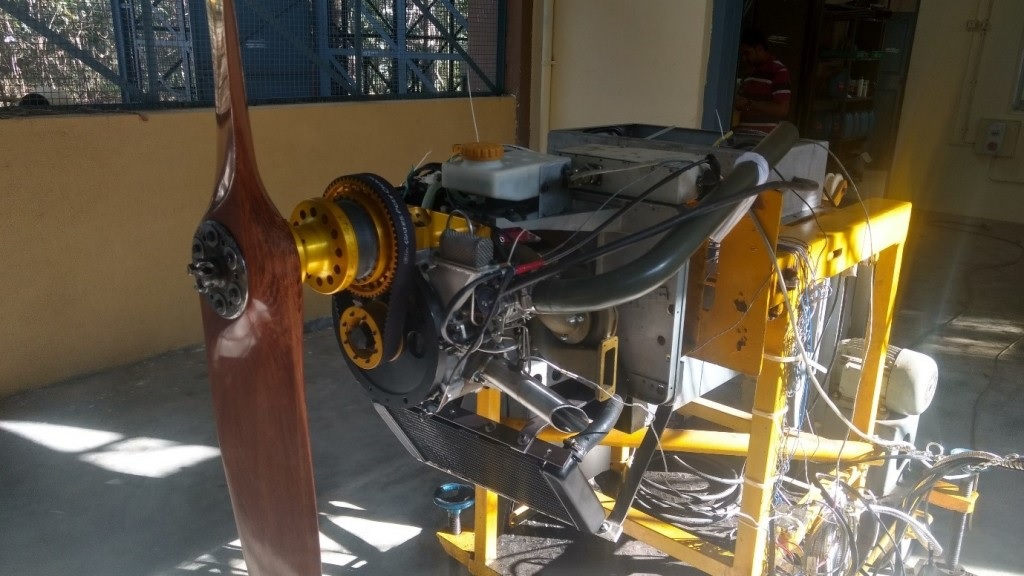
India
The National Aerospace Laboratories (NAL), India’s premier aerospace research institution, is pushing the boundaries of Wankel rotary engine technology, making significant strides in unmanned aerial vehicles (UAVs) and various other advanced applications. With a focus on developing compact, efficient, and high-performance engines, NAL’s contributions are cementing India’s position as a global player in aerospace innovation.Understanding Wankel Rotary EnginesOriginally designed by German engineer Felix Wankel in the 1950s, the Wankel rotary engine is distinct for its eccentric rotary design that transforms pressure into rotational motion. Unlike conventional piston engines, Wankel engines boast a compact structure, smoother operation, and fewer moving parts, resulting in less vibration and wear. However, they come with challenges, such as lower thermal efficiency and higher emissions.Despite these limitations, their advantageous power-to-weight ratio and ability to function in compact spaces make them ideal for specialized applications, particularly in aerospace and defense.NAL’s Breakthroughs in Wankel Engine DevelopmentTactical UAV Engines: The 55 hp Wankel EngineNAL has developed a 55 hp Wankel engine tailored for tactical UAVs under the Defense Research and Development Organisation (DRDO). This engine is airworthiness-certified, meeting stringent standards required for defense operations. It exemplifies NAL’s commitment to producing indigenous technologies that can meet critical national security needs.Powering Kamikaze Drones: The 30 hp Wankel EngineBuilding on its expertise, NAL introduced a 30 hp Wankel engine specifically designed for loitering munitions, commonly known as kamikaze drones. These advanced drones, capable of carrying payloads up to 120 kg, are engineered for precision strikes and effective operation in GPS-denied environments. Such advancements highlight the adaptability of Wankel engines in modern warfare.Hybrid Configurations for Enhanced PerformanceRecognizing the potential of hybrid propulsion systems, NAL is exploring combinations of Wankel engines with electric propulsion. This integration aims to create versatile systems for UAVs and cruise missiles, offering improved fuel efficiency and performance.Specialized Facilities at NALNAL’s Rotary Engines and Ceramics Application Laboratory (RECAL) is at the forefront of designing and testing Wankel rotary combustion engines. The lab supports a wide power range from 1 to 120 hp and is equipped with: Advanced test rigs to measure engine-propeller thrust. Exhaust gas emission analysers for precise monitoring. This infrastructure ensures that the engines meet the highest standards of reliability and efficiency, making them suitable for both military and civilian applications.Expanding Applications Beyond AerospaceNAL’s Wankel engines are finding use beyond UAVs, showcasing their versatility: Compact generators: Ideal for portable energy needs. Outboard motors: Enhancing efficiency in marine applications. Powered hang gliders: Offering lightweight propulsion for recreational aviation. Hybrid vehicles: Exploring green solutions for future transportation. These applications underline the adaptability of Wankel engines, particularly in industries where compact design and high power output are critical.Pioneering India’s Aerospace FutureNAL’s ongoing work with Wankel engines highlights its dedication to advancing India’s aerospace and defense capabilities. By continuously innovating and optimizing this technology, NAL is addressing both the challenges and opportunities associated with rotary engines. The focus on hybrid solutions and diverse applications underscores their relevance in both military and civilian contexts, ensuring a robust and sustainable future for India’s aerospace sector. With the development of state-of-the-art propulsion systems, NAL is positioning India as a leader in global aerospace innovation while catering to the unique demands of modern technology and defense.
Read More → Posted on 2024-11-26 15:42:31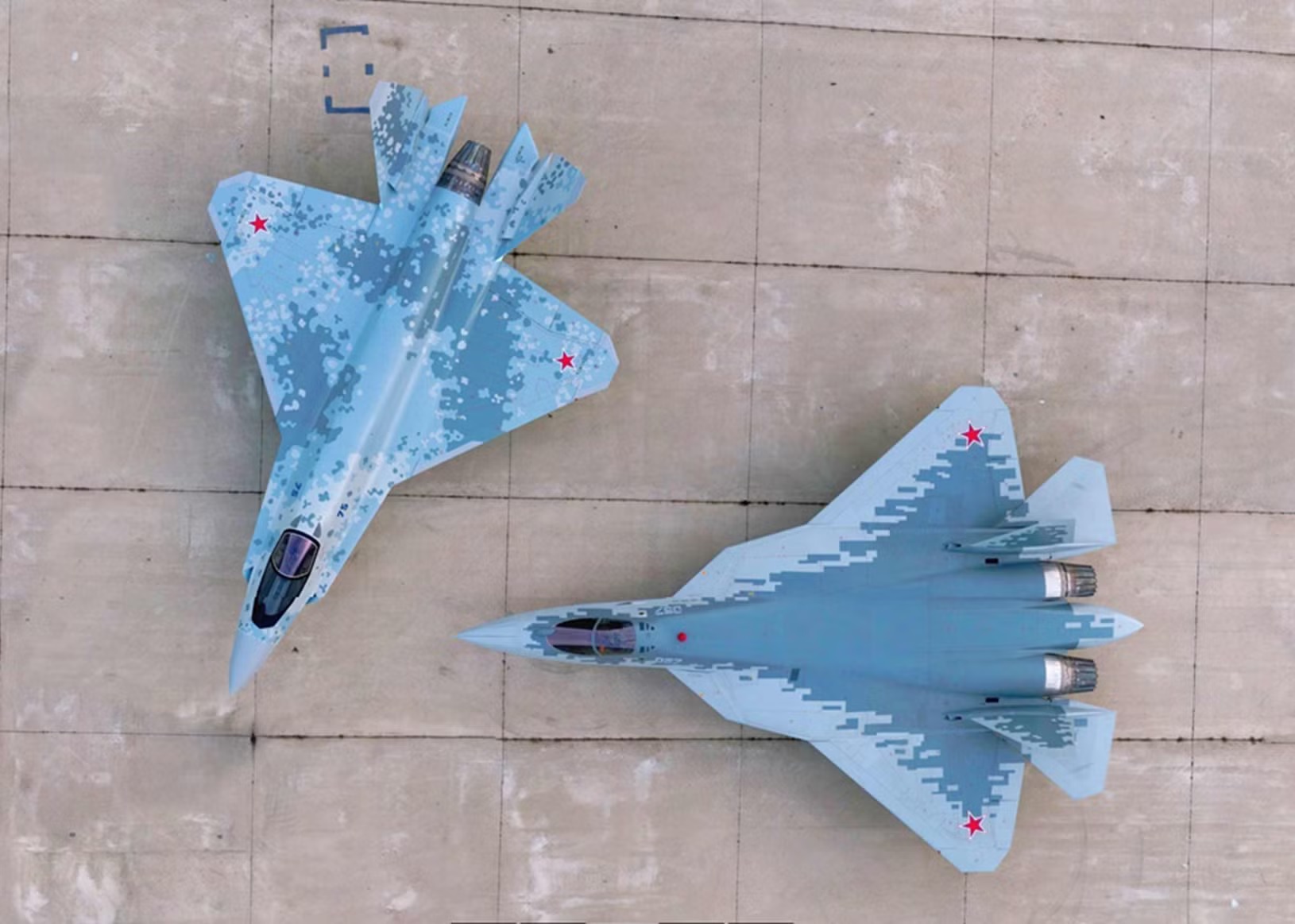
India
India's quest to modernize its air combat capabilities faces a crossroads as the Parliamentary Standing Committee on Defence prepares to push for an alternative to the stalled Multi-Role Fighter Aircraft (MRFA) program. With the Indian Air Force's (IAF) squadron strength dwindling, the committee is expected to urge the government to consider an "over-the-counter" purchase of fifth-generation fighter jets. This suggestion, while pragmatic, opens a debate about the balance between urgent requirements and long-term goals for defense self-reliance.The MRFA Delays and Rising ConcernsThe MRFA project, envisioned to procure 114 advanced fighter aircraft under the "Make in India" initiative, has been plagued by bureaucratic delays and procedural complexities. Estimated at $20 billion, the program aims to integrate state-of-the-art technology while fostering domestic manufacturing capabilities through partnerships with global aerospace firms. However, the pace of progress has been disappointingly slow, raising fears of a repeat of prolonged development timelines seen in the Light Combat Aircraft (LCA) Tejas and Kaveri engine programs.The Parliamentary Committee has repeatedly flagged the risks of inaction. The IAF's sanctioned squadron strength of 42 has dwindled to around 30 squadrons, even as threats in the region grow. China's rapidly advancing airpower and Pakistan's acquisition of new fighter jets exacerbate the situation, leaving India in a precarious position.Over-the-Counter Fifth-Generation Fighters: A Short-Term Fix?To address these immediate concerns, the committee is advocating for the purchase of fifth-generation fighters directly from international manufacturers. Aircraft like the American F-35 Lightning II, the most advanced multi-role stealth fighter currently operational, are often cited as potential candidates. The F-35 offers cutting-edge capabilities, including: Stealth Technology: Advanced materials and designs ensure minimal radar visibility. Sensor Fusion: Real-time integration of data from multiple sensors for unmatched situational awareness. Network-Centric Warfare: Interoperability with other platforms, enabling seamless coordination in combat. Versatility: Capable of air superiority, ground attack, and intelligence missions. However, acquiring such jets over the counter comes with high financial costs, estimated at $80–100 million per aircraft, excluding additional expenses for infrastructure, training, and maintenance. Moreover, reliance on foreign-made jets could undermine the momentum of indigenous projects like the Advanced Medium Combat Aircraft (AMCA), India’s ambitious effort to field a homegrown fifth-generation platform by 2035.Striking the Balance: Short-Term vs. Long-Term NeedsWhile the urgency of the IAF's capability shortfall cannot be overstated, experts caution against prioritizing immediate purchases at the cost of long-term objectives. The AMCA program, though years away from operational readiness, represents a cornerstone of India’s defense aspirations. A similar argument applies to the stalled Kaveri jet engine project, which holds potential to reduce reliance on foreign propulsion systems.To mitigate risks, India could consider a hybrid approach. This might involve limited over-the-counter purchases of fifth-generation fighters to meet pressing needs while accelerating AMCA and other indigenous programs. International collaboration, as seen with India's deal with GE Aerospace for fighter jet engines, could also help bridge capability gaps without derailing domestic initiatives.Conclusion: Navigating a Strategic ChoiceThe Parliamentary Committee's anticipated recommendation reflects a stark reality: the IAF's immediate operational requirements cannot wait for bureaucratic red tape to untangle. However, the government must tread carefully. A knee-jerk shift to foreign purchases could undermine India’s vision of self-reliance, a goal championed by the "Make in India" campaign. As India deliberates its options, the challenge lies in balancing the need to bolster its defenses now with the imperative to cultivate a robust and independent defense ecosystem for the future.
Read More → Posted on 2024-11-25 16:20:16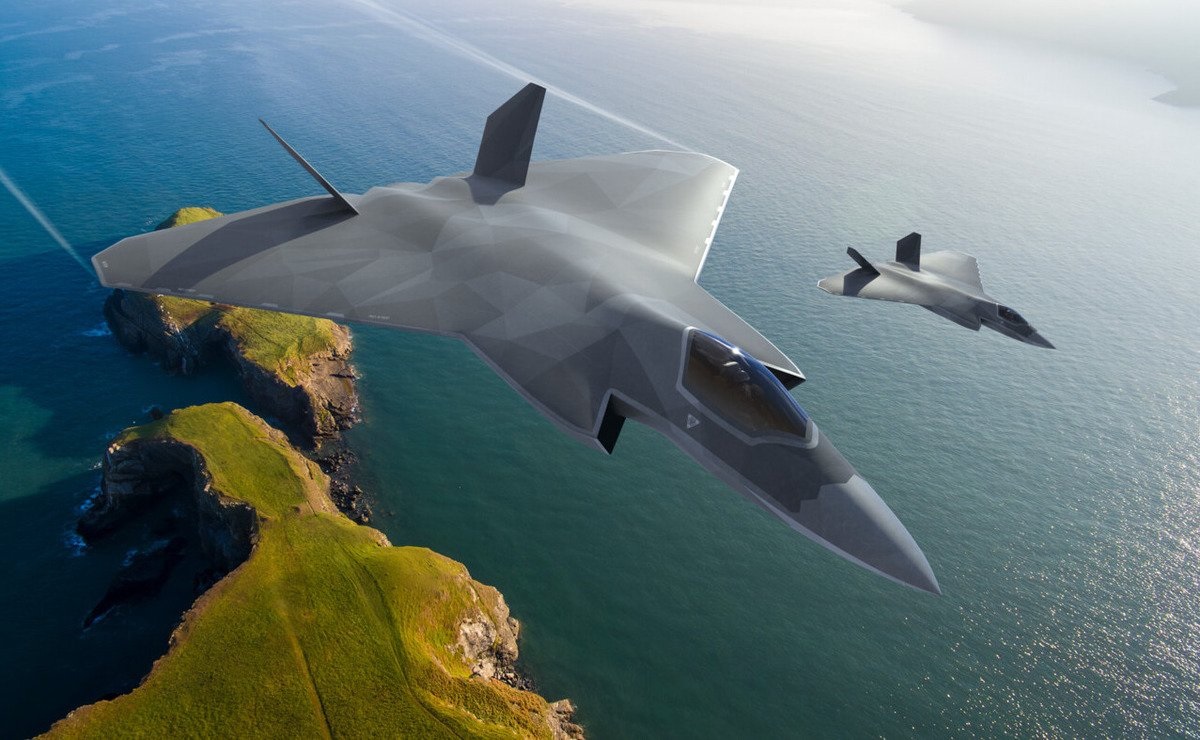
India
India and Italy are advancing their defence partnership to unprecedented heights, focusing on potential collaboration in developing the sixth-generation Global Combat Air Program (GCAP) fighter jet. This project, which already includes Italy, the United Kingdom, and Japan, represents the pinnacle of modern military aviation, and India's involvement could mark a transformative step in its aerospace and defence ambitions.A Strategic Vision for Defence CollaborationThe foundation for this collaboration was laid in the Joint Strategic Action Plan 2025-29, a roadmap designed to deepen defence and industrial cooperation between the two nations. This comprehensive plan targets joint ventures, technology transfers, and co-development in cutting-edge defence technologies. A crucial component is the proposed Memorandum of Understanding (MoU) between the Society of Indian Defence Manufacturers (SIDM) and the Italian Industries Federation for Aerospace, Defence, and Security (AIAD). This MoU aims to facilitate partnerships that could propel both nations into the forefront of defence innovation.India and Italy have also emphasized stronger ties between their armed forces. Enhanced interaction and interoperability are particularly significant, given Italy's increasing strategic focus on the Indo-Pacific region, where India is a key player. Additionally, agreements on classified information protection and maritime and port security cooperation are under negotiation, underscoring the expanding scope of their partnership.GCAP: A Game-Changer in Military AviationThe GCAP project represents a revolution in military aviation technology, integrating advanced stealth features, artificial intelligence (AI) for decision-making, and network-centric warfare capabilities. The aircraft will likely boast technologies such as: High-energy laser weapons for defence against incoming missiles. Next-gen sensors and avionics, capable of seamless multi-domain operation. Swarming drone capabilities, where the fighter jet acts as a command node for autonomous drones. Hypersonic missile integration, allowing it to strike targets with unparalleled speed and precision. Italy has expressed strong interest in expanding the GCAP consortium to include India, recognizing the country's growing defence manufacturing capabilities and its ambitions to develop indigenous fighter jets. Discussions were initiated during the G20 Summit in Brazil, where Italy highlighted India's potential to contribute to and benefit from this high-profile program.Opportunities for IndiaFor India, joining the GCAP consortium offers access to state-of-the-art technologies that could accelerate its indigenous fighter jet initiatives, such as the Advanced Medium Combat Aircraft (AMCA) program. Collaboration with global leaders in military aviation could provide India with: Technology transfer in stealth materials, AI-driven systems, and next-gen propulsion. Opportunities for skill enhancement within its domestic defence workforce. A platform to boost its ambitions in self-reliance (Atmanirbhar Bharat) by incorporating advanced technology into its domestic manufacturing ecosystem. Additionally, India's participation in GCAP could position it as a significant player in global defence supply chains, opening up export opportunities for locally manufactured components and systems.Benefits for ItalyFrom Italy’s perspective, partnering with India provides access to one of the largest and fastest-growing defence markets in the world. It also strengthens Italy’s strategic presence in the Indo-Pacific, a region gaining global attention for its geopolitical significance. By involving India in the GCAP, Italy not only gains a reliable partner but also ensures the program benefits from India's technical expertise and manufacturing prowess.Building a Future TogetherAs India continues its journey toward defence self-reliance, its partnership with Italy holds immense promise. The GCAP fighter jet project exemplifies the type of high-stakes, high-reward collaboration that could redefine their bilateral relationship. Beyond technology and defence production, this partnership symbolizes a shared vision for regional and global stability. With agreements being solidified and discussions gaining momentum, the India-Italy collaboration on GCAP could pave the way for a new era in defence innovation and cooperation. For both nations, the stakes are high—but so are the potential rewards.
Read More → Posted on 2024-11-25 16:03:12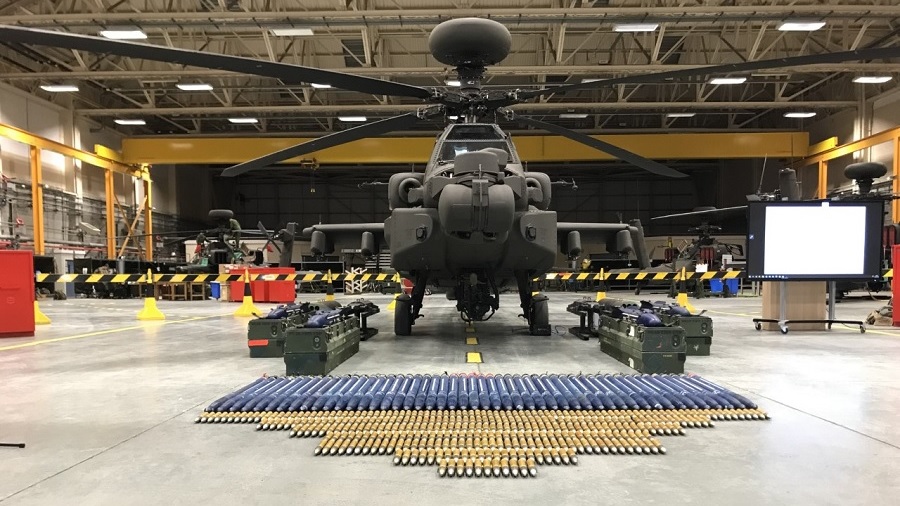
India
After months of anticipation and global supply chain disruptions, the Indian Army is on track to receive its first batch of AH-64E Apache attack helicopters from Boeing in December 2024. This delivery marks a pivotal upgrade in the Army's combat capabilities, reinforcing its aerial strength and operational readiness in challenging terrains.Overcoming Delays and ChallengesInitially slated for February 2024, the delivery faced delays due to setbacks in the supply of critical components. The global defence manufacturing sector, grappling with pandemic-induced bottlenecks and geopolitical tensions, experienced widespread disruptions, affecting timelines for high-tech military assets. Boeing, however, has reaffirmed its commitment to fulfilling the revised schedule, with subsequent deliveries expected to follow promptly.Deployment and Tactical AdvantageThe Indian Army plans to deploy the Apaches in the arid and rugged landscapes along its western borders. Known for their exceptional versatility, the AH-64E helicopters are perfectly suited for operations in desert regions. They bring a triad of unmatched capabilities to the Army’s arsenal: Close Air Support: Equipped with a 30mm M230 Chain Gun and advanced Hellfire missiles, Apaches provide precision firepower to support ground forces. Precision Strikes: The helicopters’ AGM-114R Hellfire missiles and Hydra 70 rockets enable them to neutralize high-value targets with surgical accuracy. Reconnaissance: The Longbow radar and advanced sensors allow real-time intelligence gathering, enhancing battlefield awareness and coordination. Specifications of the AH-64E ApacheThe AH-64E Guardian variant being delivered is the most advanced version of the Apache helicopter series. Key specifications include: Speed: Maximum cruising speed of 284 km/h. Range: Combat radius of approximately 480 kilometers. Payload: Ability to carry a mix of armaments, including 16 Hellfire missiles, 76 Hydra 70 rockets, and Stinger air-to-air missiles. Avionics: Equipped with modern avionics like a Target Acquisition Designation Sight (TADS) and Pilot Night Vision System (PNVS). Survivability: Features self-sealing fuel tanks, reinforced airframes, and a suite of electronic countermeasures for high survivability. Strengthening Indian DefenceThe Indian Air Force (IAF) already operates 22 AH-64E Apaches, inducted between 2019 and 2020. These helicopters have proven their worth in enhancing the IAF’s firepower and precision strike capabilities. The addition of six Apaches for the Indian Army, procured under a 2020 contract worth $800 million, represents a milestone as it marks the first dedicated batch for Army Aviation. This move will bolster joint operations between the Army and IAF, creating a more cohesive and powerful defence network.Local Manufacturing: A Step Towards Self-RelianceThe delays have highlighted the vulnerability of global supply chains, emphasizing the need for localized production. Boeing’s partnership with Tata Boeing Aerospace Limited (TBAL) in Hyderabad is a significant stride in this direction. TBAL is already producing fuselages for Apaches, aligning with India’s "Make in India" and "Aatmanirbhar Bharat" initiatives to reduce dependency on foreign suppliers and strengthen indigenous manufacturing.The arrival of the AH-64E Apache helicopters in December 2024 will be a landmark event for the Indian Army. Despite the delays, the advanced capabilities of these helicopters will enhance India's tactical edge, particularly in hostile environments. Furthermore, the collaboration between Boeing and Indian manufacturers underscores the potential of public-private partnerships in advancing India’s defence ecosystem. This development not only strengthens India’s military readiness but also reflects its growing focus on self-reliance in defence production. With the AH-64E Apaches in its fleet, the Indian Army is poised to set new benchmarks in aerial warfare and operational strategy.
Read More → Posted on 2024-11-25 15:58:30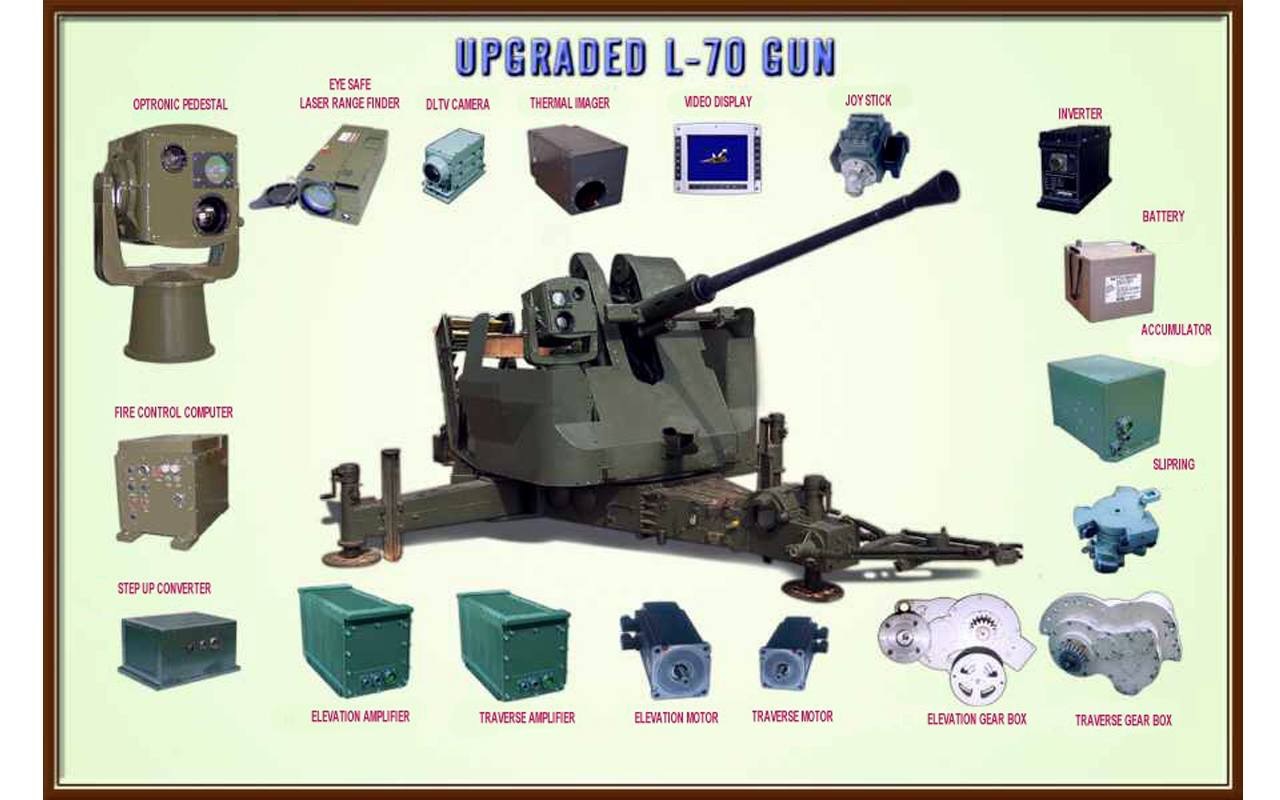
India
Bharat Electronics Limited (BEL) has propelled India’s defence capabilities to a new level by integrating its cutting-edge Drone Guard System (DGS) into the iconic Bofors 40mm L/70 autocannon. This innovative upgrade transforms the decades-old weapon into a state-of-the-art countermeasure system, tailored to neutralize contemporary aerial threats, especially drones, which have become a critical concern for modern security frameworks.Breathing New Life Into a Classic WeaponThe Bofors 40mm L/70, a trusted mainstay of air defence systems, has received a comprehensive technological overhaul to address the complexities of modern warfare. BEL has replaced the original hydraulic drives with advanced all-electric drives, significantly improving the gun’s efficiency and precision. This transition eliminates hydraulic fluid concerns, reduces maintenance demands, and allows for quieter operation, particularly when powered by batteries.The integration includes an advanced Fire Control System (FCS) equipped with optronic sight capabilities. The FCS now features: Eye-safe Laser Range Finder (LRF) for accurate distance measurement. Day-Light Television (DLTV) and Thermal Imaging (TI) for enhanced target acquisition in varied conditions. Autonomous ballistic computation capabilities that include real-time muzzle velocity adjustments and tilt correction, ensuring pinpoint accuracy. Additionally, the system interfaces seamlessly with Target Acquisition (TA) and Fire Control (FC) radars, enabling automated target tracking and engagement in coordinated defence networks.BEL's Drone Guard System: A Shield Against Modern ThreatsThe highlight of this upgrade is the integration of BEL’s Drone Guard System. Designed to counter the growing menace of unmanned aerial systems (UAS), the DGS combines detection, tracking, and neutralization in one robust package. Detection and Tracking: Utilizing advanced Electro-Optical and Infrared (EO-IR) sensors, the system can identify and continuously track drones based on their radio frequencies and control signals.Neutralization: The system deploys a dual-layered defence strategy. While its jamming capabilities disrupt communication between drones and their operators, the L/70 cannon provides kinetic destruction, ensuring complete elimination of the threat. The combined system is particularly effective against swarm drone attacks, a growing tactical challenge in both urban and battlefield scenarios. It also addresses traditional threats like helicopters and low-flying aircraft, offering unparalleled versatility.A Game-Changer for Indian DefenceThis enhanced Bofors L/70 is a testament to India's advancements in indigenous defence technology. It provides a cost-effective solution for safeguarding critical infrastructure, military installations, and sensitive urban zones. The gun's adaptability, combined with its ability to operate silently using batteries, ensures stealth and efficiency in diverse operational scenarios.The upgrade also positions India as a potential exporter of this hybrid defence system. With several nations still relying on the Bofors L/70 for air defence, BEL’s modernized solution could cater to a global demand for effective counter-drone technologies.Future ImplicationsAs drones evolve into a dominant component of aerial warfare, the integration of systems like BEL’s DGS into proven platforms such as the Bofors 40mm L/70 highlights the importance of combining legacy systems with cutting-edge technology. This innovation not only strengthens India’s defence capabilities but also underscores its ability to develop globally competitive solutions for modern security challenges.
Read More → Posted on 2024-11-25 15:45:28
India
The Indian Army is undergoing a transformative shift, preparing itself for the complexities of modern warfare by embracing technology and expertise like never before. In an era where digital threats often eclipse conventional battles, the Army's decision to recruit cyber warriors, IT specialists, and linguists marks a pivotal moment in its evolution. Spearheaded by Lieutenant General Rakesh Kapoor, Deputy Chief of Army Staff, this initiative underscores the military's recognition of the indispensable role of technology in safeguarding national security.A New Approach to RecruitmentModern warfare demands specialized capabilities, and the Indian Army is setting a precedent by recruiting domain experts at both officer and non-commissioned officer levels. This effort is not just an enhancement of existing frameworks but a revolutionary reimagining of what it means to serve in the armed forces.Following the success of a pilot project, the Army plans to launch 17 specialized entry schemes tailored for high-tech and strategic domains. These include positions for cybersecurity experts, IT specialists, and strategic linguists, with five entries exclusively dedicated to linguistic roles. To ensure the best minds join its ranks, the Army will leverage a rigorous selection process, including the Service Selection Board (SSB) interviews, targeting candidates with postgraduate and graduate qualifications.Notably, this initiative reflects a gender-neutral stance, welcoming applications from both men and women. Such inclusivity not only enriches the talent pool but also aligns with broader societal shifts towards equality in traditionally male-dominated professions.Technology as the BattlefieldLt Gen Kapoor has positioned technology as a "force multiplier" for the Indian Army. In line with this vision, the Ministry of Defence has declared 2024-25 as the "Years of Technology Absorption," signaling a commitment to integrating cutting-edge innovations into defense operations. The Army's focus spans 16 technology clusters that highlight the future battlefield's diverse and dynamic nature: Cybersecurity and Quantum Computing: Securing critical infrastructure and communication networks while preparing for quantum breakthroughs. 5G/6G Networks and IoT: Leveraging high-speed, interconnected systems for seamless operations. Artificial Intelligence and Robotics: Automating decision-making processes and deploying advanced robotic systems in combat and support roles. Directed Energy Weapons: Exploring laser and microwave technologies for precision targeting. Counter-UAS and Loitering Munitions: Strengthening defenses against unmanned aerial threats while refining offensive drone tactics. Blockchain and 3D Printing: Enhancing supply chain transparency and enabling rapid prototyping of critical components. These clusters are not isolated ventures but integrated pillars of a cohesive strategy designed to fortify India's defense architecture.Beyond the Battlefield: Linguistic StrategyAmidst the focus on technology, the Army has also recognized the strategic importance of linguistics in modern warfare. Fluency in foreign and regional languages is becoming increasingly vital for intelligence gathering, psychological operations, and fostering diplomatic channels. By recruiting experts in this field, the Army is ensuring it can operate seamlessly in diverse geopolitical environments.Transforming into a Global LeaderLt Gen Kapoor envisions a future where the Indian Army not only meets evolving threats but also sets global benchmarks in defense innovation. By investing in human capital and technological integration, the Army aims to transition into a lean, technology-driven force capable of addressing multifaceted security challenges.This initiative also extends beyond national security, positioning the Indian Army as a key player in India's broader technological aspirations. Collaborations with academia, startups, and private enterprises are expected to further accelerate this transformation.A Step Towards Future WarsThe Army's proactive recruitment drive and emphasis on technology mark a forward-looking approach that is as much about deterrence as it is about preparedness. By aligning its operational strategies with technological advancements, the Indian Army is ensuring it remains resilient and adaptive in an era of unpredictable challenges. This transformation is not just about the battlefield—it's about redefining the very essence of modern military power.
Read More → Posted on 2024-11-24 15:59:07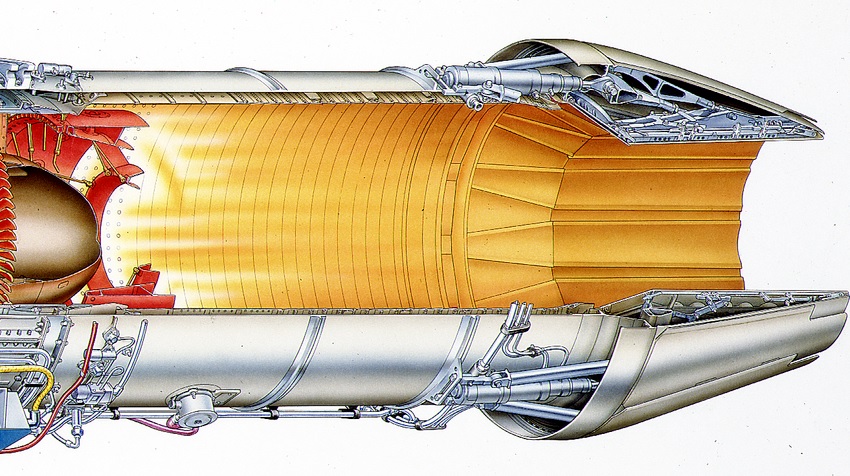
India
BrahMos Aerospace, renowned for its supersonic cruise missiles, is charting new territory by developing a cutting-edge afterburner for the Dry Kaveri engine. This ambitious project, aimed at boosting the engine's thrust to a remarkable 80kN, marks a significant leap in India’s pursuit of indigenous aerospace technology. The advanced afterburner, designed entirely from scratch, integrates innovative materials and engineering methods to meet the demanding thermal and mechanical requirements of high-performance engines.The new afterburner, tailored specifically for the Dry Kaveri engine—a non-afterburning variant from the Kaveri family developed by the Gas Turbine Research Establishment (GTRE) under DRDO—adds a robust 29kN of thrust. This addition ensures the engine achieves its full potential, elevating its capability to compete with global powerplants.The Dry Kaveri engine itself has been a cornerstone of India’s efforts to create a reliable, indigenous engine for aerospace applications. While its original design lacked an afterburner, this new development bridges that gap, offering enhanced performance essential for advanced fighter aircraft and other high-thrust platforms.Advanced Engineering Meets Indigenous InnovationBrahMos Aerospace's role in developing this sophisticated afterburner is pivotal. The component has been built from the ground up, leveraging advanced materials capable of withstanding extreme temperatures and stress conditions. The engineering process integrates cutting-edge thermal management systems, ensuring efficiency and durability under operational demands.Once integrated, the afterburner section will undergo rigorous testing to validate its performance and reliability in real-world scenarios. The tests will focus on ensuring seamless operation, sustained thrust delivery, and adaptability to diverse aerospace platforms.Strategic Implications for India's Defence CapabilitiesThe successful completion of this project could have far-reaching implications for India's defence ecosystem. An enhanced Dry Kaveri engine could power a range of indigenous platforms, from unmanned aerial vehicles (UAVs) to next-generation fighter aircraft and advanced cruise missiles. The added thrust and efficiency could also make it an attractive option for export markets, further cementing India’s position in global aerospace technology.This initiative also highlights the expanding role of BrahMos Aerospace beyond its traditional focus on supersonic missiles. By venturing into high-performance engine technology, the organization is broadening its contributions to India's strategic goals of self-reliance in critical defence systems.Collaborative Efforts Drive SuccessThe collaboration between BrahMos Aerospace, GTRE, and other stakeholders showcases a cohesive approach to overcoming complex technical challenges. By pooling expertise and resources, these entities are creating a foundation for sustained innovation in indigenous aerospace development. As India continues its journey toward achieving autonomy in defence technology, projects like the development of the Dry Kaveri engine and its advanced afterburner underscore the nation’s commitment to excellence. Once operational, this engine could serve as a cornerstone of India’s aerospace ambitions, powering platforms that rival the best in the world.
Read More → Posted on 2024-11-24 15:36:47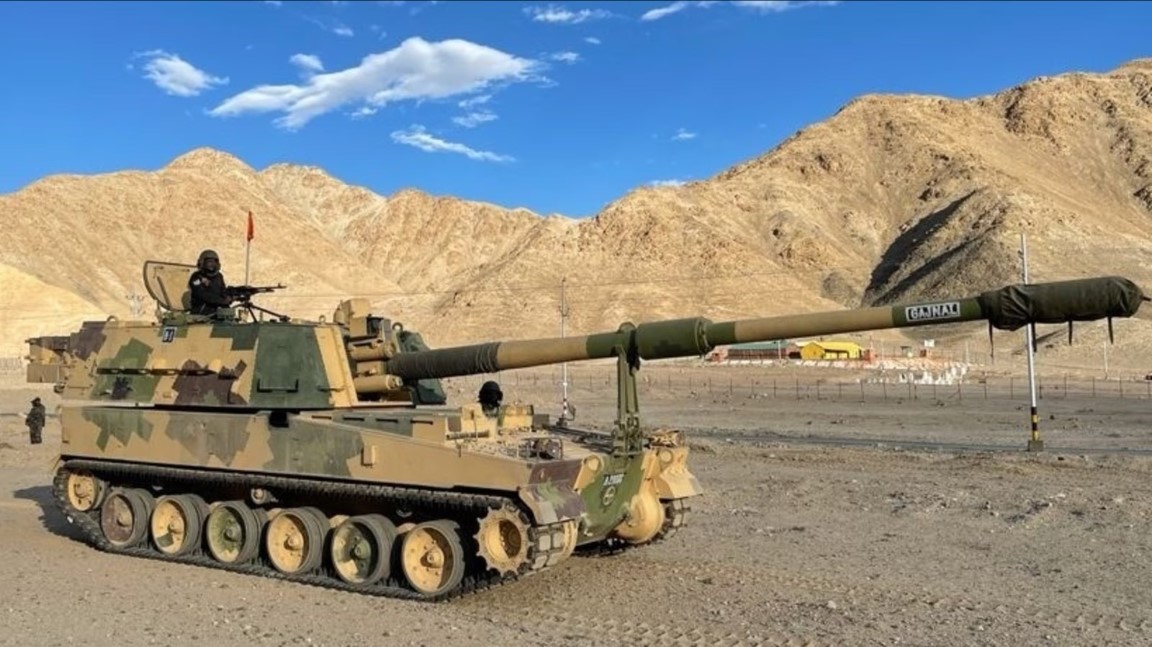
India
In a milestone for India’s defence technology landscape, Aartech Solonics Limited, in collaboration with the Indian Army's Sudarshan Chakra Corps (EME) and IIT Bombay, has unveiled the Adaptive Alternate Power Module (AAPM). This innovative system is set to transform power management in Armored Fighting Vehicles (AFVs) and advanced artillery systems, such as the formidable K9 Vajra self-propelled howitzer.The AAPM addresses a critical operational challenge—providing a reliable source of regulated DC power to military vehicles and equipment without the need to activate the main engine. This eliminates the traditional reliance on the engine for energy, delivering a host of benefits that enhance efficiency, stealth, and sustainability.Features for Battlefield SuperiorityThe AAPM boasts an impressive array of features tailored to the demands of modern warfare. Its design allows it to operate seamlessly across extreme temperature ranges, from a scorching +60°C to a freezing -30°C. This adaptability ensures that the module performs reliably in diverse terrains, whether in desert heat or high-altitude chill.Its compatibility with various platforms, including the K9 Vajra, makes it a versatile addition to India’s armored arsenal. The K9 Vajra, known for its 155mm/52-caliber howitzer capable of striking targets up to 50 kilometers away, is a critical component of the Indian Army's artillery forces. By integrating the AAPM, the K9 Vajra and similar systems can operate with reduced fuel consumption and lower maintenance costs, providing a tactical advantage in sustained operations.Strategic Advantages for Modern WarfareThe AAPM’s ability to function independently of the main engine has far-reaching implications on the battlefield. With quieter operations and reduced heat signatures, vehicles equipped with the module become harder to detect, enhancing their survivability in hostile environments. Moreover, the reduced logistical footprint—thanks to lower fuel usage—means fewer supply chain vulnerabilities, a significant advantage in remote or contested regions.Another key benefit is its contribution to sustainability. By cutting down fuel reliance, the AAPM not only reduces operational costs but also aligns with global environmental goals, marking a step towards greener military technologies.A Testament to Collaborative InnovationThe development of the AAPM underscores the power of synergy between the military, academia, and industry. Aartech Solonics brought its expertise in energy management to the table, while IIT Bombay provided advanced technical inputs. The Sudarshan Chakra Corps (EME), with its deep understanding of field requirements, ensured that the module met real-world operational demands.This collaboration is a shining example of India's Atma Nirbhar Bharat (self-reliant India) initiative, which aims to strengthen domestic capabilities in defence technology. By fostering innovation and reducing dependence on foreign systems, projects like the AAPM not only bolster national security but also stimulate the Indian defence sector's growth.Transforming the Future of Indian Armored UnitsThe Adaptive Alternate Power Module is more than just a technological upgrade; it represents a paradigm shift in how armored units are powered and deployed. Its potential for widespread adoption across the Indian Army's fleet of AFVs and artillery systems could redefine operational efficiency and battlefield tactics. As India continues to modernize its defence forces, innovations like the AAPM highlight the nation’s growing prowess in developing cutting-edge solutions tailored to its unique needs. This advancement ensures that the Indian Army remains a formidable force, equipped to tackle the challenges of 21st-century warfare with precision and resilience.
Read More → Posted on 2024-11-24 15:31:42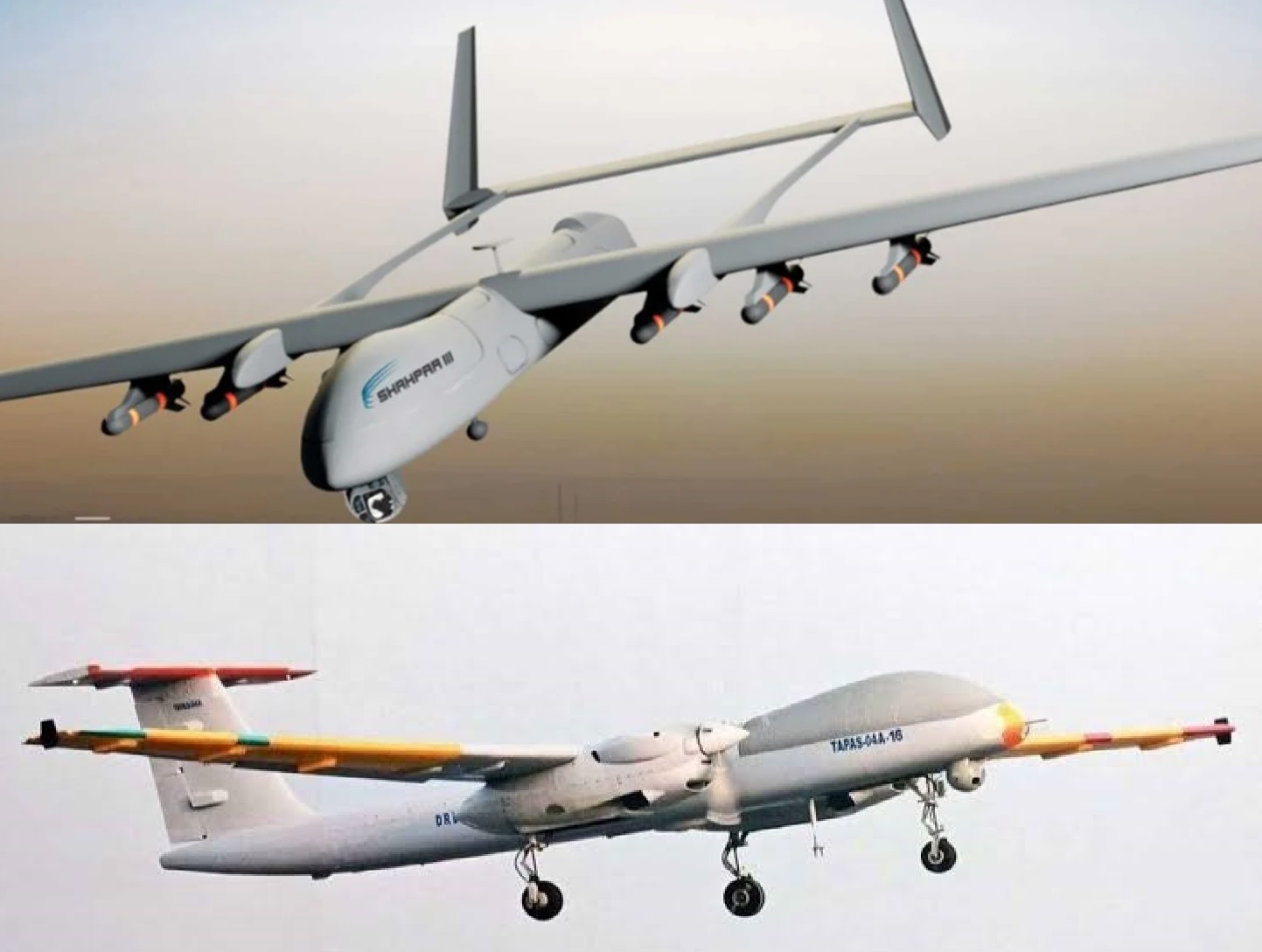
India
The recent unveiling of Pakistan's Shahpar-III unmanned aerial vehicle (UAV) has sparked intense debate in defense circles, particularly with its claimed specifications that, on paper, seem to surpass India's TAPAS UAV and even rival Israel's Hermes 900. Developed by Pakistan's Global Industrial and Defence Solutions (GIDS), the Shahpar-III boasts a wingspan of 67 meters, an operational altitude of over 35,000 feet, 30-hour endurance, and a range of 2,500 kilometers. These figures are accompanied by the bold assertion that the UAV is entirely indigenous, a claim that raises as many eyebrows as it does questions.Claims That Stun and Skepticism That FollowsThe Shahpar-III is advertised as a high-altitude, long-endurance UAV with six hardpoints capable of carrying a 500-kilogram payload, including up to eight weapons. Such specifications would make it a formidable platform, capable of both surveillance and strike roles. However, the rapid two-year development timeline and the promise of advanced performance metrics invite scrutiny.Countries with robust aerospace industries, including the United States and Israel, have spent decades refining UAV platforms to achieve such benchmarks. Pakistan’s aerospace sector, while growing, has traditionally relied heavily on partnerships with China and Turkey for UAV development. For instance, platforms like the CH-4 and Wing Loong drones and Turkey’s Bayraktar TB2 have been central to Pakistan’s UAV capabilities. This history of reliance raises doubts about the Shahpar-III’s purported independence from foreign technology.Comparison with India’s TAPAS and Hermes 900India's TAPAS UAV, developed by the Defence Research and Development Organisation (DRDO), offers a contrasting story. The TAPAS, designed over several years with rigorous testing, operates at altitudes of up to 28,000 feet and has an endurance of 24 hours. While its range and payload capacities are slightly lower than the Shahpar-III's claimed figures, the TAPAS is tailored to meet the Indian Armed Forces’ specific needs, including operations in high-altitude and extreme weather conditions.Israel’s Hermes 900 UAV, in service with the Indian Navy, features a 350-kilogram payload capacity and an endurance of approximately 36 hours. However, it does not achieve the 500-kilogram payload or 35,000-foot altitude attributed to the Shahpar-III. If Pakistan's claims hold true, the Shahpar-III would indeed be a step ahead of these platforms, but this remains to be verified.Technological Feasibility and Red FlagsKey technical challenges cast shadows over the Shahpar-III’s capabilities. For instance, maintaining stability and efficiency at 35,000 feet while carrying a heavy payload demands advanced materials, cutting-edge aerodynamics, and highly efficient propulsion systems. Developing an indigenous engine for such a platform is a monumental challenge that even nations like India have struggled to achieve independently.The propulsion system of the Shahpar-III remains undisclosed, fueling speculation about its origin. Given Pakistan’s historical dependence on Chinese and Turkish components for UAV programs, it is plausible that the Shahpar-III incorporates foreign-sourced engines and avionics. This reliance undermines the claim of full indigenization and casts doubt on the platform's ability to deliver on its advertised specifications.Operational Realities and Strategic ImplicationsReal-world performance often diverges significantly from advertised capabilities. High-profile platforms like the Hermes 900 and even the American MQ-9 Reaper have encountered limitations that highlight the complexity of UAV development. For Pakistan, the challenges of integrating advanced avionics, sensors, and weapons systems into a reliable platform make the Shahpar-III’s claims ambitious, if not overstated.If the Shahpar-III achieves even a fraction of its promised capabilities, it could alter the regional UAV balance, challenging India's surveillance and strike edge. However, the lack of transparency surrounding its development and performance suggests that the announcement may be more about signaling technological parity than actual capability.India’s Steady Path to Self-RelianceIndia’s TAPAS program exemplifies a methodical approach to indigenous UAV development, emphasizing long-term self-reliance. While its progress may appear slow compared to the Shahpar-III’s claimed two-year timeline, the TAPAS is built on a foundation of rigorous testing and customization for the Indian military’s unique requirements. This approach ensures sustainable growth in India’s UAV capabilities, a stark contrast to Pakistan’s apparent dependence on external partners.Conclusion The Shahpar-III’s announcement undoubtedly aims to project Pakistan as a rising player in UAV technology. However, the lofty claims require substantiation through independent testing and operational deployment. Until then, the Shahpar-III’s specifications remain aspirational at best, raising important questions about the sustainability and authenticity of Pakistan’s UAV advancements. For now, India’s TAPAS program may lack the headline-grabbing specifications but stands as a testament to the value of steady, indigenous innovation over sensational claims.
Read More → Posted on 2024-11-24 15:27:28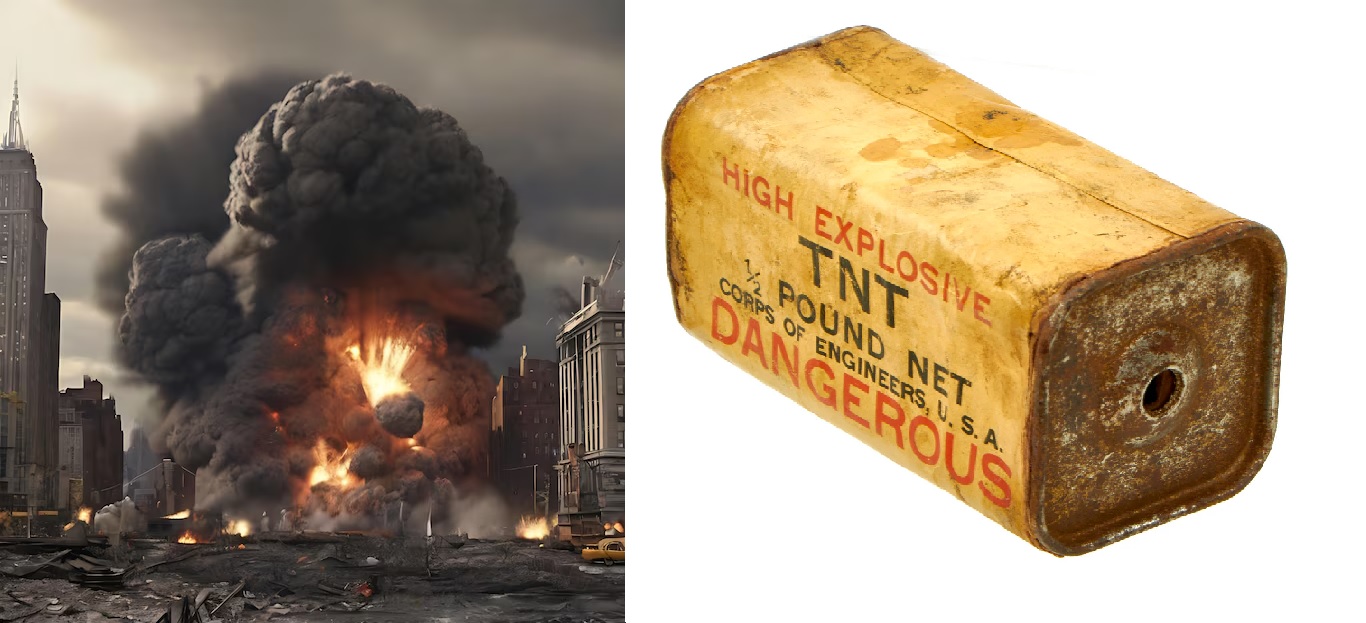
India
India is experiencing an unprecedented surge in TNT prices, driven by escalating global demand and persistent military conflicts worldwide. This trend highlights the intertwined dynamics of geopolitics, defense expenditure, and industrial applications of explosives like trinitrotoluene (TNT).Rising Demand Amid Geopolitical TensionsThe Asia-Pacific region, particularly India and China, has become a focal point of this demand. Rising geopolitical tensions and heightened security threats have prompted these nations to significantly increase their defense budgets. India, for instance, has steadily ramped up military spending, channeling substantial investments into advanced weaponry and infrastructure. The result has been a sharp rise in the need for TNT, an essential component in munitions and other military applications.India’s defense procurement is complemented by similar trends in neighboring countries. Nations such as Japan are also focusing on bolstering national security through enhanced military capabilities, further contributing to the regional demand for explosives.Explosives Market DynamicsGlobally, the TNT market is projected to expand significantly, with an estimated increase of $324.4 million in market size between 2024 and 2028. Beyond military applications, TNT is widely used in mining and construction industries, which further fuels its demand. Innovations in explosive technology are also reshaping the market, with newer formulations offering enhanced performance over traditional TNT, potentially increasing its applications across sectors.One of the most intriguing aspects of this rise is the role of Nagpur’s "bomb bazaar," India’s largest market for explosives. Over the last quarter, this market alone has generated a staggering ₹900 crore in revenue from raw materials for bombs. This includes not only domestic consumption but also substantial export volumes, indicating India's growing prominence in the global TNT supply chain.Impact of Global ConflictsThe Russia-Ukraine war and ongoing tensions in the Middle East have had a ripple effect on TNT pricing and availability. Supply chain disruptions, increased defense production, and the urgent need for military readiness in affected regions have driven up the cost of raw materials and finished products. These conflicts have also spurred countries worldwide to bolster their arsenals, ensuring continued demand for TNT.Dominance of Asia-PacificThe Asia-Pacific region is expected to dominate the global TNT market in the coming years. Its share of global consumption is fueled by military expansion, construction booms, and mining activities. The region's growth trajectory underscores the intersection of economic development and security concerns, both of which drive the demand for explosives.OutlookThe skyrocketing prices of TNT in India reflect a complex interplay of global military conflicts, regional security priorities, and industrial expansion. As nations across the world grapple with evolving security threats, the demand for TNT and other explosives is unlikely to abate. For India, the challenge lies in balancing its domestic needs with its role as a key supplier in the global explosives market. This sustained growth in the TNT market underscores its strategic importance, not just as a military commodity but as a critical component in various industries. With the global landscape continuing to evolve, TNT’s role will remain pivotal in shaping defense and industrial strategies alike.
Read More → Posted on 2024-11-24 15:12:11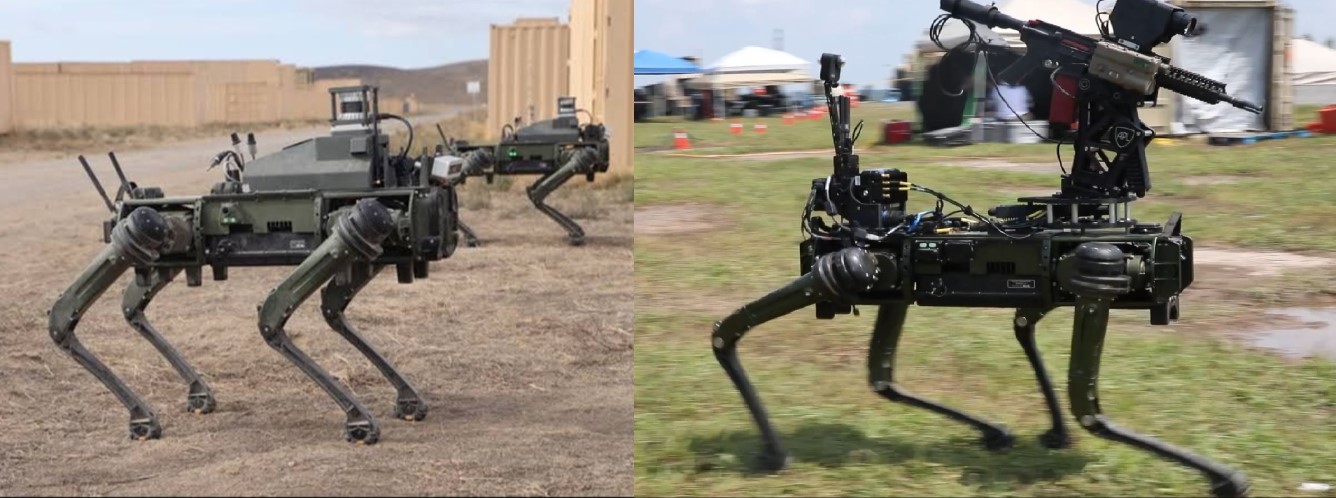
India
In a bold step towards modernizing its operational capabilities, the Indian Army recently conducted rigorous trials of robotic dogs, formally known as Multi-Utility Legged Equipment (MULE), at the Pokhran Field Firing Range in Jaisalmer. These advanced machines, designed to navigate diverse terrains and support soldiers in high-stress scenarios, signal a significant technological leap in the Army’s defense strategies, particularly along the country’s borders.The trials, which ran from November 14 to 21, 2024, saw the participation of over 50 soldiers from the Battle Axe Division and 10 robotic dogs. This elite division, recognized for its strategic importance in forward operational areas, collaborated with these robotic systems to test their effectiveness in combat and logistical scenarios. The exercises were conducted in harsh desert conditions to evaluate the MULEs' versatility and endurance.Technological Capabilities of Robotic DogsThe MULEs are engineered with cutting-edge features that make them indispensable for modern military operations: Thermal Imaging and High-Resolution Cameras: These allow the robotic dogs to perform surveillance and reconnaissance even in low-light or obscured visibility conditions. This capability enhances nighttime operations, giving soldiers an edge in critical situations. Electro-Optical Systems and Radar Integration: These systems facilitate the detection of hidden threats and enable the monitoring of enemy movements, ensuring safety and strategic advantages. Payload Capacity: With the ability to carry up to 12 kilograms, these robotic systems can transport essential equipment or small arms, reducing the logistical burden on soldiers. Extended Range and Battery Life: The robots can operate for over 10 hours after just a one-hour charge and can be controlled from distances of up to 10 kilometers. During the exercises, the robotic dogs demonstrated their ability to detect enemy positions using mounted cameras, transport weapons, and conduct surveillance over vast areas. These capabilities were particularly emphasized during tasks simulating challenging scenarios in mountainous terrains and forward desert posts.Enhancing Safety and EfficiencyOne of the primary objectives of these trials was to integrate human soldiers with robotic systems, aiming to boost operational efficiency while minimizing risks. The MULEs proved invaluable in scouting potentially dangerous areas, thus protecting soldiers from direct exposure to hostile environments. Their ability to function autonomously or under remote control ensures flexibility in adapting to varying battlefield conditions.Real-Time Applications and Future DeploymentThe successful testing of robotic dogs at Pokhran underscores the Army's commitment to embracing advanced technology for operational readiness. Plans are already underway to deploy these robotic units along India's borders, particularly in areas with difficult terrains where traditional methods of surveillance and logistics are less effective.In parallel with robotic dogs, the Army is also experimenting with logistics drones to improve supply chain efficiency in high-altitude and remote regions. This dual approach showcases the Army's dedication to creating a tech-forward defense ecosystem.A Step Towards Modern WarfareThe integration of MULEs aligns with global trends in military modernization, where robotics and automation play a critical role in enhancing combat capabilities. By reducing the reliance on human soldiers for high-risk missions and ensuring real-time intelligence, these robotic systems act as force multipliers, enabling the Army to tackle threats with greater precision and safety. As the Indian Army prepares to deploy these advanced systems on its borders, the trials at Pokhran mark a pivotal moment in the evolution of its operational strategy. This move not only strengthens national security but also places India at the forefront of military innovation.
Read More → Posted on 2024-11-24 15:02:35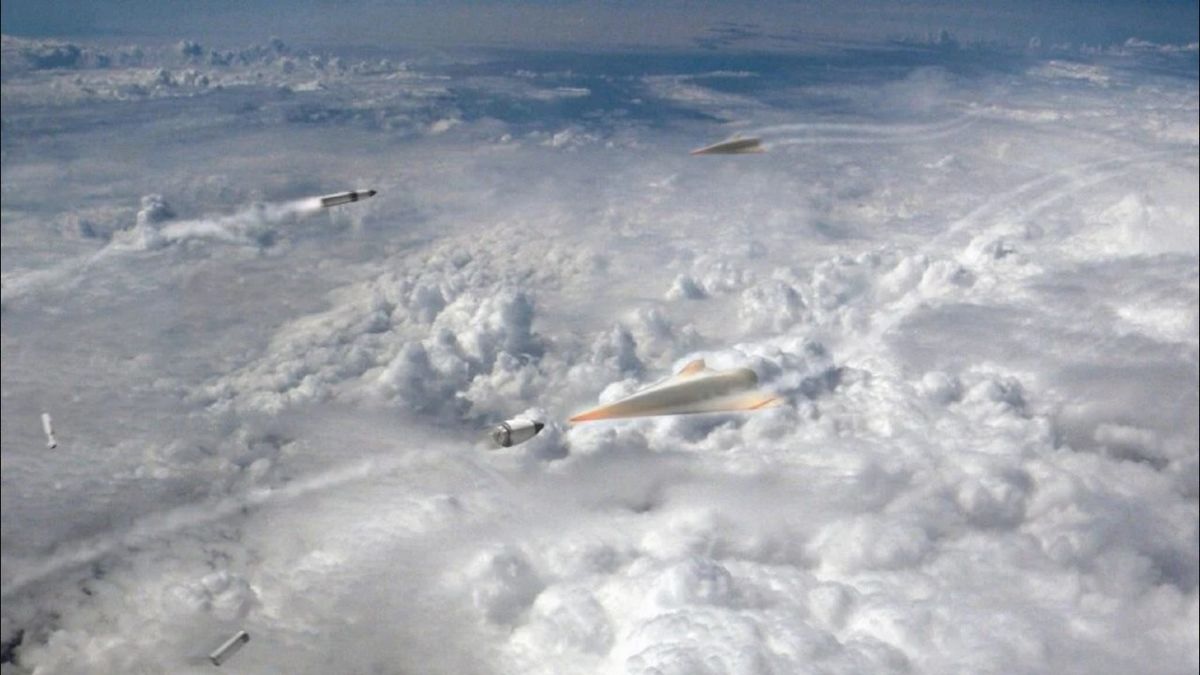
India
The maritime balance of power in South Asia is witnessing a new phase of technological competition as both India and Pakistan unveil advancements in their naval missile capabilities. Pakistan recently showcased its prowess with the successful test of the SMASH SLBM, a ship-launched ballistic missile claimed to be indigenously developed. With a reported range of 350 kilometers, the SMASH SLBM, also known as P282, is designed to strike both land and sea targets with precision. It is equipped with advanced navigation systems, maneuverability features, and anti-access/area-denial (A2/AD) capabilities, presenting a credible threat to aircraft carrier groups and other critical assets in the region.This development has drawn significant attention from regional security analysts, with Pakistani commentators emphasizing its potential to bolster deterrence against Indian naval formations. The SMASH SLBM’s precision targeting and operational versatility mark a significant leap in Pakistan’s missile technology. However, the Indian Navy has been keenly aware of these advancements and is actively working on countermeasures to ensure its maritime superiority remains intact.India’s Advanced Defense Response: PGLRSAM InterceptorIn response to Pakistan’s growing missile capabilities, the Indian Navy has turned its focus to cutting-edge hypersonic interceptor technology. A senior Indian Navy official recently revealed that India is advancing its interceptor missile systems to ensure robust defenses against evolving threats like the SMASH SLBM. Among these developments, the spotlight is on the PGLRSAM (Precision Guided Long-Range Surface-to-Air Missile), an interceptor designed to secure Indian naval assets from high-speed, high-precision missile attacks.The PGLRSAM represents a quantum leap in missile interception technology. Expected to achieve speeds of up to Mach 7, it is engineered to neutralize a wide range of high-speed threats, including supersonic and hypersonic missiles. This capability positions it as an ideal countermeasure against modern threats like the SMASH SLBM. With an interception range exceeding 250 kilometers, the PGLRSAM significantly extends the defensive perimeter around Indian naval formations, offering a robust shield against adversarial missile attacks.Building on Proven TechnologyIndia’s current naval defense systems, particularly the Medium-Range Surface-to-Air Missile (MR-SAM), have already demonstrated considerable effectiveness against supersonic and highly maneuverable threats. Jointly developed by India’s Defence Research and Development Organisation (DRDO) and Israel Aerospace Industries, the MR-SAM boasts a range of 90-100 kilometers and has been deployed on numerous Indian Navy warships. While formidable, the MR-SAM’s range and speed are tailored for specific threat profiles.The PGLRSAM, however, is designed to address an entirely different category of challenges. Its Mach-7 speed and enhanced interception range are intended to match and exceed the capabilities of next-generation threats like the SMASH SLBM, which poses a danger to Indian aircraft carriers and strategic vessels. By integrating advanced radar systems, high-precision targeting, and rapid reaction capabilities, the PGLRSAM ensures the Indian Navy remains ahead in the technological curve.Strategic ImplicationsThe race between the SMASH SLBM and the PGLRSAM reflects broader strategic dynamics in the region. For Pakistan, the SMASH SLBM enhances its ability to project power and secure its maritime boundaries against potential incursions. For India, the PGLRSAM serves as a critical component of a layered defense strategy, ensuring that no single advancement in missile technology can jeopardize its naval operations. As both nations continue to invest in advanced missile systems, the Indian Navy’s focus on hypersonic interceptor technology underscores its commitment to maintaining a technological edge. The development of the PGLRSAM is not just a response to Pakistan’s SMASH SLBM but a statement of India’s intent to safeguard its maritime interests and assert its dominance in the Indian Ocean region.
Read More → Posted on 2024-11-24 14:51:34
India
Mazagon Dock Shipbuilders Limited (MDL), India's premier naval shipbuilding company, is embarking on an ambitious journey to double its shipbuilding capacity within the next 4-5 years. Backed by a substantial ₹5,000 crore (approximately $600 million) investment, this transformative expansion aims to establish state-of-the-art facilities to meet the surging demand for advanced naval vessels at home and abroad.At the heart of this expansion is the creation of a colossal dry dock facility. Stretching 180 meters in length and 60 meters in width, this modern infrastructure will dramatically enhance MDL’s operational flexibility. It will allow the shipyard to simultaneously handle larger vessels and sophisticated submarines, including advanced stealth destroyers and frigates. This capacity is essential for India’s naval modernization efforts, ensuring the Indian Navy remains a formidable maritime force in the Indian Ocean region and beyond.Driving Domestic Defense ProjectsThe enhanced facilities are strategically designed to accommodate and expedite key Ministry of Defence (MoD) projects. MDL has been integral to landmark programs like the P-17A frigates, which boast stealth technology and cutting-edge weapon systems, and the Scorpene-class submarines, recognized globally for their advanced features in underwater warfare. With the addition of the new dry dock, MDL will be better equipped to meet the MoD's demanding timelines while maintaining high-quality standards.MDL’s role extends beyond production—it also supports the Navy by providing vital repair and overhaul services. The expanded infrastructure will enable simultaneous assembly and maintenance operations, ensuring that ongoing projects are not delayed due to bottlenecks. This seamless integration of construction and servicing underscores MDL’s commitment to enhancing operational efficiency.Strengthening India's Global Defense FootprintMDL’s expansion isn’t just about fulfilling domestic needs; it’s also a calculated move to capture a larger share of the international defense market. With several friendly nations expressing interest in Indian-built warships and submarines, MDL's enhanced capacity will allow it to deliver high-quality vessels to allies. These exports will bolster India's defense diplomacy, strengthening strategic ties and positioning India as a key player in the global naval market.The shipyard's legacy of excellence—evident in platforms like the Project 15B Visakhapatnam-class destroyers—has already established MDL as a leader in indigenous shipbuilding. By doubling its production capabilities, MDL can explore new, complex designs, pushing the boundaries of naval architecture and engineering.Paving the Way for a Modernized FleetMDL’s expansion aligns closely with the Indian Navy’s ambitious fleet enhancement plans for the late 2030s. The Navy envisions a robust, technologically advanced fleet to counter emerging maritime challenges and assert dominance in strategic waters. The new dry dock, capable of accommodating some of the Navy's largest assets, will play a pivotal role in achieving this vision.Additionally, the larger facility will help MDL reduce construction timelines, a critical factor in defense projects. Accelerated timelines mean quicker commissioning of warships and submarines, ensuring the Navy can maintain its operational readiness and combat edge.A Catalyst for Innovation and GrowthThis investment also signifies a broader shift toward innovation within India’s defense sector. With access to advanced facilities, MDL will be able to experiment with novel ship designs, adopt automation, and integrate smart technologies into its production processes. These advancements will not only benefit naval operations but also inspire the next generation of shipbuilders, further strengthening India’s defense industrial base. By doubling its shipbuilding capabilities, MDL is not only reinforcing its position as a national asset but also paving the way for a more secure and self-reliant India. This visionary expansion will enhance India’s naval capabilities, support defense exports, and solidify its status as a global maritime power.
Read More → Posted on 2024-11-23 16:33:29Search
Top Trending in 24 Hours
-
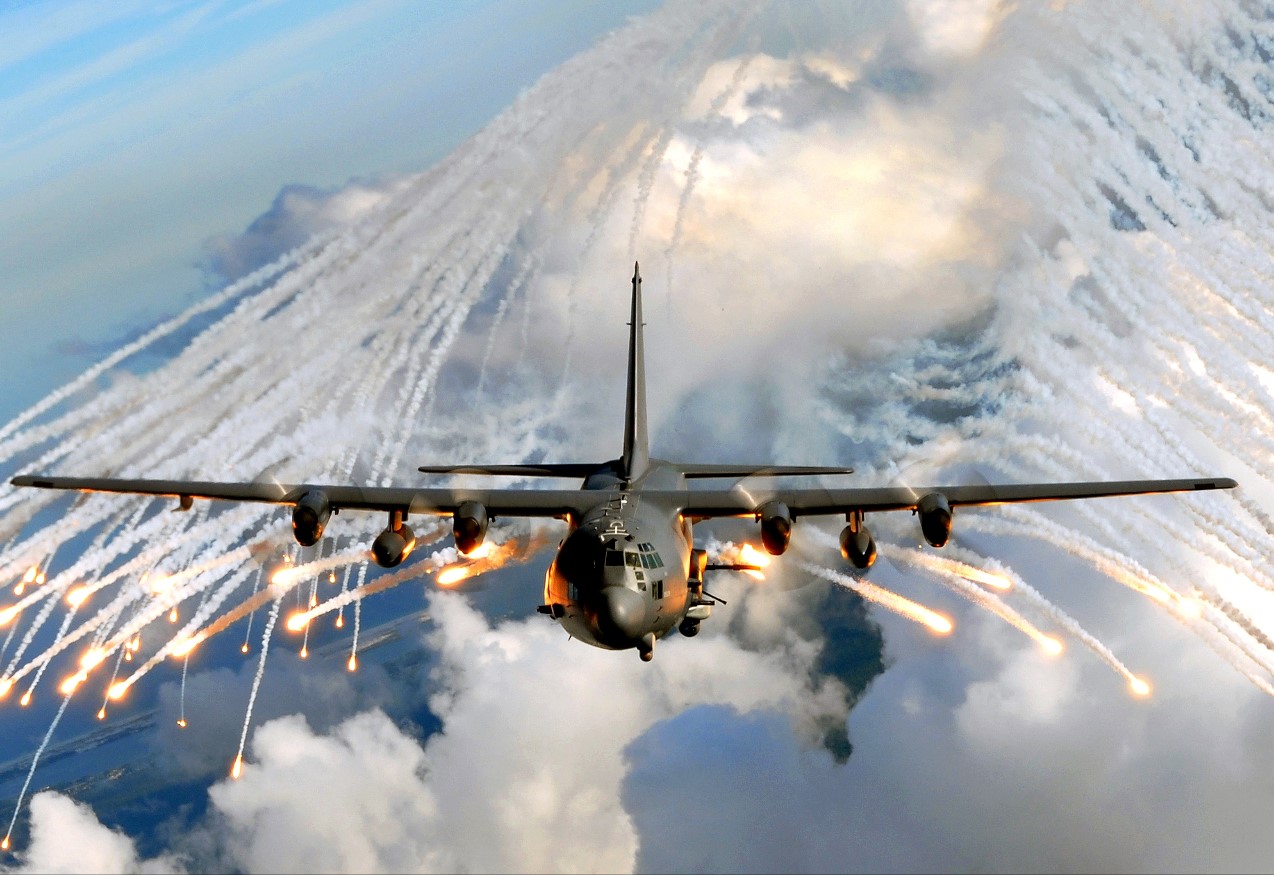 Pentagon Expands Alloy Surfaces Contract to $328.8 Million for Advanced Aircraft Decoy Flares Amid Evolving Drone Threats
-
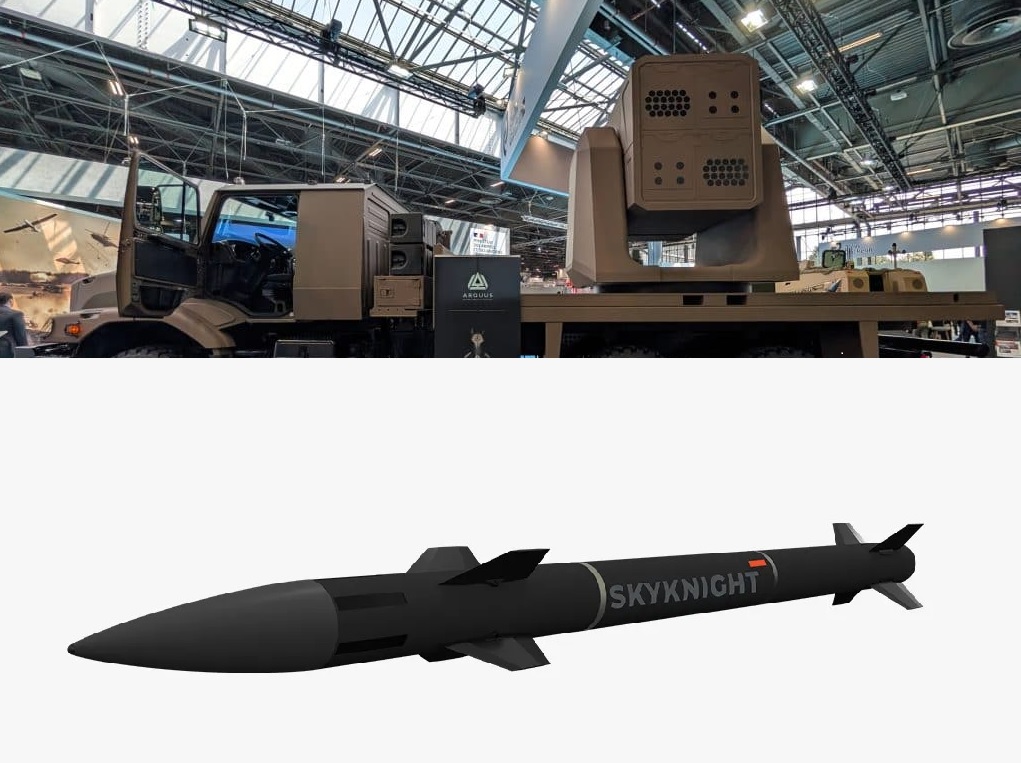 Naval Group Unveils Rampart Modular CIWS Multi-Purpose Weapon System for Naval and Ground Forces at Eurosatory 2026
-
 Why the U.S. Restored Pacific Command Name, Ending the Indo-Pacific Designation After Eight Years
-
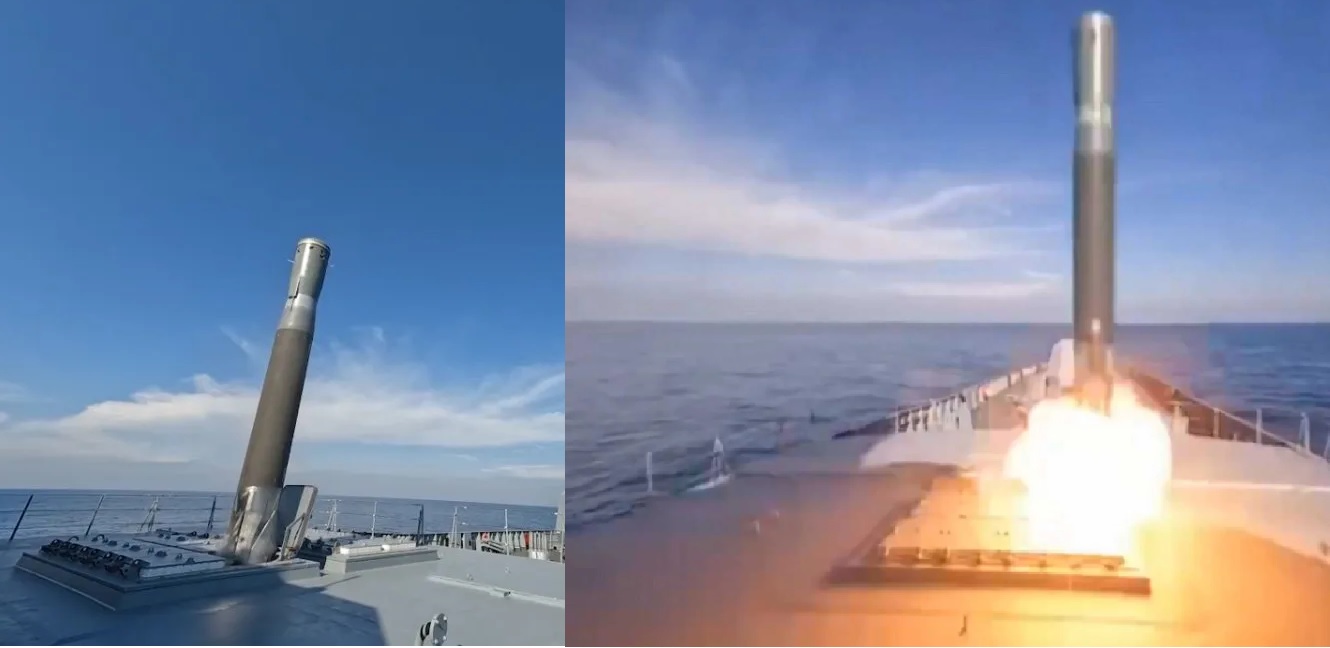 Open-Source Evidence Suggests Russia's Zircon Is a Quasi-Ballistic Missile, Not a True Hypersonic Cruise Weapon
-
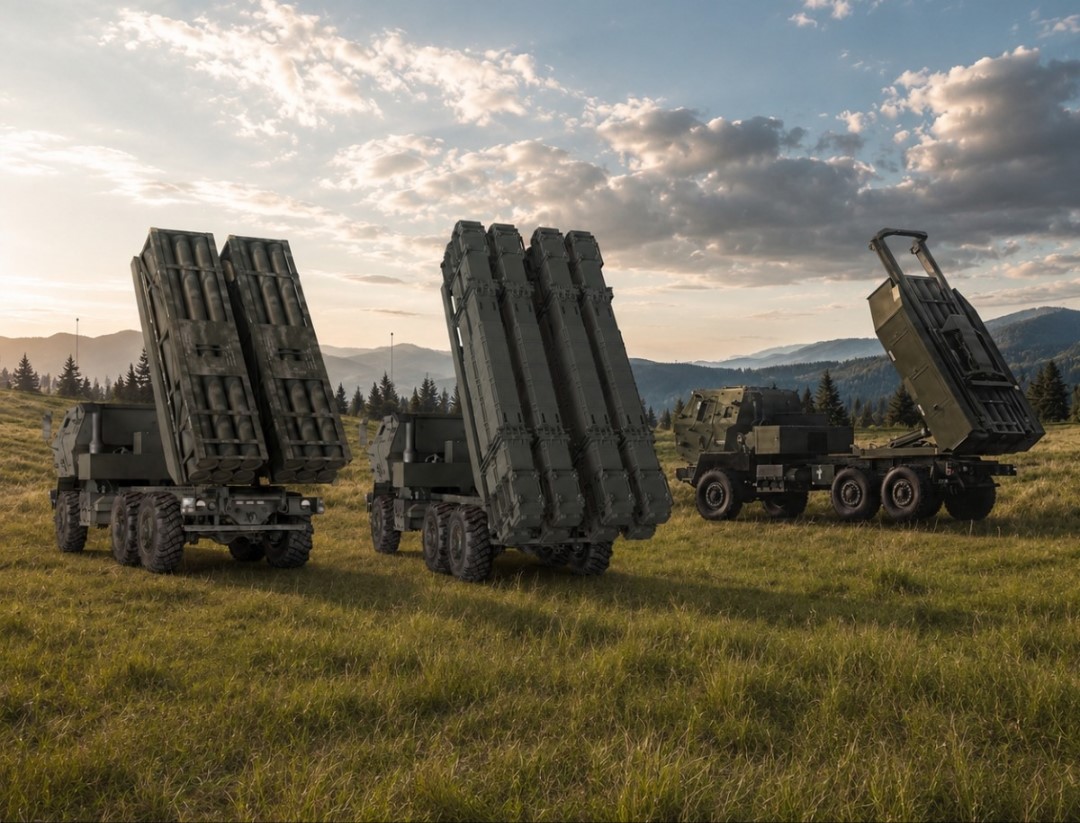 Lockheed Martin Unveils HIMARS FLEX with Dual-Pod Launcher and NATO-Compatible Air Defense Integration
-
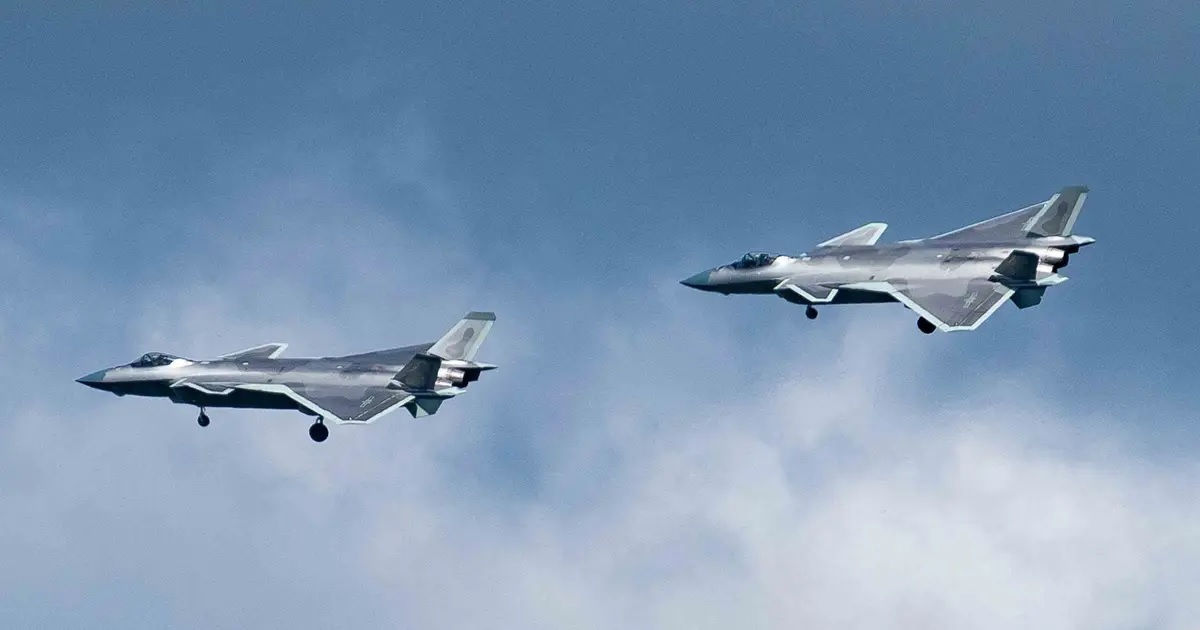 China Surpasses Russia as World’s Second-Most Powerful Air Force Amid Rapid J-20 and J-35 Expansion
-
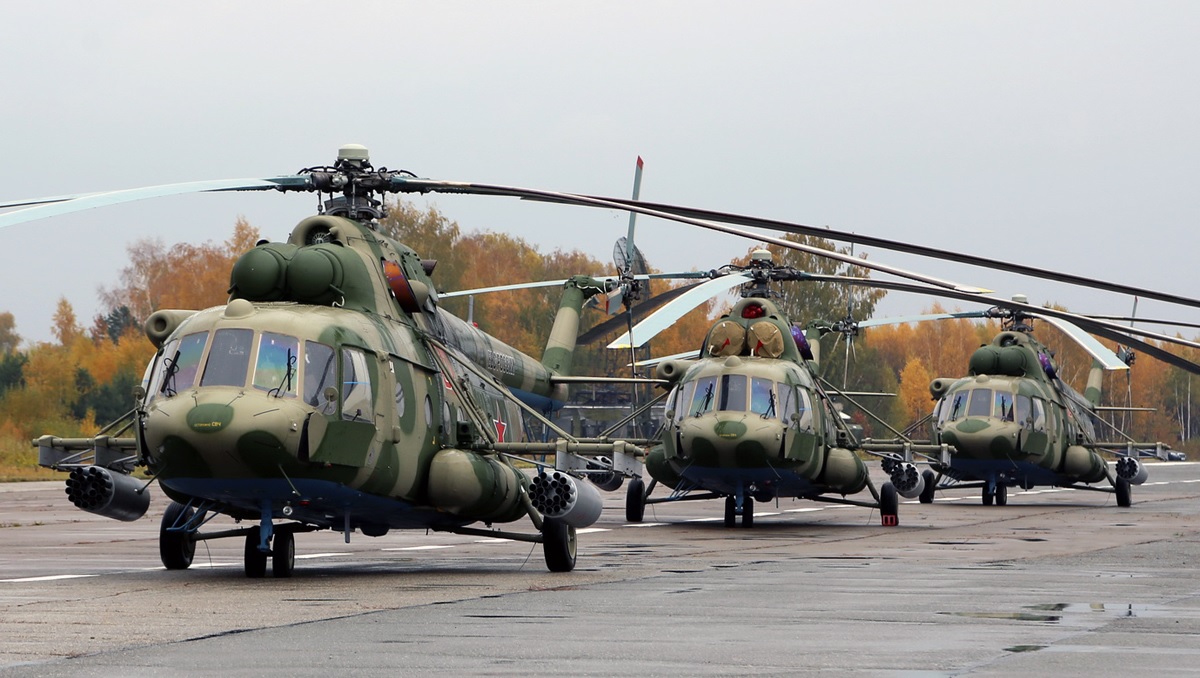 Iran Signs Deal with Russia for 20 Mi-8 and Mi-17 Helicopters to Boost Rescue and Medical Missions
-
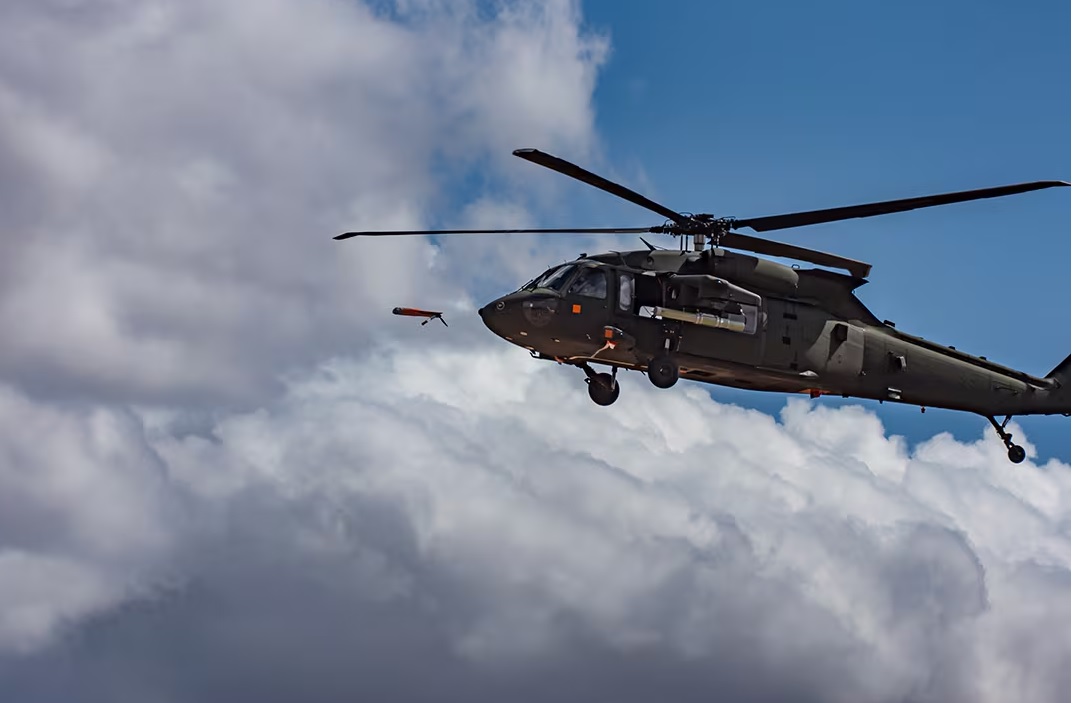 U.S. Army Completes First Flight Test of Medium-Range Air-Launched Effects from Black Hawk Helicopter
Top Trending in 4 Days
-
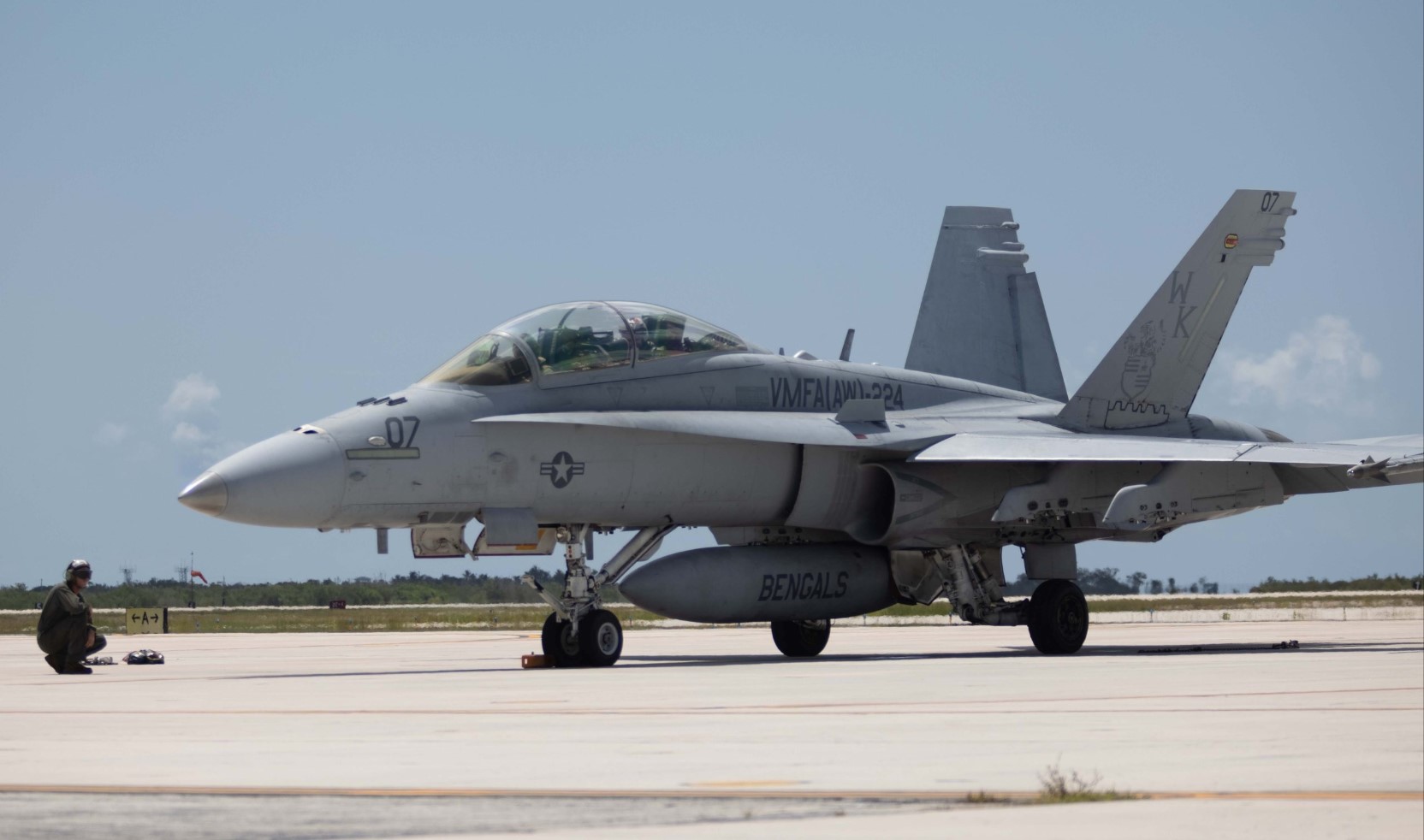 US Marine Corps F/A-18D Hornet Crashes During Training Flight in Washington Mountains; Pilot Ejects Safely
-
 Tulsi Gabbard Releases Declassified Files Detailing U.S.-Backed Network of 120 Biolaboratories Across 30+ Countries
-
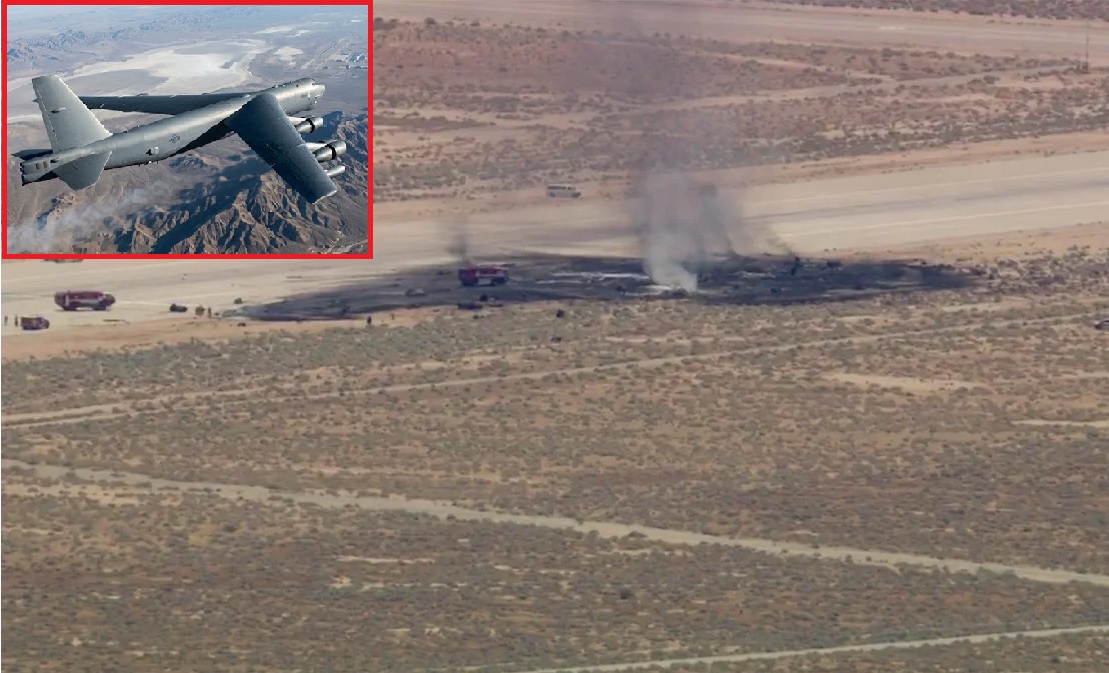 8 U.S. Air Force Crew Members Killed in B-52 Bomber Crash During Test Flight at Edwards Air Force Base
-
 Ukraine Introduces Balloon-Launched DART Missile Designed to Defeat Electronic Warfare
-
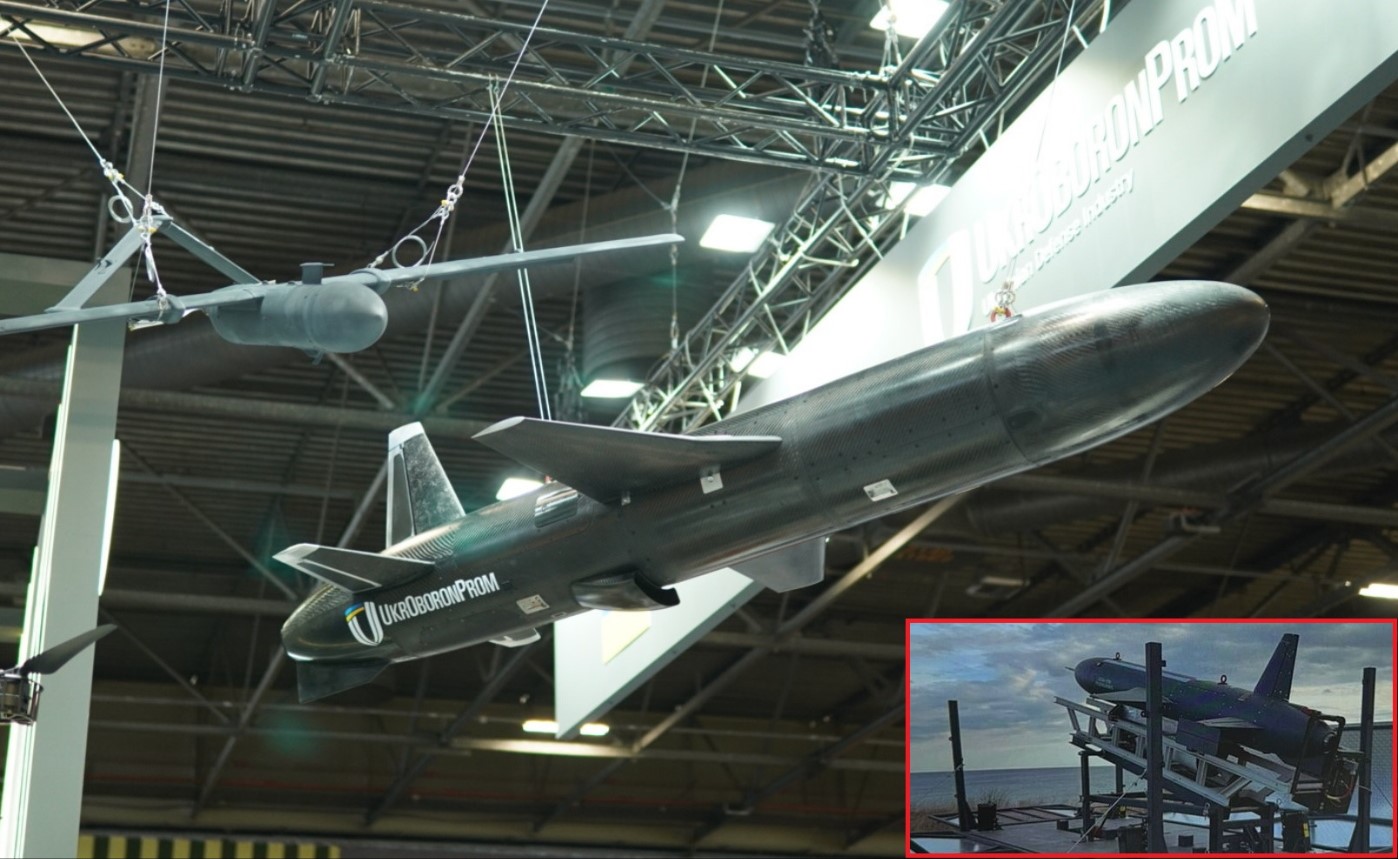 Ukraine Unveils UAV-290 Jet-Powered Strike Drone with 650 km Range at Eurosatory 2026
-
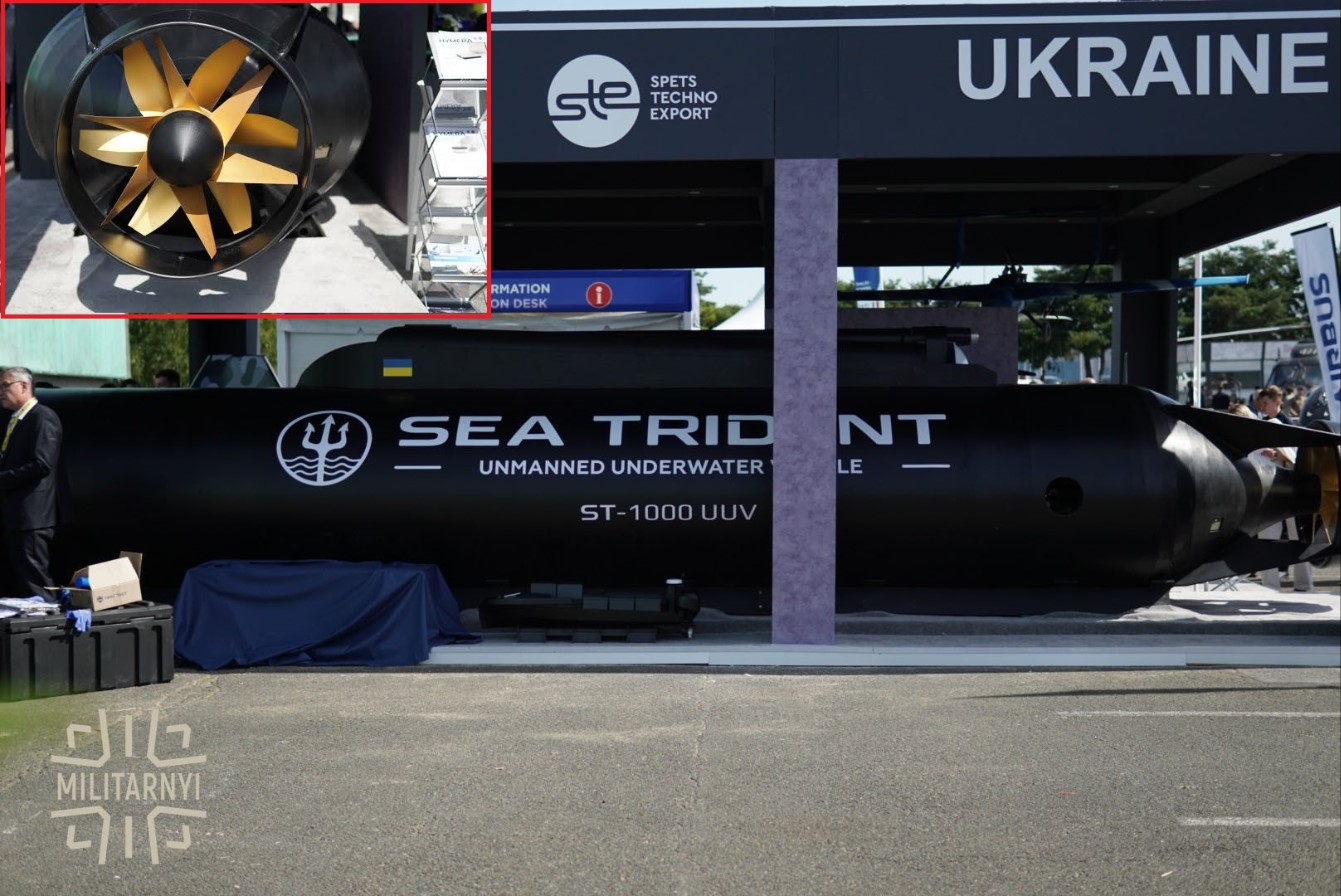 Ukraine Unveils 'Sea Trident' 10-Ton Autonomous Underwater Drone at Eurosatory 2026
-
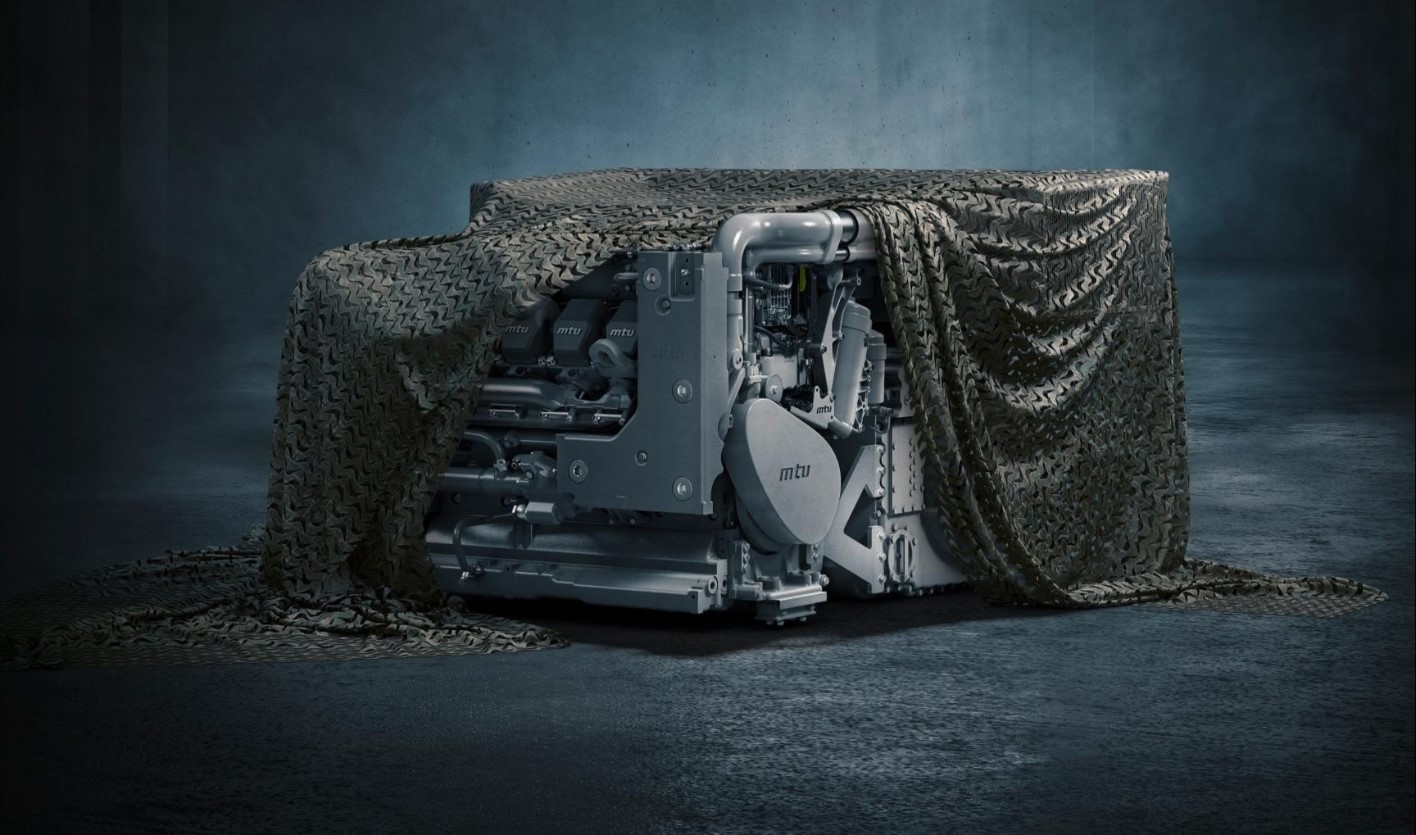 Rolls-Royce Unveils New Hybrid Powertrain for Heavy Military Vehicles at Eurosatory 2026
-
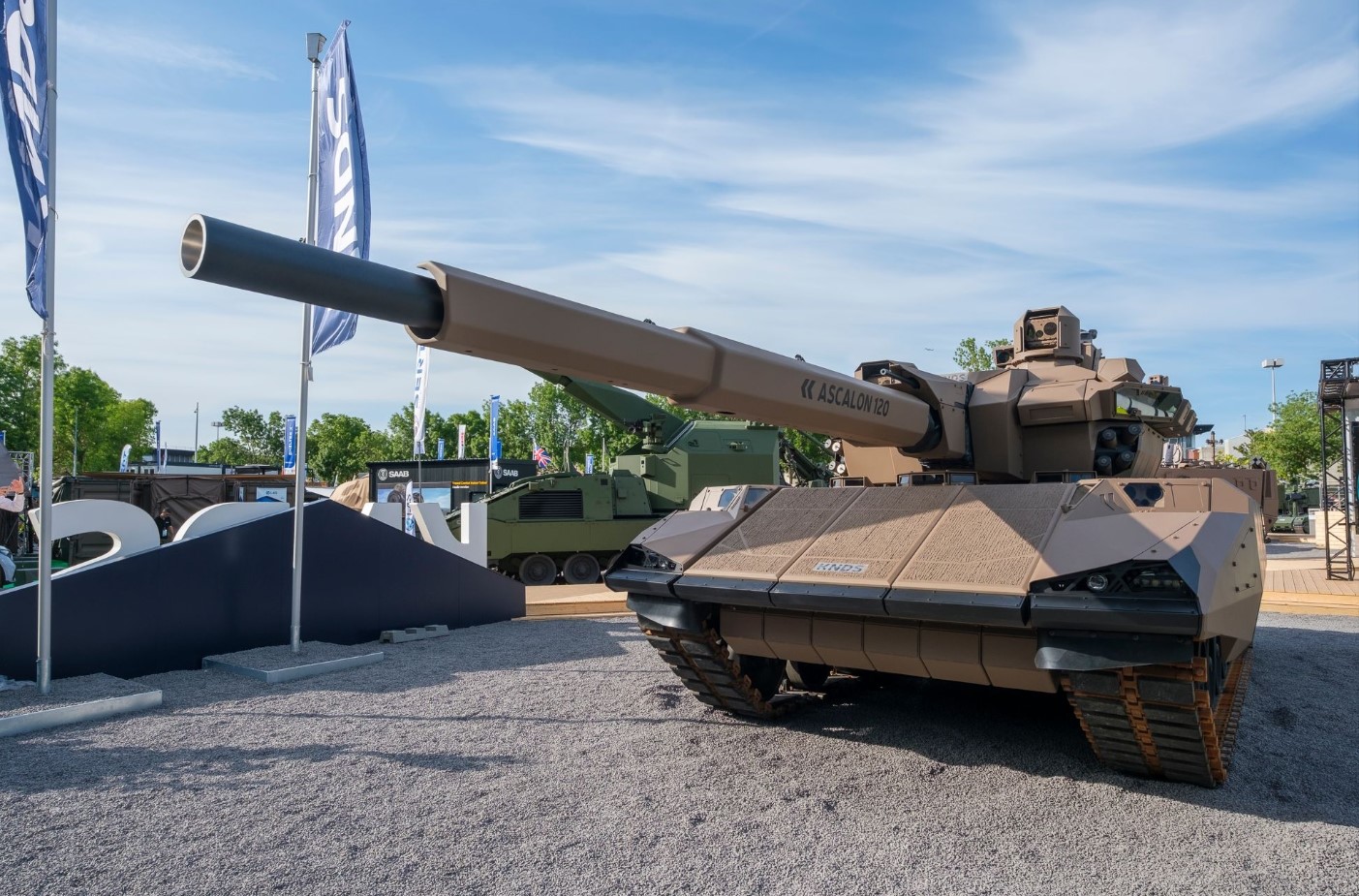 KNDS Unveils CAPINT Main Battle Tank at Eurosatory 2026 as Leclerc Stopgap