
India
India’s Defence Research & Development Organisation (DRDO) is making steady progress on its ambitious RudraM-II air-to-surface missile project, with production clearance anticipated by 2026. This advanced missile system represents a major leap in the Indian Air Force’s (IAF) strike capabilities, offering unparalleled precision and operational flexibility in modern combat scenarios.Earlier this year, the RudraM-II achieved a crucial milestone when it was successfully flight-tested from a Su-30MKI fighter jet. The test underscored the missile’s potential to neutralize high-value targets, such as enemy infrastructure, radar systems, and communication networks, with pinpoint accuracy. These achievements are vital as India seeks to strengthen its air dominance in an increasingly complex regional security environment.Unveiling RudraM-II’s Key FeaturesThe RudraM-II is a solid-propelled, air-launched missile engineered for a precise air-to-surface role. Designed with an optimal blend of range, speed, and accuracy, it boasts several standout features: Extended Range: With an estimated operational range of 200–250 kilometers, the RudraM-II allows IAF platforms to engage deep-lying targets while staying safely beyond enemy air defenses. Enhanced Speed and Survivability: Leveraging supersonic speeds, the missile reduces the time-to-target, minimizing the chances of interception. Advanced Guidance Systems: Equipped with a dual guidance mechanism — an inertial navigation system (INS) coupled with satellite-based navigation — the missile ensures unmatched precision even in electronically contested environments. High-Impact Warhead: RudraM-II can deliver a payload optimized for precision strikes, capable of inflicting significant damage on fortified military targets. Platform Versatility: While the Su-30MKI is its primary launch platform, DRDO is actively working on making the missile compatible with other frontline aircraft, such as the Rafale and Tejas Mk1A. The Road to 2026To meet the ambitious 2026 production clearance target, DRDO has outlined a comprehensive developmental plan. This includes a series of rigorous trials aimed at perfecting the missile’s performance across diverse operational scenarios. These trials will focus on enhancing its accuracy, reliability, and integration with IAF aircraft systems.Collaboration with the Indian Air Force is also integral to this phase. Feedback from IAF pilots and technical teams will inform refinements in the missile’s design, ensuring seamless integration and operational readiness.Moreover, DRDO is working to establish robust production pipelines with its industry partners. This step is crucial for scaling up manufacturing once the missile completes its developmental phase.Transforming India’s Air Combat Landscape The induction of RudraM-II will mark a significant enhancement in the Indian Air Force’s precision strike capabilities. Unlike traditional munitions, this missile offers the ability to engage high-value targets deep within enemy territory without exposing the launch platform to undue risk.This capability will prove critical in modern warfare, where precision, speed, and survivability are indispensable. RudraM-II will enable the IAF to take out key enemy assets — from radar installations to command centers — with surgical precision, thereby tilting the tactical balance in India’s favor.A Strategic Leap ForwardAs DRDO races against the clock to meet its 2026 deadline, the RudraM-II exemplifies India’s growing prowess in defense technology. Beyond its immediate tactical advantages, the missile is a testament to India’s push for self-reliance in defense production under the "Make in India" initiative. By combining advanced indigenous technology with operational adaptability, the RudraM-II is set to be a game-changer in ensuring India’s air superiority for years to come.
Read More → Posted on 2024-11-23 16:26:48
India
Pune-based defense powerhouse Kalyani Group has taken a significant step in India’s self-reliance journey with the unveiling of its advanced 30mm naval gun, tailored to enhance close-in defense capabilities for smaller warships. This development aligns with India’s broader goal of reducing dependence on foreign arms imports under the Make-I category of the Defence Acquisition Procedure (DAP) 2020, while bolstering indigenous manufacturing through the Atmanirbhar Bharat initiative.The 30mm naval gun represents the first phase of Kalyani Group’s ambitious venture to develop a suite of naval weapons tailored for the Indian Navy. Designed for versatility and reliability, this system addresses critical operational needs in high-intensity maritime environments, providing effective countermeasures against fast-approaching threats, including drones, missiles, and enemy vessels.Revolutionary Design FeaturesWhat sets this naval gun apart is its combination of cutting-edge technology and practical adaptability, making it a game-changer for modern naval warfare. Stealth Shield for Minimal Detection One of the gun’s standout features is its stealth shield, a pioneering addition in this class of weaponry. This shield significantly reduces the gun’s radar cross-section, ensuring it remains undetected by enemy radar. The robust design also enhances its durability, making it resilient against harsh weather and maritime conditions. Advanced Stabilization for Accuracy Naval engagements demand pinpoint accuracy even in turbulent seas, and the Kalyani 30mm gun delivers just that. Equipped with an advanced stabilization mechanism, the gun maintains precision even on moving platforms, ensuring reliable performance in dynamic combat scenarios. High Rate of Fire for Versatile Engagements Speed is critical in neutralizing incoming threats, and this naval gun rises to the challenge with a rapid-fire capability. Its high rate of fire makes it exceptionally effective against fast-moving targets, ensuring smaller warships have a robust line of defense. Compact and Efficient Design The gun’s compact size and low energy requirements make it an ideal fit for smaller warships, which often operate under strict spatial and power constraints. Its design ensures seamless integration with existing platforms without extensive modifications. Sophisticated Ammunition Handling System (AHS) The 30mm gun includes an advanced ammunition handling system, enabling swift reloading and flexible switching between ammunition types. This adaptability is invaluable during combat, allowing operators to respond effectively to varied threats. A Boost to Indigenous Defense CapabilitiesThe development of this indigenous weapon marks a pivotal milestone for India’s defense manufacturing sector. By addressing a critical gap in the Navy’s close-in defense systems, the Kalyani 30mm naval gun underscores India’s growing technical expertise and capability in designing advanced military equipment.Funded under the DAP 2020, this project is part of a series of high-priority indigenous defense initiatives aimed at transforming India into a global leader in defense manufacturing. The Make-I category specifically supports projects like this, which have the potential to make a significant impact on national defense capabilities.Charting the Future of Naval WarfareKalyani Group’s achievement is not just a testament to its engineering expertise but also a reflection of India’s strategic vision for a self-reliant defense ecosystem. As the 30mm gun begins its journey from prototype to deployment, it holds the promise of reshaping India’s naval defense posture, ensuring smaller warships are equipped to handle the rapidly evolving challenges of modern maritime warfare. With the unveiling of this cutting-edge naval gun, Kalyani Group reinforces its role as a key player in India’s defense industry, advancing the nation’s goal of achieving technological independence in critical military domains.
Read More → Posted on 2024-11-23 15:23:07
India
India’s Defense Research and Development Organization (DRDO) has reached a significant milestone in tank and armored vehicle protection with the development of the Next-Generation Explosive Reactive Armour (NGERA). Designed to meet the challenges of modern warfare, this cutting-edge system is tailored to defend tanks against the most sophisticated threats, including tandem-shaped charge warheads and kinetic energy projectiles.The High Energy Materials Research Laboratory (HEMRL), a key DRDO facility, has spearheaded this initiative, building on its proven expertise with earlier ERA systems like the ERA Mk-I and ERA Mk-II. These previous iterations have already enhanced the survivability of India’s T-72 and Arjun Mk-IA Main Battle Tanks (MBTs). NGERA, however, represents a quantum leap, featuring advanced materials, innovative design, and superior defensive capabilities.Key Innovations in NGERAOne of NGERA's standout achievements is its use of a low-sensitivity explosive composition. This formulation, developed in-house, incorporates a precise mix of two advanced explosives and carefully optimized ingredients. This combination ensures that the armor: Resists accidental detonation, such as from small arms fire. Offers a remarkable shelf life exceeding 15 years. The system’s reactive elements are housed in robust metallic panels that can be bolted or welded onto a tank’s exterior. These panels are designed with modularity in mind, using common-sized reactive elements for all sections. This ensures that NGERA can be easily adapted to a variety of tank platforms, including India’s future-ready Future Ready Combat Vehicles (FRCVs).Unparalleled Defense Against Modern ThreatsNGERA has been meticulously engineered to counter advanced anti-tank munitions. In extensive field tests, it consistently reduced penetration by over 50% for tandem-shaped charge warheads and 30% for kinetic energy projectiles like the 125mm FSAPDS (Fin-Stabilized Armor-Piercing Discarding Sabot) rounds.The system’s effectiveness is further enhanced by an internal shock attenuator, which prevents sympathetic detonation of neighboring reactive modules when one module is struck. This innovation ensures the tank retains its defensive integrity even under sustained attack.Rigorous Testing and DeploymentNGERA has undergone rigorous testing to ensure its battlefield readiness. Mock-up fitment trials on T-72 tanks were conducted at the Combat Vehicles Research and Development Establishment (CVRDE) to perfect its installation process. The system was also developed in collaboration with the Defence Metallurgical Research Laboratory (DMRL) and CVRDE, ensuring it meets the protection requirements of the Next-Generation Main Battle Tank (NGMBT).Salient Features of NGERA Enhanced Protection: Over 50% reduction in penetration from tandem-shaped charge warheads. Over 30% reduction in penetration from KE projectiles. Safety and Longevity: Resistant to small arms fire. Shelf life of more than 15 years. Modular Design: Common-sized reactive elements for flexibility across tank types. Adds approximately 1.65 tons to the tank’s weight. No Sympathetic Detonation: Adjacent modules remain unaffected, ensuring sustained protection. A Leap Toward Self-RelianceNGERA exemplifies India’s strides toward self-reliance in defense technology. With its ability to counter modern anti-tank threats effectively, this system positions India’s armored units to face evolving battlefield challenges with confidence. Whether deployed on current platforms like the T-90 and Arjun or future designs like the FRCV, NGERA ensures that India’s tanks remain resilient against the most formidable adversaries. This advancement is not just a technological achievement but a testament to DRDO’s commitment to equipping India’s armed forces with world-class capabilities.
Read More → Posted on 2024-11-23 15:19:30
India
India has made a landmark stride in its defence export ambitions by delivering the first batch of Pinaka Multi-Barrel Rocket Launchers (MRBLs) to Armenia earlier this month. The delivery fulfills a 2022 contract and highlights the deepening defence collaboration between the two nations while showcasing India’s expanding footprint in the global arms market.The Pinaka MRBL, developed indigenously by the Defence Research and Development Organisation (DRDO), is a state-of-the-art rocket artillery system designed for rapid deployment and immense firepower. It boasts the ability to launch salvos of 12 rockets in 44 seconds, with a range extending up to 75 kilometers, depending on the rocket variant. These rockets are precision-guided, offering significant accuracy, and come equipped with advanced guidance systems like GPS and INS (Inertial Navigation System). This flexibility allows the system to target fortified positions, enemy supply lines, and large troop formations with devastating efficiency.The production of the Pinaka systems represents a seamless collaboration between India’s state-owned Bharat Earth Movers Limited (BEML) and private industry players. The system’s modularity, mobility, and adaptability make it a versatile tool for modern warfare. Mounted on high-mobility vehicles, it can be quickly redeployed, making it a crucial asset in dynamic battlefield scenarios.For Armenia, the acquisition of the Pinaka MRBL signals a significant step in fortifying its military capabilities amidst regional security concerns. The system will enhance Armenia’s ability to neutralize threats efficiently, reflecting the country’s increasing reliance on Indian-made defence equipment. Earlier reports also revealed that Armenia procured Indian-made Akash missile systems, further solidifying this burgeoning defence partnership.This export deal aligns seamlessly with India’s "Make in India" initiative, which seeks to transform the country into a global hub for defence manufacturing and exports. The successful delivery of Pinaka systems underscores India's ability to design, produce, and deliver cutting-edge military technology that meets international standards. Such achievements are not only strengthening India’s defence sector but also positioning the country as a reliable defence partner on the world stage.Beyond the immediate strategic and economic implications, this development signifies a shift in India’s defence diplomacy. By catering to the defence needs of allies like Armenia, India is carving a niche in the international arms market, offering competitive, high-quality alternatives to traditional suppliers. This growing defence cooperation between India and Armenia marks the beginning of what could be a long-term strategic partnership. With more countries showing interest in India’s defence products, the delivery of the Pinaka MRBLs is just the beginning of India’s journey toward becoming a major global arms supplier.
Read More → Posted on 2024-11-23 15:07:44
India
A breakthrough in defence technology has emerged from India, where Bengali scientist Professor Shantanu Bhowmik has developed an extraordinary material, the "Shaheed Udham Singh Armour." This hybrid composite is designed to resist extreme impacts, fire, and high-energy explosions, making it a game-changer for military and civilian defence. The innovation, named after the legendary revolutionary freedom fighter Udham Singh, exemplifies cutting-edge advancements in material science.In a groundbreaking test at the Terminal Ballistic Research Laboratory (TBRL) in Chandigarh, under the Ministry of Defence, the armour demonstrated resilience against a 10 kg TNT explosion detonated at just 1.9 feet (58 cm). The test adhered to NATO's STANAG Level 4 standards, underscoring the material's ability to withstand the most extreme battlefield conditions. According to Bhowmik, the composite is engineered to absorb and neutralize the massive mechanical and thermal stresses generated during explosions, ensuring the safety of individuals and infrastructure it protects.Eight Years of Research Culminating in InnovationBhowmik, a professor of aerospace engineering at Amrita Vishwa Vidyapeetham in Coimbatore, spearheaded an eight-year-long research initiative to develop this composite. He collaborated with defence experts, including officers from the Indian Navy and Army, and PhD scholars at the university. This endeavour was driven by the pressing need to improve the safety of Indian soldiers and assets in increasingly volatile combat scenarios.“Many lives could have been saved if our vehicles were equipped with blast-resistant materials like this,” said Bhowmik. His passion to minimize fatalities from roadside bombs and IED attacks shaped the development of this cutting-edge material.Superior Engineering with Multifaceted ApplicationsThe Shaheed Udham Singh Armour is not just a barrier—it is a carefully engineered hybrid composite capable of dispersing the force of a blast across its structure. Its lightweight design makes it suitable for a range of defence applications, including: Military vehicles: Protecting occupants from direct blasts and shrapnel. Field bunkers: Enhancing durability and safety under attack. Ships and naval assets: Preventing breaches from underwater explosions. Personal protective gear: Offering enhanced blast and fire resistance for soldiers. Civilian infrastructure: Securing buildings in conflict-prone zones. A Legacy of Defence InnovationsThe Shaheed Udham Singh Armour is the latest in Bhowmik’s impressive portfolio of patented composites. Each of his creations pays tribute to Indian historical figures and serves specific defence purposes: Netaji Subhas Armour: A lightweight bulletproof composite. Chhatrapati Shivaji Armour: Designed to resist IED blasts. Rani Lakshmi Bai Armour: An ultralight fireproof material. Rani Chennamma Armour: A lightweight, transparent bulletproof windshield. These innovations have undergone rigorous testing and have been approved by India's top defence officials, including Chief of Defence Staff General Anil Chauhan and National Security Adviser Ajit Doval.Transforming Defence for the FutureThe introduction of the Shaheed Udham Singh Armour has sparked excitement among defence circles, as it represents a leap forward in protecting military personnel and equipment. With its proven ability to withstand massive explosions while remaining lightweight and versatile, this composite has the potential to redefine global defence strategies. By dedicating years of meticulous research to such innovations, Professor Shantanu Bhowmik continues to uphold a legacy of scientific brilliance, aligning technological advancements with the safety and honour of India's armed forces.
Read More → Posted on 2024-11-23 14:25:44
India
India has scored a significant victory in strengthening its strategic presence in the Indo-Pacific by signing a historic air-to-air refuelling agreement with Australia. This groundbreaking pact, finalized during the Australia-India Air Staff Talks in New Delhi on November 19, 2024, marks a new phase in military collaboration between the two nations. Officially unveiled on November 21, 2024, during the ASEAN Defence Ministers' Meeting in Vientiane, Laos, the agreement exemplifies the growing synergy between India and Australia in addressing regional security challenges.The crux of the pact lies in the interoperability it enables. The Royal Australian Air Force (RAAF) will now provide air-to-air refuelling services to Indian Armed Forces aircraft using its KC-30A Multi-Role Tanker Transport aircraft. The KC-30A is renowned for its versatility, capable of both transporting personnel and conducting aerial refuelling operations. Equipped with an advanced fly-by-wire refuelling boom system and hose-and-drogue pods, the tanker can deliver fuel to a wide range of aircraft. This new capability will significantly expand the operational range of Indian military aircraft, allowing for extended missions without the need for intermediate stops.Air Vice-Marshal Harvey Reynolds, Deputy Chief of the RAAF, underscored the strategic importance of the agreement. “This marks a milestone in Australia-India defence relations, enhancing interoperability and ensuring both nations can operate seamlessly in joint operational scenarios,” he stated. The ability to conduct mid-air refuelling is seen as a force multiplier, especially in the vast expanse of the Indo-Pacific, where logistical challenges often dictate mission success.The pact is the latest in a series of defence collaborations under the Comprehensive Strategic Partnership framework established between India and Australia. It builds on the Mutual Logistic Support Arrangement (MLSA) signed in 2020, which laid the groundwork for shared access to military bases and facilitated joint humanitarian and disaster response operations. The air-to-air refuelling pact is expected to complement ongoing military training activities, including the coordination between the RAAF and the Indian Navy’s P-8I Neptune surveillance aircraft, which play a critical role in anti-submarine warfare and maritime domain awareness.Geopolitical tensions in the Indo-Pacific have made such collaborations essential. With increasing maritime and territorial disputes, both nations recognize the importance of a robust partnership to ensure a rules-based international order. Australia's acknowledgment of India as a "top-tier security partner" reflects a shared vision for regional stability, making this agreement more than a mere technical arrangement—it is a strategic statement.The benefits of the agreement extend beyond operational efficiency. It underscores a commitment to collaborative security efforts in a region increasingly viewed as the geopolitical fulcrum of the 21st century. The enhanced logistical capabilities provided by the pact will allow both nations to address common challenges, from ensuring maritime security to conducting humanitarian missions, with greater effectiveness. As the Indo-Pacific continues to evolve as a theatre of global competition, the India-Australia air-to-air refuelling pact stands as a testament to the deepening defence ties between the two democracies. By enabling greater operational reach and fostering joint military preparedness, the agreement positions both nations as pivotal players in shaping the region’s security architecture.
Read More → Posted on 2024-11-23 14:15:18
India
The Ministry of Defence (MoD) is taking a significant step toward bolstering the Indian Army's operational capabilities and promoting domestic manufacturing. The planned procurement of over 12,000 Multi-Spectral Camouflage Nets (MSCNs) aligns with the government's 'Make in India' initiative, aiming to enhance battlefield survivability and reduce dependence on foreign technology.The MSCNs are cutting-edge camouflage solutions designed to provide comprehensive concealment across multiple electromagnetic (EM) spectrums. These nets are capable of masking critical military assets—such as tanks, radars, and command posts—from detection by modern surveillance systems. Their advanced design ensures signature suppression in visible, infrared (IR), thermal infrared (TIR), and radar frequency ranges, offering robust protection across diverse terrains and weather conditions.Advanced Multi-Spectral CapabilitiesThe MSCNs are engineered to operate effectively in regions with varying terrains, from the fertile plains of Punjab to the dense forests of Northeast India. Their functionality is tailored to specific operational wavelengths: Visual Range (380–780 nm): These nets incorporate patterns that adhere to Indian Standard Colour (ISC) codes, allowing them to blend seamlessly into the local environment. Vendors have the flexibility to modify color ratios within specified parameters to ensure maximum camouflage effectiveness.Infrared and Thermal Infrared (TIR): The nets suppress heat emissions, reducing the chances of detection by thermal imaging equipment widely used in modern warfare. Radar Spectrum: Advanced materials and design features help reduce radar cross-section, minimizing electromagnetic signatures that could reveal equipment locations. Indigenous Manufacturing and 'Make in India'In line with India's self-reliance goals, the MoD has mandated that at least 63% of the MSCNs’ components must be sourced locally. This ensures active participation from Indian manufacturers and boosts the domestic defence supply chain. Vendors are required to provide thorough documentation demonstrating compliance with this indigenous content requirement, promoting accountability and transparency in the procurement process.The project is expected to invigorate local manufacturing industries, encouraging innovation in materials science and production techniques. It also reduces dependency on foreign suppliers, which is critical in maintaining the security of India’s defence ecosystem.Operational SignificanceThe MSCNs are vital for modern warfare, where detection technology has advanced significantly. Their ability to obscure equipment and personnel from visual and electronic surveillance provides a strategic advantage. By enhancing camouflage, the nets contribute to the survivability of high-value assets on the battlefield.Vendor Selection ProcessTo facilitate this procurement, the MoD has issued a Request for Proposal (RFP) inviting potential vendors to showcase their capability to meet stringent technical and indigenous content requirements. The selected vendor will not only supply the nets but also play a critical role in ensuring their deployment and operational success in the field.Building a Self-Reliant Defence Future This initiative underscores India's commitment to modernizing its armed forces while fostering self-reliance in defence production. By combining advanced technology with indigenous manufacturing, the procurement of MSCNs marks a critical step forward in both operational readiness and economic development. As the Indian Army embraces these innovative camouflage solutions, it not only strengthens its defences but also reinforces the nation's vision of achieving technological independence.
Read More → Posted on 2024-11-23 14:10:28
India
The Bengaluru Tech Summit 2024 became a stage for technological marvels as the Defence Research and Development Organisation (DRDO) unveiled its latest projects that promise to redefine India’s defence surveillance and reconnaissance capabilities. In its 27th edition, the summit witnessed the introduction of cutting-edge advancements, including the Intelligence, Surveillance, Target Acquisition, and Reconnaissance (ISTAR) systems, Multi-Mode Maritime Aircraft (MMMA), and Airborne Early Warning and Control (AEW&C) platforms.ISTAR: Revolutionizing Battlefield IntelligenceOne of the standout projects revealed was the ISTAR system, designed to serve as the backbone of real-time battlefield intelligence. According to DRDO scientist Dr. Satish Kumar, this advanced platform will provide seamless integration of data, transforming the Indian Air Force’s (IAF) situational awareness capabilities. ISTAR systems are envisioned as game-changers, enabling precision targeting, threat analysis, and network-centric warfare strategies.The ISTAR aircraft will host a suite of high-performance sensors, including Synthetic Aperture Radar (SAR), Electro-Optical and Infrared (EO/IR) systems, and advanced signal intelligence (SIGINT) modules. Leading contenders for hosting these systems include the Bombardier Global 6000 and Gulfstream G550 aircraft, known for their operational range and reliability. These platforms will enhance coordination with UAVs and existing ground control systems, ensuring comprehensive threat monitoring.MMMA: Fortifying Maritime SurveillancePragya, another senior DRDO scientist, spotlighted the Multi-Mode Maritime Aircraft (MMMA) program, which is being tailored to address India's expanding maritime security challenges. Leveraging the versatile C295 aircraft platform, the MMMA variant is being developed for the Indian Coast Guard, while its sibling, the Medium-Range Maritime Reconnaissance (MRMR) aircraft, will cater to the Indian Navy.Equipped with Active Electronically Scanned Array (AESA) radars, advanced infrared detection systems, and air-droppable sonobuoys, the MMMA will enable precise tracking and engagement of maritime threats. The system also supports anti-submarine warfare (ASW) and surface surveillance, crucial for India’s maritime domain awareness. Pragya highlighted that partnerships with private sector players are in active consideration to accelerate the delivery timeline for these aircraft.AEW&C: Advancing Aerial SurveillanceIndia’s AEW&C project, aimed at boosting its airborne early warning capabilities, is undergoing significant modernization. Six Airbus A321 aircraft are currently being retrofitted to house next-generation radar and communication modules. These systems feature advanced gallium nitride-based (GaN) radars, which offer a 300-degree coverage range and improved efficiency over conventional systems.This initiative, expected to reach operational status by 2027-28, will strengthen India's aerial defence grid, ensuring early detection of threats and superior command and control capabilities. Additionally, the existing Netra Mark-1A AEW&C systems are set to receive similar upgrades, further bolstering the IAF’s readiness.Indigenous Innovation Takes Center StageThe unveiling of these advanced projects underscores DRDO’s push towards self-reliance in defence technology, aligned with India’s “Make in India” initiative. By integrating indigenous design with global best practices, DRDO aims to establish India as a leader in advanced defence systems. The Bengaluru Tech Summit also reinforced Karnataka’s standing as a hub for aerospace innovation, providing a platform for stakeholders to witness and contribute to this transformative journey. With projects like ISTAR, MMMA, and AEW&C, India is poised to enhance its defensive and offensive capabilities, cementing its position in the global defence aviation arena.
Read More → Posted on 2024-11-22 17:46:37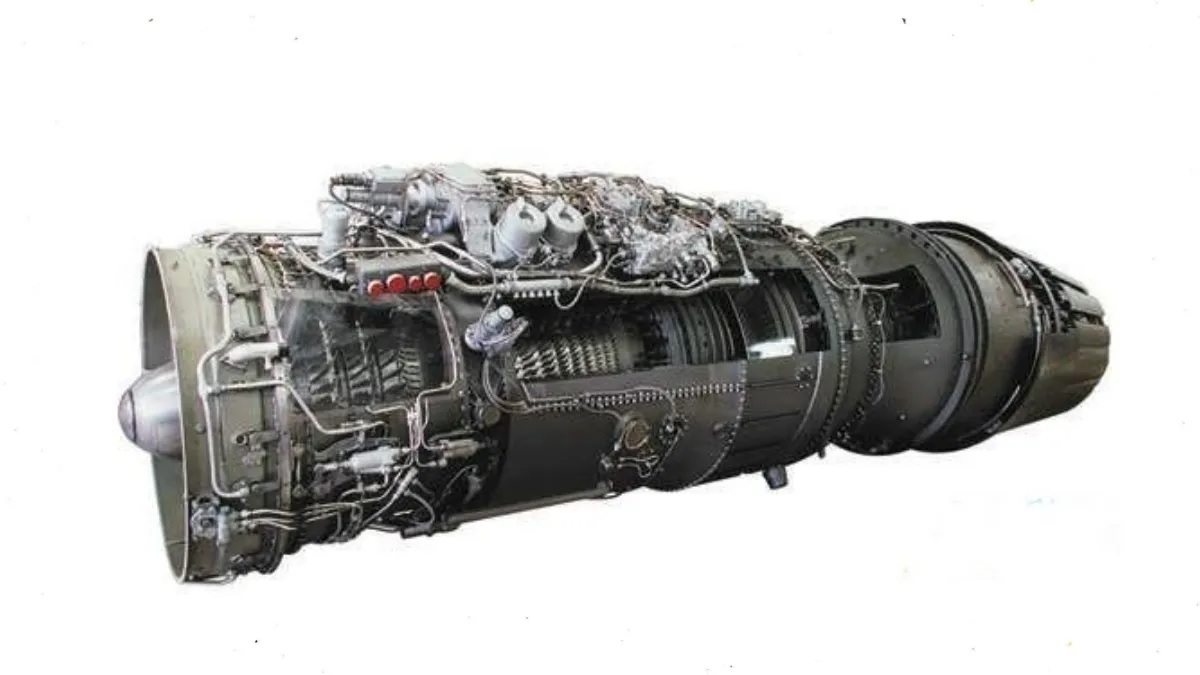
India
Hindustan Aeronautics Limited (HAL) is making a groundbreaking move in India's defence manufacturing sector by taking up the challenge of producing AL-31FP engines for the Sukhoi Su-30MKI fighter aircraft entirely within the country. This ambitious effort aligns with the Indian government's "Atmanirbhar Bharat" (Self-Reliant India) vision, which aims to reduce dependency on foreign suppliers and strengthen the domestic defence industry.A Landmark Contract for Indigenous ManufacturingOn September 9, 2024, HAL secured a ₹26,000 crore ($3.1 billion) contract with the Indian Ministry of Defence to produce 240 AL-31FP engines. This significant order sets a precedent for the integration of cutting-edge manufacturing capabilities within India. The engines are to be delivered over eight years, starting with a production rate of 30 engines annually from HAL's Koraput division in Odisha.The AL-31FP engine, known for its thrust-vectoring capabilities, powers India's fleet of Su-30MKI jets, which form the backbone of the Indian Air Force (IAF). Each engine delivers a thrust of around 12,500 kgf with afterburners and 7,600 kgf in dry thrust, enabling high maneuverability and sustained supersonic performance. By focusing on localized production, HAL aims to ensure a steady supply of these critical components while reducing reliance on imports.Indigenization EffortsThe contract stipulates that the engines will have at least 54% indigenous content at the outset, which HAL plans to increase to over 63% by the end of the agreement. Currently, about 40% of the work on AL-31FP engines involves Indian industries, a figure expected to exceed 50% within two to three years. This includes sourcing raw materials, fabricating complex components, and assembling finished products entirely within the country.Addressing Geopolitical ChallengesIndia's dependency on foreign-made parts, particularly from Russia, has faced challenges due to global geopolitical tensions, including the ongoing Russia-Ukraine conflict. These disruptions have highlighted the vulnerabilities in the supply chain for critical military components. HAL's initiative to produce the AL-31FP engines domestically addresses this issue by creating a sustainable and self-sufficient ecosystem for defence manufacturing.HAL's Advanced Koraput FacilityHAL’s Koraput division plays a pivotal role in this endeavor. The facility boasts state-of-the-art equipment and highly skilled personnel capable of handling the complexities of aero-engine manufacturing. It is designed to manage the entire production process, from raw material processing to the final assembly and testing of engines. The first AL-31FP engine delivery within weeks of the contract signing underscores HAL’s operational readiness and technical expertise.Broader ImplicationsThis indigenization drive is more than just an operational achievement; it has far-reaching implications for India’s defence sector. By integrating local industries into the supply chain, HAL is fostering an ecosystem that benefits not only the IAF but also the broader aerospace and manufacturing sectors. This initiative could also pave the way for India to become an exporter of high-performance aero engines in the future.Moreover, HAL’s project serves as a model for other defence programs aiming for greater self-reliance. It demonstrates how public-sector enterprises can lead the charge in reducing dependency on foreign technology while enhancing domestic capabilities.Long-Term ImpactThe successful indigenization of the AL-31FP engine will significantly bolster India's operational readiness by ensuring the availability of spare parts and reducing maintenance downtimes for the Su-30MKI fleet. Additionally, this move is expected to create jobs, enhance technical expertise, and contribute to the nation's economic growth. HAL's initiative not only strengthens India’s defence posture but also positions the country as a global hub for advanced aerospace manufacturing. With this achievement, HAL is setting a precedent for future collaborations and indigenous production efforts, firmly steering India towards self-reliance in defence technology.
Read More → Posted on 2024-11-22 17:32:00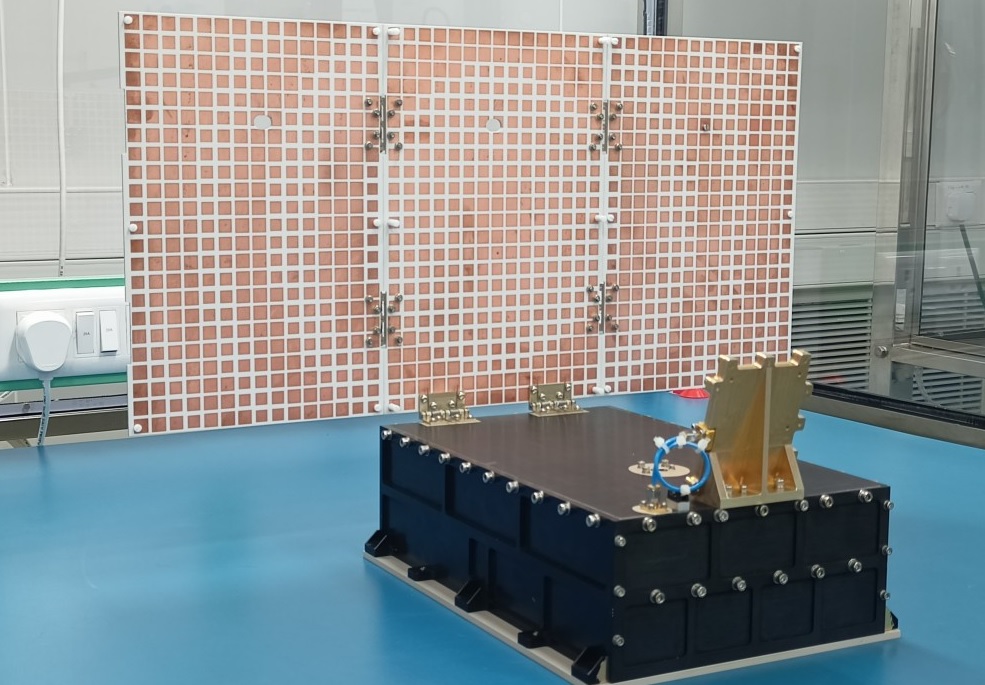
India
Indian spacetech start-up PierSight, based in Ahmedabad, has made a groundbreaking entry into the global satellite market with the unveiling of its first all-weather maritime surveillance satellite. Combining Synthetic Aperture Radar (SAR) and Automatic Identification System (AIS) technologies, this advanced satellite represents a significant leap in maritime monitoring, catering to sectors such as defense, shipping, and environmental conservation.Cutting-Edge Features: SAR and AIS IntegrationThe standout feature of PierSight’s satellite is its ability to operate seamlessly in all weather conditions. Unlike traditional optical satellites, which are hampered by cloud cover or lack of daylight, the SAR technology provides high-resolution imaging regardless of weather. This makes it invaluable for real-time maritime surveillance, whether it’s tracking vessels, detecting illegal fishing, or monitoring oil spills. Additionally, the AIS system augments this capability by identifying and locating ships equipped with transponders, enabling a comprehensive view of oceanic activities.With revisit times as short as 30 minutes, the satellite ensures frequent and updated coverage of critical maritime zones. This rapid response capability is crucial for situations requiring immediate attention, such as search-and-rescue operations or monitoring suspicious vessel movements.Ambitious Vision Backed by Strategic FundingPierSight recently raised $6 million in seed funding to accelerate the development of its technology. The funding round, led by Alpha Wave Ventures and Elevation Capital, with contributions from Techstars, underscores the confidence investors have in the start-up’s vision. The funds are earmarked for hardware acquisition, team growth, and the design and deployment of both demonstration and operational satellites.The ultimate goal is to establish a constellation of SAR-AIS satellites, functioning as “eyes and ears” across global waters. This constellation is expected to redefine the standards of maritime surveillance, offering unparalleled monitoring capabilities that could transform oceanic oversight on a global scale.Pioneering a Growing IndustryPierSight’s innovation comes at a time when the Indian spacetech sector is experiencing rapid growth. The industry is projected to expand significantly, driven by increasing demand for satellite-based applications across multiple domains. PierSight is well-positioned to lead this transformation, leveraging its technological advancements and forward-thinking approach.Beyond its technological achievements, the start-up’s vision aligns with pressing global needs, including environmental protection, maritime security, and the sustainable use of oceanic resources. By addressing these challenges, PierSight is poised to make a meaningful impact on both the Indian and international stages.A Bright Future for Indian SpacetechAs the first Indian start-up to integrate SAR and AIS in a single satellite for all-weather maritime surveillance, PierSight is setting a new benchmark for innovation in spacetech. Its achievements reflect the potential of India’s growing private space sector, signaling a future where indigenous technology can drive global solutions. With its pioneering satellite and ambitious plans for a constellation, PierSight is not just monitoring the seas—it is shaping the future of maritime surveillance.
Read More → Posted on 2024-11-22 17:25:58
India
The India-Israel partnership in defense technology has reached a pivotal moment with the deployment of the AI-driven "Arbel" weapon enhancement system in active combat scenarios in Gaza. This cutting-edge system, developed jointly by Adani Defence and Aerospace and Israel Weapon Industries (IWI), represents a revolutionary leap in modern warfare. Its integration of artificial intelligence aims to bolster the lethality, accuracy, and adaptability of small arms in high-stress combat situations.The Arbel System: Next-Gen Combat TechnologyThe Arbel Intelligent Fire Control System (IFCS) is engineered to seamlessly integrate with assault rifles and machine guns, including renowned models like the Tavor, ACE, and Negev. Key features include a rechargeable, field-replaceable battery, a motion-sensitive microprocessor, and customizable optics. This adaptability ensures soldiers can tailor the system to diverse terrains and mission demands without needing optical reconfiguration.AI algorithms underpin Arbel's game-changing capabilities. These include rapid target acquisition, enhanced hit probabilities even under adverse conditions, and precise recoil management. Notably, the system memorizes data from the first shot fired, optimizing subsequent rounds for consistent accuracy. Its battery-efficient design ensures functionality during extended missions, and it remains operational even when the battery depletes.Tactical Edge in Modern WarfareDeployed in Gaza, Arbel provides Israeli forces with a strategic advantage in urban and rugged combat zones. It allows for swift, accurate responses to threats, increasing survivability and mission success rates. These enhancements reflect broader global trends where AI is reshaping military operations, emphasizing precision and efficiency over sheer firepower.Strategic Significance for IndiaIndia's involvement in this breakthrough highlights its growing prominence in AI-driven defense innovation. By collaborating with IWI, Adani Defence strengthens India's military-industrial base and positions it as a global leader in advanced weaponry. This partnership also aligns with India's strategic focus on integrating AI into its defense capabilities to address evolving security challenges.The Arbel system's deployment is a testament to the transformative potential of AI in warfare, showcasing how technological advancements can redefine combat dynamics while highlighting India's and Israel's shared commitment to pioneering defense solutions.
Read More → Posted on 2024-11-21 16:29:22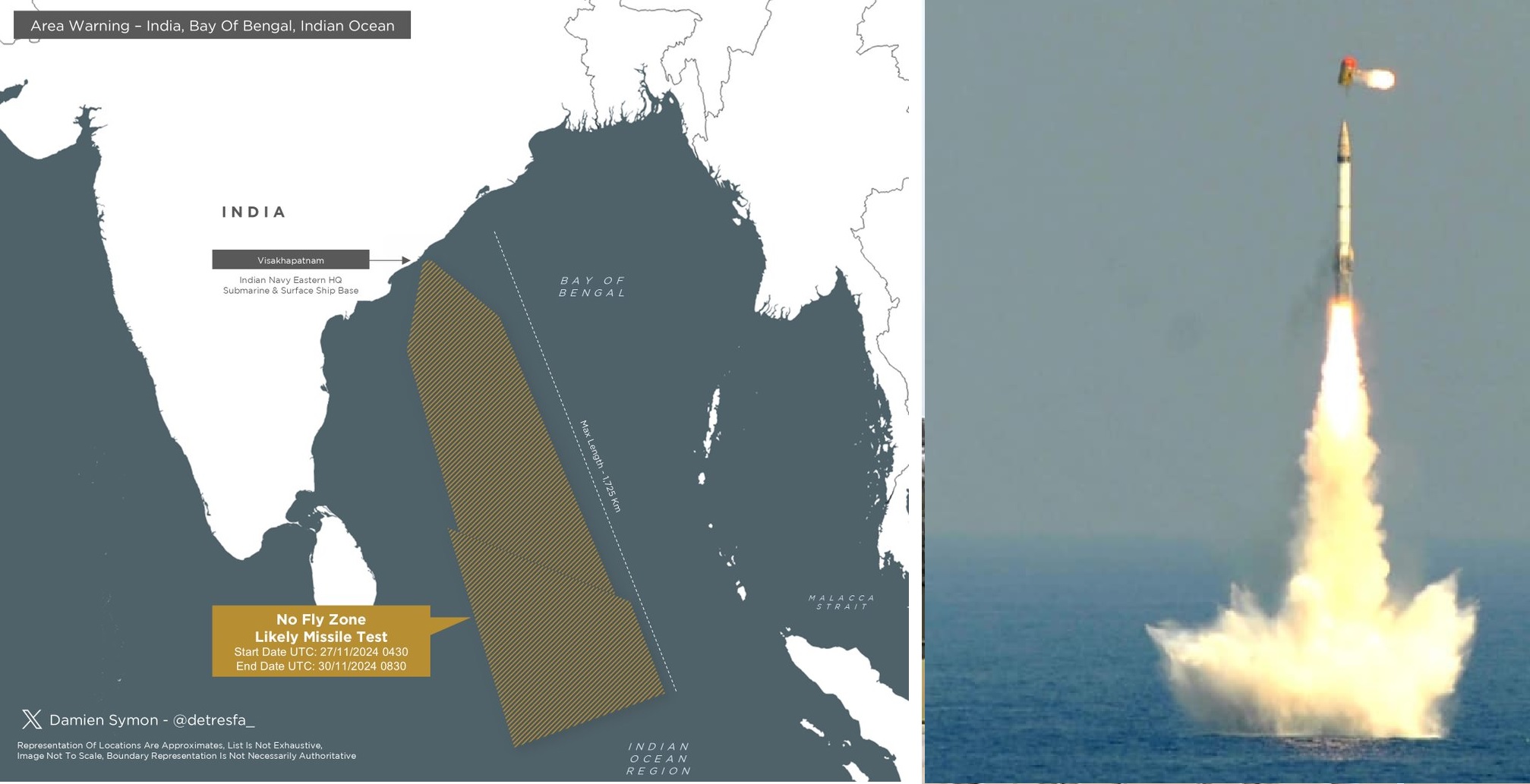
India
India has issued a Notice to Airmen (NOTAM) over a vast 1,725-kilometer stretch of the Bay of Bengal, indicating an upcoming missile test likely by the Indian Navy. Scheduled between November 27 and November 30, 2024, the test hints at significant advancements in India's long-range missile capabilities, sparking curiosity and speculation about the specific system being evaluated.The area covered by the NOTAM suggests the possibility of testing a missile with an extended range, possibly exceeding 1,500 kilometers. While the exact missile remains undisclosed, defense analysts believe it could involve one of several advanced platforms under development.Potential Missile CandidatesAmong the candidates is the Indigenous Technology Cruise Missile (ITCM), a subsonic cruise missile boasting a 1,500-kilometer range. Designed for versatility, the ITCM can be launched from both surface ships and submarines, offering India a potent tool for deep-strike operations. The missile leverages indigenous propulsion technology, marking a step forward in self-reliant defense capabilities.Another contender is a new indigenous long-range cruise missile, reportedly in development. Details about this missile remain classified, but it aligns with India’s broader goal of expanding its stand-off strike arsenal.Alternatively, the test might involve a submarine-launched cruise missile (SLCM). India’s K-15 (B-05) missile, with a range of approximately 750 kilometers, is already a cornerstone of its sea-based deterrence. However, a new or upgraded SLCM variant could push the envelope, demonstrating India’s evolving second-strike capabilities.Strategic Implications of the 1,725-kilometer RangeThe distance covered in the NOTAM underscores the long reach of the missile system in question. A missile with such a range would significantly bolster India’s ability to project power in the Indo-Pacific region, ensuring the Navy can strike targets well beyond its immediate maritime boundaries. This aligns with India’s strategy of enhancing maritime dominance and securing its interests in the broader Indian Ocean region.If the test involves a submarine-launched platform, it further highlights India's progress in sea-based nuclear deterrence, a critical component of its nuclear triad. A successful demonstration of such technology would reinforce India's strategic posture amid evolving regional security dynamics.Broader Context and SignificanceThis test comes at a pivotal time as India intensifies its efforts to modernize its naval forces. From commissioning new warships to developing indigenous missile systems, India is actively enhancing its maritime strength. Such initiatives are crucial in maintaining a credible deterrent against potential adversaries and ensuring regional stability in the Indo-Pacific, an area of growing strategic contestation.The development and testing of advanced missile platforms underscore India's commitment to indigenization in defense production, aligning with the “Make in India” initiative. By advancing its technological edge, India not only strengthens its defense capabilities but also sends a clear message about its readiness to safeguard its sovereignty and interests in an increasingly multipolar world. As the scheduled test window approaches, the world will watch closely, recognizing the implications of this event for India’s strategic and technological trajectory. Whether it’s a new cruise missile or an enhancement of submarine-launched systems, the results will likely mark a significant milestone in India’s defense evolution.
Read More → Posted on 2024-11-21 16:03:48
India
The Defence Research and Development Laboratory (DRDL), a crucial arm of India's defence technology ecosystem, is advancing its expertise with the development of the SAMOOHA constellation, a state-of-the-art electronic intelligence (ELINT) system. Building on the foundation laid by earlier initiatives like the EMISAT satellite under Project Kautilya, SAMOOHA represents a shift toward multi-satellite systems designed for space-based electronic surveillance.This ambitious project aligns with India's strategic vision to bolster its situational awareness and counter emerging threats in an increasingly contested global landscape.Technological Leap: Formation Flying and Advanced Signal AnalysisThe SAMOOHA constellation distinguishes itself by adopting formation flying techniques, wherein satellites operate in coordinated orbits to enhance their collective data-gathering capabilities. This approach mirrors practices used by other global powers, such as China's Yaogan satellite clusters, which are known for their ELINT functionalities. Formation flying allows satellites to triangulate signals, improving the accuracy of source detection and geolocation. Such a design could provide India with near-real-time monitoring of radar and communication emissions, a critical asset for modern electronic warfare.The satellites will likely carry payloads optimized for detecting electromagnetic signals, analyzing frequency spectra, and characterizing radar emissions. These payloads will build on the legacy of EMISAT, which currently serves as a standalone platform for pinpointing radar systems by detecting their electromagnetic emissions.Integration into India’s Defence EcosystemSAMOOHA is expected to complement India's existing assets, such as ground-based ELINT systems and dual-use satellites like GSAT-7 for naval operations and RISAT for synthetic aperture radar (SAR) imaging. The constellation's space-based perspective will fill gaps in ground coverage, providing a holistic surveillance capability that is indispensable for monitoring large swaths of territory, including India's maritime zones and border regions.This system will also contribute to India's military strategy by enabling early threat detection, secure communication, and efficient target acquisition. As seen with China's BeiDou and the United States' GPS and SIGINT satellite constellations, these capabilities are pivotal for national security and force modernization.A Strategic ImperativeGlobally, nations are increasingly investing in satellite constellations for ELINT, and SAMOOHA positions India to maintain parity in this strategic domain. For example, China's rapid deployment of its Yaogan series demonstrates the utility of such systems for monitoring adversary activities. SAMOOHA, when operational, will act as a counterbalance, ensuring India's capability to track, locate, and analyze potential threats effectively.While EMISAT marked India’s entry into the space-based ELINT domain, SAMOOHA signifies a maturing of this capability into a robust, scalable constellation system. It is anticipated to reduce India's reliance on single-satellite solutions, offering the redundancy and global coverage essential for uninterrupted surveillance.SAMOOHA’s development reflects DRDL’s ambition to deliver cutting-edge solutions for national security. By leveraging advanced technologies like formation flying and integrating them into India’s broader defence strategy, the project underscores the country’s commitment to indigenous innovation in space-based intelligence systems. As geopolitical tensions evolve, such capabilities will be vital for ensuring India’s operational readiness and safeguarding its interests. This constellation, once operational, will mark a significant milestone in India’s journey toward becoming a space power capable of countering regional and global challenges effectively.
Read More → Posted on 2024-11-21 15:57:33
India
Brazil is making waves in the global defence market with its interest in acquiring India’s Tejas Mk1A Light Combat Aircraft (LCA) to replace its aging fleet of Northrop F-5 Tiger II fighter jets. This strategic initiative could mark a milestone in defence collaboration between India and Brazil, with the South American nation proposing an intriguing barter arrangement: Brazil would purchase the Tejas Mk1A while offering its advanced Embraer C-390M military transport aircraft to the Indian Air Force (IAF) under India’s Medium Transport Aircraft (MTA) procurement program.The Modernization Imperative for BrazilThe Brazilian Air Force (FAB) is at a critical juncture in its modernization journey. The Northrop F-5 Tiger II jets, long the workhorse of the FAB, are reaching the end of their operational lifespan. While the FAB has started integrating Saab’s Gripen-E fighters into its fleet, these high-end aircraft are expensive to operate in large numbers. To maintain operational readiness and capability, Brazil is actively seeking a cost-effective, versatile fighter to complement its Gripens.The Tejas Mk1A, developed by India’s Hindustan Aeronautics Limited (HAL), is a strong candidate. With its advanced avionics, active electronically scanned array (AESA) radar, electronic warfare systems, and multirole combat capability, the Tejas offers an impressive combination of affordability and performance. Its compact design, enhanced agility, and low maintenance costs make it ideal for operations in diverse terrains—a factor critical for Brazil's expansive geography.The Tejas Mk1A: A Technological MarvelThe Tejas Mk1A represents India’s leap in indigenous aerospace engineering. Equipped with an AESA radar, integrated electronic warfare suite, and beyond-visual-range (BVR) missile capability, the aircraft is built for 21st-century combat. The LCA’s modern cockpit and fly-by-wire system ensure precision and ease of handling, while its multi-mission capability allows it to undertake air superiority, ground attack, and reconnaissance missions.Brazil’s Strategic Offer: Embraer C-390MIn an effort to sweeten the deal, Brazil is leveraging its Embraer C-390M Millennium, a cutting-edge medium-lift transport aircraft. Renowned for its reliability, speed, and fuel efficiency, the C-390M is designed to operate in diverse conditions, making it a versatile choice for India’s MTA tender, which seeks 60 transport aircraft to replace the aging Avro HS 748 fleet. The Millennium's capabilities, including short takeoff and landing on unprepared airstrips, a payload capacity of up to 26 tons, and compatibility with aerial refueling operations, align closely with the IAF’s operational requirements.A Symbiotic PartnershipThis potential barter arrangement underscores a win-win scenario for both nations. For India, exporting the Tejas Mk1A to a major South American market would elevate its standing as a global defence exporter and reinforce its "Make in India" initiative. It would also open doors for the Tejas to other Latin American nations with similar needs. For Brazil, the acquisition of a proven, cost-effective fighter jet like the Tejas would bridge its capability gap while securing a lucrative contract for the C-390M.Challenges and OpportunitiesWhile the deal presents immense strategic benefits, it is not without hurdles. Negotiations would need to address cost-sharing, timelines, and operational compatibility. Additionally, both nations would need to navigate bureaucratic and regulatory processes to finalize the agreement. However, the potential benefits—economic, diplomatic, and military—make this deal a compelling prospect. As India and Brazil explore this innovative partnership, the world watches closely. The success of this arrangement could redefine defence collaborations and set a precedent for similar barter deals in the global arms market.
Read More → Posted on 2024-11-21 15:51:32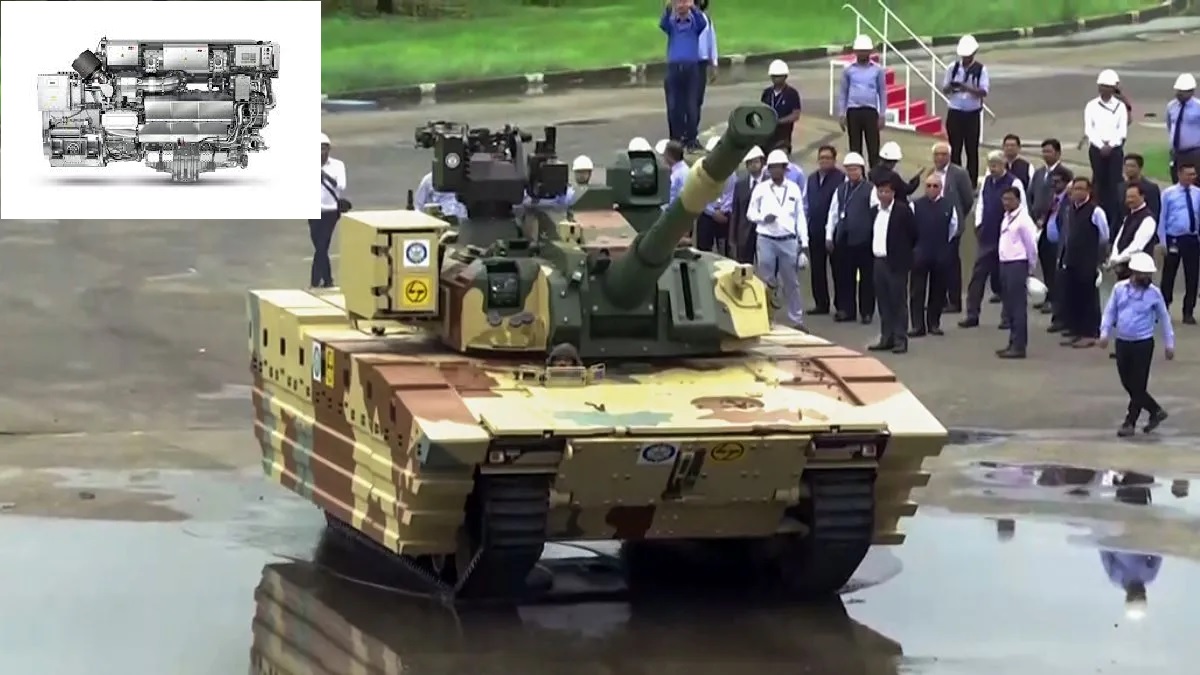
India
The rollout of India’s Zorawar light tank, a project pivotal to modernizing the Indian Army’s high-altitude combat capabilities, faced a four-month delay due to late engine deliveries from German manufacturer MTU. J.D. Patil, the CEO and Managing Director of Larsen & Toubro (L&T), recently highlighted the challenges and innovative solutions that kept the program on track despite these setbacks.MTU Engine Delays and the ImpactInitially, L&T had selected MTU engines for the Zorawar light tank, given the German firm's reputation for producing high-performance, reliable powerplants for military vehicles. However, the engines were delayed by seven months, disrupting the original development schedule. If delivered on time, the Zorawar prototype could have been rolled out in just 14 months.Determined not to let the delay stall progress, L&T turned to American manufacturer Cummins for a substitute powerplant. The first prototype was powered by Cummins engines, allowing L&T to complete the development within 18 months—a timeline Patil described as a record for a project of this magnitude.The Zorawar Light Tank: A High-Altitude WarriorNamed after Zorawar Singh, a 19th-century military commander known for his campaigns in the Himalayas, the Zorawar light tank is engineered to excel in challenging terrains, including high-altitude regions like Ladakh and Arunachal Pradesh. Here are some of its standout features:Weight: Approximately 25 tons, making it light enough for easy transport by air or rail.Mobility: Designed for agility and rapid deployment in rugged and mountainous environments.Armament: Equipped with a 105mm gun, advanced fire control systems, and the ability to integrate guided missiles for precision strikes.Protection: Modular armor that provides defense against small arms and explosive threats while maintaining a low profile.The Zorawar is also built with modularity in mind, allowing upgrades in armament, protection, and electronic warfare systems.Moving Toward Indigenous EnginesAligning with India’s push for indigenization in defense manufacturing, the Defence Research and Development Organisation (DRDO) is actively working on a domestically produced engine for the Zorawar. Until this indigenous engine becomes operational, the first batch of 59 tanks will likely continue using Cummins engines.A Record-Breaking FeatDespite the setbacks caused by the MTU delays, L&T has been lauded for completing the Zorawar prototype in record time. The company’s quick pivot to alternative engines underscores its adaptability and commitment to meeting the Indian Army’s needs without compromising on quality or timelines.The Zorawar light tank is more than a military vehicle—it represents India’s growing capability to develop cutting-edge defense technology under challenging circumstances. With high-altitude tensions showing no signs of abating, the Zorawar is set to play a crucial role in bolstering India’s combat readiness in some of the world's most demanding terrains.
Read More → Posted on 2024-11-21 15:38:28Search
Top Trending in 24 Hours
-
 Pentagon Expands Alloy Surfaces Contract to $328.8 Million for Advanced Aircraft Decoy Flares Amid Evolving Drone Threats
-
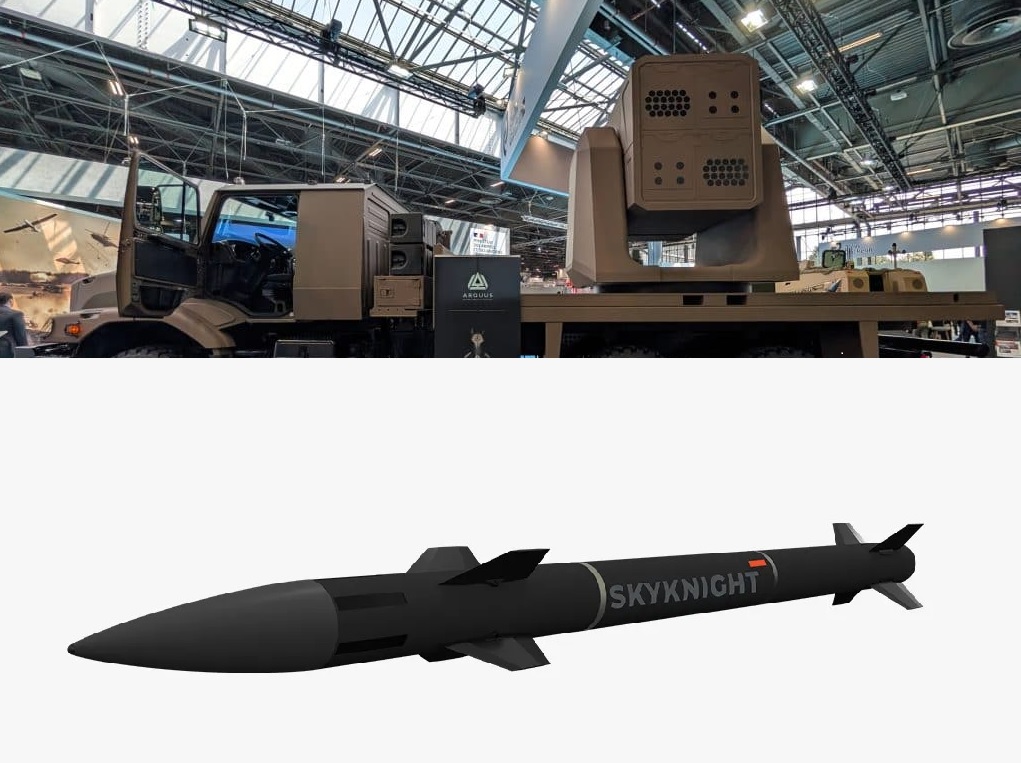 Naval Group Unveils Rampart Modular CIWS Multi-Purpose Weapon System for Naval and Ground Forces at Eurosatory 2026
-
 Why the U.S. Restored Pacific Command Name, Ending the Indo-Pacific Designation After Eight Years
-
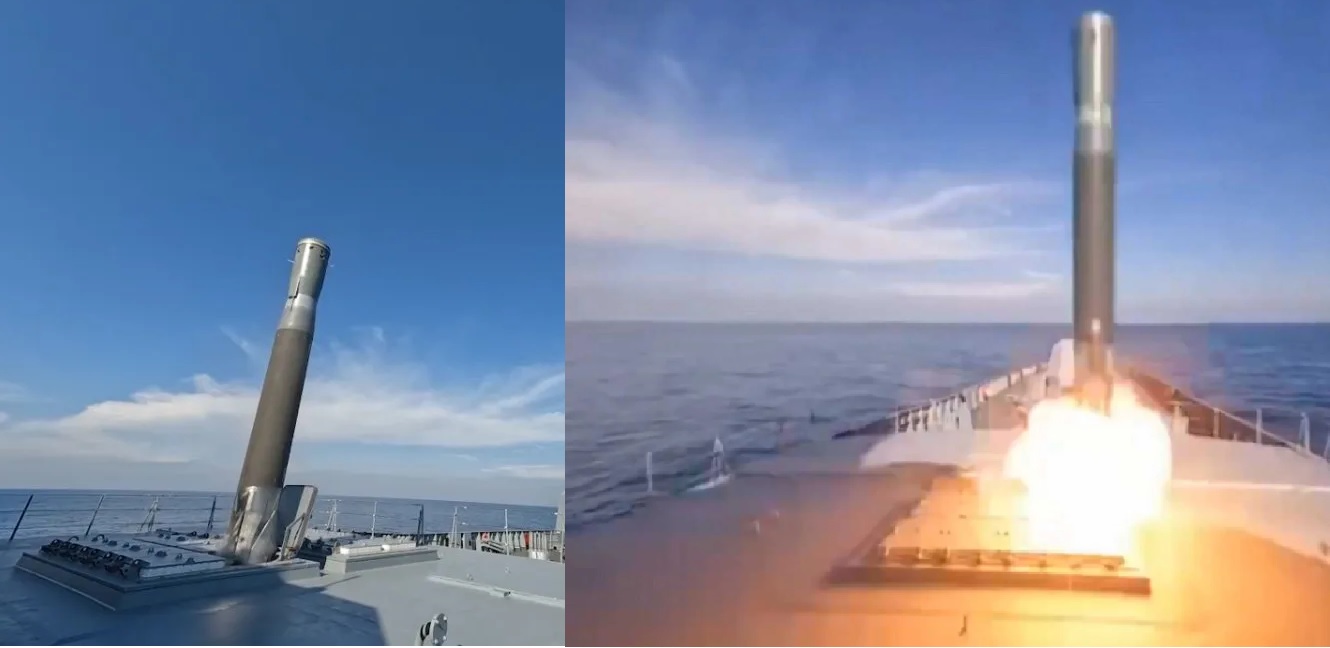 Open-Source Evidence Suggests Russia's Zircon Is a Quasi-Ballistic Missile, Not a True Hypersonic Cruise Weapon
-
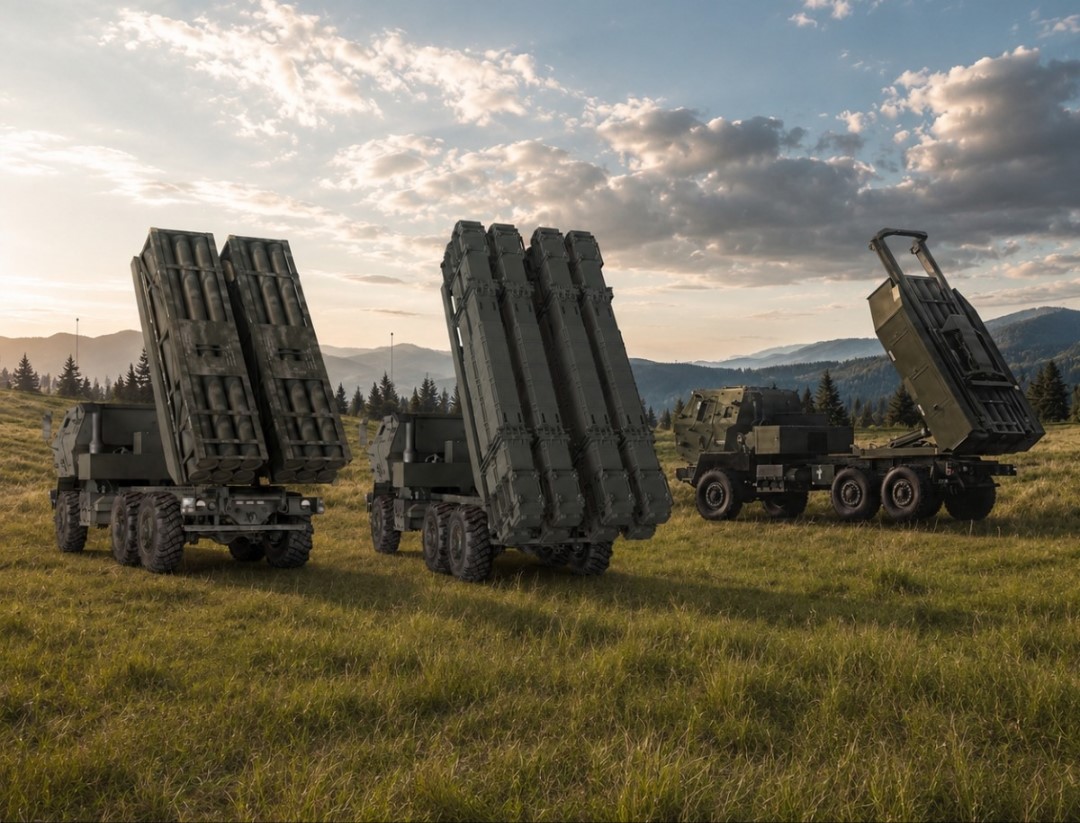 Lockheed Martin Unveils HIMARS FLEX with Dual-Pod Launcher and NATO-Compatible Air Defense Integration
-
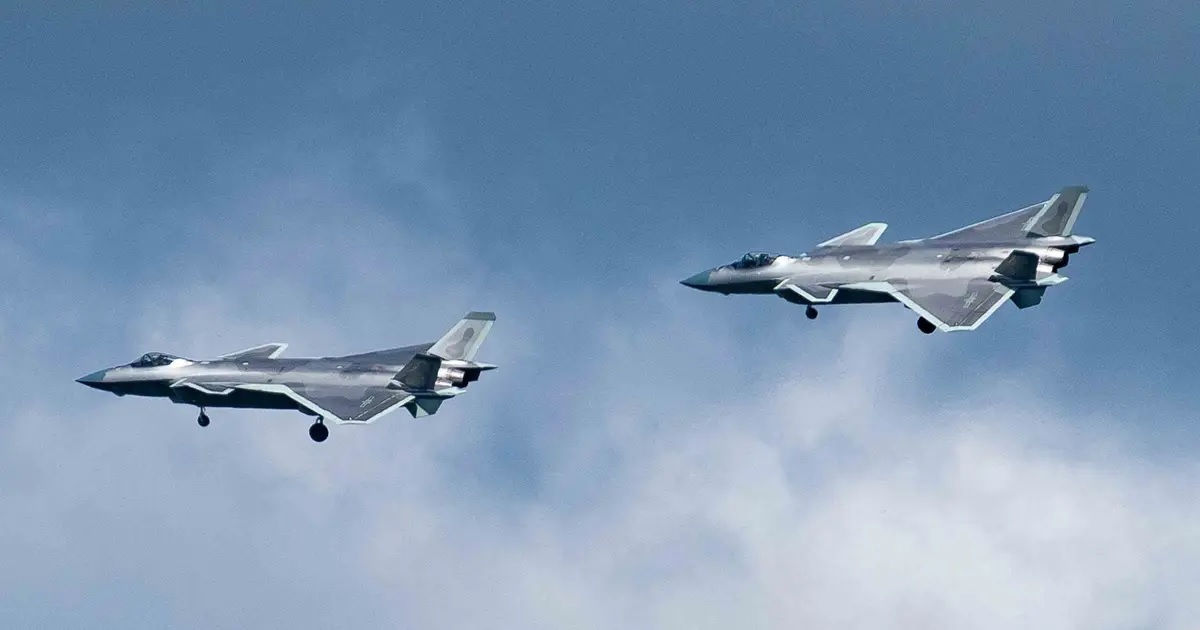 China Surpasses Russia as World’s Second-Most Powerful Air Force Amid Rapid J-20 and J-35 Expansion
-
 Iran Signs Deal with Russia for 20 Mi-8 and Mi-17 Helicopters to Boost Rescue and Medical Missions
-
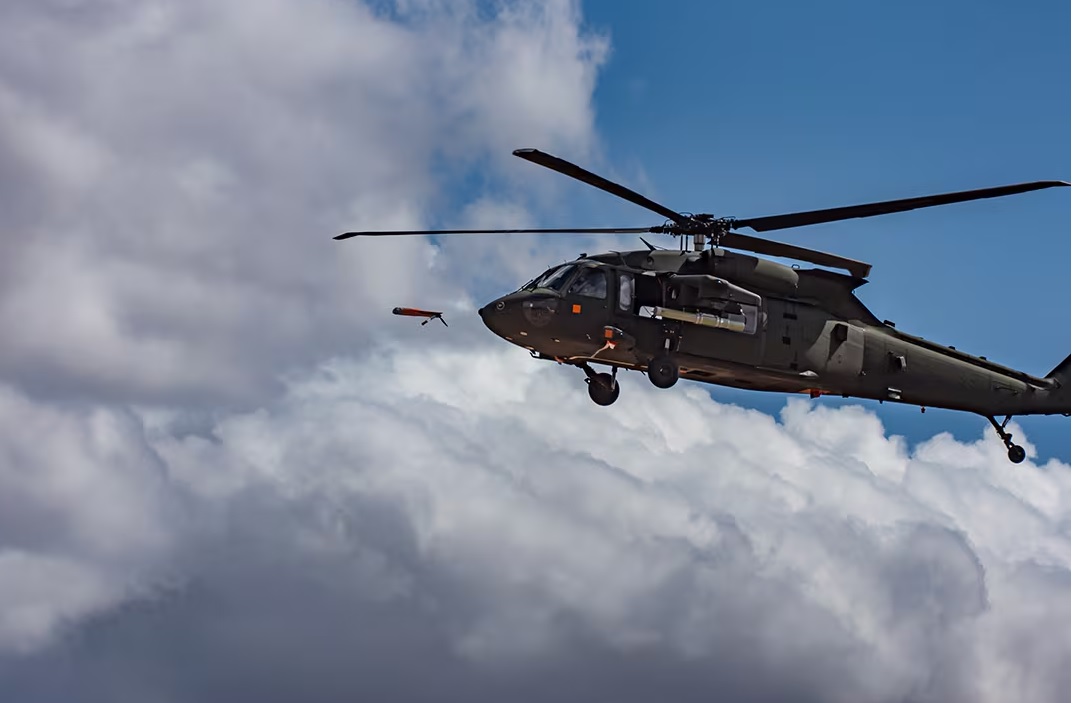 U.S. Army Completes First Flight Test of Medium-Range Air-Launched Effects from Black Hawk Helicopter
Top Trending in 4 Days
-
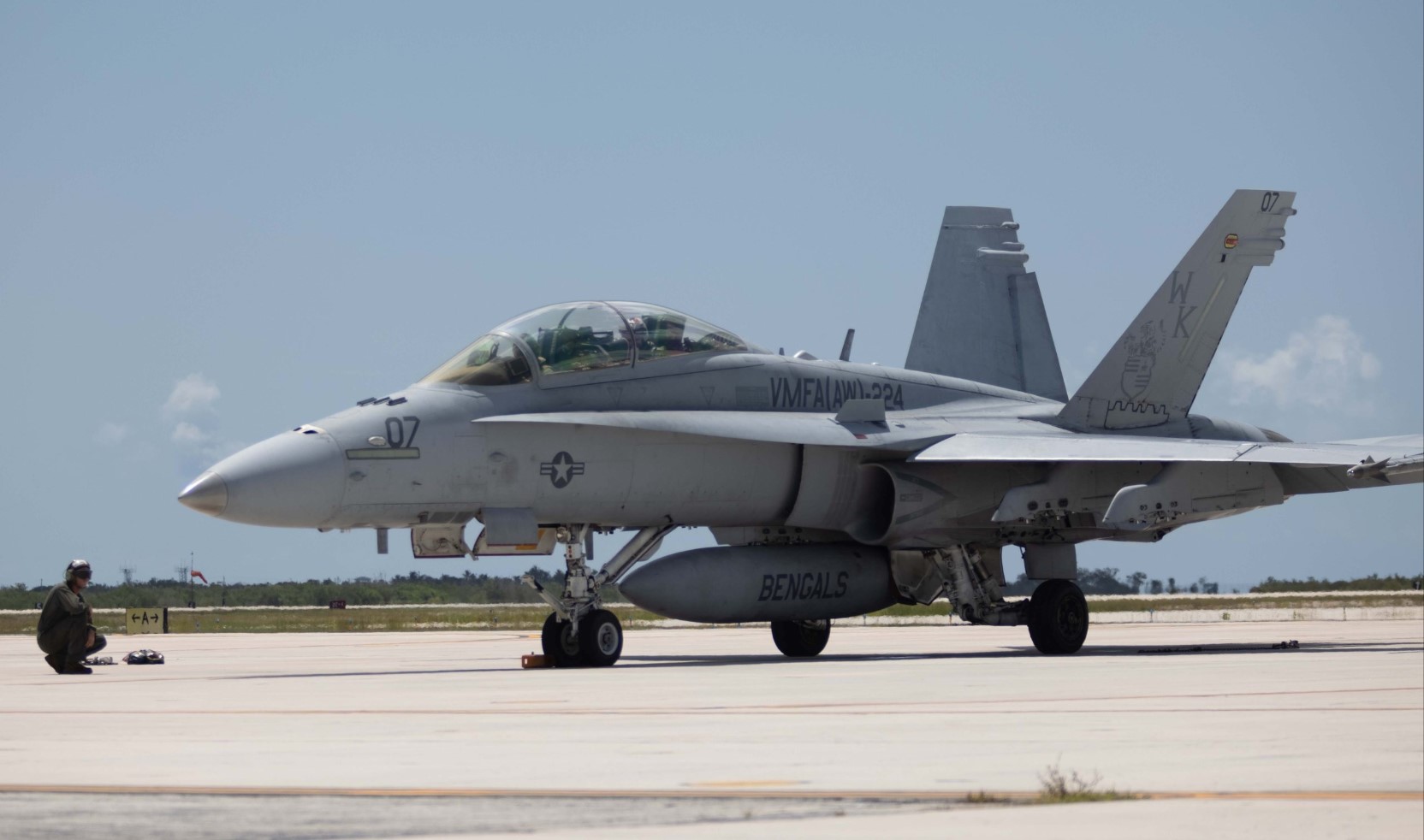 US Marine Corps F/A-18D Hornet Crashes During Training Flight in Washington Mountains; Pilot Ejects Safely
-
 Tulsi Gabbard Releases Declassified Files Detailing U.S.-Backed Network of 120 Biolaboratories Across 30+ Countries
-
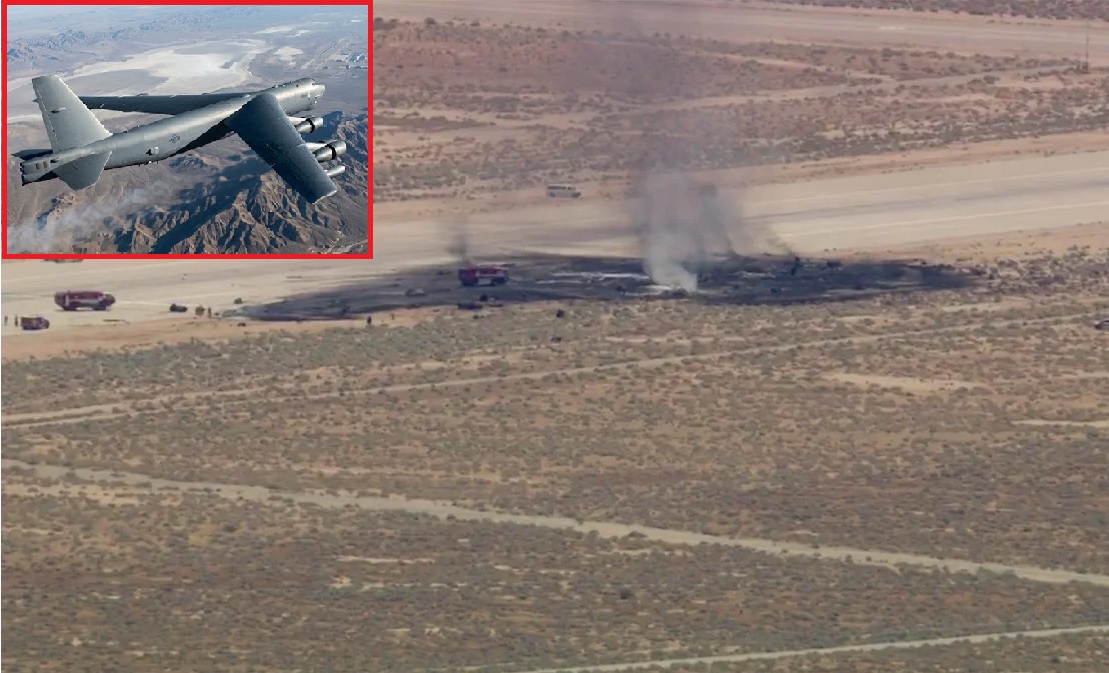 8 U.S. Air Force Crew Members Killed in B-52 Bomber Crash During Test Flight at Edwards Air Force Base
-
 Ukraine Introduces Balloon-Launched DART Missile Designed to Defeat Electronic Warfare
-
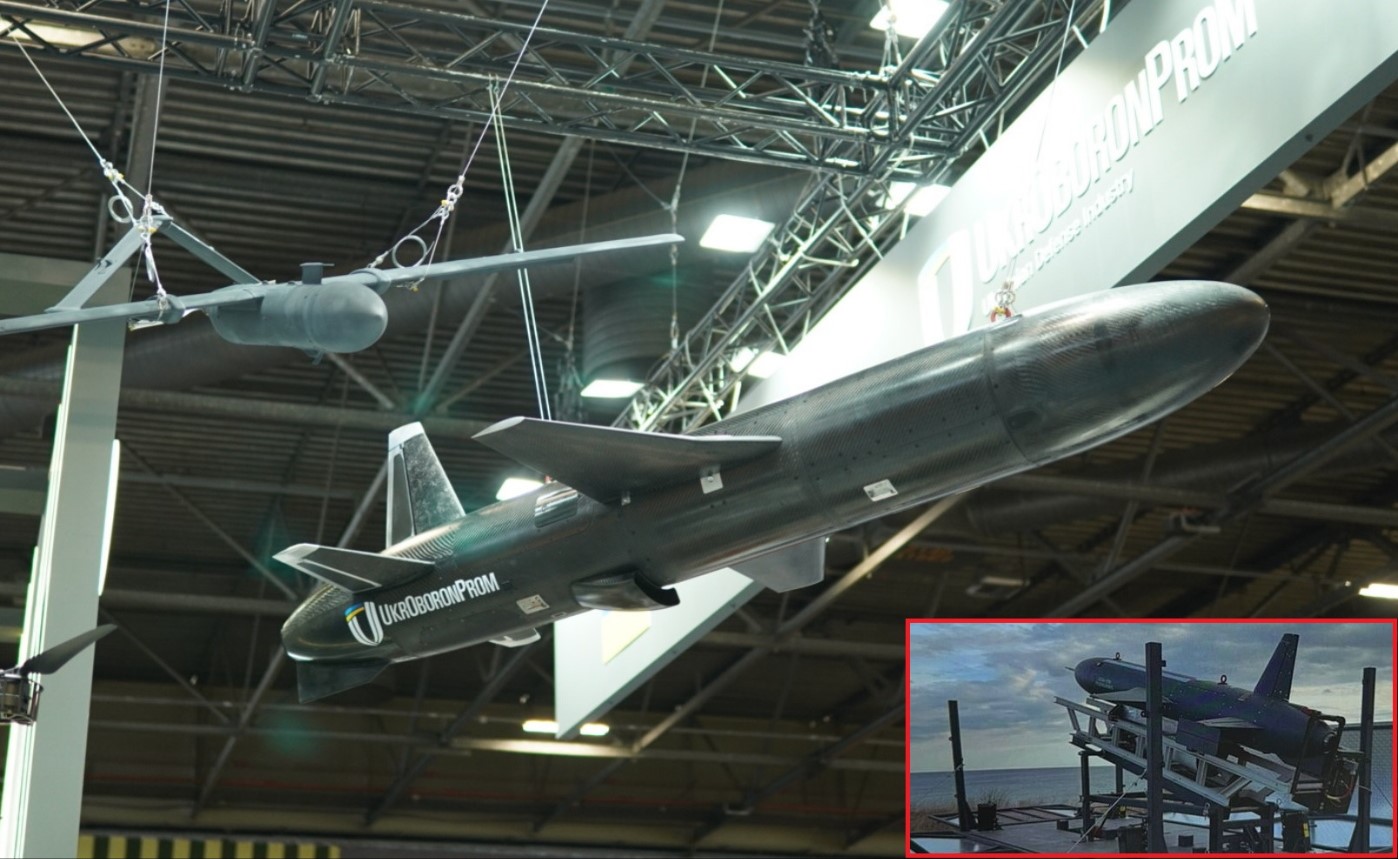 Ukraine Unveils UAV-290 Jet-Powered Strike Drone with 650 km Range at Eurosatory 2026
-
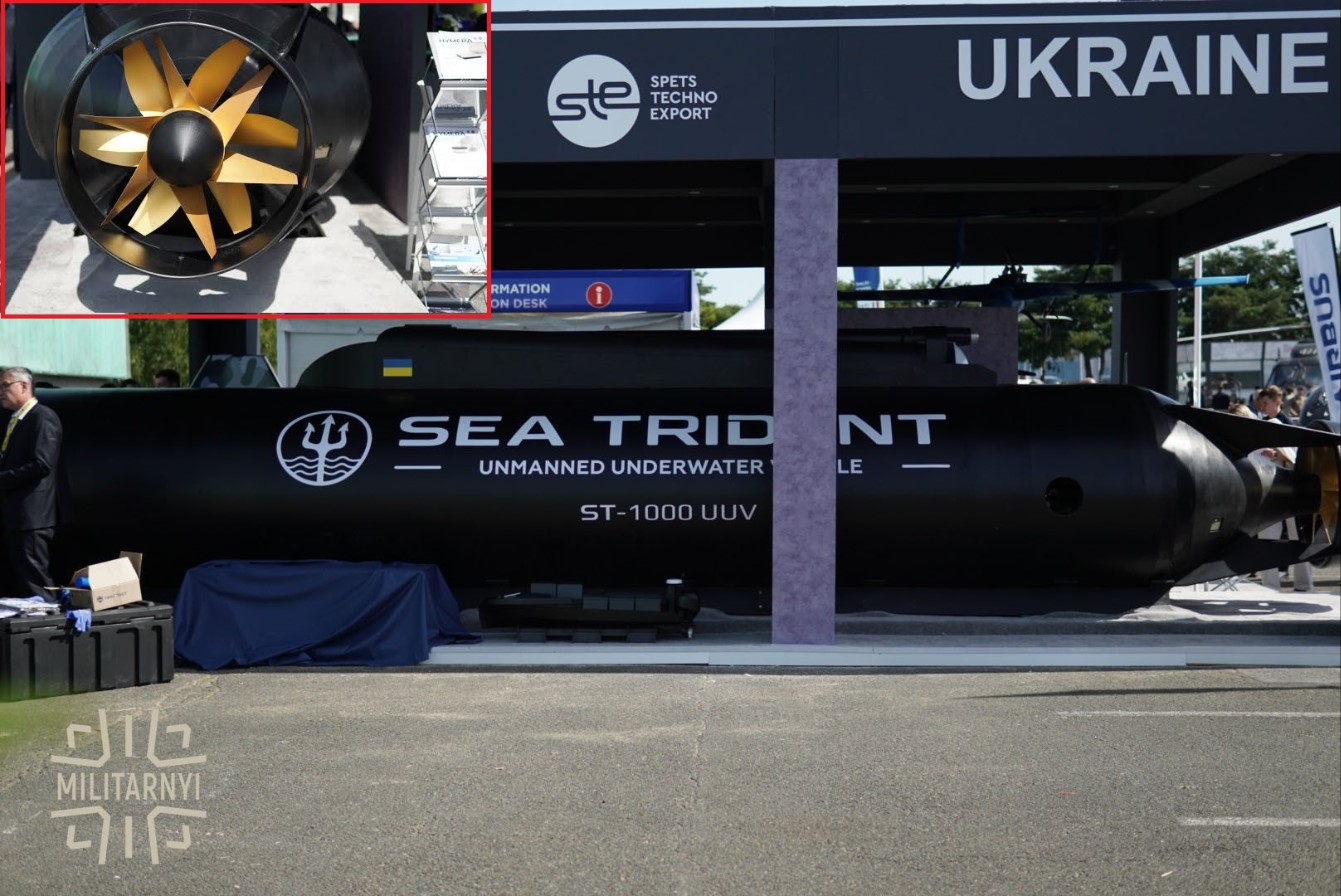 Ukraine Unveils 'Sea Trident' 10-Ton Autonomous Underwater Drone at Eurosatory 2026
-
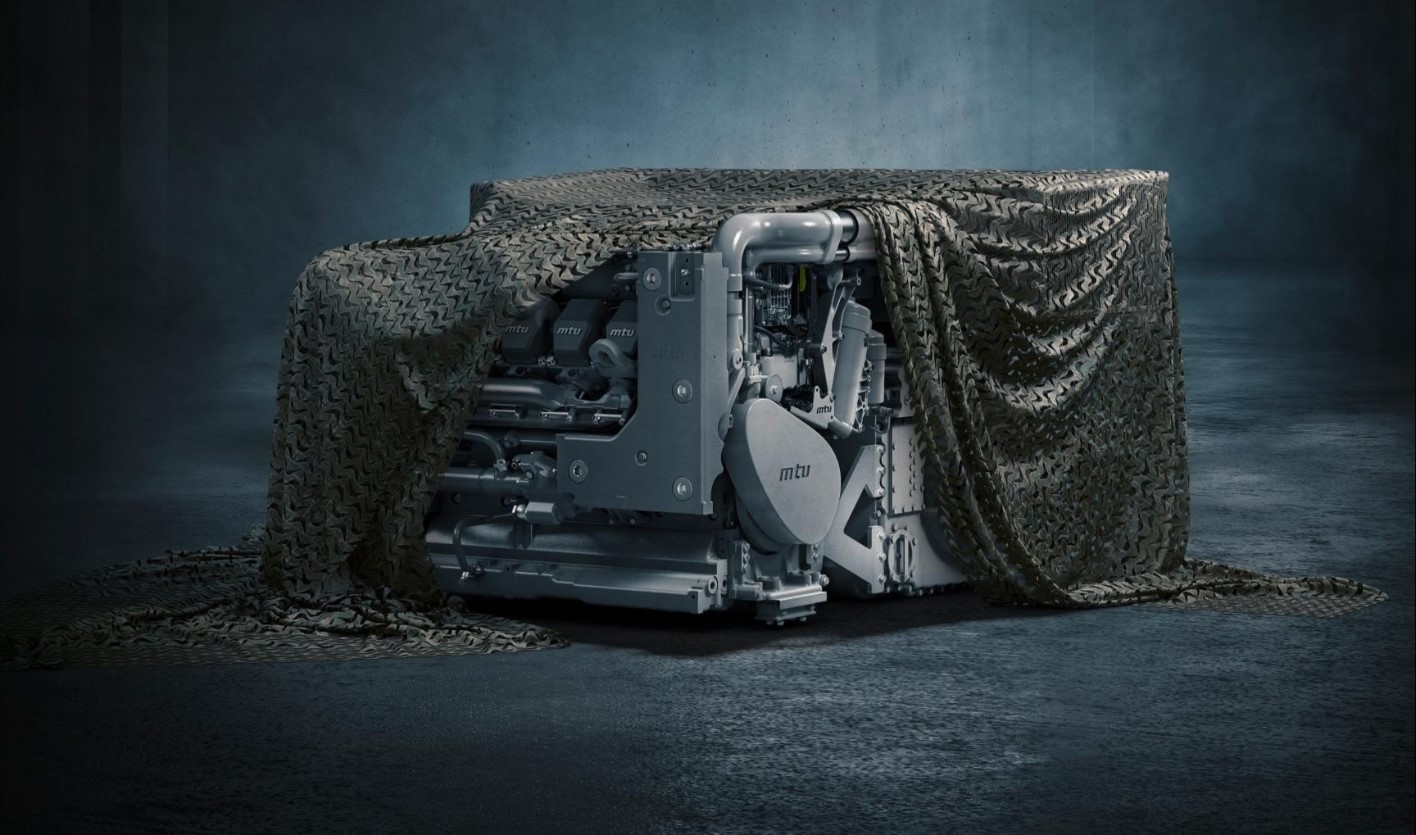 Rolls-Royce Unveils New Hybrid Powertrain for Heavy Military Vehicles at Eurosatory 2026
-
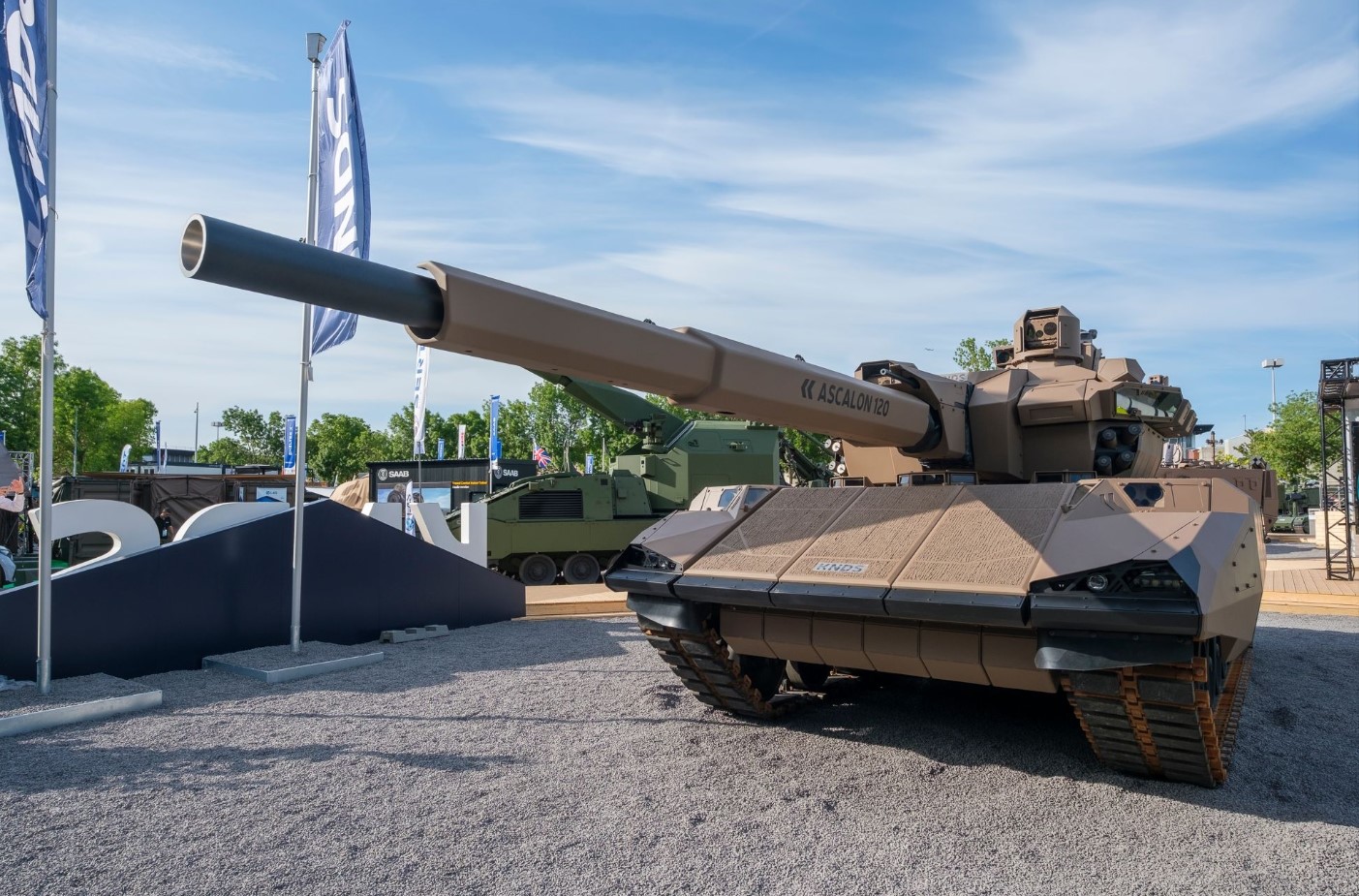 KNDS Unveils CAPINT Main Battle Tank at Eurosatory 2026 as Leclerc Stopgap