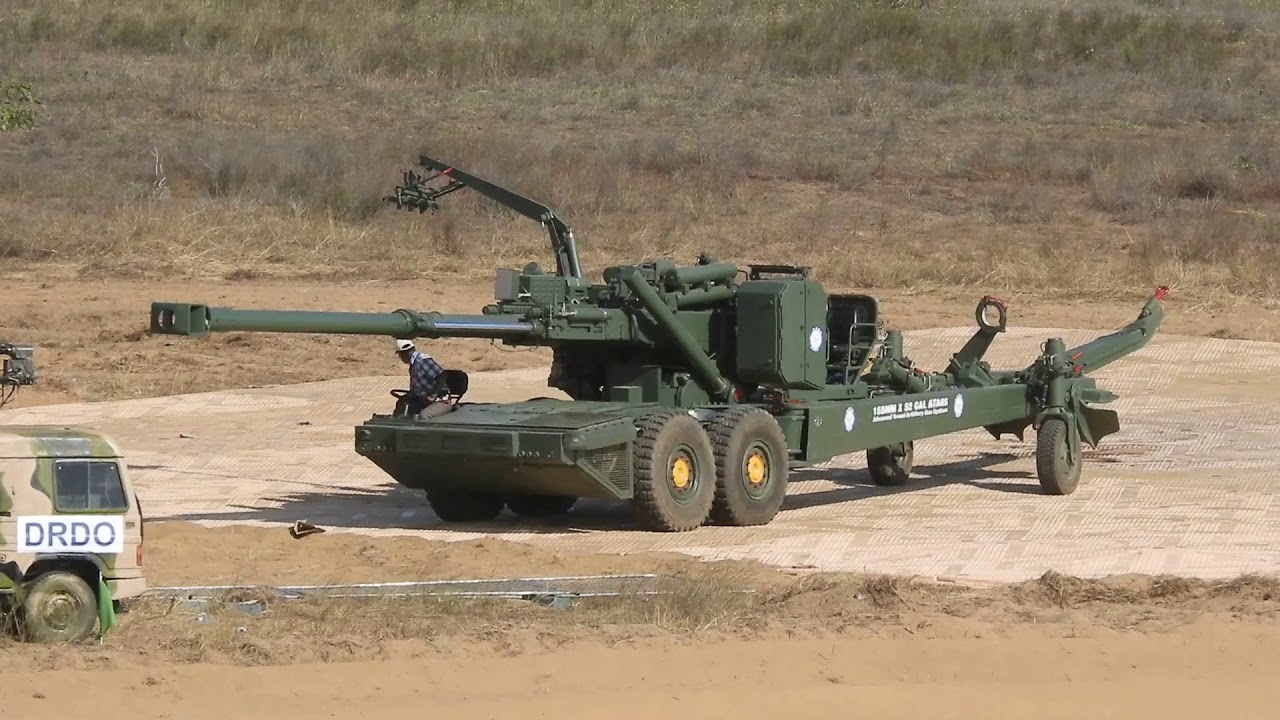
DRDO Developing 15-Ton ATAGS with Compact 23Ltr Chamber and Lightweight Barrel for Improved Mobility
India
In the ever-evolving landscape of military technology, India’s Defence Research and Development Organisation (DRDO) is working on a significant refinement to one of its most advanced artillery systems. The latest project focuses on a streamlined version of the Advanced Towed Artillery Gun System (ATAGS), carefully crafted to improve agility and operational efficiency. With the Indian Army’s needs constantly shifting to address both modern warfare and mobility requirements, this development arrives at a crucial moment.The lighter ATAGS variant, referred to as the Towed Gun System (TGS), stands out for its strategic design modifications. While the original ATAGS is a powerhouse, boasting a formidable presence on the battlefield, its 18-ton weight has presented hurdles, especially in regions where logistical infrastructure is limited or where extreme geography poses mobility challenges. This is particularly relevant in high-altitude terrains, such as the Northern and Eastern borders, where the need for efficient, easily transportable artillery is paramount.To address these constraints, DRDO engineers have rethought the core design, focusing on weight reduction while preserving the gun's impressive firepower. A key change lies in the chamber capacity. The TGS features a reduced chamber volume of 23 liters, a departure from the larger chamber of the current ATAGS model. This alteration directly contributes to the weight savings while maintaining a substantial range and fire capability, ensuring that the system remains effective on the battlefield.The barrel of the TGS has also undergone optimization. By employing a lighter but equally durable material, DRDO has managed to keep the gun barrel robust enough to withstand the stresses of sustained firing, all while trimming overall weight. These structural adjustments bring the artillery piece under the Indian Army's specified 15-ton weight limit. Notably, this reduction enhances the gun’s tactical mobility, making it easier to transport both by road and, importantly, by airlift. The latter is critical for quick redeployment in response to emerging threats or during operations where speed is of the essence.Furthermore, the lighter TGS is designed with the aim of simplifying logistics. Moving an 18-ton system through rugged environments can be a painstaking process, but a 15-ton version opens up new deployment possibilities, even in areas where conventional infrastructure may be sparse or non-existent. The reduced weight and increased portability of the TGS allow for more strategic placement and repositioning, offering the Indian Army a flexible artillery solution adaptable to a wide variety of combat scenarios.This modernization effort comes as the Indian Army plans an extensive artillery acquisition, aiming to induct roughly 1,200 towed gun systems, beginning with an initial order of 400 units. The development of the lighter TGS is not happening in isolation; major Indian defense firms, including Tata Advanced Systems and the Kalyani Group, are actively working on their versions of lightweight artillery systems. These private sector giants are leveraging their research and manufacturing expertise to produce competitive alternatives, fostering a healthy atmosphere of innovation. This competitive ecosystem not only accelerates advancements but also gives the Army a spectrum of options from which to select the most effective and efficient artillery platforms.Despite its leaner build, the TGS does not compromise on essential performance metrics. DRDO is focused on ensuring that the system retains its long-range accuracy and high rate of fire, features that made the original ATAGS a standout. The Indian defense establishment understands that any compromise in firepower could undermine the artillery's operational effectiveness, especially in contested regions where precision and force projection are vital.This strategic evolution in artillery technology reflects a broader trend of aligning military assets with India’s tactical needs and future battlefield requirements. As geopolitical tensions remain a constant concern, having a nimble, highly mobile artillery system can be a game-changer. The introduction of the 15-ton TGS signifies a step forward in modernizing India’s defense capabilities, providing a blend of mobility, firepower, and rapid deployment that is critical for modern warfare.With the completion of the TGS project, India is set to significantly bolster its military's artillery capabilities, ensuring that its forces remain versatile and prepared to face evolving threats, whether in harsh mountain passes or across expansive plains.
Read More → Posted on 2024-11-09 14:48:14
India
Amid supply chain hurdles impacting General Electric’s F-404 engines, India’s Tejas Mk1A fighter jet program faces potential delays. As Hindustan Aeronautics Limited (HAL) pushes forward, many have begun to question the possibility of replacing the F-404 engines with the more advanced GE F-414 engines—an upgrade that promises improved performance but comes with significant engineering challenges. To assess this possibility, we delve into the intricate differences between these engines and the technical implications for the Tejas Mk1A airframe.Understanding the Core Differences Between F-404 and F-414 EnginesAt first glance, the GE F-414 engine seems like a natural successor to the F-404, with clear advantages in power and overall combat capability. The F-404-GE-IN20, currently used in the Tejas Mk1A, delivers a maximum thrust of around 84 kN with afterburner, while the F-414-GE-INS6 produces a remarkable 98 kN. This performance boost could translate to greater agility, faster acceleration, and the ability to carry more weapons or fuel, thereby enhancing the operational flexibility of the Tejas Mk1A.Yet, with increased thrust come added demands on the airframe. The F-414 engine, though only slightly larger in terms of fan diameter—35.5 inches compared to the F-404’s 35 inches—has higher heat dissipation requirements. The Tejas Mk1A’s airframe, which relies on a lightweight composite structure, might need thermal shielding enhancements around the engine bay. Moreover, the F-414’s weight of around 1,110 kg (dry) compared to the F-404’s 1,036 kg, while relatively small, could impact the aircraft’s center of gravity, necessitating minor structural reinforcements to maintain flight stability and maneuverability.Can the Tejas Mk1A Handle the Power of the F-414?The feasibility of integrating the F-414 into the Tejas Mk1A depends on a series of interconnected factors. Firstly, both engines share the same length of 154 inches, meaning that the overall engine bay space requirement remains unchanged. This is a significant point in favor of a retrofit, as it implies minimal modification to the longitudinal structure of the aircraft. However, even small dimensional differences, such as the increased fan diameter, require reworking the air intake and cooling systems. The Tejas Mk1A would likely need adjustments to ensure that the increased airflow demands of the F-414 are adequately met, especially at high altitudes.The higher thrust output also necessitates stronger engine mounts and potentially additional reinforcement in areas that bear structural loads. Given that the F-414 generates more heat, redesigning the exhaust area and reinforcing the heat shielding become critical steps. While HAL’s engineering teams have a proven record of overcoming design challenges, the integration of a more powerful engine could significantly increase development and testing costs.Another layer of complexity lies in software integration. The engine control system for the Tejas Mk1A would need reprogramming to accommodate the F-414’s distinct operating characteristics, such as fuel flow, afterburner parameters, and thrust management. This aspect would require close collaboration with GE Aerospace, adding time and complexity to an already delayed program.Performance Gains vs. Potential Trade-OffsSwitching to the F-414 engine would undoubtedly bring substantial performance gains. The Tejas Mk1A’s thrust-to-weight ratio would improve, enhancing agility and allowing shorter takeoff runs—a key advantage in tactical situations. Furthermore, the increased thrust would enable the aircraft to operate at higher altitudes and carry more ordnance, making it more versatile in both air-to-air and air-to-ground missions.However, these benefits must be weighed against potential drawbacks. The F-414’s greater fuel consumption could reduce the aircraft’s range, necessitating either additional internal fuel storage or the use of external tanks, which in turn could compromise aerodynamics. Additionally, integrating the new engine would come at a higher cost, and the Tejas Mk1A’s production schedule might be further delayed as engineers undertake structural modifications and rigorous flight testing.Is the Upgrade Worth the Effort?The crux of the debate centers on whether the performance enhancements justify the investment and development effort. While the F-414 offers clear advantages, the retrofitting process would be complex and costly. If HAL decides that integrating the F-414 is too expensive or time-consuming, alternatives might include accelerating the Tejas Mk2’s timeline, as it is already designed to house the F-414 engines. Alternatively, India could explore domestic manufacturing of F-404 engines or create a strategic reserve to mitigate supply delays.Overall, replacing the F-404 engines on the Tejas Mk1A with F-414 engines remains a technically feasible but economically and logistically challenging option. The decision will likely hinge on a careful assessment of long-term strategic benefits versus immediate program requirements and costs. As India’s aerospace ambitions continue to grow, the Tejas program will remain central to enhancing national defense capabilities, with engine technology playing a pivotal role in its success.
Read More → Posted on 2024-11-08 14:43:43
India
India’s defense landscape is rapidly advancing with the Defence Research and Development Organisation (DRDO) and Aeronautical Development Establishment (ADE) moving forward with the construction of a full-scale model of the Ghatak stealth unmanned combat aerial vehicle (UCAV). This comes after significant funding approval by the Indian government, earmarked for both the Ghatak and Advanced Medium Combat Aircraft (AMCA) projects.The Ghatak UCAV represents a strategic leap in India’s pursuit of stealth and unmanned combat technologies. Designed to operate in high-threat environments, the Ghatak’s primary missions include precision strikes, deep penetration, and high-stakes surveillance, made possible by its cutting-edge stealth capabilities. A pivotal feature of the UCAV is its Internal Weapons Bay (IWB), crucial for minimizing radar cross-section (RCS). The bay can house up to 1.5 tons of munitions, providing stealthy firepower for missions that require maximum discretion.Crucially, the Ghatak will utilize a specialized 46kN Dry Kaveri engine. This engine, devoid of afterburners, is optimized to deliver efficient subsonic performance suitable for an unmanned platform. This modification prioritizes fuel efficiency and reduces the aircraft’s infrared signature, essential for stealth operations. The engine project has benefited from international collaborations, specifically with French aerospace company Safran, leveraging technologies developed during the Indian Rafale deal to enhance the Kaveri engine's capabilities.The development of the Ghatak UCAV also highlights a growing synergy with the AMCA fifth-generation fighter program. The two projects share essential technologies, such as stealth materials, avionics, data links, and propulsion systems. This integrated approach ensures a cohesive technological advancement, particularly in stealth engineering, radar evasion capabilities, and aerodynamic designs.Significant research institutions like IIT Kanpur have contributed to optimizing the Ghatak’s stealth characteristics, such as low-RCS air intakes and autonomous flight testing. Additionally, partnerships with companies like Dassault Aviation, which has shared insights from the nEUROn UCAV program, further bolster India's domestic capabilities. However, the Indian government has emphasized developing core stealth technologies in-house, avoiding over-reliance on foreign entities.The Ghatak UCAV’s design makes it comparable in size to the Light Combat Aircraft (LCA) Tejas Mk1A, but with a focus on endurance over speed. Its large wings facilitate extended loitering for intelligence, surveillance, and reconnaissance missions. Expected to have a combat endurance of 5 to 8 hours, the aircraft is poised to be a versatile and resilient asset in contested airspace.Another innovative aspect is its potential to operate in Manned-Unmanned Teaming (MUM-T) configurations. This would allow the Ghatak to work alongside manned aircraft like the AMCA or Su-30MKI, performing roles such as scouting, electronic warfare, or drawing enemy fire, thereby increasing mission effectiveness and survivability.With the approval of funds for the Ghatak's full-scale model and key advancements in propulsion and avionics, DRDO’s ambitious project marks a critical phase in India's defense evolution, paving the way for indigenous, stealth-enabled unmanned combat capabilities that can redefine air warfare dynamics in the region.
Read More → Posted on 2024-11-08 14:39:02
India
India’s evolving defense priorities and the strategic uncertainty surrounding its neighbors have sparked interest in acquiring new, long-range aerial strike capabilities. The Russian Tupolev Tu-160, known as the "White Swan" (NATO codename: Blackjack), has entered the conversation as a potential platform that could significantly upgrade the Indian Air Force's (IAF) operational reach. However, the prospect of integrating such a high-profile and costly aircraft brings both tantalizing advantages and serious considerations.A Platform of Unmatched Reach and FirepowerThe Tu-160’s specifications are staggering. It's the world's largest and heaviest supersonic bomber, featuring a variable-sweep wing design and powered by four NK-32 engines, each capable of producing immense thrust. It can reach speeds over Mach 2 and cover distances of up to 12,000 kilometers without refueling. This extended range allows it to serve as a strategic deterrent, capable of striking targets deep within enemy territory without needing to enter contested airspace.For India, this capability would provide immense leverage in the context of power projection and deterrence. The bomber can carry a payload of up to 45 tons, including conventional bombs and advanced air-launched cruise missiles (ALCMs). This flexibility could be crucial for operations where overwhelming force is necessary, such as neutralizing terrorist infrastructure or strategic military assets.The Tu-160 could potentially house a mix of Russian and indigenous Indian weaponry. Modernized versions of the Tu-160, called Tu-160M, are now equipped with updated electronic warfare systems, advanced avionics, and improved engines to enhance efficiency and reliability. Furthermore, it is built with provisions for aerial refueling, making long-endurance missions over the Indian Ocean Region (IOR) feasible. This capability could deter adversarial incursions, particularly from Chinese naval forces that have expanded their presence in the IOR.Tactical Versatility in Counter-Terrorism OperationsBeyond strategic nuclear deterrence, the bomber’s ability to deliver a large volume of ordnance in a single sortie could redefine India's approach to counter-terrorism operations or mass strikes in regions where air superiority is assured. This would be particularly valuable in scenarios requiring rapid response and substantial firepower. With multiple bomb bays and the capacity to deploy stand-off munitions, the Tu-160 could carry out a range of missions from high-altitude.Moreover, with variable-sweep wings that enable both high-speed flight and efficient subsonic cruising, the Tu-160 is uniquely adaptable for different mission profiles. Its design also integrates fly-by-wire controls and cutting-edge communication systems, ensuring seamless operation in the modern battlefield environment.The Challenges and Strategic HurdlesHowever, acquiring such a bomber is not without challenges. The cost of procurement, maintenance, and operation is extraordinarily high. Each flight hour of the Tu-160 is expensive, and the logistics of integrating it into the IAF would demand significant investment in infrastructure, pilot training, and maintenance personnel. Operating a strategic bomber also necessitates robust command and control frameworks, which could require an overhaul of current practices.Dependence on Russia for technical support and parts could also pose challenges to India's aspirations for greater defense self-reliance. As India's defense strategy increasingly emphasizes domestic production, a heavy reliance on a foreign platform may be seen as a step backward, unless there are substantial offsets or technology transfers.Finally, while the Tu-160’s capabilities are extraordinary, alternatives exist. Some argue that investing in long-range precision strike capabilities for existing platforms, like fighter jets or UAVs equipped with advanced ALCMs, could provide a more cost-effective solution. India could also explore hybrid options, such as upgrading existing aircraft fleets with extended-range munitions that can serve a similar purpose at a fraction of the cost.Conclusion: A Strategic Game-Changer or Overkill?The Tu-160 "White Swan" offers an impressive suite of capabilities that could elevate India's strategic reach and strike flexibility. It is a formidable machine, unmatched in speed, range, and payload capacity. Yet, its adoption must align with a broader assessment of India's strategic needs and financial resources. While the bomber could serve as a visible and intimidating deterrent in the Indian Ocean and beyond, its high costs and logistical complexities could hinder its feasibility.India stands at a crossroads: should it pursue this heavyweight bomber, reshaping its strategic doctrine, or invest in more adaptable, budget-friendly platforms? The answer lies in how India envisions its role in future regional and global security dynamics. The Tu-160 may well be a game-changer, but only if the country’s strategic calculus justifies the monumental commitment it demands.
Read More → Posted on 2024-11-08 14:23:38
India
Union Home Minister Amit Shah has announced that the Indian government is on the verge of launching a comprehensive national counter-terrorism policy to combat the evolving threat of terrorism. This strategy will not only focus on tackling terrorist activities but also aim to dismantle the underlying support networks that keep these threats alive. Shah emphasized the significance of cooperation between state and central agencies, highlighting the necessity of breaking down traditional jurisdictional boundaries, since terrorism is an issue that defies geographical limits.Speaking at a high-profile anti-terrorism conference, which brought together police chiefs and top security officials, Shah detailed the proposed strategy's key aspects. Central to the government's vision is the development of model Anti-Terrorism Squads (ATS) and Special Task Forces (STF) that states can customize based on their specific needs. These units will provide a unified operational framework, ensuring effective collaboration across different regions and security agencies. Shah assured that while this system introduces a new level of standardization, it won’t infringe upon the constitutional rights of states or reduce their autonomy.Reflecting on the significant progress made under Prime Minister Narendra Modi's administration, Shah cited a 70% reduction in terror incidents since 2014 and a remarkable decrease in the operational lifespan of terrorists, which has shrunk from years to mere days. He attributed this success to the government's decisive measures and "zero tolerance" policy towards terrorism, a stance that has gained widespread international recognition.The minister also highlighted recent legislative efforts aimed at empowering law enforcement. Key legal amendments, such as expanding the jurisdiction of the National Investigation Agency (NIA) to include cross-border terror cases, have played a pivotal role. Additionally, changes to the Unlawful Activities (Prevention) Act (UAPA) have enabled the confiscation of properties linked to terrorist activities and the designation of individuals as terrorists. The NIA, leveraging these laws, boasts an impressive conviction rate of around 95% in terror-related cases.Shah urged state police forces to leverage these legal tools and enhance intelligence-sharing networks. He pointed to the Multi-Agency Centre (MAC) as a vital platform, now augmented to tackle emerging threats like cyber terrorism, narco-terrorism, and the use of drones by terror groups. By embracing technological advancements and fostering young officers' expertise, Shah believes India's security apparatus can stay ahead of the curve.Beyond domestic measures, Shah emphasized India's growing commitment to international cooperation in counter-terrorism. This includes strategic alliances and information sharing with other nations to prevent terror financing and cross-border threats.The conference itself served as a dynamic platform for exchanging ideas and practices among various security agencies. Topics such as international legal cooperation, advancements in forensic technology, and counter-strategies for extremist recruitment were thoroughly examined. As India marches towards its 2047 development goals, Shah underscored the essential role of a resilient and coordinated security system in achieving a strong and prosperous nation.This policy announcement marks a decisive step in India's long-standing battle against terrorism, and with a clear emphasis on unity and technology-driven solutions, it represents a forward-looking approach to national security.
Read More → Posted on 2024-11-08 14:18:06
India
Zen Technologies has unveiled Barbarik, a cutting-edge Ultralight Remote-Controlled Weapon System (URCWS) that redefines the standards of battlefield precision and adaptability. This game-changing platform not only optimizes firepower but also ensures the safety of operators by enabling them to control weapons remotely. Barbarik’s lightweight design and advanced targeting technology make it a force multiplier in a variety of combat scenarios, from ground vehicles to naval operations and fixed defense posts.Built to handle weapons with calibers ranging from 5.56mm to 7.62mm, Barbarik enhances combat efficiency while protecting personnel from direct enemy fire. What sets this system apart is its seamless integration across multiple platforms—whether it’s mounted on wheeled and tracked vehicles, stationed on naval vessels, or fixed on urban rooftops for perimeter defense. This versatility empowers armed forces to respond dynamically to the demands of modern warfare.Unmatched Firepower and Configuration FlexibilityBarbarik’s ability to accommodate a range of armaments sets it apart as a highly adaptable weapon system. It supports 7.62mm and 12.7mm machine guns, 40mm automatic grenade launchers, and even Anti-Tank Guided Missiles (ATGM). The dual-weapon capability is especially impressive: users can configure the system to operate combinations like a 12.7mm heavy machine gun paired with a 7.62mm light machine gun or a 12.7mm machine gun alongside a 40mm grenade launcher. This flexibility enables forces to engage diverse targets, from enemy troops to lightly armored vehicles, with precision.Advanced Targeting and Sight SystemsBarbarik comes equipped with some of the most sophisticated sighting systems available today, including thermal imagers, laser rangefinders, and high-precision optics. These features ensure unmatched accuracy, whether in the blinding heat of the day or the pitch-dark of night. By facilitating remote control, the system drastically reduces the exposure of personnel to enemy fire, enhancing both operational safety and tactical effectiveness.The weapon station’s cutting-edge actuator design features a high-torque EM brake, an electrically operated trigger, and electronic gearing combined with a thermal gimbal camera. These enhancements boost operational efficiency by 50%, allowing for smooth and precise targeting. The system’s Field Oriented Control ensures that aiming is accurate to within ±15 arc seconds—a level of precision that can be the difference between mission success and failure.Operating Modes Tailored for Modern CombatBarbarik isn’t just versatile in its weapon configurations; it also offers multiple operational modes to suit various mission needs:Touch-to-Aim Mode: Simplifying engagement under pressure, operators can tap targets on a touchscreen, instantly aligning the weapon’s crosshair. This reduces reaction time significantly, making it ideal for high-stress environments.Preregistered Targets Mode: For situations where enemy positions are known, Barbarik can store and quickly engage up to six pre-surveyed targets. This capability enables rapid, efficient targeting within a minute, perfect for defending fixed locations.Joystick Operation Mode: This familiar control mode uses a manual crosshair for precise aiming. It remains an essential option for situations requiring fine-tuned operator control.Anti-Drone Mode (E-Gearing): With drones increasingly posing a threat, Barbarik’s Anti-Drone Mode provides a robust countermeasure. It features a stabilized sight and electronic gearing that predicts drone movement, allowing the operator to manually engage the aerial target. This ensures reliable interception even at long distances.Sophisticated Technical Features for Maximum EfficiencyBarbarik’s design incorporates several high-tech elements that improve its efficiency and reliability. A high-torque EM brake ensures stability during operation, while an electronically operated trigger provides secure, rapid firing. The electronic gearing, paired with a thermal gimbal camera, enhances target tracking and engagement. Additionally, a 19-bit inductive encoder offers exceptional precision, making every shot count.The lightweight yet durable design of Barbarik allows it to be easily transported and mounted on various platforms without sacrificing robustness. This makes it suitable for deployment in even the harshest environments, from arid deserts to dense urban landscapes.Setting New Benchmarks in Defense TechnologyZen Technologies has truly set a new benchmark with Barbarik. By combining firepower, precision targeting, and the safety of remote operation, Barbarik is poised to become a critical asset in mission-critical scenarios. Its flexibility in weapon configuration and multiple modes of operation give militaries the tools they need to tackle threats ranging from ground forces to aerial drones efficiently and effectively.Barbarik represents not just a leap forward in remote weapon system technology but also a commitment to protecting soldiers while enhancing combat readiness. With its state-of-the-art features and adaptability, Barbarik is set to transform how armed forces engage threats in an ever-evolving battlefield landscape.
Read More → Posted on 2024-11-07 14:53:12
India
India’s Advanced Medium Combat Aircraft (AMCA) program is gearing up for an impressive upgrade with the integration of a revolutionary Digital Flight Control Computer (DFCC). Developed by the Aeronautical Development Establishment (ADE), this "super brain" will be 25 times more powerful than the DFCC found in the Tejas Mk1A and MkII jets, equipping the AMCA with the processing strength needed to outmaneuver advanced threats, achieve peak performance in contested airspace, and fully realize its stealth capabilities.A "Brain" That Powers Modern Air SuperiorityThe DFCC operates as the core system in any fighter aircraft, controlling and coordinating crucial functions like stability, maneuverability, and responsiveness by processing sensor data and translating pilot commands into precise actions. In the AMCA, which will be India’s first fifth-generation stealth fighter, the DFCC’s role is even more significant. This system must handle multiple sophisticated elements, from stealth and agility to sensor fusion and advanced electronic warfare (EW) systems.The sheer leap in processing power—from Tejas’s current capability to this new DFCC—ensures that the AMCA can interpret data far faster and make real-time adjustments crucial for survival and effectiveness in high-stakes environments. Whether responding to incoming threats or adapting to terrain and mission changes, the advanced DFCC will allow the AMCA to adjust instantly, offering the pilot unprecedented control and flexibility.Next-Gen Features and Adaptive CapabilityWith future threats and technological advances in mind, ADE has designed the AMCA’s DFCC with cutting-edge adaptive and scalable architecture. The upgraded DFCC will support next-generation AI functionalities, enabling semi-autonomous control and providing AI-based recommendations in complex combat scenarios. This feature helps streamline pilot decision-making and offloads the mental load during high-stress missions, allowing for smoother operations and faster tactical responses.Additionally, the DFCC will serve as a flexible platform for future upgrades. ADE envisions a modular system architecture that will accommodate software updates and hardware modifications as new technologies become available. This forward-compatible design ensures the AMCA can stay technologically relevant over its operational life, adapting to both evolving mission profiles and emerging defense strategies. The AMCA can receive software patches for everything from enhanced stealth functions to improved EW countermeasures, aligning it with future defense innovations.Stealth, Sensor Fusion, and EW CapabilitiesThe AMCA’s design focuses on next-level stealth and sensor fusion, and the DFCC is central to executing these functionalities. Stealth capability, or the aircraft's ability to evade radar detection, depends on minimizing the plane’s radar cross-section and managing infrared and electronic signatures. The new DFCC will control the configuration of the AMCA’s surfaces and emissions to enhance stealth, reducing detectability in contested zones. The DFCC’s processing power allows for seamless, real-time adjustments to stealth configuration based on the dynamic threat landscape, increasing mission success rates.Additionally, the AMCA’s DFCC will process vast volumes of data from onboard sensors, enabling comprehensive sensor fusion. By merging data from radar, electronic intelligence, and optical sensors, the system provides a unified operational picture that gives the pilot a clear and immediate understanding of the battlefield. This information advantage, combined with AI-aided threat assessment and response, ensures that the AMCA can remain one step ahead in combat scenarios.The aircraft’s DFCC also has the capacity to handle high-demand EW operations, including signal jamming and spoofing, to disrupt enemy radars and communication. This capability allows the AMCA to function as an information warfare hub, coordinating with other assets and providing protective support in multi-aircraft missions. The enhanced computing power of the DFCC is essential in performing these tasks smoothly and maintaining an advantage in electronic warfare.AI-Enhanced Autonomy and Multi-Role VersatilityDesigned for multi-role versatility, the AMCA will be equipped to engage in various missions, from air superiority and ground attack to reconnaissance. To support this adaptability, the DFCC will employ AI algorithms that can analyze mission data and adjust system performance based on real-time needs. For instance, in scenarios where radar evasion is critical, the DFCC will prioritize stealth and power management to achieve optimal mission outcomes. This flexibility is critical in unpredictable and evolving combat situations, allowing the AMCA to shift roles seamlessly as required.With its sophisticated DFCC, the AMCA will also be able to interface and coordinate with unmanned aerial vehicles (UAVs) and other aircraft, enabling "swarm" tactics and expanding mission possibilities. In this networked combat environment, the AMCA could serve as a command-and-control asset, directing unmanned and manned systems alike with precision, enhancing its effectiveness on complex missions.Future-Proof and Mission-ReadyThe advanced DFCC being developed for the AMCA is a testament to India’s commitment to developing an indigenous fifth-generation fighter that is not only mission-ready for today but also adaptable for tomorrow. With modular hardware and software architecture, the DFCC allows for ongoing enhancements, from AI algorithm improvements to sensor integrations. This adaptability secures the AMCA’s position as a long-term asset, capable of integrating with future technologies and adapting to the continuously evolving nature of modern warfare.In combining massive processing power with adaptive intelligence and support for future upgrades, ADE’s DFCC represents a monumental leap in avionics for the Indian defense sector, equipping the AMCA to face modern and future air combat challenges with agility, precision, and resilience. This makes the AMCA not only a formidable fighter but a smart, connected combat system that places India at the forefront of advanced aerial defense.
Read More → Posted on 2024-11-06 16:07:54
India
The Indian Air Force (IAF) is taking a remarkable step to preserve its aviation history by restoring two MiG-23UB trainer aircraft to flying condition. This initiative, part of the IAF's Heritage Flight program, is more than a technical project; it's a mission to honor the legacy of one of the most iconic aircraft in IAF history, the MiG-23.Introduced in the early 1980s, the MiG-23 was a Soviet-designed fighter that brought the IAF significant tactical advantages. Known for its variable-sweep wings, the MiG-23 was capable of high-speed intercepts and precision attacks, which made it an effective force in maintaining air superiority. Its design allowed it to transition between various combat roles, adapting its wing position for maneuverability in close engagements or for stability and speed in long-range missions. The MiG-23UB, a two-seater variant of the fighter, was specifically crafted for training pilots, providing new aviators with hands-on experience in high-speed flight dynamics and combat maneuvering. This variant also played a role in specialized missions, linking it closely to the IAF’s operational history.The IAF’s Headquarters Maintenance Command (HQ MC) recently issued an Expression of Interest (EoI) calling for experienced Indian aerospace firms to undertake the restoration of these vintage aircraft. The scope is challenging: to make these MiG-23UBs airworthy once more, companies must possess specialized skills, state-of-the-art facilities, and extensive experience in restoring and maintaining legacy military aircraft. With original components of the MiG-23UB now scarce, the restoration demands creative problem-solving, precision engineering, and meticulous attention to the structural details that made this aircraft a high-performance machine. Only firms with proven expertise in heritage restoration and financial stability are being considered, underscoring the project’s technical complexity.Restoring these MiG-23UBs is part of a broader global movement where air forces aim to preserve and showcase historic aircraft, allowing the public and newer generations of aviators to witness the evolution of military aviation firsthand. For the IAF, the MiG-23 restoration symbolizes both a tribute to its past achievements and a source of inspiration for the future. Once fully restored, the MiG-23UBs will participate in air shows, ceremonial flypasts, and commemorative events. Their inclusion in the Heritage Flight will not only allow the public a rare view of a historical aircraft in action but will also serve as a moving reminder of the IAF's progression over the decades.The MiG-23’s legacy in India’s defense history is distinguished, with the aircraft playing a significant role before its retirement. The IAF retired the MiG-23MF variant in 2007, followed by the MiG-23BN variant in 2011. Yet the MiG-23UB continued as a critical training aircraft, helping to shape a generation of IAF pilots. Bringing two of these trainers back to operational status will serve as a “flying memorial,” honoring the aviators who trained and flew in them and underscoring the aircraft’s contributions to India’s defense capabilities.For Indian aerospace firms, this project also presents a unique opportunity to showcase their skill in a specialized field. Restoring heritage aircraft involves numerous challenges, from structural repairs to sourcing hard-to-find components and even replicating original manufacturing techniques. Firms selected for this project will have the chance to demonstrate their capabilities, possibly positioning themselves as leaders in a niche sector with potential future projects tied to vintage military aircraft.The IAF’s decision to restore the MiG-23UBs, one of its most memorable aircraft, underscores its commitment to preserving aviation history and educating the next generation of air warriors. As these trainers prepare to take to the skies once again, they will embody the rich legacy of India’s air defense and stand as testaments to the nation’s dedication to honoring its heroes and milestones.
Read More → Posted on 2024-11-06 15:41:22
India
The Defence Research and Development Organisation (DRDO) of India is pushing the boundaries of indigenous defense technology with a major upgrade to the Advanced Light-Weight Torpedo (ALWT). This upgrade involves integrating a high-energy 100 kW Magnesium-Silver Chloride (Mg-AgCl) battery, set to raise the torpedo's speed from 33 knots to an impressive 47 knots—boosting its performance by 42%. With this enhancement, the ALWT is primed to meet the latest demands in anti-submarine warfare (ASW), making it an increasingly potent tool for the Indian Navy in its underwater combat arsenal.The ALWT, which builds on DRDO’s earlier Shyena torpedo, represents the second generation of India’s lightweight torpedo technology. Developed by DRDO’s Naval Science and Technological Laboratory (NSTL) and produced by Bharat Electronics Limited (BEL), the ALWT is designed primarily for anti-submarine warfare operations. The torpedo has already passed rigorous testing and is ready for deployment in various underwater scenarios. Its design and capabilities make it an ideal match for the operational needs of the Indian Navy, which is frequently tasked with securing the strategic expanse of the Indian Ocean Region.The Need for Speed in ASWThe current ALWT achieves speeds of 33 knots, which has proven effective in engaging submarines across a variety of underwater environments. However, the increasing sophistication of submarines necessitates faster and more agile countermeasures. Many modern submarines now rely on speed and advanced countermeasures to evade torpedoes. By elevating the ALWT's speed to 47 knots, DRDO is effectively reducing the window of opportunity for enemy submarines to employ evasive tactics. At this accelerated speed, the torpedo can close in on targets quickly, cutting down on reaction time and limiting the effectiveness of enemy countermeasures.This increased speed not only shortens pursuit time but also extends the effective range over a given time period, allowing the ALWT to cover greater distances swiftly. This capability is particularly advantageous for deployments in the vast and varied underwater landscapes of the Indian Ocean, where submarine threats may attempt to use distance as an evasion tactic.Powering the ALWT: The Role of the Mg-AgCl BatteryAt the core of this upgrade is the advanced 100 kW Magnesium-Silver Chloride (Mg-AgCl) battery. This type of battery is noted for its high energy-to-weight ratio, an essential feature for systems like torpedoes that must balance speed, endurance, and compact design. The Mg-AgCl battery’s chemistry offers a reliable and substantial power output, enhancing both the endurance and operational capability of the ALWT.The battery’s high power density makes it particularly suited for the demands of high-speed underwater engagements, as it allows the torpedo to maintain its enhanced speed over extended missions. Not only does this enable the ALWT to pursue fast-moving targets for longer durations, but it also ensures that the torpedo’s performance remains stable throughout its mission, even in energy-intensive high-speed chases. Furthermore, the Mg-AgCl battery’s resilience to underwater conditions ensures that it can withstand various operational pressures, from deep-sea pressure to extended operation durations.Strategic Implications for the Indian NavyThe ALWT’s upgraded speed and improved power source represent a significant advancement in India’s ASW capabilities. By equipping its fleet with an agile, high-speed torpedo like the ALWT, the Indian Navy is better prepared to counter submarine threats that may employ speed and maneuverability as primary evasion strategies. This upgrade aligns with India’s commitment to enhancing its naval capabilities through indigenously developed technologies and offers a robust response to evolving threats in the region.As the Indian Ocean remains a strategic focal point for global maritime traffic and regional security, a high-performance, fast torpedo like the ALWT is a critical addition to India’s defense arsenal. By advancing the ALWT’s capabilities, DRDO not only reinforces India’s underwater combat potential but also signals a broader commitment to self-reliant defense advancements that can meet the modern demands of naval warfare.
Read More → Posted on 2024-11-05 14:48:50
India
In a significant milestone for India’s defense industry, Bharat Forge Limited has emerged as the lowest bidder for the Indian Army's ambitious order to procure 307 Advanced Towed Artillery Gun Systems (ATAGS), developed by the Defence Research and Development Organisation (DRDO). This contract, estimated at over ₹6,000 crore (approximately $725 million), is set to boost indigenous production in the defense sector, aligning with India’s push for self-reliance under the “Make in India” initiative. The ATAGS order will be pivotal in enhancing India’s artillery capabilities, particularly along its borders with China and Pakistan.The Pune-based Bharat Forge is expected to manufacture 60% of the 307 guns, with Tata Advanced Systems Limited (TASL) producing the remaining 40%. Both companies have collaborated extensively with the DRDO in the development phase of the ATAGS, combining Bharat Forge’s heavy engineering expertise and TASL’s experience in defense manufacturing. With Bharat Forge now leading the bid, the company will play a major role in the production and integration of these advanced artillery systems.Specifications and Performance Highlights of ATAGSThe ATAGS is a 155 mm, 52-caliber towed artillery gun system designed for exceptional firepower, extended range, and operational flexibility. Developed by the DRDO's Armament Research and Development Establishment (ARDE) in Pune, ATAGS was tailored to meet the rigorous demands of India’s varied terrains, especially the high-altitude regions along its northern borders. Some key features of the ATAGS include:Extended Firing Range: One of the ATAGS’s standout features is its impressive range. During trials, it demonstrated the ability to strike targets over 48 km away with the specialized Extended Range Full Bore (ERFB) ammunition. This range capability not only surpasses existing towed artillery in the Indian arsenal but also provides a strategic advantage over adversaries’ artillery systems.Advanced Muzzle Velocity and Rate of Fire: The ATAGS utilizes an advanced all-electric drive to control its gun-laying functions, allowing for quicker response and reduced manpower requirements. Its capability to fire 5 rounds in a minute—a feature made possible by its automatic loading system—adds significant value in high-intensity combat situations.High Mobility and Towing Compatibility: With the Indian Army’s emphasis on rapid deployment and mobility, the ATAGS has undergone towing trials using Tata vehicles. This compatibility ensures efficient mobility even in challenging field conditions, enabling faster positioning of the artillery system in response to evolving combat needs.Superior Durability and Reliability: Designed to withstand extreme conditions, the ATAGS has been tested rigorously in various climates and terrains. Its rugged construction and enhanced durability mean it can operate effectively in both high-altitude cold areas and the hot deserts, providing reliable artillery support in diverse operational theaters.Future Export Potential: Although this is the first major order for the ATAGS within India, Bharat Forge and TASL have already established an international footprint by exporting units to Armenia. With interest from other nations, particularly in Africa, the ATAGS shows promise as a competitive export item, which could further solidify India’s presence in the global defense market.Deployment and Strategic ImportanceThis contract will likely see the ATAGS deployed along India’s borders with China and Pakistan, regions where enhanced artillery capabilities are crucial for maintaining deterrence and operational readiness. The Indian Army has long sought to modernize its artillery fleet to counter evolving threats in these areas, making the induction of the ATAGS a timely enhancement to its capabilities.The trials for ATAGS were completed at the Pokhran Field Firing Range earlier this year, marking a crucial step in validating its performance under field conditions. These successful trials were instrumental in the decision to proceed with the procurement. Now, with Bharat Forge as the primary manufacturer, production is expected to proceed swiftly, with orders anticipated to be finalized within the current financial year.Driving India’s Defense Self-RelianceThe ATAGS project is part of India’s larger initiative to boost indigenous defense production under the DRDO’s artillery modernization program. By securing this contract, Bharat Forge and TASL are reinforcing the growing strength and maturity of India’s private defense industry, which has often relied on foreign technology and imports. This project also highlights the close collaboration between India’s public and private sectors, with the DRDO providing R&D expertise and Bharat Forge and TASL offering manufacturing and operational capabilities.As Bharat Forge ramps up production, the ATAGS contract is poised to generate employment, drive technological innovation, and support India’s aim of becoming a leading exporter in defense technologies. This contract further emphasizes the Indian government’s commitment to fostering a robust defense ecosystem that meets both domestic and global defense needs.In conclusion, Bharat Forge’s selection as the lowest bidder in the Indian Army’s ATAGS contract represents a promising leap in India’s defense manufacturing landscape, reinforcing its drive for self-reliance and readiness in modern warfare. With the completion of this landmark order, India not only strengthens its border defenses but also takes a definitive step toward becoming a significant player in the global defense industry.
Read More → Posted on 2024-11-05 14:37:51
SASTRA University’s Towtug Revolutionizes Aircraft Ground Handling for Indian Air Force Fighter Jets
India
In a major milestone for Indian innovation in aviation technology, SASTRA University recently unveiled a groundbreaking development for the Indian Air Force (IAF). PanchaTejas Innovations, a startup nurtured at SASTRA University, has successfully tested India’s first-ever indigenous electric towbarless tug, aptly named the “Towtug.” This remarkable achievement signifies a leap forward in the design of ground handling equipment (GHE) for military aircraft and is a testament to SASTRA’s commitment to fostering homegrown technology solutions.The Towtug, an electric-powered marvel, was made possible through SASTRA University’s Technology Business Incubator (TBI), which allocated a generous ₹50 lakh to support the development of this project. This funding underscores the university’s dedication to providing resources and guidance to startups pushing the boundaries of technology. The TBI’s support also demonstrates the vital role academic institutions can play in bridging research and practical applications, especially in fields as specialized as aviation.Transformative Design and SpecificationsUnlike conventional towing equipment that relies on heavy-duty machinery with a tow bar attachment, the Towtug’s design is uniquely towbarless, allowing it to engage directly with the aircraft’s landing gear and maneuver it with ease. This configuration not only simplifies the connection process but also greatly enhances safety and efficiency, minimizing the risks of accidental damage to both the tug and the aircraft.As an electric-powered vehicle, the Towtug represents a shift toward sustainable GHE solutions, reducing both the carbon footprint and operational costs associated with traditional fuel-powered tugs. The electric propulsion system offers an environmentally friendly alternative without compromising on power or reliability, which is particularly crucial in the demanding environments of military airbases. Moreover, this shift to electric power aligns well with India’s broader goals of transitioning to cleaner, more energy-efficient technologies across various sectors, including defense.In terms of its technical specifications, the Towtug is compact yet powerful, designed to handle the weight and balance requirements of various IAF fighter jets. Its advanced electric motor system provides ample torque, ensuring smooth and controlled movement, even with heavy loads. The Towtug can also be precisely maneuvered, giving operators enhanced control during towing operations—an essential feature when navigating the often-crowded spaces of military airbases. This agility and precision in maneuverability allow the Towtug to easily accommodate different fighter jet models in the IAF fleet, adding to its versatility.A Boost for Indian Defense and Technology EcosystemsThe successful testing of the Towtug not only highlights the potential of indigenous technology but also signals a new era for India’s defense sector, where locally developed solutions cater to specific operational needs. With PanchaTejas Innovations leading the charge, backed by SASTRA University’s resources and expertise, the Towtug project reflects a robust collaboration between academia and industry. The electric Towtug offers the IAF an alternative to imported ground handling equipment, helping India reduce its dependency on foreign technology in military aviation support.The journey to develop the Towtug also showcases the commitment and hard work of the team involved, whose efforts brought the concept to fruition. This success highlights the role of incubators like SASTRA University’s TBI, which support startups in their early stages by offering both financial assistance and access to resources and expert guidance. For SASTRA, this is more than just a successful project; it is a symbol of the university’s vision to inspire and propel forward-thinking technological advancements in India’s aerospace industry.Future Prospects and Industry ImpactWith the Towtug now proven effective in testing, there is significant potential for scaling up this technology. SASTRA University and PanchaTejas Innovations have laid the groundwork for future models that could cater to both military and commercial aviation sectors. In the rapidly evolving GHE market, the Towtug could inspire additional innovations in sustainable and efficient ground handling solutions, ultimately contributing to India’s aviation infrastructure.By creating a successful, indigenous electric towbarless tug for the Indian Air Force, SASTRA University has set a benchmark in fostering innovation that combines practicality with sustainability. This accomplishment is expected to open doors for further advancements in Indian aviation and pave the way for similar projects aimed at modernizing the country’s military support infrastructure.In the broader context, the Towtug initiative serves as a shining example of how academic institutions can empower startups to develop groundbreaking technologies that address specific national needs. With continued support and expansion, the Towtug project may very well be the beginning of a larger movement toward indigenously developed ground handling solutions, reducing India’s dependence on imported equipment and strengthening its defense technology ecosystem.
Read More → Posted on 2024-11-05 14:22:29
India
In a notable achievement for India's defense sector, Morocco’s Royal Armed Forces (RMAF) recently chose the Indian-made Tata WhAP 8x8 armored fighting vehicle (AFV) over China’s Type-08, following rigorous performance trials across Moroccan landscapes. This victory speaks not only to India’s engineering capabilities but also to Tata Advanced Systems' innovation, which, in partnership with India’s Defense Research and Development Organisation (DRDO), brought this advanced vehicle to market. The WhAP, or Wheeled Armored Platform, is designed to handle a broad range of military applications, and its success in Morocco may signal a wider acceptance of Indian-made military vehicles across international defense markets.Why the WhAP Outperformed the Type-08At the heart of the WhAP’s success lies its high-performance 600-horsepower Cummins diesel engine and a rugged Allison 4500SP automatic transmission. This pairing of power and advanced mechanics proved crucial, enabling the WhAP to outperform the Chinese Type-08, which reportedly faced mechanical difficulties during the trials. The WhAP’s engine and transmission work in tandem to offer optimal control and flexibility in Morocco’s varying terrain, which ranges from steep mountainous regions to challenging arid landscapes. The trials lasted over four months, beginning in 2022, during which the vehicles were evaluated for performance, reliability, and versatility. According to reports, the Type-08’s limitations became evident when faced with Morocco’s challenging topography, while the WhAP handled these trials consistently, maintaining mobility and power through diverse and rugged conditions.A Closer Look at the WhAP’s SpecificationsThe WhAP isn’t just any armored vehicle; it’s designed for versatility and adaptability to different combat and tactical scenarios. Weighing approximately 24 tons, the WhAP boasts a modular design that allows it to be outfitted with various weapon systems based on mission requirements. For instance, the WhAP can be equipped with a 30mm cannon, a 105mm gun, anti-armor missiles, and even short-range air defense systems, making it adaptable to multiple combat situations. Its advanced armor provides protection against 14.5mm armor-piercing rounds, while a V-shaped hull enhances its mine protection capabilities by deflecting IED and mine blasts, a vital feature for defense personnel operating in high-risk zones.To provide strategic mobility, the WhAP is designed with an amphibious capability, allowing it to travel at a speed of 10 km/h in water and up to 100 km/h on roads, with an impressive range of 500 kilometers on-road and 250 kilometers off-road. These features allow for high maneuverability, ensuring it can handle both long-distance travel and urban combat requirements.Building a Local Defense Ecosystem in MoroccoMorocco’s selection of the WhAP extends beyond a simple acquisition. Morocco has partnered with Tata Advanced Systems to establish a production facility locally, creating a sustainable model for defense manufacturing within the country. This facility will initially aim to produce 150 vehicles, with a potential increase to 400 units. With an annual production capacity of around 100 vehicles, the factory is expected to contribute to Morocco’s defense industry self-reliance, creating jobs, boosting local industry, and positioning the country as a potential defense manufacturing hub within Africa.The plan includes a 50% domestic integration rate for the WhAP, meaning that half of the vehicle’s components and assembly work will be conducted locally. This not only reduces Morocco’s dependency on foreign suppliers but also encourages growth in its domestic defense manufacturing capabilities.Strengthening Indo-Moroccan Defense TiesThe deal represents a deepening defense partnership between India and Morocco, reflecting Tata’s expanded role in international defense collaborations. For Tata, this contract serves as a valuable entry point into the African defense market, while Morocco gains a customizable, scalable armored vehicle platform that enhances its military’s operational capabilities.In summary, the WhAP’s success in Morocco underscores the global competitiveness of India’s defense manufacturing and highlights the vehicle’s adaptability, power, and durability. As Morocco continues its military modernization, Tata’s WhAP stands as a symbol of Indian engineering and defense innovation—a product that may pave the way for further Indian presence in African and global defense markets.
Read More → Posted on 2024-11-05 14:15:33
India
Union Home Minister Amit Shah has projected a bold vision for India, promising that by March 2026, Naxalism—India’s long-standing left-wing insurgency—will be eliminated from the country. In an assertive speech on Sunday in Chatra district, Jharkhand, Shah laid out this vision while also accusing the Hemant Soren-led Jharkhand Mukti Morcha (JMM) government of stoking Naxalism for political benefits. His remarks come as political dynamics in Jharkhand heat up ahead of the state’s assembly elections in November.The Mission to End NaxalismAmit Shah’s promise to wipe out Naxalism by 2026 marks a strategic milestone for Prime Minister Narendra Modi's government. Naxalism, which took root in the late 1960s with its origins in the village of Naxalbari in West Bengal, has historically found strongholds in regions with high poverty, limited state infrastructure, and deep-rooted inequalities. Over the years, Naxal insurgents have gained traction in areas like Jharkhand, Chhattisgarh, Odisha, Maharashtra, and parts of Andhra Pradesh and Bihar. The insurgency has led to severe consequences in terms of violence, lives lost, and economic stagnation in these areas. Successive governments have faced significant challenges in dealing with the insurgency, but recent years have shown a steady reduction in Naxalite influence, especially under the Modi administration, which has prioritized counter-insurgency efforts and development initiatives in affected areas.Shah credits the Modi government’s approach—focused on strengthening security forces, modernizing intelligence infrastructure, and boosting local economic opportunities—as key to recent successes against the insurgency. He emphasized that eradicating Naxalism is crucial not only for regional stability but also for enabling comprehensive development in affected areas, which are rich in natural resources but underdeveloped due to prolonged conflict.Attacking the Jharkhand Government’s Alleged RoleDuring his address, Shah did not shy away from directly criticizing Jharkhand Chief Minister Hemant Soren and the JMM-led coalition government. According to Shah, the Soren government is "fueling Naxalism for petty political gains," an accusation he has previously echoed. He labeled the JMM government as "anti-Dalit, anti-tribal, anti-poor, and anti-youth," claiming that it has failed to address the needs of marginalized communities. Shah’s statements also touch upon alleged corruption within the JMM administration, asserting that funds intended for tribals and impoverished citizens have been misappropriated by government officials and their associates.Shah’s criticisms align with his broader narrative of contrasting the National Democratic Alliance (NDA) with the Soren administration, portraying the NDA as the party that genuinely champions marginalized communities. By framing the BJP’s stance as one of integrity and inclusivity, Shah aims to resonate with voters in Jharkhand, where issues around poverty, tribal rights, and underdevelopment remain top concerns.NDA’s Election Strategy and PredictionsShah is not only focused on ending Naxalism; he is also confident that the NDA will secure a sweeping victory in the upcoming Jharkhand assembly elections. Based on the NDA's performance in the recent Lok Sabha elections, he predicts that his alliance will win at least 52 of Jharkhand’s 81 assembly seats. In the recent parliamentary elections, the NDA garnered nine out of 14 seats in Jharkhand, with approximately 80 lakh voters backing the alliance—roughly 47% of the state’s votes.This strong showing in the national elections serves as the foundation for Shah’s optimism about the state elections, which are scheduled for November 13 and 20. With assembly votes to be counted on November 23, the NDA’s emphasis is on translating its national support into decisive control over Jharkhand’s government. A victory here would enable the NDA to implement its development and anti-corruption measures more effectively, further isolating Naxalite elements in the region.The Path ForwardShah’s ambitious declaration to root out Naxalism by 2026 aligns with the Modi government’s broader security strategy, which has recently expanded its scope to tackle insurgencies and cross-border threats. Through a multi-pronged approach combining security operations, infrastructure investment, and development programs, the government aims to weaken Naxalite networks, curb the recruitment of disillusioned youth, and ensure that affected areas can thrive economically.For regions like Jharkhand, this mission is deeply intertwined with electoral outcomes. The state’s mineral-rich landscape and tribal population make it a critical site for both economic potential and social stability. Should the NDA secure victory and execute its strategy effectively, the groundwork laid could ensure that India’s next generation experiences a country free of the Naxalite insurgency that has plagued its hinterlands for decades.
Read More → Posted on 2024-11-04 15:43:45
India
The recent attack on the Hindu Sabha Temple in Brampton, Ontario, has shocked communities across Canada, drawing strong condemnation from both political leaders and residents. Videos circulating on social media reveal a group of men allegedly connected to Khalistani extremism attacking temple-goers outside the Hindu Sabha Temple with sticks. The attack reportedly targeted a gathering that included women and children, creating an atmosphere of fear among the worshippers. This act of aggression has intensified concerns over the rise in violence against religious minorities in Canada, adding urgency to the national discourse on religious intolerance.Opposition leader Pierre Poilievre was among the first prominent figures to address the attack publicly. He described the violence as "completely unacceptable," emphasizing that Canada must be a country where "all Canadians are free to practice their faith in peace." Known for his stance on law and order, Poilievre promised to work toward restoring a sense of security and peace across Canada. He also pointed out the need for unity among Canadians, suggesting that divisive forces, such as violent extremism, should not be allowed to disrupt the peaceful fabric of society.The incident received further attention when Toronto MP Kevin Vuong also voiced his concerns. Vuong, who has previously raised issues about religious violence in Canada, criticized the current administration's handling of such attacks. He stated that Canada had become a "safe harbour for radicals," pointing to a perceived lack of action on the part of the government to address the spread of extremism. Vuong’s statement underscored a growing frustration with what many see as a reactive approach to religious violence, rather than a preventive one.Prime Minister Justin Trudeau responded promptly, expressing his dismay and reiterating the fundamental Canadian right to practice one’s faith safely. Trudeau assured the public that authorities would investigate the attack thoroughly and bring those responsible to justice. His remarks were a reminder of the Canadian values of tolerance and inclusivity, though critics argue that stronger measures may be necessary to counter rising threats against religious communities.Adding to the chorus of voices, Chandra Arya, another prominent MP, voiced serious concerns, labeling the attack as a "red line" crossed by Khalistani extremists. Arya suggested that Canada’s laws on freedom of expression, though essential to Canadian democracy, may be inadvertently allowing extremist factions to organize and spread hate without facing repercussions. His statement has reignited the debate on the fine line between free speech and hate speech, particularly when the latter incites or directly results in violence.The attack on the Brampton temple is not an isolated incident. Over recent years, other Hindu temples in Canada have been targeted, raising safety concerns among Hindu communities across the country. For many, this has created a sense of vulnerability, as they witness a rise in anti-Hindu sentiments paired with government efforts that some feel fall short of adequately protecting minority communities.This incident has highlighted a broader issue, sparking conversations about religious tolerance, immigration, and multiculturalism in Canada. As leaders across the political spectrum speak out, it has become clear that there is a collective desire to address these challenges head-on. However, for the members of Canada’s Hindu community, real progress will come only when they feel safe to worship without fear of violence.In the wake of the Brampton attack, the call for action from both sides of the Canadian political landscape signals a significant moment. While law enforcement agencies work on their investigation, Canadians are watching closely to see what measures will be put in place to ensure that such incidents do not recur. Leaders like Poilievre, Vuong, and Arya have set the stage for a broader conversation on how to protect religious freedoms and uphold Canada’s multicultural ideals.
Read More → Posted on 2024-11-04 14:50:46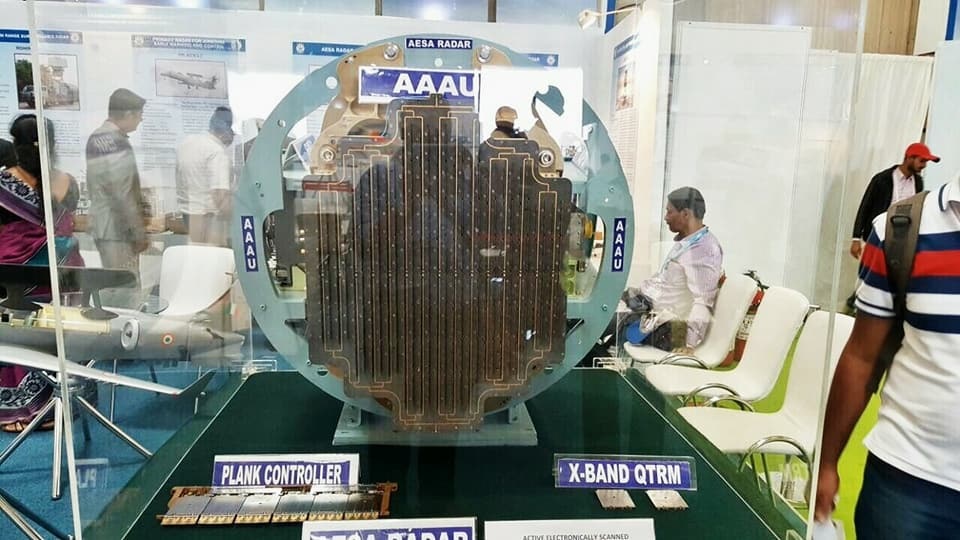
India
India's push for advanced, indigenous defense technology took a significant leap forward with Bharat Electronics Limited (BEL) confirming the final configuration of the Uttam Active Electronically Scanned Array (AESA) radar for the Tejas Mk1A. This radar, developed by the Defence Research and Development Organisation (DRDO), marks a milestone in India’s self-reliance initiative and is set to significantly upgrade the operational capabilities of the Tejas Mk1A starting from the 51st aircraft. The finalized configuration showcases an important evolution in the radar’s design, most notably by increasing its transmitter-receiver (TR) modules from 720 to over 980. TR modules are the heart of AESA radar technology, enabling advanced functions like detecting, tracking, and engaging multiple targets across a broad range. By increasing the module count, the Uttam radar will provide the Tejas Mk1A with better target detection ranges, resolution, and a superior ability to operate in dense electromagnetic environments.Enhanced Range, Resolution, and Tracking CapabilitiesThe increase in TR modules directly translates to better radar range and resolution, offering the pilot improved situational awareness. This allows for more detailed imaging of potential threats and better tracking of multiple targets in real-time. For modern combat scenarios, this enhancement is a major boon, as radar accuracy can be decisive. Additionally, the improved configuration enables the Uttam radar to perform well in dense electronic environments, where other signals and radar waves are actively competing. Moreover, this version of the Uttam AESA radar is equipped with a higher scanning rate, which provides quicker updates on target positions, a critical feature in fast-evolving combat zones. Its increased tracking sensitivity means the radar can prioritize and track multiple targets simultaneously, an essential requirement for fourth- and fifth-generation aircraft.Fabrication and Testing: From Design to DeploymentWith the final configuration set, BEL has already begun fabricating the Uttam AESA Fire Control Radar (FCR) for the Tejas Mk1A. This variant has been rigorously tested to ensure seamless integration with the aircraft's systems, allowing the radar to fully leverage the avionics suite of the Mk1A. The successful development and testing process marks a step toward reducing dependency on imported radar systems, an achievement in line with India’s “Make in India” initiative. Beyond its advanced operational performance, the Uttam radar is designed with a modular architecture, which makes it inherently adaptable to future upgrades or modifications. The radar can be reconfigured with ease as new technology becomes available or mission requirements evolve, ensuring long-term operational relevance. Maintenance requirements will also be lower, making it simpler and more cost-effective to operate over its lifespan, especially as technicians in India will be able to service and modify the radar without relying on foreign support.Strategic Impact and Future DeploymentsStarting from the 51st aircraft, the Uttam AESA radar will become standard in Tejas Mk1A, providing the Indian Air Force (IAF) with a sophisticated indigenous radar system that greatly enhances mission capabilities. The radar’s architecture also makes it adaptable to a range of future applications, including drones, helicopters, and even land-based platforms, should such requirements arise. This technology will also extend to the Tejas MkII, a more advanced fighter variant that India plans to introduce in the near future. The MkII, which aims to replace aging aircraft in the IAF fleet, will benefit from an enhanced version of the Uttam radar tailored for its specifications. By equipping both Mk1A and MkII with this cutting-edge radar, India is bolstering its position as a defense manufacturer capable of producing state-of-the-art systems across multiple platforms.A Catalyst for India’s Self-Reliance in DefenseBeyond operational gains, the Uttam AESA radar exemplifies the progress India has made in defense manufacturing. With its successful integration, India will reduce its dependence on foreign radars and foster greater control over its critical military technology. This self-reliant approach not only strengthens national security but also has economic advantages, creating a domestic ecosystem that can support high-tech jobs and drive further innovation in the field. As BEL and DRDO continue to refine and deploy the Uttam AESA radar, this development serves as a promising example of how indigenous technology can meet and exceed the demands of modern warfare, providing India with a strategic edge in its defense capabilities.
Read More → Posted on 2024-11-03 16:26:10Search
Top Trending in 24 Hours
-
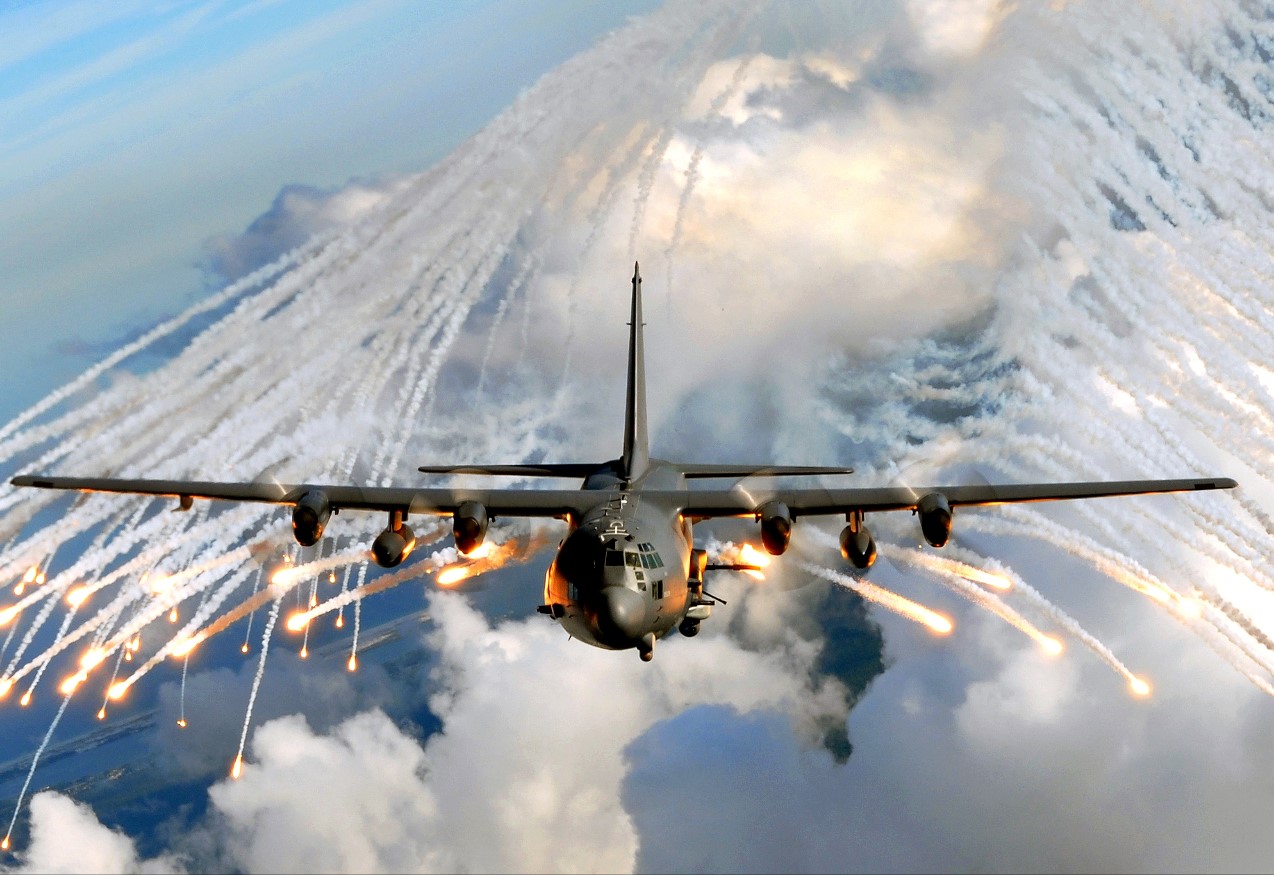 Pentagon Expands Alloy Surfaces Contract to $328.8 Million for Advanced Aircraft Decoy Flares Amid Evolving Drone Threats
-
 Why the U.S. Restored Pacific Command Name, Ending the Indo-Pacific Designation After Eight Years
-
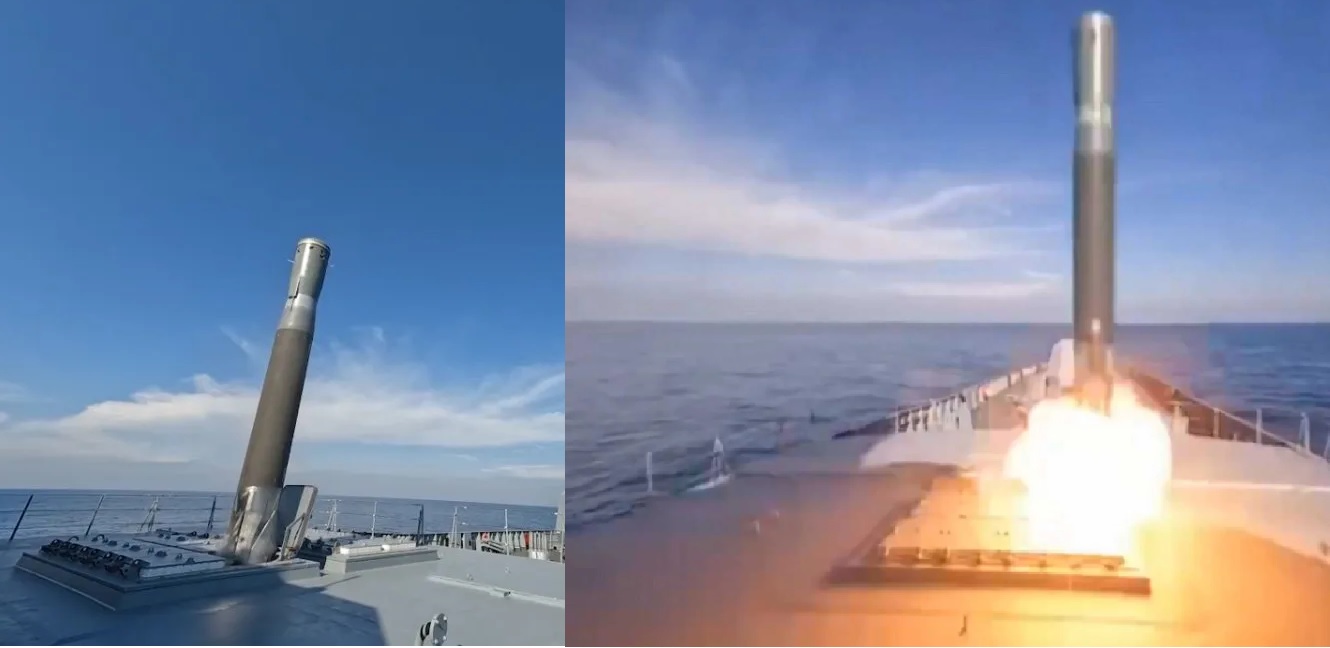 Open-Source Evidence Suggests Russia's Zircon Is a Quasi-Ballistic Missile, Not a True Hypersonic Cruise Weapon
-
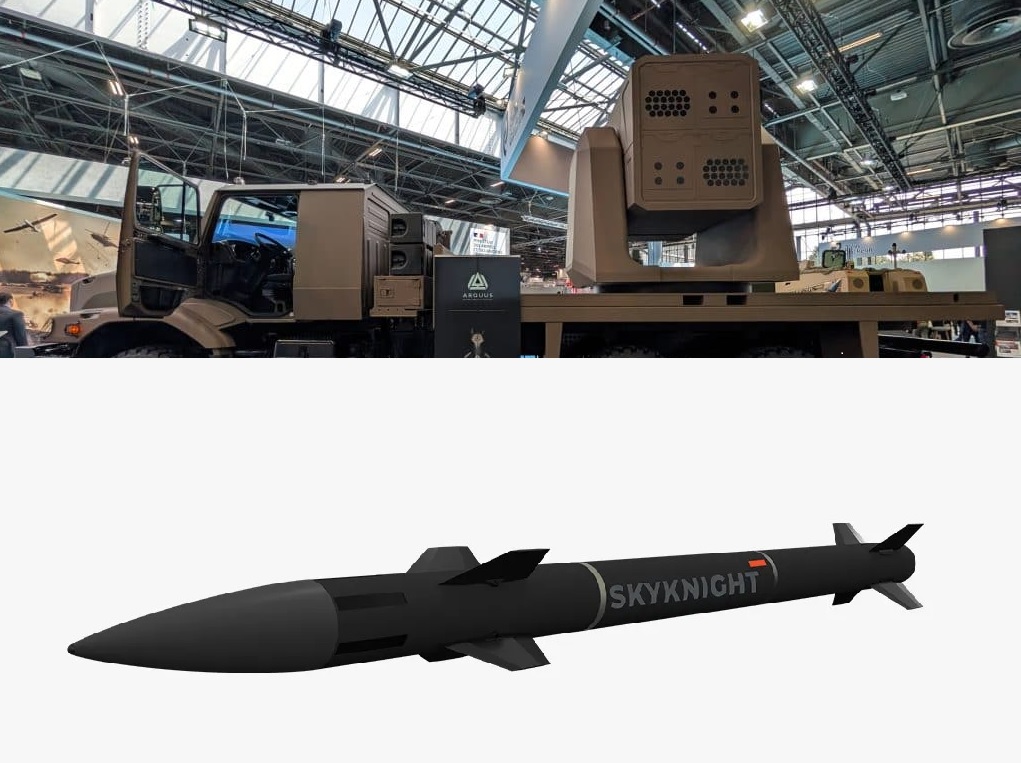 Naval Group Unveils Rampart Modular CIWS Multi-Purpose Weapon System for Naval and Ground Forces at Eurosatory 2026
-
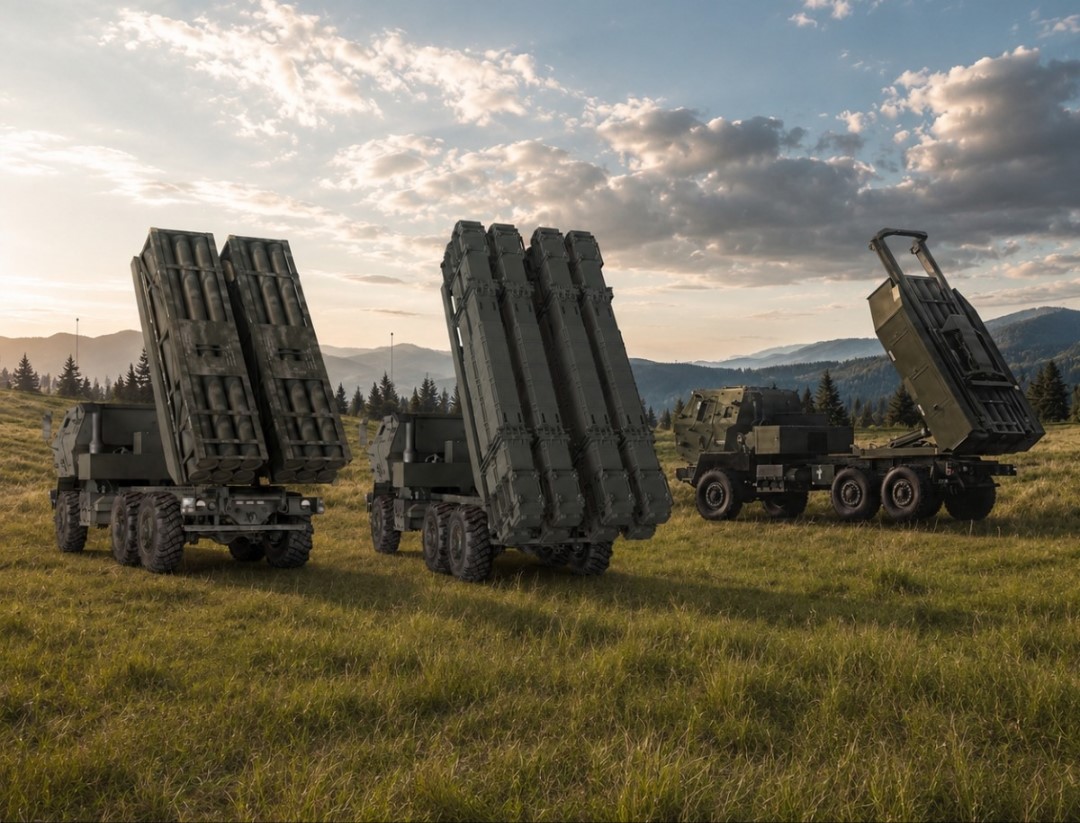 Lockheed Martin Unveils HIMARS FLEX with Dual-Pod Launcher and NATO-Compatible Air Defense Integration
-
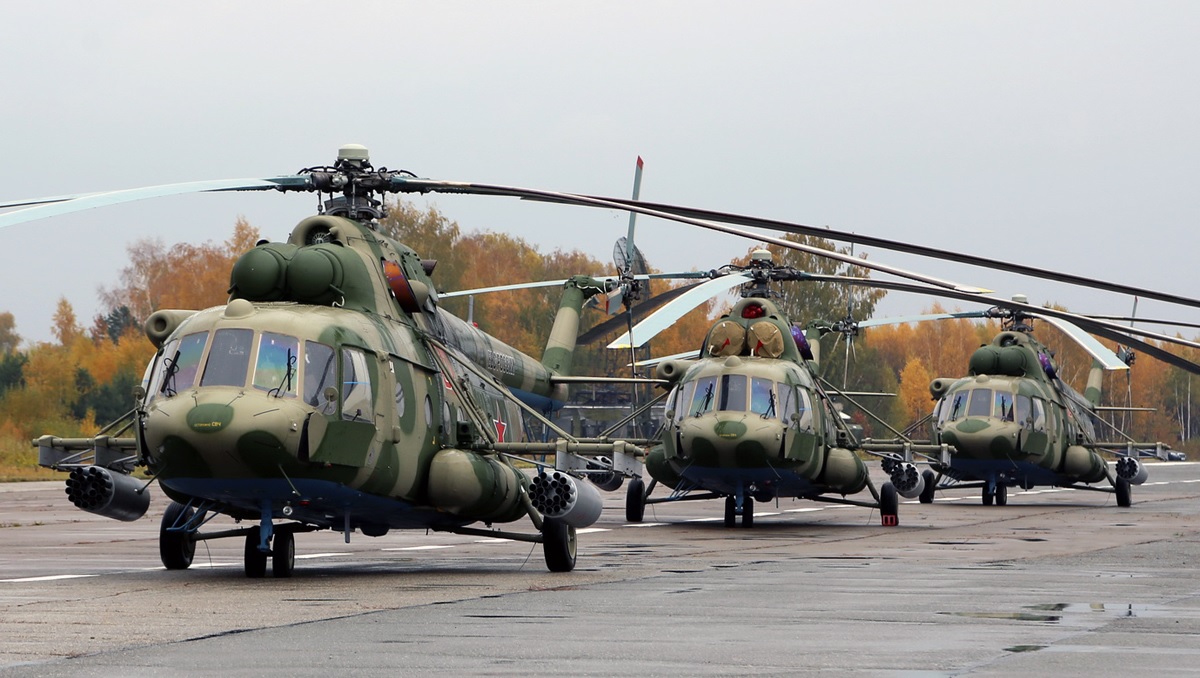 Iran Signs Deal with Russia for 20 Mi-8 and Mi-17 Helicopters to Boost Rescue and Medical Missions
-
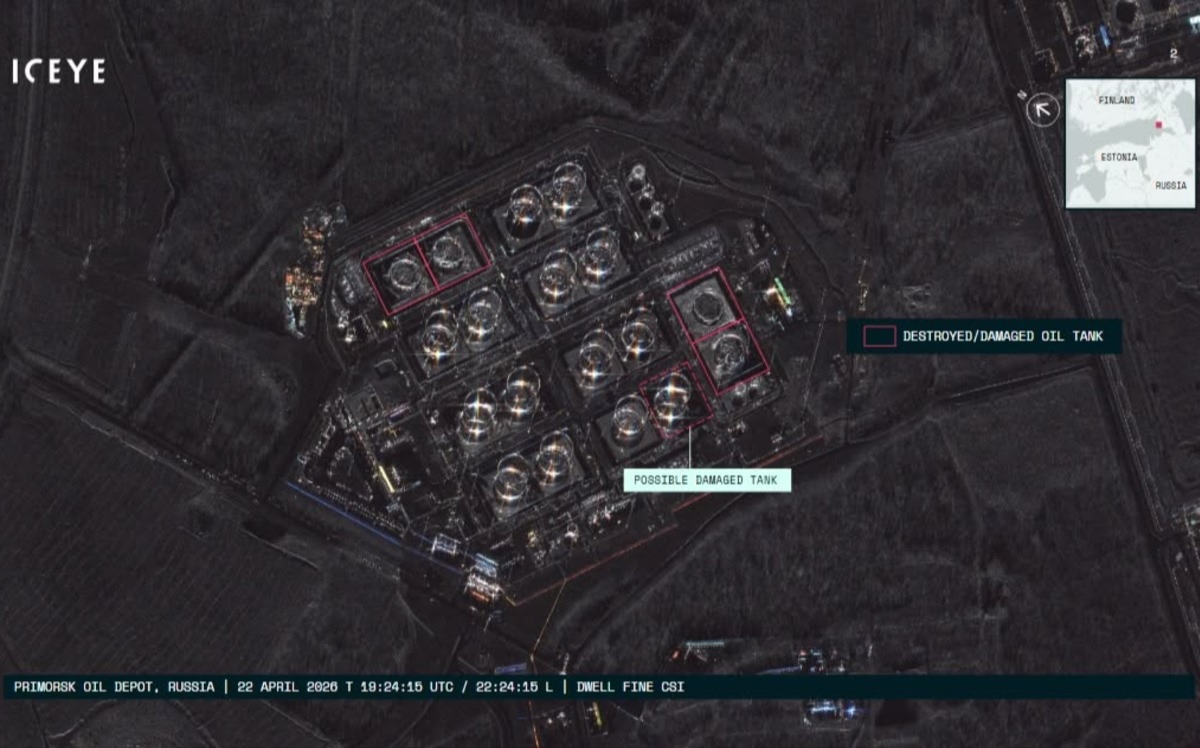 Portugal Doubles Sovereign SAR Satellite Fleet with Order for Two Additional ICEYE Satellites
-
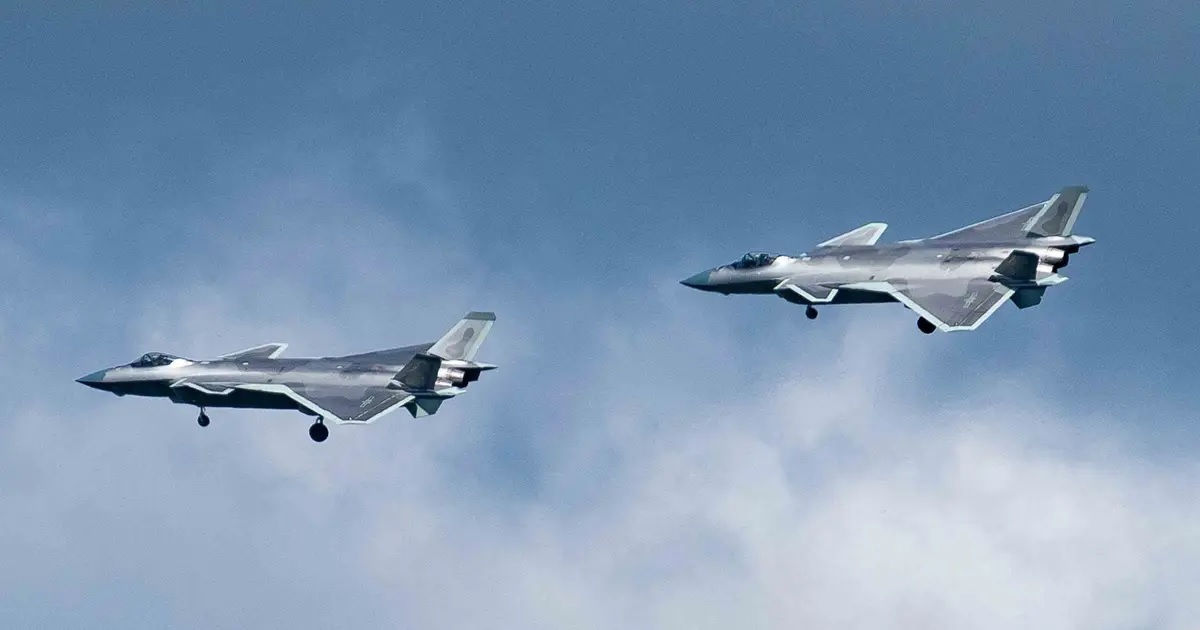 China Surpasses Russia as World’s Second-Most Powerful Air Force Amid Rapid J-20 and J-35 Expansion
Top Trending in 4 Days
-
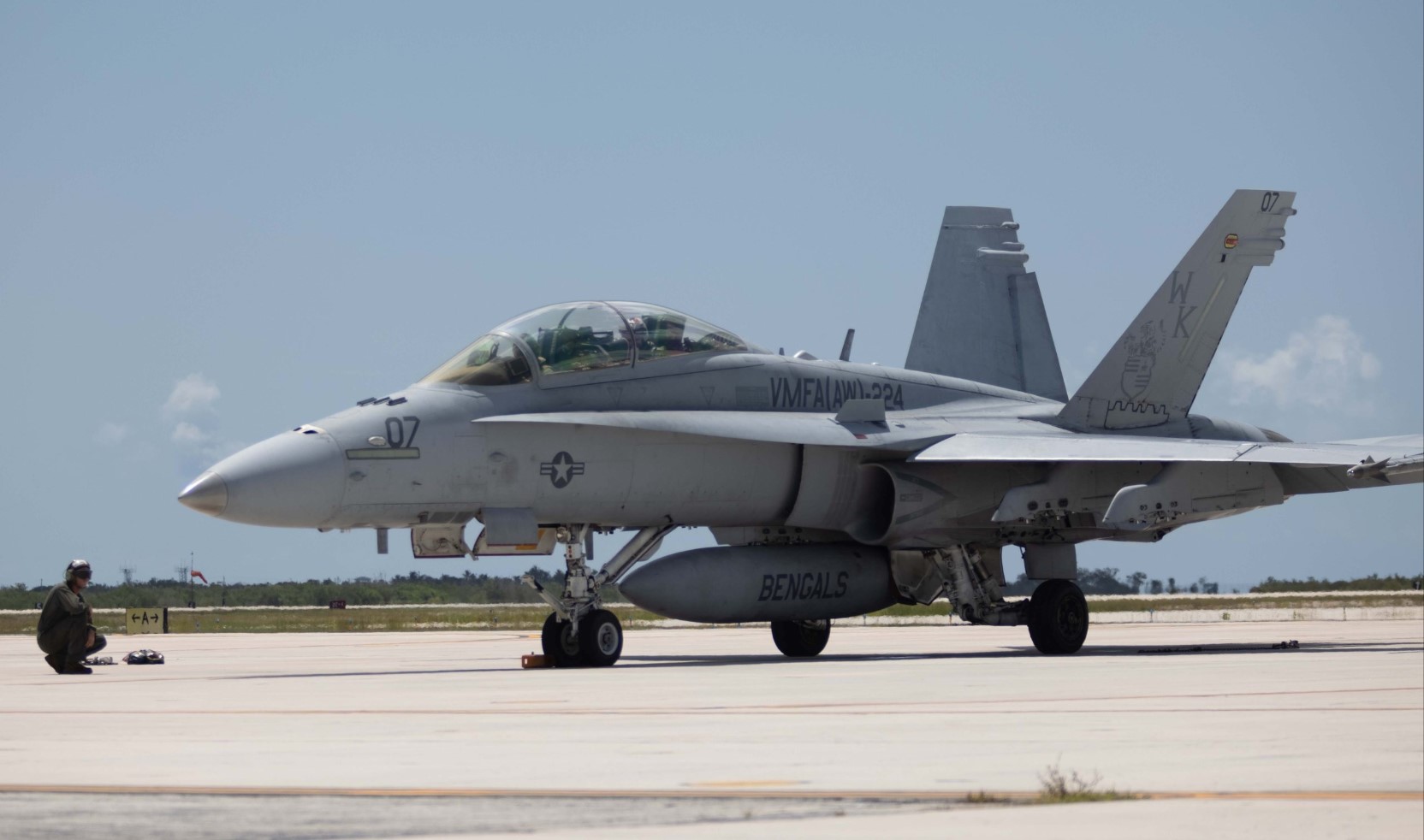 US Marine Corps F/A-18D Hornet Crashes During Training Flight in Washington Mountains; Pilot Ejects Safely
-
 Tulsi Gabbard Releases Declassified Files Detailing U.S.-Backed Network of 120 Biolaboratories Across 30+ Countries
-
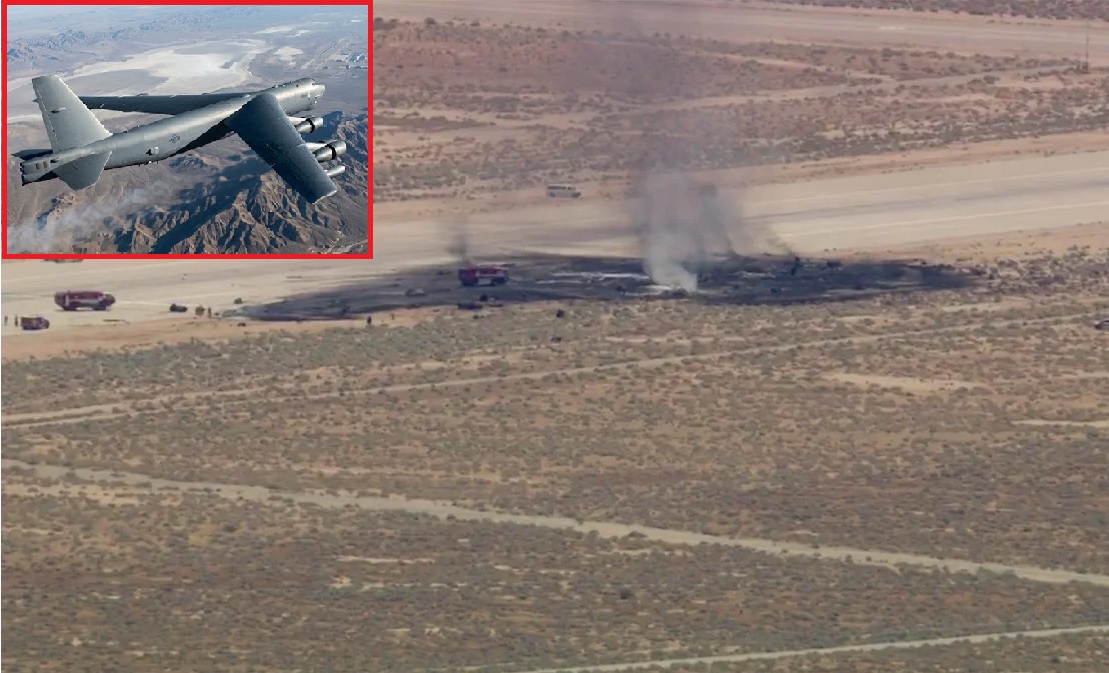 8 U.S. Air Force Crew Members Killed in B-52 Bomber Crash During Test Flight at Edwards Air Force Base
-
 Ukraine Introduces Balloon-Launched DART Missile Designed to Defeat Electronic Warfare
-
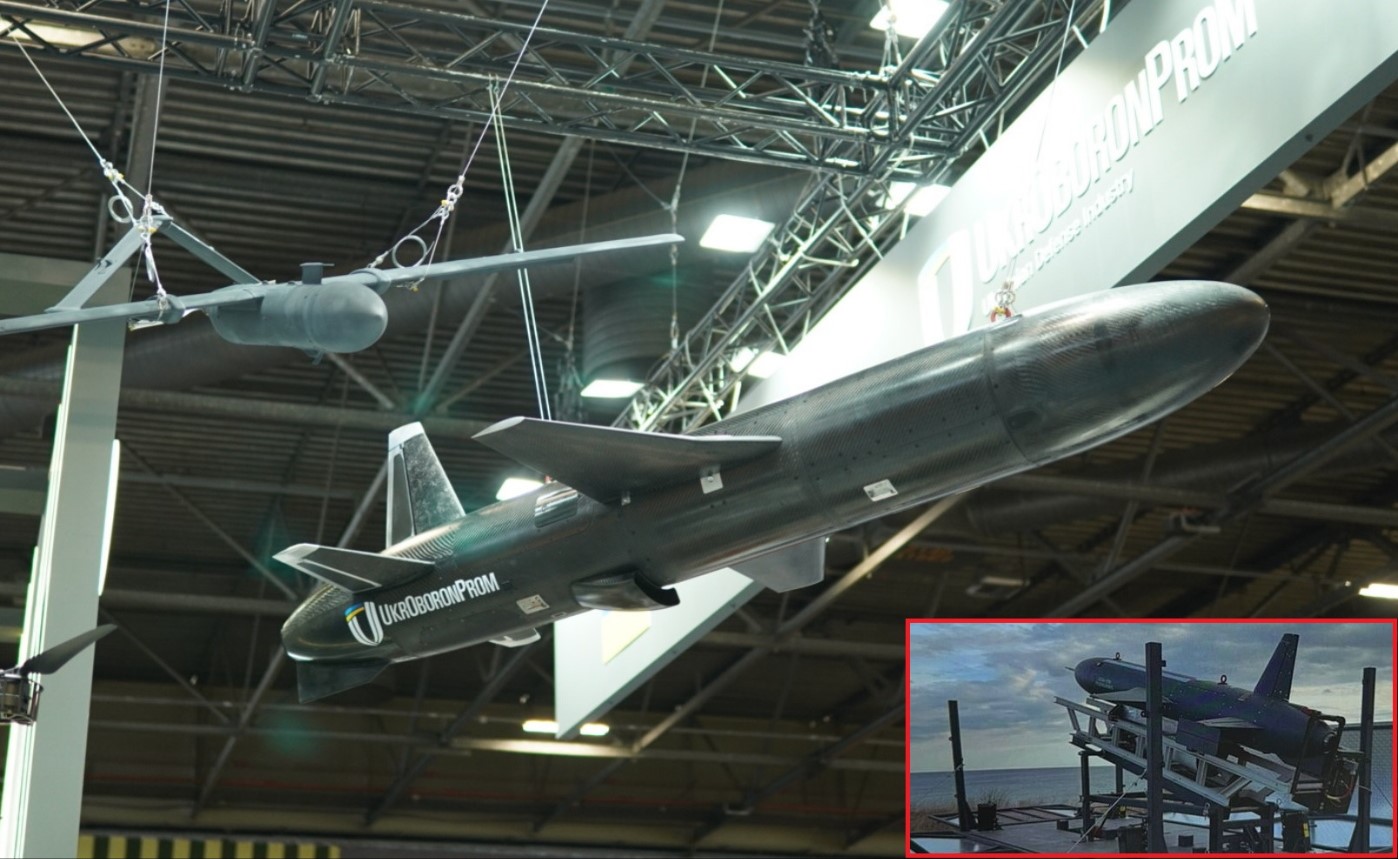 Ukraine Unveils UAV-290 Jet-Powered Strike Drone with 650 km Range at Eurosatory 2026
-
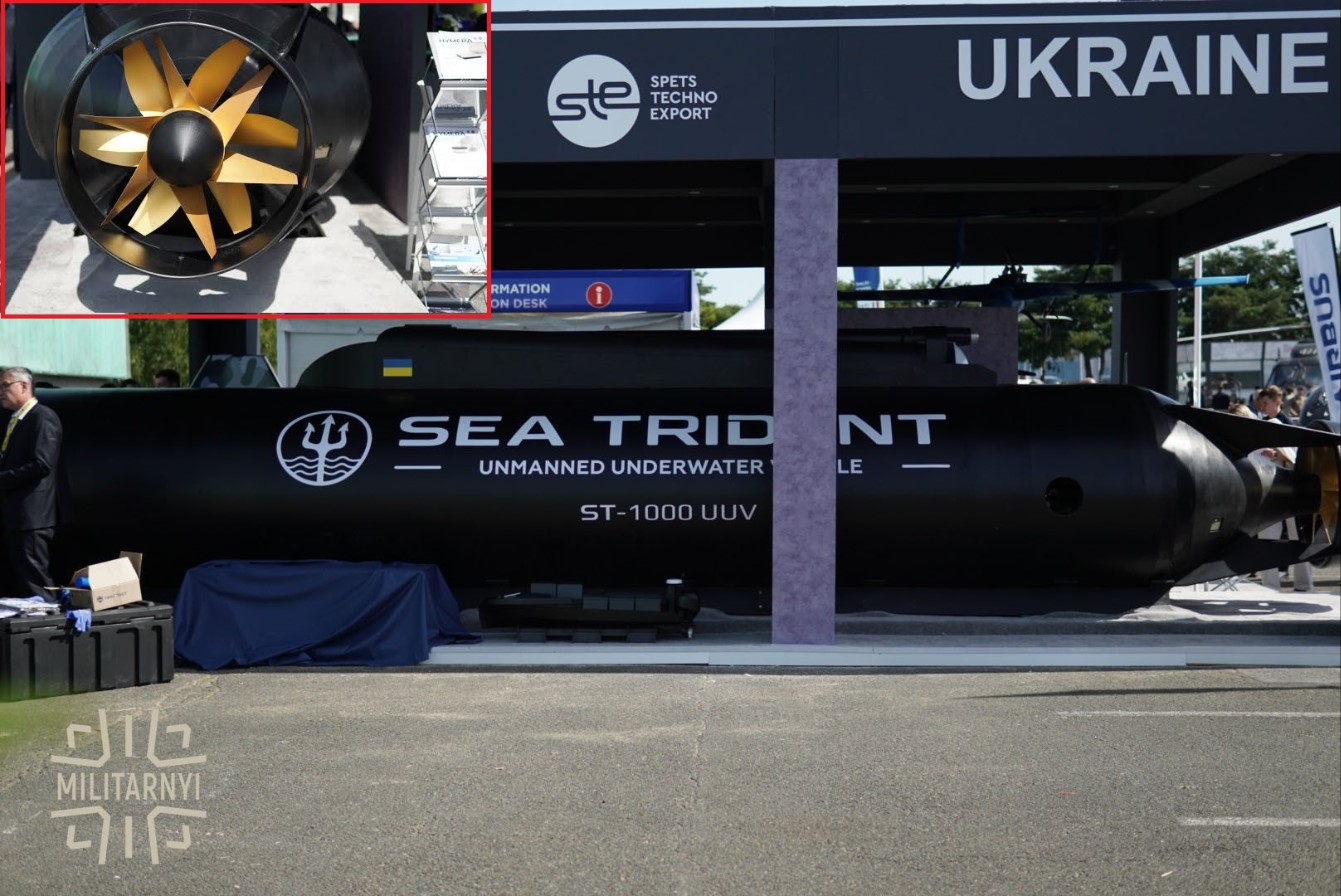 Ukraine Unveils 'Sea Trident' 10-Ton Autonomous Underwater Drone at Eurosatory 2026
-
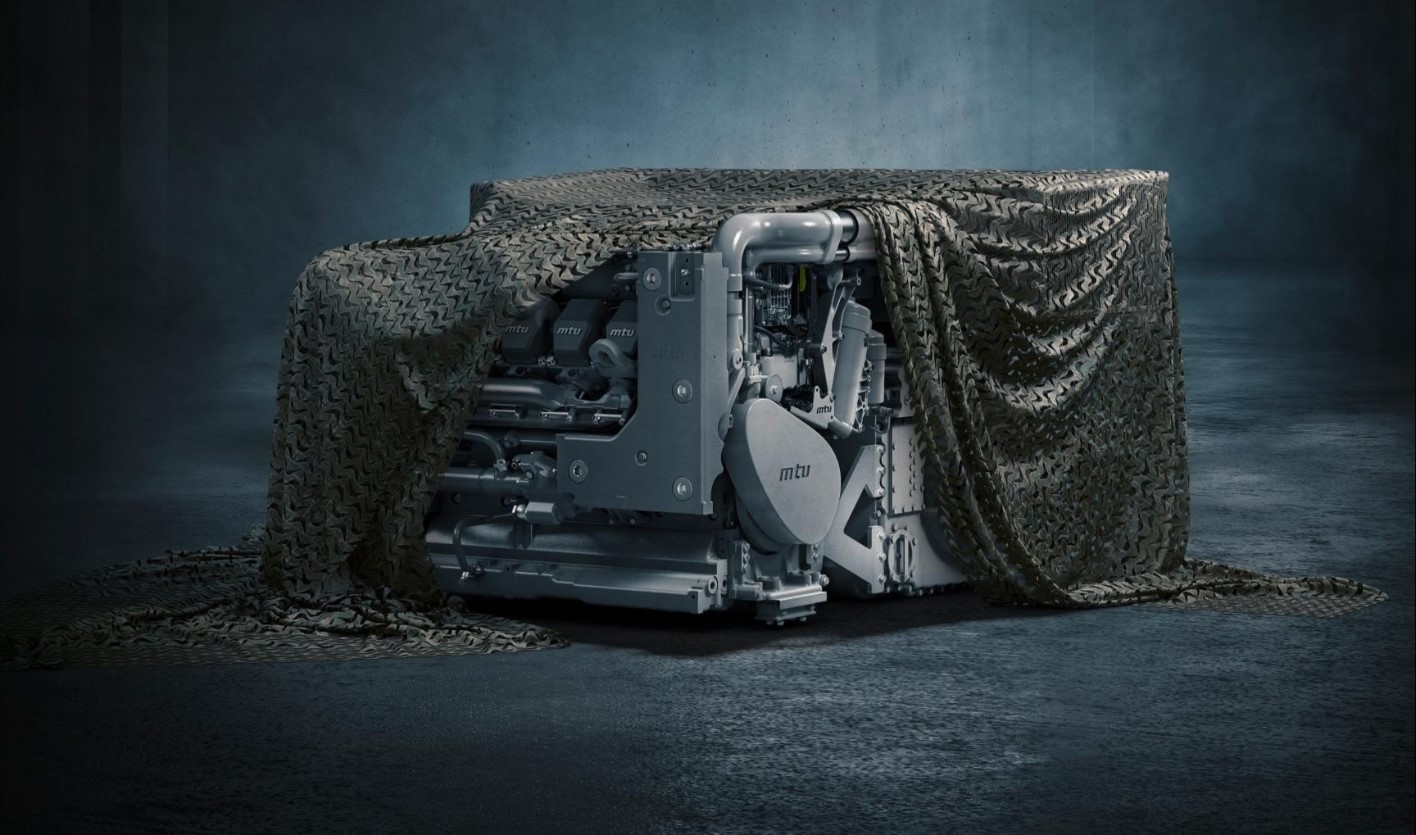 Rolls-Royce Unveils New Hybrid Powertrain for Heavy Military Vehicles at Eurosatory 2026
-
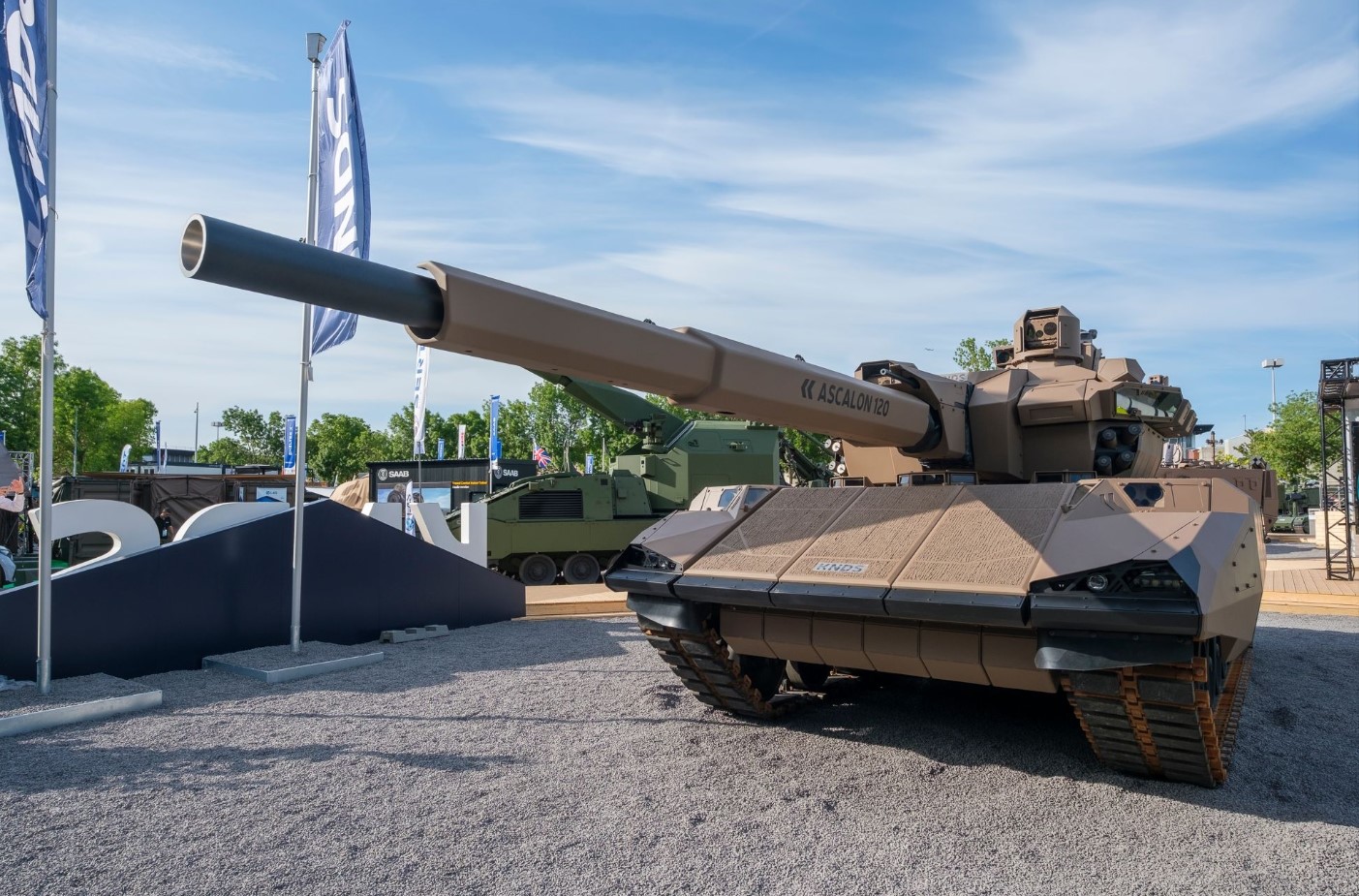 KNDS Unveils CAPINT Main Battle Tank at Eurosatory 2026 as Leclerc Stopgap