
Europe
BRUSSELS, Belgium — The European Defence Agency (EDA) has selected five European defence technology companies to advance to the field-testing phase of its Sentinel Strike Challenge, a competition designed to evaluate next-generation loitering munition systems under realistic operational conditions. The selected companies will deploy their systems this autumn at the Santa Margarida Military Training Area in central Portugal as part of the Hub for European Defence Innovation (HEDI) Operational Experimentation Campaign 2026 (OPEX26). The challenge aims to provide European defence ministries with objective performance data rather than select systems for procurement. Five Companies Advance to Stage 2 Following a highly competitive first stage that attracted more than 140 expressions of interest from organizations across Europe, the EDA selected the five highest-ranked proposals based on technical maturity, operational relevance, safety, and demonstration feasibility. The companies advancing to the operational field trials are: Helsing (Germany) Destinus (Netherlands) C-Astral (Slovenia) UAVision (Portugal) Spirit Aeronautical Systems (Greece) Each company has received a €30,000 Stage 1 prize and will now compete for a share of the €1.8 million Stage 2 prize fund. Five other companies also placed in the top ten but will not participate in the field-testing phase. They are Renegade UxS and Robotto from Denmark, Cerberon Defence Systems from Germany, THALES LAS from France, and ALTUS LSA from Greece. Each has been awarded a €10,000 Stage 1 prize. Operational Trials in Portugal The second stage of the competition will be conducted at the Campo de Instrução Militar de Santa Margarida, an active military training area located about 130 kilometers northeast of Lisbon. Covering approximately 62 square kilometers, the facility includes firing ranges, vehicle courses, and specialized military infrastructure suitable for operational experimentation. The field trials will form part of the OPEX26 campaign and will be carried out alongside the Portuguese Army's ARTEX26 technological experimentation exercise. The combined activities are intended to create a regulatory environment that allows prototype defence technologies to be evaluated under realistic, degraded, and contested operational conditions. According to the current schedule: System acceptance: 21–25 September 2026 Operational experimentation: 28 September–9 October 2026 High-visibility demonstration event: 14 October 2026 (subject to confirmation) Demonstrations may include live-fire activities, subject to safety requirements and host-nation authorization. Focus on Class I Loitering Munitions The Sentinel Strike Challenge focuses on Class I aerial loitering munition systems with a maximum take-off mass of up to 25 kilograms and an operational range of up to 40 kilometers. Often referred to as attack drones, loitering munitions are designed to search for targets before conducting a precision strike. Military personnel from EU Member States will assess each system across the complete precision strike mission cycle, including: Mission planning and preparation Deployment Launch or release Target detection and identification Target tracking Precision engagement Post-engagement damage assessment The evaluation will also compare system performance and resilience when operating under the same operational scenarios. Data Collection, Not Procurement The EDA has emphasized that the Sentinel Strike Challenge is not a procurement competition. Advancing to Stage 2 or winning the challenge does not guarantee future defence contracts or deployment. Instead, the programme is intended to generate objective and comparable operational data that can help European defence ministries assess emerging loitering munition technologies before making future capability and investment decisions. By testing multiple systems in the same operational environment with direct involvement from military users, the challenge aims to provide practical evidence on system performance under realistic conditions. Responding to Rapid Technological Change According to the EDA, recent conflicts have accelerated the development and operational use of loitering munitions, with technological advances often moving faster than traditional defence acquisition cycles. The Portugal trials are designed to provide a common testing environment where participating systems can be evaluated under consistent operational conditions, allowing defence organizations to compare capabilities using standardized data. Winners to Be Announced in 2027 The Sentinel Strike Challenge has a total prize budget of €2 million, including up to €200,000 for Stage 1 and up to €1.8 million for Stage 2. Following the completion of the operational trials in Portugal, the overall winners are expected to be announced in early 2027, with an award ceremony planned during the European Defence Agency Annual Conference. Source : eda.europa.eu
Read More → Posted on 2026-07-29 12:05:34
Europe
OBERKOCHEN, Germany — German defense electronics company HENSOLDT has received its first contract to supply the CAIRAS (Compact Airborne Infrared Reconnaissance and Alert System) missile warning system for Helsing’s CA-1 Europa autonomous combat aircraft. The initial order covers three CAIRAS systems and represents the first concrete delivery of self-protection and passive optronic reconnaissance equipment under the strategic partnership between HENSOLDT and Helsing. The contract also marks the first deployment of HENSOLDT’s Airborne Missile Protection System (AMPS) on an unmanned aerial vehicle (UAV), extending the company's airborne self-protection technology from manned aircraft to autonomous combat platforms. Self-Protection Expands to Autonomous Combat Aircraft Airborne self-protection systems have traditionally been developed for crewed aircraft to protect pilots and aircrew from missile threats. As autonomous combat aircraft are expected to operate in increasingly contested environments, similar defensive capabilities are becoming an important part of their design. For the CA-1 Europa, HENSOLDT will integrate CAIRAS into the AMPS-MR (Airborne Missile Protection System for Multi-Role) configuration. The system combines the CAIRAS missile warning system with HENSOLDT's Kalætron radar warning system and a countermeasure dispenser designed to release decoys against detected threats. According to HENSOLDT, this is the first time the AMPS system will be installed on an unmanned aircraft. Christina Canitz, Head of the Optronics Division at HENSOLDT, said the integration represents an important step in the evolution of aircraft survivability. "The integration of CAIRAS into an unmanned system marks a turning point: self-protection was long a matter for manned platforms. Now it is becoming a fundamental requirement for autonomous systems that must survive and make decisions independently. With CAIRAS as part of the AMPS suite, we are demonstrating that HENSOLDT is thinking ahead for this new generation of aircraft from the outset, rather than retrofitting them with protection." Passive Missile Detection Without Active Emissions CAIRAS uses dual-color infrared technology to passively detect and track approaching missiles at an early stage without transmitting radar or electromagnetic signals that could reveal the aircraft's position. The system consists of a central processing unit and up to seven latest-generation infrared sensors, providing 360-degree spherical coverage around the aircraft. HENSOLDT states that the configuration offers a high probability of detecting incoming threats while reducing false alarms. Because the CA-1 Europa operates without a pilot, it depends entirely on onboard sensors to detect threats and support autonomous defensive actions. The passive operation of CAIRAS allows the aircraft to identify and locate incoming fire while maintaining a low electromagnetic signature. Supporting Situational Awareness and Autonomous Operations Beyond missile warning, CAIRAS also contributes to the CA-1 Europa's situational awareness. Infrared imagery collected by the sensors can be processed into a real-time panoramic view of the aircraft's surroundings. The collected sensor data can be transferred to HENSOLDT's Multi-Domain Operations Core (MDOcore) software suite, where information from multiple sensors is fused into a single operational picture. The processed data supports Helsing's Centaur artificial intelligence system, enabling the autonomous combat aircraft to assess its environment, execute missions, and respond to threats, including the deployment of countermeasures. Partnership Between HENSOLDT and Helsing The order is the first operational outcome of the strategic partnership established between HENSOLDT and Helsing in February 2026 to support the development of the CA-1 Europa autonomous combat aircraft. Under the agreement, HENSOLDT is responsible for providing onboard sensor technologies, including radar, optronics, self-protection systems, and electromagnetic warfare capabilities. Helsing provides the advanced artificial intelligence technologies required for autonomous flight, networked operations, and large-scale data processing. About the CA-1 Europa and HENSOLDT The CA-1 Europa is an autonomous uncrewed combat aerial vehicle in the three-to-five ton class being developed by Helsing and its subsidiary Grob Aircraft. The platform combines Helsing's Centaur AI software and mission system with Grob Aircraft's aircraft design and manufacturing expertise. It is designed as a multi-role autonomous combat aircraft capable of operating independently or as part of a swarm while emphasizing European technology and supply chains. Supporting the platform is HENSOLDT, a European defense electronics company headquartered in Taufkirchen near Munich, Germany. Under its partnership with Helsing, HENSOLDT is providing sensor technologies covering radar, optronics, self-protection, and electromagnetic warfare for the CA-1 Europa. The company develops sensor solutions, electronics, and software for air, land, sea, cyber, and space applications. In the 2025 financial year, HENSOLDT reported turnover of €2.46 billion, employed approximately 9,500 people, and is listed on the Frankfurt Stock Exchange as part of the MDAX index.
Read More → Posted on 2026-07-28 10:32:04
Europe
LEEUWARDEN, Netherlands — The Royal Netherlands Air and Space Force hosted an intensive phase of the multinational Weapons Instructor Course (WIC) at Leeuwarden Air Base from July 6 to July 10, bringing together allied air force personnel to improve the integration of fifth-generation aircraft into large-scale multinational air operations. The training focused on employing the F-35 Lightning II as part of a broader multinational combat network rather than as a standalone fighter platform. The course supports NATO's ongoing efforts to improve interoperability, operational readiness and coordinated decision-making among allied forces operating in contested environments. Four Allied Nations Participate The Leeuwarden phase of the course brought together 24 selected participants from Belgium, Denmark, the Netherlands and Norway. The group included fighter pilots, intelligence officers, air battle managers, tactical airlift crews and ground-based air defence personnel, reflecting the multi-domain coordination required in modern air warfare. The Weapons Instructor Course is conducted by the Weapons School of the 323 Air Combat Development Centre at Leeuwarden Air Base. Recognized as a major European center for tactical air warfare training, the base has supported advanced military aviation training since the 1950s and hosts the course every two years. Originally established as a national training program, the Weapons Instructor Course has gradually expanded into a multinational framework that supports NATO air operations. Large-Scale Flight Operations During the July training phase, participants planned and led Large Force Employment (LFE) missions designed to replicate complex operational environments. Flight operations were conducted in as many as three waves each day, with individual waves involving up to 20 military aircraft. Most sorties took place in Dutch airspace over the North Sea. The exercises brought together multiple aircraft types and support assets, including: Dutch and Danish F-35 Lightning II fighter aircraft. Finnish Air Force F/A-18 Hornet fighter aircraft. Commercially operated "red air" aircraft providing adversary support to simulate realistic threats. The Finnish Air Force contributed five F/A-18 Hornets and approximately 50 personnel during the flying phase of the exercise. Focus on Integrated Air Operations Rather than concentrating solely on fighter operations, the course trained participants to integrate multiple capabilities during multinational missions. The curriculum combined fifth-generation aircraft with intelligence, command and control, electronic warfare and ground-based air defence systems. Students also learned to plan and command complex multinational air operations involving multiple aircraft and supporting assets. According to NATO, this integrated approach is intended to strengthen interoperability and improve the speed and effectiveness of allied decision-making during coalition operations. The use of the F-35 is particularly significant because the Netherlands, Denmark, Norway and Belgium all operate or are introducing the aircraft into their air forces, allowing them to develop common tactics and operational procedures. Danish F-35s Join the Course The July exercise also marked the first time Danish F-35 fighter aircraft operated from Leeuwarden Air Base as part of the Weapons Instructor Course after arriving at the base in May. The deployment continues the long-standing operational cooperation between the Netherlands and Denmark, which previously worked together extensively while operating the F-16 before transitioning to the F-35. Course Continues in Norway The Weapons Instructor Course lasts approximately six months and is jointly organized by the Netherlands and Norway. Following the academic and flying phases in the Netherlands, the program will move to Norway later this year for a large-scale final exercise. The next phase is intended to further strengthen cooperation among allied air forces across Northern Europe. Preparing Future Tactical Leaders Graduates of the Weapons Instructor Course earn the qualification of Weapon Instructor and return to their respective air forces as senior tactical specialists. They are responsible for training fellow personnel, developing tactical expertise and supporting future multinational air operations within their national forces. Finland's participation also supports preparations for the arrival of its F-35A aircraft later in 2026 while helping improve interoperability between fourth-generation F/A-18 fighters and fifth-generation F-35 aircraft during the transition period. The Weapons Instructor Course remains an important part of NATO's efforts to enhance collective readiness by enabling allied air forces to train together using common aircraft platforms, integrated command structures and coordinated air defence capabilities for future alliance missions.
Read More → Posted on 2026-07-27 10:37:42
Europe
FARNBOROUGH, UK — Defense technology company QinetiQ has unveiled HELENA, its new coherent beam combination (CBC) high-energy laser source product family, at the Farnborough International Airshow, while announcing a £20 million company-funded investment to accelerate the development and production of laser-directed energy weapon (LDEW) technology. The HELENA product family is designed to serve as the core laser source for laser-directed energy weapon systems intended for defensive operations against drones and other advanced threats. According to QinetiQ, the technology has been verified against targets at range and in challenging atmospheric conditions. The system uses a scalable, high-brightness architecture that enables integration into laser weapon systems for both land and maritime applications. Industry specifications indicate that the HELENA portfolio can provide power outputs ranging from 20 kW to 150 kW. QinetiQ also said it intends to operate as a merchant supplier of laser source technology that can be integrated into a variety of LDEW systems. £20 Million Investment to Expand Production Alongside the product launch, QinetiQ announced a £20 million self-funded investment to expand its laser technology portfolio and increase manufacturing capacity for future laser weapon programs supporting the UK Ministry of Defence (MOD) and allied international markets. The investment will increase development and production capabilities at the company's facilities in Farnborough and Malvern, while final assembly, integration, and testing of HELENA systems will take place at the Farnborough site. QinetiQ said its current directed energy weapon activities directly support 150 jobs across the company. Supporting the DragonFire Program QinetiQ has more than 25 years of experience in laser and directed energy weapon technology and remains a core member of the UK MOD's DragonFire consortium alongside MBDA and Leonardo. In February 2019, the company delivered its first 50 kW coherent beam combination laser source to the UK Ministry of Defence as part of the DragonFire concept demonstrator program. A variant of HELENA technology is used in the DragonFire system. Following successful live-fire trials, DragonFire laser-directed energy weapon systems are scheduled to be integrated onto the Royal Navy's Type 45 destroyers from 2027. Two units have been contracted for installation on the ships, with the first integration planned for 2027. Designed for Multiple Defensive Roles According to QinetiQ, HELENA systems are designed for a range of operational requirements. Lower-power systems of around 30 kW are intended for installation on ground vehicles to provide short-range air defence against unmanned aerial vehicles, while higher-power systems of 150 kW or more are intended for counter-missile and counter-UAV missions on fixed installations and naval vessels. The company said laser-directed energy weapons offer a low cost per shot and near-infinite magazine depth, allowing them to complement existing air defence systems, particularly against low-cost drones that have become widely used in recent conflicts. CEO Statement Steve Wadey, Group CEO of QinetiQ, said directed energy weapons are moving from the development stage toward operational deployment. "Directed Energy Weapons are quickly moving from development to deployment to change the game in battlefield economics against the drone threat, and QinetiQ has been at the forefront of this technology for two decades," Wadey said. He added: "The investment announced today demonstrates our commitment to accelerating both the development and manufacture of sovereign laser technology, ensuring we can meet the growing demand from the UK and our international allies and provide them with the operational advantage on the battlefield." Source : ukdefencejournal.org.uk
Read More → Posted on 2026-07-27 10:27:39
Europe
KYIV, Ukraine — Ukraine and a coalition of European partners are accelerating the development of the Freyja anti-ballistic missile defense system, with a minimum viable product (MVP) targeted for the first half of 2027 and a working prototype expected by the middle of 2027. The multinational program was launched following the formation of an anti-ballistic coalition at a summit in Paris on July 13, 2026. The meeting brought together leaders from 10 European nations, senior European officials and representatives from major defense companies to begin coordinating the development of a new European missile defense capability. According to Davyd Aloian, Deputy Secretary of Ukraine's National Security and Defence Council (NSDC), an international steering committee will soon begin estimating the program's research and development costs as the project moves into its next phase. Reducing Dependence on Patriot Ukraine currently relies heavily on the U.S.-made Patriot air defense system to intercept Russian ballistic missiles. While European systems such as the Franco-Italian SAMP/T and Germany's IRIS-T have demonstrated strong performance against aircraft, cruise missiles and drones, Patriot remains the primary system in Ukraine's inventory with a proven operational record against ballistic missile threats. Ukrainian officials say the Freyja program is intended to strengthen Europe's missile defense capacity, reduce dependence on limited Patriot interceptor stocks, expand defense production within Europe and provide a scalable missile defense solution that participating nations can adapt to their own requirements. Officials have also pointed to production timelines, stock availability and political factors affecting Patriot interceptor supplies as reasons for pursuing an additional European capability. Open Architecture Design Unlike traditional missile defense programs led by a single nation or manufacturer, Freyja is being developed as a multinational system based on an open architecture. Ukraine will provide the launcher and interceptor missile, while European partners will contribute radar technologies, sensors, guidance systems, communications networks and battle-management software. The architecture is designed to allow participating countries to integrate nationally developed components without replacing existing equipment. Ukrainian President Volodymyr Zelenskyy has compared the concept to "Lego blocks," describing a system in which countries can add compatible technologies developed by their own industries. Davyd Aloian said manufacturers are developing a framework built around interchangeable components. Under this approach, a participating country could integrate systems such as a Danish Weibel radar or a Swedish Saab radar within the overall Freyja network while maintaining common operational standards. Fire Point Leads Ukrainian Contribution Ukrainian defense technology company Fire Point is serving as the lead industrial partner and primary design authority for the project. The company is responsible for developing the launcher and the FP-7.X interceptor, which forms the core of Ukraine's contribution to the system. The interceptor is designed as a lower-cost alternative to existing high-end interceptors. Fire Point has also signed a memorandum of understanding (MoU) with Germany's HENSOLDT to cooperate on radar integration. Under the agreement, HENSOLDT will provide its TRML-4D active electronically scanned array (AESA) radar, which is capable of tracking up to 1,500 targets simultaneously. "We lacked the radars to implement FREYJA—now we have them, and we can move from concept to practical implementation of a pan-European anti-ballistic shield," said Iryna Terekh, Chief Executive Officer and Chief Technology Officer of Fire Point. European Defense Industry Participation Several European defense companies are contributing specialized technologies to the program rather than replacing national defense capabilities. Confirmed participants include: Fire Point (Ukraine) – Launcher and FP-7.X interceptor. HENSOLDT (Germany) – TRML-4D AESA radar. Eurosam (France/Italy) – Missile defense integration expertise. Leonardo (Italy) – Sensor and defense technologies. Thales (France) – Air defense systems expertise. Saab (Sweden) – Radar and surveillance capabilities. Additional companies that have participated in related discussions include Diehl Defence, Kongsberg Defence & Aerospace, MBDA, Safran and Weibel Scientific. Coalition Members The coalition includes Ukraine and nine founding European partner countries: Denmark France Germany Italy Netherlands Norway Spain Sweden United Kingdom The Paris summit was also attended by NATO Secretary General Mark Rutte, European Commission President Ursula von der Leyen, and European Council President António Costa. Funding and Next Steps Ukraine is considering establishing a dedicated funding mechanism to coordinate financial contributions from partner countries and support research, development and future production. According to Aloian, direct participation by industry alongside governments is expected to reduce bureaucratic delays and keep the coalition focused on practical implementation. The international steering committee is expected to convene shortly to begin cost assessments and coordinate the next stage of development. Technical Challenges Ahead Although the program has entered an accelerated development phase, significant technical work remains before the system can become operational. The project will require the integration of interceptor missiles, tracking radars, guidance technologies, communications systems and battle-management software developed by multiple manufacturers into a single missile defense architecture. Officials say extensive testing will be necessary to validate system performance. Long-term operational development beyond the prototype stage will depend on testing results, sustained funding, industrial coordination and continued political support from participating governments. Freyja Development Timeline Milestone Status Anti-ballistic coalition launched Completed (July 13, 2026, Paris) International steering committee Expected to convene shortly Minimum viable product (MVP) Targeted for the first half of 2027 Working prototype Targeted for mid-2027 Long-term operational development To be determined following testing The Freyja program combines Ukraine's operational experience in defending against ballistic missile attacks with the industrial capabilities of European defense companies. Through its open architecture approach, the initiative aims to expand Europe's missile defense capacity while allowing participating nations to integrate their own technologies into a common anti-ballistic defense network.
Read More → Posted on 2026-07-27 10:17:05
Europe
LONDON — British maritime robotics company ACUA Ocean and American sensor and drone manufacturer Teledyne FLIR Defense have successfully demonstrated an integrated autonomous maritime system capable of launching and recovering a tethered drone from an uncrewed surface vessel (USV) without any personnel on board either platform. The two-day demonstration was conducted for the UK Ministry of Defence (MOD) and offshore industry partners under the UK Defence Innovation (UKDI) programme. According to the companies, the trial validated an integrated system combining an uncrewed surface vessel (USV) with a tethered uncrewed aerial system (T-UAS) to provide persistent intelligence, surveillance and reconnaissance (ISR) over extended periods. Autonomous Vessel and Drone Operated Together The demonstration used ACUA Ocean's USV Pioneer together with Teledyne FLIR Defense's SkyCarrier autonomous drone launch and recovery platform. Installed on the deck of the Pioneer, the SkyCarrier automatically deployed and recovered a SkyRanger R70 drone during open-ocean operations. The launch and recovery platform is housed inside a protective container that unfolds into an articulating landing pad, enabling autonomous take-off and landing even while the host vessel is moving or operating on uneven surfaces. According to Teledyne FLIR Defense, the system supports launch and recovery while the host vehicle is travelling at speeds of up to 50 km/h (31 mph). The USV Pioneer is the United Kingdom's first uncrewed vessel certified by Lloyd's Register for remote operation and is capable of operating either remotely or autonomously. Tethered System Enables Continuous Surveillance During the trials, the SkyRanger R70 remained connected to the Pioneer through a managed power and data tether. The tether continuously supplies electrical power from the vessel, eliminating the drone's dependence on its onboard battery while maintaining a direct data connection. This allows the aircraft to remain airborne for extended periods without repeatedly landing for battery replacement or recharging. According to the companies, the configuration creates a persistent aerial surveillance capability while keeping the drone positioned directly above the vessel throughout the mission. Onboard AI and ISR Capability The SkyRanger R70 is equipped with multiple embedded NVIDIA processors that perform real-time artificial intelligence processing onboard. The drone uses four dedicated computer vision cameras for autonomous object detection and classification without relying on remote processing. It also carries a stabilised electro-optical and infrared sensor suite designed to provide Group 2 intelligence, surveillance and reconnaissance (ISR) capability on a Group 1 airframe. Stable Platform Supports Open-Ocean Operations ACUA Ocean said the Pioneer's seakeeping performance was a key factor in supporting tethered drone operations. During tests conducted in January 2026, the vessel operated in 4.25-metre (13.9-foot) wave heights while achieving a 60 percent reduction in roll and a fourfold reduction in peak roll rates compared with traditional monohull vessels. According to the company, this stability enables sustained tethered drone operations in challenging open-ocean conditions. Previous Royal Navy Demonstrations The Pioneer has already completed multiple demonstration contracts for the Royal Navy, supporting intelligence, surveillance and reconnaissance (ISR) and anti-submarine warfare (ASW) tracking missions. The vessel also completed a 100-hour continuous offshore operation in June 2026 without physical human intervention. According to ACUA Ocean, the UKDI-funded demonstration confirmed the successful integration of the tethered drone system with the Pioneer's modular payload architecture and validated its operational performance during open-ocean trials. Designed for Long-Endurance Maritime Missions The companies said the integrated system addresses a requirement identified by the Royal Navy and wider UK defence community for persistent surveillance across both air and sea domains while reducing the need to place personnel in repetitive or hazardous environments. They added that the combined capability supports missions including: Intelligence, surveillance and reconnaissance (ISR) Anti-submarine warfare (ASW) support Mine countermeasures Protection of undersea cables Security of offshore energy infrastructure According to ACUA Ocean, the integrated air-and-surface system is designed to provide multi-week ocean endurance. Company Statements Neil Tinmouth, CEO of ACUA Ocean, said the demonstration represents an important milestone for UK maritime autonomy. "Securing UKDI funding for this demonstrator is a significant milestone for ACUA Ocean and for UK maritime autonomy more broadly. Integrating the SkyRanger R70 with the Pioneer creates something genuinely new: a persistent, deployable multi-domain ISR capability that the Royal Navy can put to sea today. Teledyne FLIR Defense bring a battle-proven, operator-trusted UAS to a platform that is built, certified and ready. We look forward to demonstrating what this system can do." Richard Cunha, Principal Product Director for Unmanned Aerial Systems at Teledyne FLIR Defense, said the combination expands the scope of maritime surveillance missions. "The SkyRanger R70 has earned its reputation in the most demanding operating environments in the world. Pairing it with the Pioneer Mk2's exceptional sea-keeping capability and endurance opens up a new class of persistent maritime ISR mission that simply wasn't possible before." UKDI Supports Defence Innovation The project was funded by UK Defence Innovation (UKDI), the Ministry of Defence's organisation responsible for supporting early-stage defence technologies. UKDI operates with a ring-fenced annual budget of at least £400 million to accelerate the development and delivery of new capabilities for the UK Armed Forces. According to ACUA Ocean and Teledyne FLIR Defense, the successful demonstration supports continued development of the integrated system and its potential future deployment at scale.
Read More → Posted on 2026-07-26 15:13:58
Europe
INDIANAPOLIS / BERLIN — Allison Transmission Holdings, Inc. has secured a major supply agreement to provide fully automatic transmissions for approximately 3,000 EAGLE V armored vehicles ordered by Germany's Armed Forces (Bundeswehr). The vehicles will be manufactured by General Dynamics European Land Systems (GDELS), with deliveries scheduled to begin in 2027. The transmission contract supports one of Germany's largest protected vehicle procurement programs in recent years. The agreement between the Bundeswehr and GDELS also includes an option for up to 2,000 additional vehicles, bringing the total framework to 5,000 EAGLE V vehicles. According to GDELS, the framework agreements are valued at approximately 4 billion euros, with nearly 3,000 vehicles ordered immediately. Two EAGLE V Variants Included The initial procurement covers two specialized variants of the EAGLE V platform: EAGLE V 4×4 command-and-control vehicles EAGLE V 6×6 medium protected ambulance vehicles Deliveries of both variants are expected to begin in 2027. Allison 2500 SP Selected for Entire Fleet Under the agreement, Allison's 2500 Specialty Series (SP) fully automatic transmission will remain the exclusive transmission option for all EAGLE vehicle variants. The SP Series is designed for demanding defense applications, providing power transfer to the wheels and vehicle control in difficult terrain. The transmission is widely used in defense, national security, and emergency-service vehicles. Transmission units will be delivered to GDELS production lines through Sterki AG, Allison Transmission's authorized dealer and distributor in Switzerland. GDELS Expands Manufacturing in Germany To support production of the expanded EAGLE V fleet, GDELS is establishing and expanding manufacturing capacity across Germany. Series production will involve facilities located in: Rhineland-Palatinate Baden-Württemberg Bavaria Mecklenburg-Western Pomerania The expanded production network is intended to support deliveries beginning in 2027. Long-Standing Partnership Between Allison and GDELS The latest order extends a partnership between Allison Transmission and GDELS that has supported the EAGLE vehicle family for more than two decades. Since production of the EAGLE IV began in 2005, every EAGLE model has been equipped with Allison's 2500 SP transmission as standard equipment. Bundeswehr Expanding EAGLE Fleet The German Armed Forces already have significant experience operating the EAGLE platform. According to Allison Transmission: About 670 EAGLE IV and EAGLE V vehicles have been procured by the Bundeswehr since 2008. Germany also ordered 80 EAGLE V 6×6 protected ambulance vehicles, with deliveries for that contract beginning in May 2025. The latest procurement will substantially increase the number of EAGLE vehicles in Bundeswehr service. Vehicle Roles The two EAGLE V variants are designed for different operational missions. EAGLE V 4×4 Command-and-Control Vehicle The EAGLE V 4×4 serves as a mobile command center, supporting tactical coordination through integrated communication and command systems. EAGLE V 6×6 Protected Ambulance The EAGLE V 6×6 is configured as a protected ambulance, capable of transporting rescue teams and operating as a mobile medical unit when staffed with emergency physicians. GDELS describes the EAGLE V as one of the advanced protected multi-purpose vehicles in its class. Framework Agreements Announced in 2025 In December 2025, GDELS announced that Germany's Federal Office of Bundeswehr Equipment, Information Technology and In-Service Support (BAAINBw) had awarded the company two framework agreements covering: EAGLE V 4×4 command-and-control vehicles EAGLE V 6×6 medium protected ambulance vehicles The framework agreements cover up to 5,000 vehicles, with nearly 3,000 ordered immediately at a value of about 4 billion euros. Allison Highlights Operational Reliability Commenting on the agreement, Taner Gider, Executive Director of EMEA Sales at Allison Transmission, said: "Allison is honored that GDELS entrusts the reliability and performance of our transmissions. This performance is backed by Allison's global support network that delivers the specialized expertise and response capabilities necessary to maintain operational readiness when every second counts." Gider added that Allison's decades of experience in defense applications, supported by its manufacturing and engineering capabilities, have made the company a preferred choice in the industry. The new supply agreement further strengthens Allison Transmission's role in the EAGLE vehicle program as GDELS prepares to begin deliveries of the expanded EAGLE V fleet to the Bundeswehr in 2027. The procurement is part of Germany's framework agreement for up to 5,000 EAGLE V vehicles, aimed at expanding the Bundeswehr's fleet of protected command-and-control and medical support vehicles.
Read More → Posted on 2026-07-26 15:05:54
Europe
GIRONDE, France — French aerospace startup AndroMach has successfully completed the qualification test campaign for its reusable cryogenic rocket engine, Banger, after conducting 21 consecutive hot-fire ignitions without a single failure. The milestone validates the engine's repeated ignition capability and reusability, paving the way for flight testing of the company's Envol suborbital hypersonic drone. The successful qualification campaign was confirmed by France's Direction Générale de l'Armement (DGA) on 22 July 2026. Engine Qualification Campaign The qualification tests were carried out in December 2025 at the DGA Essais de Missiles (DGAEM) test center in Saint-Médard-en-Jalles, Gironde, in southwestern France. The campaign received technical support from the Centre National d'Études Spatiales (CNES), France's national space agency. During the campaign, the Banger engine accumulated approximately seven minutes of total burn time across 21 successful ignitions, demonstrating reliable restart capability and hardware reusability after repeated firings. According to the DGA, the main objective of the tests was to study the engine's behavior during startup under demanding thermal and mechanical conditions while identifying the most suitable operating parameters. Engineers, technical experts, and technicians from DGAEM provided test engineering, operational support, and safety management throughout the campaign. Banger Rocket Engine Developed entirely in-house by AndroMach, the Banger engine is a reusable cryogenic rocket engine that uses liquid oxygen (LOX) and propane as propellants. The engine is designed to be fully reusable and re-ignitable, allowing multiple ignition cycles without replacing major hardware. The company also states that several engine components are manufactured using metal 3D-printing technology. Envol Hypersonic Drone The Banger engine will power Envol, a four-meter-long unmanned suborbital hypersonic drone designed for scientific, industrial, and defense missions. Envol features a dual-propulsion configuration. It takes off from a conventional runway using two jet engines before igniting the Banger rocket engine during flight. According to AndroMach, the vehicle is designed to reach speeds of Mach 5 and an altitude of approximately 200 kilometers before gliding back to a runway landing. As a suborbital vehicle, Envol is intended to complete missions without entering orbit, with a planned turnaround time of less than six hours between flights. The drone is designed to carry payloads of up to approximately 30 kilograms. Planned Applications According to the DGA, Envol is being developed for a range of civilian and defense-related missions. Its planned applications include: Conducting microgravity and atmospheric research during suborbital flights. Performing in-flight qualification of aerospace technologies, materials, and hardware in hypersonic and near-space conditions. Serving as a high-speed target vehicle with complex flight profiles for evaluating civilian and military detection, tracking, and interception systems. Company Background AndroMach was founded in September 2023 by engineers from the Institut Polytechnique des Sciences Avancées (IPSA). The company focuses on reusable propulsion systems and hypersonic flight technologies as part of France's growing New Space sector. Development Roadmap With the qualification of the Banger engine completed, AndroMach will move to the next stage of the Envol program. According to the company's development roadmap: Envol XP1, the commercial prototype, is scheduled for its first flights during 2026–2027. Envol XP2, the industrial version, is planned for 2027–2028. First commercial operations are targeted for 2028. The company is also preparing a crowdfunding campaign through the Souvtech Invest platform to support the next phase of development. DGA Support The DGA described the successful engine qualification campaign as an important milestone for the Envol program. It also highlighted the contribution of its ALIENOR innovation cluster, which supports New Space companies and technology development in France's Nouvelle-Aquitaine region. Source : techtimes
Read More → Posted on 2026-07-26 12:46:23
Europe
BUCHAREST / PARIS — Romania and France have signed a government-to-government agreement for the acquisition of 12 Thales Ground Master 200 Multi-Mission All-in-one (GM200 MM/A) air defense radars, strengthening Romania's air surveillance capabilities as part of its ongoing military modernization programme. The agreement was signed between the Romanian General Directorate for Armaments and France's Direction Générale de l'Armement (DGA) and was officially announced on July 24, 2026. The procurement is intended to enhance Romania's national defense framework and reinforce the protection of NATO's eastern flank. Acquisition Funded Under EU SAFE Programme The purchase is financed through the European Union's Security Action for Europe (SAFE) programme, a €150 billion financial instrument adopted in May 2025 to support joint defense investments and address critical capability gaps among EU member states. The radar acquisition forms part of Romania's broader military modernization programme, which also includes a recently finalized agreement for 12 Airbus military helicopters. France is managing the procurement through its French Acquisition for Strategic Partners (FASt) mechanism, operated by the DGA on behalf of partner nations. Commenting on the agreement, Patrick Pailloux, France's Director General for Armaments, said the orders are being executed through the FASt mechanism and noted that the programme further strengthens Franco-Romanian cooperation by supporting Romania's decision to equip its armed forces with French industrial solutions. GM200 MM/A Radar Capabilities The Ground Master 200 MM/A (GM200 MM/A) is a combat-proven, medium-range 4D Active Electronically Scanned Array (AESA) radar built on software-defined technology. According to Thales, the radar has an instrumented range of up to 350 kilometers and is designed to detect and track a wide variety of aerial threats, including low-flying drones, aircraft and missiles. The system is capable of carrying out multiple missions simultaneously, including: Air surveillance Surface surveillance Weapon coordination Rocket, Artillery and Mortar (RAM) sense-and-warn missions Its all-in-one design integrates the radar, mast and power generator into a single 20-foot ISO shelter, making the system fully vehicle-mobile. The radar can be deployed in less than 15 minutes, allowing rapid operational deployment when required. Strengthening Low-Altitude Air Defense Improving the detection of low-altitude threats has become an operational priority for Romania. Earlier this month, Interim National Defence Minister Radu Miruta highlighted the importance of acquiring the new radar systems to improve the country's ability to detect low-flying drones operating near its borders. Although deliveries are scheduled to begin in 2027, the first radar unit has been expedited and is expected to arrive within 11 months. Industrial Cooperation in Romania The agreement also includes an industrial cooperation component aimed at expanding Romania's domestic radar expertise. Thales, which has operated in Romania for more than two decades and currently employs more than 850 people in the country, will establish a new Radar Competence Centre to support the programme. Romania already hosts one of the company's global engineering competence centres. Pascale Sourisse, Senior Executive Vice-President for International Development at Thales, said the company fully supports Romania's ambition to develop long-term industrial capacity and expertise in the radar sector. She added that the new Radar Competence Centre will support the agreement while expanding partnerships with Romanian industry, strengthening localization, sustaining operational readiness and contributing to future NATO and European initiatives involving Romania. Programme Timeline The purchase was approved in May 2026 under the EU SAFE loan programme. According to related reporting, the acquisition of the 12 GM200 MM/A radars is valued at approximately €247 million, while the overall programme is estimated at around €258 million. Full deliveries are expected to be completed by 2030. Source : thalesgroup
Read More → Posted on 2026-07-25 15:06:13
Europe
LONDON — The UK Ministry of Defence (MOD) has awarded a contract worth up to £400 million to equip the British Army with Tekever AR5 unmanned aerial vehicles (UAVs), replacing the Army's ageing Watchkeeper fleet under Project CORVUS. The 10-year procurement programme will introduce a new tactical surveillance capability for the British Army, with the AR5 providing longer endurance, improved sensor capability, and real-time intelligence support for military operations. Under the agreement, an initial order of six AR5 drones will be delivered, while up to 24 aircraft are expected to enter service by 2029. Subject to contract signature and final approvals, the first systems are scheduled to begin entering service later this year. The contract also includes at least five years of sustainment support, with options for further extension. New Tactical Surveillance Capability The Tekever AR5 is a fixed-wing, medium-altitude tactical uncrewed aircraft with a 7.3-metre wingspan. It has a maximum take-off weight of around 180 kg, cruises at 100 km/h, and offers an endurance of up to 20 hours. The aircraft can also operate from short, unpaved airstrips, providing greater deployment flexibility. The drone can carry a 50 kg payload of surveillance equipment, including ultra-high-resolution cameras, maritime radar, and advanced radio frequency (RF) sensors. According to the Ministry of Defence, these capabilities will provide commanders with real-time intelligence to support battlefield decision-making and help protect deployed personnel. Defence Secretary Highlights Investment Defence Secretary Wes Streeting said the AR5 had already demonstrated its capability in operational environments. "Proven in Ukraine and designed to protect British soldiers globally, we've chosen the UK-based Tekever AR5 drone to supply our personnel with kit that will keep them ahead of emerging threats. This investment will support our troops on deployment, while driving re-industrialisation and backing British innovation." The AR5 has already been used by Ukraine's Armed Forces and has also supported UK maritime surveillance operations, including monitoring small-boat crossings in the English Channel. Manufacturing and Industrial Impact The AR5 drones will be manufactured at Tekever's new production facility in Swindon, which is expected to handle activities ranging from research and development to full-scale production. According to the Ministry of Defence, the programme is expected to sustain and create hundreds of highly skilled jobs across Tekever's UK operations, supporting the country's defence and technology sector. Tekever was founded in Portugal and has expanded its presence in the United Kingdom in recent years. Tekever UK Managing Director Karl Brew said Project CORVUS represents a significant development for the British Army's future capabilities. "CORVUS represents a major step change in delivering cutting edge autonomy to the British Army. This isn't about a platform, it's about building and sustaining sovereign capability that stays one step ahead of our adversaries. Through CORVUS, TEKEVER aims to create a new type of partnership between government and industry where we will ensure a constant cycle of capability evolution that delivers decisive advantage to our end users." Replacing the Watchkeeper Fleet The contract marks the beginning of the replacement of the British Army's Watchkeeper unmanned aircraft system, which entered service in 2014. Developed by Thales UK based on an Israeli design, the Watchkeeper programme experienced years of delays and faced operational challenges during its service life. As the Watchkeeper fleet reaches the end of its operational life, the Ministry of Defence said the Tekever AR5 will provide improved endurance, enhanced sensor capability, and greater reliability, strengthening the Army's tactical reconnaissance capability for future operations. Source : gov.uk
Read More → Posted on 2026-07-25 13:11:12
Europe
ROME — Fincantieri and the Organisation for Joint Armament Co-operation (OCCAR) have signed the eighth contract amendment for Italy’s U212 Near Future Submarine (NFS) programme, introducing new technological upgrades, expanding long-term support activities, and accelerating the delivery schedule for the Italian Navy’s next-generation submarines. The agreement, valued at approximately €317 million, was signed in Rome on July 23, 2026, by OCCAR Director Joachim Sucker and Fulvio Palermo, Head of Project Management for Fincantieri’s Naval Vessels Division. The contract covers the four U212 NFS submarines currently under construction at Fincantieri’s Muggiano Integrated Shipyard in La Spezia. Fourth Submarine Delivery Moved to 2032 One of the key changes under the amendment is the revised delivery schedule for the programme’s fourth submarine, NFS4. Originally planned for delivery in 2034, the submarine is now scheduled to be handed over in 2032, two years earlier than previously planned. According to OCCAR, the revised schedule supports the Italian Navy’s objective of receiving one new U212 NFS submarine each year beginning in 2029. Construction of all four submarines is currently underway simultaneously at the Muggiano shipyard. OCCAR described the parallel construction of four complex submarines as a major industrial undertaking requiring close cooperation between the Italian Navy, OCCAR, and Fincantieri. New Technologies and System Upgrades The contract amendment introduces several new capabilities for the U212 NFS class. Among the main additions are advanced torpedo countermeasure systems developed by WASS, Fincantieri’s specialist company for underwater systems. These systems will be installed on Italian Navy submarines for the first time. The agreement also includes upgraded rescue interfaces designed to ensure compatibility with modern Remotely Operated Vehicle (ROV) intervention procedures and the Italian Navy’s SAVER (Submarine Assistance, Ventilation & Rescue) system. The programme is also progressing through a complex phase of onboard systems integration, particularly on the first U212 NFS submarine. Key technologies being integrated include a domestically developed lithium-ion propulsion battery system and a new-generation Combat Management System. According to Fincantieri, these technologies are intended to improve the submarines’ acoustic stealth, operational endurance, overall efficiency, and cyber resilience compared with the previous U212A class. Expanded Lifecycle Support In addition to construction and technology upgrades, the amendment expands Integrated Product Support (IPS) activities assigned to Fincantieri. The expanded support framework is intended to provide logistical and technical support throughout the submarines’ service life, helping maintain operational availability and efficiency for the Italian Navy. Programme Continues Between 2029 and 2032 With the latest amendment, deliveries of the four U212 NFS submarines are scheduled between 2029 and 2032. The U212 NFS programme builds on the earlier U212A submarines while introducing increased national technological content and improved system integration. According to Fincantieri, the programme is part of its broader strategy in the underwater sector, covering platform design, proprietary technologies, specialist systems, and advanced services. Fincantieri’s Muggiano Integrated Shipyard, which has built more than 100 submarines over more than a century of shipbuilding, remains the production site for the programme. Fincantieri CEO Highlights Programme Pierroberto Folgiero, Chief Executive Officer and Managing Director of Fincantieri, said the agreement reinforces the company’s role in developing Italy’s underwater capabilities and strengthens its position in the strategic underwater sector. He said the U212 NFS programme demonstrates Fincantieri’s ability to combine shipbuilding expertise, proprietary technologies, and specialist know-how. Folgiero added that advancing the delivery of the fourth submarine to 2032 reflects the company’s ability to translate innovation into operational results while supporting the Italian Navy’s plan to receive a new submarine every year starting in 2029. Source : fincantieri
Read More → Posted on 2026-07-24 13:20:46
Europe
PARIS — Prototypes of France's next-generation THUNDART long-range rocket system could soon undergo battlefield testing in Ukraine, according to reports citing an anonymous source. The reported deployment has not been officially confirmed, and neither MBDA, Safran, nor the French Ministry of Armed Forces has issued a statement verifying the claim. According to the monitoring group French Aid to Europe, the reported objective is to obtain a "combat-proven" designation by evaluating the system in real combat conditions against Russian forces. However, the information remains unverified. 🚨 🇫🇷🇺🇦 Selon une source anonyme, des prototypes du système THUNDART, qui sera la future capacité de frappe dans la profondeur de l’armée de Terre et qui va succéder aux LRU, devraient être testés en Ukraine pour obtenir le label “combat-proven”. pic.twitter.com/I8HGDoAap5 — French Aid to Europe 🇨🇵 🇪🇺 (@aidefranceukr) July 23, 2026 THUNDART Selected as France's Future Long-Range Strike System THUNDART is being jointly developed by MBDA and Safran Electronics & Defense as the successor to the French Army's Lance-Roquettes Unitaire (LRU) rocket artillery system, a modernized version of the M270 platform that is nearing the end of its service life. The system was selected under France's Frappe Longue Portée Terrestre (FLPT) programme managed by the French defence procurement agency (DGA). On June 15, 2026, French Armed Forces Minister Catherine Vautrin announced that the government had entered exclusive negotiations with the MBDA-Safran consortium after THUNDART was chosen over competing proposals from Thales and ArianeGroup, as well as a late offer from Lockheed Martin to supply the HIMARS rocket system. French authorities have prioritized a domestically developed, ITAR-free system that can be manufactured, modified, and exported without requiring U.S. export approval. Ukraine's 'Test in Ukraine' Programme If the reported deployment takes place, it would align with Ukraine's "Test in Ukraine" initiative launched by the state-backed defence innovation platform Brave1 in July 2025. The programme allows foreign defence manufacturers to provide developmental weapon systems directly to Ukrainian forces for operational evaluation. In return, manufacturers receive detailed battlefield reports to help improve system performance and development. At the programme's launch, Mykhailo Fedorov, Ukraine's former minister for digital transformation and defence, said the initiative provides battlefield feedback that cannot be replicated through laboratory testing. The programme focuses on systems including drones, missiles, and robotic ground vehicles. Technical Features THUNDART is designed to significantly increase the French Army's long-range precision strike capability. The system will fire 227 mm guided rockets with an initial range of up to 150 kilometres, nearly doubling the approximately 70 to 80-kilometre range of the current LRU rockets. A second development phase aims to extend the system's range to up to 500 kilometres by 2035. Each rocket carries a 100-kilogram-class warhead and uses a guidance system combining GPS and inertial navigation (INS) technology derived from Safran's AASM Hammer precision-guided bombs. According to available information, the AASM guidance system has been used extensively by the Ukrainian Air Force and has demonstrated resistance to electronic warfare and GPS jamming, contributing to its selection for THUNDART. Launcher and Mobility The launcher will be mounted on an armoured Scania 8×8 truck chassis capable of travelling at speeds of up to 80 km/h on roads. Each launcher will carry a pod containing eight rockets and will include an integrated lifting crane, allowing crews to reload the system independently without requiring additional support equipment. THUNDART completed its first demonstration launch on April 14, 2026, at the Île du Levant test site in France. France's Long-Term Procurement Plan France plans to field at least 13 THUNDART systems by 2030, with the fleet expected to expand to 26 launchers in the future. The programme is intended to provide the French Army with a sovereign long-range strike capability while reducing dependence on foreign export controls for future upgrades and international sales. Export Prospects Belgium has expressed interest in becoming the first export customer for THUNDART. According to Belgian defence officials, the commander of the Belgian Land Forces intends to acquire the same system selected by France. Belgium is also working to accelerate its long-range artillery procurement plans to 2030 to align with the development of a future combined-arms brigade with the French military. If reports of prototype testing in Ukraine are confirmed, the system could gain operational experience before entering full service, potentially supporting future export opportunities. However, there has been no official confirmation from MBDA, Safran, or the French Ministry of Armed Forces that THUNDART prototypes will be deployed to Ukraine.
Read More → Posted on 2026-07-23 16:27:45
Europe
FARNBOROUGH, England — European defence company Destinus has unveiled Vorexon, a concept for a new ground-based interceptor system designed to protect high-value military and infrastructure sites from artillery rockets and certain artillery shells. The concept was presented during the Farnborough International Airshow. Addressing the Cost of Modern Air Defence The Vorexon concept is intended to address one of the major challenges facing modern air defence systems: the high cost of intercepting low-cost incoming threats. In recent conflicts, including the war in Ukraine, forces have fired large numbers of artillery rounds each day. Using traditional air defence missiles against every incoming projectile can become costly over time. Rather than attempting to defend entire areas, Destinus says Vorexon is designed to protect only critical locations that are most important to military operations. Designed for Point Defence According to Destinus, Vorexon is intended to defend specific high-value targets such as command posts, air defence radars, ammunition depots, bridges, and logistics hubs. The system would operate as part of a wider integrated air defence network instead of functioning independently. External radars would detect incoming artillery rockets and shells, calculate their flight paths, and determine whether they are heading toward protected sites. Only those projectiles assessed as threatening the designated locations would be selected for interception. Destinus said every engagement would require authorisation from a human operator before an interceptor is launched. Planned Performance Under the current concept, the Vorexon interceptor is being designed with a planned top speed of more than Mach 2 and an engagement range of over 20 kilometres. The company noted that these are development targets and will require further testing. The interceptor is planned to be launched from multi-round canister launchers, which could be deployed in either fixed or mobile configurations. Focus on Critical Threats Destinus Chief Executive Officer Mikhail Kokorich said the objective is not to intercept every incoming artillery round but to identify and defeat only those that pose a threat to critical assets. According to the company, this approach is intended to provide effective protection while improving the cost efficiency of defending high-value sites against repeated artillery attacks. Built on Existing Defence Experience Founded in 2021, Destinus has grown to around 750 engineers working across facilities in the Netherlands, Germany, Spain, and Ukraine. The company also produces the Ruta cruise missile system, which has been in use in Ukraine since 2023. Destinus said experience gained from that programme is contributing to the development of the Vorexon interceptor. Similar Approach to Low-Cost Drone Defence Destinus said the concept follows a similar approach to recent efforts to develop lower-cost interceptors for drone threats. Ukraine has introduced lower-cost drone interceptors to counter inexpensive aerial threats while preserving more expensive air defence missiles for higher-priority targets. Vorexon applies a similar concept to artillery rockets and certain shells, which travel significantly faster and provide much less warning time before impact. Development Timeline Destinus has set a development milestone for Vorexon in 2027. The company has not announced a timeline for when the system could enter operational service. According to Destinus, Vorexon is being developed as a European point-defence solution that could be integrated into larger air defence networks to protect critical military and infrastructure assets. Source : destinus
Read More → Posted on 2026-07-23 16:15:00
Europe
Rome/Lisbon — Portugal has finalized a €3.9 billion state-to-state agreement with Italy for the acquisition of three FREMM EVO multi-mission frigates, marking one of the country's largest naval procurement programmes in recent years. The agreement was signed on July 20, 2026, at the Army Palace in Rome during a visit by Portuguese Prime Minister Luís Montenegro and was overseen by Italian Prime Minister Giorgia Meloni. The contract assigns Italian shipbuilder Fincantieri to construct the three frigates, with deliveries to the Portuguese Navy scheduled between 2029 and 2030. Portugal will also become the first export customer for the FREMM EVO variant. Procurement Through EU SAFE Programme The €3.9 billion acquisition represents approximately 67.2% of Portugal's €5.8 billion allocation under the European Union's Security Action for Europe (SAFE) financing instrument. The SAFE programme is designed to accelerate defence procurement while strengthening Europe's defence industrial base. Rather than a conventional commercial shipbuilding contract, the programme has been structured as a government-to-government agreement. The contract is managed through the Organisation for Joint Armament Cooperation (OCCAR), while industrial execution will be carried out by Orizzonte Sistemi Navali, a joint venture between Fincantieri and Leonardo. According to the available information, Italy's proposal was selected over competing offers, including Naval Group's FDI and Navantia's F-110, primarily because Fincantieri was able to meet the delivery schedule required under the SAFE programme. FREMM EVO Specifications The FREMM EVO is an advanced version of the European multi-purpose frigate and incorporates updated propulsion, combat management, radar, and anti-submarine warfare systems. Specification Details Length 144 metres Displacement 6,500–6,700 tonnes Propulsion CODLAG (Combined Diesel-Electric and Gas) Gas Turbine 32 MW General Electric LM2500+ Maximum Speed More than 27 knots Range 6,000 nautical miles at 15 knots Endurance Up to 45 days The CODLAG propulsion system combines a gas turbine with electric propulsion. According to the available information, this configuration reduces machinery noise transmitted through the hull during anti-submarine operations, lowering the vessel's acoustic signature. Combat Systems and Sensors The frigates will be equipped with the cyber-resilient SADOC 4 combat management system. Their sensor suite includes dual-band active electronically scanned array (AESA) radars operating in both C-band and X-band. The C-band radar is designed for wide-area surveillance, while the X-band radar provides high-resolution tracking of smaller and faster targets, including low-altitude cruise missiles. For anti-submarine warfare, each vessel will carry a multi-layer sonar suite consisting of: Hull-mounted sonar Variable-depth sonar Towed-array sonar The ships will also integrate dedicated anti-drone radar and counter-unmanned aerial system (C-UAS) capabilities. Fleet Modernisation The three FREMM EVO frigates will replace ageing vessels within the Portuguese Navy's five-frigate fleet. The Vasco da Gama (MEKO 200) and Bartolomeu Dias (Karel Doorman) class frigates, originally designed in the early 1990s, are approaching the end of their service lives. The new ships form part of Portugal's broader naval modernisation programme. The programme also includes the planned 2027 delivery of the NRP D. João II, a 7,000-tonne multipurpose drone carrier currently under construction by Damen in Romania. Long-Term Support Package Beyond construction of the vessels, the agreement includes a comprehensive 30-year operational support package covering: Logistical sustainment Spare parts integration Crew preparation and training programmes Technology transfer to Portuguese defence industries Infrastructure upgrades at the Arsenal do Alfeite near Lisbon The infrastructure improvements are intended to support domestic maintenance of the frigates through the 2050s. Production Schedule To meet the delivery timeline required under the SAFE programme, Fincantieri will begin construction of the Portuguese frigates after completing two FREMM EVO ships currently being built for the Italian Navy. Deliveries to Portugal are scheduled to take place between 2029 and 2030. Source : navalnews
Read More → Posted on 2026-07-23 15:18:49
Europe
FARNBOROUGH, UK — The UK Ministry of Defence (MoD) has awarded BAE Systems a £708 million contract to continue developing critical technologies for the Global Combat Air Programme (GCAP), strengthening the United Kingdom's contribution to the multinational sixth-generation combat aircraft programme. Announced during the Farnborough International Airshow, the contract supports the UK's national Future Combat Air System (FCAS) programme and builds on work carried out since 2018 under Team Tempest. BAE Systems to Lead UK Technology Development Under the agreement, BAE Systems will continue as the UK's lead system integrator for GCAP. The company will work with Leonardo UK, MBDA UK, Rolls-Royce, the Ministry of Defence, and the wider UK supply chain to develop and integrate key national technologies. The work includes advanced software, artificial intelligence, digital networks, digital engineering, physical infrastructure, and advanced manufacturing technologies such as robotics, augmented reality, and additive manufacturing. Contract Covers Broader Future Combat Air System The funding extends beyond the development of the UK's sixth-generation crewed fighter, Tempest, and also supports the wider Future Combat Air System. BAE Systems will carry out operational analysis and concept development for an integrated combat air system that includes advanced weapons networks and uncrewed air systems (UAS). The announcement also coincided with the unveiling of Brontanax, BAE Systems' autonomous Collaborative Combat Aircraft prototype designed to operate alongside crewed aircraft, including Tempest and the Eurofighter Typhoon. Builds on Team Tempest Programme The contract continues work that began in 2018 through Team Tempest, a partnership comprising BAE Systems, Leonardo UK, MBDA UK, Rolls-Royce, and the UK Ministry of Defence. According to the MoD, the programme currently supports around 4,500 people involved in researching, evaluating, and developing future combat air capabilities. The nationwide supply chain includes approximately 600 British-based companies and academic institutions, with around 90% of the jobs located outside London and the South East. A significant portion of the design and assembly work is carried out at BAE Systems' facilities in Warton and Samlesbury, Lancashire. Part of Wider UK Investment in GCAP The £708 million contract forms part of the UK government's wider commitment of £8.6 billion to the Global Combat Air Programme over the next four years. Since 2018, the UK government has invested more than £5 billion in the domestic Future Combat Air System programme. The award specifically funds UK sovereign technologies and complements the broader GCAP partnership between the United Kingdom, Italy, and Japan. It also follows the recently announced £4.6 billion contract awarded to the Edgewing joint venture to support the programme through the end of 2027. Officials Highlight Long-Term Benefits Richard Berthon, Director of Future Combat Air at the Ministry of Defence, said the investment secures the UK's freedom of action to ensure the armed forces remain equipped for future threats. Declan Holland, Managing Director of Future Combat Air Systems at BAE Systems, said the contract builds on progress across the UK's defence sector and brings together industry and academic partners to advance next-generation combat air technologies. Programme Continues Toward 2035 Service Entry The announcement also follows Canada's confirmation as the first Observer Nation to join the GCAP partnership. Meanwhile, development of the UK's combat air demonstrator continues at BAE Systems' facilities in Samlesbury and Warton, where the aircraft is in final assembly. The demonstrator is expected to make its first flight by the end of 2027, while the full GCAP combat aircraft remains on track to enter service in 2035. Source : baesystems
Read More → Posted on 2026-07-22 16:18:43Search
Top Trending in 24 Hours
-
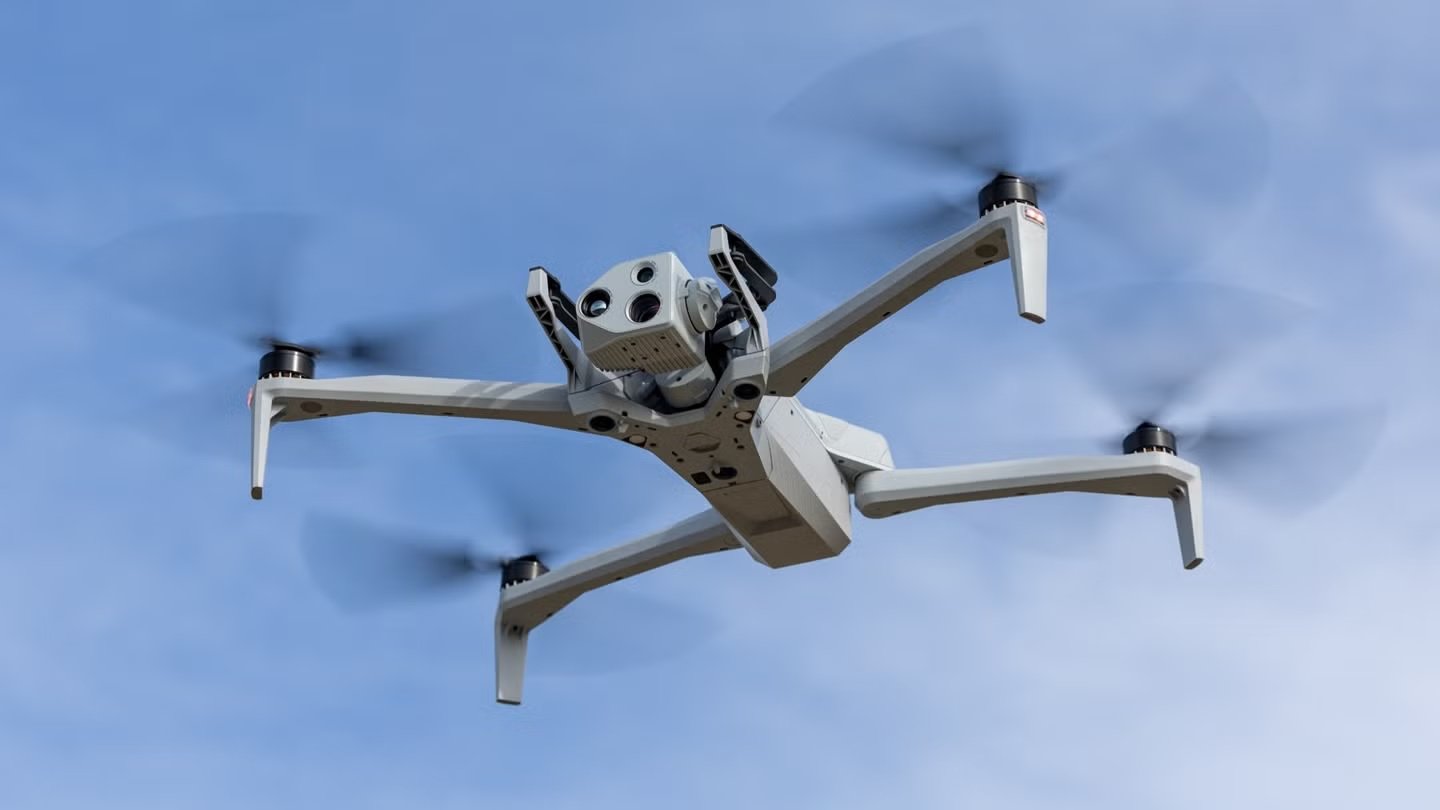 UK Ministry of Defence Opens £120,000 Tender for Skydio X10D Drones
-
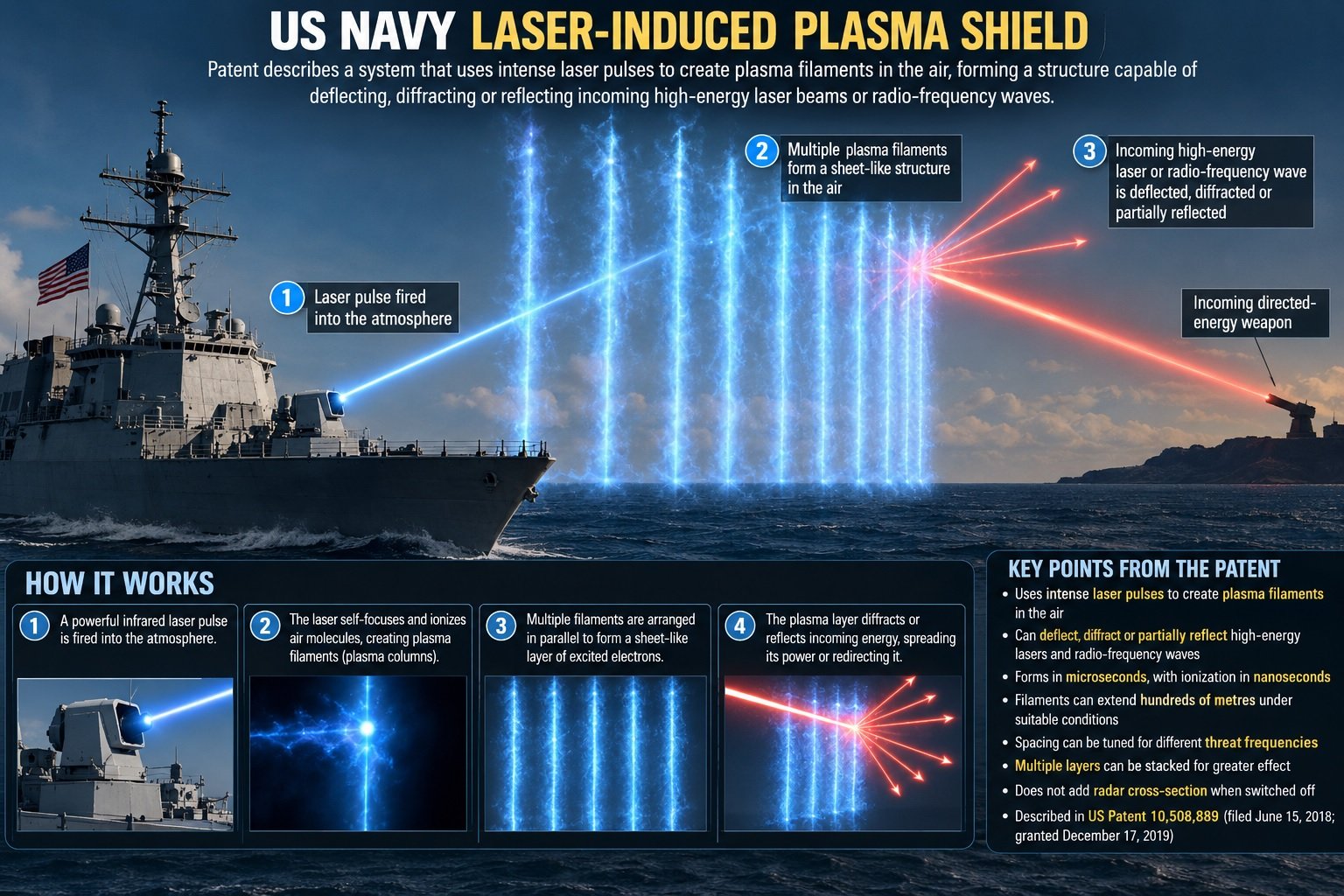 US Navy Patent Details Laser-Induced Plasma System to Deflect Directed-Energy Weapons
-
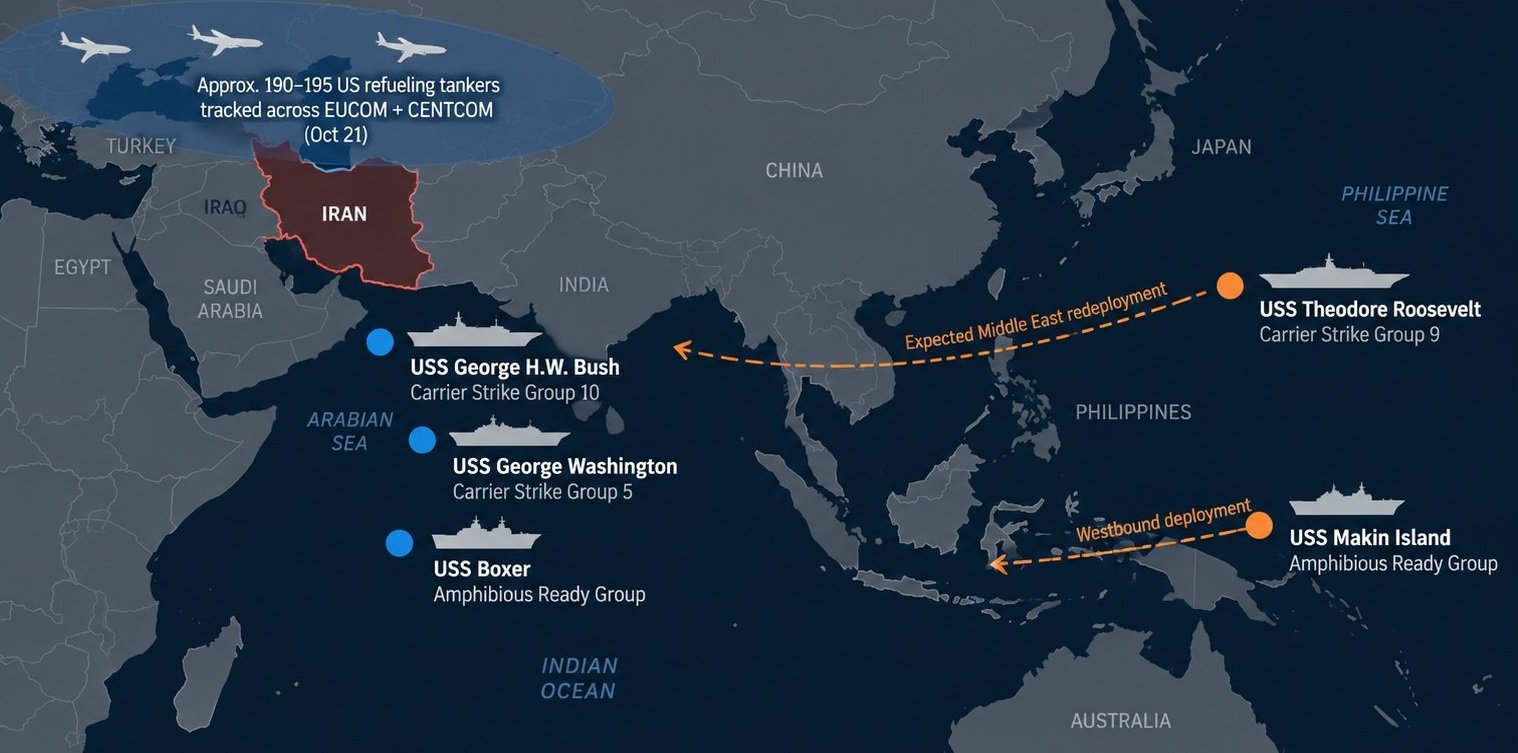 US Expands Military Buildup Near Iran with Third Aircraft Carrier and Additional Marines
-
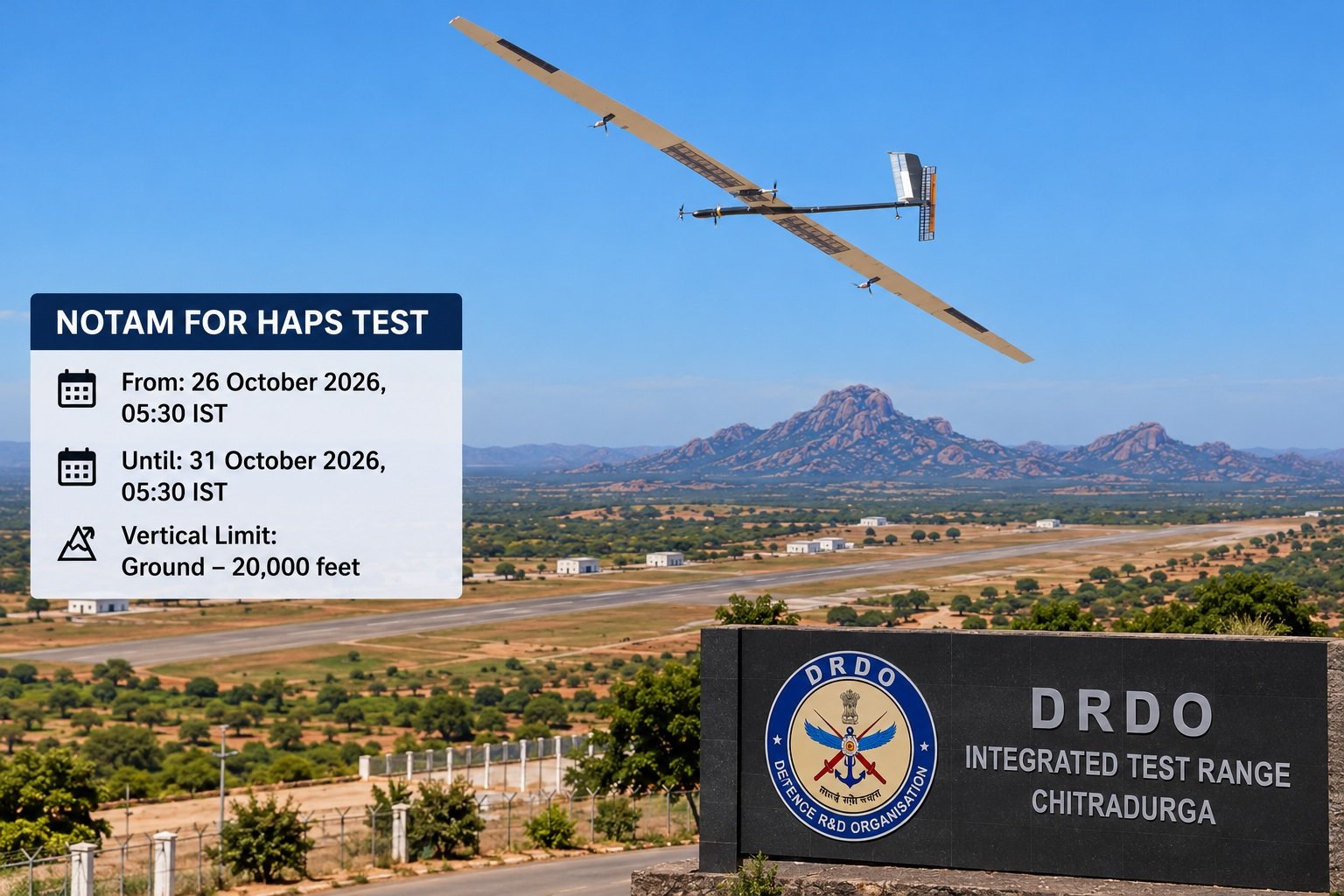 India Issues NOTAM for High Altitude Pseudo Satellite Test at DRDO Chitradurga Facility
-
 EDGE Integrates Autonomous Naval Systems in UAE-US Maritime Demonstration
-
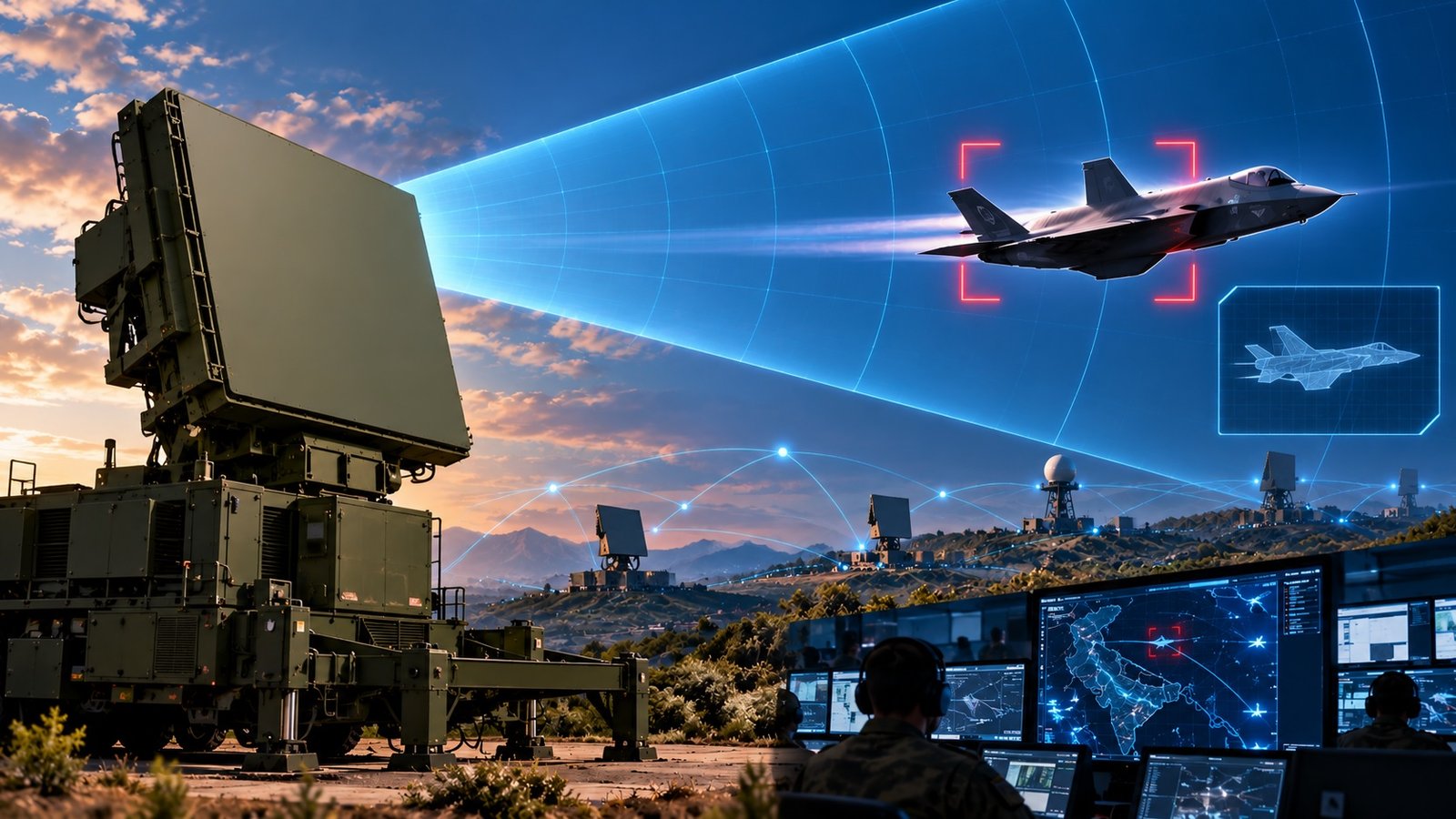 DRDO’s Arudhra Radar Reportedly Tracks F-35-Like Stealth Target in AI-Assisted Simulation: How It Works
-
 China Launches Six New Remote-Sensing Satellites into Orbit to Expand Earth-Observation Network
-
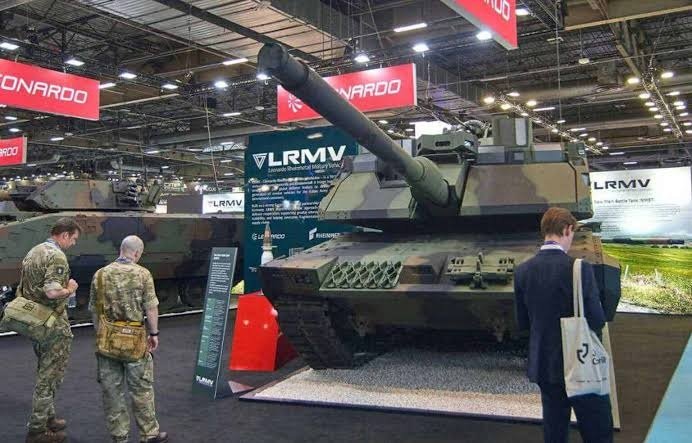 Italy Reportedly Orders 30 Panther Tanks and 48 Lynx IFVs in €3.7 Billion Deal
Top Trending in 4 Days
-
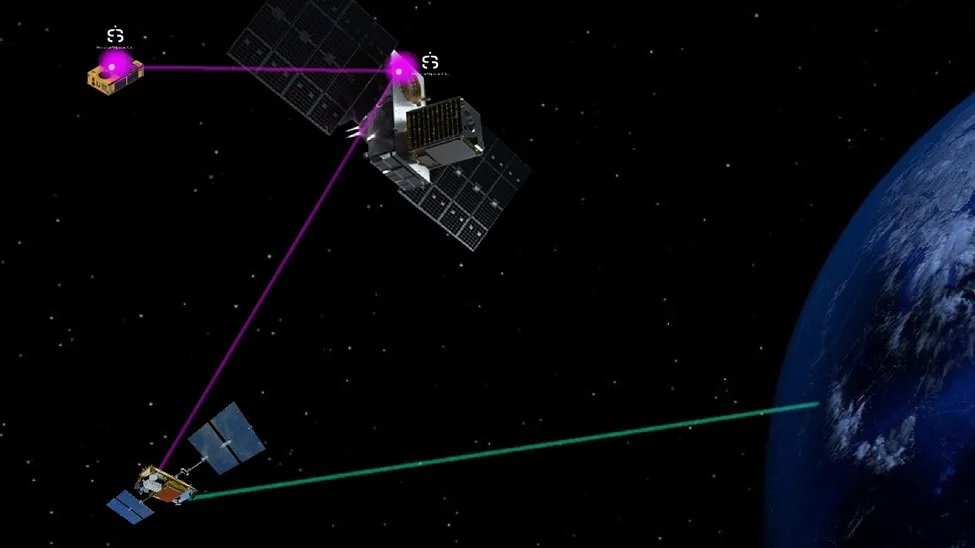 NASA Demonstrates Space-to-Space Wi-Fi Between Two Orbiting Spacecraft
-
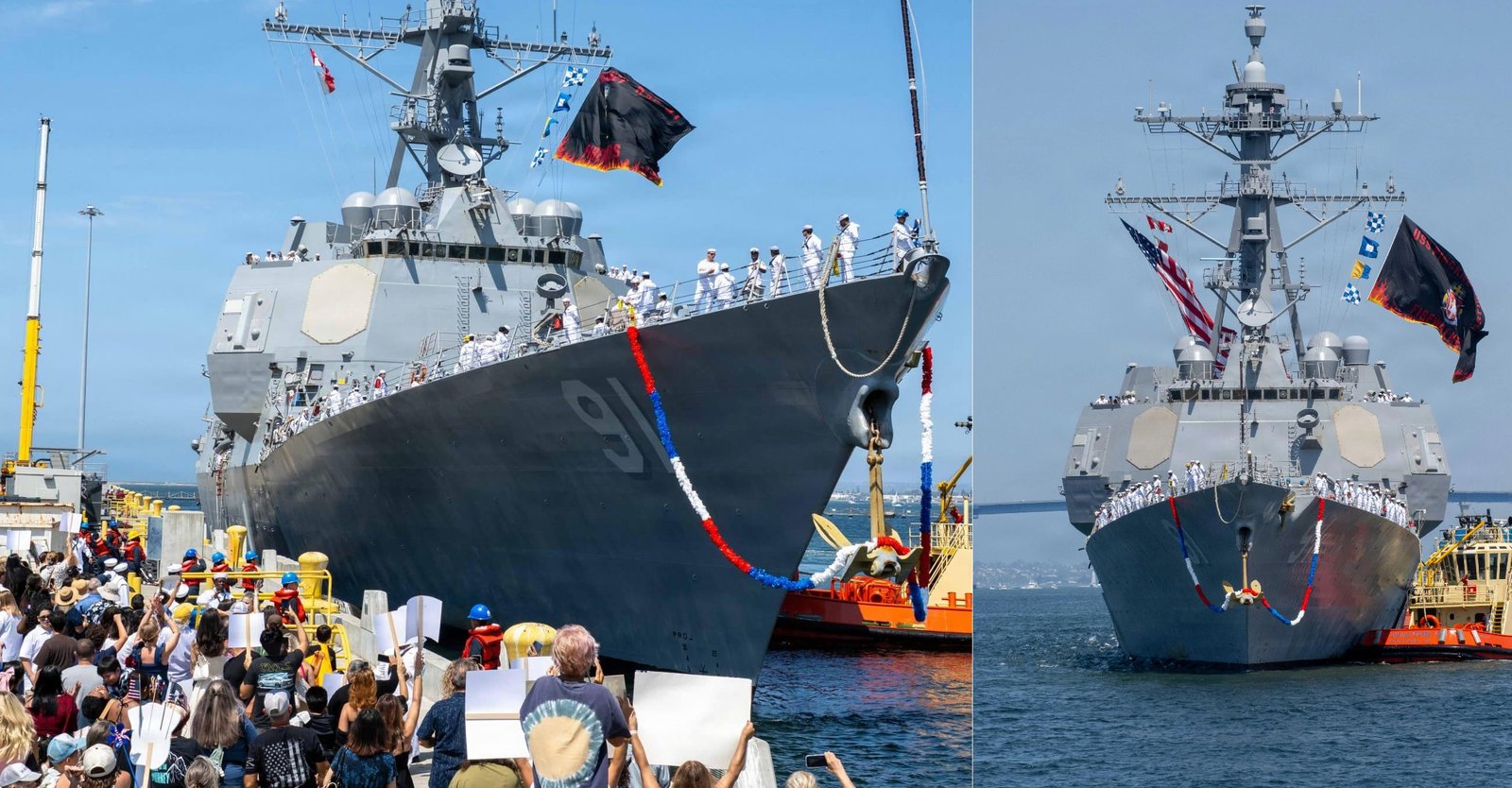 USS Pinckney Becomes First U.S. Navy Destroyer to Begin Phase Two Modernization with Advanced SPY-6 Radar
-
 U.S. Military to Ban Chinese Automaker BYD Vehicles from Kadena Air Base in Japan Over Security Concerns
-
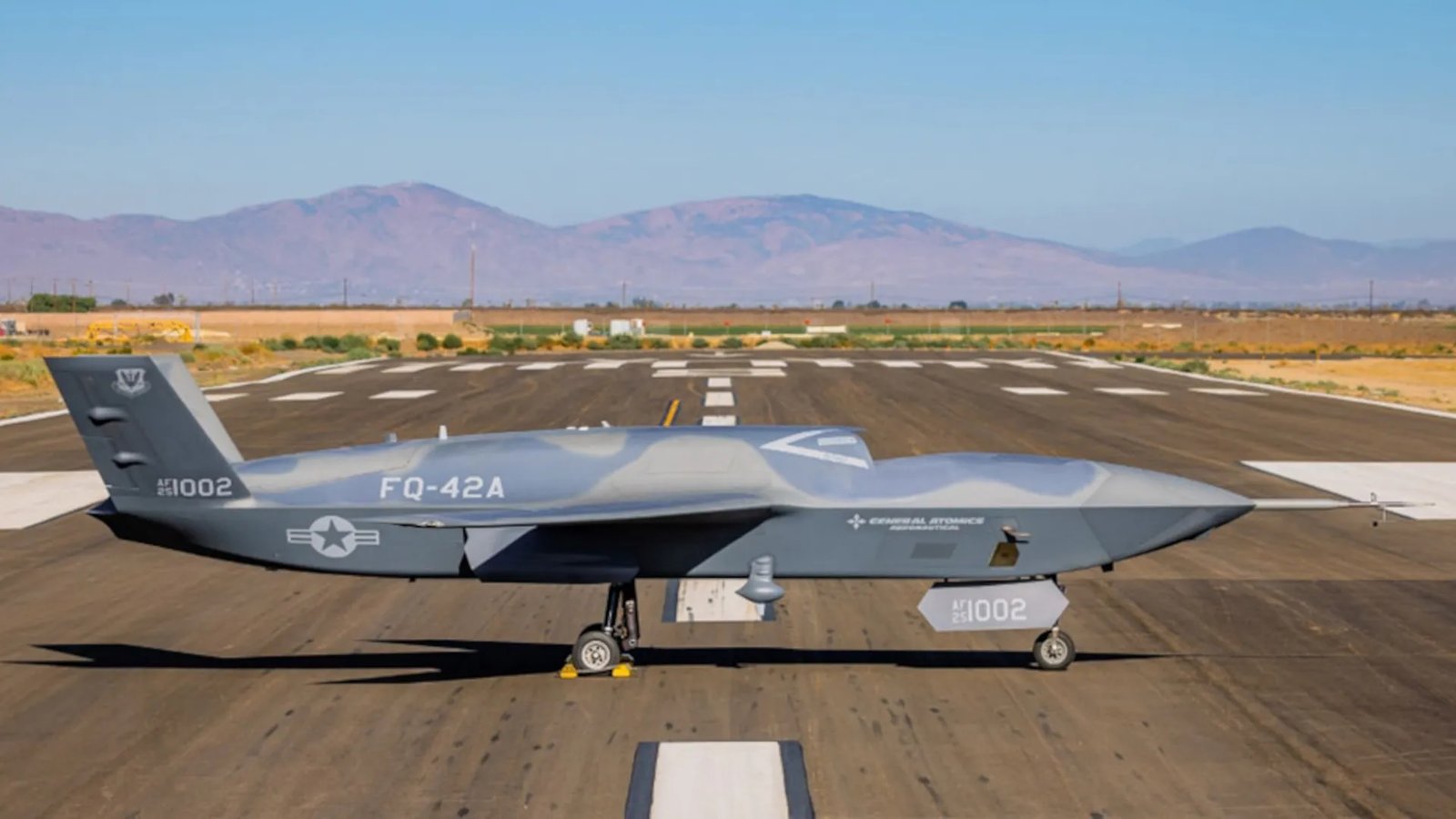 General Atomics Partners With Spirit Defense to Expand FQ-42 Vengeance Production
-
UK Ministry of Defence Opens £120,000 Tender for Skydio X10D Drones
-
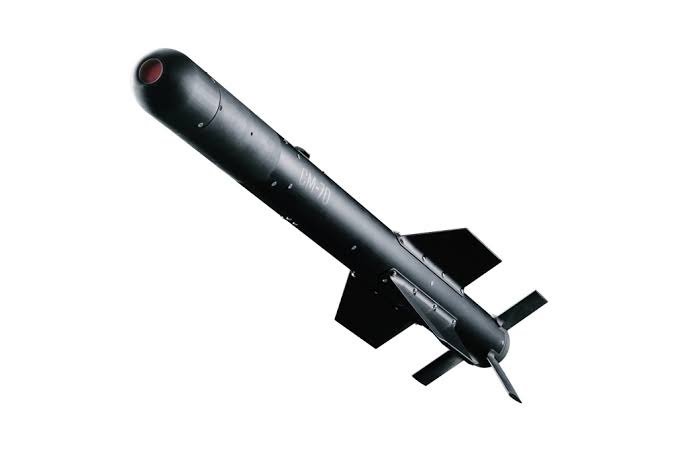 CSG and North Vector Dynamics Sign MoU to Explore European Production of CM-70 Counter-Drone Interceptor
-
 Unitree Unveils H2-X ‘Kung Fu Legend: Guardian’ Humanoid Robot for Security and Rescue
-
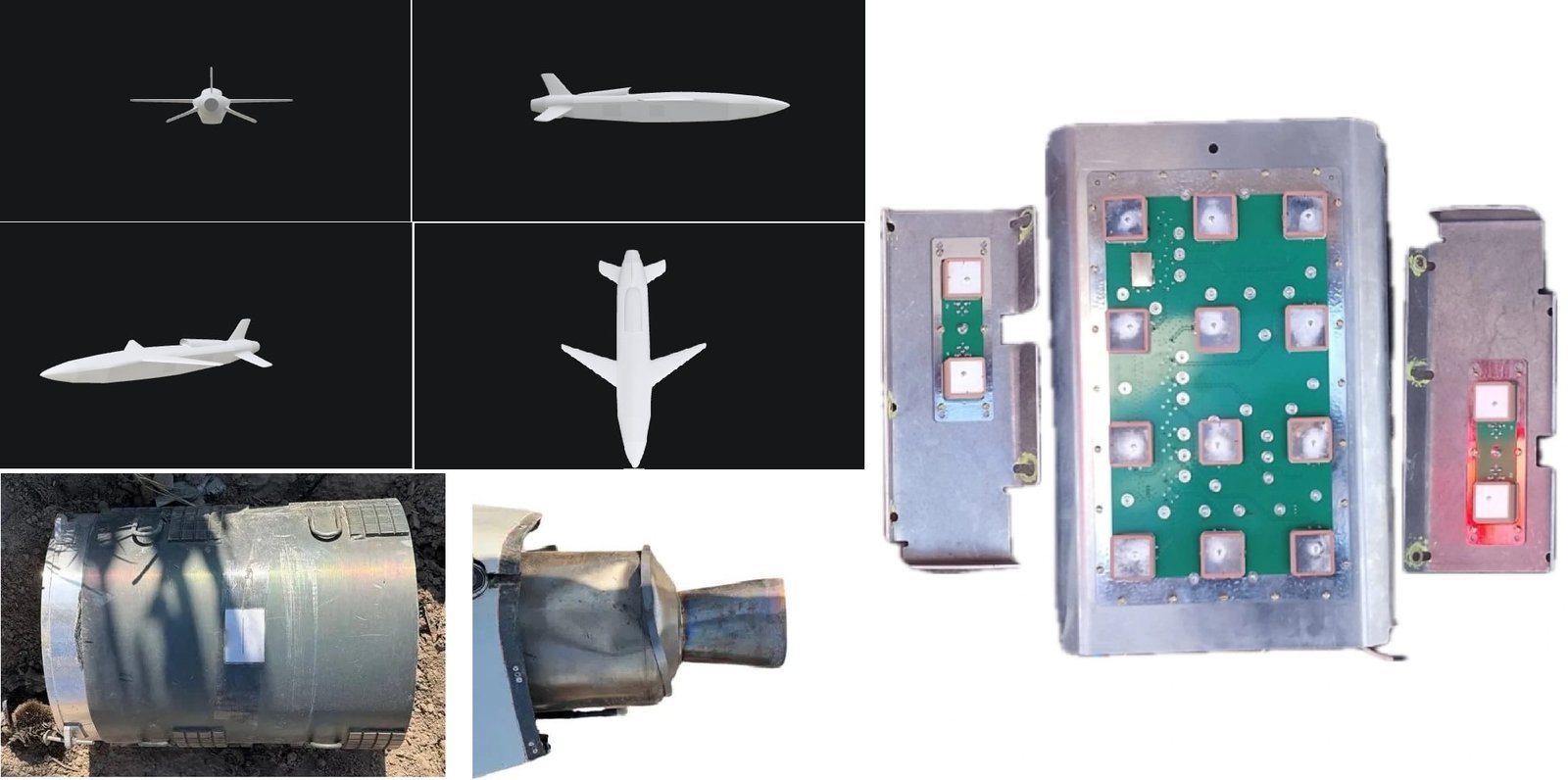 Ukraine Reveals Technical Details of Russia’s New Filin Cruise Missile