
Europe
COPENHAGEN, — Denmark has provided a 750 million Danish kroner (approximately $113 million) state-backed loan guarantee to the Danish subsidiary of Ukrainian defence company Fire Point to build a solid rocket propellant plant in southern Denmark. The Ministry of Industry, Business and Financial Affairs announced the decision on October 21, with financing arranged through the Export and Investment Fund of Denmark (EIFO). Officials said the guarantee is necessary because the war in Ukraine prevents Fire Point from securing loans under normal commercial terms. Rocket Fuel Production in Southern Denmark The plant is under construction in Vojens, southern Jutland, near Skrydstrup Air Base. Covering more than 120,000 square metres, it will produce solid rocket propellant for Fire Point’s FP-7 and FP-7.x missiles, as well as boosters for its Flamingo cruise missile. Once operational, the facility is expected to support production of 800 to more than 4,100 missiles annually. Initial output will supply Ukrainian forces, with plans to serve European defence partners in the future. The plant is expected to begin operations by the end of 2027, about one year later than originally planned. Fire Point CEO Iryna Terekh announced the delay in August, citing slower construction and the need to meet solid rocket fuel safety requirements. The project has also required adjustments to Danish planning and environmental rules, with temporary waivers granted for more than 20 regulations, according to the reports. The estimated plant cost has risen from around €50 million to more than €150 million. Construction began on December 1, 2025, following Denmark’s invitation to Fire Point in September 2025. Denmark’s Support for Ukraine’s Defence Industry Denmark became the first NATO member to host manufacturing facilities belonging to Ukraine’s defence industry. Defence Minister Jeppe Bruus said production outside Ukraine would help protect critical military supply chains from Russian attacks. He also highlighted opportunities for cooperation with the Danish armed forces and companies, including access to technologies and experience developed during the war. Business Minister Martin Lidegaard said the project supports Ukraine’s defence needs while strengthening Denmark’s defence industry and European security. EIFO is involved in nearly 40 projects connected to Ukraine and partnerships between Ukrainian and Danish businesses. Fire Point’s Missile Development Fire Point develops and manufactures unmanned systems, long-range strike drones, cruise missiles and ballistic missiles. The Danish plant will expand its production capabilities outside Ukraine. The company has also signed agreements with more than a dozen European defence firms for radar, guidance and other systems associated with its Freyja missile defence project. The loan guarantee marks another step in Denmark’s support for Ukrainian defence production through cross-border industrial cooperation. The facility’s operational start remains scheduled for the end of 2027.
Read More → Posted on 2026-10-25 15:11:35
Europe
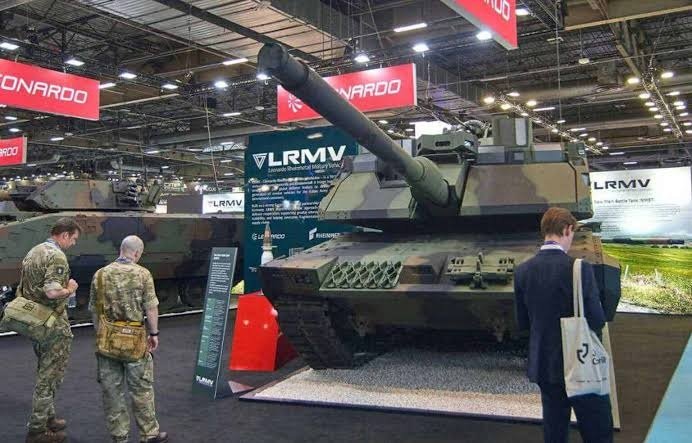
ROME, — Italy has reportedly ordered 30 Panther-based main battle tanks and 48 Lynx infantry fighting vehicles (IFVs) from Leonardo Rheinmetall Military Vehicles (LRMV) under contracts valued at €3.7 billion, according to Italian financial newspaper Milano Finanza on October 22. However, the Italian government, Leonardo, Rheinmetall and their joint venture have not formally confirmed the reported orders. Leonardo CEO Lorenzo Mariani recently said the tank programme was “ready to enter production,” adding that official announcements must be coordinated with the customer. Panther Tanks Under the NMBT Programme The 30 tanks will be based on Rheinmetall’s KF51 Panther platform and built to Italian requirements under the New Main Battle Tank (NMBT/I-MBT) programme. If confirmed, the order would be the first production contract for any version of the Panther. The new tanks are intended to serve alongside Italy’s upgraded C2 Ariete main battle tanks. Leonardo will contribute electronics, mission systems and weapons integration to the Italian configuration. The wider programme aims to procure 132 main battle tanks and 140 support vehicles by 2037. Delivery dates and the division of the reported €3.7 billion value between development and production have not been disclosed. Lynx IFVs to Replace Older Dardo Vehicles The reported order includes 48 Lynx IFVs under the Italian Army’s Armoured Combat System (A2CS) programme, adding to an initial order of 21 vehicles placed in late 2025. Of the first 21 vehicles, five were acquired in an interim configuration based on Hungary’s Hiúz variant, while 16 were adapted to Italian requirements. The first four were delivered in January 2026 for testing at the Montelibretti range near Rome. The earlier agreement included options and provisions for upgrades to the Italian configuration featuring Leonardo’s Hitfist turret. It remains unclear whether the newly reported 48 vehicles will differ from the configuration already under development, and their delivery schedule has not been announced. Italy plans to acquire approximately 1,050 Lynx ITA/A2CS vehicles across more than a dozen variants, including command, reconnaissance and medical versions. Based on Rheinmetall’s KF41 platform, the Lynx is intended to replace the Italian Army’s ageing VCC-80 Dardo infantry fighting vehicles. The A2CS programme is scheduled to continue until 2040. Italian Production and Joint Venture Leonardo Rheinmetall Military Vehicles, a 50:50 joint venture established in 2024 by Italy’s Leonardo and Germany’s Rheinmetall, is responsible for the industrial development and production of both vehicle families. Headquartered in Rome, with operational bases in La Spezia, the joint venture is expected to conduct approximately 60% of the programme’s industrial activities in Italy. These include development, final assembly, systems integration, qualification testing, delivery and logistical support. Long-Term Defence Investment The reported €3.7 billion order forms part of Italy’s broader armoured vehicle modernisation strategy. The tank programme is planned to run until 2037, while A2CS will continue until 2040. Together, the two programmes are expected to cost approximately €23 billion over their lifespans. The reported orders would support the replacement of older tracked vehicles and the introduction of new tanks and infantry fighting vehicles into Italian Army service.
Read More → Posted on 2026-10-25 13:56:10
Europe
MADRID, SPAIN — The Spanish Navy and state-owned shipbuilder Navantia are developing an enhanced version of the F110 Bonifaz-class frigate, known as the F110 Integrated Air and Missile Defence (IAMD) variant, to strengthen Spain’s naval air and missile defence capabilities. The project follows the Spanish Navy’s Armada 2050 strategic requirements and builds on the five baseline F110 frigates currently under construction. Navantia displayed a scale model of the proposed F110 Flight II/IAMD configuration at DALO Industry Days 2026 in Denmark. Larger Design and Increased Missile Capacity The proposed frigate will measure approximately 150 metres long, with a beam of around 18.6 metres and a displacement of approximately 6,700 tonnes, compared with 145 metres and 6,100 tonnes for the baseline F110. Earlier design information indicates a crew of around 170, a maximum speed exceeding 29 knots and a cruising speed above 18 knots, supported by more powerful gas turbines. Its 64 Mk 41 Vertical Launch System (VLS) cells, compared with 16 on the baseline F110, will be arranged in forward and aft groups to accommodate different missile types, including longer-range surface-to-air missiles. An enhanced Lockheed Martin SPY-7 solid-state radar will support the detection, tracking and engagement of multiple threats, including ballistic missiles, cruise missiles and uncrewed aerial systems. The frigate is designed for area air defence, escorting high-value assets and coordinating air defence within naval task groups. Advanced Combat Systems and Multi-Mission Capabilities The F110 IAMD will use SCOMBA New Generation (NG), Navantia’s next-generation combat management system. Its cloud-based architecture will integrate sensors, weapons, onboard systems, data links and uncrewed vehicles (UxVs), providing a shared tactical picture and supporting interoperability with NATO and European Union task groups. Its open, scalable and cyber-secure design will allow the integration of future sensors, weapons and countermeasures. The frigate will retain the F110 family’s anti-submarine warfare (ASW), anti-surface warfare (ASuW) and electronic warfare capabilities, alongside asymmetric-threat protection. Its mission space will accommodate mission modules, uncrewed vehicles and a second helicopter. Navantia’s Smart Ship technologies will include a Digital Twin, condition-based maintenance and an integrated platform management system to monitor ship condition, anticipate maintenance needs, improve operational availability and support crew training. Earlier design information also identified onboard 3D printing for producing spare parts during deployments. Industrial Impact and Programme Status The programme is expected to involve more than 500 Spanish companies, technology centres and academic institutions, supporting domestic shipbuilding capabilities and Spain’s strategic autonomy. Earlier public presentations indicated plans for two F110 Flight II/IAMD frigates in addition to the five baseline ships. Their final configuration is being refined by Navantia, the Spanish Navy and the Ministry of Defence according to operational requirements and the procurement process. Construction of the first five F110 frigates continues at Navantia’s Ferrol shipyard. The lead ship, Bonifaz (F111), was launched in September 2025 and is undergoing fitting out, with delivery planned for 2028. The remaining ships are at different stages of construction. The F110 IAMD programme will extend the existing frigate family with stronger air and missile defence capabilities while retaining its multi-mission role.
Read More → Posted on 2026-10-23 15:37:04
Europe
COPENHAGEN, — Denmark will acquire Anthem ground-launched cruise missiles from US defence company Covenant Industries and Joint Strike Missiles (JSM) from Norway’s Kongsberg, marking the country’s first land-based capability to strike targets deep inside enemy territory. The Danish Ministry of Defence announced the procurement following a recommendation from the chief of defence. Contracts managed by Denmark’s Defence Acquisition and Logistics Organisation (DALO) have been signed, but quantities, costs and delivery schedules remain undisclosed for security reasons. Officials cited competitive pricing and relatively quick delivery as factors in the selection. Defence Minister Jeppe Bruus said the acquisitions would strengthen Denmark’s defence capabilities, support its contribution to NATO and demonstrate its ability to respond to an attack. Anthem Cruise Missile and Production The Anthem is a low-cost, ground-launched cruise missile designed for high-volume production. It uses a solid-fuel rocket booster for launch and a heavy-fuel jet engine for flight, carrying a 200 kg (440-pound warhead) for precision strikes. Media reports estimate its range at more than 1,000 km (620 miles), with some estimates reaching 1,200–1,500 km (750–930 miles). Covenant aims to price it below $1 million per missile. Founded in 2024 by Michael Kaufman and Ofir Dayan, Covenant conducted Anthem’s first flight in August 2025. The missile has undergone more than 200 flight tests, including tests with US forces, but has not been used in combat. Denmark’s missiles will be produced at Covenant’s 10,000-square-metre facility in Leipzig, Germany, which opened in October 2026. Production is scheduled to begin in 2027, with targets of 1,000 missiles in the first year and 5,000 in 2028. More than 95% of components for the European version are expected to come from Europe. Basic assembly will take place in Leipzig, while warheads will be integrated at customer sites. The first Danish deliveries are expected after production begins. Joint Strike Missile for F-35 Fighters Denmark is also acquiring the Joint Strike Missile (JSM), developed by Kongsberg in cooperation with Raytheon. Designed to fit inside the internal weapons bays of Denmark’s F-35A fighters, the missile allows the aircraft to maintain its low-observable configuration. The JSM measures 4 metres, weighs 416 kg (917 pounds), carries a 120 kg (265-pound warhead) and has a range exceeding 350 km (217 miles). It travels at high-subsonic speeds and uses inertial and GPS navigation with an imaging-infrared seeker for autonomous target recognition. It is derived from Kongsberg’s Naval Strike Missile (NSM), already used by Denmark for coastal defence and on its frigates. Germany’s Interest and Russian Response Germany is discussing its long-range strike requirements with Covenant, although no purchase has been announced. The Bundeswehr is evaluating low-cost cruise missiles, with Anthem reportedly competing against Ukraine’s Flamingo cruise missile, developed by Fire Point. Covenant has appointed retired German Army Lieutenant General Andreas Marlow, a former deputy commander, as an adviser. Russian Ambassador to Denmark Vladimir Barbin criticised the acquisition, describing Danish policy as confrontational and focused on preparing for possible conflict with Russia. He also called it a dangerous illusion to believe such weapons could pose a military threat to a nuclear power. The procurement expands Denmark’s capabilities beyond its traditional focus on territorial defence, providing complementary land-based and air-launched options for long-range precision strikes while strengthening its contribution to NATO.
Read More → Posted on 2026-10-23 15:04:35
Europe
MADRID, — Spanish state-owned defence shipbuilder Navantia has signed a memorandum of understanding (MoU) with San Sebastián-based software company Multiverse Computing to develop, test and deploy artificial intelligence (AI) and quantum-inspired technologies for naval defence systems. The agreement brings together Navantia’s expertise in naval architecture, defence platforms and systems integration with Multiverse Computing’s capabilities in AI optimisation. The partnership will focus on adapting AI models for use aboard surface ships and submarines, including environments with limited computing resources, power and connectivity. The agreement was signed by Gonzalo Mateo-Guerrero, Navantia’s Chief Operating Officer, and Enrique Lizaso, co-founder and CEO of Multiverse Computing. AI Applications for Ships and Submarines The companies will explore AI applications for embedded systems aboard naval vessels and submarines, signal processing, situational awareness, mission planning and logistics optimisation. The partnership will also examine applications in Command, Control, Communications and Intelligence (C4I) systems. A central part of the collaboration is Multiverse Computing’s CompactifAI technology, which compresses AI models to reduce their size and the computing resources required to run them. This could help naval systems use advanced AI where processing capacity, electrical power or network connectivity is limited. The technology is also intended to support independent onboard operation without continuous internet access or reliance on external cloud services, an important consideration for naval platforms operating in isolated environments. Navantia will contribute operational requirements, product knowledge, systems integration expertise and lifecycle support. This will help the companies assess how AI models can be moved from laboratory testing into practical naval products and maintained throughout their service life. Companies Target European Defence Programmes Navantia said the agreement would help incorporate AI into its products and accelerate the development of more efficient and advanced naval solutions. Mateo-Guerrero said the partnership would make it possible to apply artificial intelligence to Navantia’s products and accelerate their evolution towards more efficient and advanced naval solutions. Lizaso highlighted the challenge of integrating AI into military systems, explaining that the main difficulty is moving beyond laboratory demonstrations to capabilities that naval systems can sustain throughout their entire lifecycle. For Navantia, which is wholly owned by Spain’s state holding company SEPI, the partnership supports its broader efforts to expand AI across its portfolio, strengthen domestic industrial capabilities and technological sovereignty. For Multiverse Computing, the collaboration provides an opportunity to test its AI compression and quantum-inspired optimisation technologies against the operational and lifecycle requirements of naval defence programmes. The two companies also plan to assess joint proposals for European defence and innovation programmes, extending their cooperation beyond technology development and testing.
Read More → Posted on 2026-10-22 16:39:35
Europe
LONDON, — British technology company Voyant has demonstrated its navigation software to the UK Ministry of Defence (MOD), showing how autonomous maritime vessels can navigate without relying on satellite signals such as GPS. The trial took place on October 5, 2026, aboard a Kraken K3 Scout autonomous surface vessel in the coastal waters of the Solent, off southern England. The demonstration is part of a wider MOD programme to develop resilient Position, Navigation and Timing (PNT) capabilities for military operations in environments where satellite signals are disrupted or unavailable. How the Technology Works Voyant’s software uses sensor fusion and probabilistic particle filter algorithms to compare real-time radar imagery with pre-loaded reference maps of surrounding terrain. By matching radar observations with known geographic features, the system estimates the vessel’s position without relying on Global Navigation Satellite Systems (GNSS). It also provides a real-time estimate of positioning uncertainty, helping operators assess the reliability of location data. The software is designed to work with existing sensors, avoiding the need for additional hardware. The technology could allow uncrewed vessels to continue missions and return safely when satellite navigation is lost or deliberately disrupted through jamming or spoofing. Importance for Maritime Defence Military ships, aircraft, missiles and drones rely on GNSS for positioning, navigation and timing. However, satellite signals can be disrupted by electronic interference. Coastal terrain and dense infrastructure can also reduce reception, making alternative navigation methods particularly important in littoral environments. The demonstration comes amid concerns about GNSS interference affecting military and commercial shipping, including in the Baltic Sea, Black Sea and Middle East. The UK Maritime and Coastguard Agency has also issued guidance on operating in GNSS-denied and degraded environments. Voyant and Kraken K3 Scout James Norwood, CEO of Voyant, said reliable navigation remained fundamental to maritime operations as access to GNSS could no longer be assumed. He said the demonstration with Kraken and the MOD showed a practical capability to support the safe and effective deployment of autonomous maritime systems in challenging conditions. Norwood added that the trial represented another milestone in the UK’s investment in sovereign technologies to strengthen resilience, improve operational freedom and support future autonomous defence capabilities. Voyant, a University of Liverpool spin-out, develops sensor-fusion and tracking software. The Kraken K3 Scout, built by British company Kraken Technology, is an 8.5-metre uncrewed surface vessel capable of speeds approaching 55 knots. The successful trial demonstrates the potential of radar-based navigation when satellite signals are unavailable. However, it does not by itself confirm that the technology has entered operational military service.
Read More → Posted on 2026-10-22 15:49:45
Europe
SAINT-GERMAIN-EN-LAYE, France, — French technology company Exail has secured a major contract to supply its military-grade Marins inertial navigation systems (INS) for the entire fleet of uncrewed surface vessels (USVs) operated by an unnamed navy. Valued at tens of millions of euros, the contract ranks among the largest navigation system orders received by Exail and strengthens its position in the growing market for autonomous naval platforms. The customer has not been publicly identified. Navigation Without Satellite Signals Uncrewed surface vessels operate without onboard crews and depend on reliable navigation data to complete missions. Navies are increasingly deploying these platforms to extend operational reach, maintain a presence at sea and reduce the exposure of personnel to danger. However, navigation becomes more challenging in contested waters, where Global Navigation Satellite System (GNSS) signals, including GPS, can be degraded, jammed or spoofed. Exail’s Marins systems use fiber-optic gyroscope (FOG) technology to provide accurate position, heading, attitude and velocity data. The inertial navigation systems help vessels maintain navigation information when satellite signals are unavailable or disrupted, supporting autonomous operations. Jean-Marc Binois, Exail’s chief commercial officer, said navies are moving towards fleets in which crewed and uncrewed vessels operate alongside one another. He added that deploying USVs at scale requires reliable navigation technology that meets demanding defence requirements, alongside experience in designing and integrating autonomous maritime systems. Established Naval Navigation Technology Exail’s Marins navigation systems are already used on surface ships and submarines operated by more than 50 navies worldwide. The company also supplies navigation technology for nearly 80% of the global autonomous underwater vehicle (AUV) and remotely operated vehicle (ROV) market, according to the provided company information. These underwater platforms operate in environments where satellite navigation signals cannot reach, making inertial navigation technology important for maintaining position and movement data. The latest contract extends Exail’s established naval navigation expertise to an entire fleet of uncrewed surface vessels. Exail Expands Its Naval Robotics Business The contract follows other developments in Exail’s defence robotics business during October 2026. Earlier in the month, the company’s DriX surface drones were lined up for evaluations by the US Navy and US Coast Guard. Exail has also begun production of a major unmanned mine countermeasures package for the Indonesian Navy. As navies integrate uncrewed vessels alongside conventional warships, reliable navigation systems are becoming an important requirement for autonomous maritime operations. The new order strengthens Exail’s role in supplying navigation technology for naval platforms operating in environments where satellite signals may be unreliable or unavailable.
Read More → Posted on 2026-10-22 15:08:05
Europe
PARIS — France has ordered four additional SAMP/T NG (New Generation) air and missile defence firing units, bringing its planned fleet to 12 systems for the French Air and Space Force. The first system was delivered in early 2026, while 10 additional units are scheduled for delivery before the end of 2030, according to the French defence procurement agency, the Direction générale de l’Armement (DGA). The contract was placed through the Organisation for Joint Armament Cooperation (OCCAR) with Eurosam, a consortium comprising MBDA France, MBDA Italy and Thales. France’s configuration will combine long-range Aster missiles with shorter-range MICA VL interceptors to provide layered air defence. Upgraded Radar and Missile Interception SAMP/T NG is the successor to the Franco-Italian SAMP/T system, known as Mamba in French service. Development began in 2021 to improve protection against faster, more manoeuvrable and stealthier threats. The system incorporates Thales’ Ground Fire 300 (GF300) radar and a new-generation fire-control system designed to operate with the Aster 30 Block 1 NT (B1NT) missile. According to the DGA, the system paired with the Aster B1NT is designed to intercept both ballistic and hypersonic threats travelling at speeds exceeding Mach 5. SAMP/T NG provides 360-degree coverage and can engage multiple targets, including aircraft, drones, cruise missiles and manoeuvring ballistic missiles. Its layered configuration combines Aster 30 B1 and Aster B1NT missiles with MICA VL and other short-range air defence assets. The system is designed to engage targets at distances exceeding 150 kilometres, depending on the missile and engagement conditions. It can integrate into national air defence networks and operate with NATO and coalition systems while coordinating with friendly military aircraft, including in civilian airspace. Mobile Launchers and Aster B1NT Upgrades A standard SAMP/T NG firing unit can become operational in less than 30 minutes. It includes an engagement module and a multifunction radar with an identification friend-or-foe (IFF) capability. Eurosam states that the radar can detect and identify targets beyond 350 kilometres. Each unit can have up to six launchers, each carrying eight Aster missiles, providing a maximum of 48 ready-to-fire missiles. The Aster B1NT features updated electronics, improved interception algorithms and a Ka-band seeker. These upgrades are intended to improve performance against complex threats, including short- and medium-range ballistic missiles, as well as support interception of hypersonic threats. European Orders and Export Interest Italy has ordered 10 SAMP/T NG firing units, while Denmark has ordered four and is expected to begin receiving them in 2028. Ukraine is also expected to receive systems to strengthen its air defence capabilities. Switzerland, Belgium and Turkey have been reported as discussing or evaluating the system, but these discussions do not constitute confirmed orders. Eurosam, which has more than 35 years of experience developing Aster-based air defence systems, is continuing the programme with its French and Italian industrial partners. France’s additional order strengthens its planned air defence fleet and supports the wider European effort to counter aircraft, cruise missiles and advanced ballistic missile threats.
Read More → Posted on 2026-10-22 14:59:03
Europe
BERLIN, — Germany is exploring the development of remotely controlled self-propelled artillery systems that could operate without a crew inside the vehicle, including in high-threat areas. According to the defence publication Hartpunkt, the German Army and Defence Ministry are examining options based on existing artillery automation technology, with the tracked version of the RCH 155, known as LORAS, emerging as the preferred configuration. Germany already has the wheeled RCH 155 self-propelled howitzer, which uses an automated Artillery Gun Module (AGM) to handle loading, gun positioning and firing. Mounted on a Boxer 8×8 chassis, the standard system carries a two-person crew consisting of a driver and a turret operator, both protected inside the vehicle. Tracked LORAS Offers a Potential Basis The RCH 155 LORAS combines the automated AGM with the tracked Boxer Tracked chassis and a longer 155 mm/L58 gun developed by KNDS France. The system was publicly displayed by defence manufacturer KNDS at the Eurosatory exhibition in June 2026. According to KNDS, the LORAS can reach targets at distances exceeding 60 kilometres with standard ammunition and up to approximately 100 kilometres with specialised rounds. The preference for a tracked chassis reflects the need for improved cross-country mobility in environments where unmanned artillery systems may be required to operate. The Boxer Tracked platform was designed to support future remote-control capabilities when fitted with the necessary equipment. Remote Operation and Drone Integration In early 2026, the German branch of KNDS demonstrated a remote-control kit called UxV CS, designed for wheeled and tracked vehicles in the Boxer family. The technology could provide a starting point for developing remotely operated artillery vehicles. The proposed concept involves a team of up to five operators working remotely. They would control the vehicle's movement, operate the howitzer and manage aerial drones that provide targeting information and support artillery fire. Although technical solutions already exist for remotely driving and manoeuvring the vehicle, a complete system for remotely controlling the firing process has not yet been developed. Coordinating the vehicle, gun and drones through a single remote-control arrangement remains a significant technical challenge. Procurement and Development Status The German Army has ordered 84 wheeled RCH 155 systems under a framework agreement covering up to 500 units. Deliveries of series-production vehicles are planned to begin in 2028. The proposed unmanned configuration remains at an early discussion stage. The complete remote-control system has not undergone field testing, and further development and trials will be needed to assess its reliability and effectiveness under operational conditions. Germany is therefore examining whether the automation already available in the RCH 155 and the tracked LORAS configuration can be extended to fully unmanned artillery operations. No procurement decision for an unmanned version has been confirmed.
Read More → Posted on 2026-10-21 15:42:19
Europe
STOCKHOLM, — Sweden has awarded contracts to Raytheon UK for its Landshield and Landshield Plus GPS anti-jamming systems to protect military navigation signals against electronic warfare threats. The contracts were awarded by the Commercial Affairs Division of the Swedish Defence Materiel Administration (FMV). The systems will strengthen Sweden’s assured positioning, navigation and timing (APNT) capabilities in contested environments where adversaries attempt to disrupt GPS signals. The contract value, number of systems and delivery schedules have not been disclosed, and Raytheon UK has not identified the Swedish military platforms that will receive the equipment. Landshield Systems and Capabilities The Landshield family features a compact design for integration across land, maritime and air platforms, including autonomous ground vehicles and unmanned aerial systems. The standard Landshield system uses a four-element controlled reception pattern antenna (CRPA) and can counter up to three jammers simultaneously across GPS L1 and L2 frequencies. The more advanced Landshield Plus uses a seven-element CRPA and combines its antenna and anti-jam processor in a single 18-watt unit. It can process up to seven dual-frequency channels and counter up to six jammers simultaneously. Both systems protect against different types of interference, including narrowband, broadband, continuous-wave, pulsed, swept and spectrally matched signals. They also provide real-time information about interference sources, including their direction, type and characteristics, and can interface with standalone or integrated GPS receivers. Their compact designs are intended to limit size, weight and power requirements. “Electronic warfare threats are evolving, and forces across NATO need navigation systems they can depend on,” said Alex Rose-Parfitt, engineering director at Raytheon UK. He added that Sweden’s selection would help protect critical GPS signals across multiple platforms and maintain mission effectiveness in contested environments. UK Production and Allied Demand Raytheon UK designs and manufactures the systems at dedicated facilities in the United Kingdom. The company has more than 25 years of experience in GPS protection technology and says it has delivered over 15,000 anti-jamming units supporting more than 20 allied nations worldwide. The contracts reflect growing demand across NATO and allied countries for anti-jamming equipment that meets different operational requirements and supports interoperability across military platforms. Raytheon UK, part of RTX’s Raytheon business, employs more than 2,000 people and is a major supplier and systems integrator for the UK Ministry of Defence.
Read More → Posted on 2026-10-21 14:33:34
Europe
BERLIN, — Germany’s Ministry of Defence has dropped plans for a fast-track purchase of Boeing’s MQ-28 Ghost Bat collaborative combat aircraft, opting for a competitive evaluation in 2027. The decision delays Germany’s plans to field uncrewed combat aircraft, with operational deployment now expected in the early 2030s. According to Die Welt, Germany had considered purchasing at least 12 drones for more than €800 million, targeting deployment by 2029. However, an assessment concluded that no available system fully meets the Luftwaffe’s operational requirements. Germany has informed Boeing that the direct purchase will not proceed. MQ-28 Requirements and Alternatives Developed by Boeing Defence Australia for the Royal Australian Air Force, the MQ-28 is designed to operate alongside crewed fighters such as the Eurofighter Typhoon, supporting strike, reconnaissance and electronic warfare missions. It has completed more than 150 flights and demonstrated the ability to fire AIM-120 air-to-air missiles. German officials reportedly identified the need to modify the MQ-28 for ground-attack missions and questioned whether the changes could be completed by 2029. German and European alternatives were also considered insufficiently mature at that stage. The 2027 competition is expected to include three main contenders: Boeing and Rheinmetall, working on German integration of the MQ-28; Airbus and Kratos, offering the U740 Valkyrie, based on the XQ-58; and German defence AI company Helsing, with its CA-1 Europa drone concept. General Atomics has also expressed interest. Rheinmetall partnered with Boeing earlier in 2026 to support local integration, including adaptation of sensors, weapons and mission software. German companies such as Diehl Defence were also expected to contribute to software integration and support. Deployment Delayed to the Early 2030s Flight testing under the new evaluation process is expected to begin in 2027, while operational deployment is now anticipated in the early 2030s. Germany continues to target the broader NATO requirement for collaborative combat aircraft by 2035. Boeing confirmed that Germany had notified the company of the change and said it “stands ready to support” further steps with its German customer. The German Ministry of Defence declined to comment on specific procurement projects, citing contracting rules and parliamentary review requirements. Germany had previously considered buying the Ghost Bat as an interim capability while running a parallel competition. The competition-first approach gives European manufacturers more time to develop alternatives and offers Germany greater control over sensitive mission software. The decision comes as Germany introduces F-35 fighter aircraft and develops manned-unmanned teaming capabilities. With the Tornado fleet retiring and the Franco-German Future Combat Air System (FCAS) not expected until the mid-2030s, collaborative combat aircraft are intended to help bridge the capability gap. The 2027 evaluation will determine which platform, if any, advances toward production and operational service.
Read More → Posted on 2026-10-20 16:20:09
Europe
GILCHING, Germany, — German drone manufacturer Quantum Systems has reported that its experimental battery-powered aircraft, the Apex Recordhunter, reached a speed of 777 km/h (483 mph) during a recent speed record attempt. Martin Karkour, the company’s chief revenue officer, confirmed the achievement, stating that the fixed-wing aircraft travelled at more than 200 metres per second. However, the result is not yet an officially recognised record because the required return flight in the opposite direction, which helps account for wind effects, remains pending. Previous Speed Test and Technology The latest attempt builds on a flight conducted on June 26, 2026, when the same aircraft reached 699 km/h (434 mph) in straight and level flight. Quantum Systems described that earlier result as an unofficial world best for a battery-electric flying object at the time. Developed over approximately a year by N3XT, Quantum Systems’ experimental development team, the Apex Recordhunter serves as a technology demonstrator for propulsion, energy management, aerodynamics and high-speed flight control. The lightweight aircraft uses composite materials and specialised high-discharge battery cells supplied by V4Smart, a subsidiary of Porsche, to meet the energy demands of high-speed flight. High-Speed Interceptor Drone Development Although the Apex Recordhunter is not a weapon, data gathered during its flights is contributing to the development of high-speed interceptor drones. Quantum Systems Co-CEO Sven Kruck linked the research to the growing challenge posed by Russia’s jet-powered Geran drones, which he said can fly at speeds of approximately 500 to 600 km/h. Such speeds present challenges for smaller interceptor drones designed to engage slower aerial targets. Electric interceptor drones are attracting interest as a potentially lower-cost alternative to traditional missile defence systems, offering defence forces another option for countering incoming aerial threats. Order for 15,000 Strila Interceptor Drones Quantum Systems has secured an order for 15,000 Strila interceptor drones, produced by Kyiv-based WIY Drones through their joint venture, Quantum WIY Industries. The interceptors are intended for Ukraine’s National Guard and are designed to engage fast and manoeuvring aerial targets. The development comes as Ukraine increases its use of interceptor drones against Russian aerial attacks. Available figures indicate that Russia launched more than 3,000 jet-powered drones at Ukraine in September alone, while Ukrainian manufacturers have introduced faster interceptor designs in response. Quantum Systems Expands Defence Operations Headquartered in Gilching near Munich, Quantum Systems is known for its Vector reconnaissance drone, which has been widely used by Ukraine’s military. In July 2026, the company announced a $1.2 billion Series D funding round, valuing it at approximately $8 billion. The round was co-led by Blackstone, Noteus, Airbus and Advent International to support the company’s aerospace and defence operations. The Apex Recordhunter’s latest flight represents the company’s continued work on high-speed electric aircraft technology. However, its reported speed of 777 km/h will require the completion of the return leg and formal certification before it can be recognised as an official record.
Read More → Posted on 2026-10-20 15:40:44
Europe
UNITED KINGDOM, — UK-based defence startup Stratonex Defence Technologies has unveiled VARAN, a modular unmanned ground vehicle (UGV) designed to operate autonomously in battlefield environments affected by GPS jamming and electronic warfare. Presented as a concept around October 18, 2026, the four-wheeled platform is intended for reconnaissance, logistics, force protection, electronic warfare and counter-drone missions. Passive Navigation and Stealth Features VARAN uses visible-light cameras, thermal imaging and 3D computer vision to navigate without relying on GPS or other satellite navigation signals. Its passive sensing approach avoids the need for active radar or LiDAR emissions for navigation, helping reduce its electromagnetic signature. The vehicle is also designed to maintain low visual, thermal and acoustic signatures. Payload and Mobility The modular platform features an open systems architecture that allows mission equipment to be integrated or changed in the field. Its intended roles include intelligence, surveillance and reconnaissance (ISR), logistics, electronic warfare and counter-unmanned aerial systems (C-UAS). Technical information associated with the wider STRATUM family indicates a payload capacity of approximately 400–500 kg, towing capacity exceeding 1,000 kg, a maximum speed of around 70 km/h (45 mph) and endurance of approximately four hours. The platform is also listed as capable of handling gradients of up to 60 per cent and side slopes of up to 40 per cent. Independently driven wheels support manoeuvrability, including turning on the spot, while design features aim to maintain mobility if a wheel arm is damaged. These figures have not been confirmed as final VARAN specifications. Development and Industry Context Stratonex focuses on autonomous systems, mission software and sovereign defence capabilities. The company was co-founded by Ben Everitt, a former Conservative MP for Milton Keynes North. In July 2026, Nasdaq-listed VisionWave Holdings appointed Stratonex as its non-exclusive commercialisation and integration partner for the UK and Europe, covering autonomous systems, sensing and counter-drone technologies. On September 24, 2026, VisionWave announced that it had accepted a purchase order for 200 STRATUM VARAN vehicles, with a stated aggregate base purchase price of $20 million. Production and delivery remained subject to conditions, including demonstration and technical requirements, while final configurations and specifications were still to be established. The development reflects growing military interest in unmanned ground vehicles for logistics and support missions in GPS-denied environments. Stratonex is seeking feedback from potential users to prioritise capabilities as development continues. A complete final specification sheet and confirmed production and delivery schedule have not been released.
Read More → Posted on 2026-10-19 16:01:13
Europe
BUDAPEST, — Hungary has successfully tested a prototype of a domestically developed laser weapon designed to detect and neutralise unmanned aerial vehicles (UAVs). The demonstration took place on October 17 at the Nullponti training and firing range near Várpalota during the two-day Honvédelmi Innovációs Szemle (Defence Innovation Review). Hungarian Defence Minister Romulusz Ruszin-Szendi and Chief of the Defence Staff General Zsolt Sándor attended the demonstration. According to the Hungarian Ministry of Defence, the system detected, tracked and neutralised a drone representing an enemy aerial target. However, official reports did not identify the specific drone model used. Operational Deployment Targeted for 2027 Ruszin-Szendi said the Hungarian Armed Forces could receive an operational version of the laser weapon within a year, potentially in 2027. The system is intended to destroy different types of drones at a defined distance. He described the successful demonstration as evidence of the capabilities of Hungarian engineers and domestic defence industry companies. The weapon's official name, developer, power output and effective engagement range remain undisclosed. Its performance against faster or more manoeuvrable targets and under different weather conditions has also not been publicly established. The next stage will involve the Ministry of Defence and the General Staff working through the Defence Innovation Research Institute (VIKI) to define military requirements and approach companies for procurement or joint development. Hungary aims to strengthen domestic defence capabilities and reduce dependence on external suppliers. Defence Innovation Exhibition Showcases New Systems The two-day exhibition brought together nearly 50 Hungarian defence industry participants. The first day featured static displays, while the second included live demonstrations of autonomous aerial and ground systems, including reconnaissance, interceptor, cargo and medical evacuation drones, as well as unmanned ground vehicles. Developers also presented fixed-wing and multirotor drones informed by observations from the Russia-Ukraine war, a NATO-compatible electronic drone defence system with a reported range of approximately 10 kilometres, and various logistics and medical platforms. Growing Interest in Laser-Based Drone Defence Militaries are increasingly exploring directed-energy weapons to counter drone threats. Laser systems use concentrated energy to engage targets, but their effectiveness depends on system design, target characteristics and operating conditions. Hungary's demonstration marks progress in developing a domestic counter-drone laser capability. Further testing and development will be required to establish the weapon's full operational performance and confirm its deployment timeline. The Ministry of Defence has indicated that work on the system and other domestic defence technologies will continue in the coming months.
Read More → Posted on 2026-10-19 15:32:07
Europe
PARIS, — French electrical equipment manufacturer Jeumont Electric has secured a contract from Swedish defence company Saab to supply the main electric propulsion systems for three A26 PL submarines ordered by the Polish Navy under the Orka modernisation programme. Under the agreement, Jeumont Electric will deliver three complete electric propulsion systems. The financial details of the contract have not been disclosed. The deal extends the company’s existing partnership with Saab, as Jeumont Electric already supplies equipment for Sweden’s A26 submarines, known as the Blekinge class, and the Collins-class submarines operated by the Royal Australian Navy. Poland’s SEK 47 Billion Submarine Programme On June 29, 2026, Poland’s State Treasury Armaments Agency signed a contract with Saab worth approximately SEK 47 billion (about $4.8 billion) for three customised A26 submarines. The agreement covers the submarines, a weapons package, training and support. Deliveries are scheduled to begin in 2031, with the final submarine expected to enter service in 2038. The A26 design combines diesel-electric propulsion with Stirling air-independent propulsion (AIP), supporting extended underwater operations. Jeumont Electric’s electric propulsion systems are designed for high reliability and low acoustic signatures, helping reduce machinery noise and improve submarine stealth. These capabilities are particularly important in the Baltic Sea’s shallow and complex maritime environment. Poland Prepares Submarine Crews While the new submarines are being built, Poland has agreed to lease the Swedish Navy’s HMS Södermanland as an interim training platform. Polish naval personnel arrived at the naval base in Karlskrona, Sweden, in August 2026 to begin an 18-month training programme to prepare for the transition to the new submarines and their digitally integrated systems. Jeumont Electric’s Naval Defence Experience Founded in 1898 and based in northern France, Jeumont Electric specialises in electric motors, generators and related systems for naval and energy applications. The company was acquired by Framatome and Naval Group in early 2024. Its permanent-magnet motors and related equipment have been used in submarine programmes, with compact design and low acoustic output among their key characteristics. Jeumont Electric said the continuation of its partnership with Saab on the sovereign Orka programme demonstrates the value of its technological solutions. The agreement strengthens its role as a supplier of critical submarine equipment as Saab advances the production and integration of the three Polish A26 PL submarines.
Read More → Posted on 2026-10-19 14:25:32Search
Top Trending in 24 Hours
-
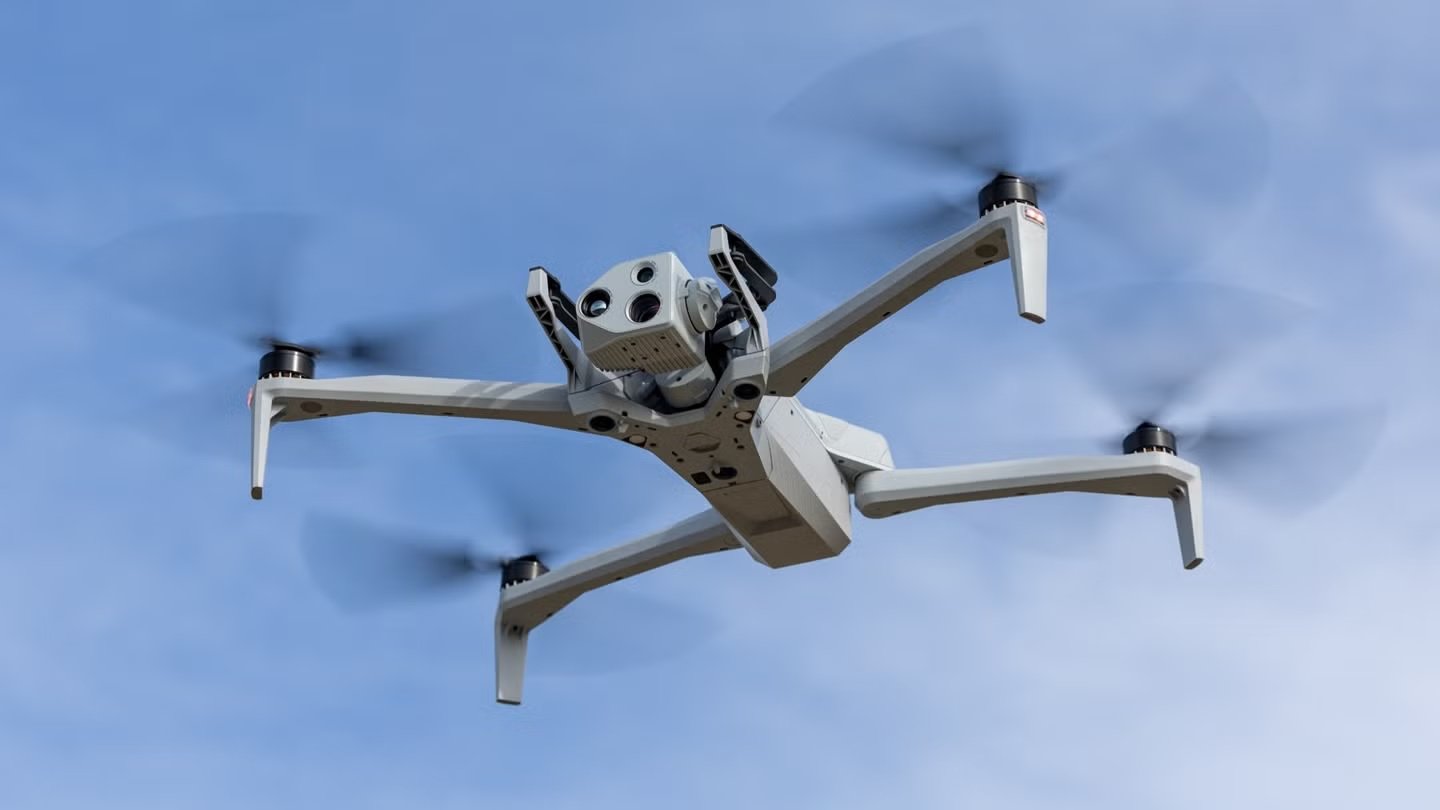 UK Ministry of Defence Opens £120,000 Tender for Skydio X10D Drones
-
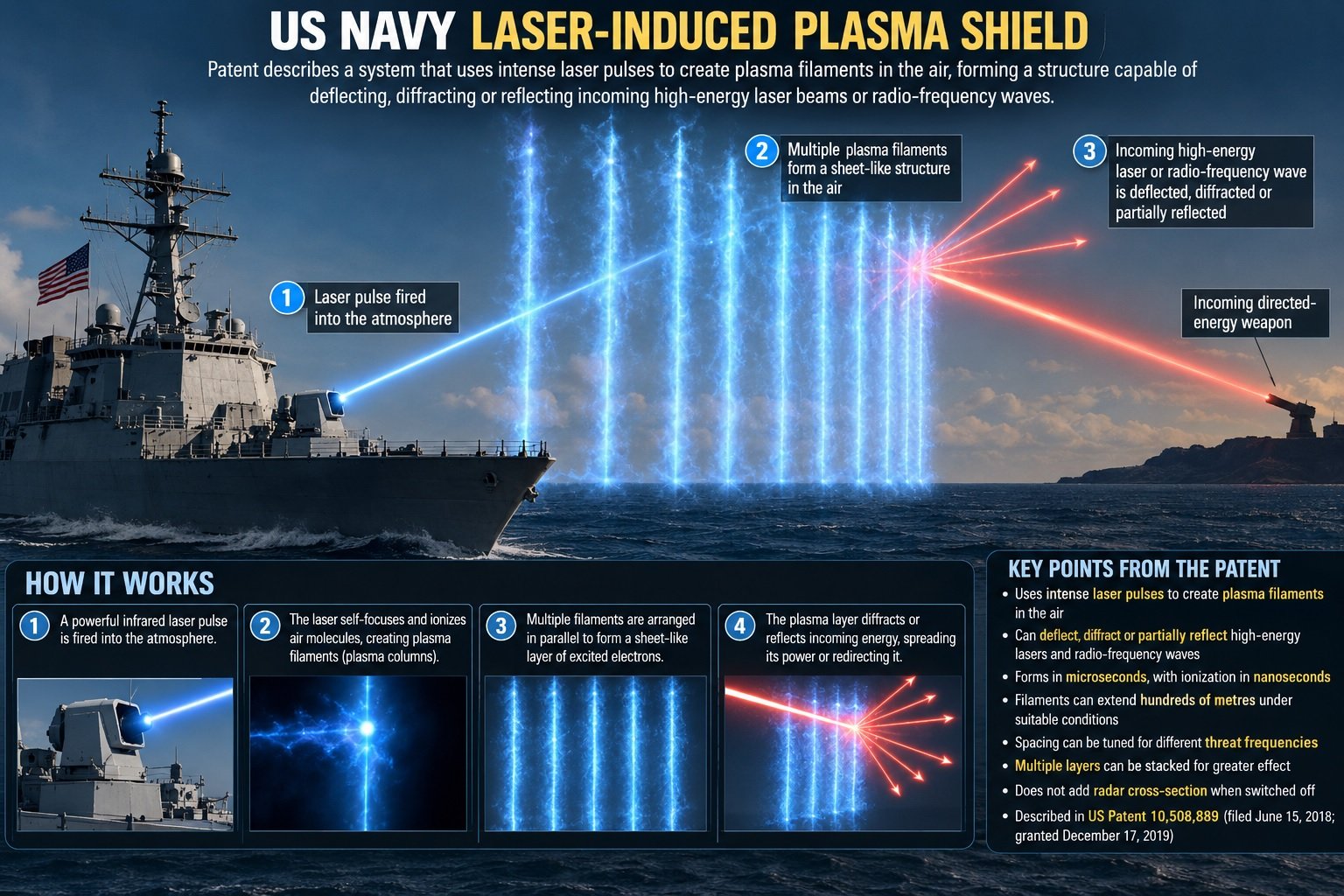 US Navy Patent Details Laser-Induced Plasma System to Deflect Directed-Energy Weapons
-
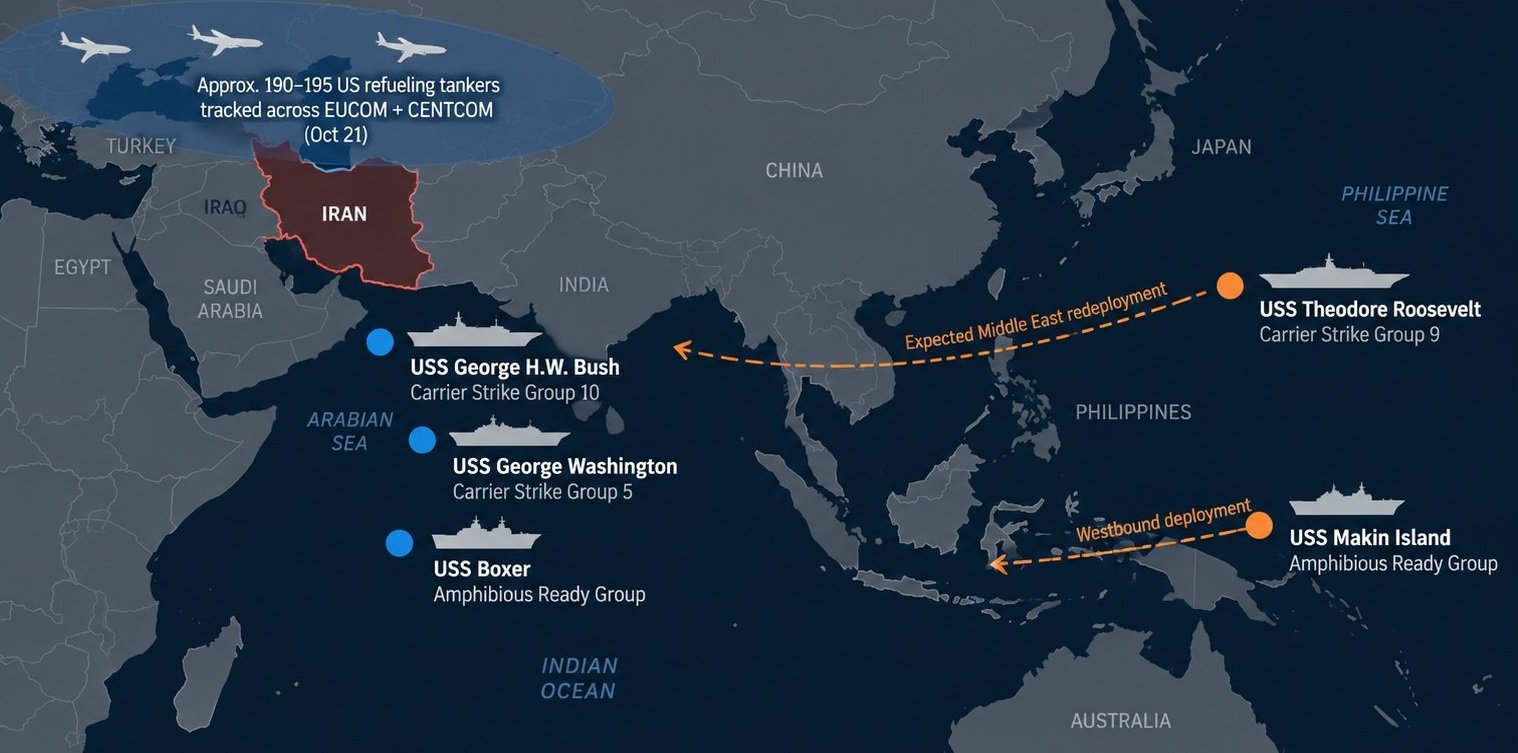 US Expands Military Buildup Near Iran with Third Aircraft Carrier and Additional Marines
-
 India Issues NOTAM for High Altitude Pseudo Satellite Test at DRDO Chitradurga Facility
-
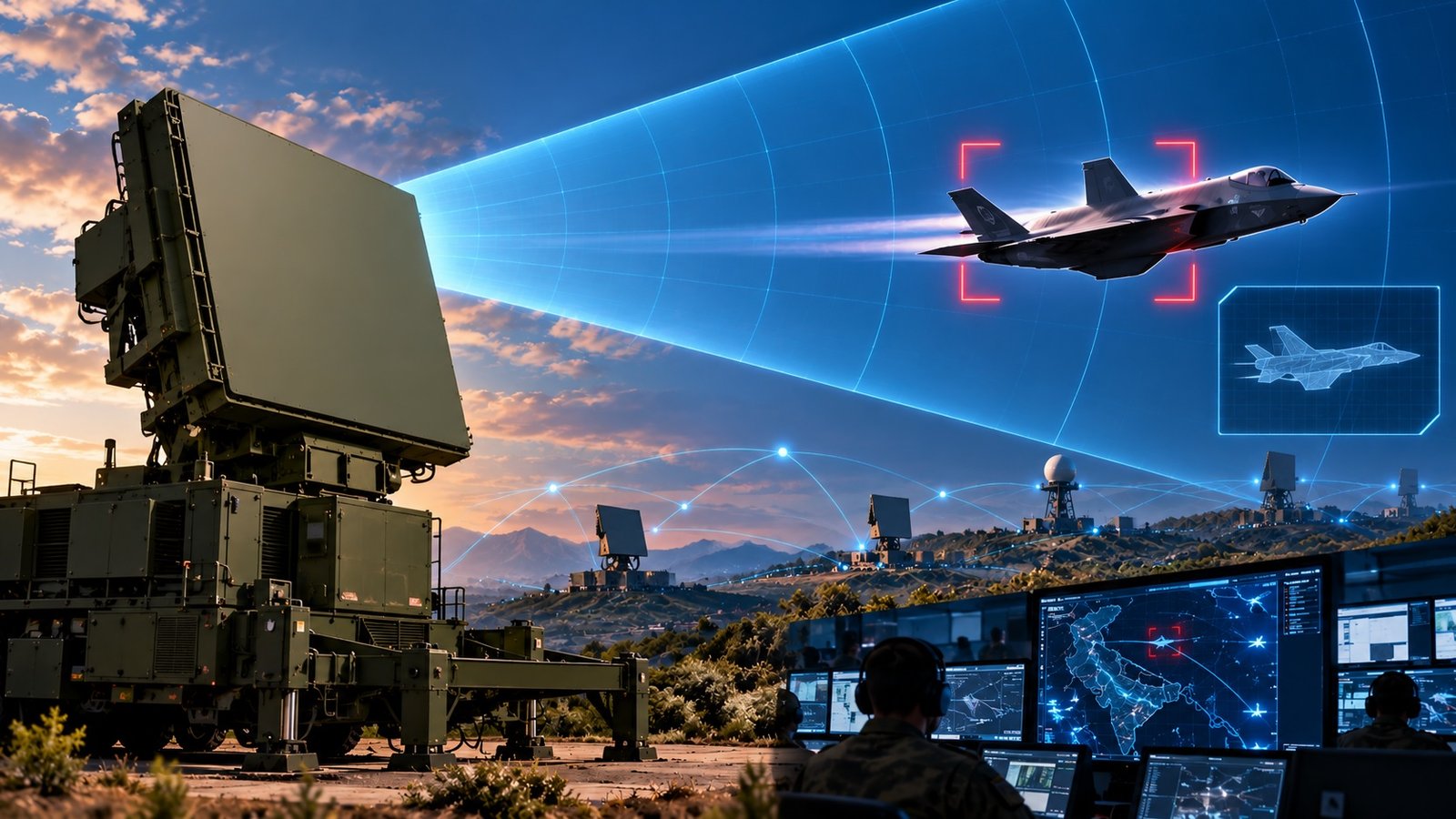 DRDO’s Arudhra Radar Reportedly Tracks F-35-Like Stealth Target in AI-Assisted Simulation: How It Works
-
 EDGE Integrates Autonomous Naval Systems in UAE-US Maritime Demonstration
-
 China Launches Six New Remote-Sensing Satellites into Orbit to Expand Earth-Observation Network
-
 Italy Reportedly Orders 30 Panther Tanks and 48 Lynx IFVs in €3.7 Billion Deal
Top Trending in 4 Days
-
 NASA Demonstrates Space-to-Space Wi-Fi Between Two Orbiting Spacecraft
-
 USS Pinckney Becomes First U.S. Navy Destroyer to Begin Phase Two Modernization with Advanced SPY-6 Radar
-
 U.S. Military to Ban Chinese Automaker BYD Vehicles from Kadena Air Base in Japan Over Security Concerns
-
 General Atomics Partners With Spirit Defense to Expand FQ-42 Vengeance Production
-
UK Ministry of Defence Opens £120,000 Tender for Skydio X10D Drones
-
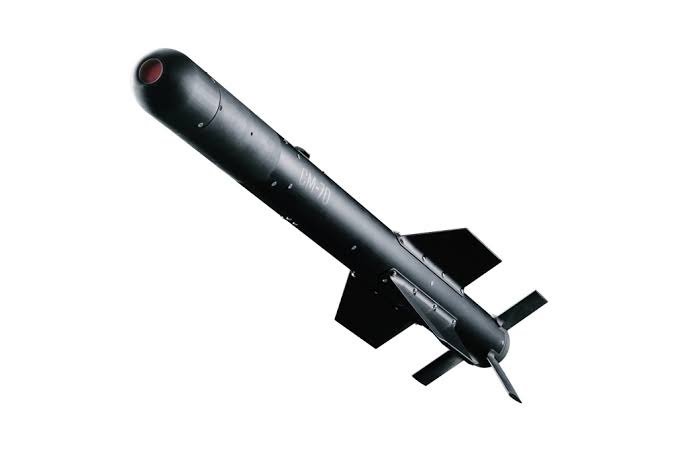 CSG and North Vector Dynamics Sign MoU to Explore European Production of CM-70 Counter-Drone Interceptor
-
 Unitree Unveils H2-X ‘Kung Fu Legend: Guardian’ Humanoid Robot for Security and Rescue
-
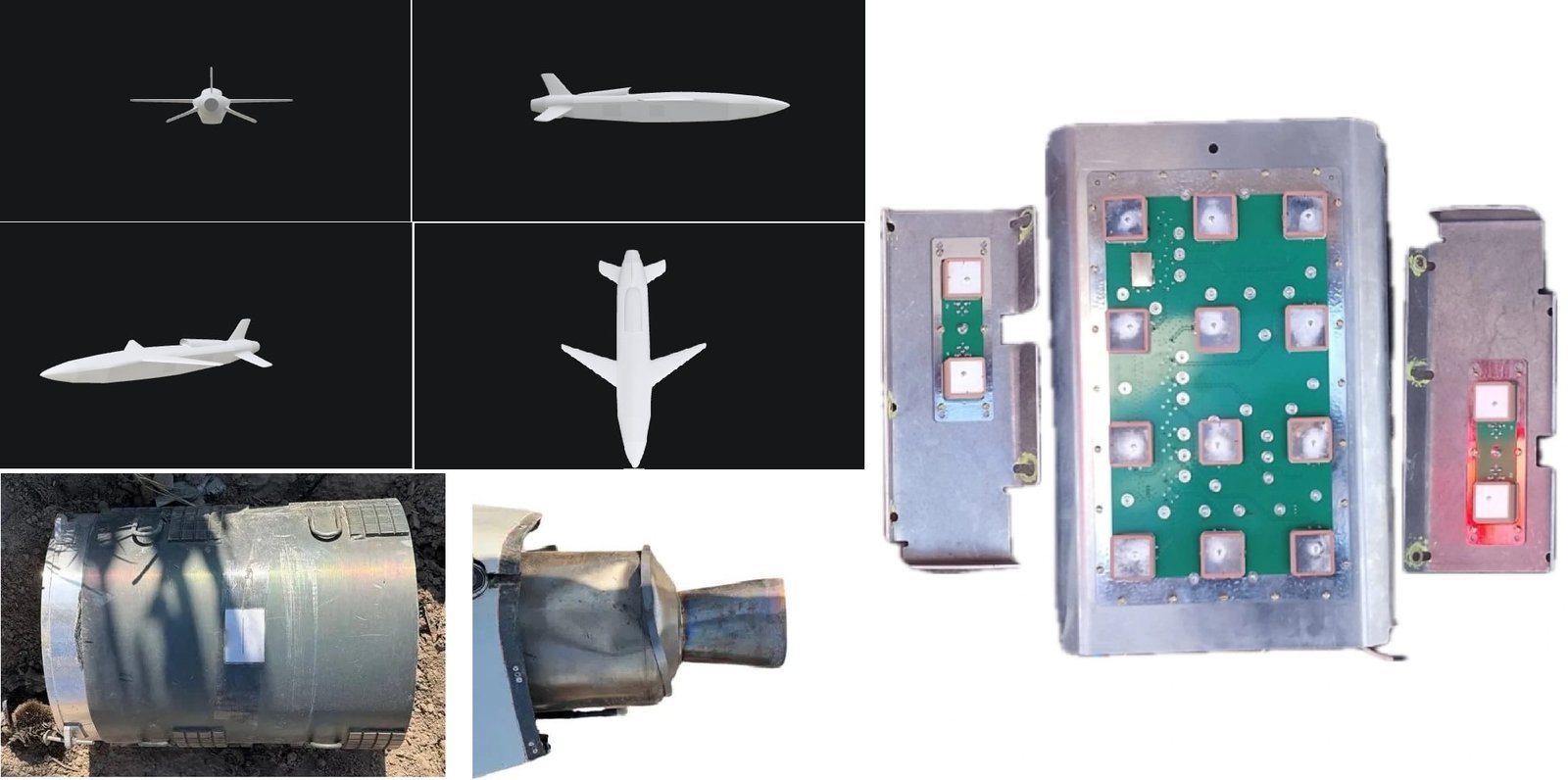 Ukraine Reveals Technical Details of Russia’s New Filin Cruise Missile