
Europe
BERLIN — Germany has awarded a contract to MBDA Deutschland and Rheinmetall Waffe Munition to develop a high-energy laser weapon system for the German Navy, marking a major step in the country's efforts to strengthen its future naval defense capabilities with directed-energy technology. Germany's Federal Office of Bundeswehr Equipment, Information Technology and In-Service Support (BAAINBw) signed the contract on July 9, 2026, with the High-Energy Laser Naval Demonstrator Working Group (ARGE HEL). The ARGE HEL consists of MBDA Deutschland and Rheinmetall Waffe Munition, with the two companies currently establishing a joint venture to carry out the program. The laser weapon system is expected to become operational by 2029. The contract is valued in the mid three-digit million-euro range and covers the development of a complete maritime laser weapon system, including the entire operational chain from reconnaissance and target tracking to engagement. According to the companies, the joint venture will place particular emphasis on German supply chains and domestic systems expertise during development to help secure Germany's national sovereignty in this key technology. Complete System for the German Navy The laser weapon system is being developed to meet the operational requirements of the Bundeswehr and strengthen the German Navy's defense capabilities against airborne, maritime, and land-based targets. Roman Koehne, Head of Rheinmetall's Weapon and Ammunition Division, said the project demonstrates the technological maturity achieved by combining the complementary capabilities of Rheinmetall and MBDA into a complete system. He said the laser weapon system will provide significantly greater protection for personnel deployed aboard German naval vessels, particularly against drone threats. Koehne added that series production will largely take place in Germany, creating new training and employment opportunities. Demonstrator Successfully Completed Extensive Trials The development program builds on the successful High-Energy Laser Naval Demonstrator jointly developed by MBDA and Rheinmetall. In March 2026, the demonstrator repeatedly showcased its capabilities to senior German military delegations at the Bundeswehr Technical Centre for Weapons and Ammunition (WTD 91) in Meppen. Before those demonstrations, the system had already spent more than one year aboard the German Navy frigate SACHSEN, covering approximately 28,000 nautical miles across the North Sea, Baltic Sea, and Mediterranean Sea while demonstrating its effectiveness under operational conditions, including adverse weather. During more than a year of testing and operational use at sea and at WTD 91, the demonstrator successfully fired more than 1,000 shots against airborne, maritime, and land-based targets while also completing numerous target-tracking activities. Precision Laser Technology According to Rheinmetall, the system's refined beam quality and tracking capability allow the laser power to be focused with extreme precision, including against moving targets. The laser can concentrate its energy onto an area measuring just a few centimetres, creating a very high energy density that enables targets to be engaged more quickly, more precisely, and more effectively while using less laser power. Rheinmetall is responsible for the laser weapon station, beam guidance system, cooling system, and the integration of the complete system into its containerized platform. Domestic Production and Future Applications The companies said series production will largely take place in Germany, supporting domestic supply chains while strengthening national expertise in directed-energy technology. Thomas Gottschild, Managing Director of MBDA Deutschland and Executive Vice President Strategy & Future Growth at MBDA, said the laser weapon system is a flagship technology project designed specifically to meet the Bundeswehr's operational requirements. He said the system will significantly strengthen the German Navy's defense capabilities against airborne, maritime, and land-based targets. He also noted that the containerized laser effector could provide a cost-efficient solution for port security as well as other stationary and mobile land-based applications. Operational Goal by 2029 MBDA Deutschland and Rheinmetall have been cooperating on high-energy laser technology for several years, and the new contract moves the program from the demonstrator phase toward an operational capability. With development now underway, the German Navy is expected to receive the high-energy laser weapon system by 2029, providing a new directed-energy capability for maritime operations while supporting Germany's domestic defense industrial base. Source: rheinmetall
Read More → Posted on 2026-07-10 12:06:24
Europe
Saint-Louis, France — The French-German Research Institute of Saint-Louis (ISL) has successfully conducted the first outdoor firing test of its domestically developed electromagnetic railgun. The test took place on June 29, 2026, at the institute's proving ground in Baldersheim, France, marking an important step in moving the technology from laboratory research to open-range testing. The firing was carried out under ISL's Railgun Free Flight Facility programme, which was launched two years ago to advance electromagnetic launcher research beyond controlled laboratory conditions. The programme brings together specialists from different scientific fields within the institute to support the development and testing of the technology. A railgun uses electrical energy, rather than chemical propellants, to accelerate a projectile along two parallel rails. Conducting tests in an open-range environment allows researchers to study projectile performance and flight behaviour under conditions that are closer to real-world use than laboratory experiments. According to ISL, the new facility enables gradual increases in launch energy across multiple firing tests, studies of projectile behaviour over longer distances, research on launcher integration, and the development of munitions specifically designed for electromagnetic launch. These capabilities represent the next stage in the institute's long-running electromagnetic acceleration research. The railgun is designed to propel projectiles using electricity, eliminating the need for propellant powder. According to ISL, the system is designed to achieve a muzzle velocity of more than 2,000 metres per second (m/s) while offering the potential for lower mission costs compared with conventional gun systems. ISL also highlighted several potential operational advantages of the technology, including an extended firing range of more than 200 kilometres, reduced flight time that could improve air defence response, enhanced lethality due to the projectile's high impact speed, and increased ammunition storage capacity because the system does not require propellant charges. ISL has been conducting research on electromagnetic launchers for decades, with previous work focused on laboratory-scale testing. The new outdoor facility expands those capabilities and strengthens European research in advanced electromagnetic launcher technology. The technology has attracted long-term interest for possible future defence applications, including countering hypersonic threats. However, ISL said significant additional research, higher-energy testing, system integration, and qualification will be required before the technology could be considered for operational use. ISL is a joint French-German defence research institute funded by the French Agency for Defence Innovation (AID) and the German Ministry of Defence. The institute plans to continue testing by increasing energy levels, extending firing distances, and carrying out further integration studies as part of its long-term research programme. Source: navalnews / defense.gouv.fr
Read More → Posted on 2026-07-09 16:04:39
Europe
LONDON — The United Kingdom has successfully completed the world's first extracted-load airdrop of an uncrewed surface vessel (USV) from a military transport aircraft, demonstrating a new method of rapidly deploying autonomous maritime systems directly into operational waters. The trials were conducted over the North Sea by the Royal Navy in partnership with British maritime autonomy company Kraken Technology Group and aerial delivery specialist Capewell under the Royal Navy's Project Beehive. During the six-day trial campaign, a Project Beehive-configured K3 SCOUT USV was successfully deployed four times from an Airbus A400M Atlas transport aircraft flying at an altitude of 1,300 feet. The vessel was dropped into Sea State 4 conditions, where waves can reach up to approximately 2.5 metres (8 feet), and successfully transitioned into operational mode after entering the water. The demonstration validated a new capability that allows autonomous maritime systems to be deployed directly into contested or difficult-to-access waters without relying on nearby ports, naval vessels, or other supporting infrastructure. New Aerial Delivery System Validated For the trials, the K3 SCOUT was equipped with Kraken Technology Group's optional airdrop kit and mounted on Capewell's Universal Maritime Craft Aerial Delivery System (UMCADS), a reconfigurable Type V parachute-based platform designed to deliver maritime craft into military operating areas. The extracted-load process involves pushing the USV, mounted on the UMCADS platform, from the aircraft's cargo bay before parachutes slow its descent into the sea. The campaign also successfully tested the new electro-mechanical IN-Release system, which synchronizes the separation of the delivery platform and the vessel immediately before water entry. According to the companies, the configurable mechanism can support a range of aerial and maritime deployment applications. The trials demonstrated that the K3 SCOUT could withstand the impact of the airdrop, remain operational in rough sea conditions, and begin its mission shortly after landing in the water. Supporting Rapid Maritime Operations The new deployment method provides military forces with the ability to position autonomous surface vessels hundreds of miles from friendly bases using strategic airlift aircraft such as the Airbus A400M. According to the Royal Navy, this capability offers commanders an additional option for rapidly deploying uncrewed systems in areas where conventional naval access may be delayed, denied, or considered too high risk. Potential missions include intelligence gathering, surveillance, force protection, and precision strike operations. Captain Adam Ballard, who is involved with Project Beehive, said the capability represents a change in how maritime power can be deployed. While navies have traditionally launched air power from ships, he noted that autonomous maritime capability can now also be delivered directly from the air. Project Beehive and the Hybrid Navy The trials form part of the Royal Navy's Project Beehive, which is supporting the integration of autonomous systems into the UK's future "Hybrid Navy" concept that combines crewed and uncrewed platforms within the Surface Flotilla. Earlier this year, the UK Ministry of Defence awarded Kraken Technology Group a £12.3 million contract to deliver 20 K3 SCOUT uncrewed surface vessels over a 12-month period. The vessels will support operational deployments, tactical development, and training activities. K3 SCOUT Specifications The K3 SCOUT is an approximately 8.4-metre composite-hulled autonomous surface vessel featuring a low-signature design. It has a maximum speed of 55 knots, can carry payloads of up to 600 kilograms, and offers an endurance of up to 30 days, depending on mission requirements. The platform is designed for missions including surveillance, reconnaissance, force protection, precision strike, and casualty evacuation. Company Expansion The successful trials come as Kraken Technology Group continues to expand its operations. Founded in 2020 by Mal Crease, the company recently completed a $175 million Series B funding round backed by investors including the NATO Innovation Fund and the British Business Bank. According to the company, the investment values Kraken at more than $1 billion and will support international manufacturing expansion and the further development of its autonomous platforms. Commenting on the trials, Mal Crease, Founder and CEO of Kraken Technology Group, said the partnership with Capewell and the Royal Navy demonstrated that the K3 SCOUT could be rapidly deployed from a military transport aircraft into contested or difficult-to-access waters ready for operation. He added that the company will continue working with its partners to develop modular autonomous systems for future operational requirements. Mark Lavender, Director of Business Development and Training at Capewell, said the campaign validated the integration of the K3 SCOUT with the UMCADS platform and demonstrated the flexibility of the delivery system. He noted that the team completed four live airdrops in six working days using the same boat and delivery platform, highlighting the system's ability to support different mission requirements. The successful demonstration marks a practical step in expanding the Royal Navy's ability to deploy autonomous maritime systems rapidly from the air while reducing dependence on conventional naval deployment methods. Source: navylookout
Read More → Posted on 2026-07-09 14:48:45
Europe
ZAKYNTHOS, Greece — A Hellenic Air Force F-16C Fighting Falcon made a successful emergency belly landing at Zakynthos International Airport on Thursday after experiencing a technical malfunction during a routine training flight. The pilot was uninjured and exited the aircraft safely. The aircraft belonged to the 335th Squadron of the 116th Combat Wing and had taken off from Araxos Air Base in the northwestern Peloponnese for a scheduled training mission. During the flight, the pilot reported an unspecified technical problem and diverted the aircraft to Zakynthos International Airport, located about 100 kilometers south of Araxos. According to the Hellenic Air Force, the emergency landing took place at around 1:45 p.m. local time. Initial reports suggested a possible engine fire or fuel leak, but visual evidence indicated that the aircraft's landing gear failed to deploy, forcing the pilot to carry out a wheels-up belly landing. The F-16 landed directly on its fuselage and slid along the runway. Friction between the aircraft and the runway caused a fire beneath the fuselage. Airport firefighters, who had been positioned along the runway in preparation for the emergency, responded immediately and used water and firefighting foam to extinguish the flames within seconds. The rapid response prevented the fire from spreading to the fuel tanks or causing further structural damage. The pilot did not use the ejection seat and left the aircraft normally after it came to a stop. Hellenic Air Force spokesperson Lieutenant Colonel Konstantinos Gravalos confirmed that the pilot was "in good health." The incident led to the temporary closure of Zakynthos International Airport, which operates a single runway. Emergency crews secured the area and removed the damaged aircraft before flight operations resumed. The closure disrupted commercial air traffic, with several incoming flights, including services operated by British Airways, TUI, and easyJet, diverted to airports in Athens, Corfu, and Thessaloniki, while some departing flights were delayed. The Hellenic Air Force has launched an official investigation to determine the cause of the mechanical failure. The F-16 Fighting Falcon remains one of the main combat aircraft of the Hellenic Air Force. Greece operates one of the largest F-16 fleets in Europe and has continued to modernize the aircraft through upgrade programs to maintain its operational capabilities. Source: OSINTdefender
Read More → Posted on 2026-07-09 14:41:36
Europe
BERLIN — Germany has finalized an agreement with the United States to purchase Tomahawk long-range cruise missiles and Typhon ground-based launchers, Chancellor Friedrich Merz announced on Thursday, marking a significant step in strengthening the country's long-range defense capabilities. Merz said the agreement was concluded with the U.S. government during bilateral meetings held on the sidelines of this week's NATO summit in Ankara, Turkey. Addressing lawmakers in the Bundestag, he said the discussions with U.S. officials on Tuesday and Wednesday had exceeded his expectations. "We are closing a critical strategic gap in our defence, while simultaneously working to develop our own European systems and station them in Europe," Merz told lawmakers. Germany to Station Tomahawk Missiles on Its Own Territory Under the agreement, Germany will station the Tomahawk missile systems on German territory. The acquisition marks a change in Germany's defense approach, shifting from relying on planned U.S. deployments toward building its own long-range strike capability. The procurement follows changes to an earlier plan announced in 2024 under which the United States intended to temporarily deploy a battalion equipped with Tomahawk missiles in Germany beginning in 2026. That plan was largely abandoned after U.S. President Donald Trump announced in May that the United States would reduce its military presence in Germany. Instead of relying on a U.S.-operated deployment, Germany has now chosen to purchase the systems directly. According to German government sources, Washington signed a letter of intent on Tuesday committing to approve Germany's procurement of the Tomahawk missiles and Typhon launchers in August. The number of missiles and launchers to be acquired has not been disclosed because the information is classified. Typhon Launchers Provide Ground-Based Capability The Tomahawk missiles will be paired with the Typhon launcher system, a mobile ground-based platform capable of launching both Tomahawk cruise missiles and SM-6 missiles. The acquisition will provide Germany with a ground-based long-range strike capability that currently does not exist elsewhere in Europe. While the United Kingdom operates Tomahawk missiles launched from submarines and France fields sea-based long-range cruise missiles while developing a ground-based version, no European country currently operates a comparable ground-based Tomahawk system. Longer Range Than Germany's Taurus Missile Germany currently manufactures the Taurus cruise missile, which has an operational range of approximately 500 kilometers (311 miles). The U.S.-made Tomahawk has a range of up to 2,500 kilometers, providing Germany with a strike capability roughly three to five times greater than that of the Taurus. German officials consider the Tomahawk and Typhon combination an interim capability while Europe develops its own next-generation long-range weapons. Part of Broader European Defense Plans Merz said Germany has significantly increased defense spending since the start of the war in Ukraine, with €124 billion allocated for defense in 2026. At the same time, Germany continues to invest in developing an independent European long-range strike capability. Berlin is working with the United Kingdom and other partners through the European Long-Range Strike Approach (ELSA) initiative, which aims to develop a European cruise missile with a range exceeding 2,000 kilometers. The planned U.S. purchase is expected to provide Germany with an immediate long-range strike capability while European partners continue development of indigenous systems. The agreement also aligns with the U.S. administration's policy of encouraging European NATO members to strengthen their own defense capabilities, including through the purchase of American military equipment. The final U.S. approval for the sale is expected in August, while details of the procurement remain classified. Source: Reuters
Read More → Posted on 2026-07-09 12:42:15
Europe
ANKARA, Turkey — The United Kingdom has announced a new multinational initiative to develop advanced long-range precision strike weapons, with around a dozen NATO allies expected to invest more than $50 billion (£37 billion) over the next decade. The announcement was made ahead of the NATO summit in Ankara, where European leaders are meeting to discuss the alliance's future defence priorities. The programme, known as the Deep Precision Strike (DPS) initiative, aims to strengthen NATO's long-range strike capabilities by developing a new family of precision weapons capable of engaging targets deep behind enemy lines. British Prime Minister Keir Starmer is leading discussions on the project with European allies at the summit. Long-Range Strike Capability According to the UK government, the Deep Precision Strike programme will initially focus on ground-launched weapons with a minimum range of 300 kilometres. Future variants, including stealth and hypersonic systems, are expected to exceed 2,000 kilometres while maintaining high levels of precision. The programme will later expand to include air-launched and sea-launched systems, providing NATO members with long-range strike capabilities across land, air and maritime domains. British officials said the initiative is intended to improve NATO's deterrence capability by developing weapons capable of targeting high-value military infrastructure and logistics networks at extended ranges. UK Defence Investment The Deep Precision Strike initiative complements the UK's broader Defence Investment Plan, under which the government has allocated £3 billion by 2030 specifically for deep precision strike capabilities as part of its wider £300 billion defence investment programme. The UK is already pursuing several major missile development programmes that will form part of this broader capability. UK-Germany Deep Precision Strike Programme The United Kingdom and Germany are jointly developing a new generation of stealth and hypersonic long-range weapons under the Trinity House Agreement, signed in 2024. The UK plans to invest approximately £770 million over the next four years in the programme. The weapons are expected to have ranges exceeding 2,000 kilometres and are planned to enter service during the 2030s. Stratus Cruise Missile Programme Britain is also working with France and Italy on the Stratus programme, which will replace the Storm Shadow/SCALP cruise missile. The UK government will invest £1.4 billion in the programme over the next four years. According to the UK Ministry of Defence, the project will support more than 1,300 jobs at MBDA UK. Stratus will include two missile variants: Stratus LO – a subsonic low-observable stealth cruise missile. Stratus RS – a highly manoeuvrable supersonic missile designed to engage critical military infrastructure, enemy warships and air defence systems. The UK Ministry of Defence described Stratus as the successor to one of Britain's most battle-proven missile systems. Stratus is the UK's trilateral programme with France and Italy to develop the successor of Storm Shadow — one of our most battle-proven missiles.The UK will put £1.4 billion into Stratus over the next four years. The project sustains more than 1,300 UK jobs at @MBDA_UK. pic.twitter.com/sSZrDl04I9 — Ministry of Defence 🇬🇧 (@DefenceHQ) July 8, 2026 Precision Strike Missile (PrSM) The UK is also joining the Precision Strike Missile (PrSM) programme alongside the United States and Australia. Britain has committed £190 million (about $252 million) to the programme, which will equip the British Army with a supersonic ballistic missile capable of striking targets at ranges of up to 500 kilometres. Together, these programmes are expected to provide the UK with a family of long-range strike weapons deployable from land, sea and air. Lessons from the Ukraine War British officials said the Deep Precision Strike initiative has been shaped by lessons from the war in Ukraine, where long-range precision strikes against logistics hubs, command centres and military infrastructure have played an important role in disrupting Russian operations. The UK and its European partners believe similar capabilities will be increasingly important in future conflicts and will strengthen NATO's overall deterrence posture. Starmer Calls for a "Stronger, More European NATO" Speaking ahead of the summit, Prime Minister Keir Starmer said the initiative would help build a "stronger, more European NATO" by increasing cooperation on advanced defence technologies and expanding Europe's defence industrial base. He said the UK is already investing heavily in long-range strike capabilities and that cooperation with allied nations would accelerate technology development and industrial collaboration. Security Environment The announcement comes as European NATO members increase defence cooperation amid continued concerns over Russia's military activities and ongoing calls from the United States for European allies to assume a greater share of the alliance's security responsibilities. According to the UK government, NATO fighter aircraft have intercepted Russian military aircraft more than 700 times near allied airspace during the past two years. The government also said Russian military activity around UK waters has increased by 30 percent. UK Foreign Secretary Yvette Cooper said the new capability would enable the UK and its allies to strike high-value military targets and critical logistics networks deep behind enemy lines, strengthening NATO's collective deterrence. Defence Spending Targets The launch of the Deep Precision Strike initiative comes as NATO members continue working toward the alliance's defence spending goals. Following an agreement reached at last year's NATO summit, member states are aiming to spend 5 percent of GDP on defence and security by 2035, including an interim target of 3.5 percent of GDP for core defence spending. Starmer is expected to face questions during the summit regarding the UK's timetable for meeting that interim target. Source: gov.uk
Read More → Posted on 2026-07-08 13:54:29Search
Top Trending in 24 Hours
-
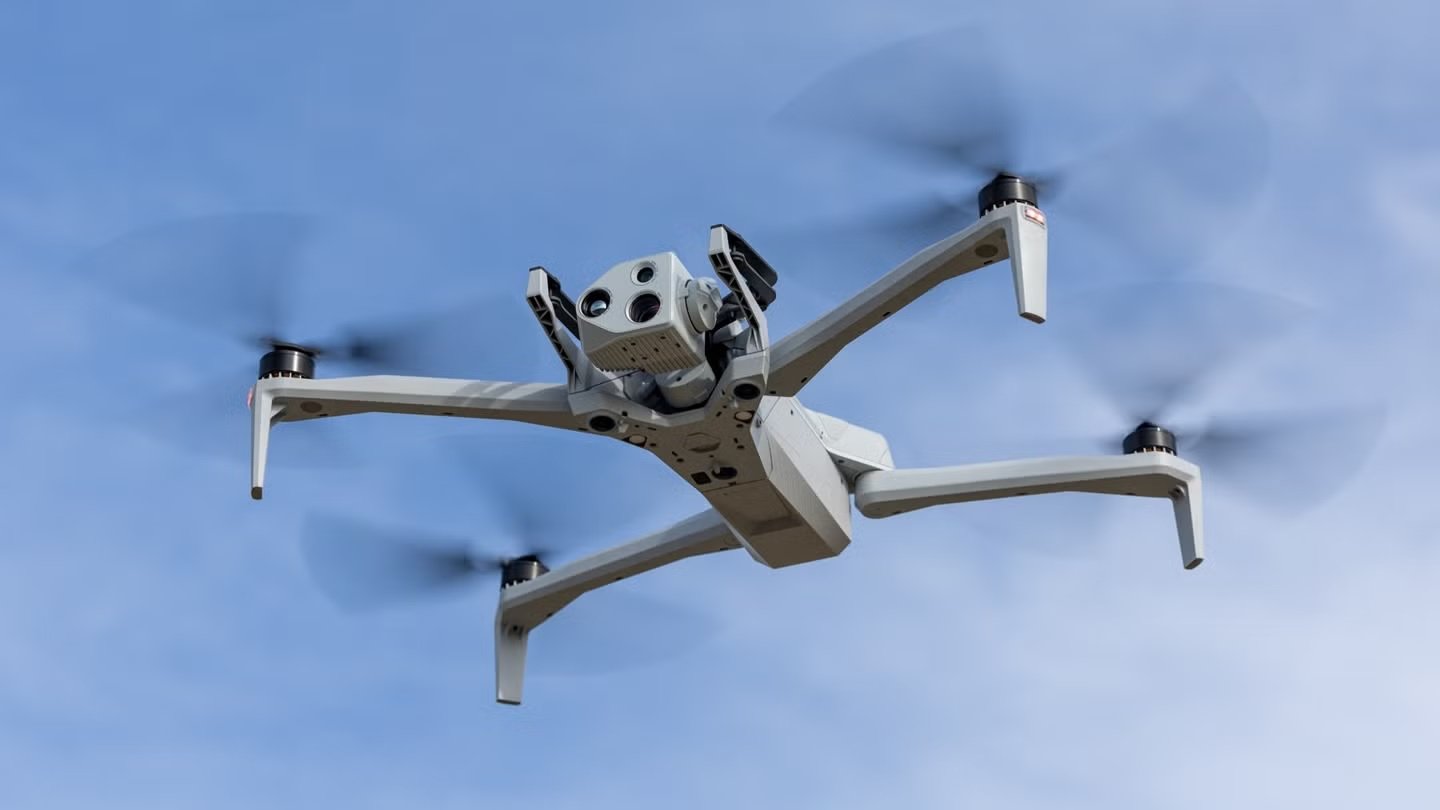 UK Ministry of Defence Opens £120,000 Tender for Skydio X10D Drones
-
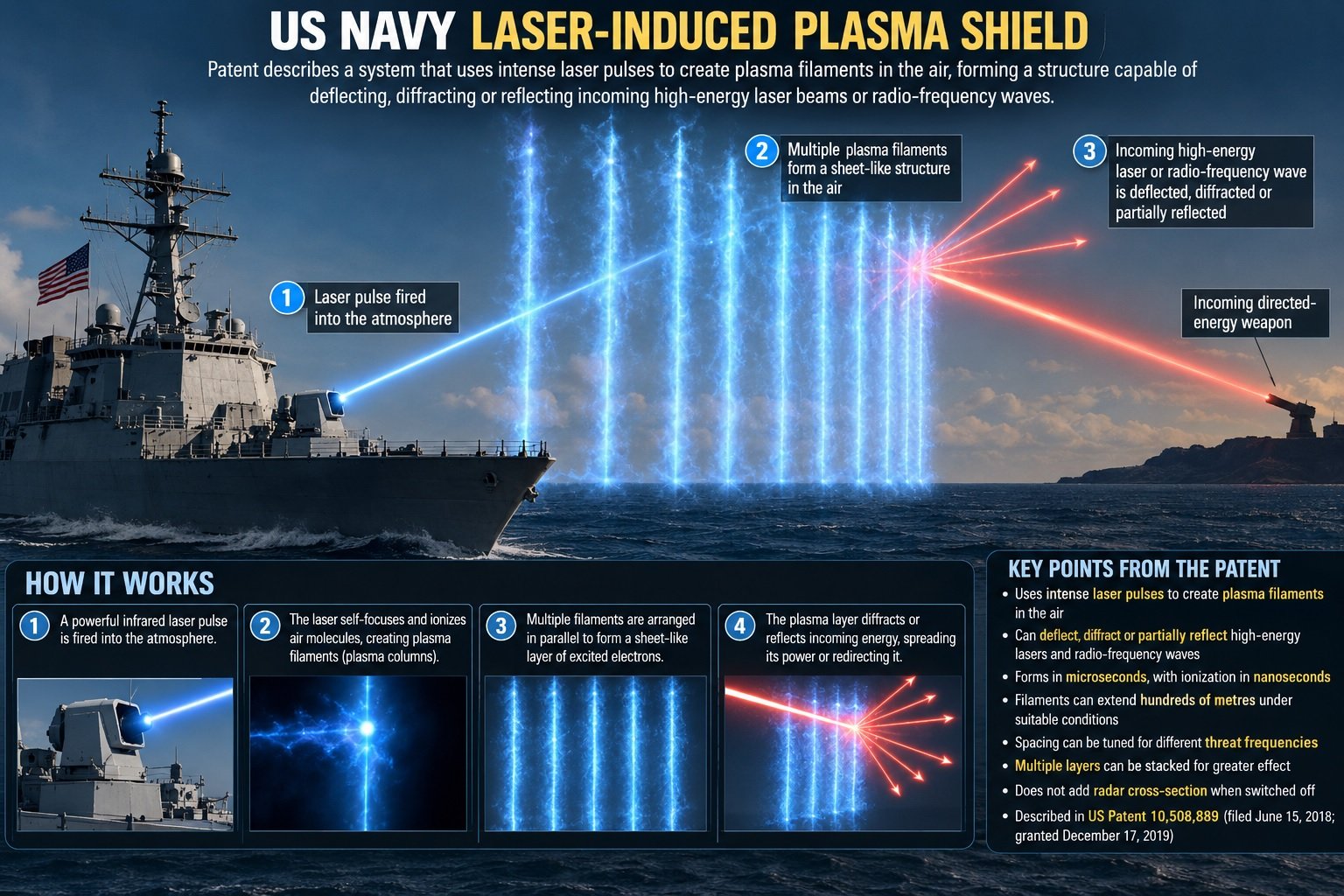 US Navy Patent Details Laser-Induced Plasma System to Deflect Directed-Energy Weapons
-
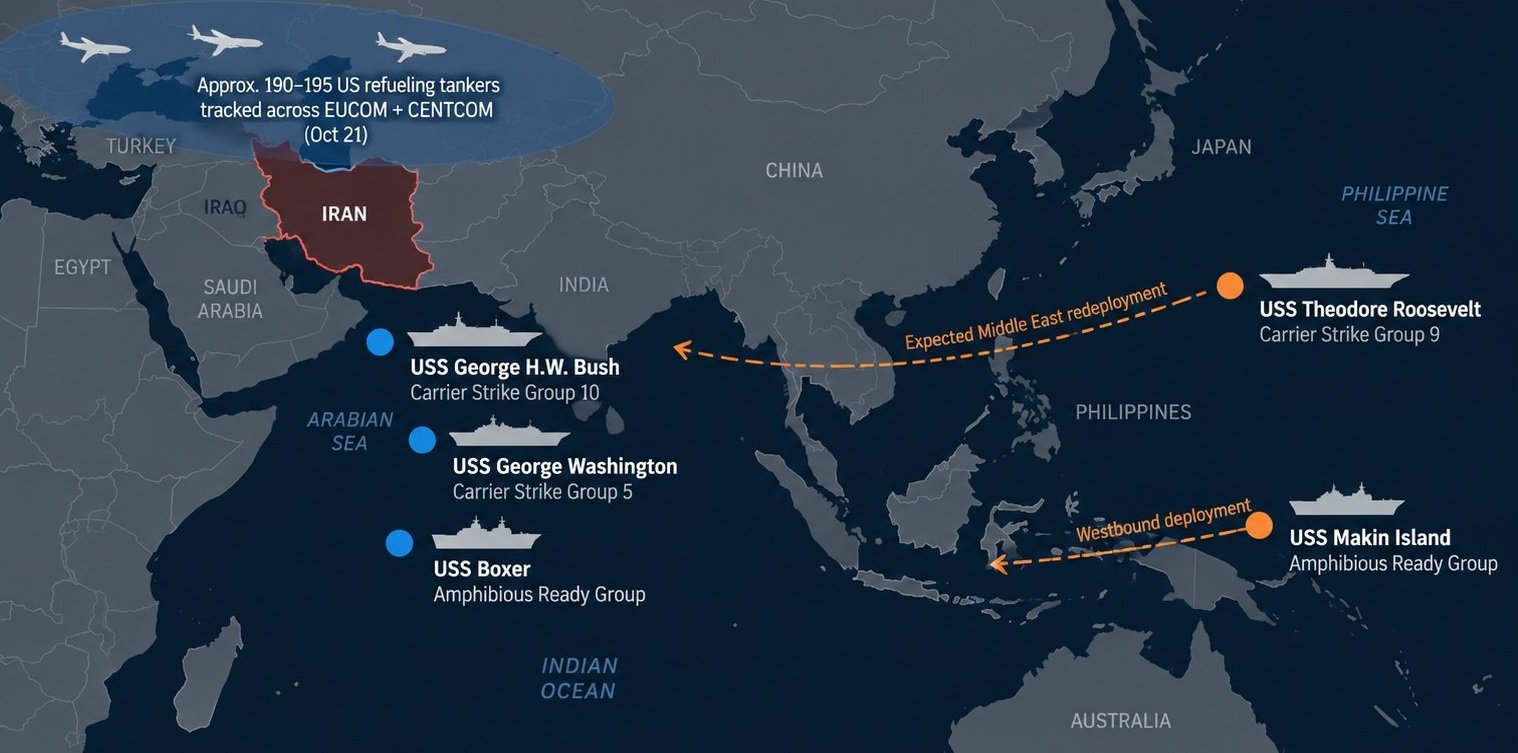 US Expands Military Buildup Near Iran with Third Aircraft Carrier and Additional Marines
-
 India Issues NOTAM for High Altitude Pseudo Satellite Test at DRDO Chitradurga Facility
-
 DRDO’s Arudhra Radar Reportedly Tracks F-35-Like Stealth Target in AI-Assisted Simulation: How It Works
-
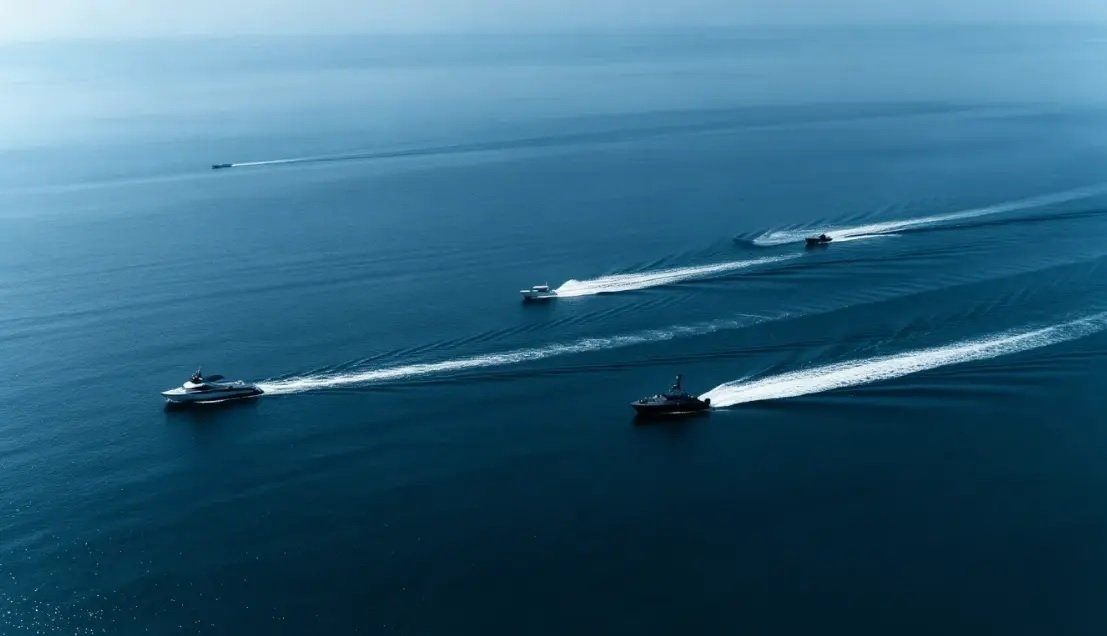 EDGE Integrates Autonomous Naval Systems in UAE-US Maritime Demonstration
-
 China Launches Six New Remote-Sensing Satellites into Orbit to Expand Earth-Observation Network
-
 Italy Reportedly Orders 30 Panther Tanks and 48 Lynx IFVs in €3.7 Billion Deal
Top Trending in 4 Days
-
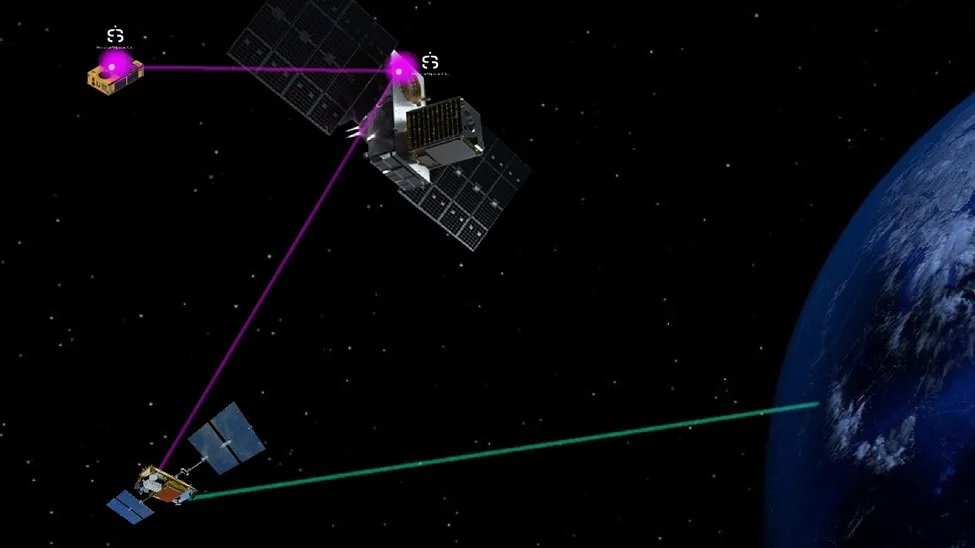 NASA Demonstrates Space-to-Space Wi-Fi Between Two Orbiting Spacecraft
-
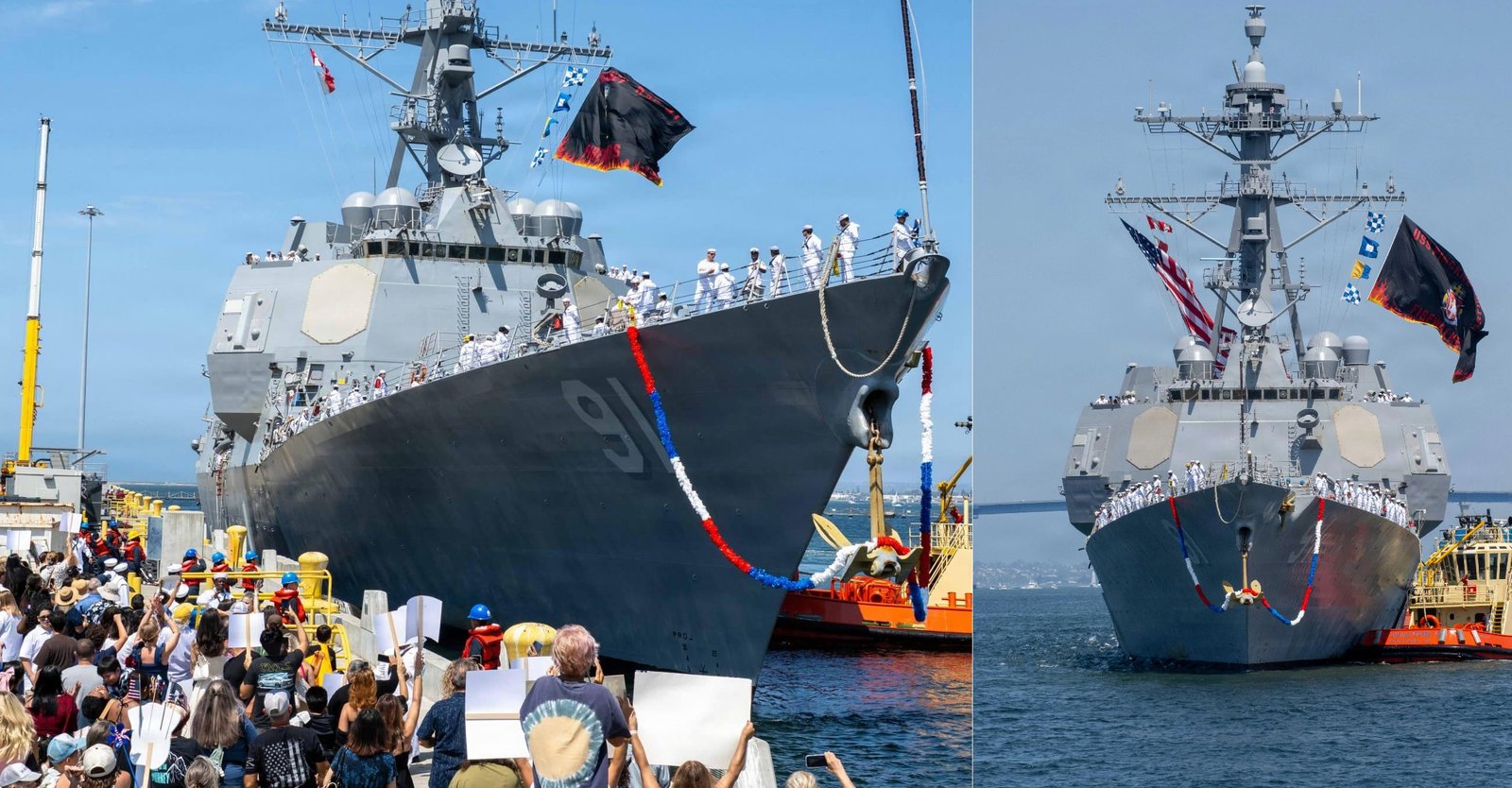 USS Pinckney Becomes First U.S. Navy Destroyer to Begin Phase Two Modernization with Advanced SPY-6 Radar
-
 U.S. Military to Ban Chinese Automaker BYD Vehicles from Kadena Air Base in Japan Over Security Concerns
-
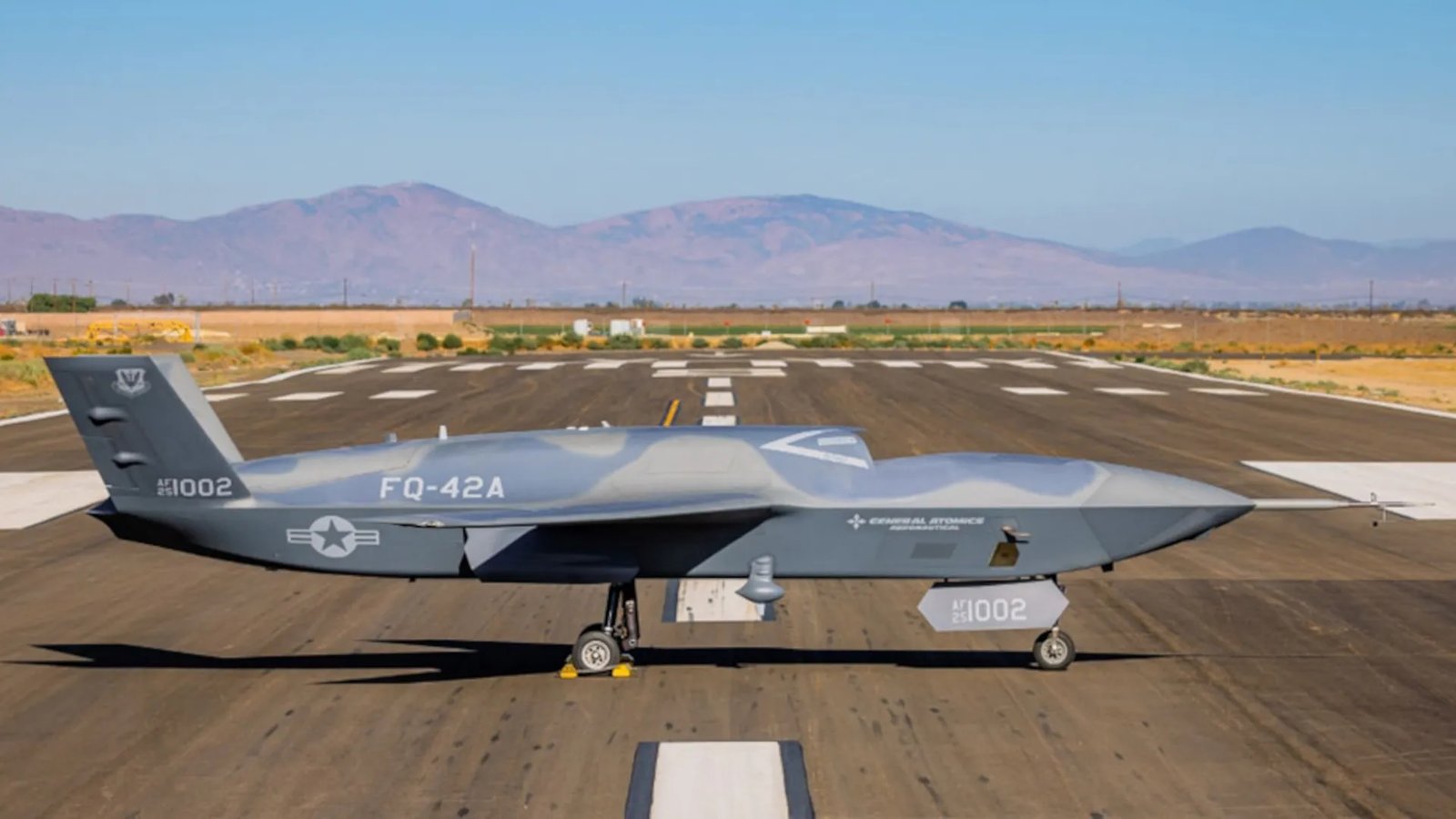 General Atomics Partners With Spirit Defense to Expand FQ-42 Vengeance Production
-
UK Ministry of Defence Opens £120,000 Tender for Skydio X10D Drones
-
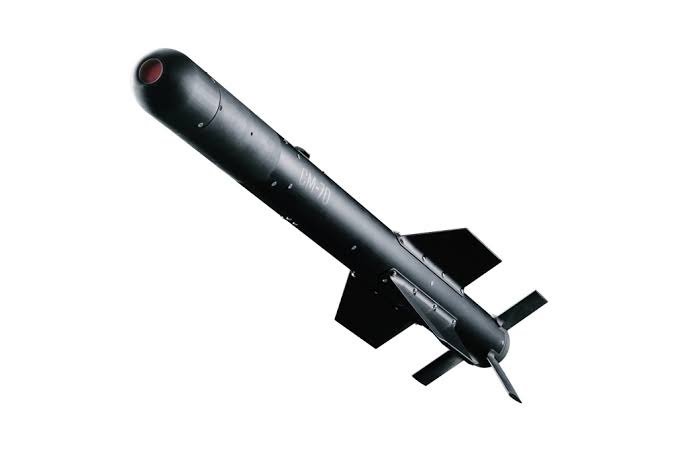 CSG and North Vector Dynamics Sign MoU to Explore European Production of CM-70 Counter-Drone Interceptor
-
 Unitree Unveils H2-X ‘Kung Fu Legend: Guardian’ Humanoid Robot for Security and Rescue
-
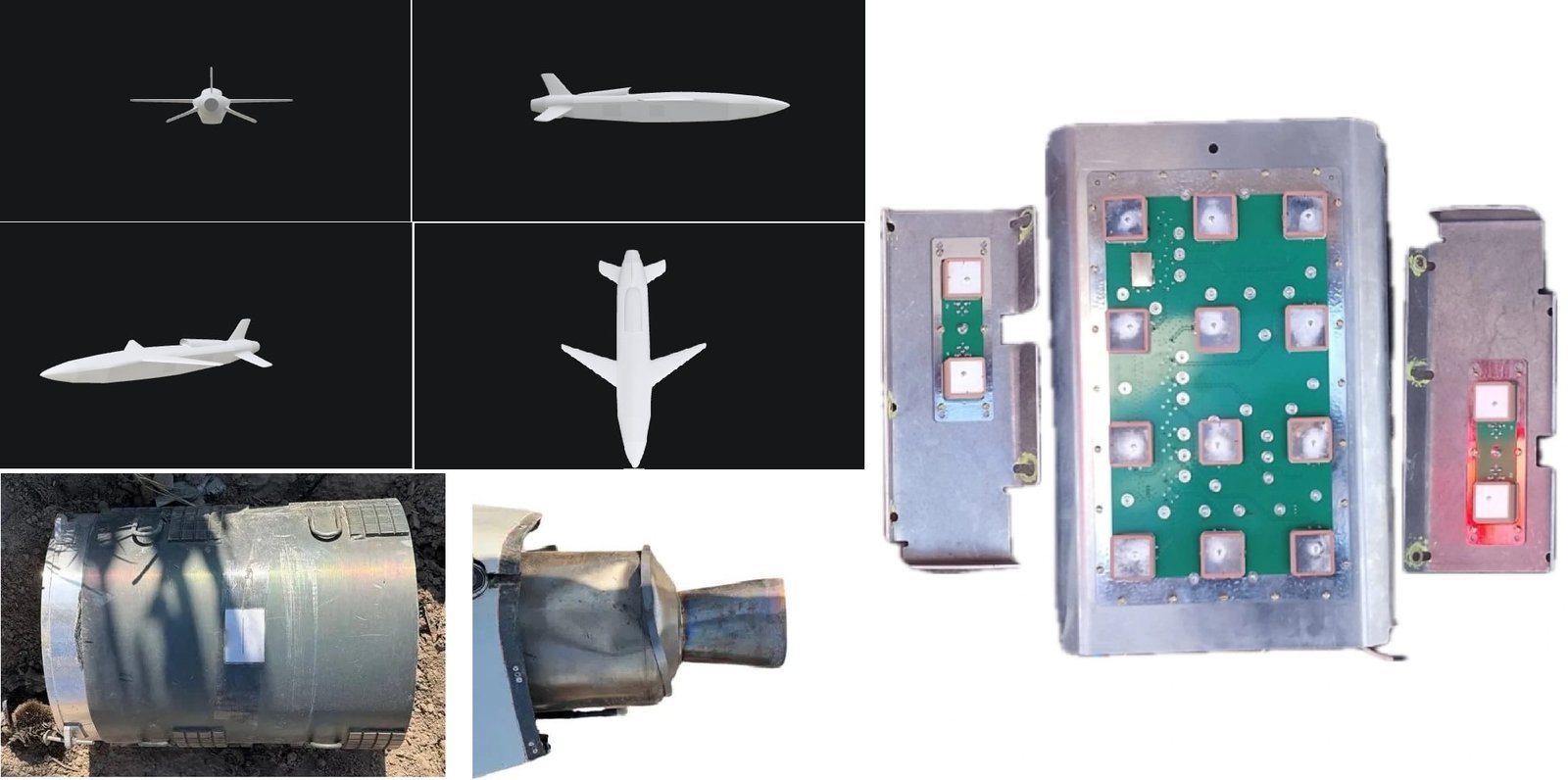 Ukraine Reveals Technical Details of Russia’s New Filin Cruise Missile