
World
Lieutenant General Igor Kirillov, the head of Russia's Nuclear, Biological, and Chemical Protection Troops, was killed in a bomb explosion in Moscow on Tuesday. The device, concealed within an electric scooter, detonated as Kirillov and his assistant exited a residential building on Ryazansky Prospekt, approximately 7 kilometers southeast of the Kremlin. Both men died at the scene. The Ukrainian Security Service (SBU) has claimed responsibility for the attack, labeling Kirillov a "war criminal" and asserting that his assassination was a legitimate military operation. This incident follows recent accusations against Kirillov for allegedly overseeing the deployment of banned chemical weapons in Ukraine. On Monday, Ukrainian authorities charged him in absentia for the mass use of prohibited chemical agents on the eastern and southern fronts of the conflict. Additionally, Kirillov had been sanctioned by the United Kingdom in October for his role in disseminating disinformation and deploying chemical weapons in Ukraine. The explosion caused significant damage to the entrance of the apartment building, scattering debris across the area. Images circulating on Russian social media platforms depict the aftermath, with rubble strewn about and the victims' bodies lying in the snow. Russian authorities have condemned the attack, describing it as an act of terrorism, and have initiated a criminal investigation. Dmitry Medvedev, deputy head of Russia's Security Council, has vowed retaliation, stating that those responsible "will not escape retribution." Kirillov, aged 54, had led Russia's Nuclear, Biological, and Chemical Protection Troops since 2017. His death marks one of the most high-profile assassinations of a Russian military official since the onset of the conflict with Ukraine. The incident underscores the escalating tensions and the increasing reach of Ukrainian operations within Russian territory. Ukrainian officials have indicated that such targeted actions are part of a broader strategy to destabilize Russian military leadership and disrupt operations against Ukraine. This event adds to a series of covert operations attributed to Ukrainian intelligence services, aiming to strike at key figures involved in the conflict. The use of an explosive device hidden in an everyday object like an electric scooter highlights the evolving tactics employed in this shadow war. As the situation develops, the international community watches closely, concerned about potential escalations and the broader implications for regional stability.
Read More → Posted on 2024-12-17 17:28:36
World
Russia’s ‘Kalinka’: Starlink’s Biggest Challenge Yet Elon Musk’s Starlink has been a game-changing asset for Ukraine in its war efforts, but Russia’s newly developed ‘Kalinka’ system has emerged as a major threat. Dubbed the "Starlink killer," Kalinka is designed to detect, track, and disrupt Starlink signals, posing a significant challenge not only for Ukraine’s military but for SpaceX’s satellite internet dominance. Starlink, operated by SpaceX, consists of thousands of small satellites in low Earth orbit that deliver high-speed internet across the globe. Since Russia’s invasion of Ukraine escalated in 2022, Starlink has enabled Ukraine to maintain battlefield communications, operate drones, and coordinate real-time artillery strikes. However, Russia’s Kalinka system now threatens to neutralize these tactical advantages, marking a critical turning point in modern electronic warfare. What Exactly is the Kalinka System? The Kalinka system is an advanced signal detection and disruption technology developed by Russia’s Center for Unmanned Systems and Technologies (CBST). Andrei Bezrukov, the chairman of CBST, claims Kalinka can pinpoint Starlink-connected devices, such as drones, unmanned boats, or ground terminals, within a range of up to 15 kilometers. This ability allows Russian forces to target Ukrainian military equipment relying on Starlink, including battlefield drones and surveillance assets. What makes Kalinka even more concerning is its versatility. According to Russian media reports, the system can be mounted on multiple platforms, including helicopters, boats, jet skis, and ground vehicles. Its capacity to function across various terrains gives Russian forces a substantial advantage in electronic warfare. Bezrukov further stated that Kalinka’s detection capabilities are influenced by the surrounding terrain and the specific electronic defenses deployed by adversaries. He also noted that the system could track Starshield terminals, a military-grade version of Starlink developed for U.S. government use. While Kalinka is still undergoing combat testing, early reports suggest it has been effective in detecting and disrupting Starlink signals, providing Russia with a much-needed countermeasure against Ukraine’s technological edge. Starlink: The Backbone of Ukraine’s Battlefield Communication Starlink’s impact in Ukraine cannot be overstated. With much of Ukraine’s infrastructure damaged or destroyed, Starlink has provided seamless communication for both civilians and military operations. On the battlefield, it allows Ukrainian troops to coordinate real-time drone strikes, adjust artillery fire with pinpoint accuracy, and securely communicate with commanders. For instance, Ukrainian drones connected to Starlink have been pivotal in identifying Russian positions, transmitting live footage, and enabling precise strikes. Beyond drones, Starlink has been critical for encrypted communication among soldiers in remote or frontline areas. However, Russia’s ability to detect and potentially jam Starlink signals using Kalinka could disrupt this lifeline. Military experts believe that if Kalinka proves successful at scale, Ukraine may face delays in drone operations and struggle with battlefield coordination—giving Russia a chance to regain lost ground. A Global Concern: Starlink Under Scrutiny While the Kalinka system directly targets Starlink in Ukraine, its implications ripple across the globe. Starlink’s growing prominence has sparked concerns in other nations, including China, where analysts have repeatedly warned about the system’s potential use in military applications. Reports from Chinese defense circles have suggested exploring countermeasures to disable Starlink satellites if they threaten national security. Kalinka’s development may encourage other nations to accelerate research into satellite signal detection and electronic warfare technologies, making Starlink—and similar networks—vulnerable on a broader scale. Russia’s Kalinka also highlights an emerging trend in warfare: the integration of electronic warfare systems with physical combat operations. Unlike older methods that relied on visual tracking or simple signal jamming, Kalinka is an advanced solution designed specifically to combat satellite-based communication systems. Can Starlink Overcome the Kalinka Challenge? Starlink’s robust encryption and low-latency communication make it difficult to disrupt, but Kalinka’s ability to detect signals is a game-changer. Russia’s strategy focuses not just on jamming Starlink but on identifying and targeting the hardware—drones, terminals, or boats—connected to its network. Experts argue that while Starlink may adapt and find ways to counter Kalinka’s detection, it will require continuous upgrades and advancements to stay ahead of Russia’s electronic warfare capabilities. The current situation in Ukraine serves as a testing ground, with the rest of the world closely watching to see how effective Kalinka proves to be. The Future of Electronic Warfare The Kalinka-Starlink conflict is a stark reminder of the role technology plays in modern warfare. Kalinka’s ability to undermine satellite communications challenges the perception that systems like Starlink are immune to disruption. This development is likely to spur other countries into investing heavily in electronic warfare technologies to counter satellite-based networks. As Kalinka undergoes further testing and potential mass deployment, its success or failure could influence future conflicts and strategies worldwide. For now, Russia’s “Starlink killer” remains one of the most significant technological threats faced by Elon Musk’s SpaceX and a growing headache for Ukraine’s military forces.
Read More → Posted on 2024-12-17 17:23:53
India
Recent reports have emerged suggesting that Bangladesh has deployed Turkish-made Bayraktar TB2 drones near the India-Bangladesh border. While some media outlets have painted this as a growing concern for India, the Indian defense establishment views the move as insignificant, with experts dismissing it as a “non-threat” for the Indian military. Instead, the deployment seems to reflect Bangladesh’s own insecurities about its internal situation and political standing rather than any real strategic challenge for India. The Bayraktar TB2 unmanned aerial vehicle (UAV), manufactured by Turkey’s Baykar Technologies, has gained prominence globally due to its successful use in conflicts like Syria, Libya, and Ukraine. However, despite its capabilities in surveillance, reconnaissance, and light attack roles, the TB2 is not considered a major technological threat to India. The drone can carry a payload of up to 150 kilograms, equipped with smart munitions, and operates effectively at altitudes around 25,000 feet. While useful for monitoring activities, its impact in a heavily fortified and technologically advanced border environment like India’s is minimal. Why Bangladesh Deployed the TB2 The timing of the TB2’s presence near the border comes amidst Bangladesh’s rising domestic tensions and fears of potential backlash from India. The current Bangladeshi government, often criticized for its growing alignment with the United States, appears to be adopting precautionary measures to “watch” India’s military movements near the border. This stems from rising insecurity within Bangladesh, particularly regarding reports of violence against Hindu minorities. Over the years, incidents of targeted violence, forced displacement, and religious persecution of minorities in Bangladesh have created significant friction. Political analysts suggest that Bangladesh’s government fears India could initiate a military operation in response to such events, further destabilizing the region. The TB2 deployment, therefore, appears less about aggression and more about intelligence-gathering to monitor Indian troop movements. Should tensions escalate, the Bangladeshi government may seek diplomatic or even military assistance from its allies, including the United States and left-leaning governments globally. India’s Measured Response While some Indian media outlets and defense commentators have exaggerated the significance of TB2 deployments, the Indian armed forces remain unperturbed. The TB2’s relatively modest capabilities make it no match for India’s advanced air defense systems. Even if Bangladesh intended to use the drones for surveillance, India’s superior radar networks and quick-response mechanisms ensure no unauthorized aerial activity goes unnoticed. Reports indicating that the Border Security Force (BSF) might deploy counter-drone measures, including SA-16 Gimlet or SA-7 Grail MANPADS (Man-Portable Air Defense Systems), have added to the confusion. The reality is that MANPADS are not operated by the BSF, as they fall under the jurisdiction of the Indian Army. Instead, India’s existing surveillance and response capabilities, including Akash surface-to-air missile systems, could effortlessly neutralize any potential drone threats. The Akash system, with its ability to target UAVs and low-flying aircraft within a range of 25 kilometers, makes it a formidable deterrent against TB2 drones. TB2 vs India’s Military Capability The TB2 UAV, while impressive for smaller nations, pales in comparison to India’s multi-layered defense systems. With radar systems capable of detecting low-altitude aerial incursions and an array of advanced air defense assets, India holds a clear technological edge. The Indian Air Force’s integrated defense network, supported by radar stations, missile systems, and combat aircraft, ensures that no drone activity can compromise border security. Additionally, India’s experience in countering drone threats, particularly along the western border with Pakistan, has led to significant advancements in anti-drone technology. From electronic jamming systems to laser-based interception methods, India possesses multiple tools to neutralize drones like the TB2 with ease. Overblown Narratives and Reality While some media narratives portray the TB2 deployment as a challenge to Indian security, it is, in reality, a reflection of Bangladesh’s own political fragility. The current government, grappling with domestic instability and fears of external intervention, likely sees the TB2 as a symbolic reassurance. For India, however, this is a “non-issue.” Senior defense experts have described the situation as “laughable,” given India’s overwhelming military superiority and preparedness. India’s refusal to escalate the matter speaks volumes about its strategic maturity. Rather than overreact to a minor move, Indian forces continue to focus on genuine threats. The TB2, despite its media hype, remains a small tool in a larger geopolitical landscape where India’s dominance is unquestionable. Conclusion Bangladesh’s deployment of TB2 drones near the border reflects its own internal insecurities more than any credible military strategy against India. While the drones serve as tools for monitoring and reconnaissance, they pose no real threat to Indian forces. India’s advanced air defense systems, including the Akash missile platform, could easily neutralize any such attempts. For India, this situation highlights the gap between media sensationalism and reality. While some commentators fuel unnecessary fear, the Indian military’s calm, confident stance underscores its dominance and ability to handle any contingency. Bangladesh’s use of TB2 UAVs is a small blip, unlikely to alter the region’s security dynamics or India’s strategic priorities.
Read More → Posted on 2024-12-17 17:20:17
World
Boeing has reached a new milestone in the production of its next-generation F-15EX Eagle II fighter jets by completing the first aircraft from the second production lot, designated EX-09. The aircraft has now moved from Boeing’s final assembly line to the testing facility at St. Louis International Airport, where it will undergo rigorous flight trials and system verification. This marks a continued effort to modernize the U.S. Air Force fleet and meet growing domestic and international demand for advanced fighter aircraft. The F-15EX Eagle II represents the most advanced version of the legendary F-15 fighter series, which has been in operation for over 50 years. Incorporating cutting-edge avionics, enhanced weapons-carrying capacity, and improved survivability, the F-15EX is designed to bridge the gap between legacy fighters and modern platforms like the F-35. It boasts the ability to carry up to 13.6 tons of munitions, including hypersonic weapons, and features an advanced cockpit with a large-area display and fly-by-wire controls. Production Progress and Operational Integration To date, Boeing has delivered eight F-15EX aircraft as part of the first production lot, with six of them currently stationed at Eglin Air Force Base in Florida. At Eglin, these aircraft are undergoing critical developmental testing, operational experimentation, and pilot training to ensure seamless integration into the U.S. Air Force. The remaining two jets—EX-07 and EX-08—have been delivered to the Oregon Air National Guard’s 142nd Wing, marking the unit as the first operational force to transition to the F-15EX Eagle II. Boeing’s commitment to the F-15EX program continues to accelerate, with 48 additional aircraft currently under production across three subsequent lots. The U.S. Department of Defense has already signaled its intention to expand the fleet further, with projections indicating demand for at least 108 more units in the coming years. Boeing is actively negotiating new contracts to secure these orders, emphasizing the critical role of the Eagle II in the modernization of America’s air combat capabilities. International Interest and Growing Export Orders While Boeing focuses on fulfilling U.S. Air Force orders, international interest in the F-15EX has been steadily growing. Israel has placed an order for 25 F-15EX jets through the Foreign Military Sales (FMS) program, aiming to enhance its air dominance in the Middle East. Additionally, reports suggest Indonesia is in advanced discussions to acquire 24 units, with a formal decision expected soon. Beyond these agreements, Boeing is actively marketing the F-15EX to other global customers, including Saudi Arabia and Poland, as nations seek reliable and powerful air superiority fighters to modernize their fleets. Boeing is also concurrently producing the F-15QA Ababil, a highly advanced variant of the F-15, for international clients like Qatar, further demonstrating the versatility and appeal of the F-15 platform. The Strategic Role of the F-15EX The F-15EX Eagle II plays a crucial role in the U.S. Air Force’s long-term strategy to maintain air dominance. While fifth-generation fighters like the F-35 provide stealth capabilities, the F-15EX complements these platforms with its unmatched payload capacity and ability to deliver precision strikes over extended distances. The aircraft’s cost-effectiveness is another significant advantage; its maintenance requirements are relatively low compared to newer platforms, and it leverages decades of F-15 infrastructure to streamline its operational adoption. Furthermore, the F-15EX’s ability to integrate hypersonic weapons positions it as a critical tool in future combat scenarios. These weapons, capable of traveling at speeds exceeding Mach 5, provide a strategic advantage in rapidly neutralizing high-value targets. With its advanced radar systems, enhanced electronic warfare capabilities, and multi-role adaptability, the F-15EX is well-suited for evolving threats on modern battlefields. Looking Ahead Boeing’s progress with the F-15EX program signals strong momentum as it fulfills domestic and international orders. The successful completion of the first aircraft from the second lot underscores the company’s commitment to delivering advanced air combat solutions on schedule. As Boeing ramps up production and testing, the F-15EX Eagle II is poised to become a cornerstone of air superiority for the U.S. Air Force and allied nations. With its combination of combat-proven reliability, modern technology, and versatile mission capability, the F-15EX stands as a testament to Boeing’s ability to evolve legacy platforms to meet the demands of modern warfare. As global interest in the Eagle II grows, Boeing’s continued success in advancing its production will undoubtedly cement its role as a leader in next-generation fighter jet development.
Read More → Posted on 2024-12-17 15:51:41
India
The upcoming Aero India 2025 is set to offer a significant milestone for India’s aerospace ambitions, as the Tejas MK2 scale model takes center stage. Designed by the Aeronautical Development Agency (ADA) and built by Hindustan Aeronautics Limited (HAL), this scale model highlights a range of advanced features and weapon systems that showcase India’s progress in indigenous fighter jet technology. For defense analysts, international buyers, and potential partners, the showcase will serve as a preview of the Tejas MK2’s impressive combat capabilities and strategic value. At its core, the Tejas MK2 is a multirole fighter designed to fill the gap between lightweight aircraft like the Tejas MK1A and heavier fighters such as the Rafale. What sets the MK2 apart is its expanded airframe, upgraded systems, and greater payload capacity. With 11 hardpoints, the aircraft can carry an impressive array of weapons, offering unmatched versatility on the battlefield. Advanced Armament and Features The Tejas MK2’s armament layout signifies a leap forward in both air superiority and ground strike missions. Notably, the scale model for Aero India 2025 features twin Astra missile launchers, a crucial advancement for India’s Beyond Visual Range (BVR) engagement capabilities. The Astra Mk1 missiles, housed on dual-rack pylons, allow the Tejas MK2 to engage multiple aerial targets in a single sortie, enhancing its lethality in high-stakes combat scenarios. Importantly, this configuration also holds potential for the smaller Tejas MK1A, further strengthening the Indian Air Force’s (IAF) flexibility in engagements. In addition to the Astra missiles, the inclusion of the Rudram-2 anti-radiation missile marks the MK2 as a formidable player in electronic warfare. This weapon is capable of neutralizing enemy radar systems and surface-based air defenses, a critical feature in modern warfare where electronic dominance can dictate battle outcomes. Precision-strike missions are bolstered by High-Speed Low Drag (HSLD) Precision-Guided Munitions (PGMs) and the Smart Anti-Airfield Weapon (SAAW). The quad-SAAW launcher on the scale model demonstrates the Tejas MK2’s ability to perform area denial operations, a tactic aimed at crippling enemy airfields and fortified positions. General-purpose bombs, integrated targeting pods, and provisions for drop tanks further expand its mission profile, enabling extended-range operations and versatile strike capabilities. A Key Step for HAL and India’s Aerospace Ambitions The Tejas MK2 is not just an upgrade—it’s a reflection of India’s growing maturity in aerospace technology. Aero India 2025 will serve as a major platform for HAL to attract international buyers who are seeking cost-effective, advanced multirole fighters. For countries looking to modernize their air forces, the Tejas MK2 promises affordability without compromising on next-generation features. Compared to its predecessor, the Tejas MK2 boasts a longer fuselage, increased fuel capacity, and a more powerful engine. Its General Electric F414 INS6 engine offers greater thrust, which significantly improves the aircraft’s payload and range. The integration of advanced avionics, sensors, and digital fly-by-wire systems ensures that the MK2 can hold its own against contemporary fighter jets. The MK2’s development is also a critical step toward reducing India’s dependency on foreign fighter jets. As the IAF looks to phase out aging aircraft like the MiG-29 and Mirage 2000, the Tejas MK2 is poised to play a crucial role in modernizing India’s fleet. With its advanced weaponry, indigenous systems, and multirole capabilities, it has the potential to become a cornerstone of India’s air defense strategy. Global Attention at Aero India 2025 Aero India 2025 is expected to draw attention from defense analysts, aerospace experts, and global defense firms eager to witness India’s advancements. The scale model of the Tejas MK2 will not only highlight the aircraft’s combat potential but also underscore India’s capability to design, develop, and manufacture next-generation fighter jets. As HAL showcases this advanced multirole fighter to the world, it will further strengthen India’s position as a rising power in the global defense market. For India, the Tejas MK2 represents more than just a technological achievement—it’s a symbol of self-reliance, innovation, and the future of its aerospace industry. The Aero India 2025 debut of the Tejas MK2 scale model promises to be a defining moment, one that will showcase India’s aerospace evolution while paving the way for potential global collaborations. With its cutting-edge features, versatile armament, and cost-effective design, the Tejas MK2 is well-positioned to make its mark on the international stage.
Read More → Posted on 2024-12-17 15:49:13
India
A recent report by the Parliamentary Standing Committee on Defence has strongly recommended that the Defence Research and Development Organisation (DRDO) broaden its research and development focus to include critical areas like hybrid warfare, kinetic and non-kinetic operations, and advanced anti-drone technologies. The panel underscored that ongoing global conflicts highlight the growing complexities and hazards of hybrid warfare, which now demands greater combat readiness from India’s defense establishment. The report, tabled in Parliament on Tuesday, reviewed the progress and functioning of the DRDO and expressed both appreciation and concern over the organization’s achievements and setbacks. While noting that 571 projects worth ₹34,161 crore had been successfully completed in the last decade, the committee also pointed out delays in 23 out of 55 critical projects. In addition, eight projects worth ₹770 crore were stage-closed due to partial or unsuccessful outcomes. The Rise of Hybrid Warfare and DRDO's Role The report’s findings align with the realities of modern-day warfare, where conflicts no longer rely solely on conventional operations. Hybrid warfare combines traditional military tactics with non-conventional methods, including cyber attacks, drone swarms, electronic warfare, and disinformation campaigns. Non-kinetic operations, such as cyber warfare and psychological strategies, are increasingly being used alongside kinetic operations involving physical weaponry and strikes. Given this evolving battlefield, the committee emphasized that the DRDO must prioritize R&D efforts in hybrid warfare to ensure that India’s defense forces remain combat-ready. The panel urged DRDO to enhance its focus on developing advanced capabilities in anti-drone technology, including sea drones and interceptive drones, which are vital in countering both emerging aerial and maritime threats. DRDO's Engagement with Academia and Industries One of the panel’s notable recommendations from its previous report was for DRDO to collaborate more closely with premier academic institutions like the Indian Institutes of Technology (IITs) and the Indian Institute of Science (IISc) to encourage cutting-edge research in defense technologies. The defense ministry responded that DRDO has already established DRDO Industry Academia-Centre of Excellence (DIA-COE) in multiple IITs, IISc, and central universities to strengthen research partnerships. The committee expressed satisfaction with the existing mechanism but reiterated the importance of expanding research into emerging areas like artificial intelligence (AI), robotics, directed-energy weapons, quantum technologies, and smart materials. AI, in particular, holds immense potential for integration into defense systems and subsystems, offering advanced automation, real-time decision-making, and predictive analytics in combat scenarios. Focus on Energy Security for Armed Forces The report also touched upon the challenges faced by India’s armed forces personnel in remote and inaccessible border areas, where dependence on conventional energy sources creates operational difficulties. Recognizing the need for energy independence, the committee recommended that DRDO explore renewable energy solutions like solar and wind power to ensure energy security for troops stationed in these regions. Such efforts would significantly improve the living conditions of personnel deployed in extreme and far-flung locations. The Path Forward In its response, the Ministry of Defence highlighted that DRDO plans to expand research into critical areas such as quantum technologies, cognitive systems, terahertz technologies, high-power electromagnets, and directed-energy weapons. These technologies are essential not only for enhancing India’s offensive and defensive capabilities but also for preparing the armed forces to counter unconventional security threats in a rapidly evolving global security environment. The parliamentary panel’s recommendations reflect a clear understanding of the shifting dynamics of warfare. With adversaries increasingly using hybrid strategies, investing in R&D for both kinetic and non-kinetic warfare is no longer optional—it is imperative. By focusing on these emerging technologies and collaborating with academia and industry, the DRDO can ensure that India’s defense forces are equipped to handle modern threats efficiently. Furthermore, by addressing energy security challenges in border areas and embracing renewable solutions, DRDO has an opportunity to improve operational readiness while aligning with sustainable energy goals. As conflicts become more unpredictable and technologically driven, the role of organizations like DRDO becomes even more critical. By implementing the panel’s recommendations, India can reinforce its position as a defense technology leader while ensuring national security remains robust in an era of hybrid warfare.
Read More → Posted on 2024-12-17 15:42:31
World
Lockheed Martin, a global leader in defense and aerospace innovation, has launched Astris AI, a dedicated subsidiary focused on accelerating the adoption of secure and scalable artificial intelligence (AI) solutions. This strategic initiative aims to address the increasing demand for AI integration within the U.S. defense industrial base and other highly regulated industries, offering advanced tools to navigate the complexities of AI deployment. The formation of Astris AI reflects Lockheed Martin’s continued investment in cutting-edge AI and machine learning (ML) technologies. At the heart of this effort lies the company’s proprietary AI Factory ecosystem, an advanced Machine Learning Operations (MLOps) platform. This platform supports generative AI capabilities while prioritizing security and regulatory compliance—two critical elements for organizations operating in sectors with stringent oversight, such as defense and aerospace. Addressing AI Challenges with a Modular and Secure Framework One of the key challenges industries face in adopting AI solutions is scalability—ensuring systems are reliable, cost-efficient, and quick to implement. Astris AI’s open-architecture framework addresses this concern by offering modular and adaptable tools. This approach ensures that organizations can tailor AI solutions to meet their specific needs while remaining agile in a constantly evolving technological environment. Astris AI isn’t just about tools; it brings a complete ecosystem of AI engineering and consulting services to the table. Companies can access expertise in AI strategy development, system implementation, and large-scale model deployment. A core focus for Astris AI is empowering organizations to independently manage their AI tools and data, giving them the capability to enhance resilience and security while staying competitive. In today’s landscape, the shortage of skilled AI professionals has become a notable obstacle for industries attempting to integrate AI solutions at scale. Lockheed Martin, through Astris AI, aims to overcome this barrier by offering direct access to its team of highly skilled AI engineers. These experts bring deep domain-specific knowledge, technical support, and strategic consulting to ensure clients can adopt AI quickly and effectively. Expert Leadership for AI Innovation Astris AI is led by a team of seasoned professionals committed to advancing secure and robust AI solutions. Greg Forrest, Lockheed Martin’s Director of AI Foundations, underscored the broader mission of Astris AI, stating, “Lockheed Martin has made significant strides in AI/ML, and we’re excited to apply these advancements to support our customers and strengthen the defense industrial base.” Driving business growth is Donna O’Donnell, Astris AI’s Chief Revenue Officer. With extensive experience in AI, machine learning, and automation—including senior roles at technology giants like Xerox—O’Donnell emphasized the importance of blending agility with Lockheed Martin’s unparalleled expertise. She highlighted that Astris AI’s solutions enable organizations to “navigate the complexities of the rapidly evolving technology landscape.” Strengthening the U.S. Defense and Commercial Sectors The launch of Astris AI marks a pivotal step in strengthening the U.S. defense industrial base by delivering next-generation AI capabilities designed for real-world applications. With its secure AI platforms, rapid scalability, and expert-driven consulting, Astris AI will play a critical role in fortifying national security while also supporting the broader commercial sector. As the demand for AI solutions grows, particularly in regulated environments, Astris AI provides a comprehensive ecosystem designed to eliminate adoption bottlenecks. Its approach to cost-effective, secure, and adaptable AI deployment positions it as a key player in the industry. By harnessing Lockheed Martin’s decades-long expertise in defense technology, Astris AI is set to empower organizations to integrate AI confidently and securely, ensuring they remain ahead of the curve in an increasingly AI-driven world. Conclusion With Astris AI, Lockheed Martin takes another leap forward in advancing secure and scalable AI solutions for defense and commercial sectors. Combining its proprietary technology with expert consulting and modular design, the new subsidiary offers an end-to-end platform that addresses modern AI challenges. As industries continue to embrace AI, Astris AI’s mission is clear: to ensure organizations can innovate faster, smarter, and with the assurance of unparalleled security.
Read More → Posted on 2024-12-17 15:38:58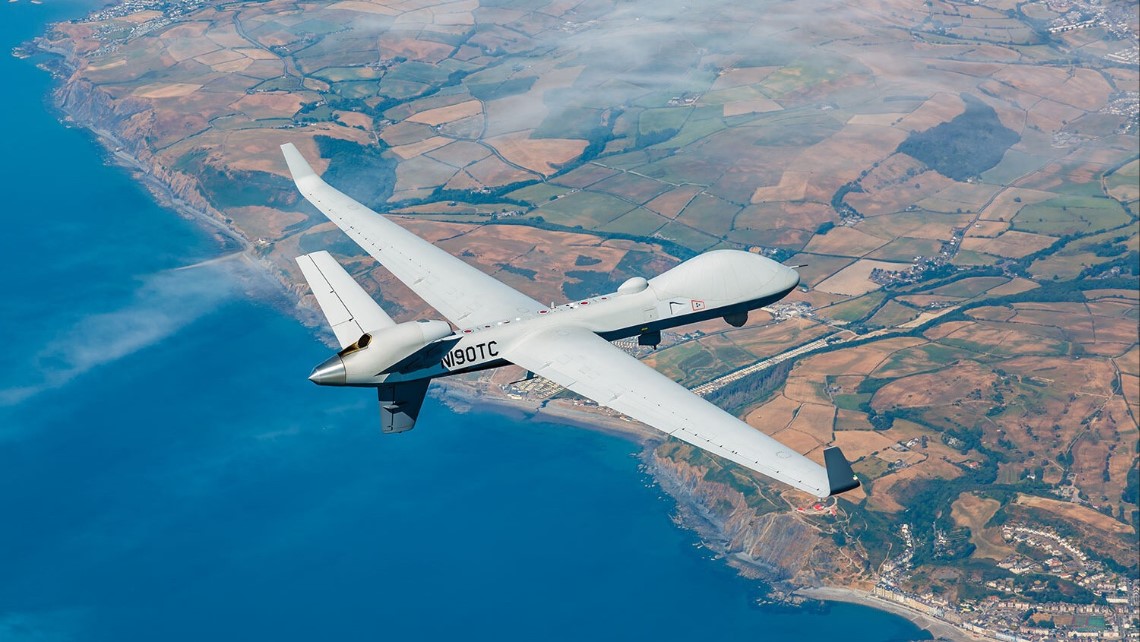
World
Poland has officially entered a $310-million agreement with U.S.-based General Atomics for the acquisition of MQ-9B Sky Guardian unmanned aerial systems (UAS). This procurement marks a significant leap in Poland’s defense strategy, as the country continues to modernize its military amid rising security concerns in Eastern Europe. The MQ-9B Sky Guardian, a state-of-the-art remotely piloted aircraft system (RPAS), will be delivered by the first quarter of 2027, replacing a previously leased fleet of MQ-9A Reapers. From MQ-9A Leases to Permanent MQ-9B Ownership In 2023, Poland leased an undisclosed number of MQ-9A Reaper drones from the United States for $70.6 million. The move was seen as an interim measure to bolster the Polish military’s reconnaissance capabilities. Now, with the confirmed purchase of the advanced MQ-9B Sky Guardian, Poland is positioning itself to permanently integrate cutting-edge drone systems into its defense forces. The MQ-9B is a significant upgrade over its predecessor. It is designed not only for reconnaissance but also for precision strike missions, making it a versatile addition to Poland’s defense arsenal. Equipped with Synthetic Aperture Radar (SAR) and electro-optical/infrared (EO/IR) sensors, the Sky Guardian can gather detailed imagery and conduct radio-electronic surveillance even under adverse weather conditions. Importantly, its multi-role design enables it to carry air-to-ground missiles, guided bombs, and other munitions, giving it the ability to engage both ground and sea-based targets. Strengthening Poland’s Drone Force The delivery of the MQ-9B Sky Guardian aligns with Poland’s ambitious plans to establish a dedicated drone force by January 1, 2025. This new military component will oversee the deployment of unmanned systems across air, land, sea, and underwater domains. The creation of this drone-focused military branch reflects Poland’s increasing reliance on unmanned platforms to enhance both its surveillance and combat capabilities in response to regional security dynamics. Defense Minister Wladyslaw Kosiniak-Kamysz emphasized the importance of effective coordination for this effort, announcing the establishment of a drone military inspector to oversee operations and integration. With the MQ-9B as a cornerstone of this initiative, Poland is preparing for a future where unmanned systems play a critical role in military operations. Specifications and Capabilities of the MQ-9B Sky Guardian The MQ-9B Sky Guardian represents the pinnacle of unmanned aerial technology. It can operate for up to 40 hours non-stop, thanks to satellite communications, making it ideal for long-endurance surveillance missions and persistent air support. Its range of 1,000 nautical miles (1,850 kilometers) and operational altitude of 25,000 feet (7,600 meters) ensure it can cover vast areas while staying out of harm’s way. One of the drone’s standout features is its advanced Lynx multi-mode radar, capable of detecting and tracking targets with high precision. The system also boasts automatic take-off and landing capabilities, reducing reliance on manual control and enhancing operational efficiency. These advanced features make the MQ-9B a game-changer for Poland’s ability to monitor its borders, gather intelligence, and respond quickly to potential threats. Strategic Importance in the Region Poland’s purchase of the MQ-9B Sky Guardian comes at a time when security in Eastern Europe remains fragile. With tensions continuing to escalate due to the ongoing war in Ukraine and increased military activity in the region, Poland has been investing heavily in modernizing its armed forces. The addition of these high-end drones strengthens Warsaw’s reconnaissance and combat capabilities while signaling its commitment to NATO’s collective security framework. The MQ-9B’s multi-role functionality allows Poland to use it not only for surveillance but also for defensive and offensive operations if required. This dual capability ensures Poland can respond decisively to potential threats while reducing risks to its personnel. Conclusion Poland’s $310-million procurement of the MQ-9B Sky Guardian unmanned systems marks a pivotal moment in its military modernization efforts. By integrating advanced drone technology into its defense strategy, Poland is taking a proactive stance to secure its borders and strengthen its role within NATO. The delivery of these drones by 2027 will significantly enhance the country’s ability to conduct extended surveillance, precision strikes, and coordinated military operations in an increasingly volatile region. As Poland prepares to launch its dedicated drone force, the MQ-9B Sky Guardian will serve as a cornerstone of its unmanned aerial capabilities, demonstrating the growing importance of advanced UAS systems in modern warfare.
Read More → Posted on 2024-12-17 15:36:07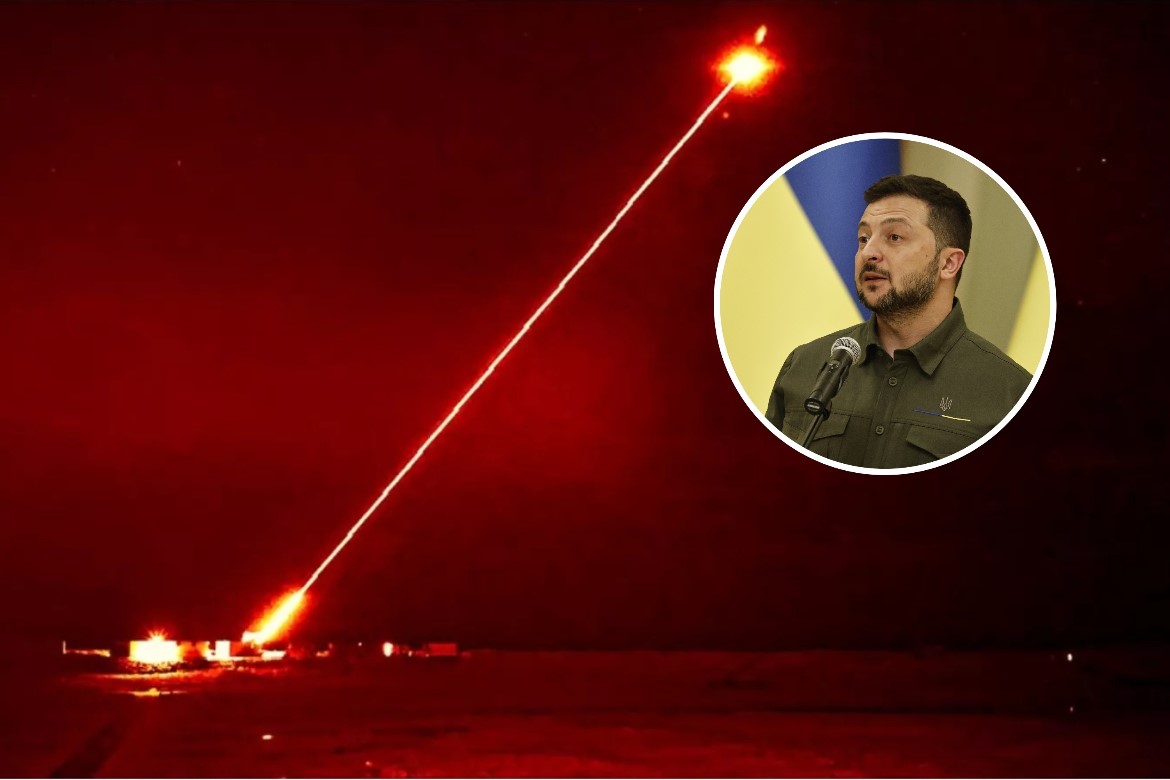
World
Ukraine has reportedly taken a significant step in modern military defense by acquiring and operationalizing a high-energy laser weapon called “Tryzub.” This makes Ukraine the latest country to enter an elite group capable of fielding such cutting-edge technology, putting its focus squarely on countering low-flying drones and aircraft amid the ongoing war with Russia. The announcement came from Colonel Vadym Sukharevskyi, commander of the Unmanned Systems Forces of Ukraine’s military, who revealed the weapon during a recent conference. The Tryzub—named after Ukraine’s iconic trident symbol—can engage targets at altitudes surpassing two kilometers (1.24 miles). While specific details about the laser’s origin remain undisclosed, its Ukrainian name strongly indicates local production. Sukharevskyi emphasized that the weapon is “real” and “currently operational,” though its exact deployment location remains classified. This development positions Ukraine as one of only a handful of nations worldwide to possess a working laser defense system. According to Sukharevskyi, Ukraine is now “the fifth country” with this technology, highlighting its importance in modern warfare. Capabilities of Laser Weapons and Ukraine’s Advantage Laser weapons are emerging as a cost-efficient and tactical solution against drones and other aerial threats. Unlike conventional missiles or anti-aircraft systems, lasers can neutralize targets without requiring expensive ammunition, relying instead on focused energy. A key advantage lies in their operational cost-effectiveness: for instance, the UK’s DragonFire laser system—often cited as a next-generation benchmark—has an estimated cost of just $13 for a 10-second burst of laser energy. The Tryzub laser weapon appears to share similar objectives, allowing Ukraine to efficiently counter Russia’s extensive use of low-cost attack drones. Drones, such as the Shahed-series from Iran, have been pivotal in Russia’s strategy, delivering destructive payloads at a fraction of the cost of traditional missiles. For Ukraine, a directed-energy laser system like Tryzub can offer a scalable, sustainable countermeasure to swarms of such drones, potentially leveling the battlefield. The UK’s DragonFire and Ukraine’s Pursuit of Advanced Systems While the Tryzub system is already operational, there had been prior discussions about supplying Ukraine with the UK’s DragonFire laser weapon. Former UK Defense Secretary Grant Shapps had suggested that such a weapon could have “huge ramifications” in Ukraine’s defense strategy, particularly given Russia’s increased reliance on drones for reconnaissance and strikes. However, the DragonFire is not expected to enter service until 2027, as confirmed by former British Armed Forces Minister Leo Docherty. While the system remains unavailable for immediate use, it signals growing Western support for the integration of laser weapons in Ukraine’s defense arsenal in the long term. Ukraine’s Technological Leap and Strategic Importance The operational status of the Tryzub laser weapon underscores Ukraine’s growing ability to adopt and deploy advanced, indigenous defense systems under challenging wartime conditions. Whether this technology is entirely Ukrainian-built or enhanced through partnerships remains unclear, but the significance of its existence cannot be overstated. Laser systems represent a technological leap capable of altering the economics of warfare. Compared to surface-to-air missiles or conventional interceptors, laser weapons require far less expenditure, offering a continuous and precise defense against aerial threats at minimal cost. As work on Tryzub continues to “mature,” according to Sukharevskyi, Ukraine’s focus on self-reliant, innovative defense solutions is apparent. This technological edge may also serve as a blueprint for other nations looking to combat drone threats without draining their military resources. Global Implications The deployment of the Tryzub places Ukraine at the forefront of battlefield innovation, joining global powers like the United States, China, Israel, and the United Kingdom, who are actively developing similar laser technologies. While the operational details and full capabilities of the Ukrainian system remain confidential, its symbolic and strategic impact is undeniable. By integrating advanced laser defenses into its military, Ukraine is not only countering immediate threats but also setting the stage for future defense strategies where energy weapons play a decisive role. As Ukraine faces ongoing drone and missile barrages, the Tryzub may prove to be a game-changer in minimizing aerial threats. Whether this system remains confined to counter-drone operations or evolves to target more sophisticated platforms will depend on its continued development and battlefield performance. Nevertheless, this milestone signals Ukraine’s commitment to innovation and adaptability as it defends itself against a technologically equipped adversary. In the race to modernize military defense systems, Ukraine’s move to operationalize the Tryzub positions it as a pioneer in the use of directed-energy weapons—a step that could influence warfare strategies globally for years to come.
Read More → Posted on 2024-12-17 15:32:58
India
In a bold move that could redefine India's Medium Transport Aircraft (MTA) procurement strategy, Embraer has pitched a weaponized variant of its C-390M Millennium for the Indian Air Force's (IAF) 60-aircraft tender. Known for its robust performance as a transport aircraft, the C-390M is now being showcased as a multi-role platform capable of tactical strikes, maritime security, and unmanned aerial operations. Beyond Transport: The Combat-Ready C-390M Embraer's vision for the C-390M goes far beyond its traditional role as a medium transport aircraft. The Brazilian aerospace company has proposed outfitting the aircraft with multiple hardpoints under its wings, enabling it to carry advanced air-to-surface and anti-ship weapons. This marks a significant evolution in the aircraft's operational capabilities, making it suitable for missions ranging from precision land attacks to maritime interdiction. The C-390M could be equipped with India's indigenous Rudram-II air-to-surface missile, a weapon known for its extended range and high accuracy against ground targets. For maritime operations, the aircraft can carry the NASM-MR (Medium-Range Anti-Ship Missile), providing a critical capability to strike naval threats. A Mothership for the Future: Drone Launch Capabilities A standout feature of Embraer's proposal is the development of a variant capable of serving as a mothership for air-launched drones. This innovation aligns with the IAF's growing focus on leveraging unmanned aerial systems (UAS) for swarm and autonomous missions. By integrating drone deployment systems, the C-390M could support reconnaissance, electronic warfare, and coordinated UAV strikes, significantly boosting India's operational edge. Advanced Specifications of the C-390M Millennium The C-390M's specifications underline its suitability for the IAF's requirements: Payload Capacity: Up to 26 tons, accommodating cargo, vehicles, troops, or weapon systems. Range: 2,815 kilometers with a full payload, extendable with aerial refueling capabilities. Speed: Maximum cruise speed of 870 km/h, allowing rapid deployment. Avionics: State-of-the-art systems for navigation, situational awareness, and precision targeting. Aerial Refueling: Dual role as a tanker and receiver, enhancing its versatility. STOL Capability: Ability to operate from short and semi-prepared runways, making it ideal for austere locations. Competitive Edge in a Crowded Market The IAF's MTA tender has attracted heavyweights like Lockheed Martin's C-130J Super Hercules and Airbus' A400M Atlas, both renowned for their proven track records. However, the weaponized C-390M offers a unique value proposition. By combining transport, tactical strike, and unmanned aerial operations in a single platform, it presents a cost-effective and versatile solution tailored to India's evolving defense needs. A Strategic Fit for India's Security Needs The weaponized C-390M aligns with India's strategy of enhancing its indigenous defense capabilities while integrating cutting-edge technologies. Its potential to deploy Indian-made missiles and operate as a drone mothership complements the government's emphasis on Atmanirbhar Bharat (self-reliant India) in defense manufacturing. Moreover, its multi-role design could simplify logistics and maintenance, reducing the need for multiple specialized platforms. This is particularly valuable for a vast country like India, where rapid response across diverse terrains and missions is critical. Conclusion Embraer's pitch for a weaponized C-390M Millennium represents a forward-looking approach to modern military aviation. By blending transport, combat, and drone-launching capabilities, the aircraft offers the IAF a transformative solution that could shape the future of its medium transport fleet. As India evaluates its options, the C-390M's adaptability and advanced features could provide the competitive edge needed to secure a place in the IAF's arsenal. Whether as a tactical workhorse or a combat-ready asset, the C-390M embodies the multi-role philosophy driving the next generation of military aircraft.
Read More → Posted on 2024-12-17 15:26:18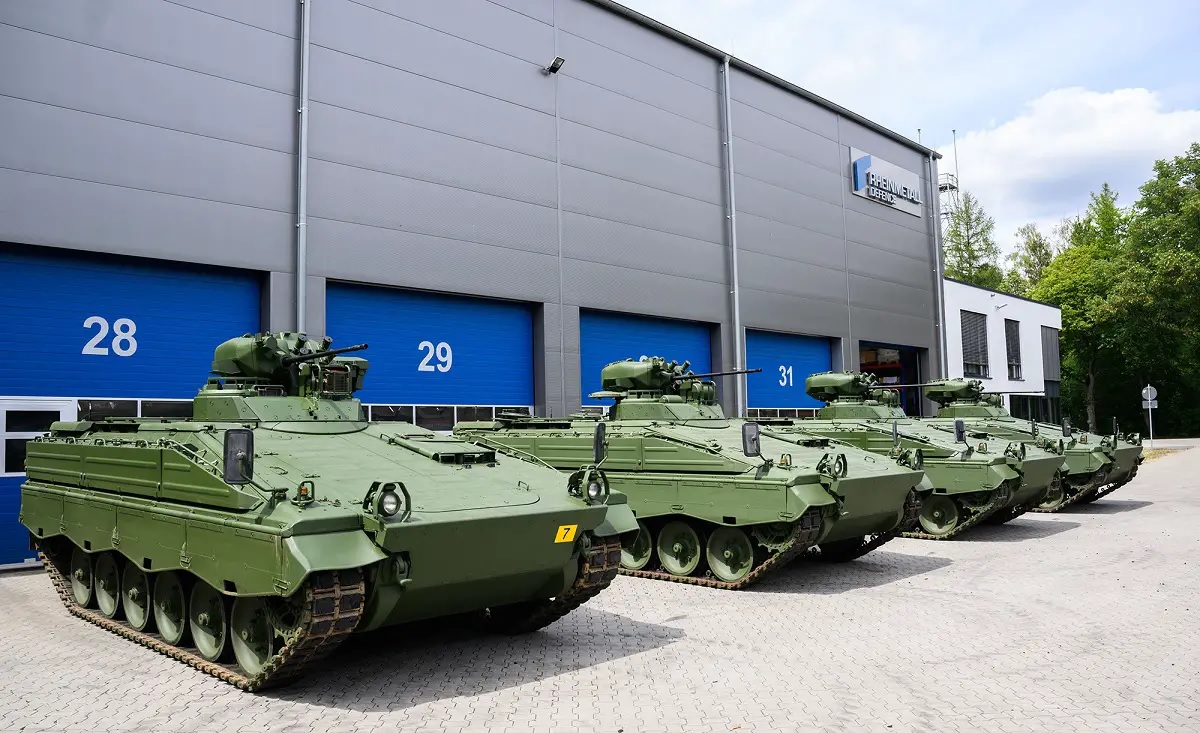
World
In December 2024, Rheinmetall, a leading German defense contractor, confirmed plans to supply Ukraine with an additional 20 Marder 1A3 infantry fighting vehicles (IFVs). This latest order, funded by the German government, is valued in the mid-double-digit million-euro range and reaffirms Germany’s commitment to bolstering Ukraine’s defensive capabilities amid the ongoing conflict. The delivery of these advanced vehicles is expected in the first half of 2025, following a series of earlier shipments. The Marder 1A3: A Battlefield Powerhouse The Marder 1A3 is an upgraded version of the original Marder IFV, first introduced in the 1970s. Over the years, the platform has undergone numerous enhancements to meet modern battlefield requirements. Key features of the Marder 1A3 include: Armament: Equipped with a 20mm Rheinmetall MK 20 Rh202 autocannon as its primary weapon, complemented by a 7.62mm MG3 coaxial machine gun for anti-infantry roles. Armor and Survivability: The 1A3 features reinforced steel plating capable of withstanding hits from projectiles up to 30mm in caliber, offering robust protection for its crew and passengers. Mobility: Powered by an MTU MB 833 Ea-500 6-cylinder diesel engine, the Marder can achieve speeds of up to 65 km/h and navigate diverse terrain, providing operational flexibility in combat zones. Modern Optics and Targeting: The latest enhancements include a laser rangefinder for precision targeting, enabling operators to engage threats more effectively, even in challenging conditions. Capacity: The vehicle can accommodate up to six infantry soldiers in addition to its three-member crew, making it a valuable asset for troop transport and frontline engagements. Supporting Ukraine's Defense Rheinmetall’s partnership with Ukraine began in earnest in early 2023 when the company delivered 20 Marder 1A3 vehicles as part of Germany’s military aid package. Subsequent shipments in double-figure quantities have since followed, bringing the total number of Marders supplied to Ukraine into the hundreds. The repair and refurbishment of these vehicles started in spring 2022, utilizing Rheinmetall’s own stock and resources. The extensive overhaul process, conducted at the company’s facilities in Unterlüß and Kassel, ensures that the vehicles are combat-ready upon delivery. Strategic Impact The addition of the Marder IFVs enhances Ukraine's capability to conduct combined arms operations, offering a blend of mobility, protection, and firepower. As the conflict with Russia continues, vehicles like the Marder play a critical role in improving survivability and effectiveness for Ukrainian forces on the ground. This latest order underscores not only Germany’s ongoing support for Ukraine but also Rheinmetall’s capacity to deliver high-quality military solutions. With these additional 20 vehicles, Ukraine’s ability to counter threats and secure critical positions will be significantly strengthened. Broader Implications The delivery of the Marder 1A3 highlights the broader geopolitical dynamics of European defense strategies. Germany’s financial and logistical support for Ukraine illustrates a shift in its post-Cold War stance on military aid and underscores the evolving role of NATO and its allies in addressing conflicts in Eastern Europe. As Rheinmetall continues to support Ukraine’s military, the Marder’s legacy as a reliable and versatile fighting vehicle remains intact, proving its value in modern warfare. This development reflects the ongoing collaboration between nations and defense manufacturers in ensuring security and stability in volatile regions.
Read More → Posted on 2024-12-17 15:21:25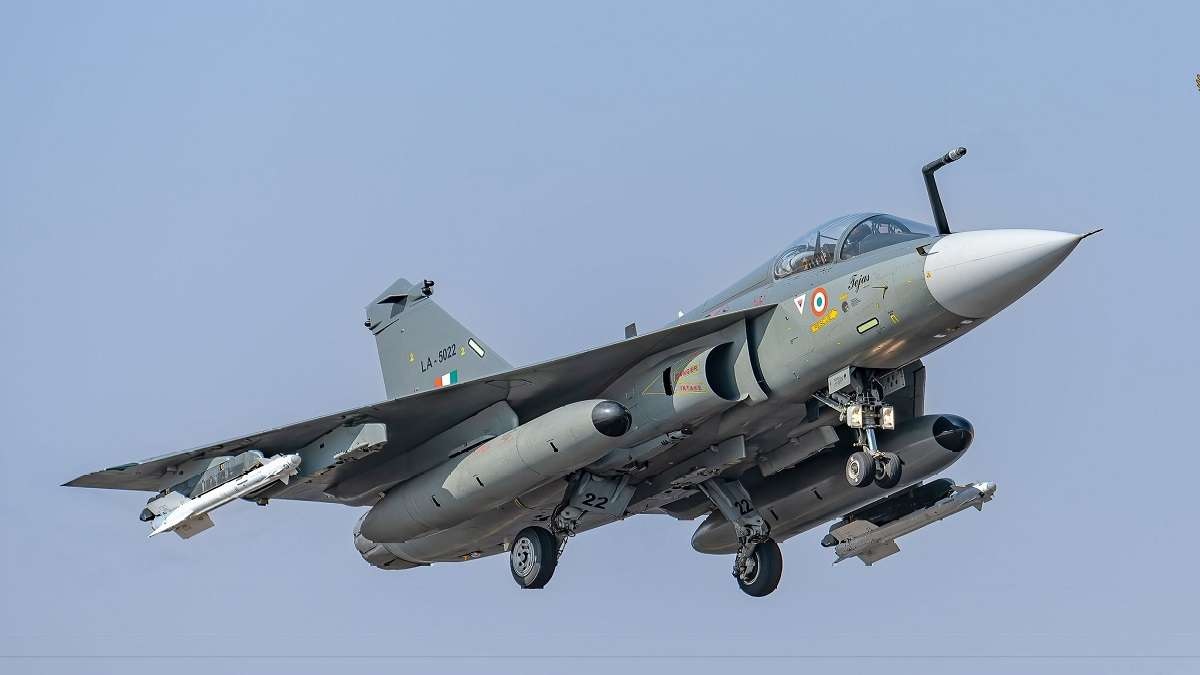
India
In a pivotal move to strengthen its air defense capabilities along the western frontier, the Indian Air Force (IAF) has deployed its Final Operational Clearance (FOC) Tejas Mk1 fighters. This decision, part of a broader strategy to phase out the aging MiG-21 fleet by 2026, marks a new chapter in the IAF’s modernization efforts. The Tejas, a light combat aircraft developed indigenously by Hindustan Aeronautics Limited (HAL), is being positioned as a direct replacement for the MiG-21, which has served the IAF for decades but is now nearing the end of its operational life. The Tejas Mk1 FOC variants, with their enhanced combat capabilities, have been moved from the southern bases to the strategically crucial western sector. The Jamnagar Air Force Station, a key facility in this region, has been chosen for this deployment. This station serves as a hub for the IAF’s efforts to integrate both new and legacy aircraft as the MiG-21s are gradually retired. As the MiG-21 fleet reduces its operations, the Tejas Mk1 fighters are set to take over many of the roles traditionally handled by their predecessors. One of the significant advantages of the Tejas over the MiG-21 is its advanced avionics and weaponry. The Tejas Mk1 FOC variants are now equipped with modern air-to-air missiles, including the Rafael Derby and the Russian-made Vympel R-77 (AA-12 Adder). These missile systems significantly enhance the Tejas' capabilities in both air-to-air and air-to-ground combat. With these upgrades, the Tejas is well-suited for a variety of combat scenarios, providing a substantial increase in operational effectiveness compared to the MiG-21. Looking ahead, the Tejas Mk1A, an even more advanced variant, is slated to join the ranks of the IAF. Expected to be officially inducted by March 2025, the Mk1A will feature cutting-edge technology, including an Active Electronically Scanned Array (AESA) radar, providing superior surveillance and target tracking capabilities. HAL is set to deliver the first batch of Mk1A aircraft, with at least four aircraft planned for deployment at the Nal Airbase in Rajasthan. This base, situated in a region that directly faces Pakistan, will become a crucial hub for the upgraded Tejas fleet, offering enhanced combat readiness in the western sector. The strategic deployment of the Tejas Mk1 fighters is designed to ensure that there is no gap in air defense as the MiG-21s are phased out. The transition allows the IAF to maintain continuous air superiority, especially in low to medium-threat environments. The Tejas, with its modern systems and superior maneuverability, is better equipped to counter evolving aerial threats. Its agility, combined with advanced missile systems, makes it a formidable asset in maintaining dominance over the region. With the upcoming induction of the Tejas Mk1A and a continued focus on indigenous development, the IAF is not only preparing for future conflicts but also working to reduce its reliance on foreign aircraft. This shift aligns with India's broader goals of achieving self-reliance in defense technology, ensuring enhanced national security while strengthening domestic manufacturing capabilities. As the MiG-21s make their exit, the Tejas Mk1 fighters are poised to play a central role in the IAF’s air defense strategy, marking a significant step forward in India’s quest for technological advancement and self-sufficiency in the defense sector.
Read More → Posted on 2024-12-16 17:04:43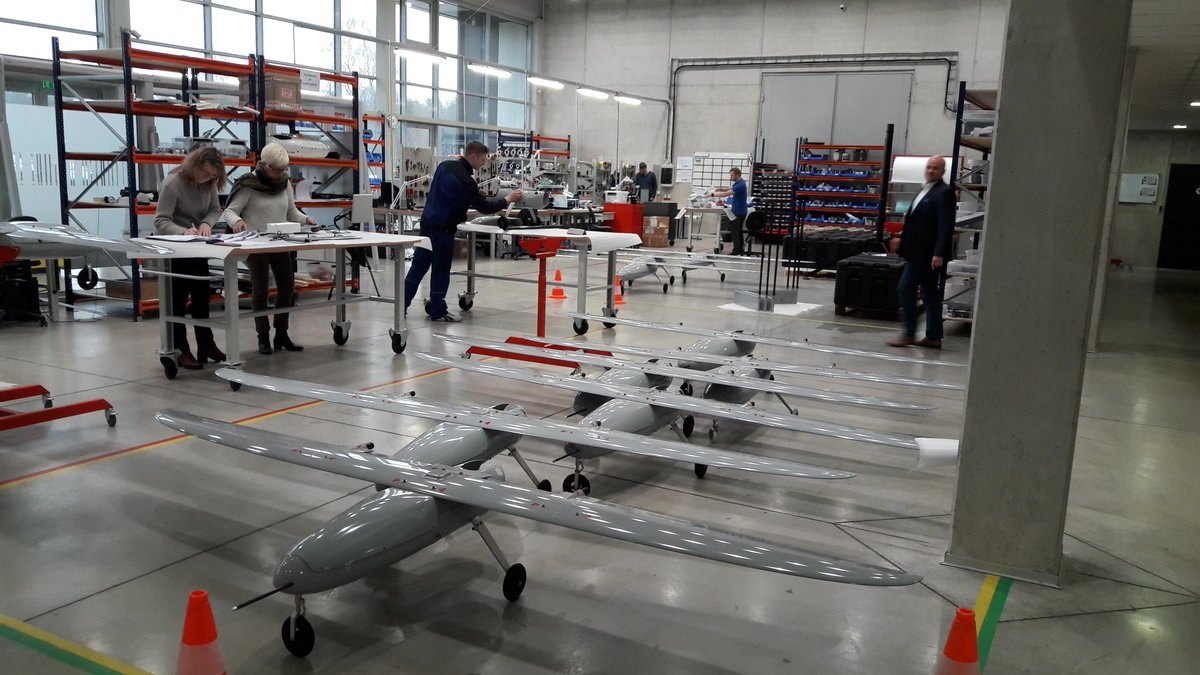
World
Russia is taking a significant step in modernizing its military by planning to establish a new branch exclusively dedicated to unmanned systems, the “Unmanned Systems Forces.” This initiative, set for completion by the third quarter of 2025, underscores Russia's growing reliance on drone technology in its military operations. The announcement was made by Russian Defense Minister Andrey Belousov during a recent defense briefing, highlighting a strategic move to enhance the nation's capabilities in drone warfare. Belousov emphasized the extensive use of unmanned aerial vehicles (UAVs) by Russian forces, revealing that over 3,500 drones are deployed daily—a number expected to continue growing. This scale of drone utilization demonstrates the pivotal role UAVs now play in reconnaissance, surveillance, and combat missions. In 2024 alone, Russia claims its air defense systems have intercepted more than 27,000 enemy drones, showcasing the intense pace of drone-related activity in contemporary conflicts. Learning from Ukraine’s Drone Strategy Russia's decision to form a specialized branch for drone systems is not an isolated development but a response to Ukraine's trailblazing efforts in this area. In mid-2023, Ukraine became the first nation to create an independent military branch dedicated to unmanned systems—the Unmanned Systems Forces. This bold move proved instrumental in Ukraine’s defense against Russian aggression, enabling precision strikes, enhanced reconnaissance, and innovative approaches to counter traditional military strategies. Ukraine's success with drones has demonstrated the effectiveness of specialized unmanned units in modern warfare, setting a benchmark that Russia now seeks to match. The Ukrainian model not only provided a strategic advantage on the battlefield but also showcased the potential of drones in redefining the dynamics of conflict. Russia’s Drone Arsenal and Strategy Russia’s focus on unmanned systems is part of its broader military modernization efforts. The country has already developed an array of UAVs for various roles, including the Orlan-10 for surveillance, the Forpost-R for reconnaissance, and the KUB-BLA loitering munition for precision strikes. Recent reports suggest Russia is also advancing larger, more sophisticated systems like the Okhotnik-B (Hunter-B) stealth combat drone, which could complement manned aircraft in complex missions. This new branch aims to streamline the integration of these drones across all military operations, ensuring cohesive strategies and improved efficiency. By centralizing its drone operations, Russia can accelerate innovation, enhance training for specialized personnel, and adapt faster to the demands of modern battlefields. The Broader Implications Russia’s establishment of the Unmanned Systems Forces highlights the global trend of militaries prioritizing drone technology. As conflicts grow more technologically advanced, the ability to deploy and counter unmanned systems has become a critical determinant of success. This development also reflects a recognition of the shifting balance of power, where technological superiority increasingly outweighs numerical or traditional advantages. For Russia, this move signals a commitment to maintaining competitiveness in military technology, particularly as its confrontation with Ukraine underscores the transformative impact of drones. By creating a dedicated branch, Russia is not only responding to immediate tactical needs but also laying the groundwork for long-term advancements in unmanned warfare. Looking Ahead As the world watches this new development unfold, it is clear that drones will continue to shape the future of warfare. Russia's move to institutionalize its drone forces marks a significant evolution in its military doctrine, influenced by both the successes and challenges observed in Ukraine's use of unmanned systems. This strategic pivot reflects an acknowledgment of the centrality of drones in modern combat, setting the stage for a new era of military operations where unmanned systems take center stage.
Read More → Posted on 2024-12-16 17:02:31
World
Saab has announced a significant development in naval radar technology with the supply of its cutting-edge Sea Giraffe 1X radar systems to the Swedish Navy. These systems, tailored for both training and operational deployment on surface vessels, promise to elevate the maritime defense capabilities of Sweden, particularly in coastal and littoral environments. This radar marks a new milestone in multi-domain surveillance by integrating advanced technology that supports simultaneous tracking and classification of air and surface threats. According to Carl-Johan Bergholm, head of Saab’s Surveillance division, the Sea Giraffe 1X "strengthens naval units with advanced capabilities to detect, track, and classify threats, including drones." Its versatility and compact design make it a powerful asset for smaller ships, larger naval vessels, and even autonomous platforms. Key Features and Specifications of the Sea Giraffe 1X The Sea Giraffe 1X is an X-band 3D active electronically scanned array (AESA) radar, designed to provide comprehensive situational awareness in complex maritime settings. Its small footprint makes it highly adaptable to a range of platforms. Some of its standout features include: Simultaneous Air and Surface Coverage: The radar can detect and track air targets such as drones, helicopters, and low-flying aircraft, as well as surface threats like fast attack craft. 360-Degree Surveillance: The radar provides continuous, full-spherical scanning capabilities, ensuring no area is left unmonitored. High Update Rate: With an exceptional refresh rate, it offers real-time threat evaluation, which is critical for interception and response. Software-Defined Architecture: This allows seamless updates and modifications to meet evolving threat landscapes, extending the radar’s operational lifecycle. Compact and Lightweight Design: Its small size enables integration on vessels ranging from corvettes and patrol boats to unmanned surface vessels (USVs). Possible Deployment Scenarios While Saab has not officially disclosed the specific platforms for the Sea Giraffe 1X, speculation centers on two primary candidates within the Swedish Navy: Visby-Class Corvettes: As part of the ongoing mid-life upgrade (MLU) program, these stealth ships may receive the radar as part of a broader "Sea Giraffe Multi Sensor Solution." This system could potentially pair the X-band radar with an S-band counterpart for comprehensive surveillance. CB90 Next Generation Fast Assault Craft: Saab has already demonstrated the radar’s capabilities aboard its Enforcer III CB90, an optionally manned version of the iconic fast assault boat. If this proves true, it would position the CB90 Next Generation as a formidable platform for rapid-response operations in littoral zones. Strategic Importance for the Swedish Navy The Sea Giraffe 1X aligns with Sweden’s broader strategy to modernize its naval forces amid growing security challenges in the Baltic Sea. The radar’s ability to detect asymmetric threats, such as unmanned aerial and maritime systems, underscores its value in safeguarding coastal zones and critical infrastructure. Furthermore, its software-driven adaptability ensures that it remains a future-proof solution for evolving operational needs. This move complements other modernization initiatives, such as Sweden’s acquisition of the CAMM (Common Anti-Air Modular Missile) system from MBDA, highlighting a concerted effort to fortify national and regional security. By equipping its fleet with the Sea Giraffe 1X, the Swedish Navy not only gains a technological edge but also demonstrates its commitment to leveraging advanced radar systems to counter contemporary maritime threats. The addition of this radar is a step forward in maintaining Sweden’s naval superiority in increasingly contested waters.
Read More → Posted on 2024-12-16 16:58:27
World
The US Navy has made a significant step toward enhancing the survivability of its F-35 Lightning II fighter jets by awarding Leonardo UK a $33-million contract to supply its cutting-edge BriteCloud 218 Active Expendable Decoys (AEDs). This marks a notable milestone as it is the first such contract for the F-35, following the radar decoy’s approval earlier this year in July. The contract, intended to span fiscal years 2025 through 2027, aligns with the US Navy’s broader push to bolster its fleet’s electronic warfare (EW) capabilities. While specific quantities were not disclosed, earlier reports indicate plans to procure between 1,000 to 2,000 AEDs annually. What Makes BriteCloud 218 Revolutionary? The BriteCloud 218 is a compact, battery-powered device designed to protect aircraft against radio frequency (RF)-guided threats, including radar-controlled surface-to-air and air-to-air missiles. Unlike traditional onboard jamming systems that may inadvertently guide a missile toward the aircraft, this decoy offers a safer, off-board solution. Once deployed from standard chaff and flare dispensers, the decoy creates a highly convincing false target. Its ability to produce both Doppler and range obscuration makes it effective against advanced missile systems equipped with chaff discrimination features. Essentially, BriteCloud not only mimics an aircraft’s radar signature but does so in a way that can confuse even sophisticated adversaries. Leonardo highlights its unique approach: “Effectively, BriteCloud creates a false target so convincing that technologies designed to spot decoys are rendered ineffective, allowing a much wider range of threat systems to be defeated.” A Legacy of Proven Success The BriteCloud 218, designated as AN/ALQ-260(V) in the US, is not entirely new to the battlefield. It is already operational with several advanced platforms, including the Eurofighter Typhoon, Tornado, Gripen, F-16, and MQ-9 Reaper drones. Its seamless integration into these platforms underscores its adaptability and reliability in high-stakes environments. The system’s adoption by the US Navy for the F-35 further cements its reputation as a game-changing EW tool. The F-35, known for its stealth and advanced sensor fusion capabilities, gains an added layer of defense with the BriteCloud, particularly in contested environments where RF-guided threats are prevalent. Extra Specifications and Features Size and Compatibility: The BriteCloud 218 fits into standard 55mm countermeasure dispensers, making it easy to integrate without requiring major aircraft modifications. Weight: Weighing approximately 1 kg, it ensures minimal impact on aircraft payload or performance. Battery Life: Once launched, the decoy operates autonomously with a robust power source capable of sustaining its functions during critical threat engagements. Multi-Frequency Coverage: Its advanced jamming algorithms allow it to counter threats across a broad spectrum of RF frequencies, enhancing its versatility. Why It Matters for the F-35 The inclusion of the BriteCloud 218 in the F-35’s arsenal reflects the growing need to address emerging threats in electronic warfare. Modern adversaries continue to develop missiles capable of discriminating traditional countermeasures like chaff and flares. The BriteCloud provides an innovative edge, ensuring that pilots can outmaneuver even the most advanced missile systems. Moreover, as an off-board system, it reduces the risk to the aircraft itself, effectively "luring" missiles away without putting onboard systems or the pilot in harm's way. This capability is especially critical for the F-35, which often operates in environments where stealth and survivability are paramount. Looking Ahead This contract symbolizes a broader shift in military strategy, with armed forces increasingly leaning on autonomous and expendable systems to enhance mission success rates. For Leonardo UK, it also represents an opportunity to expand its footprint in the highly competitive US defense market. As the F-35 Lightning II continues to evolve into one of the most advanced multirole fighters in the world, its integration with systems like the BriteCloud 218 ensures it remains prepared for the challenges of modern air warfare. The US Navy’s investment in this technology signals its commitment to maintaining air superiority, leveraging innovation to stay ahead of potential threats.
Read More → Posted on 2024-12-16 16:53:05
World
An upgraded version of the Otokar ARMA 6×6 armored vehicle has been spotted in Turkey, sparking interest among defense analysts and signaling a step forward in Estonia’s ambitious military modernization program. This new iteration of the ARMA, tailored to Estonia's specific operational needs, showcases the adaptability of Turkish defense manufacturing to meet diverse international requirements. A Closer Look at the Upgraded ARMA 6×6 Produced by Turkey’s leading defense contractor, Otokar, the ARMA 6×6 is renowned for its modularity and versatility in fulfilling a range of combat roles, from troop transport to reconnaissance. The upgraded vehicle recently spotted in Turkey appears to feature significant design changes. Turkish defense journalist Ahmet Alemdar has noted visible alterations, such as a revamped headlight system and other structural enhancements. These adjustments reflect Estonia’s demands for heightened operational capability in its defense apparatus. Although the specific upgrades have not been fully disclosed, industry experts speculate that the modifications include: Enhanced Armor Protection: Likely incorporating advanced composite materials to improve survivability against modern threats, such as improvised explosive devices (IEDs) and armor-piercing rounds. Improved Situational Awareness: Integration of advanced cameras and sensors, providing better battlefield visibility for operators. Upgraded Communication Systems: Enhanced interoperability with NATO systems to support Estonia’s position as a frontline state in Europe’s defense strategy. Modular Weapon Stations: Compatibility with various weapon systems, allowing Estonia to tailor the vehicle for diverse missions. Estonia’s €200 Million Procurement Plan In 2022, Estonia announced a significant investment in its defense forces, committing €200 million ($210 million) to procure 230 armored vehicles from Turkish manufacturers. This acquisition includes 115 Otokar ARMA 6×6 vehicles and 115 Nurol Makina NMS 4×4 armored vehicles, reflecting a balanced approach to improving both mobility and combat readiness. The agreement, formalized on October 18, 2023, highlights Estonia’s commitment to enhancing its military capabilities amidst rising geopolitical tensions in the Baltic region. Deliveries are scheduled to commence in mid-2024 and conclude by 2025, marking a pivotal milestone in Estonia’s defense strategy. The ARMA 6×6 vehicles, in particular, will play a crucial role in providing mobility and protection to the Estonian Defense Forces, enabling rapid deployment in varied operational environments. The Strategic Significance of Estonia-Turkey Collaboration Estonia’s choice of Turkish defense equipment underscores the growing influence of Turkey as a global exporter of advanced military technologies. For Estonia, the partnership signifies access to cost-effective yet highly capable platforms that align with NATO standards. For Turkey, the deal enhances its reputation as a reliable defense partner and opens new opportunities for collaboration in Europe. This agreement is particularly significant in the context of Estonia’s strategic location as a NATO member bordering Russia. The enhanced capabilities provided by the ARMA 6×6 will enable Estonia to respond more effectively to potential threats, ensuring a higher level of preparedness in an increasingly complex security environment. The Road Ahead: Modernization and Beyond The upgraded ARMA 6×6 is more than just a vehicle; it is a symbol of Estonia's commitment to modernizing its armed forces and adapting to the challenges of modern warfare. With its delivery timeline aligned with Estonia's broader defense initiatives, the ARMA 6×6 is set to become a cornerstone of the nation’s military strategy. As these advanced vehicles begin deployment in 2024, their impact on Estonia's defense capabilities will be closely watched. The collaboration between Estonia and Turkey could also pave the way for future defense deals, fostering deeper ties and mutual growth in the defense sector.
Read More → Posted on 2024-12-16 16:49:10
Elbit Systems Secures $130 Million Contract to Revolutionize Israel's IDF Communication Capabilities
World
The Israel Ministry of Defense (IMOD) has signed a significant contract with Elbit Systems, valued at approximately USD 130 million, to provide cutting-edge communication systems to the Israel Defense Forces (IDF). This agreement underscores Israel's commitment to advancing its defense infrastructure and ensuring its armed forces are equipped with state-of-the-art technology to maintain operational superiority. At the core of this contract is the procurement of thousands of devices from Elbit Systems’ renowned software-defined radio (SDR) portfolio. These SDRs represent a leap forward in communication technology, offering seamless interoperability across multiple channels and robust encryption to safeguard sensitive information. Alongside SDRs, Elbit will supply advanced satellite communication (SATCOM) systems and high-speed data links engineered specifically for autonomous platforms, such as drones and unmanned ground vehicles. Key Features of Elbit Systems’ Communication Solutions Elbit’s SDR family, including systems like E-LynX, is designed to deliver highly adaptive communication capabilities that ensure secure, real-time data exchange in dynamic battlefield conditions. These radios support mesh networking, allowing multiple units to connect simultaneously without a central hub, thereby enhancing connectivity and reducing vulnerability. The satellite communication systems provided under the contract will bolster long-range, beyond-line-of-sight connectivity, crucial for modern military operations that demand coordination across vast distances. This combination of SDR and SATCOM technologies ensures that IDF units remain networked in even the most challenging environments, from urban warfare to remote border regions. Additionally, the inclusion of advanced data links tailored for autonomous platforms signifies a strategic emphasis on integrating unmanned systems into Israel’s military ecosystem. These data links enable high-speed, low-latency communication, allowing autonomous vehicles and drones to operate cohesively within multi-domain operations. Support and Maintenance Enhancements Beyond supplying hardware, Elbit Systems will also expand regional maintenance centers dedicated to providing 24/7 support for combat units. These facilities are a critical component of ensuring operational readiness, allowing rapid repair and servicing of communication systems even during active missions. This move aligns with the broader goal of sustaining a high level of operational continuity across IDF deployments. Strategic Vision for Israeli Defense This procurement is part of a broader strategy led by Maj. Gen. (Res.) Eyal Zamir, Director General of the IMOD. The initiative seeks to enhance Israel’s manufacturing independence and increase local production capabilities. By investing in advanced technologies and domestic production, Israel not only equips its armed forces with superior tools but also strengthens its defense industrial base, securing a more self-reliant supply chain for critical military systems. Digital Transformation of the IDF Haim Delmar, General Manager of Elbit Systems C4I & Cyber, emphasized the transformative impact of these new systems, stating:“As a key partner in the IDF’s digital maneuver effort, we take pride in delivering the most advanced and secure tactical communication systems to forces in the field. These systems serve as the foundation of a digital army, utilizing a dynamic, intelligent, and cognitive network to enable multi-domain connectivity and operational superiority.” The integration of these systems is pivotal to the IDF’s ongoing digital transformation. The enhanced situational awareness provided by Elbit’s technology allows commanders to make informed decisions faster, improving precision and mission outcomes. The cognitive networking capabilities embedded in the new systems further ensure that the IDF can adapt to evolving battlefield scenarios, maintaining a decisive edge in multi-domain operations. Reinforcing Israel’s Defense Leadership With this contract, Israel demonstrates its commitment to leveraging advanced technology for national defense. By equipping the IDF with secure, adaptable, and resilient communication systems, Elbit Systems solidifies its role as a key partner in Israel's defense ecosystem. The combination of cutting-edge technology, robust support infrastructure, and a focus on local manufacturing positions the IDF to meet current and future challenges with confidence.
Read More → Posted on 2024-12-16 16:45:36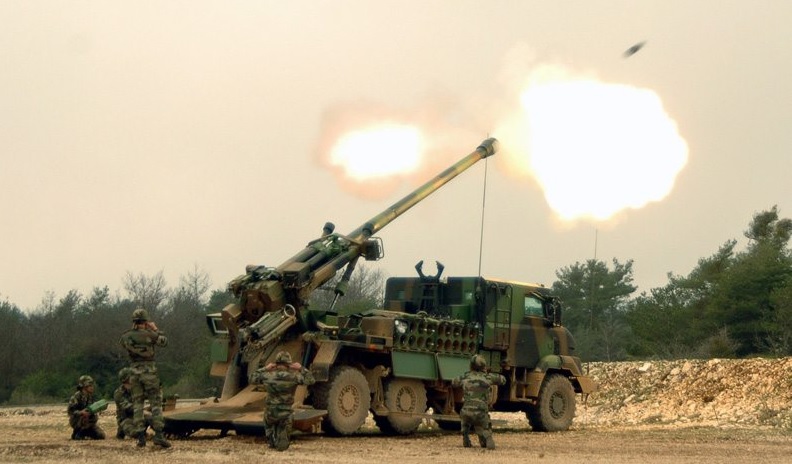
India
In a surprising twist to regional geopolitics, Azerbaijan has reportedly reached out through intermediaries in a Middle Eastern country to inquire about procuring Indian-made weapons. This development comes against the backdrop of recent public criticism by Azerbaijan’s Defence Ministry, which questioned the effectiveness of Indian arms sold to Armenia. Azerbaijan had dismissed these arms, such as the Pinaka Multi-Barrel Rocket Launchers (MBRLs), as ineffective in altering the regional military balance. This unexpected outreach to India, a nation Azerbaijan had previously criticized, underscores the dynamic nature of geopolitical alignments and defense strategies in the South Caucasus. As Azerbaijan explores new arms sources amidst evolving regional dynamics, its interest in Indian defense technology raises questions about shifting priorities and underlying needs. Azerbaijan’s Shifting Defense Strategy Historically, Azerbaijan has relied heavily on its strategic alliances with Turkey and Israel for advanced weaponry. Turkey has provided cutting-edge UAVs, including the Bayraktar TB2 drones that played a pivotal role in Azerbaijan’s military successes during the 2020 Nagorno-Karabakh conflict. Israel has supplied a broad array of systems, from missile defense to high-tech surveillance equipment. However, shifting geopolitical realities are influencing Azerbaijan's procurement strategy. Recent developments, including Israel’s intensified focus on the Gaza conflict, have slowed its arms exports. Similarly, while Turkish support remains steadfast, Azerbaijan appears to be diversifying its defense procurement to address potential gaps in its arsenal, particularly in artillery and ammunition. India’s growing defense manufacturing capabilities under its “Make in India” initiative have placed it on the radar of countries seeking reliable and cost-effective military hardware. Indian systems like the Pinaka MBRL, Dhanush and ATAGS artillery guns, and BrahMos missiles have garnered international interest for their performance and affordability. It’s this reputation that might have caught Azerbaijan’s attention, despite previous criticism. Why Indian Weapons? Azerbaijan’s interest reportedly centers on Indian-made artillery systems and ammunition. Indian artillery, including the Advanced Towed Artillery Gun System (ATAGS), has been praised for its accuracy, extended range, and robust design. The ATAGS, for instance, boasts a firing range of over 48 km, making it one of the longest-range systems in its class globally. Similarly, the Pinaka MBRL, with its rapid-fire capability and precision targeting, is a battlefield game-changer. India’s development of cost-efficient, high-quality small arms and ammunition could also appeal to Azerbaijan, particularly if it seeks to supplement its stockpiles without over-relying on existing suppliers. This interest could be driven by Azerbaijan’s recognition of the practical performance of Indian arms in the challenging terrains of Armenia, where they have reportedly been deployed. Diplomatic Nuances of the Proposal Baku’s choice to approach India indirectly, through a Middle Eastern intermediary, highlights the sensitivity of such a potential transaction. Direct engagement could risk Azerbaijan’s existing partnerships and invite criticism from allies like Turkey and Pakistan, especially given India’s defense relationship with Armenia. Using intermediaries allows Azerbaijan to gauge India’s willingness to engage without committing diplomatically. If India were to proceed with arms sales to Azerbaijan, it would need to balance its relations carefully with both Azerbaijan and Armenia. India has consistently supported Armenia by supplying weapons to bolster its defenses against Azerbaijani aggression. Expanding sales to Azerbaijan could risk alienating Yerevan, potentially straining the goodwill established between the two nations. Broader Implications Azerbaijan’s approach presents a unique opportunity for India to expand its defense export footprint. For New Delhi, entering Azerbaijan’s arms market could reinforce its standing as a global arms supplier while showcasing the quality of its indigenous defense products. However, such a move would require deft diplomacy to avoid exacerbating regional tensions in the South Caucasus. India’s broader strategic interests could also benefit from this engagement. Demonstrating the ability to balance competing interests in a volatile region like the South Caucasus could enhance India’s credibility as a global player. Additionally, it aligns with India’s ambition to challenge China’s growing influence in international defense markets, particularly in countries like Azerbaijan that have procured Chinese-origin systems such as the JF-17 fighter jets. Conclusion Azerbaijan’s discreet interest in Indian arms underscores the fluid nature of international relations and the pragmatic considerations that often drive defense procurement decisions. While the move could be seen as an acknowledgment of India’s growing capabilities in defense manufacturing, it also reflects Azerbaijan’s need to adapt to changing geopolitical and operational realities. For India, the proposal is a double-edged sword—an opportunity to showcase its defense products on a global stage, but one that demands careful navigation of its relationships in a deeply polarized region. If handled strategically, this could mark a significant milestone in India’s rise as a key player in global arms exports while influencing the delicate balance of power in the South Caucasus.
Read More → Posted on 2024-12-16 16:42:36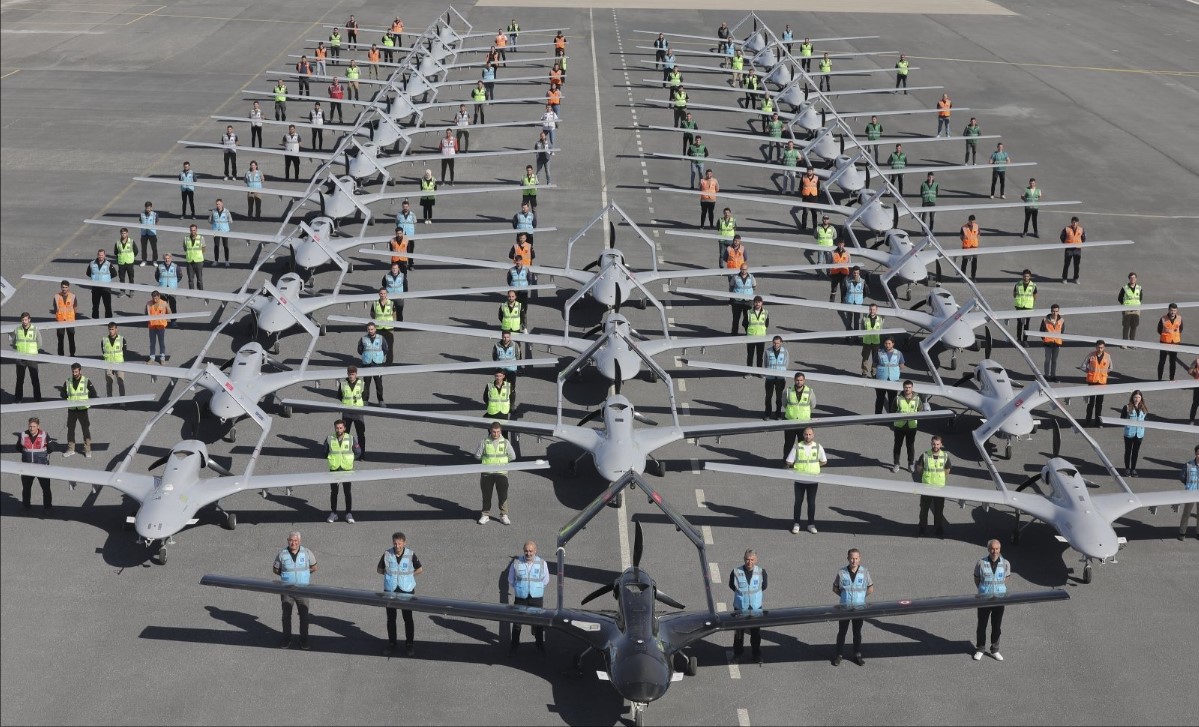
World
Türkiye has cemented its position as a global leader in unmanned aerial vehicle (UAV) technology, capturing an impressive 65% share of the global drone market. At the forefront of this dominance is Baykar, the nation’s crown jewel in aerospace innovation. Selçuk Bayraktar, Baykar’s chair and chief technology officer, highlighted this extraordinary achievement during the "Take Off Istanbul" event, underscoring the company’s unmatched scale and technological prowess. The Rise of Baykar: A World-Leading Drone Manufacturer Over the past three years, Baykar has not only become the world’s largest drone manufacturer but has also grown to a scale three times that of its closest American competitor. With a commanding 60% share of the UAV sector, Baykar’s success exemplifies Türkiye's strategic vision for defense and aerospace innovation. Key to this success is the Bayraktar TB2, a medium-altitude long-endurance (MALE) combat drone that has revolutionized modern warfare. Known for its affordability, operational reliability, and precision targeting capabilities, the TB2 has played pivotal roles in conflicts worldwide, including Ukraine's resistance against Russian aggression, Azerbaijan’s victory in Nagorno-Karabakh, and counter-insurgency operations in North Africa. This operational excellence has earned the TB2 the title of “the most-exported combat drone in the world.” Breakthrough Exports and Global Reach Baykar’s international success is reflected in its financial performance. In 2023, the company’s export revenues surged to $1.8 billion, marking a significant leap from $1.2 billion in 2022. Currently, Baykar has export agreements with 34 countries for the Bayraktar TB2 and with 10 nations for its more advanced Akıncı combat drones. These heavy-duty drones, equipped with dual turboprop engines and high payload capacities, provide strategic advantages for long-range missions. Türkiye’s defense sector, fueled by Baykar’s innovations, achieved a record-breaking $5.5 billion in exports last year, with Baykar accounting for nearly one-third of this figure. The company’s cutting-edge offerings continue to attract global demand, solidifying its role as a leader in defense technology. Pioneering Innovations: Kızılelma and TB3 Baykar’s innovations go far beyond the TB2. The company has ventured into unmanned fighter jet technology with the development of Kızılelma, Türkiye’s first unmanned combat aircraft. This stealth-capable jet, equipped with AI-driven systems, conducted its maiden flight in late 2022 and is now entering mass production. Designed for air-to-air combat and precision strikes, Kızılelma is set to redefine aerial warfare. Another breakthrough is the Bayraktar TB3, the world’s first combat drone with foldable wings. Tailored for short-runway operations on vessels like Türkiye’s first aircraft carrier, the TB3 completed its maiden takeoff and landing on such a platform in 2023. The foldable wing design enhances its operational versatility, making it a game-changer for naval operations. With mass production now underway, the TB3 is poised to become another iconic success for Baykar. The Vision Behind Baykar’s Success Selçuk Bayraktar attributes Baykar’s dominance to its focus on future-oriented technology. The company invests heavily in R&D, ensuring that it leads in the "races of tomorrow." This forward-looking strategy has allowed Baykar to stay ahead of global competitors, setting benchmarks in autonomy, AI integration, and cost-effective manufacturing. The Road Ahead As Türkiye continues to push the boundaries of UAV technology, Baykar is leading the charge with its innovative products and strategic global partnerships. The company’s ability to meet diverse operational needs—whether in counter-insurgency, naval warfare, or air-to-air combat—ensures its sustained relevance in an evolving defense landscape. Türkiye’s dominance in the drone market is not just a testament to Baykar’s excellence but also a reflection of the country’s broader ambition to be a global aerospace powerhouse. With visionary leadership and cutting-edge innovation, Türkiye is well-positioned to shape the future of unmanned aerial warfare.
Read More → Posted on 2024-12-16 16:37:17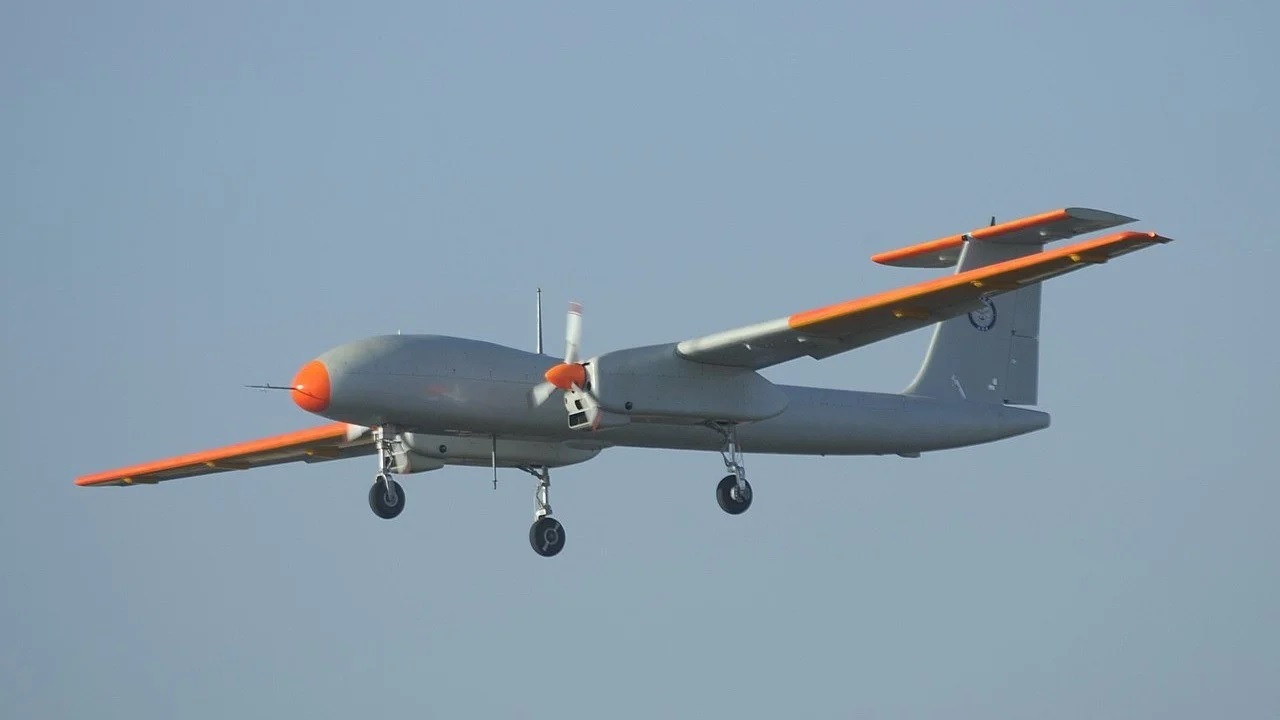
India
The Indian Navy is taking a significant stride toward enhancing maritime surveillance capabilities with plans to induct 10 indigenously developed Tapas (Tactical Airborne Platform for Aerial Surveillance) Medium Altitude Long Endurance (MALE) UAVs. This ambitious procurement aligns with India's broader goal of achieving self-reliance in defence technology while addressing immediate operational requirements with interim solutions. Strategic Deployment in Andaman and Nicobar The Andaman and Nicobar Islands, located at the crossroads of critical maritime trade routes, serve as a vital outpost for monitoring and securing the Indian Ocean. The deployment of Tapas UAVs at this location underscores the Navy's focus on strengthening its presence in a region witnessing increasing geopolitical activity. The UAVs will provide round-the-clock surveillance, enhancing the detection of threats such as illegal fishing, smuggling, and potential intrusions by hostile forces. Tapas UAV: A Homegrown Surveillance Powerhouse Developed by the Defence Research and Development Organisation (DRDO), the Tapas MALE UAV is designed to meet the specific needs of India's armed forces. It boasts an operational ceiling of 30,000 feet and an impressive endurance of up to 24 hours, making it ideal for long-range reconnaissance missions. Key Specifications of Tapas: Payload Capacity: The UAV can carry multiple payloads weighing up to 350 kg, including synthetic aperture radar (SAR), electronic intelligence (ELINT), and electro-optical sensors. Range: It has an operational range of over 1,000 km, suitable for extensive maritime and land-based surveillance. Engine: Powered by a robust piston engine, ensuring fuel efficiency for prolonged missions. Communication Systems: Features advanced satellite communication (SATCOM) for beyond-line-of-sight (BLOS) operations. Despite these impressive capabilities, the Tapas project has faced developmental challenges, particularly in achieving the Navy's stringent endurance and payload requirements. DRDO has been rigorously refining the design to reduce drag, enhance structural efficiency, and ensure operational reliability under diverse climatic conditions. Drishti-10: A Stopgap Solution with Global Expertise In parallel, the Indian Navy is procuring two Drishti-10 UAVs, a system developed by Adani Defence in collaboration with Elbit Systems of Israel. Based on the Hermes 900 Starliner, the Drishti-10 provides an immediate boost to surveillance capabilities while the Tapas undergoes final testing and production. Drishti-10 Specifications: Endurance: Capable of missions lasting up to 36 hours, exceeding Tapas in this parameter. Payloads: Equipped with cutting-edge imaging systems, maritime patrol radars, and advanced communication systems for real-time data transmission. Proven Design: Leveraging the combat-proven platform of Hermes 900, the Drishti-10 offers reliability and performance in various operational scenarios. The Drishti-10 complements the Navy’s existing fleet, which includes the formidable MQ-9 Sea Guardian UAVs sourced from the United States. Together, these systems enable a seamless transition toward indigenous solutions while ensuring no gaps in operational readiness. A Two-Pronged Approach to Readiness The Indian Navy's dual strategy—leveraging both interim foreign collaboration and indigenous technology—exemplifies its pragmatic approach to modernization. While the Tapas project embodies India's aspirations for self-reliance under the Atmanirbhar Bharat initiative, the procurement of Drishti-10 highlights the importance of operational immediacy in safeguarding national interests. Moreover, the deployment of Tapas and Drishti-10 aligns with the Navy's long-term vision of integrating UAVs into network-centric warfare frameworks, enabling real-time intelligence sharing with manned platforms like P-8I Poseidon maritime patrol aircraft. This synergy enhances situational awareness and strengthens India’s maritime security architecture. Future Prospects As DRDO continues to refine the Tapas UAV, its successful induction into the Navy will serve as a landmark achievement for India's defence industry. The experience gained from this program is expected to pave the way for future developments, such as the Ghatak stealth UCAV, reinforcing India’s position in the global UAV market. With the Andaman and Nicobar Islands set to become a hub for advanced UAV operations, India is poised to assert greater control over its maritime domain, ensuring security and stability in an increasingly contested region.
Read More → Posted on 2024-12-16 14:23:57Search
Top Trending in 24 Hours
-
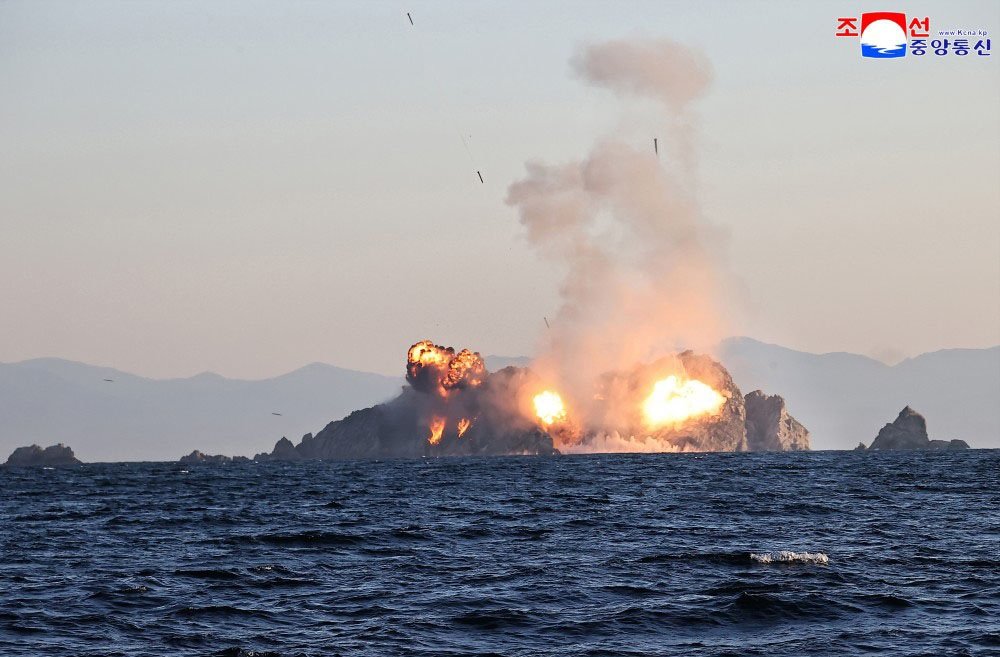 North Korea Fires Short-Range Ballistic Missile Toward Sea of Japan After Freedom Edge 26
-
 India’s xTerra Robotics Launches Indigenous DHAV-Hy Wheeled-Legged Quadruped for Industrial Inspection
-
 U.S. Army Awards $10.64 Million Contract to Ukrainian Drone Maker Skyeton for Raybird Systems
-
 U.S. Government Seizes Almasirah.net, Houthi-Linked News Website
-
 BEL Showcase X-Band Multi-Function Radar for QRSAM to Japanese Delegation
-
 U.S. Delivers First CH-47F Chinook to Egypt Under 12-Helicopter Deal
-
 U.S. Space Force Seeks Rapid-Response Satellites for Close-Range Orbital Inspections
-
 IRGC Experts Visit Bab El-Mandeb to Oversee Radar Installation and Tunneling, Houthi Sources Say
Top Trending in 4 Days
-
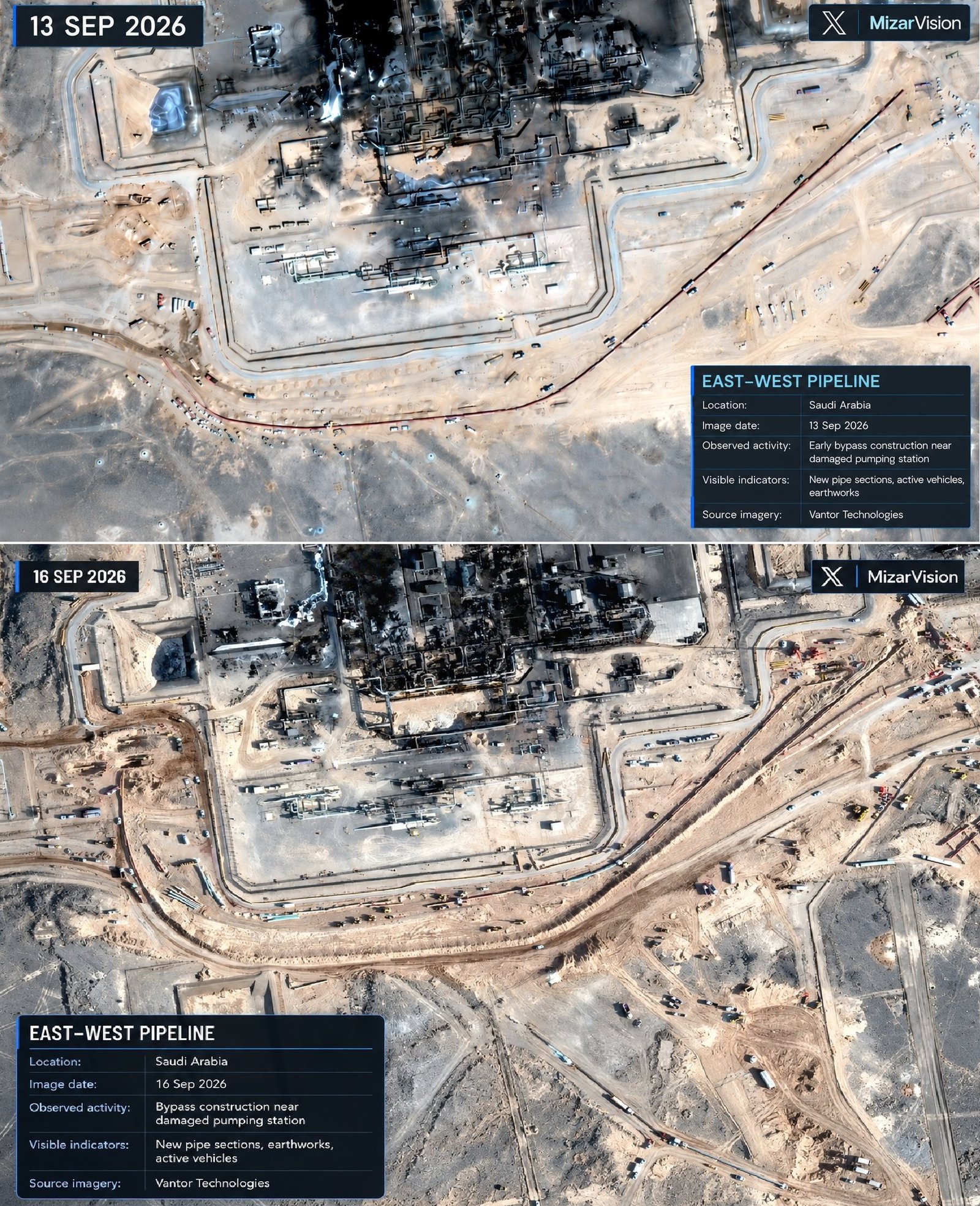 Satellite Images Show Saudi Arabia Building Emergency Bypass Around Damaged East-West Oil Pipeline Station
-
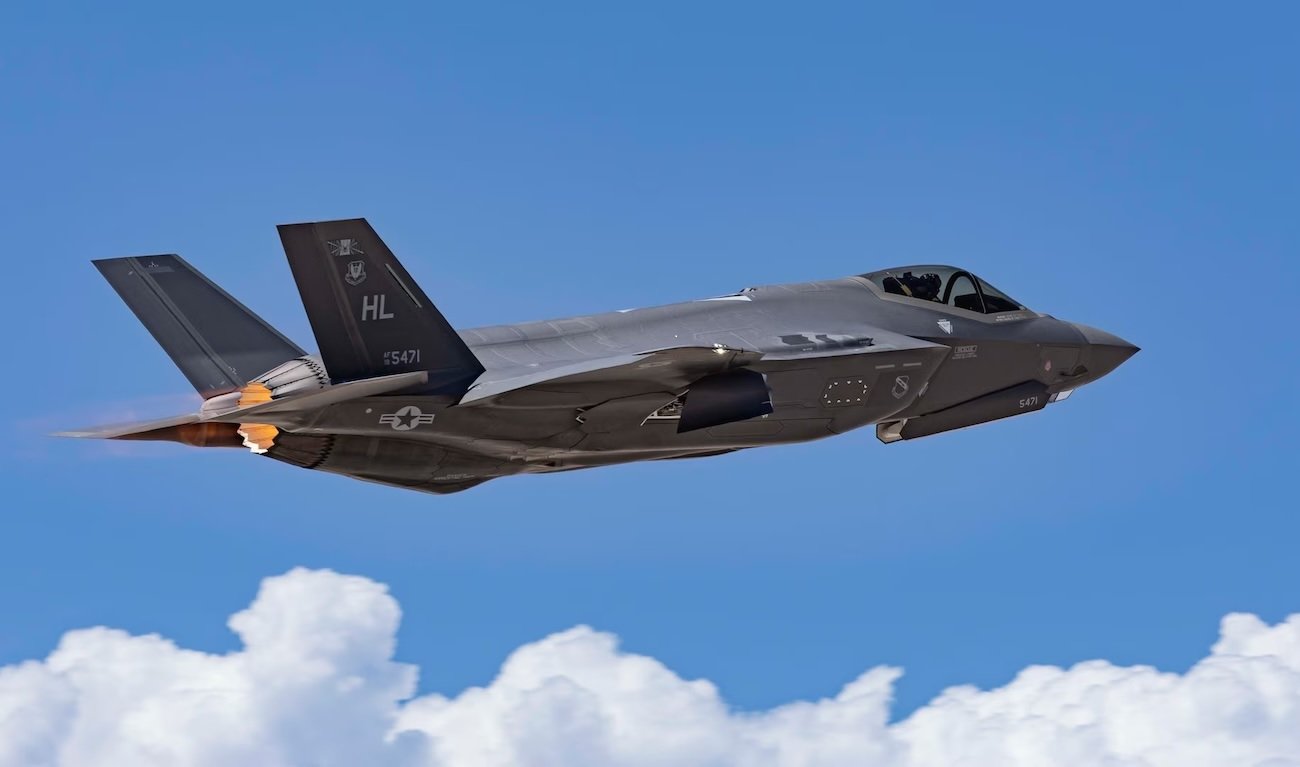 Sensitive F-35 Components Diverted to Hong Kong, Some Parts Missing
-
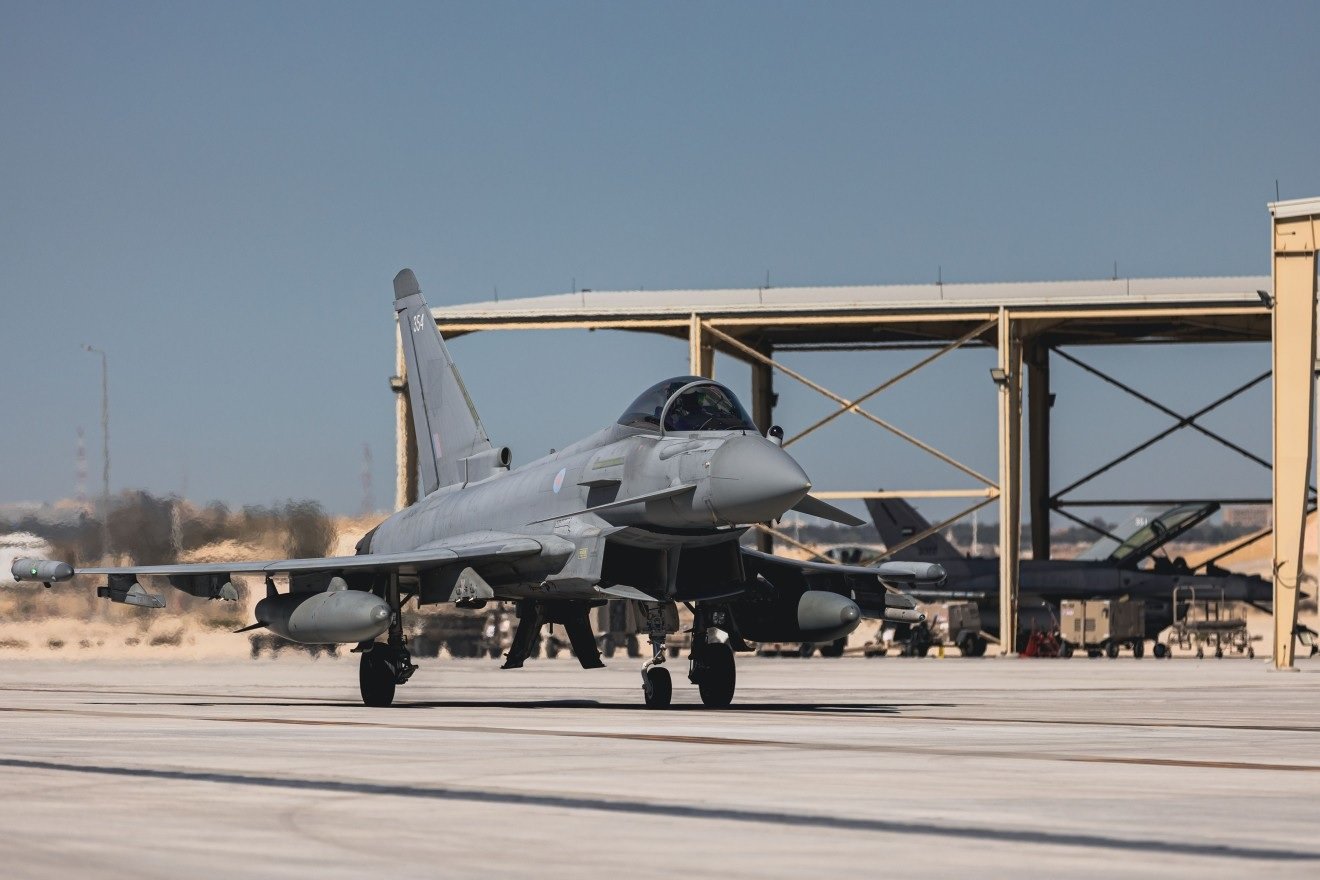 Italian Eurofighter Damaged in Houthi Attack on Saudi Arabia’s King Fahd Air Base
-
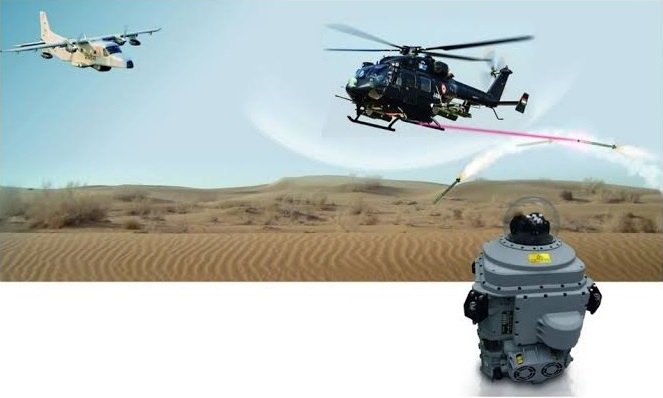 BEL Signs Export Deal with Elbit Systems for Directed Infrared Countermeasure Sub-Assemblies, Secures ₹648 Crore in Additional Orders
-
 Israeli Firm Arbe Robotics Unveils Alerion High-Resolution 4D Radar for Counter-Drone Operations
-
 China Privately Urges Iran to Restrain Houthis After Saudi Appeal
-
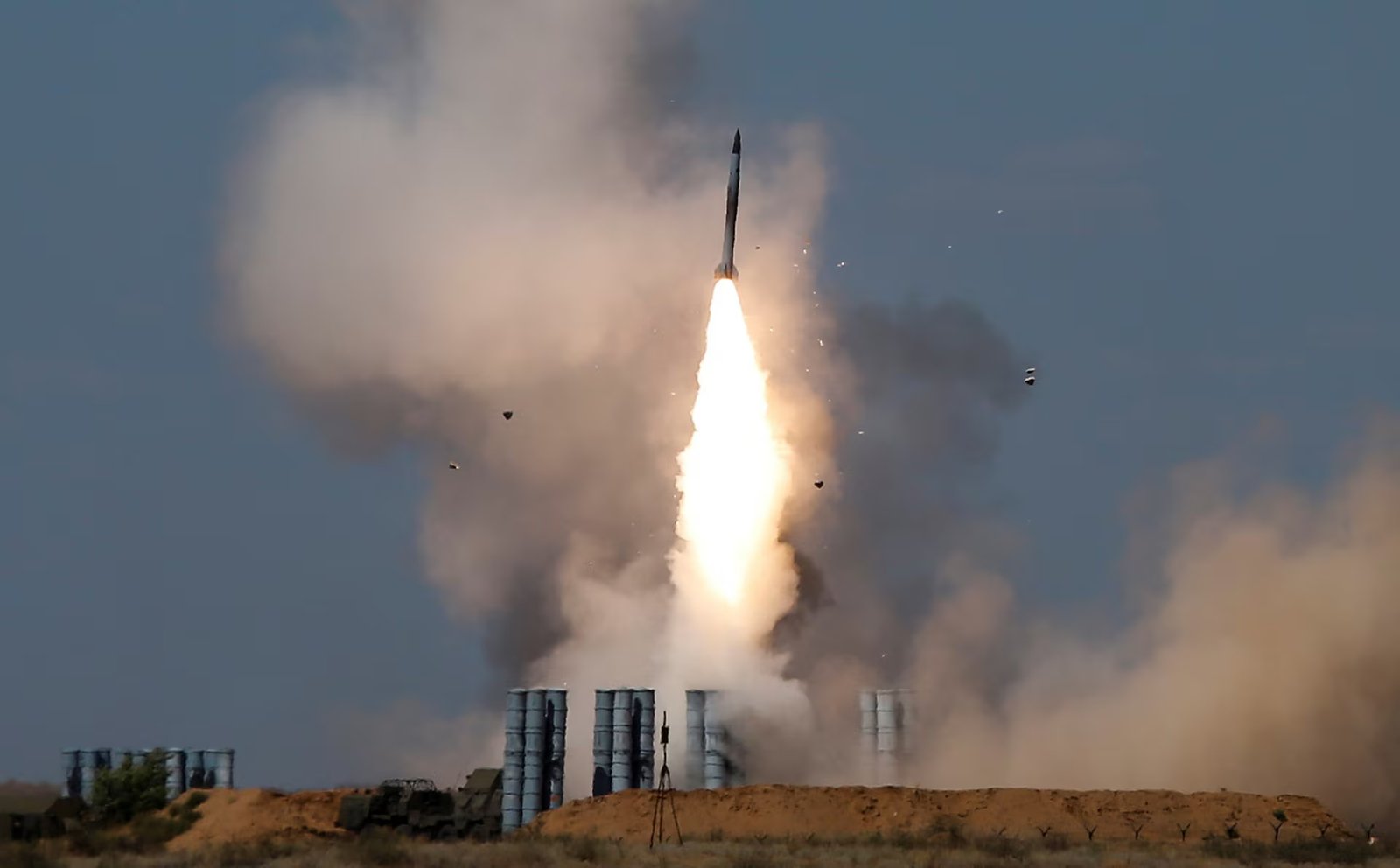 U.S. Approves Potential $2.68 Billion Air Defense Package for Ukraine Including S-300 Clone Missiles
-
 U.S. Secures Permanent Military Rights in Greenland in Historic Security Pact with Denmark
