Russia is taking a significant step in modernizing its military by planning to establish a new branch exclusively dedicated to unmanned systems, the “Unmanned Systems Forces.” This initiative, set for completion by the third quarter of 2025, underscores Russia's growing reliance on drone technology in its military operations. The announcement was made by Russian Defense Minister Andrey Belousov during a recent defense briefing, highlighting a strategic move to enhance the nation's capabilities in drone warfare.
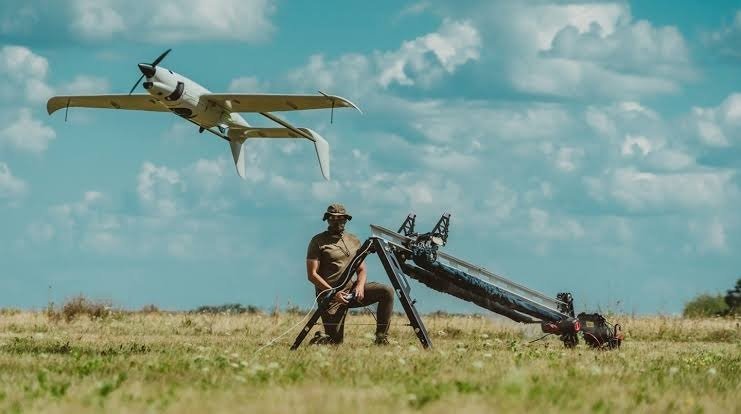
Belousov emphasized the extensive use of unmanned aerial vehicles (UAVs) by Russian forces, revealing that over 3,500 drones are deployed daily—a number expected to continue growing. This scale of drone utilization demonstrates the pivotal role UAVs now play in reconnaissance, surveillance, and combat missions. In 2024 alone, Russia claims its air defense systems have intercepted more than 27,000 enemy drones, showcasing the intense pace of drone-related activity in contemporary conflicts.
Learning from Ukraine’s Drone Strategy
Russia's decision to form a specialized branch for drone systems is not an isolated development but a response to Ukraine's trailblazing efforts in this area. In mid-2023, Ukraine became the first nation to create an independent military branch dedicated to unmanned systems—the Unmanned Systems Forces. This bold move proved instrumental in Ukraine’s defense against Russian aggression, enabling precision strikes, enhanced reconnaissance, and innovative approaches to counter traditional military strategies.
Ukraine's success with drones has demonstrated the effectiveness of specialized unmanned units in modern warfare, setting a benchmark that Russia now seeks to match. The Ukrainian model not only provided a strategic advantage on the battlefield but also showcased the potential of drones in redefining the dynamics of conflict.
Russia’s Drone Arsenal and Strategy
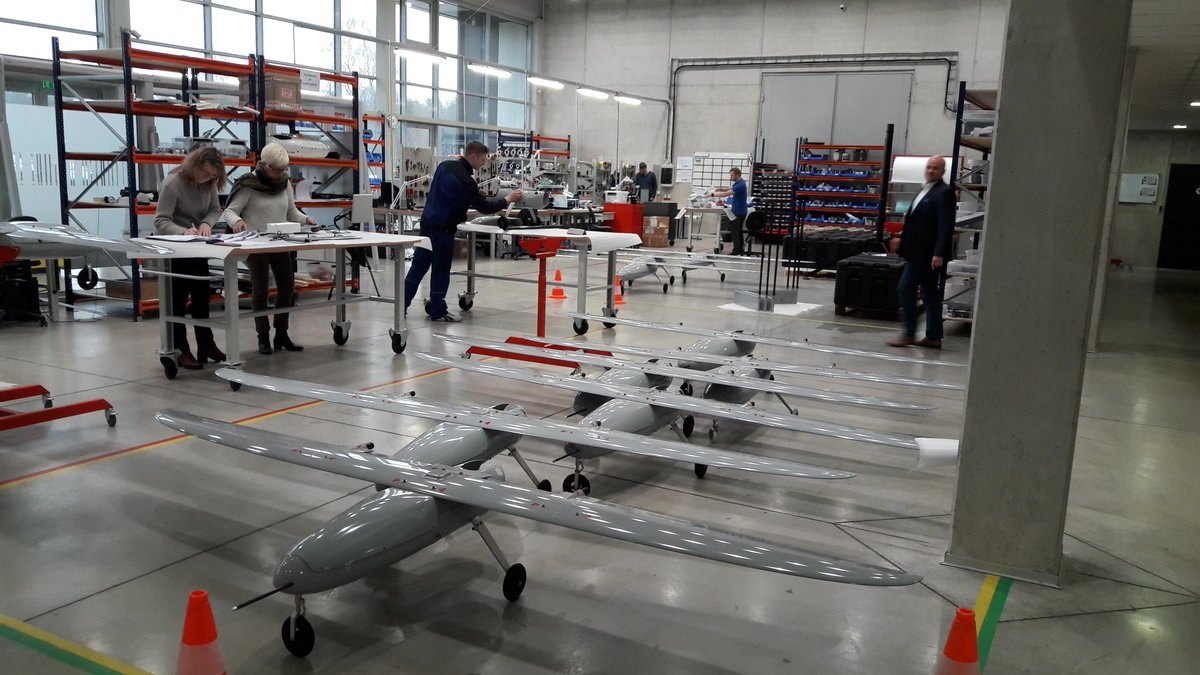
Russia’s focus on unmanned systems is part of its broader military modernization efforts. The country has already developed an array of UAVs for various roles, including the Orlan-10 for surveillance, the Forpost-R for reconnaissance, and the KUB-BLA loitering munition for precision strikes. Recent reports suggest Russia is also advancing larger, more sophisticated systems like the Okhotnik-B (Hunter-B) stealth combat drone, which could complement manned aircraft in complex missions.
This new branch aims to streamline the integration of these drones across all military operations, ensuring cohesive strategies and improved efficiency. By centralizing its drone operations, Russia can accelerate innovation, enhance training for specialized personnel, and adapt faster to the demands of modern battlefields.
The Broader Implications
Russia’s establishment of the Unmanned Systems Forces highlights the global trend of militaries prioritizing drone technology. As conflicts grow more technologically advanced, the ability to deploy and counter unmanned systems has become a critical determinant of success. This development also reflects a recognition of the shifting balance of power, where technological superiority increasingly outweighs numerical or traditional advantages.
For Russia, this move signals a commitment to maintaining competitiveness in military technology, particularly as its confrontation with Ukraine underscores the transformative impact of drones. By creating a dedicated branch, Russia is not only responding to immediate tactical needs but also laying the groundwork for long-term advancements in unmanned warfare.
Looking Ahead
As the world watches this new development unfold, it is clear that drones will continue to shape the future of warfare. Russia's move to institutionalize its drone forces marks a significant evolution in its military doctrine, influenced by both the successes and challenges observed in Ukraine's use of unmanned systems. This strategic pivot reflects an acknowledgment of the centrality of drones in modern combat, setting the stage for a new era of military operations where unmanned systems take center stage.
——— End of Article ———