World
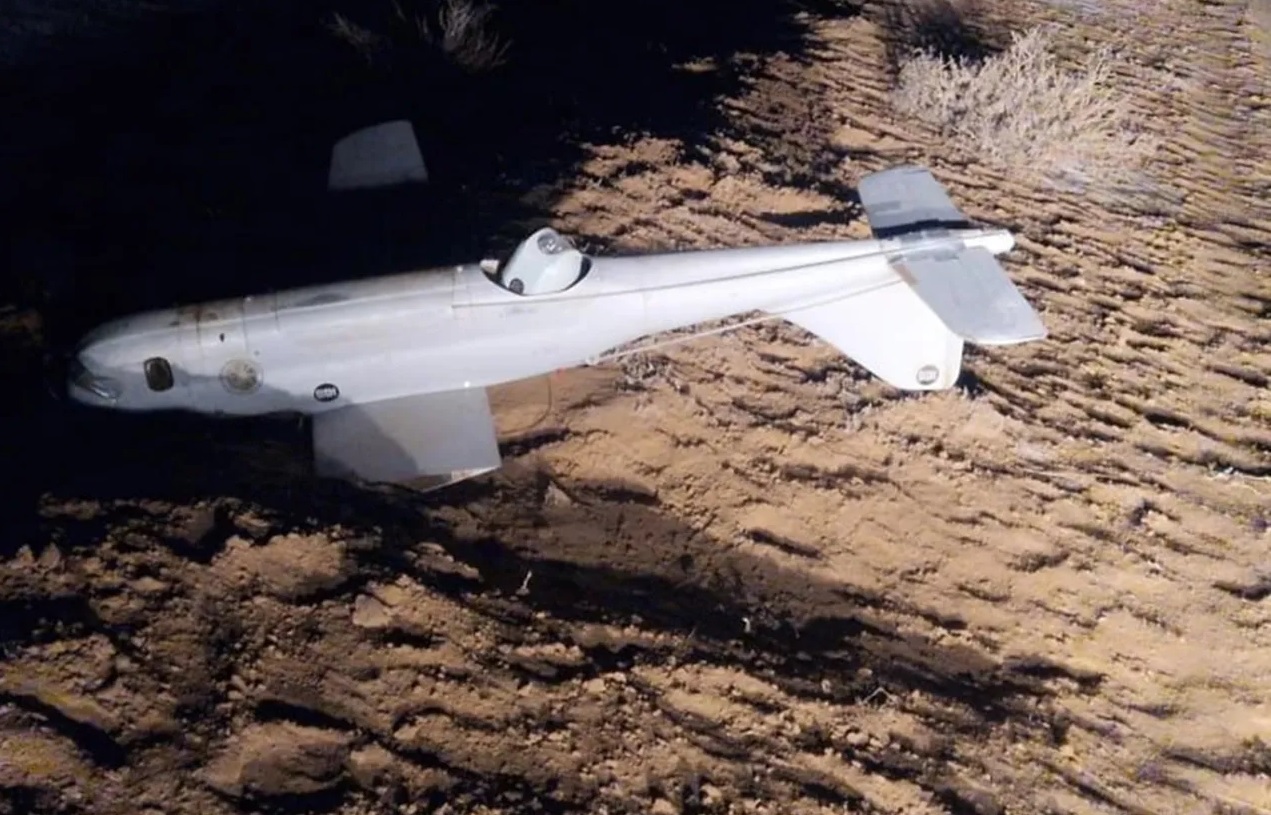
A Russian Orlan-10 reconnaissance drone has been discovered crashed in Kazakhstan near the Caspian Pipeline Consortium (CPC) facility, sparking concerns over unauthorized surveillance and potential security threats in the region. The incident has raised alarm bells as Kazakhstan does not operate this type of drone, reinforcing suspicions that the unmanned aircraft was engaged in Russian military operations. The Orlan-10: A Surveillance Workhorse The Orlan-10 is a widely used Russian reconnaissance drone, extensively deployed in conflicts such as Ukraine and Syria. It is equipped with high-resolution cameras, electronic warfare systems, and data collection capabilities, making it a vital asset for intelligence gathering. The discovery of the drone near key energy infrastructure, including the CPC pipeline—a crucial oil export route—has triggered an immediate investigation by Kazakh authorities. Officials are analyzing whether the drone was carrying any payloads or data storage devices that could shed light on its mission. Conflicting Claims and Russian Denials Despite clear visual evidence identifying the crashed UAV as an Orlan-10, Russian media has attempted to refute the claims, alleging that the drone was a SAGEM Crecerelle, a French-made UAV with a different design and operational function. This contradiction has fueled speculation that Moscow is trying to downplay the presence of its surveillance assets in Kazakhstan. However, military analysts point out that the Orlan-10’s specifications and markings leave little doubt about its origin. Rising Tensions in the Region The drone incident comes at a time of growing tensions between Russia and Kazakhstan. While Kazakhstan has historically maintained close ties with Russia, it has been increasingly cautious about its sovereignty and security, especially since Russia’s invasion of Ukraine in 2022. The country has been careful in balancing its diplomatic stance, navigating its strategic partnership with Moscow while reinforcing its independence. Adding to the heightened security concerns, an Azerbaijani Embraer 190 passenger aircraft crashed near Aktau, Kazakhstan, on December 25. Reports suggest it may have been mistakenly targeted by a Russian air defense system responding to a drone attack in Chechnya. This incident has further underscored the risks posed by Russian military operations spilling over into neighboring territories. What Happens Next? Kazakh authorities are expected to release further findings after a detailed investigation into the drone crash. With Kazakhstan playing a key role in regional stability and energy security, any military activity on its soil—especially involving foreign reconnaissance drones—could have broader geopolitical implications. The discovery of the Orlan-10 in Kazakhstan raises critical questions about Russia’s military reach and whether its surveillance operations are extending beyond its borders, testing the patience of its Central Asian neighbors.
Read More → Posted on 2025-02-20 14:43:27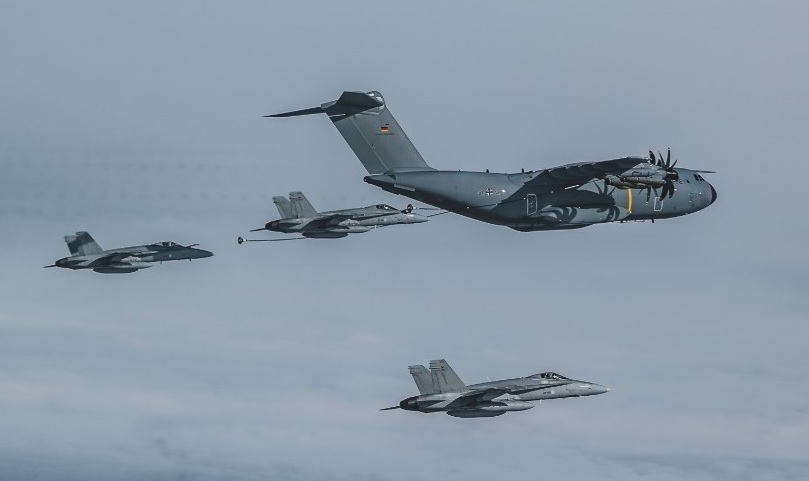
World
The U.S. Air Force has successfully completed Bamboo Eagle 25-1, a large-scale military exercise aimed at testing and refining multi-domain operations in a combat-like environment. This high-intensity drill involved over 10,000 personnel and featured extensive participation from multiple Air Force major commands, joint forces, and international allies, showcasing the growing emphasis on coalition warfare in modern military strategy. Extensive Participation Across Multiple Locations The exercise saw over 175 aircraft deployed across various locations, including California, Hawaii, Florida, and Guam. The United States was joined by key allies, including the United Kingdom’s Royal Air Force (RAF), the Royal Australian Air Force (RAAF), and the Royal Canadian Air Force (RCAF). The presence of international forces underscored the importance of interoperability and joint operational readiness, strengthening collective defense strategies. Key Focus Areas: Agile Combat Employment and Command & Control Bamboo Eagle 25-1 placed a strong emphasis on Agile Combat Employment (ACE)—a concept designed to enable U.S. and allied air forces to rapidly deploy, sustain, and operate in contested environments. By testing flexible deployment strategies, the exercise aimed to reduce dependency on traditional air bases and ensure operational resilience in a high-threat scenario. Another critical component was command and control integration, enhancing communication networks and refining decision-making processes under simulated combat pressure. This approach is essential for maintaining strategic advantage in modern warfare, where real-time intelligence and coordinated responses can dictate mission success. Simulated Combat Challenges for Pilots and Crews The exercise featured complex mission scenarios, replicating real-world battlefield conditions to prepare pilots and aircrews for high-intensity combat operations. Aircraft such as the B-2 Spirit stealth bomber played a crucial role in testing penetrating strike capabilities against advanced adversary defenses. Lieutenant Colonel Joseph Manglitz, commander of the 393rd Expeditionary Bomb Squadron, emphasized the value of such rigorous training. He noted that while training at home is essential, operating in simulated combat alongside international allies enhances tactical execution and fosters a strong warrior ethos. Maintenance and Logistics: The Backbone of Success Beyond aerial operations, logistics and aircraft maintenance teams played an essential role in sustaining high-tempo missions. Maintenance crews worked under extreme conditions to keep aircraft mission-ready, ensuring minimal downtime and maximum operational efficiency. First Lieutenant Benjamin Brooks of the 366th Maintenance Squadron praised the dedication of these crews, highlighting their resilience and adaptability in maintaining the complex systems of advanced military aircraft. He expressed pride in leading a team committed to mission success, recognizing their contribution as a vital component of airpower projection. Strengthening Coalition Defense for Future Conflicts Bamboo Eagle 25-1 not only tested the U.S. Air Force’s warfighting capabilities but also reinforced the importance of allied partnerships in ensuring regional stability. By enhancing coordination, interoperability, and rapid response capabilities, the exercise demonstrated the growing need for coalition warfare in countering emerging global threats. As the U.S. and its allies continue refining their combat strategies, exercises like Bamboo Eagle 25-1 remain a crucial part of maintaining air superiority and deterring potential adversaries. The lessons learned from this large-scale drill will directly contribute to shaping future military operations and strategic planning in an era of evolving security challenges.
Read More → Posted on 2025-02-20 14:37:47
India
In a significant push toward modernising defence logistics, the Ministry of Defence (MoD) has signed contracts worth ₹697.35 crore with Action Construction Equipment (ACE) Limited and JCB India Limited for the procurement of 1,868 Rough Terrain Fork Lift Trucks (RTFLTs). These vehicles will be distributed among the Indian Army, Indian Air Force, and Indian Navy to enhance their operational efficiency in handling logistics and combat support tasks. Enhancing Defence Logistics with RTFLTs The Rough Terrain Fork Lift Trucks are designed to navigate challenging terrains and provide essential logistical support by reducing manual handling of heavy stores and equipment. These trucks will significantly improve the armed forces' ability to transport, store, and manage supplies efficiently in various operational environments, from forward bases to high-altitude areas. The contract was formalised in the presence of Defence Secretary RK Singh, reflecting the government's commitment to strengthening India’s defence capabilities through indigenous production. Given its classification as a "Buy (Indian)" initiative, the project directly supports the 'Aatmanirbhar Bharat' vision by boosting domestic defence manufacturing capabilities. Driving India's Defence Manufacturing Growth This procurement is expected to generate direct and indirect employment opportunities by encouraging local manufacturing and supporting the Micro, Small, and Medium Enterprises (MSME) sector. The involvement of ACE Limited and JCB India—a leading global manufacturer with a strong presence in the Indian market—demonstrates the increasing role of private sector companies in defence production. India has been aggressively pushing for self-reliance in defence manufacturing, introducing policy reforms and investment incentives to strengthen indigenous capabilities. The government has actively promoted collaborations between domestic and international defence firms, encouraging technology transfer and innovation in aerospace and military equipment production. India’s Rising Defence Production & Exports India’s commitment to becoming a global defence manufacturing hub has been reflected in its rapidly growing defence exports. In the financial year 2023-24, India's defence exports reached an all-time high of ₹21,083 crore (approximately $2.63 billion), marking a remarkable 32.5% growth compared to the previous year’s ₹15,920 crore. Over the past decade, defence exports have surged 31 times, showcasing India's growing footprint in the global arms industry. Additionally, the total value of defence production in India saw a 17% rise, reaching ₹1,26,887 crore in the last fiscal year. With an expanding industrial base, increasing defence budgets, and greater collaboration with global firms, India is steadily positioning itself as a major player in defence manufacturing and supply chains. Strengthening Self-Reliance in Defence The acquisition of RTFLTs is a crucial step in modernising logistics and combat support infrastructure, ensuring India’s armed forces are well-equipped for rapid deployment and efficient material handling. The government's continued focus on self-reliance, supported by initiatives like ‘Make in India’ and ‘Aatmanirbhar Bharat,’ is expected to further strengthen India’s position as both a leading defence manufacturer and exporter. With projects like this, India not only enhances its military logistics capabilities but also reinforces its long-term vision of achieving self-sufficiency in defence equipment production, paving the way for more advanced and indigenously developed solutions in the years ahead.
Read More → Posted on 2025-02-20 14:33:11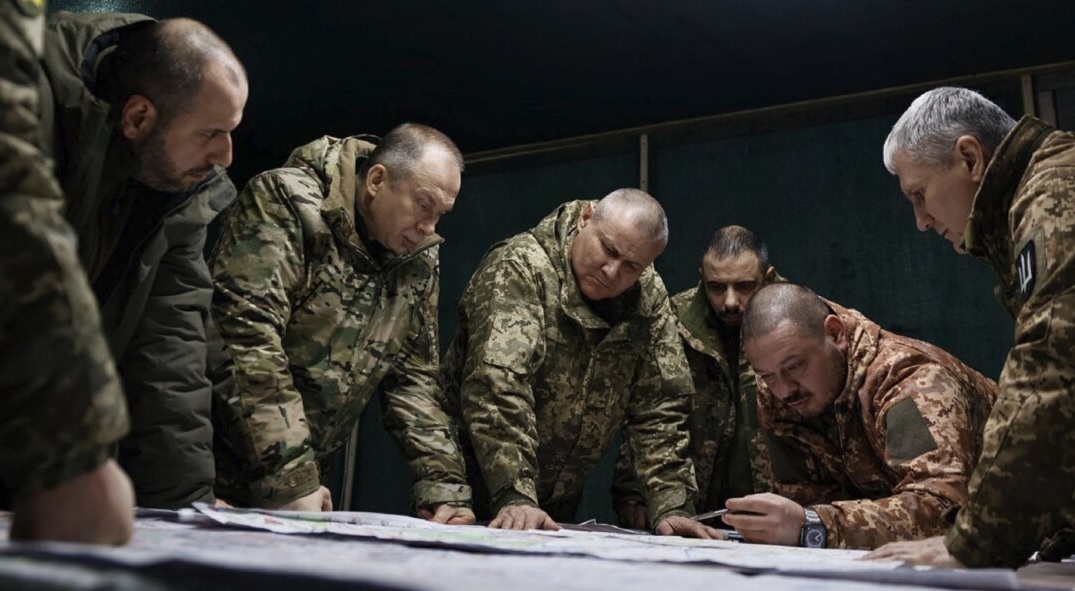
World
The British military is in no condition to lead a major peacekeeping mission in Ukraine, former Army chief Lord Richard Dannatt has warned, citing chronic shortages in both manpower and equipment. His remarks come as discussions intensify over a potential international force—possibly led by the UK and France—to help stabilize Ukraine in the long run. However, the scale of such a mission appears to far exceed what Britain’s armed forces can currently manage. A Force Too Small for a Big Task According to Dannatt, an effective peacekeeping force in Ukraine would require around 100,000 troops, with Britain expected to contribute a significant portion. But the UK’s military, now at its smallest size since the Napoleonic Wars, lacks the numbers and logistical strength for such an operation. “If we were to deploy 10,000 troops per rotation for six months, that would tie up 30,000 to 40,000 soldiers at any given time—and we simply don’t have that many available,” Dannatt told BBC News. He described the British military’s current state as “embarrassingly run down” in terms of both personnel and hardware. This assessment aligns with growing concerns that the UK armed forces are no longer equipped for prolonged high-intensity operations. Reports indicate that in a full-scale war, the British Army’s capabilities could be exhausted within just two months. Government and Military Officials Defend Readiness Despite these concerns, Major General Andy Watson pushed back against Dannatt’s claims, insisting that the British Army remains "absolutely ready" to contribute if called upon. However, he stopped short of confirming whether the UK could meet the mission’s full troop demands. “What the force package would look like depends on what the prime minister and the Ministry of Defence decide,” Watson said. “The UK would contribute, but absolutely not do it alone.” The government has been reluctant to commit to any large-scale deployment, given the stretched state of Britain’s military. The Army has faced recruitment struggles, aging equipment, and budget constraints, raising questions about its ability to sustain a long-term mission in Ukraine. UK Military at a Breaking Point? The crisis of military readiness is not new. Earlier reports revealed that the UK’s tank and artillery stockpiles are critically low, and that its forces lack the ability to conduct large-scale sustained warfare without immediate reinforcement. British officials have repeatedly urged NATO allies to increase their own defense spending instead of relying on London to bear the burden. Even though Britain has proven capable of mobilizing forces for short-term operations, a long-term peacekeeping effort in Ukraine would be a different challenge entirely. It would require heavy logistical support, air defense systems, and sustained troop rotations, all of which seem difficult given the UK’s current military state. As discussions over Ukraine’s future continue, the UK’s role remains uncertain. While British officials maintain that they are ready to contribute, the reality of the Army’s depleted resources suggests that leading a major peacekeeping force is beyond its reach.
Read More → Posted on 2025-02-20 14:27:49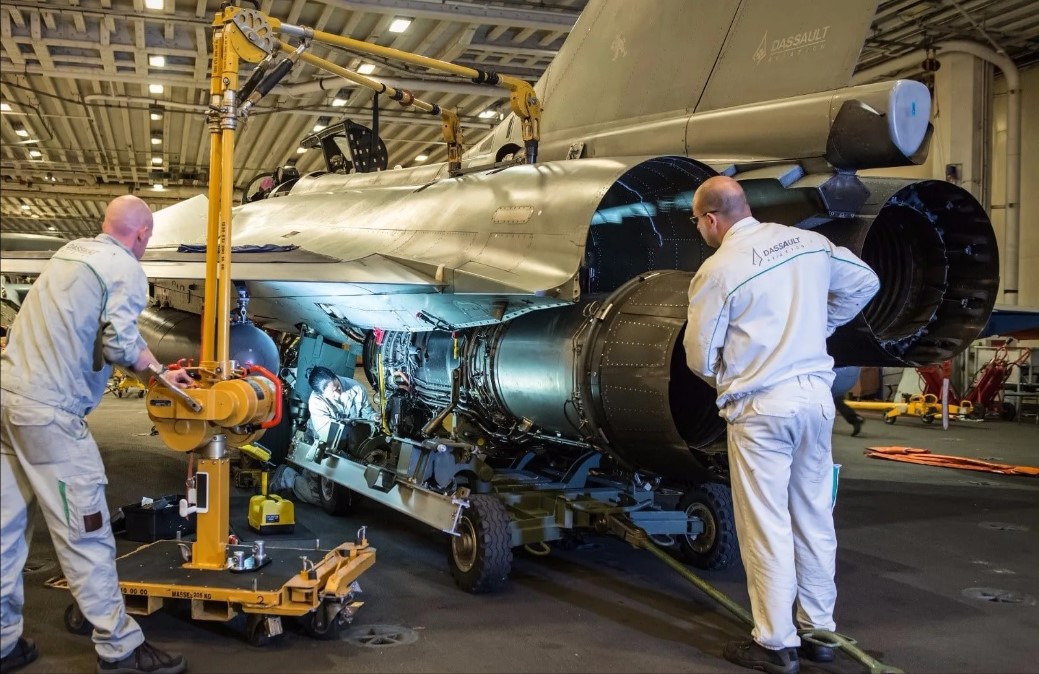
India
India and France are deepening their defence collaboration across multiple domains, focusing on fighter jets, radar systems, helicopter engines, and advanced weaponry. With the Indian Air Force (IAF) operating the Rafale fighter jet and the indigenous Advanced Medium Combat Aircraft (AMCA) in development, both nations are leveraging technology transfer and joint production to enhance India's defence capabilities. Upgrading Rafale with Advanced AESA Radar The RBE2-AA (Active Electronically Scanned Array) radar, developed by Thales, is a game-changer for the Rafale fighter jet, significantly enhancing its situational awareness and combat effectiveness. With an extended detection range of over 200 km, the radar enables the Rafale to track multiple targets and engage long-range threats using Meteor beyond-visual-range air-to-air missiles. The RBE2-AA offers: High-Resolution Synthetic Aperture Radar (SAR): Allows for detailed ground mapping, improving precision strike capabilities. Enhanced Electronic Warfare (EW) Resistance: Provides superior resistance to enemy jamming and radar countermeasures. Passive Sensor Integration: The Rafale's Front Sector Optronics (OSF) works alongside the radar to detect and identify threats stealthily. India's Bharat Electronics Limited (BEL) has played a crucial role in the radar’s production, supplying over 7,000 transmit/receive modules for the RBE2-AA under the "Make in India" initiative. This collaboration also extends to the Rafale’s SPECTRA Electronic Warfare suite, further strengthening the jet’s survivability in contested airspace. AMCA Fighter: India’s Future Stealth Jet with French Engine Expertise India’s AMCA program, a fifth-generation stealth fighter designed by the Aeronautical Development Agency (ADA), is set to benefit from Indo-French cooperation. Safran, a leading French aerospace firm, is co-developing a 110kN high-thrust engine for the AMCA Mk-2 in partnership with the Defence Research and Development Organisation (DRDO). Key highlights of this engine development include: Full Technology Transfer: The engine will be manufactured entirely in India, supporting India's goal of self-reliance in high-end aerospace technology. Stealth and Supersonic Capabilities: The AMCA will feature advanced stealth coatings, supercruise ability, and AI-driven avionics, making it a formidable addition to the IAF. Shared Intellectual Property (IP) Rights: Unlike previous deals where India relied on foreign suppliers, this agreement ensures India retains key design and manufacturing knowledge. The contract for the AMCA engine development is expected to be signed in 2024, keeping the project on track for production by 2035. This partnership also lays the groundwork for future indigenous fighter jet programs like the Twin Engine Deck-Based Fighter (TEDBF) for the Indian Navy. Aravalli Helicopter Engine: Powering India’s Future Rotorcraft India’s upcoming Indian Multi-Role Helicopter (IMRH) and Deck-Based Multi-Role Helicopter (DBMRH) will be powered by the newly developed Aravalli engine, a joint effort between Hindustan Aeronautics Limited (HAL) and Safran Helicopter Engines. Engine Power Output: Each Aravalli turboshaft engine will generate 2,000 kW (2,800 shp), providing enhanced performance for medium-lift helicopters. Indigenous Production: The engine will be developed under the SAFHAL joint venture, ensuring long-term manufacturing capability within India. Operational Versatility: Designed for troop transport, logistics, medical evacuation, and naval operations, the IMRH and DBMRH will replace aging Mi-17 and Sea King helicopters in the Indian armed forces. The first prototypes of the IMRH will initially use existing Safran engines, with the Aravalli expected to be integrated within the next five years. HAMMER Missile: Boosting India’s Strike Capabilities The HAMMER (Highly Agile Modular Munition Extended Range) missile, originally developed by Safran Electronics & Defense for the French Air Force, has been integrated into the Indian Air Force’s Rafale jets. Now, India is expanding its deployment across other platforms, including the indigenous LCA Tejas. Guidance Options: The HAMMER missile features a hybrid Inertial Navigation System (INS) with GPS, an infrared homing variant, and a laser-guided version for engaging moving targets. Extended Strike Range: With a range exceeding 70 km, the missile can destroy fortified enemy positions and mobile targets with pinpoint accuracy. Modular Warhead Configurations: The missile can be equipped with 125 kg, 250 kg, 500 kg, and 1,000 kg warheads, offering flexibility in mission planning. BEL and Safran are collaborating on local production, ensuring India gains expertise in precision-guided munitions while reducing dependence on foreign suppliers. Strategic Implications for Indo-French Defence Partnership These defence collaborations underscore the deepening ties between India and France, going beyond aircraft acquisitions to encompass technology co-development and manufacturing. By leveraging French expertise in radar, aircraft engines, and missile systems, India is strengthening its domestic defence industry while enhancing its military capabilities. The synergy between the two nations ensures that India remains at the forefront of defence innovation while achieving greater self-sufficiency in military technology.
Read More → Posted on 2025-02-20 14:23:17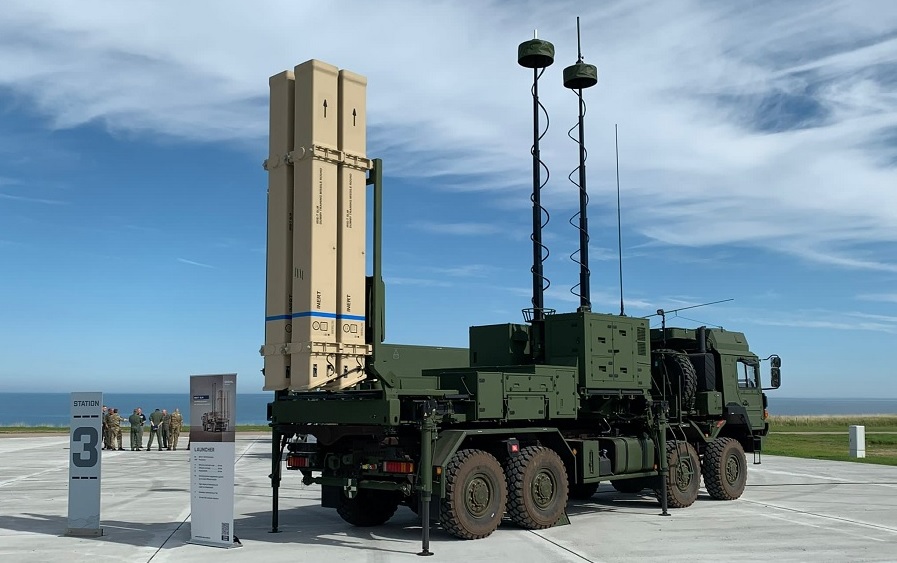
World
German defence giant Diehl Defence has entered into a landmark partnership with the UAE-based EDGE Group, signing a Memorandum of Understanding (MoU) at the IDEX 2025 defence exhibition in Abu Dhabi. The agreement marks a significant step in strengthening collaboration in the fields of air defence, guided missiles, and security systems, aligning with both nations' efforts to enhance sovereign defence capabilities. A High-Profile Signing at IDEX 2025 The signing ceremony was attended by top officials from both companies, underlining the strategic importance of the agreement. Omar Al Zaabi, President of Trading and Mission Support at EDGE, and Dr. Harald Buschek, Chief Program Officer at Diehl Defence, led the discussions. Dr. Jasem Al Zaabi, Vice President of Business Development at EDGE, along with representatives from the German Embassy and Defence Attaché, were also present, highlighting the bilateral cooperation between Germany and the UAE in the defence sector. Strengthening Regional Defence Capabilities For Diehl Defence, this partnership represents an opportunity to expand its footprint in the Middle East, a region that has been rapidly modernizing its defence infrastructure. The UAE, through EDGE Group, is actively investing in advanced military technology to reinforce its national security and reduce dependence on foreign suppliers. The collaboration will not only provide the UAE Armed Forces with cutting-edge missile and air defence systems but also pave the way for potential co-development projects in the future. Showcasing Cutting-Edge Technology at IDEX 2025 At IDEX 2025, Diehl Defence is showcasing a range of state-of-the-art weapon systems, including: IRIS-T SLM – A highly advanced ground-based air defence system designed to intercept aerial threats with high precision and mobility. Guided Missile Systems – Cutting-edge ground-to-air and air-to-air missile solutions, providing superior targeting capabilities for modern warfare. Coastal Defence Solutions – Integrated missile and surveillance systems designed to protect strategic maritime zones. RSBS15 Missile Models – Highly adaptable and precise missiles for land and naval applications. Ammunition, Fuzes, and Protection Systems – A variety of high-performance munitions and defensive equipment aimed at enhancing survivability on the battlefield. A Step Towards Future Defence Cooperation The agreement between Diehl Defence and EDGE reflects a growing trend of international defence partnerships, where global technology leaders join forces with emerging regional powerhouses to enhance defence capabilities. With IDEX 2025 serving as a platform for innovation and collaboration, this strategic partnership is expected to pave the way for future joint projects in missile development, air defence systems, and security technologies. As the global defence landscape evolves, the Diehl-EDGE partnership stands as a testament to the importance of cross-border defence cooperation, ensuring that both Germany and the UAE remain at the forefront of military innovation.
Read More → Posted on 2025-02-20 14:18:09
India
India’s crude oil imports from the United States surged significantly in January, making the U.S. the fifth-largest supplier to the world’s third-biggest oil consumer. The latest trade data reveals that India imported 218,400 barrels per day (bpd) of American crude, a sharp rise from just 70,600 bpd in December. This jump aligns with New Delhi’s broader strategy to expand its energy trade with Washington, aiming to boost purchases from $15 billion last year to $25 billion. Meanwhile, Russia maintained its position as India’s top crude supplier, with imports rising 4.3% month-on-month to 1.58 million bpd. However, these volumes may face downward pressure in the coming months as Indian refiners reassess their strategies following fresh U.S. sanctions on Moscow. With Washington tightening restrictions on Russian crude transactions, Indian refiners will now be more cautious, limiting their purchases to shipments that avoid sanctioned companies and transport routes. The evolving geopolitical landscape has also influenced India’s crude sourcing. Imports from the Middle East climbed 6.5% in January, reaching 2.7 million bpd. Iraq continued as India’s second-largest oil supplier, followed by Saudi Arabia and the UAE. The share of Middle Eastern crude in India's total oil imports rose to a 27-month high of 53%, reflecting a shift away from Russian oil amid rising sanctions. This diversification in energy sourcing comes as Indian refiners adjust their procurement strategies. The Indian government had reportedly advised refiners to prepare for potential U.S. sanctions on Russian oil before they were formally announced, prompting a pivot to non-Russian sources. Overall, India’s crude oil imports averaged 4.8 million bpd in the first 10 months of the current fiscal year (April 2024–January 2025), reflecting a 4.5% increase compared to the previous year. With energy security and price competitiveness at the forefront, India continues to balance its crude basket by leveraging supplies from Russia, the Middle East, and now increasingly from the United States.
Read More → Posted on 2025-02-20 14:15:36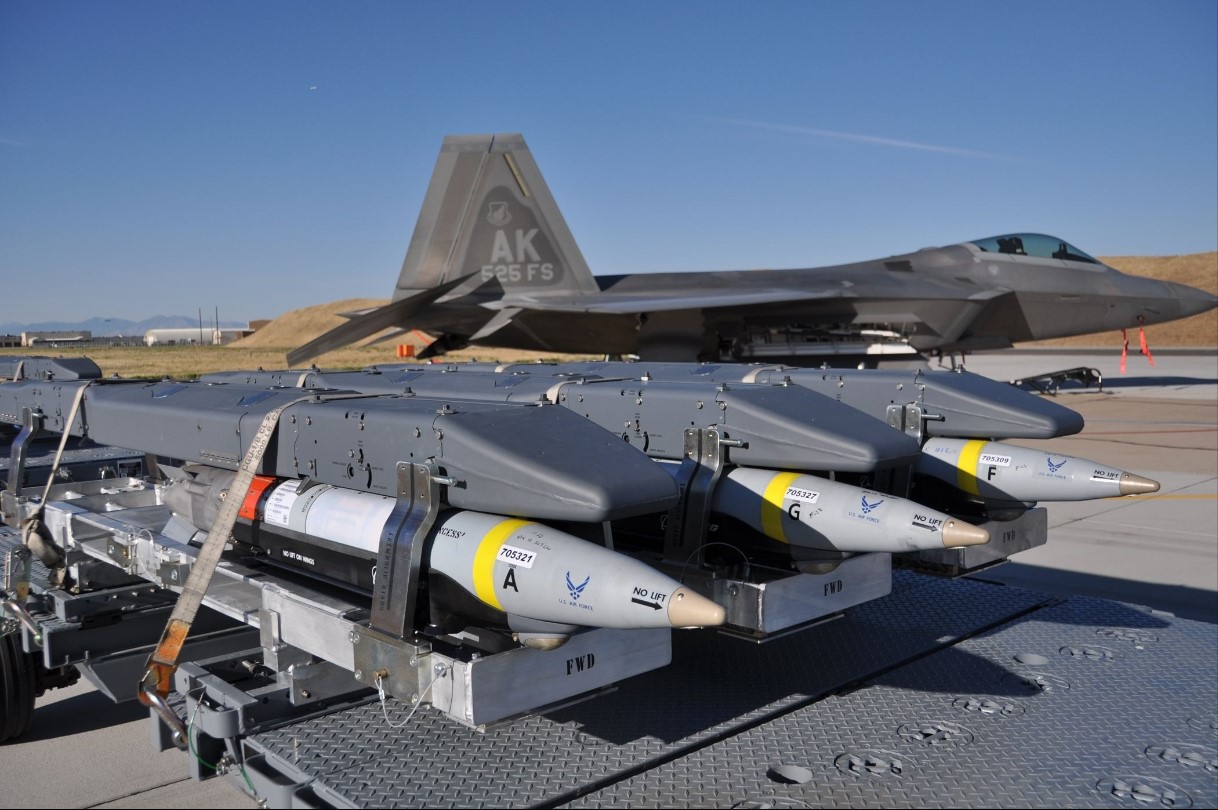
World
Romania is set to enhance its aerial strike capabilities with the acquisition of 400 GBU-39B Small Diameter Bombs (SDB-I) from the United States in an $84-million foreign military sale. This procurement aligns with Bucharest’s broader strategy to strengthen its defense posture within NATO and modernize its air force, which operates a fleet of F-16 fighter jets capable of deploying these precision-guided munitions. A Strategic Step in Romania’s Defense Modernization The purchase of these advanced munitions underscores Romania’s commitment to maintaining interoperability with NATO forces, particularly in coalition air operations. The country has been steadily upgrading its aerial capabilities, and this latest deal follows a massive $6.5-billion agreement in 2023 to procure 32 F-35A Lightning II fighter jets. The F-35s, expected to be delivered in the early 2030s, will also be equipped to deploy the SDBs, reinforcing Romania’s long-term military modernization efforts. What’s Included in the Deal? The approved arms package includes: 400 GBU-39B SDB-I munitions – precision-guided bombs designed for low-collateral damage strikes. GBU-39 (T-1)/B inert practice bombs – used for pilot training and operational drills. GBU-39 tactical training rounds – simulation weapons to refine combat tactics. Common munitions built-in-test/reprogramming equipment – essential for maintenance and operational readiness. ADU-890E computer test set adapter groups – critical support equipment for ensuring bomb functionality. Containers, spare parts, and logistics support – to sustain the long-term use of the weapon system. Small Diameter Bombs: A Game Changer The GBU-39B SDB-I, developed by Boeing, has been operational since 2006 and remains one of the most effective low-cost precision strike weapons available today. Measuring 70.8 inches (180 cm) in length and 7.5 inches (19 cm) in width, the bomb is lightweight yet highly capable, with a range exceeding 60 nautical miles (69 miles/111 kilometers). It uses an inertial navigation system (INS) and global positioning system (GPS) for pinpoint accuracy, making it an ideal weapon for precision airstrikes with minimal collateral damage. Growing Use of SDBs in Regional Conflicts Romania’s move to acquire these bombs comes at a time when Ukraine has been using SDBs against Russian forces since late 2023. The US Air Force placed a $6.9-billion order for additional SDBs in October 2024, ensuring a steady supply of these weapons for allied nations. Given Romania’s strategic location near the Black Sea and its proximity to the ongoing Ukraine conflict, the acquisition of these munitions is a clear signal of its readiness to respond to regional threats and contribute more effectively to NATO operations. Strengthening Romania’s Role in NATO’s Defense Network As tensions in Eastern Europe continue to rise, Romania is reinforcing its position as a key NATO ally. The addition of precision-guided SDBs will not only improve its air force’s strike capabilities but also ensure it remains an active participant in NATO-led deterrence and defense missions. With its F-16 fleet currently in service and F-35s on the horizon, Romania is steadily advancing toward becoming one of the most capable air forces in the region. This latest purchase is a testament to Romania’s commitment to strengthening its military and upholding NATO’s collective security framework.
Read More → Posted on 2025-02-20 14:13:31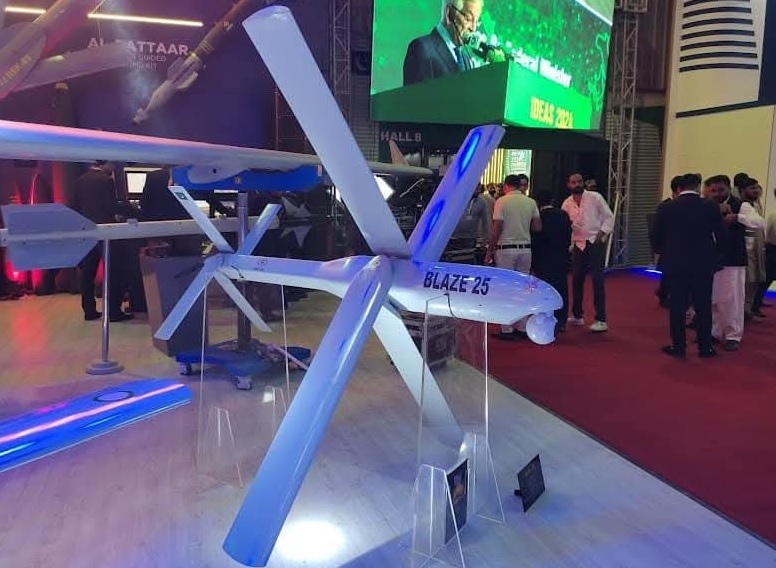
World
Pakistan has introduced its latest kamikaze drone, the BLAZE-25, at the International Defence Exhibition & Conference (IDEX) 2025 in Abu Dhabi, marking a significant step in the country's drone warfare capabilities. Developed by a leading Pakistani defense firm, the BLAZE-25 is a compact, tube-launched loitering munition designed for precision strikes, blending advanced targeting technology with operational flexibility. Cutting-Edge Capabilities and Design The BLAZE-25 is built for both offensive and surveillance missions, providing real-time reconnaissance before striking high-value targets. Weighing just 25 kg, it features an electric propulsion system, making it stealthy with a low acoustic and thermal signature—a crucial advantage in modern battlefield environments where detection avoidance is key. The drone has an operational range of 75 km, allowing it to reach deep behind enemy lines, and it can loiter for up to 60 minutes over a target area before executing an attack. This extended loitering capability gives operators the flexibility to observe and assess the battlefield before engaging, minimizing collateral damage while ensuring high mission success rates. Dual-Functionality: Surveillance and Strike One of the most notable aspects of the BLAZE-25 is its ability to function as both a kamikaze drone and a real-time surveillance platform. When used for reconnaissance, it maintains a data-link range of 10 km, allowing operators to gather intelligence without direct engagement. However, its autonomous targeting system enables independent operation beyond communication range, ensuring that even if external links are jammed or disrupted, the drone can still complete its mission. This feature highlights a significant leap in Pakistan’s unmanned warfare strategy, as autonomous capabilities reduce reliance on constant operator control, making it more effective in electronic warfare scenarios. Strategic Importance in Modern Warfare The introduction of the BLAZE-25 aligns with a global shift toward loitering munitions, a category of smart drones that linger over battle zones before executing precision strikes. These systems have proven highly effective in recent conflicts, such as those in Ukraine and the Middle East, where they have been used to neutralize armored vehicles, artillery positions, and enemy command centers. By unveiling the BLAZE-25, Pakistan joins an elite group of countries—including the United States, Israel, and Turkey—that have invested heavily in next-generation loitering munitions. Given its cost-effective yet advanced design, the BLAZE-25 is likely to attract international buyers looking for affordable and efficient drone solutions for counterterrorism, asymmetric warfare, and conventional military operations. Pakistan’s Growing Drone Industry Pakistan has steadily expanded its indigenous defense industry, with a specific focus on unmanned systems. The country has already developed several drone platforms, including attack UAVs and reconnaissance drones, and the BLAZE-25 marks a significant step toward self-reliance in loitering munition technology. The BLAZE-25's unveiling at IDEX 2025 reflects Pakistan’s commitment to modernizing its armed forces while positioning itself as a competitive drone exporter in the global defense market. As the demand for loitering munitions continues to grow, Pakistan’s entry into this space could reshape regional military dynamics, particularly in South Asia and the Middle East. Future Prospects While the full specifications and combat testing of the BLAZE-25 remain undisclosed, its introduction suggests Pakistan is ready to integrate loitering munitions into its strategic arsenal. Whether for border security, counterinsurgency, or conventional military engagements, the BLAZE-25 provides a lethal, adaptable, and technologically advanced option. As IDEX 2025 continues, the BLAZE-25 is expected to draw interest from defense experts and potential buyers, further solidifying Pakistan’s footprint in drone warfare technology.
Read More → Posted on 2025-02-19 14:39:22
Space & Technology
In a major breakthrough for superconductivity research, Chinese scientists have successfully created a new high-temperature superconductor based on nickel that operates at ambient pressure. This discovery makes nickel only the third class of materials—after copper-based cuprates and iron-based superconductors—to exhibit superconductivity above the critical threshold of minus 233 degrees Celsius (minus 387 degrees Fahrenheit) under normal atmospheric conditions. The team from the Southern University of Science and Technology (SUSTech) in Shenzhen announced their findings in the journal Nature, stating that this achievement paves the way for further investigations into nickelate superconductors and the mechanisms behind superconductivity. The researchers believe this could lead to even higher transition temperatures in future materials, bringing superconductivity closer to practical applications. Superconductivity: The Key to a Future Without Electrical Resistance Superconductivity is a phenomenon where a material exhibits zero electrical resistance and repels magnetic fields when cooled below a certain temperature. This unique property has enormous potential in various industries, including power transmission, magnetic levitation for transportation, and fusion reactors. While many materials can achieve superconductivity at extremely low temperatures, discovering materials that function above minus 233 degrees Celsius at normal pressure has been a significant challenge. Most superconductors require costly cooling methods, such as liquid helium, to reach their operational state. However, high-temperature superconductors, which can be cooled using liquid nitrogen, are more efficient and economically viable. Until now, only cuprates and iron-based materials have been able to achieve this phenomenon under ambient pressure. The new nickel-based material represents a significant step forward in expanding this class of superconductors. Overcoming the High-Pressure Barrier Prior to this discovery, nickel-based superconductivity was only achievable under extreme pressures—hundreds of thousands of atmospheres—akin to the pressure found deep inside the Earth. This requirement severely limited experimental research and potential real-world applications. "Now, we have successfully achieved high-temperature superconductivity in nickel-based materials under normal pressure," said Chen Zhuoyu, co-corresponding author and associate professor at SUSTech. The team developed the nickelate superconductor by combining nickel, oxygen, and the rare earth metals lanthanum and praseodymium. They refined this method over three years, ultimately producing a thin-layered material that transitions into a superconducting state at around minus 228 degrees Celsius. A Major Leap for China's Scientific Innovation Co-author and SUSTech President Xue Qikun emphasized that this breakthrough is not only a major scientific achievement but also a demonstration of China’s growing independence in experimental research. The instruments used in the study were domestically developed, highlighting the country’s capability to lead in advanced material science. "We will further use our unique experimental technology to explore different material systems and push the boundaries of superconductivity at higher temperatures under normal pressure," Xue said. With this discovery, the future of superconductivity research looks increasingly promising. Scientists worldwide are now eager to study this nickelate material in greater detail, hoping to unlock even more advanced superconducting materials that could revolutionize energy transmission, computing, and transportation.
Read More → Posted on 2025-02-19 14:35:39
India
General Upendra Dwivedi, the Chief of the Indian Army, has expressed significant concerns regarding the presence of Pakistan Army and Inter-Services Intelligence (ISI) officials in Bangladesh's Rangpur Division, a region proximate to India's strategically vital 'Chicken's Neck' corridor. This narrow stretch of land, also known as the Siliguri Corridor, serves as a crucial link between India's northeastern states and the rest of the country. In a recent interview, General Dwivedi emphasized the imperative to prevent anti-India elements from exploiting Bangladeshi territory to facilitate terrorist activities against India. He stated, "We must ensure that those anti-India elements are not able to use that soil to send terrorists to India." The General's remarks follow reports of Pakistani military and intelligence delegations visiting sensitive areas in Bangladesh near the Indian border. These visits have raised alarms within Indian defense circles about potential security threats emanating from collaborative efforts between Pakistan and elements within Bangladesh. Despite these concerns, General Dwivedi highlighted the robust military relationship between India and Bangladesh, noting that both nations maintain strong defense ties and regularly exchange strategic insights. He remarked, "Our military relationship with Bangladesh is very strong, and we are able to exchange notes whenever we want." Addressing the broader context of Indo-Pak relations, General Dwivedi humorously referenced a scene from the classic film "Guide," where a character vows not to eat until it rains, to illustrate Pakistan's unwavering stance on Kashmir. He suggested that Pakistan remains entrenched in its position, using anti-India rhetoric as a unifying agenda. "As far as they are concerned, the idea of India is their major criticality. It's not limited to Kashmir only," he added. The General's comments underscore the complexities of regional geopolitics, where historical tensions and emerging alliances continue to shape the security dynamics of South Asia.
Read More → Posted on 2025-02-19 14:26:20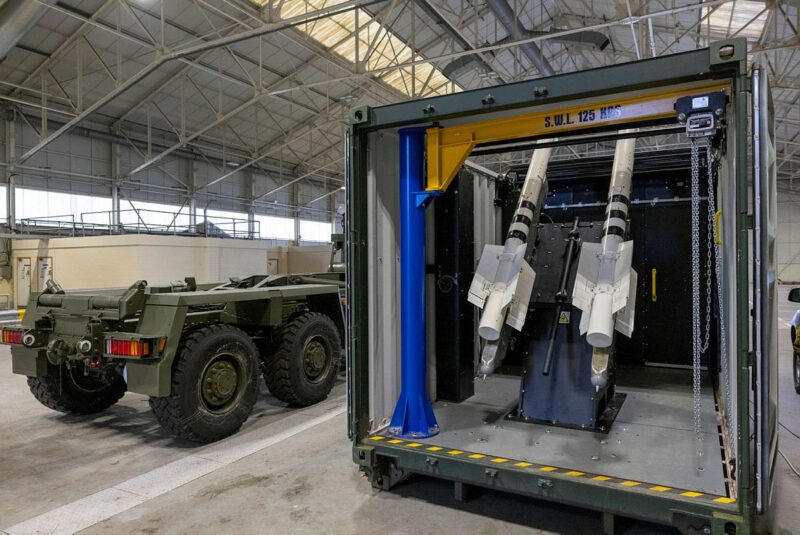
World
The United Kingdom has unveiled the Gravehawk, a cutting-edge air defense system developed to bolster Ukraine's defenses against ongoing aerial threats. This innovative system, rapidly designed in just 18 months, adapts existing missile technology to meet the pressing needs of modern warfare. Design and Features The Gravehawk system ingeniously repurposes Soviet-era R-73 air-to-air missiles for ground-based air defense. These missiles, originally intended for aerial combat, have been modified to launch from a ground platform, effectively targeting drones, missiles, and aircraft. The entire setup is housed within a standard ISO shipping container, enhancing its mobility and concealment. This containerized design allows the system to be mounted on various truck chassis, such as the Leyland DAF 8×6 Drops, facilitating rapid deployment across diverse terrains. A notable feature of the Gravehawk is its passive infrared targeting system. Equipped with a high-performance infrared camera, the system can detect and lock onto heat signatures from incoming threats without emitting signals that could reveal its position. This stealth capability is crucial for operations in contested environments. Additionally, the control unit is compact enough to fit into a suitcase, enabling operators to manage the system remotely and safely from a distance. Operational Capabilities Designed to address Ukraine's critical shortage of air defense solutions, the Gravehawk enhances the country's ability to defend against a spectrum of aerial threats. By utilizing existing R-73 missile stockpiles, Ukraine can efficiently bolster its defenses without the need for procuring new munitions. The system's mobility ensures that it can be repositioned as needed, providing flexible and responsive air defense coverage for key assets and infrastructure. Development and Deployment The development of the Gravehawk is a testament to international collaboration and rapid innovation. Jointly funded by the UK and Denmark, the project emphasizes the commitment of allied nations to support Ukraine's sovereignty and security. Two prototypes underwent successful testing in Ukraine in September 2024, demonstrating the system's effectiveness in real-world conditions. Following these trials, an additional 15 units are slated for delivery to Ukraine within the year, significantly enhancing the nation's defensive capabilities. Strategic Implications The introduction of the Gravehawk system represents a strategic advancement in Ukraine's defense posture. By converting air-to-air missiles for ground-based use, the system offers a cost-effective solution to counteract persistent aerial threats. This approach not only maximizes the utility of existing military assets but also ensures that high-end defense systems can be reserved for more sophisticated threats. As Ukraine continues to face challenges to its airspace, the Gravehawk provides a timely and effective means to safeguard its skies and maintain national security.
Read More → Posted on 2025-02-19 14:20:42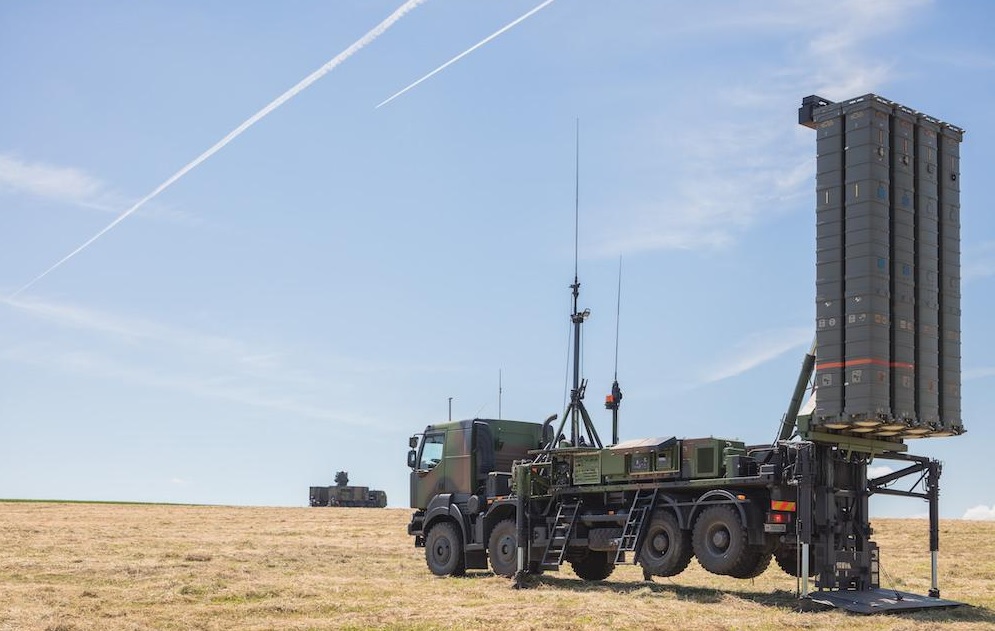
World
Italy has deployed its advanced SAMP/T ground-based air defence system in Lithuania as part of a bilateral exercise with the Lithuanian Air Defence Battalion. This training mission, running from February 10 to 20, is a crucial step in integrating NATO’s air and missile defence capabilities in the Baltic region. The exercise focuses on redeployment, integration, and joint air defence operations, ensuring seamless cooperation between Italian and Lithuanian forces. It aligns with NATO’s broader Integrated Air and Missile Defence (IAMD) Model, designed to enhance security and deterrence along the alliance’s eastern flank. Chief of the Defence Staff Lt Gen Remigijus Baltrėnas emphasised that the exercise is another milestone in implementing NATO’s new Rotational Air Defence Model, aimed at strengthening air defences in Eastern Europe. SAMP/T: A Powerful Shield Against Aerial Threats The SAMP/T system plays a critical role in defending NATO’s Baltic allies. It is equipped with Aster 30 missiles and an advanced Arabel radar, making it highly effective against a wide range of threats, including: Enemy aircraft Cruise missiles Tactical ballistic missiles The system’s advanced radar technology ensures precise target tracking, even in environments with intense electronic warfare and jamming. This makes the SAMP/T a crucial asset in NATO’s air defence network, offering rapid response and high interception accuracy. A Coordinated NATO Defence Effort The exercise brings together multiple NATO air defence assets, including: Lithuania’s NASAMS mid-range air defence system Italian SAMP/T system Fighter jets from NATO’s Baltic Air Policing Mission The Lithuanian Air Operations Centre is actively coordinating these elements, ensuring real-time airspace monitoring and operational execution. Lithuania’s Vice Minister of National Defence Tomas Godliauskas highlighted that the deployment of Italy’s SAMP/T is a major step in making the Rotational NATO Air Defence Model a reality. NATO’s Growing Defence Presence in the Baltics Italy is playing a key role in NATO’s security framework in Eastern Europe. It currently leads its seventh NATO Air Policing Mission in the Baltics, contributing fighter jets and naval patrols in the Baltic Sea. Italy is also part of NATO’s Multinational Battle Groups, reinforcing ground-based deterrence in the region. The Rotational NATO Air Defence Model was first tested during Baltic Connection 24, when the Netherlands deployed its Patriot air defence system in Lithuania. This new model aims to integrate various NATO air defence assets across Eastern Europe, ensuring rapid deployment and interoperability in case of a crisis. Strengthening Europe’s Defence Against Emerging Threats The deployment of Italy’s SAMP/T system in Lithuania is more than just a military exercise—it’s a strategic move to deter threats from adversarial forces. As NATO continues expanding its air defence capabilities, these joint drills demonstrate the alliance’s commitment to protecting its eastern members from potential air and missile attacks. With an increasingly volatile security landscape, Lithuania and Italy’s close defence collaboration sends a clear message: NATO is prepared to defend its borders, and its airspace remains well-protected against evolving threats.
Read More → Posted on 2025-02-19 14:17:36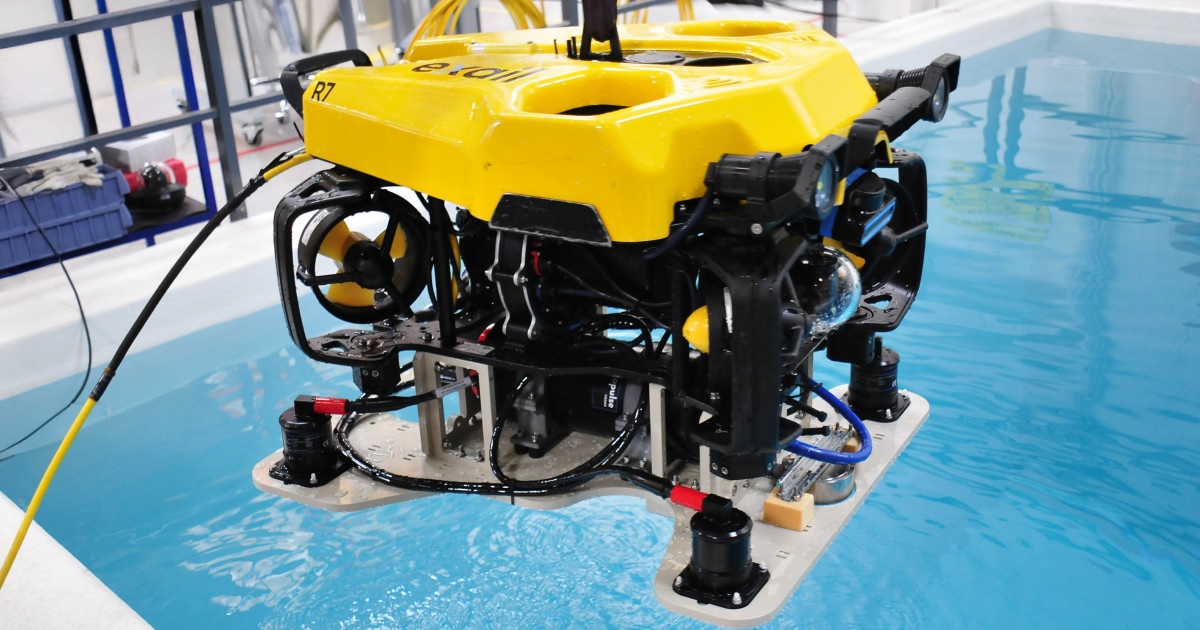
World
Exail, a leader in maritime robotics, has partnered with Elwave to integrate cutting-edge electromagnetic sensing technology into its R7 Remotely Operated Vehicles (ROVs). This collaboration aims to enhance the R7's capabilities in detecting and identifying underwater targets, thereby improving operational performance in complex maritime environments. Integration of Elwave's CEDAR Technology Central to this upgrade is the incorporation of Elwave's Tetrapulse sensors, powered by the innovative Controlled Electric Detection And Ranging (CEDAR) technology. CEDAR is a biomimetic sensing system inspired by certain species of fish that use electric fields to navigate and detect objects in turbid waters. By emulating this natural mechanism, the R7 ROVs gain the ability to generate real-time, three-dimensional images of their surroundings, significantly enhancing their detection and localization capabilities. The integration of CEDAR technology enables the R7 to effectively identify a variety of materials, including steel, aluminum, and fiberglass composites. This is particularly advantageous in challenging conditions where traditional optical and acoustic sensors may be less effective. Gary Bagot, Sales Director at Elwave, noted that this technology provides superior operational performance in environments such as turbid waters, where visibility is compromised. Enhanced Features of the R7 ROV The R7 is designed for a wide range of underwater missions, including inspection, observation, surveillance, maintenance, and object recovery, at depths of up to 300 meters. Its robust and modular architecture allows for easy customization and integration of various payloads and sensors, making it adaptable to diverse operational requirements. Key features of the R7 include: Advanced Imaging Systems: Equipped with high-definition cameras and sensors, the R7 provides 360° visuals, enabling precise identification and assessment of underwater objects. Manipulator Arm: A five-function manipulator arm allows for the handling and recovery of objects during missions, enhancing the R7's versatility in complex tasks. High Mobility: With a forward speed of up to 3 knots and a weight of less than 35 kilograms, the R7 combines agility with ease of deployment. Its compact design facilitates operation from small vessels or even from the shore. Digital Architecture: The fully digital system supports plug-and-play integration of various payloads, ensuring scalability and future-proofing the R7 for evolving mission needs. This collaboration between Exail and Elwave represents a significant advancement in underwater robotics, providing operators with enhanced tools for effective and safe maritime operations.
Read More → Posted on 2025-02-19 14:12:03
World
Israel Aerospace Industries (IAI) has introduced the MOSP 5000, a next-generation Multi-Mission Optronic Stabilized Payload, designed to provide unmatched long-range observation, target tracking, and munition guidance. Developed by TAMAM, IAI’s electro-optics and navigation division, the system integrates multiple sensors and AI-driven tracking capabilities to enhance the operational efficiency of both aerial and maritime platforms. Advanced Multi-Sensor Capabilities The MOSP 5000 is engineered for real-time intelligence, surveillance, and reconnaissance (ISR) missions. Equipped with a high-resolution daylight camera, infrared (IR) imaging, and Short-Wave Infrared (SWIR) sensors, it provides superior imaging in both day and night operations. The system’s continuous optical zoom ensures high-clarity visuals, even in challenging environments such as fog, smoke, haze, and cloud cover. Laser Designation for Precision Targeting A key feature of the MOSP 5000 is its integrated laser designator, which allows precision targeting and munition guidance. This capability is crucial for airborne strike missions, naval operations, and special forces engagements, enabling pinpoint accuracy in identifying and engaging threats. AI-Driven Automatic Target Tracking The system incorporates AI-based automatic target tracking, allowing operators to monitor multiple targets simultaneously. This is particularly useful for border security, coastal surveillance, anti-terror operations, and battlefield reconnaissance. The advanced image stabilization ensures clear visuals even in high-speed movements, making it ideal for UAVs, helicopters, fixed-wing aircraft, and naval vessels. Flexible and Modular Design Designed for seamless integration across multiple platforms, the MOSP 5000 features a lightweight, modular build, making it adaptable to various mission requirements. The system can be easily installed on: Unmanned Aerial Vehicles (UAVs) Helicopters and fixed-wing aircraft Maritime patrol vessels and warships Land-based surveillance and defense systems Building on Decades of Expertise IAI’s TAMAM division has been a global leader in electro-optical systems for over 60 years, with its technologies being widely used by the Israeli Air Force, Navy, and global defense forces. The MOSP 5000 builds upon the legacy of previous systems like MOSP 3000, MiniPOP, Tactical POPSTAR, and MegaPOP, offering next-level enhancements in stabilization, image processing, and AI integration. ISR and Combat Missions With the introduction of the MOSP 5000, IAI strengthens its position as a leader in advanced electro-optical solutions. The system’s cutting-edge AI capabilities, laser guidance, and multi-sensor fusion provide defense forces worldwide with a powerful, reliable, and mission-ready ISR solution. Whether used in airborne, naval, or land-based operations, the MOSP 5000 is set to redefine modern surveillance and targeting technology.
Read More → Posted on 2025-02-19 14:09:37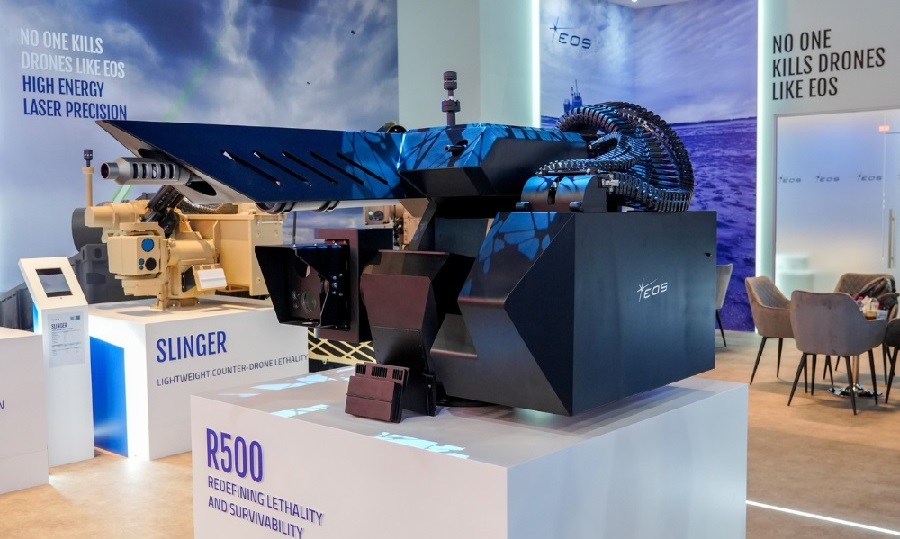
World
Electro Optic Systems (EOS), the Australian defence technology company, has officially introduced its latest Remote Weapon System (RWS), the R500, at the International Defence Exhibition & Conference (IDEX 2025) in Abu Dhabi. The system represents a significant leap in firepower, precision, and adaptability, specifically designed for modern battlefield conditions where emerging threats, including drones, pose a major challenge. Next-Generation Firepower and Versatility The R500 is an evolution of the R400, a widely deployed and battle-proven RWS. While maintaining its core modularity, the R500 enhances weapon compatibility, ammunition capacity, and operational effectiveness. It can integrate multiple weapons, including heavy machine guns, automatic grenade launchers, and anti-tank guided missiles (ATGMs), making it highly adaptable to diverse mission requirements. One of its standout features is its high-capacity ammunition stowage, ensuring sustained combat performance with minimal reload interruptions. The system is also designed for quick reconfiguration, allowing forces to switch weapon configurations based on mission needs. Advanced Targeting and Counter-UAS Capabilities With battlefield threats evolving, EOS has equipped the R500 with state-of-the-art targeting and surveillance technology. The system integrates: AI-powered fire control and tracking algorithms for precision targeting. High-resolution electro-optical and infrared sensors to detect and engage threats in all weather conditions. Integrated Counter-Unmanned Aerial System (C-UAS) radar, allowing the R500 to identify and neutralize drone threats efficiently. STANAG Level 2 add-on armour, providing increased survivability against enemy attacks. These upgrades ensure that the R500 offers enhanced situational awareness, giving operators the ability to identify, track, and engage threats with high accuracy before they become critical. Unmanned Ground Vehicle (UGV) Integration and Remote Operation Another groundbreaking feature of the R500 is its full compatibility with Unmanned Ground Vehicles (UGVs). The system includes an advanced wireless control suite, allowing operators to remotely command the weapon system from a safe distance. This integration reduces risks to personnel while enabling precise and effective firepower in high-threat environments. Additionally, the high-performance edge AI hardware embedded within the system enables autonomous operation capabilities, making the R500 one of the most advanced RWS solutions in the industry. Global Adoption and Regional Expansion EOS’ Remote Weapon Systems are widely used by militaries across Australia, North America, Europe, the Middle East, and South-East Asia. More than 2,500 units have been sold globally, with over 500 systems actively deployed by the Emirati Armed Forces. Since 2019, EOS' technology centre in Abu Dhabi has played a vital role in supporting military forces in the region, ensuring maintenance, upgrades, and operational support. With the launch of the R500 at IDEX 2025, EOS reaffirms its commitment to providing cutting-edge, AI-powered defence solutions that meet the growing challenges of modern warfare. The system’s increased firepower, enhanced targeting, and counter-drone capabilities position it as a game-changer in the global defence market.
Read More → Posted on 2025-02-19 13:52:40
India
India’s quest for self-reliance in defence technology has received a major boost with the development of an indigenous 180hp diesel engine for unmanned aerial vehicles (UAVs). Designed by Coimbatore-based Jayem Automotive, this advanced powerplant is set to enhance the capabilities of the Tapas UAV, India’s medium-altitude, long-endurance (MALE) drone. A Game-Changer for India’s UAV Program Unveiled at Aero India 2025 in Bengaluru, the 180hp diesel engine has successfully completed ground trials and is now being integrated into the upgraded Tapas UAV. Officials have confirmed that taxi trials and in-flight tests will begin soon. This marks a major milestone in reducing India's dependence on imported UAV engines, making the country more self-reliant in critical defence technologies. The Tapas UAV, developed by India’s Defence Research and Development Organisation (DRDO), is designed for long-endurance surveillance and reconnaissance missions. With this indigenous diesel engine, the UAV is expected to achieve superior fuel efficiency, greater operational range, and better performance in high-altitude environments. Key Advantages of the 180hp Diesel Engine Compared to traditional gasoline engines or imported alternatives, this diesel powerplant offers several crucial advantages: Enhanced Endurance – Diesel engines are naturally more fuel-efficient than gasoline ones, allowing UAVs to fly for longer durations without refueling. This is critical for surveillance and reconnaissance missions where extended flight times are a necessity. High-Altitude Capability – The engine is designed to operate effectively in low-oxygen environments, making it ideal for missions over the Himalayas and other strategic high-altitude regions where India's border security depends on sustained aerial surveillance. Increased Payload Capacity – With better fuel economy, the UAV can accommodate additional payloads, such as advanced sensors, communication equipment, and surveillance systems, thereby enhancing mission efficiency. Indigenous Manufacturing – The development of this engine supports India’s Atmanirbhar Bharat (self-reliant India) initiative by reducing dependence on foreign defence suppliers and strengthening domestic aerospace capabilities. Towards a More Capable Tapas UAV With this engine, the Tapas UAV will gain extended operational range and improved performance in challenging conditions, making it an invaluable asset for India’s armed forces. The successful completion of upcoming trials will determine its readiness for full-scale deployment. If integrated successfully, this could pave the way for future UAV programs to incorporate homegrown propulsion systems, reducing India's reliance on imported drone engines and positioning the country as a leader in indigenous UAV technology. As India continues to strengthen its defence and aerospace sector, the 180hp diesel engine-powered Tapas UAV is set to become a game-changer in high-altitude surveillance and long-endurance missions.
Read More → Posted on 2025-02-19 09:35:22
India
The third edition of Exercise CYCLONE, a joint special forces drill between India and Egypt, is currently taking place at the Mahajan Field Firing Range in Rajasthan. This 14-day-long military exercise, which began earlier this month, will conclude on February 23. Designed to boost interoperability, joint planning, and combat skills, the exercise serves as a crucial platform for both nations to refine their special operations tactics in a challenging desert environment. Strengthening Tactical Coordination The exercise features 25 elite personnel from each country—India is represented by troops from two Special Forces Battalions, while Egypt’s Special Forces Group and Task Force form the Egyptian contingent. Over the course of two weeks, these highly trained units are undergoing intense combat conditioning, mission planning, and tactical drills to enhance their ability to operate jointly in counter-terrorism and high-risk operations. Exercise CYCLONE is an annual event, alternating between India and Egypt. The previous edition was held in Egypt in January 2024, reflecting the growing strategic cooperation between the two militaries. Key Focus Areas and Training Modules The drills include: Advanced special forces skills tailored for desert and semi-desert warfare. Tactical planning for joint operations, improving coordination between the two forces. Combat survival techniques and stress testing under extreme conditions. Counter-terrorism operations, with an emphasis on rapid response and urban warfare tactics. Interoperability exercises, allowing troops to learn from each other’s strengths and combat experiences. Final Validation and Indigenous Equipment Showcase The exercise will culminate in a 48-hour validation phase, simulating real-world counter-terrorism scenarios in challenging desert terrain. This final drill will test the effectiveness of joint operational planning and execution, ensuring that both sides can respond swiftly and decisively to any potential threats. Additionally, the Egyptian delegation will get an opportunity to witness India’s indigenous military equipment and gain insights into India’s growing defence manufacturing sector. This exchange of expertise could pave the way for future defence collaborations between the two nations. Enhancing Bilateral Military Ties By fostering a spirit of camaraderie, cooperation, and knowledge-sharing, Exercise CYCLONE-III is deepening the military relationship between India and Egypt. With growing defence ties and shared security concerns, this annual joint training enhances both countries' ability to tackle emerging security challenges. As the Indian and Egyptian special forces push their limits, the exercise stands as a testament to their commitment to operational excellence, reinforcing their readiness to execute joint missions in complex battle environments.
Read More → Posted on 2025-02-19 09:23:54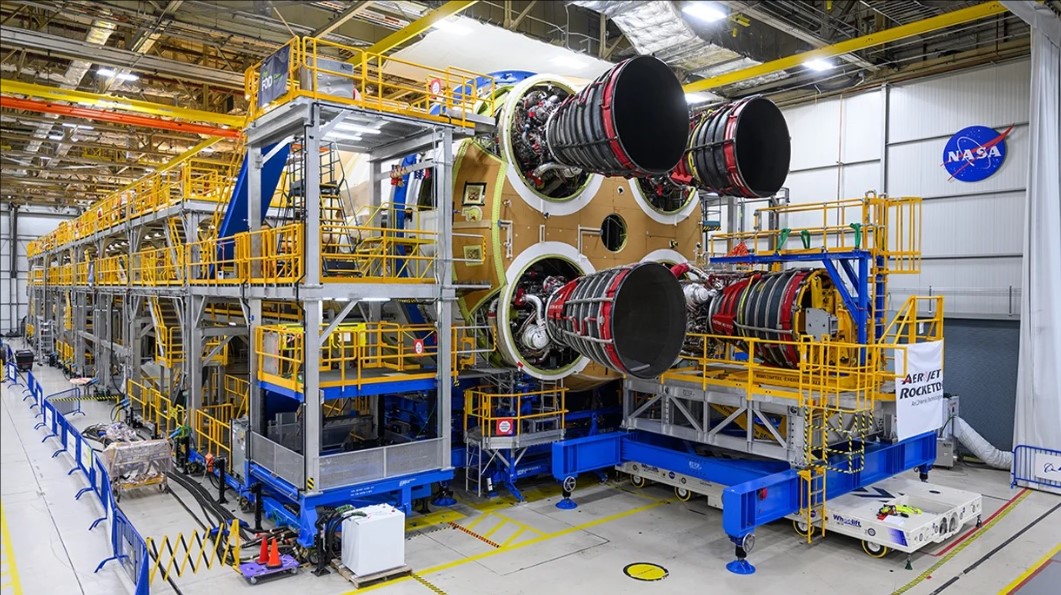
World
L3Harris has successfully assembled the first newly built RS-25 engine for NASA’s Artemis V mission, marking a major milestone in the Space Launch System (SLS) program. Designated E20001, this engine is the first of four newly manufactured RS-25 engines that will power the core stage of the Artemis V rocket as NASA pushes forward with its deep-space exploration goals. A Shift from Shuttle-Era Engines Earlier Artemis missions relied on repurposed RS-25 engines from the retired Space Shuttle Program. However, starting with Artemis V, NASA will use newly built RS-25 engines, designed with modern manufacturing techniques to enhance efficiency while maintaining the high reliability of their predecessors. The next step for E20001 is acceptance testing, which includes a 500-second static hot-fire test at the Fred Haise Test Stand at NASA’s Stennis Space Center in Mississippi. During this test, the engine will be: Pushed to full thrust Temporarily reduced to 80% thrust Throttled back up to simulate in-flight performance This “test like you fly” approach ensures the engine’s performance is validated under realistic mission conditions, particularly during critical phases like booster separation. Advancing Engine Technology for Deep Space Exploration The next-generation RS-25 engines include 3D-printed components and redesigned structural parts that help streamline manufacturing. By reducing the number of parts and welds, L3Harris has successfully lowered production costs while improving efficiency and reliability. The company is currently assembling the remaining three engines for Artemis V while refining its production processes to further enhance performance and cost-effectiveness. The Future of Artemis Missions As NASA’s Artemis program continues to evolve, these new RS-25 engines will be a critical part of missions that aim to return humans to the Moon and eventually venture to Mars. The advancements made in engine design and manufacturing will not only support deep-space exploration but also pave the way for more sustainable and efficient space travel in the future.
Read More → Posted on 2025-02-19 09:18:29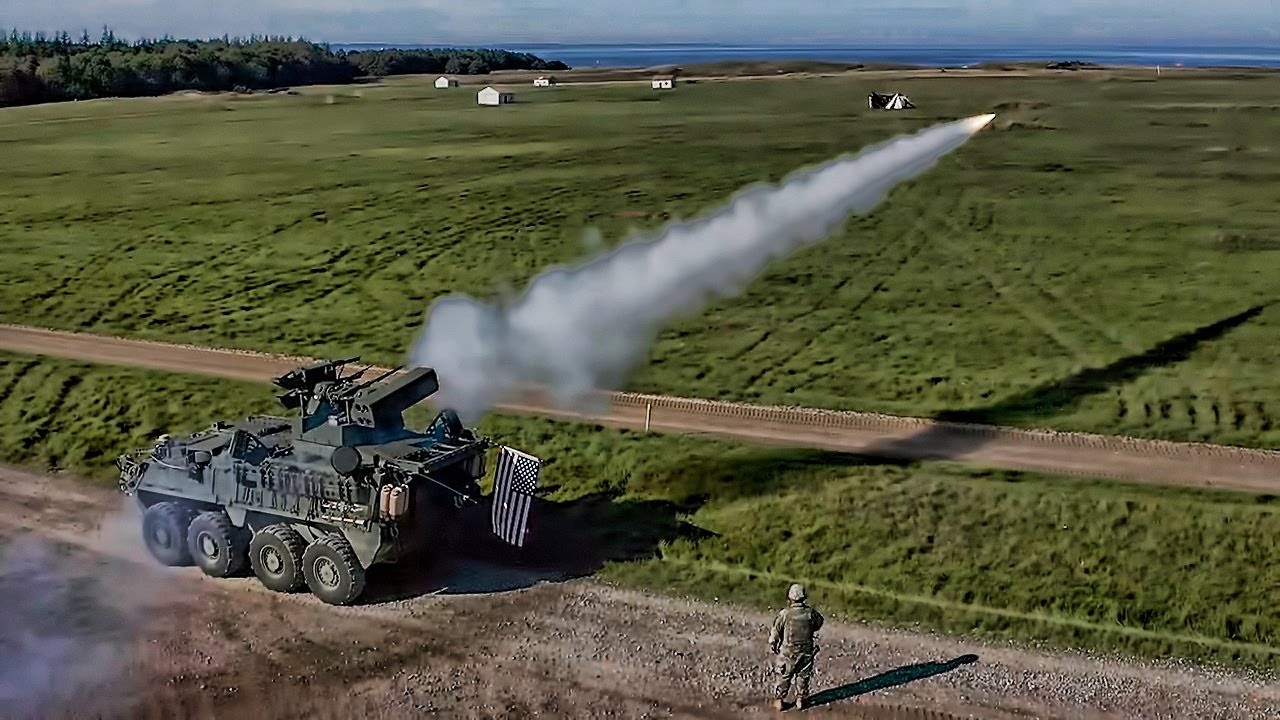
World
Raytheon, a business under RTX, has achieved a major milestone in the development of the Next-Generation Short-Range Interceptor (NGSRI) for the U.S. Army. The company recently completed 10 successful subsystem demonstrations, paving the way for a highly advanced replacement for the Stinger surface-to-air missile. A New Era in Short-Range Air Defense The NGSRI program is designed to provide enhanced capabilities for defending against aerial threats, including drones, helicopters, and fixed-wing aircraft. The successful subsystem demonstrations confirm that Raytheon’s new interceptor will deliver a longer range, improved accuracy, and higher lethality compared to the Stinger missile, which has been in service since the 1980s. According to Tom Laliberty, President of Land & Air Defense Systems at Raytheon, these tests mark a crucial step in delivering an affordable, low-risk, and highly producible solution that meets the Army’s stringent performance requirements. Breakthroughs in NGSRI Testing Over the past several months, Raytheon’s industry team successfully tested all key subsystems of the new interceptor. The results exceeded expectations and showcased significant improvements over existing short-range air defense (SHORAD) systems. Key Subsystem Tests & Achievements: Advanced Seeker Assembly: The seeker demonstrated maximum range acquisition, surpassing the Stinger’s capabilities in both laboratory and real-world outdoor environments. Flight Rocket Motor: A newly designed rocket motor successfully extended the intercept range, providing a significant upgrade for maneuver-based short-range air defense. Command Launch Assembly (CLA): The man-portable launch system improved target detection and identification, especially in low-visibility environments. Warhead Testing: Arena tests confirmed the missile warhead’s ability to achieve high-precision, repeatable lethality against a wide range of aerial threats. Additionally, six other tests covered critical missile functions, including: Tracking and guidance Aerodynamic control Fuzing technology Safety mechanisms Next Steps: Soldier Evaluations & Flight Testing With subsystem testing complete, Raytheon is now moving forward with soldier touchpoint exercises. This phase will allow U.S. Army soldiers and Marines to interact directly with the new interceptor, providing real-time feedback on its usability and effectiveness in field conditions. A full system flight test demonstration is also planned for later this year, marking a critical milestone before production and deployment. Raytheon’s Legacy in Missile Defense Raytheon has been at the forefront of missile defense technology for over 60 years. The NGSRI program integrates advanced engineering and modern manufacturing to ensure faster production and superior performance while maintaining affordability for the U.S. Army and Marine Corps. As the Stinger missile nears retirement, the Next-Generation Short-Range Interceptor promises to be a game-changer, providing unmatched agility, accuracy, and reliability for the battlefield of the future.
Read More → Posted on 2025-02-19 09:12:12Search
Top Trending in 24 Hours
-
 NASA Suspends Science Operations on Perseverance Rover and Mars Odyssey After Hardware Failures
-
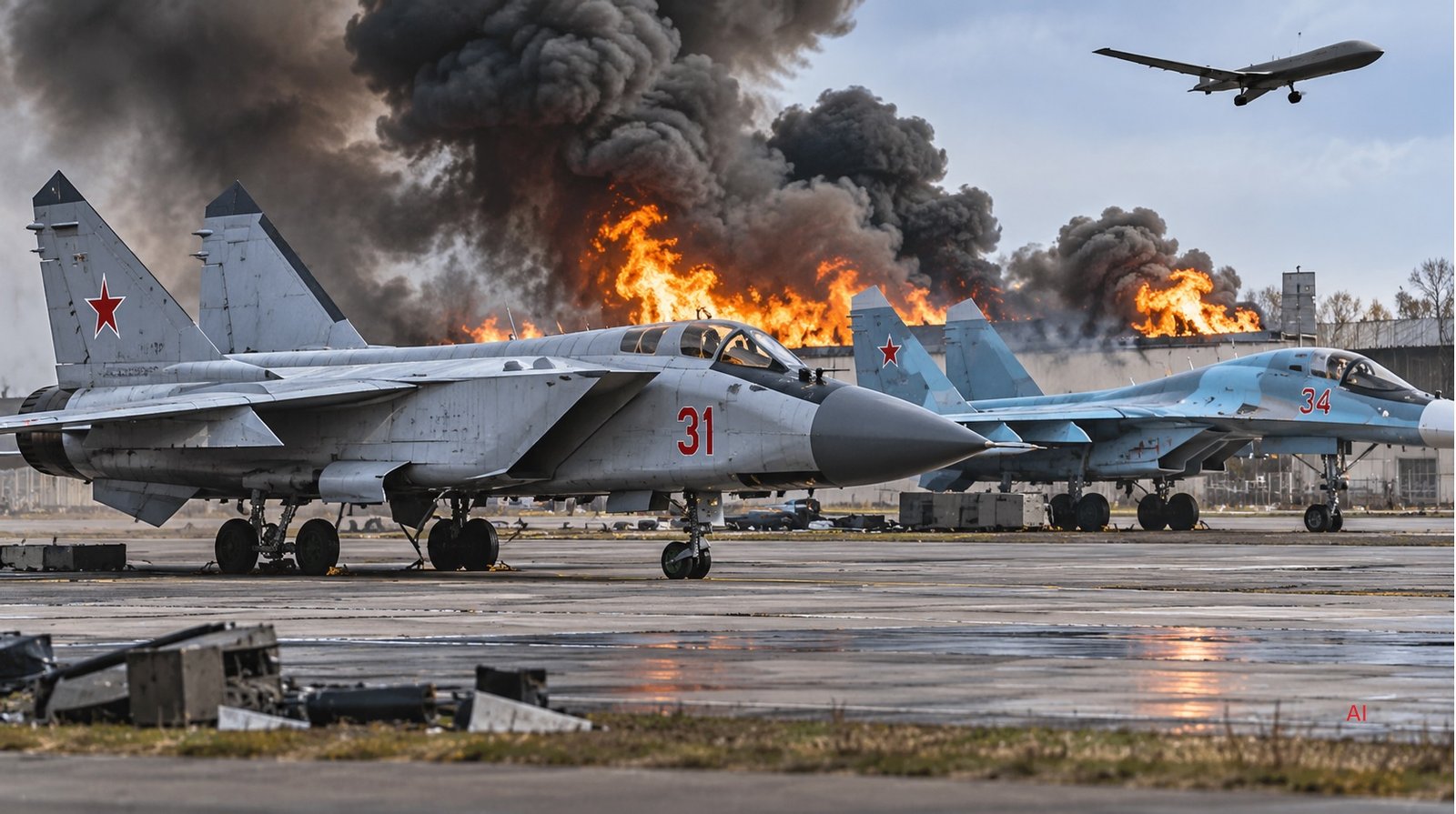 Ukraine Strikes Five Russian Warplanes, Including Three Kinzhal-Capable MiG-31s at Savasleyka Airbase
-
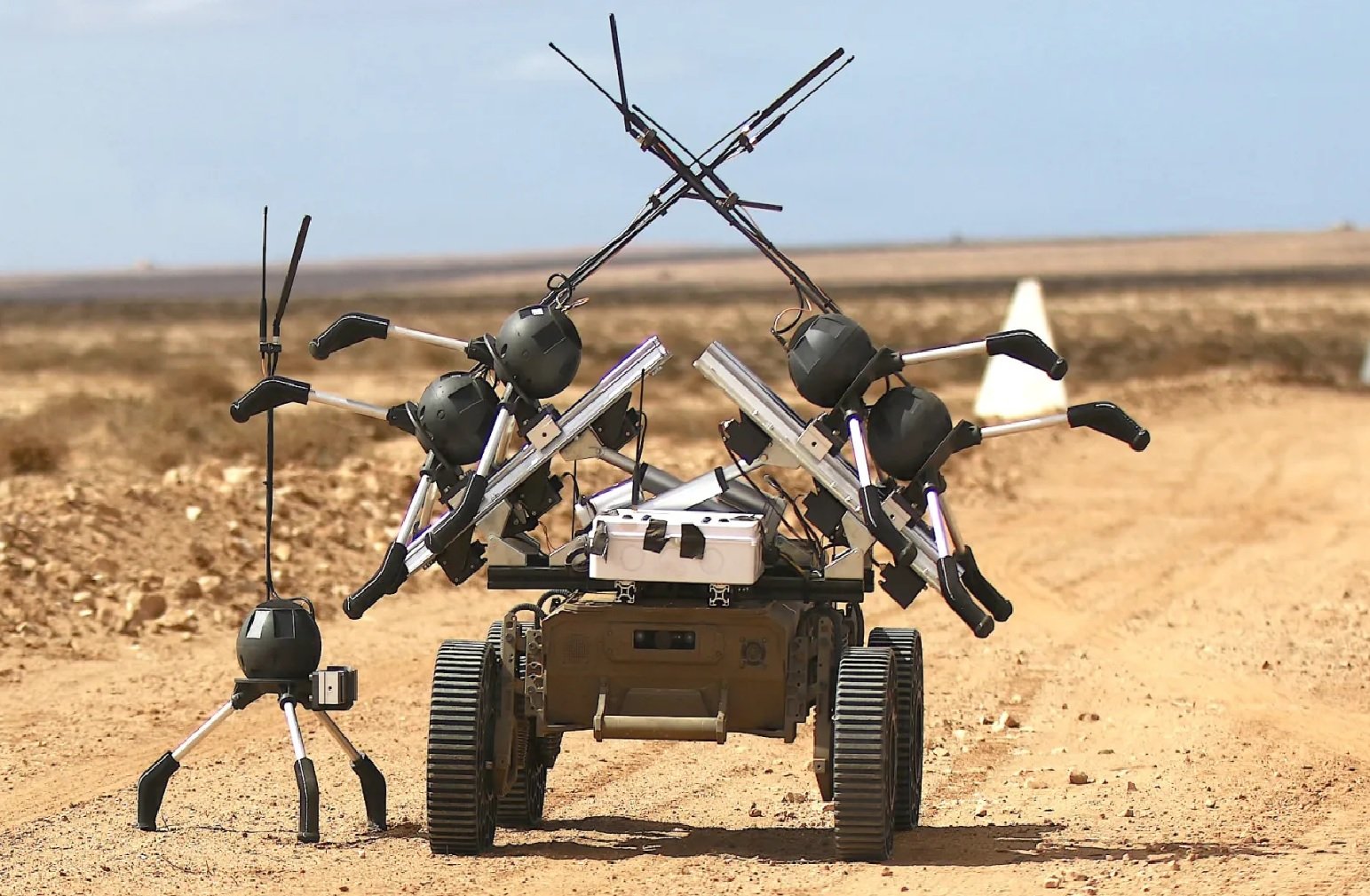 U.S. Army Tests FireAnt Robotic Vehicle to Deploy Drone-Detection Sensors in Morocco
-
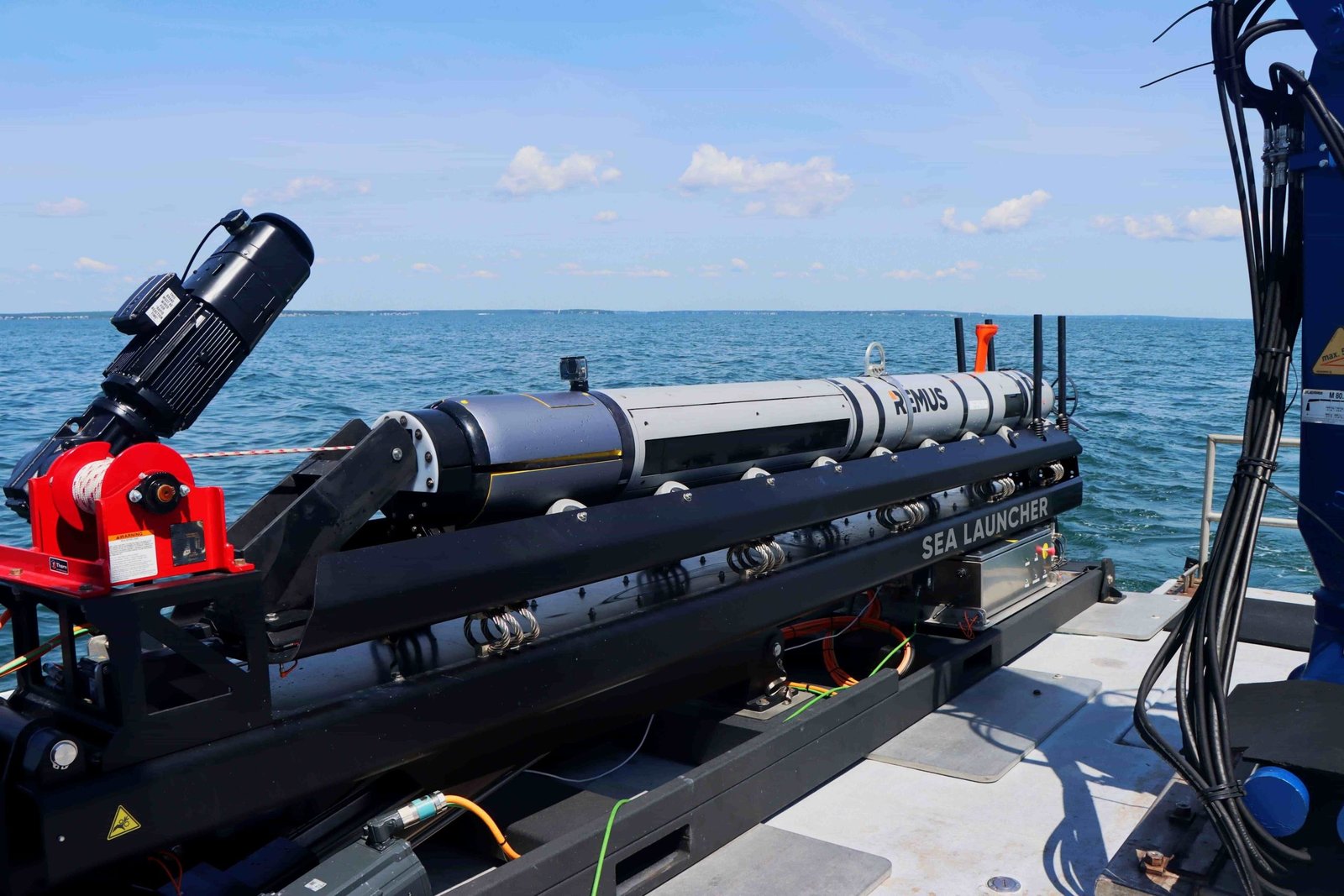 UK Awards HII £142 Million Contract for REMUS 620 Underwater Vehicles for Royal Navy Mine-Hunting Programme
-
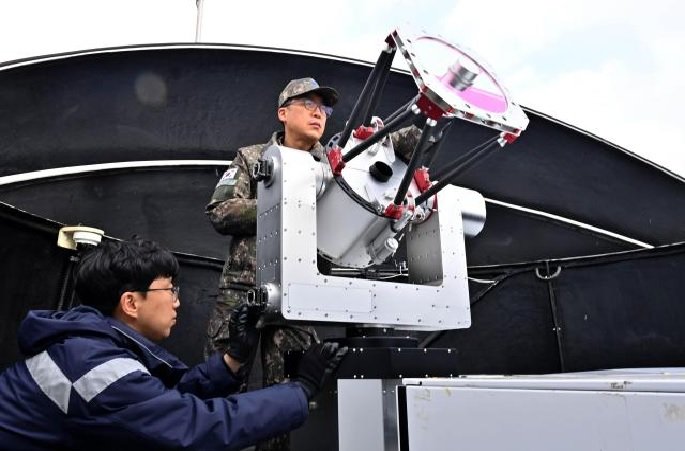 South Korea’s Air Force Deploys New Space Weather Warning System to Monitor Solar Activity and Protect Military Operations
-
 UK Supplied Fake 'Enhanced C-4' Explosives for Ukrainian Drones, Investigation Reveals
-
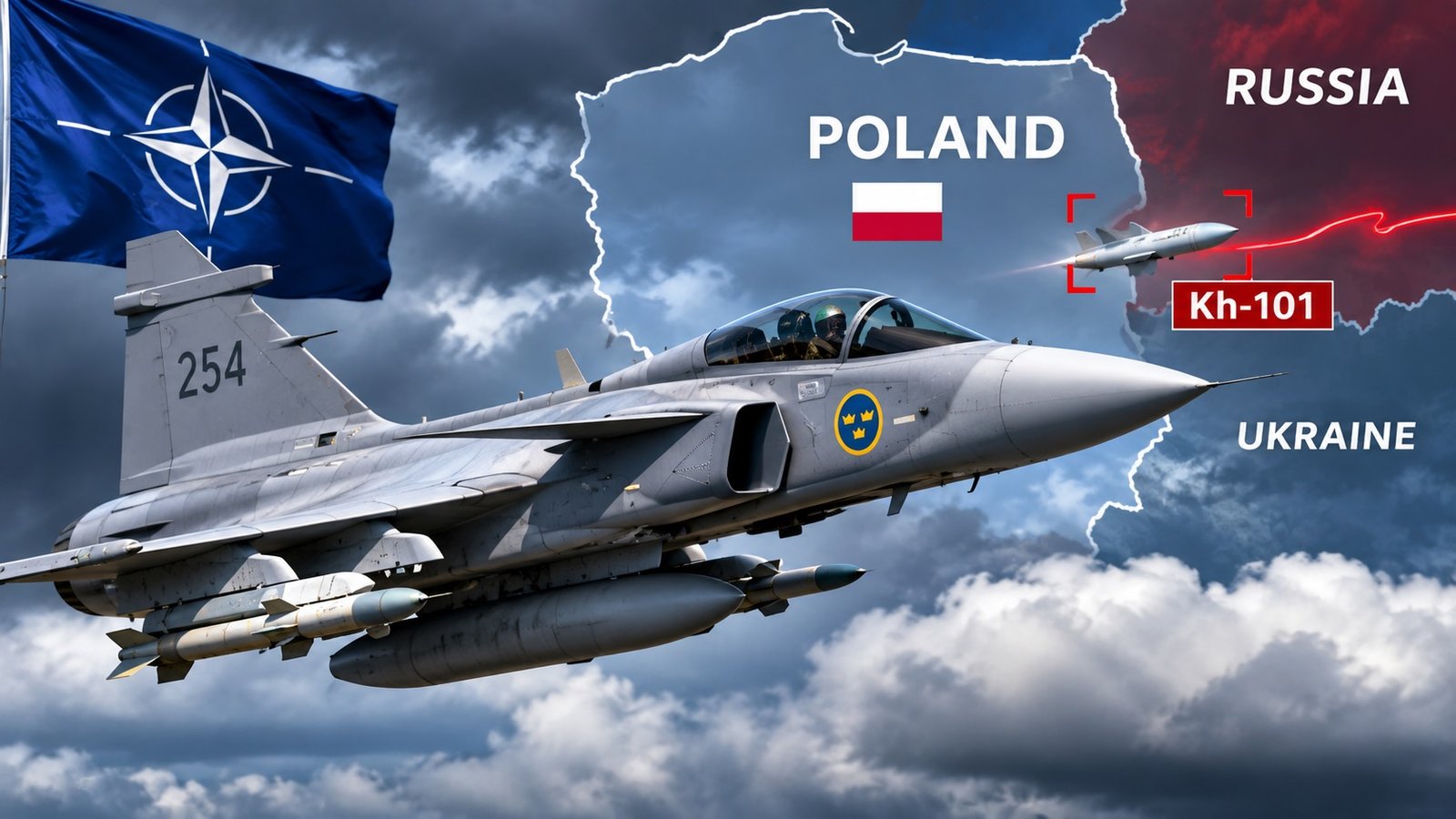 Swedish Gripen Fighter's Capabilities Questioned After Pilot Fails to Engage Suspected Russian Missile Over Poland
-
 Israeli Elbit Systems Wins Five-Year Contract to Equip Four German Navy F128 Frigates With Electronic Warfare Systems
Top Trending in 4 Days
-
 Two Injured in Bahrain After Iranian Attacks; Iran Claims Strike on US Patriot Radars
-
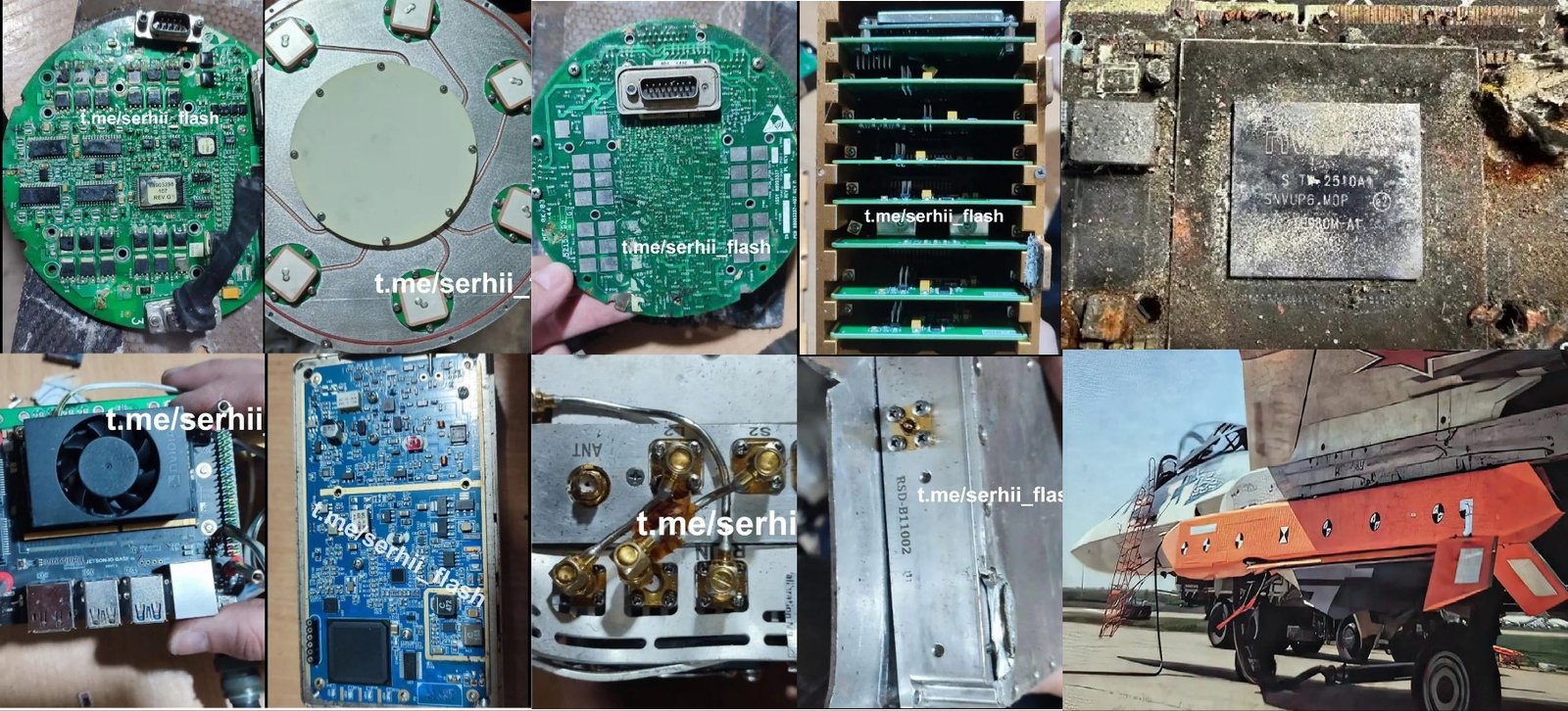 Russian Drones and Cruise Missiles Found Using Civilian NVIDIA AI Chips in Ukraine
-
 Russian Corvette Merkury Almost Certainly Destroyed in Benghazi Port Explosion
-
 Western Intelligence Warns Russia Could Launch Nuclear-Armed Satellite as Early as December
-
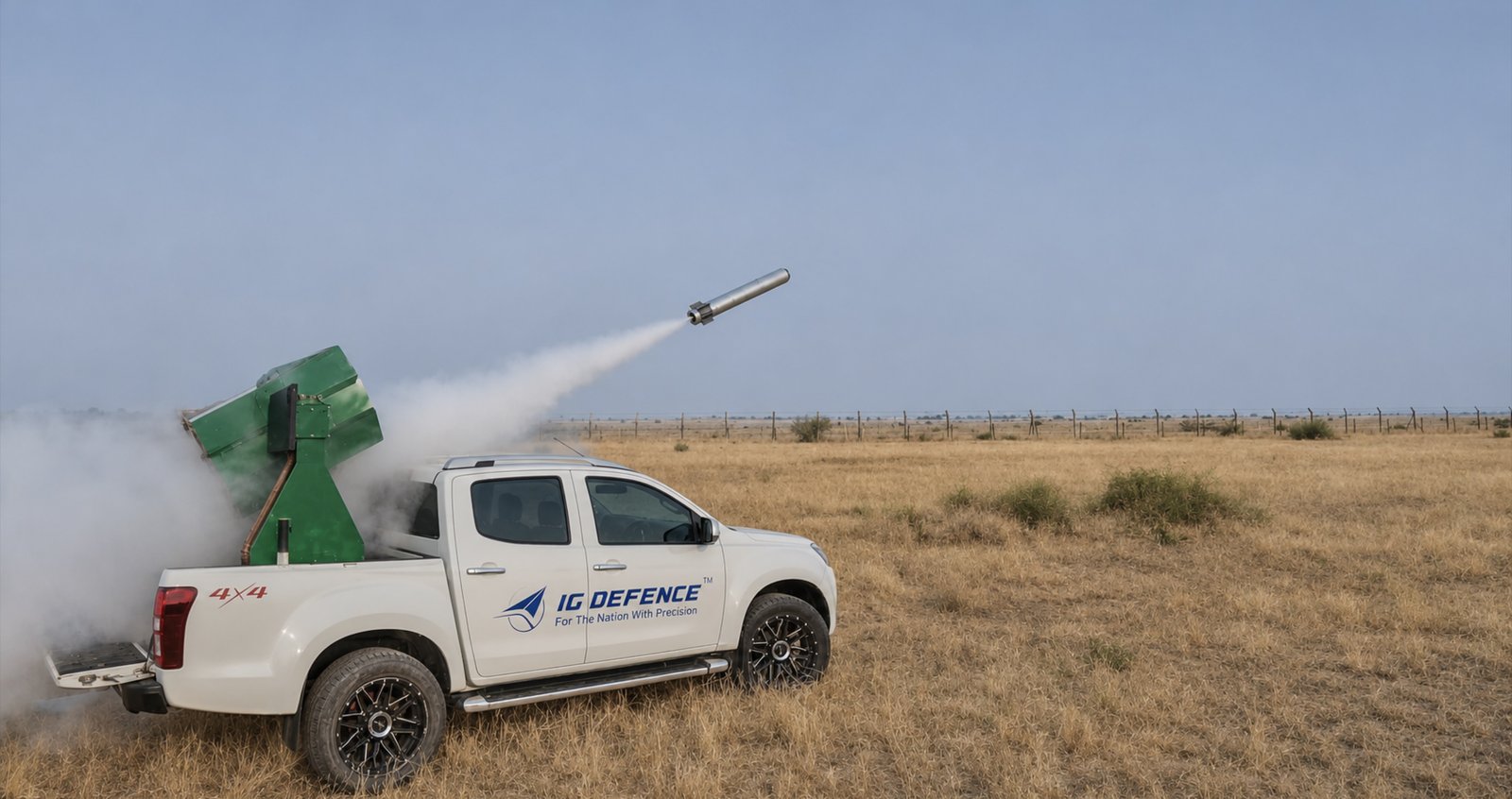 IG Defence Successfully Test-Fires JWALA MK-1 Counter-Drone Missile at Pokhran
-
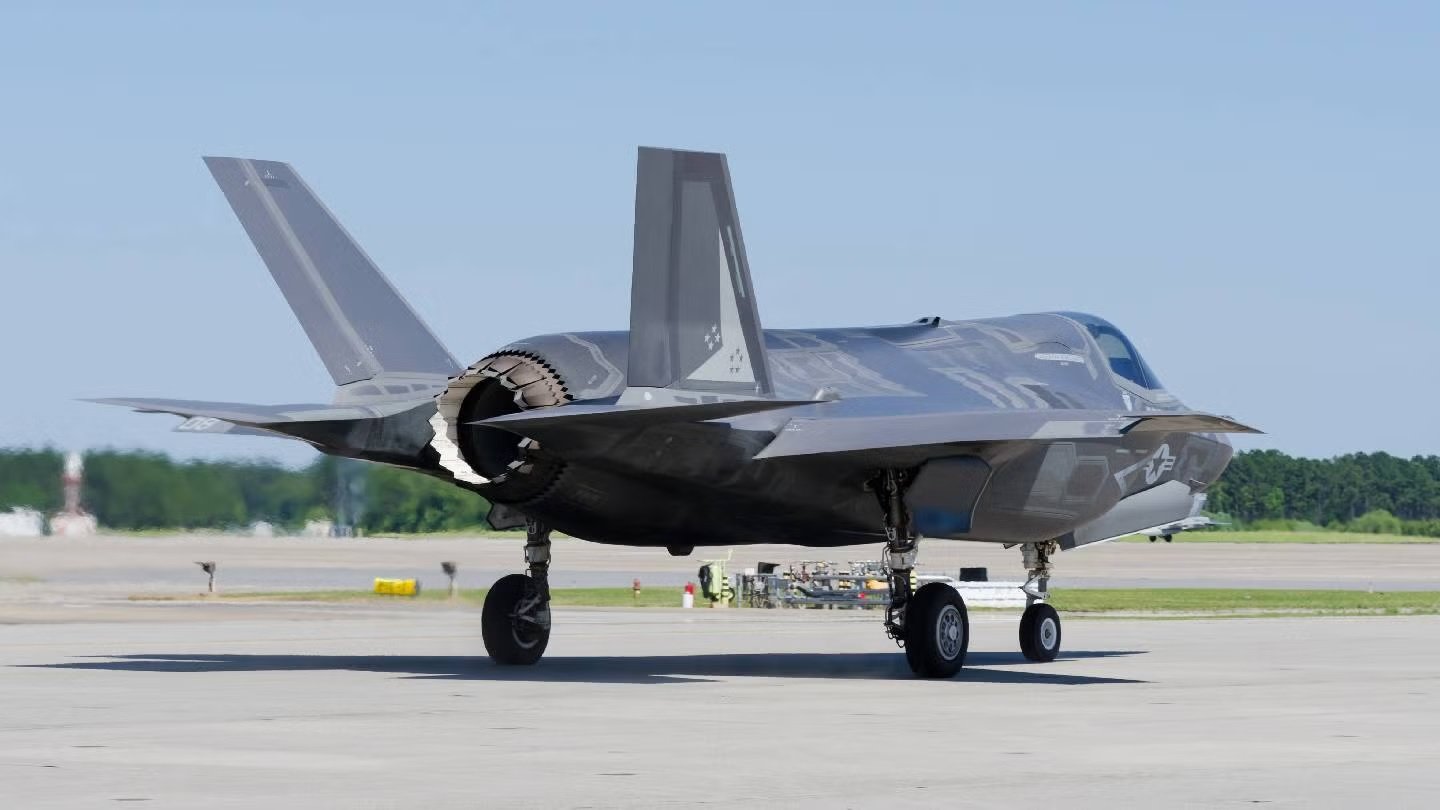 U.S. Awards Lockheed Martin $330.6 Million Contract for Long-Lead Materials Supporting 75 F-35 Lot 22 Aircraft
-
NASA Suspends Science Operations on Perseverance Rover and Mars Odyssey After Hardware Failures
-
 Chinese Military Warns U.S. AI Could Threaten China’s Nuclear Missile Survivability
