DUBAI, — China has privately asked Iran to use its influence to help restrain Yemen’s Houthi forces following an appeal from Saudi Arabia, according to three Iranian sources familiar with the discussions. The request comes after rapid Houthi advances along Yemen’s Red Sea coast and around the strategic Bab el-Mandeb Strait.
Saudi Arabia approached Beijing for assistance after the Houthi advances increased concerns over the security of Saudi oil exports and shipping routes. The Houthis have seized the Red Sea port city of Mokha and advanced toward strategic areas near the Bab el-Mandeb, including Perim (Mayun) Island.
The Bab el-Mandeb connects the Red Sea with the Gulf of Aden and is an important route for international commercial and energy shipping. The recent Houthi advances have therefore increased concerns over the security of maritime traffic in the region.
China Seeks Iranian Influence
China has publicly called for restraint, dialogue and the restoration of safe navigation in the Red Sea. According to the Iranian sources, however, Beijing’s private message to Tehran went further, asking Iran to use its influence over the Houthis to prevent the conflict from spreading further across important energy and shipping routes.
China has significant economic interests in maintaining stable energy supplies. It is also a major buyer of Iranian oil, giving Beijing an important economic relationship with Tehran.
The Iranian sources did not disclose how China delivered the message or confirm whether the issue was raised during Iranian Foreign Minister Abbas Araghchi’s visit to Beijing on Wednesday. Chinese Foreign Minister Wang Yi met Araghchi during the visit and publicly called for measures to restore safe international shipping and regional stability.
Iran’s Response
According to the sources, Iranian officials told Beijing that regional peace and stability would remain difficult to achieve without an end to what Tehran describes as the US-Israeli war against Iran.
The sources also said Chinese officials did not issue explicit threats or indicate that Beijing would impose economic pressure on Iran if Tehran did not use its influence over the Houthis.
It remains unclear whether Iran will take specific steps in response to the Chinese request.
Beijing’s Public Position
China’s Foreign Ministry said Beijing does not want regional tensions to spread further into Yemen and the Red Sea.
“Escalating regional instability is not in the interests of any party,” the ministry said in response to questions. It also called for respect for the sovereignty and security of all countries, protection of facilities important to civilian livelihoods, an end to actions that further complicate the situation, and the resolution of disputes through dialogue and negotiation.
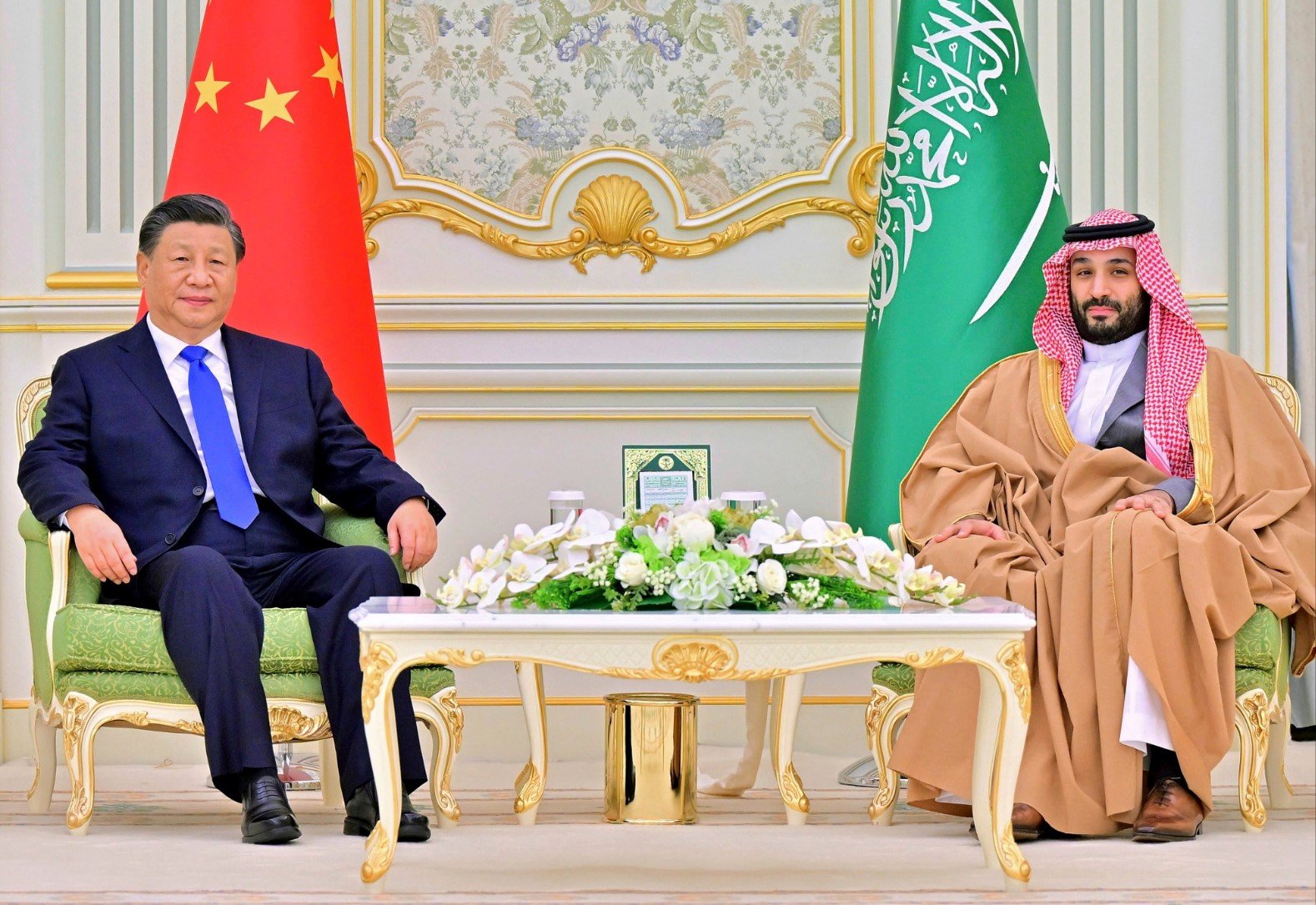
The latest diplomatic effort comes after China played a role in the 2023 Saudi-Iran rapprochement, when Beijing helped the two countries restore diplomatic relations. The current situation presents a different challenge because China is now seeking to use its relationship with Iran to address the actions of an Iran-aligned group operating in Yemen.
For Saudi Arabia, the immediate concern remains the security of its energy exports and shipping routes. For China, the developments raise concerns about the security of maritime routes and energy supplies connected to the Middle East.
It remains to be seen whether Beijing’s request will lead to any change in Houthi military activity around the Red Sea and Bab el-Mandeb.
——— End of Article ———