
India
In a significant step to enhance India’s military readiness, the Centre's wildlife panel has approved the construction of ammunition storage facilities in East Ladakh. This strategic decision is particularly important given the region's proximity to the Line of Actual Control (LAC) with China, where tensions have remained high since the Galwan Valley clashes of June 2020. The proposed sites for the new ammunition storage facilities include Hanle and Photi La, both strategically vital and closer to the LAC. The current logistical setup requires transporting ammunition over 250 km to reach forward locations, a process that has long been viewed as a bottleneck during heightened military activity. The new facilities aim to address this issue by creating underground caverns and Formation Ammunition Storage Facilities (FASF) that can securely store and rapidly deploy ammunition when required. Specifications and Strategic Importance The planned underground caverns and FASF are designed to house a range of ammunition types, including artillery shells, anti-tank missiles, and other critical supplies essential for modern warfare. These storage units will be constructed to meet international standards, incorporating state-of-the-art safety measures to prevent accidental detonations and ensuring long-term storage without degradation. Hanle and Photi La were chosen for their strategic significance and geographic advantages. Located at high altitudes, these sites offer natural protection against potential aerial strikes while facilitating quicker access to frontline troops. Additionally, the underground design of the storage facilities minimizes visibility to enemy surveillance systems, making them more secure in the event of escalations. Broader Implications for National Security The establishment of ammunition storage facilities in East Ladakh is not an isolated development but part of a comprehensive strategy to strengthen India's border defenses. This move complements other initiatives, such as the construction of all-weather roads, advanced surveillance systems, and increased troop deployment in Eastern Ladakh. The decision also aligns with India’s evolving military doctrine, which emphasizes forward readiness and swift operational capabilities in contested regions. The 2020 Galwan clashes underscored the need for robust infrastructure in border areas, and these storage facilities will ensure that Indian forces are better prepared for any eventualities. Furthermore, the new storage facilities reflect India’s proactive stance in countering China's growing military presence in the region. With China continuing to build infrastructure along its side of the LAC, India’s efforts to modernize its logistics and preparedness underscore its commitment to safeguarding national sovereignty and territorial integrity. The Way Forward The approval from the wildlife panel highlights a balance between national security priorities and environmental considerations. While the construction of these facilities may raise concerns about potential ecological impacts, the government has emphasized that the projects will adhere to strict environmental guidelines to mitigate harm. As India continues to navigate its complex relationship with China, the establishment of these ammunition storage facilities serves as a critical measure to ensure operational efficiency and enhance military preparedness in one of the most sensitive regions of the country. With this move, India is sending a clear message: its defense forces are equipped and ready to safeguard the nation’s borders under any circumstances.
Read More → Posted on 2025-01-10 15:20:07
World
Russia has successfully completed the delivery of its Su-30 combat jets to Myanmar, fulfilling a key contract signed in 2018. The final batch of the advanced multi-role fighters was handed over at the Meiktila Air Base Aviation School during the celebration of Myanmar’s military’s 77th founding anniversary. This marks the culmination of a $400 million deal, strengthening Myanmar’s aerial capabilities amidst ongoing modernization efforts. A Closer Look at the Delivery The delivery process unfolded in three tranches. The first pair of Su-30 jets arrived in July 2022, followed by a second batch four months later. The latest delivery included the final two jets, bringing the total number to six aircraft. This deal underscores Moscow’s role as a critical defense partner to Myanmar, despite the Southeast Asian country’s political and humanitarian controversies. In a parallel move, the Myanmar Navy celebrated its 77th anniversary in Yangon by inducting a medium-class frigate and commissioning two anti-submarine corvettes. This dual focus on air and naval defense highlights Myanmar’s effort to bolster its overall military strength. The Su-30: A Powerhouse in the Skies The Su-30, known by NATO as the “Flanker,” is one of Russia’s most versatile and capable combat aircraft. The jet measures 22 meters in length with a wingspan of 15 meters, making it a large but highly maneuverable aircraft. Its robust airframe allows for a gross weight of 24,900 kilograms and an internal fuel capacity of 9,400 kilograms, ensuring extended operational reach and endurance. The Su-30 is powered by twin afterburning turbofan engines, enabling it to reach a maximum speed of 1,140 knots (2,111 km/h) and operate at altitudes over 17,000 meters (55,774 feet). The aircraft’s range extends to 1,600 nautical miles (2,963 kilometers), making it suitable for long-range missions across diverse terrains and strategic objectives. Weapon Systems and Versatility Armed to the teeth, the Su-30 is equipped with a 30-millimeter automatic cannon and an array of guided and unguided bombs. It also boasts advanced missile capabilities, carrying air-to-air, air-to-surface, anti-ship, and anti-radiation missiles. These features make it a formidable asset for both offensive and defensive operations, allowing it to adapt to various mission requirements. The Su-30’s versatility has made it a favorite among several nations. Over 10 countries currently employ these jets, including India, Vietnam, Malaysia, and Ethiopia. In many cases, these nations have opted for customized variants tailored to their specific operational needs. Strategic Implications For Myanmar, the acquisition of the Su-30 represents a significant leap in its air combat capabilities. The jet’s advanced avionics, long-range operational capacity, and multi-role versatility align with Myanmar’s goals of modernizing its military. It also serves as a deterrent in a region where territorial disputes and geopolitical tensions remain prevalent. From Russia’s perspective, the completion of this deal reinforces its position as a reliable defense partner and exporter. At a time when Moscow faces international sanctions and diplomatic isolation, such agreements with nations like Myanmar showcase its ability to maintain influence in global arms markets. Final Thoughts The delivery of the Su-30 jets to Myanmar highlights the intersection of advanced military technology and strategic diplomacy. As Myanmar integrates these state-of-the-art aircraft into its air force, the country’s defense posture is set to become more robust, albeit amidst regional and international scrutiny. The Su-30’s proven track record and cutting-edge capabilities make it a valuable asset, not just for Myanmar but also for any nation seeking to bolster its aerial dominance.
Read More → Posted on 2025-01-10 15:11:29
India
The aerospace industry has taken a significant step forward as DG Propulsion officially begins construction on its new jet engine manufacturing and testing facility. This ambitious project underscores the company’s dedication to advancing domestic propulsion technology and reducing dependence on foreign imports, marking a new milestone in the field of aerospace engineering. A Vision for Self-Reliance in Aerospace The groundbreaking ceremony, attended by industry leaders, government officials, and technology enthusiasts, symbolized more than just the start of construction. It highlighted DG Propulsion’s commitment to innovation, self-reliance, and the strategic advancement of India’s aerospace industry. The facility, once completed, will serve as a hub for research, development, and the production of next-generation jet engines, paving the way for greater technological independence. Facility Specifications and Capabilities DG Propulsion’s upcoming facility is designed to be a technological powerhouse. Key specifications include: Advanced R&D Labs: The facility will house cutting-edge research laboratories equipped with simulation and computational tools for aerodynamic modeling, material analysis, and engine performance testing. High-Precision Manufacturing: It will feature automated assembly lines, capable of handling complex jet engine components such as turbines, compressors, and combustors with micron-level precision. Comprehensive Testing Infrastructure: The facility will include high-altitude test chambers, noise-reduction technology, and endurance testing units to ensure engines meet stringent safety and performance standards. Sustainable Design: DG Propulsion is integrating energy-efficient systems, water recycling units, and eco-friendly materials to align with global sustainability goals. Strategic Impact and Future Goals This facility is not just about manufacturing; it’s a strategic investment in India’s aerospace future. DG Propulsion’s focus is to: Develop indigenous jet engines for military and commercial aviation. Enhance its global competitiveness by adhering to international standards. Reduce lead times for development cycles by integrating design, testing, and production under one roof. Driving Innovation and Growth DG Propulsion aims to leverage this facility to explore innovative propulsion technologies, including hybrid-electric and low-emission engines, aligning with global trends in sustainable aviation. The company is also collaborating with academic institutions and research bodies to foster talent and create a robust pipeline of aerospace engineers. A Catalyst for Local and National Development The facility is expected to generate significant economic benefits. From job creation to boosting local manufacturing ecosystems, it represents a win-win for the region and the nation. Additionally, by focusing on indigenous technology, DG Propulsion will contribute to India's broader goals of self-reliance in critical sectors. As the construction progresses, the world will watch DG Propulsion's journey closely. This state-of-the-art facility promises to be a game-changer for the aerospace industry, positioning India as a key player in the global jet propulsion market.
Read More → Posted on 2025-01-10 14:48:03
World
German defense and sensor technology giant HENSOLDT has joined forces with the German Aerospace Center (DLR) and the tech start-up Tensor AI Solutions GmbH in an ambitious initiative to revolutionize radar remote sensing through quantum computing. Under the DLR Quantum Computing Initiative (DLR QCI), the collaboration is centered on the QUA-SAR research project, which seeks to redefine the way radar systems operate by harnessing the immense computational power of quantum technology. The Quantum Leap in Radar Remote Sensing Radar remote sensing, which relies on radio waves to gather information about objects and landscapes from a distance, is critical in defense, surveillance, environmental monitoring, and disaster management. Traditional radar systems, while highly effective, face challenges when tasked with managing complex multi-sensor systems in rapidly evolving environments. Conventional computing methods often struggle to process data in real time when faced with dynamic, high-stakes scenarios. This is where quantum computing comes into play. Quantum computers excel at solving problems involving vast datasets and complex computations, thanks to their ability to process information in quantum bits or "qubits." Unlike traditional bits, qubits can represent multiple states simultaneously, enabling exponentially faster data processing. This capability could revolutionize radar resource management, allowing for real-time optimization of sensor networks and unprecedented adaptability in challenging conditions. HENSOLDT’s Role in the QUA-SAR Project As part of the QUA-SAR project, HENSOLDT is working closely with the Microwaves and Radar Institute of the German Aerospace Center (DLR) and Tensor AI Solutions GmbH to develop quantum-enhanced algorithms tailored for radar systems. Supported by funding from the German Federal Ministry for Economic Affairs and Climate Protection, the project highlights the strategic importance of quantum technology for national and industrial security. HENSOLDT’s focus on quantum technologies began in early 2024 and aligns with its broader commitment to advancing sensor digitization and networking. By integrating quantum computing into radar systems, the company aims to overcome existing computational limitations and provide cutting-edge solutions for both defense and civilian applications. Specifications and Capabilities HENSOLDT’s involvement in the QUA-SAR project includes designing and implementing quantum-based radar resource management systems. Key elements of the initiative include: Quantum-Enhanced Signal Processing: Leveraging quantum algorithms to improve radar signal clarity, reduce noise, and enhance detection accuracy. Real-Time Multi-Sensor Optimization: Enabling adaptive control of multiple radar sensors in dynamic environments, a critical requirement for modern defense operations. Improved Imaging and Terrain Analysis: Achieving higher-resolution imaging for applications like environmental monitoring and disaster response. Scalability and Integration: Developing systems that can be integrated into existing radar platforms, ensuring a seamless transition to quantum-enhanced operations. The research also explores the integration of quantum computing hardware, such as superconducting qubits and photonic quantum processors, to maximize system performance. A Strategic Focus on Quantum Technologies HENSOLDT CEO Oliver Dörre emphasized the significance of this initiative, stating, “We are doing pioneering work in the area of software-defined defense. Quantum computing is a critical future technology that we must address. The QUA-SAR project provides a fantastic opportunity to advance this area and reinforce our leadership in cutting-edge sensor solutions.” The QUA-SAR project represents just one facet of HENSOLDT’s larger push into quantum technologies. The company is actively investing in research and development to maintain its position as a leader in sensor innovation, with a focus on areas like artificial intelligence, machine learning, and now quantum computing. Broader Implications The success of the QUA-SAR project could have profound implications for industries beyond defense. Quantum-enhanced radar systems could revolutionize air traffic control, urban planning, agriculture, and autonomous navigation, among other fields. By leading this initiative, HENSOLDT is not only addressing immediate challenges but also shaping the future of radar technology for a wide range of applications. With quantum computing poised to become a cornerstone of technological advancement, HENSOLDT’s proactive approach ensures it remains at the forefront of innovation. The QUA-SAR project is a testament to the company’s vision of combining cutting-edge technologies to create impactful solutions that redefine the boundaries of what’s possible in sensor systems.
Read More → Posted on 2025-01-10 14:35:25
World
Serbia has taken a decisive step in its defense policy by terminating multiple military contracts with Russia. This move, confirmed by Serbian Armed Forces Chief of Staff General Milan Mojsilovic, reflects the growing challenges in maintaining military ties with Moscow in light of international sanctions imposed on Russia after its invasion of Ukraine. Breaking Ties With Russian Military Suppliers The decision to halt military contracts stems from difficulties in acquiring weapons and parts from Russia, a problem compounded by the geopolitical isolation of Moscow. Serbia has historically relied on Russian-made military equipment, including the aging MiG-29 Fulcrum fleet and Soviet-era systems. However, General Mojsilovic stated that it has become "practically impossible" to secure deliveries from Russia under the current circumstances. To address the gap, Serbia has been exploring alternative sources for its defense needs. General Mojsilovic revealed that strategies are already in place to acquire military equipment from other partner nations. Some of these systems are licensed versions of Russian equipment, allowing Serbia to maintain operational continuity while reducing dependence on direct Russian supplies. The Fighter Jet Shift: From Russia to France Serbia’s pivot from Russian military suppliers was already evident last year when the government abandoned plans to procure fighter jets from Moscow. Instead, Belgrade entered a €2.7 billion ($2.7 million) agreement with France to purchase 12 Rafale fighter aircraft. The decision to invest in the French-built Rafales marks a significant modernization effort for the Serbian Air Force, replacing its aging fleet of MiG-29s. The Rafale, a fourth-generation multirole fighter, is known for its versatility and advanced capabilities, including air superiority, ground attack, and reconnaissance missions. Equipped with state-of-the-art avionics and weaponry, the Rafale offers Serbia a cutting-edge platform to bolster its defense capabilities amid shifting regional dynamics. Neutrality Amid Geopolitical Pressures Despite its decision to terminate contracts with Russia, Serbia continues to maintain a delicate stance of neutrality. It is one of the few European nations, alongside Mexico and Brazil, that has refrained from imposing sanctions on Russia. This position, however, has not shielded Serbia from significant pressure from NATO member states surrounding the country. Russian International Affairs First Deputy Chairman Vladimir Dzhabarov acknowledged Serbia’s challenging position, citing the "constant pressure" Belgrade faces from NATO. He described Serbia's neutral stance as rational but noted that geopolitical realities often force compromises. “Politics has its own considerations,” Dzhabarov remarked, expressing his belief that Serbia’s decision was influenced more by practicalities than ideological differences. Balancing Defense Needs and International Relations Serbia’s recent moves underline the delicate balancing act it must perform to navigate its defense requirements while managing its geopolitical relationships. By diversifying its military suppliers and aligning with Western nations like France for advanced equipment, Belgrade signals a gradual shift away from its historical reliance on Russia. At the same time, Serbia’s adherence to neutrality and resistance to anti-Russian sanctions showcase its attempt to maintain an independent foreign policy. The termination of military contracts with Russia is not merely a logistical decision but a reflection of the changing defense and diplomatic landscape in the Balkans. As Serbia transitions to modern, Western-built military platforms like the Rafale, the implications of this shift extend beyond its armed forces, highlighting the country’s evolving role in an increasingly polarized world.
Read More → Posted on 2025-01-10 14:32:51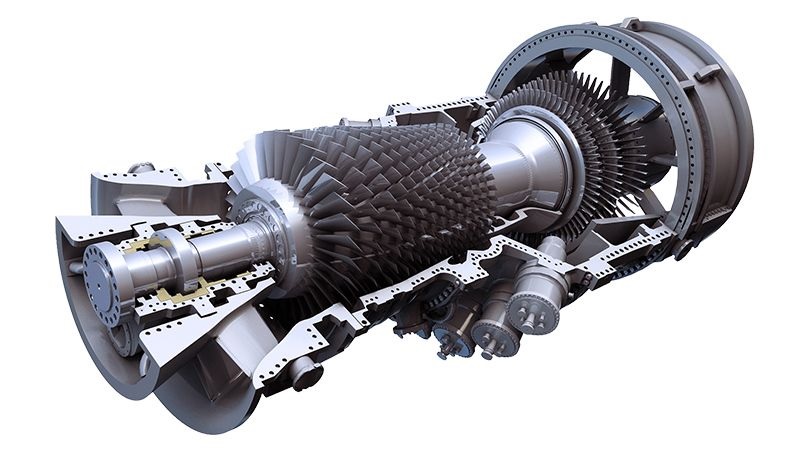
India
The Gas Turbine Research Establishment (GTRE), a premier institution under India’s Defence Research and Development Organisation (DRDO), has issued a global tender for the machining, brazing, and Electron Beam Physical Vapor Deposition (EBPVD) coating of single-crystal High-Pressure Turbine Rotor Blades and High-Pressure Nozzle Guide Vanes. This tender is a pivotal move in GTRE's efforts to advance indigenous gas turbine technology for the country’s aerospace and defense needs. A Closer Look at the Tender GTRE’s tender emphasizes the production of critical turbine components—high-pressure turbine rotor blades and nozzle guide vanes. These are essential for modern gas turbine engines, which operate under extreme conditions of temperature, pressure, and mechanical stress. Technical Highlights Single-Crystal TechnologyThe rotor blades and nozzle guide vanes are crafted using advanced nickel-based single-crystal superalloys. Single-crystal technology eliminates grain boundaries, which are often the starting points for failure under high temperatures and stress. This feature enhances the creep resistance, thermal stability, and overall durability of turbine components, making them indispensable for high-performance aero engines. Machining and BrazingThe machining process requires ultra-precise techniques to achieve exact geometrical tolerances necessary for optimal performance. Brazing, on the other hand, involves the joining of components with high-strength filler materials that can withstand the high temperatures and pressures of a turbine engine. These processes ensure the structural integrity and reliability of the turbine parts. EBPVD Coating for Thermal BarrierElectron Beam Physical Vapor Deposition (EBPVD) is a cutting-edge technique used to apply Thermal Barrier Coatings (TBCs) on turbine components. These coatings, often made from Yttria-Stabilized Zirconia (YSZ), provide exceptional thermal resistance, enabling the components to perform efficiently in extremely high-temperature environments. The columnar microstructure of EBPVD coatings offers superior strain tolerance and erosion resistance, ensuring longer operational lifespans. Strategic Significance The development of these high-performance components is a cornerstone in India’s push for self-reliance in aerospace and defense technologies. The tender not only reflects GTRE’s ambitions to enhance the operational efficiency of gas turbine engines but also aligns with broader national goals to indigenize critical technologies. Currently, India relies on imported single-crystal turbine blades and associated thermal barrier coatings for its aero engines. By fostering partnerships with global experts through this tender, GTRE aims to acquire advanced manufacturing capabilities, reduce foreign dependency, and strengthen indigenous platforms like the HAL Tejas Light Combat Aircraft and future advanced combat aircraft. A Step Toward Indigenous Excellence This tender exemplifies India’s commitment to building world-class capabilities in turbine technology. By leveraging state-of-the-art techniques like EBPVD and single-crystal superalloys, GTRE is poised to elevate the performance and durability of Indian-made gas turbine engines. The success of this initiative will not only enhance the operational readiness of the Indian Air Force but also position India as a key player in the global aerospace industry. GTRE’s call for global expertise underscores the importance of collaboration in achieving technological milestones that will shape the future of Indian aviation.
Read More → Posted on 2025-01-10 14:29:29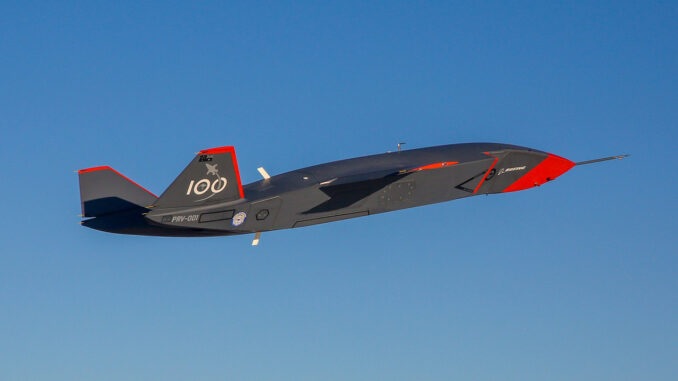
World
The Japanese Ministry of Defense has taken a major step in its effort to integrate cutting-edge technology into its defense systems. It recently awarded a contract worth 155.1 million Japanese yen (approximately $979.8 million) to Boeing for testing aerial drones designed for manned-unmanned teaming (MUM-T) operations. This initiative aims to bolster Japan’s combat capabilities by integrating drones that can operate alongside manned aircraft, echoing the U.S. military’s "loyal wingman" concept. Aiming for Collaborative Combat Systems This project is part of Japan’s broader plan to enhance its Self-Defense Forces' capabilities. The idea is to develop drones that not only complement existing fighter jets but also integrate seamlessly with the country's future sixth-generation fighter jet. This ambitious sixth-generation program is being developed in partnership with Italy and the UK. The Acquisition, Technology & Logistics Agency (ATLA) selected Boeing due to its proprietary testing software and deep expertise in developing unmanned systems. The contract tasks Boeing with simulating drones capable of conducting combat missions collaboratively with manned aircraft. In addition, Japan has been actively collaborating with international partners to advance its capabilities in artificial intelligence (AI) and machine learning for military applications. In 2023, Tokyo agreed with the U.S. Department of Defense to jointly explore AI solutions for future drones. Japan, the U.S., and Taiwan also initiated a project to share real-time drone data for enhancing regional defense coordination, particularly in the Pacific. Boeing’s MQ-28 Ghost Bat: A Model for the Future Boeing’s MQ-28 Ghost Bat drone is at the heart of its manned-unmanned teaming experiments. Initially developed in collaboration with the Royal Australian Air Force, this drone is now being used for similar ventures by the U.S. Air Force. The MQ-28 Ghost Bat is a versatile platform with impressive specifications: Length: 12 meters (40 feet). Wingspan: 7 meters (23 feet). Speed: Subsonic, powered by a turbofan engine. Range: Over 2,000 nautical miles (approximately 2,301 miles or 3,704 kilometers). Features: The Ghost Bat is equipped with advanced radars, electro-optical sensors, and electronic warfare systems, making it suitable for a variety of combat and surveillance roles. This drone is designed to operate as a "loyal wingman," providing advanced capabilities to manned aircraft by engaging in tasks such as electronic warfare, reconnaissance, and even direct combat. Japan’s Indigenous Development Efforts While leveraging Boeing’s expertise, Japan is also working on its own indigenous drone development programs. Mitsubishi Heavy Industries is actively developing unmanned systems tailored for both combat roles and support functions for the upcoming sixth-generation fighter jet. These efforts highlight Tokyo’s intent to build a robust, multi-layered aerial defense system. Strengthening Pacific Security Japan’s manned-unmanned teaming initiative is not just about technological advancement; it also has significant geopolitical implications. By collaborating with the U.S. and other allies, Japan is solidifying its position in the Pacific region's defense ecosystem, particularly in light of increasing challenges posed by rival powers. This contract with Boeing signals a critical milestone in Japan’s journey to integrate autonomous technologies into its defense forces, offering a glimpse into the future of aerial warfare. With advancements in AI, sensor technology, and international collaboration, Japan is poised to take a leading role in the evolving landscape of modern military aviation.
Read More → Posted on 2025-01-10 14:22:35
Space & Technology
China has surged ahead in the ambitious race to bring Martian soil back to Earth, leaving NASA trailing by at least four years. The Tianwen-3 mission, announced by Chinese space officials, aims to return 600 grams (21 ounces) of Martian soil by 2031, while NASA’s Perseverance rover samples might not reach Earth until 2035 or even later. This shift in the Mars exploration timeline highlights a growing competition reminiscent of the Cold War-era “space race,” with astrophysicist Quentin Parker calling it a potential “Sputnik moment.” China’s Bold Plan with Tianwen-3 The Tianwen-3 mission represents a streamlined approach. The Chinese spacecraft will execute a straightforward “grab-and-go” maneuver: land at a preselected location, collect samples, and return to Earth. Key Specifications of Tianwen-3: Sample Type: 600 grams of Martian soil and rock. Collection Techniques: Drilling, scooping, and rover-assisted sampling. Mission Timeline: Targeting Earth return by 2031. Landing Strategy: Focus on scientifically rich locations selected for maximum value. China’s recent success with lunar missions, such as the Chang’e-5 and Chang’e-6, has demonstrated its ability to conduct rapid, efficient sample-return missions, further bolstering confidence in the Tianwen-3 mission. NASA’s Perseverance Challenges While NASA’s Mars Sample Return (MSR) mission is highly sophisticated, it faces significant delays due to technical and budgetary hurdles. Initially estimated at $3 billion in 2020, the project’s costs ballooned to $11 billion by 2023. Key Highlights of NASA’s Approach: Sample Collection: Conducted by Perseverance since 2021, with samples gathered from multiple geological sites in Jezero Crater. Scientific Focus: Aiming to provide a detailed record of Mars’ geological history. Mission Complexity: Plans involve multiple spacecraft, private sector involvement, and cutting-edge technology, adding time and cost to the mission. Earliest Return: Now projected for 2035, with a potential delay to 2039. NASA Administrator Bill Nelson emphasized the mission’s scientific value, noting that the samples could reveal a comprehensive history of Mars spanning millions of years. However, the delays and escalating costs could pose risks to continued funding. Comparing Approaches: Pragmatism vs. Precision China’s mission prioritizes feasibility and efficiency, focusing on a single landing and rapid sample return. In contrast, NASA’s plan involves a meticulous, multi-step process to gather samples from diverse locations, ensuring maximum scientific yield. Chinese planetary geologist Yang Wei stressed the importance of diversifying sample sites, while NASA’s methodical selection process adds complexity and time to the mission. Implications of the Race The outcome of this race could significantly impact global space exploration leadership. If China succeeds in delivering Martian soil by 2031, it would mark a historic first and establish the nation as a dominant player in interplanetary science. Meanwhile, NASA’s mission, though slower, may yield deeper insights into Mars’ geological and potential biological history. As these contrasting approaches unfold, the Mars sample return race underscores the growing importance of international competition and collaboration in advancing humanity’s understanding of the Red Planet.
Read More → Posted on 2025-01-09 16:14:22
India
Bharat Dynamics Limited (BDL) and Ultra Maritime, a U.S.-based leader in undersea warfare systems, have announced a groundbreaking collaboration to co-produce advanced sonobuoys for the Indian Navy. This initiative, heralded as a first-of-its-kind partnership, was unveiled during National Security Advisor Jake Sullivan’s visit to Delhi on January 6, reflecting deepening U.S.-India defense ties under the U.S.-India Initiative on Critical and Emerging Technologies (ICET). What Are Sonobuoys? Sonobuoys are compact, deployable acoustic sensors used in anti-submarine warfare (ASW) to detect, classify, and track submarines. They play a pivotal role in maritime domain awareness, offering navies the ability to monitor undersea activities effectively. Key Specifications of the Sonobuoys The sonobuoys co-produced by Ultra Maritime and BDL will adhere to the highest U.S. Navy standards and are tailored for deployment in the Indian Ocean's challenging acoustic environment. Key features include: Multi-Static Active Solutions: Enhanced detection through simultaneous transmission and reception of acoustic signals from multiple buoys. Advanced Acoustic Performance: Optimized sensors designed to work effectively in Indian Ocean-specific conditions like high salinity, temperature variations, and complex seabed terrains. Data Transmission: Real-time relay of sonar data to naval platforms through encrypted communication systems. Durability and Versatility: Robust designs suitable for a range of maritime operations, including surveillance, search, and rescue. Ease of Deployment: Compatible with aerial, shipborne, and unmanned systems for rapid deployment in mission-critical scenarios. Production Details The partnership underscores India's "Make in India" initiative, which promotes domestic manufacturing with global collaboration. The production will be distributed between the U.S. and BDL’s facilities in Visakhapatnam, leveraging Indian expertise in defense manufacturing. The Indian Navy stands to gain access to sonobuoys that not only meet global benchmarks but are also tailored for regional challenges. The collaboration aims to transfer cutting-edge technology to BDL, enhancing its capability to produce state-of-the-art ASW solutions. Strategic Implications Boost to Indian Naval Capabilities: The advanced sonobuoys will significantly improve the Indian Navy’s ability to monitor its expansive maritime domain, particularly in contested waters. Strengthened U.S.-India Defense Ties: This partnership highlights the growing strategic alignment between the U.S. and India, emphasizing shared goals in maritime security and technological innovation. Undersea Domain Awareness: The co-production will enable better detection and deterrence of undersea threats, enhancing regional stability and global security. Leadership Insights Carlo Zaffanella, CEO of Ultra Maritime, emphasized the company’s commitment to partnering with BDL and the Indian Navy, stating: "This initiative not only delivers world-class sonobuoys but also reflects our dedication to addressing unique undersea challenges with innovative solutions." Commodore (Ret.) A. Madhavarao, Chairman of BDL, reiterated: "This collaboration exemplifies the importance of U.S.-India defense cooperation, meeting operational demands with urgency and precision." Future Prospects The partnership is set to drive innovation in sonobuoy technologies, focusing on improved acoustic systems and integration with autonomous platforms. This marks a significant step toward self-reliance in defense while reinforcing India's position as a strategic maritime power. With production set to commence soon, the Indian Navy is poised to deploy these advanced sonobuoys, strengthening its anti-submarine capabilities and maritime security framework. This collaboration also opens doors for further U.S.-India ventures in undersea warfare technology.
Read More → Posted on 2025-01-09 16:09:32
World
China is charting a bold new course in energy innovation with a plan to build a space-based solar power station, dubbed the "Three Gorges Dam in Space." This ambitious project, spearheaded by top scientists and engineers, aims to harness the Sun’s power from Earth’s orbit and transmit it back to the ground, revolutionizing the global energy landscape. What is Space-Based Solar Power? Space-based solar power stations are advanced facilities that collect solar energy directly from space. Unlike ground-based systems, they are not influenced by weather, seasonal variations, or the day-night cycle. Energy density in space is significantly higher—about ten times that of Earth’s surface. This allows these stations to generate continuous, abundant, and clean energy. The Vision Behind the Project Long Lehao, a renowned rocket scientist and member of the Chinese Academy of Engineering (CAE), unveiled the scale of this venture. “We are essentially moving the Three Gorges Dam to a geostationary orbit 36,000 kilometers above Earth,” Long stated during a lecture at the Chinese Academy of Sciences (CAS). The energy harvested annually from such a solar array could rival the total amount of oil extracted from Earth. Specifications of the "Three Gorges Dam in Space" Geostationary Orbit: The station will be positioned 36,000 km (22,370 miles) above Earth. Solar Array Dimensions: Proposed to span up to 1 km wide along the geostationary orbit. Energy Output: Designed to surpass the capacity of traditional terrestrial energy projects, potentially equating to the power generated by vast fossil fuel reserves. Technological Marvels Driving the Initiative Long March-9 Heavy-Lift Rocket: Thrust: 6,000 tonnes. Take-off Weight: Over 4,000 tonnes. Payload Capacity: Up to 150 tonnes to low Earth orbit. Dimensions: 10.6 meters in diameter and 110 meters in height.This next-generation rocket is critical for transporting the materials required to construct the space station. Microwave Wireless Energy Transmission: Enables efficient transfer of energy from the orbiting station to Earth. Demonstrated by China’s “Chasing Sun Project,” which leads in beam collection and power transfer efficiency. Ground Verification Systems: China’s first experimental space solar power station in Bishan, Chongqing, focuses on technology validation. A team from Xian University has developed a groundbreaking ground verification system for microwave power transmission. Progress and Challenges China's journey to realize this vision has not been without hurdles. Early rocket development faced failures, including a Long March 3B crash. However, perseverance led to success, with the rocket completing 99 subsequent launches, placing 108 satellites into orbit. In addition to rocket technology, advancements are being made in space communication networks, high-power microwave transmission, and energy storage. These developments are critical to building and maintaining the solar power station. Potential Applications Beyond Energy Generation This technology extends far beyond supplying power to the grid. It could: Charge satellites and power airships. Supply energy to drones and maritime platforms. Provide wireless electricity to remote regions and disaster-stricken areas. A Step Towards a Sustainable Future This grand vision is part of China’s broader space ambitions, which include lunar exploration, Mars sample return missions, and constructing a lunar base. The "Three Gorges Dam in Space" represents a transformative leap in how humanity can generate and utilize energy sustainably. As the world watches, this project underscores China’s role in shaping the future of renewable energy and space exploration. The successful realization of this endeavor could redefine global energy dynamics, making space-based solar power a cornerstone of the 21st-century energy revolution.
Read More → Posted on 2025-01-09 16:08:18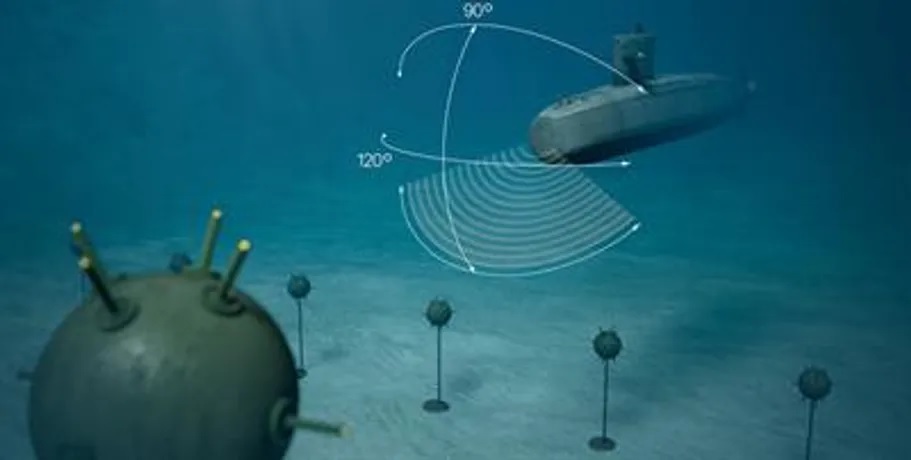
World
British defense group Cohort has announced a significant contract amendment for its German subsidiary, ELAC Sonar GmbH (ELAC). The €16.4 million deal will see ELAC supply an additional state-of-the-art sonar system for the Italian Navy’s new submarine program, raising the total contract value to over €100 million. This extension will cover sonar systems for four advanced submarines, further solidifying ELAC’s position as a global leader in underwater acoustic technology. A Cutting-Edge Solution for Modern Naval Warfare At the heart of this contract is ELAC’s Sphere sonar system, a digital hydroacoustic technology known for its exceptional underwater detection and tracking capabilities. Designed to meet the Italian Navy’s stringent requirements, Sphere represents a generational leap in underwater battlespace performance. The system’s specifications include: Digital Hydroacoustic Processing: Sphere leverages advanced algorithms to detect, classify, and track underwater threats with remarkable precision. Multi-Mode Operation: The system integrates active and passive sonar modes, enabling flexibility across a range of operational scenarios, from anti-submarine warfare to intelligence gathering. High-Frequency Performance: It offers superior resolution and detection range, even in challenging underwater environments. Compact and Modular Design: Sphere’s architecture allows for easy integration into a variety of submarine platforms, ensuring adaptability for future naval requirements. Strategic Importance This contract amendment reflects the Italian Navy’s commitment to enhancing its underwater capabilities, a critical element of modern maritime defense. As regional tensions and undersea competition rise, advanced sonar systems like Sphere provide a decisive edge in maintaining security and operational superiority. Andy Thomis, Cohort’s Chief Executive, underscored the significance of this development:“This important order is another significant win for ELAC and demonstrates its ability to meet the demanding specifications of the Italian Navy. ELAC’s cutting-edge technology reaffirms its position as a leader in underwater acoustic solutions.” Boosting Cohort’s Market Position The deal also highlights the growing importance of ELAC within Cohort’s portfolio. With Sphere and other advanced technologies, the company has been steadily expanding its footprint in the global defense market. The Italian Navy’s confidence in ELAC’s solutions not only ensures robust future revenue streams for Cohort but also reinforces its reputation for delivering top-tier defense systems. The Future of Submarine Sonar With its commitment to innovation and excellence, ELAC is well-positioned to support modern navies worldwide. As underwater threats become increasingly complex, the integration of digital hydroacoustic technologies like Sphere will play a pivotal role in shaping the future of naval defense. This contract amendment is yet another milestone in ELAC’s journey, showcasing its ability to blend cutting-edge technology with operational reliability to meet the demands of 21st-century naval warfare.
Read More → Posted on 2025-01-09 15:56:27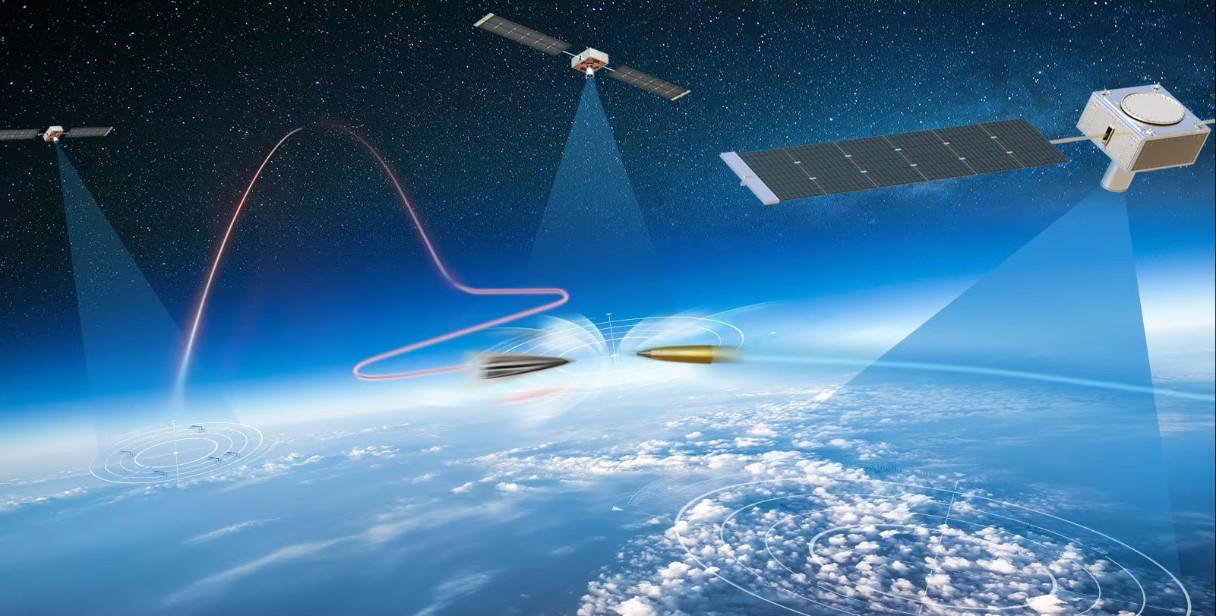
India
India’s Defence Research and Development Organisation (DRDO) is making significant strides in its Ballistic Missile Defence (BMD) program by entering Phase 3, which focuses on addressing the growing threat posed by hypersonic weapons. This ambitious phase includes the development of two advanced interceptor systems: the AD-AH (Anti-Hypersonic) and AD-AM (Anti-Maneuvering) interceptors. These systems aim to counter hypersonic projectiles that travel at speeds exceeding Mach 5 and pose a unique challenge due to their manoeuvrability and atmospheric flight paths. The Challenge of Hypersonic Weapons Hypersonic glide vehicles (HGVs) and hypersonic cruise missiles (HCMs) represent a new frontier in modern warfare. Unlike traditional ballistic missiles, which follow a predictable trajectory, HGVs and HCMs can perform evasive maneuvers, making them highly unpredictable. Their ability to operate within the Earth’s atmosphere further complicates interception since most traditional missile defence systems are optimized for exo-atmospheric engagements. AD-AH and AD-AM: A Leap in Missile Defence The AD-AH and AD-AM interceptors are being developed to address these challenges head-on: AD-AH Interceptor:Designed specifically to neutralize hypersonic glide vehicles, the AD-AH interceptor can track and engage targets that rapidly change direction during flight. Its advanced radar systems and guidance mechanisms ensure precision in intercepting these agile threats. AD-AM Interceptor:Tailored for hypersonic cruise missiles, the AD-AM is built to detect and destroy missiles flying at extremely high speeds within the atmosphere. Its ability to counter the complex flight paths of these missiles makes it a formidable defence tool. Both interceptors will incorporate cutting-edge technologies, including advanced heat-resistant materials to withstand the extreme temperatures generated during high-speed engagements and propulsion systems capable of matching the velocity of hypersonic threats. Key Specifications (Expected): While official details remain classified, analysts speculate the following features for the AD-AH and AD-AM systems: Speed: Capable of engaging targets at speeds up to Mach 8-10. Range: Estimated engagement range of 300-500 kilometers. Radar and Sensors: Advanced phased-array radars and infrared sensors for real-time tracking and target acquisition. Heat Resistance: Specially designed heat-shielding to endure atmospheric friction during interception. Manoeuvrability: Superior thrust-vectoring capabilities to handle rapid direction changes. Strategic Implications The development of AD-AH and AD-AM interceptors reflects India’s commitment to enhancing its defence capabilities and achieving technological self-reliance. By targeting hypersonic threats, India is addressing a critical gap in its missile defence infrastructure and positioning itself as a global leader in advanced defence systems. These interceptors also serve as a deterrent, bolstering India’s strategic posture in a region witnessing accelerated hypersonic weapon development by neighboring countries. The move highlights DRDO’s ability to adapt to emerging threats and contribute to national security through cutting-edge innovations. Conclusion India’s Phase 3 BMD program, spearheaded by the AD-AH and AD-AM interceptors, is a significant milestone in its defence evolution. These systems are poised to redefine the country’s air defence strategy, ensuring it remains prepared to counter the most advanced threats of the modern battlefield. With their unique capabilities, the AD-AH and AD-AM interceptors symbolize India’s resolve to stay at the forefront of defence technology, safeguarding its skies against hypersonic challenges.
Read More → Posted on 2025-01-09 15:50:31
Space & Technology
The Indian Space Research Organisation (ISRO) has charted an extraordinary path, evolving from modest beginnings to a globally recognized leader in space exploration. With 125 spacecraft missions and 92 successful launches under its belt, ISRO has proven its capability to achieve technological marvels that benefit humanity and elevate India's position in the global space arena. Origins of ISRO: Visionaries Behind the Stars ISRO, India's state-run space agency, was established on August 15, 1969, replacing the earlier Indian National Committee for Space Research (INCOSPAR), founded in 1962 by Dr. Vikram Sarabhai. It operates under the Department of Space (DOS), established in 1972, with the aim of leveraging space technology to address national needs such as communication, resource monitoring, meteorology, and navigation. Infrastructure and Key Centres ISRO's operations are spread across multiple dedicated centres: Vikram Sarabhai Space Centre (VSSC), Thiruvananthapuram: Develops launch vehicles. UR Rao Satellite Centre (URSC), Bengaluru: Designs and develops satellites. Satish Dhawan Space Centre (SDSC), Sriharikota: Handles integration and launches. Liquid Propulsion Systems Centre (LPSC): Develops liquid and cryogenic propulsion stages. Space Applications Centre (SAC), Ahmedabad: Develops sensors and applications for communication and remote sensing. National Remote Sensing Centre (NRSC), Hyderabad: Processes satellite data for dissemination. Launch Vehicles and Milestones ISRO has developed advanced launch vehicles, including the Polar Satellite Launch Vehicle (PSLV) and the Geosynchronous Satellite Launch Vehicle (GSLV). These have enabled ISRO to launch satellites for communication, earth observation, navigation, and scientific exploration. Notable milestones include: Aryabhata (1975): India’s first satellite, launched by the Soviet Union. SLV-3 (1980): The first indigenously developed vehicle that launched RS-1, making India the seventh country capable of orbital launches. Chandrayaan-3 (2023): Achieved a historic soft landing near the Moon’s south pole, a first for humanity. Current Achievements: 125 Spacecraft Missions ISRO's achievements extend across a wide spectrum: Earth Observation Satellites (EOS): Used for mapping, agriculture, and disaster management. Navigation Satellites: The NavIC system provides regional GPS services. Communication Satellites (GSAT): Facilitate telecommunication and broadcasting. Space Science Missions: Chandrayaan (Moon missions), Mangalyaan (Mars Orbiter Mission), and Astrosat (India’s first space telescope). Pioneering Space Exploration ISRO is among the few agencies globally with capabilities to soft-land spacecraft, launch interplanetary missions, and deploy cryogenic engines. Its success with Chandrayaan-3 has positioned it alongside NASA, Roscosmos, and CNSA in achieving lunar soft landings. Future Ambitions: Gaganyaan and Beyond ISRO’s roadmap includes: Gaganyaan: India’s first crewed space mission, scheduled for 2025. Chandrayaan-4 and Mangalyaan-2: Follow-up missions to explore the Moon and Mars. Shukrayaan: A planned mission to Venus, aiming to study its atmosphere and surface. India’s Space Station: A long-term goal to establish an independent orbital platform. Technical Advancements and Global Collaboration ISRO continues to refine propulsion systems, satellite platforms, and deep-space exploration technologies. It has launched over 400 foreign satellites for global clients, earning India recognition as a cost-effective and reliable space partner. Conclusion: A Legacy Written in the Stars From launching the humble Aryabhata to landing on the Moon’s south pole, ISRO has come a long way, demonstrating resilience, innovation, and a commitment to scientific progress. With upcoming missions like Gaganyaan and Shukrayaan, ISRO is poised to take its achievements to greater heights, not just for India but for the global community.
Read More → Posted on 2025-01-09 15:45:04
India
The Indo-Tibetan Border Police (ITBP) has taken significant steps to enhance its operational capabilities along the Line of Actual Control (LAC) with China, fortifying India's mountainous borders. The force has moved 33 of its 56 border posts closer to the LAC and deployed six new battalions in key areas, underscoring its commitment to safeguarding national security. This strategic shift was announced by ITBP Director General (DG) Rahul Rasgotra during the 63rd Raising Day parade held in Khordha, Odisha. Forwarding the Frontline As part of its "forwardisation plan," the ITBP has realigned 33 border posts closer to the LAC, with the remaining 23 posts expected to follow. These forward posts aim to ensure faster response times and enhance surveillance along the icy, high-altitude frontier. The move comes amid rising tensions along the India-China border and underscores India's preparedness to counter any potential threats in the region. Deployment of New Battalions The government has sanctioned seven new ITBP battalions, of which six have already been deployed in Arunachal Pradesh along the LAC. One additional battalion is stationed in Sikkim, fortifying India's northern defenses. This expansion boosts the ITBP's presence in these strategically sensitive areas, ensuring better border management and enhanced operational readiness. Modernization and Surveillance Enhancements In a bid to address shortcomings, the ITBP has undertaken a review of its technology-driven surveillance systems. Plans are underway to modernize equipment and integrate advanced tools for better situational awareness. The force also plans to leverage India's nationwide fiber-optic network for secure communication along the LAC. A modernization proposal is being drafted for the Union Home Ministry to address weaponry and other technological upgrades. Infrastructure Development The government has allocated ₹2,500 crore this year to improve infrastructure at forward posts, battalion camps, and other ITBP facilities. This follows a ₹1,000 crore investment last year, which focused on construction work in remote and challenging terrains. DG Rasgotra expressed gratitude to the Union Government and the Ministry of Home Affairs for prioritizing the welfare and efficiency of the force. Expanding Beyond Border Duties While its primary responsibility is to guard the 3,488-kilometer-long LAC, the ITBP also operates in internal security domains. Plans are underway to establish forward bases in Maoist-affected regions, including the dense jungles of Abujhmad in Chhattisgarh. Union Home Minister Amit Shah has set an ambitious goal to eradicate Left Wing Extremism (LWE) by March 2026, and the ITBP's expanded role will be instrumental in achieving this objective. A Legacy of Mountain Warfare Established after the 1962 Sino-Indian War, the ITBP is a mountain warfare-specialized paramilitary force. With approximately 90,000 personnel, it serves as the nation’s first line of defense along the LAC, operating in some of the world’s most inhospitable terrains. Union Minister of State for Home Affairs Nityanand Rai, who officiated as the chief guest at the Raising Day event, lauded the ITBP's unwavering dedication and its critical role in securing India's borders. The ITBP’s initiatives to modernize, expand, and fortify its operations reflect a proactive approach to national security, ensuring that India's mountainous borders remain well-guarded in the face of evolving challenges.
Read More → Posted on 2025-01-09 15:40:45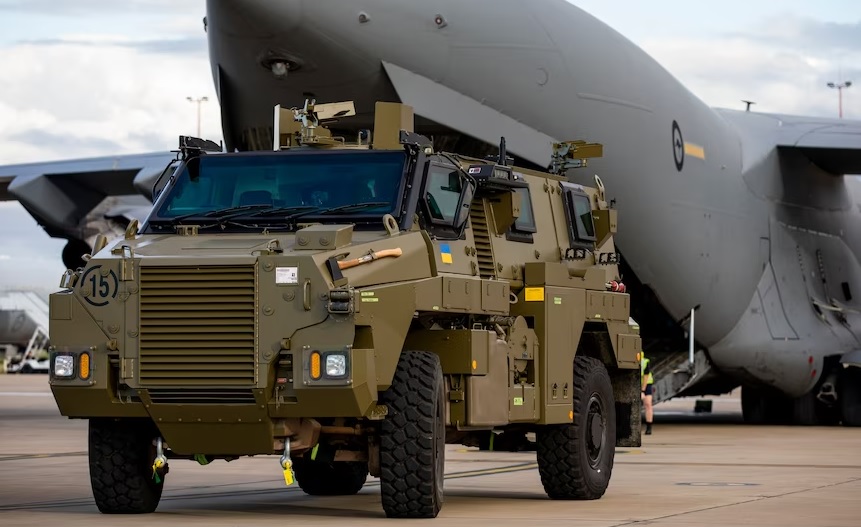
World
In a strategic move to bolster its defence capabilities, the Australian Government has awarded Thales Australia a contract worth AUD 100 million to produce 44 additional Bushmaster Protected Mobility Vehicles (PMVs). These vehicles, celebrated for their robust design and battlefield performance, will be manufactured at Thales’ Bendigo facility in Victoria, ensuring continued support for local jobs, the defence supply chain, and national security. Specifications of the Bushmaster PMV The Bushmaster, a globally recognized platform, is designed to provide superior protection and mobility in combat scenarios. Key specifications include: Role: Multi-role protected vehicle (e.g., troop transport, command, patrol, and ambulance) Weight: Approximately 15 tons Capacity: Up to 10 personnel, including the driver Protection: Ballistic, mine, and improvised explosive device (IED) protection with high-hardness steel armor Speed: Maximum speed of 100 km/h Range: Up to 800 km on a full tank Armament: Configurable with machine guns, grenade launchers, or remote weapon systems Engine: Turbocharged diesel engine (up to 300 horsepower) Additional Features: Run-flat tires, central tire inflation system, and extensive communication systems Supporting Australia’s Defence Strategy The additional Bushmasters are destined for the Australian Army’s second long-range fires regiment, headquartered at the Edinburgh Defence Precinct in South Australia. This unit is part of the newly established 10th Fires Brigade, emphasizing the growing focus on advanced and mobile artillery capabilities. Since its inception over two decades ago, the Bushmaster has earned its reputation as a reliable, battle-proven asset. Over 1,300 units have been produced at Bendigo, with exports to allied nations such as the UK, New Zealand, Japan, Indonesia, and the Netherlands. The vehicle’s adaptability makes it suitable for diverse operational needs, from peacekeeping missions to high-intensity combat scenarios. Thales’ Commitment to Innovation and Local Industry Thales Australia’s CEO, Jeff Connolly, hailed the government’s investment as a testament to the Bushmaster’s enduring value and the expertise of the Bendigo workforce. “This is an important investment in Australia’s industrial base that will deliver the capabilities our army needs – a battle-proven and locally-made platform that will get the job done for decades to come,” Connolly stated. The new contract ensures job security for hundreds of workers and sustains Australia’s manufacturing capabilities. It also enables Thales to invest in future upgrades, ensuring the Bushmaster remains relevant in evolving operational environments. These advancements may include enhanced survivability, increased payload capacity, improved communication systems, and integration of emerging technologies such as autonomous navigation. Broader Implications of the AUD 100 Million Deal This latest order is part of a broader investment in the Bushmaster programme, which has already exceeded AUD 300 million. The funding underscores the vehicle’s critical role in Australia’s defence strategy, cementing its status as a cornerstone of national and allied military operations. By securing this deal, Thales reinforces its position as a trusted partner of the Australian Defence Force (ADF). The company’s focus on innovation, coupled with the Bushmaster’s proven performance, ensures it will continue to play a key role in safeguarding Australia and supporting global allies for decades to come. The Bushmaster’s legacy, combined with Thales’ manufacturing expertise, reflects a commitment to both national security and local industry growth. As the Bendigo facility gears up for this latest production cycle, it underscores the essential link between defence capability and industrial resilience in a rapidly evolving global security landscape.
Read More → Posted on 2025-01-09 15:35:35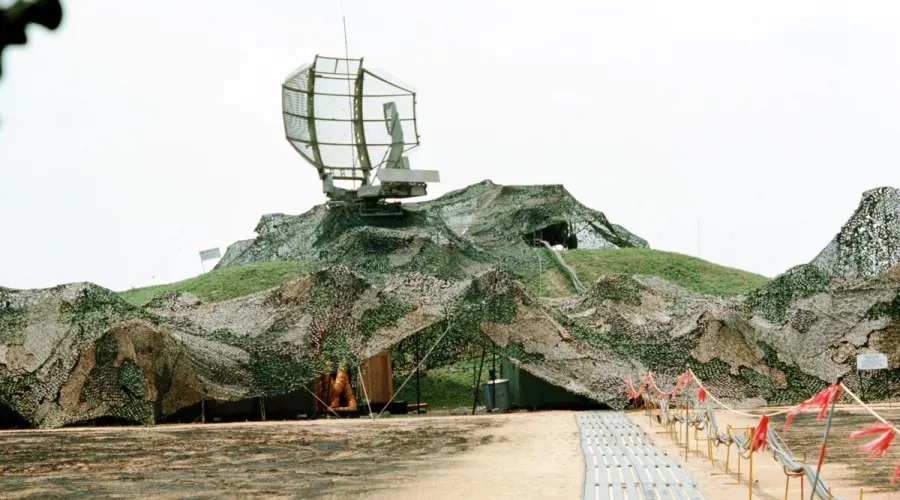
India
The Indian Army is making a substantial leap in fortifying its operational readiness in desert and semi-desert regions by initiating the procurement of 10,276 Multi-Spectral Camouflage Nets (MSCNs). This move reflects the growing emphasis on advanced concealment technologies to mitigate detection risks in challenging terrains. Purpose of the Procurement The procurement, issued under a detailed Request for Proposal (RFP), focuses on equipping crucial military assets such as tanks, artillery, and radar systems with state-of-the-art camouflage. These nets provide a multi-layered shield against enemy detection methods, ranging from visual observation to advanced electronic surveillance. Specifications and Capabilities of MSCNs The Multi-Spectral Camouflage Nets are designed to meet the rigorous demands of modern warfare, offering advanced concealment across multiple detection ranges. Their key features include: Visual ConcealmentThe MSCNs blend seamlessly with the natural environment, ensuring critical assets remain undetectable to the naked eye, even in open desert or semi-desert terrains. Thermal Signature ReductionThey significantly reduce heat emissions, masking equipment from thermal imaging devices and infrared detection, a crucial advantage in counter-surveillance measures. Radar Cross-Section ReductionBy minimizing radar reflectivity, these nets effectively hide equipment from enemy radar systems, bolstering the Army's ability to operate stealthily in hostile zones. Compatibility with Desert EnvironmentsThe MSCNs are engineered to match the unique conditions of desert and semi-desert regions, including adapting to the area's specific colors and light patterns. This ensures effective concealment during both day and night operations. Durability and Longevity When stored in sealed conditions, the nets come with a lifespan of up to 10 years. Once deployed, they are designed to withstand 150 handling cycles or up to seven years of use, making them highly reliable for prolonged military operations. Operational Advantages The deployment of MSCNs is set to provide a critical tactical edge in both offensive and defensive maneuvers. By reducing detectability across the electromagnetic (EM) spectrum, the Indian Army will have the ability to launch operations with a significantly reduced risk of enemy detection. Strategic Importance Desert and semi-desert terrains pose unique challenges for military operations due to their open landscapes and limited natural cover. The introduction of MSCNs will bridge this gap by offering artificial yet highly effective concealment, ensuring that high-value assets remain hidden from adversaries. This procurement aligns with the Indian Army’s broader objective of enhancing operational preparedness and survivability in diverse terrains. It underscores the Army's commitment to integrating advanced technologies into its arsenal, ensuring superiority on the modern battlefield. By equipping its forces with these cutting-edge camouflage systems, the Indian Army continues to strengthen its ability to adapt to evolving threats, maintain stealth, and execute operations with precision in challenging environments.
Read More → Posted on 2025-01-09 15:33:11
World
The United States has clarified that it currently has no plans to expand its military presence in Greenland, despite the island’s significant strategic importance in the Arctic region. This statement came from the U.S. embassy in Copenhagen on Thursday, following comments by incoming President Donald Trump, who described control over Greenland as an "absolute necessity" for U.S. national security. Trump, set to take office on January 20, also hinted at the possibility of leveraging military or economic tools, such as tariffs, against Denmark to secure influence over the island. Greenland's Strategic Importance Greenland, an autonomous territory under Denmark, occupies a pivotal position in Arctic geopolitics. Its geographic location makes it crucial for the United States' ballistic missile early-warning system, as the shortest route between Europe and North America crosses the Arctic region. Greenland's proximity to the Arctic's mineral-rich waters and potential shipping lanes further heightens its strategic value. Currently, the U.S. maintains a military presence at Pituffik Space Base (formerly Thule Air Base), located in northwest Greenland. This facility, operational since 1951, is home to an advanced radar system critical for tracking ballistic missiles and monitoring space activities. It also serves as part of the U.S. Space Command's broader network, highlighting its dual importance for missile defense and space surveillance. Cooperation with Copenhagen and Nuuk Despite its strategic value, the U.S. embassy emphasized a collaborative approach with Denmark and Greenland's capital, Nuuk, to address mutual security concerns. "There are no plans to increase the United States' current military footprint in Greenland," the embassy spokesperson said, reaffirming Washington's commitment to shared security goals in the Arctic. The statement follows increased attention on Greenland in recent years as Arctic nations, including Russia and China, ramp up their presence in the region. Russia has expanded its military infrastructure in the Arctic, while China has sought investments in Greenland, framing its activities as part of its "Polar Silk Road" strategy. This growing geopolitical competition has prompted NATO allies to monitor Arctic developments closely. Trump's Renewed Focus on Greenland President Trump’s comments this week mark a continuation of his administration’s focus on Greenland, which first came to light in 2019 when he proposed purchasing the island. The idea was met with resistance from Denmark and Greenland, with Danish Prime Minister Mette Frederiksen calling the proposal "absurd." However, Trump's renewed interest underscores his administration's view of Greenland as a critical asset in the Arctic, particularly as global warming opens new opportunities for resource exploration and trade routes in the region. The Path Ahead While there are no immediate plans to increase the U.S. military presence, Greenland remains a focal point of Arctic strategy for Washington. As climate change accelerates the melting of Arctic ice, the region's geopolitical significance is only expected to grow. The U.S. may continue to engage Greenland through diplomatic, economic, and security frameworks to maintain its strategic edge while balancing its relationships with Denmark and Greenland’s autonomous government. This latest development highlights the delicate balance the U.S. must strike between pursuing its national security interests and respecting the sovereignty of its allies in the increasingly contested Arctic.
Read More → Posted on 2025-01-09 15:30:34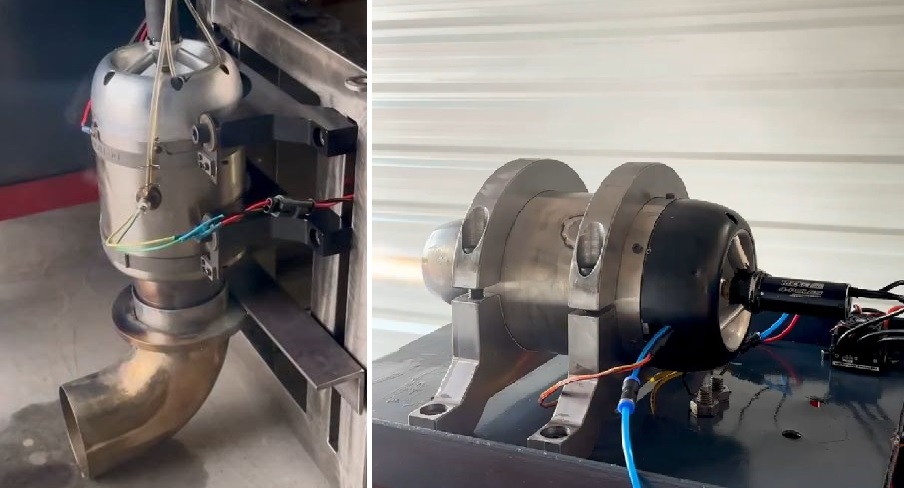
India
Delhi-based start-up DG Propulsion has reached a significant milestone in India’s aerospace technology journey by successfully conducting a Vertical Test Run of its indigenously developed DG-J40 micro turbojet engine. This achievement marks an important step in advancing India’s capabilities in unmanned aerial vehicles (UAVs) and defence technology while emphasizing the country’s focus on indigenous innovation. Key Specifications of the DG-J40 Turbojet Engine: Engine Type: Turbojet Thrust Capacity: Up to 40 kgf (392 N) Outer Diameter: 149 mm Full Length: 300 mm Weight: 3,600 g Maximum RPM: 96,000 Idle RPM: 28,800 Pressure Ratio: 3.8 Compact and lightweight, the DG-J40 is purpose-built for versatility. Its impressive thrust-to-weight ratio, combined with a modular design, allows it to meet various operational needs. This adaptability makes it an ideal candidate for military and commercial UAVs. The engine also offers features such as nozzle length adjustments and capabilities for water landings, further enhancing its range of applications. The Significance of the Vertical Test Run The successful vertical test run highlights the engine's robust performance and readiness for real-world applications. This achievement underscores India’s commitment to reducing reliance on imported technologies by fostering local expertise in aerospace and defence systems. The DG-J40’s development aligns with the Indian government’s initiatives such as "Make in India" and "Atmanirbhar Bharat" (self-reliant India). By supporting start-ups like DG Propulsion, these programs aim to build a strong foundation for cutting-edge research and manufacturing in critical sectors. Broader Implications for India’s Aerospace Industry The advancements showcased by the DG-J40 turbojet engine are expected to serve as a catalyst for further innovation within India’s aerospace ecosystem. As an indigenous product, the engine could potentially be integrated into military UAVs, high-speed target drones, and other aerial systems, contributing to enhanced national security. Moreover, DG Propulsion’s success is likely to inspire other start-ups and established firms to invest in indigenous technology solutions. By doing so, India can strengthen its foothold in the global aerospace market and position itself as a key player in defence and UAV technology. This achievement also reflects India’s growing capability to develop homegrown propulsion systems, a domain traditionally dominated by a handful of international manufacturers. The DG-J40 turbojet engine could eventually become a benchmark for future developments in UAV propulsion, opening doors for new export opportunities and collaborative ventures. Looking Ahead As DG Propulsion continues to refine its technologies, the DG-J40 engine is poised to play a significant role in India’s aerospace advancements. The company’s efforts not only enhance India’s technological independence but also demonstrate the potential for Indian start-ups to compete on a global scale. This milestone is more than just a technical accomplishment—it’s a symbol of India’s evolving role as a hub for innovation in defence and aerospace technology.
Read More → Posted on 2025-01-09 15:25:46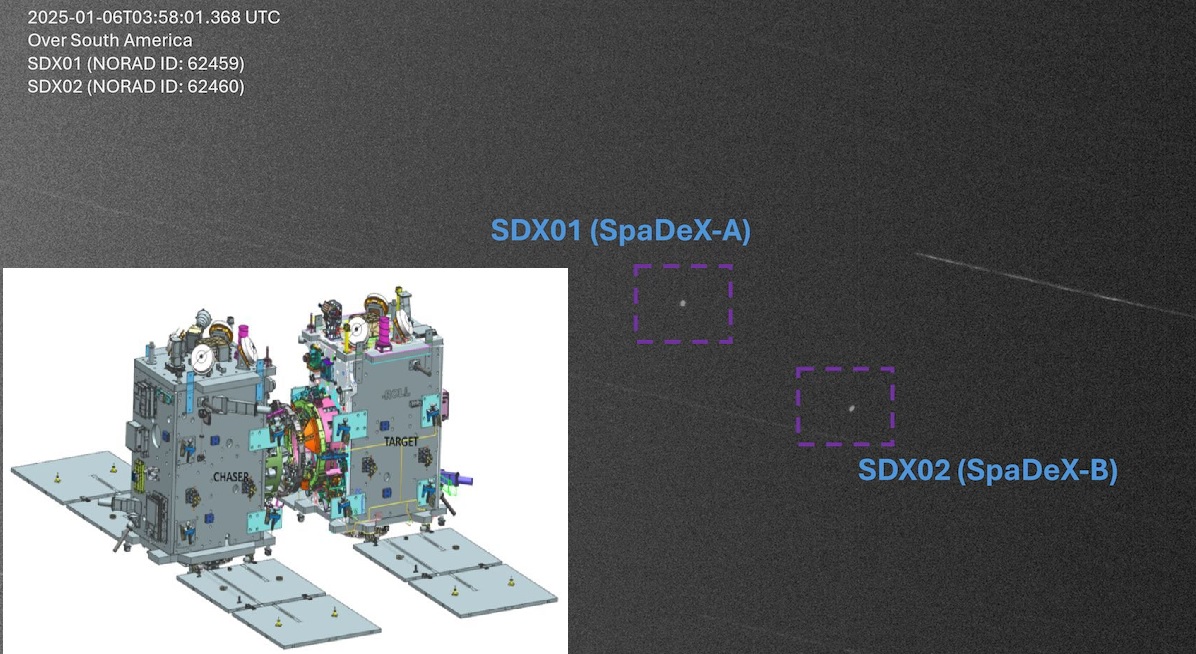
Space & Technology
The Indian Space Research Organisation (ISRO) has announced the postponement of its Space Docking Experiment (SpaDEx) for the second time, citing excessive drift during a crucial manoeuvre. The experiment, initially scheduled for January 7 and rescheduled for January 9, faced challenges as the drift observed while reaching a planned 225-meter distance between two satellites exceeded expectations. Despite the delays, ISRO reassured that the satellites involved are safe and hinted at future updates on the mission. What is SpaDEx? SpaDEx, or the Space Docking Experiment, is an ambitious mission designed to test and demonstrate critical docking technologies. The experiment involves two small satellites that will rendezvous, dock, and later undock in orbit. This project is a stepping stone for India’s aspirations in advanced space operations, including satellite servicing, space station assembly, and interplanetary missions. Docking, a complex and precise operation, requires one spacecraft to maneuver in close proximity to another and connect with high accuracy. For future missions involving long-term human presence in space, such as space stations, or servicing existing satellites to extend their lifespans, mastering docking is indispensable. Specifications of SpaDEx Satellites Involved: The experiment uses two compact satellites, which are equipped with advanced sensors, actuators, and docking mechanisms. Technology Goals: Autonomous navigation and control for precise rendezvous. High-accuracy docking and undocking mechanisms. Sensors for distance measurement and orientation control. Operational Range: The satellites were expected to perform docking maneuvers within a range of 225 meters, testing their ability to handle varying distances during approach. Critical Systems: Propulsion systems for precise orbital adjustments. Communication links to maintain data exchange and control. Safety protocols to prevent collision in case of anomalies. Challenges Faced The experiment was called off after observing excessive drift post a period of non-visibility, where satellite tracking and telemetry data are temporarily unavailable. This anomaly could indicate challenges in maintaining precise control during orbital maneuvers—a critical aspect of docking operations. Importance of SpaDEx SpaDEx is a landmark project for India’s space program as it focuses on developing technologies essential for future advancements. Successful space docking could pave the way for: Satellite Servicing: Repairing or upgrading satellites in orbit. Space Station Modules: Assembling components of a potential space station. Interplanetary Missions: Docking in deep space for refueling or crew transfers. Moreover, this experiment positions India among a select group of nations actively developing docking technology, highlighting the country's growing prowess in space exploration. What’s Next? While ISRO has not announced a new date for the experiment, the postponements underline the complexity of the mission. The space agency’s commitment to ensuring safety and precision reflects its cautious approach to perfecting the docking process. As ISRO fine-tunes its systems and addresses the issues that arose, the successful execution of SpaDEx will undoubtedly mark a significant milestone in India’s space journey. Stay tuned as ISRO continues to push the boundaries of innovation, setting the stage for a new era in space exploration.
Read More → Posted on 2025-01-09 15:20:36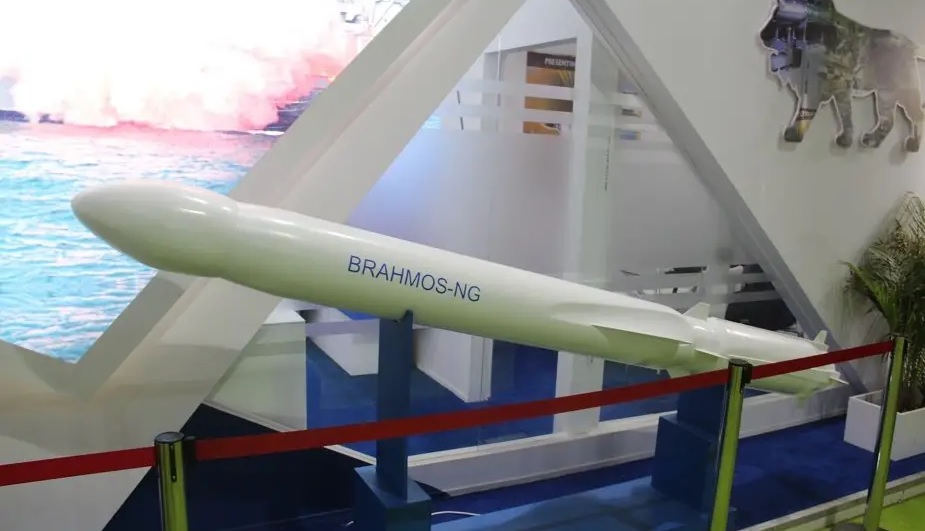
India
BrahMos Aerospace, a joint venture between India and Russia, is in advanced talks with the Indian Army to develop a ground-based version of the BrahMos-NG (Next Generation) cruise missile. This initiative aims to address the operational demands of high-altitude warfare, offering enhanced agility and deployment flexibility compared to its predecessor. A Game-Changer for High-Altitude Operations The proposed ground-based BrahMos-NG system is designed to meet the Indian Army’s specific needs for high-altitude terrains, where conventional systems often face logistical and operational challenges. Unlike the standard BrahMos missile, the BrahMos-NG is significantly lighter, weighing around 1.3 to 1.4 tons, compared to the 2.5-ton standard variant. This weight reduction enables the missile to be mounted on medium-class 8×8 Heavy Mobility Vehicles (HMVs), ensuring easier transportation and rapid deployment even in remote and mountainous regions. Key Specifications of the BrahMos-NG Weight: 1.3–1.4 tons, significantly lighter than the original BrahMos. Length: Approximately 6 meters, making it shorter and more compact. Range: Up to 290 kilometers, with a planned increase to over 400 kilometers in future iterations. Speed: Mach 3.5, maintaining its position as one of the fastest cruise missiles in the world. Guidance System: Advanced inertial navigation system integrated with GPS/GLONASS, ensuring precision targeting. Payload: Capable of carrying a 200-300 kg warhead. The missile's compact design not only enhances its mobility but also allows for integration across a variety of platforms, including trucks, aircraft, ships, and submarines. Renewed Interest from the Indian Army Initially, the Indian Army showed limited enthusiasm for the truck-mounted BrahMos-NG, focusing instead on its existing BrahMos systems. However, the lighter and more agile configuration of the BrahMos-NG has reignited interest, especially for high-altitude and rugged terrains, where the Army faces operational challenges. The integration of a booster stage in the ground-based variant will further enhance its range and performance, making it a strategic asset for mountainous regions. The Army's focus is now shifting to complementing its existing missile arsenal with the BrahMos-NG, which offers logistical ease, faster deployment, and the ability to operate in previously inaccessible areas. Broader Applications Across Services The BrahMos-NG program has already garnered strong interest from the Indian Air Force and Navy for its air-launched and submarine-launched variants. The Air Force plans to deploy the missile on platforms like the Sukhoi Su-30MKI and the upcoming HAL Tejas Mk2, while the Navy is considering it for integration into submarines and smaller warships. For the Army, the truck-mounted BrahMos-NG represents a strategic opportunity to enhance its missile capabilities while maintaining operational flexibility. Its ability to quickly mobilize in high-altitude regions makes it an ideal addition to India’s arsenal, particularly for defending critical areas along the northern and northeastern borders. Strategic Advantages The BrahMos-NG system's agility and lighter configuration address the unique challenges of high-altitude warfare. The reduced weight and compact design make it easier to transport, set up, and launch, even in difficult terrains. Its rapid deployment capability and extended range provide a strategic edge in scenarios requiring quick retaliation or preemptive action. Additionally, the BrahMos-NG’s ability to target both land and sea-based threats ensures that it can serve multiple roles, offering a high degree of versatility. This aligns with India’s broader defense strategy of maintaining a multi-domain operational capability. Looking Ahead As discussions between BrahMos Aerospace and the Indian Army progress, the ground-based BrahMos-NG missile system has the potential to redefine the Army’s capabilities in high-altitude regions. If successfully integrated, it will complement the existing BrahMos fleet and serve as a critical asset in addressing evolving security challenges. The system’s development underscores India’s commitment to self-reliance in defense manufacturing and innovation, as well as its readiness to adapt to complex and dynamic security environments. The BrahMos-NG is poised to be a game-changer, providing a strategic advantage to the Indian Army in its ongoing efforts to safeguard the nation’s borders.
Read More → Posted on 2025-01-09 15:15:26Search
Top Trending in 24 Hours
-
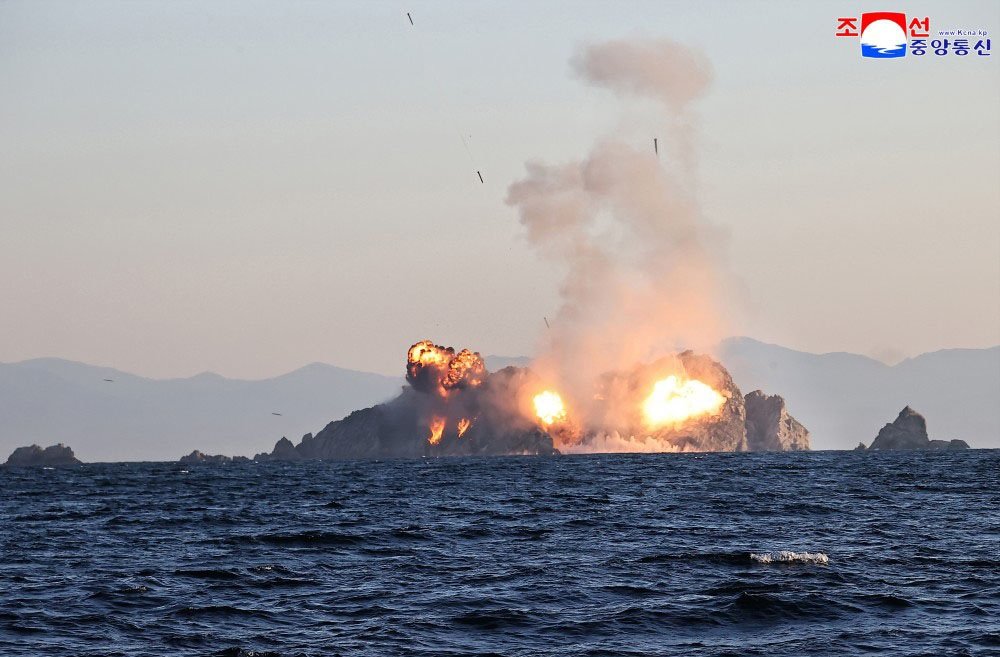 North Korea Fires Short-Range Ballistic Missile Toward Sea of Japan After Freedom Edge 26
-
 India’s xTerra Robotics Launches Indigenous DHAV-Hy Wheeled-Legged Quadruped for Industrial Inspection
-
 U.S. Government Seizes Almasirah.net, Houthi-Linked News Website
-
 U.S. Army Awards $10.64 Million Contract to Ukrainian Drone Maker Skyeton for Raybird Systems
-
 U.S. Delivers First CH-47F Chinook to Egypt Under 12-Helicopter Deal
-
 BEL Showcase X-Band Multi-Function Radar for QRSAM to Japanese Delegation
-
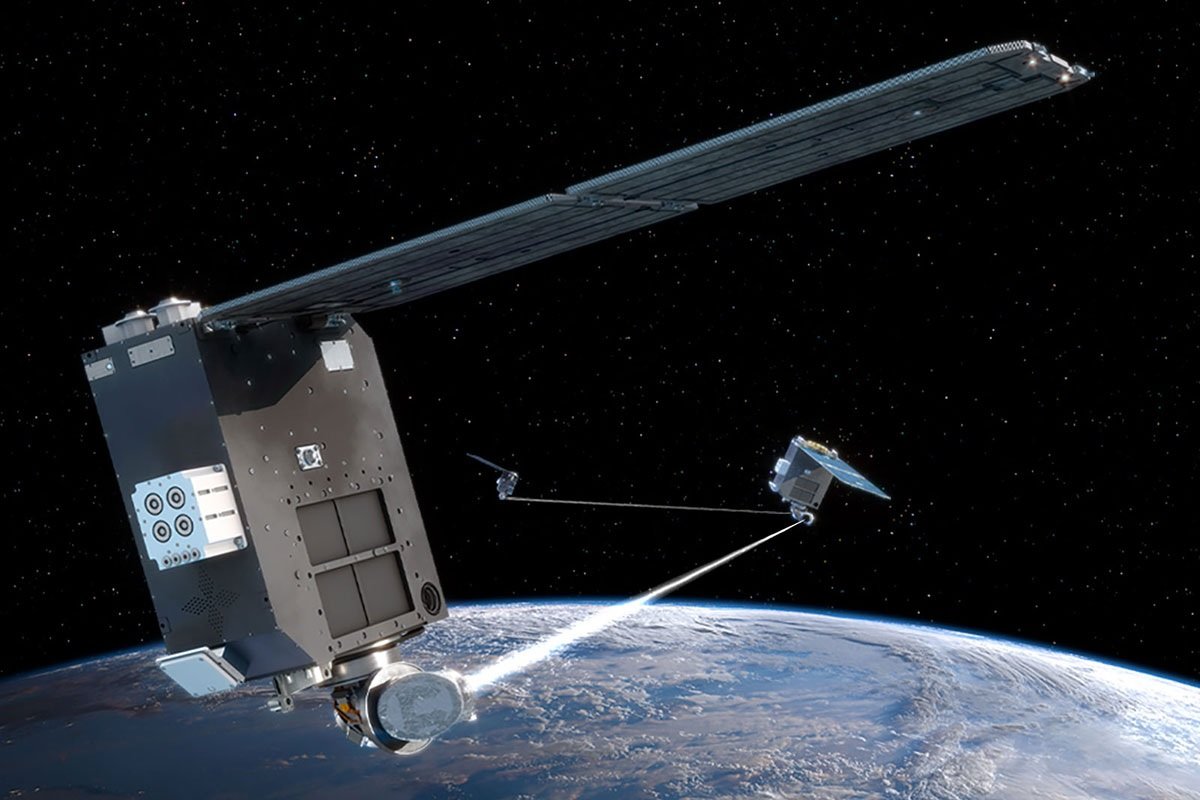 U.S. Space Force Seeks Rapid-Response Satellites for Close-Range Orbital Inspections
-
 IRGC Experts Visit Bab El-Mandeb to Oversee Radar Installation and Tunneling, Houthi Sources Say
Top Trending in 4 Days
-
 Satellite Images Show Saudi Arabia Building Emergency Bypass Around Damaged East-West Oil Pipeline Station
-
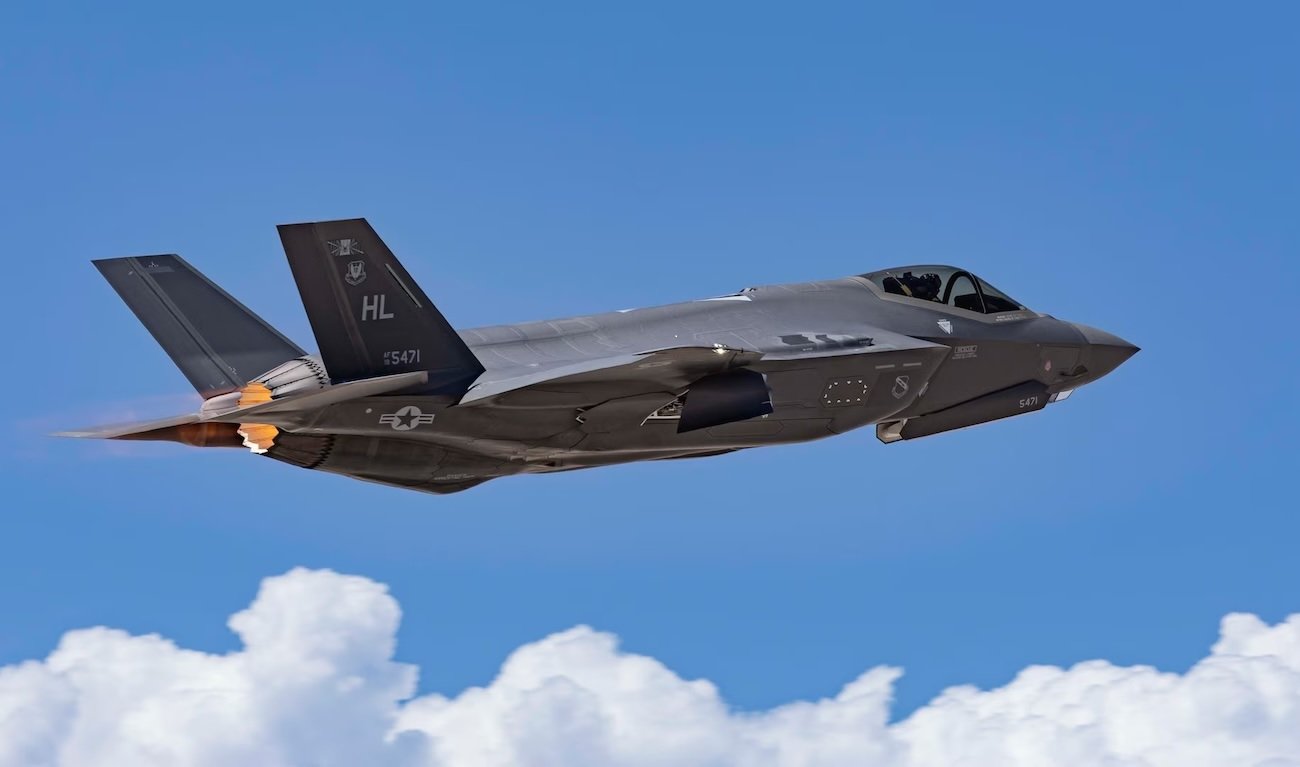 Sensitive F-35 Components Diverted to Hong Kong, Some Parts Missing
-
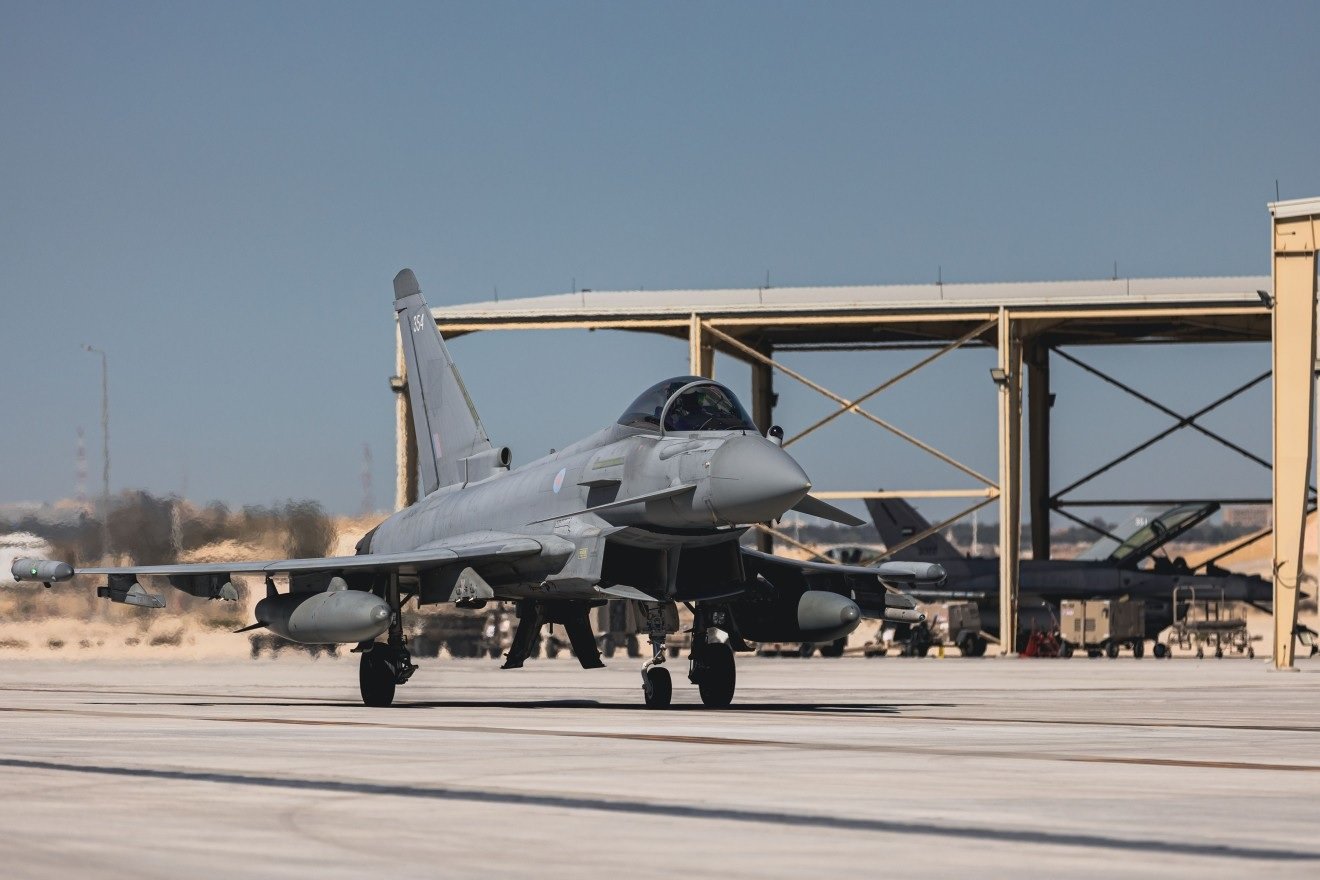 Italian Eurofighter Damaged in Houthi Attack on Saudi Arabia’s King Fahd Air Base
-
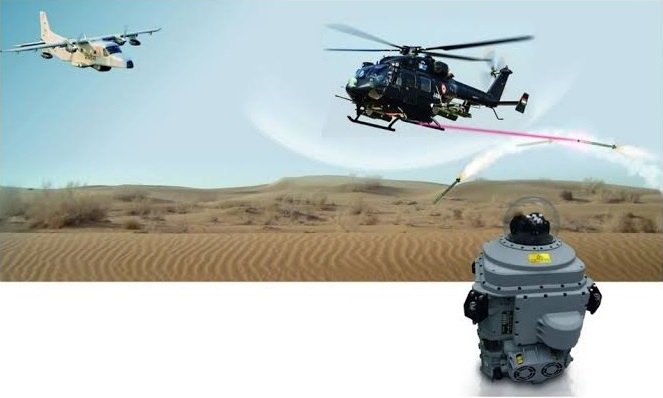 BEL Signs Export Deal with Elbit Systems for Directed Infrared Countermeasure Sub-Assemblies, Secures ₹648 Crore in Additional Orders
-
 Israeli Firm Arbe Robotics Unveils Alerion High-Resolution 4D Radar for Counter-Drone Operations
-
 China Privately Urges Iran to Restrain Houthis After Saudi Appeal
-
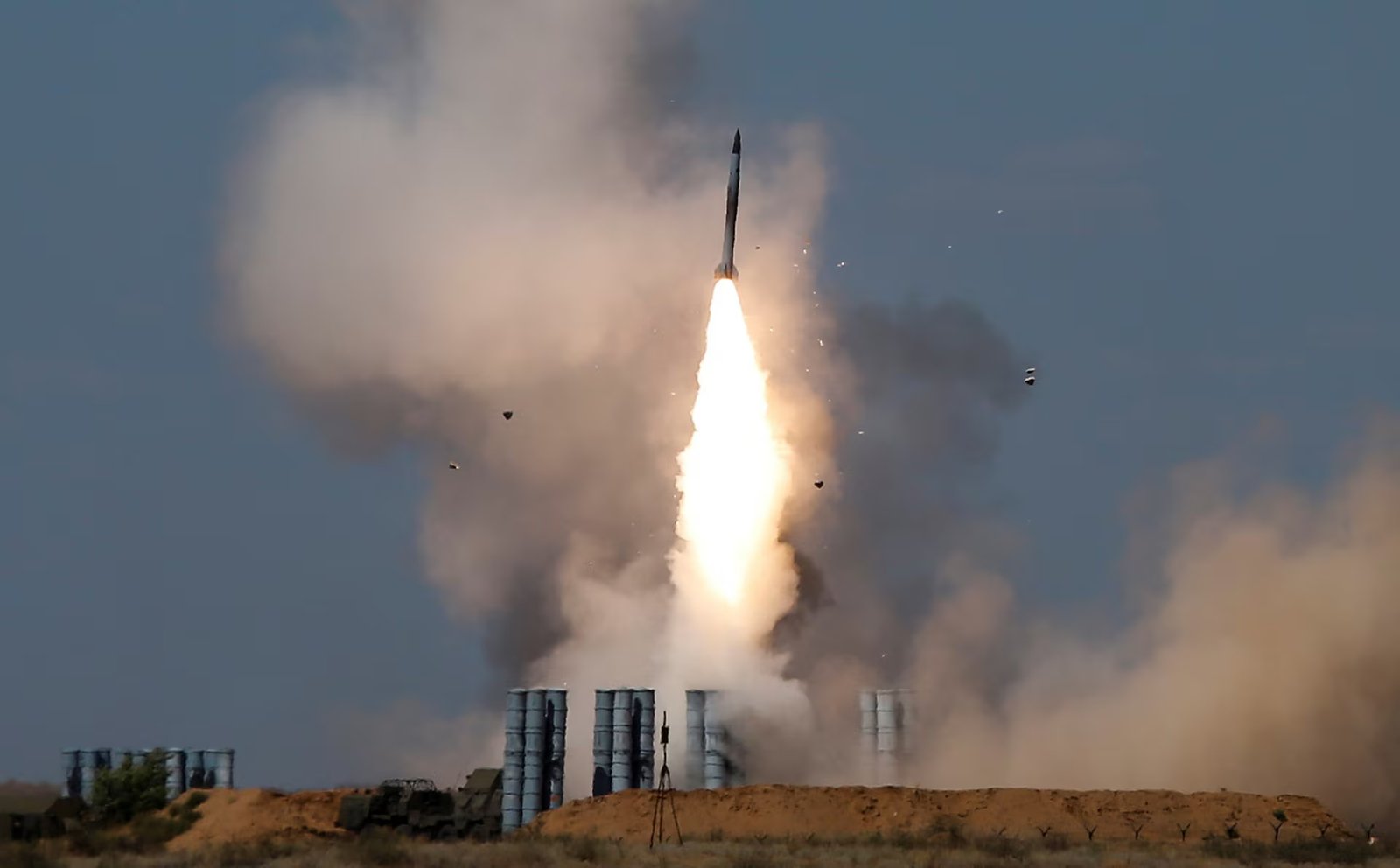 U.S. Approves Potential $2.68 Billion Air Defense Package for Ukraine Including S-300 Clone Missiles
-
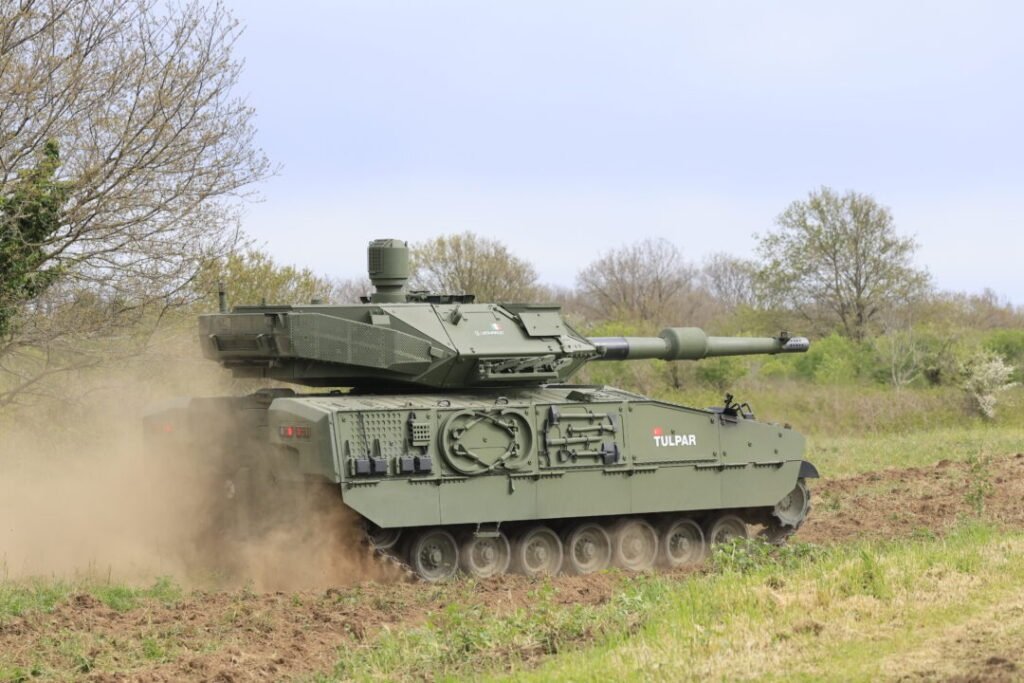 Otokar and Leonardo Complete Live-Fire Tests of TULPAR Tank with HITFACT MkII 120mm Turret
