
World
QinetiQ Target Systems (QTS) has once again reaffirmed its position as a trusted partner of the United States Navy (USN) with the renewal of a five-year contract to provide uncrewed aerial target (UAV-T) support services. This agreement, valued at $13.3 million, extends QTS’s longstanding collaboration with the USN and is slated to run until late 2029, with a provision for a six-month extension. The Vindicator II: A Key Asset for Naval Training At the heart of this contract lies the Vindicator II aerial target system, a reliable and cost-effective solution for military training. The Vindicator II is designed to simulate high-speed aerial threats, providing naval personnel with realistic scenarios to enhance their defensive capabilities. Specifications of the Vindicator II Type: Uncrewed Aerial Target (UAV-T) Performance: Capable of simulating high-speed aerial threats with exceptional precision. Payload Capacity: Configurable for various mission-specific payloads, including radar reflectors and IR augmentation. Operational Range: Extended range, ensuring adaptability for diverse training scenarios. Launch Mechanism: Catapult or rail launch for flexible deployment. Recovery: Parachute-assisted recovery, ensuring reuse and cost efficiency. The Vindicator II has proven itself to be a robust and adaptable system, pre-qualified to meet the rigorous demands of naval operations. Its versatility and proven track record have made it an indispensable tool for the USN at critical training ranges, including San Nicolas Island, California, and Dam Neck, Virginia. A Long-Standing Partnership with the U.S. Navy This marks the sixth consecutive renewal of QTS’s contract, highlighting the trust and confidence the USN places in the company’s capabilities. The agreement was facilitated through a collaboration with the Canadian Commercial Corporation (CCC) and Public Services and Procurement Canada (PSPC). The Medicine Hat facility in Alberta, Canada, continues to serve as the operational hub for these uncrewed systems, reflecting QTS’s commitment to excellence and innovation. Under the new contract, QTS will deploy Canadian personnel to deliver tailored services for the USN, leveraging expertise gained from its globally renowned Banshee operations. This customized approach ensures that the Vindicator II systems are fully aligned with the specific requirements of the USN, enhancing the realism and effectiveness of their training programs. Commitment to Excellence and Innovation Ryan Peterson, Project and Customer Account Manager for QinetiQ, emphasized the importance of this partnership, stating, “This contract is a testament to the excellent working relationship between QinetiQ and our USN customer.” He also praised the dedication of QinetiQ’s Global Field Services team, which has consistently delivered outstanding service for over two decades. This achievement reflects QinetiQ’s innovative approach to uncrewed systems and its ability to adapt to evolving industry needs. The company’s commitment to delivering high-quality training and support services has cemented its reputation as a leader in the field of uncrewed aerial targets. Strategic Implications for QinetiQ and the U.S. Navy The Vindicator II’s deployment not only strengthens the USN’s training capabilities but also underscores QinetiQ’s strategic role in supporting defense forces globally. As uncrewed aerial systems become increasingly important in modern warfare, this partnership demonstrates how innovative solutions like the Vindicator II can bridge the gap between current operational challenges and future defense needs. This contract renewal reaffirms QinetiQ’s leadership in the uncrewed aerial target market, paving the way for continued advancements in naval training and readiness.
Read More → Posted on 2025-01-09 15:12:53
World
Russia has halted all naval ship repair activities in Crimea due to the growing intensity of Ukrainian strikes, according to Ukrainian Navy spokesperson Dmytro Pletenchuk. This development signals a significant shift in the operational strategy of Russia’s Black Sea Fleet, which has been forced to relocate its warships from the Sevastopol naval base in Crimea to the port city of Novorossiysk. The decision follows a series of successful Ukrainian attacks utilizing missiles and drone boats. These strikes have caused extensive damage to Russian naval assets, sinking or crippling dozens of warships, including a possible submarine. Pletenchuk underscored this in a recent telethon, stating, “The main facilities for the Russians are still in Crimea. But we’ve demonstrated in practice that using repair bases for their Black Sea fleet is no longer possible.” Novorossiysk: A Partial Solution While Novorossiysk has become the alternative port of choice for the Black Sea Fleet, it lacks the comprehensive ship repair capabilities available at the Sevastopol naval base. The facility in Novorossiysk can handle basic maintenance but falls short in terms of advanced repair operations needed for larger and more complex vessels. Another potential facility, located in Zelenodolsk, Tatarstan, lies over 2,200 kilometers (1,367 miles) away from Crimea. However, its capabilities are limited to smaller missile ships, making it both inefficient and cost-prohibitive for the repair of larger naval vessels. Strategic Implications for Russia The inability to use Sevastopol’s shipyards has far-reaching consequences for Russia's naval operations in the Black Sea. Sevastopol has historically been a critical hub for maintenance and repairs due to its advanced infrastructure and strategic location. The ongoing Ukrainian strikes have effectively neutralized this advantage, forcing Russia to rely on less-equipped alternatives and increasing the logistical challenges of sustaining its naval presence. Pletenchuk emphasized that repairing warships at Sevastopol has become virtually impossible. “To repair their ships, they first need to bring them there. And now, no one will be doing that,” he remarked, highlighting the growing risks associated with operating in Crimea. Ukrainian Strategy and Successes Ukraine’s persistent targeting of Russian naval assets demonstrates a well-coordinated strategy to weaken Russia's Black Sea Fleet and its operational capabilities. The use of innovative attack methods, including drone boats and precision missile strikes, has been pivotal in inflicting significant damage on Russian warships. These efforts are part of Ukraine’s broader strategy to regain control over Crimea and assert dominance in the Black Sea region. A Shifting Naval Landscape The relocation of Russia’s Black Sea Fleet to Novorossiysk marks a significant adaptation in response to evolving threats. However, the lack of suitable repair facilities is a critical vulnerability that could impede Russia’s naval operations in the long term. As Ukrainian forces continue to escalate their offensive against Russian naval targets, the strategic importance of Crimea as a naval hub diminishes, reshaping the dynamics of the conflict in the Black Sea region. This shift not only underlines the impact of Ukrainian military innovation but also serves as a reminder of the increasingly precarious position of Russian forces in occupied territories. The loss of Crimea's naval repair capabilities is a strategic setback for Russia, highlighting the growing effectiveness of Ukraine’s counteroffensive efforts.
Read More → Posted on 2025-01-09 15:10:06
India
In a landmark move poised to redefine India-US relations in the nuclear energy domain, the United States is finalizing steps to remove key Indian nuclear entities from its restricted "entities list." This decision, announced by US National Security Adviser Jake Sullivan during his visit to India, marks a pivotal step towards enhancing civil nuclear cooperation between the two nations, which have long aspired to deepen their partnership in this critical sector. Breaking Down the 'Entities List' Removal For decades, the inclusion of Indian nuclear companies on the US "entities list" imposed significant trade and research restrictions. Companies on this list were barred from accessing American nuclear technology, expertise, and materials, effectively hampering collaboration. However, the Biden administration's decision to remove these restrictions underscores the growing trust and shared vision between the two democracies. Speaking at the Indian Institute of Technology, Delhi, Sullivan emphasized the transformative potential of this move. “This will be an opportunity to turn the page on some of the frictions of the past and create opportunities for entities that have been on restricted lists to enter into deep collaboration with the United States," he said. The removal of Indian entities from the restricted list will unlock opportunities for Indian and American firms to jointly explore civil nuclear projects, foster scientific research, and develop advanced nuclear technologies. It also signals a commitment to fortifying the India-US strategic partnership, particularly in energy security and clean energy transitions. Boosting India's Nuclear Ambitions India's nuclear energy sector is critical to its energy strategy, especially as the country aims to reduce its dependence on fossil fuels. By 2030, India seeks to generate 50% of its electricity from non-fossil fuel sources, with nuclear power expected to play a significant role. This development comes at a crucial juncture, as India plans to ramp up its nuclear capacity through the construction of indigenous and collaborative reactor projects. With access to American technology, expertise, and investment, Indian firms can accelerate the adoption of advanced reactor designs, including Small Modular Reactors (SMRs), which are more efficient and cost-effective than traditional nuclear reactors. Additionally, US-India cooperation is likely to extend to areas such as nuclear safety protocols, waste management solutions, and grid integration. These advancements could position India as a global leader in sustainable nuclear energy development while creating significant business opportunities for US companies. A Multi-Billion-Dollar Opportunity The decision to remove trade restrictions is expected to catalyze a wave of investments in the nuclear sector. Industry experts anticipate the move could open a market worth billions of dollars, benefiting firms on both sides. For US companies, it provides access to one of the world’s fastest-growing energy markets. For Indian entities, it offers cutting-edge technology and expertise to bolster the country’s nuclear energy infrastructure. Implications for Global Energy Goals Beyond bilateral trade, this collaboration aligns with global efforts to combat climate change and transition to sustainable energy sources. Nuclear power, as a low-carbon energy source, is pivotal to reducing greenhouse gas emissions. Enhanced India-US nuclear cooperation can serve as a model for other nations seeking to balance energy demands with environmental commitments. Strategic Partnership Strengthened This step is more than just a regulatory change; it is a testament to the deepening strategic partnership between India and the United States. By removing long-standing barriers, both nations are signaling their intent to work together on issues of mutual interest, including energy security, technological innovation, and climate change mitigation. As the paperwork for this historic move nears completion, the stage is set for a new era of collaboration. This decision not only boosts India’s nuclear energy ambitions but also cements the India-US partnership as a cornerstone of global efforts to ensure a sustainable energy future.
Read More → Posted on 2025-01-09 15:06:49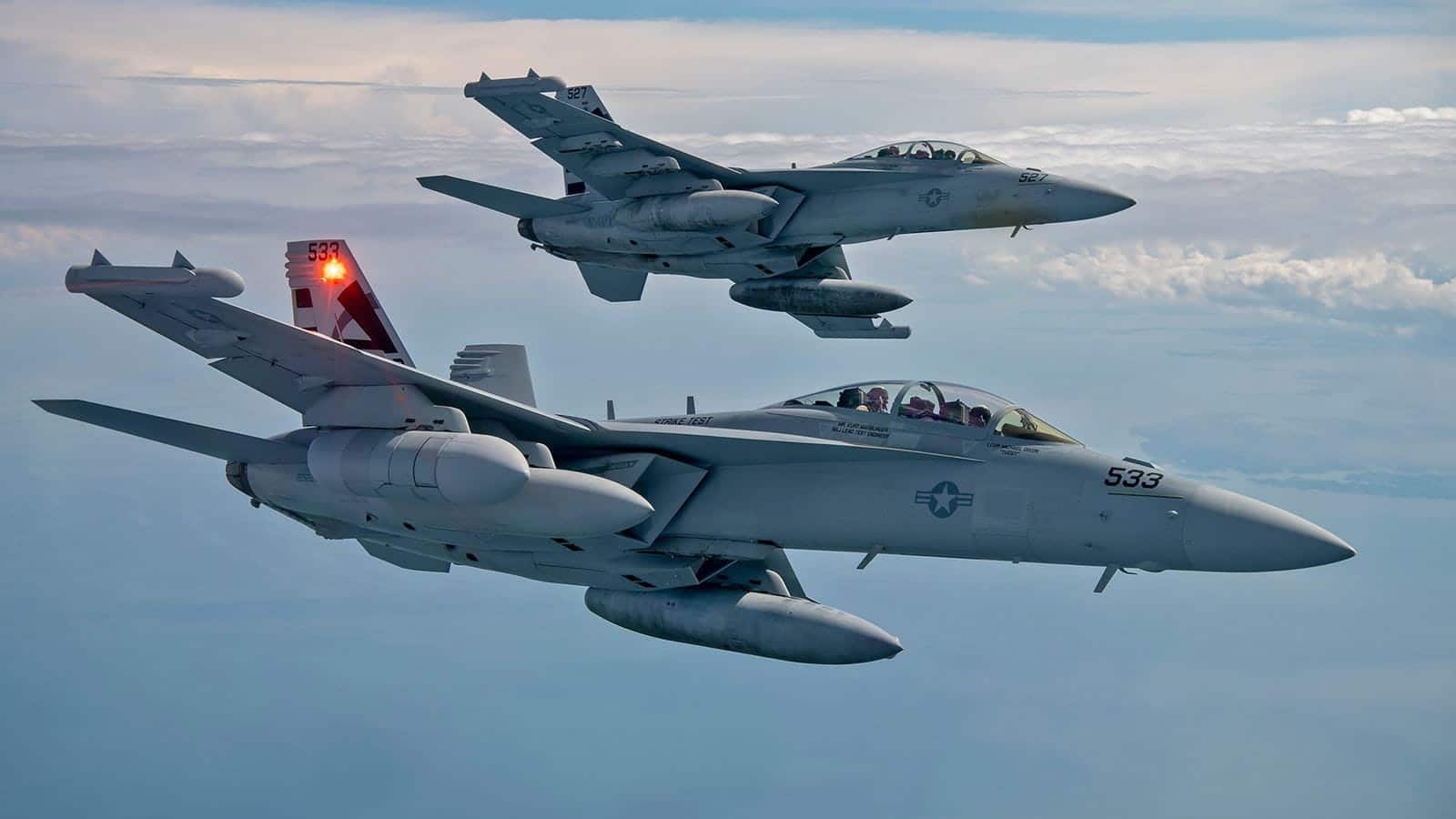
World
The United States Navy has declared Initial Operational Capability (IOC) for the Next-Generation Jammer Mid-Band (NGJ-MB) system, marking a pivotal moment in advancing the E/A-18 Growler’s capabilities in electromagnetic spectrum warfare. This development underscores the Navy’s commitment to staying ahead in countering evolving threats in modern combat scenarios. Cutting-Edge Technology and Specifications The NGJ-MB is designed to operate within the 2 GHz to 6 GHz frequency range, offering enhanced abilities to disrupt, deny, and deceive adversary radar and communication systems. This system integrates state-of-the-art software-defined technologies and electronically scanned array (ESA) antennas, enabling faster and more precise jamming. These advancements ensure the NGJ-MB can respond dynamically to a variety of threats in contested environments. Key specifications of the NGJ-MB include: Frequency Range: 2 GHz to 6 GHz Technology: Electronically Scanned Array (ESA) and software-defined systems Modular Design: Easily upgradable for future enhancements Deployment: Operable with EA-18G Growlers, optimized for carrier-based missions This system has already proven its mettle during a five-month deployment aboard the USS Abraham Lincoln in the Middle East, where it supported combat operations by effectively countering advanced radar systems and electronic threats. Replacing Legacy Systems The NGJ-MB is part of a broader Next-Generation Jammer (NGJ) program aimed at replacing the aging ALQ-99 Tactical Jamming System, which has been in service since the 1970s. The NGJ program is divided into three key segments: NGJ-LB (Low-Band): Operates between 100 MHz and 2 GHz. NGJ-MB (Mid-Band): Covers the 2 GHz to 6 GHz range. NGJ-HB (High-Band): Focuses on frequencies from 6 GHz to 18 GHz. Each band addresses specific parts of the electromagnetic spectrum, ensuring comprehensive coverage against modern threats. Enhanced Capabilities for Spectrum Dominance The NGJ-MB significantly boosts the U.S. Navy’s ability to maintain electromagnetic spectrum dominance. By targeting and neutralizing adversary radar and communication systems, the NGJ-MB ensures that EA-18G Growlers can operate effectively in high-threat environments. Lieutenant Commander Michael Bedwell, an EA-18G Naval Flight Officer, highlighted the importance of the system, stating, “Yielding new capabilities is critical for addressing current and future threats. The era of isolated surface-to-air missile systems, which operate within a non-agile and limited frequency range, is behind us.” Future Upgrades and Development Raytheon, the primary developer of the NGJ-MB, is already working on an upgraded version that will extend its frequency range and further enhance its capabilities. This next iteration is expected to address emerging threats and provide greater adaptability for future missions. The upgraded version is anticipated to be ready by 2027. Strategic Implications The IOC declaration for the NGJ-MB signals the system’s readiness to meet the logistical and operational needs of carrier air wings and EA-18G Growler squadrons. This advancement strengthens the U.S. Navy’s ability to operate in contested electromagnetic environments, ensuring a tactical edge in modern warfare. As the NGJ program progresses, the U.S. Navy is poised to set new benchmarks in electronic warfare, ensuring its fleet remains prepared to face the challenges of future conflicts.
Read More → Posted on 2025-01-08 16:21:03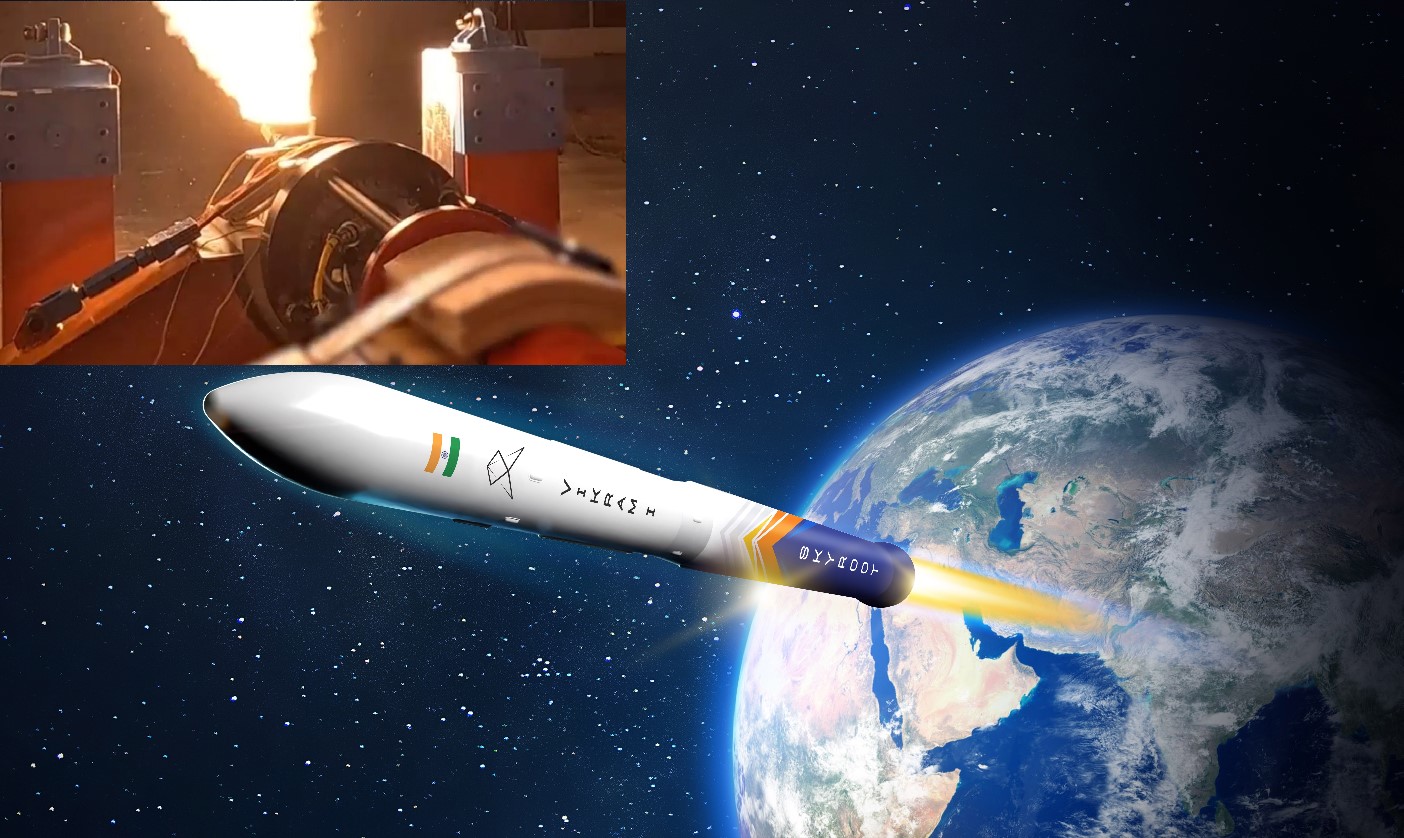
Space & Technology
Skyroot Aerospace, India's pioneering private space company, has taken a significant step toward its maiden orbital mission by successfully testing the retro motors of its Vikram-1 rocket. This static fire test, conducted on January 7, 2025, underscores Skyroot's commitment to achieving reliable and cost-effective access to space. The Vikram-1 is a three-stage launch vehicle designed to carry small to medium-sized payloads into orbit. The tested retro motors play a pivotal role in stage separation, a critical maneuver in multi-stage rockets. During flight, these motors provide the necessary thrust to decelerate the spent stage, ensuring a clean and reliable separation from the active stage. This functionality not only improves mission reliability but also minimizes risks associated with in-flight anomalies. Vikram-1: Specifications and Key Features Stages:Vikram-1 is a three-stage rocket with all stages powered by solid propulsion systems. This configuration is designed to optimize performance while maintaining simplicity and cost-effectiveness. Payload Capacity:The rocket can deliver up to 290 kg to a 500 km sun-synchronous orbit (SSO) and 480 kg to low Earth orbit (LEO). Length and Diameter:The vehicle stands approximately 20 meters tall and has a diameter of 1.5 meters, making it compact yet powerful for small satellite launches. Propulsion:Each stage employs advanced solid propellants engineered for high efficiency and reliability. Navigation and Control:Equipped with an indigenous navigation system, Vikram-1 uses a combination of onboard sensors and advanced algorithms to maintain trajectory accuracy. Retro Motors:The recently tested retro motors, specifically designed for precise stage deceleration, mark a technological milestone. These motors ensure stage separation happens seamlessly, reducing the likelihood of collisions or debris generation. Skyroot’s Vision and Roadmap The successful retro motor test aligns with Skyroot's vision of revolutionizing space access through innovation. Vikram-1 is part of the broader Vikram series, named in honor of Dr. Vikram Sarabhai, the father of India’s space program. Pawan Chandana, Co-Founder and CEO of Skyroot Aerospace, expressed optimism about the achievement. "This test is a critical milestone as we gear up for Vikram-1’s maiden orbital launch. It reflects our team's dedication to engineering excellence and our mission to make space accessible and affordable for all," he stated. The Vikram-1 rocket builds upon the success of Skyroot's Vikram-S, a suborbital rocket that demonstrated the company’s technological capabilities in November 2022. The upcoming orbital mission is expected to place Skyroot among the elite group of private companies globally capable of launching payloads into orbit. Broader Implications for India's Space Sector Skyroot's advancements highlight the growing strength of India's private space industry, which has been invigorated by government initiatives such as the formation of IN-SPACe (Indian National Space Promotion and Authorization Center). These efforts aim to foster collaboration between private entities and the Indian Space Research Organisation (ISRO), creating a robust ecosystem for space innovation. As Skyroot Aerospace prepares for Vikram-1's maiden flight, its progress serves as a testament to the transformative potential of India's burgeoning private space sector. The success of this mission could pave the way for more ambitious projects, including reusable rockets and interplanetary missions. With the retro motor test behind them, Skyroot is one step closer to realizing its goal of affordable and reliable orbital launches, solidifying India’s position in the global space economy.
Read More → Posted on 2025-01-08 16:18:33
Space & Technology
Dr. V Narayanan, a distinguished figure in Indian space research, has been appointed as the next chairman of the Indian Space Research Organisation (ISRO). He will officially assume this prestigious role on January 14, 2025, succeeding S Somanath. This pivotal announcement was made by the Appointments Committee of the Cabinet on January 7, 2025. Dr. Narayanan’s tenure as chairman is set for two years or until further notice. A Stellar Legacy: From LPSC to ISRO Chairmanship Dr. V Narayanan currently serves as the Director of the Liquid Propulsion Systems Centre (LPSC) in Valiamala, Kerala. Over nearly four decades at ISRO, he has established himself as a pioneer in rocket and spacecraft propulsion systems. Having joined ISRO in 1984, his career trajectory has been marked by exceptional achievements, including his role as the Project Director for the C25 Cryogenic Project of the GSLV MK-III. This project played a crucial part in propelling India’s launch vehicle technology to new heights. Dr. Narayanan holds an M.Tech in Cryogenic Engineering and a PhD in Aerospace Engineering from IIT Kharagpur, where he graduated as a topper. His expertise in propulsion systems has driven several key ISRO missions, making him a natural choice for leading the organization into its next era of innovation. Contributions to India’s Space Endeavors As Director of LPSC, Dr. Narayanan spearheaded numerous advancements in propulsion technology. His leadership was instrumental in the success of missions such as Chandrayaan-2, Chandrayaan-3, Aditya-L1, and the ambitious Gaganyaan project. Key contributions under his guidance include: Development of Indigenous Cryogenic Upper Stage (CUS): Essential for the GSLV MK-II, establishing India’s self-reliance in advanced cryogenic technology. C25 Cryogenic Stage: Designed for the GSLV MK-III, this stage enabled heavier payload launches and expanded ISRO’s capabilities. Throttle-able Thrusters: Developed for soft landings, playing a crucial role in lunar and planetary missions. Next-Generation Propulsion Systems: Advanced research in semi-cryogenic stages, LOX-methane engines, and electric propulsion thrusters to keep ISRO at the forefront of global space exploration. A Visionary Roadmap Dr. Narayanan has contributed extensively to ISRO’s propulsion roadmap for 2017–2037, ensuring the organization remains aligned with evolving technological and mission requirements. He has also served on National Expert Committees and international professional bodies, amplifying India’s voice in global space technology forums. The Transition and Future Challenges S Somanath, the outgoing chairman, leaves behind a legacy of groundbreaking missions such as Chandrayaan-3 and the upcoming Gaganyaan. His tenure focused on expanding ISRO's technological capabilities and fostering collaborations with private and international entities. As the new chairman, Dr. Narayanan is expected to continue these efforts while steering ISRO through ambitious projects, including the Venus Orbiter Mission (VOM) and India’s first solar mission, Aditya-L1. His expertise in propulsion systems and innovative vision will be critical in addressing challenges and exploring new frontiers in space exploration. Elevating ISRO’s Global Standing Upon his appointment, Dr. Narayanan expressed his commitment to advancing ISRO’s global contributions. His vision for the organization includes fostering innovation, leveraging the immense talent within ISRO, and strengthening India’s position in the international space community. The transition to Dr. V Narayanan as chairman signifies a new chapter for ISRO, as the organization continues to push boundaries in space science and technology. With his extensive experience and proven leadership, Dr. Narayanan is poised to lead ISRO into an era of unparalleled achievements.
Read More → Posted on 2025-01-08 16:13:38
World
In 2025, the French defense budget is set to rise to €50.5 billion, marking a 3% increase from 2024 and continuing an upward trend since 2017. This budget underscores France's commitment to enhancing its military capabilities, with significant allocations directed toward the Navy's modernization and expansion. Nuclear Deterrence Renewal A substantial portion of the budget is dedicated to renewing France's nuclear deterrence capabilities. Approximately €26 billion is allocated for the maintenance and upgrade of the current fleet of four Le Triomphant-class SSBNs (nuclear-powered ballistic missile submarines) and their infrastructure. This includes the development of the M51.3 submarine-launched ballistic missile, with preliminary work on the M51.4 variant also commencing. Additionally, the SNLE 3G program, aimed at constructing four new-generation SSBNs to replace the existing fleet, receives around €11 billion. The first steel cutting for these submarines occurred in early 2024, with commissioning planned post-2035. Surface Fleet Enhancements The French Navy's surface fleet is poised for significant developments: Aircraft Carrier: Plans are underway for the PANG (Porte-Avions Nouvelle Génération), the successor to the Charles de Gaulle aircraft carrier. While the official order is anticipated by late 2025, preliminary work, including the development of nuclear reactors, has already begun. Frigates: The Navy's first-rank vessels, currently comprising eight FREMM frigates and two Horizon-class destroyers, will be augmented by five FDI (Frégate de Défense et d'Intervention) frigates. The first of these, "Amiral Ronarc’h," is undergoing sea trials and is expected to be commissioned soon. An order for the fourth FDI is scheduled for next year, with all units expected to be in service by 2032. Mine Warfare: The SLAMF program aims to replace legacy mine warfare platforms. Orders for future mine countermeasure vessels (BGDM) are expected in 2025, with the existing Tripartite-class MCMVs receiving life extensions in the interim. Additionally, two new mine warfare modules are slated for delivery to enhance current capabilities. Patrol Vessels: The patrol fleet will be bolstered by the addition of two overseas-based offshore patrol vessels (POM), bringing the total to four out of six planned units. Replenishment Tankers: The second Jacques Chevallier-class replenishment tanker, recently launched in September, is expected to be delivered, enhancing the Navy's logistical support capabilities. Maritime Aircraft Updates Several advancements are planned for the Navy's aerial assets: Maritime Surveillance Aircraft (AVSIMAR): Five Falcon 2000 aircraft from Dassault Aviation are slated for order, supplementing the seven previously ordered. To bridge capability gaps, two upgraded Falcon 50s will be introduced temporarily. Maritime Patrol Aircraft (MPA): Two upgraded Atlantique 2 aircraft will join the squadron based in Lan-Bihoué, Brittany. The future replacement program for these MPAs remains under consideration, with the Airbus A321 MPA being a potential candidate. Unmanned Aerial Vehicles (UAVs): The SDAM program, focusing on the VSR700 from Airbus, is progressing, though service entry is not imminent. In the meantime, alternatives like the Schiebel S100, already in service, and the developing S300 are being considered to meet immediate operational needs. Ammunition and Armaments The budget allocates funds for various munitions: Missiles: Orders for an undisclosed number of missiles, including upgrades to the MdCN naval cruise missile and Exocet systems, are planned. Additional F-21 heavyweight torpedoes and Aster surface-to-air missiles will be procured to bolster stockpiles. Naval Gun Systems: A new airburst ammunition for the Rapidfire naval gun system is expected to be ordered, enhancing the Navy's close-in defense capabilities. Uncertainties and Political Context It's important to note that recent political developments have introduced uncertainties into these plans. A vote of no confidence in December 2024 led to delays in the national defense budget approval. Although a new government was formed later that month, political tensions persist, and some projects may face postponements or cancellations. A special law has been enacted to maintain existing budgets temporarily, ensuring the continuity of public services, including defense. In summary, the 2025 budget reflects France's commitment to modernizing its naval forces, with significant investments across various domains. However, the evolving political landscape may impact the execution of these plans, necessitating close monitoring of future developments.
Read More → Posted on 2025-01-08 16:08:57
World
In a dramatic display of skill and cutting-edge technology, a Ukrainian F-16 pilot downed six Russian cruise missiles in a single sortie during a mass aerial assault in December 2024. This extraordinary achievement, confirmed by the Ukrainian Air Force, marks a significant milestone in modern air combat and highlights the versatility of the F-16 Fighting Falcon. A Historic Feat in Air Defense This event set a new record for F-16 operations, as no other fighter jet has achieved such a feat in a single engagement. The pilot, whose identity remains classified for security reasons, skillfully neutralized multiple threats, even overcoming advanced electronic countermeasures designed to protect the cruise missiles. “Everything happens for the first time… I tried, it worked!” the pilot stated in a post-mission debriefing. The sortie was part of Ukraine's response to a massive Russian offensive involving over 200 drones, ballistic missiles, and 94 cruise missiles aimed at critical targets. Technical and Tactical Brilliance The F-16, equipped with advanced avionics, radar systems, and targeting capabilities, played a crucial role in the mission. The pilot used only four AIM-120 AMRAAM air-to-air missiles and the aircraft's 20mm M61 Vulcan cannon to intercept and destroy the threats. The operation unfolded in high-stakes conditions. The pilot was directed toward a formation of eight incoming cruise missiles. Despite interference caused by electronic countermeasures, the F-16’s onboard systems identified and locked onto the targets. Four missiles were intercepted with air-to-air missiles, while the final two were taken down using the aircraft’s cannon—an unprecedented achievement for the F-16. “When I spotted the last missile, I realized I had only the cannon left,” the pilot explained. “I aligned with the target, accounting for its speed and trajectory. A few bursts from the cannon, and I saw the explosion.” Expert Insights Military analyst Taras Chmut praised the F-16 as “a super-fast, super-mobile air defense missile system.” However, he pointed out that the jets delivered to Ukraine lack some of the cutting-edge systems available in newer models. For example, these F-16s do not include AESA (Active Electronically Scanned Array) radar systems or AIM-260 Joint Advanced Tactical Missiles, limiting their ability to confront advanced threats such as Russian Su-34 bombers deploying guided munitions. “These bombers pose a significant challenge,” Chmut noted, emphasizing the need for additional air defense capabilities like Patriot missile systems to safeguard both frontline troops and critical infrastructure. Why This Matters The F-16’s performance in this operation underscores its value as a multi-role fighter capable of adapting to diverse mission requirements. While the jets supplied to Ukraine may not represent the latest generation, this record-breaking sortie demonstrates their potential when combined with skilled pilots and tactical innovation. Ukraine’s success with the F-16 has also bolstered calls for additional international support, highlighting the aircraft's critical role in countering advanced aerial threats. Specifications of the F-16 Fighting Falcon Manufacturer: Lockheed Martin Role: Multirole fighter Top Speed: Mach 2.0 (approx. 2,470 km/h) Range: 2,622 km (ferry range) Weapons: AIM-120 AMRAAM air-to-air missiles AGM-88 HARM missiles M61 Vulcan 20mm cannon Bombs: JDAM, Paveway series, cluster munitions Radar: AN/APG-68 (Older models) or AN/APG-83 AESA (Modernized versions) This historic mission by a Ukrainian F-16 pilot illustrates not only the aircraft's effectiveness in air defense but also the critical importance of continued technological upgrades and international military support in shaping the outcome of modern conflicts.
Read More → Posted on 2025-01-08 16:04:46
India
India is gearing up to take a significant leap in defense technology with plans to develop a 6th-generation jet engine. This ambitious initiative, estimated to require an investment of $4-5 billion (₹40,000-50,000 crore), was announced by DRDO Chairman Dr. Samir V. Kamat during his address at the 21st Subroto Mukerjee Seminar. The project underscores India's commitment to achieving self-reliance in critical defense technologies, a cornerstone of the government's "Aatmanirbhar Bharat" vision. The Need for an Indigenous Jet Engine Modern fighter jets rely heavily on advanced engines for superior performance, maneuverability, and stealth. While India has made significant strides in defense manufacturing, it has yet to develop a fully indigenous high-performance jet engine. The development of a 6th-generation engine is crucial for powering India's next-generation fighter aircraft, including the Advanced Medium Combat Aircraft (AMCA) and unmanned aerial platforms. Key features of 6th-generation jet engines include: Adaptive Cycle Technology: Enhanced fuel efficiency and performance across various flight regimes. Stealth Integration: Reduced infrared and acoustic signatures. Higher Thrust-to-Weight Ratio: Improved speed, agility, and payload capacity. Thermal Management: Advanced cooling systems for sustaining high-performance operations. India’s Investment in Defense R&D During his speech, Dr. Kamat highlighted a pressing concern: India invests only 5% of its defense budget in research and development (R&D). This is significantly lower compared to major defense powers such as the United States and China, where R&D investment often exceeds 10% of the defense budget. The relatively low allocation poses challenges in keeping pace with rapidly evolving defense technologies. Collaborative Approach for Development To develop the 6th-generation jet engine, India plans to adopt a collaborative approach involving: DRDO’s Aeronautical Development Agency (ADA): Leading the design and development efforts. Private Industry Participation: Encouraging Indian companies to contribute to manufacturing and technology integration. International Partnerships: Collaborating with global leaders in jet engine technology for knowledge transfer and joint development. Strategic Implications of Indigenous Engine Development Reduced Dependence on Imports: Currently, India relies on foreign suppliers for high-performance engines, such as the General Electric engines powering the Tejas Mk1 and Mk2 fighters. An indigenous engine would reduce vulnerability to supply chain disruptions. Cost Efficiency: Developing engines domestically could lower long-term costs associated with imports, maintenance, and upgrades. Technological Sovereignty: Mastering jet engine technology is a hallmark of advanced nations, providing strategic autonomy in defense manufacturing. Export Potential: An indigenous 6th-generation engine could position India as a key player in the global defense market, offering advanced solutions to friendly nations. Challenges Ahead The road to developing a 6th-generation jet engine is fraught with challenges: High Development Costs: The $4-5 billion investment is substantial, requiring sustained funding over several years. Technological Complexity: Jet engine development involves mastering materials science, thermal dynamics, and precision engineering. Skilled Workforce: Building a team of highly skilled scientists and engineers will be critical. Time Frame: Developing a 6th-generation engine could take a decade or more, demanding unwavering commitment and strategic planning. India’s Defense Modernization Goals The indigenous jet engine program is part of India's broader efforts to modernize its armed forces. Alongside the AMCA project, India is also pursuing advancements in areas such as: Hypersonic Weapons Artificial Intelligence in Warfare Directed Energy Weapons Space-Based Defense Systems Conclusion India’s ambitious plan to invest $4-5 billion in developing a 6th-generation jet engine is a bold step toward achieving self-reliance in defense technology. While the challenges are significant, the long-term benefits in terms of strategic autonomy, cost savings, and global competitiveness make it a worthwhile endeavor. By fostering collaboration between government agencies, private industry, and international partners, India is poised to make its mark as a leader in advanced defense technologies.
Read More → Posted on 2025-01-08 16:01:33
India
India is charting a strategic course to bolster its defense capabilities in space by developing an advanced Integrated Satellite Communication Grid. This ambitious initiative involves deploying a network of satellites across various orbital layers, complemented by sophisticated data relay systems. The plan underscores the Indian defense forces' recognition of space as an emerging domain of warfare, requiring cutting-edge technology and strategic foresight. Key Features of the Satellite Communication Grid The grid aims to ensure seamless, secure, and rapid communication for India's defense forces. It incorporates: Orbital Diversity:The system will employ a combination of satellites in Low Earth Orbit (LEO), Medium Earth Orbit (MEO), and Geostationary Orbit (GEO). This multi-layered approach minimizes the dependency on any single satellite, enhancing redundancy and resilience. Data Relay Satellites:Tracking and data relay satellite systems are a focal point, designed to reduce the time taken to process and act on critical information. These systems will accelerate the OODA loop (Observe, Orient, Decide, Act), a vital framework in military decision-making. Quantum Communication:The incorporation of quantum communication technologies aims to secure data transmissions, leveraging quantum encryption's inherent immunity to hacking or interception. Space and Ground-Based Sensors:Advanced telescopes and radar systems will be deployed to provide real-time situational awareness. These sensors will empower commanders at tactical, operational, and strategic levels to make informed decisions swiftly. Industry Collaboration:The defense forces are actively engaging with private industry players to integrate innovative solutions, ensuring India remains competitive in the space defense domain. Advantages of the Integrated Grid Resilience Against Disruptions: The use of multi-orbital constellations ensures uninterrupted communication even in case of satellite failures or adversarial actions. Rapid Response Capability: Real-time data relay and processing will enhance the speed and effectiveness of military operations. Enhanced Security: Quantum communication offers unparalleled data security, safeguarding sensitive military information from potential threats. Situational Awareness: The integration of advanced sensors provides a comprehensive view of the operational environment, crucial for modern warfare. Why the Push for Space Dominance? Space is increasingly viewed as the "ultimate high ground" in defense strategy. Nations worldwide are investing heavily in space technologies to gain a competitive edge in intelligence gathering, communication, and offensive capabilities. India's move to develop an integrated satellite communication grid is a strategic response to these global trends and the growing space capabilities of potential adversaries. Future Plans and Challenges The Defense Space Agency (DSA), led by Air Vice Marshal Pawan Kumar, has emphasized the importance of a robust space infrastructure. However, achieving this ambitious vision requires addressing several challenges: Technological Complexity: Building and maintaining a multi-orbit constellation involves advanced engineering and significant investment. Collaboration with Industry: Effective public-private partnerships will be crucial for innovation and cost-efficiency. Cybersecurity: Protecting the satellite network from cyber threats will be a top priority. India’s Growing Space Ambitions India's defense space initiatives align with its broader space ambitions, demonstrated by ISRO's successes in launching satellites and interplanetary missions. The synergy between ISRO, the DSA, and the private sector could transform India's space ecosystem, making it a formidable player in the global space race. A Strategic Leap Forward The integrated satellite communication grid represents a transformative leap for India's defense forces, ensuring operational superiority in the space domain. By embracing cutting-edge technologies and fostering collaboration, India is poised to secure its interests in the increasingly contested realm of outer space.
Read More → Posted on 2025-01-08 15:53:08
World
L3Harris Technologies has been awarded a significant contract by the U.S. Space Force’s Space Systems Command to create advanced concepts for the Resilient Global Positioning System (R-GPS) program. This groundbreaking initiative is focused on fortifying the resilience of GPS infrastructure by incorporating cost-effective small satellites into the broader GPS constellation. A Modernized GPS Framework for National Security The R-GPS program is an ambitious step toward enhancing the current 31-satellite GPS constellation that serves both military and civilian users worldwide. Its goal is to provide uninterrupted positioning, navigation, and timing (PNT) services, even in the face of sophisticated threats like jamming, spoofing, and permanent disruptions. To achieve this, the program plans to add up to eight new satellites to the constellation, equipped with advanced capabilities to detect and mitigate potential threats. Ed Zoiss, President of Space and Airborne Systems at L3Harris, stated, “Our mission is to protect national security and ensure global accessibility to reliable GPS technologies.” He emphasized the company's extensive experience in GPS-related projects, positioning it to deliver cutting-edge solutions for evolving challenges. L3Harris' Expertise in GPS Technology L3Harris Technologies has a long-standing relationship with the U.S. GPS system, being the sole provider of navigation technology for every U.S. GPS satellite to date. The company has contributed critical components, including control systems, monitoring receivers, and user equipment, which are central to its proposed solutions for the R-GPS program. One of the key innovations in L3Harris' approach is its modular and scalable PNT technology. This design not only ensures adaptability to different operational scenarios but also leverages commercial interfaces to align with the Space Force's dynamic requirements. The company’s role as the prime contractor for the Navigation Technology Satellite-3 (NTS-3) program further solidifies its leadership in advancing GPS technology. NTS-3 is aimed at testing and validating next-generation GPS features, enabling quicker implementation into operational systems. Technical Specifications of the Proposed Satellites While the R-GPS satellites are in the concept development phase, early indications suggest several advanced specifications: Enhanced Anti-Jamming and Anti-Spoofing Capabilities: These satellites will be equipped with cutting-edge signal processing technologies to counter electronic interference and cyber threats. Reduced Weight and Cost: By leveraging small satellite technology, the program aims to achieve cost efficiency without compromising performance. Rapid Deployment: Modular design allows for quicker production and deployment timelines compared to traditional GPS satellites. Advanced PNT Algorithms: Improved precision in positioning and navigation calculations to support both military operations and commercial applications. Beyond R-GPS: A Vision for the Future The R-GPS initiative reflects a broader trend within the U.S. Space Force to modernize and secure space-based infrastructure. By integrating innovative satellite designs, the program not only addresses current threats but also lays the groundwork for future advancements in space technology. L3Harris' commitment to delivering results on accelerated timelines underscores its ability to adapt to the fast-paced needs of the Space Force, ensuring that critical PNT services remain resilient in an increasingly contested space domain. This collaboration between L3Harris and the U.S. Space Force signifies a transformative approach to GPS modernization, blending innovation with national security imperatives.
Read More → Posted on 2025-01-08 15:42:41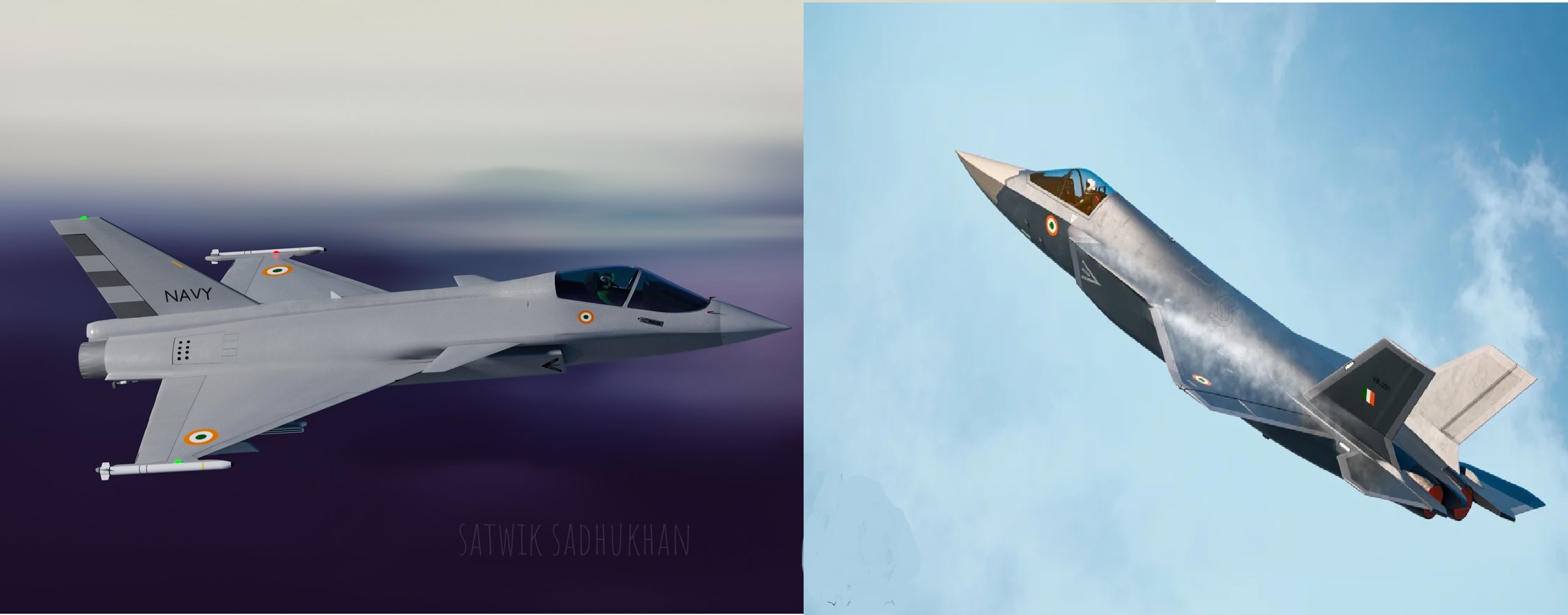
India
In a significant move aimed at consolidating India’s defence capabilities and optimizing budget allocation, the Ministry of Defence (MoD) is reportedly planning to merge the Indian Air Force (IAF) with the Navy’s Twin Engine Deck Based Fighter (TEDBF) program. This initiative not only aligns with India’s push for self-reliance in defence manufacturing but also addresses financial challenges associated with producing advanced fighter jets. The TEDBF program, spearheaded by Hindustan Aeronautics Limited (HAL) and the Aeronautical Development Agency (ADA), has been designed to replace the aging fleet of MiG-29K fighters currently operating from the Indian Navy’s aircraft carriers. The Indian Navy has projected a requirement of 145 TEDBF units, but the initial approval by the MoD is for 80 units, which raises concerns about production scale and per-unit costs. To make the program financially viable and attractive for private-sector participation, a minimum production of 200 jets is being proposed. The TEDBF: A Technological Marvel The TEDBF is a 4.5-generation fighter aircraft with several cutting-edge features. Designed for carrier operations, it boasts folding wings to optimize space on aircraft carriers. The twin-engine configuration enhances redundancy, safety, and operational range. With a maximum take-off weight (MTOW) of approximately 26 tonnes and a payload capacity of 9 tonnes, the TEDBF is a formidable multi-role aircraft capable of air superiority, strike missions, and maritime reconnaissance. Key specifications of the TEDBF include: Engines: Initially powered by the American GE F-414 engines, which deliver a thrust of 98kN per engine. Future versions will incorporate a 110kN-class engine being developed domestically by the Gas Turbine Research Establishment (GTRE). Avionics: State-of-the-art avionics suite with AESA radar, advanced electronic warfare systems, and data fusion capabilities. The avionics are expected to share significant overlap with those of the Advanced Medium Combat Aircraft (AMCA), ensuring cost efficiency and seamless technological integration. Weapons Loadout: Equipped with a variety of precision-guided munitions, air-to-air missiles, and anti-ship missiles. The TEDBF will also support indigenous weapons like the Astra BVRAAM (Beyond Visual Range Air-to-Air Missile) and BrahMos-NG cruise missile. Range and Speed: An operational range of approximately 1,000 km with a top speed of Mach 1.6, making it suitable for extended missions. Shared Development with AMCA The TEDBF and the IAF’s Advanced Medium Combat Aircraft (AMCA) programs are set to share several critical technologies and components. Common Line Replaceable Units (LRUs) and avionics systems will not only reduce development costs but also simplify logistics and maintenance. Both programs will eventually utilize the 110kN-class engine under development, ensuring continuity in propulsion systems and reducing dependency on foreign suppliers. Strategic Implications of the Merger By merging the IAF into the TEDBF program, the MoD aims to pool resources, avoid duplication of efforts, and achieve economies of scale. A larger production order will lower per-unit costs, making the program more viable for private-sector involvement. This move aligns with India’s push to promote Indigenous defence manufacturing under the “Atmanirbhar Bharat” initiative. Moreover, this strategy allows both the Navy and the Air Force to benefit from a unified development ecosystem. For the IAF, a version of the TEDBF tailored for ground-based operations could supplement its fleet, particularly in light of delays and cost escalations in the AMCA program. This collaboration will also enhance interoperability between the two services, a critical requirement in modern warfare. Challenges and Opportunities While the merger presents numerous benefits, challenges remain. The MoD must ensure that the integration of the two services into the TEDBF program does not lead to compromises in operational requirements or delays in timelines. Additionally, the development of the indigenous 110kN engine will be a key factor in ensuring long-term self-reliance and cost savings. On the brighter side, a successful implementation of this program could set a benchmark for future joint development initiatives in India’s defence sector. It will also strengthen India’s defence exports, as the TEDBF could attract interest from other nations seeking advanced yet cost-effective fighter aircraft. Conclusion The integration of the IAF with the Navy’s TEDBF program marks a transformative step in India’s defence strategy. By streamlining resources and fostering collaboration, the MoD aims to build a robust ecosystem for Indigenous fighter aircraft production. If executed successfully, this initiative could significantly enhance India’s air and naval combat capabilities while promoting self-reliance and technological innovation in the defence sector.
Read More → Posted on 2025-01-08 15:39:12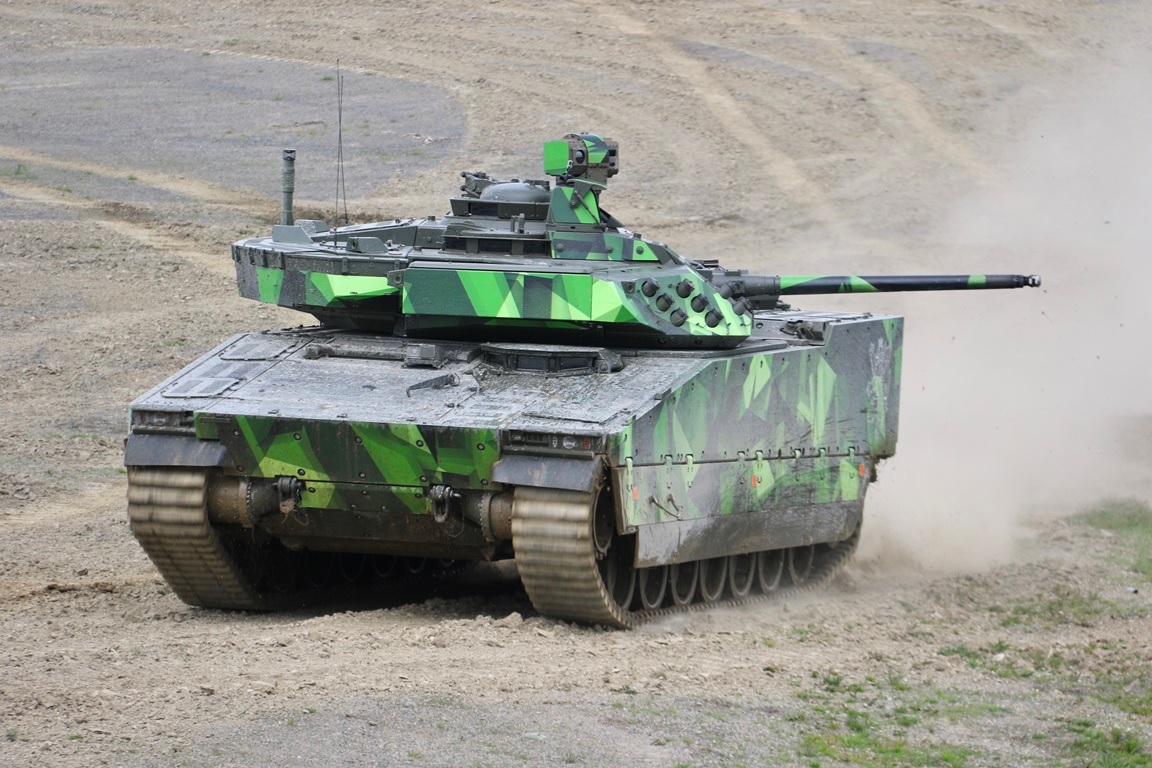
World
The Czech Ministry of Defence is contemplating delaying the acquisition of the Leopard 2A8 main battle tanks from Germany due to mounting financial pressures. The decision stems from a shortfall in government revenues and a downward revision of the defence budget for 2025, which threatens to impact this high-profile military programme. Background on the Leopard 2A8 Tank Acquisition The proposed acquisition includes 77 vehicles, comprising 58 Leopard 2A8 main battle tanks and 19 support vehicles based on tank platforms. This ambitious programme was initially pegged at CZK 39.8 billion (EUR 1.64 billion). However, revised estimates now exceed CZK 50 billion (EUR 2.06 billion), raising concerns about affordability and its effect on other critical defence initiatives. The Leopard 2A8 is the latest evolution of the Leopard 2 family, boasting advanced features that enhance its combat effectiveness. These include upgraded armor for improved survivability, cutting-edge sensors for battlefield awareness, and a fully digitized fire control system. The tank retains the 120mm L/55 smoothbore gun from its predecessors, known for its precision and compatibility with various NATO-standard munitions. Enhanced mobility is achieved through an improved MTU MB 873 Ka-501 engine and advanced suspension, making it a formidable asset in both offensive and defensive operations. Despite its cutting-edge capabilities, the substantial cost has led to debates over prioritizing this project in the context of broader military modernization efforts. Recommendations to Postpone In November 2024, the General Staff of the Army of the Czech Republic (AČR) recommended deferring the Leopard 2A8 procurement programme. This advice comes even though the project has already been approved by the government and classified as strategically essential for national security. While the Defence Ministry had been in close negotiations with its German counterpart regarding the Leopard 2A8 deal, the Czech Republic has been modernizing its armoured fleet in phases. Notably, the country has been acquiring older Leopard 2A4 tanks to bridge the gap in its armoured capabilities. On December 3, 2024, the government ordered an additional 14 Leopard 2A4 tanks, bringing the total to 42 by 2026. Budget Challenges In 2024, the Czech Republic allocated CZK 177.1 billion (EUR 7.31 billion) to defence, representing over 2% of GDP for the first time in two decades. Of this, the Ministry of Defence received CZK 166.8 billion (EUR 6.89 billion), marking a significant increase compared to 2023. However, projections for 2025 indicate a decrease in defence spending, with the overall budget set at CZK 166 billion (EUR 6.85 billion). Out of this, less than CZK 160 billion (EUR 6.6 billion) is expected to go directly to the Ministry of Defence—a notable drop from the initially planned CZK 169 billion (EUR 6.98 billion). These reductions are likely to limit the ministry's ability to execute its strategic programmes, including the Leopard 2A8 acquisition. Strategic Implications The delay in acquiring Leopard 2A8 tanks could have both short- and long-term implications for the Czech Republic's military capabilities. While the older Leopard 2A4 tanks serve as an interim solution, they lack the advanced systems and survivability features of the Leopard 2A8. Delaying the purchase may also impact the country's ability to align with NATO's modern military standards, particularly at a time of heightened geopolitical tensions in Europe. The Ministry of Defence faces the challenge of balancing immediate operational needs with long-term strategic objectives. Postponing the acquisition could free up resources for other programmes but might also risk leaving a capability gap in the future. The situation underscores the complexities of defence planning amidst economic uncertainties. Conclusion As budget constraints weigh heavily on the Czech government, the future of the Leopard 2A8 tank acquisition remains uncertain. The Ministry of Defence must now navigate a delicate balancing act between financial realities and the imperative of modernizing its armed forces to meet evolving security challenges.
Read More → Posted on 2025-01-08 15:31:24
World
Russia is taking a bold step toward revolutionizing military aviation with the development of its first sixth-generation fighter jet. Spearheading this ambitious initiative is the Sukhoi Design Bureau, a name synonymous with cutting-edge aerospace innovation. This next-generation aircraft is expected to redefine air combat capabilities, with its groundbreaking engine technology as the centerpiece of its design. Next-Generation Engine: A Game-Changer At the core of Sukhoi’s sixth-generation fighter is the promise of a revolutionary power plant. The new engine will deliver unparalleled thrust while boasting exceptionally low specific fuel consumption. This dual emphasis on power and efficiency is essential for the aircraft to achieve high-speed, long-range missions without compromising on operational flexibility. The engine’s design aims to overcome the inherent challenges of supersonic and hypersonic flight. Advanced power characteristics are crucial for ensuring the fighter can execute high-speed maneuvers over extended distances. By reducing the need for frequent refueling, the aircraft will offer unmatched endurance, giving it a tactical edge in prolonged combat scenarios. Specifications and Advanced Features Although Sukhoi has kept certain details under wraps, industry insiders highlight some expected specifications and technological innovations for the fighter jet: Engine Efficiency: Capable of delivering high thrust while consuming significantly less fuel than fifth-generation counterparts, such as the Su-57. Stealth Capabilities: Enhanced radar evasion technologies, including advanced coatings and airframe designs. AI Integration: Artificial intelligence to assist in autonomous operations, target acquisition, and combat decision-making. Hypersonic Capabilities: Ability to operate at hypersonic speeds, crucial for both offensive and evasive maneuvers. Network-Centric Warfare: Advanced connectivity features to integrate seamlessly with other air, land, and sea systems. Multirole Versatility: Suited for air superiority missions, ground attacks, reconnaissance, and electronic warfare. The fighter’s emphasis on stealth, speed, and AI-driven autonomy positions it as a formidable weapon in the future of aerial warfare. Why Sixth-Generation Fighters Are the Future Sixth-generation fighters represent a quantum leap in combat aviation, surpassing fifth-generation models like the American F-35 and Russia's own Su-57. These aircraft are designed to adapt to the rapidly changing landscape of aerial warfare, where traditional metrics like speed and firepower are augmented by intelligence, adaptability, and survivability. Key features like hypersonic flight, AI-guided decision-making, and seamless integration into a digital battlefield are not just upgrades—they are necessities for the air dominance of tomorrow. The Sukhoi fighter is expected to incorporate these advancements, ensuring Russia remains competitive in the global race for technological supremacy. Strategic Importance for Russia As the global defense landscape shifts, Russia’s investment in a sixth-generation fighter reflects its commitment to maintaining a robust defense posture. With the United States, China, and other nations making significant strides in similar programs, Sukhoi’s project is poised to assert Russia’s aerospace capabilities on the world stage. This new fighter jet will serve as a powerful deterrent, ensuring Russia’s ability to respond to evolving threats. It also highlights the country’s focus on modernizing its military assets to stay ahead in a rapidly advancing technological era. Sukhoi's Legacy of Excellence The Sukhoi Design Bureau has a storied history of developing some of the most advanced fighter jets in the world, from the iconic Su-27 to the fifth-generation Su-57. Their expertise and commitment to innovation provide a solid foundation for this ambitious new project. The sixth-generation fighter jet is not just another addition to Sukhoi’s portfolio—it is a testament to their vision of the future of air combat. Russia’s Path to Air Dominance As countries around the world ramp up their sixth-generation fighter jet programs, Sukhoi’s initiative underscores Russia’s intent to remain a dominant player in the global defense arena. With a focus on high thrust, fuel efficiency, and advanced capabilities, this fighter jet represents the future of military aviation—a future where speed, precision, and adaptability reign supreme.
Read More → Posted on 2025-01-08 15:28:18
India
India’s security landscape is growing increasingly complex, with heightened challenges along its borders with China and Pakistan. At the 21st Subroto Mukherjee Seminar in New Delhi, Indian Air Force (IAF) Chief Air Chief Marshal A.P. Singh expressed serious concerns about the country’s preparedness in the face of rapid militarisation by its neighbours. He pointed to delays in critical indigenous defence projects, particularly the much-anticipated Tejas fighter jets, as a significant bottleneck. The Long Wait for Tejas Jets Over a decade has passed since the IAF placed an order for 40 Tejas Mark-1 fighter jets in 2010, yet these aircraft are still not fully delivered. The delay in delivering these jets, powered by the American GE-F404 turbofan engines, has raised concerns about the IAF’s ability to maintain operational readiness. The IAF chief described the pace of indigenous defence production as "too slow," warning that delayed technology is effectively denied technology. The IAF currently operates only 30 fighter squadrons, far below the sanctioned strength of 42.5 needed to counter dual-front threats from China and Pakistan. The situation underscores the pressing need for timely deliveries of both the 40 ordered Tejas jets and future variants such as the Mark-1A and Mark-2 models. A total of 180 Tejas Mark-1A and 108 Mark-2 jets are planned for induction before the IAF transitions to the Advanced Medium Combat Aircraft (AMCA). While the Tejas aircraft represents a leap in India’s indigenous capabilities, the slow production and delivery timelines diminish its immediate utility. The IAF has reiterated the urgent need for faster deliveries to address its squadron deficit. China’s Military Advancements Raise Alarms India’s delays in defence projects stand in stark contrast to China’s rapid military advancements. China recently revealed two sixth-generation stealth fighter jets during test flights, showcasing its leap ahead in defence technology. These tailless aircraft, featuring cutting-edge stealth capabilities, have stunned global military observers, including the United States, which is still finalising its sixth-generation fighter program. China’s existing fifth-generation Chengdu J-20 stealth fighters have already been deployed near the Indian border at Hotan and Shigatse airbases, adding further pressure on India to enhance its air combat capabilities. Indigenous Challenges and Self-Reliance Despite the government’s push for "Atmanirbhar Bharat" (self-reliant India), the pace of indigenisation in defence remains sluggish. The IAF has taken steps to foster local production, working with MSMEs to produce over 50,000 components for Base Repair Depots. Additionally, initiatives such as the Directorate of Aerospace Design and innovation schemes like iDEX (Innovations for Defence Excellence) aim to strengthen private sector participation. However, Air Chief Marshal Singh emphasised that self-reliance comes with a cost. Indigenous R&D projects may require higher upfront investments and involve risks and potential failures. He urged policymakers to accept these challenges, highlighting that strategic independence in defence is worth the financial and operational costs. Looking Ahead: AMCA and Strategic Focus While Tejas faces delays, India is already working on its next-generation fighter program, the Advanced Medium Combat Aircraft (AMCA). Approved in 2022 with a budget of ₹15,000 crore, the AMCA is expected to feature advanced stealth capabilities and a twin-engine design. The first prototype is slated for testing in four to five years, with production likely to begin after 2035. However, the IAF chief’s remarks highlight the importance of timely execution to ensure that AMCA avoids the delays that have plagued other indigenous programs. Conclusion Air Chief Marshal A.P. Singh’s candid observations highlight the urgent need for India to accelerate its indigenous defence projects to maintain a credible deterrence against its adversaries. As China and Pakistan modernise their militaries, India must address delays in critical programmes like Tejas and AMCA while fostering robust private sector partnerships. The path to self-reliance in defence may be challenging, but the strategic benefits far outweigh the costs.
Read More → Posted on 2025-01-08 15:24:53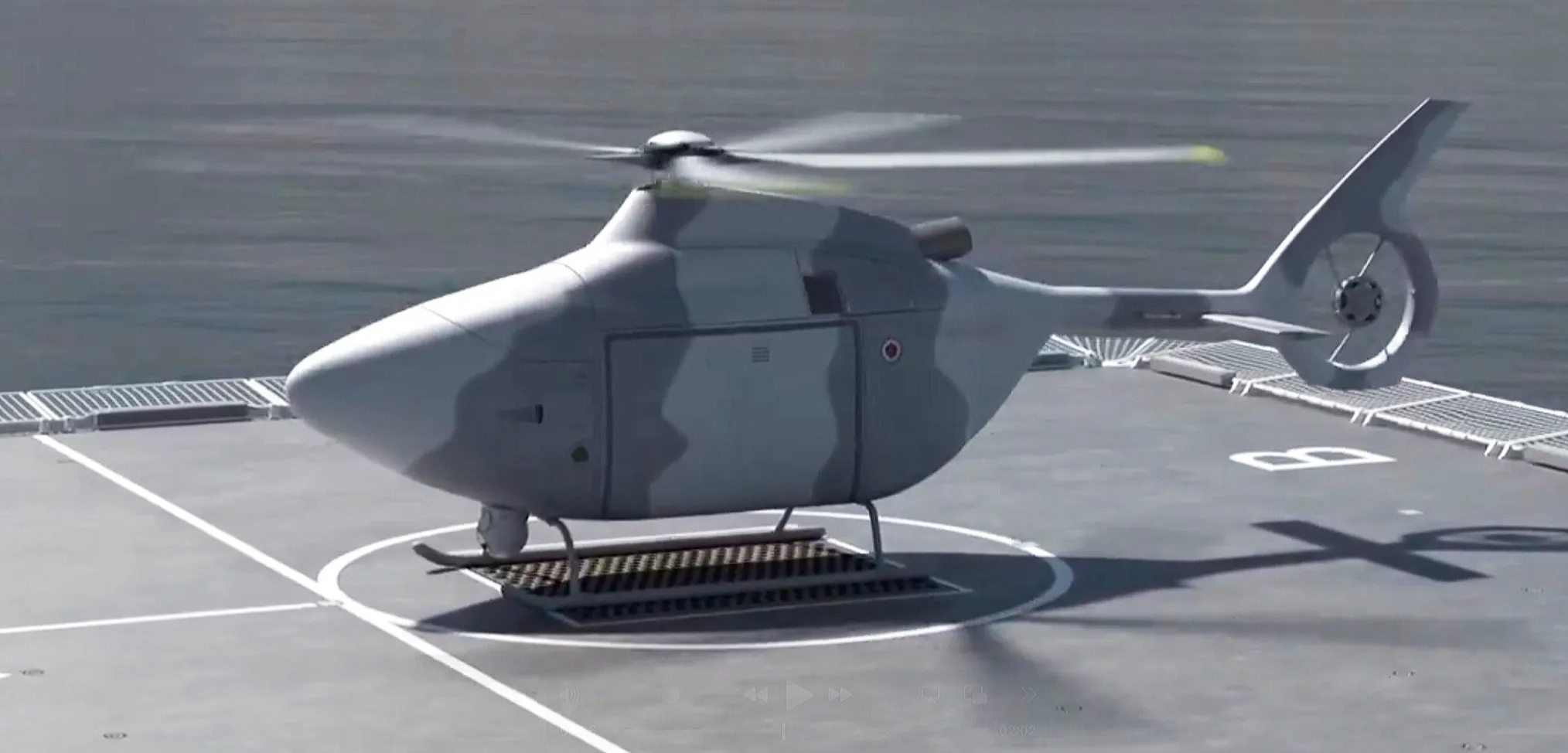
World
Leonardo UK has unveiled its latest innovation, the Proteus uncrewed rotorcraft technology demonstrator, representing a groundbreaking step in the evolution of autonomous aviation. Designed as a transformative platform for the Royal Navy’s Maritime Aviation Transformation (MATx) strategy, Proteus showcases cutting-edge advancements in autonomy, modular payloads, and manufacturing techniques. A Visionary Design for Adaptable Missions At approximately three tonnes, Proteus is a marvel of engineering, tailored to perform diverse roles in maritime environments. The rotorcraft features a modular payload bay that allows mission-specific customization. Operators can easily swap payloads for additional fuel or specialized equipment, ensuring unparalleled versatility across missions such as reconnaissance, logistics, surveillance, and combat support. By integrating proven components from Leonardo’s extensive helicopter portfolio, the company has reduced costs and shortened development cycles. This modularity and adaptability align perfectly with the UK Ministry of Defence's goals of creating flexible, future-ready defence solutions. Digital Engineering at Its Core Proteus represents a new era in digital engineering. Leonardo employs advanced techniques like digital twins, enabling synthetic testing and refinement of capabilities without the need for physical prototypes. This process leverages Artificial Intelligence (AI) and Machine Learning (ML) to simulate real-world scenarios, cutting costs and accelerating the development timeline significantly. Sustainability and Innovation in Materials The rotorcraft’s design incorporates more than 40 advanced composite components, many of which are produced using additive manufacturing. This not only enhances the rotorcraft’s durability but also promotes sustainability by reducing material waste and through-life costs. Such innovations ensure resilience across Leonardo’s supply chain while meeting the demands of environmentally conscious manufacturing. Key Specifications of Proteus Weight Class: ~3 tonnes Payload Capacity: Modular bay for adaptable mission payloads Key Technologies: Autonomous flight systems, modular design, digital twin testing Materials: Advanced composites and additive manufacturing components Maiden Flight Timeline: Mid-2025 Collaboration and Agile Development The €71 million (£60 million) Proteus project is a testament to close collaboration between Leonardo, the UK’s Defence Equipment and Support (DE&S) Future Capability Innovation team, and the Royal Navy. By adopting Agile development methodologies, the team has ensured iterative design improvements and constant stakeholder engagement, keeping the project on track to achieve its ambitious goals. Shaping the Future of Maritime Aviation Proteus is more than just a rotorcraft; it is a testbed for the future of uncrewed systems in maritime operations. By combining cutting-edge technology, sustainable practices, and modular adaptability, Leonardo has created a platform that addresses the Royal Navy’s evolving needs while setting new benchmarks for the aerospace industry. As Proteus gears up for its maiden flight in mid-2025, it underscores Leonardo’s commitment to redefining the boundaries of autonomous aviation and maritime capabilities. The future of defence technology is here, and Proteus is leading the charge.
Read More → Posted on 2025-01-08 15:20:30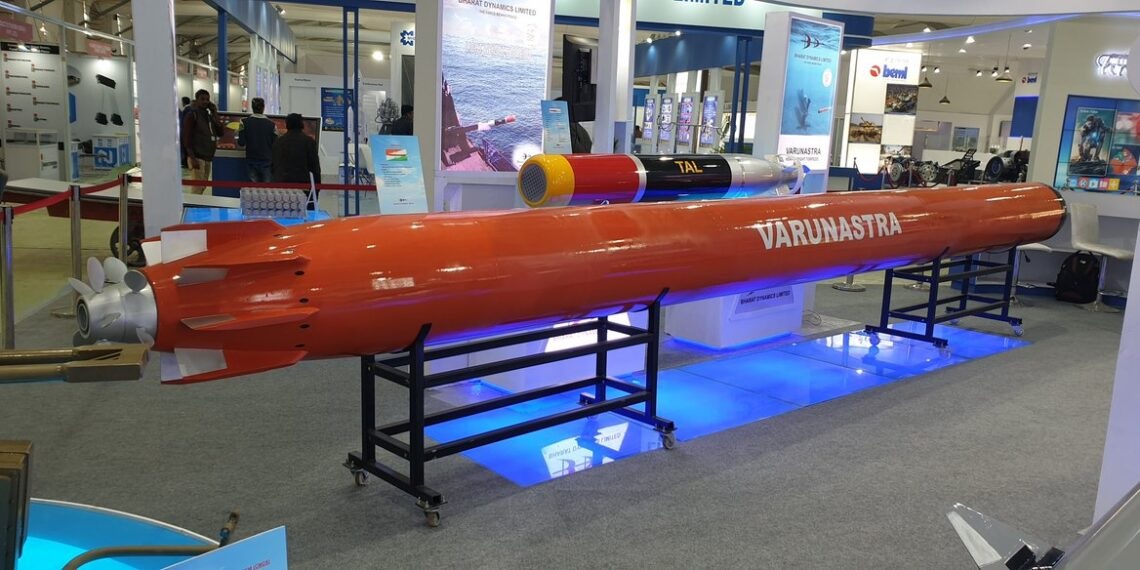
India
The Defence Research and Development Organisation (DRDO) has unveiled its latest innovation, the Electric Heavy Weight Torpedo (EHWT), a state-of-the-art submarine-launched weapon that significantly bolsters India's anti-submarine warfare (ASW) capabilities. This advanced torpedo represents a milestone in India's push for indigenization in defence technology under the ‘Aatmanirbhar Bharat’ initiative. Cutting-Edge Features of the EHWT The EHWT builds upon the success of DRDO’s Varunastra torpedo, offering enhanced precision, stealth, and performance. It is specifically designed for submarine deployment and is capable of engaging quiet enemy submarines in both shallow and deep waters. Unlike conventional torpedoes that use mechanical propulsion, the EHWT leverages an electric propulsion system, drastically reducing its acoustic signature. This low-noise operation enhances its stealth, making it harder for enemy sonar systems to detect. Key Specifications Range: 40 kilometers Speed: Up to 40 knots (approximately 74 km/h) Operating Depth: Up to 600 meters Guidance System: Autonomous guidance algorithms for precision targeting Warhead: High-impact payload for maximum destruction Propulsion: Electric motor, ensuring low acoustic emissions These specifications make the EHWT an ideal weapon for modern submarine warfare, where silence and precision are critical. Versatility in Submarine Integration The EHWT has been extensively tested with various submarine classes in the Indian Navy, including the Sindhughosh-class (Kilo-class) submarines. These trials validated its performance under diverse environmental conditions and confirmed its seamless integration with existing combat systems. The torpedo is also set to be incorporated into the Kalvari-class submarines, part of India’s Project-75 Scorpene program. This collaboration with France’s Naval Group ensures that the EHWT benefits from international expertise while retaining its indigenous roots. Such partnerships reflect a growing trend of combining global technological inputs with Indian innovation. Enhancing India’s Naval Power The development of the EHWT marks a significant leap in the Indian Navy’s underwater combat capabilities. Its ability to remain stealthy, travel long distances at high speeds, and operate across a wide range of depths ensures strategic superiority in the Indo-Pacific region. The torpedo’s advanced guidance algorithms allow it to track and engage targets even in challenging underwater conditions, such as strong currents or evasive maneuvers by enemy submarines. Strategic Significance The introduction of the EHWT strengthens India’s deterrence and offensive capabilities in a region marked by increasing naval competition. With its enhanced range and stealth features, the EHWT positions the Indian Navy as a formidable force, capable of countering submarine threats posed by adversaries. Its indigenous design underscores India's commitment to reducing dependence on foreign defence imports, paving the way for future self-reliant technological advancements. As tensions continue to rise in maritime hotspots, the EHWT serves as a powerful tool in safeguarding India’s maritime interests and asserting its naval dominance. With its cutting-edge features, it is poised to become a cornerstone of India’s undersea warfare strategy, reinforcing its status as a major player in global naval power dynamics.
Read More → Posted on 2025-01-08 15:18:06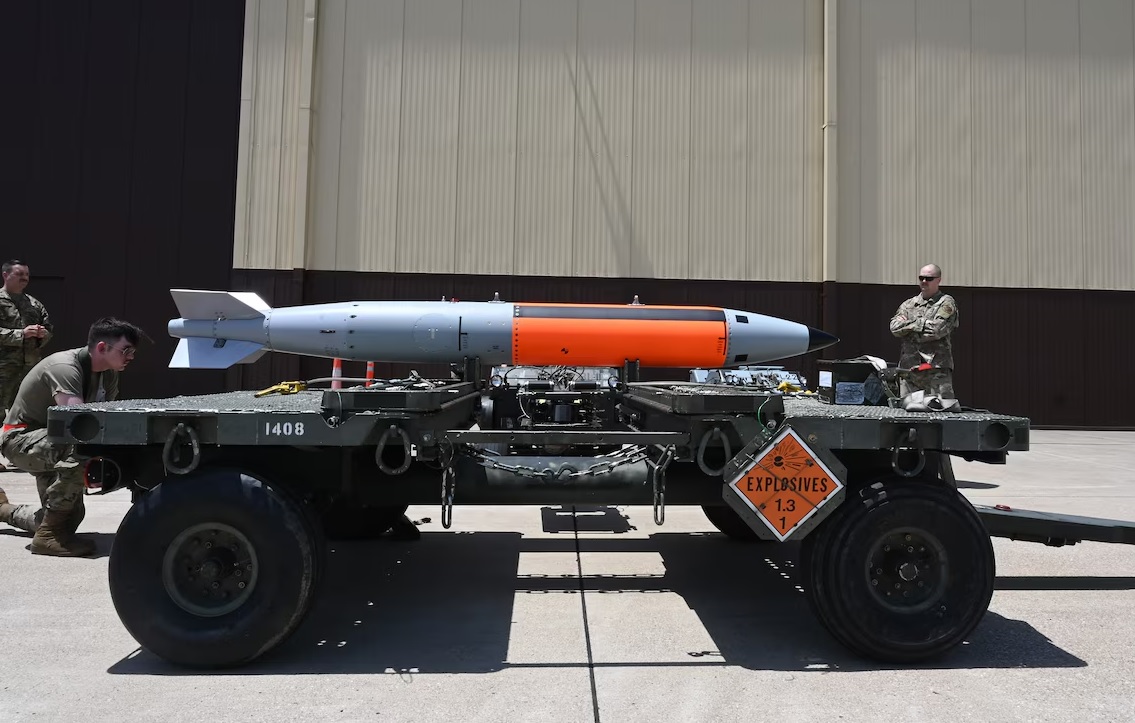
World
The United States has successfully completed a $9-billion Life Extension Program (LEP) for its B61-12 nuclear bombs, marking a significant milestone in the modernization of its nuclear arsenal. The National Nuclear Security Administration (NNSA) announced the achievement, which ensures the continued relevance and reliability of these weapons for at least the next two decades. Known as "gravity bombs," the B61 series has served as the backbone of America's nuclear deterrent since the 1960s. The B61-12: Modern Features for Precision and Reliability The B61-12 is a technologically advanced iteration of the original B61 bomb. Weighing approximately 825 pounds (374 kilograms), this upgraded weapon is equipped with an inertial navigation system that enables precise targeting and a high probability of success. One of its most notable enhancements is the addition of four maneuverable tail fins, which significantly improve accuracy and provide a stand-off capability. This allows the bomb to be deployed from a distance, reducing risks to the aircraft and its crew. The B61-12 also boasts enhanced safety, security, and reliability features, ensuring that the weapon meets modern operational and strategic requirements. These improvements have been achieved without altering its nuclear yield, maintaining its flexibility for various tactical and strategic scenarios. Strategic Deployment and Operational Platforms The B61-12 is a cornerstone of US and NATO nuclear deterrence. The bomb is deployed at key US Air Force and NATO bases, ensuring readiness and interoperability with allied forces. In March 2024, the F-35A Joint Strike Fighter became the first fifth-generation aircraft authorized to carry the B61-12, enhancing the US military's ability to deliver these weapons in modern combat environments. The bomb is also compatible with other aircraft, such as the B-2 Spirit stealth bomber and the F-15E Strike Eagle, ensuring versatility across the US Air Force's fleet. A Look Back: Development and Production Milestones The journey to modernize the B61 began more than 17 years ago. In 2021, the warhead received formal production clearance, paving the way for large-scale manufacturing. The LEP addressed aging components in the bomb's design, some of which dated back to the Cold War, and integrated state-of-the-art technologies to meet contemporary needs. The $9-billion investment not only extends the bomb's service life by at least 20 years but also underscores the importance of maintaining a credible nuclear deterrent. According to NNSA Administrator Jill Hruby, "Completing the B61-12 on schedule is the latest example of what we’ve been saying for several years now: NNSA is delivering capabilities at the pace and scale needed by our Department of Defense partners and our deterrence requirements." The Road Ahead: Focus on the B61-13 With the B61-12 program successfully concluded, the NNSA has shifted its focus to the development and production of an even more advanced variant, the B61-13. While specific details about the B61-13 remain under wraps, it is expected to incorporate further technological advancements, reinforcing the US military's position in an evolving global security landscape. Why the Upgrade Matters The modernization of the B61-12 nuclear bombs is a critical step in maintaining the credibility of the US nuclear deterrent. With potential adversaries such as Russia and China advancing their own nuclear capabilities, the upgrades ensure that the US retains a technological and strategic edge. Additionally, the enhanced precision and stand-off capabilities reduce the likelihood of collateral damage, making the B61-12 a more responsible choice in the event of deployment. By completing this program, the United States not only extends the operational life of its oldest nuclear bombs but also demonstrates its commitment to adapting its defense posture to meet 21st-century challenges. The successful integration of the B61-12 with advanced platforms like the F-35A further strengthens the military’s readiness and versatility in responding to global threats.
Read More → Posted on 2025-01-08 15:14:36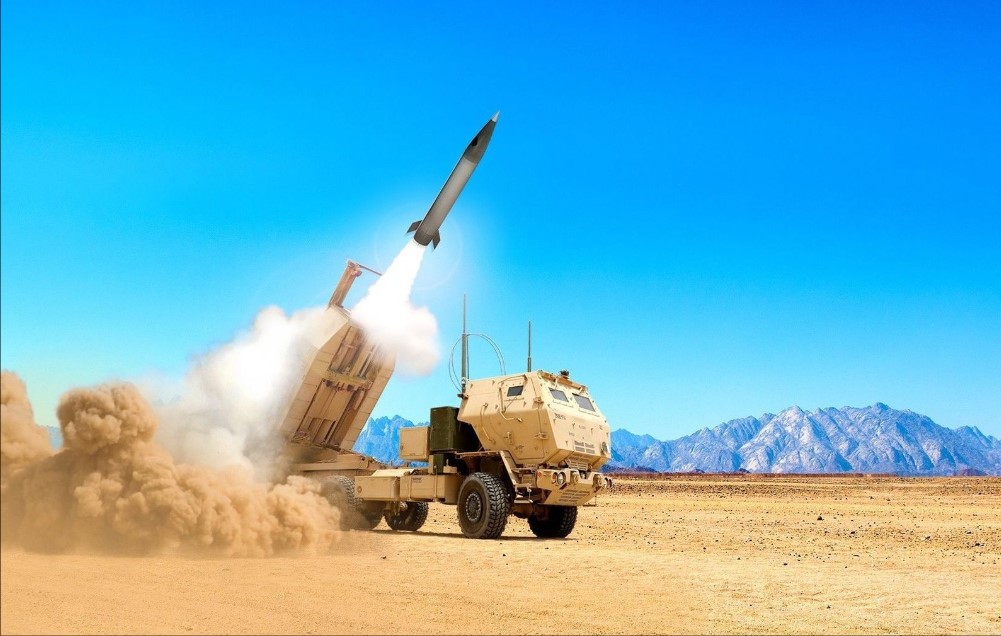
World
The U.S. Army's 5th Battalion, 3rd Field Artillery Regiment, known as the Long Range Fires Battalion (LRFB), has recently achieved groundbreaking success in enhancing its long-range precision strike capabilities. This milestone was part of the efforts under the 1st Multi-Domain Task Force (MDTF), which is pivotal in modernizing the Army’s artillery systems to meet emerging global challenges. In November, the LRFB demonstrated the operational effectiveness of its Mid-Range Capability (MRC) system at the White Sands Missile Range in New Mexico. This live-fire exercise was significant for two reasons: it marked the first time the Army conducted such a test using exclusively Army-operated sensors and shooters, and it proved the MRC's capability to strike a moving surface target with pinpoint accuracy. This accomplishment highlights not just the system’s technological sophistication but also the high level of readiness among the soldiers operating it. What is the Mid-Range Capability (MRC)? The MRC is designed to fill the critical gap between short-range tactical missiles and long-range strategic systems. It leverages proven technologies, including the Tomahawk cruise missile and the Standard Missile-6 (SM-6), providing the Army with the capability to engage targets at ranges between 500 and 1,800 miles.Key specifications of the MRC system include: Weapons: Tomahawk cruise missiles (precision strikes) and Standard Missile-6 (anti-air and anti-ship capabilities). Range: 500 to 1,800 miles, placing it between tactical and strategic missile systems. Mobility: Modular design for quick transport via maritime and land platforms. Sensor Integration: Operates with advanced targeting systems to ensure precision even against moving targets. Live-Fire Test and Operational Readiness The November live-fire test showcased the MRC’s ability to engage a moving target with precision, a vital capability in modern multi-domain battlefields. The successful demonstration involved extensive training, particularly in fire team operations and reloading procedures. One of the standout moments was Sergeant W. Teloh becoming the first U.S. Army soldier to fire both a Tomahawk missile and an SM-6. This historic achievement underscores the adaptability and expertise of the battalion's personnel. Delta Battery Commander Captain Michael Geissler emphasized the importance of the event, stating that it not only demonstrated the MRC's capabilities but also boosted operator confidence. Lieutenant Colonel Ben Blane, the 5-3 LRFB Commander, echoed these sentiments, commending the battalion for its progress and readiness to support strategic missions. Mobility and Deployment Another key milestone achieved during this period was the successful maritime transport of the MRC system. At the Port of Tacoma, the battalion, in collaboration with Lockheed Martin engineers and the Military Surface Deployment and Distribution Command (SDDC), loaded the system onto a maritime vessel for the first time. This exercise highlighted the Army’s ability to rapidly deploy land-based missile systems in diverse environments, including coastal and amphibious operations. This capability is vital for enhancing the Army’s strategic flexibility, particularly in regions like the Indo-Pacific, where rapid response and precision strikes are crucial to maintaining deterrence and operational readiness. Training and Soldier Excellence The soldiers operating the MRC system are an elite group, selected for their exceptional performance and skills. Their training includes advanced courses such as the Navy’s Tactical Tomahawk Weapon Control System program, ensuring they are well-prepared to handle the Army’s most sophisticated weaponry. This rigorous preparation has set new benchmarks for operational excellence within the battalion. Strategic Implications The advancements achieved by the LRFB align with the Army’s vision for multi-domain operations. By integrating long-range precision strike capabilities with advanced mobility, the MRC enhances the Army’s ability to deliver lethal effects across domains. For theater commanders, this translates into a powerful tool for deterring adversaries and ensuring combat superiority in strategically vital regions. Lt. Col. Blane summarized the battalion’s progress, highlighting its role in providing innovative, deployable, and highly lethal solutions for the modern battlefield. As part of the Indo-Pacific-based 1MDTF, the battalion’s achievements bolster the Army’s overall readiness and deterrence capabilities in one of the world’s most geopolitically sensitive areas. In conclusion, the 5th Battalion, 3rd Field Artillery Regiment has not only proven the Mid-Range Capability’s precision and operational readiness but also underscored the U.S. Army’s commitment to innovation and adaptability in an era of rapidly evolving threats. The combination of advanced weaponry, elite training, and strategic deployment ensures the Army remains at the forefront of global defense capabilities.
Read More → Posted on 2025-01-08 15:11:47
India
India's Defence Research and Development Organisation (DRDO) is gearing up to test the third iteration of its Unmanned Launched Precision Guided Missile (ULPGM V3). This advanced missile system, developed in collaboration with Adani Defence, signifies a leap in India's unmanned aerial warfare capabilities and underscores the nation's commitment to self-reliance in defence technology. What Makes the ULPGM V3 Stand Out? The ULPGM V3 has been designed with a sharp focus on precision, extended range, and adaptability, making it a versatile tool for modern military operations. Compared to its predecessors, this version boasts significant advancements that enhance its effectiveness in high-risk scenarios where conventional aircraft might be less viable. Key Specifications of the ULPGM V3: Type: Air-launched precision-guided missile. Platform: Designed for use with unmanned aerial vehicles (UAVs). Range: Extended strike capability, allowing it to engage targets deep within hostile territories. Payload: Advanced warhead capable of neutralizing high-value targets with minimal collateral damage. Guidance System: Incorporates advanced navigation and targeting systems for pinpoint accuracy. Deployment Platform: Tested with a hexacopter UAV, showcasing compatibility with various unmanned systems. The integration of the ULPGM V3 with UAVs reflects the system's adaptability, enabling the armed forces to conduct precision strikes even in remote or heavily fortified areas without risking manned aircraft. A Strategic Collaboration Under "Make in India" The ULPGM V3 is a product of the synergistic partnership between DRDO and Adani Defence. While DRDO spearheads the research and development of the missile, Adani Defence is responsible for its manufacturing. This collaboration is a shining example of India's "Make in India" initiative, which aims to bolster indigenous defence production and reduce dependency on imports. The role of private-sector giants like Adani Defence in defence manufacturing not only accelerates the development process but also ensures the deployment of cutting-edge technologies. Such partnerships pave the way for India to emerge as a global hub for advanced defence systems. The Upcoming Trials For the forthcoming testing phase, DRDO has integrated the ULPGM V3 with a hexacopter UAV. This test will validate the missile's performance, including its enhanced range and precision capabilities. The trials are expected to demonstrate the system's readiness for deployment, potentially revolutionizing India's precision-strike capabilities. Implications for India's Defence Capabilities The operationalization of the ULPGM V3 could significantly bolster the Indian armed forces' ability to conduct high-precision, low-risk strikes in sensitive operational environments. The missile's compatibility with unmanned platforms makes it a valuable asset in modern warfare, where unmanned systems are increasingly becoming the cornerstone of military strategy. This development also signals India's growing expertise in unmanned systems and missile technology, solidifying its position as a leader in the global defence landscape. The ULPGM V3 is poised to serve as a crucial component in India's arsenal, providing the military with a state-of-the-art tool to address evolving security challenges effectively. As the ULPGM V3 undergoes its trials, it represents not just a technological milestone but also a testament to India's unwavering commitment to indigenization and innovation in defence.
Read More → Posted on 2025-01-08 15:06:47Search
Top Trending in 24 Hours
-
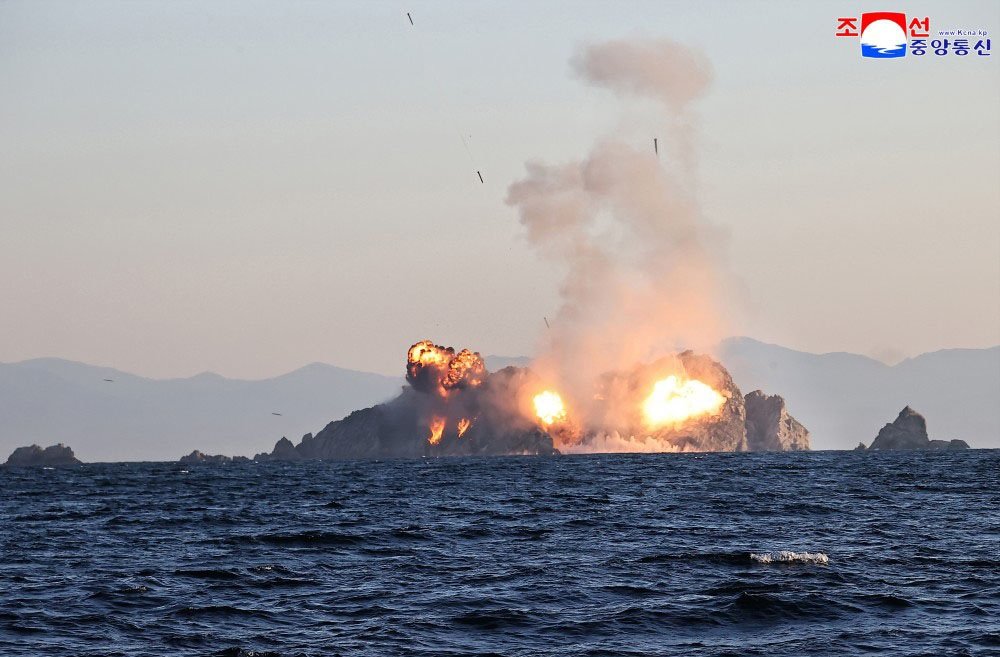 North Korea Fires Short-Range Ballistic Missile Toward Sea of Japan After Freedom Edge 26
-
 India’s xTerra Robotics Launches Indigenous DHAV-Hy Wheeled-Legged Quadruped for Industrial Inspection
-
 U.S. Government Seizes Almasirah.net, Houthi-Linked News Website
-
 U.S. Army Awards $10.64 Million Contract to Ukrainian Drone Maker Skyeton for Raybird Systems
-
 U.S. Delivers First CH-47F Chinook to Egypt Under 12-Helicopter Deal
-
 BEL Showcase X-Band Multi-Function Radar for QRSAM to Japanese Delegation
-
 U.S. Space Force Seeks Rapid-Response Satellites for Close-Range Orbital Inspections
-
 IRGC Experts Visit Bab El-Mandeb to Oversee Radar Installation and Tunneling, Houthi Sources Say
Top Trending in 4 Days
-
 Satellite Images Show Saudi Arabia Building Emergency Bypass Around Damaged East-West Oil Pipeline Station
-
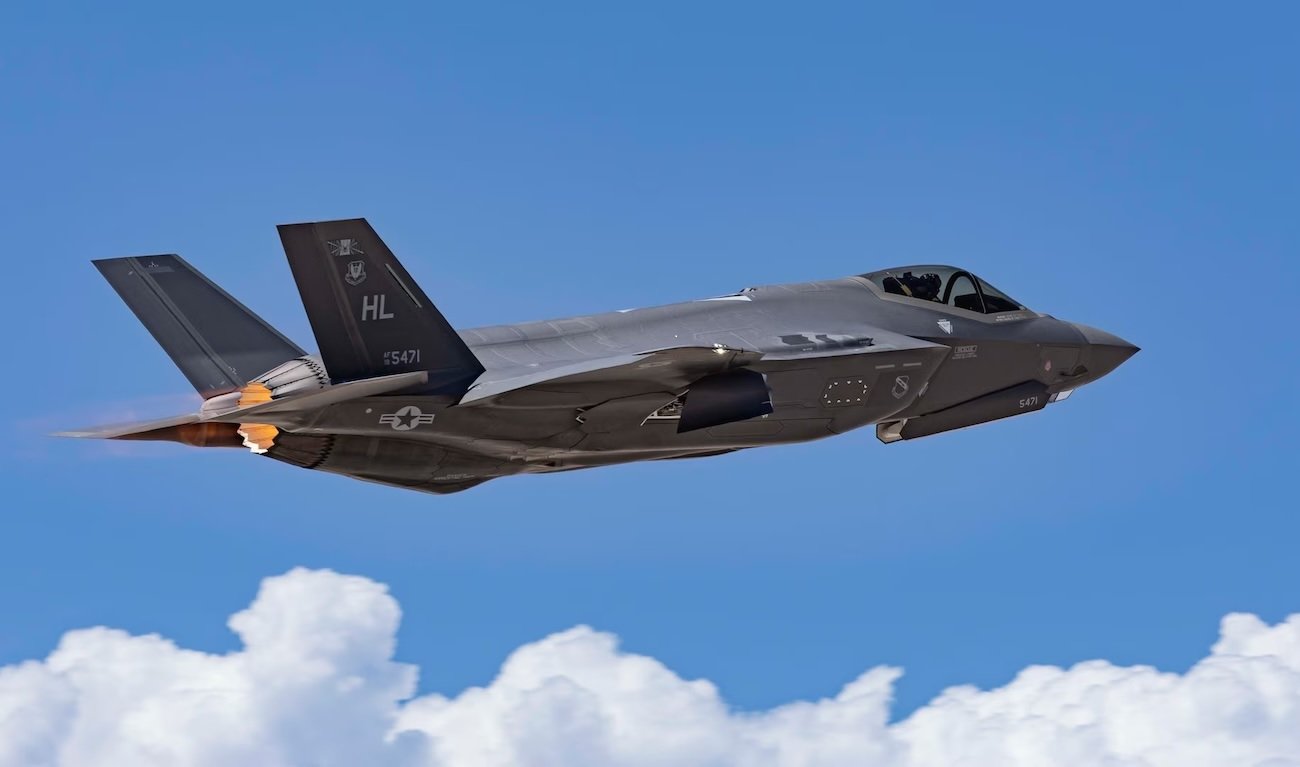 Sensitive F-35 Components Diverted to Hong Kong, Some Parts Missing
-
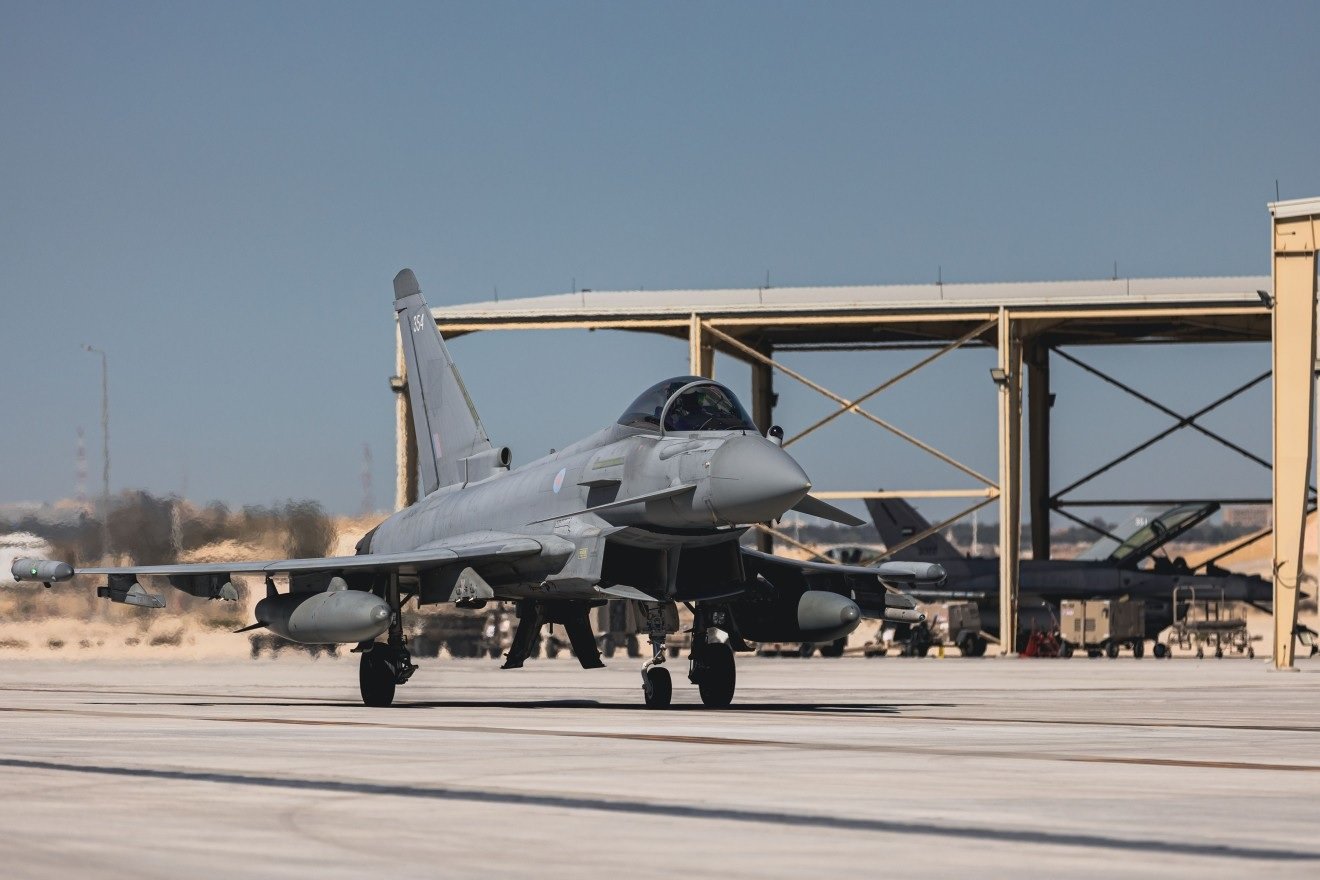 Italian Eurofighter Damaged in Houthi Attack on Saudi Arabia’s King Fahd Air Base
-
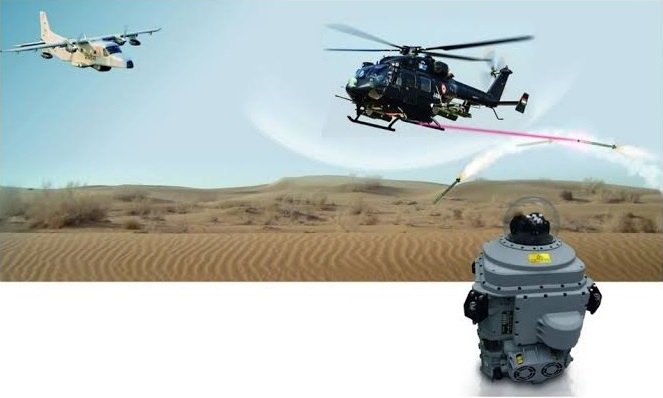 BEL Signs Export Deal with Elbit Systems for Directed Infrared Countermeasure Sub-Assemblies, Secures ₹648 Crore in Additional Orders
-
 Israeli Firm Arbe Robotics Unveils Alerion High-Resolution 4D Radar for Counter-Drone Operations
-
 China Privately Urges Iran to Restrain Houthis After Saudi Appeal
-
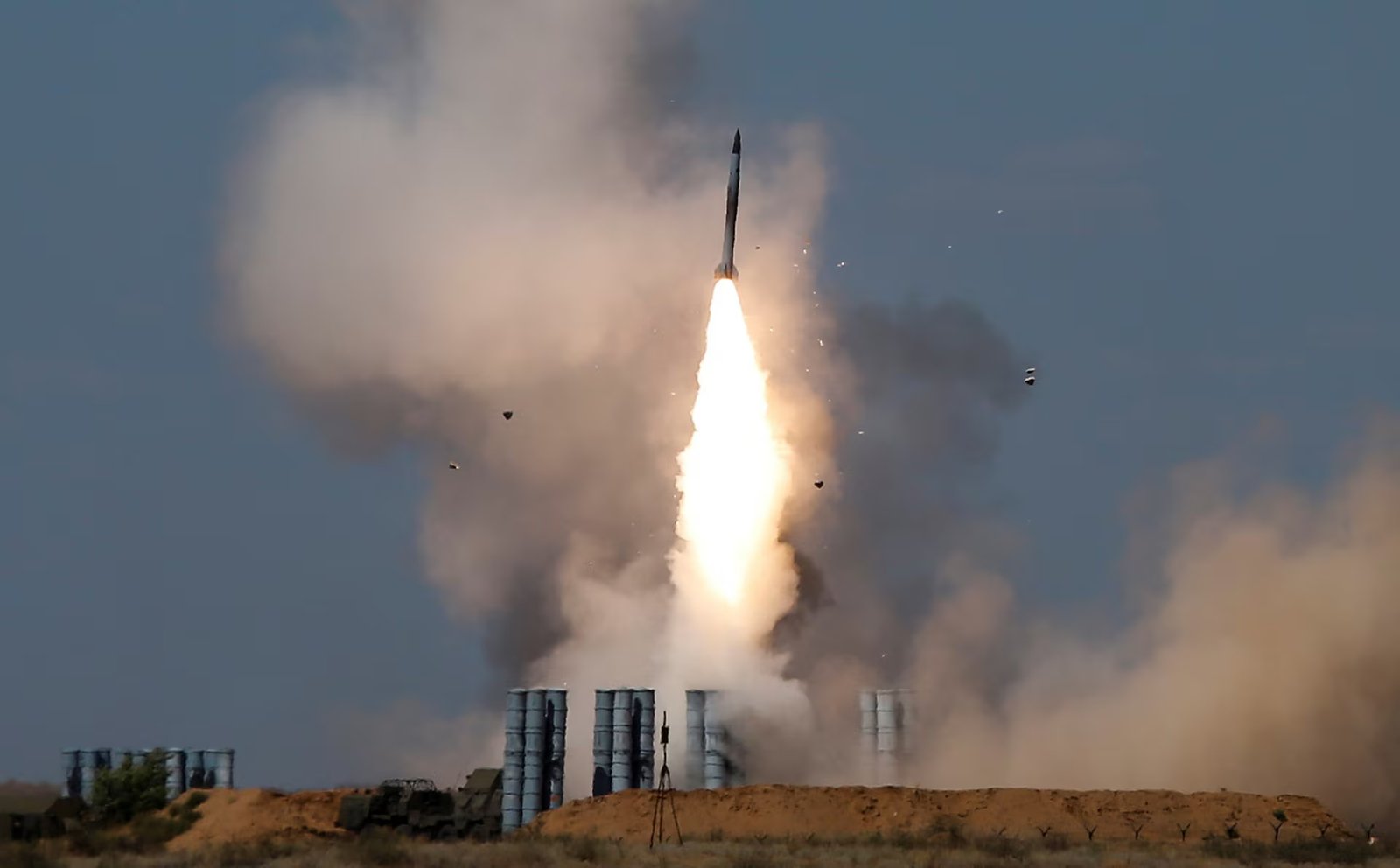 U.S. Approves Potential $2.68 Billion Air Defense Package for Ukraine Including S-300 Clone Missiles
-
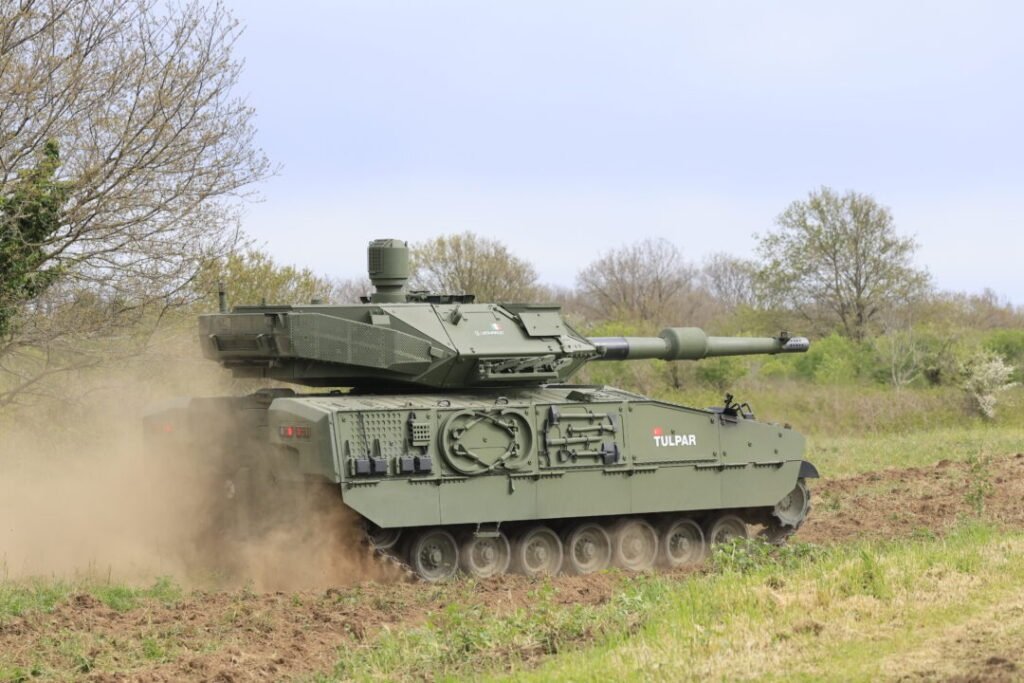 Otokar and Leonardo Complete Live-Fire Tests of TULPAR Tank with HITFACT MkII 120mm Turret
