WASHINGTON — The United States has warned Japan, Germany and other allies that deliveries of some key missile and air-defense systems could face delays of up to five years as Washington works to rebuild its depleted munitions stockpiles, according to a Bloomberg report published September 18.
The delays are linked to heavy U.S. weapons use during the ongoing war with Iran, which began on February 28, 2026, in operations involving the United States and Israel.
U.S. Missile Stocks Under Pressure
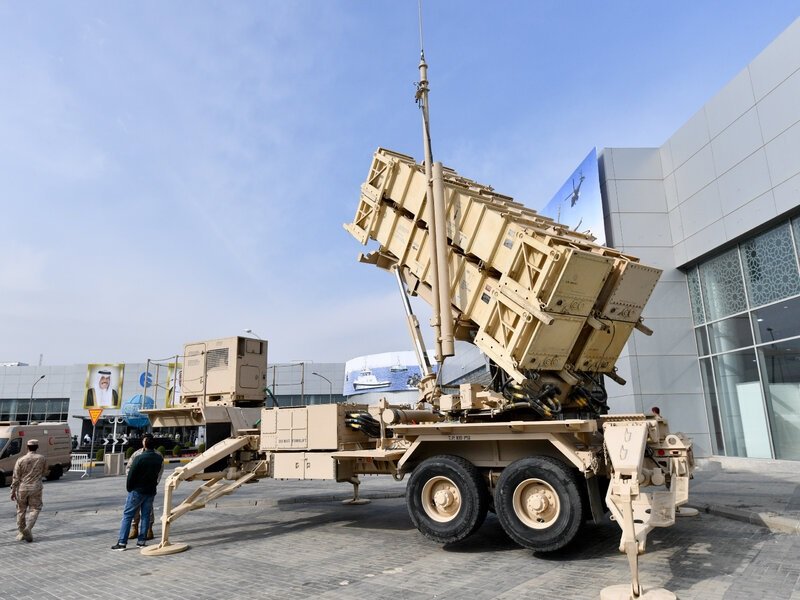
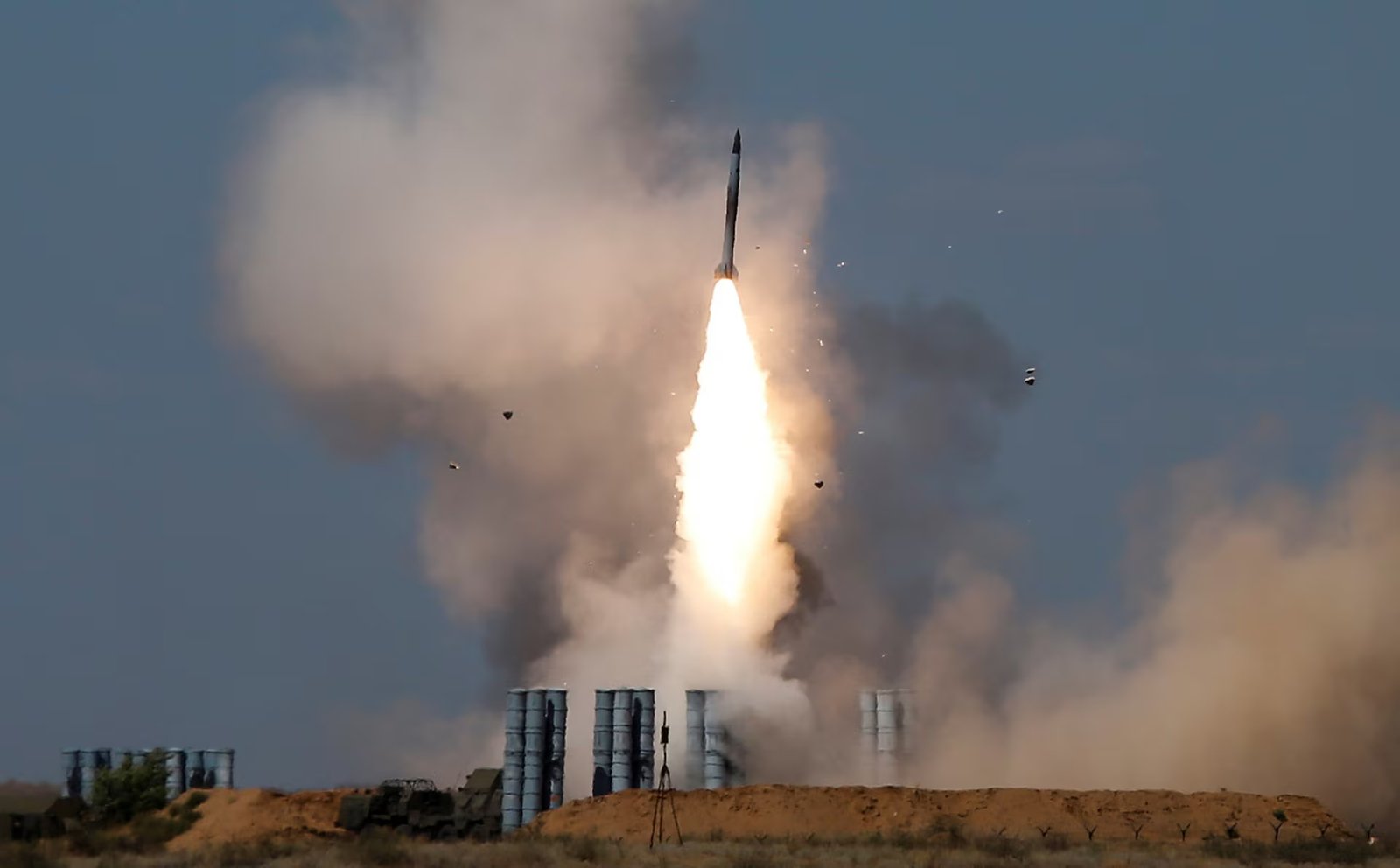
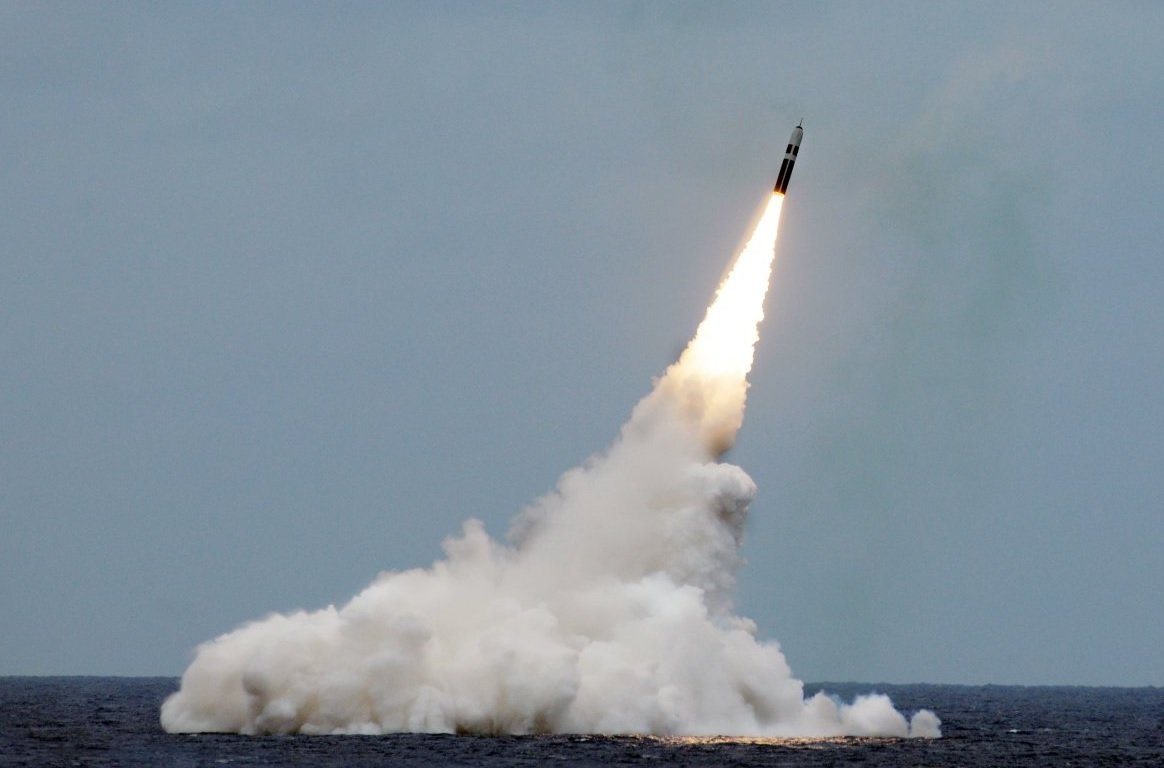
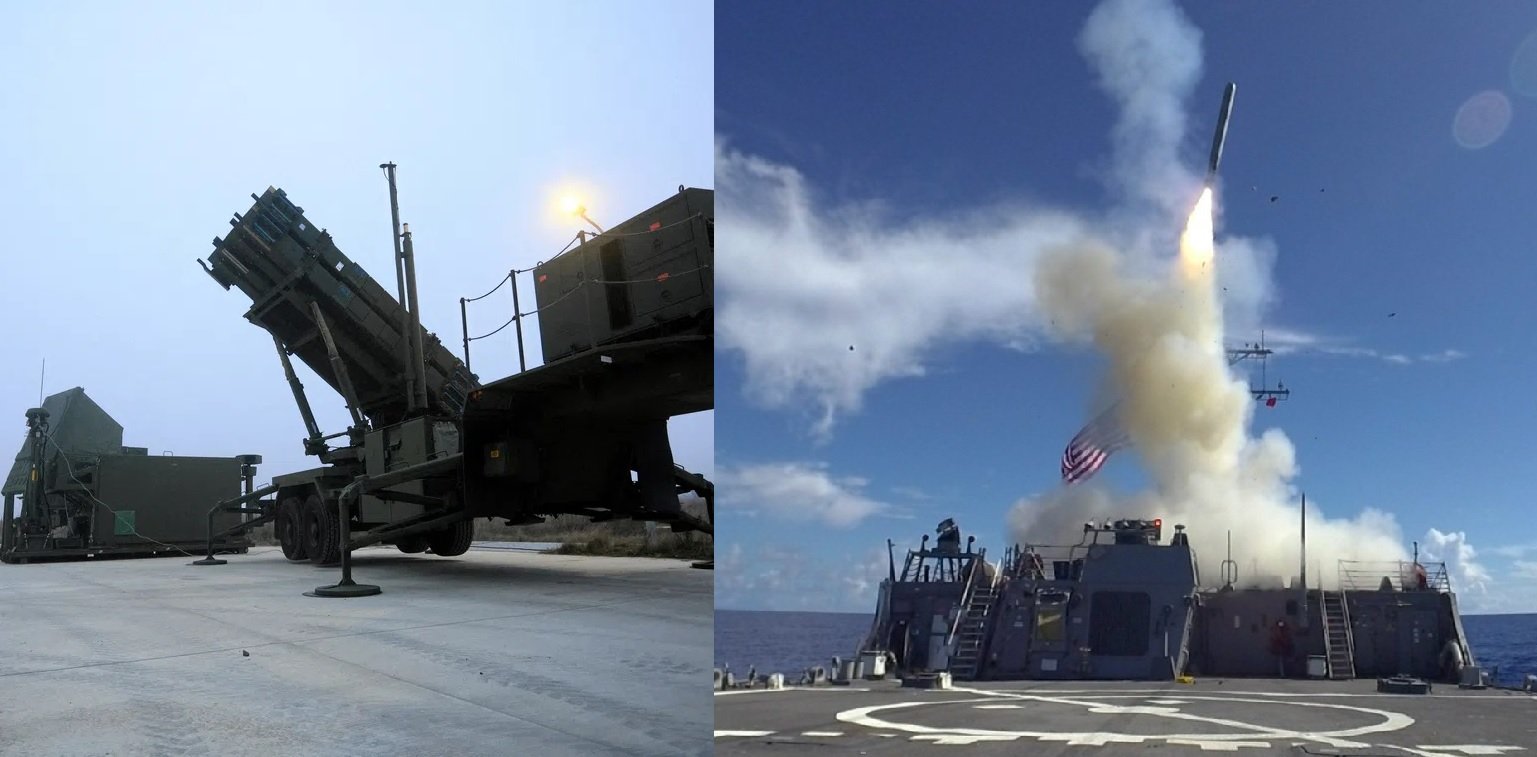
U.S. estimates indicate that the military has used more than half of some advanced Patriot missile variants, about one-third of its Tomahawk missiles, and nearly half of its precision-strike missiles and Terminal High Altitude Area Defense (THAAD) interceptors during the conflict.
The Congressional Budget Office has estimated that the United States may have used as much as two-thirds of its missile-defense interceptor inventory since June 2025.
A recent Pentagon inspector general report also identified strategic inventory shortfalls and production bottlenecks caused by the high rate of munitions use. U.S. officials are working to stockpile critical components, increase production and reduce manufacturing lead times.
Japan and Germany Face Delivery Delays
Japan is among the allies affected by the shortages. In April, Washington informed Tokyo that deliveries of about 400 Tomahawk missiles, originally scheduled through March 2028, could face delays of up to two years.
Germany has requested faster deliveries of long-range Tomahawk cruise missiles and the ground-based Typhon launcher system. However, officials familiar with the matter told Bloomberg that Raytheon, an RTX company, is unlikely to fulfill Germany's Tomahawk order within the next five years because of depleted U.S. stocks.
Some Eastern European countries have also experienced delays in deliveries of U.S.-made weapons systems.
Ukraine's Patriot Requirements
The shortages are also affecting Ukraine, which is seeking additional Patriot interceptors ahead of the winter.
The Pentagon's need to replenish U.S. inventories is making rapid deliveries more difficult. European leaders are expected to press the U.S. administration for additional Patriot support for Ukraine during United Nations meetings in New York next week.
U.S. President Donald Trump has previously discussed providing Ukraine with a less advanced version of the Patriot system or allowing European countries to manufacture the weapons under license.
U.S. Industry Expands Production
The U.S. defense industry is increasing production to rebuild inventories.
Lockheed Martin plans to increase annual production capacity for PAC-3 MSE Patriot interceptors from about 600 to 2,000 units. RTX is also increasing Tomahawk production.
However, the timing of deliveries to allies will depend on production capacity, existing orders and the Pentagon's priorities for rebuilding U.S. stockpiles.
Saudi Arabia Seeks Additional Support
Saudi Arabia has also asked allies, including the United States, for additional military support to counter Houthi attacks in Yemen. Washington has not confirmed whether it will provide additional assistance.
Despite the shortages, the United States continues to supply Ukraine with weapons purchased by European allies through NATO and European Union mechanisms.
The combination of heavy wartime weapons use, depleted inventories and limited production capacity is creating longer delivery timelines for several U.S.-made missile and air-defense systems.
——— End of Article ———