KYIV — Russia plans to produce up to 2,000 Dan-T missiles by the end of 2026 and as many as 14,000 in 2027, according to sources cited by RBC-Ukraine on September 21, 2026. The figures have not been independently confirmed. Earlier, Ukrainian military analyst Dmytro Putiata, known as Kriegsforscher, had estimated that around 10,000 Dan-T units could be produced in 2027.
The reported production increase could add pressure on Ukraine’s air-defense network, which is already dealing with Shahed-type drones, cruise missiles and ballistic missiles.
What is the Dan-T?
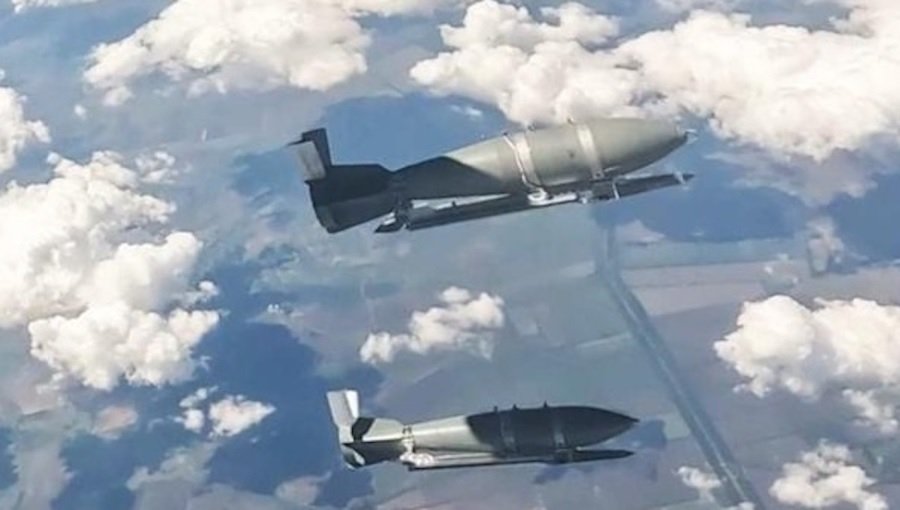
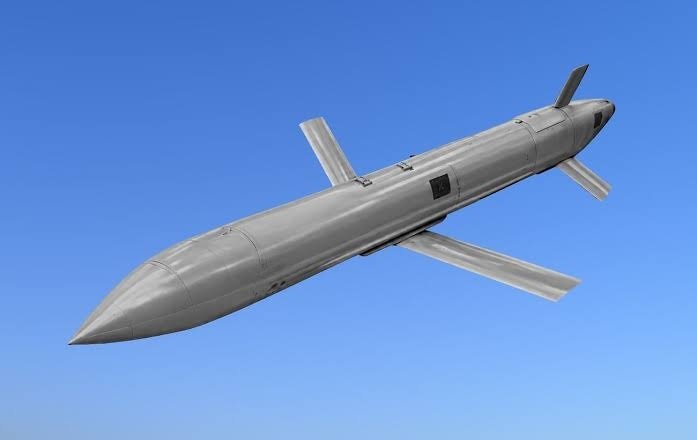
The Dan-T is a jet-powered, air-launched munition that Russia says can operate autonomously after launch. According to Russian defense corporation Rostec, it uses a small jet engine, follows a “fire-and-forget” principle and has a flight mode intended to make detection and interception more difficult. Rostec also says it can fly at low altitude while following terrain and uses low-observable design features. These claims have not been independently verified.
Rostec presented the Dan-T at the El Alamein International Airshow in Egypt on September 8, 2026. Its published specifications give a maximum take-off weight of about 268 kg, a warhead of about 130 kg, a maximum speed of 500 km/h, a claimed range of up to 450 km and an altitude of approximately 9 km. Guidance is described as inertial plus satellite navigation (GNSS/INS).
Rostec lists the Yak-130, MiG-29, Su-57 and Mi-28N among possible carriers, along with certain foreign platforms.
Ukrainian aviation expert Anatolii Khrapchynskyi has described the Dan-T as a modified version of the earlier Dan-M training target. The recovery parachute and Luneburg lens, which increases radar visibility during training, were removed, allowing the system to be used as a cruise-missile-type weapon. Khrapchynskyi estimates a range of up to 500 km from aircraft such as the Su-35 and about 250 km from ground-based systems. Other reporting associates its navigation with GLONASS.
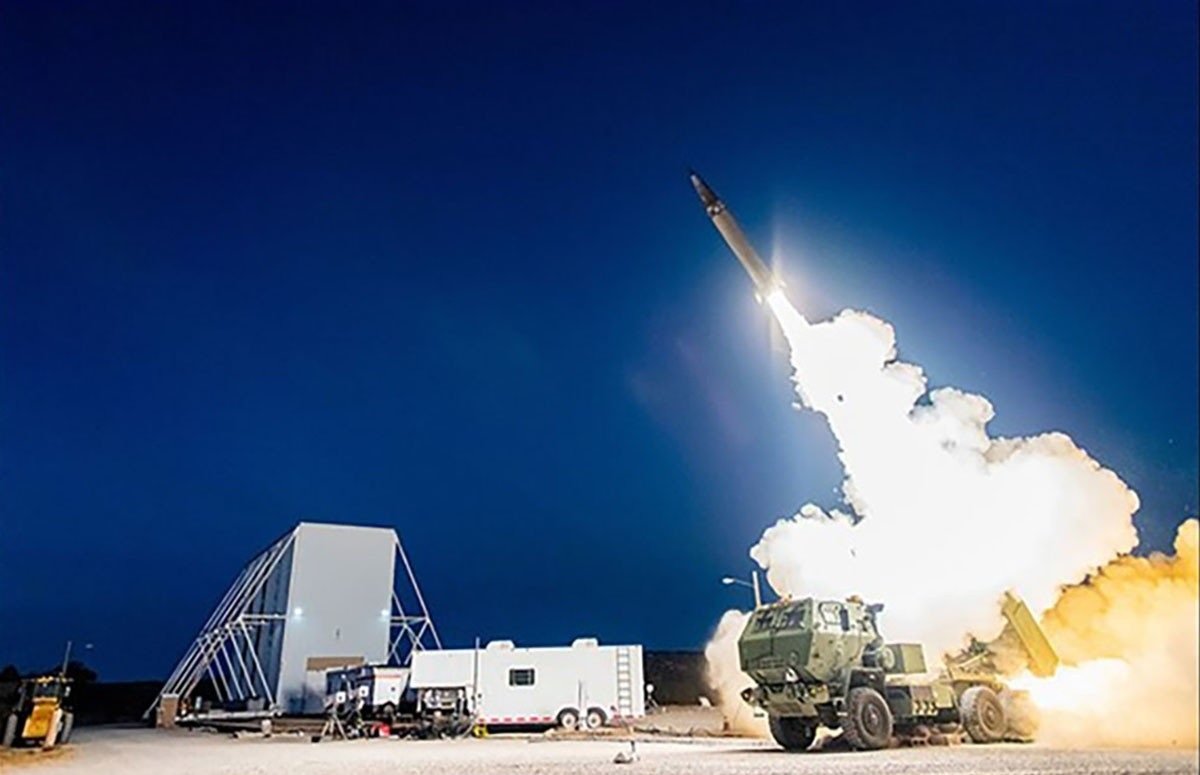
Open-source assessments have also discussed ground launchers on wheeled chassis, aircraft such as the Su-25SM3, Su-30SM, Su-34 and Su-57, Mi-28 helicopters and potentially ships as launch platforms. Work has reportedly included Kometa-16 anti-jamming antenna arrays and electro-optical terminal guidance for upgraded versions.
Production scale is the main concern
The main concern identified by RBC-Ukraine sources is the potential volume of Dan-T production. The weapon's reported speed and range, combined with large production numbers, could increase the workload on Ukrainian air defenses when used alongside other Russian weapons.
The Dan-T has also been described in some assessments as similar to the S8000 Banderol, while being around 35% cheaper. The Banderol, developed by the Kronshtadt Group, has a reported range of about 500 km and a 150-kg warhead, and has been used from Orion heavy drones. Public estimates of its cost are around $100,000 per unit, although the exact price has not been officially confirmed.
Russia is also increasing the use of turbojet-powered drones. Since late August, these have reportedly accounted for around 50–60% of drones in some Russian attacks, with plans cited to raise the proportion to 80% by November.
Dan-T already appears in Ukrainian attack reports
Ukraine's Air Force has begun listing “Banderol/Dan-T” among weapons used in Russian attacks. During the night of September 20–21, 2026, Russia launched 172 drones and other aerial weapons, including Shahed-type drones, Gerbera drones, Parodiya decoys and a Banderol/Dan-T. Ukraine reported intercepting or suppressing 147 drones and one Banderol/Dan-T. Similar references appeared in reports from September 18, although public Ukrainian tallies do not always distinguish between Banderol and Dan-T.
The reported production plans come as Ukraine faces concerns over interceptor stocks, including Patriot PAC-3 missiles used against ballistic threats. The potential expansion of Dan-T production could therefore add another type of fast, jet-powered weapon to the range of threats Ukrainian air defenses must address.
The exact production targets and full performance figures remain unconfirmed, with available information coming from Russian manufacturer statements, Ukrainian media reports citing military and expert sources, and open-source assessments.
——— End of Article ———