
India
India’s quest for a next-generation radar system for the Su-30MKI fighter jets has taken an interesting turn with the unveiling of the Hawk I 2700—an indigenously developed GaN-based Active Electronically Scanned Array (AESA) radar by DATA Patterns. Showcased at Aero India 2025, this radar is being positioned as a direct competitor to the Virupaksha AESA radar, rather than an extension of it. One of the key differentiators of the Hawk I 2700 is its sheer number of Transmit/Receive Modules (TRMs)—a staggering 2700, surpassing the 2400 TRMs of the Virupaksha radar. This increase in TRMs directly translates to enhanced range, resolution, and overall radar performance, making it a formidable option for the Indian Air Force (IAF). Powerful Detection Capabilities The Hawk I 2700 is designed to detect a wide range of targets at impressive distances: 5m² RCS target: Up to 350 km 2m² RCS target: Up to 250 km 1m² RCS target: Up to 200 km This advanced detection capability would give the Su-30MKI fleet a much-needed edge in beyond visual range (BVR) engagements, surveillance, and situational awareness. GaN-Based TRMs: A Game Changer A major technological leap in the Hawk I 2700 is its use of Gallium Nitride (GaN) technology in its TRMs. GaN-based radars are known for: Higher power efficiency Better heat resistance Enhanced durability These attributes make the Hawk I 2700 significantly more reliable and powerful than traditional Gallium Arsenide (GaAs)-based radars. Swash Controller Unit: Expanding Radar Coverage Another standout feature is the inclusion of a Swash Controller Unit, which enables the radar antenna to mechanically tilt on both sides. This capability extends the radar’s field of view, allowing for better situational awareness and multi-target tracking—a crucial aspect in modern air combat. A Competitive Battle for the Su-30MKI Upgrade With the Su-30MKI upgrade program in full swing, the IAF now has two powerful indigenous AESA radar options—Hawk I 2700 and Virupaksha. While both radars promise significant improvements over the older Russian N011M Bars PESA radar currently used in the Su-30MKI, the choice will come down to specific operational preferences and cost-to-performance considerations. Interestingly, DATA Patterns is also eyeing international markets, particularly countries that operate Su-30 variants with older PESA radars. The AESA upgrade would provide these air forces with enhanced tracking, counter-countermeasures, and multi-tasking capabilities—a major advantage over legacy systems. With its superior TRM count, GaN technology, and enhanced scanning flexibility, the Hawk I 2700 has positioned itself as a serious contender in India's push to modernize its frontline fighter fleet. The final decision by the IAF could mark a significant milestone in India’s journey toward self-reliance in advanced radar technology.
Read More → Posted on 2025-02-23 13:46:53
World
The arrival of the nuclear-powered aircraft carrier Charles de Gaulle in the Philippines marks a significant moment in the ongoing geopolitical shifts in the South China Sea. Making its first-ever port visit to the country, the French carrier and its accompanying strike group conducted joint drills with the Philippine Navy, emphasizing the importance of freedom of navigation in a region increasingly contested by China. The carrier strike group, comprising three destroyers, joined the Philippine Navy for interoperability, communication, and defense capability exercises. This visit to Subic Bay, north of Manila, underscores the Philippines’ growing partnerships with nations that share its commitment to upholding international maritime laws. France’s Ambassador Marie Fontanel, speaking aboard the carrier, stressed that the escalating tensions in the region made it even more critical to uphold the rules-based international order. France has been reinforcing its role in the Indo-Pacific, particularly through Operation Clemenceau 25, a months-long naval deployment involving joint exercises with the United States and Japan in the Philippine Sea. The operation aims to project French naval power in strategic zones where regional tensions are rising, and maritime laws are increasingly being challenged. France is one of the few European nations that conduct regular freedom of navigation patrols in the South China Sea to push back against unilateral territorial claims. France Strengthens Military Ties with the Philippines Beyond military exercises, the Philippines and France are in talks over a Visiting Forces Agreement (VFA), which would allow both nations to deploy troops on each other's territories. Manila already has similar agreements with the United States and Australia, with Japan expected to finalize its own soon. Additionally, Canada and New Zealand are in negotiations to establish similar military cooperation agreements with the Philippines. This growing military collaboration follows an earlier $440 million deal between Manila and Paris, under which the Philippine Coast Guard (PCG) will acquire 40 fast patrol craft from France. Philippine Coast Guard Commandant Admiral Ronnie Gil Gavan described the agreement as the largest single purchase for the country’s coast guard modernization, with deliveries expected to begin within four years. China’s Expanding Claims and Regional Response The backdrop to these developments is China's continued assertiveness in the South China Sea, where it claims nearly the entire maritime region, disregarding an international tribunal ruling that deemed its claims baseless. The Philippines, along with several neighboring countries, has consistently opposed China’s incursions into its exclusive economic zone (EEZ). With regional security at stake, France’s commitment to supporting partners like the Philippines signals an increasing European role in Indo-Pacific security dynamics. As geopolitical tensions rise, the Charles de Gaulle’s historic visit underscores the growing global interest in ensuring a free and open South China Sea.
Read More → Posted on 2025-02-23 13:44:34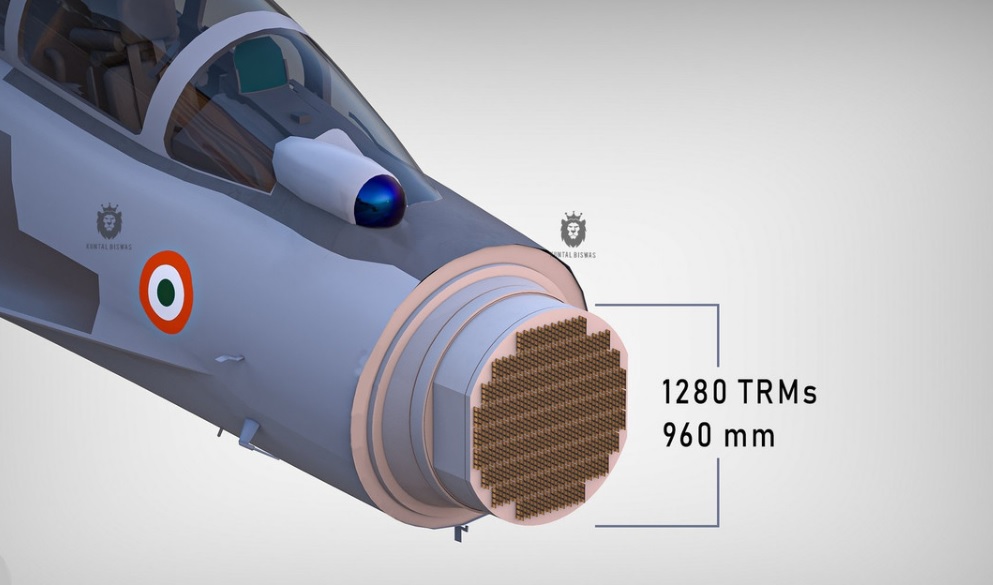
India
India’s indigenous UTTAM Active Electronically Scanned Array (AESA) radar has showcased its impressive detection capabilities by successfully tracking a Tejas Mk-1 Light Combat Aircraft (LCA) at a range of 140 kilometers. This milestone, achieved during tests at Aero India 2025, highlights a significant leap in India’s radar technology, strengthening the Indian Air Force’s (IAF) ability to detect and engage airborne threats. Developed by the Defence Research and Development Organisation (DRDO), the UTTAM radar is a state-of-the-art AESA system designed to enhance the combat effectiveness of India’s fighter fleet. Its successful tracking of the Tejas Mk-1, an aircraft with a relatively small Radar Cross Section (RCS) of just over 1 square meter, underscores its ability to detect even difficult-to-track targets. Enhanced Detection Capabilities Against Pakistani Fighter Jets The radar’s performance against the Tejas Mk-1 suggests even greater capabilities when tracking larger enemy aircraft, such as the Pakistani F-16 and JF-17. The F-16, a widely used fourth-generation fighter in the Pakistan Air Force, has an estimated RCS of 1.0 to 1.5 square meters. Given that the UTTAM radar could track the Tejas Mk-1 at 140 km, experts estimate that it could detect an F-16 at a distance of 180 to 200 km. Similarly, the JF-17, jointly developed by Pakistan and China, has a comparable RCS and modest stealth features. Based on current performance data, it is projected that the UTTAM radar could detect the JF-17 at ranges between 160 and 180 km, providing the IAF with an early warning capability against adversary aircraft. Technical Superiority and Future Integration The UTTAM radar is equipped with approximately 900 Transmitter-Receiver (TR) modules, providing enhanced tracking accuracy and resilience against jamming. Its integration into platforms like the Tejas Mk-1A is expected to significantly boost the aircraft’s situational awareness and targeting precision, making Indian fighter jets far more effective in contested airspace. With its cutting-edge capabilities, the UTTAM AESA radar represents a major advancement in India’s indigenous defense technology, ensuring the IAF maintains a decisive edge in air combat scenarios.
Read More → Posted on 2025-02-23 13:41:29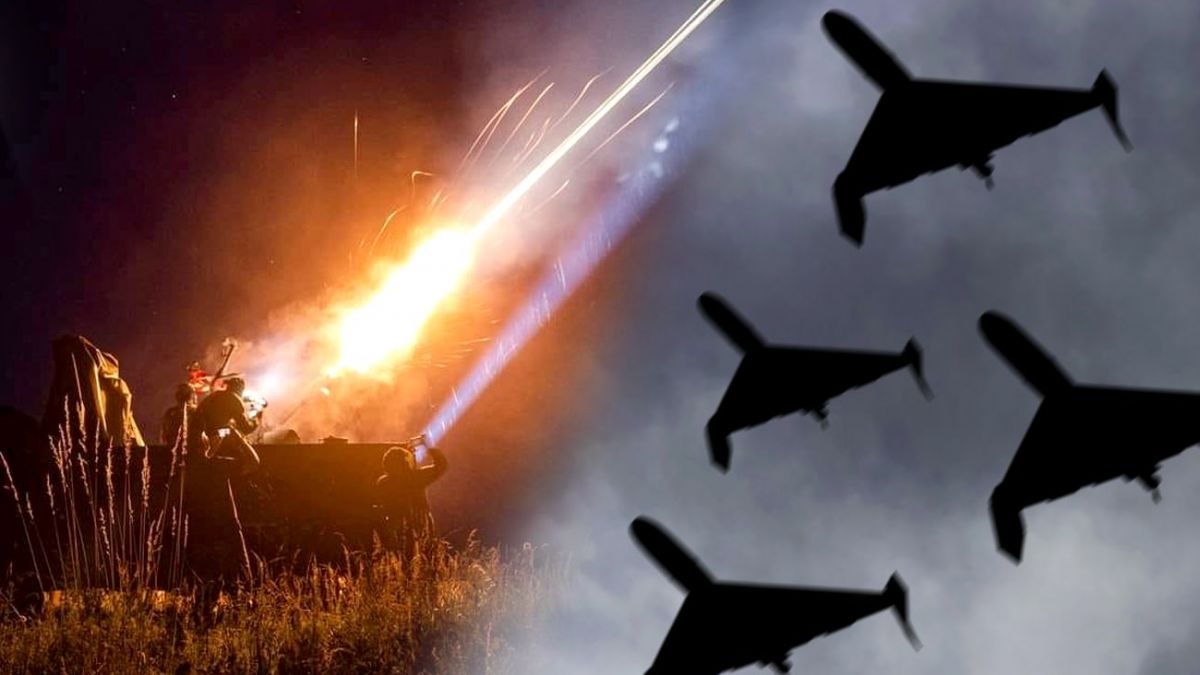
World
In a massive escalation of aerial warfare, Russia launched 267 drones on Ukraine overnight, marking the largest drone assault since the February 2022 invasion, according to the Ukrainian Air Force. The unprecedented attack comes as Kyiv continues to target Russian military and industrial sites deep inside Russian territory in an effort to disrupt Moscow’s logistics. Record-Breaking Drone Assault Air Force spokesman Yuriy Ignat confirmed that 267 drones were detected in Ukrainian airspace between Saturday and Sunday. Ukrainian air defense successfully intercepted 138 drones, while another 119 were lost mid-flight without causing damage. The fate of the remaining 10 drones remains unclear, but separate reports from Ukraine’s armed forces on Telegram indicate that several regions, including Kyiv, suffered direct hits. Casualties and Damage in Ukraine While drones dominated the air assault, Russia also launched missile strikes, with one deadly attack hitting Kryvyi Rih, the hometown of Ukrainian President Volodymyr Zelensky. The strike left one civilian dead and five others wounded, local authorities confirmed. Russia’s use of unmanned aerial vehicles (UAVs) in swarms has intensified, stretching Ukraine’s air defense capabilities as the war drags on. The latest attack highlights Moscow’s strategy of overwhelming Ukrainian defenses with sheer volume, forcing Ukraine to expend valuable air defense resources. Ukraine’s Retaliation: Strikes on Russian Soil In response to relentless Russian strikes, Ukraine has stepped up its own attacks on Russian military and industrial sites. Overnight, 20 Ukrainian drones were destroyed over Russian territory, according to the Russian Defense Ministry. Kyiv has been targeting military bases, oil depots, and supply hubs inside Russia, aiming to disrupt Moscow’s war logistics and weapons production. Ukraine’s drone campaign has reached as far as Moscow, St. Petersburg, and Russia’s border regions, creating growing concerns in the Kremlin about its own vulnerabilities. Recent attacks have reportedly hit key industrial zones, impacting Russia’s war production capabilities. Russia’s War Justification and Growing NATO Tensions Russia’s February 24, 2022, invasion was officially justified by the Kremlin as a move to counter NATO expansion. However, over the past three years, NATO’s support for Ukraine has only increased, with military aid, training, and intelligence assistance playing a crucial role in Ukraine’s defense efforts. Moscow’s drone and missile attacks are likely part of a broader strategy to pressure Ukraine into submission, especially as Kyiv continues to push for more Western military aid. At the same time, Ukraine’s ability to strike deep into Russian territory has demonstrated that the war is no longer confined to Ukrainian soil alone. What’s Next? With both Russia and Ukraine ramping up drone warfare, the conflict is entering a new phase of high-intensity aerial battles. Ukraine’s air defenses have managed to withstand repeated assaults, but as drone and missile attacks grow in scale, the pressure on Kyiv’s military resources continues to mount. Meanwhile, Ukraine’s counteroffensive strategy—hitting Russian infrastructure—raises the stakes for Moscow, potentially forcing Russia to reassess its own security vulnerabilities. As the war nears its third anniversary, the drone war is set to intensify even further, making air superiority a decisive factor in the conflict's outcome.
Read More → Posted on 2025-02-23 13:38:27
India
Astra Microwave Products Ltd (AMPL), a leading Indian company specializing in radar and microwave components, has successfully developed an indigenous S-Band Active Antenna Array Unit (AAAU) radiating plate. This breakthrough has been achieved in collaboration with the Electronics and Radar Development Establishment (LRDE), a premier laboratory under the Defence Research and Development Organisation (DRDO). A Significant Advancement in Radar Technology The newly developed Radiating Plate Assembly (RPA) functions as an integral component of the AAAU, marking a major milestone in India’s radar technology capabilities. The AAAU, which forms the backbone of advanced radar systems, is crucial for applications in air surveillance, missile tracking, and defense systems. The indigenous realization of the AAAU highlights India’s growing self-reliance in critical defense technologies. It includes a 1x6 meter radiating plate, RF Line Replaceable Units (LRUs), and Baseband Signal Network (BSN) LRUs, including firmware and software—all developed in-house. Key Technical Achievements AMPL has successfully executed key developmental and testing phases to ensure the operational effectiveness of the AAAU. These include: Calibration and Collimation: The AAAU has been calibrated and collimated to meet the stringent performance standards required for advanced radar operations. Pattern Measurement: The company has conducted extensive pattern measurements to validate the AAAU’s radiation characteristics, ensuring it meets operational specifications. Full Functional Demonstration: A comprehensive functionality demonstration was conducted at AMPL’s state-of-the-art Radar R&D facility in Bengaluru, in the presence of DRDO officials. The AAAU met all performance parameters, reinforcing its reliability and operational efficiency. Strategic Importance The development of this indigenous S-Band AAAU is a significant step in reducing dependency on foreign radar technologies. With India increasingly focusing on self-reliance in defense manufacturing, the success of AMPL’s AAAU strengthens the country’s radar capabilities and supports the Atmanirbhar Bharat (Self-Reliant India) initiative. The deployment of this technology is expected to enhance the performance of indigenous radar systems used by the Indian Armed Forces, contributing to improved surveillance and defense preparedness. Moreover, AMPL’s collaboration with LRDE/DRDO reflects a strong synergy between industry and research institutions, fostering further advancements in high-frequency radar technology. Future Prospects With the successful realization of the S-Band AAAU radiating plate, AMPL is poised to play a crucial role in future radar developments. The company is likely to leverage this technology for next-generation radar systems, including those intended for air defense, naval applications, and missile guidance systems. The introduction of this indigenous technology marks a major step forward in India’s radar evolution, ensuring that the country remains at the forefront of advanced defense electronics. As AMPL continues to innovate, the company is expected to contribute further to India’s strategic defense capabilities in the coming years.
Read More → Posted on 2025-02-22 15:29:33
World
Chinese scientists have made a breakthrough in gene-editing technology by developing a safer and more efficient system that utilizes components from viruses such as dengue fever and tobacco mosaic. This new method aims to revolutionize plant genome editing by eliminating the risks associated with traditional DNA-based techniques. A Safer Alternative to CRISPR-Based Gene Editing The widely used CRISPR gene-editing system relies on DNA vectors, which can leave behind foreign genetic material, potentially leading to unintended mutations. To address this, researchers from the Chinese Academy of Sciences’ Institute of Genetics and Developmental Biology, in collaboration with Qi Biodesign, developed an alternative method based on messenger RNA (mRNA). Unlike DNA-based systems, mRNA delivery does not integrate foreign genetic material into the plant genome, significantly reducing safety concerns. However, existing mRNA-based delivery systems have been inefficient in plants, limiting their practical application. The Chinese researchers overcame this challenge by incorporating viral components that enhance the stability and efficiency of gene editing. Their study, published in the peer-reviewed Plant Biotechnology Journal on February 10, describes how the new approach improves precision while eliminating risks associated with genetic modification. Leveraging Viruses to Improve Efficiency Viruses naturally excel at transferring genetic material between cells, a feature the scientists leveraged to enhance gene-editing in crops. By integrating elements from the dengue fever and tobacco mosaic viruses, they developed a system that significantly outperforms traditional DNA plasmid-based methods. In experimental trials, the new system demonstrated 4.3 times higher editing efficiency in rice and 3.5 times higher efficiency in wheat compared to conventional techniques. Whole genome sequencing confirmed that, unlike plants modified with plasmid systems, those edited with the new mRNA approach contained no foreign DNA—an essential factor for regulatory approval and public acceptance. Potential for Widespread Agricultural Application Gene-editing technology has transformed agriculture by allowing precise modifications to enhance traits such as higher yield, pest resistance, and climate adaptability. However, concerns over the safety of genetically modified crops have led to regulatory restrictions in many countries. The transgene-free nature of this new system makes it a promising solution to address these concerns while accelerating the development of improved crop varieties. The research team also explored additional modifications to increase efficiency. Since mRNA is naturally prone to degradation, they coated the molecules with protamine, a chemical that improved stability and further boosted editing precision. Expanding the Scope of Gene-Edited Crops The scientists believe their system has broad applicability across various plant species, including major crops such as maize, sorghum, soybean, barley, and even vegetatively propagated crops like sugarcane and bananas. The technique relies on biolistic delivery, also known as particle bombardment, in which metal particles coated with RNA are shot into plant cells using a "gene gun." This method enhances the uptake of gene-editing materials without requiring foreign DNA integration. This development marks a significant step in advancing plant genome editing, offering a safer and more efficient alternative to existing methods. The researchers expect their breakthrough to accelerate agricultural innovation and help meet the growing global demand for high-yield, climate-resilient crops.
Read More → Posted on 2025-02-22 15:05:59
World
The Royal Navy has officially deployed its first-ever remotely piloted helicopter, the Peregrine VTOL drone, marking a major step in uncrewed aerial operations. Launched from the flight deck of HMS Lancaster, this cutting-edge drone is actively patrolling the Indian Ocean and Gulf of Oman, playing a crucial role in maritime security by tracking smugglers and drug traffickers along the notorious "Hash Highway." Advanced Surveillance Capabilities At just three meters (10 feet) long, the Peregrine may be compact, but it boasts an impressive five-hour endurance with the ability to cover vast distances well beyond the ship’s horizon. Operating both day and night, the drone provides real-time radar data, live video feeds, and high-resolution imagery directly to the warship’s operations room. The Peregrine’s exceptional imaging capabilities have already proven their worth. AB(AWW) Bradley Morris, a crew member aboard HMS Lancaster, expressed his admiration:"The clarity of the images we obtained from miles away was impressive and highlighted the advanced capabilities we have at our disposal. It’s exciting to see how technology is enhancing our operations at sea." Force Multiplier for the Royal Navy Designed primarily for long-duration surveillance missions, the Peregrine ensures that the HMS Lancaster's crewed Wildcat helicopter is preserved for more critical interdiction or strike operations. The drone’s deployment is managed by the 700X Naval Air Squadron, the Royal Navy’s specialized drone unit based at RNAS Culdrose in Cornwall. Notably, the Peregrine has been used in tandem with the Wildcat helicopter, unlocking a hybrid combat approach that leverages both uncrewed and crewed platforms. Commander Sam Stephens, the commanding officer of HMS Lancaster, described the development as:"A key milestone in the evolution of the Royal Navy’s uncrewed capability." Peregrine's Cutting-Edge Technology Developed under a contract awarded in February 2023, the Peregrine program is the result of a collaboration between Thales and Schiebel. The drone is based on the Schiebel S-100 Camcopter and is equipped with a powerful naval surveillance sensor suite designed to enhance the Royal Navy’s situational awareness and operational reach. Future of Unmanned Aerial Operations The operational success of the Peregrine in the Gulf region is a strong indicator of how autonomous and remotely piloted systems will play a larger role in future maritime defense strategies. As threats in global waters continue to evolve, the Royal Navy's investment in uncrewed capabilities like the Peregrine highlights its commitment to modern warfare and technological superiority.
Read More → Posted on 2025-02-22 15:01:08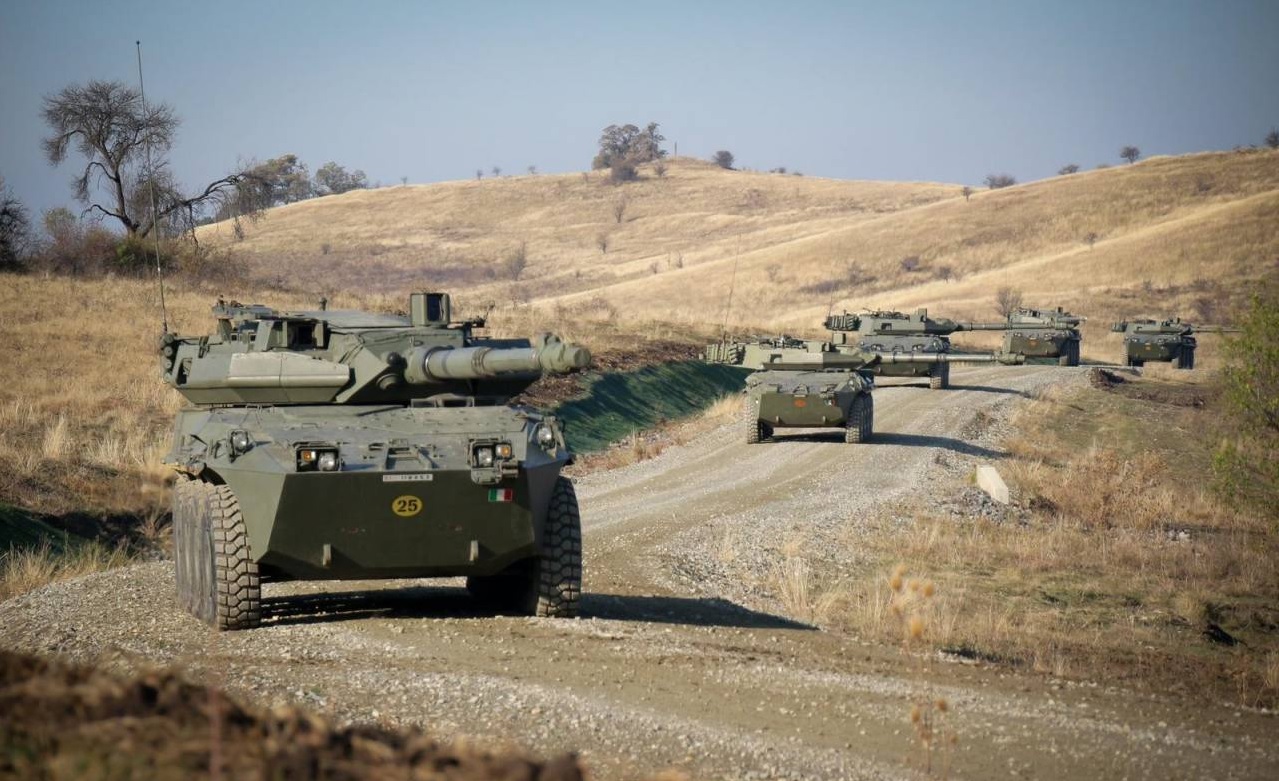
World
In a significant move that underscores Europe's continued military support for Ukraine, reports have emerged that Italy is sending B1 Centauro wheeled tank destroyers to bolster Kyiv’s defense against Russian aggression. While the exact number remains undisclosed, defense analysts have indicated that multiple units are already en route, marking a potential expansion of Western aid to Ukraine’s armored forces. B1 Centauro: A Battlefield Game-Changer The B1 Centauro, developed by the Italian consortium Iveco-Oto Melara, is an 8×8 wheeled tank destroyer known for its speed, mobility, and firepower. Armed with a powerful 105mm rifled gun, the vehicle is designed for rapid deployment, making it highly effective in reconnaissance missions and support roles on the battlefield. The Centauro’s wheeled configuration allows for greater operational flexibility, particularly in urban and mixed-terrain environments, where traditional tracked tanks might face mobility challenges. Italy currently maintains a fleet of 259 B1 Centauro vehicles, with 141 older units having been decommissioned and transferred to Jordan in previous years. If confirmed, the transfer to Ukraine would be a major shift in Italy’s defense assistance policy, as Rome has been relatively cautious in its military aid to Kyiv compared to other NATO allies. Strategic Implications of Italy’s Military Aid While there has been no official confirmation from the Italian government regarding the reported shipment, the move aligns with the broader European effort to strengthen Ukraine’s armored capabilities. With the war showing no signs of de-escalation, the addition of B1 Centauros to Ukraine’s arsenal could provide much-needed firepower and tactical advantages in countering Russian advances. The deployment of wheeled tank destroyers like the B1 Centauro could prove particularly valuable in the ongoing conflict, where mobility and firepower are critical in counteroffensive operations. Unlike traditional main battle tanks, which require extensive logistical support, the Centauro’s high-speed maneuverability allows for quick repositioning and rapid strikes against enemy targets. European Commitment to Ukraine’s Defense This latest development highlights Italy’s growing role in European security and its willingness to contribute more advanced weaponry to Ukraine. While Rome has already supplied Kyiv with various military assets, including artillery and air defense systems, the provision of heavy armored vehicles represents a notable escalation in military support. As Ukraine continues to defend its territory against Russian forces, Western nations are increasingly reinforcing Kyiv’s military capabilities with advanced weapon systems. The potential arrival of B1 Centauros could enhance Ukraine’s ability to respond to enemy movements and strengthen its defensive lines. With no official statements yet from the Italian government, it remains to be seen whether this reported transfer will be acknowledged or followed by further shipments. However, if confirmed, the deployment of the B1 Centauro would mark another crucial step in Ukraine’s fight for sovereignty, demonstrating Europe's continued commitment to standing against Russian aggression.
Read More → Posted on 2025-02-22 14:58:18
World
The U.S. Department of Defense (DoD) has announced that it will lay off 5,400 probationary civilian employees starting next week, alongside implementing a hiring freeze as part of a broader effort to streamline operations and reallocate funds toward military readiness. The move comes under the directive of President Donald Trump's administration, which has been pushing for federal workforce reductions across multiple agencies. Who Will Be Affected? According to U.S. officials, the layoffs will not impact uniformed military personnel, as they are exempt from the cuts. Instead, they will primarily target probationary employees—those who have been on the job for less than a year and have not yet gained civil service protection. This makes them particularly vulnerable to workforce reductions, as they do not have the same job security as tenured government employees. Why the Pentagon Is Making These Cuts The decision aligns with Defense Secretary Pete Hegseth’s vision of cutting unnecessary bureaucratic positions and redirecting resources to warfighters and military readiness. Hegseth has been vocal about reducing administrative overhead, recently posting on X (formerly Twitter) that the Pentagon needs to “cut the fat (HQ) and grow the muscle (warfighters).” Acting Undersecretary of Defense for Personnel and Readiness Darin Selnick echoed this sentiment, stating that the DoD aims to reduce its civilian workforce by 5–8% to enhance efficiency and prioritize Trump’s defense policies. A Broader Trend in Federal Workforce Cuts The Pentagon's job reductions are part of a wider government restructuring effort under the Trump administration. Other agencies have also seen significant layoffs, including: The U.S. Forest Service, which has already cut 2,000 employees. The Internal Revenue Service (IRS), where 7,000 more jobs are expected to be eliminated. The administration has framed these cuts as necessary to reduce government spending, though critics argue they could impact essential services. $50 Billion in Additional Defense Budget Cuts Planned In addition to the 5,400 job cuts, Secretary Hegseth has directed all military branches to identify $50 billion worth of programs that can be eliminated in the next fiscal year. This represents an 8% reduction in the Pentagon’s overall budget, with savings expected to be redirected toward Trump’s military priorities. The Defense Department remains the largest U.S. government agency, employing over 700,000 full-time civilian workers as of 2023. However, with these new budgetary constraints and workforce reductions, the Pentagon’s structure is set to undergo major changes in the coming months. What’s Next? The immediate impact of these layoffs will be felt within the DoD’s administrative and support divisions, while larger structural changes to the Pentagon’s budget and personnel strategy are still unfolding. With the Trump administration prioritizing military strength over bureaucracy, the coming months may see even deeper cuts to civilian roles while funds are funneled into combat forces and defense modernization efforts. For thousands of federal employees, the uncertainty surrounding their jobs continues to grow as Washington reshapes its approach to defense spending and workforce management.
Read More → Posted on 2025-02-22 14:54:01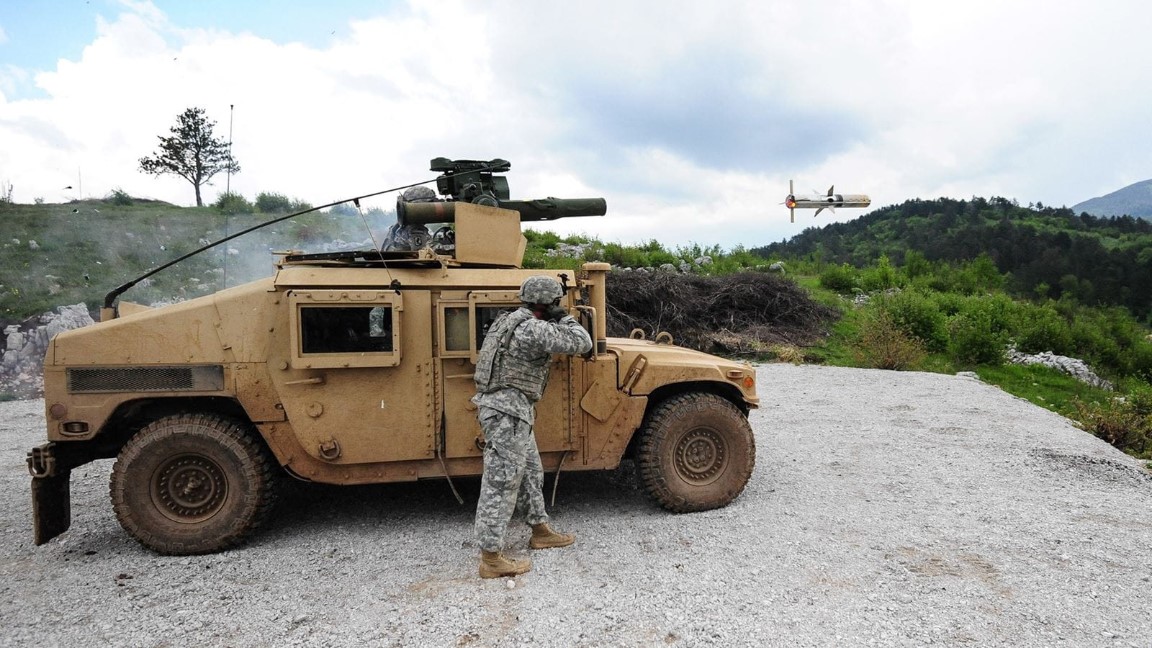
World
The U.S. Department of Defense has awarded a $322.5 million contract to RTX Corporation (formerly Raytheon Technologies) for the continued production of the BGM-71 Tube-launched, Optically-tracked, Wire-guided (TOW) missile. This latest agreement ensures the U.S. Army and Marine Corps maintain a steady supply of the widely used anti-tank guided missile (ATGM), a critical component of American ground warfare capabilities. The contract is fully funded by the U.S. government and is scheduled for completion by September 2026. TOW Missile: Backbone of U.S. Anti-Armor Strategy The BGM-71 TOW has been a mainstay in the U.S. military arsenal since the 1970s, proving its effectiveness in numerous conflicts. It is currently integrated into key combat vehicles such as the M2 Bradley Infantry Fighting Vehicle and the M1134 Stryker Mobile Gun System. Additionally, portable launcher variants remain in storage, ready for deployment by infantry forces when needed. While the Pentagon has not disclosed the exact number of missiles covered under this contract, recent arms procurement trends suggest that this deal is part of a broader effort to replenish stockpiles. The U.S. has supplied over 9,000 TOW missiles to Ukraine in various configurations over the past year, depleting existing reserves. Given its continued relevance in modern warfare, particularly in Ukraine’s defense against Russian armored vehicles, the Pentagon appears committed to keeping TOW production active for the foreseeable future. Modernization and Battlefield Effectiveness Despite its origins in the Cold War, the TOW missile has evolved significantly. Modern variants, including the TOW 2A, TOW 2B, and TOW Bunker Buster, incorporate advanced guidance systems and improved warheads to counter evolving threats. The TOW 2B Aero, for example, utilizes top-attack capabilities, allowing it to target the weaker armor of enemy tanks from above. Recent battlefield footage from Ukraine has demonstrated the effectiveness of the TOW missile against advanced Russian tanks like the T-90M and T-80BVM, reinforcing its value in contemporary conflicts. The missile’s long range—up to 4.2 km (2.6 miles) in its latest versions—provides American and allied forces with a significant advantage in anti-armor engagements. Strategic Importance and Future Outlook The U.S. military’s continued investment in TOW production highlights its enduring role in modern warfare. While newer missile systems such as the Javelin and Spike have gained prominence for their fire-and-forget capabilities, the TOW remains a cost-effective and versatile solution for engaging enemy armor. The missile's wired guidance system, while somewhat dated, ensures resilience against electronic warfare countermeasures, which have been widely employed in the ongoing Ukraine conflict. As geopolitical tensions continue to shape global defense priorities, securing a steady supply of TOW missiles will remain crucial for the U.S. and its allies. With RTX at the helm of production, the legendary anti-tank weapon is set to remain a key component of America’s arsenal for years to come.
Read More → Posted on 2025-02-22 14:45:43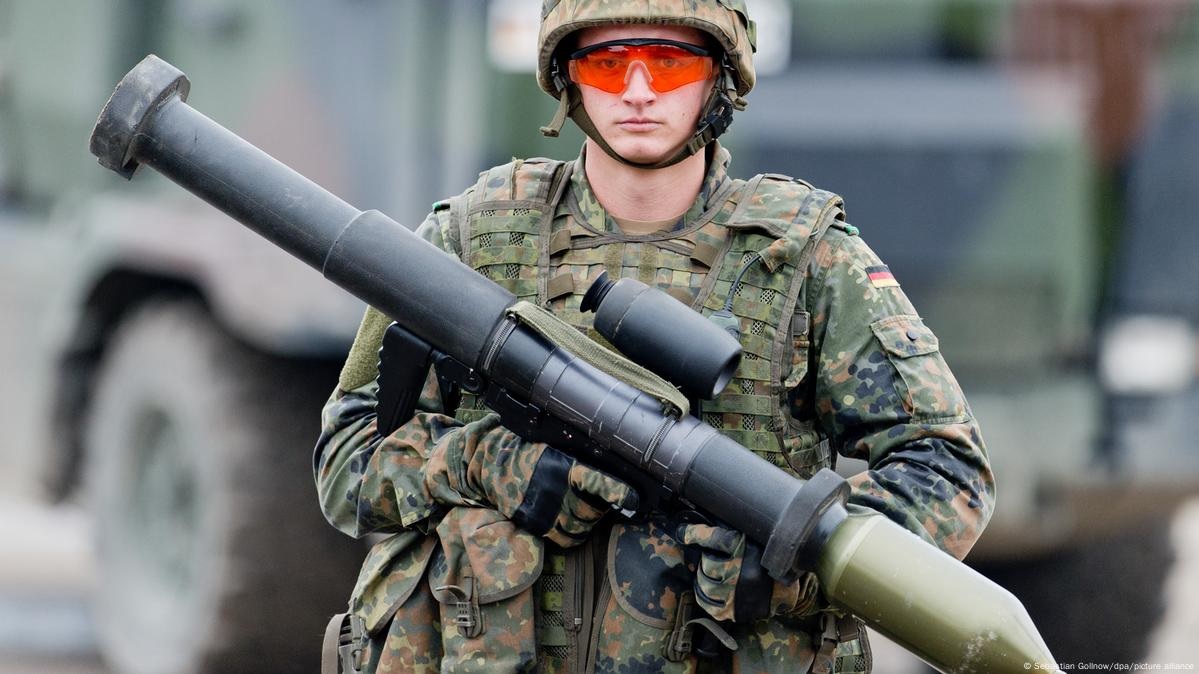
World
In a decisive move to bolster national security, the Latvian government has announced plans to increase its defense budget to 4% of the country's Gross Domestic Product (GDP) by 2026, with an ambitious goal of reaching 5% in subsequent years. This strategic decision underscores Latvia's commitment to enhancing its military capabilities in response to evolving regional threats. Defense Minister Andris Sprūds emphasized the necessity of this investment, stating that Latvia aims to develop 26 specific military capabilities. These enhancements will span various domains, including land, sea, air, logistics, and cyberspace. Key priorities outlined by the ministry encompass the development of air and coastal defense systems, augmentation of firepower, procurement of advanced infantry fighting vehicles, establishment of domestic ammunition production facilities, and the advancement of drone and counter-drone technologies. Latvia's strategic position as a NATO member sharing a border with Russia amplifies the urgency of these military enhancements. The government acknowledges the significant financial and personnel commitments required but remains resolute in its dedication to meeting NATO's capability objectives. This initiative aligns with the alliance's principle of equitable burden-sharing among member nations. Historically, Latvia has demonstrated a strong commitment to defense spending. In 2024, the country allocated 3.15% of its GDP to defense, positioning it among the top contributors within NATO. This proactive approach serves as a model, encouraging other member states to elevate their defense expenditures in response to shared security challenges. The broader geopolitical landscape, particularly the ongoing conflict in Ukraine, has prompted many NATO countries to reassess and increase their defense budgets. Poland, for instance, has allocated 4.12% of its GDP to defense, reflecting a regional trend of heightened military investment. Latvia's decision to further elevate its defense spending reinforces its role as a frontline state committed to regional stability and security. While these investments represent a substantial commitment of resources, Latvia views them as essential to safeguarding national sovereignty and contributing effectively to collective defense efforts. As regional tensions persist, such measures are deemed crucial in ensuring preparedness against potential threats and in upholding the security of the Baltic region. In summary, Latvia's planned increase in defense spending to 4% of GDP by 2026, with aspirations of reaching 5% thereafter, reflects a strategic response to regional security dynamics and a steadfast commitment to fulfilling NATO obligations. This proactive stance not only enhances Latvia's national defense capabilities but also contributes to the collective security framework of the alliance.
Read More → Posted on 2025-02-22 14:32:42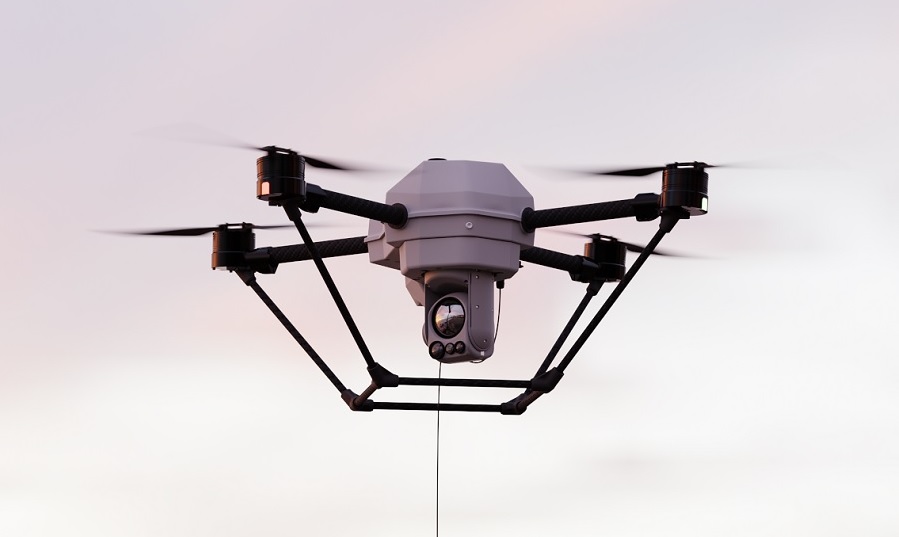
World
Elistair, a French leader in tethered unmanned aerial systems (UAS), has secured a €3 million contract to supply its Khronos small tethered drones to an undisclosed allied military force. The deal, finalized in collaboration with Milrem Robotics, includes not only the provision of drones but also initial spare parts, training, and long-term operational support. Khronos Tethered Drone: A Game-Changer in Battlefield Surveillance The Khronos system is specifically designed for integration with moving military vehicles, offering unparalleled persistent aerial surveillance and real-time intelligence gathering. Unlike conventional drones, Khronos operates with a tethered power supply, enabling extended flight durations without battery limitations. This capability allows it to provide continuous surveillance for hours or even days, making it an essential tool for reconnaissance and security operations. One of Khronos' standout features is its ability to function in GPS-denied environments, an increasingly critical requirement in modern warfare where electronic warfare and GPS jamming are prevalent threats. Its automated operation reduces the need for constant manual control, making it highly effective in high-risk, rapidly evolving combat situations. Strategic Integration with Military Vehicles Under the agreement, Milrem Robotics will supply advanced military vehicles equipped with Elistair’s cutting-edge drone technology. These integrated systems will significantly enhance situational awareness, allowing forces to monitor battlefields, borders, and high-risk zones in real-time. The ability to deploy aerial reconnaissance from moving platforms gives armed forces a critical advantage, improving both operational effectiveness and troop safety. Expanding Global Footprint in Defense and Security Elistair has already established itself as a key provider of tethered drone solutions, serving armed forces, law enforcement agencies, and security services in over 70 countries. Its technology is widely used in border surveillance, counter-terrorism operations, event security, and tactical communications. With offices in France and North Carolina, Elistair continues to expand its global presence in the defense sector. The latest contract reinforces its position as a trusted supplier of aerial reconnaissance solutions, further solidifying its role in modern military operations. Delivery Timeline and Future Prospects Deliveries under this contract are set to begin in the second quarter of 2025. As modern battlefields increasingly rely on real-time intelligence and persistent surveillance, the demand for tethered drone technology is expected to grow. Elistair’s successful deal could pave the way for future contracts, further strengthening its influence in the global defense market.
Read More → Posted on 2025-02-22 14:29:48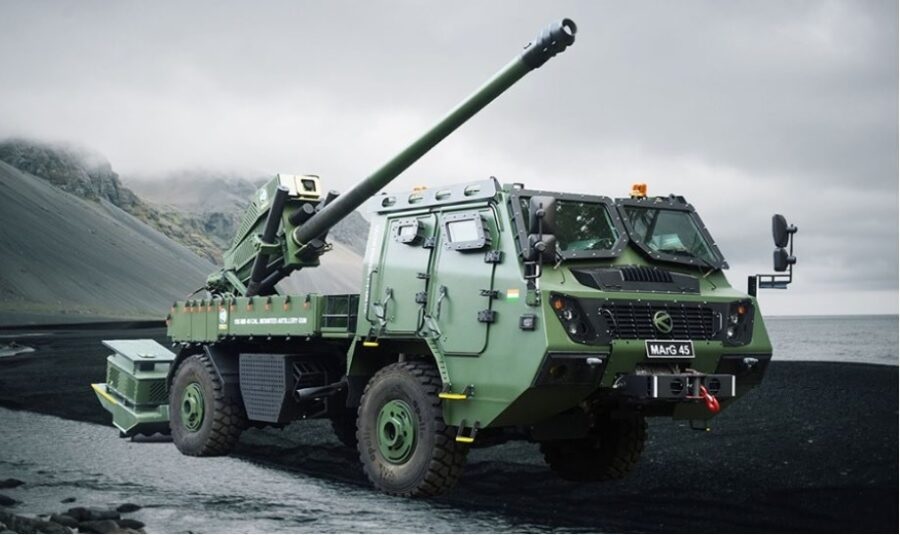
World
The Kalyani Group has introduced the MArG 45, a state-of-the-art 155mm/45 caliber mounted gun system, at IDEX 2025 in Abu Dhabi. Developed by Kalyani Strategic Systems Limited (KSSL), the defence arm of Bharat Forge, this artillery system is designed to deliver exceptional firepower, mobility, and rapid deployment capabilities, making it a game-changer in modern warfare. Compact and Agile 4×4 Design What sets the MArG 45 apart from other mounted artillery systems is its 4×4 high-mobility vehicle platform. While most competitors rely on 6×6 or 8×8 chassis, Kalyani’s indigenously developed 4×4 vehicle ensures superior agility and flexibility in challenging battlefield conditions. This makes it ideal for rapid movement across rough terrain, urban environments, and high-altitude locations. Firepower and Range Capabilities The MArG 45 delivers a firing range of over 36 km using conventional ammunition and is compatible with NATO-standard artillery rounds. With 18 rounds onboard, it can fire up to Zone 6 projectiles, making it a formidable weapon in long-range engagements. The system boasts an intense rate of fire, capable of delivering 10 rounds in just 3 minutes, while its sustained fire rate reaches 42 rounds per hour. Precision and Flexibility in Battlefield Operations The MArG 45 is designed to quickly adapt to dynamic combat scenarios. It features an elevation range from -2° to +72°, with a 25° traverse on both left and right sides, allowing for precise targeting across various terrains. Its “shoot-and-scoot” capability enhances battlefield survivability by enabling rapid relocation after firing, preventing enemy counterattacks. The system can be deployed in just 1.5 minutes during the day and 2 minutes at night, ensuring high operational efficiency. Crew and Operational Features Operated by a six-person crew, the MArG 45 is designed with user-friendly automation and fire control systems, reducing crew fatigue and enhancing combat effectiveness. Bharat Forge emphasizes that the MArG 45 represents India’s commitment to advancing artillery technology, reinforcing the country’s self-reliance in defence manufacturing. A New Benchmark in Mobile Artillery With its lightweight, high-mobility chassis, long-range firepower, and quick deployment capabilities, the MArG 45 is poised to become a preferred choice for global defence forces. Its unveiling at IDEX 2025 signals India’s growing role in shaping modern battlefield solutions, offering a powerful yet mobile artillery platform for diverse combat scenarios.
Read More → Posted on 2025-02-22 14:26:33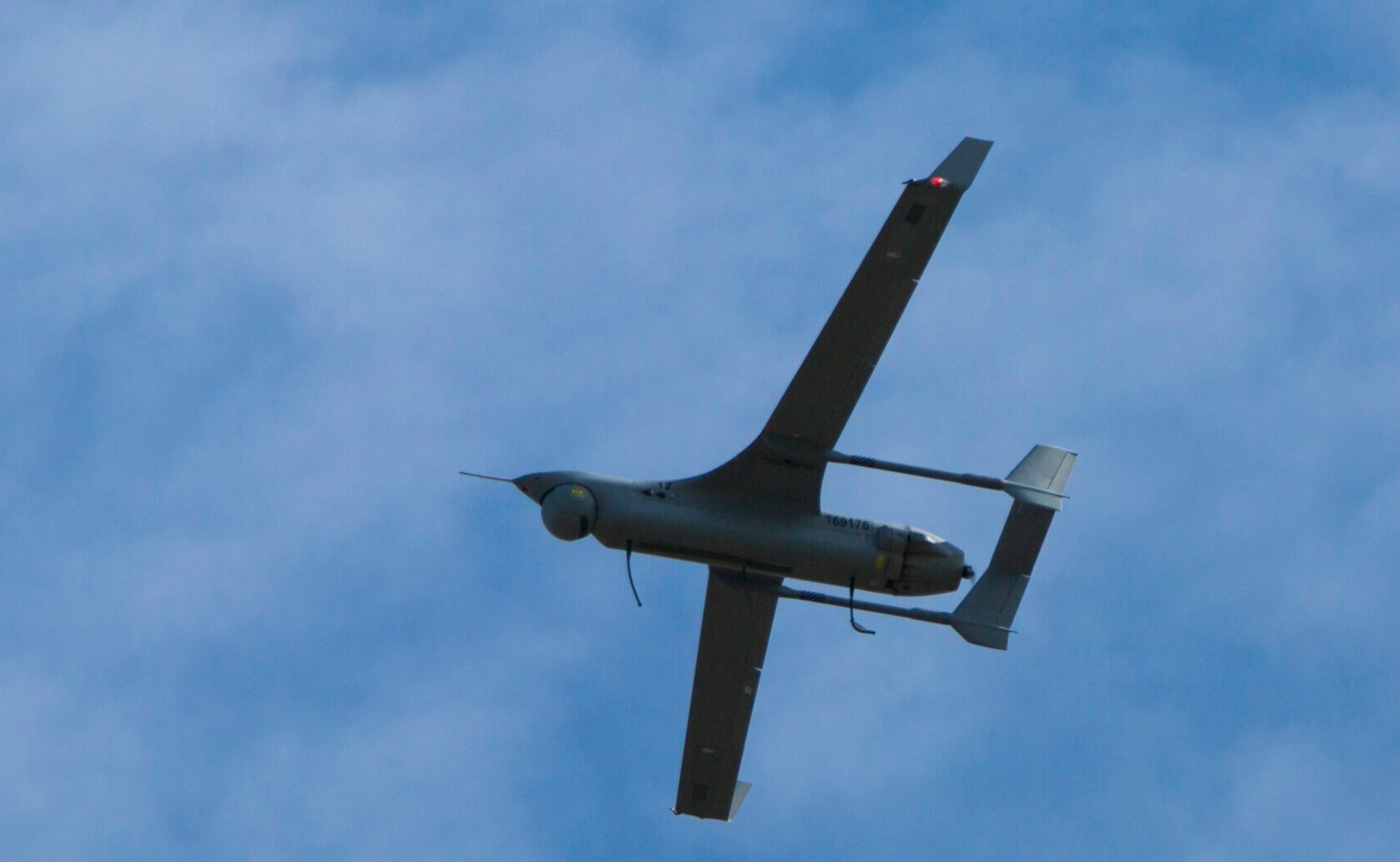
World
The U.S. Department of Defense (DoD) has expanded its agreement with Insitu Inc., a Boeing subsidiary, to ramp up the production and delivery of unmanned aerial vehicles (UAVs). The updated framework allows for the potential procurement of 27 additional ScanEagle drones and 15 RQ-21A Blackjack systems, reinforcing the U.S. military’s drone fleet and strengthening support for allied nations through the Foreign Military Sales (FMS) program. Contract Details and Scope The agreement, now valued at $102.4 million, will remain valid until June 2026. However, funding was not allocated at the time of signing, meaning that orders will be placed as operational needs arise. The expansion covers not only the UAVs themselves but also a comprehensive package of support equipment, including: Optoelectronic payloads for reconnaissance and surveillance Onboard devices for improved intelligence gathering Spare parts to ensure operational readiness Logistics and training support for personnel This move comes as part of the U.S. military’s ongoing efforts to enhance tactical UAV capabilities, ensuring that both domestic and allied forces have access to cutting-edge surveillance and reconnaissance technology. Capabilities of ScanEagle and RQ-21A Blackjack UAVs Both the RQ-21A Blackjack and ScanEagle UAVs are known for their extended endurance and advanced reconnaissance capabilities. RQ-21A Blackjack: Tactical UAV system with over 12 hours of flight endurance Used for intelligence, surveillance, and reconnaissance (ISR) missions Has been exported to Poland, Thailand, and other U.S. allies ScanEagle: In production since 2005, making it one of the most widely used small UAVs Capable of long-endurance missions without requiring a traditional runway Over 3,000 units delivered globally, with operators in North and South America, Europe, Africa, Asia, Australia, and Oceania Recently supplied to Ukraine to support its defense efforts against Russian aggression Strategic Implications The expanded supply deal highlights the growing reliance on UAV technology for modern warfare, particularly in areas requiring persistent aerial surveillance and reconnaissance. The DoD’s decision to bolster its inventory of these drones suggests an increasing focus on non-traditional, cost-effective ISR platforms that can support both conventional and asymmetric warfare scenarios. With demand for UAVs rising, especially among U.S. allies, this agreement ensures that the military remains well-equipped to respond to evolving security challenges worldwide.
Read More → Posted on 2025-02-22 14:15:32
World
The M23 rebel group has intensified its offensive in the eastern Democratic Republic of Congo (DRC), capturing significant territories and prompting international concern. In a unanimous decision, the United Nations Security Council has called on Rwanda to cease its alleged support for the M23 and withdraw its forces from Congolese territory. M23's Rapid Territorial Gains In recent weeks, the M23 rebels have seized control of major urban centers in the DRC's eastern provinces. Notably, they captured Goma, the capital of North Kivu province, followed by Bukavu, the capital of South Kivu province. These strategic cities, with populations of approximately one million and 1.3 million respectively, fell with minimal resistance from Congolese government forces. The swift advances have led to significant displacement, with over 50,000 people fleeing to neighboring countries such as Burundi and Uganda. International Response and UN Security Council Resolution The UN Security Council has strongly condemned the M23's offensive, particularly highlighting the alleged support from the Rwanda Defense Forces (RDF). The Council's resolution demands that Rwanda cease its backing of the M23 and withdraw its troops from the DRC unconditionally. This marks a significant escalation in international pressure on Kigali, as previous statements had not explicitly named Rwanda. U.S. Secretary of State Marco Rubio, in discussions with Kenyan President William Ruto, emphasized the necessity for an immediate ceasefire, asserting that there is "no military solution to the conflict." The European Union has also summoned Rwanda's ambassador, urging Kigali to disengage militarily from the DRC and halt support to the M23. Humanitarian Impact The resurgence of conflict has precipitated a dire humanitarian crisis. The United Nations High Commissioner for Refugees (UNHCR) reports that the influx of refugees into Burundi is the largest the country has ever experienced, with thousands arriving daily. Many of the displaced are in urgent need of medical attention, food, and shelter. The UNHCR has appealed for $40.4 million in emergency funds to address the escalating needs. Regional Dynamics and Accusations The DRC government and various international observers accuse Rwanda of supporting the M23 to exploit the DRC's rich mineral resources and to counteract Hutu militias operating in the region. Rwanda, however, denies these allegations, asserting that its military actions are defensive measures against groups threatening its security. The situation remains volatile, with the potential for further regional destabilization if a peaceful resolution is not achieved promptly.
Read More → Posted on 2025-02-22 14:09:21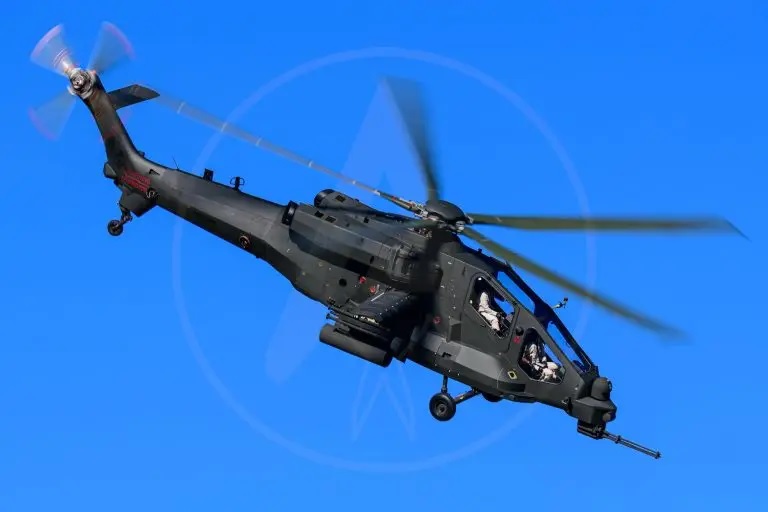
World
Leonardo, the Italian aerospace and defence company, has reported robust financial results for 2024, showcasing significant growth across key business sectors. The company's performance underscores its strategic resilience and adaptability in a dynamic global market. Record-Breaking Orders and Revenue In 2024, Leonardo achieved a remarkable 16.8% increase in orders, amounting to €20.9 billion. This surge was primarily driven by heightened demand in the Electronics for Defence and Security sector, as well as the Helicopters division, catering to both governmental and commercial clients. Consequently, the company's revenue grew by 16.2% year-on-year, reaching €17.8 billion. This growth is attributed to improved execution of its order backlog and enhanced supply chain optimisation, particularly in the defence electronics and helicopter segments. Enhanced Profitability and Financial Health Operating profit (EBITA) rose to €1.525 billion, reflecting a 15.8% increase from the previous year. This robust performance is a result of higher activity volumes, cost-saving initiatives, and resilience in the Defence & Security sector, despite challenges in the Aerostructures and Space manufacturing units. The company's order backlog now stands at over €44 billion, securing production for approximately 2.5 years and underscoring successful commercial efforts and long-term contract acquisitions. Positive free operating cash flow has enabled Leonardo to reduce its net debt to just under €1.8 billion. In light of this financial strength, the company has announced plans to double its dividend, reinforcing its commitment to delivering value to shareholders. Strategic Vision and Sustainability Initiatives CEO Roberto Cingolani highlighted Leonardo's growing role in the global aerospace, defence, and security industry. He emphasized the company's strategic positioning to forge broader alliances within the European defence sector, aiming to compete effectively with larger Chinese and U.S. players. Cingolani also noted the company's proactive approach in expanding the European defence sector, aligning with European Commission objectives. Beyond financial metrics, Leonardo has made significant strides in sustainability. The company reported an 18.3% reduction in emissions intensity and increased investments in research and development to €2.49 billion, representing 14% of total revenues. These efforts underscore Leonardo's commitment to innovation, inclusivity, and environmental responsibility, enhancing its attractiveness to young talent and bolstering long-term competitiveness. In summary, Leonardo's 2024 financial results reflect a period of substantial growth and strategic advancement. The company's focus on innovation, sustainability, and strategic alliances positions it well for continued success in the global aerospace and defence landscape.
Read More → Posted on 2025-02-22 14:05:29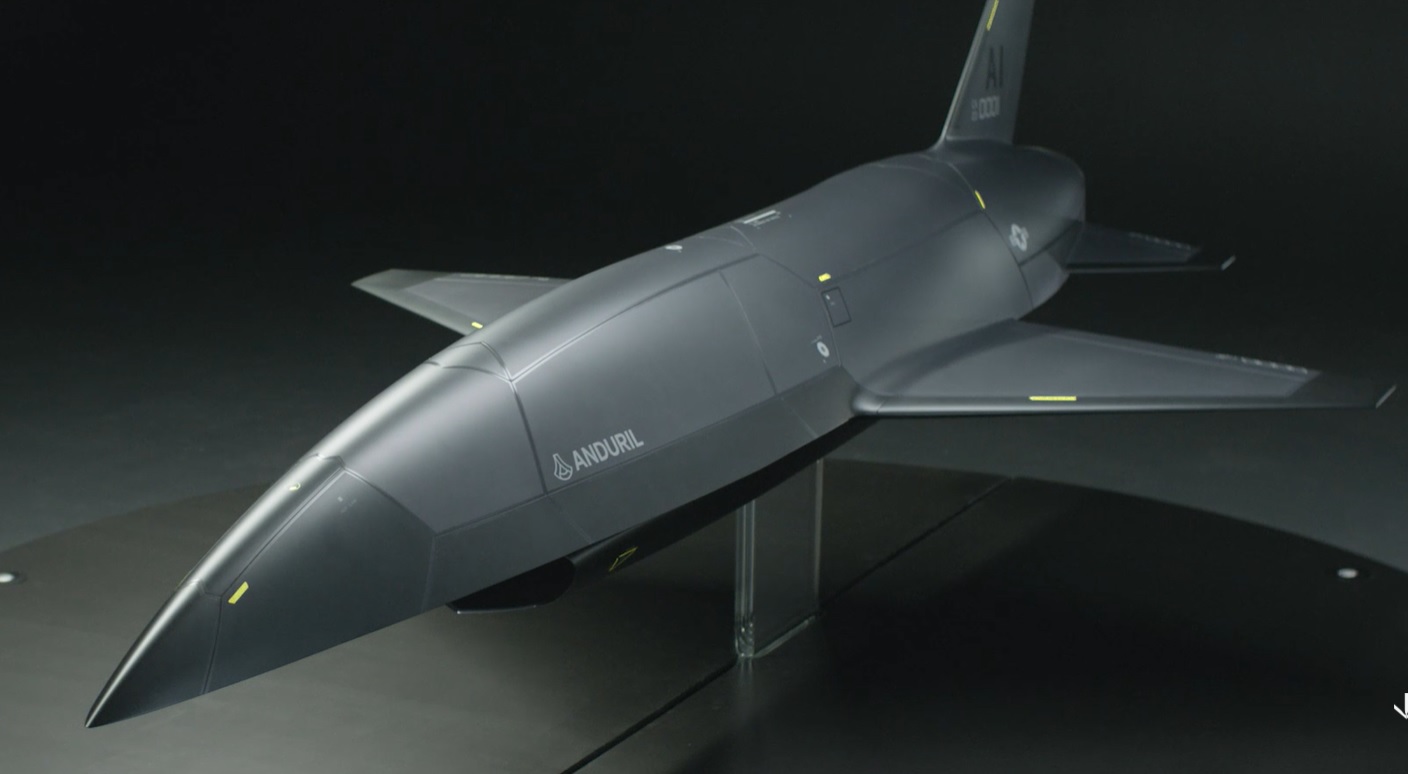
India
Indian industrial giant Mahindra Group and U.S.-based defense technology firm Anduril Industries have announced a landmark partnership to co-develop cutting-edge autonomous defense systems. This collaboration, unveiled on February 20, 2025, aims to strengthen military and homeland security with AI-enabled counter-drone technologies, advanced Autonomous Underwater Vehicles (AUVs), and a next-generation sensor fusion platform. Revolutionizing Underwater Security with Autonomous Systems One of the primary goals of the Mahindra-Anduril partnership is the development of sophisticated AUVs tailored for Sector Security, Surveillance, Survey, and Reconnaissance (SSSR) missions. These underwater drones will be designed for rapid deployment and equipped with modular payloads, allowing them to adapt to a range of operational scenarios. Mine Detection & Neutralization: The AUVs will be capable of identifying and disabling underwater mines, reducing the risk to naval vessels and critical infrastructure. Seabed Mapping & Intelligence Gathering: The vehicles will feature high-resolution sonar and optical sensors to conduct deep-sea reconnaissance, creating detailed maps of the ocean floor for defense and scientific applications. Persistent Underwater Surveillance: With long-endurance capabilities, these AUVs will provide real-time intelligence for naval operations, making them essential for tracking enemy movements and safeguarding strategic waterways. AI-Powered Counter-Drone Systems for Aerial Defense In response to the growing threat of Unmanned Aerial Systems (UAS), Mahindra and Anduril will jointly develop state-of-the-art Counter Unmanned Aerial Systems (CUAS). These AI-driven platforms will enhance military and civilian security by detecting, tracking, and neutralizing rogue drones before they pose a threat. Multi-Layered Defense Approach: The CUAS will integrate radar, electro-optical, and acoustic sensors to create a comprehensive airspace security network. Autonomous Targeting & Neutralization: AI-powered algorithms will identify hostile drones in real time and deploy electronic warfare or kinetic interception solutions. Seamless Integration with Defense Systems: The CUAS technology will be compatible with existing military air defense networks, providing enhanced protection for key installations, border areas, and urban environments. Advanced Sensor Fusion for Next-Generation Defense Systems Another key element of the partnership is the development of an AI-powered sensor fusion platform, which will integrate multiple data streams into a single operational view. This will enable real-time threat assessment and improved situational awareness for military and security forces. Multi-Sensor Data Processing: The platform will combine inputs from radar, infrared cameras, LiDAR, and acoustic sensors, offering a comprehensive security picture. Autonomous Decision-Making: AI-driven analytics will filter out false alarms and prioritize actionable intelligence, allowing operators to respond faster to emerging threats. Scalability for Future Defense Applications: Designed with an open architecture, the system will support the rapid integration of new technologies, keeping pace with evolving security challenges. A Strategic Partnership for Future Warfare Mahindra and Anduril’s collaboration represents a major step toward strengthening India’s indigenous defense capabilities while leveraging cutting-edge American technology. Vinod Sahay, a Group Executive Board Member at Mahindra Group, emphasized the significance of this alliance: "This collaboration with Anduril Industries is a major step in Mahindra Group's commitment to developing advanced security and autonomous technologies. By combining our engineering expertise with Anduril's innovative solutions, we will deliver state-of-the-art capabilities that improve security and address emerging threats. We are dedicated to contributing to a safer and more resilient future." Greg Kausner, Senior Vice President of Global Defence at Anduril Industries, echoed this sentiment: "Global security forces are facing rapidly evolving threats from both new and existing unmanned platforms, and autonomy is crucial for maintaining effective protection. Anduril is excited to partner with Mahindra Group, whose strong engineering background complements our goal of delivering scalable, AI-powered solutions. Together, we aim to equip allied forces with the necessary tools to counter adversaries." With drone warfare and autonomous security technologies shaping the future of defense, this Indo-U.S. collaboration is expected to set new benchmarks in AI-driven military innovation. The joint effort will not only enhance India’s defense ecosystem but also strengthen global security frameworks against emerging threats.
Read More → Posted on 2025-02-22 14:02:50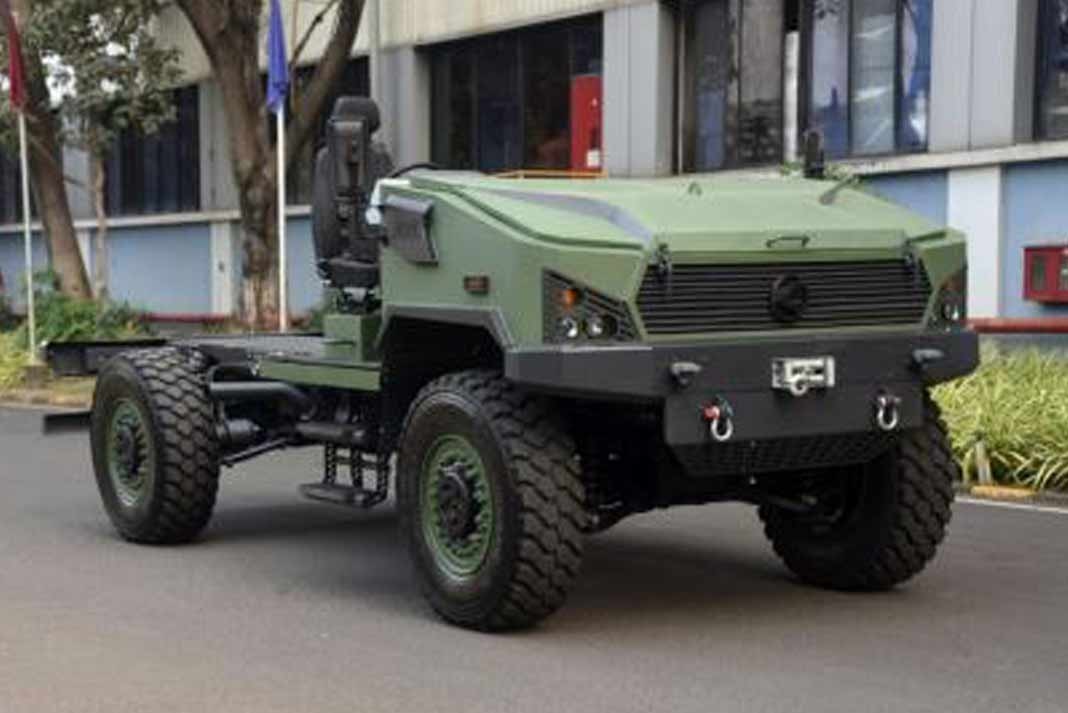
World
Kalyani Strategic Systems Limited (KSSL), a wholly-owned subsidiary of Bharat Forge Limited, has introduced the RC-0912 Rolling Chassis at the International Defence Exhibition and Conference (IDEX Abu Dhabi 2025). This advanced military-grade rolling chassis is designed to serve as a modular platform for various mission-critical vehicles, offering unparalleled customization, durability, and adaptability for modern battlefield and defence applications. A Versatile and Robust Military Chassis The RC-0912 Rolling Chassis has been engineered with a highly flexible design, allowing it to accommodate a variety of mission-specific vehicle configurations. It is constructed using heavy-duty materials to withstand extreme operational conditions while carrying heavy payloads, making it an ideal foundation for a wide range of defence and security vehicles. Key Features and Specifications: Modular and Highly Customizable Design – The RC-0912 can be tailored for different vehicle body styles and mission-specific configurations, making it a versatile choice for military applications. Heavy-Duty Construction – Built with rugged materials to endure harsh terrains, extreme weather conditions, and the demands of high-intensity missions. Advanced Independent Suspension System – Provides superior ride stability and maneuverability, ensuring smooth operation across rough terrains, deserts, and uneven landscapes. Flexible Wheelbase – The chassis supports various vehicle lengths, allowing for customized builds according to specific operational needs. High Payload Capacity – Designed to carry heavy-duty weapon systems, cargo, and personnel efficiently. Multi-Role Deployment Capabilities The RC-0912 Rolling Chassis can be used for a broad range of defence and tactical applications, making it a highly valuable asset for armed forces. Some of its potential roles include: Reconnaissance and Surveillance Vehicles – Equipped with advanced sensors for battlefield awareness. Armoured Troop Carriers – Transporting personnel safely in high-risk combat zones. Mounted Gun Systems – Supporting artillery and anti-aircraft weaponry. Mortar Deployment Platforms – Mobile solutions for indirect fire support. Ambulances and Medical Evacuation Vehicles – Rapid response units for battlefield casualties. Logistics and Utility Vehicles – Transporting essential supplies such as ammunition, fuel, and water. Water Bowsers and Fuel Tankers – Mobile liquid transport solutions for extended field operations. Strengthening India’s Defence Manufacturing Capabilities The introduction of the RC-0912 Rolling Chassis at IDEX Abu Dhabi 2025 highlights Kalyani Strategic Systems' growing expertise in military vehicle technology. This innovative product not only enhances India's indigenous defence manufacturing capabilities but also offers a cost-effective alternative to fully custom-built chassis. With increasing global demand for modular military platforms, KSSL’s latest offering is poised to attract interest from international defence agencies and vehicle manufacturers. MArG 45 Mounted Gun System Also Unveiled In addition to the RC-0912 Rolling Chassis, Kalyani Strategic Systems also unveiled the MArG 45 Mounted Gun System at IDEX 2025. This system is designed for high mobility artillery firepower, mounted on a High Mobility Vehicle (HMV) platform, allowing for quick deployment, enhanced firepower, and rapid repositioning in battlefield conditions. Conclusion KSSL’s showcase at IDEX Abu Dhabi 2025 reinforces India’s commitment to developing next-generation defence technologies. The RC-0912 Rolling Chassis is set to play a crucial role in modernizing military fleets worldwide, offering high flexibility, resilience, and multi-role adaptability. With its robust engineering and modular architecture, this rolling chassis is a game-changer in the field of defence vehicle manufacturing, ensuring superior mobility and performance for armed forces across the globe.
Read More → Posted on 2025-02-22 13:59:44
World
The Russian Navy's Kirov-class battlecruiser, Admiral Nakhimov, has achieved a significant milestone in its extensive modernization process with the activation of both its nuclear reactors. The first reactor was successfully brought online in December 2024, followed by the second on February 2, 2025. This development confirms the operational readiness of the ship's nuclear propulsion system, enabling the vessel to operate under its own power and reducing dependence on external energy sources. The activation of both reactors allows for comprehensive testing of onboard electronics and power systems, ensuring they function correctly with the ship's generators. Additionally, reactor crews can now be trained to manage daily operations, adjusting to varying power demands and reactor outputs. While the reactors are operational, testing of the propulsion systems is anticipated to occur during the later stages of factory trials, before transitioning to sea trials. The ship is currently docked at the Sevmash shipyard, with sea trials scheduled for the summer of 2025 and state trials planned prior to commissioning in 2026. The Admiral Nakhimov, launched in 1988, was decommissioned in 1997 and has been undergoing repairs and modernization since 2013. The upgrade aims to enhance the vessel's combat capabilities, including the installation of modern sensors and weapon systems. Notably, the ship's missile capacity has been significantly increased, with the replacement of P-700 Granit anti-ship missiles by 10 vertical launch cells capable of housing up to 80 modern missiles, such as the Oniks, Kalibr, and Zircon. The air defense system has also been upgraded, replacing the S-300F missiles with a naval variant of the S-400 system, accommodating up to 96 anti-air missiles, and adding eight Pantsir air defense systems to replace the six Kashtan close-in weapon systems. The modernization project has faced multiple delays, extending the vessel's return to active service. Factors contributing to these delays include the prolonged decommissioned state of the ship, challenges in refurbishing and upgrading outdated systems, and external pressures such as international sanctions affecting the availability of modern components. Despite these setbacks, the successful activation of both reactors signifies a pivotal advancement toward the Admiral Nakhimov's reintegration into the Russian Navy. Upon completion of sea trials and commissioning, the Admiral Nakhimov is poised to become the flagship of the Northern Fleet, serving as one of the most formidable surface combatants in the Russian Navy. Its enhanced offensive and defensive systems are expected to provide a strategic counterbalance to Western naval forces, particularly aircraft carrier task groups. The ship will operate alongside other vessels, including the Slava-class cruiser Marshal Ustinov, Udaloy-class destroyers, and Admiral Gorshkov-class frigates. The future of its sister ship, Pyotr Veliky, remains uncertain. Given the extensive time and resources required for Admiral Nakhimov's modernization, similar upgrades for Pyotr Veliky may be deemed impractical, potentially leading to its decommissioning. Additionally, the aircraft carrier Admiral Kuznetsov has experienced significant setbacks during its refurbishment, casting doubt on its return to service and further elevating the strategic importance of Admiral Nakhimov within the Russian naval fleet. In summary, the full activation of Admiral Nakhimov's nuclear reactors marks a critical step in revitalizing Russia's naval capabilities. The ship's impending return to active duty is set to bolster the operational strength of the Northern Fleet, reaffirming Russia's commitment to maintaining a robust and modern maritime force.
Read More → Posted on 2025-02-21 15:57:52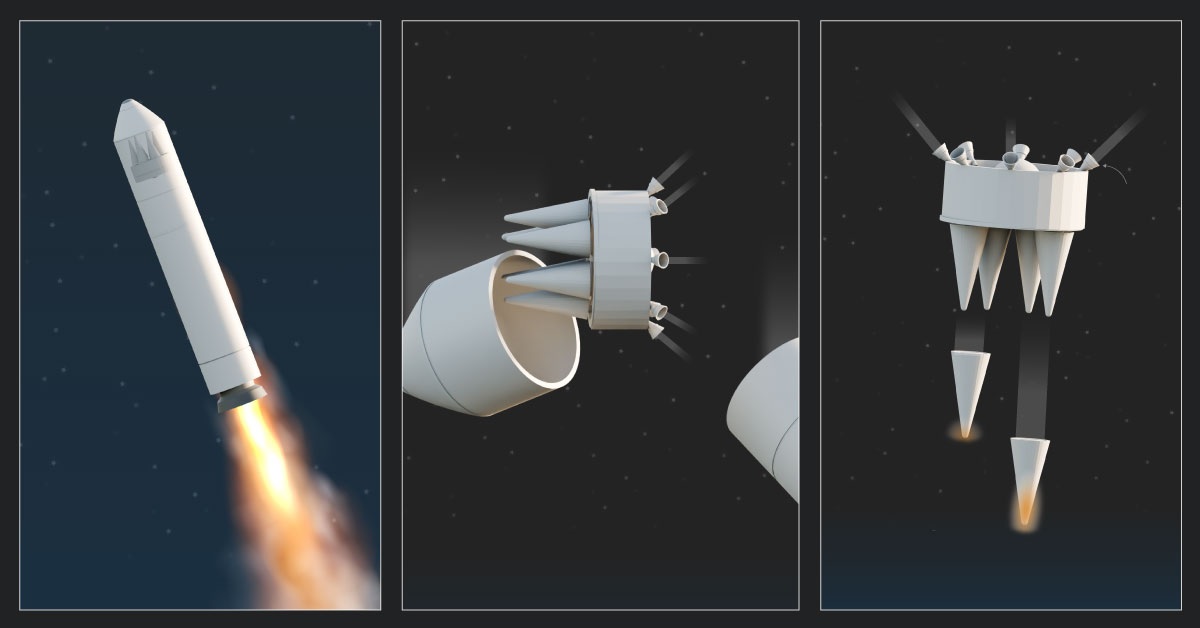
World
Russian President Vladimir Putin has made a striking claim about the capabilities of the “Oreshnik” warheads, asserting that they can endure extreme temperatures comparable to those found on the Sun. The statement, made during the Future Technologies Forum on February 21, has sparked widespread curiosity and speculation about Russia’s advancements in military technology. The Mystery Behind Oreshnik The Oreshnik system, also known as RS-26, has been a subject of secrecy for years. Initially conceived in the late 1980s, its development was reportedly stalled due to a lack of suitable materials at the time. Putin’s latest revelation suggests that Russian scientists have now overcome those limitations, potentially making the warheads more resistant to heat and other extreme conditions. However, the Russian president did not elaborate on what materials or technologies enable such resistance. If the warheads can truly withstand temperatures comparable to the Sun’s surface, which can exceed 5,500 degrees Celsius (9,900 degrees Fahrenheit), it would represent a groundbreaking advancement in missile technology. Strategic Implications and Global Concerns Putin’s remarks come at a time of heightened geopolitical tensions and an ongoing arms race involving major military powers. The ability to create heat-resistant warheads could have significant implications for missile defense systems, as it might enable these weapons to survive high-speed atmospheric re-entry and counter modern interception technologies. Experts are now debating what this claim could mean for global security. Some believe that this could enhance Russia’s strategic deterrence, particularly against missile defense shields employed by NATO and the United States. Others caution that without independent verification, the claim remains speculative. What’s Next? While Putin’s announcement has drawn attention, Russia has not disclosed any details about the composition, operational readiness, or deployment plans of the Oreshnik system. Defense analysts and intelligence agencies will likely scrutinize any upcoming Russian missile tests for signs of this new technology. For now, the world remains in the dark about whether Oreshnik truly represents a game-changing military advancement or if Putin’s remarks are part of a broader strategic narrative aimed at asserting Russian military superiority.
Read More → Posted on 2025-02-21 15:54:15Search
Top Trending in 24 Hours
-
 Russia Receives North Korean KN-30 Ballistic Missiles as Moscow Expands Its Missile Arsenal
-
 Kongsberg Wins $120 Million Contract for More Protector RS4 Systems for Canadian Army
-
 Castelion Secures $1 Billion Funding to Scale Production of Blackbeard Hypersonic Missile
-
 Saildrone and Lockheed Martin Successfully Fire Two JAGM Missiles in First Live-Fire Test from Unmanned Vessel at RIMPAC 2026
-
 Lockheed Martin Demonstrates AI-Powered Sonar System With U.S. Navy at RIMPAC 2026
-
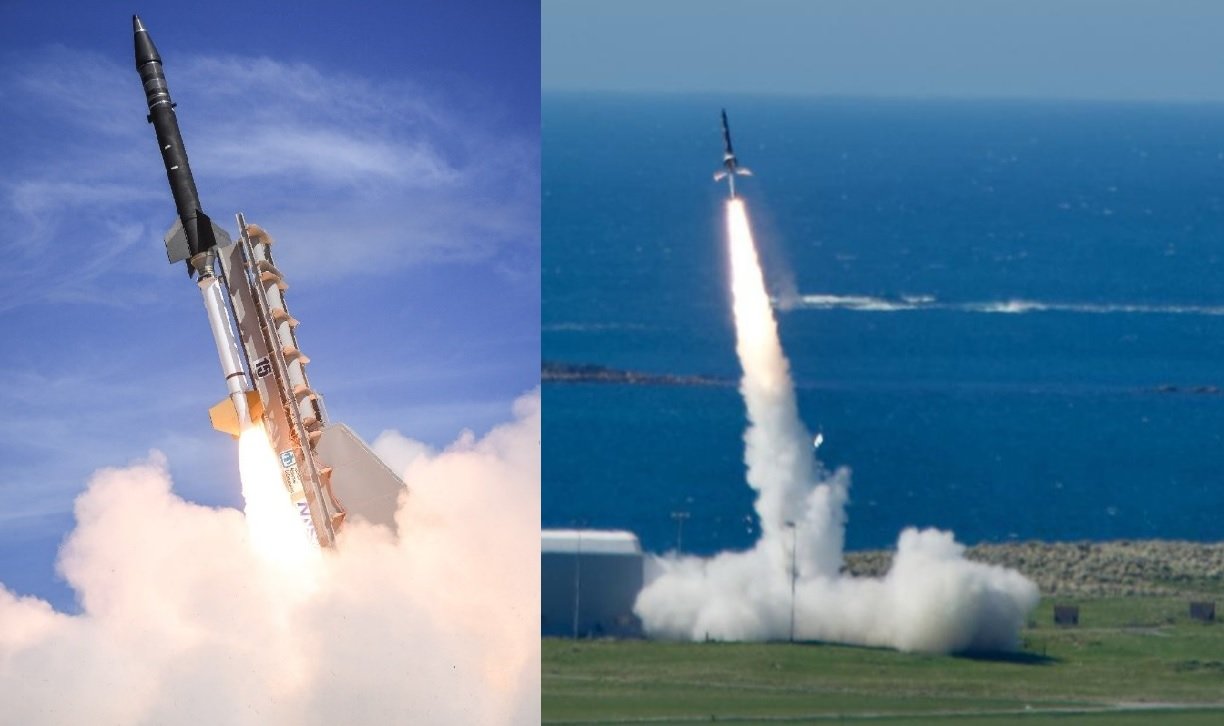 US Navy Launches ARAV-6 Missile Target During Multinational Pacific Dragon 2026 Exercise
-
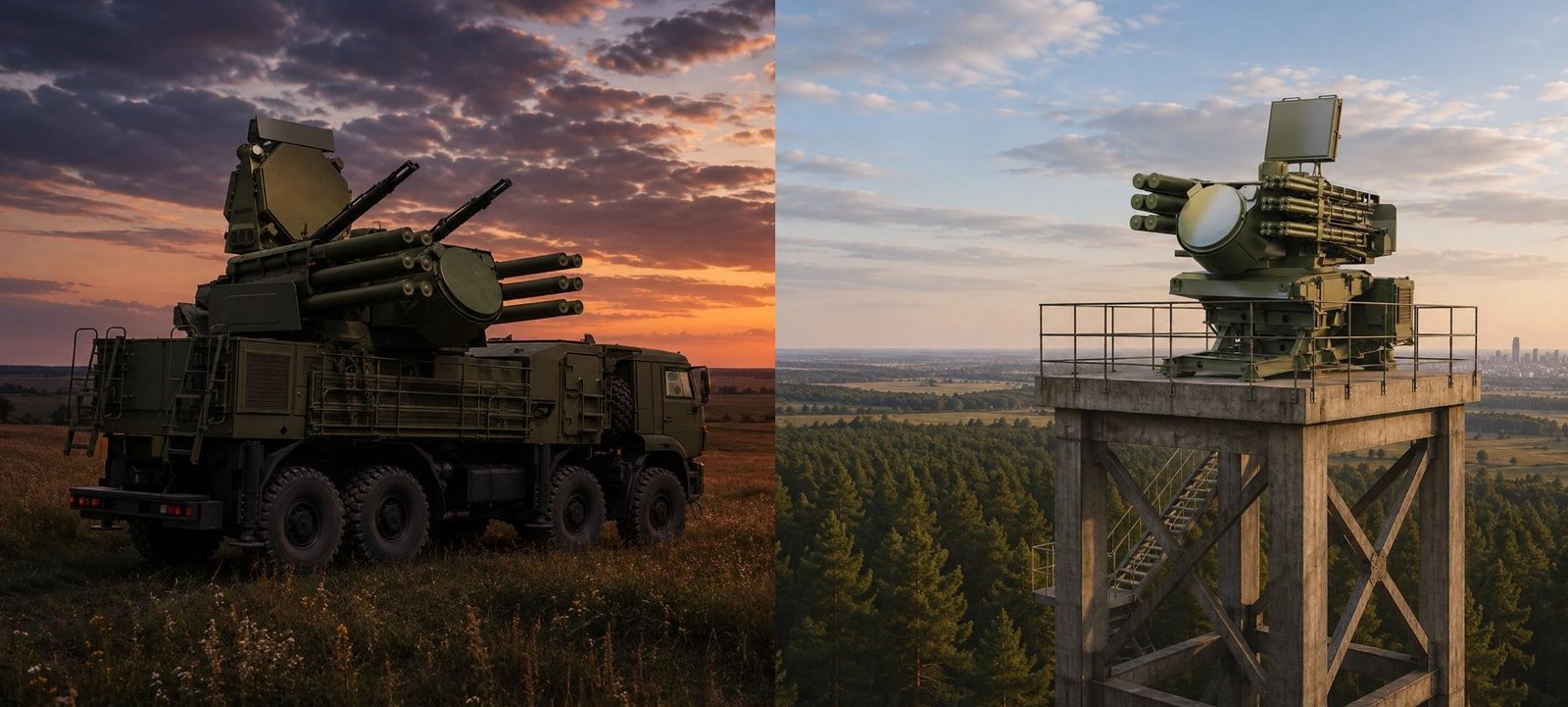 Russia Receives New Batch of Pantsir-S and Pantsir-SMD Air Defense Systems
-
 Russian Forces Strike Military-Industrial and Logistics Sites in Kyiv and Kyiv Oblast
Top Trending in 4 Days
-
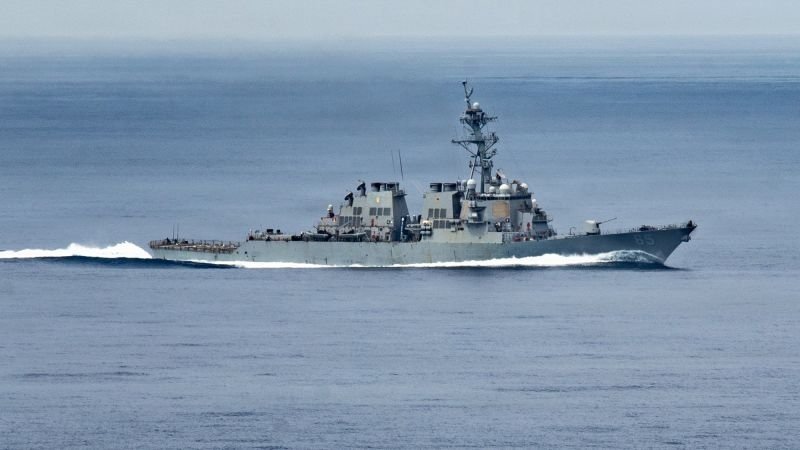 U.S. Navy Destroyer USS Benfold Spent Four Days Without Power in South China Sea After Generator Failure
-
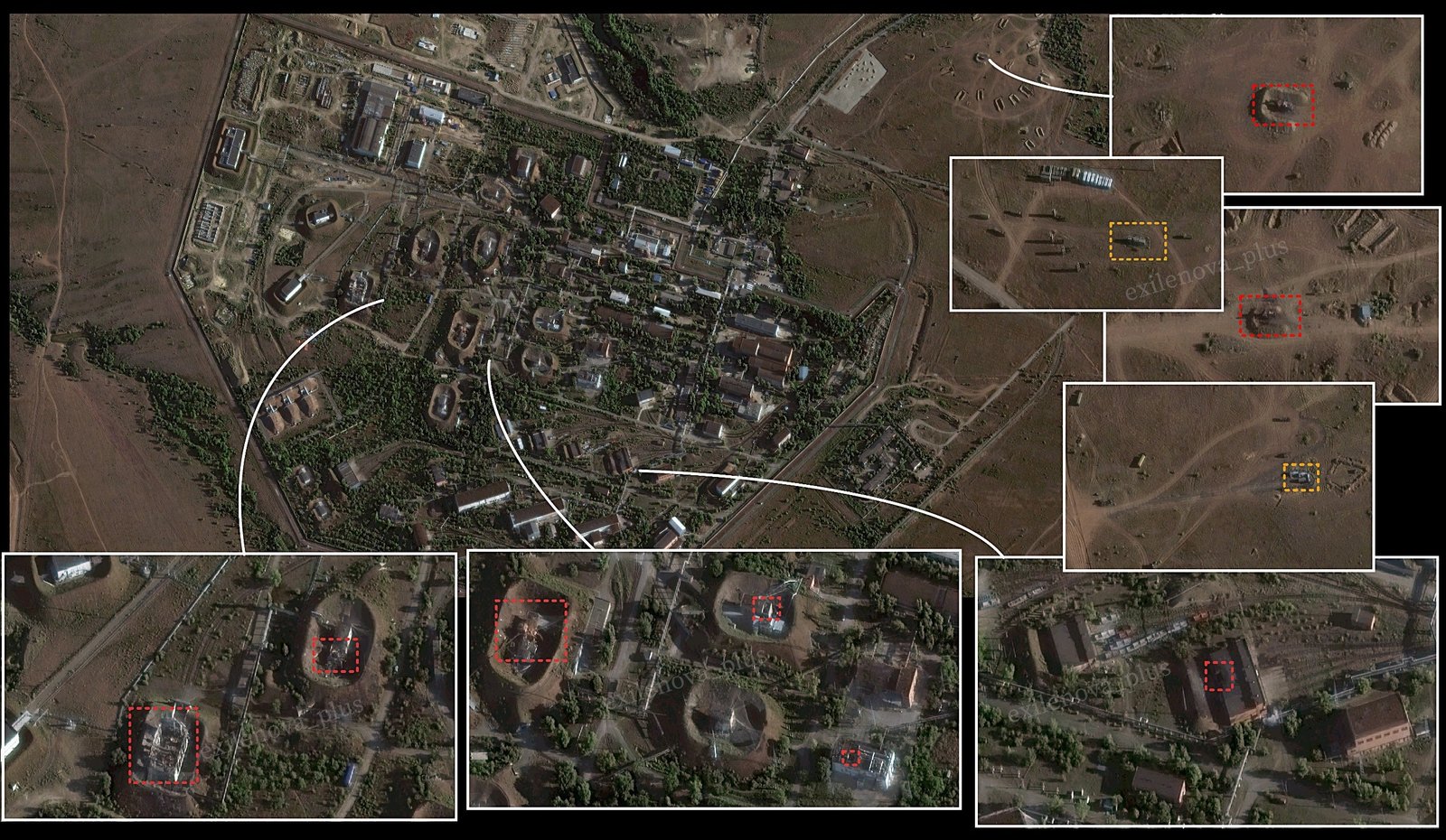 Satellite Images Show Ukrainian Drone Strike Hits Russian Rocket Fuel Plant and Air Defense Systems in Rostov Region
-
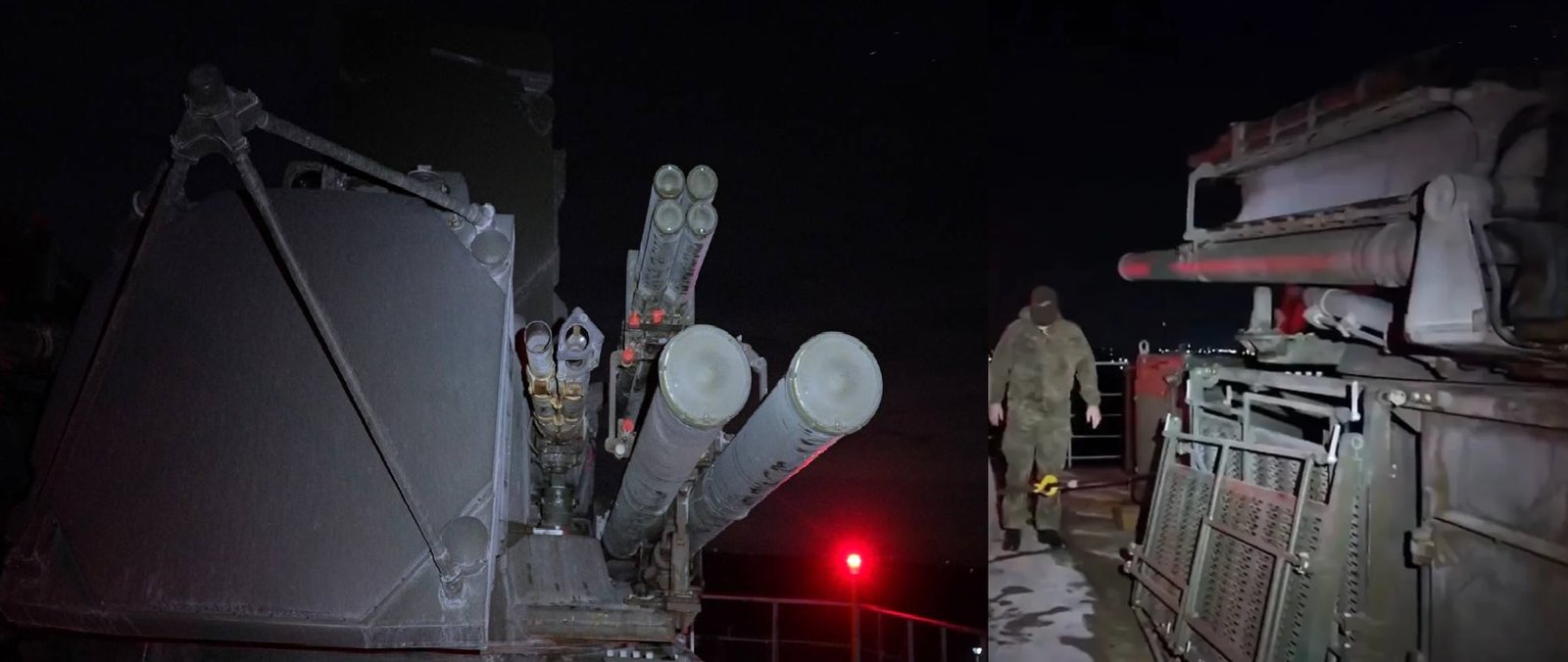 Russia Expands Moscow’s Anti-Drone Defense Network With Specialized 35-Meter Towers for Pantsir Systems
-
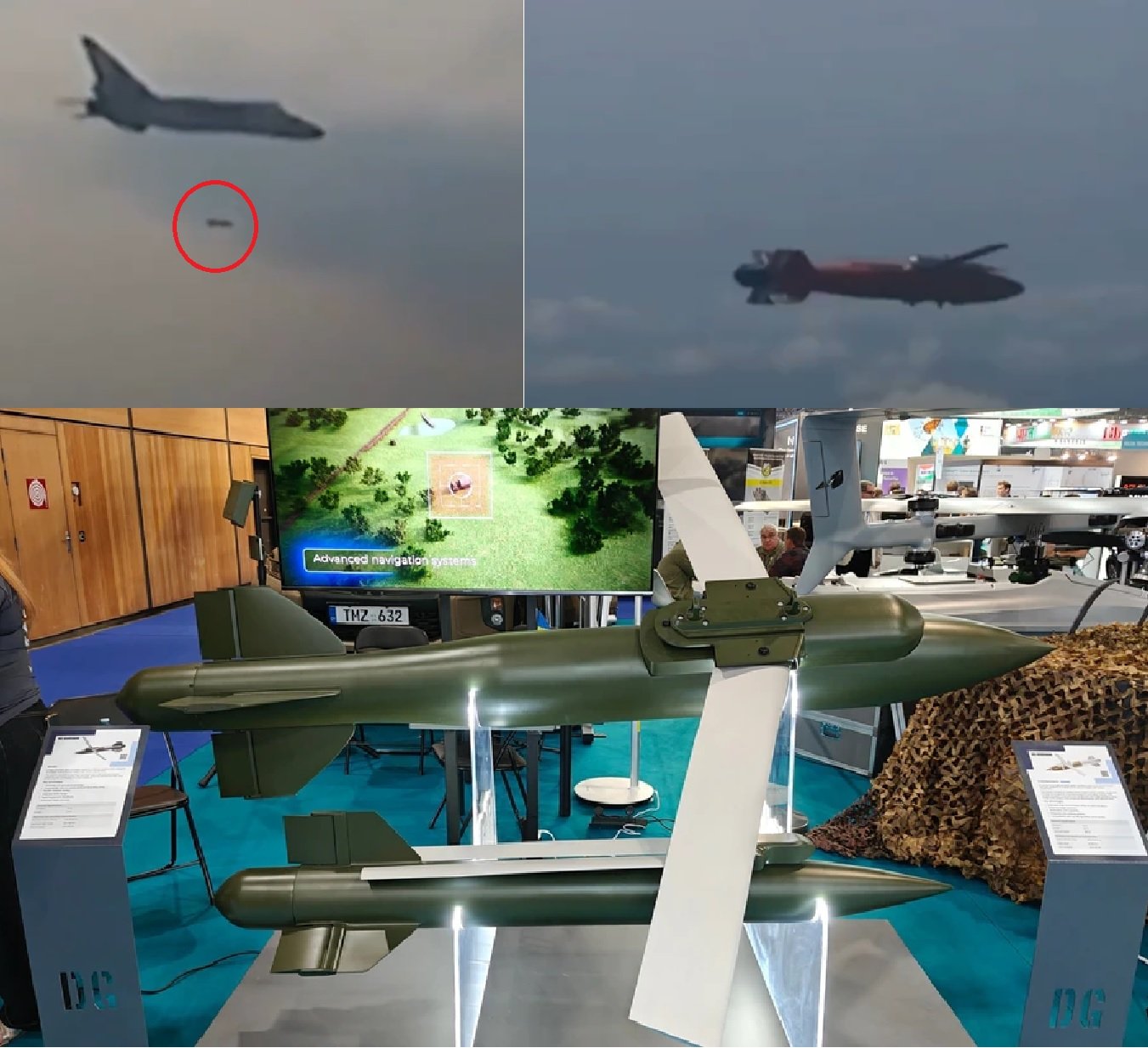 Ukraine Begins Procurement of Vyrivniuvach Guided Aerial Bomb
-
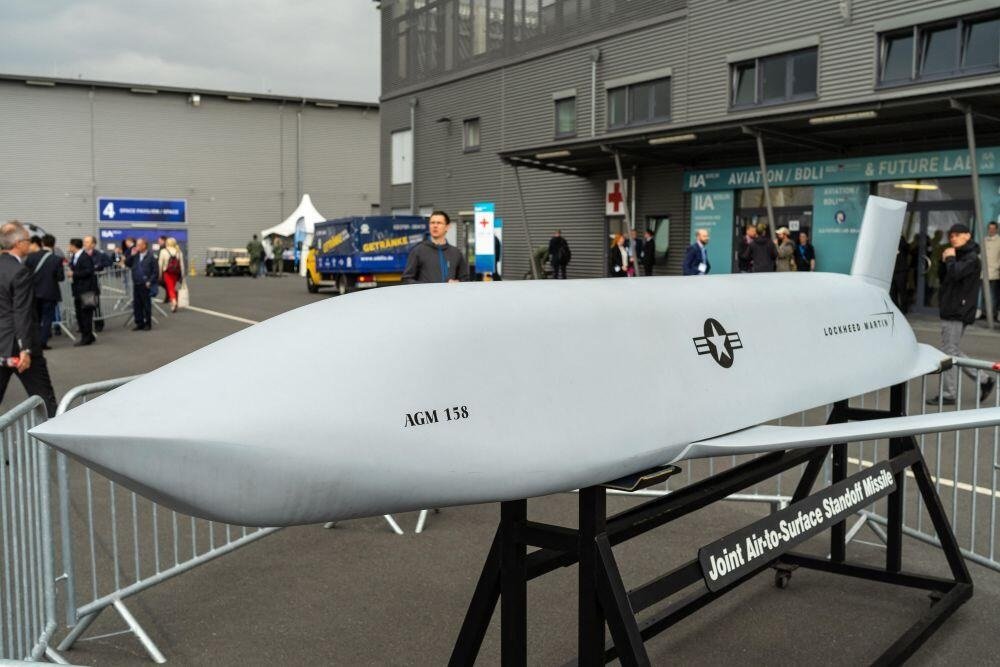 U.S. Air Force Selects GE-Kratos F143 Engine as Second Engine Source for JASSM Missile
-
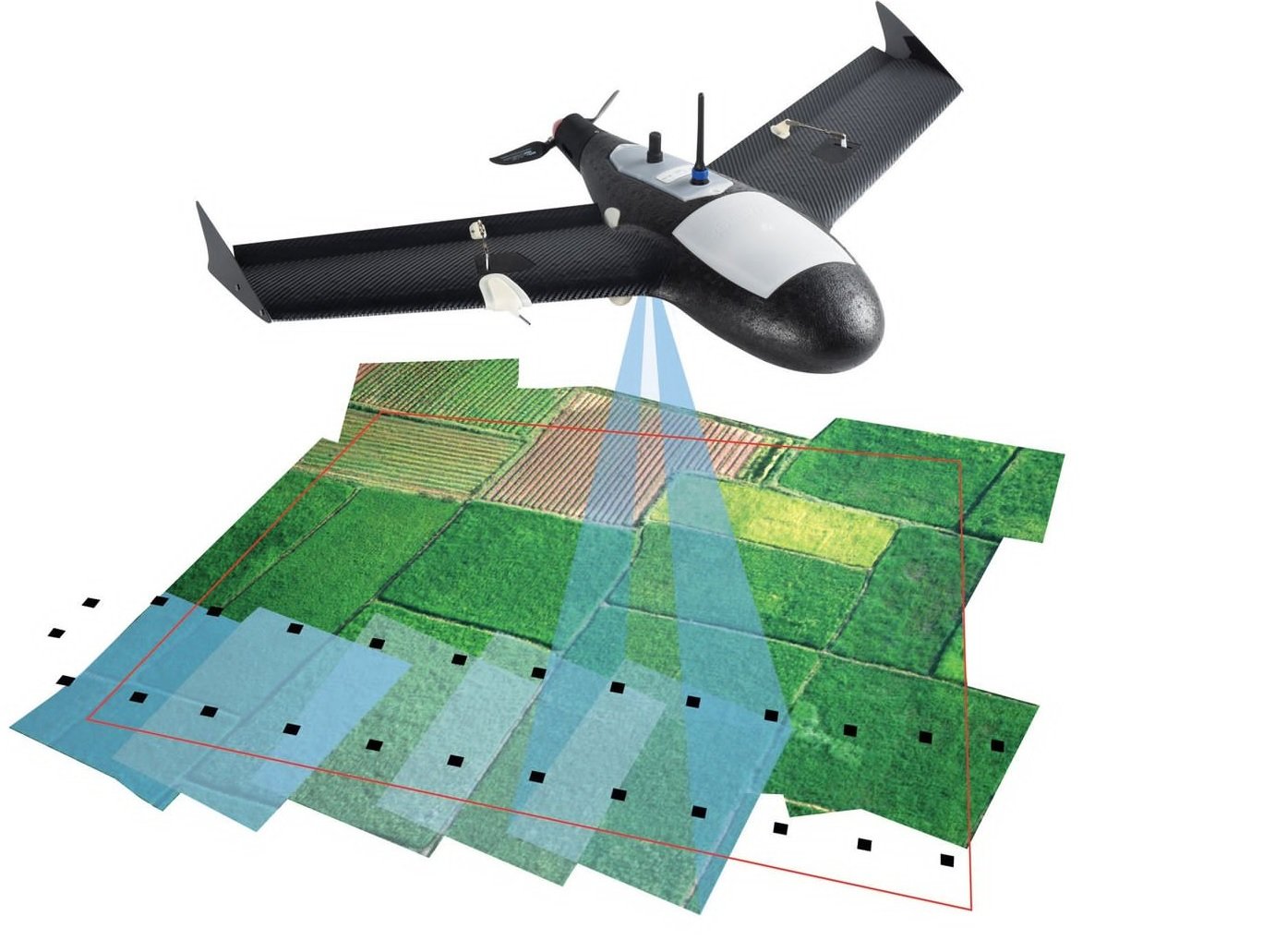 Russia Develops 'Martian' Camera-Based Navigation Independent of GPS and Radio Signals for Drones
-
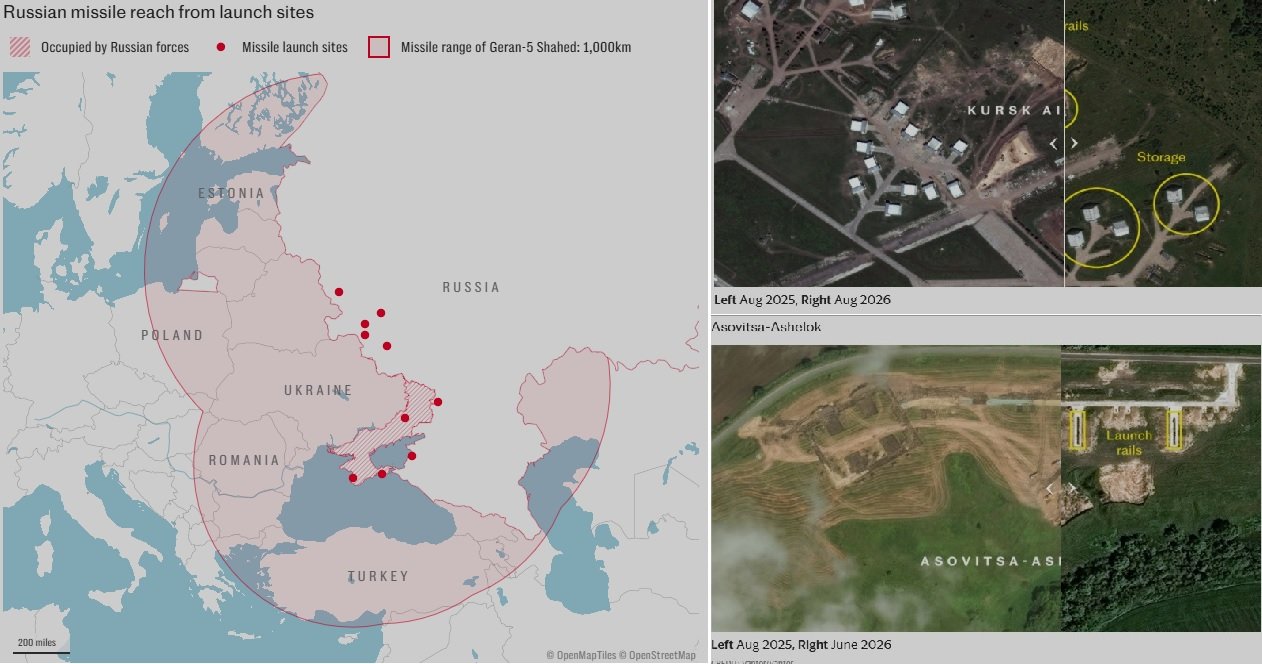 Russia Expands Drone Launch Network Near Ukraine and Belarus Borders, Putting NATO Territory Within Range
-
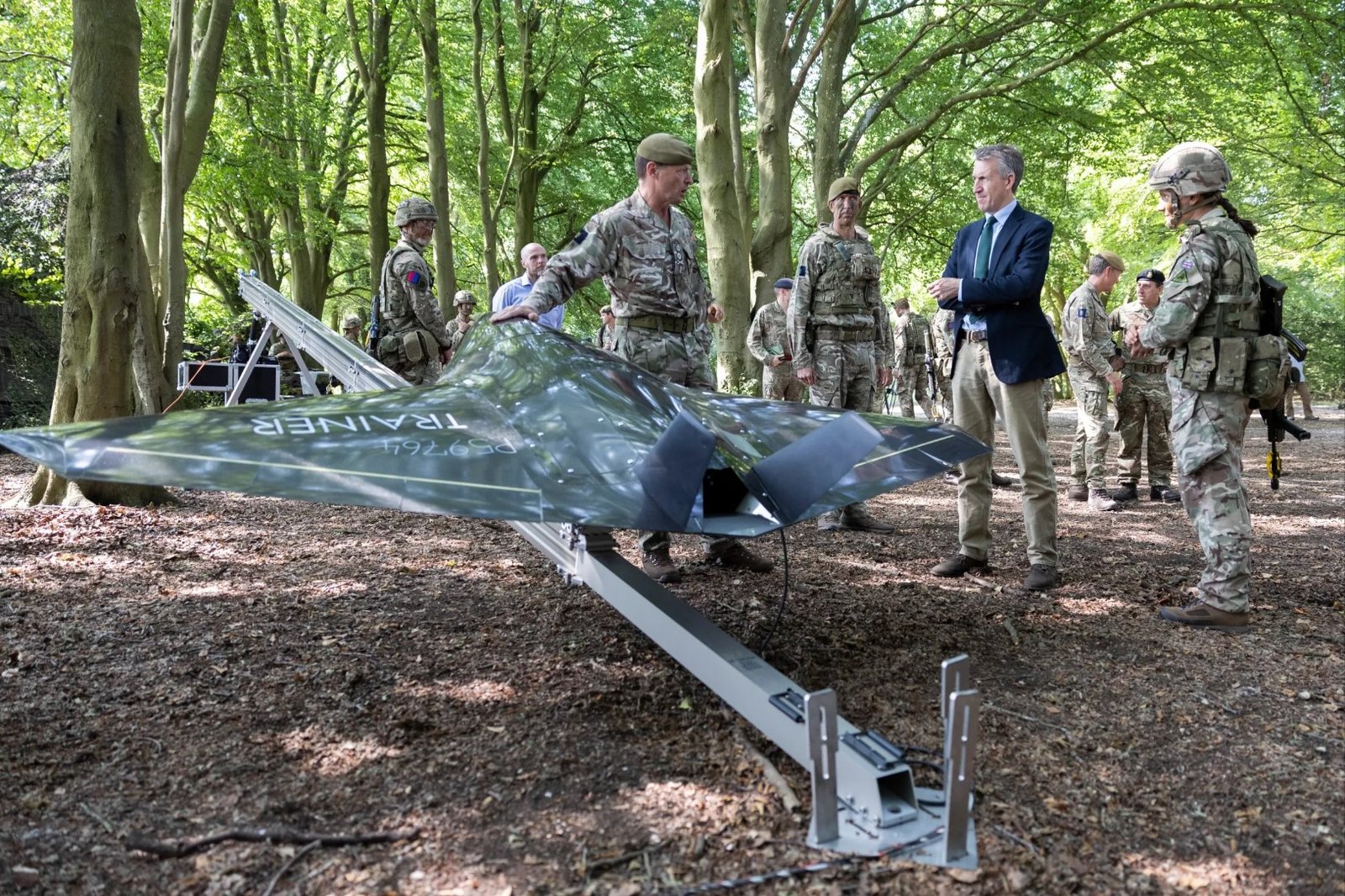 Russia Warns UK of ‘Consequences’ Over British Drones Used by Ukraine in Strikes on Russian Territory
