
World
North Korean leader Kim Jong Un has called for the development of a strong and modernized military to prepare for any potential conflict. During a visit to the Kang Kon Military Academy, Kim emphasized the need for an advanced army that could effectively respond to the evolving nature of warfare. His remarks come at a time when North Korea has reportedly deployed thousands of troops to Russia, assisting Moscow in its ongoing war against Ukraine. Kim's visit to the military academy follows his tour of the Kim Il Sung University of Politics, where he reinforced the importance of military loyalty and dedication. South Korean intelligence has suggested that these inspections could be part of North Korea’s broader strategy to send additional forces to Russia. The deployment of North Korean soldiers in Ukraine has already resulted in significant casualties, with Kyiv reporting that over 3,000 North Korean troops have been killed or wounded since early January. At the military academy, Kim criticized the institution for failing to meet the ruling party’s vision of modernity and military excellence. He expressed dissatisfaction with the academy’s outdated facilities and educational approach, stressing the urgent need for improvements. He directed officials to upgrade the institution, ensuring that military training incorporates real-world combat experiences and advanced weaponry. Kim's push for military modernization is closely tied to the shifting geopolitical landscape, where conflicts and hostilities are becoming increasingly widespread. He described the current global situation as one where imperialist aggression and war are more prevalent than ever. To counter these challenges, he underscored the need for North Korea’s armed forces to be fully prepared for combat, mastering the latest military technologies and tactics. Meanwhile, South Korean officials have raised concerns that North Korea’s involvement in Russia’s war could provide Pyongyang with valuable battlefield experience and insights into modern military strategies. The collaboration between North Korea and Russia has heightened tensions in the region, drawing sharp warnings from the international community. As Kim continues to focus on military strengthening, his latest directives signal a clear intent to ensure that North Korea’s forces remain combat-ready, fully equipped, and aligned with his long-term vision of a powerful and technologically advanced army.
Read More → Posted on 2025-02-26 14:09:59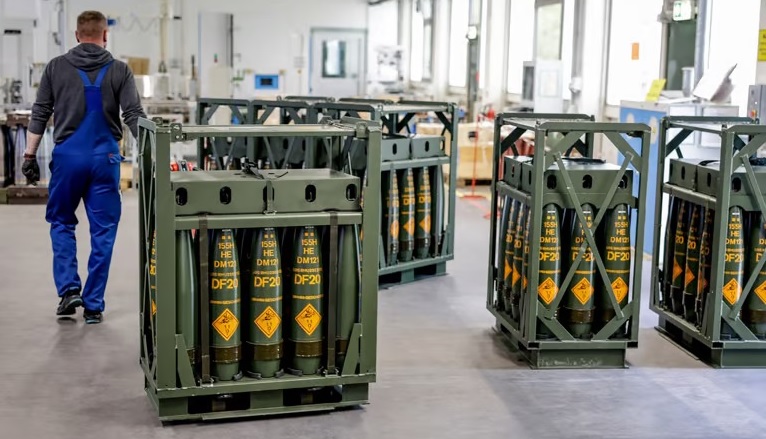
World
A major boost to Lithuania’s defence sector is underway as German defence giant Rheinmetall, in collaboration with Lithuanian firms, prepares to launch a state-of-the-art artillery ammunition factory. The facility, located in Baisogala, Radviliškis district, is expected to become operational by early 2027, reinforcing Lithuania’s military capabilities and economic resilience. Jose Manuel Fernandez Bosch, CEO of Rheinmetall Expal Munitions, confirmed the project’s timeline after meeting with Lithuanian Economy and Innovation Minister Lukas Savickas in Vilnius. He noted that construction and planning were progressing smoothly, ensuring the factory would be ready as scheduled. The factory will specialize in manufacturing 155mm artillery ammunition, a critical asset in modern warfare, particularly as Lithuania continues to strengthen its defence posture amid regional security concerns. The project is being developed in partnership with Lithuania’s state-owned enterprises, including Epso-G Invest, a subsidiary of the energy group Epso-G, and Giraitės Ginkluotės Gamykla (GGG), a well-established local defence company. Minister Savickas highlighted the broader implications of the project, emphasizing that Lithuania is steadily building a more robust defence industry ecosystem. He acknowledged ongoing discussions about potential future collaborations with Rheinmetall, although no specific projects were disclosed. Beyond its military significance, the new facility is expected to generate substantial economic opportunities. Various industries, including construction, logistics, and equipment servicing, stand to benefit from the investment, creating jobs and boosting local businesses. The establishment of the Baisogala factory aligns with Lithuania’s long-term strategy to enhance its industrial base while contributing to regional security and economic development. With Europe facing an evolving geopolitical landscape, the country is taking proactive steps to ensure self-reliance in defence production. As Rheinmetall and Lithuania push forward with this initiative, the project underscores the growing importance of strengthening domestic defence industries to meet both national and allied security needs.
Read More → Posted on 2025-02-26 14:06:21
India
India has set a bold target of reaching ₹50,000 Crores in defence exports by 2029, marking a significant step in its journey toward self-reliance in the defence sector. Defence Minister Rajnath Singh recently announced this ambitious goal, highlighting the country’s remarkable progress in defence manufacturing and exports. Over the past decade, India's defence exports have surged from a modest ₹2,000 Crores to over ₹21,000 Crores, with the financial year 2023-24 alone witnessing a record-breaking ₹23,000 Crores in exports. This growth reflects India’s increasing prominence in the global defence market and its ability to produce high-quality, indigenous military equipment. A major contributor to this success is India’s strong push for self-sufficiency in defence production. The country has already achieved 88% self-reliance in ammunition manufacturing and is supplying Made-in-India defence equipment to nations such as the Philippines, Vietnam, and Armenia. This expansion into global markets aligns with India's broader strategy to establish itself as a key player in international defence trade. To further drive exports, India is investing heavily in cutting-edge technologies like Artificial Intelligence (AI), machine learning, and cyber warfare capabilities. Defence Minister Rajnath Singh stressed the need for mastering these frontier technologies, which are shaping modern warfare beyond traditional battlefields. As warfare increasingly involves cyber threats and AI-driven strategies, India is positioning itself to be at the forefront of this evolving landscape. The government has also taken several policy initiatives to support defence manufacturing and exports. The establishment of Defence Industrial Corridors and the introduction of Positive Indigenisation Lists are designed to enhance indigenous production and reduce dependency on foreign imports. These efforts, coupled with public-private sector collaboration, are expected to drive India's defence exports to new heights. Rajnath Singh also emphasized the crucial role of research institutions like the Indian Institutes of Technology (IITs) in fostering innovation in defence technology. By integrating academia, industry, and government efforts, India aims to create a robust ecosystem that not only meets its own security needs but also contributes significantly to global defence markets. With this ambitious export target, India is not only strengthening its defence industry but also reinforcing its strategic position on the world stage. If the current trajectory continues, India is well on its way to becoming one of the top defence exporters globally by the end of the decade.
Read More → Posted on 2025-02-26 14:03:36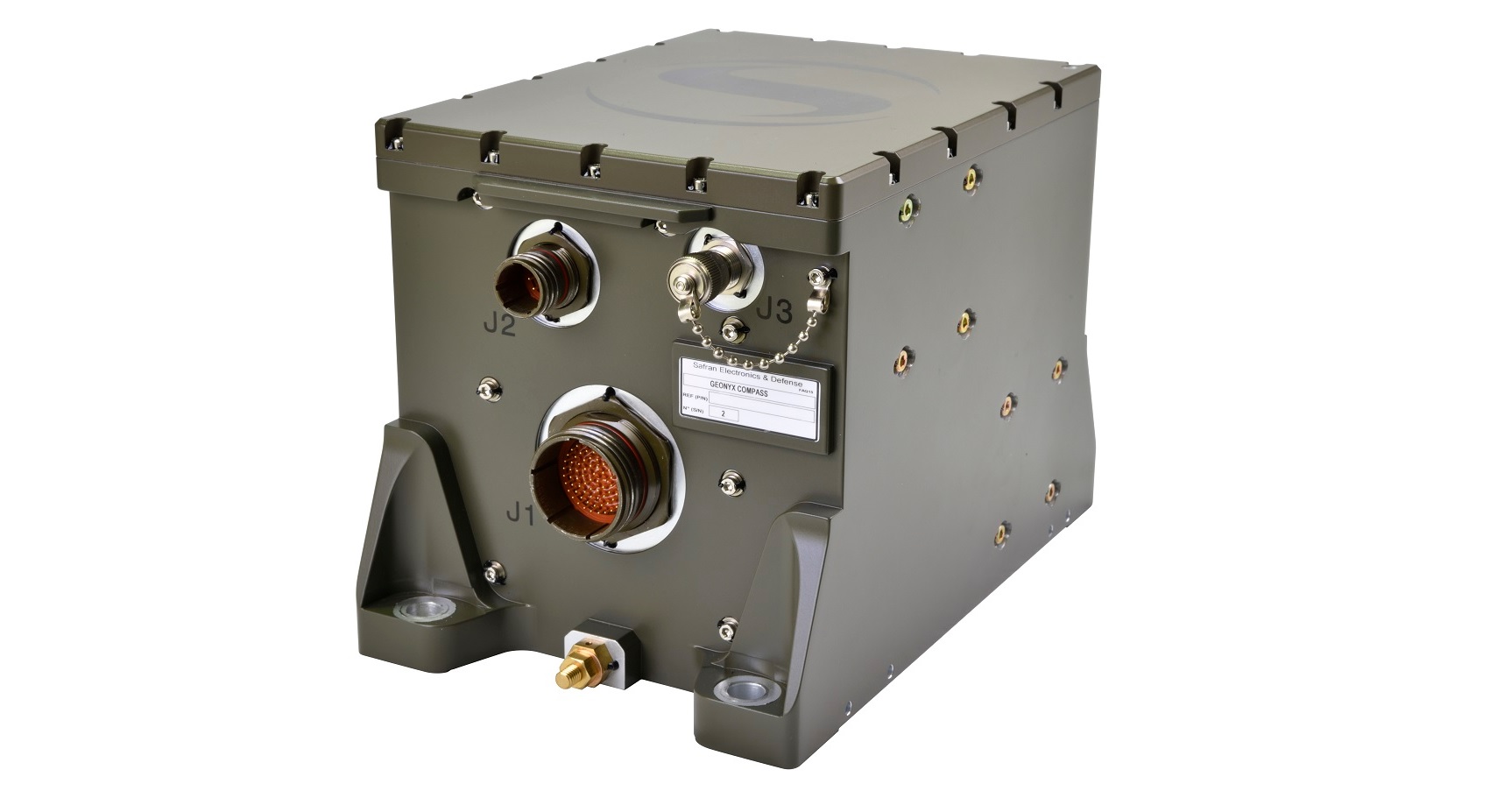
World
Finland is set to enhance the precision of its artillery forces with the integration of Safran Electronics & Defense’s advanced Geonyx Inertial Navigation Systems (INS). The Finnish Defence Forces have signed a long-term contract with Safran, covering the period from 2024 to 2031, to equip their military with state-of-the-art navigation and targeting technology. At the core of this deal is Safran’s Geonyx system, which utilizes HRG Crystal technology—an innovation that ensures highly accurate navigation and artillery pointing, even in environments where GPS signals may be jammed or unavailable. This capability is crucial for modern military operations, where uninterrupted accuracy can determine battlefield effectiveness. The Geonyx INS is specifically designed to withstand extreme conditions. Its compact and shock-resistant architecture allows seamless integration into a wide range of military platforms, including self-propelled guns, towed artillery, and mobile radar units. This adaptability makes it a strategic asset for Finland’s defense forces, ensuring superior precision in targeting and fire support missions. By choosing Safran, Finland is aligning itself with a globally recognized leader in inertial navigation technology. More than 1,000 Geonyx units have already been delivered worldwide, proving their reliability and performance in various defense applications. The contract not only strengthens Finland’s military capabilities but also reinforces Safran’s role in providing cutting-edge, cost-efficient solutions for modern warfare. The collaboration between Safran and the Finnish Defence Forces underscores a shared commitment to technological excellence and operational readiness. With the integration of Geonyx systems, Finland’s artillery units will gain a significant edge, ensuring accurate and effective firepower in any combat scenario.
Read More → Posted on 2025-02-26 14:00:29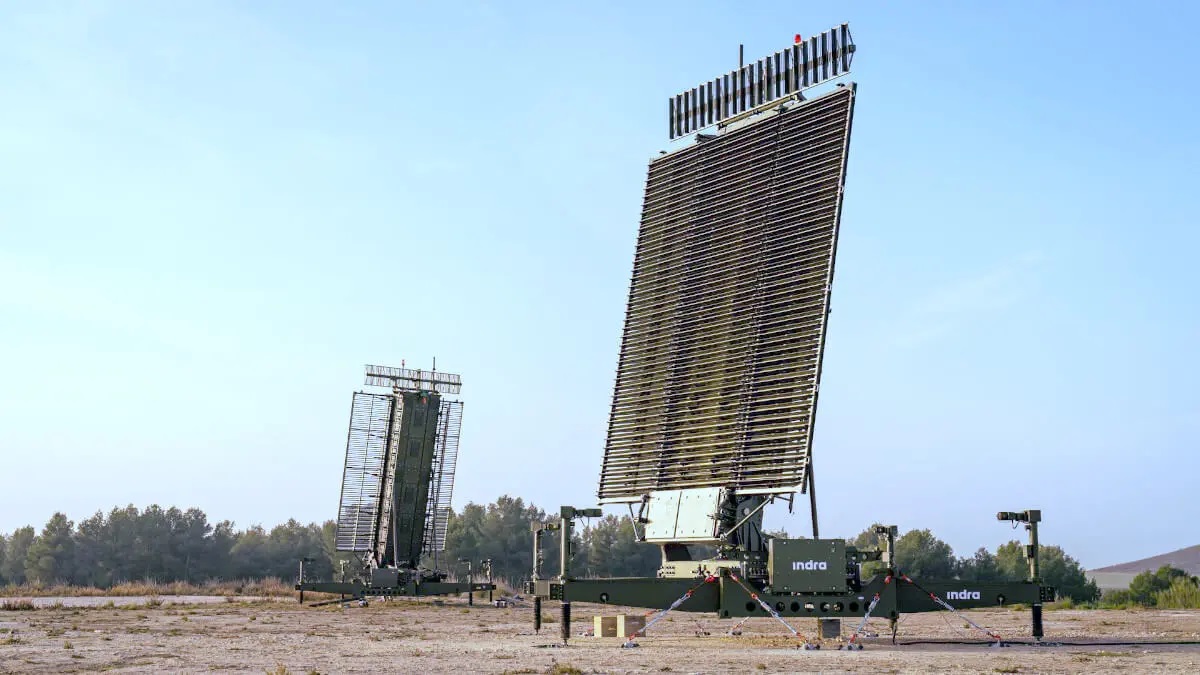
World
The Spanish Armed Forces have deployed an LTR 25 long-range detection radar in Romania as part of NATO’s efforts to strengthen air surveillance on its eastern flank. The radar is stationed in Cataloi, in the eastern part of the country, where a 40-member Spanish “Tigru” detachment is overseeing operations to enhance the deterrence and defense of allied nations. Equipped with advanced capabilities, the LTR 25 radar provides extended-range airspace monitoring, covering regions from Moldova to the Turkish coast. Designed with a fully modular and scalable architecture, it can be transported via air, sea, rail, or road, ensuring operational flexibility. The system specializes in detecting non-cooperative aircraft, employs anti-clutter features, and integrates a simplified operational control system for user-friendly operation. Spain’s deployment of the radar aligns with NATO’s broader security measures to reinforce its eastern borders, particularly following Russia’s invasion of Ukraine. In 2022, Madrid committed to supporting NATO’s deterrence efforts by sending fighter jets to Romania. As part of this initiative, Spain deployed eight F-18M fighter jets along with 130 air force personnel to Bucharest. Since 2014, NATO has ramped up security initiatives in Romania under its Enhanced Air Policing (eAP) mission, a direct response to Russia’s annexation of Crimea. The mission involves monitoring European airspace for aircraft flying without a transponder signal, radio contact, or an approved flight plan. Any detected anomalies are relayed to NATO’s Combined Air Operations Centres, including the Torrejón facility in Spain, which assesses threats and determines if Quick Reaction Alert aircraft need to be dispatched for interception. By reinforcing air defense capabilities in Romania, Spain continues to play a vital role in NATO’s collective security strategy, ensuring robust surveillance and readiness in the face of evolving threats in the region.
Read More → Posted on 2025-02-26 13:55:58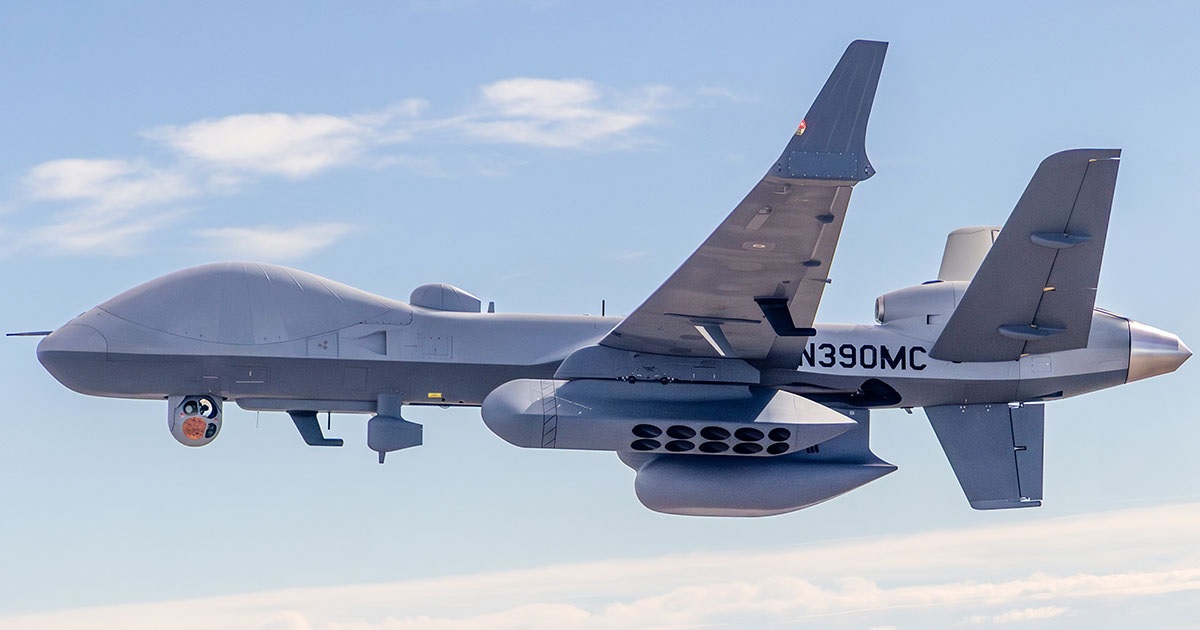
World
General Atomics Aeronautical Systems, Inc. (GA-ASI) has taken a significant step in anti-submarine warfare (ASW) by successfully testing advanced air-dropped sonar technology on its MQ-9B SeaGuardian. In a groundbreaking series of tests conducted from January 20-30, 2025, the unmanned aerial vehicle (UAV) demonstrated its ability to deploy and operate cutting-edge sonobuoys, solidifying its role as a cost-effective alternative to traditional manned ASW platforms. This latest achievement involved the MQ-9B deploying pre-production Sonobuoy Dispensing System (SDS) pods, allowing the UAV to track and analyze submerged targets with high precision. Using Directional Frequency Analysis and Recording (DIFAR), Directional Command Activated Sonobuoy System (DICASS), and Bathythermograph sonobuoys, the SeaGuardian was able to gather critical underwater intelligence while performing real-time acoustic data processing. GA-ASI President David R. Alexander highlighted the test as a major milestone, emphasizing that it proves unmanned aircraft can conduct persistent ASW operations. He noted that the successful deployment of the SDS pods opens new possibilities for the MQ-9B SeaGuardian’s future role in distributed maritime operations. The Naval Air Warfare Center Aircraft Division (NAWCAD) AIRWorks played a vital role in overseeing the development of this capability. This collaboration builds upon GA-ASI’s previous ASW demonstrations, including the Rim of the Pacific (RIMPAC) exercise in July 2024, where the MQ-9B first showcased its potential in naval operations. By integrating high-end ASW capabilities into the MQ-9B at a lower cost than conventional manned systems, GA-ASI is positioning the SeaGuardian as a game-changer for naval forces worldwide. The success of these tests is expected to drive further interest from military customers looking to enhance their maritime surveillance and undersea warfare capabilities.
Read More → Posted on 2025-02-26 13:51:50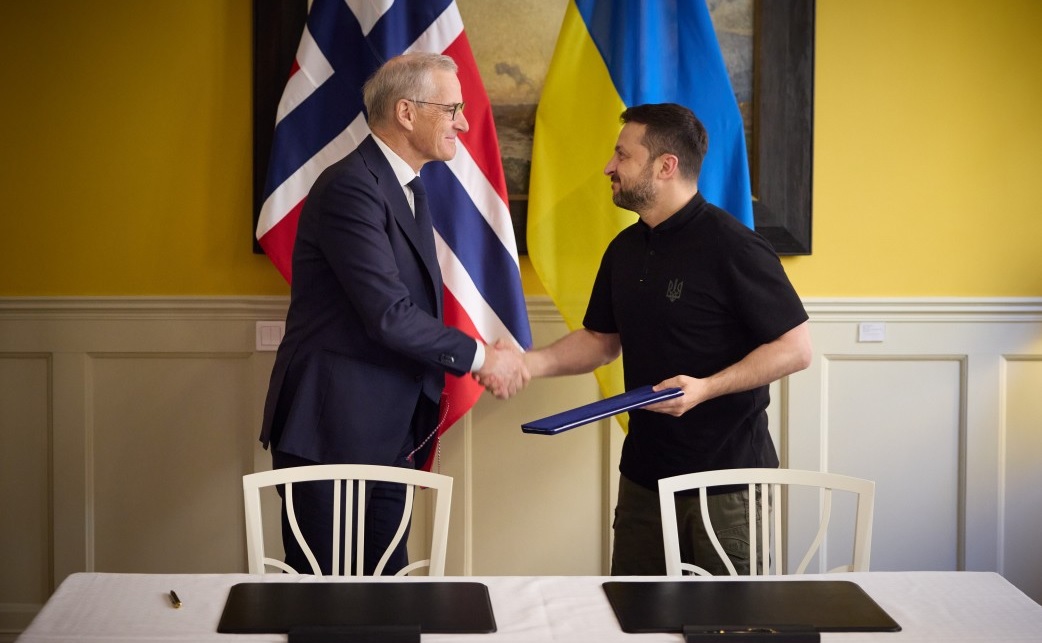
World
Norway has announced a significant commitment of 3.5 billion kroner ($312 million) to strengthen Ukraine’s defense capabilities by directly purchasing military equipment from Ukrainian manufacturers and funding drone procurements for Kyiv. This initiative is part of Oslo’s broader strategy to support Ukraine’s war efforts while fostering closer industrial and technological cooperation between the two nations. Recognizing the importance of local defense production, Norwegian officials emphasized that buying equipment from Ukrainian firms would enhance Ukraine’s manufacturing capacity, a crucial element in sustaining its military resistance. Norwegian Prime Minister Jonas Gahr Støre highlighted that these purchases not only supply Kyiv with much-needed equipment but also contribute to strengthening Ukraine’s long-term defense infrastructure. As part of this effort, Norway will also allocate 600 million kroner ($53 million) specifically for acquiring drones and advancing drone technology for the Ukrainian armed forces. Drones have played a critical role in Ukraine’s military operations, from reconnaissance to precision strikes, and this funding aims to improve their effectiveness on the battlefield. Norway’s Expanding Military Assistance to Ukraine This latest funding aligns with Norway’s long-term commitment to supporting Ukraine. From 2023 to 2030, Oslo has pledged at least 155 billion kroner ($13.8 billion) in military and financial aid to Kyiv. In January, Norway announced its largest-ever military assistance package, allocating $2.05 billion for Ukraine in 2024 alone. Additionally, the Scandinavian nation contributed 700 million kroner ($62 million) to a multinational initiative focused on procuring drones, further reinforcing Ukraine’s technological edge in combat. Norway has also actively participated in European collaborative efforts to bolster Ukraine’s military industry. Last November, it pledged 500 million kroner ($44 million) in support of a Danish-Ukrainian program to procure military equipment from Ukrainian defense firms. Furthermore, in August, Norway approved the transfer of Nammo defense technology to a Ukrainian company, facilitating the production of 155mm artillery shells, which are crucial for Kyiv’s ongoing fight against Russian aggression. With this latest funding push, Norway continues to be a strong European ally for Ukraine, ensuring that the country has both immediate and long-term capabilities to defend itself against Russian forces.
Read More → Posted on 2025-02-26 13:48:57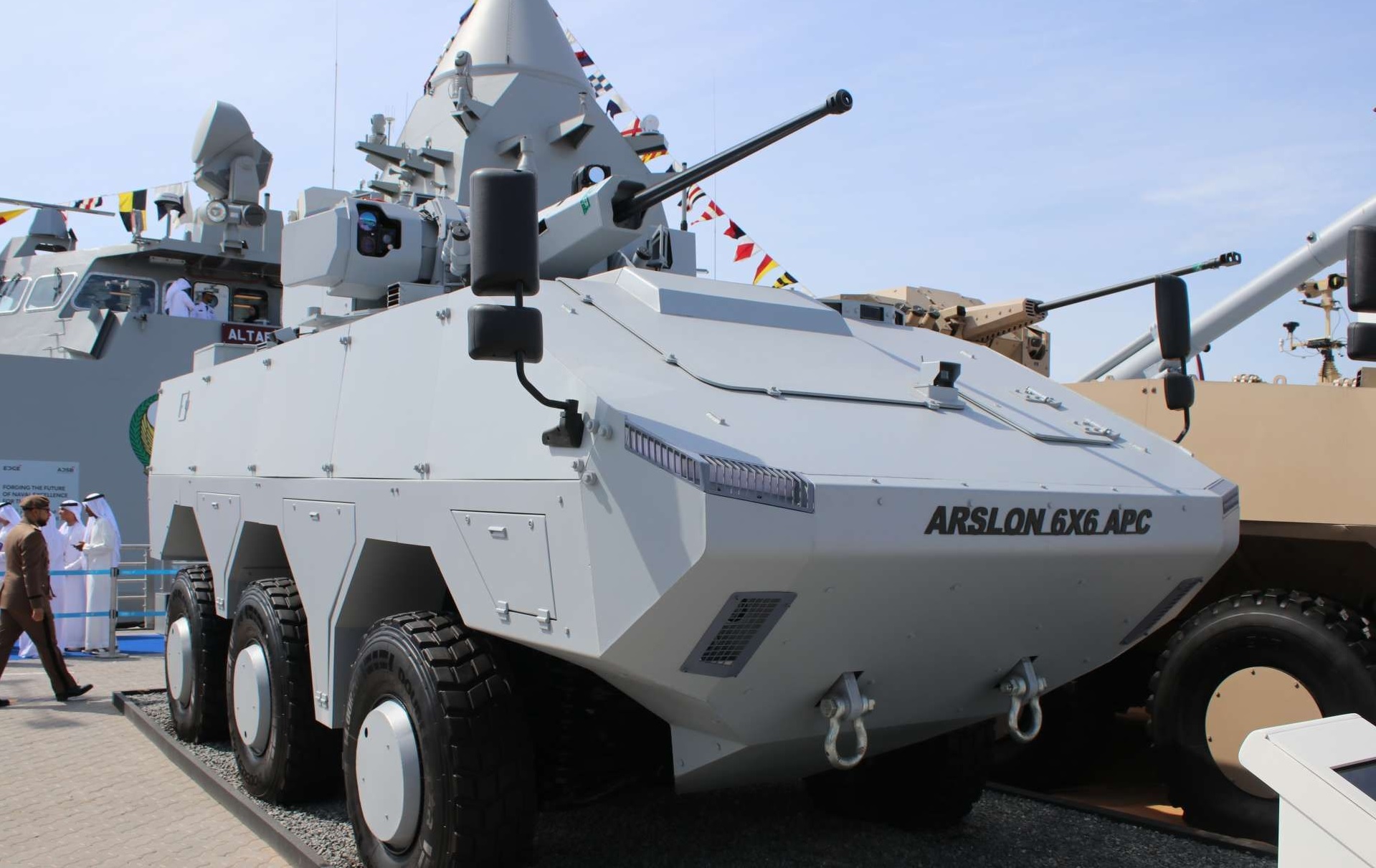
World
Uzbekistan’s Havztez has taken a bold step into the international defense market by unveiling its new Arslon armored personnel carrier (APC) family at IDEX 2024. In an unusual display arrangement, the company's land vehicles were showcased at NAVDEX, a naval exhibition, instead of the main land-focused event, drawing significant attention from military experts and potential buyers. This marks the first time the Tashkent-based company has exhibited its Arslon 6×6 and 8×8 APCs on the global stage. For decades, the Uzbek Ground Forces have relied on Soviet-era armored vehicles, primarily the BTR-80 and BTR-82. However, with Uzbekistan’s growing cooperation with NATO and the need to modernize its military, the shift towards contemporary, NATO-compatible platforms has become a priority. The Arslon APCs represent this transition, offering advanced firepower, enhanced protection, and modern battlefield connectivity. Arslon 8×8: Power and Protection The Arslon 8×8 is a formidable armored vehicle with a gross weight of 32,000 kg. It is powered by a 600-horsepower diesel engine paired with an Allison 4700SP transmission, delivering a top speed of 100 km/h and an operational range of 700 km. The powerpack is located on the right side of the vehicle, while the left side houses the driver and commander positions, each with their own access hatches. The gunner, positioned inside the hull, operates the unmanned turret. This turret closely resembles the Escribano Guardian 30 and is equipped with a Russian-origin 2A42 Shipunov 30mm autocannon. Unlike Spain’s variant of the Guardian 30, the Arslon 8×8 lacks an independent panoramic sight for the commander and an anti-tank missile launcher. However, it features a battlefield target identification system, laser detection and warning, and a gunshot detection system integrated into its fire control system. The chassis is designed for superior off-road mobility, featuring two evenly spaced axles at the front and rear, with a larger gap in the middle. The vehicle is 8.84 meters long, 3.30 meters wide, and 3.43 meters tall at the turret’s highest point. It boasts an approach angle of 27° and a departure angle of 30°, enabling it to climb 30° inclines, navigate 20° side slopes, and ford water obstacles up to 1.5 meters deep. Its ballistic and blast protection meets Level 4 standards but can be upgraded to Level 5 with an add-on armor kit. Arslon 6×6: Compact Yet Capable The Arslon 6×6 is a lighter and more compact variant, with a gross weight of 21,720 kg and a 450-horsepower engine. Measuring 7.25 meters in length and 2.95 meters in width, it stands taller at 3.5 meters due to its manned turret configuration. Unlike the 8×8, the 6×6 variant is armed with a Northrop Grumman Mk44 Bushmaster 30mm chain gun, mounted on a turret that closely resembles the Elbit Systems MT30. The gunner’s optronic suite is positioned on the right side, while a panoramic sight on the left enables hunter-killer capability. The vehicle retains the same axles as the 8×8, with a 2,000 mm gap between the front and second axle and 1,800 mm between the two rear axles. While mobility performance is identical, base armor protection is slightly lower at Level 3 but can be upgraded to Level 4 with an additional kit. Strategic Implications and Future Prospects At IDEX 2024, multiple defense firms confirmed receiving inquiries from the Ukrainian Ministry of Defense about potential acquisitions. Meanwhile, Uzbekistan appears keen on adopting the Arslon series for its own forces, with trials for the 8×8 variant beginning in mid-2024. The presence of different turrets at the exhibition suggests that the Uzbek military is still evaluating its preferred caliber standard. With a significant number of BMP-2s still in service, the Soviet-era 2A42 cannon remains a familiar choice, but a shift toward NATO-standard Bushmaster II ammunition is highly likely. Havztez’s display also included a 155mm self-propelled howitzer, hinting at further expansion in Uzbekistan’s defense manufacturing capabilities. Whether the Arslon series will be exported or remain an exclusive domestic product remains to be seen, but its unveiling signals Uzbekistan’s ambitions to establish itself as a serious player in the armored vehicle market.
Read More → Posted on 2025-02-25 15:15:49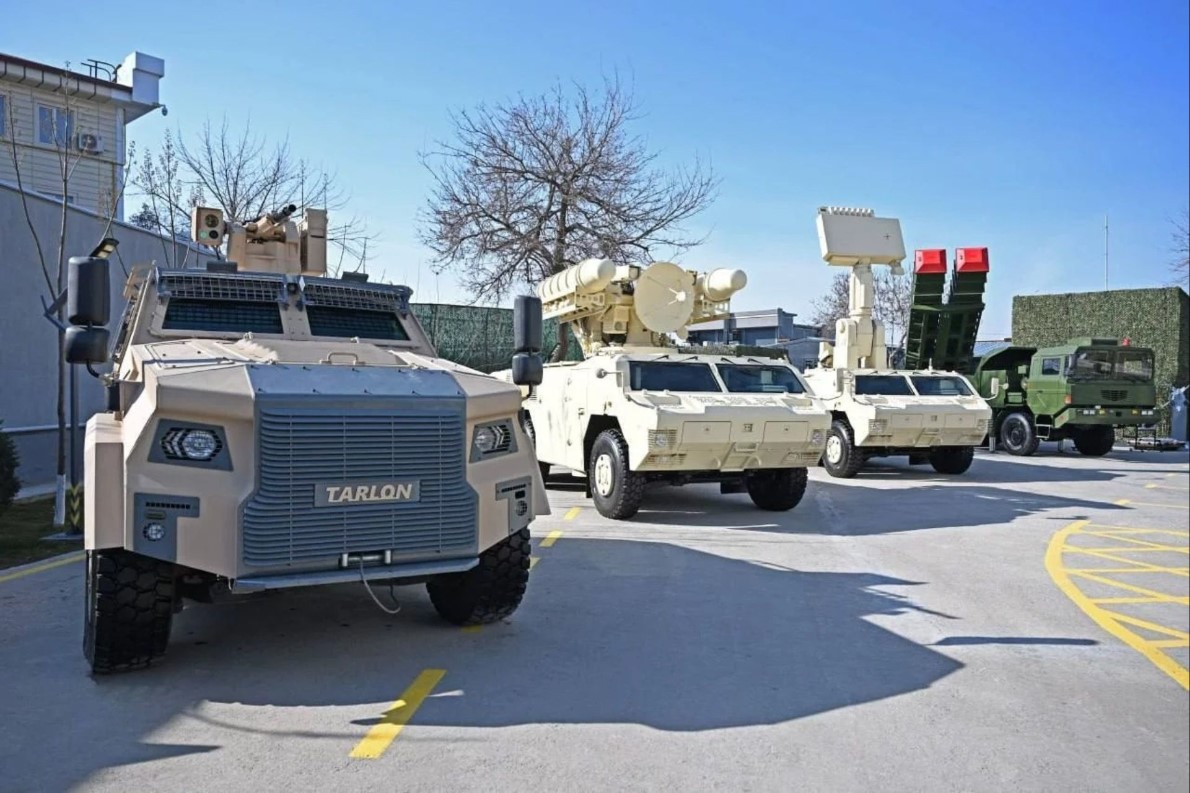
World
Uzbekistan has taken a significant step in modernizing its air defense capabilities by acquiring advanced Chinese-made missile systems. The country has officially introduced the FM-90 short-range surface-to-air missile system and the KS-1C medium-to-long-range air defense system, enhancing its ability to counter aerial threats. This acquisition follows a regional trend, as neighboring Turkmenistan has also adopted a similar layered defense strategy using Chinese air defense systems, including the FD-2000, FM-90, and KS-1C. By incorporating these systems, Uzbekistan is reinforcing its national security and aligning its military strategy with the evolving defense landscape in Central Asia. A Multi-Layered Defense Approach The FM-90 is an advanced version of the HQ-7, specifically designed to intercept low-altitude threats such as enemy aircraft, cruise missiles, and drones. It boasts improved radar tracking, an enhanced guidance system, and highly maneuverable interceptors capable of engaging multiple targets simultaneously. This makes it a crucial element in Uzbekistan’s short-range air defense. On the other hand, the KS-1C is a medium-to-long-range system that provides extended coverage and is capable of engaging high-altitude targets, including aircraft and ballistic missiles. It is equipped with modern radar and fire-control systems, ensuring rapid response and integration within a broader air defense network. Strategic Implications for Uzbekistan By investing in these Chinese-made defense systems, Uzbekistan is strengthening its military cooperation with Beijing while boosting its national security framework. The combination of the FM-90 and KS-1C creates a robust, multi-layered air defense shield that significantly enhances Uzbekistan’s ability to detect, track, and neutralize airborne threats. In an era of evolving security challenges, Uzbekistan's decision to enhance its air defense capabilities demonstrates its commitment to military modernization. This move not only fortifies its defensive posture but also reflects the country’s growing reliance on Chinese military technology to secure its airspace.
Read More → Posted on 2025-02-25 15:12:32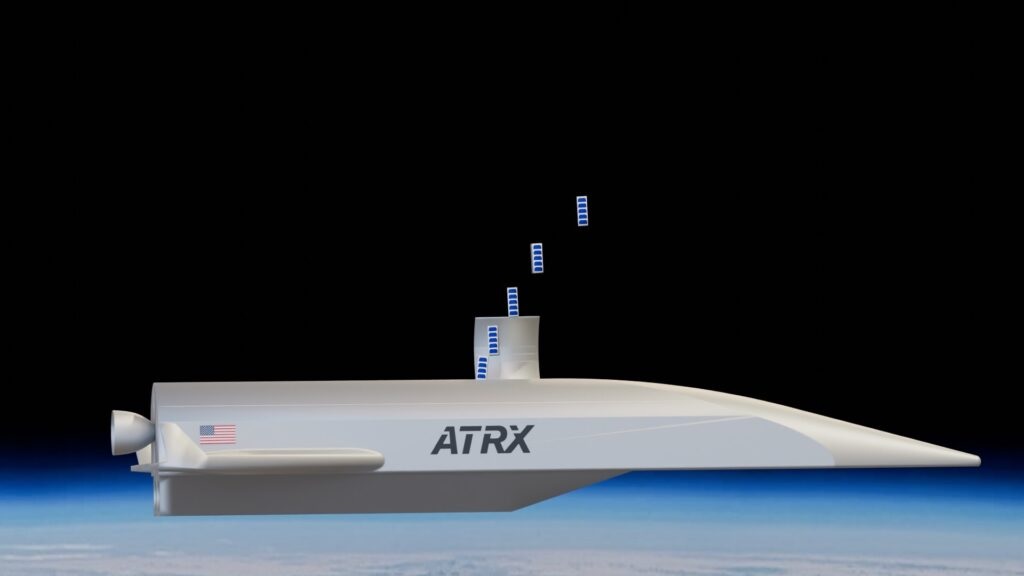
World
Cummings Aerospace and ATRX have announced a strategic partnership to develop cutting-edge unmanned aircraft systems (UAS) capable of supersonic and hypersonic flight. This collaboration is set to revolutionize high-speed drone technology by integrating ATRX’s advanced Air Turbo Rocket (ATR) engine with Cummings Aerospace’s proven Hellhound UAS platform. A Leap in Hypersonic Drone Technology The goal of this partnership is to create cost-effective, high-speed UAS solutions that will enhance military capabilities and pave the way for future space applications. With the increasing demand for hypersonic systems, these drones could play a critical role in modern warfare, giving the U.S. and its allies a significant advantage over near-peer adversaries. Beyond military applications, the collaboration has broader implications for spaceplane development. The ability to launch and land from conventional runways could dramatically change satellite deployment strategies, especially as commercial satellite launches surge in the coming years. Hellhound UAS: A Proven Platform for Hypersonic Flight Cummings Aerospace is contributing its modular Hellhound UAS to the project. The Hellhound is a next-generation unmanned system with multiple specialized variants, designed for different mission requirements. A new version of the Hellhound is now being adapted to accommodate ATRX’s Air Turbo Rocket, a propulsion system designed to achieve speeds up to Mach 5. One of the key advantages of the Hellhound is its affordability. By utilizing a 3D-printed modular design and commercial off-the-shelf components, the drone remains cost-effective while maintaining high performance. Its ability to rapidly swap payloads in under five minutes without the need for specialized tools makes it highly adaptable for a wide range of missions. The ATRX Air Turbo Rocket: Powering the Next Generation of Hypersonic Drones The ATRX Air Turbo Rocket (ATR) is a hybrid propulsion system designed for sustained high-speed flight. Unlike traditional engines, the ATR combines the efficiency of a jet engine with the raw power of a rocket, making it an ideal choice for hypersonic applications. Multiple prototype tests have already been conducted, and the partnership with Cummings Aerospace will provide an opportunity to validate its performance in real-world flight conditions. Industry Leaders Weigh In Sheila Cummings, CEO of Cummings Aerospace, emphasized the need for high-speed aerial systems that can operate in contested airspace. She stated that this partnership will enable the development of affordable, long-range UAS capable of operating at unprecedented speeds. Felix Bustos III, CEO of ATRX, highlighted the importance of this project for accelerating spaceplane development. He noted that by testing the ATR engine on a flight-proven airframe, the companies could streamline the process of bringing hypersonic and space-access technologies to market. Bustos also pointed to Huntsville, Alabama, as a key location for the project. With its skilled aerospace workforce and growing presence in hypersonic and spaceplane research, Huntsville has the potential to become a major hub for advanced aerospace manufacturing. What’s Next? The next phase of the project will focus on integrating the ATR engine into a high-speed Hellhound variant. The companies are preparing for subsonic and supersonic flight tests, which are expected to begin soon. These tests will be crucial in determining the operational feasibility of hypersonic unmanned aircraft. Meanwhile, Cummings Aerospace continues to push forward with other UAS initiatives. The Hellhound S3, a variant developed for the U.S. Army’s Loitering Munition program, recently completed a successful series of flight tests, further demonstrating the platform’s versatility. The collaboration between Cummings Aerospace and ATRX represents a significant step forward in hypersonic unmanned systems development. By combining their expertise, the two companies are positioning themselves at the forefront of next-generation drone technology, with potential applications spanning defense, aerospace, and future space missions.
Read More → Posted on 2025-02-25 15:09:30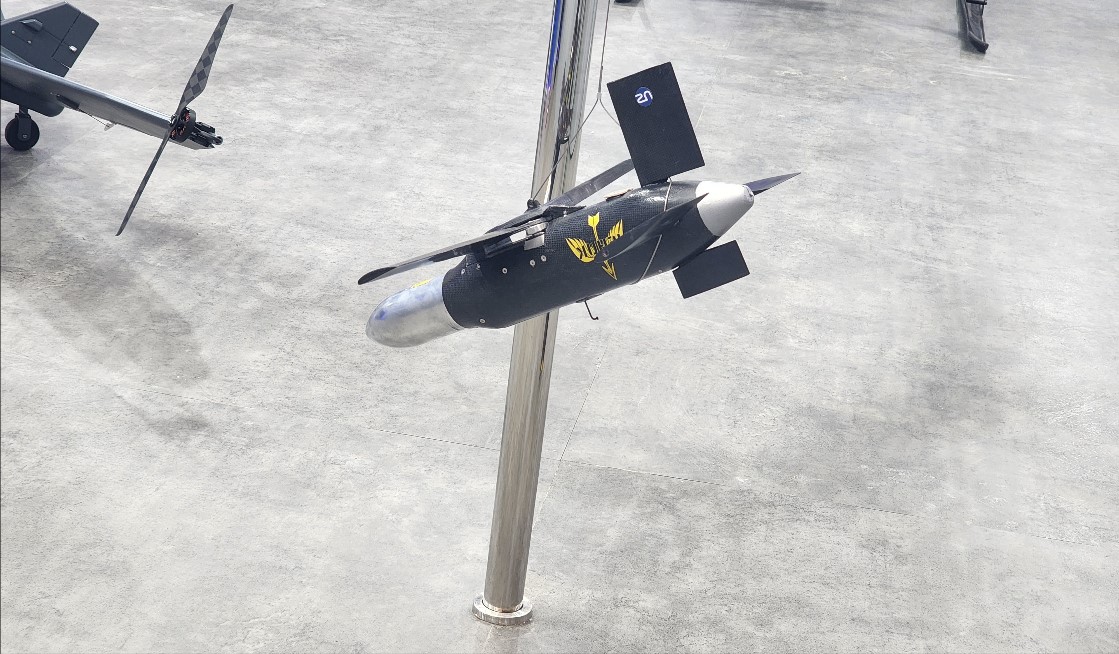
India
India’s NewSpace Research & Technologies (NRT), a key player in unmanned aerial systems and precision-guided munitions, has unveiled its latest development—the ISHUK Miniaturized Glide Bomb. This new weapon system reinforces NRT’s growing expertise in compact, high-impact munitions, designed specifically for UAV-based strike missions. ISHUK: A Step Forward in Miniature Precision Weapons The ISHUK builds upon NRT’s previous experience in precision-guided air-dropped weapons, notably following the Ultra Small Guided Bomb (USGB), which was designed for tactical UAV strikes. The company has also introduced the Micro Munition, a compact weapon featuring a 3-kilometer range and a high-explosive (HE) warhead, aimed at providing UAVs with a lightweight yet effective strike capability. The ISHUK appears to refine these concepts further, potentially offering improved range, accuracy, and warhead effectiveness. While exact specifications are yet to be disclosed in full, early reports suggest that the ISHUK will be a glide bomb, likely featuring a precision-guidance system, which could include GPS-aided inertial navigation or semi-active laser guidance. Given the trends in modern UAV warfare, the munition is expected to be optimized for low radar cross-section, enhanced aerodynamics for extended glide range, and modular warhead options tailored for different mission profiles. A Game-Changer for UAV-Based Strike Capabilities The ISHUK is expected to significantly enhance the offensive capabilities of Indian UAVs, offering a cost-effective, high-precision strike option for a variety of targets, including enemy personnel, light armored vehicles, and strategic infrastructure. Given India’s increasing focus on indigenous drone warfare capabilities, this development aligns well with efforts to equip UAVs with stand-off strike capabilities that reduce risks for operators while maintaining battlefield effectiveness. Industry analysts see ISHUK as a natural evolution of NRT’s precision-strike portfolio. Some defense observers speculate that this miniaturized glide bomb could pave the way for advanced munition families with extended range, networked swarm capabilities, or enhanced penetration warheads for hardened targets. Social Media Buzz & Future Prospects The announcement of ISHUK has already gained traction on X (formerly Twitter), with defense enthusiasts praising NRT’s focus on highly compact but powerful munitions. Discussions suggest that ISHUK could be part of a larger family of indigenous smart munitions for UAVs, adding a new layer of tactical flexibility to India’s armed forces. As NewSpace Research & Technologies continues its work in autonomous systems and guided weaponry, the ISHUK miniaturized glide bomb may mark the beginning of a new class of smart UAV munitions that emphasize precision, cost-effectiveness, and adaptability for modern warfare.
Read More → Posted on 2025-02-25 15:06:40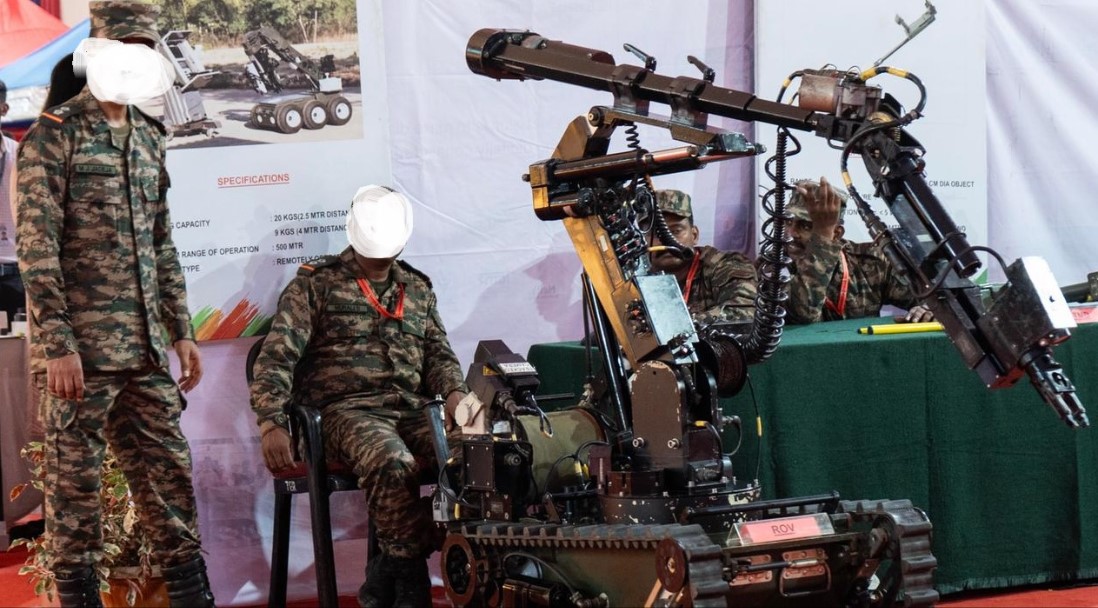
India
The Indian Army has introduced a cutting-edge AI-powered weapon system, the Ten AI Weapon System (TAIWS), designed to detect, track, and neutralize threats with lightning speed. Specifically developed for deployment at the Line of Control (LoC), TAIWS aims to counter terrorist infiltration, particularly in Jammu and Kashmir, where dense vegetation and rugged terrain often aid infiltrators. This advanced system features a combination of primary and secondary cameras, a medium machine gun (MMG) for engagement, and an AI-driven targeting mechanism that can react in just 10 milliseconds. However, the final decision to fire remains with a human operator, ensuring accountability and preventing unintended engagements. Unparalleled Surveillance and Precision Showcased at Aero India 2025, TAIWS boasts a modular design, allowing for various attachments and real-time sensor fusion. It includes: Primary day camera with 40x optical zoom for high-resolution imaging. Thermal imaging camera enabling night-time surveillance up to 2 km. Network of secondary cameras, deployed at intervals of 500 meters to 2 km, depending on terrain requirements. Medium machine-gun (MMG) with a 1.8 km range, creating a 50m × 50m "kill box" for effective neutralization of targets. This setup ensures that even if a target is obscured from one angle, secondary cameras can detect movement from another perspective, making it nearly impossible for terrorists to evade detection. 100% First-Round Hit Probability Colonel Ashish Dogra, a key developer of TAIWS, emphasized that the system has been designed to overcome a fundamental challenge: detecting threats in heavily forested areas where line-of-sight is often obstructed. "What happens when something is not visible from the primary camera? That is a problem nobody in the world thought about. So, we developed a network of secondary cameras placed strategically at different distances. If one camera doesn't have a line of sight, another will," he explained. TAIWS demonstrated a 100% first-round hit probability during trials, proving its effectiveness in counter-terrorism operations. The AI software predicts the future position of a moving target, ensuring accuracy even if an infiltrator attempts to escape. AI-Powered Tactical Superiority Unlike similar AI-powered weapons used by countries like Israel, the Indian Army's TAIWS goes beyond simple automated tracking. Its networked approach creates a seamless surveillance grid, eliminating blind spots and significantly reducing the chances of infiltration. Colonel Dogra further highlighted how TAIWS’ predictive firing mechanism enhances its lethality: "If a terrorist is moving, we calculate the bullet’s travel time and adjust the aim accordingly. We fire at the future position, ensuring a high probability of a hit." Strategic Deployment for LoC Security TAIWS has been specifically built for operations along the LoC, where terrorists frequently use dense forests and natural cover to evade detection. The AI weapon system is expected to be deployed in the coming months, significantly boosting India's border security capabilities. With AI-driven real-time tracking, automated target locking, and a fail-proof surveillance network, the Indian Army has taken a significant leap in modern warfare technology—ensuring that infiltration attempts across the LoC are detected and neutralized with unprecedented speed and accuracy.
Read More → Posted on 2025-02-25 14:57:55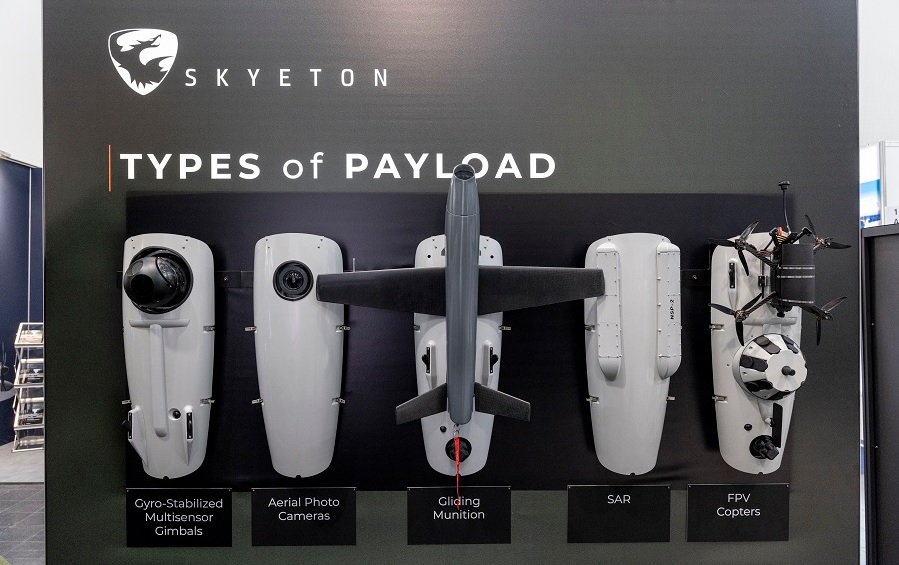
World
Ukrainian unmanned aerial systems (UAS) manufacturer Skyeton has introduced its latest innovations at XPONENTIAL Europe 2025, unveiling new payloads designed to enhance tactical UAV capabilities. The company showcased Remora, a precision-guided gliding munition, and the GLE series of multi-mission gimbals, reinforcing its commitment to advanced aerial warfare solutions. Alongside its well-known Raybird small UAS (sUAS), Skyeton presented Remora, a high-precision, long-range munition developed for tactical UAV operations. Designed to deliver pinpoint strikes, Remora features cumulative and high-explosive fragmentation warheads weighing between 1.5 and 2.5 kg. It is guided via real-time command inputs, ensuring maximum accuracy in dynamic combat environments. With a post-release velocity of 140 km/h, the munition allows UAVs to strike deep into enemy lines while staying undetected. CEO Roman Knyazhenko emphasized that Remora is the first gliding munition engineered specifically for small tactical UAVs under 25 kg, significantly boosting their operational flexibility and firepower. In addition to Remora, Skyeton unveiled the GLE-6 and GLE-7 gimbals, which are designed for surveillance and targeting in high-stress combat environments. These state-of-the-art electro-optical systems incorporate three advanced sensors: Global Shutter EO Sensor – for enhanced daytime imaging MWIR (Mid-Wave Infrared) Sensor – for superior thermal imaging Laser Rangefinder – for precise target distance measurement The GLE series gimbals provide real-time video transmission, adaptive streaming, and Mavlink-integrated UAV telemetry, ensuring seamless operation in modern warfare. Additional features include MicroSD storage, energy buffering for safe recording termination, and independent bitrate controls for optimized data management. Skyeton’s latest advancements highlight Ukraine’s growing expertise in tactical UAS technology, offering next-generation solutions for modern battlefields.
Read More → Posted on 2025-02-25 14:52:57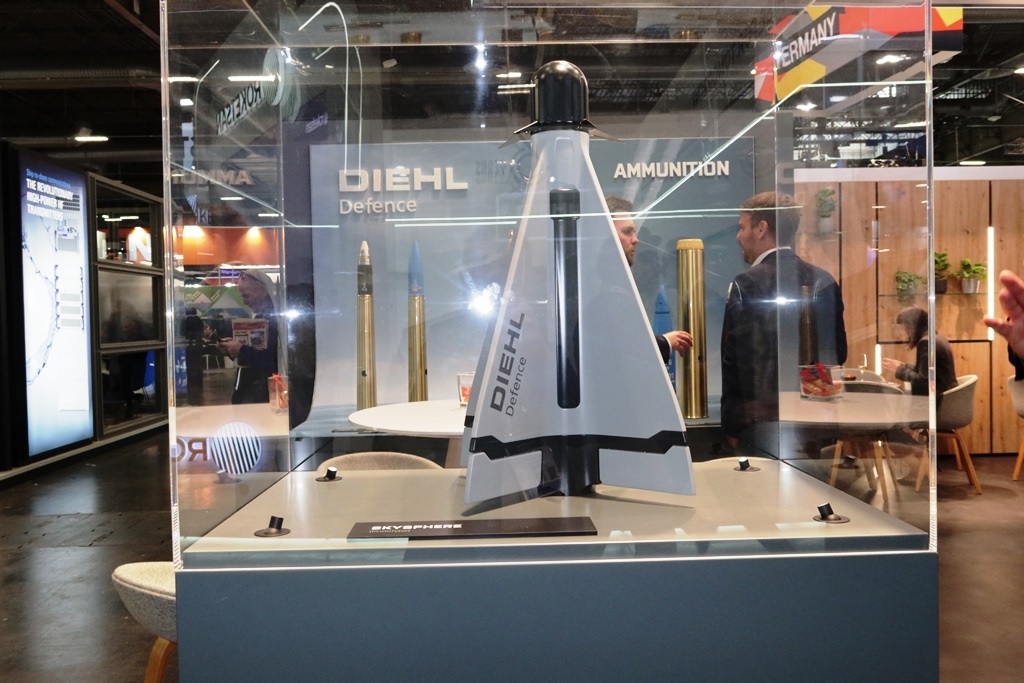
World
Diehl Defence has introduced its cutting-edge Sky Sphere drone defence system at Enforce Tac 2025, the premier international trade fair for security solutions. One of the most anticipated highlights of the exhibition is CICADA, an electric missile (eMissile) specifically designed to counter Class 1 and 2 drones, marking its European debut under this name. CICADA is available in two configurations to address different operational scenarios. The non-lethal version neutralizes drones by deploying a catch net, effectively disabling threats without destruction. Meanwhile, the lethal variant is equipped with a fragmentation warhead, offering a direct and forceful countermeasure against hostile drones. Designed as an integral component of the Sky Sphere system, CICADA functions within a sensor-to-shooter chain, providing flexibility and scalability for various defence needs. The modular architecture allows customers to integrate Diehl Defence’s components or incorporate third-party technologies, ensuring adaptability to mission-specific requirements. Diehl Defence is actively engaging with potential customers to explore integration possibilities, with an expected market launch of CICADA in 2026. A model of the missile is currently on display at the Diehl Defence booth at Enforce Tac 2025 and will also be showcased on the “Enforce Tac TV” industry platform. Beyond the Sky Sphere system, Diehl Defence is also presenting a broad range of ammunition and protection systems, including the Unmanned Ground Vehicle (UGV) “Ziesel”. A logistics variant of Ziesel is being demonstrated at the Enforce Tac Village, while a MedEvac version, developed in collaboration with Meier Medizintechnik, is featured at their booth, emphasizing its role in medical evacuation operations. Diehl Defence has been expanding its presence at Enforce Tac in recent years, reinforcing its position as a leading provider of air defence, guided missiles, and protection solutions. With a strong focus on innovation and adaptability, the company continues to develop advanced technologies to safeguard against emerging aerial and ground-based threats, ensuring a robust and future-ready defence ecosystem.
Read More → Posted on 2025-02-25 14:50:35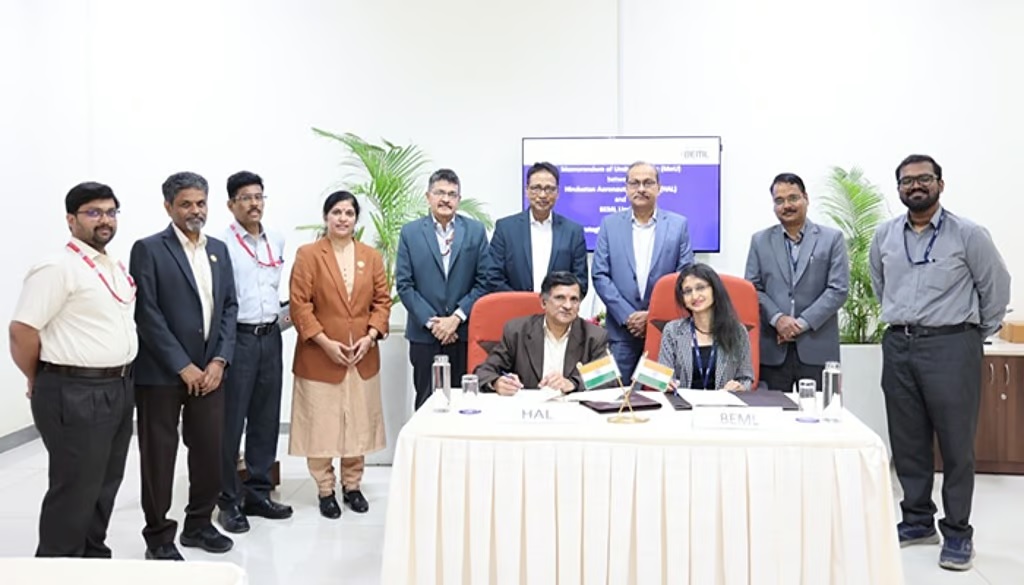
India
Hindustan Aeronautics Limited (HAL) has entered into a strategic collaboration with BEML Ltd to enhance skill development and professional excellence through specialized training programs. The two companies have signed a Memorandum of Understanding (MoU) to strengthen leadership and technical training for professionals, aiming to elevate India’s defence manufacturing capabilities. A New Era of Learning and Development Under this partnership, the HAL Management Academy will take the lead in designing and delivering induction training, middle and senior management programs, and specialized workshops. The training will focus on critical areas such as Six Sigma, quality management, reliability, data analytics, and Industry 4.0, ensuring that professionals stay updated with the latest advancements in technology and industry practices. Beyond structured training, the collaboration will facilitate industrial visits, knowledge-sharing sessions, joint conferences, internships, and project-based learning. These initiatives aim to bridge the gap between academia and industry, providing hands-on experience to BEML professionals and fostering innovation in the defence sector. Strengthening India’s Defence Ecosystem This MoU marks a significant step in strengthening India’s defence and aerospace ecosystem. By focusing on skill enhancement and knowledge-sharing, HAL and BEML are not only investing in their workforce but also contributing to India’s self-reliance in defence manufacturing. With this initiative, both companies reaffirm their commitment to developing a highly skilled workforce, ready to meet the challenges of a rapidly evolving industrial landscape. The partnership is expected to set a benchmark for industry-driven learning and professional growth in India’s aerospace and defence sectors.
Read More → Posted on 2025-02-25 14:46:44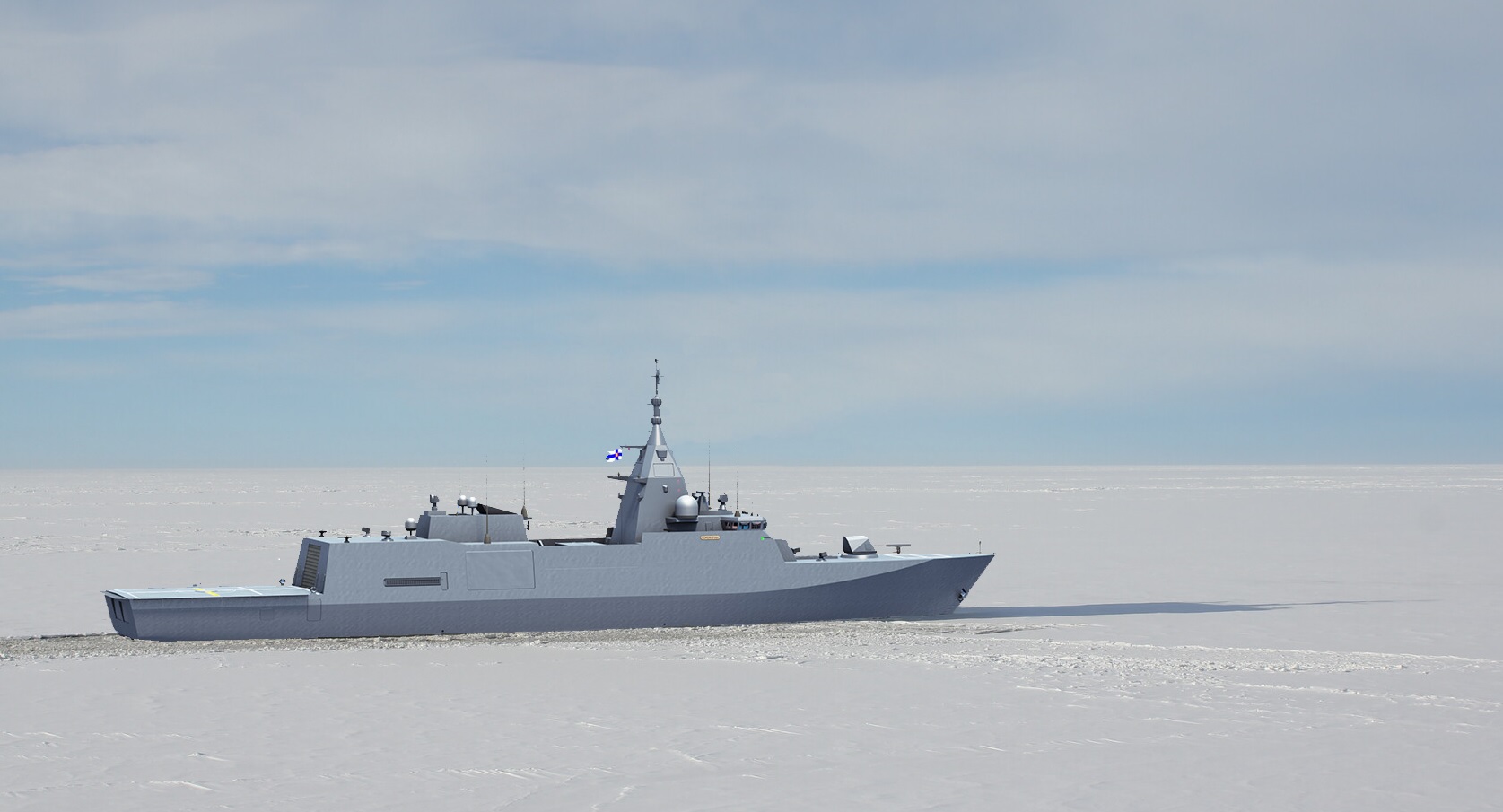
World
Aker Arctic has secured a contract from the Finnish Defence Forces Logistics Command to supply its state-of-the-art ARC ILMS (Ice Load Monitoring System) for the Finnish Navy’s new Pohjanmaa-class multi-role corvettes. This cutting-edge system will be integrated into four vessels currently under construction at Rauma Marine Constructions, enhancing their ability to navigate icy waters safely and efficiently. The ARC ILMS is designed to measure and analyze ice loads encountered by ships operating in Arctic conditions. By providing real-time feedback to operators, the system ensures safer navigation, optimizes vessel performance, and minimizes structural strain caused by harsh ice-covered environments. With Finland’s strategic need to maintain naval superiority in the Baltic and Arctic regions, this technology significantly enhances operational safety and efficiency. This contract adds to Aker Arctic’s growing list of successful deployments of the ARC ILMS. The system has already proven its capabilities with the Canadian Coast Guard’s Multi-Purpose Vessels (MPV) and was instrumental in monitoring ice loads on Ponant’s Le Commandant Charcot during its historic trans-Arctic voyage. The Finnish Navy’s adoption of this advanced system further solidifies Aker Arctic’s reputation as a leader in ice-navigation solutions. Aker Arctic’s involvement in the Pohjanmaa-class program extends beyond the ARC ILMS. The company is also supplying key ice-operability components, including ice-strengthened controllable pitch propellers, pitch control mechanisms, propeller shafts, bearings, and shaft seals. Furthermore, Aker Arctic will oversee installation supervision and commissioning of the corvettes’ propulsion systems, ensuring seamless integration of ice-navigation technologies. With Finland’s naval forces preparing for operations in some of the most challenging maritime environments, the incorporation of Aker Arctic’s expertise into the Pohjanmaa-class corvettes underscores the nation’s commitment to Arctic-ready naval capabilities.
Read More → Posted on 2025-02-25 14:44:05
World
French President Emmanuel Macron made it clear on Monday that any peace deal to end the Ukraine war must not come at the cost of Ukraine’s sovereignty. Speaking after his high-profile meeting with U.S. President Donald Trump at the White House, Macron struck a cautious but optimistic tone, emphasizing that talks had opened a “path forward.” However, the French leader insisted that Washington must back any European-led peace initiative with solid security guarantees for Kyiv. The meeting, which marked the third anniversary of Russia’s full-scale invasion of Ukraine, came amid growing concerns that Trump is moving toward a deal with Russian President Vladimir Putin that could leave Ukraine vulnerable. Ukrainian President Volodymyr Zelensky, meanwhile, called for a definitive peace settlement “this year” as he held discussions with European leaders in Kyiv. Tensions Rise as U.S. Policy Shifts While diplomacy took center stage in Washington, the situation on the ground in Ukraine remained dire. Early Tuesday, air raid sirens blared across the country as Russia launched a major missile assault, injuring at least five people and damaging several buildings. The attack even prompted Poland, a NATO member, to scramble its military aircraft in response. At the United Nations, Washington’s shifting stance was also on display. The U.S. sided with Russia twice on Monday, a move that alarmed Ukraine’s European allies. The decision was seen as an effort to keep the door open for future negotiations with Moscow, but it raised concerns that the U.S. might be stepping back from its previous full-throated support for Kyiv. “This peace cannot mean the surrender of Ukraine,” Macron declared at a joint press conference with Trump. He acknowledged that Trump had “good reason” to re-engage with Putin but insisted that the U.S. must “back up” any European-led peacekeeping efforts. Trump’s Unconventional Approach Trump’s abrupt policy shift on Ukraine has sent shockwaves through European capitals. He has openly declared that he wants to end the war as quickly as possible, even suggesting that negotiations could wrap up within weeks. “I think we could end it within weeks—if we’re smart. If we’re not smart, it will keep going,” Trump said during his meeting with Macron. He also revealed plans to invite Zelensky to the White House in the coming weeks to sign a deal that would grant Washington access to Ukraine’s rare mineral deposits in exchange for security guarantees. Trump’s remarks have fueled speculation that he is pushing for a deal that would involve deploying European peacekeepers in Ukraine, a move that Putin is reportedly open to considering. However, the former U.S. president has also made it clear that Europe must shoulder the financial burden of supporting Ukraine moving forward. Putin’s Strategic Patience As Trump signals a willingness to engage in diplomacy, Putin has been carefully assessing his next move. In a televised interview on Monday, the Russian leader suggested that European nations could play a role in brokering a peace deal. His comments marked a slight shift in tone, hinting that he sees an opportunity to secure a favorable settlement. Putin also took aim at Zelensky, calling him a “toxic figure” and echoing recent remarks from Trump. Meanwhile, behind the scenes, Russian and American businesses have reportedly been in contact over potential economic cooperation—including projects in occupied Ukrainian territories. The End of U.S. Support for Ukraine? Trump has made no secret of his intention to distance the U.S. from its traditional foreign policy on Ukraine. He has repeatedly accused Ukraine of provoking the war and has been highly critical of the Biden administration’s extensive military and financial aid to Kyiv. On Monday, Trump went a step further, calling his policy shift a “decisive break” from what he described as the U.S.’s “very foolish” past approach to foreign conflicts. This pivot was evident at the United Nations, where Washington backed language in a resolution that avoided explicitly blaming Russia for the war. As talks of a Trump-Putin meeting in Saudi Arabia gain traction, European leaders are scrambling to ensure that Ukraine’s interests are not sidelined. Macron, for his part, remains hopeful that a truce can be reached within weeks—but only if Ukraine is not forced into an unfavorable deal. For now, the world is watching closely as diplomacy accelerates. Whether these negotiations will lead to a genuine, lasting peace or a strategic realignment that benefits Moscow remains to be seen.
Read More → Posted on 2025-02-25 14:41:32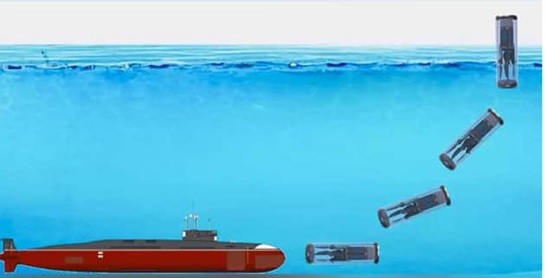
India
India is set to achieve a major technological breakthrough in underwater warfare as the Defence Research and Development Organisation (DRDO) partners with Pune-based start-up Sagar Defence Engineering to develop the country’s first underwater-launched unmanned aerial vehicle (ULUAV). This ambitious project, awarded under DRDO’s Technology Development Fund (TDF), aims to enhance India’s naval capabilities by equipping submarines with advanced surveillance tools. The ULUAVs will be designed to launch autonomously from submerged submarines, providing long-range and high-endurance reconnaissance without compromising the vessel's stealth. These drones will allow submarines to monitor enemy activity, track naval movements, and gather intelligence while remaining undetected. India’s ULUAV technology is being developed to outperform similar systems currently in use. While the U.S. Navy’s ULUAVs have a range of 7 km and an endurance of 30 minutes, DRDO’s planned version is expected to exceed 20 km in range with over an hour of flight endurance. This significant advancement will give the Indian Navy an edge in underwater domain awareness and maritime surveillance. The UAVs will primarily serve intelligence and reconnaissance missions, but future upgrades could include weaponization, making them a potential game-changer in submarine warfare. The project aligns with India's push for self-reliance in defence technology and innovation, reinforcing the country’s commitment to indigenous military advancements. Sagar Defence was selected after a competitive bidding process involving 17 firms, highlighting the growing role of Indian start-ups in cutting-edge defence research. This partnership marks a crucial step in strengthening India’s naval deterrence and underscores DRDO’s confidence in homegrown technological expertise.
Read More → Posted on 2025-02-25 14:38:42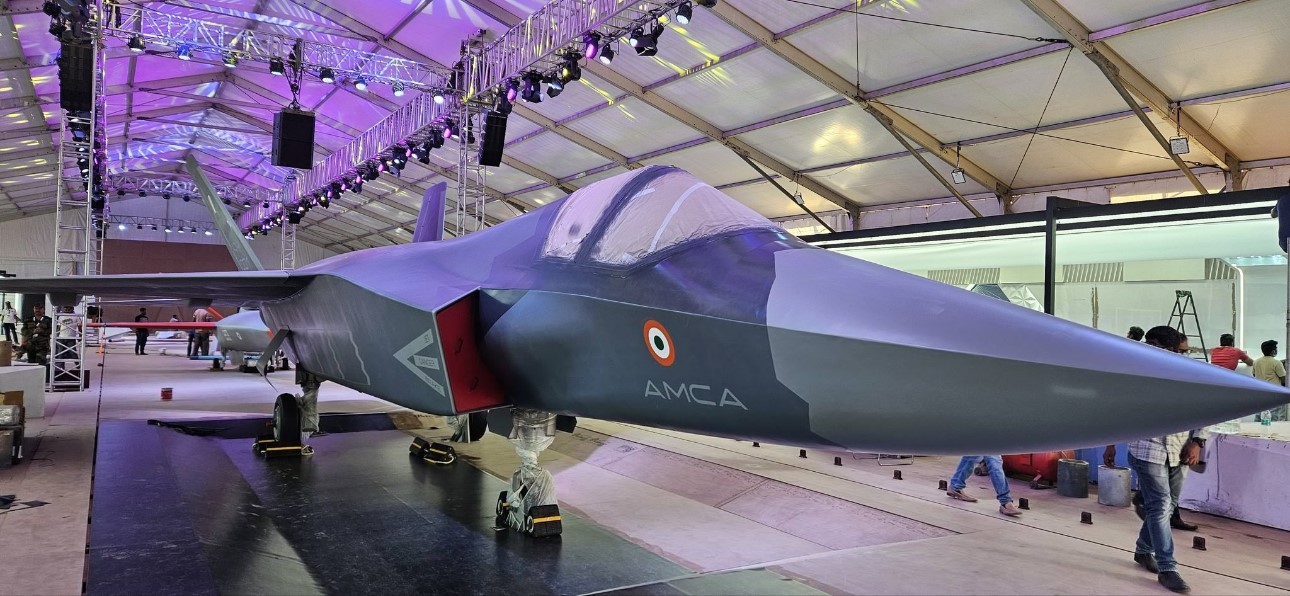
India
As the United States intensifies its push to sell the F-35 fighter jet to India, New Delhi is focusing on strengthening its indigenous defence capabilities by enhancing private sector involvement in the Advanced Medium Combat Aircraft (AMCA) project. The Defence Ministry has established a high-level committee, led by Defence Secretary Rajesh Kumar Singh, to explore ways of integrating private firms into the fifth-generation fighter jet program to ensure its timely execution. This committee includes representatives from the Indian Air Force (IAF) and Hindustan Aeronautics Limited (HAL), India's premier aerospace public sector unit. The government is currently evaluating multiple models of public-private collaboration. One option under consideration is a joint venture between HAL and a private firm, while another approach involves private sector participation in design and development while leveraging HAL’s manufacturing expertise. Among private entities, the Tata Group has emerged as a strong contender due to its existing aircraft integration experience. Tata is currently working with Airbus to assemble the C-295 transport aircraft in India, making it the only Indian company with hands-on experience in this domain. Additionally, HAL has already been outsourcing significant production work to private firms such as L&T, Godrej, and Azad Engineering, laying the groundwork for increased private sector participation in AMCA. The AMCA, India’s answer to fifth-generation stealth fighters, was showcased at the Aero India 2025 exhibition held at Yelahanka Air Force Station in Bengaluru from February 10 to 14. Designed by the Aeronautical Development Agency (ADA) for the IAF, the AMCA is envisioned as a 25-ton fighter jet equipped with cutting-edge manned and unmanned teaming capabilities. One of AMCA’s standout features is its AI-powered electronic pilot, designed to enhance combat efficiency through multi-sensor data fusion, automatic target identification, a pilot decision support system, and a combined vision system for navigation in low-visibility conditions. According to the ADA, integrating AI into the AMCA program will significantly advance its development, ensuring that it ranks among the world’s most sophisticated fifth-generation fighter jets. With India determined to accelerate its self-reliance in defence manufacturing, the AMCA project’s success will largely depend on how effectively the government integrates private sector expertise. Tata’s potential role in this landmark initiative signals a major shift in India’s defence industrial strategy, ensuring that the country remains at the forefront of next-generation military aviation.
Read More → Posted on 2025-02-25 14:36:20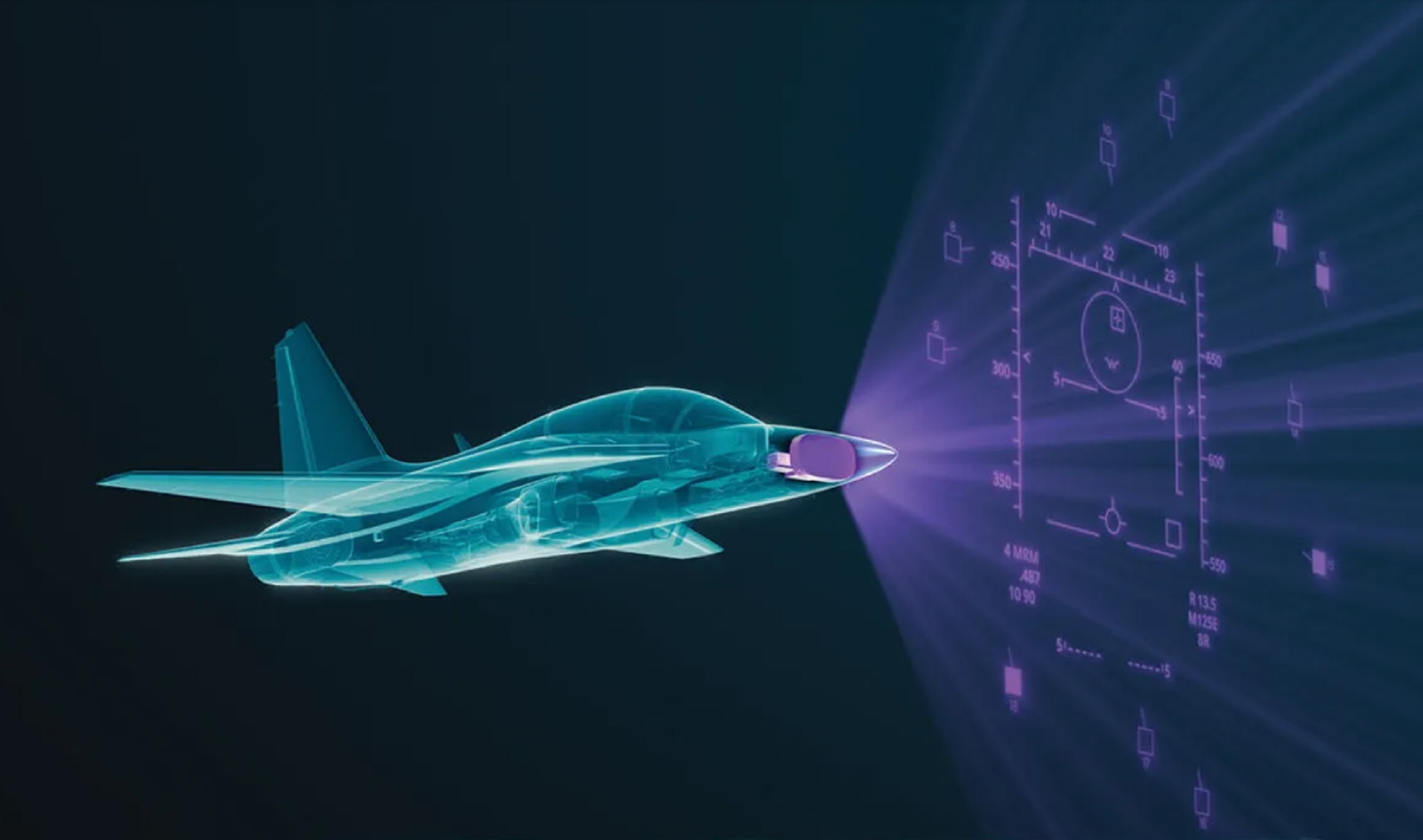
World
Raytheon, an RTX business, has successfully completed flight tests of its groundbreaking AI and machine learning-powered Radar Warning Receiver (RWR) for fourth-generation fighter jets. This next-generation system, known as the Cognitive Algorithm Deployment System (CADS), is designed to enhance pilot survivability by providing real-time threat detection and prioritization. At the core of CADS is an advanced Embedded Graphics Processing Unit integrated with Deepwave Digital’s computing stack, allowing AI models to function seamlessly within Raytheon’s existing radar warning systems. This innovative approach enables fighter jets to rapidly identify, categorize, and respond to threats directly at the sensor level—giving pilots faster and more accurate situational awareness. Raytheon highlights CADS as a cost-effective and scalable solution to modernizing defense systems. By incorporating cognitive processing methods, the system significantly reduces decision-making latency, providing a critical advantage in high-stakes combat environments. AI-Driven Radar Warning: A Game-Changer Bryan Rosselli, President of Advanced Products and Solutions at Raytheon, emphasized the impact of CADS on modern warfare: “The advantages of AI in defense systems are extensive, and our recent CADS test demonstrates how commercially available products, paired with advanced algorithms and cognitive methods, can help the U.S. and its allies outpace peer threats. CADS’ ability to quickly process data and run third-party algorithms that prioritize threats, with almost no latency, will significantly enhance survivability for military personnel.” The initial CADS hardware and cognitive radar processing tests were conducted on Raytheon’s own flight test aircraft. In December, the system underwent further trials on an F-16 at the Air National Guard’s test range in Tucson, Arizona. These tests confirmed AI-driven threat recognition and response, marking a major milestone in the deployment of artificial intelligence in electronic warfare. The flight tests were conducted in collaboration with the Georgia Tech Research Institute, Vadum, Inc., and Raytheon’s cognitive electronic warfare team. Given the success of these trials, CADS is set to enter production and be integrated into multiple aircraft platforms starting in early 2025. This breakthrough technology signals a major shift in how AI is shaping the future of air combat, ensuring that fighter jets remain one step ahead in an increasingly complex threat environment.
Read More → Posted on 2025-02-25 14:33:53Search
Top Trending in 24 Hours
-
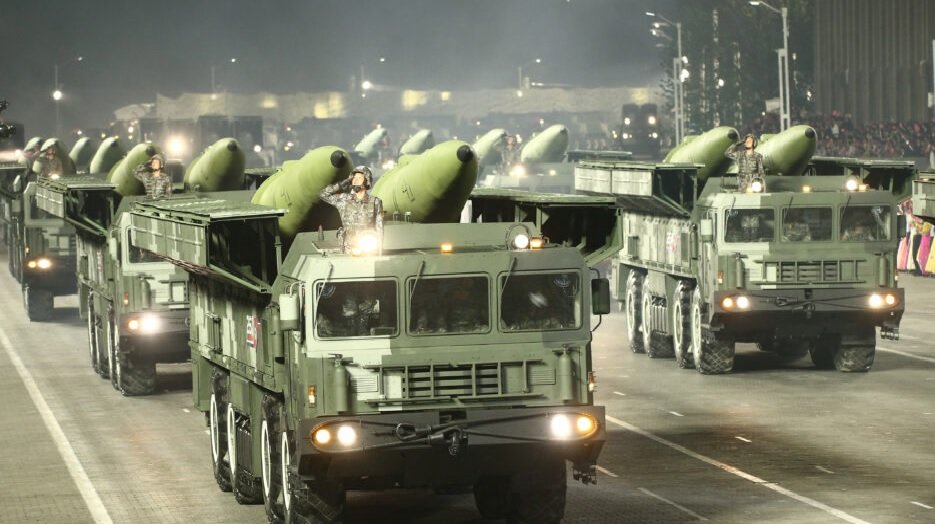 Russia Receives North Korean KN-30 Ballistic Missiles as Moscow Expands Its Missile Arsenal
-
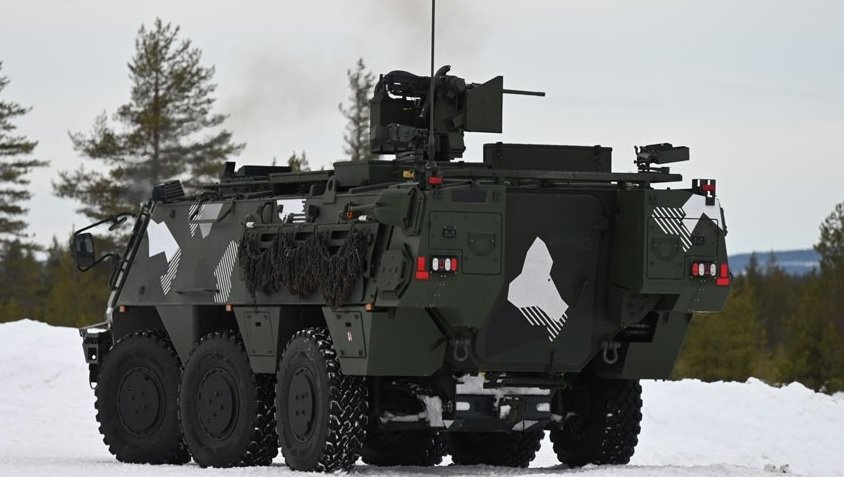 Kongsberg Wins $120 Million Contract for More Protector RS4 Systems for Canadian Army
-
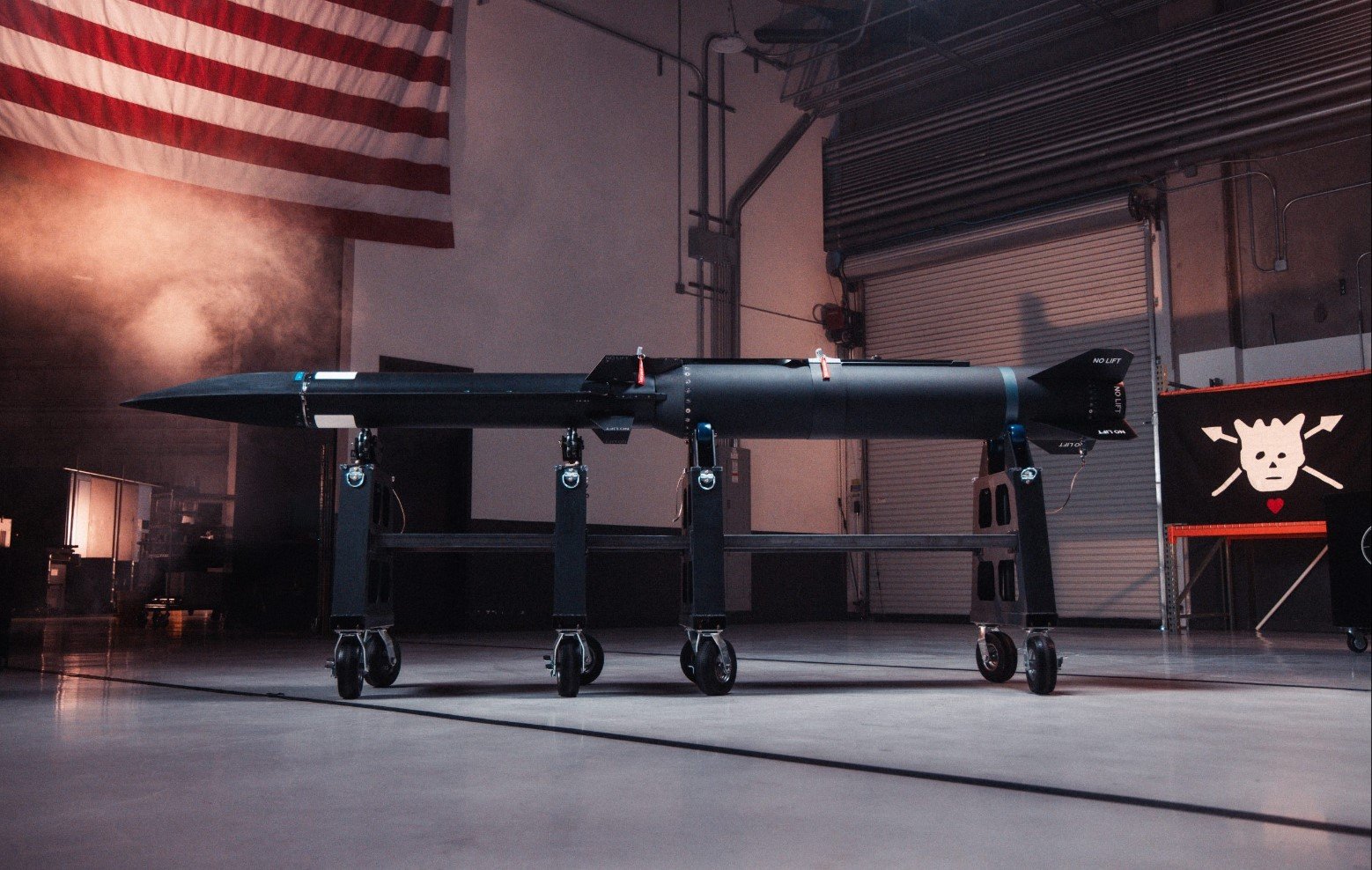 Castelion Secures $1 Billion Funding to Scale Production of Blackbeard Hypersonic Missile
-
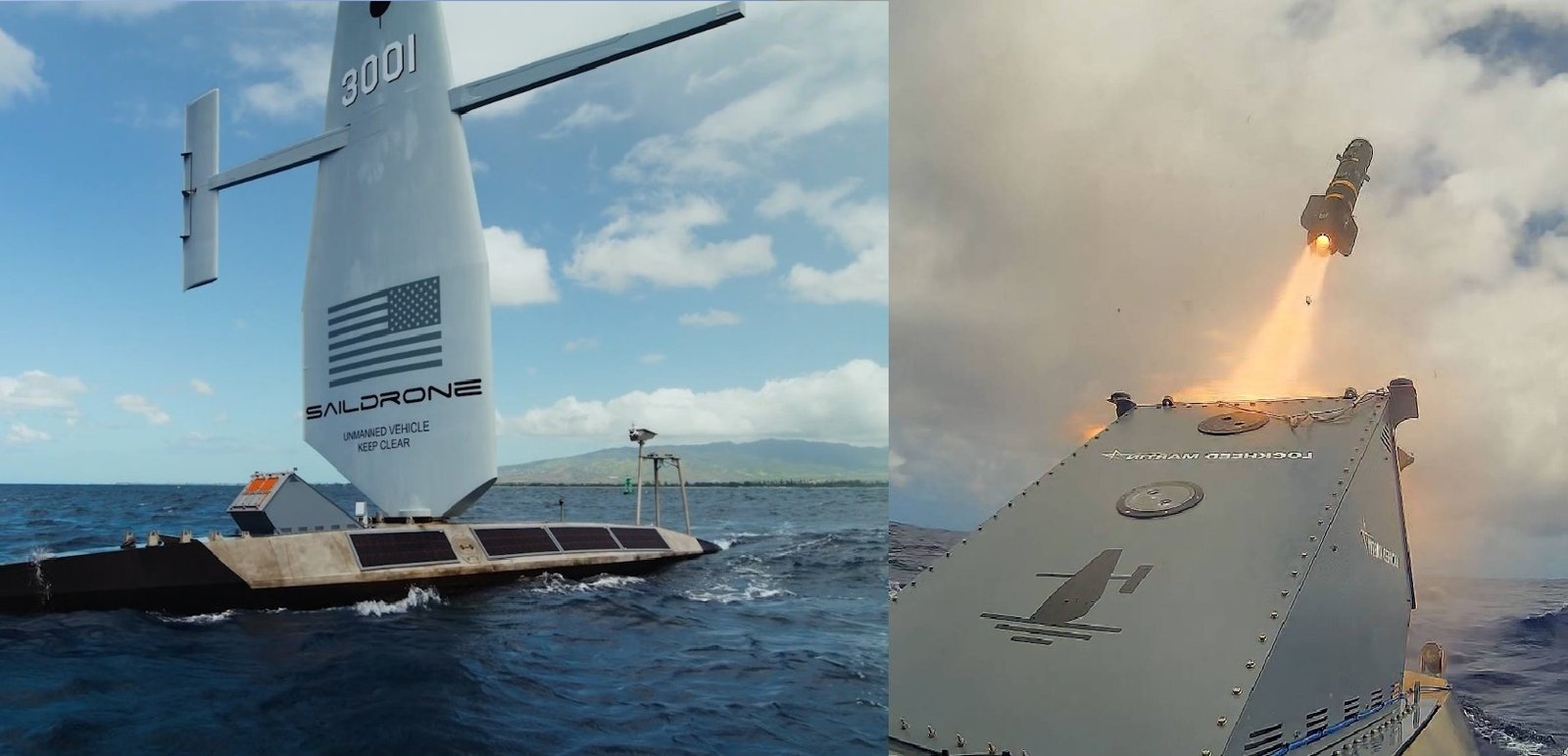 Saildrone and Lockheed Martin Successfully Fire Two JAGM Missiles in First Live-Fire Test from Unmanned Vessel at RIMPAC 2026
-
 Lockheed Martin Demonstrates AI-Powered Sonar System With U.S. Navy at RIMPAC 2026
-
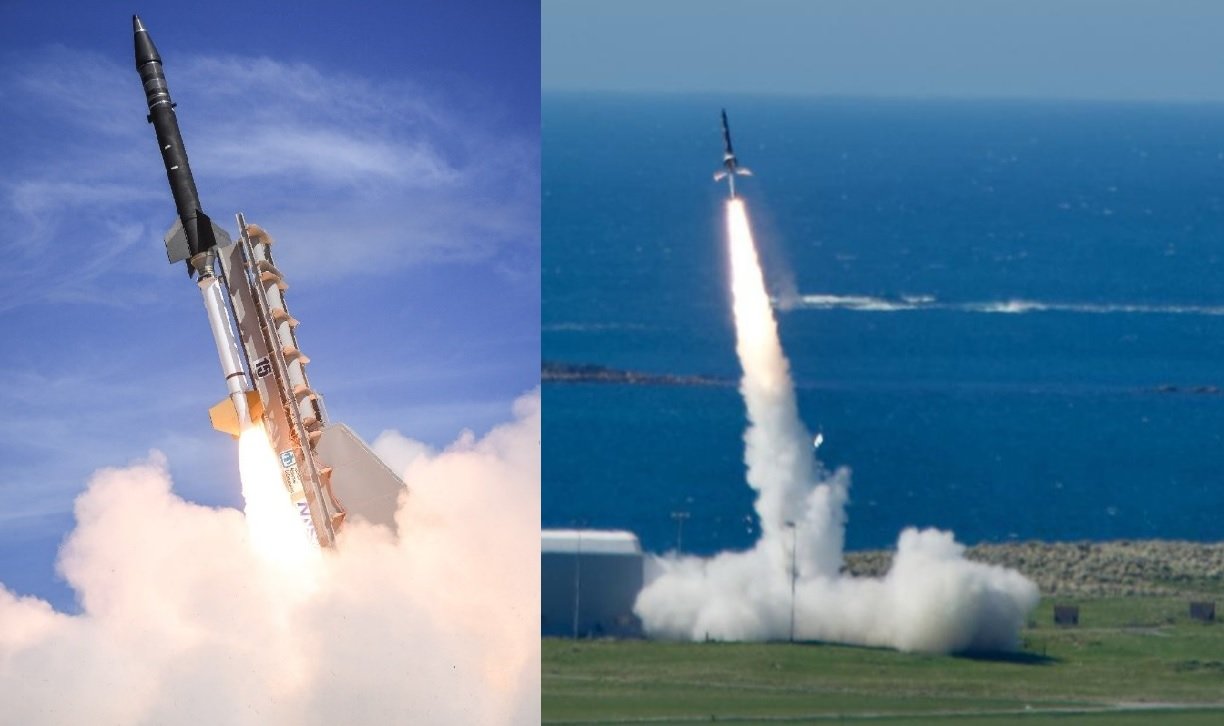 US Navy Launches ARAV-6 Missile Target During Multinational Pacific Dragon 2026 Exercise
-
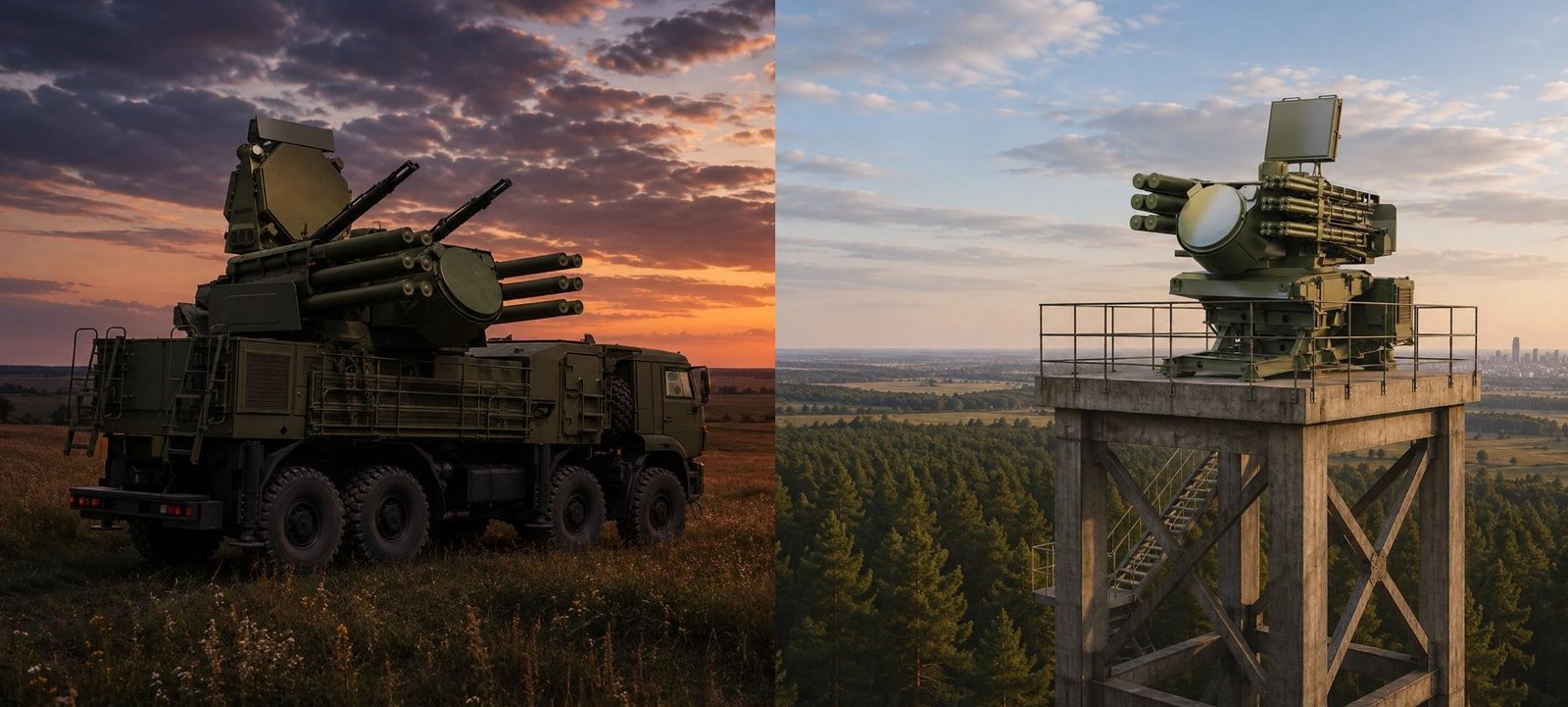 Russia Receives New Batch of Pantsir-S and Pantsir-SMD Air Defense Systems
-
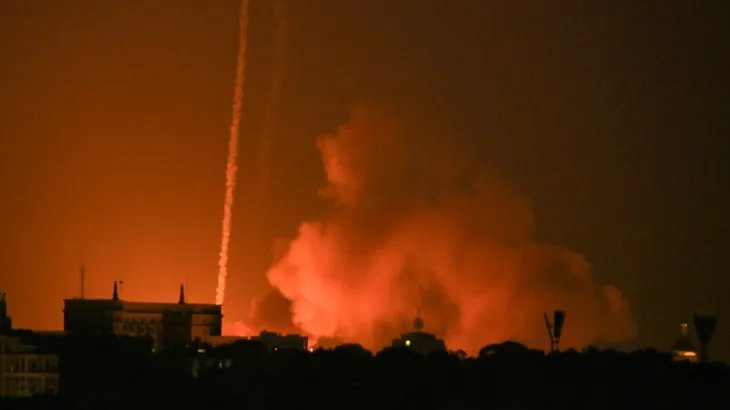 Russian Forces Strike Military-Industrial and Logistics Sites in Kyiv and Kyiv Oblast
Top Trending in 4 Days
-
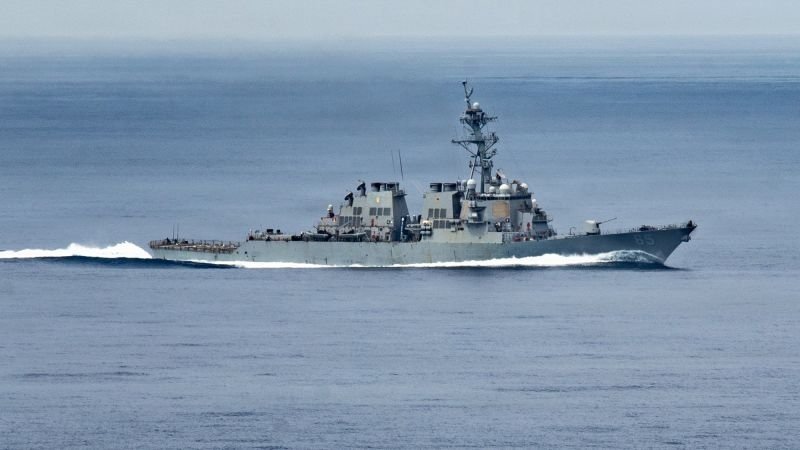 U.S. Navy Destroyer USS Benfold Spent Four Days Without Power in South China Sea After Generator Failure
-
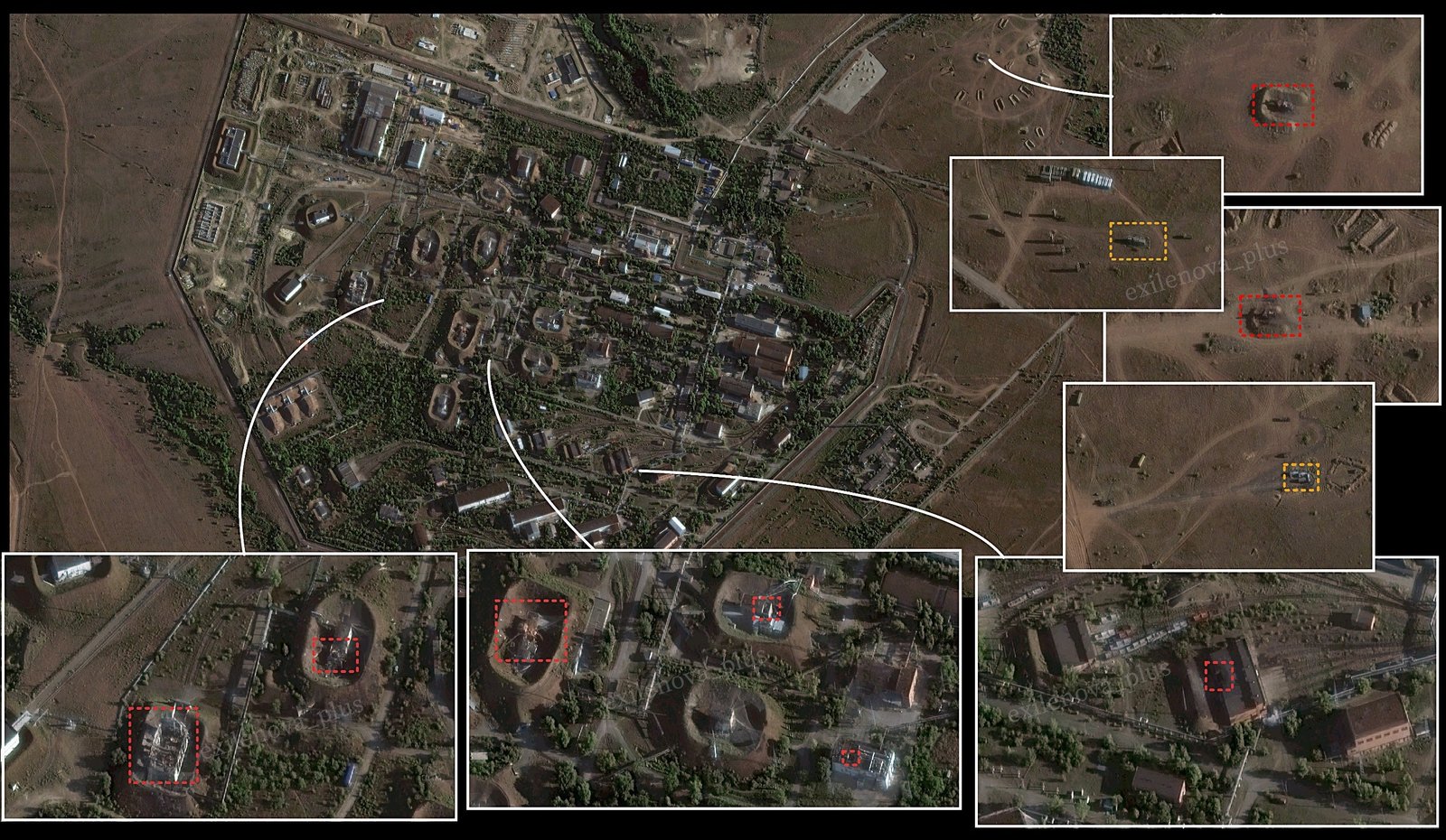 Satellite Images Show Ukrainian Drone Strike Hits Russian Rocket Fuel Plant and Air Defense Systems in Rostov Region
-
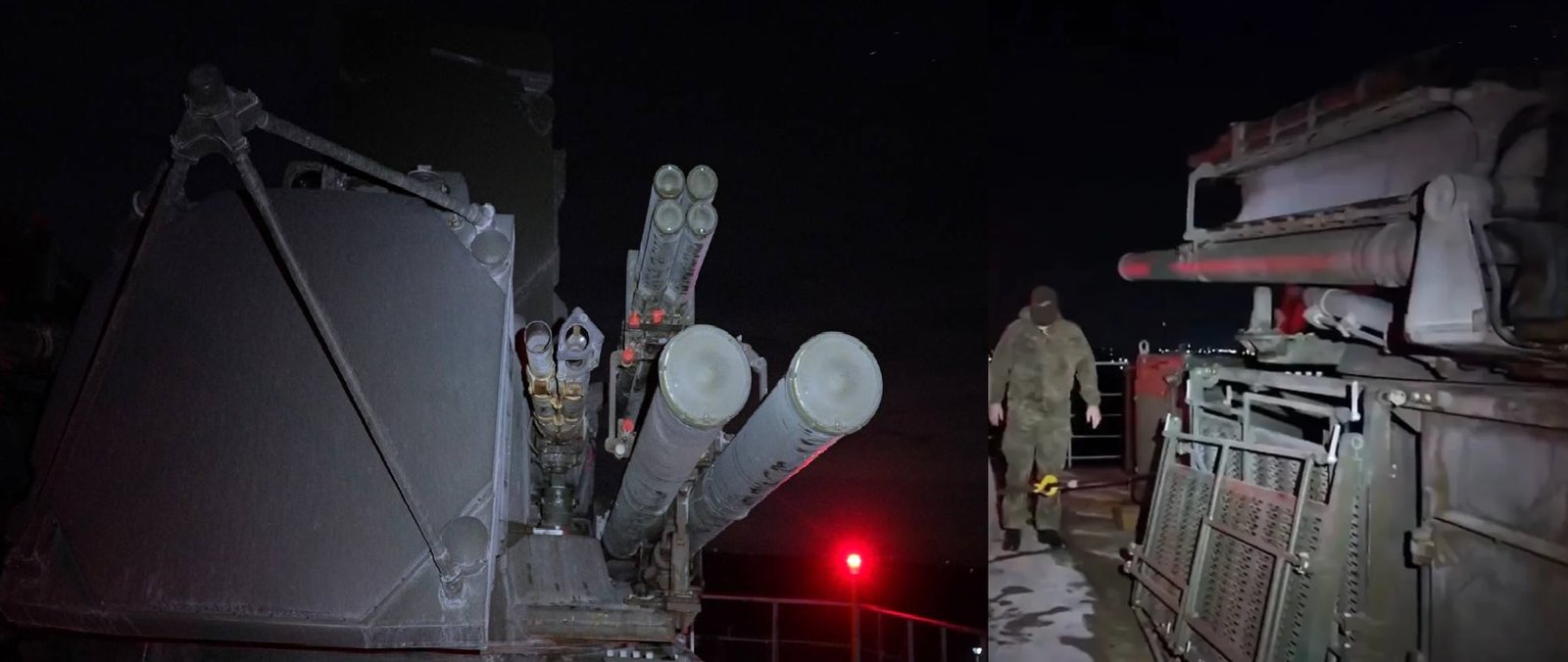 Russia Expands Moscow’s Anti-Drone Defense Network With Specialized 35-Meter Towers for Pantsir Systems
-
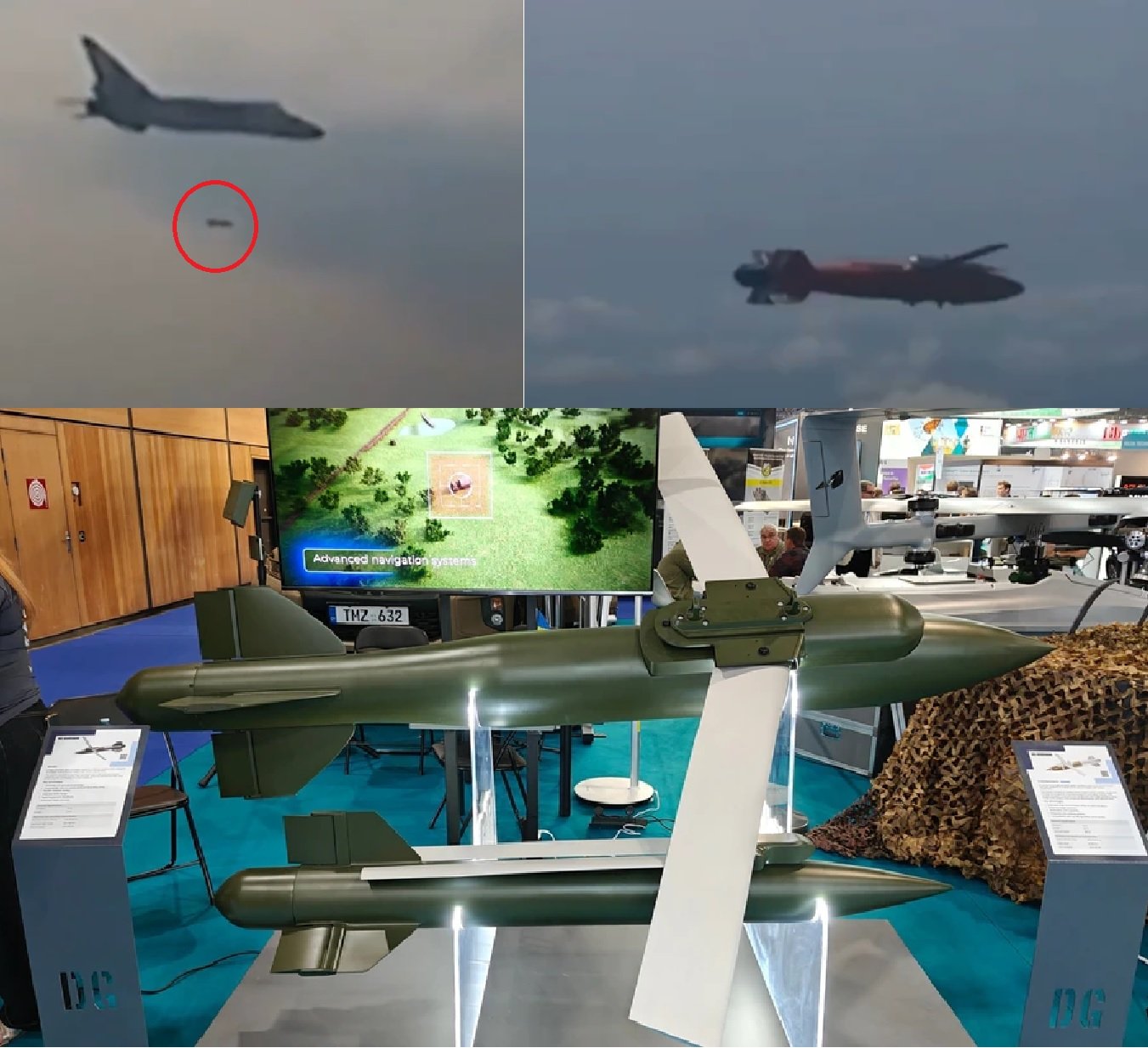 Ukraine Begins Procurement of Vyrivniuvach Guided Aerial Bomb
-
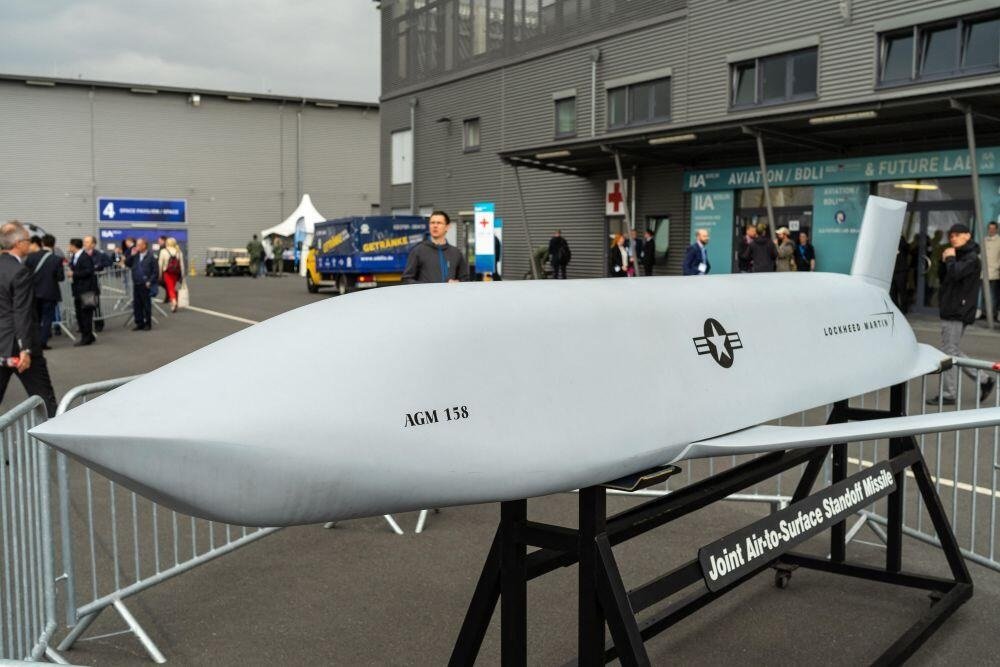 U.S. Air Force Selects GE-Kratos F143 Engine as Second Engine Source for JASSM Missile
-
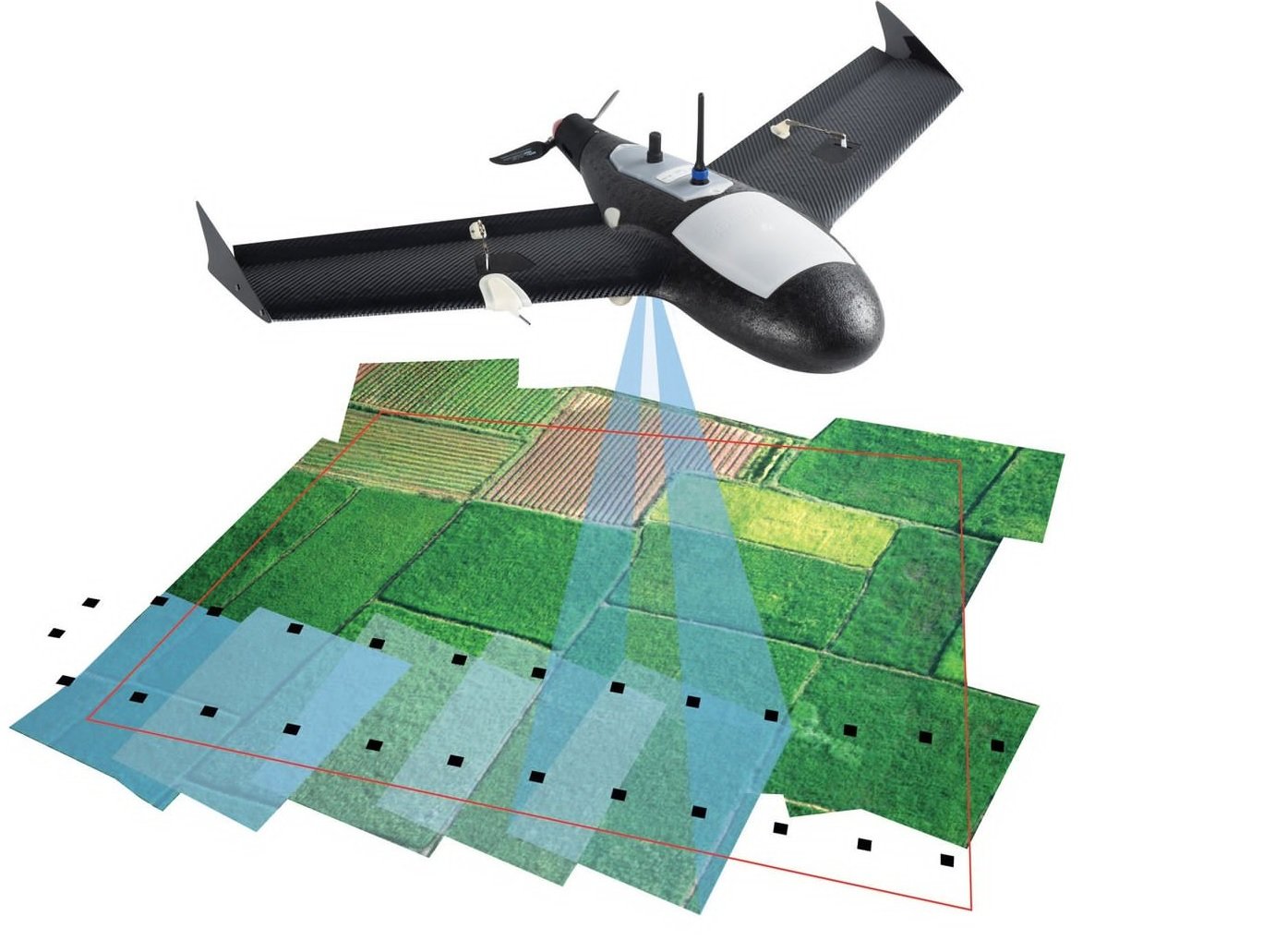 Russia Develops 'Martian' Camera-Based Navigation Independent of GPS and Radio Signals for Drones
-
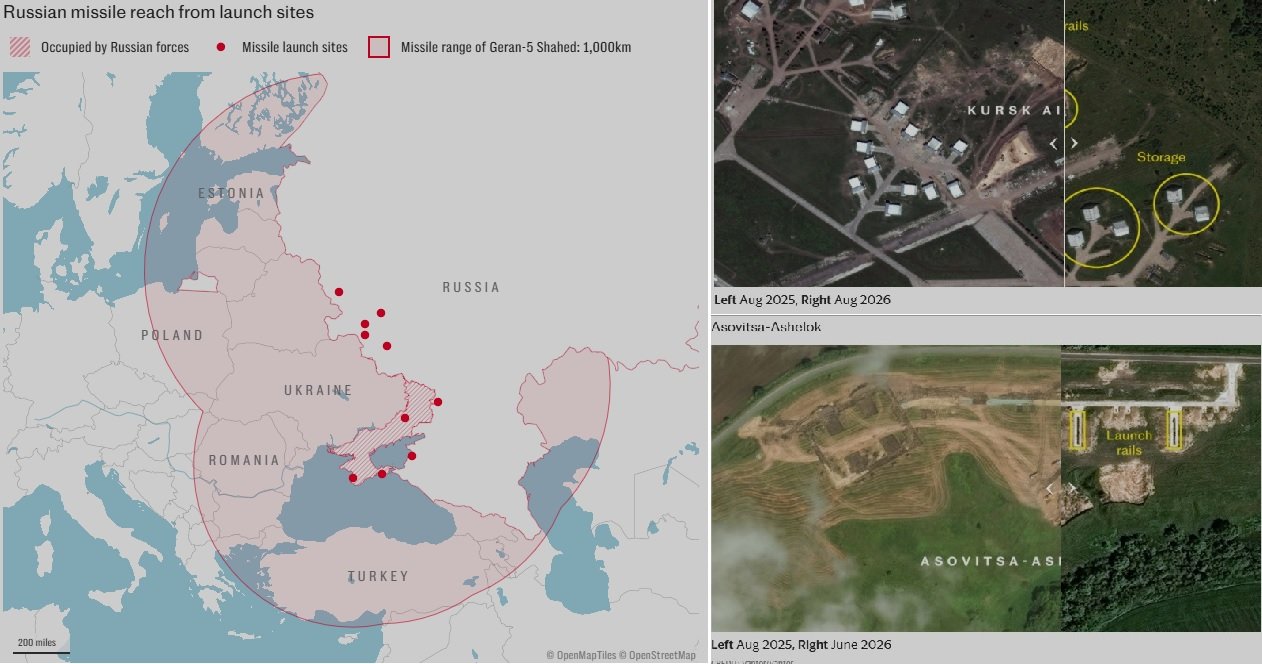 Russia Expands Drone Launch Network Near Ukraine and Belarus Borders, Putting NATO Territory Within Range
-
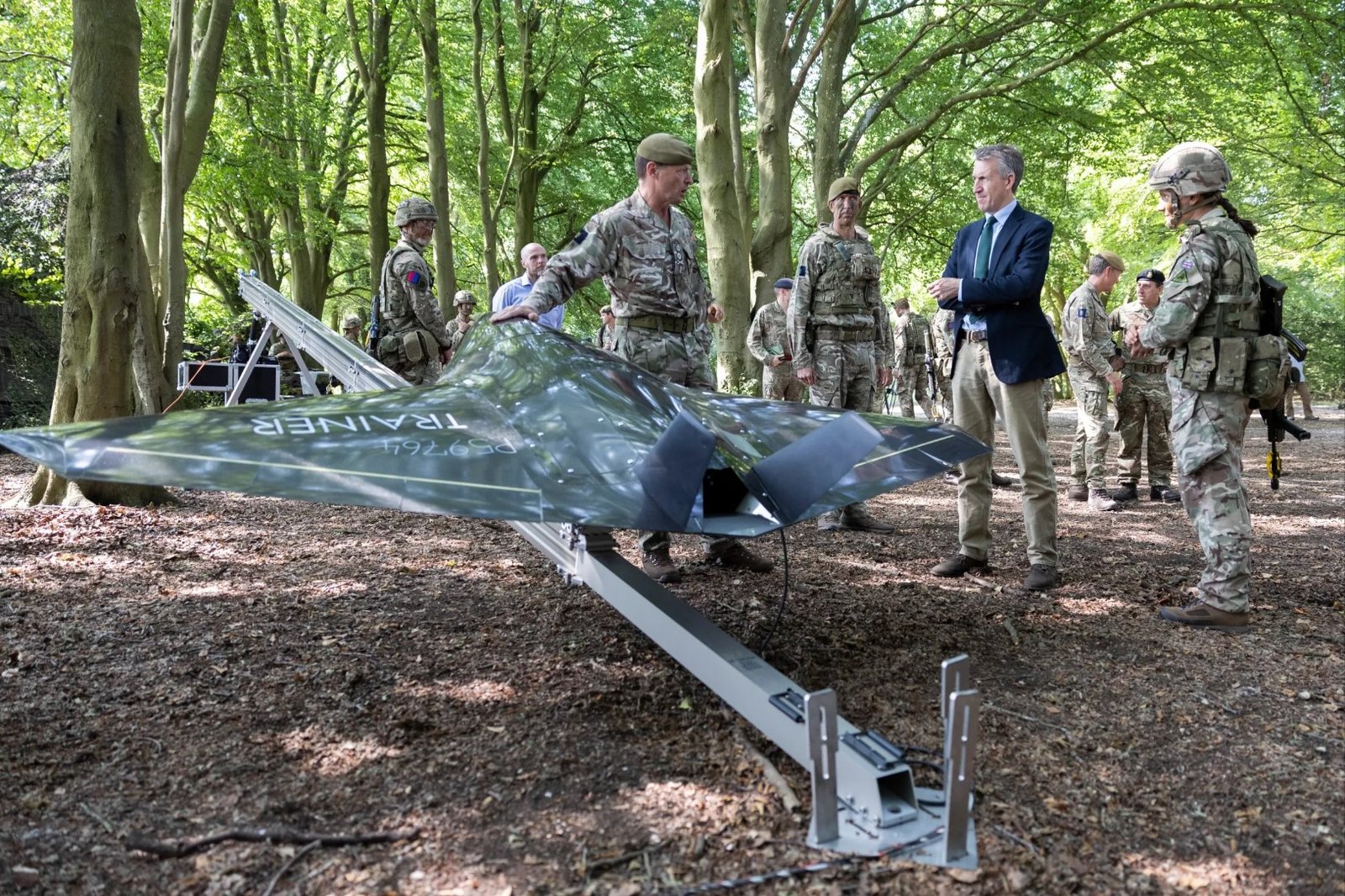 Russia Warns UK of ‘Consequences’ Over British Drones Used by Ukraine in Strikes on Russian Territory
