World
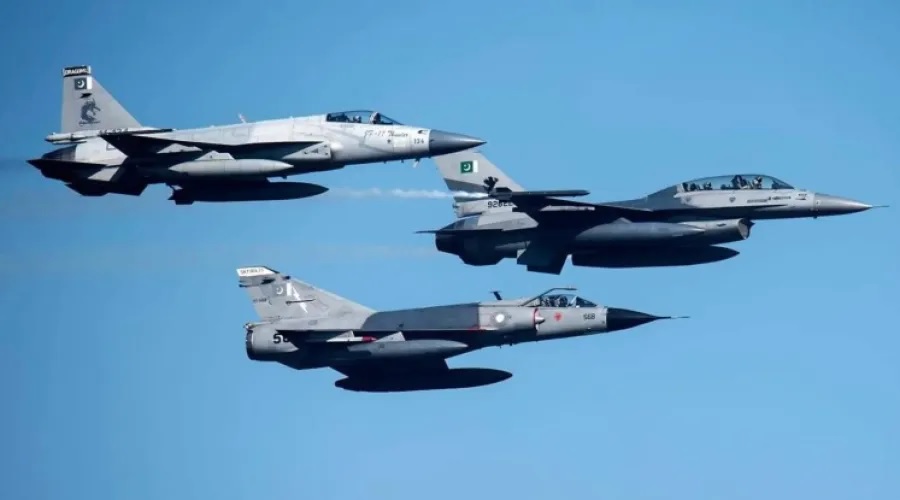
The United States has released $397 million in funds to monitor Pakistan’s use of U.S.-supplied F-16 fighter jets, ensuring they are strictly utilized for counterterrorism operations rather than against India or any other unintended targets. This funding is part of a broader $5.3 billion foreign aid package that the Trump administration has selectively restored after an earlier freeze. U.S. Tightens Oversight on Pakistan’s F-16 Program Washington has long provided military assistance to Pakistan, but concerns have persisted over how the country deploys its F-16 fleet, originally supplied to support counterterrorism operations. In the past, accusations have surfaced that Pakistan might have used these jets beyond their intended role, particularly in its tensions with India. To prevent any misuse, the Bureau of International Security and Nonproliferation has been granted the $397 million exemption, allowing for enhanced monitoring mechanisms. Trump’s Foreign Aid Freeze and Security-First Approach Shortly after taking office, President Donald Trump ordered a 90-day freeze on foreign aid, affecting numerous global assistance programs, including humanitarian initiatives. This decision triggered a wave of concern among international organizations and U.S. officials who sought exemptions to keep critical programs running. The administration later approved a list of exemptions, prioritizing funds linked to national security, military assistance, and counterterrorism efforts. Pakistan’s Position and U.S. Expectations Pakistan, a nuclear-armed nation, has received extensive U.S. military support over the decades, especially under counterterrorism partnerships. However, its relationship with Washington has often been fraught with tensions, particularly regarding its dealings with militant groups and regional security policies. The latest U.S. move signals a clear message—continued support will be conditional on transparency and strict adherence to counterterrorism objectives. Global Implications of U.S. Military Aid Decisions While Pakistan’s F-16 program has received renewed funding, several humanitarian and development initiatives remain in limbo. The Trump administration’s foreign aid strategy has focused heavily on security-related exemptions, including $870 million for Taiwan’s defense, $336 million for modernizing Philippine security forces, and $21.5 million for Ukraine’s border security. Meanwhile, funds for crises in Sudan, Syria, Myanmar, and Afghanistan remain frozen, raising concerns about the broader impact of the aid policy shift. With strict oversight mechanisms now in place, Pakistan must ensure that its F-16 fleet remains dedicated to counterterrorism, aligning with U.S. strategic interests in the region. The latest funding decision underscores America’s evolving foreign policy priorities—favoring military and security aid over traditional humanitarian assistance.
Read More → Posted on 2025-02-25 13:44:33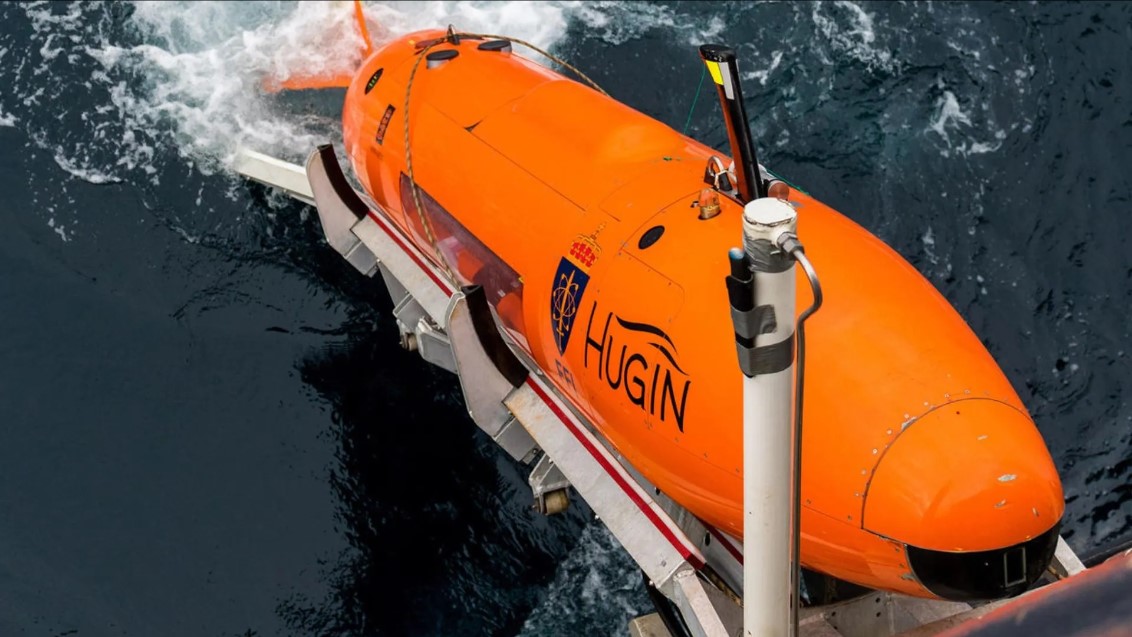
World
KONGSBERG has successfully completed the acceptance testing of its HUGIN Superior Autonomous Underwater Vehicle (AUV) for the U.S. Navy, marking a significant milestone just one year after being awarded a 24-month frame contract by the Defense Innovation Unit (DIU). This rapid progress demonstrates the growing importance of advanced unmanned underwater systems in enhancing naval operations. A Major Asset for the U.S. Navy The final acceptance tests took place in Norway earlier this year, with the HUGIN Superior AUV now set to be integrated into real-world operations for the U.S. Navy. The vehicle’s advanced capabilities will play a critical role in expanding undersea warfare and intelligence gathering efforts, providing an edge in modern naval operations. Impressive Speed in Deployment The quick turnaround from assessment to delivery highlights DIU’s commitment to accelerating the adoption of commercial technology for national security. The rigorous selection process ensured that the HUGIN Superior AUV met the Navy’s high standards. Rich Patterson, Vice President of Sales for KONGSBERG’s Uncrewed Platforms Division, praised the collaboration, stating:"We are excited to strengthen our partnership with the U.S. Navy and deliver the cutting-edge capabilities of the HUGIN Superior AUV. The DIU team has played a key role in ensuring a swift technology transfer, and we look forward to valuable operator feedback that will help refine and evolve our product line further." State-of-the-Art Underwater Technology The HUGIN Superior AUV has been a proven asset since 2019, serving both commercial and military customers. It offers immediate operational capability for a range of missions, including: Subsea and Seabed Warfare (SSW) Intelligence Preparation of the Operational Environment (IPoE) Mine Countermeasures (MCM) Inspection of Undersea Infrastructure With a full ocean depth design, an endurance of over 70 hours, and an exceptional navigation accuracy of less than 0.04% of the distance traveled, the HUGIN Superior leads the large AUV market in reliability and performance. Its advanced suite of mapping and imaging sensors ensures the highest quality data collection. A Legacy of AUV Innovation KONGSBERG has been at the forefront of AUV development since the first HUGIN dive in 1993. From record-breaking endurance missions to cutting-edge integration of autonomy, navigation, and battery technology, the HUGIN series continues to set industry standards. The successful delivery of the HUGIN Superior AUV to the U.S. Navy marks a major step in strengthening underwater defense capabilities. With its proven reliability and advanced features, the system is expected to play a crucial role in safeguarding undersea operations for years to come.
Read More → Posted on 2025-02-24 14:45:20
India
Bangalore-based defence tech firm Optimised Electrotech has introduced the Harpy Sight, marking India’s first Generation 5 AI-driven imaging seeker. This breakthrough technology is designed to enhance real-time target detection, precision guidance, and seamless integration with micro-missiles and UAVs, significantly bolstering India’s defence capabilities. Cutting-Edge AI-Powered Targeting Harpy Sight is equipped with advanced AI algorithms that enable real-time identification and tracking of targets with unparalleled speed and accuracy. The AI-driven seeker ensures precise engagements, reducing collateral damage while improving operational effectiveness. Advanced Guidance & Seamless Integration The system’s next-generation guidance technology enhances targeting precision, allowing for highly effective strikes on enemy assets. It is also compatible with micro-missiles and UAV platforms, making it a versatile tool for modern military operations. Next-Gen Telemetry & Situational Awareness Harpy Sight is built with advanced telemetry features, improving data transmission and situational awareness for operators. This enhanced connectivity allows for faster decision-making in dynamic combat environments. Revolutionizing Military Operations This innovation is set to transform surveillance and strike missions with key advantages, including: High-precision strikes against enemy air defence systems and strategic targets. Robust surveillance capabilities that function effectively in diverse weather and battlefield conditions. Reduced operator workload with AI-enhanced automation and data analysis. By introducing Harpy Sight, Optimised Electrotech strengthens India's position in the global defence technology landscape, reinforcing national security and advancing indigenous military innovation.
Read More → Posted on 2025-02-24 14:41:01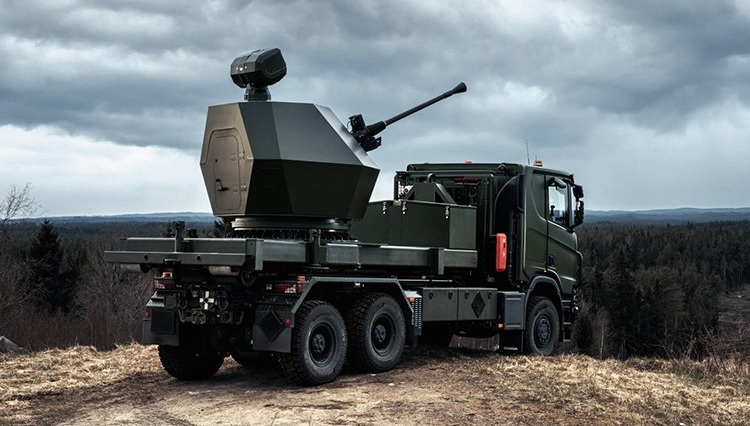
World
Marking the third anniversary of Russia’s full-scale invasion, Sweden has announced a new $110 million military aid package for Ukraine, featuring advanced air defense systems aimed at bolstering Ukraine’s ability to counter aerial threats. Among the highlights of this package is the Tridon Mk2, a modern and highly adaptable air defense platform that Ukraine will be receiving for the first time. A Powerful Addition to Ukraine’s Air Defense The Tridon Mk2 is a 40mm naval gun mounted on a flatbed truck, making it a mobile and versatile solution for engaging aerial and ground threats. Developed by BAE Systems, this system is designed to neutralize drones, cruise missiles, aircraft, and even lightly armored vehicles. Its modular construction allows for easy integration of new technologies, ensuring it remains effective as threats evolve. Unlike traditional missile-based air defense systems, which can be costly and require extensive logistics, the Tridon Mk2 offers a more affordable and rapid-response alternative. This makes it an ideal solution for protecting critical infrastructure and frontline positions in Ukraine. Sweden’s Commitment to Ukraine’s Defense The latest Swedish aid package, valued at 1.2 billion kronor, was announced by Sweden’s government through the Swedish Defence Materiel Administration (FMV). Alongside the Tridon Mk2, Sweden is also supplying Robot 70 air defense systems and man-portable air defense weapons, further strengthening Ukraine’s aerial defense network. In addition to these contributions, Sweden has pledged to coordinate with international partners to ensure Ukraine receives continued support in defending its military forces, civilians, and essential infrastructure from ongoing Russian attacks. A Step Toward Stronger Defenses With Russia continuing its aggressive airstrikes, the deployment of the Tridon Mk2 system will significantly improve Ukraine’s ability to intercept and neutralize airborne threats. Sweden’s decision to supply these systems highlights its long-term commitment to Ukraine’s sovereignty and security. As Ukraine continues to fight for its survival, military aid packages like these are playing a crucial role in ensuring its forces remain capable of countering threats and protecting its people.
Read More → Posted on 2025-02-24 14:36:11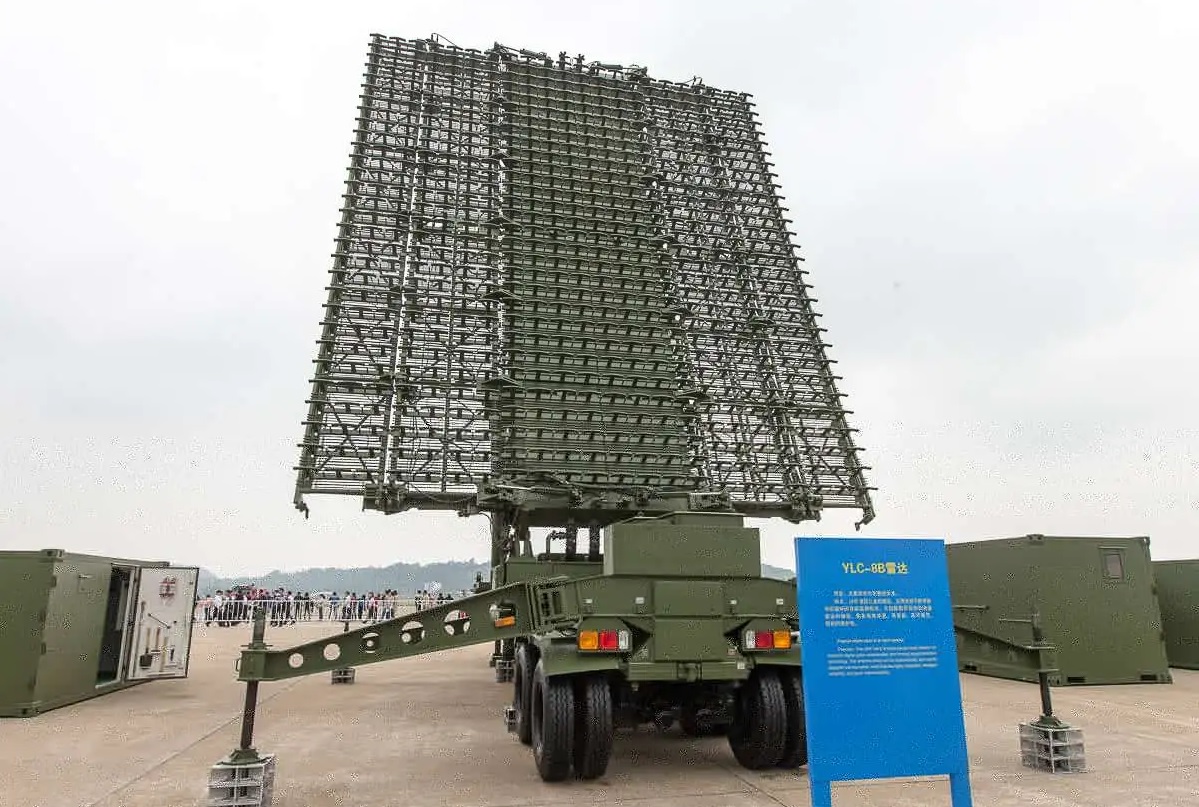
World
China has constructed a massive Large Phased Array Radar (LPAR) system in Yunnan Province, near its border with Myanmar. This state-of-the-art radar installation is capable of detecting missile launches and tracking aerial activities over a range exceeding 5,000 km, allowing China to closely monitor India's missile programs and strategic movements deep within Indian territory. A Strategic Move with Far-Reaching Implications The deployment of this high-tech radar is part of China's broader strategy to enhance its military surveillance capabilities, particularly in response to its ongoing tensions with India. The location of this system enables Beijing to keep a watchful eye on India's nuclear-capable ballistic missile tests, particularly from key launch sites like Dr. A.P.J. Abdul Kalam Island off India's eastern coast, where tests of the Agni-5 and K-4 ballistic missiles are conducted. By extending its missile surveillance deep into the Indian Ocean Region (IOR), China strengthens its ability to track Indian naval movements, including submarine-launched ballistic missile (SLBM) tests. This could impact India’s second-strike nuclear capability, a crucial aspect of deterrence in South Asia’s strategic balance. Regional Security Concerns & India's Response The establishment of this radar system significantly alters the security landscape in the Indo-Pacific. It reinforces the security dilemma between India and China, where one country’s defensive measures could be perceived as a threat by the other, leading to potential escalations. India, in response, might intensify its military collaborations with regional allies like Japan, Australia, and the United States under the Quad framework. This could push for greater intelligence sharing and early-warning systems to counter China's growing surveillance capabilities. China's Military Modernization Strategy The deployment of this LPAR is part of China's ongoing military modernization efforts, aimed at improving early warning systems against potential missile threats. Experts believe this radar system will play a key role in China's anti-ballistic missile defense network, enhancing its ability to detect and neutralize threats before impact. A New Chapter in Indo-China Strategic Rivalry With this development, China has taken a significant step in advancing its electronic warfare and missile tracking capabilities. This move is likely to complicate the security environment in the region, prompting India to reevaluate its defense strategies, enhance its missile testing secrecy, and invest in counter-surveillance technology to neutralize Beijing’s growing edge in radar and missile detection capabilities.
Read More → Posted on 2025-02-24 14:26:13
World
On the third anniversary of Russia’s full-scale invasion, Ukrainian President Volodymyr Zelensky hailed the resilience of his nation, calling it “three years of resistance, three years of gratitude, three years of absolute heroism of Ukrainians.” As Kyiv marked the somber milestone, European leaders gathered in the capital in a show of solidarity, while geopolitical tensions surrounding the war’s future continued to mount. The war, triggered by Russian President Vladimir Putin’s so-called “special military operation,” has been the largest European conflict since World War II. The battlefield toll has been immense, with tens of thousands of soldiers on both sides killed, Ukrainian cities reduced to rubble, and millions displaced from their homes. While Ukraine has received extensive Western military and financial support, the political landscape is shifting, particularly with Donald Trump’s return to the White House, casting uncertainty over future aid and the broader coalition backing Kyiv. As Russian forces continue their advances in Ukraine’s eastern regions, the Kremlin has been emboldened by Trump's diplomatic outreach. Moscow has capitalized on growing skepticism in Washington about prolonged support for Kyiv. Trump’s recent 90-minute phone call with Putin and the dispatch of Secretary of State Marco Rubio to Saudi Arabia for discussions with Russian Foreign Minister Sergei Lavrov have triggered alarm among European allies. European Commission chief Ursula von der Leyen, arriving in Kyiv by train, underscored the broader stakes of the war, declaring, “Ukraine is Europe. In this fight for survival, it is not only the destiny of Ukraine that is at stake, it’s Europe’s destiny.” The EU responded with a fresh round of sanctions targeting Russia’s so-called “shadow fleet,” which facilitates oil trade, as well as financial institutions and individuals supporting Moscow’s war effort. European Council President Antonio Costa indirectly rebuked Trump’s apparent moves to sideline Ukraine from potential ceasefire discussions, stating: “In Ukraine, about Ukraine, with Ukraine.” Leaders from Canada, Denmark, Estonia, Finland, Iceland, Latvia, Lithuania, Norway, Spain, and Sweden arrived in Kyiv, reinforcing their commitment to Ukraine’s cause. Zelensky has been vocal about the need for concrete security guarantees to prevent Russia from using any ceasefire to regroup and strike again in the future. His warning comes as the Ukrainian military faces immense pressure on the frontlines. Over the past months, Moscow has intensified its offensives, and on the eve of the anniversary, the Kremlin reiterated its refusal to relinquish occupied Ukrainian territories or accept Kyiv’s NATO membership. In an extraordinary move, Zelensky even suggested he would step down if it meant securing Ukraine’s NATO accession. Despite the dire situation, Ukraine continues its countermeasures, launching drone strikes deep into Russian territory, including a recent attack on an oil refinery southeast of Moscow. French President Emmanuel Macron, set to meet with Trump in Washington, vowed to press the U.S. president on the importance of standing firm against Putin, warning, “You cannot be weak in the face of President Putin.” Meanwhile, uncertainty looms over Washington’s stance, with Trump questioning not only support for Ukraine but also the broader transatlantic security framework that has underpinned NATO for decades. On the frontlines, Ukrainian soldiers expressed apprehension over Trump’s push for a swift ceasefire, fearing it could force Kyiv into a disadvantageous settlement. “It scares me more. The bloodiest moments always come before a truce,” said Andrii, a 25-year-old soldier in eastern Ukraine. Mykola, a 38-year-old artillery commander in Donetsk, echoed the sentiment: “I don’t want to give up Ukrainian lands … we’ve been fighting for so long. But everyone is tired of the war.” As Ukraine commemorates three years of resilience and sacrifice, the uncertainty surrounding its future remains more pressing than ever. While Zelensky has vowed to continue the fight, the shifting geopolitical currents could redefine the war’s trajectory in the months ahead.
Read More → Posted on 2025-02-24 14:16:23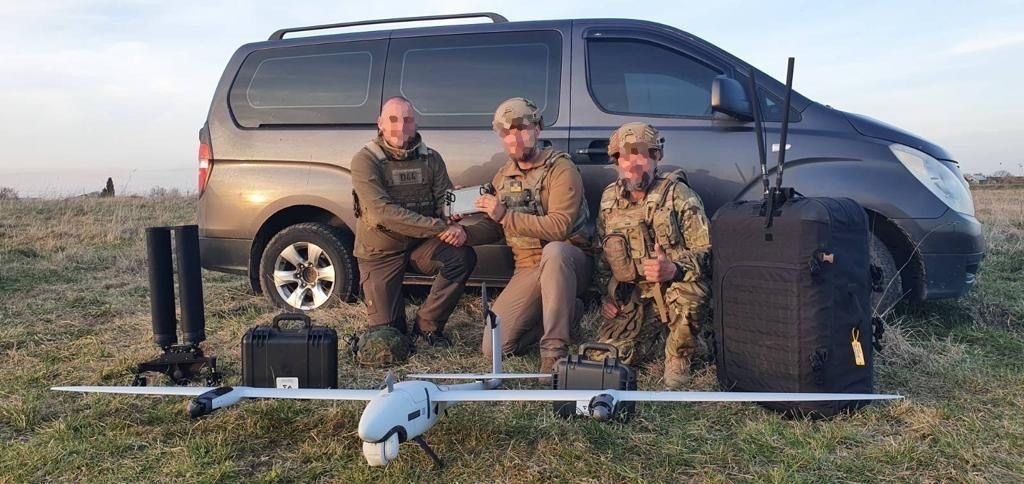
World
Quantum Systems, a leading German drone manufacturer, is making significant strides in Ukraine’s defence sector by ramping up local production of its advanced reconnaissance drones. The company recently hosted a high-profile delegation led by Ukraine’s Minister for Strategic Industries, Herman Smetanin, at its Ukrainian manufacturing facility. The visit underscored the rapid progress of the plant, which has become a crucial hub for drone production in less than a year. The delegation included senior officials such as Arsen Zhumadilov, Acting Head of the Defence Procurement Agency, and Oleksandr Potiy, Head of the State Special Communications Service. They observed the facility’s accelerated growth and its ability to meet Ukraine’s increasing defence needs. Since opening in April 2024, the factory has expanded its workforce to 80 employees, with plans to scale up to 120 as demand rises. A major milestone for the facility is the local production of 400 VECTOR reconnaissance drones. These cutting-edge unmanned aerial systems (UAS) will play a crucial role in Ukraine’s security and defence operations. Managing Director Oleksandr Berezhny highlighted that the expansion was achieved as a private initiative without any joint ventures or external guarantees, demonstrating the company’s commitment to supporting Ukraine’s self-reliance in defence technology. Quantum Systems is known for its expertise in AI-powered aerial robotics, particularly in developing vertical take-off and landing (eVTOL) small Unmanned Aerial Systems (sUAS). Its innovative Drone Port solution enables automated aerial intelligence gathering, providing real-time insights for military, security, and commercial applications. By integrating edge computing and AI-driven data processing, the company enhances operational efficiency, offering rapid and precise decision-making tools to operators. Founded in 2015 and headquartered in Germany at Special Airport Oberpfaffenhofen, Quantum Systems has a global footprint, with operations in the United States, Australia, and Ukraine. Its advanced drone technology is widely trusted across defence and security sectors, setting new standards in aerial intelligence and data-driven decision-making. As Ukraine continues to strengthen its defence capabilities with European support, Quantum Systems’ expansion marks a significant step in enhancing cooperation between Kyiv and its allies. The development of domestic drone production not only bolsters Ukraine’s resilience but also reinforces the broader European security framework.
Read More → Posted on 2025-02-24 14:11:18
World
The European Defence Agency (EDA) has launched a cutting-edge project aimed at improving military situational awareness through automatic 3D modelling. This initiative is designed to enhance threat detection, identification, and operational coordination by providing military personnel with a more detailed and real-time understanding of their surroundings. Enhancing Real-Time Battlefield Awareness With rapid advancements in technology, modern military operations increasingly rely on precise terrain analysis. The new EDA initiative leverages automated and semi-automated 3D modelling techniques that create high-resolution digital maps of mission areas. These models integrate real-time data from sensors mounted on land platforms, ensuring that military personnel have an accurate and updated view of their environment as they move through combat zones. This technology will allow operators to assess terrain before arrival, predict potential risks, and make more informed decisions during missions. The enhanced situational awareness is expected to improve tactical planning, threat response, and battlefield efficiency. A Collaborative European Effort To drive the project forward, EDA’s CapTech Ground Systems and CapTech Simulation Technologies have coordinated a partnership between Luxembourg and the Netherlands. The initiative, known as “3D Terrain and City Models for Situational Awareness, Decision Making, and Effector Coordination” (3D-4LAND I), brings together a diverse group of research and industry partners. The project is led by the Netherlands-based RE-liON, with contributions from: TNO (Netherlands) – a leading defence and security research organisation FIRIS SA (Luxembourg) – a company specialising in real-time situational analysis University of Luxembourg – providing expertise in simulation technologies Luxembourg Institute of Science and Technology (LIST) – contributing to data processing and system development A Multi-Phase Project with a €4.9 Million Budget The 3D-4LAND I project has been allocated a €4.9 million budget over a three-year period. This phase will focus on: Defining the system’s operational and technical requirements Developing a robust system architecture Establishing evaluation criteria and key specifications The success of 3D-4LAND I will set the foundation for 3D-4LAND II, the next phase of the initiative, which will focus on creating a physical demonstrator of the system for real-world testing and deployment. The Future of Military Intelligence As modern conflicts become increasingly data-driven, projects like 3D-4LAND I will play a crucial role in ensuring faster, smarter, and more efficient military operations. By combining real-time data analysis, advanced simulation technologies, and international collaboration, the European Defence Agency is paving the way for a new era of enhanced battlefield awareness.
Read More → Posted on 2025-02-24 14:08:36
World
A Bangladesh Air Force (BAF) base in Cox’s Bazar came under attack on Monday, resulting in a violent confrontation that left one person dead and several others injured. The incident, allegedly carried out by miscreants from the nearby Samiti Para area, created chaos near the high-security military installation. Deadly Confrontation Near Air Force Base Local authorities confirmed that the deceased was identified as 25-year-old Shihab Kabir Nahid, a trader from Samiti Para. He was reportedly caught in the clash and sustained severe head injuries before being rushed to Cox's Bazar Sadar Hospital, where he was pronounced dead on arrival. Medical officials stated that an autopsy would determine the exact cause of death. Several other individuals were injured during the altercation, though officials have yet to release precise figures. The district commissioner of Cox's Bazar, Mohammad Salahuddin, acknowledged the incident and assured that an investigation would be conducted to determine the cause of the attack. Air Force Responds, Security Tightened The Bangladesh Air Force responded swiftly to the incident, with Inter-Services Public Relations (ISPR) confirming that necessary actions were being taken. ISPR Assistant Director Ayesha Siddiqua issued a statement but did not elaborate on specific measures being implemented. Authorities have since tightened security in the area, and law enforcement agencies are working to assess the motives behind the attack. Officials are urging calm and vowing to prevent further escalation. Strategic Importance of Cox’s Bazar Cox’s Bazar is not only famous for its tourism but also holds significant strategic value due to key military installations in the region. The BAF base plays a crucial role in national security, making any security breach a serious concern. Additionally, the presence of Rohingya refugee camps and ongoing regional geopolitical developments have increased security sensitivities in the area. With the investigation ongoing, authorities remain on high alert to ensure stability and prevent further violence.
Read More → Posted on 2025-02-24 14:02:09
Space & Technology
As India advances its space ambitions with the Bharatiya Antariksh Station, the Indian Space Research Organisation (ISRO) is receiving crucial support from researchers at IIT-Madras. Their efforts are focused on developing advanced protective materials to ensure the long-term durability of the space station in the harsh environment of space. A team from the Extraterrestrial Manufacturing (ExTeM) research group is working on metal foam technology, a lightweight yet highly resilient material designed to shield the station from potential threats such as micro-meteoroid impacts. This innovative material is engineered to perform efficiently in the vacuum of space, enhancing the station's overall safety and longevity. IIT-Madras’s research aligns with two significant objectives: enabling long-term human space missions and translating these technological advancements into Earth-based industries. By developing sustainable solutions, the researchers aim to support future lunar and Martian missions while also contributing to industrial applications back on Earth. To facilitate their research, IIT-Madras has constructed a state-of-the-art Microgravity Drop Tower, the fourth largest in the world. This facility allows scientists to study how materials behave in zero gravity, providing crucial insights for refining metal foam properties. Neelabh Menaria, a key researcher in the project, is focused on optimizing the impact resistance of metal foam in microgravity conditions, ensuring its effectiveness in space station protection. Beyond protective materials, the ExTeM team is also exploring welding techniques for space applications. Additionally, they are working on advancements in 3D printing and bioprinting, which will be critical for building and maintaining space infrastructure with minimal reliance on Earth-based supply chains. As part of the Institute of Eminence initiative, IIT-Madras is not only contributing to ISRO’s Bharatiya Antariksh Station but is also laying the groundwork for future deep-space exploration. Their research is set to play a vital role in reducing dependency on Earth, making long-duration space missions more feasible while advancing material sciences for both space and terrestrial applications.
Read More → Posted on 2025-02-24 13:53:39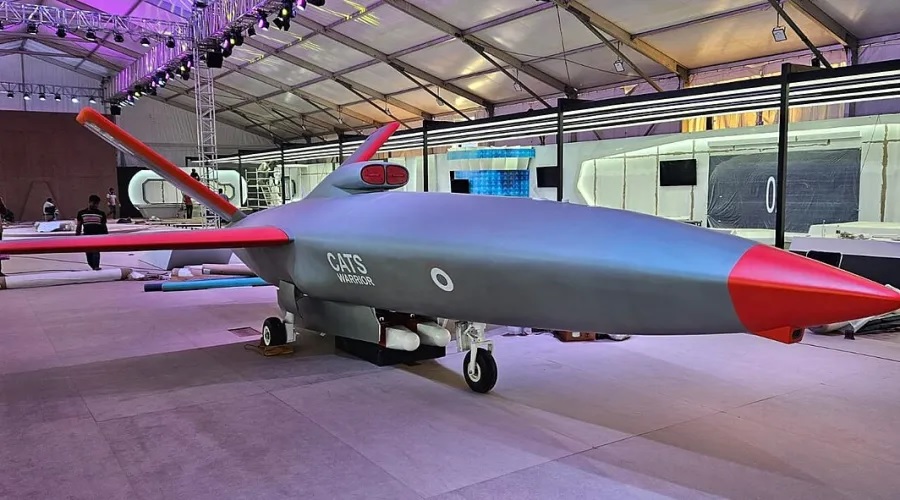
India
Hindustan Aeronautics Limited (HAL) is considering a next-generation unmanned combat aerial vehicle (UCAV), tentatively called "CATS Warrior 2," which would feature enhanced payload capacity and heavy weaponry. However, the ambitious program hinges on the successful operational performance of its predecessor, the CATS Warrior. At the recent Aero India 2025 exhibition in Bengaluru, HAL presented the CATS Warrior, a nearly 2-ton "loyal wingman" designed to operate alongside fighter jets like the Tejas and Su-30MKI. The first flight of this advanced drone is expected later this year, marking a critical step toward bolstering the Indian Air Force’s (IAF) combat capabilities. While this initial version is still undergoing testing, HAL officials revealed that preliminary designs for a larger, more powerful UCAV—CATS Warrior 2—are already being explored. The proposed CATS Warrior 2 is envisioned to be a much larger and more lethal platform. Early design concepts indicate an estimated length of 13 meters and an All-Up Weight (AUW) of approximately 5 tons. It is expected to be powered by twin HTFE-25 turbofan engines, each delivering 25 kN of thrust. These engines, developed in-house by HAL, signify India’s commitment to indigenous propulsion systems for next-generation air combat platforms. One of the defining features of CATS Warrior 2 would be its significantly enhanced payload capacity, exceeding 1,000 kg. This would allow the UCAV to carry a diverse range of heavy weaponry, far surpassing the armament limitations of the current CATS Warrior. The existing model is primarily designed to carry two Smart Anti-Airfield Weapons (SAAW), which are precision-guided, long-range munitions aimed at disabling enemy airfields and ground installations. In contrast, the larger successor is expected to integrate heavier strike weapons, electronic warfare systems, and potentially even air-launched munitions for long-range missions. Despite the promising vision for CATS Warrior 2, HAL officials have emphasized that the program is still in its nascent stages. A full-fledged development cycle could take at least four to five years before tangible progress is seen. The immediate focus remains on validating the operational efficiency of the smaller CATS Warrior through rigorous flight testing and simulated combat scenarios. Only after its success will HAL commit resources to the development of the larger and more sophisticated UCAV. The ambitious nature of the project underscores the technological challenges in building a 5-ton class unmanned strike aircraft. Beyond the design and propulsion system, integrating such a drone with the IAF’s existing infrastructure, ensuring effective manned-unmanned teaming, and refining artificial intelligence-driven autonomous operations will be crucial hurdles to overcome. Given its estimated specifications, the CATS Warrior 2 could be compared in scale to international UCAVs like the American XQ-58 Valkyrie or the Russian S-70 Okhotnik-B. However, HAL’s approach prioritizes indigenous design and cost-effectiveness, making it a uniquely tailored solution for India’s defense requirements rather than a direct imitation of foreign platforms. As India rapidly advances its drone warfare capabilities, the success of the CATS Warrior and its potential successor, CATS Warrior 2, could mark a significant leap in the country’s indigenous UCAV development. If executed successfully, the program would place India among the select nations capable of deploying advanced, high-payload strike drones, enhancing both offensive and defensive capabilities in modern aerial warfare.
Read More → Posted on 2025-02-24 13:50:30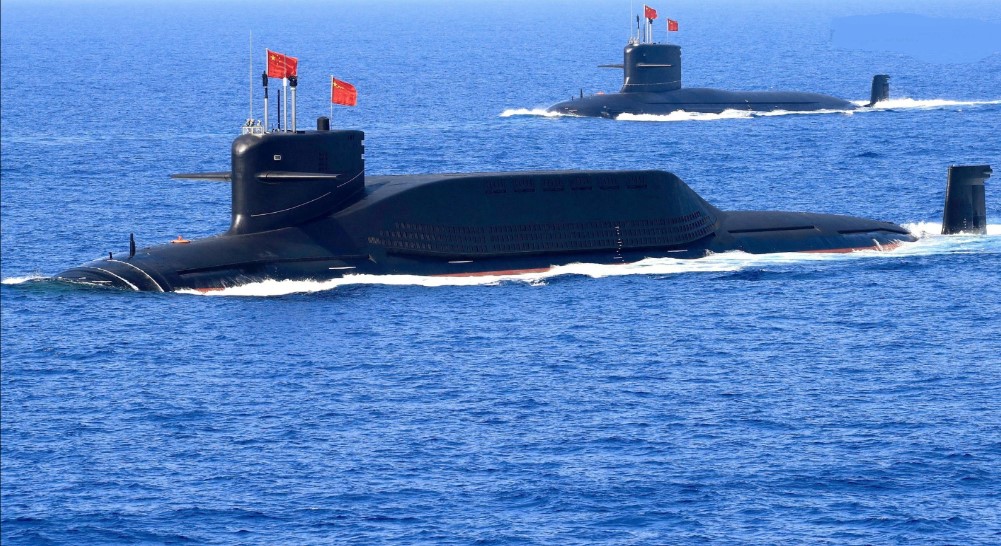
World
China’s newest attack submarine could be a game-changer in its ongoing strategic contest with the United States in the Indo-Pacific. According to a recent report in a Chinese military-affiliated publication, the submarine is being designed to counter America’s medium-range missile defense systems, particularly those stationed in the Philippines. The report, published by Naval & Merchant Ships, a magazine linked to the China State Shipbuilding Corporation (CSSC), suggests that this advanced submarine might be equipped with hypersonic missiles. These high-speed projectiles could potentially bypass enemy defenses and launch surprise strikes on key U.S. military assets. If true, this would significantly alter the balance of power in the region, as such a weapon system could make American missile defenses more vulnerable to attack. China’s strategic goal appears to be forcing adversaries—including the U.S. and its allies—to spread out their forces, making them easier to target. The new submarine, when operating alongside other assets of the People’s Liberation Army (PLA) Navy, could complicate U.S. military operations in the South China Sea and beyond. However, Beijing has yet to officially confirm the existence of such a submarine. A Response to U.S. Missile Deployment in the Philippines This development comes against the backdrop of the United States deploying Typhon missile systems in the Philippines. The Typhon system, a key component of America’s air defense strategy in the Indo-Pacific, has been placed in Manila as part of Washington’s efforts to counter growing Chinese assertiveness. This deployment has not gone unnoticed in Beijing, which has repeatedly opposed any U.S. military expansion in the region. The South China Sea remains a flashpoint, with China and the Philippines clashing over territorial claims. Manila has accused Beijing of escalating tensions through maritime confrontations, including vessel collisions and the use of water cannons against Philippine ships. The addition of U.S. missile defenses in the Philippines has further fueled diplomatic and military tensions, prompting strong reactions from China. China Warns of Retaliation China’s Foreign Ministry has issued a clear warning regarding the presence of U.S. missile systems in the Philippines. Spokesperson Guo Jiakun stated in a recent briefing that China “will not sit idly by” while its security interests are threatened. He also urged the Philippines to reconsider its military ties with the U.S. and make “a strategic choice” that prioritizes its own long-term stability. This message underscores Beijing’s frustration with Manila’s growing military cooperation with Washington. China has long viewed U.S. military activity in the region as an attempt to contain its influence, and the deployment of Typhon missiles only adds to these concerns. Philippines Responds with a Challenge to China Amid this escalating tension, Philippine President Ferdinand Marcos Jr. has made a striking statement. He suggested that his country would consider withdrawing the Typhon missile system if China agrees to stop its aggressive actions in the disputed maritime region. “Let’s make a deal with China: Stop claiming our territory, stop harassing our fishermen, stop ramming our boats … and I’ll return the Typhon missiles,” Marcos stated. His remarks highlight the delicate balancing act the Philippines must navigate between strengthening its military alliance with the U.S. and managing its turbulent relationship with China. While Manila seeks security assurances from Washington, it also wants to avoid provoking a direct military confrontation with Beijing. A Shifting Military Landscape in the Indo-Pacific The possibility of China developing a submarine capable of targeting U.S. missile defenses represents a significant shift in the military landscape of the Indo-Pacific. If Beijing’s claims are accurate, the introduction of such an advanced weapon system could change how the U.S. and its allies approach regional security. The new submarine could limit the effectiveness of American missile defenses and force a reevaluation of current military strategies. At the same time, the U.S. and the Philippines remain firm in their commitment to maintaining a strong deterrent against Chinese aggression. Washington has repeatedly reaffirmed its support for Manila, emphasizing that any attack on Philippine forces in the South China Sea would trigger its mutual defense treaty obligations. With China flexing its military muscle and the U.S. strengthening its regional alliances, tensions in the Indo-Pacific are likely to remain high. Whether diplomacy can defuse this volatile situation or if military posturing will lead to greater confrontation remains an open question.
Read More → Posted on 2025-02-24 13:44:34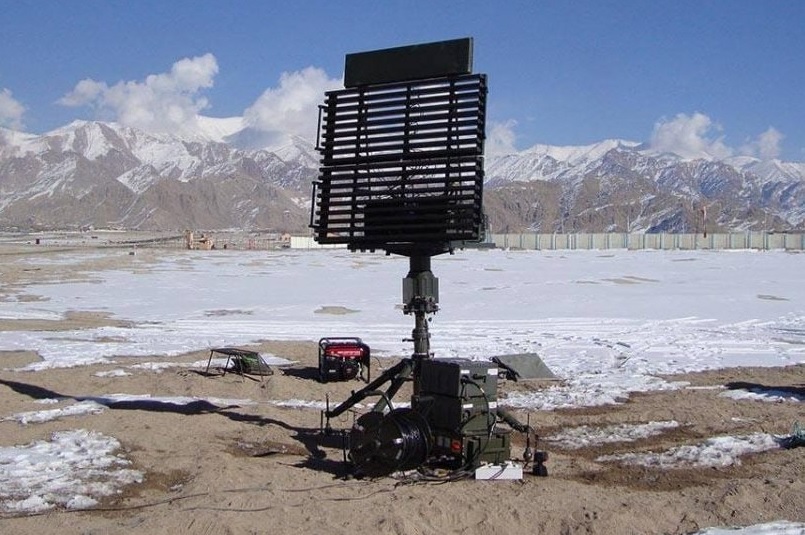
India
In response to the escalating threat posed by small drones, especially in challenging terrains, the Indian Army has initiated the emergency procurement of Low-Level Light Weight Radars (LLLR). These advanced systems are designed to detect and track low-altitude aerial targets, including unmanned aerial vehicles (UAVs), in hilly and valley regions. Key Specifications of LLLR: Frequency Band: Operates in the S-Band, providing reliable 3D surveillance capabilities. Detection Range: Effective detection of small drones, such as the DJI Mavic series, at distances up to 6–7 kilometers. Target Handling: Capable of detecting and tracking aerial targets with a radar cross-section (RCS) of less than 1 square meter at ranges up to 20 kilometers. Mobility: Lightweight and portable, allowing for rapid deployment in diverse terrains, including mountain tops, deserts, and urban areas. Power Source: Battery-powered design ensures operational flexibility in remote locations. Operational Altitude: Provides surveillance for low and medium-altitude targets, making it ideal for detecting UAVs, helicopters, and low-flying aircraft. Deployment: Can be transported by vehicles, animals, or as helislung loads, and can be dismantled into packages for quick relocation and installation in mountainous terrain. The induction of LLLRs is a strategic move to enhance the Army's surveillance network, providing real-time tracking and early warning to effectively counter emerging aerial threats. By increasing the density of these radars, especially in mountainous and valley terrains, the Army aims to construct a comprehensive surveillance network capable of rapid threat response. This procurement aligns with the Army's broader initiative to modernize its air defense systems, incorporating indigenous innovations to bolster national security. The deployment of LLLRs not only enhances operational readiness but also signifies a significant step toward achieving technological self-reliance in defense applications.
Read More → Posted on 2025-02-23 14:41:49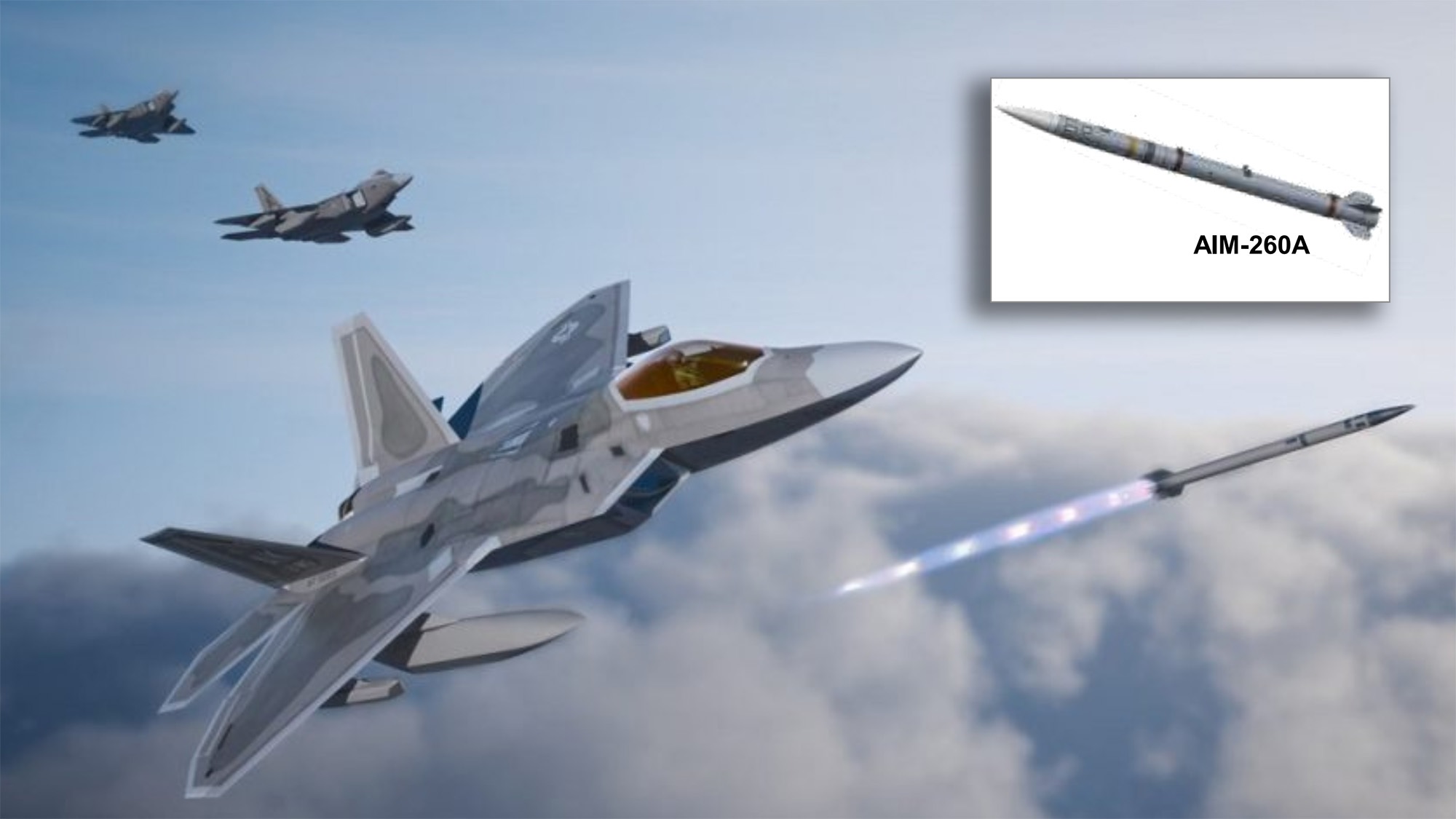
World
The U.S. Navy has offered the first official glimpse of the highly classified AIM-260A Joint Advanced Tactical Missile (JATM), marking a major step in the development of the next-generation air-to-air weapon system for the United States Armed Forces. The rendering, included in a recent NAVAIR portfolio overview, provides the most detailed look yet at the missile’s exterior design and guidance system. Developed as a Special Access Program (SAP) since 2017, the AIM-260A is intended to counter advancements in adversary air-to-air missile technology, particularly from near-peer competitors. Until now, information about the missile has been scarce, with only a 2022 U.S. Air Force illustration showing an F-22 Raptor launching a similar weapon. The latest rendering from PMA-259, the Navy’s Air-to-Air Missiles Program Office, presents an up-close view of the AIM-260A, confirming its design evolution from the widely used AIM-120 Advanced Medium-Range Air-to-Air Missile (AMRAAM). One of the most notable aspects of the AIM-260A’s design is its lack of mid-body control surfaces, a departure from the AIM-120. This suggests a new guidance approach, possibly incorporating thrust vector control or advanced aerodynamic maneuvering. Additionally, the missile is expected to feature a new solid rocket motor, providing significantly greater range compared to its predecessors. The AIM-260A has been developed to fit within the same physical dimensions as the AIM-120, ensuring compatibility with existing U.S. fighter aircraft, including the F-22 Raptor, F-35 Lightning II, and potentially the Next Generation Air Dominance (NGAD) platform. Although official range figures remain classified, previous estimates placed the missile's minimum threshold at approximately 100 miles (190 km). However, statements from Raytheon officials suggest that the latest AIM-120D-3 variant is approaching this range, implying that the AIM-260A may exceed these figures to maintain superiority over potential threats. Flight testing for the AIM-260A reportedly began in 2020, using QF-16 target drones to validate its capabilities. Despite the high level of secrecy surrounding the program, former U.S. Air Force Secretary Frank Kendall confirmed that production was expected to begin in 2023. However, no official updates have been provided regarding its current production or deployment status. As the U.S. military continues to enhance its air combat capabilities, the unveiling of the AIM-260A rendering signals that the program remains on track. Further details on its operational progress and full capabilities will likely emerge as the program advances under strict security measures.
Read More → Posted on 2025-02-23 14:32:44
World
Switzerland is considering deploying 200 peacekeeping troops to Ukraine if a truce is reached between Kyiv and Moscow, according to the head of the Swiss armed forces, Thomas Suessli. However, he emphasized that such a mission would only be possible under specific conditions and would not involve combat operations. Suessli clarified the difference between "peace-enforcement" and "peacekeeping" roles, stressing that Switzerland does not participate in military interventions that impose peace by force. Instead, any deployment would require both Ukraine and Russia to agree to a ceasefire and accept the United Nations sending a peacekeeping force to maintain stability. “If we were ordered to participate in a mission, we would develop a training concept to train up our militia members and prepare them for engagement,” Suessli explained. He estimated that Switzerland could provide around 200 troops within nine to twelve months, but only if conditions allow and the Swiss parliament approves. He cited Switzerland’s existing role in Kosovo, where Swiss troops serve in a NATO-led peacekeeping force, as an example of their non-combat deployment strategy. He also underscored that any Swiss troops sent to Ukraine would be authorized to use arms only in self-defense. Despite the possibility of participation, Suessli acknowledged that Switzerland’s role in Ukraine remains purely hypothetical for now. “The question is what the UN needs and what our parliament would decide. There is no peace yet, and there is no request from the UN,” he noted. While Switzerland remains committed to its policy of neutrality, the discussion highlights the country’s willingness to contribute to international stability if a diplomatic breakthrough is achieved in Ukraine.
Read More → Posted on 2025-02-23 14:16:58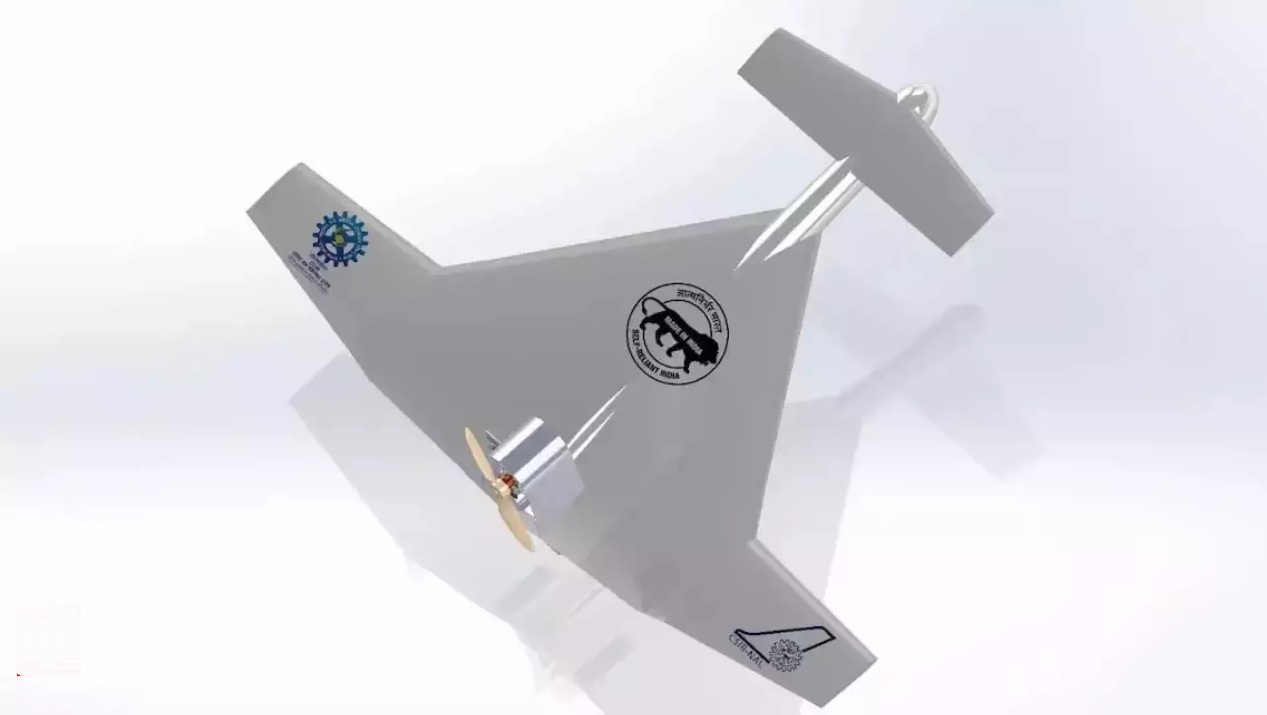
India
The Council of Scientific and Industrial Research – National Aerospace Laboratories (CSIR-NAL) is advancing India's defense technology with the development of an indigenous 30 horsepower (HP) Wankel rotary engine. This engine is specifically designed to power a 150 kg class loitering munition unmanned aerial vehicle (UAV), aiming to enhance the country's strategic capabilities. Engine Specifications The 30 HP Wankel engine developed by CSIR-NAL boasts a displacement of 216 cubic centimeters (cc) and delivers a maximum thrust exceeding 40 kilograms-force (kgf) at sea level. Designed for high-altitude performance, the engine operates efficiently at altitudes between 2 to 3 kilometers, with a ceiling altitude surpassing 5 kilometers above mean sea level. Notably, this engine has undergone rigorous ground testing and has received certification from the Center for Military Airworthiness and Certification (CEMILAC) for flight trials. Loitering Munition UAV Specifications The loitering munition UAV powered by this engine is engineered to meet contemporary operational requirements with the following key features: Maximum Range: 900 kilometers Endurance: 6 to 9 hours Operational Altitude: Up to 5 kilometers Payload Capacity: Capable of carrying a 15 kg warhead along with 10 kg of sensing payloads Wingspan: Less than 4 meters Launch Mechanism: Assisted launch system Navigation: GPS-denied navigation capabilities Stealth Features: Incorporation of design elements to achieve a comparatively low radar cross-section (RCS) Autonomy: Enhanced autonomous operational features Indigenous Components: Utilization of domestically developed hardware and software systems These specifications are outlined in CSIR-NAL's Request for Proposal (RFP) for joint collaboration in the research, development, manufacturing, and commercialization of the 150 kg category loitering munition UAV. Collaborative Development Effort To expedite the development and deployment of this advanced UAV system, CSIR-NAL is seeking industrial partners willing to engage as technology collaborators, investment stakeholders, and risk-sharing participants. The selected partners will actively contribute to the joint design, analysis, development, testing, and subsequent production of various subsystems of the loitering munition UAV. This collaborative approach aims to replace foreign imports with indigenous solutions, thereby bolstering India's self-reliance in defense technology. The integration of the 30 HP Wankel engine into the loitering munition UAV underscores CSIR-NAL's commitment to advancing aerospace technologies and supporting national defense initiatives. This development not only enhances the operational capabilities of the armed forces but also signifies a substantial step toward achieving technological self-sufficiency in critical defense applications.
Read More → Posted on 2025-02-23 14:12:32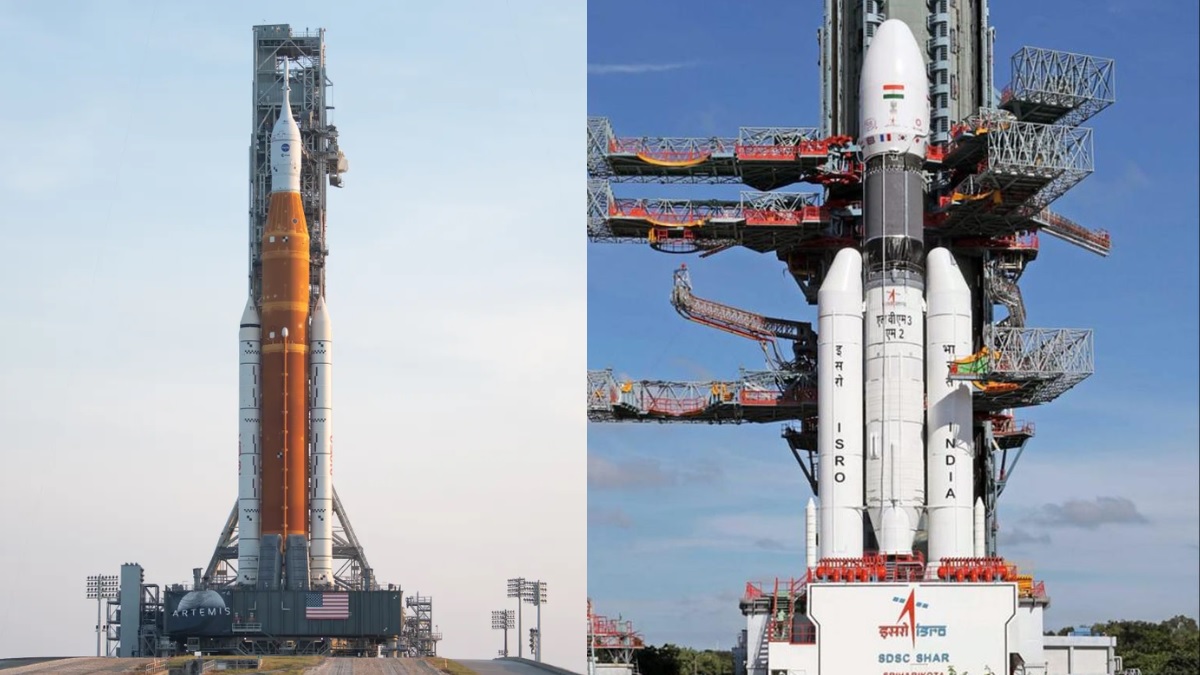
Space & Technology
India’s space agency, ISRO, has taken a groundbreaking approach for its upcoming lunar mission, planned for 2040. Instead of relying on a single massive rocket, as NASA does, ISRO has opted for a more cost-effective strategy: launching multiple smaller rockets and assembling the spacecraft in orbit using advanced docking technology. This decision has not only set India on a unique path in space exploration but has also garnered praise from American experts who view it as a more sustainable alternative to NASA’s costly Space Launch System (SLS). ISRO Chairman V Narayanan recently explained the reasoning behind this move, emphasizing economic viability and long-term sustainability. “One option is to build a huge rocket and take a single module. But what will you do with that rocket thereafter? Economically, we have to understand and really look at all aspects. So, we are not going to build a huge rocket. We are going to have multiple modules,” he stated. India’s Lunar and Space Station Ambitions India’s space ambitions extend beyond just the Moon. The country is also working towards establishing its own space station, the Bharatiya Antariksha Station, by 2035. The station will be assembled in orbit, with five modules launched separately and docked together. The first module has already received approval, marking a major milestone in India’s space program. The upcoming Chandrayaan-4 mission will play a crucial role in India’s lunar aspirations, serving as a stepping stone for developing landing and sample return capabilities. Additionally, ISRO’s Space Docking Experiment (SpaDeX) has already demonstrated India’s growing expertise in orbital docking—a key technology that will be critical for both the space station and the Moon mission. US Experts Applaud ISRO’s Strategy ISRO’s unconventional approach has attracted international attention, particularly from American space analysts. Scott Manley, a well-known astronomer and rocket scientist, praised India’s decision, calling it “the right choice” for lunar landing architecture. He highlighted India’s growing space capabilities and its strategic planning for the future. Meanwhile, spaceflight journalist Eric Berger pointed out the stark contrast between ISRO’s cost-effective model and NASA’s budget-heavy Artemis program. Berger noted that the US has spent billions on the SLS, a non-reusable heavy-lift rocket that has been plagued by high costs and delays. He emphasized that ISRO’s method—relying on multiple launches and in-space assembly—offers a more sustainable approach to deep space exploration. The Cost Debate: ISRO vs. NASA NASA’s Artemis program, which aims to return humans to the Moon, has faced criticism due to its enormous costs. The program is projected to cost $93 billion from 2012 to 2025, with each SLS launch estimated at $4.1 billion—far higher than initially planned. Due to its non-reusable nature, SLS can only launch about once every two years, raising concerns about its long-term viability. Critics argue that these financial constraints are limiting NASA’s ability to fund other critical scientific missions. In contrast, ISRO has a reputation for delivering high-impact missions at a fraction of the cost. India’s Chandrayaan and Mangalyaan missions demonstrated how strategic planning and efficient resource utilization can achieve remarkable results without massive budgets. By leveraging existing launch vehicles, ISRO’s lunar mission is expected to be significantly more affordable compared to Artemis. A Future Built on Efficiency and Innovation While ISRO’s lunar mission is still over a decade away, its strategy reflects a shift towards sustainable and cost-efficient space exploration. By prioritizing in-orbit assembly and docking technology, India is not only preparing for the Moon but also laying the groundwork for future interplanetary missions. As NASA continues to invest in large, expensive rockets, ISRO’s innovative approach has sparked a discussion about the future of human spaceflight. With India proving that deep space missions don’t have to come with astronomical costs, ISRO’s decision may serve as a blueprint for future lunar exploration worldwide.
Read More → Posted on 2025-02-23 14:01:43
World
Tensions escalated between Israel and Hamas after Israeli Prime Minister Benjamin Netanyahu announced a delay in the scheduled release of Palestinian prisoners, citing "humiliating ceremonies" staged by Hamas during the return of Israeli hostages. The decision has further complicated the fragile ceasefire agreement, raising concerns over whether both sides will adhere to the truce’s next phase. Hamas' Public Displays and Israel’s Response Since the start of the ceasefire’s first phase on January 19, Hamas has released 25 Israeli hostages in heavily orchestrated public events across Gaza. These ceremonies featured masked, armed militants escorting the captives onto stages, where hostages were encouraged to wave and sometimes even speak before being transferred to the Red Cross. The practice has drawn criticism from Israeli officials and international organizations, including the Red Cross, which has urged all parties to conduct swaps in a "dignified and private manner." On Saturday, Hamas released six more hostages, marking the seventh such transfer. However, Israel refused to proceed with its part of the exchange, delaying the release of more than 600 Palestinian prisoners. Netanyahu’s office justified the move by accusing Hamas of violating the agreement: “In light of Hamas’ repeated violations—including the disgraceful ceremonies that dishonor our hostages—it has been decided to delay the release of terrorists until the next group of hostages is freed, without these humiliating spectacles.” Hamas Calls It a ‘Blatant Violation’ Hamas quickly condemned the Israeli decision, calling it a breach of the truce deal. Spokesperson Abdel Latif al-Qanou urged ceasefire mediators to pressure Israel into honoring its commitments. The militant group accused Israel of using the hostages as leverage to dictate the terms of the agreement. For families of Palestinian prisoners, the delay caused a night of uncertainty and heartbreak. In Khan Yunis, 80-year-old Umm Diya al-Agha had been preparing for the release of her son, who had been imprisoned for 33 years. “If my heart were made of iron, it would have melted and shattered. Every day, I have waited for this moment,” she said. Meanwhile, in Israel, the families of newly freed hostages expressed relief but also frustration over the handling of negotiations. One of the released captives, Omer Wenkert, 23, was seen on stage waving to the crowd in Gaza before being transferred to Israeli authorities. A friend of his, Rory Grosz, described the emotional moment: “I saw the look on his face. He’s calm, he knows he’s coming back home… He’s a real hero.” A Stalled Truce and Uncertain Future The ceasefire agreement, brokered with international mediation, was supposed to expire in early March. The halt in prisoner exchanges now raises doubts about whether the fragile deal can hold. Adding to tensions, U.S. Secretary of State Marco Rubio issued a stark warning to Hamas, saying: “If Hamas does not release all remaining hostages, it will be destroyed.” While Israel insists on dismantling Hamas, the group remains defiant, pushing for a second phase of the deal that could lead to a permanent ceasefire—something Netanyahu’s government has repeatedly rejected. Humanitarian Crisis Deepens The war, which began on October 7, 2023, has taken a staggering human toll. Hamas’ initial attack resulted in 1,215 Israeli deaths, mostly civilians. In response, Israel’s retaliatory campaign has left over 48,000 Palestinians dead, according to health officials in Hamas-controlled Gaza. The United Nations has described the humanitarian situation as catastrophic. What Happens Next? With hostage negotiations stalled, ceasefire terms under strain, and international pressure mounting, both Israel and Hamas face critical decisions in the coming days. If no resolution is reached, the conflict could escalate once again, further prolonging a war that has already shattered thousands of lives.
Read More → Posted on 2025-02-23 13:57:52
Space & Technology
India's ambitious Mars Lander Mission, officially named Mangalyaan-2, has been approved by the Space Commission, marking a crucial milestone in the country's interplanetary exploration efforts. With this mission, India aims to achieve a soft landing on Mars, becoming only the fourth nation to do so after the United States, Russia, and China. The final approval is now awaited from the Union Cabinet, led by Prime Minister Narendra Modi. Aiming for a Historic Mars Landing Unlike India's first Mars mission, the Mars Orbiter Mission (MOM), which successfully entered the Martian orbit in 2014, Mangalyaan-2 is designed to land on the Martian surface and conduct scientific studies. The mission will include both a lander and a rover, which will work together to analyze the planet's geology, atmosphere, and climate, providing crucial insights into Mars’ past and its potential for future exploration. Advancing India's Space Ambitions This mission is a part of India's broader space vision, which includes: An Indian Space Station by 2035 A human mission to the Moon by 2040 Further Chandrayaan missions for lunar exploration Interplanetary missions to Venus Collaborative projects in space astronomy Mangalyaan-2 builds on the legacy of MOM, which became one of the most cost-effective interplanetary missions ever undertaken, operating successfully for over seven years despite being designed for only six months. Strengthening India's Global Space Leadership If Mangalyaan-2 succeeds, it will strengthen India's reputation as a major space power and contribute valuable scientific data to the global community. The mission also aligns with India's long-term goal of expanding its presence in deep space exploration and fostering international collaborations in space research. With ISRO making rapid strides, the dream of landing on Mars is now closer than ever, bringing India to the forefront of the next great space age.
Read More → Posted on 2025-02-23 13:54:09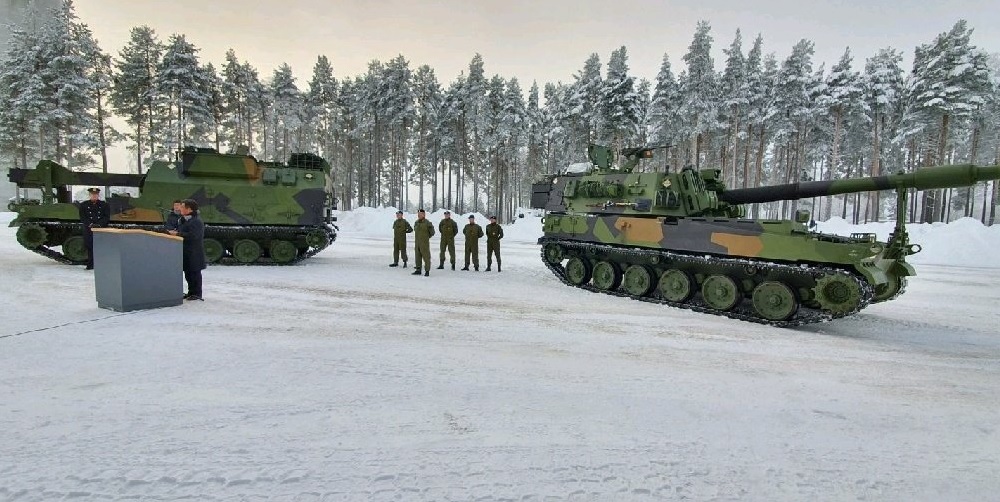
World
Norway has taken a significant step in strengthening its artillery capabilities by acquiring advanced precision-guided artillery ammunition from the United States. This acquisition, made through the Foreign Military Sales (FMS) programme, involves the purchase of M1156A1 Precision Guidance Kit (PGK) fuses from Northrop Grumman. Boosting Accuracy for Norway’s K9 VIDAR Howitzers The M1156A1 PGK fuses are state-of-the-art artillery guidance systems equipped with GPS technology and guiding fins, allowing 155mm artillery rounds to achieve greater accuracy. These will be integrated with Norway’s K9 VIDAR self-propelled howitzers, a key asset in the Norwegian Army’s firepower. Traditionally, artillery systems have relied on large volumes of unguided rounds to saturate target areas. With the introduction of PGK fuses, Norwegian forces can now hit targets more precisely with fewer rounds, reducing collateral damage and logistical strain. Strengthening Norway’s Defense Capabilities According to Gro Jære, Director of the Norwegian Defence Materiel Agency (NDMA), this investment is part of Norway’s broader efforts to modernize its artillery forces and enhance its interoperability with the U.S. and NATO allies. The integration of advanced precision artillery technology will ensure that Norway’s military remains well-prepared for modern battlefield challenges. Collaboration with Key Defense Partners The procurement and integration of these precision-guided fuses have been conducted in close cooperation with the United States, the Norwegian Armed Forces, the Norwegian Defence Research Establishment (FFI), and Kongsberg Defence & Aerospace (KDA). As the supplier of Norway’s artillery fire control system, KDA plays a crucial role in ensuring seamless compatibility between the new fuses and the K9 VIDAR howitzers. Jære also commended the extensive efforts made by all involved partners, particularly FFI and KDA, in ensuring the successful implementation of the new artillery technology. A Game-Changer for Norwegian Artillery This acquisition represents a major advancement in Norway’s artillery capabilities, allowing its forces to strike with precision, efficiency, and reduced munitions usage. With the integration of PGK fuses, Norway’s K9 VIDAR howitzers will now be among the most accurate and effective artillery systems in Europe, reinforcing the country’s military readiness and strategic defense posture.
Read More → Posted on 2025-02-23 13:51:15Search
Top Trending in 24 Hours
-
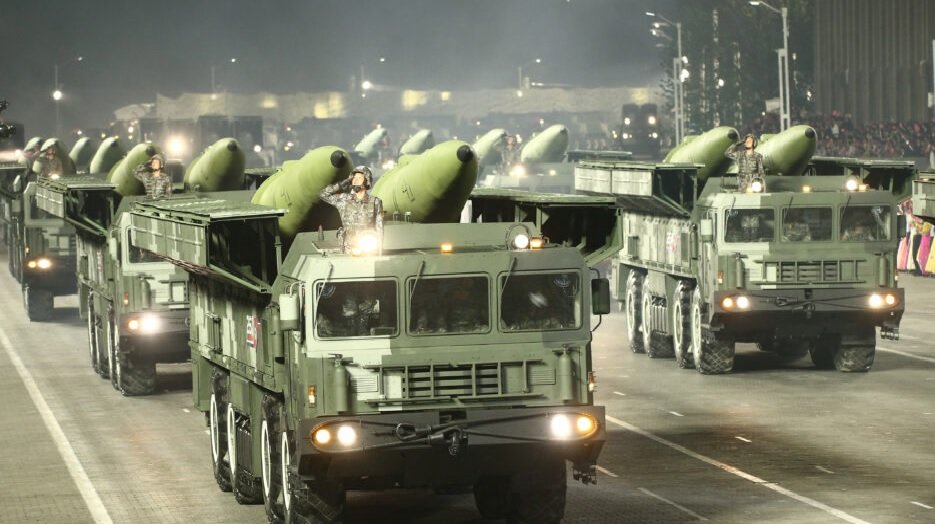 Russia Receives North Korean KN-30 Ballistic Missiles as Moscow Expands Its Missile Arsenal
-
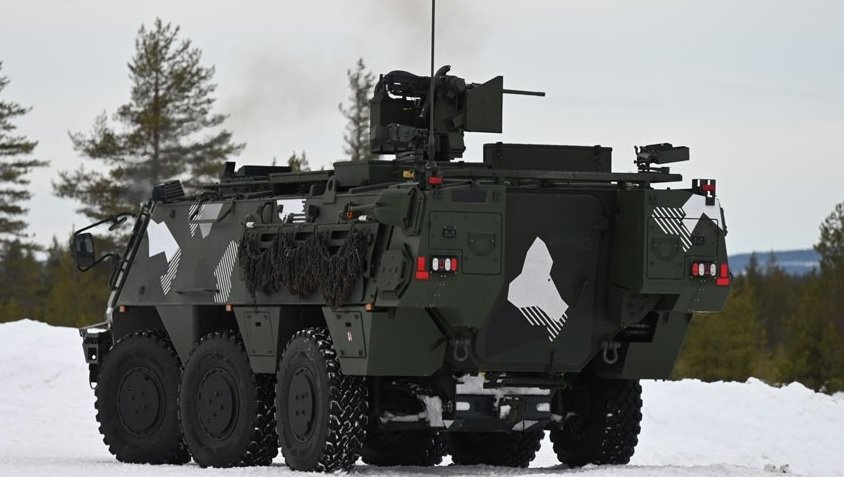 Kongsberg Wins $120 Million Contract for More Protector RS4 Systems for Canadian Army
-
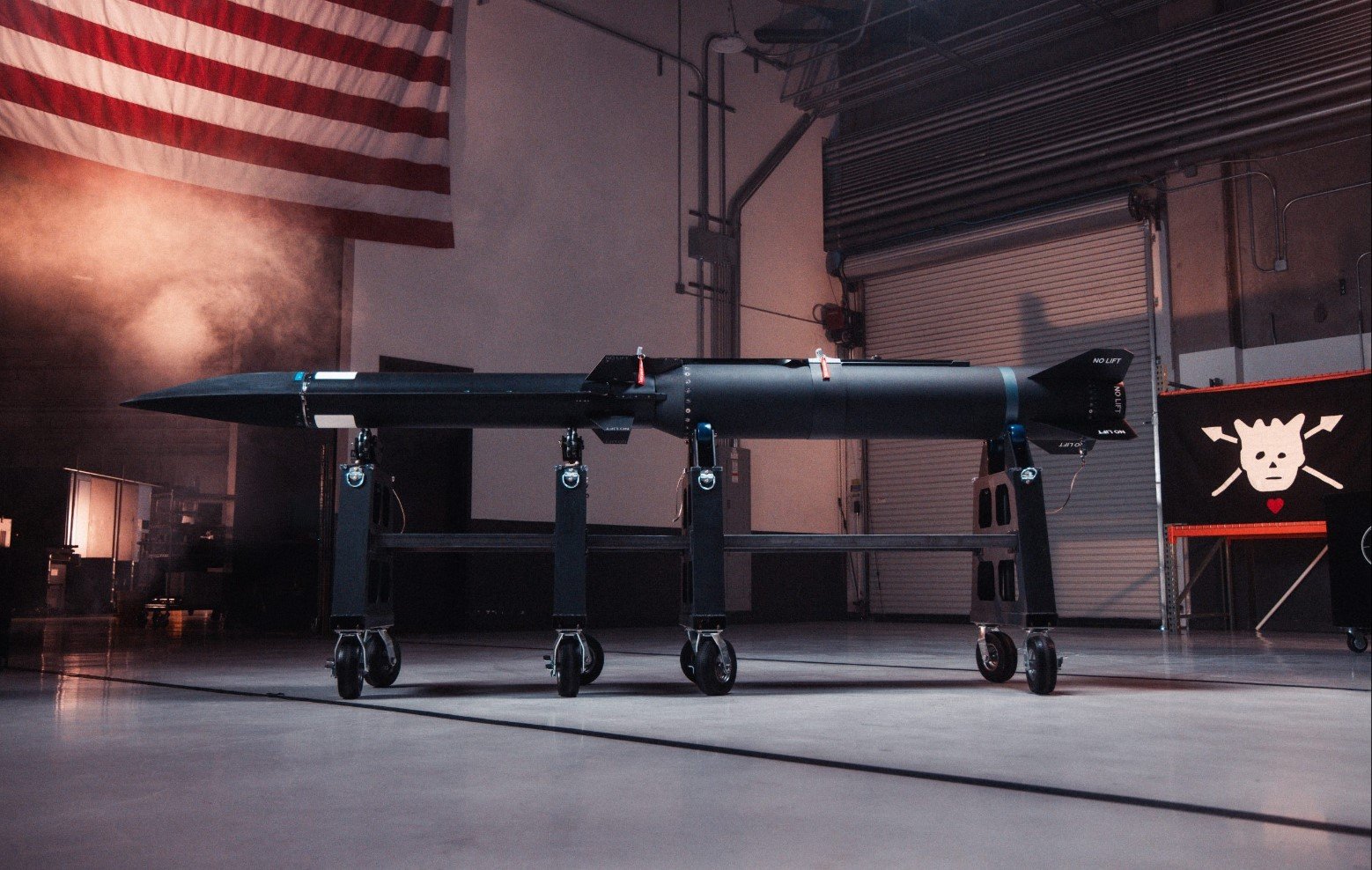 Castelion Secures $1 Billion Funding to Scale Production of Blackbeard Hypersonic Missile
-
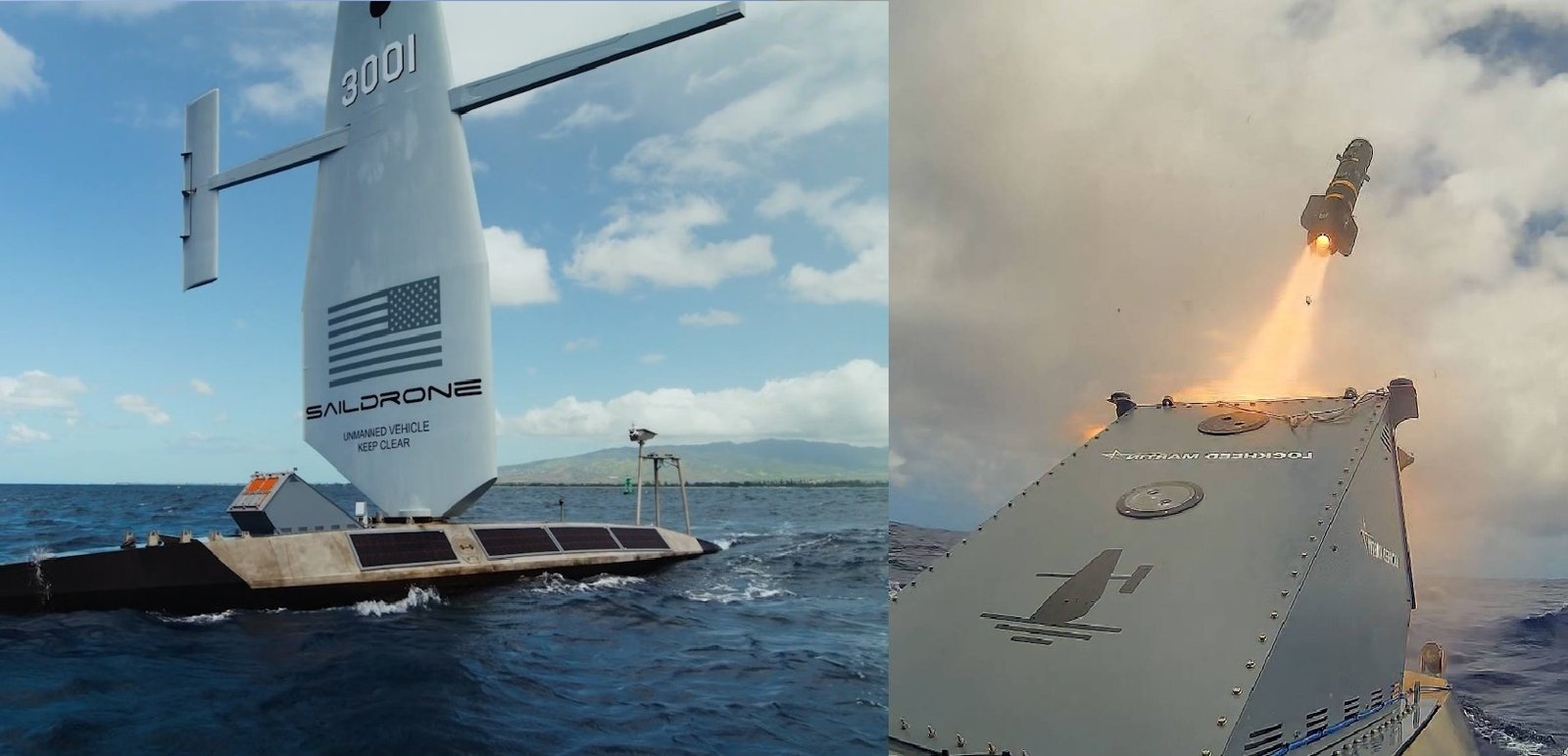 Saildrone and Lockheed Martin Successfully Fire Two JAGM Missiles in First Live-Fire Test from Unmanned Vessel at RIMPAC 2026
-
 Lockheed Martin Demonstrates AI-Powered Sonar System With U.S. Navy at RIMPAC 2026
-
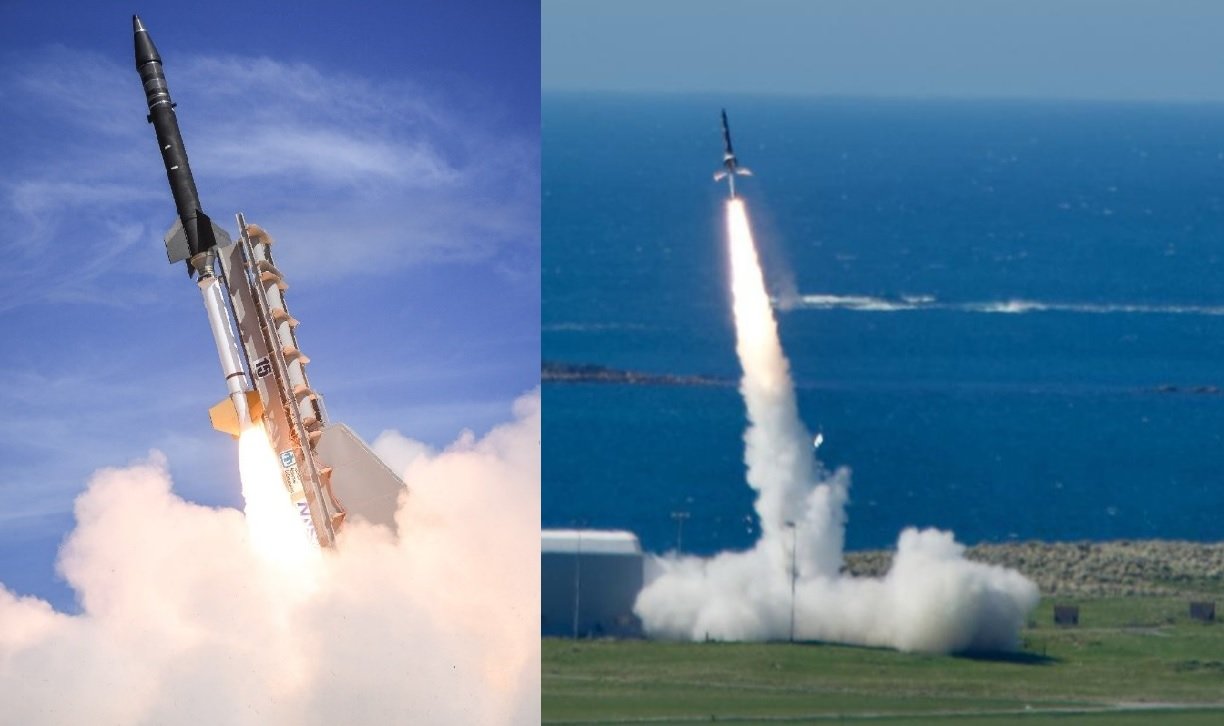 US Navy Launches ARAV-6 Missile Target During Multinational Pacific Dragon 2026 Exercise
-
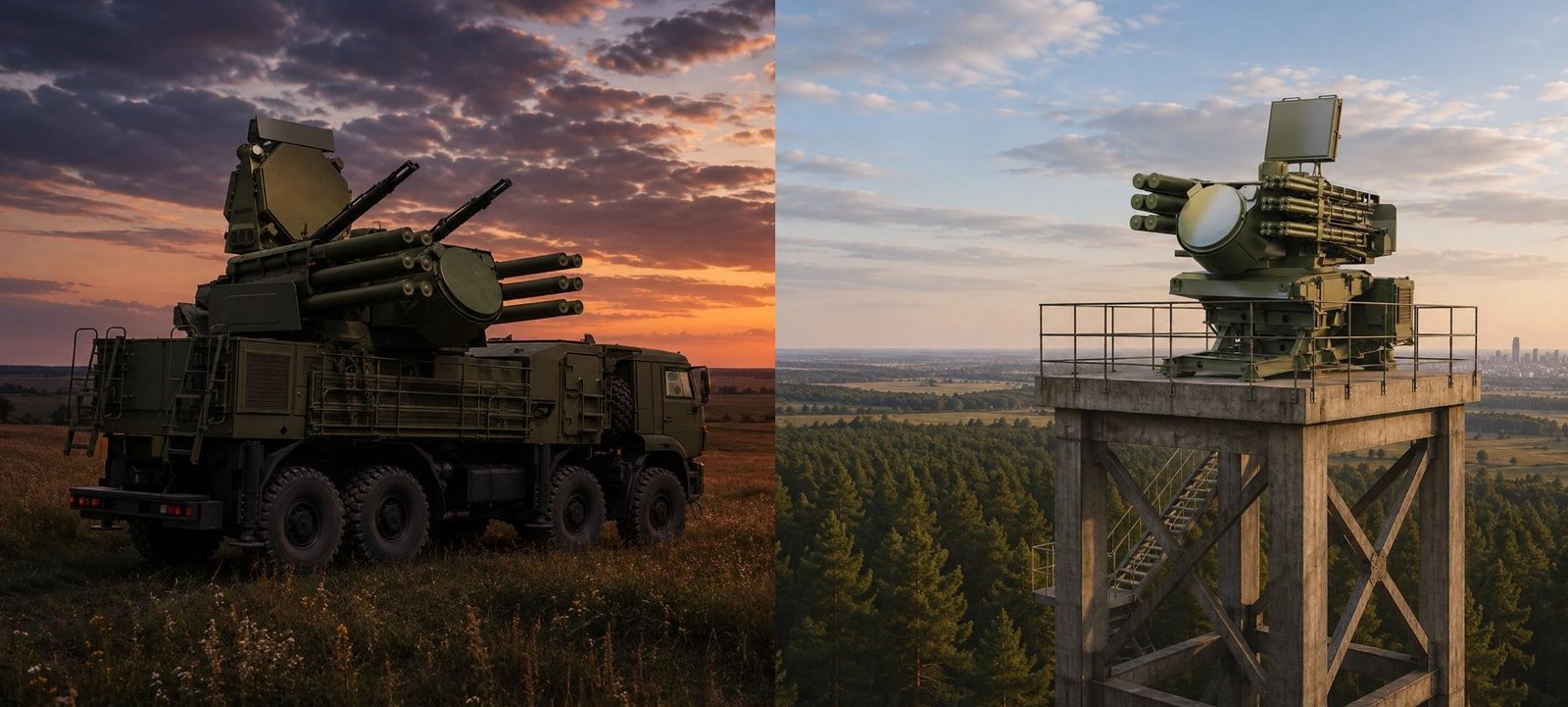 Russia Receives New Batch of Pantsir-S and Pantsir-SMD Air Defense Systems
-
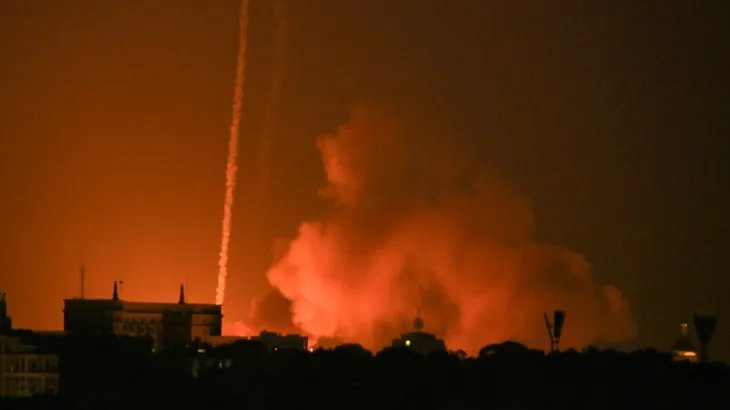 Russian Forces Strike Military-Industrial and Logistics Sites in Kyiv and Kyiv Oblast
Top Trending in 4 Days
-
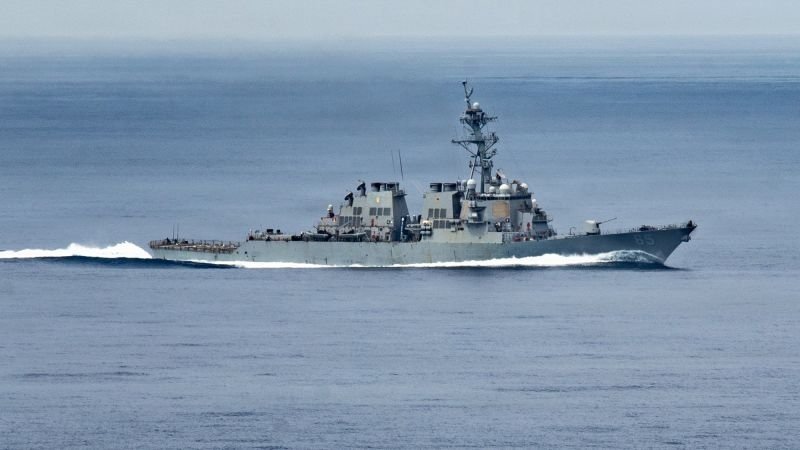 U.S. Navy Destroyer USS Benfold Spent Four Days Without Power in South China Sea After Generator Failure
-
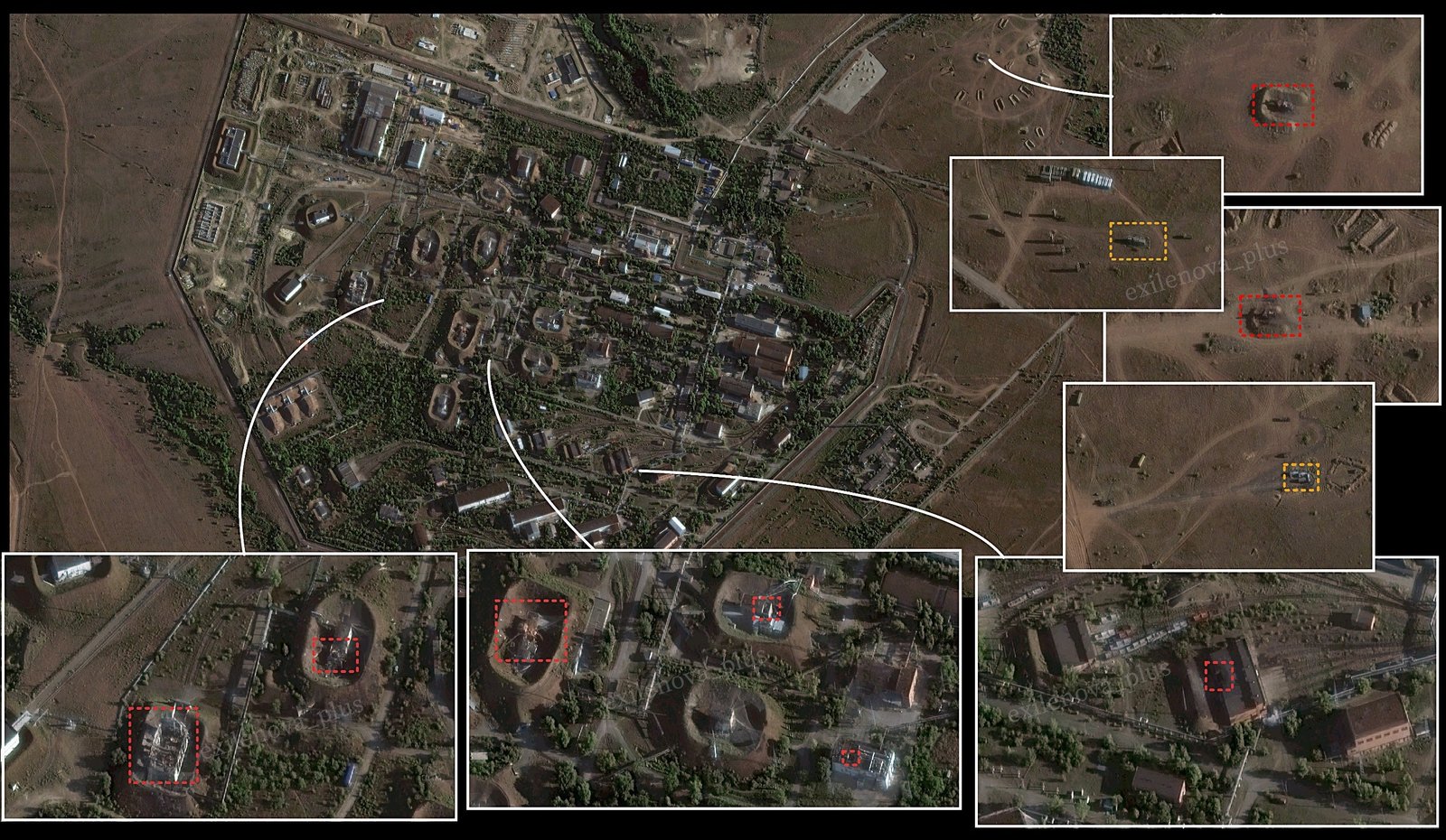 Satellite Images Show Ukrainian Drone Strike Hits Russian Rocket Fuel Plant and Air Defense Systems in Rostov Region
-
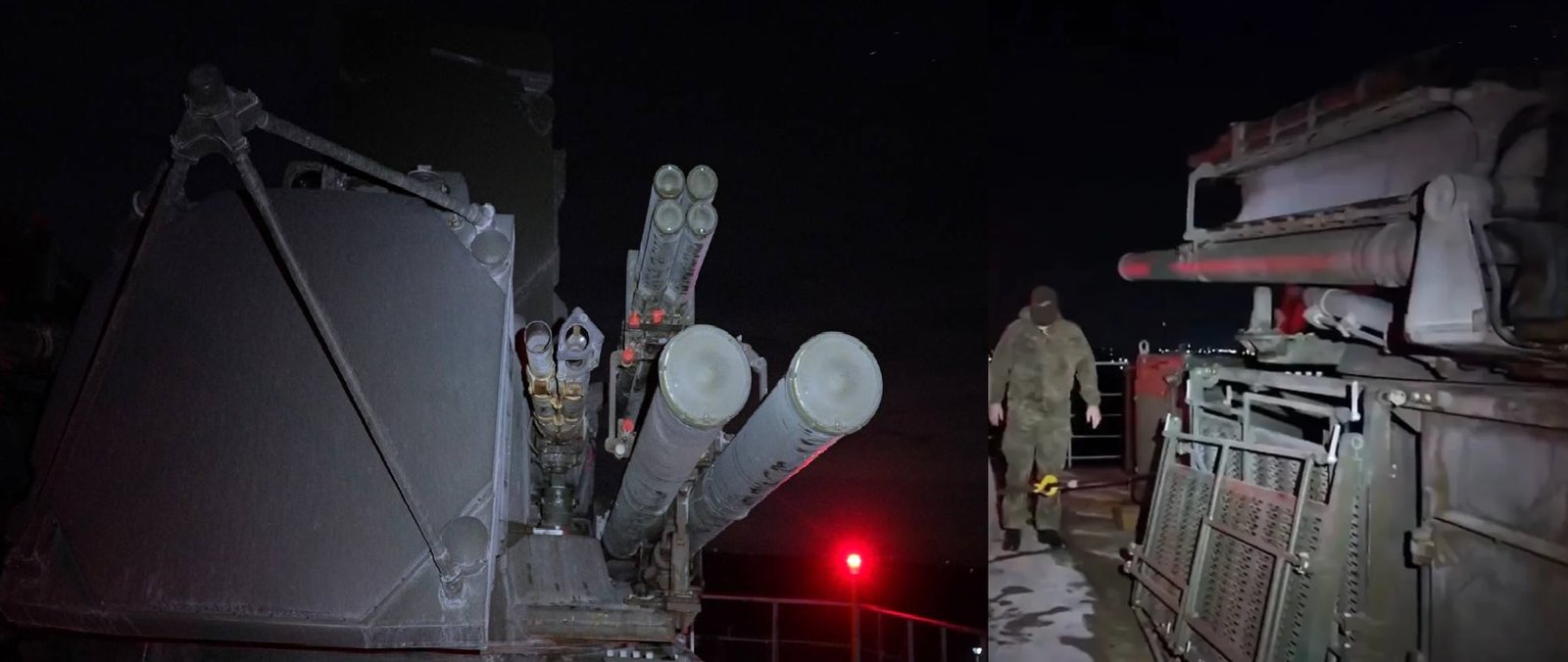 Russia Expands Moscow’s Anti-Drone Defense Network With Specialized 35-Meter Towers for Pantsir Systems
-
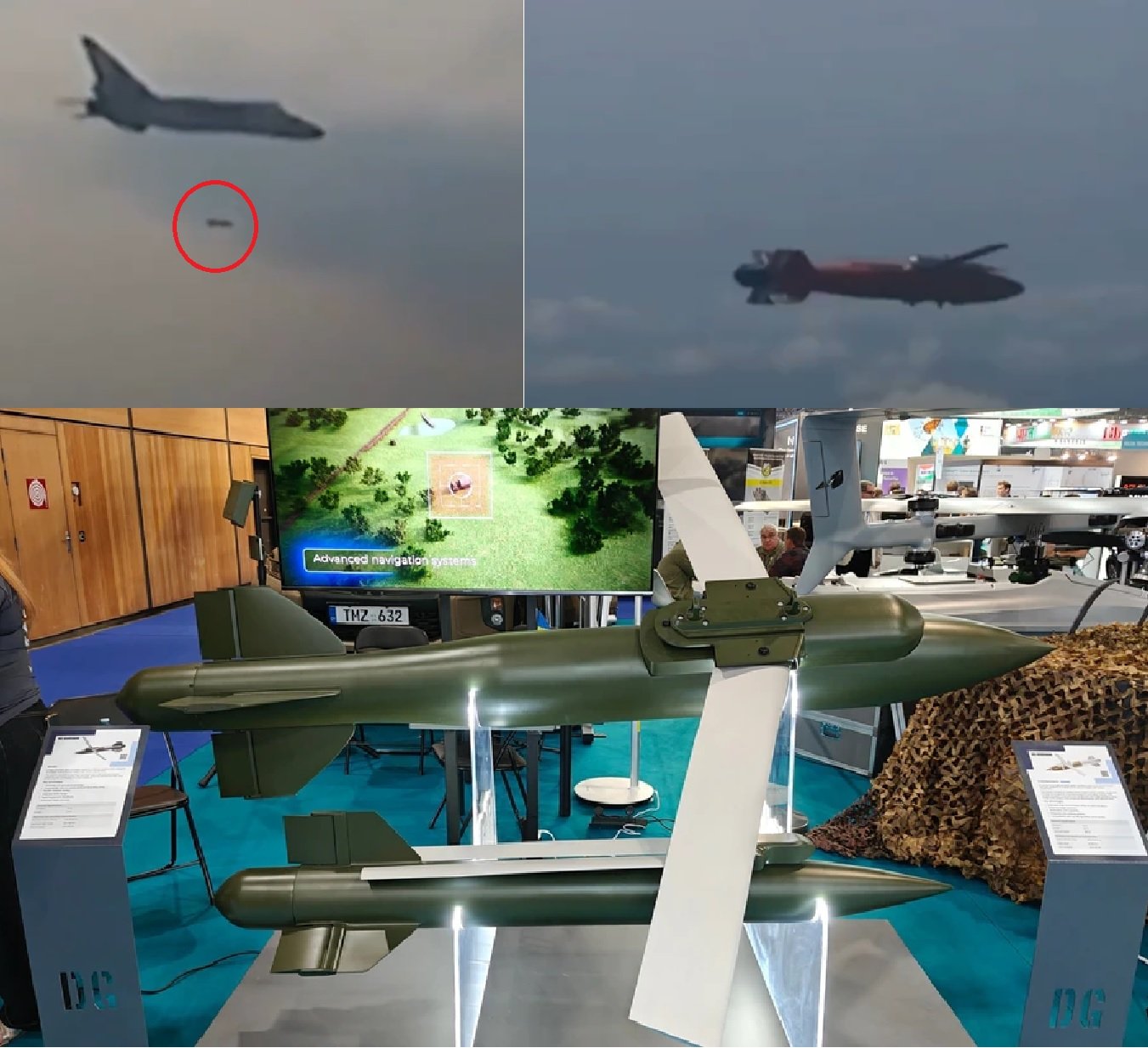 Ukraine Begins Procurement of Vyrivniuvach Guided Aerial Bomb
-
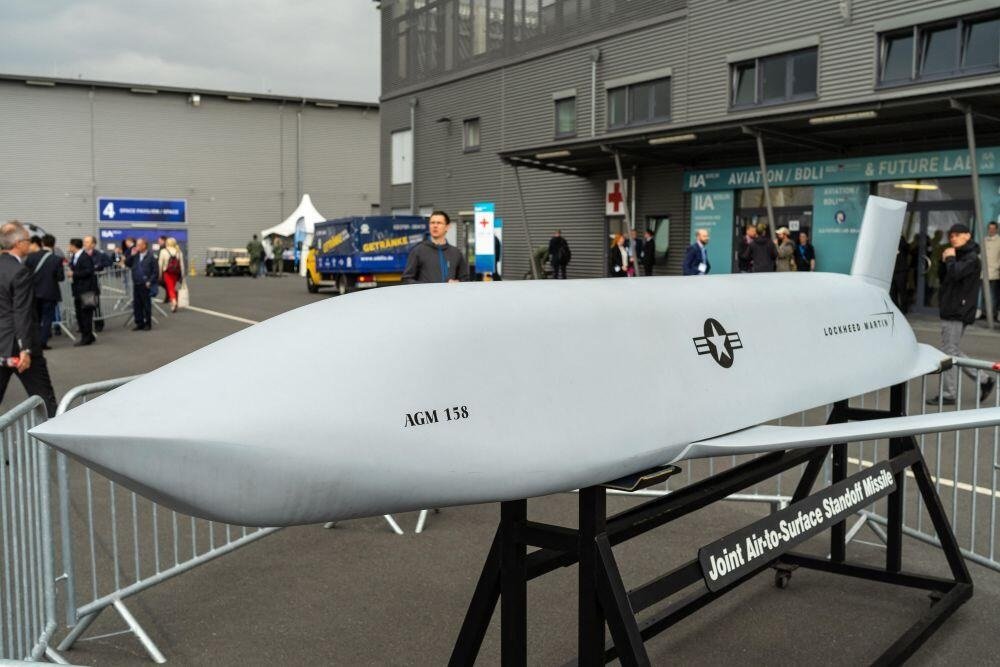 U.S. Air Force Selects GE-Kratos F143 Engine as Second Engine Source for JASSM Missile
-
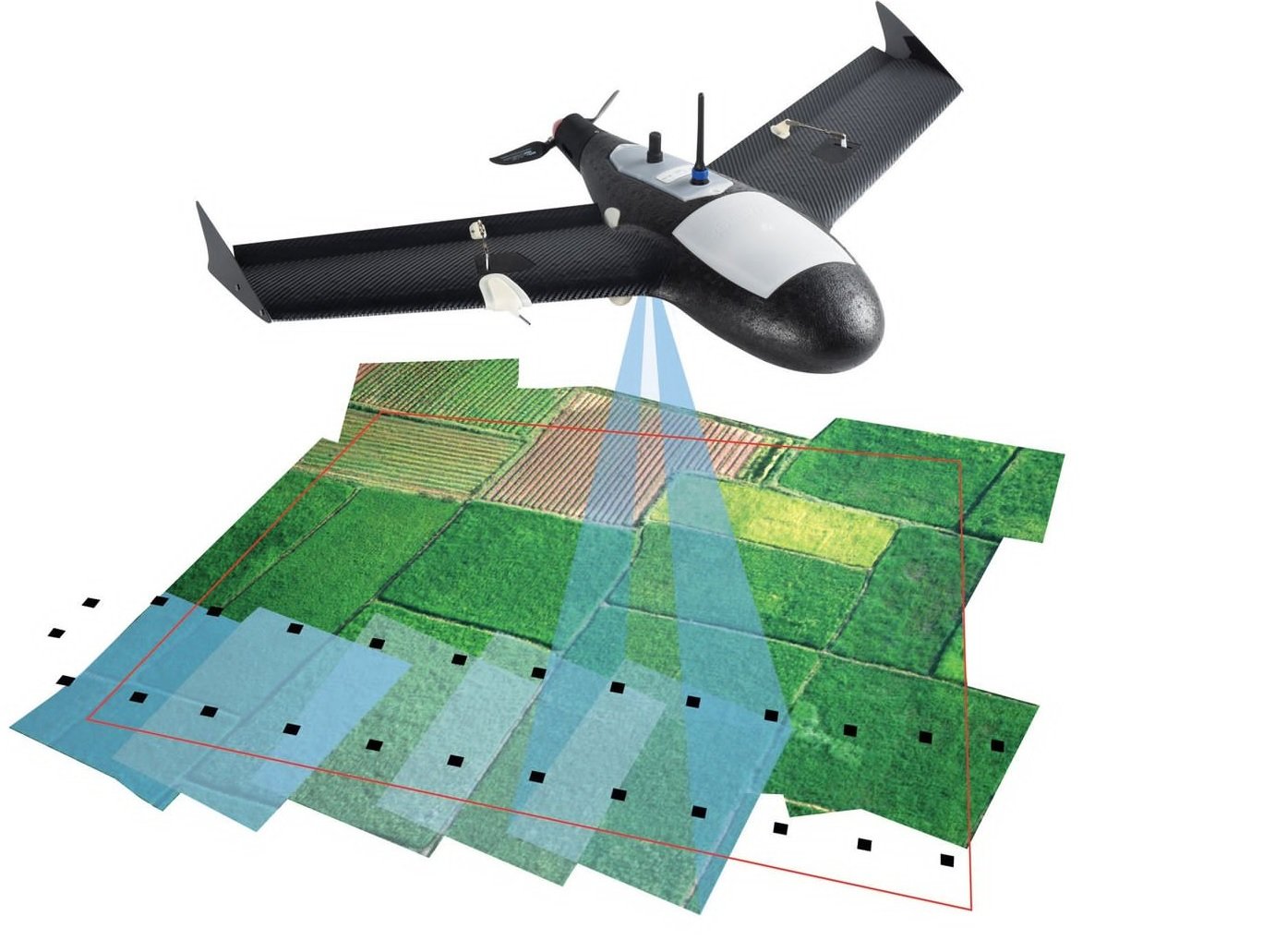 Russia Develops 'Martian' Camera-Based Navigation Independent of GPS and Radio Signals for Drones
-
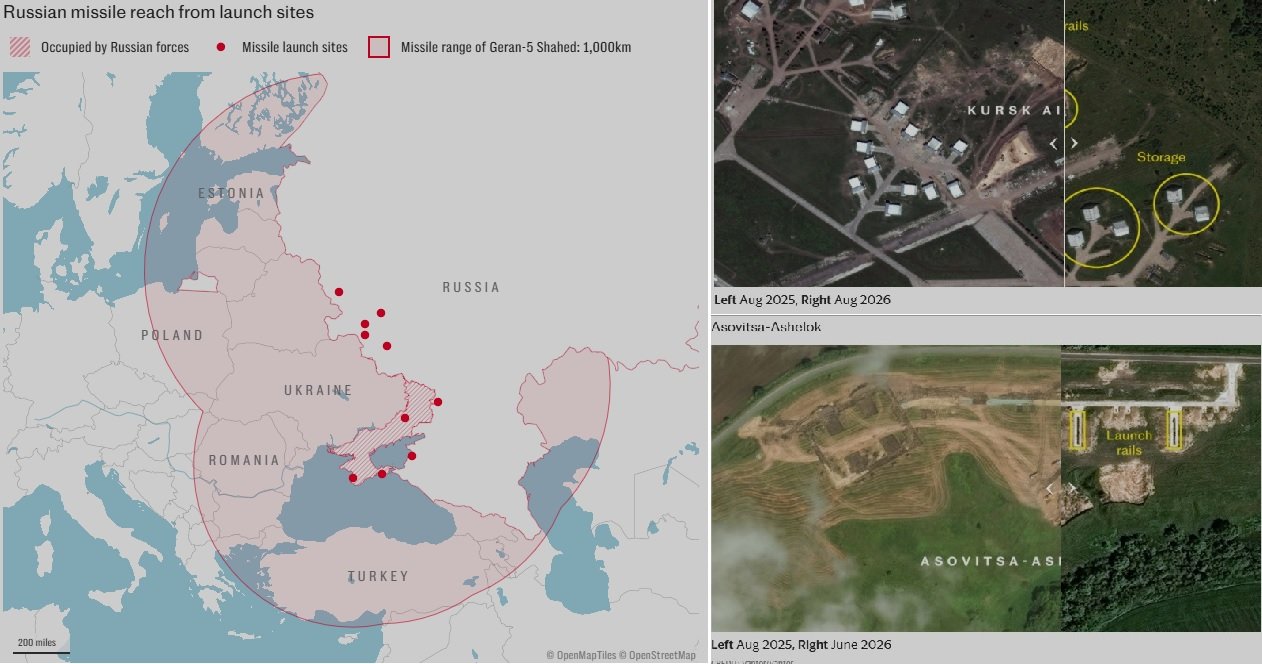 Russia Expands Drone Launch Network Near Ukraine and Belarus Borders, Putting NATO Territory Within Range
-
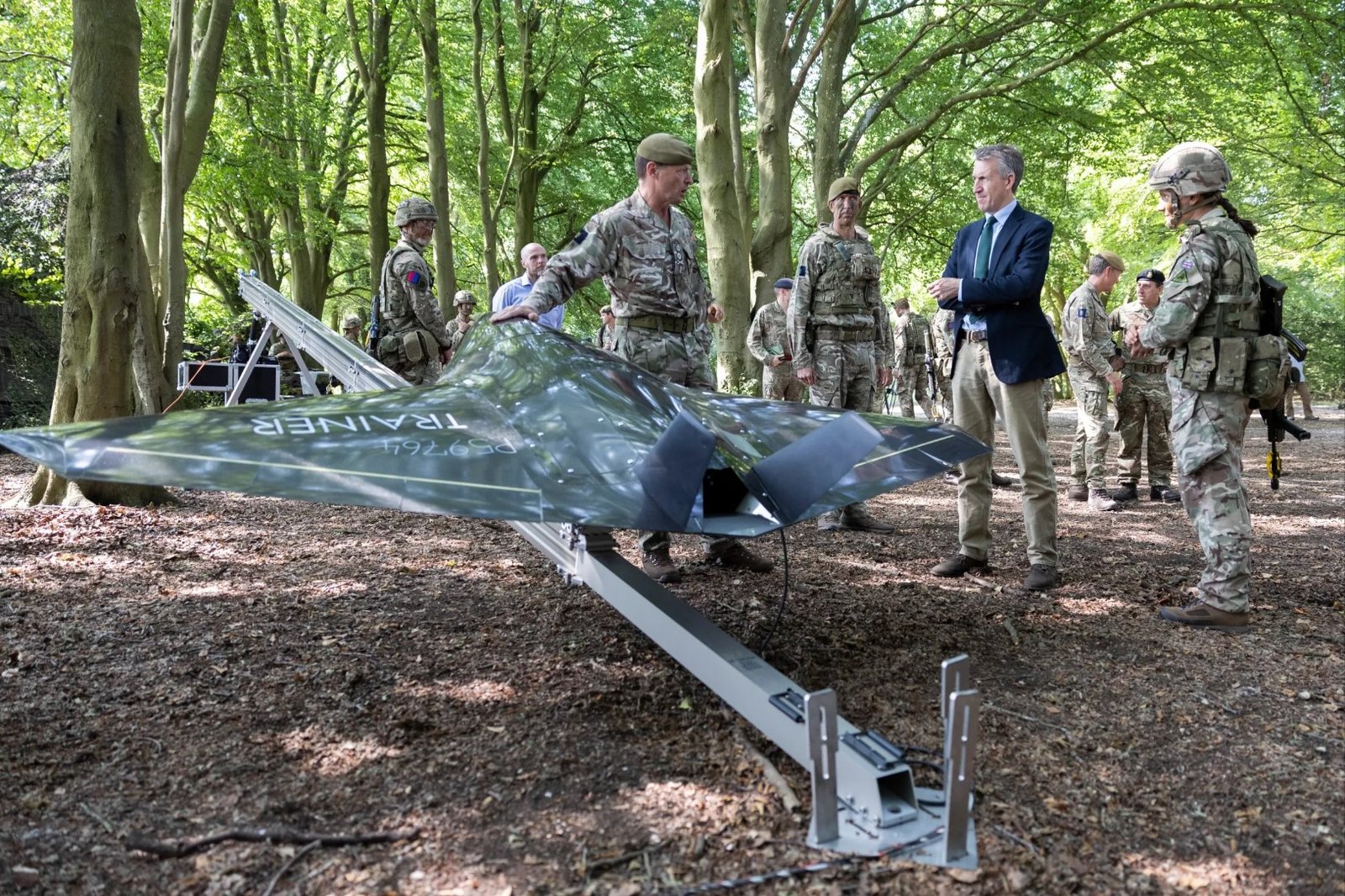 Russia Warns UK of ‘Consequences’ Over British Drones Used by Ukraine in Strikes on Russian Territory
