
World
North Korea has once again demonstrated its military capabilities by conducting a strategic cruise missile test over the Yellow Sea this week. The test, which Pyongyang claims was a part of its "counterattack" drills, was personally overseen by leader Kim Jong Un, according to North Korean state media. The missiles reportedly flew for 130 minutes, covering a distance of 1,587 kilometers (986 miles) before hitting their designated targets with precision. The drill was designed to showcase North Korea’s nuclear-ready striking power, warning adversaries of its preparedness to respond in any scenario. Images released by state media show Kim observing the test through binoculars, while another image captures the moment a missile obliterates a small building in a fiery explosion. During the exercise, Kim reiterated the role of North Korea’s nuclear forces in safeguarding national sovereignty and security. He emphasized that possessing a "powerful striking ability" serves as the "most perfect deterrence and defense" against external threats. Pyongyang also accused its enemies of heightening regional tensions and undermining the security environment, pointing fingers at Seoul and Washington. South Korea’s military confirmed that it detected and monitored the missile launches. The country’s Joint Chiefs of Staff assured that they were maintaining a strong defensive posture, prepared to respond to any provocations. Analysts believe this test could be a preparatory move to refine North Korea’s nuclear strike capabilities, with expectations that Pyongyang may continue ramping up missile tests in the coming months. The timing of the launch coincides with heightened tensions in the region. Next month, South Korea and the United States are set to begin their annual "Freedom Shield" joint military exercises, which North Korea views as a direct threat. Historically, Pyongyang has responded to such drills with missile tests or military provocations, and this recent launch appears to be another signal of defiance. Beyond missile tests, there are growing concerns about North Korea’s military involvement abroad. Reports suggest that North Korea has sent thousands of troops to Russia to fight against Ukraine, with intelligence sources indicating that Pyongyang has suffered significant casualties. More troops are now being deployed to the frontlines, further intertwining North Korea’s military ambitions with global conflicts. Amid these developments, Kim Jong Un recently visited a major military academy, urging his forces to adapt to "modern warfare realities." This aligns with North Korea’s broader strategy of refining its military capabilities, both domestically and through potential overseas operations. As Pyongyang continues its aggressive military posturing, the international community remains on high alert. With geopolitical tensions already at a boiling point, North Korea’s actions add yet another layer of uncertainty to an already fragile security landscape.
Read More → Posted on 2025-02-28 13:49:53
Space & Technology
As India advances its space exploration efforts, the Indian Institute of Technology (IIT) Madras is contributing significantly by developing innovative materials to protect space infrastructure. The Extraterrestrial Manufacturing (ExTeM) team at IIT-Madras is pioneering the creation of metal foam designed to shield the upcoming Bharatiya Antariksh Station from environmental hazards encountered in space. Innovative Metal Foam for Space Protection The ExTeM team is focused on producing metal foam, a lightweight and porous material engineered to absorb energy from impacts. This material is particularly effective in safeguarding space stations against micro-meteoroids and other debris prevalent in the space environment. The unique properties of metal foam make it an ideal candidate for space applications, where both strength and weight are critical considerations. Microgravity Research and Development To facilitate the development of materials suitable for space, IIT-Madras has established a Microgravity Drop Tower, the fourth largest of its kind globally. This facility enables researchers to simulate zero-gravity conditions, allowing them to study how materials like metal foam behave in environments similar to outer space. Insights gained from these experiments are crucial for optimizing the material's performance for space applications. Broader Implications for Space Exploration The efforts of the ExTeM team align with two primary objectives: "Making in Space for Space" and "Making in Space for Earth." The former involves developing technologies essential for sustainable space exploration, such as constructing infrastructure using extraterrestrial materials. The latter focuses on creating innovations that, while designed for space, have practical applications on Earth, potentially leading to advancements in various industries. In addition to metal foam research, the team is exploring other cutting-edge technologies, including zero-gravity welding techniques and advancements in 3D printing and bioprinting. These developments are poised to play a pivotal role in the construction and maintenance of space infrastructure, thereby reducing reliance on Earth-based resources and supply chains. As the Indian Space Research Organisation (ISRO) progresses with plans for the Bharatiya Antariksh Station, the innovations emerging from IIT-Madras's ExTeM team are set to provide critical support. Their research not only enhances the safety and sustainability of space missions but also contributes to technological progress with potential benefits extending beyond our planet.
Read More → Posted on 2025-02-28 13:47:01
Space & Technology
The US Government Accountability Office (GAO) has raised concerns over the Pentagon’s ambitious efforts to enable satellite communications using laser technology. Despite significant investments, the program has yet to demonstrate a proven concept, according to the government watchdog’s latest report. The GAO highlighted that while the Space Development Agency (SDA) has not yet met the initial performance requirements for Tranche 0—the demonstration phase—it has already committed nearly $10 billion for Tranche 1 and Tranche 2. This rapid progression, without first validating fundamental capabilities, raises questions about the program’s overall viability. The report emphasized the importance of testing key technologies at each development stage, rather than pushing ahead without proof of performance. “The SDA is proceeding through tranches and increasing the complexity of its development based on designs that have not yet met initial capabilities,” the GAO noted. Challenges of Laser-Based Satellite Communications Unlike traditional radio-frequency communications, laser-based satellite links offer faster data transmission with higher security due to their narrow beam. However, this advanced approach comes with unique challenges. Stabilizing the laser beam to prevent signal disruption, ensuring precise alignment between satellite terminals, and mitigating atmospheric interference are all critical hurdles. To address these challenges, the SDA has partnered with multiple vendors—a strategy that, while expanding expertise, also adds to the complexity. The GAO warned that different manufacturers must ensure their satellite optical communication terminals can seamlessly communicate with each other, a crucial requirement for the system’s success. Given the uncertainties, the GAO has recommended aligning investments with demonstrated progress by first proving a minimum viable product in space before committing further resources. Whether the Pentagon takes a more cautious approach remains to be seen, but the report underscores the risks of advancing high-stakes technology without fully validating its feasibility.
Read More → Posted on 2025-02-28 13:43:51
India
In a major leap for India's indigenous defense technology, Bengaluru-based NewSpace Research and Technologies has successfully conducted the maiden flight of its Sheshnaag 150 Unmanned Aerial Vehicle (UAV). This milestone underscores the country's growing expertise in advanced aerospace engineering and precision strike capabilities. Designed for high-accuracy strikes, the Sheshnaag 150 performed exceptionally during its test flight, particularly in the terminal phase. The UAV achieved a Circular Error Probable (CEP) of just 5 meters while targeting a designated ground objective. This level of precision indicates a highly reliable guidance system, as CEP measures the radius within which 50% of strikes are expected to land—the smaller the CEP, the greater the accuracy. NewSpace Research and Technologies has positioned itself as a key player in India’s private defense sector, and the Sheshnaag 150 represents a major step forward in unmanned aerial strike platforms. Though detailed specifications regarding its range, flight endurance, and payload capacity remain undisclosed, the UAV’s performance suggests it is designed for deep-penetration missions, offering military planners a potent tool for high-risk operations. The name Sheshnaag, derived from the mythological serpent king known for its strength and protection, reflects the UAV’s intended role—stealthy, precise, and formidable in execution. India’s rapid advancements in UAV technology align with its broader defense self-reliance initiative, Atmanirbhar Bharat. With an increasing focus on unmanned aerial systems, the successful test of the Sheshnaag 150 highlights India’s commitment to developing cutting-edge military capabilities. This UAV’s precision strike potential makes it a valuable asset in modern warfare, where minimizing collateral damage while neutralizing high-priority threats is crucial. Additionally, its deployment can significantly reduce the risks faced by human pilots in complex combat scenarios. As India continues to enhance its drone capabilities, the Sheshnaag 150’s success sets the stage for further innovations in autonomous aerial warfare, reinforcing the country’s position in the global defense landscape.
Read More → Posted on 2025-02-28 13:40:19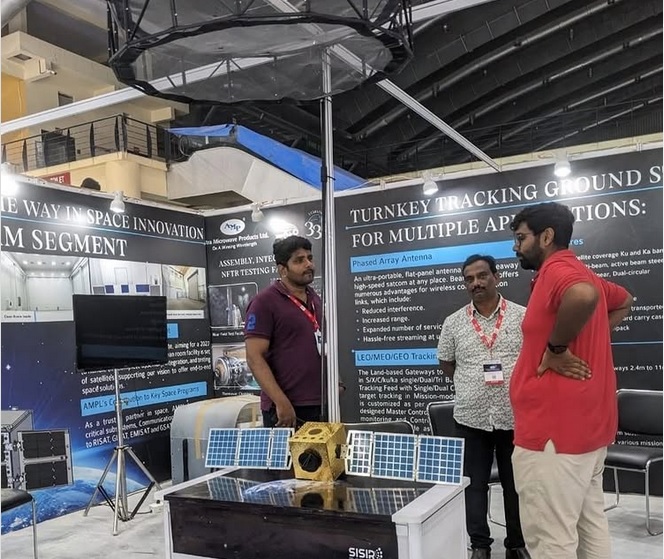
India
Sisir Radar, a pioneering space sector start-up, has achieved a groundbreaking milestone in Synthetic Aperture Radar (SAR) technology by developing the world’s first and highest-resolution L+P band SAR system. This innovation marks a major leap forward in remote sensing, with critical applications in strategic reconnaissance, disaster management, and environmental monitoring. The company has successfully tested its L-band SAR on a drone, achieving an unprecedented resolution of 0.2 meters—setting a new global standard in L-band SAR technology. Additionally, Sisir Radar is working on integrating both L and P bands to operate simultaneously from a satellite-borne SAR system. This breakthrough enhances penetration capabilities through clouds, heavy rainfall, dense vegetation, and even underground layers in dry terrains, making it an invaluable asset for defense, intelligence, and scientific research. Sisir Radar’s rapid progress has been fueled by its success in the iDEX DefSpace Challenge, which has propelled the development of L/P band Continuous Wave SAR payloads for Low Earth Orbit (LEO) small satellites. The company is also developing an unfurlable, electronically steering antenna tailored for the Indian Air Force (IAF), further solidifying its position as a leader in cutting-edge radar technology. The team behind Sisir Radar is led by Dr. Tapan Misra, a former ISRO scientist and a renowned expert in radar and space technology, alongside Soumya Misra, the Co-Founder and CEO. Their combined expertise has driven the company’s ambitious roadmap, which aims to revolutionize space-based surveillance and remote sensing solutions. The integration of L and P bands offers significant advantages over conventional SAR frequencies like X-band, especially in tropical regions where penetrating dense foliage and challenging terrains is crucial. The P-band, in particular, enhances underground and subsurface imaging, providing superior capabilities for geological surveys, archaeological studies, and defense applications. With its cutting-edge SAR technology, Sisir Radar is poised to disrupt the global SAR data market by delivering unparalleled resolution, coverage, and affordability. Its innovative approach is set to redefine how governments, defense agencies, and industries utilize remote sensing, ensuring a new era of advanced, high-precision radar solutions.
Read More → Posted on 2025-02-28 13:36:22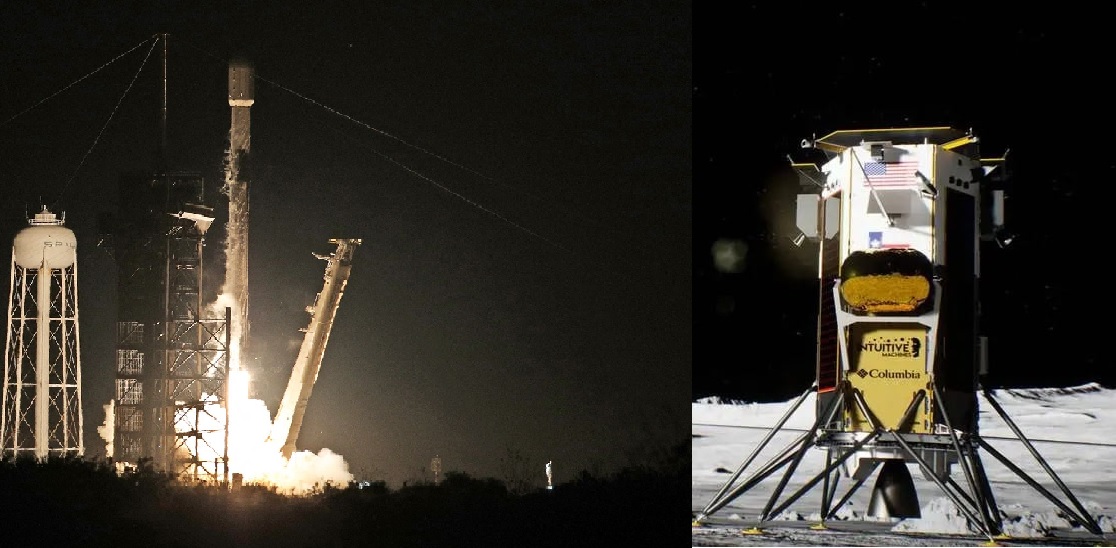
Space & Technology
A SpaceX Falcon 9 rocket soared into the evening sky today (Feb. 26), carrying an ambitious payload that marks another milestone in lunar exploration. The mission, launched from NASA’s Kennedy Space Center, includes Athena, a moon lander built by Intuitive Machines, and NASA’s Lunar Trailblazer orbiter, both set to probe the lunar surface for water ice—a critical resource for future space missions. Athena, part of NASA's Commercial Lunar Payload Services (CLPS) program, carries 10 NASA instruments designed to detect and analyze water ice deposits near the moon’s south pole. It will be joined by Lunar Trailblazer, an orbiter that will map water ice from a higher altitude, complementing Athena’s surface-level data. NASA sees this as a crucial step in the Artemis program’s goal of establishing a long-term human presence on the moon. The Falcon 9 lifted off at 7:16 p.m. EST (0017 GMT on Feb. 27), and minutes later, its reusable first-stage booster landed successfully on the SpaceX droneship A Shortfall of Gravitas, marking the ninth flight for this booster. About 43.5 minutes after liftoff, Athena was deployed into a translunar orbit, followed by Lunar Trailblazer. Athena’s mission, IM-2, follows Intuitive Machines’ IM-1 lander, Odysseus, which made history in 2024 as the first privately-built spacecraft to achieve a soft landing on the moon, despite tipping over upon touchdown. This time, engineers hope for a more precise landing in the Mons Mouton region, where water ice is believed to be abundant. If all goes according to plan, Athena will reach lunar orbit within days and land shortly after, operating on the surface for about 10 Earth days. A key component of IM-2 is the PRIME-1 experiment, which includes the TRIDENT drill and MSolo spectrometer. These instruments will extract and analyze lunar samples for signs of water and carbon dioxide. To further explore the landing site, Athena is carrying two secondary vehicles: MAPP, a rover designed by Lunar Outpost, and Grace, a “hopper” robot that will leap across the lunar surface to explore shadowed craters inaccessible to wheeled rovers. MAPP will also test Nokia’s Lunar Surface Communications System (LSCS), the first 4G network on the moon. Lunar Trailblazer, meanwhile, will map lunar water deposits from orbit, providing crucial data for future lunar missions. The mission’s cost, initially $47 million, increased to $62.5 million as NASA expanded its requirements, including new temperature data collection from Athena. This launch also carried additional payloads, including Odin, an asteroid-mining spacecraft by Astroforge, and CHIMERA GEO 1, an orbital transfer vehicle from Epic Aerospace. Athena and Lunar Trailblazer are part of a busy 2025 lunar exploration schedule, following Firefly Aerospace’s Blue Ghost mission and Japan-based ispace’s Resilience lander, both launched earlier this year. With this latest mission, SpaceX and Intuitive Machines continue to push the boundaries of commercial lunar exploration, bringing humanity one step closer to sustainable operations on the moon and, eventually, Mars.
Read More → Posted on 2025-02-27 14:15:32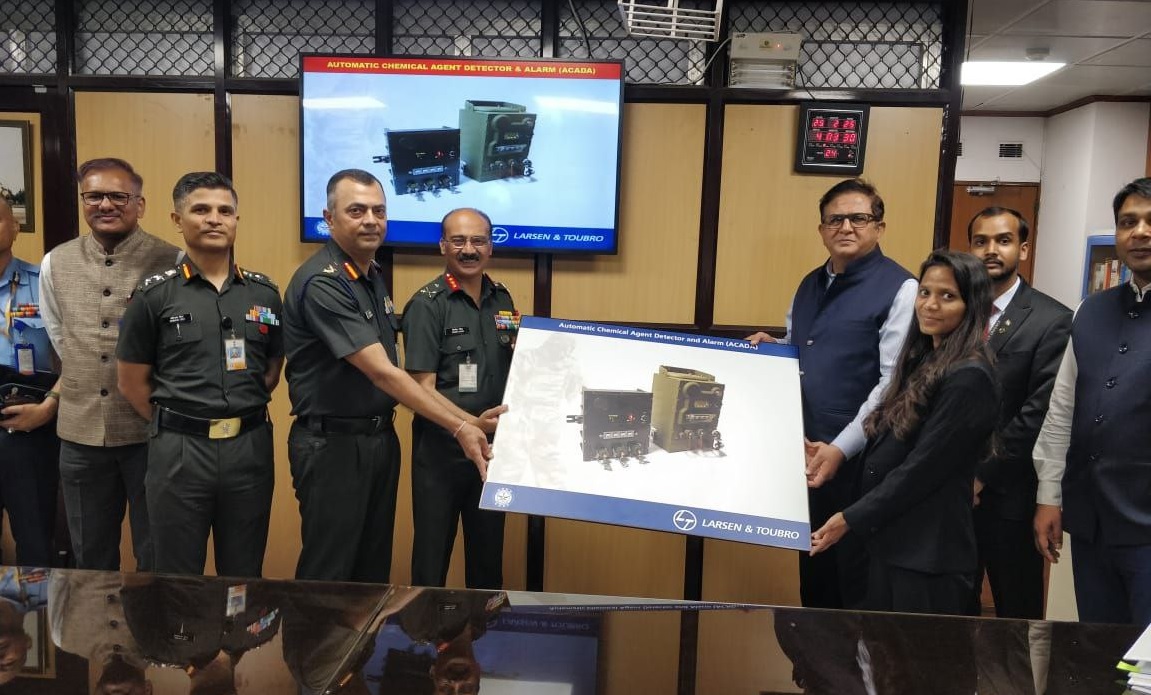
India
As part of its ongoing modernization drive, the Indian Army has officially signed a contract for the procurement of 223 Automatic Chemical Agent Detection & Alarm (ACADA) Systems from Larsen & Toubro (L&T) Limited. Developed indigenously by the Defence Research and Development Organisation (DRDO), these advanced systems will significantly enhance the Army’s ability to detect and respond to chemical threats in both battlefield and disaster relief scenarios. CBRN (Chemical, Biological, Radiological, and Nuclear) defense is a critical aspect of modern military preparedness, especially in an era where asymmetric threats and unconventional warfare tactics continue to evolve. The ACADA system is designed to provide real-time detection of hazardous chemical agents, automatically triggering alarms to ensure rapid response and troop safety. Enhancing Operational Readiness The induction of ACADA systems will serve as a force multiplier for the Indian Army’s CBRN defense units, enabling them to quickly identify and mitigate chemical threats. Given India’s regional security environment and the increasing importance of preparedness against potential chemical attacks or industrial hazards, this procurement marks a significant step toward strengthening national security. The ACADA system's capability to function in diverse operational conditions makes it an invaluable asset not only in combat scenarios but also in disaster response operations involving chemical spills or hazardous material exposure. By integrating indigenous technology into its defense infrastructure, the Indian Army is reinforcing its commitment to Atmanirbhar Bharat (self-reliant India), reducing dependence on foreign defense imports while fostering domestic innovation. Indigenous Development and Strategic Collaboration The development of the ACADA system by DRDO underscores India's growing expertise in defense technology. DRDO, in collaboration with L&T, has ensured that these systems meet global standards, providing the Army with state-of-the-art chemical detection capabilities. The partnership between DRDO and L&T further demonstrates India’s ability to translate cutting-edge research into deployable, field-ready solutions. The contract signing reflects the government’s broader push for indigenous defense production under the 'Make in India' initiative. By equipping its forces with homegrown technologies, India is not only enhancing its military preparedness but also strengthening its domestic defense manufacturing ecosystem. A Step Forward in Modern Warfare Preparedness The procurement of ACADA systems is part of a broader modernization plan that aims to equip the Indian Army with the latest technologies to counter emerging threats. With an increased focus on CBRN defense, the Army is ensuring that its personnel are equipped with the necessary tools to operate effectively in high-risk environments. As global security challenges continue to evolve, investments in CBRN defense capabilities like ACADA will play a crucial role in safeguarding both military and civilian populations. This latest acquisition marks a significant step in the Indian Army’s journey toward becoming a technologically advanced and self-reliant force, ready to counter any chemical threats that may arise in the future.
Read More → Posted on 2025-02-27 14:07:37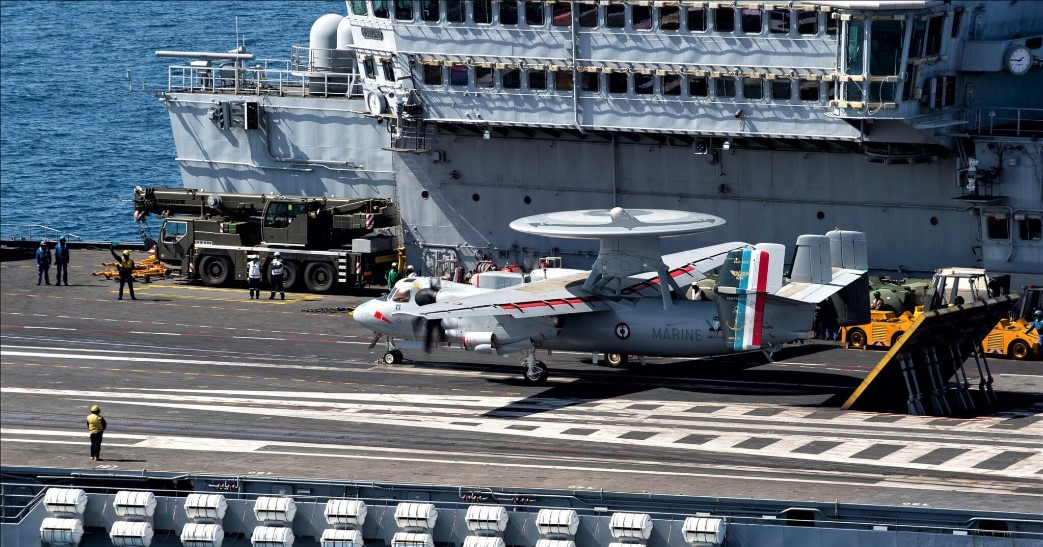
World
The French Navy is pushing the boundaries of modern naval warfare by testing the new L22 tactical data link (TDL) during its Carrier Strike Group (CSG) deployment in the Indo-Pacific. This upgrade, replacing the older L11 system, marks a significant leap in enhancing operational efficiency and real-time battlefield awareness. Since setting sail from Toulon on November 28, 2024, as part of the CLEMENCEAU 25 mission, the French Carrier Strike Group, led by the aircraft carrier Charles de Gaulle, has been integrating L22 into its aerial and maritime operations. This next-generation TDL, operating alongside the widely used L16, allows seamless sharing of tactical data across an entire operational zone, improving coordination between warships, aircraft, and command centers. Lieutenant-Commander Jérémie, head of the TDL cell within the French aeromaritime rapid reaction force, highlighted the significance of the technology: “Highly secure and based on constantly evolving technology, L22 significantly increases our ability to understand and control a tactical situation. It facilitates decision-making by providing a shared vision between different levels of command.” The first operational tests of L22 began aboard NH90 ‘Caiman’ helicopters deployed on the Charles de Gaulle and the escorting frigates. These trials were supported by combat system experts, the TDL unit of the embarked staff, and specialized teams from the naval aviation practical experimentation and reception center (CEPA/10S) in Toulon. The CSG’s deployment has provided ample opportunities to stress-test the system in real-world conditions. In January, during the multinational exercise LA PEROUSE 25 off Indonesia, L22 was instrumental in synchronizing operations among allied forces. The testing intensified in February with the trilateral exercise PACIFIC STELLER, where French, Japanese, and American vessels successfully validated situational awareness sharing via L22. Notably, for the first time, the French Navy established a direct connection with the U.S. 7th Fleet, expanding its interoperability beyond its prior collaborations with the U.S. 6th Fleet in the Mediterranean and the 5th Fleet in the Indian Ocean. With L22, the French Navy strengthens its ability to operate alongside key allies such as the United States, Italy, and Canada. This capability ensures comprehensive control over vast maritime zones and reinforces France’s autonomous situational awareness—an invaluable asset in today’s increasingly complex geopolitical landscape.
Read More → Posted on 2025-02-27 14:00:05
World
At the International Defence Exhibition (IDEX) 2025, Anavia, a Swiss company now part of the EDGE Group, introduced the HT-750, a heavy-lift unmanned helicopter designed to enhance aerial operations with increased payload capacity and endurance. Building on Proven Success The HT-750 is a larger variant of Anavia's successful HT-100 Vertical Take-Off and Landing (VTOL) Unmanned Aerial Vehicle (UAV), which is currently operational in nine countries across all continents. The new model retains key design elements of its predecessor, including the distinctive exoskeleton frame that accommodates three modular pods—one at the front and two on the sides. This configuration offers flexibility, allowing users to customize payload and fuel distribution based on specific mission requirements. Advanced Design and Performance Featuring a conventional helicopter architecture, the HT-750 is equipped with a four-blade bearing-less main rotor spanning 7.5 meters and a two-blade tail rotor. A turbine engine delivering 230 shaft horsepower (shp) continuously, with a peak of 250 shp during takeoff, powers the aircraft. The HT-750 can achieve speeds up to 222 km/h and operate in wind conditions up to 45 km/h. The helicopter measures 6.88 meters in length (excluding rotors), 1.67 meters in width, and 3.35 meters in height. Utilizing lightweight materials such as carbon fiber, the HT-750 has a dry empty weight of approximately 400 kg. With a maximum takeoff weight of 1,150 kg, it offers a substantial payload capacity of 750 kg, encompassing both mission equipment and fuel. Modular Payload and Fuel System The HT-750's exoskeleton design supports various mission-specific pods. At IDEX 2025, a two-seat pod was showcased alongside the helicopter, highlighting the system's versatility. Additional pod configurations include four-seat passenger modules, casualty evacuation setups, cargo transport, and Intelligence, Surveillance, Target Acquisition, and Reconnaissance (ISTAR) missions. Some pods feature frontal extensions to accommodate specific equipment, such as stretchers for medical evacuations. The modular pods are designed for quick interchangeability, enabling rapid reconfiguration of the HT-750 to meet diverse operational needs. This adaptability ensures that the aircraft can efficiently transition between roles, from cargo delivery to surveillance operations. Autonomy and Control Systems The HT-750 incorporates advanced autonomy features, allowing for fully autonomous flight operations, including takeoff and landing. Operators can also choose manual-assisted modes via a ground control station. The helicopter is equipped with a line-of-sight, fully encrypted data link providing a 100 Mbps data rate over a range of up to 200 km. For extended missions, a satellite communication (SATCOM) system can be integrated to offer unlimited operational range. Additional onboard systems include GPS with anti-jamming capabilities, a Detect and Avoid System (DAAS), Automatic Dependent Surveillance–Broadcast (ADS-B), and a radar altimeter, enhancing both safety and situational awareness during missions. Development and Future Plans The HT-750 displayed at IDEX 2025 was a full-scale mock-up, with the actual aircraft currently under construction. Anavia has leveraged its experience from the HT-100 program to expedite the development and certification processes of the HT-750, collaborating closely with other entities within the EDGE Group. The first flight of the HT-750 is anticipated in the first quarter of 2026, marking a significant milestone in the evolution of heavy-lift unmanned aerial systems. With its enhanced capabilities and modular design, the HT-750 is poised to set new standards in unmanned helicopter operations, offering a versatile platform for a wide range of military and civilian applications.
Read More → Posted on 2025-02-27 13:54:52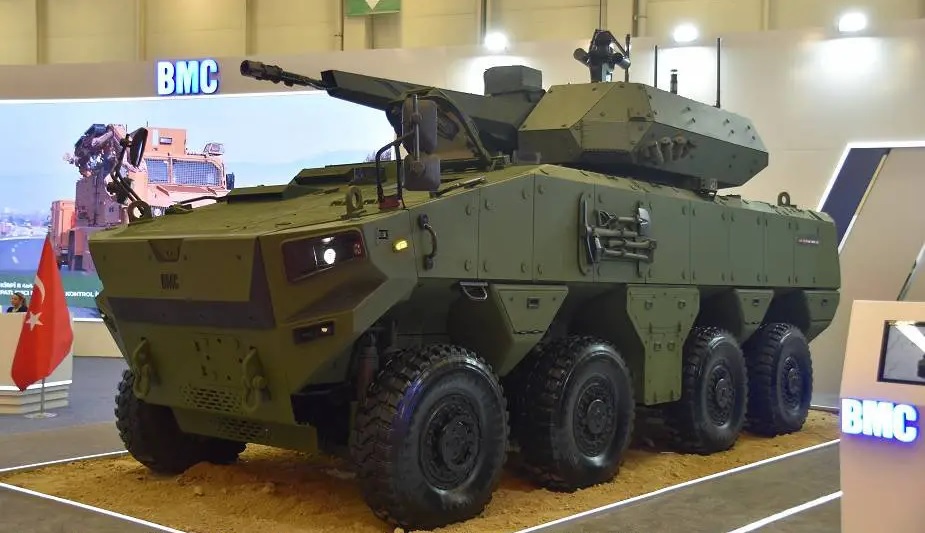
World
The Turkish Army is set to receive a new batch of advanced ALTUĞ 8×8 wheeled fighting vehicles under a recently signed contract between military vehicle manufacturer BMC and the Presidency of Defense Industries (SSB). The agreement, finalized on February 24, 2025, includes the delivery of 29 ALTUĞ vehicles along with Integrated Logistics Support (ILS) services to ensure their long-term operational efficiency. Designed for modern battlefield conditions, the ALTUĞ 8×8 is a next-generation armored combat vehicle that provides a combination of firepower, protection, and mobility. It is equipped with a 35mm turret capable of engaging both ground and aerial threats, offering superior firepower compared to previous models. Additionally, the vehicle incorporates state-of-the-art armor, advanced situational awareness systems, and electronic warfare capabilities, making it a formidable asset for Turkey’s defense forces. The contract not only ensures the supply of these high-tech vehicles but also includes provisions for maintenance, training, and operational support, allowing the Turkish Land Forces to maximize their effectiveness. The ALTUĞ 8×8 is expected to enhance the army’s tactical superiority, survivability, and versatility in both conventional warfare and counterinsurgency operations. With this latest acquisition, Turkey continues to modernize its military forces, strengthening its armored vehicle capabilities to meet evolving security challenges.
Read More → Posted on 2025-02-27 13:48:14
World
North Korea has reportedly sent additional troops to Russia and redeployed some forces to the frontline in the Kursk region, according to South Korea’s intelligence agency. This comes after more than 10,000 North Korean soldiers were said to have been deployed last year to assist Moscow in its fight against Ukraine’s counteroffensive near the border. Earlier this month, Seoul claimed that North Korean forces on the Kursk frontline had not engaged in combat since mid-January. Ukraine also reported their withdrawal following significant losses. However, on Thursday, an official from South Korea’s National Intelligence Agency stated that these troops had been sent back to the area. In addition to the redeployment, the official noted that further North Korean troop movements had been observed, though the exact scale is still under assessment. Despite these reports, both Moscow and Pyongyang have remained silent on the matter. The growing military ties between Russia and North Korea were solidified when Russian President Vladimir Putin visited Pyongyang last year and signed a defense agreement, which included a mutual security clause. The extent of North Korea’s direct involvement in combat remains uncertain, but their military support for Russia appears to be increasing as the war in Ukraine drags on.
Read More → Posted on 2025-02-27 13:42:02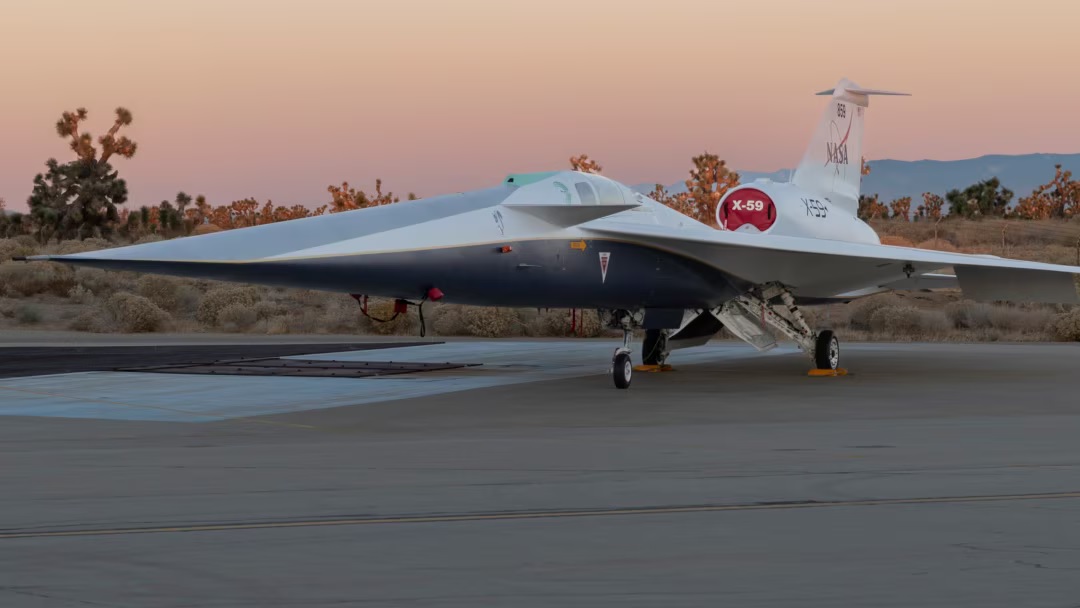
World
NASA’s X-59 quiet supersonic research aircraft has successfully cleared electromagnetic testing, marking a crucial step toward its highly anticipated first flight. The tests confirmed that the aircraft’s electronic systems operate safely without interference, ensuring reliable performance in real-world conditions. Yohan Lin, NASA’s X-59 avionics lead, described the milestone as a “major hurdle” in the aircraft’s development. Conducted at Lockheed Martin Skunk Works in Palmdale, California, the tests assessed whether the aircraft’s onboard systems—radios, navigation equipment, and sensors—functioned without disrupting each other. Electromagnetic interference (EMI) can occur when electrical or magnetic fields affect critical systems, potentially compromising an aircraft’s operation. To address this, engineers performed a “source-victim” test, activating each system individually and monitoring for malfunctions such as noise, glitches, or errors. The X-59 is a key component of NASA’s Quesst mission, designed to reduce the noise of supersonic flight by generating a gentle sonic “thump” rather than the loud booms that currently restrict commercial supersonic travel over land. The project aims to collect data that could pave the way for regulatory changes, making faster air travel a reality. Alongside the EMI tests, engineers examined the aircraft’s landing gear operation and fuel shutoff systems, ensuring they worked seamlessly without interference. Additional electromagnetic compatibility tests involved positioning the X-59 near NASA’s F-15D research aircraft to simulate real airborne conditions. The F-15D’s radar and communication systems were activated while the X-59’s engine was powered up, allowing NASA engineers to monitor for unexpected anomalies from a mobile operations facility. Lin emphasized the importance of detecting and resolving potential electromagnetic interference on the ground before flight. Identifying issues early enhances safety and minimizes risks when the aircraft finally takes off. With electromagnetic testing now complete, the X-59 will advance to aluminum bird tests, where engineers will simulate various operational conditions on the ground. This will be followed by taxi tests before the aircraft is finally cleared for its groundbreaking first flight.
Read More → Posted on 2025-02-27 13:37:34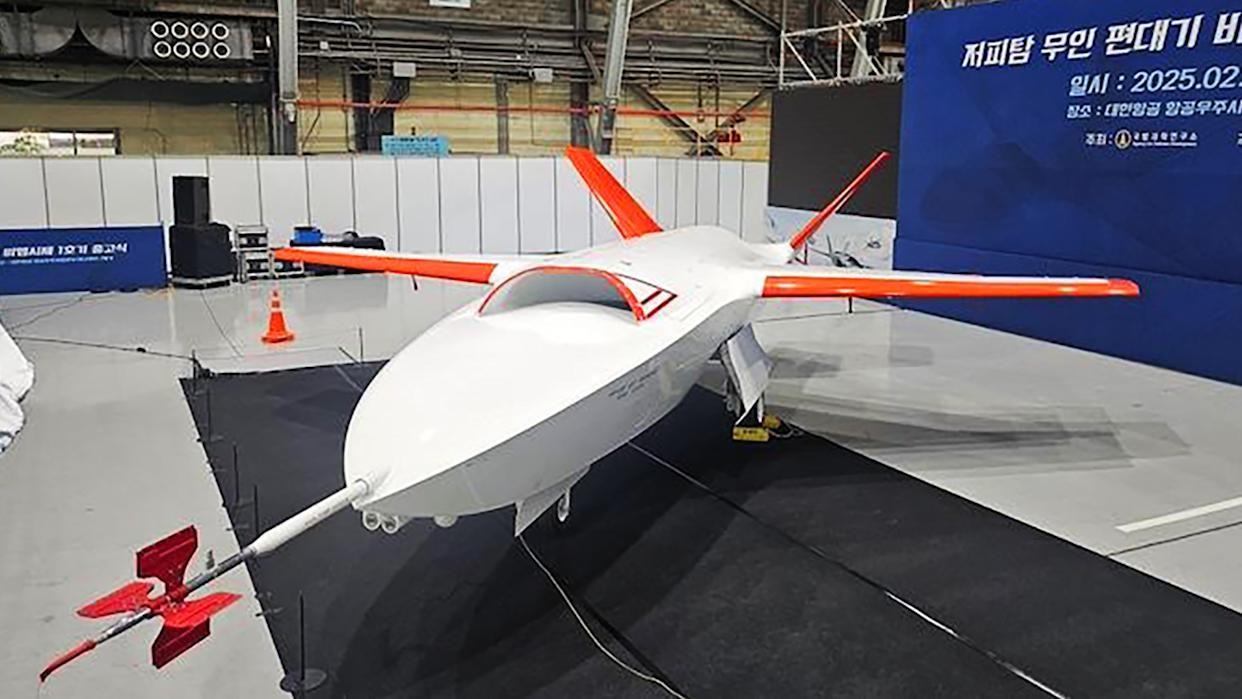
World
South Korea has taken a significant step forward in its defence aviation capabilities with the unveiling of its first stealth drone, the Low Observable Unmanned Wingman System (LOWUS). This cutting-edge unmanned system is designed to work alongside the KF-21 Boramae fighter jet, improving its survivability and combat effectiveness. The prototype was officially revealed at the Korean Air Tech Centre in Busan on February 25, 2025. Developed jointly by Korean Air and the Agency for Defence Development (ADD), with support from the Defence Acquisition Program Administration (DAPA), the LOWUS is part of South Korea’s broader strategy to incorporate drone technology into its military operations. The programme, initiated in 2021, aims to create a highly capable manned-unmanned teaming (MUM-T) system that allows drones to operate autonomously under the direction of piloted aircraft. The design of the LOWUS prioritizes stealth and survivability. It features a trapezoidal fuselage, sharply swept wings, a V-tail, and an overhead air intake, making it aerodynamically similar to advanced drones like the U.S. XQ-58A Valkyrie and Boeing’s MQ-28 Ghost Bat. Additionally, the drone incorporates radar-absorbing materials, significantly reducing its radar cross-section and making it harder to detect in combat scenarios. One of the most critical aspects of the LOWUS is its integration with the KF-21 fighter jet. The first operational Block 1 variant of the KF-21 is focused on air-to-air combat and lacks internal weapons bays. The LOWUS complements the fighter by handling air-to-ground missions, reconnaissance, and electronic warfare, allowing the KF-21 to stay at a safer distance while still engaging targets effectively. This coordinated approach enhances the KF-21’s combat range and survivability, giving South Korea a tactical edge in modern warfare. Beyond the KF-21, the LOWUS has the potential to support other platforms, such as the FA-50 light combat aircraft, which could make it a valuable asset for export markets. South Korea’s push into unmanned aerial systems aligns with its broader ambitions to become a major player in the global defence aviation industry. The first flight of the LOWUS is expected by the end of 2025, with further manned-unmanned teaming tests set to continue until 2027. As South Korea continues refining this technology, the LOWUS could play a crucial role in shaping the future of air combat for the country and its allies.
Read More → Posted on 2025-02-27 13:35:43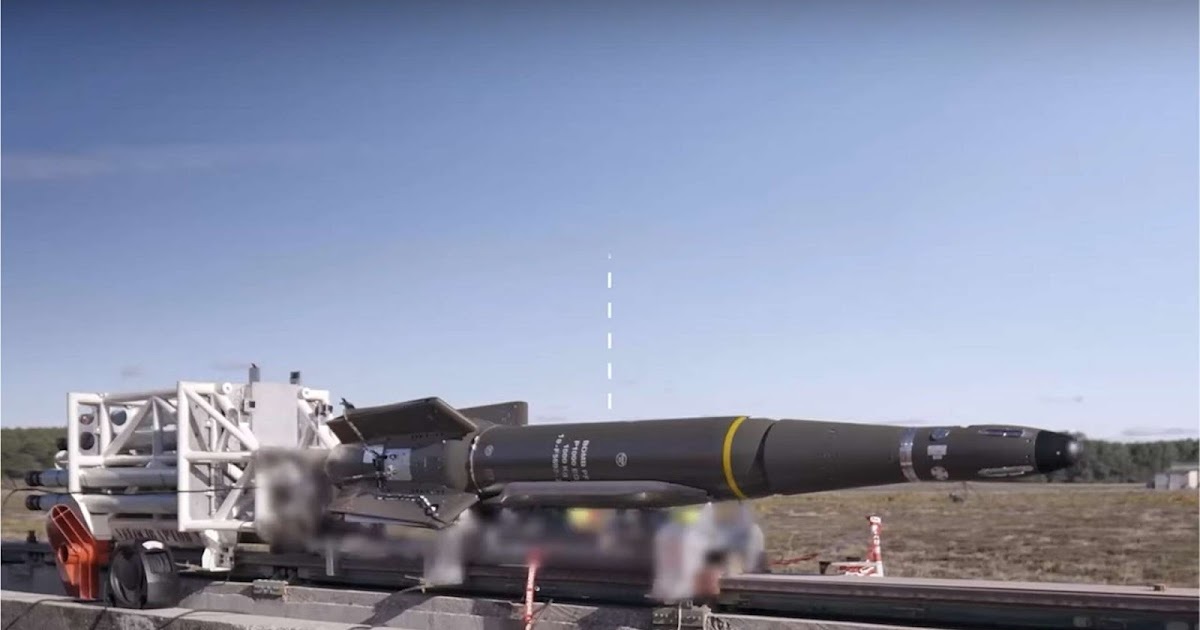
World
In a unique and unconventional weapons test, the French Directorate General of Armaments (DGA) has put a 1,000-kilogram (2,200-pound) bomb through an intense trial using a two-kilometer-long (1.2-mile) rail system. The test, conducted in Biscarrosse, a small town in southwestern France, was designed to replicate the speed, acceleration, and forces the bomb would experience when dropped from a high-altitude combat aircraft. Rather than performing a traditional airborne test, DGA engineers opted for a ground-based simulation to gather precise data on how the bomb behaves under real-world conditions. By propelling the weapon along the rail, they could assess how it responds to high-speed launch conditions, ensuring its structural integrity and performance remain optimal during actual deployment. This approach, while unusual, offers significant advantages. It allows for controlled testing in a secure environment without the complexities and risks associated with aerial trials. Additionally, it enables engineers to fine-tune the weapon's design, making necessary adjustments before it is integrated into France’s strategic strike capabilities. France’s defense research teams have increasingly relied on advanced simulations to refine their military technology. The Biscarrosse test site, known for its specialized facilities, provided the ideal location for this experiment. Though DGA has not disclosed further technical details, the test underscores France’s commitment to pushing the boundaries of munitions testing and ensuring its weapons systems are battle-ready. As modern warfare evolves, such innovative testing methods play a crucial role in enhancing precision, reliability, and operational effectiveness.
Read More → Posted on 2025-02-27 13:32:01
India
The Indian Navy and the Defence Research & Development Organisation (DRDO) achieved a significant milestone on February 25, 2025, by successfully conducting flight trials of the Naval Anti-Ship Missile – Short Range (NASM-SR) from the Integrated Test Range (ITR), Chandipur. This cutting-edge missile was launched from an Indian Naval Sea King helicopter, showcasing its advanced capabilities against ship targets. What makes the NASM-SR stand out is its Man-in-Loop feature, allowing pilots to retarget in mid-flight. During the trial, the missile locked onto a large ship-sized target but was later redirected to strike a smaller, concealed target with pinpoint precision. This real-time decision-making ability is made possible through a high-bandwidth two-way data link, transmitting live seeker images back to the pilot. The missile employs an Indigenous Imaging Infra-Red Seeker for terminal guidance, ensuring high accuracy in engagements. It also incorporates a Fiber Optic Gyroscope-based Inertial Navigation System (INS), a radio altimeter for mid-course guidance, electro-mechanical actuators for aerodynamic and jet vane control, and an integrated avionics module. Additionally, it features solid propulsion with an in-line ejectable booster and a long-burn sustainer, providing optimal speed and range. Developed by multiple DRDO laboratories, including the Research Centre Imarat, Defence Research and Development Laboratory, High Energy Materials Research Laboratory, and Terminal Ballistics Research Laboratory, the NASM-SR represents a major leap in India’s indigenous missile technology. The production of these missiles is being carried out by Development cum Production Partners (DcPP) with contributions from MSMEs, start-ups, and other industrial partners. The successful test has drawn praise from Defence Minister Rajnath Singh, who highlighted the game-changing in-flight retargeting capability that significantly enhances operational flexibility. DRDO Chairman Dr. Samir V. Kamat also congratulated the DRDO team, the Indian Navy, and industry partners for their contributions to the successful demonstration. This achievement reinforces India’s commitment to developing next-generation indigenous defence technologies, strengthening the Navy’s firepower and operational readiness in maritime warfare.
Read More → Posted on 2025-02-27 13:27:13
World
Hanwha Aerospace has officially confirmed its offer of the Chunmoo Multiple Rocket Launch System (MLRS) to the Norwegian Armed Forces, marking another step in the deepening defence cooperation between South Korea and Norway. The announcement came during the ‘Hanwha-Norway Industry Day’ held at the NHO Conference in Oslo on February 26, where key Norwegian defence industry leaders gathered. The event saw participation from major defence firms such as Kongsberg Defence & Aerospace (KDA) and Nammo, alongside more than 30 other companies. The presence of South Korea’s Ambassador to Norway, Seo Min-Jeong, further highlighted the growing strategic relationship between the two nations. The Chunmoo MLRS is a state-of-the-art 239mm multiple rocket launcher system developed by Hanwha Aerospace in collaboration with South Korea’s Agency for Defense Development. With long-range precision strike capabilities, the system has drawn considerable interest from Norwegian defence stakeholders. One of the Chunmoo’s key strengths is its adaptability. Hanwha Aerospace emphasized that the system can be integrated with a variety of vehicles and launchers, as seen in Poland’s HOMAR-K program, which successfully combined Chunmoo launchers with Jelcz trucks. Additionally, the system is designed to fire multiple types of ammunition, including 40 rounds of 130mm rockets. Ongoing development aims to support compatibility with the widely used European 122mm standard, further enhancing its potential for integration into Norway’s defence infrastructure. Hanwha Aerospace’s engagement with Norway is not new. In 2017, the company secured a contract to supply K9 VIDAR self-propelled howitzers, followed by additional agreements in 2022. This partnership has resulted in the delivery of 28 K9 howitzers and 14 K10 Ammunition Resupply Vehicles to the Norwegian military. Further cementing this collaboration, Hanwha Aerospace signed a Memorandum of Understanding (MOU) with KDA at the Eurosatory defence exhibition in France in June 2024. The agreement aims to integrate Kongsberg’s Integrated Combat Solution (ICS), Digital Vehicle Platform, and Remote Weapon Systems into Hanwha’s defence platforms. A previous MOU, signed in 2022, focused on cooperation in Infantry Fighting Vehicles (IFVs) and Long-Range Precision Fire Systems (LRPFS), demonstrating a long-term commitment to joint defence initiatives. Hanwha Aerospace stands as South Korea’s leading aerospace and defence enterprise, specializing in land combat vehicles, precision-guided munitions, and space technologies. With its active role in the Korea Space Launch Vehicle (KSLV) program, the company is expanding its footprint beyond conventional defence, reinforcing its position as a key player in global security. The Chunmoo MLRS offer to Norway represents not just an advanced military solution but also an opportunity for further collaboration between the two countries, strengthening ties in both defence and technology.
Read More → Posted on 2025-02-27 13:24:36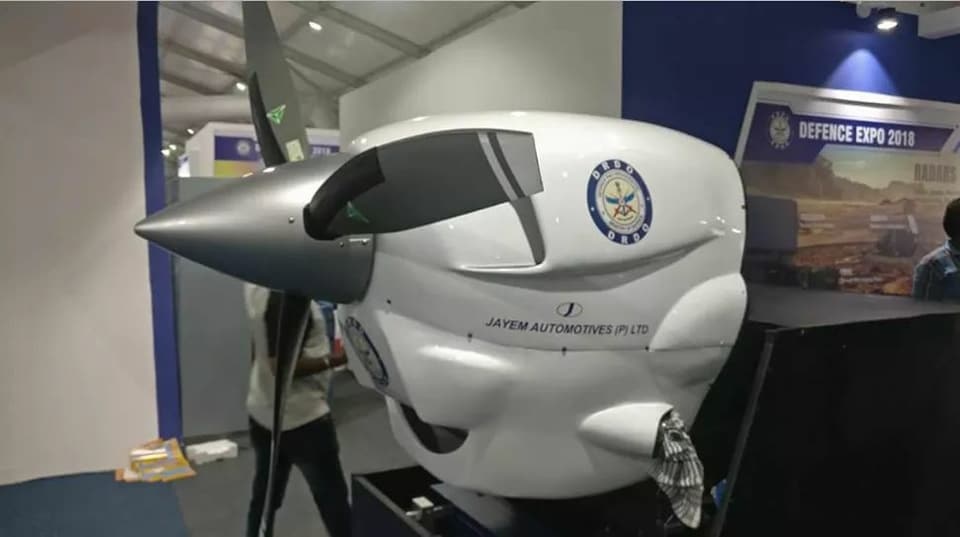
India
India's TAPAS UAV is set to achieve a major milestone with the integration of an indigenously developed diesel engine, marking a crucial step towards self-reliance in UAV propulsion technology. In a significant move, two units of a newly developed 2.2L, 4-cylinder inline turbocharged CRDi engine have been installed in select TAPAS prototypes, replacing imported powerplants. Developed by the Vehicle Research and Development Establishment (VRDE) in collaboration with JAYEM Automotives Ltd, this engine boasts a maximum power output of 180 HP at an altitude of 11,000 feet and is designed to operate effectively up to 32,000 feet. The incorporation of a Full Authority Digital Engine Control (FADEC) system enables fully automatic engine management, eliminating the need for pilot intervention while ensuring optimized performance. Furthermore, its dual-redundancy system enhances operational reliability, a critical factor in unmanned aerial applications. Ground testing of these engines has been successfully completed following extensive standalone evaluations. The program now moves into the flight-testing phase, with trials expected to conclude by mid-2025. If successful, these indigenous engines will officially replace the foreign-manufactured power units currently used in TAPAS UAVs, strengthening India’s strategic autonomy in defense technology. This upgrade is part of India's broader efforts to refine the TAPAS UAV, which has faced hurdles in meeting operational endurance and altitude requirements outlined by the Indian Armed Forces. By equipping the platform with a domestically developed engine, the program aims to improve both performance and logistical efficiency. Key Features and Specifications Engine Type: 2.2L, 4-cylinder inline turbocharged CRDi engine Maximum Power: 180 HP at 11,000 feet Operating Altitude: Capable of functioning up to 32,000 feet Control System: FADEC for fully automated engine management Redundancy: Dual-redundancy system for enhanced reliability Aerospace Application Unlike conventional automotive engines, this CRDi diesel engine is tailored for high-altitude UAV operations, incorporating advanced control systems like FADEC and redundancy features to ensure reliability. These capabilities make it well-suited for platforms such as TAPAS UAV, further aligning with India’s push for indigenous aerospace technology. As India continues to advance its UAV programs, the successful integration of this engine will mark a significant achievement, potentially paving the way for further developments in domestic propulsion systems for unmanned aerial platforms.
Read More → Posted on 2025-02-27 13:22:09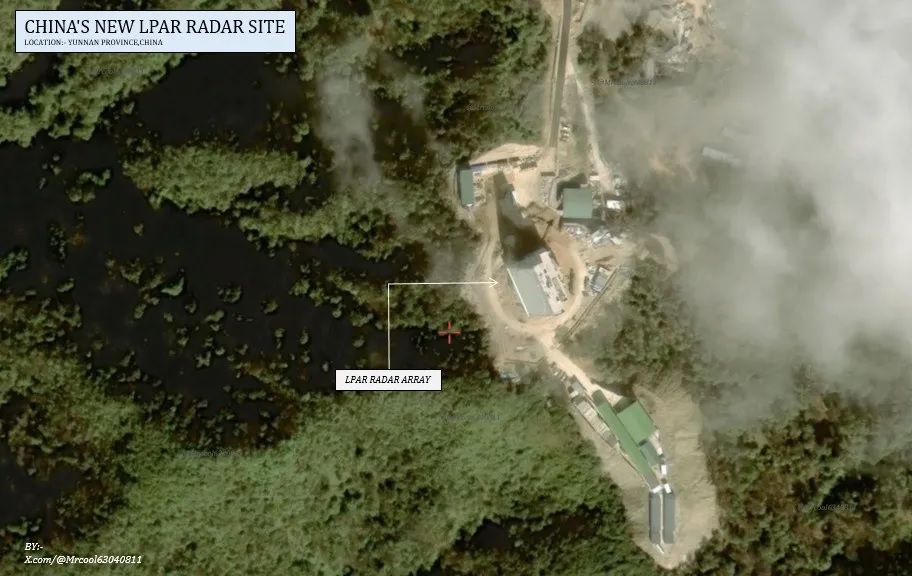
World
China has built a new, advanced radar facility in Yunnan Province, near the Myanmar border, significantly boosting its ability to provide early warnings about ballistic missiles. This Large Phased Array Radar (LPAR) reportedly has a range of roughly 5,000 kilometers (3,100 miles), allowing it to monitor a vast area, including the Indian Ocean Region (IOR) and a considerable portion of India. The development is being viewed with concern in India, as the radar's capabilities appear to be focused on tracking Indian ballistic missile tests. The Yunnan-based radar is a crucial component in China’s expanding defense infrastructure. These radars are specifically designed to detect and track missile launches at long distances, offering China an improved ability to observe missile activities in South and Southeast Asia. The facility’s 5,000-kilometer range means it can closely monitor India's missile development program, including tests at Dr. A.P.J. Abdul Kalam Island, where missiles like Agni-V and K-4 are frequently launched. The location of the radar is strategically significant. Situated near Myanmar, it provides a clear line of sight across the Bay of Bengal and into the wider IOR, a region where India maintains a significant naval presence. This placement allows China to gather real-time data on missile trajectories, speeds, and ranges—information that can enhance its own missile defense capabilities. The construction of this radar comes at a time of heightened tensions between China and India. With unresolved border disputes along the Line of Actual Control (LAC) and competing strategic interests in the Indo-Pacific, both nations have been expanding their military and surveillance capabilities. The People’s Liberation Army (PLA) has placed a strong emphasis on strategic situational awareness, and LPARs form a critical part of its missile warning and space-tracking network. China already operates multiple LPAR stations, including one in Korla, Xinjiang, which monitors northern India. The Yunnan facility extends China’s surveillance reach further south, giving it greater visibility over India’s missile advancements. India’s progress in developing intercontinental ballistic missiles (ICBMs) like Agni-V and its work on hypersonic missile technology likely make it a primary focus for Chinese surveillance. LPARs, like the one in Yunnan, are highly sophisticated systems. They use thousands of antenna elements to electronically steer radar beams, enabling rapid detection and tracking of multiple targets without requiring physical movement. The reported 5,000-kilometer range is comparable to the U.S. PAVE PAWS radar network, which has a detection range of up to 5,600 kilometers (approximately 3,500 miles). The radar’s location near Myanmar also raises questions about potential Chinese surveillance operations in the region. China has been known to use neighboring airspace for intelligence-gathering, particularly in the Indian Ocean, where it has deployed research and surveillance vessels in recent years. Beyond monitoring Indian missile tests, this radar strengthens China’s broader strategic position. It enhances Beijing’s early warning capabilities against potential threats from the IOR, where the Indian Navy operates nuclear-powered submarines armed with ballistic missiles. Additionally, it allows China to keep a closer watch on U.S. and allied military activities in the region, including bases like Diego Garcia and naval movements in the Andaman Sea. For India, the new LPAR presents a strategic challenge, as it increases China’s ability to monitor and potentially counteract Indian missile advancements. However, it also serves as a motivation for India to accelerate its own technological developments. The Indian military has already been tracking Chinese surveillance vessels operating in the IOR, particularly those appearing around missile test windows. The addition of a land-based radar with such a long-range further complicates India’s ability to conduct missile tests without external monitoring. India may respond by fast-tracking advancements in its ballistic missile defense (BMD) program, including the Prithvi Air Defence (PAD) and Advanced Air Defence (AAD) systems, designed to intercept missiles up to 5,000 kilometers away. Additionally, India is enhancing its indigenous radar capabilities to counter external surveillance, with significant research and development efforts underway by the Defence Research and Development Organisation (DRDO). This development underscores the growing technological and strategic competition between China and India. With both nations investing heavily in missile defense, surveillance, and early warning systems, the race for military and technological superiority in the Indo-Pacific is set to intensify in the coming years.
Read More → Posted on 2025-02-26 15:38:07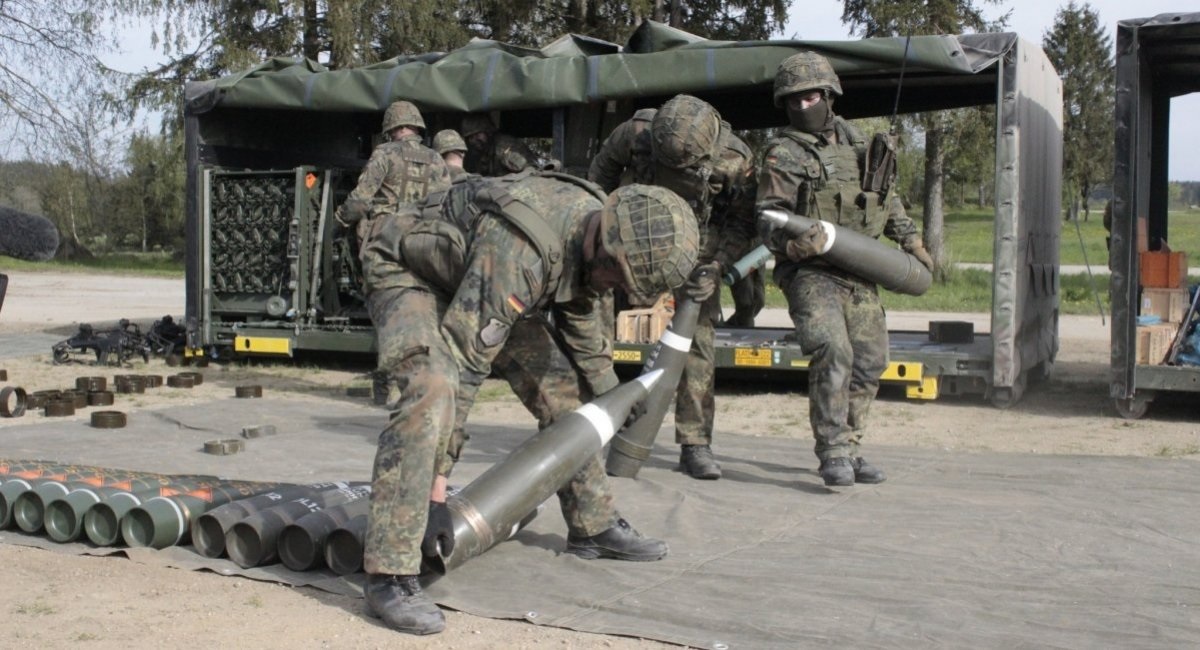
World
Estonia has announced a new military aid package for Ukraine, which includes 10,000 rounds of artillery ammunition. This latest contribution is part of Tallinn’s ongoing commitment to supporting Kyiv against Russian aggression. The package will also feature Estonian defense industry products worth over 100 million euros ($104 million), further strengthening Ukraine’s military capabilities. Estonian Prime Minister Kristen Michal emphasized that the initiative aims to bolster Ukraine’s position on the battlefield while increasing pressure on Russia. Estonia has been one of the most vocal supporters of Ukraine in Europe, consistently providing military aid since the start of the war. A History of Strong Support Over the past three years, Estonia has supplied military aid to Ukraine worth approximately 500 million euros ($524 million), accounting for more than 1.4 percent of its GDP. Previous aid packages have included advanced weaponry such as anti-tank missile systems and howitzers. Other contributions have featured artillery shells, anti-tank mortars, and machine guns, reinforcing Ukraine’s defensive capabilities. Additionally, Estonia has facilitated defense technology cooperation with Ukraine. In December 2023, Estonian startup Frankenburg Technologies announced its plan to test an in-development anti-aircraft missile in Ukraine, showcasing the Baltic nation’s broader efforts to assist Kyiv beyond just ammunition and weaponry. Estonia’s Own Defense Build-Up While maintaining its strong support for Ukraine, Estonia is also ramping up its own defense and deterrence strategies due to growing regional security concerns. In September 2024, the Estonian government unveiled a comprehensive military defense investment plan worth 5.6 billion euros ($5.8 billion) over the next four years. This plan includes a significant allocation of 1.6 billion euros ($1.68 billion) for the purchase of long-range ammunition, extending until 2031. Tallinn’s defense spending is expected to surpass 3 percent of its GDP in the coming years, reaching 3.6 percent by 2027. This increase underscores Estonia’s commitment to strengthening its military capabilities in response to heightened tensions in the region. Estonia’s latest aid package to Ukraine reaffirms its stance as a key European ally of Kyiv, demonstrating both military and political commitment to countering Russian aggression. As the war continues, Estonia remains a crucial partner in ensuring Ukraine receives the necessary support to defend itself.
Read More → Posted on 2025-02-26 14:20:55
World
The NATO Support and Procurement Agency (NSPA) played a key role in facilitating Cyber Unity 2025, a week-long exercise focused on strengthening cyber capabilities among NATO Allies and partners. Co-hosted by the U.S. European Command (USEUCOM) and Luxembourg’s Directorate of Defence, the exercise took place from January 20 to 24 at NSPA headquarters in Luxembourg. Cybersecurity remains a complex challenge that demands continuous collaboration, expertise, and investment in advanced technologies. By bringing together multiple nations, NSPA contributes to a collective cyber defense strategy, ensuring a stronger and more resilient cybersecurity framework across the U.S. and European theaters. Professor Dr. Sergio Coronado, NSPA Chief Information Officer, highlighted the significance of the exercise, stating, “NATO Allies and partners must continue to enhance their collective resilience and preparedness to respond swiftly to sophisticated cyber threat actors. Cyber Unity 2025 allowed participants to test their readiness against real-world cyber threats and improve collaboration across different nations.” A Unified Cyber Defense Effort Cyber Unity 2025 focused on enhancing multinational cooperation, with ten Allied countries—Armenia, Albania, Bulgaria, Croatia, Greece, Kosovo, Montenegro, North Macedonia, Romania, and Slovenia—participating. The exercise provided an opportunity to test and validate cyber protection tools using the Luxembourg Cyber Range platform, developed by CybExer Technologies and hosted by NSPA. By engaging in joint training and security cooperation, participants improved their capacity to detect and respond to cyber threats, fostering trust and collaboration among like-minded nations. This coordinated approach is essential for deterring cyber attacks and protecting critical digital infrastructure. Maj. Gen. John Phillips, EUCOM Director C4/Cyber, emphasized the importance of defending cyberspace, stating, “The cyber domain is critical for both civilian and military infrastructure and is under constant threat from sophisticated adversaries. Our collective efforts to protect against cyber-attacks are essential, and we will continue working together to strengthen our cyber defenses at home and abroad.” A Realistic Training Environment USEUCOM, NSPA, and Luxembourg’s Directorate of Defence designed Cyber Unity 2025 to simulate real-world cyber incidents, allowing participants to test open-source tools in a live cyberattack scenario. By translating technical insights into strategic-level decisions, the exercise helped bridge the gap between operational cyber defense measures and high-level security policies. With cyber threats evolving rapidly, initiatives like Cyber Unity 2025 play a vital role in preparing NATO Allies and partners to handle emerging challenges. Through continued collaboration and joint exercises, participating nations are reinforcing their ability to deter, detect, and defend against cyber threats in an increasingly digital battlefield.
Read More → Posted on 2025-02-26 14:16:53Search
Top Trending in 24 Hours
-
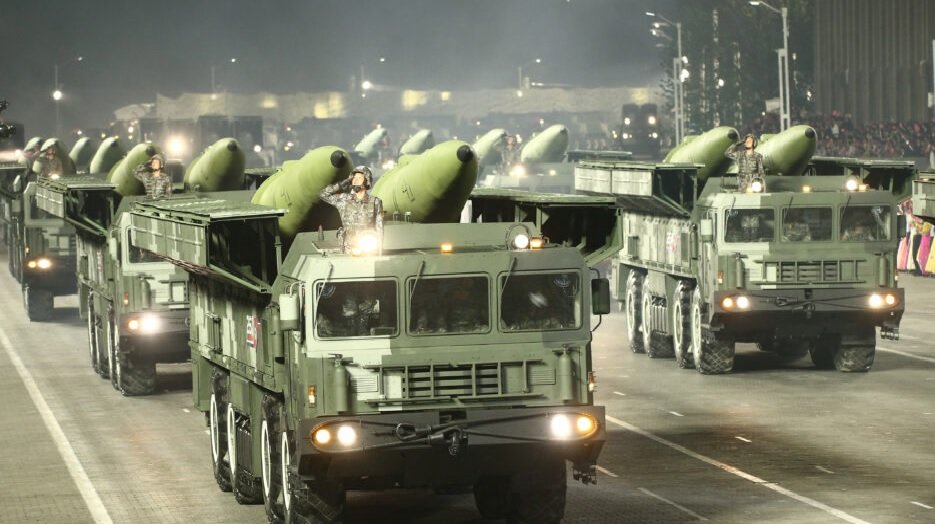 Russia Receives North Korean KN-30 Ballistic Missiles as Moscow Expands Its Missile Arsenal
-
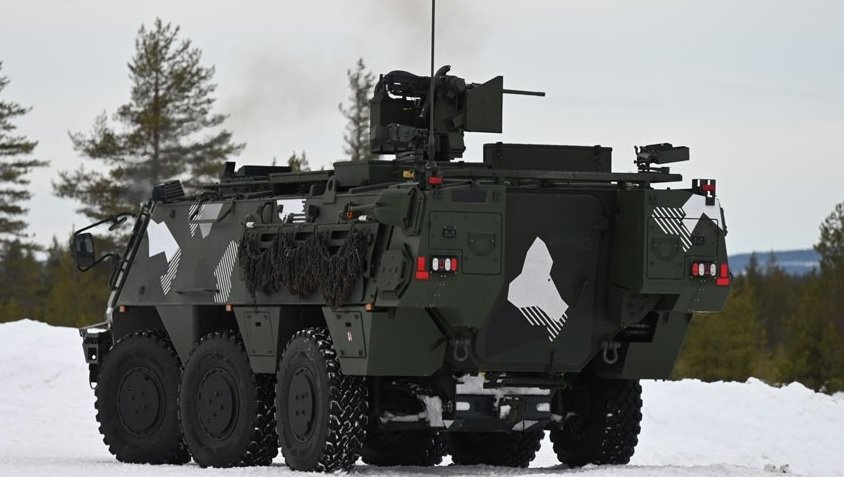 Kongsberg Wins $120 Million Contract for More Protector RS4 Systems for Canadian Army
-
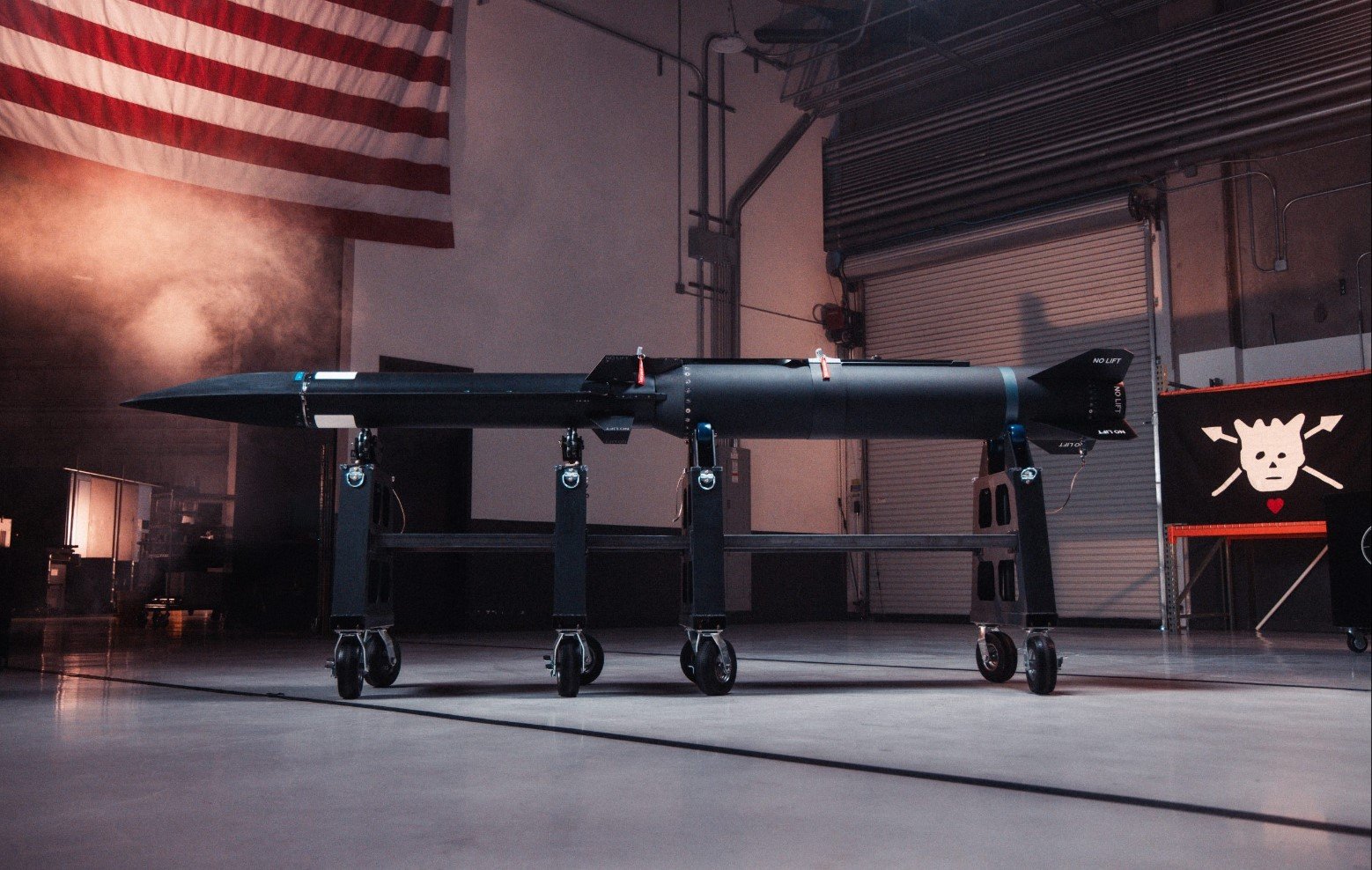 Castelion Secures $1 Billion Funding to Scale Production of Blackbeard Hypersonic Missile
-
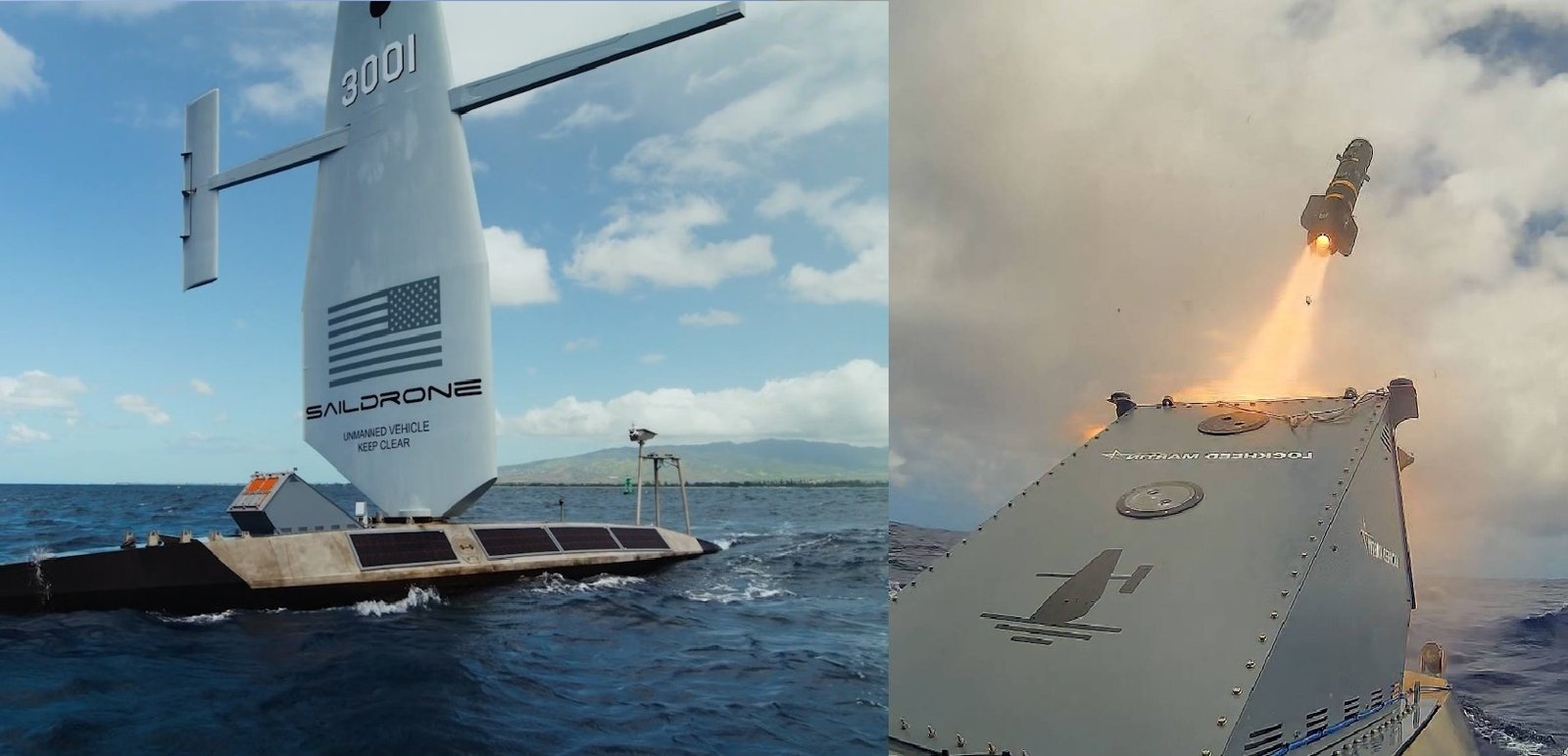 Saildrone and Lockheed Martin Successfully Fire Two JAGM Missiles in First Live-Fire Test from Unmanned Vessel at RIMPAC 2026
-
 Lockheed Martin Demonstrates AI-Powered Sonar System With U.S. Navy at RIMPAC 2026
-
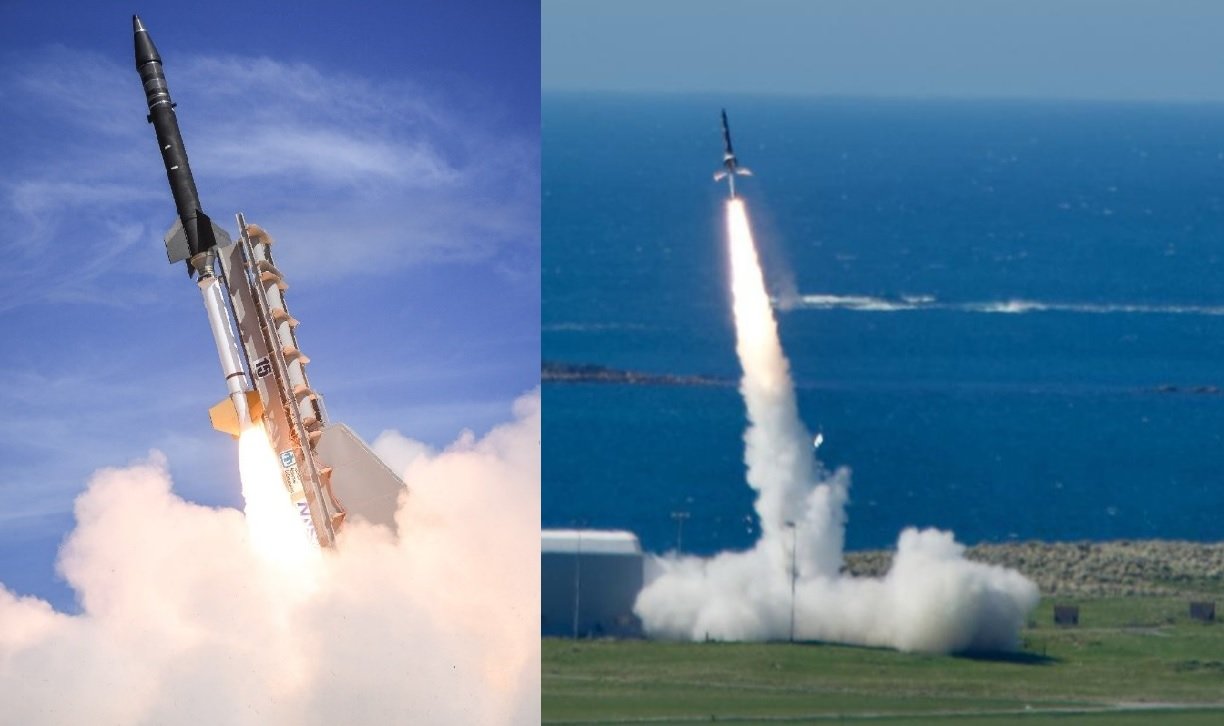 US Navy Launches ARAV-6 Missile Target During Multinational Pacific Dragon 2026 Exercise
-
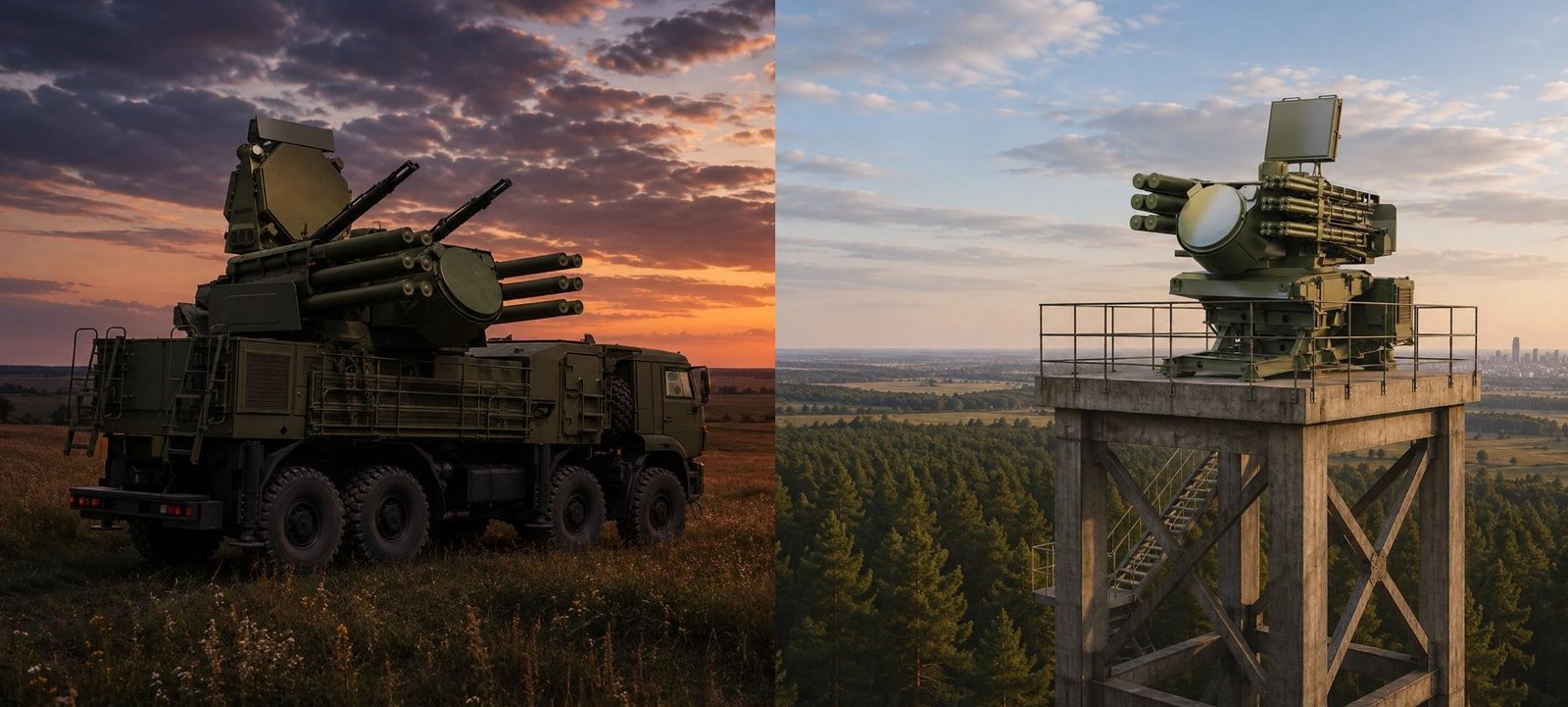 Russia Receives New Batch of Pantsir-S and Pantsir-SMD Air Defense Systems
-
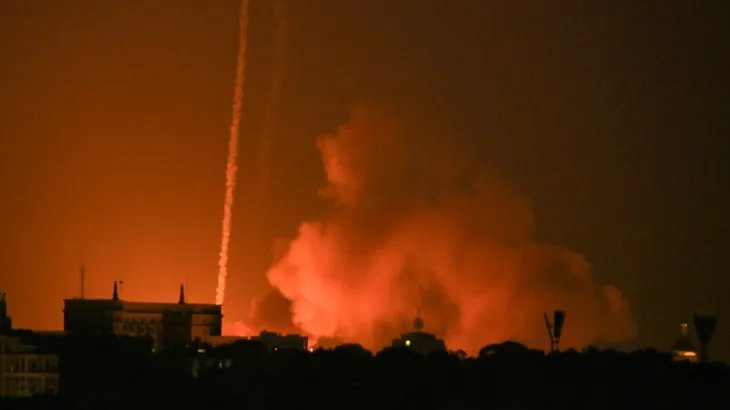 Russian Forces Strike Military-Industrial and Logistics Sites in Kyiv and Kyiv Oblast
Top Trending in 4 Days
-
 U.S. Navy Destroyer USS Benfold Spent Four Days Without Power in South China Sea After Generator Failure
-
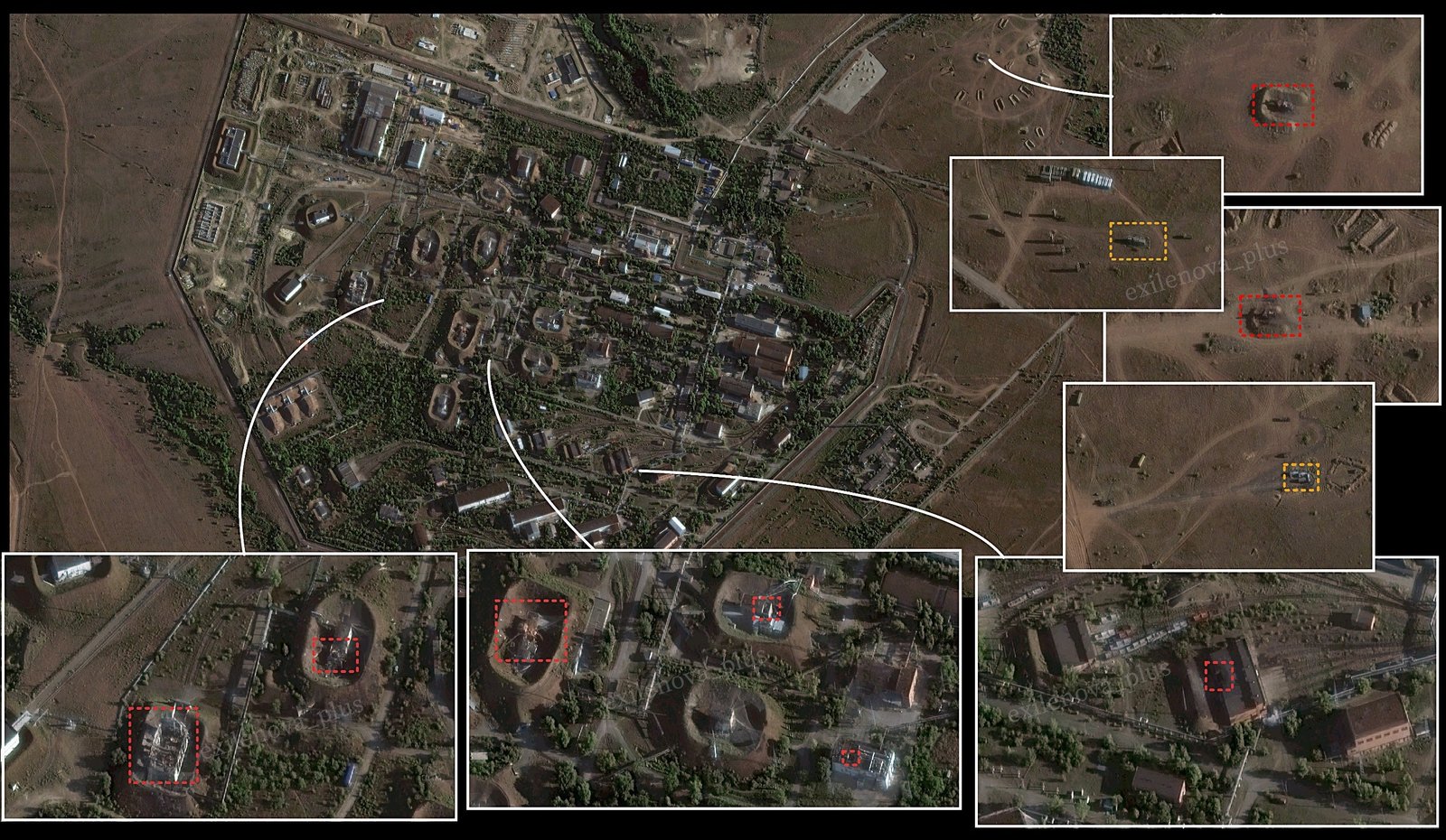 Satellite Images Show Ukrainian Drone Strike Hits Russian Rocket Fuel Plant and Air Defense Systems in Rostov Region
-
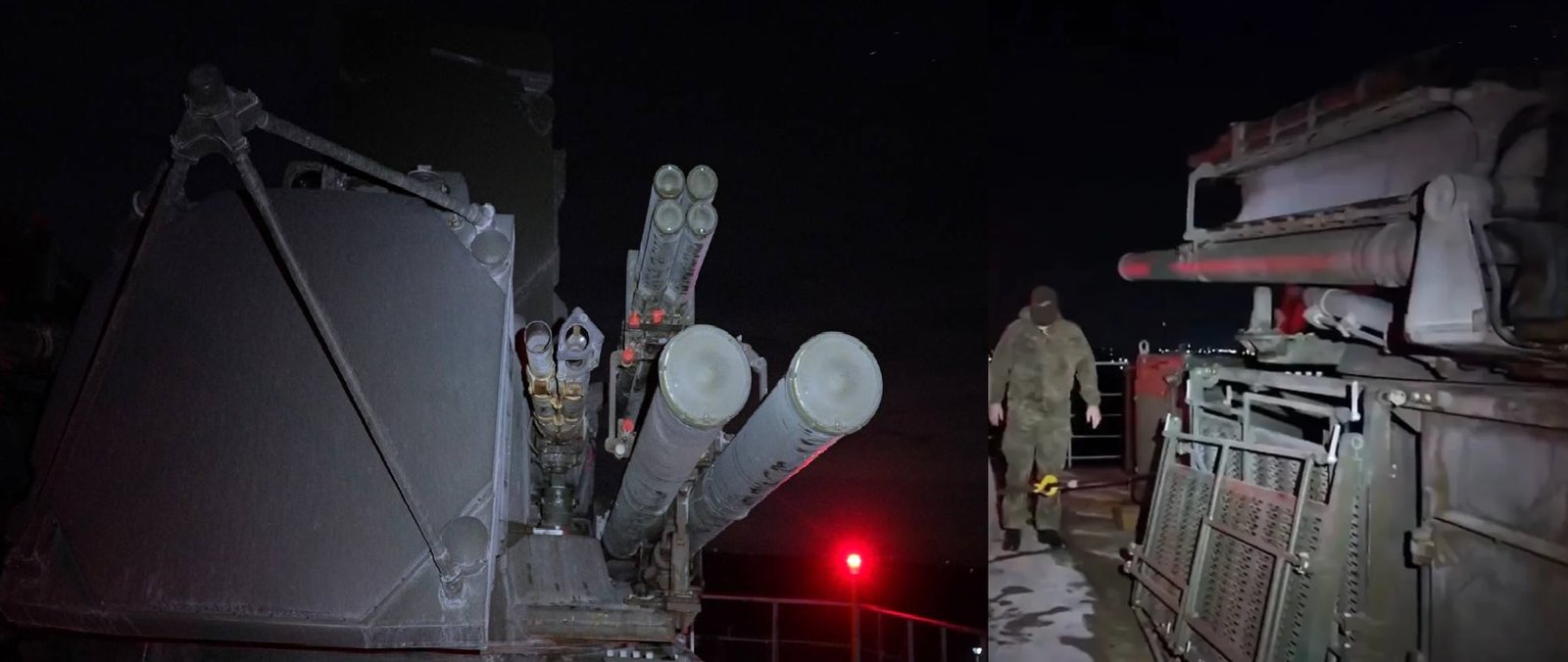 Russia Expands Moscow’s Anti-Drone Defense Network With Specialized 35-Meter Towers for Pantsir Systems
-
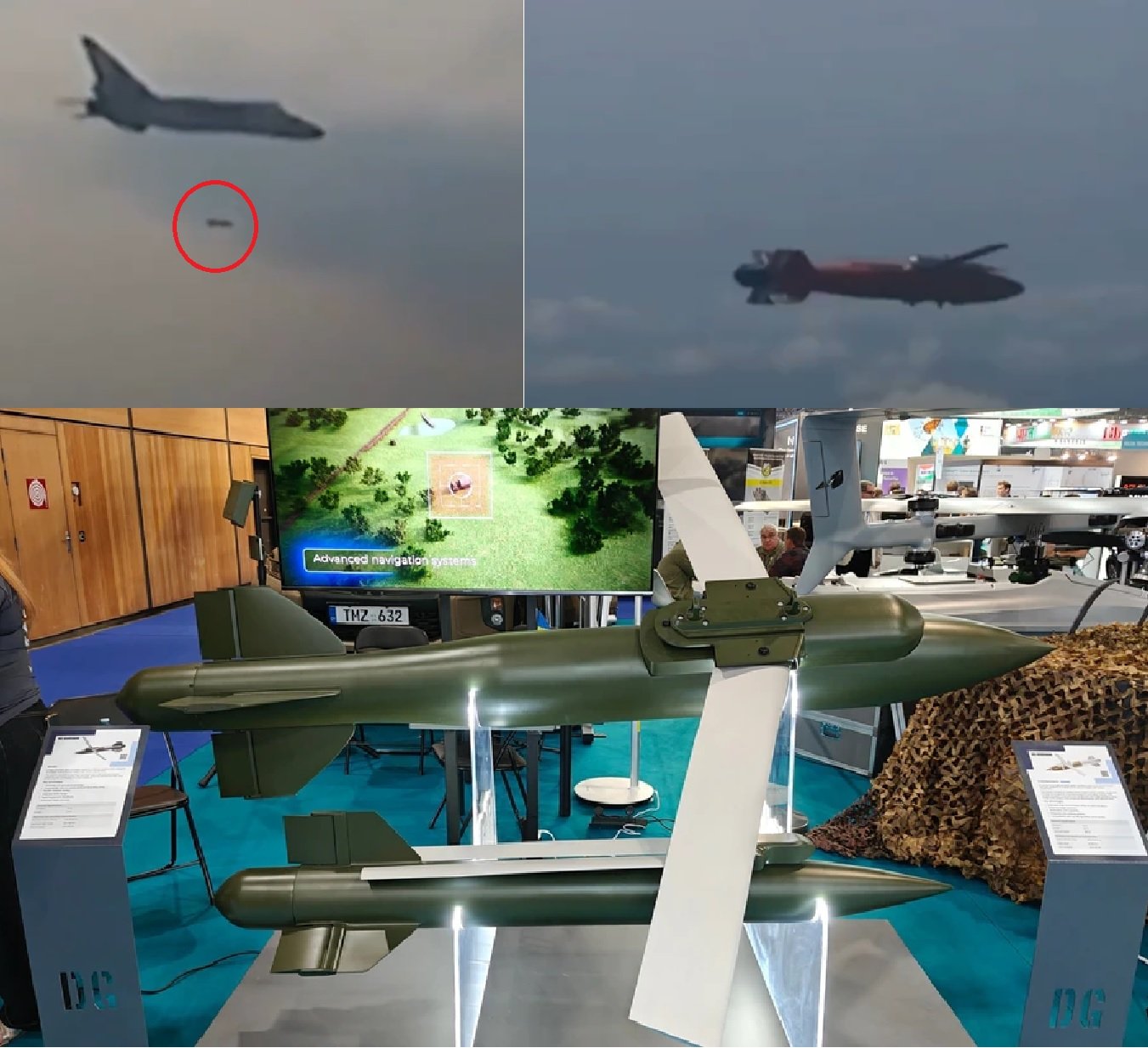 Ukraine Begins Procurement of Vyrivniuvach Guided Aerial Bomb
-
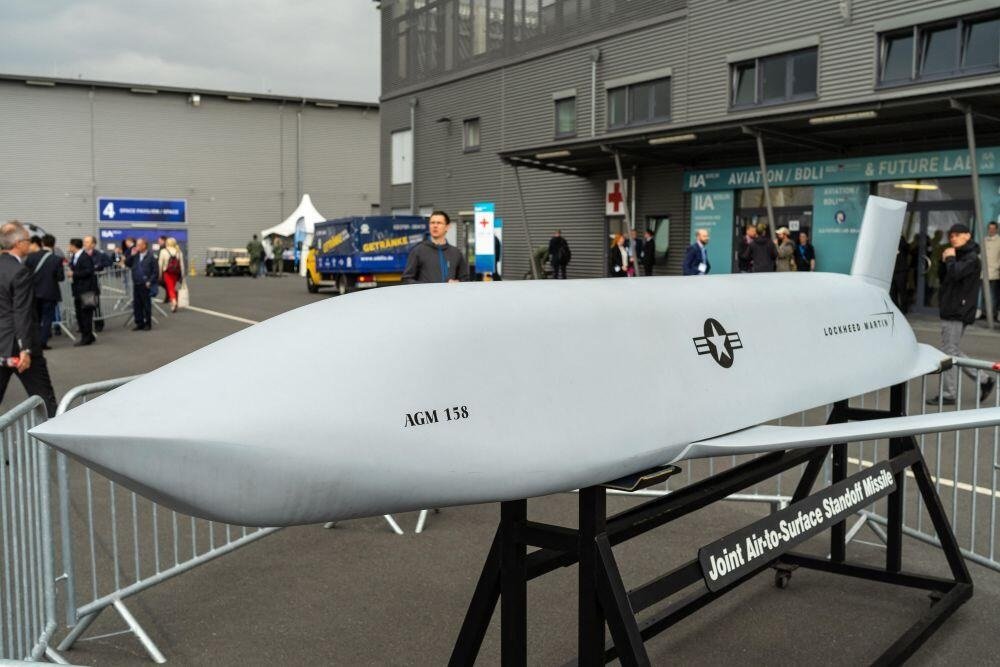 U.S. Air Force Selects GE-Kratos F143 Engine as Second Engine Source for JASSM Missile
-
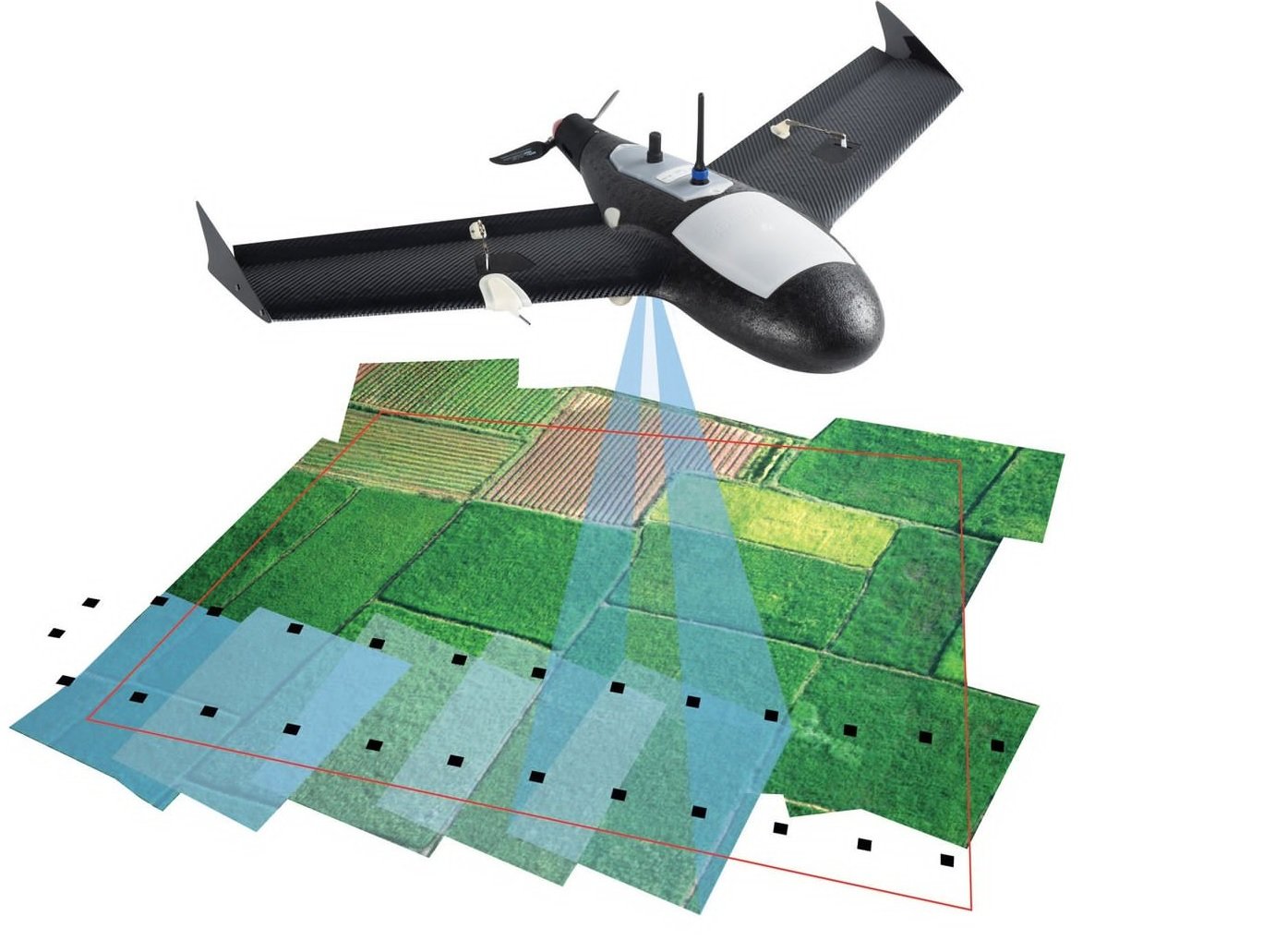 Russia Develops 'Martian' Camera-Based Navigation Independent of GPS and Radio Signals for Drones
-
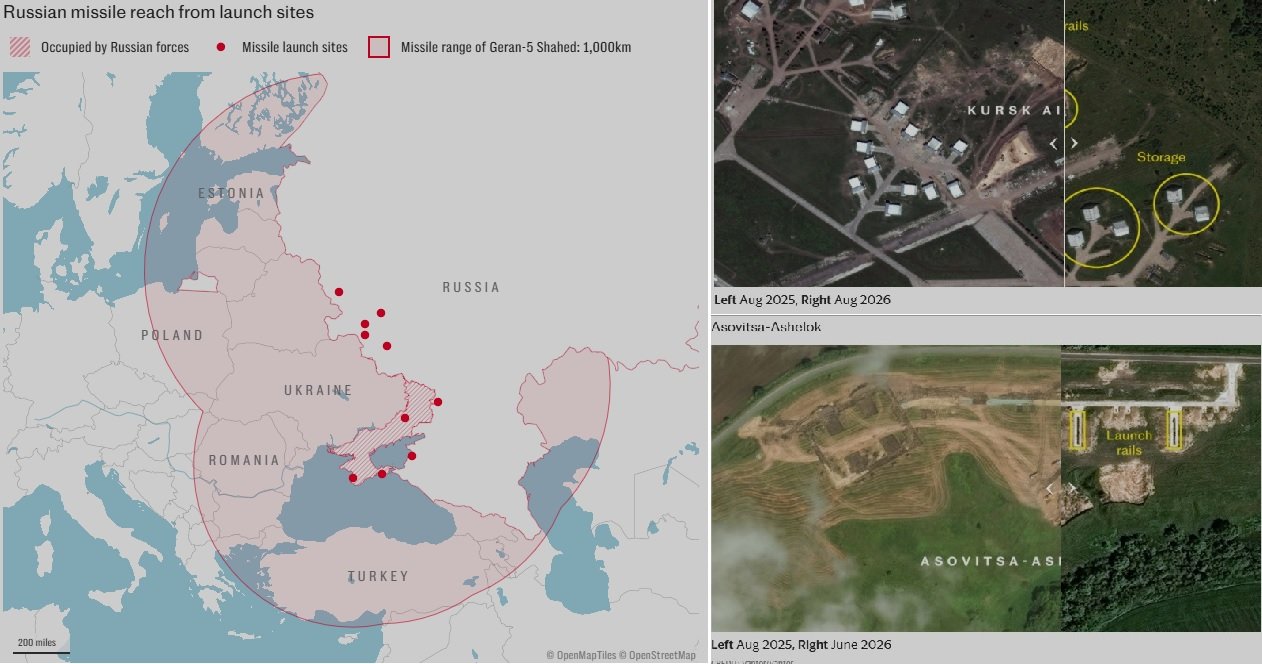 Russia Expands Drone Launch Network Near Ukraine and Belarus Borders, Putting NATO Territory Within Range
-
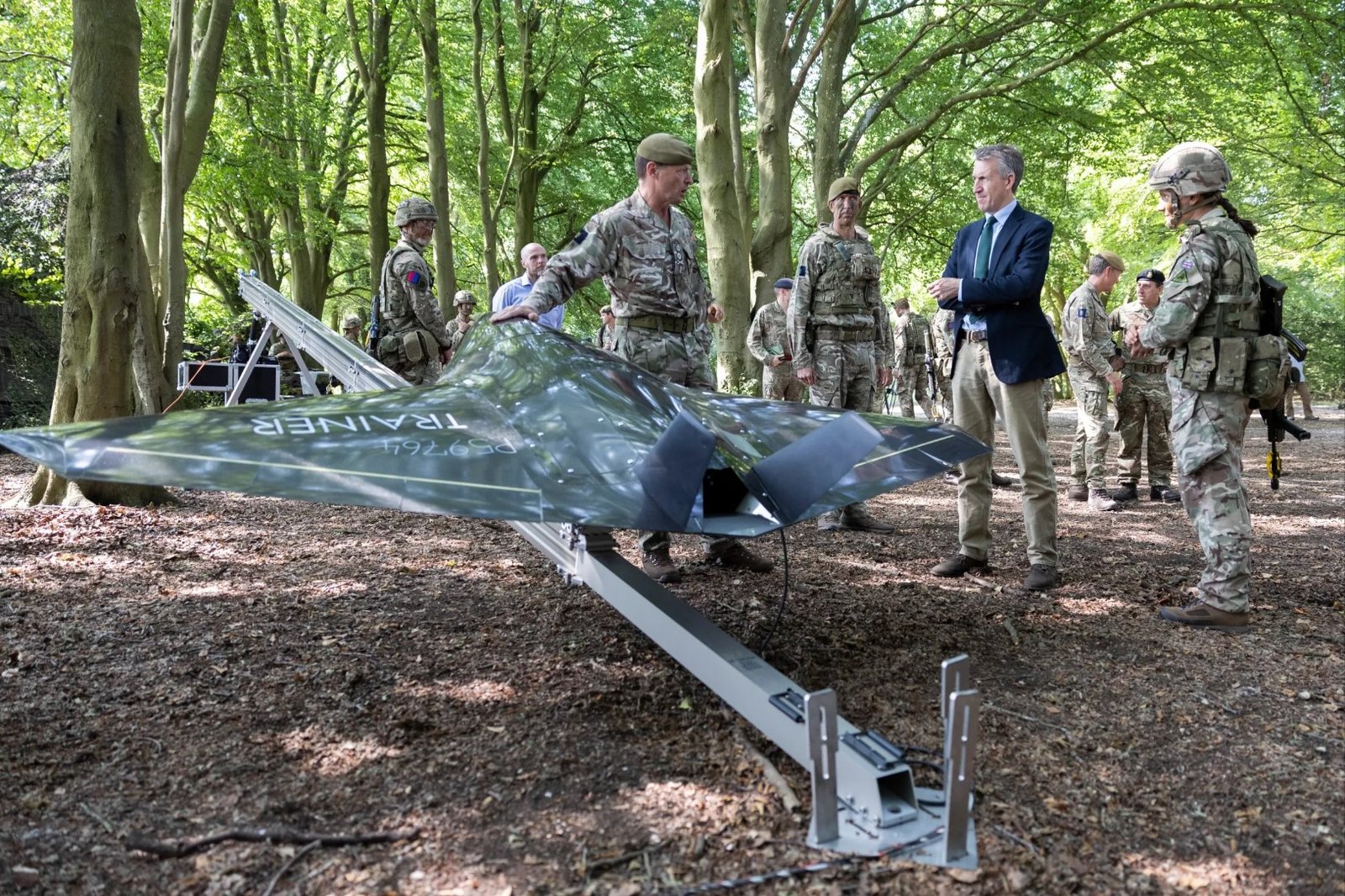 Russia Warns UK of ‘Consequences’ Over British Drones Used by Ukraine in Strikes on Russian Territory
