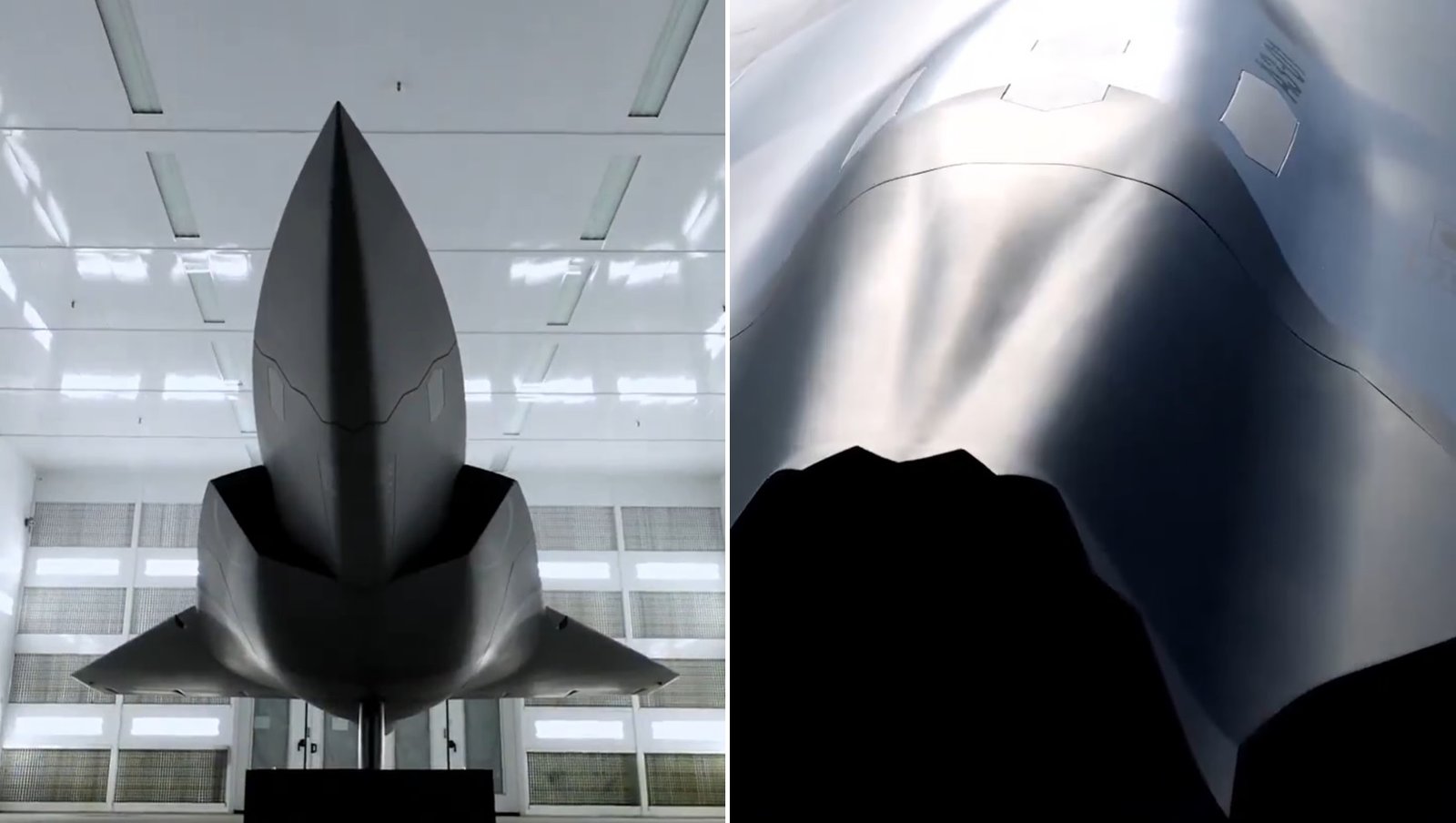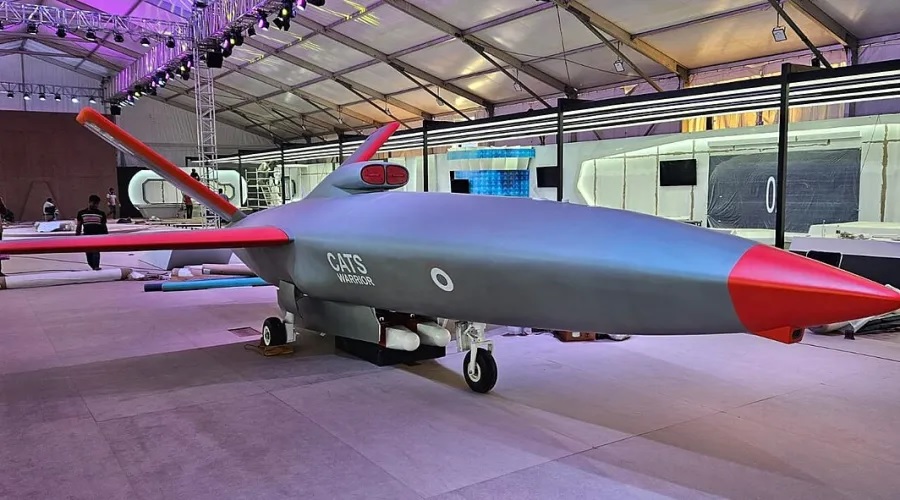
Hindustan Aeronautics Limited (HAL) is considering a next-generation unmanned combat aerial vehicle (UCAV), tentatively called "CATS Warrior 2," which would feature enhanced payload capacity and heavy weaponry. However, the ambitious program hinges on the successful operational performance of its predecessor, the CATS Warrior.
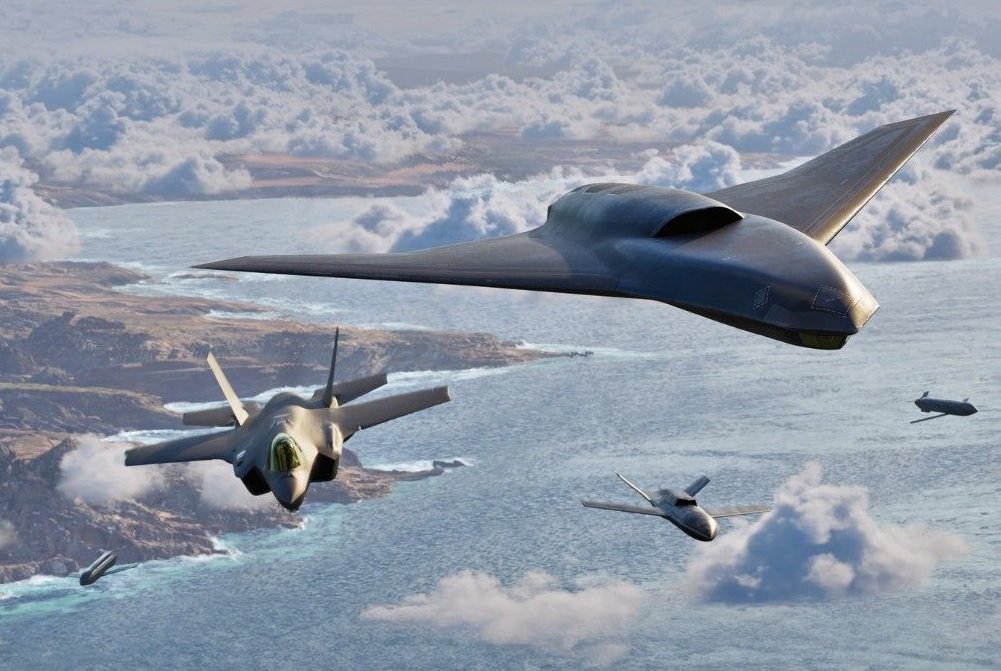
At the recent Aero India 2025 exhibition in Bengaluru, HAL presented the CATS Warrior, a nearly 2-ton "loyal wingman" designed to operate alongside fighter jets like the Tejas and Su-30MKI. The first flight of this advanced drone is expected later this year, marking a critical step toward bolstering the Indian Air Force’s (IAF) combat capabilities. While this initial version is still undergoing testing, HAL officials revealed that preliminary designs for a larger, more powerful UCAV—CATS Warrior 2—are already being explored.
The proposed CATS Warrior 2 is envisioned to be a much larger and more lethal platform. Early design concepts indicate an estimated length of 13 meters and an All-Up Weight (AUW) of approximately 5 tons. It is expected to be powered by twin HTFE-25 turbofan engines, each delivering 25 kN of thrust. These engines, developed in-house by HAL, signify India’s commitment to indigenous propulsion systems for next-generation air combat platforms.
One of the defining features of CATS Warrior 2 would be its significantly enhanced payload capacity, exceeding 1,000 kg. This would allow the UCAV to carry a diverse range of heavy weaponry, far surpassing the armament limitations of the current CATS Warrior. The existing model is primarily designed to carry two Smart Anti-Airfield Weapons (SAAW), which are precision-guided, long-range munitions aimed at disabling enemy airfields and ground installations. In contrast, the larger successor is expected to integrate heavier strike weapons, electronic warfare systems, and potentially even air-launched munitions for long-range missions.
Despite the promising vision for CATS Warrior 2, HAL officials have emphasized that the program is still in its nascent stages. A full-fledged development cycle could take at least four to five years before tangible progress is seen. The immediate focus remains on validating the operational efficiency of the smaller CATS Warrior through rigorous flight testing and simulated combat scenarios. Only after its success will HAL commit resources to the development of the larger and more sophisticated UCAV.
The ambitious nature of the project underscores the technological challenges in building a 5-ton class unmanned strike aircraft. Beyond the design and propulsion system, integrating such a drone with the IAF’s existing infrastructure, ensuring effective manned-unmanned teaming, and refining artificial intelligence-driven autonomous operations will be crucial hurdles to overcome.
Given its estimated specifications, the CATS Warrior 2 could be compared in scale to international UCAVs like the American XQ-58 Valkyrie or the Russian S-70 Okhotnik-B. However, HAL’s approach prioritizes indigenous design and cost-effectiveness, making it a uniquely tailored solution for India’s defense requirements rather than a direct imitation of foreign platforms.
As India rapidly advances its drone warfare capabilities, the success of the CATS Warrior and its potential successor, CATS Warrior 2, could mark a significant leap in the country’s indigenous UCAV development. If executed successfully, the program would place India among the select nations capable of deploying advanced, high-payload strike drones, enhancing both offensive and defensive capabilities in modern aerial warfare.
——— End of Article ———