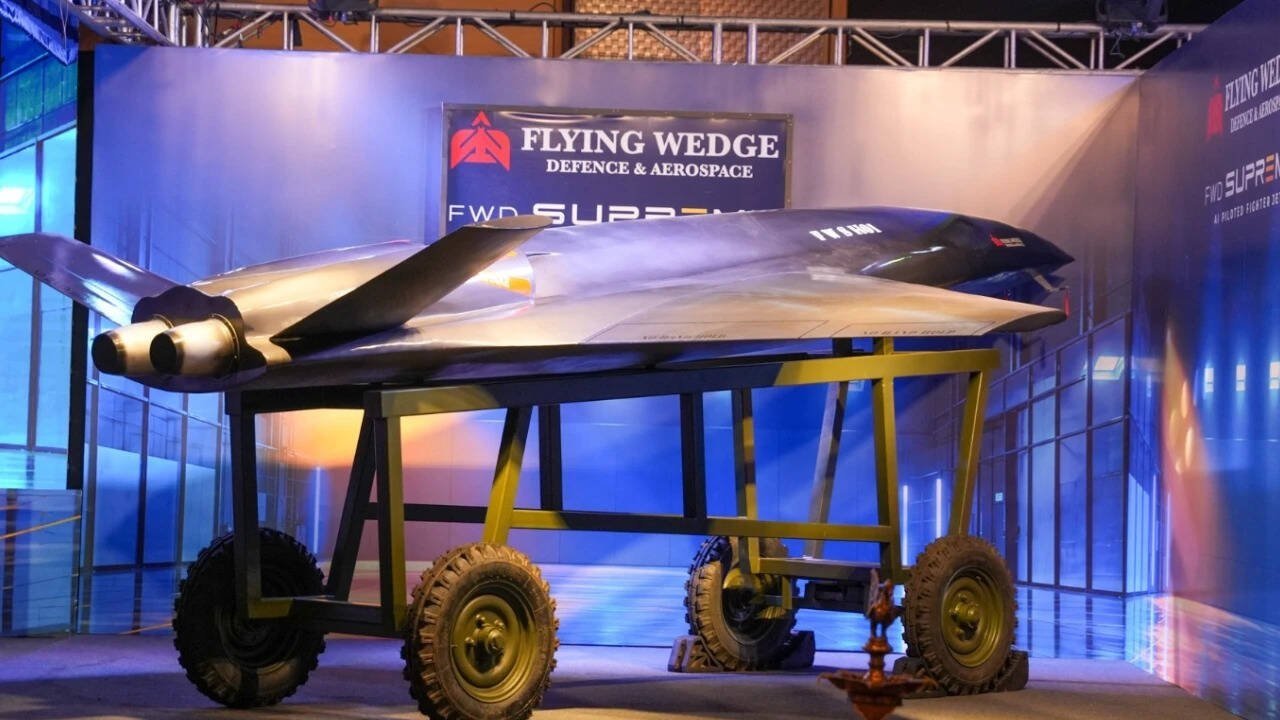
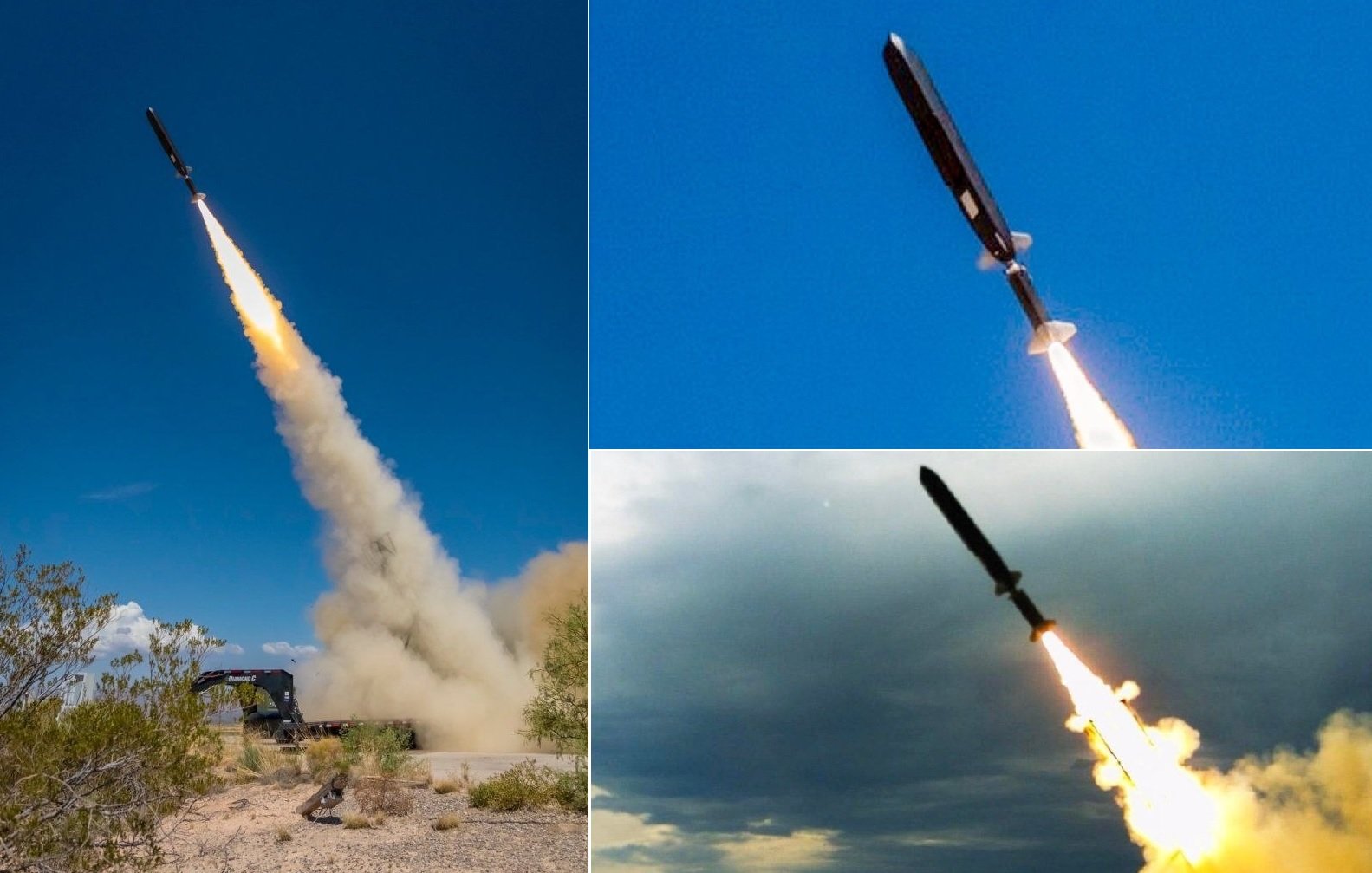
In a major leap for India's indigenous defense technology, Bengaluru-based NewSpace Research and Technologies has successfully conducted the maiden flight of its Sheshnaag 150 Unmanned Aerial Vehicle (UAV). This milestone underscores the country's growing expertise in advanced aerospace engineering and precision strike capabilities.
Designed for high-accuracy strikes, the Sheshnaag 150 performed exceptionally during its test flight, particularly in the terminal phase. The UAV achieved a Circular Error Probable (CEP) of just 5 meters while targeting a designated ground objective. This level of precision indicates a highly reliable guidance system, as CEP measures the radius within which 50% of strikes are expected to land—the smaller the CEP, the greater the accuracy.
NewSpace Research and Technologies has positioned itself as a key player in India’s private defense sector, and the Sheshnaag 150 represents a major step forward in unmanned aerial strike platforms. Though detailed specifications regarding its range, flight endurance, and payload capacity remain undisclosed, the UAV’s performance suggests it is designed for deep-penetration missions, offering military planners a potent tool for high-risk operations.
The name Sheshnaag, derived from the mythological serpent king known for its strength and protection, reflects the UAV’s intended role—stealthy, precise, and formidable in execution.
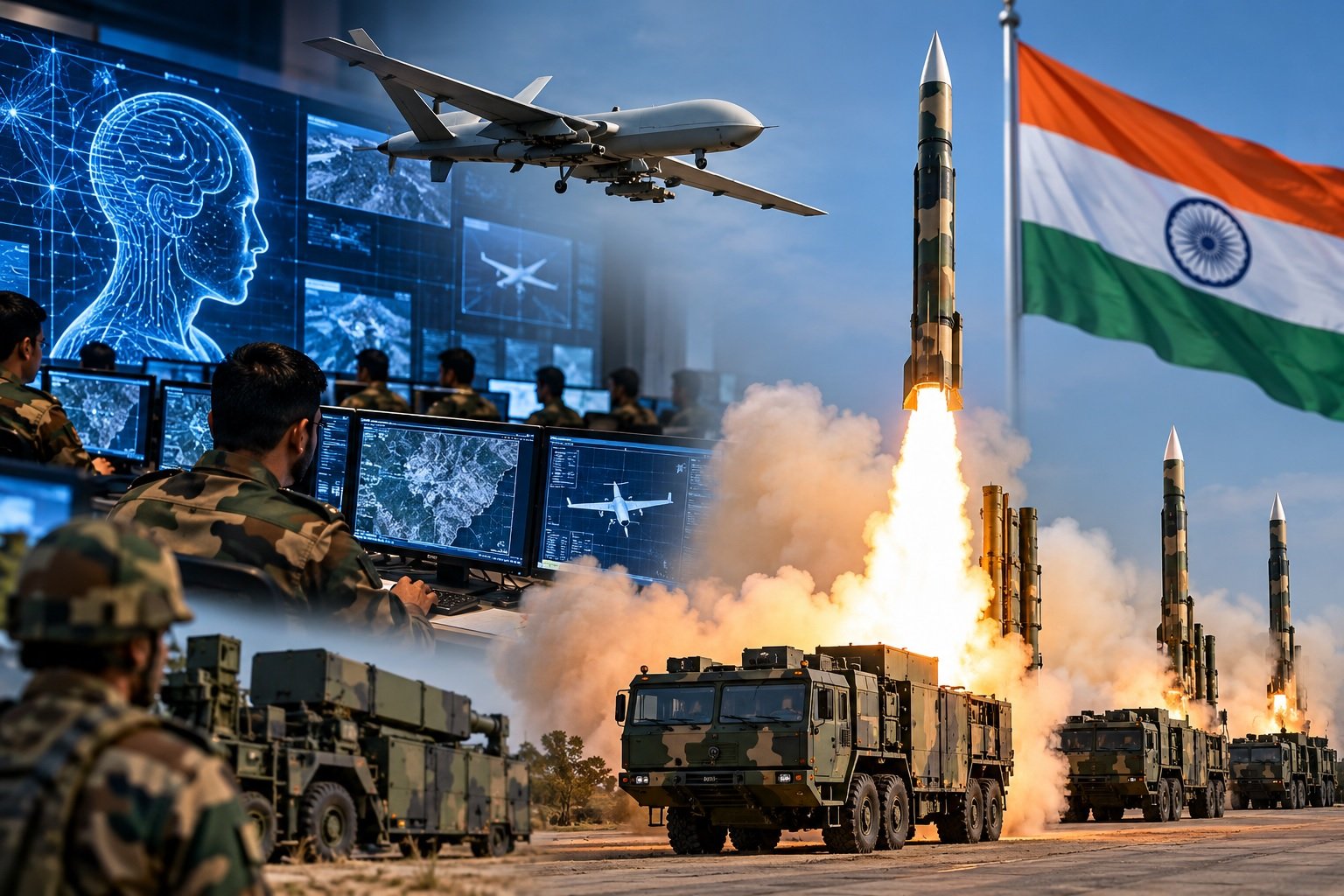
India’s rapid advancements in UAV technology align with its broader defense self-reliance initiative, Atmanirbhar Bharat. With an increasing focus on unmanned aerial systems, the successful test of the Sheshnaag 150 highlights India’s commitment to developing cutting-edge military capabilities. This UAV’s precision strike potential makes it a valuable asset in modern warfare, where minimizing collateral damage while neutralizing high-priority threats is crucial. Additionally, its deployment can significantly reduce the risks faced by human pilots in complex combat scenarios.
As India continues to enhance its drone capabilities, the Sheshnaag 150’s success sets the stage for further innovations in autonomous aerial warfare, reinforcing the country’s position in the global defense landscape.
——— End of Article ———