History
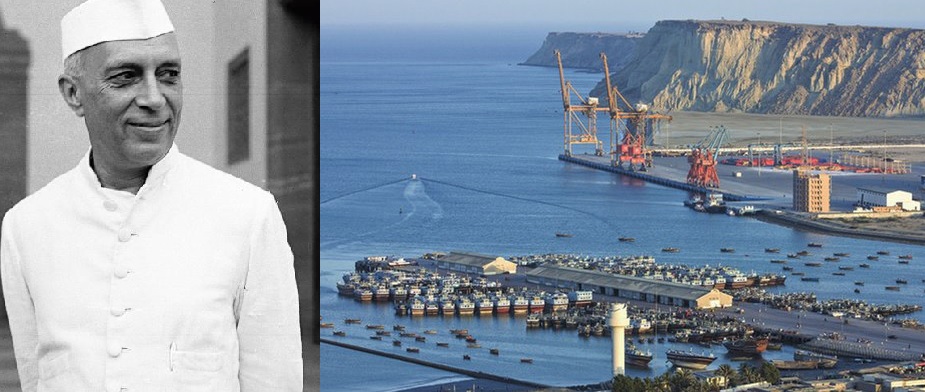
History News IndiaGwadar, a small coastal town nestled along the Makran coast of Pakistan's Balochistan province, has emerged as a focal point of regional and global geopolitics. Its transformation from a sleepy fishing village to a strategic port city reflects a complex tapestry of history, diplomacy, and missed opportunities. This comprehensive exploration aims to unravel the layers of Gwadar's past, examining its origins, the dynamics of its transfer between powers, and the far-reaching implications of decisions made by key actors on the international stage.Chapter 1: The Origins of GwadarGwadar's history dates back to ancient times, with evidence of human habitation found in the region dating back thousands of years. Early settlers, drawn to the fertile coastal plains and abundant marine resources, established thriving communities along the coastline. These early settlements laid the foundation for Gwadar's development as a hub of maritime trade and cultural exchange.The rise of Gwadar as a strategic outpost can be traced to its location along key maritime trade routes, connecting the Arabian Sea to the Persian Gulf and beyond. The town's natural harbor provided shelter for ships traversing the treacherous waters of the Arabian Sea, facilitating trade between the Indian subcontinent, the Middle East, and beyond.Chapter 2: Gwadar under Omani RuleIn the 18th century, Gwadar came under the rule of the Sultanate of Oman, marking the beginning of a new chapter in its history. The Khan of Kalat, Mir Noori Naseer Khan Baloch, gifted the town to the Sultan of Oman, Sultan bin Ahmad, in 1783. This transfer of ownership cemented Gwadar's position as a key strategic asset for the Omani empire, enabling it to expand its maritime influence in the region.Under Omani rule, Gwadar flourished as a center of maritime commerce and cultural exchange. The town's strategic location made it an ideal base for Omani naval expeditions and trade ventures, further enhancing its importance in the eyes of regional powers.Chapter 3: The Offer to India and Nehru's DecisionIn the mid-20th century, Gwadar emerged as a point of contention between regional powers, with the Sultanate of Oman offering to sell the town to India. Prime Minister Jawaharlal Nehru was faced with a momentous decision that would shape the course of South Asian geopolitics for decades to come.Nehru's decision to decline the offer, influenced by strategic considerations and logistical challenges, had far-reaching implications. While some viewed it as a missed opportunity, others saw it as a prudent move to avoid unnecessary conflict and maintain regional stability.Chapter 4: The Strategic Significance of GwadarGwadar's strategic importance has only grown in the modern era, with its transformation into a major port city and hub of international trade. Situated at the mouth of the Gulf of Oman, Gwadar serves as a gateway to the Arabian Sea and beyond, offering unparalleled access to energy resources and maritime trade routes.The development of Gwadar as a deepwater port and the integration of the China-Pakistan Economic Corridor (CPEC) have further enhanced its strategic significance. The port's proximity to key shipping lanes and its potential as a hub for transnational infrastructure projects have attracted significant investment from regional and global players.Chapter 5: Missed Opportunities and Unforeseen ConsequencesThe decision to decline the offer to acquire Gwadar continues to be a topic of debate among historians, policymakers, and scholars. While some argue that it was a missed opportunity to secure a valuable strategic asset, others contend that it was a prudent decision given the logistical challenges and geopolitical realities of the time.The consequences of Nehru's decision are difficult to quantify, but it undoubtedly had far-reaching implications for South Asian geopolitics. Gwadar's subsequent transfer to Pakistan and its integration into the CPEC have reshaped regional dynamics, altering the balance of power and influencing the strategic calculus of neighboring countries.Chapter 6: Balancing Act: Challenges and OpportunitiesNavigating the complexities of South Asian geopolitics requires a delicate balancing act between competing interests and strategic imperatives. The challenges and opportunities facing policymakers in the region are manifold, from managing territorial disputes to fostering economic cooperation and regional integration.Gwadar's emergence as a linchpin of regional connectivity presents both opportunities and challenges for the countries of South Asia and beyond. Balancing competing interests and leveraging Gwadar's potential as a catalyst for peace, prosperity, and stability will require creative thinking, diplomatic finesse, and strategic vision.Chapter 7: Looking Ahead: Lessons Learned and Paths ForwardAs Gwadar continues to evolve as a nexus of regional and global trade, it is essential to reflect on the lessons learned from its past and chart a course for the future. Drawing on historical precedents, strategic analysis, and forward-looking perspectives, policymakers, stakeholders, and scholars can work together to harness Gwadar's potential as a force for positive change in the region.Conclusion:Gwadar's journey from obscurity to prominence encapsulates the complexities of South Asian geopolitics and the enduring power of strategic decision-making. As we reflect on its storied past and contemplate its future trajectory, we are reminded of the importance of foresight, diplomacy, and cooperation in shaping the destiny of nations and the course of history. In the years to come, Gwadar will continue to serve as a beacon of hope and opportunity in an ever-changing world.
Read More → Posted on 2024-04-09 16:47:48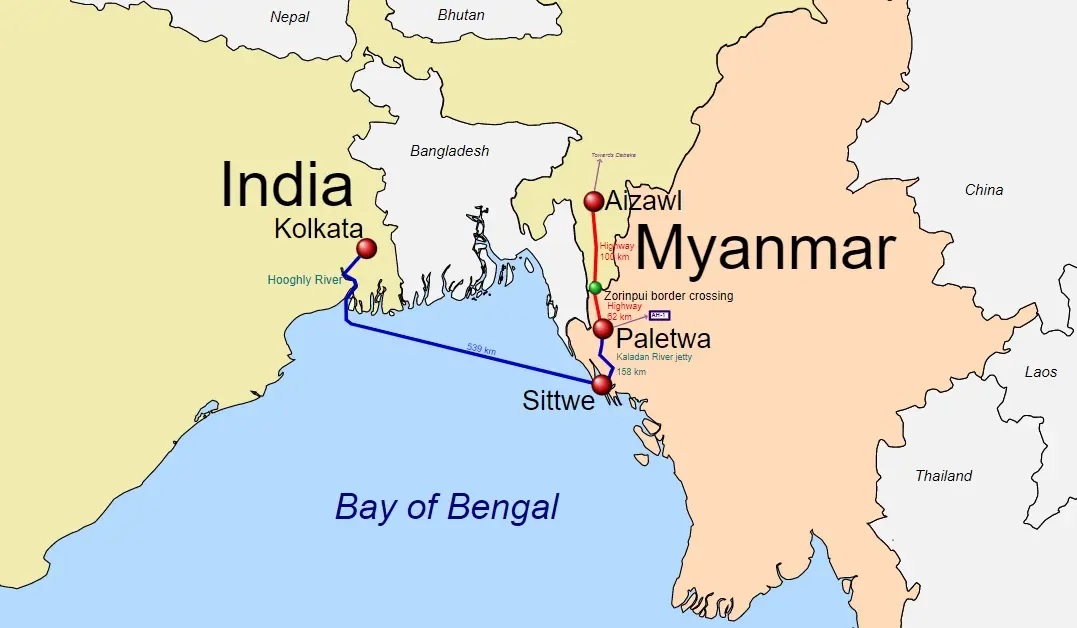
India
Latest Defense News India ,MyanmarIndia has secured the rights to operate its second overseas port, Sittwe in Myanmar, following the Chabahar Port in Iran. The Ministry of External Affairs (MEA) has approved a proposal for India Ports Global (IPGL) to take over the operations of the entire port located on the Kaladan River. IPGL, a joint venture between Jawaharlal Nehru Port Trust (JNPT) and Deendayal Port Trust (Erstwhile Kandla Port Trust), was created and incorporated in January 2015 under the Companies Act, 2013, as per the directions of the Ministry of Shipping (MoS), with the aim of developing ports overseas.Presently, the Ministry of Shipping has assigned IPGL the task of equipping and operating container/multi-purpose terminals at Chabahar Port in Iran. The Sittwe Port is an integral part of the Kaladan multi-modal transit transport project, which seeks to connect the eastern Indian seaport of Kolkata with Sittwe seaport in Myanmar by sea. Additionally, it aims to link Sittwe Port to Paletwa in Myanmar via the Kaladan river waterway and further connect Paletwa to Zorinpui in Mizoram through a road component.This development holds immense significance as it offers an alternative route for shipping goods to the northeastern states of India. Moreover, it substantially reduces the cost and distance from Kolkata to Mizoram and beyond. Furthermore, it diminishes dependency on the Siliguri Corridor, commonly known as the chicken’s neck, which is squeezed between Bhutan and Bangladesh.The Sittwe Port, located in the Rakhine State of Myanmar, serves as a maritime gateway, enhancing trade and connectivity between India and Myanmar. Last year in May, Union Minister Sarbananda Sonowal and Myanmar's Deputy Prime Minister Admiral Tin Aung San jointly inaugurated the Sittwe Port and welcomed the first Indian cargo ship.IPGL, a company wholly owned by the Ministry of Ports, Shipping, and Waterways, is tasked with the responsibility of operating the Sittwe Port. With the approval from the MEA, IPGL is poised to take over the operations of the entire port situated on the Kaladan River.The Kaladan multi-modal transit transport project, of which Sittwe Port is a crucial component, aims to facilitate smoother connectivity and trade between India and Myanmar. This project has been developed under a framework agreement between India and Myanmar for the construction and operation of a multimodal transit transport facility on the Kaladan River.In summary, the acquisition of rights to operate Sittwe Port marks a significant milestone for India in bolstering its connectivity with Myanmar and enhancing trade relations in the region. It underscores India's commitment to developing strategic infrastructure projects that promote economic growth and regional cooperation.
Read More → Posted on 2024-04-09 16:13:43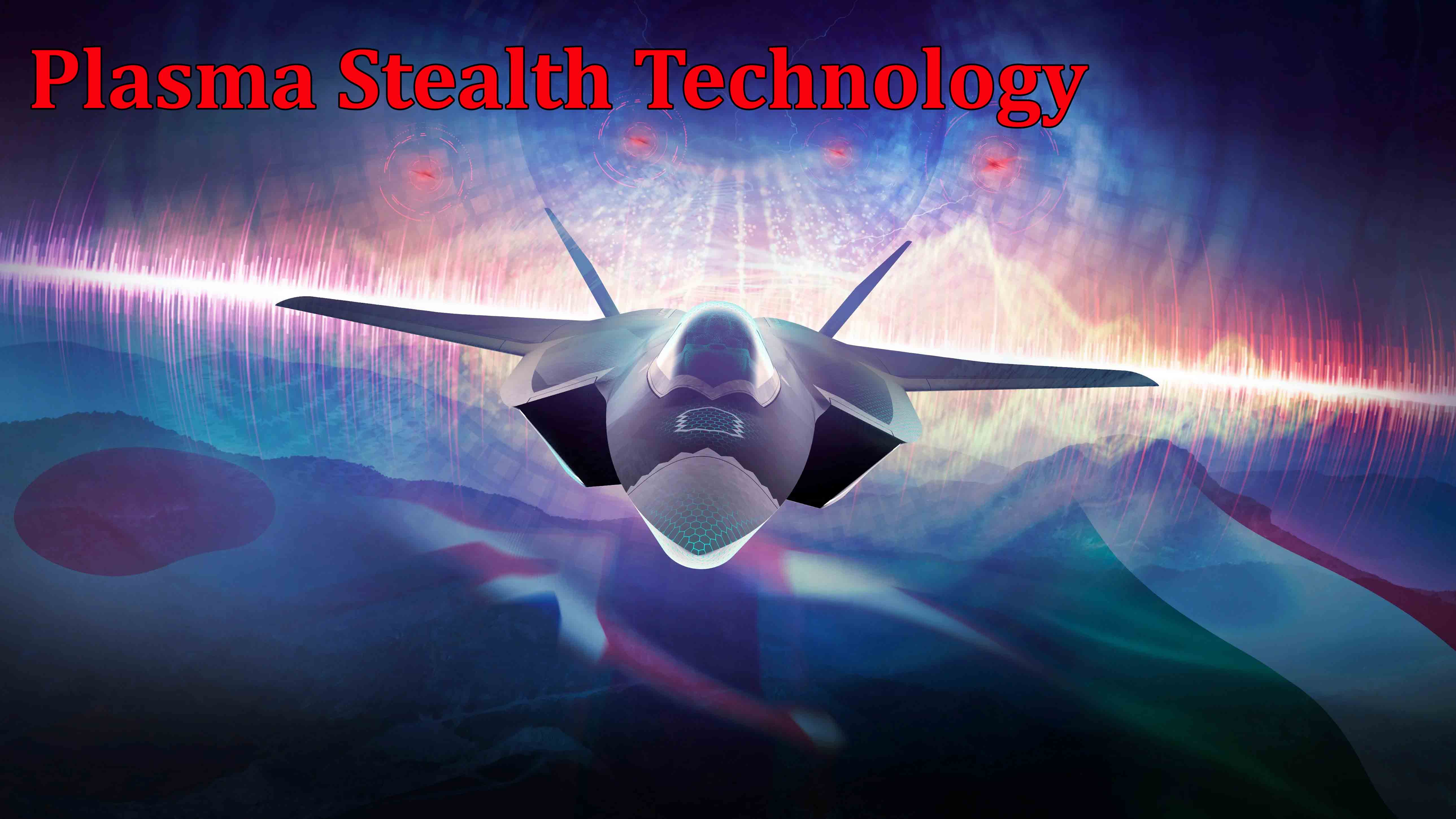
Space & Technology
Latest Technology News WorldImagine a fighter jet cloaked not in physical materials, but in a shimmering shield of ionized gas – plasma. This is the dream of plasma stealth technology, a revolutionary concept that aims to render aircraft invisible to radar.Traditionally, stealth aircraft rely on a combination of radar-absorbent materials and meticulously designed shapes to deflect or absorb radar waves. However, plasma stealth offers a different approach. By surrounding the aircraft in a cloud of plasma, the technology disrupts incoming radar signals, making the jet appear much smaller or even vanish from the radar screen entirely.The Science Behind the ShieldPlasma, often referred to as the fourth state of matter, consists of charged particles. When these particles interact with electromagnetic radiation like radar waves, they can absorb or scatter the energy, weakening the signal that bounces back to the radar receiver. In essence, the plasma cloud acts like a cloak, deflecting or absorbing the radar waves before they can reveal the aircraft's location and size.Challenges on the HorizonWhile the idea of plasma stealth is undeniably captivating, significant hurdles remain before it becomes a reality. Here are some of the key challenges:Maintaining the Plasma Field: Generating and sustaining a stable plasma field around a moving aircraft requires immense amounts of energy. Fighter jets would need lightweight and efficient power sources to keep the plasma shield operational during flight.Plasma Control: Managing the plasma field precisely is crucial. An uncontrolled discharge could damage the aircraft or interfere with its own electronic systems.Impact on Aerodynamics: The presence of a plasma field might disrupt the airflow around the aircraft, potentially affecting its performance and maneuverability.The Race for Radar InvisibilityDespite the challenges, the potential benefits of plasma stealth are undeniable. Several countries, including China and the United States, are reportedly conducting research and development in this field. The Future of FlightWhile plasma stealth technology is still in its early stages, it represents a fascinating glimpse into the future of aerial warfare. If the technical hurdles can be overcome, plasma stealth could revolutionize fighter jet design, giving them an unprecedented advantage in the skies. The coming years will be crucial in determining whether this futuristic concept takes flight. Countries With Plasma Stealth Technology No country has yet confirmed using plasma stealth technology for its fighter jets. While research is ongoing, particularly in China and the United States, developing a functional and efficient system presents significant challenges. These challenges include maintaining a stable plasma field around a moving aircraft, precisely controlling the plasma to avoid damaging the aircraft itself, and mitigating the impact on the jet's aerodynamics.
Read More → Posted on 2024-04-09 16:06:45
World
Latest Defense News Russia ,UkraineRussia said Ukraine struck the Zaporizhzhia nuclear power station controlled by Russian forces three times on Sunday and demanded the West respond, though Kyiv said it had nothing to do with the attacks.The International Atomic Energy Agency (IAEA) has long warned of the risks of a disaster at Zaporizhzhia, Europe's largest nuclear plant, and urged an end to fighting in the area.The plant is just 500 km (300 miles) from the site of the world's worst nuclear accident, the 1986 Chornobyl disaster.What nuclear material is at the Zaporizhzhia plant, what are the risks and why are Russia and Ukraine fighting over it?What is it and What was its Capacity ?The Zaporizhzhia nuclear power plant has six Soviet-designed VVER-1000 V-320 water-cooled and water-moderated reactors containing Uranium 235. They were all built in the 1980s, though the sixth only came online in the mid-1990s after the collapse of the Soviet Union.All but one of the reactors are in cold shutdown. Reactor unit 4 is in "hot shutdown", mainly for heating purposes.IAEA Director General Rafael Grossi says that fighting a war around a nuclear plant has put nuclear safety and security in "constant jeopardy".What Happened on April 7 ?Russia's state nuclear corporation, Rosatom, said Ukraine attacked the plant three times on Sunday with drones, first injuring three near a canteen, then attacking a cargo area and then the dome above reactor No. 6.IAEA experts at the site went to the three locations of the attacks and confirmed there had been an attack."Russian troops engaged what appeared to be an approaching drone," the IAEA said. "This was followed by an explosion near the reactor building.""While the team so far has not observed any structural damage to systems, structures, and components important to nuclear safety or security of the plant, they reported observing minor superficial scorching to the top of the reactor dome roof of Unit 6 and scoring of a concrete slab supporting the primary make-up water storage tanks," the IAEA said.The IAEA did not say directly who was to blame for the attacks.A Ukrainian intelligence official said Kyiv had nothing to do with any strikes on the station and suggested they were the work of Russians themselves.What are the Risk ?Russian forces took control of the plant in early March 2022, weeks after invading Ukraine. Special Russian military units guard the facility and a unit of Russia's state nuclear company, Rosatom, runs the plant.Nuclear reactors' containment structures like Zaporizhzhia's are made of steel-lined reinforced concrete designed to withstand the impact of a small plane crash so there is little immediate risk from a minor attack on those structures.A 1989 study by the U.S. Department of Energy found that the model of containment structure used in Zaporizhzia "exhibits vulnerabilities to the effects of an aircraft crash" and a fighter jet crashing downwards into the dome, where the structure is thinner, could penetrate it, causing concrete chunks and aircraft engine parts to fall inside.External power lines essential to cooling nuclear fuel in the reactors are a softer potential target. Cooling fuel even in reactors in cold shutdown is necessary to prevent a nuclear meltdown.Since the war began the plant has lost all external power eight times, most recently in December last year, forcing it to rely on emergency diesel generators for power. Water is also needed to cool fuel.Pressurised water is used to transfer heat away from the reactors even when they are shut down, and pumped water is also used to cool down removed spent nuclear fuel from the reactors.Without enough water, or power to pump the water, the fuel could melt down and the zirconium cladding could release hydrogen, which can explode.What About the Spent Fuel ?Besides the reactors, there is also a dry spent fuel storage facility at the site for used nuclear fuel assemblies, and spent fuel pools at each reactor site that are used to cool down the used nuclear fuel.Without water supply to the pools, the water evaporates and the temperatures increase, risking a fire that could release a number of radioactive isotopes.An emission of hydrogen from a spent fuel pool caused an explosion at reactor 4 in Japan's Fukushima nuclear disaster in 2011.What Happens in a Meltdown ?A meltdown of the fuel could trigger a fire or explosion that could release a plume of radionuclides into the air which could then spread over a large area.The Chornobyl accident spread Iodine-131, Caesium-134, Strontium-90 and Caesium-137 across parts of northern Ukraine, Belarus, Russia, northern and central Europe.Nearly 8.4 million people in Belarus, Russia and Ukraine were exposed to radiation, according to the United Nations. Around 50 deaths are directly attributed to the disaster itself.But 600,000 "liquidators", involved in fire-fighting and clean-up operations, were exposed to high doses of radiation. Hundreds of thousands were resettled.There is mounting evidence that the health impact of the Chornobyl disaster was much more serious than initially presented at the time and in the years following the accident.Incidence of thyroid cancer in children across swathes of Belarus, Russia and Ukraine increased after the accident. There was a much higher incidence of endocrine disorders, anaemia and respiratory diseases among children in contaminated areas.
Read More → Posted on 2024-04-09 15:39:24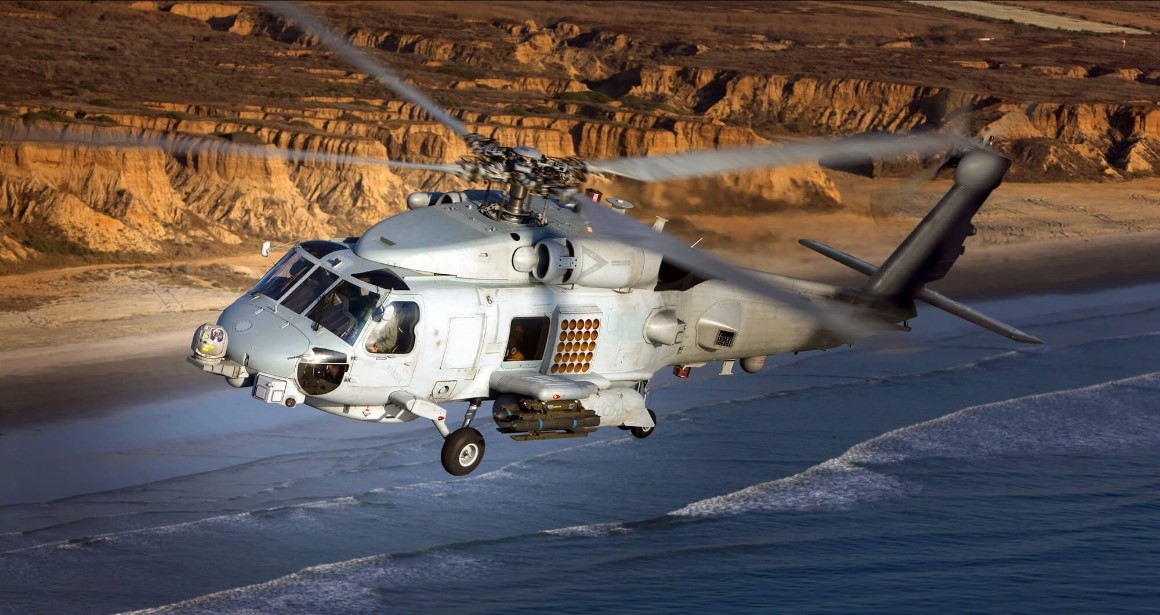
World
Latest Defense News U.SLockheed Martin has been chosen to develop an advanced micro-electronics package for integration into the US Navy’s MH-60R Seahawk helicopters. This move is part of the Stimulating Transition for Advanced Microelectronics Packaging (STAMP) program, aimed at enhancing the capabilities of the helicopters in detecting and identifying threats more swiftly and accurately.The micro-electronics suite, designed to be compact in size, weight, power, and cost, will create additional space within the helicopters for other necessary equipment to support various missions. According to company vice president Deon Viergutz, such technology is crucial in the modern battlespace to ensure the safety of service members by effectively managing the electromagnetic spectrum and staying ahead of threats.Initially intended for Sikorsky helicopters, the US Navy plans to incorporate this suite into other platforms across air, land, and sea domains.Lockheed's micro-electronics suite will leverage Altera’s Multi-Chip Package, providing advanced digital and analog capabilities. This package is expected to deliver higher bandwidth and performance while maintaining low latency, power consumption, and a smaller footprint.Viergutz expressed enthusiasm about collaborating with Intel, Altera, and the Office of the Under Secretary of Defense for Research and Engineering (OUSD) to enhance defense systems capabilities using high-performance US-built semiconductors.Over the next 18 months, work on the program will be carried out at Lockheed’s facility in Owego, New York.
Read More → Posted on 2024-04-09 15:32:14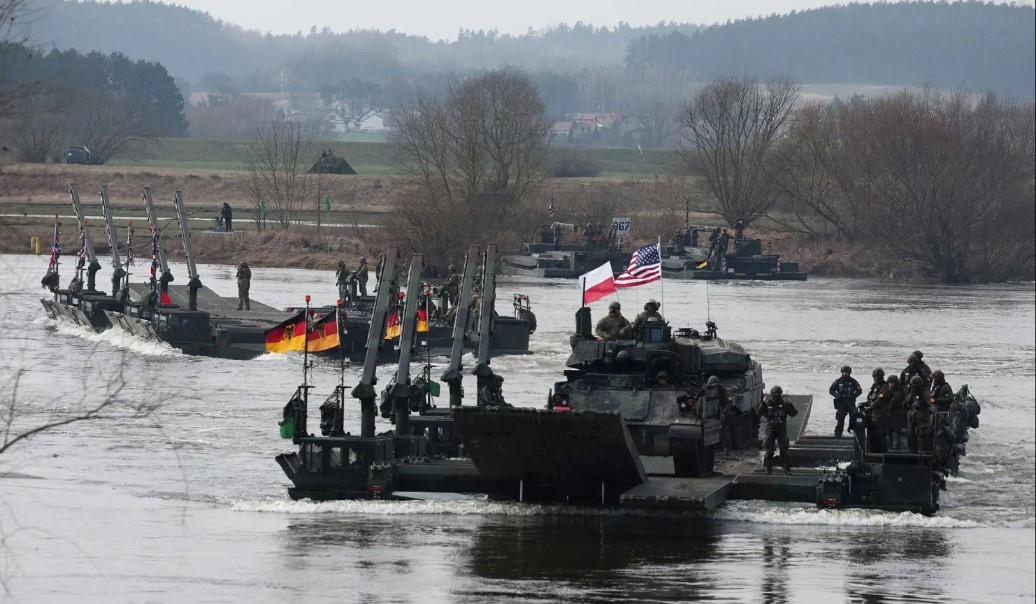
World
Latest Defense News PolandNATO's rapid-response force, known as the Very High Readiness Joint Task Force (VJTF), has been deployed to Poland as part of Exercise Steadfast Defender 2024, NATO's largest exercise in decades.Led by the United Kingdom, the VJTF comprises military personnel from nine NATO Allies, including Albania, Hungary, Latvia, North Macedonia, Poland, Romania, Spain, and Turkey. These troops participated in Exercise Brilliant Jump 2024, practicing rapid deployment to Poland's training grounds within a few days. Once there, they joined Exercise Dragon 2024, led by Poland, which simulated repelling an invasion.These exercises are integral to Steadfast Defender 2024, which involves 90,000 forces from all 32 NATO Allies. The exercise aims to test NATO's new regional defense plans, focusing on rapid deployment and combat readiness in both Norway and Poland. Steadfast Defender 2024 is scheduled to run from January to May 2024.
Read More → Posted on 2024-04-09 15:28:09
India
Latest Defense News IndiaHindustan Aeronautics Limited (HAL) is set to revolutionize indigenous helicopter production with the Indian Multi-Role Helicopter (IMRH). This medium-lift helicopter, designed for versatility and firepower, promises to bolster the capabilities of the Indian Armed Forces across various missions.The IMRH, with its modular design, offers flexibility unparalleled in its class. It can seamlessly transition between roles, serving as a platform for air assault, air attack, troop transport, search and rescue operations, and VIP transportation. This adaptability ensures that the IMRH remains a valuable asset in diverse battlefield scenarios.Crucially, the IMRH represents a significant stride towards India's self-reliance in defense manufacturing. Developed under the Defence Acquisition Procedure (DAP) 2020, the project underscores the collaboration between HAL and the private sector, fostering innovation and strengthening the domestic defense ecosystem.Recent computer-generated images have shed light on the IMRH's potential as a combat helicopter. The depiction of the helicopter configured with external hardpoints capable of carrying up to 1,500 kg of weaponry underscores its firepower. This optional armed configuration positions the IMRH as a formidable force multiplier, equipped to handle a range of threats.The IMRH's firepower potential is further highlighted by its ability to accommodate various armaments, including anti-tank guided missiles (ATGMs),equipped with pods for launching 57mm and 80mm unguided rockets, and a nose-mounted 20mm cannon. With at least three attachment hardpoints on each side, the IMRH offers versatility in weapon selection, catering to the evolving needs of modern warfare.In addition to its combat capabilities, the IMRH remains true to its role as a multi-role helicopter. Its capacity for troop transport, cargo delivery, search and rescue operations, and VIP transportation underscores its utility across a spectrum of missions.The ongoing development of the IMRH underscores India's commitment to bolstering its defense capabilities through indigenous manufacturing. As the helicopter progresses towards operational deployment, it is poised to replace aging fleets and provide a much-needed indigenous alternative.The IMRH's emergence signals a new era for India's aerial defense capabilities. Its adaptability, firepower, and emphasis on domestic manufacturing underscore its significance in safeguarding India's airspace and fulfilling the evolving requirements of the Indian Armed Forces.In conclusion, the Indian Multi-Role Helicopter (IMRH) represents a formidable addition to India's defense arsenal. Designed for versatility and equipped with potent firepower, the IMRH embodies India's quest for self-reliance in defense manufacturing. As it nears operational readiness, the IMRH stands poised to redefine India's aerial defense capabilities and contribute significantly to the nation's security architecture.
Read More → Posted on 2024-04-09 15:23:48
World
Latest Defense News U.S ,ChinaChina's actions in the South China Sea were an example of it trying to gain territorial space through force, and were destabilising the region, a senior U.S. admiral said on Tuesday.The Philippines and China have had a series of maritime run-ins, including water cannon use, and heated verbal exchanges that have triggered concern about an escalation at sea.Admiral John Aquilino, Commander of the U.S. Indo-Pacific Command, said in an address to the Lowy Institute think tank in Sydney that China's actions against the Philippines, particularly in Second Thomas Shoal, were "dangerous, illegal and they are destabilising the region".Aquilino said he was "very concerned about what is happening at Second Thomas Shoal", where the physical action of the Chinese coast guard and a fishing vessel had resulted in six sailors injured."So what's next and how far are they willing to go in that area?"He said similar actions by China were also being seen elsewhere in the region, including in Japan and Malaysia."This is not isolated, this is about the PRC (People's Republic of China) trying to gain territorial space unilaterally through force," he said.China claims almost the entire South China Sea as its territory, policed by an armada of coastguard vessels, some more than 1,000 km (620 miles) from its mainland, and has maintained its responses have been appropriate in the face of Philippine encroachment.Aquilino said there was positive movement in the U.S-China relationship since the leaders of the two countries had spoken, with no concerning maritime interactions between the U.S. and China since then.Aquilino said he was concerned this detente was temporary, as China sought to stabilise its economy.He also expressed concern about what he said was synchronisation between Russia and China, and Russia and North Korea."Those sets of cooperation and the linkages are really a new world and a concern," he said.In the Pacific Islands, he said China was exercising economic coercion, and said Australia and the U.S. were working together to focus on increasing development assistance to the region, including the Solomon Islands which has struck a security pact with China."An increased military presence in that region is a direct threat to Australia as it applies to homeland defence and it doesn't put the U.S. in a good position either," he said.
Read More → Posted on 2024-04-09 15:11:29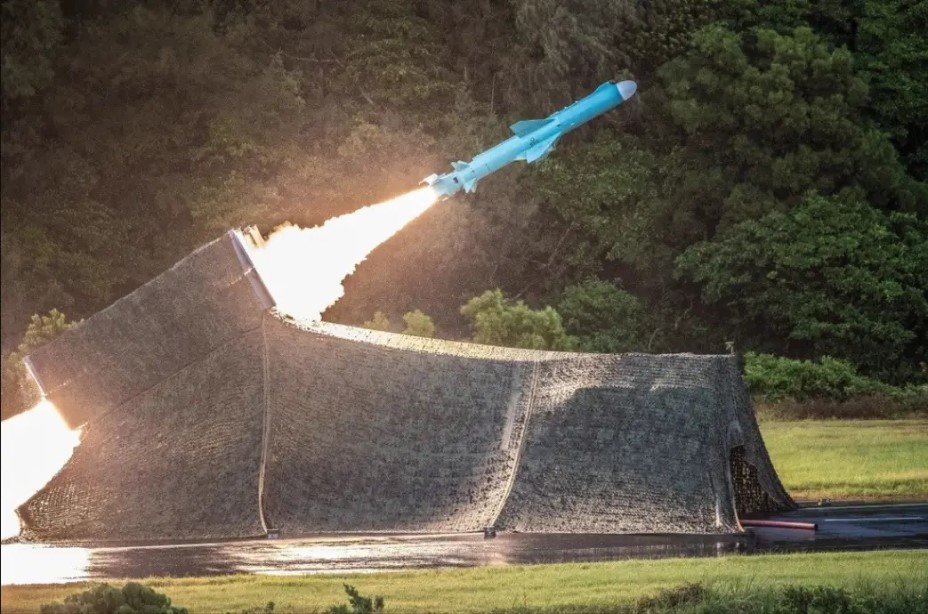
World
Latest Defense News TaiwanTaiwan is planning to deploy a land-attack cruise missile capable of striking China later this year. The missile in question is the Hsiung Sheng, with a range of 1,200 kilometers (745 miles). It's reported that 100 of these missiles are under consideration for deployment.The Hsiung Sheng missile, an extended-range version of the Hsiung Feng-IIE, has been in production since 2022 and underwent its first test last year. It's developed by the National Chung-Shan Institute of Science and Technology.According to reports, the missile has the capability to strike Chinese military bases, including those in the eastern and western theater command areas. It's equipped with high-explosive and fragmentation warheads, making it effective against targets such as command posts, bunkers, and airport runways.The procurement of these missiles is part of Taiwan's Ministry of National Defense's special budget totaling 484 billion New Taiwan dollars ($15.05 billion) for the acquisition of advanced weaponry from 2022 to 2026. Specifically, around 16.9 billion New Taiwan dollars ($534.93 million) from this budget has been allocated for the procurement of 131 Hsiung Sheng missiles by 2025.
Read More → Posted on 2024-04-09 15:08:28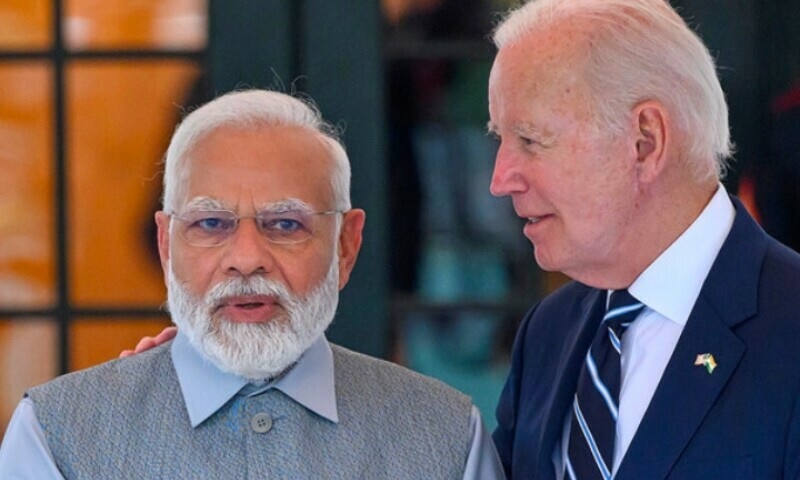
India
Latest Defense News U.S ,India ,PakistanThe United States has refrained from taking sides in the ongoing tensions between Pakistan and India, urging both nations to exercise restraint and resolve their differences through dialogue. This response comes after Pakistan accused India of involvement in the killings of individuals associated with terrorism and extremism on Pakistani soil, as reported by UK media outlet 'The Guardian.'In a press briefing, US Department of State spokesperson Matthew Miller stated, "We have been following the media reports about this issue. We don't have any comment on the underlying allegations, but of course, while we're not going to get in the middle of this situation, we encourage both sides to avoid escalation and find a resolution through dialogue."Earlier in January, similar attempts by Pakistan to link India with the deaths of two Pakistani nationals were dismissed by India's Ministry of External Affairs. Official spokesperson Randhir Jaiswal denounced these allegations as "peddling false and malicious anti-India propaganda."Jaiswal emphasized that Pakistan's accusations were baseless and reiterated India's stance against terrorism. He highlighted Pakistan's history as a breeding ground for terrorism and illegal activities, cautioning that Pakistan would face the consequences of its actions.The recent tensions stem from claims made by Pakistan's Foreign Secretary Muhammad Syrus Sajjad Qazi, who alleged "credible evidence" of Indian agents' involvement in the assassinations of Shahid Latif and Muhammad Riaz in Sialkot and Rawalkot respectively. Latif, designated as a terrorist in India, was killed in a mosque in Sialkot, while Riaz, formerly associated with the terrorist organization Jamaatud Dawa, was slain in Rawalkot.In response to Pakistan's accusations, India's External Affairs Minister S Jaishankar emphasized that victims of terrorism do not collaborate with perpetrators. He criticized Pakistan's Foreign Minister Bilawal Bhutto Zardari's remarks on "weaponizing terrorism," asserting that India stands against terrorism and will continue to defend itself.The ongoing tensions between Pakistan and India highlight the complex relationship between the two neighboring nations and the challenges in maintaining regional stability. The call for dialogue and restraint from the United States underscores the importance of peaceful resolution and de-escalation in the region.
Read More → Posted on 2024-04-09 15:05:19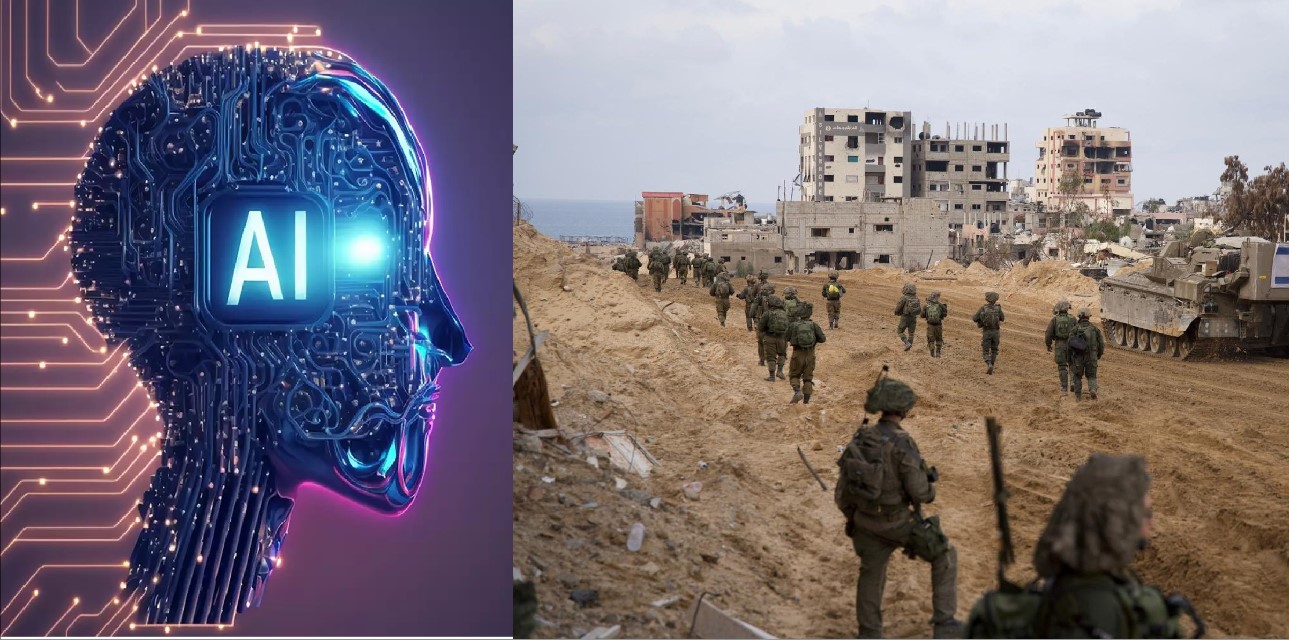
World
Latest Defense News IsraelThe Israeli military's operations in Gaza, employing artificial intelligence (AI) systems to target Hamas militants, have come under increasing scrutiny as civilian casualties continue to rise. Reports by Israeli outlets +972 Magazine and Local Call have shed light on the use of two AI systems, "Lavender" and "Where's Daddy?", in the conflict, raising questions about the accuracy of target identification and the ethical implications of AI use in warfare.This AI powered database, previously undisclosed, is said to have identified as many as 37,000 potential targets at one stage, at the heights of the conflict.AI Systems' Role in Targeting Hamas MilitantsThe "Lavender" system is designed to identify individuals suspected of being part of Hamas and Palestinian Islamic Jihad (PIJ), even targeting those with lower ranks for potential aerial bombardments. In the initial stages of the conflict, the military heavily relied on Lavender, leading to the system labeling up to 37,000 Palestinians as militants, along with their residences, for potential airstrikes. However, the system's 10% error rate has resulted in the misidentification of individuals with no links to militant groups.According to one intelligence officer, "The IDF bombed [Hamas operatives] in homes without hesitation, as a first option. It's much easier to bomb a family's home. The system is built to look for them in these situations." This approach has often resulted in civilian casualties, acknowledged as "collateral damage", said a TOI report.How Do These AI Systems Work?The Israeli military's AI systems, including "Lavender" and "The Gospel", function by identifying suspected militants and their residences in Gaza. "Lavender" focuses on individuals, designating them for potential elimination, while "The Gospel" identifies buildings and facilities purportedly used by militants. "Where's Daddy?" then monitors these targets and alerts the military upon their return to their family residences, facilitating strikes when they are present. This approach, however, has led to civilian casualties and raised concerns about the accuracy and ethical implications of AI use in warfare.Lavender was developed by the Israel Defense Forces’ elite intelligence division, Unit 8200, which is comparable to the US’s National Security Agency or GCHQ in the UK.Impact on Civilian Casualties and Targeting CriteriaThe use of AI systems like Lavender has raised concerns about civilian casualties, acknowledged as "collateral damage" by the military. Officers admitted to bombing Hamas operatives in homes without hesitation, as it was seen as an easier option. The minimal human oversight in the target identification process has reduced human involvement to a mere "rubber stamp" of the AI's selections, leading to questions about the criteria used for targeting and the AI's error rates.International Reaction and Israeli Military's WithdrawalDespite international concerns, including from the United States, Israel has announced its withdrawal from Khan Younis, a city in southern Gaza, signaling the completion of a crucial stage in its ground operation against Hamas militants. However, defense officials have indicated that troops are regrouping in preparation for an advance into Rafah, Hamas' final stronghold, raising further concerns about civilian safety.Legal and Moral Questions Surrounding AI UseIsrael's use of AI systems in its war on Hamas has raised legal and moral questions, particularly regarding the acceptance of collateral damage and the pre-authorization of civilian casualties. The IDF has defended its operations, stating that they are carried out in accordance with the rules of proportionality under international law. However, experts in international humanitarian law have expressed alarm at the high collateral damage ratios permitted for lower-ranking militants.Israeli Military's Ground Operations in GazaThe Israeli military has announced its withdrawal from Khan Younis, a city in southern Gaza, signaling the completion of a crucial stage in its ground operation against Hamas militants. This move has reduced the Israeli troop presence in the area to one of the lowest levels since the six-month conflict began.However, defense officials stated that the troops were regrouping in preparation for an advance into Rafah, Hamas' final stronghold. Despite international concern, including from the United States, Israel's closest ally, which has insisted on seeing a viable plan to ensure civilian safety, Israel has been threatening a ground offensive in Rafah for weeks. The city is home to approximately 1.4 million people, more than half of Gaza's total population.The withdrawal marks a significant point in the ongoing conflict between Israel and Hamas, which has now reached the six-month mark. Despite the withdrawal, Israeli military officials emphasized that a "significant force" remained in Gaza to continue targeted operations, including in Khan Younis, the hometown of Hamas leader Yehya Sinwar.The Israeli military's use of AI in targeting Hamas militants in Gaza has sparked debates about the ethics and legality of such operations, particularly in terms of civilian casualties. The reliance on AI systems like Lavender, with minimal human oversight, has raised concerns about the accuracy of target identification and the potential for increased civilian harm. As the conflict in Gaza continues, the role of AI in modern warfare and its impact on civilian populations remain subjects of intense scrutiny and debate.
Read More → Posted on 2024-04-09 14:56:30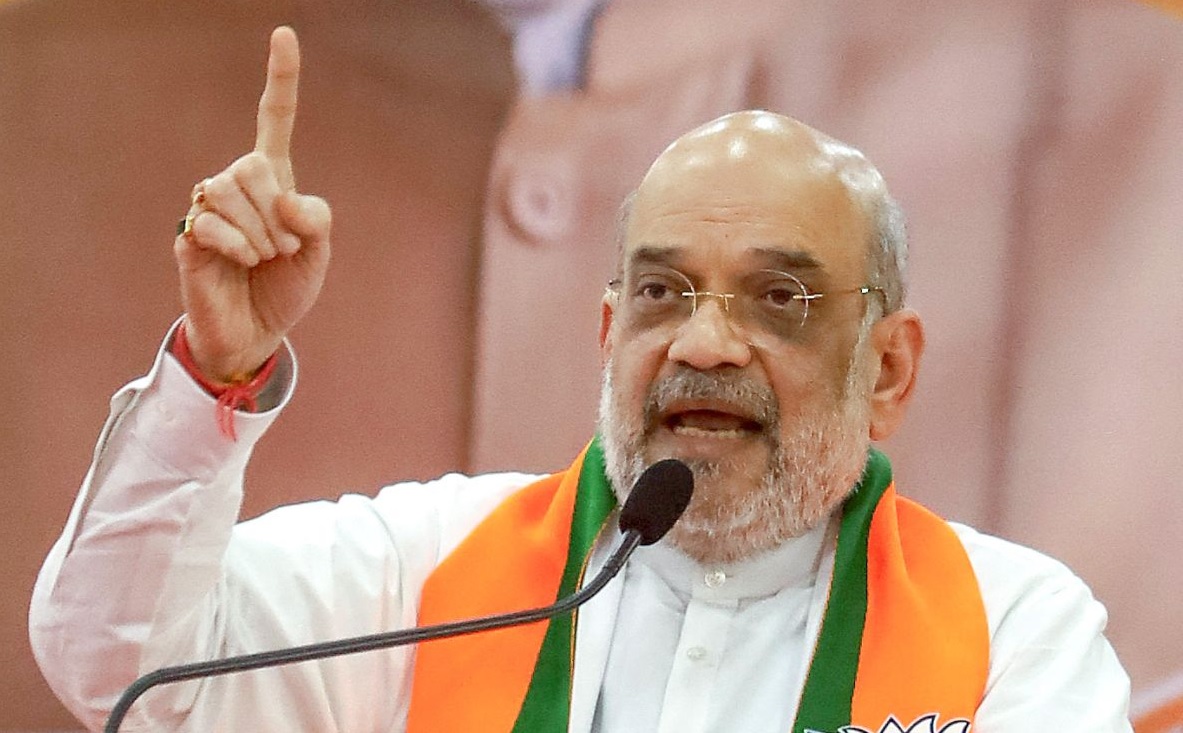
India
Latest Defense News IndiaIn a recent address at an election rally in Lakhimpur, Home Minister Amit Shah made assertions regarding the Modi government's stance on national security and development initiatives, particularly in the Northeast region of India. Shah emphasized that under the leadership of Prime Minister Narendra Modi, China has been deterred from encroaching upon Indian territory, contrasting this with what he portrayed as Nehru's inadequate response during the 1962 Chinese aggression.Shah highlighted the government's efforts in securing the country's borders, particularly with Bangladesh, and curbing infiltration. He credited the BJP-led government for bringing about a significant change in border security policies, asserting that infiltration has been effectively halted.Furthermore, Shah criticized the previous Congress government in Assam, alleging that it failed to address the state's issues adequately, leading to violence and insurgency-related incidents. He contrasted this with the peace accords signed under the Modi government, which resulted in the surrender of 9000 youths and the withdrawal of the Armed Forces (Special Powers) Act from 80% of Assam's areas.Shah also praised the swift implementation of the Bodo Accord, highlighting it as an example of the government's commitment to fulfilling its promises. He criticized the Congress manifesto, claiming that it favored Muslim personal law, while highlighting the BJP's initiatives such as the prevention of child marriages in Assam and the proposed Uniform Civil Code in Uttarakhand.Moreover, Shah stressed the importance of the Northeast's development in the overall growth of the nation, urging voters to support NDA candidates in the region. He presented the upcoming election as a choice between the BJP-led government's vision for development and what he portrayed as the alternative represented by Rahul Gandhi and the INDI Alliance.In conclusion, Amit Shah's address underscored the Modi government's achievements in national security, border management, and development initiatives in the Northeast. He called upon voters to endorse the BJP-led government for a third term, emphasizing the party's commitment to delivering on its promises and ensuring the continued progress of the nation.
Read More → Posted on 2024-04-09 14:50:28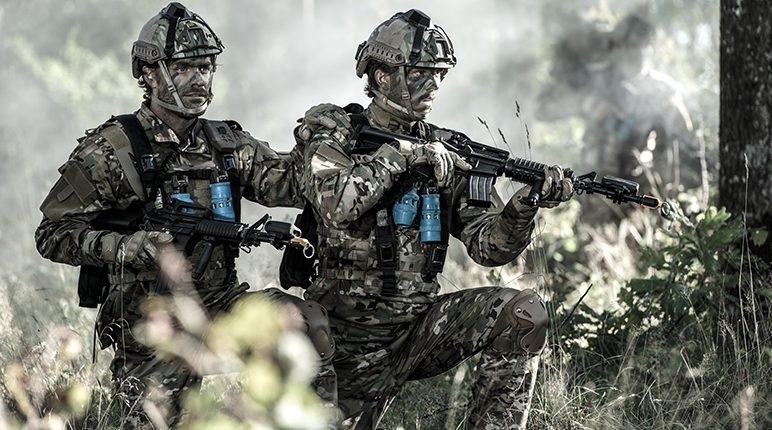
World
Latest Defense News Sweden ,UKSaab, a Swedish defense company, has secured a new contract with the UK Ministry of Defence (MoD) valued at GBP 60 million. The initial three-year agreement includes options for extension until 2030. This contract is for the provision of support to Live Simulation systems with ILT-D (Instrumented Live Training), replacing the previous DFWES (Direct Fire Weapon Effect Simulator) contract.The ILT-D system supports high-fidelity training simulations using a combination of laser and geometric pairing technology to simulate both direct and indirect fire effects. This technology provides detailed data for objective feedback, aiding in the After Action Review (AAR) process and validating training.The contract involves a significant investment to update and extend the life of the capability, ensuring it remains relevant to the evolving training needs of the British Army. This includes addressing obsolescence issues and ensuring interoperability with partner nations through the latest Saab hardware and software.Support under the contract will be provided at various training locations, including Collective Training sites in the UK and Germany, as well as specific training centers such as the Infantry Training Centre in Catterick, Infantry Battle School in Brecon, and the Commando Training Centre Royal Marines.James Passmore, VP Director of Marketing and Sales at Saab UK, emphasized the company's commitment to delivering top-notch live simulation capabilities to support the UK's training requirements. Simon Pearce, Training and Simulation Systems Portfolio Leader for Defence Equipment & Support, highlighted the importance of ILT-D in preparing the British Army for the challenges of modern warfare.Saab's Live Simulation Systems are designed with interoperability and deployability in mind, with a growing global user community. The British Army has already deployed these systems in various overseas exercises, demonstrating their effectiveness in diverse training environments.
Read More → Posted on 2024-04-09 14:42:13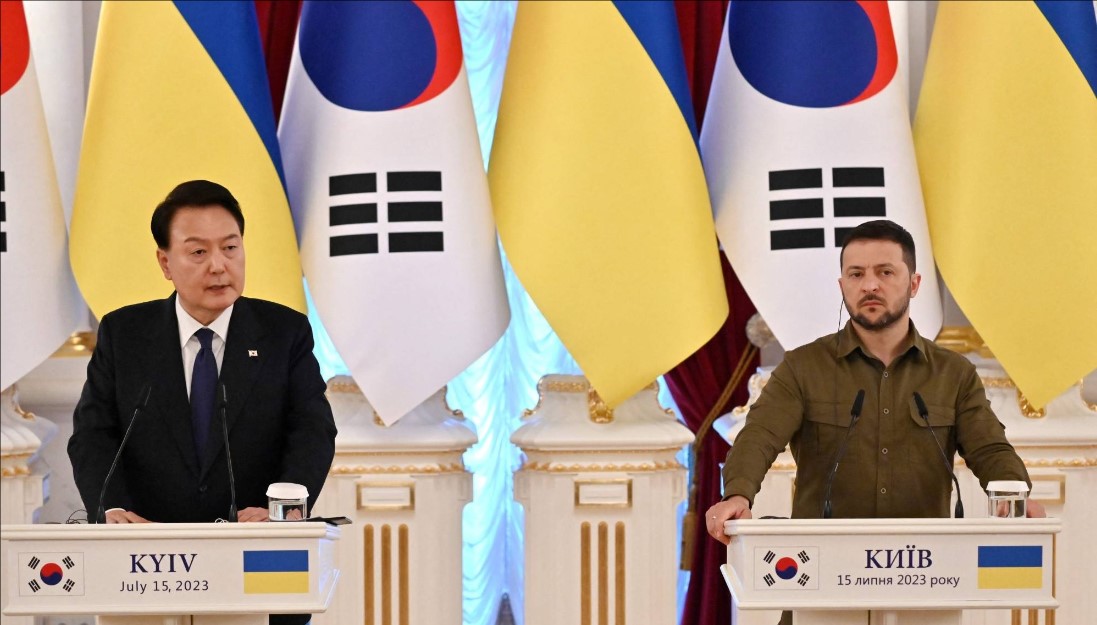
South Korea Allocates $12 Million Aid for Wounded Ukrainian Soldiers Amid Regional Security Concerns
World
Latest Defense News South Korea ,UkraineSouth Korea has announced a $12-million aid package for the rehabilitation of wounded Ukrainian soldiers. The disclosure was made during a meeting with NATO Indo-Pacific partner countries in Brussels. This contribution is part of Seoul's larger $2.3-billion aid commitment from 2024 onwards.The announcement was attended by ministry heads from Australia, Japan, and New Zealand. South Korean Foreign Minister Cho Tae-Yul stated that the aid package will be channeled through NATO's Comprehensive Assistance Package Trust Fund for Ukraine, which was established in 2016 to support the country in rebuilding its security and defense sector.This move comes in response to criticism from Russia regarding South Korea's disclosure of non-lethal and humanitarian aid to Kyiv in 2023.Additionally, the meeting addressed the regional implications of North Korea's support for Russia in the ongoing war. Minister Cho expressed concerns about Pyongyang's decision to arm Moscow, citing potential security threats to the Korean Peninsula and the broader Indo-Pacific region.South Korea recently reported that North Korea might be using Ukraine as a testing ground for its weapons by allowing Russia to deploy them in combat. Reports suggest that North Korea has sent 7,000 containers of arms, including artillery shells, self-propelled rockets, and ballistic missiles, to Russia.Minister Cho also highlighted concerns about Russia's transfer of refined oil to North Korea, which could undermine the global nonproliferation regime aimed at preventing the spread of nuclear weapons.
Read More → Posted on 2024-04-09 14:38:31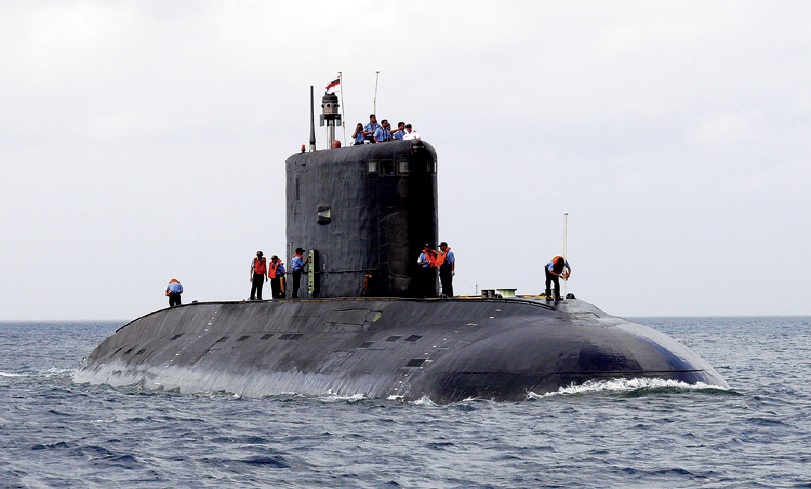
India
Latest Defense News India ,GermanyThe German government is fully backing negotiations with the Indian Navy for its Project 75 India tender to build six new conventional submarines in which German firm Thyssenkrupp Marine Systems is partnering with Indian Mazgaon Dockyards Limited as one of the two competing industry teams, Germany's Ambassador to India Philipp Ackerman said.In an interview over email, the German envoy said that New Delhi was at the forefront of Berlin's business strategy in Asia where it was strongly diversifying its business relations due to the "increasingly challenging behaviour of India's big neighbour in the North East" and other reasons."I can state that Germany is committed to team up with an Indian dockyard to build high-tech submarines in India and that my government is wholeheartedly supporting the ongoing negotiations. The process is still ongoing and the decision is for India to take. What we can say though it that this project already is accelerating our defence partnership and therefore works as a lighthouse for future cooperation," he said.Project 75 India is an Indian Navy project where it wants to build six bigger conventional submarines with Air Independent Propulsion technology German firm Thyssenkrupp and Spanish firm Navantia are partnering with MDL and Larsen and Toubro respectively for this project expected to be worth over six billion euros.The German ambassador did not comment upon the recent issue where the German foreign office gave a statement about the arrest of the Delhi Chief Minister Arvind Kejriwal, which was strongly objected to by India as interference in its internal affairs.Asked why India can count on Germany as its strategic partner, Ackerman said: "Because Germany's shift towards India and the Indo-Pacific is manifesting itself in very concrete actions: military visits and joint exercises, potential co-production of advanced military hardware, more collaboration in the area of cyber and strengthening our interoperability."He said that Germany would be sending its fighters including the Eurofighter Typhoons and transport aircraft - A400M - to India and spearhead a European team together with France and Spain for an exercise near Coimbatore."We team up with the Indian Air Force to participate in the first phase of Tarang Shakti. It is the first time that Germany is sending his Air Force to India to participate in such a high scale exercise.. In October, two German ships, one frigate and one support ship, will come to Goa to show their presence and train together with our close partners and friends from the Indian Navy," he said while listing details of the engagement with the Indian military in near future.The German envoy to India said that high-ranking visits from Germany are expected this summer and autumn to witness and politically support this joint exercise. "And I am very optimistic that from this year onwards, we will have joint exercises on a regular, annual," the German Ambassador said.Talking about the changed German foreign policy and attitude towards India, Ackerman said that there is an even bigger political will in Berlin to boost defence ties with India and build a long-term and substantial strategic partnership."That is why we push for a stronger German and European cooperation with partners in the Indo-Pacific. The German government did open its defence export policy and our collaboration with India in that regard is one of the most important examples of this shift. It is in our interest that India diversifies its military cooperation and together with our American and European partners, we want to offer alternatives to the Indian government," he said.On the role of India in its Indo-Pacific strategy for 2020, the German Ambassador said that Germany as a trading nation with strong international links, has a great interest in free shipping routes and in the preservation of peace and stability in the region."As a result of Russia's war of aggression and the increasingly challenging behaviour of India's big neighbour in the North East, Germany is strongly diversifying its trade relations in Asia. India is on the forefront of this business strategy. That is also why we are seeing such a strong interest of German companies, big ones as well as many start-ups, to invest in India! That is one reason why the 18th Asia-Pacific Conference of German Business in October this year will happen in New Delhi," he said.On Project 75 India, Ackerman said that the recent visit of Indian Defence Secretary Giridhar Aramane in Berlin shows the continuation of high-level exchanges between our two democracies in order to strengthen defence cooperation."Germany is ready to supply aircraft, torpedoes and power packs for tanks to India - with substantial localization of production in India. Germany also did speed up its processes for export licenses: We are delivering more and faster because India is our prime security partner in the region. Together, we have invested already a lot in the freedom of this region and we are committed to strengthen that much more, he said.The German firm Thyssenkrupp's Chief Executive Officer Oliver Burkhard said that TKMS was the only firm with a proven AIP system and "We just underlined the technical possibilities together with a delegation from the Indian and German Navies."Asked about the planned work share between Indian MDL and TKMS for the P-75 India which has some stringent requirements for the transfer of technology and increased work share of Indian entities, Burkhard said that in the presence of the German Defence Minister, Thyssenkrupp Marine Systems and MDL have already signed a memorandum of understanding."As part of the letter of intent, we stipulated that, if awarded the contract, we would be responsible for the design of the submarines as well as playing an advisory role. Mazagon Dock Shipbuilders would be responsible for the construction and delivery of the submarines," he said."I can assure you both companies have many years of experience, knowledge and expertise and we are engaging our key sub-suppliers in the process of indigenisation, including for example our own subsidiaries 'kta' and ATLAS ELEKTRONIK. The plan presented by MDL to the government includes already a percentage of indigenisation for the first boat which is significantly higher than the stipulated requirement," he said.
Read More → Posted on 2024-04-09 14:34:15
History
Relation Between India And Soviet UnionThe relationship between India and the Soviet Union has been one of the most significant bilateral partnerships in the post-World War II era. Spanning several decades, this alliance shaped India's socio-economic, political, and strategic landscape. From the early years of independence to the dissolution of the Soviet Union, the ties between the two nations evolved through various phases, leaving an indelible mark on India's trajectory. This article delves into the multifaceted relationship between India and the Soviet Union, examining key events, milestones, and their lasting implications.1947-1960: Formative Years of FriendshipIn the aftermath of independence in 1947, India faced numerous challenges, including economic reconstruction and geopolitical uncertainties. The Soviet Union emerged as a staunch supporter of India's nation-building efforts. One of the earliest manifestations of this support was the signing of the Treaty of Friendship between India and the USSR in 1971, which laid the foundation for future cooperation.The Soviet Union extended significant assistance to India's industrialization and infrastructure development projects during this period. Notable projects include the Bhilai Steel Plant, the Hindustan Aeronautics Limited (HAL), and the establishment of the Indian Institutes of Technology (IITs). Additionally, the USSR provided crucial military aid to India, particularly during the 1962 Sino-Indian War and the 1965 Indo-Pakistani War, further cementing the strategic partnership between the two nations.1961-1971: Strengthening Ties Amidst Global TurmoilThe 1960s witnessed a deepening of Indo-Soviet cooperation, characterized by increased economic assistance and technological collaboration. Soviet support played a pivotal role in India's Green Revolution, aimed at achieving self-sufficiency in food production. Moreover, the USSR became a key supplier of defense equipment to India, including aircraft, tanks, and submarines.During the Indo-Pakistani War of 1971, the Soviet Union unequivocally supported India's stance on the Bangladesh Liberation War, providing diplomatic backing and military assistance. The signing of the Indo-Soviet Treaty of Peace, Friendship, and Cooperation in August 1971 further solidified the alliance, marking a significant milestone in bilateral relations.1972-1985: The Golden Era of CooperationThe 1970s and 1980s marked a period of unparalleled cooperation between India and the Soviet Union, characterized by extensive economic, military, and technological collaboration. The signing of the Treaty of Peace, Friendship, and Cooperation laid the groundwork for enhanced strategic ties and mutual support on regional and global platforms.Economic assistance from the Soviet Union bolstered India's industrial sector, with the establishment of heavy industries, infrastructure projects, and scientific research institutions. The Soviet Union also provided crucial support to India's space program, culminating in the launch of the Aryabhata satellite in 1975.On the defense front, the Soviet Union emerged as India's principal arms supplier, accounting for a significant portion of India's defense acquisitions. Joint defense production ventures, such as the manufacture of MiG aircraft and T-72 tanks, underscored the depth of military cooperation between the two nations.1986-1991: Winds of Change and New RealitiesThe late 1980s witnessed a shifting geopolitical landscape, marked by the onset of perestroika and glasnost in the Soviet Union under the leadership of Mikhail Gorbachev. The winds of change in Moscow reverberated across the globe, impacting the dynamics of Indo-Soviet relations.Despite the domestic upheavals in the Soviet Union, India and the USSR continued their strategic partnership, albeit amidst evolving challenges. Economic reforms in India and the collapse of the Soviet Union in 1991 ushered in a new phase in bilateral relations, characterized by adjustments to the changing global order.Post-1991: Transition and ContinuityThe disintegration of the Soviet Union posed significant challenges for India, necessitating a recalibration of its foreign policy priorities. While the demise of the USSR marked the end of an era in Indo-Soviet relations, it also paved the way for the transformation of the bilateral partnership into a more diversified and pragmatic engagement.India's engagement with Russia, the successor state of the Soviet Union, has remained steadfast, albeit within the context of a rapidly evolving global landscape. Strategic cooperation in defense and energy sectors continues to form the bedrock of Indo-Russian relations, with both countries exploring new avenues for collaboration in emerging domains such as cybersecurity, space exploration, and nuclear energy.Conclusion:The relationship between India and the Soviet Union, spanning several decades, stands as a testament to the enduring bonds of friendship and cooperation between the two nations. From the formative years of independence to the contemporary era of strategic partnership, Indo-Soviet relations have weathered numerous challenges and transitions, leaving an indelible imprint on India's socio-economic, political, and strategic landscape. As India navigates the complexities of the 21st century, the legacy of the Indo-Soviet alliance continues to shape its foreign policy outlook and global aspirations.
Read More → Posted on 2024-04-09 06:16:12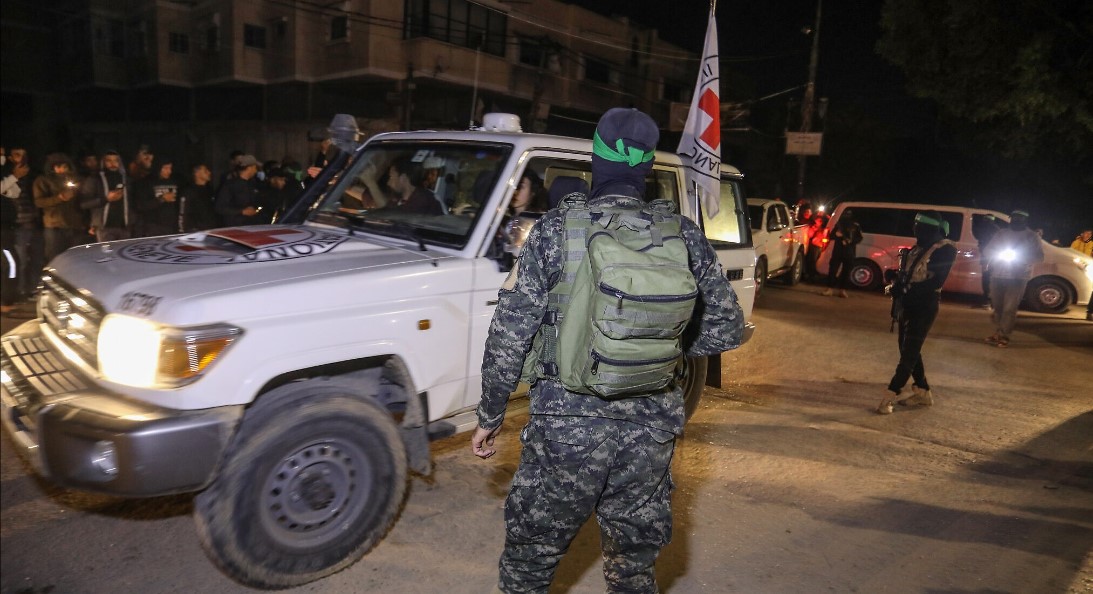
World
Latest Defense News Israel Hamas WarIn a recent development, the Central Intelligence Agency (CIA) of the United States has put forward a proposal aimed at facilitating a deal between Israel and Hamas. The objective is to secure the release of 40 hostages currently held in Gaza. However, Hamas has reportedly stated that they do not categorize all 40 hostages as alive and in need of humanitarian assistance.According to Yaron Avraham, a political reporter and presenter at News 12, Hamas has informed mediators that the number of hostages they consider alive is significantly lower than what has been proposed. They specifically mentioned that women, children, the elderly, and the sick are among those they do not consider alive.The proposed deal includes a six-week ceasefire in exchange for the secure release of hostages. This initiative follows a meeting between CIA Director Bill Burns, the head of Israel's Mossad, the Prime Minister of Qatar, and the Egyptian spy chief in Cairo on Sunday. The aim of the meeting was to find a solution to the deadlock in negotiations.During the same period, a senior Hamas delegation was also present in Cairo and engaged in separate discussions with Egyptian and Qatari mediators.In addition to the release of the hostages, the proposed deal involves the release of over 700 Palestinian prisoners, including more than 100 individuals serving life sentences for their involvement in attacks on Israelis.Despite the proposal, Hamas has rejected an Israeli ceasefire offer made during talks in Cairo. Israeli Prime Minister Benjamin Netanyahu has indicated that a date has been set for an invasion of Rafah, which is Gaza's last refuge for displaced Palestinians.Hamas has described the proposal received from Qatari and Egyptian mediators as "intransigent" and stated that it does not meet the demands of Palestinian factions. The group has committed to reviewing the proposal and delivering its response to the mediators.The situation in Gaza has been marked by ongoing violence, with the Hamas-run Ministry of Health reporting that over 33,000 Palestinians have been killed since the outbreak of war on October 7. Of the 253 individuals seized by Hamas on October 7, 133 hostages remain in captivity, with negotiators aiming for the release of around 40 hostages in the initial phase of any potential deal.
Read More → Posted on 2024-04-09 06:03:38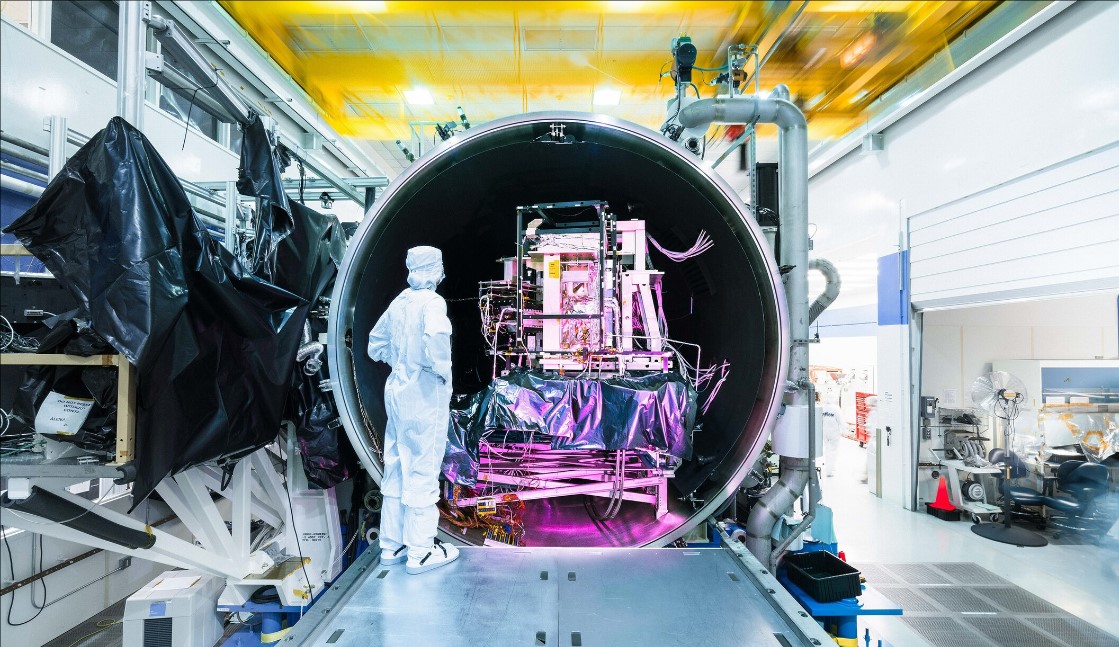
Space & Technology
Latest Space News WorldRaytheon has achieved a significant milestone in the development of its latest Visible Infrared Imaging Radiometer Suite (VIIRS) sensor. The VIIRS instrument, which gathers global environmental data spanning visible and infrared wavelengths across land, ocean, and atmosphere, is a key component of the NASA-NOAA Joint Polar Satellite System (JPSS) series of satellites.The final VIIRS Sensor, known as J4, has completed Thermal Vacuum tests ahead of schedule in late 2023. This successful testing ensures that the VIIRS program remains on track to deliver the final sensor for satellite integration in 2024.According to Sandy Brown, president of Space Systems for Raytheon, the recent thermal vacuum testing on J4 was the most successful and efficient cycle in the program's history. This achievement underscores the experience and collaboration between NASA and Raytheon, facilitating seamless test execution.NASA's Joint Polar Satellite System represents the U.S. contribution to the next generation polar-orbiting operational environmental satellite system. VIIRS, one of the instruments on JPSS, comprises 22 bands providing high radiometric accuracy and spatial resolution multispectral imagery. These images, including the unique panchromatic Day/Night band (DNB), are utilized for various purposes such as fire and air quality monitoring, agriculture monitoring, carbon modeling, flood and sea ice mapping, among others.Raytheon has been responsible for designing, building, and delivering four VIIRS instruments since 2010, contributing significantly to environmental monitoring and scientific research.
Read More → Posted on 2024-04-09 05:50:24
World
Latest Defense News IsraelIsrael for the first time deployed its ship-mounted defence system, called the C-Dome, against a "suspicious" target that entered the country's airspace near the southern city of Eilat, the military said Tuesday.The C-Dome is a naval version of the Iron Dome air defence system used to shield against rocket and missile attacks.On Monday evening, the Israel Defense Forces (IDF) reported an alert in the area of Eilat, which was targeted in February by intercepted ballistic missile fire from Yemen's Houthi rebels, allies of Palestinian militants Hamas."Following the sirens that sounded in the area of Eilat regarding the infiltration of a hostile aircraft, IDF Naval forces identified a suspicious aerial target crossing into Israeli territory," the IDF said in a statement released early Tuesday."The target was successfully intercepted by the 'C-Dome' naval defence system," it said.No injuries or damage were reported.An IDF spokesperson would not confirm whether the "suspicious" target had been a drone but told AFP this was "the first operational use of C-Dome".Mounted on Sa'ar 6-class corvettes, German-made warships, the C-Dome uses the same interceptor as the Iron Dome, according to state-owned operator Rafael Advanced Defence Systems.The land-based Iron Dome has been used countless times to intercept rockets fired from the Hamas-controlled Gaza Strip.That defence system costs roughly $50,000 per launch.
Read More → Posted on 2024-04-09 05:45:19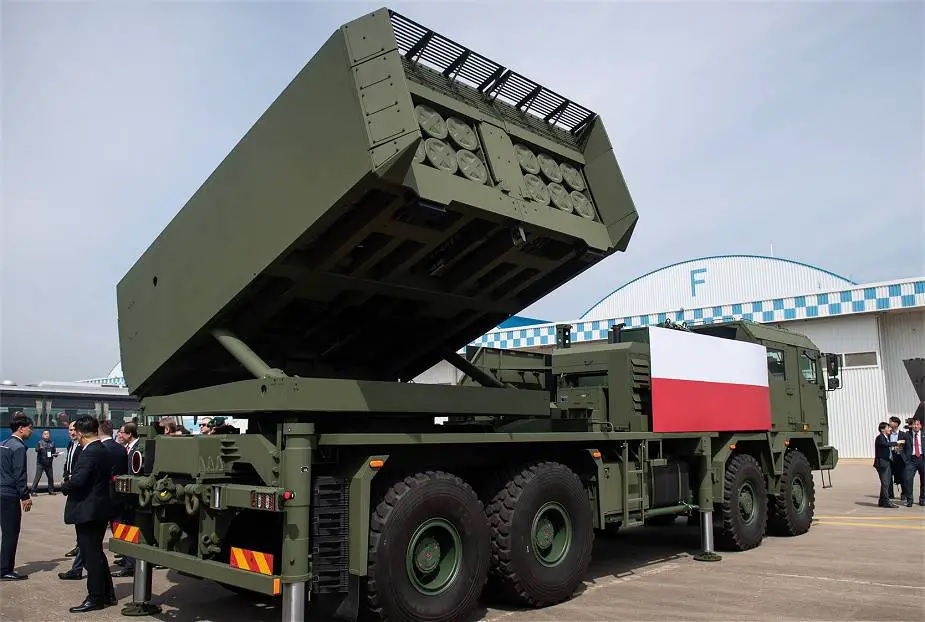
World
Latest Defense News South Korea ,PolandHanwha Aerospace, a South Korean defense company, in collaboration with the Polish defense industry, has delivered 18 K239 Chunmoo launchers to the Polish Armed Forces. This marks a significant step in fulfilling a contract signed with Poland's defense procurement agency back in November 2022.The contract, valued at USD 3.5 billion, entails the delivery of 218 K239 Chunmoo Multiple Launch Rocket Systems (MLRS) to Poland. These systems will bolster Poland's defense capabilities substantially. In addition to the launchers, Hanwha Aerospace will supply Poland with precision munitions, including 239mm precision missiles with an 80km range and tactical ballistic missiles capable of reaching up to 290km.One notable aspect of the collaboration is the involvement of the Polish defense sector. All K239 Chunmoo launchers will be mounted on wheeled chassis manufactured by Jelcz, a Polish company. This showcases a symbiotic relationship between South Korean and Polish defense industries, leveraging each other's strengths for mutual benefit.Furthermore, the K239 Chunmoo MLRS units destined for the Polish Armed Forces will be equipped with a Polish command and control (C2) system. Developed by the Polish WB Group, this system includes the TOPAZ Integrated Combat Management System, the FONET Digital Communication Platform, and radio communication sets. This integration ensures seamless coordination and communication within the Polish Armed Forces.Robert Szelenbaum, a senior manager at Hanwha Aerospace Europe, emphasized the progress made in the delivery of the Chunmoo launchers. Currently, 18 launchers have been handed over, with an additional 36 systems slated for delivery by the end of 2024. Looking ahead, between 2025 and 2026, Poland is set to receive a total of 144 launchers, further enhancing its defense capabilities.The collaboration between Hanwha Aerospace and the Polish defense industry signifies a deepening of defense ties between South Korea and Poland. It highlights the trust and confidence placed in South Korean defense technology and the willingness of both parties to work together for shared security objectives.Overall, the delivery of K239 Chunmoo launchers to the Polish Armed Forces represents a concrete step in fulfilling a significant defense contract. With the integration of Polish components and systems, these launchers will contribute to enhancing Poland's defense readiness and deterrence capabilities in the region.
Read More → Posted on 2024-04-09 05:42:18Search
Top Trending in 24 Hours
-
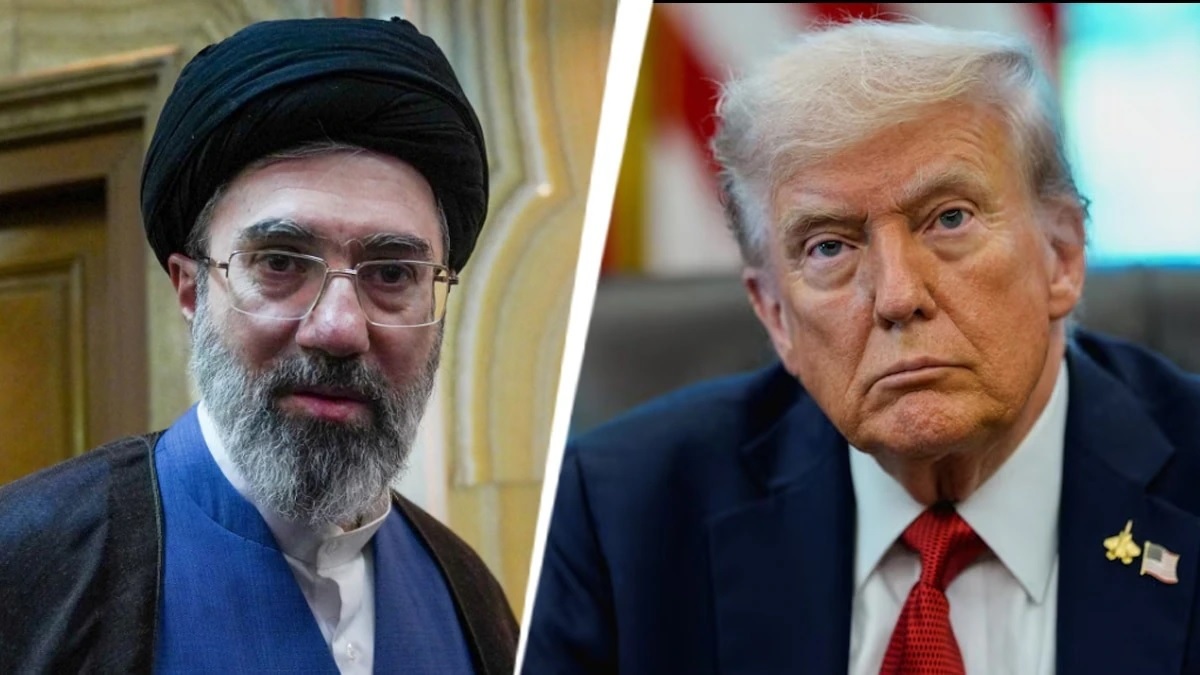 Iranian Media Leaks 14-Point U.S.-Iran Peace Framework Amid Ongoing Negotiations
-
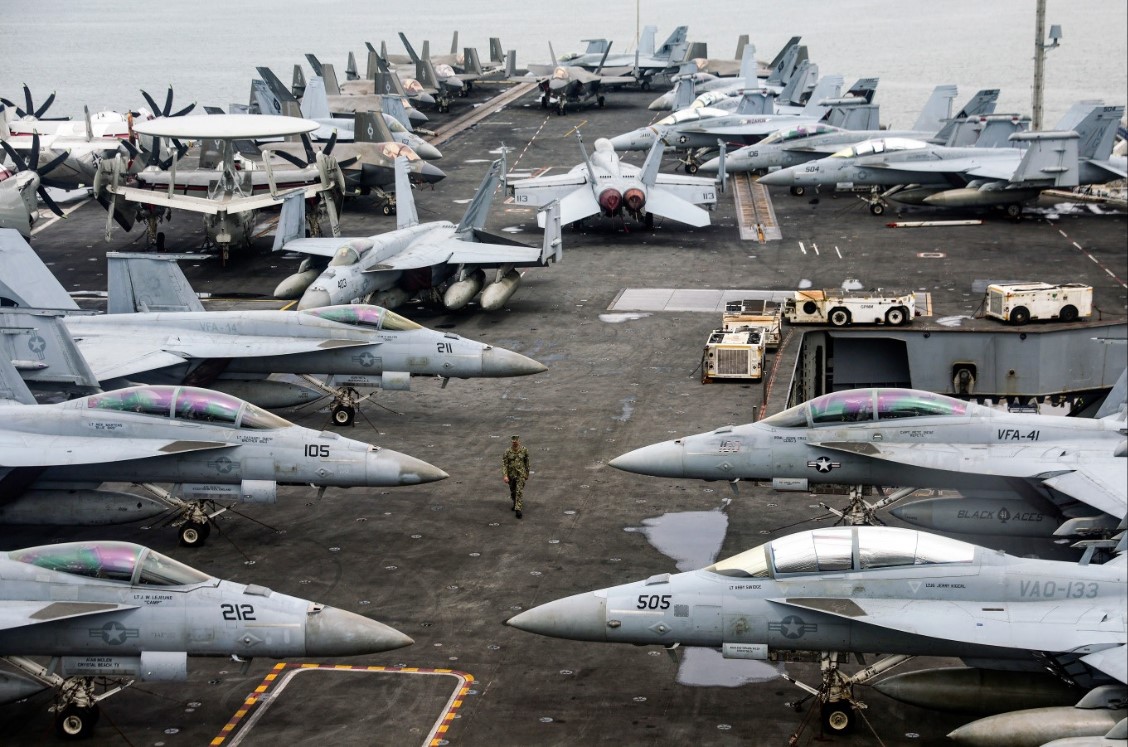 US Plans Significant Reduction of Fighter Jets and Warships for NATO Operations in Europe
-
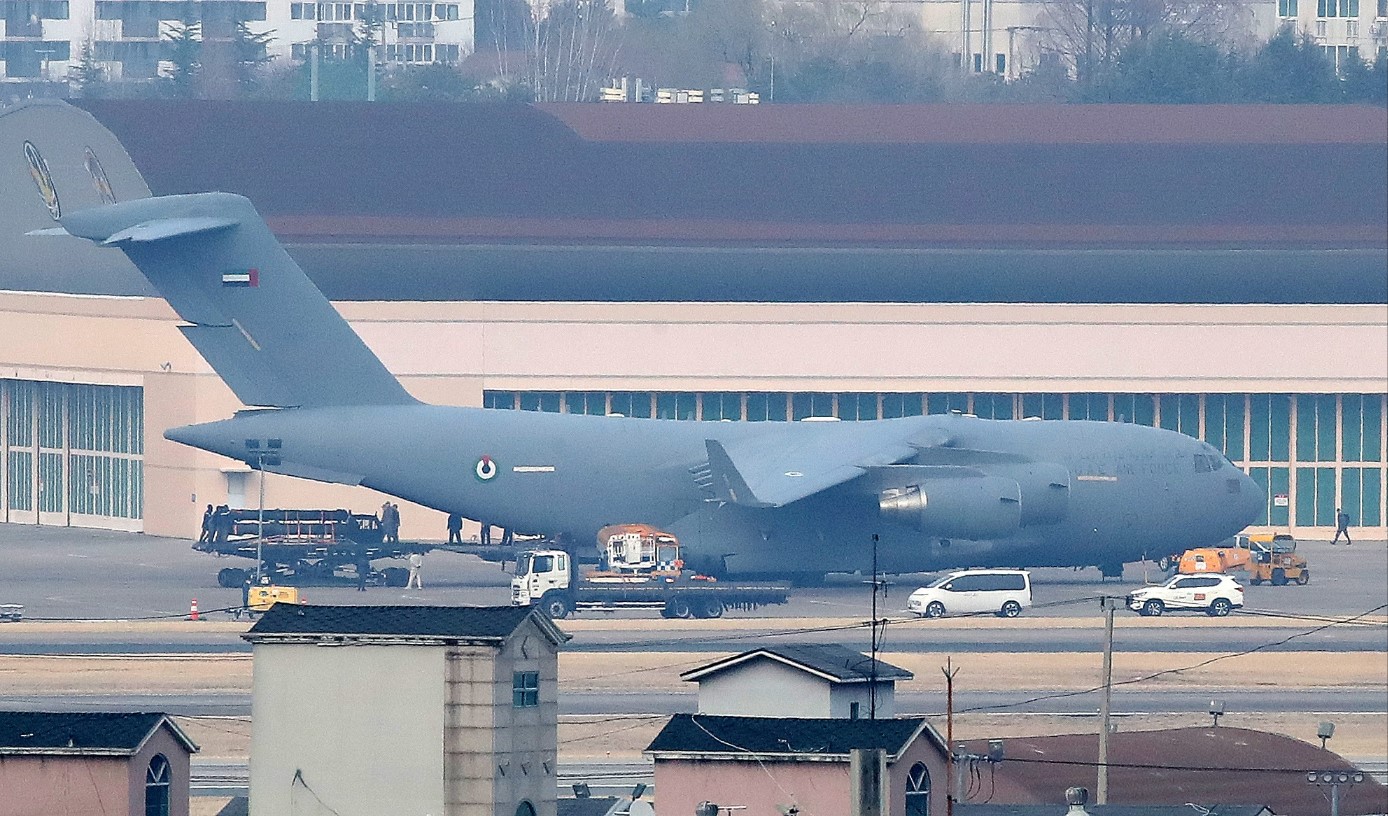 UAE Urgently Airlifts Cheongung-II Missile Defense Battery From South Korea Using Eight C-17 Aircraft
-
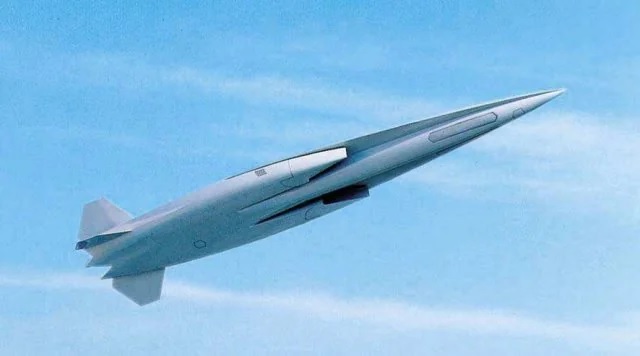 France Awards MBDA Contract to Develop ASN4G Hypersonic Nuclear Missile to Replace ASMPA-R
-
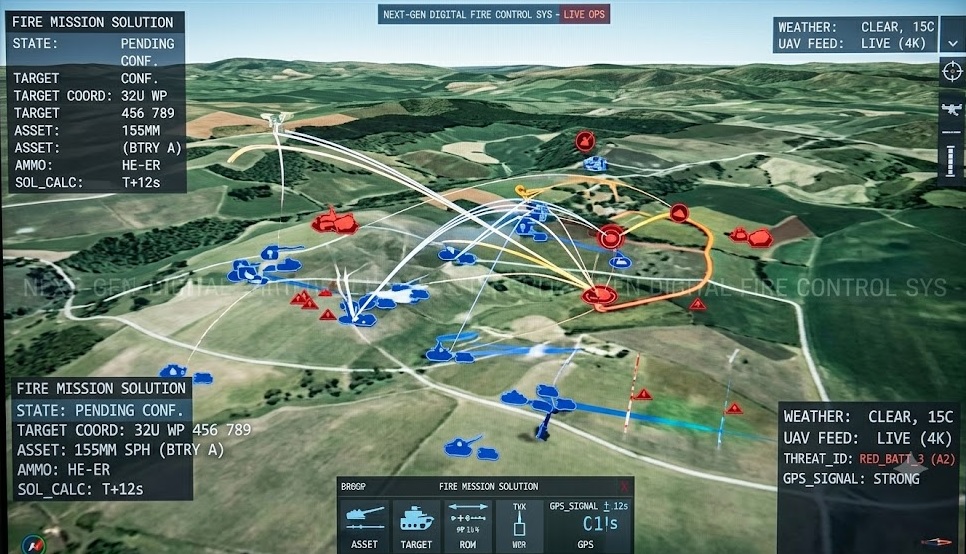 BAE Systems Unveils Next-Generation Digital Indirect Fire Control System at Eurosatory 2026
-
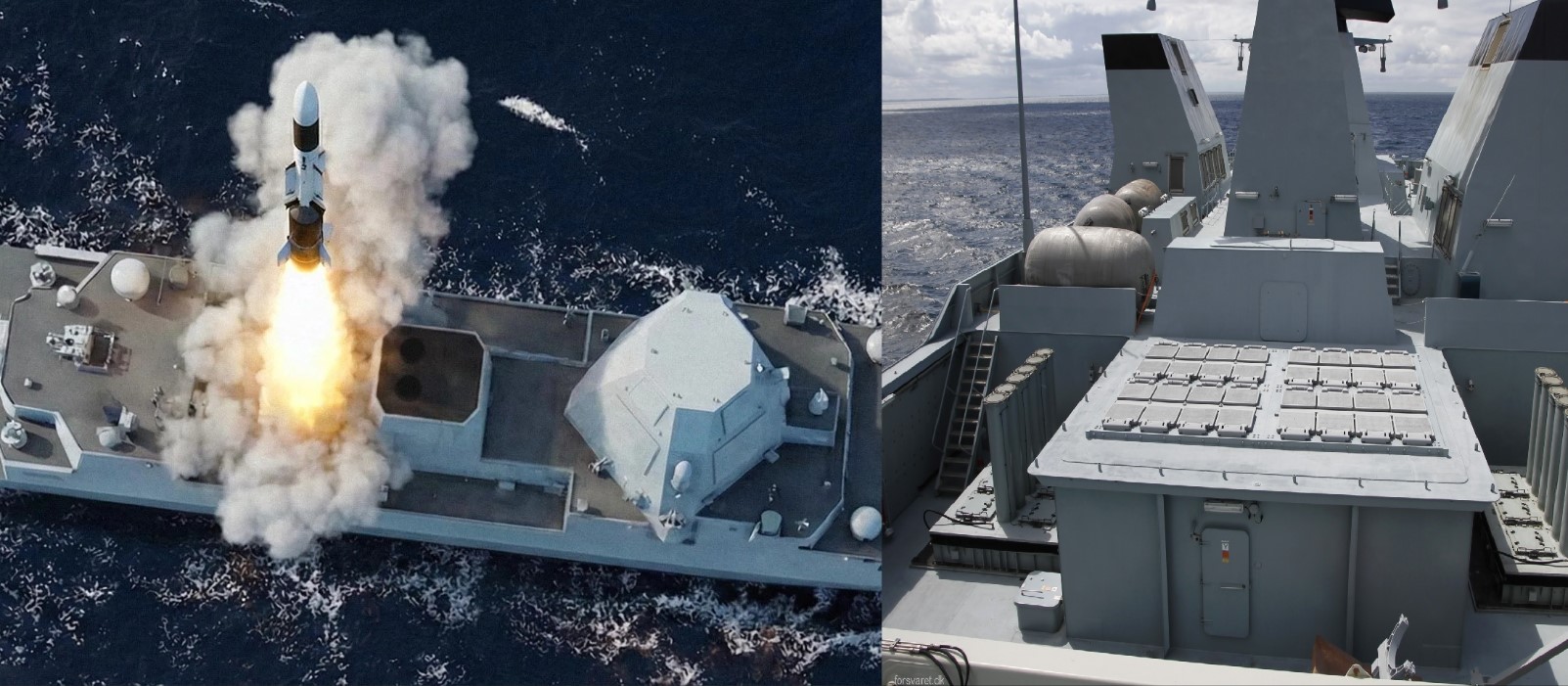 Engineering Challenges Behind the US Navy's Decision to Drop MK41 VLS from Flight I FF(X) Frigates
-
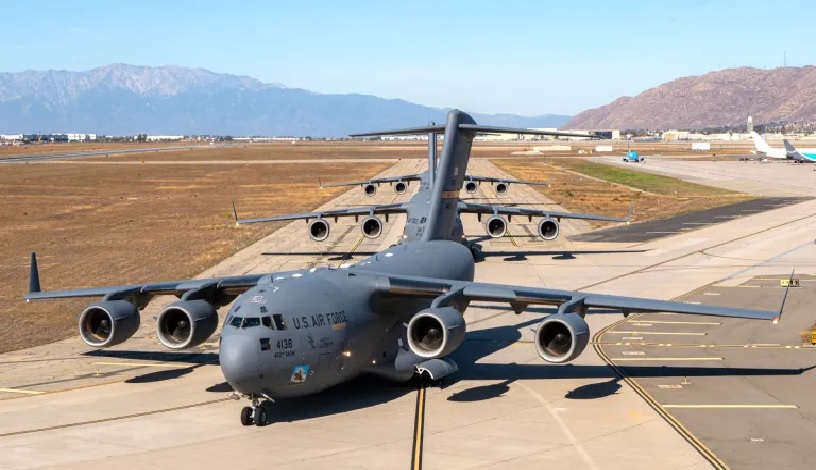 U.S. Air Force Faces Strategic Airlift Shortfall as C-17 Production Restart Remains Uncertain
-
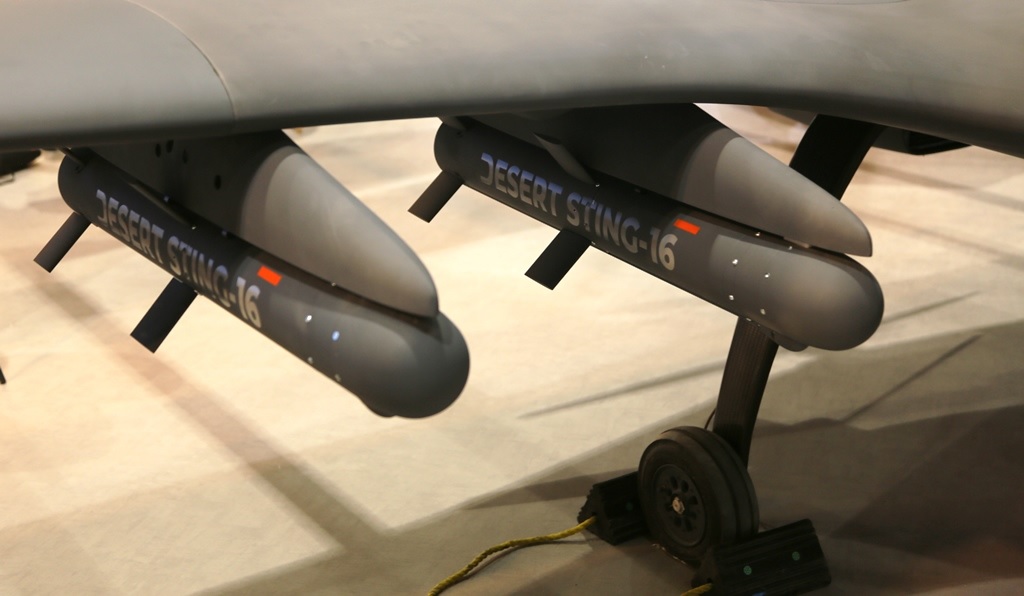 EDGE Integrates Desert Sting 16 Precision-Guided Munition with Bayraktar TB2 UAV
Top Trending in 4 Days
-
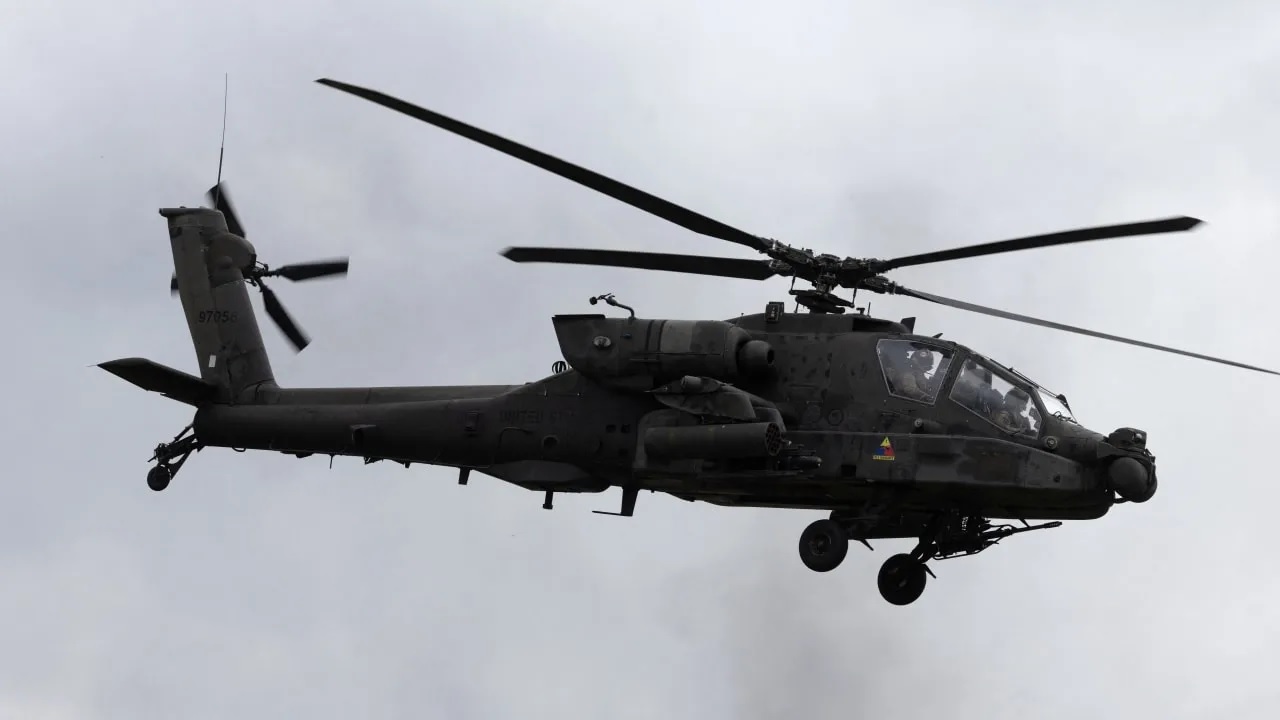 US Army Apache Helicopter Crashes Near Strait of Hormuz; Crew Rescued Safely
-
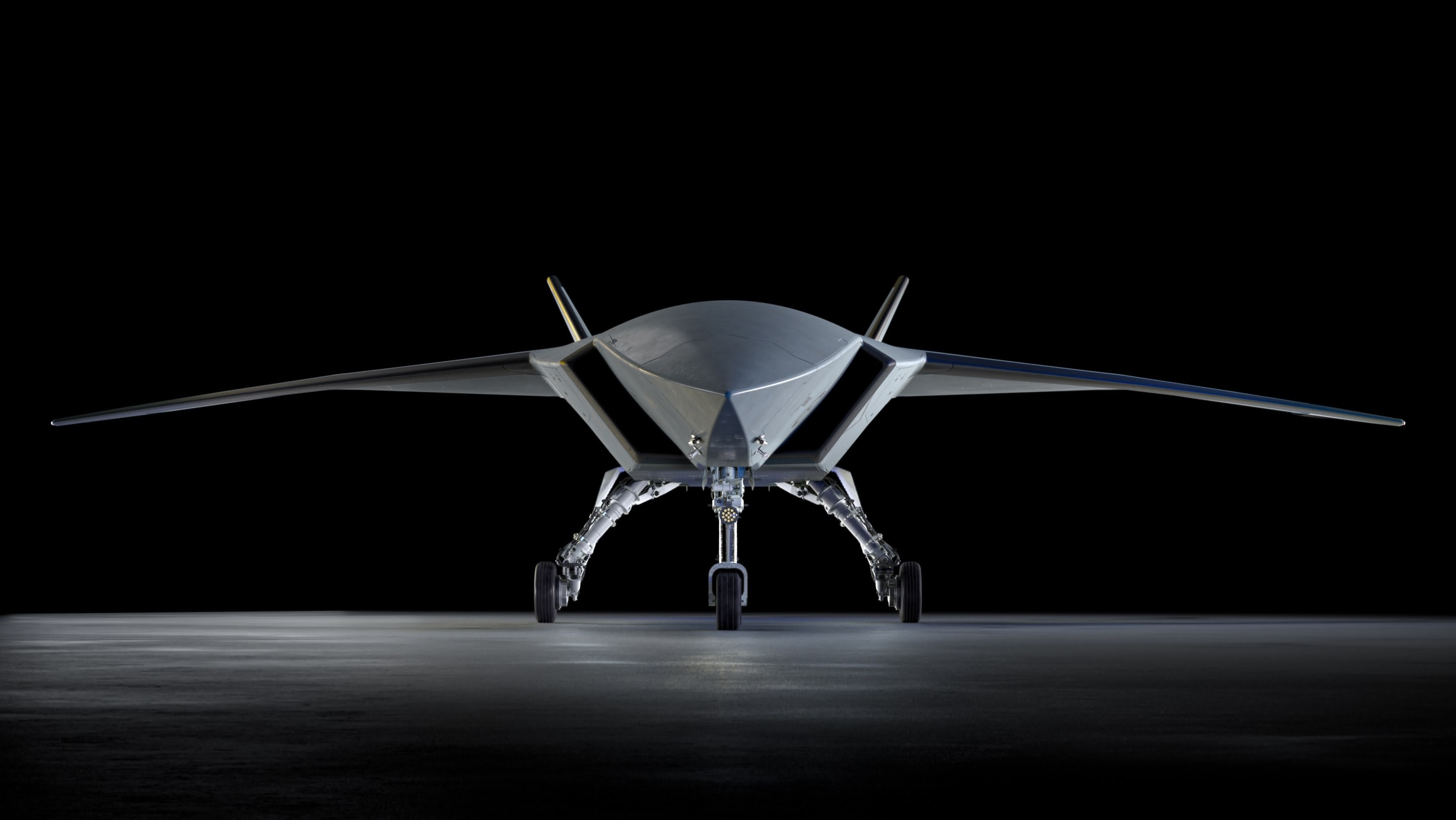 Boeing Introduces New MQ-28 Ghost Bat Upgrades with Increased Range, Payload and Weapons Capacity at ILA Berlin 2026
-
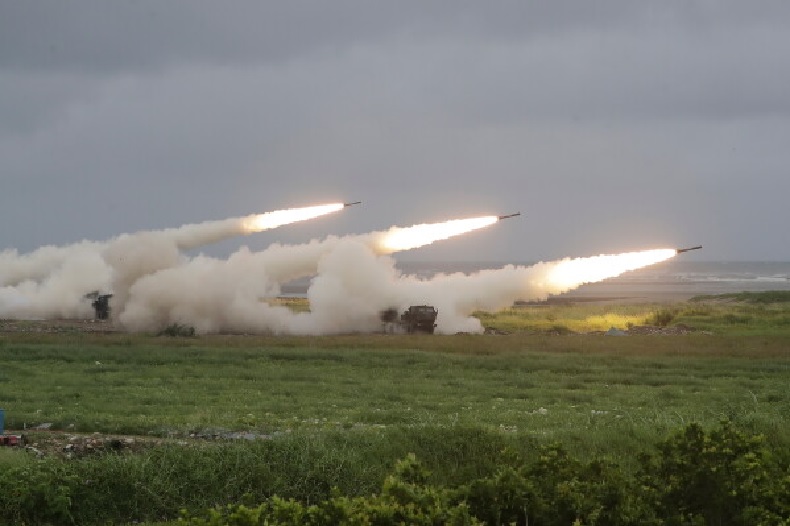 Taiwan Conducts First Live-Fire of HIMARS Rockets From West Coast During Invasion Defense Drill
-
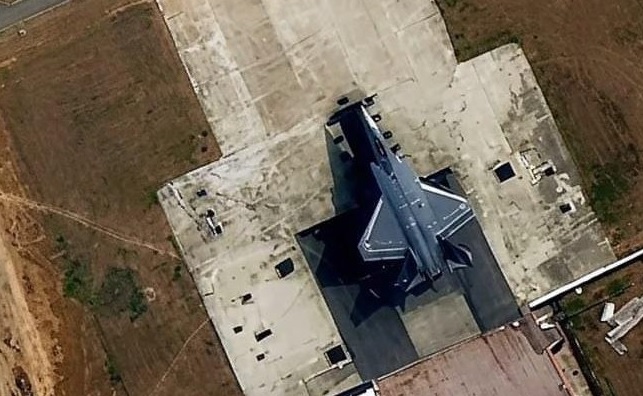 AMCA Airframe Spotted at DRDO’s ORANGE Facility for Radar Cross-Section Testing
-
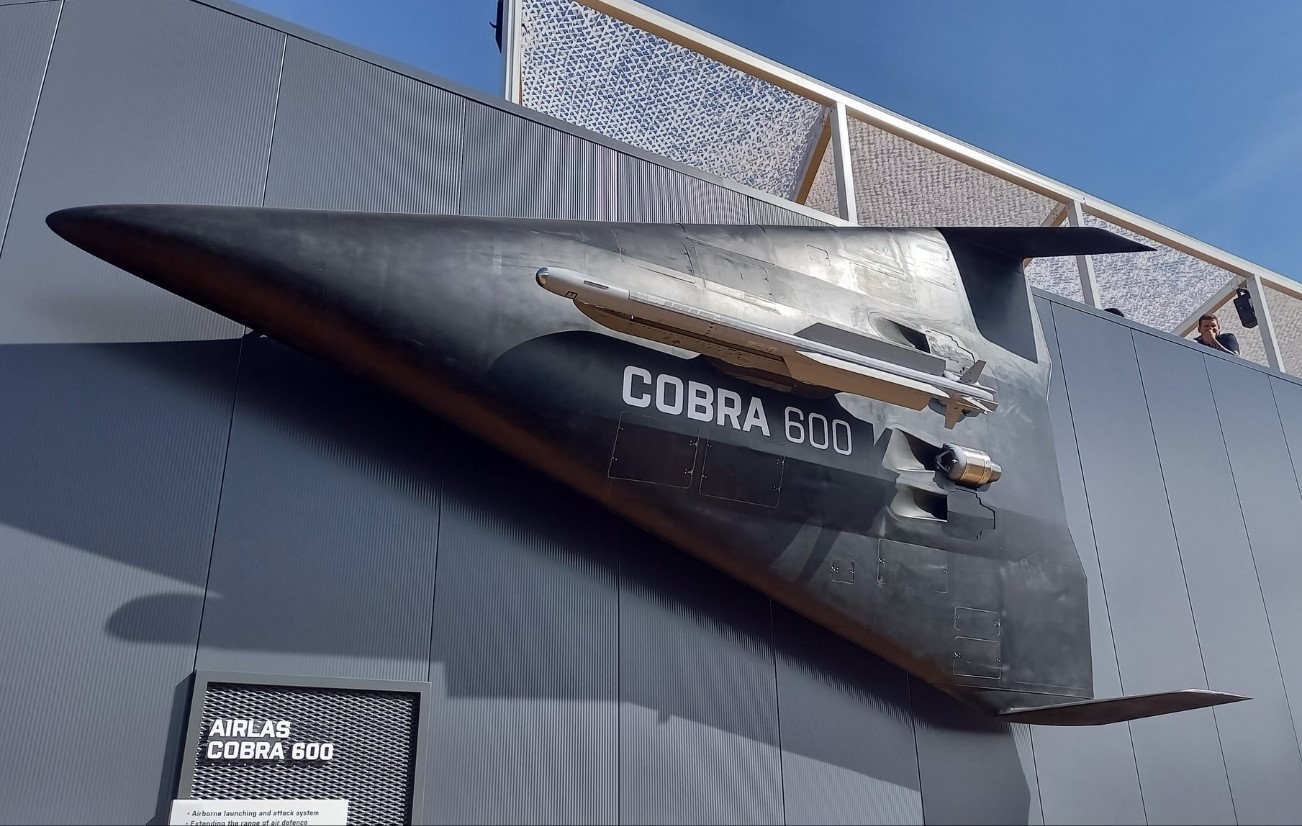 Diehl Defence Unveils IRIS-T Armed Cobra 600 Air Defense Drone at ILA Berlin 2026
-
 U.S. Army Successfully Demonstrates Quantum Sensor That Can Precisely Locate Radio Signals in 3D
-
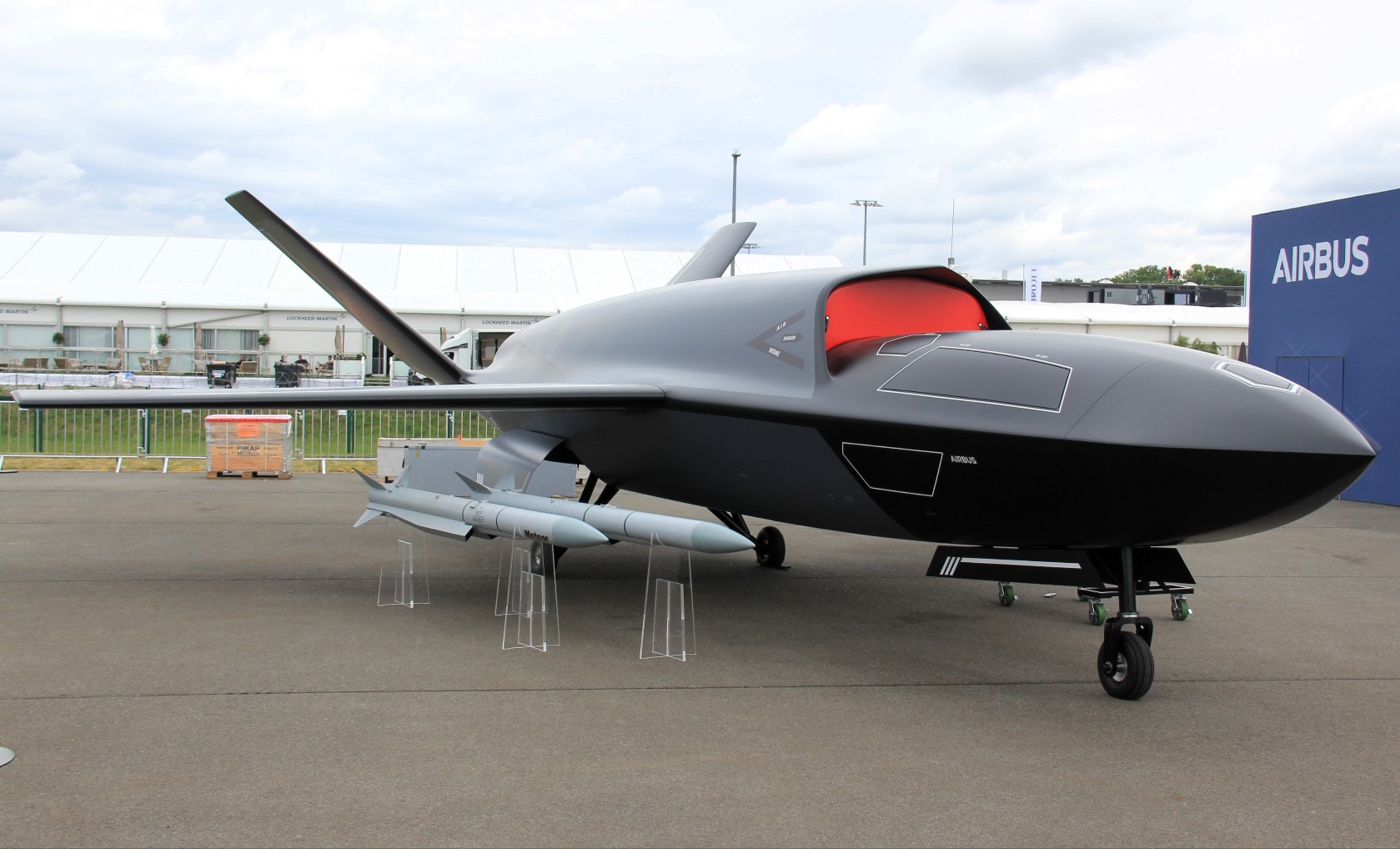 Airbus Unveils U760 Ravenstorm Loyal Wingman Drone at ILA Berlin 2026
-
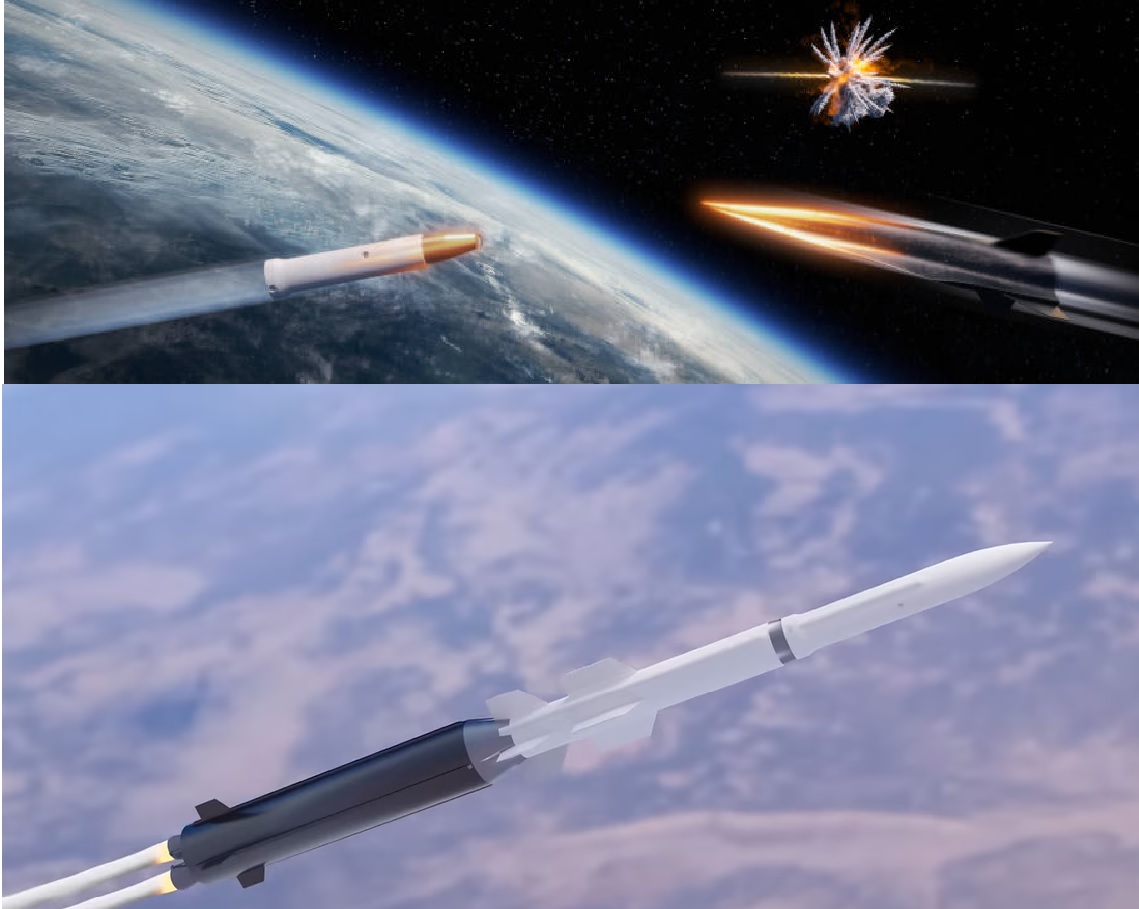 MBDA Develops AQUILA Interceptor to Counter Hypersonic and Maneuvering Missile Threats
