World
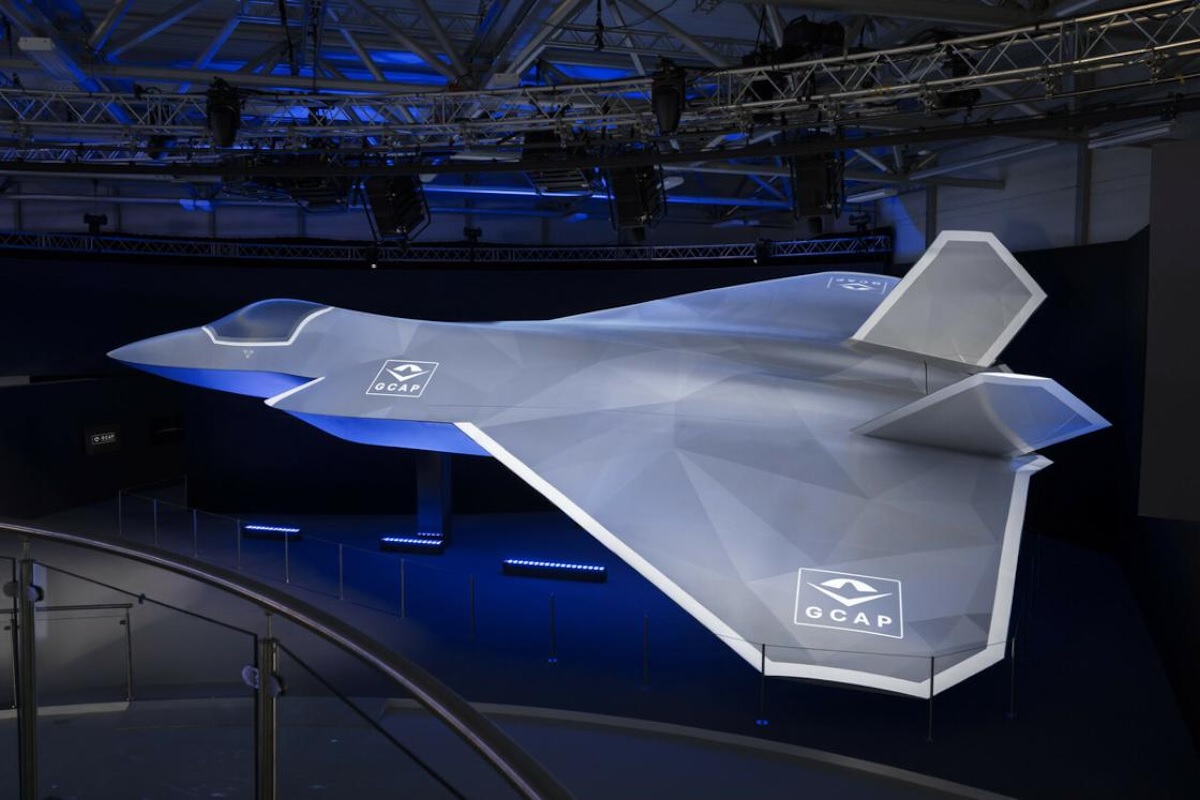
TOKYO, — May 22, 2026 : Japanese Defense Minister Shinjiro Koizumi held talks on Wednesday with Marco Zoff, chief executive officer of Edgewing, regarding the accelerated development of the Global Combat Air Programme (GCAP), the trilateral sixth-generation fighter initiative involving Japan, the United Kingdom, and Italy. According to Nikkei, Koizumi described GCAP as “an extremely important project that will determine Japan’s future air capabilities,” underlining the strategic significance of the program for Japan’s long-term defense planning. The meeting took place at the Japanese parliament and focused on maintaining development momentum as the partner nations work toward the target of introducing the aircraft into service by 2035. During the discussions, Zoff emphasized the importance of advancing the project at an accelerated pace. The talks reflected one of the central challenges surrounding GCAP since its formal announcement in December 2022 — balancing the political objective of delivering a sixth-generation combat aircraft by the mid-2030s with the complex engineering and industrial timelines required for advanced aerospace programs. Edgewing Leading Unified International Design Effort Edgewing was officially launched in June 2025 to serve as the single design authority for the multinational fighter program. The joint venture combines the expertise of BAE Systems, Leonardo, and Japan Aircraft Industrial Enhancement Co. (JAIEC). JAIEC includes Mitsubishi Heavy Industries, which currently manufactures and sustains key aircraft in Japan’s fighter fleet, including the domestically developed Mitsubishi F-2 and licensed F-15J Eagle fighters. The establishment of Edgewing marked a significant industrial and diplomatic consolidation between the three partner nations. Zoff, formerly Managing Director of Leonardo’s Aircraft Division, was appointed as the company’s first chief executive officer, while the headquarters was established in the United Kingdom to align closely with the GCAP International Government Organisation. £686 Million Development Contract Awarded In April 2026, the GCAP Agency, led by Chief Executive Masami Oka, awarded Edgewing its first international design and development contract valued at £686 million ($905 million). The contract transitioned early engineering activities from separate national programs into a unified multinational framework and supports critical design and engineering work associated with the next-generation aircraft program. The future fighter aircraft is intended to replace Japan’s Mitsubishi F-2 fleet as well as the Eurofighter Typhoon fleets operated by the United Kingdom and Italy. All three nations face similar modernization timelines, with their current combat aircraft expected to approach the end of operational service in the mid-2030s. Sixth-Generation Capabilities Planned GCAP is expected to deliver capabilities beyond current fifth-generation aircraft such as the F-35 Lightning II. The platform is planned to incorporate advanced stealth features, sensor fusion, artificial intelligence-supported systems, high-capacity networking, and potential directed-energy technologies. The aircraft is also being designed for manned-unmanned teaming operations, enabling pilots to control collaborative uncrewed systems, often referred to as drone wingmen, during combat missions. Program officials have stated that the fighter will operate within a broader “system of systems” combat architecture integrating crewed and uncrewed assets into a unified operational network. A demonstrator aircraft is expected to conduct its first flight in 2027, while production aircraft are scheduled to begin entering service from 2035 onward. Edgewing will oversee design and development activities, while manufacturing and final assembly responsibilities will be shared among BAE Systems, Leonardo, Mitsubishi Heavy Industries, and their respective industrial supply chains. Japan Pursuing Long-Term Defense Industrial Sovereignty For Japan, participation in GCAP represents a broader strategic effort to preserve sovereign fighter aircraft development and manufacturing capability rather than relying exclusively on foreign procurement for future airpower requirements. Japanese defense planners consider the program increasingly important as the country operates within a challenging regional security environment shaped by the rapid modernization of China’s air force, including the deployment of fifth-generation fighters and ongoing sixth-generation aircraft development efforts. Regional security concerns also include North Korea’s expanding ballistic and cruise missile capabilities, while observations from Russian air operations in Ukraine continue to provide operational lessons influencing future combat aircraft design and survivability requirements. Lessons From the F-35 Program To meet the ambitious 2035 operational target, GCAP partners are applying lessons learned from the multinational F-35 Lightning II program, which required nearly two decades to progress from concept development to initial operational capability, followed by additional years of software integration and refinement. Program officials have stated that the use of advanced digital engineering tools and model-based development methods is intended to accelerate design iteration, systems integration, and testing throughout the development process. The success of the timeline will depend largely on how effectively the three partner nations coordinate industrial production, software integration, and large-scale systems engineering under the unified multinational structure established through GCAP.
Read More → Posted on 2026-05-22 16:59:48
World
WASHINGTON, — May 22, 2026 : The Trump administration has suspended a proposed $14 billion arms sale to Taiwan as the United States moves to preserve critical weapons stockpiles depleted during the ongoing military campaign against Iran, known as Operation Epic Fury. Acting Navy Secretary Hung Cao confirmed the decision during a Senate Appropriations Defense Subcommittee hearing, stating that the temporary pause was necessary to ensure the U.S. military maintains adequate munitions reserves for continued operations in the Middle East. “Right now we’re doing a pause in order to make sure we have the munitions we need for Epic Fury,” Cao told lawmakers. He added that the United States still possesses “plenty” of weapons and indicated that foreign military sales would resume once inventory levels stabilize. The delayed package for the Republic of China Armed Forces was originally expected to proceed in 2025 and includes several major defense systems, including F-16 Block 70 fighter aircraft, Patriot PAC-2 and PAC-3 surface-to-air missile systems, AGM-154C glide bombs, and MK-48 heavy torpedoes. Heavy Munitions Expenditure During Operation Epic Fury The suspension highlights the scale of weapons consumption during Operation Epic Fury, the large-scale U.S.-led military campaign against Iran that began in late February 2026. According to assessments from the Center for Strategic and International Studies (CSIS), the rate of munitions expenditure has placed significant pressure on U.S. inventories and created what analysts described as a “near-term risk” to readiness. During the first 10 days of the conflict alone, U.S. forces reportedly struck more than 6,000 Iranian targets while firing over 2,000 anti-ballistic missile interceptors against Iranian retaliatory attacks. Among the weapons systems reportedly used extensively were Tomahawk cruise missiles, Precision Strike Missiles (PrSM), Patriot interceptors, THAAD interceptors, SM-3 and SM-6 air defense missiles, ATACMS tactical missiles, and GBU-57 guided bombs. Analysts estimated that nearly 1,000 Tomahawk cruise missiles were expended out of a total U.S. inventory estimated between 3,000 and 4,500 missiles. Reports also suggested that as much as 80 percent of available THAAD interceptor stockpiles may have been used during the campaign. The conflict additionally resulted in the loss of high-value military assets. U.S. Army AN/TPY-2 radars associated with THAAD systems deployed in Jordan were reportedly destroyed during engagements with Iranian forces. Each radar is valued at close to $1 billion. Despite concerns regarding shortages, Defense Secretary Pete Hegseth recently dismissed suggestions that U.S. stockpiles had reached dangerous levels, stating that the Pentagon “knows exactly” what inventories it possesses and still has “plenty of what we need.” Global Impact on U.S. Military Commitments The high operational demands of the Iran conflict have affected U.S. military commitments across multiple regions. Washington previously informed several NATO allies in Europe that deliveries of military equipment could face delays because of depleted inventories. Reports also indicated that military equipment originally designated for Ukraine was redirected to support operations in the Middle East, a move publicly defended by Hegseth as necessary to prioritize immediate operational requirements against Iran. The United States also redeployed key THAAD and Patriot air defense systems from South Korea to the Middle East to reinforce regional defenses during the conflict. To address the financial burden of sustained military operations and continued deployments around Iran during the current ceasefire period, the White House is preparing to request between $80 billion and $100 billion in supplemental funding from Congress. Chief of Naval Operations Admiral Daryl Caudle warned earlier in May that the Fiscal Year 2026 defense budget did not account for the costs associated with the war, forcing the Navy to implement operational reductions. Growing Delays for Taiwan For Taiwan, the suspension adds to an already substantial backlog of undelivered U.S. military equipment. By December 2025, outstanding U.S. defense deliveries to Taipei had exceeded $21.45 billion. Taiwanese officials had already acknowledged delays involving multiple systems scheduled for delivery in 2025, including F-16 Block 70 fighters, AGM-154C glide bombs, Patriot missile systems, and MK-48 torpedoes. Responding to delays surrounding an $8.2 billion order for 66 F-16 fighters, Taiwanese Premier Cho Jung-tai stated in late 2025 that Taipei did not rule out pursuing legal action against the manufacturer. However, because the purchases are conducted through the U.S. Foreign Military Sales (FMS) process, Taiwan and other clients such as Japan face administrative limitations in seeking compensation or legal recourse for delayed deliveries. Taiwan’s limited international recognition has also left Taipei with few viable alternatives to the United States for advanced defense procurement, making delays particularly significant for the island’s military modernization plans. Taiwan Arms Sale Linked to Wider U.S.-China Relations The issue has also become increasingly connected to broader U.S.-China diplomatic relations. Following a recent meeting in Beijing with Chinese President Xi Jinping, President Donald Trump reportedly described the Taiwan arms package as a potential “negotiating chip” in discussions with China. Trump confirmed that he had not yet approved the sale and stated that the matter had been discussed “in great detail” with Xi. The remarks marked a departure from the long-standing 1982 “Six Assurances” policy under which Washington pledged not to consult Beijing regarding arms sales to Taipei. Taiwanese President Lai Ching-te and Taiwan’s representative to the United States, Alexander Yui, have publicly urged Washington to proceed with the deliveries, arguing that strengthening Taiwan’s defensive capabilities remains essential for deterrence and regional stability in the Indo-Pacific region. Although U.S. officials maintain that the temporary suspension does not alter the broader military balance in the Taiwan Strait, the decision reflects the growing logistical and operational pressures facing the Pentagon following months of high-intensity combat operations in the Middle East.
Read More → Posted on 2026-05-22 15:44:41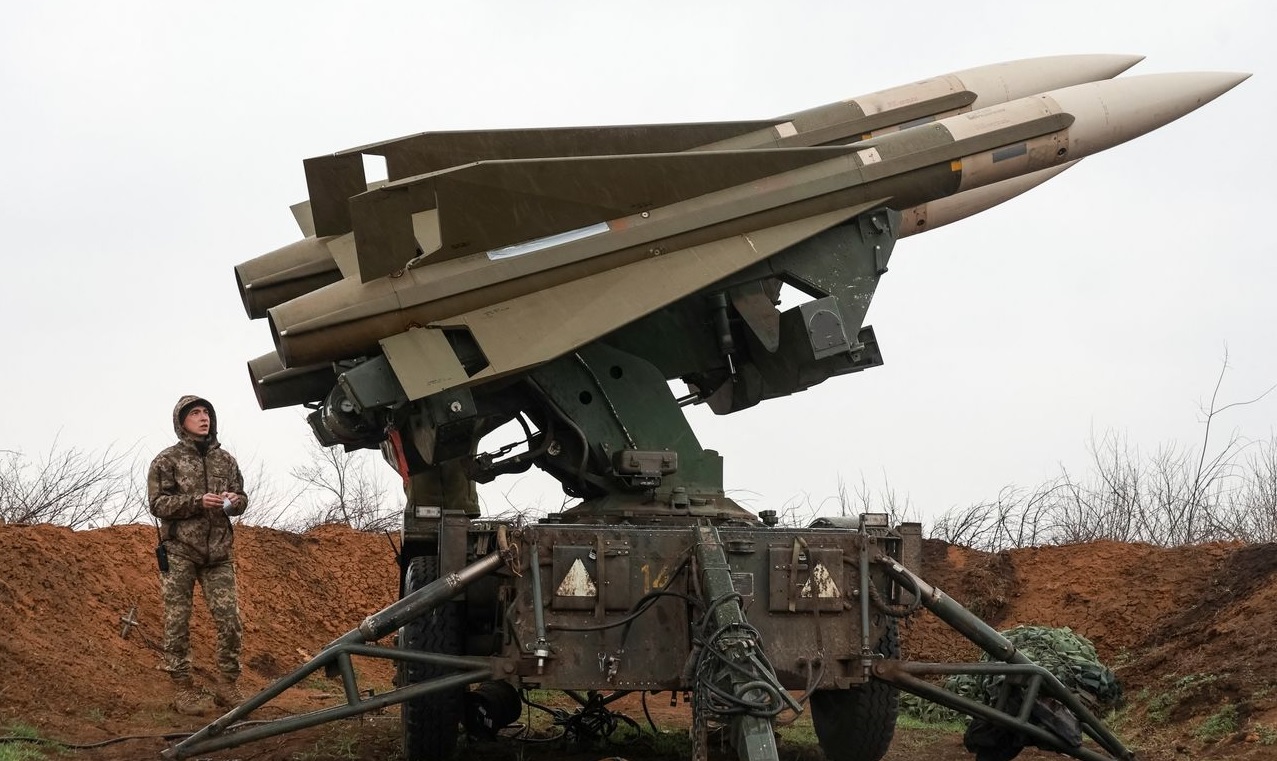
World
WASHINGTON, — May 22, 2026 : The U.S. Department of State has approved a possible $108.1 million Foreign Military Sale (FMS) to Ukraine for the sustainment and support of HAWK air defense missile systems, according to a notification issued by the Defense Security Cooperation Agency (DSCA). The package is intended to maintain and enhance Ukraine’s existing FrankenSAM HAWK air defense configurations, which combine Western missile technologies with Soviet-era launchers and infrastructure already operated by Ukrainian forces. According to the DSCA notification transmitted to Congress on May 21, 2026, Ukraine requested a comprehensive support package that includes erectable mast trailers, major system modifications, maintenance support, spare parts, consumables, accessories, repair and return services, and U.S. government and contractor engineering, technical, and logistics support. The notification, designated as No. 26-51, is the first official DSCA announcement to formally use the term “FrankenSAM” in relation to HAWK system support. The FrankenSAM initiative was developed to accelerate deployment of air defense capabilities by integrating Western missiles, including the MIM-23 HAWK, with Ukraine’s Soviet-era air defense systems. The U.S. State Department stated that the proposed sale supports American foreign policy and national security objectives by strengthening the security of a partner country that contributes to political and economic stability in Europe. Officials added that the assistance would improve Ukraine’s ability to counter current and future aerial threats through a more capable integrated air defense network. The department further noted that Ukraine is expected to absorb the equipment and services without difficulty and emphasized that the proposed sale would not alter the basic military balance in the region or negatively affect U.S. defense readiness. The principal contractor for the program will be Sierra Nevada Corporation. The MIM-23 HAWK is a medium-range surface-to-air missile system originally developed by the United States during the 1960s. The system has an engagement range of approximately 45 to 50 kilometers and can intercept targets at altitudes of up to 20 kilometers. The missile travels at speeds of around Mach 2.4 and uses semi-active radar homing guidance. Despite its Cold War-era origins, upgraded HAWK systems remain operational in nearly 20 countries and continue to provide defense against aircraft, cruise missiles, and unmanned aerial systems. Within Ukraine’s layered air defense structure, the HAWK system operates as an intermediate-range platform between short-range systems such as Stinger and Avenger systems and long-range strategic systems including Patriot batteries. Ukraine has integrated HAWK equipment supplied by the United States, Spain, and the Netherlands into hybrid FrankenSAM configurations for operations against Russian drones, cruise missiles, and aircraft. Ukrainian units, including the 208th Kherson Anti-Aircraft Missile Brigade, have previously been documented operating HAWK launchers in southern operational areas. The newly approved package represents the third HAWK-related Foreign Military Sale provided to Ukraine over the past two years. Previous assistance efforts included refurbishment of fire units, missile repair components, spare parts, and additional logistics and sustainment support aimed at maintaining operational readiness of Ukraine’s air defense assets. The equipment and services will be delivered through the U.S. Foreign Military Sales program to sustain Ukraine’s existing HAWK air defense systems and support continued operational deployment.
Read More → Posted on 2026-05-22 15:30:32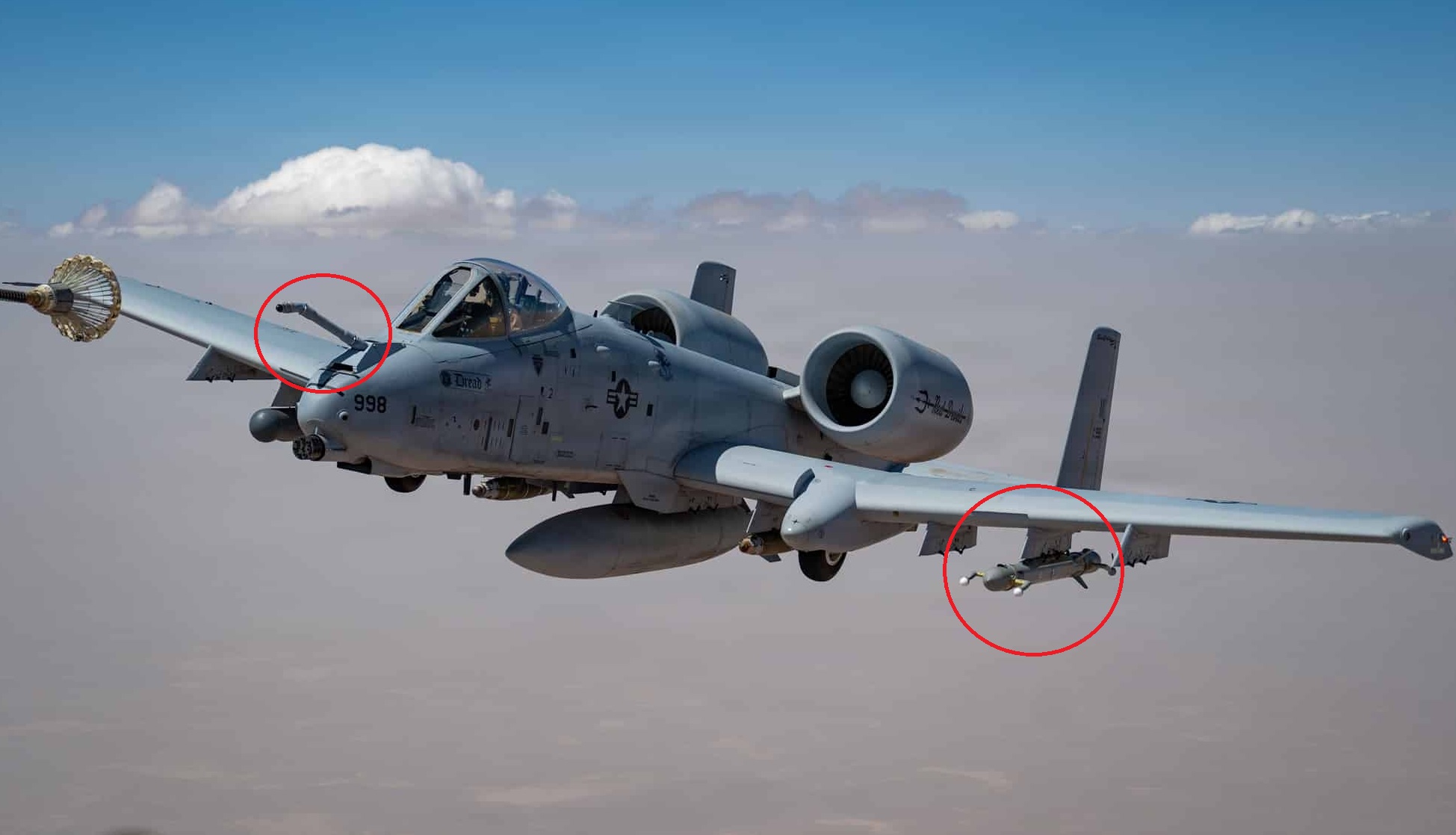
World
U.S. Central Command Area of Responsibility, — May 22, 2026 : The United States Air Force has confirmed that A-10C Thunderbolt II attack aircraft operating in the Middle East are now equipped with two major capability upgrades: a newly developed Probe Refueling Adapter and the advanced “Angry Kitten” electronic warfare (EW) pod. Photographs released by the U.S. Air Force on May 21, documenting operations conducted on May 9, show A-10Cs assigned to the Michigan Air National Guard’s 107th Fighter Squadron receiving fuel from an HC-130J Combat King II aircraft using the new adapter system. The images also confirmed the first publicly observed operational deployment of the Angry Kitten pod on the A-10C in a forward operational theater. The 107th Fighter Squadron, based at Selfridge Air National Guard Base, Michigan, deployed to the Middle East in early April 2026. Additional footage released on May 20 showed A-10Cs from Moody Air Force Base, Georgia, conducting the first operational employment of the adapter with an HC-130J on May 19. Probe Refueling Adapter Expands A-10C Tanker Compatibility The newly fielded Probe Refueling Adapter was developed to address an urgent aerial refueling limitation affecting A-10C operations in the region. The aircraft has traditionally relied on the KC-135 Stratotanker following the retirement of the KC-10 Extender fleet, while certification for refueling from the KC-46 Pegasus remains incomplete. Testing revealed that the A-10C’s comparatively low refueling speed created compatibility problems with the KC-46’s hydraulic boom system. The A-10C typically refuels at approximately 200 knots, significantly slower than the roughly 300 knots used by most U.S. fighter aircraft. The lower speed prevents the aircraft from maintaining sufficient aerodynamic stability with the KC-46’s boom, forcing the tanker to operate at unusually low speeds and altitudes while heavily loaded with fuel. To resolve the issue, the Air National Guard Air Force Reserve Command Test Center (AATC), in coordination with ARCWERX and industry partners, rapidly developed the Probe Refueling Adapter as a field-configurable solution. The adapter fits directly into the aircraft’s existing nose-mounted refueling receptacle, converting the A-10C from a boom-refueling configuration to a probe-and-drogue system. This allows the aircraft to refuel from C-130-based tankers, including the HC-130J, MC-130J, and KC-130J, which operate more effectively at lower speeds and altitudes compatible with the A-10C’s flight profile. The system completed its first successful test on April 2, 2026, following approval from the Air Refueling Certification Authority with support from the 418th Flight Test Squadron. According to the Air Force, operational flight line crews can install or remove the adapter within hours without requiring depot-level maintenance, enabling squadrons to switch between boom and probe refueling capability depending on mission requirements and tanker availability. Angry Kitten Pod Adds Modern Electronic Warfare Capability The released photographs also confirmed operational deployment of the Angry Kitten electronic warfare pod aboard A-10C aircraft in the Middle East. Originally developed in 2013 by the Georgia Tech Research Institute (GTRI) as a threat-emulation system for pilot training, the pod has evolved into a combat-capable Digital Radio Frequency Memory (DRFM)-based electronic warfare platform derived from the AN/ALQ-167 system. Unlike traditional jamming systems, Angry Kitten can detect, classify, record, manipulate, and retransmit hostile radio frequency signals in order to confuse enemy radar systems and generate false targets. The pod uses a cognitive electronic warfare architecture built around its “Technique Description Language”, combining high-speed processing hardware with adaptive software capable of selecting tailored responses against evolving threats. A key feature of the system is its rapid reprogrammability. Engineers and government operators can update jamming techniques and threat libraries in near real-time without returning the hardware to a contractor facility, allowing faster adaptation to unfamiliar or changing air defense systems. Before its operational deployment on the A-10C, the pod had been tested on multiple platforms, including the MQ-9 Reaper, F/A-18 Hornet, and C-130 Hercules. Its first documented combat employment occurred aboard F-16CJ Block 52 aircraft during Suppression of Enemy Air Defenses (SEAD) missions conducted as part of Operation Epic Fury. Enhanced Survivability for Operations in Contested Environments The integration of the Probe Refueling Adapter and Angry Kitten pod significantly expands the operational flexibility and survivability of the A-10C fleet in the U.S. Central Command theater. By enabling compatibility with additional tanker aircraft and providing advanced electronic countermeasures against modern radar-guided threats, the upgrades improve the aircraft’s ability to conduct close air support, combat support, maritime patrol, and other low-altitude missions in contested operational environments.
Read More → Posted on 2026-05-22 15:16:53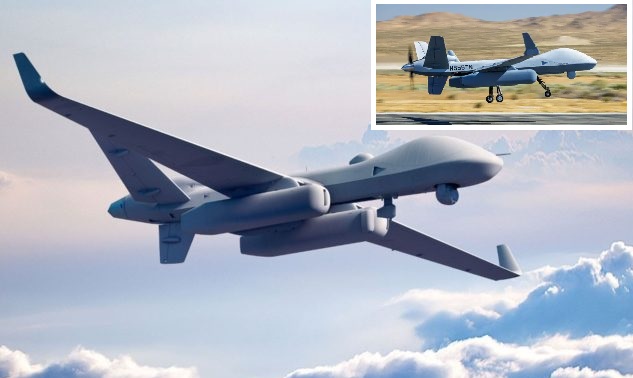
World
SAN DIEGO, Calif., — May 22, 2026 : General Atomics Aeronautical Systems, Inc. (GA-ASI) and Swedish defense manufacturer Saab have successfully completed the first flight of an MQ-9B remotely piloted aircraft equipped with LoyalEye Airborne Early Warning (AEW) radar pods, marking a significant milestone in the development of an unmanned airborne early warning capability. The validation flight was conducted on May 19, 2026, at GA-ASI’s Desert Horizon flight operations facility in Southern California using a company-owned MQ-9B aircraft. The test represents the first operational integration of Saab’s newly developed LoyalEye AEW system onto the MQ-9B platform following the strategic partnership announced between the two companies in 2025. The aircraft was fitted with Saab’s LoyalEye sensor pods featuring advanced Active Electronically Scanned Array (AESA) radar technology. The configuration includes specialized pods mounted under each wing housing the radar arrays, while an additional centerline pod contains common avionics and mission processing systems. According to the companies, the LoyalEye system is designed to provide early warning, long-range detection and tracking, and simultaneous monitoring of multiple airborne threats. The radar system is capable of detecting and tracking tactical air munitions, guided cruise missiles, drone swarms, fighter aircraft, and bomber aircraft. The capability operates using both line-of-sight communications and satellite communications (SATCOM) connectivity, allowing operators to monitor the radar picture remotely from command centers over extended distances. The integration of AEW capabilities onto a Medium-Altitude, Long-Endurance (MALE) uncrewed aircraft is intended to provide militaries with a persistent and comparatively cost-effective airborne surveillance platform. The MQ-9B platform offers endurance exceeding 30 to 40 hours, depending on configuration and payload, with an operational range of approximately 6,900 miles. The extended endurance allows continuous radar coverage in remote or contested operational areas without exposing onboard aircrews to risk. GA-ASI President David R. Alexander said the AEW capability for the MQ-9B will provide critical airborne sensing against tactical air munitions, guided missiles, drones, fighter aircraft, bomber aircraft, and other aerial threats. He added that medium-altitude, long-endurance unmanned aircraft provide among the highest operational availability rates while keeping aircrews out of harm’s way. Saab Senior Vice President and Head of Business Area Surveillance Carl-Johan Bergholm stated that the integration of LoyalEye with the MQ-9B is intended to complement existing crewed airborne early warning platforms by providing persistent surveillance, improved situational awareness, greater operational flexibility, and extended operational reach. The LoyalEye AEW capability is planned for the broader MQ-9B family, including the SkyGuardian, maritime-focused SeaGuardian, the United Kingdom’s Protector RG.1, and the developing MQ-9B STOL (Short Takeoff and Landing) variant designed for naval and aircraft carrier operations. The companies stated that the first flight marks the beginning of a multi-month development and evaluation campaign expected to continue through 2026. A full-capability demonstration flight is planned later this year before the system is made available to existing MQ-9B operators and prospective international customers. The MQ-9B platform currently supports a wide range of missions including intelligence, surveillance, reconnaissance (ISR), maritime patrol, strike operations, and anti-submarine warfare. The addition of the LoyalEye AEW pods further expands the aircraft’s operational role into airborne early warning and air surveillance missions.
Read More → Posted on 2026-05-22 15:11:17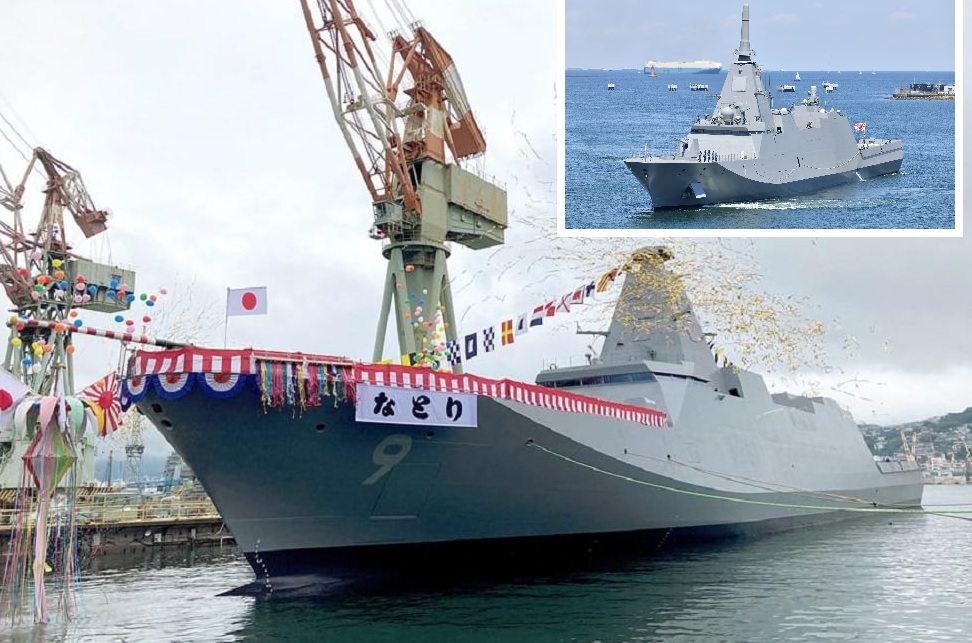
World
NAGASAKI / ŌMINATO, Japan, — May 22, 2026 : The Japan Maritime Self-Defense Force (JMSDF) officially commissioned JS Natori (FFM-9), the ninth vessel of the Mogami-class multirole frigate program, during delivery and self-defense ship flag-raising ceremonies held on May 21, 2026, at Mitsubishi Heavy Industries’ (MHI) Nagasaki Shipyard. The ceremony was attended by MHI President Eisaku Ito and Vice Admiral Tatsuya Fukuda, Commandant of the Sasebo District. Commanded by Commander Yoichiro Hiratsuka, the vessel was assigned to Patrol and Defense Squadron 5 of the newly established Patrol and Defense Group based at Ōminato Naval Base in Aomori Prefecture. The frigate is named after the Natori River in Miyagi Prefecture in northeastern Japan. It becomes the second Japanese warship to carry the name following a Nagara-class light cruiser that served with the Imperial Japanese Navy during World War II. Construction and Commissioning JS Natori was built under Japan’s fiscal year 2022 procurement plan at Mitsubishi Heavy Industries’ Nagasaki Shipyard & Machinery Works at a cost of approximately 51.4 billion yen ($323 million). The ship was laid down on July 6, 2023, launched on June 24, 2024, and formally commissioned into JMSDF service on May 21, 2026. The construction timeline reflects Japan’s continued effort to accelerate naval shipbuilding amid regional maritime security developments. Natori is the third Mogami-class frigate to enter service with the Mk 41 Vertical Launching System (VLS) installed from the outset, following JS Niyodo (FFM-7) and JS Yubetsu (FFM-8). The first six vessels of the class are scheduled to receive the Mk 41 VLS during future modernization refits. Automation-Focused Warship Design The Mogami-class has gained international attention for its extensive use of automation and reduced manpower requirements. The design reflects Japan’s long-term strategy to sustain naval operational capability despite demographic pressures and recruitment challenges affecting the Self-Defense Forces. While conventional JMSDF destroyers generally require crews of approximately 200 personnel, Mogami-class frigates operate with a complement of around 90 sailors. The bridge is normally operated by only four personnel, compared with seven or eight aboard older destroyers. A major factor enabling this reduction is the ship’s redesigned Combat Information Center (CIC). The CIC integrates radar, sonar, electronic warfare, tactical data, anti-submarine warfare operations, and engineering controls into a centralized real-time operational picture. The system includes a 360-degree circular display wall, 14 multifunction consoles, four additional consoles, and two large tactile command tables. The layout allows senior officers and operators to share situational awareness more efficiently while supporting faster operational decision-making. The architecture is also designed to support future integration with unmanned aerial vehicles (UAVs), unmanned surface vehicles (USVs), and unmanned underwater vehicles (UUVs), positioning the frigate as a networked command node within Japan’s evolving maritime warfare structure. Specifications and Combat Systems The Mogami-class features a stealth-oriented hull design intended to reduce radar cross-section and improve survivability. JS Natori is also part of the first JMSDF surface combatant class to employ a combined diesel and gas (CODAG) propulsion system. The vessel has a standard displacement of 3,900 tons and a full-load displacement of approximately 5,500 tons. It measures 132.5 meters in length, with a beam of 16.3 meters and a draft of 9 meters. The propulsion system consists of one Rolls-Royce MT30 gas turbine and two MAN 12V28/33D STC diesel engines, enabling speeds exceeding 30 knots. JS Natori is equipped with a modern multirole weapons suite that includes: One BAE Systems 5-inch (127 mm) Mk 45 Mod 4 naval gun Two Japan Steel Works 12.7 mm remote weapon systems One 16-cell Mk 41 Vertical Launching System Eight Type 17 anti-ship missiles One Raytheon SeaRAM close-in weapon system Type 12 torpedoes Simplified mine-laying capability The ship’s sensor package includes the Mitsubishi OPY-2 AESA multifunction radar, OAX-3 electro-optical/infrared sensor, Hitachi OQQ-11 sonar, and NEC OQQ-25 anti-submarine warfare sonar system featuring variable depth and towed-array capabilities. Future upgrades are expected to include unmanned underwater and unmanned surface systems for mine countermeasure operations. Growing International Interest The commissioning of JS Natori comes amid increasing international interest in Mogami-derived frigate designs. Australia recently selected an upgraded Mogami-based design for its future general-purpose frigate program, while New Zealand and Indonesia have also expressed interest in the platform. At the same time, Japan’s Ministry of Defense has begun procurement of a larger and more capable successor known as the New FFM or 06FFM. Designed by Mitsubishi Heavy Industries, the New FFM will feature a larger hull and significantly expanded missile capacity, including 32 Mk 41 VLS cells, double the number carried by the current Mogami-class configuration. The future class is expected to incorporate enhanced anti-air and anti-submarine warfare capabilities, including the Type 23 ship-to-air guided missile and an upgraded long-range version of the Type 12 surface-to-ship missile. The first two New FFM vessels are scheduled to enter service in fiscal year 2028. Under Japan’s current naval procurement schedule, all 12 ships of the class are expected to be commissioned by fiscal year 2032.
Read More → Posted on 2026-05-22 15:06:18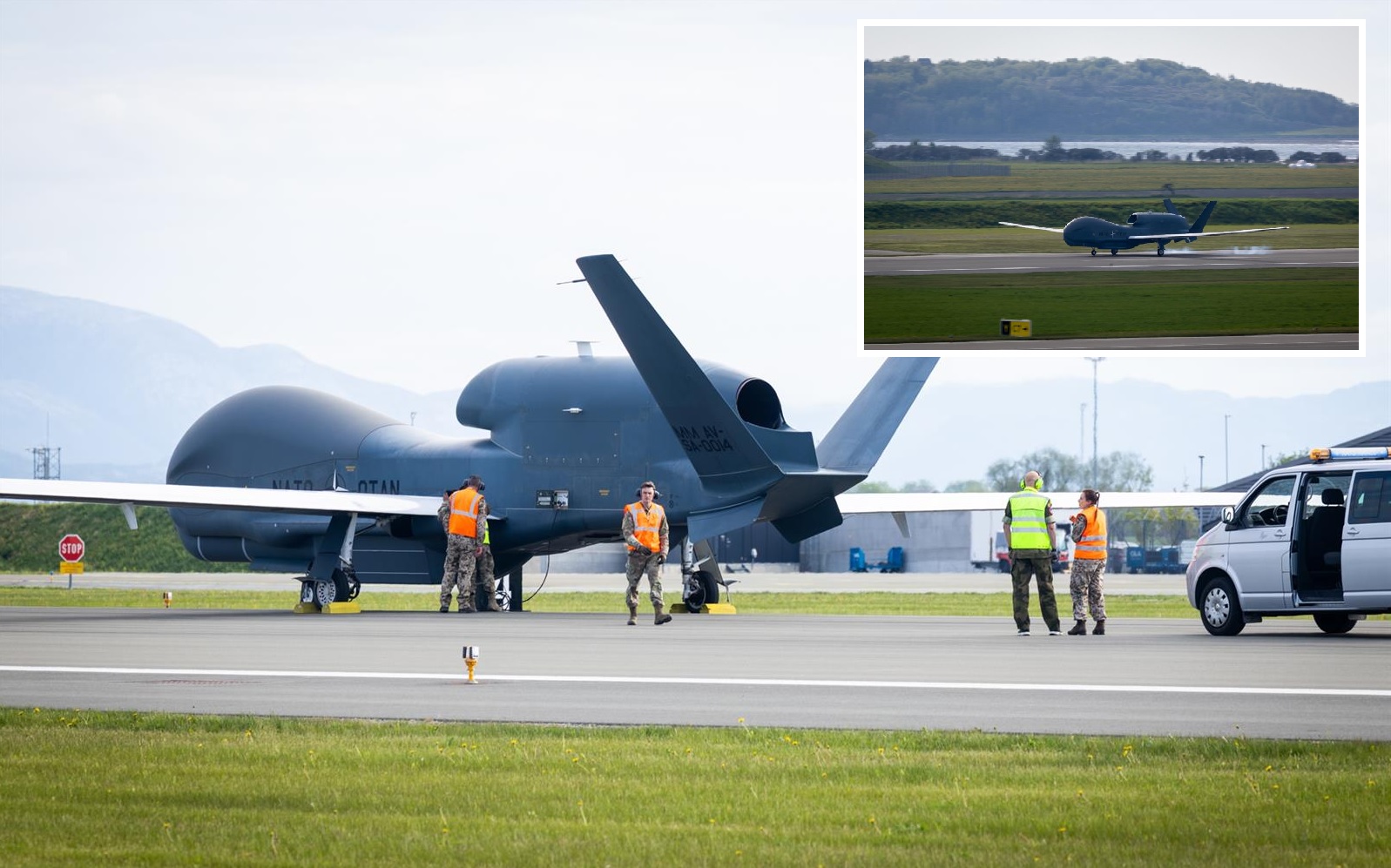
World
ORLAND, Norway, — May 22, 2026 : The NATO Intelligence, Surveillance and Reconnaissance Force (NISRF) has conducted the first-ever deployment of an RQ-4D Phoenix remotely piloted aircraft to Norway, marking a new operational milestone for NATO’s Alliance Ground Surveillance (AGS) programme and its expanding Agile Combat Employment (ACE) strategy. The high-altitude, long-endurance (HALE) unmanned aircraft arrived at Ørland Air Base on May 21, 2026. The deployment represents only the third time the RQ-4D Phoenix has operated outside its main operating base at Sigonella Air Base in Sicily, Italy. According to NATO, the mission demonstrated the NISRF’s capability to conduct persistent intelligence, surveillance and reconnaissance (ISR) operations from dispersed and flexible locations beyond southern Europe. The deployment follows a similar operation conducted from Finland in 2025 and reflects NATO’s broader effort to improve operational resilience and survivability through distributed air operations. Expanding NATO’s Agile Combat Employment Operations The operation was carried out under NATO’s Agile Combat Employment concept, which focuses on dispersing aircraft and support infrastructure across multiple operating locations rather than relying solely on fixed main bases. NATO considers the concept important for maintaining operational continuity and improving survivability in contested or high-intensity operational environments. Brigadier General John B. Creel, Commander of the NISRF, stated that the deployment highlighted the flexibility and readiness of the multinational ISR force. “This underscores the flexibility and readiness of the NATO Intelligence, Surveillance and Reconnaissance Force,” Creel said. “Operating the RQ-4D Phoenix from Norway highlights our ability to deliver ISR effects wherever required in support of our Alliance.” NATO officials stated that the successful deployment confirmed the Alliance’s ability to sustain ISR operations from decentralized northern locations while continuing to provide real-time intelligence support to NATO commanders. Coordination With Norwegian Forces Preparations for the deployment included advance training conducted by personnel from the NISRF Training Centre. Local Norwegian support teams received specialized instruction to ensure aircraft procedures, mission support operations and maintenance activities could be integrated efficiently at Ørland Air Base. The operation was conducted in close coordination with the Royal Norwegian Air Force and the 132 Air Wing stationed at Ørland. Colonel Ole Marius Tørrisplass, Base Commander and Chief of the 132 Air Wing, said the deployment strengthened interoperability and operational cooperation between Norwegian forces and NATO. “Hosting the RQ-4D Phoenix in Norway is a significant step in strengthening our cooperation with NISRF and NATO,” Tørrisplass stated. “This reflects our shared commitment to collective defence and operational readiness.” NATO Alliance Ground Surveillance Capability The NISRF is a multinational NATO force responsible for operating the Alliance’s fleet of five NATO-owned RQ-4D Phoenix aircraft. The system forms the core of NATO’s AGS capability and provides continuous ISR support for NATO operations and the Supreme Allied Commander Europe. The AGS programme was jointly acquired by 15 NATO member states: Bulgaria, Czechia, Denmark, Estonia, Germany, Italy, Latvia, Lithuania, Luxembourg, Norway, Poland, Romania, Slovakia, Slovenia and the United States. The capability achieved initial operational capability in February 2021. RQ-4D Phoenix Capabilities The RQ-4D Phoenix is derived from the United States Air Force RQ-4 Global Hawk Block 40 but has been modified extensively to meet NATO operational requirements. The aircraft is capable of remaining airborne for more than 32 hours and has an operational range of approximately 16,000 kilometres. It can operate at altitudes of up to 18,000 metres, or around 60,000 feet, enabling wide-area surveillance from significant stand-off distances. The system is equipped with the Multi-Platform Radar Technology Insertion Programme (MP-RTIP) radar and Synthetic Aperture Radar (SAR) sensors, allowing continuous detection and tracking of moving targets while generating high-resolution radar imagery in all weather conditions, both day and night. The aircraft has a wingspan of 39.8 metres, a length of 14.5 metres and a maximum take-off weight of 14,628 kilograms. It is powered by a Rolls-Royce AE 3007H turbofan engine and uses both line-of-sight and beyond-line-of-sight wideband communication links for long-range data transmission to NATO command centres. NATO stated that the successful operation from Norway demonstrated the ability of the RQ-4D Phoenix fleet to support Alliance ISR missions from dispersed operating locations while maintaining persistent situational awareness across multiple operational theatres.
Read More → Posted on 2026-05-22 14:53:50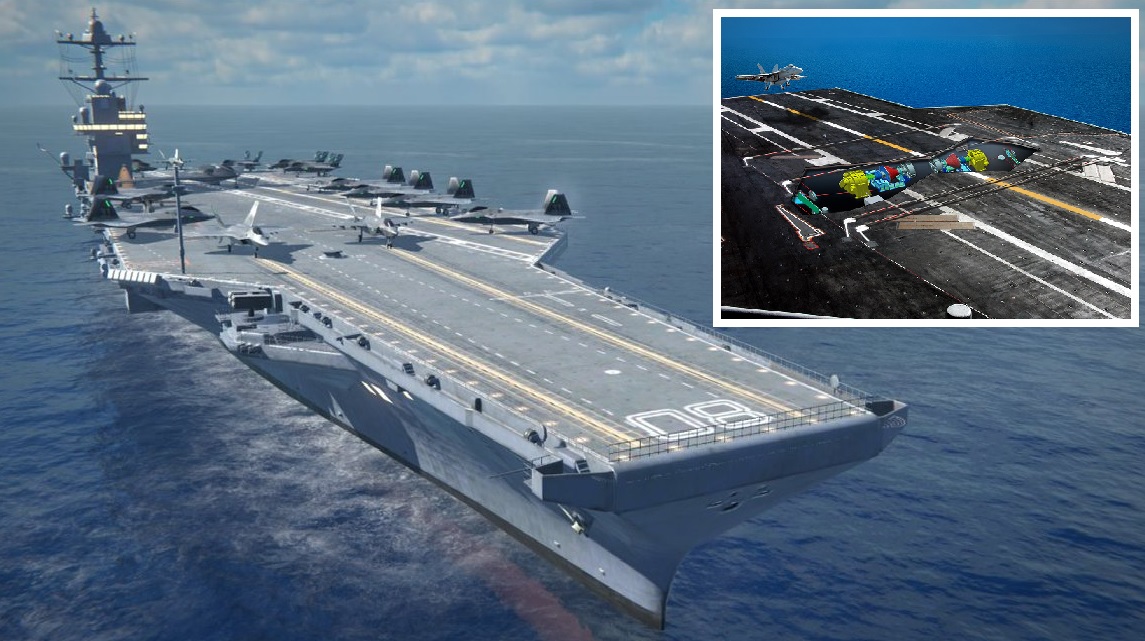
World
WASHINGTON, — May 22, 2026 : The U.S. Naval Air Systems Command has awarded General Atomics a $15.58 million contract modification to continue corrective engineering work on the Electromagnetic Aircraft Launch System (EMALS) aboard the future USS Enterprise (CVN-80), as the U.S. Navy continues refining critical launch technologies for its Ford-class aircraft carrier fleet. The modification, announced on May 21, 2026, focuses on resolving power-conversion reliability issues, launch-system integration deficiencies, and network modernization requirements affecting sortie generation capability and aircraft readiness aboard the carrier. The award forms part of the long-running contract framework under contract N0001914C0037, originally initiated in May 2014 for long-lead EMALS and Advanced Arresting Gear (AAG) procurement for both USS John F. Kennedy (CVN-79) and CVN-80. Contract Scope and Engineering Work According to the Navy, the latest modification funds several critical engineering activities tied to the EMALS architecture aboard CVN-80. These include the migration of the launch system’s network architecture toward a single-mode fiber infrastructure, correction of deficiencies involving the Prime Power Interface Subsystem transformer rectifiers, associated hardware installation aboard the carrier, and management of hardware storage through April 2028. Work under the contract will be performed in San Diego, California (70.7 percent), Boston, Massachusetts (18.9 percent), Tupelo, Mississippi (9.1 percent), and Lakehurst, New Jersey (1.3 percent). The Navy obligated $15,575,652 in shipbuilding and conversion funds at the time of award. The modification continues a multi-year sequence of corrective engineering contracts issued for both EMALS and Advanced Arresting Gear systems. Previous awards included $36.4 million in May 2021 for AAG Water Twister Mod-II shipsets, $9.63 million in September 2021 for Generation 3 EMALS position sensor blocks, $42.85 million in January 2023 for hardware and software integration work aboard CVN-79 and CVN-80, and $27.96 million in December 2023 for additional position sensor blocks and transformer rectifier engineering support. Transition From Steam Catapults to EMALS EMALS represents the most significant transition in U.S. Navy carrier launch technology since the introduction of the C-13 steam catapult aboard Cold War-era carriers. Steam catapult systems achieved high operational maturity aboard Nimitz-class carriers but required extensive steam piping, large freshwater generation capacity, and intensive maintenance support. Navy studies associated with the CVN-21 program determined that steam systems conflicted with reduced crew objectives and future requirements for launching lighter unmanned aircraft due to limitations in launch-force modulation. Integrated directly into the Ford-class electrical architecture, EMALS replaces steam propulsion with electromagnetic acceleration generated through a linear induction motor. The launch architecture consists of four principal subsystems: the linear induction motor, energy storage subsystem, power conversion subsystem, and digital control subsystem. The launch track functions as a linear electric motor approximately 91 meters long. Energy is stored kinetically through four rotating disk alternators, each generating 121 megajoules, providing a combined storage capacity near 484 megajoules. During launch operations, stored rotational energy is converted into electrical output while cycloconverters regulate voltage and frequency to sequentially energize stator coils that accelerate the aircraft shuttle. The system can accelerate aircraft weighing up to 45 tonnes to speeds approaching 240 km/h within two to three seconds, while maintaining recharge intervals near 45 seconds between launches. Unlike steam catapults that apply relatively fixed acceleration curves, EMALS continuously adjusts tow force using closed-loop digital feedback, improving launch precision while reducing structural stress on aircraft. Reliability Challenges and Operational Testing Despite its technological advantages, EMALS has faced significant reliability challenges throughout development and operational deployment. Developmental testing conducted at Joint Base McGuire-Dix-Lakehurst recorded 201 failed launches out of 1,967 attempts during a 2013 test sequence. Operational evaluations aboard USS Gerald R. Ford (CVN-78) later identified recurring issues involving transformer rectifiers, launch motor durability, synchronization software faults, overheating electrical components, braking chopper systems, and repeated position sensor failures. A January 2021 assessment by the Director, Operational Test and Evaluation measured achieved reliability at 181 Mean Cycles Between Operational Mission Failure (MCBOMF) following 3,975 launches conducted between November 2019 and September 2020. This remained substantially below the Navy’s target requirement of 4,166 MCBOMF. Subsequent evaluations by the Government Accountability Office concluded that EMALS and AAG reliability goals were unlikely to be fully achieved before the 2030s because several subsystems still required redesign and configuration refinement. However, operational performance has gradually improved. By June 2022, EMALS and AAG systems aboard CVN-78 had completed more than 10,000 launch and recovery cycles, although corrective modifications affecting transformer rectifiers, launch motors, braking systems, and sensors continued. USS Enterprise (CVN-80) Construction Status The USS Enterprise (CVN-80) is currently under construction at Huntington Ingalls Industries Newport News Shipbuilding in Virginia and is the third vessel in the Ford-class carrier program. Steel cutting for the carrier began in August 2017, while keel laying occurred on April 5, 2022. CVN-80 is also the first Ford-class carrier designed entirely within a fully digital manufacturing and design environment from the beginning of fabrication. The ship’s delivery timeline has experienced repeated delays. Originally scheduled for delivery in March 2028, the date later shifted to July 2030 before being revised again to March 2031. Navy officials attributed the delays to sequence-critical material shortages, supply chain disruptions, dry dock availability constraints, and the complexity associated with integrating advanced launch and combat-support systems during construction. Once completed, CVN-80 will displace approximately 100,000 tonnes at full load and measure 337 meters in length with a 41-meter beam. Propulsion will be provided through two Bechtel A1B nuclear reactors driving four shafts. The carrier is designed to support an embarked air wing of more than 75 aircraft depending on mission configuration. Compared with Nimitz-class carriers, Ford-class vessels aim to increase sortie generation rates by approximately 25 percent while operating with several hundred fewer personnel through increased automation and digital integration. Naval Heritage and Program Evolution The new carrier also preserves substantial U.S. naval heritage linked to previous vessels bearing the Enterprise name. Builders are integrating four original portholes recovered from the World War II-era USS Enterprise (CV-6) into the ship’s structure. In addition, sixteen tonnes of steel recovered from the decommissioned USS Enterprise (CVN-65) are being recycled into CVN-80 during construction. Although CVN-80 shares the same baseline architecture as CVN-78 and CVN-79, the carrier incorporates nearly a decade of corrective engineering improvements derived from operational testing and fleet experience. These modifications include revised EMALS hardware baselines, updated network architecture, modified power electronics, altered installation sequencing, and expanded digital integration between shipyard workflows and onboard systems. The broader Ford-class program has experienced persistent schedule and integration challenges because several advanced technologies — including EMALS, Advanced Arresting Gear, Advanced Weapons Elevators, Dual Band Radar systems, and the A1B reactor architecture — entered serial production while still undergoing developmental refinement. As a result, the continuing engineering modifications awarded across the Ford-class program have transformed the Navy’s next-generation carrier launch and recovery systems into a long-term iterative modernization effort focused on improving operational reliability, launch efficiency, and future carrier air wing integration.
Read More → Posted on 2026-05-22 14:45:06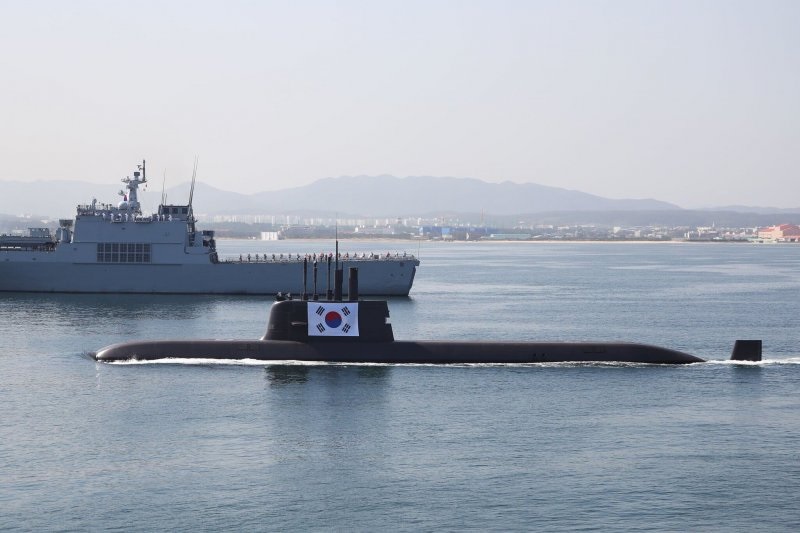
World
SEOUL, — May 22, 2026 : South Korea has officially initiated the formal military acquisition process for nuclear-powered submarines, marking a significant step in the country’s long-term effort to strengthen its underwater naval capabilities and expand strategic maritime operations. According to a newly disclosed Republic of Korea Navy document, the Navy recently submitted a formal Statement of Operational Requirements to the Joint Chiefs of Staff (JCS), beginning the first official stage required for the introduction of a new strategic weapons system into military service. The document, which was provided to Representative Kang Dae-sik of the main opposition People Power Party and member of the National Assembly’s National Defense Committee, outlines the operational necessity of the programme along with key military requirements. These include projected deployment timelines, desired operational capabilities, technical specifications, and the total number of submarines planned for acquisition. Administrative Review and Development Process The Joint Chiefs of Staff is currently reviewing the Navy’s proposal and is expected to hold a joint meeting later this month to finalize the operational requirements. Once the requirements receive formal approval, the programme will advance into preliminary research and feasibility assessments. The next stages are expected to include consultations with budget authorities regarding overall programme costs, followed by development planning, industrial coordination, and eventual construction phases. South Korean military officials are reportedly considering the construction of at least four 5,000-ton-class nuclear-powered attack submarines designed for deployment after the mid-2030s. The vessels would use compact nuclear reactors, allowing them to remain submerged for significantly longer periods compared to conventional diesel-electric submarines. Military planners believe the extended endurance capability would improve long-range patrol operations, underwater surveillance, and maritime deterrence missions in surrounding regional waters. U.S.-South Korea Agreements The submarine initiative follows agreements reached during a summit between South Korean and U.S. leaders held in Gyeongju in October 2025. A joint fact sheet released after the summit confirmed that the United States approved South Korea’s plan to pursue nuclear-powered attack submarines and agreed to cooperate on advancing the programme’s technical and regulatory requirements. Washington also committed to discussions regarding potential pathways for nuclear fuel sourcing and support for South Korea’s efforts to secure rights related to uranium enrichment and spent fuel reprocessing. However, implementation of the summit agreements has progressed slowly in recent months, prompting the South Korean Navy to move forward with formal internal procedures to accelerate the project. To support further negotiations, U.S. Under Secretary of State for Political Affairs Allison Hooker is expected to visit Seoul in the coming weeks to launch bilateral working groups dedicated to implementing the summit agreements and expanding security cooperation discussions. Nuclear Fuel and Regulatory Challenges Despite the programme’s advancement, securing nuclear fuel remains one of the most significant unresolved issues. Representative Kang stated that the military has not yet provided a definitive explanation regarding how enriched uranium required for submarine reactors would be obtained. Under current nuclear cooperation arrangements, South Korea faces restrictions on independent uranium enrichment and the military use of nuclear materials. To operate nuclear-powered submarines independently, Seoul would require a separate agreement with Washington explicitly permitting the transfer and use of nuclear materials for military propulsion purposes. The issue is expected to become a central topic in upcoming bilateral negotiations between the two allies. Upcoming Government Roadmap The South Korean government is also preparing to announce a comprehensive roadmap for the programme, reportedly titled the Basic Plan for Nuclear-Powered Submarine Development. The roadmap is expected to outline the programme’s overall development timeline, construction strategy, operational objectives, and compliance measures related to international nuclear non-proliferation obligations. Officials are also expected to emphasize that the submarines will carry conventional weapons and serve a defensive military role. South Korea currently operates 21 conventionally powered submarines, including the domestically developed KSS-III class diesel-electric submarines with a displacement of approximately 3,000 tonnes. The proposed nuclear-powered fleet would represent a major advancement in propulsion capability and long-duration underwater operations for the Republic of Korea Navy. The latest submission to the Joint Chiefs of Staff formally places the programme into South Korea’s military acquisition framework, where operational standards, procurement scale, technical requirements, and deployment schedules will continue to undergo review before the project advances toward full-scale development and construction.
Read More → Posted on 2026-05-22 14:36:54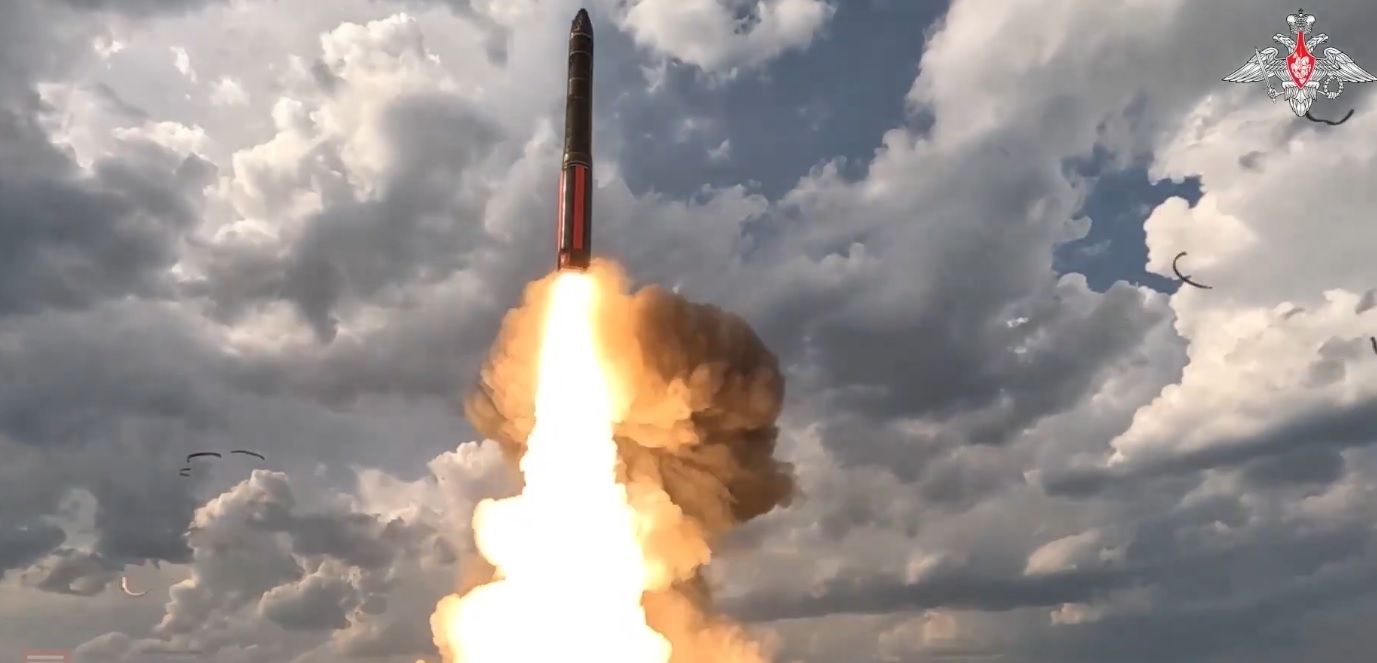
World
MOSCOW, — May 21, 2026 : Russia launched a Yars intercontinental ballistic missile (ICBM) during large-scale joint nuclear exercises with Belarus, as Moscow and Minsk carried out one of their most extensive strategic readiness drills in recent years involving land, air, and naval nuclear-capable forces. The three-day exercises, conducted from May 19 to May 21, included the operational deployment of strategic missile systems, long-range aviation assets, naval forces, and mobile missile units across Russia and Belarus. A major feature of the drills was the transfer of actual nuclear munitions to military units for operational training purposes, marking the first time live nuclear payloads were used during such joint tactical exercises. According to the Russian Defense Ministry, the Yars ICBM was launched from the Plesetsk Cosmodrome in northern Russia toward the Kura testing range in the Kamchatka region in the country’s Far East. Russian officials stated that the missile successfully reached its designated target area. The Yars missile system is a road-mobile intercontinental ballistic missile capable of carrying multiple independently targetable reentry vehicles (MIRVs). The system has a reported operational range exceeding 10,000 kilometers, enabling it to strike targets across Europe and North America. Russian military officials stated that the exercises were designed to test combat readiness, command coordination, and the operational handling of strategic and tactical nuclear systems under simulated wartime conditions. For the first time during joint Russian-Belarusian nuclear drills, live nuclear munitions were formally transferred to missile and aviation units operating in both countries. Previous exercises of this type generally relied on inert or mock warheads used to simulate the weight and electronic characteristics of actual nuclear payloads. The Russian Defense Ministry stated that military personnel practiced the transportation, storage, security, loading, and deployment of active nuclear munitions at field storage facilities and operational missile positions. Belarusian defense authorities confirmed that Belarusian crews participated in the preparation and handling of nuclear-capable systems stationed on Belarusian territory in coordination with Russian forces. Russia has maintained tactical nuclear weapons in Belarus following agreements announced in 2023, with deployment activities beginning in 2025. The exercises involved approximately 64,000 military personnel from both countries, according to Russian defense data. Naval components included 73 surface warships and 13 submarines, including eight submarines equipped with nuclear-capable ballistic missiles. More than 140 aircraft participated in the drills, including Tu-95MS strategic bombers and MiG-31 aircraft capable of carrying Kinzhal hypersonic missiles. Ground formations included over 200 mobile missile launchers and associated support systems deployed across multiple training areas. In addition to the Yars launch, Russian forces conducted a submerged launch of a Sineva submarine-launched ballistic missile. The drills also included launches of Kinzhal hypersonic missiles and Zircon hypersonic cruise missiles from naval platforms operating in northern waters, including the Barents Sea. Belarusian combat crews separately carried out a practical launch of a Russian-made Iskander-M short-range ballistic missile at the Kapustin Yar testing range in Russia as part of the joint operational training program. Russian President Vladimir Putin and Belarusian President Alexander Lukashenko observed the final stage of the exercises through a video conference link on Thursday. During the broadcast, Putin stated that the drills were intended to improve coordination between strategic and tactical nuclear forces under conditions involving potential external aggression. Russian officials described the exercises as defensive in nature and aimed at maintaining the operational readiness of the Union State’s nuclear deterrence forces. Belarusian authorities also stated that the exercises were planned military activities and were not directed against any specific third party. The drills were conducted amid heightened regional security measures near Belarus’ borders. In recent weeks, Ukraine has strengthened security along its northern frontier with Belarus due to concerns regarding possible cross-border military activity connected to the ongoing conflict in the region.
Read More → Posted on 2026-05-21 18:15:50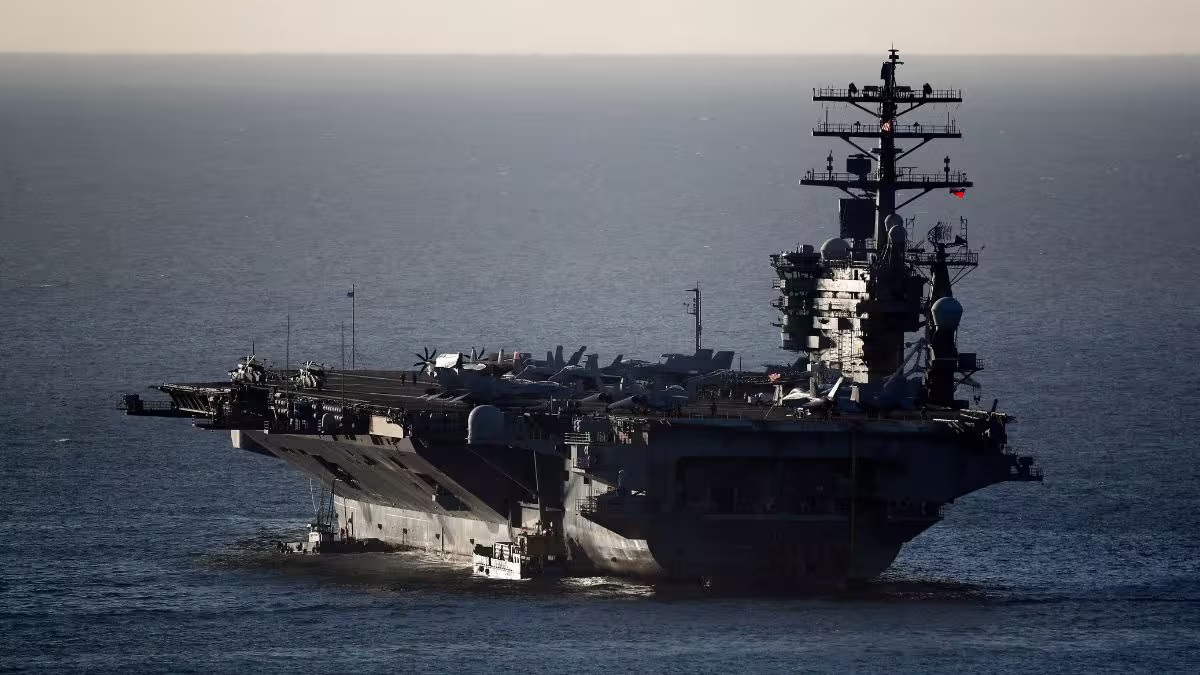
World
WASHINGTON, — May 21, 2026 : The United States has deployed the USS Nimitz Carrier Strike Group into the Caribbean Sea as the U.S. Department of Justice unsealed a federal indictment against former Cuban leader Raúl Castro and five former Cuban officials over the 1996 shootdown of two civilian aircraft operated by the Miami-based exile organization Brothers to the Rescue. The coordinated timing of the naval deployment and legal action reflects an expanded U.S. pressure campaign against Cuba, combining military positioning, sanctions enforcement, intelligence monitoring, and judicial measures amid broader regional tensions involving Venezuela and Caribbean maritime security. Indictment Over 1996 Shootdown The indictment, announced on May 20 during a press conference at Miami’s Freedom Tower, accuses Castro and the co-defendants of murder, conspiracy to kill U.S. nationals, and destruction of aircraft in connection with the February 24, 1996 incident in which Cuban Air Force MiG-29 and MiG-23 fighter aircraft shot down two unarmed Cessna 337 Skymaster planes over international waters south of Florida. The aircraft belonged to Brothers to the Rescue, a Miami-based exile organization known for conducting humanitarian and reconnaissance flights over the Florida Straits. Four individuals were killed in the incident, including three U.S. citizens. According to U.S. officials, Castro was serving as Cuba’s defense minister at the time and oversaw the military chain of command responsible for authorizing the interception operation. Acting U.S. Attorney General Todd Blanche stated that the United States would continue pursuing accountability for attacks on American citizens regardless of the time elapsed since the incident. Jason Reding Quiñones, U.S. Attorney for the Southern District of Florida, stated that investigators concluded the Cuban military command structure approved the operation before the aircraft were intercepted and destroyed. Cuban authorities rejected the charges and defended the 1996 operation, maintaining that the Brothers to the Rescue aircraft had repeatedly violated Cuban airspace. Cuban President Miguel Díaz-Canel criticized the U.S. action and reiterated Havana’s longstanding position regarding the incident. USS Nimitz Carrier Strike Group Enters Caribbean At the same time, United States Southern Command confirmed that the USS Nimitz Carrier Strike Group entered the Caribbean Sea following completion of the Southern Seas 2026 deployment. The strike group includes the aircraft carrier USS Nimitz, Carrier Air Wing 17, the guided-missile destroyer USS Gridley, and the fleet replenishment oiler USNS Patuxent. The deployment marks the first major U.S. carrier presence in the Caribbean in 2026 and significantly increases American airborne surveillance, electronic warfare, and maritime monitoring capabilities across the northern Caribbean and surrounding sea lanes. Unlike previous regional operations, the current deployment does not include amphibious assault ships or Marine Expeditionary Units, indicating the mission is centered on deterrence, maritime security, intelligence collection, and sanctions enforcement rather than preparations for ground operations. Carrier Air Wing 17 operates F/A-18E/F Super Hornet multirole fighters, EA-18G Growler electronic attack aircraft, E-2D Advanced Hawkeye airborne early warning aircraft, and MH-60 Seahawk helicopters assigned to anti-submarine warfare and maritime patrol missions. Final Operational Transit for USS Nimitz The USS Nimitz departed Bremerton, Washington, on March 7 for its final operational transit ahead of planned inactivation and reactor defueling in Norfolk, Virginia. Because the carrier cannot transit the Panama Canal due to size limitations, the strike group sailed around Cape Horn and through the Strait of Magellan before entering the Atlantic Ocean. Prior to arriving in the Caribbean, the strike group conducted multinational exercises and interoperability operations with Brazil, Argentina, Chile, and Colombia during Southern Seas 2026, a pre-planned deployment focused on maritime security coordination and regional naval cooperation. USS Nimitz remains the longest-serving active aircraft carrier in the U.S. Navy. The nuclear-powered carrier displaces approximately 100,020 long tons at full load, measures 332.8 meters in length, and is capable of speeds exceeding 31 knots. Pressure Campaign on Cuba and Venezuela The deployment coincides with broader U.S. sanctions enforcement efforts targeting maritime fuel shipments between Venezuela and Cuba. Since early 2025, Washington has increased restrictions on tanker traffic supplying Cuban ports, particularly following the January 2026 U.S. operation that resulted in the capture of Venezuelan leader Nicolás Maduro. The Cuban government stated earlier this month that national diesel and oil reserves had been largely exhausted, contributing to severe fuel shortages and repeated electrical grid failures across Havana, Santiago de Cuba, Holguín, and Matanzas. Power outages lasting between 12 and 18 hours have disrupted transportation, telecommunications, industrial operations, and public services throughout the island. U.S. officials have also linked the current pressure campaign to wider geopolitical concerns involving Cuba’s reported security cooperation with China and Russia. Secretary of State Marco Rubio recently referenced Cuban links to Chinese intelligence activity and Russian military coordination in the region. CIA Director John Ratcliffe reportedly warned Cuban officials earlier this month that the timeline for diplomatic engagement with Washington was narrowing as U.S. sanctions and maritime enforcement measures intensified. President Donald Trump also publicly referenced Cuba during remarks on Wednesday, underscoring the administration’s continued focus on Havana as part of its broader regional security strategy. U.S. officials stated that the current operation remains focused on maritime domain awareness, intelligence collection, sanctions enforcement, and regional deterrence, with no amphibious or expeditionary ground forces currently assigned to the mission.
Read More → Posted on 2026-05-21 18:07:16
World
WASHINGTON, — May 21, 2026 : The United States Department of the Treasury on Thursday announced sanctions against nine individuals accused of supporting Hezbollah and undermining Lebanon’s sovereignty through political, diplomatic, and security networks linked to the Iran-backed group. The sanctions target four Hezbollah members of parliament, two senior Lebanese security officials, and Iran’s ambassador to Lebanon. According to the Treasury Department, the designated individuals used their official positions inside Lebanon’s political and security institutions to facilitate Hezbollah’s activities and obstruct efforts aimed at restoring state authority and stability. The sanctioned Hezbollah parliamentarians are Hassan Fadlallah, Ibrahim al-Mousawi, Hussein al-Hajj Hassan, and Mohammad Fanich. U.S. officials alleged that the lawmakers helped expand Hezbollah’s political influence while supporting the group’s broader operational objectives inside Lebanon. The Treasury Department also imposed sanctions on Lebanese security officials Samir Hamada and Khattar Nasser el-Din. U.S. authorities accused the two officials of abusing their institutional authority and access within Lebanon’s security apparatus to benefit Hezbollah and protect the group’s operational infrastructure. Iran’s Ambassador to Lebanon, Mohammad Reza Sheibani, was also included in the sanctions package. The Treasury accused Sheibani of coordinating Iranian support for Hezbollah and interfering in Lebanon’s internal affairs in violation of diplomatic norms and Lebanese sovereignty. The U.S. designation follows recent action by Lebanese authorities, who withdrew Sheibani’s diplomatic accreditation and declared him persona non grata after accusing him of violating diplomatic conventions and interfering in domestic political matters. In a statement released alongside the sanctions announcement, U.S. Treasury Secretary Scott Bessent said Hezbollah continues to obstruct Lebanon’s path toward stability and reconstruction by maintaining its armed structure and influence within state institutions. “Hezbollah is a terrorist organization and must be fully disarmed,” Bessent said. He further stated that the Treasury Department would continue targeting officials and individuals accused of enabling Hezbollah’s activities and supporting the group’s operations inside Lebanon. Under the sanctions, all property and financial interests belonging to the designated individuals that fall under U.S. jurisdiction are blocked. The measures also prohibit U.S. citizens and entities from engaging in transactions or business dealings with them. According to the Treasury Department, Hezbollah relies on political allies and loyalists positioned within Lebanon’s government and security agencies to preserve its military and logistical networks outside the authority of the Lebanese Armed Forces. U.S. officials stated that these networks assist Hezbollah in bypassing financial oversight, maintaining supply routes, and exerting influence over state institutions. The sanctions are part of broader U.S. efforts to increase pressure on Hezbollah and its regional support structure. The United States has repeatedly accused Iran of providing financial, military, and logistical support to Hezbollah, which Washington officially designates as a terrorist organization. U.S. officials stated that the latest measures are intended to support Lebanon’s sovereignty, strengthen the authority of state institutions, and counter activities that undermine peace, reconstruction, and long-term stability in the country.
Read More → Posted on 2026-05-21 17:57:14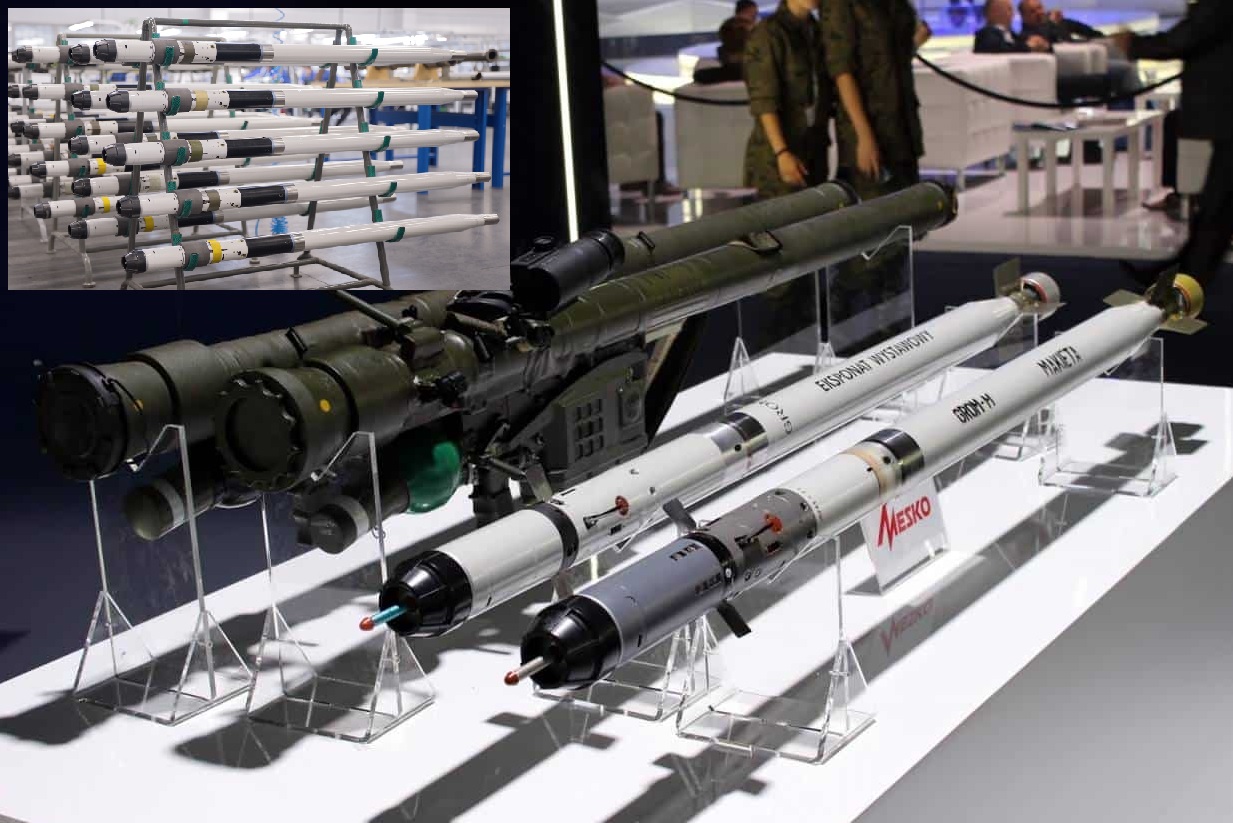
World
SKARŻYSKO-KAMIENNA, Poland — May 21, 2026 : Polish defense manufacturer MESKO S.A. has increased production of its Piorun man-portable air-defense system (MANPADS) missiles to more than six units per day as international demand for the combat-proven system continues to expand across Europe and NATO member states. The production increase was reported by Polish military analyst Jarosław Wolski after visiting the company’s manufacturing facility in Skarżysko-Kamienna. According to Wolski, the missiles are assembled manually from machine-produced components, with current daily output now exceeding six missiles. Production Expansion and SAFE Program Support MESKO is reorganizing its production lines to sustain higher manufacturing rates while simultaneously fulfilling domestic military contracts and growing export orders. The company is also preparing for future procurement projects expected under the European Union’s SAFE defense initiative. The SAFE (Security Action for Europe) program is a €150 billion European Union defense financing mechanism designed to accelerate military production and procurement among member states. Earlier in May 2026, Poland became the first EU member state to formally join the initiative after securing a €43.7 billion defense loan aimed at supporting defense modernization and industrial expansion. A significant portion of the funding is expected to support domestic defense companies, including MESKO, enabling additional investment in missile manufacturing infrastructure and long-term production capacity. Piorun System Capabilities The Piorun, meaning “Thunderbolt” in Polish, is an upgraded version of Poland’s earlier Grom MANPADS. The system is designed to engage low-flying aircraft, helicopters, cruise missiles, and unmanned aerial vehicles. During the modernization process, the sensitivity of the missile’s infrared homing seeker was increased fourfold compared to the previous Grom system. The upgraded seeker improves target detection range while increasing resistance to infrared countermeasures and electronic interference. The missile carries a 1.82-kilogram warhead equipped with both proximity and impact fuzes. It has an operational range of up to 6,500 meters and can engage targets at altitudes of up to 4,000 meters. The missile reaches a maximum speed of approximately 660 meters per second. Combat Use and Export Growth International interest in the Piorun system increased significantly after Poland transferred an undisclosed number of launchers and missiles to Ukraine in early February 2022 following the beginning of Russia’s full-scale invasion. The system was subsequently used in combat operations against Russian aircraft, helicopters, and drones, contributing to its growing reputation in the international defense market. Its operational performance, combined with shortages of MANPADS inventories in several countries, has led to a rise in export demand. MESKO has secured export contracts for the Piorun system from multiple countries, including the United States, Norway, Sweden, Estonia, Latvia, and Belgium. Recent reports also indicate that France is evaluating the system for potential procurement. Future MANPADS Development Alongside efforts to expand current production, Poland is also preparing for future short-range air-defense requirements. The Polish Armaments Agency has launched preliminary market consultations regarding the development and procurement of a next-generation MANPADS intended to eventually replace the Piorun system in Polish military service. The expansion of Piorun production reflects Poland’s broader effort to strengthen domestic defense manufacturing capacity while supporting increasing European demand for short-range air-defense systems under ongoing regional security modernization programs.
Read More → Posted on 2026-05-21 17:43:26
World
WASHINGTON / DUBAI, — May 21, 2026 : Iran’s Supreme Leader has ordered that the country’s stockpile of near-weapons-grade enriched uranium must remain inside Iran and cannot be exported, according to Iranian sources, hardening Tehran’s position in ongoing indirect negotiations with the United States. The directive directly challenges one of Washington’s primary demands in the talks, as U.S. officials have continued to insist that Iran’s stockpile of uranium enriched to 60% purity be removed, transferred, or neutralized as part of any future agreement. The latest development comes as Iranian officials review a new U.S. proposal delivered through mediators in Pakistan and Oman. Direct communication between Tehran and Washington remains suspended, with messages continuing to pass indirectly through officials in Islamabad and Muscat. Uranium Stockpile at Center of Talks Iran’s supply of uranium enriched to 60% purity has emerged as one of the most sensitive issues in the negotiations. U.S. officials have described the material as a key “red line” because enrichment at that level represents most of the technical process required to reach the 90% threshold associated with weapons-grade uranium. According to assessments by nuclear experts and U.S. energy officials, Iran currently possesses approximately 1,000 pounds of 60% enriched uranium. International monitors have warned that the stockpile could potentially be enriched further within a short period of time if Tehran decided to do so. Washington has repeatedly argued that transferring the material to a third-party country would extend Iran’s potential nuclear breakout timeline and reduce immediate proliferation concerns. However, the new directive from Iran’s leadership effectively removes the export option from the negotiations. Iranian officials said retaining the uranium inside the country reflects a broader consensus within Iran’s political and security establishment that exporting the material would increase the country’s vulnerability during future crises or negotiations. Iran Signals Openness to Diplomacy Despite adopting a firmer position on the uranium issue, Iranian officials have indicated that Tehran remains open to a diplomatic settlement. Iran’s Foreign Ministry confirmed that messages continue to be exchanged with the United States through Pakistani and Omani mediators. A ministry spokesperson stated that Tehran has received Washington’s latest viewpoints and is reviewing them as part of the ongoing negotiations. The current discussions involve not only Iran’s nuclear activities but also wider regional security concerns, sanctions relief, and efforts to reduce tensions across the Middle East. Iranian representatives stated that diplomacy is continuing alongside military preparedness. Officials said the country is maintaining a high-readiness defensive posture and deploying additional surveillance and protective systems while negotiations remain unresolved. U.S. Maintains Pressure Campaign In Washington, U.S. President Donald Trump said his administration is not under pressure to quickly finalize an agreement with Tehran. Trump pointed to the economic impact of ongoing U.S. naval operations and maritime pressure around the Strait of Hormuz, arguing that current measures are already placing significant strain on Iran’s economy and oil sector. The Strait of Hormuz remains one of the world’s most important maritime trade routes, with roughly 20% of global crude oil shipments passing through the corridor. U.S. officials said naval deployments and related disruptions in the Persian Gulf have affected Iranian shipping activity and regional trade operations. Trump also stated that military options remain available if diplomacy fails to produce what Washington considers an acceptable outcome. Regional Mediation Efforts Continue The latest round of diplomacy follows a reported pause in planned U.S. strike considerations earlier this week after Gulf partners, including Qatar, Saudi Arabia, and the United Arab Emirates, requested additional time for negotiations. Pakistan has continued to play a major role in facilitating indirect communication between Tehran and Washington. Pakistan’s army chief is expected to travel to Tehran as part of ongoing mediation efforts aimed at preserving dialogue and preventing further escalation in the region. No agreement has been reached so far, and negotiations remain ongoing as both sides continue reviewing proposals and assessing their positions on key nuclear and security issues.
Read More → Posted on 2026-05-21 17:27:33
World
MIAMI BEACH, Fla., — May 21, 2026 : SRC, Inc. has been selected as one of six winners in the U.S. Army’s xTech|Live competition during the eMerge Americas 2026 conference for its “Silent Impact” electronic warfare system, a modular high-altitude payload architecture designed to deliver scalable non-kinetic effects in contested environments. The xTech|Live competition is part of the Army FUZE xTech Program, which aims to identify and accelerate dual-use technologies capable of improving soldier readiness, operational effectiveness, and multi-domain mission support. The initiative also provides companies with a direct pathway to engage Army stakeholders and transition emerging technologies into operational testing and future deployment programs. SRC’s Silent Impact capability was selected under the competition’s “Stratospheric Effects” category, which focuses on technologies designed to extend sensing, cyber, and electronic warfare capabilities deep into contested battlespaces, including Anti-Access/Area Denial (A2/AD) environments. The Silent Impact system is designed as a small form-factor, platform-agnostic payload that can be deployed from high-altitude stratospheric platforms or integrated into kinetic delivery systems such as 155 mm artillery shells. Once released, the payload can operate as a temporary or persistent electronic warfare node behind enemy lines. Depending on mission requirements, the system can remain airborne using parachute-assisted deployment or continue operations after ground landing. According to SRC, the payload combines software-defined radios, onboard high-performance computing, and modular mission systems to conduct a range of cyber electromagnetic operations. These include electronic attack missions, radar jamming, communications disruption, cyber payload deployment, surveillance operations, deception activities, and anti-access/area denial effects. The system also supports Navigation Warfare (NAVWAR) operations, including Positioning, Navigation, and Timing (PNT) attacks such as GNSS and GPS spoofing or signal denial. These capabilities are intended to disrupt adversary coordination, navigation, and precision-strike operations during combat engagements. Silent Impact has been developed using a Modular Open Systems Architecture (MOSA), allowing operators to rapidly configure the payload with mission-specific electronic warfare, radar, cyber, or signals intelligence modules. The architecture is intended to support distributed operations while reducing reliance on large crewed aircraft operating near contested airspace. SRC stated that the system was engineered with low size, weight, power, and cost (SWaP-C) characteristics while extending sensing and non-kinetic effects into heavily defended operational areas. The technology builds upon the company’s broader experience in electronic warfare systems, tactical jammers, counter-unmanned aerial systems, and compact payload technologies. “Our Silent Impact family of systems are rooted in decades of experience in electronic warfare and small form factor systems, and we are excited about its potential to provide scalable, non-kinetic effects in support of distributed operations,” said Kevin Hair. As one of six winners selected from up to 36 live-pitch participants, SRC will receive a $100,000 cash prize to continue development of the technology. The award also provides the company with opportunities for additional Army engagement and operational evaluation. Later this month, SRC is scheduled to demonstrate the Silent Impact system to Department of Defense stakeholders and the 101st Airborne Division during the “Week of the Eagles” event at Fort Campbell. The demonstration will support future Army experimentation activities and potential operational integration efforts. The xTech|Live competition at eMerge Americas 2026 focused on four operational categories: Counter-sUAS for Dismounted Forces, Stratospheric Effects, Reconnaissance and Security for Reduced Formations, and Rear Area Security. Winners were selected following live presentations and evaluations conducted by Army and Department of Defense subject matter experts. SRC’s selection highlights growing Army interest in rapidly deployable electronic warfare and cyber electromagnetic capabilities designed to support future multi-domain operations in highly contested operational environments.
Read More → Posted on 2026-05-21 17:15:09
World
ABU DHABI, — May 21, 2026 : A French Army Leclerc main battle tank assigned to the 5th Cuirassier Regiment successfully destroyed an aerial drone during live-fire trials conducted at Zayed Military City in Abu Dhabi, demonstrating a short-range anti-drone capability using the tank’s standard 120 mm main gun ammunition. The engagement, confirmed on May 20 by the French Military Governor of Strasbourg and commander of the 2nd Armored Brigade, was carried out using the 120 mm OEFC F1 canister round. The tests were conducted to evaluate whether existing armored vehicles could counter low-cost aerial threats such as FPV drones and loitering munitions without requiring external modifications or additional dedicated systems. The trials reflect a wider operational shift among Western militaries as armored formations adapt to the growing threat posed by small unmanned aerial systems observed extensively in the Russia-Ukraine war and recent Middle East conflicts. Live-Fire Trials Conducted in Abu Dhabi The testing campaign took place at Zayed Military City, where the French Army’s 5th Cuirassier Regiment has maintained a permanent deployment since June 2016. The regiment operates under the authority of the 2nd Armored Brigade and serves as France’s standing armored formation in the Gulf region. According to French military officials, the engagement conditions were intentionally designed to exceed the parameters commonly encountered during recent combat operations. The drone targets approached from perpendicular angles, creating high angular-speed tracking challenges for the tank crew. Additional testing conditions included erratic drone flight paths, smaller target dimensions, and engagement altitudes higher than those typically associated with FPV drone attacks. Military personnel involved in the trials noted that lateral drone trajectories are particularly difficult to engage because they move rapidly across the gunner’s line of sight. The Leclerc’s stabilized gun-laying system, rapid turret traverse, and digital fire-control architecture enabled the crew to track and engage maneuvering aerial targets during the exercise. OEFC F1 Canister Round Used for Drone Interception The interception was achieved using the OEFC F1 (Obus Explosif à Effets Canalisés F1) round developed by KNDS France, formerly Nexter and GIAT Industries. The ammunition is fired from the Leclerc’s CN120-26/52 smoothbore cannon and uses the standard NATO 120×570 mm cartridge format. Originally designed for close-range anti-personnel operations, trench clearing, convoy protection, and urban combat, the OEFC F1 operates through volumetric saturation rather than precision fragmentation. Immediately after leaving the barrel, the round disperses approximately 1,100 tungsten balls in a widening cone toward the target area. The projectile has a muzzle velocity of approximately 1,410 meters per second and an effective engagement range of around 500 meters. French Army assessments indicated that this dispersion pattern significantly increases hit probability against small and maneuvering drones by compensating for crew reaction delays and minor aiming inaccuracies. Military officials noted that FPV drones and quadcopters require only limited structural damage to become inoperable. Damage to rotors, wiring, flight-control systems, or onboard stabilization components is often sufficient to neutralize the aircraft. Although the Leclerc is equipped with an AANF1 7.62 mm machine gun, French military personnel stated that the 120 mm canister round provides a higher probability of interception against evasive low-altitude aerial targets. However, officials emphasized that the capability is intended as an opportunistic self-defense measure and not as a replacement for dedicated short-range air defense systems. Future Combat Command Oversaw the Trials The tests were conducted under the French Army’s Future Combat Command (CCF), established on August 1, 2023, to accelerate doctrinal adaptation, battlefield experimentation, and integration of operational feedback. The command is led by Army Corps General Bruno Baratz and reports directly to the French Army Chief of Staff. It combines several institutions, including the Command Doctrine and Leadership Training Center, the French Army Technical Section, the Army Battle Lab, and the Scorpion Combat Expertise Force. The Abu Dhabi trials were conducted as part of the ATHENA framework, which focuses on rapid unit-level experimentation and tactical adaptation without waiting for lengthy procurement or modernization programs. 5th Cuirassier Regiment Maintains Permanent UAE Deployment The 5th Cuirassier Regiment maintains a permanent armored presence at Zayed Military City and operates as both a desert warfare training center and logistical support hub for French operations in the region. Its current equipment inventory includes: 16 Leclerc main battle tanks 14 VBL light armored vehicles 14 VBCI infantry fighting vehicles 5 CAESAr 155 mm self-propelled howitzers VAB engineering vehicles 2 DCL armored recovery vehicles French military officials stated that the regiment’s long-term deployment in the Middle East exposed it to persistent UAV and loitering munition threats earlier than many France-based units, contributing to the development of localized counter-drone procedures. The regiment also participated in Operation Apagan in August 2021, deploying a combined-arms tactical group to Al Dhafra Air Base and Kabul airport during evacuation operations. The mission secured the evacuation of 2,834 individuals, including 142 French nationals, 62 European citizens, and 2,630 Afghan personnel. French Army officials stated that additional evaluation of engagement procedures, tactical integration, and fire-control coordination will continue under the Future Combat Command. No formal operational adoption of the anti-drone tactic across the wider Leclerc fleet has been announced.
Read More → Posted on 2026-05-21 16:38:23
World
WASHINGTON, — May 21, 2026 : US President Donald Trump and Israeli Prime Minister Benjamin Netanyahu held a tense hour-long phone call on Tuesday, exposing growing differences between Washington and Tel Aviv over how to address the ongoing conflict with Iran, according to US and Israeli officials familiar with the discussion. The conversation highlighted a widening strategic divide between the two allies, with Trump favoring continued diplomatic negotiations while Netanyahu pressed for the immediate resumption of planned US military strikes against Iran. Trump Pauses Planned Iran Strikes According to US officials, the disagreement followed an earlier conversation on Sunday in which Trump informed Netanyahu that the United States was preparing a new wave of targeted strikes against Iranian-linked facilities. The planned military operation, internally referred to as “Operation Sledgehammer,” was expected to begin early this week. However, within approximately 24 hours, Trump paused the planned operation following consultations with key Gulf allies, including Qatar, Saudi Arabia, and the United Arab Emirates. Officials said those countries urged Washington to allow diplomatic efforts to continue in order to avoid a wider regional escalation. Since the decision to halt the strikes, Gulf states and Pakistani mediators have remained in close contact with both Washington and Tehran to develop a framework for further negotiations. Netanyahu Pushes for Military Action During Tuesday’s call, Netanyahu argued that delaying military operations would benefit Tehran and provide Iran additional time to strengthen its position, according to Israeli and US sources. Israeli officials said Netanyahu expressed disappointment that the strikes had been postponed and maintained that military pressure should continue as originally planned. Israeli officials remain skeptical that diplomacy alone can produce a long-term agreement capable of limiting Iran’s nuclear activities. A central concern for Israel remains Iran’s enriched uranium stockpile. Israeli sources familiar with the discussions said Netanyahu believes Tehran is unlikely to accept major nuclear concessions under the current negotiations. An Axios report, citing US officials familiar with the call, described Netanyahu’s reaction to the diplomatic pause as highly frustrated following Washington’s decision to suspend the planned operation. Diplomatic Framework Under Discussion US officials said Trump informed Netanyahu that mediators are attempting to secure a preliminary “letter of intent” between Washington and Tehran that could open a temporary negotiation period focused on key disputes. According to officials familiar with the discussions, negotiations are expected to address Iran’s nuclear program, sanctions relief, regional security concerns, and maritime stability in the Persian Gulf, including the Strait of Hormuz. The proposed diplomatic framework is reportedly being supported by Pakistan, Qatar, Saudi Arabia, Turkey, and Egypt as part of broader regional mediation efforts. Iran Continues Indirect Talks Iran’s Foreign Ministry confirmed on Wednesday that indirect communications between Tehran and Washington are continuing through Pakistani mediation channels. Foreign Ministry spokesperson Esmaeil Baghaei stated that discussions are proceeding based on Iran’s previously submitted 14-point proposal and that Tehran is currently reviewing the latest American positions. Iranian officials have continued to demand the release of frozen Iranian assets, an end to what Tehran describes as actions against Iranian shipping, and a halt to Israeli military operations in Lebanon as part of any broader agreement. Reuters reported, citing two unnamed senior Iranian sources, that Iranian Supreme Leader Mojtaba Khamenei has directed Iranian authorities not to transfer the country’s near-weapons-grade uranium stockpile abroad under any future agreement. Iranian state media has not officially confirmed the report, while US officials stated that the directive had not been formally communicated to the White House as of Thursday morning. Pakistan Expands Mediation Role Pakistan has emerged as a key intermediary in the negotiations between Washington and Tehran. Pakistani officials have facilitated several rounds of indirect talks in recent weeks, including previous discussions involving US Vice President JD Vance and Iranian Parliament Speaker Mohammad Bagher Ghalibaf. Pakistan’s army chief, Field Marshal Asim Munir, is scheduled to travel to Tehran on Thursday as part of ongoing diplomatic efforts aimed at reducing tensions and advancing negotiations. Trump Signals Diplomacy but Keeps Military Option Open Speaking to reporters on Wednesday, Trump said the United States was in the “final stages” regarding Iran and suggested that the situation could either result in a diplomatic agreement or renewed military action. “We’ll either have a deal or we’re going to do some things that are a little bit nasty,” Trump said, while expressing hope that military action would not become necessary. Trump also publicly insisted that relations with Netanyahu remain positive, stating that the Israeli leader “will do whatever I want him to do” regarding Iran policy. Despite those remarks, officials in both Washington and Tel Aviv acknowledged that differences over timing and strategy have become increasingly visible in recent days. Secretary of State Marco Rubio said Thursday that there were “some good signs” in the negotiations but cautioned that no agreement had yet been secured. “There’s some good signs, but I don’t want to be overly optimistic,” Rubio told reporters before departing for meetings in Sweden and India. Israeli officials indicated that Netanyahu is seeking a visit to Washington in the near future for direct discussions with Trump regarding Iran and regional security developments. The situation remains fluid as mediators continue efforts to prevent renewed military escalation while negotiations between Washington and Tehran remain ongoing.
Read More → Posted on 2026-05-21 16:27:04
World
WEST LAFAYETTE, Indiana — May 21, 2026 : L3Harris Technologies has completed a self-funded testing campaign for two advanced Rotating Detonation Engines (RDEs), marking a significant milestone in the company’s effort to develop next-generation propulsion systems for future missile applications. The tests were conducted at Purdue University’s Zucrow Laboratories and focused on validating both the operational physics and full-scale performance of the propulsion technology. According to the company, the campaign consisted of two separate testing phases designed to examine sustained engine operation and mission-representative performance across a simulated flight profile. Long-Duration Testing Validates Core Engine Physics The first phase of testing focused on long-duration engine runs intended to validate the fundamental physics governing rotating detonation engine operability. Engineers evaluated how the propulsion system behaved during extended operation and identified the conditions under which the technology performs most effectively under continuous thermal and mechanical stress. L3Harris stated that the test series provided important data regarding combustion stability, operational consistency, and overall engine behavior during prolonged operation. Full-Scale Engine Demonstrates Mission-Range Operation The second phase involved a full-scale rotating detonation engine operating in a test stand environment. During this series, the engine successfully demonstrated the ability to function across the complete simulated flight range associated with a relevant defense mission profile. According to the company, the testing confirmed that the propulsion system could maintain reliable operation throughout different phases of simulated mission conditions, providing data that will support future integration into operational flight systems. Scott Alexander, President of Missile Propulsion at L3Harris, stated that completing two successful rotating detonation engine test campaigns within a single year highlights the company’s expanding propulsion development capabilities. Alexander noted that L3Harris continues to develop a broad propulsion portfolio that includes solid rocket motors, highly loaded grains, ramjets, dual-mode ramjets, and advanced-cycle propulsion technologies intended to improve the range, speed, and operational capability of future defense systems for the United States and allied nations. Rotating Detonation Engines Offer Efficiency Advantages Rotating Detonation Engines represent an advanced form of air-breathing propulsion technology that differs significantly from conventional combustion systems. Unlike traditional engines that rely on subsonic deflagration combustion, RDEs use continuous detonation waves traveling around an enclosed combustion chamber. This detonation-based process is being studied across the aerospace and defense sector because of its potential thermodynamic efficiency advantages over conventional propulsion methods. The technology could allow future missile systems to achieve greater operational range and higher speed while reducing propulsion system complexity. L3Harris stated that RDE architectures generally require fewer moving components than traditional turbofan or ramjet systems, which could simplify manufacturing and maintenance requirements. Additive Manufacturing Used in Engine Production As part of the development effort, L3Harris utilized additive manufacturing techniques, including 3D printing, to produce critical engine components used during the testing campaign. The company stated that additive manufacturing helped reduce production timelines and lower manufacturing costs while allowing engineers to rapidly develop and test propulsion hardware during the research phase. More Than a Decade of Internal Development The propulsion effort was conducted under L3Harris’ Advanced Missile Propulsion Technology division and represents more than a decade of internal research and development investment focused on rotating detonation ramjet technology. George Thum, Director of Advanced Missile Propulsion Technology at L3Harris, stated that data collected during the Purdue University testing campaign will support future system integration efforts and help define operating requirements for next-generation RDE-powered systems. According to Thum, the tests provided valuable feedback regarding how the propulsion system can be adapted for near-term operational applications while also helping engineers expand the operating envelope of future RDE-powered platforms. Future Integration Efforts Continue L3Harris has not released detailed performance figures, thrust data, or timelines for future flight demonstrations. The company also did not identify which missile platforms or defense programs may eventually integrate the propulsion technology. However, with both the fundamental physics and full-scale operational characteristics now validated through testing, the company stated that it is continuing efforts to transition rotating detonation engine technology toward future flight-ready systems intended for high-speed and extended-range defense missions.
Read More → Posted on 2026-05-21 16:14:45
World
CRIMEA — May 21, 2026 : Ukrainian drone strikes damaged components of a Russian RSP-28ME aircraft landing radar system at the Russian-controlled Belbek air base in temporarily occupied Crimea during the night of May 16–17, 2026, according to images published on May 20 by the Telegram channel Dosye Shpiona. The published photographs show visible damage to multiple elements of the radar complex, including the DRL-27SE air traffic control radar module and a central command module mounted on a KamAZ-6350 military transport truck. Images from the site also indicate that Russian forces had installed anti-drone protective netting around parts of the system before the strike, though the measures did not prevent the drones from reaching the target. Damage to Airfield Support Infrastructure The RSP-28ME is a modern mobile radar landing system used by the Russian Armed Forces to support aircraft operations at military airfields. The system is designed to provide radar guidance during aircraft approach and landing, monitor flight trajectories, and assist pilots with runway alignment and glide path control. According to publicly available Russian technical specifications, a complete RSP-28ME complex includes the DRL-27SE dispatch radar module, PRL-27SE or PRL-27SM landing radar modules, an automatic radio direction finder, a centralized command-and-control module, and a dedicated diesel power station for autonomous field operation. Russia began introducing the RSP-28ME system into service in 2021 as part of broader modernization efforts involving military aviation infrastructure. The system reportedly requires a crew of three personnel for operation. The strike on the landing radar complex represents another Ukrainian effort aimed at degrading Russian aviation support capabilities in occupied Crimea. Damage to airfield radar and landing control systems can complicate flight operations, particularly during night activity or adverse weather conditions. Belbek Air Base Remains Repeated Target Belbek air base remains one of Russia’s primary military aviation facilities in occupied Crimea and has repeatedly been targeted during Ukraine’s long-range strike campaign against Russian military infrastructure on the peninsula. The airfield is used for fighter aircraft operations and supports broader Russian air defense and aviation activity in the Black Sea region. Ukrainian strikes in Crimea have increasingly focused on air bases, radar systems, logistics facilities, ammunition depots, and command infrastructure linked to Russian military operations. FP-2 Drones Demonstrate Expanded Strike Capability In a separate development, Ukraine’s Unmanned Systems Forces released footage showing FP-2 strike drones launching unguided aircraft rockets during attacks on a Russian Black Sea Fleet communications facility near Myrne in occupied Crimea. The FP-2 drones, manufactured by the Ukrainian defense company Fire Point, reportedly targeted antenna arrays and radio infrastructure associated with the fleet’s communications network. The released footage showed the drones firing unguided aerial rockets while approaching their targets, indicating the integration of additional offensive capabilities into Ukrainian long-range unmanned systems. According to available reports, the FP-2 drones can carry rocket pods designed to launch Soviet-era 57mm S-5 or 80mm S-8 unguided rockets. The drones are reportedly capable of carrying two rocket pods with a combined salvo capacity of up to eight rockets. Military analysts noted that the addition of airborne rocket capability may allow the drones to engage Russian mobile fire groups, electronic warfare systems, and short-range air defense positions during the approach phase of an attack. Such tactics could improve the drones’ ability to penetrate defended areas before striking primary infrastructure targets. The dual-role use of FP-2 drones as both strike platforms and airborne rocket carriers reflects the continuing evolution of unmanned warfare capabilities being employed in the conflict. All information regarding the reported strikes, damage assessments, and FP-2 drone operations is based on Ukrainian sources, including material published by Ukraine’s Unmanned Systems Forces and the Telegram channel Dosye Shpiona. No official Russian confirmation regarding the extent of the reported damage has been issued.
Read More → Posted on 2026-05-21 15:58:08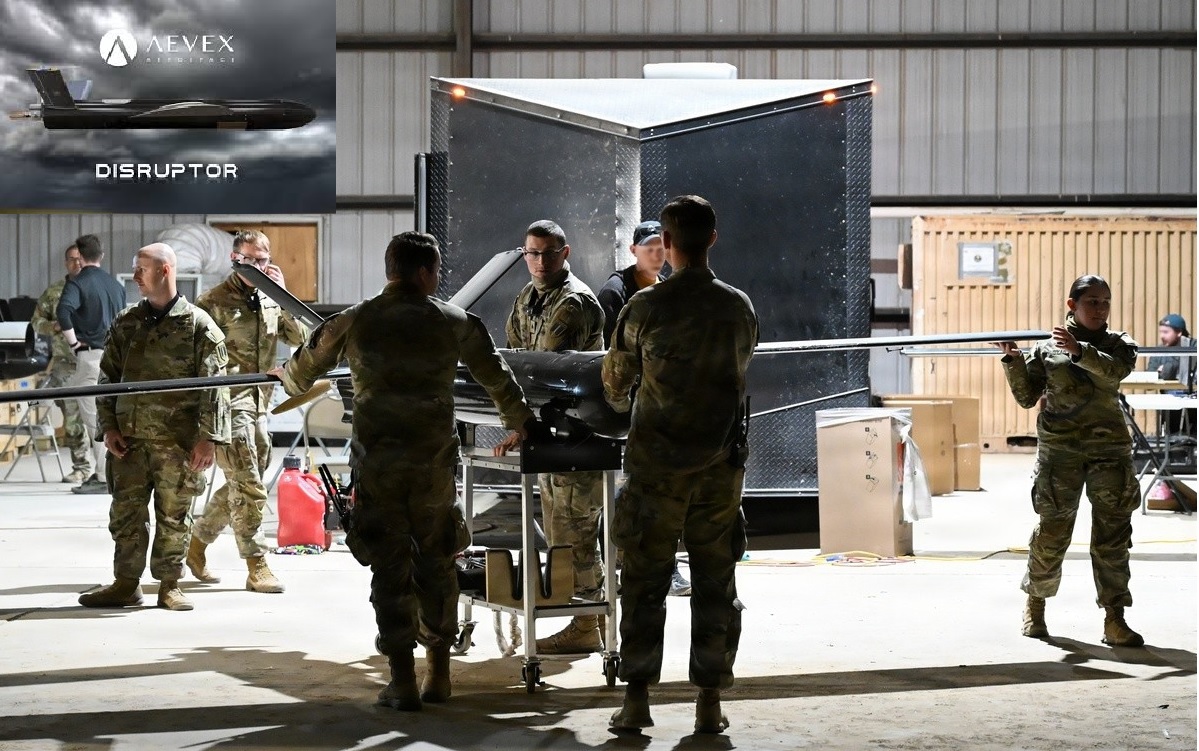
World
FORT IRWIN, Calif., — May 21, 2026 : The U.S. Army has publicly demonstrated the AEVEX Aerospace Disruptor loitering munition during the multinational Arcane Thunder 26 exercise, providing the clearest operational view so far of the long-range strike drone linked to the classified Phoenix Ghost program. Arcane Thunder 26 was conducted from April 6 to April 29, 2026, across Germany, Poland, and the United States. The unmanned systems portion of the exercise took place at the National Training Center in Fort Irwin, California, where soldiers from Multi-Domain Command Europe’s Innovations cell carried out night flight preparations and launch operations involving experimental unmanned aerial systems. Publicly released footage and photographs from the exercise confirmed the deployment of the Disruptor in a large-scale multinational training environment, marking a notable shift for a system that had previously remained largely undisclosed. Phoenix Ghost Program Origins The Disruptor is the largest and most capable platform within AEVEX Aerospace’s Phoenix Ghost family of loitering munitions. The Phoenix Ghost program was originally accelerated by the U.S. Air Force in April 2022 to support Ukraine with long-range strike capabilities. Although the program remained classified for several years, AEVEX publicly acknowledged the broader Phoenix Ghost family during the Association of the U.S. Army symposium in October 2024. At the time, Elizabeth Trammell, AEVEX’s Senior Director of Business Development, stated that the capability had existed “for a while” and that the company had received authorization to publicly discuss the system. Design and Technical Characteristics The Disruptor falls within the U.S. military’s Group 3 unmanned aircraft category, which includes systems weighing between 25 and 600 kilograms, operating at altitudes between 1,000 and 5,500 meters, and capable of speeds ranging from 185 to 460 kilometers per hour. The aircraft measures approximately 3 meters in length with a wingspan of 4.8 meters. It features a tubular carbon-fiber fuselage reinforced with aluminum structural components, straight wings with foam-filled aerofoil sections and wooden ribs, and a V-tail configuration. Propulsion is provided by a small internal combustion engine driving a two-blade pusher propeller. The baseline configuration has a launch weight of 84 kilograms and is deployed using a pneumatic catapult system. A larger 93-kilogram configuration employs a rocket-assisted takeoff booster. AEVEX has also confirmed that the system can be launched directly from a ground vehicle. Range, Payload, and Strike Capability The Disruptor was developed for long-range precision strike missions against light vehicles, radar systems, equipment, and personnel concentrations. The system is designed to conduct top-down air-burst attacks, improving effectiveness against unarmored targets positioned in trenches or behind cover. In addition to strike missions, the platform is also intended to support intelligence, surveillance, and reconnaissance operations. The drone incorporates the CompassX artificial intelligence-based sensor fusion navigation system, enabling visual-based navigation and alternative Positioning, Navigation, and Timing (PNT) capability for operations in GPS-denied or electronically contested environments. Performance varies depending on engine configuration. The standard carburetor-engine variant provides approximately 4.5 hours of endurance and a range of up to 600 kilometers while carrying a 22.5-kilogram warhead. An upgraded electronic fuel injection (EFI) configuration increases endurance to more than 11 hours, with manufacturer specifications indicating up to 14 hours, while extending operational range to approximately 1,300 to 1,400 kilometers with the same payload capacity. Ukraine Operations and Production Expansion AEVEX has confirmed that the Disruptor has been employed in Ukraine as part of the Phoenix Ghost effort. During the company’s first-quarter 2026 earnings call, AEVEX CEO Roger Wells stated that the company executed the Phoenix Ghost program from 2022 through 2025 and continues work under the EUCOM Deep Strike Program. According to company figures, the combined programs account for more than 9,300 systems delivered or committed through the end of 2026, representing contracts valued at approximately $1.2 billion. Operational details regarding combat deployment and targeting remain classified. To support expanded production, AEVEX has increased cooperation with propulsion and launch-system suppliers. In April 2026, X-Bow Systems announced a contract to provide hundreds of rocket-assist production kits and thousands of solid rocket motors for Disruptor launch systems. Deliveries under the contract are scheduled between March and August 2026. X-Bow Systems stated that the production effort relies on additive-manufactured solid propellant technology intended to accelerate manufacturing timelines and increase production capacity. Company CEO Jason Hundley said the contract demonstrated the ability to transition from contract award to operational field capability within a matter of months. Expanding Role in U.S. Military Operations The public appearance of the Disruptor during Arcane Thunder 26 reflects the increasing emphasis within the U.S. military on scalable long-range loitering munitions capable of operating in contested electronic warfare environments. The system’s integration into multinational exercises also highlights the growing operational focus on precision strike drones designed for distributed operations across NATO and other potential theaters of conflict.
Read More → Posted on 2026-05-21 15:39:26Search
Top Trending in 24 Hours
-
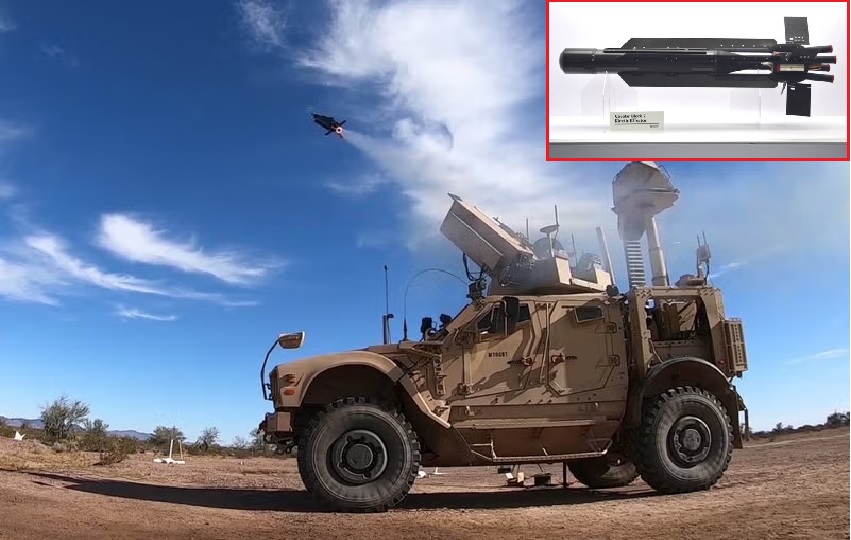 Raytheon Ramps Up Coyote Counter-Drone Missile Production After U.S. Army Reports 600 Successful Combat Intercepts During Iran Conflict
-
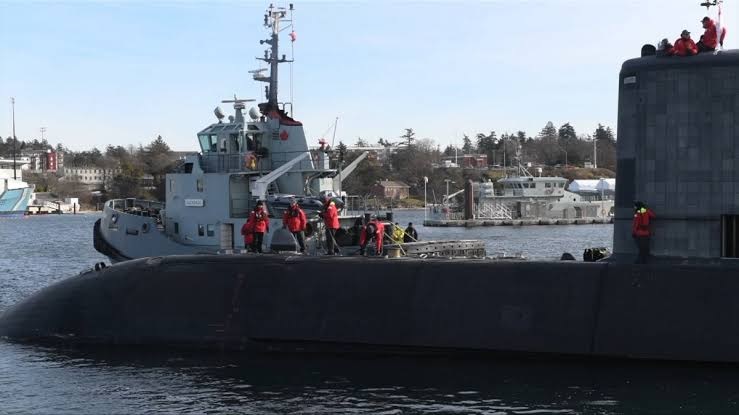 Canada Awards Babcock $1.1 Billion Six-Year Contract Extension to Support Victoria-Class Submarine Fleet
-
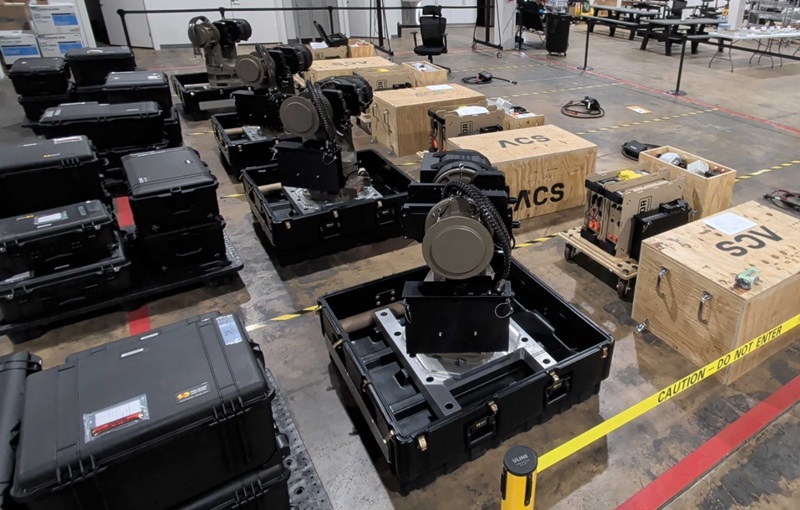 U.S. Marine Corps Selects AI-Powered Bullfrog Weapon Station for L-MADIS Counter-Drone Platform
-
 U.S. Navy Awards Raytheon $1.8 Billion Contract Extension for SPY-6 Radar Systems
-
 Lockheed Martin Launches $9 Billion U.S. Munitions Expansion to Boost THAAD, PAC-3 and PrSM Production
Top Trending in 4 Days
-
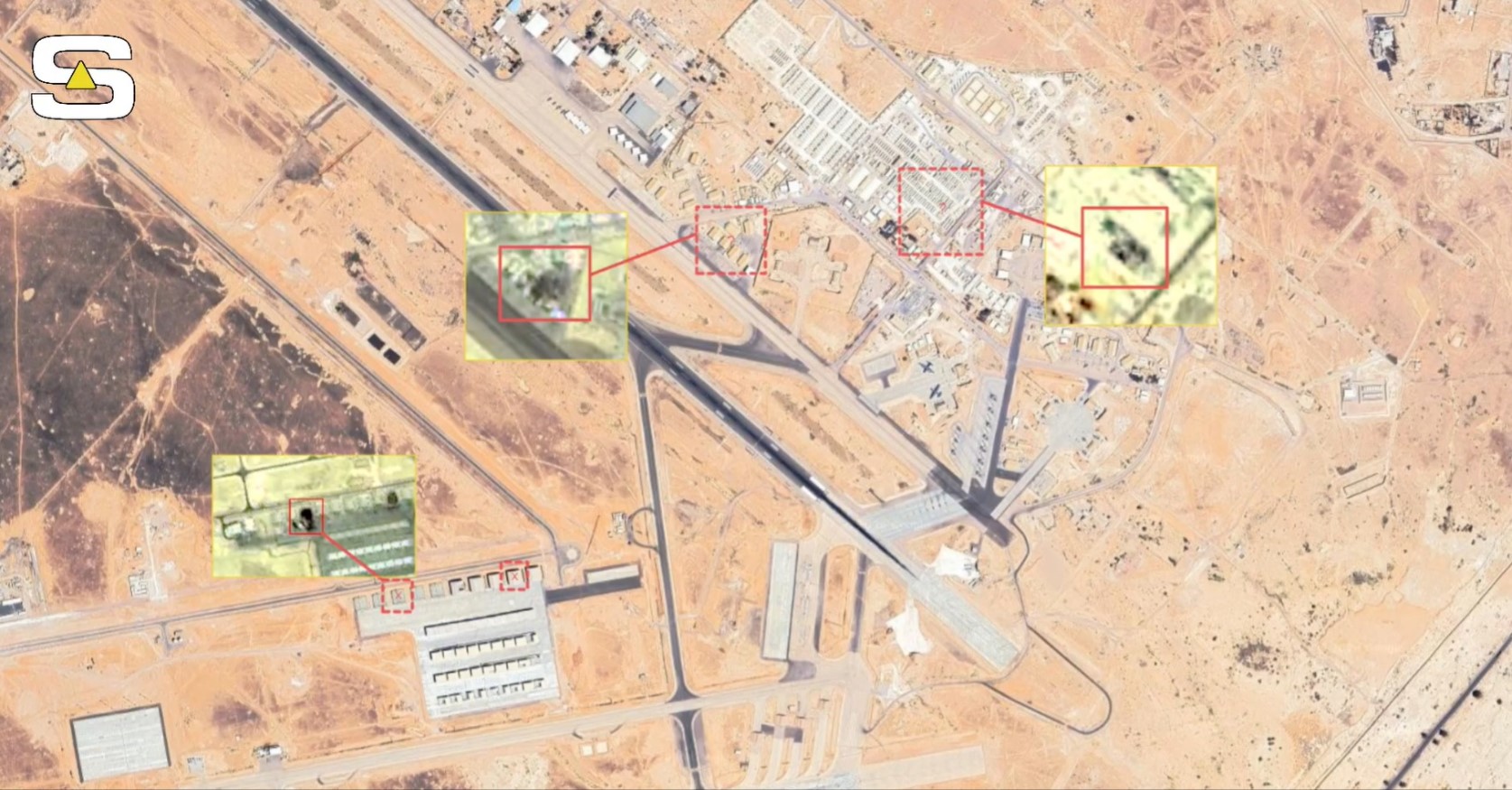 New Satellite Imagery Reveals Extensive Damage at Jordan's Muwaffaq al-Salti Air Base After Iranian Missile Strike
-
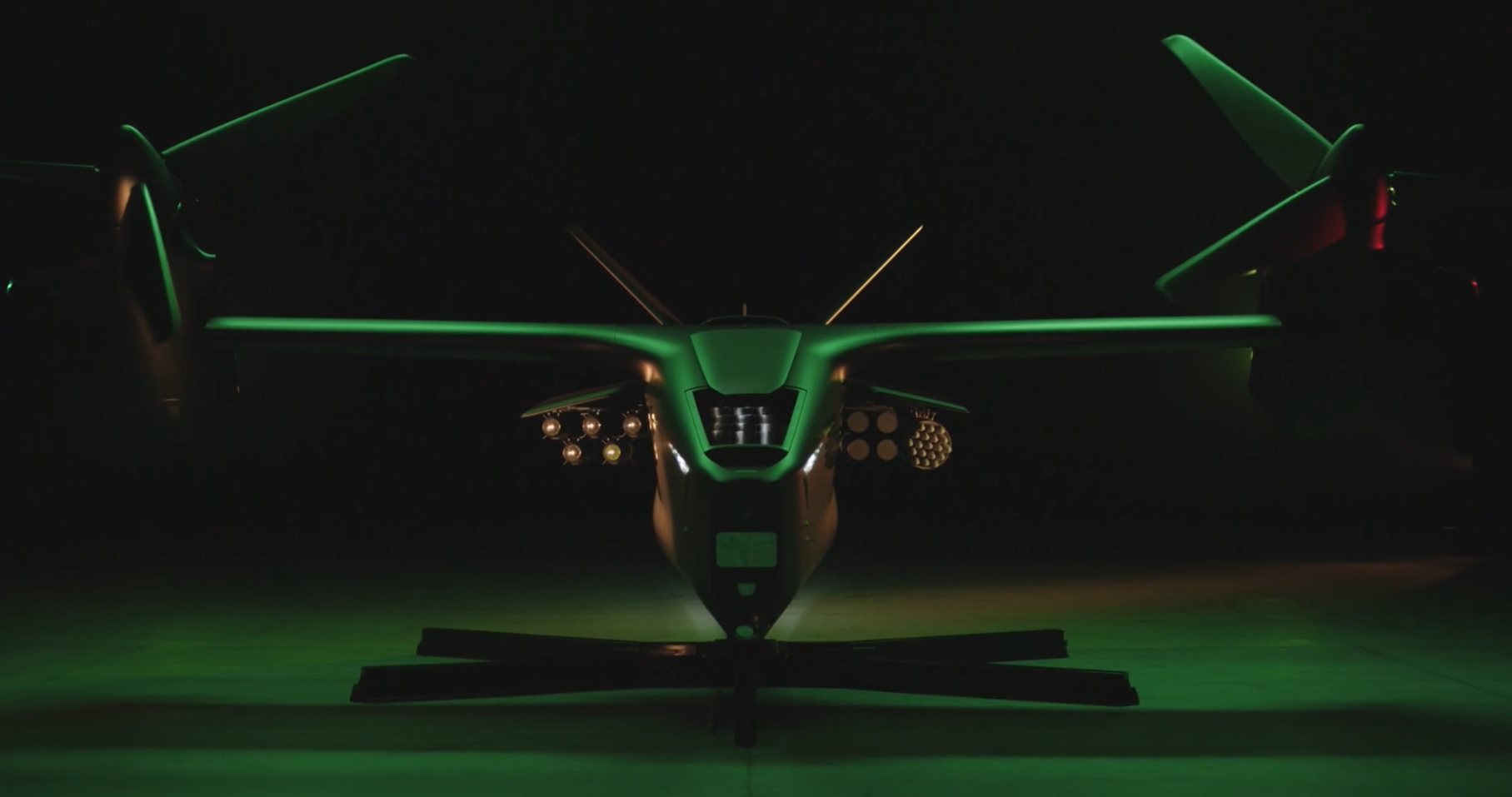 Anduril Unveils Thunder Autonomous Attack Rotorcraft Built with Archer Aviation to Support Apache Helicopters
-
 U.S. Space Force Awards Slingshot Aerospace $69.2 Million Contract to Develop AI Space Training Platform
-
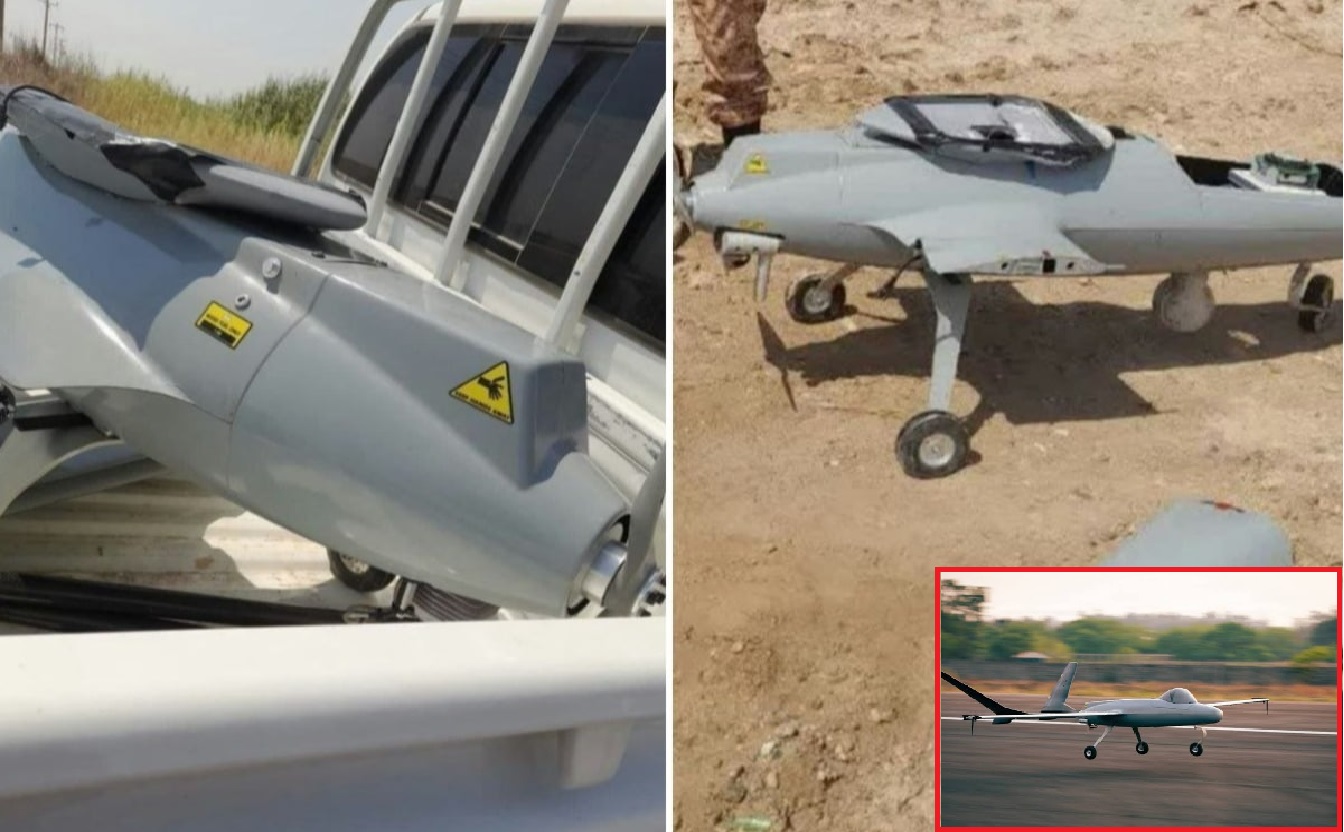 Iran Claims It Shot Down U.S.-Operated Polish-Built Tiguar-M Drone, Releases Images
-
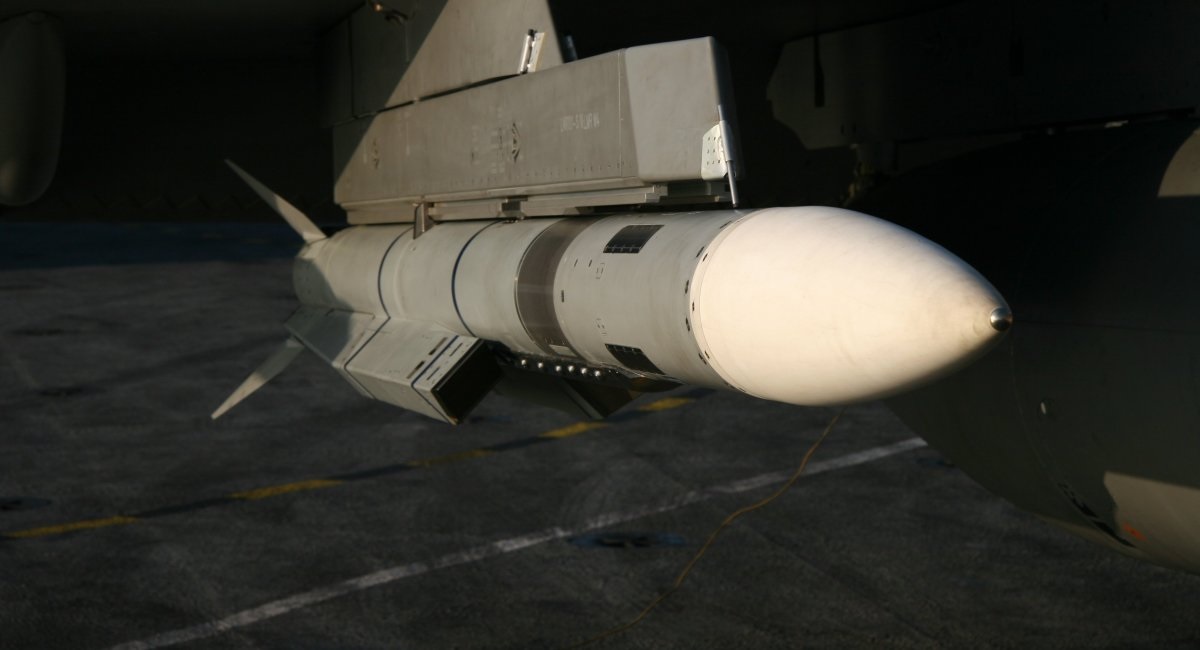 UK Cancels Meteor Missile Mid-Life Upgrade, Prioritizes Next-Generation FASE Air-to-Air Missile Programme
-
 NASA, Draper Cancels CP-12 Lunar Lander Mission After Development Delays Push Mission Beyond 2030
-
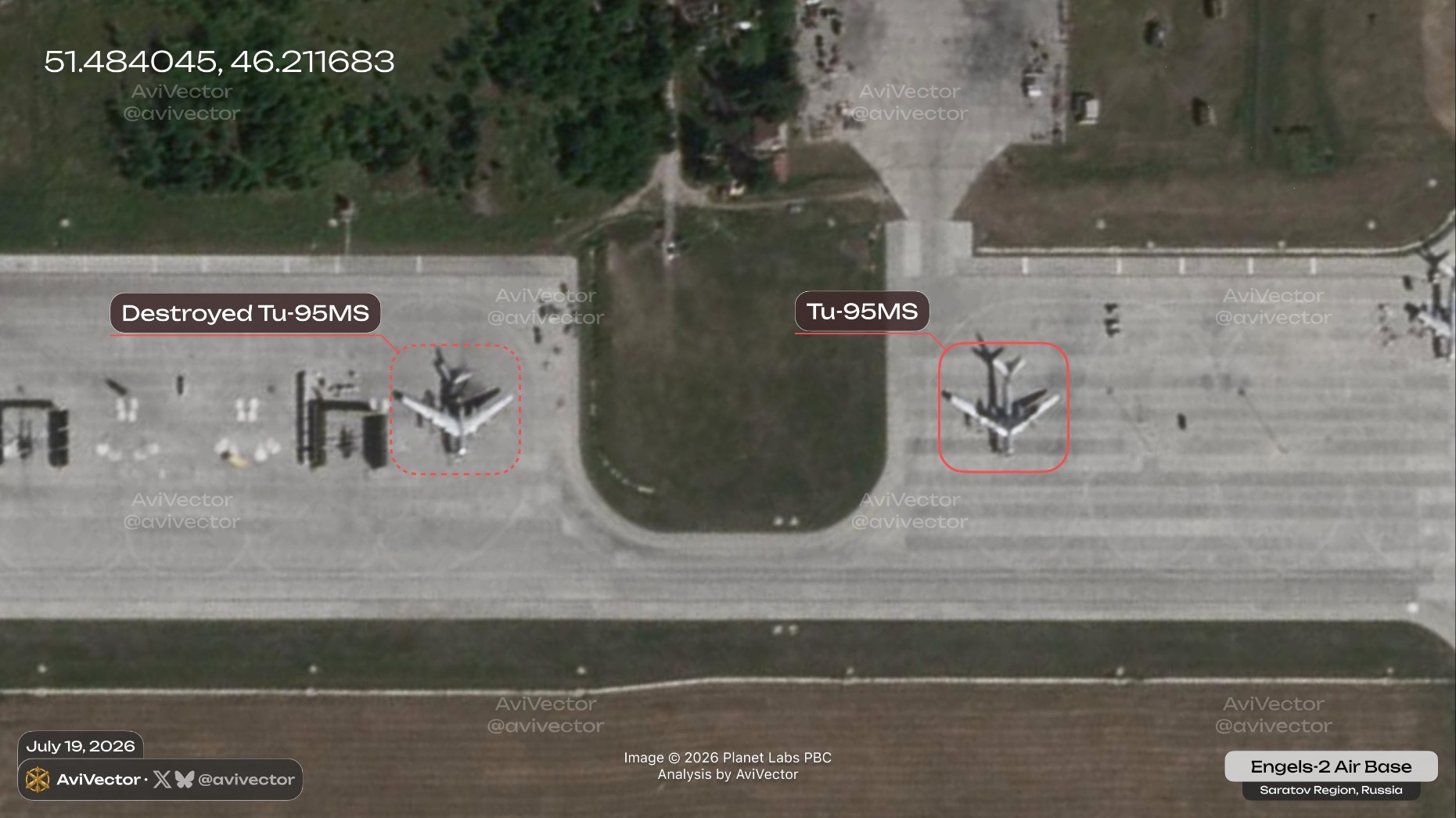 Satellite Images Confirm Russian Tu-95MS Bomber Destroyed After Ukrainian Drone Strike on Engels-2 Air Base
-
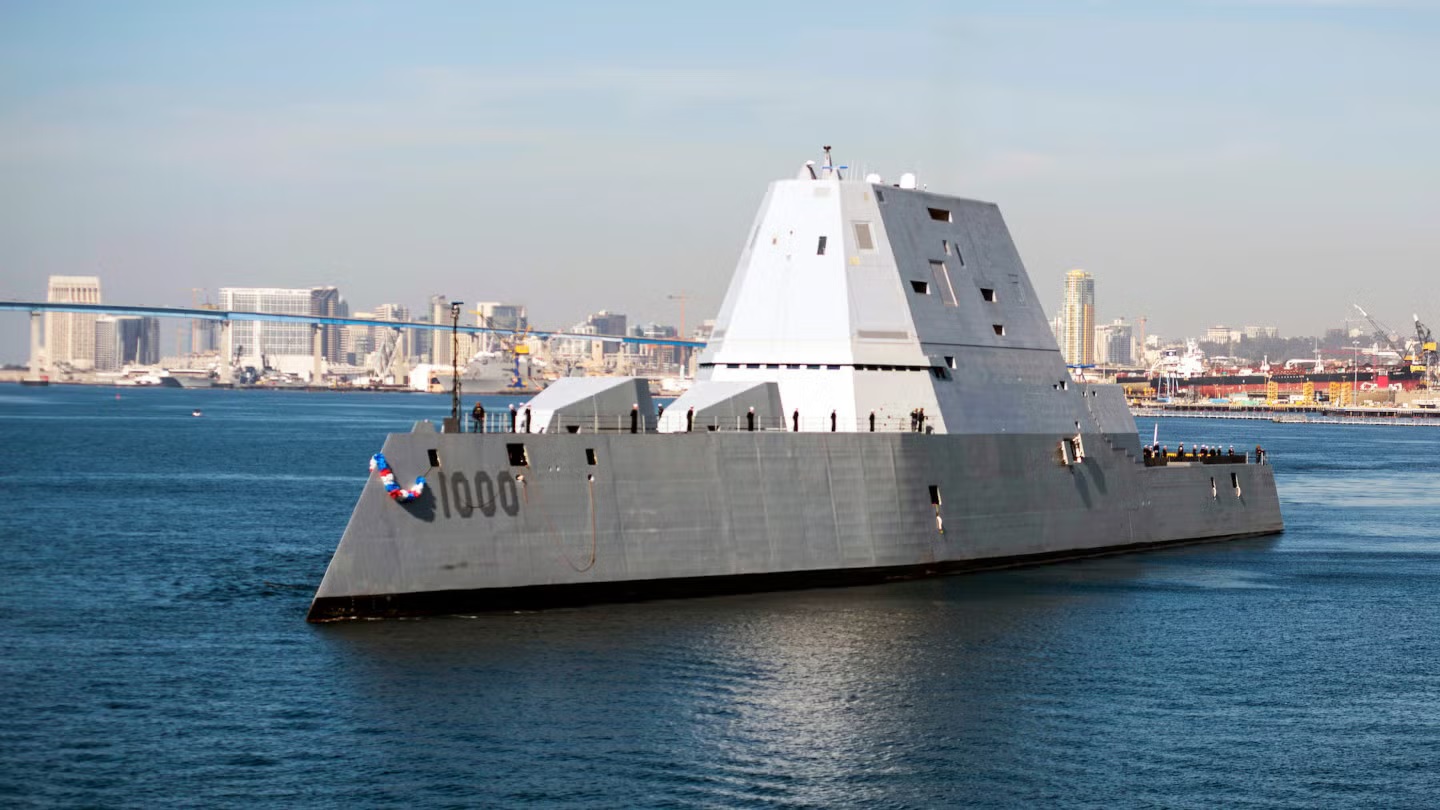 U.S. Navy's Zumwalt Destroyer Hypersonic Missile Upgrade Program Delayed by Two Years as Costs Top $2 Billion: GAO Reports
