WASHINGTON — U.S. officials say Iran obtained high-resolution satellite imagery from Chinese sources before and after a July 17 ballistic missile attack on Muwaffaq Salti Air Base in northeastern Jordan, linking the imagery to the strike that killed three American soldiers.
Officials described the connection as the clearest evidence so far that Chinese support for Iran has had lethal consequences for U.S. forces. They did not identify the specific Chinese entities involved and did not allege direct involvement by the Chinese government.
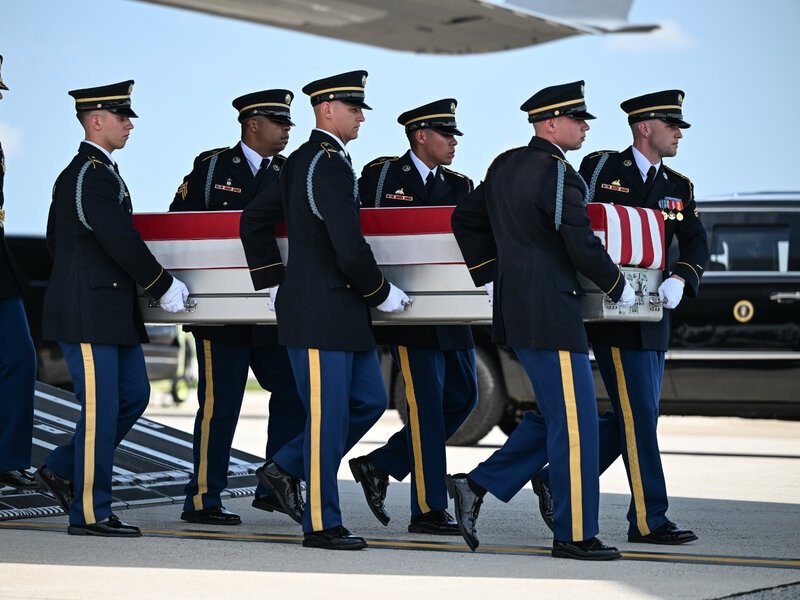
Iranian ballistic missiles struck a housing area where U.S. troops were sleeping, killing 1st Lt. Tyler James Feehan, 25, Pvt. Isabella Gonzales, 19, and Sgt. Angel S. Rampersad, 28. Four others were seriously wounded and medically evacuated. Iran also targeted manned and unmanned aircraft at the base.
The July 17 attack was one of three missile attacks on the installation within 24 hours and marked the first American combat deaths since an April ceasefire in the wider conflict faltered.
Improved Iranian Targeting
Earlier in the conflict, U.S. strikes had damaged major parts of Iran's radar, satellite and air-surveillance infrastructure. Iranian missile units often struck open ground or lower-value areas. U.S. officials said Iranian targeting accuracy improved during the summer.
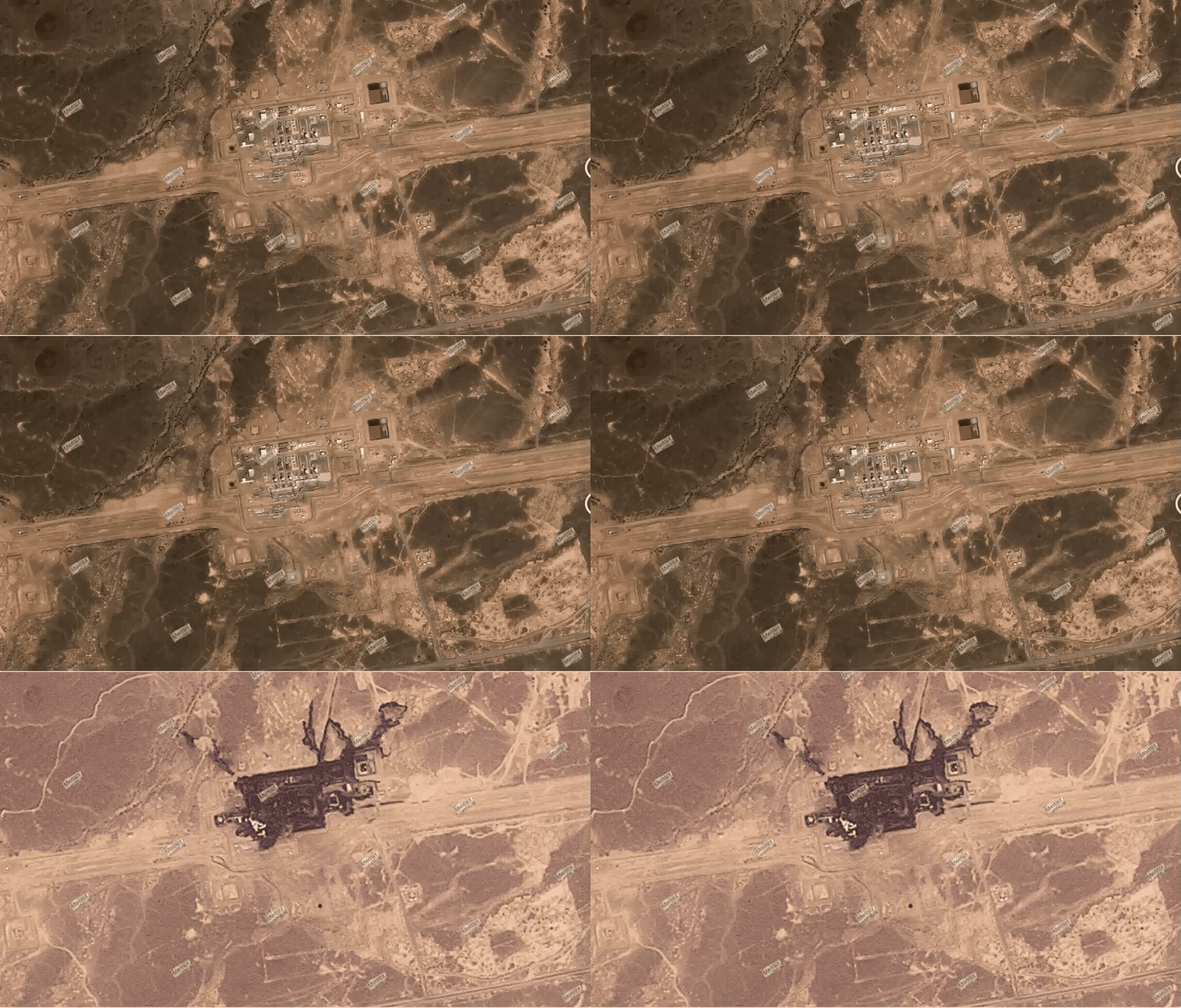
Within three days of the attack, Iranian state media published high-resolution imagery showing damage across three areas of the base. A Wall Street Journal analysis of publicly available imagery found that more than 20 military and support structures had been hit.
Former CIA analyst Jim Lamson said fresh high-resolution imagery can reveal recent troop movements, aircraft rotations and facility changes, while post-strike imagery helps assess accuracy and determine where to direct later attacks.
U.S. officials said Chinese commercial imagery is part of a wider Iranian intelligence network that also includes Russian data, remaining Iranian capabilities and human sources.
Chinese Satellite Firms Sanctioned
In May, the U.S. Treasury Department sanctioned three Chinese firms — MizarVision (Meentropy Technology), Earth Eye and Chang Guang — over the provision, collection or publication of imagery that could be used against U.S. forces.
Chang Guang had previously been accused by U.S. officials of providing satellite imagery that supported attacks by Iran-backed Houthi forces.
U.S. officials raised the July strike and the satellite imagery with Chinese counterparts. Beijing demanded evidence and rejected the allegations, maintaining that Chinese companies operate within international trade laws.
Concerns Over U.S. Navy Ships
U.S. defense officials are also examining whether Chinese satellite data could help Iran track American warships. Iran has recently fired anti-ship ballistic missiles toward a U.S. aircraft carrier strike group and accompanying destroyers.
U.S. Central Command said the missiles were intercepted or fell into open water without causing damage, although some detonated close to the ships. Officials are investigating whether foreign orbital monitoring could provide Iran with near-real-time information needed to target moving vessels.
The satellite imagery issue is part of broader U.S. concerns over Chinese support for Iran. A Shenzhen company, Telefly Telecommunications Equipment, has been linked to miniature turbojet engines used in upgraded Shahed-type drones. Treasury investigations also found that Western-made microelectronics and guidance components reaching Iran's drone program were routed through Chinese intermediaries and Hong Kong shell companies.
The Justice Department has separately identified Chinese state agencies as end-users of technical information obtained by cyber groups that targeted U.S. federal defense and weapons laboratories.
The developments come ahead of a planned September 24 summit between President Donald Trump and Chinese President Xi Jinping. After meeting Chinese Foreign Minister Wang Yi days after the July 17 strike, Secretary of State Marco Rubio said that nothing China had done had changed the trajectory of the conflict.
——— End of Article ———