
India
The Indian Navy is preparing for a groundbreaking naval exercise in the Arabian Sea, marking a significant leap in its maritime strength. For the first time, India will conduct dual-carrier operations involving the newly inducted INS Vikrant and the formidable INS Vikramaditya. This exercise not only demonstrates India's growing naval capabilities but also underscores its strategic positioning in the Indo-Pacific, a region that is becoming increasingly contested due to rising geopolitical tensions, particularly with China's expanding naval footprint.The INS Vikrant: A Milestone in Indian Naval EngineeringThe INS Vikrant, India's first indigenously designed and built aircraft carrier, represents a monumental achievement in the nation's defense sector. Weighing 44,000 tonnes and equipped to carry 28-30 aircraft, it marks India's entry into an elite group of nations capable of dual-carrier operations. The induction of INS Vikrant into the Western Fleet, based out of Karwar, significantly enhances the navy's offensive and defensive power, boosting its “Sword Arm” capability, which refers to the fleet's strike and combat power.INS Vikrant is equipped with a complex and versatile aviation capability, hosting a mix of fighter jets like the MiG-29K and helicopters for reconnaissance, anti-submarine warfare, and logistics. The carrier also boasts advanced air traffic control systems, radar, and sensor technologies that enable it to function as a floating airbase, projecting power far beyond Indian shores.Dual-Carrier Drills: A Strategic Power PlayThe upcoming exercise will focus on two major elements: INS Vikrant and INS Vikramaditya, the latter being a 45,000-tonne, Kiev-class carrier that has long been the flagship of the Indian Navy. Together, these two carriers will form the core of the Carrier Strike Groups (CSGs), each designed to operate autonomously with a wide array of support vessels. A typical CSG includes not just the carrier but also frigates, destroyers, submarines, and replenishment ships, all working in tandem to defend the carrier while enhancing its strike capability.The exercise will simulate a highly complex and challenging tactical environment, pitting the two carriers against opposing forces. These drills are designed to test the capabilities of both carriers under real-world combat conditions, including live-fire exercises, air-to-air combat scenarios, and anti-submarine operations. This ensures that both the carriers and their accompanying strike groups are battle-ready, with full integration of their air wings, weapons systems, and support fleets.Testing INS Vikrant's Operational ReadinessOne of the primary goals of this exercise is to rigorously test all of INS Vikrant's operational systems. Everything from the aircraft lift systems, which move fighter jets from the hangar to the flight deck, to air traffic control operations will be scrutinized. The carrier’s ability to quickly launch its aircraft, measured by the "sortie generation rate," will also be a key performance indicator.Moreover, these drills will test the aircrew’s ability to react to emergency situations. Whether it’s scrambling jets to respond to an aerial threat or conducting night-time operations in adverse weather, the aircrew's proficiency will be closely monitored. Such exercises are critical to ensuring that the carrier can function effectively even in the most demanding conditions, where the ability to launch and recover aircraft is akin to “threading a moving needle” due to the dynamic nature of the sea.Geopolitical Implications: A Deterrent in the Indo-PacificThe timing of these two-carrier drills is especially crucial, given the growing complexities in the Indo-Pacific region. China's expanding influence, particularly its naval presence in the Indian Ocean, has raised concerns among regional players. India’s ability to deploy two fully operational carrier strike groups is a clear message of deterrence, underscoring its role as a key player in maintaining stability in the region.With this exercise, India joins an exclusive club of nations capable of executing dual-carrier operations, a feat achieved by only a handful of navies globally, including the U.S., the U.K., and China. This operational capability is vital in ensuring that India can project power across the vast waters of the Indian Ocean and protect its maritime interests, from securing sea lanes to deterring potential threats in its strategic backyard.The Road AheadThe successful completion of these drills will pave the way for INS Vikrant’s full integration into the Indian Navy’s operational fleet, further solidifying India's maritime prowess. The drills will be closely monitored by a team of inspectors from fleet headquarters, who will assess the carrier's readiness and ability to perform in real combat scenarios. Once fully inducted, INS Vikrant will significantly bolster India's naval power projection capabilities, not just in the Arabian Sea but across the wider Indo-Pacific region.This two-carrier exercise is not just a display of military strength but also a statement of India's intent to secure its maritime interests in an increasingly volatile region. As the world watches, India’s naval modernization continues to gather momentum, positioning it as a dominant force in the maritime domain.
Read More → Posted on 2024-10-03 15:36:07
World
In the ongoing war between Russia and Ukraine, one of the more interesting developments has been the capture of a German-made Leopard 2A6 tank by Russian forces. Recently, reports surfaced in Russian media that this tank had been transported to Uralvagonzavod, the country’s premier tank manufacturing facility, where the T-72 and T-90 tanks are produced. There, experts plan to meticulously analyze the Leopard 2A6, looking into its components and subsystems to better understand its technical sophistication.Why is the Leopard 2A6 Important?The Leopard 2A6 is one of the most advanced main battle tanks (MBTs) in the world, fielded by many NATO members and widely respected for its combat performance. Originally introduced in the mid-2000s, the 2A6 version features an upgraded Rheinmetall 120 mm smoothbore gun, improved optics, and enhanced armor protection. It also boasts excellent mobility, thanks to its 1,500-horsepower MTU MB 873 Ka-501 engine, which allows it to reach speeds of up to 68 km/h (42 mph) despite its heavy armor. In addition to its firepower and speed, the Leopard 2A6 has a modular armor system that offers protection against a wide variety of threats, including anti-tank missiles and IEDs (improvised explosive devices). Its advanced fire control systems allow it to engage targets with remarkable accuracy, even while on the move.This makes the Leopard 2A6 a crucial asset for any army, and Russia’s capture of one provides a unique opportunity to explore and understand the technology underpinning modern Western armored vehicles.What Russia Might LearnBy examining the Leopard 2A6, Russian engineers will likely focus on the tank’s advanced systems, including its thermal imaging sensors, fire control systems, and composite armor materials. These technologies could offer Russia insight into how NATO designs and implements cutting-edge defensive and offensive capabilities in its MBTs.The examination could also reveal weaknesses or potential vulnerabilities in the Leopard’s design, which might be exploited in future conflicts. Understanding how the tank’s components work together may also help Russian engineers develop countermeasures for future confrontations with NATO forces.However, some experts are skeptical about the practical benefits of this analysis for Russia. For one, the technological gap between Russian and NATO tanks is significant. The T-90M, the most modern tank produced by Russia, is still heavily based on the older Soviet T-72 design, and recent reports indicate that Russian tank manufacturing relies on foreign components for critical systems. The Leopard 2A6, on the other hand, represents years of advanced research and development, incorporating many high-tech features that would be challenging for Russia to replicate under its current industrial conditions.Challenges in Reverse EngineeringReverse-engineering a tank as complex as the Leopard 2A6 is no small task. The level of technical expertise required, combined with the fact that some components rely on highly specialized materials and proprietary technology, makes it unlikely that Russia will be able to immediately copy or implement many of the innovations found in the tank. Furthermore, Russia’s defense industry has been hit hard by sanctions, which restrict access to key technologies and materials needed to produce modern tanks. Many experts believe that even if Russia gains valuable insights from the Leopard 2A6, its ability to incorporate these lessons into new designs will be limited in the short term. This is particularly true given that Russia has struggled to modernize its own tank forces, with the T-14 Armata, its supposed next-generation tank, seeing significant delays and very limited production.Symbolic Victory or Practical Gain?While the capture and study of the Leopard 2A6 certainly represent a symbolic victory for Russia, the real-world benefits may be limited. While Russia will likely gain a better understanding of NATO tank design, replicating or surpassing the Leopard 2A6’s capabilities is a much more complex endeavor. The captured tank might provide valuable data for future Russian tank designs, but it is unlikely to lead to any major breakthroughs in the near term.In the end, while the Leopard 2A6 could offer Russia some tactical insights and perhaps guide improvements to its own tank systems, it is unlikely to revolutionize Russian tank production overnight. However, it does underscore the continuing importance of advanced military technology in shaping modern warfare, where even a single captured vehicle can provide a strategic advantage.
Read More → Posted on 2024-10-02 16:33:15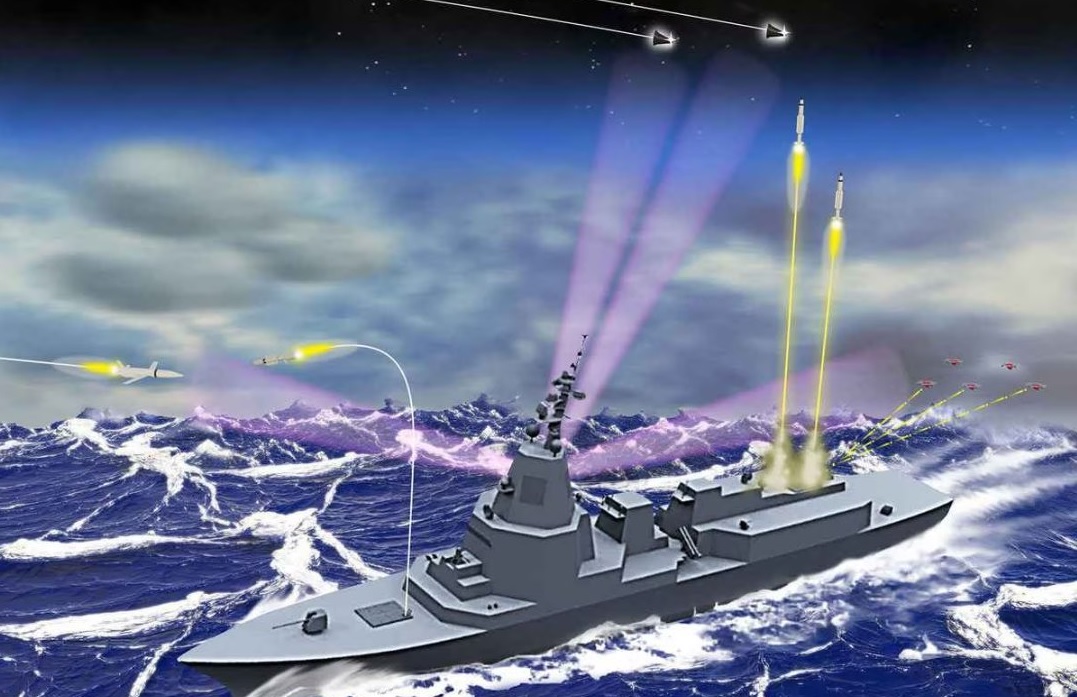
World
Japan’s Ministry of Defense (MoD) has officially inked contracts with two of the country’s largest shipbuilders, Mitsubishi Heavy Industries (MHI) and Japan Marine United (JMU), to construct two Advanced Aegis-equipped ships (ASEVs). These highly advanced vessels are designed to enhance Japan’s missile defense capabilities and are scheduled to be delivered by fiscal years 2027 and 2028.The contract with MHI, signed on August 23, 2024, is valued at approximately 139.7 billion yen ($980 million). JMU followed with a contract on September 18 for 132.4 billion yen ($930 million). According to Japan’s Acquisition, Technology, and Logistics Agency (ATLA), the price difference between the two contracts is due to differences in specific parts being procured, not a variation in overall specifications or performance between the ships.ASEVs: Japan’s Floating Missile Defense NetworkThe ASEVs are part of Japan’s broader strategy to replace the Aegis Ashore system, a land-based missile defense program that was scrapped in 2020. The cancellation led the government to shift focus toward the development of mobile maritime platforms capable of intercepting ballistic missiles. These new ships are a critical part of Japan's commitment to bolstering its defenses in the face of growing regional threats from North Korea and China.At the heart of these vessels will be Lockheed Martin's SPY-7 radar, one of the world’s most advanced multi-function radars. Designed to track and intercept ballistic missiles, the SPY-7 radar has scalability and high-performance features that make it a perfect fit for Japan’s maritime defense strategy. The ASEVs will be equipped to monitor the skies for missile threats and integrate with Japan’s broader defense network to ensure a robust and coordinated response to potential missile launches.Why SPY-7 MattersLockheed Martin has been a key partner for Japan’s defense, particularly when it comes to Aegis-equipped systems. On September 10, 2024, Lockheed Martin hosted four Japanese journalists at its Rotary and Mission Systems (RMS) division in Moorestown, New Jersey, where the SPY-7 radar is developed and produced. This visit served to underscore the progress of the ASEV program, while also promoting the adoption of the SPY-7 radar on future vessels.There is increasing competition between Lockheed Martin’s SPY-7 radar and Raytheon’s SPY-6 system, which is being widely adopted by the U.S. Navy. While both radar systems offer advanced capabilities, Lockheed Martin has been keen to highlight the SPY-7's flexibility, especially for Japan’s evolving defense needs. With Japan looking to retire its aging fleet of Kongo-class Aegis destroyers, which are nearing the end of their operational lifespan, the competition for the next-generation radar system is heating up. Mitsubishi Electric, for example, has already secured a contract to supply key components for the SPY-6, which may give Raytheon an advantage in future procurement rounds.However, Lockheed Martin remains confident in the SPY-7’s interoperability with other Aegis systems, including those equipped with SPY-6, and continues to actively pursue contracts within Japan’s defense sector. The company has even opened discussions about local production and sustainment of SPY-7 radars, hinting that Japanese industry could be brought into the production fold.Advanced Defense Systems: The Future of ASEVsIn addition to the SPY-7 radar, the ASEVs will be outfitted with cutting-edge defense technologies. One of the most talked-about systems is the Vertical Launch System (VLS) Mk.70 Payload Delivery System (PDS), which allows for the integration of various missile types, including the PAC-3 Missile Segment Enhancement (MSE). This missile, an improved version of the Patriot missile, can intercept both cruise and ballistic missiles, significantly expanding the ASEV’s defense capabilities.The Mk.70 system’s container-based design provides flexibility in missile deployment and enhances the ship’s ability to respond to multiple types of threats. Japan has already deployed the PAC-3 MSE on land-based systems, and its integration into the maritime Aegis system marks an important step in expanding Japan’s layered missile defense network.Lockheed Martin has successfully tested the PAC-3 MSE in the U.S., where it intercepted a cruise missile using a virtualized Aegis weapon system during trials at the White Sands Missile Range in New Mexico. These successful tests suggest that the ASEVs will offer a formidable defense against missile threats, both for Japan and as part of broader regional security efforts.Japan’s Future Naval FleetJapan’s investment in the ASEV program is part of a larger shift in its naval strategy. In December 2022, the Japanese Cabinet approved a Defense Buildup Program that calls for a total of 10 Aegis-equipped ships, adding two new vessels to the existing fleet of eight. The current fleet includes four Kongo-class, two Atago-class, and two Maya-class destroyers. With the Kongo-class approaching the end of its service life, Japan is looking to not only replace these ships but also enhance its naval capabilities.The commissioning of the ASEVs in 2027 and 2028 will play a pivotal role in Japan’s defense. As the global security environment continues to evolve, Japan is ensuring its naval fleet remains at the forefront of missile defense technology.The question remains whether future ships will also adopt Lockheed Martin’s SPY-7 radar, or if the U.S.-developed SPY-6 will gain favor due to its broader deployment within the U.S. Navy. Regardless of the final decision, Japan’s partnership with U.S. defense companies, including Lockheed Martin and Raytheon, underscores the importance of international collaboration in modern naval warfare.With state-of-the-art technology and flexible capabilities, the ASEVs are poised to become a critical part of Japan’s defense strategy for years to come.
Read More → Posted on 2024-10-02 16:29:40
World
ICEYE, a global leader in Synthetic Aperture Radar (SAR) satellite technology, has once again raised the bar in Earth observation capabilities with the introduction of its advanced imaging mode, ‘Dwell Precise.’ Building on the success of the previously launched ‘Dwell Fine’ mode in early 2024, Dwell Precise offers an unprecedented level of image clarity and data precision, setting a new standard in commercial satellite imaging.At its core, Dwell Precise represents a leap forward in SAR technology, boasting a remarkable 25-centimeter resolution. This level of detail is achieved thanks to the radar's 1200 MHz bandwidth, the highest allowed for commercial use. The ability to capture such fine details is critical for industries and sectors where identifying small objects or features is paramount. This might include distinguishing military vehicles from civilian ones, pinpointing specific types of infrastructure, or even observing environmental changes with far greater accuracy than was previously possible.What Makes Dwell Precise Stand Out?The unique innovation in Dwell Precise lies in its dual capacity to combine high-resolution imagery with exceptionally precise data. This blend allows for enhanced detection and identification capabilities. For example, traditional imaging methods often struggle to distinguish between similar-looking objects or to provide enough detail in complex environments like forests or urban areas. Dwell Precise, however, excels in these scenarios by using SAR's ability to penetrate obstacles such as tree cover, foliage, or even clouds, delivering uninterrupted and clear images regardless of the time of day or weather conditions.The SAR satellites operated by ICEYE achieve this through a sophisticated process. As the satellite orbits Earth, it sends radar pulses towards the surface. These signals then bounce back, allowing the satellite to form detailed images of the terrain below. With Dwell Precise, the increased radar resolution sharpens the clarity of the resulting images, offering a level of detail that was previously out of reach for most commercial applications. This development is expected to greatly benefit areas such as defense, where high-precision object identification can make the difference in mission success, and environmental monitoring, where detailed imagery is essential for tracking minute changes in ecosystems.John Cartwright, Senior Vice President and Head of Data Products at ICEYE, lauded Dwell Precise as the "industry’s highest fidelity 25 cm product," emphasizing that it represents the pinnacle of ICEYE’s imaging capabilities. Cartwright further elaborated that this innovation would allow customers to discern objects and features with much greater clarity than ever before. Importantly, this is all accomplished while retaining the all-weather, day-and-night functionality that SAR technology is known for, making it a reliable tool for continuous monitoring in any condition.The Broader Impacts of Dwell PreciseBeyond the technical specs, the introduction of Dwell Precise signifies ICEYE’s ongoing commitment to staying at the forefront of SAR satellite technology. The company's CEO, Eric Jensen, highlighted that the release of this new mode is part of ICEYE’s broader mission to continually evolve its products to meet the changing needs of both public and private sector clients. In fact, ICEYE now operates the world’s largest constellation of SAR satellites, positioning it as a leader in the global Earth observation market.The capabilities of Dwell Precise are expected to be particularly useful for government defense agencies, environmental monitoring organizations, and commercial entities involved in infrastructure and land use planning. By providing clearer and more detailed imagery, users of ICEYE’s technology will be better equipped to make informed decisions based on the most accurate data available. Whether it’s tracking the movements of specific vehicles in a conflict zone or monitoring environmental damage following a natural disaster, Dwell Precise provides an invaluable tool for actionable insights. It’s not just about sharper images; it’s about enhancing the quality of information these images can provide, which in turn can drive better outcomes across a wide range of applications.With the launch of Dwell Precise, ICEYE is reaffirming its commitment to advancing satellite imaging technology. As the demands of industries reliant on accurate Earth observation data continue to evolve, innovations like Dwell Precise will likely play a pivotal role in shaping the future of monitoring and analysis across the globe.
Read More → Posted on 2024-10-02 16:26:01
World
UAV Navigation-Grupo Oesía, a prominent Spanish aerospace technology firm, has taken a significant role in the ambitious Future Combat Air System (FCAS), Europe’s flagship defense project aimed at creating next-generation air combat capabilities. As the European Union and its key defense players—France, Germany, and Spain—strive to modernize their air defense infrastructure, UAV Navigation-Grupo Oesía is playing a pivotal role by providing advanced autopilot technology to support unmanned aerial systems (UAS).The FCAS is no ordinary defense initiative; it is designed to revolutionize air warfare with a comprehensive system that integrates manned fighter jets and unmanned drones into a unified network. This network, known as the Next Generation Weapon System (NGWS), seeks to create seamless synergy between various combat elements, including the manned New Generation Fighters (NGF) and remote-controlled aircraft, referred to as Remote Carriers (RC). A central Combat Cloud (CC) will serve as the backbone of this system, enabling real-time information sharing and coordination between all combat assets. UAV Navigation-Grupo Oesía’s contribution is crucial for developing the advanced autonomous control systems needed to pilot these unmanned vehicles within the network.The company’s primary contribution comes through its collaboration with SATNUS Technologies, a consortium of Spanish defense firms, including GMV, Sener Aeroespacial, and Tecnobit-Grupo Oesía. Together, they are driving forward the development of remote-controlled systems for FCAS under what is called "Pillar 3." This part of the program specifically focuses on unmanned aerial technologies, with UAV Navigation-Grupo Oesía providing the autopilot for the Manned-Unmanned Teaming & Common Systems Demonstrator (MCSD).The MCSD is one of the cornerstone projects within FCAS, designed to test and perfect the integration of manned and unmanned systems, known as Manned-Unmanned Teaming (MUT). This capability is seen as essential for future combat operations, allowing manned aircraft to work in close coordination with autonomous drones that can perform a wide range of tasks, from reconnaissance to direct combat roles. The MCSD, led by SATNUS, is now in Stage 1B of development, during which critical technologies such as autopilot systems are being rigorously tested and refined.UAV Navigation-Grupo Oesía’s advanced autopilot technology is crucial because it allows unmanned aerial vehicles to operate independently or in concert with manned aircraft, executing complex maneuvers, mission objectives, and adapting to dynamic combat conditions. This autopilot system is not just about basic navigation—it involves advanced algorithms that allow for high levels of automation, enabling drones to respond quickly to threats, operate in challenging environments, and reduce the cognitive load on human pilots. The company has also developed specialized software that ensures these systems can be integrated seamlessly with the broader NGWS network, further enhancing coordination between manned and unmanned platforms.The FCAS program is a highly collaborative effort, with key partners across Europe contributing to its success. Airbus GmbH oversees the broader European level, MBDA takes the lead in France, and SATNUS spearheads Spain’s involvement. Within this structure, UAV Navigation-Grupo Oesía has carved out a vital role, showcasing its expertise in cutting-edge autopilot technologies and helping shape the future of European defense.As the FCAS program progresses, the contribution of companies like UAV Navigation-Grupo Oesía is indispensable for the success of the initiative. Their innovative autopilot systems will enhance operational capabilities and ensure that Europe remains at the forefront of global air combat technology. In a world where the nature of warfare is increasingly shifting towards automation and unmanned systems, UAV Navigation-Grupo Oesía’s work will be a key enabler of Europe’s defense strategy for decades to come. In essence, the company’s involvement not only represents a technological milestone but also positions it as a critical player in shaping the defense landscape of tomorrow. By enhancing the way manned and unmanned systems work together in combat, UAV Navigation-Grupo Oesía is helping to forge a new era of air warfare that is smarter, faster, and more adaptable to the challenges of the modern battlefield.
Read More → Posted on 2024-10-02 16:22:06
India
China has recently conducted a significant surface-to-air missile interception test on the Karakoram Plateau, a region located close to its border with India. The test, which targeted a subsonic cruise missile at an altitude of over 17,000 feet, has raised eyebrows, particularly because it coincides with renewed efforts to resolve the ongoing border tensions between the two neighboring countries.While Chinese state media framed the tests as a necessary demonstration of the country’s advanced defense capabilities, the timing and location suggest a deeper strategic intention. Analysts point out that the proximity of the missile test to the Indian border serves as a deliberate show of force, potentially aimed at sending a clear message to India regarding the territorial dispute that has persisted for years.The exact location of the test has not been revealed, but its occurrence on the Karakoram Plateau places it uncomfortably close to sensitive areas along the border. This region has been a flashpoint between the two nations, especially since the deadly clashes in the Galwan Valley in 2020, which marked a significant escalation in hostilities. Since then, both sides have fortified their positions, engaging in various military exercises as a show of strength while simultaneously engaging in diplomatic talks.What makes this missile test particularly noteworthy is its timing. It took place just as India and China were holding their 31st round of border talks in Beijing, aimed at de-escalating tensions. Official statements following the talks reflected cautious optimism, with both sides expressing a desire to maintain peace along the disputed Line of Actual Control (LAC). Yet, China’s missile test casts a shadow over these diplomatic gestures, with military experts suggesting that it serves as a reminder of China’s capabilities in the region.Lin Minwang, a prominent Chinese academic, noted that the test serves as a "warning" to India. The message being sent is one of strength, implying that China is prepared to defend its claims along the border through military means if necessary. This sentiment was echoed by Song Zhongping, a Chinese military analyst, who described the missile tests as a "guarantee of strength" that underpins China’s position in the ongoing border negotiations.India, for its part, has maintained a cautious stance. While New Delhi acknowledges progress in resolving the border standoff, including a reported 75% success in disengagement efforts in Eastern Ladakh, it remains wary of China's growing military infrastructure along the border. In recent years, China has significantly expanded its presence in Tibet and Ladakh by building airfields, heliports, and roads that enable the rapid deployment of troops. These developments add a layer of complexity to the negotiations, as they indicate China’s readiness to back its territorial claims with a stronger military presence.India’s External Affairs Minister, S. Jaishankar, has repeatedly emphasized that normal relations between India and China hinge on maintaining peace along the border. However, the missile test and China’s continued infrastructure buildup along the LAC suggest that the path to normalizing relations is far from straightforward.Despite the talks, the reality on the ground remains tense. Both nations are engaged in a delicate balancing act, where diplomatic efforts to reduce hostilities coexist with military maneuvers designed to assert dominance. As China continues to develop its military presence near the Indian border, missile tests like the one recently conducted on the Karakoram Plateau serve as a reminder of the unresolved tensions that continue to simmer beneath the surface. This ongoing blend of diplomacy and posturing leaves little room for complacency as both India and China navigate a highly complex and sensitive border dispute that shows no signs of a quick resolution.
Read More → Posted on 2024-10-02 16:18:15
World
The US Air Force is grappling with significant recruitment challenges within its Special Warfare division (AFSPECWAR), a highly specialized unit responsible for critical missions like pararescue, special reconnaissance, and tactical air control. According to a recent study by the Rand Corporation, a federally funded research organization, this difficulty stems from a widespread lack of awareness about AFSPECWAR among potential recruits.The survey, commissioned by the Air Force, reveals an alarming statistic: 82% of respondents reported having "limited to no familiarity" with the Air Force’s Special Warfare roles. This is in stark contrast to the public perception of other elite military units such as the US Navy SEALs and the Army's Green Berets, which enjoy much higher recognition. The unfamiliarity rates for the SEALs and Green Berets stand at just 4% and 8%, respectively. This massive gap underscores the Air Force's struggle to establish a strong, recognizable brand for its special operators.The Rand report emphasized that this lack of a compelling narrative surrounding AFSPECWAR has hindered recruitment efforts. Without the same level of public exposure or heroic imagery attached to these roles, fewer recruits are inclined to consider them. To combat this, the study recommended that the Air Force develop new marketing narratives to highlight the distinct and critical nature of these roles. One proposal includes showcasing the unique challenges and opportunities that come with being part of the division, appealing to the adventurous and disciplined spirit of potential recruits.However, the branding issue isn’t the only hurdle. The rigorous nature of the AFSPECWAR training and the high physical and mental demands placed on recruits also contribute to a steady recruitment shortfall. Historically, fewer than 30% of candidates successfully complete the initial skills training, creating a bottleneck that makes it even harder to fill vacancies. This low success rate further compounds the problem, as even those interested in joining often struggle to meet the division's demanding standards.Interestingly, despite the recruitment challenges, some within AFSPECWAR appreciate the division’s lack of public recognition. Many trainees refer to it as "quiet professionalism," which they believe grants them a better quality of life compared to the more publicly celebrated Navy SEALs or Army Special Forces. One trainee told the Rand researchers, "What drew me in is just how quiet the community was. I like a job where the outside world doesn't really know, but yet you're crucial to those units." For these individuals, the anonymity of the role is part of its appeal, offering a less intense public spotlight while still contributing significantly to high-stakes military operations.The Air Force is now facing a balancing act: how to raise awareness and attract recruits without compromising the "quiet professionalism" that many of its existing operators value. One recommendation from the study is to tap into the niche appeal of these roles, highlighting the critical support and behind-the-scenes work AFSPECWAR operators provide to more well-known units.Moreover, the service must address the significant obstacles posed by its recruitment and training processes. The grueling nature of AFSPECWAR's selection and training has made it difficult for even interested and qualified candidates to succeed. With fewer than 30% completing the initial phases of training, it is evident that these roles demand an exceptionally high level of physical and mental toughness, setting them apart even within the military's special forces community.The Air Force now faces the challenge of redefining its approach to recruitment for its Special Warfare division. By focusing on crafting compelling narratives and highlighting the critical importance of these behind-the-scenes warriors, the Air Force hopes to spark new interest in roles that are vital to the success of broader military missions. However, ensuring that potential recruits understand both the opportunities and the rigorous demands will be key to solving this ongoing issue. As the Air Force works to address its recruitment problems, it is clear that raising the profile of AFSPECWAR without undermining its core ethos will be a delicate but necessary task.
Read More → Posted on 2024-10-02 16:15:07
India
Swedish defense giant SAAB is making a bold move to secure its place in India’s Multi-Role Fighter Aircraft (MRFA) program by offering its advanced Gripen fighter jet, with a promise of local production and rapid delivery. As the Indian Air Force (IAF) edges closer to procuring 114 new fighter aircraft, SAAB is positioning its Gripen-E and Gripen-F variants as the perfect candidates, blending cutting-edge technology with India’s ‘Aatmanirbhar Bharat’ (self-reliant India) vision.The Gripen-E, a star of SAAB’s offer, comes equipped with several high-tech features that place it among the world’s most advanced fighter jets. At its core is the General Electric F414G engine, renowned for its high thrust and reliability. This engine provides the Gripen-E with exceptional speed and agility, giving it an edge in both air-to-air combat and ground attack missions.Another key selling point of the Gripen-E is its advanced avionics system and the integration of Artificial Intelligence (AI). This AI technology enables real-time mission analysis, providing pilots with vital data to make split-second decisions on the battlefield. Combined with its state-of-the-art Active Electronically Scanned Array (AESA) radar, the Gripen can detect and track multiple targets at longer ranges, increasing its combat effectiveness. The Human Machine Collaboration (HMC), a feature highlighted by Kent-Ake Molin, Head of Gripen for India Programme, is central to this experience. The HMC technology allows the aircraft to act almost as an extension of the pilot’s body, enhancing situational awareness and reducing cognitive load during intense missions.The Gripen’s cockpit has also been redesigned with a focus on Hands-On Throttle and Stick (HOTAS) control, allowing the pilot to manage the aircraft and its weapon systems with greater ease and efficiency. This, along with increased fuel capacity, gives the fighter greater endurance and range, making it suitable for extended missions across India's vast geography.Local Production and Technology TransferOne of the biggest draws for SAAB’s offer is its commitment to local production and technology transfer. SAAB has already proven its ability to set up production lines outside Sweden, as seen with its Gripen production facility in Brazil, and now the company is ready to do the same in India. This commitment aligns with India’s push for greater self-reliance in defense manufacturing, as SAAB promises to establish a supply chain within India. Molin explained that SAAB envisions Indian-made Gripens not only fulfilling local needs but also becoming an export hub, further boosting India’s defense industry.The company has already built relationships with Indian defense firms and is keen to expand this network to support local manufacturing. SAAB’s proposal extends beyond just assembling the jets in India; it includes a plan for full-scale technology transfer that could help Indian companies develop advanced aerospace capabilities. This level of collaboration would ensure that a significant portion of the aircraft’s production occurs on Indian soil, involving Indian engineers and technicians, and positioning India as a key player in global defense exports.Potential Roadblocks for SAABHowever, SAAB’s bid is not without challenges. The Gripen-E, despite its advanced features, still depends on foreign suppliers for critical components like its engine and radar. This reliance on external original equipment manufacturers (OEMs) could complicate India’s broader goal of defense self-sufficiency. Furthermore, the success of SAAB’s local production initiative will depend on how well it can collaborate with Indian partners and navigate the complexities of India’s defense procurement processes.The Gripen-E also faces stiff competition from other contenders in the MRFA program, including American, Russian, and European fighter jets, all vying for the lucrative contract. Additionally, India’s commitment to its indigenous **Light Combat Aircraft (LCA) Tejas program** raises questions about how much room there is for foreign fighter jets in the country’s future fleet.Timely Delivery PromiseTo sweeten the deal, SAAB has committed to an aggressive delivery timeline, promising to deliver the first batch of Gripens within three years of securing the contract. This is a crucial factor, as the IAF is looking to quickly bolster its fighter squadrons to meet growing regional threats. A rapid deployment of the Gripen could give SAAB a leg up in the competition, especially with India’s increasing demand for immediate defense capabilities.In the end, SAAB’s offer of advanced technology, coupled with local production and a swift delivery schedule, makes the Gripen-E a strong contender in India’s MRFA competition. However, the final decision will hinge on how well the Gripen fits with India’s broader defense goals, including technology transfer, indigenous production, and long-term sustainability in maintaining its air superiority.
Read More → Posted on 2024-10-02 16:12:15
India
Lockheed Martin has set its sights firmly on the F-21 fighter jet, a highly customized version of the legendary F-16, as it pushes to secure India’s massive Medium Multi-Role Combat Aircraft (MMRCA) contract. With a price tag of around $18 to $20 billion, this deal represents a significant opportunity for global defense manufacturers, and Lockheed Martin is betting that the F-21, specifically tailored to meet the needs of the Indian Air Force, will be the winning solution.The F-21’s entry into this high-stakes competition comes as speculation swirls around the potential sale of the F-35A Lightning II, one of the most advanced stealth fighters in the world. The F-35A made a notable appearance at Aero India 2023, sparking rumors of a potential deal. However, Lockheed Martin has clarified that no formal offer for the F-35A has been made, and the company remains focused on the F-21 as the most viable option for India.Lockheed Martin’s decision to prioritize the F-21 is rooted in several key factors. While the F-35A is a fifth-generation stealth aircraft, it comes with advanced and complex systems that are not fully compatible with India's current defense infrastructure. Integrating the F-35A into India's existing systems would require significant changes, both in terms of technology and operational capacity. This makes the F-35A a challenging and perhaps impractical option for India at this stage, despite its cutting-edge capabilities.Retired Air Marshal Manmohan Bahadur, along with other defense experts, has echoed these concerns, pointing out that the F-35A’s intricate systems would present major integration hurdles for the Indian Air Force. This viewpoint aligns with earlier comments made by former Air Force Chief Marshal Birender Singh Dhanoa, who stated back in 2018 that India was not pursuing the F-35A at that time.Instead, Lockheed Martin’s F-21 is viewed as a more realistic and compatible choice for the Indian Air Force’s current needs. The F-21 is a step forward from the F-16 platform, boasting significant upgrades that make it a formidable contender in the MMRCA competition. The fighter features an advanced glass cockpit, cutting-edge avionics, and an innovative Triple Pylon Rail system that allows it to carry more air-to-air missiles than its predecessors—specifically, multiple AIM-120s, giving the F-21 a unique edge in combat.Moreover, Lockheed Martin is offering the F-21 as part of India’s “Make in India” initiative, promising technology transfer and local production. This proposal would not only strengthen India’s defense manufacturing capabilities but also create thousands of high-skill jobs, thanks to Lockheed’s collaboration with Tata Advanced Systems. Such an approach is well-aligned with India's growing emphasis on self-reliance and domestic defense production.However, the competition for the MMRCA deal remains fierce. Russia has thrown its MiG-35 and Su-35 into the ring, though India’s recent moves to diversify its defense procurement away from Russian systems could hurt their chances. Boeing has also pitched the F-15EX, a highly capable fighter that has been approved for offer to India, while France is hoping to expand on its successful Rafale deal, with the Dassault Rafale already proving its worth in the Indian Air Force.The European Eurofighter Typhoon, known for its versatility and agility, is another contender, supported by a consortium of European nations. Meanwhile, Saab from Sweden is offering the Gripen E, highlighting the aircraft’s cost-effectiveness, advanced technology, and a significant technology transfer deal that appeals to India’s manufacturing goals.Complicating this decision further is India’s own ambition to develop a fifth-generation fighter, the Advanced Medium Combat Aircraft (AMCA). The success of the AMCA program could reduce India’s reliance on foreign fighter jets like the F-35A in the future, offering a homegrown solution to the country’s defense needs. However, the timeline for AMCA’s development and deployment will play a crucial role in shaping India’s current procurement decisions.As India weighs its options in this high-stakes competition, Lockheed Martin’s F-21 stands out as a strong candidate, balancing modern capabilities with practical compatibility for India’s defense infrastructure. The final decision on the MMRCA deal will not only influence the future of India’s air force but also its strategic defense partnerships with major global powers.The outcome of this deal will likely reverberate across the defense industry, shaping India’s military future and its role as a major player in global defense manufacturing.
Read More → Posted on 2024-10-02 16:08:49
World
In a bold demonstration of cutting-edge military technology, the US Army has deployed rifle-wielding robot dogs in the Middle East for testing, underscoring a growing reliance on unmanned systems in modern warfare. The testing is taking place at the Red Sands Integrated Experimentation Center in Saudi Arabia, where Ghost Robotics’ Vision 60 quadrupedal unmanned ground vehicle (Q-UGV) was spotted undergoing trials.Advanced Warfare on Four LegsThe Vision 60 Q-UGV, commonly referred to as a "robot dog," is a four-legged robotic platform designed to assist military personnel by performing tasks in complex environments that might pose significant risks to human soldiers. Recently, these machines have been seen in a new avatar—equipped with firearms. A photo released by the Defense Visual Information Distribution Service (DVIDS) revealed the Q-UGV fitted with what appears to be an AR-15/M16-pattern rifle on a rotating turret mounted to its front.This integration of an AI-enabled weapon system highlights a futuristic trend where robots and artificial intelligence work together to enhance battlefield effectiveness. According to a spokesperson from US Central Command, the robot dog engaged several static ground targets during trials. However, the details of the test results remain classified.These tests come on the heels of earlier military demonstrations, including the robot dog's appearance during "Operation Hard Kill" in August. At that event, the platform’s AI-enabled weapon system was unveiled, signaling the US Army's intention to push the boundaries of unmanned combat technologies.A Broader Middle East Testing GroundThe Middle East has become a significant testing ground for US military technology, particularly given the region's growing security challenges. Saudi Arabia’s Red Sands range, a vast facility designed for the evaluation of advanced military systems, is now playing a pivotal role in these trials. While the Vision 60 robot dog has garnered attention, it’s not the only technology being tested in the region. The US Army recently trialed 15 counter-drone systems in Saudi Arabia, reflecting the evolving threat landscape where unmanned aerial systems (UAS) are increasingly used by non-state actors and hostile forces. Additionally, the Stryker-mounted laser weapon system, which the US Army deployed in the region earlier this year, aims to neutralize airborne threats, providing real-world insights into its operational potential.The growing complexity of drone warfare has prompted innovations like the “Dronebuster,” a portable counter-drone system recently tested during a military exercise in Jordan. This device is capable of jamming drone signals, making it a critical tool for disrupting enemy UAVs.Robots on the Rise in US Military StrategyThe integration of robot dogs into military operations marks a step forward in the military's embrace of autonomous systems. The Vision 60 robot dog, developed by Ghost Robotics, is not just a mobile platform but is increasingly seen as a potential game-changer on the battlefield. The AI-enhanced rifle on its back allows it to detect and engage threats without requiring constant human input, potentially reducing risks for soldiers while offering greater tactical flexibility.In addition to ground-based systems like the Vision 60, aerial technologies are also being tested. The US Air Force recently deployed its Unmanned Long-Endurance Tactical Reconnaissance Aircraft (ULTRA) to the UAE for intelligence, surveillance, and reconnaissance missions. This drone, designed for extended flights, can gather crucial data on enemy movements and terrain, contributing to a growing reliance on unmanned systems across the military spectrum.The Future of CombatAs technology evolves, so does the nature of warfare. The US Army's ongoing tests with AI-enabled, rifle-carrying robot dogs are a glimpse into the future of combat operations. The combination of advanced robotics, AI-driven decision-making, and lethal weaponry signals a new era where unmanned systems could lead tactical operations, minimizing human exposure to danger.By testing these systems in the complex environments of the Middle East, the US military aims to ensure their readiness for real-world conflict. Whether it’s countering drones, providing reconnaissance, or engaging ground targets, the role of robotics in modern warfare is set to expand significantly, reshaping how conflicts are fought and won in the coming years.In the meantime, as the US Army continues to experiment with these advanced technologies, the world watches closely, recognizing that the lessons learned in these tests may shape the future of global military strategies.
Read More → Posted on 2024-10-02 16:04:51
World
After more than two years of relentless fighting, Ukrainian forces are withdrawing from the critical town of Vuhledar, located on a strategic hill in the eastern Donetsk region. This marks a significant moment in the ongoing war, as the town—once fiercely defended by Ukrainian troops—falls to advancing Russian forces. Vuhledar’s importance lies in its position, offering control over key transportation routes and commanding heights, making it a vital piece in the complex battlefield of eastern Ukraine.The Ukrainian military’s withdrawal is not a sign of immediate collapse, but rather a tactical decision made to preserve their personnel and equipment. The Khortytsia ground forces, which oversee Ukraine's eastern defenses, explained that this step was taken to avoid the encirclement of their troops as Russian forces intensified their flanking maneuvers. Ukrainian troops have shown tremendous resilience, holding their ground for two long years in this key position, but the pressure from the Russian military machine—backed by artillery, drones, and missiles—has proven overwhelming.Vuhledar’s fall isn’t just symbolic but tactically critical. Situated at the crossroads of two major highways, the town offers Russia better control over its own logistics routes, safeguarding supply lines and giving Russian forces a more advantageous position to launch further attacks. Additionally, the town’s proximity to railway lines makes it even more valuable, as it could potentially serve as a staging point for Russian operations toward other key targets, such as the logistics hub of Pokrovsk.This setback comes after a brutal summer campaign that saw Kyiv lose several thousand square kilometers of territory in eastern Ukraine. While the Ukrainian military continues to defend fiercely on multiple fronts, including around key cities like Bakhmut and Avdiivka, the Russian strategy of attrition—slowly grinding away at Ukrainian defenses with relentless bombardments—appears to be making incremental but significant progress.However, this withdrawal, though painful, is not without its strategic merits for Ukraine. By pulling back, Kyiv’s forces can regroup, reassess, and potentially launch counter-offensives when the opportunity arises. The decision to withdraw, rather than risk losing an entire fighting force to encirclement, underscores Ukraine’s commitment to preserving its military strength over the long term, even if that means ceding ground in the short term.On the other side, Moscow's capture of Vuhledar adds another achievement to its slow and costly advance in the Donetsk region. For Russia, this victory comes with its own set of challenges. Securing the town doesn’t guarantee control over the surrounding areas, and as the frontlines shift, both sides must contend with the harsh realities of an increasingly destructive and drawn-out war. Each kilometer gained is paid for in blood and resources, and while Vuhledar’s capture opens new doors for Russia’s military operations, the fight is far from over.As Ukraine pulls back from Vuhledar, the broader battle for the Donetsk region remains a fierce and deadly contest. With Russian forces inching westward and Ukrainian troops regrouping for future offensives, the war’s outcome remains uncertain, as both sides dig in for a long and grueling fight ahead.
Read More → Posted on 2024-10-02 16:01:33
India
MKU, one of the world’s leading manufacturers of armored solutions, is making bold moves to expand its global footprint. The company, based in Kanpur, India, has announced plans to establish new manufacturing facilities in Saudi Arabia and Brazil. This strategic decision comes amidst soaring demand for its renowned bulletproof jackets and composite helmets, which are essential for military, law enforcement, and special forces units worldwide.As Asia’s largest provider of armored solutions, MKU has a rich history of supplying advanced protective gear to the Indian Armed Forces, police, and special operations units. The company’s products are trusted for their quality, reliability, and cutting-edge technology, all of which contribute to their global reputation. MKU’s reach already extends beyond India, with an existing production facility in Germany, which serves the European market.The decision to open manufacturing plants in Saudi Arabia and Brazil is a clear indication of MKU’s ambition to strengthen its international presence. Both regions represent critical markets for defense and security products, with growing demand driven by increased government investments in defense and homeland security.The move to Saudi Arabia and Brazil is not just about expanding production capacity; it’s also about offering more localized services and solutions. By having operations closer to its customers, MKU can better serve the unique needs of these regions and improve its delivery times. This localized approach also ensures quicker after-sales support, which is critical in defense equipment.The exact details of the upcoming facilities, including the scale of investment and anticipated production output, have yet to be disclosed. However, it is anticipated that the new plants will significantly boost MKU’s production capacity, allowing it to meet the increasing demand for its products. Additionally, these expansions are expected to create new job opportunities and stimulate economic activity in both Saudi Arabia and Brazil, two countries with rising defense budgets.MKU’s product portfolio includes bulletproof jackets made from advanced composite materials and ballistic helmets designed to offer maximum protection while maintaining lightweight characteristics. These products incorporate cutting-edge technologies, including NIJ Level III and IV protection for bulletproof vests and advanced aramid fibers and polyethylene composites in helmets, ensuring they meet the highest standards of protection.One of the key drivers behind MKU’s success is its commitment to innovation and research. The company has consistently invested in research and development to stay ahead of emerging threats and technological advancements in the defense industry. Its products are designed not only to provide physical protection but also to enhance the mobility and comfort of the wearer, which is critical for soldiers and law enforcement personnel who wear them for extended periods.Recently, MKU secured orders from countries such as the Philippines, Thailand, and the UAE, further solidifying its position as a global leader in armored solutions. These international contracts highlight the increasing reliance of various governments on MKU’s products to safeguard their armed forces and police units.The expansion into Saudi Arabia and Brazil is a logical next step for MKU as it continues to grow its influence in emerging markets. The company’s ability to offer high-quality, innovative solutions at competitive prices has made it a preferred supplier for governments around the world. Moreover, the rising geopolitical tensions and growing security concerns in regions like the Middle East and Latin America mean there is an ever-growing need for reliable armored solutions, making MKU’s decision to establish a presence in these areas highly strategic.In conclusion, MKU’s expansion into Saudi Arabia and Brazil is a testament to its global ambitions and ability to adapt to the dynamic needs of the defense sector. As global demand for protective armor continues to rise, MKU is well-positioned to lead the way with its cutting-edge technology, strategic manufacturing locations, and unwavering commitment to innovation. This move not only strengthens the company’s position in the global defense industry but also highlights its potential to become a dominant force in emerging markets.
Read More → Posted on 2024-10-02 15:49:37
World
In a recent escalation of tensions between Iran and Israel, several missiles fired from Iran struck inside Israeli air force bases, according to an official statement from the Israeli military. Despite the direct hits, no casualties or damage to critical infrastructure were reported, marking this as a significant yet surprisingly restrained event in the ongoing confrontation between the two nations.The incident occurred on Tuesday, with the Israeli military confirming on Wednesday that multiple missiles landed within the perimeters of Israeli Air Force (IAF) bases. While the army did not specify which bases were affected, the statement was clear that no essential infrastructure or aircraft sustained any damage. The military reassured the public that the IAF’s operational capabilities were untouched, emphasizing that Israel remains on full alert despite the incident.This missile strike is seen as part of Iran's broader regional strategy, where it seeks to project power and influence by targeting key Israeli military assets. Iran and Israel have been engaged in a shadow war for years, particularly through proxy forces in Syria, Lebanon, and Iraq. However, direct attacks of this nature—where Iranian missiles land within Israeli military bases—are relatively rare.One of the key questions that arose from the attack was why no damage occurred, considering the precision with which the missiles were reportedly launched. Some analysts suggest that Israel's advanced air defense systems, including the Iron Dome and David's Sling, may have played a role in neutralizing the threat. Both systems are designed to intercept incoming missile attacks, and while no official comment was made about their role in this particular incident, it is likely they contributed to minimizing the impact.The broader context of this strike is critical. Tensions between Iran and Israel have been heating up, especially in the wake of recent developments related to Iran's nuclear program and Israel's covert operations against Iranian interests in Syria. Israel has frequently targeted Iranian military installations and convoys in Syria, and this missile strike could be seen as a form of retaliation. However, the lack of damage suggests that either Iran’s objective was limited to sending a political message or Israel's defense measures were effective in mitigating the threat.Another aspect to consider is the timing of the attack. It occurred during a period of heightened regional volatility, with several reports indicating increased Iranian support for various militant groups in Gaza and Lebanon. These groups have launched their own rocket attacks on Israel, contributing to a complex and multifaceted security challenge for Israeli defense forces.While Israeli officials downplayed the incident, saying that no casualties or operational disruptions were caused, the psychological impact on both military personnel and the Israeli public cannot be overlooked. Knowing that Iran's missiles can reach Israeli bases adds another layer of anxiety to an already tense environment.For Iran, the ability to strike directly at Israeli military installations—even without causing damage—sends a message of defiance. It underscores Tehran's growing missile capabilities, which have been the subject of international concern for years. Iran has steadily improved the range, accuracy, and payload capacity of its missiles, making them a formidable tool in its military arsenal. This incident highlights Iran’s potential to escalate its military engagement with Israel if it chooses to do so.In conclusion, while the missile strike inside Israeli air bases did not cause any physical damage or loss of life, it represents a significant moment in the ongoing hostilities between Iran and Israel. The attack underscores the fragility of the region’s security situation, with both nations engaged in a delicate balancing act between deterrence and outright conflict. As tensions remain high, the risk of further escalation looms, making diplomatic efforts to ease the situation ever more critical.
Read More → Posted on 2024-10-02 15:46:40
World
In a significant development, the US State Department has approved the sale of 720 Stinger missiles to Egypt for an estimated $740 million. The deal, which underscores Egypt's role as a key partner in the Middle East, includes not only the missiles but also spare parts, testing equipment, and logistical and program support to ensure smooth operational readiness.The Stinger FIM-92 missile, produced by Raytheon, is a well-established shoulder-fired surface-to-air missile system used to defend against low-flying aircraft such as helicopters and drones. Known for its versatility and portability, the Stinger has been a staple of military arsenals around the world since the 1980s. This missile system’s lightweight design—around 10 kilograms (22 pounds)—allows it to be easily carried and fired by a single soldier, making it particularly effective for ground forces.One of the standout features of the FIM-92 Stinger is its infrared homing guidance system, which locks onto the heat signatures of enemy aircraft, allowing for precise targeting. The missile can engage targets at a range of up to 4.8 kilometers (3 miles) and altitudes of up to 3.8 kilometers (2.3 miles). This makes it ideal for neutralizing low-flying threats like helicopters or fast-moving drones that may evade larger air defense systems. The sale of these advanced missile systems is seen as part of the broader military cooperation between Egypt and the United States. The U.S. Defense Security Cooperation Agency, in its statement regarding the sale, highlighted that this agreement would bolster the security of a crucial ally in the Middle East. Egypt, with its strategic importance in the region, continues to be a stabilizing force politically and economically. With tensions running high in the Middle East, particularly around conflicts such as the ongoing Israeli-Palestinian crisis, strengthening Egypt’s air defense capabilities is seen as vital to maintaining regional stability.This arms sale follows shortly after the US approved a $1.3 billion military aid package to Egypt. Secretary of State Antony Blinken made the decision to waive certain human rights conditions tied to this aid, emphasizing Egypt’s significance in promoting peace and mediating conflicts in the region. Egypt has played an instrumental role in facilitating ceasefire negotiations between Israel and Hamas since the Gaza conflict escalated in October 2023.While the sale of 720 Stinger missiles is a substantial transaction, it also highlights the deep-rooted military relationship between Egypt and the US, which has been built on decades of cooperation. Egypt’s military is one of the largest and most capable in the Arab world, and this Stinger missile package will enhance its ability to defend against airborne threats.The US has used the Stinger missile extensively in conflicts, including in Afghanistan, where it was employed to great effect against Soviet helicopters. Its track record in combat makes it a reliable and proven defense solution for countries looking to bolster their air defense capabilities.This latest arms deal is part of Egypt’s ongoing effort to modernize its military with cutting-edge technology, ensuring that it remains a strong regional power. It also reflects the US's commitment to maintaining a strong defense partnership with Egypt, despite occasional tensions over human rights issues.As the US continues to navigate its complex relationship with Egypt, deals like this highlight the balance between strategic military interests and diplomatic concerns. The sale of Stinger missiles will likely contribute to Egypt’s long-term defense capabilities, allowing it to respond to the evolving security challenges in the Middle East.
Read More → Posted on 2024-10-02 15:39:14
World
In a dramatic escalation of tensions in the Middle East, Iran launched a barrage of ballistic missiles towards Israel on the night of October 2, targeting several key military and intelligence sites, according to Iranian state media. This aggressive military action reportedly aimed at Israel’s Mossad headquarters and two Israeli military bases, including the Nevatim Air Base, home to the country's F-35 fighter jets. The Iranian state media described the operation as a retaliation for the deaths of senior leaders from Hamas and Hezbollah.The Iranian military referred to the strike as "Operation True Promise II," a significant military retaliation orchestrated by the Islamic Revolutionary Guard Corps (IRGC). Mohammad Bagheri, Chief of the General Staff of the Iranian Armed Forces, claimed that the attack was in response to the killings of Hamas leader Ismail Haniyah, IRGC commander Abbas Nilforoushan, and Hezbollah leader Sayyed Hassan Nasrallah. These figures were reportedly killed by Israeli forces in separate incidents between July and September, prompting this large-scale counterattack.### Targets of the Missile StrikeThe Iranian media reported that the Nevatim air base, which houses Israel’s advanced F-35 fighter jets, was one of the primary targets of the missile strike. According to Tehran-based reports, these jets had been involved in an air raid on Beirut days earlier. Additionally, the Netzarim military facility and the Tel Nof intelligence unit were targeted, making it clear that Iran's strike was directed at crippling key components of Israel's defense infrastructure.Iran's state-run television stated that the IRGC utilized its hypersonic Fatah missiles during the operation, a technologically advanced weapon system capable of evading most defense systems due to its extreme speed. These missiles are reportedly part of Iran’s growing arsenal of ballistic and hypersonic weapons designed to challenge adversaries like Israel.Iranian Justifications and Global ReactionsIranian officials, including President Masoud Pezeshkian, framed the missile attack as a defensive measure, arguing that it was necessary for safeguarding the nation's interests and promoting regional peace. Pezeshkian's statement emphasized that Iran had intentionally avoided striking civilian targets, focusing solely on military objectives. The Iranian President also stated that the operation aligned with Iran's "legitimate rights," implicitly referring to its right to retaliate against perceived aggression.In Iran, the missile strike sparked celebrations across various cities, with citizens reportedly gathering in public spaces, waving Iranian, Lebanese, and Palestinian flags in solidarity with the Islamic Revolution Guard Corps. The atmosphere, as reported by the Irna news agency, was one of national pride and resistance against Israeli forces.Israel's Response: "A Big Mistake"Israel responded swiftly, with Prime Minister Benjamin Netanyahu issuing a stern warning to Iran. Netanyahu described the missile attack as a "big mistake" and vowed that Tehran would face severe consequences. "The Iranian regime underestimates our determination to defend ourselves. They will pay a heavy price for this attack," he stated. Israeli defense systems, supported by U.S. forces, intercepted a significant number of the missiles, preventing most of them from reaching their intended targets.Despite the advanced missile defense mechanisms, reports confirmed that some of the missiles did make impact, causing minimal damage. Israeli authorities noted that about 180 missiles were fired in total, though the exact details of the damage remain unclear.U.S. Involvement and Military ReinforcementsThe U.S. quickly stepped in to assist Israel, with President Joe Biden ordering the deployment of additional military assets to West Asia. According to reports from the White House situation room, several squadrons of F-16, F-15E, and A-10 attack aircraft have been dispatched to bolster Israeli defenses. One squadron had already arrived in the region by the time of the missile strikes.The Pentagon condemned Iran's missile attack, with U.S. Defense Secretary Lloyd Austin labeling the strike as an "outrageous act of aggression." U.S. Navy destroyers stationed in the Eastern Mediterranean also played a crucial role in intercepting incoming Iranian missiles, using advanced missile defense systems to protect Israeli territory. However, the exact success rate of these interceptions remains undisclosed.Austin assured Israel that U.S. forces were prepared to continue defending against any further Iranian aggression and reiterated the strong alliance between the two nations. He also hinted at potential military responses if the conflict escalated.A Region on EdgeThe missile attack marks one of the most severe escalations in the ongoing tensions between Iran and Israel. It has not only intensified the already volatile atmosphere in the Middle East but also drawn in global powers like the U.S., which is now actively involved in defending Israeli interests.As both sides prepare for the next possible moves, the situation remains tense, with further military actions a distinct possibility. Israel's strategic response to Iran's aggression will be closely watched by international observers, particularly as the possibility of a broader conflict looms large.Iran’s missile attack on Israeli military targets underscores the fragile and explosive nature of the region’s security situation. With Iran flexing its missile capabilities and Israel vowing retaliation, the Middle East finds itself at a dangerous crossroads. The involvement of global superpowers like the United States further complicates the geopolitical landscape, making future developments unpredictable and potentially destabilizing.
Read More → Posted on 2024-10-02 06:53:11
World
A recent social media post has stirred up excitement in the defense community, giving the world a rare look at Japan’s new hypersonic missile system. The image, shared by a user on social media under the handle *1ZZ-FETaz*, shows a military vehicle equipped with missile tubes at a rest stop on a public road in Japan. The post casually captioned, “At the Suruga Bay Numazu Service Area, taking a break, and saw a Self-Defense Force vehicle. Cool!” has ignited speculation about the nation's latest advancements in missile technology.This vehicle is believed to be carrying Japan’s Hyper-Velocity Gliding Projectile (HVGP), a weapon system that is part of Japan’s broader missile development efforts. Slated for deployment by the Japan Ground Self-Defense Force (JGSDF) in 2026, the HVGP’s introduction comes three years ahead of the original timeline, underscoring Japan's urgency to respond to growing regional threats from nations like China and North Korea. The HVGP: A Strategic EvolutionThe HVGP is not just another missile; it represents a pivotal evolution in Japan's defense strategy. Traditionally focused on defensive capabilities since World War II, Japan’s recent forays into advanced missile systems mark a significant shift. The HVGP is part of a seven-program domestic missile initiative that aims to modernize Japan’s strike capabilities. In addition to these domestic developments, Japan has been acquiring cutting-edge missile technology from the United States, further signaling its intention to establish a credible counterstrike capability.Japan’s accelerated focus on hypersonic weapons stems from a changing geopolitical environment in the Asia-Pacific region. China’s expanding military presence and North Korea’s frequent missile tests have become significant drivers behind Japan’s rearmament. The HVGP’s capabilities—particularly its ability to glide at hypersonic speeds and evade existing missile defense systems—offer Japan a formidable deterrent. Hypersonic glide vehicles can travel at speeds exceeding Mach 5, and their unpredictable flight paths make them highly challenging to intercept, even by the most advanced missile defense systems. This gives the HVGP a strategic edge in both deterrence and, if necessary, precision strike operations.Successful Tests Highlight Japan's AdvancementsJapan’s Acquisition, Technology, and Logistics Agency (ATLA) has also been actively testing the hypersonic system. In July 2024, ATLA confirmed that it had successfully completed two tests of the hypersonic glide vehicle earlier that year in California. These trials, conducted in March and April, were the first publicized tests since the project began in 2015. The footage released alongside the announcement showed the missile’s boost phase, offering further confirmation that Japan is making tangible progress in its hypersonic capabilities.Japan’s development of hypersonic weapons aligns with a broader global race to master these cutting-edge technologies. Nations like Russia and China have already fielded hypersonic weapons, and the United States is investing heavily in its own hypersonic programs. Japan’s entry into this arena, therefore, is a significant move to secure its defense capabilities in an increasingly contested region.Implications for Regional SecurityThe HVGP’s upcoming deployment signals a new era for Japan’s military strategy. Unlike traditional ballistic missiles, hypersonic glide vehicles can change their trajectory during flight, making them much harder to predict and intercept. This makes them particularly valuable for countering missile defense systems, a growing priority as regional powers continue to invest in advanced air defense capabilities.For Japan, the deployment of hypersonic weapons like the HVGP offers more than just an advanced strike capability—it represents a strategic deterrence tool that enhances Japan’s ability to defend itself and project power if needed. As tensions in the Asia-Pacific region continue to rise, especially with China’s aggressive territorial claims and North Korea’s ongoing missile tests, Japan’s focus on enhancing its military capabilities reflects its evolving role in maintaining regional stability.This shift in Japan’s defense posture also opens the door to further collaborations with allies like the United States, which is actively developing its own hypersonic technology. Given the broader global context, Japan’s pursuit of hypersonic weaponry could influence the balance of power in the region and serve as a counterweight to the growing capabilities of neighboring military forces.Looking AheadAs Japan continues to test and refine its hypersonic missile technology, the world watches with keen interest. The HVGP, once deployed, could provide Japan with a powerful deterrent, boosting its national defense and reshaping its role in the region. This move toward more advanced, precision-guided munitions marks a historic moment for a country that has long adhered to a defensive military posture.The public sighting of the missile system on a regular Japanese highway is a reminder that the future of warfare is evolving quickly, and nations like Japan are preparing to meet these challenges head-on.
Read More → Posted on 2024-10-01 16:48:26
India
Tata Motors, a key player in India's defense sector, has recently made significant upgrades to its WHAP 8×8 (Wheeled Armoured Amphibious Platform), delivering a powerful boost to Morocco's defense capabilities. The inclusion of a state-of-the-art 360-degree situational awareness radar system, specifically designed to counter unmanned aerial threats (CUAS), marks a crucial step in preparing for the modern battlefield, where drones have become a growing menace.Counter-Drone Technology for Evolving ThreatsIn today's conflict zones, drones have quickly evolved from simple reconnaissance tools to fully weaponized threats, capable of inflicting substantial damage on ground troops. The incorporation of CUAS radar technology into the WHAP 8×8 provides Morocco’s military with the ability to detect, track, and neutralize a wide range of aerial threats, including small, hard-to-detect drones. This radar operates in a full 360-degree view, allowing it to scan the skies for any approaching UAVs, regardless of their size or speed.Although Tata Motors has not disclosed the exact origin of the CUAS radar, this advanced system has positioned the WHAP 8×8 as a formidable force on the battlefield, transforming it into a cutting-edge, multi-purpose vehicle capable of countering one of the fastest-growing threats in modern warfare.Versatility Beyond Drone DefenseWhile the focus of the latest upgrade is its enhanced drone-fighting capabilities, the WHAP 8×8 offers far more than just counter-UAV functions. As a highly modular platform, it is designed to support a variety of weapons systems that can be easily swapped based on mission requirements. These include:Remote-Controlled Weapon Stations (RCWS): Allows operators to engage targets from within the safety of the vehicle using mounted machine guns or grenade launchers.Anti-Tank Guided Missiles (ATGM) Launchers: Provides the WHAP with anti-armor capabilities, allowing it to neutralize enemy tanks and fortified positions.Automatic Grenade Launchers (AGL): For engaging enemy infantry or soft-skinned vehicles at medium to long ranges.Additionally, the WHAP 8×8 can transport up to a fully equipped infantry squad, making it an ideal infantry fighting vehicle (IFV) for varied combat roles. The vehicle’s spacious interior is built to carry troops into combat zones, while offering protection against small arms fire, IEDs, and other battlefield hazards.Adapted for Morocco’s TerrainOriginally designed as an amphibious vehicle, capable of navigating rivers and coastal areas, the Moroccan version of the WHAP 8×8 has been tailored to better suit the country’s operational needs. Notably, the amphibious features have been modified, with the rear-mounted pump jets removed in favor of optimizing the vehicle for Morocco's challenging desert and mountainous terrain. This adaptation ensures that the WHAP 8×8 remains highly mobile and effective in diverse environments, from urban warfare scenarios to open desert engagements.Morocco's Defense Strengthens with Tata MotorsThe contract between Tata Motors and the Moroccan Armed Forces includes the delivery of 150 WHAP 8×8 units, a major step for both Tata and Morocco. This deal is part of Tata’s broader push into the North African defense market, positioning the Indian defense manufacturer as a growing global competitor.Moreover, Tata Advanced Systems Limited (TASL) has also entered into an agreement with Morocco to establish a local production facility in Casablanca. This factory will not only serve to assemble and maintain the WHAP 8×8 for Morocco’s military but could also become a central hub for exporting these advanced armored vehicles to other nations in Africa.By establishing local production, Tata and Morocco are creating jobs and boosting the domestic defense sector, strengthening the country’s self-sufficiency and reducing dependence on foreign arms imports.The WHAP 8×8: Indian Engineering with Global AppealDeveloped in collaboration with India’s Defence Research and Development Organisation (DRDO), the WHAP 8×8 represents a versatile, combat-ready vehicle built for modern warfare. Its mobility, armor protection, and ability to integrate various weapon systems make it a strong contender in the global armored vehicle market. The successful sale of 150 units to Morocco is a testament to the vehicle's adaptability and Tata's growing reputation in the defense industry.Tata’s efforts not only showcase India's expanding defense export portfolio but also demonstrate the potential of partnerships in defense manufacturing. As Morocco strengthens its military capabilities, Tata Motors continues to solidify its place as a key supplier of cutting-edge military hardware in Africa and beyond.With the WHAP 8×8, Tata has created a vehicle that not only answers the needs of today’s rapidly evolving battlefield but also provides flexibility for future upgrades and mission requirements.
Read More → Posted on 2024-10-01 16:44:48
World
In a significant step towards bolstering its naval capabilities, Russia has launched the *Admiral of the Soviet Union Fleet Isakov*, the first Project 22350 frigate destined for the Pacific Fleet. This new warship is a fourth-generation frigate and represents a key part of Russia’s naval modernization efforts. Designed by the Severnoye Design Bureau in St. Petersburg, Project 22350 frigates are the only type of ocean-going surface combat ships developed in Russia since the Soviet Union's collapse. These versatile ships are outfitted with state-of-the-art weaponry, including the much-anticipated hypersonic 3M22 Tsirkon missile system.A Strategic Asset for Russia’s Pacific FleetThe Admiral Isakov is the fourth vessel in the Gorshkov-class frigates, part of a fleet designed to serve as the backbone of Russia's blue-water navy. With a displacement of around 5,400 tons, the ship boasts advanced stealth capabilities, cutting-edge sensors, and is heavily armed with a range of weapon systems, including anti-aircraft, anti-submarine, and surface-to-surface missiles.However, the key feature of these frigates is their ability to integrate the Tsirkon hypersonic missile, which can travel at speeds up to Mach 9, making it virtually impossible for existing missile defense systems to intercept. This capability gives Russia a significant tactical advantage, particularly in the Pacific, where maritime competition is heating up with the United States and China.A Slow and Challenging BuildThe construction of the Gorshkov-class frigates has been plagued by delays, technical issues, and geopolitical obstacles. The first ship of this class, *Admiral Gorshkov*, took 12 years to complete, with subsequent vessels facing similar challenges. The *Admiral Isakov* itself has been under construction since its keel was laid in 2013 and is expected to be commissioned in 2027.One major hurdle that impacted the production timeline was the breakdown in relations with Ukraine following Russia’s annexation of Crimea in 2014. Ukrainian companies like Zorya-Mashproekt were critical suppliers of propulsion systems, particularly the M55R marine diesel gas-turbine units. Each of these units consists of gas turbines and diesel engines, key components for powering the frigates. The first two ships of this class received Ukrainian-made engines, but deliveries stopped for the third and fourth ships due to the deteriorating political situation. This left Russia scrambling to find alternatives, ultimately leading to the development of fully indigenous propulsion systems. Russian companies, such as Saturn (for gas turbines) and Zvezda (for gearboxes), took over production, but this transition significantly delayed the program.The Move Towards Self-SufficiencyThe Admiral Golovko, the third frigate in this series, was the first to receive an entirely Russian-built propulsion system. This development marked a significant milestone for the Russian defense industry, demonstrating its ability to overcome foreign dependencies and produce key components domestically. The *Admiral Isakov* follows suit, featuring the same Russian-made engines, which include the M90FR gas turbines produced by Saturn and RO55R reduction gearboxes manufactured by Zvezda.This self-reliance is particularly critical for Russia, as Western sanctions and the ongoing conflict with Ukraine have made it more difficult for the country to acquire advanced technologies and components from abroad. Moving forward, Russia’s ability to produce fully indigenous frigates without relying on foreign suppliers will likely be a key aspect of its broader military strategy.What Lies AheadThe launch of the Admiral Isakov is just one part of Russia’s broader naval ambitions. Two more frigates in the Project 22350 series, Admiral Amelko and Admiral Chichagov, are currently under construction, along with two modified versions—Admiral Yumashev and Admiral Spiridonov. These modified versions will feature more powerful armaments, including 32 UKSK vertical launch system cells capable of firing anti-ship and cruise missiles, doubling the number available on previous ships in the series.Despite the hurdles, Russia’s determination to enhance its naval power remains evident. With the Pacific Fleet set to receive the Admiral Isakov, the nation is positioning itself to better protect its interests in the Asia-Pacific region, particularly as the area becomes a hotspot for geopolitical competition.The launch of the Admiral Isakov is a notable milestone for Russia’s naval modernization efforts. It demonstrates the country's increasing self-sufficiency in defense production and its ambition to build a strong, blue-water navy capable of projecting power far beyond its shores. As the ship prepares for its final outfitting and trials, it symbolizes Russia's growing presence in the Pacific, where it seeks to secure its place in the evolving balance of power.
Read More → Posted on 2024-10-01 16:40:10
World
Azerbaijan has taken a significant step in modernizing its military by officially incorporating Pakistan's JF-17C Block-III fighter jets into its air force. This development is part of a $1.6 billion defense deal between Azerbaijan and Pakistan, signed in February 2024. The announcement was made during the Azerbaijan International Defence Exhibition (ADEX) 2024 in Baku, where President Ilham Aliyev personally inspected one of the newly acquired jets.The JF-17C Block-III, a 4.5-generation multirole combat aircraft jointly developed by Pakistan Aeronautical Complex (PAC) and China’s Chengdu Aerospace Corporation (CAC), represents a significant enhancement to Azerbaijan’s military capabilities. Defense Minister Col. Gen. Zakir Hasanov and Air Vice Marshal Hakim Raza of PAC briefed President Aliyev on the jet's advanced tactical and technical features, emphasizing the impact it will have on the nation’s air defense posture.A Modern Air Defense AssetThe JF-17C Block-III is an upgraded version of the earlier JF-17 variants, marking substantial improvements in avionics, combat capability, and weaponry. It boasts a top speed of Mach 1.6 (approximately 1,200 miles per hour or 1,910 kilometers per hour) and has an operational range of 2,037 kilometers (1,265 miles). This long-range capability allows Azerbaijan’s air force to project power across greater distances, a vital asset given the country's ongoing tensions with neighboring Armenia.One of the most notable features of the JF-17C Block-III is its advanced radar system. Equipped with an Active Electronically Scanned Array (AESA) radar, the aircraft can detect and track multiple targets simultaneously, both in the air and on the ground. The radar significantly enhances its situational awareness and combat effectiveness, giving Azerbaijan a modern tool for defense and deterrence.In terms of weaponry, the JF-17C Block-III is outfitted with an array of armaments, including beyond-visual-range (BVR) air-to-air missiles, air-to-surface missiles, and guided bombs. These advanced missile systems enable the aircraft to engage targets at extended distances, making it a formidable asset in any conflict scenario.Strengthening Azerbaijan’s Military PostureAzerbaijan's acquisition of these jets comes at a critical time for its national defense. Given the historical and ongoing tensions with Armenia, Baku has been steadily upgrading its military capabilities. The addition of the JF-17C Block-III strengthens Azerbaijan's air superiority and will serve as a deterrent to potential regional threats. The deal also includes comprehensive pilot training programs and the provision of ammunition, ensuring that the aircraft can be operated at its full potential by Azerbaijani forces.This is not the first time the JF-17 has made headlines on the international stage. Azerbaijan now joins Myanmar and Nigeria as one of the few nations to adopt the JF-17 platform. Each country has praised the aircraft for its versatility, cost-effectiveness, and ease of maintenance, all of which are crucial factors for countries looking to modernize their air fleets without breaking the bank.A Strategic Partnership with PakistanThe Azerbaijan-Pakistan defense collaboration is a growing strategic relationship, with both countries sharing close ties in military and diplomatic spheres. The delivery of the JF-17C Block-III underlines Pakistan’s expanding role as an exporter of defense technology and its success in jointly developing high-performance fighter jets with China. This fighter jet deal is seen as a major milestone for Pakistan’s defense industry, further cementing its reputation as a reliable partner for countries looking to diversify their defense capabilities. Pakistan’s cooperation with Azerbaijan not only enhances Baku’s air defense but also signals Islamabad’s ambitions in strengthening its geopolitical influence in Central Asia and the Caucasus.Azerbaijan’s decision to operationalize the JF-17C Block-III is a powerful move toward modernizing its military. With enhanced air defense capabilities, the ability to strike beyond visual range, and top-tier radar and avionics systems, the JF-17C will play a pivotal role in safeguarding the nation’s sovereignty. As regional tensions persist, Azerbaijan's military is better equipped than ever to defend its airspace, while the Pakistan-Azerbaijan defense partnership flourishes.
Read More → Posted on 2024-10-01 16:35:33
World
At KADEX 2024, Hanwha Aerospace and its subsidiaries are presenting a significant leap forward in defense technology with their advanced Multi-Layer Defense Solution. This innovative approach is designed to tackle a wide range of modern aerial threats, from ballistic missiles to drones, through a multi-tiered strategy. Key to this defense system is the Multi-Function Radar (MFR), which Hanwha Systems developed in collaboration with Hanwha Aerospace. This radar can detect missile threats at various altitudes, making it a crucial tool in identifying and neutralizing incoming attacks. The MFR is paired with artillery interception radar systems to enhance overall defense against missile threats.One particularly exciting feature at the exhibition is the Anti-Drone Zone, where Hanwha showcases a laser air defense weapon and a rail launcher system designed to neutralize drones within a 10-kilometer range. These systems are increasingly vital as unmanned aerial vehicles (UAVs) become more prevalent on battlefields and in surveillance operations.Another standout in the exhibition is the **K9 Manned-Unmanned Teaming System**, a futuristic evolution of the K9 Self-Propelled Howitzer. This system leverages autonomous and unmanned technologies, allowing it to operate remotely without a crew, offering both extended range (up to 80 kilometers) and increased survivability in combat scenarios. Hanwha is also introducing a more mobile, wheeled variant of the K9 for rapid deployment and improved battlefield flexibility.Hanwha’s focus extends beyond traditional ground-based defense systems. At KADEX, they also unveil the **Unmanned Amphibious Multi-Rocket Launcher**, tailored for amphibious military operations. This system is designed to be mounted on landing or transport ships, providing powerful fire support with minimal manpower requirements, a critical asset in modern warfare.In addition to these new systems, Hanwha is upgrading existing platforms like the **Arion-SMET unmanned vehicle**, which now features double the payload capacity, and the **Tigon-MCV armored vehicle**, enhanced with the TAipers anti-tank missile for increased firepower.Hanwha's innovations also extend to the naval arena, where **Hanwha Ocean** is presenting the KSS-III Batch-II submarine. This advanced submarine integrates air-independent propulsion (AIP) with lithium-ion batteries, enabling longer underwater operations without surfacing. Meanwhile, the **Ghost Commander** unmanned control ship is set to revolutionize naval warfare by coordinating various unmanned systems, from drones to underwater vehicles, with minimal crew involvement.Overall, Hanwha’s lineup at KADEX 2024 underscores their commitment to developing versatile, future-ready defense solutions that cater to evolving military needs, especially as unmanned systems and autonomous technologies reshape the battlefield.
Read More → Posted on 2024-10-01 16:31:50Search
Top Trending in 24 Hours
-
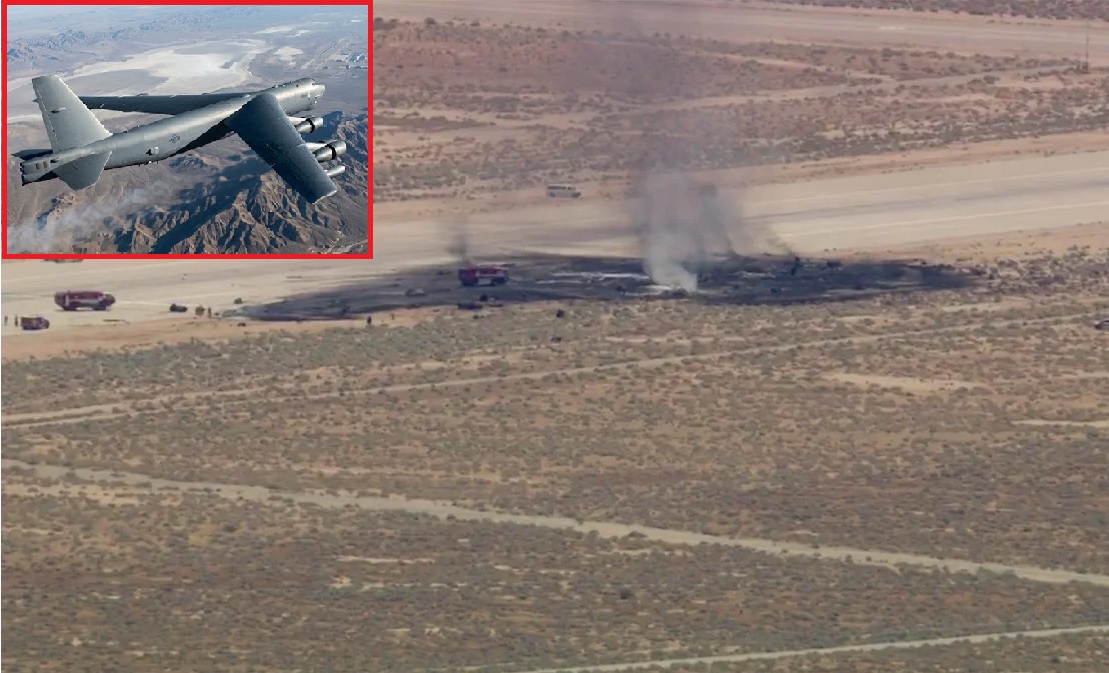 8 U.S. Air Force Crew Members Killed in B-52 Bomber Crash During Test Flight at Edwards Air Force Base
-
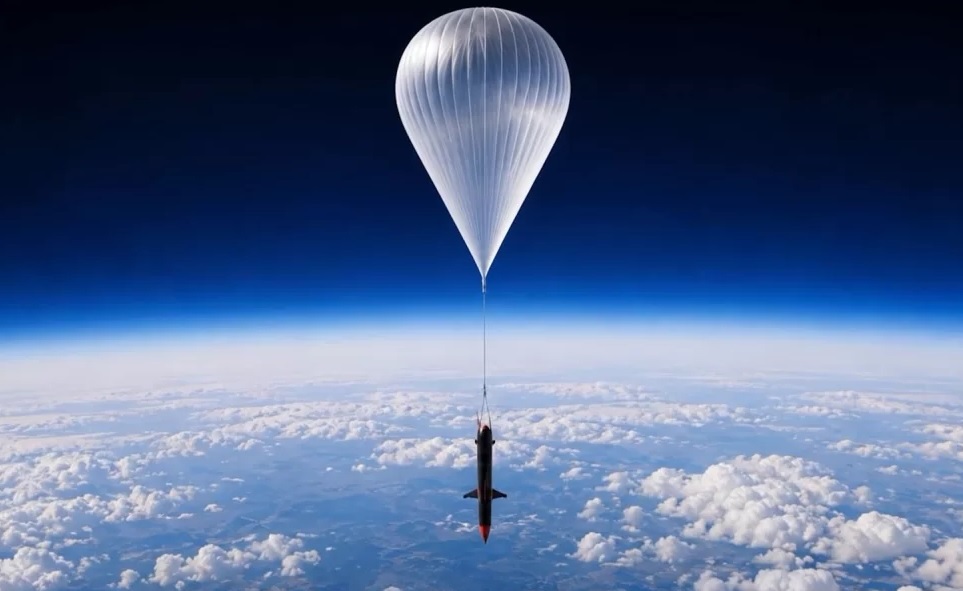 Ukraine Introduces Balloon-Launched DART Missile Designed to Defeat Electronic Warfare
-
 Lockheed Martin Wins $514 Million U.S. Space Force Contract for Two New GPS IIIF Satellites
-
 UK Announces £210 Million Deal to Supply Enriched Uranium to Ukraine for Two Years
-
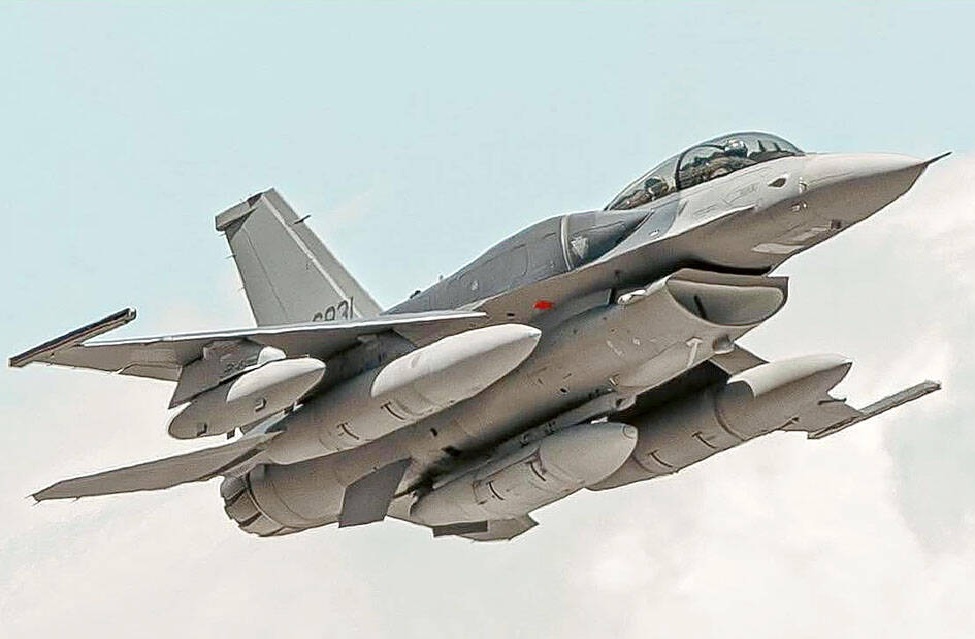 First Taiwanese F-16 Block 70 Flies with Five-Tank Fuel Configuration During Texas Tests
-
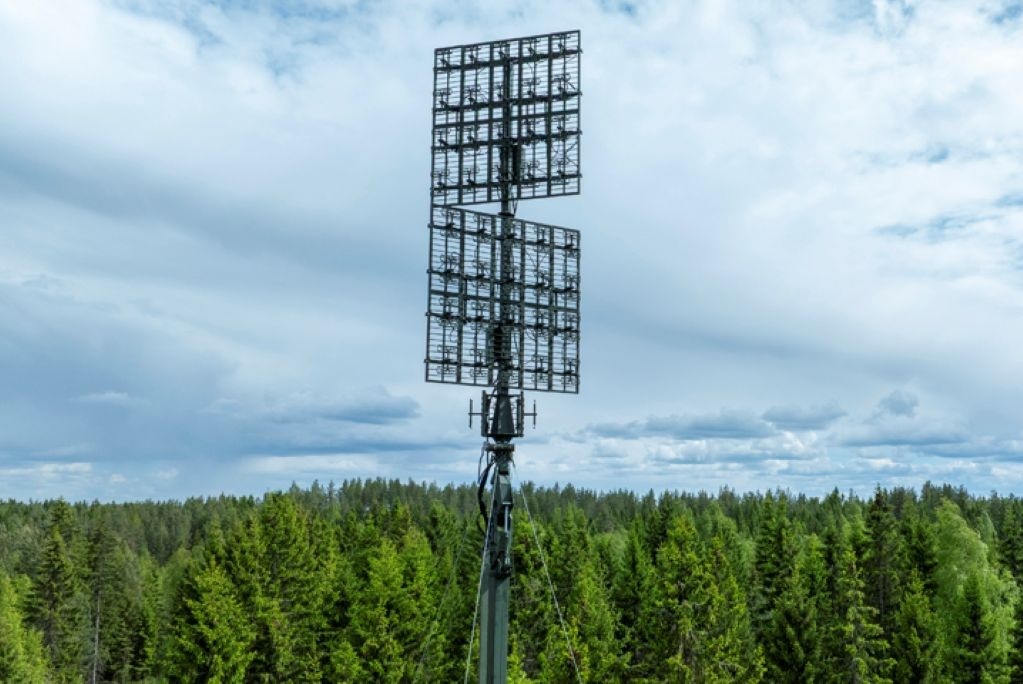 Patria Launches WISPR Passive Counter-Battery Radar with Silent Detection Capability at Eurosatory 2026
-
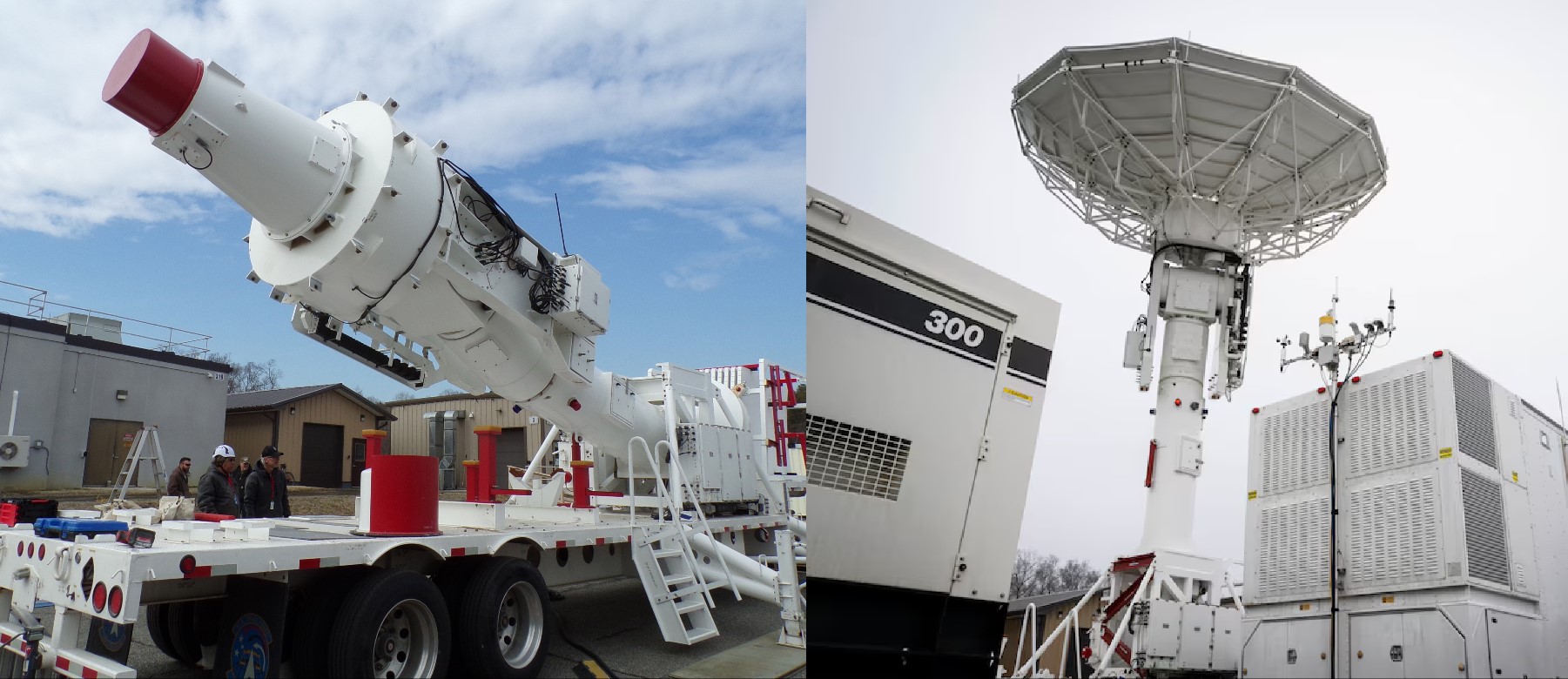 Space Force Transfers Transportable Satellite Tracking Antenna to Naval Research Laboratory
-
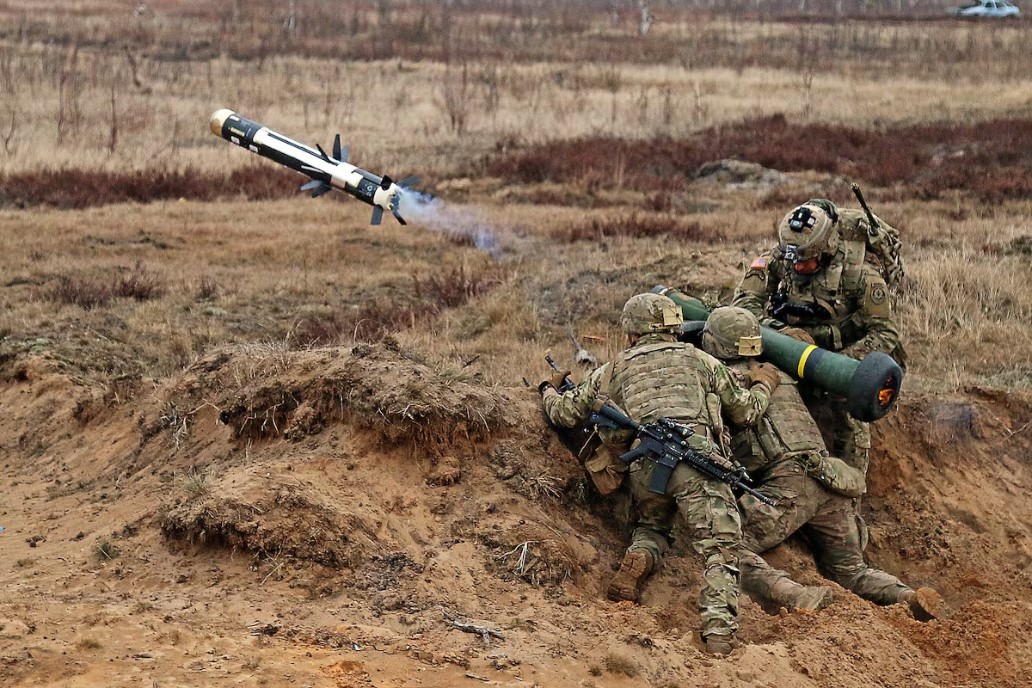 U.S. Army Launches 10-Year Plan to Sustain Javelin Missile Production Through 2036
Top Trending in 4 Days
-
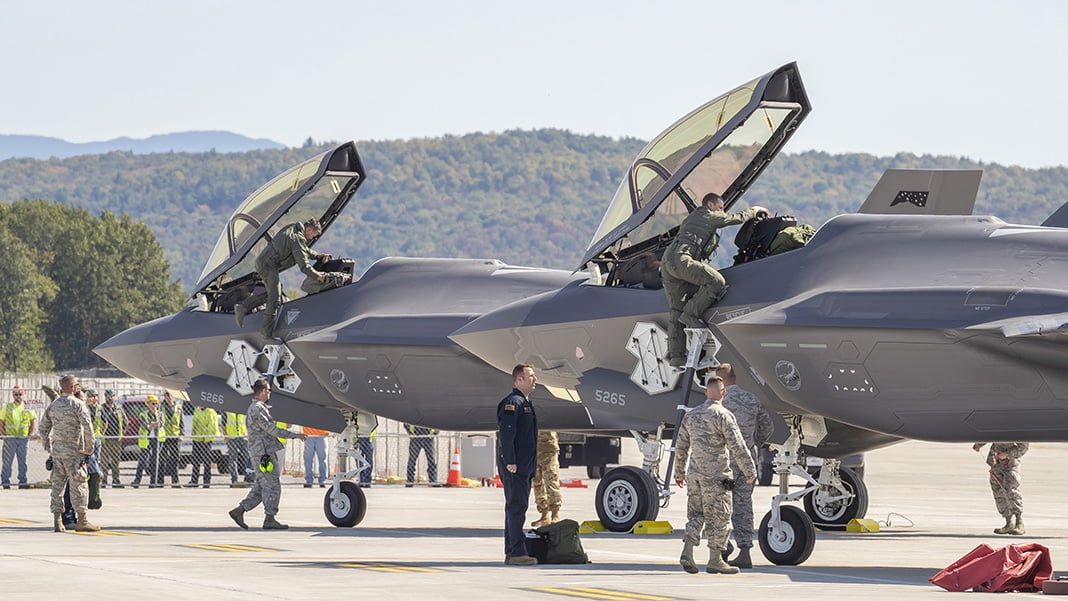 F-35 Fleet Readiness Falls to 25% Amid Parts Shortages and Software Delays: GAO Report
-
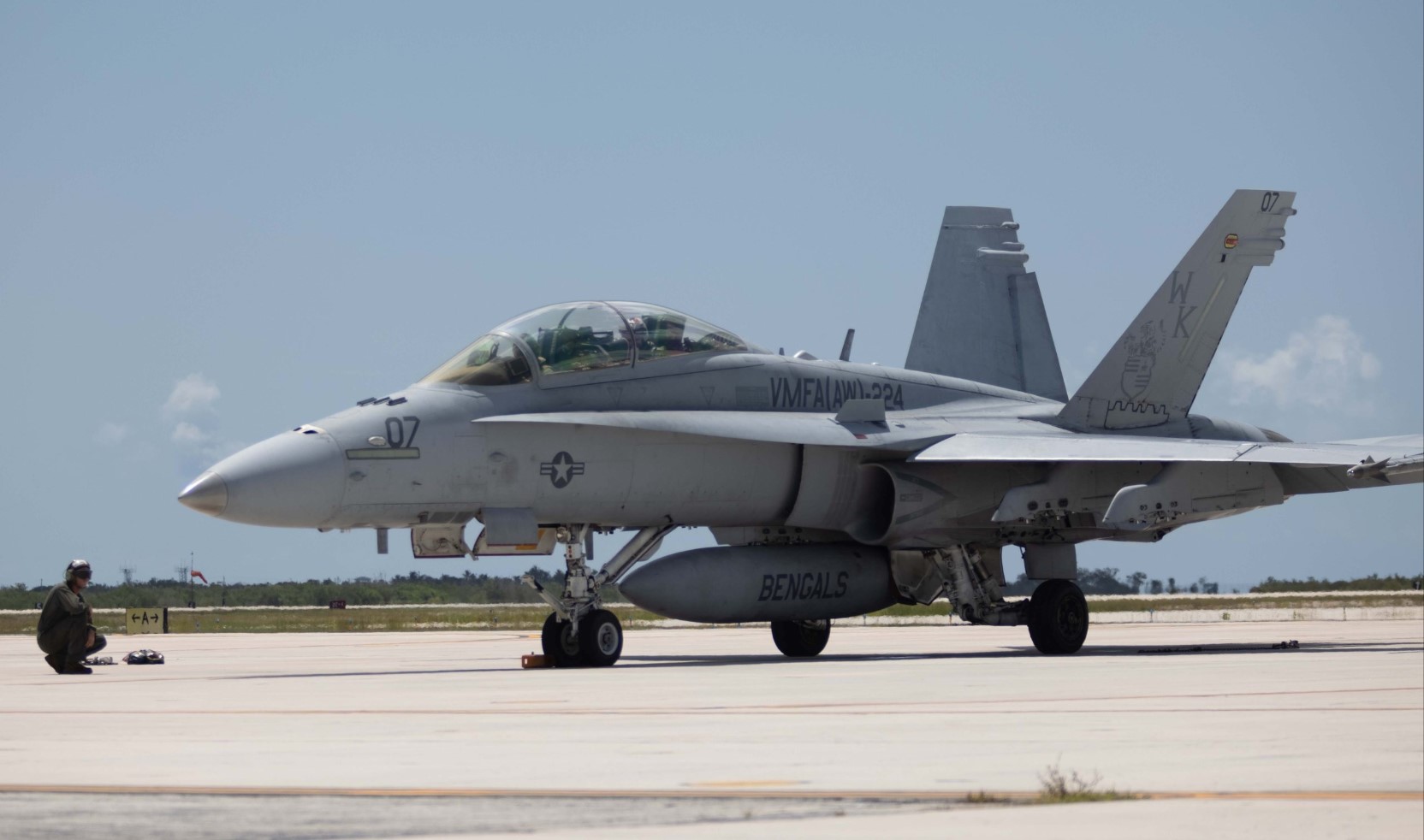 US Marine Corps F/A-18D Hornet Crashes During Training Flight in Washington Mountains; Pilot Ejects Safely
-
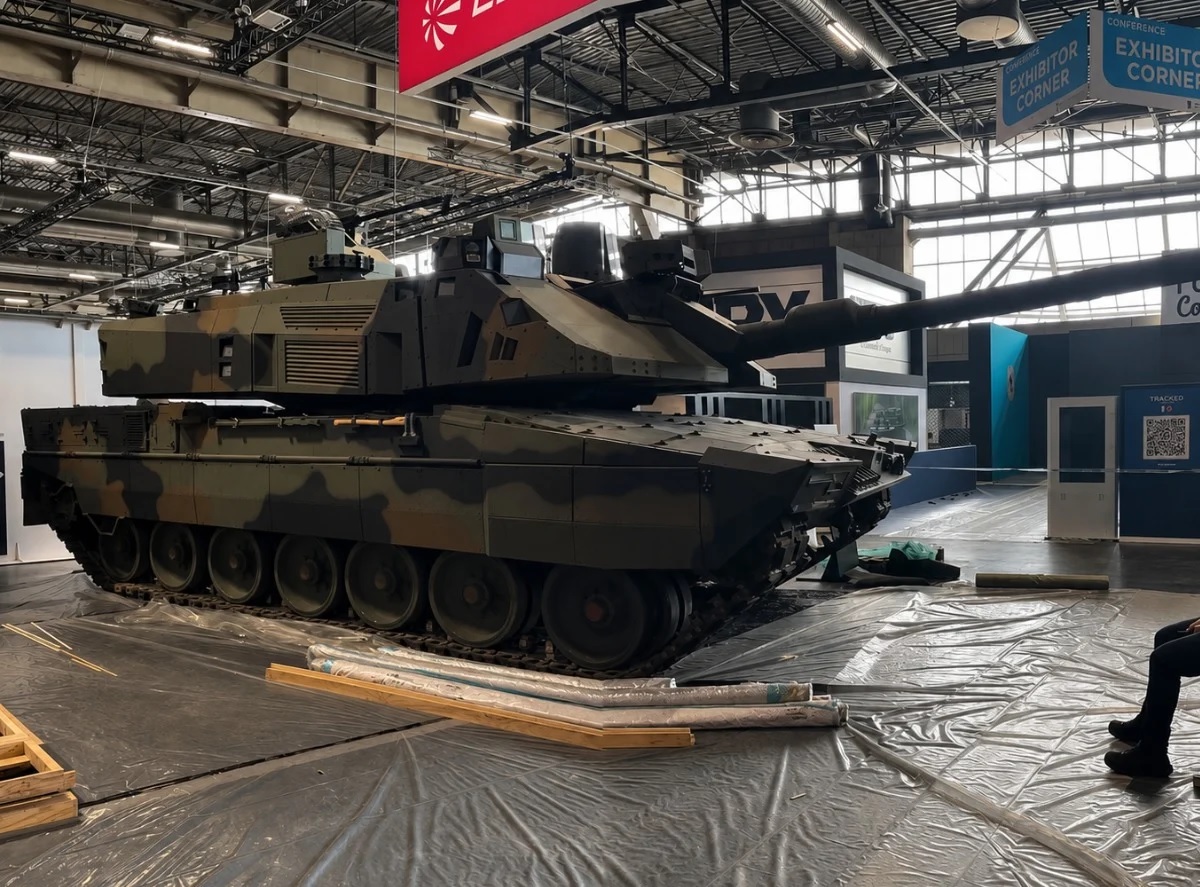 Leonardo Rheinmetall to Unveil Italy’s New IMBT Main Battle Tank at Eurosatory 2026
-
 Tulsi Gabbard Releases Declassified Files Detailing U.S.-Backed Network of 120 Biolaboratories Across 30+ Countries
-
8 U.S. Air Force Crew Members Killed in B-52 Bomber Crash During Test Flight at Edwards Air Force Base
-
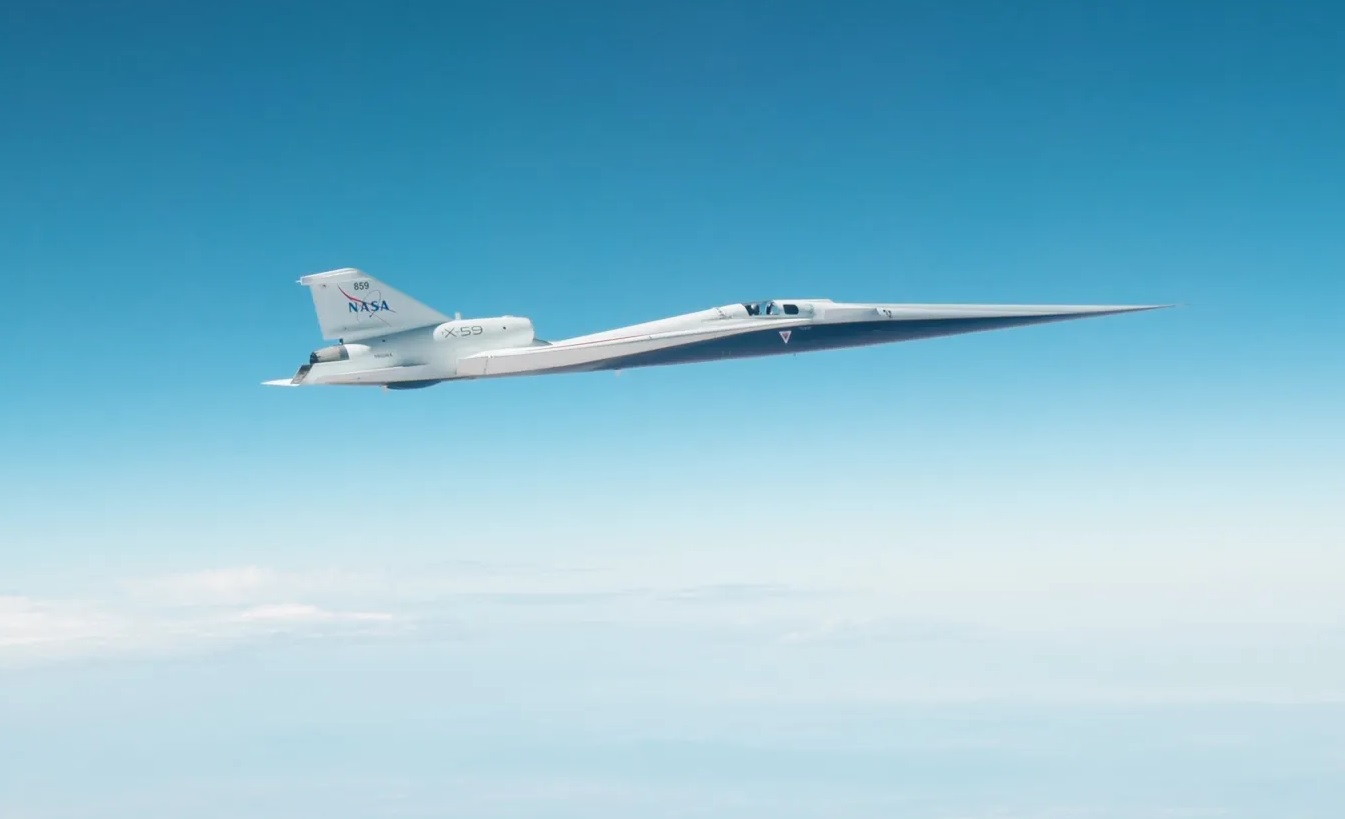 NASA X-59 Achieves Planned Mission Conditions with Mach 1.4 Flight at 55,000 Feet
-
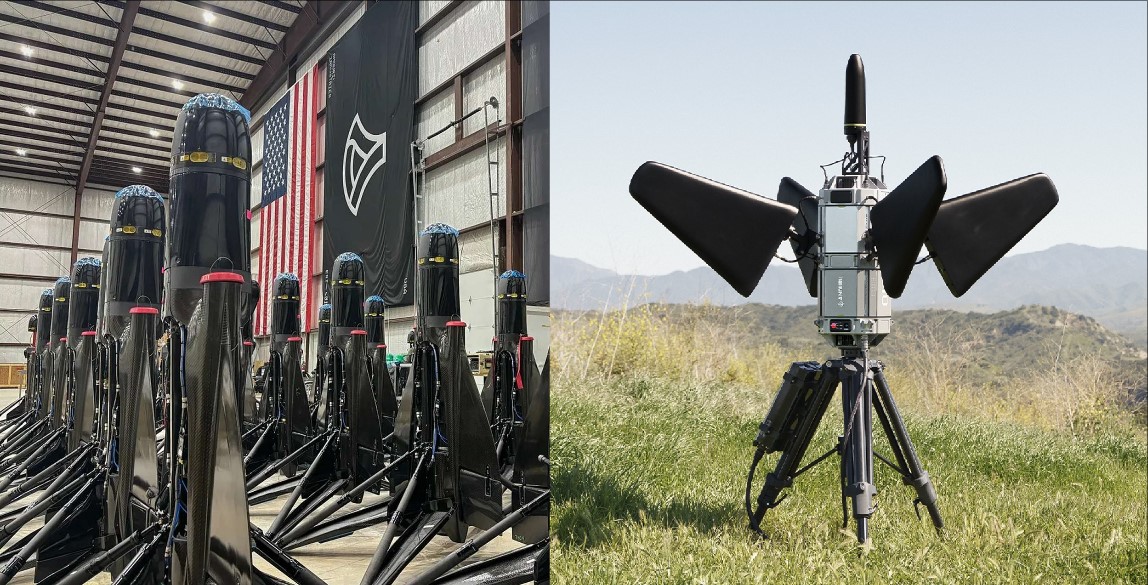 U.S. Approves $1.98 Billion Sale of Anduril AI-Powered Counter-Drone Systems to Kuwait
-
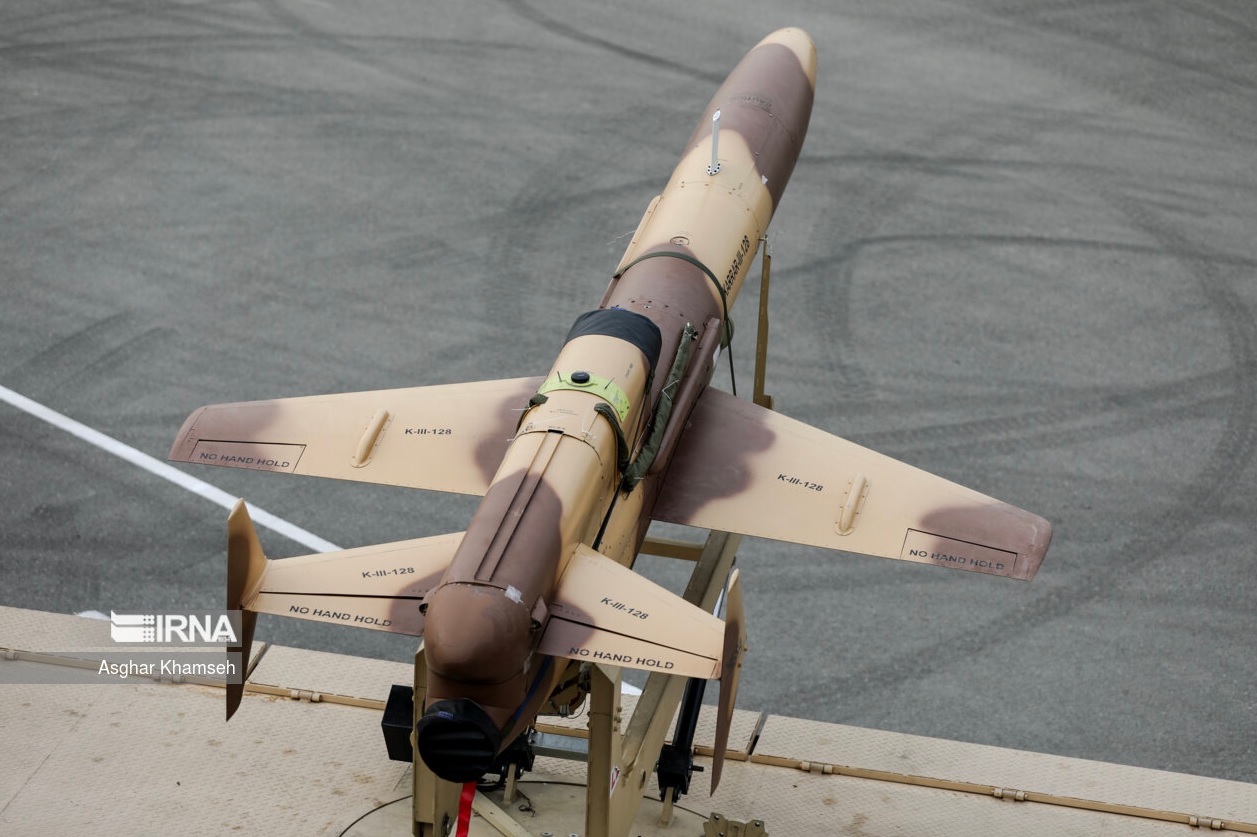 Russia Launches 1,400 Jet-Powered Drones in 2026 as Strike Tactics Evolve to Challenge Ukraine's Air Defenses
