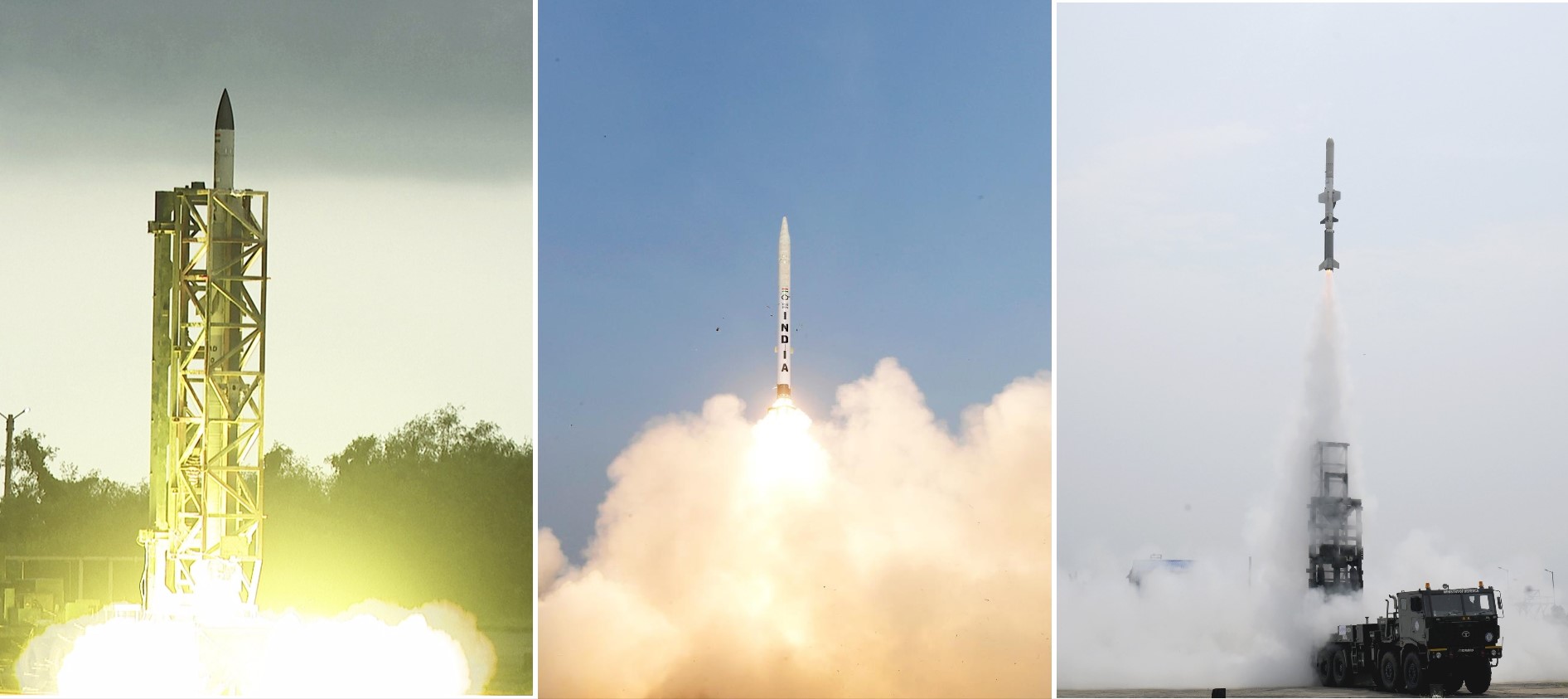
In a recent escalation of tensions between Iran and Israel, several missiles fired from Iran struck inside Israeli air force bases, according to an official statement from the Israeli military. Despite the direct hits, no casualties or damage to critical infrastructure were reported, marking this as a significant yet surprisingly restrained event in the ongoing confrontation between the two nations.
The incident occurred on Tuesday, with the Israeli military confirming on Wednesday that multiple missiles landed within the perimeters of Israeli Air Force (IAF) bases. While the army did not specify which bases were affected, the statement was clear that no essential infrastructure or aircraft sustained any damage. The military reassured the public that the IAF’s operational capabilities were untouched, emphasizing that Israel remains on full alert despite the incident.
This missile strike is seen as part of Iran's broader regional strategy, where it seeks to project power and influence by targeting key Israeli military assets. Iran and Israel have been engaged in a shadow war for years, particularly through proxy forces in Syria, Lebanon, and Iraq. However, direct attacks of this nature—where Iranian missiles land within Israeli military bases—are relatively rare.
One of the key questions that arose from the attack was why no damage occurred, considering the precision with which the missiles were reportedly launched. Some analysts suggest that Israel's advanced air defense systems, including the Iron Dome and David's Sling, may have played a role in neutralizing the threat. Both systems are designed to intercept incoming missile attacks, and while no official comment was made about their role in this particular incident, it is likely they contributed to minimizing the impact.
The broader context of this strike is critical. Tensions between Iran and Israel have been heating up, especially in the wake of recent developments related to Iran's nuclear program and Israel's covert operations against Iranian interests in Syria. Israel has frequently targeted Iranian military installations and convoys in Syria, and this missile strike could be seen as a form of retaliation. However, the lack of damage suggests that either Iran’s objective was limited to sending a political message or Israel's defense measures were effective in mitigating the threat.
Another aspect to consider is the timing of the attack. It occurred during a period of heightened regional volatility, with several reports indicating increased Iranian support for various militant groups in Gaza and Lebanon. These groups have launched their own rocket attacks on Israel, contributing to a complex and multifaceted security challenge for Israeli defense forces.
While Israeli officials downplayed the incident, saying that no casualties or operational disruptions were caused, the psychological impact on both military personnel and the Israeli public cannot be overlooked. Knowing that Iran's missiles can reach Israeli bases adds another layer of anxiety to an already tense environment.
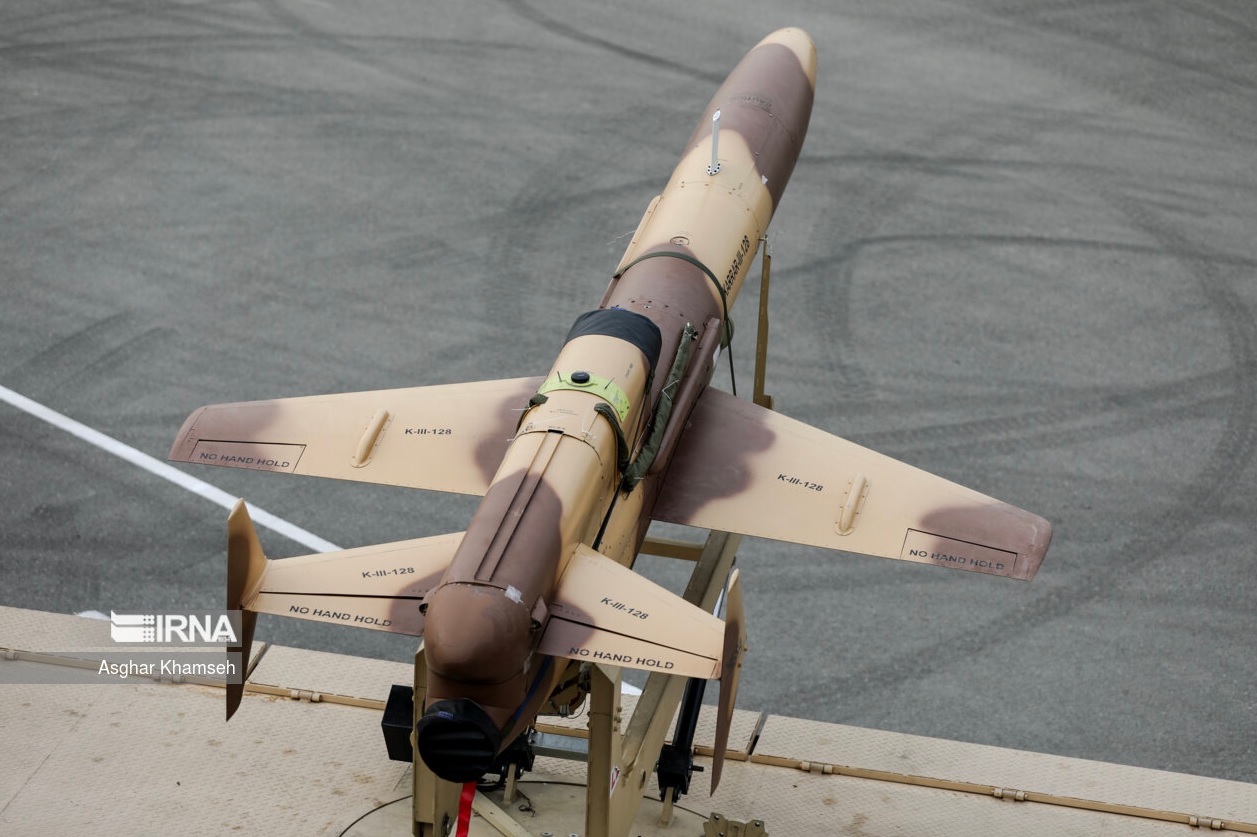
For Iran, the ability to strike directly at Israeli military installations—even without causing damage—sends a message of defiance. It underscores Tehran's growing missile capabilities, which have been the subject of international concern for years. Iran has steadily improved the range, accuracy, and payload capacity of its missiles, making them a formidable tool in its military arsenal. This incident highlights Iran’s potential to escalate its military engagement with Israel if it chooses to do so.
In conclusion, while the missile strike inside Israeli air bases did not cause any physical damage or loss of life, it represents a significant moment in the ongoing hostilities between Iran and Israel. The attack underscores the fragility of the region’s security situation, with both nations engaged in a delicate balancing act between deterrence and outright conflict. As tensions remain high, the risk of further escalation looms, making diplomatic efforts to ease the situation ever more critical.
——— End of Article ———