
World
EuroTrophy GmbH has secured a pivotal contract with KNDS Deutschland to enhance the German Army’s Leopard 2A8 main battle tanks (MBTs) with cutting-edge Trophy Active Protection Systems (APS). This agreement includes the supply of 123 Trophy systems, along with spare parts packages and integration services. The addition of these systems marks a significant upgrade in the operational capabilities of the German Army’s armored fleet. Strengthening Tank Defenses with Trophy APS Trophy APS, developed by Israel’s Rafael Advanced Defense Systems, is widely recognized for its combat-proven capabilities. It is designed to detect, intercept, and neutralize incoming threats such as anti-tank guided missiles (ATGMs) and rocket-propelled grenades (RPGs) before they can strike the vehicle. By deploying advanced radar sensors and a rapid-response mechanism, Trophy creates a protective bubble around the tank, enhancing survivability in high-threat environments. The system is already NATO-fielded, underlining its reliability and compatibility with allied defense operations. With its integration into the Leopard 2A8, Trophy has now become a standard feature for this tank model, elevating its defensive capabilities to meet modern battlefield demands. A Strategic Leap for EuroTrophy This contract with KNDS marks EuroTrophy’s second major achievement within a year. Previously, the Norwegian Army opted to equip its Leopard 2A8 fleet with the same APS, demonstrating growing confidence in Trophy’s effectiveness across Europe. Dan Kalfus, Managing Director of EuroTrophy, expressed gratitude for the trust placed in their technology, stating, “This step solidifies Trophy as an integral component of Leopard 2A8’s configuration.” Dr. Thomas Kauffmann, Chairman of the Supervisory Board of EuroTrophy, highlighted the broader implications, noting that the system's success could attract further interest from NATO and European nations seeking robust protection solutions for their armored vehicles. Beyond the System: Comprehensive Support EuroTrophy, headquartered in Frankfurt, is a joint venture involving Rafael, KNDS, and General Dynamics European Land Systems (GDELS). Beyond supplying the Trophy APS, the company offers extensive support services, including vehicle integration, maintenance, and through-life support. These services ensure seamless adoption and sustained performance of the systems in operational scenarios. Leopard 2A8: A Modern Battlefield Asset The Leopard 2A8 is an evolution of Germany’s renowned Leopard 2 series, featuring enhanced armor, improved mobility, and state-of-the-art targeting systems. By incorporating Trophy APS, the Leopard 2A8 addresses the increasing prevalence of advanced anti-tank weaponry on contemporary battlefields. The Trophy system enhances not only survivability but also situational awareness, thanks to its advanced radar system. This capability aligns with the German Army's objective to maintain technological superiority and interoperability within NATO frameworks. A Path Forward for European Defense As EuroTrophy continues to supply world-class technology to European militaries, the Trophy APS is expected to gain broader adoption. Its success with the Leopard 2A8 sets a benchmark for other armored platforms, potentially making it the first choice for active protection among NATO and European nations. The integration of Trophy APS into Germany’s Leopard 2A8 tanks underscores the country's commitment to maintaining a modern, resilient military force. This milestone not only strengthens Germany’s armored capabilities but also solidifies EuroTrophy’s position as a leading provider of advanced defense technologies in Europe.
Read More → Posted on 2024-12-04 14:26:55
World
In a dramatic and unprecedented turn of events, South Korean President Yoon Suk Yeol declared martial law on December 3, 2024, only to withdraw the order within hours after facing intense opposition from the National Assembly and widespread public protests. The decision, which marked South Korea's first imposition of martial law in over four decades, has sent shockwaves through the nation and drawn international attention to the state of its democracy. President Yoon's initial announcement came during a televised address where he cited the need to counter "anti-state forces" and protect South Korea from what he described as a growing threat from North Korea. He accused the opposition of undermining governance and collaborating with Pyongyang, labeling North Korea as a "communist regime" that posed a danger to South Korea’s democratic stability. The martial law order authorized the military to take control of civilian affairs, suspend basic rights, and restrict political activities—measures that evoked memories of South Korea's authoritarian past. The reaction was swift and overwhelming. Within hours of the declaration, lawmakers convened an emergency midnight session in the National Assembly, where they unanimously passed a resolution rejecting the imposition of martial law. Outside parliament, thousands of citizens gathered in defiance, chanting slogans against the government’s authoritarian move and demanding its immediate repeal. The backlash was not limited to domestic quarters; international observers expressed concern about the erosion of democratic principles in a country often seen as a model of post-authoritarian reform. Under mounting pressure, President Yoon announced his decision to honor the Assembly’s resolution and rescind the martial law order through an emergency Cabinet meeting. "I have heard the voices of the people and the Assembly," he said in a follow-up address. "I am committed to preserving our democratic values, even in the face of adversity." This episode comes at a challenging time for Yoon’s administration. His approval ratings have plummeted amid economic difficulties and persistent friction with an opposition-controlled parliament. Critics argue that the martial law declaration was a desperate attempt to consolidate power and silence dissent, a move that ultimately backfired and exposed the vulnerabilities of his leadership. The rapid imposition and retraction of martial law have sparked intense debate about the balance of power between South Korea’s executive and legislative branches. Analysts warn that such drastic measures could undermine public trust in democratic institutions and set a dangerous precedent for future administrations. The incident also underscores the fragile political climate in South Korea, where historical divisions between conservatives and progressives often play out in high-stakes confrontations. As President Yoon navigates the fallout from this crisis, the episode will likely be remembered as a pivotal moment in his presidency—one that tested the resilience of South Korea’s democracy and its commitment to constitutional governance. Internationally, the situation has drawn comparisons to other democracies grappling with authoritarian tendencies, raising broader questions about how nations balance security concerns with democratic integrity. While President Yoon’s decision to reverse the martial law order may have averted a deeper political crisis, it also serves as a stark reminder of the fragile nature of democratic governance in turbulent times.
Read More → Posted on 2024-12-04 14:24:51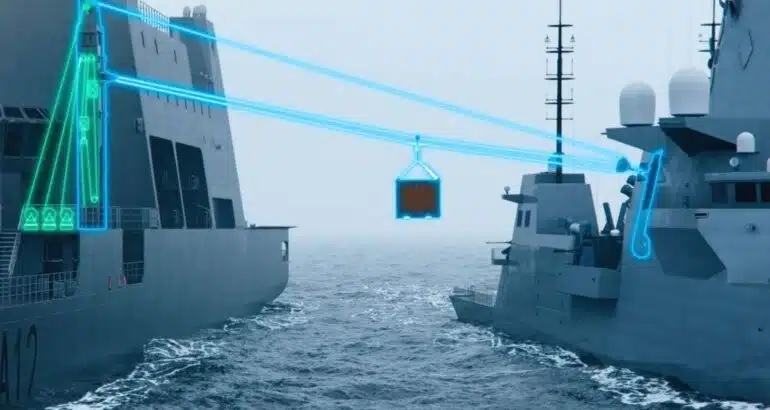
India
The Indian Navy’s operational prowess is set to receive a significant boost with the inclusion of Kongsberg Maritime's state-of-the-art Replenishment-at-Sea (RAS) technology in its new class of Fleet Support Ships (FSS). In a landmark agreement, Kongsberg Maritime has partnered with Hindustan Shipyard Limited (HSL) to equip these vessels with cutting-edge electric replenishment systems. This collaboration underscores the growing emphasis on enhancing naval logistics and operational sustainability in modern fleets. A New Era for Indian Naval Logistics The Indian Navy’s Fleet Support Ships program, involving five advanced replenishment vessels, is designed to provide vital logistical support to combat ships during extended missions. These ships, constructed by HSL, will carry fuel, ammunition, spare parts, and other critical supplies to ensure operational readiness far from home ports. With India’s increasing focus on strengthening its maritime capabilities, these vessels will play a pivotal role in maintaining fleet endurance across vast oceanic territories. The Edge of Kongsberg’s Electric RAS System Kongsberg Maritime’s electric RAS technology represents a paradigm shift in replenishment operations at sea. Traditional systems often relied on hydraulic mechanisms that posed challenges in precision, safety, and maintenance. Kongsberg’s electric solution, however, is engineered to deliver smoother and more reliable operations, especially during challenging maritime conditions. Key advantages include: Enhanced Safety: The electric RAS system minimizes the risks associated with handling heavy loads, ensuring safer replenishment operations for crew members. Increased Efficiency: Electric systems provide faster and more precise load transfer, reducing downtime during replenishment. Sustainability: The technology aligns with eco-friendly naval ambitions, reducing energy consumption and associated emissions compared to traditional systems. These attributes are particularly significant for a navy like India’s, which operates in diverse maritime zones ranging from calm tropical waters to turbulent high seas. Strategic Collaboration The contract signing, highlighted by the presence of Lisa Edvardsen Haugan, President of Kongsberg Maritime, marks a continuation of the longstanding relationship between the company and the Indian Navy. Haugan expressed pride in supporting the FSS program, emphasizing the mission-critical capabilities that Kongsberg’s technology will bring to the Indian fleet. “The development of our electric RAS system underscores our commitment to enhancing naval operational readiness while addressing sustainability challenges. We are excited to work with HSL on this prestigious project,” Haugan stated. Specifications and Operational Insights The Fleet Support Ships themselves are expected to feature a displacement exceeding 40,000 tons, capable of carrying over 20,000 tons of supplies. Equipped with advanced replenishment capabilities and defensive systems, these vessels will be vital in extending the Indian Navy’s reach. Kongsberg’s RAS technology will complement these ships' roles by ensuring seamless supply delivery, even under adverse conditions. The partnership between Kongsberg Maritime and HSL not only strengthens India’s naval infrastructure but also reflects the broader trend of integrating advanced technology into maritime operations. By opting for electric RAS systems, India reinforces its commitment to efficiency, safety, and sustainability, setting a benchmark for future naval projects globally. This development is yet another step toward realizing India’s vision of a modern, blue-water navy capable of safeguarding its maritime interests and contributing to regional stability.
Read More → Posted on 2024-12-03 16:06:10
World
As the world watches the continuing crisis in Gaza, Donald Trump, President-elect of the United States, has issued a sharp warning to Hamas. In a post on Truth Social, Trump demanded the release of hostages held in Gaza, setting January 20, 2025—his inauguration date—as a critical deadline. He warned that failure to comply would result in "all hell to pay," promising severe and unprecedented consequences for those responsible. Trump’s ultimatum follows the brutal events of October 7, 2023, when Hamas launched a surprise attack on Israel, killing over 1,200 people and taking more than 250 hostages. Since then, the crisis has only deepened, with ongoing violence and stalled negotiations. Currently, around 100 hostages remain in captivity, with some confirmed dead. Hamas has tied potential releases to the cessation of Israeli military operations, creating a diplomatic deadlock. Criticizing the current U.S. administration’s efforts as “all talk and no action,” Trump framed his statement as a decisive move toward resolution. He called for immediate negotiations and underscored his intent to hold perpetrators accountable with unparalleled force. His remarks were met with mixed reactions: Israeli President Isaac Herzog welcomed the strong rhetoric, while critics highlighted the complexities of the conflict and the potential for further escalation. Trump’s ultimatum not only emphasizes his support for Israel but also signals a more aggressive U.S. approach to Middle East policy under his incoming administration. However, achieving the release of hostages amidst the volatile situation remains uncertain. With regional tensions at a boiling point, the coming months will test the limits of diplomatic and military strategies in one of the world’s most intractable conflicts.
Read More → Posted on 2024-12-03 15:58:18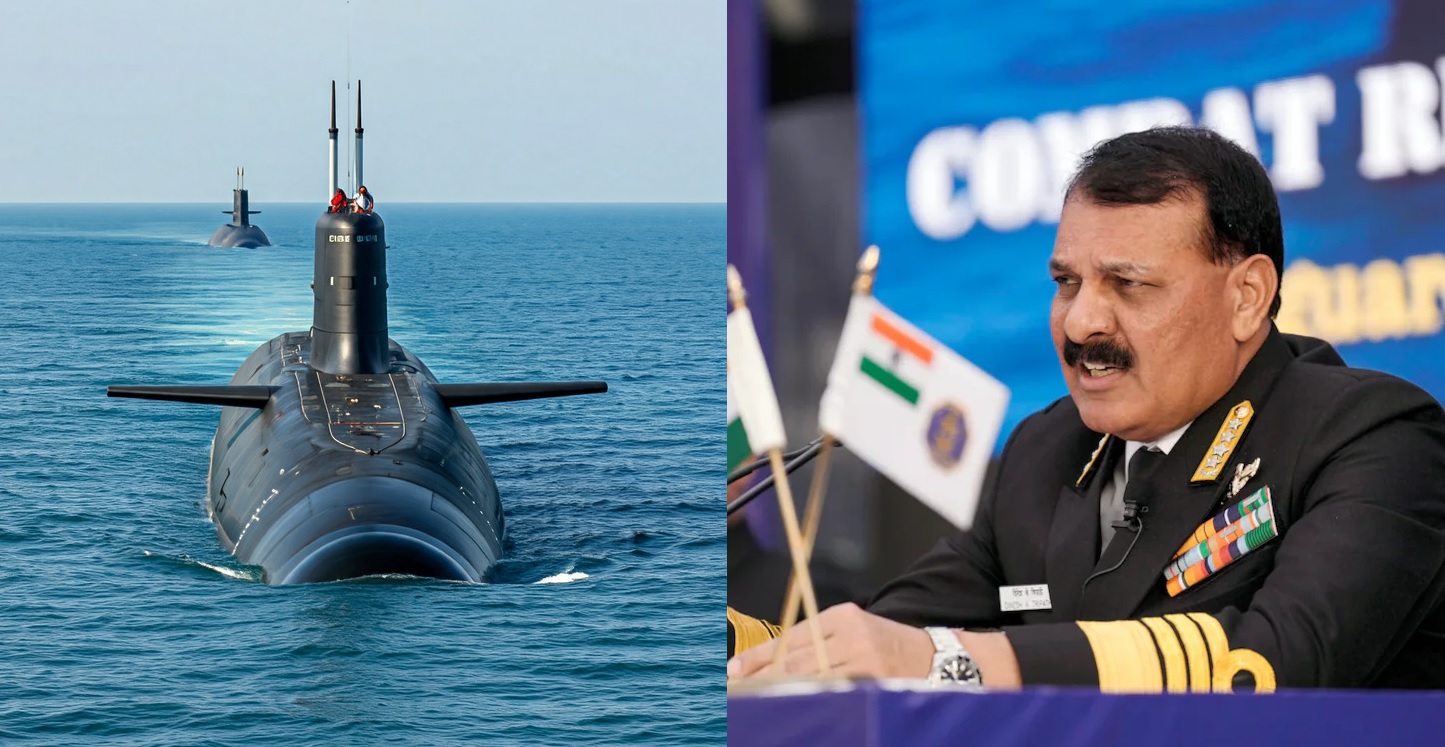
India
In a significant stride towards strengthening its maritime defense, India is set to deliver its first indigenously designed nuclear attack submarine by 2036, marking a transformative milestone in its defense capabilities. Navy Chief Admiral Dinesh K. Tripathi has confirmed that the project, which envisages six such submarines, underscores India’s growing self-reliance in designing and manufacturing complex defense platforms. The program reflects a high level of confidence from the government, evident in its October approval of a ₹35,000 crore budget for the initiative. A New Era of Submarine Warfare India already boasts nuclear-powered and nuclear-armed ballistic missile submarines (SSBNs) under the Arihant-class. These strategic deterrents are equipped with long-range nuclear weapons and serve as the backbone of India's nuclear triad. However, the upcoming nuclear attack submarines (SSNs) are set to introduce a whole new level of capability to the Indian Navy. Unlike the Arihant-class, which focuses on strategic deterrence, SSNs are designed for stealth and aggression, armed with advanced conventional weapons. One of the defining advantages of nuclear attack submarines is their ability to remain submerged indefinitely, thanks to a nuclear propulsion system. This allows them to operate covertly in sensitive regions, monitor enemy movements, and maintain a sustained presence in areas of strategic interest. In comparison, conventional submarines are limited by their need to surface periodically to recharge batteries, which makes them vulnerable to detection. Indigenous Capability: A National Triumph What sets this program apart is its indigenous nature. India has in the past relied on leased nuclear attack submarines from Russia, such as the Akula-class. The new project, however, will be a purely Indian effort, showcasing advancements in critical technologies such as miniaturized nuclear reactors, stealth systems, and weapon integration. These submarines will have minimal foreign components, reinforcing India's technological prowess and reducing dependency on external suppliers. The confidence in meeting the ambitious timeline stems from the robust ecosystem that has evolved around India’s defense industry. Admiral Tripathi highlighted that the program would act as a catalyst, energizing ancillary industries and driving innovation across the sector. Strategic Context: Joining an Elite Club Upon induction, India will join an exclusive group of nations, including the United States, Russia, and China, that possess nuclear attack submarines. This capability will serve as a force multiplier, significantly enhancing India’s ability to protect its maritime interests in contested waters, particularly in the Indian Ocean Region (IOR), where rival powers are expanding their naval presence. Parallel Modernization Efforts The SSN project is not the Indian Navy's only venture into submarine modernization. The process to acquire six Air Independent Propulsion (AIP)-equipped submarines under Project 75I is underway, with bids from international players such as MDL-TKMS and L&T-Navantia being evaluated. AIP technology enables conventional submarines to stay submerged longer, narrowing the performance gap with nuclear submarines. Additionally, India is finalizing a contract for three more Kalvari-class submarines, based on the French-designed Scorpène platform. These diesel-electric submarines have already demonstrated their effectiveness in enhancing India's underwater combat capabilities. Looking Ahead As the Indian Navy moves toward realizing its nuclear attack submarine vision, the program symbolizes more than just military advancement. It reflects India's strategic maturity and its readiness to take on challenges in a volatile geopolitical landscape. By 2036, when the first submarine is expected to join the fleet, India will have fortified its maritime defense with a formidable tool, further solidifying its position as a key player in global naval dynamics. The road ahead is challenging, but the foundations laid by the SSN program and other modernization efforts promise a future where India’s naval ambitions are matched by its capabilities.
Read More → Posted on 2024-12-03 15:53:57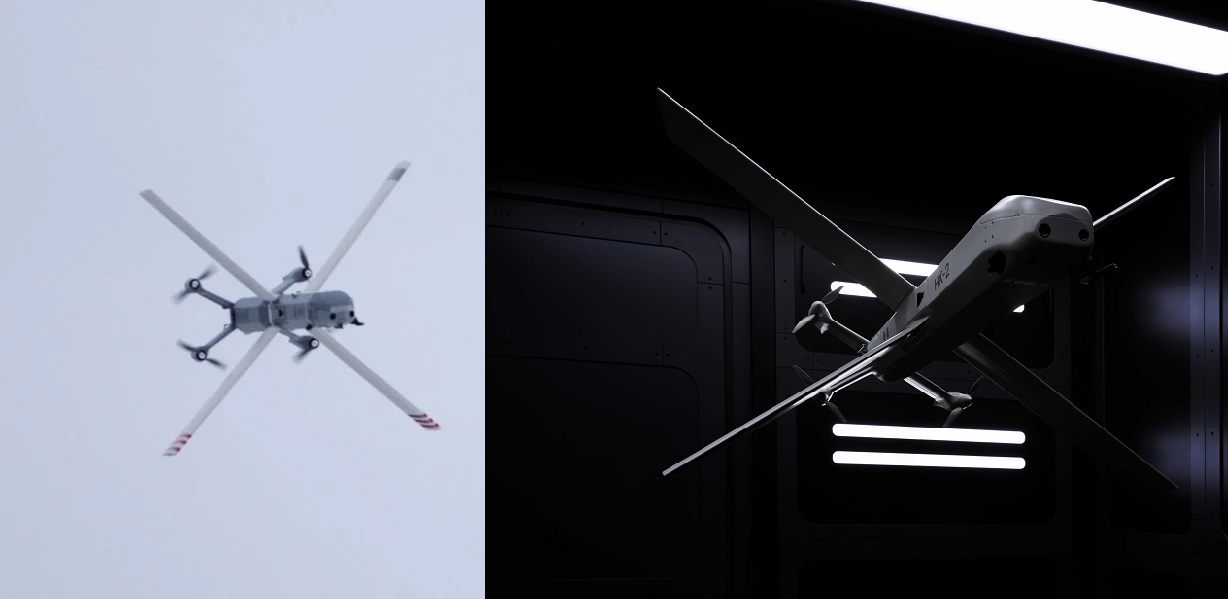
World
In a significant leap for military technology, Helsing, Europe’s leading defense AI company, has introduced the HX-2, an intelligent strike drone designed to transform modern warfare. The HX-2 isn’t just another drone; it’s a revolutionary software-driven platform built to deliver unparalleled autonomy, precision, and mass deployment capability. This innovation signals a decisive step in Helsing’s mission to bolster the security of democratic nations. The Cutting-Edge Design of HX-2 The HX-2 boasts a sleek x-wing configuration and is powered by an electric propulsion system, enabling it to cover ranges of up to 100 km. This makes it a versatile tool for long-range precision strikes. What truly sets the HX-2 apart is its integration of advanced artificial intelligence, which provides: Full autonomy for targeting and navigation. Robust electronic warfare resistance, ensuring operational effectiveness even in heavily contested environments. Swarm Intelligence One of the standout features of the HX-2 is its swarm capability. When paired with Helsing’s Altra reconnaissance and strike software, multiple HX-2 drones can collaborate seamlessly. Controlled by a single human operator, these swarms execute coordinated attacks with surgical precision, neutralizing threats effectively. This makes the HX-2 a game-changer in scenarios demanding rapid, high-volume responses. Cost-Effective Mass Production Unlike traditional systems that often come with steep price tags, the HX-2 has been designed with mass production in mind. By leveraging advanced manufacturing processes and streamlined designs, Helsing has significantly reduced unit costs. This positions the HX-2 as a vital force multiplier, complementing existing artillery systems and expanding operational capabilities for allied forces. Combat-Ready and Proven The HX-2 isn’t a prototype—it’s already in production and has been battle-tested. Key technologies developed for the HX-2 have seen active deployment in Ukraine, where they’ve proven their effectiveness in countering armored threats and electronic warfare systems. These experiences have informed its design, ensuring its reliability in real-world scenarios. Strategic Implications Helsing’s leadership emphasizes the strategic edge the HX-2 offers to NATO and allied forces. Gundbert Scherf, co-founder of Helsing, highlights its importance in safeguarding Europe’s Eastern Flank, a region of growing geopolitical tension. By combining mass production, AI-driven autonomy, and human oversight, the HX-2 restores critical capabilities threatened by modern electronic warfare, allowing operators to maintain control and effectiveness in highly contested zones. Key Specifications Propulsion: Electric Range: Up to 100 km Payload: High-precision munitions for armored targets AI Features: Navigation, targeting, electronic warfare resistance Deployment: Swarm-capable with single-operator control Use Cases: Border defense, counter-invasion operations, long-range precision strikes The Bigger Picture Helsing’s HX-2 represents more than just technological advancement—it’s a strategic asset designed to address modern military challenges. By offering a scalable, cost-effective solution that blends precision with autonomy, it provides a vital tool for democratic nations to defend their sovereignty. As production ramps up in Europe, the HX-2 is poised to become a cornerstone of modern defense strategies, marking the beginning of a new era in drone warfare.
Read More → Posted on 2024-12-03 15:49:41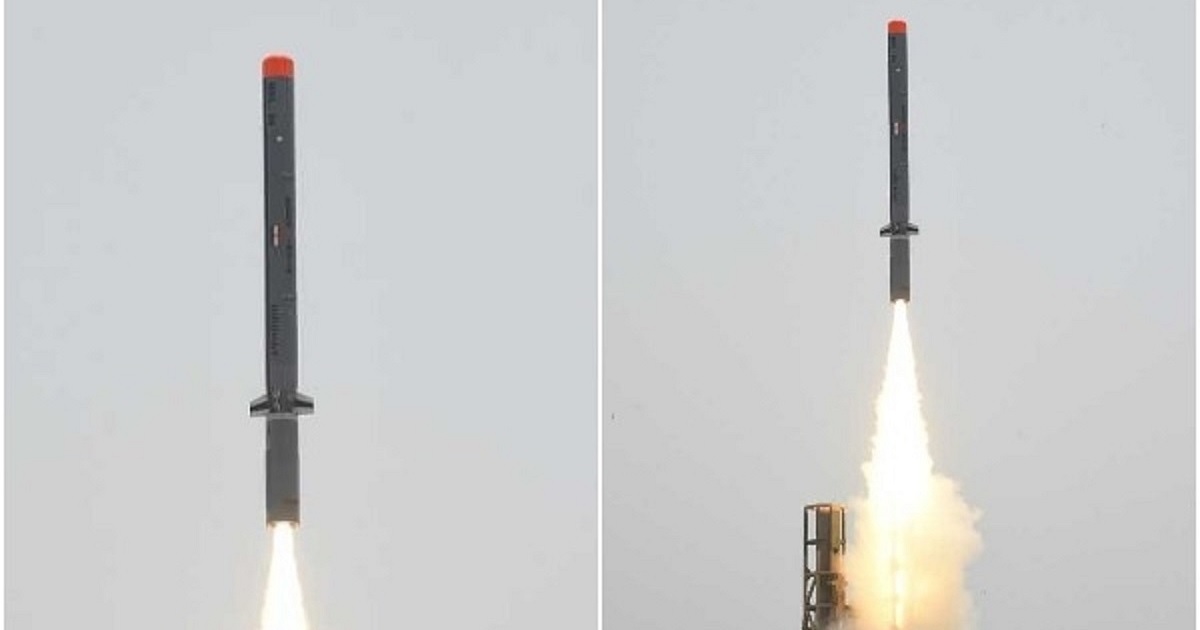
India
In a groundbreaking development for missile technology, India’s Defence Research and Development Laboratory (DRDL) has introduced a cutting-edge material called Low-Density Ablative Material (LDAM). Designed to enhance the thermal protection and overall efficiency of missile systems, LDAM promises to be a game-changer in the realm of advanced defense systems. A Leap Beyond Traditional Insulation Conventional insulation systems like PC-10, TPP/TPI, EPDM, and ROCASIN have long served missile technology, but LDAM represents a substantial leap forward. Offering both internal and external thermal protection, LDAM is tailored to meet the rigorous demands of modern missile systems. It is particularly suitable for metallic and composite sections, ensuring its versatility across a wide range of configurations. One of LDAM’s most notable attributes is its remarkably low density. This makes it ideal for weight-sensitive applications, where minimizing mass is critical to maximizing performance and payload capacity. Additionally, its ease of application and repairability provides a distinct advantage, allowing for swift deployment and maintenance in operational scenarios. Exceptional Thermal and Structural Capabilities LDAM’s thermal stability is nothing short of impressive, with the ability to withstand extreme temperatures of up to 1200°C. This makes it an indispensable choice for missile sections subjected to intense heat during high-speed flight or re-entry phases. Its robust structural integrity further enhances its reliability, ensuring that it remains durable during handling, transportation, and long-term storage. The material also exhibits a high degree of adaptability, capable of being applied to surfaces with complex geometries. Whether used as a spray-on application for precise thickness requirements or as a putty for sealing joints, LDAM offers unmatched versatility. Its room-temperature curing process eliminates the need for specialized high-temperature curing systems, streamlining production and maintenance processes. A Green Step Forward In addition to its technical prowess, LDAM aligns with DRDL’s commitment to sustainability. Its manufacturing process is environmentally friendly, generating no harmful by-products. This green innovation positions LDAM as not only a technological marvel but also a reflection of India’s dedication to eco-conscious defense solutions. Transforming Missile Technology LDAM is set to revolutionize the design and functionality of India’s missile systems. By combining superior thermal protection, reduced weight, and simplified maintenance, this advanced material enhances the overall effectiveness and longevity of missile systems. Its unique properties make it an essential addition to the expanding arsenal of India’s defense capabilities. With DRDL’s consistent efforts in advancing military technology, LDAM stands as a testament to the organization’s expertise and innovation. This new development underscores India’s growing prowess in defense manufacturing, paving the way for more efficient, sustainable, and cutting-edge solutions in the years to come.
Read More → Posted on 2024-12-03 15:43:54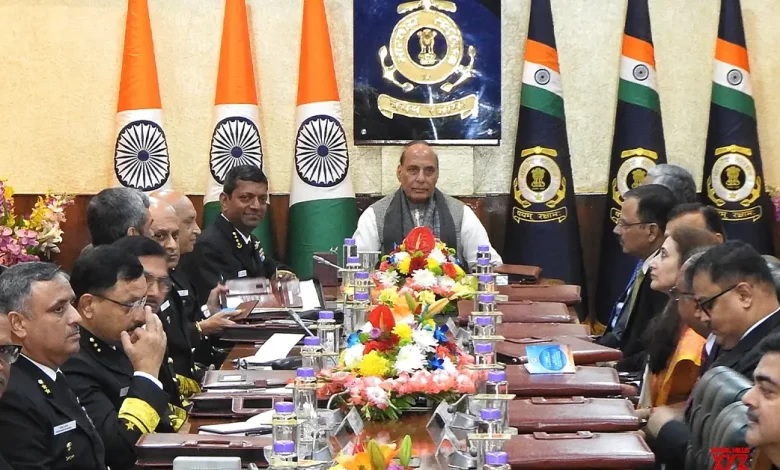
India
In a significant move to bolster India's defence capabilities, the Defence Acquisition Council (DAC), chaired by Defence Minister Rajnath Singh, has approved five major capital acquisition proposals worth over ₹21,772 crore. The nod, granted under the Acceptance of Necessity (AoN) framework, aims to enhance the operational readiness of the armed forces across maritime, aerial, and ground domains. Maritime Security Reinforced with Fast Attack and Interceptor Crafts The Indian Navy will soon induct 31 New Water Jet Fast Attack Crafts (NWJFACs). These advanced vessels are tailored for low-intensity maritime operations, coastal surveillance, and search-and-rescue missions. Their versatility also extends to anti-piracy roles, particularly in protecting India’s vast island territories. With high-speed water jet propulsion, these crafts promise better maneuverability and endurance in coastal waters. Further strengthening coastal security, the DAC has approved the procurement of 120 Fast Interceptor Crafts (FIC-1). These agile vessels are specifically designed to safeguard high-value naval assets, such as aircraft carriers and submarines. They are equipped to perform escort duties and ensure robust coastal defense. Enhancing Airborne Capabilities with Advanced Electronic Warfare The council also sanctioned the acquisition of cutting-edge Electronic Warfare Suites (EWS) for the Indian Air Force’s frontline Su-30 MKI fighter jets. These suites feature external airborne self-protection jammer pods and next-generation radar warning receivers. The enhanced system will shield the aircraft from enemy radar systems and air-defense threats during offensive missions, significantly improving survivability and combat efficiency. Coast Guard to Strengthen Surveillance with Advanced Light Helicopters To address growing concerns over coastal security, six Advanced Light Helicopters (ALH) M (MR) are set to join the Indian Coast Guard’s fleet. These multipurpose helicopters will enhance surveillance, reconnaissance, and rescue operations along India’s extensive coastline. Built indigenously by Hindustan Aeronautics Limited (HAL), the ALH platforms reflect India's push toward self-reliance in defense manufacturing. Life Extension for Ground and Aerial Assets In a separate decision, the DAC approved the overhaul of key defense assets, including T-72 and T-90 battle tanks, BMP infantry fighting vehicles, and the engines of Su-30 MKI aircraft. These upgrades aim to extend the operational lifespan of these systems, ensuring they remain mission-ready for years to come. Strategic Implications This wave of approvals underscores India's commitment to enhancing indigenous defense production while addressing critical operational gaps. The focus on locally manufactured equipment, such as the ALH and electronic systems, aligns with the government’s "Make in India" initiative. Furthermore, these acquisitions signal a proactive approach to countering maritime and aerial threats, protecting vital assets, and maintaining regional stability. As the projects move forward, India’s defense forces are poised to gain significant tactical and operational advantages, reinforcing their preparedness for modern-day security challenges.
Read More → Posted on 2024-12-03 15:40:28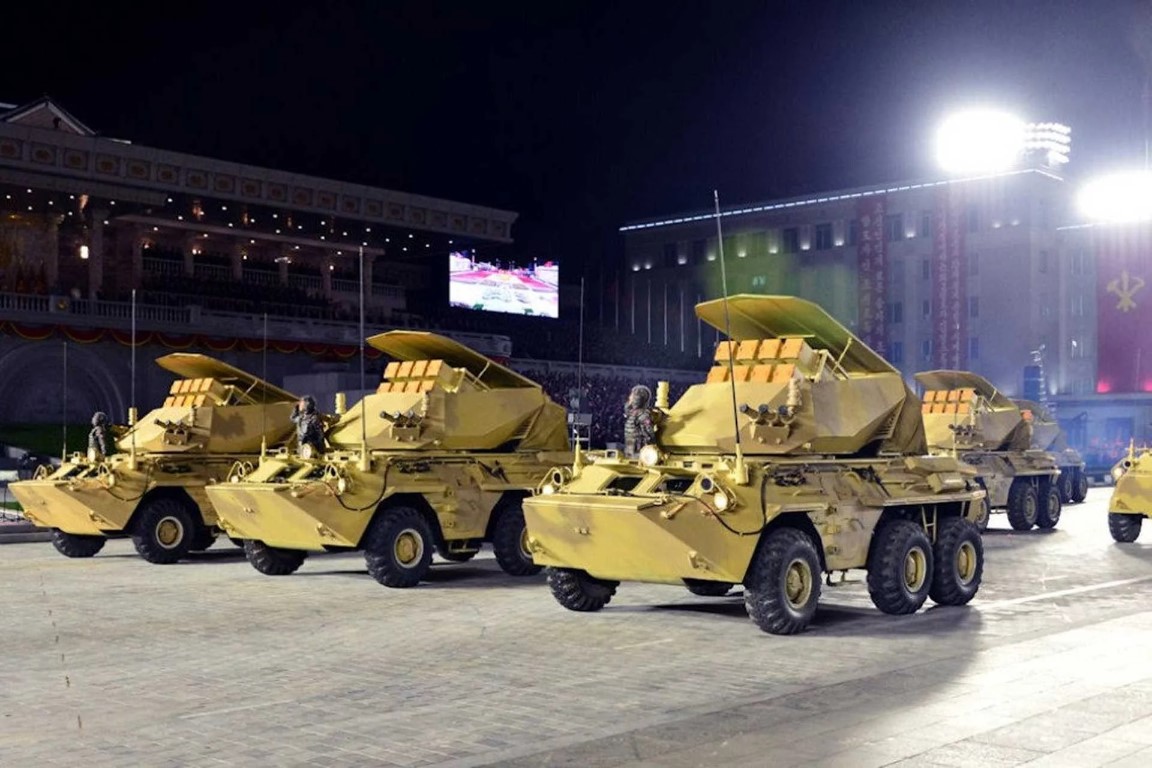
World
In a significant blow to Russian military operations, Ukraine’s Third Assault Brigade successfully targeted and destroyed a North Korean Bulsae-4 missile system in Kharkiv Oblast. The incident, captured on video and shared widely, highlights the growing presence of North Korean military hardware in the ongoing conflict. The Bulsae-4, a long-range anti-tank weapon, is mounted on an M-2010 6×6 wheeled armored vehicle, which enhances its mobility and tactical deployment capabilities. Known for its ability to engage armored targets up to 25 kilometers (15.5 miles) away, the system employs an electro-optical seeker for high-precision strikes. This technology enables effective attacks even against targets beyond the operator’s line of sight, making it a formidable addition to the battlefield. The strike on the Bulsae-4 was executed using a Windbreaker suicide drone, a one-way attack drone that has proven effective in Ukraine’s arsenal. Footage from the operation shows the drone tracking and neutralizing the missile system as it moved along a road in the Kharkiv region. This marks another successful deployment of Ukrainian drone technology, which has also been used to destroy various Russian vehicles in recent months. Evidence of North Korean Involvement The presence of the Bulsae-4 missile system in Russian hands is not an isolated case. Earlier this year, similar North Korean weapons were identified by Ukrainian surveillance in the same region. Additionally, Russia is reported to have launched around 60 North Korean KN-23 missiles during its campaign against Ukraine, adding to concerns about Pyongyang’s direct support for Moscow. Beyond weaponry, Ukraine has alleged that North Korea has provided manpower to assist Russian forces. Ukrainian Defense Minister Rustem Umerov recently claimed that approximately 11,000 North Korean troops have been deployed to bolster Russian frontline units in the Kursk region. This aligns with earlier intelligence reports suggesting broader North Korean involvement in Russia’s military efforts. Broader Implications The destruction of the Bulsae-4 is more than just a tactical victory for Ukraine; it underscores the expanding international dimensions of the Russia-Ukraine conflict. North Korea’s military support for Moscow, including advanced weaponry and personnel, signals a deepening alliance between the two nations. For Kyiv, this complicates the battlefield dynamics, necessitating continued vigilance and innovation to counter such threats. As Ukraine’s forces adapt to these evolving challenges, their successes—like the recent strike on the Bulsae-4—demonstrate their resilience and capability to confront adversaries equipped with diverse and sophisticated military technologies. The international community will undoubtedly watch closely as evidence of North Korea’s role in the conflict continues to emerge.
Read More → Posted on 2024-12-03 15:34:47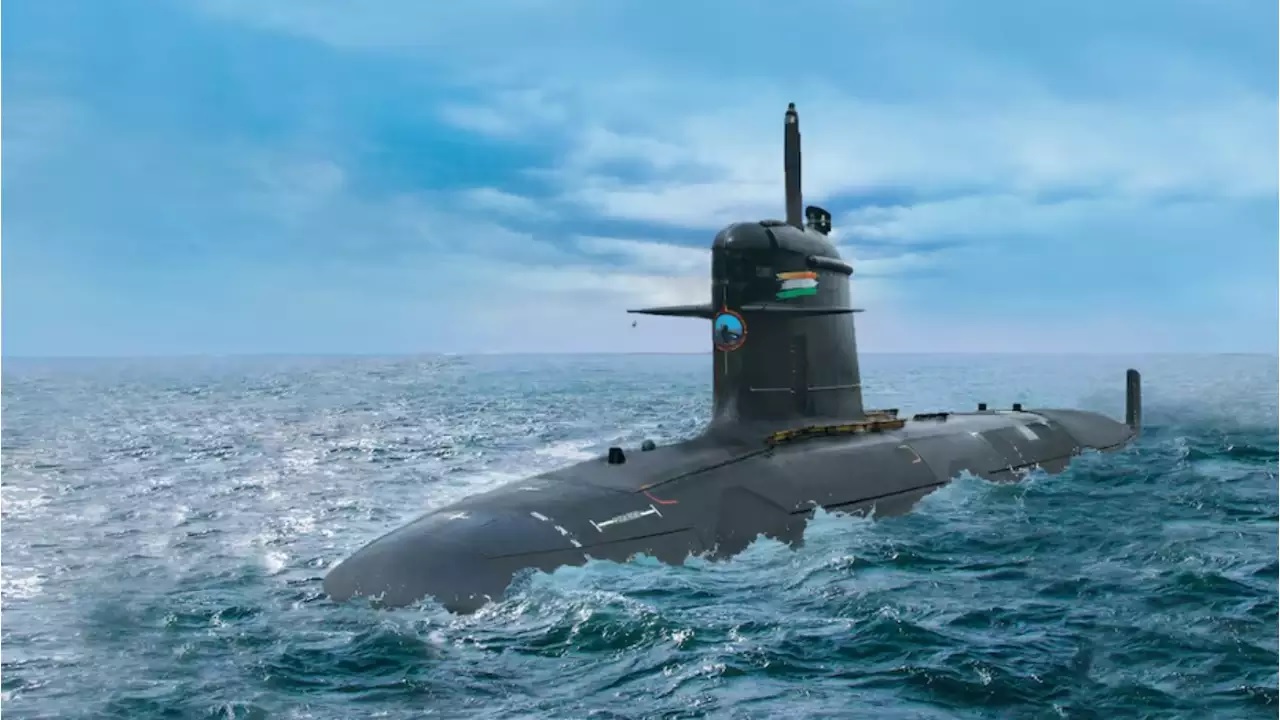
India
In a significant stride toward enhancing India’s maritime defense capabilities, the government has approved the construction of two indigenously designed nuclear-powered attack submarines (SSNs). Navy Chief Admiral Dinesh Tripathi revealed the development ahead of Navy Day, emphasizing the strategic importance of these submarines in securing the nation's maritime interests. The nuclear attack submarines, set to be commissioned between 2036 and 2039, are part of India's long-term vision to strengthen its naval prowess and counter evolving threats in the Indian Ocean region. Designed for stealth, speed, and endurance, SSNs will provide India with a formidable capability to operate far beyond its territorial waters, ensuring a credible deterrence against adversaries. Specifications of the SSNs Although precise technical details remain classified, these submarines are expected to be equipped with advanced nuclear reactors, enabling them to remain submerged for extended periods without surfacing. This feature ensures operational secrecy and the ability to conduct prolonged missions in hostile waters. The submarines will likely be armed with state-of-the-art torpedoes and long-range cruise missiles, enhancing their offensive and defensive capabilities. Rafale-M and Scorpene Submarine Deals Admiral Tripathi also highlighted two impending procurement deals expected to be finalized within the next month. These include 26 Rafale-Marine fighter jets from France, tailored for operations aboard India's aircraft carriers, and three additional Scorpene-class submarines to augment the existing fleet. The Rafale-M jets, which were approved by the Defence Ministry in July last year, are slated for deployment on the indigenously built INS Vikrant, bolstering India’s aerial combat and strike capabilities at sea. The Scorpene submarines, on the other hand, are part of a continuing collaboration with France, designed to operate with enhanced stealth and advanced weapon systems. Strengthening Maritime Vigilance The Navy Chief underscored the importance of the Indian Navy's preparedness in light of increasing Chinese naval activities in the Indian Ocean and the unexpected expansion of Pakistan’s naval fleet, including the induction of eight new submarines. Admiral Tripathi affirmed that the Indian Navy is recalibrating its strategies to counter any potential threats effectively. He added that by 2047, the Navy aims to induct 95 new ships, reflecting India’s commitment to becoming a future-ready maritime power. This vision aligns with the country’s broader goal of establishing itself as a significant global maritime force while ensuring the safety and sovereignty of its waters. Building a Maritime Powerhouse India's decision to construct indigenously designed nuclear attack submarines and its focus on acquiring advanced naval assets such as the Rafale-M and Scorpene submarines signify a bold leap toward achieving self-reliance in defense. These efforts, coupled with a vigilant stance on regional security challenges, underline the Navy’s mission to maintain dominance in the Indian Ocean and beyond. As these projects unfold, they not only mark a technological milestone but also reflect India's commitment to safeguarding its maritime interests amid a rapidly changing geopolitical landscape.
Read More → Posted on 2024-12-03 15:30:44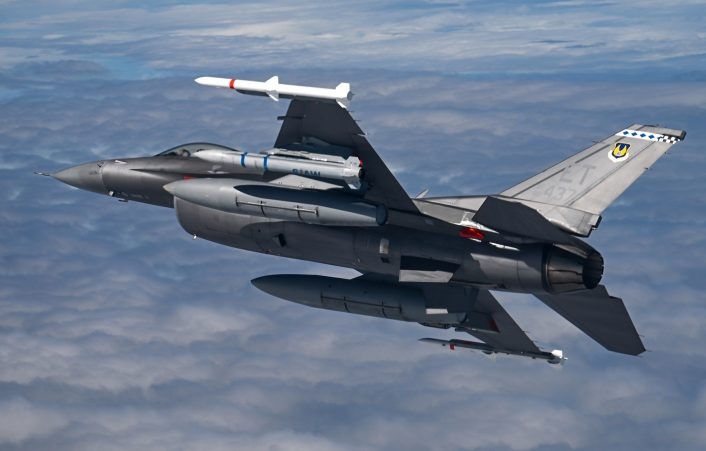
World
The U.S. Air Force recently marked a pivotal achievement in its journey to modernize its tactical strike capabilities. On November 7, it conducted the first test release of the Stand-in Attack Weapon (SiAW) from an F-16 Fighting Falcon over the Gulf of Mexico. This milestone represents a key step in advancing the missile system, designed to neutralize high-value enemy assets in contested environments. The test involved the release of a jettison test vehicle (JTV)—a non-operational prototype of the SiAW missile, stripped of a rocket motor and electronics. This phase was critical for verifying the missile’s safe separation from the aircraft, an essential precursor to live-fire testing. The data collected from this event ensures that future deployments of the missile will occur without compromising aircraft or pilot safety. Precision Strike for Modern Warfare Developed by Northrop Grumman, the SiAW missile is engineered to counter evolving Anti-Access/Area Denial (A2/AD) threats. It targets mobile and relocatable enemy systems such as cruise missile launchers, anti-ship missile platforms, and electronic jamming stations. These capabilities make SiAW a versatile and lethal addition to the U.S. military’s arsenal, capable of delivering precision strikes in hostile airspace. The SiAW leverages advanced technologies from the Navy’s Advanced Anti-Radiation Guided Missile-Extended Range (AARGM-ER) and integrates seamlessly into multiple aircraft, including the F-35. Its modular design, powered by Weapon Open Systems Architecture (WOSA), ensures adaptability for future upgrades. The system's emphasis on digital engineering and agile software development reflects the military's shift toward rapid innovation in response to dynamic threats. Coordinated Effort and Cutting-Edge Testing The first test was a collaborative mission managed by the 96th Test Wing, with the 780th Test Squadron spearheading the operational aspects. From the Eglin Central Control Facility, engineers and pilots worked in unison to oversee the test and analyze results. Aerial footage was meticulously captured to provide insights for post-flight evaluations. Major James Tipton, assistant director of operations for the 780th Test Squadron, praised the flawless execution of the test, highlighting the dedication and teamwork that made it possible. “This achievement underscores the exceptional collaboration between our personnel and our industry partners,” he remarked. A Future-Ready Missile The SiAW project received a significant boost in September 2023 when Northrop Grumman secured a $705 million contract to advance its development and deployment. This funding accelerates the missile’s transition to operational readiness, reinforcing its role as a cornerstone of next-generation airpower. Designed for integration across platforms, the SiAW ensures flexibility in diverse combat scenarios. Its potential to be launched from aircraft like the F-16, F-15, and F-35 enhances its operational reach, allowing commanders to employ it in a variety of mission profiles. As the U.S. Air Force pushes forward with additional testing phases, including live-fire demonstrations, the SiAW is set to redefine the dynamics of air-to-surface warfare. Its ability to strike fast, precise, and adaptive blows against enemy forces positions it as a game-changing asset in maintaining air superiority and mission success in future conflicts.
Read More → Posted on 2024-12-03 15:28:38
India
In a significant boost to its maritime capabilities, the Indian Navy is preparing to induct three advanced warships and one submarine within the next month. Vice Admiral Sanjay J. Singh, the Flag Officer Commanding-in-Chief of the Western Naval Command, announced the upcoming additions during a recent press conference. This development underscores India’s ongoing efforts to modernize its naval forces and strengthen its maritime security framework. The New Entrants: A Closer Look The vessels set for commissioning include INS Nilgiri, INS Surat, INS Tushil, and INS Vagsheer, each with distinct roles and advanced features tailored to meet the Navy's evolving requirements. These additions symbolize the Navy's focus on both indigenous manufacturing and strategic international partnerships. INS Nilgiri: The Lead Frigate of Project 17A INS Nilgiri, the first ship of the Project 17A stealth frigate program, is designed to deliver superior combat capabilities with stealth features, advanced weaponry, and enhanced survivability. Launched in September 2019, the vessel integrates state-of-the-art radar systems, sonar technology, and surface-to-air missiles. Built at Mazagon Dock Shipbuilders Limited (MDL), this frigate represents a critical step in India’s push towards self-reliance in defense production. INS Surat: A Next-Generation Destroyer INS Surat is the fourth and final ship of the Project 15B Vishakhapatnam-class destroyers, which are an advanced iteration of the Kolkata-class destroyers (Project 15A). Named after Gujarat's commercial capital, Surat, this warship is equipped with cutting-edge missile systems, modernized sensors, and a robust propulsion system. The destroyer boasts advanced stealth capabilities and is designed for versatile operations, including anti-aircraft, anti-surface, and anti-submarine warfare. INS Vagsheer: Sixth Submarine of Project-75 As part of the Project-75 Scorpene-class submarine program, INS Vagsheer is the sixth submarine constructed in collaboration with France’s Naval Group. Launched in April 2022, this diesel-electric submarine is tailored for stealth operations and armed with advanced torpedoes and Exocet SM39 anti-ship missiles. Its sophisticated sonar systems and low acoustic signature make it a formidable asset for covert missions and strategic deterrence. INS Tushil: Russia-Built Guided Missile Frigate INS Tushil, the second and final frigate under construction in Russia for the Indian Navy, will also join the fleet. This ship integrates advanced weapon systems, radar, and electronic warfare capabilities, ensuring multi-dimensional combat efficiency. Its induction marks the conclusion of this specific international procurement program, reflecting the Navy's balanced approach to domestic and foreign collaborations. Strengthening Indigenous Shipbuilding Vice Admiral Singh emphasized the Navy's commitment to fostering indigenous capabilities, with 65 vessels currently under construction, of which 63 are being built in Indian shipyards. Projects like the Project 17A frigates and the Project 15B destroyers highlight India's increasing proficiency in designing and building complex warships domestically. The commissioning process of these vessels involves meticulous preparations after delivery. Singh noted that it takes approximately two weeks to ready a ship for the official ceremony, ensuring every aspect of the vessel is fully operational. Strategic Implications The induction of these four vessels will significantly bolster India's maritime defense posture. With enhanced capabilities to safeguard critical sea lanes and address evolving security challenges, the Indian Navy is poised to play a more assertive role in the Indian Ocean Region (IOR). The diverse mix of frigates, destroyers, and submarines reflects the Navy’s emphasis on operational versatility and multi-domain combat readiness. This rapid expansion is a testament to India’s commitment to securing its maritime interests and maintaining a strategic edge in regional waters. The induction of INS Nilgiri, INS Surat, INS Tushil, and INS Vagsheer will undoubtedly mark a milestone in the nation’s naval modernization journey.
Read More → Posted on 2024-12-03 15:22:08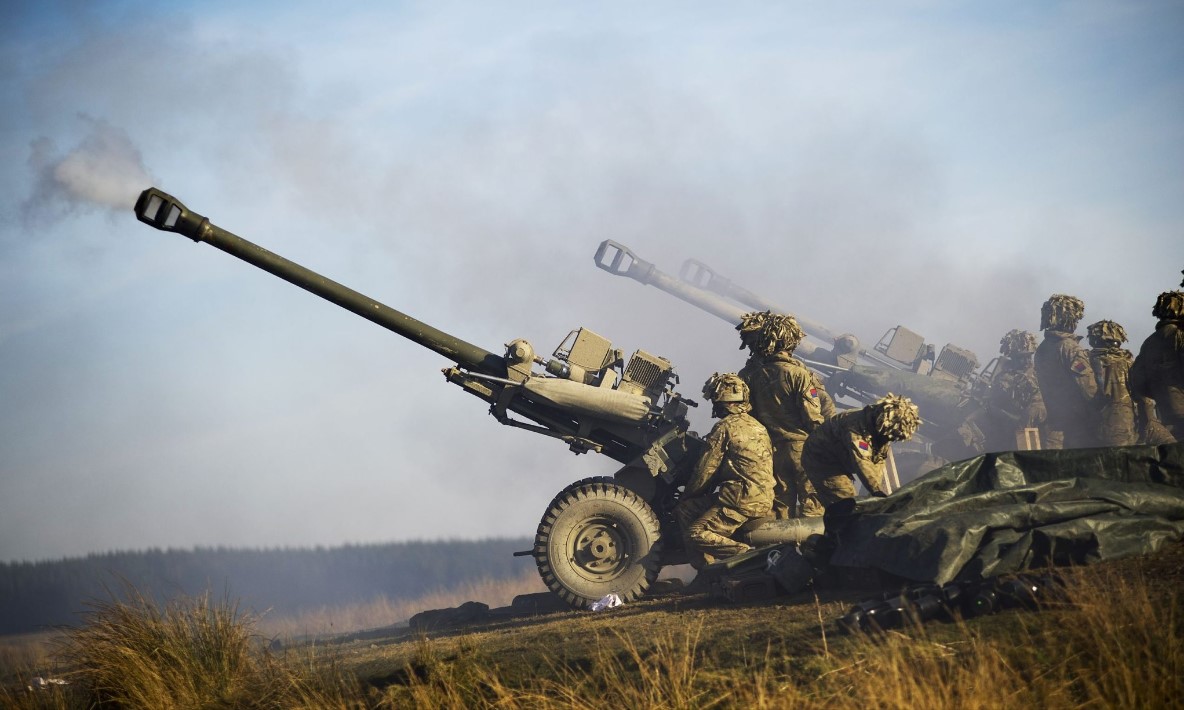
World
The United Kingdom has marked a transformative step in its defense sector by integrating 3D printing into its production of critical naval and artillery components. Renowned engineering firm Babcock International has delivered the first batch of 3D-printed parts, signaling a shift toward innovative manufacturing processes aimed at enhancing the operational readiness of the UK's military assets. Pioneering Components for Advanced Systems Babcock's initial delivery includes key components for various military systems. Among these are: L118 Light Gun: A critical artillery system used extensively by the British Army. 4.5-inch Naval Gun: Mounted on the Royal Navy’s Type 23 frigates, this gun plays a vital role in naval warfare and coastal bombardments. Torpedo Launch Systems: Integral to the UK's Astute- and Dreadnought-class submarines, these components ensure the reliable deployment of advanced underwater weaponry. The integration of these components into existing systems is set to enhance the lifespan and performance of these assets while reducing dependence on conventional manufacturing methods. The Role of Project TAMPA This milestone comes under the umbrella of Project TAMPA, a UK Ministry of Defence initiative designed to harness the potential of additive manufacturing (AM), commonly known as 3D printing. Awarded in April 2023, the project involves a consortium of contractors, including Babcock, NP Aerospace, RBSL, Thales, and AMFG. Through this initiative, the UK aims to: Speed Up Production: Replace obsolete components in days rather than months. Reduce Costs: Cut maintenance and manufacturing expenses across various platforms, such as the Titan and Trojan armored vehicles. Address Obsolescence: Manufacture rare or outdated parts on demand, improving supply chain resilience. Cutting-Edge Manufacturing Processes Babcock employs state-of-the-art techniques like powder bed fusion and wire arc additive manufacturing to produce metallic components. These methods enable precise production tailored to the material and geometric specifications required by the UK’s diverse fleet. For example, parts such as periscope components for armored vehicles—previously unavailable due to limited production runs—can now be fabricated swiftly, ensuring seamless maintenance and operational continuity. Industry Leaders Speak Kate Robinson, Managing Director for Through Life Equipment Support at Babcock, emphasized the significance of this milestone:“This achievement represents a step-change in how we approach material availability for defense. By leveraging additive manufacturing, we are reducing lead times and addressing supply chain vulnerabilities.” Charlotte Robinson, Team Leader for the UK Strategic Command Defence Support Innovation, highlighted the collaborative effort behind this success:“The partnership between Project TAMPA suppliers and the DE&S Delivery Teams underscores how additive manufacturing can play a transformative role in defense logistics and sustainability.” A Glimpse into the Future The adoption of 3D printing in defense is more than a technological evolution—it’s a strategic pivot. By reducing reliance on traditional supply chains, the UK can ensure greater autonomy, especially in critical situations where conventional manufacturing may face delays. Moreover, this initiative positions the UK as a global leader in additive manufacturing for defense, setting the stage for broader adoption across allied nations. As Project TAMPA progresses, the defense sector is poised to witness a revolution in how military components are conceptualized, produced, and integrated—heralding a new era of efficiency and resilience for the UK’s armed forces.
Read More → Posted on 2024-12-03 15:17:27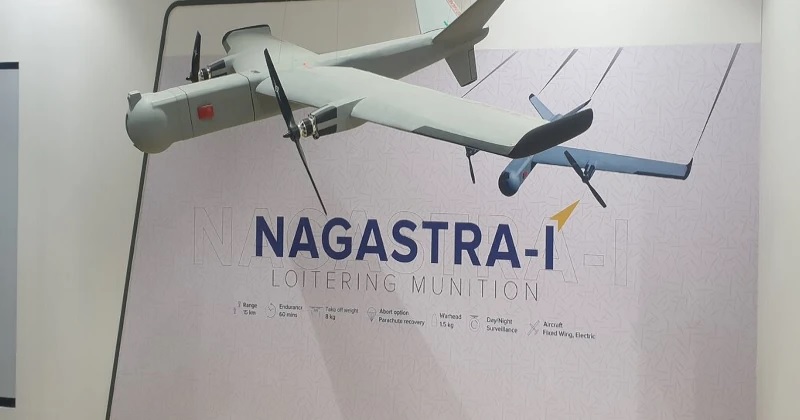
India
The Indian Army has taken a significant leap forward in its precision strike capabilities by inducting 480 Nagastra-1 loitering munitions. Developed by Economic Explosives Ltd (EEL), a subsidiary of Solar Industries, these cutting-edge munitions represent a new chapter in India’s commitment to indigenous defense technology under the Atmanirbhar Bharat initiative. A Game-Changing Addition to Modern Warfare The Nagastra-1 is a versatile loitering munition designed to operate as a highly effective precision strike system. Often referred to as a "kamikaze drone," this lightweight and portable munition can hover over a target area, allowing operators to identify and neutralize high-value targets with unmatched accuracy. With a payload capacity of 1 kg and weighing just 9 kg, the Nagastra-1 is tailored for tactical operations. Its operational range spans 15 kilometers under manual control and extends to 30 kilometers in autonomous mode. The system's endurance of up to 60 minutes ensures ample time for reconnaissance and precision engagement. A standout feature is its GPS-guided strike capability, achieving an accuracy of within a 2-meter radius. The Nagastra-1 also includes a parachute recovery mechanism, enabling safe retrieval if a mission is aborted or a target is not identified. Designed for Dual Missions Equipped with advanced day-and-night cameras, the Nagastra-1 is capable of dual functionality: reconnaissance and offensive operations. This capability underscores its importance in modern combat scenarios where intelligence gathering is as critical as neutralizing threats. The system's kamikaze mode has been a game-changer, particularly in recent global conflicts. The ability to self-destruct upon target impact has proven highly effective against enemy personnel, vehicles, and other assets, further highlighting the importance of loitering munitions in asymmetric warfare. Indigenous Edge With approximately 75% indigenous content, the Nagastra-1 is a proud milestone for India’s defense manufacturing sector. The system was ordered under the emergency procurement powers of the Indian Army, ensuring its rapid delivery after stringent pre-delivery inspections. Solar Industries and EEL are not stopping here. Work is already underway on advanced iterations—Nagastra-2 and Nagastra-3—which promise extended range and enhanced payload capacities. These upgrades aim to make India a global leader in loitering munitions technology. Keeping Pace with Global Trends Loitering munitions have emerged as a pivotal tool in modern warfare, blending the capabilities of UAVs with precision strike systems. The Nagastra-1’s induction places India on par with nations like the United States and Israel, who have extensively utilized such systems in combat scenarios. The Indian Army’s adoption of the Nagastra-1 aligns with evolving battlefield requirements, particularly against non-linear threats. It also sends a strong signal of India’s growing self-reliance in defense manufacturing, reducing dependency on foreign imports while bolstering its armed forces with state-of-the-art technology. As India invests in advanced loitering munitions and indigenous drone systems under the Indigenously Designed, Developed, and Manufactured (IDDM) initiative, the future of its defense capabilities looks promising. The Nagastra-1 is more than just a weapon; it is a testament to the potential of Indian ingenuity in redefining warfare.
Read More → Posted on 2024-12-03 15:13:35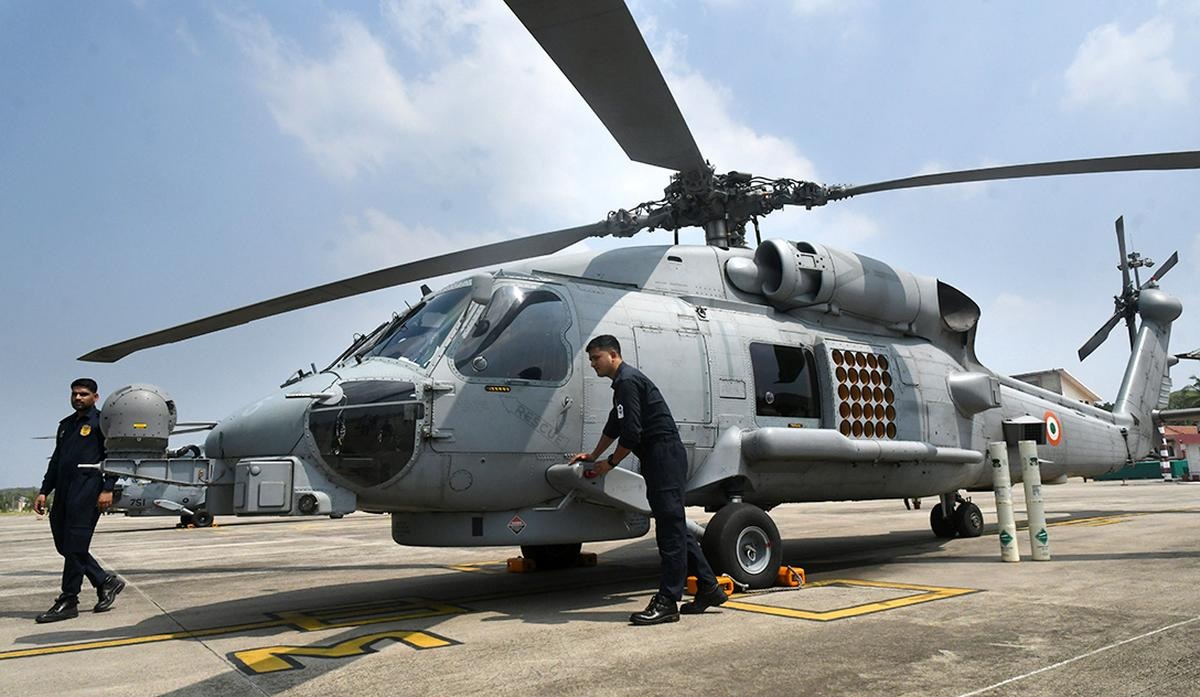
India
In a significant boost to India's defense capabilities, the Biden administration has approved the sale of MH-60R Multi-Mission Helicopter equipment and associated systems worth $1.17 billion. The U.S. Defense Security Cooperation Agency (DSCA) formally notified Congress of the decision, highlighting the strategic importance of the sale in enhancing India’s anti-submarine warfare capabilities and overall military deterrence. This deal marks another milestone in the growing U.S.-India defense relationship, which has seen a consistent deepening of ties in recent years. The timing of the announcement, just weeks before the Biden administration concludes its four-year term, underscores the enduring bipartisan support for fostering strong defense cooperation with India. The incoming administration, under President-elect Donald Trump, is expected to continue this trajectory of strengthening ties. Enhancing Anti-Submarine Warfare The MH-60R Seahawk, often referred to as the "Romeo," is a state-of-the-art naval helicopter capable of performing a variety of missions, including anti-submarine warfare (ASW), anti-surface warfare (ASuW), and search-and-rescue operations. The proposed sale includes a comprehensive package of advanced systems designed to augment India's operational efficiency. Key elements of the deal include: 30 Multifunctional Information Distribution System-Joint Tactical Radio Systems (MIDS-JTRS): These cutting-edge communication systems enable secure, high-speed data exchange across platforms, crucial for coordinated naval operations. AN/AAS 44C(V) Forward Looking Infrared (FLIR) Systems: These systems enhance the helicopter's ability to detect and track targets in low-visibility conditions, providing a significant edge in maritime surveillance. Advanced Data Transfer Systems and Operator Machine Interface Assistants: These technologies facilitate seamless information relay and user-friendly control interfaces, ensuring smoother mission execution. External Fuel Tanks and Spare Containers: These additions extend the helicopter's operational range and support logistics. Additionally, the package includes facilities studies, design, construction support, test equipment, munitions, and extensive integration and testing support. The deal is designed to ensure not just the provision of equipment but also robust implementation and operational readiness. Strategic and Operational Impact The MH-60R helicopters are critical to India’s ongoing efforts to modernize its naval fleet. With growing regional security challenges in the Indo-Pacific, particularly concerning anti-submarine warfare capabilities, these systems will significantly enhance India's ability to monitor and deter underwater threats. The DSCA emphasized that the proposed sale would bolster India's ability to meet current and future challenges, contributing to regional stability and enhancing interoperability with the U.S. and allied forces. Role of Lockheed Martin Lockheed Martin Rotary and Mission Systems will serve as the principal contractor for the deal, reflecting the strong industrial partnership between U.S. defense firms and India. The implementation will involve temporary deployments of up to 20 U.S. government officials and 25 contractor representatives to India for technical and program management support. Broader Implications This approval aligns with the broader U.S.-India strategic framework, which views India as a pivotal defense partner in maintaining a free, open, and rules-based Indo-Pacific. As India works to expand its indigenous defense production capabilities, such deals also open avenues for technology transfer and collaborative development. For India, the acquisition underscores its commitment to modernizing its armed forces and ensuring maritime security in increasingly contested waters. For the U.S., it is another step in cementing a defense partnership that serves mutual interests and regional stability. This sale represents a convergence of shared strategic priorities and further solidifies India’s status as a key U.S. defense partner.
Read More → Posted on 2024-12-03 15:11:03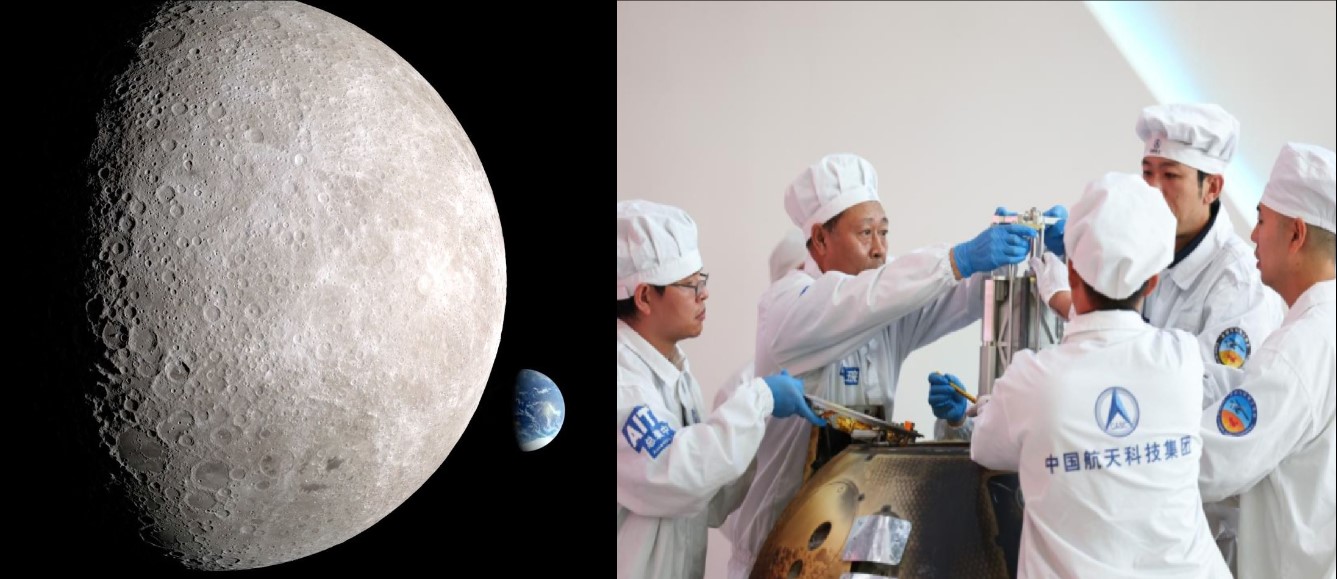
World
In a groundbreaking scientific revelation, China’s Chang’e 6 mission has returned the first-ever rock samples from the far side of the Moon, offering a rare glimpse into its geologic and volcanic history. The analysis of these samples, weighing 1.9 kilograms and collected from the South Pole-Aitken Basin, has reshaped our understanding of lunar evolution. A Volcanic Landscape Frozen in Time The samples revealed that volcanic activity on the Moon’s far side persisted until about 2.8 billion years ago. This finding was surprising, as previous studies suggested that volcanism on the Moon had largely ceased much earlier. Most known volcanic eruptions occurred on the near side, where radioactive elements like potassium and uranium generated internal heat. The far side, less rich in these elements, was thought to have cooled faster, ending its volcanic phase. However, Chang’e 6’s basalt samples—a form of hardened lava—challenge this narrative, showing that significant volcanic activity occurred well into the Moon's later stages. Chemical Mysteries of the Moon's Mantle The basalt samples analyzed by Chinese scientists, led by Zexian Cui from the Chinese Academy of Sciences, were found to be low in potassium, rare earth elements, and phosphorus—key components abundant in the near side’s volcanic regions. This disparity may stem from the massive impact that created the South Pole-Aitken Basin, which could have redistributed these elements and disrupted the mantle's composition beneath the far side. Such differences could explain why vast lava plains (mare basalts) cover 30% of the near side but only 2% of the far side. Technical Insights from Chang’e 6 Chang’e 6 employed advanced drilling and scooping technologies to extract samples, ensuring the preservation of both surface and subsurface material. The samples included not just basalt but also non-mare materials like breccias, which may offer insights into the Moon’s crust and the remnants of ancient impacts. Radiometric dating of isotopes in these samples confirmed their age, while geochemical analysis provided clues about their origin and the Moon's internal structure. Why It Matters This discovery adds depth to our understanding of lunar geology, highlighting the Moon’s diverse evolutionary paths. The findings also underscore the importance of studying the far side, which had remained unexplored until China’s Chang’e missions. Beyond the Moon, these results provide a comparative framework for understanding volcanic processes on terrestrial planets, potentially offering clues about Earth’s early volcanic history. China's efforts have not only filled a critical gap in lunar science but also demonstrated the value of international collaboration in space exploration. These samples open the door to new theories about the Moon's formation, the role of massive impacts in planetary evolution, and the enigmatic differences between its two hemispheres.
Read More → Posted on 2024-12-02 15:20:44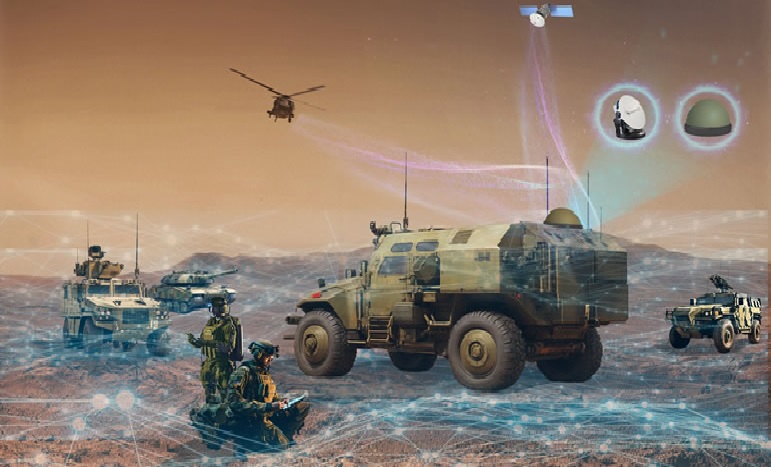
World
Orbit Communication Systems, a leading Israeli developer of advanced satellite communication solutions, has achieved a major milestone by securing its first substantial contract for land-based SATCOM applications. The Israeli Ministry of Defence (MoD) awarded the $9.1 million contract for the deployment of Orbit’s Multi-Purpose Terminals (MPT), specifically the MPT-30 and MPT-46, for both static and mobile land platforms. This marks a significant expansion for the company, which has historically dominated the maritime and airborne SATCOM markets. Scheduled for delivery in 2025, the deal highlights Orbit’s strategic pivot towards providing resilient and adaptable SATCOM solutions for land forces. With over 4,000 systems already operational on naval vessels and aviation platforms, Orbit now sets its sights on enhancing connectivity and communications for ground-based military operations. Bridging the Communication Gap: Why SATCOM is Vital for Land Forces The MPT series offers unique advantages that align with evolving military needs. Line-of-sight (LOS) communication systems, reliant on VHF/UHF radios, are vulnerable to jamming and signal interference, particularly in contested environments. Orbit CEO Daniel Eshchar emphasized that modern combat scenarios, influenced by lessons from the Russia-Ukraine war and Israel's own defense operations, underscore the need for more resilient communication systems. SATCOM systems like the MPT terminals provide a dependable alternative. Their resistance to jamming and ability to switch seamlessly between frequency bands and satellite constellations make them indispensable for critical military functions. From C4I (Command, Control, Communication, Computer, Intelligence) operations to remotely piloted vehicles, SATCOM ensures secure and uninterrupted communication links in complex terrains such as urban environments, mountains, or densely populated battlefields. Eshchar also highlighted the systems’ future readiness, envisioning their use in autonomous land vehicles, where robust beyond-line-of-sight (BLOS) communication will be crucial for both command and operational control. Cutting-Edge Design for Tough Conditions The MPT-30 and MPT-46 are engineered to withstand extreme conditions across air, sea, and land. With compact, lightweight designs—10 kg and 12 kg, respectively, excluding the radome and block upconverter (BUC)—these systems feature robust Ku- and Ka-band capabilities. Key Technical Highlights: Azimuth Range: 360° continuous. Elevation Range: 0° to 90°. Pointing Accuracy: ~0.1° (static and mobile). Signal Tracking Accuracy: Better than 0.15 dB RMS. Effective Isotropic Radiated Power (EIRP): MPT-30: Up to 52.0 dBW (Ka-band). MPT-46: Up to 56.7 dBW (Ka-band). Data Throughput: 126 Mbps download and 29 Mbps upload. The systems are cybersecure, designed to meet MIL-STD and STANAG standards, and tested on in-house simulators replicating the most challenging operational conditions. Adaptations for land use included software modifications to enhance responsiveness over rough terrain, leveraging design insights from their naval and aerial counterparts. Quick Deployment and International Appeal One of Orbit's key innovations is the ease of installation. The MPT terminals are available in a roll-on/roll-off configuration, allowing them to be fitted to any compatible platform in just 20 minutes, assuming pre-installed cabling. While this contract focuses on Israel’s defense platforms, Orbit is actively pursuing international markets. Demonstrations across Asia-Pacific and Europe are planned, with a successful showcase already conducted in Poland, attended by NATO delegations. Expanding Horizons for Military Connectivity The contract with the Israeli MoD is just the beginning of Orbit’s push to integrate SATCOM solutions into land forces worldwide. With connectivity becoming a cornerstone of modern warfare, the company’s multi-band, multi-orbit terminals are poised to play a pivotal role in ensuring operational superiority. As land forces globally recognize the need for resilient, reliable, and versatile communication systems, Orbit's MPT terminals stand out as a game-changing solution. From securing the battlefield to enabling autonomous systems, these terminals are set to redefine the future of military connectivity.
Read More → Posted on 2024-12-02 15:15:51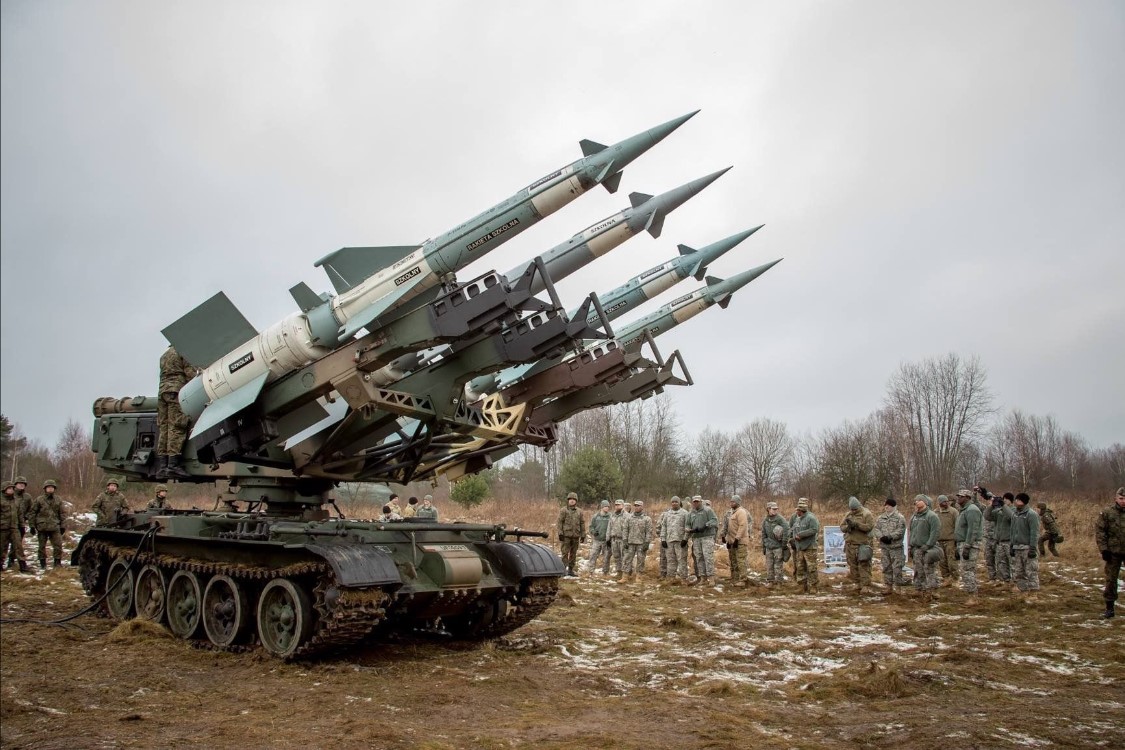
World
In a significant development in the Syrian conflict, Turkish-backed rebels have seized a fully operational S-125 “Pechora” air defense system during their rapid offensive on Aleppo Airport. The dramatic capture underscores the precarious state of the Assad regime’s military hold over northern Syria and highlights the strategic vulnerabilities in its defense infrastructure. A Stunning Seizure Images and videos circulating widely on social media confirm the rebels have acquired an intact and operational S-125 system. This Soviet-era air defense system, also known by its NATO designation SA-3 Goa, was a key asset for Assad’s forces. Capable of engaging targets at altitudes of up to 18 kilometers, the S-125 remains a potent weapon despite its vintage. Defense analysts have noted the surprising condition of the captured system. It is rare for such valuable military hardware to be seized intact during conflict, suggesting either a critical oversight or severe disarray among Assad's forces. One expert remarked, “The fact that no attempt was made to destroy or disable this system points to significant breakdowns in command and operational discipline.” The Offensive on Aleppo Airport The swift assault by Turkish-backed rebels overwhelmed the Assad regime’s defenses at Aleppo Airport earlier this week. According to local reports, regime forces abandoned their positions in haste, leaving behind critical assets including the S-125 system, tanks, and other military hardware. This marks one of the most significant losses of high-value equipment for the regime in recent months. The capture of Aleppo Airport and its assets comes amid a broader rebel offensive in northern Syria. Fierce clashes have allowed rebel factions to consolidate gains in strategic areas, further eroding the Assad regime's foothold in the region. Specifications of the S-125 “Pechora” The S-125 system was originally developed by the Soviet Union in the late 1950s and has undergone numerous upgrades to remain relevant in modern combat. Its medium-range capabilities make it a formidable adversary to enemy aircraft, particularly in contested airspace. Key specifications include: Target Range: Up to 35 kilometers. Target Altitude: Effective engagement at up to 18 kilometers. Guidance System: Semi-active radar homing. Missile Speed: Approximately Mach 3. While the system has seen service worldwide, its role in the Syrian Civil War has primarily been defensive, protecting airbases and key infrastructure. Its loss to the rebels raises concerns about its potential use against both regime and allied aircraft, including those of Russia. Implications for Assad’s Forces The fall of Aleppo Airport and the capture of the S-125 system highlights the Assad regime's growing vulnerabilities. In recent months, rebel forces have seized numerous assets, ranging from armored vehicles to artillery systems. This series of defeats points to weakening morale, poor coordination, and overstretched resources among regime troops. Furthermore, the incident has broader implications for Assad’s allies, including Russia and Iran. Both nations have invested heavily in propping up the regime, and the loss of such a critical system underscores the limits of their support. For Turkey, which backs the rebel factions, the capture is both a tactical and symbolic victory, solidifying its influence in northern Syria. A Turning Point? As the conflict in Syria continues to evolve, the capture of the S-125 “Pechora” system could mark a turning point in the balance of power in the region. While the long-term impact remains uncertain, the incident underscores the shifting dynamics on the battlefield and the increasingly precarious position of the Assad regime in northern Syria. This development also raises pressing questions about the future trajectory of the conflict, including the possibility of further losses of critical military assets and the role of international actors in shaping its outcome.
Read More → Posted on 2024-12-02 15:09:54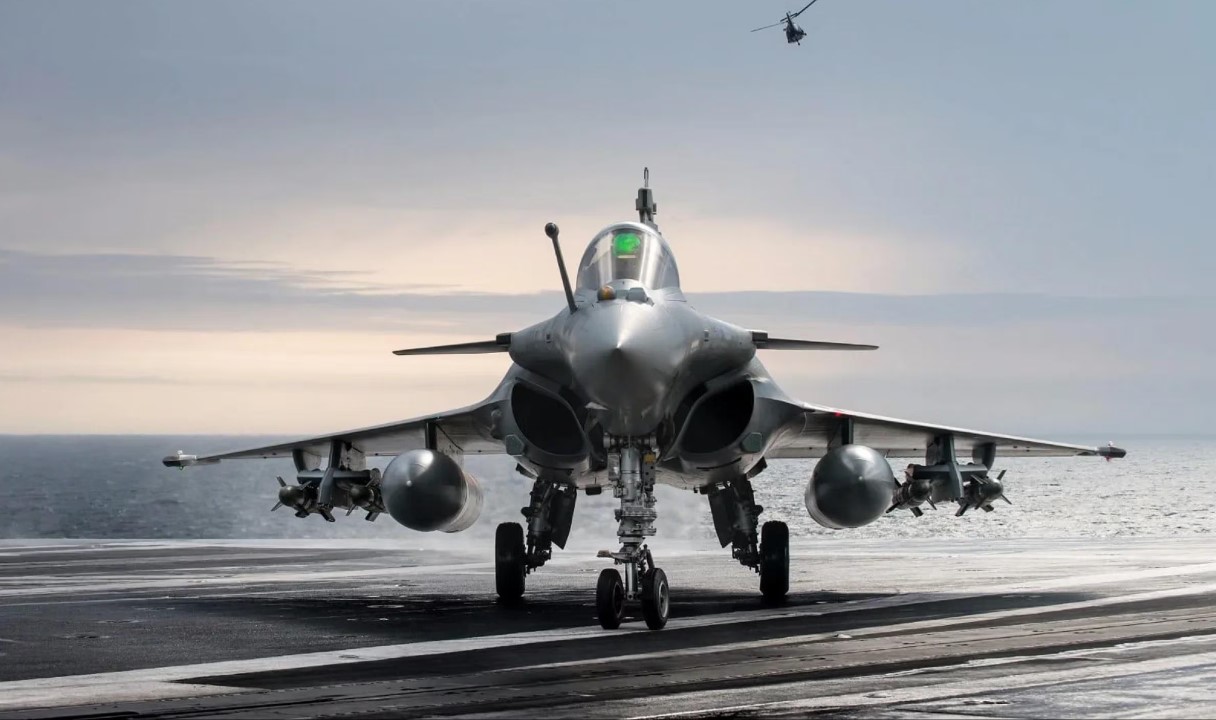
India
The Indian Navy is on the verge of finalizing a landmark deal for 26 Rafale-Marine (Rafale-M) fighter jets, with the agreement expected to be signed within the next month. This strategic acquisition, estimated to cost over ₹50,000 crore, is poised to enhance India’s maritime defense capabilities significantly, particularly in the face of China’s expanding naval power and increasingly sophisticated carrier-based fighter technology. Rafale-M: A Technological Leap for Indian Carriers The Rafale-M, a naval variant of the highly successful Rafale fighter designed by Dassault Aviation, is equipped to operate seamlessly from aircraft carriers. Tailored for the Indian Navy’s needs, it features advanced avionics, active electronically scanned array (AESA) radar, and powerful sensors. It is capable of handling diverse missions such as air dominance, deep strikes, reconnaissance, and electronic warfare. Originally designed for CATOBAR (catapult-assisted takeoff but arrested recovery) operations, the Rafale-M was rigorously tested for compatibility with the ski-jump configuration of India’s carriers, INS Vikrant and INS Vikramaditya. Its successful performance in trials makes it a suitable choice for India's carrier operations. One of the deal's highlights is the logistical and operational synergy it offers. The Rafale-M shares about 80% of its components with the Indian Air Force's Rafale fleet, streamlining maintenance, training, and supply chains. This commonality is expected to reduce operational costs and enhance fleet readiness. A Timely Boost Amidst Regional Challenges This acquisition could not come at a more critical juncture. The People’s Liberation Army Navy (PLAN) of China has showcased its growing maritime strength through dual-carrier operations involving its aircraft carriers, Liaoning and Shandong. The operational deployment of advanced carrier-based fighters like the J-15B and J-15D signals a significant leap in China's ability to project power in the region. The J-15B comes equipped with cutting-edge AESA radar and modernized cockpit systems, while the J-15D serves as a dedicated electronic warfare (EW) platform comparable to the US Navy’s EA-18G Growler. Together, these enhancements boost China’s carrier air wing capabilities, presenting a formidable challenge in the contested waters of the Indian Ocean and beyond. Strategic Implications for India By acquiring Rafale-M jets, India is fortifying its maritime defenses to counterbalance China's assertiveness. These aircraft will primarily operate from the INS Vikrant, India’s first indigenously built aircraft carrier, which was commissioned in 2022. This pairing is expected to bolster India’s power projection across the Indian Ocean Region (IOR), a strategically vital area where China's naval presence has been steadily growing. The Rafale-M deal aligns with India’s broader strategy of modernizing its armed forces to meet emerging challenges. For the Navy, this acquisition is not just a boost in firepower but a critical enabler of long-term operational flexibility. A Move to Secure Maritime Interests India’s decision to invest in the Rafale-M underscores its commitment to maintaining a balance of power in the Indo-Pacific. With the Rafale-M in its arsenal, the Indian Navy will possess a versatile and reliable fighter capable of defending against emerging threats and securing maritime interests. This move is expected to play a vital role in deterring potential adversaries while reinforcing India's standing as a key maritime power.
Read More → Posted on 2024-12-02 15:05:41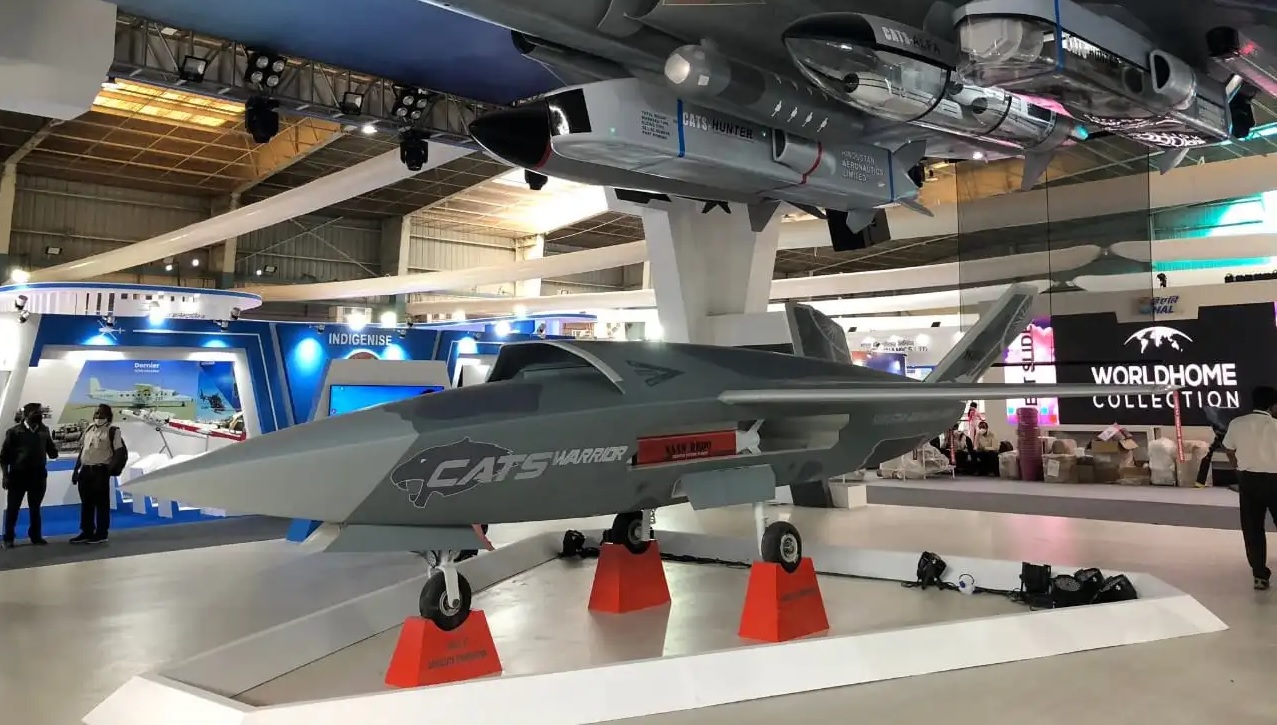
India
Hindustan Aeronautics Limited (HAL) has officially set the record straight about the progress of its ambitious CATS Warrior Unmanned Combat Aerial Vehicle (UCAV). Contrary to recent rumors circulating on social media, the cutting-edge 1.1-ton Loyal Wingman is still under construction, with its maiden flight now scheduled for late 2025. This UCAV is a cornerstone of HAL’s Combat Air Teaming System (CATS), aimed at redefining aerial combat by integrating unmanned and manned aircraft. Designed to operate alongside India’s advanced fighter jets like the Tejas and the upcoming Advanced Medium Combat Aircraft (AMCA), the CATS Warrior represents a significant leap in India’s indigenous defense capabilities. The Road to Development The concept of the CATS Warrior emerged from HAL's vision of creating a "loyal wingman" that can complement manned aircraft during high-stakes missions. The project has already achieved a key milestone: the successful testing of a scaled-down 300-kilogram model. This achievement paved the way for approval to fabricate a full-scale prototype, which is currently under construction. HAL is meticulously assembling the prototype, ensuring every component meets stringent operational and safety benchmarks. If everything stays on schedule, the prototype will be unveiled by mid-2025, with flight trials to follow shortly thereafter. What Makes the CATS Warrior Unique? The CATS Warrior is poised to bring transformative capabilities to the Indian Air Force (IAF). This UCAV's advanced features promise to redefine aerial combat and reconnaissance missions: Loyal Wingman Concept: The Warrior operates as an autonomous or semi-autonomous companion to manned fighter jets, capable of executing coordinated maneuvers under direct pilot command or pre-programmed algorithms. Stealth and Endurance: Its low-observable design allows it to penetrate heavily contested airspaces while remaining undetected. The UCAV also boasts extended endurance, enabling prolonged operations. Versatile Payload: Designed to carry a range of sensors, mission-specific equipment, and weapons, the Warrior is adaptable to diverse roles, including surveillance, reconnaissance, and combat. High Survivability: Engineered for high-risk missions, the Warrior reduces the need to deploy manned aircraft in dangerous scenarios, thereby enhancing pilot safety. Modular Architecture: The design is flexible enough to be customized for specific mission requirements, making it a versatile asset in modern warfare. Strategic Implications for India The CATS Warrior project underscores HAL’s commitment to advancing India’s indigenous defense technologies. Once operational, this UCAV will act as a force multiplier for the IAF, significantly boosting its operational efficiency in multi-domain combat scenarios. By taking on high-risk roles, the Warrior will free up manned fighter jets for other critical operations, effectively reshaping the dynamics of air warfare for India. In addition to its tactical advantages, the CATS Warrior highlights India's strides toward self-reliance in defense manufacturing. With a focus on homegrown innovation, the project aligns with the government’s "Make in India" initiative and positions the nation as a key player in advanced aerospace technologies. The Road Ahead While the CATS Warrior remains a work in progress, the anticipation surrounding its development is palpable. The maiden flight in late 2025 will be a critical milestone, marking the transition of this revolutionary concept from blueprint to battlefield. For now, HAL continues to focus on precision fabrication and rigorous testing, ensuring the CATS Warrior emerges as a game-changer for India's aerial combat capabilities. By blending cutting-edge technology with indigenous expertise, the CATS Warrior represents not just a leap forward for the Indian Air Force but a giant stride toward securing India’s place among global defense innovators.
Read More → Posted on 2024-12-02 15:03:58Search
Top Trending in 24 Hours
-
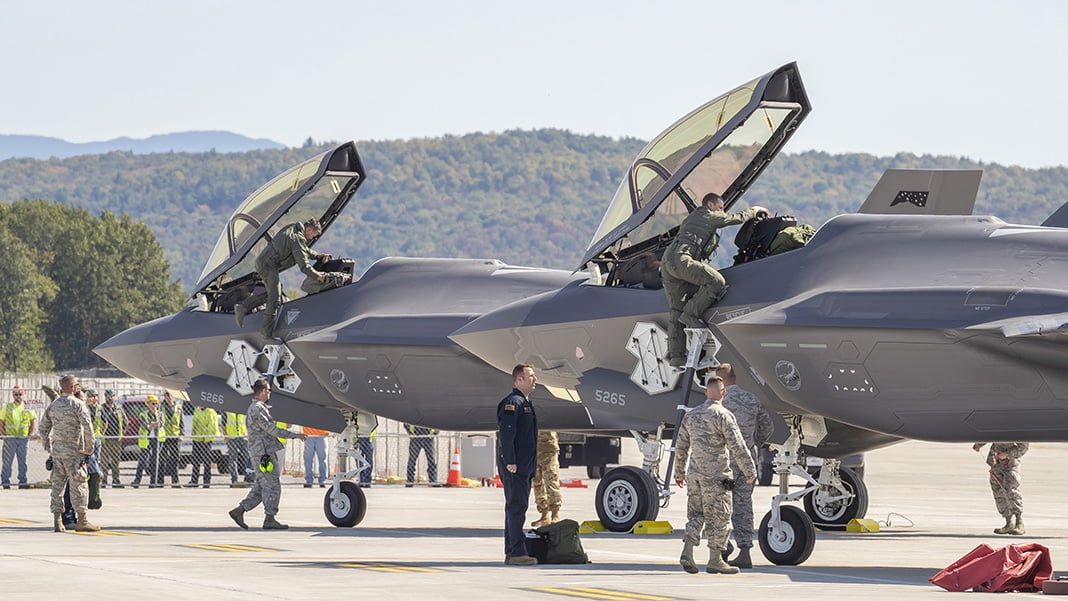 F-35 Fleet Readiness Falls to 25% Amid Parts Shortages and Software Delays: GAO Report
-
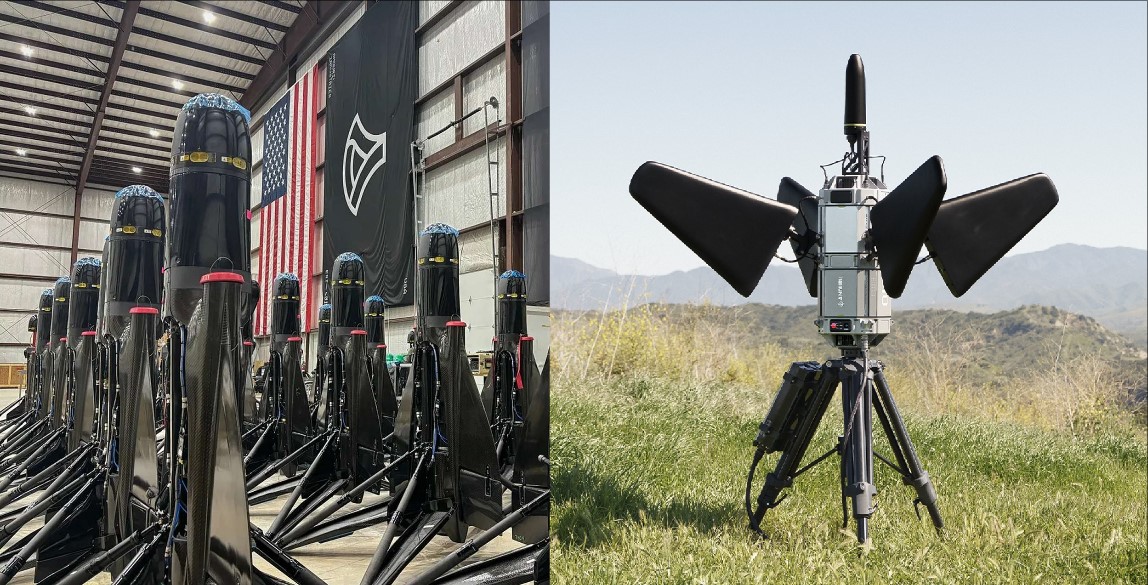 U.S. Approves $1.98 Billion Sale of Anduril AI-Powered Counter-Drone Systems to Kuwait
-
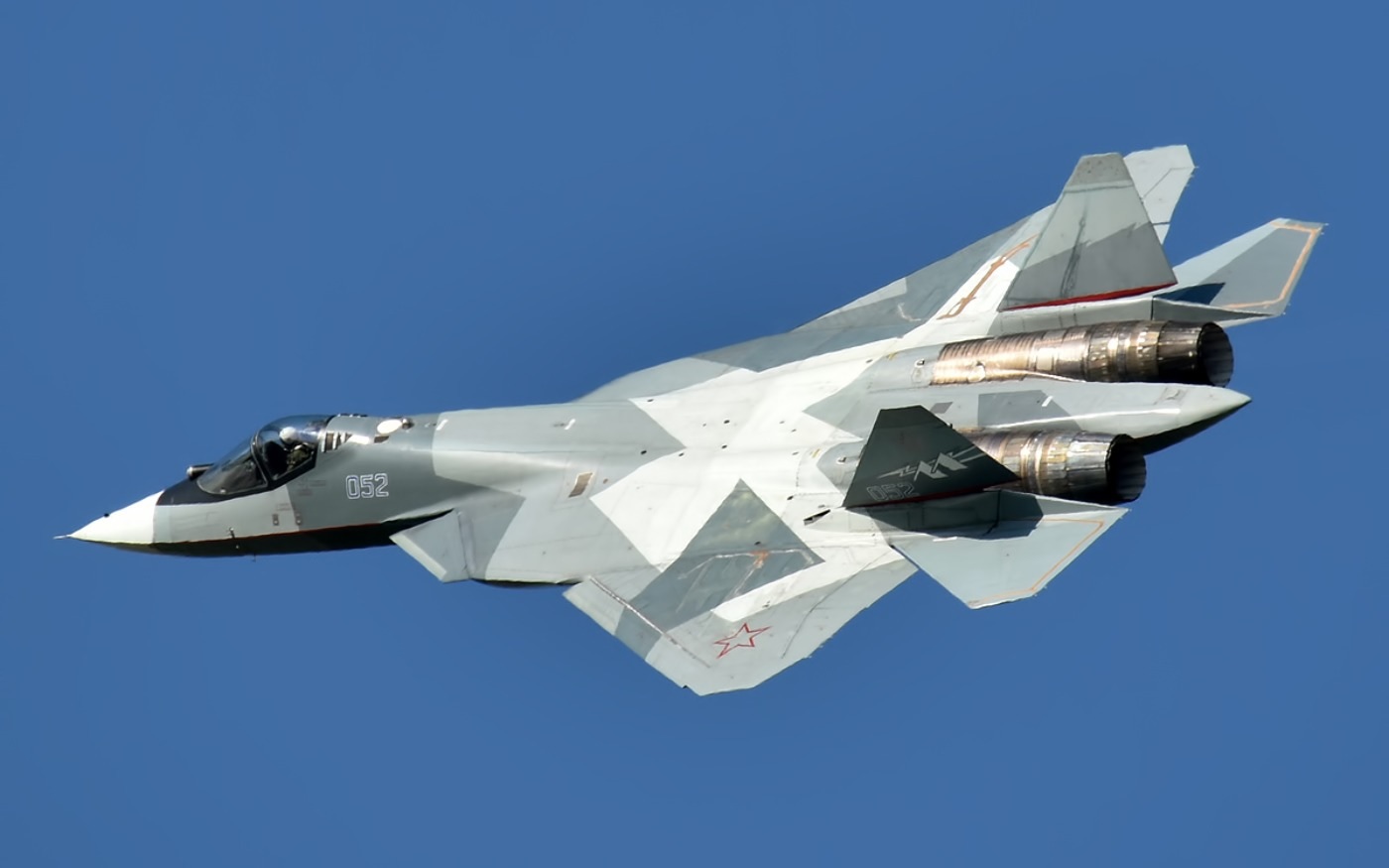 Russian Analysts Debate Su-57 Capabilities After Putin Calls Fighter Superior to F-35
-
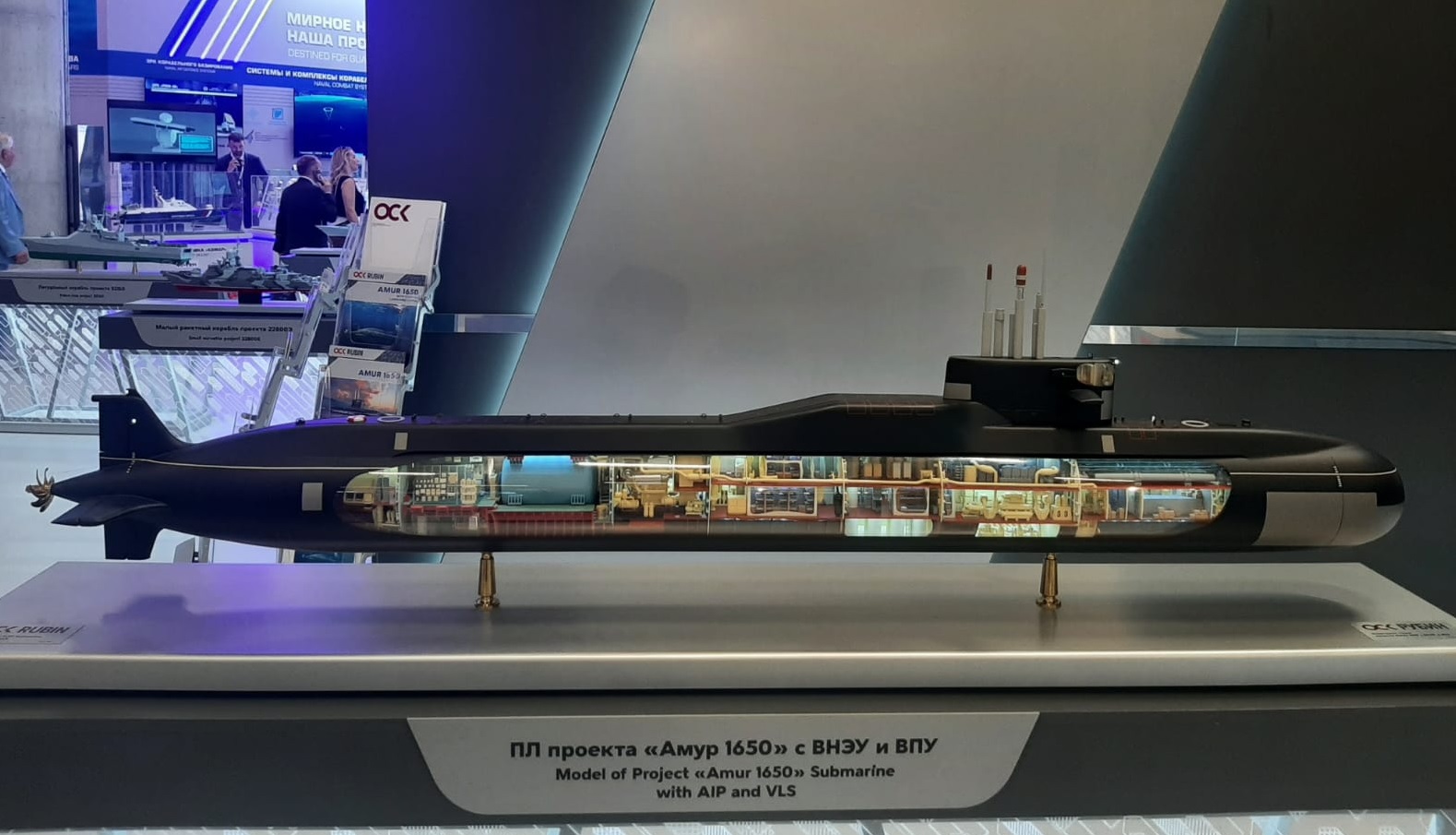 Russia Unveils Amur-1650 AIP Submarine Equipped with BrahMos Vertical Launch System at Fleet-2026
-
 France Considers Reduced Role or Exit from Franco-German MGCS Tank Project
-
 NASA X-59 Achieves Planned Mission Conditions with Mach 1.4 Flight at 55,000 Feet
-
 Leonardo Rheinmetall to Unveil Italy’s New IMBT Main Battle Tank at Eurosatory 2026
-
 Anduril Wins $363 Million CBP Contract to Deploy Over 200 Extended Range AI Surveillance Towers
Top Trending in 4 Days
-
 Iranian Media Leaks 14-Point U.S.-Iran Peace Framework Amid Ongoing Negotiations
-
 US Plans Significant Reduction of Fighter Jets and Warships for NATO Operations in Europe
-
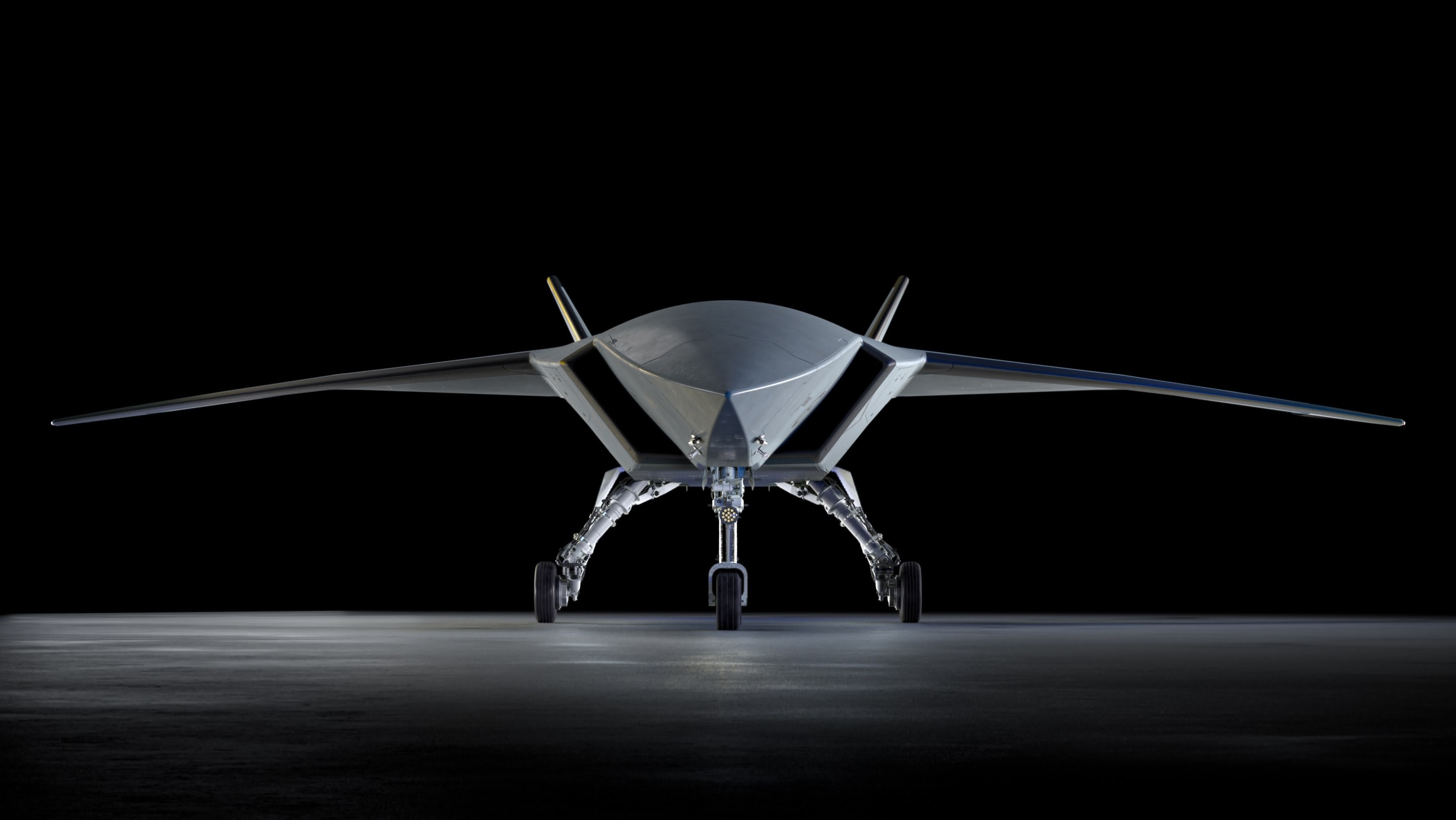 Boeing Introduces New MQ-28 Ghost Bat Upgrades with Increased Range, Payload and Weapons Capacity at ILA Berlin 2026
-
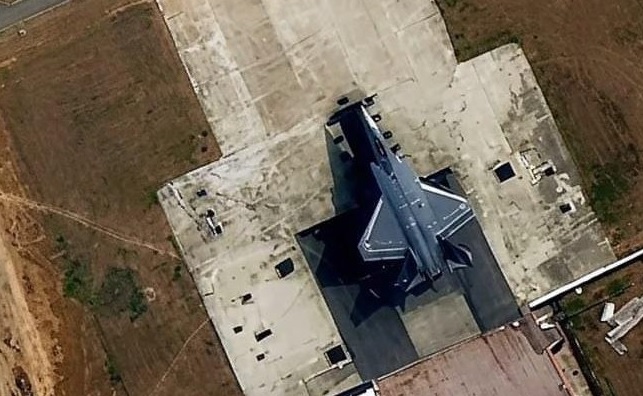 AMCA Airframe Spotted at DRDO’s ORANGE Facility for Radar Cross-Section Testing
-
 U.S. Air Force Faces Strategic Airlift Shortfall as C-17 Production Restart Remains Uncertain
-
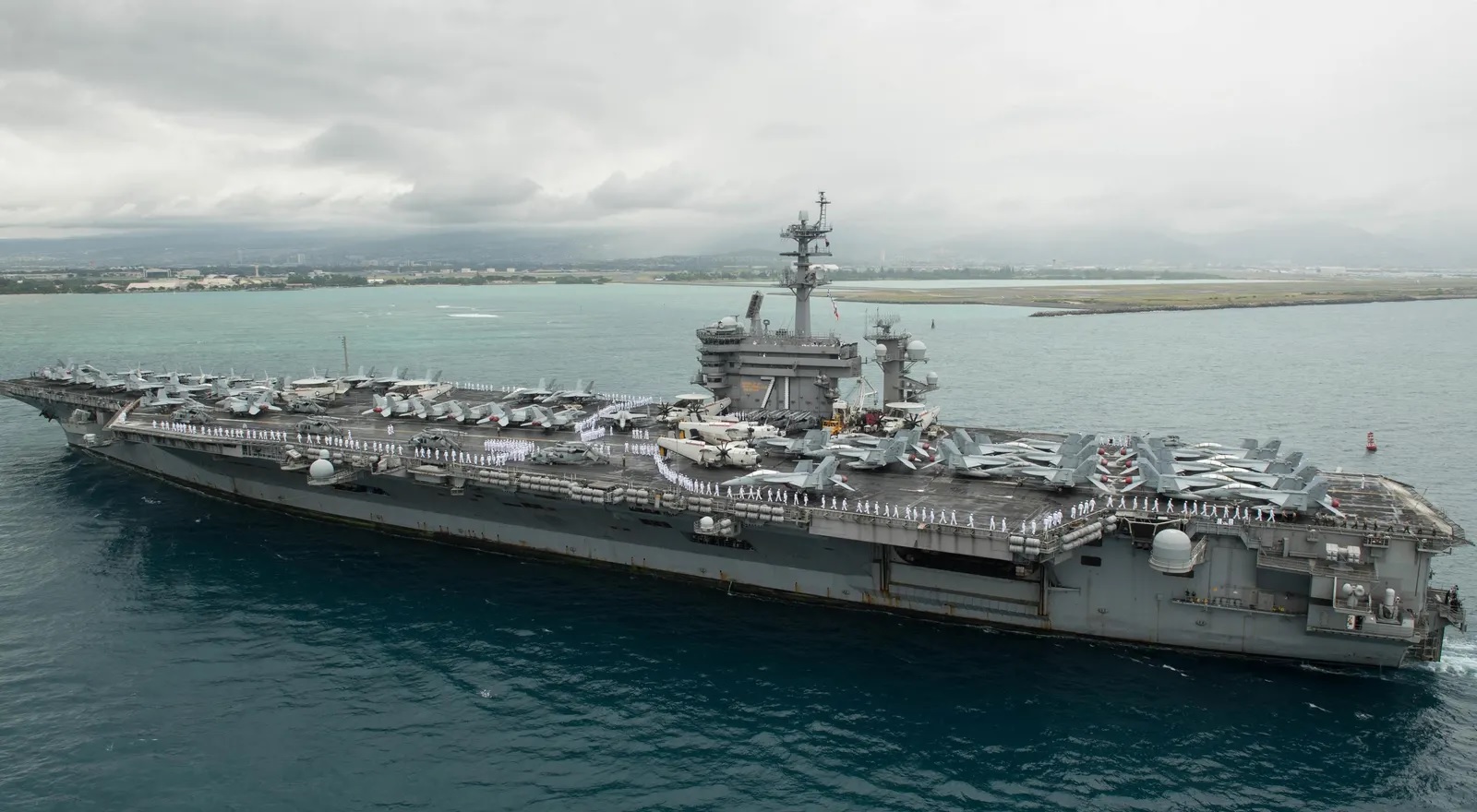 U.S Aircraft Carrier USS Theodore Roosevelt Departs San Diego for Major RIMPAC 2026 Naval Exercise
-
 NATO Commander Says Russia Not Seeking Conflict With Alliance Despite U.S. Force Reductions
-
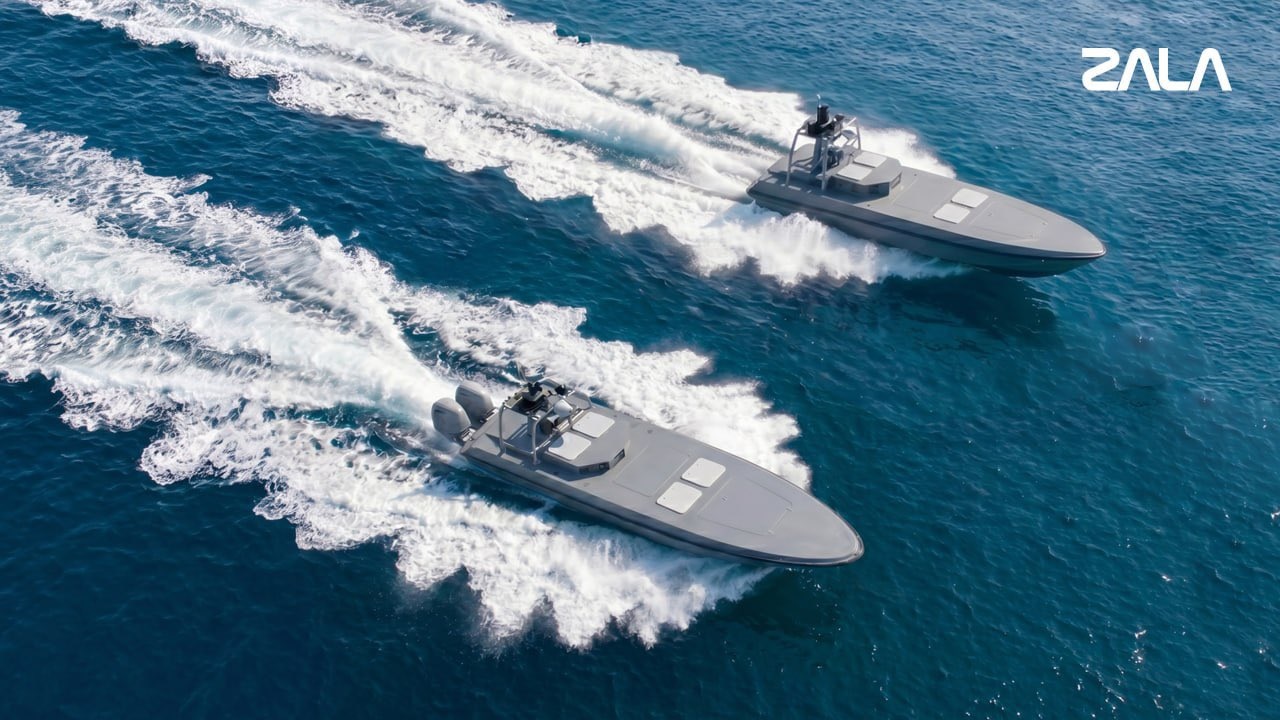 Russian Defense Firm ZALA Unveils KAMA Unmanned Surface Vessel Family at FLOT-2026 Naval Exhibition
