World
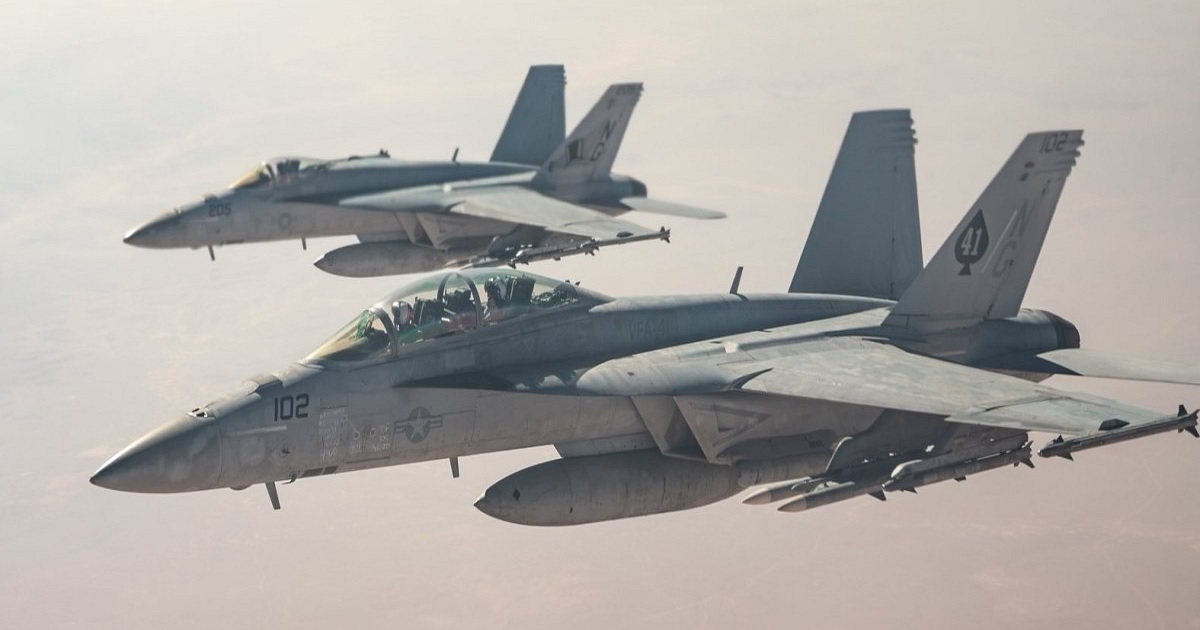
In a startling case of friendly fire, a U.S. Navy F/A-18 fighter jet was shot down over the Red Sea on Sunday morning. Both pilots aboard the aircraft were safely recovered, though one of them sustained minor injuries, according to a statement from the U.S. Central Command (CENTCOM). Officials confirmed that the incident was not due to hostile fire, and an in-depth investigation is currently underway. The mishap occurred when the guided-missile cruiser USS Gettysburg inadvertently targeted and struck the F/A-18 jet. The aircraft had been operating from the USS Harry S. Truman, a Nimitz-class aircraft carrier stationed in the region. CENTCOM acknowledged the grave nature of the mistake, which highlights the inherent risks involved in complex naval operations in conflict zones. Rising Tensions in the Red Sea Region The Red Sea has been a hotspot of escalating tensions, largely fueled by Yemen’s Houthi rebels targeting merchant vessels. These vessels, the rebels claim, are linked to Israel. In recent weeks, the U.S. Navy has ramped up its presence in the region to protect international shipping routes and counter Houthi threats. On the same day as the friendly fire incident, the United States launched retaliatory airstrikes on targets in Yemen’s rebel-held capital. This action followed a missile strike by the Houthis that injured several people in Tel Aviv, Israel’s commercial hub. Additionally, U.S. forces intercepted multiple Houthi drones and an anti-ship cruise missile over the Red Sea, preventing further escalation. Complex Mission Challenges The incident underscores the challenges faced by U.S. forces conducting high-stakes missions in a region fraught with conflict. The Red Sea and Gulf of Aden have been areas of heightened military activity since the Houthi rebels began increasing their attacks on maritime targets. These actions have been framed as part of the Houthis’ broader solidarity with Palestinians amid the ongoing Israel-Hamas conflict that erupted in October 2023. The U.S. Navy’s presence in the region is intended to ensure the safety of international shipping lanes and to respond to threats from both state and non-state actors. However, this incident serves as a sobering reminder of the complexity and risks of operating in such an environment. Investigation Underway The U.S. military is now focused on conducting a thorough investigation to determine the cause of the misfire and prevent such incidents in the future. Preliminary reports suggest a communication or systems error may have contributed to the USS Gettysburg firing on the friendly aircraft. As CENTCOM works to piece together the details, the incident adds another layer of tension to an already volatile region. The outcome of the investigation will likely inform future operational protocols, ensuring that such mistakes are minimized in the challenging and dynamic theaters where U.S. forces operate.
Read More → Posted on 2024-12-22 15:12:32
India
Brazilian aerospace giant Embraer is actively engaging with the Indian Air Force (IAF) to offer its Praetor 600 business jet as a platform for the next phase of India’s Airborne Early Warning and Control System (AEW&CS) program. This comes as Embraer ceases production of the ERJ145, the aircraft that currently serves as the backbone of India's Netra Mk1 AEW&CS. Transition from ERJ145 to Praetor 600 The IAF currently operates three Netra Mk1 systems, developed indigenously by the Defence Research and Development Organisation (DRDO) on ERJ145 platforms. These systems, integrated by DRDO's Centre for Airborne Systems (CABS), are pivotal in providing real-time surveillance and command capabilities. Their effectiveness was prominently demonstrated during the 2019 Balakot airstrike. While the IAF initially sought to procure six additional ERJ145 airframes for its AEW&CS expansion, Embraer discontinued ERJ145 production in 2020, shifting its focus to newer models like the E-Jet family and the Praetor series. The challenge of sourcing used ERJ145s from civilian markets, compounded by conversion costs and logistical issues, further complicated the expansion plans. Why the Praetor 600? The Praetor 600, a super mid-size business jet, presents a highly capable alternative with several advantages over the ERJ145: Enhanced Range and EnduranceThe Praetor 600 nearly doubles the operational range of the ERJ145, with a maximum range of 4,018 nautical miles (7,441 km) compared to the ERJ145’s 1,550 nautical miles (2,870 km). This translates to extended loiter times and a significantly larger surveillance footprint. Higher Service CeilingOperating at altitudes of up to 45,000 feet, the Praetor 600 offers better radar performance by leveraging higher altitude propagation. Speed and EfficiencyWith a maximum cruise speed of Mach 0.83 and advanced fuel efficiency, the Praetor 600 allows for longer missions, increasing its effectiveness for sustained surveillance. Technological AdvancementsIntroduced in 2019, the Praetor 600 features cutting-edge avionics, a fly-by-wire flight control system, and an ergonomic cockpit, reducing pilot workload and improving operational efficiency. Strategic Importance for India Embraer’s offer of six new Praetor 600 aircraft aligns with the IAF's goals of bolstering its airborne surveillance capabilities. The platform's modern features and readiness make it a compelling choice compared to retrofitting older ERJ145 models. Additionally, India’s "Netra Mk2" program, which envisions AEW&CS development on Airbus A319/320/321 platforms, remains an alternative. However, integrating such systems would require substantial time and resources. Final Decision The IAF and India’s Ministry of Defence now face a critical decision. They must weigh the operational benefits and readiness of the Praetor 600 against other strategic options, ensuring that India’s AEW&CS capabilities evolve to meet emerging challenges effectively. The Praetor 600 represents a forward-looking solution that could strengthen India’s surveillance network while introducing next-generation aerospace technologies to its fleet.
Read More → Posted on 2024-12-22 15:10:11
Science
In a discovery that could reshape our understanding of life, a team of researchers from Stanford University has identified mysterious organisms within the human body that defy the principles of biology as we know them. Led by Dr. Ivan Zheludev, the groundbreaking study published in 2024 unveils these entities, named “Obelisks,” as unique RNA-based life forms found in the human microbiome. What Are Obelisks? Obelisks are extraordinary organisms with circular genomes and rod-like structures, distinguishing them from any known life forms on Earth. Detected through advanced metatranscriptomic analysis of RNA sequences in human gut and oral samples, these organisms showcase over 1,000 previously unidentified base pairs. Unlike DNA-based organisms that dominate Earth, Obelisks are composed entirely of RNA, producing a novel protein termed "Oblins." While the precise function of Oblins is still unknown, their existence hints at untapped biological mechanisms and potential roles in human health. Where Are Obelisks Found? Obelisks have been detected in various regions of the human microbiome, primarily within the gut and oral environments. Surprisingly, they appear in 50% of oral samples, compared to only 7% of stool samples, suggesting that they may thrive in moist, oxygen-rich environments. Some Obelisks have even been discovered residing within Streptococcus sanguinis, a commonly occurring but typically benign bacterial species. Intriguingly, these organisms exhibit remarkable longevity, persisting in the body for over 300 days. Why Are They “Alien”? The term “alien” here doesn’t imply extraterrestrial origins but instead refers to how profoundly different Obelisks are from Earth’s conventional life forms. Unlike DNA-based organisms, they lack typical genetic structures and exhibit self-replicating behavior unique to RNA-based systems. This challenges existing theories about the boundaries of life, hinting at the possibility of a parallel evolutionary path that has gone unnoticed until now. Implications for Science and Humanity The discovery of Obelisks raises profound questions: Have these organisms been silently coexisting with humans for millennia, or are they a newly emerged phenomenon? Could they hold clues about the origins of life on Earth, or even the potential for RNA-based life forms elsewhere in the universe? Beyond these philosophical queries, researchers are exploring the practical implications. If Oblins—the proteins produced by Obelisks—play a role in human health, they could open new avenues in medicine and biotechnology. A New Frontier in Biology The identification of Obelisks marks the beginning of a new frontier in biology, challenging our understanding of what constitutes life. As researchers dive deeper into these enigmatic organisms, they may uncover secrets that redefine evolution, genetics, and our relationship with the microbial world. This discovery is not just a scientific milestone; it is a reminder of the vast unknowns within our own bodies, proving that even in the 21st century, Earth still holds mysteries as profound as the cosmos.
Read More → Posted on 2024-12-21 16:05:43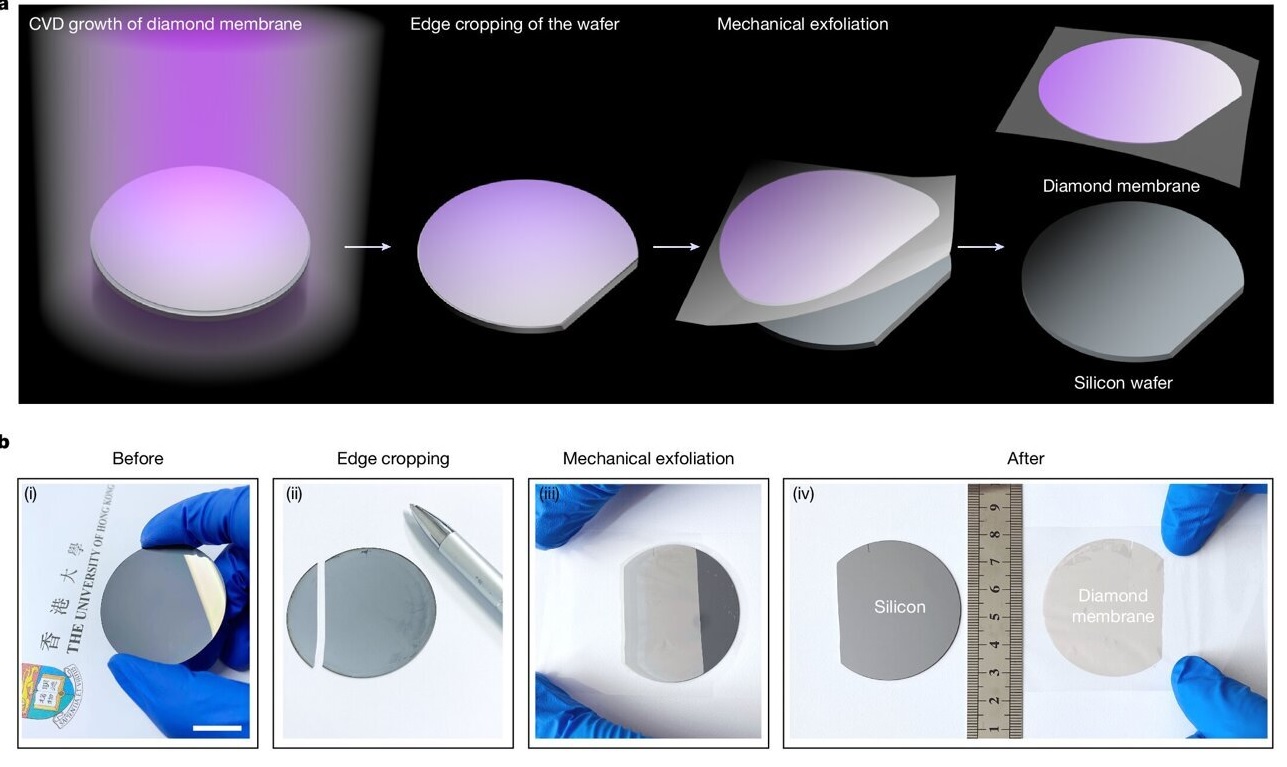
Space & Technology
Scientists from Hong Kong and mainland China have developed a groundbreaking technique to transform diamonds—the hardest natural material—into ultrathin, flexible membranes. This innovative approach not only promises to accelerate the commercial viability of diamond-based technology but also paves the way for its widespread application in electronics, photonics, and beyond. The new process, detailed in the peer-reviewed journal Nature, allows for the rapid production of diamond membranes just 1 micrometer thick—thinner than a human hair—at a fraction of the cost and time required by previous methods. Researchers have already achieved the creation of a 2-inch (5 cm) diamond wafer within 10 seconds, with plans to scale up production to 12-inch wafers. The Breakthrough Method Traditionally, ultrathin diamonds were either sliced from bulk material or grown on a substrate and later separated using chemical processes. These methods, however, faced significant limitations: Slicing bulk diamonds produced membranes too small for industrial applications. Growing diamonds on a substrate was time-intensive and yielded rough surfaces, rendering them incompatible with microfabrication. The new process starts by growing a diamond membrane on a silicon substrate. The wafer edge is then cropped to expose a side of the membrane. A tape is applied on top of the membrane and peeled off at an angle to separate it from the substrate without cracking. This simple, single-step method is cost-effective and compatible with existing semiconductor manufacturing technologies. Applications in Electronics Diamond’s unique properties, including its exceptional thermal conductivity—five times higher than copper—make it an ideal candidate for cooling high-performance electronics. The flexible diamond membranes could serve as heat spreaders to enhance the efficiency and lifespan of processors, semiconductor lasers, and electric vehicles. Additionally, these membranes can be integrated into diamond-based electronics like field-effect transistors and wearable devices, revolutionizing the field of flexible and robust electronics. Scalability and Commercialization The team, comprising researchers from the University of Hong Kong, Peking University’s Dongguan Institute of Opto-Electronics, and Shenzhen’s Southern University of Science and Technology, has applied for patents in semiconductor hubs worldwide, including China, the US, Europe, Korea, Japan, and Taiwan. They aim to bridge the gap between lab-scale production and industrial manufacturing. Co-lead author Lin Yuan, a professor of mechanical engineering at HKU, highlighted that making diamond into a thin layer drastically enhances its flexibility. According to Yuan, “If its thickness is halved, its flexibility increases by almost an order of magnitude.” The method could theoretically be adapted to other materials as well. The researchers plan to launch a start-up to commercialize the technology, beginning with testing lines in Hong Kong and Shenzhen. These lines will demonstrate scalability before transitioning to mass production with support from investors. Future Implications This breakthrough heralds a potential “diamond era” in technology. With its unparalleled properties and adaptability to existing manufacturing processes, the flexible diamond membrane could significantly enhance electronic devices' performance and durability while opening doors to new innovations in wearable and high-performance electronics.
Read More → Posted on 2024-12-21 16:01:23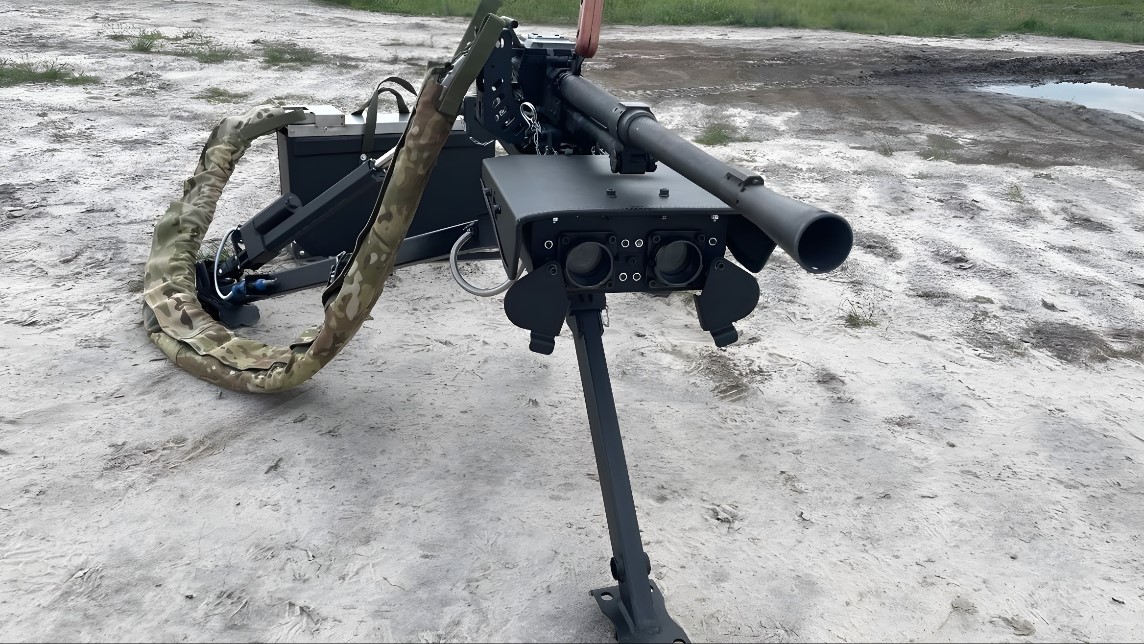
World
Ukraine’s Ministry of Defense has approved the deployment of the Wolly remote-controlled combat module, an innovative addition to the nation’s military arsenal. This domestically produced system is set to enhance the Defense Forces’ operational capabilities with advanced features tailored to the challenges of modern warfare. The Wolly turret is a lightweight, low-cost system designed for flexibility and efficiency. It can be equipped with either a 7.62mm or 12.7mm machine gun, depending on mission requirements, and boasts an automated ammunition feed system that ensures uninterrupted firepower. The turret’s thermal imaging camera and cutting-edge automatic target detection, recognition, and tracking system make it a formidable tool for combat, providing precision and reliability in diverse operational environments. One of the standout features of the Wolly system is its portability. Its compact and lightweight design allows a single soldier to transport and deploy it quickly in the field. Once installed, the system can operate for several days on a single battery charge, making it suitable for extended engagements without frequent logistical support. The Wolly turret incorporates technological advancements driven by lessons learned directly from the battlefield. Ukrainian manufacturers have collaborated with front-line troops to refine its design, integrating features requested by soldiers who have firsthand experience in combat situations. According to Deputy Defense Minister Dmytro Klymenkov, this feedback has led to several improvements in module operation and process automation, ensuring the system is user-friendly and effective under real-world conditions. Operationally, the Wolly turret excels in its adaptability. It can be used for static defense, mobile operations, and perimeter security, offering a versatile solution for a variety of tactical scenarios. Its automation reduces the workload on operators, allowing them to concentrate on broader mission objectives while the turret handles precision targeting and engagement. Beyond its advanced capabilities, the Wolly module also addresses cost-efficiency—a critical factor for Ukraine’s ongoing defense efforts. Its production leverages domestic resources and expertise, making it a sustainable choice for scaling up deployments as needed. This affordability, coupled with its advanced features, positions the Wolly as an essential component of Ukraine’s modernized military strategy. The deployment of the Wolly turret underscores Ukraine’s commitment to leveraging innovative technologies to counter evolving threats. As the Defense Forces continue to adapt to the dynamic challenges of the battlefield, tools like the Wolly combat module will play a crucial role in ensuring their effectiveness and resilience.
Read More → Posted on 2024-12-21 15:57:18
World
The U.S. Defense Advanced Research Projects Agency (DARPA) has achieved a significant milestone in the development of autonomous maritime operations by successfully completing the first at-sea refueling test under its No Manning Required Ship (NOMARS) program. This breakthrough lays the groundwork for the advanced capabilities of the program's flagship vessel, the Defiant Unmanned Surface Vessel (USV), set to enter its sea trials in 2025. A Revolutionary Approach to Unmanned Maritime Operations The NOMARS program aims to redefine the design and operational paradigm of unmanned surface vessels by creating a platform that is entirely autonomous, with no provisions for human operation or intervention. The Defiant USV, a 180-foot, 240-metric-ton vessel nearing completion, is being built to operate autonomously for extended missions lasting several months, requiring human interaction only during annual maintenance. A crucial challenge addressed by the NOMARS program is enabling Fueling-at-Sea (FAS) operations for USVs. Current FAS methods require human involvement to handle refueling lines and hoses, which imposes constraints on vessel design and increases operational risks. The NOMARS FAS system is revolutionary, designed to function entirely without human intervention on the unmanned vessel, while still leveraging the expertise of crew members on the refueling ship. Details of the Successful Test The recent test involved two experimental USVs, Ranger and Mariner, operated by the U.S. Navy’s PMS-406 (Unmanned Maritime Systems Program Office) and USV Squadron 1 (USVRON-1). Ranger was equipped with a receiving station prototype representing the system to be implemented on the Defiant, while Mariner carried a custom-built refueling mini-station developed by Serco Inc., the program’s prime contractor. During the trial, the system demonstrated the entire sequence of fueling operations, including: Passing the lead-line from the refueling vessel to the USV. Connecting the refueling probe to the receiving system on the USV. Pumping water as a stand-in for fuel to simulate the operation under realistic conditions. The test marked the first time these operations were conducted in a maritime environment, with all steps successfully executed. Importantly, while personnel were present on both vessels for safety and observation, the fueling process itself required no human interaction on the unmanned side. The Path Ahead The successful trial is a major step forward, but it is just the beginning for the NOMARS program. The next phase will involve testing the system with the Defiant USV during its multi-month sea trials, scheduled for spring 2025. These trials will assess the Defiant's ability to execute autonomous FAS operations while demonstrating its overall mission readiness and reliability. Transforming Naval Capabilities Launched in 2020 by DARPA’s Tactical Technology Office, the NOMARS program is at the forefront of autonomous naval innovation. Its goal is to develop medium unmanned surface vessels (MUSVs) with unmatched operational reliability and mission flexibility. Designed to perform extended missions while carrying significant payloads, the NOMARS vessels represent a transformative leap in naval technology. By enabling truly autonomous fueling capabilities, DARPA’s NOMARS program addresses one of the critical barriers to the widespread adoption of USVs, paving the way for a new era of unmanned naval operations. The successful FAS test is a testament to the potential of cutting-edge automation to enhance naval logistics, reduce risks, and ensure mission success.
Read More → Posted on 2024-12-21 15:54:43
India
The Indian Navy has officially confirmed the purchase of 26 Rafale M fighter jets from France’s Dassault Aviation, marking a critical step in strengthening its carrier-based air power. This acquisition serves as a temporary measure to address immediate operational requirements, while the indigenously developed Twin Engine Deck-Based Fighter (TEDBF) is being prepared for deployment by 2033. Addressing Operational Gaps with Rafale M The Navy’s current aviation wing primarily operates the Russian-made MiG-29K fighter jets aboard its two aircraft carriers, INS Vikramaditya and the recently commissioned INS Vikrant. While these fighters have served adequately, their aging design and performance limitations are prompting the Navy to seek a replacement. The Rafale M, a naval variant of the Rafale fighter, is a modern, highly capable aircraft designed specifically for carrier operations. Its advanced features include: Carrier Compatibility: Adapted for catapult-assisted and ski-jump takeoffs, ideal for Indian Navy carriers. State-of-the-Art Sensors: Equipped with an Active Electronically Scanned Array (AESA) radar and cutting-edge sensor fusion technologies. Weapon Systems: Capable of deploying the Meteor beyond-visual-range air-to-air missile, SCALP air-launched cruise missile, and HAMMER precision-guided munitions. Multirole Capability: Performs air superiority, ground attack, reconnaissance, and even nuclear deterrence missions. These 26 Rafale Ms will serve as a "stopgap" measure, ensuring combat readiness until the TEDBF is ready to take over. Indigenous TEDBF: The Long-Term Vision The TEDBF program, a collaboration between India’s Aeronautical Development Agency (ADA) and Hindustan Aeronautics Limited (HAL), represents the Navy’s long-term strategic focus. This twin-engine, canard-delta wing multirole fighter is being designed specifically for carrier operations, tailored to the Navy’s unique operational needs. Key anticipated features of the TEDBF include: Stealth Design: Incorporation of stealth features to reduce radar cross-section and enhance survivability. Advanced Avionics: Integration of AESA radar, electronic warfare systems, and data link capabilities. Weapons Versatility: Ability to deploy air-to-air, air-to-surface, anti-ship missiles, and precision-guided bombs. Performance: Designed for supersonic speeds, superior agility, and enhanced payload capacity. The first prototype of the TEDBF is expected to take flight by 2028, with production starting around 2033 and induction into the Navy by 2035. This timeline allows for a phased transition, ensuring a seamless replacement of the MiG-29K fleet without compromising operational readiness. Strategic Implications By limiting the Rafale M purchase to just 26 units, the Indian Navy demonstrates a prudent allocation of resources, reserving significant funding for the development of indigenous capabilities. This move aligns with India’s broader strategic objectives of self-reliance in defense manufacturing under the "Aatmanirbhar Bharat" initiative. The TEDBF program is not only a milestone in India’s defense innovation but also a statement of intent to reduce long-term dependence on foreign military technology. It is expected to foster domestic aerospace advancements and create significant opportunities for collaboration within India’s defense industry. Conclusion The acquisition of Rafale M fighters as an interim solution underscores the Indian Navy’s commitment to maintaining combat effectiveness while staying focused on its indigenization goals. The TEDBF, once operational, will mark a new era of naval aviation for India, blending cutting-edge technology with homegrown innovation to ensure maritime dominance in the years ahead.
Read More → Posted on 2024-12-21 15:50:44
World
The United States Department of Defense has unveiled its annual report on China’s military and security developments, shedding light on Beijing’s staggering progress in modernizing its armed forces and nuclear arsenal. This report, mandated by Congress, provides a comprehensive overview of China’s People’s Liberation Army (PLA) and its growing capabilities, while also addressing challenges that hinder its expansion. China’s Expanding Nuclear Arsenal One of the report’s most striking revelations is the rapid growth of China’s nuclear stockpile. From over 500 operational warheads in 2023, the count has surged to more than 600 in 2024. The Pentagon projects that this figure will exceed 1,000 by 2030 as Beijing aggressively modernizes, diversifies, and expands its nuclear forces. Such developments enhance China’s ability to target U.S. cities, military installations, and leadership centers in potential nuclear conflicts. China’s nuclear advancements include: Development of new intercontinental ballistic missiles (ICBMs) to strengthen its missile forces. Construction of three new silo fields completed in 2022, adding at least 300 ICBM silos. Potential exploration of conventionally armed, intercontinental-range missile systems. The World’s Largest Navy China’s navy, already the largest globally, has grown further, now boasting over 370 ships and submarines. This marks an increase from approximately 340 in 2022. The report highlights the navy’s enhanced ability to operate beyond the “first island chain,” which encompasses strategic regions like Okinawa, Taiwan, and the Philippines. These expansions are geared toward projecting Chinese influence deeper into the Pacific and Indian Oceans. Modernizing the Air Force The PLA Air Force is rapidly approaching technological parity with the United States. The modernization drive focuses on indigenizing advanced aircraft and unmanned aerial systems (UAS). Enhanced capabilities enable China to counter threats more effectively while competing with U.S. air dominance. Overseas Military Footprint China continues to expand its global military reach. Beyond its base in Djibouti, Beijing is actively exploring logistics facilities in countries like Myanmar, Pakistan, Bangladesh, Kenya, and Nigeria. These bases could disrupt U.S. operations and bolster China’s ability to sustain power projection across continents. Pressure on Taiwan The report underscores China’s escalating pressure on Taiwan. Beijing has intensified diplomatic, political, and military measures, aiming to assert its claim over the self-governed island. Key actions include: Increased naval and air force activity around Taiwan. Frequent crossings into Taiwan’s air defense identification zone (ADIZ) and centerline. Large-scale military exercises designed to intimidate Taiwan. Challenges in China’s Military Modernization Despite its rapid advancements, China’s military has faced setbacks due to corruption. The removal of top leaders amid anti-corruption campaigns has slowed certain modernization efforts. However, this has not deterred the PLA from pursuing its long-term strategic goals. Implications for Global Security The Pentagon report portrays a China that is reshaping global military dynamics. Its growing nuclear arsenal, expanding navy, advanced air force, and increasing overseas footprint underscore Beijing’s ambition to rival the United States on the global stage. This military modernization, coupled with rising tensions in the Indo-Pacific, particularly over Taiwan, poses significant challenges for U.S. strategic interests and regional stability.
Read More → Posted on 2024-12-21 15:46:40
World
Northrop Grumman has achieved a significant milestone in missile propulsion technology with the successful static fire tests of its 21-inch second-stage solid rocket motor (SRM). Conducted at the company’s state-of-the-art propulsion production facility in Elkton, Maryland, the tests represent a critical step in supporting the U.S. Navy’s extended-range and hypersonic missile capabilities. This advanced SRM is designed to provide a low-risk, high-performance solution for extended-range missions, enabling rapid deployment and enhanced deterrence. A Game-Changer for Missile Systems The 21-inch solid rocket motor is engineered to boost the range and speed of missiles, enhancing mission performance across diverse domains, including air warfare, surface warfare, land strikes, and ballistic missile defense. As part of its focus on versatility and affordability, Northrop Grumman has prioritized rapid development, completing the design-to-demonstration cycle in under a year. Gordon LoPresti, senior director of propulsion systems and control at Northrop Grumman, remarked on the achievement: "This SRM underscores our leadership in developing next-generation capabilities. It offers an adaptable and cost-effective extended-range propulsion system that strengthens the U.S. Navy's ability to counter a range of threats." Northrop Grumman’s Legacy in Propulsion Technology Northrop Grumman brings more than six decades of experience and a remarkable track record of delivering over one million solid rocket motors to various defense platforms. The company’s ongoing investment in its facilities and production capacity reflects its commitment to meeting increasing demand for cutting-edge missile systems. The advanced propulsion system tested in Maryland underscores the Navy’s focus on modernizing its missile arsenal to address emerging challenges. This initiative aligns with the U.S. Department of Defense's broader strategy to enhance hypersonic capabilities and extended-range systems, ensuring the military maintains its strategic edge. Global Development of Solid Rocket Motors The development of solid rocket motors is not limited to the United States. Several countries are advancing or have already developed solid propulsion technology for their missile systems: Russia: Known for its solid-fuel intercontinental ballistic missiles (ICBMs), such as the RS-24 Yars, Russia continues to lead in propulsion innovation. China: A key player in missile technology, China has developed solid-propelled systems like the DF-21D anti-ship missile. India: With indigenous programs such as the Agni series, India has established solid propulsion capabilities for its strategic and tactical missile arsenal. France: As part of its defense strategy, France uses solid rocket motors in its M51 submarine-launched ballistic missiles (SLBMs). Japan: Japan has incorporated solid-fuel technology into its space launch vehicles and missile defense systems, such as the Epsilon rocket. South Korea: South Korea has recently made strides in developing solid-fueled ballistic missiles as part of its defense modernization program. Israel: With its Jericho missile series and space launch programs, Israel remains a leader in solid propulsion technology. Strategic Implications Northrop Grumman’s achievement marks another leap forward in missile propulsion, with the potential to redefine the battlefield. By expanding range and speed, the advanced SRM equips the U.S. Navy with a critical tool to address evolving threats, from hypersonic systems to regional missile challenges. As nations continue to push the boundaries of missile technology, solid rocket motors remain a cornerstone of modern defense strategies, ensuring rapid response and unmatched performance in high-stakes scenarios.
Read More → Posted on 2024-12-21 15:36:35
India
In a significant diplomatic accusation, Pakistan has claimed that India and Israel are orchestrating efforts to influence the United States in imposing sanctions on its missile development programs. These allegations have stirred controversy in international defense and political circles, further intensifying tensions in South Asia. The U.S. recently imposed sanctions on entities linked to Pakistan’s long-range ballistic missile program, including the National Development Complex (NDC). Citing concerns about the proliferation of weapons of mass destruction (WMD) and their delivery systems, Washington's actions were framed as measures to maintain regional stability. However, Pakistan's Foreign Ministry has rejected these justifications, arguing that the sanctions are politically motivated and aimed at curtailing its strategic capabilities. Accusations Against India and Israel Pakistan's leadership has pointed to a coordinated effort by India and Israel to undermine its missile program. Islamabad claims that both nations, motivated by geopolitical rivalry, are leveraging their influence in Washington to curb Pakistan’s defense advancements. Officials argue that the sanctions are an extension of broader attempts by India and Israel to maintain a strategic edge over Pakistan. Resilient Missile Development Despite the sanctions, Pakistan’s defense analysts remain defiant. Experts assert that the country has developed indigenous capabilities that allow it to circumvent such restrictions. The Shaheen series of ballistic missiles, which serve as a cornerstone of Pakistan’s strategic deterrence, is expected to remain unaffected by the sanctions. Analysts emphasize that these measures will not deter Pakistan’s resolve to maintain a credible defense against India’s growing missile capabilities. Double Standards in Arms Control? Criticism has also been directed at the perceived inconsistencies in U.S. arms control policies. Pakistani defense commentators highlight the lack of scrutiny over collaborations like the Indo-Russian BrahMos missile project while Pakistan-China missile technology partnerships face stringent oversight. This selective approach, they argue, exposes a geopolitical bias that favors India, further exacerbating regional imbalances. Regional Implications The sanctions have reignited discussions about the growing missile race between India and Pakistan, two nuclear-armed neighbors with a history of strained relations. Pakistan’s missile program is seen as a counterbalance to India’s advancements in conventional and nuclear missile technologies, including systems like Agni and BrahMos. The Shaheen and Ghauri missile families, which include long-range and nuclear-capable variants, are central to Pakistan’s strategic deterrence. This development underscores the fragile security landscape in South Asia. Analysts warn that escalating tensions could increase the risk of miscalculation, particularly as both nations seek to enhance their defense postures. The sanctions, instead of fostering stability, may fuel further mistrust and push Pakistan to accelerate its missile development. Conclusion The accusations against India and Israel, coupled with the imposition of U.S. sanctions, reflect the complex interplay of regional and international dynamics shaping South Asia’s security environment. As Pakistan doubles down on its missile program amidst allegations of bias and geopolitical maneuvering, the situation calls for a more balanced approach to arms control and non-proliferation in the region. Without equitable measures, the growing arms race risks destabilizing an already volatile area.
Read More → Posted on 2024-12-21 15:31:34
India
India’s ambitious Twin Engine Deck-Based Fighter (TEDBF) program is making steady progress toward its Critical Design Review (CDR), slated for mid-2025. This milestone is vital for evaluating the project’s design and technical feasibility, setting the stage for the Cabinet Committee on Security (CCS) to approve funding for the next stages. Designed to bolster India’s naval airpower, the TEDBF aims to replace aging MiG-29K fighters while providing cutting-edge capabilities tailored to carrier-based operations. A Unique Naval Fighter with Advanced Capabilities The TEDBF is classified as a "5 Minus Generation" fighter, but its design incorporates state-of-the-art features borrowed from the Advanced Medium Combat Aircraft (AMCA) program. It will also include modifications specifically tailored for maritime environments, such as advanced avionics, semi-stealth technology, and AI-enabled systems. These features will make the TEDBF an indispensable tool for safeguarding India’s maritime interests in the Indo-Pacific. Key advanced capabilities of the TEDBF include: Semi-Stealth Design: While not a full stealth fighter, the TEDBF will have reduced radar cross-section characteristics, making it harder to detect. AI-Driven Operations: The integration of artificial intelligence will enhance situational awareness, optimize mission efficiency, and improve decision-making for pilots in high-stakes scenarios. Cutting-Edge Maritime Systems: The fighter will feature long-range maritime radars and sensor fusion technologies to excel in naval reconnaissance and combat roles. High R&D Costs Reflect Naval-Specific Demands The research and development phase of the TEDBF program is estimated to cost ₹15,000 crores, reflecting the complexity of adapting an advanced fighter to meet the unique challenges of carrier-based operations. Some of the significant cost drivers include: Reinforced Undercarriage: To handle the high-impact stresses of short-distance, high-speed landings on moving carrier decks, the TEDBF requires specially designed landing gear. Tailhook Systems and Arrestor Wires: Essential for safe deck landings, these features ensure the aircraft’s compatibility with Indian Navy carriers. Naval Avionics and Systems: While leveraging technology from the AMCA program, the TEDBF requires custom adaptations like maritime communication systems and radars optimized for naval environments. Commitment to Production and Deployment The Indian Navy has committed to purchasing 145 TEDBF units to ensure the program’s financial viability. Production is expected to begin by 2034, with the fighters set to operate across India’s three aircraft carriers, including the INS Vikrant and INS Vikramaditya. The large order will offset the steep R&D investment and lay the groundwork for a robust domestic defense production ecosystem. Additionally, the lessons learned from the LCA-Navy program, which served as a precursor to the TEDBF, have reduced developmental risks and provided a technological foundation for the new fighter. Strengthening India’s Naval Edge With its blend of cutting-edge features and naval-specific enhancements, the TEDBF will be a cornerstone of India’s naval aviation strategy. The aircraft’s semi-stealth capabilities, advanced avionics, and AI-assisted systems will enhance its ability to dominate the maritime domain and project power in critical regions. As India continues to invest in indigenous defense capabilities, the TEDBF program reflects the country’s commitment to achieving self-reliance in defense technology while securing its strategic interests in the ever-evolving geopolitical landscape of the Indo-Pacific.
Read More → Posted on 2024-12-21 15:26:54
World
Airbus Helicopters has achieved a significant milestone with the delivery of the first NH90 helicopter in the advanced Standard 3 configuration to Spain's Directorate General of Armament and Material (DGAM). This delivery marks the commencement of the second batch of 23 NH90 helicopters destined for the Spanish Armed Forces, underscoring Airbus' pivotal role in modernizing Spain’s military aviation capabilities. The Second Batch: Advanced Features and Distribution The new batch consists of 23 units, including 16 in the Standard 3 configuration and seven navalized variants. Of these, ten will serve the Spanish Army Air Mobile Forces (FAMET), while six will enhance the fleet of the Spanish Air and Space Force. The navalized versions, tailored for maritime missions, will be delivered to the Spanish Navy in a staggered schedule between December 2024 and 2028. The first NH90 for the Navy, configured as a tactical transport variant (MSPT), is currently in the final stages of approval by the Spanish Airworthiness Authority. Located in Albacete, the helicopter is undergoing operational training with the Spanish Navy’s 14th Squadron, marking a significant step toward its deployment. Cutting-Edge Technology in the NH90 Standard 3 The NH90 Standard 3 configuration introduces a host of advanced features, including upgraded communication systems with enhanced encryption, improved safety mechanisms, and optimized avionics. For the Spanish Navy, the MSPT variant adds even more capabilities, such as reinforced landing gear, automatic folding rotor blades, and a maximum take-off weight of 11 tonnes—making it ideal for maritime operations. Strategic Modernization Across All Armed Forces Fernando Lombo, Managing Director of Airbus Helicopters in Spain, emphasized the transformative impact of the NH90 fleet on Spain's defense capabilities. He stated, “We are proud to support our armed forces with these state-of-the-art NH90s, creating a standardized modern fleet across all three branches. The addition of the NH90 to the Spanish Navy marks a definitive step in modernization, and Airbus Helicopters stands ready to meet their evolving needs.” A Global Success Story The NH90 program is a testament to international collaboration, with 523 helicopters delivered to 13 countries, amassing nearly 420,000 flight hours. In Spain, the FAMET operates 15 NH90 helicopters, known as ‘Sarrios,’ while the Spanish Air and Space Force operates six units nicknamed ‘Lobo.’ These helicopters have demonstrated their versatility in missions ranging from disaster relief during the Dana storm in Valencia to military operations. Conclusion The delivery of the NH90 Standard 3 represents a significant advancement for the Spanish Armed Forces, integrating cutting-edge technology with operational flexibility. As deliveries continue, the Spanish Army, Air and Space Force, and Navy are poised to benefit from a unified, modernized fleet capable of meeting the complex demands of 21st-century defense operations.
Read More → Posted on 2024-12-21 15:24:24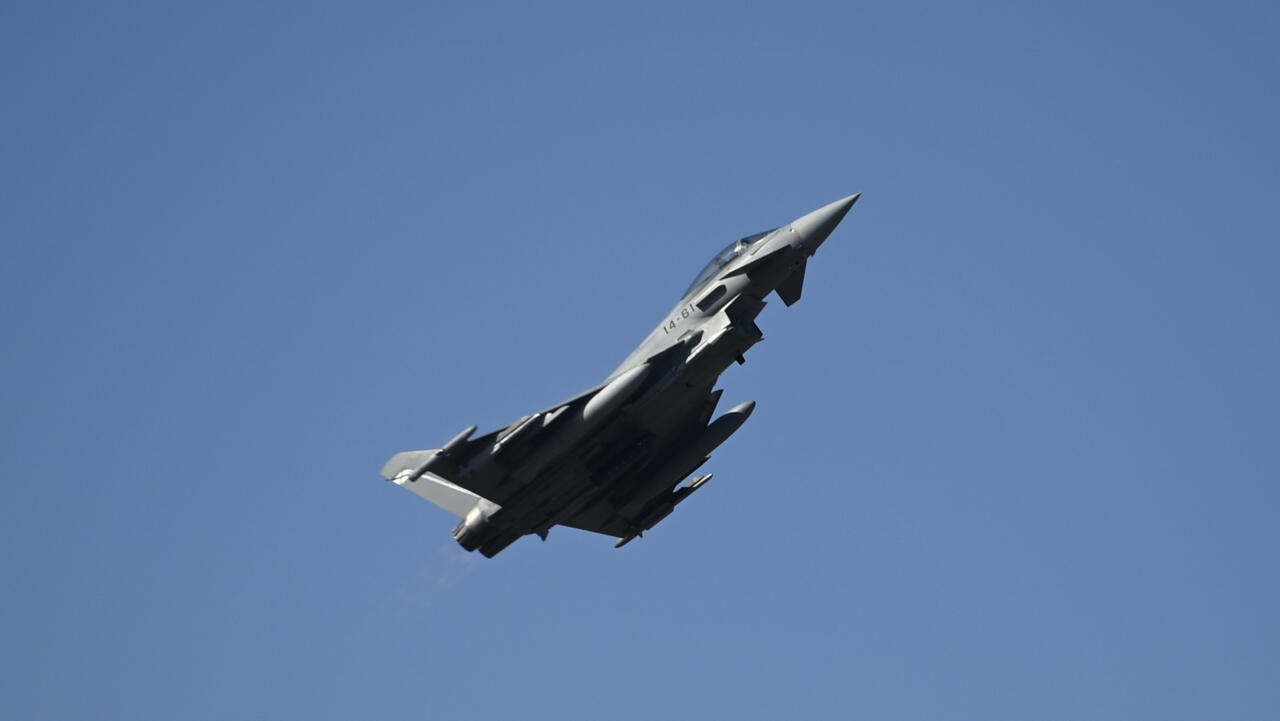
World
Spain has taken a significant step toward bolstering its military capabilities by ordering 25 more Eurofighter Typhoon jets from Airbus, reflecting its commitment to modernizing its aging air force. The deal, announced by Spain’s Defense Ministry, includes 21 single-seat and four twin-seat aircraft, scheduled for delivery starting in 2030. These new additions will replace a portion of Spain’s older F-18 fleet and bring the country’s total Eurofighter fleet to an impressive 115 aircraft. A Comprehensive Modernization Drive The Eurofighter Typhoon is renowned for its versatility and cutting-edge technology, making it a cornerstone of NATO’s air defense strategy. Spain’s decision to enhance its fleet is part of a broader effort to align with modern combat standards. Defense Minister Margarita Robles emphasized the importance of these upgrades during “difficult times,” reiterating that Spain will spare no effort to ensure its armed forces are equipped with the best capabilities available. Cutting-Edge Features of the Eurofighter The Eurofighter Typhoon stands out for its advanced weaponry systems and avionics. The jets are equipped to carry state-of-the-art Brimstone III and Full Meteor missiles, providing unparalleled precision and lethality in combat. Enhanced radar and sensor systems further ensure situational awareness and operational effectiveness in both offensive and defensive scenarios. These features make the Eurofighter one of the most advanced multirole fighter jets globally, capable of meeting the diverse demands of modern warfare. Economic and Strategic Impact The deal goes beyond military enhancements; it also has significant economic implications. The aircraft will be assembled and tested at Airbus’s Getafe facility near Madrid, ensuring a boost to the local aerospace industry. Airbus CEO Mike Schoellhorn highlighted that the program sustains approximately 16,000 direct and indirect jobs in Spain, solidifying the supply chain within the country and across Europe. Moreover, this order strengthens Spain’s position within the European defense ecosystem, showcasing its commitment to contributing to NATO’s collective security. By relying on a European-manufactured platform, Spain reinforces the importance of collaboration within the continent’s defense industry. Previous Investments and Long-Term Goals This latest order follows a similar contract for 20 Eurofighter jets signed in 2022. The continued investment underscores Spain’s long-term strategy to replace its aging fleet with state-of-the-art aircraft capable of ensuring operational readiness for decades to come. By integrating advanced platforms like the Eurofighter Typhoon, Spain not only modernizes its air force but also aligns itself with NATO’s overarching goals of maintaining a robust and technologically superior defense infrastructure. Conclusion Spain’s decision to expand its Eurofighter fleet marks a pivotal moment in its defense strategy. The combination of advanced technology, significant economic benefits, and enhanced operational capabilities positions the country as a formidable force within NATO’s air defense framework. As these new jets take to the skies in the coming years, Spain will undoubtedly solidify its role as a key player in Europe’s collective security.
Read More → Posted on 2024-12-21 15:22:35
India
Mazagon Dock Shipbuilders Limited (MDL) has achieved a significant milestone by delivering two state-of-the-art warships, Surat and Nilgiri, to the Indian Navy ahead of schedule. This delivery includes the fourth stealth destroyer of Project 15B (Surat) and the first stealth frigate of Project 17A (Nilgiri), reaffirming India’s growing self-reliance in warship design and construction under the 'Make in India' initiative. Cutting-Edge Technology and Indigenous Design Both warships have been designed by the Indian Navy’s Warship Design Bureau and constructed at MDL under the supervision of the Warship Overseeing Team in Mumbai. These platforms showcase advanced stealth technology, enhanced survivability, and superior combat capabilities. Nilgiri: The First of Project 17A Class Frigates As the First of Class (FoC) ship of Project 17A, Nilgiri sets a new benchmark for India’s frigate capabilities. Designed indigenously, it incorporates advanced stealth features achieved through a specially shaped hull and radar-transparent deck fittings, making it difficult to detect. Equipped with cutting-edge weapons and sensors, Nilgiri boasts all-around capability to counter submarines, surface warships, anti-ship missiles, and fighter aircraft. It is armed with sophisticated mounted guns for close-range defense and effective naval gunfire. This frigate is designed to operate independently, serve as the flagship of a naval task force, and excel in diverse maritime warfare roles. With a significant indigenous content, Nilgiri represents a hallmark of India’s progress in warship design and construction, embodying the vision of self-reliance through the 'Atmanirbhar Bharat' initiative. Surat: A Stealth Destroyer Packed with Firepower Surat, the fourth ship of the Project 15B class, is a formidable platform equipped with an array of potent weapons. It carries supersonic BrahMos surface-to-surface missiles, Barak-8 medium-range surface-to-air missiles, and indigenously developed anti-submarine warfare systems, including Hull-Mounted Sonar Humsa NG, heavyweight torpedo tube launchers, and ASW rocket launchers. Surat demonstrates versatility far surpassing its predecessors, featuring an indigenous content of 72%, which is a marked improvement compared to the Project 15A (59%) and Project 15 (42%) destroyers. This high indigenous content underscores India’s capability to integrate local components, fostering the development of a robust defense ecosystem. MDL: Pioneers in India’s Naval Shipbuilding MDL has been at the forefront of India’s indigenous naval shipbuilding program, delivering numerous landmark vessels, including the Shivalik-class frigates, Kolkata-class destroyers, and Scorpene submarines. The shipbuilder’s history is closely intertwined with the evolution of India’s maritime defense capabilities, earning it the title of “Warship and Submarine Builders to the Nation.” By completing Surat and Nilgiri ahead of schedule, MDL has once again demonstrated its commitment to excellence and its ability to exceed global benchmarks in warship construction. These advanced platforms not only bolster the Indian Navy's operational readiness but also reflect the nation's progress toward achieving self-reliance in defense manufacturing. A Testament to India's Maritime Strength The delivery of Surat and Nilgiri marks a significant step forward in strengthening the Indian Navy's strategic capabilities. These warships, equipped with cutting-edge technology and a high degree of indigenous content, symbolize India's maritime prowess and its steadfast commitment to safeguarding its maritime interests.
Read More → Posted on 2024-12-21 15:19:20
World
U.S. President Joe Biden has authorized $571.3 million in defense support for Taiwan, reinforcing the island’s military capabilities as tensions with China continue to escalate. The White House announced the decision on Friday, marking another significant step in Washington’s unwavering commitment to Taiwan's security. This support package is complemented by the State Department’s approval of a $265 million sale of military modernization equipment to the self-governed island. Strategic Military Support The defense assistance package includes the drawdown of defense articles, services, and military education and training from the Department of Defense. While the specifics of the $571.3 million package were not disclosed, it represents one of the largest drawdowns under the Biden administration, underscoring the urgency of bolstering Taiwan’s defenses amid heightened regional instability. Meanwhile, the $265 million arms sale focuses on modernizing Taiwan’s command, control, communications, and computer systems—vital elements for strengthening the island’s military readiness. Taiwan’s Ministry of Defense welcomed this development, noting that the upgrades would significantly enhance its ability to monitor and respond to evolving threats. Additionally, the U.S. government approved a $30 million package for parts used in 76mm autocannons, further equipping Taiwan to counter what is often referred to as China’s “grey-zone” tactics—activities that fall below the threshold of armed conflict but aim to intimidate and destabilize. Rising Chinese Military Pressure China’s aggressive maneuvers around Taiwan have intensified in recent months. The island recently reported the largest massing of Chinese naval forces in three decades, with Beijing conducting military activities in the East and South China Seas. Earlier this year, China staged two rounds of war games, simulating blockades and strikes against Taiwan. Taiwan has consistently rejected Beijing’s claims of sovereignty, asserting its status as a democratically governed entity. The growing military pressure has prompted Taipei to remain on high alert, with frequent patrols and readiness drills to counter potential incursions. The U.S.-Taiwan Defense Alliance Though the United States does not maintain formal diplomatic relations with Taiwan, it is bound by the Taiwan Relations Act to provide the island with the necessary means to defend itself. This legal framework has become a cornerstone of Washington’s policy in the Indo-Pacific, despite Beijing's repeated condemnation of U.S. arms sales and support for Taiwan. The Biden administration’s latest defense package signals a strong commitment to maintaining peace and stability in the Taiwan Strait. Taiwan’s Ministry of Defense expressed gratitude for Washington’s continued security assurances, emphasizing the importance of close U.S.-Taiwan cooperation to safeguard the region. Broader Implications The United States’ increasing support for Taiwan reflects its broader strategy to counterbalance China’s growing influence in the Indo-Pacific. This move is also likely to draw sharp criticism from Beijing, which views any form of military aid to Taiwan as a violation of its “One China” policy. As the geopolitical landscape grows more complex, the latest defense package serves as a reminder of the fragile balance in the region. For Taiwan, the U.S. backing offers a vital lifeline in its ongoing quest to preserve sovereignty and deter aggression.
Read More → Posted on 2024-12-21 15:17:18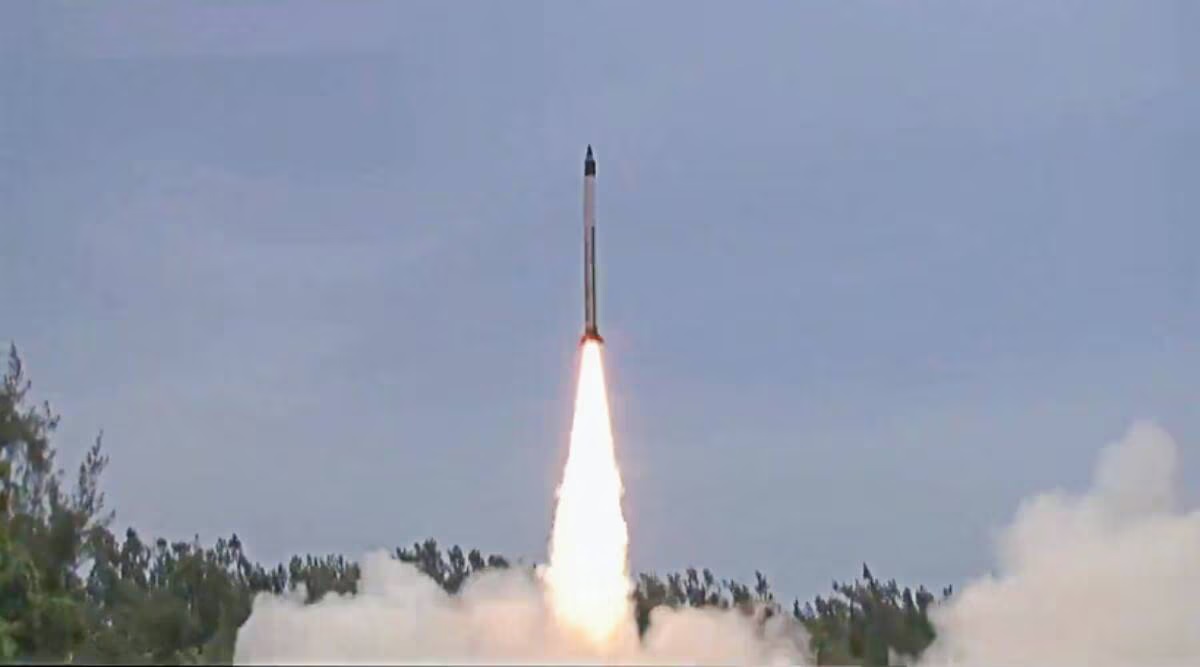
India
The Defence Research and Development Organisation (DRDO) is taking a significant step in advancing India's missile technology by initiating the procurement of a Ground Mobile Launcher for the M1 Missile under the PGLRSAM (Next Generation Surface-to-Air Missile System) project, also known as Project Kusha. This move underscores India's commitment to strengthening its air defence capabilities, particularly in the maritime domain. Ground Mobile Launcher Procurement for M1 Missile To enhance operational readiness across diverse terrains and environments, DRDO has invited tenders for the development of a specialized Ground Mobile Launcher for the M1 Missile System. This procurement process, spearheaded by the Defence Research and Development Laboratory (DRDL), ensures that the missile system will be deployable with high mobility and flexibility. The launcher will be a key component of the PGLRSAM system, allowing quick deployment and increased tactical adaptability. Its design will align with India's strategic focus on modernizing its air defence systems to address emerging aerial threats effectively. PGLRSAM: A Game-Changer for Naval Defence The PGLRSAM (Projected as a next-generation Long-Range Surface-to-Air Missile System) is a cutting-edge initiative aimed at redefining India's naval air defence capabilities. Building on the technological success of previous missile systems, PGLRSAM offers enhanced reach and versatility with interceptor missile variants featuring ranges of 150 km, 250 km, and potentially up to 350 km. This multi-layered defence capability enables PGLRSAM to neutralize a broad spectrum of aerial threats, including hostile aircraft, drones, and incoming missile attacks. Its integration with existing naval platforms, including the Indian Navy’s current and future warships, will complement systems like the MR-SAM, providing a robust and comprehensive air defence umbrella for maritime operations. M1 Missile Fabrication Alongside the launcher development, DRDO has ramped up efforts to fabricate additional M1 missiles, which serve as interceptors in the PGLRSAM system. The M1 missile boasts an operational range of approximately 150 kilometers, making it a critical asset for medium-range air defence. Fabrication plans for five new M1 missiles are expected to commence in late 2024, reflecting DRDO’s focus on maintaining an adequate stockpile for both testing and operational deployment. These missiles will integrate advanced guidance and propulsion systems to ensure precision and reliability. Strategic Importance The combination of the Ground Mobile Launcher and the advanced M1 missile enhances India's defence preparedness, particularly in maritime operations. The ability to deploy such systems efficiently in varied environments ensures a strategic edge in safeguarding naval assets and maintaining control over critical sea lanes. By developing PGLRSAM and supporting infrastructure, India is demonstrating its resolve to counter evolving threats and fortify its air defence systems. This initiative is a testament to DRDO’s role in driving innovation and ensuring self-reliance in defence technology. Conclusion The procurement of the Ground Mobile Launcher for M1 missiles under Project Kusha is a milestone in India’s journey towards modernizing its missile defence systems. With extended ranges, integration capabilities, and advanced fabrication underway, the PGLRSAM system is set to become a cornerstone of India's naval defence strategy. This advancement not only strengthens India’s maritime superiority but also ensures robust preparedness against ever-evolving aerial threats.
Read More → Posted on 2024-12-21 15:15:12
India
The recent arrest of eight suspected members of the terror outfit Ansar-al-Islam Bangladesh has brought to light a sinister plan targeting India's strategic Siliguri Corridor, also known as the Chicken’s Neck. This narrow stretch of land in West Bengal connects India’s northeastern states with the rest of the country, making it a critical lifeline. The suspects, apprehended through coordinated operations by the West Bengal, Kerala, and Assam police, were allegedly plotting synchronized attacks to create widespread instability in the region. Unveiling the Plot According to West Bengal Police ADG Supratim Sarkar, the terror suspects had been active since August, operating sleeper cells in Murshidabad and Alipurduar districts. The police recovered a 16 GB pen drive, fake identity cards, and jihadi literature from two suspects, Abbas Ali and Minarul Sheikh, during the arrests in Murshidabad. Investigations revealed plans to target the Siliguri Corridor, foment unrest in the northeast, and eliminate prominent Hindu leaders in eastern and northeastern India. Their strategy echoed the brutal 2015 hacking of a Bangladeshi blogger, raising concerns about a cross-border terror network. Murshidabad, with its proximity to Bangladesh, has reportedly become a transit hub for banned Bangladeshi outfits like Ansar-al-Islam. The suspects aimed to use this region to establish bases and execute their plans of destabilization, posing a grave threat to India’s internal security. Historical Criticism: Partition’s Strategic Oversight The vulnerability of the Siliguri Corridor can be traced back to the Partition of 1947. Cyril Radcliffe, the British lawyer who drew the boundary lines, is often criticized for his lack of understanding of the region's geography and the long-term implications of his decisions. His hurried demarcation created East Pakistan (now Bangladesh), granting India a mere 22-kilometer-wide corridor to connect the northeastern states with the mainland. This strategic oversight not only compromised India’s territorial integrity but also created a region susceptible to geopolitical manipulation. Critics argue that the creation of East Pakistan was influenced by certain leaders’ anti-India sentiments, aimed at keeping the country vulnerable in the event of a conflict. The narrow Chicken’s Neck remains a critical choke point, and its security challenges stem from these historical decisions. Broader Implications and Security Measures The arrests underscore the need for heightened vigilance in the Siliguri Corridor and surrounding regions. The corridor is not just a geographic link but a lifeline for trade, military movement, and cultural integration between the northeast and the rest of India. Any disruption in this area could have far-reaching consequences, both domestically and geopolitically. India’s security agencies must continue to collaborate to counter cross-border threats effectively. Strengthening intelligence networks, modernizing border infrastructure, and fostering socio-economic development in the northeast are essential to countering such threats. Conclusion The recent plot targeting the Siliguri Corridor highlights the enduring challenges posed by historical decisions and contemporary security threats. While the arrests mark a significant success for Indian security forces, they also serve as a reminder of the persistent vulnerabilities in the region. Protecting the Siliguri Corridor is not just about safeguarding a strip of land—it is about securing the unity and integrity of India.
Read More → Posted on 2024-12-21 15:12:35
Space & Technology
Indian scientists have recently proposed an ambitious project to develop a new space telescope aimed at studying exoplanets—planets that orbit stars outside our solar system. Drawing inspiration from the James Webb Space Telescope (JWST), this initiative signifies India's growing commitment to advancing astronomical research and exploring distant worlds. A Vision Inspired by JWST The James Webb Space Telescope, launched by NASA, has revolutionized our understanding of the universe with its advanced capabilities in capturing detailed images and spectra of distant celestial objects, including exoplanets. Its ability to analyze the atmospheres of these distant worlds has provided unprecedented insights into their composition and potential habitability. Inspired by JWST's success, Indian scientists aim to develop a telescope with similar capabilities, tailored to specific research objectives and regional requirements. Advancements in Indian Exoplanet Research India's journey into exoplanet research began in 2008 when astronomers at the Physical Research Laboratory (PRL) in Ahmedabad initiated a dedicated program using the radial velocity method—a technique that detects variations in a star's motion caused by the gravitational pull of orbiting planets. This effort led to the development of instruments like PARAS (PRL Advanced Radial-velocity Abu-sky Search), which achieved significant milestones, including the discovery of a sub-Saturn exoplanet around a Sun-like star in 2018. The subsequent upgrade, PARAS-2, attached to a 2.5-meter telescope at PRL's Mount Abu InfraRed Observatory (MIRO), has further enhanced detection capabilities, enabling the discovery of exoplanets such as TOI-6651b—a dense, Saturn-sized planet located approximately 690 light-years away. ThePrint Proposed Telescope Specifications While specific details of the proposed telescope are under development, it is expected to incorporate advanced spectrographs and imaging instruments capable of: High-Resolution Spectroscopy: To analyze the chemical composition of exoplanetary atmospheres, identifying elements and potential biomarkers. Direct Imaging: To capture images of exoplanets, particularly those in the habitable zones of their parent stars. Infrared Observations: To detect heat signatures, allowing the study of planetary formation and thermal properties. These capabilities would enable Indian astronomers to conduct in-depth studies of exoplanets, assessing their potential habitability and understanding their formation and evolution. Strategic Importance and Future Prospects The development of this telescope aligns with India's broader vision of achieving self-reliance in space technology and contributing to global scientific endeavors. By investing in such advanced instruments, India positions itself to make significant contributions to the field of exoplanet research, fostering international collaborations and inspiring future generations of scientists. In conclusion, the proposal to develop a space telescope inspired by the James Webb Space Telescope reflects India's dedication to exploring the cosmos and understanding the myriad worlds beyond our solar system. As this project progresses, it promises to place Indian scientists at the forefront of exoplanetary studies, unraveling the mysteries of distant exoworlds.
Read More → Posted on 2024-12-20 15:46:22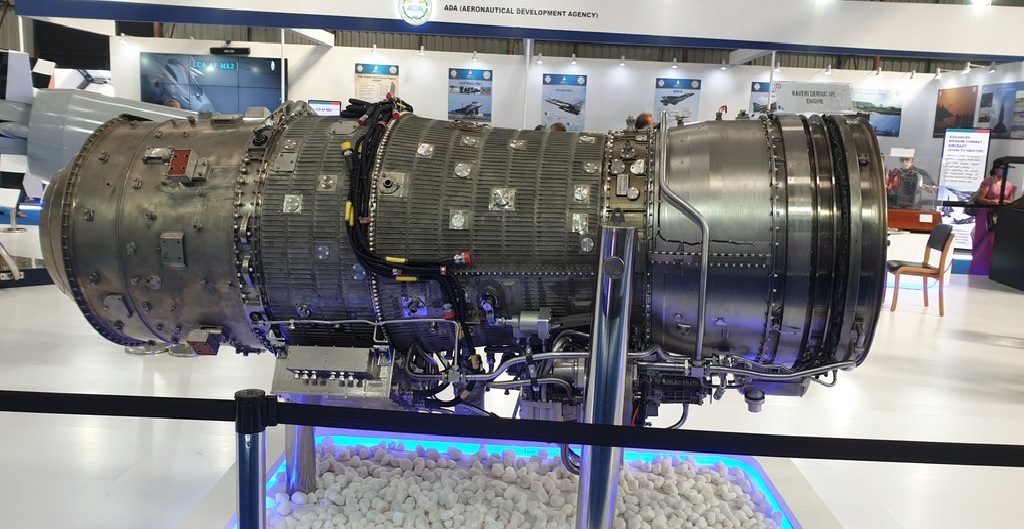
India
India’s Gas Turbine Research Establishment (GTRE) is poised to embark on extensive testing of advanced materials for aero engines, focusing on titanium alloys, nickel-based superalloys, and specialized steels. This initiative is a cornerstone of GTRE’s efforts to enhance the Kaveri engine program, aiming to boost thrust capabilities and meet the demands of modern fighter aircraft. Material Focus Areas Titanium Alloys Titanium alloys are integral to aero engines due to their exceptional strength-to-weight ratio and corrosion resistance. Among the most widely used is Ti-6Al-4V, a workhorse material since the 1950s. More advanced variants like Ti-6246 and Ti-6242 have been engineered to withstand higher temperatures and stresses. These alloys are particularly crucial in the cooler sections of engines, where weight savings significantly enhance performance. Key Specifications: Ti-6Al-4V: Tensile strength up to 950 MPa, temperature resistance up to 400°C. Ti-6246: Enhanced tensile strength (~1100 MPa) and temperature resistance (~450°C). Applications: Compressor blades, casings, and other lightweight structural components. Nickel-Based Superalloys Nickel-based superalloys are the backbone of high-temperature sections in aero engines, such as turbine blades and combustion chambers. Capable of operating at temperatures exceeding 1000°C, these materials maintain their strength and resist creep under extreme thermal and mechanical stresses. Advanced manufacturing processes, including investment casting, powder metallurgy, and additive manufacturing, are employed to produce these components with superior mechanical properties. Key Specifications: Examples: Inconel 718, Rene 41. Temperature Resistance: Exceeding 1100°C. Applications: Turbine discs, blades, and exhaust sections. Steels While less prominent in high-temperature zones, specialized steel alloys remain vital for certain components where toughness and cost-efficiency are priorities. They are often used in lower-stress, less thermally demanding parts such as shafts and gear mechanisms. Key Specifications: Examples: Maraging steels, stainless steels. Applications: Engine shafts, gear systems, and structural supports. Testing and Development Goals GTRE’s testing campaign is designed to validate these materials under operational conditions. This includes rigorous ground-based trials simulating the extreme environments faced by fighter aircraft engines. The program targets thrust capabilities of up to 80 kN, with the development of a new afterburner section being a central focus. Key Development Objectives: Ensure material durability under high-temperature and high-pressure conditions. Optimize performance metrics such as fuel efficiency and thrust-to-weight ratio. Collaborate with Hindustan Aeronautics Limited (HAL) and the Indian Air Force (IAF) for real-world evaluations using platforms like the MiG-29. Strategic Implications The successful integration of advanced materials will elevate the Kaveri engine program to meet global benchmarks, reducing reliance on imported propulsion systems. Moreover, GTRE’s focus on indigenously developed materials aligns with India’s Atmanirbhar Bharat (Self-Reliant India) initiative. These advancements not only cater to domestic defense requirements but also position India as a potential exporter of high-performance aero engine technologies. Future Prospects Looking ahead, GTRE’s research on titanium alloys, nickel superalloys, and steels will likely extend to unmanned aerial vehicles (UAVs) and next-generation stealth platforms. The establishment’s ongoing efforts underscore a commitment to innovation and self-reliance in the aerospace sector, paving the way for cutting-edge propulsion systems that can compete on the global stage.
Read More → Posted on 2024-12-20 15:41:13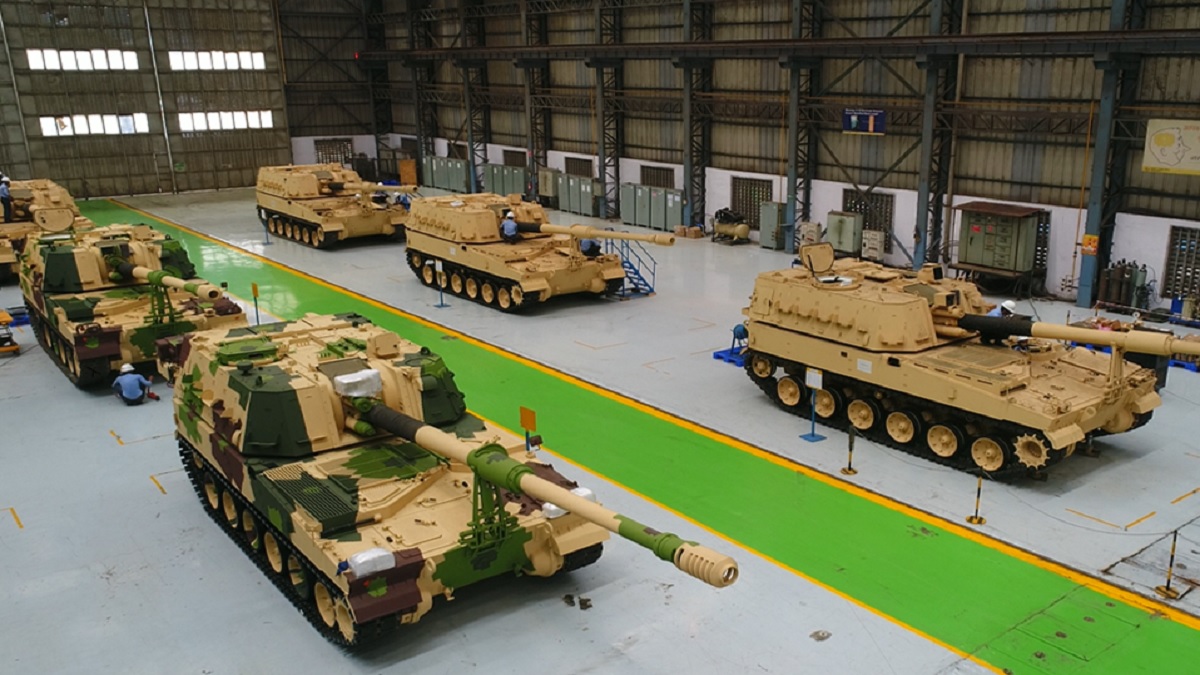
India
In a significant move to bolster India’s self-reliance in defense manufacturing, the Ministry of Defence (MoD) has inked a ₹7,628.70 crore agreement with Larsen & Toubro (L&T) for the acquisition of 100 K9 Vajra-T howitzers. This deal marks a major step forward in enhancing the Indian Army’s artillery capabilities and aligns with the government’s Atmanirbhar Bharat (Self-Reliant India) initiative. The K9 Vajra-T: An Indigenized Marvel The K9 Vajra-T is a 155mm/52-caliber tracked self-propelled artillery gun developed by South Korea’s Hanwha Defense and adapted to Indian conditions by L&T. The howitzer, manufactured at L&T’s Armoured Systems Complex in Hazira, Gujarat, boasts advanced technology and robust performance in diverse terrains. With a range of 40-50 kilometers, the K9 Vajra-T can deliver precise and sustained firepower, making it a formidable asset for the Indian Army. The system’s indigenization stands at over 80%, underscoring L&T’s capabilities in integrating cutting-edge defense technologies with local manufacturing. The howitzer’s operational flexibility is augmented by its ability to perform in extreme temperatures, from the scorching heat of deserts to the freezing cold of high-altitude regions like Ladakh. Enhancing Operational Readiness This fresh acquisition builds on the earlier successful induction of 100 K9 Vajra-T guns, which have proven their mettle in various field trials and operations, including deployment along India’s volatile northern borders. The additional 100 guns will significantly enhance the Army’s operational readiness and firepower, particularly in addressing emerging threats and maintaining a credible deterrent. Strategic Implications The deal reflects India’s commitment to fostering indigenous defense manufacturing and reducing dependency on foreign suppliers. By involving local vendors and small-scale industries in the supply chain, the agreement is expected to generate substantial economic benefits and boost employment in the defense sector. Moreover, the K9 Vajra-T’s deployment enhances the Army’s artillery modernization program, which aims to replace obsolete systems with state-of-the-art platforms. This move also positions India as a potential exporter of advanced artillery systems, aligning with the government’s vision of transforming the nation into a global defense manufacturing hub. Future Prospects With this deal, L&T has further solidified its role as a key player in India’s defense ecosystem. The company’s expertise in developing and delivering sophisticated defense systems positions it to contribute to upcoming projects, such as the Advanced Towed Artillery Gun System (ATAGS) and other indigenous weapon platforms. In conclusion, the ₹7,628.70 crore agreement for the K9 Vajra-T howitzers represents a strategic investment in India’s defense preparedness and self-reliance. By prioritizing indigenous manufacturing and leveraging advanced technology, the MoD’s initiative underscores its commitment to strengthening the nation’s defense capabilities in an evolving geopolitical landscape.
Read More → Posted on 2024-12-20 15:33:50Search
Top Trending in 24 Hours
-
 F-35 Fleet Readiness Falls to 25% Amid Parts Shortages and Software Delays: GAO Report
-
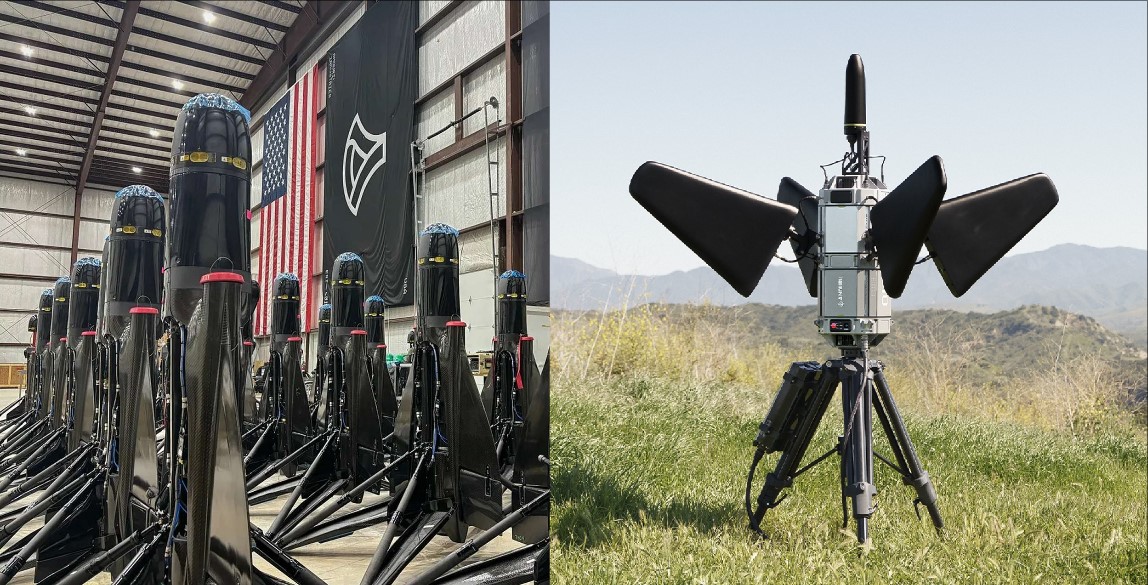 U.S. Approves $1.98 Billion Sale of Anduril AI-Powered Counter-Drone Systems to Kuwait
-
 U.S Navy Orders 50 Blackbeard Hypersonic Missiles in New $23.4 Million Contract
-
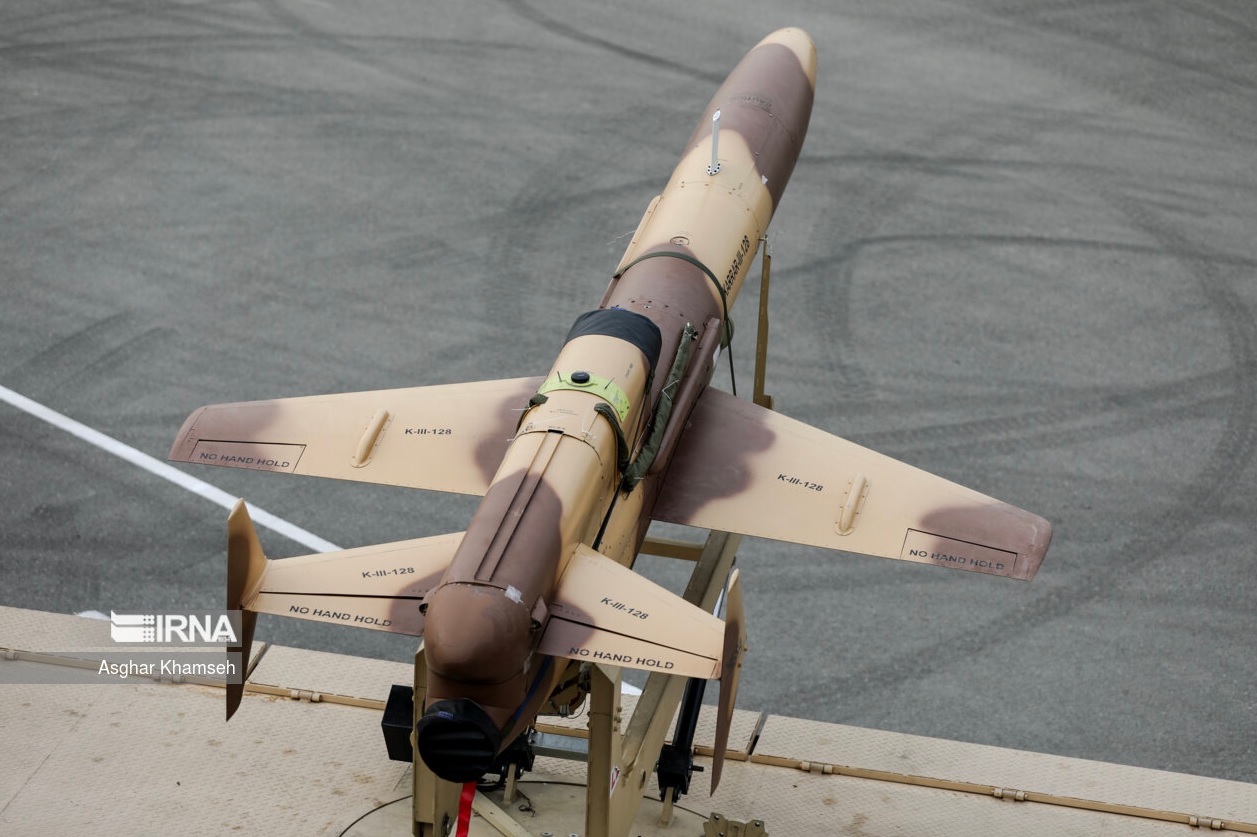 Russia Launches 1,400 Jet-Powered Drones in 2026 as Strike Tactics Evolve to Challenge Ukraine's Air Defenses
-
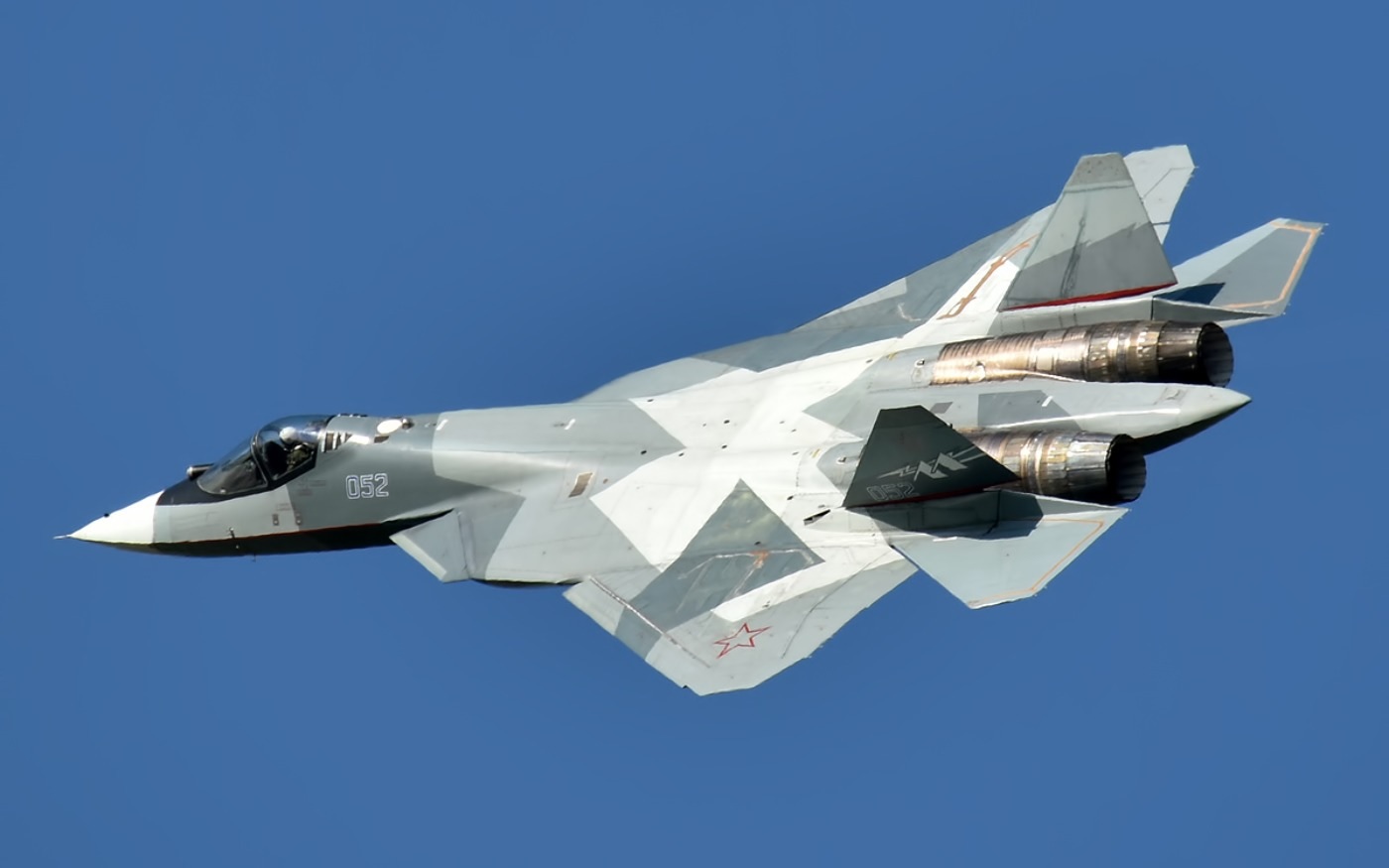 Russian Analysts Debate Su-57 Capabilities After Putin Calls Fighter Superior to F-35
-
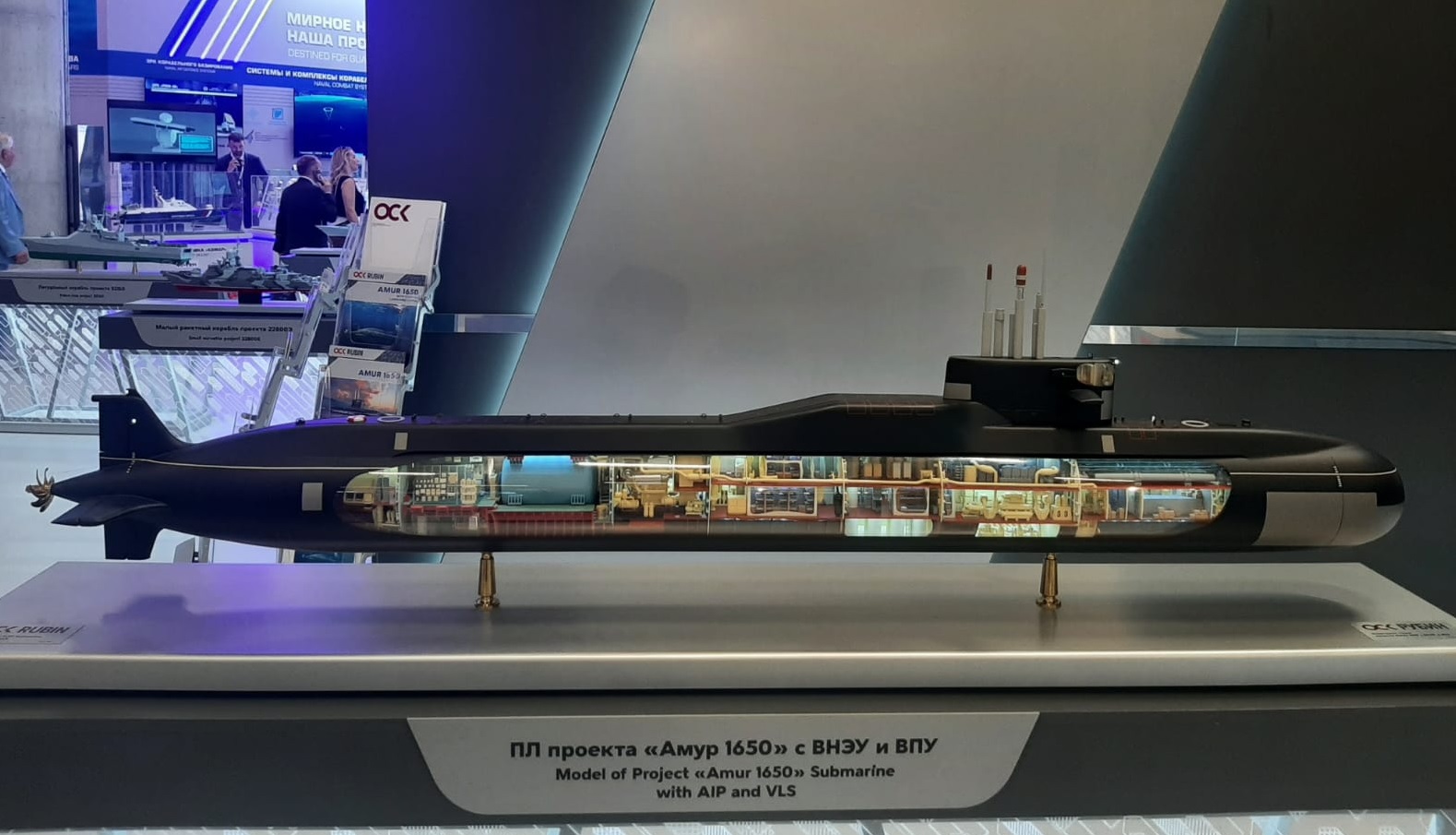 Russia Unveils Amur-1650 AIP Submarine Equipped with BrahMos Vertical Launch System at Fleet-2026
-
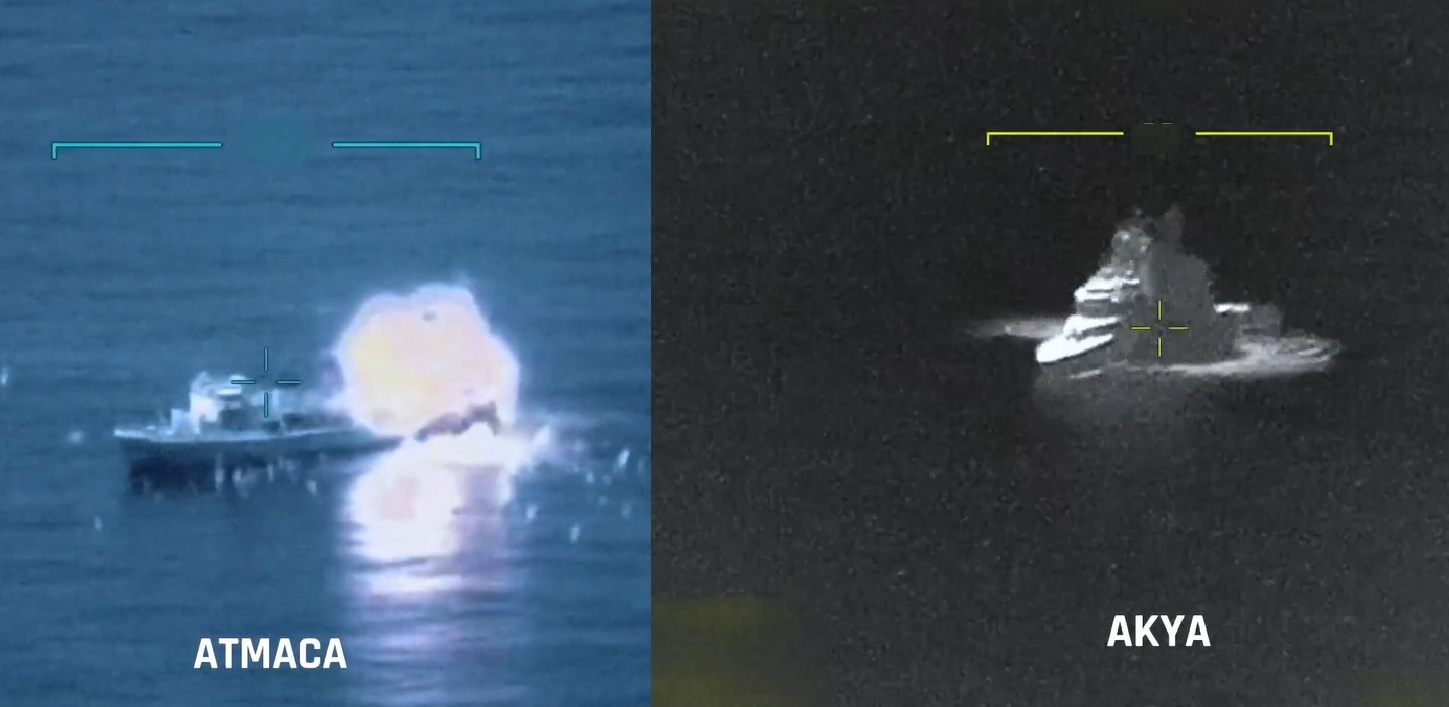 Turkey Navy Successfully Tests AKYA Torpedo and ATMACA Missile During Major Denizkurdu-II Naval Exercise
-
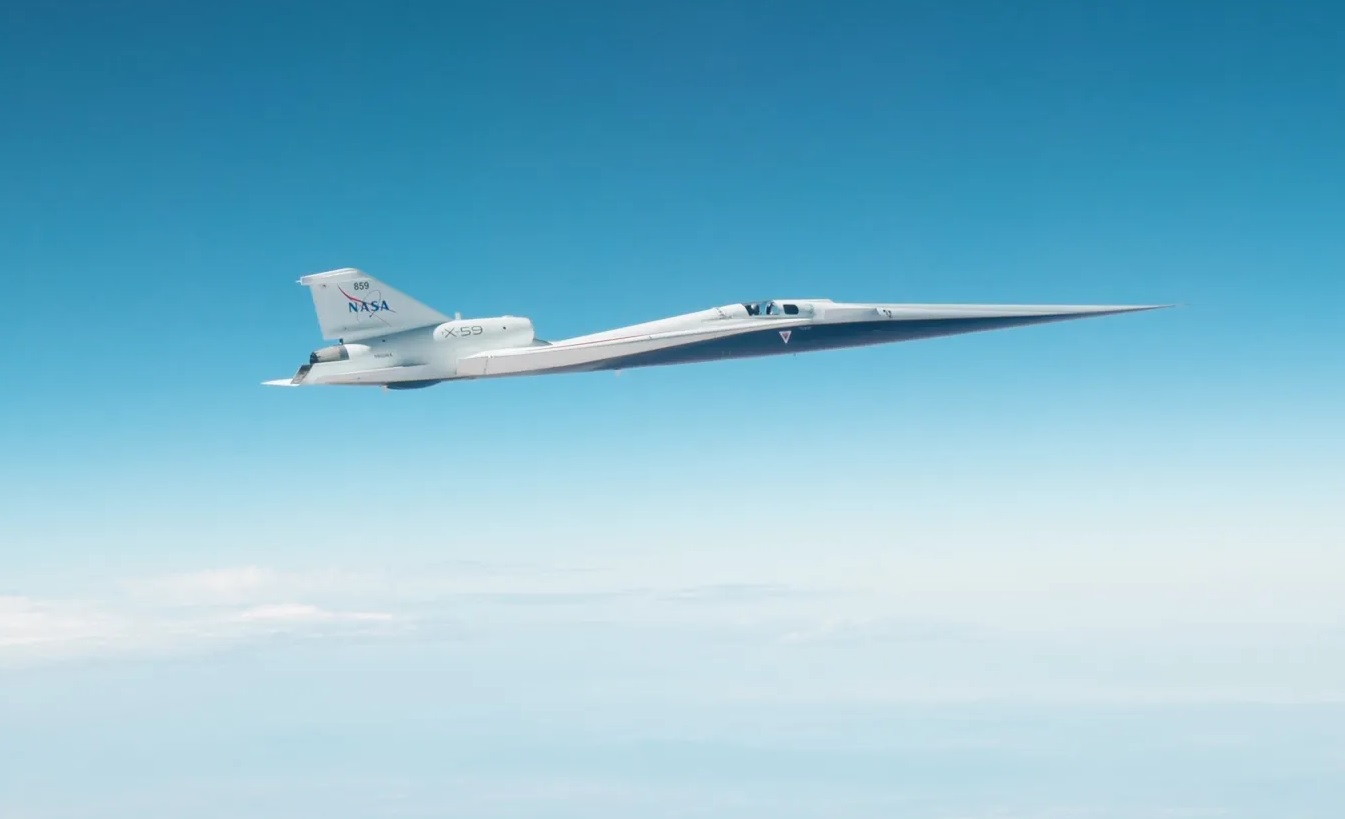 NASA X-59 Achieves Planned Mission Conditions with Mach 1.4 Flight at 55,000 Feet
Top Trending in 4 Days
-
 Iranian Media Leaks 14-Point U.S.-Iran Peace Framework Amid Ongoing Negotiations
-
 US Plans Significant Reduction of Fighter Jets and Warships for NATO Operations in Europe
-
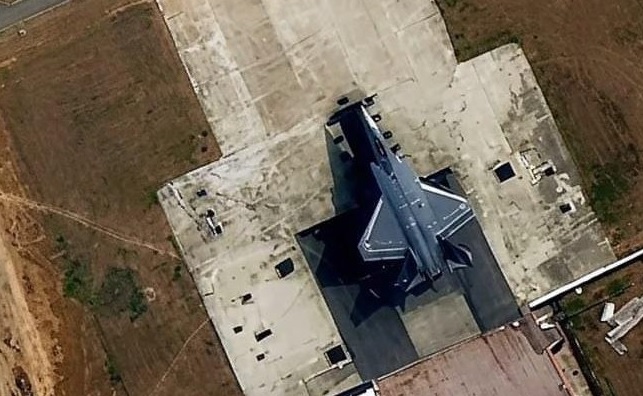 AMCA Airframe Spotted at DRDO’s ORANGE Facility for Radar Cross-Section Testing
-
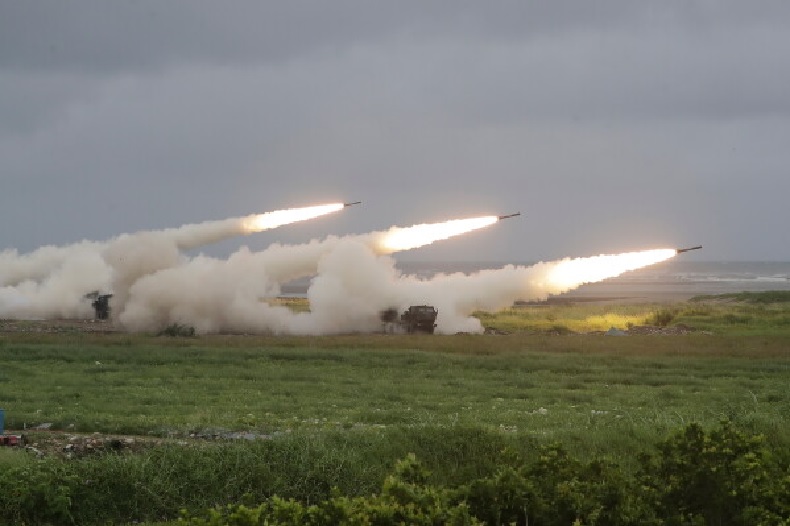 Taiwan Conducts First Live-Fire of HIMARS Rockets From West Coast During Invasion Defense Drill
-
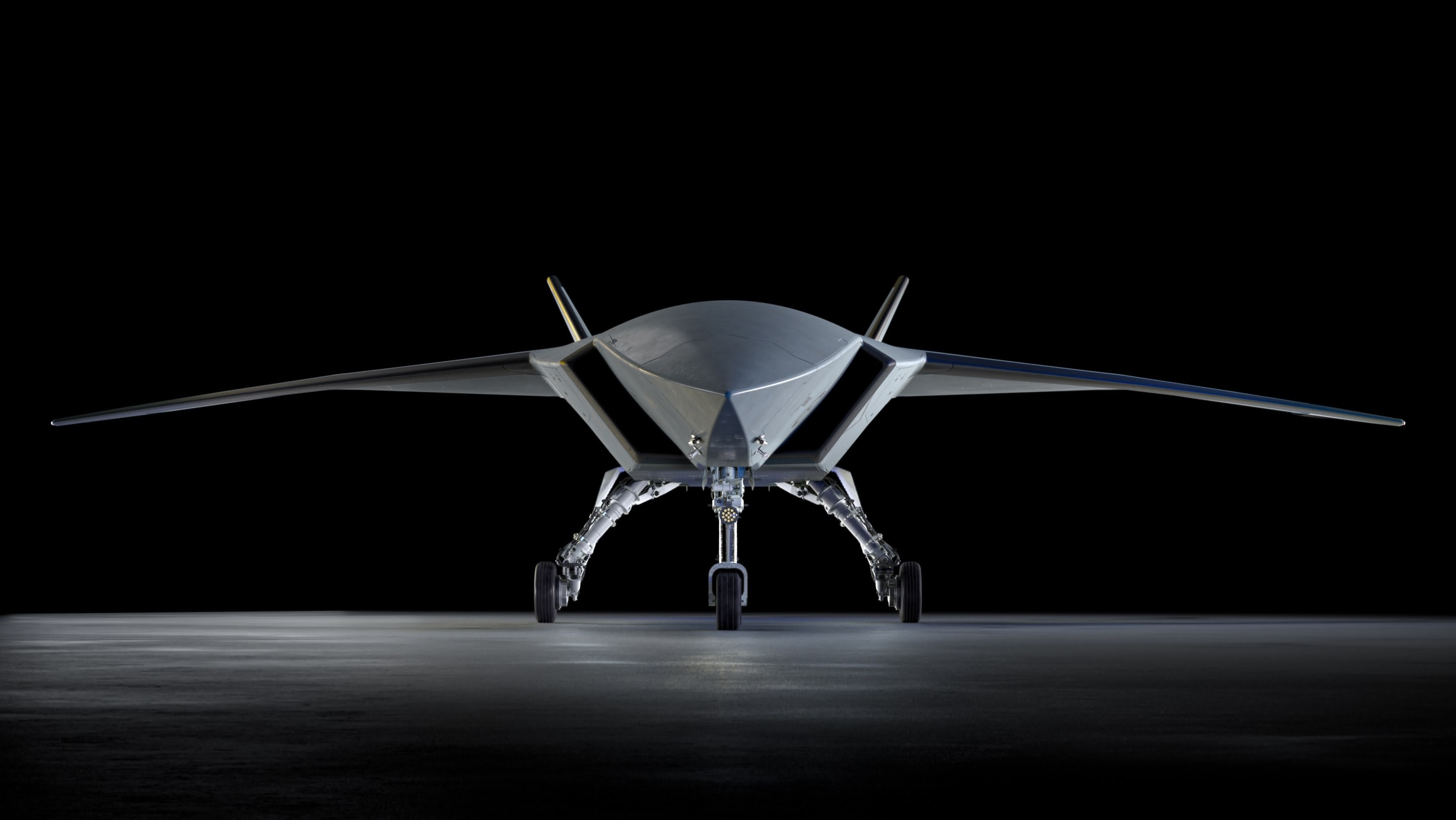 Boeing Introduces New MQ-28 Ghost Bat Upgrades with Increased Range, Payload and Weapons Capacity at ILA Berlin 2026
-
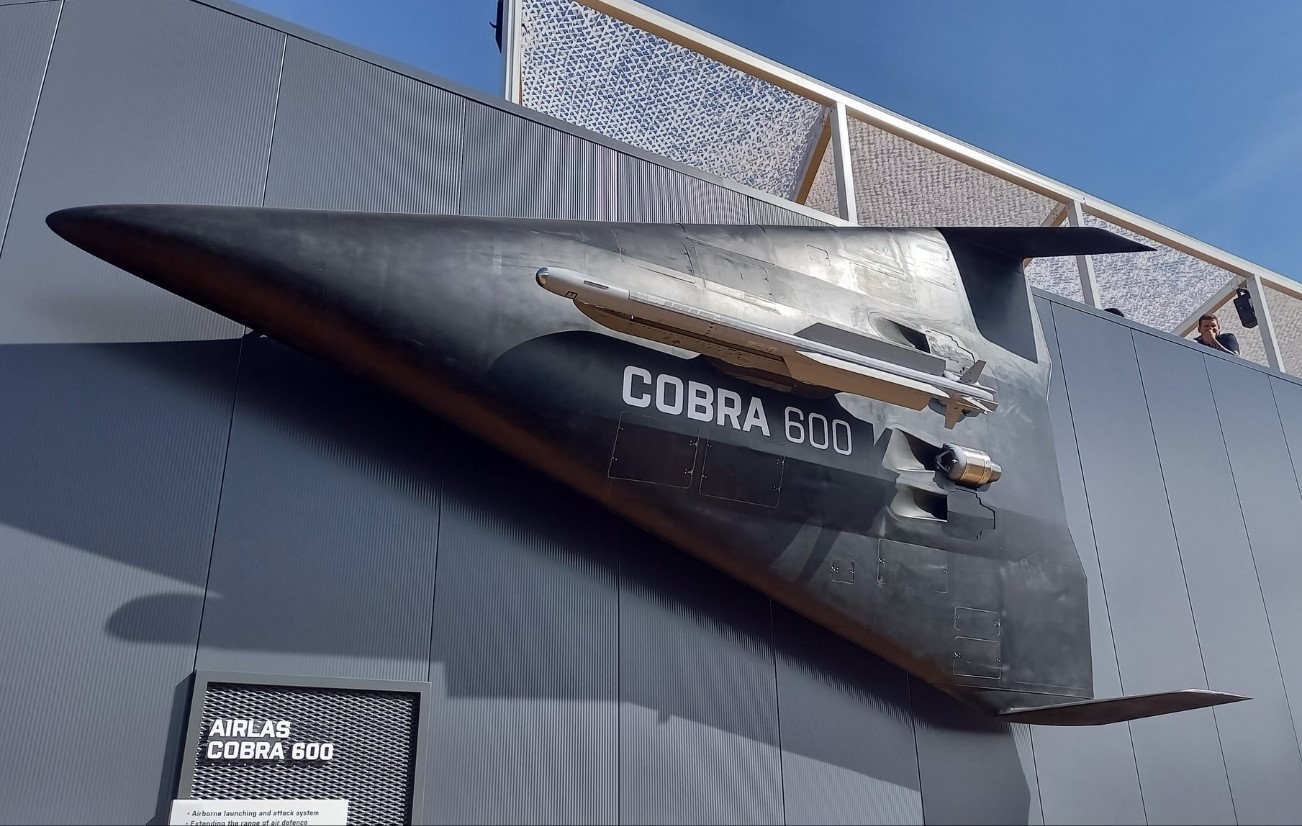 Diehl Defence Unveils IRIS-T Armed Cobra 600 Air Defense Drone at ILA Berlin 2026
-
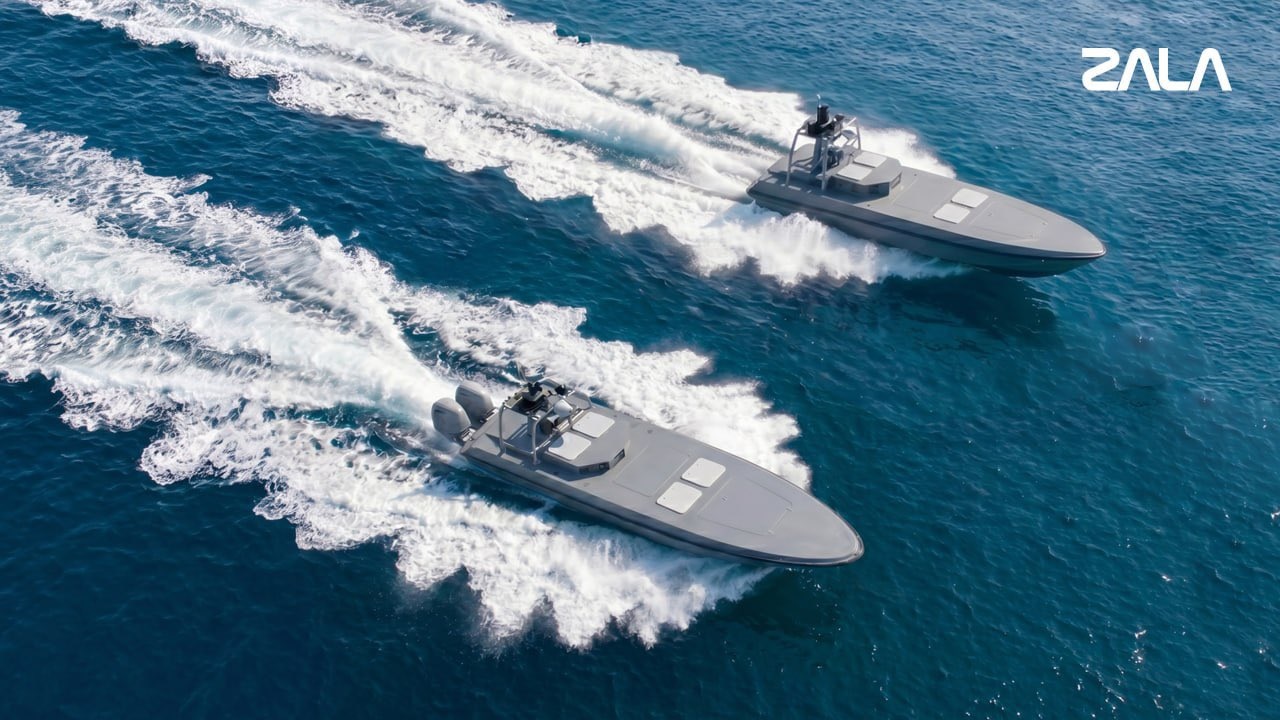 Russian Defense Firm ZALA Unveils KAMA Unmanned Surface Vessel Family at FLOT-2026 Naval Exhibition
-
 U.S Aircraft Carrier USS Theodore Roosevelt Departs San Diego for Major RIMPAC 2026 Naval Exercise
