World
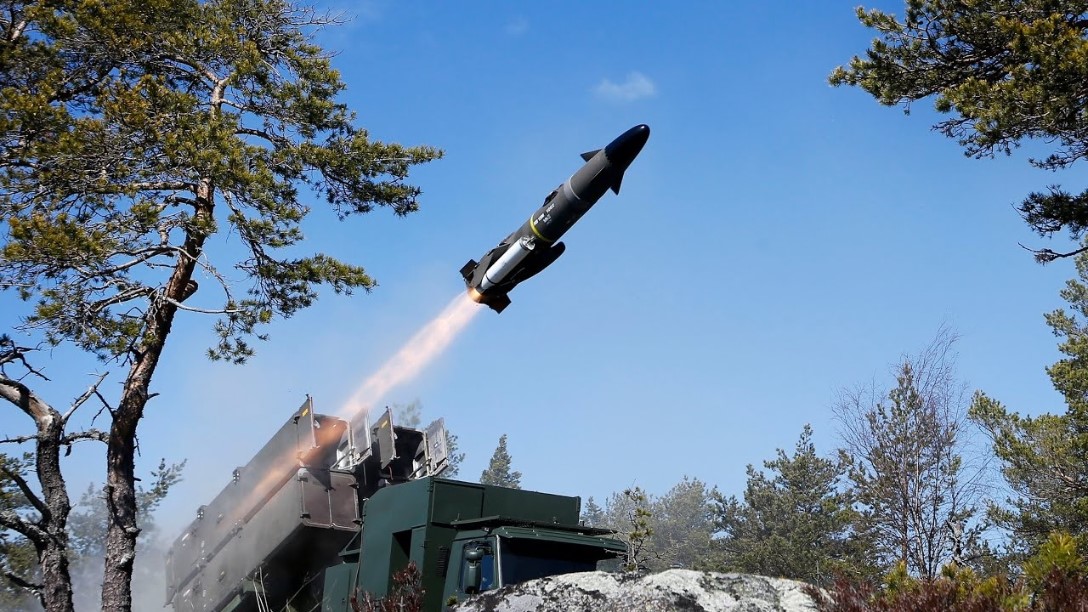
Saab has taken a major step in strengthening Sweden’s coastal defence by securing a SEK 800 million contract with the Swedish Defence Materiel Administration (FMV). The agreement aims to modernize Sweden’s anti-ship missile system by integrating the advanced RBS15 Mk3 into its coastal defence infrastructure. Deliveries under the contract are scheduled to begin in 2026, marking a significant enhancement to the country’s military capabilities. Modernizing Coastal Defences The RBS15 Mk3 will replace the older RBS15 Mk2 system, providing a substantial upgrade in range, targeting precision, and destructive capability. Mounted on truck-based launcher modules, the new system is tailored for rapid deployment and high mobility. Saab highlighted the system's advanced features, including a state-of-the-art target seeker, an extended range exceeding 200 kilometers, and a larger warhead designed for greater effectiveness against naval targets. This modernization follows Sweden's 2016 decision to reinstate its coastal anti-ship missile systems, reflecting the nation's growing focus on defending its coastline amid heightened regional security concerns. Advanced Features of the RBS15 Mk3 The RBS15 Mk3, developed in collaboration with Diehl Defence of Germany, is designed to perform exceptionally in the complex and harsh maritime environment of the Baltic Sea. The missile system can operate in all weather conditions, offering flexibility for deployment from ships or mobile land-based units. With a range that surpasses 200 kilometers, the RBS15 Mk3 is capable of engaging multiple types of naval threats, from large warships to smaller, more agile vessels. Its advanced targeting system ensures precise strikes even in electronic warfare conditions, where adversaries may attempt to jam or disrupt missile guidance systems. Strategic Importance The Baltic Sea is a vital region for Sweden’s national security, with significant maritime traffic and proximity to other coastal nations. Saab’s upgraded coastal defence system enhances Sweden’s ability to monitor and control this strategic waterway, deterring potential aggressors and safeguarding the country's territorial integrity. As Görgen Johansson, head of Saab’s business area Dynamics, emphasized, “Sweden will receive a significant capability increase with an anti-ship missile featuring a more advanced target seeker, increased range, and a larger warhead.” A Boost to Sweden’s Defence Readiness The SEK 800 million contract also reflects Sweden’s broader efforts to modernize its defence forces in the face of evolving geopolitical threats. The RBS15 Mk3’s ability to counter a wide range of naval threats reinforces Sweden’s preparedness to protect its shores and maintain stability in the region. This modernization project is part of Saab's ongoing commitment to delivering cutting-edge military technology. As deliveries commence in 2026, Sweden will be equipped with one of the most advanced coastal defence systems in the world, ensuring its maritime security for years to come.
Read More → Posted on 2024-12-23 16:12:45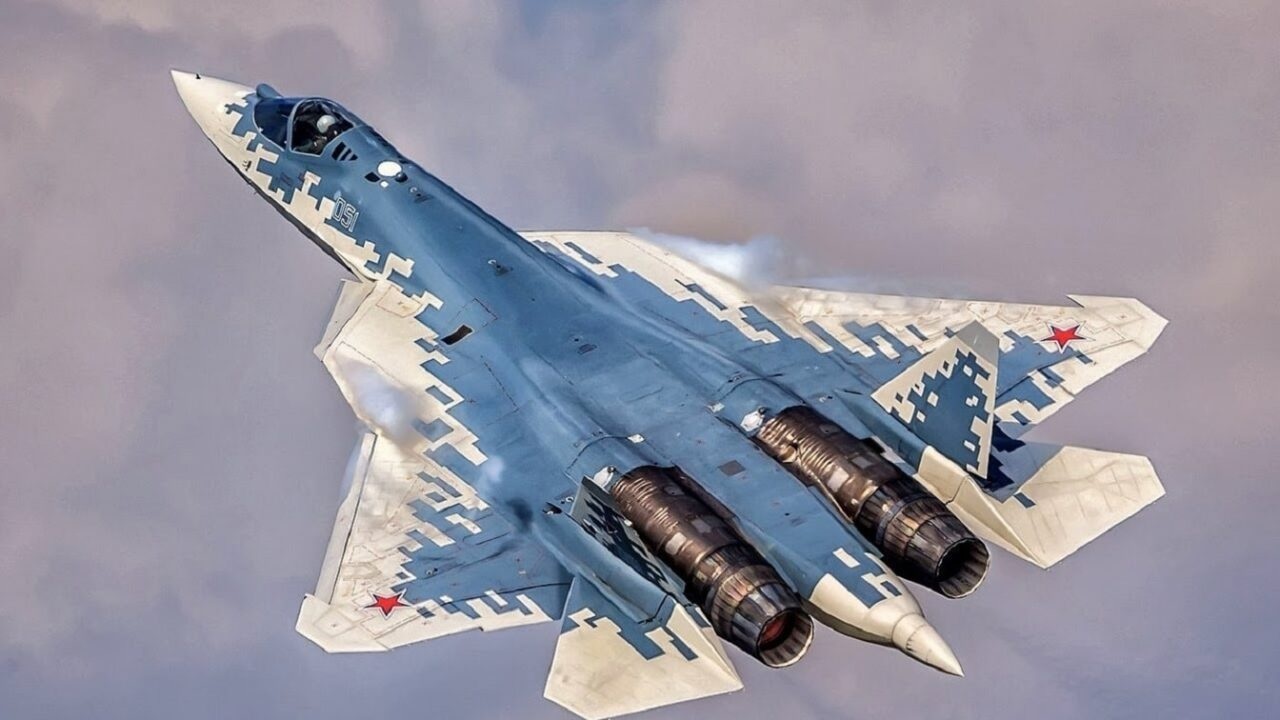
World
Russia has taken delivery of a new batch of Su-57 Felon and Su-34 Fullback aircraft from the United Aircraft Corporation (UAC), a subsidiary of Rostec, as part of its state defense order. These additions to the Russian Aerospace Forces come at a critical time, as the country faces significant challenges in maintaining its air capabilities amid ongoing military operations in Ukraine. Advanced Su-57: Russia’s Fifth-Generation Fighter The Su-57, often dubbed the "king of the skies," is a fifth-generation multirole fighter jet designed to tackle diverse missions, including striking air, ground, and naval targets. Known for its cutting-edge technology, the Su-57 features: Low Observability: The jet incorporates stealth technology, enabling it to evade modern air defense systems. Precision Weaponry: Equipped with advanced guided munitions, the Su-57 can neutralize targets with high accuracy. Electronic Warfare Capabilities: It includes sophisticated electronic countermeasures to dominate in contested airspaces. High Maneuverability: Its advanced aerodynamics and thrust-vectoring engines make it highly agile in dogfights.Designed for all-weather operations, the Su-57 has been tested in prolonged combat conditions, solidifying its reputation as a cornerstone of Russia’s modern air power. Su-34: A Versatile Fighter-Bomber The Su-34, a twin-seat fighter-bomber, excels in striking a range of targets, including heavily defended infrastructure. Its unique features include: Multifunctional Design: Capable of engaging ground, sea, and aerial targets. Reconnaissance Abilities: The aircraft can also perform intelligence-gathering missions using advanced sensors. Wide Armament Range: It supports both guided and unguided munitions, offering flexibility in combat scenarios. Pilots appreciate the Su-34 for its robust technical specifications and combat reliability. Despite its strengths, the Su-34 has not been immune to losses during the ongoing conflict. Challenges Amid the Ukraine Conflict Russia’s delivery of new jets comes against the backdrop of considerable attrition in its air fleet. According to Oryx, an open-source intelligence group, Russia has lost at least 134 military aircraft since the start of its invasion of Ukraine. These confirmed losses include 36 Su-34 strike aircraft, with additional unverified reports suggesting higher figures. The Su-57 has also been affected, with one aircraft reportedly destroyed in a Ukrainian drone strike on the Akhtubinsk airbase. The losses reflect the intense strain on Russia's forces, especially as it attempts to maintain air superiority in a highly contested environment. A Strategic Focus on Air Power Despite these setbacks, Russia remains committed to strengthening its air fleet. Rostec CEO Sergey Chemezov emphasized the significance of the new deliveries, stating, “The Su-57 and Su-34 are valued for their superior combat characteristics. They will soon take their place in active service, addressing critical tasks with unmatched performance.” UAC head Vadim Badekha also highlighted ongoing efforts to meet production goals while enhancing worker benefits and corporate social programs, signaling a focus on both operational and institutional resilience. Conclusion As the war in Ukraine continues to challenge Russia's military capacity, the delivery of new Su-57 and Su-34 jets underscores Moscow's determination to rebuild and modernize its air power. These aircraft not only demonstrate advanced engineering but also serve as vital assets in Russia’s broader strategy to navigate the pressures of prolonged conflict.
Read More → Posted on 2024-12-23 16:09:48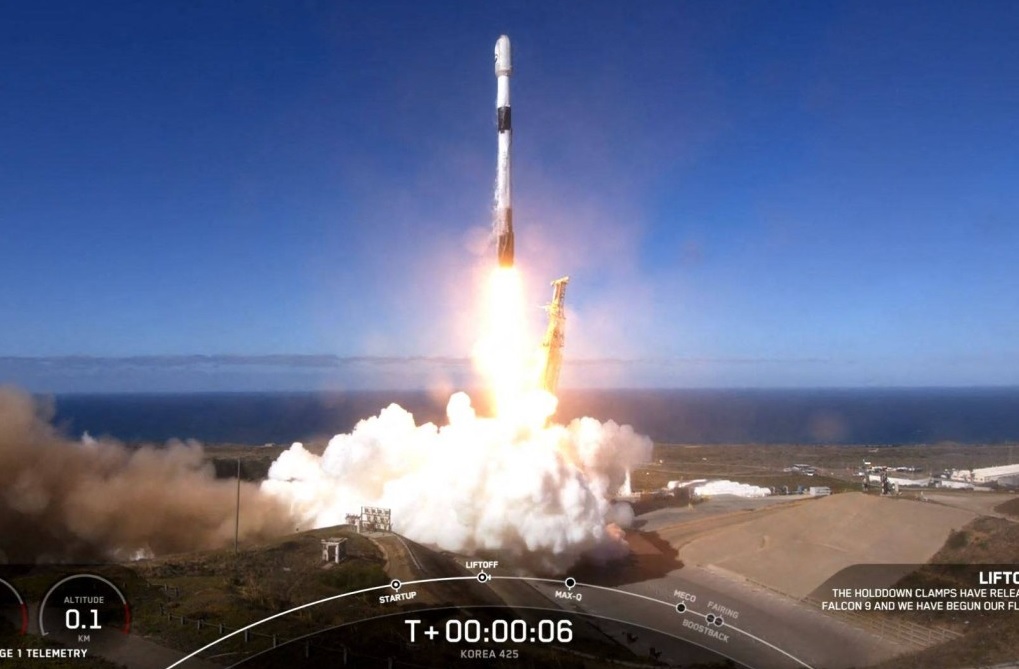
World
South Korea has successfully launched its third military surveillance satellite into orbit, a significant step towards bolstering its autonomous monitoring capabilities amid growing tensions with North Korea. The satellite was launched on Saturday aboard a SpaceX Falcon 9 rocket from Vandenberg Space Force Base in California, marking yet another milestone in Seoul’s push for advanced reconnaissance technology. The South Korean defense ministry confirmed that the satellite was deployed into orbit at precisely 9:24 p.m. and established communication with an overseas ground station by 11:30 p.m., ensuring the mission's success. This accomplishment follows the successful launches of two other domestically-built spy satellites in December 2023 and April 2024. With this latest addition, South Korea now has three military reconnaissance satellites in orbit, significantly enhancing its surveillance capabilities. Strengthening Autonomy in Surveillance South Korea's deployment of its own spy satellites comes at a critical time when Pyongyang continues to expand its weapons arsenal and strengthen its military posture. Historically, Seoul has depended on U.S. space assets to monitor North Korean activities. However, the growing number of domestically-built satellites now offers South Korea greater autonomy in tracking Pyongyang’s military developments, including its missile tests, troop movements, and nuclear activities. The reconnaissance satellites are not only aimed at observing North Korea but may also monitor the increasingly strategic ties between Pyongyang and Moscow. This capability is particularly relevant given North Korea’s November 2023 claim of launching its own spy satellite, which reportedly captured images of sensitive locations such as the White House and the Pentagon. Future Plans for Surveillance Expansion South Korea is not stopping with this latest launch. The defense ministry has revealed plans to place two more military surveillance satellites into orbit by the end of 2025. These advanced space assets are part of a broader effort to establish a robust surveillance network capable of monitoring threats from all directions, ensuring national security and preparedness for potential conflicts. A Response to Escalating Regional Tensions This satellite launch also underscores the intensifying arms race in the region. North Korea’s continued missile tests and its collaboration with Russia have heightened security concerns for South Korea and its allies. Pyongyang’s efforts to showcase its growing technological prowess, including its recent spy satellite launches, have added urgency to Seoul’s space and defense initiatives. South Korea’s collaboration with SpaceX for this launch further demonstrates its commitment to leveraging cutting-edge technology to enhance its defense capabilities. With three satellites already in orbit and more planned, Seoul is solidifying its position as a technologically advanced nation capable of countering regional threats effectively. By taking control of its surveillance capabilities, South Korea is sending a clear message: it is prepared to confront any challenges to its sovereignty and security in an increasingly volatile geopolitical landscape.
Read More → Posted on 2024-12-23 16:06:09
World
The unfolding dynamics of the Russia-Ukraine war have taken a startling turn with the revelation that North Korea has suffered significant losses in the conflict. According to South Korea’s Joint Chiefs of Staff (JCS), over 1,100 North Korean soldiers have been killed or wounded in combat since their deployment to support Russian forces. This figure follows an earlier report indicating that at least 100 North Korean troops had been killed in combat since December 2023. North Korea's Growing Role in the Conflict North Korea has reportedly sent thousands of troops to bolster Russian positions, particularly in contested regions like Kursk, where Ukrainian forces have made territorial gains. The JCS noted that Pyongyang is already preparing for additional deployments or rotations of soldiers to reinforce the Russian military further. Beyond manpower, intelligence reports suggest that North Korea is supplying Moscow with advanced military hardware, including self-destructible drones, 240mm rocket launchers, and 170mm self-propelled artillery systems. This military collaboration is part of a broader strategy to modernize North Korea's own warfare capabilities, leveraging combat experience gained in the ongoing war. A Strategic Alliance with High Stakes The deepening military ties between Pyongyang and Moscow were formalized with a landmark defense pact signed in June 2023, which came into force this month. Experts believe this partnership benefits both nations strategically. North Korea gains exposure to advanced military technologies and battlefield experience, while Russia benefits from reinforcements and additional weaponry amidst its protracted conflict with Ukraine. Reports also indicate that Russia might offer North Korea reciprocal benefits, including assistance in upgrading its conventional weaponry, a move that could amplify the military threat posed by Pyongyang to its regional neighbors, particularly South Korea. South Korea's Response and Concerns South Korea has expressed growing concerns about North Korea's participation in the conflict. Seoul has intensified its intelligence and surveillance activities, citing the potential implications for regional security. A new 40-kilometer-long border fence is being constructed along the North-South Korea border, reportedly involving 10,000 soldiers. The JCS emphasized that this reinforcement aims to prevent defections from North Korean civilians and military personnel. Adding to tensions, North Korea has launched 7,000 trash-carrying balloons into South Korea on 32 occasions since May 2024. This unusual tactic is seen as retaliation for South Korean activists who send anti-regime propaganda northward using balloons. While such provocations have paused since late November, South Korea warns of potential surprise launches in the future. South Korea-Ukraine Security Cooperation In a significant geopolitical shift, South Korea and Ukraine announced enhanced security cooperation to counter the threats posed by North Korea’s military support for Russia. While South Korea has historically refrained from supplying weapons to active conflict zones, discussions are ongoing regarding potential arms shipments to Ukraine. Global Implications North Korea’s involvement in the Russia-Ukraine war underscores the complex web of alliances and rivalries shaping global geopolitics. Pyongyang’s role as a key military partner for Moscow introduces new challenges for the international community, particularly as North Korea seeks to enhance its military capabilities through combat experience and technological transfers. As the conflict continues to evolve, the ramifications of North Korea's participation are likely to be felt not just in Eastern Europe but also across the broader Asia-Pacific region.
Read More → Posted on 2024-12-23 16:00:49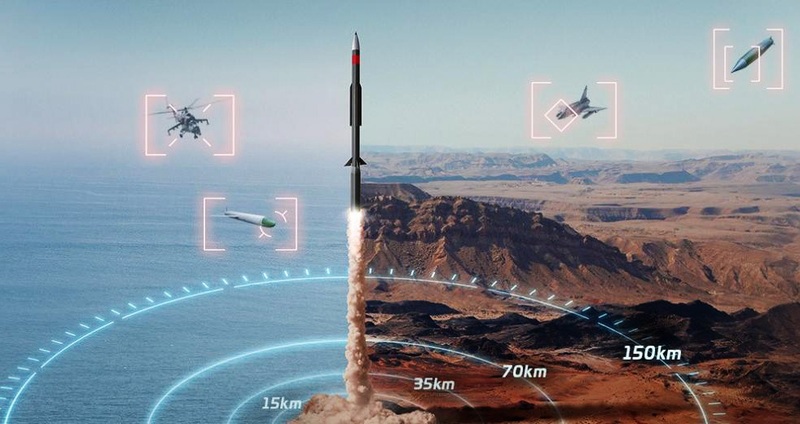
World
Israel and Slovakia have entered into a historic €560 million agreement for the Barak MX Integrated Air Defence System, marking the largest-ever defence deal between the two nations. Signed in Tel Aviv by Israel's Ministry of Defence Director General Maj. Gen. (Res.) Eyal Zamir, this landmark deal underscores the deepening partnership between the two countries. Cutting-Edge Capabilities of the Barak MX System The Barak MX, developed by Israel Aerospace Industries (IAI), is a state-of-the-art air defence system designed to counter an array of modern threats, including fighter jets, unmanned aerial vehicles (UAVs), cruise missiles, and tactical ballistic missiles. Its standout feature lies in its modular, network-centric architecture that allows seamless integration with a variety of sensors, battle management systems, and interceptors into one cohesive defence framework. Key specifications include: Three Interceptor Variants: Barak MR: Medium range with a 35 km reach. Barak LR: Long range, extending to 70 km. Barak ER: Extended range with a striking capability of up to 150 km. Enhanced Features: Advanced radar seekers, dual-pulse rocket engines, and high-performance warheads for exceptional interception precision. Wide Threat Coverage: Capable of addressing threats from 2 km to 150 km. This advanced system is specifically designed for surface-to-air operations, unlike many air defence solutions that repurpose air-to-air missiles. This optimization results in superior performance and reliability. Unmatched Multi-Layered Defence The Barak MX excels in creating multi-layered, integrated defence networks. Its ability to interconnect multiple units enhances the defended area by sharing assets across fire units, ensuring targets are engaged even beyond the reach of individual units. The system supports both Ground-Based Air Defence (GBAD) and Naval Air Defence integration, offering a unified and robust shield against aerial threats. IAI’s Growing International Reputation IAI, renowned globally for its expertise in air and missile defence systems, has an impressive track record. It has played a pivotal role in developing Israel’s Arrow Anti-Ballistic Missile Defence System and is a leader in loitering munitions and strike solutions. The Barak MX is already operational across four continents, with Germany recently selecting it for the European Sky Shield Initiative (ESSI). This deal with Slovakia further cements IAI’s position as a global leader in advanced defence solutions. For Slovakia, the acquisition of the Barak MX signifies a significant upgrade to its national defence capabilities, particularly in light of growing security concerns in Europe. A Strengthened Partnership This €560 million agreement not only highlights the strategic importance of Israel's defence technology but also strengthens Israel-Slovakia relations. By integrating the Barak MX into its defence infrastructure, Slovakia ensures a comprehensive, cutting-edge shield against evolving threats. As the Barak MX continues to gain international recognition, this collaboration reflects the global shift towards more sophisticated and interconnected air defence systems to counter modern challenges effectively.
Read More → Posted on 2024-12-23 15:58:09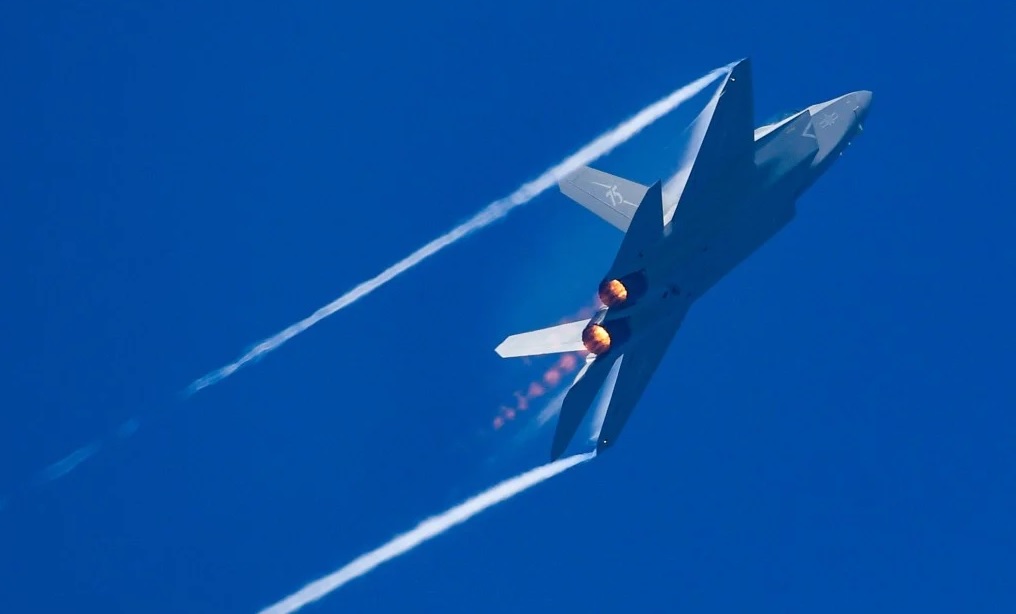
World
Pakistan is reportedly gearing up to procure 40 of China's latest stealth fighter jets, the J-35, in what could be a groundbreaking deal marking Beijing's first export of fifth-generation jets. If finalized, this acquisition is set to replace Pakistan's ageing fleet of American F-16s and French Mirage fighters, a move that could recalibrate the strategic balance in South Asia, particularly against its rival, India. The J-35, an advanced stealth fighter primarily designed for use on Chinese aircraft carriers, recently garnered significant attention when showcased at the prestigious air show in Zhuhai. Pakistan Air Force (PAF) officials were in attendance, adding credibility to reports of the deal. According to Pakistani media, the PAF has already approved the purchase, with deliveries expected within two years. The J-35: Features and Strategic Significance The J-35, also known as the land-based J-31 in earlier reports, is China's second stealth fighter, following the J-20. Equipped with advanced stealth capabilities, it is designed to evade radar detection, making it a formidable asset in modern aerial warfare. The jet features a combat radius of approximately 1,200 kilometers, a maximum speed of Mach 1.8, and the ability to carry a diverse array of air-to-air and air-to-ground munitions. For Pakistan, the J-35 represents a significant upgrade to its air capabilities. This purchase comes amid a broader modernization effort by the PAF, which has already benefited from China’s collaboration in developing the JF-17 Thunder fighter jets. However, acquiring the J-35 signifies a leap in technology, giving Pakistan access to advanced stealth features and bolstering its air superiority capabilities. Challenges Amid Economic Woes The deal comes at a time when Pakistan is grappling with a severe economic crisis, raising questions about how it will finance such a high-value procurement. The cost of each J-35 is estimated at around $100 million, bringing the total deal value to approximately $4 billion. Despite these challenges, Pakistan appears determined to prioritize its defense needs, underlining the importance of the acquisition in its strategic calculus. Strengthening Sino-Pak Defense Ties The potential J-35 acquisition underscores the deep-rooted military ties between Pakistan and China. Over the years, China has played a pivotal role in modernizing Pakistan's military across all three branches—air, land, and sea. Notably, the two nations jointly developed the JF-17 Thunder, which forms the backbone of the PAF. Additionally, China has delivered four advanced naval frigates to the Pakistan Navy, enabling a more robust maritime presence in the Indian Ocean and Arabian Sea. Last month, these defense ties were further reinforced during the visit of General Zhang Youxia, Vice Chairman of China’s Central Military Commission, to Pakistan. His discussions with Pakistan Army Chief General Asim Munir focused on enhancing bilateral defense cooperation and regional security dynamics. Regional Implications The acquisition of J-35 jets could significantly alter the strategic equation in South Asia. For India, Pakistan's modernization of its air fleet with advanced Chinese stealth technology presents a fresh challenge. New Delhi has already been focusing on strengthening its own air capabilities, including the induction of Rafale jets and the development of indigenous fighter programs. The deal also reflects China's growing influence in Pakistan’s defense sector, aligning with Beijing’s broader regional strategy. The China-Pakistan Economic Corridor (CPEC) projects have deepened economic and military ties, despite challenges such as militant attacks targeting Chinese personnel. Conclusion The reported acquisition of J-35 stealth fighters highlights Pakistan's commitment to modernizing its defense forces, even amid economic hardships. If confirmed, this deal will not only redefine Pakistan’s air power but also mark a significant milestone in Sino-Pak defense collaboration. With regional security dynamics in flux, the J-35 could serve as a critical asset for Pakistan, while underscoring China’s emergence as a key arms exporter in the global arena.
Read More → Posted on 2024-12-23 15:55:47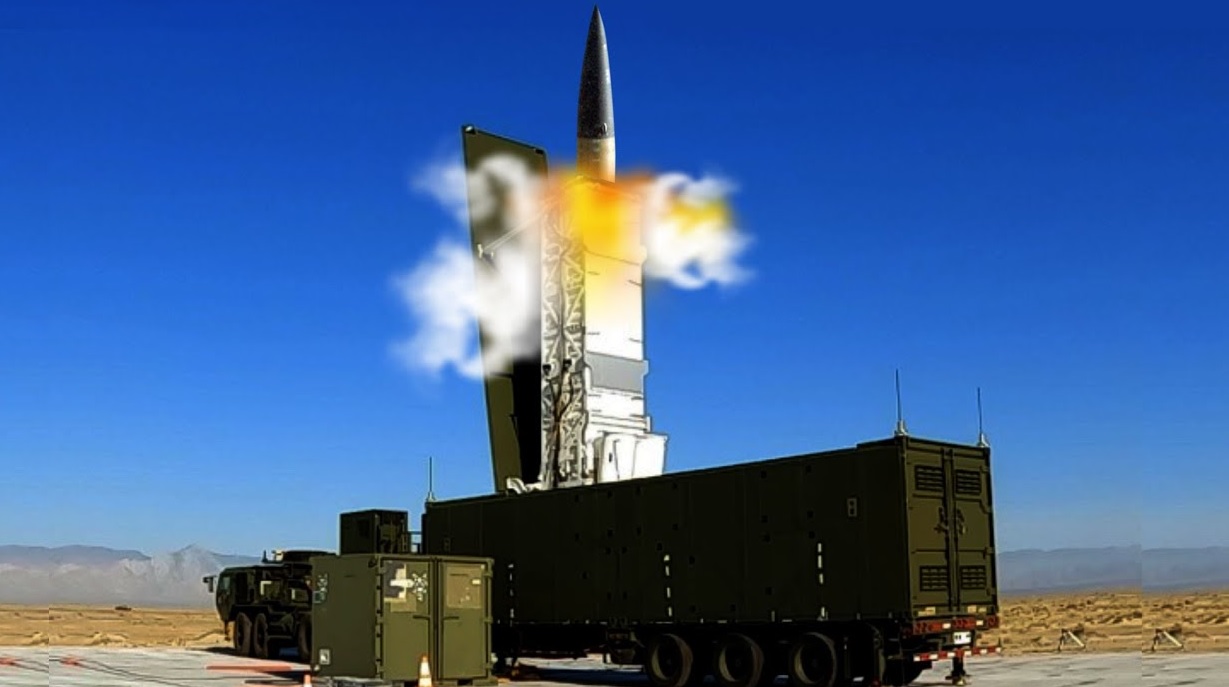
World
The Philippine military has announced its intention to acquire the US-made Typhon missile system, a move aimed at bolstering its maritime defenses amidst escalating tensions in the South China Sea. The system, which was initially deployed in the northern Philippines during joint military exercises earlier this year, has since been used by Philippine forces for operational training. Strengthening Archipelagic Defense Lieutenant-General Roy Galido, the Philippine Army chief, revealed that the Typhon system aligns with the nation's strategy for archipelagic defense, enabling the military to project force and defend its territorial waters. With a range of 300 miles (480 kilometers), the land-based missile launcher will allow the Philippines to enforce its maritime entitlements up to 200 nautical miles (370 kilometers), as defined under the United Nations Convention on the Law of the Sea (UNCLOS). Galido emphasized the importance of this acquisition in safeguarding the nation’s sovereignty, particularly in areas where its maritime interests overlap with China's claims. “This capability will protect our floating assets, including navy and coast guard vessels,” he said, noting that the final number of systems to be acquired would depend on economic considerations. A Strategic Yet Controversial Choice The Typhon missile system, developed by US defense giant Lockheed Martin, has been a focal point of contention between Manila and Beijing. While the Philippines views the system as essential to its defense strategy, China has labeled the move as “provocative” and “dangerous.” Chinese Foreign Ministry spokeswoman Mao Ning criticized the acquisition as a decision that could lead to an arms race and undermine regional peace and security. Despite Beijing’s objections, Galido dismissed these criticisms, asserting that the Typhon system is purely for national defense and not intended for offensive actions. “We should not be bothered by others’ seeming insecurities,” he remarked. Timeline and Challenges The acquisition process for advanced weapons systems in the Philippines is known to be lengthy, often taking years to move from planning to delivery. The Typhon system has not yet been budgeted for 2025, suggesting it could take at least two years before the system becomes operational. Galido compared the timeline to the delivery of the BrahMos cruise missile, which took five years to procure and integrate into the Philippine defense arsenal. Context of Escalating Maritime Tensions The decision to adopt the Typhon system comes at a time of heightened confrontations between the Philippines and China in the South China Sea. Chinese naval and coast guard vessels have increasingly challenged Philippine operations in disputed waters, leading to several high-profile incidents. Beijing continues to assert claims over almost the entire South China Sea, despite a 2016 international arbitration ruling that invalidated its claims. The deployment of the Typhon missile system is seen as part of a broader effort by the Philippines to strengthen its deterrence capabilities and assert its territorial rights. A Critical Step for National Defense The Typhon missile system represents a significant step forward in the Philippines’ defense modernization efforts. Its deployment is expected to complement existing maritime and air capabilities, providing a layered approach to safeguarding the nation's vast archipelagic domain. As the Philippines works to finalize its acquisition plans, the move underscores its commitment to enhancing national security and maintaining stability in the region, despite external pressures and criticisms.
Read More → Posted on 2024-12-23 15:53:05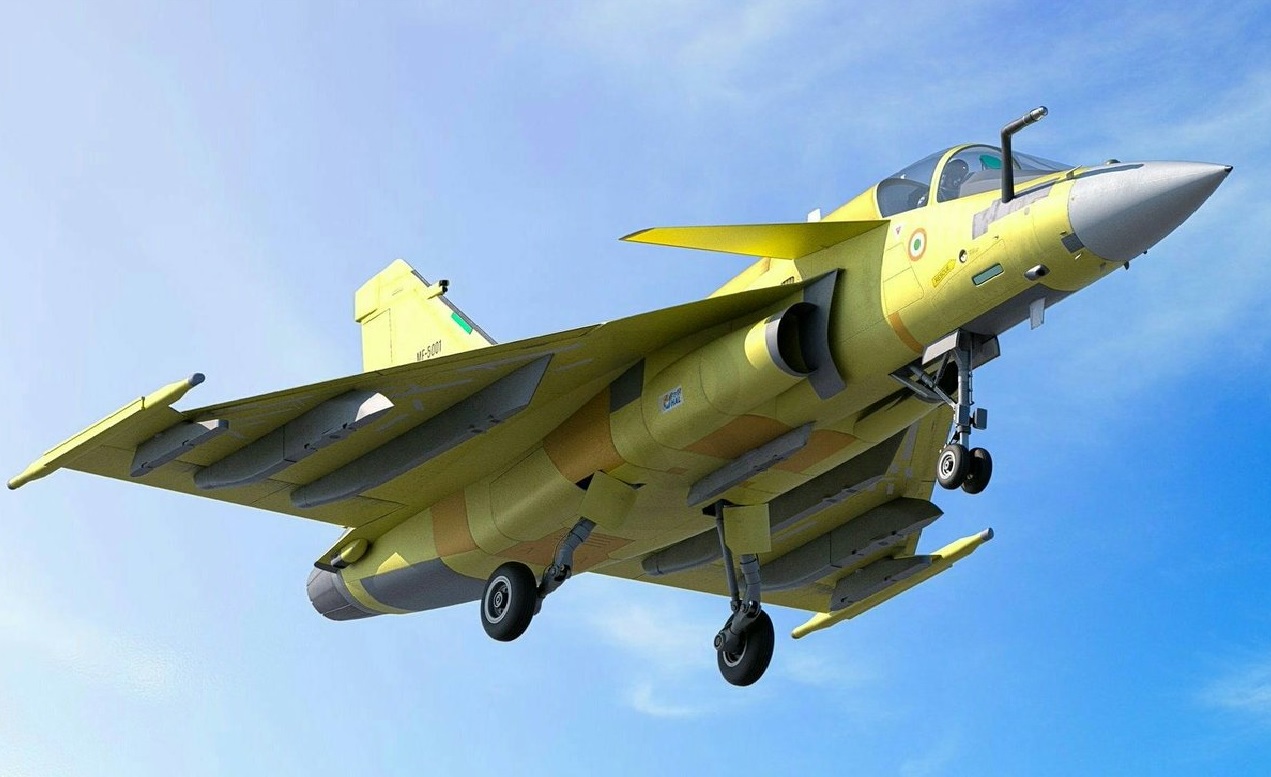
India
Mishra Dhatu Nigam (MIDHANI), a Hyderabad-based Defence Public Sector Undertaking (PSU), has achieved a major milestone in India's aerospace industry. The organization has successfully delivered its first batch of indigenously developed titanium and superalloys to Hindustan Aeronautics Limited (HAL). These advanced materials will play a crucial role in manufacturing the airframe and structural parts of the Tejas Mk2 fighter jet, a significant upgrade of India’s indigenous Light Combat Aircraft (LCA). Advanced Materials for High-Performance Aircraft The titanium alloys and superalloy components delivered by MIDHANI were developed in collaboration with the Centre for Military Airworthiness and Certification (CEMILAC) and the Directorate General of Aeronautical Quality Assurance (DGAQA). These agencies ensured that the materials adhered to stringent aerospace standards, making them fit for the demands of high-speed, supersonic combat aircraft. Titanium’s Role: Titanium alloys are renowned for their high strength-to-weight ratio, corrosion resistance, and ability to withstand extreme conditions. For the Tejas Mk2, these properties will ensure a lightweight yet robust airframe capable of handling the rigors of aerial combat and high-speed maneuvers. Superalloys' Contribution: Superalloys, often used in high-stress and high-temperature environments, bring exceptional durability and thermal resistance. Their incorporation into the jet's structural design will enhance the aircraft’s operational reliability and longevity under demanding flight conditions. Tejas Mk2: India’s Next-Gen Fighter Jet The Tejas Mk2 is a pivotal advancement in India’s defence aviation. Compared to the LCA Mk1, the Mk2 variant boasts enhanced avionics, a greater payload capacity, and a longer operational range. Powered by the GE F414 engine, the Tejas Mk2 will bridge the gap between the light combat aircraft category and medium-weight fighter jets. It is designed to carry a heavier payload of up to 6.5 tonnes and features additional hardpoints for armament, making it a versatile asset for the Indian Air Force (IAF). The titanium-based airframe components supplied by MIDHANI will ensure the Mk2 remains agile while maintaining structural integrity. This capability is critical for high-speed maneuvers and advanced combat scenarios. Indigenous Manufacturing Milestone The delivery marks a significant step in India's journey toward self-reliance in defence technology. MIDHANI has been a long-standing contributor to India’s defence and aerospace sectors, with expertise in advanced materials for critical projects like the Advanced Medium Combat Aircraft (AMCA) and other indigenous platforms. The Tejas Mk2 project exemplifies the synergy between defence PSUs and certification bodies like CEMILAC and DGAQA. Such collaboration ensures that materials and components meet the highest quality standards, supporting the timely progression of critical projects. Future Outlook The prototype of the Tejas Mk2 is slated for rollout by late 2025, with flight testing expected soon after. As HAL advances in manufacturing the aircraft, MIDHANI's role in supplying high-performance materials will remain vital. The success of this collaboration underscores the importance of indigenization in achieving strategic autonomy for India’s defence forces. The Tejas Mk2 not only represents a leap forward for India’s military aviation capabilities but also reinforces the nation’s commitment to building a robust, self-reliant defence manufacturing ecosystem.
Read More → Posted on 2024-12-23 15:49:50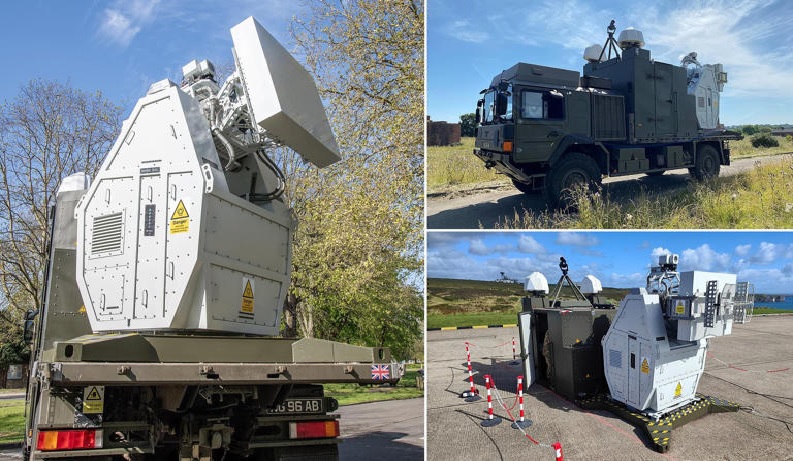
World
The UK Army has unveiled a groundbreaking counter-drone technology that promises to revolutionize battlefield defense. Known as the Radio Frequency Directed Energy Weapon (RFDEW), this cutting-edge system uses high-frequency radiowaves to disable drones by disrupting their electronic systems, causing them to fall out of the sky. With an operational cost of just £10 ($12.5) per shot, the RFDEW is hailed as a cost-effective solution to counter the ever-growing threat of drone swarms. Key Features and Specifications The RFDEW stands out for its affordability and efficiency. The weapon has an effective range of one kilometer (0.6 miles) and can protect troops, vehicles, and critical military installations from aerial threats. Unlike conventional missile-based air defense systems, which can cost tens of thousands of dollars per engagement, the RFDEW drastically reduces expenditure while maintaining precision. During recent live-fire trials conducted in West Wales, the RFDEW successfully disabled multiple drones, marking a significant milestone in its development. This success was celebrated by Maria Eagle, the UK’s Minister for Defence Procurement and Industry, who called the achievement a "game-changer" for the nation’s military capabilities. Operational and Strategic Impact The introduction of RFDEW technology comes at a critical time for the UK military. Recent reports have raised concerns about the country’s ability to sustain high-intensity conflict, with analysts suggesting that current capabilities may last only six months in a Ukraine-like scenario. The RFDEW offers a strategic advantage by providing a low-cost, high-precision method to neutralize drones, a growing threat on modern battlefields. As adversaries increasingly employ cost-effective, mass-produced drones, the ability to counter them cheaply and effectively is vital. Matt Cork, program lead for the RFDEW, emphasized the collaborative effort behind its development, involving the Defence Science and Technology Laboratory (Dstl), Defence Equipment & Support (DE&S), and industry partners. This joint effort has enabled rapid advancements in radio frequency technology, ensuring the RFDEW is ready for further operational trials. A Global Push for Cost-Efficient Defense The UK’s efforts mirror a broader global trend to address the escalating costs of counter-drone operations. In the United States, for example, the Pentagon has highlighted the financial strain of using advanced air defense systems to target relatively inexpensive drones. Each engagement can cost upwards of $100,000, compared to the few thousand dollars required to produce hostile drones. Even on the battlefield, this cost disparity has led to criticism, with adversaries mocking the excessive expenses incurred to counter cheap drones. The RFDEW, with its $12-per-shot operational cost, provides a compelling alternative that balances affordability with effectiveness. Looking Ahead The UK military plans to conduct additional tests of the RFDEW system to refine its capabilities and prepare it for deployment. Once operational, the RFDEW could complement existing air defense systems, offering a layered approach to counter-drone warfare. As drone technology continues to evolve, the RFDEW positions the UK at the forefront of directed-energy weaponry, a field increasingly recognized as essential in modern warfare. By investing in innovative and cost-effective solutions, the UK aims to enhance its defense capabilities while addressing the economic challenges of sustaining long-term military operations.
Read More → Posted on 2024-12-23 15:42:57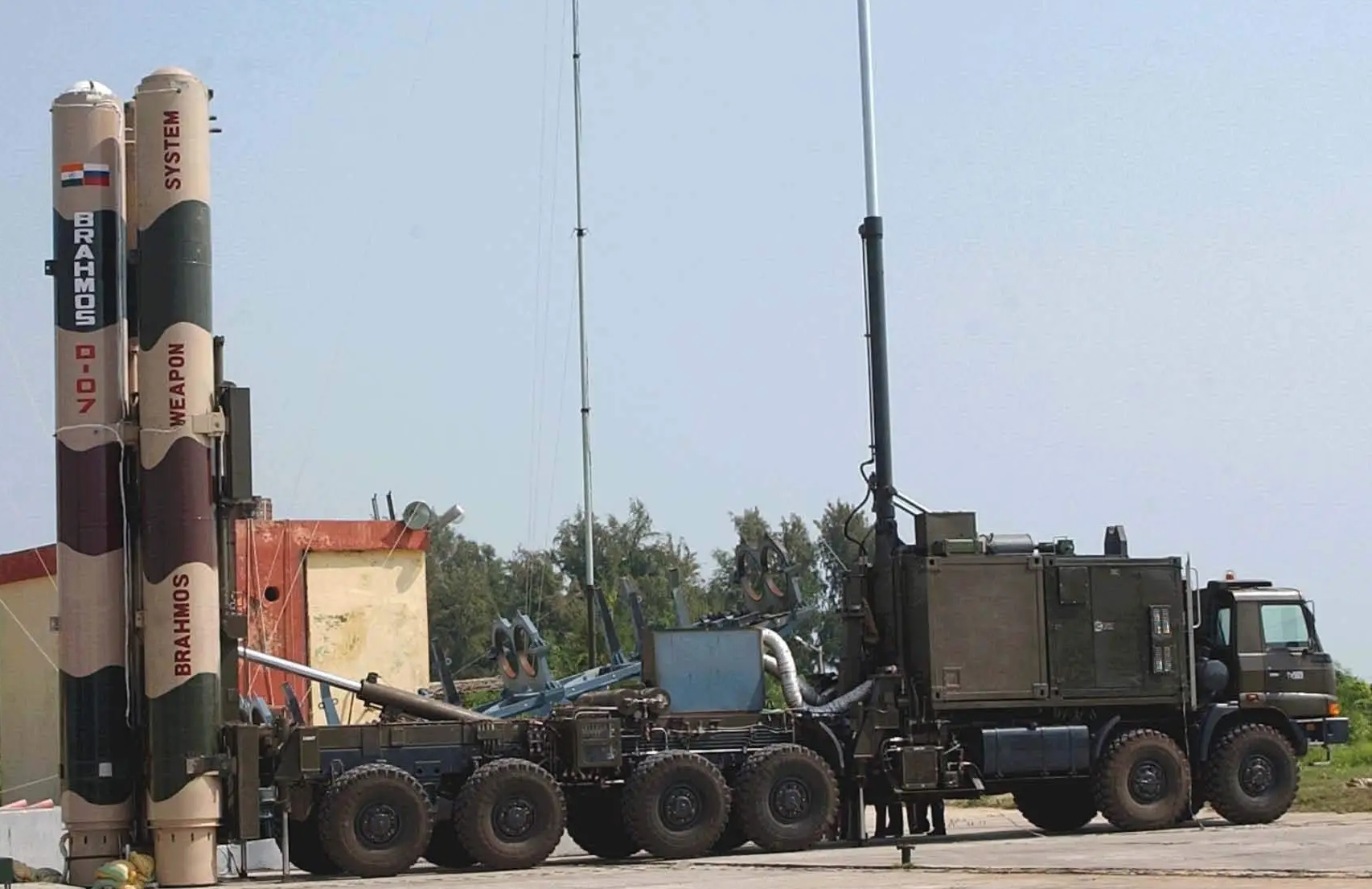
India
India and Vietnam are on the brink of a groundbreaking defence agreement involving the acquisition of the BrahMos supersonic cruise missile system, valued at $700 million. The deal, which is expected to be signed in the coming months, marks a significant milestone in defence cooperation between the two nations, reinforcing their strategic partnership amid evolving regional security challenges. The BrahMos missile, a joint development by India's Defence Research and Development Organisation (DRDO) and Russia's NPO Mashinostroyeniya, is renowned for its precision and speed. Capable of reaching speeds of up to Mach 2.9 and striking targets over 400 kilometers away, the missile is versatile and can be launched from land, sea, or air platforms. These capabilities make it a highly sought-after weapon system, especially in regions experiencing heightened security concerns. Strengthening Defence Ties This agreement positions Vietnam as the second international buyer of the BrahMos missile system, following the Philippines, which inked a similar deal in 2022. The Vietnamese Army and Navy are both expected to integrate the system into their arsenals, enhancing their defence capabilities significantly. Lieutenant General N.S. Raja Subramani, Vice Chief of the Indian Army, is currently on a pivotal three-day visit to Vietnam to solidify defence ties and finalize the BrahMos export deal. His visit underscores India's commitment to fostering deeper military collaboration with Vietnam, particularly as both nations navigate shared regional challenges, including maritime security in the South China Sea. Showcasing Collaboration at VIDE 2024 The Vietnam International Defence Expo 2024 (VIDE24) further highlighted the strengthening defence partnership between the two countries. The event featured the inauguration of an India Pavilion, showcasing cutting-edge defence technologies and products from prominent Indian companies such as BrahMos Aerospace, Hindustan Aeronautics Limited (HAL), Mazagon Dock Shipbuilders, and DRDO. High-ranking officials from both nations, including Vietnam's Minister of Public Security General Luong Tam Quang and Indian Secretary of Defence Production Sanjeev Kumar, attended the event. A Strategic Step in Regional Security This potential agreement reflects India's growing role as a global defence exporter and a key player in Southeast Asia. By enhancing Vietnam's military capabilities, the deal aims to counterbalance increasing assertiveness in the region, ensuring stability and security. For Vietnam, the acquisition of BrahMos represents a significant boost to its defence infrastructure, enabling it to protect its maritime interests effectively. For India, this deal not only strengthens its "Act East" policy but also underscores its emergence as a reliable defence partner for nations in Southeast Asia. As both countries move towards finalizing the agreement, this landmark collaboration is set to redefine their defence and strategic ties for years to come.
Read More → Posted on 2024-12-23 15:40:34
World
In an audacious escalation of the ongoing conflict, Ukraine carried out a major drone attack on the Russian city of Kazan, located over 1,000 kilometers (620 miles) from the frontlines. The strike marks a significant moment in the nearly three-year conflict, showcasing Ukraine’s increasing use of long-range drone technology to penetrate deep into Russian territory. The Attack on Kazan Kazan, the capital of the Tatarstan region and a city with a population of over 1.3 million, is a critical industrial hub in Russia. The drone attack, which occurred early Saturday, targeted residential areas, including the Azure Skies Tower, a 37-story skyscraper. According to local officials, the building sustained significant damage, but no casualties were reported. Videos circulating on Russian social media captured the dramatic moment as drones struck the high-rise, igniting fireballs and sending debris flying. Rustam Minnikhanov, the head of Tatarstan, condemned the attack, stating, “While before industrial enterprises were attacked, now the enemy targets civilians in the morning.” He described the incident as part of a broader strategy by Ukraine to hit deeper within Russian territory, a move likely aimed at destabilizing key urban centers far from the immediate conflict zones. Escalating Drone Warfare Drone strikes have become an increasingly common feature of the Ukraine-Russia war, but attacks as far as Kazan are rare. Previously, this region had been targeted primarily for its industrial infrastructure. The attack on a civilian apartment block, however, marks a stark shift. Alongside the two drones that hit the high-rise, Russian officials reported that three additional drones were shot down, and three were suppressed by air defense systems. The temporary closure of Kazan International Airport, one of Russia’s busiest, highlighted the broader disruptions caused by the attack, with flights delayed and public events canceled as precautionary measures. Strategic Implications The drone attack on Kazan underscores Ukraine’s growing capability to conduct long-range strikes, leveraging advancements in drone technology. Such operations are not merely symbolic; they challenge Russia’s narrative of territorial invulnerability and expose vulnerabilities in its air defense systems. These strikes, while rare, have a psychological and strategic impact, forcing Russia to allocate resources and attention to areas previously considered safe. The attack follows a series of escalations on both sides. Just a day prior, Russian strikes on Kyiv killed one person and injured 13 others. Similarly, Ukrainian forces carried out an offensive in Russia’s border region of Kursk, resulting in five fatalities. This tit-for-tat escalation reflects the intensifying nature of the conflict as it enters its third year. The Role of Drones in Modern Warfare The use of drones has redefined the Ukraine-Russia conflict, enabling both sides to conduct reconnaissance and offensive operations with precision and minimal risk to personnel. Ukraine’s ability to target sites deep within Russian territory demonstrates the increasing role of unmanned aerial vehicles (UAVs) in modern warfare. Drones allow nations to strike critical infrastructure and urban centers while avoiding direct military confrontations. Civilian Impact and International Response The attack on Kazan has drawn criticism from Russian officials, who accused Ukraine of targeting civilians in retaliation for military setbacks. Maria Zakharova, Russia’s Foreign Ministry spokeswoman, stated, “Kyiv is taking out its anger for tangible military defeats on the peaceful population of Russia.” While Ukraine has not officially commented on the attack, the incident is likely to draw further international scrutiny. Such developments raise questions about the conflict’s trajectory and the potential for deeper involvement by external actors. Looking Ahead The Kazan drone attack highlights a turning point in the conflict, where long-range drone warfare increasingly defines the strategic landscape. As both sides continue to develop and deploy advanced technologies, the implications for regional stability and global security remain profound.
Read More → Posted on 2024-12-22 16:12:16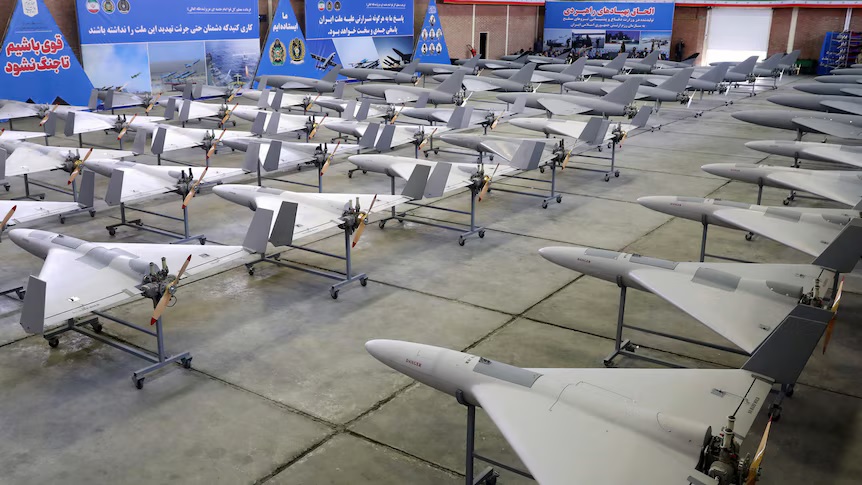
World
China has revealed an unprecedented government contract for almost one million lightweight kamikaze drones, set to be delivered by 2026. This significant move underscores the nation's aggressive push to enhance its military capabilities through advanced unmanned aerial systems. The announcement came through a representative of Poly Technologies, one of China’s prominent defense manufacturers. The representative disclosed that the order has monopolized their production capacity, forcing the company to decline other clients. This reflects a deliberate strategy by China to prioritize domestic defense requirements over export opportunities, even amid growing international interest in its drone technology. Specifications of Kamikaze Drones Kamikaze drones, also known as loitering munitions, are designed to combine the roles of surveillance and precision strikes. They hover over a battlefield, awaiting targets, before launching explosive payloads. While the exact specifications of the drones in this order remain undisclosed, China already fields several advanced models: CH-901: Developed by the China Aerospace Science and Technology Corporation (CASC). Features a 60-minute endurance, a cruise speed of 100 km/h (62 mph), and a payload capacity of 3.5 kg (7.5 lbs). It is versatile, deployable from ground vehicles and aerial platforms, making it ideal for flexible battlefield applications. PD-2900: A long-range kamikaze drone with an operational range of up to 2,500 km. It can reach speeds of 250 km/h (155 mph), emphasizing its potential for deep-strike missions. These drones are likely to serve various roles, including reconnaissance, electronic warfare, and saturation attacks, where multiple drones overwhelm enemy defenses. Strategic Implications This vast procurement aligns with the People’s Liberation Army’s (PLA) modernization goals. By investing heavily in drones, the PLA is integrating lessons from recent global conflicts, particularly the use of loitering munitions in the Ukraine conflict. Ukrainian forces have demonstrated the effectiveness of lightweight kamikaze and first-person view (FPV) drones in modern combat, influencing China’s doctrine. Footage and reports already indicate the PLA’s incorporation of kamikaze drones into training exercises, preparing for large-scale engagements. Analysts believe the scale of this order could signal preparations for potential conflicts, particularly in the Taiwan Strait. China’s Military-Industrial Complex China’s military-industrial sector has rapidly advanced in drone technology, leveraging state-backed resources and research. This focus on unmanned systems positions China as a global leader in drone innovation. By prioritizing domestic needs over exports, Beijing emphasizes its intent to bolster national security and military readiness. While it is unclear whether other manufacturers in China have received similar orders, this development reflects a broader trend in its defense strategy. The PLA’s emphasis on kamikaze drones as cost-effective force multipliers ensures scalability in future military operations. Conclusion China’s massive order for kamikaze drones is a testament to its strategic military ambitions. The integration of such drones into the PLA’s arsenal represents a shift in modern warfare tactics, where unmanned systems play a central role. This investment not only prepares China for potential future conflicts but also cements its position as a leading power in drone warfare innovation.
Read More → Posted on 2024-12-22 16:06:41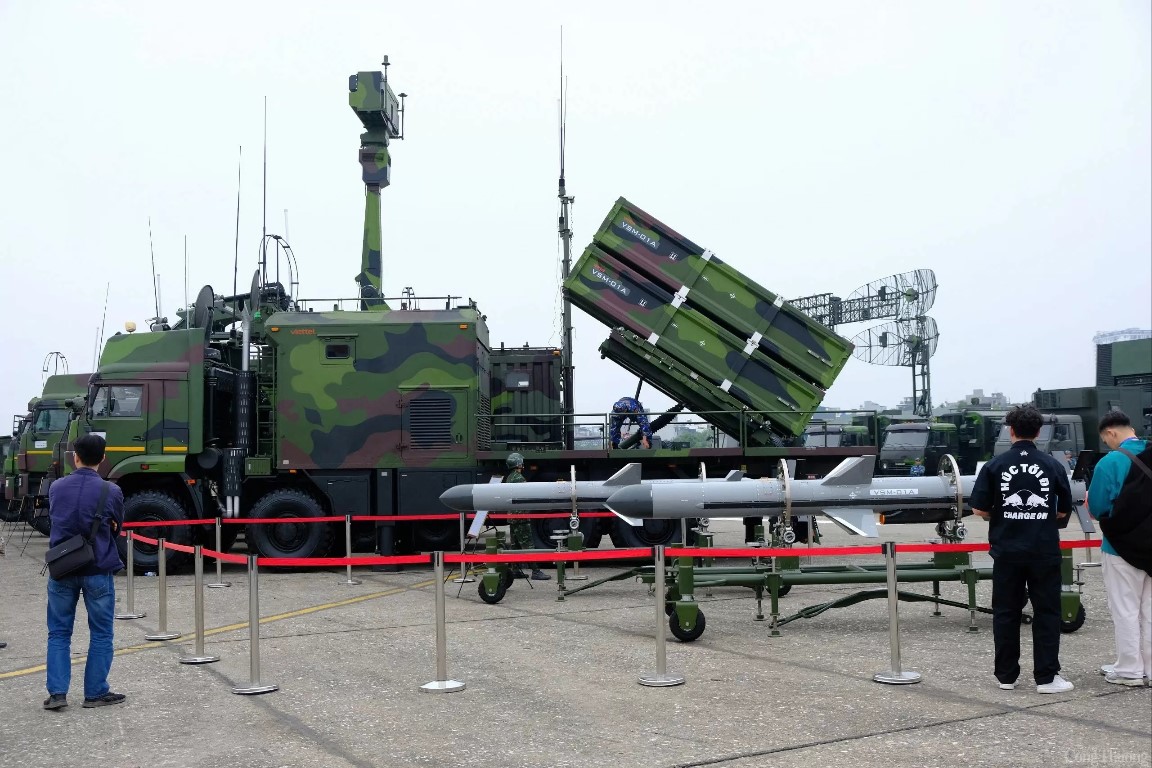
World
Vietnam has taken a significant leap forward in its defense capabilities with the unveiling of the VCS-01 mobile coastal defense system. Displayed prominently at VIDEX 2024, the VCS-01 represents the nation's growing self-reliance in advanced weapon systems, spearheaded by Viettel, Vietnam's leading military technology company. This development underscores Vietnam's ambition to reduce dependence on foreign suppliers and bolster its defense against escalating regional threats, particularly in the contested South China Sea. The Core: VSM-01A Song Hong Missile At the heart of the VCS-01 system lies the VSM-01A Song Hong missile, a domestically developed anti-ship missile. The missile boasts a range of up to 80 km, though defense analysts believe a longer-range variant is in development. With a high-subsonic speed powered by the indigenous VJE-01 turbojet engine, the missile measures 5 meters in length, has a diameter of 315 mm, and weighs approximately 600 kg. This new missile system is set to replace Vietnam's aging Soviet-era P-15/P-20 Termit missiles, marking a pivotal step in modernizing the country’s coastal defenses. The guidance system, including a Ku-band seeker head, remains largely classified but is confirmed to be an in-house development by Viettel. The missile system operates in centralized or standalone combat modes, with command and control managed autonomously to ensure rapid response and high operational flexibility. Components of the VCS-01 System The VCS-01 system consists of five truck-mounted components, all based on durable KAMAZ chassis: VLV-01 Launcher Vehicle: Equipped with up to eight rectangular missile canisters, the VLV-01 is built on a KAMAZ-6560 8×8 chassis. Each launcher vehicle weighs 40 tonnes and can prepare to fire within 10 minutes of deployment. A single battery may contain up to eight such vehicles, providing formidable firepower. VTRV-01 Transporter and Reloader Vehicle: Also built on the KAMAZ-6560 platform, this vehicle carries eight spare missile canisters and features a hydraulic crane for reloading. It takes less than 40 minutes to reload four canisters, ensuring high operational readiness. VTIV-01 Technical Inspection Vehicle: Based on the KAMAZ-5350 6×6 chassis, this vehicle is responsible for checking the readiness and technical status of missiles, both inside and outside their canisters. VTAR-1 Target Acquisition Radar Vehicle: Mounted on a KAMAZ-6560 chassis, this nearly 40-tonne radar system provides real-time data on surface targets, including azimuth, range, speed, and direction. It features electronic counter-countermeasures and can be operational within 25 minutes of arrival. VCPV-01 Command and Processing Vehicle: Built on the KAMAZ-5350 chassis, this vehicle serves as the system's nerve center, equipped with communications and C4ISR systems for centralized command and control. Strategic Significance The VCS-01 is a major milestone for Viettel and Vietnam’s defense industry. Its development and deployment reduce Hanoi's reliance on foreign suppliers, such as Russia, which has traditionally been a dominant player in Vietnam's defense procurement. With the VSM-01A missile capable of being launched from both land-based systems and naval vessels, it enhances Vietnam’s anti-access/area denial (A2/AD) capabilities in the strategically vital South China Sea. The VCS-01 system has already entered service under Brigade 679 of the 1st Regional Command, which oversees the Gulf of Tonkin. Testing for the VSM-01A began as early as 2018, with its deployment formalized in April 2024. Notably, the missile has also been tested on Shershen-class torpedo boats, hinting at its future versatility for naval operations. Broader Implications Vietnam’s defense modernization comes amidst increasing regional tensions. With its extensive 3,260 km coastline and escalating Chinese militarization in the South China Sea, Vietnam requires robust deterrent systems to safeguard its territorial sovereignty and economic interests, including fishing and hydrocarbon exploration. The VCS-01 aligns with this objective, representing a crucial component in Vietnam's A2/AD strategy. As a domestically developed system, it ensures greater control over supply chains, particularly in an era where global disruptions and geopolitical tensions have hindered the reliability of traditional suppliers. This indigenous achievement not only strengthens Vietnam's military but also signals its intent to protect its sovereignty with homegrown technology, making the VCS-01 a landmark innovation in its defense landscape.
Read More → Posted on 2024-12-22 16:02:33
Space & Technology
ICEYE, a global frontrunner in Synthetic Aperture Radar (SAR) satellite technology, has successfully launched two additional satellites, marking another milestone in its mission to revolutionize Earth observation and persistent monitoring. The satellites were deployed via SpaceX’s Bandwagon-2 rideshare mission from Vandenberg Space Force Base in California, in collaboration with Exolaunch, a renowned satellite integration provider. Expanded Satellite Constellation With this latest launch, ICEYE’s constellation now includes 40 satellites, nine of which were deployed in 2024 alone. This growing network underscores the company’s commitment to enhancing its imaging capabilities and coverage. The new satellites feature ICEYE’s state-of-the-art 25 cm imaging technology, setting a new benchmark for precision and clarity in SAR imaging. Advanced Orbital Configuration The satellites have been positioned in mid-inclination orbits, offering unique advantages to ICEYE’s customers. This orbit provides more than twice the imaging opportunities at middle latitudes compared to traditional polar orbits, making it particularly beneficial for areas within +/- 45 degrees latitude. Customers with imaging needs in regions beyond this range can still leverage ICEYE’s robust polar orbit network, ensuring global coverage with frequent revisit capabilities. This dual-orbit strategy enables ICEYE to offer unmatched revisit rates and coverage diversity, allowing for the monitoring of critical areas and rapid response to dynamic events worldwide. Commitment to Innovation ICEYE’s latest launch is part of its broader strategy to drive innovation in the Earth observation sector. Earlier this year, the company unveiled several groundbreaking advancements: Dwell Precise Imaging Mode: Delivering 25 cm resolution imagery, this feature offers the highest fidelity available in SAR imaging, enabling unparalleled detail and accuracy. API for Direct Tasking: This interface allows customers to directly schedule satellite operations, providing a seamless and efficient method for accessing tailored imaging solutions. ICEYE Ocean Vision: A specialized service aimed at maritime domain awareness, offering actionable insights for applications such as vessel monitoring, illegal fishing detection, and environmental protection. Looking Ahead ICEYE’s CEO and Co-founder, Rafal Modrzewski, emphasized the significance of this launch, stating, “This marks another milestone in bolstering our industry-leading SAR constellation. We are expanding opportunities for our customers to access the areas most important to them.” As ICEYE continues to innovate, its SAR satellite constellation stands as a testament to the company’s dedication to advancing Earth observation technology. By combining cutting-edge imaging capabilities with a strategic orbital design, ICEYE is set to redefine how industries, governments, and organizations monitor and respond to changes on our planet.
Read More → Posted on 2024-12-22 15:54:14
World
In response to escalating threats from China and Pakistan and the pressing shortage of fighter aircraft, the Indian government has constituted a high-level committee under Defence Secretary Rajesh Kumar Singh. This initiative aims to comprehensively enhance the Indian Air Force's (IAF) operational capabilities, focusing on indigenous design, development, and procurement strategies. Strategic Move Following Air Force Commanders' Conference The decision to establish the committee comes after detailed presentations made by the Indian Air Force to Defence Minister Rajnath Singh during the Air Force Commanders’ Conference in New Delhi last month. During the conference, top IAF officials outlined the critical need for futuristic combat aircraft and addressed existing capability gaps, emphasizing the necessity of bolstering preparedness against potential threats on both eastern and western fronts. Composition of the Committee The committee features senior officials from the Defence Ministry, including Defence Production Secretary Sanjeev Kumar, Defence Research and Development Organisation (DRDO) chief Dr. Samir V. Kamat, and Deputy Chief of Air Staff Air Marshal T. Singh, who serves as the committee’s member secretary. Additionally, the Secretary of Defence Finance participated in the committee’s inaugural meeting last week. This expert body is tasked with submitting a detailed report to the Defence Minister within the next two to three months. Their assessment will outline the IAF's operational needs and propose strategic measures to address these challenges, focusing on the indigenous manufacturing ecosystem. Addressing the Fighter Aircraft Gap The IAF has highlighted the urgent need to expand its fleet of modern fighter aircraft. While the force successfully inducted 36 Rafale jets under the 4.5-generation aircraft category, the growing threat posed by China's air dominance and Pakistan's evolving capabilities calls for a much larger fleet. China, in particular, has been supplying advanced arms and aircraft to Pakistan and is expected to provide similar assistance to Bangladesh. Plans for acquiring 114 4.5-generation fighter jets have been pending for some time. The committee is expected to explore ways to accelerate these acquisitions through indigenous manufacturing, aligning with the government’s "Make in India" initiative. The indigenous Light Combat Aircraft (LCA) Tejas Mark 1A is a cornerstone of these efforts, but delays in supply chain operations—such as engine deliveries from General Electric (GE) of the United States—have slowed progress. Closing Weaponry Gaps The IAF also faces challenges in bridging the gap in advanced weaponry, particularly in air-to-air and air-to-ground missile systems. Comparatively, China’s long-range surface-to-surface missile arsenal outpaces India in both range and numbers, further intensifying the need for modernization and upscaling. Indigenous Push for Capability Development The IAF remains committed to pursuing an indigenous approach to capability enhancement. Plans for producing 114 advanced fighter jets in collaboration with foreign original equipment manufacturers under the "Made in India" framework highlight this strategy. This push toward self-reliance is crucial for meeting the IAF’s long-term operational objectives and ensuring strategic autonomy in defense production. Conclusion The formation of this high-level committee underscores India’s resolve to address its air power challenges in a structured and forward-thinking manner. By leveraging indigenous development and addressing pressing gaps in capability, the initiative aims to equip the Indian Air Force to effectively counter regional threats and ensure the nation’s airspace security in the coming decades.
Read More → Posted on 2024-12-22 15:52:04
India
India's Defence Research and Development Organisation (DRDO) is taking a significant leap in advancing its naval warfare capabilities with the development of the Naval Anti-Ship Missile-Medium Range (NASM-MR). A centerpiece of this initiative lies in the fabrication of cutting-edge control surfaces, a critical step that highlights India’s self-reliance goals under the ‘Atmanirbhar Bharat’ initiative. The NASM-MR is an all-weather, over-the-horizon cruise missile tailored to counter small to medium-sized naval threats such as frigates, corvettes, and destroyers. Its control surfaces—integral components such as fins and wings—play a pivotal role in providing stability, maneuverability, and precision, enabling the missile to follow complex flight paths, evade enemy defenses, and accurately engage targets. Innovative Fabrication Process To fabricate the NASM-MR’s control surfaces, DRDO employs advanced materials like high-strength composites that enhance durability while keeping the structure lightweight. These composites enable improved aerodynamics, reduced drag, and extended range without compromising speed. Cutting-edge manufacturing techniques, including 3D printing and computer-aided design (CAD), are likely utilized to achieve precision and uniformity in these critical components. The National Aerospace Laboratories (NAL) has contributed to refining these control surfaces by conducting wind tunnel tests on NASM-MR prototypes. Such tests simulate real-world flight conditions, helping optimize the aerodynamic efficiency of the missile's design. This step is essential to ensure the missile's capability for low-altitude sea-skimming, a maneuver critical for avoiding radar detection. Strategic Significance of NASM-MR The NASM-MR represents a major boost to the Indian Navy's offensive capabilities. Designed for deployment from warships and potentially aircraft, this missile fills a key capability gap by providing a reliable, homegrown option for maritime strike operations. Its advanced control surfaces enable precise targeting of mobile and static naval threats, even in challenging environments. This project also underscores India’s commitment to reducing dependency on foreign technology for critical defense needs. By mastering the fabrication of complex components such as control surfaces, DRDO enhances India's strategic autonomy and strengthens its defense industrial base. Future Developments and Variants The NASM-MR is expected to go through several stages of development, including rigorous flight trials and iterative improvements based on performance data. Multiple prototypes are likely to be tested before the missile enters mass production. DRDO also has plans for various NASM-MR variants to address a broader range of operational needs, ensuring adaptability to evolving threats. Moreover, the NASM-MR builds on the progress of the NASM-SR (Short Range), which is already undergoing advanced testing. Together, these missiles form part of a comprehensive anti-ship missile program designed to bolster the Indian Navy's ability to counter rising regional naval threats, particularly in the Indian Ocean, where China's growing presence remains a concern. Conclusion The fabrication of control surfaces for the NASM-MR is a testament to DRDO’s technological prowess and its role in shaping India's defense landscape. As this missile nears its final stages of development, it not only enhances the Navy’s tactical edge but also reinforces India’s vision of self-reliance in defense. By integrating advanced manufacturing and aerodynamic expertise, the NASM-MR project marks a significant step forward in safeguarding India’s maritime interests.
Read More → Posted on 2024-12-22 15:49:10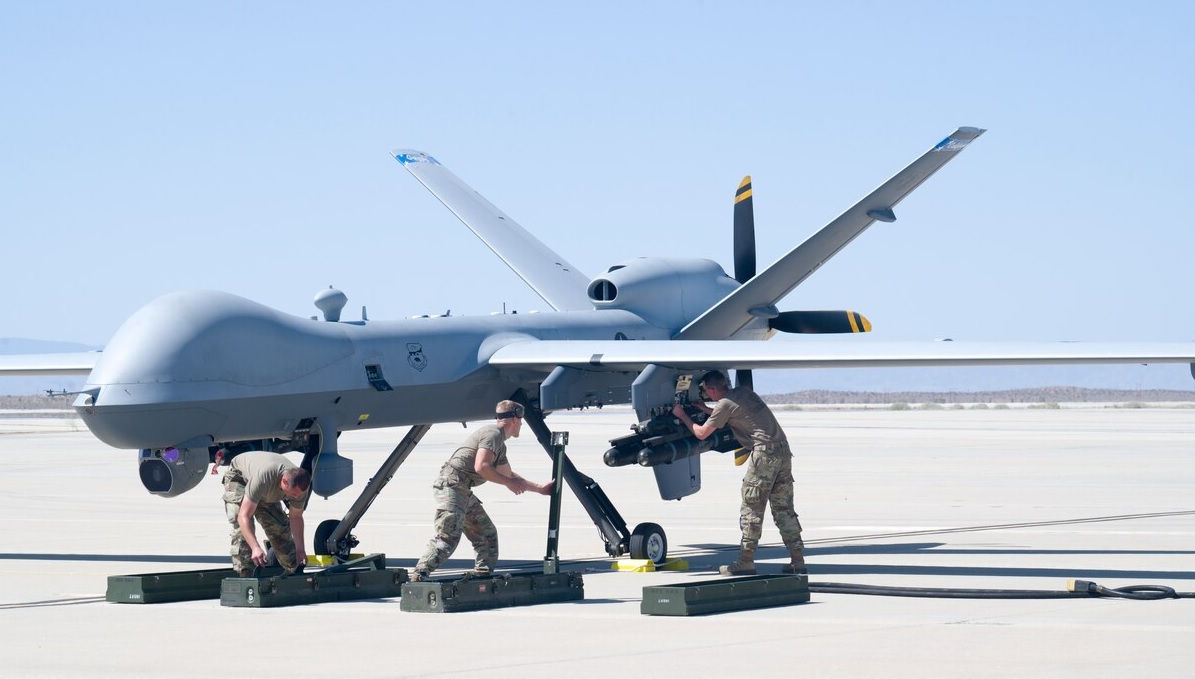
World
The 163d Attack Wing has taken center stage in Exercise Steel Knight 2024, an annual U.S. Marine Corps-led training event designed to strengthen joint force readiness and collaboration. This year, the exercise focuses on enhancing operational capabilities in multi-domain environments, spanning land, sea, and air, while integrating cutting-edge technologies to address the challenges of modern warfare. Showcasing MQ-9 Reaper Expertise A pivotal element of the 163d Attack Wing’s participation in Steel Knight 2024 is its mastery of the MQ-9 Reaper, a versatile unmanned aerial system renowned for its intelligence, surveillance, and reconnaissance (ISR) capabilities. During the initial phase of the exercise, the Wing successfully launched and remotely piloted an MQ-9 before transferring control to the 107th Attack Wing of the New York Air National Guard. This collaboration provided valuable training opportunities for both units, simulating real-world scenarios in a near-peer competition setting. The MQ-9's role in Steel Knight extends beyond ISR operations. It serves as a vital link in the flow of actionable intelligence, delivering real-time data to ground forces and enabling precise decision-making in complex environments. “The Grizzlys are leaders in MQ-9 technology, operating at the forefront of near-peer competition,” noted Maj. Eve Derfelt, public affairs officer for the 163d. This capability is particularly significant in the Indo-Pacific, where strategic competition with near-peer adversaries like China demands cutting-edge solutions. Strengthening Joint Force Interoperability Exercise Steel Knight brings together multiple branches of the U.S. military, including the U.S. Navy, the California Air National Guard, and the 920th Rescue Wing from the U.S. Air Force Reserve. The 163d Attack Wing’s collaboration with the I Marine Expeditionary Force, the 1st Marine Division, and the Navy’s 3rd Fleet underscores the importance of joint interoperability in modern defense strategies. Lt. Col. Thomas Coyle, assistant chief of staff for intelligence with the 1st Marine Division, highlighted the exercise’s value: “Working together and learning from one another in a training environment makes us that much more effective.” By rehearsing advanced maritime campaign operations and testing new technologies, Steel Knight ensures that joint forces are prepared for real-world scenarios, from coastal defense to high-stakes expeditionary missions. Advancing Multi-Domain Warfare Steel Knight’s emphasis on multi-domain operations aligns with the U.S. military’s broader objective of maintaining superiority across diverse terrains. The inclusion of the MQ-9 Reaper in maritime exercises demonstrates its adaptability and reinforces its role as a cornerstone of expeditionary airpower. Capt. Jason Carr, public affairs officer for the 107th Attack Wing, noted, “The MQ-9’s expeditionary airpower capabilities have enhanced our interoperability with joint forces, showcasing our value in maritime exercises.” A Legacy of Readiness Since its establishment in 1991, Steel Knight has served as a scenario-driven exercise designed to refine command and control processes across multiple services. The 163d Attack Wing’s contributions to this year’s event highlight the evolving capabilities of the MQ-9 enterprise, showcasing its ability to adapt to emerging threats and deliver rapid response solutions. With its advanced ISR operations and seamless integration into joint missions, the MQ-9 continues to cement its position as an indispensable asset in modern defense operations. By participating in Steel Knight 2024, the 163d Attack Wing has not only demonstrated the versatility of the MQ-9 Reaper but also strengthened the U.S. military’s collective readiness to face the challenges of a rapidly evolving global security landscape.
Read More → Posted on 2024-12-22 15:28:48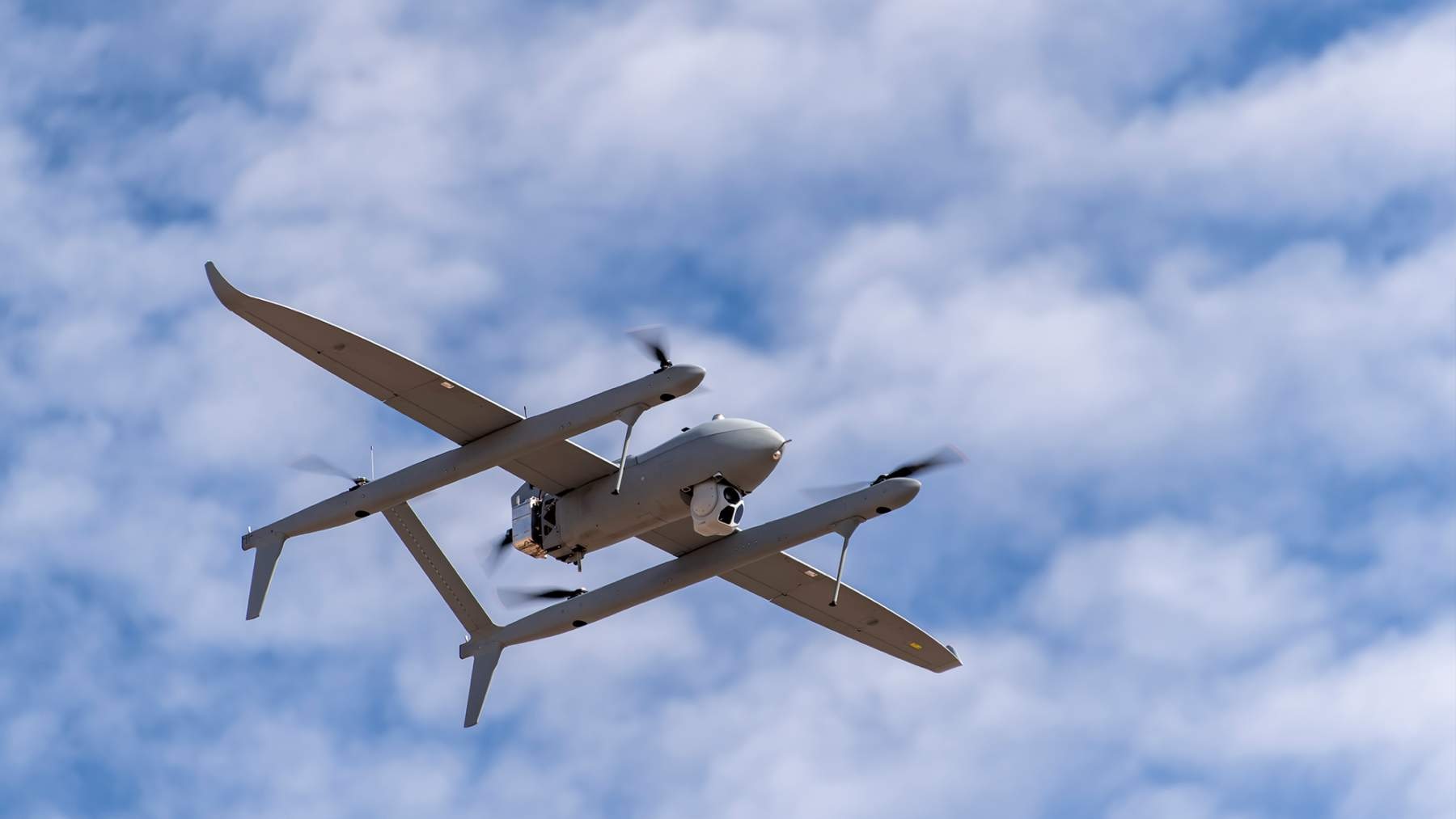
World
The U.S. Army has marked a significant milestone in its modernization efforts with the delivery of Textron Systems' MK 4.8 HQ Aerosonde system. This cutting-edge uncrewed aerial system (UAS) is a cornerstone of the Future Tactical Uncrewed Aircraft Systems (FTUAS) program, designed to enhance reconnaissance and surveillance capabilities for Brigade Combat Teams (BCTs) in Multi-Domain Operations. Rigorous Development and Testing The MK 4.8 HQ Aerosonde system underwent two years of intensive development, including technical evaluations, ground and flight testing, and close collaboration between Textron Systems and the U.S. Government. Following its successful validation, the system was formally transferred to the Army via the DD-250 process, ensuring it meets all operational and technical requirements. The next step involves New Equipment Training (NET) at the Redstone Test Center in Alabama. During this phase, instructors and operators will be trained to maximize the system’s capabilities, with the training expected to wrap up by late January 2025. Once this stage is complete, the system will undergo developmental testing led by the U.S. Government, culminating in a capstone event to demonstrate its full operational potential. Transformational Capabilities for BCTs The MK 4.8 HQ Aerosonde system is designed to provide BCT commanders with actionable intelligence, critical for maintaining an operational advantage in complex combat scenarios. Key features include: Vertical Take-Off and Landing (VTOL): Enables deployment in varied and confined environments without traditional runway infrastructure. On-the-Move Command and Control: Facilitates seamless operation while in transit, enhancing tactical flexibility. Ease of Maintenance: Simplified design ensures soldiers can perform maintenance in the field without requiring specialized tools or training. Modular Open Systems Approach (MOSA): Allows for future upgrades and integration of emerging technologies, ensuring the system remains relevant as battlefield needs evolve. Supporting Modernization and Readiness The FTUAS program is managed by the Program Executive Office (PEO) for Aviation, headquartered at Redstone Arsenal, Alabama. The Uncrewed Aircraft Systems Project Office, a part of PEO Aviation, is committed to delivering innovative solutions that enhance operational readiness and maintain the Army’s strategic edge. In addition to the MK 4.8 HQ Aerosonde, the Army is exploring proposals for full-scale production contracts, with awards anticipated by the fourth quarter of fiscal year 2025. This aligns with the Army’s broader modernization strategy, aimed at countering peer adversaries in large-scale combat operations. Enhancing Multi-Domain Operations The advanced capabilities of the MK 4.8 HQ Aerosonde underscore its role in enabling dominance across land, air, and cyber domains. By providing enhanced situational awareness and intelligence to commanders, the system is set to redefine the tactical landscape for U.S. forces. As the Army prepares for future conflicts, the MK 4.8 HQ Aerosonde represents a leap forward in uncrewed aerial technology, equipping BCTs with the tools they need to maintain superiority in increasingly contested environments.
Read More → Posted on 2024-12-22 15:20:24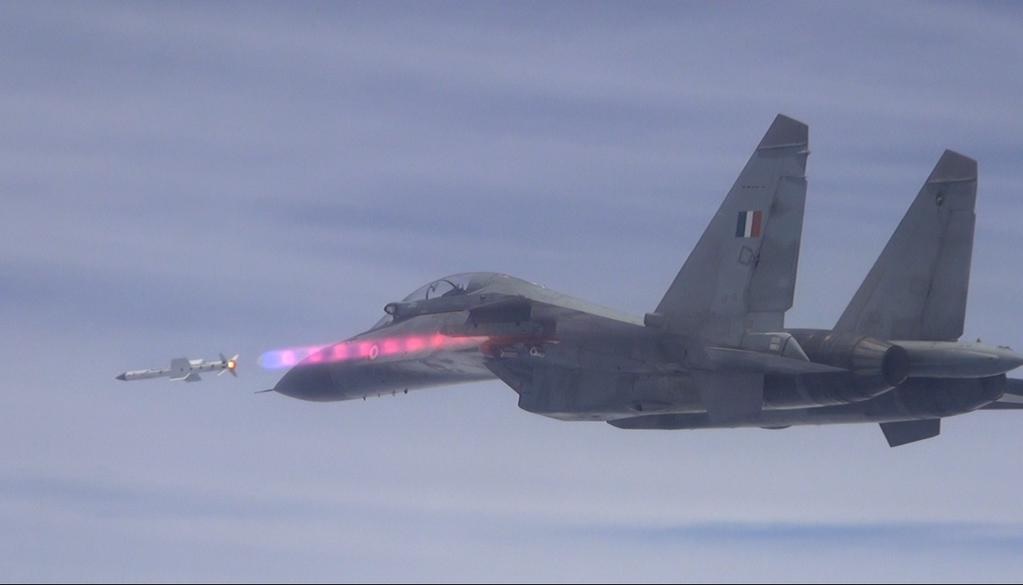
India
In a significant step towards bolstering defence cooperation and regional security, India has proposed integrating its indigenously developed Astra Mk1 Beyond Visual Range Air-to-Air Missile (BVRAAM) with Vietnam's fleet of Russian-origin Su-27 and Su-30 fighter jets. This initiative underscores India's growing role as a defence technology partner in the Indo-Pacific region, offering strategic advantages to both nations. Astra Mk1: A Cutting-Edge BVRAAM Developed by India’s Defence Research and Development Organisation (DRDO), the Astra Mk1 is a state-of-the-art missile designed for beyond-visual-range aerial combat. It features advanced active radar-seeker technology, enabling it to intercept enemy aircraft with exceptional precision, even in electronic warfare-heavy environments. The Astra Mk1 boasts an operational range of 80–110 kilometers and can achieve speeds of Mach 4.5. It is already integrated with the Indian Air Force’s Su-30MKI fleet, where it has demonstrated its effectiveness. The missile is also slated to be the primary air-to-air weapon for India’s Tejas Mk1A light combat aircraft, reflecting its critical role in India's air combat strategy. Strengthening Vietnam’s Air Combat Capabilities For Vietnam, the proposed integration of the Astra Mk1 with its Su-27 and Su-30MK2 fighters offers a major upgrade over its current arsenal of Russian-made R-27 and R-77 missiles. While the R-27 and R-77 are capable systems, their shorter range and older guidance technologies are less suited to modern aerial combat scenarios. Vietnam operates 10 Su-27 Flankers and 35 Su-30MK2 fighters, making this potential upgrade both timely and transformative. The Astra Mk1 would provide the Vietnamese People’s Air Force (VPAF) with the ability to engage enemy aircraft at extended ranges, enhance air superiority missions, and strengthen its defensive posture in the region. Strategic and Regional Implications This proposal is set against the backdrop of increasing strategic collaboration between India and Vietnam, with both nations sharing concerns over regional stability, particularly in the South China Sea. Vietnam has been steadily modernizing its military, and the integration of the Astra Mk1 aligns with its broader goals of maintaining a credible deterrent. India, on the other hand, is emerging as a key defence exporter. The Astra Mk1 marks a significant milestone in India’s indigenous defence manufacturing journey and showcases its ability to meet export demands. Over 400 units of the missile are already in service or on order with the Indian Air Force, with production scaling up for both domestic and international markets. Looking Ahead: Potential for Advanced Missiles India’s missile program is not stopping at the Astra Mk1. DRDO is actively working on advanced variants such as the Astra Mk2, which will have a range of up to 160 kilometers, and the Astra Mk3, incorporating cutting-edge solid-fuel ducted ramjet (SFDR) technology for extended reach and enhanced capabilities. Vietnam’s potential adoption of the Astra Mk1 could open doors for future collaboration on these advanced systems, further cementing defence ties between the two nations. Conclusion The integration of the Astra Mk1 missile with Vietnam’s Su-27 and Su-30 fleet would not only strengthen Vietnam's air combat capabilities but also deepen India-Vietnam defence cooperation. As regional dynamics evolve, this partnership signals a shared commitment to maintaining peace and stability in the Indo-Pacific. While formal agreements are yet to be signed, this proposal highlights India’s growing stature as a reliable defence partner and a leader in indigenous military technology development.
Read More → Posted on 2024-12-22 15:18:00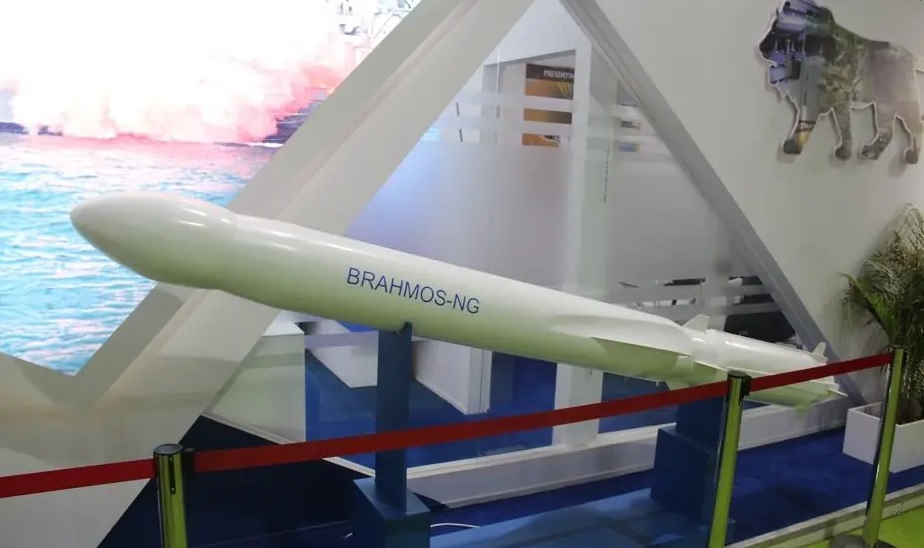
India
BrahMos Aerospace, the renowned Indo-Russian joint venture, is set to embark on a new chapter with the production of the next-generation BrahMos-NG missile slated to commence in late 2025. This cutting-edge supersonic cruise missile is expected to elevate the company’s global defense profile further while bolstering India’s military capabilities. New Manufacturing Facility in Lucknow A state-of-the-art manufacturing facility is under construction in Lucknow, Uttar Pradesh, to support BrahMos production. According to the company’s Director General, Jaiteerth Joshi, operations at this facility will begin in a phased manner by late 2025 or early 2026. Full-fledged production, however, may take additional time to ensure the facility is equipped with advanced systems and modern infrastructure. Once operational, the Lucknow facility will initially focus on producing the existing BrahMos missile systems before transitioning to the BrahMos-NG variant. This development marks a significant step in the company’s roadmap to meet domestic and international demand. Breakthrough Export Deals in 2024 BrahMos Aerospace has already made its mark globally, with the Philippines becoming its first export customer. In 2022, the Philippines signed a $375 million deal for three batteries of BrahMos missiles with a range of 290 kilometers. The first batch of these missiles was delivered in April 2024, demonstrating the company’s commitment to timely delivery and operational efficiency. Building on this success, BrahMos Aerospace is on the verge of securing two new export contracts in 2024. While the names of the prospective buyer countries remain undisclosed, negotiations are reportedly advancing. The expansion into new markets underscores the growing demand for the BrahMos system, recognized for its precision, speed, and reliability. BrahMos-NG: A Compact, Lethal Successor The BrahMos-NG (Next Generation) missile is designed to be a more compact and lighter version of the current BrahMos system. The missile will boast enhanced speed, firepower, accuracy, and stealth capabilities, making it a formidable weapon across multiple platforms. The development phase for the BrahMos-NG is underway, with the design blueprint finalized. The first prototype is expected to be integrated with the Su-30MKI fighter aircraft for testing. Development, integration, and trials are anticipated to take two to three years. Once ready, the BrahMos-NG will be deployed on aerial platforms, warships, submarines, and ground-based systems, significantly expanding its operational versatility. Vision for Hypersonic Technology In addition to the BrahMos-NG, the company is also exploring hypersonic missile technology. While this ambitious project is still in its early stages, BrahMos Aerospace aims to remain at the forefront of global advancements in hypersonic systems. The company plans to align its strategy with emerging technologies, ensuring readiness for the next generation of missile systems. Conclusion BrahMos Aerospace is poised to redefine the defense landscape with its innovative developments. The upcoming Lucknow facility, new export deals, and the evolution of the BrahMos-NG missile highlight the company’s unwavering commitment to technological excellence and international collaboration. These advancements will not only strengthen India’s defense capabilities but also position BrahMos Aerospace as a leader in the global arms market.
Read More → Posted on 2024-12-22 15:15:26Search
Top Trending in 24 Hours
-
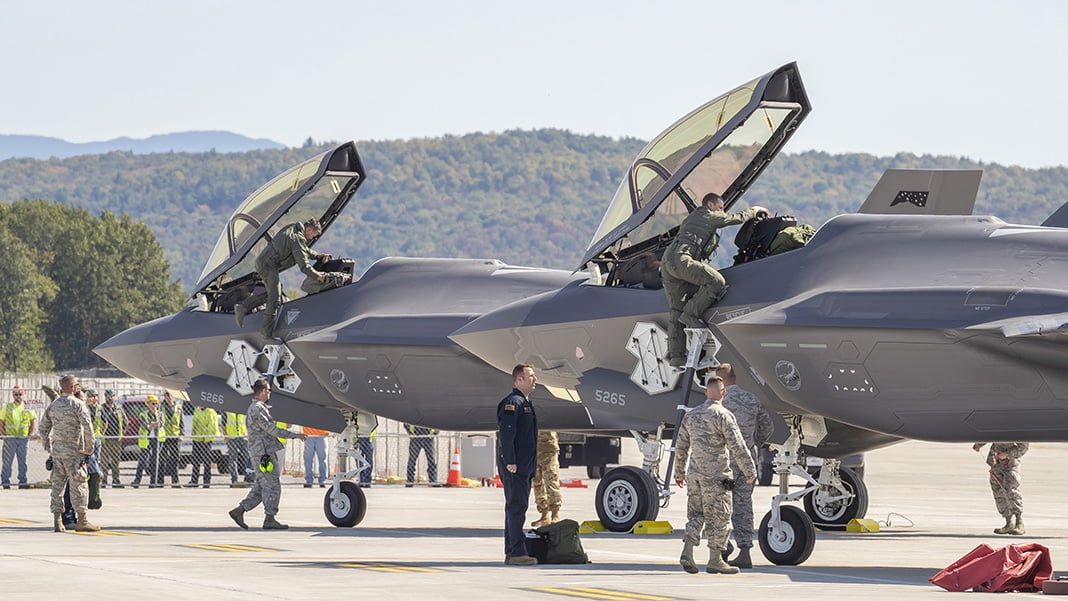 F-35 Fleet Readiness Falls to 25% Amid Parts Shortages and Software Delays: GAO Report
-
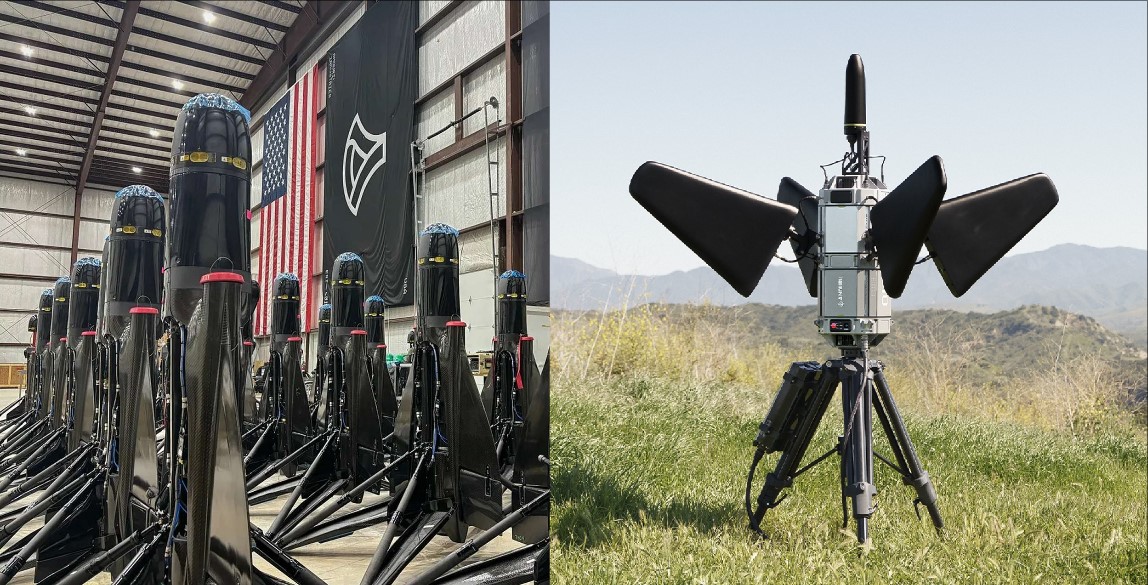 U.S. Approves $1.98 Billion Sale of Anduril AI-Powered Counter-Drone Systems to Kuwait
-
 U.S Navy Orders 50 Blackbeard Hypersonic Missiles in New $23.4 Million Contract
-
 Russia Launches 1,400 Jet-Powered Drones in 2026 as Strike Tactics Evolve to Challenge Ukraine's Air Defenses
-
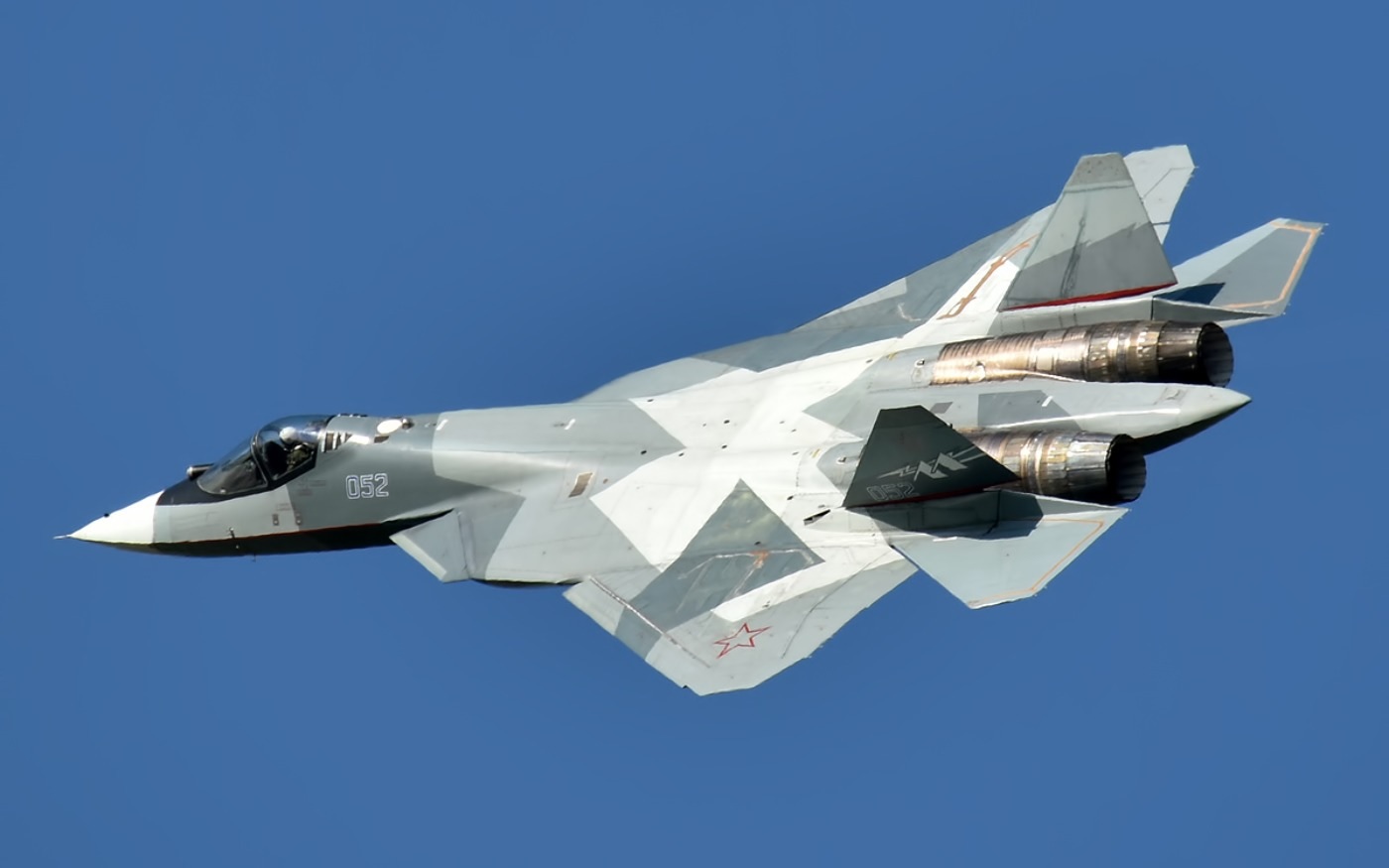 Russian Analysts Debate Su-57 Capabilities After Putin Calls Fighter Superior to F-35
-
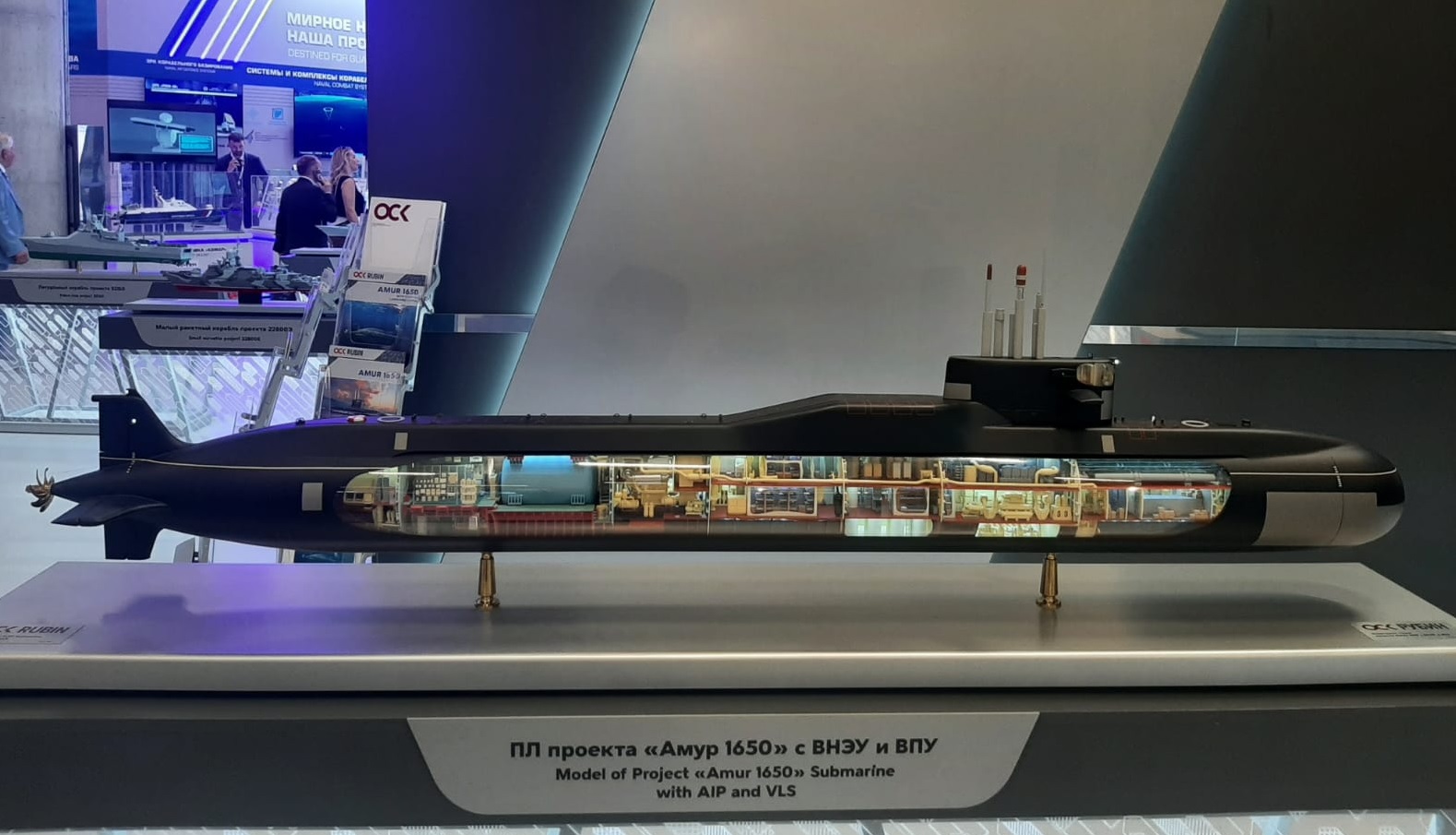 Russia Unveils Amur-1650 AIP Submarine Equipped with BrahMos Vertical Launch System at Fleet-2026
-
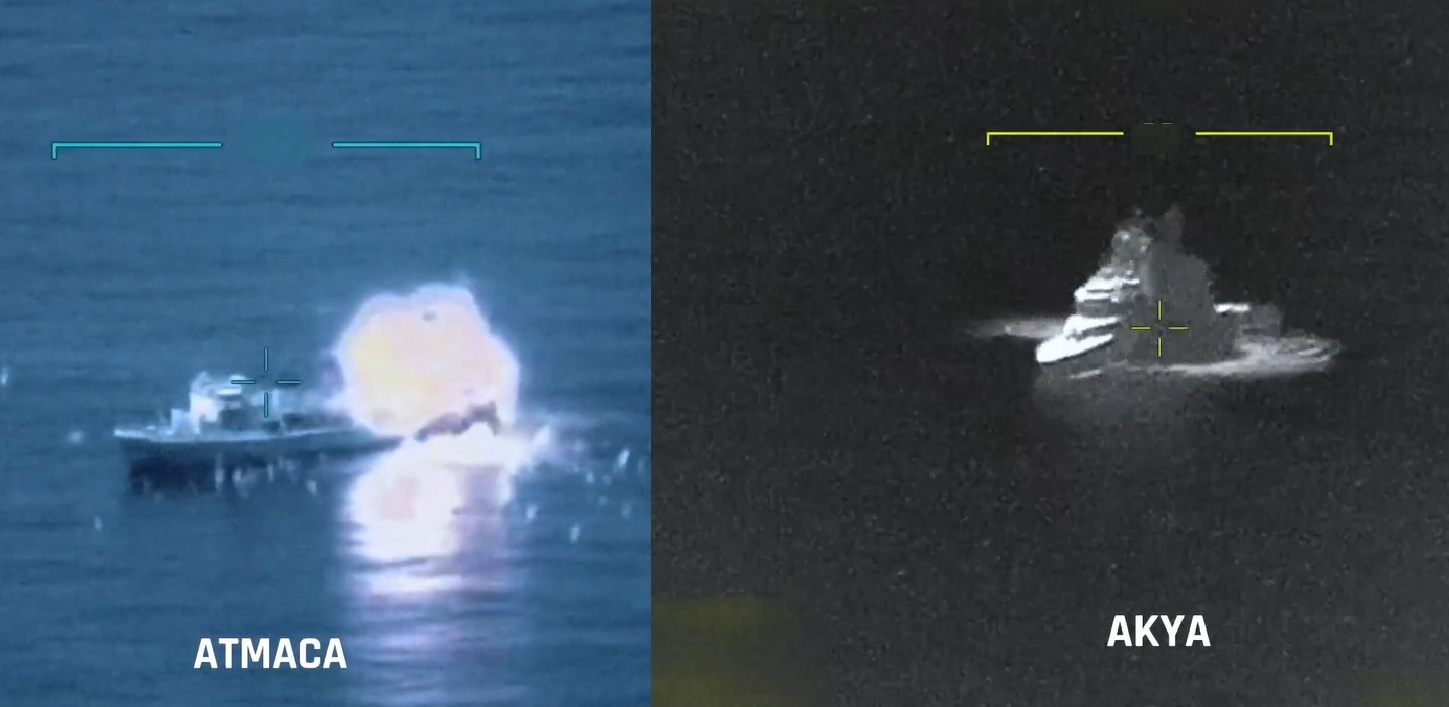 Turkey Navy Successfully Tests AKYA Torpedo and ATMACA Missile During Major Denizkurdu-II Naval Exercise
-
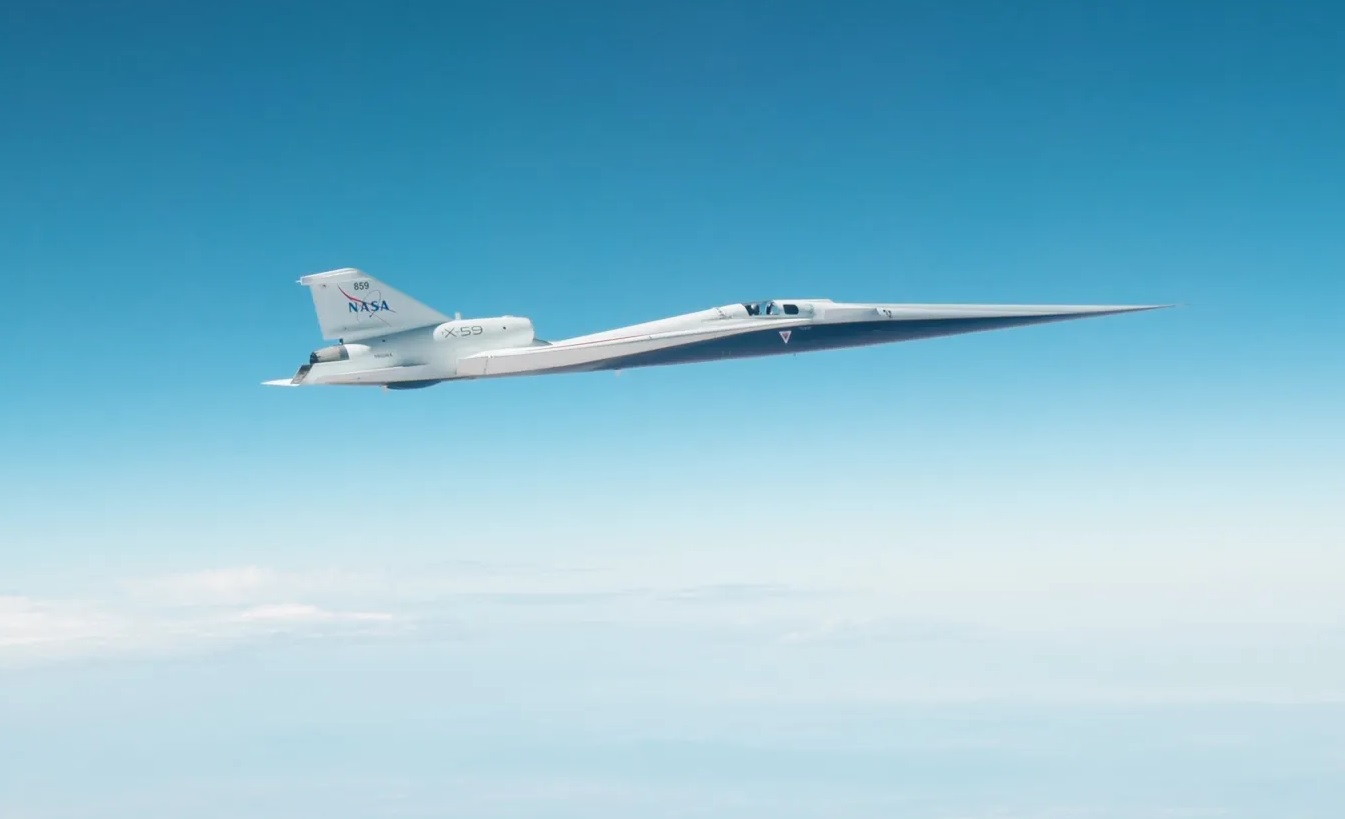 NASA X-59 Achieves Planned Mission Conditions with Mach 1.4 Flight at 55,000 Feet
Top Trending in 4 Days
-
 Iranian Media Leaks 14-Point U.S.-Iran Peace Framework Amid Ongoing Negotiations
-
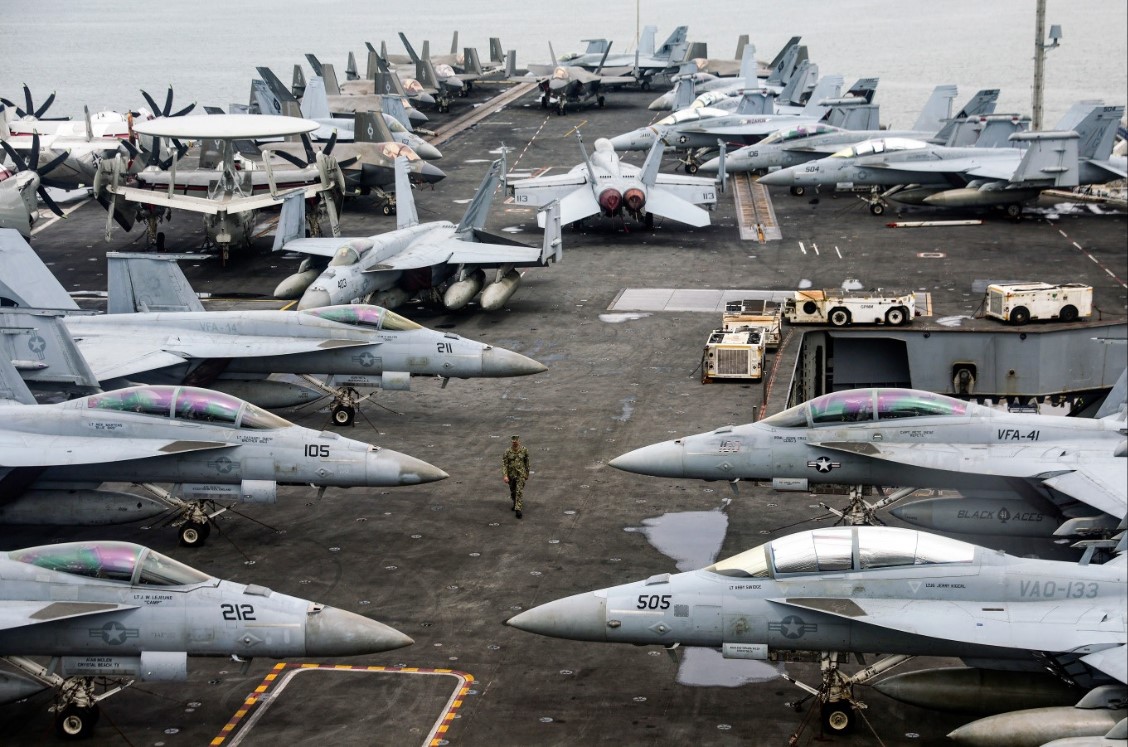 US Plans Significant Reduction of Fighter Jets and Warships for NATO Operations in Europe
-
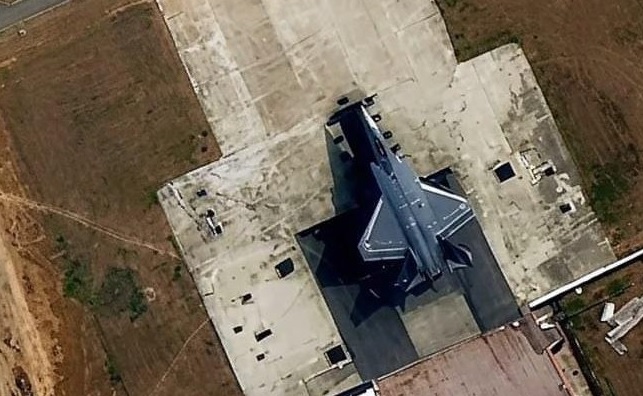 AMCA Airframe Spotted at DRDO’s ORANGE Facility for Radar Cross-Section Testing
-
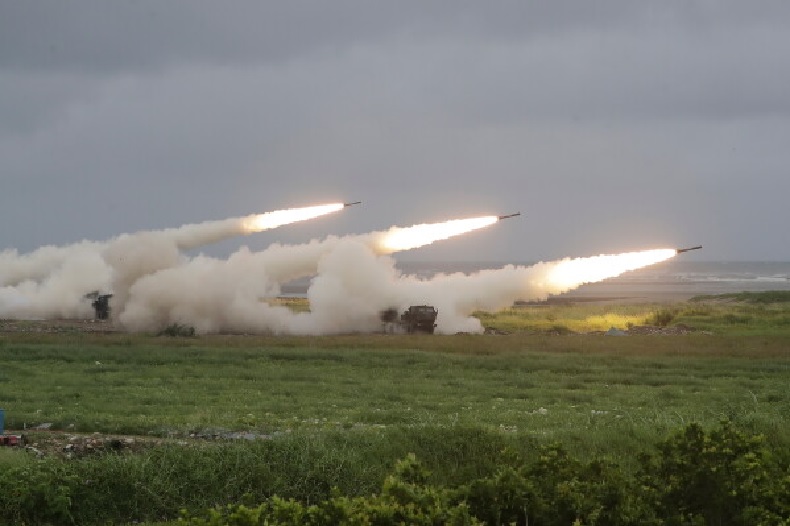 Taiwan Conducts First Live-Fire of HIMARS Rockets From West Coast During Invasion Defense Drill
-
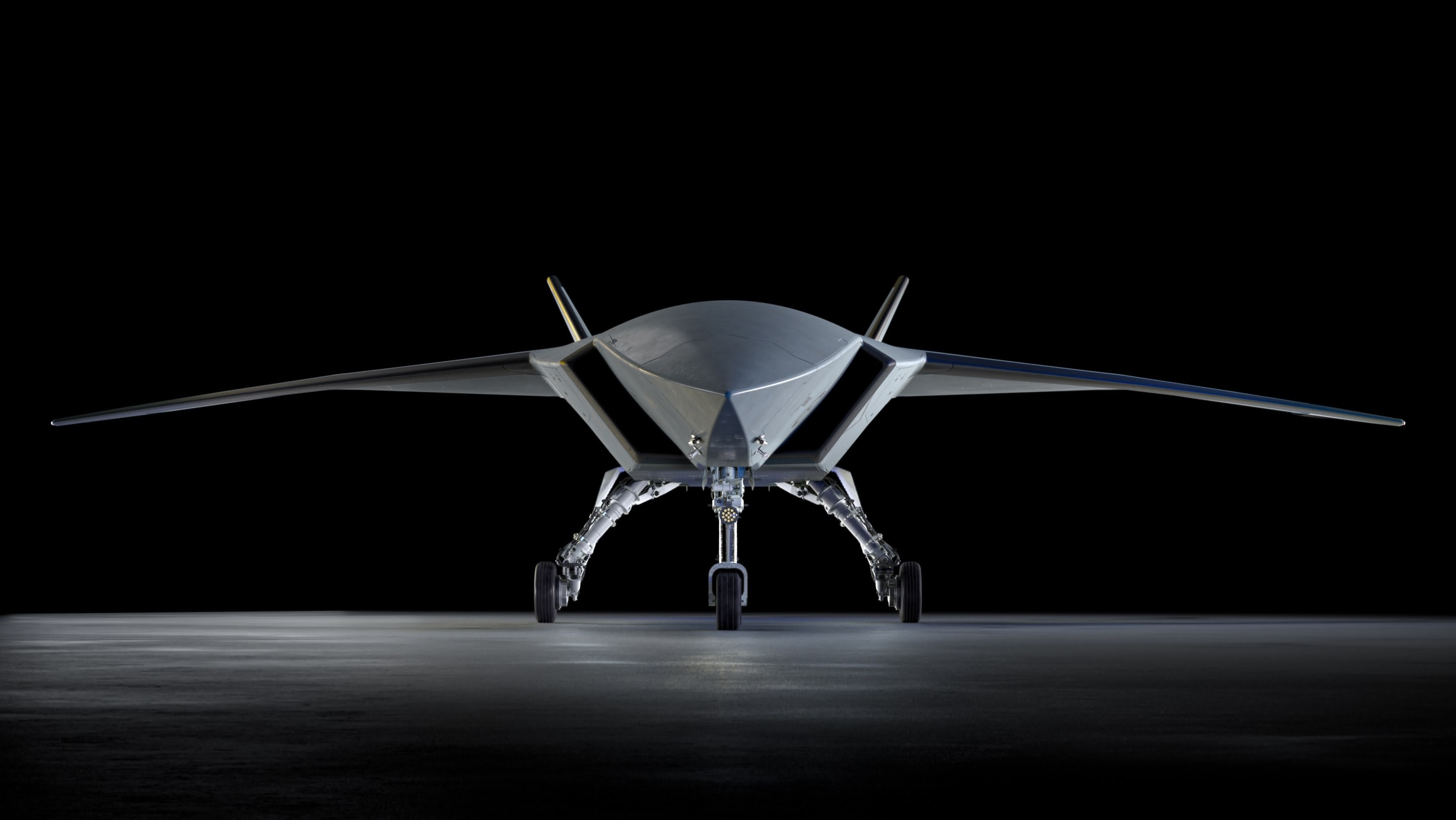 Boeing Introduces New MQ-28 Ghost Bat Upgrades with Increased Range, Payload and Weapons Capacity at ILA Berlin 2026
-
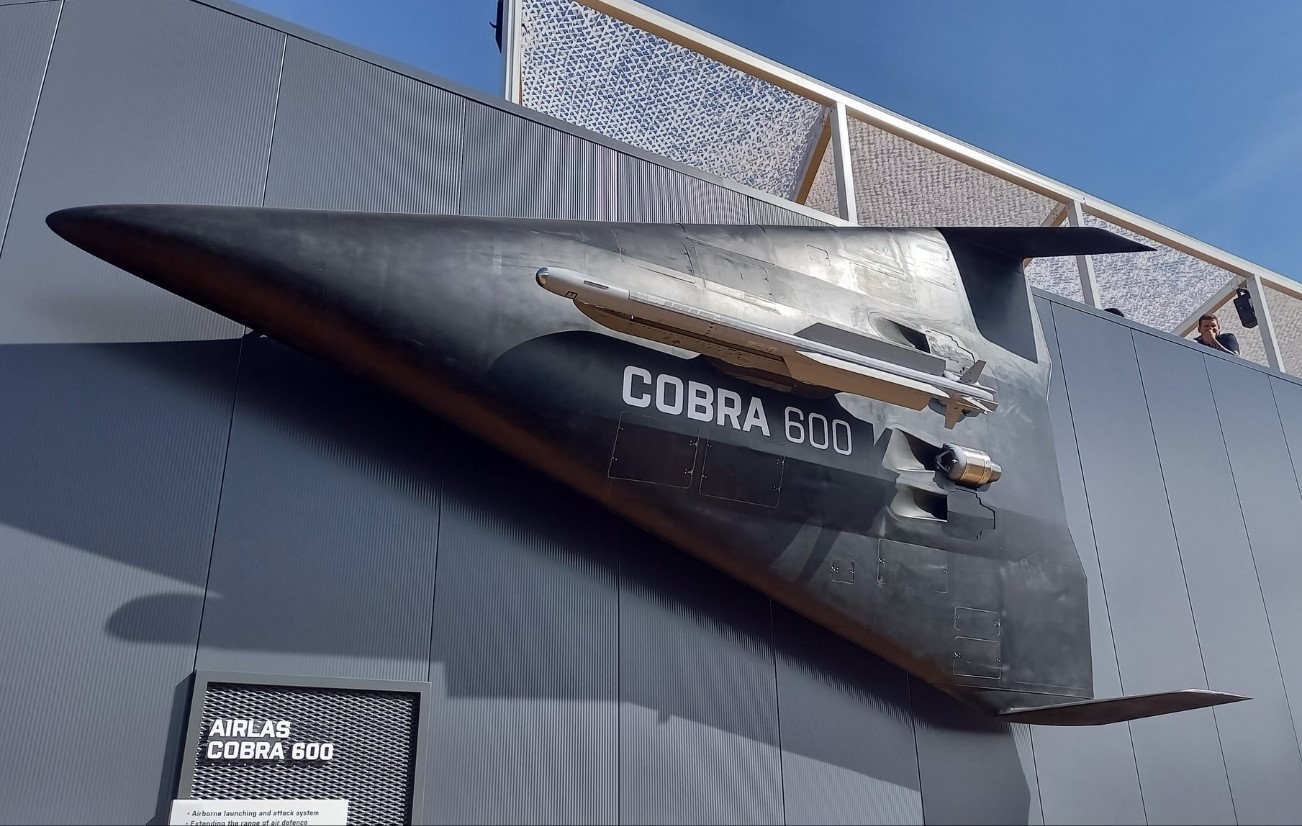 Diehl Defence Unveils IRIS-T Armed Cobra 600 Air Defense Drone at ILA Berlin 2026
-
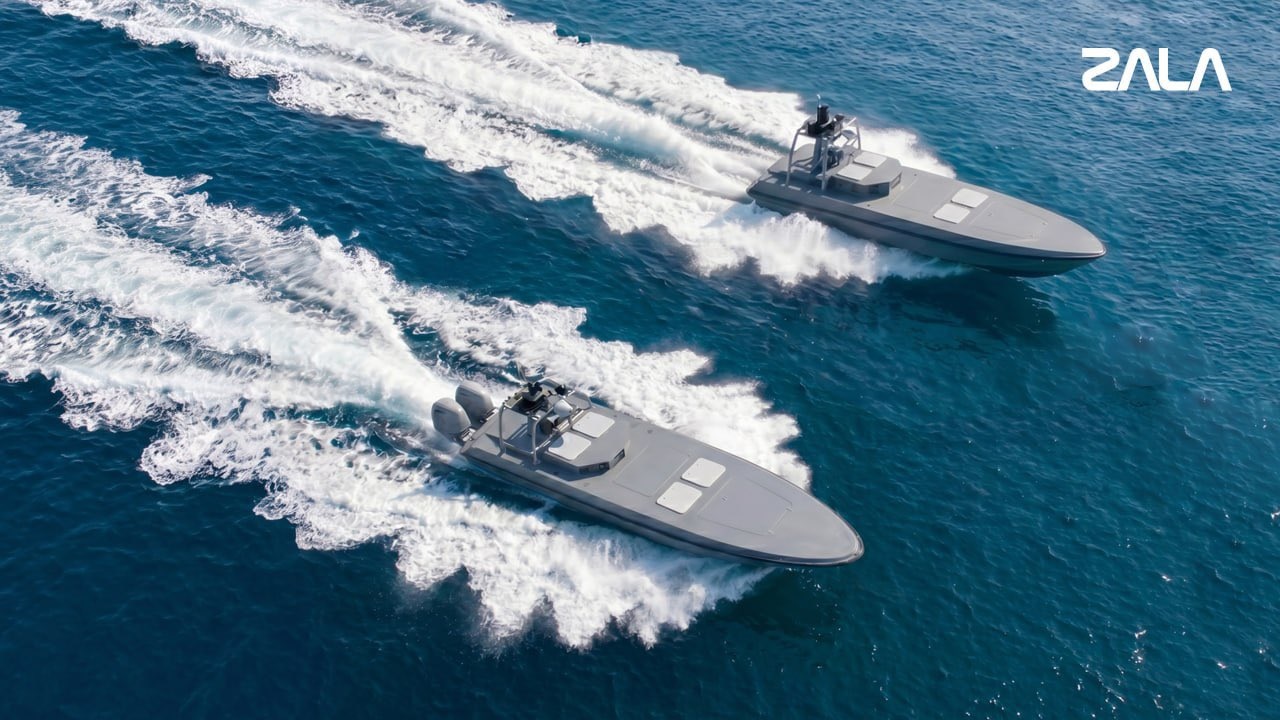 Russian Defense Firm ZALA Unveils KAMA Unmanned Surface Vessel Family at FLOT-2026 Naval Exhibition
-
 U.S Aircraft Carrier USS Theodore Roosevelt Departs San Diego for Major RIMPAC 2026 Naval Exercise
