World
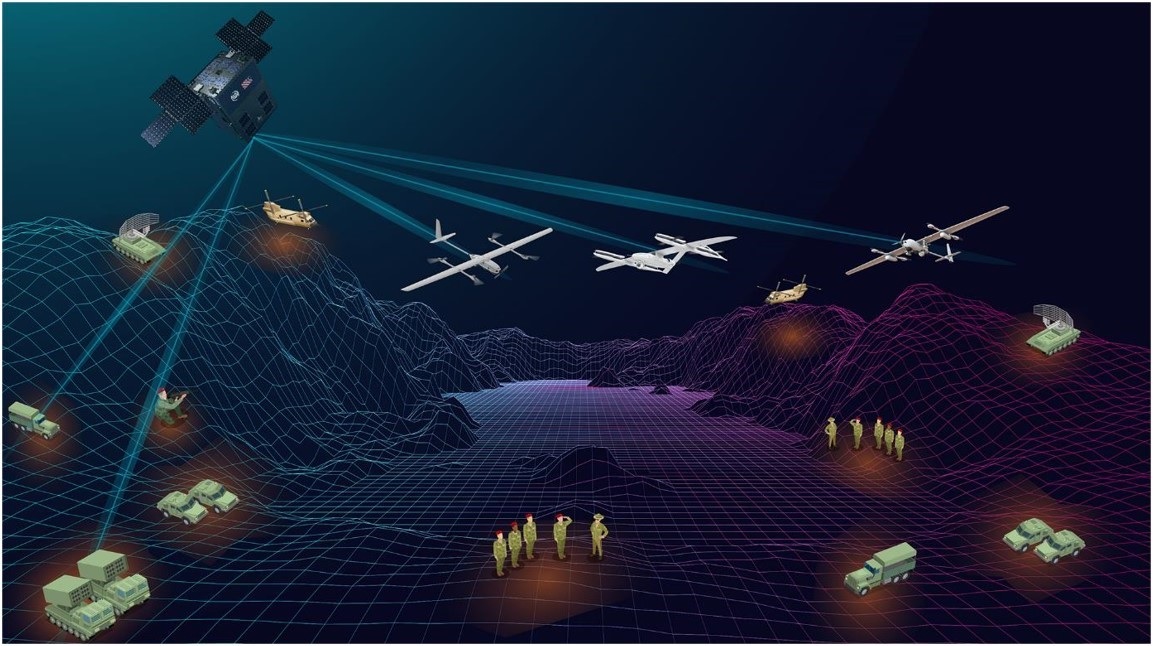
Redwire Corporation, a major force in the space infrastructure sector, has announced its acquisition of Edge Autonomy, a globally recognized innovator in uncrewed aerial systems (UAS) technology. The $925 million transaction will consist of $150 million in cash and $775 million in Redwire common stock, based on a 30-day volume-weighted average trading price. This strategic merger is set to redefine the landscape of autonomous technology, enabling Redwire to expand its influence across defense, intelligence, and space sectors. A Game-Changing Acquisition This acquisition positions Redwire as a leader in multi-domain autonomous technology, integrating combat-proven airborne platforms with its cutting-edge space infrastructure solutions. The deal is expected to significantly enhance Redwire’s financial performance, with projected combined revenues for 2025 estimated between $535 million and $605 million. Furthermore, it will improve key financial metrics, including Adjusted EBITDA and Free Cash Flow, reinforcing Redwire’s commitment to sustainable growth. The Legacy of Edge Autonomy Edge Autonomy, formed in 2021 through a strategic merger, has over three decades of experience in developing advanced uncrewed systems. The company’s flagship products, including the Stalker and Penguin series, are renowned for their capabilities in long-range reconnaissance, rapid deployment, and adaptability to various operational environments. The Stalker, for instance, boasts impressive endurance and precision, while the Penguin series excels in providing cost-effective, long-endurance surveillance solutions. These platforms have been extensively utilized by the U.S. Department of Defense and allied governments, underlining their reliability in critical missions. Edge Autonomy’s innovative approach and proven track record make it a valuable addition to Redwire’s portfolio. Expanding Redwire’s Capabilities Redwire has been steadily scaling its operations in national security and space technologies. Recent innovations include AI-enabled autonomous spacecraft for diverse orbital missions and pioneering “orbital drones” that bridge the gap between airborne and space technologies. The integration of Edge Autonomy’s UAS expertise will further strengthen Redwire’s ability to deliver comprehensive solutions spanning land, air, and space. Peter Cannito, Chairman and CEO of Redwire, emphasized the transformative potential of this acquisition, stating, “This merger positions Redwire at the forefront of defense technology trends, creating a unified network of autonomous, collaborative systems for operations spanning Earth to the Moon and beyond.” Global Workforce and Infrastructure Edge Autonomy’s global footprint, which includes a skilled workforce of 600 employees and extensive manufacturing facilities in the U.S. and Europe, will provide Redwire with unparalleled production capabilities. These resources will be instrumental in meeting the growing demand for autonomous systems in both defense and commercial markets. Steve Adlich, CEO of Edge Autonomy, echoed the enthusiasm, noting, “This partnership will unlock growth opportunities and drive innovation to meet evolving customer needs. By combining our expertise, we are well-positioned to tackle the challenges of modern warfare and space exploration.” Strategic Implications The merger underscores Redwire’s commitment to staying ahead in a rapidly evolving technological landscape. By combining Edge Autonomy’s expertise in uncrewed airborne systems with Redwire’s advanced space technologies, the company is poised to create a robust ecosystem of autonomous solutions. This comprehensive approach aligns with emerging trends in multi-domain operations, where interoperability and adaptability are critical. The deal also reflects broader shifts in the defense and aerospace sectors, where autonomy and artificial intelligence are becoming central to operational success. By leveraging these technologies, Redwire aims to enhance its offerings for government and commercial customers, ensuring readiness for future challenges. Conclusion The acquisition of Edge Autonomy by Redwire Corporation represents a significant milestone in the evolution of autonomous systems. With a shared vision for innovation and excellence, the combined entity is set to redefine the boundaries of technology, offering groundbreaking solutions for defense, intelligence, and space exploration. As the demand for autonomous systems continues to grow, this partnership is well-positioned to lead the way in delivering cutting-edge capabilities across multiple domains.
Read More → Posted on 2025-01-21 15:03:26
World
Bangalore-based Q-Alpha Aerospace is making waves in the aerospace industry with the development of the QAL-J10, an advanced 10 kN turbojet engine. Tailored for next-generation unmanned combat aerial vehicles (UCAVs) and drones, the QAL-J10 represents a significant leap forward in propulsion technology. Beyond drones, the engine’s compatibility with Turbine-Based Combined Cycle (TBCC) architecture positions it as a critical enabler for future hypersonic platforms. A Technological Marvel The QAL-J10 turbojet engine is a multi-stage, AI-augmented propulsion system built to deliver superior performance in unmanned systems. At its core lies a highly efficient afterburner and exhaust choking mechanism, engineered to maximize thrust-to-weight ratios while ensuring operational flexibility. Designed with precision using advanced scientific models, the QAL-J10 demonstrates Q-Alpha Aerospace’s ability to push the boundaries of modern aerospace engineering. One of the standout features of the QAL-J10 is its digital twin technology. This system allows engineers to create a virtual replica of the engine, enabling real-time monitoring and optimization across a wide range of scenarios. This capability not only enhances efficiency but also provides end-to-end situational awareness, ensuring that the engine performs seamlessly even in the most demanding environments. Cutting-Edge Features AI-Driven Optimization:The QAL-J10 integrates artificial intelligence to enhance situational awareness and operational performance. AI allows for multi-sensor fusion, ensuring the engine adapts dynamically to varying conditions. This capability enables drones and UCAVs to function more autonomously while maintaining peak efficiency. Digital Twin Technology:The inclusion of digital twin technology offers a new level of control. Engineers can simulate and optimize the engine’s parameters, providing actionable insights and improved reliability. This feature also facilitates predictive maintenance, reducing downtime and operational costs. Hypersonic Readiness:With its compatibility with TBCC architecture, the QAL-J10 is not just limited to drones or UCAVs. The engine’s design ensures it can be adapted for hypersonic applications, paving the way for its deployment in cutting-edge aerospace platforms of the future. Compact and Lightweight:Despite its powerful 10 kN thrust, the QAL-J10 has a compact and lightweight design, making it ideal for unmanned systems where weight savings and efficiency are paramount. Specifications Thrust Output: 10 kN Architecture: Multi-stage turbojet with afterburner AI Integration: Advanced multi-sensor fusion for real-time optimization Digital Twin Technology: Real-time monitoring and predictive maintenance Fuel Efficiency: Designed for extended operational range Weight: Lightweight construction for drone compatibility Applications: UCAVs, advanced drones, and potential hypersonic platforms Applications and Future Potential The QAL-J10 is a pivotal advancement in propulsion systems for unmanned systems. Its focus on efficiency, AI-driven optimization, and versatility make it well-suited for various platforms, including reconnaissance drones, combat UCAVs, and high-speed surveillance systems. The integration of TBCC compatibility further expands its potential to power hypersonic UCAVs, a crucial area for future aerospace innovation. A Game-Changer in Aerospace Q-Alpha Aerospace’s QAL-J10 turbojet engine is set to redefine how drones and UCAVs operate. By leveraging AI, digital twin technology, and advanced engineering, the company has created a propulsion system that not only meets current demands but also anticipates the needs of tomorrow’s aerospace landscape. With this innovation, Q-Alpha Aerospace is positioning itself as a global leader in next-generation aerospace solutions.
Read More → Posted on 2025-01-21 15:00:51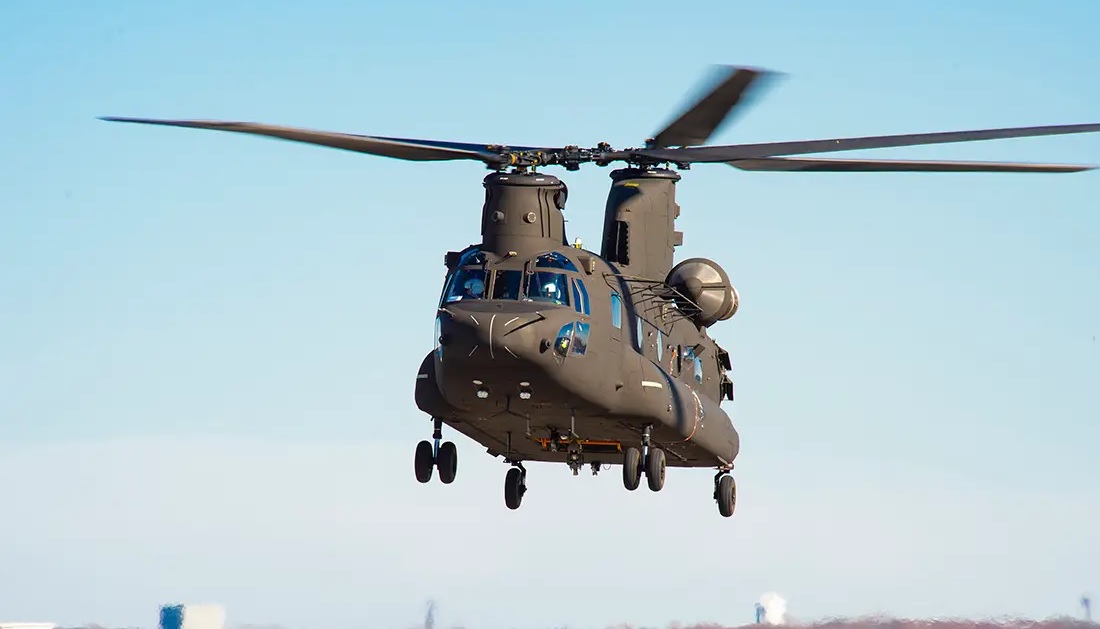
World
Japan has taken a significant step in modernizing its military capabilities by awarding Kawasaki Heavy Industries a $1.45 billion contract to produce 17 CH-47 Chinook helicopters. This contract includes the production of five CH-47J and 12 CH-47JA extended-range variants, specifically tailored to meet the operational demands of Japan's Self-Defense Forces. Enhanced Capabilities with Chinook Block II Under the agreement, the new helicopters will be built locally by Kawasaki Heavy Industries and configured with the advanced Chinook Block II specifications. This updated design introduces several improvements, including a reinforced airframe, an upgraded fuel system, and an enhanced drivetrain. These modifications enable the Chinook to handle increased payloads, making it an even more effective heavy-lift platform. The Chinook Block II design has already been embraced internationally, with Japan becoming the fourth global customer for this advanced variant. Boeing, the original developer of the Chinook, confirmed this latest contract and highlighted the helicopter’s growing appeal. The United States began deploying its Block II Chinooks in 2024, solidifying the design’s operational maturity. Specifications of the CH-47 Chinook The CH-47 Chinook, one of the most recognizable heavy-lift helicopters, is a true workhorse with impressive technical capabilities: Dimensions: The aircraft has a length of 98 feet (30 meters) and a wingspan of 60 feet (18 meters). Payload: It can lift up to 27,000 pounds (12,247 kilograms), enabling it to transport troops, vehicles, and heavy equipment with ease. Armament: The Chinook can be equipped with mounted machine guns, miniguns, and missile systems, making it versatile for both transport and combat operations. Engines: The platform is powered by two Honeywell T55 engines, each producing 4,777 horsepower. Performance: The helicopter boasts a top speed of 170 knots (302 kilometers/188 miles per hour), a service ceiling of 20,000 feet (6,096 meters), and a range of 165 nautical miles (190 miles/306 kilometers). Custom Variants for Japan Japan’s acquisition includes two custom variants: CH-47J: This standard variant is optimized for heavy-lift missions and troop transport within Japan’s operational zones. CH-47JA: An extended-range model designed to enhance Japan's ability to conduct long-range operations, including missions in remote or disaster-stricken areas. Strategic Implications This investment highlights Japan’s commitment to strengthening its military infrastructure in response to growing regional security challenges. The locally produced fleet will not only support Japan’s defense capabilities but also reinforce its domestic aerospace industry by leveraging Kawasaki Heavy Industries’ expertise. With its robust lift capacity, advanced avionics, and versatility, the CH-47 Chinook will continue to play a vital role in Japan’s defense strategy. The adoption of the Block II configuration ensures that the country remains at the forefront of military technology, capable of responding to modern operational demands efficiently.
Read More → Posted on 2025-01-21 14:56:00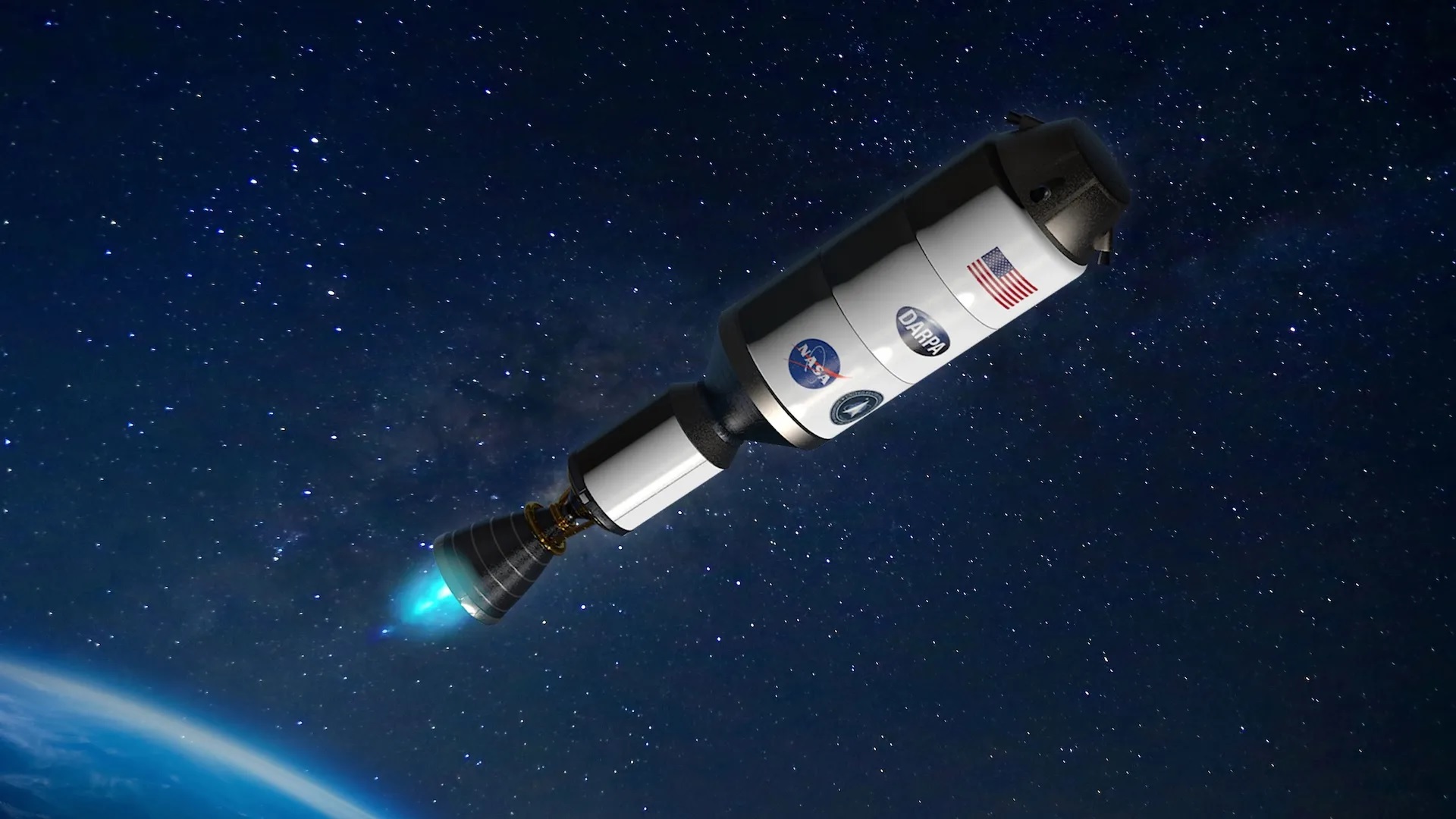
Space & Technology
General Atomics Electromagnetic Systems (GA-EMS) has reached a critical milestone in the advancement of Nuclear Thermal Propulsion (NTP) technology, successfully completing a series of rigorous fuel tests at NASA's Marshall Space Flight Center (MSFC). These tests, carried out in collaboration with NASA, are pivotal in validating the performance and durability of GA-EMS’s advanced nuclear fuel design under the extreme conditions required for deep space missions, including human exploration of Mars. High-Temperature Testing and Performance Validation The testing process subjected the nuclear fuel to an array of challenging conditions, including exposure to hot hydrogen gas and six intensive thermal cycles. Each cycle reached an extraordinary peak temperature of 2600 Kelvin (4220°F), holding at that level for 20 minutes to simulate real-world operational stresses. This approach allowed researchers to examine the fuel’s resistance to erosion and degradation over extended periods. Additional tests evaluated protective features incorporated into the fuel design to enhance durability and ensure reliable performance in a reactor-like environment. These results are expected to address the critical safety and efficiency requirements of NTP systems. Industry-Leading Innovation GA-EMS is leveraging cutting-edge testing infrastructure, including NASA's Compact Fuel Element Environmental Test (CFEET) facility, to demonstrate the survivability and efficiency of its fuel under unprecedented conditions. Dr. Christina Back, Vice President of Nuclear Technologies and Materials at GA-EMS, emphasized the significance of their innovation. “Our tests have shown that our fuel can achieve performance two to three times more efficient than conventional chemical rocket engines,” Dr. Back stated. The use of the CFEET facility marked the first successful demonstration of fuel survivability and operational reliability under these conditions, showcasing the promise of NTP technology in revolutionizing space travel. Advancing Space Exploration Goals In addition to the tests conducted at NASA’s MSFC, further evaluations were performed at GA-EMS facilities, where the fuel demonstrated stable performance at temperatures up to an astonishing 3000 Kelvin. This capability significantly strengthens the potential of NTP systems for future NASA missions, particularly in addressing the needs of deep space and cislunar operations. Scott Forney, President of GA-EMS, underlined the strategic importance of these achievements. “This milestone confirms that our fuel can withstand the high temperatures and harsh conditions of an NTP reactor, bringing us closer to enabling safe and efficient propulsion for deep space missions,” he remarked. Future Applications and Development The successful tests form part of a broader NASA contract managed by Battelle Energy Alliance at the Idaho National Laboratory, aimed at advancing the readiness of NTP systems for operational deployment. Nuclear Thermal Propulsion technology, with its unmatched efficiency and capability to reduce travel time to destinations like Mars, is seen as a transformative development in space exploration. By achieving efficiencies two to three times greater than current chemical rocket engines, NTP systems promise to enhance mission feasibility, reduce fuel mass, and open new possibilities for human exploration beyond Earth’s orbit. GA-EMS’s advancements bring these possibilities closer to reality, offering a robust foundation for the next generation of space propulsion systems. Specifications of GA-EMS’s NTP Fuel Peak Test Temperature: 2600 Kelvin (4220°F) under thermal cycling conditions. Durability: Demonstrated resistance to erosion and degradation after repeated thermal stress. Efficiency: Two to three times higher than chemical propulsion systems. Additional Testing Range: Verified performance at temperatures up to 3000 Kelvin. These achievements mark a significant step toward the practical deployment of NTP technology, reinforcing the vision of sustained human presence in space and ambitious exploration missions to Mars and beyond.
Read More → Posted on 2025-01-21 14:51:59
India
Bangalore-based Q-Alpha Aerospace is set to showcase an impressive array of eight stealth Unmanned Combat Aerial Vehicle (UCAV) concepts at the upcoming Aero India 2025, scheduled from February 10 to 14 in Bengaluru. This lineup includes four hypersonic platforms, underscoring India's advancements in aerospace technology. UCAV Lineup: RTD-500: A stealthy, quick-launch, single-engine multi-role SWARM UCAV designed for rapid deployment in various combat scenarios. RTD-800: This model offers extended range capabilities, serving as a stealthy multi-platform, quick-launch, multi-role SWARM UCAV suitable for diverse mission profiles. RLJ-200: Featuring variable stealth technology, the RLJ-200 is a medium-range fighter SWARM UCAV optimized for adaptability in contested environments. RLJ-600: An active stealth deep-strike next-generation medium-range fighter SWARM UCAV, the RLJ-600 is designed for precision engagements in high-threat areas. RHH-50: This air-breathing, multi-platform reconnaissance and strike hypersonic SWARM UCAV emphasizes high-speed intelligence gathering and target engagement. RHH-100: Offering extended range, the RHH-100 is an air-breathing, multi-platform, multi-role hypersonic SWARM UCAV capable of executing long-distance missions with agility. RHH-150: Designed for variable range operations, the RHH-150 is an agile hypersonic SWARM UCAV adept at adapting to dynamic combat requirements. RHH-200: This model represents the pinnacle of Q-Alpha's hypersonic technology, featuring air-breathing propulsion and multi-role capabilities for high-speed, long-range missions. Q-Alpha Aerospace specializes in advanced drones tailored to meet the complex demands of modern warfare and next-generation aerospace innovations. Their expertise extends to technologies like SWARM drone capabilities and military aviation subsystems, including radar, electronic countermeasures (ECM), and directed energy systems. Additionally, their AI toolkits are designed to transform various military aircraft segments, reducing pilot workload and enabling fully autonomous operations. The introduction of these UCAV concepts at Aero India 2025 highlights India's commitment to advancing its indigenous defense capabilities. The event, recognized as Asia's largest aerospace and defense exhibition, serves as a platform for showcasing cutting-edge technologies and fostering international collaborations. Q-Alpha Aerospace's participation underscores the growing role of private industry in India's defense sector, contributing to the nation's strategic objectives and technological self-reliance.
Read More → Posted on 2025-01-21 09:45:52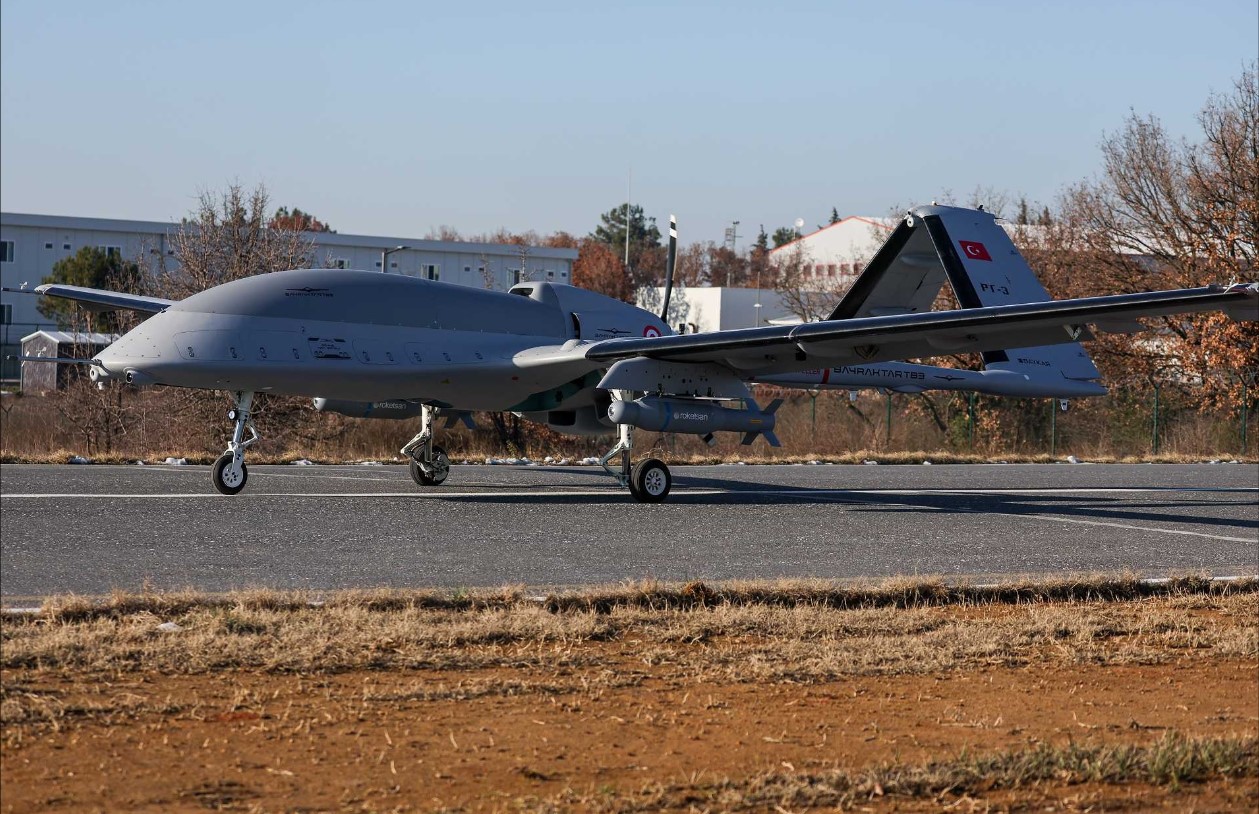
World
The Bayraktar TB3 Unmanned Combat Aerial Vehicle (UCAV) has marked a groundbreaking milestone in aviation with the successful integration and testing of advanced munitions. Building on its historic achievements in carrier-based operations, this state-of-the-art drone cements Türkiye’s position as a leader in cutting-edge aerospace technology. A Landmark Achievement in Munitions Integration On January 20, 2025, the Bayraktar TB3 carried out its first munitions test flight at the Baykar Flight Training and Test Center in Keşan, Edirne. Armed with Roketsan’s MAM-T precision-guided munitions and equipped with Aselsan’s ASELFLIR-500 electro-optical system, the drone demonstrated exceptional precision in striking its target. This milestone highlights its readiness to function as a fully armed UCAV capable of executing complex military operations with unmatched accuracy. Pioneering Carrier-Based Operations The Bayraktar TB3 had already made waves on November 19, 2024, when it became the first drone in the world to successfully take off and land on a short-runway vessel, the TCG Anadolu. Equipped with a 12-degree ramp, the TCG Anadolu facilitated a historic 46-minute flight over the Aegean and Mediterranean Seas. The TB3’s ability to complete the mission without requiring landing support equipment set an international benchmark for drone technology. Subsequent sea trials near Çanakkale further solidified its capability to operate in maritime environments. Impressive Performance Metrics The Bayraktar TB3’s development timeline is marked by extraordinary achievements, including its ability to cruise at an average altitude of 20,000 feet during trials. On June 25, 2024, the drone surpassed expectations by reaching a flight altitude of 36,310 feet during its High-Altitude System Performance Test. This milestone came shortly after Baykar’s Bayraktar AKINCI UCAV set a national record with a flight altitude of 45,118 feet, showcasing Türkiye’s rapid advancements in aerospace engineering. With over 887 flight hours logged, the TB3 has demonstrated remarkable endurance, including a long-range test on December 20, 2023. During this mission, the drone flew for 32 consecutive hours, covering an impressive distance of 5,700 kilometers, underscoring its reliability for extended operations. Specifications The Bayraktar TB3 stands out with its innovative features: Engine: Powered by the TEI PD-170, the drone boasts exceptional high-altitude performance and efficiency. Payload: Capable of carrying various precision-guided munitions, including MAM-T, MAM-L, and MAM-C, enhancing its versatility in combat scenarios. Electro-Optical System: The Aselsan ASELFLIR-500 enhances reconnaissance, surveillance, and targeting capabilities, ensuring precision and real-time intelligence. Design: Its foldable wings allow for easy storage and deployment from short-runway vessels, a critical feature for maritime operations. Communication: Equipped with beyond-line-of-sight (BLOS) communication, it can operate effectively from remote and challenging locations. Endurance: With a 24-hour operational endurance and a maximum takeoff weight of 1,450 kilograms, the TB3 is built for long missions. Strategic Implications and Future Potential The Bayraktar TB3 is more than just a technological marvel; it represents a strategic asset for Türkiye’s defense. Its ability to perform reconnaissance, surveillance, and precision-strike missions makes it a versatile tool for modern warfare. The drone’s compatibility with maritime platforms like the TCG Anadolu extends its operational reach, offering a significant advantage in overseas deployments and maritime security. As global demand for advanced drones grows, the Bayraktar TB3 positions Türkiye as a key player in the international defense market. With its proven capabilities and continuous innovation, the TB3 is set to shape the future of unmanned aerial systems. Conclusion The Bayraktar TB3’s latest achievements in munitions integration and carrier-based operations underscore its transformative potential in military aviation. From its advanced technology to its record-breaking performance, the TB3 exemplifies the future of unmanned combat systems, paving the way for Türkiye to remain at the forefront of aerospace innovation.
Read More → Posted on 2025-01-21 09:36:57
World
In a swift and controversial move, former U.S. President Donald Trump reinstated Cuba on the list of state sponsors of terrorism, overturning a decision by President Joe Biden to remove the island nation from the blacklist just days earlier. This dramatic reversal, announced by the White House hours after Trump’s inauguration, has drawn sharp criticism from Cuban leadership and sparked renewed debate about U.S.-Cuba relations. The decision to re-designate Cuba as a state sponsor of terrorism has far-reaching consequences, as it severely restricts foreign investment and imposes economic sanctions that further isolate the nation. Biden’s original decision to remove Cuba from the list had come as part of a negotiated agreement to release 553 prisoners, many of whom were arrested during mass protests in 2021. Following through on its promise, Cuba released the prisoners, including prominent opposition leader Daniel Ferrer. However, Trump’s abrupt policy reversal left Cuban officials and international observers questioning the future of U.S.-Cuba diplomacy. Political Fallout and Cuban Reaction Cuban President Miguel Díaz-Canel expressed outrage over Trump’s move, labeling it as an act of "arrogance and disregard for the truth." In a statement on social media, Díaz-Canel accused the U.S. administration of escalating an “economic war” aimed at undermining Cuba’s sovereignty. His comments reflect longstanding grievances over U.S. policies that have subjected Cuba to decades of sanctions. The decision also sparked broader criticism of U.S. foreign policy, particularly the practice of using economic pressure as a tool for political leverage. Analysts suggest that this move could have significant ramifications for Cuba’s economy, which has already been battered by ongoing sanctions and the global economic downturn. The Role of Secretary of State Marco Rubio Trump’s reinstatement of Cuba on the terror list coincided with the confirmation of Marco Rubio as Secretary of State. A Cuban-American and vocal critic of the communist regime, Rubio strongly supported the designation. During his confirmation hearing, Rubio cited multiple reasons for Cuba’s inclusion on the list, including its alleged support for militant groups like the ELN in Colombia, the FARC, Hamas, and Hezbollah. He also highlighted Cuba’s history of hosting espionage operations on behalf of foreign governments, just 90 miles from U.S. shores. Rubio’s hardline stance underscores a broader shift in U.S. policy toward Cuba, reversing the reconciliation efforts championed by former President Barack Obama. Under Obama, relations between the two countries had thawed, leading to the removal of Cuba from the terror list in 2015 and the reopening of embassies in Washington and Havana. Historical Context and Broader Implications The U.S. designation of Cuba as a state sponsor of terrorism has deep historical roots, dating back to the Cold War. The Trump administration’s decision in 2021 to initially re-add Cuba to the list cited its refusal to extradite ELN members to Colombia and its alleged support for terrorist organizations. Although Colombia’s new president, Gustavo Petro, has taken a more conciliatory approach toward the ELN, recent conflicts between the group and the Colombian government have reignited tensions, adding complexity to U.S. considerations. Only three other countries—Iran, North Korea, and Syria—are currently designated as state sponsors of terrorism. The inclusion of Cuba on this list not only isolates the nation further but also signals a significant departure from Biden’s strategy of engagement and diplomacy. Critics argue that the move risks deepening Cuba’s economic struggles without offering tangible benefits to U.S. security. Looking Ahead The reinstatement of Cuba on the terror list highlights the deep ideological divide in U.S. foreign policy approaches. While proponents of the move argue it is necessary to hold Cuba accountable for its alleged actions, detractors warn that it could exacerbate humanitarian issues and hinder any future diplomatic progress. As the U.S. grapples with shifting geopolitical realities, the implications of this decision will likely reverberate for years to come. This development underscores the fragile nature of U.S.-Cuba relations and raises questions about the role of sanctions in achieving foreign policy goals. Whether this approach will succeed in pressuring Cuba remains uncertain, but it undoubtedly cements Trump’s hardline legacy on the issue.
Read More → Posted on 2025-01-21 08:31:12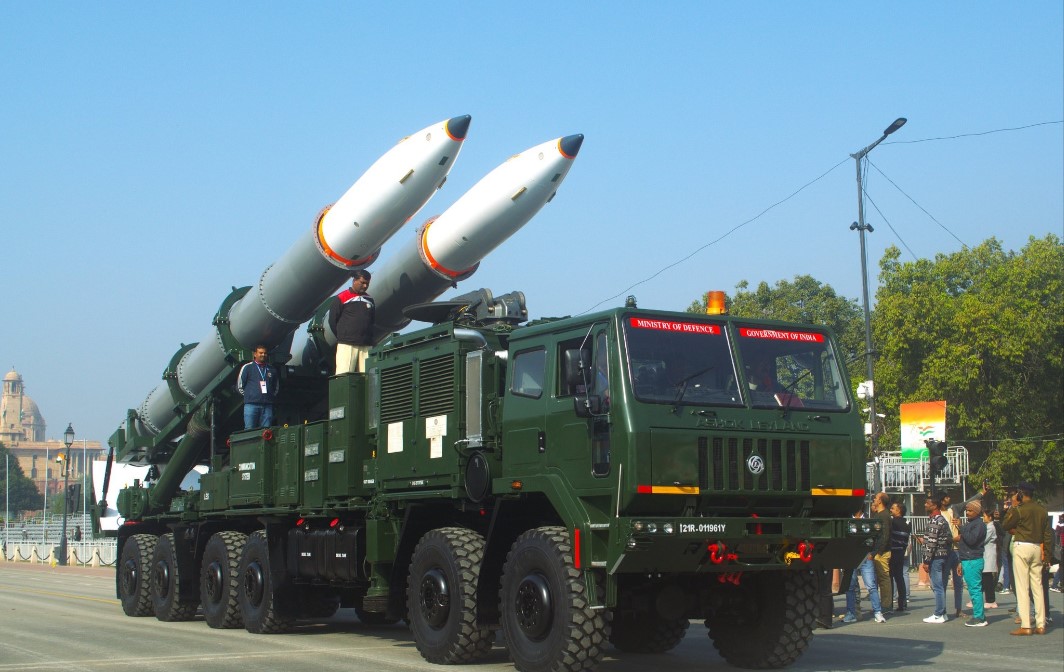
India
In a historic showcase of India's burgeoning defense capabilities, the Republic Day Parade on January 26, 2025, introduced the Twin Launcher for the Pralay ballistic missiles. This first-ever public appearance of the launcher underscored India’s progress in indigenous missile technology, spearheaded by the Defence Research and Development Organisation (DRDO), and marked a pivotal step toward enhancing the country’s tactical and strategic edge. Pralay Missile: A Tactical Powerhouse The Pralay missile is a tactical, surface-to-surface, short-range ballistic missile designed for both conventional and nuclear roles. It boasts a range of 150 to 500 kilometers and features advanced guidance systems, making it highly precise. The missile operates on a solid-propellant system, which enhances its reliability and readiness. Equipped with advanced navigation, including inertial guidance systems supported by satellite updates, Pralay can deliver a payload of up to 1,000 kilograms, capable of destroying critical targets like command centers, logistical hubs, and fortified enemy positions. The missile’s warhead options include high-explosive fragmentation, penetration warheads, and strategic nuclear payloads, offering versatility for diverse mission profiles. Pralay’s mobility and operational readiness make it a formidable addition to the Indian Army's inventory, particularly for deployment in sensitive regions near the country’s borders with Pakistan and China. Twin Launcher Configuration: A Game-Changer The twin launcher system introduced at the parade is a leap forward in missile deployment technology. Designed for rapid and successive launches, the twin launcher enables the firing of two missiles in quick succession, targeting either the same or multiple targets. This feature significantly enhances India’s capability for saturation strikes or countering advanced missile defense systems. The launcher’s design emphasizes operational mobility, enabling it to navigate varied terrains, including challenging high-altitude zones. This capability ensures swift deployment during critical operations, providing a strategic advantage in hostile environments. The system’s compact and modular design reduces logistical challenges and enhances transportability, aligning with modern military requirements. Cost-Effective and Efficient Operations Using a single platform to launch multiple missiles offers considerable cost efficiency. The twin launcher’s configuration reduces the need for additional launch platforms, thereby optimizing resources and manpower. Such advancements reflect India’s focus on achieving technological and operational efficiency in its defense mechanisms, bolstered by the government’s ‘Make in India’ initiative. Strategic Implications and National Pride The inclusion of the twin launcher at the Republic Day Parade served not only as a display of technological prowess but also as a strategic message. The Pralay missile system reinforces India’s deterrence capabilities, signaling to adversaries that the nation is prepared to counter threats effectively. The twin launcher’s ability to perform dynamic strikes enhances India’s readiness to safeguard its sovereignty in an increasingly complex geopolitical landscape. Defense analysts have highlighted the twin launcher’s potential to act as a force multiplier, particularly in scenarios requiring rapid response and precision strikes. Its design and deployment capabilities make it a crucial asset for countering enemy advancements, especially in volatile regions. Strengthening Self-Reliance in Defense Manufacturing The unveiling of the twin launcher for the Pralay missile also exemplifies India’s commitment to achieving self-reliance in defense manufacturing. Developed under DRDO’s stewardship, the system embodies the success of indigenous research and development efforts, reducing dependency on foreign technology. The ‘Make in India’ initiative has catalyzed advancements in defense technology, allowing India to emerge as a global player in the defense sector. A Message to the World As thousands watched the parade in person and millions more tuned in across the globe, the debut of the Pralay missile twin launcher symbolized not just a technological achievement but a statement of India’s evolving defense posture. The system’s advanced capabilities and indigenous roots reflect the country’s determination to secure its borders and project strength in an increasingly competitive international arena. The Republic Day Parade continues to serve as a platform for showcasing India’s defense advancements, instilling pride among citizens while reaffirming the nation’s commitment to protecting its sovereignty. With innovations like the Pralay twin launcher, India is steadily moving toward a future where its defense capabilities are defined by efficiency, precision, and indigenous excellence.
Read More → Posted on 2025-01-21 08:25:14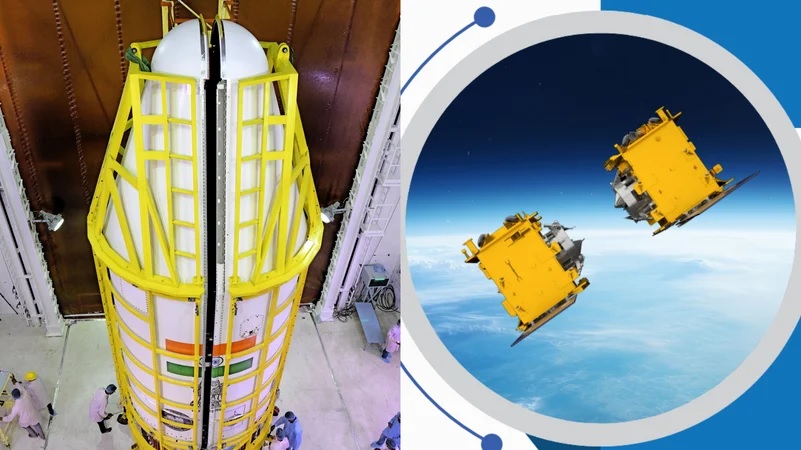
Space & Technology
The Indian Space Research Organisation (ISRO) achieved a significant milestone on January 16, 2025, by successfully docking two indigenous satellites, SDX01 (Chaser) and SDX02 (Target), under the Space Docking Experiment (SpaDeX) mission. This accomplishment positioned India as the fourth nation, following the United States, Russia, and China, to demonstrate in-space docking capabilities. Post-docking, the mission plan included an undocking procedure anticipated to occur by the morning of January 21, 2025. However, as of 1:46 PM IST on January 21, this operation has not been executed. ISRO is likely conducting thorough analyses of the data and assessing power requirements to ensure a safe and successful undocking process. The initial docking, conducted on January 16, involved precise maneuvers to bring the two satellites together, followed by successful retraction and stabilization. This event marked a critical step forward in India's space capabilities, enabling future missions involving satellite servicing, space station operations, and complex interplanetary endeavors. Prior to the successful docking, the mission experienced postponements. Originally scheduled for January 7, the docking was deferred to January 9 to allow for additional ground simulations based on an identified abort scenario. Subsequently, on January 8, ISRO postponed the docking again due to unexpected excess drift between the satellites during a maneuver to reach a 225-meter separation. Despite these challenges, the docking was accomplished on January 16, showcasing ISRO's commitment to meticulous planning and execution. The undocking procedure is a critical component of the SpaDeX mission, testing the ability to safely separate docked satellites and paving the way for advancements in modular spacecraft design and on-orbit assembly. The delay in undocking suggests that ISRO is exercising caution, likely analyzing telemetry data and power systems to mitigate any potential risks. Additionally, the window for re-docking operations was projected to extend until January 20, 2025. With this date now passed, it remains to be seen how ISRO will adjust its mission timeline to accommodate further tests and objectives. The organization has not released an official statement regarding the undocking delay, but it is expected that comprehensive assessments are underway to determine the optimal course of action. The SpaDeX mission represents a significant leap in India's space exploration endeavors, demonstrating capabilities essential for future projects such as the construction of the Bharatiya Antariksh Station and potential interplanetary sample return missions. The current focus on data analysis and system readiness underscores ISRO's dedication to ensuring mission success and safety. Further updates from ISRO are anticipated, providing clarity on the revised schedule for the undocking procedure and subsequent mission milestones.
Read More → Posted on 2025-01-21 08:22:56
India
In an unexpected development, Islamist factions in Bangladesh, reportedly aligned with the Muhammad Yunus-led interim government, are calling for a comprehensive national security doctrine to fortify the country's military against potential threats from neighboring India. This push reflects the growing tensions among political factions and their discontent with policies attributed to the former Sheikh Hasina-led Awami League government. The demand for a new security doctrine surfaced prominently during a public forum where Mahmudur Rahman, editor of the Bangladeshi daily Amar Desh, voiced concerns about the current state of the army’s leadership. Rahman, a vocal critic of the Awami League, accused the party of weakening the military’s independence and fostering an environment allegedly guided by India’s interests. According to him, this undermines the country’s ability to act decisively in safeguarding national sovereignty. Calls for an Independent-Minded Military Leadership Rahman’s rhetoric underscores a broader Islamist agenda to establish an independent military leadership, free from what they perceive as undue Indian influence. The Islamists argue that fostering a leadership with an autonomous vision is critical to ensuring Bangladesh’s national security and geopolitical interests. This aligns with their longstanding narrative of opposing any form of political or military dependency on India, which has historically played a significant role in shaping Bangladesh’s post-1971 trajectory. Criticism of Awami League Policies The demands go beyond military reforms. Rahman has sharply criticized the Awami League for allegedly compromising national interests through agreements signed with India during Sheikh Hasina’s tenure. He has called for these agreements, signed since 2009, to be made public, suggesting they might have undermined Bangladesh’s strategic autonomy. This reflects a broader concern among Islamists and opposition factions about Bangladesh’s close ties with India under the Awami League. Targeting Awami League's Legacy The Islamists’ agenda appears to include erasing symbols of the Awami League's influence from Bangladesh’s national identity. Rahman has demanded a ban on the student wing of the Awami League, which he claims has been instrumental in supporting the party’s dominance. Additionally, he has called for renaming Bangabandhu Avenue in Dhaka—currently named after Sheikh Mujibur Rahman, the country’s founding leader and Sheikh Hasina’s father—after Shaheed Abrar, a university student who was murdered in 2019 and whose death sparked national outrage. Similarly, Rahman has proposed renaming the Jamuna Bridge, a major infrastructure project, after Shaheed Abu Sayeed, further signaling an effort to rewrite national symbols associated with the Awami League’s legacy. Opposition to Saima Wazed’s WHO Nomination Another key demand from the Islamists is the withdrawal of Saima Wazed’s nomination as regional director for the World Health Organization’s South-East Asia Region. Saima, Sheikh Hasina’s daughter, is seen as a prominent figure within the Awami League’s extended influence. Opponents argue that her nomination reflects dynastic politics and consolidates the party's clout on the international stage. Wider Implications for Bangladesh-India Relations The Islamists’ push for a new security doctrine and their broader political demands reflect a shift in Bangladesh’s internal discourse. While India has historically been a critical partner for Bangladesh in areas like trade, water-sharing, and counter-terrorism, Islamist factions perceive this relationship as imbalanced and detrimental to Bangladesh’s sovereignty. If such demands gain traction, they could strain Dhaka-Delhi relations, particularly if the interim government adopts policies aligning with the Islamists’ agenda. The call for a stronger, independent military could also reshape regional dynamics, potentially complicating India’s strategic interests in South Asia. Conclusion The demands made by Islamist factions signal an intensifying political battle in Bangladesh, with significant implications for the country’s internal stability and external relations. As the interim government navigates this turbulent phase, it remains to be seen how these demands will influence policy decisions and whether they will exacerbate divisions within Bangladesh’s political and military establishment. The outcome could redefine the nation's trajectory and its position in the South Asian geopolitical landscape.
Read More → Posted on 2025-01-21 08:11:06
World
Bangladesh's interim government has announced plans to equip its paramilitary Border Guard Bangladesh (BGB) with non-lethal sound grenades and tear gas canisters. This strategic move aims to enhance the BGB's ability to handle crowd control and prevent border-related incidents, aligning its operational capabilities with those of India's Border Security Force (BSF), which has already deployed similar equipment. Retired Lieutenant General M Jahangir Alam Chowdhury, the Home Affairs Adviser, disclosed the decision during a press briefing on Monday following a high-level law and order meeting attended by Social Welfare Adviser Sharmin Murshid and Chief Adviser Muhammad Yunus' special assistant Khuda Baksh. Chowdhury confirmed, “We have already approved the procurement of sound grenades and tear gas shells for BGB." India's Reaction and Border Stability When questioned about India's potential response to the decision, Chowdhury stated that there is no reason for New Delhi to view the move negatively. He clarified that this measure mirrors India's practices, as the BSF has effectively utilized non-lethal tools for managing border incidents. Emphasizing stability, he added that the shared 4,096-kilometer-long border with India is currently calm, and there are "no major problems" at the moment. Enhancing BGB's Capacity While the BGB is already equipped with lethal weaponry for critical situations, the introduction of sound grenades and tear gas reflects a shift toward equipping the force with tools that focus on non-lethal deterrence. Chowdhury highlighted the need for such measures to ensure swift, peaceful resolutions to potential disruptions along the border or within the country's interior. Understanding Sound Grenades and Tear Gas Sound grenades, also known as stun grenades or flashbangs, are designed to disorient individuals or crowds temporarily with intense flashes and loud noises, providing an opportunity to regain control in volatile situations. Tear gas, on the other hand, causes severe eye irritation, respiratory discomfort, and burning sensations, making it an effective tool for dispersing crowds during protests or unrest. Such tools are not new to border security operations. For instance, last week, BSF troops employed a stun grenade to thwart a smuggling attempt in North 24 Parganas district along the India-Bangladesh border. New Uniforms for Security Forces In addition to equipping BGB with non-lethal weapons, the Bangladeshi government has also introduced new uniforms for various security forces to enhance their professional image. Police personnel will now wear "iron-color" uniforms, while the elite Rapid Action Battalion (RAB) will adopt olive-green attire. The para-police force Ansar is set to transition to a "golden wheat" uniform. These changes reflect efforts to modernize and streamline the appearance of law enforcement and security forces. Context of the Bangladesh-India Border The Bangladesh-India border spans 4,096 kilometers, touching five Indian states—Assam, West Bengal, Mizoram, Meghalaya, and Tripura. This extensive border has historically been a hotspot for smuggling, illegal migration, and sporadic violence, necessitating robust security measures on both sides. Non-lethal weapons like sound grenades and tear gas will enable BGB to address these challenges more effectively without escalating tensions or causing unnecessary casualties. The decision to modernize BGB's equipment and upgrade the uniforms of security forces signals the interim government’s commitment to strengthening national security and law enforcement capabilities. It also showcases Bangladesh's intention to align its border management practices with global standards, ensuring peace and stability in a sensitive geopolitical region.
Read More → Posted on 2025-01-21 08:08:37
World
In a dramatic move shortly after resuming office, former U.S. President Donald Trump declared a national emergency at the U.S.-Mexico border, unveiling sweeping new immigration policies aimed at halting illegal entry and overhauling existing systems. The announcement came during a fiery press conference at the Oval Office, where Trump laid out his plans to deploy troops to the border, reinstate controversial policies from his previous term, and challenge constitutional provisions like birthright citizenship. Ending Birthright Citizenship Sparks Legal Firestorm One of the most contentious aspects of Trump’s announcement was his executive order seeking to revoke the constitutional right to birthright citizenship, which grants U.S. nationality to anyone born on American soil, except children of foreign diplomats. "That's a big one," Trump remarked, acknowledging the legal hurdles this policy is likely to face. Experts predict a fierce legal battle, as the 14th Amendment has long been interpreted to guarantee citizenship to anyone born in the U.S. Immigration advocates and constitutional scholars have already voiced strong opposition, highlighting that such a move would require more than an executive order to overturn what has been a bedrock principle of American identity for centuries. Troops at the Border and Policy Reinstatements As part of his crackdown, Trump announced the deployment of military personnel to the U.S.-Mexico border. During his inaugural speech, he referred to illegal immigration as a "disastrous invasion" and vowed to halt all illegal entries. "Millions and millions of criminal aliens will be returned to their home countries," he declared. Trump also reinstated the "Remain in Mexico" policy, which mandates that asylum seekers wait in Mexico while their claims are processed. Additionally, the administration announced the immediate termination of asylum appointments scheduled under policies implemented during Joe Biden’s presidency. A mobile app used for asylum applications, introduced under Biden, was reportedly taken offline, affecting thousands of migrants. Death Penalty for Non-Citizens In another controversial decision, Trump stated that his administration would pursue the death penalty for non-citizens who commit capital crimes, including murder. White House Deputy Press Secretary Anna Kelly emphasized that the measure was aimed at ensuring national security and public safety, describing it as a decisive step against violent criminals. "This is about protecting Americans and victims of heinous crimes," Kelly said. Chaos at the Border Trump’s hardline policies have already begun to create turmoil along the U.S.-Mexico border. Thousands of migrants, many of whom endured grueling journeys to seek refuge in the U.S., found themselves stranded as border policies abruptly shifted. Yaime Perez, a 27-year-old Cuban migrant, pleaded for leniency, saying, "Please let us in. After all the work we have put in to get here, allow us to better our lives." The reinstatement of strict border protocols has left many in despair, with advocates warning of a humanitarian crisis. Legal Challenges Loom Trump’s declaration of a national emergency and his efforts to curtail birthright citizenship are expected to face significant legal opposition. Aaron Reichlin-Melnick, a senior fellow at the American Immigration Council, pointed out that the 14th Amendment is "crystal clear" in granting citizenship to anyone born in the U.S., barring exceptions like foreign diplomats’ children. "We have had birthright citizenship for centuries, and a president cannot take it away with an executive order," Reichlin-Melnick emphasized, predicting immediate court challenges. A Return to Hardline Immigration This latest wave of policies marks a return to the hardline immigration stance that defined Trump’s first term, including the now-rescinded Title 42 policy. Originally introduced during the COVID-19 pandemic, Title 42 allowed authorities to expel migrants on public health grounds. Critics of Biden’s reversal of Trump-era policies argue that the changes led to a surge in migrants at the southern border, intensifying challenges for U.S. immigration authorities. With this renewed focus on immigration enforcement, Trump has reignited debates over border security, constitutional rights, and the moral dimensions of immigration policy. As legal battles and humanitarian concerns escalate, the nation braces for the profound implications of these sweeping changes.
Read More → Posted on 2025-01-21 08:05:31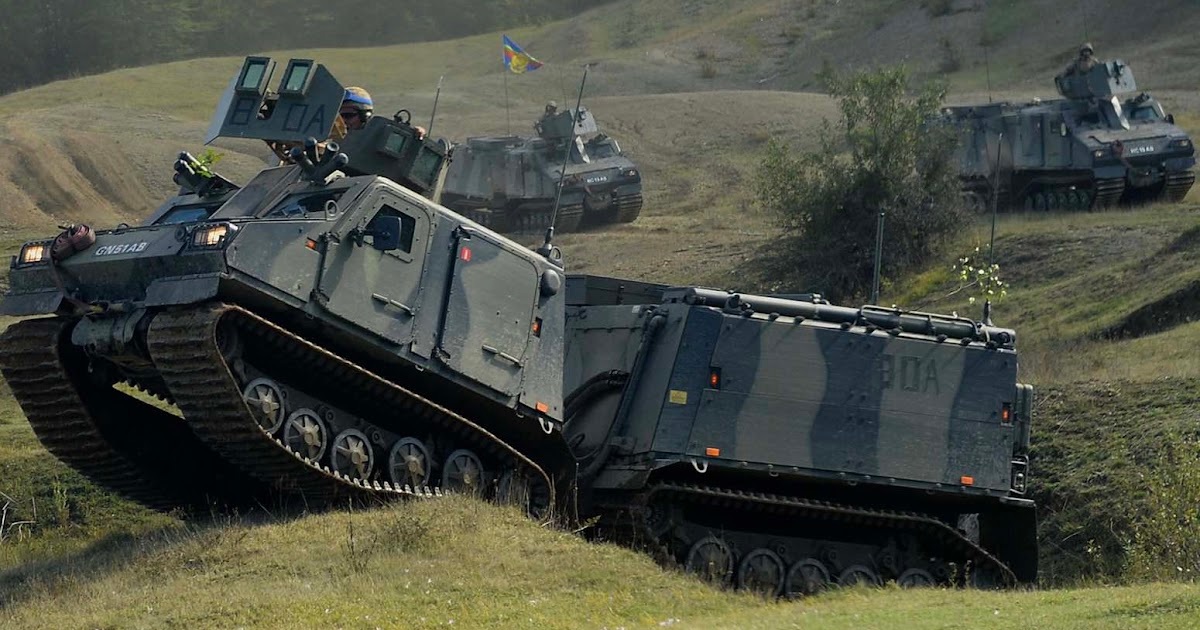
India
In a major leap forward for India’s defense mobility, Larsen & Toubro (L&T), in partnership with BAE Hägglunds, has introduced the BvS10 Beowulf, locally christened the BvS10 Sindhu, to the Indian Army. Designed as an articulated all-terrain vehicle (AATV), the Sindhu aims to redefine the Army's operational efficiency in some of the most treacherous and demanding environments in India. The BvS10 Sindhu has already completed rigorous trials in Ladakh, an area known for its extreme temperatures, rarefied air, and challenging topography. The vehicle’s performance in such unforgiving conditions underscores its potential to fill a critical mobility gap for the Indian Armed Forces, especially in high-altitude and remote border areas. A Versatile Vehicle for Diverse Indian Terrains The BvS10 Sindhu is a customized iteration of the globally acclaimed BvS10 Beowulf, fine-tuned to meet India’s unique operational needs. Here's why it stands out: 1. Unmatched Adaptability in Extreme Environments The Sindhu is designed to function in a wide variety of terrains, ranging from snow-covered mountains and desert sand to swampy wetlands and rocky landscapes. This adaptability makes it ideal for deployment in critical regions such as: The icy heights of Ladakh. The barren expanses of the Rann of Kutch. Coastal and riverine zones, where water bodies pose logistical challenges. 2. Modular Configurations for Multi-Mission Roles A key feature of the Sindhu is its modular design, enabling it to serve various operational purposes. The vehicle can be rapidly reconfigured to support missions such as: Troop transportation for frontline deployment. Command and control operations, allowing tactical units to stay connected. Medical evacuation (MEDEVAC) with an ambulance configuration for swift rescue missions. Logistics and supply transport for delivering ammunition, rations, and essential equipment in hard-to-reach areas. This modularity ensures the Sindhu is not just a vehicle but a versatile platform for all-weather, multi-role military operations. 3. High Mobility and Endurance One of the Sindhu’s standout features is its articulated chassis, which provides extraordinary maneuverability over rugged and uneven terrain. Its ability to ford water bodies and navigate steep inclines makes it indispensable for operations near rivers, lakes, and mountainous regions. The Sindhu’s high-powered engine, optimized for high-altitude performance, ensures seamless operations even in extreme weather conditions—whether it’s the freezing temperatures of the Himalayas or the scorching heat of the Thar Desert. 4. Advanced Protection and Survivability While exact details of the armor remain classified, the Sindhu is designed to offer robust protection against small arms fire and fragmentation, enhancing the safety of onboard personnel in hostile conditions. The crew’s survivability is further ensured by a rugged build that minimizes mechanical vulnerabilities during high-stress operations. Strategic Importance for the Indian Army The Indian Army’s growing focus on modernizing its logistical and tactical mobility assets aligns perfectly with the introduction of the Sindhu. Border regions like Ladakh, Arunachal Pradesh, and parts of Jammu & Kashmir demand specialized equipment capable of functioning in extreme altitudes, temperatures, and terrains. The Sindhu’s successful trials in Ladakh demonstrate its ability to handle such environments with ease, addressing challenges such as: The need for rapid troop mobilization in border conflict zones. Overcoming logistical bottlenecks caused by weather-related disruptions. Providing a tactical edge in areas where conventional vehicles fail to operate effectively. Additionally, its amphibious capabilities are a game-changer for India’s coastal defense and potential deployment during humanitarian assistance and disaster relief (HADR) missions. A Step Towards Self-Reliance The partnership between L&T and BAE Hägglunds for the BvS10 Sindhu underscores India’s commitment to bolstering its defense manufacturing capabilities under the Make in India initiative. L&T is expected to play a major role in producing the Sindhu locally, ensuring technology transfer and creating a skilled workforce for future projects. By manufacturing such advanced vehicles domestically, India can reduce its dependence on imports, cutting costs and ensuring faster delivery timelines. Potential Future Deployment The introduction of the BvS10 Sindhu could pave the way for its adoption across the Indian Armed Forces. Beyond the Army, specialized units like the Indo-Tibetan Border Police (ITBP), tasked with securing mountainous borders, and the National Disaster Response Force (NDRF) could benefit from the vehicle’s unique capabilities. Moreover, the Sindhu’s modular nature and rugged performance may also make it suitable for export to friendly nations facing similar mobility challenges in extreme terrains. Conclusion The BvS10 Sindhu represents a transformative solution for the Indian Army’s mobility challenges in extreme environments. Its ability to adapt to diverse terrains, perform multi-mission roles, and enhance crew survivability positions it as an indispensable asset for modern warfare and disaster response. As India strengthens its defense manufacturing ecosystem, the Sindhu serves as a shining example of the country’s growing technological and industrial capabilities in partnership with global leaders like BAE Hägglunds.
Read More → Posted on 2025-01-20 15:52:27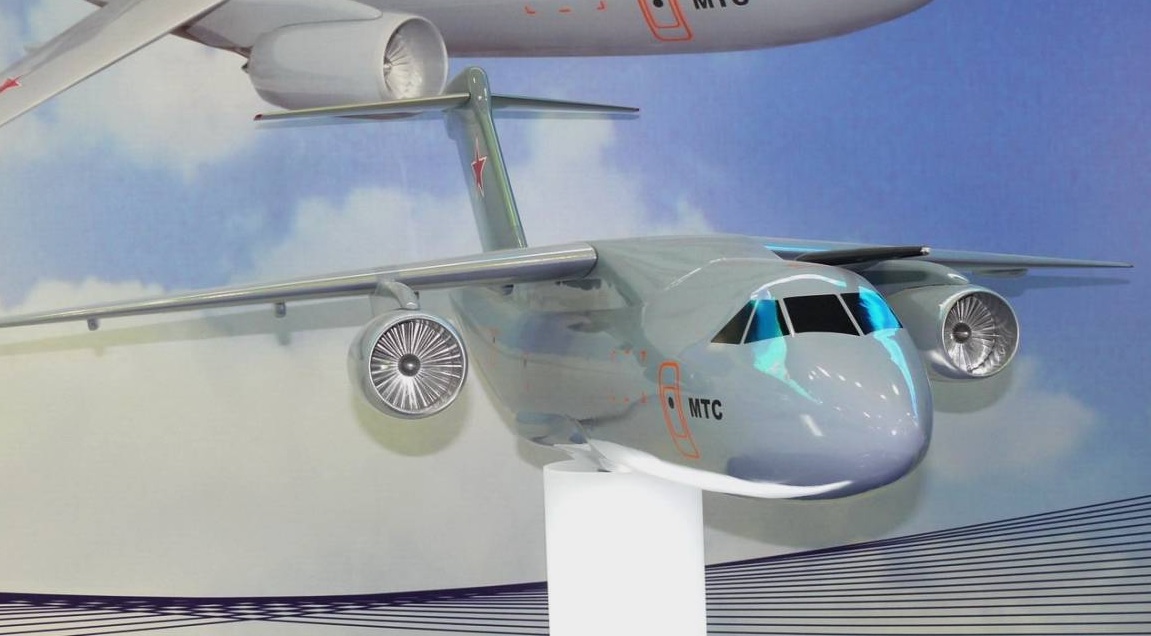
India
Russia is renewing its efforts to bring back to life the long-dormant Multirole Transport Aircraft (MTA) project with India, a venture originally designed to address the transport needs of both countries. This ambitious joint effort, first proposed in 2007, aimed to develop a state-of-the-art medium transport aircraft to replace India's aging fleet of Antonov An-32s while also meeting Russia's transport requirements. However, the project stalled in 2016 due to disagreements over engine specifications and management issues. The Original Vision of the MTA Project The MTA project was a collaboration between Russia’s United Aircraft Corporation (UAC) and India’s Hindustan Aeronautics Limited (HAL). It was intended to produce a twin-engine medium transport aircraft with a payload capacity of around 20 tons, offering both military and civilian variants. India had planned to procure 45 aircraft, and Russia expressed interest in acquiring about 100 units for its own use. The project was seen as a potential game-changer for India, as it promised a modernized transport fleet for the Indian Air Force (IAF), enhanced domestic aerospace manufacturing capabilities, and technology transfer from Russia. However, the ambitious plans unraveled as HAL withdrew from the project in 2016, citing irreconcilable differences over engine selection and the lack of a robust project framework. Russia’s New Proposal With the Indian Air Force currently seeking 60 new medium transport aircraft through a fresh tender, Russia sees a strategic opportunity to reintroduce the MTA program. In an effort to address past disagreements, Russia is now offering to equip the aircraft with engines featuring Full Authority Digital Engine Control (FADEC) systems. These advanced FADEC-enabled engines promise better fuel efficiency, reliability, and ease of operation—issues that were major sticking points in earlier negotiations. This concession marks a significant shift in Russia’s approach, as the absence of FADEC systems in their engines was a key factor in HAL’s departure from the project. However, even with this adjustment, challenges persist. India’s Preference for Western Engines The Indian Air Force remains cautious about adopting Russian engines, despite the inclusion of FADEC systems. Past experiences with Russian equipment have highlighted maintenance and operational difficulties, particularly when it comes to sourcing spare parts. This has led the IAF to favor Western or European engines, which are perceived to offer greater reliability and easier logistical support. For the Indian variant of the MTA, the IAF is advocating for engines that align with their operational standards and existing supply chains. Western engine manufacturers have a well-established reputation for offering better after-sales support, which translates into higher aircraft availability and lower lifecycle costs. Challenges Ahead Integrating Western engines into a Russian airframe poses a host of technical and contractual challenges. For instance, intellectual property concerns, technology transfer agreements, and compatibility issues between the airframe and engine systems will need to be carefully negotiated. Moreover, such integration could significantly increase development timelines and costs, making the aircraft less attractive to both partners. On the Russian side, the willingness to adapt their designs to accommodate Western engines signals their seriousness about reviving the project. However, the extent to which they are prepared to compromise remains uncertain. Strategic Implications The outcome of these negotiations will have broader implications for the India-Russia defence partnership. For decades, Russia has been a reliable supplier of military equipment to India, but in recent years, India has diversified its defence procurement, increasingly turning to Western countries. If the MTA project fails to materialize again, it could signal a further shift in India’s defence strategy, potentially affecting Russia’s role as a key supplier. On the other hand, successfully resolving the engine dispute and reviving the project could strengthen bilateral ties and pave the way for future collaborations. Alternatives for India Should the MTA program remain stalled, India is likely to pursue one of the Western contenders for its transport aircraft needs. Airbus’ C295, which is already being manufactured in India in partnership with Tata Advanced Systems, could be a strong candidate. The American C-130J Super Hercules and Embraer’s KC-390 from Brazil also remain viable options. Conclusion The renewed push by Russia to revive the Multirole Transport Aircraft project underscores the potential benefits of collaboration but also highlights the persistent challenges in joint development programs. While Russia’s willingness to incorporate FADEC technology is a step in the right direction, the IAF’s insistence on Western engines reflects a larger trend of India seeking more dependable and diverse defence partnerships. The success or failure of the MTA project will hinge on the ability of both nations to find common ground on critical issues like engine selection and technology integration. If successful, the program could usher in a new era of cooperation in aerospace manufacturing. However, failure to reconcile differences could further shift India’s defence procurement landscape toward Western alternatives.
Read More → Posted on 2025-01-20 15:05:31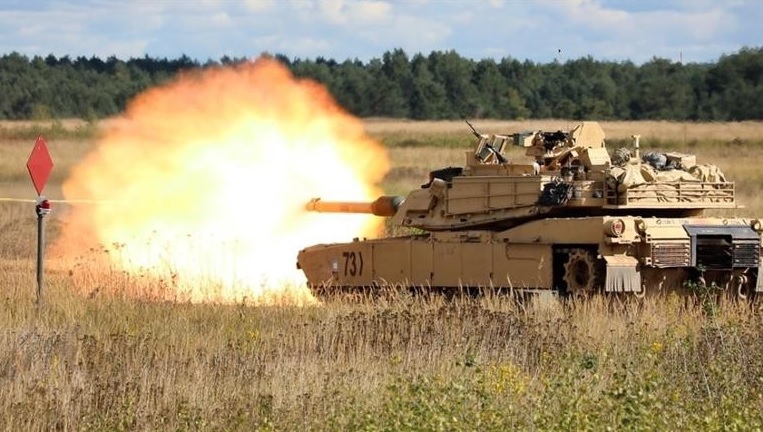
World
The U.S. Army has officially approved the M1147 120mm Advanced Multi-Purpose (AMP) round for full-rate production as of December 20, 2024. This significant milestone, announced by the Joint Program Executive Officer for Armaments & Ammunition (JPEO A&A), allows for the expansion of production beyond the initial low-rate phase, effectively addressing critical ammunition needs for both the Army and its international allies. Enhanced Capabilities for the M1 Abrams Tank The M1147 AMP round is designed to provide M1 Abrams tank crews with versatile capabilities by consolidating the functions of four legacy rounds into a single munition. This integration is achieved through a multi-mode programmable fuze, offering three operational settings: Point Detonate (PD): Immediate explosion upon impact, suitable for engaging standard targets. Point Detonate Delay (PDD): Delayed detonation post-impact, effective for penetrating structures or fortified positions. Airburst (AB): Detonation above or in front of targets, ideal for neutralizing infantry units, including Anti-Tank Guided Missile (ATGM) teams, in defilade positions. This advanced fuze technology enables tank crews to effectively counter a variety of threats, including ATGM teams, and to breach double-reinforced concrete walls, thereby enhancing battlefield versatility. Logistical Efficiency and Modernization By replacing four separate rounds—the M830 High Explosive Anti-Tank (HEAT), M830A1 Multi-Purpose Anti-Tank (MPAT), M1028 Canister, and M908 Obstacle Reduction rounds—the M1147 streamlines logistics and simplifies the Abrams tank's ammunition loadout. This consolidation not only reduces the logistical burden but also addresses issues related to aging ammunition stockpiles, ensuring that soldiers have access to reliable and modern munitions. Commitment to Readiness and Modernization The approval for full-rate production of the M1147 AMP round underscores the Army's dedication to maintaining readiness and advancing modernization efforts. By equipping soldiers and international partners with cutting-edge ammunition, the Army ensures that its forces maintain a decisive advantage on the battlefield, both now and in the future. In summary, the M1147 120mm Advanced Multi-Purpose round represents a significant leap forward in military ammunition technology, offering enhanced lethality, operational flexibility, and logistical efficiency for the M1 Abrams Main Battle Tank.
Read More → Posted on 2025-01-20 14:50:12
India
An Oxfam International report has unveiled staggering figures about the economic exploitation of India during British colonial rule. The report, titled Takers, Not Makers, sheds light on the systematic extraction of wealth that fueled inequality and entrenched global disparities, primarily benefiting the richest 10% in the UK. Released ahead of the World Economic Forum’s Annual Meeting, the report highlights the enduring impact of colonialism on present-day global economic structures. The USD 64.82 Trillion Extraction Between 1765 and 1900, the British Empire extracted a staggering USD 64.82 trillion from India, adjusted to today’s value. Of this, USD 33.8 trillion was funneled to the wealthiest 10% in the UK. To contextualize the scale, Oxfam notes that this amount could cover London’s surface area four times over in £50 notes. The wealth amassed by these elites laid the foundation for generational affluence, some of which can still be traced to colonial-era exploitation. The Multinational Legacy of Colonialism Oxfam’s report delves into how colonialism gave rise to modern multinational corporations. The British East India Company, a private corporation, symbolized the corporate exploitation of the era. With an army of 260,000 soldiers—twice the size of Britain’s standing army at the time—the Company exerted immense control over India, enabling land seizures, economic monopolies, and violent suppression of resistance. This set a precedent for contemporary multinational corporations that continue to exploit cheap labor and resources from the Global South. Workers in the Global South today often earn wages 87–95% lower than their counterparts in the Global North for jobs requiring similar skill levels. These disparities, perpetuated by supply chain monopolies, underline the systemic inequalities rooted in colonial practices. Industrial Decline and Exploitation The report highlights how Britain’s protectionist policies devastated India’s economy. In 1750, India accounted for 25% of global industrial output, but by 1900, this figure plummeted to a mere 2%. British-imposed tariffs crushed India’s thriving textile industry, redirecting wealth and opportunities to Britain. Ironically, World War I temporarily alleviated this suppression as disrupted trade patterns sparked industrial growth in some colonies, a trend that remains evident today. The Middle Class and Wealth Redistribution While the wealthiest 10% benefited most, Oxfam notes that colonialism also created a new middle class, which received 32% of the wealth extracted from India. This emergent class played a crucial role in perpetuating colonial structures, further entrenching economic disparities. Colonial Atrocities: Famines, Deaths, and Forced Labor Colonial policies caused widespread suffering. Between 1891 and 1920, an estimated 59 million excess deaths occurred in India due to famines, poverty, and systemic neglect. The Bengal Famine of 1943, which claimed three million lives, was exacerbated by British-imposed grain export restrictions during World War II. The exploitation extended beyond economics to human suffering. Over 3.7 million people from India, China, Africa, and other regions were transported as indentured laborers to work on colonial plantations, mines, and infrastructure projects. This forced labor system symbolized the dehumanizing practices of colonial powers. Cultural and Social Divisions Oxfam highlights how colonialism entrenched divisions in India, formalizing caste hierarchies and exploiting religious, gender, and linguistic differences. The British also acted as a "colonial drug pusher," promoting opium production in eastern India for export to China, leading to widespread addiction and the Opium Wars. The report also cites examples of biopiracy, such as the patenting of traditional Indian practices like neem extract use, showcasing how colonial exploitation extended to intellectual and cultural domains. Modern-Day Inequalities Oxfam draws parallels between historical colonialism and contemporary global inequalities. The report argues that institutions like the World Trade Organization (WTO) and the World Bank continue to favor the Global North, perpetuating economic disparities. For instance, during the COVID-19 pandemic, proposals from South Africa and India to waive intellectual property rights on vaccines were opposed by wealthy nations, reflecting the ongoing exploitation of the Global South. Privatization of public services is another legacy of colonialism. In India, the International Finance Corporation (IFC), a World Bank arm, has financed private hospitals that remain inaccessible to much of the population, further exacerbating health inequities. Colonialism’s Lasting Impact The report emphasizes that the inequality and poverty plaguing many Global South nations are direct consequences of colonialism. Military expenditures during colonial rule, which consumed nearly 75% of India’s budget, came at the expense of public works and agricultural development, worsening famines and economic stagnation. These patterns continue to shape the socio-economic realities of former colonies. A Call for Justice Oxfam’s report is a sobering reminder of the vast wealth extracted during colonial rule and its lasting consequences. By exposing the roots of global inequality, the report calls for a reimagining of economic systems to address historical injustices and ensure a fairer distribution of resources in the future. The legacy of colonialism is not just a historical issue—it is a systemic problem that continues to shape the modern world. Addressing this requires a collective effort to dismantle structures of exploitation and build a more equitable global economy.
Read More → Posted on 2025-01-20 14:44:48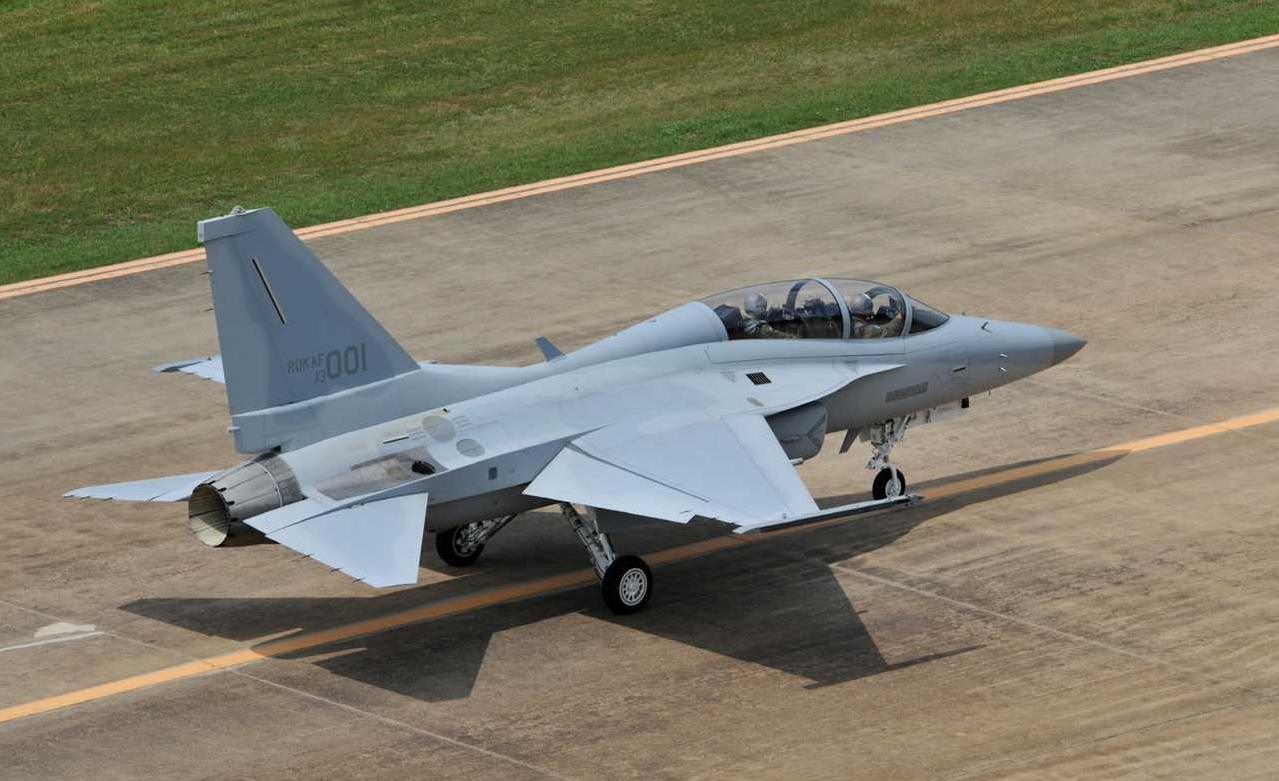
World
The Philippines is set to significantly bolster its air force capabilities with plans to acquire an additional 12 FA-50 Fighting Eagle supersonic combat aircraft from South Korea. This potential deal, valued at approximately 40 billion Philippine pesos ($683.7 million), would double the country’s current fleet of FA-50s, signaling a major step in its ongoing military modernization efforts. A Growing Partnership with South Korea The FA-50 jets, developed by Korea Aerospace Industries, first entered the Philippine Air Force (PAF) in the early 2010s. Since then, these versatile aircraft have proven their value, particularly during the 2017 conflict in Marawi City, Mindanao, where they played a key role in countering militants affiliated with the Islamic State. The initial procurement of 12 FA-50s cost the government 18.9 billion pesos ($323.1 million), offering a cost-effective yet powerful solution for the country’s defense needs. The new deal, currently under discussion between Manila and Seoul, underscores the deepening defense collaboration between the two nations. According to reports, the contract is expected to be finalized by mid-2025, with deliveries likely to follow soon after. The Role of the FA-50 The FA-50 Fighting Eagle is a supersonic light combat aircraft, offering a balance between affordability and capability. It boasts a 13-meter-long airframe and a 9-meter wingspan, equipped with advanced weaponry, including a 20-millimeter cannon, precision-guided bombs, and air-to-air and air-to-surface missiles. Powered by a General Electric turbofan engine, the aircraft can reach speeds of Mach 1.5 (1,852 kilometers/1,151 miles per hour), making it a formidable asset for both air defense and ground attack missions. Broader Modernization Efforts The planned expansion of the FA-50 fleet is just one aspect of the Philippines’ comprehensive defense modernization program. Alongside the new jets, the Philippine government is investing heavily in other military assets: Bell 412 EPX Helicopters: The Philippine Army is set to acquire these helicopters for emergency operations under a 1-billion peso ($17.1 million) investment. A-29 Super Tucano Expansion: The Philippine Air Force will double its fleet of A-29 light attack aircraft. A 6.5-billion peso ($111.1 million) contract has been signed, with deliveries expected following Embraer’s confirmation of the order. Naval Enhancements: The Philippine Navy is preparing for the arrival of two Miguel Malvar-class corvettes purchased from South Korea’s Hyundai Heavy Industries. These warships, part of a 28-billion peso ($478.8 million) deal, are expected to be delivered in early 2025. Cyber and Air Defense Upgrades: Efforts are underway to modernize the military’s cyber infrastructure and implement a ground-based air defense system, further strengthening the nation’s overall security. Strategic Implications The Philippines’ decision to enhance its air and naval capabilities reflects its strategic focus on addressing regional security challenges, particularly in the South China Sea. By doubling its fleet of FA-50s, Manila aims to not only improve its defensive posture but also ensure a robust deterrent against potential aggressors. Moreover, these acquisitions align with broader regional trends, as neighboring countries also ramp up military spending to counter evolving threats. For the Philippines, the partnership with South Korea and other international defense firms marks a significant shift toward modernizing its armed forces to meet 21st-century security demands. Conclusion The planned purchase of additional FA-50 jets and other defense upgrades signifies a new chapter in the Philippines’ military transformation. With advanced equipment and international collaboration, the country is positioning itself as a more capable and self-reliant regional power. These developments will not only enhance national security but also bolster the Philippines’ standing in the broader geopolitical landscape.
Read More → Posted on 2025-01-20 14:41:10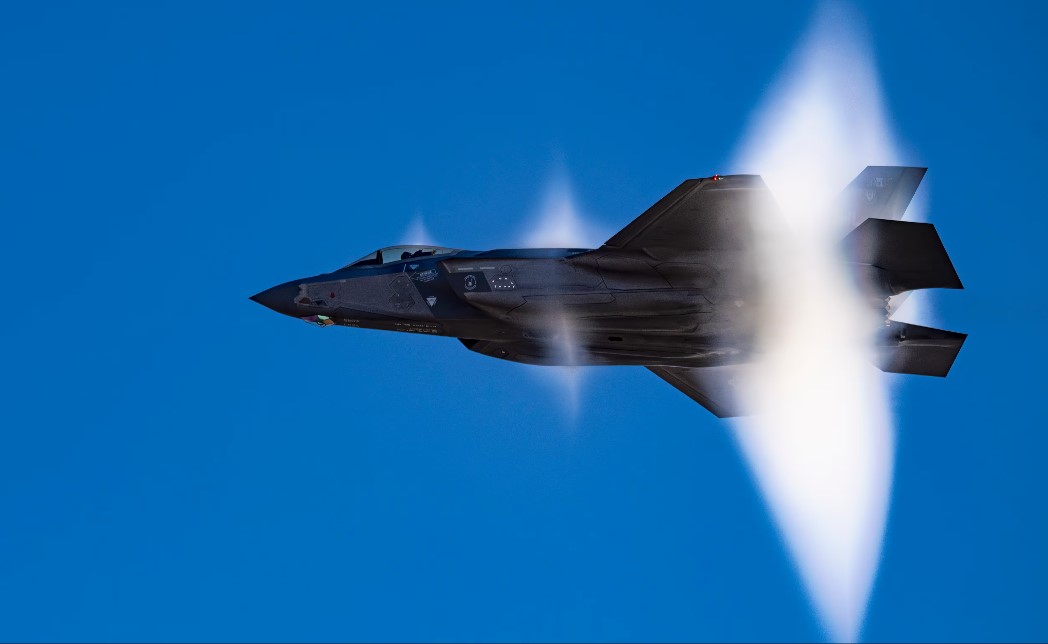
World
In his final week as Secretary of the Department of the Air Force, Frank Kendall unveiled an ambitious and forward-looking vision for the U.S. Air Force and Space Force at an event hosted by the Centre for Strategic and International Studies. His report, titled The Department of the Air Force in 2050, outlines the challenges, opportunities, and priorities that will shape the nation’s air and space defense strategy over the next 25 years. Navigating an Uncertain Future Kendall’s report emphasizes the unpredictability of technological and geopolitical developments through mid-century, but he firmly identifies China as the most significant strategic competitor to the United States. This competition, he notes, will be defined by both conventional military challenges and an enduring nuclear threat. The report underscores the importance of sustained modernization in response to evolving threats. Kendall pointed out that while the Air Force will continue to serve as a cornerstone of U.S. military power projection, achieving this goal will require expanded resources, new technologies, and a sharper focus on operational efficiency. Space as a Critical Battleground One of Kendall’s most prominent themes is the growing importance of space as a decisive operational domain. He emphasized the need to significantly strengthen the Space Force, particularly its counter-space capabilities, to combat the advancements of adversaries in space-based military systems. These systems, increasingly sophisticated, are seen as direct threats to U.S. forces. Kendall also highlighted the strategic value of space for both defense and offense, calling for improved resilience in U.S. satellite networks and enhanced capabilities to detect, deter, and neutralize potential threats in orbit. Accelerating Technological Innovation Modernization under Kendall’s tenure has focused heavily on integrating cutting-edge technologies like artificial intelligence (AI) and unmanned systems into military operations. His report proposes scaling up Collaborative Combat Aircraft (CCA), unmanned systems designed to operate alongside manned aircraft, enhancing their operational flexibility and effectiveness. AI, in particular, is envisioned as a transformative tool in future warfare. Kendall described a future where decision-making must occur at “machine speed,” enabling rapid, precise responses to threats. He called for investments in automation, long-range precision strike capabilities, and advanced data systems to ensure U.S. forces maintain their technological edge. A Renewed Nuclear Deterrence Strategy With global nuclear security becoming more complex, Kendall’s report stresses the necessity of maintaining a credible nuclear deterrent. He expressed concerns over the proliferation of nuclear weapons and the growing risks posed by tactical nuclear strategies, which could lower the threshold for nuclear conflict. The modernization of U.S. nuclear capabilities, including delivery systems and command-and-control infrastructure, remains a priority to deter adversaries and ensure strategic stability. Balancing Resources and Strategic Goals Acknowledging the perennial challenge of budget constraints, Kendall urged future leaders to avoid simplistic cost-cutting measures and instead pursue reforms rooted in a deep understanding of defense priorities. Efficiency, he argued, should not come at the expense of operational readiness or long-term capabilities. His vision encourages a strategic approach to resource allocation, emphasizing the importance of aligning investments with emerging threats and opportunities in both the air and space domains. Two Diverging Futures Kendall concluded with a sobering reflection on the potential trajectories for the Air Force and Space Force. The first path envisions a future shaped by successful adaptation to challenges, leveraging technological advancements, and securing the necessary resources to remain competitive. The second path, however, foresees limitations imposed by insufficient funding and strategic missteps, potentially leaving the United States vulnerable to adversaries. His report serves as both a blueprint and a warning, urging current and future leaders to prioritize adaptability, innovation, and resilience in navigating the complexities of global security by 2050. This vision represents a call to action for policymakers, military leaders, and industry stakeholders, emphasizing that maintaining U.S. superiority in air and space domains will require unwavering commitment, foresight, and collaboration.
Read More → Posted on 2025-01-20 08:04:37
Space & Technology
In a significant step toward another milestone in India's space program, the core liquid stage (L110) of the LVM3 launch vehicle was officially flagged off on January 17, 2025. The event took place in the presence of Secretary of the Department of Space (DOS) and Chairman of ISRO, along with the Directors of Vikram Sarabhai Space Centre (VSSC), Satish Dhawan Space Centre (SDSC-SHAR), and ISRO Propulsion Complex (IPRC). The stage is now en route to the launch complex at Sriharikota for integration into its upcoming mission. This marks the 10th L110 liquid stage successfully integrated at the ISRO Propulsion Complex in Mahendragiri. The L110 stage is a critical component of ISRO’s LVM3 (Launch Vehicle Mark-3), India’s most powerful rocket, often referred to as its "heavy-lift" vehicle. It is designed to handle the heaviest payloads and is a cornerstone for India's ambitions in commercial satellite launches and interplanetary missions. Key Features of the L110 Liquid Stage The L110 stage is powered by two indigenously developed Vikas engines, which have been a workhorse of ISRO's liquid propulsion technology. The stage uses 110 tonnes of hypergolic propellants — unsymmetrical dimethylhydrazine (UDMH) as fuel and nitrogen tetroxide (N2O4) as the oxidizer. This powerful combination generates the necessary thrust to lift the LVM3 and its payloads into space. Originally designed and developed by the Liquid Propulsion Systems Centre (LPSC), the L110 stage plays a pivotal role during the initial phase of flight, ensuring a smooth transition to the cryogenic stage for orbit insertion. A Commercial Milestone: The AST & Science Partnership This particular mission involving the L110 stage is part of a commercial agreement between NewSpace India Limited (NSIL), the commercial arm of ISRO, and AST & Science, LLC. The mission will deploy AST & Science's BlueBird Block 2 satellite into orbit. The collaboration highlights ISRO's growing role in the global commercial space industry, leveraging its reliable and cost-effective launch capabilities to attract international customers. AST & Science’s BlueBird Block 2 satellite is a part of a larger constellation aimed at delivering low-latency broadband communication services across the globe. The satellite's deployment using the LVM3 rocket not only demonstrates the capability of India's launch vehicles but also reinforces its standing as a preferred launch partner for commercial satellite operators. LVM3: India’s Heavy-Lift Workhorse The LVM3, previously known as the GSLV Mk-III, has earned its reputation as ISRO’s flagship rocket. It can carry payloads of up to 4 tonnes to Geostationary Transfer Orbit (GTO) and up to 10 tonnes to Low Earth Orbit (LEO). Its reliability and performance have made it a key vehicle for both national missions, such as Chandrayaan-2, and commercial launches. The LVM3 consists of three stages: S200 Solid Rocket Boosters: These provide the initial thrust during liftoff. L110 Liquid Stage: Powered by twin Vikas engines, this core stage takes over after the boosters separate. C25 Cryogenic Upper Stage: The final stage, fueled by liquid hydrogen and liquid oxygen, places payloads into their designated orbit. ISRO’s Growing Commercial Success The commercial agreement for this mission underscores ISRO's expanding role in the global space economy. NSIL, which oversees ISRO's commercial activities, has been instrumental in marketing India's space capabilities to international clients. The deployment of AST & Science’s satellite using the LVM3 demonstrates the confidence global players have in ISRO’s technology and expertise. This mission adds to the growing list of achievements for LVM3, which has previously launched multiple satellites under commercial contracts, including successful missions for OneWeb and other international clients. With this flag-off, ISRO is poised to further cement its position as a reliable, affordable, and cutting-edge player in the competitive commercial launch market. The Road Ahead As the L110 liquid stage makes its way to Sriharikota, preparations for the mission will ramp up at the SDSC-SHAR launch complex. The integration of the L110 stage with other components of the LVM3 rocket will be closely monitored to ensure a flawless mission. This mission serves as a reminder of ISRO’s commitment to advancing indigenous technology while actively contributing to global space initiatives. The successful completion of this launch will not only add another feather to ISRO’s cap but also strengthen its reputation as a preferred partner for commercial space ventures worldwide.
Read More → Posted on 2025-01-20 08:01:28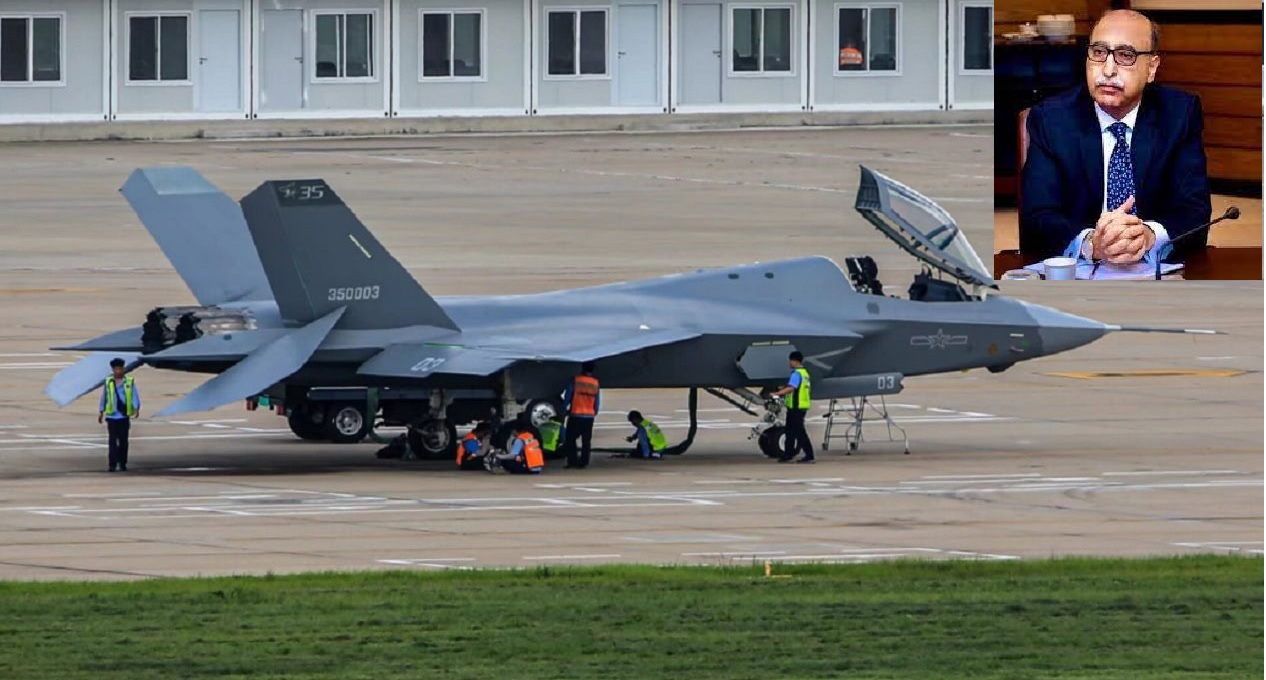
India
Abdul Basit, a former Pakistan High Commissioner to India, has sparked discussions across defense and strategic circles with his bold assertion that the Pakistan Air Force (PAF) will hold a significant technological advantage over the Indian Air Force (IAF) in the coming years. According to Basit, the induction of advanced fighter jets, such as the Chinese J-35A stealth aircraft and Turkey's TAI TF Kaan, will place the PAF 6-8 years ahead of the IAF in terms of aerial warfare capabilities. Strategic Edge Through Modernization Basit’s remarks underline the PAF's ongoing modernization drive, which he claims has already positioned it as a formidable force in the region. Despite the IAF’s numerical superiority, Basit argues that the qualitative edge currently lies with Pakistan due to its focus on acquiring state-of-the-art technology. He highlights that Pakistan’s strategic alliances with China and Turkey have enabled it to procure cutting-edge aircraft designed to rival the capabilities of adversaries in South Asia. The Game-Changing J-35 A focal point of Basit’s statements is the J-35A, a Chinese fifth-generation stealth fighter. Equipped with advanced avionics, long-range precision strike capabilities, and stealth technology, the J-35 is expected to revolutionize PAF operations. Basit describes it as a "game-changer," suggesting that the aircraft will enhance Pakistan’s ability to counter regional threats effectively, particularly from India. The J-35’s development is part of China’s broader ambition to create aircraft capable of rivaling the U.S. F-35, and Pakistan’s access to this technology underscores the strength of its partnership with Beijing. Once operational, the J-35 is anticipated to bolster Pakistan’s deterrence capabilities and improve its readiness for modern, high-intensity conflicts. The Role of Turkey’s TF Kaan Basit also highlighted Turkey's TAI TF Kaan, a next-generation fighter currently under development. With its advanced multi-role capabilities, including air superiority and ground attack missions, the TF Kaan is expected to complement the J-35 in diversifying and strengthening the PAF’s fleet. This collaboration with Turkey further underscores Pakistan’s strategy of diversifying its defense procurements to reduce reliance on any single source. India’s Fighter Development Lag In his remarks, Basit criticized what he sees as India’s slow pace in developing and deploying fifth-generation fighter jets. While the IAF has initiated programs like the Advanced Medium Combat Aircraft (AMCA), these projects are still years away from operational readiness. According to Basit, this delay gives Pakistan a strategic window to cement its aerial superiority. He argued that by the time India’s AMCA project becomes a reality, Pakistan would have already integrated and operationalized the J-35 and TF Kaan into its fleet. Broader Implications for South Asia The claims made by Basit come at a time when South Asia is witnessing an intensifying arms race, particularly in the air domain. If Pakistan succeeds in acquiring and integrating these advanced platforms as envisioned, it could shift the regional balance of power, leading to heightened tensions. India, for its part, continues to invest in indigenous defense production and partnerships with countries like France and the United States to counter these developments. However, Basit’s claims have drawn mixed reactions from defense experts. While some analysts agree that the J-35 and TF Kaan could give the PAF a temporary edge, others point out the challenges associated with operationalizing and maintaining such advanced platforms. Additionally, questions remain about the economic feasibility of these acquisitions for Pakistan, given its ongoing financial struggles. The Bigger Picture Abdul Basit’s statements reflect a broader narrative of competition and rivalry between India and Pakistan. Whether or not the PAF achieves the superiority he envisions, the introduction of advanced platforms like the J-35 and TF Kaan signifies Pakistan’s determination to modernize its air force and maintain strategic parity with India. As both nations continue to invest heavily in defense, the implications for peace and stability in the region remain uncertain.
Read More → Posted on 2025-01-20 07:57:06Search
Top Trending in 24 Hours
-
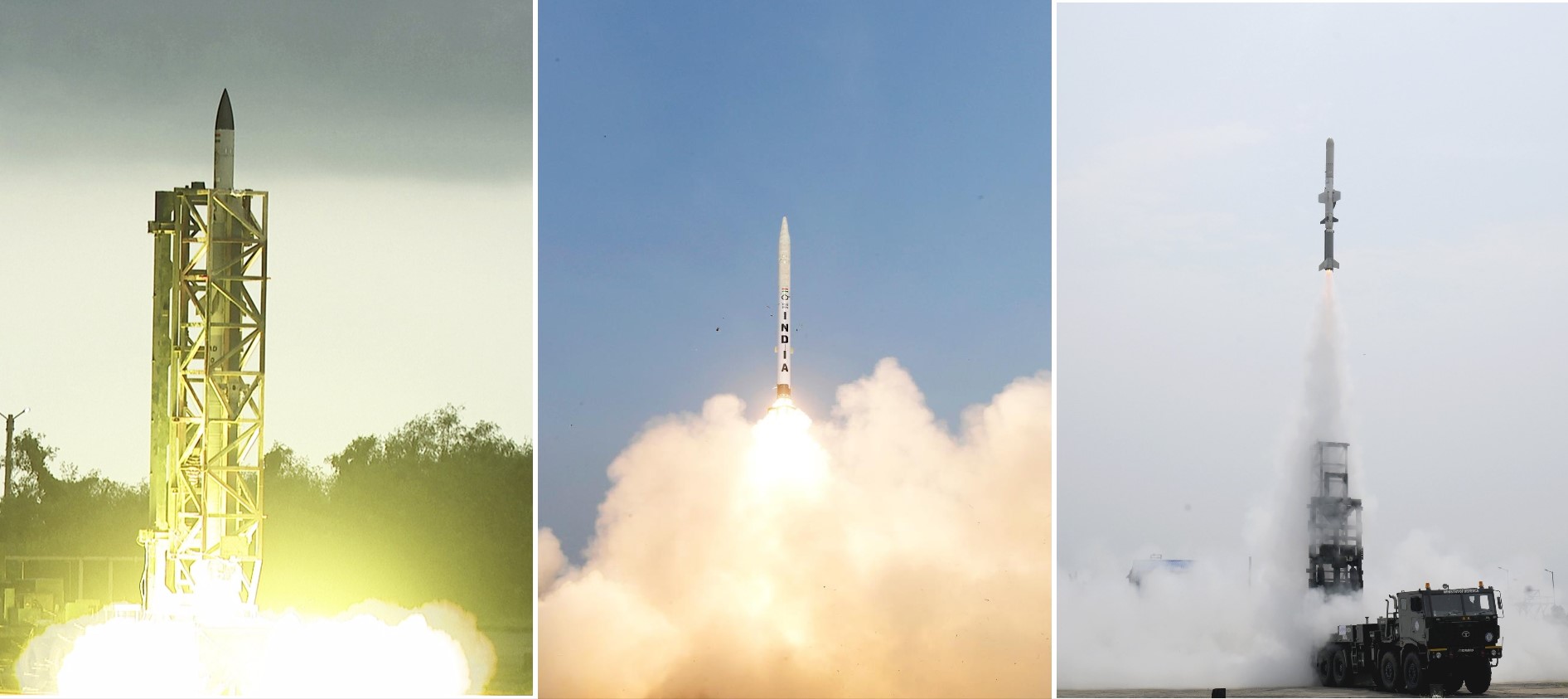 India Successfully Conducts AD-1, AD-2 Interceptor Tests and Maiden NASM-MR Flight Trial
-
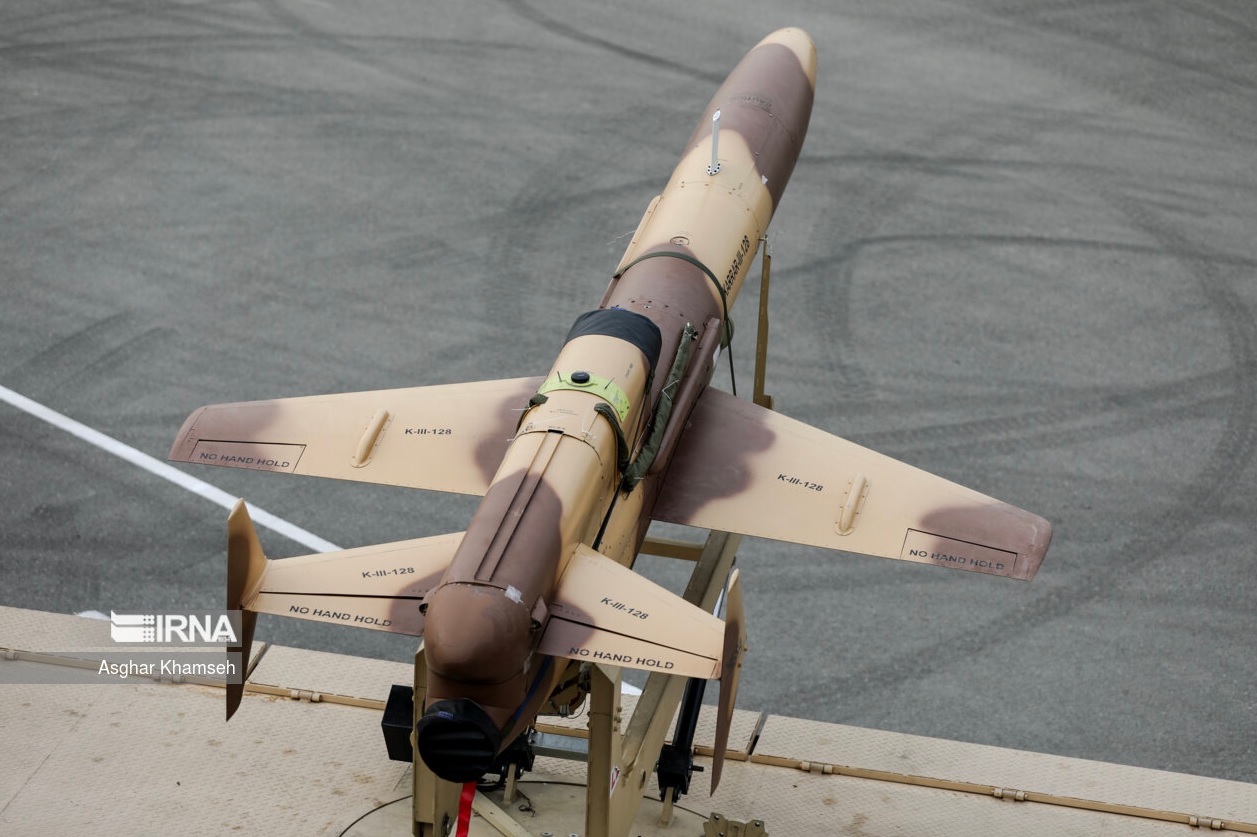 Russia Launches 1,400 Jet-Powered Drones in 2026 as Strike Tactics Evolve to Challenge Ukraine's Air Defenses
-
 U.S Navy Orders 50 Blackbeard Hypersonic Missiles in New $23.4 Million Contract
-
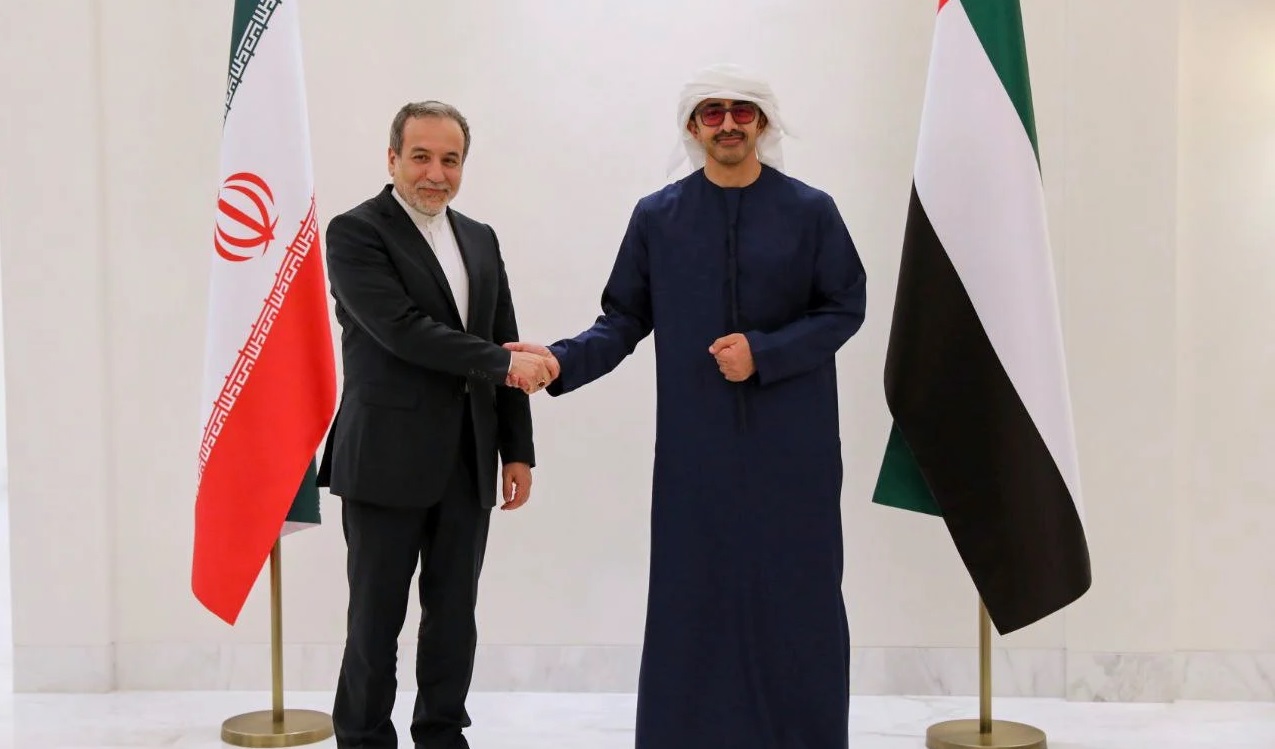 UAE Denies Reports of Releasing Up to $20 Billion in Funds to Iran Amid Regional De-Escalation Efforts
-
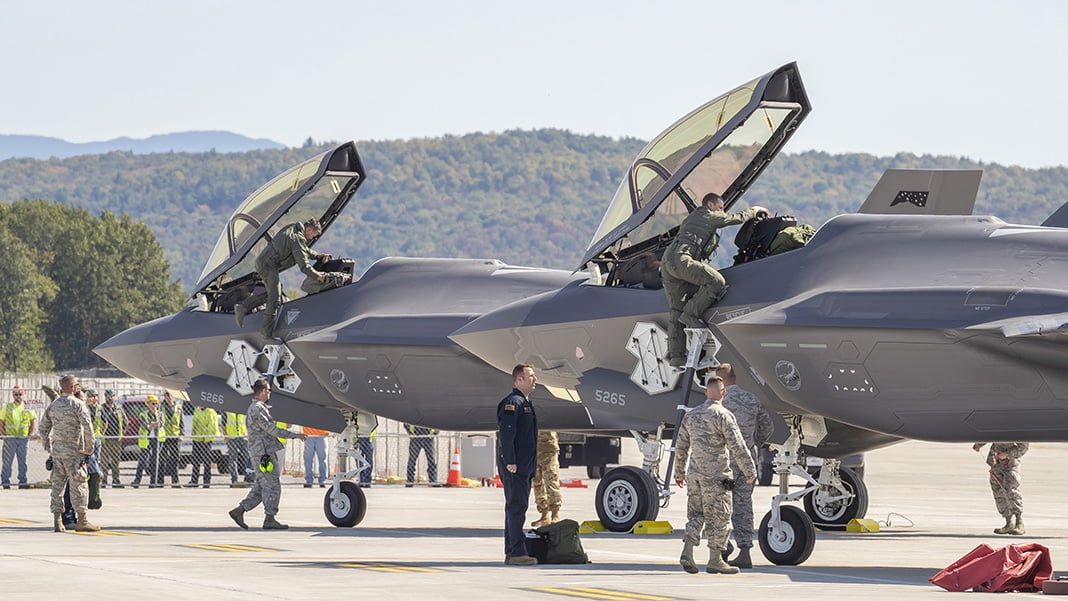 F-35 Fleet Readiness Falls to 25% Amid Parts Shortages and Software Delays: GAO Report
-
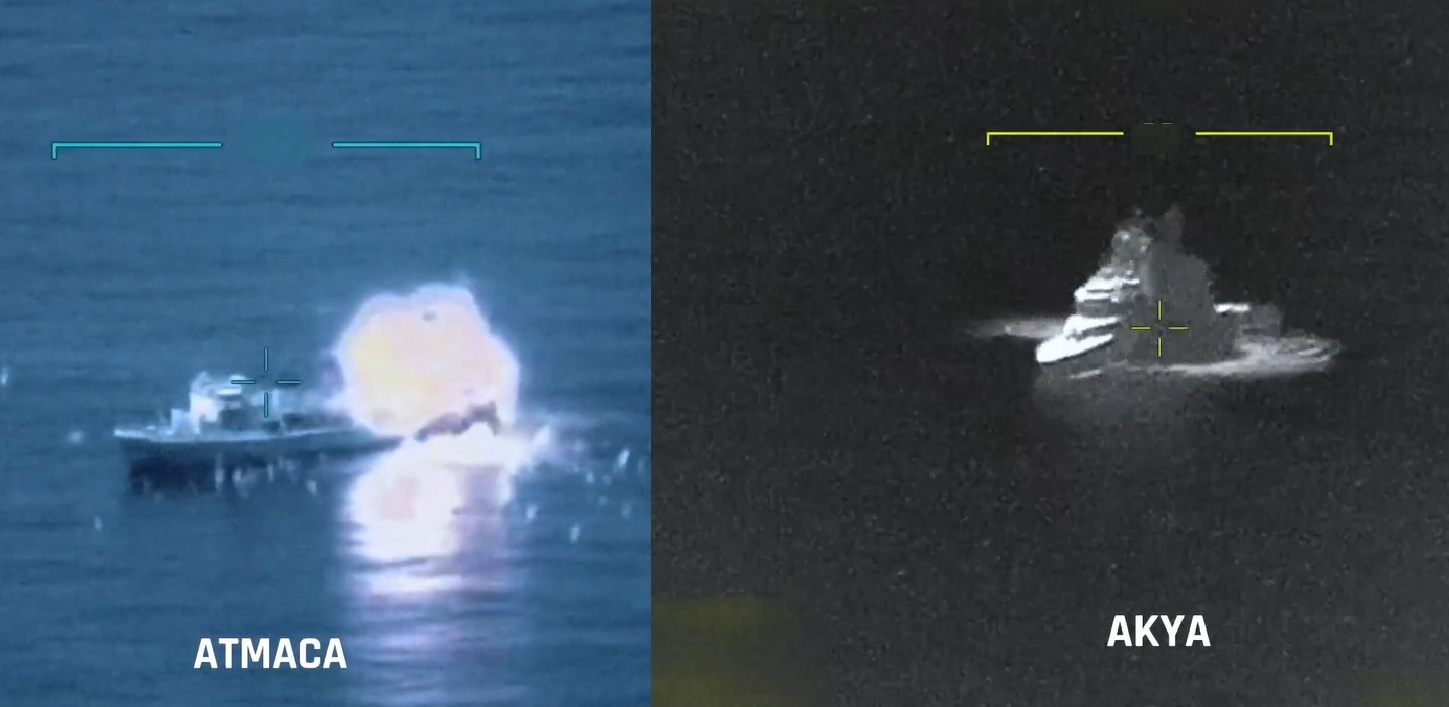 Turkey Navy Successfully Tests AKYA Torpedo and ATMACA Missile During Major Denizkurdu-II Naval Exercise
-
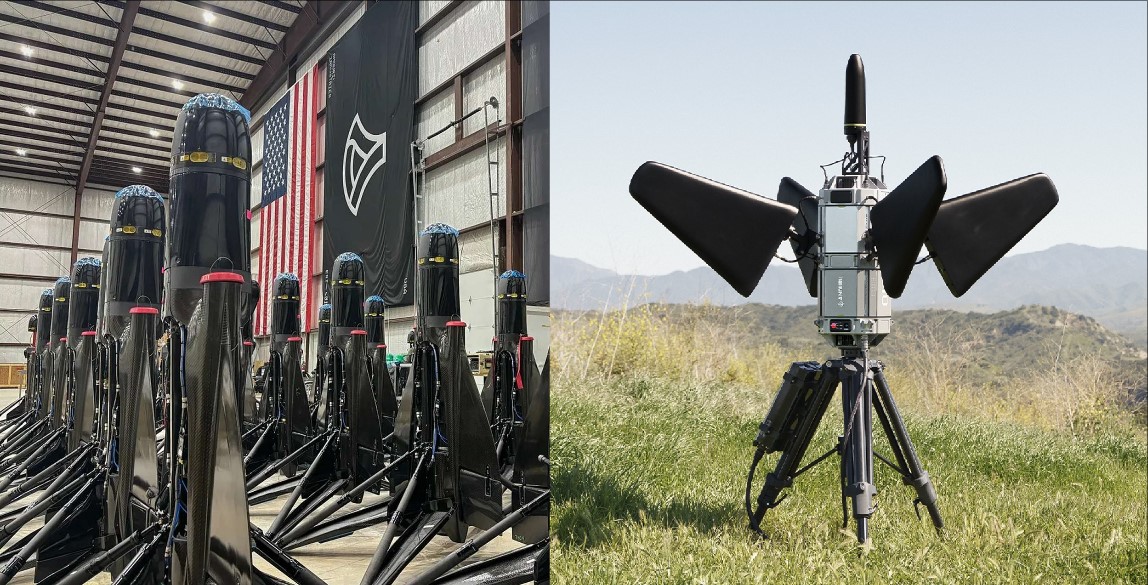 U.S. Approves $1.98 Billion Sale of Anduril AI-Powered Counter-Drone Systems to Kuwait
-
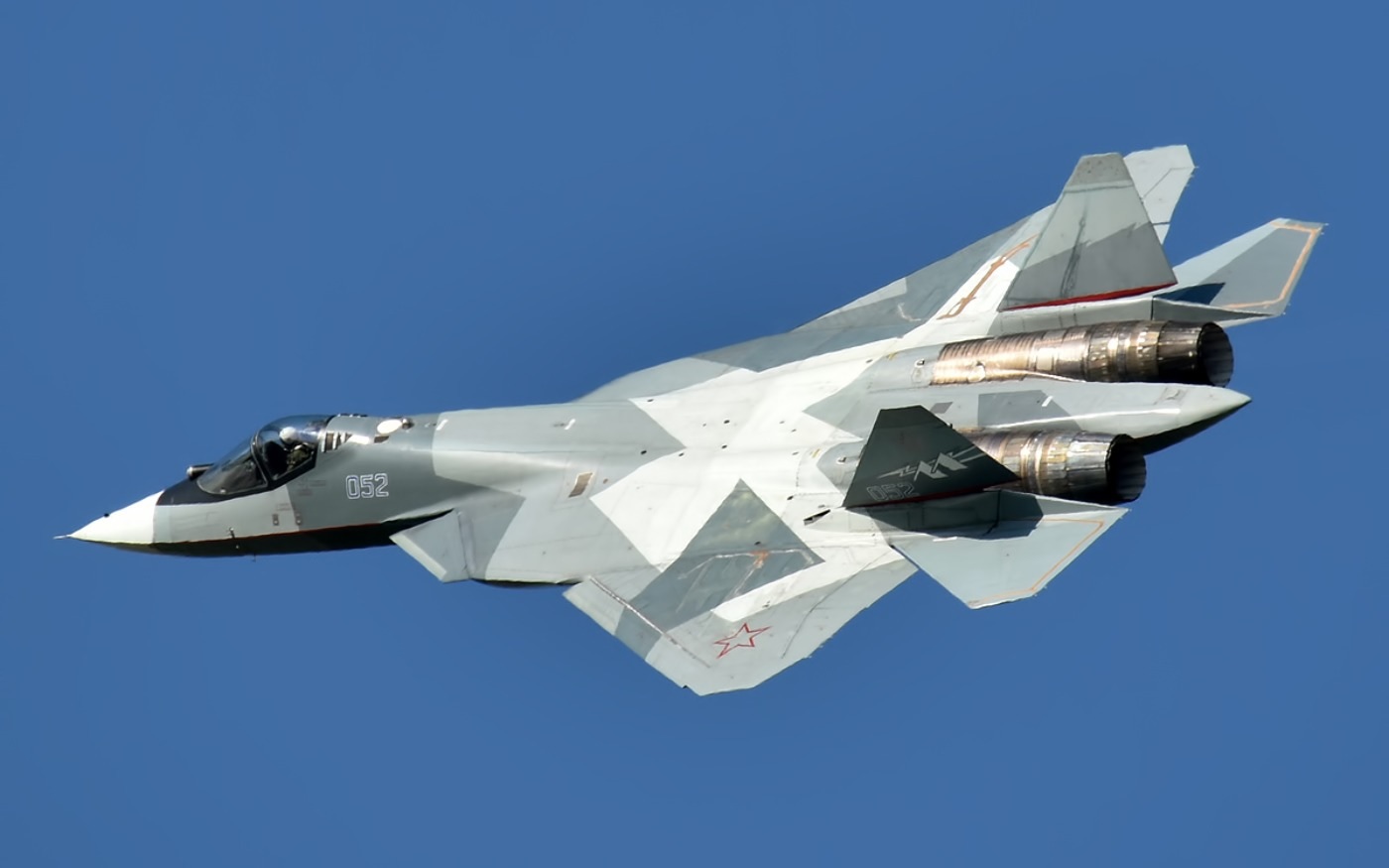 Russian Analysts Debate Su-57 Capabilities After Putin Calls Fighter Superior to F-35
Top Trending in 4 Days
-
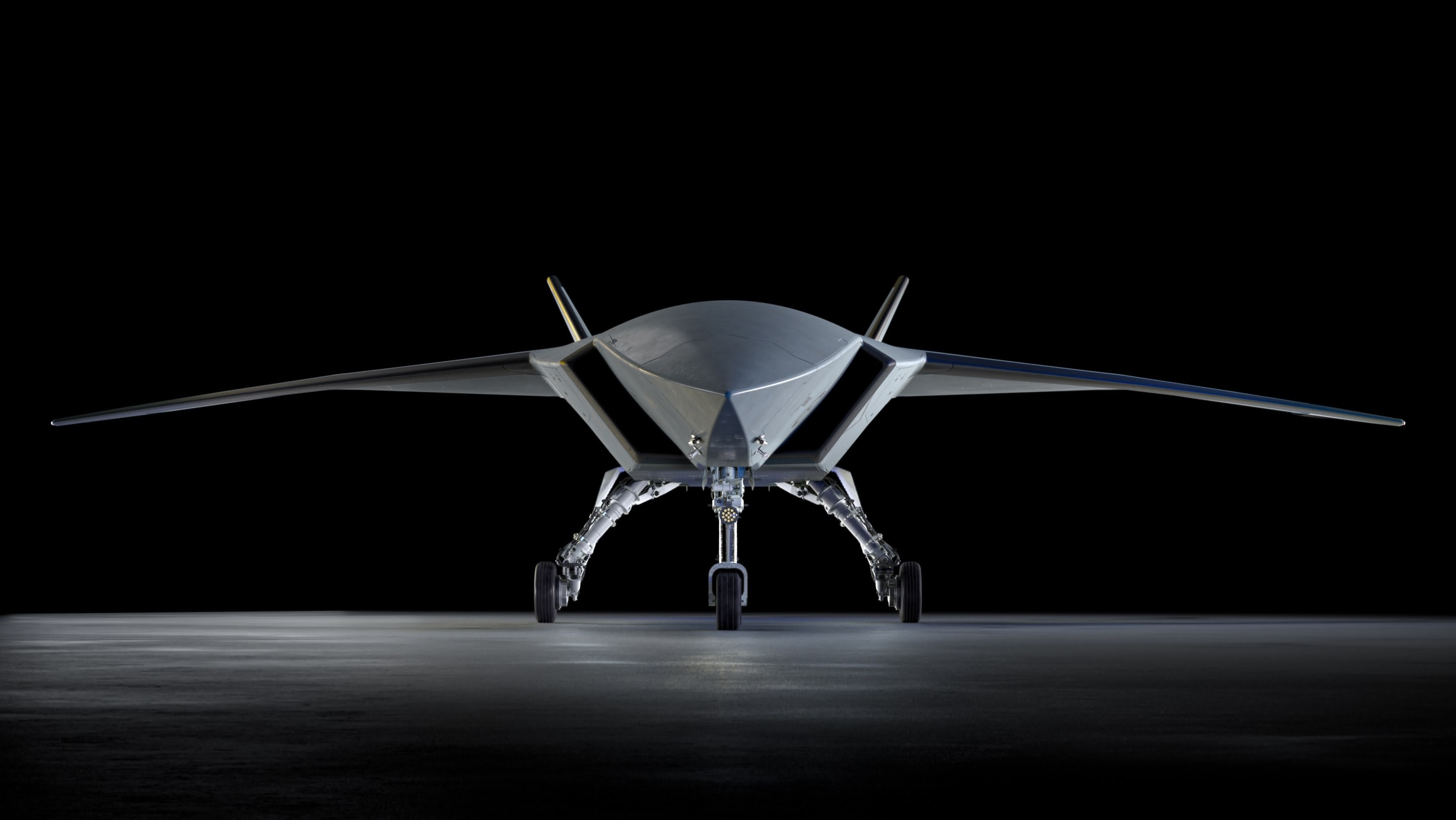 Boeing Introduces New MQ-28 Ghost Bat Upgrades with Increased Range, Payload and Weapons Capacity at ILA Berlin 2026
-
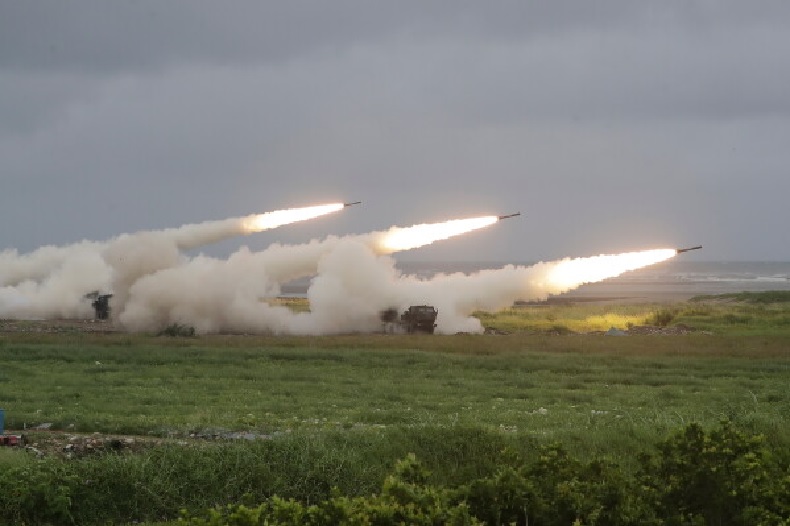 Taiwan Conducts First Live-Fire of HIMARS Rockets From West Coast During Invasion Defense Drill
-
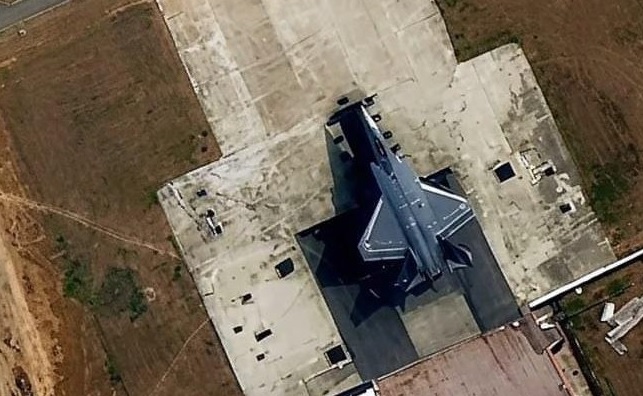 AMCA Airframe Spotted at DRDO’s ORANGE Facility for Radar Cross-Section Testing
-
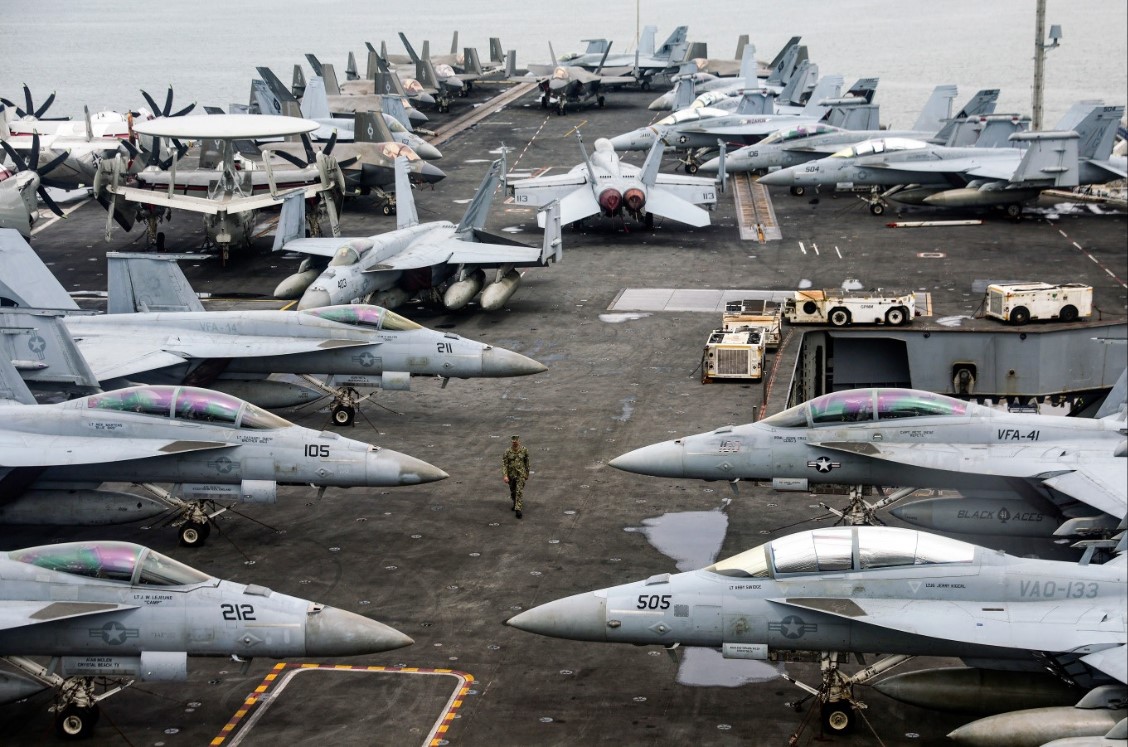 US Plans Significant Reduction of Fighter Jets and Warships for NATO Operations in Europe
-
 Iranian Media Leaks 14-Point U.S.-Iran Peace Framework Amid Ongoing Negotiations
-
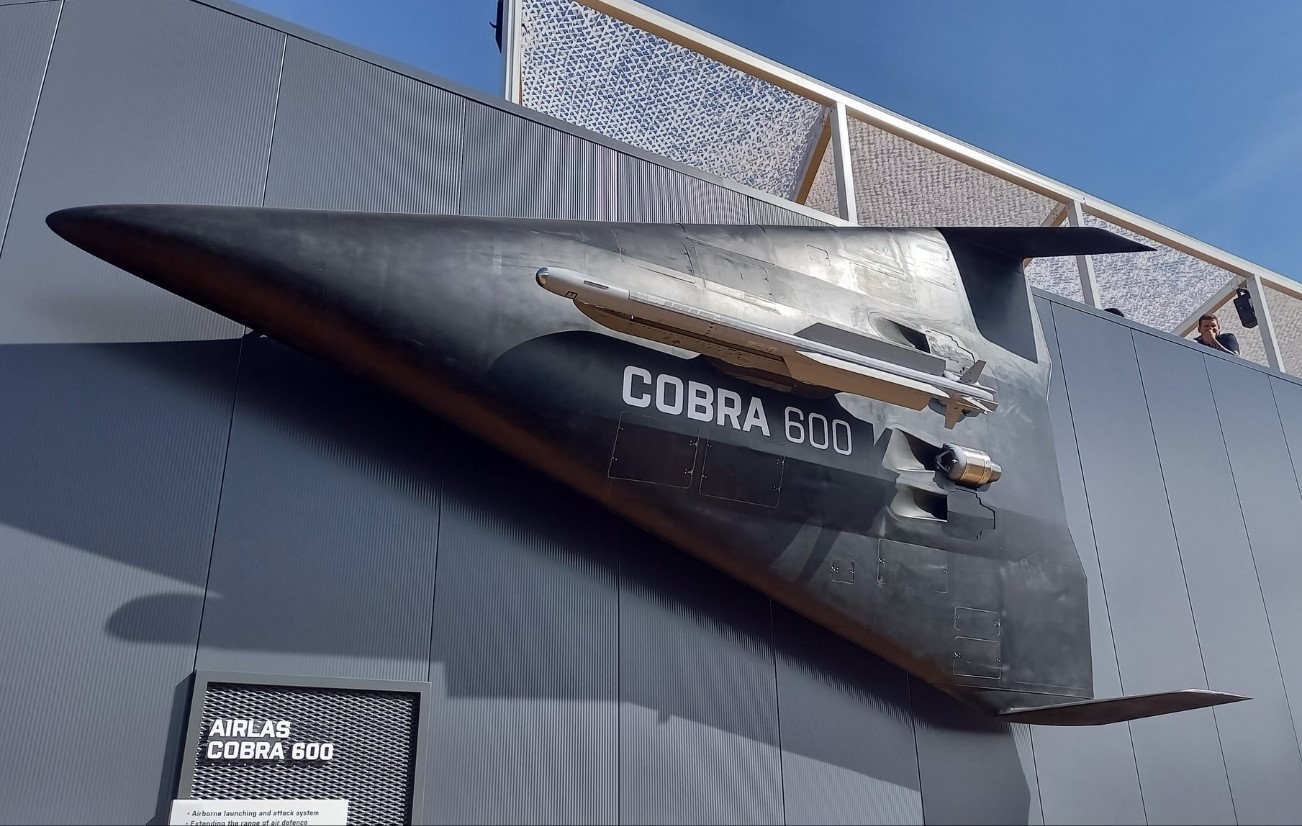 Diehl Defence Unveils IRIS-T Armed Cobra 600 Air Defense Drone at ILA Berlin 2026
-
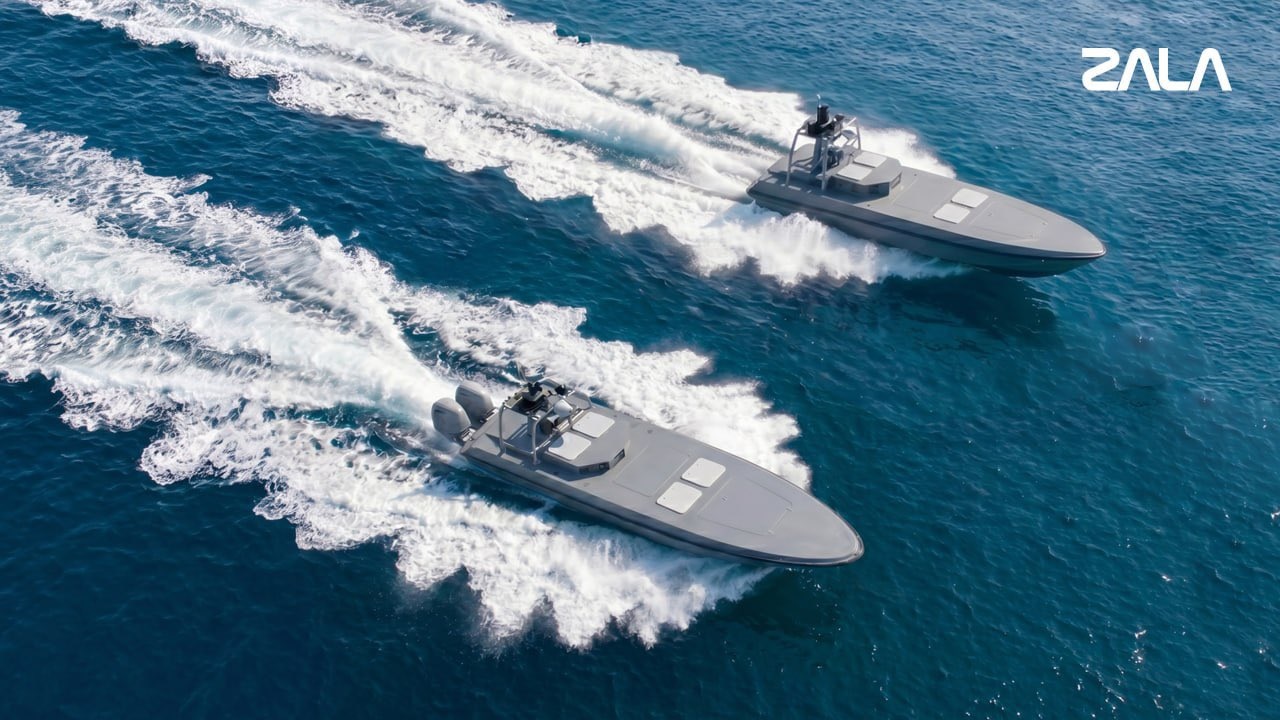 Russian Defense Firm ZALA Unveils KAMA Unmanned Surface Vessel Family at FLOT-2026 Naval Exhibition
-
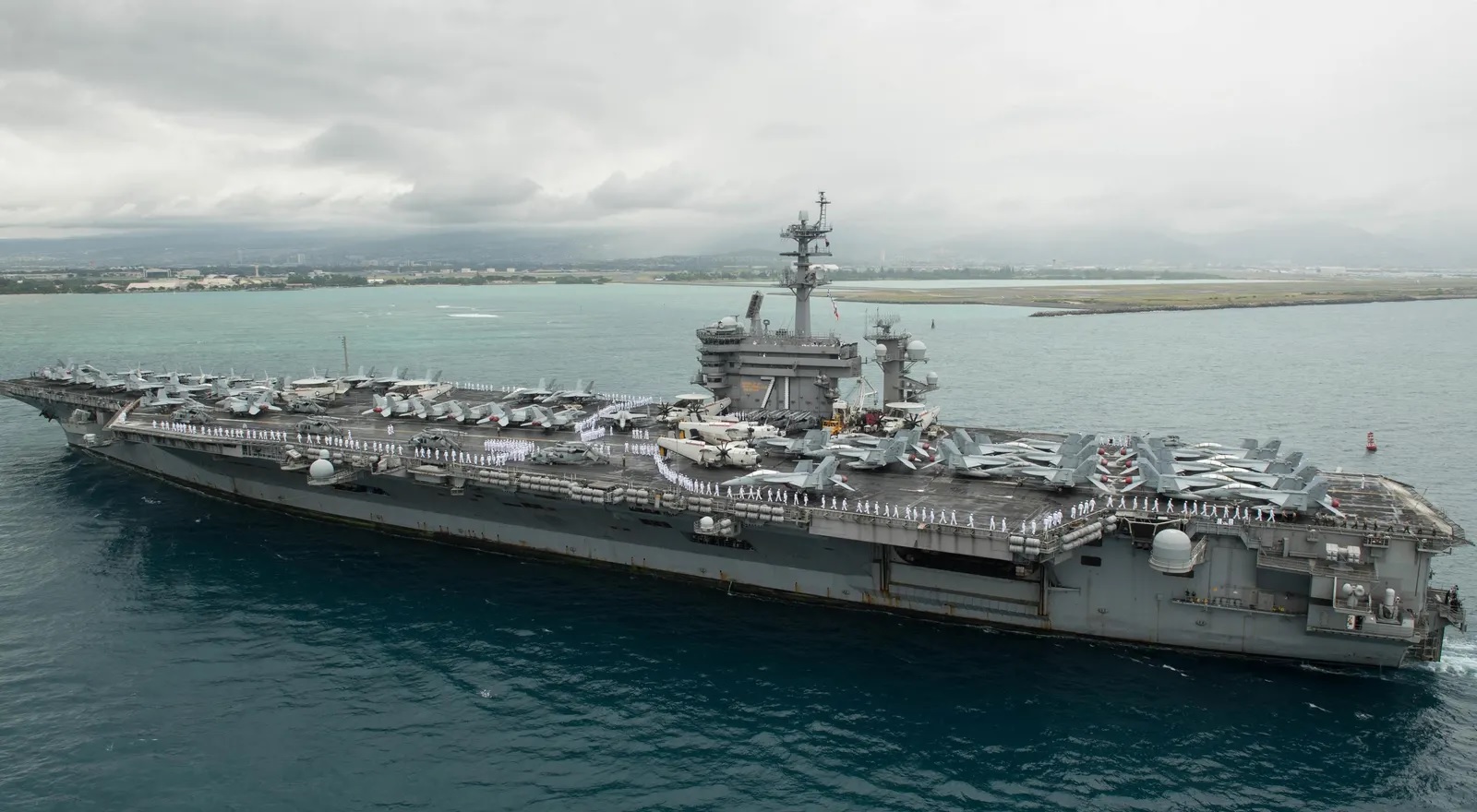 U.S Aircraft Carrier USS Theodore Roosevelt Departs San Diego for Major RIMPAC 2026 Naval Exercise
