World
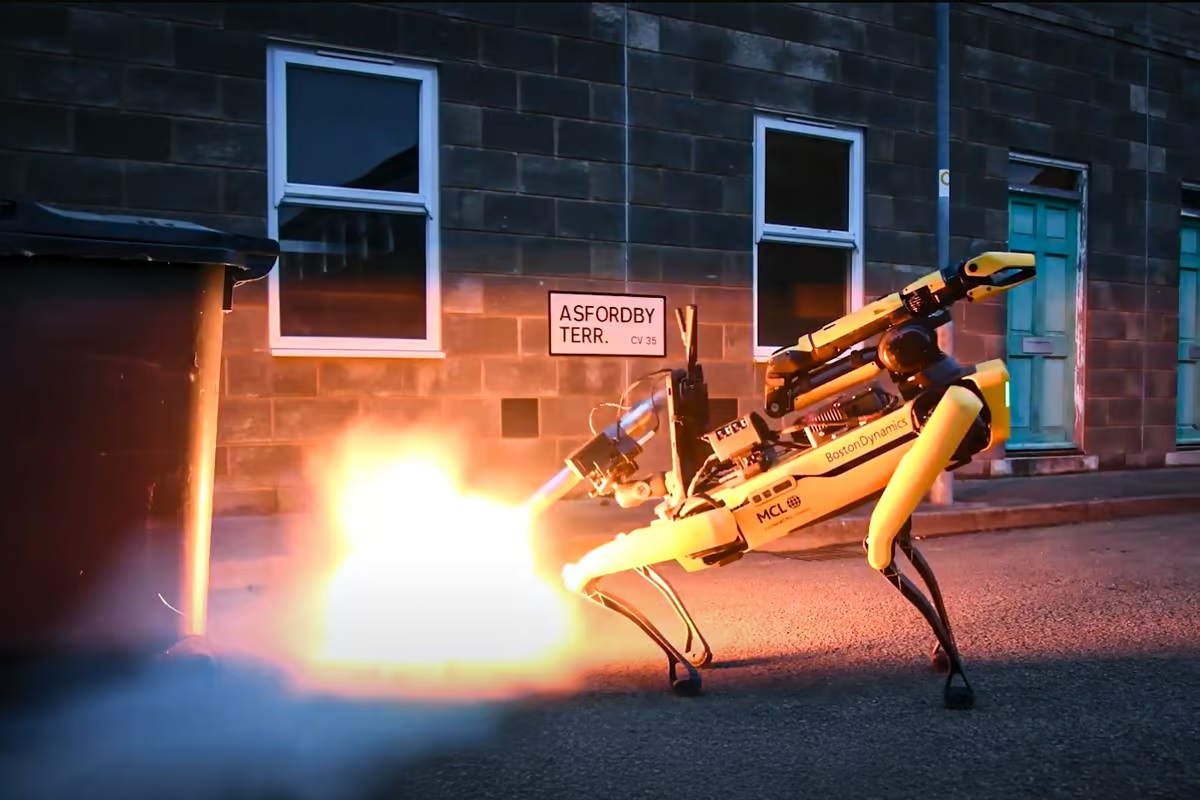
In a groundbreaking move to enhance safety and efficiency in bomb disposal operations, the UK's Ministry of Defence (MoD) has been actively integrating advanced robotic technologies into its explosive ordnance disposal (EOD) units. A significant development in this endeavor is the deployment of quadruped unmanned ground vehicles (Q-UGVs), commonly referred to as "robot dogs," designed to detect and neutralize explosive threats. Advanced Capabilities of Robotic Dogs These robotic dogs are equipped with state-of-the-art artificial intelligence (AI) and a suite of sensors that enable them to autonomously navigate complex environments. Their capabilities include: Autonomous Navigation: The robots can traverse challenging terrains, climb stairs, and maneuver through narrow spaces, making them ideal for urban settings where explosive devices may be concealed. Obstacle Interaction: They possess the ability to open and close doors, allowing access to areas that might be inaccessible to traditional wheeled robots. Threat Detection and Neutralization: Upon identifying an improvised explosive device (IED), the robotic dog can deploy disruptors to safely neutralize the threat, thereby minimizing the risk to human operators. Recent Trials and Developments In a recent four-day trial led by the Defence Science and Technology Laboratory (Dstl), various robotic systems were tested for their proficiency in handling EOD tasks. The trials demonstrated the robots' ability to autonomously perform intricate tasks, such as navigating complex environments and neutralizing IEDs, underscoring their potential to transform bomb disposal operations. The T4 Bomb Disposal Robot Complementing the robotic dogs, the MoD has also invested in the T4 bomb disposal robot, developed by L3Harris Technologies. The T4 is a medium-sized EOD robot designed to operate in confined urban spaces. Key features of the T4 include: High-Definition Cameras: Provide operators with clear visuals of the operational environment. Adjustable Manipulation Arm: Allows for precise handling of hazardous materials and devices. All-Terrain Mobility: Equipped with robust treads, the T4 can navigate various terrains and even climb stairs. Haptic Feedback: The T4's control system offers haptic feedback, giving operators a tactile sense of the robot's interactions, enhancing precision during delicate operations. The UK has secured a £21 million contract with L3Harris Technologies to deliver 50 T4 units, with the first deliveries expected before the end of 2024. This investment reflects the MoD's commitment to leveraging advanced technology to safeguard both military personnel and the public. A Commitment to Safety and Innovation The integration of robotic dogs and advanced EOD robots like the T4 signifies a pivotal shift in how the UK approaches bomb disposal. By embracing these technologies, the MoD aims to reduce human exposure to danger, enhance operational efficiency, and stay ahead of evolving threats. As these systems continue to be refined and deployed, they represent a promising future for military operations where technology and human ingenuity work hand in hand to ensure safety and effectiveness.
Read More → Posted on 2025-02-07 14:19:32
World
In a significant development, Ukraine announced on Thursday that its forces have captured 909 Russian soldiers over six months of intense combat in Russia's western Kursk region. This operation, initiated in August 2024, aimed not only at territorial gains but also at bolstering Ukraine's leverage in prisoner exchanges. Strategic Objectives and Achievements A primary goal of the Kursk offensive was to amass Russian prisoners of war to facilitate the return of Ukrainian soldiers held captive by Russia. The Ukrainian military emphasized that capturing these 909 servicemen has "significantly replenished the exchange fund," enabling the repatriation of hundreds of Ukrainian defenders previously imprisoned in Russia. Operational Overview Launched in August 2024, the Kursk offensive marked a bold move by Ukrainian forces into Russian territory. This incursion was notable for its scale, being the largest by a foreign army in Russia since World War II. The operation demonstrated Ukraine's strategic initiative and challenged the perceived invulnerability of Russian defenses. Casualty Figures and Military Impact Beyond the captured personnel, the Ukrainian military reported substantial Russian losses in the Kursk region. Over the six-month period, Russia suffered significant casualties, including thousands of troops killed and wounded. These losses have had a considerable impact on Russian military capabilities in the area. Geopolitical Significance The ground secured in Kursk is viewed by Kyiv as a critical bargaining chip in potential future peace negotiations. Holding territory within Russia not only provides strategic depth but also serves as a tangible asset in diplomatic discussions. This leverage is particularly pertinent as Russian forces continue to make advances along the eastern Ukrainian front. Historical Context and Symbolism The choice of Kursk for this offensive carries historical resonance. The region was the site of a pivotal World War II battle, and Ukraine's successful incursion into this area holds symbolic significance, challenging long-standing narratives of Russian military dominance. Ukraine's Kursk offensive has yielded substantial military and strategic outcomes, including the capture of 909 Russian soldiers and the acquisition of valuable territory. These achievements enhance Ukraine's position in ongoing military engagements and future diplomatic negotiations, underscoring the operation's multifaceted significance.
Read More → Posted on 2025-02-06 14:41:28
India
On Thursday, February 6, 2025, a twin-seater Mirage 2000 fighter aircraft of the Indian Air Force (IAF) crashed near Sunari Chowki in Shivpuri district, Madhya Pradesh, approximately 384 kilometers north of Bhopal. The aircraft was on a routine training sortie when it encountered a system malfunction, leading to the crash. Both pilots managed to eject safely but sustained minor injuries and were subsequently airlifted to Gwalior for medical attention. The IAF has initiated a Court of Inquiry to determine the exact cause of the accident. The Mirage 2000 is a French multirole, single-engine, delta-wing, fourth-generation jet fighter manufactured by Dassault Aviation. Designed in the late 1970s as a lightweight fighter to replace the Mirage III for the French Air Force, it has evolved into a versatile aircraft with several variants developed and sold to numerous nations. The aircraft is powered by a SNECMA M53-P2 turbofan engine, providing 64 kN of thrust in dry mode and 98 kN with afterburner, enabling it to reach speeds up to Mach 2.2 (2,336 kilometers per hour) at high altitude. Its design includes a delta-wing configuration, offering excellent aerodynamics and high maneuverability. The Mirage 2000-5F variant, for instance, features advanced avionics, including the Thales RDY radar, and is equipped with MICA missiles for air superiority and multirole missions. Its capabilities make it a key element of France's air defense and NATO operations. The aircraft's dimensions include a length of 14.36 meters (47 feet 1 inch), a wingspan of 9.13 meters (29 feet), and a height of 5.20 meters (17 feet). It has a wing area of 41 square meters (441.3 square feet) and an empty weight of 7,500 kilograms (16,350 pounds). The maximum takeoff weight is 17,000 kilograms (37,500 pounds). The IAF has been operating the Mirage 2000 since the 1980s, and the fleet has been a crucial component of India's defense strategy. The aircraft has been involved in various significant operations, showcasing its versatility and reliability. However, like all complex machinery, it is susceptible to technical issues, which can occasionally lead to incidents such as the recent crash. The IAF's prompt response in initiating a Court of Inquiry underscores its commitment to maintaining operational safety and addressing any technical shortcomings. Such investigations are standard procedure following aviation incidents and aim to enhance flight safety by identifying and rectifying potential issues. The Mirage 2000's advanced avionics and weaponry systems have made it a formidable asset in modern aerial warfare. Its multirole capabilities allow it to perform a variety of missions, including air superiority, ground attack, and reconnaissance. The aircraft's design emphasizes both performance and pilot safety, as evidenced by the successful ejection of the pilots in the recent incident. As the IAF continues its investigation, the focus remains on understanding the factors that led to the system malfunction to prevent future occurrences. The safety and well-being of its personnel are of utmost importance, and measures will be taken to ensure that such incidents are minimized in the future.
Read More → Posted on 2025-02-06 14:37:49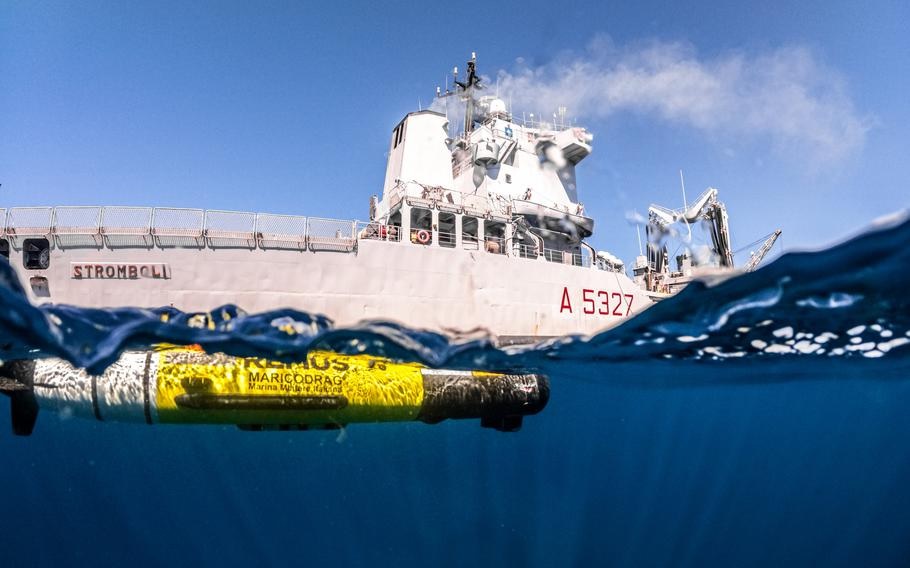
India
In response to increasing threats against critical undersea infrastructure, NATO has established Task Force X, a cutting-edge initiative designed to enhance maritime security through advanced autonomous systems and artificial intelligence. With growing concerns over Russian aggression and recent attacks on undersea cables in the Baltic, the alliance is ramping up efforts to safeguard vital communication and energy networks beneath the ocean. A High-Tech Shield for NATO’s Waters Task Force X represents a major leap in NATO’s defense strategy, leveraging the latest in autonomous naval technology to monitor and protect undersea assets. The initiative will deploy: Autonomous Unmanned Systems – A fleet of unmanned surface and underwater vessels will provide continuous surveillance, detect potential threats, and respond in real time. Artificial Intelligence & Big Data Processing – AI-powered analytics will process data from various sensors, improving threat detection and decision-making speeds. Multi-Domain Coordination – Seamless integration across sea, air, and cyber domains will strengthen overall situational awareness. The project builds on the successes of U.S. Navy Task Forces 59 and 66, which have demonstrated the effectiveness of unmanned maritime systems in surveillance and combat operations. Baltic Sentry: The First Test for Task Force X Task Force X will make its operational debut during Baltic Sentry, a large-scale NATO maritime exercise set for mid-February 2025. This exercise will test how well the new autonomous systems can track potential threats and safeguard undersea infrastructure. NATO’s Standing Maritime Groups (SNMG1 and SNMCMG1) will play a central role, working with national navies and surveillance networks to reinforce security in the Baltic region. A Scalable, Future-Proof Initiative Initially focused on the Baltic, Task Force X is designed to be scalable and adaptable, allowing it to be deployed in different regions and operational scenarios as needed. NATO aims to integrate national efforts from member states, particularly those with advanced maritime technology capabilities, ensuring a collective defense approach. NATO’s Message to Adversaries With Task Force X, NATO is making it clear that it is fully committed to protecting undersea assets from sabotage or espionage. This initiative not only strengthens maritime defenses but also demonstrates NATO’s ability to rapidly adapt to evolving security threats through cutting-edge technology. As undersea infrastructure becomes an increasingly contested space, Task Force X will serve as NATO’s first line of defense in ensuring the security and stability of vital maritime routes.
Read More → Posted on 2025-02-06 14:32:35
India
The Indian Coast Guard (ICG) is set to significantly bolster its maritime capabilities, targeting a fleet of 200 vessels and 100 aircraft by 2030. This strategic enhancement underscores India's dedication to strengthening coastal defense and ensuring maritime security. Current Fleet and Expansion Plans As of now, the ICG operates 151 ships and 76 aircraft, a substantial increase from its modest beginnings in 1977 with just seven surface platforms. The planned expansion includes a diverse array of vessels: Offshore Patrol Vessels (OPVs): These are large ships designed for long-duration patrolling, capable of operating in deep waters. They are equipped with advanced navigation and communication systems, and some classes, like the Samarth-class, can carry up to two HAL Dhruv helicopters, enhancing their surveillance and response capabilities. Fast Patrol Vessels (FPVs): Smaller and faster than OPVs, FPVs are designed for quick interception and are ideal for missions like anti-smuggling operations and search and rescue. The Aadesh-class is a notable example in this category. Interceptor Boats: These high-speed boats are crucial for close-coast operations, allowing rapid response to emerging threats or incidents near the shoreline. Pollution Control Vessels: Specialized ships equipped to handle marine pollution incidents, ensuring environmental protection in India's maritime zones. In addition to these surface platforms, the ICG's aviation wing is set to receive a significant boost. Plans are underway to induct new fixed-wing aircraft and helicopters, enhancing aerial surveillance and search-and-rescue operations. Strategic Importance of Expansion India boasts an extensive coastline of over 7,500 kilometers and an Exclusive Economic Zone (EEZ) spanning approximately 2.3 million square kilometers. This vast maritime domain necessitates a robust and vigilant coast guard to safeguard national interests. The ICG's responsibilities are multifaceted, including: Maritime Border Security: Preventing unauthorized intrusions and ensuring the sovereignty of India's waters. Anti-Smuggling Operations: Intercepting illegal activities, including the trafficking of narcotics and contraband. Environmental Protection: Acting as the designated authority for oil spill response and actively participating in marine conservation initiatives. Since its inception, the ICG has demonstrated commendable dedication, having saved over 11,730 lives in various maritime incidents. In the past year alone, 169 lives were rescued, highlighting the critical role the ICG plays in ensuring safety at sea. Alignment with 'Aatmanirbhar Bharat' Initiative The ICG's expansion strategy is closely aligned with India's 'Aatmanirbhar Bharat' (Self-Reliant India) vision. Emphasis is being placed on indigenous shipbuilding and aircraft procurement. Collaborations with domestic shipyards and aerospace manufacturers are underway to expedite the induction of new assets. Notably, contracts have been signed for advanced equipment, including air cushion vehicles and state-of-the-art communication systems. Beyond Traditional Roles The ICG's mandate extends beyond conventional security operations. As the designated authority for oil spill response in Indian waters, the ICG plays a pivotal role in environmental protection. Its involvement in disaster response has been evident during events like Cyclone ASNA and the floods in Gujarat and Wayanad. Additionally, the ICG actively participates in global initiatives such as the International Coastal Cleanup Day, underscoring its commitment to preserving the marine environment. Investments in Technology and Infrastructure To further enhance operational efficiency, the ICG is investing in advanced technology and infrastructure development. Key initiatives include: Digital Coast Guard Initiative: Establishment of a Tier-III Data Centre to support digital operations and data management. ASHA App: A mobile application designed to streamline medical administration within the force. Infrastructure Development: Construction of new facilities, such as the Maritime Rescue Coordination Centre in Chennai, to bolster response capabilities. With these comprehensive advancements, the Indian Coast Guard is well-prepared to address evolving maritime security challenges. The planned expansion to 200 vessels and 100 aircraft by 2030 reflects a strategic vision aimed at safeguarding India's maritime interests and contributing to the nation's sustainable progress in the blue economy.
Read More → Posted on 2025-02-06 14:24:37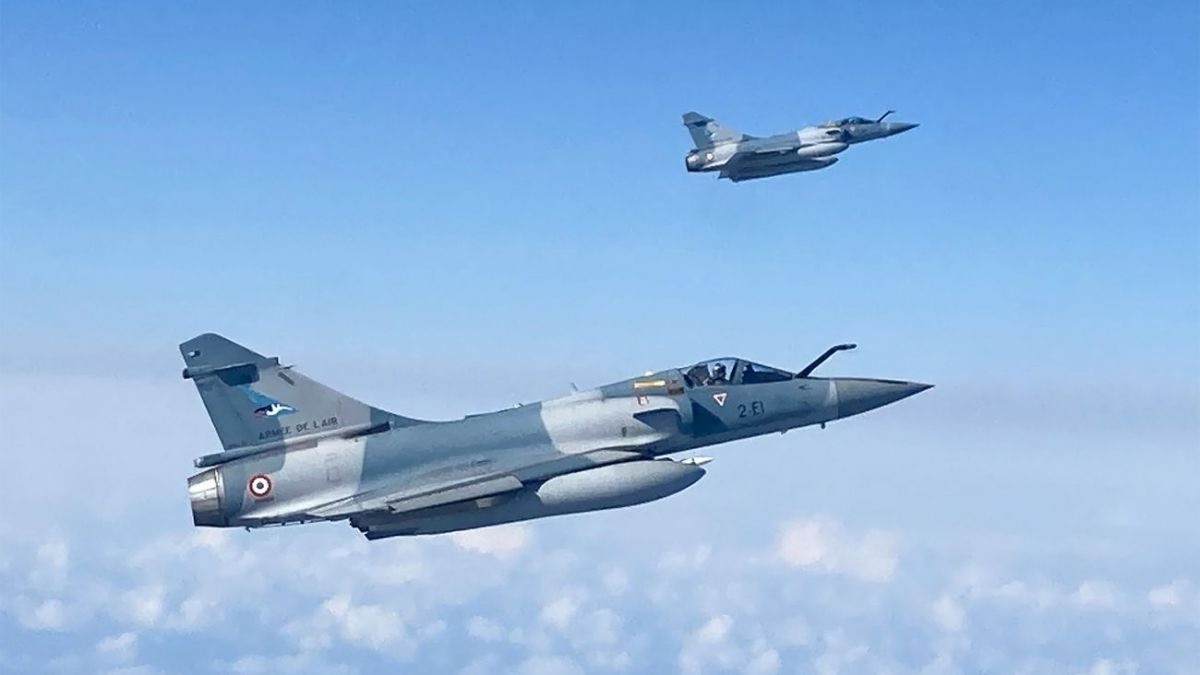
World
In a significant escalation of its military operations, Ukraine has launched a strategic offensive targeting Russian assets and bolstering its own aerial capabilities. Drone Strike on Russian Airfield On the night of February 5, 2025, Ukrainian forces executed a precision drone strike on the Primorsko-Akhtarsk airfield in Russia's Krasnodar region. This facility is known for housing and launching Iran-designed Shahed drones, which have been used in attacks against Ukraine's Kherson and Zaporizhzhia regions. The Ukrainian General Staff reported that the strike ignited a fire at the airfield, potentially disrupting Russian drone operations. The airfield, located approximately 230 kilometers from the front lines, serves as a storage, training, and maintenance hub for aircraft operating in these contested areas. Independent verification of the attack remains pending, and the Russian Defense Ministry has acknowledged downing Ukrainian drones over Krasnodar without specifying the exact locations affected. France's Delivery of Mirage 2000-5 Fighter Jets In a parallel development, France has delivered the first batch of Mirage 2000-5 fighter jets to Ukraine. French Defense Minister Sébastien Lecornu announced the arrival of these aircraft, stating, "The first of these aircraft have arrived in Ukraine today." Ukrainian pilots, having undergone several months of training in France, are now prepared to deploy these jets in defense of Ukraine's airspace. The Mirage 2000-5 is a fourth-generation multirole fighter jet developed by Dassault Aviation. It features advanced avionics, including a multi-target radar system capable of tracking up to 24 targets simultaneously. The aircraft can reach speeds exceeding Mach 2 and is equipped with a diverse arsenal, such as MICA air-to-air missiles and SCALP-EG cruise missiles. Notably, the Mirage 2000-5 has been upgraded to enhance its air-to-ground combat capabilities and defenses against electronic warfare, making it a versatile asset in modern combat scenarios. Enhancing Ukraine's Air Defense The integration of the Mirage 2000-5 into Ukraine's Air Force is expected to significantly enhance its air defense and ground attack capabilities. These aircraft will complement the existing fleet, which includes U.S.-made F-16s recently received from the Netherlands. The combination of these platforms provides Ukraine with a more robust and flexible aerial combat capability, essential for countering ongoing threats. Continued Hostilities and Defense Efforts The conflict persists with high intensity. On the same night as the drone strike, Russian forces launched 77 drones, including Shahed models, and two Iskander-M ballistic missiles toward Ukraine. Ukraine's air defense systems successfully neutralized 56 drones and jammed 18 others, preventing significant damage. While some buildings sustained damage, no casualties were reported. These developments underscore the dynamic and evolving nature of the conflict, highlighting Ukraine's efforts to strengthen its military capabilities through strategic strikes and international partnerships.
Read More → Posted on 2025-02-06 14:19:15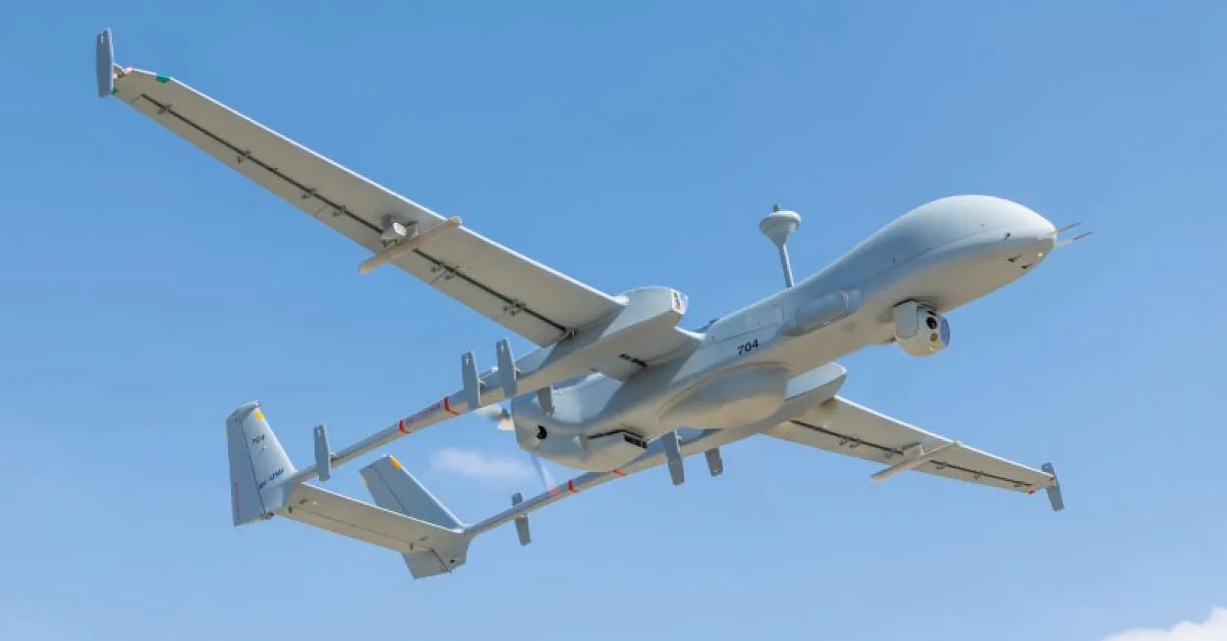
World
On February 3, 2025, a German Heron TP drone achieved a significant milestone by successfully completing a cross-border flight between Germany and the Netherlands. This event marks a pivotal step toward the seamless integration of Remotely Piloted Aircraft Systems (RPAS) into general European air traffic, demonstrating the feasibility of unmanned aircraft operating safely alongside manned commercial and military aircraft in controlled airspace. Flight Details and Objectives The test flight commenced from Schleswig Air Base in northern Germany, initially navigating through military-controlled airspace. It then transitioned into civilian-controlled airspace, operating under the supervision of German air traffic control and EUROCONTROL Maastricht. Notably, this mission reached an altitude exceeding 8,500 meters (approximately 28,000 feet), marking the first instance of an RPAS operating in upper airspace during a cross-border flight in Europe. The primary objective of this mission was to validate the capability of RPAS to operate safely and efficiently within shared airspace, without necessitating special mitigation measures. This aligns with the European Defence Agency's (EDA) ongoing efforts, in collaboration with the European Union Aviation Safety Agency (EASA), to fully integrate unmanned systems into Europe's air traffic management framework. Development and Collaboration This project was initiated through an EDA-led call for tender and was awarded to a consortium spearheaded by the German Aerospace Center (DLR), in partnership with the Netherlands Aerospace Centre (Royal NLR) and the German armed forces. The German Air Force provided the Heron TP drone for this mission, with additional support from the German military aviation authority. Heron TP Specifications Developed by Israel Aerospace Industries (IAI), the Heron TP is a Medium-Altitude Long-Endurance (MALE) unmanned aerial vehicle designed for intelligence, surveillance, and reconnaissance (ISR) missions. Key specifications of the Heron TP include: Wingspan: 26 meters Length: 14 meters Maximum Takeoff Weight: 5,400 kilograms Payload Capacity: Up to 2,700 kilograms Maximum Speed: Approximately 407 kilometers per hour Service Ceiling: Up to 14,000 meters (45,000 feet) Endurance: Capable of continuous flight for over 30 hours Engine: Powered by a Pratt & Whitney Canada PT6-67A turboprop engine These capabilities enable the Heron TP to perform a variety of strategic missions, including intelligence gathering, surveillance, target acquisition, and reconnaissance, using various payloads, with a high level of reliability. Significance and Future Implications The successful completion of this cross-border flight provides crucial insights for the future of unmanned aviation in Europe. It confirms that the developed procedures and mitigation measures are effective across different RPAS platforms, paving the way for more routine operations of unmanned systems within shared airspace. Two additional test flights are scheduled in the coming weeks to further validate the system's adaptability and robustness. These efforts are instrumental in refining air traffic procedures and ensuring that drones can operate seamlessly alongside conventional aircraft, thereby enhancing the safety and efficiency of European airspace. The integration of RPAS like the Heron TP into general air traffic represents a significant advancement in aviation technology, promising to expand the operational capabilities of military and civilian entities across Europe.
Read More → Posted on 2025-02-06 14:14:45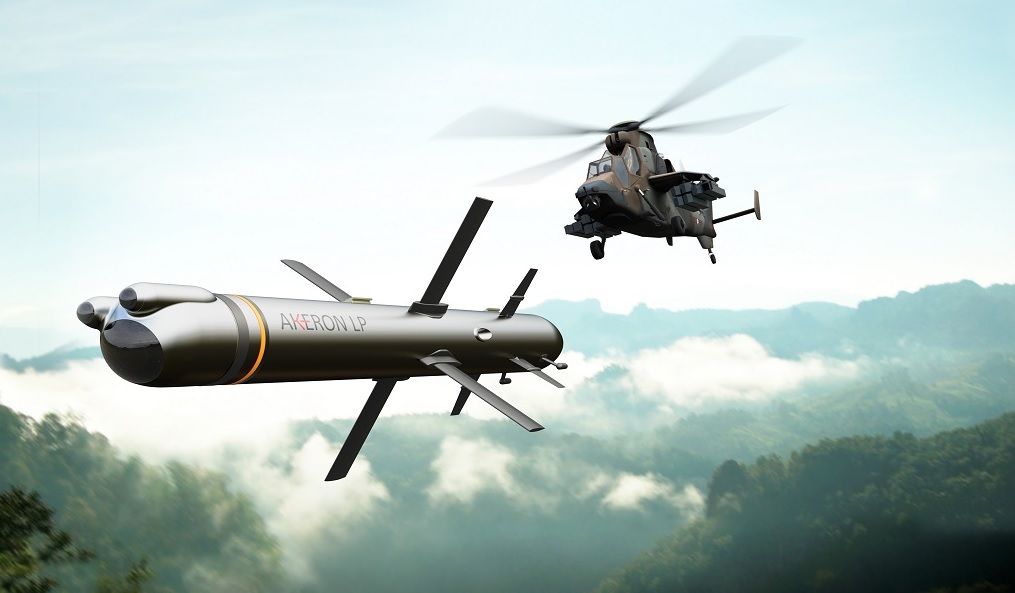
World
In a significant advancement for France's military capabilities, the first successful test firing of the AKERON LP missile, developed under the MAST-F (Future Tactical Air-to-Surface Missile) programme, was conducted at the Direction Générale de l'Armement (DGA) Missile Test Centre. This event marks a pivotal step in enhancing the French armed forces' precision strike potential. Test Details and Objectives The trial involved launching a prototype missile equipped with a telemetry system from a crane-based launcher over the sea. This setup enabled engineers to gather comprehensive data on the missile's performance, focusing on several critical aspects: Trajectory Validation: Ensuring the missile follows the expected flight path. Launch Tube Design Assessment: Confirming safe separation from future platforms. Aerodynamic Stability and Guidance: Evaluating the missile's behavior and control mechanisms in real-world conditions. Propulsion System Performance: Testing both the booster’s thrust for initial acceleration and the main propulsion system to achieve an operational range of up to eight kilometers when launched from the ground. Wing and Fin Deployment Mechanisms: Validating the proper functioning of these components to ensure stability and control during flight. The successful completion of these objectives indicates that all safety measures functioned as intended, paving the way for further development and testing. About the AKERON LP Missile The AKERON LP is a fifth-generation, long-range, multi-role guided missile developed by MBDA. It is designed to provide maximum flexibility to demanding forces, capable of neutralizing various targets, including main battle tanks, infrastructures, combat groups, and small boats, with high precision and limited collateral damage. Key Specifications: Weight: Approximately 35 kg. Length: 1.8 meters in the tactical canister. Range: Over 8 km from helicopters and nearly 20 km from Remotely Piloted Aircraft Systems (RPAS). Warhead: Multipurpose with selectable modes, including anti-armor, anti-infrastructure, anti-ship, anti-helicopter, and anti-personnel effects. Guidance System: Features a multi-mode seeker with Semi-Active Laser (SAL), Television (TV), and uncooled Infrared (IR) capabilities. Operational Modes: Offers Lock-On-Before-Launch (LOBL) and Lock-On-After-Launch (LOAL) options, providing flexibility in various combat scenarios. Data Link: Equipped with a bidirectional Radio Frequency (RF) data link, allowing for total platform freedom of maneuver before and during the missile mission. MAST-F Programme and Future Prospects The MAST-F programme aims to develop a new generation of air-to-ground missiles for platforms like the Tiger helicopter and MALE RPAS UAVs. This initiative addresses the challenges of future warfare by offering high-precision striking capabilities with increased range. The successful test of the AKERON LP missile signifies a major achievement for the programme, highlighting the effective collaboration between key stakeholders, including MBDA, its subcontractors, the DGA, and OCCAR. As development progresses, the AKERON LP missile is poised to become a cornerstone of France's advanced military arsenal, enhancing the operational capabilities of its armed forces in various combat scenarios.
Read More → Posted on 2025-02-06 14:05:40
World
In an era where cyber threats are becoming increasingly sophisticated, the U.S. Army is actively enhancing its cybersecurity measures by adopting the "zero trust" security model. This approach is pivotal in safeguarding the Army's tactical network systems against a wide array of cyber adversaries. Understanding Zero Trust The zero trust model operates on a fundamental principle: never trust, always verify. Unlike traditional security frameworks that often assume entities within a network are trustworthy, zero trust mandates continuous verification of every user, device, and application attempting to access network resources. This ensures that no implicit trust is granted based solely on physical or network location, thereby minimizing potential vulnerabilities. Application in Military Context For the Army, implementing zero trust means that all interactions within its networks are subject to stringent authentication and authorization processes. This continuous validation is crucial in preventing unauthorized access and ensuring that even if one segment of the network is compromised, the breach does not extend further. The goal is to maintain robust security across all operational levels, providing users with secure access to necessary resources from any device and location. Recent Initiatives and Requirements In a recent move to bolster its cybersecurity posture, the Army issued a request for information (RFI) seeking zero trust solutions tailored for challenging environments. These solutions must be capable of operating in conditions that are denied, degraded, intermittent, or limited, and must integrate seamlessly with the Army's existing infrastructure. Interested vendors have been invited to respond by March 5. Strategic Objectives and Challenges The Army acknowledges that traditional security models are increasingly inadequate against modern cyber threats. The dynamic and adversarial nature of today's tactical environments presents significant challenges in implementing zero trust solutions that align with mission requirements. However, the Army is committed to overcoming these hurdles. By 2027, the aim is to achieve target levels of zero trust across its unified network, ensuring secure information flow and resilient operations. Broader Department of Defense (DoD) Alignment This initiative aligns with the DoD's overarching zero trust strategy, which emphasizes a shift from static, network-based perimeters to a focus on users, assets, and resources. The strategy outlines several objectives, including automating cybersecurity measures, creating dynamic access controls, and building interoperability with secured data. The DoD has set an ambitious goal to implement zero trust architecture across the entire department by the fiscal year 2027. The U.S. Army's proactive adoption of zero trust principles underscores its dedication to strengthening cybersecurity in an increasingly complex digital landscape. By continuously authenticating and validating access to its systems, the Army aims to stay ahead of evolving cyber threats, ensuring mission success and the security of its operations.
Read More → Posted on 2025-02-06 14:01:59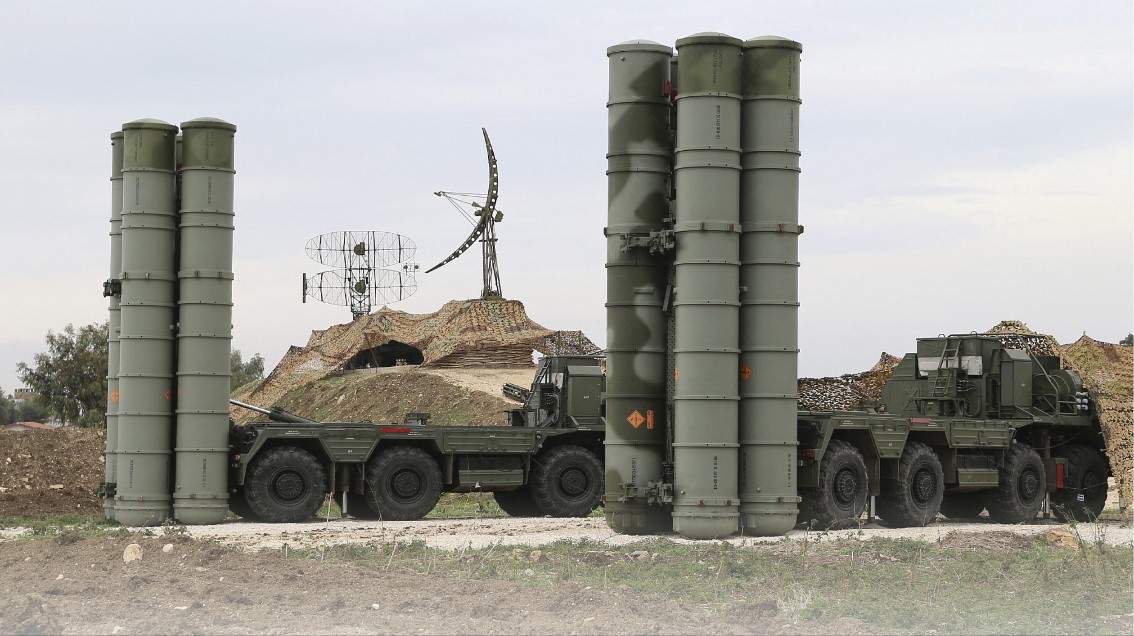
World
In the evolving landscape of global defense, Russia has extended an offer to India to collaborate on developing a comprehensive aerospace defense system. This initiative aims to enhance India's capabilities beyond the existing S-400 Triumf air defense system, addressing the growing military advancements of neighboring countries, particularly China and Pakistan. The S-400 Triumf: A Cornerstone of India's Air Defense In October 2018, India entered into a $5.4 billion agreement with Russia to procure five units of the S-400 Triumf air defense system. As of now, three units have been delivered, with the remaining two expected by 2025. The S-400 is renowned for its versatility, capable of engaging a variety of aerial threats, including aircraft, drones, and ballistic and cruise missiles, at ranges up to 400 kilometers. Its deployment has significantly bolstered India's air defense posture along its borders with China and Pakistan. The Need for a Multi-Layered Aerospace Defense System Russian military expert Igor Korotchenko emphasizes that a robust aerospace defense system is a hallmark of a leading military power. He points out that even non-state actors have demonstrated advanced capabilities in drones and missiles, underscoring the necessity for India to prioritize its defenses. A key component of such a system is the Missile Attack Early Warning System, which provides crucial time for response by detecting threats early on. China and Pakistan's Advancements China has been rapidly modernizing its military, showcasing advancements like the J-35A stealth fighter and the HQ-19 anti-ballistic missile system. Similarly, Pakistan has been enhancing its air defense capabilities with acquisitions such as the J-10C medium fighter jets, JF-17 light fighter jets, and HQ-9BE long-range surface-to-air missile systems. These developments highlight the importance for India to continually upgrade its defense systems to maintain a strategic edge. Russia's Proposal for Collaboration In response to these evolving threats, Russia has proposed collaborating with India to develop a multi-layered aerospace defense system. This system would integrate various defense mechanisms, including early warning systems, advanced missile defense, and anti-aircraft capabilities, providing a comprehensive shield against a spectrum of aerial threats. The proposed collaboration between Russia and India represents a significant step toward strengthening India's defense infrastructure. By developing a multi-layered aerospace defense system, India aims to enhance its ability to detect, deter, and neutralize emerging threats, ensuring the security of its airspace against the backdrop of regional military advancements.
Read More → Posted on 2025-02-06 13:58:38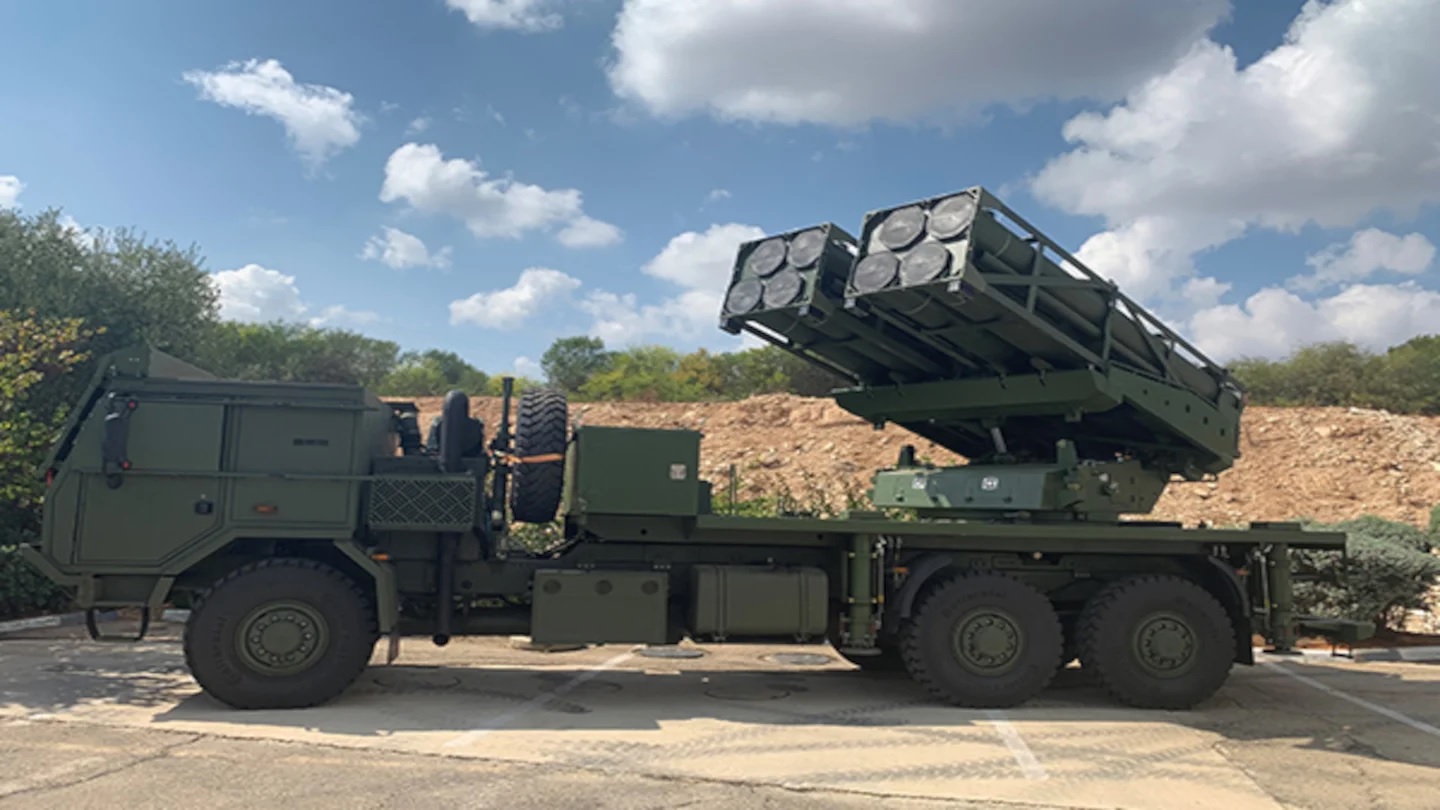
World
Elbit Systems Ltd., a prominent Israeli defense company, has been awarded a $57 million contract to supply its Precise and Universal Launching System (PULS) rocket artillery systems to the German Armed Forces. This initiative is part of a broader collaboration between the Dutch, Israeli, and German governments, aiming to enhance Europe's defense capabilities. Key Specifications of the PULS System The PULS is an advanced, autonomous artillery rocket system designed for precision strikes across various ranges, up to 300 kilometers. Its versatility allows it to fire multiple types of munitions from the same platform, eliminating the need to reposition based on target distance. The system features two modular pods, each tailored for specific rocket types: Accular 122mm Rockets: Each pod can house 18 rockets with a range of up to 35 kilometers. Accular 160mm Rockets: Each pod accommodates 10 rockets, capable of reaching targets up to 40 kilometers away. EXTRA Missiles: Each pod holds 4 missiles, offering a range of up to 150 kilometers. Predator Hawk Missiles: Each pod carries 2 missiles, extending the strike capability to 300 kilometers. This modular design ensures rapid adaptability to various combat scenarios, enhancing operational flexibility. Integration and Testing In collaboration with KNDS Deutschland, a leading European land defense manufacturer, Elbit Systems will integrate German Command, Control, Communications, Computers, and Intelligence (C4I) equipment into the PULS systems. This includes the incorporation of advanced command and weapons control systems to ensure seamless interoperability with existing German military infrastructure. The supplied systems will undergo rigorous testing by the German procurement agency, BAAINBw, along with associated technical test centers. These evaluations are crucial to confirm that the systems meet all necessary requirements for approval and operational deployment within the German Armed Forces. In-Service Support and Future Prospects Beyond the initial delivery, Elbit Systems and KNDS Deutschland have committed to providing comprehensive in-service support for the PULS rocket launcher systems. This support framework is designed to ensure long-term operational effectiveness and reliability, bolstering the Bundeswehr's artillery capabilities. Yehuda (Udi) Vered, General Manager of Elbit System Land, expressed pride in the partnership with KNDS Deutschland, highlighting the contract as a foundational step toward the Bundeswehr’s Future Long-Range Indirect Fire System. He emphasized the company's dedication to strengthening European defense cooperation. Ralf Ketzel, CEO of KNDS Deutschland, underscored the significance of this collaboration in developing a European Indirect Fire System for rockets. He noted that Elbit’s advanced technology, combined with KNDS’s expertise in European land systems, will contribute to the creation of the EuroPULS configuration. Design and Compatibility The EuroPULS Rocket Launcher Artillery System is designed with an open architecture, enabling integration onto various platforms. It supports third-party munitions, allowing for flexibility in operational deployments and enhancing compatibility with European defense requirements. This design philosophy ensures that the system can adapt to evolving technological advancements and diverse mission needs. The acquisition of the PULS rocket artillery systems marks a significant advancement in the German Armed Forces' artillery capabilities. Through this strategic partnership, Elbit Systems and KNDS Deutschland are poised to deliver a state-of-the-art solution that meets the modern demands of European defense, ensuring enhanced precision, flexibility, and operational readiness for the Bundeswehr.
Read More → Posted on 2025-02-06 13:51:30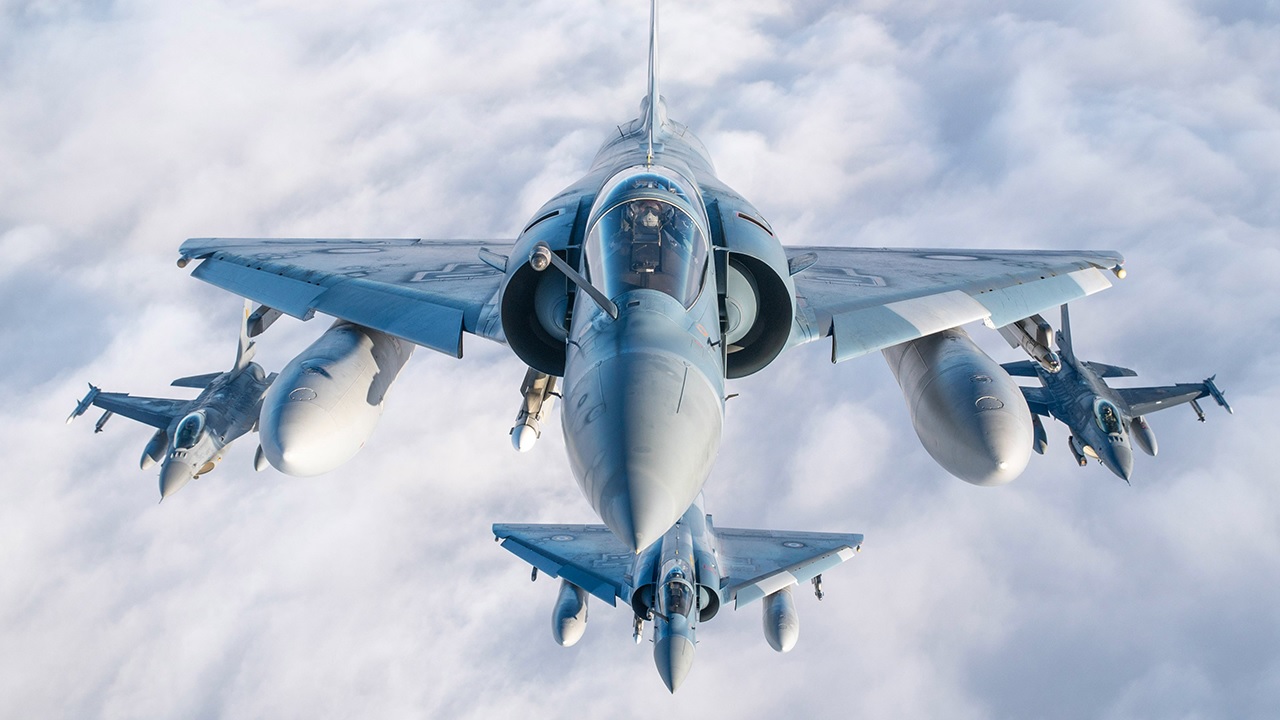
World
In a significant move to bolster Ukraine's defense capabilities, France has delivered the first batch of Mirage 2000-5 fighter jets to Kyiv. French Defense Minister Sébastien Lecornu announced the arrival of these aircraft, emphasizing their role in strengthening Ukraine's air defense against ongoing threats. Training and Preparation Over the past several months, Ukrainian pilots and mechanics underwent extensive training in France to master the operation and maintenance of the Mirage 2000-5. This comprehensive training program ensures that Ukrainian forces can effectively integrate these advanced jets into their defense strategy. About the Mirage 2000-5 The Mirage 2000-5 is a fourth-generation, multirole fighter jet developed by Dassault Aviation. Initially designed in the late 1970s to replace the Mirage III for the French Air Force, the Mirage 2000 evolved into a versatile aircraft with several variants developed, serving multiple nations. Key Specifications: Engine: Single SNECMA M53-P2 turbofan Thrust: Approximately 21,400 pounds-force Maximum Speed: Mach 2.2 (around 2,336 km/h or 1,452 mph) Combat Radius: Approximately 1,500 kilometers (932 miles) Service Ceiling: Over 59,000 feet Avionics: Equipped with advanced radar systems capable of tracking multiple targets simultaneously Armament: Compatible with a range of air-to-air and air-to-ground missiles, including MICA missiles and SCALP-EG cruise missiles Enhancements for Ukrainian Operations To address the specific challenges posed by the current conflict, the Mirage 2000-5 jets delivered to Ukraine have been modified to counteract Russian electronic warfare tactics. These enhancements ensure the aircraft remain effective in contested environments, providing Ukraine with a strategic advantage. Strategic Implications The delivery of these fighter jets underscores France's commitment to supporting Ukraine amidst ongoing tensions. By strengthening Ukraine's air defense capabilities, these aircraft not only enhance national security but also contribute to regional stability. As the geopolitical landscape continues to evolve, the collaboration between France and Ukraine in defense matters highlights the importance of international partnerships in addressing shared security challenges. The integration of the Mirage 2000-5 into Ukraine's air force marks a significant step in this ongoing cooperation.
Read More → Posted on 2025-02-06 13:49:01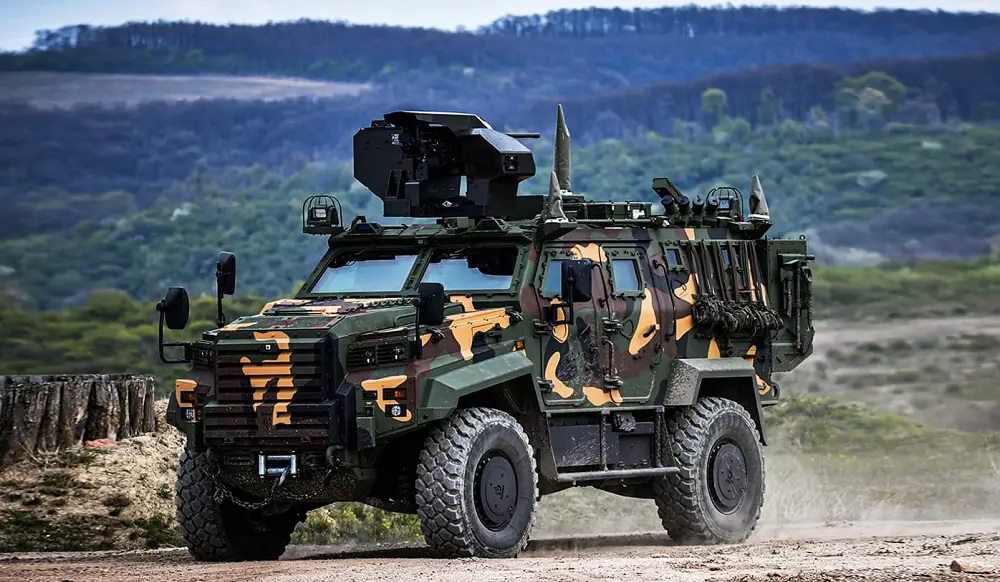
World
In a significant move to bolster its military strength, Hungary has announced the procurement of an additional 56 Gidrán 4×4 tactical vehicles, reinforcing its commitment to modernizing the Hungarian Defence Forces (HDF). This decision underscores the deepening defense collaboration between Hungary and Turkey, particularly with Turkish defense manufacturer Nurol Makina. A Strengthened Partnership The Gidrán tactical vehicle is a product of the collaboration between Hungary and Turkey, based on Nurol Makina's Ejder Yalçın 4×4 platform. The initial batch of these vehicles was delivered to Hungary in early 2021, marking the beginning of this defense partnership. The recent order of 56 additional vehicles signifies Hungary's satisfaction with the platform and its performance in enhancing the nation's defense capabilities. Gidrán Tactical Vehicle: Specifications and Capabilities The Gidrán is a versatile and robust armored combat vehicle designed to meet the diverse needs of modern military operations. Key specifications include: Dimensions and Weight: The vehicle measures 5.8 meters in length, 2.5 meters in width, and 2.5 meters in height, with a total mass of approximately 14,000 kilograms. Engine and Performance: Powered by a 6-cylinder turbocharged Cummins diesel engine producing 375 horsepower, the Gidrán can reach speeds up to 120 km/h and has an operational range of 700 kilometers. Crew Capacity: Designed to accommodate a crew of up to eight personnel (1 driver plus 7 passengers), providing ample space for troops and equipment. Armament: Equipped with Aselsan’s Stabilized Advanced Remote Weapon Platform (SARP), the Gidrán can be armed with a variety of weapons, including light or heavy machine guns and automatic grenade launchers. Armor and Protection: The vehicle offers protection up to STANAG-4569 Level 4, ensuring high survivability against ballistic threats and improvised explosive devices. Local Production and Integration To enhance self-reliance and technological advancement, Hungary has initiated local production of the Gidrán vehicles. A joint venture between Nurol Makina Hungary Ltd (NMHU) and Rába Vehicle Ltd, known as Gidrán Armored Vehicles Ltd, has been established in Győr. This facility is dedicated to manufacturing the Gidrán 4×4 vehicles and integrating advanced electronic, communication, radar, and weapon systems tailored to the specific requirements of the HDF. Future Prospects Hungary's acquisition of additional Gidrán vehicles reflects its ongoing commitment to modernizing its military forces and enhancing operational readiness. The strengthened partnership with Nurol Makina and the focus on local production not only bolster Hungary's defense capabilities but also contribute to the growth of its defense industry. As regional security dynamics evolve, such strategic initiatives are pivotal in ensuring national security and fulfilling NATO obligations. In conclusion, the procurement of additional Gidrán tactical vehicles marks a significant step in Hungary's defense modernization efforts, showcasing the nation's dedication to building a robust and self-sufficient military force.
Read More → Posted on 2025-02-06 07:19:39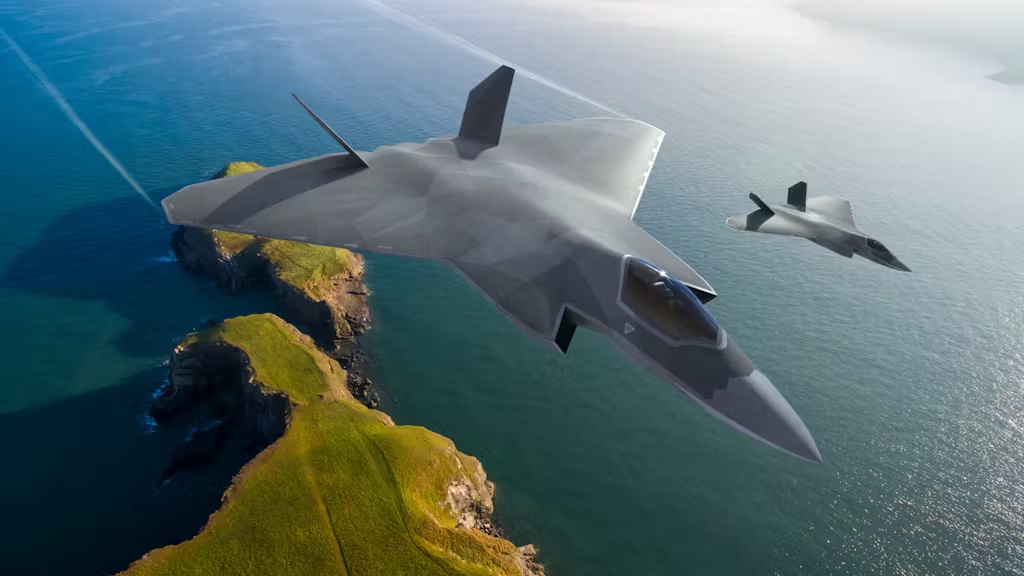
World
In a groundbreaking move towards sustainable aerospace manufacturing, Rolls-Royce has embarked on the Tornado 2 Tempest project. This initiative focuses on repurposing decommissioned Royal Air Force (RAF) Tornado components into powdered metal suitable for 3D printing, paving the way for eco-friendly production methods in the defense sector. Project Overview The Tornado 2 Tempest project is a collaborative effort involving Defence Equipment and Support’s (DE&S) Defence Recycling & Disposals Team (DRDT), the Ministry of Defence's Future Combat Air System (FCAS) team, Rolls-Royce, and Additive Manufacturing Solutions Limited (AMS). The primary goal is to assess the feasibility of transforming surplus military assets into valuable resources for future aerospace applications. Process and Achievements The project team identified retired Tornado components rich in valuable metals such as titanium, steel, and aluminum. Notably, jet engine compressor blades with high titanium content were selected for the recycling process. These components underwent thorough cleaning before being atomized into fine powders, known as feedstock, suitable for additive manufacturing. Utilizing this recycled feedstock, the team successfully 3D-printed a nose cone and compressor blades for the Orpheus small engine concept. Subsequent operational tests confirmed that the 3D-printed nose cone met safety and functionality standards, demonstrating the viability of this recycling approach for aerospace applications. Implications for Future Combat Aircraft The success of the Tornado 2 Tempest project has significant implications for the development of future combat aircraft, particularly within the FCAS program. The Orpheus engine, serving as a testbed for next-generation technologies, benefits directly from components produced through this sustainable method. This aligns seamlessly with Rolls-Royce's Grow Combat strategy, emphasizing innovation and environmental responsibility. Sustainability and Strategic Benefits By repurposing surplus military assets, the project not only reduces waste but also enhances the UK's access to strategic metals, thereby decreasing reliance on external supply chains. This approach supports the Ministry of Defence's Circular Economics for Defence Concept Note, highlighting the potential for material reuse to improve supply chain efficiency and resilience. Digital Integration and Future Prospects A notable advancement within the project is the implementation of a Digital Product Passport. This tool records material provenance and lifecycle data, enhancing transparency in material allocation and helping to prevent counterfeit components from entering the supply chain. The collaborative nature of the project, involving over 80 personnel including DRDT’s commercial graduates and Rolls-Royce apprentices, underscores a commitment to fostering innovation and developing sustainable solutions for future defense capabilities. Industry Recognition The Ministry of Defence has acknowledged the project's contributions by awarding Rolls-Royce a Chief of Defence Logistics and Support (CDLS) Commendation. This recognition underscores the initiative's role in advancing sustainability within defense logistics. The Tornado 2 Tempest project exemplifies how innovative recycling methods can be harnessed to support the development of future combat aircraft. By transforming retired military components into valuable resources through advanced manufacturing techniques, Rolls-Royce and its partners are setting new standards for sustainability and efficiency in the aerospace industry.
Read More → Posted on 2025-02-06 07:14:50
World
In a notable policy reversal, President Donald Trump has expressed a desire to negotiate a "verified nuclear peace agreement" with Iran. This marks a significant change from his earlier stance, where he withdrew the United States from the 2015 Joint Comprehensive Plan of Action (JCPOA) during his first term. The JCPOA was an agreement between Iran and major world powers aimed at limiting Iran's nuclear capabilities in exchange for sanctions relief. Background: The 2015 Nuclear Deal and Its Aftermath The JCPOA, established in 2015, required Iran to reduce its stockpile of enriched uranium and limit its nuclear activities, ensuring they remained peaceful. In return, international sanctions were lifted, providing economic relief to Iran. However, in 2018, President Trump withdrew the U.S. from the agreement, criticizing it as insufficient in preventing Iran from developing nuclear weapons and expressing concerns over its ballistic missile program and regional activities. Following the U.S. withdrawal, the Trump administration reinstated stringent economic sanctions under a "maximum pressure" campaign, aiming to curb Iran's nuclear ambitions and influence in the Middle East. These sanctions significantly impacted Iran's economy, particularly its oil exports. Iran's Nuclear Advancements Post-Withdrawal In response to the U.S. exit from the JCPOA and the reimposed sanctions, Iran began to deviate from the deal's constraints. By 2025, reports indicated that Iran had advanced its nuclear program, enriching uranium beyond the limits set by the JCPOA and installing more advanced centrifuges. These developments reduced the "breakout time"—the period required for Iran to acquire sufficient fissile material for a nuclear weapon—raising international concerns. Renewed Diplomatic Efforts Amid escalating tensions, President Trump has signaled a willingness to reengage diplomatically with Iran. He emphasized the importance of preventing Iran from obtaining nuclear weapons and proposed immediate negotiations to establish a new agreement. This approach suggests a departure from solely relying on economic sanctions and indicates an openness to dialogue. Iranian officials have responded cautiously. Foreign Minister Abbas Araghchi acknowledged the possibility of addressing U.S. concerns, reiterating Iran's opposition to weapons of mass destruction and referencing a religious decree against nuclear arms. However, he also criticized the renewed sanctions, labeling the "maximum pressure" strategy as ineffective and counterproductive. Challenges Ahead Several obstacles complicate the path to a new agreement. Iran's advancements in its nuclear program have altered the dynamics since the original JCPOA. Additionally, internal political divisions within Iran, regional tensions, and skepticism from U.S. allies and adversaries present significant challenges. European nations, who were part of the original JCPOA, have expressed concerns over Iran's nuclear progress and have warned of reinstating UN sanctions if a new deal isn't reached by September 2025. This adds urgency to the diplomatic efforts. President Trump's recent overtures toward Iran represent a significant shift from his earlier policies. While the desire to prevent nuclear proliferation remains a shared goal, achieving a new, comprehensive agreement will require navigating complex geopolitical landscapes, rebuilding trust, and making concessions from all parties involved. The coming months will be crucial in determining whether diplomacy can effectively address the challenges posed by Iran's nuclear program.
Read More → Posted on 2025-02-06 07:09:26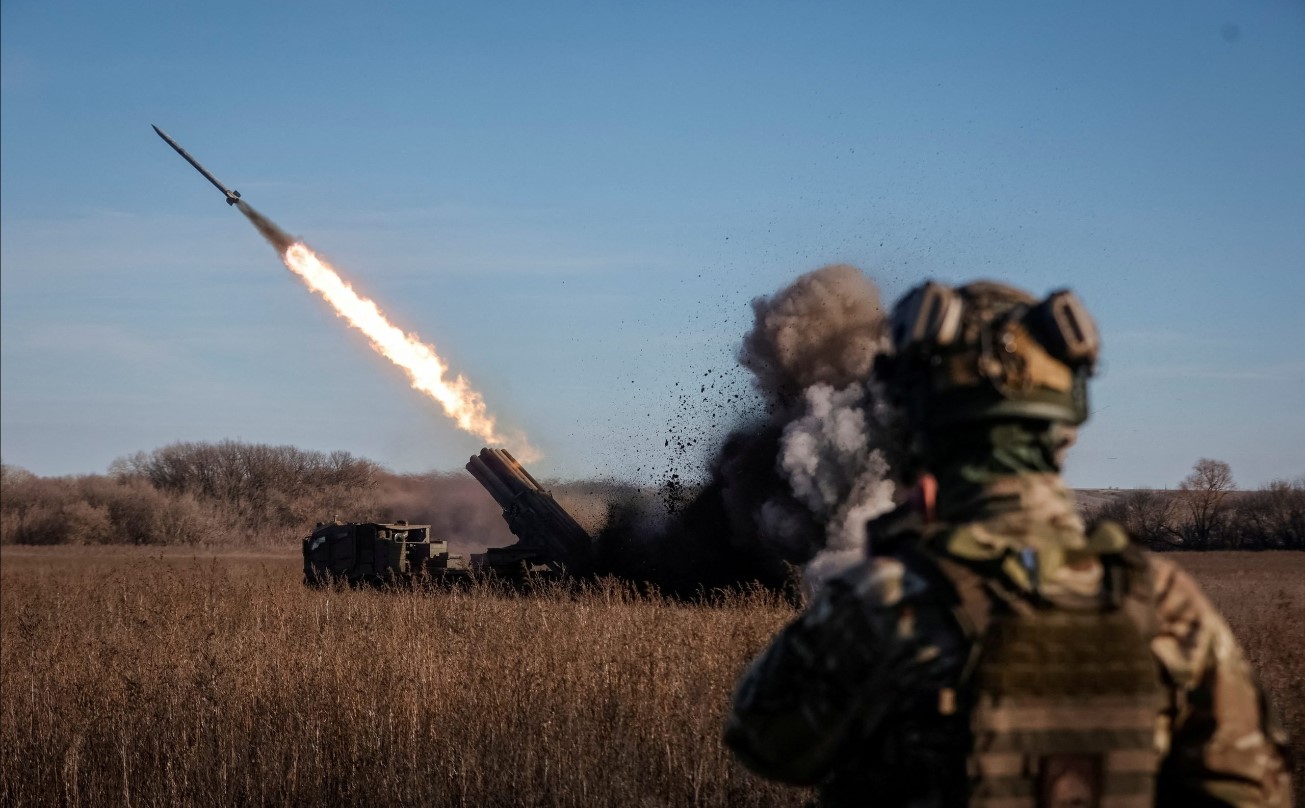
World
In recent months, Ukraine has observed a significant increase in the accuracy of North Korean ballistic missiles utilized by Russian forces. Previously, these missiles exhibited inaccuracies ranging from 1 to 3 kilometers. However, recent strikes have demonstrated precision within 50 to 100 meters of their intended targets. This notable improvement suggests that North Korea is effectively leveraging the Ukrainian battlefield to test and refine its missile technology. Factors Contributing to Improved Accuracy Several elements may have contributed to this enhanced precision: Advanced Navigation Systems: The integration of sophisticated navigation technologies could allow for more precise targeting. Steering Mechanisms: The addition of improved steering capabilities may enable better in-flight adjustments, ensuring missiles remain on course. Operational Feedback: Continuous feedback from Russian military operations provides North Korean engineers with valuable data to refine and enhance missile performance. Missile Specifications and Capabilities The North Korean missiles in question are believed to be variants of the KN-23 series, which share similarities with Russia's Iskander-M missiles. Key specifications include: Warhead Weight: Capable of carrying warheads up to 1,000 kilograms, these missiles can deliver substantial payloads to their targets. Range: With an operational range of up to 800 kilometers, they can strike deep into opposing territories. Guidance Systems: Equipped with advanced guidance systems, possibly enhanced through Russian collaboration, these missiles achieve high levels of accuracy. Strategic and Global Implications The improved accuracy of North Korean missiles has several far-reaching implications: Regional Security Concerns: Enhanced missile capabilities heighten threats to neighboring countries such as South Korea and Japan, potentially destabilizing the region. Global Non-Proliferation Challenges: The advancements underscore the challenges in curbing missile technology proliferation, especially when nations collaborate to circumvent international sanctions. Military Dynamics in Ukraine: For Ukraine, the deployment of more precise missiles by Russian forces complicates defense strategies and increases the urgency for effective countermeasures. The marked improvement in the accuracy of North Korean missiles used by Russian forces in Ukraine reflects significant advancements in missile technology. This development not only alters the tactical landscape of the Ukrainian conflict but also raises broader concerns about regional security and global non-proliferation efforts. Continuous monitoring and analysis are essential to understand the evolving capabilities and to formulate appropriate responses to these emerging threats.
Read More → Posted on 2025-02-06 07:03:56
India
India's Defence Research and Development Organisation (DRDO) is making significant strides in advancing the nation's defense capabilities with the development of the DATRAN 1500 horsepower (HP) engine. This powerful engine is poised to be a cornerstone in India's next-generation main battle tanks (MBTs), marking a pivotal move towards self-reliance in defense technology. Key Specifications of the DATRAN 1500 HP Engine: Power Output: The engine delivers a robust 1500 HP, providing the necessary thrust for modern armored vehicles to achieve superior mobility and speed on the battlefield. Design and Configuration: While specific design details remain classified, the engine is engineered to meet the rigorous demands of contemporary warfare, ensuring reliability and high performance under various combat conditions. Compatibility: The DATRAN 1500 is designed for integration into India's Futuristic Main Battle Tank (FMBT) program and is also being considered for retrofitting into existing platforms like the Arjun Mk1A and upgraded T-90 tanks. Development and Testing Milestones: In March 2024, the Defence Secretary presided over the maiden test-firing of the indigenously developed 1500 HP engine at BEML's facility in Mysuru. This event marked the completion of the first phase of development, focusing on technology stabilization. The subsequent phase involves producing additional engines for comprehensive trials at the Combat Vehicles Research and Development Establishment (CVRDE), a DRDO laboratory, followed by integration into actual vehicles for user testing. The project is slated for completion by mid-2025. Given the high power output of the DATRAN 1500 engine, specialized testing facilities are required to evaluate its performance thoroughly. While India has made significant advancements in defense technology, certain high-capacity testing infrastructures are currently more readily available abroad, necessitating overseas testing to ensure the engine meets all operational parameters. Implications for India's Defense Capabilities: The successful development and deployment of the DATRAN 1500 HP engine signify a transformative moment for India's defense sector. By reducing dependence on foreign powertrain systems, India is enhancing its self-sufficiency in defense technology. This move not only strengthens national security but also fosters the growth of a robust and independent defense ecosystem, paving the way for future innovations in military hardware. As the DATRAN 1500 HP engine progresses through its development and testing phases, it stands as a testament to India's commitment to advancing its defense capabilities through indigenous solutions. The anticipated integration of this engine into the nation's next-generation MBTs by 2028 underscores a significant leap towards achieving strategic autonomy in defense preparedness.
Read More → Posted on 2025-02-06 06:45:59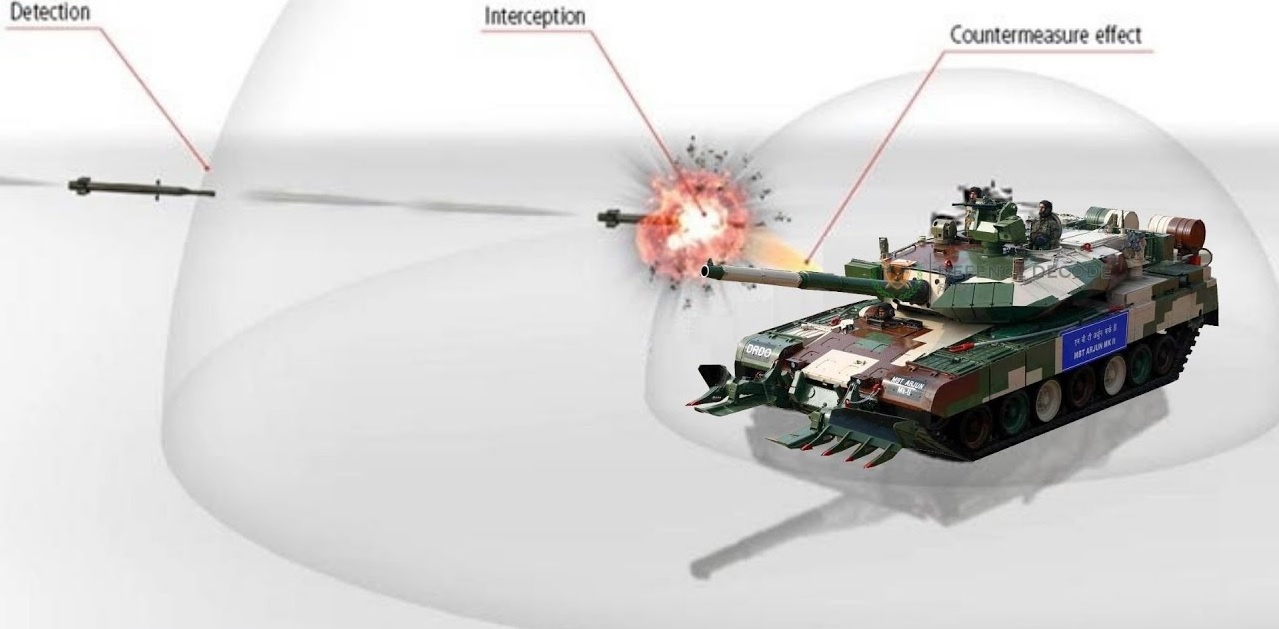
India
In a strategic move to bolster the defense capabilities of its armored units, the Indian Army has issued a Request for Information (RFI) for the procurement of Active Protection Systems (APS) tailored for its T-90S/SK 'Bhishma' Main Battle Tanks (MBTs). This initiative underscores the Army's commitment to enhancing the survivability of its armored fleet against modern anti-tank threats. Understanding Active Protection Systems (APS): An Active Protection System is an advanced defense mechanism designed to detect and neutralize incoming threats, such as anti-tank guided missiles (ATGMs) and rocket-propelled grenades (RPGs), before they can impact the vehicle. APS typically employ a combination of sensors, radar, and countermeasures to provide both "soft-kill" (disruption of the threat's guidance systems) and "hard-kill" (physical destruction of the threat) capabilities. International Contenders for the Indian Army's APS Procurement: Israel: Rafael Advanced Defense Systems – Trophy APS Overview: The Trophy APS is a combat-proven system currently deployed on the Israeli Defense Forces' Merkava tanks and selected U.S. Abrams tanks. Specifications: Detection: Utilizes advanced radar systems to identify and track incoming threats. Neutralization: Employs a hard-kill mechanism that launches countermeasures to intercept and destroy threats in mid-air. Combat Record: Has demonstrated effectiveness in various combat scenarios, providing 360-degree protection against multiple simultaneous threats. Russia: Instrument Design Bureau (KBP) – Afganit APS Overview: Originally developed for the T-14 Armata, the Afganit APS can be adapted for other platforms, including the T-90 series. Specifications: Detection: Equipped with a combination of radar and optical sensors to detect incoming projectiles. Neutralization: Features both soft-kill jamming capabilities and hard-kill interceptors to counteract threats, including top-attack munitions. Integration: Designed for seamless integration with Russian-made tanks, offering a comprehensive defensive suite. United States: Artis – Iron Curtain APS Overview: The Iron Curtain APS is engineered to provide close-in protection, making it suitable for urban combat scenarios. Specifications: Detection: Employs high-speed optical sensors to detect threats at close range. Neutralization: Utilizes downward-firing countermeasures to neutralize incoming projectiles just before impact, minimizing collateral damage. Design Philosophy: Focuses on protecting the vehicle in environments where threats can emerge from short distances. United States: Raytheon – Quick Kill APS Overview: Raytheon's Quick Kill APS is designed to provide rapid response to a variety of anti-tank threats. Specifications: Detection: Incorporates a multi-mission fire-control radar to detect and track incoming threats. Neutralization: Deploys a vertically launched hard-kill countermeasure capable of engaging threats from any direction. Adaptability: Designed for integration with various armored platforms, offering scalable protection solutions. France: Thales Group – DIAMANT APS Overview: Thales' DIAMANT system is designed to counter both kinetic energy penetrators and chemical energy threats. Specifications: Detection: Utilizes a suite of sensors to detect incoming threats. Neutralization: Combines soft-kill measures, such as jamming, with hard-kill interceptors to neutralize threats. Versatility: Offers a modular design that can be tailored to different vehicle types and threat environments. Sweden-South Africa: Saab – LEDS-150 APS Overview: The LEDS-150 system integrates both soft-kill and hard-kill capabilities to provide comprehensive protection. Specifications: Detection: Equipped with active signature management and threat detection sensors. Neutralization: Employs high-speed directed countermeasures to defeat incoming threats. Flexibility: Suitable for a range of combat environments, from urban settings to open battlefields. South Korea: Hanwha – KAPS (Korean Active Protection System) Overview: Hanwha's KAPS is designed to protect armored vehicles against ATGMs and RPGs. Specifications: Detection: Uses radar and infrared sensors to detect incoming threats. Neutralization: Features a combination of soft-kill jamming and hard-kill interceptors to neutralize threats. Optimization: Tailored to meet the specific needs of modern battle tanks, offering a layered defense approach. Considerations for the Indian Army: The selection of an APS for the T-90S/SK MBTs involves several critical considerations: Integration: The chosen system must be compatible with the T-90's existing architecture, ensuring seamless integration without compromising the tank's performance. Performance: The APS should effectively counter a wide range of threats, including modern ATGMs and RPGs, while minimizing the risk of collateral damage. Reliability: Given the diverse operational environments of the Indian Army, the system must demonstrate high reliability under various climatic and combat conditions. Maintenance: The APS should be maintainable with the existing logistical infrastructure, ensuring that it remains operational with minimal downtime. By carefully evaluating these factors, the Indian Army aims to enhance the combat effectiveness and survivability of its armored units
Read More → Posted on 2025-02-06 06:41:52
World
In late January 2025, Rheinmetall delivered the first Boxer Skyranger 30 air defense vehicle to the Bundeswehr. This verification model is set for rigorous testing and evaluation, marking a pivotal step before the system enters full-scale production. Addressing Modern Aerial Threats The Skyranger 30 is engineered to fill critical gaps in mobile air defense, especially against emerging threats like unmanned aerial vehicles (UAVs) and low-flying projectiles. By integrating advanced weaponry and sensor systems onto a mobile platform, it offers a blend of mobility, protection, and precision. Key Specifications and Features Armament: Central to the Skyranger 30 is the 30mm x 173 Oerlikon KCE revolver cannon, renowned for its high rate of fire and precision. This cannon can achieve a nominal firing rate of 1,200 rounds per minute, with an effective range of up to 3,000 meters. The system also supports the integration of short-range air defense missiles, extending its engagement capabilities. Ammunition: The cannon utilizes airburst munitions, enhancing its effectiveness against small and agile targets. The AHEAD (Advanced Hit Efficiency And Destruction) programmable ammunition is optimized for countering UAVs and other aerial threats. Turret Design: The remote-controlled turret weighs between 1,500 to 2,000 kilograms without ammunition and has an elevation range from -10 to +85 degrees, allowing for versatile targeting across various altitudes. Mobility and Platform: Mounted on the Boxer wheeled armored vehicle, the Skyranger 30 combines the mobility of the Boxer platform with advanced air defense capabilities, ensuring rapid deployment and repositioning as battlefield conditions evolve. Integration and Future Enhancements Initially, the German variant of the Skyranger 30 will be equipped with Stinger missiles. Plans are underway to upgrade the system with specialized drone defense missiles, further bolstering its capability to neutralize UAV threats. The turret is designed for both autonomous operation and integration into networked defense systems, enhancing situational awareness and coordinated responses. Contractual Developments and Production Timeline This delivery stems from a contract signed in February 2024, wherein Rheinmetall committed to supplying 19 Skyranger 30 systems to Germany, including the verification model. The contract, valued at €595 million, includes an option for an additional 30 systems. Serial deliveries are slated to occur primarily in 2027 and early 2028. European Collaboration and Interest The Skyranger 30 is a component of the European Sky Shield initiative, a collaborative air defense program among NATO and EU nations. Countries such as Austria, Denmark, and Hungary have already placed orders for variants of the system to enhance their military platforms. Notably, in January 2025, the Netherlands announced plans to procure 22 Skyranger 30 systems, with the contract expected to be finalized before the year's end. As aerial threats continue to evolve, the Skyranger 30 represents a significant advancement in mobile air defense technology, offering nations a robust solution to protect their airspace and ground forces.
Read More → Posted on 2025-02-05 15:03:46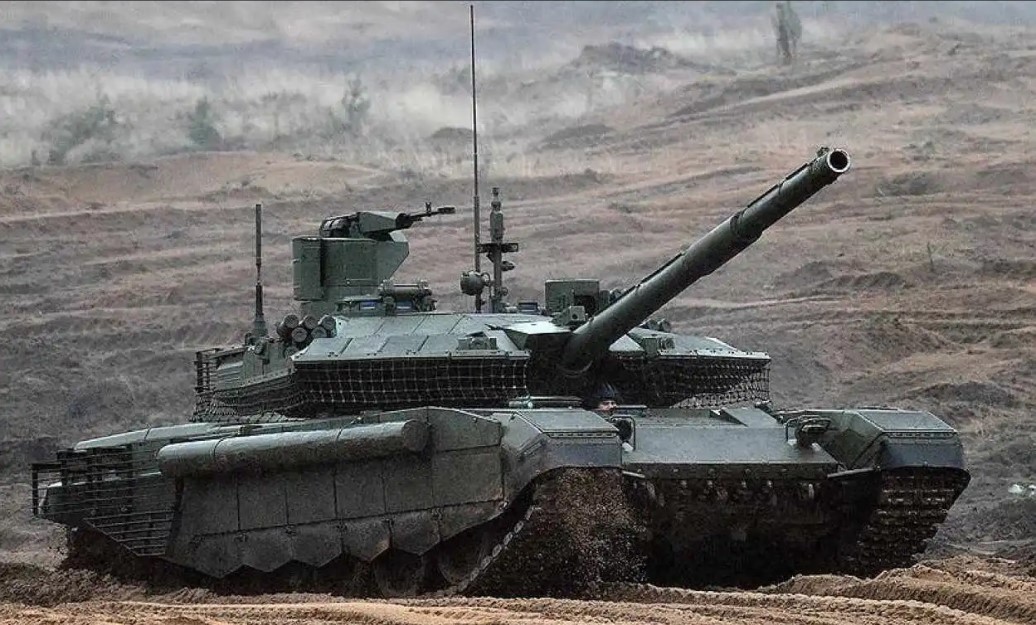
World
In a significant advancement for its armored forces, Russia's UralVagonZavod has introduced the first T-90M main battle tank equipped with the Arena-M Active Protection System (APS). This development underscores Russia's commitment to bolstering its military capabilities, especially in light of recent battlefield challenges. The T-90M: An Overview The T-90M, an evolution of the T-90 series, represents the pinnacle of Russian tank engineering. Building upon the foundation of the T-72, the T-90M boasts a 125 mm 2A46 smoothbore main gun, the 1A45T fire-control system, an upgraded engine, and a gunner's thermal sight. Its standard protective measures include a blend of steel and composite armor, smoke grenade dischargers, Kontakt-5 explosive reactive armor (ERA), and the Shtora infrared anti-tank guided missile (ATGM) jamming system. These features collectively enhance its offensive and defensive capabilities on the modern battlefield. Arena-M Active Protection System: A Defensive Leap The integration of the Arena-M APS marks a pivotal enhancement in the T-90M's defensive suite. Developed by Russia's Kolomna-based Engineering Design Bureau, the Arena system is designed to protect armored fighting vehicles from threats such as light anti-tank weapons and ATGMs. Utilizing a Doppler radar, the system detects incoming projectiles and launches a defensive rocket that detonates near the threat, neutralizing it before impact. This mechanism offers 360-degree protection, significantly increasing the tank's survivability against modern anti-tank munitions. Addressing Battlefield Vulnerabilities Despite its advanced design, the T-90M has encountered challenges in recent conflicts. Reports indicate that over 100 T-90M tanks have been lost in Ukraine, highlighting vulnerabilities to modern anti-tank weapons, drones, and precision artillery strikes. The addition of the Arena-M APS aims to mitigate these threats by intercepting incoming projectiles, thereby enhancing the tank's resilience in combat scenarios. Comparative Insights and Future Prospects While the Arena-M APS represents a significant advancement, its real-world effectiveness remains to be fully validated in combat situations. In contrast, systems like Israel's Trophy APS have been extensively battle-tested and proven effective. The true measure of the Arena-M's capabilities will emerge as it faces the complexities of modern warfare. In conclusion, the unveiling of the T-90M equipped with the Arena-M APS signifies a strategic move by Russia to enhance its armored forces' survivability. As the dynamics of warfare evolve, such advancements underscore the continuous efforts to adapt and strengthen military assets against emerging threats.
Read More → Posted on 2025-02-05 15:00:50Search
Top Trending in 24 Hours
-
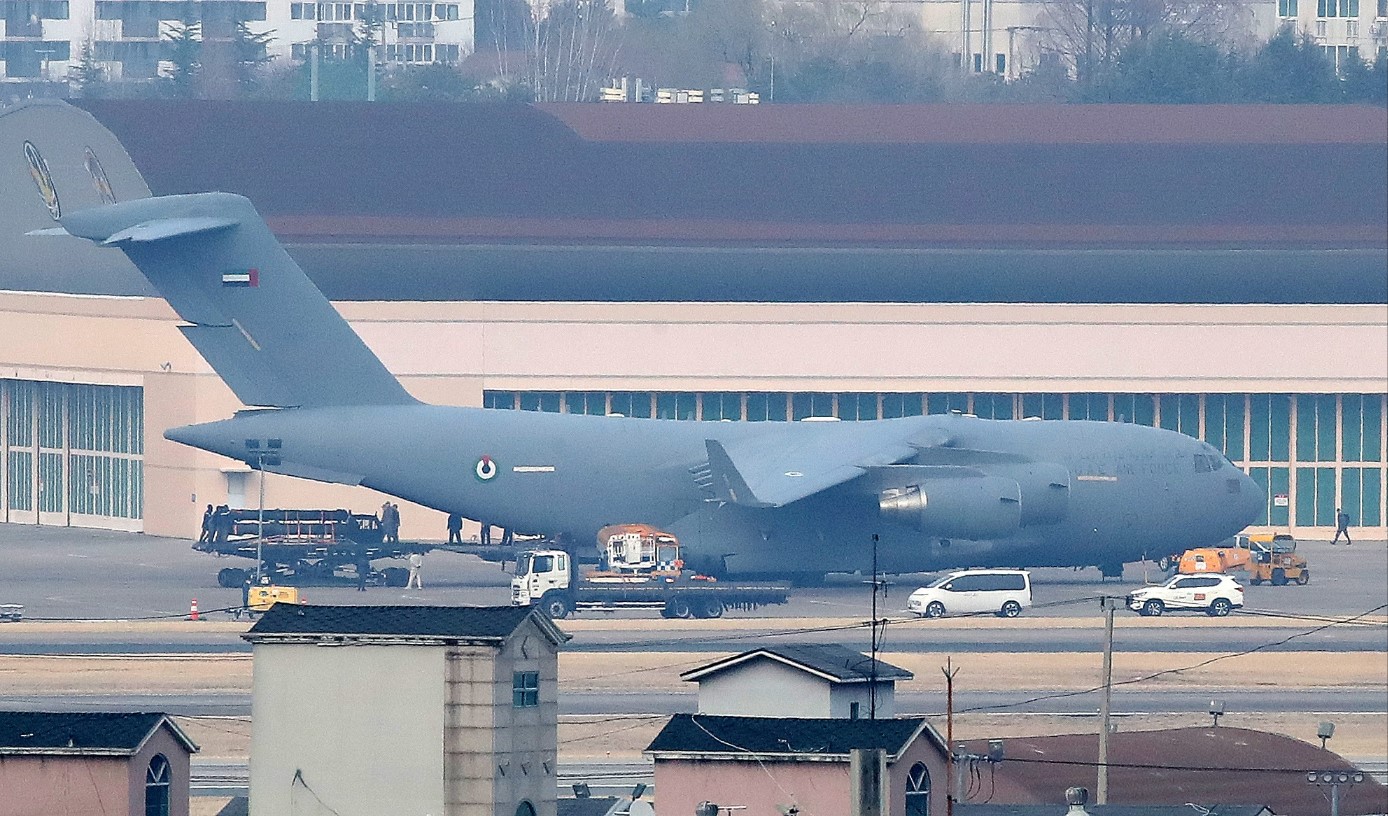 UAE Urgently Airlifts Cheongung-II Missile Defense Battery From South Korea Using Eight C-17 Aircraft
-
 NATO Commander Says Russia Not Seeking Conflict With Alliance Despite U.S. Force Reductions
-
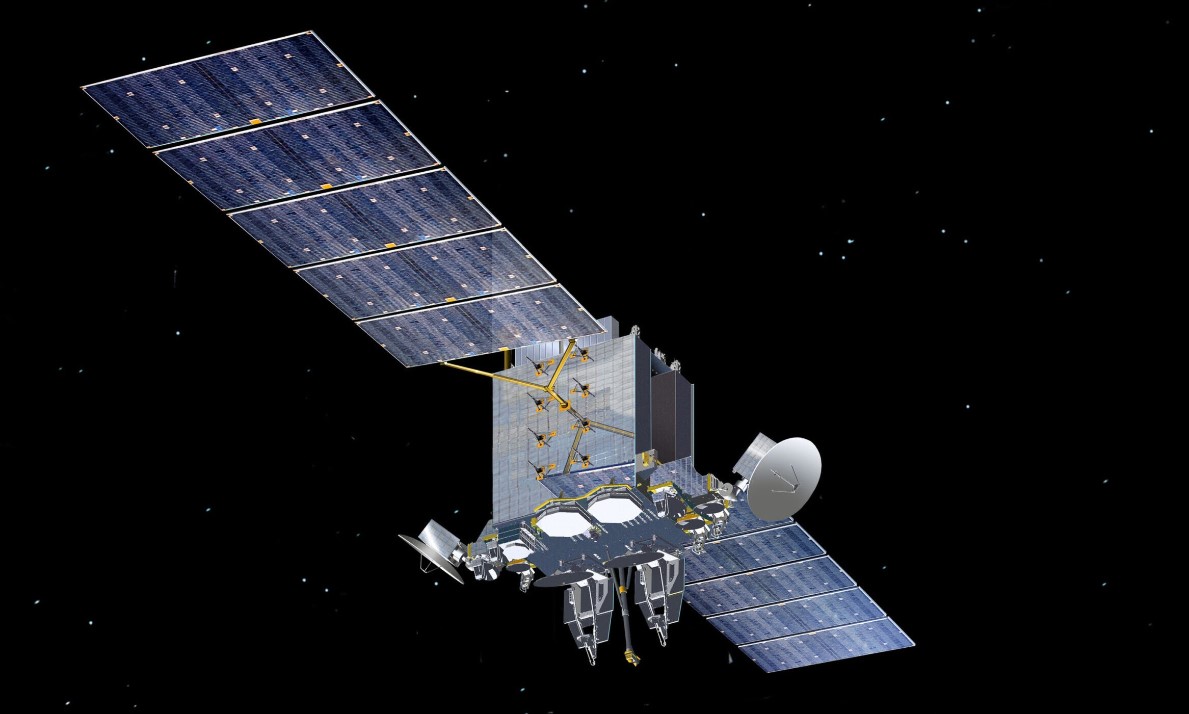 U.S. Space Force Awards $437.7 Million Contracts for First PTS-G Swarm 1 Anti-Jam Satellites
-
 U.S. Air Force Faces Strategic Airlift Shortfall as C-17 Production Restart Remains Uncertain
-
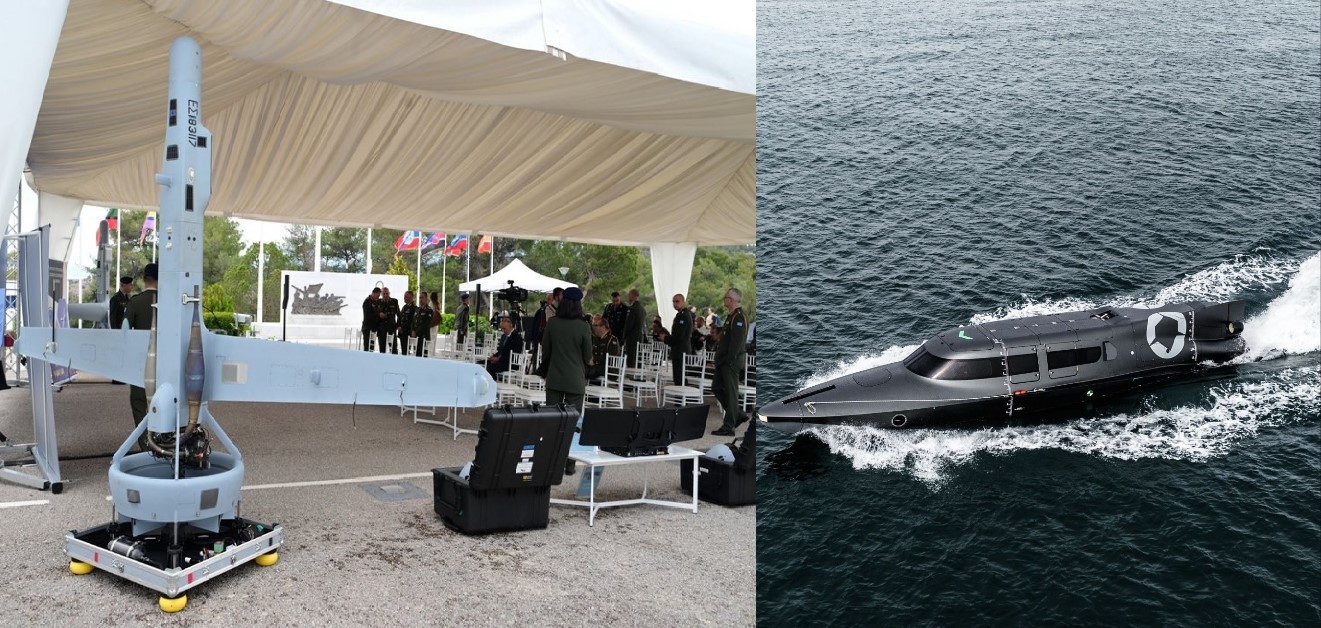 Greek Parliament Approves €1.2 Billion Defense Package Including VICTA Submersibles, V-BAT Drones, C-390 Airlifters, and Frigate Upgrades
-
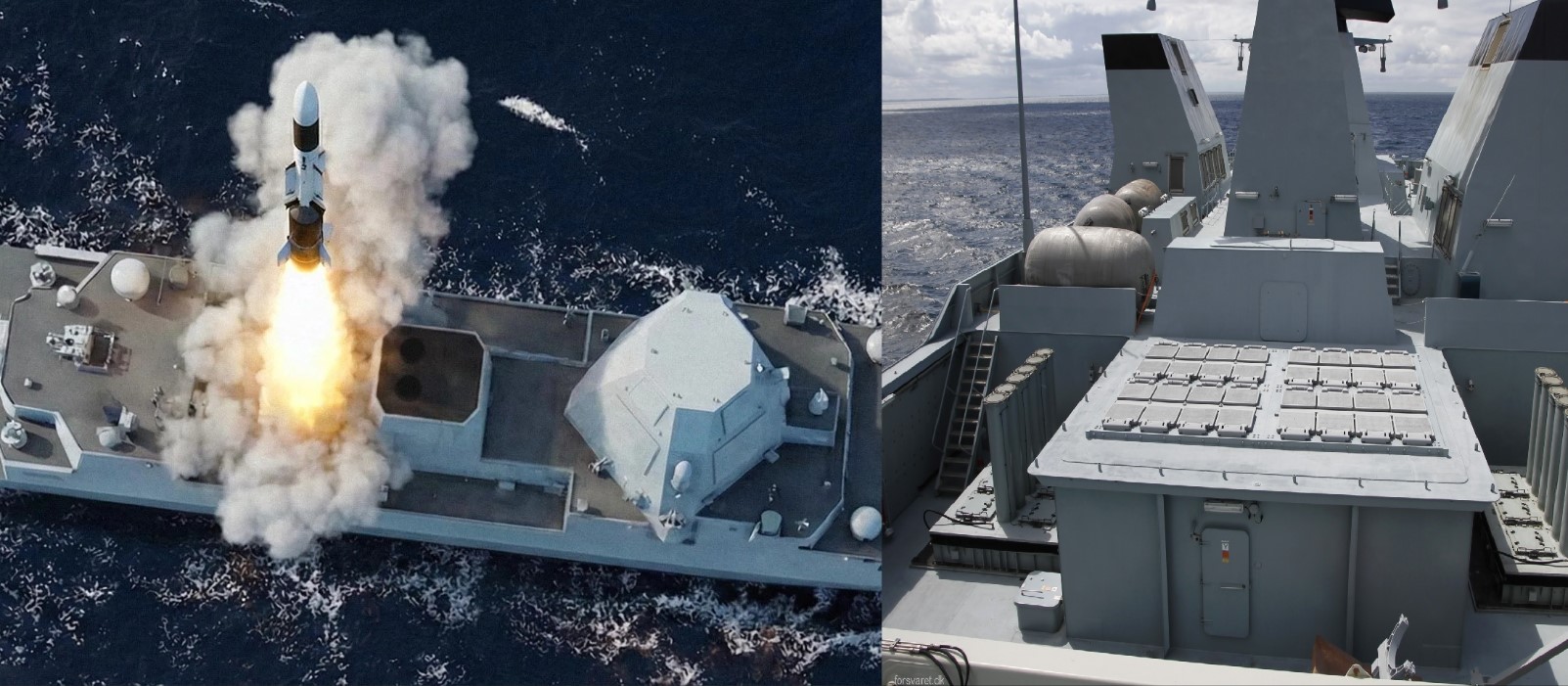 Engineering Challenges Behind the US Navy's Decision to Drop MK41 VLS from Flight I FF(X) Frigates
-
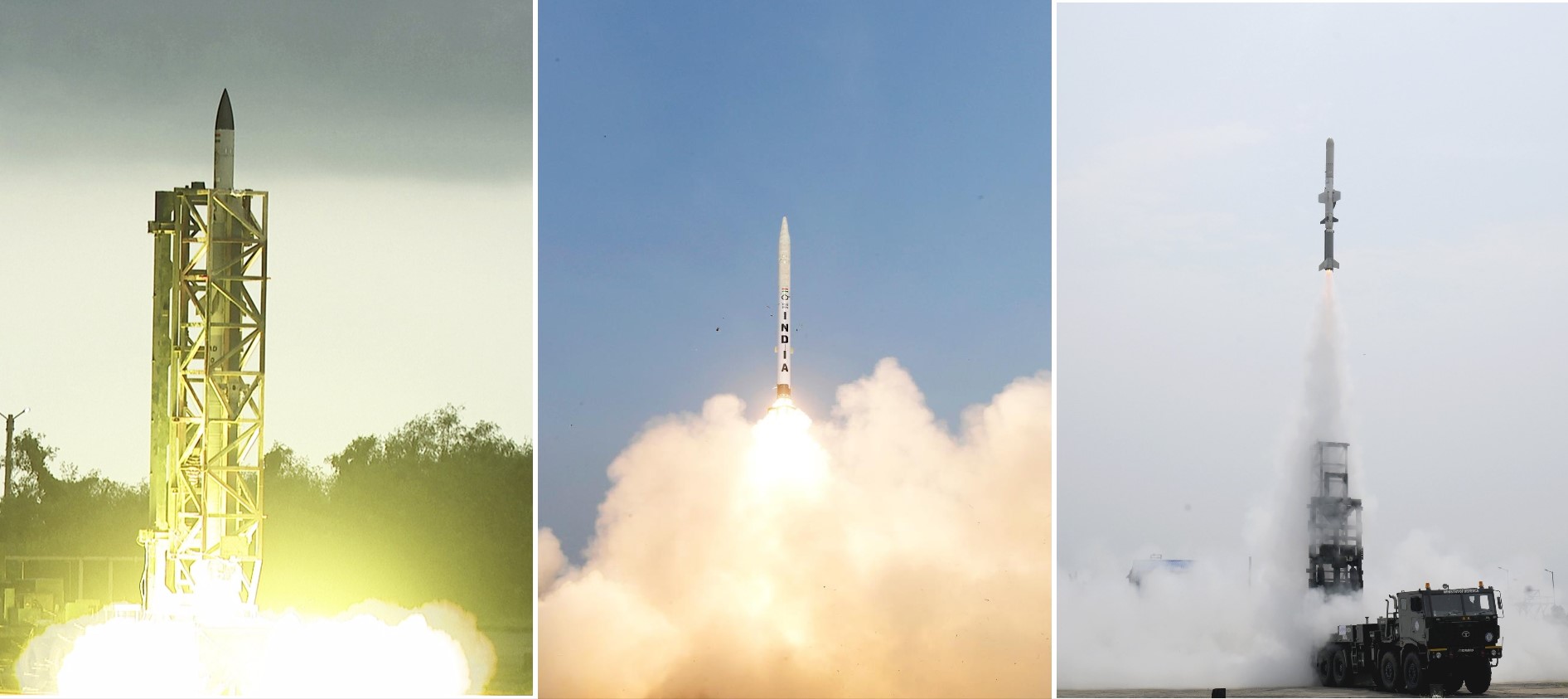 India Successfully Conducts AD-1, AD-2 Interceptor Tests and Maiden NASM-MR Flight Trial
-
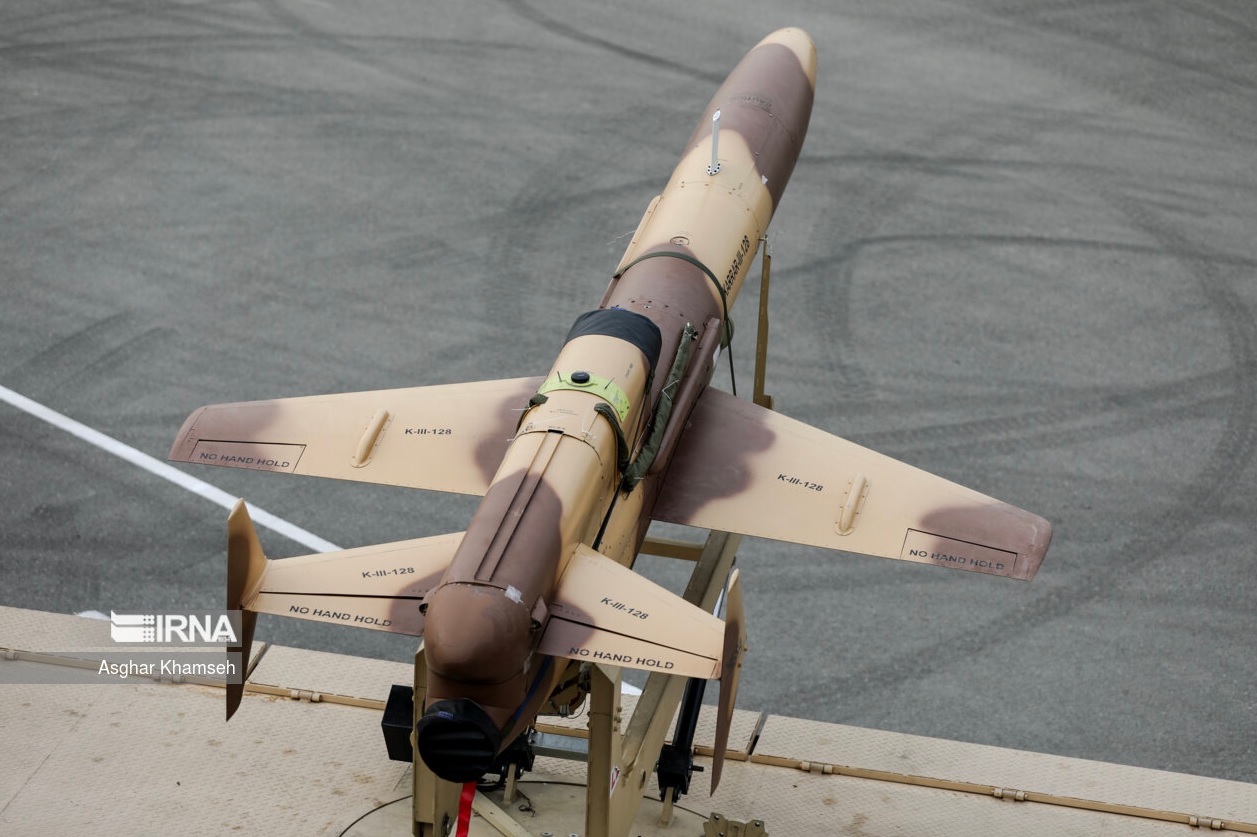 Russia Launches 1,400 Jet-Powered Drones in 2026 as Strike Tactics Evolve to Challenge Ukraine's Air Defenses
Top Trending in 4 Days
-
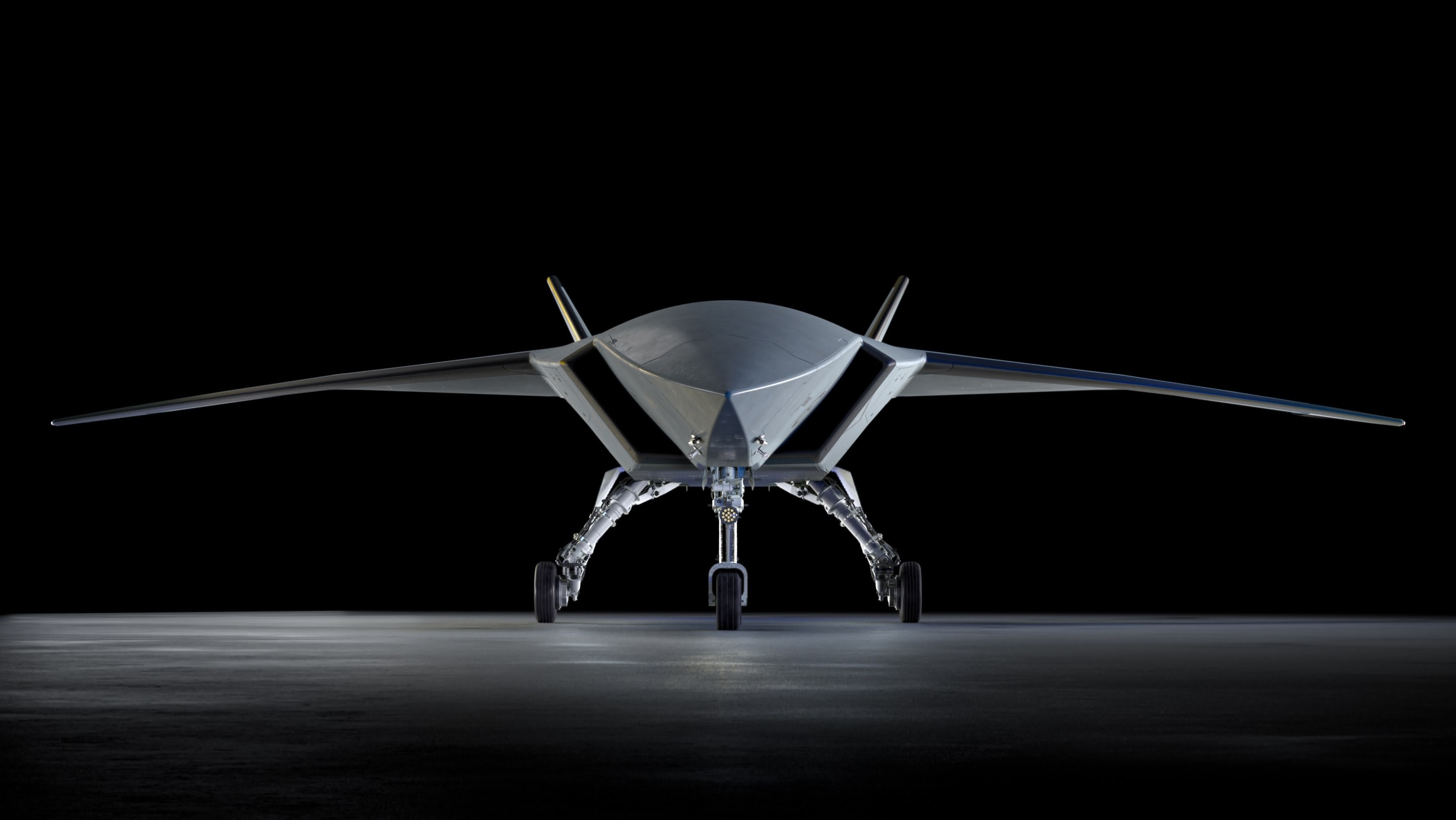 Boeing Introduces New MQ-28 Ghost Bat Upgrades with Increased Range, Payload and Weapons Capacity at ILA Berlin 2026
-
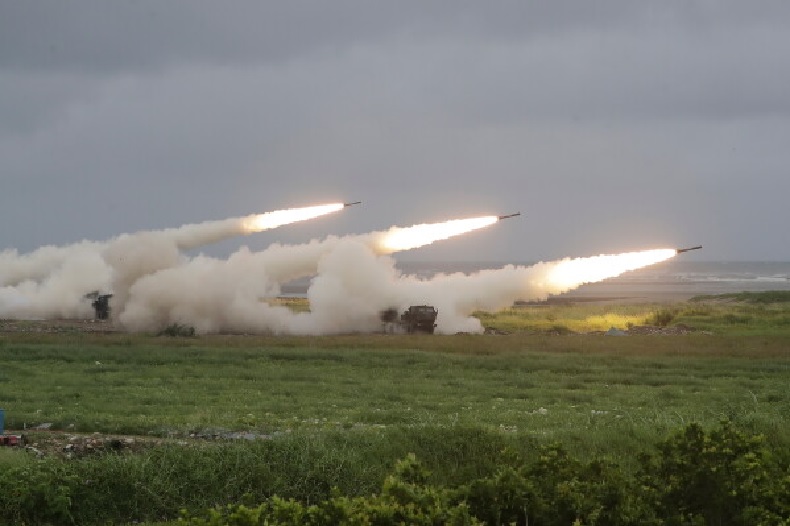 Taiwan Conducts First Live-Fire of HIMARS Rockets From West Coast During Invasion Defense Drill
-
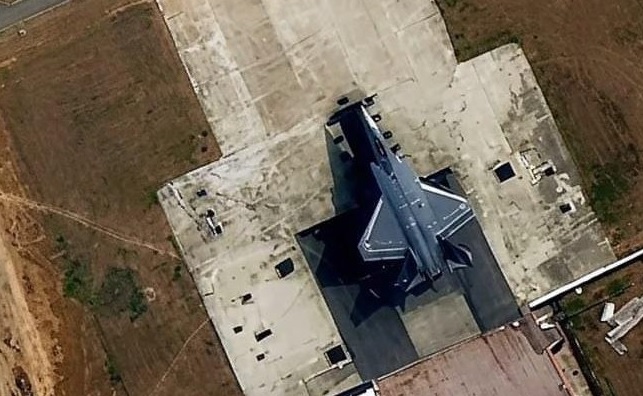 AMCA Airframe Spotted at DRDO’s ORANGE Facility for Radar Cross-Section Testing
-
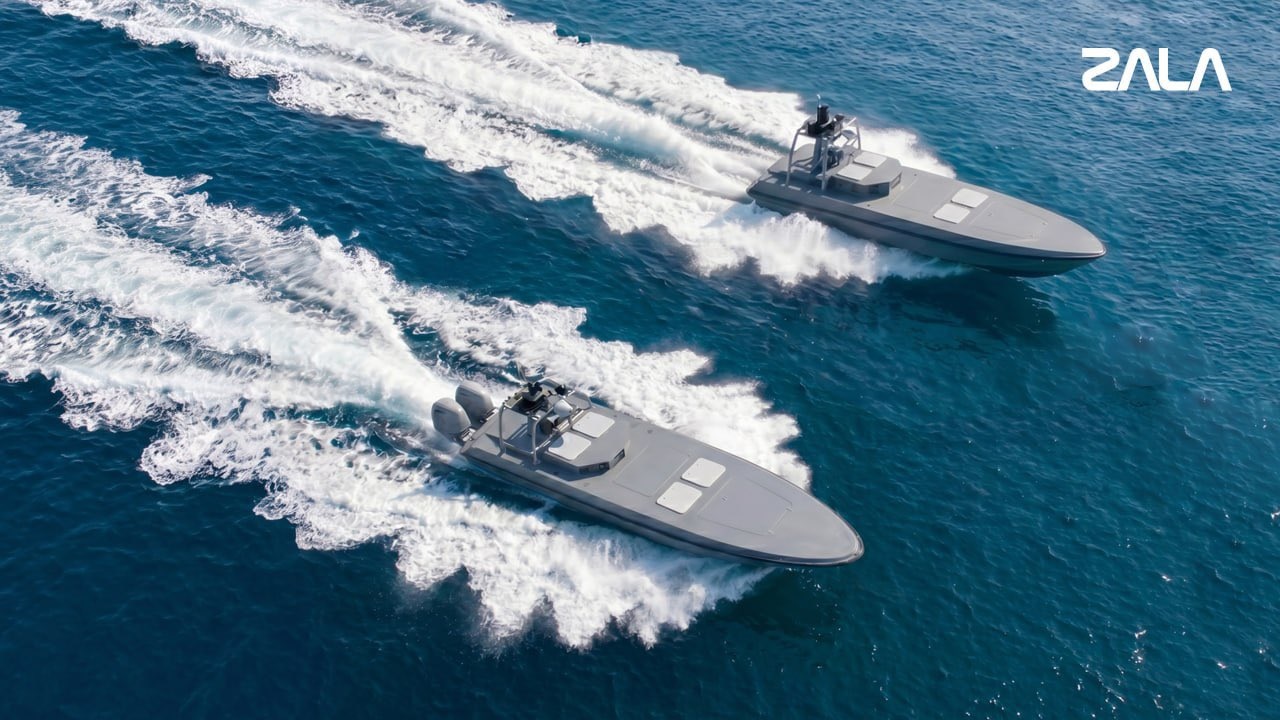 Russian Defense Firm ZALA Unveils KAMA Unmanned Surface Vessel Family at FLOT-2026 Naval Exhibition
-
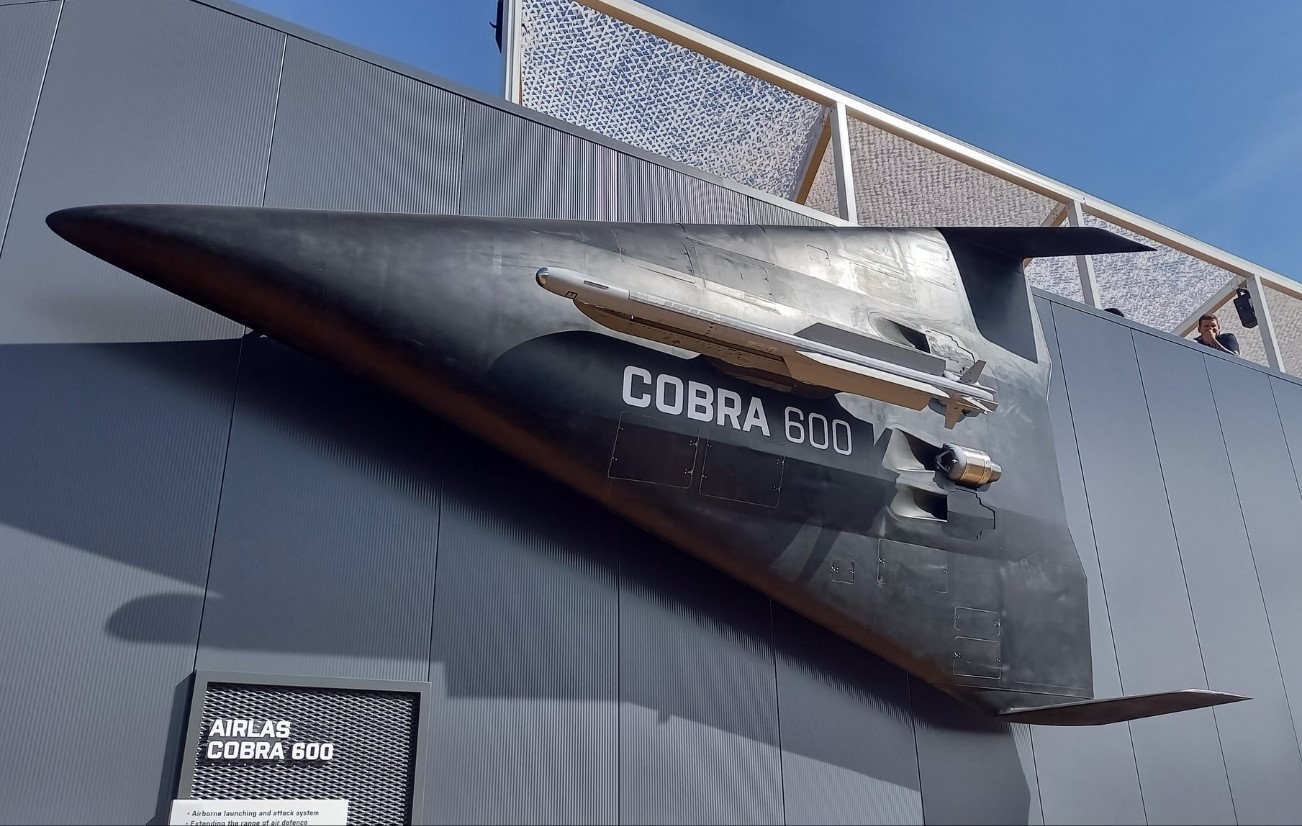 Diehl Defence Unveils IRIS-T Armed Cobra 600 Air Defense Drone at ILA Berlin 2026
-
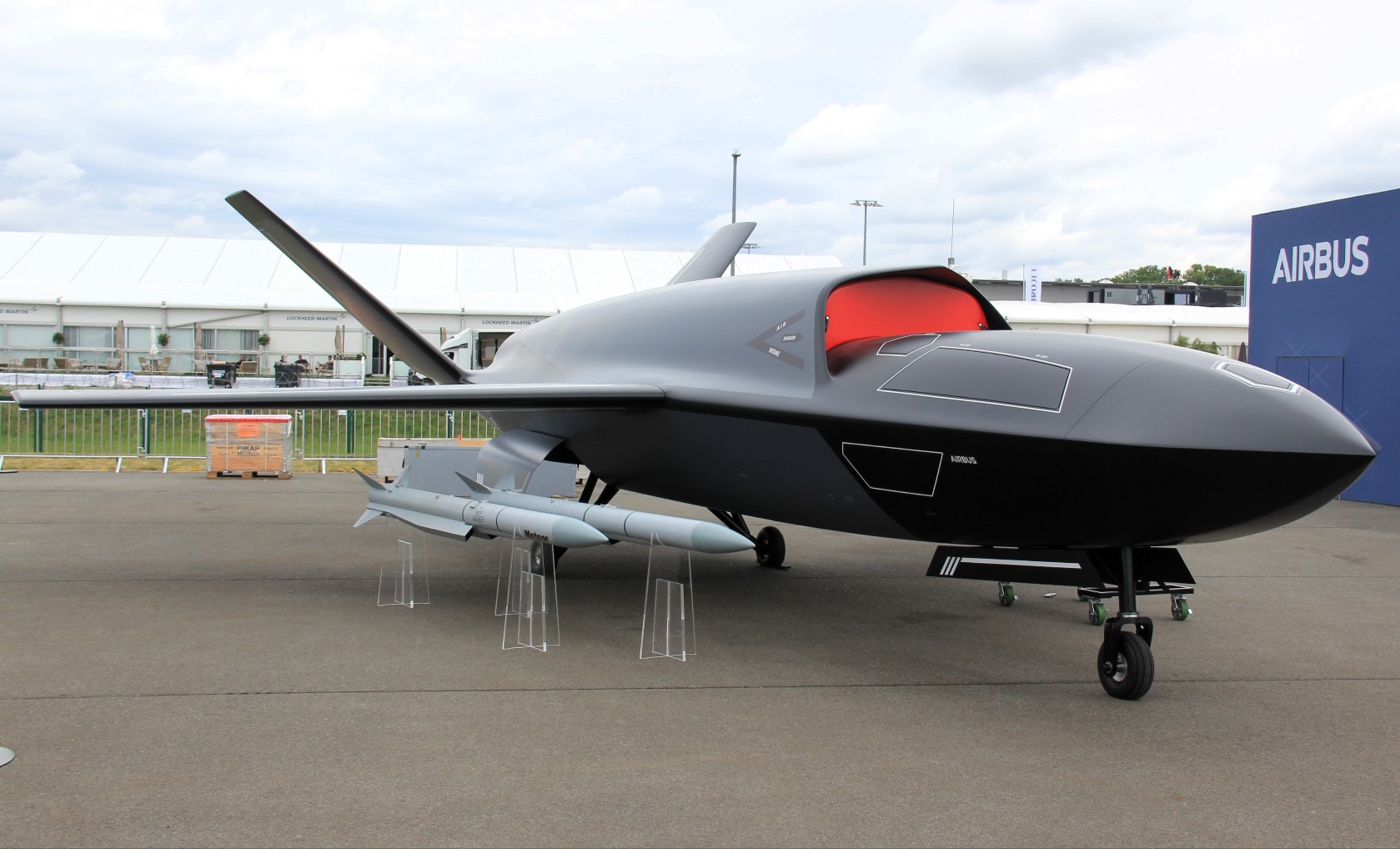 Airbus Unveils U760 Ravenstorm Loyal Wingman Drone at ILA Berlin 2026
-
 Iranian Media Leaks 14-Point U.S.-Iran Peace Framework Amid Ongoing Negotiations
-
 U.S Aircraft Carrier USS Theodore Roosevelt Departs San Diego for Major RIMPAC 2026 Naval Exercise
