World
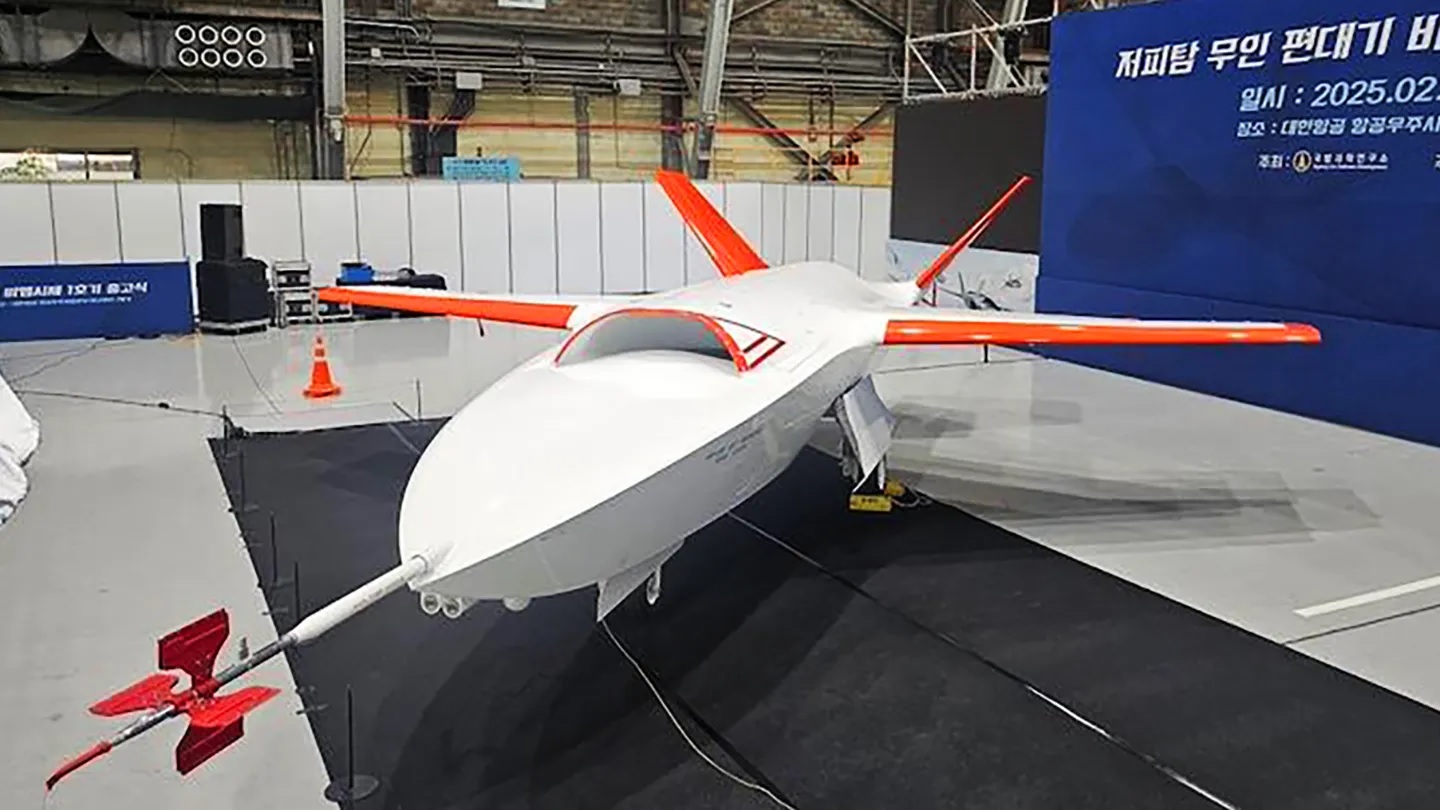
In a major leap toward futuristic air combat, South Korea is developing a cutting-edge AI-powered unmanned aerial vehicle (UAV)—nicknamed "Teamind"—designed to fly alongside the country’s KF-21 Boramae fighter jet as a loyal wingman. This next-gen drone is part of a bold vision by Seoul to boost the Republic of Korea Air Force’s firepower and survivability using advanced human-machine teaming. A recent concept video released by Korea Aerospace Industries (KAI) showed just how this “loyal wingman” system could work in real combat. The simulation featured four stealthy UAVs flying in formation with the KF-21, taking off from a transport aircraft, identifying enemy air defenses, and then launching precision strikes—all while the human pilot stayed at a safer distance, issuing commands through a mission display. The drones were sleek, low-observable in shape to minimize radar detection, and operated almost like intelligent extensions of the manned aircraft. The pilot inside the KF-21 uses an on-screen interface to assign tasks to the drones—like scouting, jamming radars, or attacking targets. In the simulation, once the drone squad neutralized enemy radar installations, the manned fighter moved in to drop bombs. The whole idea is to let the drones take the first hit, break enemy defenses, and keep human pilots out of immediate danger. The aircraft shown in the demo was a technology demonstrator version, easily spotted with its white body and red accents. It's still under development on the ground, with engineers testing its aerodynamics, stealth features, and electro-optical sensors. Flight testing is expected to begin later this year, with joint test missions alongside the KF-21 fighter jet possibly kicking off in 2026. KAI launched the program in 2021, naming it "Teamind"—a combination of “Team” and “Mind”—to represent AI-driven teamwork between manned and unmanned aircraft. The system is expected to be fully developed by 2027, and become operational in real missions around 2030. For South Korea, this marks more than just a technical milestone. The KF-21, which is the country’s first indigenously developed supersonic fighter, is already seen as a game-changer. Now, pairing it with AI drones not only boosts its combat punch but also makes it a far more attractive product on the global arms market. Officials believe that the "Teamind" drone will multiply the effectiveness of each KF-21 by allowing one pilot to command several drone wingmen in complex missions—cutting down risk, increasing flexibility, and expanding strike options. This move aligns South Korea with a growing international trend. The United States, Australia, and several European nations are also working on similar manned-unmanned teaming strategies. But South Korea’s approach focuses on AI integration, rapid deployment, and affordability—qualities that are becoming critical in an era of rising tensions and drone-dominated warfare. As the regional security environment becomes more unpredictable, South Korea is betting that “Teamind” could be the edge its air force needs—not just to keep up, but to lead.
Read More → Posted on 2025-07-24 15:19:27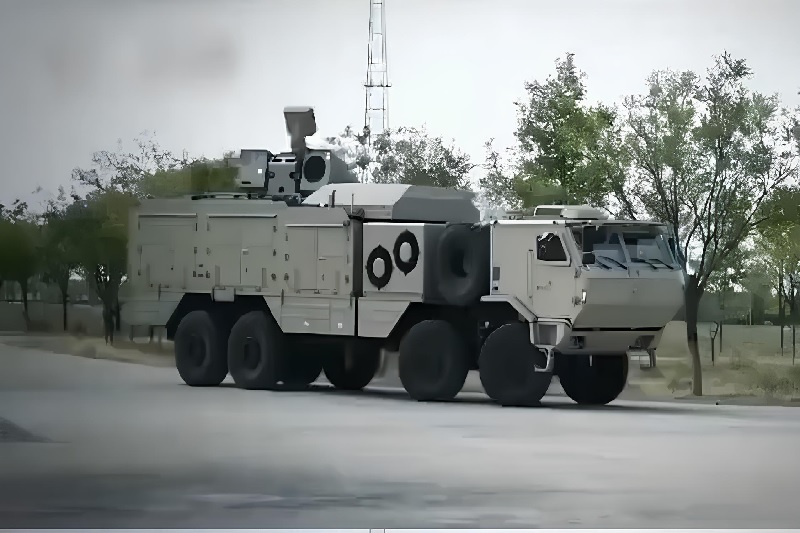
World
In a bold show of military innovation, China has tested its most powerful laser air defense system yet — the OW5-A50, designed specifically to counter drone swarms and loitering munitions. The live demonstration, held on July 21, 2025, at a military testing ground in Inner Mongolia, marked a significant step in China’s push toward directed-energy weapons as a futuristic layer of protection for critical assets. Developed by China North Industries Group Corporation (NORINCO), the OW5-A50 is not just another air defense unit — it’s a mobile laser cannon that uses pure energy to burn drones out of the sky. Mounted on a massive 8×8 wheeled truck, the weapon fired its 50-kilowatt laser in live tests, zapping enemy drones mid-air within seconds. The system doesn’t fire bullets or missiles. Instead, it uses a focused high-energy laser beam to melt internal components of UAVs, effectively causing them to crash without explosions — and without spending a single shell. What makes this system even more striking is its speed and accuracy. Footage released by Chinese media showed the OW5-A50 locking onto multiple targets one after the other, switching targets in as little as two seconds, and neutralizing them seamlessly. This makes it ideal for “saturation attacks” — scenarios where dozens of small drones attempt to overwhelm conventional defenses. According to NORINCO experts, the OW5-A50 operates using onboard electrical power, with battery modules charged by its own integrated generator, meaning it can function without external energy sources. Once activated, the laser can stay on for up to three minutes, with just a short eight-second cooldown between firings — perfect for high-frequency engagements. The OW5-A50 is the top-end model in NORINCO’s OW5 laser series, which also includes the OW5-A10 (10kW) and OW5-A30 (30kW). It carries a multispectral sensor suite, including infrared, visible light, and radar, allowing it to detect and classify even small, slow, low-flying threats like FPV drones, loitering munitions, and possibly even mortar rounds. The truck also features electronic warfare jammers capable of disrupting drone communications up to 10 kilometers away, giving it a double punch: disable or destroy. In a more dramatic demonstration of China’s integrated battlefield approach, NORINCO also showcased a simulation involving drones, loitering munitions, helicopters, and AI-enabled systems working together in a digital “OODA loop” — observe, orient, decide, and act. The OW5-A50 served as the last line of defense, backing up missile systems like the HQ-9 and HQ-16, in case anything slipped through. China’s defense industry has been steadily pushing laser weapons into the global spotlight. Earlier systems like CETC’s Silent Hunter, which made headlines during the 2016 G20 summit and was later exported to Saudi Arabia, laid the groundwork. The newer OW5-A50 offers higher power, better mobility, and longer sustained operations — making it China’s boldest bid yet to enter the global directed-energy weapons market. In terms of cost, NORINCO says the OW5-A50 is significantly cheaper per shot compared to traditional missile systems. A single “laser shot” costs just a few yuan, making it extremely economical when used against low-cost drones, a problem growing worldwide. The system has reportedly already been tested in over 110 drone engagements, according to promotional materials. Export-wise, NORINCO has already shown off the OW5-A50 in Saudi Arabia, Egypt, Qatar, and the UAE, and showcased it at the 2024 Zhuhai Airshow and IDEX 2025 in Abu Dhabi. It's being marketed under NORINCO’s SkyShield label, which includes a broader family of directed-energy and air defense technologies. While the system’s ability to take on mortars or helicopters remains unproven in real combat, its performance against drones has already been documented on camera and aired by Chinese state media. That alone sends a clear message: China is not just experimenting with laser weapons — it’s ready to deploy them. In a world increasingly threatened by cheap, expendable drones, systems like the OW5-A50 are emerging as game-changing tools. If NORINCO's export push succeeds, this laser truck may soon become a familiar sight — not just in China, but on battlefields around the world.
Read More → Posted on 2025-07-24 15:06:13
India
In a bold step to protect its frontline armoured forces in hostile terrain, India is equipping its upcoming Zorawar light tank with Israel’s battle-proven Trophy Active Protection System (APS)—a high-tech shield designed to stop deadly threats like anti-tank guided missiles (ATGMs), rocket-propelled grenades (RPGs), and armed drones before they can do any damage. The first 59 Zorawar tanks, built for high-altitude warfare and tailor-made for the mountains of Ladakh, will feature this advanced defensive system. These tanks are set to begin trials in 2025, and they represent the first phase of a much larger Indian Army plan to induct up to 350 Zorawars over the coming years. What makes this announcement stand out is the clear message it sends: India is not waiting around for slow-paced tech development when there are urgent threats on its doorstep. China’s deployment of the Type 15 light tank near the Line of Actual Control pushed India to fast-track the Zorawar project, and now it’s doing the same with protection systems. Developed by Israel’s Rafael Advanced Defence Systems, the Trophy APS is one of the most combat-tested and reliable protection technologies in the world. Here’s how it works: the system uses radar sensors to scan for incoming threats around the tank. The moment it spots a hostile missile or grenade, it calculates the trajectory in real-time and fires a countermeasure to physically intercept and destroy the threat before it hits. Unlike traditional tank armour—which can be pierced by modern top-attack weapons or loitering munitions—Trophy creates an invisible but active defensive bubble around the vehicle. This has proven incredibly effective in real-world battlefields, especially in the Middle East. Israeli Merkava tanks fitted with Trophy have survived direct hits that would have otherwise been fatal. The U.S. Army has also deployed Trophy on its M1 Abrams tanks, showing its confidence in the system. For India, the timing couldn't be more relevant. Lessons from recent conflicts like the Russia-Ukraine war have shown how vulnerable even heavily armoured vehicles are to modern guided weapons and drones. The integration of Trophy with the Zorawar is meant to ensure survivability, especially in narrow mountain passes where there’s little room for error or retreat. While India’s Defence Research and Development Organisation (DRDO) is also working on its own indigenous APS, those efforts are still in the testing phase and may not be ready until late 2025 or 2026. That’s why the Indian Army has opted for a “buy and build” approach—deploy the Israeli system now, and switch to the homegrown one once it’s ready. The partnership between Larsen & Toubro (L&T) and Rafael, cemented through an MoU signed at Aero India 2025, also includes plans to locally manufacture and customise the Trophy system under the ‘Make in India’ initiative. This could eventually benefit other Indian tanks as well, especially the T-90S Bhishma, which is still reliant on older armour protection. In short, India’s move to arm the Zorawar tank with the Trophy APS is a calculated, strategic decision. It ensures the Army’s newest tanks will enter service not just with cutting-edge mobility, but also top-tier survivability—a rare but essential combination in modern high-altitude warfare.
Read More → Posted on 2025-07-24 14:59:43
World
In a dramatic and dangerous escalation of a long-simmering border dispute, Thailand has launched airstrikes on Cambodian military targets after Cambodian rockets struck civilian areas deep inside Thai territory, including a hospital and gas station — sparking alarm across the region and raising fears of a full-scale war. The fighting erupted on Thursday morning, near the disputed Ta Muen temple in the Emerald Triangle — the historically contested region where Thailand, Cambodia, and Laos converge. What began as a tense military standoff spiraled into outright violence, with both countries trading fire, accusations, and diplomatic blows. According to Thai military officials, the clash was ignited when a Cambodian drone was detected over Thai territory. Shortly after, a group of Cambodian soldiers approached a barbed-wire fence near a Thai army post. After warnings were issued, Cambodian troops reportedly opened fire, prompting a deadly response. Then came the strikes that shocked the Thai public. BM-21 Grad rockets, launched by the Cambodian Royal Army, hit Ban Phue in Thailand’s Si Sa Ket Province, with one rocket striking a PTT gas station — a shocking attack deep within Thai borders, as reported by multiple Thai media outlets. Fires broke out, civilians fled in panic, and images of a blazing petrol station quickly circulated across national news and social media. Even more alarming, Cambodian forces also reportedly targeted the Phanom Dong Rak Hospital, a Thai civilian medical facility near the frontlines. No official death toll from the hospital strike has been released yet, but Thai authorities confirmed medical personnel and patients were evacuated amid chaos. In total, at least nine civilians were confirmed dead, with some reports suggesting the number may be as high as twelve. Among the injured was a five-year-old child, caught in the crossfire as rockets landed in populated Thai villages. Thailand responded forcefully. Six F-16 fighter jets from Ubon Ratchathani Airbase launched precision strikes on two Cambodian military targets, which the Thai military said were involved in launching the earlier attacks. Deputy military spokesperson Ritcha Suksuwanon confirmed the airstrikes and said Thailand was “defending its sovereignty and civilians from unprovoked aggression.” Cambodia, however, denied being the aggressor. In a strongly-worded statement, Cambodian Defence Ministry spokeswoman Maly Socheata accused Thailand of violating Cambodian territory, claiming their troops had only fired back in self-defence, under international law. Phnom Penh maintains that Thailand launched the first strike, and that Cambodian troops were stationed legally on Cambodian land. But the violence isn’t limited to the battlefield. Diplomatic relations have collapsed rapidly. Following the attack, Thailand expelled Cambodia’s ambassador and recalled its own envoy from Phnom Penh. The move came after a landmine explosion earlier in the week injured five Thai soldiers, which Thai investigators believe was a freshly planted mine from Cambodian troops — an accusation Cambodia rejected. In retaliation, Cambodia downgraded diplomatic ties, pulled most of its embassy staff, and expelled Thailand’s diplomats from its capital. The Thai Embassy in Phnom Penh has now urged all Thai nationals to leave Cambodia immediately, warning of deteriorating conditions. Border checkpoints have been tightened, and both countries are suspending trade and movement across key border crossings. At the heart of this crisis is a long-disputed patch of land containing ancient Khmer temples like Prasat Ta Muen Thom, which both countries claim as their own. While court rulings and talks have tried to resolve the matter in the past, clashes have erupted repeatedly — most recently in May, when a Cambodian soldier was killed in a firefight. Now, the situation is more volatile than ever. Cambodia has announced plans to implement mandatory military service starting in 2026, reactivating a conscription law long dormant. Meanwhile, Thailand’s domestic politics remain unsettled, with Prime Minister Paetongtarn Shinawatra suspended from office, and political tensions spilling over into foreign policy. With military action, civilian targets hit, and diplomacy collapsing, the threat of further bloodshed looms large. Acting Thai Prime Minister Phumtham Wechayachai has called for calm but warned that Thailand will not tolerate further attacks: “We will act within international law, but we will do whatever is necessary to protect our sovereignty and our people.” For now, the world watches as two neighbors teeter dangerously close to open war — over borders drawn long ago, but still soaked in the blood of today’s innocent civilians.
Read More → Posted on 2025-07-24 11:09:18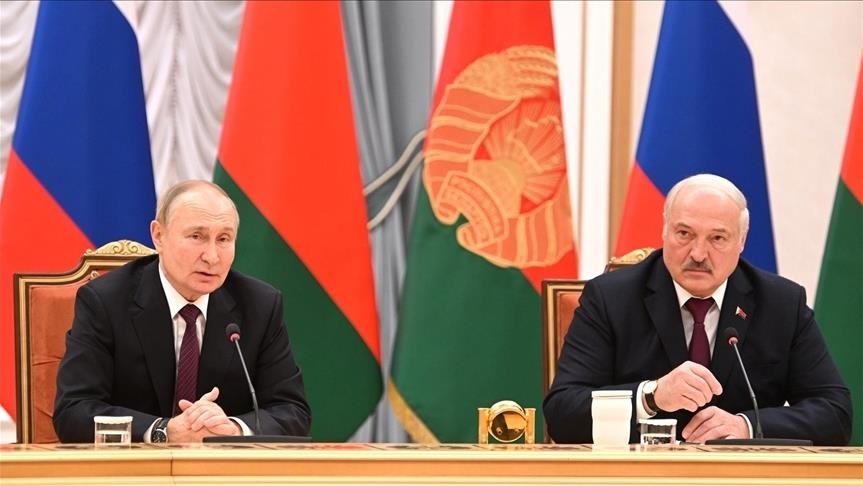
World
In a move being called historic and unprecedented, Russian President Vladimir Putin has signed a new law that gives Belarusian citizens living permanently in Russia the right to vote in local elections and even run for local office. This moment is being seen as a major step in blurring the lines between the two countries, as Moscow and Minsk push forward with deeper political integration. The law was officially signed on Wednesday, and it updates a 1998 agreement on the equal rights of Russian and Belarusian citizens living in each other’s countries. That agreement—dormant for many years—is now being reactivated and expanded, signaling a stronger commitment to the idea of a “Union State” that both countries agreed to back in 1999. That Union State agreement envisions shared borders, a joint legal system, common currency, and coordinated foreign and defense policy. This latest legislation comes after Putin submitted the ratified changes to the Russian parliament earlier this month. The bill was approved by the Federation Council, Russia’s upper house, last week. The new law mirrors existing Belarusian legislation that already allows Russian citizens to participate in local elections within Belarus. According to state-run Russian media, Putin believes the change will help Belarusians integrate more fully into Russian civic life, turning long-time residents into more active participants in the communities they live in. But it doesn’t stop there. Belarusian officials have said they hope the new policy will eventually extend to regional-level elections as well—possibly leading to a “common political space” between the two countries. That would be a massive leap toward forming a unified state, not just in name but in actual governance. The Belarusian Institute for Strategic Studies, which is close to the government in Minsk, has praised the move, saying it adds a “human face” to the Union State integration process. It’s not just about politics and policy anymore—it’s about people becoming truly part of each other’s societies. To understand the deeper meaning of this move, one must look at the history of Belarusians in Russia. The two nations have long shared deep linguistic, cultural, and religious ties, with both peoples tracing roots back to the medieval state of Kievan Rus. Many Belarusians moved to Russia during Soviet times, and even after the USSR’s collapse, the two countries remained closely intertwined. Today, hundreds of thousands of Belarusians live and work in Russia, and many of them have built permanent lives there. Now, with this new law, those Belarusians are being offered more than just residency—they’re being offered political inclusion. They’ll be able to cast votes, run for office, and have a say in how their local communities are governed. At a time when Russia is increasingly isolated from the West and Belarus remains its most loyal ally, this law sends a strong message: the borders between Russia and Belarus are fading, and the Union State is no longer just an idea—it’s becoming a lived reality.
Read More → Posted on 2025-07-24 10:52:18
Space & Technology
China’s ambitious plan to build a massive satellite internet network, designed to rival SpaceX’s Starlink, appears to be running into serious trouble. The Qianfan satellite constellation, also known as “Thousand Sails” or “G60 Starlink”, is far behind schedule, raising concerns about whether it can meet its international commitments—or even survive in the highly competitive space internet race. The plan was bold: launch 648 satellites into low Earth orbit by the end of 2025, and eventually expand to over 15,000 satellites by 2030, offering direct-to-smartphone internet coverage across the globe. But so far, only 90 satellites have been launched, making it highly unlikely the company behind the project, Shanghai Yuanxin Satellite Technology, will meet its targets. One of the main roadblocks? A severe shortage of rockets. Unlike SpaceX, which uses its reusable Falcon 9 rocket to launch about **24 Starlink satellites per mission—sometimes twice a week—**China currently lacks a similar workhorse rocket. Most Chinese launches can carry only 18 satellites at a time, and even these slots are hard to come by. A Beijing-based rocket engineer explained that China's rocket production and launch capacity can’t keep up with the explosive demand for satellite deployment. And unlike Starlink, which has become a top priority for the United States, Qianfan is competing for limited launch resources with Guowang, another state-backed broadband constellation that is even larger, with a plan for 13,000 satellites. Naturally, Guowang is likely to get preference when rockets are in short supply. In February, Yuanxin tried to arrange nine rocket launches to deploy 162 Qianfan satellites, but no suitable launch providers submitted qualified bids. The required rocket needed to be reliable and able to carry 4.5 tonnes to an orbit 800km high—but those rockets are mostly state-owned, and commercial Chinese launchers haven’t yet proven they can deliver at that level. Adding to the Qianfan project’s problems, some satellites have suffered from technical issues. According to U.S. Air Force tracking, 17 out of the 90 launched satellites haven’t reached their intended altitude of 1,070km, and are still floating near their initial deployment level of around 800km. This delay in orbital positioning affects the constellation’s performance and its ability to provide reliable service. Despite these problems, the 90 Qianfan satellites in orbit still make the project the third-largest broadband constellation in low Earth orbit, after Starlink and OneWeb. But unless China finds a way to drastically increase its launch capacity, solve its satellite deployment issues, and secure priority over government-backed projects, Qianfan may fall far short of becoming the Starlink rival it was meant to be. With global orbital slots and radio frequencies at risk of being lost under international regulations if deployment targets aren't met, the clock is ticking for Qianfan—and the world is watching closely.
Read More → Posted on 2025-07-23 16:19:17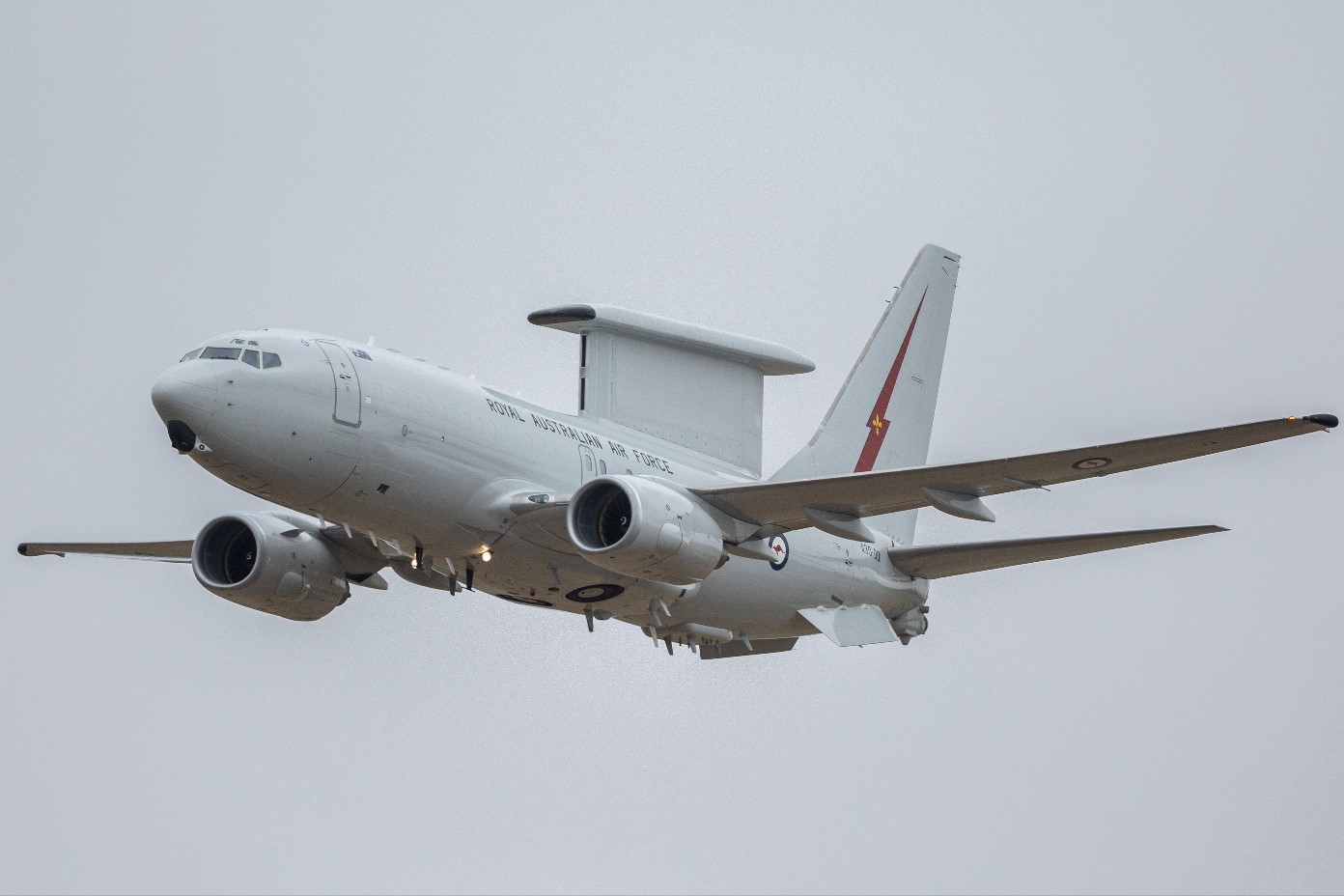
World
The United States’ sudden cancellation of its plan to buy the E-7 Wedgetail airborne early warning aircraft has sparked deep concern across NATO, raising doubts about the future of the alliance’s critical airborne radar capability. For decades, the E-3 Sentry AWACS (Airborne Warning and Control System), with its iconic spinning radar dome, has been NATO’s eyes in the sky. These aircraft are essential for spotting threats from afar, coordinating fighter jets, and giving commanders a real-time picture of what’s happening in the air. The fleet, mostly based in Geilenkirchen, Germany, is aging but still holds the alliance together during large-scale air operations. To modernize, NATO and several allies had planned to switch to the E-7 Wedgetail, a newer aircraft already used by countries like Australia, the UK, South Korea, and Turkey. The U.S. Air Force had also planned to buy 26 E-7s by 2032, and NATO hoped to get six by 2031. The E-7’s MESA radar, which electronically scans the sky without the spinning dome, offers better coverage, faster response, and more survivability than the old E-3s. But in a surprising decision last month, the Pentagon canceled the E-7 program altogether. Rising costs—jumping from $588 million to $724 million per plane—and worries about how well the aircraft would survive in future wars were the key reasons. Instead, the U.S. now plans to depend on a mix of E-2D Hawkeye aircraft, which are less powerful than the E-7, and a new network of space-based sensors that are still being developed. These would be part of wider initiatives like the Golden Dome missile defense system. Experts interviewed by the Center for European Policy Analysis (CEPA) say this shift leaves a dangerous gap. The E-7 would have given NATO wide, persistent radar coverage—something satellites can’t fully replace yet. And the Hawkeye, though capable, simply doesn't match the power or endurance of the Wedgetail. The decision also leaves Europe in a bind. It doesn't have a ready-made replacement for the E-3. One option is the Saab GlobalEye, a Swedish-made aircraft that costs half as much as the E-7. It’s based on a business jet and has drawn interest from countries like France, Sweden, and Denmark, though it may not offer the same radar strength. Some NATO countries, like the UK, are going ahead with their E-7 purchases independently. And there’s still a chance that political pressure from within the U.S.—or from Boeing, the plane’s manufacturer—could revive the E-7 program. But for now, NATO lacks a unified solution. This situation underscores just how important the U.S. is for NATO. The alliance often relies on American investments to set the pace for shared defense tools. Without U.S. backing, programs like the E-7 become fragmented or stalled. In short, the U.S. pullback from the E-7 project has left NATO with no agreed replacement for its flying radar systems, and a critical gap in future air defense capabilities. Whether Europe can fill that void on its own—or whether the U.S. reconsiders its decision—remains an open and urgent question.
Read More → Posted on 2025-07-23 16:15:13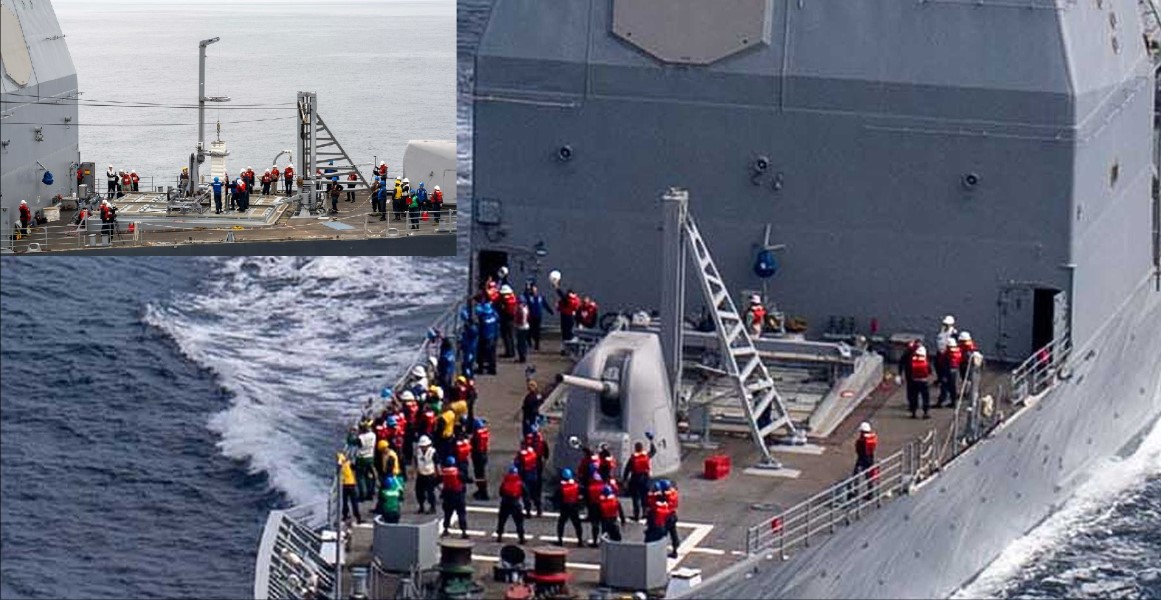
World
U.S. Navy has tested a new system for reloading missiles at sea—a move aimed at keeping warships armed and ready without needing to return to port. This test, part of Large Scale Exercise 2025, was conducted off the coast of Norfolk, Virginia, and involved the guided-missile destroyer USS Farragut (DDG 99) and the Ready Reserve crane ship SS Gopher State (T-ACS 4). Until now, reloading the Mark 41 Vertical Launch System (VLS)—the missile system on many U.S. Navy destroyers and cruisers—could only be done at a pier. That process is slow, risky, and pulls critical warships out of the fight just when they’re needed most. Each missile cell can take over 30 minutes to reload, and destroyers like the Arleigh Burke-class have up to 96 missile cells. If a ship has to sail back to port just to reload, it becomes vulnerable and delays operations—especially dangerous in tense areas like the Red Sea or the Indo-Pacific. This new test was different. The USS Farragut received missiles in both its front and rear VLS banks using two different techniques. In the front, Navy personnel used a traditional crane method, but in the back, they tried something new—a frame-style reloader. This frame was set over the missile cells, and a special mechanism carrying two missile canisters at a time was moved from the Gopher State using its powerful cranes. This is a big improvement over older tests and shows the potential to reload faster and more efficiently during missions. The Navy has been working on this for a while. Former Secretary of the Navy Carlos Del Toro had already called at-sea reloading a "game-changing" development, especially after a successful 2023 demonstration using a transferable reloading arm mechanism (TRAM) aboard the cruiser USS Chosin. Last week’s test built on that by using more advanced gear and faster techniques, resembling systems like the Speed Reloader by defense contractor Leidos, which was shown earlier this year. Reloading at sea isn’t a new idea—it was tested during the Cold War—but those efforts were stopped due to safety issues and the belief that such capabilities weren’t needed anymore. Now, with rising tensions and great-power competition returning, especially with countries like China and Iran, the U.S. Navy is taking a fresh look at ways to keep its ships in the fight longer. "This is a critical warfighting capability," said Lt. Cmdr. John Sefcik, weapons officer aboard the Farragut, explaining how being able to reload at sea boosts the fleet’s "lethality and operational reach." And Rear Admiral Charles Kirol, who leads the Navy Expeditionary Logistics Support Group (NAVELSG), emphasized that this step makes it harder for any enemy to challenge U.S. forces in a real conflict. The test was part of a broader command-and-control drill involving multiple branches of the military and international allies. Personnel from NAVELSG and Navy Cargo Handling Battalion One played key roles in handling and moving the massive missile containers. While there’s still work to do before this becomes a standard practice, the U.S. Navy’s latest test shows serious progress. If perfected, this system could keep warships armed and fighting for longer stretches—no matter where they are in the world.
Read More → Posted on 2025-07-23 16:05:54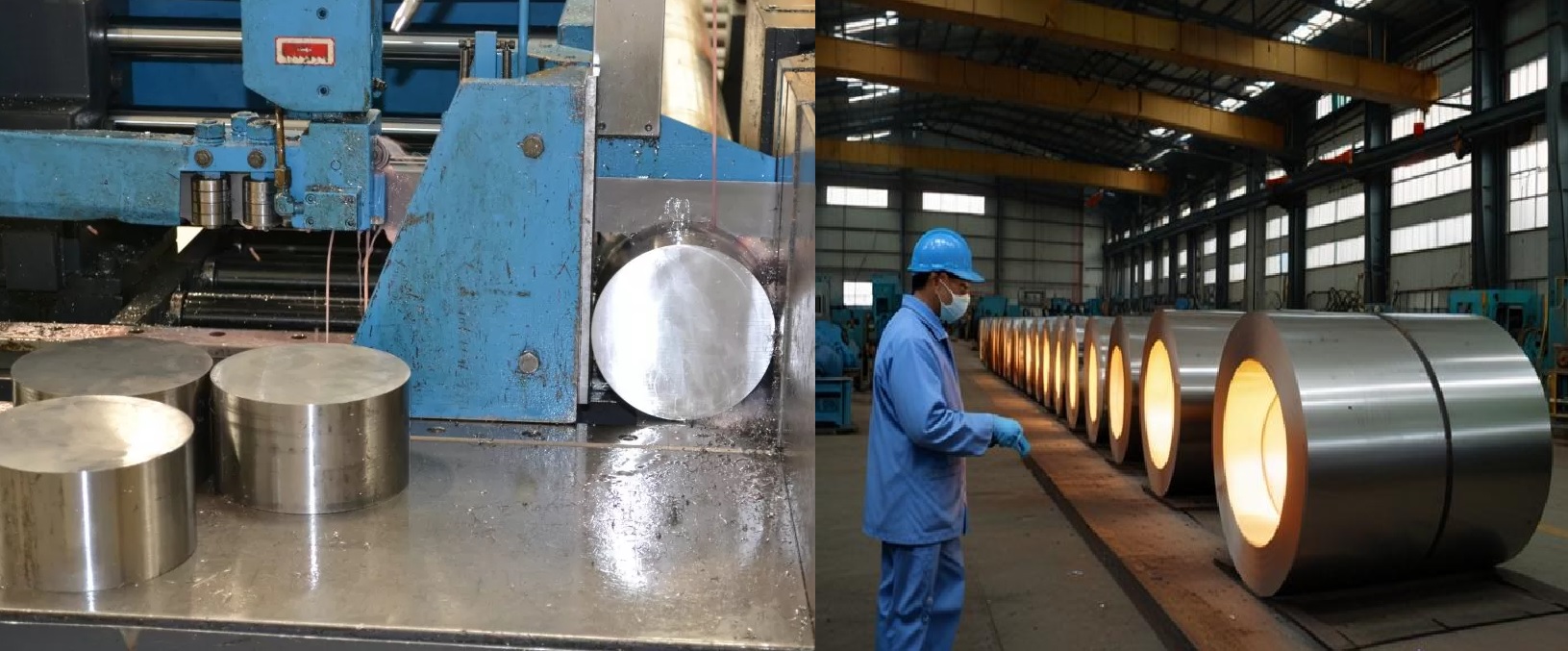
India
PTC Industries, via its subsidiary Aerolloy Technologies, is embarking on a ₹1,000 crore ($120 million‑plus) investment to set up four new manufacturing plants in Uttar Pradesh. These facilities, spread across a 50‑acre campus in the UP Defence Industrial Corridor, are aimed at producing aerospace‑grade titanium and superalloy components—not just for Indian defence needs but for global customers. The firm has already started supplying titanium parts to BAE Systems for its M‑777 ultra‑lightweight howitzers currently in service with the Indian Army. Other strategic clients in the pipeline include Safran Aircraft Engines, Dassault Aviation, and Israel Aerospace Industries (IAI). The Big Picture: Why India? Traditionally, India’s titanium requirements were met primarily through imports, mostly from titanium sponge and alloy producers in Russia or China—a supply route that has come under stress following geopolitical tensions. PTC’s plan is to bridge this capability gap and reduce dependency on external sources. While the public sector powerhouse MIDHANI (Mishra Dhatu Nigam) has long produced titanium alloys like TITAN‑26A and 29A for aerospace and defence, their output has been comparatively modest. According to PTC, no private Indian firm today rivals its breadth of capability—from casting to forging to machining. From Castings to Engine Blades: How PTC Fills the Void PTC’s rise reflects a tightly orchestrated strategy to control the entire value chain of advanced materials: In February 2023, Aerolloy Technologies secured a contract with Safran Aircraft Engines to supply titanium cast parts for LEAP engines—one of the world’s most popular jet engines powering commercial aircraft globally. This was the first instance of Safran sourcing such critical parts from India. In early 2024, Aerolloy signed a multi‑year agreement with Dassault Aviation to provide titanium casting parts for the Rafale fighter and Falcon business jets, anchoring India in the global supply chain for strategic defence platforms. A milestone came in January 2025, when Aerolloy commissioned a Vacuum Arc Remelting (VAR) furnace, enabling production of aerospace‑grade titanium alloy ingots—about 1,500 metric tonnes per year, with single ingots up to 10 tonnes and 1 m diameter. Analysts flagged it as India’s first private VAR melt facility, closing a key materials gap. This move positions PTC to not just make intermediate components but also supply base material like ingots and billets—something few Indian PSUs or manufacturers currently accomplish. Narrative Flow: A Personal Tone Imagine walking through the gleaming new Aerolloy facility in Lucknow. The hum of giant furnaces, precision forging units, and machining centers all buzzing on a single campus. This is the ambition that began with a gap study seven or eight years back, according to PTC leadership—and has grown into a vision to make India a titanium and superalloy hub. Chairman Sachin Agarwal often recounts the strategic realisation: “India has vast titanium ore reserves, yet imports most of its aerospace‑grade material. That’s a mismatch of potential versus capability.” With the plant inauguration by Defence Minister Rajnath Singh and UP Chief Minister Yogi Adityanath on 12 May 2025, PTC is no longer just making parts—they’re challenging the status quo. What Was the Situation Before PTC? Before PTC’s move: Domestic production of critical aerospace material was limited to PSUs like MIDHANI, supplying small volumes of titanium alloys and super‑alloys. Global aerospace firms had to rely largely on imports—often from China or Russia—for titanium casting and forging work. The West‑Russia conflict and supply chain turbulence post‑pandemic spurred firms like Safran and Dassault to look for alternative sources. India—with its resource base—became a natural candidate. Contracts with global OEMs (Safran, Dassault, IAI, BAE) were historically served via suppliers outside India; now PTC is emerging as an in‑country alternative. Why This Matters Strategic advantage: India’s plan to build indigenous engine systems (for fighter jets and helicopters) hinges on having local production of titanium sponge, superalloy ingots, forgings and components. PTC is building that ecosystem. Global supply chain relevance: As Western firms diversify away from China and Russia, PTC offers a non‑aligned, scalable, cost‑competitive alternative. ‘Make in India for the world’ ambition: With contracts from top aerospace companies and VAR furnace capability, India can now pitch as a credible titanium hub—rather than just a consumer. Final Thought This isn’t just about metal—it's about rewriting India’s role in global high‑tech manufacturing. What started as a capability gap is turning into a competitive edge. The next time a Rafale flies off the runway or a M‑777 howitzer gets deployed, know that the titanium parts may well have been forged in Lucknow. A private firm, bold vision, and ₹1,000 crore later, India is asking the world to watch—and source—.
Read More → Posted on 2025-07-23 15:40:38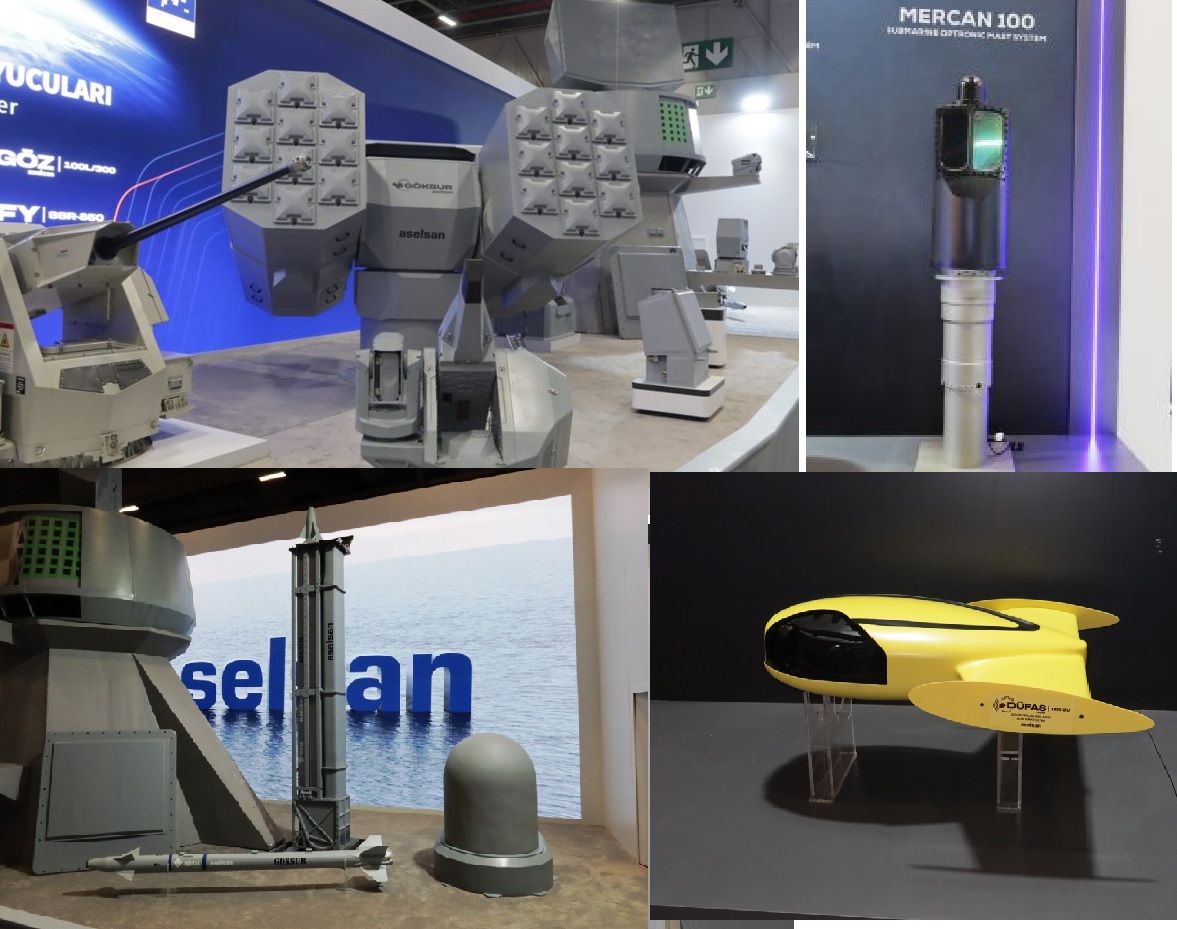
World
At the prestigious IDEF 2025 defence exhibition, Aselsan, Turkey’s top defence electronics firm, made waves by revealing a range of advanced naval systems aimed at boosting maritime security and operational capabilities — from radars and missile launchers to autonomous underwater vehicles and sonar systems. New Cenk 350N Radar: Eyes Over 250 km Dominating the Aselsan pavilion was a large naval mast equipped with a fresh addition: the Cenk 350N 2D AESA multifunction radar. Operating in the X-Band, this powerful radar has a reach of over 250 kilometers and is designed for air surveillance and tracking from naval platforms. It features flat-panel antennas that each cover 90°, with four together offering 360° monitoring. Its compact size means even small warships can gain air situational awareness. It’s paired with IDENTIFFY SSR-850 IFF, a NATO-standard identification system. Together, they form a formidable suite ideal for threat detection and missile guidance, particularly when used in conjunction with point-defense systems like Göksur. Göksur Missile & Vertical Launch System Revealed A major highlight was Aselsan's presentation of the Göksur VLS (Vertical Launch System) — built for the Göksur short-range missile, developed by TÜBİTAK. This 15-km-range missile system is set to become the Turkish Navy's key point defense weapon. First test took place successfully on Feb 16, 2025, from the TCG Beykoz. Unlike traditional VLS clusters, Göksur VLS is modular — each launcher is a standalone unit. Can be scattered across a ship depending on space. Fast attack crafts might carry 2 units; frigates could mount 16 or even 32. Though vertical firing tests are pending, angled launch tests have been conducted from a former French Navy vessel. The 20-cell version, with two 10-cell arrays, was also showcased and is proposed for larger ships like frigates, whereas smaller configurations are intended for patrol boats. Deringöz 100L/300 AUV: Undersea Surveillance Solution In response to growing threats to underwater infrastructure like gas pipelines and subsea cables, Aselsan introduced the Deringöz 100L/300, a compact autonomous underwater vehicle (AUV). Operates at depths up to 300 meters, with an 8-hour standard endurance (extendable to 24 hours with added batteries). Carries a suite of sensors including: Camera, side-scan sonar, multibeam echosounder Obstacle avoidance sonar, acoustic modem Navigation systems include inertial platform, DVL, GNSS, and USBL. Communicates via Wi-Fi, RF, Iridium, and 4G/LTE when surfaced. Use cases: undersea exploration, surveillance, mine detection, and pipeline/cable protection. Compact Sonar and Submarine Periscope Also Debut Two more subsea systems also made their first appearance: Düfas 100-CU – A compact towed sonar system: Includes an active sonar fish and passive towed array. Small size makes it ideal for smaller naval vessels. Mercan 100 – An advanced optronic periscope for submarines: Designed to not pierce the pressure hull. Provides optical surveillance from above the waterline, improving stealth and safety. Aselsan’s latest naval innovations, unveiled at IDEF 2025, reflect Turkey’s growing ambition in indigenous maritime defence technology. From high-performance radars to smart undersea drones, the company is stepping up to address modern maritime threats — both above and below the surface. These technologies not only enhance the combat capability of the Turkish Navy but also position Aselsan as a key global player in the naval defense market.
Read More → Posted on 2025-07-23 15:27:30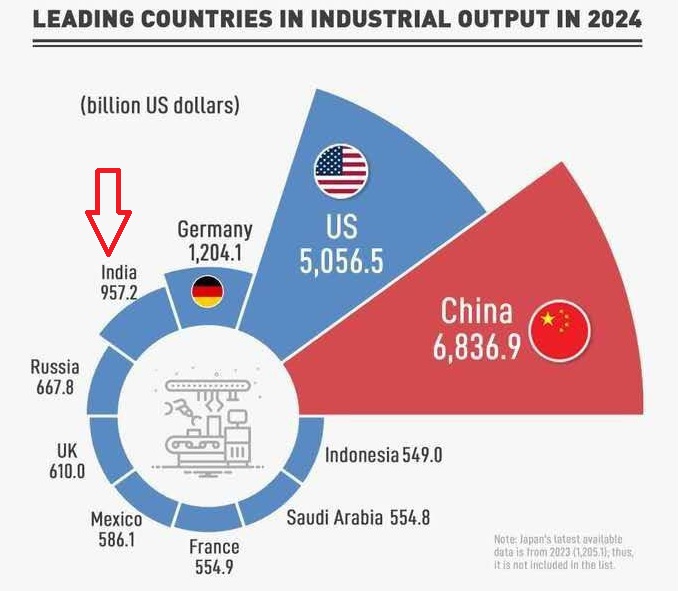
India
India has surged past several major economies to secure the 4th position in global manufacturing output by 2024, according to recent World Bank data . Once ranked 9th in 2014, India’s output has nearly tripled—from around $307 billion in that year to $745 billion in 2024—marking a 2.4× increase . From Modest Origins to Industrial Powerhouse Back in the early 2000s, India’s manufacturing output hovered around $75 billion (in 2000) and rose gradually to $94 billion by 2003 . The decade that followed saw robust growth; by 2008, output reached roughly $205 billion, before dipping during the global financial crisis but recovering to about $285 billion by 2010. The upward trajectory continued through the early 2010s, with output hitting $307 billion in 2014—the base of India’s leap to its current position . A Decade of Momentum: 2014–2024 This dramatic rise aligns with India’s “Make in India” initiative, launched in 2014, aimed at boosting manufacturing's share of GDP and attracting foreign investment . Between 2014 and 2024: Manufacturing output grew from $307 billion to $745 billion. India climbed from 9th to 4th among global manufacturers . FDI into manufacturing increased from about $98 billion (2004–14) to $165 billion (2014–24), a 69% rise . Production Linked Incentives (PLI), improved ease of doing business, and infrastructure pushed the sector forward. Two-Decade Journey: Steady Growth with Periods of Surge India's manufacturing share of GDP has naturally fluctuated. In the mid‑1990s, it peaked around 17.9%, but fell to ~15% by 2014 and further down to ~13% by 2020 . Growth rates across decades show: 2000s: Average industrial growth near 8–12%, with spikes in manufacturing and machinery sectors . 2010s: Growth slowed to about 5–6% annually, but post-2014 policy reforms reversed the trend . This long-term journey reflects how India steadily built a broad industrial base—from $5 billion in the 1960s to over $745 billion today . Why the Rise Matters India’s 4th-place ranking underscores its emergence as a serious player in global supply chains. From automotives to electronics, pharmaceuticals to steel, the country is scaling up capability and volume: Manufacturing exports reached record highs of $447 billion in FY23 . Technology adoption (Industry 4.0), robotics, and rising employment have reshaped competitiveness . Steel output jumped: India rose to become the 2nd largest global steel producer by 2023–24 . In a Nutshell This is not just a story of climb—it’s a tale of consistent ambition, reform, investment, and innovation. From languishing in the lower ranks two decades ago to now sitting among the industrial giants, India’s rise in manufacturing output is a defining chapter in its modern economic narrative. If the trajectory continues, the day is not far when India may challenge the top three and rewrite the global industrial map.
Read More → Posted on 2025-07-23 15:20:10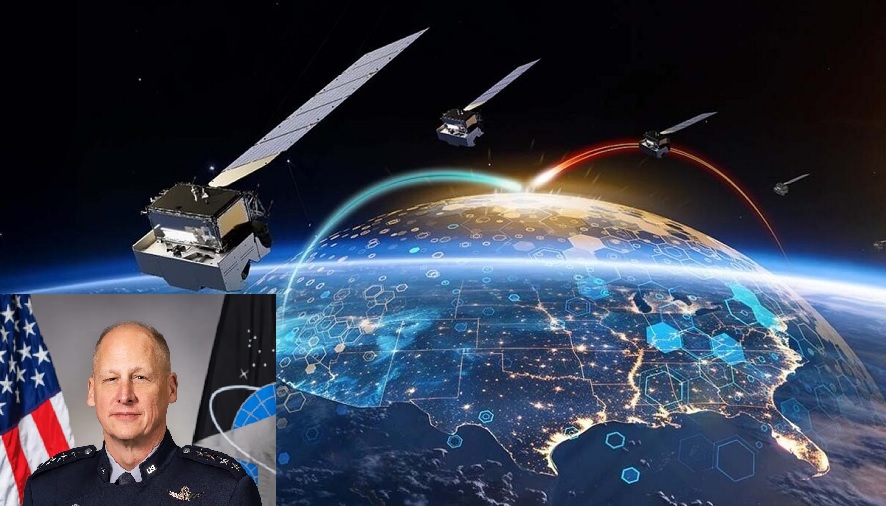
World
United States’ homeland defense, the U.S. Senate has confirmed General Mike Guetlein as the first-ever Director of the Golden Dome for America missile defense programme. This newly created role will see Gen. Guetlein reporting directly to Deputy Secretary of Defense Steve Feinberg, signaling just how seriously the Pentagon is taking this bold new initiative. The Golden Dome programme is part of former President Donald Trump’s vision for a layered missile defense shield designed to protect the United States from an expanding range of modern threats — not just ballistic missiles, but also hypersonic weapons, advanced cruise missiles, and other next-generation aerial attacks. As global threats evolve, the U.S. is looking to stay ahead by building a networked defense system capable of identifying and neutralizing incoming threats from both near-peer adversaries like China and Russia, as well as rogue states such as North Korea or Iran. Unlike traditional programs, the Golden Dome initiative is designed as a whole-of-nation effort. It will bring together the best minds from the defense industry, academic institutions, national research labs, and federal agencies to work toward a common goal — creating a reliable, future-proof shield over American skies. What makes this role particularly significant is that Gen. Guetlein won’t be just another military leader — he will function as a Direct Reporting Program Manager, giving him unfiltered access to top defense leadership and allowing for swift decision-making. This unique setup is expected to cut through bureaucracy and accelerate development timelines, getting critical technologies off the drawing board and into the field much faster. Within the next 60 days, the Department of Defense plans to unveil the initial framework of the Golden Dome’s defensive architecture. This architecture is expected to outline how different technologies — including satellite tracking, ground-based interceptors, AI-powered detection systems, and space-based sensors — will work together in real-time to create a robust, multi-layered defense system. In a statement, the Pentagon expressed full confidence in Gen. Guetlein’s leadership, saying: “We have the technological foundation, national talent, and decisive leadership to advance our nation’s defenses. We are proud to stand behind Gen. Mike Guetlein as he takes the helm of this national imperative.” With rising global tensions and the race to dominate in hypersonic and space warfare, America’s move to fast-track this defensive strategy marks a turning point. And at the center of it now stands a seasoned leader with a mission to make the Golden Dome a reality — before threats get any closer to home.
Read More → Posted on 2025-07-23 14:51:22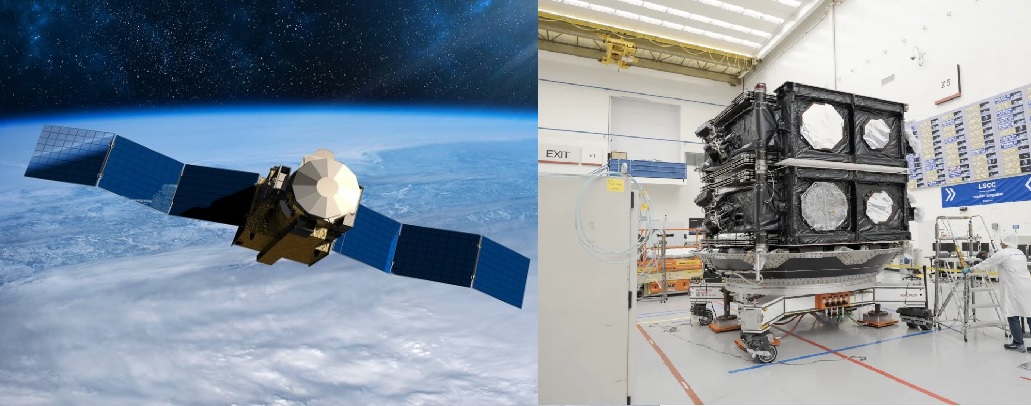
World
Two Boeing-built O3b mPOWER satellites were successfully launched aboard a SpaceX Falcon 9 rocket, adding more strength to SES’s growing Medium Earth Orbit (MEO) satellite network. The launch took place at 5:12 p.m. EDT, and after traveling nearly two hours, both satellites smoothly separated from the rocket. These are the 9th and 10th satellites in the O3b mPOWER series and are now on a 130-day journey to reach their orbit approximately 8,000 kilometers above Earth. Once in position, they’ll join eight other satellites already delivering commercial services. From El Segundo, California, engineers at Boeing’s mission control—part of the world’s largest satellite factory—are carefully monitoring the satellites' health and performance. What Do These Satellites Do? The O3b mPOWER system, operated by SES, is designed to deliver high-speed, low-latency internet services to remote and underserved parts of the world. These satellites use digitally steerable beams, which means they can change their focus in real-time to match where users need internet most—like ships at sea, rural villages, or even disaster zones. Each new satellite in the system adds more capacity, better performance, and stronger reliability, thanks to advanced software and technology developed by Boeing. With these capabilities, the satellites can reach nearly 95% of the world’s population and offer internet services that feel as fast and stable as land-based broadband. Michelle Parker, Vice President at Boeing Space Mission Systems, explained: “We designed O3b mPOWER so each additional satellite beyond the first six boosts capacity, performance, and resilience.” Built for the Future—and for Defense These satellites aren’t just for civilians. Boeing has also adapted the technology for military use, making them secure and resistant to jamming. This same tech is being built into the U.S. Space Force’s Wideband Global SATCOM (WGS-11 & WGS-12) and Evolved Strategic SATCOM (ESS) programs. Adel Al-Saleh, CEO of SES, emphasized the global impact: “With this launch, we continue adding incremental capacity to our O3b mPOWER constellation… delivering high-throughput, predictable low-latency services at scale.” The success of these satellites shows how space-based internet is becoming a powerful alternative to traditional cables and towers, especially in areas that are difficult to reach. O3b mPOWER is part of SES’s vision to build a truly global internet backbone in space, helping to connect the unconnected and support high-demand industries like aviation, maritime, and emergency response. With every new launch, SES is moving closer to a world where fast, reliable internet is not limited by geography—and Boeing’s cutting-edge satellite technology is making that possible.
Read More → Posted on 2025-07-23 14:46:02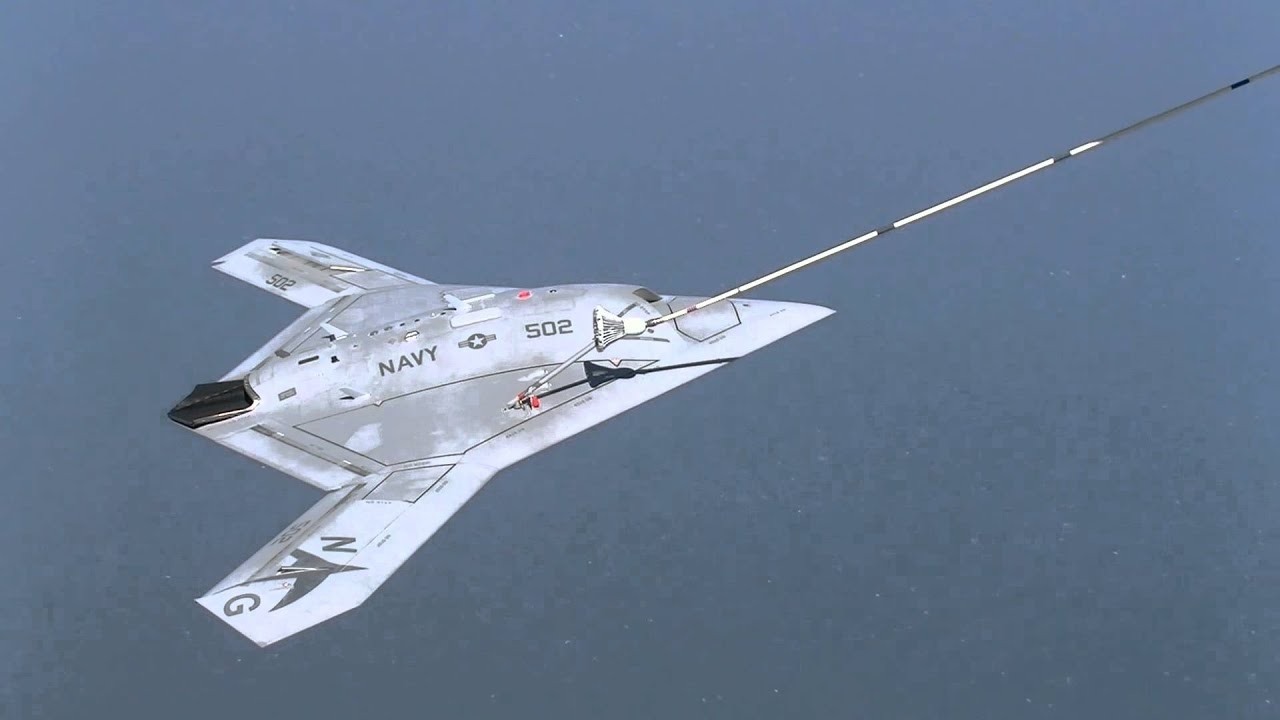
World
Chinese scientists have claimed to solve a critical design challenge that had once crippled the US Navy’s X-47B drone programme. Researchers from the China Aerodynamics Research and Development Centre have unveiled a revolutionary aircraft design software that overcomes a long-standing obstacle known as the “curse of dimensionality”—a problem that made it extremely difficult to design advanced stealth aircraft with multiple performance demands. This challenge was at the heart of the X-47B’s failure. Despite its success in autonomous refuelling and carrier landings, the US Navy shelved the X-47B project in 2015, primarily due to its inability to balance stealth, aerodynamics, and engine efficiency at once. Adding more design elements—such as radar-absorbing shapes or aerodynamic curves—quickly overwhelmed computing systems, making the design process unmanageable. But now, a Chinese research team led by Huang Jiangtao says their new platform can optimize aircraft with hundreds of design variables without increasing computational burden. In a peer-reviewed paper published in Acta Aeronautica et Astronautica Sinica, Huang’s team described using their platform to redesign the X-47B with 740 different variables—such as drag-reduction features, stealth contours, and improved airflow—all while keeping the engine stable and powerful. “Traditional global optimisation algorithms struggle with large numbers of variables. Our method breaks that limit,” the researchers explained. At the core of the Chinese innovation is a technique called geometric sensitivity computation using impedance boundary conditions. This method separates the cost of calculation from the number of design variables, making it possible to simulate extremely complex aircraft designs using far less computational power. The software also integrates radar-absorbent materials directly into the simulation models, ensuring stealth capabilities are considered at every design stage. According to the paper, the researchers managed to reuse electromagnetic field calculations and convert trillions of equations into manageable matrix operations. This isn’t just a scientific curiosity—it’s a timely development. As sixth-generation aircraft programs face setbacks globally, including the reported delay of the F-47 and the shelving of America’s Next Generation Air Dominance (NGAD) program, China is actively working on its own sixth-gen fighters like the J-36 and J-50, along with a fleet of advanced stealth drones. Rather than relying on massive supercomputers, the team followed an efficient design approach similar to DeepSeek, a high-efficiency AI method, to save both time and resources. Experts believe this software could give China an edge in developing the next wave of low-observable aircraft, especially at a time when global defence budgets are tightening. In short, China may have cracked a problem that grounded a top US drone—and that could shape the future of stealth air combat.
Read More → Posted on 2025-07-23 14:42:29
World
China has tested its new VU-T10 unmanned ground vehicle (UGV) — a robotic tank designed to deliver powerful fire support without putting soldiers at risk. The cutting-edge vehicle was developed by China North Industries Corporation (Norinco) and was recently shown in action through official video footage posted online on July 20, 2025. The VU-T10 made its public debut at the Zhuhai Air Show in 2024, but this new footage shows the robot tank traversing rough terrain and firing its 30 mm main cannon at ground targets. What makes this machine stand out is that it is not driven by a person inside. Instead, it is controlled remotely from a separate command vehicle, making it safer for troops during battle. The VU-T10 looks and acts a lot like an infantry fighting vehicle (IFV), with tracks for rugged mobility and weapons to take on various threats. It is about 3.8 meters long, 2.4 meters wide, and 2 meters tall, weighing around 12 tons. Its weapon loadout includes a 30 mm cannon, a 7.62 mm machine gun, and what appears to be tandem anti-tank rockets. It can also carry Red Arrow 12 anti-tank guided missiles, allowing it to strike targets from long distances. In addition to its firepower, the VU-T10 is equipped with smoke grenade launchers to help hide it from enemy view in dangerous situations. What’s more, it runs on electric power and can reach speeds of up to 60 km/h, making it quieter and harder to detect by heat or sound—a big advantage on modern battlefields. Norinco has designed the VU-T10 to operate as part of a larger team of robotic and manned systems, which is part of China’s MUM-T (manned-unmanned teaming) strategy. This means the VU-T10 can work together with soldiers, drones, robotic dogs like the Machine Wolf, and other advanced systems like laser weapons, missiles, and rocket launchers, all coordinated using real-time information. According to China's Global Times, this test is more than just about one machine—it’s part of China’s larger goal to build a “complete chain” of unmanned military equipment. Norinco is also developing other robot vehicles like an 8×8 logistics UGV, nicknamed the “mule,” designed to carry supplies to troops at the front lines. A Norinco spokesperson said that the company is now heavily focused on smart systems for both ground and aerial combat, in line with China’s military priorities: informatization, intelligentization, and network-centric warfare. These ideas aim to make China’s military more connected, more automated, and faster to react in real time. While the VU-T10 hasn’t been sold to any foreign military yet, it has been showcased at defense expos in the Middle East and Southeast Asia, hinting at future exports. With this system, China is clearly aiming to lead the global push toward robotic and autonomous warfare, offering a glimpse of what tomorrow’s battlefields might look like—machines, sensors, and algorithms all working together to strike faster and smarter. As the world watches closely, the VU-T10 could become a game-changer, not just for China’s military but for the broader race in robotic warfare technologies.
Read More → Posted on 2025-07-23 14:31:36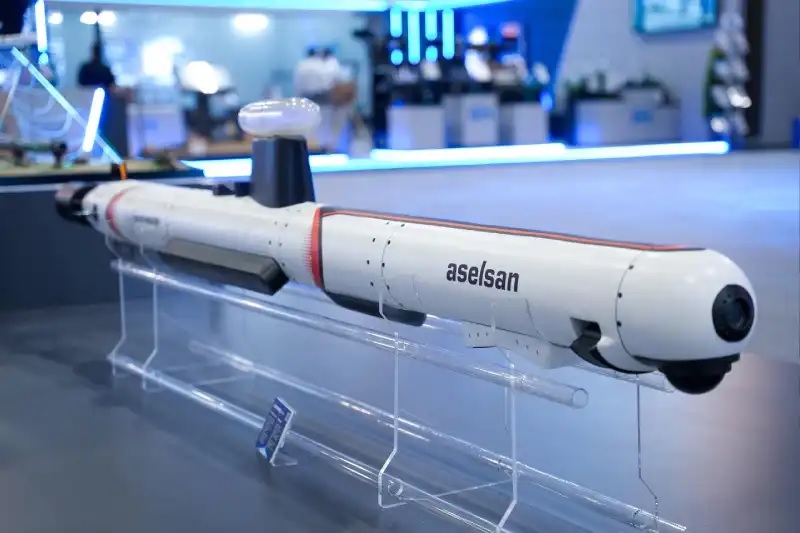
World
ASELSAN has taken a bold step forward by revealing a new range of naval defence technologies at IDEF 2025, the country’s biggest defence industry showcase. The systems unveiled reflect a future where navies face threats from underwater drones, stealthy cruise missiles, and swarming aerial attacks—and ASELSAN seems ready for all of them. One of the biggest eye-catchers at the event was DERİNGÖZ, a fully autonomous underwater vehicle that looks like something straight out of a science fiction movie. But it’s very real. Built for long missions in complex seas, DERİNGÖZ can search, monitor, detect mines, and protect areas under the water—without human control. It quietly navigates using its smart brain, scanning the sea floor and performing missions even in hostile waters. On the surface, attention turned to GÖKSUR VLS, a powerful missile launch system designed for point defence. That means it can defend a ship from incoming threats that are just seconds away from hitting—low-flying cruise missiles, enemy drones, or fast jets. What makes GÖKSUR different is its AI-powered fire control, which gives it the ability to lock on to several targets at once and fire quickly, giving warships a last line of defence when every second matters. Watching the skies and seas from a distance is the job of the CENK 4D radar, another new product on display. Its fixed electronic scanning panels can track hundreds of targets in real time, even during rough weather or heavy combat. Whether it's a fighter jet speeding across the sky or a suspicious ship far away, the radar sees it all. It’s also paired with the IDENTIFFY SSR-850 IFF system, which helps the radar tell whether a target is friendly or unknown, reducing the risk of tragic mistakes. While showing off these high-tech systems, ASELSAN’s President & CEO Ahmet Akyol said the new systems were built to meet the needs of modern naval warfare, where the battle space is not just on the sea, but above and below it too. He added that these technologies show ASELSAN’s dedication to helping both Türkiye and international navies prepare for what’s ahead. From silent underwater drones to smart missile defences and all-seeing radars, ASELSAN’s latest display makes it clear: Türkiye wants its navy—and its allies—to be ready for any threat, from any direction.
Read More → Posted on 2025-07-23 14:25:33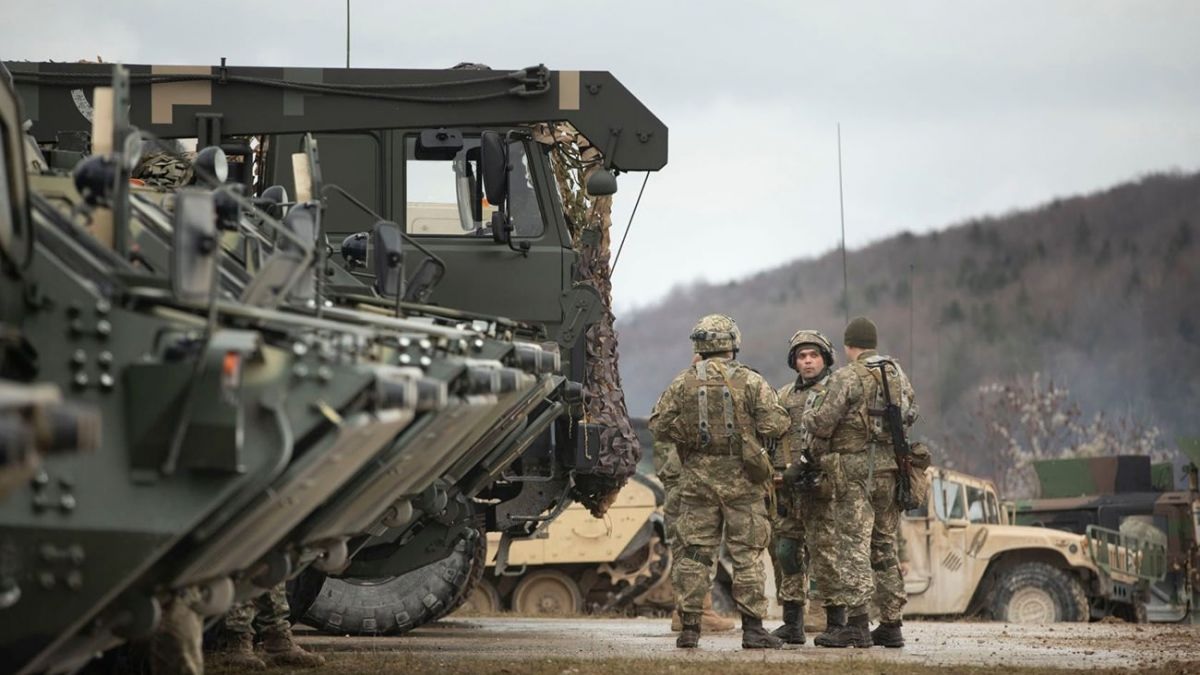
World
Russia plans to spend $1.1 trillion on military rearmament by 2036, according to Ukraine’s Defense Intelligence Chief, Lieutenant General Kyrylo Budanov. Speaking at a panel during the annual meeting of Ukrainian ambassadors, Budanov said that Russia is preparing for a full-scale future war, mobilizing its politics, economy, and society toward that goal. He confirmed that Russia has already created two new military districts, one in Moscow and the other in Leningrad, with more planned in the near future. “There is a total mobilization of the Russian Federation to be ready for an upcoming large-scale war,” Budanov stated during the event. Rising Influence in Africa The intelligence chief also highlighted Russia’s growing military and political role in Africa, warning that Moscow is working to dismantle the current global security and economic system. Countries like Mali, Niger, and Burkina Faso have begun shifting their alliances away from traditional Western partners, especially France, and toward Russia. According to diplomatic reports, in June 2025, the Kremlin’s new Africa Corps officially replaced the Wagner paramilitary group in Mali, marking a significant shift in Moscow’s foreign strategy. Around the same time, Mali’s junta leader, General Assimi Goita, visited President Vladimir Putin in Moscow to strengthen ties in defense, transport, and economic cooperation. A photo taken in Bamako, Mali, earlier this year showed demonstrators displaying a large portrait of Putin to celebrate France’s troop withdrawal—reflecting the growing pro-Russia sentiment in parts of the continent. Cyber and Information Warfare Budanov also warned of Russia’s intensifying cyber and information warfare campaigns. He accused Moscow of targeting Ukraine and its allies with cyberattacks, and using controlled media and online influencers to interfere with democratic processes. This month, Russian-linked groups were reported to have used a Slovak cyber firm to publish classified data of Ukrainian soldiers on websites under Russian control. These efforts, according to Budanov, form part of a “psychological warfare” campaign designed to spread fear and confusion. In April, Poland’s Digital Affairs Minister Krzysztof Gawkowski also sounded the alarm over a spike in Russian cyberattacks, warning that they aimed to sow public panic ahead of elections. A New Global Order? Budanov believes that Moscow’s long-term goal is to redefine the world order, placing itself and a few other so-called “great powers” at the center of global control. “Russia wants a future where it has monopoly over critical resources and the power to dictate the fate of the world in a closed circle,” he said. Soaring Defense Spending Supporting these warnings, the Stockholm International Peace Research Institute (SIPRI) reported in April that Russia’s military budget rose to $149 billion in 2024, a 38% increase from the previous year. NATO Secretary General Mark Rutte recently acknowledged that Russia’s arms production has far exceeded expectations. He said Russia is now manufacturing more ammunition in three months than all NATO members produce in an entire year—much of it powered by Chinese technology. “Russia is reconstituting its forces faster than we thought,” Rutte warned. With this dramatic shift in defense priorities and international posture, Ukraine’s intelligence leadership sees the Kremlin’s rearmament as a signal that global security could be entering a far more dangerous era.
Read More → Posted on 2025-07-23 14:16:30
India
The Border Security Force (BSF) is creating its first-ever “drone squadron” for deployment along the India-Pakistan border. This step follows the lessons learned during Operation Sindoor, where Pakistan retaliated with a massive wave of drone attacks after India targeted terrorist infrastructure in Pakistan and Pakistan-occupied Kashmir (PoK). The new drone squadron will include a range of surveillance, reconnaissance, and attack drones. These drones will be handled by specially-trained BSF personnel stationed at select Border Outposts (BoPs). The operations of the squadron will be remotely coordinated through a central control room based at the BSF’s Western Command Headquarters in Chandigarh. This strategic upgrade comes after a detailed review of BSF’s capabilities post-Operation Sindoor. The operation was launched on May 7 by Indian forces, including the Army and BSF, in retaliation to the April 22 terror attack in Pahalgam that claimed 26 innocent lives, mostly tourists. In the days following the operation, Pakistan responded with drone swarms, targeting military and civilian areas on the Indian side. One deadly incident occurred on May 10, when a bomb-laden Pakistani drone struck the Kharkola border post in the RS Pura sector of Jammu, killing two BSF jawans and one Army soldier, and injuring four others—one of whom lost his leg. In response, the BSF’s new drone squadron will be deployed across vulnerable BoPs spanning the 2,000+ km Indo-Pak border, from Jammu to Gujarat. Each team will have 2–3 specially trained personnel with access to both small and large UAVs for real-time surveillance and response in combat or emergency scenarios. Sources confirmed that special drones and advanced equipment are being procured, and training of BSF personnel is already underway in batches. The focus is on quick deployment, precision targeting, and live reconnaissance during crises like Operation Sindoor or any future hostilities. To counter the increasing threat of cross-border drone attacks, the BSF is also fortifying its bunkers. Walls and roofs at border posts are being reinforced with metal alloys to withstand blasts from drone-dropped explosives. Additional anti-drone technologies are being planned in collaboration with defence and intelligence agencies, enabling the force to detect and neutralise rogue UAVs. A senior BSF officer noted that these enhancements are being done quietly but effectively, and many details are being kept confidential for security reasons. Union Home Minister Amit Shah had earlier declared that more than 118 Pakistani posts were destroyed and their surveillance systems dismantled during Operation Sindoor, showcasing India’s offensive and defensive readiness. With this new BSF drone squadron, India is taking another bold step in modernising border defence and neutralising threats from the skies—a move that signals seriousness in dealing with emerging aerial warfare along one of the country’s most sensitive frontiers.
Read More → Posted on 2025-07-23 14:09:02
World
Türkiye officially unveiled its most advanced missile yet — the Tayfun Block 4 — at the opening of the International Defense Industry Fair (IDEF) 2025 in Istanbul, marking a major step forward in the country’s growing defence capabilities. The Tayfun Block 4 is Türkiye’s first-ever hypersonic ballistic missile, developed by the national defence firm Roketsan. This powerful missile was revealed on Tuesday, the first day of the six-day IDEF exhibition, which has drawn major global attention. With its range of 800 kilometers, the Tayfun Block 4 is not only long-reaching, but also features exceptional speed and advanced maneuverability, making it a significant asset for strategic military operations. In a statement, Roketsan highlighted the missile’s capabilities: “The Tayfun Block 4 achieves long ranges, setting another record for the Turkish defense industry. Weighing over 7 tons, this new version of the Tayfun, with its multi-purpose warhead, will be capable of destroying numerous strategic targets, such as air defense systems, command and control centers, military hangars, and critical military facilities, from kilometers away.” The missile is expected to serve as a powerful deterrent and bolster Türkiye’s long-range strike capabilities. Its design suggests it can evade air defenses and hit high-value targets with precision — a characteristic that puts Türkiye closer to the ranks of nations with sophisticated missile technologies. The 17th edition of IDEF, one of Türkiye’s most prominent defence industry events, is hosting over 900 Turkish and 400 foreign companies from 44 countries. Some of the major global defence players attending include BAE Systems, Rolls-Royce, Lockheed Martin, and Airbus. On the Turkish side, leading names such as Baykar, Turkish Aerospace Industries (TAI), Aselsan, Havelsan, FNSS, Otokar, MKE, and Roketsan are showcasing a wide range of advanced technologies in defence, aviation, and space. Delegations from countries like China, South Africa, the United Kingdom, Qatar, Saudi Arabia, Azerbaijan, and Pakistan are also participating. Their presence highlights IDEF’s growing importance as a global platform for military cooperation and defence innovation. The unveiling of the Tayfun Block 4 not only strengthens Türkiye’s defence posture but also signals its ambition to become a major player in next-generation missile technology.
Read More → Posted on 2025-07-23 14:02:49
India
India's Ministry of Defence (MoD) has decided to recalibrate its ambitious plan to acquire 114 fighter jets for the Indian Air Force (IAF). Instead of buying all 114 aircraft of the same type, the plan is now being split between two types—60 Rafale F4 jets from France and 60 fifth-generation stealth fighters from another international partner. This decision is part of an interim strategy to strengthen the IAF’s capabilities while India’s homegrown stealth jet, the Advanced Medium Combat Aircraft (AMCA), is still in development. The original Multi-Role Fighter Aircraft (MRFA) tender was designed as a competitive global program. But now, the government is moving toward a Government-to-Government (G2G) model, which simplifies and speeds up large defence purchases. Under this new plan, India will buy 60 Rafale F4 jets through a G2G deal with France, and explore acquiring 60 fifth-generation stealth jets from other countries. Possible contenders for the stealth fighter include the American F-35 and Russia’s Su-75 Checkmate. These aircraft will act as a strategic stopgap to avoid any capability gap, as the IAF currently has only 31 squadrons, well below the sanctioned strength of 42 squadrons. Officials say this dual-track acquisition is meant to quickly fill operational gaps, gain experience with stealth technology, and counter regional threats from adversaries like China and Pakistan. It also helps avoid the risk of relying solely on the timeline of India’s AMCA, which is still years from production, with induction expected by the mid-2030s. The Rafale deal will also focus on 'Make in India'. Even with a reduced number of jets, Dassault Aviation—the French manufacturer—will be asked to set up partial assembly operations in India. This complements recent developments, such as Tata Advanced Systems Ltd (TASL) getting a contract to build complete Rafale fuselages in the country. The IAF will also seek greater integration of Indian systems into the Rafale jets—like locally developed avionics, electronic warfare suites, and weapons—to cut costs and boost India's defence industry. Earlier, Dassault wanted a firm commitment for at least 110 Rafales to make a full-scale production line in India feasible. But the Indian government is being careful with its defence budget, given the massive investments already lined up for indigenous aircraft. India plans to buy over 337 locally made jets in the coming years. These include: 83 Tejas Mk1A More Tejas Mk2 At least 120 AMCA stealth fighters This revised MRFA approach gives India a balanced and modern strategy. By combining a proven 4.5-generation platform like the Rafale F4 with a fifth-generation stealth aircraft, India can quickly strengthen its air force, gain valuable stealth experience, and smoothly transition to its own next-generation AMCA—cementing its path toward self-reliance in defence.
Read More → Posted on 2025-07-23 13:59:44Search
Top Trending in 24 Hours
-
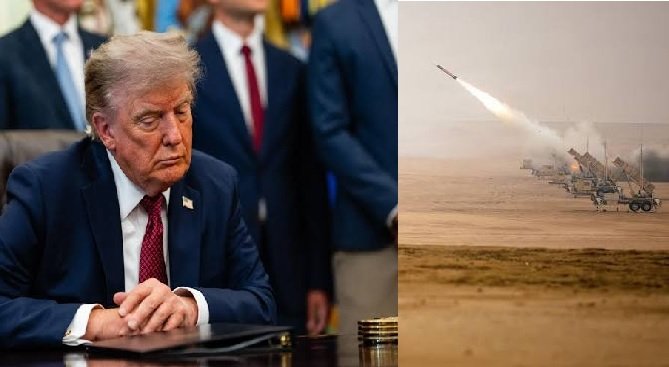 President Trump Pauses Plans to Expand U.S. Strikes on Iran Amid Concerns Over Air Defense Missile Stocks
-
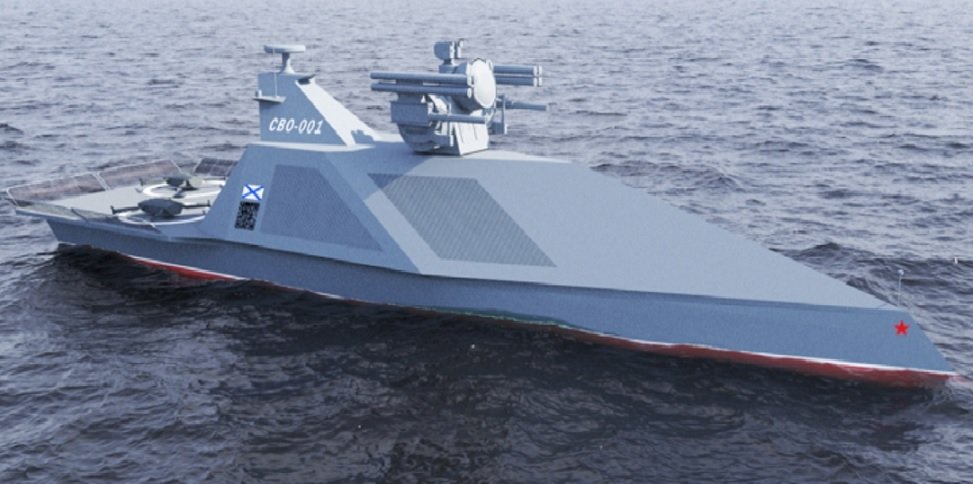 Russia Builds 500-Ton Unmanned Warship For Anti-Submarine Warfare, Plans New 9,500-Ton Warship, Navy Chief Says
-
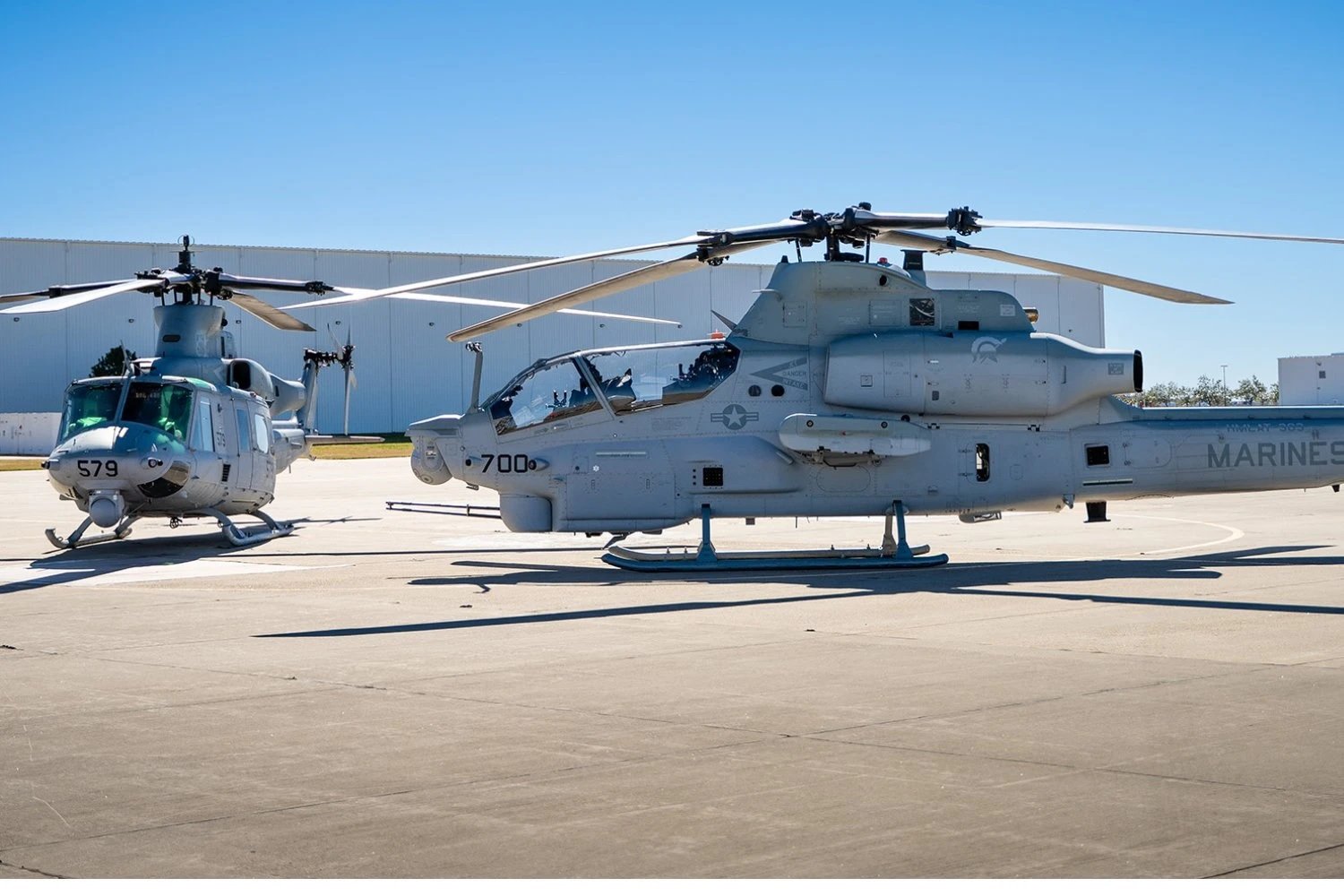 U.S. Awards Bell Textron $33.64 Million Contract for Next Phase of Marine Corps AH-1Z and UH-1Y Helicopter Upgrades
-
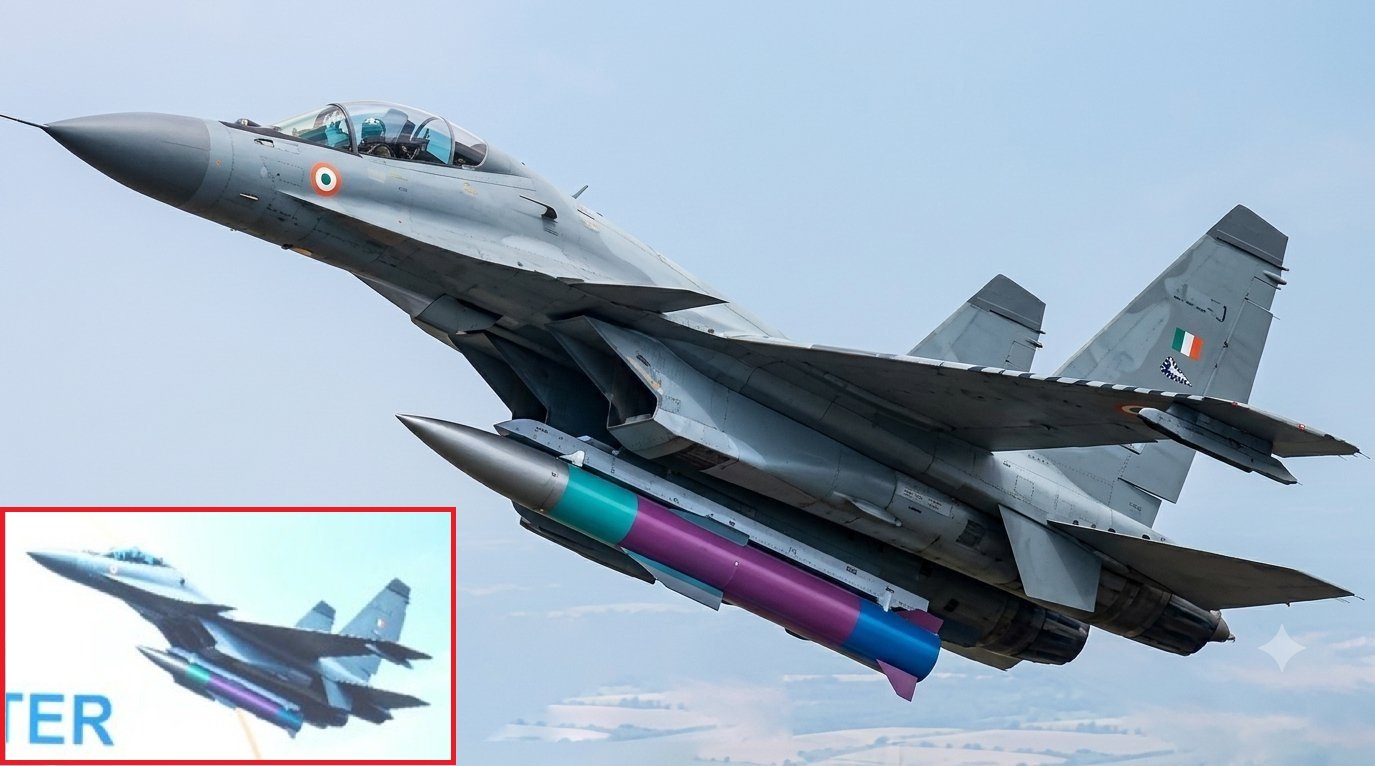 DRDO Developing Long-Range Air-Launched Ballistic Missile for Su-30MKI, Rudram-4 Seen as Likely Candidate
-
 Unreleased Footage Reveals Why Lindsey Graham Dropped Plan to Push Trump on Hezbollah Strikes
-
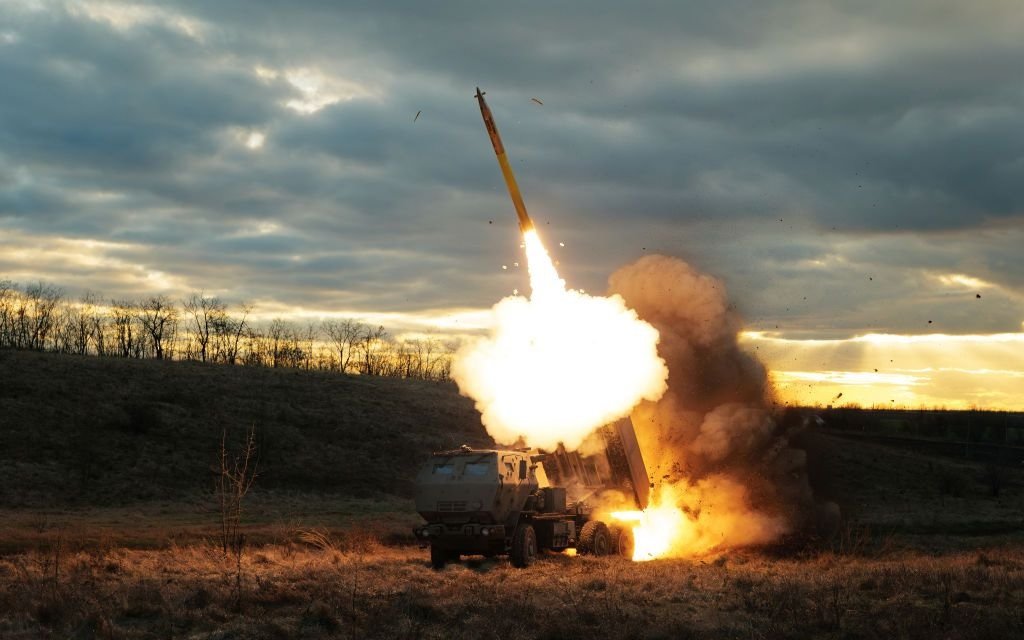 U.S. Military Selectively Intercepts Iranian Missiles to Preserve Shrinking Air Defense Stocks : Report
-
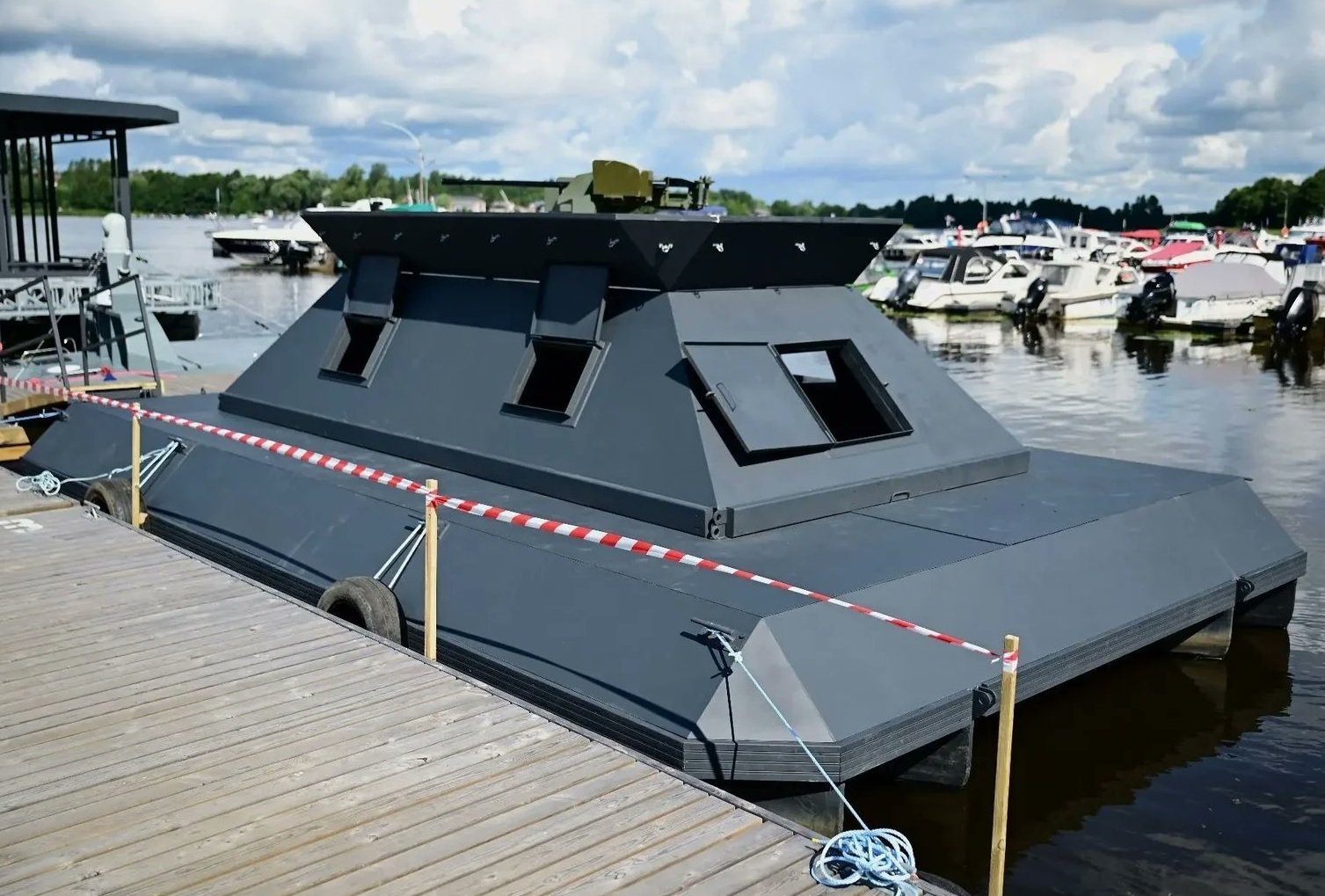 Russia Unveils Experimental Plot-40 Floating Defense Platform to Counter Drone and USV Threats
-
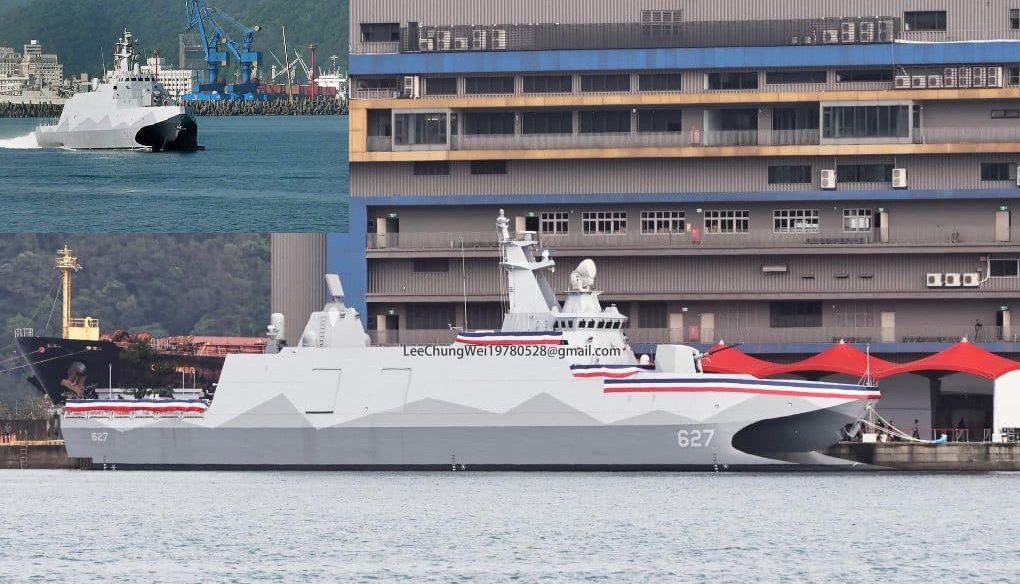 Taiwan Commissions First Batch 2 Tuo Chiang-Class Corvette with New Leonardo Radar
Top Trending in 4 Days
-
 U.S. Navy Awards Northrop Grumman $1.2 Billion Deal for Three New E-2D Advanced Hawkeyes
-
 U.S. Airstrikes Target IRGC Missile Base Near Taft as Overnight Strikes Hit Central Iran
-
 Kuwait and Bahrain Reportedly Launch First Joint Direct Airstrikes on Iran Since War Began : Report
-
 DRDO Successfully Conducts Maiden Flight Test of 150-km-Range Kusha M1 Air Defence Missile
-
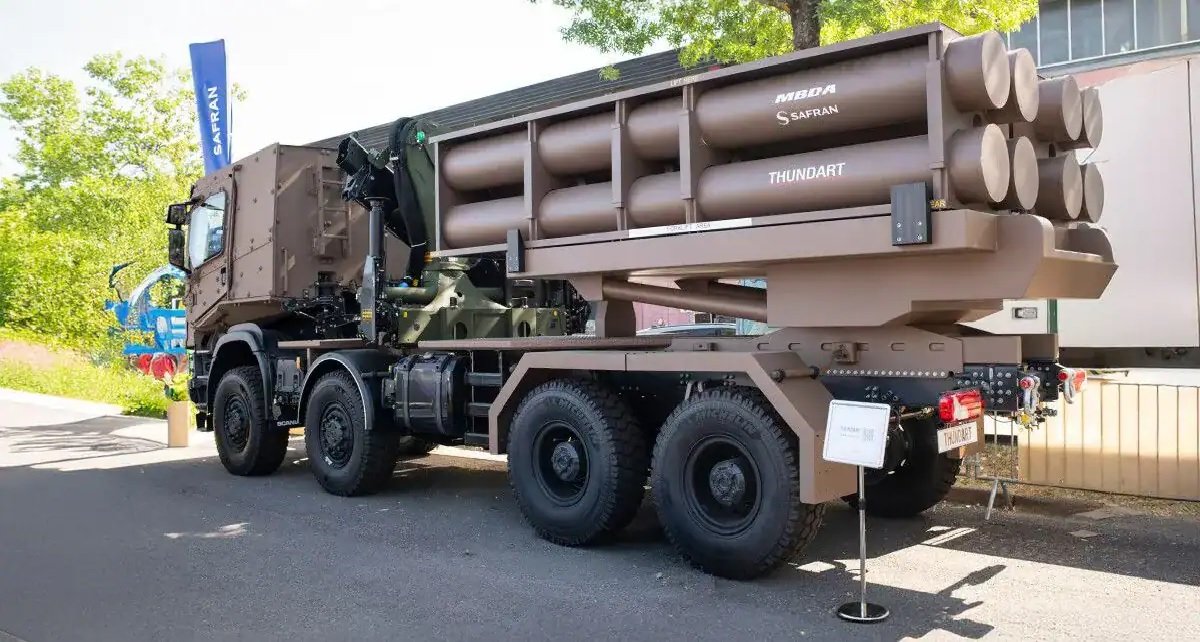 France's THUNDART Long-Range Rocket System May Undergo Prototype Combat Testing in Ukraine
-
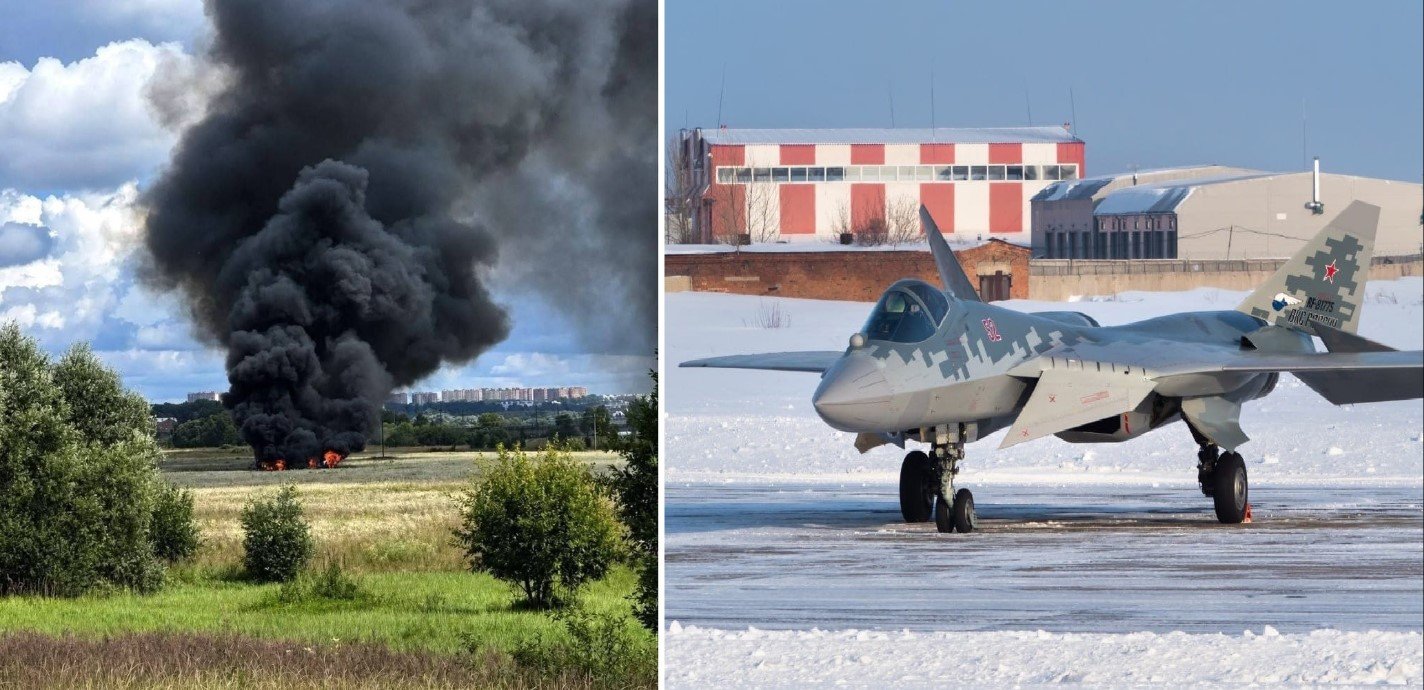 Russian Su-57 Stealth Fighter Crashes During Training Flight Near Moscow, Pilot Ejects Safely
-
 Australia Commits Additional AUD 4.6 Billion to Expand Osborne Shipyard for AUKUS Submarines
-
 China Imposes Dual-Use Export Ban on 14 European Entities After EU's Russia Sanctions
