India
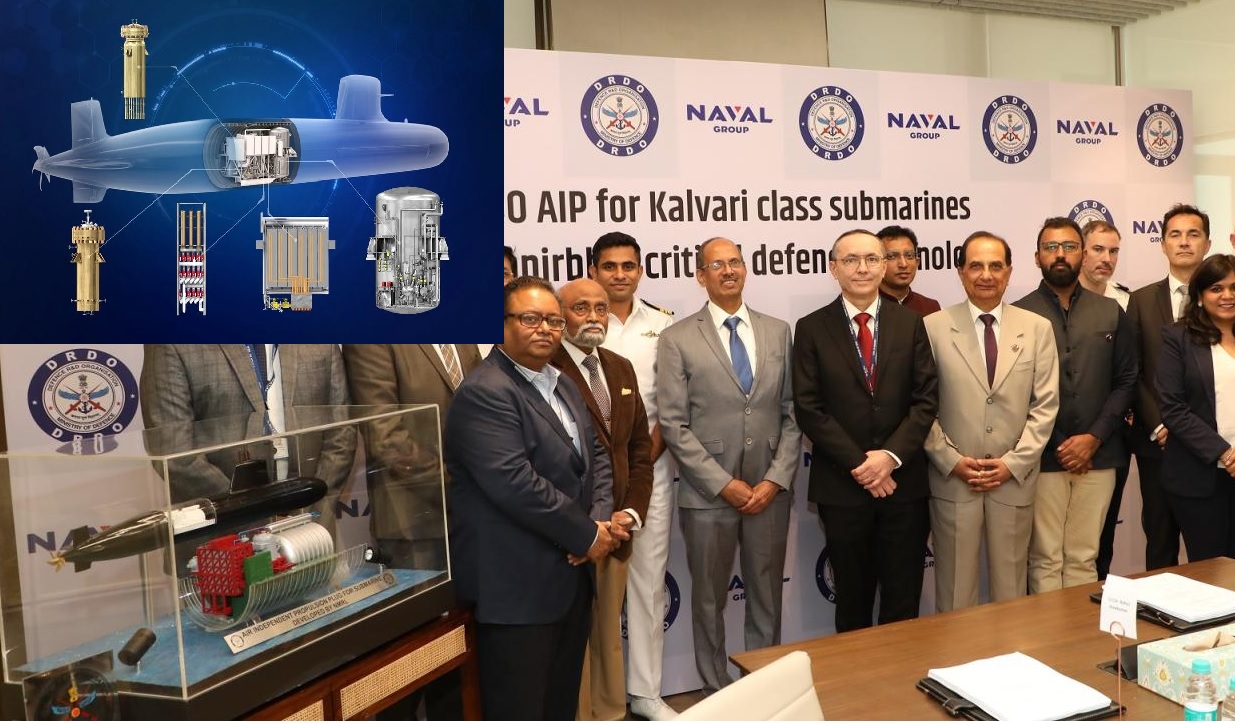
In a major step toward enhancing the endurance and stealth capabilities of India's submarine fleet, Mazagon Dock Shipbuilders Limited (MDL) and France’s Naval Group have extended their strategic collaboration to support the integration of the DRDO-developed Air Independent Propulsion (AIP) system into the Indian Navy’s Kalvari-class submarines. This announcement signals a significant milestone in India's journey towards self-reliance in advanced underwater propulsion technologies and reaffirms France’s commitment to supporting India's indigenous defence manufacturing initiatives under the Make in India framework. Focus on Indigenous AIP Integration The core objective of the extended partnership is to retrofit the Kalvari-class (Scorpène-class) submarines—built by MDL in collaboration with Naval Group—with DRDO’s Fuel Cell-based AIP module during their scheduled mid-life upgrades (MLU). This AIP system, developed by DRDO's Naval Materials Research Laboratory (NMRL), is designed to significantly increase the underwater endurance of conventional diesel-electric submarines, allowing them to operate submerged for extended periods without surfacing. The current agreement ensures a smooth technical roadmap for integration by leveraging the original design expertise of Naval Group and MDL’s industrial capacity. Current Status of DRDO’s AIP System (2025) Technology: The AIP system is based on a Phosphoric Acid Fuel Cell (PAFC) technology that converts hydrogen and oxygen into electricity. Validation: DRDO’s AIP completed land-based prototype testing in early 2024 and passed all endurance, safety, and performance parameters. Sea Trials: DRDO is currently preparing a marine-certified AIP prototype, with onboard trials expected in late 2025 or early 2026. Integration Timeline: The first retrofit is planned on INS Kalvari when it enters dry dock for refit in the 2026–2027 timeframe. Partnerships: L&T and Thermax are supporting production, while MDL will carry out physical integration during submarine upgrades. Why AIP Matters Air Independent Propulsion allows diesel-electric submarines to remain submerged for two to three weeks, as opposed to the current limitation of just 2–3 days without snorkeling. This stealth capability is critical in high-threat environments, particularly in contested regions like the Indian Ocean or near adversary coastlines, where detection by enemy assets must be avoided. While Naval Group originally offered its own AIP system for the Scorpène-class, India insisted on indigenous integration as part of its long-term strategy to localize critical underwater technologies. The cooperation from Naval Group in facilitating DRDO's system into a French-designed platform reflects strong bilateral trust. Statements from the Stakeholders An MDL spokesperson said: “This collaboration ensures that Kalvari-class submarines will continue to evolve with advanced indigenous technologies, keeping them relevant and lethal well into the 2030s.” Naval Group India’s CEO added: “We are proud to extend our support to India’s AIP ambitions and continue to work closely with MDL and DRDO to achieve seamless integration.” Strategic Implications With China expanding its submarine presence in the Indo-Pacific and Pakistan already operating AIP-equipped submarines, India’s move to retrofit its frontline Kalvari-class boats with DRDO's AIP is both timely and necessary. It also lays the groundwork for deploying the same system in future platforms, such as the upcoming Project-75I and potentially even SSK derivatives of India’s SSN program. The extended MDL–Naval Group collaboration marks a key turning point in India’s underwater warfare modernization efforts. By pairing foreign design expertise with indigenous propulsion innovation, India is set to field a more survivable, silent, and longer-enduring submarine force—essential for maintaining maritime dominance in an increasingly contested Indo-Pacific region.
Read More → Posted on 2025-07-25 16:15:10
World
Tensions between Thailand and Cambodia have reached a critical point, with Thai Prime Minister Sudarat Keyuraphan officially rejecting mediation offers from both the United States and China, warning that the ongoing border clashes “could escalate into a full-scale war.” The situation along the disputed frontier — particularly near the Preah Vihear Temple and surrounding highlands — has rapidly deteriorated over the past week, with artillery exchanges, drone incursions, and ground skirmishes reported daily. Over 130,000 civilians from border provinces have been displaced, seeking refuge in temporary camps or crossing into safer interior areas of both countries. Thailand Prime Minister's Statement In a televised address from Government House in Bangkok this afternoon, PM Sudarat declared: “Thailand will not accept external mediation at this stage. Our sovereignty is not negotiable, and we will respond with the full strength of our military if provoked further. We urge Cambodia to immediately cease its hostilities or face consequences.” The Prime Minister's statement came just hours after diplomatic messages from both Washington and Beijing proposed urgent ceasefire negotiations and offered to mediate a de-escalation framework. Both proposals were dismissed by the Thai government, citing lack of neutrality and national security concerns. Current Status of the Conflict Clashes have intensified along several sections of the border, particularly in the provinces of Sisaket (Thailand) and Preah Vihear (Cambodia). Thai Armed Forces have deployed additional battalions, artillery units, and combat UAVs to the frontier, with air patrols increased over contested areas. Cambodian forces are reportedly reinforcing key outposts and have also mobilized irregular militias in some sectors. Reports indicate drone reconnaissance flights, long-range rocket artillery, and heavy mortars being used by both sides in a series of tit-for-tat strikes since Monday. While official casualty figures remain unclear, sources suggest at least 40 soldiers and dozens of civilians may have been killed or injured in the latest round of fighting. UN Security Council Responds With regional peace at risk, the United Nations Security Council (UNSC) has called for an emergency closed-door session tonight in New York to address the deteriorating situation. UN Secretary-General António Guterres has urged both sides to "exercise maximum restraint" and warned of "grave consequences for regional stability" if war breaks out. International Reactions ASEAN, of which both Thailand and Cambodia are members, has expressed “deep concern” and is reportedly trying to organize an extraordinary ministerial summit. The United States has advised American citizens to avoid travel to both countries and has begun evacuating staff from its consulate in Chiang Mai. China, while calling for calm, has warned of “external forces” trying to exploit the crisis — a veiled reference to U.S. involvement. The conflict stems from a decades-old territorial dispute over the area surrounding the 11th-century Preah Vihear Temple. Though the International Court of Justice (ICJ) awarded the temple to Cambodia in 1962, the surrounding land remains contested, and minor clashes have occurred intermittently since 2008. The latest escalation appears to have been triggered by a border patrol incident earlier this month that left several soldiers dead on both sides. With diplomatic efforts faltering and troop mobilizations intensifying, the region is bracing for further violence. The next 24 to 48 hours are considered critical. Unless urgent diplomatic pressure can halt the trajectory, Southeast Asia may be on the brink of its most serious interstate conflict in decades.
Read More → Posted on 2025-07-25 16:07:57
India
Ministry of Defence (MoD) has significantly ramped up its investment in indigenous defence research and development (R&D), with over ₹29,558 crore worth of projects sanctioned for DRDO (Defence Research and Development Organisation) in the last three years alone. Between 2023 and mid-2025, DRDO was handed 103 projects, showcasing the government’s growing trust in homegrown innovation. The biggest jump came in 2024, when 43 projects worth a massive ₹22,175.49 crore were cleared. In comparison, ₹3,842.71 crore was sanctioned for 40 projects in 2023, while ₹3,540.46 crore has been committed for 20 projects so far in 2025. Among the key developments is the Kaveri Derivative Engine (KDE) — a crucial powerplant for the upcoming remotely piloted strike aircraft, also referred to as the IUCAV. Two significant projects tied to this include the Flightworthy Kaveri Dry Engine Development (₹472.42 crore) and a technology demonstration project (₹251.17 crore). Together, they represent a renewed focus on developing indigenous jet engine technology — a long-sought capability in India's aerospace journey. But it's not just about funding. The MoD is also reshaping the defence R&D ecosystem with deep structural reforms that aim to bridge civil and military sectors. One major move is the designation of Development-cum-Production Partners (DcPPs) to speed up prototyping and move technology faster from labs to battlefield use. These industry partners now benefit from a zero royalty policy when supplying DRDO-developed technologies to the Indian Armed Forces, and no transfer-of-technology (ToT) fees either. To make sure new innovations don’t stay stuck in academia, the DRDO is also bringing industries closer to research institutions through 15 Centres of Excellence (DIA-CoEs) set up at premier institutions like IISc Bengaluru and several IITs. These hubs are driving forward targeted research in critical defence technologies. Certification, which has long been a bottleneck in defence manufacturing, is also being streamlined. The Centre for Military Airworthiness and Certification (CEMILAC), DRDO’s certifying body, is now working hand-in-hand with the DGCA (civil aviation regulator) to align standards for Unmanned Aerial Vehicles (UAVs). Lower-weight UAVs will now undergo common certification procedures for both military and civilian use — a move that could greatly simplify processes for drone makers. CEMILAC has also initiated dialogues with European (EASA) and Brazilian (ANAC) aviation authorities, as well as companies like Airbus and Embraer, to create a clear path for civil-military aircraft certification inside India — another step towards boosting local aircraft production. On the grassroots level, the Technology Development Fund (TDF) continues to provide financial backing to Indian industries, especially MSMEs and startups, for developing defence products. Meanwhile, the popular Dare to Dream 4.0 challenge, launched during DefExpo, aims to tap into the scientific genius of individuals and start-ups with problem statements straight from the Indian defence sector. And to ensure no innovation goes to waste, DRDO has opened up its patents for free use by Indian industries. It has also made several of its world-class testing facilities available for private sector use — a rare move that shows the government’s intent to treat industry not as a vendor, but as a partner. All these updates were shared by Raksha Rajya Mantri Shri Sanjay Seth in a written reply to MP Tejasvi Surya in the Lok Sabha, highlighting the government’s renewed determination to make India a global defence powerhouse — not just a buyer, but a builder. The road to Aatmanirbhar Bharat in Defence is being paved not just with money, but with trust, collaboration, and bold reforms.
Read More → Posted on 2025-07-25 16:02:11
India
Research and Development Organisation (DRDO) has successfully conducted flight trials of the UAV-Launched Precision Guided Missile V3 (ULPGM-V3) at the National Open Area Range (NOAR) in Kurnool, Andhra Pradesh. The missile, also known in its extended-range configuration as ULM-ER, marks the latest evolution in India’s indigenous drone-launched weapon systems. Defence Minister Rajnath Singh congratulated the DRDO and associated industry partners for the achievement, stating, “This successful trial reaffirms that Indian industry is ready to absorb and produce critical defence technologies.” A New Chapter in India's Unmanned Warfare The ULPGM-V3 is a high-precision air-to-surface missile launched from unmanned aerial vehicles (UAVs). Developed by DRDO’s Research Centre Imarat (RCI), it is designed for quick, accurate strikes on static and moving ground targets such as bunkers, command posts, vehicles, and insurgent hideouts. The V3 variant brings several improvements over its predecessors — the baseline V1 and the operational V2 — including longer range, improved seeker technology, and multiple warhead configurations. These upgrades allow for deployment in a variety of operational environments, from high-altitude conflict zones to dense urban terrain. Specifications and Capabilities of ULPGM-V3 (ULM-ER) Parameter Details Type UAV-Launched Precision Guided Munition (Air-to-Surface) Variant ULPGM-V3 (Extended-Range), also known as ULM-ER Weight ~12.5 kg Propulsion Dual-thrust solid rocket motor Seeker Passive Imaging Infrared (IIR) for day & night targeting Range Up to 4 km (day), ~2.5 km (night) Guidance Fire-and-forget with real-time two-way data link Launch Platform Tactical UAVs (e.g., Archer-NG, Tapas-BH) Warhead Options Anti-armor, fragmentation, and multi-purpose variants Target Types Static positions, light-armored vehicles, mobile threats The missile’s fire-and-forget capability combined with imaging infrared guidance ensures that once launched, it can autonomously track and strike targets without further input from operators. The addition of a two-way datalink gives operators the option to reassign or abort missions mid-flight, offering unmatched battlefield flexibility. Industry Partnerships and Future Prospects The development of the ULPGM series represents a powerful collaboration between DRDO and Indian private and public sector industries. Adani Defence and Bharat Dynamics Limited (BDL) have been identified as the key industrial partners for the production phase, with BDL expected to lead integration and series manufacturing once user trials are complete. This successful test also validates technologies showcased earlier this year at Aero India 2025, where the ULPGM-V3 (ULM-ER) was displayed to the public for the first time, signaling DRDO’s growing confidence in the system’s maturity. Strategic Significance With the operationalization of ULPGM-V3, India is positioning itself among a handful of nations with domestically developed drone-launched guided munitions. This is particularly vital for surgical strike operations, counter-terror missions, and high-risk engagements across the Line of Control (LoC) or Line of Actual Control (LAC), where unmanned systems provide standoff advantage without risking soldier lives. The modularity of warheads, coupled with the ability to function in low-visibility conditions, makes the V3 highly effective for use in challenging terrain such as mountains, deserts, and dense forest zones—where terrorist hideouts or enemy outposts may be difficult to reach. The successful flight trial of the ULPGM-V3 underscores India’s rapid advancement in precision strike capabilities using UAVs. As global warfare trends shift towards unmanned and smart weapon platforms, India is asserting its place with a growing suite of indigenous technologies that combine accuracy, lethality, and strategic depth. With production set to ramp up through public-private partnerships and user trials expected to begin soon, the ULPGM-V3 may soon become a central pillar in India’s evolving doctrine of remote, high-precision counter-force operations.
Read More → Posted on 2025-07-25 15:32:52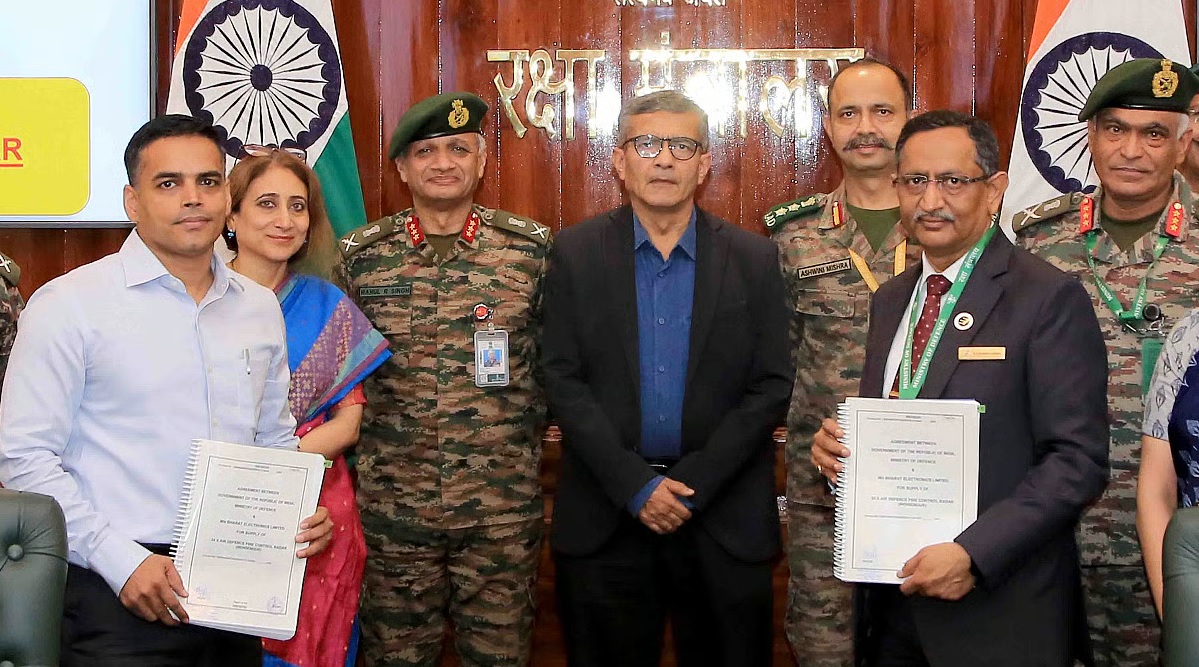
India
Ministry of Defence has signed a ₹2,000 crore contract with Bharat Electronics Limited (BEL) for the supply of advanced air defence fire control radars to the Indian Army. These new radars are specially designed to detect and track airborne threats like fighter jets, attack helicopters, and drones, providing a critical edge in real-time battlefield awareness and response. The defence ministry highlighted that these systems will play a key role in protecting the country’s airspace, especially at a time when drone threats and airspace intrusions are becoming more frequent and sophisticated. What makes this contract even more significant is that it falls under the ‘Indian-indigenously designed, developed, and manufactured (IDDM)’ category. With at least 70% indigenous content, the radars are a showcase of Make in India in the defence sector and a big boost for domestic military technology. According to the ministry, this deal is not just about acquiring new technology—it’s a milestone in the modernisation of India’s air defence regiments. Once deployed, these radars will enhance the Indian Army’s operational readiness, helping it to act swiftly and accurately against aerial threats. The project is also expected to support economic growth, as the high indigenous content ensures that most of the manufacturing, development, and supply chain processes remain within India, creating jobs and encouraging innovation. This agreement with BEL comes at a time when India is accelerating its efforts to build self-reliant defence capabilities. With these modern fire control radars, the Indian Army will be better equipped to secure its skies and respond effectively in high-threat environments.
Read More → Posted on 2025-07-25 15:17:03
World
To strengthen its military capabilities, Poland will sign a $4 billion loan guarantee agreement with the United States on July 25, aimed at modernising its armed forces. The announcement came from Poland’s Ministry of National Defence, highlighting the country’s commitment to enhancing national security at a time when regional tensions are at their highest in decades. This loan is part of a broader effort by Poland to upgrade its defence systems and reinforce NATO’s eastern flank, especially since Russia’s full-scale invasion of Ukraine in 2022. The U.S. has already provided over $11 billion in loans and guarantees to Poland since the war began, helping the country buy advanced systems like the Patriot missile defence system, HIMARS rocket launchers, and Apache attack helicopters. But this latest deal isn’t just about buying equipment—it’s also a reflection of Poland’s changing mindset. The war in neighbouring Ukraine has shaken Poland to its core, leading to a deep sense of urgency about military readiness and national defence. After years of keeping defence spending relatively moderate, Poland has now emerged as the NATO country spending the highest share of its economy on defence. In 2025, Warsaw plans to spend 4.7% of its Gross Domestic Product (GDP) on the military—a staggering increase compared to earlier years. And this number is expected to climb even higher, with projections reaching 5% of GDP in 2026. To put this shift into perspective: before the Ukraine war, Poland’s defence spending hovered closer to 2% of GDP, which was roughly in line with NATO recommendations but not extraordinary. The Russian invasion, however, changed everything. Fear of aggression spreading westward has turned Poland into one of Europe’s fastest-growing military powers. In just a few years, Poland has massively ramped up its military procurement, ordering hundreds of tanks, fighter jets, and artillery systems, not just from the U.S. but also from South Korea and European manufacturers. The country is not only investing in hardware but also building new infrastructure and increasing troop numbers. The new $4 billion U.S. loan guarantee is another brick in that wall of defence—one that Poland hopes will keep it secure in a region where peace can no longer be taken for granted.
Read More → Posted on 2025-07-25 15:09:13
Space & Technology
In supporting human exploration of Mars, AeroVironment has introduced a new aerial concept called Skyfall, designed in partnership with NASA’s Jet Propulsion Laboratory (JPL). This innovative system could reshape how we explore and prepare for landing on the Red Planet. Rather than sticking to traditional methods of surface scouting, Skyfall envisions six autonomous helicopters launched together, each with the ability to fly independently across the Martian landscape. Their main task? To scan and study potential landing zones using high-resolution cameras and radar systems that can even peek beneath the surface of the soil—hunting for signs of water, ice, and other vital resources needed for human survival. What makes Skyfall truly stand out is its namesake maneuver—the “Skyfall Maneuver.” Unlike previous systems that relied on complex, heavy landing platforms, these new helicopters would detach mid-air from their entry capsule during descent and fly themselves down to the Martian surface. It's a smart way to cut costs and avoid engineering headaches, while giving the drones immediate mobility upon arrival. This isn’t AeroVironment’s first Mars mission. The company worked closely with JPL on the now-famous Ingenuity helicopter, the first aircraft to perform powered flight on another planet. Ingenuity, which completed an impressive 72 flights at Jezero Crater, was originally only supposed to fly five times—but it far exceeded expectations and became a symbol of engineering excellence. Skyfall, however, is a next-generation leap beyond Ingenuity. While Ingenuity was a single scout proving the basics of flight in Mars’ thin atmosphere, Skyfall multiplies the capability by six—bringing more range, more data, and more scientific potential. It’s a system built not just to experiment, but to actively support upcoming human missions. “Skyfall offers a revolutionary new approach to Mars exploration that is faster and more affordable than anything that’s come before it,” said William Pomerantz, AeroVironment’s Head of Space Ventures. He noted that the use of multiple rotorcraft working in tandem can deliver more insights and dramatically increase pre-mission safety for astronauts. The design leverages AeroVironment’s expertise in lightweight aerospace structures, perfect for the Martian atmosphere, while JPL is expected to supply proven avionics and flight software refined through the Ingenuity program. Together, this blend of commercial innovation and government experience sets the stage for a possible launch as soon as 2028. According to Trace Stevenson, President of Autonomous Systems at AV, Skyfall isn’t just about future astronauts. “It will provide detailed, actionable data that benefits planetary science too—especially in the search for signs that life once existed on Mars.” Unlike the old Mars helicopter, which was primarily a tech demo, Skyfall is purpose-built for human exploration. It’s about coverage, coordination, and communication. With six smart flyers instead of one, the system can map more terrain, deliver richer scientific data, and act as the eyes of future astronauts long before they set foot on the surface. Backed by AeroVironment’s broader AV_Space portfolio, which also includes systems for ISR, space communications, and satellite operations, Skyfall marks a serious step forward in preparing Mars for its first human guests. If everything stays on track, the next giant leap for mankind may start with the whir of six little helicopters exploring the Red Planet in formation.
Read More → Posted on 2025-07-25 14:59:50
World
In Southeast Asia, the military balance between neighboring nations often reflects both current strategic priorities and deep-rooted historical tensions. Among these, Thailand and Cambodia share a complex relationship shaped by border disputes, ancient rivalry, and differing defense capabilities. A comparison of their armed forces reveals stark contrasts in strength, organization, and modernization. Current Military Comparison: Thailand vs Cambodia (2025) Category Thailand Cambodia Active Personnel ~360,000 ~125,000 Defence Budget (2024) ~$6.1 billion ~$620 million Main Battle Tanks ~300+ (M60A3, T-84 Oplot, Stingray) ~80+ (T-55, Type 59/69) Armored Vehicles ~3,500+ ~500+ Artillery (Towed + Self-Propelled) ~2,000+ ~300+ Fighter Aircraft ~60 (Gripen C/D, F-5E, Alpha Jet) None (Only utility helicopters and trainers) Navy Ships ~130 (1 aircraft carrier, frigates, corvettes) ~20 (mostly patrol boats) Helicopters ~250+ ~80+ Drones/ISR Yes (domestic + imported UAVs) Limited Thailand has a significantly stronger and more technologically advanced military. It is a long-standing U.S. ally and operates modern systems such as the Saab Gripen fighter jets, T-84 Oplot tanks, and even maintains the HTMS Chakri Naruebet aircraft carrier. Cambodia, on the other hand, operates a largely outdated Soviet-era inventory and has minimal air power. Historical Conflict: The Cambodian-Thai Border Clashes Although Thailand and Cambodia have not engaged in a full-scale war, several military incidents have occurred—primarily due to border disputes surrounding the Preah Vihear Temple. 2008–2011 Border Conflict Cause: Dispute over 4.6 sq km surrounding the Preah Vihear Temple, a UNESCO site awarded to Cambodia by the International Court of Justice (ICJ) in 1962. Notable Clashes: October 2008: First major skirmish; several soldiers killed on both sides. April 2009 & February 2011: Artillery duels led to casualties and displacement of civilians. Outcome: Casualties: Dozens dead (20+ Thai, 30+ Cambodian), hundreds injured. No decisive victory, but both sides claimed success. ICJ intervened again in 2013, reaffirming Cambodia’s sovereignty over the temple area. Military Analysis: Thailand’s superior firepower and air assets gave it a tactical edge, but political and international pressure prevented a full-blown escalation. Strategic Partnerships & Modernization Thailand: Major Non-NATO Ally of the U.S. Regular joint exercises like Cobra Gold with the U.S. and Japan. Imports high-end defense equipment from the U.S., South Korea, China, and Sweden. Cambodia: Increasingly aligned with China. Receives Chinese aid and equipment, including armored vehicles and small arms. Limited defense infrastructure compared to regional peers. Geopolitical Implications Thailand's military might positions it as a dominant regional player, particularly in the Indo-China peninsula. Cambodia, while growing in defense ties with China, remains focused on internal security and border defense. Despite historical clashes, both nations have managed to avoid full-scale war. Diplomatic efforts, especially through ASEAN, have played a critical role in maintaining a fragile peace. In any theoretical military confrontation, Thailand holds overwhelming superiority in nearly every domain—from air power to mechanized infantry. However, both nations today prioritize diplomatic channels over military aggression. The lessons from the Preah Vihear conflict underscore the risks of escalation and the importance of international arbitration in resolving sensitive border issues. As of 2025, the Thailand-Cambodia military equation remains one of imbalance but also relative stability—thanks to regional cooperation and shared economic interests.
Read More → Posted on 2025-07-25 14:49:30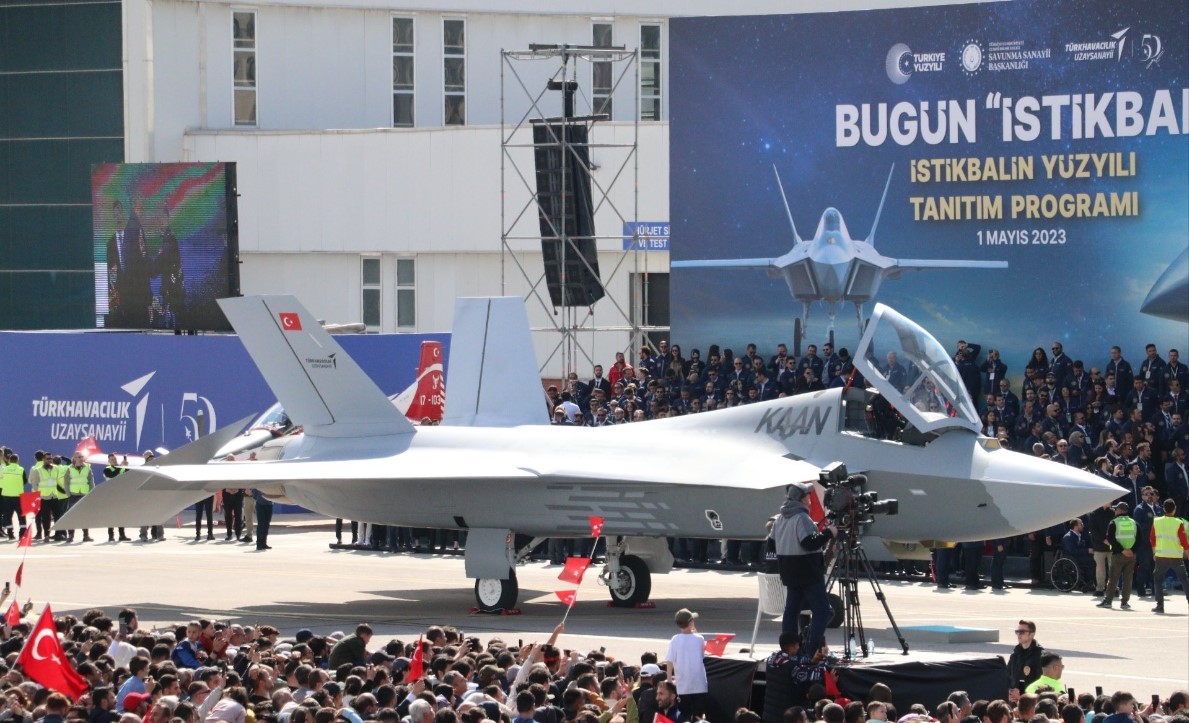
World
In a big leap for Turkey's defense industry, the country’s upcoming KAAN fifth-generation fighter jet is set to be equipped with advanced electronic warfare systems that can confuse enemy radars and jam drones in combat. A Turkish company called Electronic Warfare Systems Engineering (EHSIM) has developed two powerful tools aimed at protecting the KAAN from modern threats. The first is a radar decoy system known as SIS (RF Active Expendable Decoy Systems). This device is designed to be fired away from the aircraft during missions and has the smart ability to make one jet look like 10 to 20 aircraft on an enemy’s radar screen. That kind of trickery could distract or mislead enemy missiles, increasing the jet’s chances of surviving an attack. The second system, named JINN (Jammer Integrated Nullification Node), acts like a high-tech signal jammer, especially aimed at hostile drones. It sends out false signals to confuse enemy drone sensors and guidance systems, making it harder for them to stay locked on or complete their missions. Both SIS and JINN are part of EHSIM’s broader Countermeasure Dispensing Systems (CMDS) program, a national effort to make Turkish air platforms more resilient in the face of increasingly sophisticated radar and missile threats. According to EHSIM CEO Fatih Say, these systems are ready for mass production after passing their testing phase. Fatih Say highlighted the changing nature of aerial warfare: “Missiles today are becoming smarter, equipped with AI and better sensors. So, our countermeasures must be smarter too,” he said. With over 20 years of electronic warfare experience, EHSIM believes it is well-positioned to lead Turkey’s push for next-gen aircraft protection. The KAAN fighter jet, currently under development, is seen as Turkey’s answer to other fifth-generation jets like the F-35. It is expected to enter service around 2028, and these new decoy and jamming systems could play a critical role in giving it an edge in modern warfare. In today’s sky battles, being invisible or confusing to the enemy is just as important as firepower. With systems like SIS and JINN, Turkey is betting on brains over brute force—outsmarting threats before they strike.
Read More → Posted on 2025-07-25 14:48:35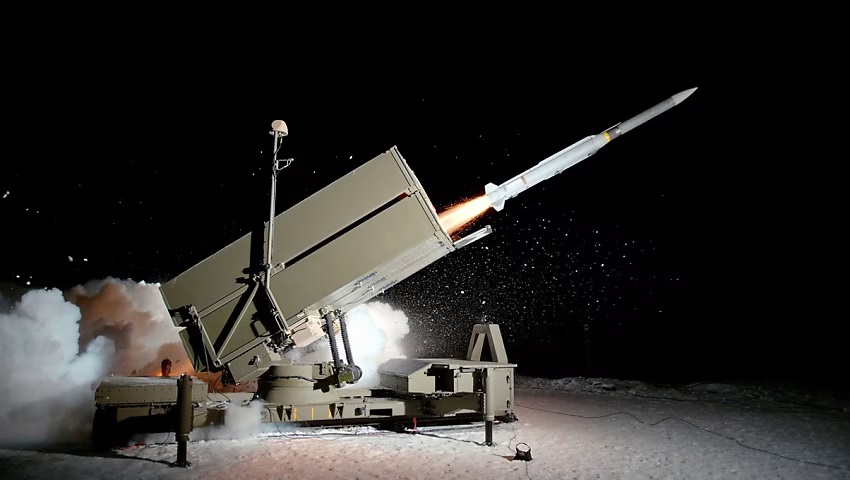
World
Egypt has received approval from the U.S. State Department for a potential purchase of the National Advanced Surface-to-Air Missile System (NASAMS) and related equipment. The deal, if finalized, is estimated to be worth $4.67 billion, according to an official announcement by the Defense Security Cooperation Agency (DSCA). This proposed sale marks a significant investment in Egypt’s military modernization. The package includes a comprehensive mix of cutting-edge missile and radar technology. Egypt has requested four AN/MPQ-64F1 Sentinel radars, 100 AMRAAM-Extended Range (ER) missiles, and 600 AIM-9X Sidewinder Block II tactical missiles. These advanced systems are designed to detect and neutralize incoming aerial threats with precision. Beyond missiles and radars, the deal also covers training simulators, GPS receivers, secure communications equipment, spare parts, support tools, and logistical and technical support from U.S. contractors. All of this is aimed at ensuring a smooth integration into Egypt’s armed forces. The U.S. government emphasized that this proposed sale aligns with its broader foreign policy and national security goals, particularly in reinforcing the defense capabilities of Egypt, a key non-NATO ally. In a statement, the U.S. said the transaction would enhance Egypt’s ability to counter both current and future air threats, without disrupting the military balance in the Middle East. The primary contractor for this massive package will be RTX Corporation, formerly known as Raytheon Technologies, headquartered in Andover, Massachusetts. Notably, there are no offset agreements—meaning Egypt will not require any industrial return benefits or co-production as part of the purchase. To support the delivery and setup of the NASAMS system, the U.S. plans to send around 26 government personnel and 34 contractor representatives to Egypt. They will assist with installation, training, and maintenance, ensuring the system becomes fully operational without delay. The DSCA concluded that this sale will not affect U.S. defense readiness and that Egypt is fully capable of absorbing the new system into its existing defense structure. With rising tensions and evolving air threats in the region, this NASAMS deal reflects Egypt’s continued push to upgrade its national defense and strengthen its partnership with the United States.
Read More → Posted on 2025-07-25 14:37:02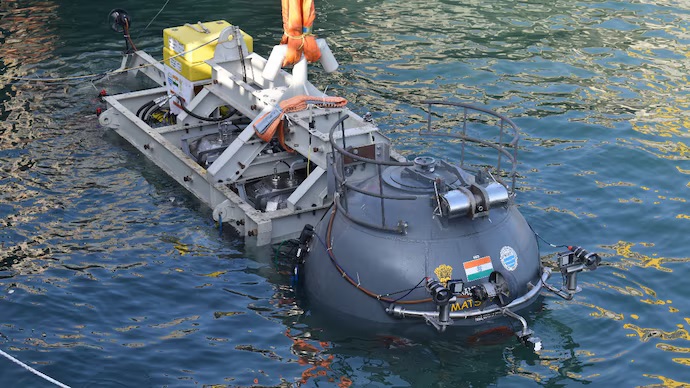
India
India has taken a significant step toward realizing its first crewed deep ocean exploration mission as scientists from the National Institute of Ocean Technology (NIOT) and the Indian Space Research Organisation (ISRO) successfully completed a critical welding process on the Matsya-6000, the country's first deep-sea manned submersible. At the heart of this milestone is the welding of a titanium alloy crew sphere—a pressure-resistant chamber designed to carry three humans to depths of up to 6,000 meters (nearly 20,000 feet) below sea level. For the first time in India, such a thick titanium structure was electron beam welded, marking a technological breakthrough in India's deep-sea capabilities. Matsya-6000: India's Gateway to the Deep Ocean The Matsya-6000 is being developed under the Samudrayaan Mission, a flagship project of India’s Deep Ocean Mission spearheaded by the Ministry of Earth Sciences. The mission aims to explore untapped resources, biodiversity, and geological processes in the deep ocean, similar to how space agencies explore outer space. The submersible will be capable of carrying three people and will be equipped with life support and safety systems for missions lasting up to 12 hours, with emergency support for up to 96 hours. It is designed to withstand crushing pressures of nearly 600 times that at sea level, a feat achieved by constructing the pressure hull from titanium alloy Ti-6Al-4V, known for its high strength, corrosion resistance, and compatibility in deep-sea environments. Electron Beam Welding: A First for India The electron beam welding (EBW) technique used on the Matsya-6000’s spherical pressure hull is notable for its high precision and minimal thermal distortion—essential when working with thick titanium materials that must retain structural integrity under extreme pressure. The welding was performed at the ISRO Inertial Systems Unit (IISU) in Thiruvananthapuram, a facility that specializes in advanced joining technologies. Electron beam welding allows for deep penetration with clean, high-quality welds, making it ideal for aerospace, nuclear, and now deep-sea applications. The weld has now passed non-destructive testing and radiographic evaluation, ensuring the hull's safety and reliability for human missions. Why It Matters: India's Deep Ocean Ambitions With this achievement, India joins a select group of nations—including the United States, Russia, France, Japan, and China—that have developed the capability for human-rated deep-sea submersibles. The project is aligned with India’s broader goals of blue economy development, which include: Mapping and studying the ocean floor Exploring polymetallic nodules, which contain rare earth elements Understanding deep-sea biodiversity Monitoring environmental changes and seismic activity India’s exclusive economic zone (EEZ) spans over 2 million square kilometers, and the successful deployment of Matsya-6000 would greatly enhance the country’s scientific and strategic reach under the ocean surface. What's Next With the successful welding of the pressure hull complete, the focus will now shift to: Integrating life support systems, control modules, and safety redundancies Pressure testing the assembled submersible in hyperbaric chambers Uncrewed test dives, likely in 2025–26 A crewed mission to the 6,000-meter depth is expected by 2026, depending on sea trial results The submersible will be launched from NIOT's deep-sea research vessel, which will provide power, navigation, and recovery support. The completion of the titanium sphere welding for Matsya-6000 marks a monumental step in India’s scientific and engineering journey into the deep ocean. It reflects India’s growing capabilities in complex undersea technology and aligns with the nation's aspirations to become a leader in ocean exploration, on par with its progress in space. With the Samudrayaan Mission gaining momentum, India is not just looking up to the stars but also diving deep into the last great frontier on Earth — the ocean.
Read More → Posted on 2025-07-24 17:46:02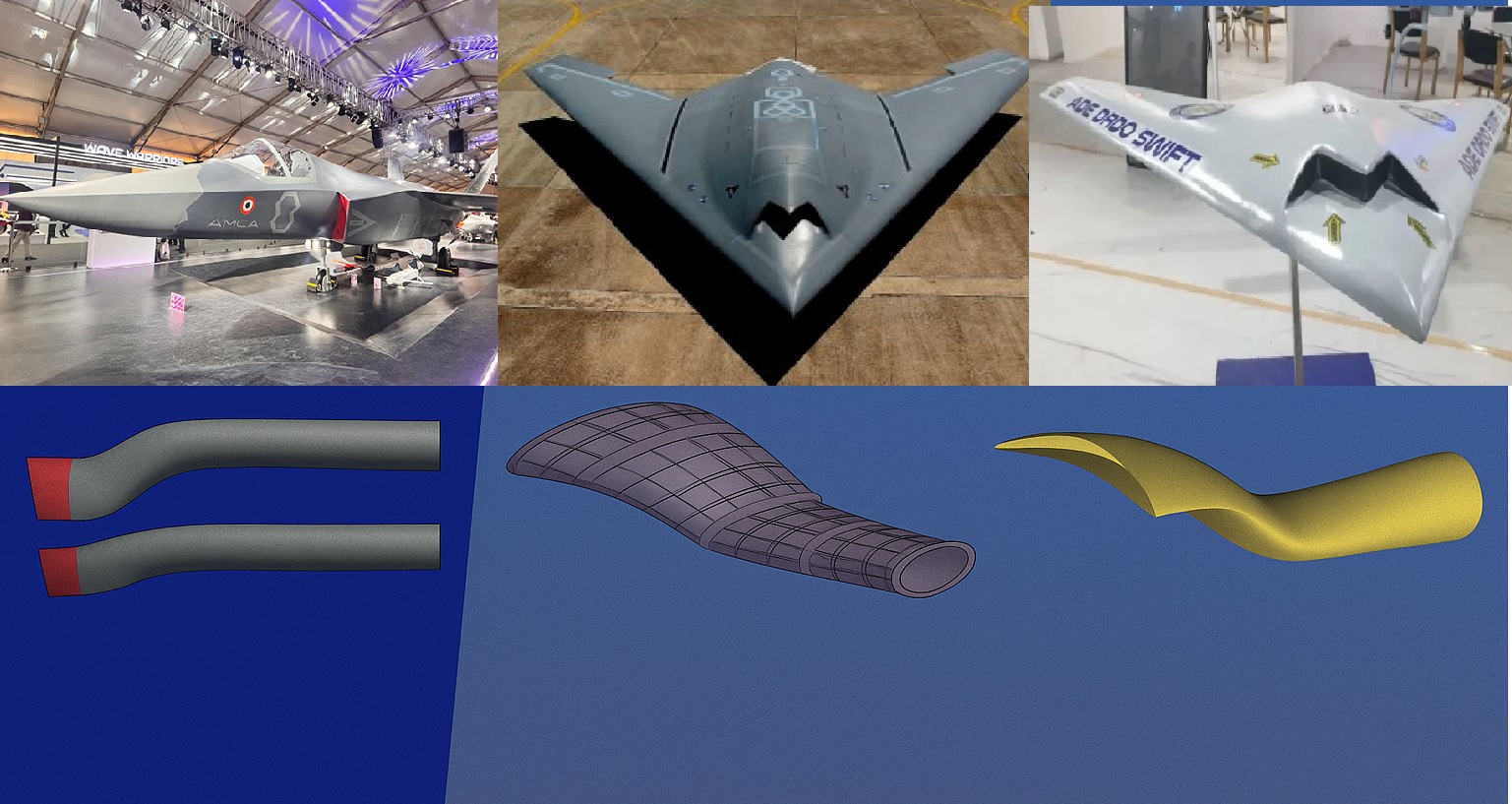
India
Defence Research and Development Organisation (DRDO) is developing next-generation Low Radar Cross Section (RCS) air intake ducts for the upcoming AMCA fighter jet, Ghatak unmanned combat aerial vehicle (UCAV), and its testbed SWiFT. These ducts are a critical part of stealth aircraft design, helping reduce radar visibility by shaping and absorbing electromagnetic waves. Designed with a serpentine geometry, the ducts block direct radar line-of-sight to the engine, a major source of radar returns. Internally, they are lined with Radar Absorbing Structures (RAS) made from carbon composite materials, engineered to suppress radar reflections in the 2–18 GHz frequency band. These measures are expected to provide over 10 decibels (dB) of radar signature reduction, significantly boosting survivability in contested airspace. Three major designs are under development: AMCA intake ducts, aimed at >10 dB RCS reduction in frontal aspects. Ghatak UCAV ducts, following a similar reduction profile. SWiFT ducts, optimized for up to 40-degree radar incidence angles, mimicking extreme combat conditions. The technology effort isn't limited to shape alone. DRDO has identified and is testing advanced RAS materials like ferrite foams, ceramic radar-absorbent composites, and conductive polymers. The structural design is tuned to allow non-uniform cladding thickness, exploiting the physics of multiple radar reflections to reduce radar bounce-back while keeping weight under control. Work is being carried out at multiple DRDO labs, including DLRL, DMSRDE, RCI, ADE, and CEMILAC, with support from simulation and materials centers like DMRL and LASTEC. Advanced simulations, electromagnetic validation, and structural prototype testing are already underway, with full-scale ducts being fabricated for integration trials. Overcoming challenges such as material endurance at high speed, thermal resilience, and aerodynamic flow stability, the program is progressing with high national priority. Once operational, these indigenous stealth air intake ducts will become a cornerstone of India’s ambition to field true fifth-generation aircraft with deep penetration and low observability, reducing dependence on foreign stealth technologies. This marks a critical milestone in India's aerospace self-reliance under the Atmanirbhar Bharat initiative.
Read More → Posted on 2025-07-24 17:41:47
India
In a significant move to address the Indian Air Force’s immediate operational needs, Defence Secretary RK Singh has confirmed that the government is actively considering the import of fifth-generation fighter jets as a short-term solution until the indigenous stealth fighter project is ready. The announcement comes at a time when the IAF has flagged a growing capability gap amid regional tensions and delays in India’s domestic fifth-gen fighter programme, the Advanced Medium Combat Aircraft (AMCA). Urgent Requirement for 40–60 Fighters According to officials familiar with the matter, the IAF has proposed the procurement of two to three squadrons—roughly 40 to 60 aircraft—from a foreign supplier. These fighters are expected to serve as a stopgap measure while the indigenous AMCA is still under development. A high-level empowered committee headed by Defence Secretary RK Singh has reportedly reviewed the proposal and recommended the immediate induction of fifth-generation fighters to strengthen the IAF’s deterrence posture, particularly along the northern and western borders. IAF's Presentation to the Government As per sources, the Indian Air Force recently made a formal presentation to the central government, highlighting the urgent strategic need for advanced fighter aircraft. The presentation warned that without such a move, India risks falling behind in terms of aerial superiority, especially in light of the growing capabilities of neighbouring countries. Possible Options: F-35 or Su-57 In the current global market, only two fifth-generation fighter aircraft are available for potential export: The F-35 Lightning II from the United States, a combat-proven stealth fighter used by multiple allied nations. The Su-57 Felon from Russia, Moscow’s most advanced multirole stealth platform. India’s final decision will hinge on a range of factors including geopolitical considerations, cost-effectiveness, technology transfer, and delivery timelines. Massive Defence Spending Ahead Defence Secretary RK Singh also revealed that the government plans to sign defence contracts worth ₹2 lakh crore (approximately $24 billion) in financial year 2025–26. These deals will cover various modernization programmes across all three services, with a focus on critical capability enhancements for the Indian Air Force. As India works toward achieving self-reliance in defence through projects like the AMCA, the immediate need to fill the capability void has prompted the consideration of importing fifth-generation fighters. The government’s decision, once finalized, is expected to play a pivotal role in securing India’s air dominance in the face of evolving regional threats.
Read More → Posted on 2025-07-24 17:37:24
India
In a major breakthrough for global trade and diplomacy, India and the United Kingdom have officially signed a historic Free Trade Agreement (FTA) on Thursday, marking a new chapter in economic ties between the two nations. The deal, long in the making, was finalised in the presence of Prime Minister Narendra Modi and his British counterpart Keir Starmer, and is expected to boost bilateral trade by a staggering $34 billion annually. This agreement, described by Indian officials as the most significant trade pact ever signed by India, eliminates duties on 99% of Indian exports to the UK. This sweeping tariff relief will benefit Indian textiles, pharmaceuticals, medical devices, leather goods, chemicals, and agriculture products, giving these sectors a competitive edge in the British market. At the same time, British exports such as Scotch whisky, electric vehicles, luxury cars, and cosmetics will find it easier and cheaper to enter India. For instance, the import duty on Scotch whisky will be halved immediately to 75%, and gradually lowered to 40% over ten years. Likewise, electric vehicle tariffs will fall sharply from 110% to just 10%, albeit in a quota-based phased manner. India has also agreed to reduce 90% of its tariff lines, cutting the average levy on UK products from 15% to just 3%, a move expected to significantly enhance UK’s trade access. Beyond goods, the deal includes chapters on services, procurement, and intellectual property rights, addressing key concerns on both sides. Notably, British firms will now be allowed to bid for Indian government contracts at the federal level, opening the doors to a major new market. And despite earlier fears, India’s ability to export affordable generic medicines will not be compromised, officials confirmed. The impact on various Indian industries could be transformative. Electronics and engineering exports are projected to double by 2030, chemical exports may grow by 30–40% in the coming fiscal year, and gems and jewellery exports, currently worth $941 million, are expected to double within three years. The leather sector alone could gain a 5% market share in the UK in just two years. Software services exports are forecast to grow by 20% annually. UK Prime Minister Keir Starmer called the agreement a “landmark deal” that will create thousands of jobs, attract over £6 billion in new investments and export wins, and increase UK exports to India by nearly 60% in the long term. According to his office, over 2,200 new jobs will be created across the UK as Indian businesses expand their operations there. For India, this deal is not just about numbers. It’s a strategic signal—a shift towards opening up trade, lowering barriers, and diversifying economic partnerships beyond traditional allies. Indian officials highlighted that the deal aligns with broader ambitions to position India as a global investment and manufacturing hub, especially in emerging sectors like green energy, fintech, and digital innovation. Anil Talreja, Partner at Deloitte India, called the deal a “watershed moment,” saying it demonstrates a shared vision to deepen cooperation and strengthen resilience against external economic shocks. While the bilateral investment treaty is still under negotiation, the FTA will now move forward for cabinet approval in India and ratification in the UK Parliament. As the world’s most populous democracy and a major global economy, India’s move to embrace free trade on such a large scale signals a deeper integration into the global market—an evolution that may have ripple effects for other trade talks with the EU, US, and beyond.
Read More → Posted on 2025-07-24 17:23:42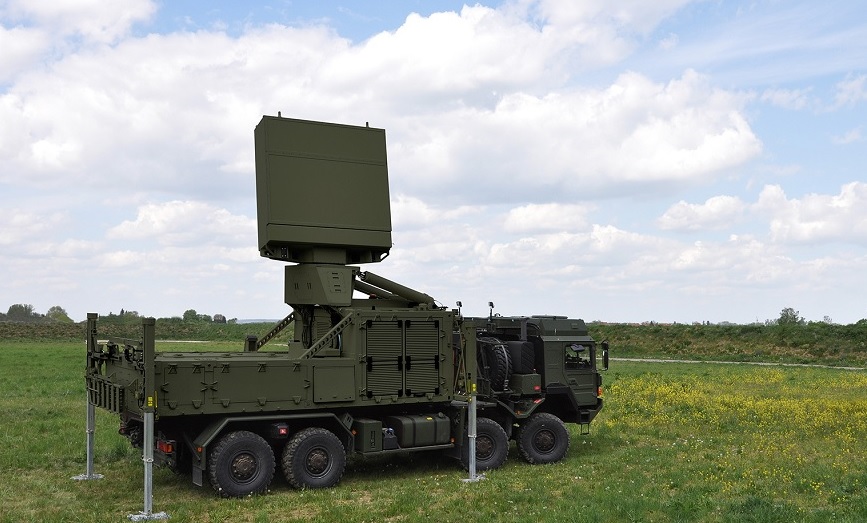
World
German technology firm HENSOLDT has signed a €340 million contract to deliver state-of-the-art radar systems to the Ukrainian Armed Forces. The deal includes the supply of TRML-4D high-performance radars and SPEXER 2000 3D MkIII short-range radars, both of which are known for their advanced tracking and detection capabilities. Speaking about the development, HENSOLDT CEO Oliver Dörre said, “Our high-performance radars are urgently needed by Ukrainian air defence. A number of radars have been protecting Ukraine since the start of Russia’s war of aggression. We are proud to be supplying further systems. The radars are extremely important for protecting citizens.” The TRML-4D radar is one of HENSOLDT’s flagship products. It uses AESA (Active Electronically Scanned Array) technology and can track up to 1,500 air targets at once within a 250-kilometre radius. This includes drones, helicopters, aircraft, and even cruise missiles, making it a vital tool for modern battlefield surveillance and interception. Alongside it, the SPEXER 2000 radar is designed to automatically detect and classify ground, sea, and low-flying air targets across varying ranges. This system is already in use with several German defence programmes and is integrated into the Rheinmetall Skyranger 30, a cannon-based air defence vehicle. The radar also supports newer systems like the HoWiSM laser-based drone defence system and the ASUL counter-UAS (unmanned aerial systems) programme. This isn’t the first time HENSOLDT has supported Ukraine. Several of its radars have already been operational since Russia’s full-scale invasion began in 2022, helping to defend Ukrainian cities and military sites from aerial attacks. The new systems are expected to further strengthen that shield, especially as Ukraine continues to face persistent threats from missiles and drone strikes. The deal also highlights Germany’s broader role in supporting Ukraine, both diplomatically and militarily, as it continues to deliver advanced defence systems under NATO and EU frameworks. With decades of experience in sensor and radar technology, HENSOLDT is at the forefront of European air defence innovation. In addition to the TRML-4D and SPEXER radars, the company produces a wide range of solutions, including passive radar systems like Twinvis, and radars for naval vessels and air traffic control. Many of these systems are part of the ‘Near and Very Short Range Air Defence System’ (NNbS) used by the German Armed Forces. As the war in Ukraine continues, radar systems like these are becoming essential—not just for monitoring the skies, but for saving lives on the ground. And with this latest contract, HENSOLDT is playing a key role in that mission.
Read More → Posted on 2025-07-24 17:08:33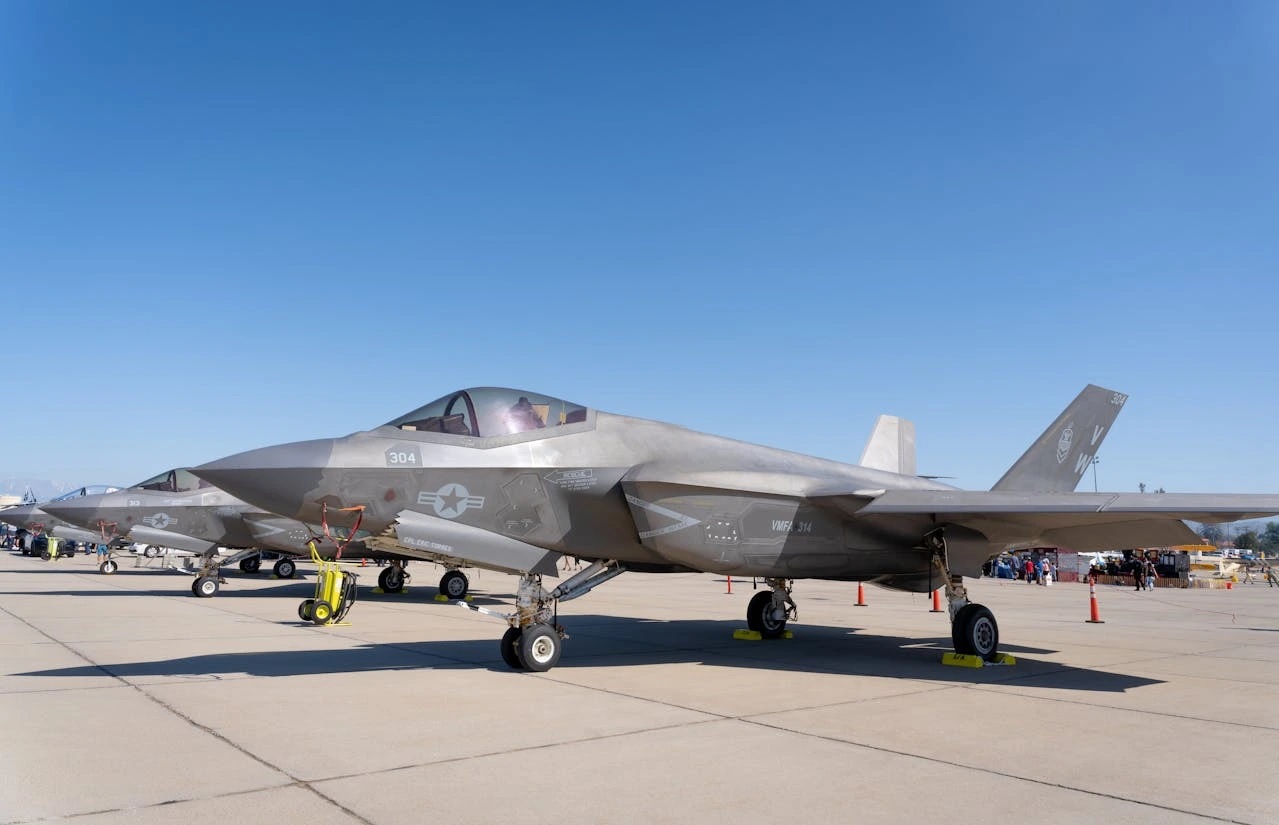
World
Belgium has decided to buy 11 additional F-35 fighter jets, strengthening its commitment to modernizing its military. This latest purchase will bring the total number of F-35s ordered by Belgium to 45, a significant leap from the original plan announced in 2018 to replace the country’s aging F-16 fleet. Belgium’s Defence Minister Theo Francken confirmed the move, which comes with an estimated price tag of 1.5 billion euros (around $1.7 billion). So far, eight F-35s have already been assembled, and the ninth aircraft is expected to arrive in Belgium this autumn. The country’s first F-35 was rolled out by Lockheed Martin in Fort Worth, Texas, in 2023. This latest acquisition is a part of Belgium’s broader military revamp under the “Strategic Vision Defense 2025” plan. Instead of focusing on overseas missions, Belgium is now prioritizing stronger combat readiness at home. The shift also includes plans to increase military personnel by one-third by 2034, and invest heavily in multi-domain capabilities—spanning air, sea, land, and cyber. Beyond fighter jets, Belgium is committing over 33.7 billion euros (around $39.6 billion) to modernize its armed forces. This includes: 10 NASAMS anti-aircraft batteries, with another 3 batteries planned to support its multi-layered SBAMD defense system, totaling around 4 billion euros. A third anti-submarine warfare frigate, costing 1.3 billion euros, developed jointly with the Netherlands. A third MQ-9B SkyGuardian drone, costing 254 million euros, expected to join the force by 2027. Around $13.8 billion will be set aside for ground systems and motorized vehicles, showing a serious push toward building a robust and modern army. Belgium’s defense strategy underlines its desire to become a more reliable and capable NATO ally. As stated in the policy document: “A country like Belgium can only remain free and sovereign by committing itself to loyal and powerful partners. And we can only count on their loyalty if we are willing to stand in solidarity in their defense.” With its entire F-35 fleet expected to be operational by 2031, Belgium is clearly setting its sights on being future-ready in an increasingly tense global security landscape.
Read More → Posted on 2025-07-24 17:01:28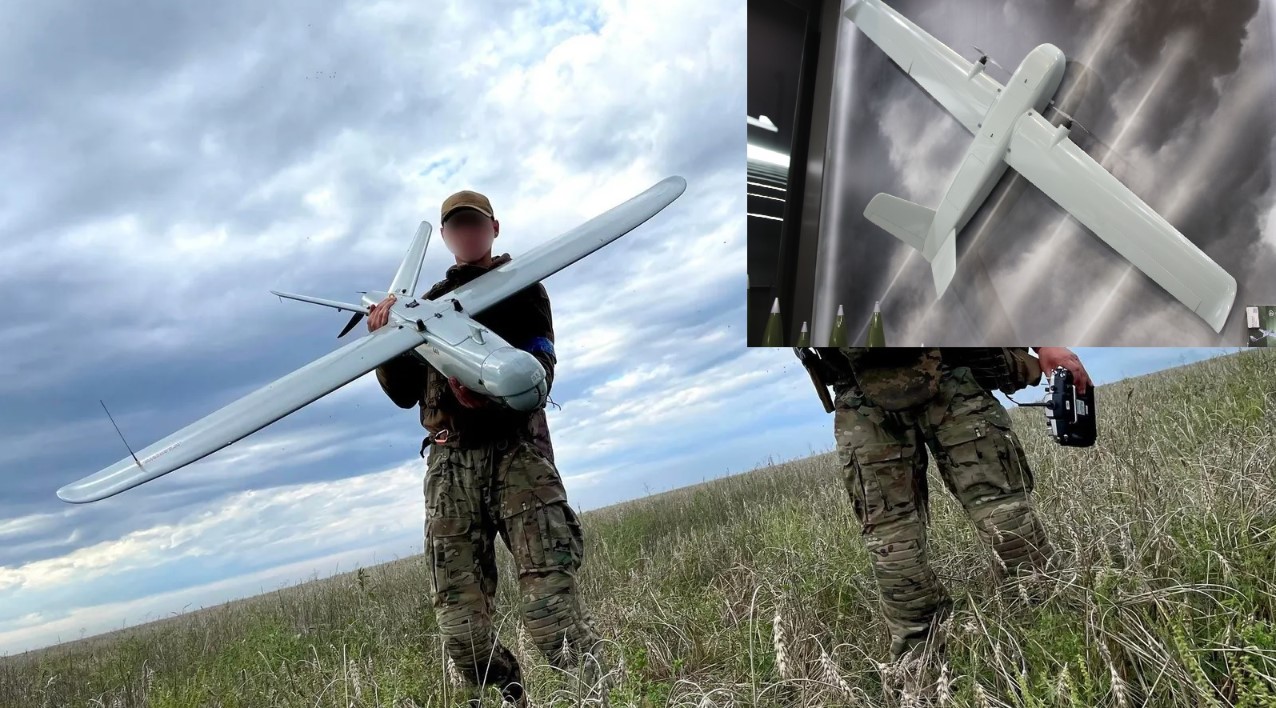
World
At the IDEF 2025 defense exhibition, a new Ukrainian-made drone called the Cetus-X was revealed—and it’s being seen as a major leap forward in tactical drone warfare. What makes this drone different? It’s a modular 3-in-1 system designed to take on multiple roles during combat, offering unmatched flexibility on the battlefield. Built as a NATO Class I(c) unmanned aerial vehicle, the Cetus-X can be launched using a catapult and is built for long-range strike missions, operating as a loitering munition, a bomber, or a carrier for FPV (First-Person View) drones. That means the same aircraft can hunt, strike, or even carry smaller strike drones depending on the need. The drone is impressively capable. It can hit targets 70 to 120 km away, and reach a top speed of 160 km/h. When loaded with weapons, it flies between 120 and 150 km/h, depending on the version. It’s packed with features like anti-jamming GPS, secure video transmission, and a telemetry link, making it harder to detect or disable electronically. There are three versions of the Cetus-X, each customized for different missions: Loitering Munition: With a 10 kg payload, this version flies for 80 minutes, identifies and tracks targets on its own, and strikes directly. Bomber Variant: Also carrying a 10 kg guided ballistic bomb, this version stays airborne for up to 150 minutes, releasing its weapon from cruising altitude. FPV Drone Carrier: Carries up to four FPV drones under its wings, which are dropped near the enemy to carry out precision strikes, while the main drone flies back safely. All versions share the same size—3.386 meters wingspan, 1.55 meters length—and have a maximum altitude of 1500 meters. They can be deployed in extreme weather, from -20°C to +50°C, and take just 15 to 25 minutes to prepare for launch. Each drone fits into a compact 1680 x 580 x 575 mm container. While the manufacturer hasn’t been officially named, experts believe the Cetus-X reflects Ukraine’s growing edge in battlefield innovation, especially in drone warfare. As modern conflicts increasingly depend on unmanned systems for surveillance, precision strikes, and frontline support, platforms like Cetus-X are becoming essential for militaries around the world. With its modular design and multi-role capability, the Cetus-X doesn’t just fill one tactical need—it fills three, giving commanders more flexibility and faster options in dynamic combat environments. It’s another sign that Ukraine’s drone revolution is far from slowing down.
Read More → Posted on 2025-07-24 16:54:25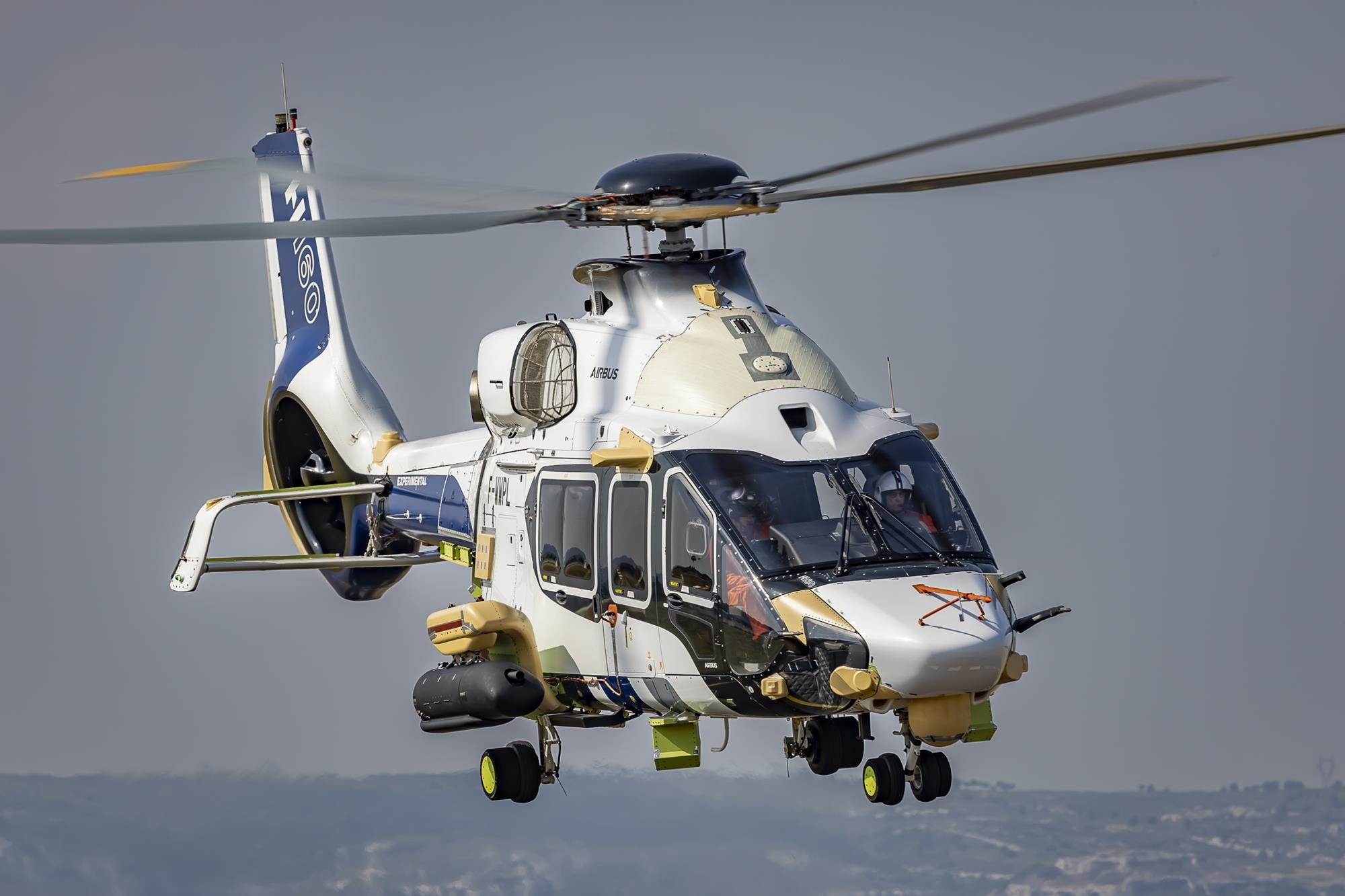
World
France has just taken a major step forward in modernizing its military aviation. On July 24, the H160M “Guépard”, France’s next-generation military helicopter, completed its first flight at Airbus Helicopters’ Marignane facility, marking a key moment in the country's efforts to upgrade its airborne capabilities. So, what makes the Guépard truly “next-generation”? Built under France’s Light Joint Helicopter (HIL) program, the Guépard isn’t just another combat chopper—it’s a modular, multi-role aircraft that will serve all three branches of the French Armed Forces: the Army, Navy, and Air and Space Force. This helicopter is based on the civilian H160 airframe, but it has been transformed into a military powerhouse with cutting-edge tech. It features resilient navigation systems and secure radio communications designed to keep working even in the middle of electronic warfare or jammed environments. That means it can coordinate with drones, gather intelligence, and conduct surveillance even under tough conditions—making it ideal for modern battlefields. The Guépard is also incredibly flexible. It can be used for a wide range of missions: combat, intelligence gathering, maritime and aerial surveillance, light transport, and even civil support. The idea is to have one helicopter platform that can do the job of many, reducing training time and streamlining logistics across different military services. According to France’s defense procurement agency, Direction générale de l’armement (DGA), 169 Guépards will be built under the current defense plan (LPM 2024–2030). The French Army will get 80, the Navy will receive 49, and the Air and Space Force will operate 40. While this was just a first flight, more test flights and system integration work are planned in the coming months. The goal is to get the helicopter ready for operational deployment soon, boosting France’s ability to respond quickly to threats at home and abroad. In short, the H160M Guépard is not just a new helicopter—it’s a new way of thinking about military airpower. By blending modern design, multi-mission capability, and advanced communications tech, France is preparing its armed forces for the complex challenges of tomorrow.
Read More → Posted on 2025-07-24 15:32:17
World
U.S. Navy is preparing to upgrade dozens of Tomahawk cruise missiles with new anti-ship capabilities, giving the long-range weapons a sharper set of eyes and a deadlier punch against enemy vessels. The Navy plans to enhance between 35 to 96 existing Tomahawk missiles by installing advanced maritime seekers—specialized sensors that allow the missile to detect, track, and hit moving ships at sea. This shift marks a revival of the Tomahawk’s older anti-ship role, which had been phased out over the years as the missile became more focused on land targets. Originally designed during the Cold War, the Tomahawk is a low-flying, long-range cruise missile known for its ability to sneak through enemy defenses and strike with precision. The upgraded version—known as Block V—comes with modern navigation systems, improved communication links, and two key sub-variants: Block Va, the Maritime Strike Tomahawk (MST), brings back its ship-hunting power, and Block Vb, featuring a Joint Multiple Effects Warhead, designed to tackle a variety of hardened or high-value targets. So, what’s the difference between Tomahawks with anti-ship capabilities and those without?The older versions, including the Block IVs, were mainly designed to hit stationary land targets, relying on GPS and pre-programmed routes. But anti-ship Tomahawks can identify and pursue moving warships in real time, adjusting their path mid-flight. The seeker upgrade is what enables this shift—from blind precision to smart pursuit. According to Navy documents, up to 3,992 Block IV Tomahawks are eligible for recertification to Block V, giving the Pentagon the option to expand the program even further if Congress provides more funding. For now, RTX (formerly Raytheon) is expected to handle the modernization, as it already manufactures the missiles and has been awarded multiple contracts, including a $400 million deal for 131 new Block V missiles shared among the U.S., Australia, and Japan. This upcoming contract, likely to be awarded in Q2 of Fiscal Year 2026, will also include the development of new maritime seekers and upgrades to missile production and testing facilities. The U.S. Navy’s move comes as global navies pivot back toward maritime conflict readiness, particularly in the Indo-Pacific, where peer competitors like China are investing heavily in anti-ship missile technologies. By upgrading its Tomahawk fleet, the U.S. is sending a clear message: its sea-launched firepower is not just long-range—but now also highly adaptive and lethal against targets on both land and water.
Read More → Posted on 2025-07-24 15:28:54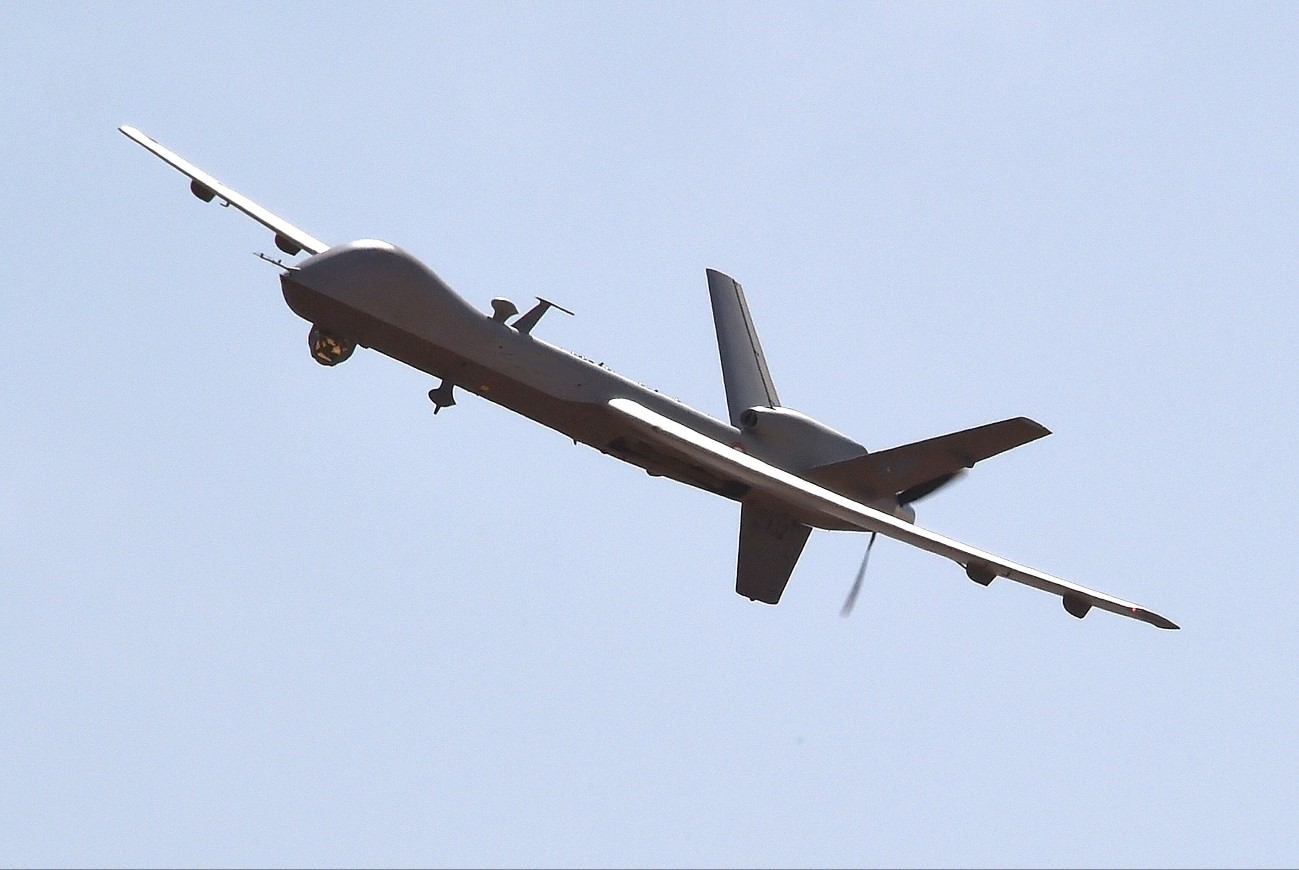
India
n a major step towards boosting India’s self-reliance in defence technology, Solar Defence and Aerospace Limited has officially joined the race to build 87 Medium Altitude Long Endurance (MALE) drones for the Indian Armed Forces. This high-stakes project, with an estimated worth of ₹20,000 crore, is a significant part of India’s push under the Atmanirbhar Bharat (self-reliant India) mission. Solar Defence, which is backed by industrial explosives giant Solar Industries, may be relatively new in the aerospace sector, but it’s quickly making its presence felt. The Indian Ministry of Defence (MoD) has already given the company official approval to develop a homegrown MALE drone, which is being tailored to meet the demanding requirements laid out by the military. The drones being sought under this tri-services tender—led by the Indian Air Force (IAF)—are meant to perform intelligence, surveillance, and reconnaissance (ISR) missions across India's borders with China and Pakistan as well as the strategically important Indian Ocean Region. These UAVs will provide real-time intelligence to commanders and help in monitoring hostile activity, troop movements, and maritime threats. To qualify, the drones must be capable of flying above 35,000 feet and stay airborne for more than 30 hours. They must also be at least 60% indigenous, ensuring that key technologies and manufacturing stay within Indian hands. These high-performance demands place the new drone in the same league as the U.S.-made MQ-9 Reaper and Israel's Heron TP, both renowned for their long-range and high-altitude capabilities. Although Solar Defence’s prototype is still under wraps, it is reportedly being engineered for 28–30 hours of flight endurance and an altitude ceiling of 30,000 feet, with further upgrades expected to meet the full requirement. One of Solar Defence’s major strengths is its newly established UAV testing facility, which is designed to carry out advanced aerodynamic, payload, and endurance tests. This facility is vital for simulating real-world conditions—from the freezing altitudes of the Himalayas to the humid and corrosive environment of the Indian Ocean—ensuring that the drone performs reliably in all scenarios. This dedicated infrastructure is expected to speed up development and gives Solar Defence a serious edge as it competes against other major Indian defence players like the Adani Group. What’s more, the company isn’t stopping at MALE drones—it has ambitions to develop even more advanced High Altitude Long Endurance (HALE) UAVs capable of flying at 50,000 feet for over 36 hours, which could give India far-reaching surveillance and monitoring power over distant lands and sea lanes. With this bold move, Solar Defence is positioning itself as a major contender in India’s future drone warfare capabilities, offering not just machines but indigenous innovation and strategic autonomy.
Read More → Posted on 2025-07-24 15:22:05Search
Top Trending in 24 Hours
-
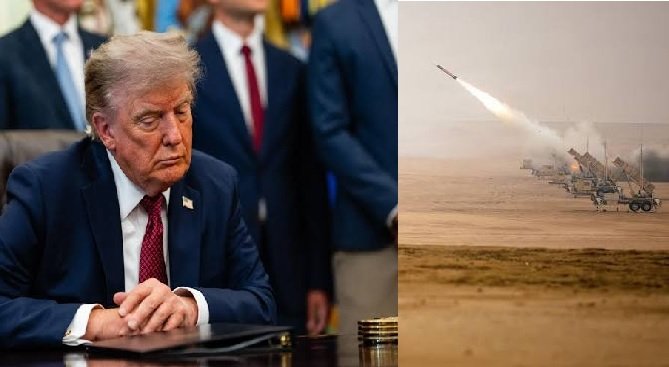 President Trump Pauses Plans to Expand U.S. Strikes on Iran Amid Concerns Over Air Defense Missile Stocks
-
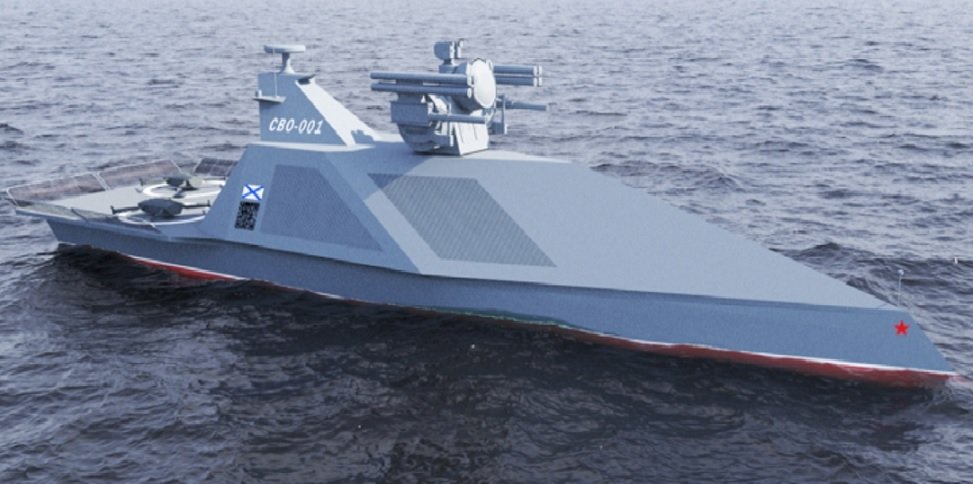 Russia Builds 500-Ton Unmanned Warship For Anti-Submarine Warfare, Plans New 9,500-Ton Warship, Navy Chief Says
-
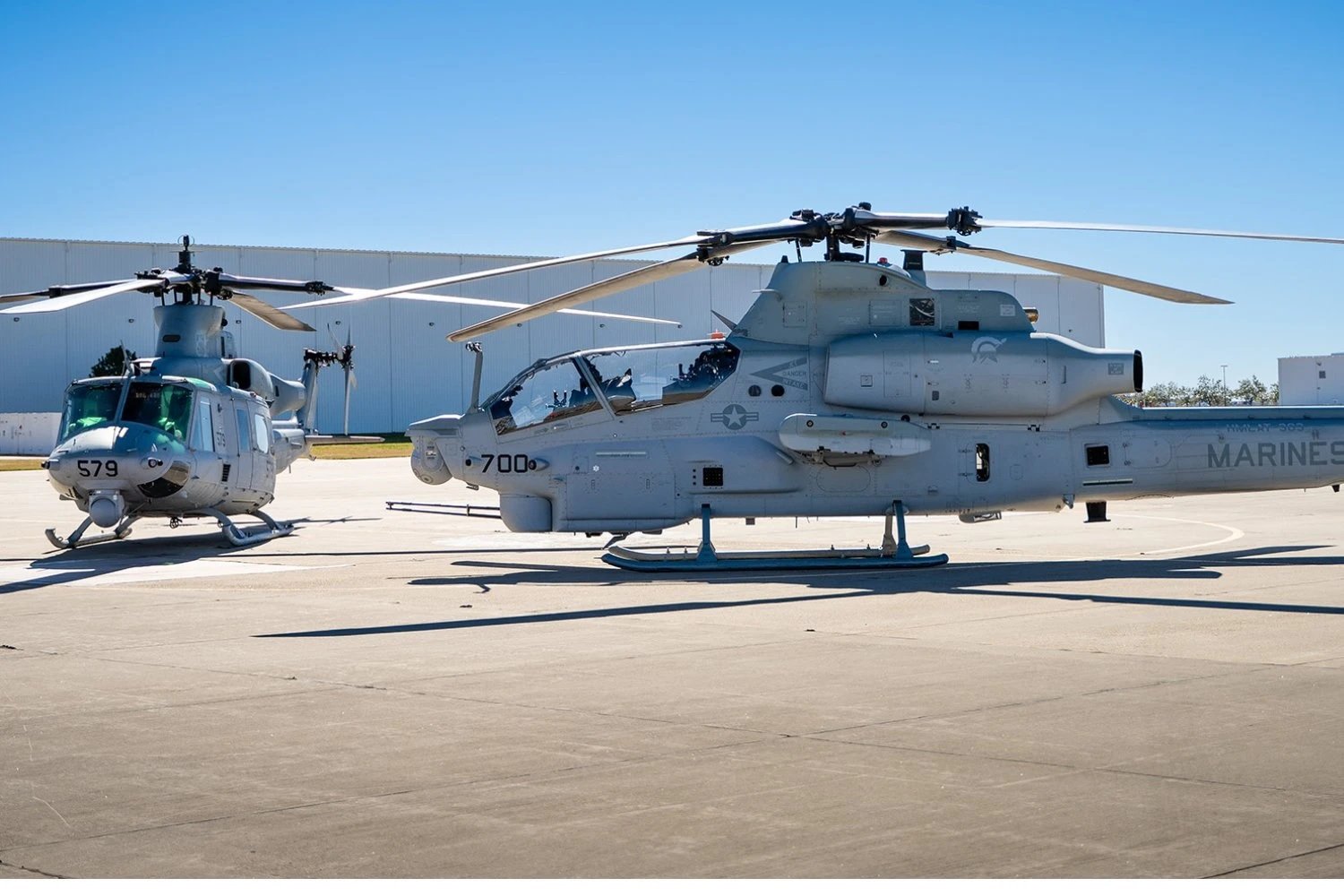 U.S. Awards Bell Textron $33.64 Million Contract for Next Phase of Marine Corps AH-1Z and UH-1Y Helicopter Upgrades
-
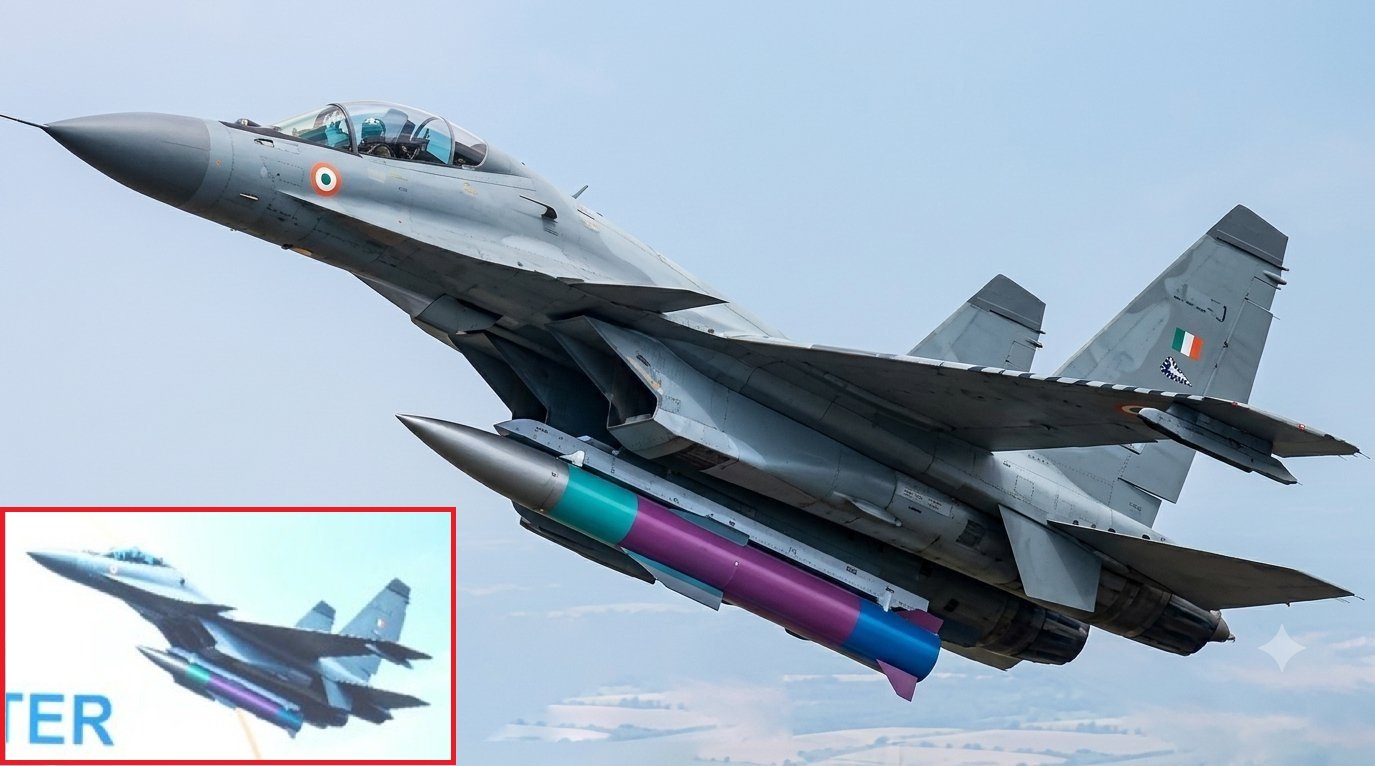 DRDO Developing Long-Range Air-Launched Ballistic Missile for Su-30MKI, Rudram-4 Seen as Likely Candidate
-
 Unreleased Footage Reveals Why Lindsey Graham Dropped Plan to Push Trump on Hezbollah Strikes
-
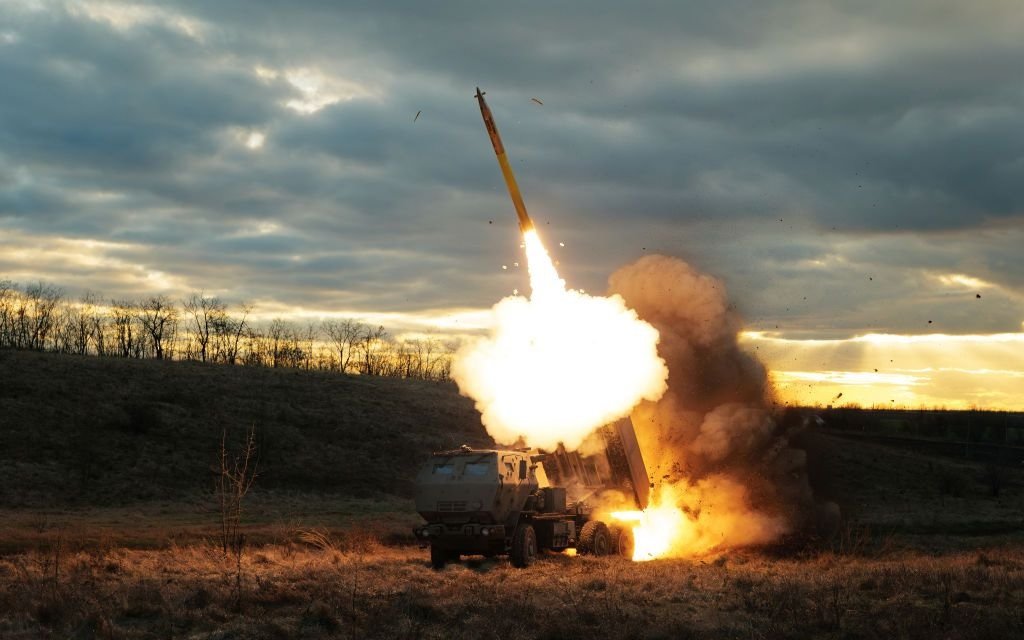 U.S. Military Selectively Intercepts Iranian Missiles to Preserve Shrinking Air Defense Stocks : Report
-
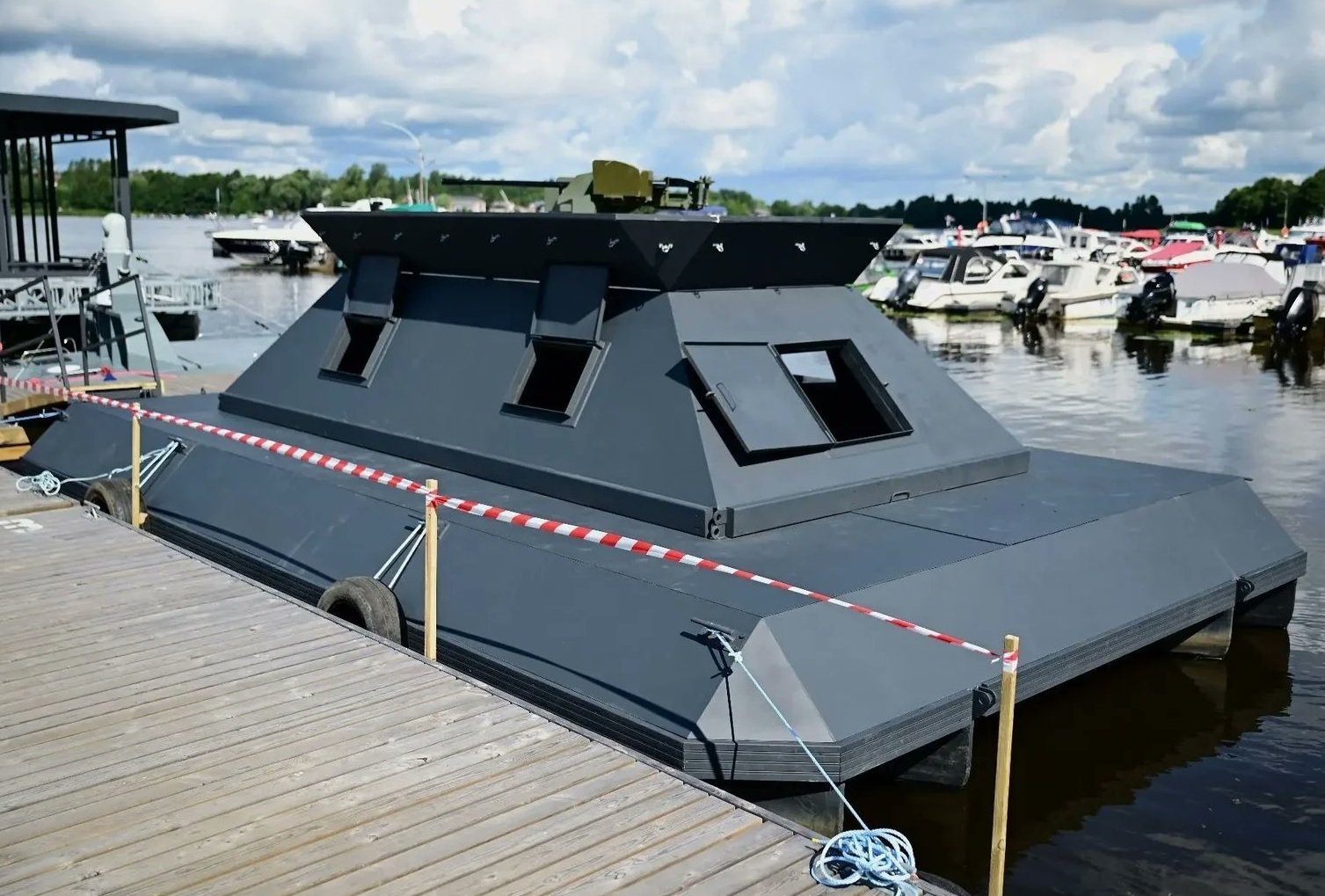 Russia Unveils Experimental Plot-40 Floating Defense Platform to Counter Drone and USV Threats
-
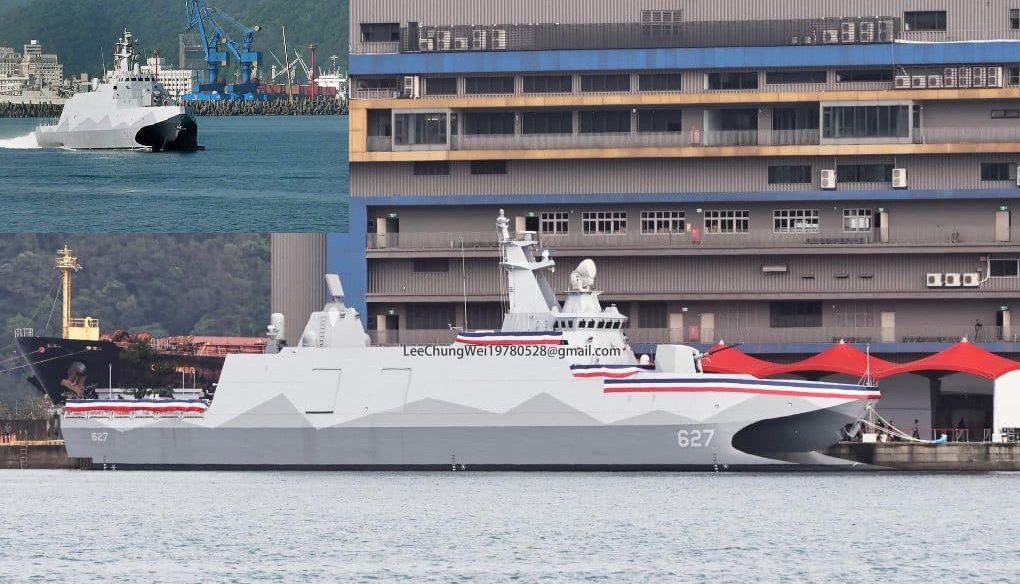 Taiwan Commissions First Batch 2 Tuo Chiang-Class Corvette with New Leonardo Radar
Top Trending in 4 Days
-
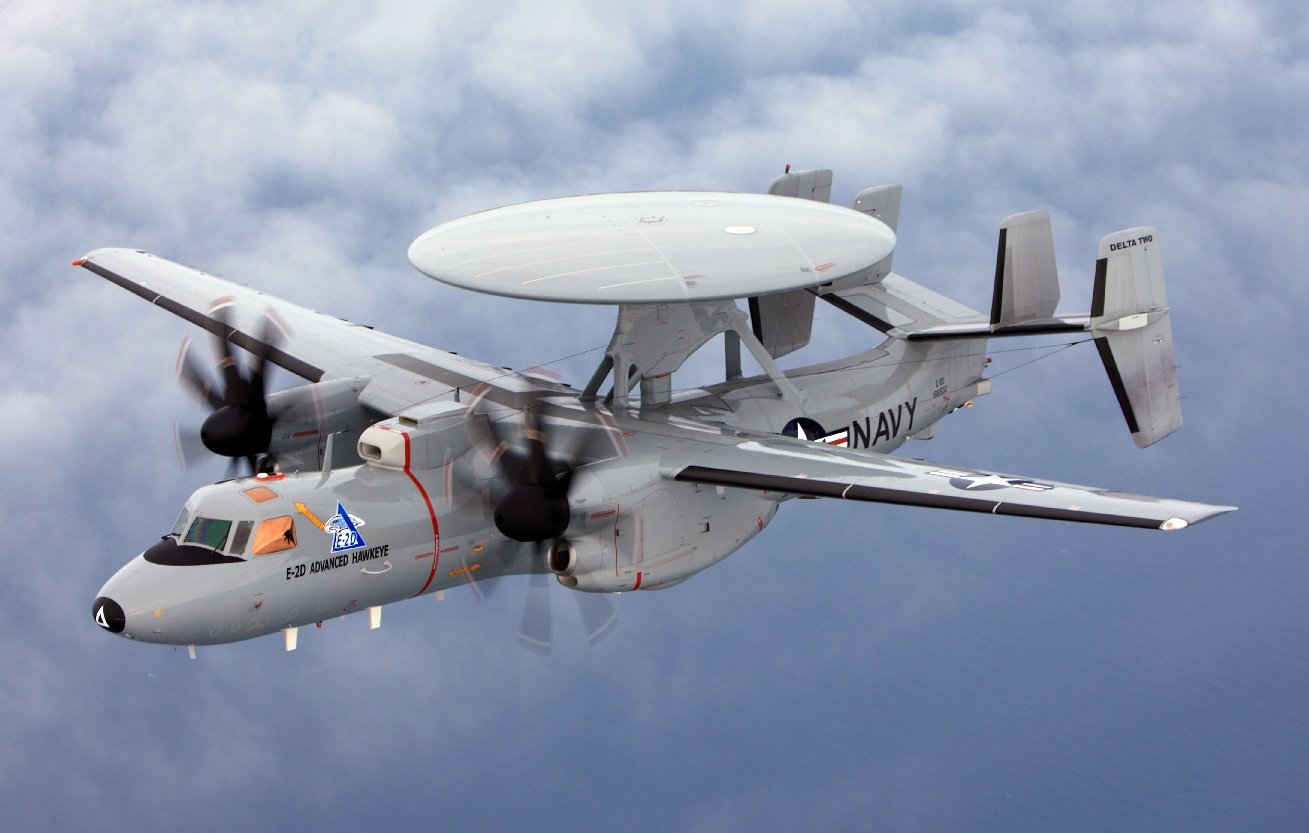 U.S. Navy Awards Northrop Grumman $1.2 Billion Deal for Three New E-2D Advanced Hawkeyes
-
 U.S. Airstrikes Target IRGC Missile Base Near Taft as Overnight Strikes Hit Central Iran
-
 Kuwait and Bahrain Reportedly Launch First Joint Direct Airstrikes on Iran Since War Began : Report
-
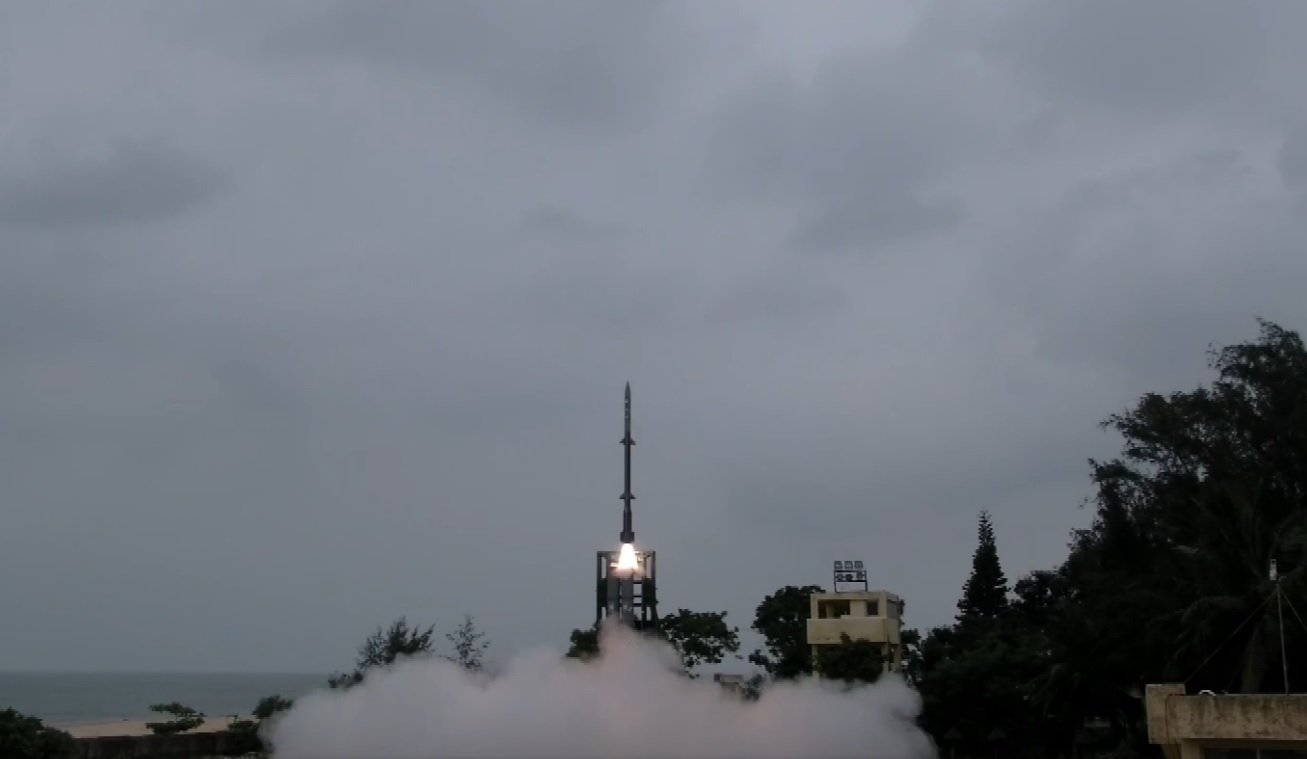 DRDO Successfully Conducts Maiden Flight Test of 150-km-Range Kusha M1 Air Defence Missile
-
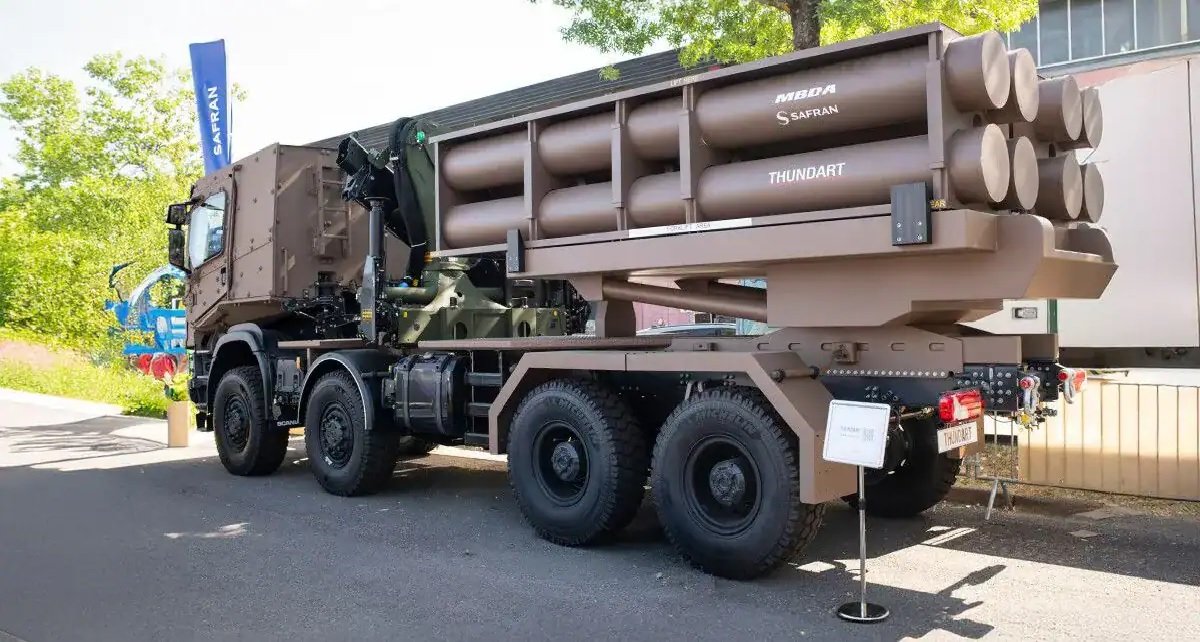 France's THUNDART Long-Range Rocket System May Undergo Prototype Combat Testing in Ukraine
-
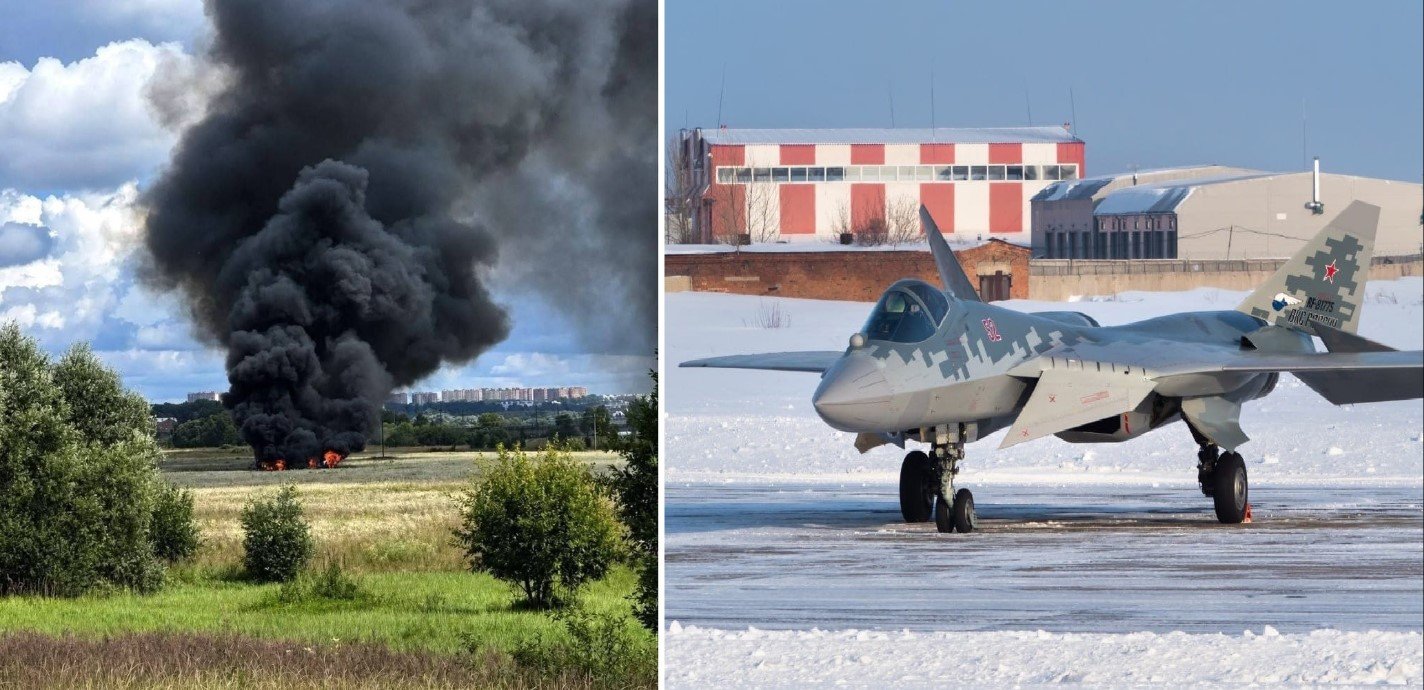 Russian Su-57 Stealth Fighter Crashes During Training Flight Near Moscow, Pilot Ejects Safely
-
 Australia Commits Additional AUD 4.6 Billion to Expand Osborne Shipyard for AUKUS Submarines
-
 China Imposes Dual-Use Export Ban on 14 European Entities After EU's Russia Sanctions
