
India
As India advances toward its ambitious goal of fielding the fifth-generation Advanced Medium Combat Aircraft (AMCA), one of the most critical and closely watched aspects of the program is the engine. The choice of powerplant will not only define the jet’s performance but also shape India’s aerospace future. In this high-stakes race, two global engine giants—France’s Safran and Britain’s Rolls-Royce—are vying to co-develop a next-generation fighter engine with India. Both companies have made bold offers, and both have strengths. But only one will ultimately partner with India to build what could be the first truly indigenous 5th-gen fighter jet engine in Indian history. Two Titans, One Engine On one side stands Safran, the French aerospace firm behind the Rafale’s M88 engine and a key partner in the Franco-German-Spanish Future Combat Air System (FCAS) project. On the other, Rolls-Royce, a name synonymous with British aerospace engineering and a leading propulsion partner in the UK-Japan-Italy Global Combat Air Programme (GCAP), formerly known as Tempest. Both companies are competing to provide an engine that meets the Indian Air Force’s requirement for a 110–125 kN class thrust engine to power future AMCA variants beyond the initial GE F414-powered Mk-1. Adaptive Cycle Engines: The Next Frontier At the heart of this competition lies a critical technology—adaptive cycle propulsion—a game-changing advancement that allows fighter engines to shift performance modes mid-flight. It provides more thrust when needed, and improved fuel efficiency during cruise, making it ideal for stealth aircraft operating in contested environments. Safran's Adaptive Push Safran is currently in the early demonstrator phase of its adaptive cycle engine work. Under the FCAS program, the company is exploring airflow modulation, variable geometry nozzles, and future hot-section technologies. Although full-scale adaptive cycle testing is yet to begin, Safran plans to field a demonstrator engine early in the next decade, aligning with FCAS timelines. Notably, Safran has proposed full technology transfer to India, including the establishment of a local production facility and knowledge-sharing in core technologies such as turbine blade cooling and high-pressure compressor design. This level of openness has been well received by India’s DRDO and GTRE, who seek deep design-level access rather than mere assembly rights. Rolls-Royce's Adaptive Advantage Rolls-Royce is ahead in adaptive cycle development. As part of its work on GCAP, the company has already bench-tested key adaptive components, including variable bypass ducts and advanced thermal management systems. It has also demonstrated high-temperature turbine modules using next-generation Ceramic Matrix Composites (CMC)—a critical material innovation that allows engines to run hotter, longer, and more efficiently. The British firm is expected to field a full-scale adaptive cycle demonstrator engine by 2028–2030, giving it a significant technological edge. Rolls-Royce is also offering a joint development program with India, promising Intellectual Property (IP) sharing and potential private-sector collaboration, but past experiences with limited tech transfer on programs like the Adour engine have made Indian agencies cautious. Comparing the Core Technologies Feature Safran Rolls-Royce Adaptive Cycle R&D Stage Early demonstrator phase Component-tested; nearing integration Thrust Class (Planned) 110–125 kN 110–125 kN Ceramic Matrix Composites Limited use Advanced use (Tempest core) Stealth Optimization Yes, under FCAS Yes, under Tempest Engine Demo Readiness Early 2030s Late 2020s India-Specific Proposal Full ToT and local assembly IP-sharing and co-development India’s Strategic Considerations India wants more than just an engine. It wants the ability to build, modify, and upgrade that engine independently in the future. This means full access to design data, hot-section materials, and testing capability. Safran’s pitch includes deep involvement of DRDO and GTRE, with the promise to co-design a new engine specifically for the AMCA Mk-2. The French government’s previous willingness to transfer sensitive technology (as seen in the Rafale deal) adds credibility to their offer. Rolls-Royce, on the other hand, is offering superior technical maturity and potentially quicker delivery timelines, especially with Tempest engine testing already on the horizon. The UK’s recent pivot to deeper Indo-Pacific defence engagement could also strengthen its political case. Yet, both proposals remain under negotiation, with India’s final decision expected by late 2025 or early 2026. The Geopolitical Engine War Beyond performance, this contest is also geopolitical. Choosing Safran could further cement India’s strategic alignment with France, which has supported Indian autonomy in defence platforms and is less entangled in restrictive arms control regimes like ITAR. Selecting Rolls-Royce would deepen ties with the UK and its Indo-Pacific posture, potentially linking India to a larger future air combat ecosystem that includes Japan and Italy. It may also open doors for cooperation on sixth-generation technologies, including directed energy weapons, AI-powered engine health monitoring, and unmanned stealth platforms. Who Will Win? There is no clear favorite yet. Safran is willing to go further on tech transfer, a key Indian demand. Rolls-Royce is ahead on adaptive engine maturity, a key performance goal. What India must weigh is this: should it prioritize sovereign capability-building with a long-term vision, or should it leapfrog into advanced propulsion tech faster—even if it means less control in the short run? If India wants deep indigenous know-how and production sovereignty, Safran has the edge. If India prioritizes technical superiority and integration with a future global fighter ecosystem, Rolls-Royce may be the stronger partner. More Than Just Thrust In the end, this is more than just a contract for an engine. It’s a strategic decision that will define whether India remains a buyer of fighter jet power—or becomes a builder. With AMCA poised to take to the skies later this decade, the race is on. France and the UK are ready. The engine bays are waiting. And whichever turbine India selects will become a symbol of its aerospace destiny. The question now is: who will ignite that future first? For now, signals from the Ministry of Defence suggest that India may lean toward France’s Safran, given its greater flexibility on technology transfer and commitment to building engine sovereignty from the ground up.
Read More → Posted on 2025-07-21 16:33:03
World
The Czech Ministry of Defence has raised serious concerns over the poor performance of the CAESAR 8×8 self-propelled howitzers, made by French defence company KNDS. The ministry has officially warned the manufacturer that unless these issues are fixed quickly, further payments could be stopped, putting the entire contract at risk. So far, more than CZK 7 billion (around $315 million) has been paid to KNDS, with another CZK 1 billion (about $45 million) scheduled for later this year. However, due to what Defence Minister Jana Černochová called "serious problems," the total project—worth approximately $450 million—is now under review. The Chief Armaments Director, Lubor Koudelka, has sent a letter to KNDS demanding immediate action. “If KNDS does not start fulfilling the terms of the contract and does not prepare the howitzers for military tests, the Czech Republic will stop paying advances,” he wrote. What Are the Performance Problems? Testing of two CAESAR 8×8 prototypes in Czechia has shown several critical issues: The howitzers failed to achieve a 40-kilometre range in Multiple Round Simultaneous Impact (MRSI) mode—a key capability expected from modern artillery. KNDS has not provided the ballistic data required to integrate the system with Germany’s Adler III fire control system. Without this data, Czech artillery shells cannot be used properly, making the system ineffective. As a result, the howitzers do not meet NATO interoperability standards, and may not be fully usable in joint military operations. One Czech Army source was quoted saying, “Without these data, the howitzers are not interoperable and it is unclear whether they meet NATO standards.” Growing Pressure on KNDS The CAESAR 6×6 version, also made by KNDS, has been in use successfully for over 20 years in France and more than 10 other countries. But the newer 8×8 version, built for Danish and Czech requirements, has been facing persistent technical difficulties. In fact, Denmark cancelled its order for 19 units due to similar delays and complications. Those howitzers were later sent to Ukraine instead. Czech Defence Minister Černochová said she has already begun talks with her French counterpart about the issues. “My colleagues and I, including Director Koudelka and the military, have warned the manufacturer about these serious problems,” she said. What Could Happen Next? If KNDS does not solve the problems soon and deliver working systems, the Czech Ministry of Defence may: Stop further payments Delay or cancel the contract entirely Explore legal and procurement alternatives With public funds already deeply invested, and the national security stakes high, the Czech government is demanding immediate correction from KNDS to avoid a major defence procurement failure.
Read More → Posted on 2025-07-21 16:16:51
World
In response to growing security threats along Poland’s borders with Russia (210 km) and Belarus (416 km), KNDS France has proposed a major collaboration with Poland’s state defence group PGZ (Polska Grupa Zbrojeniowa) to scale up local production of 155 mm artillery ammunition, essential for modern warfare. Poland is fast emerging as one of NATO’s most heavily armed nations in Europe, with plans to field 200 Krab and 600 K9 self-propelled howitzers—the highest number of such artillery platforms in Western Europe. To keep these systems operational during prolonged conflict, a massive ammunition stockpile is required. KNDS France: From War Economy to Strategic Partnership Pierre Gouaux, Regional Director for Ammunition at KNDS France, told EDR On-Line that the company tripled its ammunition production after the war in Ukraine began, following French government guidelines to adopt a “war economy” posture. Production lines in Bourges (France), Petit-Roeulx-Lez-Nivelles (Belgium), and Colleferro (Italy) have been significantly upgraded. These facilities are now producing 155 mm, 52-caliber artillery rounds capable of reaching targets over 40 km away, compatible with Poland’s Krab and K9 howitzers. Strategic Technology Transfer to Poland KNDS France is not simply offering finished products—it has proposed a full technology transfer to PGZ, with the aim of enabling Poland to produce between 150,000 and 200,000 complete rounds per year. The partnership includes: Use of PGZ’s existing subsidiaries, such as: Dezamet and Mesko for mechanical components Nitro-Chem for energetic materials (explosives) Transfer of latest manufacturing technology, including machining tools capable of producing 35,000 shells per year with just one operator Potential shift from extrusion to melting-cast lines at Nitro-Chem, enabling production of Insensitive Munitions (IM)—safer in combat environments Three-Year Ramp-Up Plan The proposal outlines a phased, three-year plan: Initial shell bodies to come from France or Belgium while Poland builds forging capacity. Machining, assembly, and filling will be gradually localized using new equipment and trained Polish workers. Full production will shift to Polish soil once the local supply chain is ready. Currently, Poland's production capacity is much lower than needed, making this partnership critical for Warsaw’s defence plans. Future Expansion Possibilities KNDS France is open to expanding the deal beyond high-explosive shells. Possibilities include: Smoke and illumination rounds 120 mm tank ammunition Precision-guided 155 mm artillery shells, such as the Katana French-designed fuses with full tech transfer Sourcing propellant powders from Poland under this alliance Poland’s Decision Pending A decision from Poland is expected soon. KNDS France is confident in its offering, especially given its battle-proven CAESAR howitzers, which performed effectively in Ukraine. “We are ready to transfer our latest technologies, including ammunition that has proven its effectiveness in Ukraine,” said Pierre Gouaux. This partnership not only supports Poland’s growing defence industry, but also strengthens European defence autonomy in the face of emerging threats.
Read More → Posted on 2025-07-21 16:06:34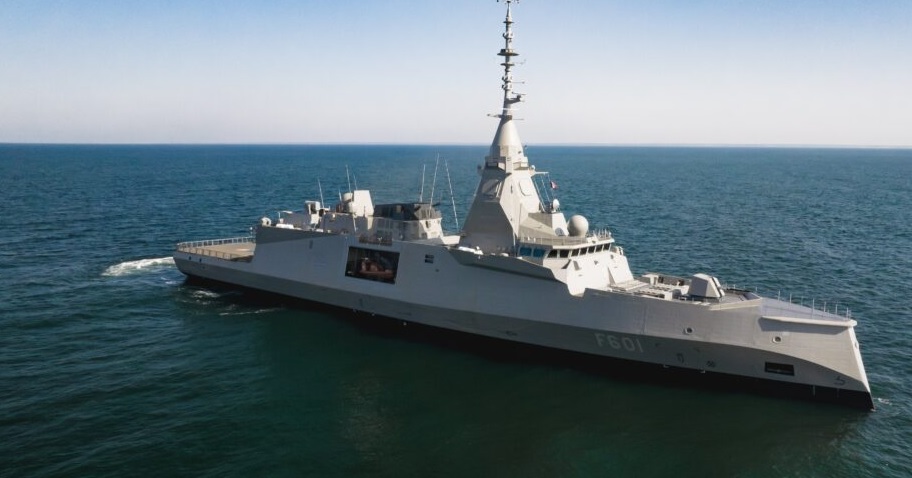
World
The first Greek FDI HN multi-mission frigate, Kimon (F601), has officially entered the second phase of sea trials, marking a major milestone in the Hellenic Navy’s ambitious modernization program. Built by Naval Group, the warship is currently undergoing intensive testing in the challenging waters off Brittany, France. Measuring 122 meters in length and displacing 4,500 tons, Kimon is the lead ship in Greece’s new class of digital, cyber-secure and stealth frigates. Designed to meet future naval threats, the vessel is equipped with advanced sensors, combat systems, and a wide array of weaponry tailored for modern multi-domain operations. Rigorous Trials Underway Sea trials for Kimon began in early June with initial tests focusing on propulsion and navigation. The second phase, which started in early July, is expected to continue for three weeks. It includes detailed testing of: Combat management systems Communication and radar systems Electronic warfare (EW) suites Navigation and surveillance equipment The trials are being conducted in coordination with the Hellenic Navy, Naval Group, and partner contractors including Thales and SSMART. More than 48 crew members are currently onboard, a number expected to increase to 128 by September. Advanced Weapons and Systems The Kimon features cutting-edge armament and electronic systems, including: 16 SYLVER A50 VLS cells for Aster 30 missiles RAM Block 2B CIWS SYLENA decoy launchers Thales SEAFIRE multi-function radar Leonardo LIONFISH 20mm RWS Eight EXOCET MM40 Block 3C anti-ship missiles Dedicated UAV hangar for two Camcopter S-100 drones The frigate also features an inverted bow design for enhanced stability in rough seas and low radar visibility through radar-absorbing materials and compact sensor placements. Even lifebuoys are stored in enclosed, radar-reflective containers to preserve stealth. Interior Designed for Combat & Comfort Despite its warfighting purpose, Kimon offers modern crew accommodations, with: Cabins for 1 to 6 personnel Spacious mess halls, rest areas, and a hospital Ergonomic layouts for fast crew movement Digital access points across the vessel Two watertight zones and 12 compartments for damage control Each section of the ship includes independent data centers and power systems, ensuring continued functionality even under combat conditions. Testing High-End Performance at Sea During sea trials, Kimon demonstrated speeds over 27 knots, despite its stabilization system not being operational. The vessel maintained stable motion in Sea State 5, showcasing her capability to operate in extreme maritime environments. Sensor trials were also conducted, simulating aircraft threats using French Air Force jets, allowing the ship’s SEAFIRE radar and EW systems to track multiple fast-moving targets under realistic combat conditions. Preparations for Delivery Following the ongoing trial phase, Kimon will sail to Brest in December 2025 to be fitted with her full weapons suite. She is scheduled to be delivered to the Hellenic Navy shortly afterward and stationed at Salamis Naval Base. Meanwhile, her sister ships—Nearchos (F602) and Formion—are being outfitted at the Lorient shipyard. Lessons learned from Kimon’s trials are being used to fine-tune their systems, potentially reducing their sea trial durations. Stepping Into the Future While much of the equipment is already installed, several systems are still under integration, including: Torpedo launchers for MU90 LWT torpedoes Firefighting cannons Parts of the helicopter visual landing aid system Full integration of UAS systems and asymmetric warfare center By 2027, the frigate will be upgraded from its current “Standard 1” configuration to “Standard 2”, fully integrating all systems with the SETIS Combat Management System. Strategic Significance The Greek FDI program represents a significant step in boosting Greece’s maritime capabilities amid growing security challenges in the Eastern Mediterranean. With its combination of French technology and Greek operational foresight, the Kimon is set to become a centerpiece of NATO’s naval presence in the region.
Read More → Posted on 2025-07-21 16:02:14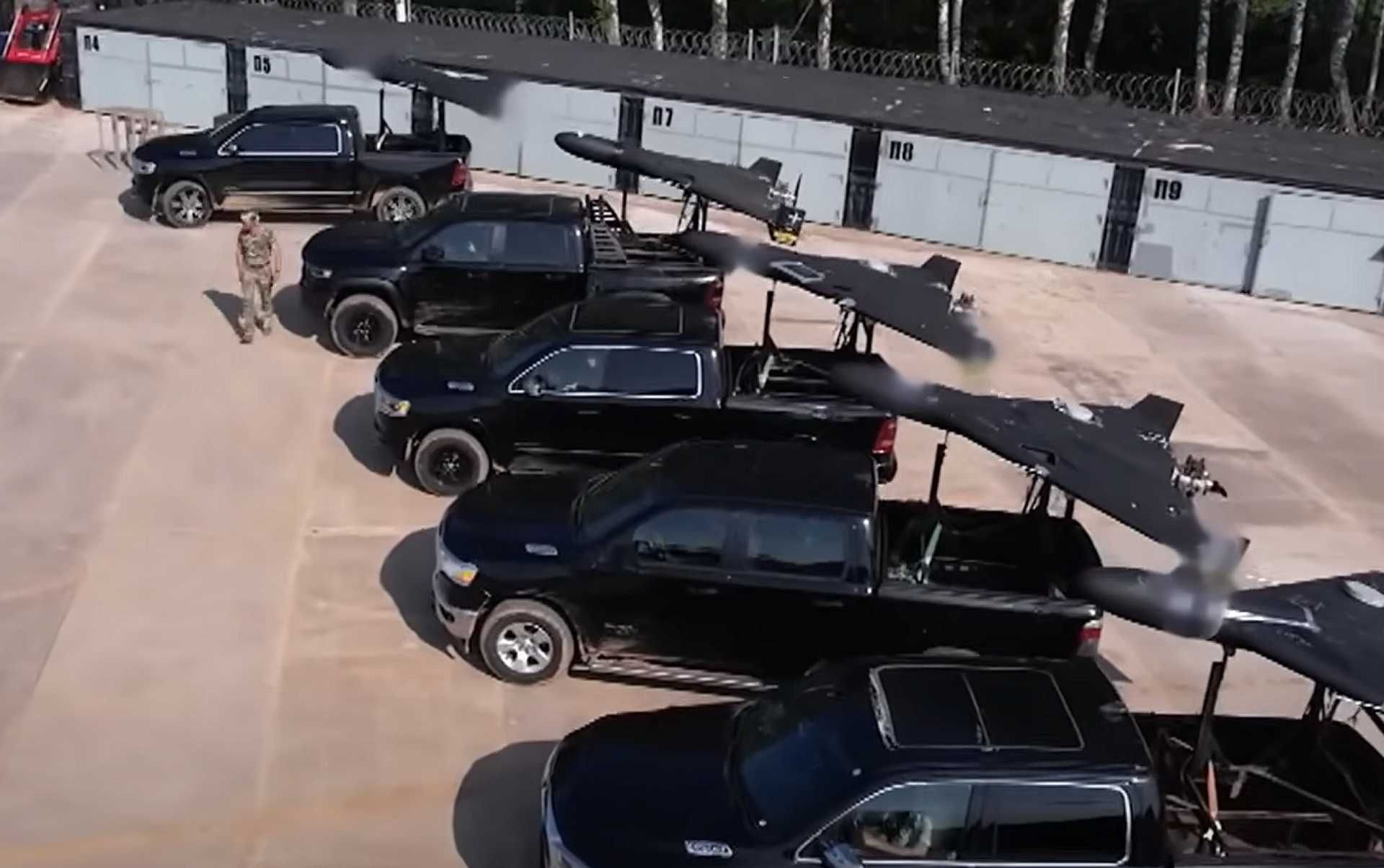
World
Russia has introduced a mobile launch version of its Geran-2 kamikaze drones, mounting them on civilian-style all-terrain vehicles. This innovative adaptation allows Russian forces to deploy the drones from remote or rugged terrain without needing fixed infrastructure, increasing both their speed of deployment and survivability against enemy strikes. The Geran-2 loitering munition, widely used in the ongoing war in Ukraine, now benefits from greater tactical flexibility thanks to this mobile system. Crews can now launch drones from the flatbeds of modified civilian vehicles, enabling rapid repositioning and decentralized attacks — a major shift in Russian military doctrine. Advanced Features and Capabilities The latest version of the Geran-2 comes equipped with a new optical guidance system that allows remote control through mobile SIM cards. Russia is also preparing to switch to its own satellite-based internet, which would make the drones less reliant on existing communication networks and potentially more secure from jamming. Another key development is the networked communication between the Geran-2 and other UAVs, including the larger Gerbera drone, which enables coordinated drone operations. This capability significantly enhances Russia’s ability to conduct complex, synchronized strikes on Ukrainian infrastructure. Technically, the Geran-2: Weighs about 200 kg Uses a catapult-assisted launch with a solid-fuel booster Carries a high-explosive fragmentation warhead of up to 90 kg Has an effective range of up to 2,000 km Cruises at 180 km/h, flies up to 4,000 meters, and can stay in the air for 12 hours Is powered by a 50 hp piston engine Has a unit cost between $20,000 to $50,000 This warhead is powerful enough to destroy command centers, fuel depots, air defense systems, bridges, and fortified field positions, making it a critical asset in long-range strike missions. Production Surge Despite Sanctions Russia is rapidly expanding the production of Geran-2 drones despite Western sanctions. New factories, more skilled workers, and an increase in industrial output are supporting Russia’s goal of sustained drone warfare in Ukraine. The country has also built alternative supply chains and domestic technologies to bypass sanctions on critical components. The daily use of swarms of Geran-2 drones to strike deep into Ukrainian territory—targeting military infrastructure, energy grids, and logistics hubs—shows how central loitering munitions have become to modern warfare. These affordable and effective drones frequently overwhelm Ukrainian air defenses, keeping them under constant pressure. Changing Nature of Warfare The conflict in Ukraine has turned drones like the Geran-2 into frontline weapons. Both Russia and Ukraine now use loitering drones not just for attacks, but also for surveillance, target marking, and electronic warfare. These drones are starting to replace traditional artillery in certain roles, offering persistent presence and cost efficiency unmatched by legacy systems. Strategic Implications Russia’s ability to mass-produce and innovate under heavy sanctions is becoming a defining element of the war. The mobile Geran-2 system, along with continued mass deployment, reflects the resilience of the Russian defense industry and its ability to adapt under pressure. As Ukraine counters with its own drones and Western support, the skies above the battlefield are becoming increasingly contested, dominated by the buzzing presence of autonomous and semi-autonomous kamikaze drones. This evolution in drone warfare is not just about technology—it signals a shift in global military strategy, where cheap, expendable UAVs are becoming the new tools of attrition and disruption in modern conflicts.
Read More → Posted on 2025-07-21 15:56:25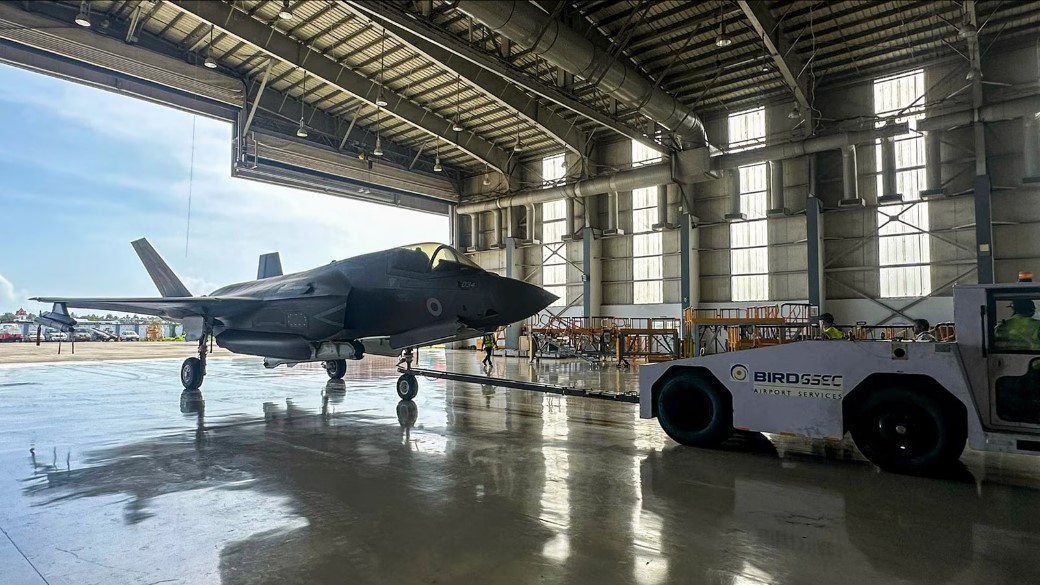
India
The Royal Navy’s F-35B Lightning II, the world’s most advanced stealth fighter jet, is finally expected to fly out of Thiruvananthapuram International Airport on Tuesday, over a month after it made an emergency landing in Kerala on June 14 due to technical issues. The F-35B, part of the United Kingdom’s elite fifth-generation combat aircraft fleet, had been en route to the aircraft carrier HMS Prince of Wales when it faced severe weather and a critical fuel shortage. The pilot issued an emergency SQUAWK 7700 signal, prompting the Indian Air Force to guide the jet to Bay 4 of the Thiruvananthapuram airport, a zone usually reserved for VIP aircraft. The IAF later confirmed that the jet’s emergency landing was due to fuel exhaustion, after several failed attempts to land at sea. Since that day, the fighter jet has remained grounded due to a suspected hydraulic system failure. A small technical team from the Royal Navy arrived soon after the incident, but could not fix the issue, prompting a second, larger technical team of 40 specialists from the United Kingdom and the United States to take over the repair efforts. According to airport officials, the repairs have now been completed, and preparations are underway to move the jet out of the hangar. “It is being brought to our bay and will fly back on Tuesday,” a source told PTI, although the exact departure time is still unconfirmed. Heavy Costs for Parking and Stay Officials confirmed that the UK government will have to pay airport parking charges for the fighter jet’s extended stay. These include landing charges, daily parking rent, and other fees. However, as the aircraft is military and foreign-owned, the final billing may be handled through central government agencies. A senior official told The Times of India that special considerations are likely given the unique nature of the situation. Dismantling Option Considered At one point, engineers reportedly considered dismantling the aircraft and flying it back to the UK in parts using a Boeing C-17 Globemaster. That plan, however, appears to have been shelved after successful repair efforts. As of now, all eyes are on Tuesday, when the jet is finally expected to lift off from Indian soil, bringing an end to a rare and high-profile military aviation incident in Kerala.
Read More → Posted on 2025-07-21 15:29:23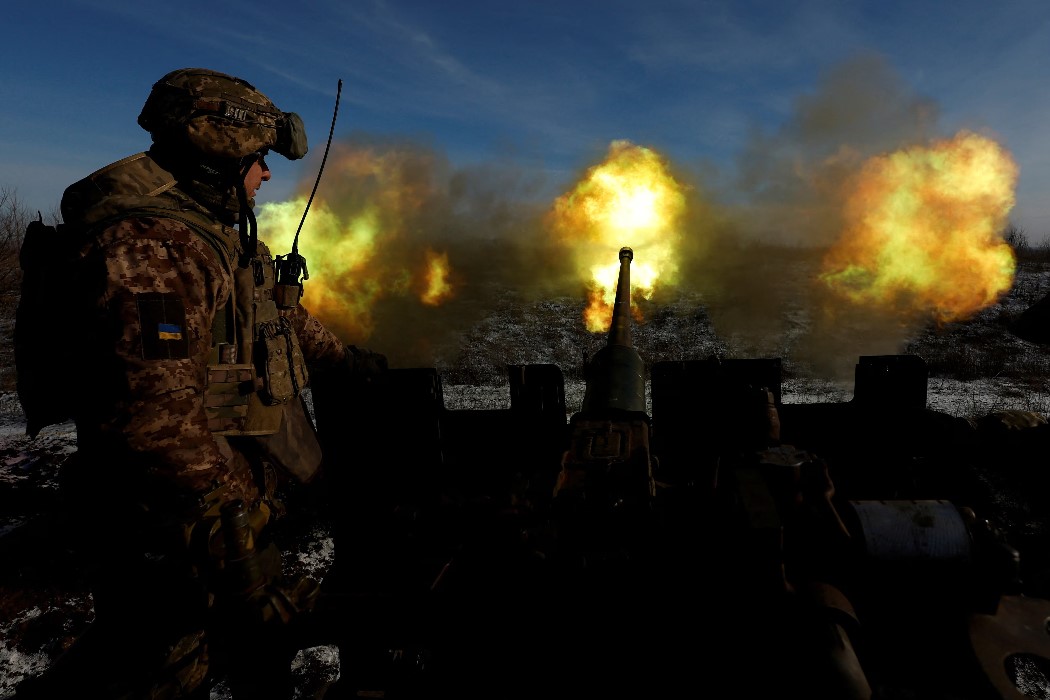
World
Ukraine has launched a new program inviting foreign defense technology companies to test their weapons and systems directly on the battlefield, in the midst of its ongoing war with Russia. The initiative, called “Test in Ukraine,” is led by Brave1, a government-backed defense technology incubator, and aims to create a unique testing ground for cutting-edge military technologies under real combat conditions. According to the official announcement, the program is prioritizing drones, counter-drone systems, ammunition, and AI-powered military solutions for testing. These products will be evaluated in near-combat environments, providing invaluable real-time feedback to developers and helping improve the systems for future use. Mykhailo Fedorov, Ukraine’s Minister of Digital Transformation, emphasized the program’s importance at the recent LandEuro conference in Wiesbaden, Germany, saying: “We are ready to help companies from partner countries develop, test, and improve technologies that really work on the battlefield.”He further highlighted that this is an opportunity for companies to gain battlefield experience “that cannot be simulated in laboratories.” Key Features of “Test in Ukraine”: Real Combat Testing: Participating companies can observe how their systems perform in live battlefield situations, something not possible in peacetime test ranges. Flexible Participation: Companies can either send their teams to manage tests directly or hand over the systems to the Brave1 team for independent evaluation. Detailed Feedback: Ukraine’s combat-experienced military units will provide technical feedback to help refine the technologies. Accelerated Co-Production: The initiative also offers foreign firms opportunities to partner with Ukrainian manufacturers, enabling fast deployment and potential joint production. Online Application: Interested companies can apply through the Brave1 official website, where guidelines on permits and equipment transport are available. This effort goes hand in hand with Ukraine’s broader strategy to boost its defense sector and economy, particularly after the launch of its “Build with Ukraine” program. That initiative seeks to export combat-tested Ukrainian weapons to European partners, showcasing its growing military-industrial capacity. With this new “Test in Ukraine” platform, Kyiv is offering arms developers a rare and valuable chance to trial their weapons in actual conflict zones, while also advancing its own military capabilities and innovation. The program represents a new chapter in modern warfare collaboration, blending international defense development with real-world war experience — something no laboratory can fully replicate.
Read More → Posted on 2025-07-21 15:25:13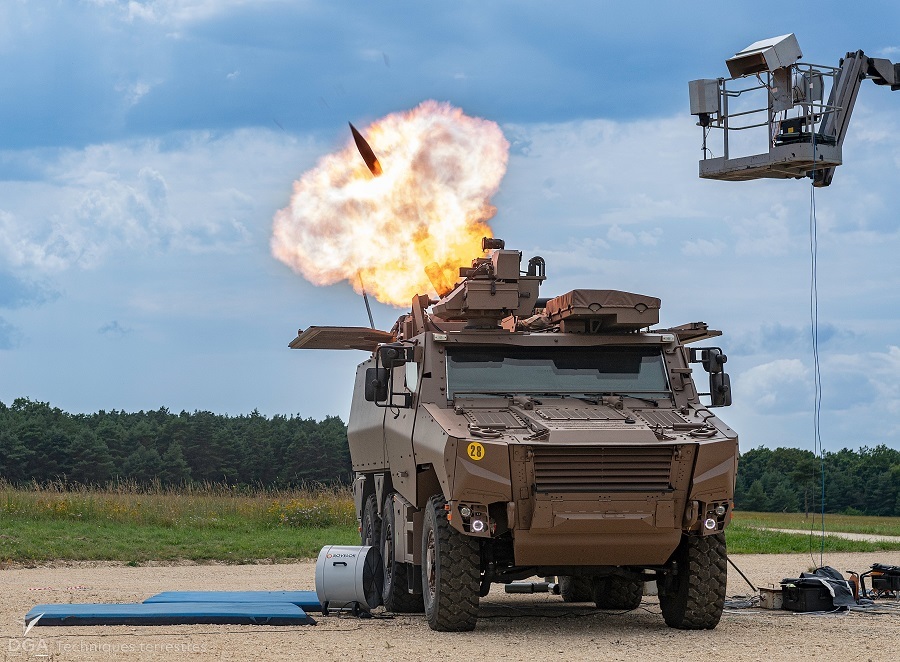
World
The French Army has officially unveiled a new mortar carrier variant of its Griffon 6×6 armored vehicle, called the Griffon MEPAC (Mortier Embarqué Pour l’Appui au Contact), during the Bastille Day parade in Paris. This marks a key advancement in France’s ground combat capabilities, just four months after successful final testing at the Canjuers military camp. The Griffon MEPAC is a self-propelled artillery platform designed to replace the older MO-120-RT towed mortars, bringing increased mobility, faster deployment, and better crew protection to the battlefield. At the heart of the system is a powerful 120-millimeter semi-automatic mortar, mounted inside the vehicle's armored hull. This main armament delivers a firing rate of 10 rounds per minute, with an effective range of around 13 kilometers (8 miles). The system is compatible with both standard and smart munitions, allowing for greater flexibility and precision during combat operations. One of the biggest upgrades is its integration with the Scorpion digital battlefield network, which connects command, control, and communication systems across the French Army’s ground units. This integration enables faster targeting, coordinated strikes, and enhanced situational awareness. To support its main weapon, the Griffon MEPAC is also fitted with a remotely operated turret armed with a 7.62-millimeter machine gun, and uses the Atlas joint fire support system for targeting coordination. The 25-ton vehicle is manned by a crew of four and is built for performance and protection. It comes with: NATO-standard armor A 400-horsepower six-cylinder turbodiesel engine A seven-speed automatic transmission An operational range of 800 kilometers (497 miles) A top speed of 90 kilometers per hour (56 mph) Inside the hull, specialized ammunition storage allows the crew to operate longer without relying heavily on external resupply, giving it a logistical edge during extended missions. This new system plays a critical role in France’s $1.35 billion ground forces modernization program, which aims to build a more connected and lethal battlefield force. In 2023, France celebrated the delivery of its 500th Griffon vehicle, and in January 2025, it received the first batch of 54 Griffon MEPAC variants. The Griffon MEPAC strengthens France’s indirect fire support capabilities, especially during expeditionary operations and dispersed combat scenarios, by delivering fast, accurate, and protected firepower where it’s needed most.
Read More → Posted on 2025-07-21 15:21:24
India
Vice President Jagdeep Dhankhar has strongly rejected former US President Donald Trump’s claim that he helped stop a war between India and Pakistan during his time in office. Speaking to young civil service officers on July 19, Dhankhar made it clear that India is a strong and independent country, and no foreign leader can tell India what to do. He said that while India respects friendly relations with other countries, all decisions about India's security and foreign policy are made by Indian leaders only. His comments came after opposition parties in India asked the government to respond to Trump’s statement. Trump recently claimed that he personally stopped a conflict between India and Pakistan, even saying five fighter jets were shot down—a statement that has no proof and hasn’t been confirmed by India. Pakistan welcomed Trump’s claim, but India has never accepted that any outside country helped in such matters. To explain his point, Dhankhar used a cricket example, saying that just like in cricket, you don’t need to hit every ball—some things are better ignored. He advised people and leaders not to react to every foreign comment, especially when they are misleading or false. He also said that India knows how to handle its own problems, and doesn’t need outside help when it comes to national issues like defence or foreign policy. With this speech, the Vice President made it clear that India will never allow any country to interfere in its matters, and that India stands proud, strong, and independent in the world.
Read More → Posted on 2025-07-21 15:17:28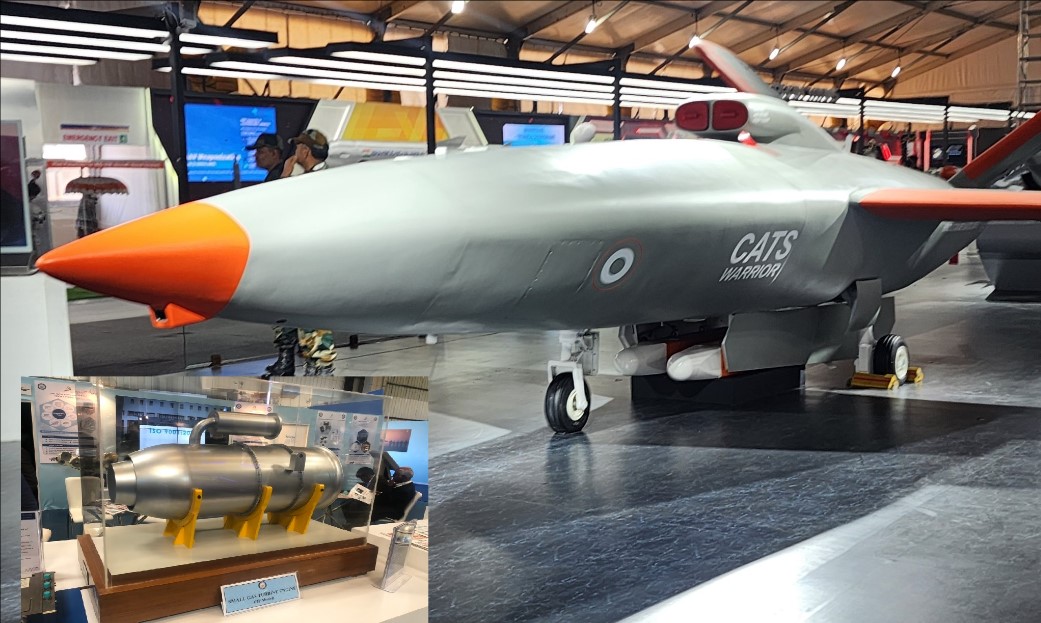
India
The Defence Research and Development Organisation (DRDO) explores a more powerful variant of the Manik engine—a 10 kilonewton (10kN) class turbofan engine—specifically aimed at powering next-generation military drones like the CATS Warrior and a jet-powered Medium Altitude Long Endurance (MALE) UAV. The new 10kN engine is being proposed by the Gas Turbine Research Establishment (GTRE), a Bengaluru-based DRDO lab. It will be a scaled-up version of the current Small Turbo Fan Engine (STFE)—commonly known as the Manik engine—which currently delivers 4.5kN thrust (around 450 kgf). This existing engine has already demonstrated its reliability, having successfully powered the Indigenous Technology Cruise Missile (ITCM) during a test flight in October 2022. While the Manik engine is primarily suited for platforms like the Nirbhay subsonic cruise missile and other small Unmanned Aerial Vehicles (UAVs), the 10kN version is designed to meet the demands of heavier and more capable unmanned systems. With more than double the thrust, this upgraded engine will allow future drones to carry heavier weapon payloads, perform longer surveillance missions, operate at higher altitudes, and better integrate with manned fighter aircraft in combat scenarios. Likely Platforms: CATS Warrior and MALE UAV According to defence sources, this engine is likely being designed for two futuristic DRDO programmes: A jet-powered MALE UAV, capable of long-duration surveillance missions across vast areas. The CATS Warrior, an autonomous loyal wingman drone that will fly in formation with frontline fighter aircraft like the HAL Tejas and the future AMCA. The CATS Warrior is part of the Combat Air Teaming System (CATS) initiative and is expected to play a multi-role mission profile: Intelligence, Surveillance, Reconnaissance (ISR), and strike operations. A 10kN engine would enable it to fly at 30,000–40,000 feet, match fighter jet speeds, and deliver meaningful offensive payloads, all while protecting manned jets during missions. Building on Proven Technology The 10kN engine will evolve from the Manik/STFE’s modular design, which includes a multi-stage axial compressor, annular combustor, and axial turbine. This proven structure will serve as the engineering baseline for the larger engine. Critical to this development is DRDO’s parallel work on high-temperature materials, especially single-crystal turbine blades developed by the Defence Metallurgical Research Laboratory (DMRL). These blades are vital to sustaining extreme internal engine conditions, a key requirement for high-thrust turbofans. The proposed engine effort will also complement other major Indian engine projects such as the Kaveri Derivative Engine, a 48.5kN thrust class design being tested for use on Ghatak, India’s future stealth Unmanned Combat Aerial Vehicle (UCAV). Strategic Implications By advancing development across multiple thrust categories—from sub-5kN for cruise missiles to over 45kN for UCAVs—India is steadily building an indigenous propulsion ecosystem for its expanding defence aviation needs. The 10kN engine fills a crucial middle slot, aimed at drones that need agility, endurance, and power without relying on foreign technology. Despite the strong technical foundation, scaling the Manik engine to 10kN comes with challenges: achieving higher thrust without sacrificing fuel efficiency, managing weight, and ensuring reliability in combat conditions. Past engine programmes have suffered due to funding gaps and inconsistent user commitment, especially from the Indian Air Force and Navy. To succeed, the new 10kN engine programme will require steady financial support, timely testing, and strong end-user engagement. But if successful, it will mark another significant milestone in India’s journey towards defence self-reliance, especially in the critical field of aero-engine technology. With the proposed 10kN Manik engine, India is aiming to give its future military drones the power, endurance, and autonomy to meet 21st-century battlefield needs—all built at home.
Read More → Posted on 2025-07-21 15:13:40
World
US defense company L3Harris has officially introduced its 'Wolf' family of launched effects vehicles, including the Red Wolf and Green Wolf. These small, stealth-inspired drones are designed for launch from aircraft, ground platforms, and naval vessels, significantly enhancing the U.S. military’s ability to strike deep into hostile territory or disable enemy defenses—all at a lower cost than traditional cruise missiles. Meet the Wolves: Red for Strikes, Green for Electronic Warfare The Red Wolf is engineered for long-range precision strikes against land and sea targets, while the Green Wolf is tailored for electronic warfare (EW)—disrupting enemy communications, radar, or missile systems. Both are part of a growing category of systems that blur the line between kamikaze drones, cruise missiles, and decoys, aiming to deliver versatility, survivability, and affordability. Ed Zoiss, President of L3Harris’ Space and Airborne Systems, said the Wolf Pack gives military forces “a significant advantage in closing long-range kill chains, defeating adversarial threats in challenging environments and protecting assets.” Design and Features The Red Wolf resembles a small cruise missile, featuring pop-out wings, horizontal stabilizers, and twin vertical fins. It’s powered by a small turbojet, with blended intakes located at the rear. The vehicle includes a shovel-shaped nose and chine lines—design elements that point to some level of stealth capability. While exact specs are classified, L3Harris confirmed multiple configurations have been tested with different ranges and payloads. From Secret Project to Operational Reality Development of the Wolf family began around 2020, and more than 40 test flights have been completed. The Red Wolf first appeared publicly at the U.S. Army’s EDGE 21 event in 2021 and reportedly originated from a classified Pentagon program under the Strategic Capabilities Office (SCO). A notable milestone in Red Wolf’s evolution has been its integration with the U.S. Marine Corps’ AH-1Z Viper helicopters, tested under the Long Range Attack Missile (LRAM) program. This aims to give Marine Corps helicopters a strike range of at least 150 nautical miles (≈278 km)—a massive upgrade from the current 10-mile range of their existing Hellfire and JAGM missiles. Green Wolf’s Role in Future Warfare While Red Wolf delivers the kinetic punch, Green Wolf is built for non-kinetic missions, such as jamming enemy radars or locating air defense systems by tracking their signal emissions. This ability will be crucial for clearing paths for follow-on strikes and confusing enemy sensors, especially in heavily defended zones like those expected in future Indo-Pacific conflicts. The U.S. Army has already tested a Red Wolf variant for communications relay, and launches from MQ-1C Gray Eagle drones are being explored. Affordable Firepower at Scale L3Harris aims to price each Wolf system at around $300,000, comparable to current JAGM missiles but far cheaper than long-range alternatives like the $1.5 million AGM-158B JASSM-ER. With a target production rate of 1,000 units per year, the Wolf family is poised to become a scalable solution for future wars. This affordability and modularity make it ideal for building up stockpiles for prolonged conflicts, a concern especially relevant in potential scenarios involving China or Russia, where high-volume, high-endurance combat would require large numbers of precision weapons. Part of a Larger Trend: The New Arms Race L3Harris is not alone in this space. Competitors like Anduril and Lockheed Martin are also unveiling their own offerings: Anduril’s Barracuda-100M is in testing for long-range strike and passive target acquisition using infrared imaging. It’s being launched from jets and soon from the ground. Lockheed’s CMMT (Common Multi-Mission Truck) family includes air-dropped and pylon-launched drones designed for stealthy, long-range missions, launched even from cargo planes via Rapid Dragon pallets. These developments mark an industrial arms race in the U.S. defense sector, where companies are racing to create smart, survivable, and scalable munitions that can be produced quickly and used across multiple domains. The unveiling of Red Wolf and Green Wolf is more than just a product launch—it signals the future of warfare. With multi-role drones that can jam defenses, relay communications, or strike from hundreds of kilometers away, the U.S. military is adapting fast to the needs of modern combat. These Wolves are ready to hunt—and they’re coming in packs.
Read More → Posted on 2025-07-20 17:34:12
World
Epirus has been awarded a $43.5 million contract by the U.S. Army's Rapid Capabilities and Critical Technologies Office (RCCTO) to deliver its Leonidas Generation II High-Power Microwave (HPM) systems, officially known as Integrated Fires Protection Capability-High Power Microwave (IFPC-HPM GEN II). Under this contract, Epirus will provide two GEN II HPM systems, along with test events, support equipment, spare parts, and options for additional components and support in the future. These next-generation systems are an upgrade to the four original IFPC-HPM units that Epirus delivered in May 2024. At the heart of these systems is Epirus’ internally developed solid-state HPM technology, which uses electromagnetic pulses to disable or destroy enemy electronics, especially drones and unmanned systems. This makes them a powerful tool for critical asset protection and counter-electronics missions. The GEN II systems have been significantly enhanced based on feedback from rigorous testing of the first-generation systems, which underwent developmental trials, joint air and missile defense exercises, and field assessments. These improvements are expected to boost battlefield performance, reliability, and effectiveness. Key upgrades in the Leonidas GEN II system include: More than double the effective range of the earlier models. 30% increase in power output, enabling stronger energy blasts. High-density batteries for longer operating time and reduced dependence on external power. Extra-long pulse widths to maximize energy delivery to targets. High-duty burst mode for quicker response to multiple threats. Advanced waveform and polarization techniques to expand the type of targets it can neutralize. Improved user interface for easier handling by soldiers in real-world operations. These advancements are part of the Army’s broader effort to strengthen directed energy capabilities under the Army Transformation Initiative—a push to equip forces with advanced, non-kinetic weapons to counter evolving threats, especially from drone swarms. Epirus CEO Andy Lowery said, “Our first IFPC-HPM prototypes were put through the wringer and emerged from sophisticated testing with favorable outcomes… the second generation will be even more powerful, more mission capable and more impressive all around.” He also highlighted the urgency of drone defense, adding, “Drones are everywhere—over U.S. bases, over the southern border, and dominating foreign conflicts. Epirus is ready to help the Army scale up and defeat these asymmetric threats with our cutting-edge HPM tech.” The Leonidas system, central to Epirus’ innovation, represents a leap forward in energy-based defense—capable of neutralizing multiple targets at once without ammunition, making it a cost-effective and reliable solution against emerging aerial threats.
Read More → Posted on 2025-07-20 17:16:24
India
The Indian Air Force’s (IAF) high-altitude airbase at Mudh–Nyoma in eastern Ladakh is set to become operational by October 2025, government officials have confirmed. Located just 50 kilometres from the LAC and sitting at an elevation of 13,700 feet, this will be the world’s highest fighter-capable airbase once completed. Strategically positioned to counter China's growing military infrastructure along the border, the Nyoma airbase is being constructed under the supervision of the Border Roads Organisation (BRO) as part of a broader infrastructure push in Ladakh. The project, once completed, will allow for rapid deployment of fighter jets, transport aircraft, UAVs, and helicopters close to the frontier, significantly reducing reaction time during emergencies. History of the Airstrip Originally used as an Advanced Landing Ground (ALG), the Nyoma airstrip was built in 1962 and was first activated for fixed-wing aircraft operations in 2009, when an Indian Air Force AN-32 landed there. For years, it remained underutilized due to the lack of paved infrastructure. However, after the 2020 Galwan clash and heightened border tensions with China, the airfield's strategic value was reassessed. Construction for its transformation into a full-fledged fighter-capable airbase began in earnest in 2022, after environmental clearances were secured. The BRO has now completed over 95% of the runway work, with remaining infrastructure—including hangars, air traffic control towers, fuel and weapon storage units, and radar systems—expected to be finished by September 2025. Strategic Significance Once operational, Nyoma will become the closest fighter airbase to the LAC, offering a major tactical advantage. In contrast, the next nearest major IAF bases—Leh and Thoise—are located much farther away, limiting quick air response during heightened tensions or conflict. "The Nyoma airbase gives us a decisive edge in operational reach and response time in eastern Ladakh," a senior defence official stated. “This isn’t just symbolic—it’s a game-changer.” The new airbase will be capable of supporting IAF frontline fighters such as Sukhoi Su-30MKI, MiG-29UPG, and Rafale, as well as C-130J, C-17 Globemaster, and An-32 transport aircraft. Helicopters like the Apache AH-64E, Chinook, and ALH Dhruv will also operate from the base, bolstering troop mobility and logistics in the remote mountainous terrain. In addition, Nyoma will serve as a launch point for unmanned aerial vehicles (UAVs) and combat drones for surveillance and strike missions across the border. Countering China’s Build-Up Over the past few years, China has been steadily building military facilities on its side of the LAC, including new airstrips, heliports, and roads in Tibet and Xinjiang. Facilities such as Rutog and Tianshuihai, located close to Indian territory, have prompted New Delhi to step up its own preparedness. Military experts suggest that with Nyoma operational, India will match or exceed China’s air posture in eastern Ladakh. The base will allow IAF to launch missions with minimal delay, conduct more persistent patrols, and maintain stronger air superiority in high-altitude zones. “The ability to launch fighters within minutes from Nyoma during a crisis will be a significant deterrent,” said Air Vice Marshal (retd.) Manmohan Bahadur. “It closes a critical gap in our defensive architecture.” Broader Infrastructure Push Nyoma is part of a larger strategic development in Ladakh, which also includes the construction of a new road network to Daulat Beg Oldie (DBO), a vital military post near the Karakoram Pass. Together, these projects form a robust logistic and operational framework, allowing Indian forces to remain agile and prepared in a volatile region. The Indian Air Force currently maintains three other key bases in Ladakh—Leh, Thoise, and Kargil—but none are as close to the LAC or as high as Nyoma. Once inaugurated later this year, the Mudh–Nyoma airbase will not only cement India’s tactical depth in the Himalayas but also serve as a lasting signal to adversaries that New Delhi is ready to meet any challenge head-on—both from the ground and the sky.
Read More → Posted on 2025-07-20 17:11:05
India
Russia has unveiled upgraded version of the Iranian-designed Shahed-136 drone, rebranded and heavily modified as the Geran-2. The new variant is equipped with radar-absorbing materials (RAM), advanced electronic warfare (EW) shielding, and an onboard AI guidance system—making it far more capable than its earlier versions and far more dangerous on the modern battlefield. The modified drone, produced at Russia’s Alabuga and Izhevsk facilities, reflects Moscow’s push to develop long-range autonomous strike capabilities that can operate effectively even in GPS-denied and EW-heavy environments. Stealth Enhancements and Survivability New satellite images and leaked interior footage from the Alabuga production site show that the Russian Geran-2 now incorporates a composite airframe coated in radar-absorbent material. The redesign is reportedly aimed at minimizing radar cross-section and enhancing the drone’s ability to evade detection by air defense systems. According to reports from The War Zone and independent defense analysts, Russian engineers have also reinforced the drone’s rear engine housing with armored materials. The internal layout has been adjusted to relocate fuel tanks to the fuselage, increasing protection and range. Electronic Warfare Resistance The Geran-2 has been outfitted with advanced EW shielding, including Controlled Radiation Pattern Antenna (CRPA) arrays, which allow it to resist GPS jamming and spoofing. This means the drone can maintain satellite navigation in contested zones where traditional UAVs would fail. In addition, some recovered drone wreckage in Ukraine revealed the presence of 3G/4G modems, suggesting that Russian operators are testing new telemetry and live-video transmission systems for mid-course correction and target confirmation, even during active electronic warfare. Autonomous Targeting with AI Perhaps the most significant advancement is the integration of artificial intelligence-based target recognition. The latest versions of the drone include AI modules—possibly using Nvidia Jetson-class processors—that allow the drone to independently identify and engage targets based on visual or thermal signatures. Ukrainian defense officials and battlefield reports have confirmed that recent Geran-2 drones were capable of switching from GPS-based navigation to heat signature tracking when encountering interference. These drones have been seen altering their flight paths and reprioritizing targets mid-mission, indicating a new level of autonomy. Swarm Coordination and Deep-Strike Capability With an estimated range exceeding 1,000 km, these upgraded drones give Russia the ability to launch coordinated, long-distance strikes far behind enemy lines. Their ability to operate in swarms and self-coordinate mid-flight—without external input—makes them especially difficult to intercept. According to Ukrainian military intelligence, Russian forces are now deploying the drones in tandem, using one as a decoy at low altitude to draw fire and another at a higher altitude to execute the strike. The Ukrainian Air Force has confirmed an uptick in these tactics since May 2025. Why It Matters The emergence of a RAM-coated, AI-guided, EW-shielded Shahed-136 variant marks a dangerous evolution in drone warfare. No longer cheap and expendable, the Geran-2 now represents a smart, survivable, and highly autonomous long-range weapon. Its effectiveness is already being seen on the battlefield, with critical infrastructure and military targets hit hundreds of kilometers from the frontlines. For Russia, this technology fills a critical gap in long-range strike capability without risking manned aircraft. For adversaries like Ukraine—and potentially NATO in the future—it signals a growing need to develop advanced countermeasures, from drone-detection mesh networks to AI-enabled air defense systems. Russia is already rumored to be working on a next-generation drone based on the Iranian Shahed-238, featuring a jet engine and even higher speed and range. The mass production of these long-range drones—estimated at over 2,500 per month—suggests Moscow is preparing for sustained and sophisticated drone warfare well beyond the current conflict. As battlefield technology continues to evolve, one thing is certain: the age of autonomous, AI-driven aerial combat has fully arrived.
Read More → Posted on 2025-07-20 16:55:59
India
The Defence Research and Development Organisation (DRDO) is now preparing to test a truck-mounted version of its Vertical Launch Short-Range Surface-to-Air Missile (VL-SRSAM) system. This comes after a string of successful trials of the naval variant, which has already proven effective in defending Indian warships. The land-based version is expected to begin initial trials by late 2025 or early 2026, and is specially designed for the Indian Army and Indian Air Force. Mounted on high-mobility 8x8 trucks, this mobile version will offer a fast, relocatable, and powerful shield against various aerial threats. The VL-SRSAM is an advanced missile system derived from the Astra Mk-1, India’s indigenous beyond-visual-range air-to-air missile currently deployed on Su-30MKI and Tejas fighter jets. For the naval version, it was developed as a replacement for the aging Israeli Barak-1 missile systems on Indian warships. During a critical test in June 2022 from a warship off the Odisha coast, the system successfully intercepted a fast, low-flying aerial target, showcasing its ability to respond to modern airborne threats like drones, helicopters, fighter jets, and even sea-skimming missiles, within a range of about 50 km. Technically, the VL-SRSAM missile features indigenous components, including a highly accurate Radio Frequency (RF) seeker for terminal guidance, giving it precise interception capability. Its vertical launch capability with thrust vectoring allows the missile to turn sharply towards targets post-launch. Additional fins on the airframe have been introduced to ensure in-flight stability when launched from land platforms. Each mobile launcher is expected to carry eight missiles, forming part of a larger unit consisting of a command vehicle, 4 to 6 mobile launchers, and support vehicles for reloads. These will be deployable to forward areas, protecting key assets like mobile army columns, air bases, and command posts. Crucially, the system will be fully integrated with India’s existing air defence networks, such as the Indian Air Force's Integrated Air Command and Control System (IACCS) and the Indian Army's ‘Project Akashteer’ network. This will allow it to plug into multi-layered defence coverage, complementing both very short-range systems and medium-range systems like the Akash missile. The VL-SRSAM programme represents a joint effort by DRDO and key Indian defence firms, including Bharat Dynamics Limited (BDL) for missile production and Bharat Electronics Limited (BEL) for radar and control systems. With the launcher platform now fabricated, the upcoming tests will focus on evaluating the missile’s performance on land and ensuring smooth integration with military radar grids. If successful, this will be another major milestone in India’s pursuit of self-reliance in high-end defence technologies under the ‘Aatmanirbhar Bharat’ initiative. By bringing the proven naval system to land in a mobile format, DRDO is aiming to offer the Indian Armed Forces a flexible, quick-reaction air defence system that can be deployed anywhere, anytime.
Read More → Posted on 2025-07-20 16:28:10
World
Türkiye’s Presidency of Defense Industries (SSB) has officially placed an order for the sixth prototype of the KAAN fifth-generation fighter jet, according to Turkish defense outlet Ulusavunma on July 16, 2025. This move highlights Türkiye’s commitment to building its own advanced stealth combat aircraft, designed and developed entirely by its domestic aerospace sector. Led by Turkish Aerospace Industries (TAI), the KAAN project—originally known as TF-X—marks a bold new chapter in Türkiye's defense story. It is the first time in the country’s history that a full-scale, domestically designed and manufactured fighter jet is being developed for the Turkish Air Force, signaling a significant leap in national defense autonomy. The KAAN is a true fifth-generation stealth fighter, meant to deliver air superiority, multirole combat performance, and complete mission independence. Designed to compete with global elite jets like the F-35 and F-22. The jet’s development began in 2016, with TAI focusing on simulation, modeling, and performance testing. By 2019, Türkiye unveiled the full-scale mock-up at the Paris Air Show, and in February 2024, the first prototype took its maiden flight, proving the project's momentum and technical maturity. As of mid-2025, six KAAN prototypes have either been completed or are under production: Prototype 1 – Basic flight testing and airframe evaluation Prototypes 2 & 3 – Avionics and sensor calibration Prototypes 4 & 5 – High-performance flight trials, weapons integration Prototype 6 – Environmental durability, avionics stress testing, acceleration, and runway trials The sixth prototype's addition will support parallel testing efforts, speeding up development while minimizing risks before the KAAN enters serial production. Future blocks of KAAN jets, especially Block 30 and Block 40, will include a fully indigenous engine, currently in development. This move aims to eliminate foreign dependency in propulsion systems and strengthen Türkiye’s long-term defense sustainability. When compared to other top-tier fighters, KAAN's stealth design and internal weapons configuration give it a clear advantage in high-threat environments. Unlike Rafale or Typhoon, which use exposed weapon pylons and limited stealth, KAAN emphasizes low radar visibility and modular upgrades. Compared to Sweden’s Gripen E, which lacks stealth shaping, KAAN brings a more complete stealth and multirole combat package. While it shares some performance philosophy with the F-35, KAAN stands out for being completely under national control, without international restrictions on software or upgrades. This latest order for the sixth prototype clearly reflects Türkiye’s determination to become a global aerospace leader, with plans to not only equip its own forces but also offer KAAN for export. As the aircraft continues testing and refinement, it is expected to play a central role in transforming Türkiye’s Air Force and could soon become a competitive alternative in the global fighter market.
Read More → Posted on 2025-07-20 16:24:06
World
The United Kingdom’s Chinook Mk 6 tactical transport helicopter has successfully completed its first flight fitted with a new Infrared Suppression System (IRSS), according to an announcement by Boeing on July 16, 2025. This milestone marks a critical advancement in protecting UK military helicopters against heat-seeking missile threats, especially in modern war zones where such weapons are widely used. The test flight was part of Boeing’s IRSS development and validation program, and it represents the largest-ever IRSS installation trial on a British Chinook in over a decade. During the test, the helicopter was seen equipped with extended exhaust mounts—the heart of the IRSS technology—which are designed to cool and disperse engine heat, making it much harder for infrared-guided missiles to lock onto the aircraft. The Infrared Suppression System works by reducing the infrared signature of the Chinook’s engines. Heat-seeking missiles like MANPADS (Man-Portable Air Defense Systems) or air-to-air missiles use engine heat to track their target. By minimizing this heat signature, the system enhances the helicopter’s ability to operate in asymmetric warfare environments and also provides better protection in high-tech conflict zones against advanced air defense systems. The Chinook Mk 6 is the UK’s most modern variant of the globally renowned CH-47 Chinook. It is based on the U.S. CH-47F Block I model but has been heavily customized for British military needs. Key features include: A fully digital automatic flight control system (DAFCS) for greater stability and ease of control Powerful Honeywell T55-GA-714A engines, each delivering 4,868 shaft horsepower A modern glass cockpit with GPS/INS navigation and digital moving maps BOWMAN-compatible secure radios for communication An Advanced Defensive Aids Suite (DAS) with missile warning sensors and countermeasure dispensers Back in 2021, the UK Ministry of Defence signed a $2 billion Foreign Military Sales agreement with the U.S. to buy 14 new CH-47 Extended Range (CH-47ER) Chinooks from Boeing. These new helicopters are intended to replace older Mk 5 and Mk 6 versions, and will come fully equipped with IRSS, long-range fuel tanks, upgraded avionics, and the latest survivability enhancements. These helicopters are expected to serve the British Army well into the 2040s. The Chinook has been a core part of British Army aviation since 1980, operating under the Joint Helicopter Command. It has proven itself in a wide range of missions including troop transport, resupply, casualty evacuation, special operations, and humanitarian aid. With the capacity to carry up to 55 fully equipped soldiers or more than 10 tonnes of internal payload, it remains the UK’s primary heavy-lift platform. The successful flight with IRSS confirms that the system is viable for wider adoption across the UK’s Chinook fleet. It also highlights the importance of adapting legacy platforms like the Chinook to meet the evolving threats of modern warfare, especially from portable and advanced heat-seeking missile systems. As threats continue to grow more complex, Boeing’s IRSS integration stands as an important example of how modern modular upgrades can extend the operational life and effectiveness of existing aircraft. For the British Army, this means stronger protection, greater mission capability, and sustained readiness for the decades ahead. The Chinook Mk 6, now with IRSS, continues to demonstrate why it is among the most capable heavy-lift helicopters in NATO service, blending proven performance with cutting-edge protection technologies to meet the challenges of the 21st-century battlefield.
Read More → Posted on 2025-07-20 16:17:43
World
Israel’s Ministry of Defence (IMOD) has signed a $150 million (NIS 500 million) deal with American defense manufacturer AM General LLC to purchase hundreds of HMMWVs (High Mobility Multipurpose Wheeled Vehicles) for the Israel Defense Forces (IDF). The contract, approved by IMOD Director General Maj. Gen. (Res.) Amir Baram, was officially signed by Israel’s procurement delegation in the United States. This large-scale deal includes not only the HMMWV vehicles but also a comprehensive package of spare parts to ensure long-term maintenance and sustainability. According to the ministry, the first batch of dozens of HMMWVs is expected to arrive in Israel in late 2025. These HMMWVs, commonly known as Humvees, are highly versatile and designed for a wide range of battlefield roles. The vehicles offer excellent cross-country mobility, are easy to maintain, and have a long operational life, making them ideal for varied mission requirements. The specific configuration ordered by Israel allows for: Transport of over 10 soldiers Casualty evacuation capabilities Fire support operations Special forces missions Tactical communications and resupply roles This new fleet will significantly enhance the tactical flexibility of the IDF across diverse combat scenarios, from urban operations to remote terrain deployments. The deal reflects Israel’s continued investment in modernizing its ground mobility and logistics capabilities, especially at a time when regional threats and rapid-response requirements are growing. With this contract, AM General strengthens its long-standing relationship with Israel, providing a platform trusted by many militaries worldwide for its reliability and performance under harsh conditions.
Read More → Posted on 2025-07-20 16:12:42
World
European air combat capabilities, Airbus Defence and Space has partnered with US-based Kratos Defense and Security Solutions to develop a combat-ready variant of the XQ-58A Valkyrie drone for the German Air Force. The joint effort will see Airbus integrate its advanced mission system into the XQ-58A, with delivery aimed by 2029. The XQ-58A Valkyrie is a stealthy, uncrewed combat drone, originally developed by Kratos for the U.S. military. It is rail-launched, meaning it doesn’t need a runway, and can be operated autonomously or alongside fighter jets in “loyal wingman” roles. Weighing around three tonnes, it can fly at altitudes up to 45,000 feet and has a range of approximately 3,000 miles (about 4,800 km)—making it highly suitable for deep strike and surveillance missions. What makes this partnership unique is the mission system being added by Airbus. This system is platform-agnostic, meaning it can be used on various aircraft types, whether manned or unmanned. It allows for seamless integration into multi-domain operations, enhancing the drone’s role in modern, networked warfare. Airbus CEO Mike Schoellhorn explained the urgency of this development, citing the “disruptive geopolitical context” that now demands fast-tracked air combat solutions. He emphasized that both attritable (low-cost and expendable) and non-attritable (more durable, reusable) Collaborative Combat Aircraft (CCA) are in high demand across European defence forces. "This partnership will help accelerate Europe’s ability to defend itself while strengthening NATO’s transatlantic ties," said Schoellhorn. Eric DeMarco, CEO of Kratos, pointed to the XQ-58A’s proven performance and its cost-efficiency as a foundation for this project. The drone has been in flight testing since 2019, demonstrating its capabilities in a wide range of operational scenarios. “We’re excited about our partnership with Airbus, which will result again in a first-to-market Valkyrie variant, now tuned for the European mission,” DeMarco said. This initiative not only represents a technological collaboration between the U.S. and Europe, but also lays the groundwork for Germany’s future unmanned air combat capabilities. Once delivered, this German-specific XQ-58A variant will likely be a key element in Europe’s evolving Collaborative Combat Aircraft ecosystem, where drones act as force multipliers for manned jets. With increasing global tensions and evolving air combat doctrines, the Valkyrie equipped with Airbus tech could be a game-changer in future European air operations.
Read More → Posted on 2025-07-20 16:08:11
World
Russia has said it is open to peace talks with Ukraine, but only if its own conditions are met, according to Kremlin spokesman Dmitry Peskov. Speaking on Russian state television, Peskov repeated that President Vladimir Putin wants a peaceful settlement, but stressed that achieving Russia’s goals remains the top priority. “President Putin has repeatedly spoken of his desire to bring the Ukrainian settlement to a peaceful conclusion as soon as possible. This is a long process, it requires effort, and it is not easy,” Peskov said. He added, “The main thing for us is to achieve our goals. Our goals are clear.” Those goals include Ukraine giving up its claim to four regions that Russia annexed illegally in September 2022 — Donetsk, Luhansk, Zaporizhzhia, and Kherson — even though Moscow still does not control those areas fully. Additionally, Russia demands that Ukraine abandon its plans to join NATO and accept restrictions on the size and capabilities of its military — demands Ukraine and its Western allies reject outright. Peace Talks Under Pressure from Trump’s Deadline This message from the Kremlin comes just days after former U.S. President Donald Trump warned Russia it has 50 days to agree to a ceasefire — or face "severe tariffs" and expanded military aid to Ukraine. On July 14, Trump said that if Russia refuses, he would take economic action not just against Moscow, but also against countries doing business with it, aiming to further isolate Russia from the global economy. Trump also pledged that "billions and billions" of dollars worth of U.S. weapons would be sent to Ukraine, including Patriot air defense systems, which Kyiv has identified as critical to protect cities from Russian drone and missile attacks. Russia Intensifies Strikes as Diplomacy Stalls Despite the peace talk rhetoric, Russia has been stepping up long-range drone and missile strikes on Ukrainian cities. Analysts say that Russia used more drones in a single night recently than in some full months of 2024, showing that Moscow is likely ramping up pressure through force while keeping diplomatic options open. Past Talks Yielded Little Progress So far, peace negotiations have had minimal success. Direct talks in Istanbul earlier in the conflict led only to prisoner swaps, with no significant movement on the core issues. Meanwhile, Ukraine remains firm on defending its sovereignty and borders, and the West continues to back Kyiv militarily, even as political divisions rise in both Europe and the U.S. As both sides dig in and new weapons and threats enter the picture, hopes for peace remain slim — unless one side makes a major shift, something neither appears ready for yet.
Read More → Posted on 2025-07-20 16:05:03Search
Top Trending in 24 Hours
-
 President Trump Pauses Plans to Expand U.S. Strikes on Iran Amid Concerns Over Air Defense Missile Stocks
-
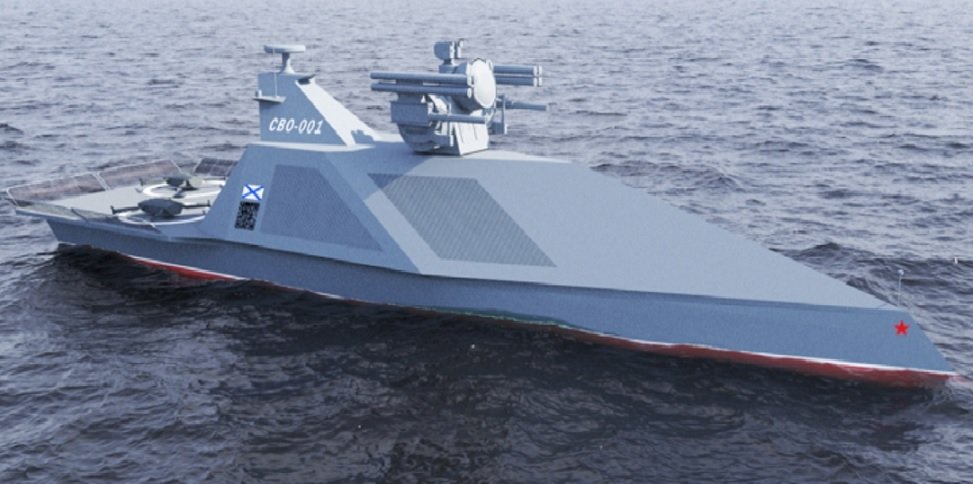 Russia Builds 500-Ton Unmanned Warship For Anti-Submarine Warfare, Plans New 9,500-Ton Warship, Navy Chief Says
-
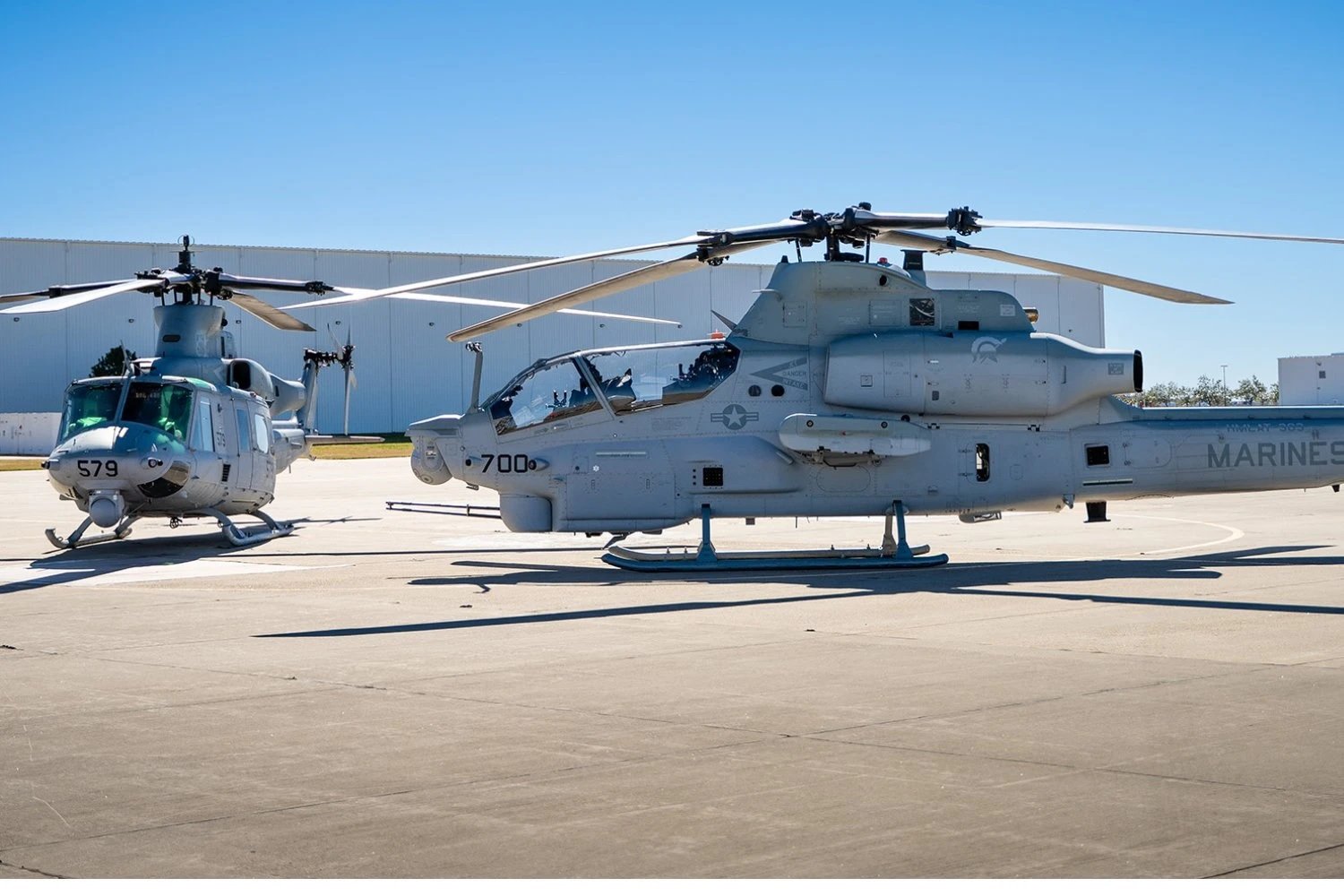 U.S. Awards Bell Textron $33.64 Million Contract for Next Phase of Marine Corps AH-1Z and UH-1Y Helicopter Upgrades
-
 DRDO Developing Long-Range Air-Launched Ballistic Missile for Su-30MKI, Rudram-4 Seen as Likely Candidate
-
 U.S. Military Selectively Intercepts Iranian Missiles to Preserve Shrinking Air Defense Stocks : Report
-
 Unreleased Footage Reveals Why Lindsey Graham Dropped Plan to Push Trump on Hezbollah Strikes
-
 Russia Unveils Experimental Plot-40 Floating Defense Platform to Counter Drone and USV Threats
-
 Taiwan Commissions First Batch 2 Tuo Chiang-Class Corvette with New Leonardo Radar
Top Trending in 4 Days
-
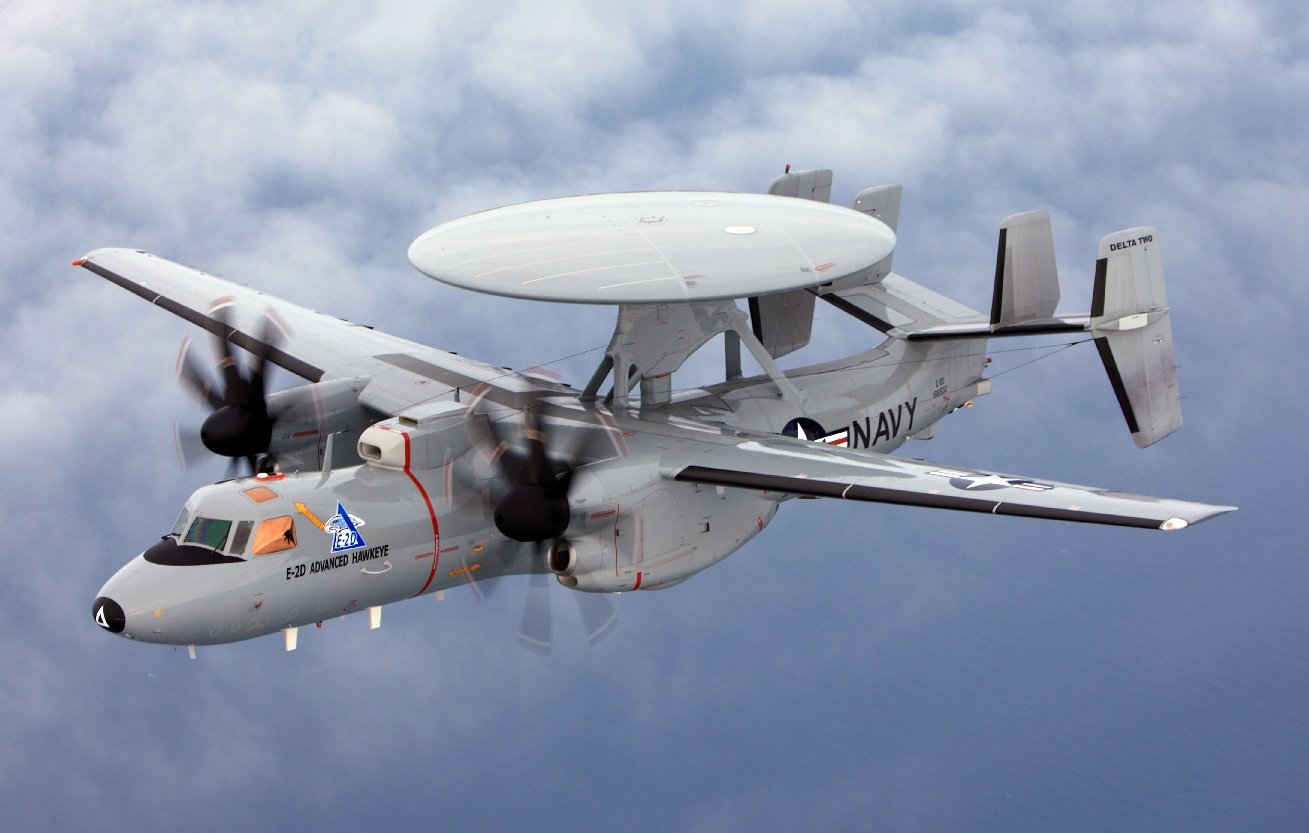 U.S. Navy Awards Northrop Grumman $1.2 Billion Deal for Three New E-2D Advanced Hawkeyes
-
 U.S. Airstrikes Target IRGC Missile Base Near Taft as Overnight Strikes Hit Central Iran
-
 Kuwait and Bahrain Reportedly Launch First Joint Direct Airstrikes on Iran Since War Began : Report
-
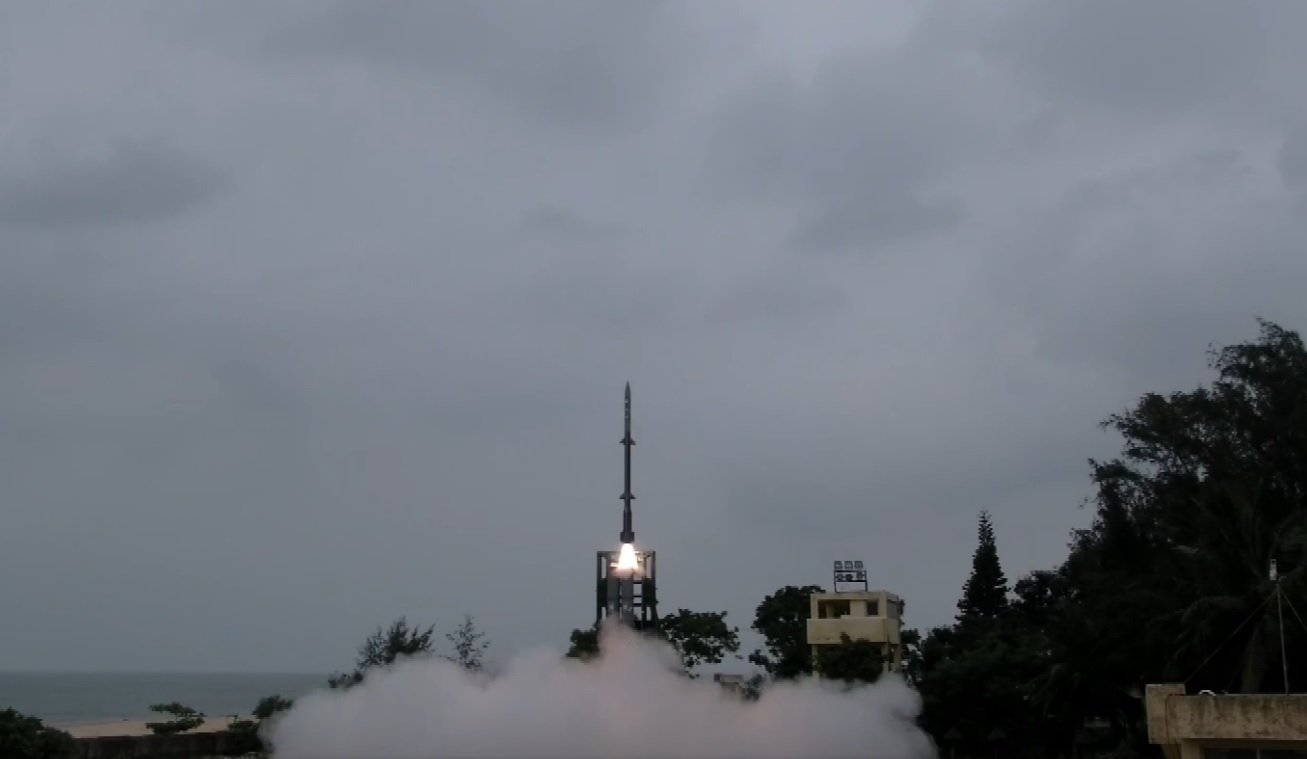 DRDO Successfully Conducts Maiden Flight Test of 150-km-Range Kusha M1 Air Defence Missile
-
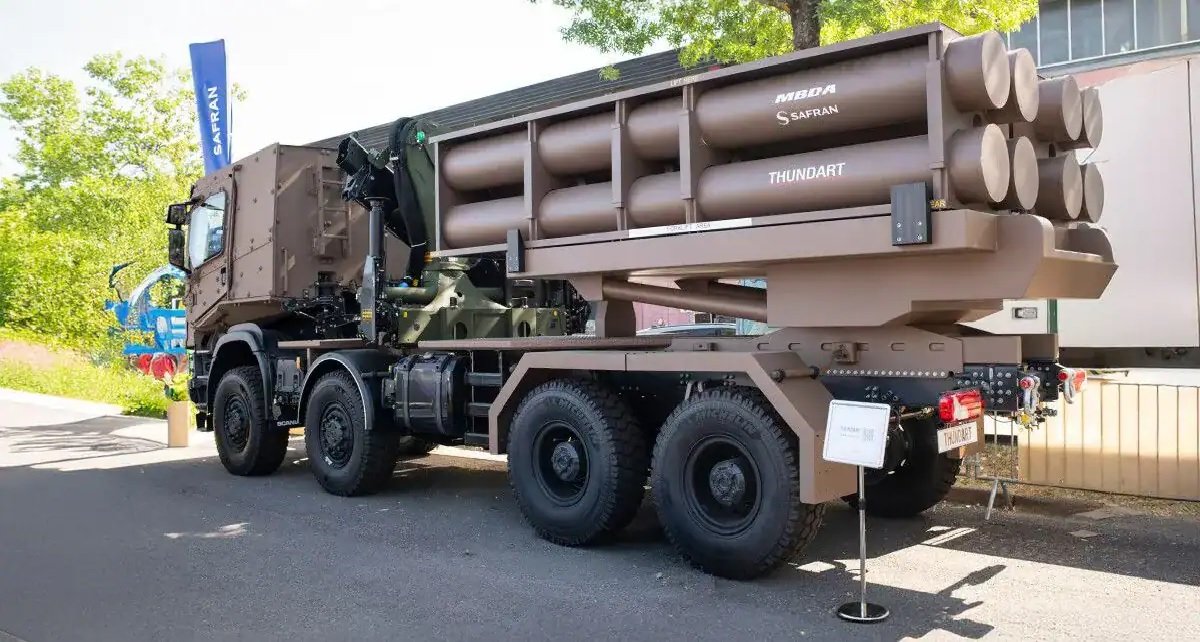 France's THUNDART Long-Range Rocket System May Undergo Prototype Combat Testing in Ukraine
-
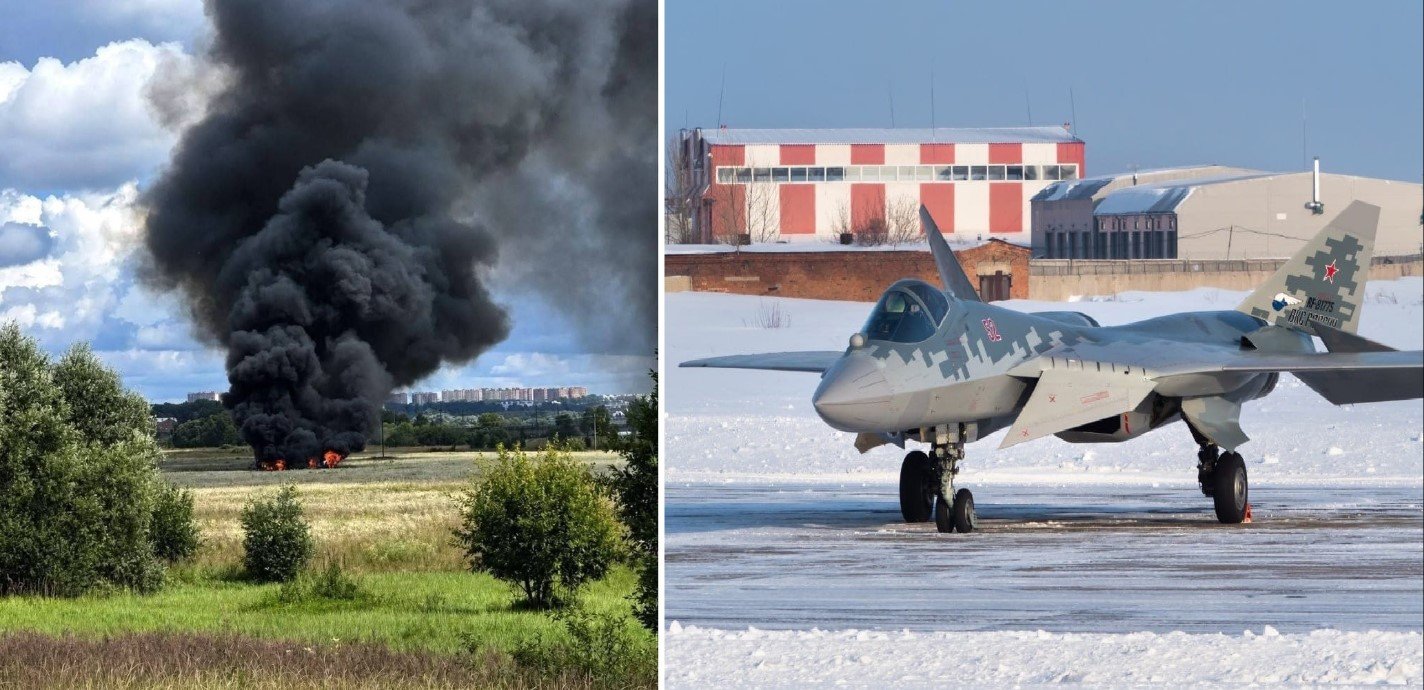 Russian Su-57 Stealth Fighter Crashes During Training Flight Near Moscow, Pilot Ejects Safely
-
 Australia Commits Additional AUD 4.6 Billion to Expand Osborne Shipyard for AUKUS Submarines
-
 China Imposes Dual-Use Export Ban on 14 European Entities After EU's Russia Sanctions
