
World
European air combat capabilities, Airbus Defence and Space has partnered with US-based Kratos Defense and Security Solutions to develop a combat-ready variant of the XQ-58A Valkyrie drone for the German Air Force. The joint effort will see Airbus integrate its advanced mission system into the XQ-58A, with delivery aimed by 2029. The XQ-58A Valkyrie is a stealthy, uncrewed combat drone, originally developed by Kratos for the U.S. military. It is rail-launched, meaning it doesn’t need a runway, and can be operated autonomously or alongside fighter jets in “loyal wingman” roles. Weighing around three tonnes, it can fly at altitudes up to 45,000 feet and has a range of approximately 3,000 miles (about 4,800 km)—making it highly suitable for deep strike and surveillance missions. What makes this partnership unique is the mission system being added by Airbus. This system is platform-agnostic, meaning it can be used on various aircraft types, whether manned or unmanned. It allows for seamless integration into multi-domain operations, enhancing the drone’s role in modern, networked warfare. Airbus CEO Mike Schoellhorn explained the urgency of this development, citing the “disruptive geopolitical context” that now demands fast-tracked air combat solutions. He emphasized that both attritable (low-cost and expendable) and non-attritable (more durable, reusable) Collaborative Combat Aircraft (CCA) are in high demand across European defence forces. "This partnership will help accelerate Europe’s ability to defend itself while strengthening NATO’s transatlantic ties," said Schoellhorn. Eric DeMarco, CEO of Kratos, pointed to the XQ-58A’s proven performance and its cost-efficiency as a foundation for this project. The drone has been in flight testing since 2019, demonstrating its capabilities in a wide range of operational scenarios. “We’re excited about our partnership with Airbus, which will result again in a first-to-market Valkyrie variant, now tuned for the European mission,” DeMarco said. This initiative not only represents a technological collaboration between the U.S. and Europe, but also lays the groundwork for Germany’s future unmanned air combat capabilities. Once delivered, this German-specific XQ-58A variant will likely be a key element in Europe’s evolving Collaborative Combat Aircraft ecosystem, where drones act as force multipliers for manned jets. With increasing global tensions and evolving air combat doctrines, the Valkyrie equipped with Airbus tech could be a game-changer in future European air operations.
Read More → Posted on 2025-07-20 16:08:11
World
Russia has said it is open to peace talks with Ukraine, but only if its own conditions are met, according to Kremlin spokesman Dmitry Peskov. Speaking on Russian state television, Peskov repeated that President Vladimir Putin wants a peaceful settlement, but stressed that achieving Russia’s goals remains the top priority. “President Putin has repeatedly spoken of his desire to bring the Ukrainian settlement to a peaceful conclusion as soon as possible. This is a long process, it requires effort, and it is not easy,” Peskov said. He added, “The main thing for us is to achieve our goals. Our goals are clear.” Those goals include Ukraine giving up its claim to four regions that Russia annexed illegally in September 2022 — Donetsk, Luhansk, Zaporizhzhia, and Kherson — even though Moscow still does not control those areas fully. Additionally, Russia demands that Ukraine abandon its plans to join NATO and accept restrictions on the size and capabilities of its military — demands Ukraine and its Western allies reject outright. Peace Talks Under Pressure from Trump’s Deadline This message from the Kremlin comes just days after former U.S. President Donald Trump warned Russia it has 50 days to agree to a ceasefire — or face "severe tariffs" and expanded military aid to Ukraine. On July 14, Trump said that if Russia refuses, he would take economic action not just against Moscow, but also against countries doing business with it, aiming to further isolate Russia from the global economy. Trump also pledged that "billions and billions" of dollars worth of U.S. weapons would be sent to Ukraine, including Patriot air defense systems, which Kyiv has identified as critical to protect cities from Russian drone and missile attacks. Russia Intensifies Strikes as Diplomacy Stalls Despite the peace talk rhetoric, Russia has been stepping up long-range drone and missile strikes on Ukrainian cities. Analysts say that Russia used more drones in a single night recently than in some full months of 2024, showing that Moscow is likely ramping up pressure through force while keeping diplomatic options open. Past Talks Yielded Little Progress So far, peace negotiations have had minimal success. Direct talks in Istanbul earlier in the conflict led only to prisoner swaps, with no significant movement on the core issues. Meanwhile, Ukraine remains firm on defending its sovereignty and borders, and the West continues to back Kyiv militarily, even as political divisions rise in both Europe and the U.S. As both sides dig in and new weapons and threats enter the picture, hopes for peace remain slim — unless one side makes a major shift, something neither appears ready for yet.
Read More → Posted on 2025-07-20 16:05:03
India
The Indian Navy’s race to acquire 48 submarine-launched heavyweight torpedoes has narrowed down to two powerful contenders — Italy’s Black Shark and France’s F21. This high-stakes competition is not just about military hardware; it reflects India’s strategic choices, its Make in India goals, and its partnerships in the evolving Indo-Pacific region. The tender, expected to be finalised soon, aims to equip the Navy’s Kalvari-class submarines under Project-75, which are modern French-origin Scorpene-class diesel-electric submarines built by Mazagon Dock Shipbuilders Limited (MDL) in partnership with France’s Naval Group. Germany Exits, Italy Takes Lead In April 2025, Germany’s ThyssenKrupp Marine Systems (TKMS) withdrew from the race, altering the landscape significantly. Their exit left Italy’s Black Shark and France’s F21 in direct competition. According to sources, the Italian option may be more cost-effective, which aligns well with India’s policy of balancing performance with affordability. Italy’s Black Shark: Back From Controversy The Black Shark torpedo has a long and controversial history in India. It was first selected in 2008-09 as part of a plan to buy 98 torpedoes for the Kalvari submarines. But in 2013, the deal was suspended due to alleged corruption involving its parent company, Finmeccanica (now Leonardo), connected to the AgustaWestland VVIP chopper scam. Despite this setback, the Black Shark is making a comeback. In late 2021, Leonardo was removed from India’s blacklist, and in January 2025, the torpedo division was acquired by Fincantieri, another major Italian defence firm. This acquisition has restored credibility to the offering. The Black Shark is a 533mm heavyweight torpedo equipped with: Aluminium-silver oxide (Al-AgO) battery propulsion Speed over 50 knots Range up to 50 km Advanced ECCM (Electronic Counter-Counter Measures) Fibre-optic wire guidance 350 kg high-explosive warhead (STANAG 4439 compliant) Its combination of stealth, speed, and smart tracking makes it a strong fit for the Indian Navy’s needs. France’s F21: The Modern Challenger The F21 torpedo, built by Naval Group, was developed under France’s Artémis program to replace its old F17 Mod 2 torpedoes. The F21 is already in service with the French Navy and Brazil, and has proven itself operationally. Key specifications include: 533mm NATO-standard diameter Length: 6 meters Weight: 1,550 kg Speed over 50 knots Range over 50 km Operational depth: 10 to 500 meters Wire-guided launch, acoustic homing in terminal phase Al-AgO battery system Advanced sonar, data fusion, and fibre-optic datalink Its real-time data processing, multi-mode homing, and counter-countermeasure resistance make it one of the most technologically advanced torpedoes in the world. Kalvari-Class Needs Urgent Arming The Kalvari-class submarines are India’s frontline attack submarines. Armed with six 533mm torpedo tubes, they can carry torpedoes, missiles, and sea mines. Five submarines are already in service, with the sixth nearing completion. These subs feature: SUBTICS combat system Advanced sonar Crew: 25 to 31 Stealth optimized for modern naval warfare Without a suitable torpedo, these submarines cannot fully operate in combat roles, making this procurement urgent. India’s Indigenous Torpedo Drive Alongside the foreign acquisition, India is developing its own torpedoes. The DRDO’s Takshak (Electronic Heavy Weight Torpedo or EHWT) is an advanced version of the Varunastra torpedo. In December 2024, India signed a deal worth ₹877 crore with Naval Group France to integrate the indigenous Takshak with the Kalvari-class. This step not only supports self-reliance in defence (Atmanirbhar Bharat) but also allows technology transfer and future collaboration. Make in India Both France and Italy have shown interest in local production partnerships, in line with India’s Make in India initiative. Fincantieri has proposed setting up local manufacturing, which could help lower costs and boost Indian industry. The Indian Navy is expected to open price bids by July 2025 for the first batch of 48 torpedoes, with a larger total requirement of over 200 units anticipated in the future. Strategic Decision Beyond Technology While both Black Shark and F21 meet the Navy’s technical needs, the final decision will likely hinge on: Cost-effectiveness Technology transfer Make in India commitments Long-term geopolitical alignment This torpedo competition highlights the complex mix of military need, industrial collaboration, and strategic partnerships that now define India’s modern defence procurement. Whichever torpedo India chooses, it will play a key role in securing India's maritime interests in the Indian Ocean, bolstering underwater warfare capabilities for decades to come.
Read More → Posted on 2025-07-20 16:01:43
World
The United States Air Force publicly showcased one of its most secretive and legendary spy aircraft—the Lockheed U-2 Dragon Lady—at the Royal International Air Tattoo (RIAT) 2025 held at RAF Fairford, United Kingdom. This unusual appearance immediately drew the attention of global defense experts, military officers, and aviation enthusiasts, highlighting the aircraft’s continued importance in modern warfare, despite being in service for nearly seven decades. Originally developed during the Cold War by Lockheed’s secretive Skunk Works division, the U-2 Dragon Lady was designed to fly above 70,000 feet, beyond the reach of early Soviet air defenses. Its main job: gather intelligence deep inside enemy territory. With its glider-like wings and slender body, the aircraft can stay airborne for over 10 to 12 hours, making it ideal for long surveillance missions across wide areas. What makes the U-2 stand apart from other intelligence aircraft is its modular payload capability, extreme-altitude performance, and adaptability for different missions. It can carry a wide range of sensors such as: Electro-optical and infrared cameras Synthetic Aperture Radar (SAR) Signals intelligence (SIGINT) systems Advanced communications relays Some of its most advanced tech includes the SYERS-2C sensor, capable of capturing multispectral ultra-high-resolution images, and the ASARS-2A radar, which provides all-weather day-and-night imaging. It is also linked with the Distributed Common Ground System (DCGS), enabling real-time sharing of intelligence with military commanders and analysts during missions. Despite newer surveillance technologies like satellites and drones, the U-2 remains irreplaceable in several key ways. It can operate in GPS-degraded or denied environments, where satellites may be blinded or drones may be jammed. Thanks to recent upgrades such as the Avionics Tech Refresh (ATR) and Open Mission Systems (OMS), the aircraft now features: Digital cockpit interfaces Modern flight control software Open computing systems for better integration with allied forces These improvements help the U-2 operate more safely, efficiently, and effectively in today’s digitally connected battlefields. The Dragon Lady has had a long and active combat history, serving in nearly every major U.S. conflict—from the Cuban Missile Crisis and Vietnam War, to more recent operations in Iraq, Afghanistan, Syria, and over the Korean Peninsula. It has provided critical intelligence, battlefield imagery, and communications intercepts that have influenced military strategies and airstrike targeting. Now, in 2025, its presence at RIAT sends a powerful message. At a time when global tensions are rising and peer adversaries are developing anti-access/area-denial (A2/AD) systems to block surveillance, the U.S. Air Force is showing the world that the U-2 is still a frontline asset, not just a relic of history. In short, the U-2 Dragon Lady is still one of the most strategically valuable intelligence aircraft on the planet—thanks to its altitude, endurance, rapid mission-switching ability, and unmatched ability to deliver real-time information superiority. Its public appearance at RIAT 2025 proves that this high-flying icon is far from retiring and is more relevant than ever in the evolving world of defense and intelligence.
Read More → Posted on 2025-07-20 15:32:58
India
The Indian Army has rejected the US-made Stryker Armoured Fighting Vehicle (AFV) after it failed to meet key performance standards during field trials in Ladakh and Sikkim. The vehicle, built by General Dynamics Land Systems, was being considered as a potential addition to India’s wheeled armoured vehicle fleet. However, technical limitations and operational weaknesses became evident in India’s unique battlefield environments. Key Weaknesses Revealed During Trials Despite its strong service record with the US Army, especially in Iraq and Afghanistan, the Stryker failed to adapt to India’s terrain and strategic needs. ❌ No Amphibious Capability: The version of the Stryker tested by India could not operate in riverine or waterlogged areas, which are common along the Line of Actual Control (LAC), particularly in the North East. This was a major shortfall for Indian planners, who see amphibious capability as essential for border deployments. ❌ Engine Performance at High Altitude: The Stryker runs on a 350-horsepower Caterpillar C7 diesel engine, which performed poorly in high-altitude areas like Ladakh, where operations can take place above 16,000 feet. The thin air led to reduced engine power, limiting its mobility on steep terrain. ❌ Limited Modularity for Indian Needs: Although the Stryker supports modular mission kits, it lacks the level of terrain-specific customisation that the Indian Army demands across diverse environments—ranging from Himalayan mountains to deserts and floodplains. Indigenous Vehicles Outshine the Stryker India’s homegrown alternatives have shown better performance and adaptability: Tata-DRDO Wheeled Armoured Platform (WhAP): This 8x8 amphibious vehicle is India’s first of its kind, co-developed by Tata Motors and the DRDO. It comes with a 600-horsepower engine, top speeds of 100 km/h on road, and 10 km/h in water using hydrojets. The WhAP supports 30mm cannons, anti-tank guided missiles, and offers high protection against mines and IEDs. Mahindra-DRDO NBC Reconnaissance Vehicle: Designed for detecting nuclear, biological, and chemical threats, this vehicle is part of India's move to develop role-specific solutions. It also features modular payload systems for multiple missions. Both vehicles are already inducted into service by the Indian Army and paramilitary forces, a sign of growing confidence in Indian defence production. Strategic Move Towards Self-Reliance The rejection of the Stryker is consistent with India’s ‘Atmanirbhar Bharat’ (Self-Reliant India) mission, which focuses on developing and buying from indigenous defence suppliers. Since 2020, India has limited foreign imports, promoted local manufacturing, and pushed for critical technology transfers. The move also ties into India’s Future Infantry Combat Vehicle (FICV) program, a project to replace ageing BMP-2 tracked vehicles with new, high-tech platforms made in India. Companies like TATA Advanced Systems, L&T, and Mahindra Defence are competing to produce next-generation armoured vehicles with digital systems, amphibious operations, and heavy firepower. What This Means for India’s Defence Path India’s decision to turn away from the Stryker doesn’t mean the platform is inherently flawed. Instead, it shows India’s emphasis on terrain-specific design and self-sufficiency. Foreign platforms, no matter how proven globally, must now pass rigorous tests based on India’s unique challenges. With growing export interest in Indian vehicles like the WhAP and an active FICV development race underway, India is not just becoming a buyer but an emerging global supplier of advanced combat vehicles. The Stryker’s failure in Indian trials underlines how India’s defence strategy is shifting—from import-dependence to building platforms tailored for the subcontinent, powered by its own defence ecosystem.
Read More → Posted on 2025-07-20 15:26:36
India
Hindustan Aeronautics Limited (HAL) is working on a bold new plan — to transform its HJT-36 Yashas intermediate jet trainer into a light attack aircraft aimed at global defence markets looking for low-cost yet capable combat jets. This move comes as many developing nations seek affordable alternatives to expensive fighter aircraft. Countries involved in counter-insurgency, border patrol, and internal security operations often don’t need high-end multirole jets. Instead, they want aircraft that are cheaper to operate, easier to maintain, and good enough to handle threats in low-intensity, uncontested airspace. That’s where the Yashas could fit in perfectly. Originally designed to replace the ageing HJT-16 Kiran in the Indian Air Force’s Stage-II training program, the HJT-36 Yashas already has features that can be adapted for light combat duties. The aircraft has five external hardpoints — one on the fuselage and two under each wing — that can carry up to 1,000 kg (2,200 lb) of weapons and external stores. This makes it ideal for carrying a mix of rockets, bombs, and missiles needed for tactical missions. To make it combat-ready, HAL plans to equip the modified Yashas with short-range air-to-air missiles, such as the European ASRAAM or the Russian R-73, giving it some capability for limited air defence as well. These weapons, combined with precision-guided munitions or even gun pods, would allow it to strike ground targets, provide close air support to troops, or defend airspace against slow-moving threats like drones or helicopters. The Yashas is powered by a Russian AL-55I turbofan engine, which provides 3,800 kgf thrust, giving it respectable performance for its class. Its maximum speed is over 800 km/h, and its operational ceiling is well above 9,000 meters (29,500 feet), making it suitable for high-altitude missions. What makes this project even more appealing is the cost factor. Compared to heavy jets like Su-30MKIs or Rafales, the Yashas would be significantly cheaper to manufacture, fly, and maintain, opening up export opportunities in Africa, Latin America, and Southeast Asia, where budget constraints limit access to high-end defence platforms. HAL is not the first to explore such conversions. Countries like the U.S. have used aircraft like the A-29 Super Tucano and AT-6 Wolverine for similar light attack roles. HAL’s advantage lies in using an existing Indian-designed airframe and adding new capabilities without needing to build a new platform from scratch. If successful, this upgrade could give India a strong foothold in the light combat aircraft market, and the HJT-36 Yashas could become a symbol of India’s growing defence manufacturing capability aimed at Make-in-India and export-driven growth. HAL is currently evaluating the technical and market feasibility, and more details are expected in the coming months as this idea progresses. In a world looking for smarter, leaner, and more economical defence tools, HAL’s plan could hit the mark at just the right time.
Read More → Posted on 2025-07-20 15:17:06
India
India’s standard-issue AK-203 assault rifle, locally known as ‘Sher’, is set to become fully indigenous by the end of 2025, according to Major General SK Sharma, CEO and Managing Director of Indo-Russian Rifles Private Limited (IRRPL). Currently being manufactured at the Korwa factory in Uttar Pradesh under the ₹5,200 crore ‘Make in India’ initiative, the rifle has already achieved 50% indigenisation. Sharma confirmed in a recent interview that “Fifty percent indigenisation has been completed so far. This will reach 100% by the end of the year.” He added that once full localisation is achieved, the production rate will rise significantly, eliminating delays from overseas validation. Now, all testing and quality assurance is done in India. At full capacity, the Korwa unit will be able to produce up to 600 rifles per day, or one every 100 seconds. According to Sharma, “Every material now has an alternate source in India,” showcasing India’s growing strength in small arms manufacturing. AK-203: The Future of India’s Infantry The AK-203 is a modernized fifth-generation version of the iconic AK-47, combining legendary reliability with advanced ergonomics and updated technology. It is set to replace the outdated INSAS rifles across the Indian Army, especially in forward operational zones like the Line of Control (LoC) and Line of Actual Control (LAC). This rifle is the product of a joint venture signed in 2019 under an intergovernmental agreement between Russia's Rosoboronexport and Kalashnikov Concern, and India's Advanced Weapons and Equipment India Limited (AWEIL) and Munitions India Limited (MIL). India holds a 50.5% stake, while Russia owns 49.5%. Early Delivery Targets Surpassing Expectations Originally scheduled for final delivery by October 2032, IRRPL now aims to deliver over 600,000 rifles by December 2030 — a full two years ahead of schedule. So far, 48,000 rifles have been handed over to Indian forces, and 70,000 are expected by year-end. The factory will ramp up to produce 12,000 rifles per month starting in 2026. Sharma noted, “Another 7,000 rifles will be handed over in the next two to three weeks and 15,000 more by December.” Precision and Quality: Built Into Every Rifle Each AK-203 rifle contains 50 components and 180 sub-parts, built to fire up to 15,000 rounds. Every weapon passes through the hands of 120 workers for quality checks. To date, 60 critical parts have been indigenised, and Indian vendors are now supplying the rest. IRRPL currently employs over 260 people, most of them local hires. Plans are in place to expand this to 537 employees, supported by permanent Russian technical experts. From Imports to Self-Reliance Before the Korwa plant was operational, India imported 70,000 AK-203 rifles to meet urgent needs and also purchased 147,000 SIG Sauer 716 rifles from the US. Sharma explained that initial delivery was slow due to the localisation process, but that phase is now nearly complete. “We are planning to deliver all rifles by end of 2030, two years ahead of the contract.” Beyond AK-203: Plans for Expansion and Exports The Korwa factory could also produce other Kalashnikov weapons, Sharma revealed. “Yes, we are expecting to expand. AK-203 is just the entry product, and there are efforts to diversify.” He added that IRRPL is now preparing for its first international export order, targeting friendly countries, and emphasized that “Nothing will affect the vendors irrespective of embargoes.” Sharma proudly described the project as the “younger brother of BrahMos”, citing it as a shining example of India-Russia defence cooperation. “Russia has always stood with us. Every Indian Army officer has used a Russian weapon at some point — they’re trusted and reliable.” By 2032, IRRPL aims to become one of the top five small arms manufacturers in the world. Missile Tests Also Hit the Mark In a separate development, India also successfully test-fired two short-range ballistic missiles — Prithvi-II and Agni-I — from Odisha’s Chandipur test range. The Ministry of Defence confirmed that all technical and operational parameters were validated, boosting confidence in India’s missile arsenal under the Strategic Forces Command. With a fast-track delivery of AK-203 rifles, expanding localisation, and new export ambitions, India is marking a significant step towards self-reliance in small arms production — setting the foundation for both national security and defence industry growth.
Read More → Posted on 2025-07-19 16:37:19
World
The Royal New Zealand Navy (RNZN) has deployed two “Bluebottle” uncrewed surface vessels (USVs) to Fiji. These advanced surveillance drones arrived in Suva as part of the New Zealand Defence Force’s (NZDF) annual Operation Calypso, a joint initiative with the Republic of Fiji Navy to enhance maritime monitoring across the Pacific. The Fijian Navy welcomed the vessels, expressing enthusiasm about working closely with New Zealand counterparts to improve surveillance and track suspicious activity in Fiji’s vast Exclusive Economic Zone (EEZ). These Bluebottle USVs, which are 7.4 metres long, are designed for long-duration missions and require no crew or refuelling. They can reach speeds of up to 5 knots and are powered by solar, wind, and wave energy, making them highly sustainable. Originally trialed by NZDF in early 2024, the Bluebottles performed so well that two units were purchased in collaboration with New Zealand Customs. Their capabilities go beyond simple patrol duties—they can be used for border protection, fisheries enforcement, and even collecting weather data, offering a cost-effective solution for Pacific nations facing complex maritime threats. This deployment reflects the strong bilateral relationship between New Zealand and Fiji, founded on shared history, deep personal ties, and a common goal for a safer Pacific. As the RNZN prepared the vessels aboard HMNZS Canterbury in Wellington, the symbolic gesture highlighted the need for regional cooperation in facing modern challenges like trans-national organized crime and illegal fishing. Fiji’s defence leadership noted that this deployment is not only about technology but also about deepening trust and operational coordination. The two countries had already signed a Status of Forces Agreement two years ago, reducing administrative hurdles and allowing for faster, more effective joint actions. As the Bluebottles begin operations in Fijian waters, they mark a significant moment in Pacific security—showing how small nations can amplify their impact when they collaborate closely and share strategic tools. The deployment under Operation Calypso is a sign of commitment, innovation, and unity in securing the region’s future.
Read More → Posted on 2025-07-19 16:23:51
World
The Italian Army has officially received its first upgraded Ariete main battle tank, called the “Ariete C2,” during a ceremony held at the Cecchignola Military Compound in Rome. This marks a significant milestone in Italy's plan to strengthen its armored forces for future battlefield challenges. The ceremony was attended by top military leaders and members of the Iveco – Oto Melara Consortium (CIO), the group responsible for the tank's modernization. In total, 90 Ariete tanks will be upgraded under this program, which includes a ten-year logistics support package. The goal is to extend the life of Italy’s tank fleet and prepare it for modern combat environments. Lieutenant General Carmine Masiello, Chief of Staff of the Italian Army, called the delivery "a symbol of innovation and collaboration" between the army and Italy’s defense industry. He stressed that it reflects a shared commitment to tackle future security challenges with unity and technological growth. Claudio Catalano, President of CIO, highlighted the program’s strategic importance. He said the project is helping restore Italy’s industrial capabilities in tracked vehicles and making a long-term investment in national defense. The Ariete C2 comes with major upgrades in mobility, firepower, and digital systems: The engine now has 1,500 horsepower—a 20% increase—thanks to a new electronically controlled fuel system and supercharger, giving the tank better speed and maneuverability. The gearbox and brakes have been strengthened for safety and performance. A new track system improves traction and reduces vibration, allowing better movement over tough terrain. A digital fire control system, similar to that in the Centauro II, includes TV and infrared cameras and stabilized optics for better aiming. The turret now uses electric drive systems instead of hydraulics, offering more precision and reliability. New communication and command systems, such as the C2D N EVO suite and satellite-enabled radios, improve coordination in complex missions. Crew safety is also enhanced with advanced anti-explosion systems, digital controls, and modernized workstations. The Italian Army sees the Ariete C2 as a key asset for NATO missions and national defense, acting as a bridge to next-generation tanks that are expected in the coming years. Deliveries of all 90 upgraded tanks will take place over the next few years, ensuring Italy remains ready and capable in an increasingly unstable global environment.
Read More → Posted on 2025-07-19 16:20:45
World
Anduril Industries has secured a $99.6 million contract from the U.S. Army to build a prototype for the Next Generation Command and Control (NGC2) programme, marking a big step forward in modernizing how the military communicates and makes decisions on the battlefield. This new system, awarded under an Other Transaction Authority (OTA) agreement by the Program Executive Office Command, Control, Communications, and Network (PEO C3N), is part of a major U.S. Army push to boost its communication and decision-making capabilities in real time during combat. The NGC2 programme is designed to deliver a highly advanced, flexible, and modular command system. It will allow soldiers and commanders to access and share real-time information—such as enemy positions, terrain maps, and supply logistics—through a cutting-edge open-architecture software platform. To build this system, Anduril will work with a strong group of technology partners:Palantir, Microsoft, Striveworks, Govini, Instant Connect Enterprise (ICE), and Research Innovations, Inc. (RII). Together, they will create a unified system combining computing power, fast communication, and smart data tools for battlefield use. One of the core features will be Anduril’s Lattice Mesh platform, already used in other U.S. Department of Defense projects. It enables machine-to-machine communication that’s much faster and more responsive than older systems. “Anduril and its partners will create an ecosystem that can rapidly integrate a range of technologies into a singular architecture,” the company said. This means future tech from new partners can also plug into the system, keeping it up to date and ready for evolving threats. According to Army Chief Technology Officer Alex Miller, the programme moved from concept to capability validation in just 18 months—an unusually fast pace for military projects. The finished prototype will be sent to the 4th Infantry Division for testing in operational exercises, especially on mechanized vehicles. The Army will collect feedback from soldiers to improve the system based on actual battlefield conditions. Anduril said it will keep exploring new partners and tools as it builds the NGC2 ecosystem, aligning with its broader Connected Warfare strategy, which focuses on real-time coordination and intelligence sharing during missions. “This latest announcement from the Army is a reflection of Anduril’s commitment to delivering every conceivable battlefield advantage to the United States military,” the company stated. “And we’re still just getting started.”
Read More → Posted on 2025-07-19 16:18:05
India
Boeing has dispatched the first three of six AH-64E Apache attack helicopters ordered by the Indian Army, with their arrival scheduled for July 21 at Hindon Air Force Station. This delivery marks a critical advancement in the Indian Army’s offensive aviation capabilities and a significant milestone in Indo–US defense cooperation. First-Ever Apaches for Indian Army Unlike the Indian Air Force, which already operates 22 AH-64E Apache Guardians procured under a 2015 deal, this is the first dedicated Apache fleet for the Indian Army. The helicopters will be inducted into the Army Aviation Corps and deployed along the western front, enhancing India's ability to respond swiftly and forcefully in high-intensity border scenarios. According to defense sources, the helicopters will likely be based in Jodhpur under the newly raised 451 Army Aviation Squadron, which has already been trained for Apache operations. Deal Details The $796 million (approx. ₹5,691 crore) deal was signed in February 2020 under the U.S. Foreign Military Sales (FMS) program. It includes six AH-64E helicopters, weapons systems, radar, training, maintenance support, and spares. The Apaches for the Indian Army are a customized variant with enhancements for high-altitude operations, consistent with India's unique geographic requirements. Despite delays due to global supply chain disruptions, the first three helicopters have been dispatched, and the remaining three are expected to arrive by the end of 2025. Indian Industry Participation The helicopters feature fuselages manufactured in India by Tata Boeing Aerospace Limited (TBAL) in Hyderabad. The facility, which became operational in 2018, is Boeing’s first joint venture in India dedicated to building AH-64 fuselages for global customers, underscoring the success of the “Make in India” initiative. TBAL has delivered over 200 Apache fuselages to date and is a critical component of Boeing’s global supply chain for the AH-64E program. Capabilities of AH-64E Apache The AH-64E is the latest and most advanced variant of the Apache platform. It is equipped with: A 30mm M230 chain gun AGM-114 Hellfire missiles 70mm Hydra rockets Advanced sensors and targeting systems including Longbow radar Night-vision and all-weather combat capability Ability to control UAVs from the cockpit Designed for all-weather, day-and-night operations, the Apache can operate in both conventional and asymmetric warfare environments. It is also equipped with advanced avionics, survivability systems, and a modular design for rapid field repairs. Strategic Impact The induction of Apaches into the Army comes at a time when India is modernizing its ground-attack and air-assault capabilities. The Apaches are expected to play a key role in combined arms operations, supporting armored thrusts, providing close air support, and enhancing battlefield reconnaissance. By operating its own Apache fleet, the Army Aviation Corps will no longer have to depend solely on the Air Force for attack helicopter support, allowing for more independent and agile operations tailored to ground force requirements. The delivery of the AH-64E Apaches strengthens India’s tactical edge along its borders and adds a formidable asset to the Indian Army’s growing arsenal of modern, precision warfare systems.
Read More → Posted on 2025-07-19 16:12:39
India
The Indian Army has issued a Request for Proposal (RFP) to buy a new generation of Very Short-Range Air Defence (VSHORAD) missile systems. The Army is looking to purchase 100 missiles and 48 launchers in the first phase. These new systems must be infrared-guided, meaning they can track and destroy targets using heat signatures. Importantly, the total length of the missile and launcher together should be less than 1.85 meters. This requirement will help soldiers carry and operate the system more easily, especially in tough terrains like mountains and deserts. Currently, the VSHORADS missile developed by DRDO is around 2 meters long, which makes it slightly too big for this tender. DRDO’s version has already gone through successful trials, including tests in Odisha and Pokhran, where it showed its ability to hit targets like drones and low-flying aircraft. It uses a dual-thrust motor, an advanced imaging infrared seeker, and can hit targets up to 6 km away and 3.5 km in altitude. However, since the new requirement calls for a more compact system, DRDO or other vendors may need to modify their designs or offer a different version. The Army wants this new system to be effective in all weather conditions, day or night, and usable across various terrains – from plains and deserts to high-altitude areas up to 4,500 meters. To support India’s “Make in India” push, the RFP also says that any Indian-designed system must have at least 50% indigenous content, while foreign systems must offer 60% local manufacturing if selected. This move is part of India’s larger plan to modernize its short-range air defence and replace older systems like the Russian-made Igla. These new VSHORADs will play a key role in protecting Indian troops from aerial threats such as drones, helicopters, and low-flying aircraft. More orders are expected in the future, as the Army, Air Force, and Navy together plan to buy over 3,000 missiles and 500 launchers to strengthen India’s air defence network.
Read More → Posted on 2025-07-19 15:02:10
India
The Indian Army has issued a Request for Information (RFI) for up to 45 GaN-based 3D Active Electronically Scanned Array (AESA) Low Level Lightweight Radars (LLLWR). These next-generation radars are intended to be mounted on 4x4 light vehicles, enhancing the Army’s rapid deployment abilities in forward and high-altitude areas. The radars will be a significant upgrade over existing systems, incorporating Gallium Nitride (GaN) semiconductor technology. GaN enables superior power efficiency, thermal performance, and electronic counter-countermeasure (ECCM) resilience—critical features for operations in complex electronic warfare environments. According to the RFI, these radars must offer 360-degree 3D surveillance, capable of detecting and tracking small, low-flying aerial threats, including micro and mini unmanned aerial vehicles (UAVs), helicopters, and fixed-wing aircraft. The requirement emphasizes swift deployability and high mobility, with the systems expected to function effectively even in mountainous terrain at elevations up to 5,000–6,000 meters. Each radar system should be capable of detecting multiple aerial targets with small radar cross-sections, such as drones with an RCS as low as 0.001 m², at ranges up to 50 kilometers. The radars are also expected to provide data to higher command centers using secure communication links, and interface seamlessly with the Army's Akashteer air defence command and control system, developed by BEL. One of the key demands is for the system to track at least 20 targets simultaneously while remaining resistant to jamming and hostile electronic interference. The radar must also have Low Probability of Intercept (LPI) modes and built-in software-defined capabilities to allow for future upgrades. The Indian Army’s focus on GaN-AESA radar technology reflects a broader shift in military radar systems, as older mechanically scanned radars are increasingly replaced by electronically steered arrays that can operate in multiple modes, require less maintenance, and react faster to threats. The radars will form a critical layer in India's expanding Counter-Unmanned Aircraft Systems (C-UAS) architecture. They will be integrated with other indigenous solutions such as Bhargavastra, a micro-missile-based hard-kill anti-drone system, and passive sensors designed to detect radio-frequency emissions from hostile drones. This RFI is being pursued under the "Buy (Indian)" category of the Defence Acquisition Procedure (DAP) 2020, aimed at promoting self-reliance under the ‘Atmanirbhar Bharat’ initiative. Likely contenders for the radar development and supply include Bharat Electronics Limited (BEL), along with private Indian defence firms possessing radar integration capabilities. Defence analysts suggest that once the RFI process concludes, a formal Request for Proposal (RFP) could follow by early 2026, with field deployment expected to begin within the next 18–24 months. With the increasing frequency of drone incursions along India’s borders and the proliferation of small UAVs in asymmetric warfare, the Indian Army’s move to induct mobile, high-performance 3D AESA radars marks a proactive step in strengthening its air defence grid.
Read More → Posted on 2025-07-19 14:55:48
India
The Indian Navy has initiated plans to procure a new generation of 360° Active Electronically Scanned Array (AESA) radar systems specifically designed to enhance and unify the gun control systems onboard its warships. A Request for Information (RFI) has been officially issued, inviting responses from global and domestic vendors for a radar solution that can seamlessly integrate with guns of all calibres deployed across different ship classes. The proposed system will not only serve as a fire-control radar but is envisioned to become a core element in the Navy's move towards a unified weapon management structure—streamlining targeting, tracking, and engagement across small-calibre guns, medium-range naval artillery, and even close-in weapon systems (CIWS). Centralized Gun Control for All-Calibre Naval Weapons According to the RFI, the Indian Navy is looking for a system capable of delivering full 360° coverage either through rotating sensor heads or fixed panel arrays that can electronically scan the entire azimuth in real-time. This coverage is critical in a multi-threat environment where modern warships need to defend against high-speed missiles, fast attack craft, and drone swarms, often approaching simultaneously from different directions. The new radar will be required to interface with the ship’s Combat Management System (CMS) and provide accurate data to gun fire control systems, improving both precision and reaction time. It must support multiple targeting modes and should be able to operate effectively in electronic warfare environments—a capability native to most advanced AESA technologies. Leveraging AESA Technology for Naval Superiority AESA radars are known for their ability to steer radar beams electronically without any moving parts, allowing for extremely fast reaction times, enhanced multi-target tracking, and high reliability. These radars are less susceptible to jamming and offer better resistance against electronic countermeasures compared to older mechanically scanned radars. In the naval domain, such capabilities are crucial not just for air defense but also for surface-to-surface engagements, especially in littoral combat environments where threats can emerge with little warning. The Indian Navy currently employs systems like the EL/M-2248 MF-STAR on its Visakhapatnam-class destroyers and the upcoming Nilgiri-class frigates, but those radars are multi-function and primarily optimized for missile and aerial threat detection. The new system under consideration will focus exclusively on improving gunnery effectiveness, particularly for smaller calibre guns and CIWS that form the last line of defense on a ship. Indigenous Push Under Atmanirbhar Bharat This development comes at a time when India is ramping up efforts to build a more self-reliant defense manufacturing ecosystem under the Atmanirbhar Bharat initiative. While the RFI is open to global solutions, there is significant expectation that Indian companies—both state-owned and private—will play a leading role in offering indigenous radar solutions. Organizations like Bharat Electronics Limited (BEL) and DRDO’s Electronics and Radar Development Establishment (LRDE), which have already developed systems like the Uttam AESA radar for the Indian Air Force, could be prime candidates to contribute to this program. The Navy’s long-term vision involves standardizing radar and sensor systems across its fleet to simplify maintenance, training, and logistics, while also reducing dependence on foreign imports. Strategic Implications for Naval Warfare The implementation of such a system could drastically improve the Indian Navy’s ability to deal with asymmetric and high-speed threats. By unifying the fire control inputs across all gun systems, warships would gain faster response times, better coordination in layered defense scenarios, and reduced crew workload. This is particularly relevant in the context of future naval battles, which are expected to involve greater reliance on automation and network-centric warfare. Moreover, the radar's capability to support both low- and medium-calibre guns makes it an ideal fit for the Indian Navy’s diverse fleet, which includes destroyers, frigates, corvettes, and amphibious vessels—many of which carry different types of artillery and defensive guns. With the RFI stage now open, vendors will respond with their proposals, after which the Navy will likely shortlist technologies for field evaluation and prototype testing. The focus will be on modularity, integration flexibility, and indigenous content—key aspects that align with India’s long-term defense planning goals. This move signals yet another step in the Indian Navy’s transition toward smarter, faster, and more resilient warfighting platforms capable of handling threats in increasingly complex maritime environments. A dedicated 360° AESA radar for unified gun control could soon become a standard feature on future Indian naval warships, adding another layer to India’s evolving blue water capabilities.
Read More → Posted on 2025-07-19 14:48:30
India
The Government of India has initiated proceedings to acquire the entirety of Bitra Island—one of the smallest and most remote inhabited islands in the Lakshadweep archipelago—for strategic defence purposes. The move, formalized through a notification issued on July 11, 2025, by the Lakshadweep Administration’s Revenue Department, cites the island’s critical location in the Arabian Sea as the primary rationale for the acquisition. Located approximately 483 kilometers west of Kochi, Bitra Island spans a mere 0.187 square kilometers in land area but holds strategic value due to its proximity to key sea lanes and its expansive 54.6 square kilometer lagoon. The island is home to a small population of around 250–350 residents across 105 families, most of whom depend on fishing and coconut farming for their livelihood. The administration’s notice has sparked concern among locals, who fear displacement and the loss of their ancestral homes and means of sustenance. Bitra is not only a place of residence but also a cultural and economic hub for the islanders. Community leaders argue that the lagoon, often used by fishers from across the Lakshadweep group, is vital for tuna and reef fish harvesting and should be protected from militarization. Speaking out against the decision, Lakshadweep’s Member of Parliament, Hamdullah Sayeed, has pledged to oppose the move both legally and politically. He expressed frustration over what he called a lack of consultation with the local community and warned that such decisions, made without public engagement, could lead to significant unrest. “This is not just about land,” Sayeed said in a statement. “It is about the very identity, culture, and survival of our people. We will not allow an entire island to be taken over without a fight.” Despite the opposition, the administration has moved forward with a Social Impact Assessment (SIA), a procedural requirement under the Right to Fair Compensation and Transparency in Land Acquisition Act of 2013. However, the process does not require the explicit consent of the affected community, a loophole that critics say is being exploited in this case. The SIA is expected to be completed within two months. Currently, Bitra is equipped with minimal infrastructure, including a school, a health sub-center, a helipad, and a jetty. It also hosts the shrine of Malik Mulla, a revered figure believed to have brought Islam to the island. The island’s peaceful isolation has until now shielded it from large-scale development or disruption. This move follows broader efforts by the Indian government to reinforce its strategic presence in the Indian Ocean region. Earlier this year, the Navy commissioned INS Jatayu, a forward operating base on Minicoy Island, signaling a larger plan to turn Lakshadweep into a key node for maritime defence and surveillance. While the central government has maintained that national security concerns must take precedence, locals continue to argue for a more inclusive approach that balances defence imperatives with the rights and welfare of indigenous communities. As the process unfolds, Bitra Island may become a flashpoint for a growing debate over the intersection of security, environment, and human rights in one of India’s most ecologically sensitive territories.
Read More → Posted on 2025-07-19 14:34:16
India
INS Nistar, the country's first indigenously designed and built Diving Support Vessel (DSV), was formally commissioned into the Indian Navy at Visakhapatnam. The commissioning ceremony took place in the presence of Minister of State for Defence, Sanjay Seth, and marks a major step forward in India’s journey towards self-reliance in shipbuilding. Built by Hindustan Shipyard Limited, INS Nistar is the first of two such vessels and is equipped to carry out deep-sea diving and submarine rescue operations, a rare capability that only a few advanced navies possess globally. During the event, Chief of the Naval Staff, Admiral Dinesh K. Tripathi, called INS Nistar “not just a technological asset, but a crucial operational enabler.” He highlighted its role in providing critical submarine rescue support to both the Indian Navy and regional partners, reinforcing India’s position as a ‘Preferred Submarine Rescue Partner’ in the Indo-Pacific region. The Naval Chief also emphasised that the commissioning of this vessel reflects the growing capability and maturity of India’s maritime industrial base, calling it a shining example of Aatmanirbhar Bharat. The ship is loaded with state-of-the-art diving technology, including remotely operated vehicles (ROVs), self-propelled hyperbaric lifeboats, and diving compression chambers. It can carry out rescue and salvage operations up to 300 metres deep, and also acts as the ‘Mother Ship’ for Deep Submergence Rescue Vessels (DSRV) – crucial for rescuing crew from distressed submarines. Minister Sanjay Seth, in his speech, praised both the Indian Navy and the domestic shipbuilding industry for developing such a complex platform. He called INS Nistar a technological leap and said it reinforces India’s position as a ‘First Responder’ and ‘Preferred Security Partner’ in the region. He added that India remains fully prepared to deal with any misadventure from adversaries and continues to invest in future-ready forces. With a length of 118 metres and displacing over 10,000 tons, INS Nistar showcases India’s ability to build large, advanced naval platforms. It features over 80% indigenous content, developed with the contribution of around 120 MSMEs, demonstrating India's rising capabilities in high-end naval engineering. The induction of INS Nistar strengthens India's underwater rescue capacity and adds a new dimension to its strategic maritime reach, particularly in times of submarine emergencies, both for India and its friendly neighbours.
Read More → Posted on 2025-07-19 14:23:24
World
SES has finalised its acquisition of Intelsat, officially combining two of the world’s biggest satellite operators. This strategic merger creates a powerful new global leader with 120 satellites operating in multiple orbits—about 90 in geostationary orbit (GEO) and nearly 30 in medium Earth orbit (MEO)—and positions SES at the forefront of the next generation of satellite connectivity. The newly combined company will offer multi-orbit, multi-band services tailored to meet the growing demands of customers in sectors like government, aviation, maritime, and media. It will also have strategic access to low Earth orbit (LEO) capabilities and will operate across a broad range of frequency bands such as C-band, Ku-band, Ka-band, Military Ka-band, X-band, and Ultra High Frequency (UHF). This vast coverage is supported by a global ground infrastructure, enabling more flexible and reliable connectivity worldwide. SES CEO Adel Al-Saleh welcomed the merger with optimism, stating: “Today, we’re not just merging two companies — we’re creating a stronger company, built for the future. I want to extend a warm welcome to all new employees, customers, and partners.” Financially, the merged company is expected to perform strongly, with pro forma revenue of €3.7 billion and adjusted EBITDA of €1.8 billion. From 2024 to 2028, SES forecasts mid-single digit growth annually, supported by strong synergies and a contract backlog worth over €8 billion. By 2027–2028, SES expects to generate over €1 billion in adjusted free cash flow. Looking ahead, SES will invest €600–€650 million each year between 2025 and 2028, excluding its commitments to the European Union's IRIS2 satellite programme. These investments will target innovation in areas like Internet of Things (IoT), direct-to-device services, inter-satellite links, space situational awareness, and quantum key distribution, ensuring the company stays ahead in emerging markets. Al-Saleh emphasised: “Our focus is clear: to grow, to lead in high-potential markets, and to shape the future of our industry. This is a long-term play, and we are building with the future in mind.” From an operational perspective, the integration is projected to produce €2.4 billion in net present value from synergies, with €370 million in annual cost savings, 70% of which are expected to materialise within the next three years. These efficiencies will come from streamlining operations, reducing capacity costs, improving procurement, and integrating satellite fleets and ground systems. SES will continue to be headquartered in Luxembourg and remain publicly listed on the Paris and Luxembourg stock exchanges under the ticker SESG. It will also keep a strong presence in the United States, with its North American base in McLean, Virginia. With this move, SES steps into a new era as a global satellite powerhouse, ready to serve critical markets and shape the future of space-based connectivity.
Read More → Posted on 2025-07-19 14:18:37
World
The U.S. Air Force has successfully completed the final phase of Initial Operational Test and Evaluation (IOT&E) for the MH-139A Grey Wolf helicopter, marking a major step toward full-rate production of the aircraft. According to an update by Boeing on July 16, 2025, this concludes a six-month-long intensive testing campaign that evaluated the helicopter’s performance, maintenance needs, and mission readiness under real-world conditions. The MH-139A Grey Wolf, a military version of the Leonardo AW139 commercial helicopter, has been specially modified by Boeing to replace the decades-old UH-1N Huey. With this upgrade, the Air Force is modernizing its air fleet to protect key nuclear sites and improve national defense capabilities. Designed to defend Minuteman III intercontinental ballistic missile (ICBM) fields located in Montana (Malmstrom AFB), North Dakota (Minot AFB), and Wyoming (F.E. Warren AFB), the Grey Wolf brings faster speed, longer range, a larger cabin, and stronger survivability compared to the Huey. It also supports other operations like VIP transport, medical evacuation, and disaster response. During testing, the helicopter was evaluated in missions like convoy escort, missile field patrols, airbase defense, and emergency team deployment. These trials proved that the MH-139A can perform effectively and be maintained reliably in complex and demanding environments, especially in nuclear security operations. The Grey Wolf is built with advanced features such as autopilot, ballistic protection, crashworthy fuel systems, missile warning sensors, electronic countermeasures, and mounts for M240 machine guns. It also boasts 50% more speed, 50% longer range, a 30% larger cabin, and can carry an additional 5,000 pounds over the Huey. The Air Force began acquiring the Grey Wolf in 2018, initially ordering 13 helicopters for $285 million. Another 13 units were added in 2023, and in 2024, seven more were contracted, bringing the total to 33 aircraft. The program may eventually expand to 84 helicopters, with a projected total cost of $2.38 billion. Training for MH-139A pilots and crews is ongoing at Maxwell AFB under the 908th Flying Training Wing, with support from the 703rd and 24th Helicopter Squadrons. The helicopters will also operate under several Air Force commands, including Air Force Global Strike Command, Air Education & Training Command, and Pacific Air Forces. With the IOT&E phase now complete, the Air Force will conduct a final analysis of all performance data to formally approve full-rate production. This will allow Boeing to scale up manufacturing and begin widespread deployment of the aircraft. The MH-139A Grey Wolf is set to become a key pillar of America's nuclear security strategy, providing rapid response and robust defense for the country’s most sensitive strategic assets in an evolving global threat environment.
Read More → Posted on 2025-07-19 14:13:24
India
The European Union (EU) on July 18, 2025, announced new sanctions—and for the first time, they directly impact an Indian company. The sanctions target Nayara Energy Ltd, a large Indian oil refinery located in Gujarat and partly owned by Russian oil giant Rosneft, which holds a 49.13% stake. The move is part of the EU’s broader effort to cut off Russia’s oil revenues being used to fund the war in Ukraine. Why Nayara Was Targeted The EU alleges that Russia is using third countries, including India, to bypass earlier sanctions. Nayara Energy, previously known as Essar Oil Ltd, runs one of India’s biggest refineries and operates more than 6,750 retail fuel stations across the country. It processes a significant portion of Russian crude oil, which has increased sharply after the West stopped buying directly from Russia. The new EU sanctions block Nayara from exporting refined products like diesel and petrol to any EU country. The aim is to stop Russia from indirectly accessing European markets through countries not formally part of Western sanctions. India’s Response India responded strongly, saying it “does not subscribe to any unilateral sanctions” and remains “a responsible actor” committed to its legal obligations. New Delhi has consistently maintained that its energy trade decisions are driven by national interest and economic security, not political alignment. What Else Is in the Sanctions Package The EU’s latest measures also include: Blacklisting 105 vessels that are part of Russia’s so-called “shadow fleet”—a group of ships used to secretly move Russian oil and evade sanctions. This fleet has grown from 100 ships in 2023 to nearly 800 ships in 2025. Excluding 20 more Russian banks from the global payments system, tightening financial restrictions that already froze around two-thirds of Russia’s $330 billion central bank reserves. Lowering the oil price cap from $60 to $47.60 per barrel on Russian crude. This cap, enforced by the G7 countries, is designed to limit Moscow’s oil income while allowing oil to continue flowing to global markets to avoid price shocks. Impact on Global Oil Market India and China, which have been buying large amounts of discounted Russian oil, may now find more pricing advantages due to the lowered cap. However, the EU’s action on Nayara indicates that Asian refiners could face more scrutiny going forward if they’re seen as helping Russia sidestep Western sanctions. Why This Matters This is the first time a non-Russian, non-Western company has been directly punished for its involvement in Russian oil trade. The EU is now clearly expanding its sanctions to target third-party countries, not just Russia itself. These new measures show that the EU is closing the loopholes in its sanction system and sending a message that neutral countries dealing with Russian energy might also face consequences. The Nayara Energy case may become a precedent, signaling that the EU and its allies are ready to act against any player—regardless of nationality—that helps Russia’s war economy survive.
Read More → Posted on 2025-07-19 14:07:31
India
India's Defence Research and Development Organisation (DRDO) has officially released a Request for Proposal (RFP) to onboard a Development-cum-Production Partner (DcPP) for the Virupaksha AESA radar, an advanced combat radar system designed for the Su-30MKI upgrade program. The RFP was issued by Electronics and Radar Development Establishment (LRDE), a key DRDO lab based in Bengaluru, which is responsible for designing and developing the radar system. The invitation marks a critical phase in the radar’s journey from prototype to serial production and reflects India’s intent to significantly boost indigenous capabilities in defense electronics. Next-Gen Radar for India’s Workhorse Fighter The Virupaksha radar is a state-of-the-art Active Electronically Scanned Array (AESA) radar intended to replace the Russian-origin N011M Bars radar currently used on Su-30MKI jets. This transition to a more powerful and versatile radar system is part of the broader Super Sukhoi upgrade initiative, which aims to keep India’s most numerous fighter aircraft relevant against emerging aerial threats. Unlike traditional mechanically scanned radars, AESA radars like Virupaksha employ hundreds of tiny transmit-receive modules that electronically steer radar beams at lightning speed, offering improved target tracking, multi-target engagement, resistance to jamming, and high-resolution mapping for strike missions. Notably, the radar uses Gallium Nitride (GaN)-based T/R modules, which are more energy-efficient and capable of operating at higher temperatures, giving the system longer range and durability in combat conditions. India’s Push for Self-Reliance The decision to induct a private or public sector partner through the DcPP model is in line with the Indian government’s Atmanirbhar Bharat (self-reliant India) initiative. The selected partner will work alongside LRDE in refining the radar for production, scaling manufacturing, and integrating the system onto Su-30MKI airframes, beginning with flight test platforms under the IAF. Sources suggest that over 150 Su-30MKIs are likely to be retrofitted with the radar in the coming decade, making it one of the most significant indigenous radar production efforts ever undertaken in India. A Broader Upgrade Program The radar is only one part of the Super Sukhoi package, which includes upgrades to avionics, mission computers, electronic warfare (EW) suites, new cockpit displays, and integration of indigenous weapons like the Astra Mk2, Rudram anti-radiation missiles, and smart glide bombs. Together, these upgrades are expected to transform the Su-30MKI into a significantly more lethal and survivable platform. Flight testing of the radar is expected to begin by 2026, with limited series production possibly starting around 2028, pending successful trials and certification. A Strategic Leap in Radar Technology With the Virupaksha AESA radar, India joins a select group of nations capable of developing and manufacturing fighter-grade AESA radars, a field traditionally dominated by the US, Russia, France, and Israel. The system will allow Indian engineers to incorporate custom features suited to subcontinental conditions, including low-observable target detection, terrain-following strike profiles, and highly adaptive ECCM capabilities. This project is also expected to create spin-off benefits for other platforms, including future unmanned combat aircraft, naval fighters, and surveillance systems.
Read More → Posted on 2025-07-18 17:11:22Search
Top Trending in 24 Hours
-
 President Trump Pauses Plans to Expand U.S. Strikes on Iran Amid Concerns Over Air Defense Missile Stocks
-
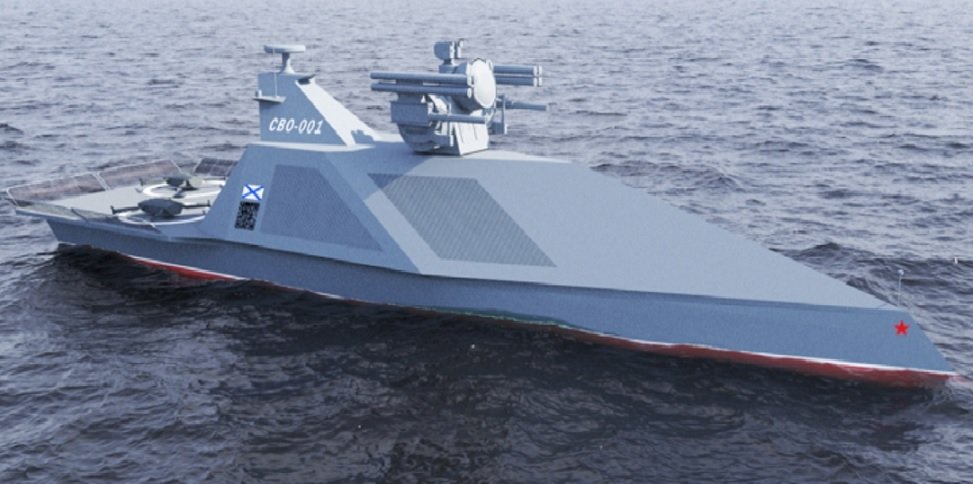 Russia Builds 500-Ton Unmanned Warship For Anti-Submarine Warfare, Plans New 9,500-Ton Warship, Navy Chief Says
-
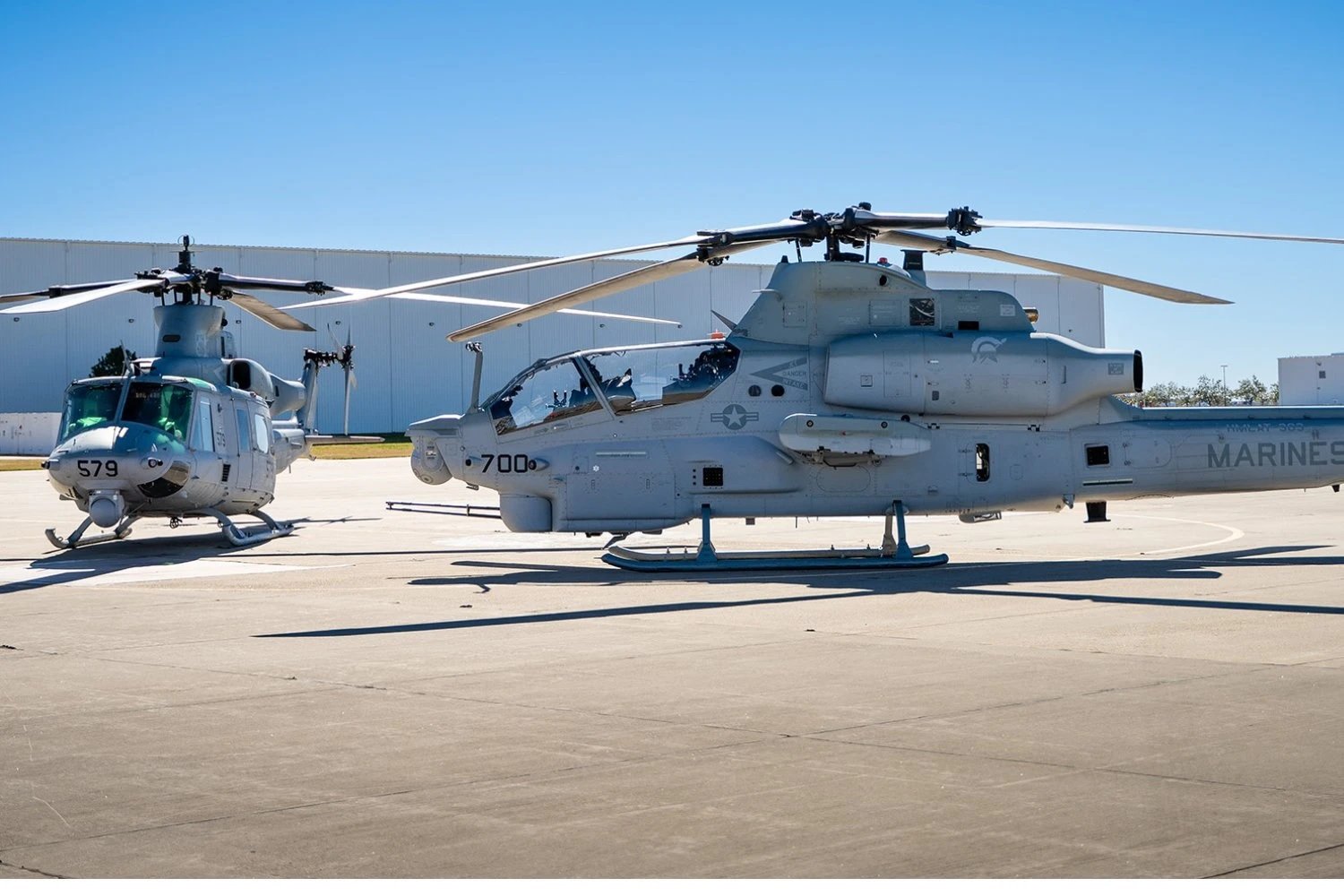 U.S. Awards Bell Textron $33.64 Million Contract for Next Phase of Marine Corps AH-1Z and UH-1Y Helicopter Upgrades
-
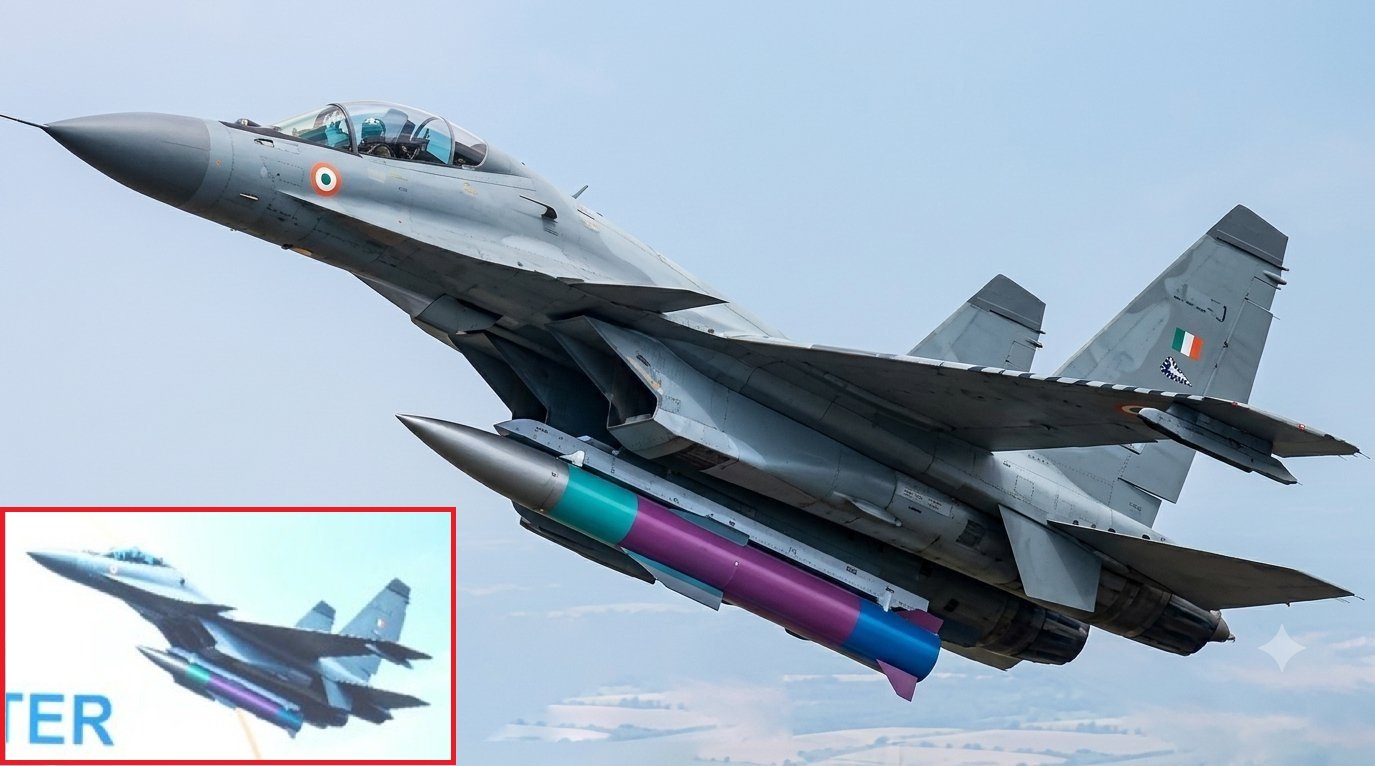 DRDO Developing Long-Range Air-Launched Ballistic Missile for Su-30MKI, Rudram-4 Seen as Likely Candidate
-
 Unreleased Footage Reveals Why Lindsey Graham Dropped Plan to Push Trump on Hezbollah Strikes
-
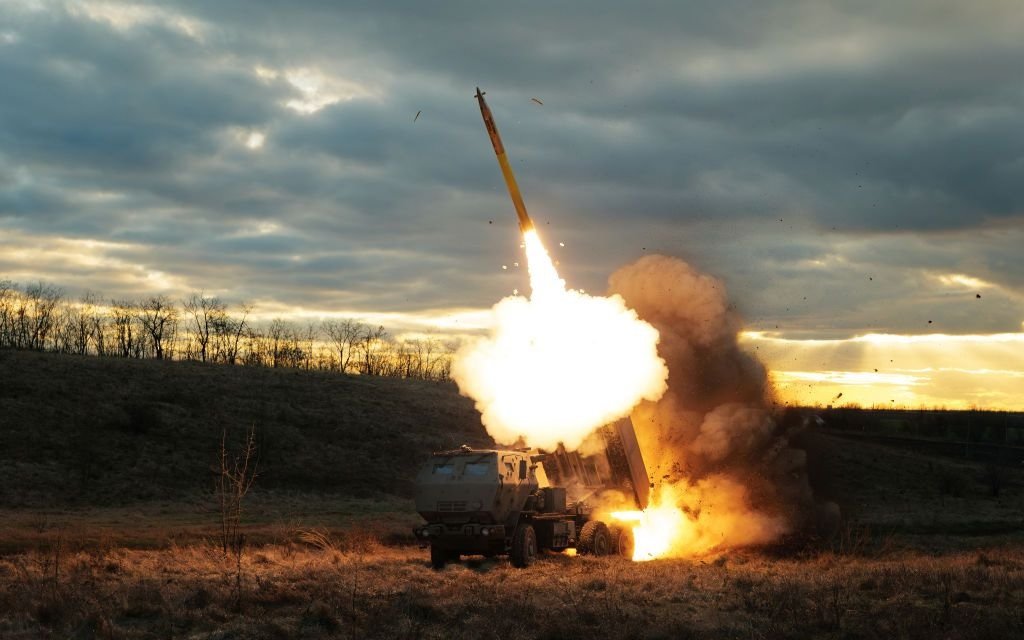 U.S. Military Selectively Intercepts Iranian Missiles to Preserve Shrinking Air Defense Stocks : Report
-
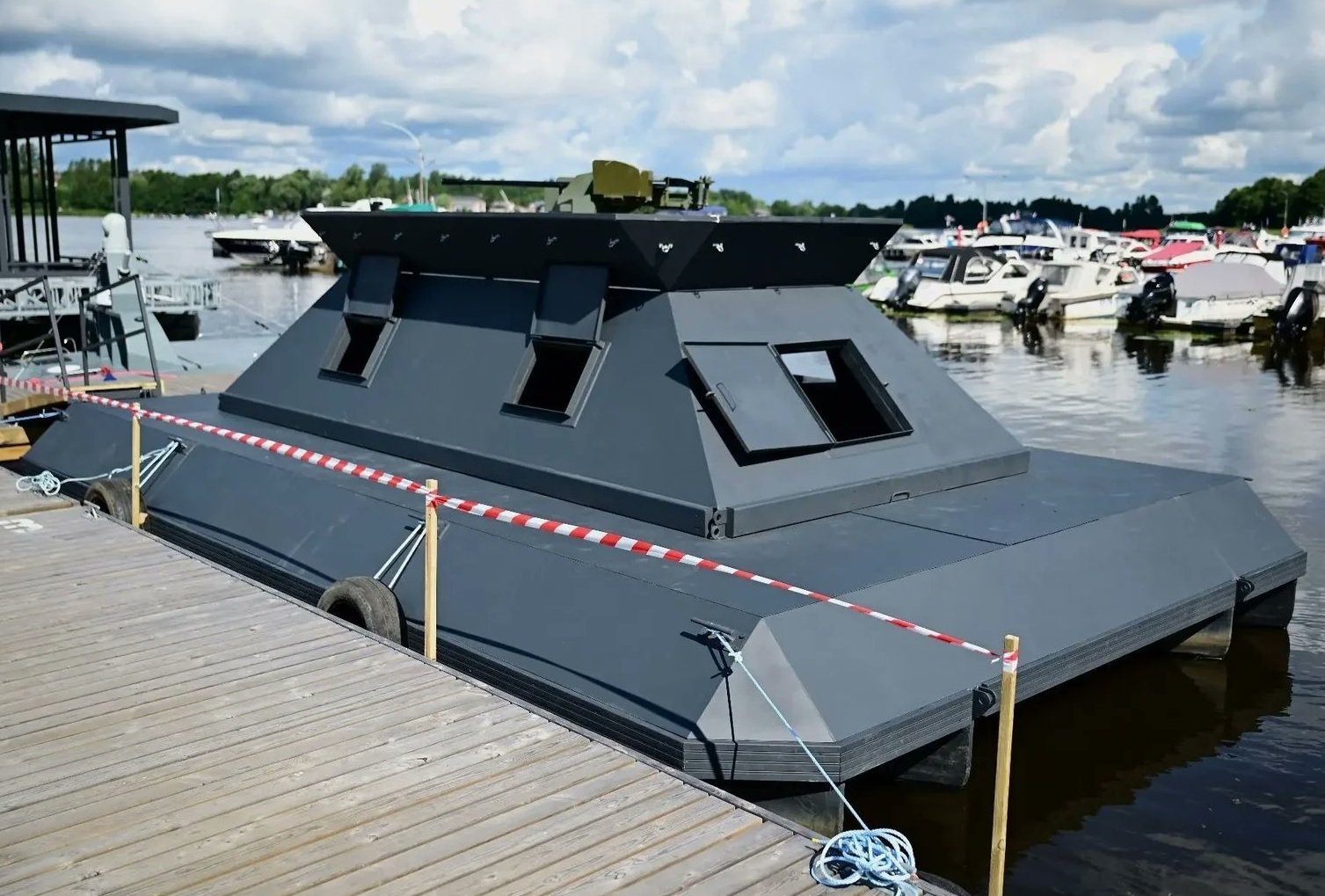 Russia Unveils Experimental Plot-40 Floating Defense Platform to Counter Drone and USV Threats
-
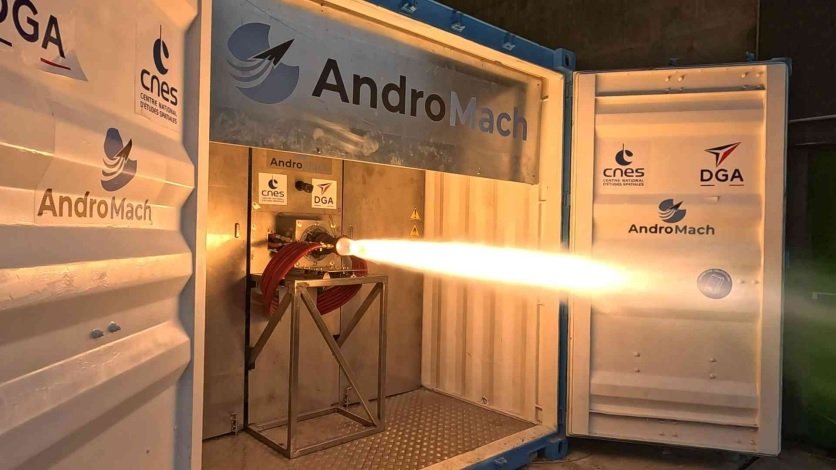 French Startup AndroMach Successfully Tests Reusable Rocket Engine 21 Times for Hypersonic Drone
Top Trending in 4 Days
-
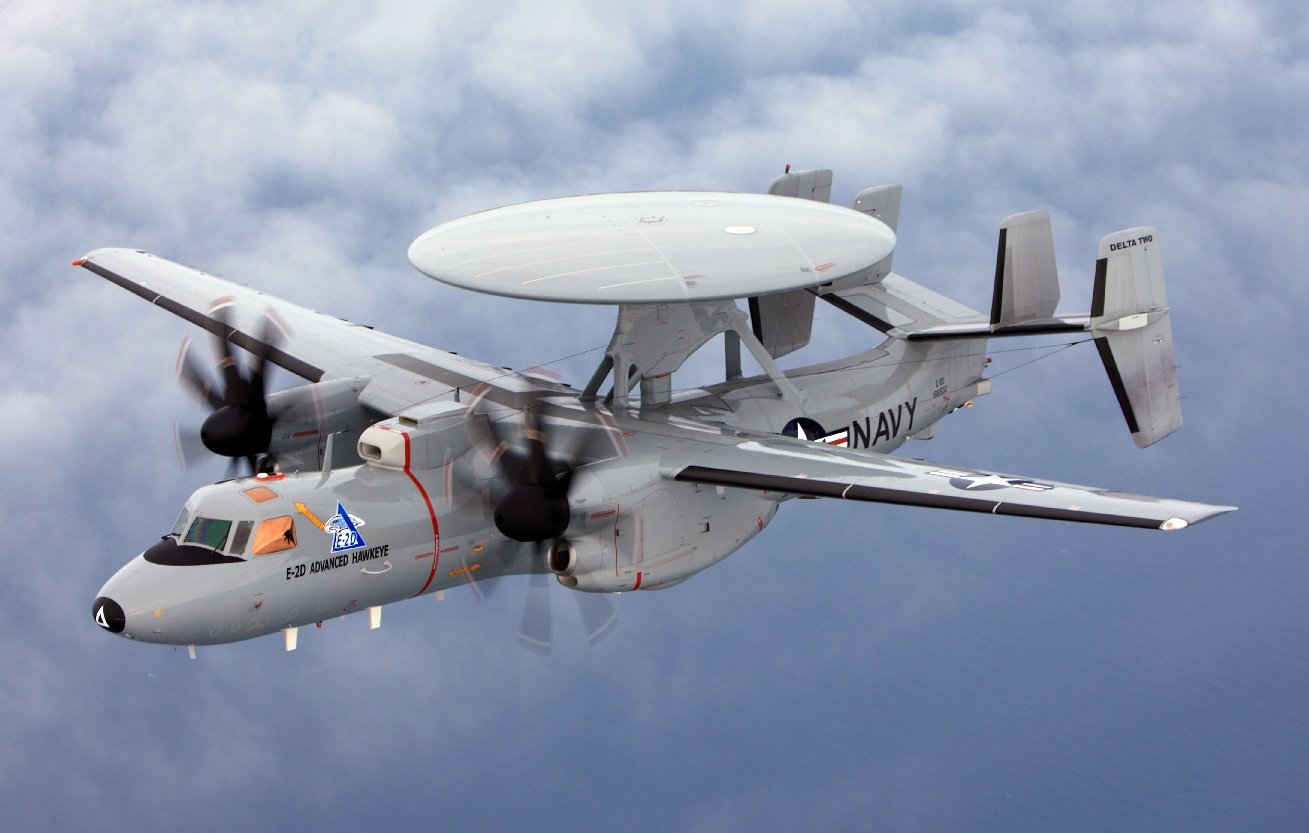 U.S. Navy Awards Northrop Grumman $1.2 Billion Deal for Three New E-2D Advanced Hawkeyes
-
 U.S. Airstrikes Target IRGC Missile Base Near Taft as Overnight Strikes Hit Central Iran
-
 Kuwait and Bahrain Reportedly Launch First Joint Direct Airstrikes on Iran Since War Began : Report
-
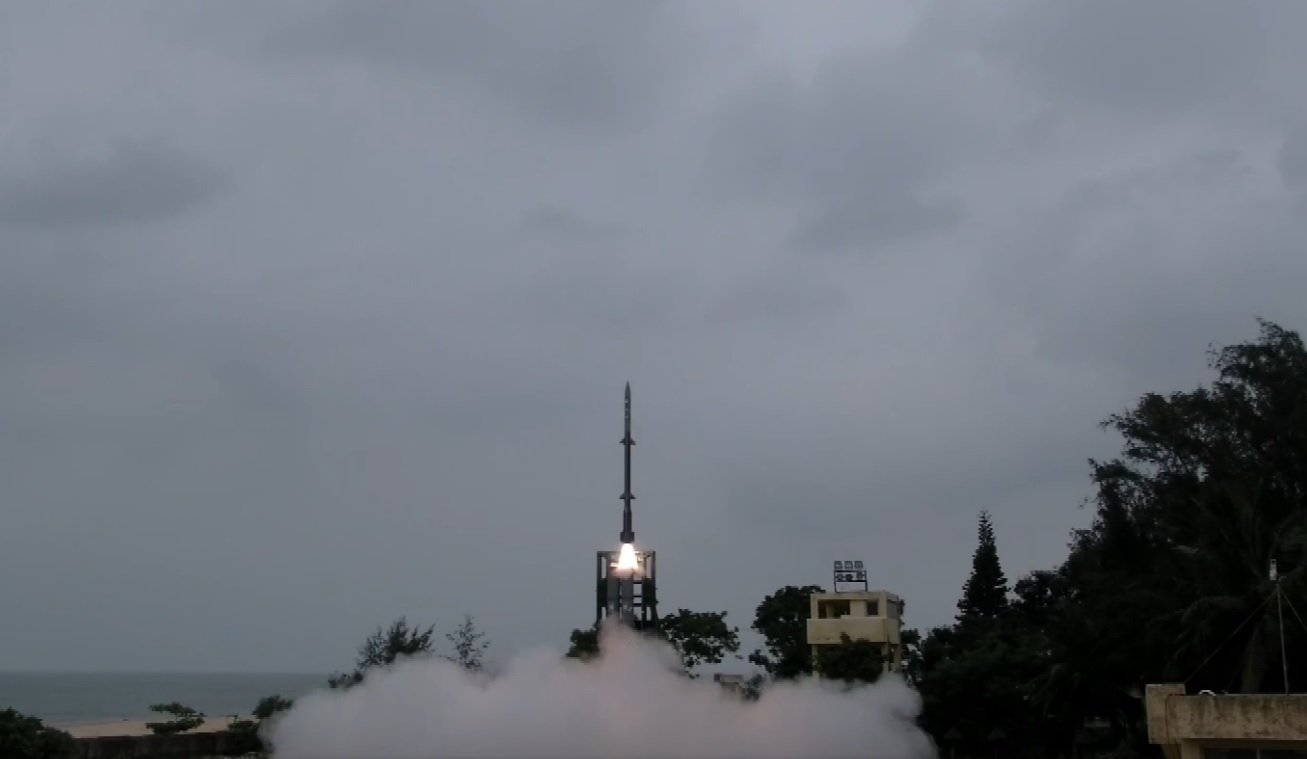 DRDO Successfully Conducts Maiden Flight Test of 150-km-Range Kusha M1 Air Defence Missile
-
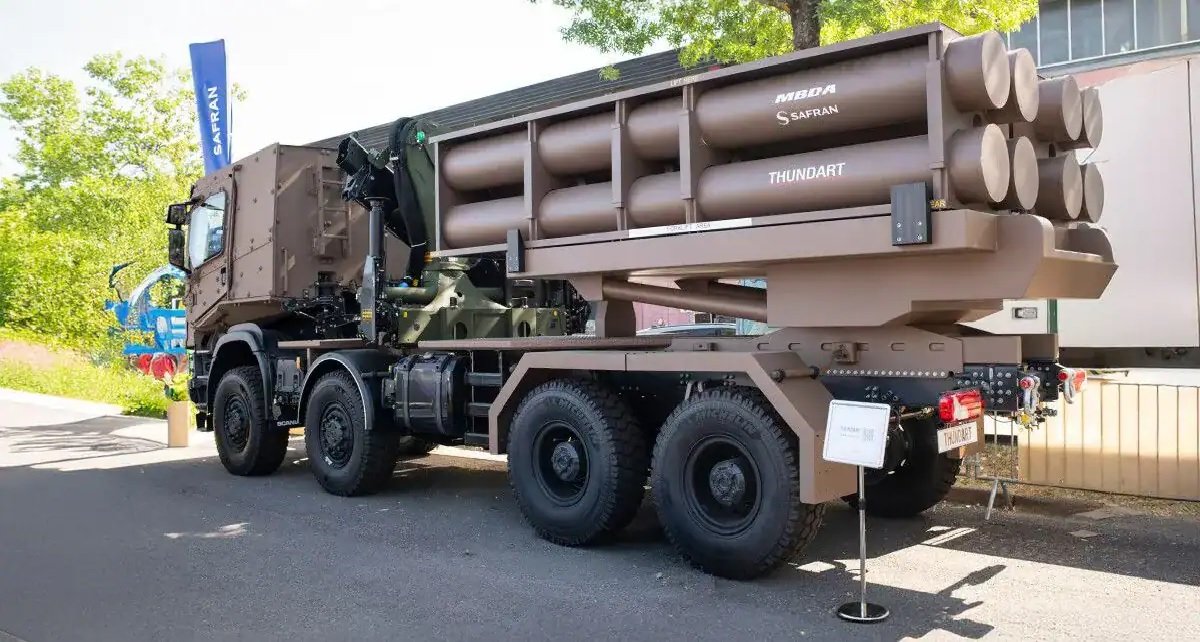 France's THUNDART Long-Range Rocket System May Undergo Prototype Combat Testing in Ukraine
-
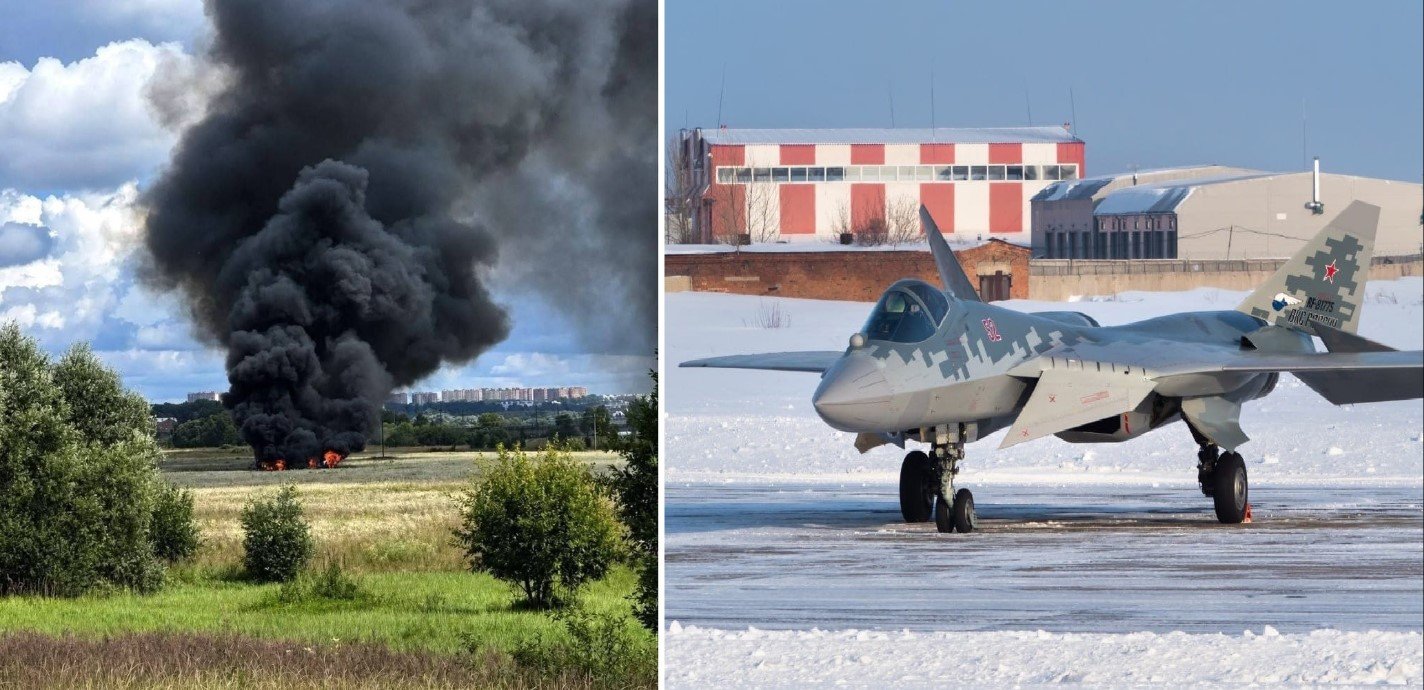 Russian Su-57 Stealth Fighter Crashes During Training Flight Near Moscow, Pilot Ejects Safely
-
 Australia Commits Additional AUD 4.6 Billion to Expand Osborne Shipyard for AUKUS Submarines
-
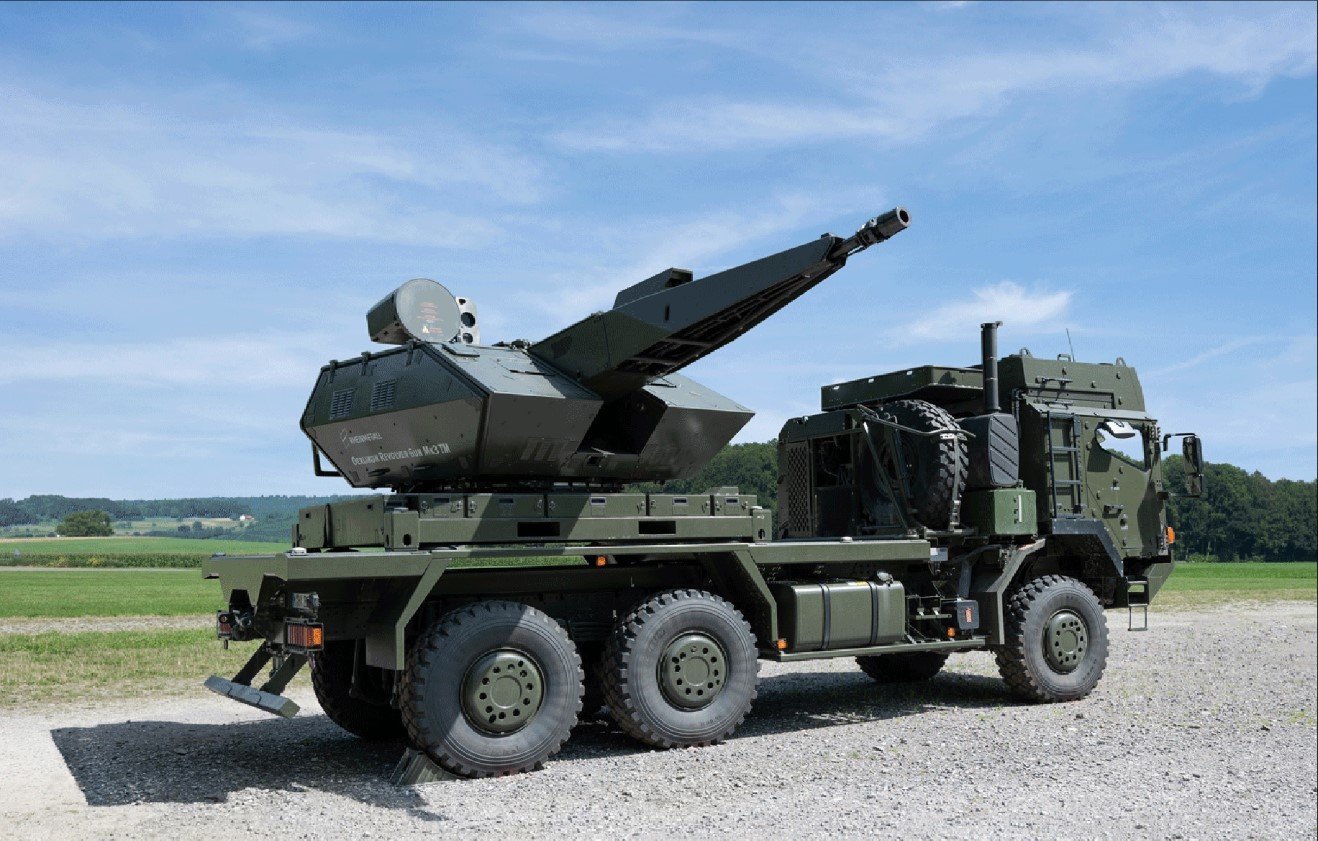 China Imposes Dual-Use Export Ban on 14 European Entities After EU's Russia Sanctions
