World
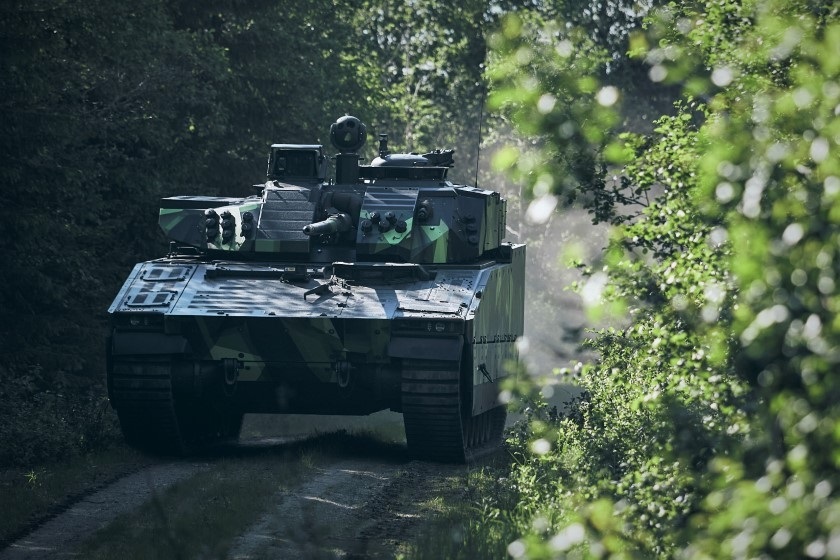
BAE Systems has contracted Raytheon UK to supply its advanced Landshield Plus GPS anti-jamming system for integration into the CV90 infantry fighting vehicle, significantly boosting the platform’s resilience against electronic interference. Deliveries are planned between 2025 and 2029, marking a major step in ensuring secure navigation on the modern battlefield. Key Features of Landshield Plus Integrated Design: The system combines a multi-element antenna and an anti-jam processor into one compact unit, making it easier to install and reducing complexity. Seven-Element Antenna: A high-precision seven-element array allows the system to suppress unwanted signals by steering nulls directly at hostile jammers. L1 & L2 GPS Protection: It operates on both the L1 and L2 GPS frequency bands, the most critical for military navigation. Multiple Jammer Handling: Capable of simultaneously countering up to six jammers across these frequency bands. Spoofing Detection: Equipped with advanced spoofing recognition, it can identify counterfeit GPS signals designed to mislead receivers. Networked Resilience: When multiple vehicles are equipped, the system can share data to triangulate the source of jamming or spoofing, turning a defensive tool into actionable intelligence. Low SWaP (Size, Weight, and Power): Compact and lightweight, the system requires minimal power, enabling use not just on ground vehicles but also on air and naval platforms. Strategic Implications The CV90, designed by BAE Systems Hägglunds, is widely deployed across European armies. By equipping it with Landshield Plus, operators will gain enhanced protection against one of the fastest-growing threats in modern warfare — GPS denial and manipulation. This upgrade ensures CV90 crews can maintain reliable navigation, situational awareness, and coordinated operations even under intense electronic attack. The system also provides a broader tactical advantage: its ability to localise and report hostile jamming attempts can deliver critical battlefield intelligence, helping commanders respond decisively. Official Statement James Gray, Managing Director and Chief Executive of Raytheon UK, highlighted the growing demand for GPS resilience:“There is a growing demand for resilient GPS across today’s complex battlefield. The Landshield Plus anti-jam solution delivers exceptional performance in one integrated system, making it an ideal choice for modern combat vehicles such as the CV90.” The integration of Landshield Plus into the CV90 fleet represents a decisive move to safeguard critical navigation and communication capabilities. With deliveries set between 2025 and 2029, BAE Systems and Raytheon UK are ensuring that the CV90 remains one of the most advanced and resilient infantry fighting vehicles in the world.
Read More → Posted on 2025-09-17 15:10:08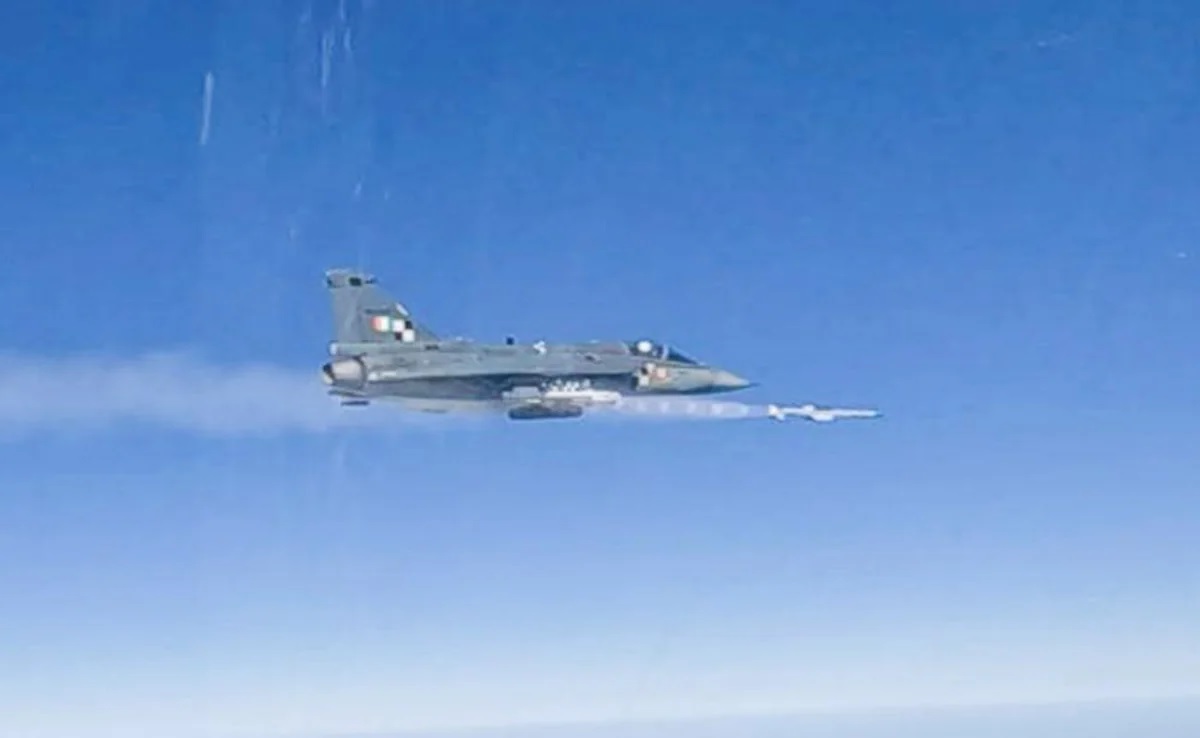
India
India : In a significant advancement for India's indigenous defense capabilities, the Light Combat Aircraft (LCA) Tejas Mk-1A has commenced its weapons firing trials, marking a pivotal phase in its journey toward operational readiness with the Indian Air Force (IAF). These trials, which began on September 15, 2025, involve the integration and testing of advanced missile systems, including the Advanced Short Range Air-to-Air Missile (ASRAAM) and the Astra Beyond Visual Range Air-to-Air Missile (BVRAAM). ASRAAM Trials: Enhancing Close-Combat Capabilities The initial phase of the trials focuses on the ASRAAM, a high-performance short-range missile designed to engage aerial threats at close distances.The integration of ASRAAM with the Tejas Mk-1A aims to bolster the aircraft's agility and effectiveness in close combat scenarios.The trials are being conducted at a firing range in India's eastern sector, with defense experts noting that this phase is crucial for testing the aircraft’s handling and response during high-intensity engagements. Astra BVRAAM Trials: Extending Engagement Range Following the ASRAAM trials, the Tejas Mk-1A will undergo tests with the Astra BVRAAM, an indigenously developed missile capable of engaging targets beyond visual range.The Astra missile has previously demonstrated successful test firings from the Tejas Mk-1 prototype, achieving direct hits on flying targets at ranges exceeding 100 kilometers.These upcoming trials will further validate the missile's integration with the Tejas Mk-1A's avionics and fire control systems, strengthening the aircraft’s long-range combat capability. Integration with Advanced Radar Systems A critical aspect of these trials is the verification of the Tejas Mk-1A's compatibility with advanced radar systems, notably the Israeli-origin Elta ELM-2052 Active Electronically Scanned Array (AESA) radar.The integration of this radar enhances the aircraft's situational awareness and targeting precision, essential for effective deployment of both ASRAAM and Astra missiles. HAL's Progress and Delivery Timeline Hindustan Aeronautics Limited (HAL), the manufacturer of the Tejas Mk-1A, has received the third GE-404 engine for the aircraft, supporting its performance and production targets.HAL is on track to deliver the first two upgraded Tejas Mk-1A fighters to the IAF in October 2025, contingent upon the successful completion of these weapons firing trials. Strategic Implications The successful integration and testing of these advanced missile systems signify a major leap in India's self-reliance in defense technology.The Tejas Mk-1A, with its enhanced capabilities, is poised to play a crucial role in the IAF's modernization efforts, providing a versatile and cost-effective solution for a range of aerial combat scenarios. As the trials progress, the Tejas Mk-1A's performance will be closely monitored, with expectations that the aircraft will meet the stringent requirements set by the IAF, leading to its induction into active service in the near future.
Read More → Posted on 2025-09-16 16:51:20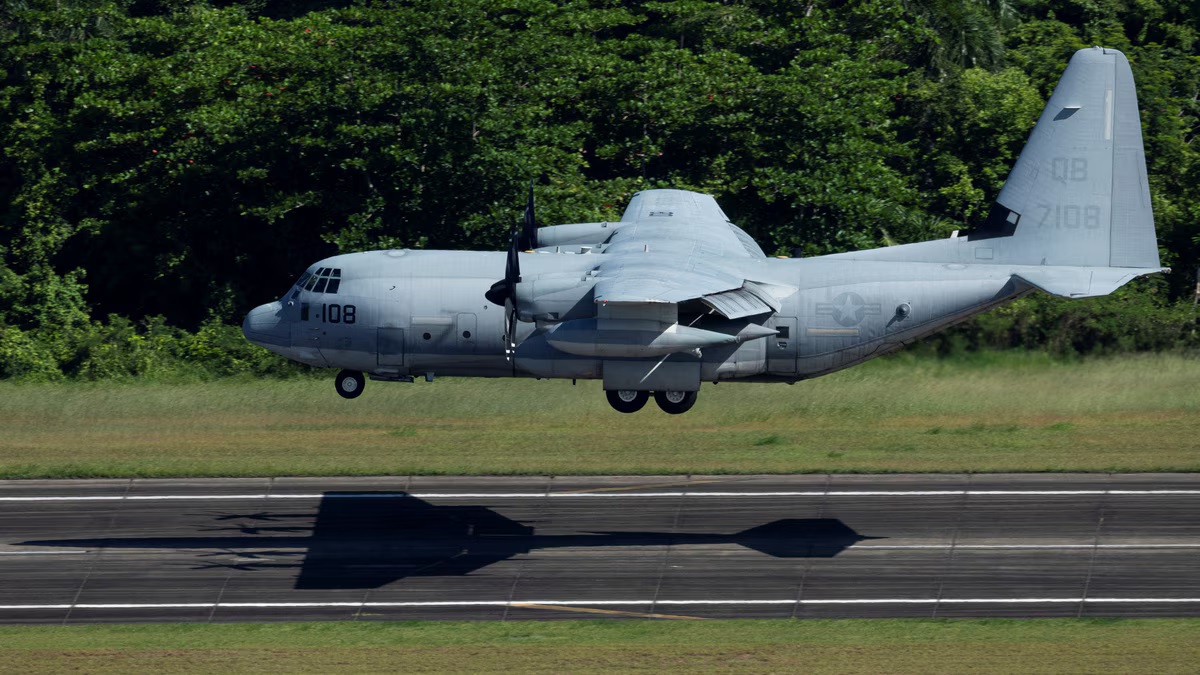
World
CHITTAGONG, BANGLADESH — September 16, 2025 — The recent arrival of a U.S. Air Force C-130J Super Hercules transport aircraft at Shah Amanat International Airport in Chittagong has intensified regional scrutiny. This development coincides with the commencement of Pacific Angel 25-3, a four-day joint exercise involving the U.S. Air Force, Bangladesh Air Force, and Sri Lanka Air Force. The exercise, which began on September 13, aims to enhance disaster response capabilities and strengthen military partnerships. Strategic Location and Growing Military Engagement Chittagong's proximity to the borders of India and Myanmar positions it as a strategically significant location in South Asia. The U.S. military’s increased presence in this region, including the landing of the C-130J Super Hercules, underscores a deepening defense cooperation between the United States and Bangladesh. This partnership has manifested in several joint military exercises, such as Operation Pacific Angel-25 and Tiger Lightning-2025, conducted earlier this year. The C-130J Super Hercules, which landed in Chittagong, is typically stationed at Yokota Air Base in Japan, home to the 5th Air Force of the Pacific Air Forces (PACAF). The 5th Air Force oversees air operations across the Indo-Pacific region and focuses on maintaining air mobility, disaster response, and strategic deterrence. It plays a crucial role in ensuring rapid deployment and logistical support in critical areas such as South and Southeast Asia, reinforcing U.S. presence and partnerships in the region. Approximately 120 U.S. Army and Air Force personnel were reported to have checked into a hotel in Chittagong in early September, indicating preparations for upcoming joint exercises. Regional Reactions and Strategic Implications The intensification of U.S. military activities in Bangladesh has elicited concerns from neighboring countries, particularly India and Myanmar. Analysts suggest that the increased presence may be part of a broader strategy to counterbalance China’s influence in the region. The U.S. has been engaging with various stakeholders, including Myanmar rebel factions, to bolster its strategic position in the area. Additionally, there have been allegations regarding external involvement in the political upheaval that led to the ouster of former Prime Minister Sheikh Hasina in August 2024. While these claims remain unsubstantiated, they add a layer of complexity to the evolving geopolitical dynamics in South Asia. The recent U.S. military activities in Chittagong, including the deployment of the C-130J Super Hercules and participation in joint exercises, highlight a significant shift in regional defense alignments. With the 5th Air Force at Yokota Air Base playing a pivotal role in U.S. Indo-Pacific strategy—focusing on air mobility, disaster relief, and regional stability—the implications of its operations in Bangladesh extend beyond bilateral cooperation. As Bangladesh continues to strengthen its defense partnerships, the repercussions for South Asian security and regional power balances warrant close observation.
Read More → Posted on 2025-09-16 16:44:24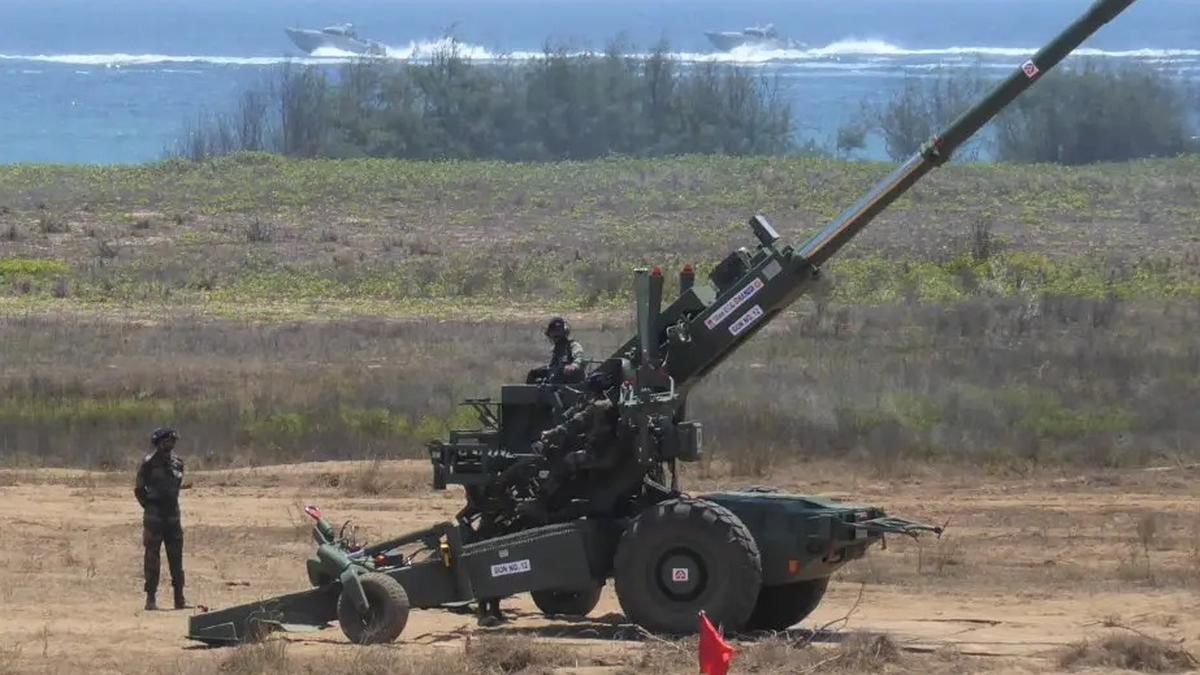
India
India : In a significant development impacting India's artillery modernization efforts, the Indian Army has officially rejected the upgraded Sharang artillery guns supplied by AWEIL. This decision follows the identification of multiple quality issues in the delivered units. Background of the Sharang Project The Sharang project was initiated to modernize 300 Soviet-era 130mm M-46 artillery guns by upgrading them to the 155mm/45 calibre standard. This upgrade aimed to enhance the guns' range from 27 km to 39 km, thereby significantly improving the Indian Army's artillery capabilities. The project, valued at approximately ₹200 crore, was initially overseen by the Ordnance Factory Board (OFB) and later managed by AWEIL following the corporatization of OFB. Quality Issues Identified To date, 159 upgraded Sharang guns have been delivered to the Indian Army. However, these units have exhibited serious defects, including mechanical, electrical, electronic, and metallurgical issues, compromising their performance and reliability. As a result, the Indian Army has decided to halt the induction of the remaining 141 guns until AWEIL addresses these concerns and ensures that future deliveries meet the required quality standards. Implications for Artillery Modernization This setback raises significant concerns about the progress of India's artillery modernization program, which is a critical component of the Field Artillery Rationalisation Plan (FARP). Under FARP, the Indian Army aims to replace outdated artillery systems with modern 155mm calibre guns. The rejection of the Sharang guns underscores the challenges faced in achieving self-reliance in defense manufacturing and the importance of stringent quality control measures. The Indian Army's decision to reject the upgraded Sharang artillery guns highlights the critical importance of quality assurance in defense procurement. While the move may cause temporary delays in the modernization program, it underscores the Army's commitment to ensuring that only reliable and effective equipment is inducted into service. The outcome of this situation will likely influence future defense manufacturing and procurement strategies in India.
Read More → Posted on 2025-09-16 16:36:23
Space & Technology
New Delhi, India : The Indian Space Research Organisation (ISRO) has successfully completed 7,700 ground tests for its ambitious Gaganyaan human spaceflight program, with an additional 2,300 tests scheduled before the first crewed mission. This extensive testing phase is critical to ensuring the safety and reliability of the mission, which aims to send Indian astronauts into space for the first time. The Gaganyaan mission is a significant step in India's space exploration efforts. It is planned to demonstrate human spaceflight capability by launching a crew of three members into a 400 km orbit for a three-day mission and returning them safely to Earth. The mission is expected to take place in early 2027, following a series of uncrewed test flights. A key component of the mission's safety protocols is the parachute recovery system. In August 2025, ISRO successfully conducted the first Integrated Air-Drop Test (IADT-01) for the Gaganyaan mission at the Satish Dhawan Space Centre. This test involved dropping a 5-ton dummy crew capsule from a Chinook helicopter, with parachutes deploying in sequence to ensure a controlled splashdown in the Bay of Bengal. The recovery parachute system, developed by Agra-based ADRDE, a DRDO lab, includes four types of parachutes—Apex Cover Separation, Drogue, Pilot, and Main—that work together to reduce the capsule's velocity during descent. Looking ahead, ISRO plans to conduct three uncrewed missions as part of the Gaganyaan program. The first uncrewed flight is scheduled for December 2025 and will carry Vyommitra, a humanoid robot designed to simulate human functions in space. This will be followed by two more unmanned missions in 2026, which will further test the spacecraft's systems and recovery procedures. The Gaganyaan mission is a testament to India's growing capabilities in space technology and its commitment to advancing human space exploration. With meticulous planning and rigorous testing, ISRO is paving the way for a successful and historic crewed mission in 2027.
Read More → Posted on 2025-09-16 16:32:05
World
Yeman, September 16, 2025 : In a major escalation of regional tensions, the Israeli Defense Forces (IDF) carried out 12 airstrikes on the strategically vital Hudaydah port in western Yemen. The IDF stated that the operation aimed at destroying Iranian weapons infrastructure, which they claim is being used by the Houthi militia to supply arms for attacks against Israel and its allies. The airstrikes specifically targeted key facilities at the port, including weapons storage areas and loading platforms used to transfer military equipment. According to the IDF, intelligence gathered over recent months confirmed that smuggled arms, including missiles, drones, and rocket components, were being moved through the port under the supervision of Iran-backed forces. Prior to the operation, the IDF issued emergency warnings urging civilians to leave the area, aiming to minimize casualties and collateral damage. Despite these warnings, local sources reported that several residential buildings were affected, and humanitarian agencies have expressed concern over the worsening conditions in the region. The Houthi forces responded by claiming that their air defense systems engaged the Israeli aircraft during the strikes. Yahya Saree, a senior military spokesperson for the Houthis, asserted that their defenses forced several Israeli jets to retreat before completing the attacks, although infrastructure damage still occurred. He described the assault as a “violation of Yemeni sovereignty” and vowed to continue defending their territory. This military action is part of a broader pattern of exchanges between Israel and Houthi forces, with the latter frequently launching missile and drone attacks in retaliation for Israeli strikes. The Houthis have justified their actions as support for the Palestinian cause, intensifying the already complex conflict in the region. Experts warn that the continued use of Hudaydah port as a weapons conduit could further destabilize the Red Sea corridor, a critical global shipping route. There are growing fears that the escalation could draw neighboring countries into a wider conflict, endangering regional security and the lives of thousands of civilians. The international community has urged restraint and called for renewed diplomatic efforts to de-escalate the situation. Meanwhile, the IDF maintains that its operations are necessary to prevent the transfer of weapons that threaten Israeli security, while Houthi leaders insist on defending their territory against foreign aggression. The crisis remains a focal point of concern as tensions across the Middle East continue to mount.
Read More → Posted on 2025-09-16 15:58:57
Space & Technology
In a significant development, US and China have reached a framework agreement to transfer the ownership of TikTok to a US-controlled entity, potentially averting a nationwide ban of the popular social media app. The deal, announced after high-level trade talks in Madrid, is expected to be finalized during a call between US President Donald Trump and Chinese President Xi Jinping on Friday, September 19, 2025. US Treasury Secretary Scott Bessent confirmed that the commercial terms of the agreement have been settled, although specific details remain confidential. The move comes in response to the Protecting Americans from Foreign Adversary Controlled Applications Act (PAFACA), passed in April 2024, which requires the divestiture of TikTok’s US operations from its Chinese parent company ByteDance to address national security concerns. While the agreement marks a major step forward, several key issues remain unresolved. One of the most significant points of contention is the fate of TikTok’s recommendation algorithm, which was developed by ByteDance in China. Beijing has reportedly agreed to license the algorithm to the new US-based entity, allowing TikTok to continue operating with features aligned with cultural preferences and user experience. However, critics are concerned that ByteDance’s influence may continue in subtle ways, especially in areas related to data security and content moderation. The upcoming call between President Trump and President Xi is expected to resolve these outstanding issues and set the stage for finalizing the transfer. Observers believe this framework deal could not only preserve TikTok’s operations in US markets but also serve as a test case for managing future disputes involving technology platforms and geopolitical tensions. Both US and China have expressed a commitment to working together to ensure the deal’s successful implementation. Stakeholders in the tech industry, lawmakers, and international analysts are closely watching the process, as it will have far-reaching implications for global technology regulation, data privacy, and economic cooperation between the two superpowers. With the final approval expected soon, the TikTok ownership transfer could reshape the landscape of digital platforms, ensuring a delicate balance between innovation, security, and international cooperation.
Read More → Posted on 2025-09-16 15:56:04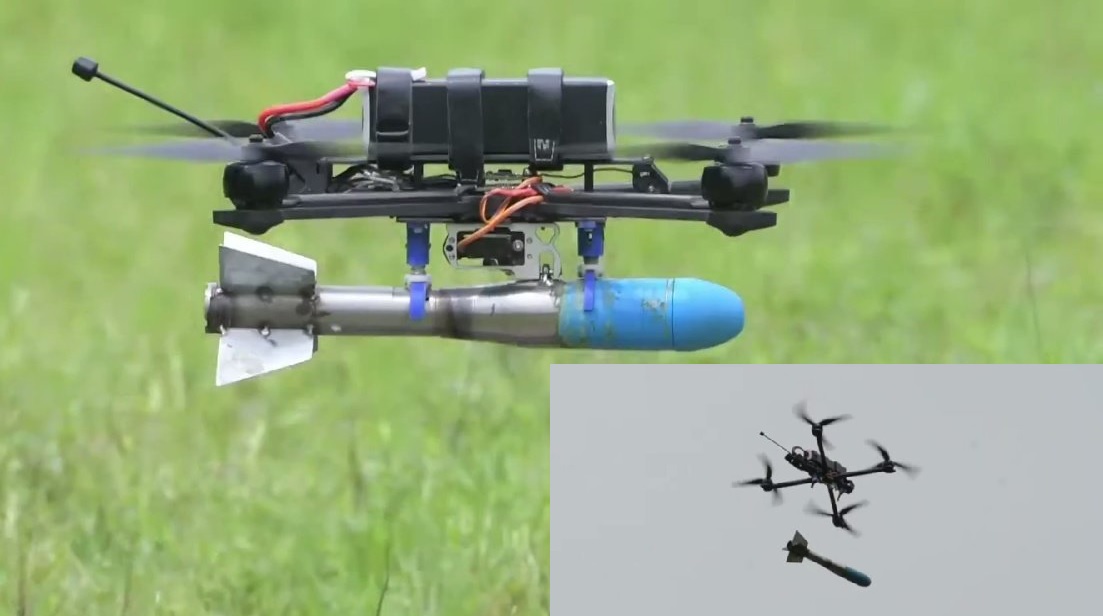
World
Philippine : The Philippine Air Force Research and Development Center (AFRDC) has achieved a significant milestone in the nation's defense capabilities by unveiling its first homegrown armed drones—the Air Military Ordnance Carrier (AMOC) and the Military Air Ordnance Yielder (MAOY). These locally developed, combat-ready platforms are integral to the Philippines' Self-Reliant Defense Posture (SRDP) program, aimed at enhancing the Armed Forces of the Philippines (AFP) operational flexibility and reducing dependence on imported military technology. AMOC: Precision Strike and Reconnaissance The AMOC is a fixed-wing unmanned aerial vehicle (UAV) designed for reconnaissance and precision strike missions. It is equipped to carry explosive payloads, enabling it to conduct targeted operations against enemy positions. Recent test flights have demonstrated its capability to perform longer-range missions with higher endurance, showcasing its potential in various combat scenarios. MAOY: Tactical Ordnance Delivery The MAOY is a rotary-wing UAV tailored for direct ordnance delivery using first-person view (FPV) control. This quadcopter can carry and release small aerial bombs, with the ordnance visibly mounted beneath the airframe. Designed for frontline deployment, the MAOY provides operators with real-time visual control and targeting accuracy, making it a valuable asset in counter-insurgency and border security operations. Strategic Implications and Future Prospects The development of these indigenous drones marks a significant step in the AFP's modernization efforts. By investing in locally produced unmanned systems, the Philippines aims to enhance its defense capabilities while promoting self-reliance in military technology. These drones are expected to play a crucial role in internal security operations, providing cost-effective alternatives to imported systems. As Southeast Asia continues to focus on drone warfare and unmanned systems integration, the Philippines' initiative sets a precedent for other nations in the region. The success of the AMOC and MAOY could pave the way for further advancements in indigenous military technology, contributing to a more robust and self-sufficient defense posture. The unveiling of the AMOC and MAOY underscores the Philippines' commitment to strengthening its defense capabilities through innovation and self-reliance. As these platforms undergo further testing and integration into the AFP's operational framework, they are poised to become integral components of the nation's defense strategy.
Read More → Posted on 2025-09-16 15:49:36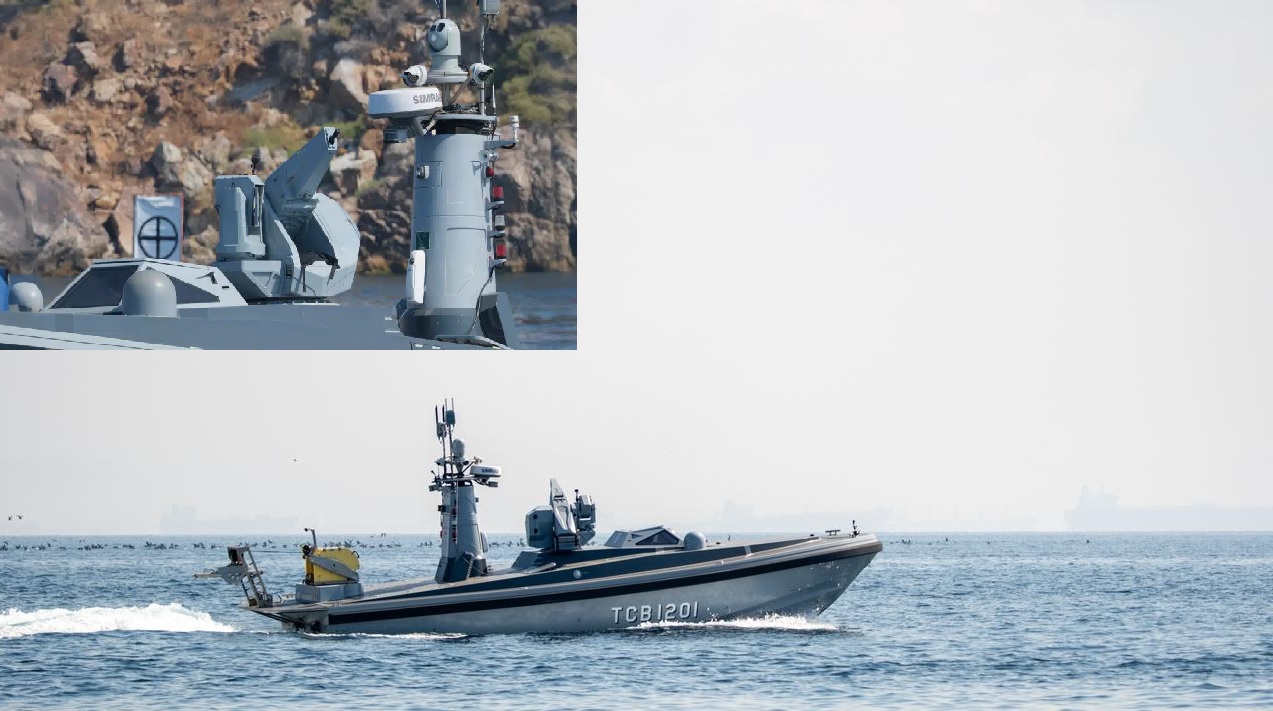
World
Turkey : The SANCAR Armed Unmanned Surface Vehicle (AUSV), developed through a collaboration between HAVELSAN and Yonca Shipyard, has successfully completed live-fire trials in the Marmara Sea. The trials, conducted with the participation of representatives from the Turkish Naval Forces Command, demonstrated the AUSV's capability to accurately engage targets using its 12.7 mm Stabilized Weapon System, fully integrated with the ADVENT ROTA mission system and operated through the ADVENT Combat Management System (CMS). This achievement positions SANCAR as the first and only Armed USV fully integrated with ADVENT, showcasing its comprehensive engagement capabilities, mine detection functions, and autonomous mission execution. The integration of ADVENT ROTA, tailored specifically for unmanned platforms, enables seamless interoperability with the Turkish Naval Forces’ existing inventory, facilitating coordinated missions between manned and unmanned platforms. Designed to meet the demands of modern naval operations, SANCAR offers multi-mission flexibility, including base and port protection, intelligence, surveillance, reconnaissance (ISR), mine countermeasures, and search and rescue operations. Equipped with an advanced sensor suite comprising navigation radar, AIS, electro-optical cameras, sonar, and 360° surveillance capabilities, SANCAR ensures real-time situational awareness and trusted decision support in high-risk zones. The open architecture of SANCAR allows for rapid adaptation to different mission requirements. In addition to the validated 12.7 mm remote-controlled weapon system, the platform can be equipped with guided missile payloads for credible deterrence and sonar and mine countermeasure systems to address subsurface threats. This scalability enhances SANCAR's operational value and creates strong export potential for allied and partner navies seeking scalable, interoperable, and cost-effective solutions. SANCAR ensures uninterrupted command and control through a redundant, multi-layered communication system supported by RF Line of Sight (LOS), SATCOM, and LTE connectivity. Its GNSS-based navigation and Ship Data Distribution System (GVDS) enable seamless integration of all onboard systems. Key specifications include a length of 12.7 meters, width of 3.3 meters, displacement of 9 tons, maximum speed exceeding 40 knots, and endurance of 400 nautical miles at 10 knots. It is operable up to Sea State 4 and controlled via a modular, portable Ground Control Station. With its autonomy, modular payload capacity, and secure communications, SANCAR AUSV serves as a force multiplier for modern fleets. Its NATO-compliant architecture, cost efficiency, and field-proven capabilities provide operational flexibility, enhanced personnel safety, and long-term value. SANCAR is poised to strengthen both national and allied naval forces, addressing today's operational demands while adapting to future challenges.
Read More → Posted on 2025-09-16 15:41:05
World
LONDON : At the DSEI defence exhibition, Rheinmetall Electronic Solutions showcased a significant expansion of its loitering munitions portfolio with the new FV-014, a fully in-house developed fixed-wing system. The FV-014 appeared alongside the Hero 120 family, which Rheinmetall markets in cooperation with Israel’s UVision. The development of the FV-014 addresses marketing and supply limitations linked to the Israeli-origin Hero systems, giving Rheinmetall a wholly European-designed alternative. Unlike the Hero’s cruciform folding wing design, the FV-014 uses a traditional folding wing layout, with wings folding rearward into a launch canister. The system weighs around 14 kg at launch and features a rear-mounted electric motor driving a three-blade pusher propeller. Performance figures place the FV-014’s endurance at over 60 minutes and range at approximately 100 km, matching the Hero 120. It carries a 5 kg HEDP (High-Explosive Dual-Purpose) warhead, effective against light armour, soft targets, and fortifications. The design emphasizes high-speed penetration to the target area while allowing time for reconnaissance and man-in-the-loop targeting decisions. The system is booster-launched from its container, deploys its wings in flight, and can operate in GNSS-denied environments. Operators can refine targeting or abort missions as needed. Rheinmetall also states that the FV-014 is capable of swarm operations, highlighting the growing trend toward networked loitering munitions. This new platform complements Rheinmetall’s ongoing cooperation with UVision. In 2021, the group signed an agreement to produce Hero systems in Europe through RWM Italia in Sardinia, with plans for further production lines in Germany. While the Hero family accelerated Rheinmetall’s entry into the loitering munition market, the FV-014 represents a fully European option. The FV-014 is in the final stage of development and has already undergone flight tests. Rheinmetall expects it to be available soon, reinforcing its focus on autonomous systems, advanced sensors, and uncrewed strike capabilities for European and international customers.
Read More → Posted on 2025-09-16 15:33:15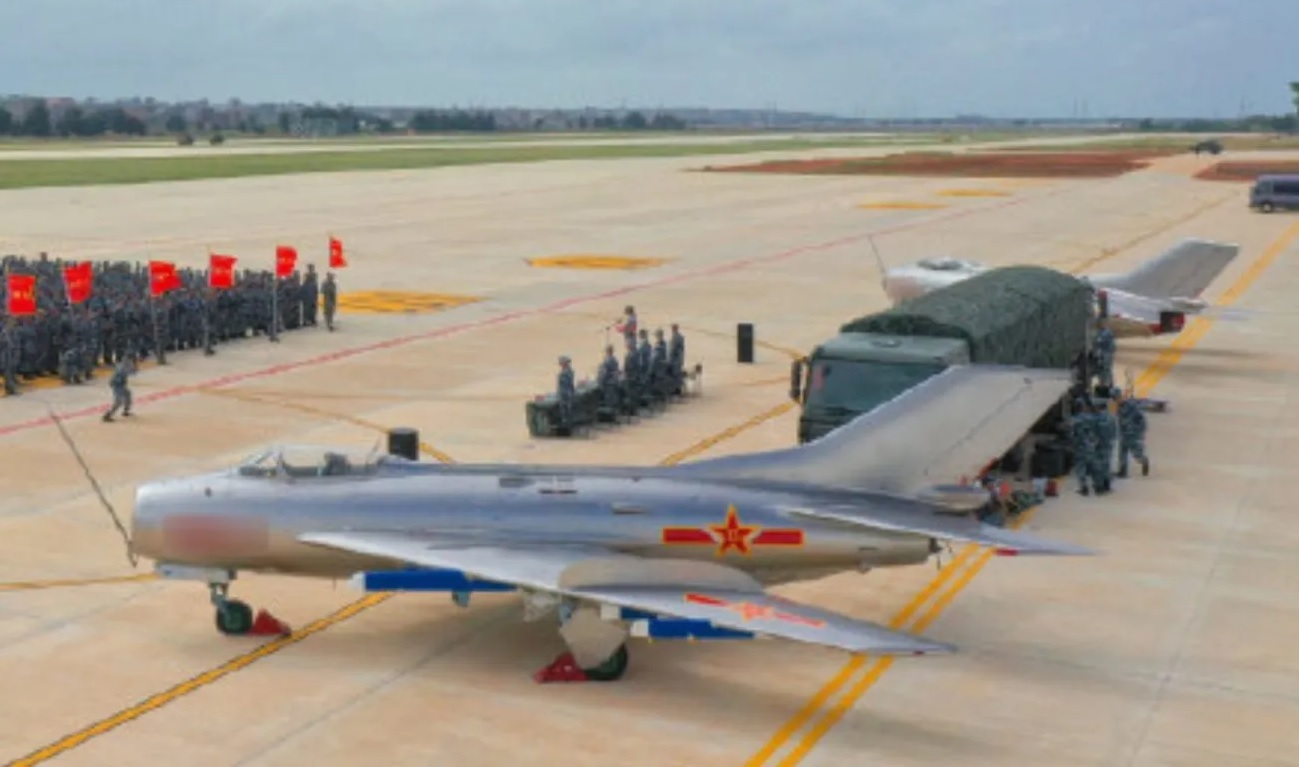
World
At the Changchun Air Show, China for the first time showcased a Cold War-era J-6 fighter aircraft converted into a drone, highlighting Beijing’s growing focus on repurposing legacy aircraft for modern roles. The rare public appearance of the unmanned jet drew significant attention, signaling both military innovation and strategic intent. The modified aircraft, originally a Chinese-built version of the Soviet MiG-19, has undergone extensive changes. Engineers removed its cannon systems, external fuel tanks, and ejection seats, while adding an automatic flight control system, autopilot, extra wing pylons, and a terrain-following navigation system. These upgrades transformed the once-manned fighter into a versatile unmanned platform capable of multiple missions. Chinese sources indicate that the first unmanned flight of the J-6 drone took place as early as 1995. Since then, it has been used in several roles, including as a training target and a simulated threat platform during drills. At the air show, officials confirmed that the J-6 drone can operate as an attack aircraft or as a training aid for both fighter pilots and ground-based air defense units. China’s decision to revive its large stockpile of retired but airworthy J-6 fighters has clear strategic implications. These unmanned conversions provide realistic training for air defense crews and offer the potential to act as low-cost decoys during combat, overwhelming enemy radar and missile systems. Such tactics, often referred to as “saturation attacks,” could play a crucial role in future conflicts. The J-6 drone project also mirrors practices by other major powers. The U.S. Air Force, for instance, has long converted aging fighters such as the F-4 Phantom and F-16 Fighting Falcon into target drones to test weapons and train operators. However, analysts suggest that the scale of China’s J-6 conversions may extend beyond training, pointing to the possibility of deploying them in offensive swarm operations. Satellite imagery in recent years has revealed dozens of J-6 airframes parked at bases along China’s eastern coastline, many believed to be part of the ongoing conversion program. Some estimates suggest that over 50 aircraft have been adapted for drone use, underlining the depth of Beijing’s stockpile and its willingness to innovate with older technology. While the J-6 drone cannot match the performance of modern stealth UAVs like the GJ-11 Sharp Sword or high-speed reconnaissance drones such as the WZ-8, its value lies in numbers, expendability, and adaptability. By blending these legacy systems with its advanced unmanned programs, China is pursuing a layered air warfare doctrine that mixes manned, stealth, and converted platforms. The unveiling of the J-6 drone at Changchun marks more than just a display of retrofitted hardware. It signals Beijing’s commitment to maximizing every available asset, transforming obsolete fighters into useful tools for both training and potential combat roles. In doing so, China demonstrates that even outdated aircraft can find new relevance in the era of unmanned warfare.
Read More → Posted on 2025-09-16 15:26:06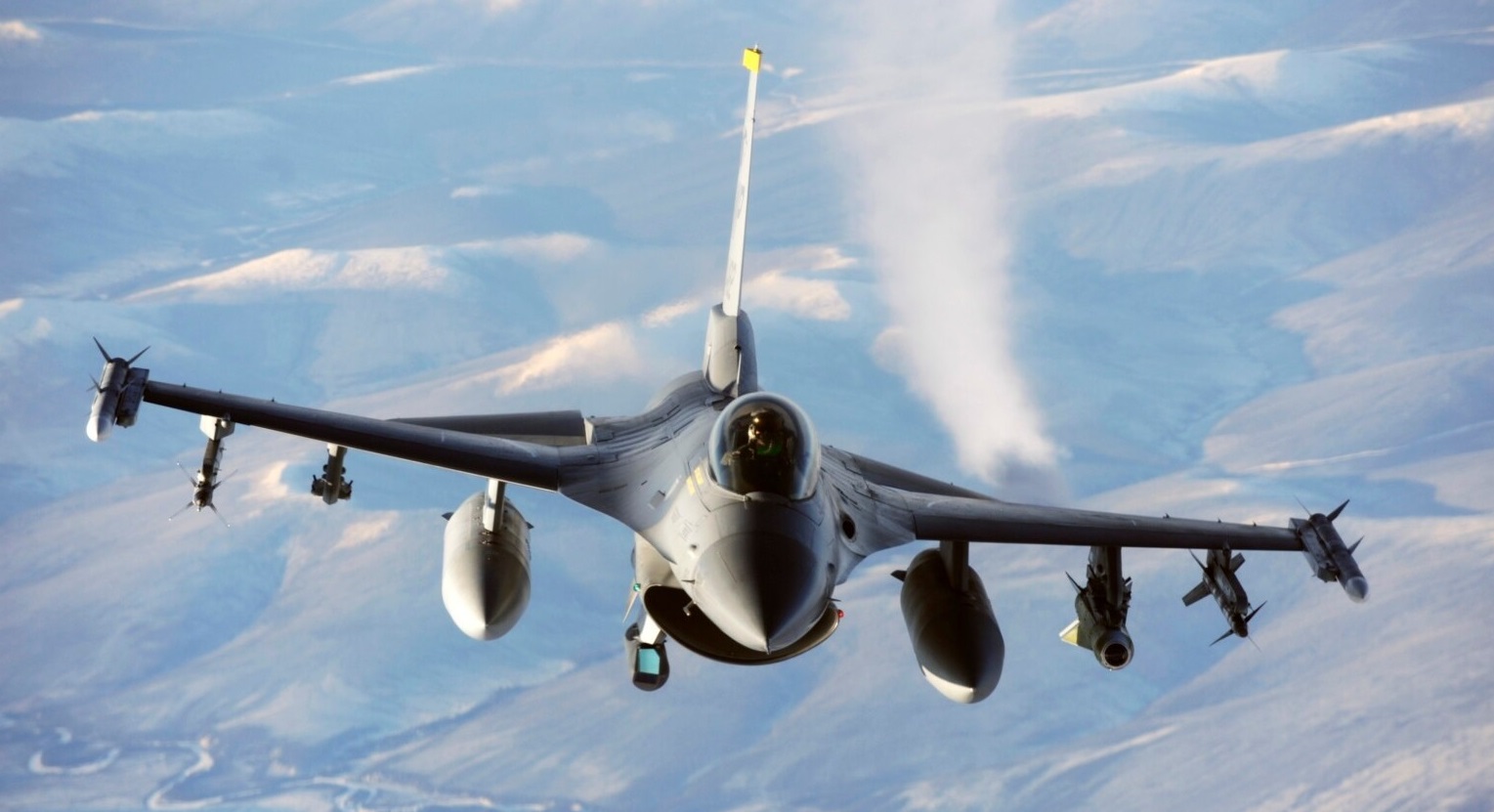
World
The U.S. State Department has approved a landmark $3.42 billion defense deal with Peru, clearing the way for the sale of advanced F-16 Fighting Falcon aircraft and a wide-ranging support package. This move underscores Washington’s commitment to strengthening defense partnerships in Latin America, while offering Peru a significant upgrade in air combat and surveillance capabilities. Under the approved sale, Peru will receive 10 F-16C Block 70 and 2 F-16D Block 70 jets. These aircraft represent the latest generation of the F-16 family, featuring cutting-edge avionics, improved radar, enhanced survivability, and next-generation weapons integration. Comprehensive Weapons & Systems Package The deal is far more than just aircraft. It includes a host of high-tech systems and weapons designed to boost Peru’s defense posture: 12 AIM-120C-8 AMRAAM missiles for beyond-visual-range combat. 48 LAU-129 guided missile launchers, plus spares. 12 M61A1 20mm cannons, strengthening close-combat capability. A request for 12 AIM-9X Block II Sidewinder missiles, tactical guidance units, and training rounds. 14 F110-GE-129 engines, ensuring power and redundancy. 14 AN/APG-83 AESA radars, providing advanced target detection and tracking. Litening targeting pods, infrared search-and-track sensors, missile warning systems, and electronic warfare suites. Together, these systems will enable Peru to conduct precision air-to-air and air-to-ground operations, while also supporting critical missions against drug trafficking networks and terrorist threats within its borders. Strategic Importance The Peruvian Air Force has long relied on older fleets, including Mirage 2000s and MiG-29s, many of which face modernization challenges. The new F-16 Block 70s will allow Peru to better secure its airspace, protect sovereign borders, and integrate more closely with U.S. and allied defense systems. Officials note that the acquisition directly supports Peru’s counter-narcotics and counter-terrorism campaigns, especially in the Andean region where insurgent remnants and drug traffickers remain active. The Defense Security Cooperation Agency (DSCA) emphasized that the sale will also advance U.S.-Peru defense cooperation, fostering interoperability and long-term partnership. Industrial & Contractor Involvement Key defense industry leaders will play central roles in this program: Lockheed Martin – primary contractor for the F-16 aircraft. General Electric Aerospace – supplier of the F110 engines. RTX (Raytheon Technologies) – responsible for missile and radar systems. This deal will also include extensive training, logistics, spare parts, and maintenance support, ensuring Peru can sustain its new fleet effectively. A Strategic Leap Forward For Peru, this represents one of the most significant military acquisitions in recent decades. Beyond enhancing deterrence and defense, it signals a closer alignment with U.S. security frameworks in South America. For Washington, the sale reflects a clear intent to reinforce regional stability while countering illicit networks that threaten both local and international security.
Read More → Posted on 2025-09-16 15:15:05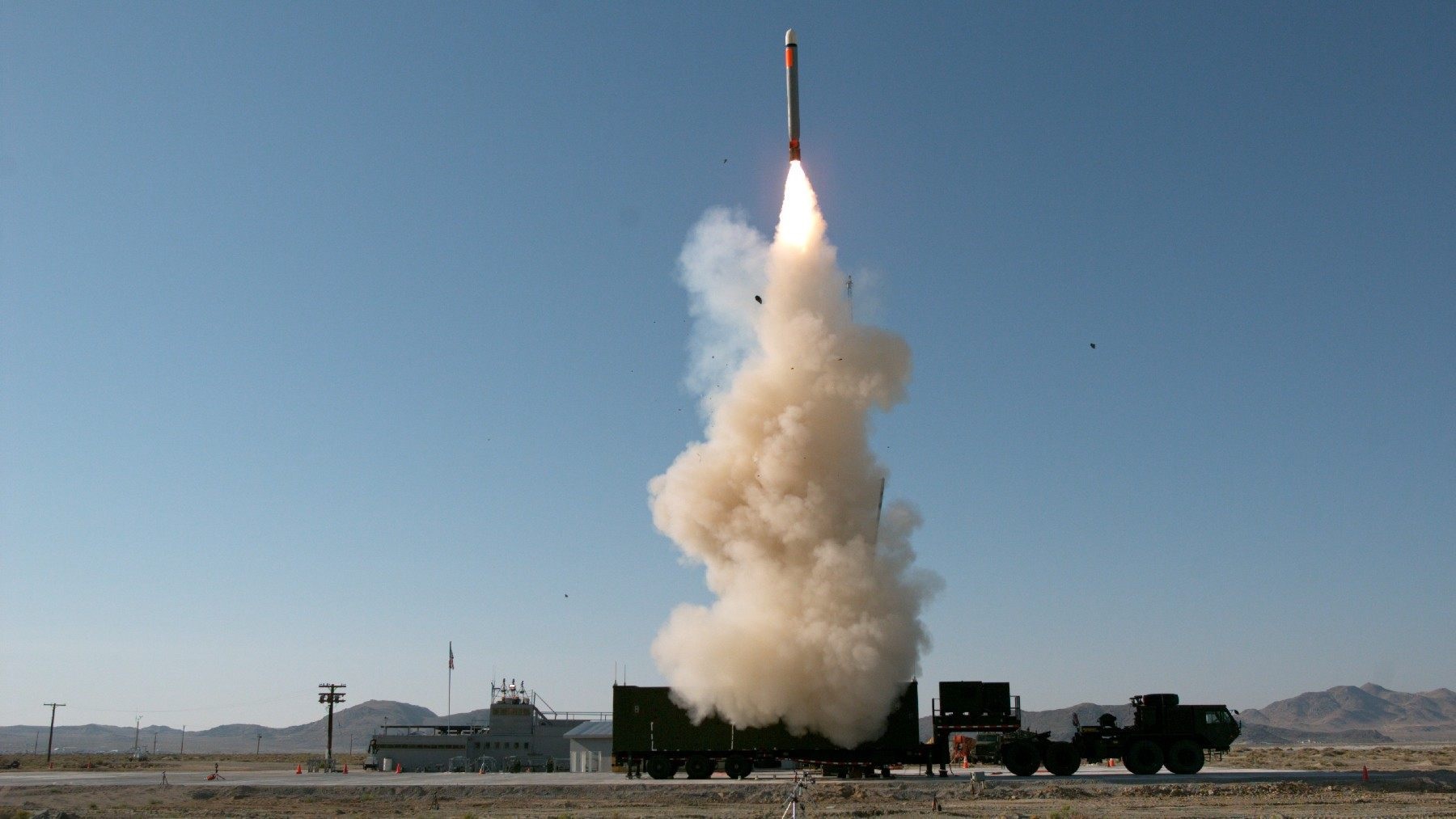
World
BEIJING / TOKYO — China has strongly condemned the unveiling of the U.S. Army’s mid-range Typhon missile system in Japan and has urged Tokyo and Washington to remove it immediately, after it was displayed for the first time during the joint military exercise Resolute Dragon. The drills, which began last Thursday and will run until September 25, involve over 19,000 Japanese and U.S. personnel and focus on maritime and littoral defence. The Japan Self-Defense Forces confirmed that while the system was showcased, it would not be fired during the exercise. China’s Objection China’s Foreign Ministry spokesman Lin Jian stated that the deployment “disregards China’s solemn concerns” and accused the allies of using the exercise as a pretext. Beijing demanded the system be “promptly withdrawn,” warning that it could trigger a regional arms race and “pose a substantive threat to strategic security.” What is the Typhon System? The Typhon system, also known as the Mid-Range Capability (MRC), is a truck-based, trailer-loaded mobile launcher. It can fire Tomahawk cruise missiles and SM-6 missiles, both originally designed for ships or aircraft, now modified for ground launch. According to U.S. officials, its mobility allows deployment to rugged and austere environments, making it a flexible deterrent. U.S. Colonel Wade Germann described it as a tool to “create dilemmas for the enemy” by employing multiple munitions. Strategic Impact The range of Typhon missiles potentially allows strikes deep into the Chinese eastern seaboard and parts of Russia if launched from Japanese territory. For Tokyo, the system represents a stronger defensive posture as its security environment becomes “increasingly severe.” Japan is already accelerating its defense buildup, including acquiring long-range strike capabilities and strengthening cooperation with the United States in response to perceived threats from China, North Korea, and Russia. Regional Context The Typhon system was previously deployed in the Philippines in April 2024 during joint exercises, sparking criticism from Beijing. Manila has since expressed interest in acquiring the system permanently to secure its maritime interests, a move that further angered China. With its presence in Japan, even temporarily, the U.S. sends a clear message about its commitment to Indo-Pacific security and the defense of its allies. What’s Next Officials confirmed the Typhon system will leave Japan after the exercise ends on September 25. However, the possibility of future rotations or a permanent deployment remains open. For now, China’s demand for withdrawal underscores the growing tensions in the Indo-Pacific, where the United States, Japan, and their partners are deepening security cooperation, while Beijing warns of military confrontation if the balance of power continues to shift.
Read More → Posted on 2025-09-16 15:06:00
India
In a dramatic admission, Jaish-e-Mohammad’s senior commander Masood Ilyas Kashmiri has confirmed that the family of the terror outfit’s chief, Maulana Masood Azhar, was killed in India’s counterterror campaign Operation Sindoor. The operation, carried out on May 7, targeted JeM’s nerve centre Markaz Subhanallah in Bahawalpur, Pakistan, dealing one of the heaviest blows to the group in recent years. In a viral video, Ilyas, flanked by armed guards, said in a high-pitched tone: “After sacrificing everything, on May 7, Maulana Masood Azhar’s family was torn apart by Indian forces in Bahawalpur.” The Bahawalpur Headquarters The Markaz, located along the Karachi–Torkham Highway (NH-5), has long served as JeM’s operational hub. It housed over 600 cadres, hosted training for recruits, and was the planning ground for major attacks, including the 2019 Pulwama strike. The May 7 strike reduced key facilities to rubble, reportedly killing 10 members of Azhar’s family and several close aides. Among those killed were Azhar’s elder sister, her husband, his mother, a nephew, nieces, and children, along with four of his trusted associates. Trigger for the Operation Operation Sindoor was India’s direct retaliation to the April 22 Pahalgam terror attack, where a Lashkar-e-Taiba wing massacred 26 civilians, mostly tourists, in Jammu and Kashmir’s Baisaran Valley. It was one of the deadliest attacks on Indian soil in recent years, prompting New Delhi to order coordinated military action against terror sanctuaries across the border. India’s Strikes and Pakistan’s Response India’s strikes hit nine major terror hubs across Pakistan and Pakistan-occupied Kashmir, including JeM’s Bahawalpur base and Lashkar-e-Taiba’s headquarters in Muridke. Within days, Pakistan attempted retaliatory drone and missile strikes, all of which were intercepted by India’s air defence systems. In the second wave, India expanded its operation, striking airbases at Nur Khan and Rahim Yar Khan, sending a strong signal of escalation control. Strategic Significance The strikes marked one of the deepest and most successful cross-border operations by India in recent memory. Unlike past actions, Operation Sindoor targeted not just infrastructure but the families of top terror leaders, inflicting psychological and organisational damage on JeM. For the first time, JeM itself has publicly admitted its losses, something the group has historically denied or downplayed. India described the mission as a measured and proportionate response, while Pakistan condemned it as “aggression”, further heightening tensions between the two nuclear-armed neighbours.
Read More → Posted on 2025-09-16 14:27:49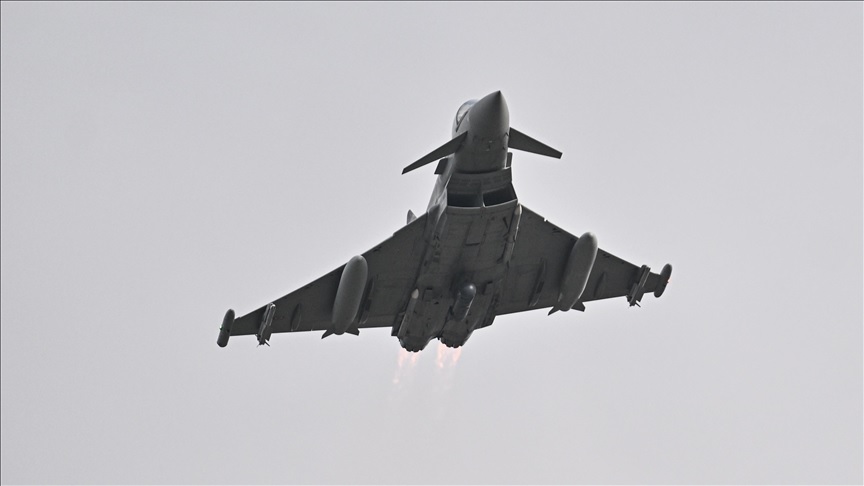
World
The United Kingdom is sending Royal Air Force Typhoon fighter jets to Poland as part of NATO’s new Operation Eastern Sentry, launched in direct response to recent Russian drone incursions into allied airspace. The move is aimed at deterring further violations and reinforcing NATO’s eastern defences. The Typhoons will fly from RAF Coningsby in Lincolnshire and be supported by Voyager refuelling aircraft from RAF Brize Norton, enabling long-range patrols and round-the-clock coverage. They will operate alongside allied aircraft from France, Germany, and Denmark, forming a joint air defence shield across NATO’s eastern flank. The deployment comes after Poland triggered Article 4 of the Washington Treaty, calling for urgent NATO consultations. Officials described the recent incursions as the most serious violation of NATO airspace to date. In response, NATO members pledged full solidarity with Warsaw and launched Eastern Sentry to strengthen air, land, sea, and cyber defences in the region. Prime Minister Keir Starmer said: “Russia’s reckless behaviour is a direct threat to European security and a violation of international law, which is why the UK will support NATO’s efforts to bolster its eastern flank. These aircraft are not just a show of strength, they are vital in deterring aggression and protecting our national security.” Defence Secretary John Healey added: “Our advanced Typhoon jets will help deter Russian aggression and, where needed, defend NATO’s airspace. Russia’s actions only serve to strengthen NATO unity.” The UK stressed that its commitment to NATO is unshakeable, pointing to its permanent Army presence in Estonia, past RAF deployments in Poland and Romania, and the upcoming increase in defence spending to 2.6% of GDP by 2027—the largest sustained rise since the Cold War. Equipped with advanced radars, sensors, and long-range missiles, the Typhoons will boost NATO’s ability to counter drones, fighter aircraft, and electronic threats. With the backing of allied forces, Operation Eastern Sentry is intended to demonstrate that NATO is ready to respond firmly to any violation of its borders. Would you like me to make this article in a shorter, newspaper-style report (like a front-page piece), or a longer feature with more background on RAF Typhoons and NATO’s eastern missions?
Read More → Posted on 2025-09-16 14:20:52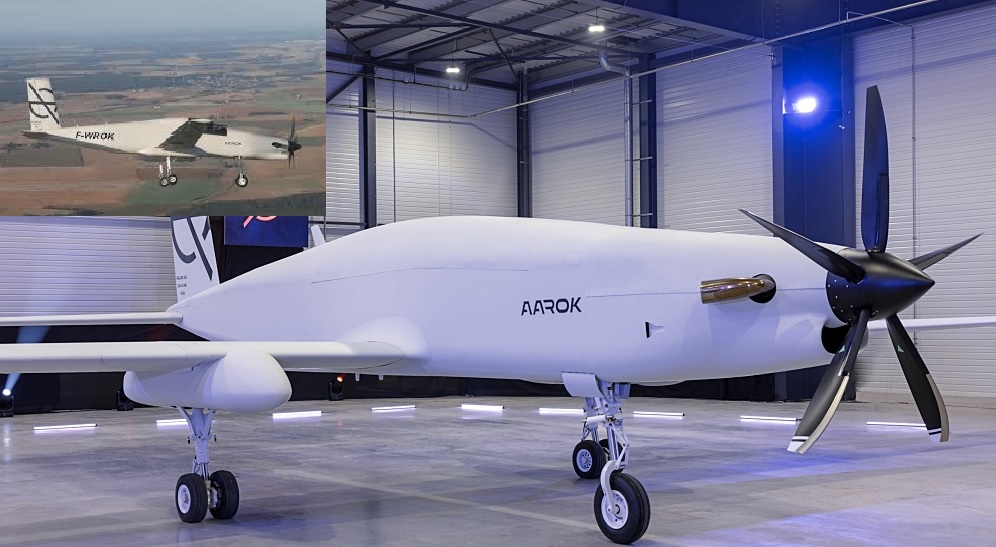
World
On 9 September 2025, the prototype MALE (Medium Altitude Long Endurance) drone AAROK, developed by Turgis Gaillard, successfully carried out its first flight from Blois-Le Breuil aerodrome. The milestone crowns four years of development and positions AAROK as a sovereign European alternative to foreign systems. Fanny Turgis, President of Turgis Gaillard, said: “Today’s flight is a decisive step in the development of the AAROK. It crowns four years of major efforts to bring the first European MALE drone to life. The team has worked tirelessly to transform a simple idea into a completed aircraft, and the AAROK has already demonstrated great maturity during this first flight.” Patrick Gaillard, Managing Director, added: “The maturity demonstrated is the main lesson of this first flight. The take-off was clean, the climb rate impressive, and all parameters matched our forecasts. These successes give us great confidence for the next stages.” Technical Features Maximum Take-Off Weight: ~5.5 tonnes Payload Capacity: ~1.5 tonnes (weapons & sensors) Engine: 1,200 hp turboprop Wingspan: ~22 meters | Length: ~14 meters Endurance: Over 24 hours (armed configuration) Ceiling: ~30,000 feet Systems: Electro-optical sensors, AESA radar, SATCOM, electronic warfare suites AAROK has been designed for intelligence, surveillance and reconnaissance (ISR), as well as strike operations, offering a European sovereign option compared to U.S.-made drones like the MQ-9 Reaper. Strategic Importance Sovereignty: Built with non-ITAR components, ensuring export flexibility and independence from U.S. restrictions. Partnership with Thales: Equipped with the AirMaster S AESA radar, providing advanced surveillance over air and sea. International Cooperation: With Bharat Forge (India) under a Make in India agreement for local production. With Antonov (Ukraine) to develop a “consumable” version, lighter and cost-efficient for high-intensity use. Military Applications Long-range ISR missions in contested environments. Maritime patrol and territorial waters protection. Precision strikes from safe standoff ranges. Support to ground and air forces in operations far from anti-aircraft threats. Deployment from semi-prepared runways, increasing operational flexibility. Government Support During a February 2025 visit, then-Minister of Armed Forces Sébastien Lecornu underlined AAROK’s role in gathering long-range intelligence, protecting French waters, and supporting overseas forces. The project later received funding from the French DGA at the Paris Air Show 2025, securing its path toward future development. Next Steps The programme still faces challenges: Flight testing and certification in operational environments. Integration of strike payloads and electronic warfare systems. Industrial production scale-up and logistics for maintenance. If successful, AAROK could enter service with French and allied forces in the coming years, reshaping Europe’s drone sovereignty and strategic autonomy.
Read More → Posted on 2025-09-16 14:03:51
India
As Ukraine intensifies its drone strikes on Russian refineries, India is positioning itself to gain both economically and geopolitically from the disruption. With an estimated 17 percent of Russia’s refining capacity — some 1.1 million barrels per day — disabled by recent attacks, India is capitalizing on cheaper crude and rising demand for non-Russian fuels, particularly from Europe. What’s Happening Refinery damage and export port disruption in Russia have forced a reduction in local processing capacity. Several major plants have been hit, while key Baltic ports such as Primorsk and Ust-Luga have seen damage affecting loading and shipping operations. As Russian refining weakens, more crude oil that would have been refined domestically is being exported. This increases supplies of discounted Russian oil on global markets. Europe is preparing for a ban from January 2026 on fuels refined from Russian crude, leading to a rush for supply alternatives. India has stepped in to fill that gap. India’s Gains Massive Export GrowthIn August 2025, India’s diesel exports to Europe rose about 137% year-on-year, reaching approximately 242,000 barrels per day, driven by anticipation of the EU ban on fuels from Russian crude. Stronger Refining MarginsLower crude purchase costs from Russia, combined with tight global diesel supplies, have boosted profit margins (crack spreads) for Indian refiners. Industry analysis suggests significantly improved returns for companies such as Reliance and IOC. Geopolitical and Strategic Leverage India has rejected U.S. pressure to reduce oil imports from Russia, insisting procurement is driven by cost and security. By serving as a swing supplier — especially to Europe — India gains influence in global energy flows. Filling Supply Gaps While Chinese refineries undergo maintenance, Indian plants are running at full capacity, processing more Russian crude and expanding exports. The EU’s sanctions are triggering stockpiling, which India is able to supply. Risks & Challenges Ahead U.S. Tariffs & Diplomatic Pressure: The U.S. has imposed tariffs up to 50% on certain Indian goods, aiming to penalize energy ties with Russia. EU Sanctions Compliance: Proof of crude origin will become critical; Indian refineries often process mixed sources, raising documentation hurdles. Logistical Constraints: Shipping, storage, insurance, and port capacity may limit sustained export growth. Russian Recovery: If Russia repairs damaged facilities, discounts may narrow. Volatile Prices: A prolonged conflict risks further oil market shocks. Expert Views Analysts estimate 17–20% of Russian refining capacity has been disabled in recent months. Some believe India could sustain high refining margins through late 2025 due to European demand and seasonal cycles. Others caution that tariffs and sanctions could offset economic gains if not managed. If Ukraine’s drone attacks continue to constrain Russian refining, India is likely to: Secure crude at steep discounts Maintain high refinery utilization Expand its role as a key supplier of diesel and refined fuels Leverage energy strength for geopolitical advantage India’s opportunistic energy strategy highlights a core truth of today’s oil markets: disruption creates both risk and opportunity. With its refining capacity, flexible procurement, and export networks, India has turned global upheaval into a chance to cement itself as a powerful player in the oil order.
Read More → Posted on 2025-09-16 13:58:24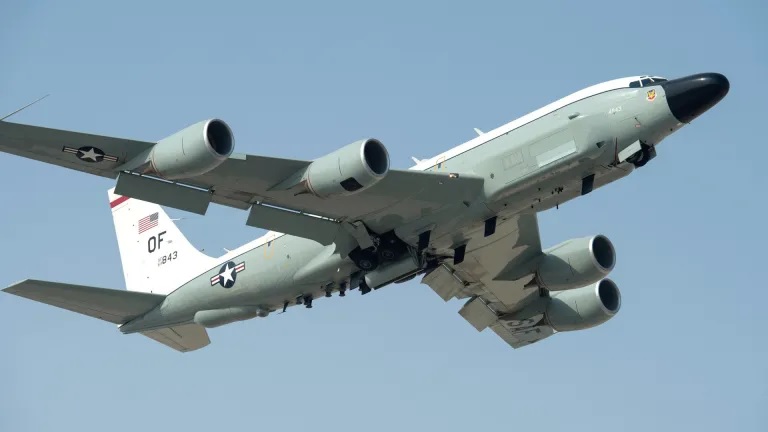
World
Caracas : Venezuela’s Ministry of Defense asserted on 15 September 2025 that several United States reconnaissance aircraft entered its Maiquetía Flight Information Region (FIR) over the past week, infringing what Venezuela claims is its extended airspace. The FIR covers the sea and airspace over La Guaira and the capital, Caracas. According to Venezuelan officials, the incursions involved MQ-9 Reaper drones (U.S. Air Force), RC-135 Rivet Joint aircraft specializing in signals intelligence, and P-8 Poseidon maritime patrol planes of the U.S. Navy — among other U.S. military aircraft. The claims are based on flight-track data presented by Venezuela’s Strategic Operational Command on the social network X. Caracas alleges these flights violated Venezuelan regulations, which treat the FIR as part of its national air defense identification zone. Additional Context & Details Statements by the Defense MinisterGeneral Vladimir Padrino López, Venezuela’s Defense Minister, said that intelligence and reconnaissance operations by U.S. aircraft have significantly increased. He claims that operations tripled in August and now occur daily, including at night or early morning. He expressed concern that many flights cross the Caracas FIR — or approach it — without formally notifying their flight plans. Types of Aircraft NamedIn addition to RC-135 and MQ-9, Padrino López identified KC-135 tanker aircraft used for aerial refueling, and E-3 Sentry AWACS aircraft involved in surveillance and early warning missions. He warned that such operations might reach up to 200 miles into what’s claimed as Venezuelan territory. Venezuela’s Response PostureThe Venezuelan government asserts that its military is prepared to respond individually or collectively to any such incursion. Padrino López also described these U.S. aerial operations as “very provocative,” accusing Washington of seeking to justify a military threat or intervention. As part of its response, the government has emphasized its own internal intelligence efforts and combat readiness. Related Incidents Heightening TensionThe accusations come amid broader friction between Caracas and Washington. Earlier in September, a U.S. strike on a vessel alleged to be traffickers from Venezuela killed 11 people. Venezuela denied allegations that the individuals were involved in organized crime and accused the U.S. of violating international law. Additionally, the U.S. military has deployed naval forces, warships, and stealth aircraft including F-35s to the Caribbean, signaling an expanded presence and operational readiness in regional waters. Venezuelan leaders view these moves as part of pressure tactics. International ImplicationsVenezuela claims that the unannounced flights pose risks of air accidents, especially when flights cross or near its FIR at night without coordination. The government has also accused Trinidad and Tobago and Guyana, saying they have allowed their territories or airspace to be used in what it perceives as U.S. operations against Venezuela. U.S. Position & International Law Considerations Although U.S. commentary on these specific incursions has been limited, the broader U.S. position is that reconnaissance flights in international airspaces — including near but outside another state’s sovereign airspace — are legitimate under international law. Flight Information Regions (FIRs), as defined by the International Civil Aviation Organization (ICAO), are primarily for air traffic control, not sovereignty. Venezuela’s interpretation of FIRs as part of its defensive perimeter and air defense identification zone is not universally recognized. Some analysts caution that failure to coordinate or notify may escalate risks of misunderstanding or accidental confrontation. The legality of operations such as maritime interdiction, aerial strikes, and refueling flights depends on treaty obligations, national sovereignty, and whether such operations are within international or territorial zones. The situation remains tense. Venezuela has mobilized troops and reinforced its military readiness in recent weeks. U.S. military deployments in the Caribbean continue to increase. How both governments manage communications, transparency over flight plans, and diplomatic engagement will likely determine whether the current pattern of aerial reconnaissance and accusations escalates into something more serious. Both domestic politics in Caracas and Washington, and regional dynamics involving neighboring states and multilateral bodies, will shape how this standoff evolves.
Read More → Posted on 2025-09-16 13:51:54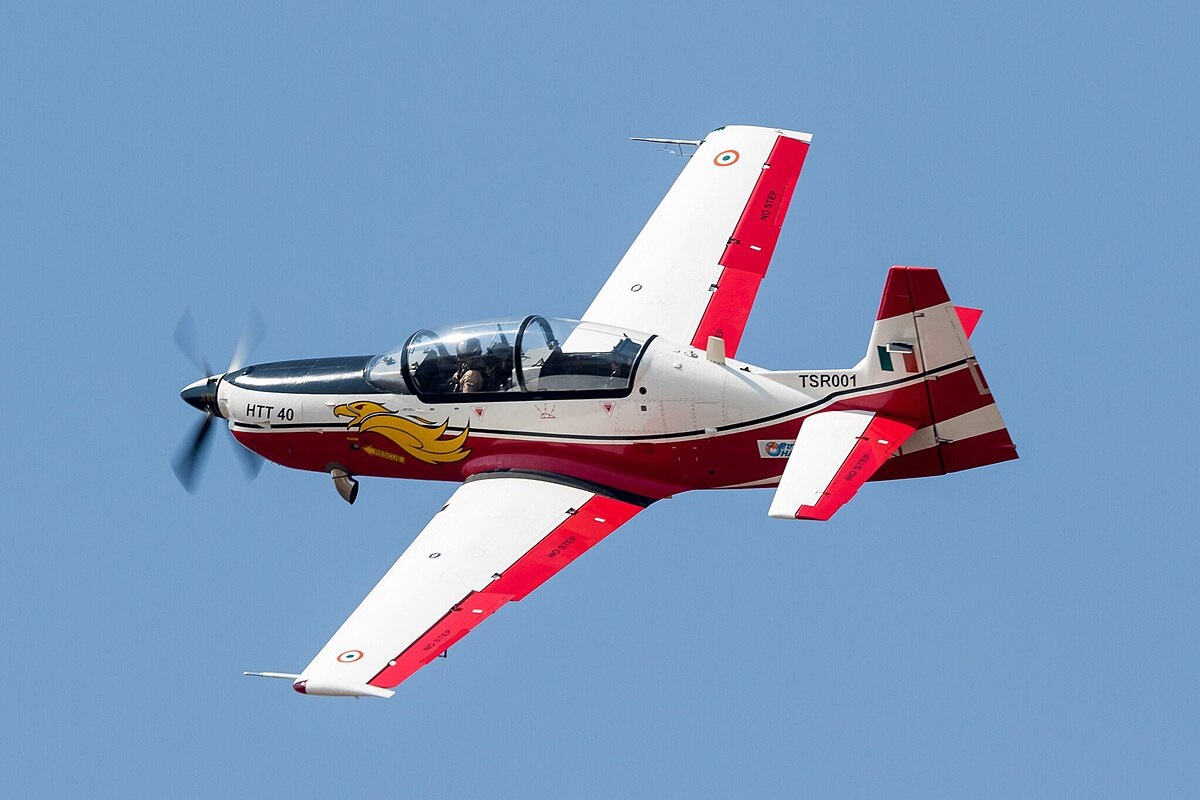
India
Hindustan Aeronautics Limited (HAL) is facing a setback in its efforts to deliver the HTT-40 basic trainer aircraft to the Indian Air Force (IAF) due to delays in the supply of Honeywell's TPE331-12B turboprop engines. Originally scheduled for delivery in September 2025, the first engine is now expected in November 2025, with subsequent deliveries to follow in early 2026. This delay has prompted HAL to use a 'Category B' (used) engine from one of the prototypes for the maiden flight of the series production aircraft, planned for late September 2025. The TPE331-12B engine, renowned for its reliability and efficiency, is a critical component for the HTT-40 trainer. Under a $100 million contract signed in July 2022, Honeywell is to supply 88 engines and kits to HAL, with 32 units to be delivered by Honeywell and the remaining 56 to be manufactured by HAL through technology transfer. The delay in engine deliveries has raised concerns about HAL's ability to meet its contractual obligations to the IAF. HAL has urged Honeywell to expedite the delivery schedule to ensure that the first batch of 12 HTT-40 aircraft can be supplied to the IAF within the current financial year. Production is underway at HAL's facilities in Nashik and Bengaluru, with 10 units from Nashik and 2 from Bengaluru expected in the initial batch. The HTT-40 is designed to replace the aging fleet of HPT-32 trainers and is integral to the IAF's pilot training program. The delay in engine supply underscores the challenges faced by defense manufacturing programs, where supply chain issues can significantly impact timelines and operational readiness. HAL continues to work closely with Honeywell to resolve the delays and meet the training needs of the IAF.
Read More → Posted on 2025-09-15 16:18:03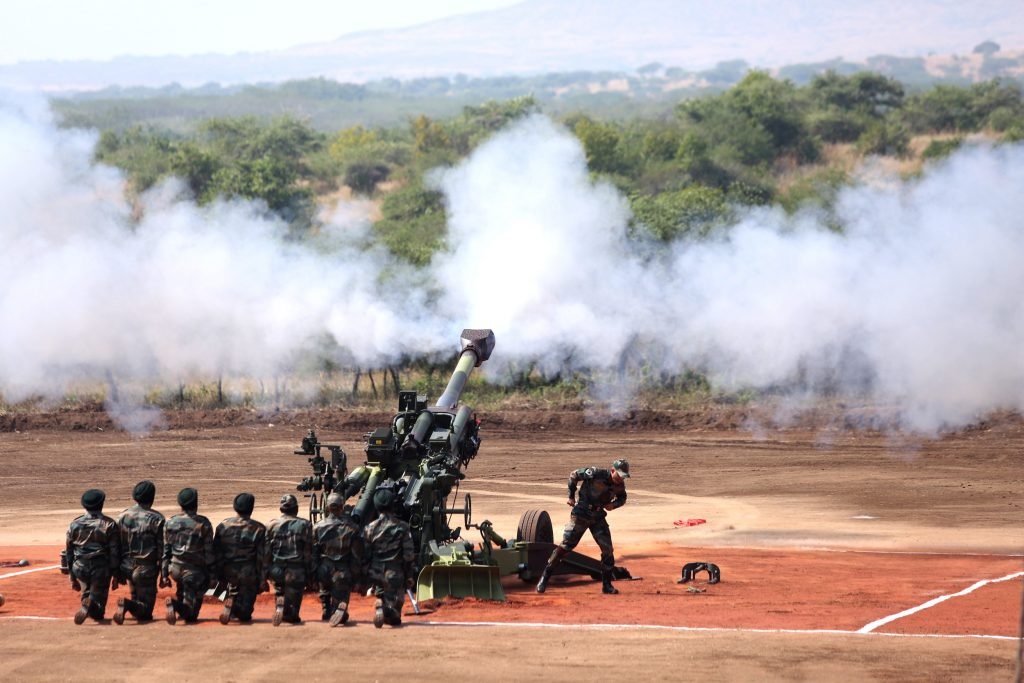
India
The Indian Army’s Corps of Electronics & Mechanical Engineers (EME) has started upgrading its FH‑77B (Bofors) howitzers by replacing the ageing Auxiliary Power Units (APUs) with new Cummins engines. The upgrade aims to improve the reliability, mobility, and operational efficiency of these artillery guns, which have been serving in the Army since the 1980s. The existing Volvo B20 APUs used in the FH‑77B guns are no longer in production, and spare parts are becoming increasingly difficult to procure. The new Cummins engine, already used in the Dhanush howitzer, is expected to solve these problems by offering better availability of spares, improved fuel efficiency, and simplified maintenance. The integration process involves reengineering the engine mounts and ensuring compatibility with hydraulic and control systems. After retrofitting, each howitzer undergoes a series of field trials to test mobility, fuel consumption, and performance in various terrains and weather conditions. Officials stated that standardising the engines across artillery platforms would lead to significant logistical benefits. Mechanics’ training, maintenance schedules, and spare-part inventories can be streamlined, making support easier and faster in operational environments. The APU upgrade also allows the howitzers to move under their own power for short distances, increasing their deployment flexibility in difficult terrains such as high-altitude areas or deserts. The FH‑77B howitzer, with its 155 mm/39 calibre gun, has been a backbone of the Indian Army’s artillery force. However, with components becoming obsolete and operational readiness affected by spare-part shortages, modernisation has become essential. The Army plans to phase out the FH‑77B by around 2030, but upgrading them with new engines will extend their service life and keep firepower levels intact during the transition to newer artillery systems. This move is part of a broader artillery modernisation programme that includes the induction of Dhanush and ATAGS (Advanced Towed Artillery Gun System), which promise extended range and greater precision. Experts believe that this upgrade will significantly enhance the combat readiness of artillery units while allowing for cost-effective maintenance and standardisation across platforms. With the Cummins engine upgrade, the Indian Army is strengthening its artillery capability by combining proven systems with modern technology, ensuring that legacy platforms remain relevant until the next generation of guns is fully operational.
Read More → Posted on 2025-09-15 16:14:19Search
Top Trending in 24 Hours
-
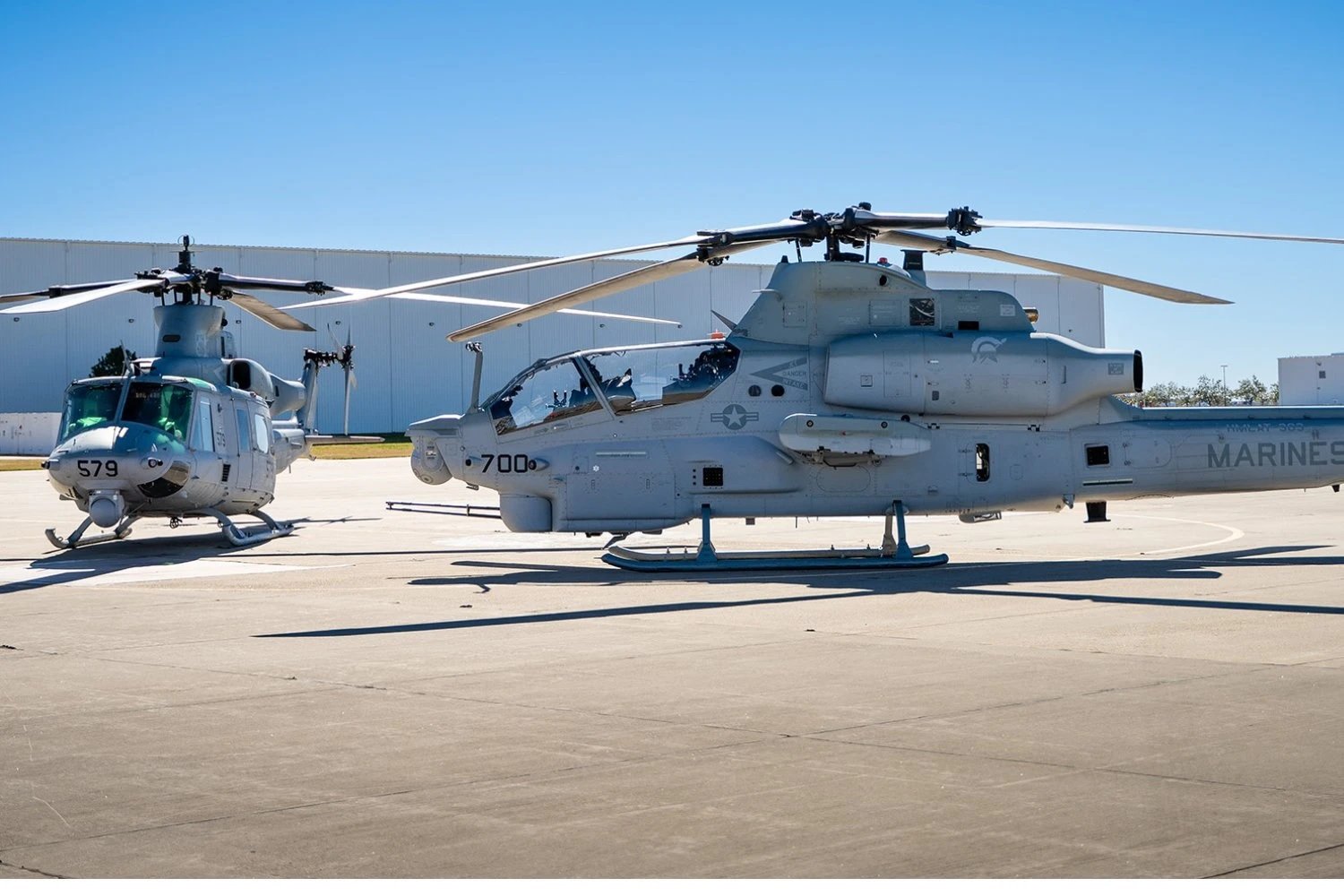 U.S. Awards Bell Textron $33.64 Million Contract for Next Phase of Marine Corps AH-1Z and UH-1Y Helicopter Upgrades
-
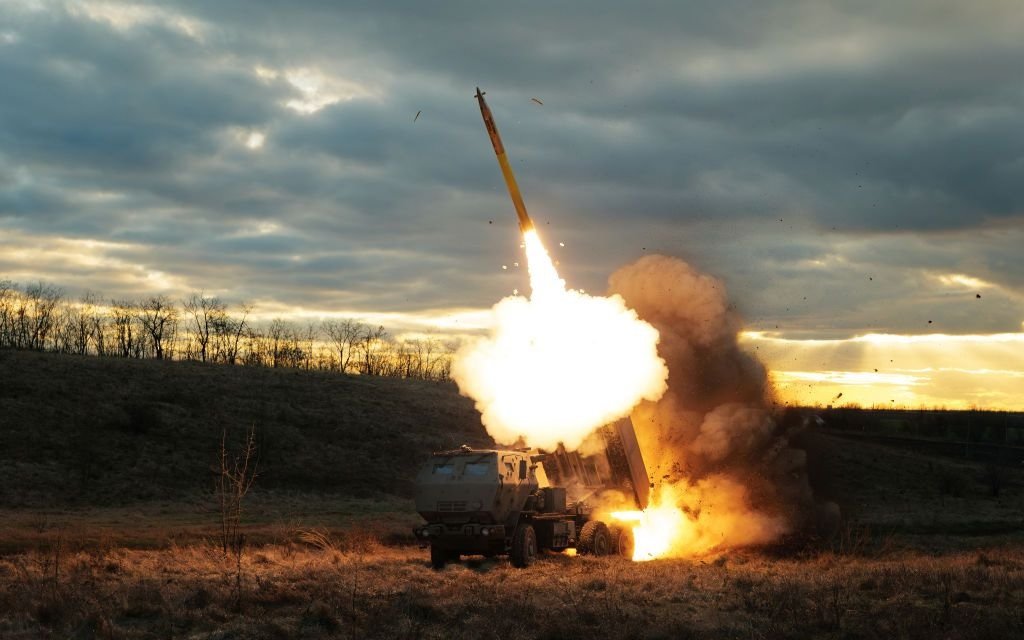 U.S. Military Selectively Intercepts Iranian Missiles to Preserve Shrinking Air Defense Stocks : Report
-
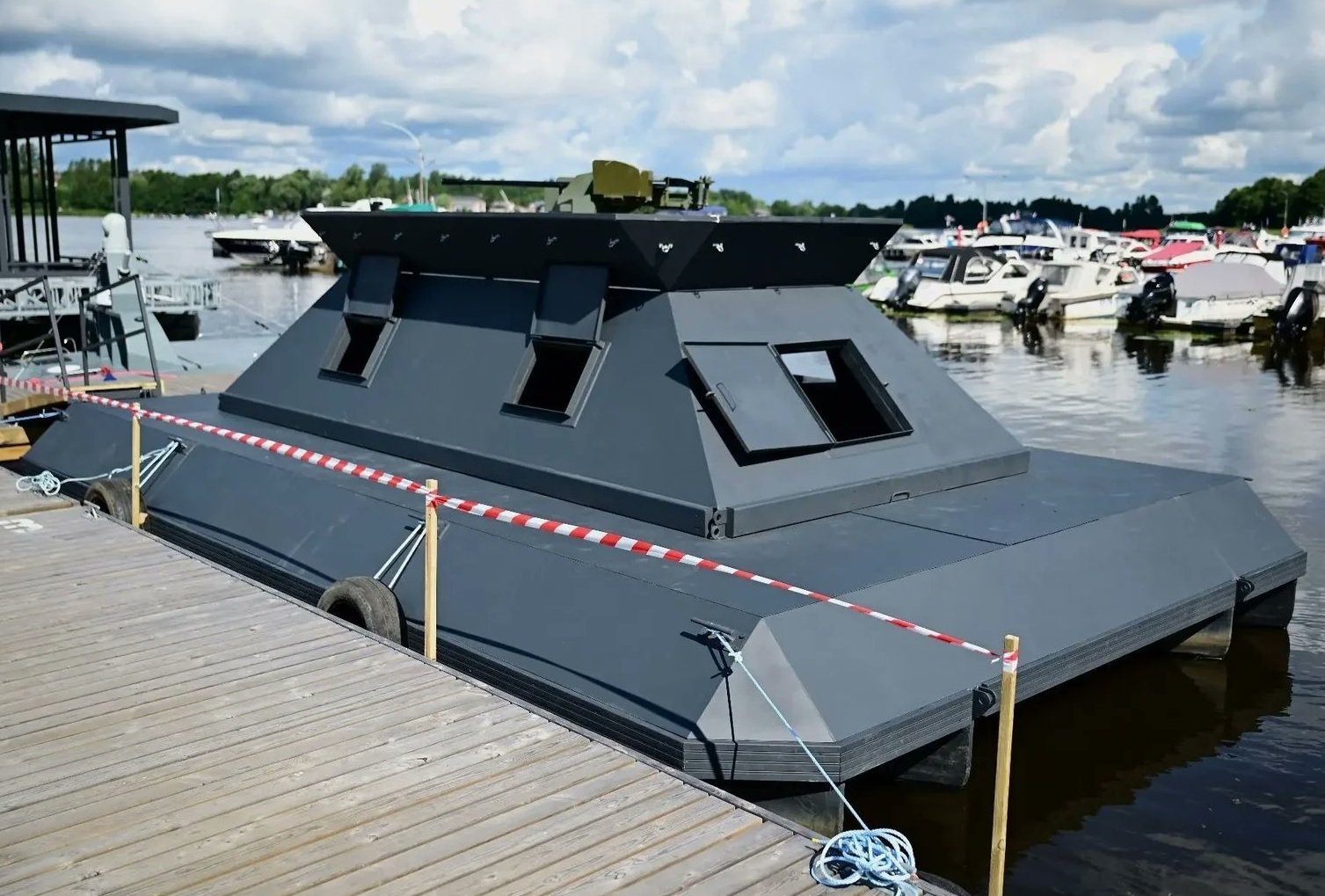 Russia Unveils Experimental Plot-40 Floating Defense Platform to Counter Drone and USV Threats
-
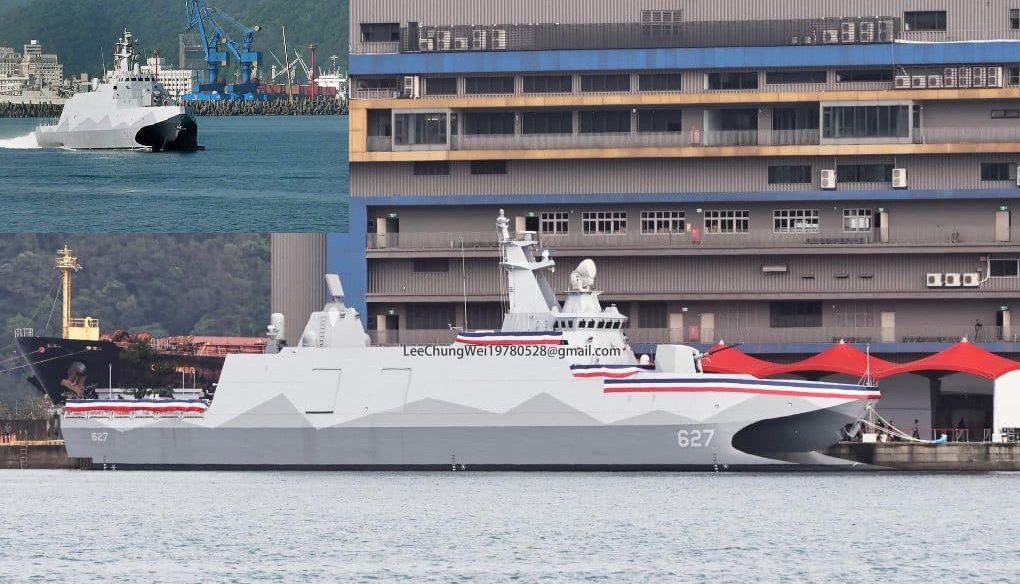 Taiwan Commissions First Batch 2 Tuo Chiang-Class Corvette with New Leonardo Radar
-
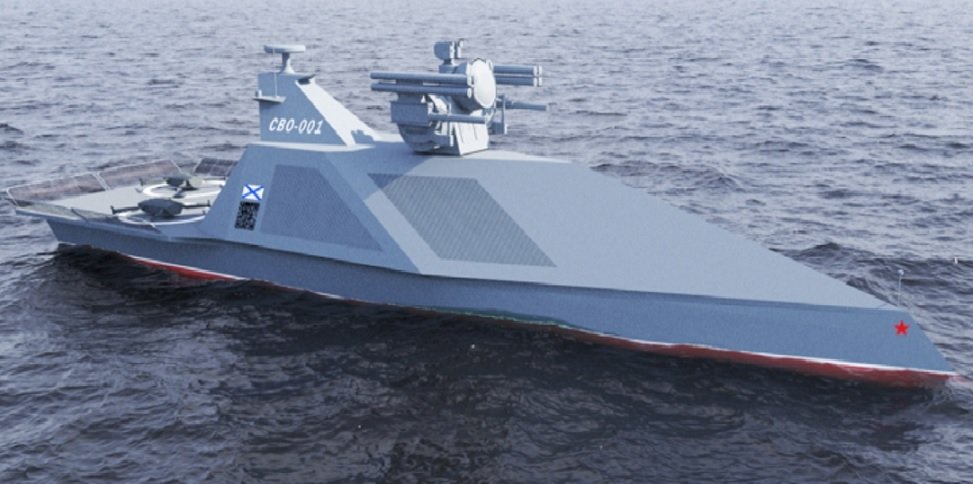 Russia Builds 500-Ton Unmanned Warship For Anti-Submarine Warfare, Plans New 9,500-Ton Warship, Navy Chief Says
-
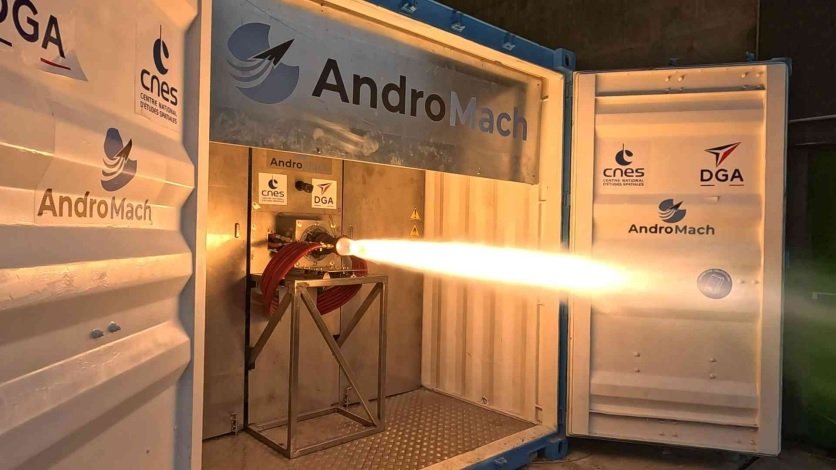 French Startup AndroMach Successfully Tests Reusable Rocket Engine 21 Times for Hypersonic Drone
-
 Unreleased Footage Reveals Why Lindsey Graham Dropped Plan to Push Trump on Hezbollah Strikes
-
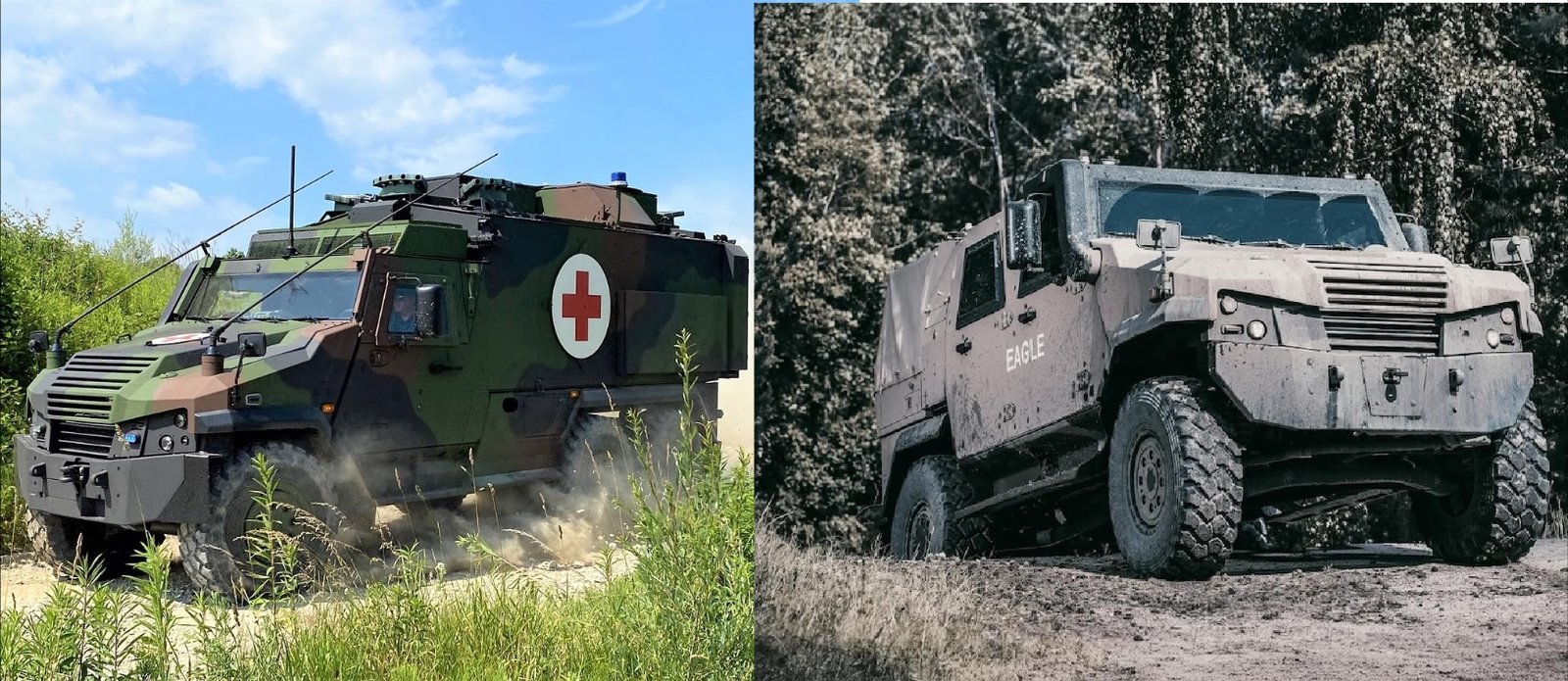 Allison Transmission to Supply Automatic Transmissions for Nearly 3,000 German EAGLE V Armored Vehicles Ordered by Germany
Top Trending in 4 Days
-
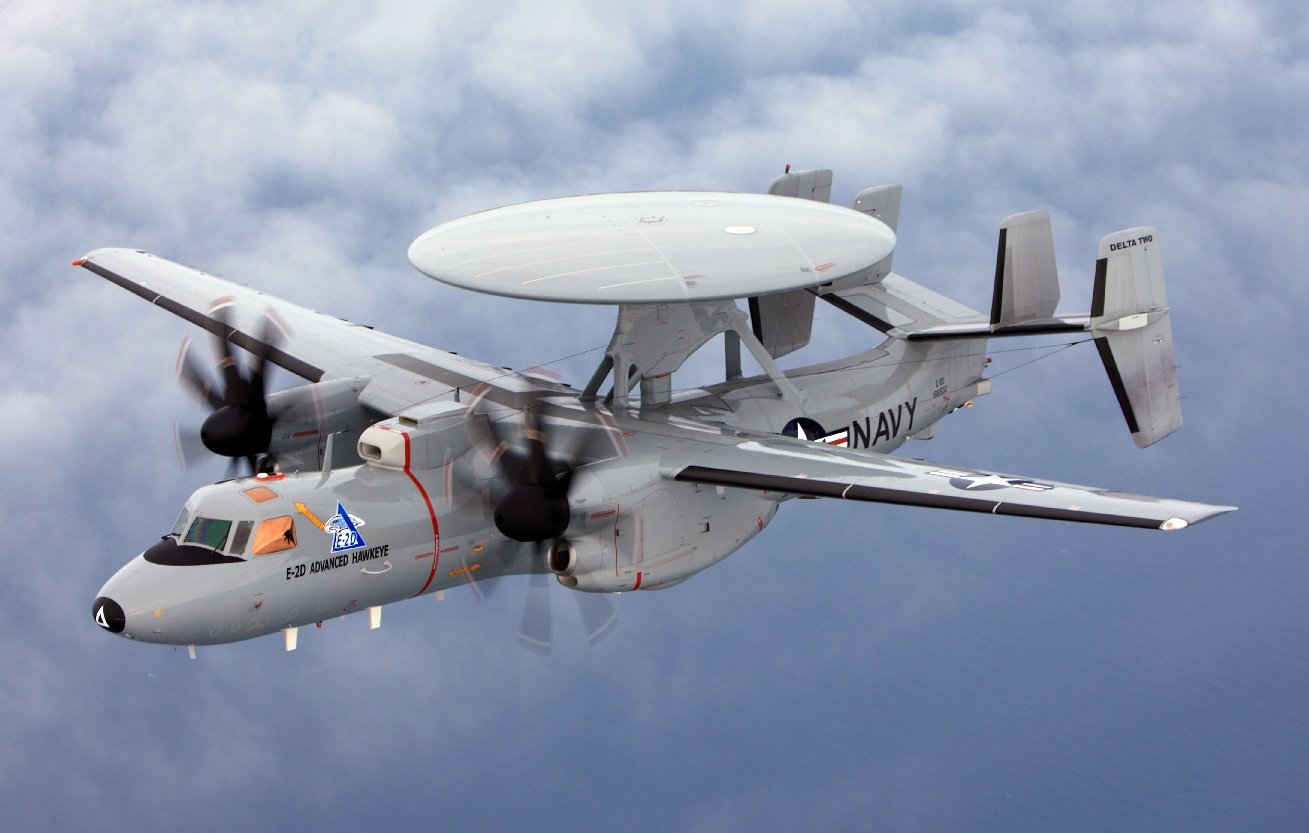 U.S. Navy Awards Northrop Grumman $1.2 Billion Deal for Three New E-2D Advanced Hawkeyes
-
 U.S. Airstrikes Target IRGC Missile Base Near Taft as Overnight Strikes Hit Central Iran
-
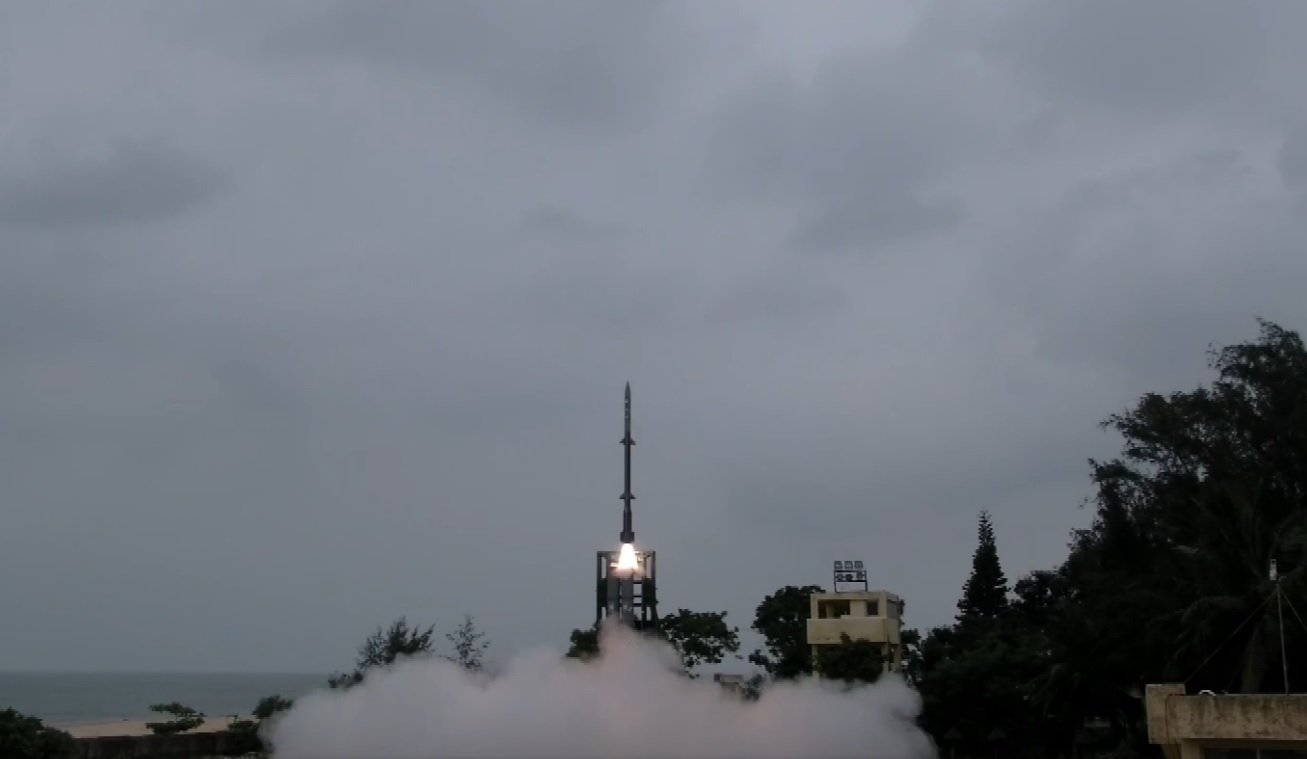 DRDO Successfully Conducts Maiden Flight Test of 150-km-Range Kusha M1 Air Defence Missile
-
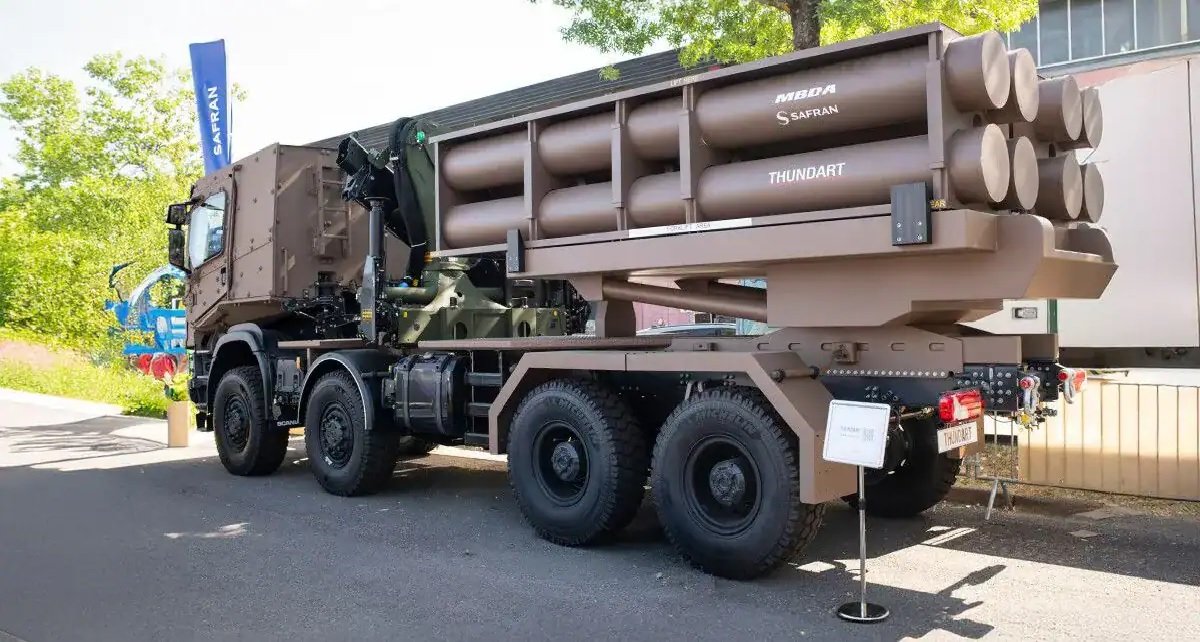 France's THUNDART Long-Range Rocket System May Undergo Prototype Combat Testing in Ukraine
-
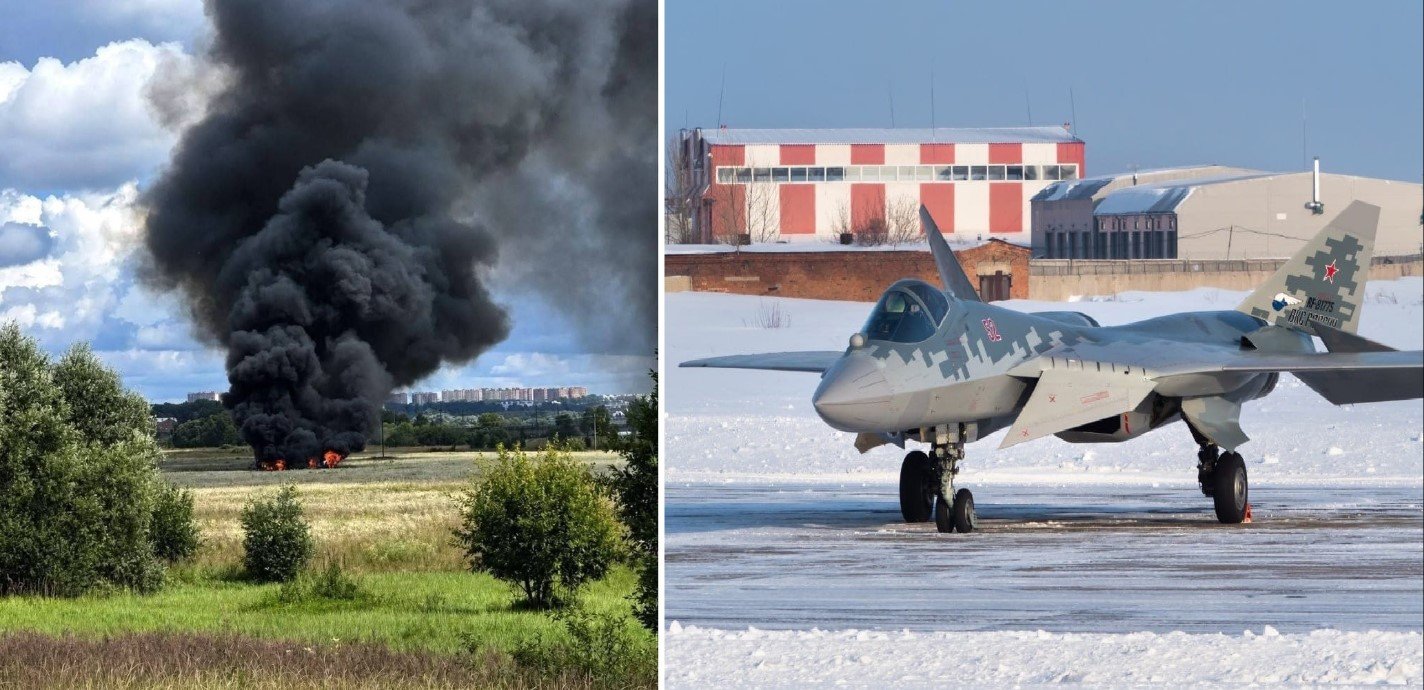 Russian Su-57 Stealth Fighter Crashes During Training Flight Near Moscow, Pilot Ejects Safely
-
 Kuwait and Bahrain Reportedly Launch First Joint Direct Airstrikes on Iran Since War Began : Report
-
 Destinus Unveils Vorexon Interceptor Concept to Defend Critical Sites from Artillery Threats
-
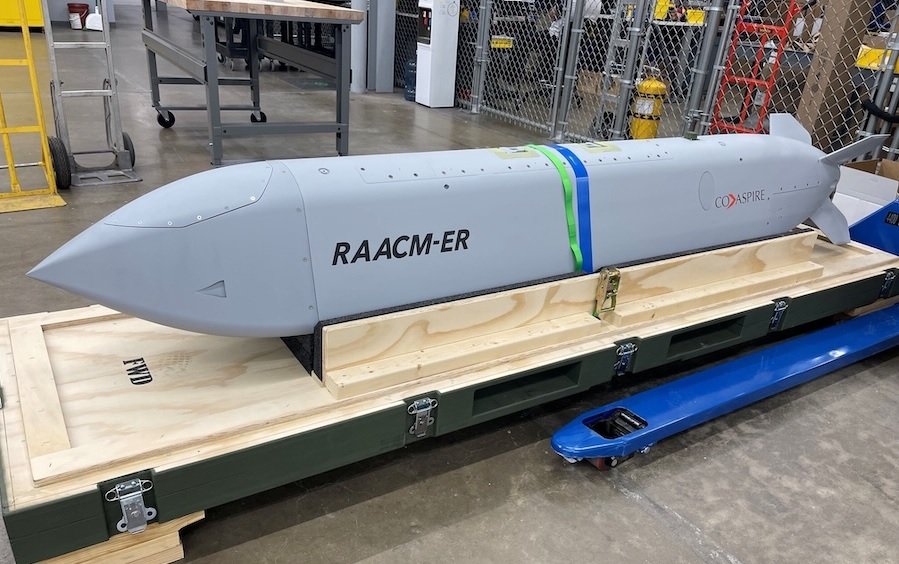 U.S. Navy Selects CoAspire to Build Ground-Launched CHAOS Cruise Missile Under $70 Million Program
