
World
A dramatic maritime incident happned on September 17, 2025, when a Pakistani LPG tanker docked at Yemen’s Ras Issa port came under attack by an Israeli drone. The vessel, carrying 27 crew members—24 Pakistanis, two Sri Lankans, and one Nepali—was hit while it was stationed in an area under the control of Houthi rebels. The strike caused an explosion in one of the tanker’s gas containers, sparking a fire that was quickly brought under control by the crew. Shortly after the attack, Houthi forces boarded the vessel and held the crew hostage. For days, their safety remained uncertain, until negotiations eventually led to the release of both the ship and its personnel. Pakistani officials later confirmed that all 27 sailors were safe and the tanker had managed to leave Yemeni waters without further damage. The attack immediately raised questions about Israel’s motives. In recent years, Israel has been engaged in a shadow conflict with the Houthis, who have launched drones and missiles toward Israeli territory in support of Palestinian factions. The Houthis have also targeted commercial shipping in the Red Sea, often claiming to strike vessels linked to Israel or its allies. Against this backdrop, Israel’s decision to strike a tanker docked in a Houthi-controlled port appears to be part of its wider strategy to disrupt hostile networks and send a deterrent signal. For Pakistan, the incident was a sudden and dangerous reminder of how regional conflicts can put its citizens at risk, even when they are working aboard civilian and commercial ships. Islamabad reacted quickly, with officials coordinating through multiple diplomatic channels to secure the release of the crew. Pakistan’s interior minister publicly thanked the country’s agencies for working around the clock to ensure the safe return of its nationals. While no lives were lost, the attack has broader implications. The Red Sea and Gulf of Aden are critical shipping routes, and each strike or hijacking adds to instability that threatens global trade. With commercial ships now becoming pawns in the wider Israel–Houthi confrontation, maritime operators may need to reroute or enhance protective measures in the region. The full reasons behind Israel’s decision remain open to interpretation. It may have been an act of preemptive security, a show of force against the Houthis, or the result of flawed intelligence linking the tanker to hostile networks. Whatever the cause, the incident underscores the volatility of Middle Eastern waters, where local conflicts often spill into international shipping lanes. For Pakistan, the safe return of its crew closed one chapter, but the risks for its seafarers in these contested waters remain very real.
Read More → Posted on 2025-09-28 15:31:28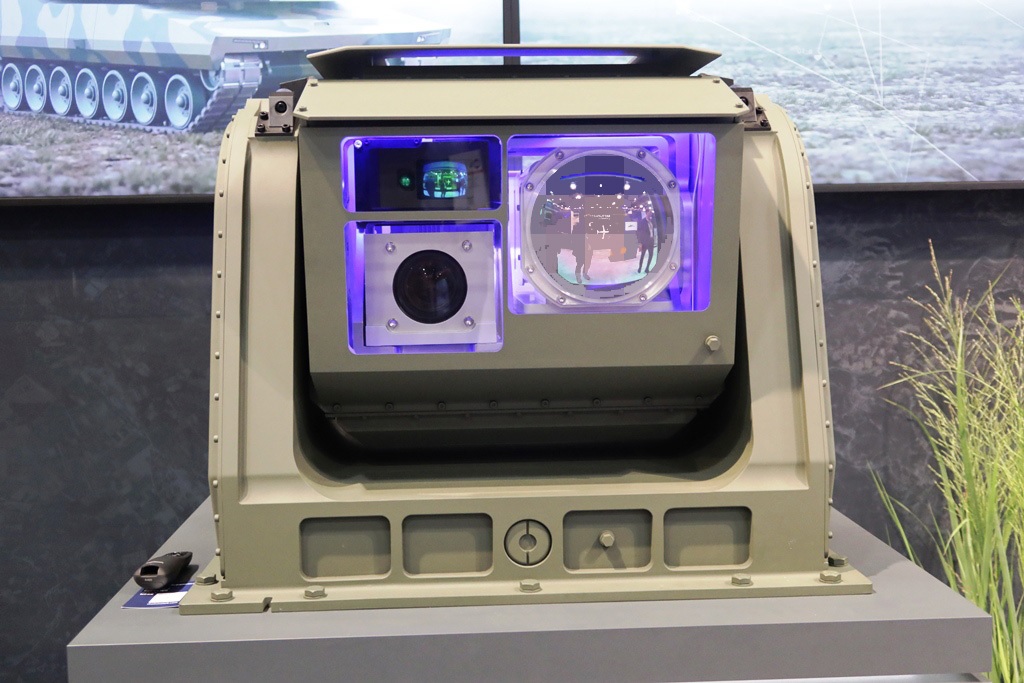
World
Rheinmetall has unveiled the SEOSS 400, a state-of-the-art fire control system designed for the next generation of main battle tanks (MBTs). This new system is being developed alongside the company’s work on the 130 mm Future Gun System, which represents a significant upgrade from the current 120 mm tank guns. The SEOSS 400 is specifically engineered to address the limitations of existing sights on tanks, such as the EMES-15, which cannot fully exploit the extended range of the new weapon. The SEOSS 400 features high-resolution sensors, including a 5-megapixel visible-spectrum camera and a 5-megapixel mid-wave infrared (MWIR) thermal sensor. These sensors provide an identification range exceeding 6 km, allowing targets to be detected, recognized, and engaged at distances greater than the effective range of current 130 mm rounds. Both the day and night sensors can be fused to enhance target detection, making it easier to spot threats even when engines or other heat sources are partially hidden. A key innovation of the SEOSS 400 is its integration of artificial intelligence (AI). The system can automatically detect, identify, and classify targets, then feed them into the automatic tracking system, while the gunner only needs to authorize firing. The rangefinder supplies precise distance measurements, and the system calculates the ballistic solution for moving targets, greatly increasing the probability of a first-hit. The SEOSS 400 also introduces three-axis stabilization with an angular position report accuracy of 0.03 mrad, a major improvement over previous SEOSS models. This ensures highly accurate targeting even when the tank is moving at speeds of 40 km/h or more. The system is built to endure harsh operational conditions, including fording operations up to 4 meters deep, and hosts all critical subsystems, including its computing unit, within a single ruggedized case. Designed for future-proof integration, the SEOSS 400 is compatible with emerging European tank programs, such as the Main Ground Combat System (MGCS) and the Main Armoured Tank of Europe (MARTE). Its modular architecture allows for upgrades including multi-mode tracking, enhanced ballistic algorithms, extended computing power, and even beyond line-of-sight capabilities. The system is suitable not only for MBTs but also for unmanned platforms and air defense applications, demonstrating its versatility in modern combat scenarios. In conclusion, the SEOSS 400 represents a major leap forward in fire control technology. By combining high-resolution sensors, AI-driven automation, and advanced stabilization, Rheinmetall has created a system that significantly reduces the gunner’s workload while enhancing first-hit accuracy. As military forces modernize, the SEOSS 400 stands out as a critical component in the evolution of armored combat vehicles.
Read More → Posted on 2025-09-28 15:27:21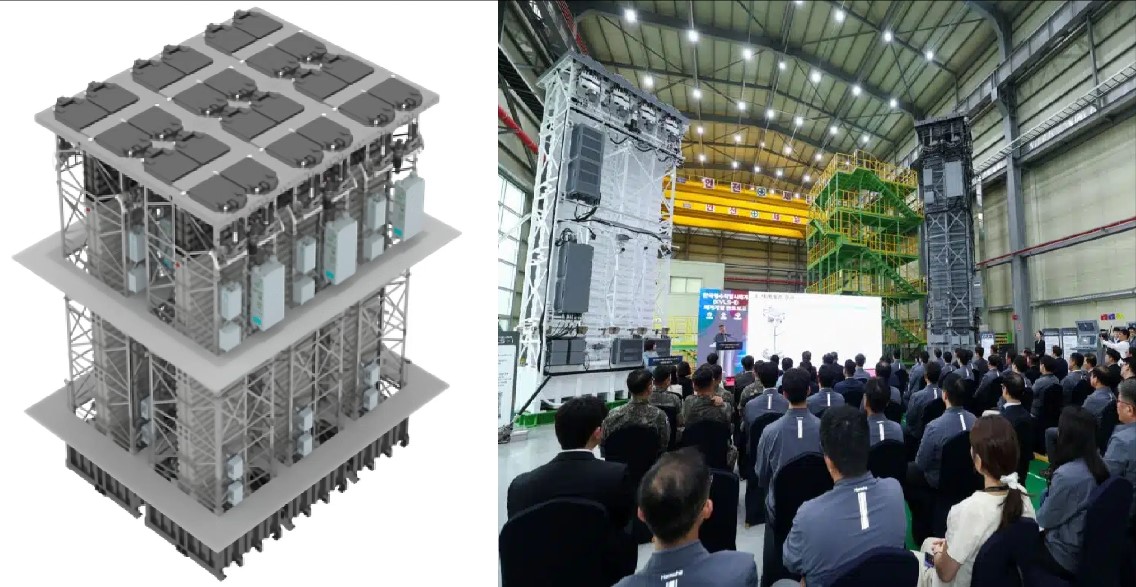
World
South Korea has successfully completed the development of the Korean Vertical Launching System-II (KVLS-II), a next-generation missile launching system designed to strengthen the nation’s naval power. The Defense Acquisition Program Administration (DAPA) held a ceremony on September 25, 2025, at Hanwha Aerospace’s Changwon 2 plant to celebrate the achievement. Senior representatives from the Republic of Korea Navy, the Agency for Defense Development (ADD), the Defense Agency for Technology and Quality (DTAQ), and the Defense Rapid Acquisition Technology Research Institute (DRATRI) attended the event. The KVLS-II development project is a landmark success because it was led by the private sector rather than the government. Hanwha Aerospace took charge of the project with technical support from the ADD, while the government invested about 71 billion won. Launched in late 2020, the program was completed on time and within budget—a significant achievement in high-tech defense projects. The new system is a major upgrade over the existing KVLS. KVLS-II can withstand the high temperatures and extreme pressure generated when launching more powerful modern missiles. It introduces the “Any Cell, Any Missile” concept, allowing one launch cell to fire ship-to-air, ship-to-surface, or ship-to-ship missiles depending on operational needs. Its redundant design ensures that the system continues functioning even if one part fails, increasing reliability and safety. The system will first be deployed on the KDX-III Batch II Aegis destroyer, which was delivered to the Republic of Korea Navy at the end of last year. It will also be installed on the future KDDX destroyer class, currently under planning and construction. KVLS-II is also capable of handling hypersonic cruise missiles, making it future-ready. Comparison with Other Systems Globally, vertical launching systems (VLS) are used by leading navies, including the United States and Japan. The U.S. Mk 41 VLS is widely used on destroyers and cruisers and supports multiple missile types, similar to KVLS-II. Japan’s Mk 41 and indigenous VLS systems also allow flexible missile deployment. Compared to these, KVLS-II is smaller in footprint but highly versatile, featuring advanced redundancy and the “Any Cell, Any Missile” capability, which makes it extremely adaptable for modern naval combat. This puts South Korea’s VLS on par with some of the most advanced systems in the world, while also showcasing domestic design and manufacturing excellence. Beyond its military value, KVLS-II demonstrates the potential of private industry leadership in defense development, supported by government and naval expertise. By completing a complex weapons system without delays or cost overruns, South Korea has proven it can compete with leading global defense industries. The system could also have export potential, attracting interest from countries seeking modern, flexible naval launchers. Officials praised the combined efforts of government agencies, the Navy, and Hanwha Aerospace, calling the project a model of cooperation. They stressed that KVLS-II will greatly enhance national defense capabilities and serve as a foundation for future innovation in the Korean defense industry. In simple terms, KVLS-II is a smarter, tougher, and more flexible missile launcher for Korean warships. It allows ships to carry different missiles in the same launcher, ensures safer and more reliable operations, and prepares the Navy to handle new types of advanced weapons. With this achievement, South Korea has taken another strong step toward building a self-reliant and modern defense system.
Read More → Posted on 2025-09-28 14:47:52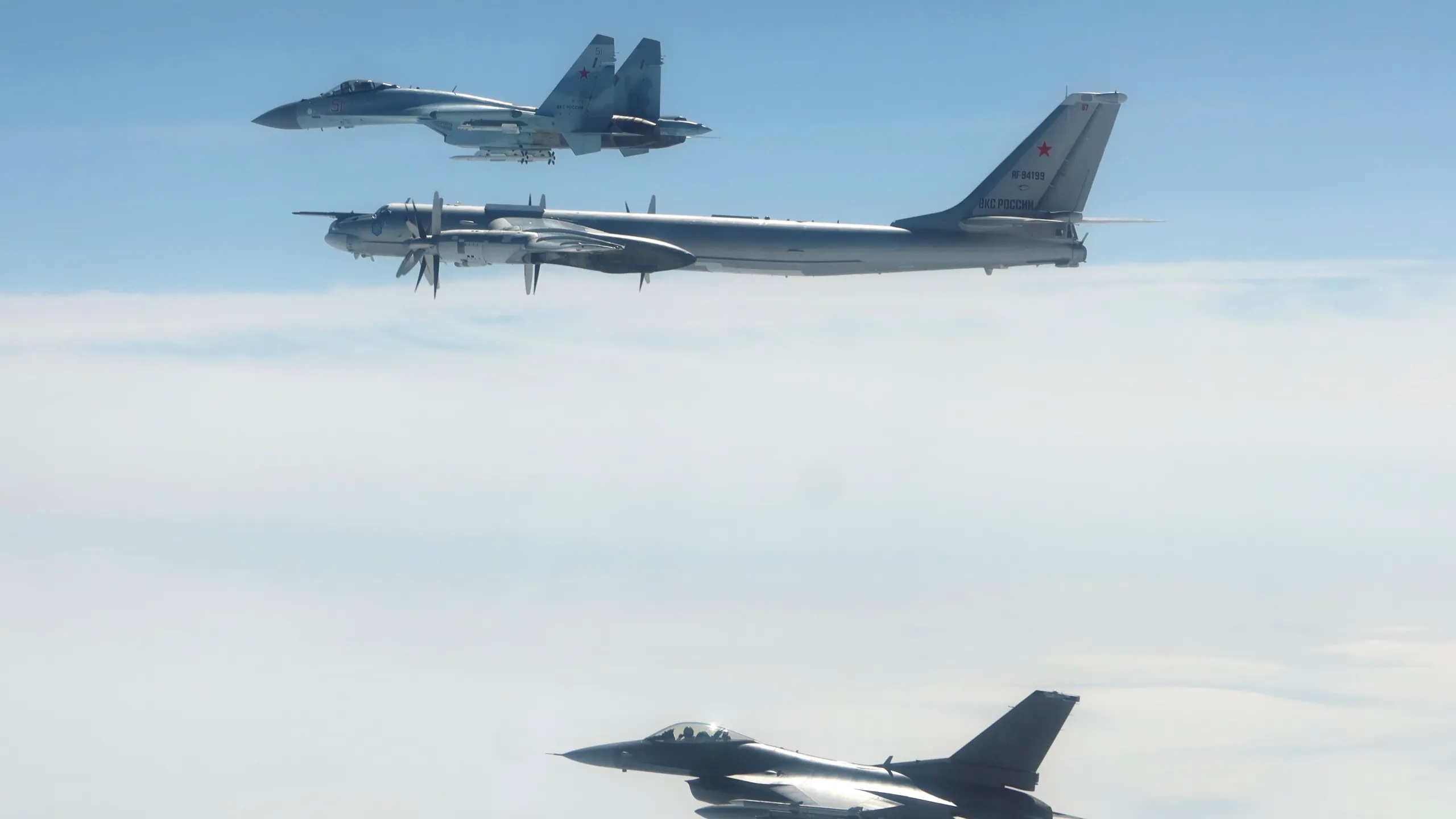
World
On September 24, 2025, American fighter jets intercepted Russian military aircraft near Alaska in what officials say is part of a growing trend. The incident involved Tu-95MS “Bear” strategic bombers escorted by Su-35 “Flanker-E” multirole fighters, both among the most capable assets in Russia’s long-range aviation fleet. The aircraft entered the Alaskan Air Defense Identification Zone (ADIZ) without filing a flight plan or maintaining radio contact, prompting a rapid response from the United States. The intercept was carried out by F-16C Fighting Falcons from the 18th Fighter Interceptor Squadron based at Eielson Air Force Base. They were supported by KC-135 aerial refueling tankers and an E-3 Sentry AWACS surveillance aircraft, forming a complete air defense package. U.S. pilots visually confirmed the Russian formation, shadowed them across several hundred miles of the Bering Sea, and maintained safe distance until the foreign aircraft exited the zone. The encounter lasted close to two hours, but the Russians never entered U.S. sovereign airspace. The Tu-95MS Bear-H is a Cold War-era bomber that remains highly relevant due to its ability to carry long-range Kh-55 and Kh-101 cruise missiles, including nuclear-capable variants. With a range of more than 15,000 kilometers, it can strike targets from far outside American borders. Its escorts, the Su-35 Flanker-E fighters, are modern and highly maneuverable, with advanced radars, thrust-vectoring engines, and long-range air-to-air missiles. Their presence adds a more complex threat environment for American interceptors, as pilots must identify and escort bombers while simultaneously managing close encounters with high-performance fighters. Although U.S. and Canadian officials described the mission as “routine,” the frequency of such flights has been increasing. This was the ninth Russian patrol near Alaska in 2025, reflecting Moscow’s intent to regularly test and probe North American defense systems. Analysts believe these missions are not only for training but also to simulate strategic strike packages, gather electronic intelligence, and assess NORAD’s response times. The Alaskan ADIZ plays a crucial role in national security. Extending 200 nautical miles from the coastline, it provides early warning and a buffer for U.S. defenses. While international law allows Russia to operate in the zone, entering without communication or identification forces NORAD to treat the aircraft as potential threats. Every intercept serves both as a deterrence signal to adversaries and as live training for American pilots under real conditions. Russian bomber patrols in the Arctic and North Pacific have grown more frequent over the past three years. This increase aligns with Moscow’s expanding presence in the Arctic, where climate change is opening new sea routes and access points. Russia has upgraded bases in Chukotka and Kamchatka and stationed long-range aviation units there, allowing its bombers and fighters to reach U.S. and Canadian airspace approaches more easily. For the United States, Alaska remains a frontline in homeland defense. Each intercept demonstrates readiness and commitment, but also highlights the risks of miscalculation. Close passes, aggressive maneuvers, or electronic interference could turn routine encounters into dangerous escalations. At the same time, repeated Russian flights impose a constant burden on U.S. pilots, aircraft maintenance crews, and refueling operations. The latest encounter underscores how strategic competition is intensifying in the Arctic and North Pacific. As geopolitical tensions rise, these intercept missions are expected to grow in both frequency and complexity. For NORAD, constant vigilance and rapid response remain essential pillars of protecting North America’s skies.
Read More → Posted on 2025-09-28 14:41:56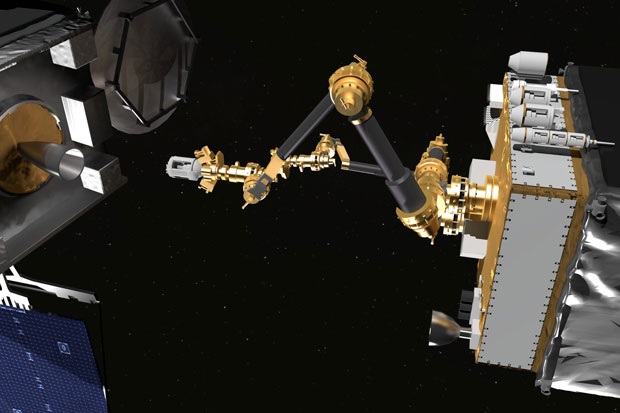
Space & Technology
The Defence Research and Development Organisation (DRDO) has started work on an advanced program to develop in-orbit robotics for space applications. The project is being led by scientist Kiran Akella and aims to complete its first operational phase by 2027. This initiative is seen as a major step in strengthening India’s indigenous capabilities in robotics, artificial intelligence, and aerospace engineering. The project will design legged robotic systems that can operate in zero-gravity and low-gravity environments. Unlike conventional robotic arms, these robots will have mobility to move across spacecraft surfaces and carry out complex activities. They will be capable of performing tasks such as inspection, maintenance, assembly, refuelling, and even repair work in orbit. This would reduce the need for human spacewalks and improve the sustainability of long-duration missions. One of the key objectives is to support India’s growing presence in space and to align with the vision of Atmanirbhar Bharat. The robots will have multiple uses including satellite servicing, orbital debris removal, on-orbit assembly of large structures like the proposed Bharatiya Antariksh Station, and inspection of spacecraft to ensure safety and reliability. DRDO’s technical work in this area will cover advanced fields such as pose estimation through vision and AI-based systems, autonomous operations with minimal human control, and sensing technologies that combine data from multiple inputs for accurate navigation and task execution. The robots will be built using lightweight and radiation-resistant materials to ensure they can function effectively during long missions in space. Although the initial focus is on space, the technology also has clear defence applications. Legged robots can be adapted for use in challenging terrains on Earth, including high-altitude regions, caves, and tunnels where wheeled or tracked vehicles face limitations. Such robots could assist the Indian Armed Forces in reconnaissance, logistics, and engineering operations in hazardous environments. Globally, organisations like NASA and the European Space Agency have already advanced in robotic systems for orbital work. India’s approach, however, is unique in focusing on legged robotics, which offer more flexibility than traditional designs. This development could also open the door for future collaborations with countries such as France and Japan, both of which are active in robotic servicing research. By 2027, DRDO expects to demonstrate the first phase of this capability, including robotic satellite docking, orbital debris management, and early construction of modular structures in orbit. These systems could later be integrated with ISRO missions, including future stages of Gaganyaan, lunar exploration projects, and deep-space missions. For the defence sector, ruggedised versions of these robots could be introduced by the end of the decade to strengthen battlefield support and logistics in difficult conditions. The success of this program would provide India with independent capability in a field where only a few nations have progressed, ensuring both civilian and military benefits from the same line of technological development.
Read More → Posted on 2025-09-28 14:34:31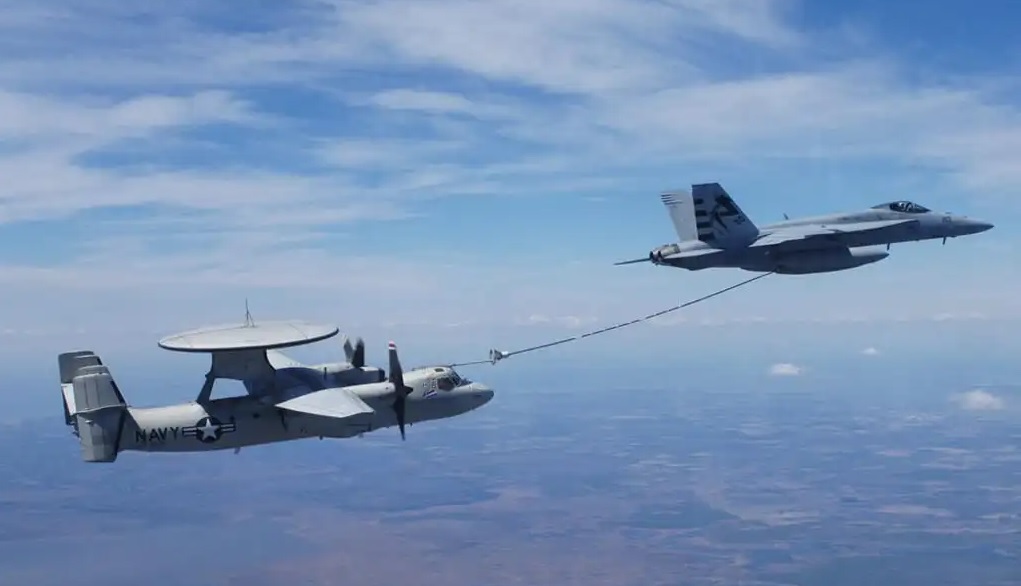
World
In a landmark achievement for naval aviation, the U.S. Navy’s E-2D Advanced Hawkeye successfully completed in-flight refuelling this summer with French tankers, marking the first time the aircraft has been refuelled by foreign platforms. The milestone not only extends the endurance of the Hawkeye but also enhances the operational integration of U.S. and French forces. The historic flights involved three different French aircraft: the Rafale configured as a buddy tanker, the A330 MRTT Phénix, and the A400M Atlas. The refuelling effort was the result of close cooperation between the U.S. Navy’s E-2/C-2 Airborne Command & Control Systems Program Office (PMA-231) and France’s procurement agency, the Direction Générale de l’Armement (DGA). The trials are part of preparations for the French Navy’s planned transition from the older E-2C Hawkeye to the newer E-2D beginning in 2028. The U.S. Navy emphasized that “with the addition of aerial refueling capabilities, the E-2D remains the most advanced command and control platform in the world.” By being able to take on fuel in midair, the aircraft can now remain airborne for much longer periods, greatly strengthening its role as a persistent eye in the sky. This development is particularly significant for coalition missions, as the ability to refuel from allied aircraft makes joint operations more seamless and efficient. For France, the tests are a vital step toward integrating the E-2D into its own naval air arm. The French Navy acquired three aircraft in December 2020, becoming the second international customer for the platform after Japan. Delivery and operational service are expected later this decade, with pilot training and additional refuelling trials scheduled to continue in France. The E-2D Advanced Hawkeye represents a leap of two generations beyond the E-2C. Its most notable advancement is the APY-9 radar, which provides unmatched detection and tracking of targets over sea and land. Combined with improved avionics, communications, and mission systems, the E-2D serves as a critical airborne command and control hub for modern naval operations. With aerial refuelling added to its capabilities, it can now provide sustained surveillance, early warning, and battle management across a wider area and for longer durations. The French contribution to these trials highlights the growing emphasis on allied interoperability. By demonstrating compatibility with the Rafale, MRTT, and A400M, the Hawkeye can now rely on French tanker support during real-world operations. This ability ensures that U.S. and French naval forces can coordinate more closely in joint exercises, carrier strike groups, and multinational missions. In today’s strategic environment, the need for persistent surveillance and coordination across vast maritime regions is greater than ever. The successful refuelling of the E-2D by French tankers marks a significant stride in meeting that challenge. It is not only a technical achievement but also a symbol of strengthened Franco-American defense ties, ensuring both nations remain ready for the evolving demands of modern naval warfare.
Read More → Posted on 2025-09-28 13:55:54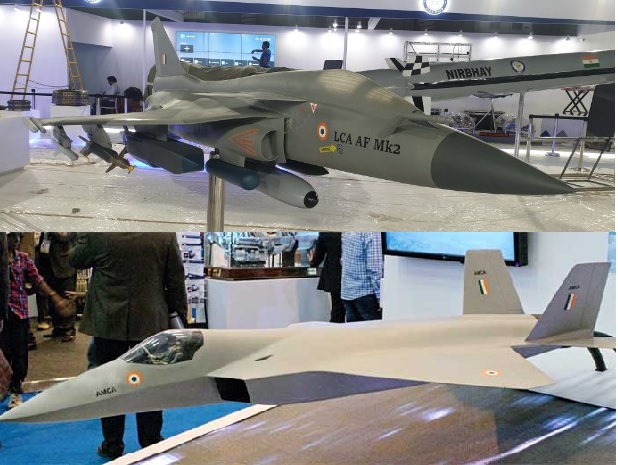
India
India’s fighter aircraft development is often seen in isolated phases—Tejas Mk1, Tejas Mk2, and then the Advanced Medium Combat Aircraft (AMCA). But the reality is more connected. The Tejas Mk2 is not just another fighter in India’s lineup; it is a deliberate technology and ecosystem bridge to AMCA, carrying forward critical avionics, flight control, and electronic warfare systems that will mature in Mk2 and seamlessly scale into the fifth-generation AMCA. The Digital Nervous System At the heart of this continuity is the Digital Fly-By-Wire Flight Control Computer (DFCC Mk2). It uses the same core logic architecture as AMCA’s FBW system, but in a quadruplex configuration, scaled to suit different airframe sizes and aerodynamic demands. This ensures that the handling qualities, redundancy philosophy, and software stack developed for Mk2 will directly feed into AMCA’s more advanced flight envelope. The Auxiliary Computer Mk2 functions as a mission support and backup system. Its coding environment and redundancy features are deliberately aligned with AMCA’s needs, giving developers the opportunity to iron out software glitches and operational refinements in Mk2 before porting them forward. A Shared Combat Brain Modern fighters rely heavily on distributed computing, and Tejas Mk2 and AMCA are designed with a common digital ecosystem. The Weapon Management Computer (WMC) and Weapon Interface Computer (WIC) share an identical architecture across both jets. This means that the integration logic for pylons, racks, and weapons—from guided bombs to long-range missiles—will be universally compatible. Developers won’t need to reinvent integration for AMCA; instead, they will adapt the proven Mk2 systems. Supporting this are shared processors such as the Sensor Video Processor and Digital Map Generator, which allow seamless video or terrain overlay for both platforms. Similarly, the Unified Video & Data Recorder ensures that mission data, pilot actions, and sensor feeds are captured in identical formats—simplifying analysis, training, and upgrades across the fleet. Common Sensors and Electronic Warfare Backbone Beyond avionics, Mk2 and AMCA will also share a sensor and EW (Electronic Warfare) backbone. The Acceleration Sensor Assembly used to monitor G-loads and vibration is standardized, reducing costs while ensuring flight data continuity. More importantly, the High Band and Low Band Switch Matrices—critical components of the EW suite—use the same architecture across both fighters. This not only reduces development cycles but also ensures that countermeasures, jamming protocols, and threat libraries remain interoperable. With electromagnetic warfare becoming as important as kinematics, such commonality gives India an edge in developing and updating EW capabilities faster. Scaling Beyond Tejas Mk2 The Tejas Mk2 is also a testbed for next-generation cockpit ergonomics and human-machine interfaces that AMCA will inherit. From wide-area displays to voice command systems and AI-assisted mission management, Mk2’s development cycle will refine technologies that will reach their full potential in AMCA. Engine choices too create a stepping stone. While Mk2 will fly with the GE F414, the experience of integrating this engine with an indigenous airframe lays the groundwork for India’s future indigenous powerplant efforts intended for AMCA Mk2. Similarly, mission planning software, ground-based simulators, and maintenance tools developed for Mk2 are being structured with modularity in mind, ensuring that the same ecosystem supports AMCA. Role of Mk2 Seen in this light, Tejas Mk2 is more than a stopgap between Tejas Mk1 and AMCA. It is the bridge program that allows India to de-risk technologies, establish industrial supply chains, and mature critical avionics and EW systems before they are embedded in a fifth-generation stealth fighter. By building this continuity—flight control computers, mission computers, EW architectures, and weapons integration—the Mk2 ensures that AMCA won’t be starting from scratch but will instead stand on the solid shoulders of proven, scalable technologies. In short, Tejas Mk2 is not the end of a chapter—it is the opening act of India’s fifth-generation story.
Read More → Posted on 2025-09-28 11:00:21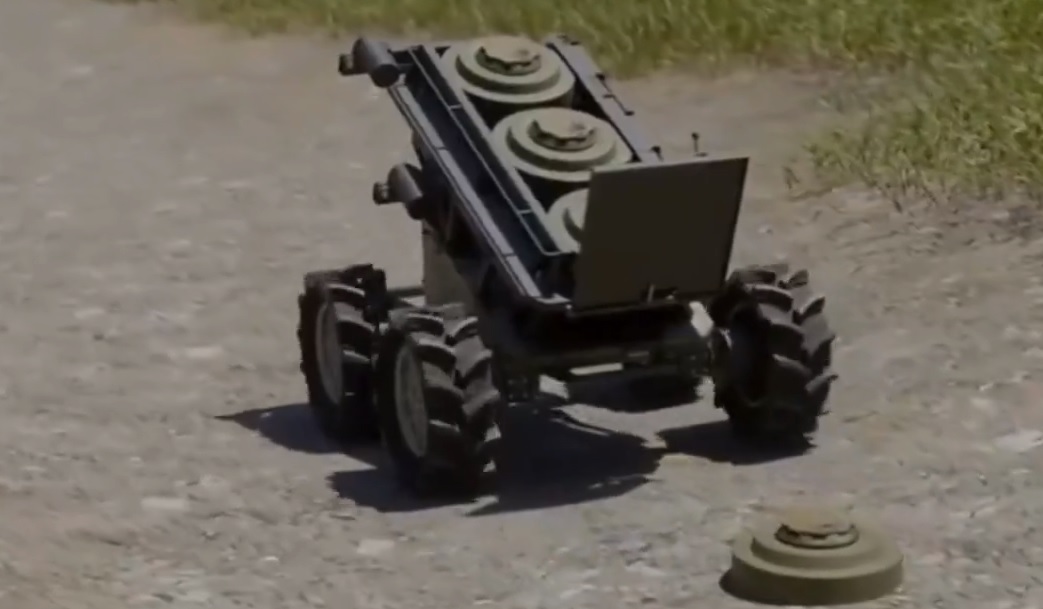
World
Ukraine’s growing reliance on unmanned ground vehicles (UGVs) has taken another step forward with the latest upgrade to the “Gnom” UGV, developed by the Kramatorsk-based company Temerland. Once known primarily for carrying out reconnaissance and light logistics roles, the compact robotic platform has now been modified to perform a much more lethal task: remotely placing anti-tank mines on the battlefield. A Deadlier Upgrade Originally, the Gnom could transport and deploy two TM-62 anti-tank landmines, a Soviet-era staple still widely used by Ukraine’s armed forces. With its latest upgrade, the vehicle’s capacity has increased to five TM-62 mines, significantly improving its effectiveness in creating improvised minefields without exposing soldiers to direct danger. This development highlights how Ukraine is adapting low-cost robotic platforms to perform roles that reduce risk to frontline troops while enhancing defensive and offensive capabilities. In practical terms, one Gnom can now lay a small but potent anti-armor trap across likely enemy routes of advance, slowing or even halting mechanized assaults. Features of the Gnom UGV The Gnom is a compact tracked platform, weighing roughly 200kg, with a low silhouette that allows it to operate discreetly. Controlled remotely via encrypted radio signals, it can navigate rough terrain, urban environments, or forested areas where human soldiers would be exposed. Beyond mine-laying, the Gnom has also been adapted for surveillance missions, equipped with cameras and sensors for battlefield reconnaissance. Some prototypes have been tested in combat resupply roles, transporting ammunition and equipment to front-line units under fire. The platform can reportedly travel several kilometers on a single charge, with swappable batteries enabling rapid redeployment. Battlefield Significance The upgrade comes as Ukraine faces sustained armored assaults, particularly from Russian main battle tanks and armored personnel carriers. While anti-tank guided missiles (ATGMs) and artillery remain the backbone of Ukraine’s anti-armor strategy, robotic systems like the Gnom provide an additional, low-cost method of attrition. Unlike traditional mine-laying, which requires combat engineers to manually plant explosives under fire, the Gnom can be sent forward under remote control, drop its payload, and withdraw. This not only saves time but also reduces casualties in one of the most dangerous battlefield tasks. Expanding Ukraine’s Robotic Arsenal Ukraine has become a testing ground for military robotics, with systems ranging from kamikaze drones to logistics UGVs appearing across the front. The Gnom sits at the intersection of these trends—simple, affordable, and highly adaptable. While Western militaries have often focused on larger and more sophisticated robotic systems, Ukraine has leaned on small, modular designs that can be mass-produced and rapidly fielded. The upgraded Gnom demonstrates how even modest platforms can deliver outsized strategic value when adapted creatively. The Temerland Gnom UGV’s mine-laying upgrade illustrates how necessity is driving innovation in Ukraine’s war effort. By increasing its carrying capacity from two to five anti-tank mines, the system now poses a greater threat to armored units while keeping Ukrainian soldiers out of harm’s way. As Ukraine continues to scale up its use of unmanned systems, the Gnom represents a practical example of how robotics can be weaponized to shape the battlefield, protect personnel, and disrupt enemy momentum—all at a fraction of the cost of traditional weapons systems.
Read More → Posted on 2025-09-28 10:49:23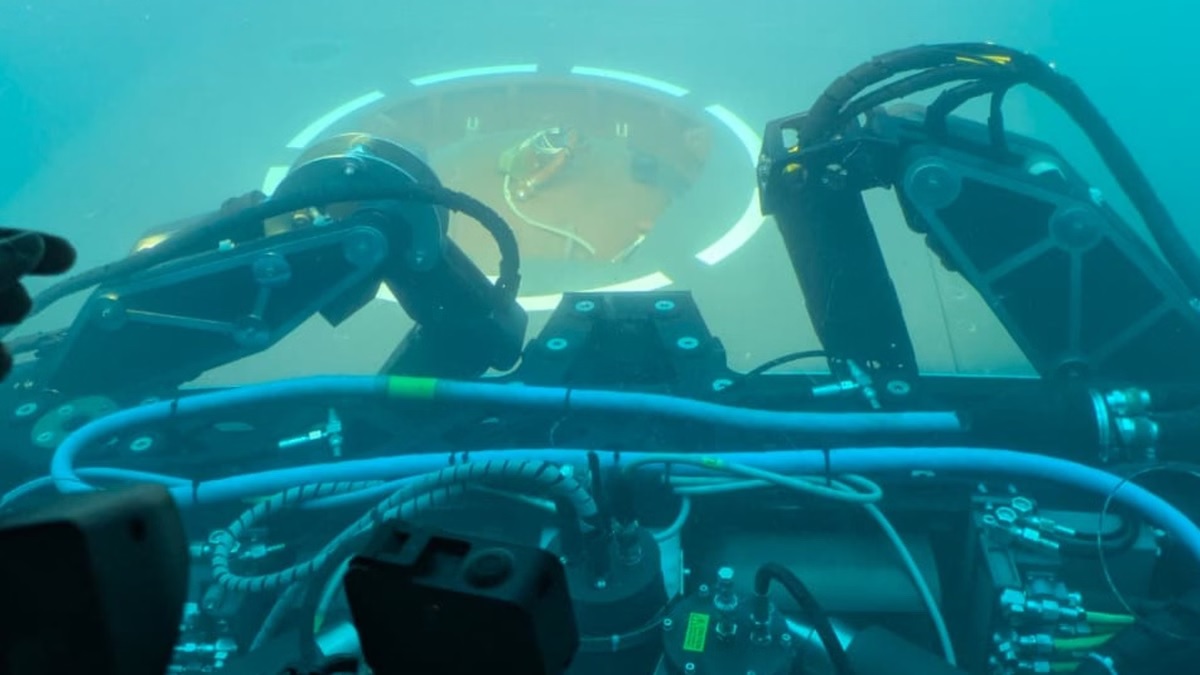
India
The Indian Navy has successfully carried out its first-ever maiden mating of assets with foreign submarines during a multinational exercise in the South China Sea, marking a significant achievement in global submarine rescue operations. The milestone was accomplished during Exercise Pacific Reach (XPR-25), a biennial event hosted by Singapore, which began on September 15 with participation from over 40 nations as active participants and observers. What Does "Mating" Mean in Naval Terms? In naval parlance, mating refers to the precise alignment and connection of a Submarine Rescue System with a distressed submarine. It is one of the most critical phases in submarine rescue, ensuring that trapped submariners can be evacuated safely. Successful mating proves the capability of a rescue system to operate with submarines of different designs and nationalities, highlighting interoperability and technical precision. India’s Role in Exercise Pacific Reach The Indian Navy deployed INS Nistar, an indigenously designed and built Diving Support Vessel (DSV), which is currently operating under the Eastern Fleet Command. INS Nistar made its maiden port call at Changi, Singapore, on September 14 before the exercise began. During the sea phase, India’s Submarine Rescue Unit (East) conducted multiple intervention and rescue operations alongside international assets. According to officials, over three days, the Indian Navy carried out three successful mates, including ROV (Remotely Operated Vehicle) operations, demonstrating the reliability and effectiveness of its advanced rescue systems. Growing Submarine Rescue Capabilities India’s submarine rescue capability received a major boost with the induction of two Deep Submergence Rescue Vehicles (DSRVs) in 2018–19, one each for the eastern and western seaboards. These DSRVs can conduct rescue missions up to a depth of 650 meters, placing India among an elite group of nations with such specialized capability. These DSRVs can be transported by air, land, and sea, making them rapidly deployable for emergencies not only in Indian waters but also in support of friendly foreign navies. This makes India a reliable maritime partner in the Indo-Pacific region. Strategic Importance A senior naval official emphasized that the successful maiden mating highlights India’s readiness, interoperability, and commitment to global submarine rescue efforts. It positions India as a dependable maritime partner and a proactive contributor to regional safety and humanitarian response at sea. By proving its ability to integrate with foreign submarines, India has strengthened its credibility in international naval cooperation, particularly in the strategically sensitive South China Sea, where freedom of navigation and maritime safety are critical global concerns. The successful participation of the Indian Navy in Exercise Pacific Reach 2025 is a testament to India’s technological advancement and global responsibility. The achievement of maiden mating with foreign submarines not only demonstrates India’s world-class submarine rescue capabilities but also reinforces its role as a key security partner in the Indo-Pacific region.
Read More → Posted on 2025-09-28 10:21:16
India
The Ladakh Police recently made a startling revelation in the ongoing investigation involving Sonam Wangchuk, the prominent Ladakhi activist and innovator. According to Ladakh DGP Dr. S.D. Singh Jamwal, authorities have arrested a Pakistani Intelligence Operative (PIO) who was reportedly in touch with Wangchuk and passing sensitive details to Pakistan. The police records indicate that Wangchuk attended a Dawn event in Pakistan and also visited Bangladesh, raising significant questions about his international engagements. Authorities are closely examining these activities to determine whether they were connected to foreign influence or intelligence operations. In addition to alleged links with Pakistan, investigations are underway regarding foreign funding. Wangchuk’s NGO, the Students’ Educational and Cultural Movement of Ladakh (SECMOL), is reportedly under scrutiny for possible violations of the Foreign Contribution Regulation Act (FCRA). The Ministry of Home Affairs has reportedly suspended or canceled the FCRA license pending investigation. The case follows recent unrest in Leh, where protests led to clashes between demonstrators and police, resulting in multiple casualties and the imposition of a curfew along with internet restrictions. Wangchuk was subsequently arrested and shifted to Jodhpur Central Jail, located over 1,000 kilometers from Ladakh, in order to ensure security and control. The DFG report suggests that authorities are treating the matter with utmost seriousness, focusing on national security and the potential impact of any foreign connections on regional stability. While investigations continue, Wangchuk’s international visits, alleged communication with a Pakistani operative, and foreign funding concerns remain at the center of attention. The outcome of this case could have wider implications for civil society activism and foreign influence monitoring in sensitive regions like Ladakh.
Read More → Posted on 2025-09-27 16:20:42
World
On September 27, 2025, President Donald Trump authorized the deployment of U.S. troops to Portland, Oregon, and federal Immigration and Customs Enforcement (ICE) facilities nationwide. This unprecedented move aims to counter what the administration describes as "domestic terrorists," particularly groups like Antifa. The decision follows escalating protests and attacks on federal infrastructure, raising concerns about civil liberties and federal overreach. Escalating Unrest in Portland Portland has been a focal point for protests since the 2020 George Floyd demonstrations. Over the years, the city has witnessed recurring clashes between protesters and law enforcement, especially near federal properties like ICE facilities. In 2020, federal agents were deployed to protect federal property, leading to criticism for aggressive tactics and unmarked arrests. More recently, protests have intensified, with incidents such as the doxxing of ICE officers and attacks on federal facilities. The administration attributes these actions to Antifa and other radical left-wing groups. The Administration's Response In response to the unrest, President Trump directed Defense Secretary Pete Hegseth to deploy troops to Portland and ICE facilities. The White House stated that the deployment was in response to "attacks by Antifa and other domestic terrorists," including sniper attacks and doxxing of federal officers. Attorney General Pam Bondi emphasized the need for a robust federal response, including severe charges against alleged rioters. Secretary of Homeland Security Kristi Noem highlighted the threat posed by these groups, leading to the designation of Antifa as a domestic terrorist organization. Criticism and Legal Concerns The deployment has faced significant criticism. Portland Mayor Keith Wilson condemned the federal intervention, describing it as an overreach and stating that the city had not requested federal assistance. Legal experts raised concerns about the constitutionality of using military force against civilians, particularly without clear evidence of a national emergency. Civil rights organizations warn that such actions could infringe upon the First and Fourth Amendments, potentially leading to unlawful detentions and suppression of free speech. The Broader Context This deployment is part of a broader federal strategy to address rising domestic extremism. Earlier this year, similar measures were taken in cities like Los Angeles and Washington, D.C. The designation of Antifa as a domestic terrorist organization has been a central element of this approach. Critics argue that these actions are politically motivated and disproportionately target left-wing activists, while overlooking potential threats from other extremist groups. President Trump's decision to deploy troops to Portland and ICE facilities marks a significant escalation in the federal government's response to domestic unrest. While the administration justifies the action as necessary to protect federal property and personnel, the move has sparked widespread debate over the balance between national security and civil liberties. As the situation develops, it remains to be seen how local governments, legal institutions, and civil society will respond to these unprecedented measures.
Read More → Posted on 2025-09-27 16:09:55
India
In a major boost to India’s energy prospects, Union Minister Hardeep Singh Puri announced the discovery of natural gas in the Andaman Sea at the Sri Vijayapuram-2 well, located just 17 kilometers off the eastern coast of the Andaman Islands. Initial tests conducted at a depth of 2,212 to 2,250 meters revealed gas with 87% methane content, highlighting its high quality and potential economic viability. The find marks the first confirmed natural gas discovery in the Andaman Sea, a region that has so far remained largely underexplored for hydrocarbons. Minister Puri described the discovery as a potential “game-changer” for India’s energy security, drawing comparisons with significant oil finds in countries like Guyana. Scale and Strategic Importance While the exact volume of the newly discovered reserves is yet to be quantified, experts suggest that the Sri Vijayapuram-2 well could emerge as a significant addition to India’s offshore gas portfolio. Currently, India’s proven natural gas reserves stand at approximately 1,094 billion cubic meters (BCM), with major deposits concentrated in the Western and Eastern Offshore basins. The high methane content of this discovery makes it especially suitable for industrial and domestic use, reducing reliance on imported liquefied natural gas (LNG) and strengthening India’s self-reliance in energy. Plans are already underway to enhance LNG import capacity by 27% to 66.7 million metric tons per year by 2030, but domestic discoveries like this could reduce the country’s dependence on imports. Comparison with Global Gas Reserves Globally, India’s reserves remain modest compared to the world’s largest deposits. Russia leads with 47.8 trillion cubic meters (TCM), followed by Iran with 33.7 TCM and Qatar with 24.1 TCM. While India’s reserves are smaller in scale, the strategic location and quality of the Sri Vijayapuram-2 find could elevate India’s standing in the regional energy landscape and open new avenues for exploration in the Andaman Sea. The discovery underscores India’s push to strengthen domestic energy production, reduce import dependency, and secure strategic resources in underexplored regions. Analysts suggest that further exploration in the Andaman Sea could reveal additional significant reserves, potentially transforming India’s energy outlook. With high-quality methane gas now confirmed, the Sri Vijayapuram-2 well positions India to not only meet domestic demand more effectively but also to expand its influence in the regional energy sector. Officials have indicated that detailed assessments and further drilling will follow to fully ascertain the size and potential of this offshore gas field.
Read More → Posted on 2025-09-27 16:01:07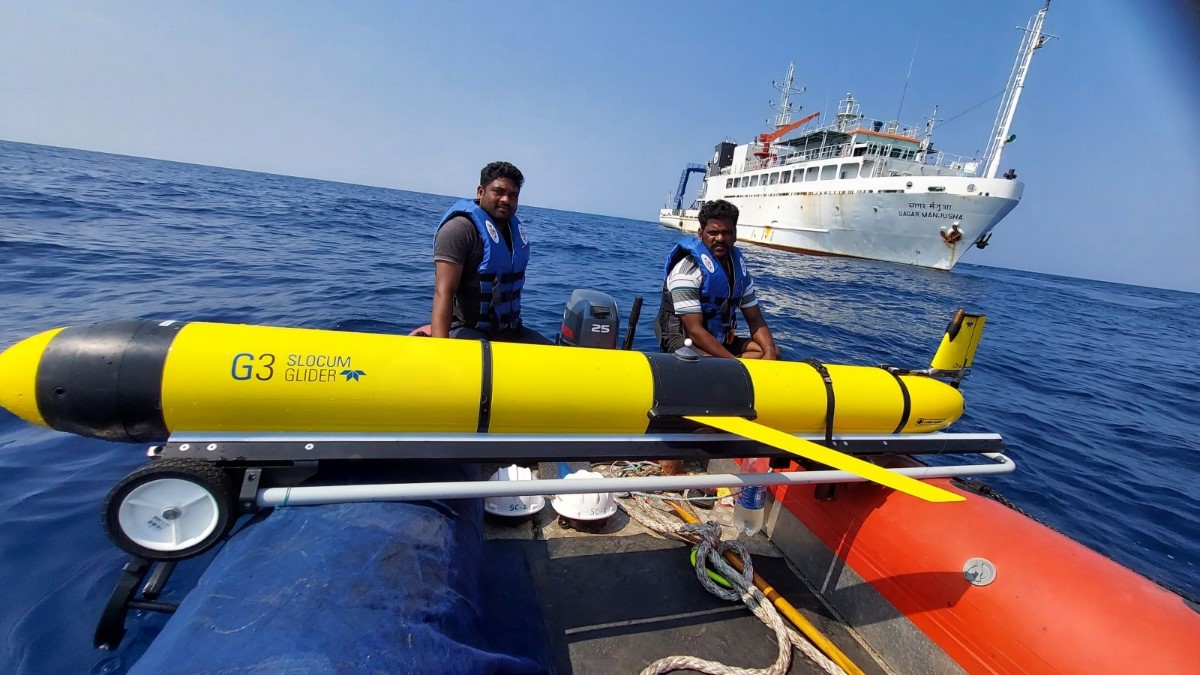
India
The Indian National Centre for Ocean Information Services (INCOIS), under the Ministry of Earth Sciences, is preparing to establish a network of shore stations along India’s vast coastline. This initiative aims to strengthen ocean observation, improve disaster warning systems, and provide critical data for coastal management, fisheries, and climate studies. What Are Shore Stations? Shore stations are land-based facilities equipped with advanced sensors, radar systems, and communication units that continuously monitor the ocean and coastal environment. Unlike satellites or offshore buoys, which provide broad but sometimes delayed information, shore stations can deliver real-time, localized data on sea surface conditions, currents, tides, and even unusual wave activity. They act as fixed observation posts, transmitting data directly to INCOIS headquarters in Hyderabad, where it is analyzed and integrated into forecasting systems. Such stations are particularly valuable in densely populated coastal areas where accurate, timely information can save lives and reduce economic losses. Why This Move Matters India has over 7,500 kilometers of coastline, home to more than 250 million people and a thriving economy that depends heavily on ports, fishing, tourism, and coastal industries. The country is also vulnerable to cyclones, tsunamis, storm surges, and coastal erosion. By establishing shore stations, INCOIS seeks to: Enhance early warning systems for cyclones, tsunamis, and high-wave events. Support fishermen with reliable advisories on fishing zones, ocean conditions, and safety alerts. Improve climate research, as the stations provide continuous datasets for long-term monitoring of sea-level rise, temperature changes, and ocean currents. Assist coastal development and security, ensuring safer navigation and better coastal planning for ports and harbors. Benefits Beyond Warnings The network will complement INCOIS’s existing infrastructure, such as the Indian Tsunami Early Warning Centre, satellite-based ocean data, and buoy arrays deployed in the Indian Ocean. Shore stations can provide finer-scale, nearshore observations that satellites often cannot capture accurately. For instance, they can detect coastal upwelling events critical for fish productivity or monitor erosion patterns threatening coastal villages. In addition, the data can be shared with the Indian Navy, Coast Guard, and disaster management agencies, enhancing maritime security and preparedness. Tourism hubs such as Goa, Kerala, and the Andaman Islands may also benefit from better monitoring of coastal waters, ensuring safety for beachgoers and water-based activities. INCOIS’s plan for shore stations is part of a broader strategy to modernize India’s ocean observation capabilities under the Deep Ocean Mission. With climate change increasing the frequency and intensity of extreme weather events, coastal resilience has become a national priority. By investing in this infrastructure, India is positioning itself as a leader in ocean science and disaster preparedness in the Indian Ocean region. In essence, these shore stations represent more than just scientific installations—they are a bridge between cutting-edge ocean research and the everyday safety and livelihood of millions of Indians who depend on the sea.
Read More → Posted on 2025-09-27 15:42:31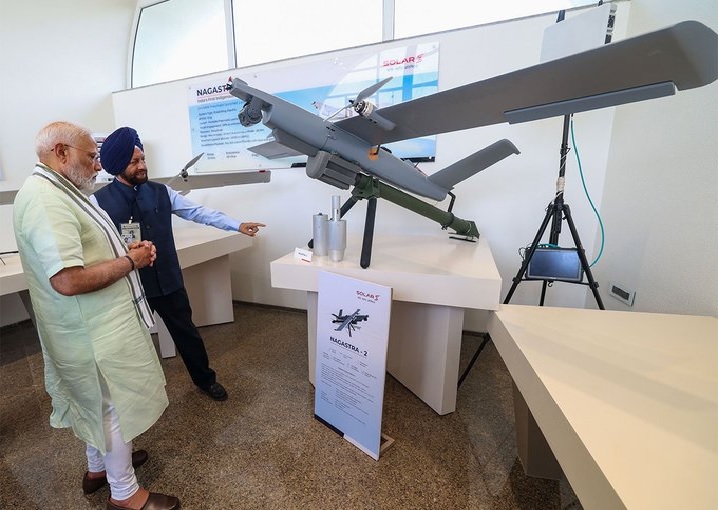
World
Nagpur-based Solar Defence and Aerospace Limited has emerged as one of India’s fastest-growing private defence firms, with an order book valued at nearly ₹15,000 crore (about $1.7 billion). The milestone reflects not only the company’s expansion but also the growing role of private players in India’s defence manufacturing ecosystem under the government’s Atmanirbhar Bharat initiative. A major portion of the order book comes from the Pinaka rocket system, for which Solar Defence has won a landmark contract worth over ₹6,000 crore. The company has also bagged significant orders for explosives, artillery shells, loitering munitions, and UAV systems, positioning itself as a comprehensive defence supplier. Recent deals include a contract for the Nagastra-1R loitering munition, capable of precision strikes during both day and night operations, as well as export orders worth more than ₹2,000 crore spread across multiple years. To meet this demand, Solar Defence is rapidly expanding its manufacturing footprint. The company has acquired around 220 acres in the Mihan SEZ near Nagpur, where it plans to invest over ₹12,000 crore in new facilities for rockets, UAVs, and transport aircraft production. These projects are expected to generate thousands of jobs and transform the city into a growing hub for defence and aerospace activities. Alongside domestic expansion, Solar has also established a global presence, with operations in Thailand and a new plant in Kazakhstan, enabling it to tap into international defence markets. The strategic importance of Solar’s order book lies in its diversified portfolio. From guided rockets to advanced UAVs, the company is moving beyond explosives and ammunition into high-value, technology-intensive defence systems. This diversification ensures that Solar is not only supporting the Indian armed forces’ modernisation drive but also contributing to the country’s push for defence exports. Analysts note that the ₹15,000 crore pipeline gives the company strong revenue visibility for several years, while also boosting Nagpur’s status as a growing defence-industrial hub. The rise of Solar Defence underscores a larger shift in India’s security ecosystem, where private players are increasingly stepping in to supplement traditional state-run defence enterprises. With demand for precision munitions, rockets, and unmanned systems rising globally, Solar Defence’s expanding role signals that India’s defence industry is entering a new phase—one marked by greater self-reliance, technological ambition, and international competitiveness.
Read More → Posted on 2025-09-27 15:38:10
World
When China rolled out the DF-5C intercontinental ballistic missile (ICBM) during its recent military parade in Beijing, it wasn’t just about tradition or showcasing legacy hardware. The end-of-parade slot has always been reserved for the People’s Liberation Army’s most powerful nuclear asset, and this year the DF-5C was chosen to send a very specific message: China is prepared to counter the United States’ Global Strike doctrine with overwhelming nuclear deterrence. The Strategic Significance of the DF-5C The DF-5 series has long been a backbone of China’s strategic missile arsenal. First entering service in 1981, it was Beijing’s first true long-range ICBM, with the ability to reach targets as far as 13,000 to 16,000 kilometers away—including the entire continental United States. Over decades, it has evolved through several upgrades, each improving range, payload, and survivability. The DF-5C, the latest variant, represents the most formidable leap in this lineage. It is reportedly capable of carrying up to 12 multiple independently targetable re-entry vehicles (MIRVs), each one a nuclear warhead capable of striking a separate target. This means a single DF-5C launch could overwhelm missile defense systems and deliver catastrophic damage across multiple points. For China, this ensures that no adversary can risk a first strike without facing devastating retaliation. Countering the Global Strike Concept The United States has for years pursued its Prompt Global Strike (PGS) strategy, designed to hit strategic targets anywhere in the world within an hour—using either conventional or nuclear warheads. From Beijing’s perspective, such a doctrine poses a direct threat to its nuclear deterrent, raising the risk that China’s retaliatory capability could be neutralized before it can be launched. By showcasing the DF-5C, China is signaling that it has built a credible safeguard against this threat. With silo-based deployment, decoy silos, and the capacity to unleash an enormous payload of warheads, the DF-5C serves as a counterforce weapon that cannot easily be eliminated in a surprise attack. Even if some silos were destroyed, others could still respond with massive retaliation—ensuring the credibility of China’s nuclear deterrence posture. A Contrast with the US Minuteman III The comparison between the DF-5C and America’s Minuteman III is striking. The Minuteman, a solid-fuel missile, is optimized for speed and rapid readiness, but it has been restricted to a single warhead under arms control treaties. The DF-5C, while slower to launch due to liquid-fuel systems, emphasizes destructive payload and volume, with its dozen MIRVs offering a combined blast yield far greater than the Minuteman’s single warhead. This contrast highlights two different nuclear strategies: Washington prioritizes rapid, flexible response, while Beijing emphasizes overwhelming retaliation to ensure that deterrence remains intact under any circumstances. The Message from Beijing By closing the parade with the DF-5C, China underscored that its nuclear modernization is not only about new mobile ICBMs like the DF-41 but also about strengthening its silo-based deterrent. It signals that Beijing is committed to ensuring its nuclear arsenal cannot be disarmed by a surprise strike. This move also reflects a broader shift in China’s doctrine. The expansion of its silo fields and new command infrastructure indicates a move toward an “early warning counterstrike” capability—designed to respond quickly if China detects an incoming nuclear attack. The decision to highlight the DF-5C was more than ceremonial—it was strategic. The missile represents China’s answer to the US Global Strike doctrine, ensuring that Beijing maintains a credible second-strike capability in an era of advanced missile defenses and rapid-strike strategies. By showcasing the DF-5C, China sent a clear message to the world: its nuclear deterrent is not only alive but evolving, and any attempt to neutralize it would come at an unacceptably high cost.
Read More → Posted on 2025-09-27 15:33:12
World
The U.S. Air Force has selected Minco Technologies, based in Cookeville, Tennessee, to develop a next-generation unmanned aircraft engine in a contract valued at up to $13.6 million. The project aims to design a modular, fuel-flexible, and highly efficient propulsion system that could transform how drones operate in future missions. The new engine, formally titled the “Modular Operationally Resilient Fuel-Flexible Extreme-Efficiency UAS-Engine System,” is expected to reduce fuel consumption dramatically and cut the Air Force’s fuel logistics chain by as much as 50 percent. Such an achievement would lower the risk of vulnerable fuel convoys and supply lines while improving the endurance, range, and operational flexibility of unmanned aerial systems (UAS). Work on the program will take place in Cookeville, Tennessee, with completion targeted for August 30, 2028. The project will be managed by the Air Force Research Laboratory (AFRL) at Wright-Patterson Air Force Base in Ohio, under contract number FA2394-25-C-B056. The award resulted from a competitive acquisition, though only one proposal was received. This development comes at a time when the Pentagon is placing greater emphasis on logistics resilience. In contested regions, fuel supply chains are often vulnerable to disruption. An engine capable of running on different fuel types while using less of it could allow drones to operate from more locations, sustain longer missions, and reduce the need for constant resupply. The new propulsion system’s modular design also provides a pathway for upgrades, enabling the Air Force to integrate future advancements without replacing the entire engine. This approach can help lower costs and keep pace with evolving mission needs. In the coming years, Minco will conduct ground testing, performance evaluations, and flight demonstrations to prove the system’s reliability and adaptability. If successful, the project could significantly reshape the way the Air Force deploys its unmanned aircraft—allowing them to fly longer, consume less fuel, and operate more freely in high-risk environments. This program represents a crucial step toward the next generation of drone technology, where efficiency and resilience are as important as speed and payload.
Read More → Posted on 2025-09-27 15:21:00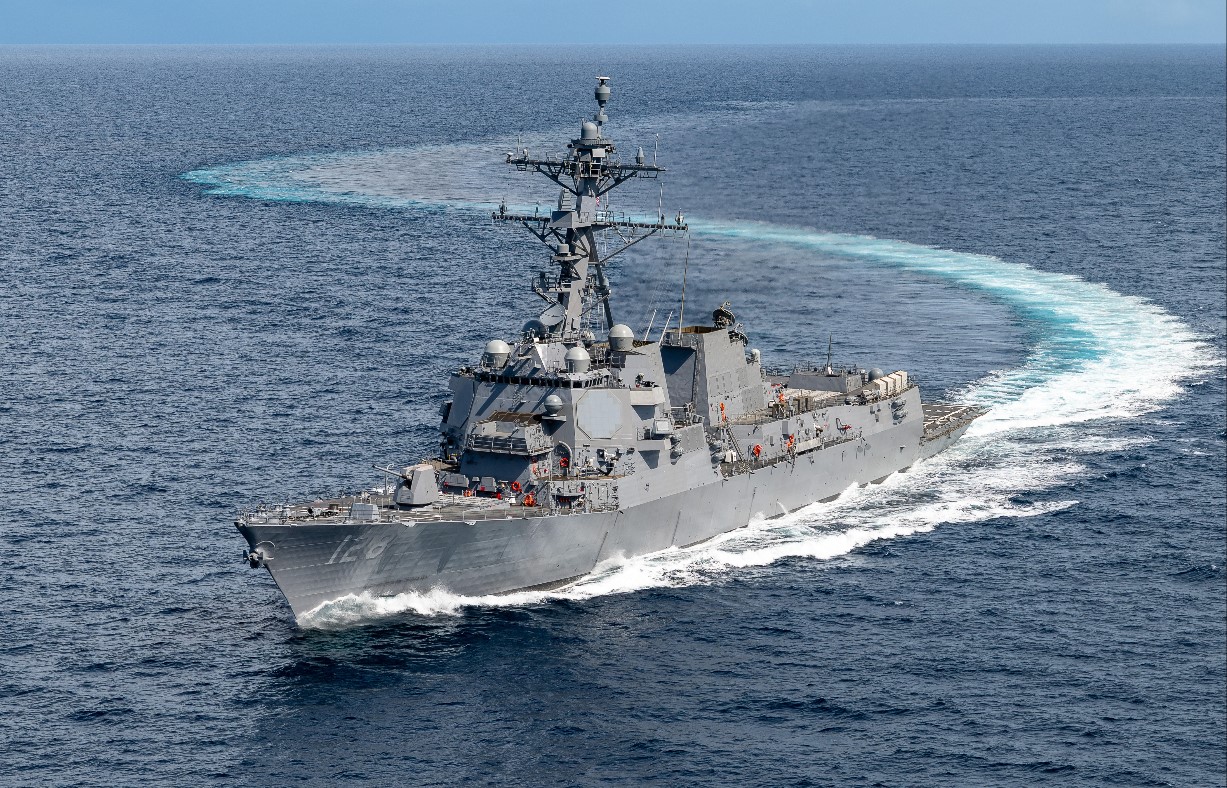
World
Ingalls Shipbuilding, a division of HII, has successfully completed builder’s sea trials for the guided missile destroyer USS Ted Stevens (DDG-128), marking a major step forward in the construction of the U.S. Navy’s latest Flight III Arleigh Burke–class destroyer. Milestone at Sea The builder’s trials took place in the Gulf of Mexico and spanned several days, putting the ship through demanding tests of engineering, navigation, and combat systems. These evaluations ensure that the ship’s critical systems meet Navy standards before moving on to acceptance trials and eventual delivery. During the trials, Ingalls teams carried out a comprehensive range of hull, mechanical, and electrical assessments, while also testing the ship’s advanced AN/SPY-6(V)1 Air and Missile Defense Radar, a central upgrade for the Flight III class. Ben Barnett, Ingalls Shipbuilding’s DDG program manager, praised the joint efforts of Ingalls and Navy crews, noting that their determination reflects the shared urgency of delivering highly capable ships that safeguard U.S. national security. Flight III: The Next Generation The Flight III Arleigh Burke destroyers represent a major leap in surface combat capability. Their most significant enhancements include: AN/SPY-6(V)1 Radar with far greater detection range and sensitivity. Aegis Baseline 10 Combat System, integrating advanced radar with powerful missile defense capabilities. Stronger power and cooling systems to support high-energy weapons and future upgrades. Design modifications to enable multi-mission warfare, including air defense, anti-submarine, and surface operations. These destroyers are designed to handle evolving 21st-century threats, from ballistic missiles to sophisticated aerial and maritime challenges. The Story of DDG-128 Construction of USS Ted Stevens began with its keel authentication in March 2022. The ship was launched in August 2023 and christened shortly afterward in a ceremony at Pascagoula, Mississippi. Named in honor of Senator Ted Stevens of Alaska, the vessel recognizes his long service and strong support for the U.S. military. Ingalls Shipbuilding has already delivered 35 Arleigh Burke–class destroyers to the Navy, including the first Flight III, USS Jack H. Lucas (DDG-125), in 2023. Currently, five more Flight III destroyers are under construction at Ingalls: Ted Stevens (DDG-128), Jeremiah Denton (DDG-129), George M. Neal (DDG-131), Sam Nunn (DDG-133), and Thad Cochran (DDG-135). Building Capacity for the Future To meet increasing Navy demand, HII has expanded its production strategy. Ingalls is partnering with shipyards and fabricators across several states, where outfitted structural units are built, inspected, and accepted before being shipped to Pascagoula for final assembly. This approach increases throughput and ensures timely delivery of more warships. As the largest manufacturing employer in Mississippi, Ingalls Shipbuilding has played a crucial role in U.S. naval strength for over 86 years, building amphibious ships and destroyers that form the backbone of the fleet. With builder’s trials successfully completed, DDG-128 will soon undergo acceptance trials under Navy supervision. After any final adjustments, the ship will be delivered and commissioned into service. Once operational, USS Ted Stevens will join the Navy’s front line of defense, equipped with advanced radar, missile-defense capabilities, and combat systems that will keep the U.S. fleet prepared for decades to come.
Read More → Posted on 2025-09-27 14:33:44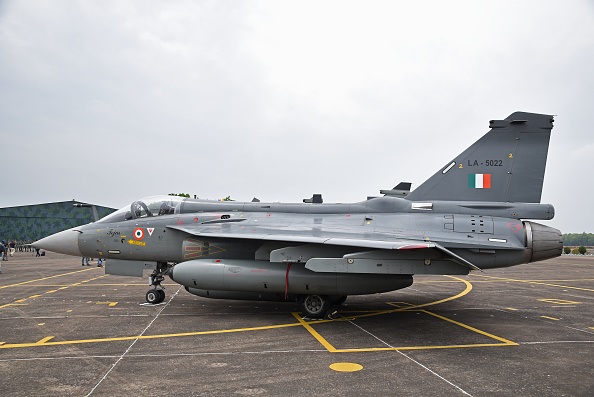
India
India is taking a significant step towards the future of aerial warfare by planning to convert older Tejas Light Combat Aircraft (LCA) prototypes into autonomous fighter jets. The Defence Research and Development Organisation (DRDO) and the Aeronautical Development Agency (ADA) are leading this initiative, which aims to develop advanced aircraft technologies for the next decade and lay the foundation for future Indian fighter aircraft. The Tejas prototypes, which cannot be upgraded to the Mk1A standard, will now serve as experimental platforms rather than being retired. These aircraft will be fitted with autonomous flight systems, advanced sensors, and high-speed data links, enabling them to operate without a pilot onboard. The upgraded systems will allow the jets to independently plan missions, identify threats, and make immediate decisions during flight. Advanced equipment like Active Electronically Scanned Array (AESA) radar, infrared sensors, and electronic warfare tools will be installed to help the aircraft detect and engage targets accurately, even in complex combat scenarios. This ambitious effort represents a move towards Level 5 autonomy, where aircraft can complete missions entirely independently. The technologies developed through this program are expected to directly contribute to future projects, including sixth-generation fighter aircraft and Unmanned Combat Aerial Vehicles (UCAVs) such as the Ghatak stealth drone. By enabling jets to make decisions autonomously, India’s armed forces will gain a strategic advantage in terms of speed, efficiency, and safety during operations. Developing autonomous flight systems is a major technical challenge. Integrating modern sensors, secure communication systems, and real-time decision-making algorithms into older prototypes requires meticulous planning and engineering. Despite these hurdles, DRDO and ADA’s previous successes, including the development of Astra missiles and the Uttam AESA radar, provide confidence that this project will succeed. The program is expected to be implemented over the next five to seven years. Once Tejas production is complete around 2030–32, these autonomous test aircraft will be used to refine the technology further. In the long run, this initiative will position India among the leading countries in autonomous aerial warfare, giving the Indian Air Force a fleet of highly capable, technologically advanced aircraft for future combat scenarios.
Read More → Posted on 2025-09-27 14:25:12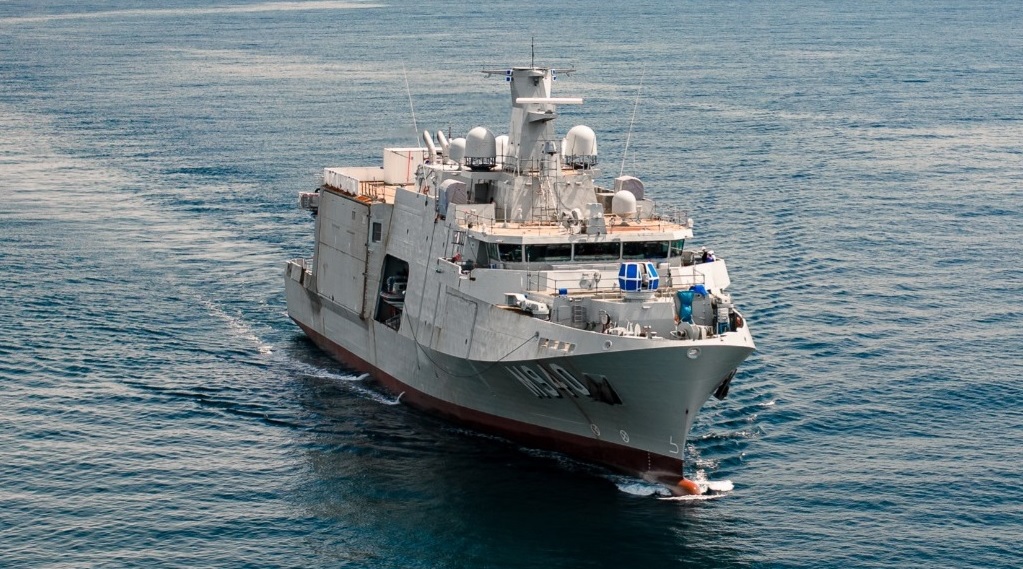
World
In a significant step toward strengthening NATO’s naval presence in the Black Sea, the Belgian and Dutch governments have agreed to transfer seven mine countermeasure (MCM) vessels to the Bulgarian Navy. Under this agreement, Belgium will hand over four ships, while the Netherlands will provide three, along with a training simulator and spare parts to ensure the Bulgarian fleet is fully prepared for operations. The Transfer Plan The vessels being transferred are Tripartite-class (also known as Alkmaar-class in the Netherlands), designed in the 1980s for advanced mine-hunting operations. Although they are legacy ships, they remain highly capable when refurbished. Belgium will provide its vessels free of charge, but Bulgaria will fund their refurbishment and modernization, most likely in Belgian shipyards, before they are commissioned into active service. The Dutch ships are scheduled for delivery between 2027 and 2028. The modernization phase will ensure these ships are equipped with reliable navigation, mine detection sensors, and communication systems, enabling them to meet NATO operational standards. With these upgrades, Bulgaria will significantly enhance its ability to conduct mine-clearing operations and protect maritime traffic in the region. Link to the rMCM Program This handover is directly connected to the binational Belgian-Dutch rMCM program, which began in 2019. The program focuses on replacing aging Tripartite-class vessels with a new generation of City-class / Vlissingen-class ships. These new vessels are: 82.6 meters long with a displacement of 2,800 tonnes. Equipped with an integrated “toolbox” of unmanned systems — including surface drones, underwater drones, and aerial drones — designed to detect, identify, and neutralize mines without risking crew safety. Built with reduced magnetic, acoustic, and electrical signatures, making them stealthier in mine-infested waters. Being delivered in phases until 2030, with both navies receiving six ships each. By transferring their older Tripartite-class ships to Bulgaria, Belgium and the Netherlands can focus on adopting these next-generation vessels while ensuring that their allies remain equipped with capable MCM assets. Strategic Importance for the Black Sea The Black Sea has become a region of high strategic tension due to the ongoing war in Ukraine, increased Russian naval activities, and the need to protect energy and trade routes. Mines pose a serious risk to commercial shipping, and NATO has placed strong emphasis on mine-warfare capabilities to safeguard maritime security. By acquiring these ships, Bulgaria will: Greatly expand its mine detection and neutralization capacity. Contribute more effectively to NATO’s collective operations in the Black Sea. Improve regional interoperability with other NATO members, especially Romania, which has already enhanced its navy by integrating a Sandown-class vessel transferred from the UK. Provide safer conditions for civilian and military shipping in one of Europe’s most critical maritime zones. A Strengthened NATO Naval Posture The agreement is not just a ship transfer — it represents a strategic partnership. It ties Bulgaria more closely into the Belgian-Dutch mine warfare community, including training institutions like EGUERMIN, the joint Naval Mine Warfare School. This ensures Bulgarian crews will receive the same level of training and doctrine as their Western counterparts. Dutch State Secretary of Defence Gijs Tuinman highlighted that this initiative is a crucial step toward strengthening Black Sea security and reinforcing NATO’s eastern flank. It shows how allied nations are adapting quickly to modern threats by redistributing resources where they are most urgently needed. The arrival of these seven MCM vessels will mark a turning point for the Bulgarian Navy, transforming its mine-clearing capability and reinforcing NATO’s defensive posture in the Black Sea. For Belgium and the Netherlands, the transfer clears the way for the induction of their advanced rMCM vessels, while ensuring that allies like Bulgaria can immediately benefit from proven platforms. This initiative reflects NATO’s broader strategy: combining modernization with solidarity. Older but capable ships are being handed to allies in sensitive regions, while Western navies move ahead with cutting-edge designs — ensuring that every member state contributes to collective security in a rapidly evolving maritime environment.
Read More → Posted on 2025-09-27 14:13:05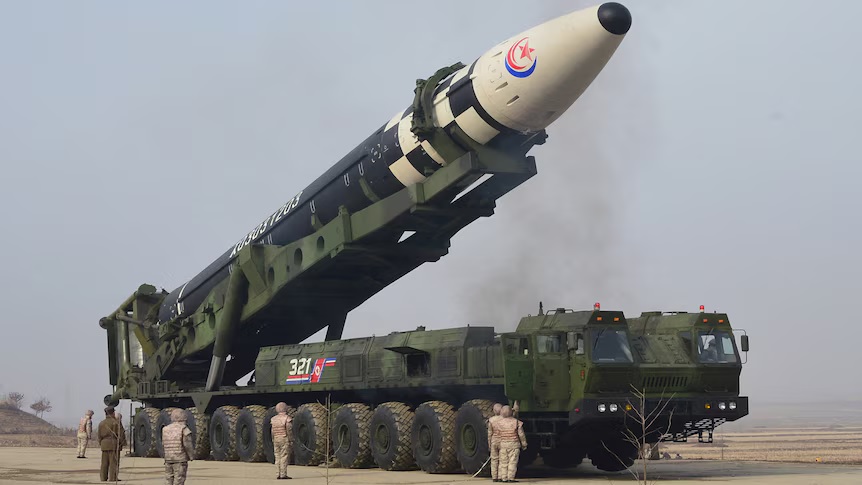
World
South Korea’s President Lee Jae-myung has issued a stark warning that North Korea is on the verge of deploying an Intercontinental Ballistic Missile (ICBM) capable of striking the United States mainland with a nuclear warhead. Speaking on Thursday, September 25, 2025, Lee emphasized that while Pyongyang has not yet proven its warheads can withstand re-entry at hypersonic speeds, the pace of its missile development poses a fast-growing threat to Washington, Seoul, and Tokyo. The Hwasong-19, a solid-fuel three-stage ICBM first tested on October 31, 2024. Unlike earlier liquid-fuel models, this missile can be launched rapidly from mobile transporter-erector launchers, making it harder for adversaries to detect and preempt. With an estimated range of 12,000 kilometers, the missile could target the entire U.S. mainland if paired with a hardened and miniaturized nuclear payload. North Korea’s nuclear ambitions, however, go beyond just one missile. The older but massive Hwasong-17, powered by liquid fuel, is designed to carry heavy or even multiple warheads. Though it requires longer preparation time, its range of 12,000 to 15,000 kilometers also covers all major American cities. Analysts believe it could serve as a platform for MIRV technology—the ability to launch multiple warheads on a single missile—if Pyongyang continues to advance. There is also speculation about a future missile, informally dubbed the Hwasong-20, which may be intended for larger payloads and penetration aids like decoys to overwhelm U.S. missile defenses. Although such technology has not been tested in confirmed trials, even limited use of decoys could significantly reduce the effectiveness of American interceptors. Alongside its ICBM program, North Korea has been working on a second-strike capability. The Pukguksong series of submarine-launched ballistic missiles (SLBMs)—notably the Pukguksong-3, -4, and -5—have ranges of 2,000 to 3,000 kilometers, threatening Japan, Guam, and U.S. Pacific bases. Though North Korea’s submarine fleet is outdated compared to major navies, even a handful of SLBM-capable submarines could allow Pyongyang to launch from unpredictable positions, increasing its survivability. The regime also maintains a strong regional nuclear strike force. The Hwasong-12 intermediate-range missile can reach Guam, while the KN-23 and KN-24 short-range ballistic missiles provide the option to target South Korea and Japan with tactical nuclear warheads. These weapons, with yields of 10 to 50 kilotons, blur the line between conventional and nuclear warfare, raising the risk of rapid escalation in any conflict. All of these missile systems are backed by a growing stockpile of fissile material. Intelligence reports suggest that North Korea operates multiple uranium enrichment and plutonium reprocessing sites, enabling it to steadily expand its warhead inventory, which already numbers in the dozens. Experts estimate the arsenal ranges from smaller tactical devices of 10–20 kilotons to larger strategic warheads of 100–250 kilotons, enough to devastate major cities. Despite these advances, Pyongyang still faces one major technical challenge: ensuring that its warheads can survive atmospheric re-entry at intercontinental ranges. A warhead must endure extreme heat and stress while maintaining stability. North Korean state media has showcased new re-entry vehicle designs, but outside analysts say verifiable proof of consistent success remains absent. If North Korea overcomes this final obstacle, the strategic balance in East Asia—and beyond—will shift dramatically. For the United States, a survivable North Korean ICBM force would challenge deterrence strategies and require heavier investment in missile defense systems like Ground-Based Midcourse Defense (GMD) and Aegis interceptors. For South Korea and Japan, the danger is more immediate, as short- and medium-range nuclear missiles could strike with little warning. For the world at large, the risk extends to proliferation, as a more advanced Pyongyang might export nuclear materials or missile technology to other countries or non-state actors. President Lee’s warning underscores that North Korea’s nuclear program has entered a decisive stage. The country already has the capability to devastate its neighbors and is on the brink of threatening the U.S. homeland. Unless checked through diplomacy, deterrence, or technological countermeasures, Pyongyang’s nuclear progress represents one of the most serious challenges to global security in the 21st century.
Read More → Posted on 2025-09-27 14:04:48Search
Top Trending in 24 Hours
-
 Kuwait and Bahrain Reportedly Launch First Joint Direct Airstrikes on Iran Since War Began : Report
-
 General Dynamics Awarded Up to $400.4 Million Contract for U.S. Missile-Tracking Satellite Ground Segment
-
 U.S. Department of War Awards Oracle Up to $6.99 Billion Enterprise Software Deal
-
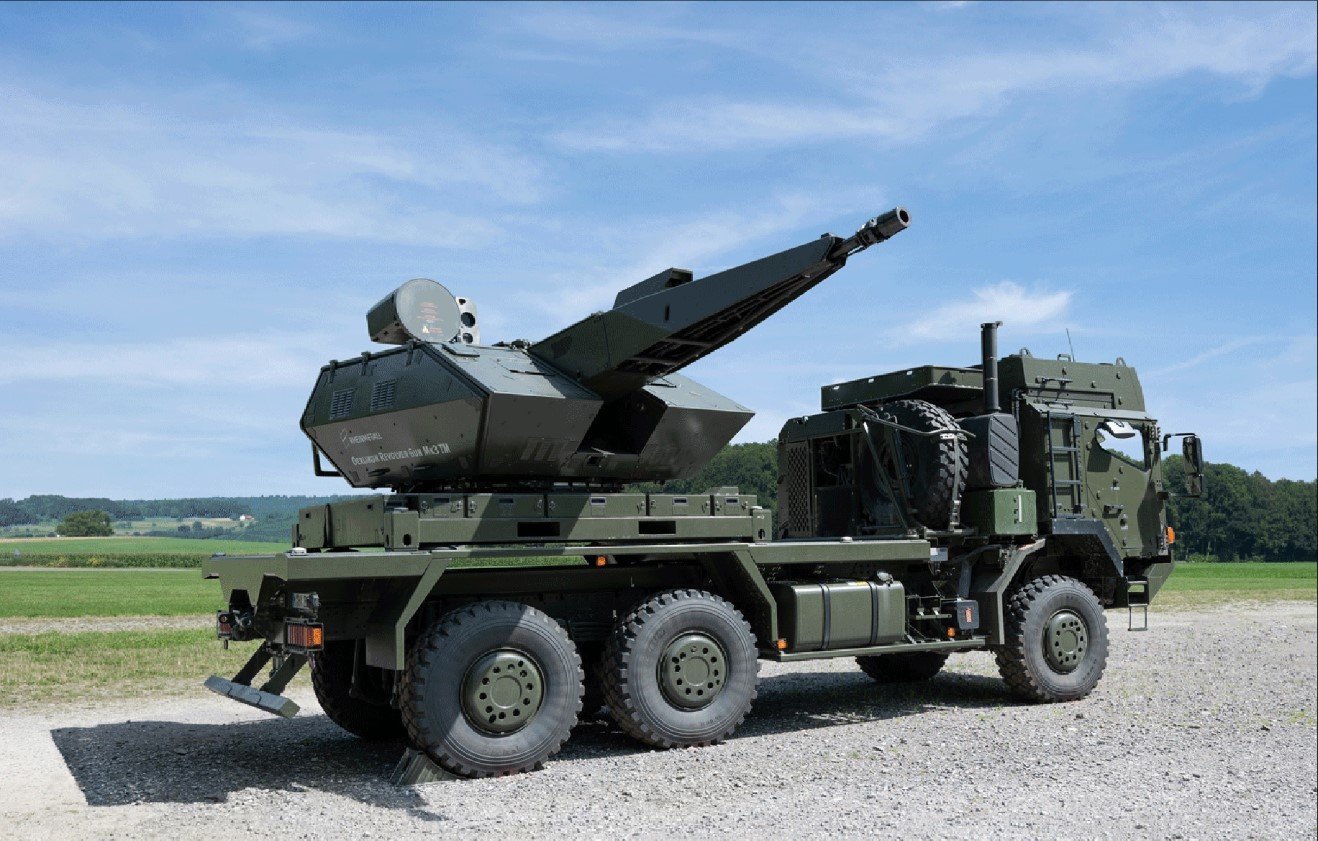 China Imposes Dual-Use Export Ban on 14 European Entities After EU's Russia Sanctions
-
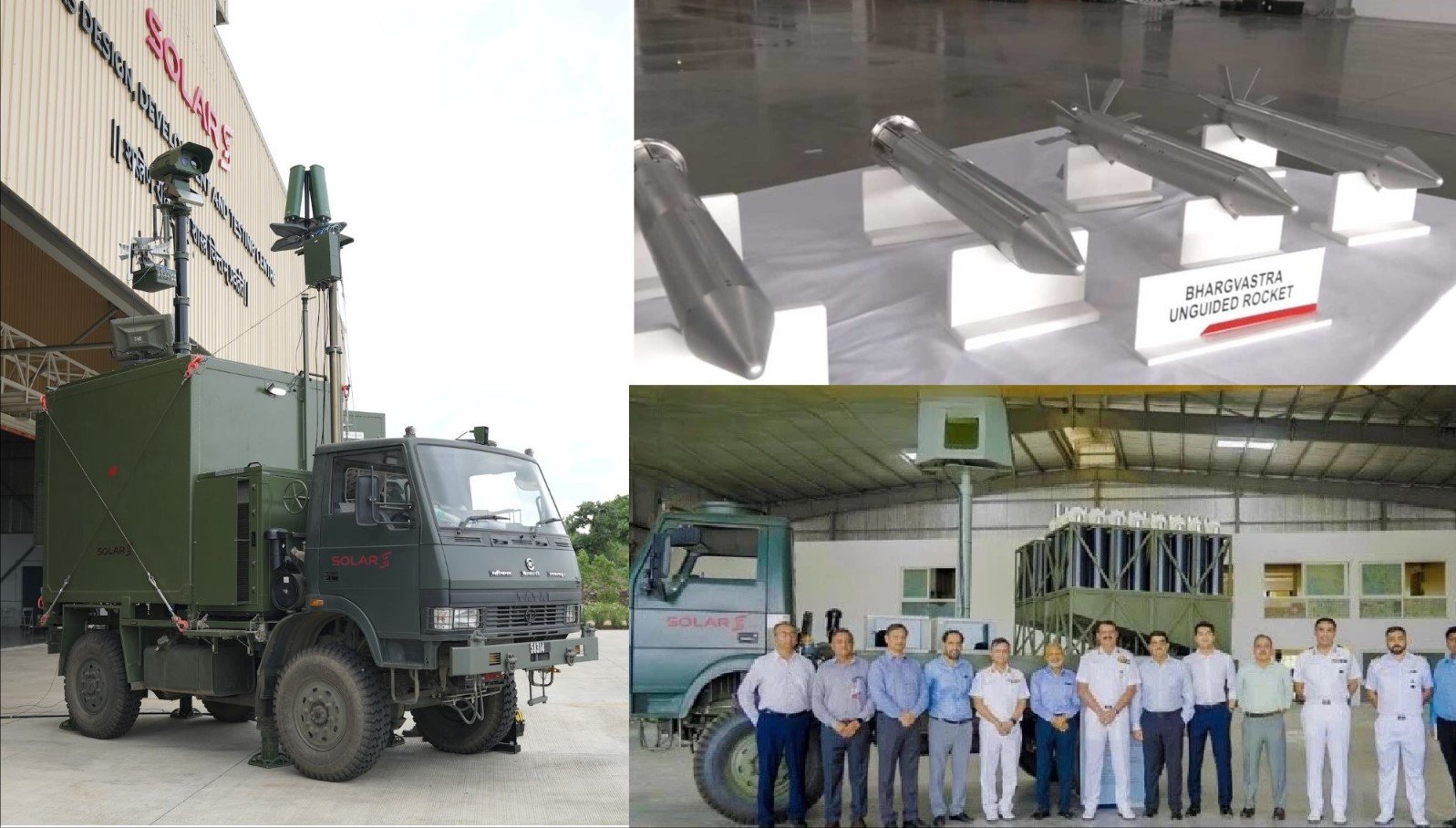 India's SDAL Demonstrates 'Bhargavastra' Counter-Swarm Drone System to Indian Army
-
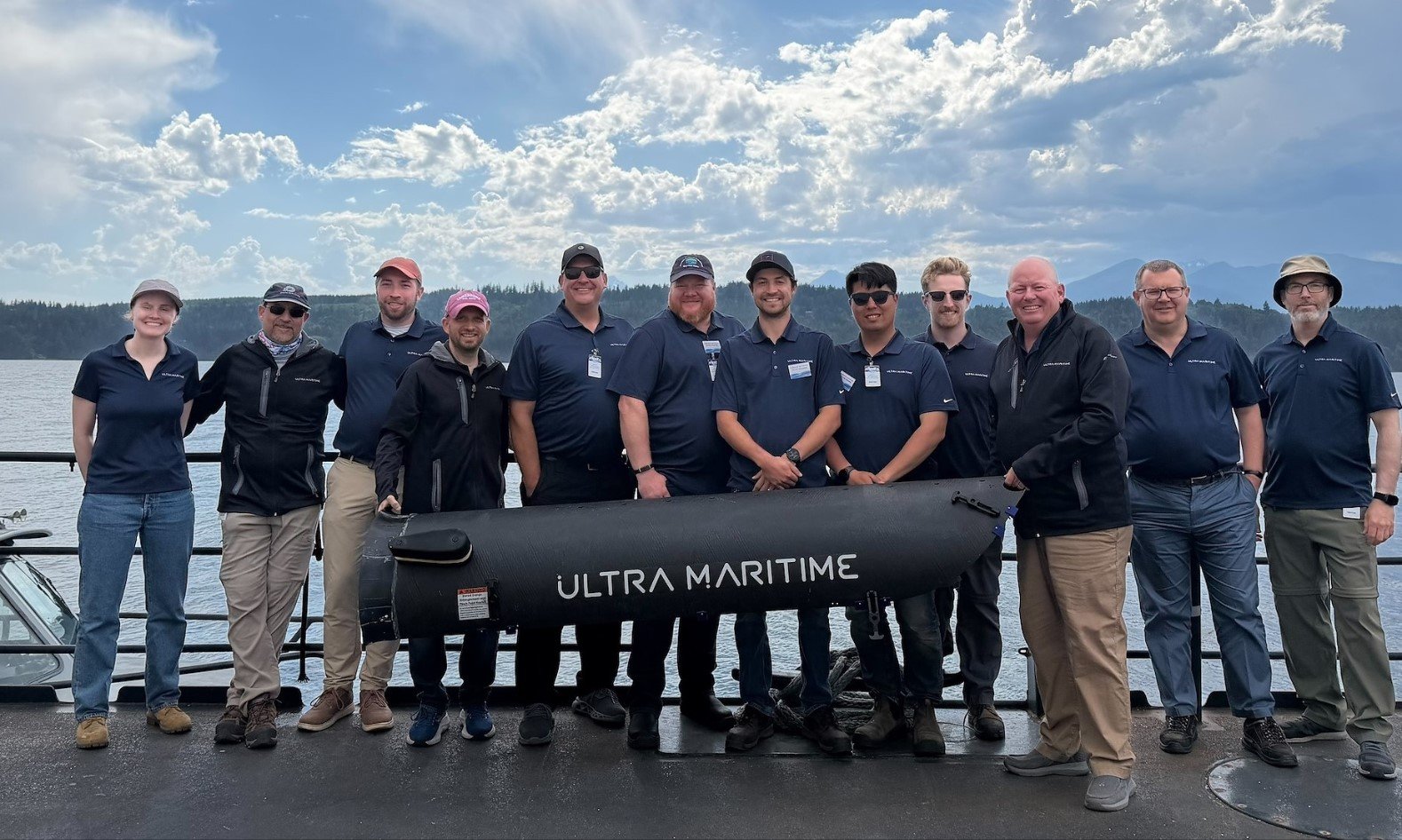 Ultra Maritime and Anduril Successfully Demonstrate Counter-UUV Technology During U.S. Navy's Multinational Lanternfish 2026 Exercise
-
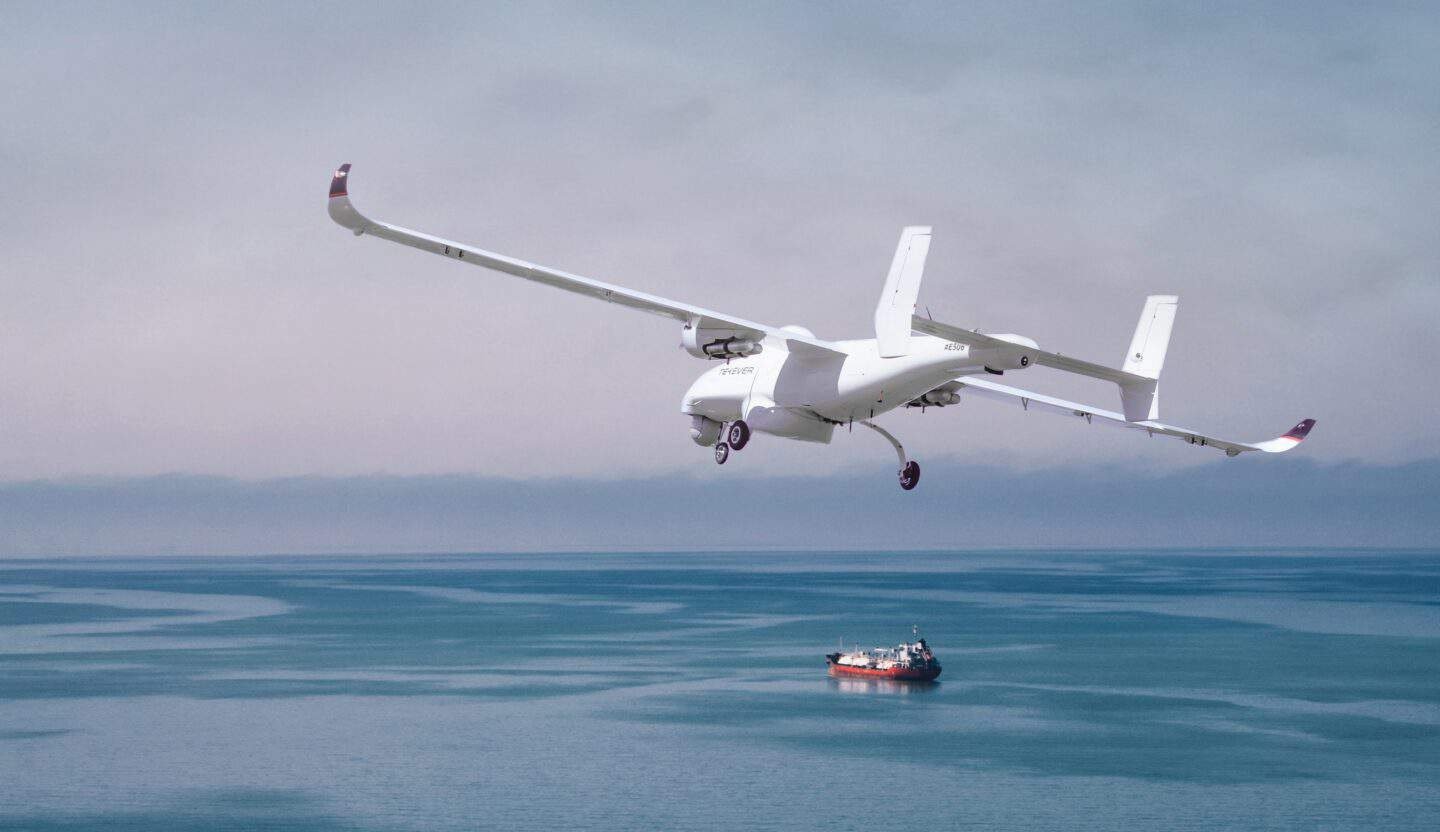 UK Ministry of Defence Awards Up to £400 Million Contract for Tekever AR5 Drones to Replace Watchkeeper Fleet
-
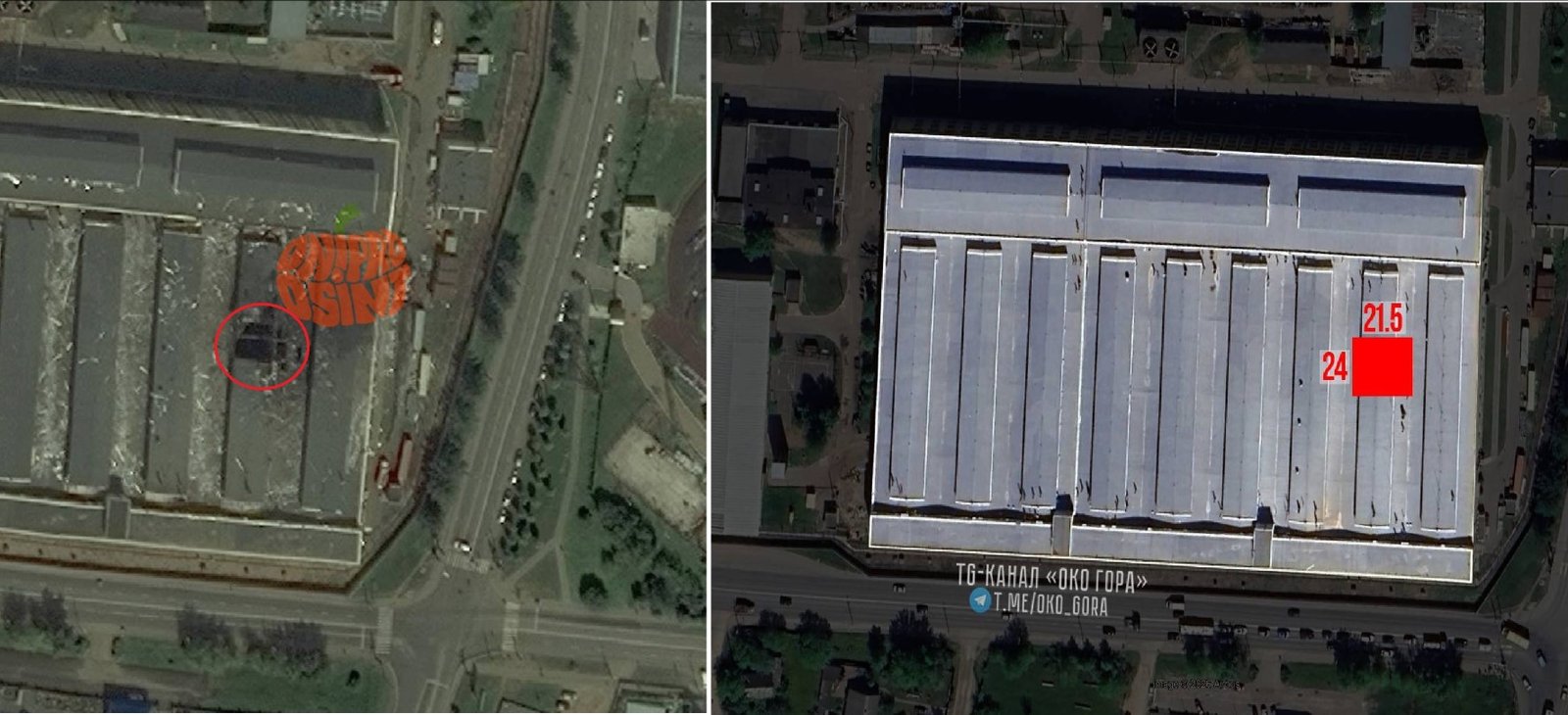 Satellite Images Confirm Damage to Russian Avitek Plant After Ukrainian FP-5 Flamingo Missile Strike
Top Trending in 4 Days
-
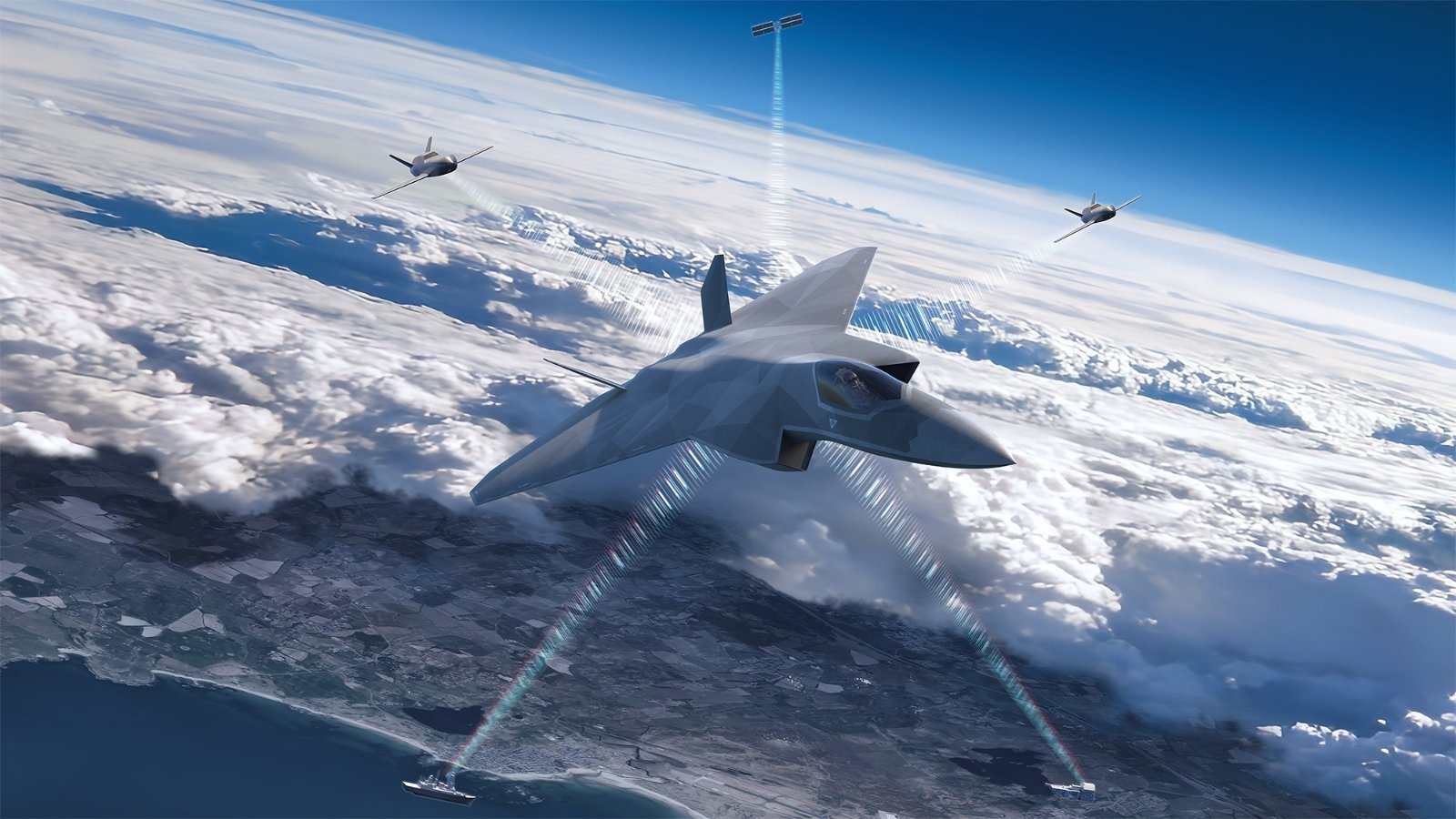 UK Awards BAE Systems £708 Million Contract Extension to Advance GCAP Sixth-Generation Combat Air Technologies
-
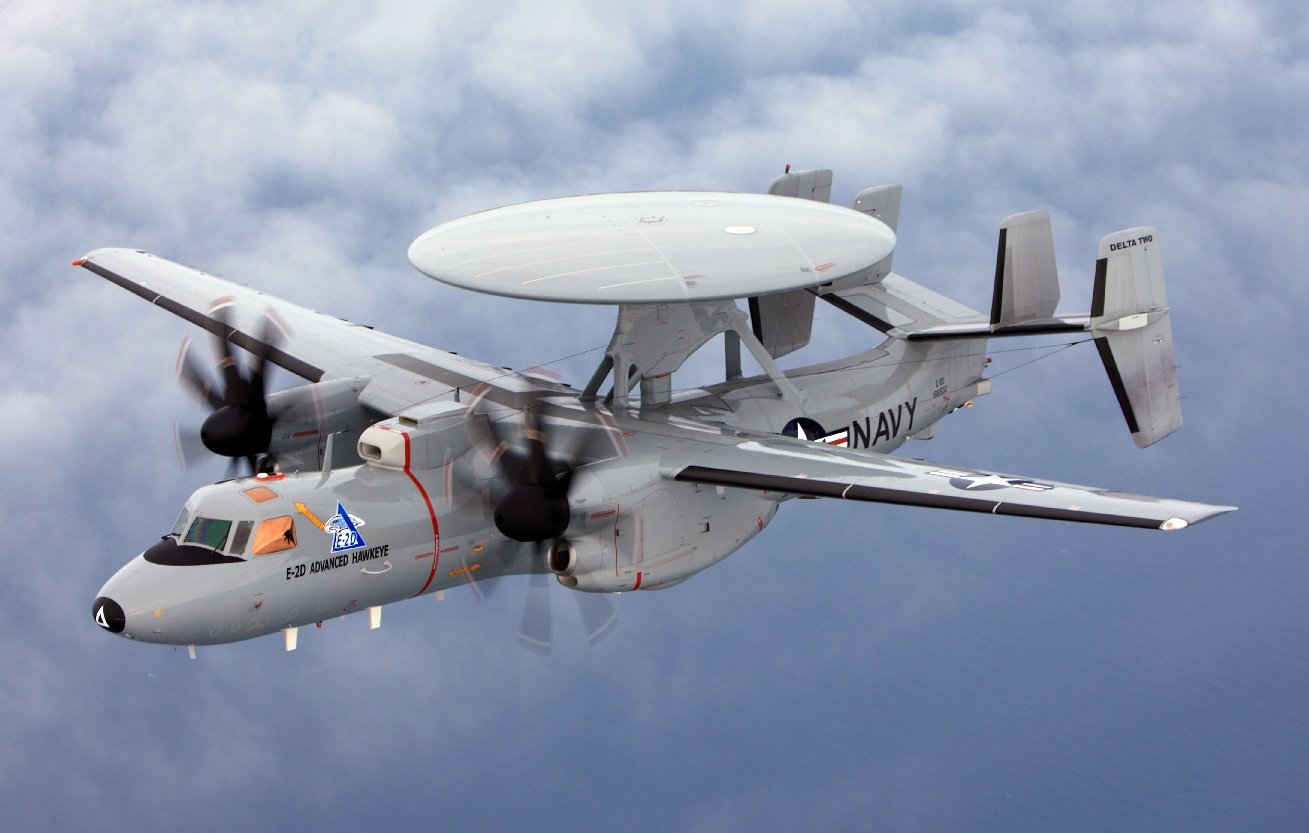 U.S. Navy Awards Northrop Grumman $1.2 Billion Deal for Three New E-2D Advanced Hawkeyes
-
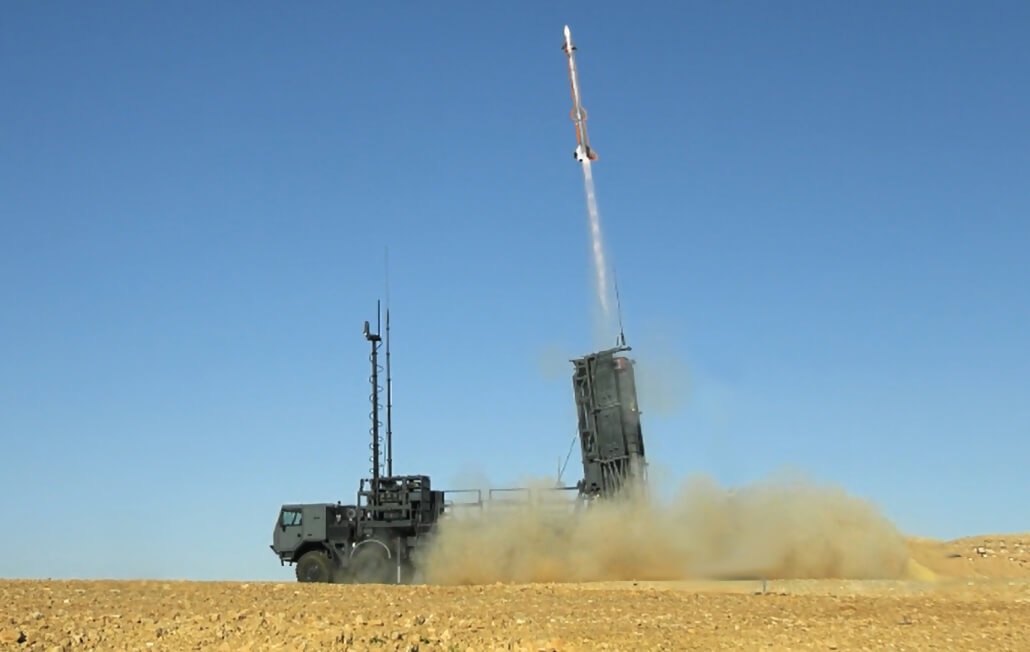 Greece Set to Approve €3 Billion Israeli Air Defense Deal for 'Achilles’ Shield' Network
-
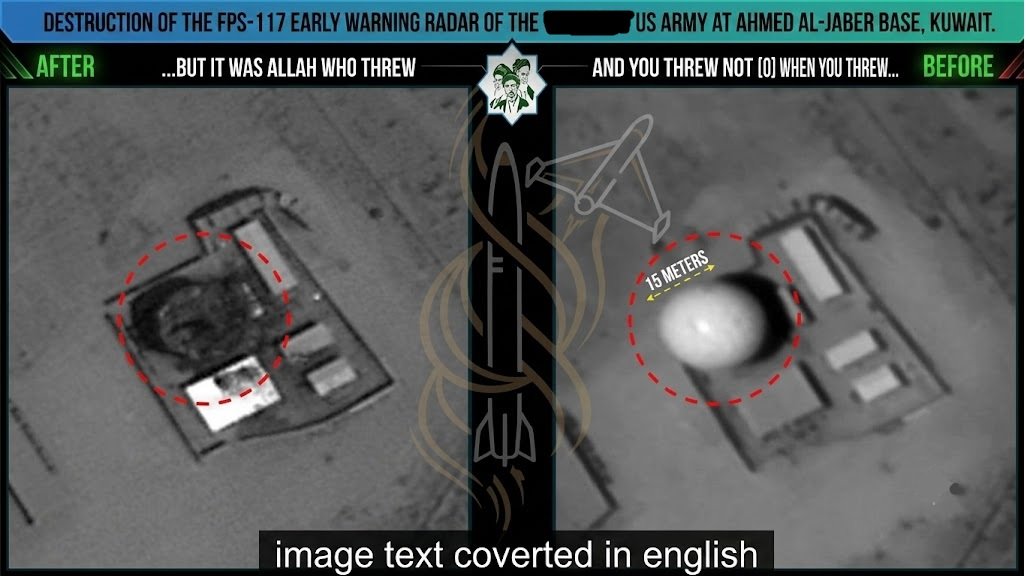 IRGC Claims Destruction of Second AN/FPS-117 Radar in Latest Strike on Kuwait's Ahmed Al-Jaber Air Base
-
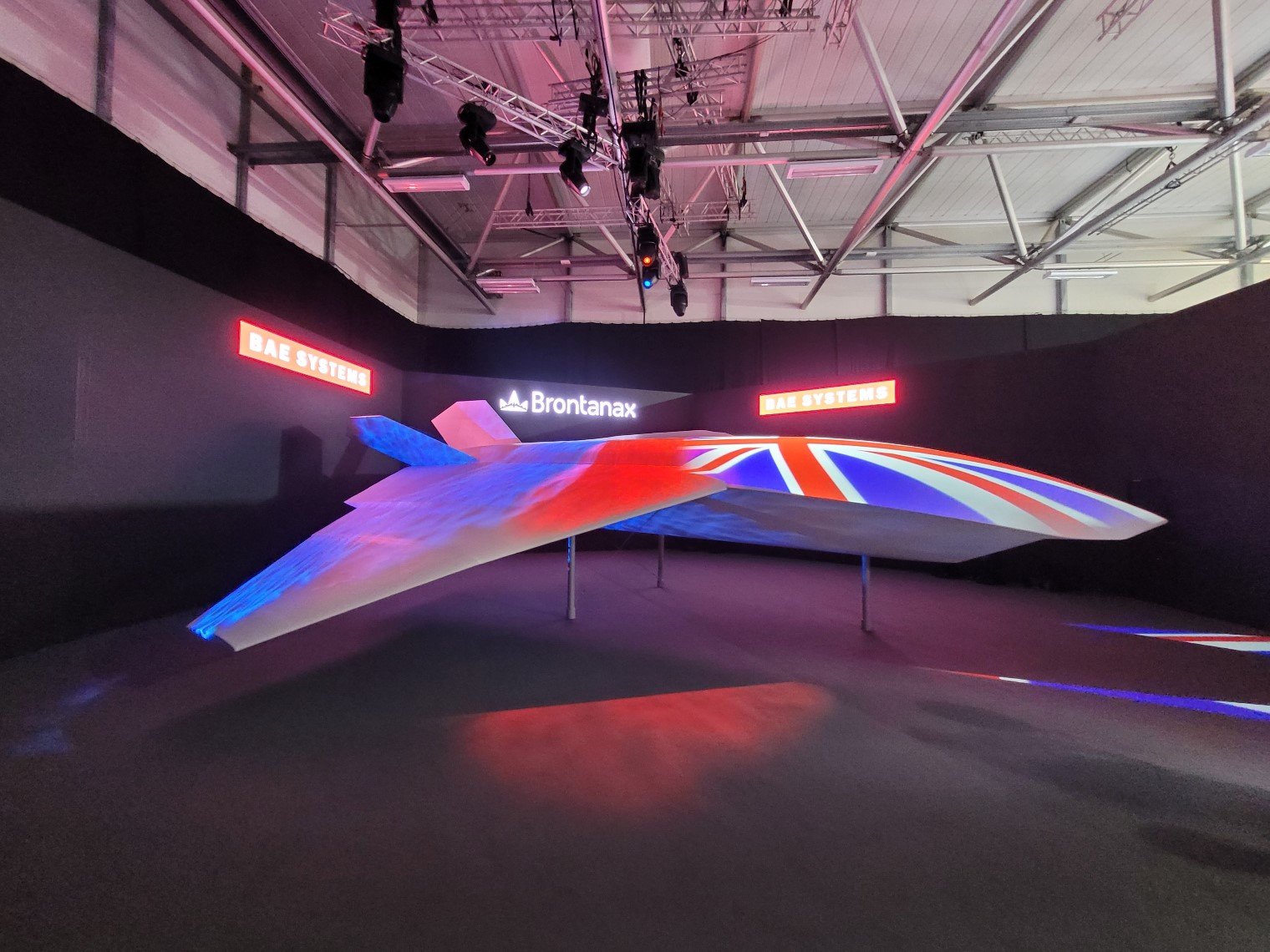 BAE Systems Unveils 'Brontanax', the UK's First Autonomous Combat Aircraft at Farnborough
-
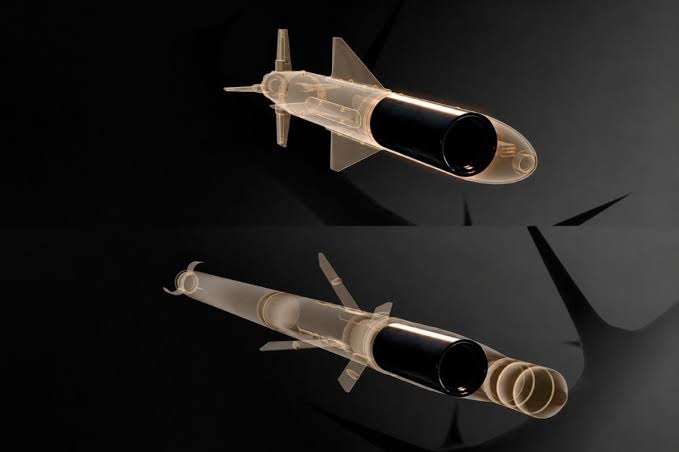 BAE Systems Unveils BlackThorn Modular Warhead Family for Autonomous Weapons and Counter-Drone Systems
-
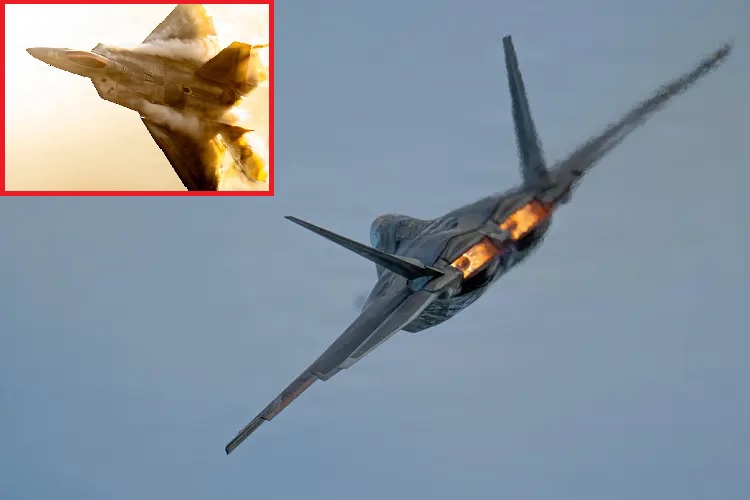 Qarbon Aerospace Returns to F-22 Program with New U.S. Air Force Sustainment Contract
-
 U.S. Airstrikes Target IRGC Missile Base Near Taft as Overnight Strikes Hit Central Iran
