World
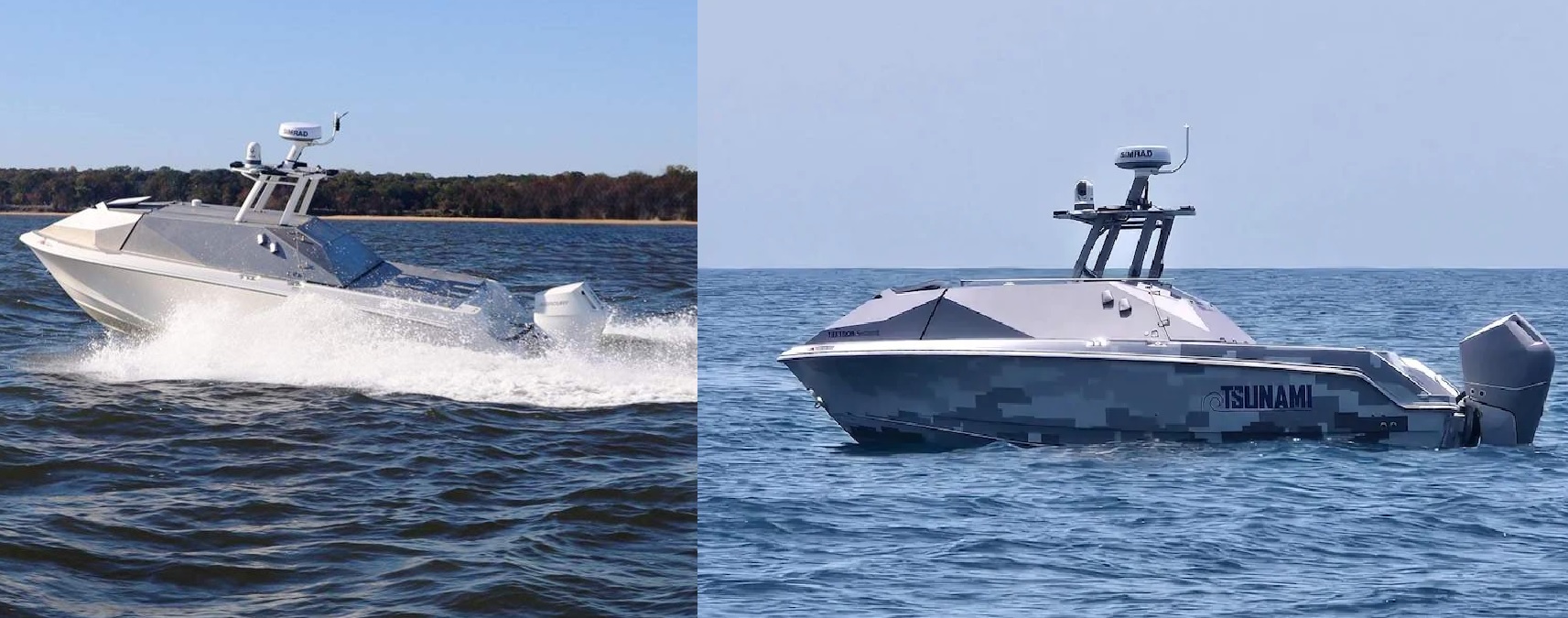
Textron Systems Corporation, a subsidiary of Textron Inc., has announced the sale of a 21-foot TSUNAMI™ autonomous maritime surface vessel to the Naval Information Warfare Center (NIWC) Pacific. This acquisition is a strategic move to support the Maritime Digital Experimentation Federation (MDEF), a high-priority initiative under the AUKUS security partnership between Australia, the United Kingdom, and the United States. The contract includes the delivery of the TSUNAMI craft alongside comprehensive engineering and training support. These assets will enable the U.S. Navy to conduct distributed testing of interoperability standards across a variety of uncrewed vehicles, ensuring that future maritime operations can be seamlessly coordinated between allied nations. Strengthening the AUKUS Alliance The TSUNAMI vessel will serve as a primary testbed for Pillar 2 of the AUKUS agreement, which focuses on advanced capabilities, including artificial intelligence and autonomy. By utilizing the MDEF framework, the U.S. Navy and its partners aim to synchronize digital architectures and communication protocols, allowing uncrewed surface vehicles (USVs) from different nations to operate as a unified fleet. “The TSUNAMI craft provide the Navy with a rapidly deployable, fully autonomous solution to support their missions,” said David Phillips, Senior Vice President of Air, Land, and Sea Systems at Textron. “Our expertise in designing and fielding trusted autonomous solutions results in a family of small, uncrewed surface vehicles (sUSVs) that are scalable, modular in design, and globally sustainable.” Technical Specifications & Performance The TSUNAMI family represents a bridge between commercial manufacturing efficiency and military-grade autonomy. Built on high-performance hulls from the Brunswick Corporation and integrated with Textron’s proven CUSV® (Common Uncrewed Surface Vehicle) control system, the 21-foot variant is designed for high-speed, long-range missions. Feature Specification Details Length 21 feet (Standard variants range from 14 to 42 ft) Top Speed 40+ knots Operational Range 600 to 1,000+ nautical miles Endurance 20+ hours of continuous operation Payload Capacity ~1,000 lbs (453.6 kg) Propulsion Gasoline-powered outboard (Mercury Marine options) Survivability Fully operational up to Sea State 4 Sensors Simrad maritime radar, Teledyne FLIR EO/IR camera Interoperability UMAA compatible; supports NATO STANAG 4586 Modular and Attritable Design A key selling point for the TSUNAMI series is its "attritable" nature—meaning the systems are affordable enough to be lost in high-threat environments without compromising the fleet's overall financial stability. This is achieved by leveraging the mass-production capabilities of the U.S. recreational shipbuilding industry, allowing for rapid scaling and global sustainability. The vessel features a modular payload bay, allowing operators to swap equipment for diverse roles, including: Intelligence, Surveillance, and Reconnaissance (ISR) Mine Countermeasures (MCM) Electronic Warfare (EW) Logistics support in littoral waters Expanding Naval Footprint This sale marks the second major naval order for the TSUNAMI family in recent months, following a previous transaction for a 24-foot variant by the Naval Surface Warfare Center (NSWC) Dahlgren Division. As the U.S. Navy shifts toward a "hybrid fleet" model, the continued integration of the TSUNAMI platform underscores Textron’s leadership in maritime autonomy, drawing on over 40 years of experience in uncrewed vehicle development. The 21-foot vessel is expected to begin testing immediately, providing critical data that will shape the next generation of autonomous maritime warfare.
Read More → Posted on 2025-12-21 14:19:40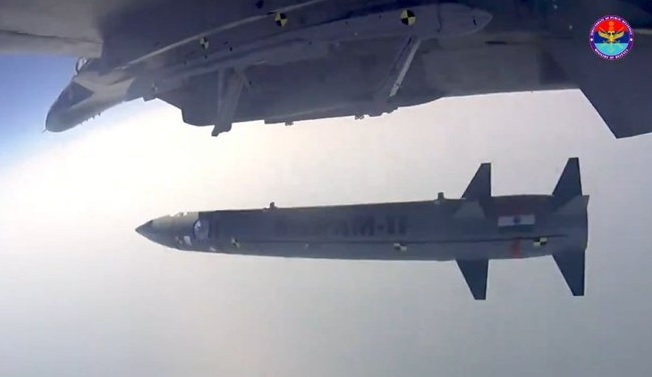
World
India’s indigenous Rudram-2 air-launched missile programme is entering a decisive phase, with production clearance expected around 2026 and series manufacturing likely to begin roughly 18 months thereafter, according to defence-sector assessments. The missile, designed for long-range precision strike and suppression of enemy air defences (SEAD), is seen as a key addition to the Indian Air Force (IAF) stand-off weapons inventory. Developed by the Defence Research and Development Organisation (DRDO), Rudram-2 represents the second major variant in the Rudram missile family. With an estimated range of around 300 km and very high terminal speed, the missile is intended to allow combat aircraft to engage hostile radars and high-value ground targets while remaining well outside the densest layers of enemy air defence networks. The programme gained momentum in May 2024, when the missile was successfully flight-tested from an IAF Su-30MKI fighter aircraft off the eastern coast. The test validated the propulsion system, guidance and control algorithms, and overall flight performance, marking a critical step toward user evaluation trials and eventual induction. Officials described the trial as meeting all primary objectives, reinforcing confidence in the missile’s design. Rudram-2 missile specifications and design features In terms of technical configuration, Rudram-2 is a long-range air-launched missile optimised for SEAD and precision strike missions. The missile is assessed to have a maximum range of approximately 300 km, depending on launch altitude and speed of the carrier aircraft. It is believed to achieve very high supersonic to near-hypersonic speeds, commonly cited in defence analyses as up to Mach 5+, significantly reducing enemy reaction time. The missile uses a solid-fuel propulsion system and is equipped with a multi-mode guidance architecture. This includes inertial navigation supported by satellite guidance for mid-course flight, with terminal seekers tailored to mission requirements. In its anti-radiation configuration, the missile homes in on enemy radar emissions, while additional variants are reported to incorporate imaging infrared (IIR) or similar seekers for land-attack roles. This design allows the missile to remain effective even if a target radar is shut down mid-engagement. Open-source assessments indicate that Rudram-2 carries a high-explosive fragmentation warhead, optimised to neutralise radar systems, command nodes and hardened installations. The missile is designed for lock-on before launch and lock-on after launch capability, enabling flexible employment across a wide range of combat scenarios. Its stand-off launch profile allows IAF aircraft to fire from well outside hostile air defence envelopes, enhancing platform survivability. Rudram-2 has been conceived as a multi-role weapon rather than a single-purpose missile. While its core mission remains SEAD/DEAD operations, defence-industry reporting indicates that the system is being developed in both anti-radiation and land-attack configurations. This approach enables a common missile airframe to be paired with different seekers and guidance packages, reducing logistics complexity and increasing operational flexibility for the IAF. On the integration front, Rudram-2 is already compatible with the IAF’s Su-30MKI fleet and the Mirage-2000, both of which play central roles in strike and air-dominance missions. Subsequent phases are planned to integrate the missile with the Rafale and the forthcoming Tejas Mk2. Defence planners view cross-platform compatibility as essential to maximising the missile’s impact during the opening stages of a conflict. The projected 2026 production clearance timeline suggests that additional developmental trials and user acceptance tests will continue over the next two years. Series production, expected to begin about 18 months later, would place the missile’s initial operational deployment toward the latter part of the decade, subject to timely certification and industrial readiness. From a strategic perspective, the induction of Rudram-2 would significantly enhance the IAF’s ability to conduct stand-off strikes against well-defended targets. By enabling launches from several hundred kilometres, the missile reduces the exposure of manned aircraft to surface-to-air missile systems and reinforces India’s push for indigenous, high-end strike capabilities.
Read More → Posted on 2025-12-21 13:57:40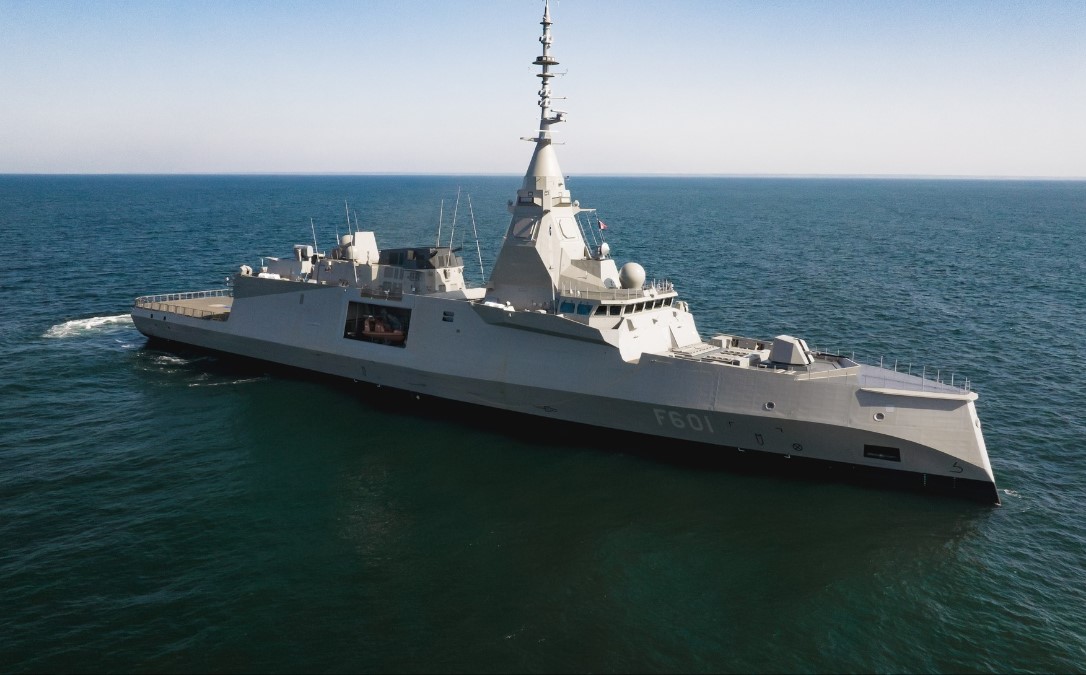
World
On 18 December 2025, Greece has formally taken delivery of its first Belharra-class frigate, HS Kimon (F601), marking a major milestone in the ongoing modernization of the Hellenic Navy. The handover ceremony was held at the Naval Group shipyard in Lorient, where the vessel was built, underscoring the depth of the Franco-Greek strategic defence partnership. The ceremony was presided over by Greek Minister of National Defence Nikos Dendias and French Minister of the Armed Forces and Veterans Affairs Catherine Vautrin. Also in attendance were the Deputy Minister of National Defence, Members of Parliament, senior leadership of the Hellenic Armed Forces, former defence ministers, retired generals and admirals, and key donors to the armed forces, including the ship’s sponsor, Rear Admiral (h.c.) Panos Laskaridis. Diplomatic and industrial representation included the Greek Ambassador to France, the Ambassador of the French Republic to Greece, and Naval Group Chairman and CEO Pierre Éric Pommellet, alongside officials from Greek defence industries and representatives of foreign diplomatic and military delegations. Delivered as a Fully Combat-Ready Warship HS Kimon is the first Frégate de Défense et d’Intervention (FDI HN) delivered to Greece and enters service as a fully combat-ready platform. Built to the advanced FDI Standard 2++, the frigate is delivered with its complete weapons, sensors, and combat management systems fully installed and operational, avoiding the traditional practice of commissioning vessels as “empty hulls” requiring later upgrades. This configuration allows the ship to contribute immediately to operational readiness, particularly in air defence, anti-surface warfare, and anti-submarine warfare. Greek defence officials regard HS Kimon as one of the most capable surface combatants entering service in the Eastern Mediterranean. Belharra-Class Capabilities and Specifications The Belharra-class frigate displaces approximately 4,500 tonnes at full load and measures around 122 metres in length. The design is centred on a highly digital, network-centric architecture, enabling the ship to function as a command-and-control node within modern naval task groups. At the core of its sensor suite is the Sea Fire AESA radar, providing 360-degree air and surface surveillance with long-range target tracking. For air defence, the ship is fitted with a vertical launch system capable of firing Aster 30 surface-to-air missiles, giving the Hellenic Navy a true area air-defence capability at sea for the first time. The frigate also carries modern anti-ship missiles and a comprehensive anti-submarine warfare suite, including hull-mounted sonar, towed-array sonar, and an embarked naval helicopter. Features such as reduced radar and infrared signatures, high automation, and a smaller crew requirement enhance both survivability and operational efficiency. Contract Timeline, Programme Value, and Defence Budgets Greece placed its initial order for the Belharra-class frigates in 2021 as part of a broader strategic defence agreement with France. The original contract covered three FDI HN frigates, weapons integration, training, and long-term support, with an estimated value of around €3 billion. In 2023, Athens exercised an option for a fourth frigate, raising the planned fleet to four vessels and increasing the overall programme cost by approximately €1 billion. Funding is drawn from Greece’s multi-year defence investment plan, which prioritises naval and air force modernisation amid heightened security challenges in the Aegean Sea and the Eastern Mediterranean. Transformation of the Hellenic Navy Fleet Prior to the delivery of HS Kimon, the Hellenic Navy operated a frigate force of 13 ships, comprising nine Elli-class frigates based on the Dutch Kortenaer design and four Hydra-class frigates derived from the MEKO 200 platform. While these ships have undergone upgrades, many were commissioned decades ago and face increasing limitations against modern missile and air threats. The introduction of the Belharra-class marks the start of a gradual generational transition. As additional FDI HN frigates enter service, they are expected to assume high-end missions such as area air defence, task-group command, and joint operations, enabling older vessels to be retired or reassigned. Strategic Implications Greek defence officials describe the commissioning of HS Kimon (F601) as both a capability leap and a strategic signal. With advanced sensors, long-range air defence, and robust anti-submarine warfare capabilities, the frigate significantly enhances Greek naval deterrence and strengthens interoperability with NATO and European partners. As HS Kimon prepares to sail for Greece and begin operational integration, attention is already turning to the delivery schedule of its sister ships. Together, the Belharra-class frigates are expected to form the backbone of the Hellenic Navy’s future surface combatant force, shaping Greece’s maritime posture for decades to come.
Read More → Posted on 2025-12-21 13:32:58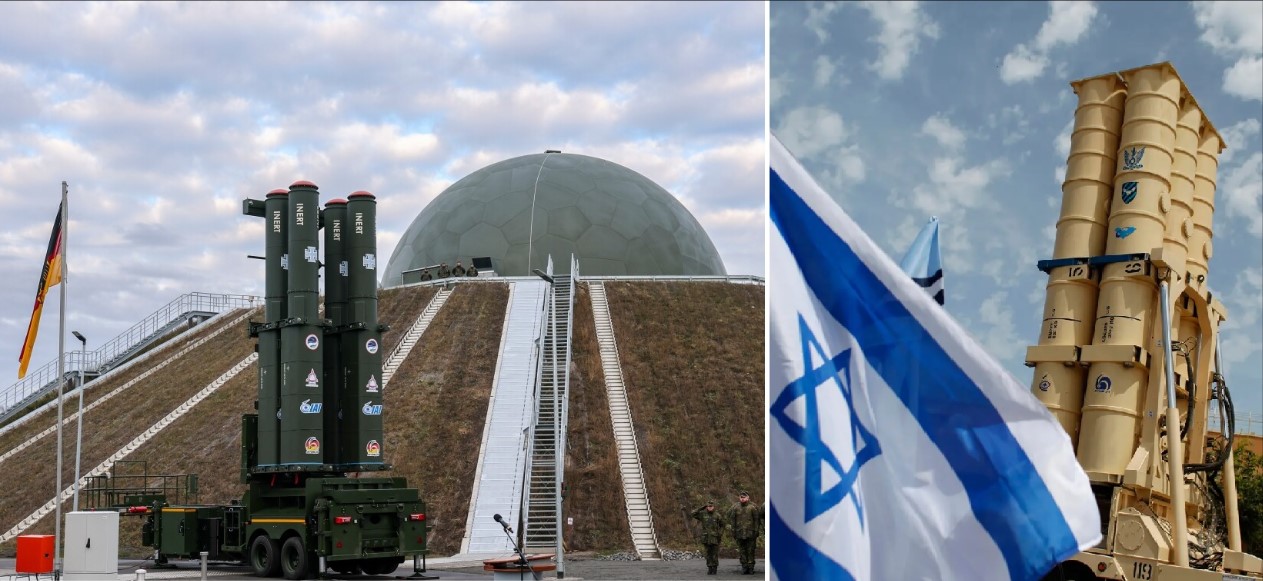
World
Israeli Ministry of Defense announced that Israel and Germany have signed a new defense contract worth approximately $3.1 billion to expand Germany’s deployment of the Arrow-3 exo-atmospheric air and missile defense system. The agreement strengthens one of Europe’s most significant missile defense partnerships as Berlin accelerates efforts to counter long-range ballistic missile threats. The deal underscores deepening bilateral defense cooperation at a time of heightened security concerns across Europe and reflects Germany’s growing emphasis on layered air and missile defense as a cornerstone of national and allied deterrence. Building on the 2023 Arrow-3 Agreement Israeli defense officials said the newly signed contract builds on the initial Arrow-3 agreement signed in November 2023, which marked the first export sale of the advanced interceptor. Valued at around $4 billion and approved by the United States government, that agreement became the largest defense export deal in Israel’s history and signaled a fundamental shift in German defense planning toward long-range ballistic missile interception. The 2023 agreement covered procurement, system integration, and initial deployment of Arrow-3 for German service and laid the foundation for Germany’s participation in the European Sky Shield Initiative, with deliveries scheduled to begin in 2025. First Operational Delivery in December 2025 A major milestone was reached on December 3, 2025, when Israel delivered the first operational Arrow-3 system to Germany during a formal ceremony at a German Air Force base near Berlin. The Israeli Ministry of Defense described the handover as a decisive step in implementing the export contract signed nearly two years earlier. The delivery included core system elements intended to support early integration into Germany’s national air defense architecture and to prepare the system for phased operational deployment. Scope of the $3.1 Billion Expansion Contract According to Israeli officials, the $3.1 billion expansion deal significantly broadens the scope of the original agreement. It covers additional system components, an expanded interceptor inventory, extended coverage, and long-term sustainment and logistical support. The objective is to allow Germany to field Arrow-3 at scale, ensuring interceptor availability, enhanced command-and-control integration, and sustained operational readiness over the coming decades. Defense sources said the follow-on contract is critical for transforming Arrow-3 from an initial capability into a fully mature strategic layer of Germany’s missile defense posture. Arrow-3 Technical Capabilities Arrow-3 represents the uppermost layer of Israel’s multi-tier missile defense architecture and is designed to intercept long-range ballistic missiles outside the Earth’s atmosphere. Using hit-to-kill technology, the interceptor destroys incoming threats through direct kinetic impact, eliminating the need for an explosive warhead. By engaging targets during the midcourse phase of flight, Arrow-3 neutralizes missiles before atmospheric reentry, significantly reducing the risk of debris or warhead detonation over defended areas. The system is developed by Israel Aerospace Industries through its MLM Division, in close cooperation with the U.S. Missile Defense Agency. It integrates EL/M-2080 Green Pine long-range radar, advanced battle management and command-and-control systems, and an interceptor equipped with a high-resolution infrared seeker, autonomous guidance, and extreme maneuverability, enabling engagements at altitudes exceeding 100 kilometers. Germany’s Strategic Rationale The expansion of Arrow-3 is closely linked to Germany’s reassessment of defense priorities following Russia’s war in Ukraine. The widespread use of ballistic missiles, cruise missiles, and long-range precision strike systems during the conflict exposed vulnerabilities in European air defense coverage. In response, Berlin has accelerated investment in a layered air and missile defense architecture, including Patriot PAC-3 and IRIS-T SLM, while adding exo-atmospheric interception as a new strategic layer. Integrated under the European Sky Shield Initiative, Arrow-3 is intended to protect German territory while contributing to broader NATO missile defense coverage. Industrial and Strategic Impact Beyond operational benefits, the follow-on contract deepens defense-industrial cooperation between Israel and Germany. The program is expected to involve German industry in infrastructure development, system integration, training, and lifecycle support, while strengthening Israel Aerospace Industries’ long-term production pipeline. Continued trilateral coordination with the United States remains essential due to Arrow-3’s joint development framework. A Pillar of Europe’s Future Missile Defense Together, the December 2025 operational delivery and the $3.1 billion expansion contract underscore Europe’s growing emphasis on deterrence by denial. By moving from contract signature to deployment and large-scale expansion, Germany is positioning itself as a central pillar of Europe’s future air and missile defense architecture, with Arrow-3 serving as a critical shield against emerging long-range missile threats.
Read More → Posted on 2025-12-21 13:11:32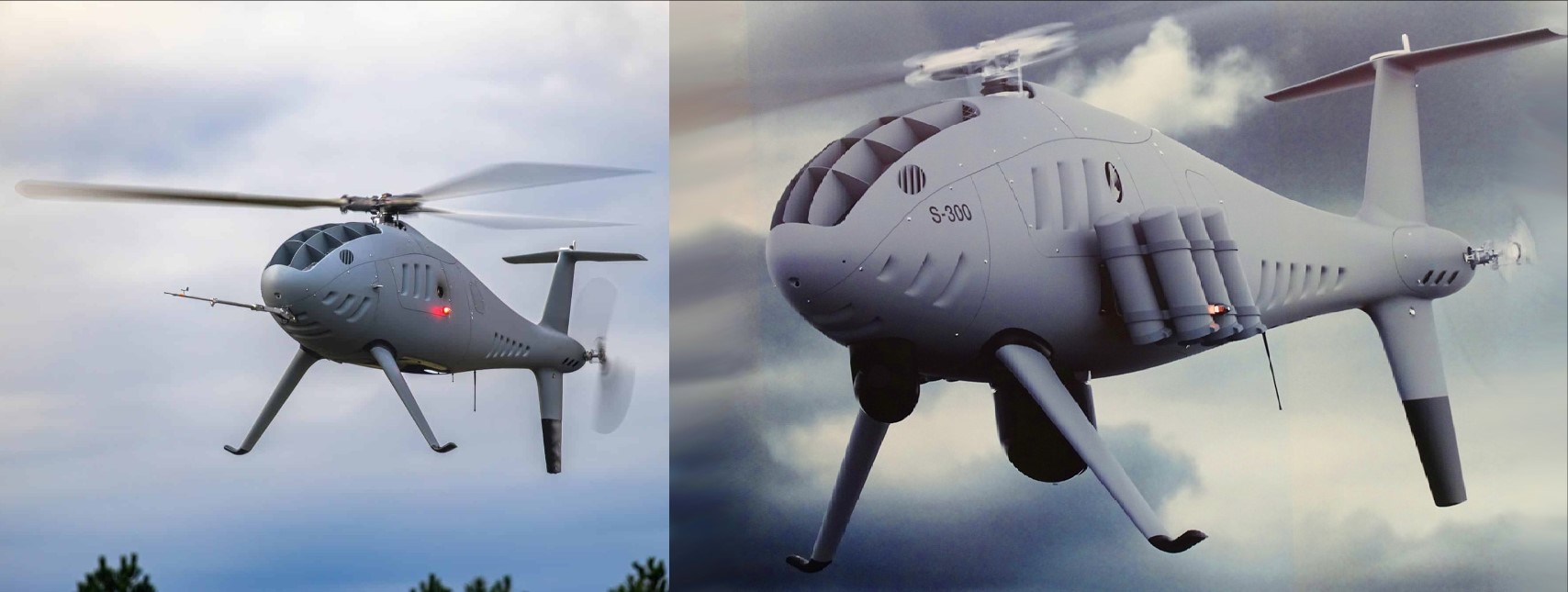
World
Austrian unmanned systems manufacturer Schiebel Group has successfully completed the first flight test campaign of its next-generation CAMCOPTER S-300 unmanned air system (UAS) in France, marking an important milestone in the aircraft’s development. The flights were conducted at the CESA Drones test site in Sainte-Hélène, near Bordeaux, bringing the programme to a cumulative total of 100 flight hours. Military-Focused Flight Trials According to a Schiebel press release, the French campaign builds on previous flight experience with the CAMCOPTER S-300 and represents a further step in expanding the operational flight envelope. Conducted in a military environment, the tests were aimed at verifying key flight characteristics and overall system performance. During the campaign, the S-300 demonstrated stable and controlled behaviour while undergoing standard evaluations for an unmanned air system, including assessments of handling qualities, flight control response, and general aircraft performance. Schiebel stated that the results confirm the growing maturity of the platform as it progresses toward advanced testing and mission integration. France’s Strategic Role in the Programme France was selected as the location for the next phase of S-300 flight activities due to Schiebel’s long-standing cooperation with French defence stakeholders. Hans Georg Schiebel, Chairman of the Schiebel Group, described France as a trusted partner, citing the company’s enduring relationship with the French Navy and its local presence through Schiebel Aéronaval SAS. While the French trials are a key step, Schiebel emphasised that the CAMCOPTER S-300 is being developed to meet the requirements of international military and government users, drawing on the company’s global experience in unmanned aviation. A Heavier-Lift Evolution of the Camcopter Family The CAMCOPTER S-300 is the largest and most capable system in Schiebel’s unmanned helicopter portfolio to date. First unveiled at Euronaval in 2022, the S-300 builds directly on the operational heritage of the CAMCOPTER S-100, a maritime-proven unmanned helicopter with several hundred thousand flight hours accumulated worldwide. The S-300 measures approximately 4.8 metres in length, 1.9 metres in height, and 0.9 metres in width. It can fly at a maximum speed of 120 knots, with a cruising speed of around 55 knots. Its maximum take-off weight can reach 660 kilograms, enabling a payload capacity of up to 340 kilograms (fuel included)—approximately three times greater than that of the S-100. In terms of endurance, the S-300 is designed to remain airborne for up to 24 hours with a 50-kilogram payload, or approximately four hours with payloads of up to 250 kilograms. This combination of high payload capacity and long endurance is intended to support demanding missions such as maritime surveillance, intelligence, surveillance and reconnaissance (ISR), and other naval and government operations. Growing International Momentum The CAMCOPTER S-300 programme has already gained international traction. In 2024, Schiebel secured a contract for the development and delivery of the CAMCOPTER S-300 VTOL UAV for the Republic of Korea Navy, providing an early operational reference customer and reinforcing confidence in the platform. With the successful completion of its first French flight test campaign and the achievement of 100 cumulative flight hours, the CAMCOPTER S-300 programme now enters its next phase, focused on continued flight envelope expansion, mission system integration, and preparation for broader operational trials aimed at future international military and government users.
Read More → Posted on 2025-12-20 16:36:04
World
A sharp change has taken place in relations between the United States and Pakistan. Former U.S. president Donald Trump has openly praised Pakistan’s army chief Asim Munir, calling him his “favourite Field Marshal.” The praise was not limited to words. High-profile White House photo opportunities and public admiration followed, giving Munir rare visibility in U.S. political circles. For diplomats and analysts, the message was clear. Such praise from Washington is rarely personal. It is strategic. In global power politics, appreciation is often the first step before expectations are revealed. Financial and Military Rewards Follow Soon after this public warmth, real benefits began to flow toward Islamabad. The United States approved more than $600 million for upgrades and maintenance of Pakistan’s F-16 fighter jets. This decision reopened military cooperation that had remained restricted for years due to trust deficits. At the same time, Pakistan saw progress on the financial front. Long-delayed loan tranches from the International Monetary Fund were unlocked, providing critical relief to an economy facing inflation, debt pressure, and foreign exchange shortages. Another major development was the announcement of a $1.3 billion U.S.-backed mining project in Balochistan. The province holds vast mineral wealth but has remained unstable due to insurgency and neglect. The project signaled renewed American economic interest in Pakistan’s internal development. Taken together, military aid, IMF relief, and large-scale investment marked a clear shift. Pakistan was once again valuable to Washington. This Support Is Not Free However, history suggests that such generosity is never without cost. Donald Trump is widely known as a dealmaker, not a philanthropist. His approach to foreign policy is based on transactions. Every concession creates an obligation. Every compliment comes with an expectation. That expectation is now becoming visible. Gaza Becomes the Pressure Point According to diplomatic assessments, Washington is pressing Islamabad to play a direct role in Gaza after the conflict. Under Trump’s reported 20-point Gaza plan, Muslim-majority countries would send troops to the region to help manage security on the ground. These forces would operate under U.S. command, not under a United Nations mission. The aim is to stabilise Gaza without deploying large numbers of American soldiers. Turkey, which was initially considered for this role, has stepped back. As a result, attention has shifted toward Pakistan, one of the largest Muslim-majority armies in the world with extensive operational experience. For the United States, Pakistan offers manpower, discipline, and symbolic legitimacy. For Pakistan, the proposal carries serious dangers. A Dangerous Situation for Pakistan’s Army Chief If Pakistani soldiers are deployed to Gaza, they would likely face attacks from armed groups such as Hamas. Casualties would be almost certain. Any loss of Pakistani lives would immediately trigger anger at home. Pakistan’s public strongly supports the Palestinian cause. Many would see Pakistani troops in Gaza as fighting America’s war against fellow Muslims. The political narrative would turn hostile very quickly. Protests, criticism from religious parties, and opposition attacks on the military leadership would follow. The image of the army could suffer deep damage if coffins return from Gaza. The question of why Pakistani soldiers were sent there would dominate national debate. Refusal Has a Price Too Saying no to Washington also carries heavy consequences. Refusal could lead to a sudden halt in U.S. military cooperation. Future funding and weapons support could dry up. Financial pressure through international institutions could return. Diplomatic backing, at a time of economic weakness, could disappear. Pakistan’s leadership is therefore caught in a narrow space. Accepting the demand risks domestic instability. Rejecting it risks international isolation. Praise Before Pressure The order of events explains Washington’s strategy. First came praise for Asim Munir. Then came money, weapons, loans, and investment. Only after these benefits were delivered did expectations begin to surface. This is a classic method in geopolitics. Leaders are strengthened publicly before being asked to make difficult sacrifices. Compliments act as investments. Returns are always expected later. Pakistan has seen this pattern before, from Cold War alliances to the post-9/11 war on terror. Each time, early rewards were followed by long-term costs. The Moment of Reckoning Pakistan enjoyed renewed attention and assistance from the United States. But geopolitics does not offer gifts. It offers deals with delayed payments. As pressure grows, Asim Munir faces a defining choice. If Pakistani troops are sent to Gaza, domestic backlash could shake the army’s standing at home. If Pakistan refuses, economic and strategic pressure from Washington could return. The central question remains unresolved and unavoidable:when the bill finally comes due, will Pakistan’s leadership answer Washington — or its own people?
Read More → Posted on 2025-12-20 16:31:49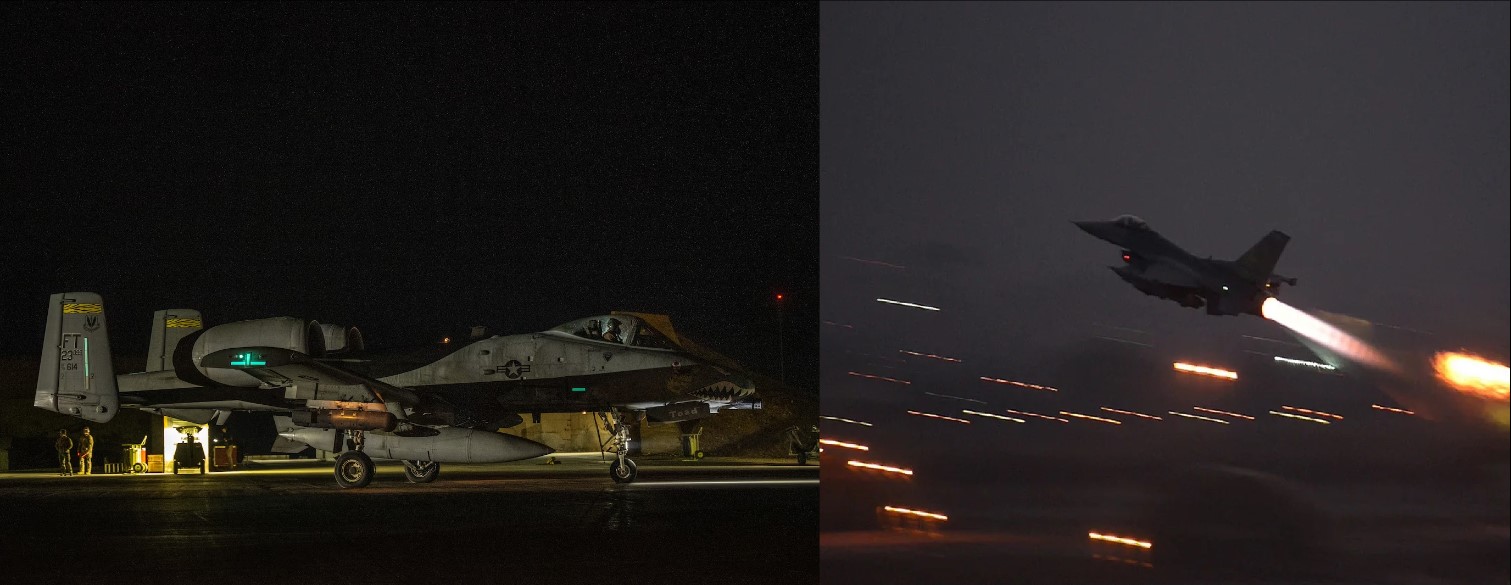
World
The United States has launched a large-scale retaliatory military campaign against Islamic State (ISIS) targets in central Syria, significantly escalating its counterterrorism posture following the killing of two American soldiers earlier this month. U.S. Central Command (CENTCOM) confirmed that the operation, designated Operation Hawkeye Strike, began at 4:00 p.m. Eastern Time on Thursday (18 Dec 2025) under direct orders from the Commander in Chief. According to CENTCOM, the operation was initiated in response to an ISIS ambush near Palmyra that targeted U.S. and partner forces during a joint patrol. The attack, which claimed the lives of two U.S. service members, marked the deadliest single incident involving American troops in Syria in 2025 and triggered what officials described as a deliberate and overwhelming military response. Scope and Execution of the Operation Operation Hawkeye Strike unfolded as a coordinated, multi-domain assault involving airpower, artillery, and coalition support. CENTCOM said more than 70 ISIS-linked sites were struck across central Syria, primarily in Homs and Deir ez-Zor provinces, regions long used by the group as transit corridors and logistical hubs. The opening phase featured intensive aerial bombardment supported by U.S. ground-based artillery units positioned in northeastern Syria. These units employed advanced targeting and communications systems to synchronize fires with aircraft overhead, enabling rapid engagement of high-value targets while limiting collateral damage. Air Assets and Precision Firepower The air campaign drew on a diverse mix of U.S. combat aircraft operating from regional bases across the Middle East. Ten F-15E Strike Eagles from the 391st Fighter Squadron, flying out of Muwaffaq Al-Salti Air Base in Jordan, conducted deep-strike missions against fortified ISIS positions and command facilities. They were supported by six A-10C Thunderbolt II aircraft from the 75th Fighter Squadron based at Al-Dhafra Air Base in the United Arab Emirates, providing close air support against dispersed and mobile targets. Additional sorties were flown by F-16C Block 40 fighters from the 555th Fighter Squadron stationed at Prince Sultan Air Base in Saudi Arabia. CENTCOM said more than 100 precision-guided munitions were employed during the initial wave of strikes. Imagery released by the U.S. military showed A-10 Thunderbolt II aircraft taxiing at a forward operating base on December 19, underscoring the aircraft’s continued role in counterinsurgency and desert warfare operations. Coalition Participation and Regional Dimension Jordanian fighter aircraft conducted parallel strike missions as part of the operation, reinforcing the coalition character of the campaign. CENTCOM officials emphasized that regional cooperation remains critical to sustaining pressure on ISIS networks operating across remote and lightly governed terrain. Over the past six months, U.S. and partner forces have conducted more than 80 counterterrorism operations across Syria and Iraq, targeting ISIS leadership cells, weapons caches, and cross-border supply routes. In the days following the December ambush, at least 23 ISIS fighters were killed or captured during follow-on missions, according to U.S. military assessments. Strategic Context and Policy Implications Operation Hawkeye Strike comes amid a complex security environment in Syria, where Washington continues to balance counterterrorism objectives with evolving local partnerships. Earlier this year, the U.S. authorized limited coordination with elements of Syria’s restructured General Security Forces, a move that has drawn scrutiny due to concerns over the influence of Ahmad al-Sharaa, a figure with documented ties to former al-Qaeda networks. U.S. defense officials acknowledged the sensitivities but stressed that the latest operation reflects a clear policy stance: attacks on American personnel will be met with immediate and disproportionate force aimed at degrading militant capabilities and restoring deterrence. Early Assessments and Broader Military Posture Preliminary battle damage assessments indicate significant degradation of ISIS logistics infrastructure, weapons storage sites, and command nodes. Intelligence, surveillance, and reconnaissance (ISR) platforms, including unmanned aerial systems and satellite assets, continue to monitor the strike areas to verify results and identify follow-on targets. While U.S. troop levels in Syria remain limited, Operation Hawkeye Strike underscores Washington’s ability to project decisive combat power across the region on short notice. Military officials say the operation highlights the continued reliance on airpower, precision strike capability, and coalition coordination as the cornerstone of U.S. deterrence strategy against resurgent extremist threats in the Middle East.
Read More → Posted on 2025-12-20 15:56:06
World
The Pakistan Army is set to deploy troops to Gaza under an agreement reached on June 18, 2025, between US President Donald Trump and Pakistan Army Chief Asim Munir, according to diplomatic and security sources cited by regional media. The reported arrangement places Pakistan at the centre of a US-backed post-war stabilisation plan and has triggered regional and domestic backlash. Sources claim the agreement provides for the deployment of an initial contingent of 1,500 Pakistani soldiers by January 2026, with the possibility of expanding the force to 10,000 troops in later phases. Under the reported terms, each soldier would receive a $500 monthly salary, allegedly funded jointly by Israel ($300) and the United States ($200). The deployment is described as part of a broader effort to create a foreign-led stabilisation force in Gaza once major combat operations subside, allowing Washington to maintain its position of no American boots on the ground. Qatar Talks Finalised Financial Terms According to sources familiar with the discussions, senior Pakistan Army generals held closed-door meetings with US officials in Qatar in November to finalise the financial and operational framework of the deployment. Pakistan reportedly initially demanded $10,000 per soldier for a large-scale force. US and Israeli negotiators allegedly rejected the figure and countered with a sharply lower offer. After intense bargaining, the sides are said to have settled on a $500 per soldier compromise rate for a proposed deployment of up to 10,000 troops. Sources described the negotiations as transactional, with money emerging as the decisive factor. Why Pakistan Was Chosen Officials briefed on the plan say Washington views Pakistan as a suitable partner due to its large, battle-experienced army, its Muslim-majority profile, and its long history of overseas military deployments. These factors are seen as providing political cover for a Western-backed mission in Gaza. Under the reported plan, Pakistani troops would be tasked with securing key zones, managing checkpoints, and neutralising remaining militant elements, while avoiding direct US military involvement. A Familiar Pattern, Critics Say The reported Gaza agreement has revived accusations that Pakistan’s military routinely deploys troops abroad in exchange for financial and political returns. Analysts argue the claims fit a long-standing pattern of foreign military engagements linked to aid, loans, and strategic favours. Critics frequently point to the 1970 Black September crisis in Jordan, when Pakistani officers supported the Jordanian monarchy against Palestinian factions. Historical accounts accuse Pakistani-led units of participating in operations that killed thousands of Palestinians. For many observers, the Gaza plan echoes that episode, reinforcing allegations that Pakistan’s military has previously acted against fellow Muslims at the request of foreign powers. Gulf Deployments and Financial Incentives Pakistan’s decades-long military presence in Saudi Arabia and other Gulf states is also cited as precedent. Pakistani troops have long been stationed to protect royal families, train local forces, and guard sensitive installations, deployments that have coincided with billions of dollars in aid, oil concessions, loans, and defence contracts flowing into Pakistan. Opponents argue these missions demonstrate how foreign troop deployments have become an institutional revenue stream for the military. Scrutiny of Military Wealth The Gaza deployment claims have again drawn attention to the wealth and influence of Pakistan’s military elite. Opposition politicians and analysts often describe Pakistan’s generals as among the richest in the world, overseeing vast business empires and real-estate networks, even as the country faces economic crisis, inflation, and debt. They argue that overseas military missions primarily benefit the institution, while ordinary soldiers bear the risks and the public sees little return. Regional and Domestic Fallout Across the Middle East, commentators have accused Islamabad of exploiting the Gaza tragedy for profit and betraying the Palestinian cause. Comparisons with Black September have resurfaced, with warnings that Pakistani troops could again be perceived as acting against fellow Muslims under foreign direction. Within Pakistan, opposition voices say the reported June 18 agreement reinforces a long-held belief that the military leadership prioritises foreign financial deals over public accountability and national welfare. As Gaza’s post-war future remains uncertain, the reported agreement between Washington and Pakistan’s military leadership has placed Islamabad under intense scrutiny. Whether the deployment proceeds as outlined or not, the episode has already reshaped regional perceptions and reignited debate over Pakistan’s role as a provider of paid military forces abroad.
Read More → Posted on 2025-12-20 15:43:31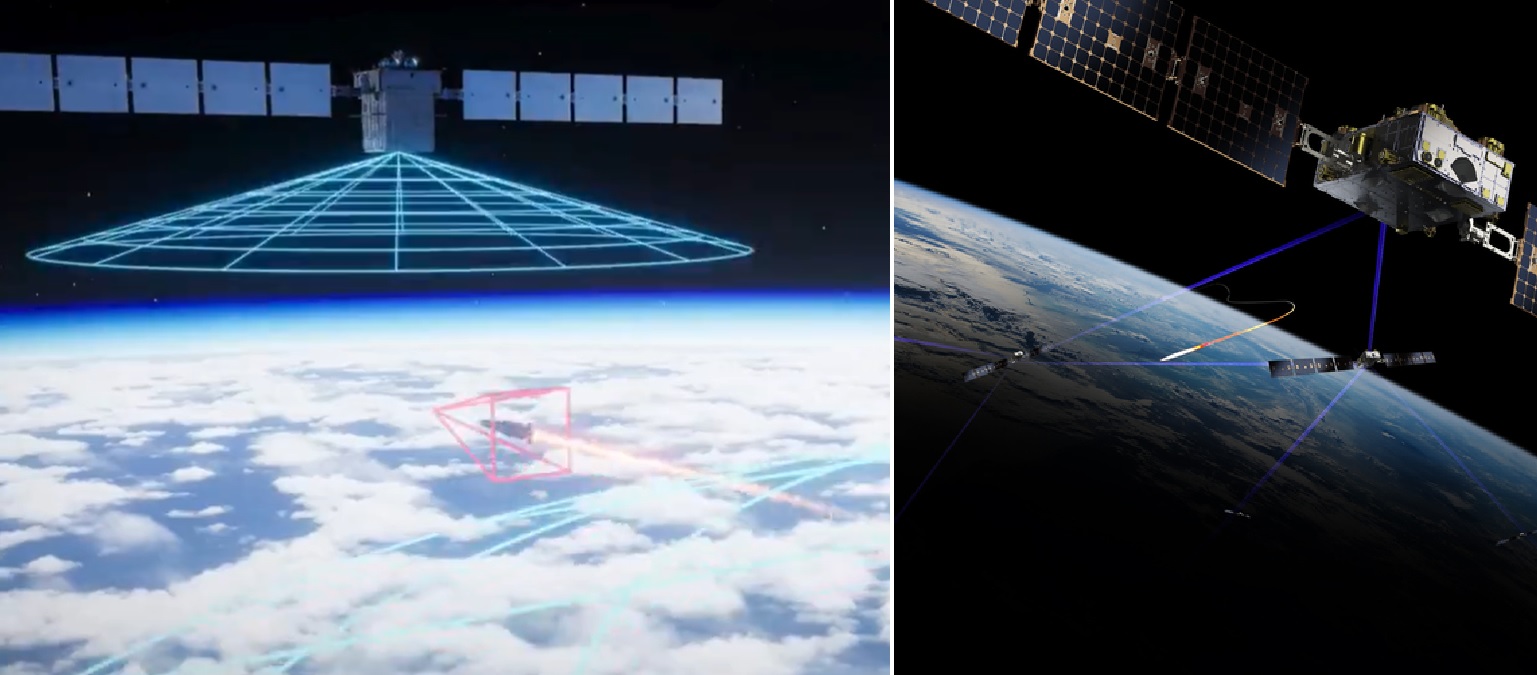
World
Lockheed Martin has been selected by the Space Development Agency (SDA) to deliver 18 space vehicles for the Tranche-3 (T3) Tracking Layer, strengthening the United States’ ability to detect, track and counter advanced missile threats from space. The satellites will form part of the SDA’s Proliferated Warfighting Space Architecture (PWSA), a rapidly expanding network of low-Earth-orbit (LEO) constellations designed to provide persistent, resilient support to U.S. and allied forces. The award places Lockheed Martin among a select group of prime contractors chosen to supply the next generation of infrared missile-tracking satellites, as the SDA accelerates its shift from experimental constellations toward operational, warfighting-grade space systems. Expanding the missile-tracking mission The Tracking Layer is one of the most critical components of the PWSA. Its mission is to provide continuous global detection, tracking and targeting data for ballistic missiles, hypersonic glide vehicles and other advanced threats. By operating in low Earth orbit, rather than relying on a small number of satellites in higher orbits, the SDA aims to create a proliferated and resilient architecture that is harder to disrupt and faster to upgrade. Tranche-3 represents a major capability jump. Compared with earlier tranches, T3 satellites are designed to deliver higher-fidelity infrared sensing and enhanced onboard data processing, enabling what the Department of Defense describes as “fire-control-quality” tracks. This level of accuracy allows data generated in space to be passed directly to missile defense systems, shortening response times and improving interception effectiveness. Understanding T1, T2 and T3 The SDA’s Tracking Layer has been built in stages, known as tranches, each intended to add capability on a roughly two-year cycle. Tranche-1 (T1) focused on demonstrating basic missile warning and tracking from LEO while validating the SDA’s rapid acquisition model. These satellites proved that a proliferated constellation could detect missile launches and provide initial tracking data to ground systems. Tranche-2 (T2) expanded on that foundation by increasing satellite numbers and coverage, improving sensor performance and introducing early fire-control features. It marked the transition from demonstration to sustained operational use, while refining manufacturing at scale and constellation integration. Tranche-3 (T3) builds directly on those lessons. The new satellites incorporate more capable infrared sensors, greater onboard processing power and tighter integration with other PWSA layers, including communications and battle-management networks. The objective is to move from warning and tracking to routine delivery of high-fidelity targeting data suitable for real-time missile defense operations. Contract scope and industrial approach Under the Tranche-3 Tracking Layer program, the SDA selected multiple companies, each tasked with delivering 18 satellites. Lockheed Martin’s allocation contributes to a total of 72 T3 Tracking Layer satellites, reflecting the agency’s strategy of multi-vendor production. SDA officials have emphasized that using multiple suppliers reduces program risk, increases industrial resilience and encourages competition on cost and performance. All satellites must meet common standards and interfaces, ensuring they operate as one integrated constellation regardless of manufacturer. Lockheed Martin said the satellites will draw on its experience in missile warning, space-sensor integration and resilient spacecraft design, while aligning with the SDA’s emphasis on fixed-price contracts and rapid delivery. Strategic implications The expansion of the Tracking Layer through Tranche-3 comes as concern grows over the spread of hypersonic and maneuverable missile systems. Traditional early-warning architectures were optimized for ballistic threats; the SDA’s approach seeks to close coverage and precision gaps by maintaining constant line-of-sight from dozens of LEO sensors. By delivering fire-control-quality data from space, the T3 constellation is expected to play a direct role in missile defense, not merely early warning. Defense planners view this as a critical evolution in countering high-speed, highly maneuverable threats at global scale. What comes next With contracts awarded, attention turns to satellite production, sensor integration, ground-system testing and launch preparation. The SDA has reiterated its plan to refresh the PWSA by tranches, allowing new technologies to be incorporated regularly rather than waiting decades for wholesale replacements. For Lockheed Martin, the Tranche-3 award reinforces its position in the growing market for proliferated defense space systems. For the SDA, it marks another step toward a fully operational, resilient, space-based missile tracking network designed to support warfighters in an increasingly contested space domain.
Read More → Posted on 2025-12-20 15:24:12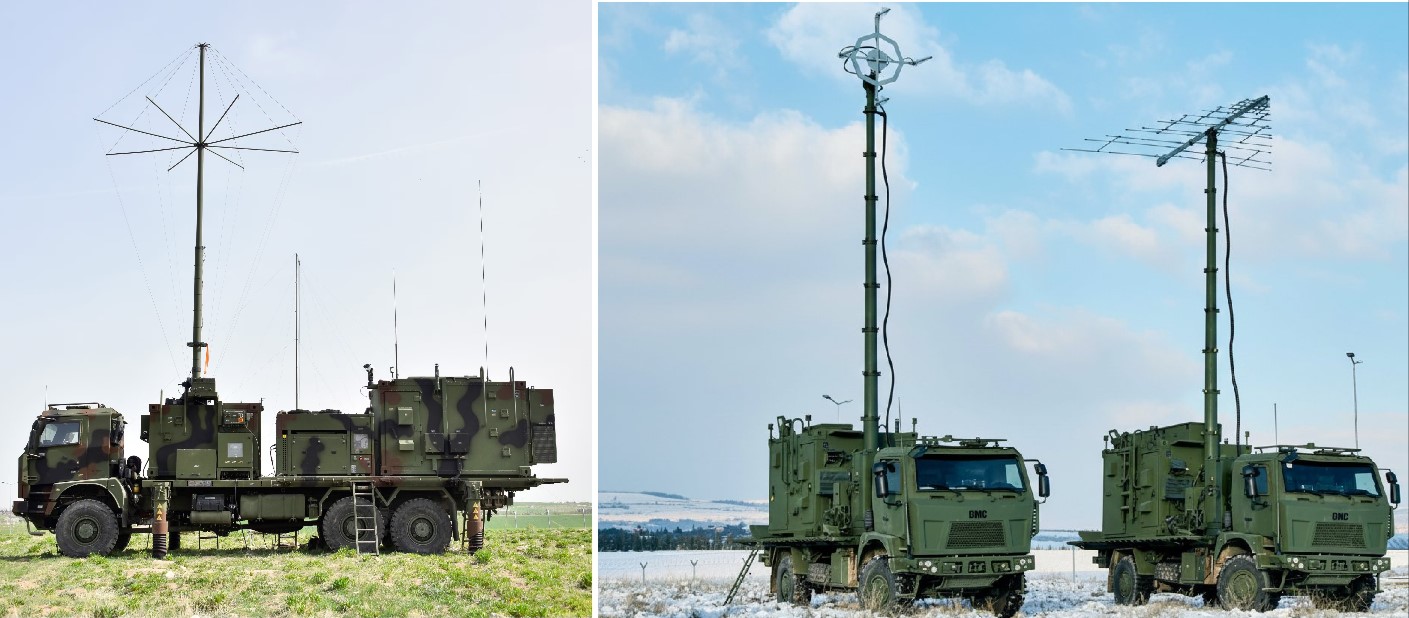
World
European countries are increasing their focus on electronic warfare (EW) and counter-drone systems, and this trend has brought a major export success for ASELSAN. The Turkish defence company has secured a $410 million contract with Poland to supply advanced electronic warfare technologies, marking one of ASELSAN’s largest foreign defence deals so far. A strategic export milestone for ASELSAN The Polish contract represents a significant expansion of ASELSAN’s footprint within NATO and the wider European defence market. While detailed technical specifications have not been publicly released, the agreement covers sophisticated electronic attack, electronic support and counter-unmanned aerial system (C-UAS) solutions, designed to enhance survivability, situational awareness and force protection for frontline units. Industry sources indicate the systems will be platform-agnostic, allowing integration across a range of Polish military assets, including armoured vehicles, mobile ground units and fixed defensive positions. The deal further reinforces ASELSAN’s reputation as a supplier of combat-proven EW technologies deployed across land, naval and air platforms. Poland’s evolving electronic warfare posture Poland has emerged as one of Europe’s fastest-moving defence modernisation leaders, reshaping its force structure in response to growing regional security threats. Electronic warfare has become a central pillar of this transformation, particularly as drones, loitering munitions and electronic attacks redefine the character of modern conflict. At present, Poland operates a hybrid EW ecosystem, combining domestic defence industry capabilities with carefully selected foreign technologies. Polish firms such as PIT-RADWAR and WB Group provide passive detection systems, communications intelligence, and radar-based counter-UAS solutions, forming the backbone of the country’s indigenous EW capacity. In parallel, Warsaw has pursued targeted international procurements to address urgent capability gaps. These include passive location radars, coastal surveillance sensors, and advanced reconnaissance systems, all aimed at strengthening Poland’s layered air-defence and situational-awareness architecture. The ASELSAN agreement fits directly into this approach, adding electronic attack and jamming capabilities to complement the expanding sensor network. Focus on counter-drone and armoured force protection A key driver behind the Polish purchase is the rapid proliferation of small unmanned aerial systems on modern battlefields. These platforms pose persistent threats to tanks, artillery, command posts and logistics units, prompting a shift toward soft-kill solutions such as signal jamming, navigation denial and radio-frequency disruption. ASELSAN’s EW portfolio includes vehicle-mounted jammers, mobile electronic attack systems, RF detection sensors, and integrated C-UAS architectures capable of identifying, tracking and neutralising hostile drones without kinetic engagement. Defence analysts suggest parts of the Polish order may support upgrades to Leopard 2 main battle tanks, enhancing their resilience against drone-guided strikes and electronic threats. European demand accelerates The Polish deal highlights a wider trend across Europe, where electronic warfare is no longer viewed as a niche enabler but as a core combat capability. NATO member states are increasingly prioritising electromagnetic spectrum control alongside air defence, long-range fires, and cyber operations. For ASELSAN, the contract strengthens its standing as a credible European defence supplier at a time when governments are seeking diversified, interoperable and rapidly deployable solutions. The company has steadily expanded exports to NATO and allied countries, leveraging modular system designs compatible with Western military platforms. S trategic implications for Warsaw and Ankara From Poland’s perspective, the agreement enhances operational readiness while supporting rapid force expansion. The integration of foreign EW systems into national command-and-control networks enables faster capability delivery without undermining long-term industrial sovereignty. For Turkey, the sale carries both commercial and strategic significance. Securing a major EW contract with a NATO ally reinforces ASELSAN’s role within the alliance defence supply chain and underscores Turkey’s growing influence as a producer of high-end military electronics. Looking ahead Deliveries under large-scale electronic warfare contracts typically extend over several years, covering system integration, testing, crew training and phased operational deployment. As Poland continues its sweeping military modernisation programme, ASELSAN’s systems are expected to play a critical role in protecting high-value assets and countering emerging aerial and electronic threats. The $410 million Polish agreement sends a clear signal from Europe’s eastern flank: electronic warfare and counter-drone dominance are now indispensable elements of modern defence planning, and demand for proven, export-ready EW solutions is set to intensify further.
Read More → Posted on 2025-12-20 15:07:32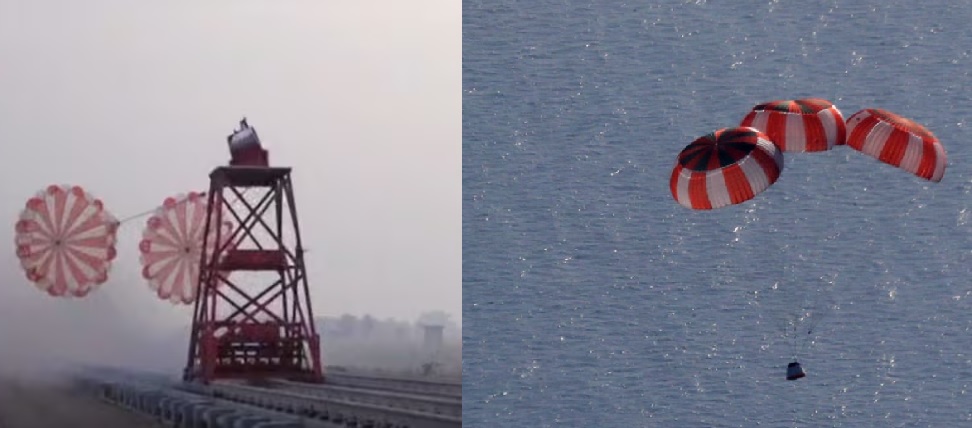
Space & Technology
Chandigarh, December 19, 2025: The Indian Space Research Organisation (ISRO) has successfully completed a critical set of qualification tests for the Gaganyaan human spaceflight programme with the validation of the drogue parachute deployment system for the Crew Module. The tests were conducted on December 18 and 19 at the Rocket Track Research Facility (RTRS) of the Terminal Ballistics Research Laboratory (Terminal Ballistics Research Laboratory) in Chandigarh. The successful trials mark an important milestone in qualifying the parachute-based recovery system, which will play a vital role in ensuring the safe return of Indian astronauts to Earth. Validation Under Simulated Flight Conditions According to ISRO, the two-day qualification campaign confirmed the performance, reliability, and structural integrity of the drogue parachutes under a range of simulated flight conditions closely matching actual mission profiles. The drogue parachutes perform a critical function during descent, stabilising the Crew Module and reducing its velocity before the deployment of the main parachutes. The tests evaluated key parameters such as deployment timing, inflation behaviour, opening shock loads, aerodynamic stability, and suspension line loads. Data gathered through onboard sensors and high-speed imaging systems showed consistent and predictable parachute performance, meeting the stringent human-rating safety requirements defined for the mission. High-Speed Ground Testing at RTRS Facility The qualification trials were carried out using the RTRS rocket sled track, a specialised ground-test infrastructure capable of accelerating test vehicles to near-flight velocities. This facility allows engineers to recreate realistic descent dynamics on the ground, enabling precise evaluation of parachute deployment without the complexities of airborne testing. ISRO officials said the controlled test environment helped validate design models, confirm safety margins, and generate high-quality data essential for crew safety certification. Major Step Toward Gaganyaan Mission Readiness The drogue parachute system forms part of a multi-stage parachute recovery architecture developed for the Gaganyaan Crew Module (Gaganyaan). After drogue deployment, pilot parachutes and main parachutes are sequentially released to further decelerate the capsule for a safe splashdown. Each stage incorporates redundancy to ensure reliability under off-nominal conditions. With the successful completion of the drogue parachute qualification, ISRO will now move toward integrated testing of the full parachute chain, including main parachute qualification trials and combined system demonstrations, which are essential before uncrewed and crewed mission phases. Strengthening India’s Human Spaceflight Capabilities The achievement underscores the growing technical maturity of India’s human spaceflight programme and highlights strong collaboration between ISRO and national defence research institutions. Officials described the outcome as a significant boost to confidence as the programme advances toward its long-term objective of independent crewed space missions. As the Gaganyaan programme progresses, ISRO will continue a rigorous sequence of subsystem validations, integration tests, and mission simulations, ensuring that every element of the flight and recovery system meets the exacting standards required for safe human spaceflight.
Read More → Posted on 2025-12-20 14:48:38
World
Russian President Vladimir Putin said on Friday that Russia was open to ending the war in Ukraine through peaceful negotiations, but claimed that Kyiv was unwilling to engage in talks, even as he asserted that Russian forces were gaining ground across the battlefield. Putin made the remarks during his annual year-end “Results of the Year” news conference, a high-profile and closely managed event that serves as a platform for the Kremlin leader to address domestic issues and outline foreign policy priorities. His comments came as international diplomatic efforts, led by the United States, continue to seek an end to the conflict that began with Russia’s full-scale invasion of Ukraine in February 2022. “We are ready and willing to end this conflict peacefully,” Putin said, adding that Russia does not see Ukraine as ready for negotiations. He stressed that any settlement would need to address what he described as the “root causes” of the war, language Moscow has repeatedly used to justify its security demands and territorial claims. Kremlin Claims Battlefield Advantage Putin devoted a significant portion of his address to the military situation, portraying Russian troops as firmly in control. He claimed that forces were advancing along the entire front line and that Ukrainian troops were retreating under sustained pressure. According to Putin, Russian units had entered the town of Huliaiipole in southeastern Ukraine, a claim that could not be independently verified. He said Russia had “fully seized the strategic initiative” on the battlefield and predicted further territorial gains before the end of the year. The Associated Press has reported that Russia’s larger and better-equipped army has made gradual advances in recent months, particularly in eastern Ukraine, after months of intense and costly fighting. Reuters also noted that Putin provided a detailed battlefield assessment, reiterating his claim of steady progress across the front. Ukraine, however, has repeatedly challenged Moscow’s narrative. Ukrainian officials say Russian gains have been limited and incremental, achieved at the cost of heavy casualties, while Ukrainian forces continue to hold defensive positions and conduct counterattacks in selected areas. Peace Conditions Remain Unchanged Putin said Russia’s peace terms remain unchanged from those he outlined in June 2024. At that time, he said any agreement would require Ukraine to abandon its NATO ambitions and withdraw from four regions — Donetsk, Luhansk, Zaporizhzhia and Kherson — which Russia claims as its own territory. Those conditions also include demands that Ukraine pull back from parts of eastern Ukraine that Russian forces do not fully control. Kyiv has firmly rejected these demands, saying they amount to a loss of sovereignty and territorial integrity, a stance strongly backed by European allies. Diplomatic Pressure Builds Putin’s comments come as Washington intensifies diplomatic pressure to bring the war to an end. US President Donald Trump has launched a renewed push for talks, arguing that the nearly four-year conflict poses increasing risks to global stability. The US-led initiative has raised concerns in Ukraine and across Europe, where leaders fear a negotiated settlement could favour Moscow by freezing the conflict on terms advantageous to Russia. The Kremlin says it is waiting to see how US peace proposals may change after consultations with Kyiv and European partners. Putin’s appearance at the year-end news conference underlined the growing tension between diplomacy and battlefield realities. While Moscow continues to signal openness to talks, its core demands remain unchanged, leaving a wide gap between Russian and Ukrainian positions and casting doubt on the prospects for a near-term peace agreement.
Read More → Posted on 2025-12-20 14:35:33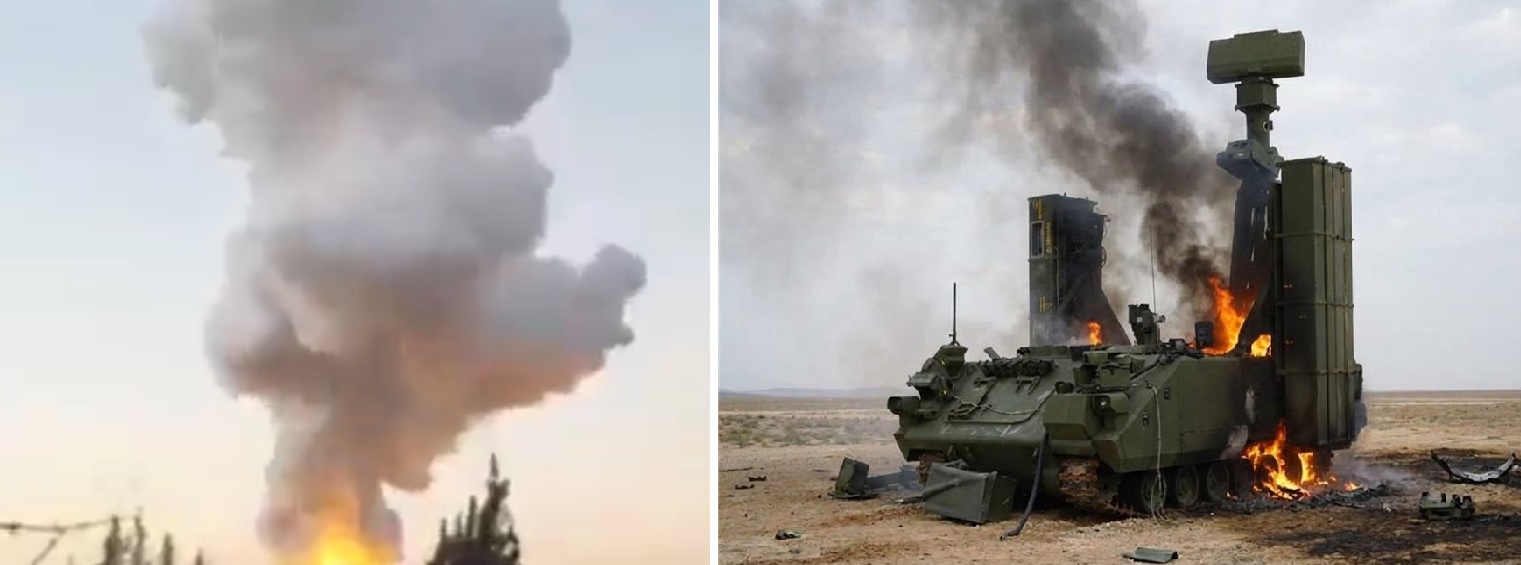
World
The Israel Air Force (IAF) carried out a series of precision air strikes in central Syria, targeting military facilities in and around the city of Hama, regional sources said on Tuesday. According to Israeli and Middle Eastern security officials, the operation destroyed a batch of newly delivered Turkish-made weapons, including short-range air defence systems reportedly supplied to Syria’s new security apparatus. Syrian state media confirmed that multiple sites in Hama province were struck overnight, acknowledging material damage without identifying the equipment hit. Israel has not issued an official statement, in line with its long-standing policy of strategic ambiguity, but Israeli security sources said the strike was intended to prevent advanced air defence capabilities from becoming operational. Turkish military supplies under focus The targeted weapons are believed to have been supplied by Turkey, which has recently expanded its defence and security cooperation with Syria following the rise of a new jihadist-led governing structure in Damascus. Ankara has publicly confirmed military cooperation, including training and equipment support, but has stopped short of disclosing the exact systems delivered. Regional defence analysts say the systems reportedly destroyed in Hama align with Turkey’s indigenous short-range air defence portfolio, designed to protect military bases, depots and infrastructure from low-altitude threats such as drones, helicopters and strike aircraft. Air defence systems reportedly destroyed According to multiple regional defence sources, the primary system believed to have been targeted is the HİSAR-A+ short-range surface-to-air missile system, developed jointly by Roketsan and Aselsan. The HİSAR-A+ is designed for low- and medium-altitude air defence and is considered a key component of Turkey’s layered air defence doctrine. Key specifications include: Engagement range: up to 15 kilometres Engagement altitude: approximately 5–8 kilometres Guidance: inertial navigation with data-link, transitioning to an infrared imaging seeker in the terminal phase Launch method: vertical launch system Mobility: mounted on a tracked armoured platform with integrated radar and electro-optical sensors Defence analysts also assess that elements of the KORKUT self-propelled air defence system may have been present at the struck site. KORKUT, another Turkish-developed system, provides very-short-range air defence using twin 35-millimetre automatic cannons. The KORKUT system is optimised to counter drones, helicopters and low-flying aircraft, with an effective engagement range of around four kilometres. It fires air-burst and high-explosive ammunition, making it particularly effective against unmanned aerial systems. Strategic and regional implications If confirmed, the destruction of Turkish-supplied air defence systems underscores Israel’s determination to prevent any shift in the air defence balance in Syria. Israeli officials have repeatedly stated that they will act against the deployment of weapons that could limit Israel’s freedom of aerial operations. Military experts note that while short-range air defence systems do not alter strategic parity, they can significantly increase operational risk, especially for low-altitude reconnaissance and strike missions. Their deployment in central Syria would have represented a notable enhancement of local defensive capabilities. Limited verification, rising tensions At present, there is no satellite imagery confirming the exact systems destroyed in Hama, and neither Ankara nor Damascus has acknowledged the loss of Turkish-manufactured air defence equipment. The claims rely primarily on Israeli security sources and regional media reporting. Nevertheless, the strike fits a well-established pattern of Israeli pre-emptive operations in Syria, aimed at neutralising emerging military threats. With Turkey increasing its influence in shaping Syria’s evolving security landscape, the incident highlights the growing complexity of regional power dynamics and the potential for further escalation. Outlook Further clarity is expected to depend on satellite imagery, on-site evidence, or official disclosures by the parties involved. Until then, the Hama air strike stands as a clear signal that Israel remains prepared to act decisively against any perceived threat to its air superiority, even as regional alliances and rivalries continue to shift.
Read More → Posted on 2025-12-20 14:19:21
World
Russian developers are claiming they have successfully tested a fiber-optic first-person-view (FPV) drone system with a control and video link extending 65 kilometres, a distance that would represent a new high point for this technology if independently confirmed. The claim surfaced through videos and images shared on Russian-language social media and military technology channels. The material shows a large fiber-optic coil connected to an FPV drone, with operators stating that the system maintained stable control and real-time video throughout the flight. No official technical documentation or government confirmation has yet been released, leaving the claim unverified. A shift away from radio links Fiber-optic FPV drones differ fundamentally from conventional FPVs. Instead of relying on radio signals — which can be jammed or intercepted — these drones remain physically connected to the operator by a thin optical cable that unspools during flight. Commands and video travel through the fiber itself, making electronic warfare measures largely ineffective. This characteristic has driven growing interest in fiber-optic FPVs, particularly in heavily contested environments where radio-frequency jamming is widespread. The main drawback is physical vulnerability: if the cable is cut, snagged, or damaged, the drone is immediately disabled. Rapid growth in operating range Until recently, operational fiber-optic FPV systems were generally limited to short ranges, often under 20 kilometres. Over the past two years, however, reported distances have steadily increased, with systems exceeding 30 and 40 kilometres appearing in battlefield reporting and demonstrations. A 65-kilometre link would suggest further progress in low-loss optical fiber, spool design, and signal management. From a technical perspective, transmitting data over such distances is feasible with modern fiber, which suffers relatively low signal loss. The greater challenge lies in producing a lightweight, compact spool that can deploy smoothly without disrupting the drone’s flight or breaking under tension. What this could mean in 2026 If current trends continue, analysts expect incremental improvements rather than sudden leaps. By 2026, single-spool fiber-optic FPV systems could realistically reach 70 to 100 kilometres in controlled or specialist use, driven by better fiber materials and improved spool engineering. At the same time, developers are exploring relay concepts — using intermediate drones or nodes to extend effective range without relying on a single massive fiber coil. Such approaches could push operational reach much further, though they add complexity and additional points of failure. Verification still awaited For now, the reported 65-kilometre test remains a claim rather than a confirmed capability. Independent verification, technical specifications, or corroboration from multiple sources will be required to establish whether the system can operate reliably under real-world conditions. Even without confirmation, the direction is clear. Fiber-optic FPV drones are extending their range year by year, reducing the effectiveness of electronic countermeasures and forcing a reassessment of short-range air defence. Whether the true limit is 50 kilometres or more than 65, longer-range, jam-resistant FPV operations are likely to become more prominent through 2026.
Read More → Posted on 2025-12-20 13:48:51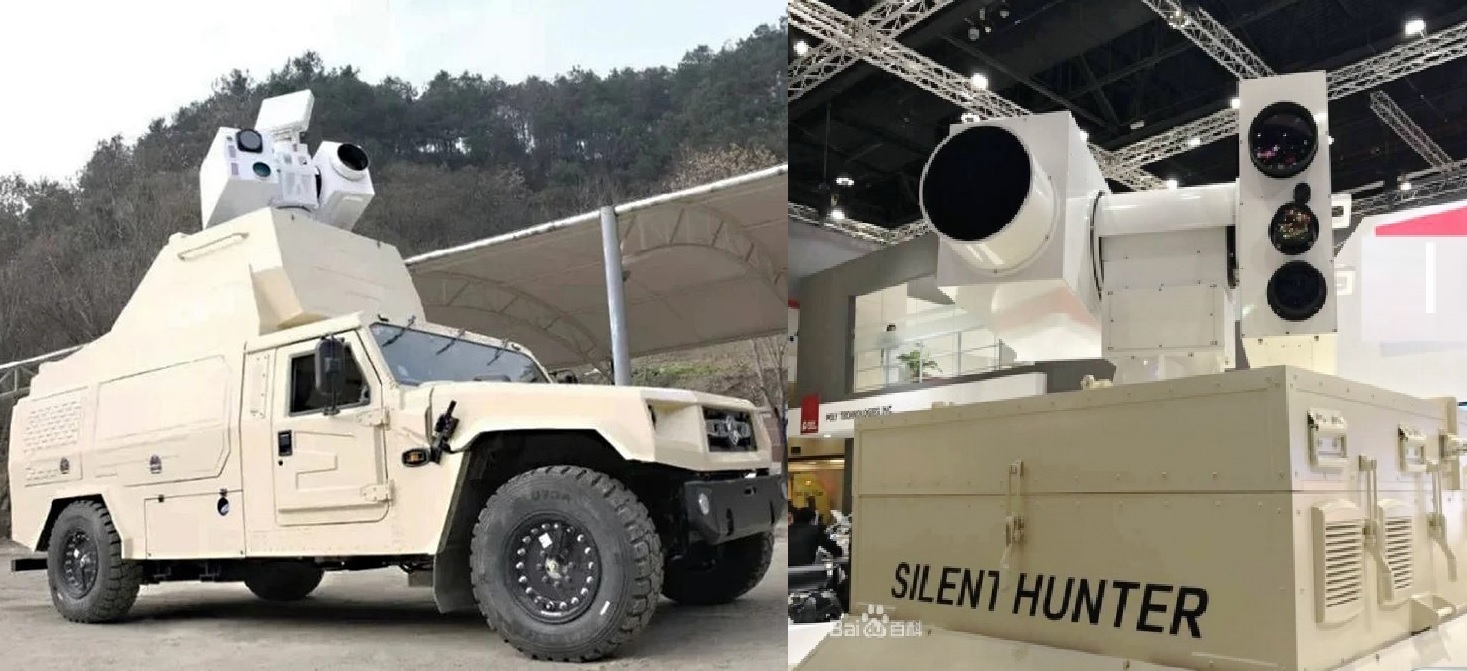
World
Russian military units operating in Ukraine have reportedly begun using the Chinese-developed Silent Hunter laser air defense system, according to material published on multiple Russian military–affiliated social media platforms and assessed by open-source intelligence analysts. While neither Moscow nor Beijing has officially confirmed the deployment, the system’s apparent presence in frontline conditions would mark the first known combat use of China’s export-oriented directed-energy weapon. The reported deployment comes as both sides of the conflict seek cost-effective countermeasures against the rapid expansion of drone warfare. With unmanned aerial vehicles (UAVs) now dominating reconnaissance, strike, and harassment roles, traditional missile-based air defense systems have struggled to keep pace with the scale, speed, and economics of the threat. Visual Evidence Points to Silent Hunter Footage circulating online shows a laser-equipped combat vehicle mounted on a modified 6×6 tactical truck, featuring a roof-mounted laser turret, electro-optical tracking sensors, and a dedicated onboard power generator. Analysts note that the configuration closely matches the Silent Hunter system previously displayed by Poly Technologies at international defense exhibitions. Although no official confirmation has been issued, the turret design, sensor layout, and beam optics leave little doubt about the system’s identity. The platform appears consistent with Chinese export variants marketed for counter-UAV and point-defense roles, suggesting operational rather than experimental use. Capabilities and Tactical Significance The Silent Hunter is a high-energy fiber-optic laser air defense system designed to neutralize low-altitude aerial threats, particularly small and medium-sized drones. Depending on the variant, the system reportedly produces between 30 and 100 kilowatts of laser power, enabling effective engagement at ranges of up to 1.5 kilometers. The laser disables targets by burning through drone airframes, sensors, or propulsion systems, often within seconds. It can operate autonomously using its optical tracking suite or receive targeting data from external radar and sensor networks. Unlike conventional air defenses, Silent Hunter emits no radar signals during engagement and requires no ammunition, offering a significant logistical advantage. For Russian forces, the system’s key value lies in its low per-engagement cost, rapid reaction time, and ability to counter persistent UAV saturation, a challenge that has repeatedly strained Russian air defenses across multiple sectors of the front. China’s Expanding Role Behind the Scenes The appearance of Silent Hunter on the battlefield highlights China’s expanding but carefully managed role in supporting Russian military capabilities. Since the launch of Russia’s full-scale invasion of Ukraine in February 2022, Beijing has publicly maintained a neutral diplomatic posture while opposing Western sanctions. In practice, China has supplied Russia with dual-use technologies, including semiconductors, thermal imaging components, navigation equipment, and UAV-related systems. The reported fielding of a Chinese-directed energy weapon would represent a notable escalation, placing advanced Chinese military hardware directly into an active high-intensity conflict. For Beijing, Ukraine provides a real-world testing environment to evaluate advanced systems under combat conditions. Successful battlefield validation of Silent Hunter could significantly boost China’s position in the global arms export market, particularly among states seeking affordable counter-drone solutions. Ukraine Also Deploys Laser-Based Capabilities Evidence has also emerged suggesting that Ukraine is fielding its own laser-based systems. Video footage published on December 20, 2025, by crew members of a Turkish amphibious vessel docked in Odessa shows Ukrainian air defense positions emitting two distinct laser beams near anti-aircraft artillery emplacements. Open-source analysts and former NATO targeting specialists reviewing the footage describe the beams as stable, coherent, and actively focused, indicating operational use. Ukrainian authorities have released no official details, but defense experts identify several likely operational roles. These include counter-optics missions to blind or disrupt drone electro-optical sensors, laser designation for guiding precision munitions such as APKWS-type rockets, and integration into broader air defense and target acquisition networks. The origin of the systems remains unclear, ranging from indigenous development to foreign-supplied or modified commercial platforms. Directed-Energy Weapons Enter Combat Reality The parallel appearance of laser weapons on both sides of the war marks a significant turning point. Directed-energy weapons, long confined to testing environments and static base defense, are now entering mobile frontline service. This shift reflects the realities of modern warfare, where drone swarms, loitering munitions, and low-cost UAVs have exposed the limitations of traditional air defense models. Despite challenges such as weather sensitivity and line-of-sight dependence, lasers offer a rare combination of speed, precision, and sustainability. Implications for NATO and Western Militaries The developments in Ukraine are being closely monitored by NATO and Western defense planners. The United States and its allies have invested heavily in high-energy laser programs, including the U.S. Army’s DE M-SHORAD, the U.S. Navy’s HELIOS, and the United Kingdom’s DragonFire. None of these systems, however, have yet seen confirmed combat deployment. By contrast, the reported use of China’s Silent Hunter and Ukraine’s tactical laser systems provides the first sustained glimpse into how directed-energy weapons perform in a drone-saturated, high-intensity war. The lessons emerging from Ukraine are likely to influence future procurement decisions, operational doctrine, and the broader great-power competition shaping the next generation of military technology. As the conflict continues, Ukraine is increasingly serving as both a battlefield and a proving ground, where laser air defense systems are no longer theoretical concepts but an operational reality of modern warfare.
Read More → Posted on 2025-12-20 13:09:34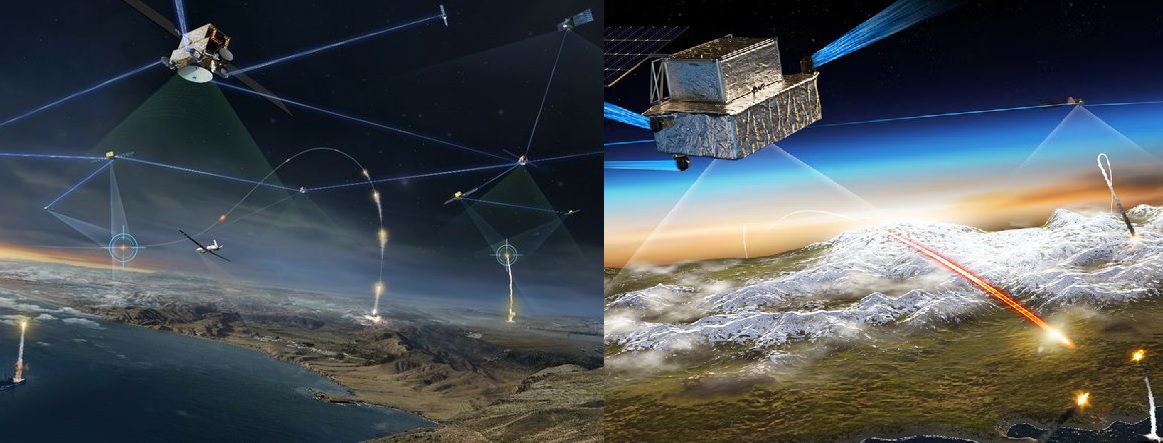
World
The Space Development Agency (SDA) has awarded approximately $3.5 billion in contracts to four defence and space companies to build and operate 72 missile-tracking satellites, marking a major expansion of the United States’ low Earth orbit (LEO) missile warning and defence architecture. The awards cover the Tranche 3 Tracking Layer of the Proliferated Warfighter Space Architecture (PWSA), a central element of the Pentagon’s strategy to deploy a resilient, globally distributed sensor network capable of detecting, tracking and supporting the interception of advanced missile threats. The satellites will carry infrared payloads designed for missile warning, missile tracking and missile defence missions, with launches planned for fiscal year 2029. Industry Teams and Contract Scope The contracts were issued under Other Transaction Authority (OTA) agreements to teams led by Lockheed Martin, Rocket Lab USA, Northrop Grumman and L3Harris Technologies. Each prime contractor will deliver and operate 18 satellites, bringing the total constellation to 72 spacecraft. According to the SDA, half of the Tranche 3 payloads will be configured to support advanced missile defence missions, including the generation of fire-control-quality tracking data. Once integrated with the PWSA Transport Layer, the Tracking Layer is expected to provide near-continuous global coverage and significantly improved accuracy against conventional and emerging threats. Enhancing Coverage Against Advanced Threats “The Tracking Layer of Tranche 3, once integrated with the PWSA Transport Layer, will significantly increase the coverage and accuracy needed to close kill chains against advanced adversary threats,” said SDA Acting Director Gurpartap “GP” Sandhoo. He added that the constellation would include a mix of missile warning and missile tracking sensors, enabling the architecture to keep pace with evolving threats such as hypersonic weapons. Sandhoo described the Tranche 3 effort as a clear example of the SDA’s spiral development model, which prioritises rapid fielding, frequent upgrades and the continuous integration of next-generation technologies to maintain operational relevance. Northrop Grumman’s Expanding Role Northrop Grumman said its Tranche 3 Tracking Layer work will focus on providing precision fire-control sensing data and accelerating the global detection and tracking of hypersonic weapons from launch through interception. The company plans to manufacture 18 satellites equipped with advanced infrared sensors, using more than 30,000 square feet of dedicated production space. The company noted that the Tranche 3 award builds on its wider involvement across multiple SDA tranches, with plans to deliver approximately 150 satellites across Tranches 1, 2 and 3 as part of the broader missile warning and tracking architecture. “Northrop Grumman’s contributions to both high- and low-altitude layers of our nation’s missile warning and tracking architecture help protect the nation from a wide range of threats,” said Brandon White, vice president and general manager of the company’s space-enabled multi-domain operations division, citing its long-standing experience with Overhead Persistent Infrared (OPIR) satellite systems. Building a Proliferated Space Architecture The Proliferated Warfighter Space Architecture is the SDA’s flagship programme to deploy a mesh-networked constellation of satellites in low Earth orbit. Unlike legacy systems reliant on a limited number of large spacecraft, the PWSA uses a proliferated model with many smaller satellites spread across multiple orbital planes, improving resilience, survivability and data latency. The Tranche 3 Tracking Layer builds on earlier SDA generations by expanding coverage and enhancing performance against advanced missile threats, including hypersonic systems. Each satellite will be interoperable with other PWSA space vehicles and operate through a common ground system integrated with the Transport Layer’s low-latency communications network. Northrop Grumman said the first plane of its Tranche 1 Transport Layer satellites is scheduled for launch in early 2026, a key milestone in the rollout of the next-generation constellation. Outlook With the Tranche 3 Tracking Layer contracts now in place, the Space Development Agency is advancing toward its goal of delivering a globally persistent, rapidly upgradable missile warning and defence capability by the end of the decade. Defence officials view the combination of proliferated sensors, resilient communications and continuous technology refresh as critical to countering increasingly sophisticated missile threats and maintaining strategic deterrence in space.
Read More → Posted on 2025-12-20 12:59:07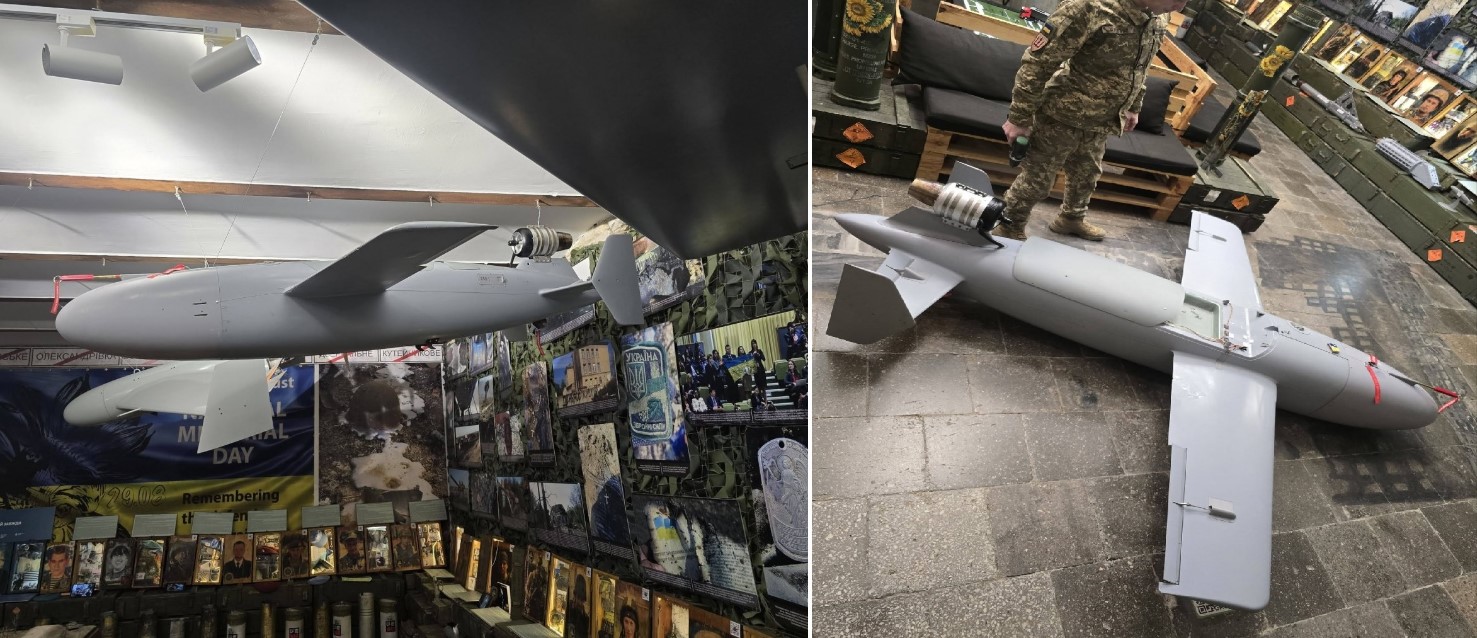
World
Ukraine has publicly unveiled its new long-range cruise missile, known as Bars, offering the first visual confirmation of a weapon that officials say has already been used against Russian forces. The disclosure, made through images released by the Museum of the Russo-Ukrainian War, marks a significant moment in Kyiv’s effort to build an independent strike capability amid the continuing war. President Volodymyr Zelensky had previously acknowledged the existence of Bars in April, alongside other domestically developed systems such as Peklo, Palyanytsya, and Ruta. At the time, Ukrainian officials confirmed these weapons were operational but withheld imagery and technical details. The newly released photographs now bring Bars out of secrecy and into the public domain. First Look at the Missile The images show a conventional cruise-missile design, featuring a mid-mounted wing, twin vertical tail fins, and a compact jet engine mounted above the fuselage. Defense analysts say this configuration reflects a deliberate focus on production efficiency, reliability, and ease of manufacturing, rather than experimental innovation. The elevated engine placement simplifies air-intake design and allows the use of easily sourced turbojet engines, an important factor for sustained wartime production. The overall layout indicates low-altitude flight capability, a standard cruise-missile tactic intended to reduce radar detection and complicate interception by air-defense systems. Estimated Range and Payload Although Ukrainian authorities have not released official specifications, multiple defense sources estimate that Bars has a range of approximately 700–800 kilometers, placing it among Ukraine’s longest-range strike weapons. This range would allow Ukrainian forces to hit logistics hubs, command centers, airbases, and ammunition depots deep behind Russian lines. The missile’s warhead is believed to weigh several dozen kilograms, with some estimates suggesting a payload approaching 100 kilograms. Such a warhead would be sufficient for destroying infrastructure targets and hardened military facilities. Guidance is widely assumed to rely on satellite navigation, likely supported by inertial guidance, though these details remain classified. Private Industry and Rapid Production One of the most notable aspects of the Bars missile program is that it is reportedly produced by a private Ukrainian defense company. This reflects Kyiv’s broader wartime strategy of leveraging private industry to accelerate weapons development and bypass lengthy procurement cycles. Since 2022, Ukraine has increasingly relied on non-state manufacturers to deliver practical, combat-ready systems quickly. The identity of the producer and the missile’s manufacturing locations have not been disclosed, consistent with security concerns amid ongoing Russian long-range strikes against Ukrainian industrial facilities. Operational Use and Mass Salvos According to reliable defense insiders, Bars is no longer in limited testing but has entered mass production. The missile is believed to be fully operational, with reports indicating it has already been used in combat against Russian targets. Some accounts suggest Ukraine has launched large-scale salvos, potentially involving around 100 Bars missiles in a single coordinated strike. If accurate, this would represent a major shift in Ukraine’s strike doctrine, enabling saturation attacks designed to overwhelm Russian air defenses and reduce dependence on limited stocks of Western-supplied missiles such as Storm Shadow and SCALP-EG. Zelensky’s Strategic Message President Zelensky has consistently emphasized that domestically produced long-range weapons are critical to Ukraine’s security and strategic autonomy. In previous statements, he argued that indigenous missile production allows Ukraine to defend itself without political restrictions tied to foreign arms supplies. While Zelensky has not commented directly on the newly released imagery, his earlier remarks framed systems like Bars as tools of deterrence, enabling Ukraine to strike military targets while strengthening national self-reliance. A Turning Point for Ukraine’s Missile Program The public unveiling of Bars underscores the rapid evolution of Ukraine’s defense industry during the war. Once heavily dependent on inherited Soviet systems and foreign aid, Kyiv is now designing, producing, and deploying its own long-range precision weapons under combat conditions. Although many technical details remain undisclosed, the emergence of Bars signals a growing maturity in Ukraine’s missile capabilities and reinforces the message that the country is building a sustainable, independent strike force capable of shaping the battlefield far beyond the front lines.
Read More → Posted on 2025-12-19 17:01:10
World
Ukrainian President Volodymyr Zelensky has called on Western partners to urgently impose targeted sanctions on companies supplying components for Russia’s new Oreshnik missile, warning that Moscow continues to use the weapon against Ukraine and is seeking to expand production despite clear technical and industrial limits. Speaking in remarks reported by Ukrainian and international media, Zelensky said the Oreshnik missile cannot currently be intercepted by drones and has already been used across Ukrainian territory. He stressed that Kyiv understands how to counter the system militarily, but argued that the most effective response is to halt production at its source by cutting off access to critical foreign-made components. “Without these components, Russia simply cannot produce Oreshnik,” Zelensky said, adding that Ukraine has already shared detailed intelligence with partner governments on supply chains routed through third countries. He said he has not yet seen the sanctions Kyiv requested, warning that delays allow Russia to continue limited production. A missile with constrained but dangerous potential Western and Ukrainian analysts describe Oreshnik as a new-generation Russian missile system designed to challenge existing air-defence concepts and increase pressure on critical Ukrainian infrastructure. While production volumes are believed to be small, Ukrainian officials say even limited numbers pose a serious threat due to the missile’s speed, trajectory and resistance to certain interception methods. Zelensky acknowledged that Russia’s manufacturing capacity remains constrained, but warned that those limits could disappear if Moscow maintains access to advanced industrial technology. “Russia will continue production, even if its capacity is limited for now,” he said. The supply-chain vulnerability According to Ukrainian intelligence assessments and international investigations, Russia’s Oreshnik programme depends heavily on foreign-made high-precision industrial equipment. These include computer numerical control (CNC) systems, specialised machine tools, guidance and control electronics, and precision sensors that Russia struggles to produce domestically at scale. Ukrainian officials say many of these items are sourced via intermediary firms and re-export routes in third countries, allowing Russian defence manufacturers to circumvent existing sanctions. Kyiv argues that closing these loopholes would have an immediate impact on missile production timelines and costs. Companies Ukraine wants sanctioned Ukraine has provided partners with lists of companies it believes are central to the Oreshnik missile programme. These include Russian defence and industrial entities involved in design and manufacturing, such as the Moscow Institute of Thermal Technology, Titan-Barrikady, the Sozvezdie concern, and associated machine-building firms. Ukrainian briefings also point to the role of foreign industrial technology suppliers whose equipment has been identified inside Russian production facilities. These include manufacturers of CNC control systems and advanced machining tools based in Germany and Japan, as well as trading and logistics companies allegedly facilitating re-exports through third countries. Kyiv stresses that sanctions must target not only Russian end-users, but also intermediaries enabling sanctions evasion. Western manufacturers named in media reports have said they comply with export-control laws, while Ukraine argues that enforcement gaps continue to allow sensitive equipment to reach Russian missile factories. What Zelensky says Ukraine knows Zelensky said Ukraine has shared with allies detailed intelligence on how Oreshnik is produced, which components are essential, and which routes are used to obtain them. He also said Kyiv understands the missile’s operational characteristics and has developed countermeasures, though specifics remain undisclosed for security reasons. Ukrainian officials suggest these countermeasures focus less on mid-flight interception and more on electronic warfare, targeting launch infrastructure, and disrupting production. Pressure on Western partners Zelensky’s appeal increases pressure on the European Union, the United States, and other allies to move beyond broad sanctions and adopt precision, enforcement-driven measures targeting industrial supply chains. Such steps would require coordinated export controls, customs monitoring, and financial restrictions across multiple jurisdictions. Analysts say the issue highlights how civilian high-tech manufacturing tools have become decisive elements of modern warfare. A strategic warning For Kyiv, the message is clear: stopping Oreshnik production now is cheaper and safer than confronting larger missile stockpiles later. Zelensky’s warning underscores Ukraine’s belief that targeted sanctions, if properly enforced, can still reshape the battlefield. Whether Western partners act quickly enough, he said, will determine how far Russia can expand the Oreshnik programme — and how dangerous the missile becomes in the months ahead.
Read More → Posted on 2025-12-19 16:22:26
World
European Union (EU) leaders agreed on Friday to provide Ukraine with a €90-billion loan to help cover mounting budget shortfalls over the next two years, delivering a major financial lifeline while stopping short of a politically sensitive plan to use frozen Russian state assets to fund the support. The agreement followed more than a day of tense negotiations at an EU summit in Brussels and comes as Ukraine faces intensifying fiscal pressure amid the ongoing war with Russia and renewed diplomatic efforts by the United States to push for a negotiated settlement. “We have a deal. Decision to provide 90 billion euros of support to Ukraine for 2026–27 approved,” European Council President Antonio Costa said in a post on X. “We committed, we delivered.” Budget-Backed Support Under the deal, the EU will raise the funds as a loan backed by the bloc’s common budget, allowing the financial risk to be shared among member states. The support is aimed at helping Kyiv cover essential state expenditures, including public sector wages, pensions and social services, as war-related spending continues to strain Ukraine’s finances. EU officials estimate that Ukraine will need around €135 billion in additional financing over the next two years to remain solvent, with a significant cash shortfall expected to begin as early as April. While the €90-billion package does not fully close the gap, Brussels believes it will provide critical stability and reassure international partners. German Chancellor Friedrich Merz, who had pushed for a more ambitious funding mechanism, said the final agreement nevertheless “sends a clear signal” to Russian President Vladimir Putin that Europe’s support for Ukraine remains firm. Frozen Russian Assets Debate The summit was dominated by debate over whether to tap roughly €200 billion in Russian central bank assets frozen within the EU since Moscow’s full-scale invasion of Ukraine. Supporters of the idea argued that using the assets to back a loan for Kyiv would be both symbolically powerful and financially efficient. The proposal ultimately stalled over concerns about legal risks and liability sharing. Belgium, where the vast majority of the frozen assets are held, demanded firm guarantees that any financial or legal fallout would be shared across the EU. Several member states were unwilling to provide such assurances, fearing long-term consequences for the bloc’s financial credibility. As talks stretched into a second day, leaders opted for the budget-backed loan, leaving the question of using Russian assets unresolved. Ukraine’s Position Ukrainian President Volodymyr Zelensky urged EU leaders to use Russian assets, framing the move as both just and necessary. “Russian assets must be used to defend against Russian aggression and rebuild what was destroyed by Russian attacks. It’s moral. It’s fair. It’s legal,” Zelensky said. While Kyiv may be disappointed by the EU’s reluctance to take that step, securing financing through another mechanism is still seen as a crucial relief. Zelensky had warned that Ukraine needed a clear decision by the end of the year to avoid destabilising uncertainty and to strengthen its position in any future negotiations. US Talks and Diplomatic Pressure The EU decision comes against the backdrop of renewed diplomatic efforts by Washington. Zelensky confirmed that Ukrainian and US delegations would hold talks on Friday and Saturday in the United States. He said Kyiv was seeking clearer details on the security guarantees the US could offer to deter future Russian aggression. “What will the United States of America do if Russia comes again with aggression?” Zelensky asked. “What will these security guarantees do? How will they work?” US President Donald Trump has continued to publicly urge Ukraine to move quickly toward a negotiated settlement, reiterating his hope that Kyiv will “move quickly” to agree on a deal to end the war. An Interim Solution EU officials stressed that the €90-billion loan is an interim measure, not a permanent solution to Ukraine’s financial needs. Discussions on long-term reconstruction funding, potential future use of Russian assets, and broader post-war security arrangements are expected to continue into next year. For now, EU leaders are presenting the agreement as evidence of unity and resolve, providing Ukraine with immediate financial relief even as deeper divisions over how best to fund its survival and recovery remain unresolved.
Read More → Posted on 2025-12-19 15:49:30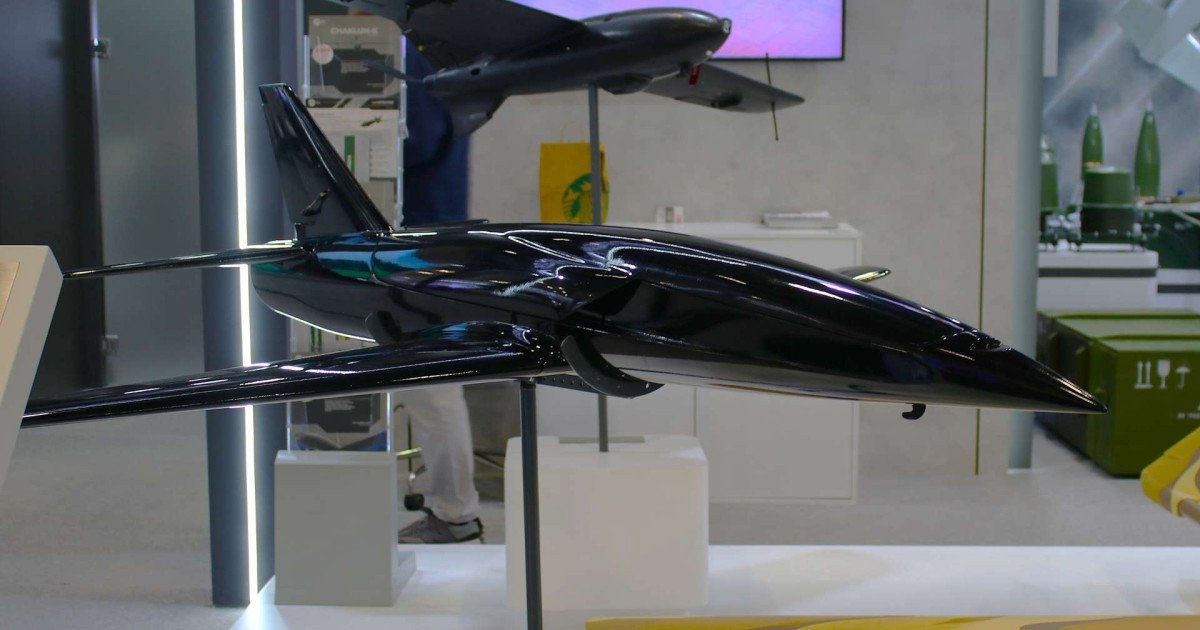
World
As Russia intensifies its aerial campaign with faster, jet-powered loitering munitions, Ukraine is responding by industrializing a new layer of air defense built not on missiles, but on speed, software, and scale. Ukrainian defense-technology firm General Chereshnya has entered mass production of the “Bullet” interceptor drone, a high-speed system designed to hunt enemy unmanned aerial vehicles (UAVs) in mid-air and blunt the Kremlin’s expanding drone offensive. The Bullet, which moved into serial production in late 2025, is engineered to counter Shahed-136 kamikaze drones, long-range reconnaissance UAVs, and selected low-flying aerial targets. With top speeds reaching up to 450 kilometers per hour, the platform represents a new category of weapon—an unmanned, low-cost interceptor often described by Ukrainian engineers as a “flying air-defense missile.” Responding to a Faster War in the Air Russia’s drone campaign has evolved rapidly. What began with relatively slow, propeller-driven Shahed drones has transformed into a high-speed threat environment, forcing Ukraine to rethink traditional defensive concepts. Mobile fire teams, once effective against slow UAVs, now struggle to counter faster and higher-flying targets. This shift became more pronounced with the introduction of the Geran-3 (Shahed-238), a jet-powered variant reportedly capable of reaching speeds of up to 500 kilometers per hour. These systems dramatically reduce engagement windows and exceed the interception limits of most FPV-based air-defense drones. “The physics of the battlefield have changed,” said Yaroslav Hryshyn, founder of General Chereshnya. “When the enemy introduces speed and altitude, you must respond with platforms that can match those parameters. The Bullet is the result of that reality.” Designed as an Interceptor, Not an Adaptation Unlike conventional FPV drones retrofitted for interception, the Bullet was designed from the outset as a dedicated air-to-air platform. Its aerodynamic airframe, reinforced structure, and jet or high-output electric propulsion allow it to close on targets in seconds rather than minutes. The serial production model reaches speeds of approximately 309 kilometers per hour, while performance variants deployed at the front approach 450 kilometers per hour. Its operational ceiling of up to 6,000 meters enables engagements against targets previously unreachable by short-range drone defenses. This performance allows the Bullet interceptor to reliably engage Shahed-class drones cruising at around 180 kilometers per hour, while also providing a partial counter to Russia’s newer, faster systems. Artificial Intelligence in the Kill Chain A defining feature of the Bullet system is its integration of artificial intelligence (AI) during the terminal phase of flight. The drone uses AI-based auto-aim and target-lock software, enabling it to complete an intercept even if the operator’s control signal is disrupted by electronic warfare (EW). In a battlespace saturated with jamming and spoofing, this autonomy is critical. Once the Bullet acquires a target, it can execute the final attack independently, improving kill probability, reducing pilot workload, and increasing survivability. The interceptor is produced in three main configurations: a daytime variant with optical sensors, a nighttime model equipped with thermal imaging, and a guidance-optimized version focused on enhanced seekers and onboard AI processing. A Cost Equation Ukraine Can Sustain Beyond performance, the Bullet addresses one of Ukraine’s most pressing strategic challenges: cost-efficiency. Conventional surface-to-air missile (SAM) systems can cost hundreds of thousands to several million dollars per launch, making them ill-suited to counter mass drone attacks. By comparison, the Bullet interceptor is estimated to cost between $3,000 and $7,000 per unit. While its reported success rate of over 80 percent does not match high-end missile systems, Ukrainian planners see the trade-off as essential in a war of attrition. Using a low-cost interceptor to defeat a low-cost drone preserves scarce missile stocks and enables air defense to scale with the intensity of Russian attacks. Training for High-Speed Engagements High-speed aerial interception requires skills beyond standard FPV operations. To address this, General Chereshnya has established the General Chereshnya Academy, a dedicated training program for interceptor drone pilots. The academy deploys mobile training teams near operational units, rapidly certifying pilots for frontline service. According to the company, interception timelines measured in seconds demand precision, situational awareness, and confidence in AI-assisted targeting systems. In October 2025 alone, the company reports that its interceptor drone family, including the Bullet and AIR models, destroyed at least 548 aerial targets—making it one of the most effective elements of Ukraine’s layered air-defense network. International Attention and Expansion Plans The Bullet’s combat performance has attracted significant international interest. In late 2025, U.S.-based defense firm AIRO Group signed a Letter of Intent with General Chereshnya to form a joint venture aimed at manufacturing and distributing the interceptor for NATO and allied nations. The partnership seeks to adapt the combat-proven high-speed interceptor to Western manufacturing standards while preserving its core advantages: speed, autonomy, and affordability. Defense analysts say such systems could help NATO counter drone swarms and low-cost aerial threats. Toward a Drone-on-Drone Doctrine As Ukraine moves into 2026, the Ministry of Defense has signaled that drone-on-drone interception will become a cornerstone of domestic procurement policy. Officials plan to deploy thousands of interceptor drones per month to protect cities, energy infrastructure, and logistics hubs from sustained Russian attacks. The rise of the Bullet interceptor reflects a broader transformation in modern warfare, where control of the air increasingly depends on software, autonomy, and industrial scale, rather than missiles alone. In this evolving battlespace, the Bullet is not just a weapon—but a signal that the future of air defense may belong to those who can build faster, smarter, and cheaper than their adversary.
Read More → Posted on 2025-12-19 15:25:17Search
Top Trending in 24 Hours
-
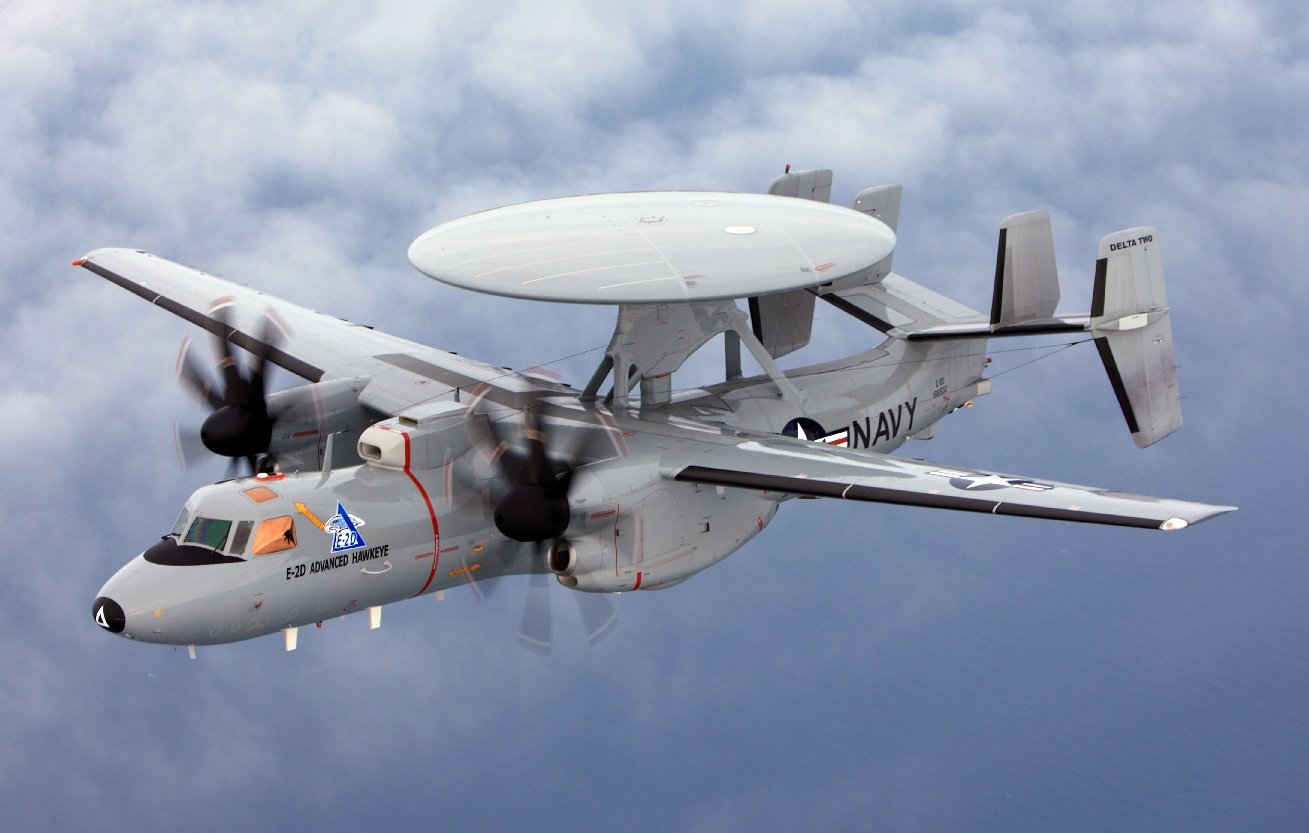 U.S. Navy Awards Northrop Grumman $1.2 Billion Deal for Three New E-2D Advanced Hawkeyes
-
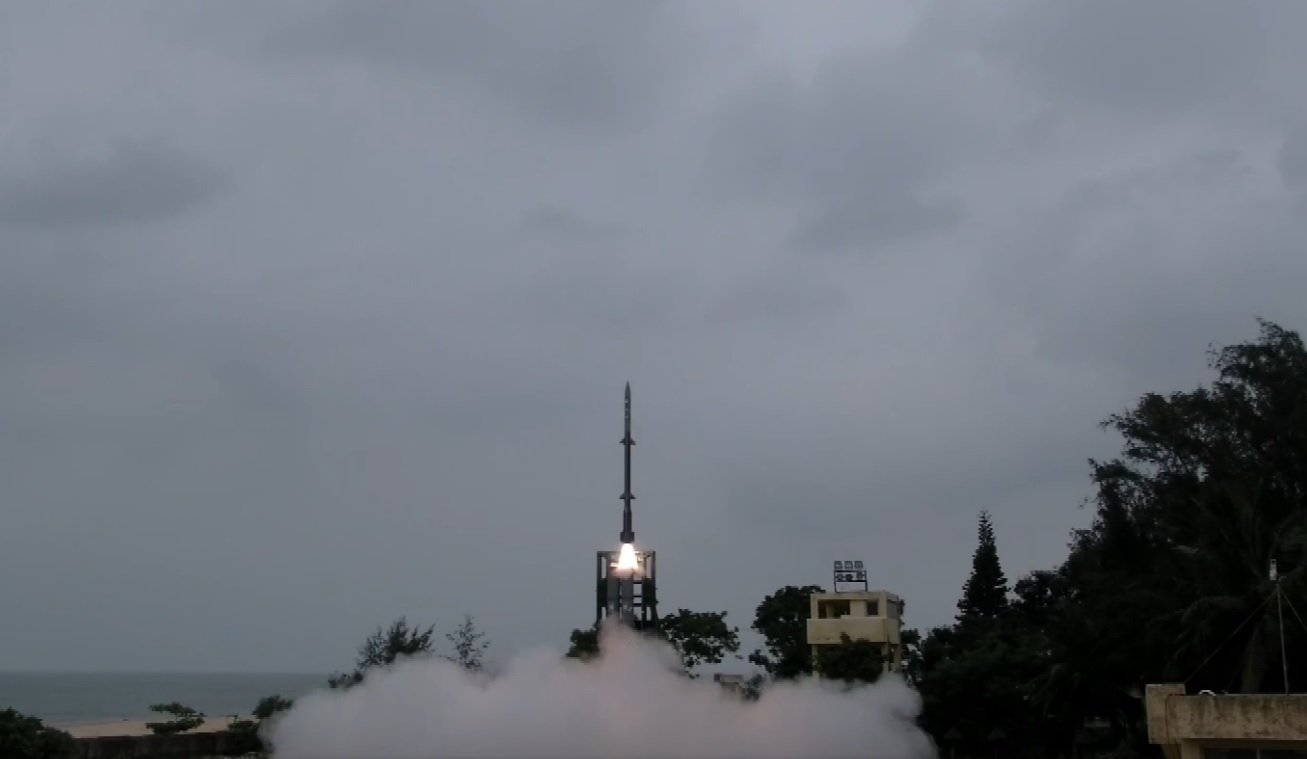 DRDO Successfully Conducts Maiden Flight Test of 150-km-Range Kusha M1 Air Defence Missile
-
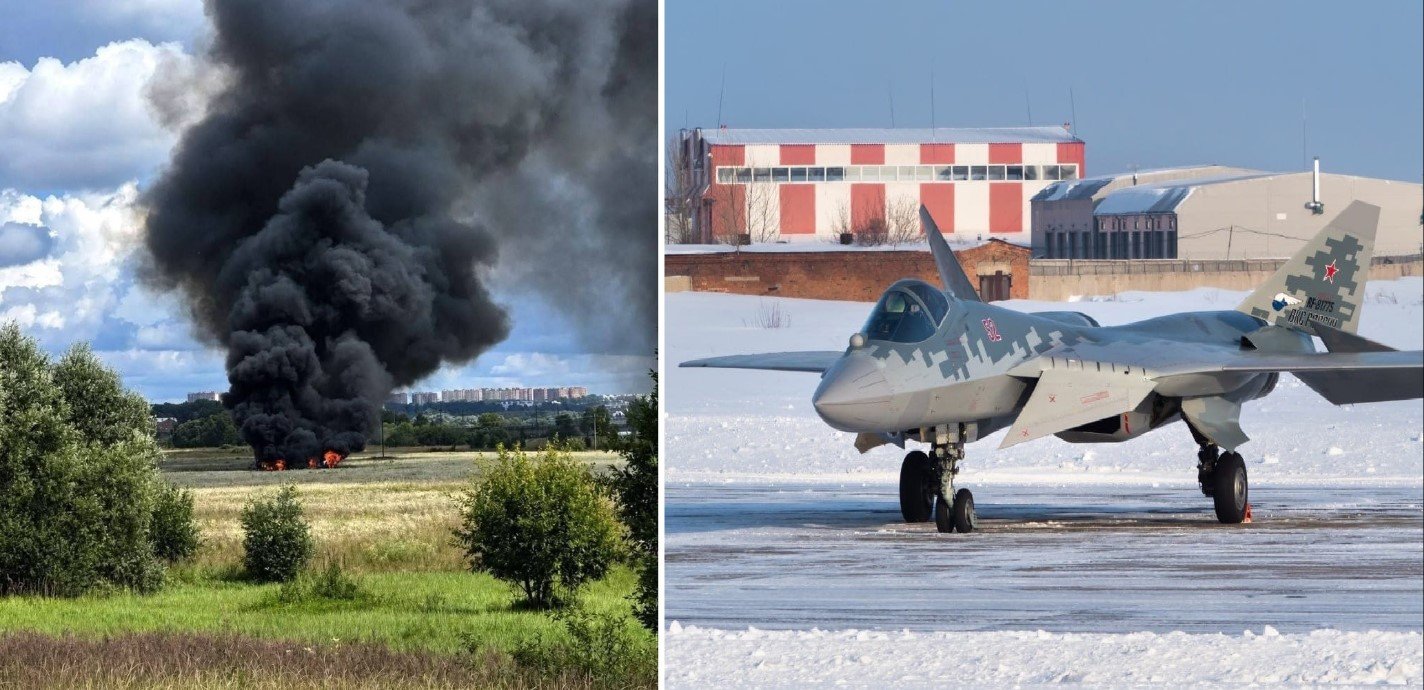 Russian Su-57 Stealth Fighter Crashes During Training Flight Near Moscow, Pilot Ejects Safely
-
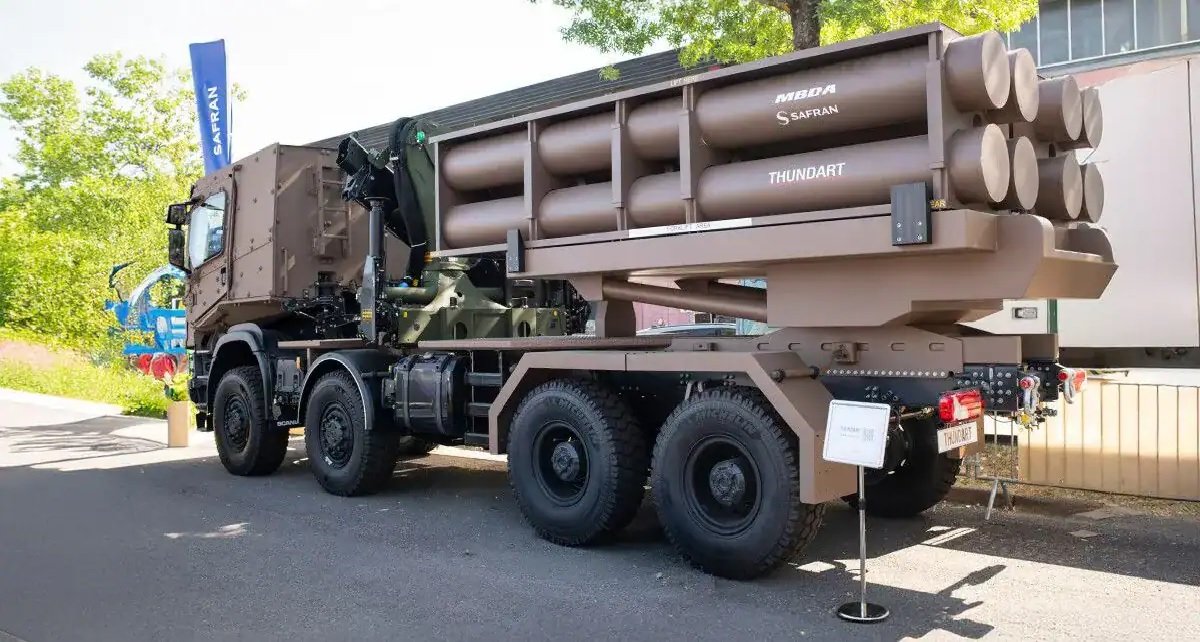 France's THUNDART Long-Range Rocket System May Undergo Prototype Combat Testing in Ukraine
-
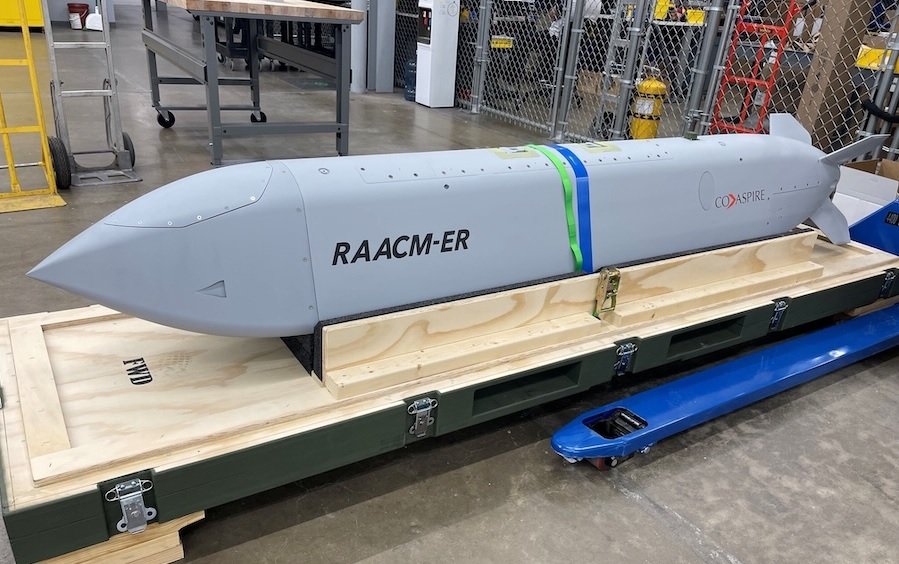 U.S. Navy Selects CoAspire to Build Ground-Launched CHAOS Cruise Missile Under $70 Million Program
-
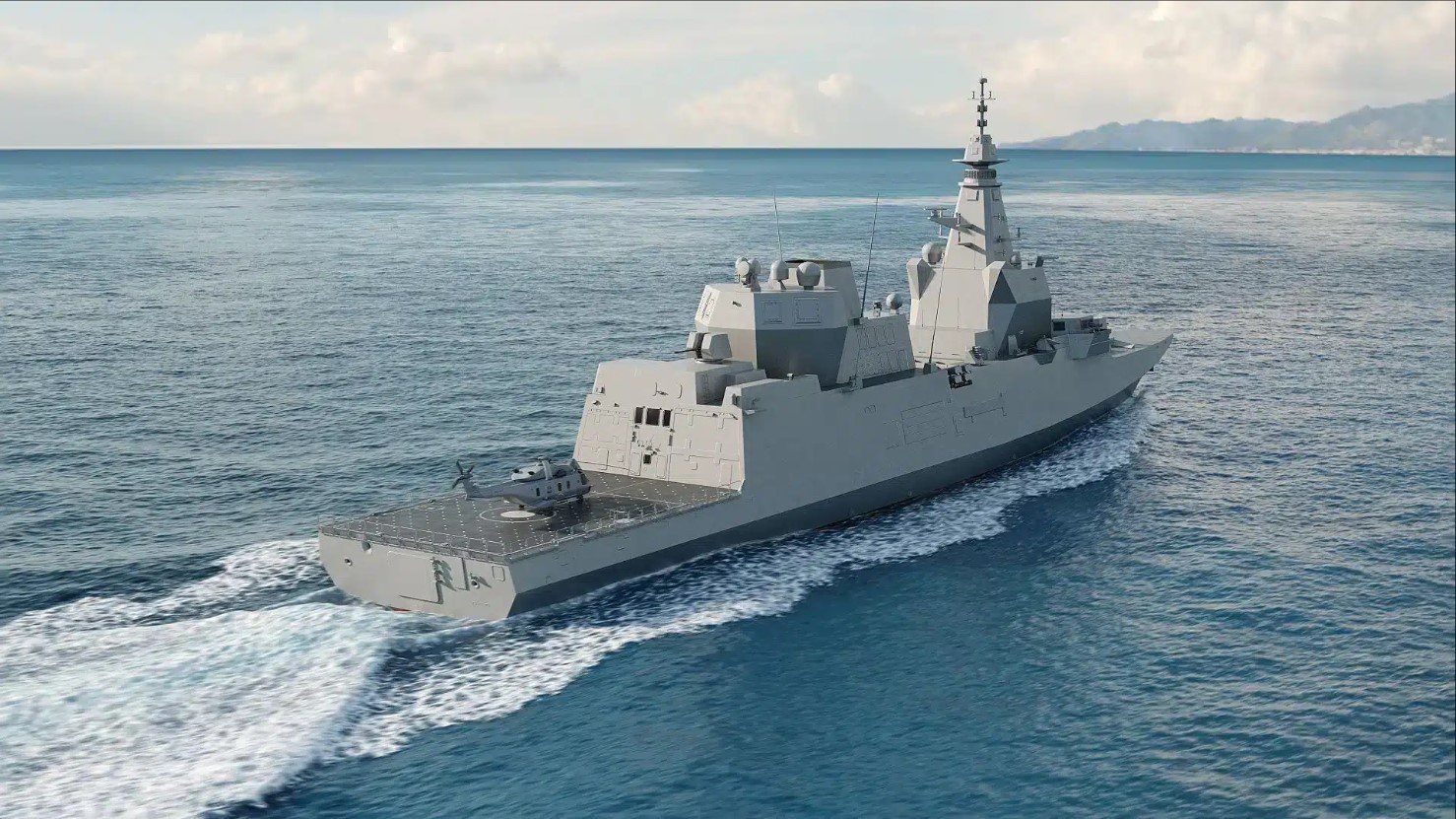 Portugal Orders Three FREMM EVO Frigates from Italy in €3.9 Billion Naval Deal
-
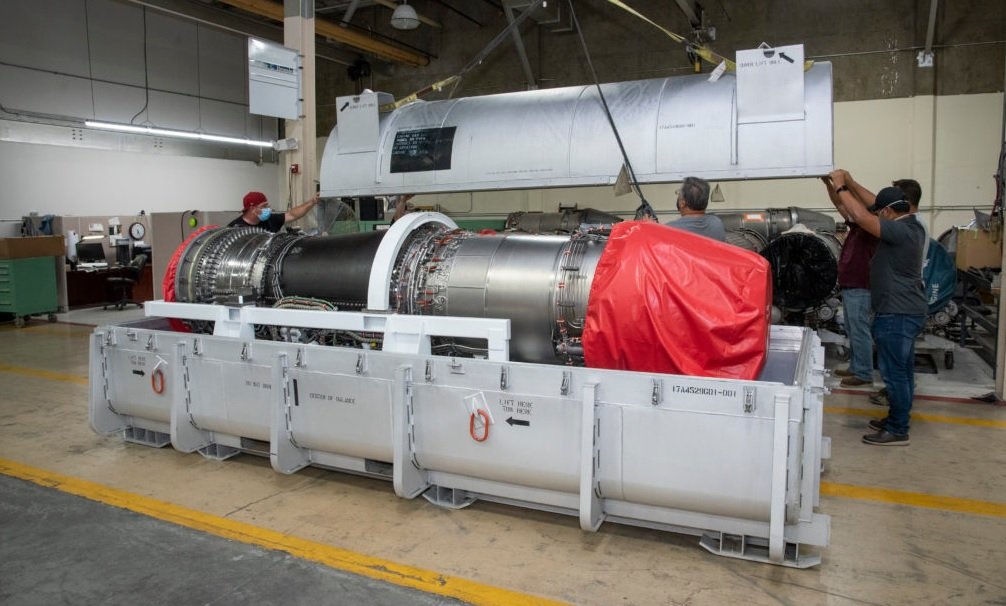 GE Aerospace and Magellan Aerospace Corporation Sign Strategic MoU for F414 Engine Sustainment in Canada
-
 Destinus Unveils Vorexon Interceptor Concept to Defend Critical Sites from Artillery Threats
Top Trending in 4 Days
-
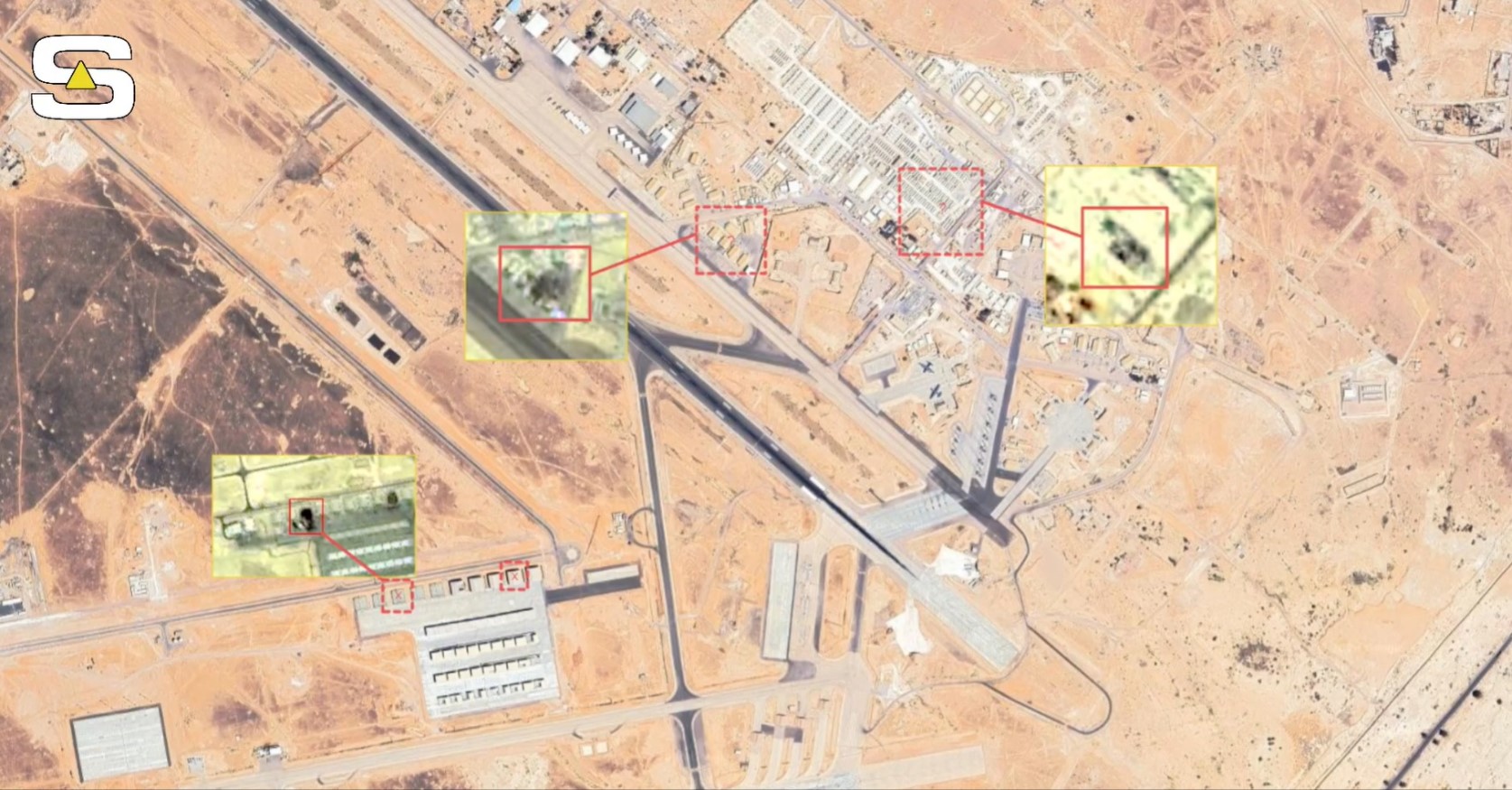 New Satellite Imagery Reveals Extensive Damage at Jordan's Muwaffaq al-Salti Air Base After Iranian Missile Strike
-
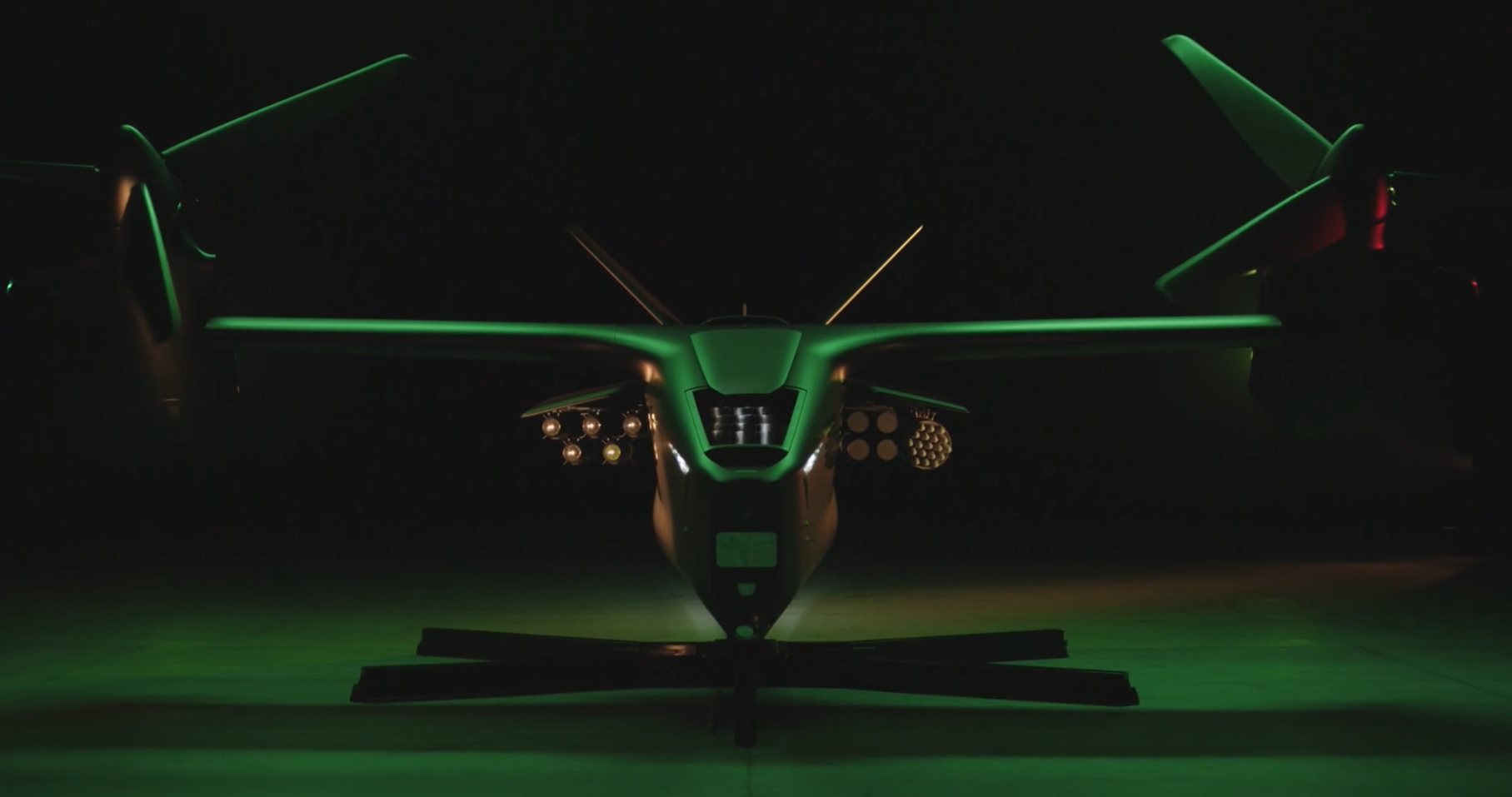 Anduril Unveils Thunder Autonomous Attack Rotorcraft Built with Archer Aviation to Support Apache Helicopters
-
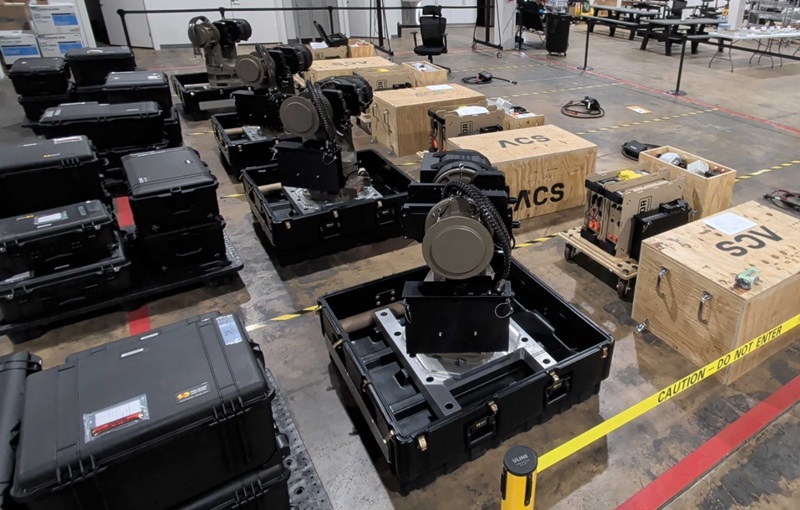 U.S. Marine Corps Selects AI-Powered Bullfrog Weapon Station for L-MADIS Counter-Drone Platform
-
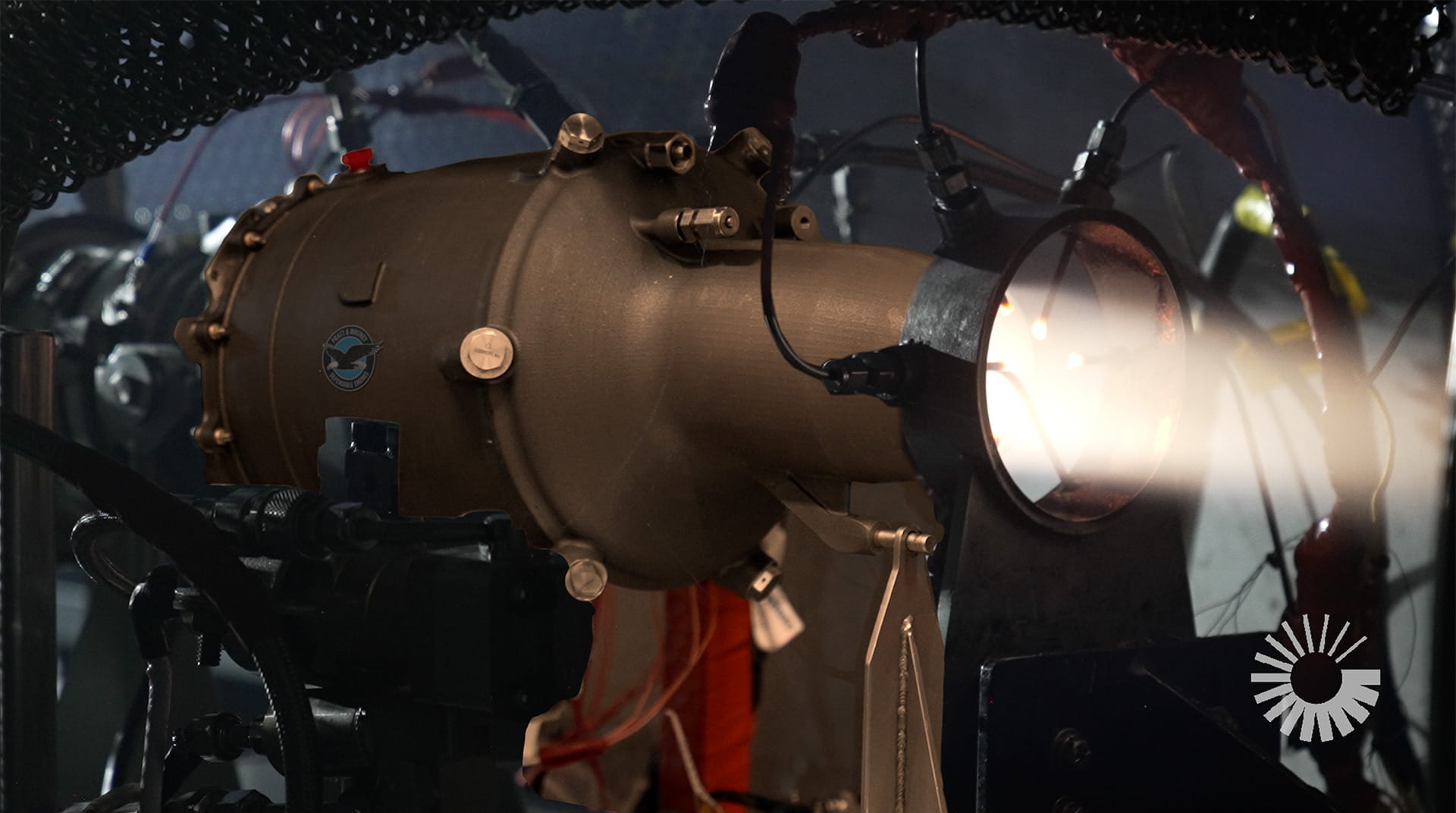 Pratt & Whitney Completes Testing of 3D-Printed TJ150 Engine for Military Applications
-
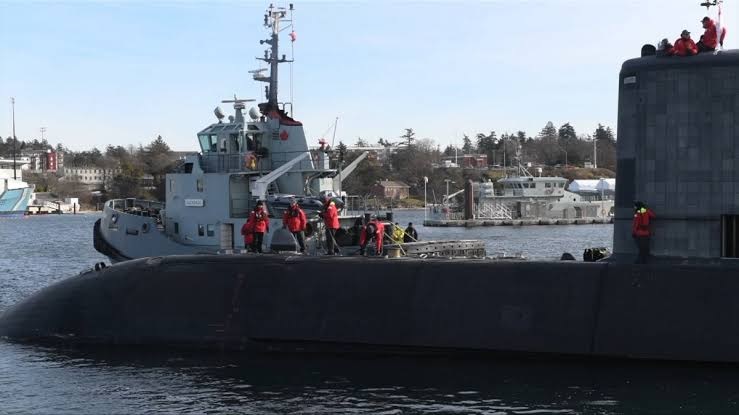 Canada Awards Babcock $1.1 Billion Six-Year Contract Extension to Support Victoria-Class Submarine Fleet
-
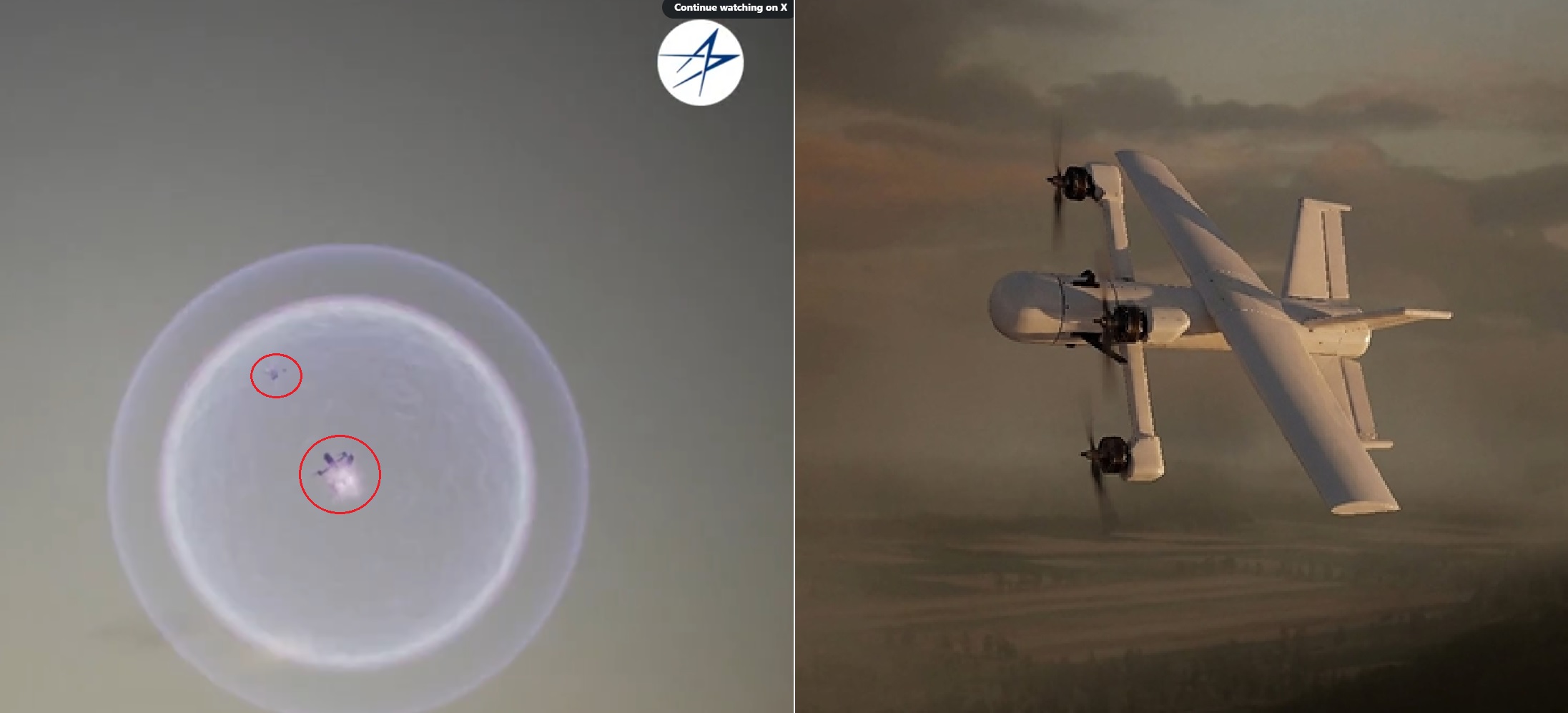 Lockheed Martin Unveils MORFIUS X-Rotor High-Power Microwave System That Can Neutralize 50+ Drones in One Flight
-
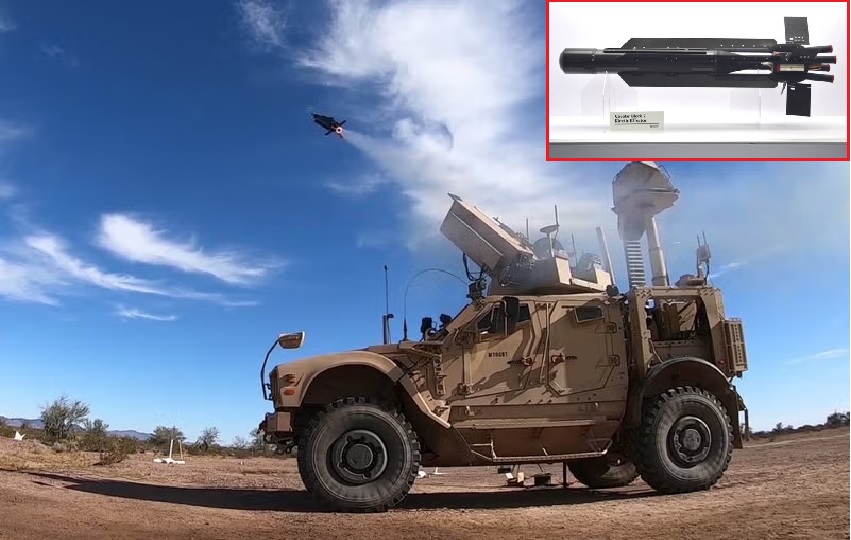 Raytheon Ramps Up Coyote Counter-Drone Missile Production After U.S. Army Reports 600 Successful Combat Intercepts During Iran Conflict
-
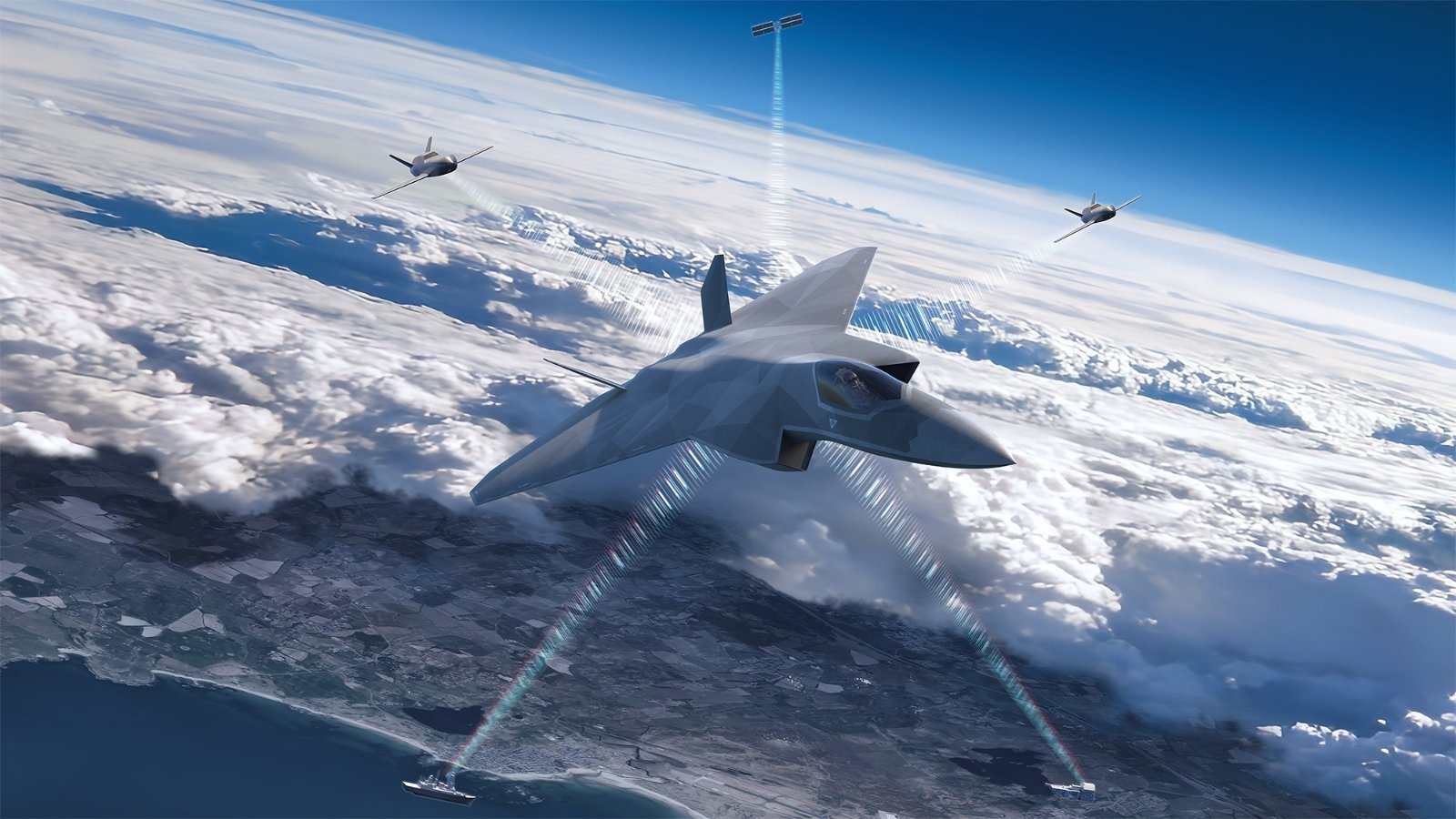 UK Awards BAE Systems £708 Million Contract Extension to Advance GCAP Sixth-Generation Combat Air Technologies
